First time ever to the Maritimes. Amazing place, loved it. It was a particularly rainy stretch of a particularly rainy summer, but so what? Part of the beauty.
Something of a challenge for photography, though. Cloudy skies can look dull; there were no shadows to add drama; and “golden hour” and “blue hour” were non-existent. Again, doesn’t matter, it was gorgeous and I hope some of that comes through in the photos.
Section 1: No Bugs!
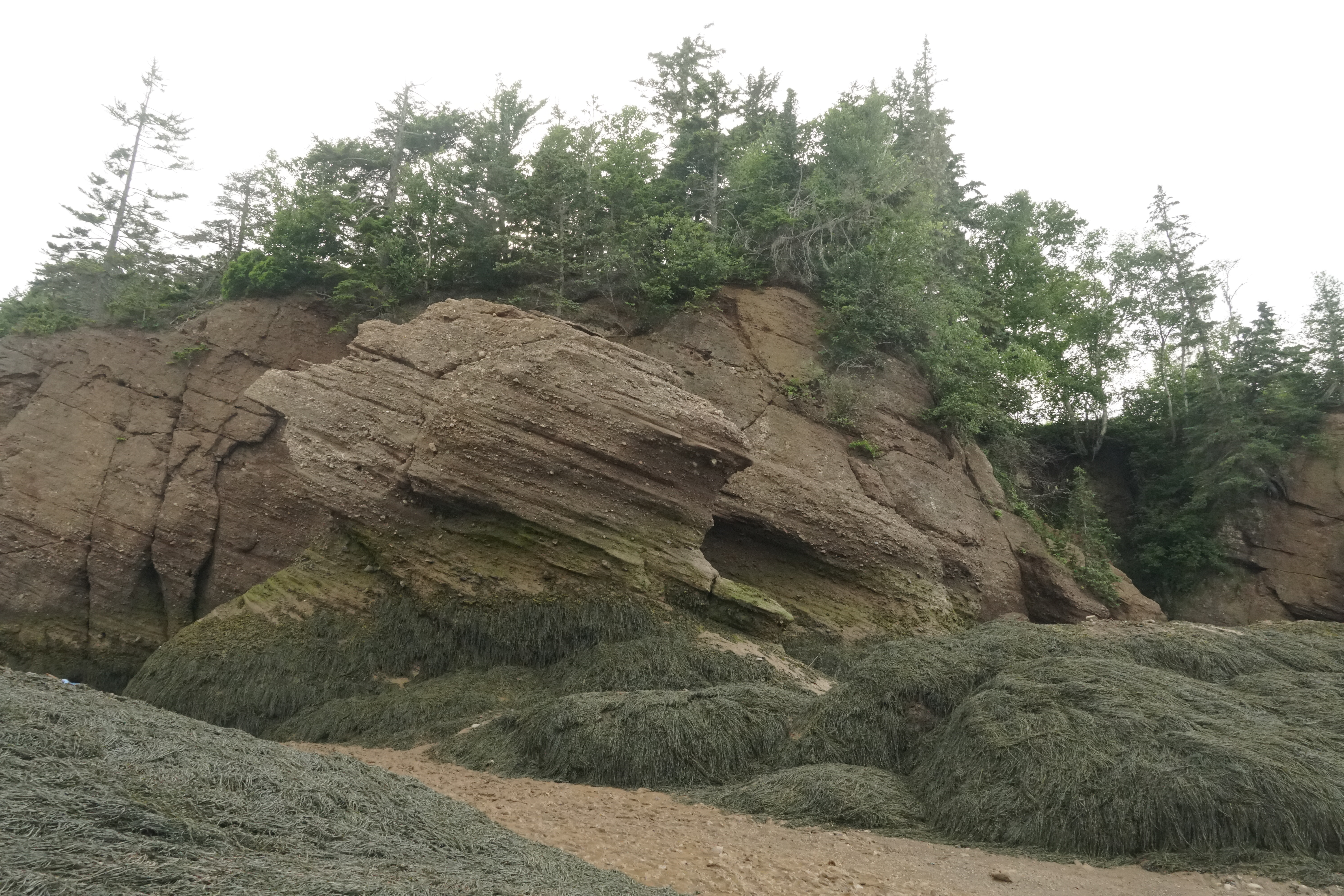
Hopewell Rocks, Bay of Fundy

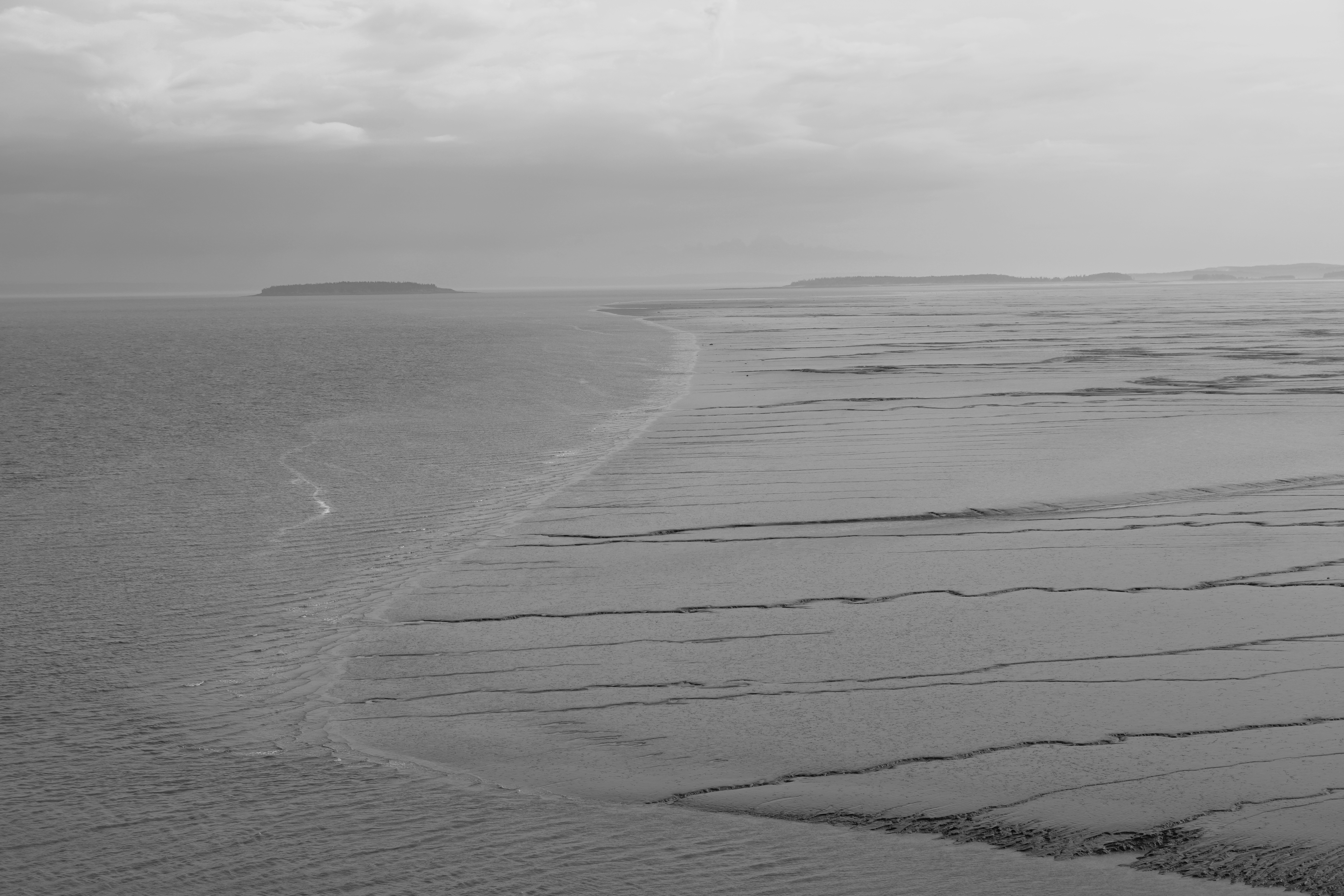

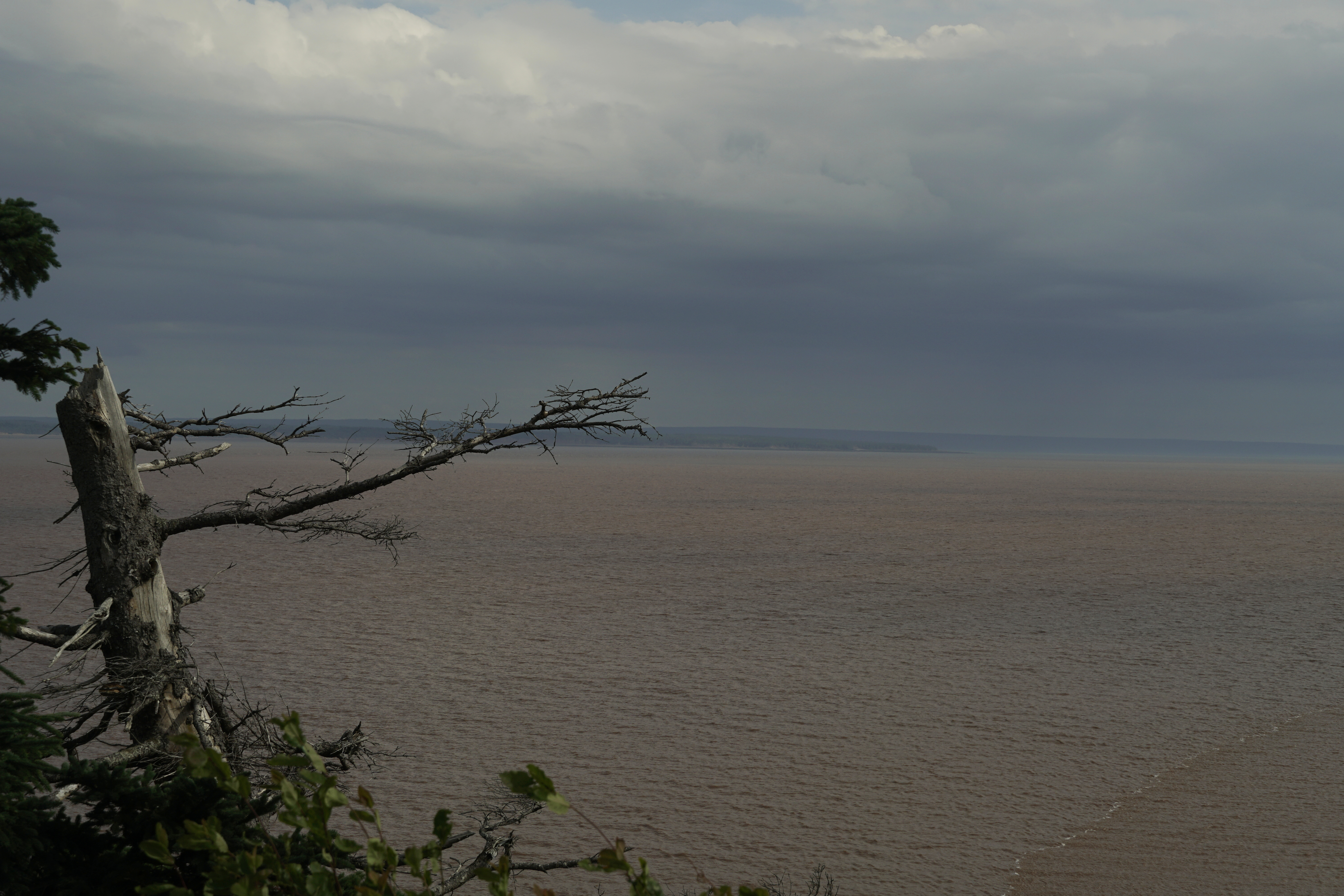
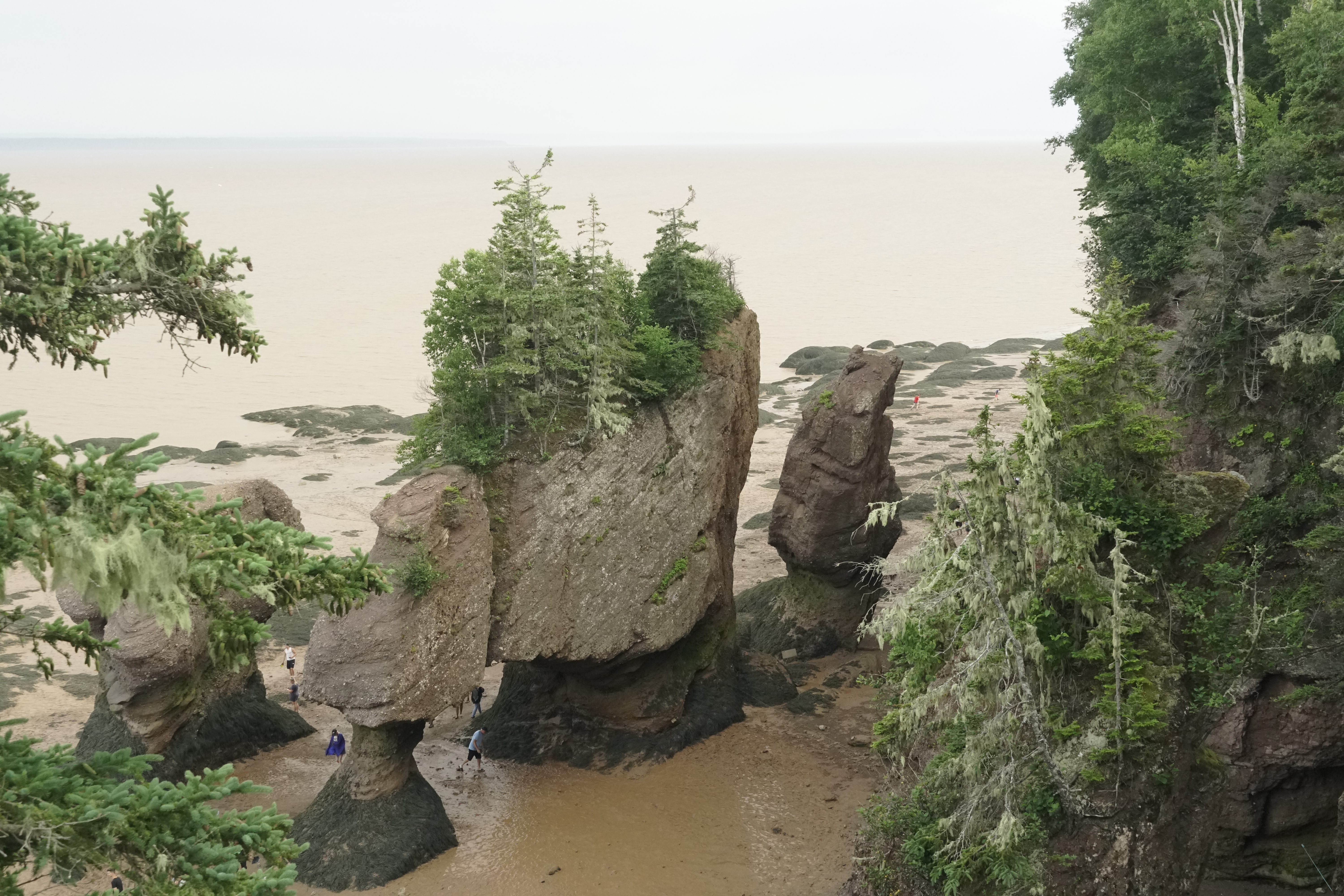
Some interesting geography behind the inclined layers?

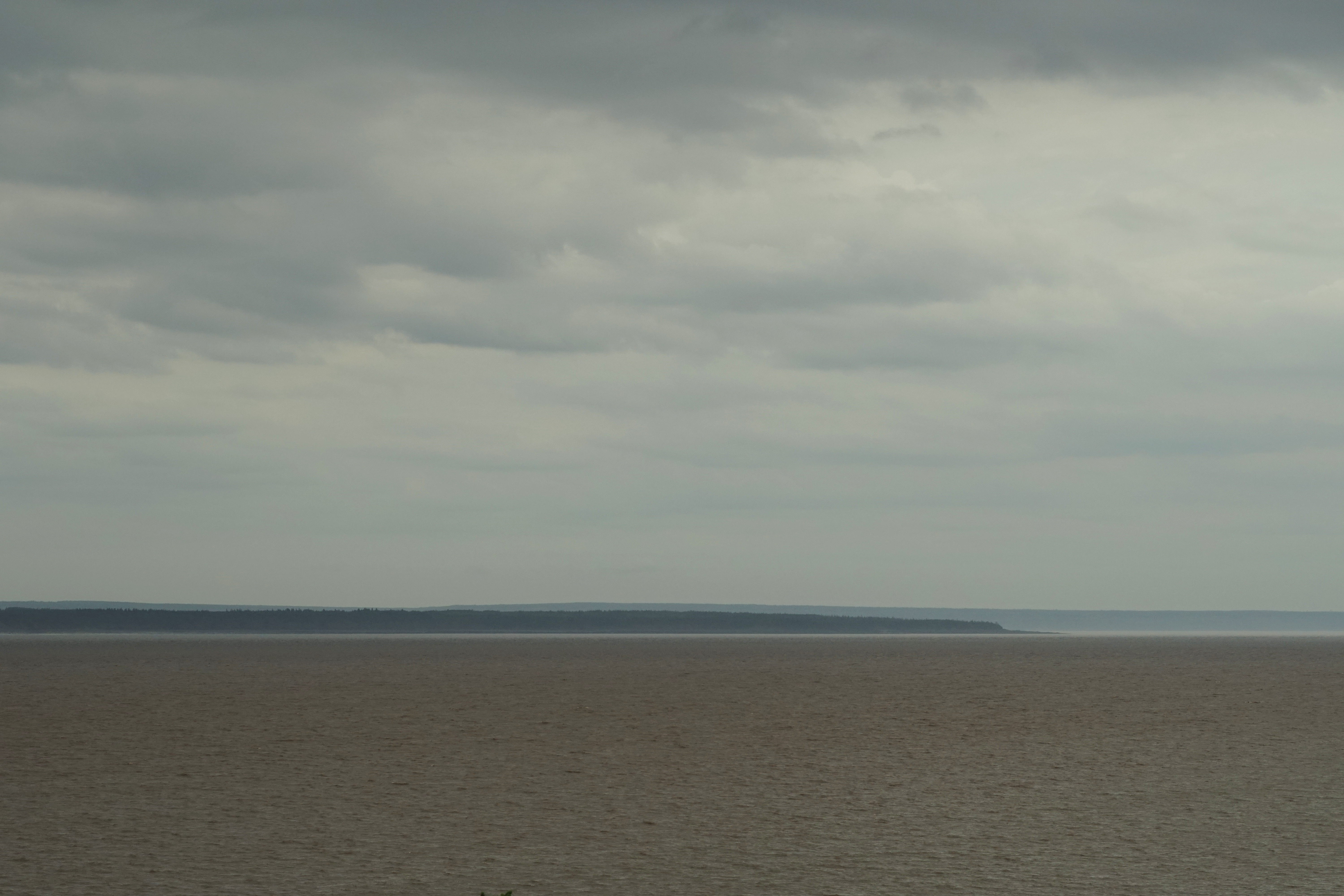

Walton Glen and Fundy Parkway
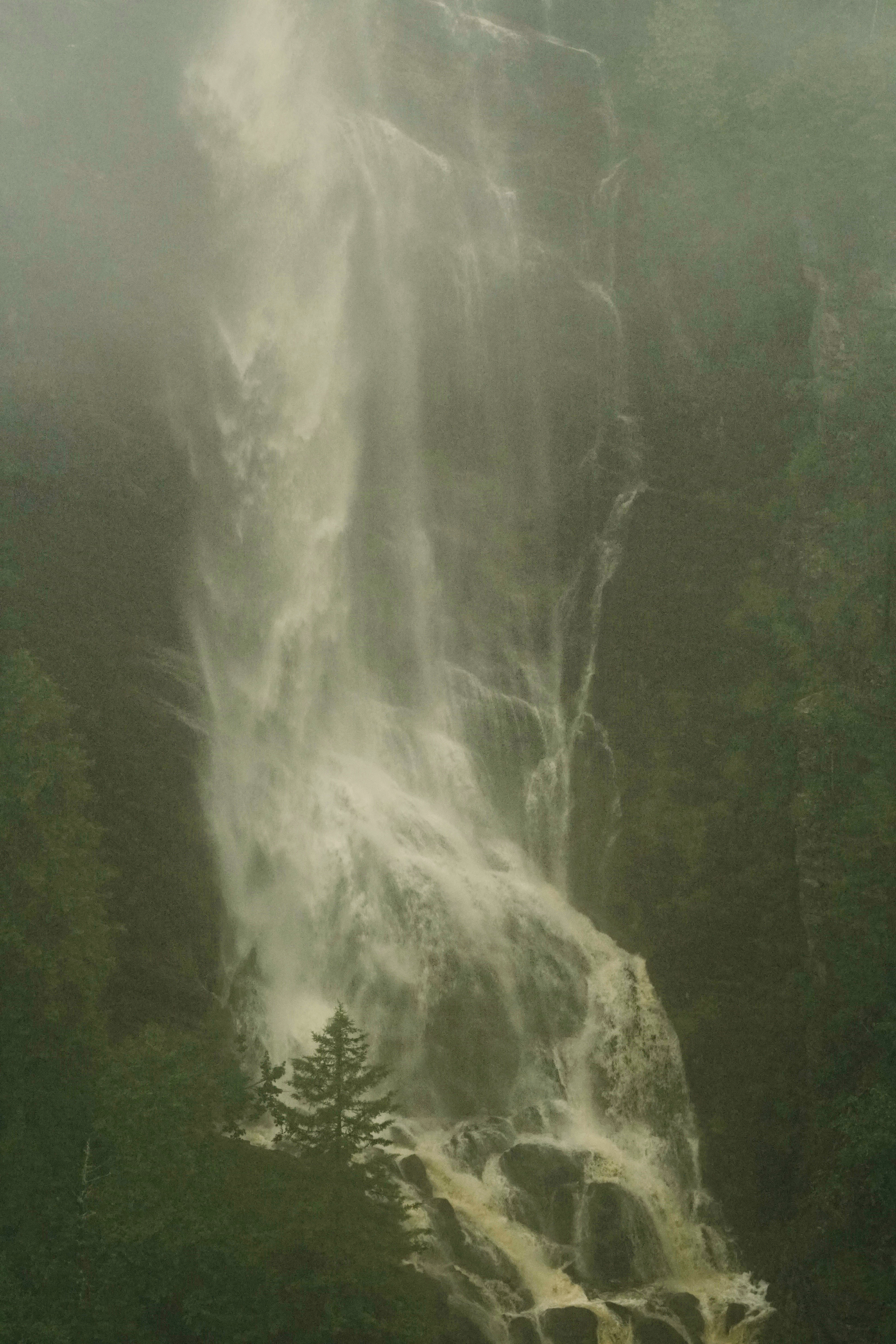
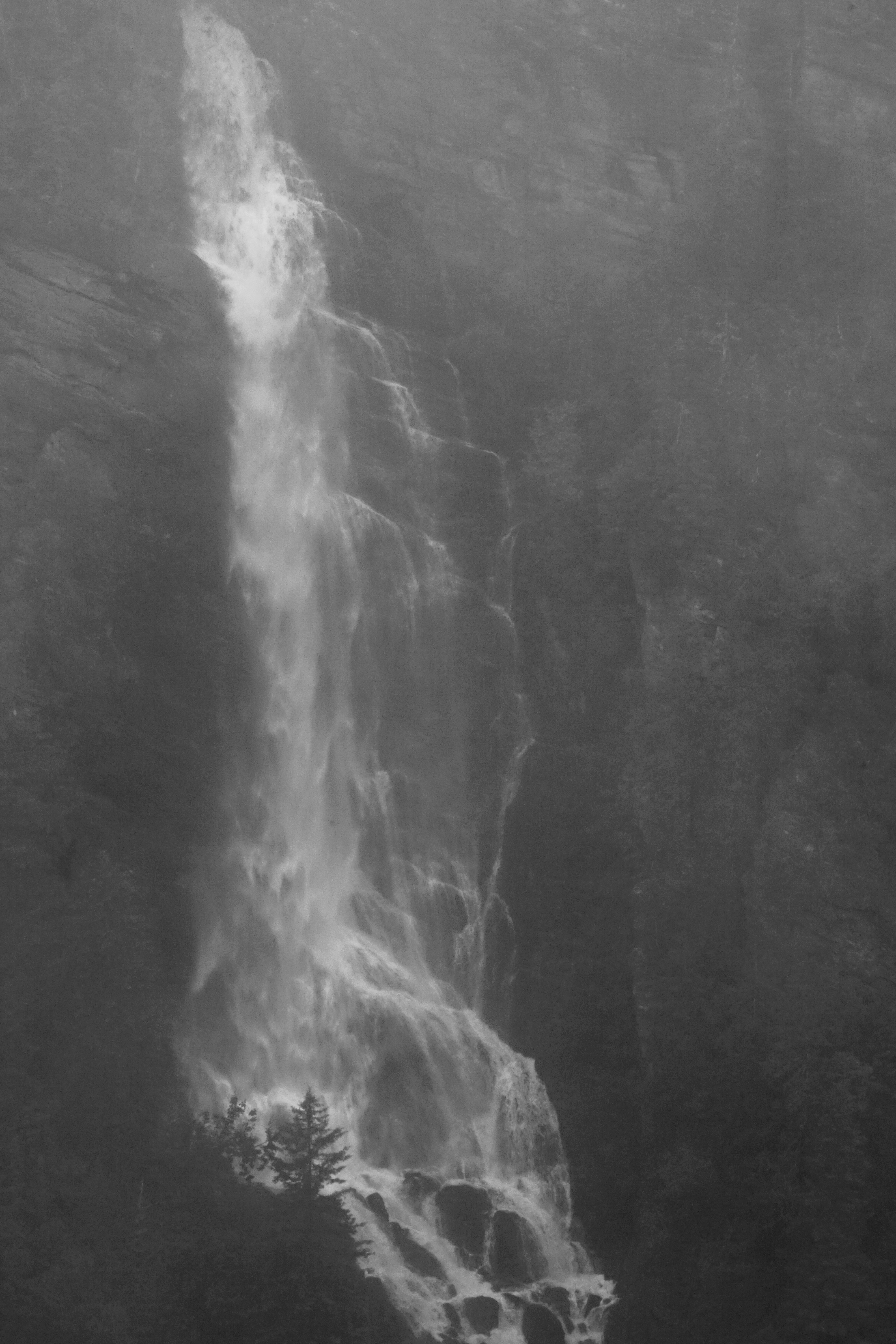
Walton Glen: an amazing waterfall vista!
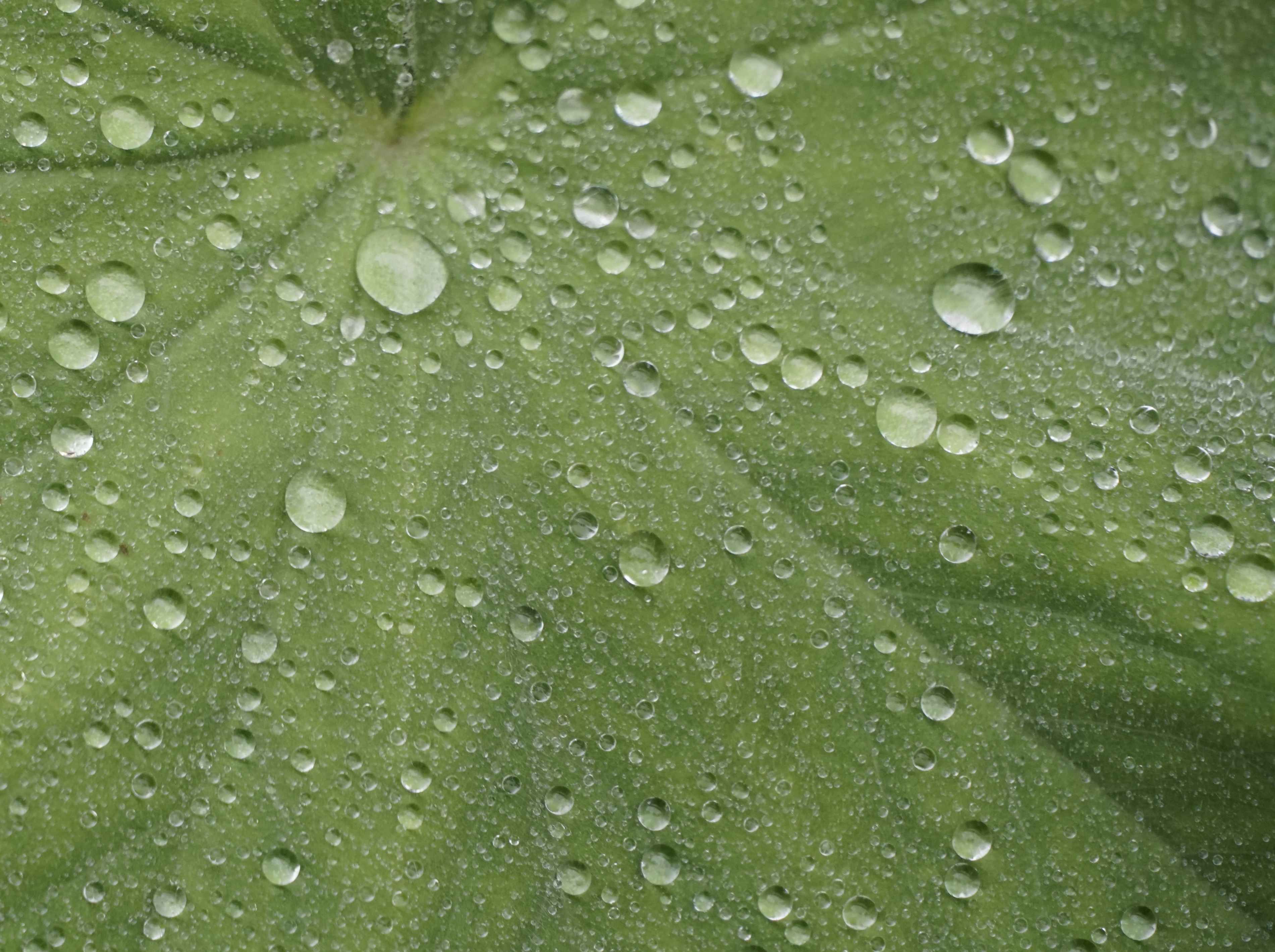


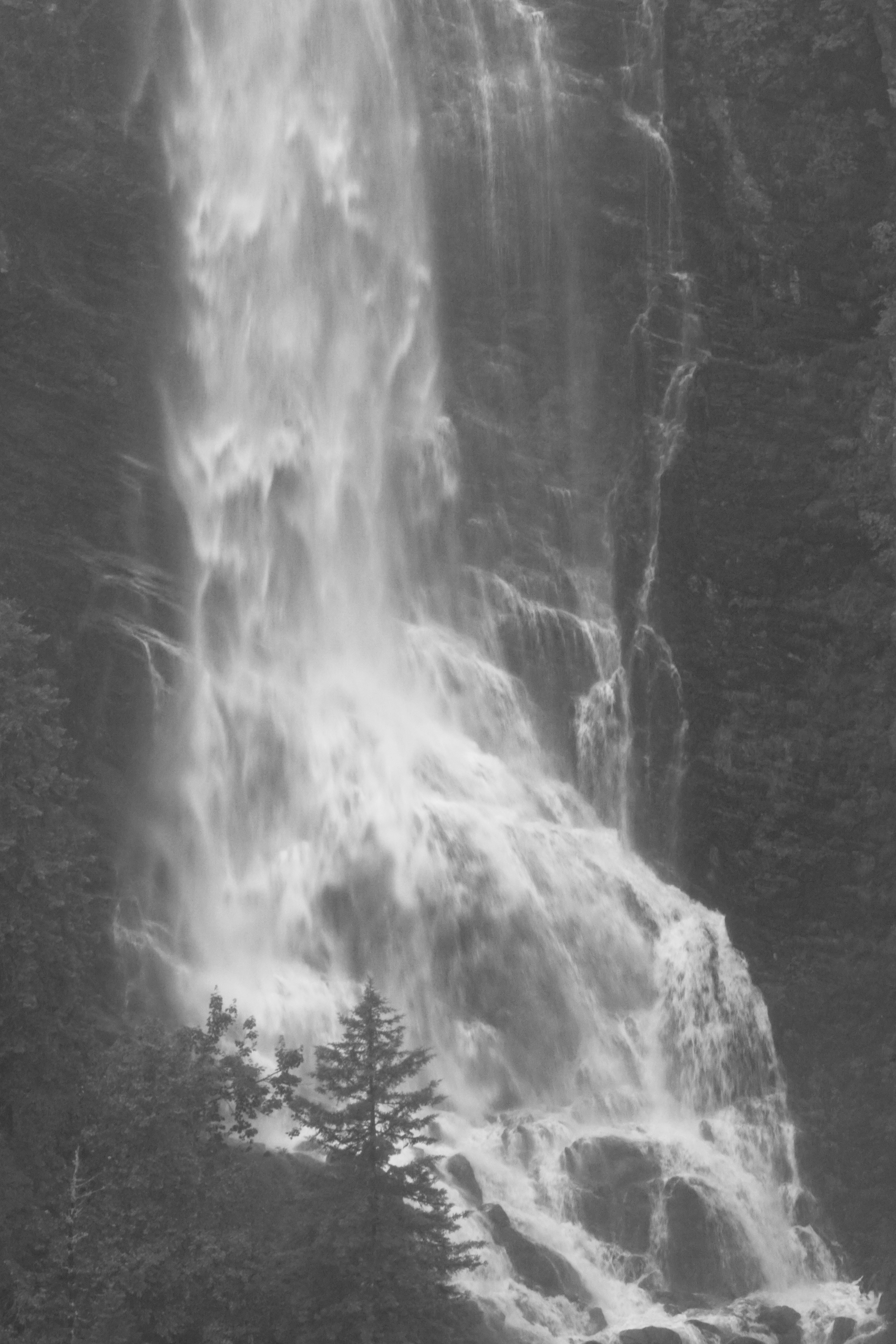



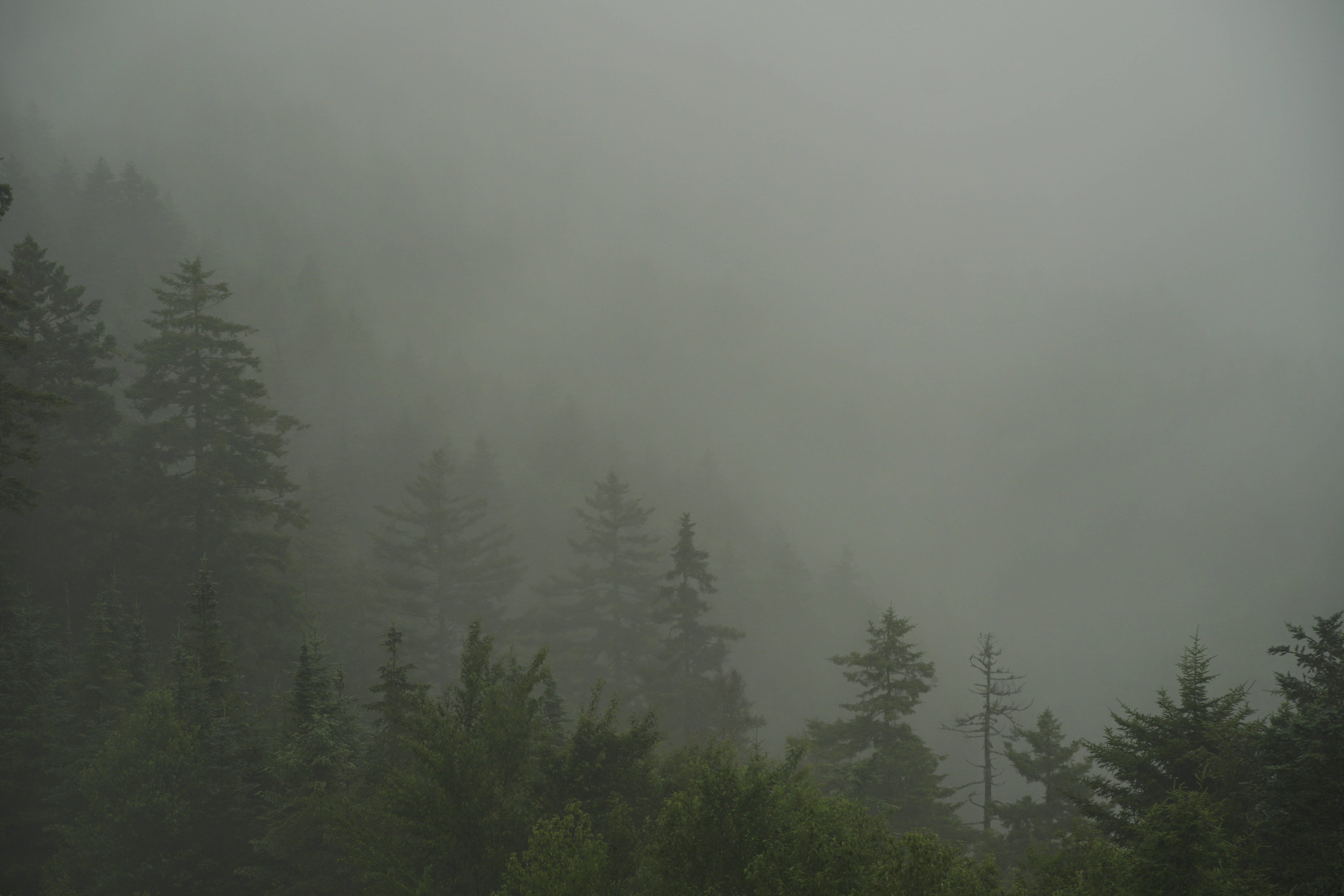
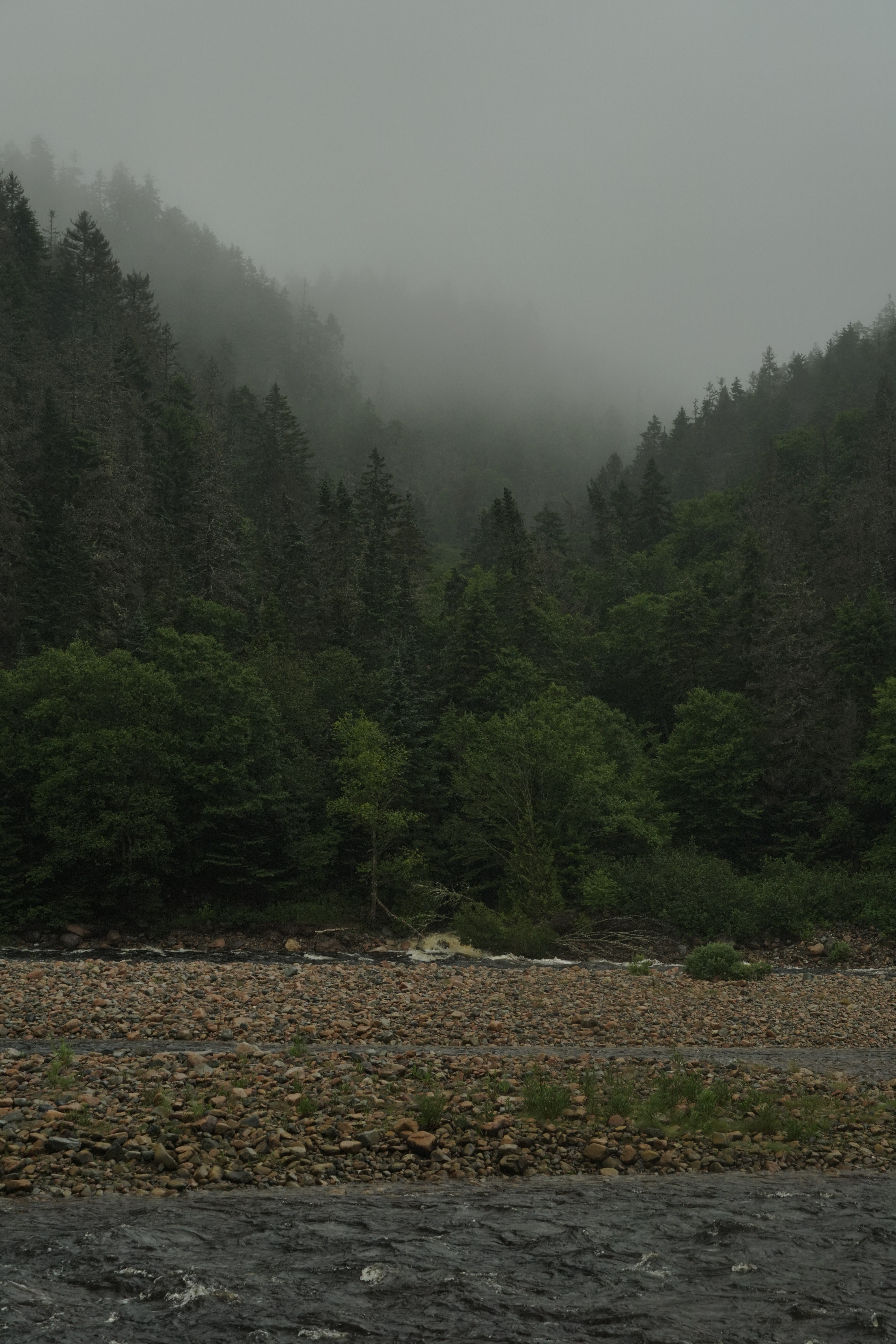

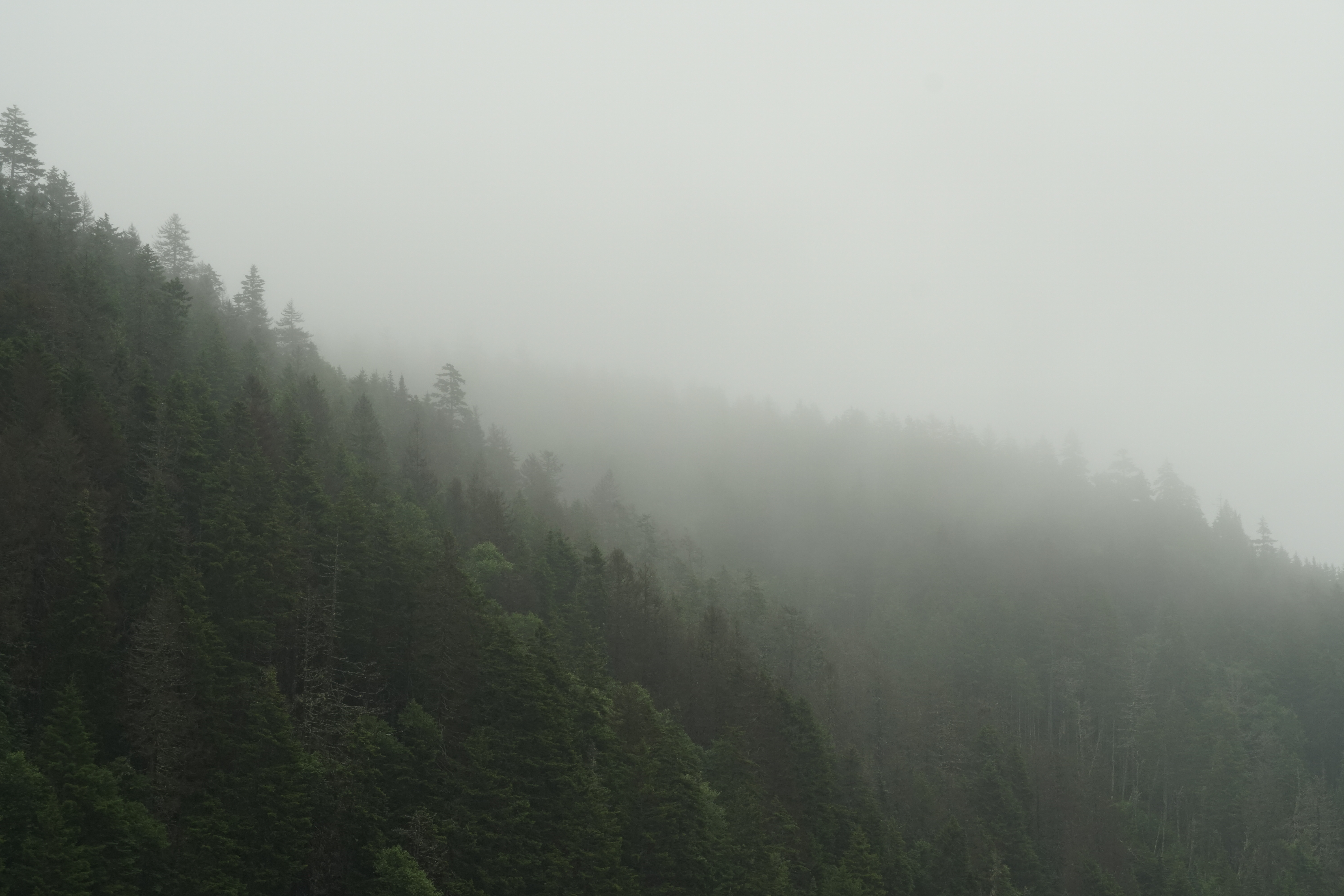
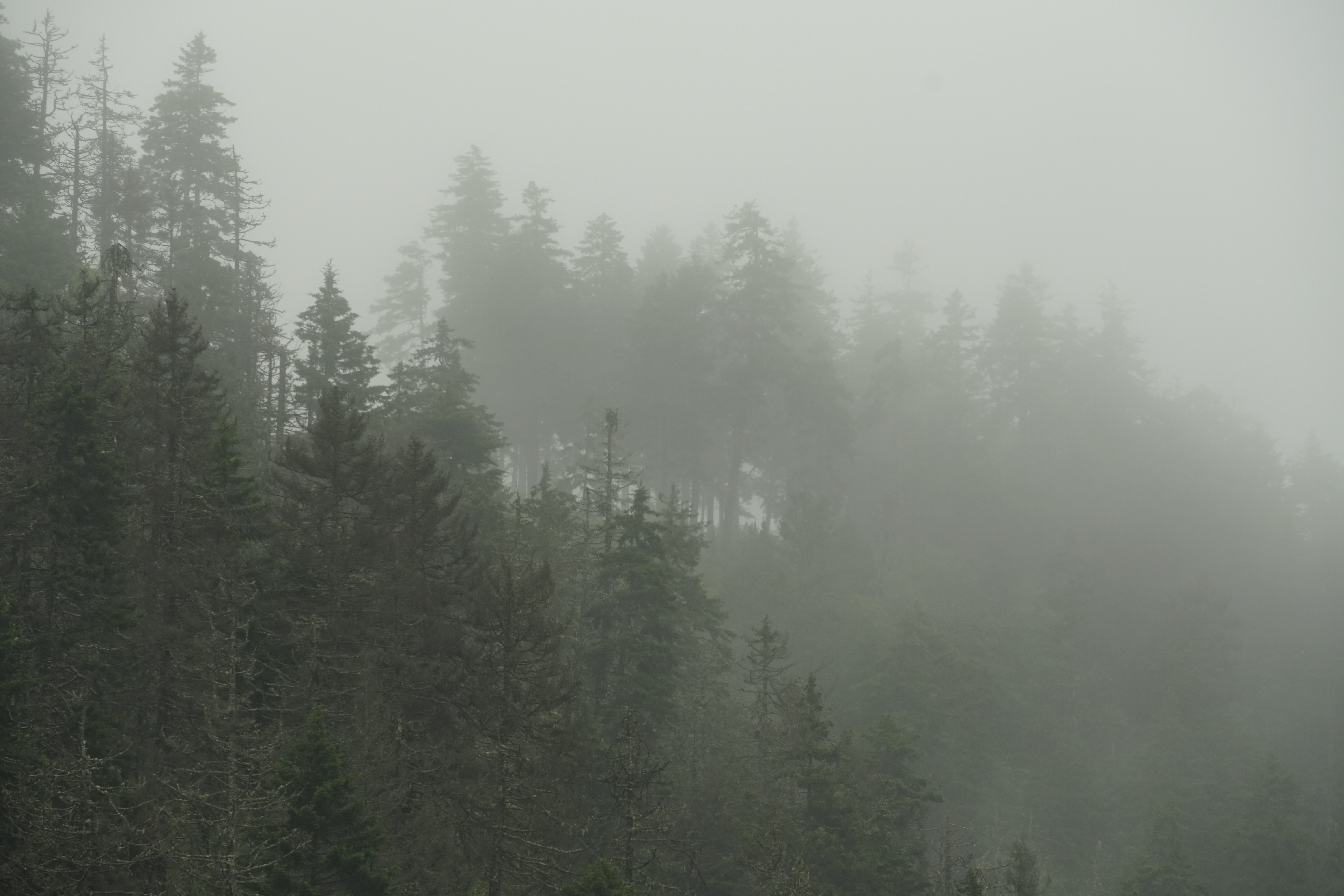
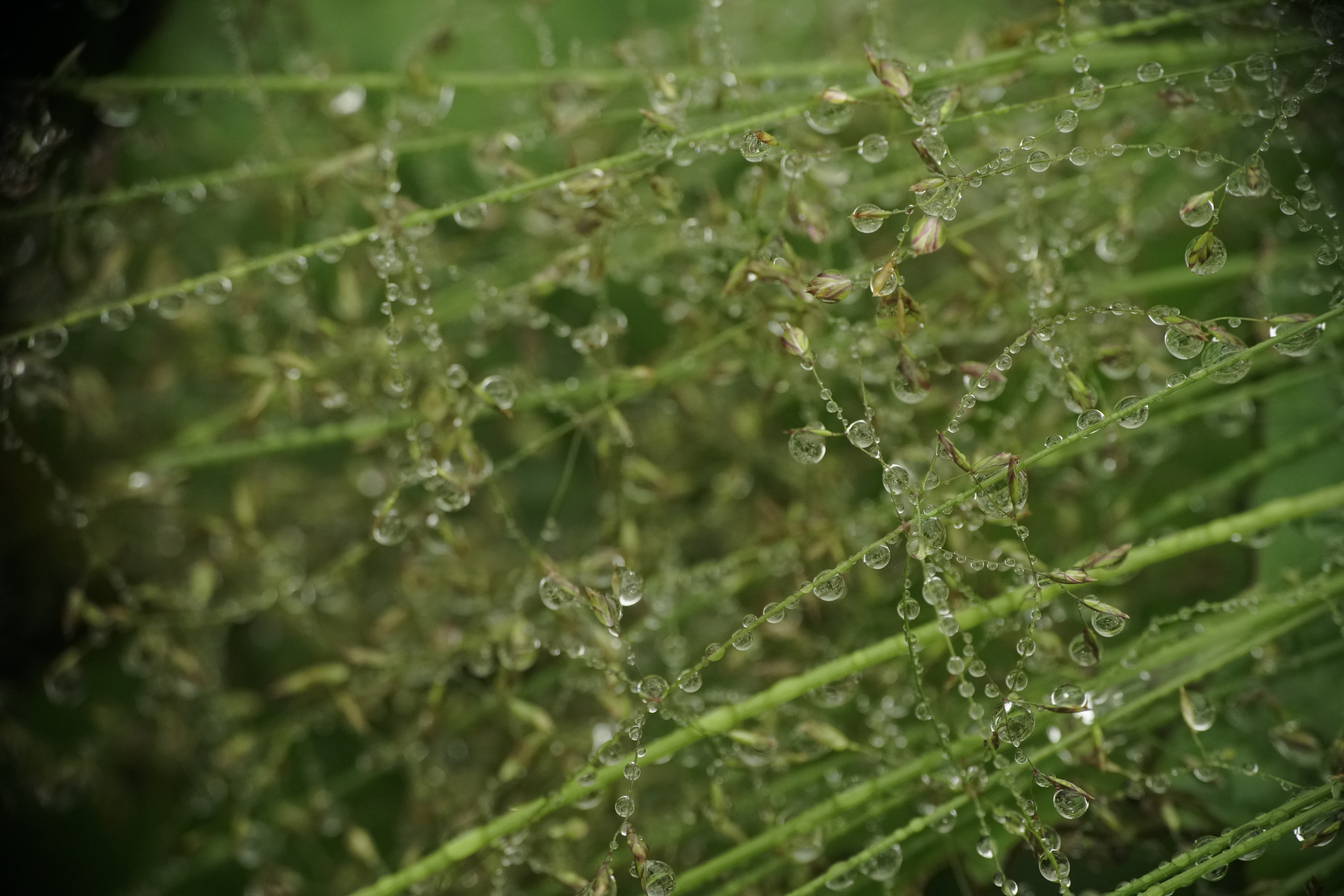
Cabot Trail

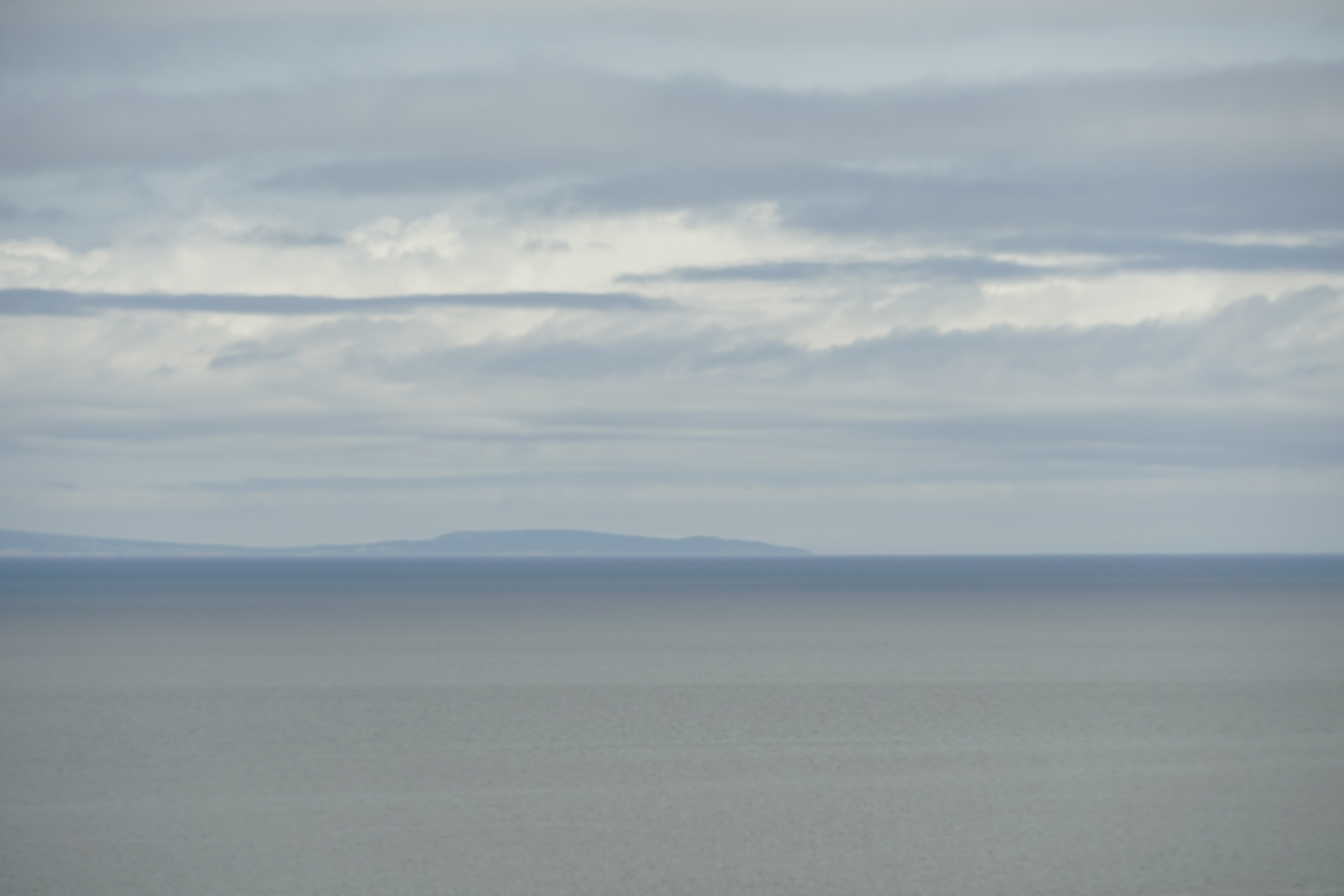
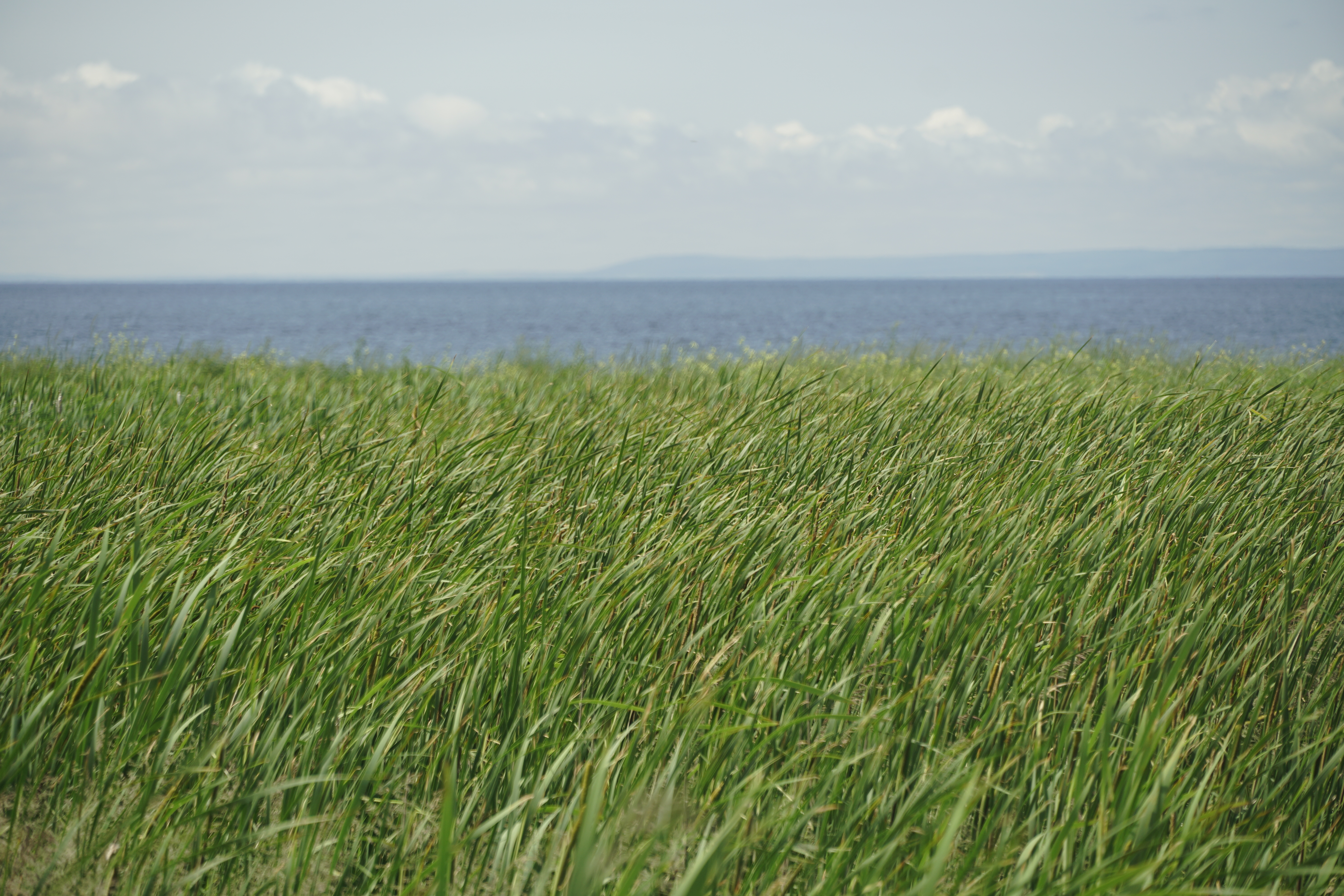
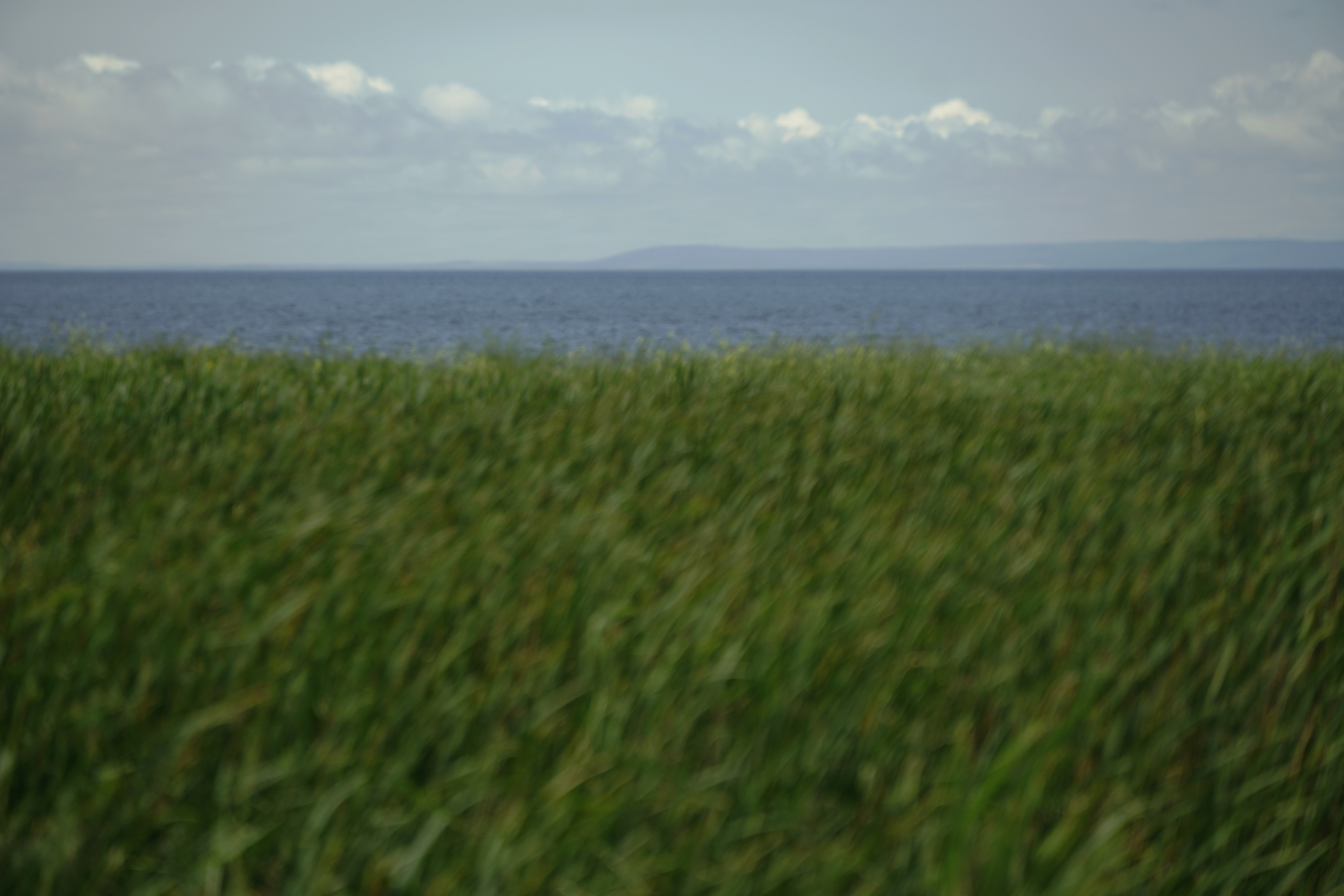
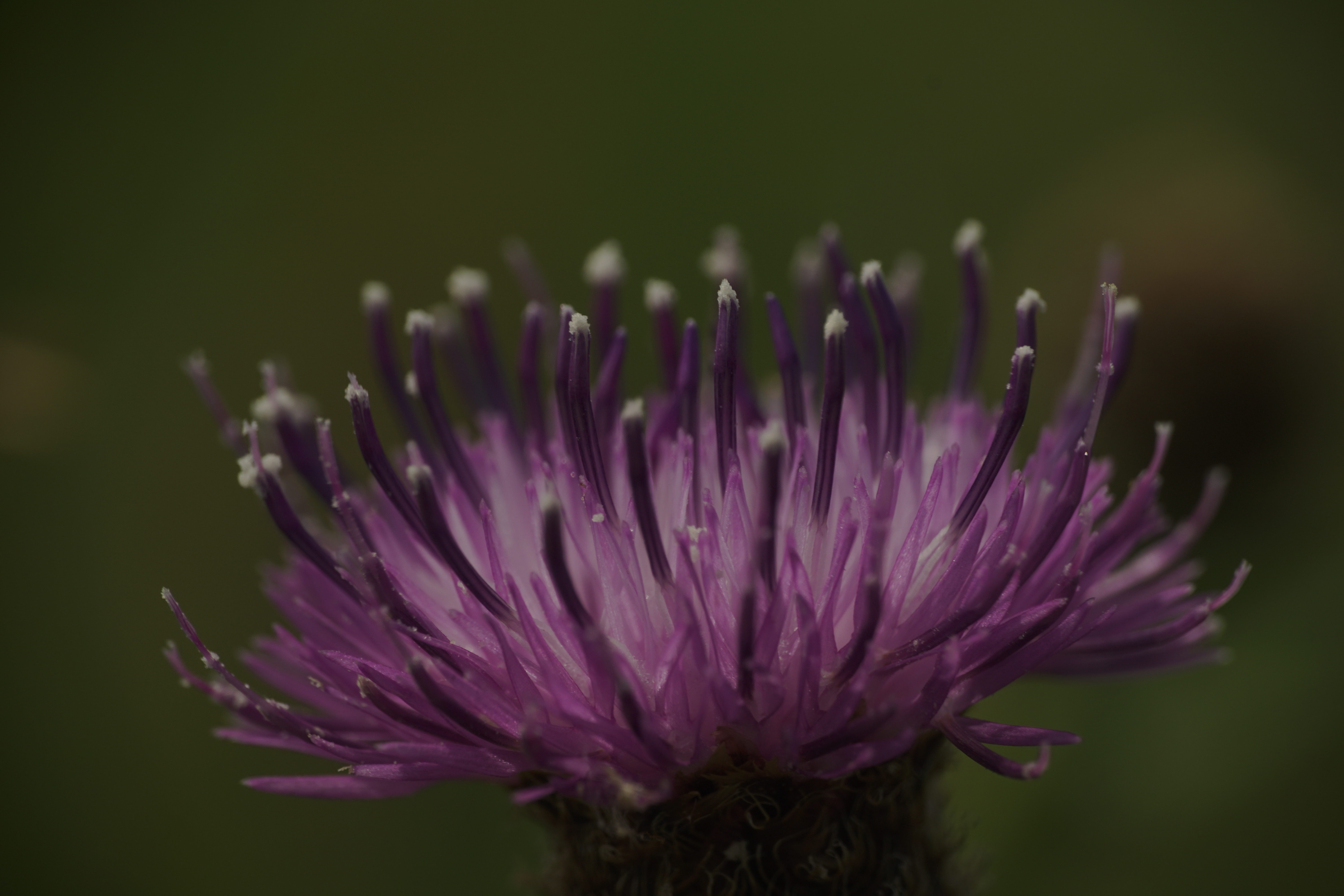

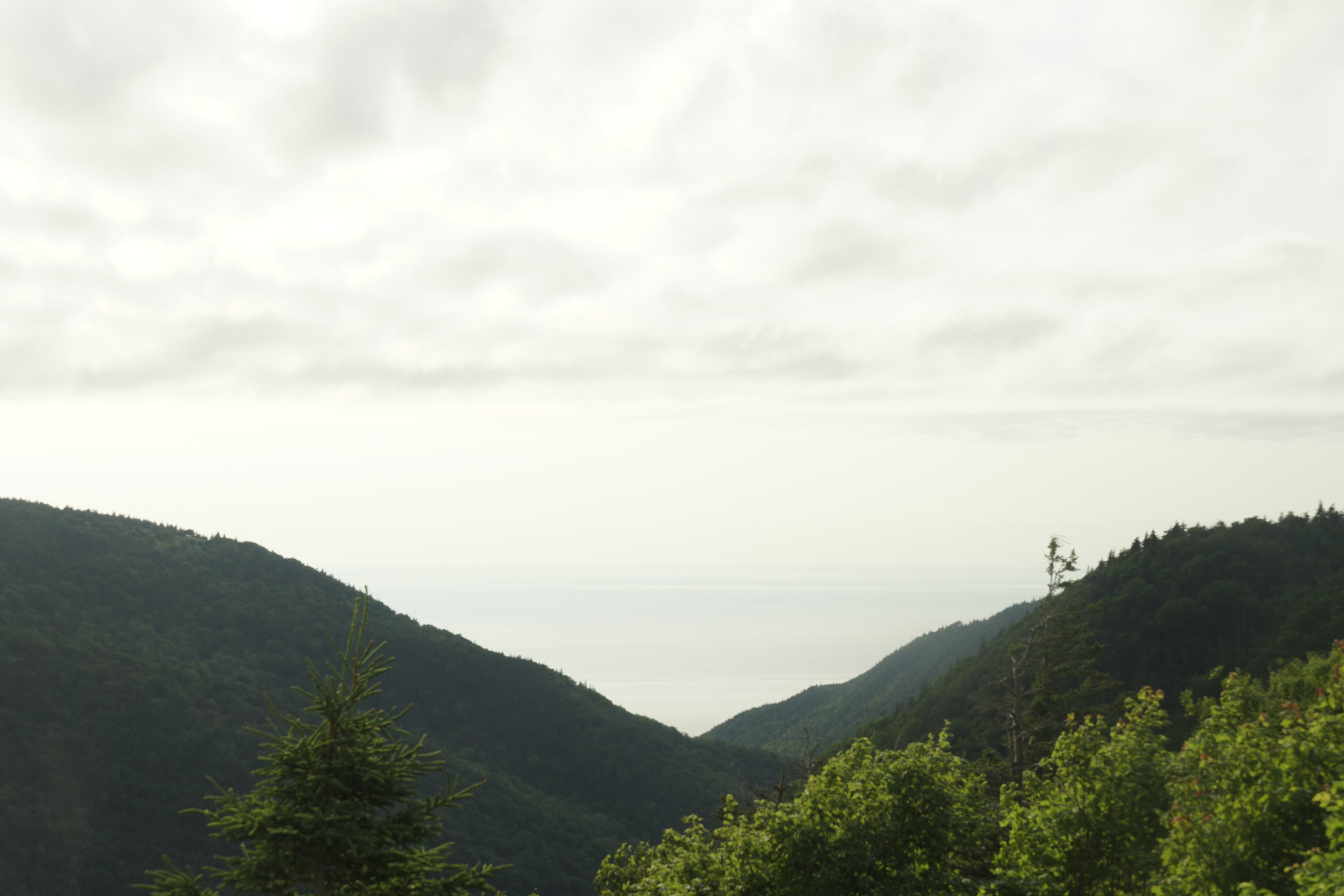

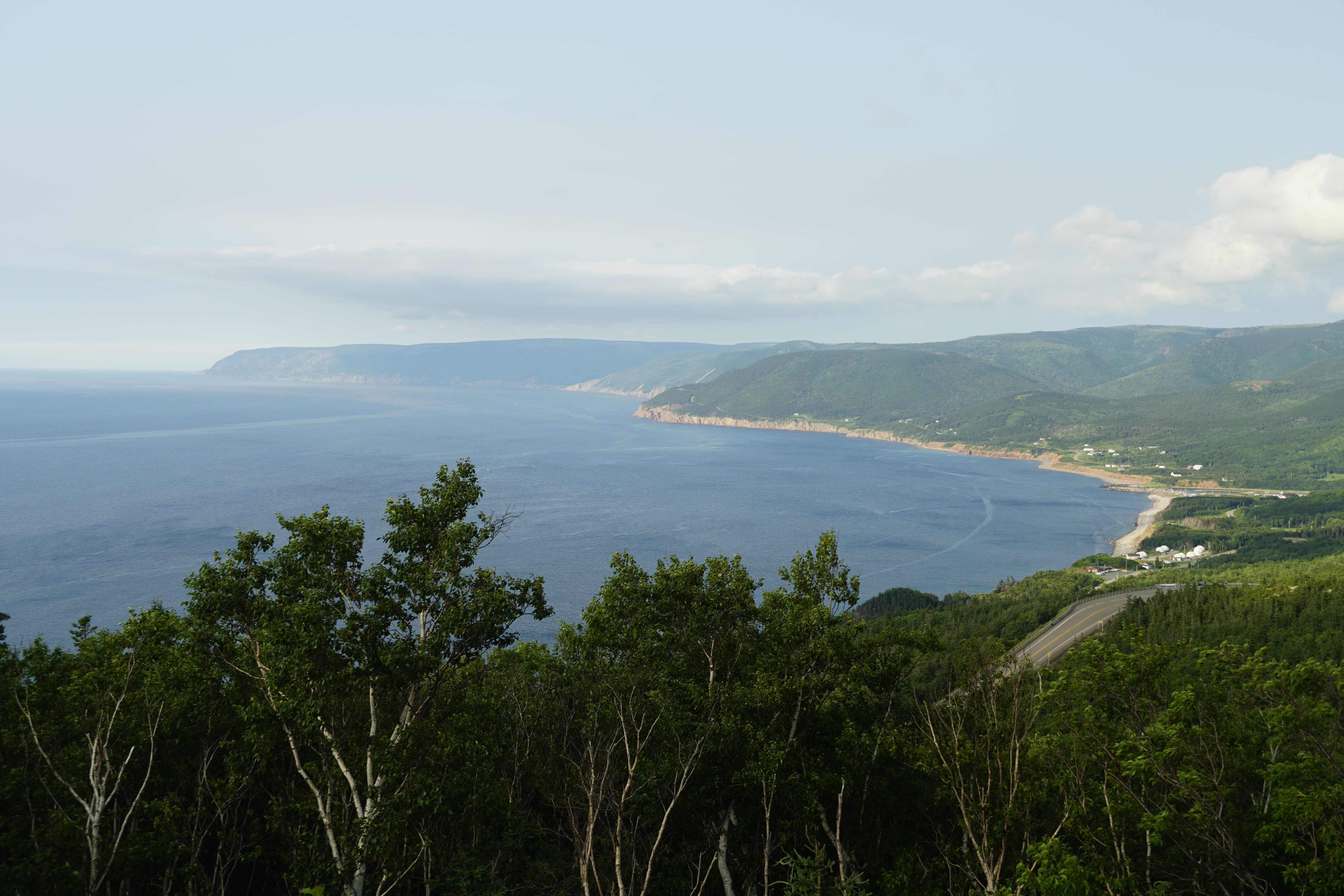
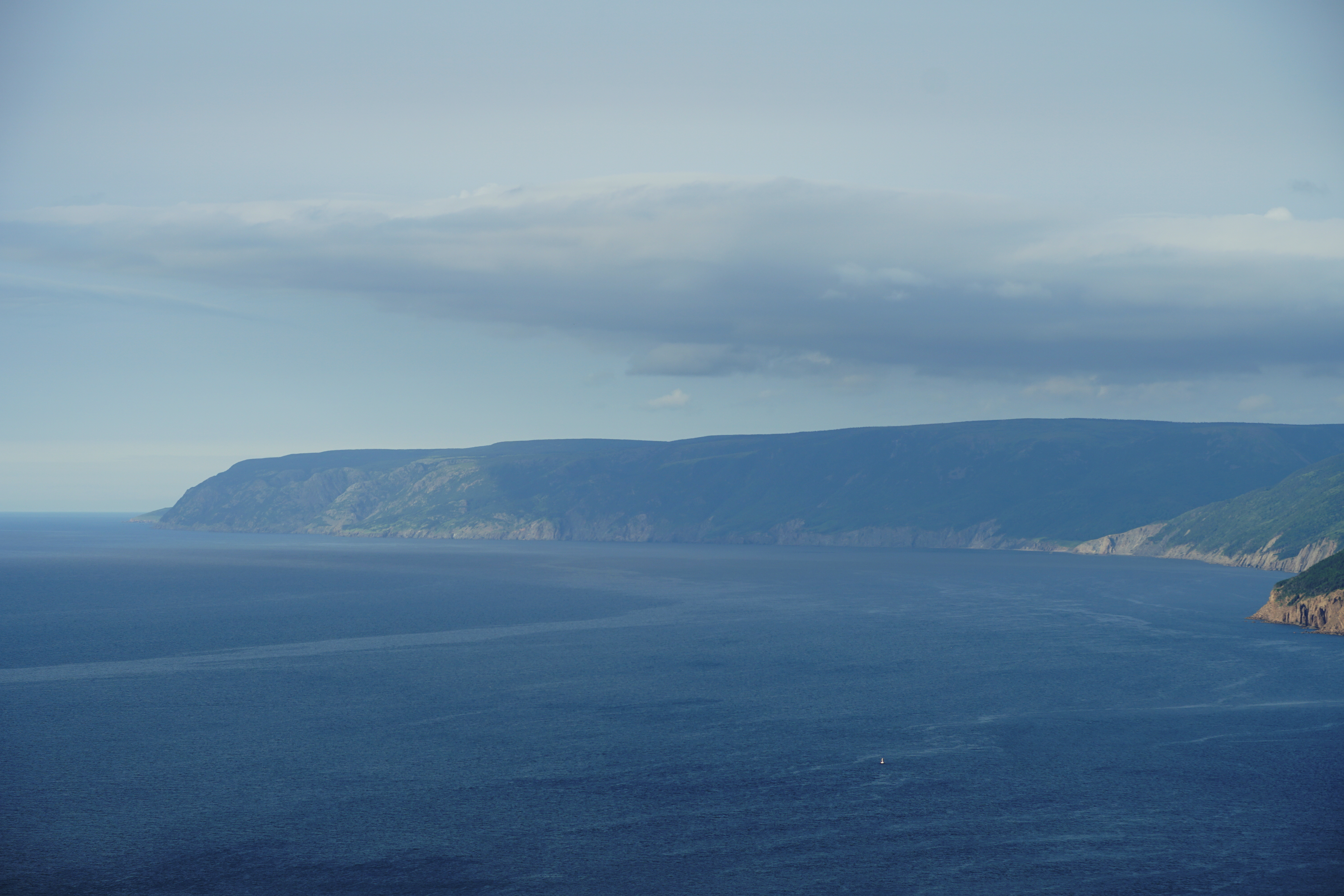
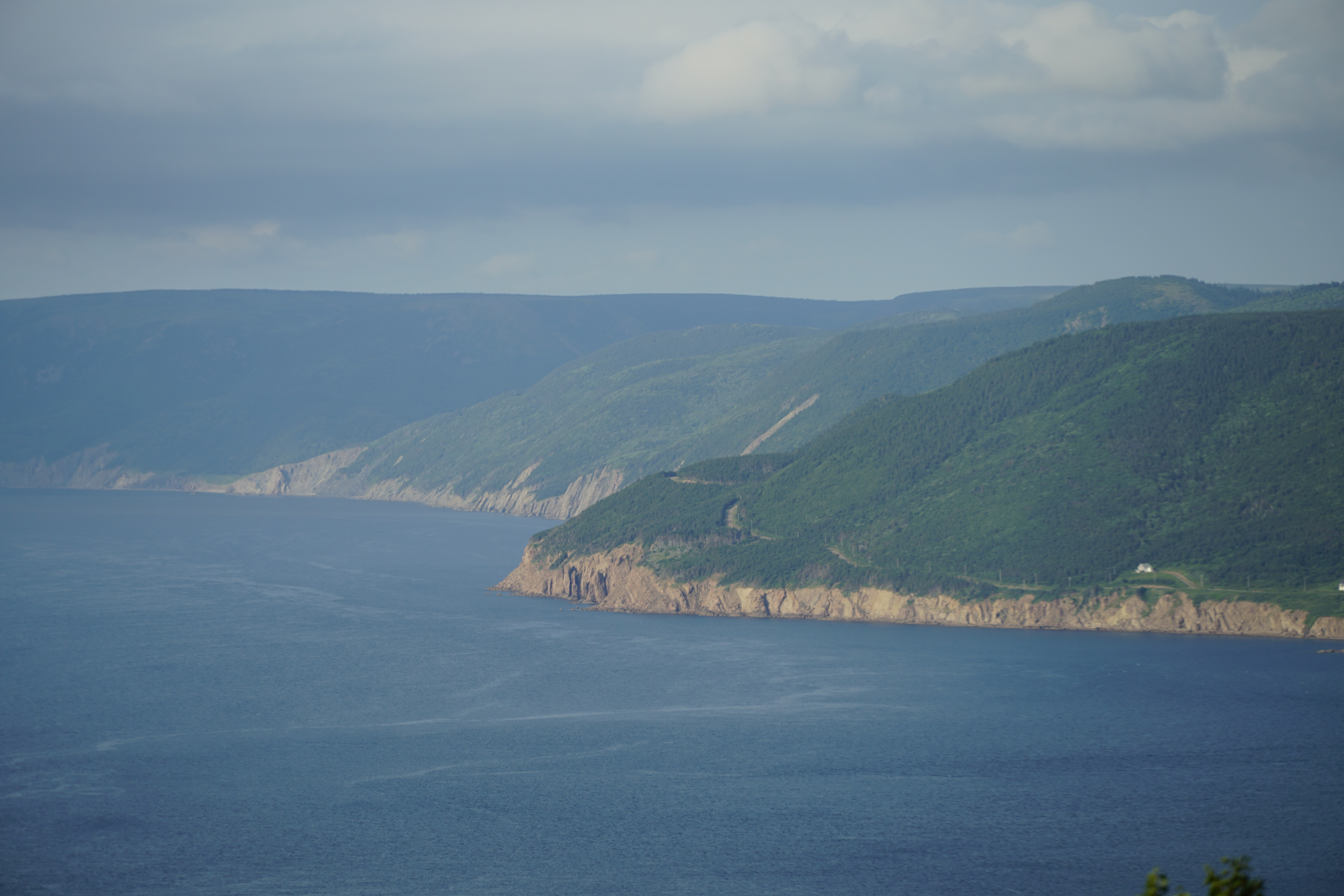
Bog Trail
So many, many pitcher plants!


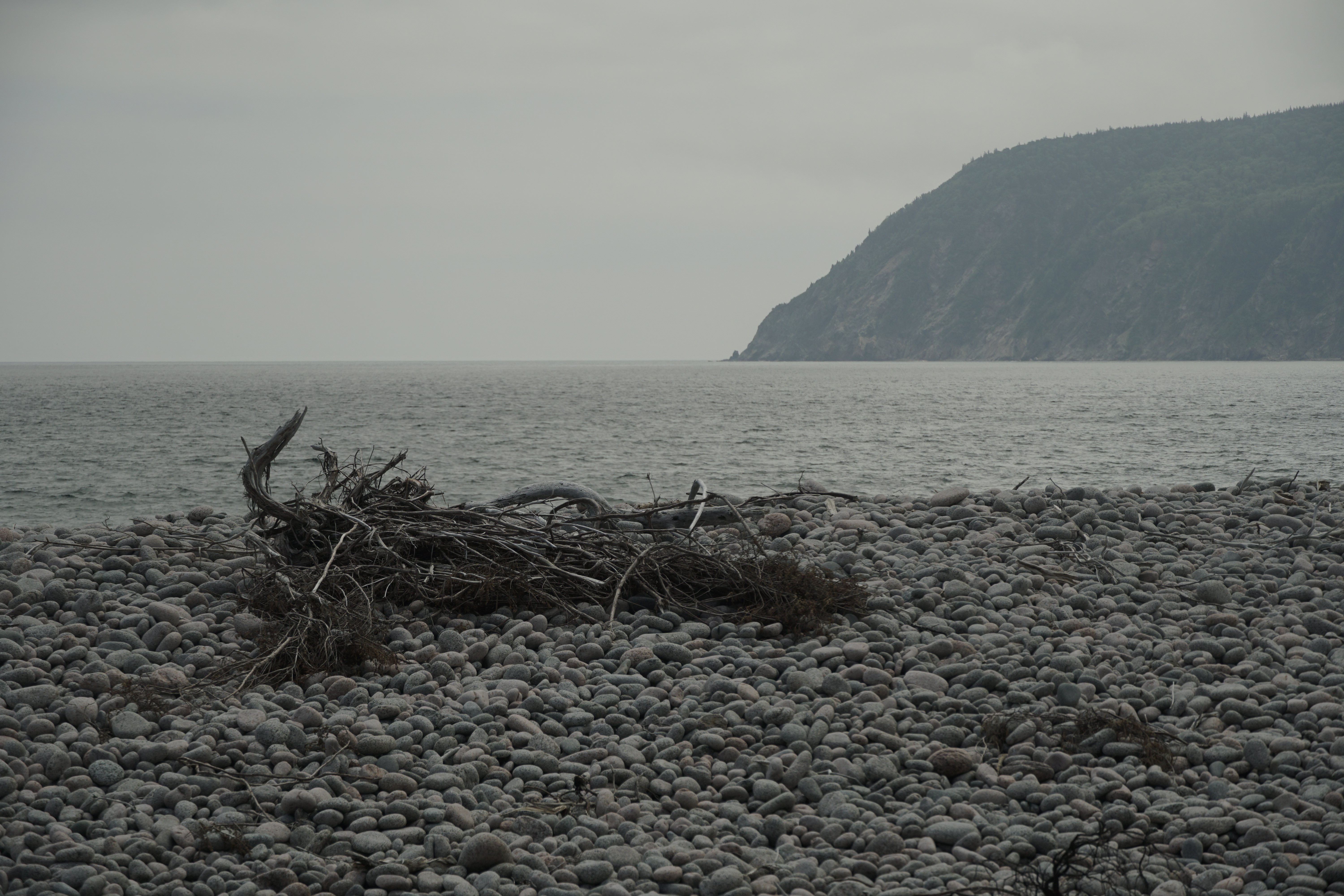
Middle Head Trail, Cape Breton National Park

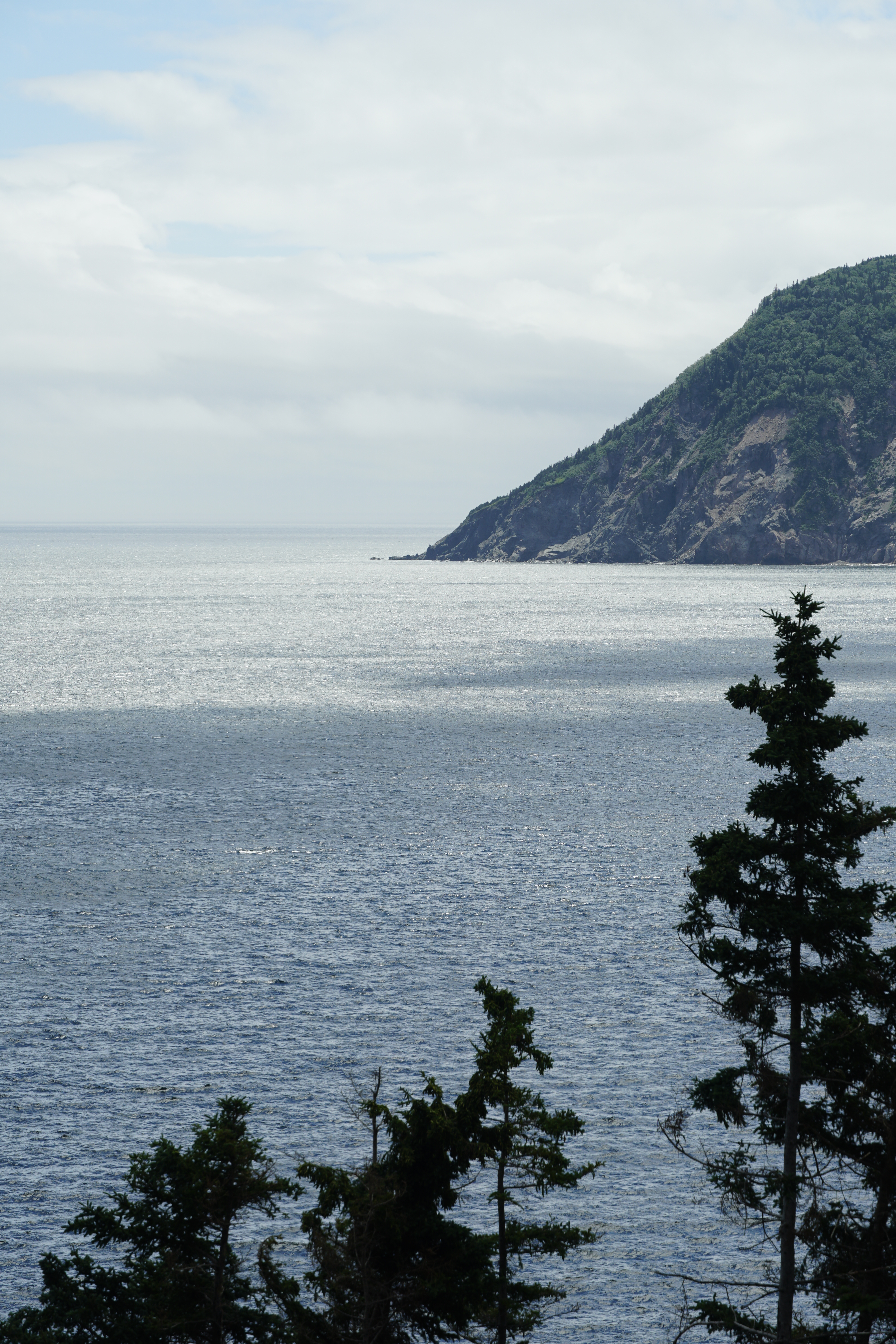


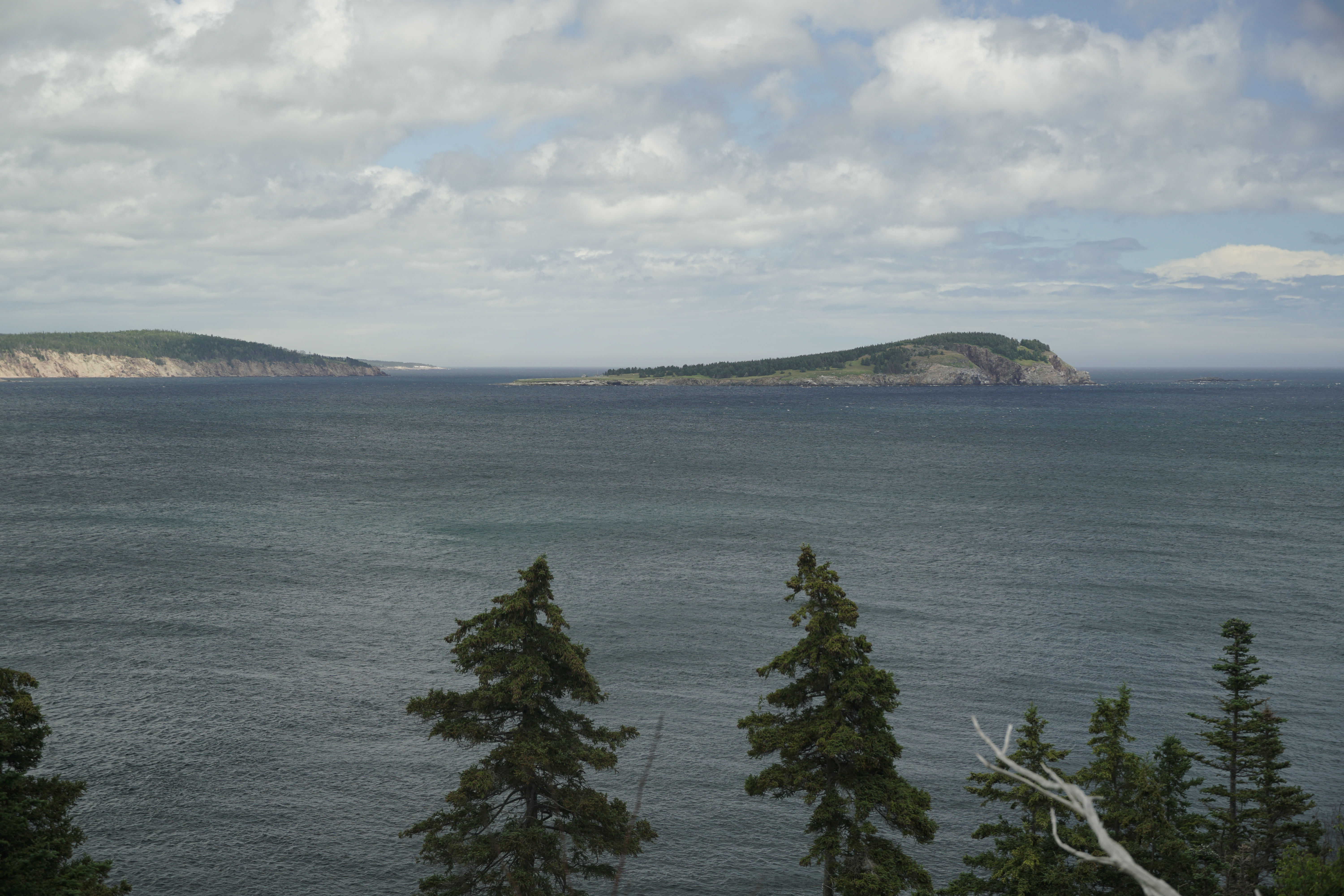
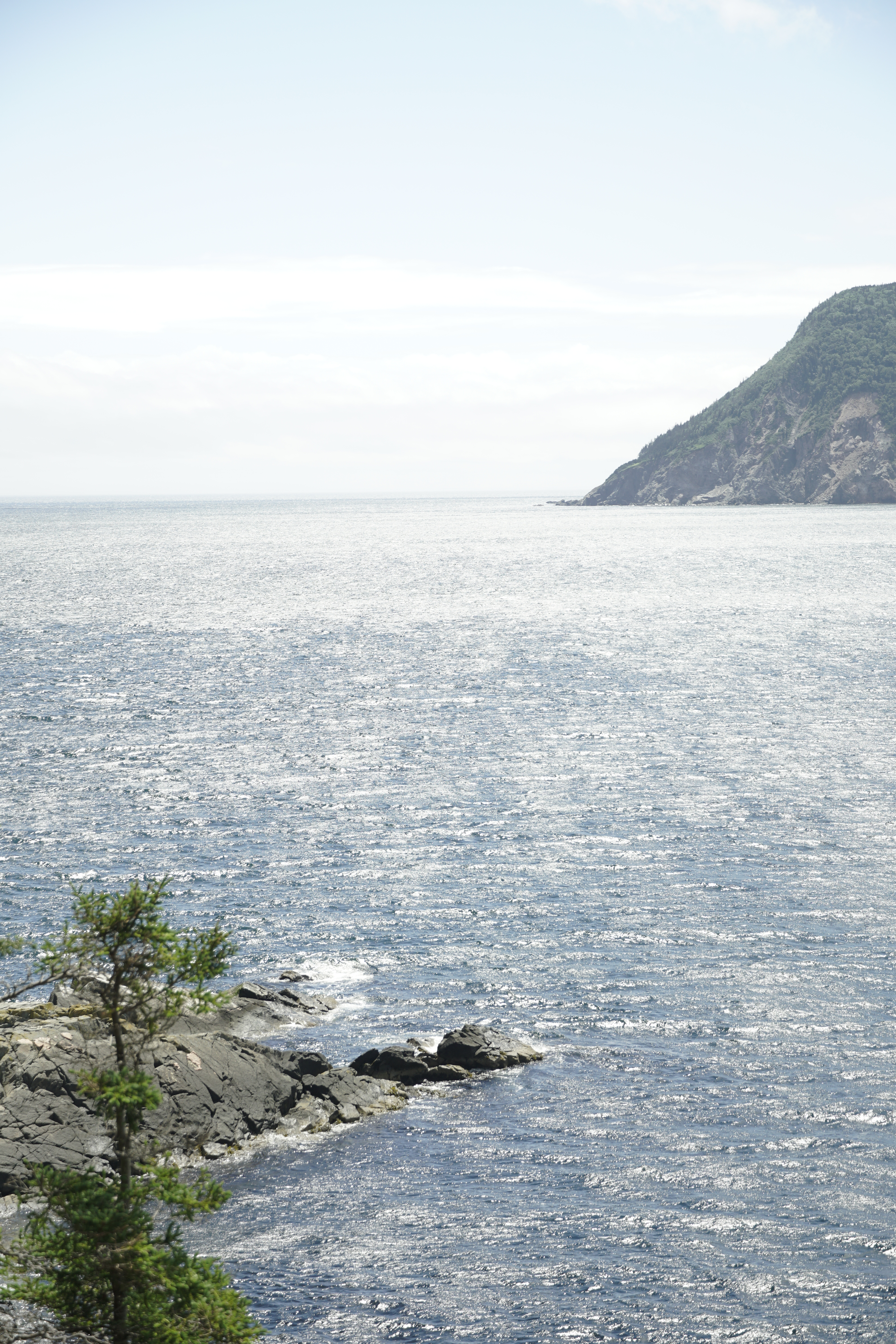

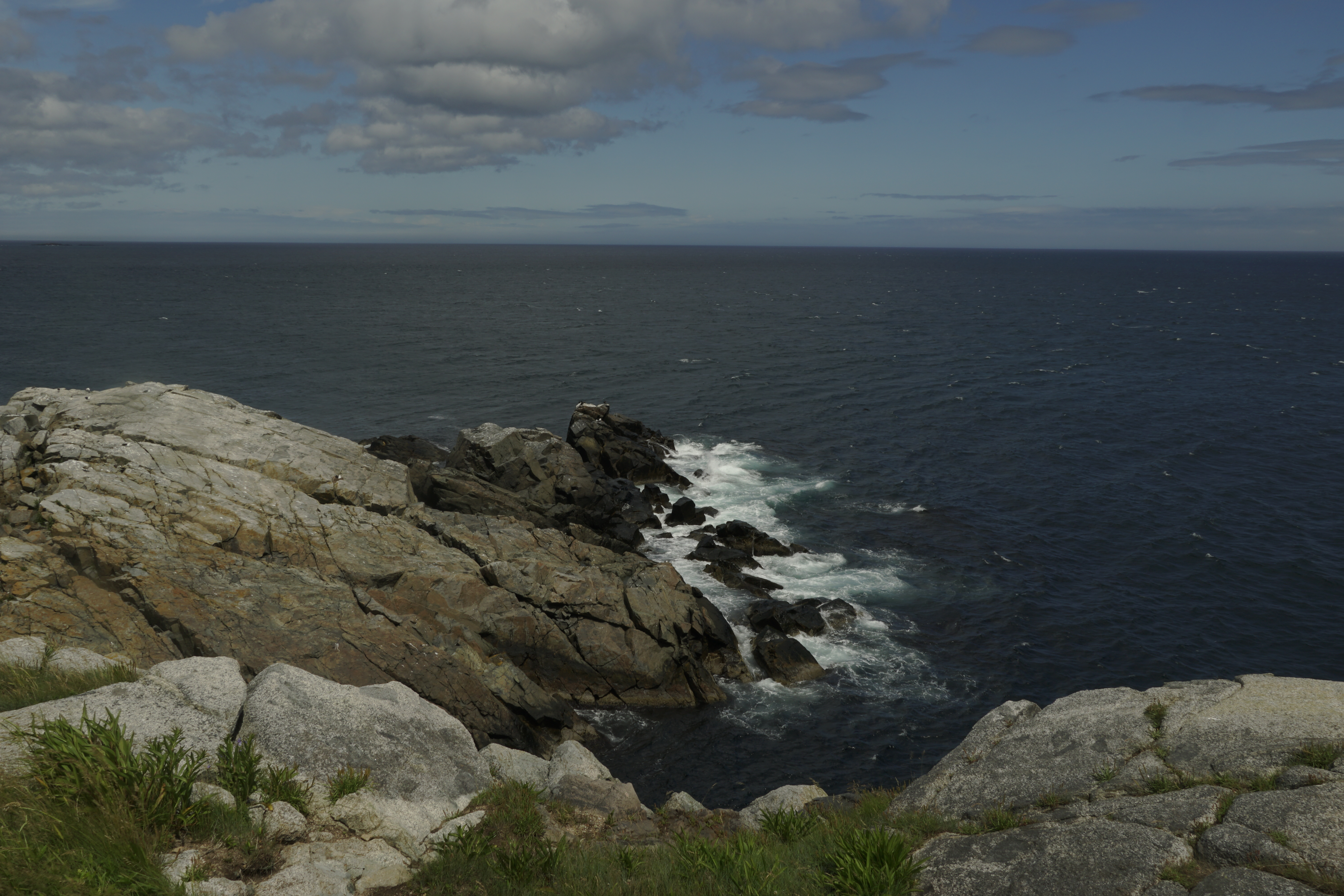
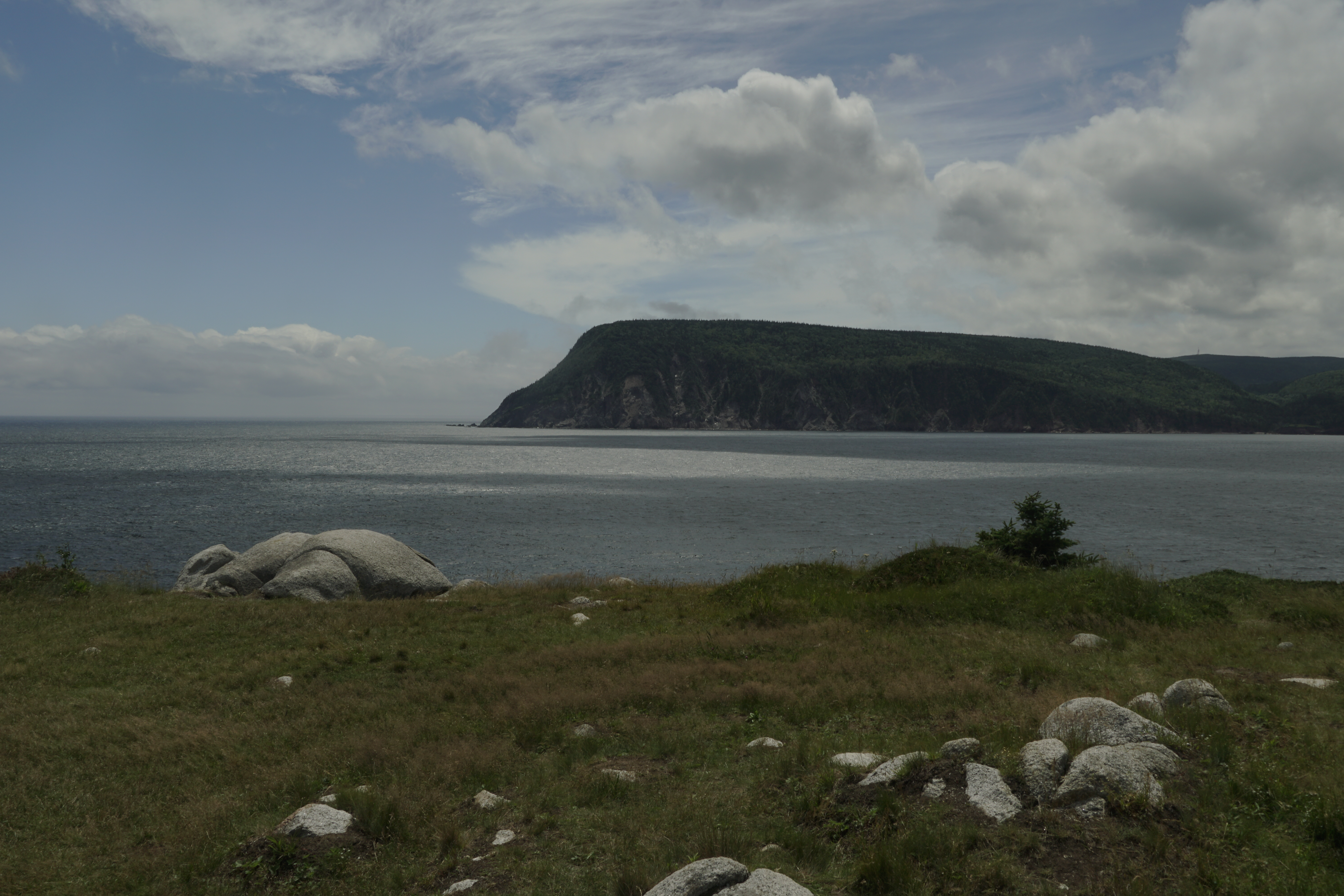
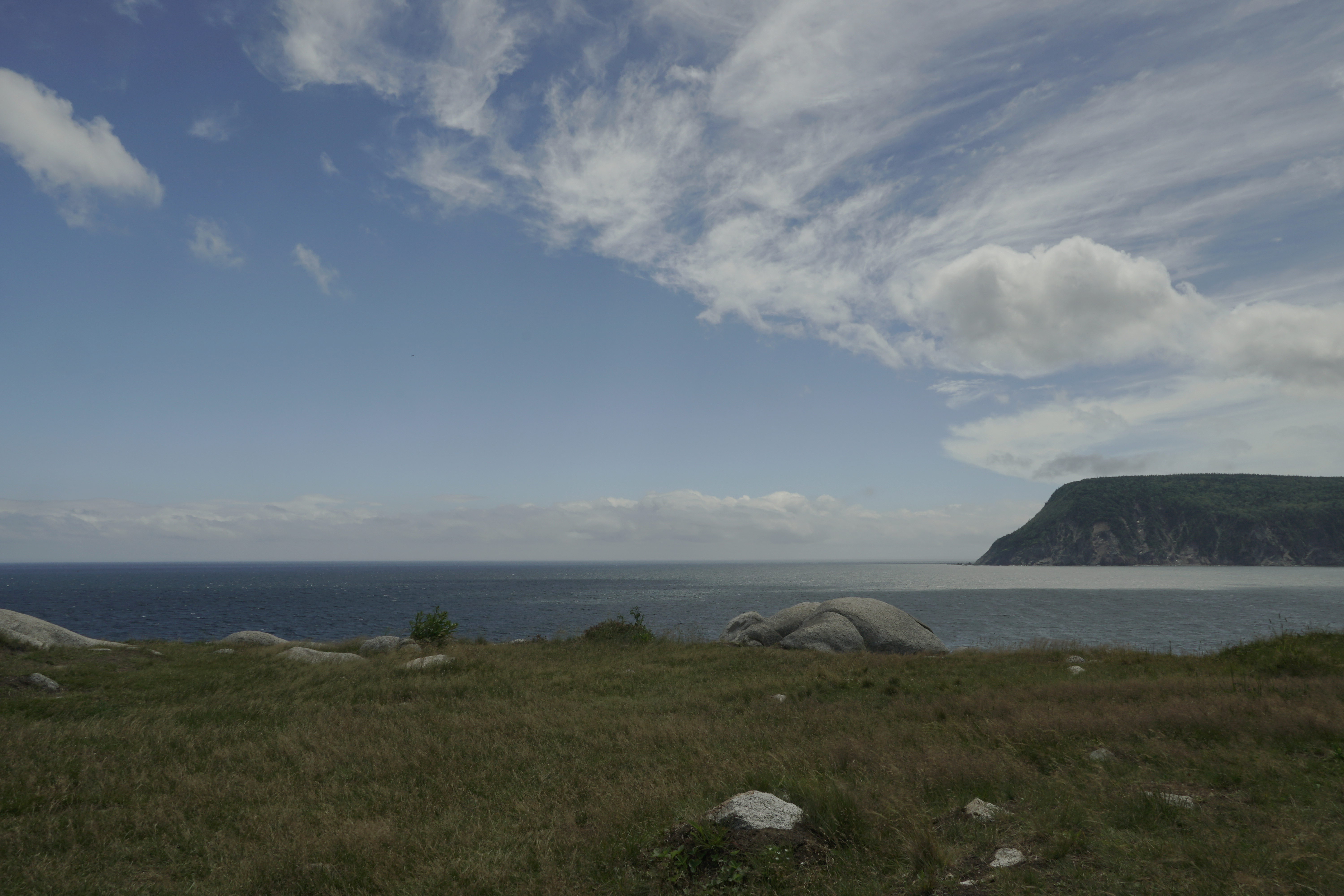
Freshwater Lake

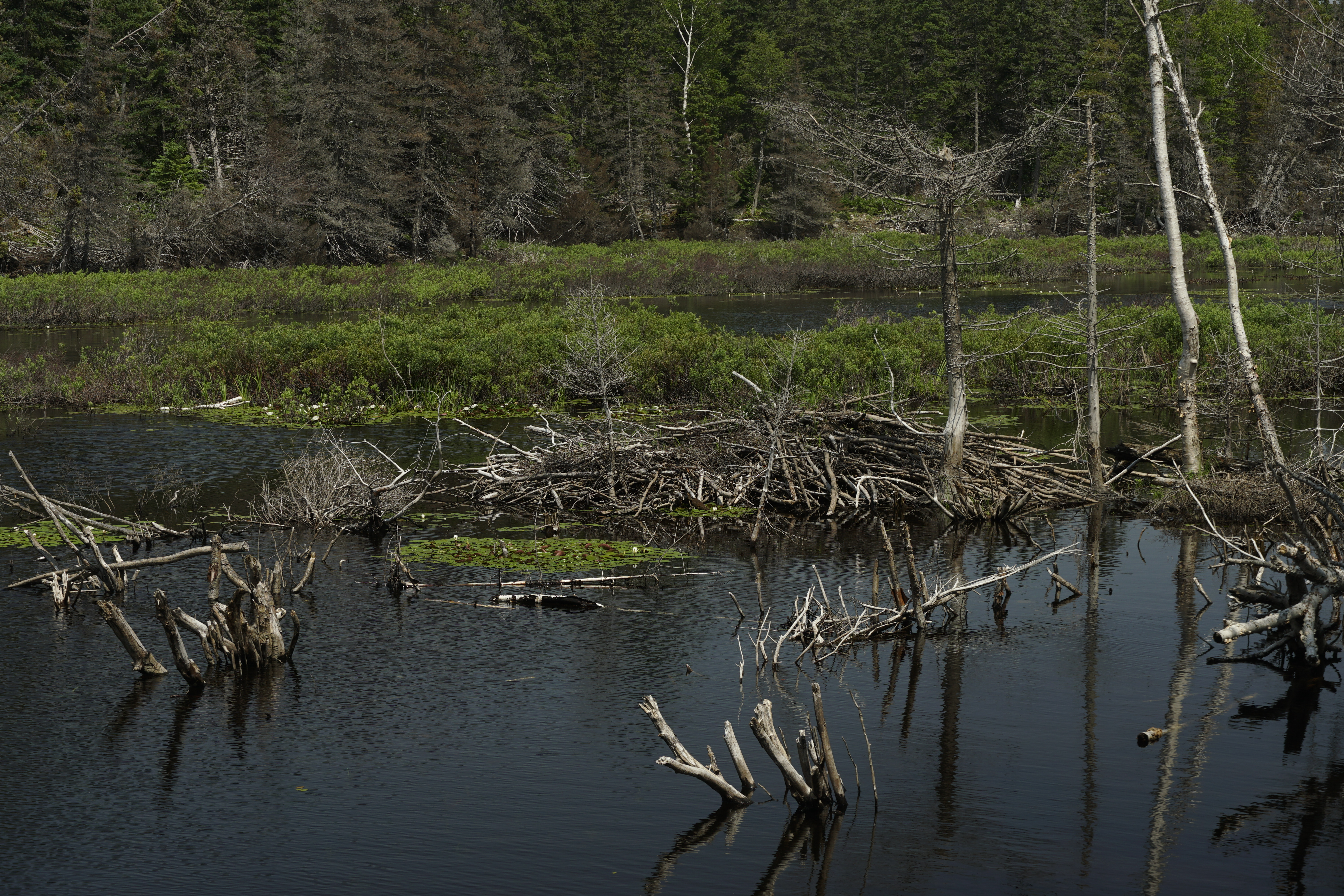
Beaver dam

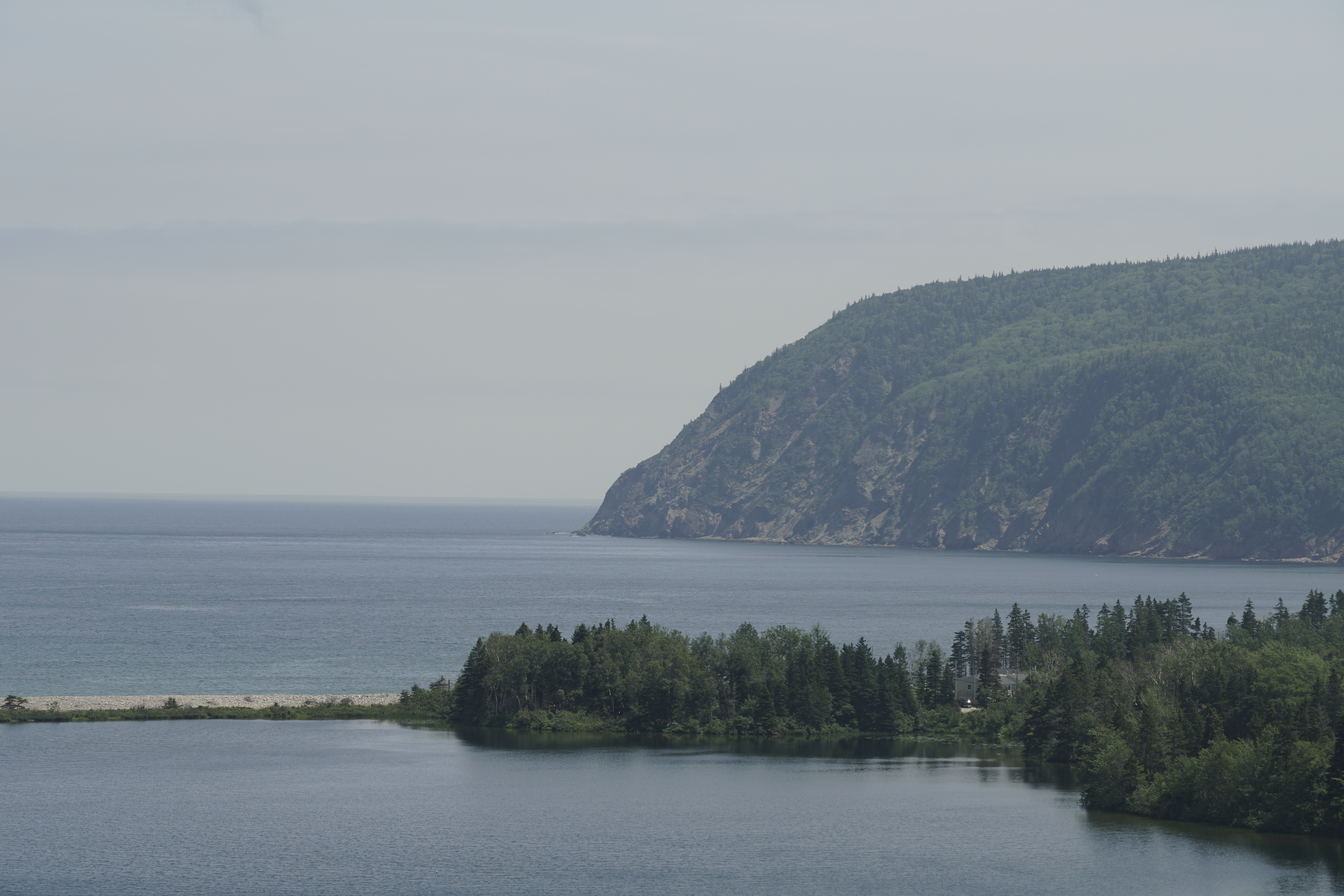

Green Cove
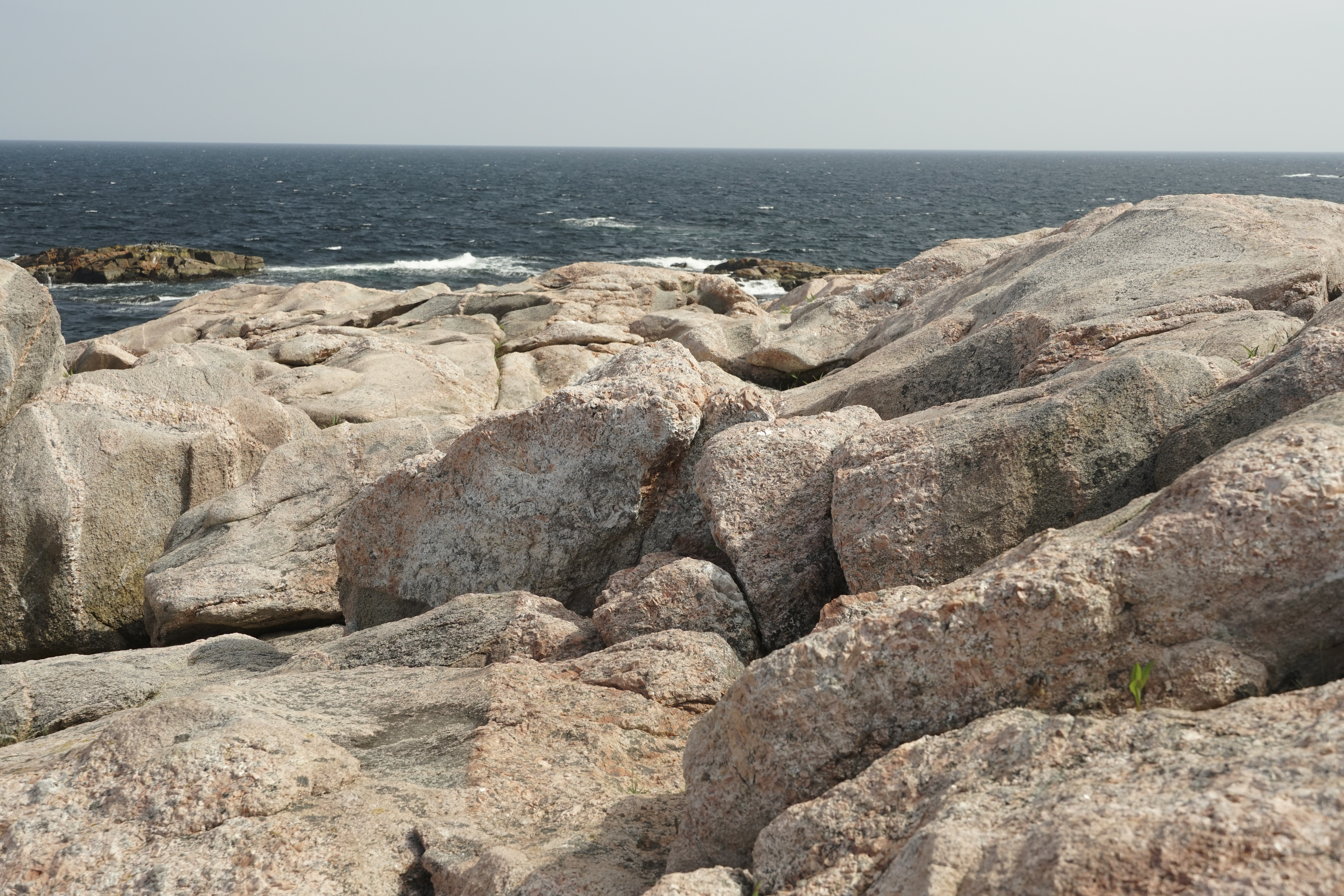


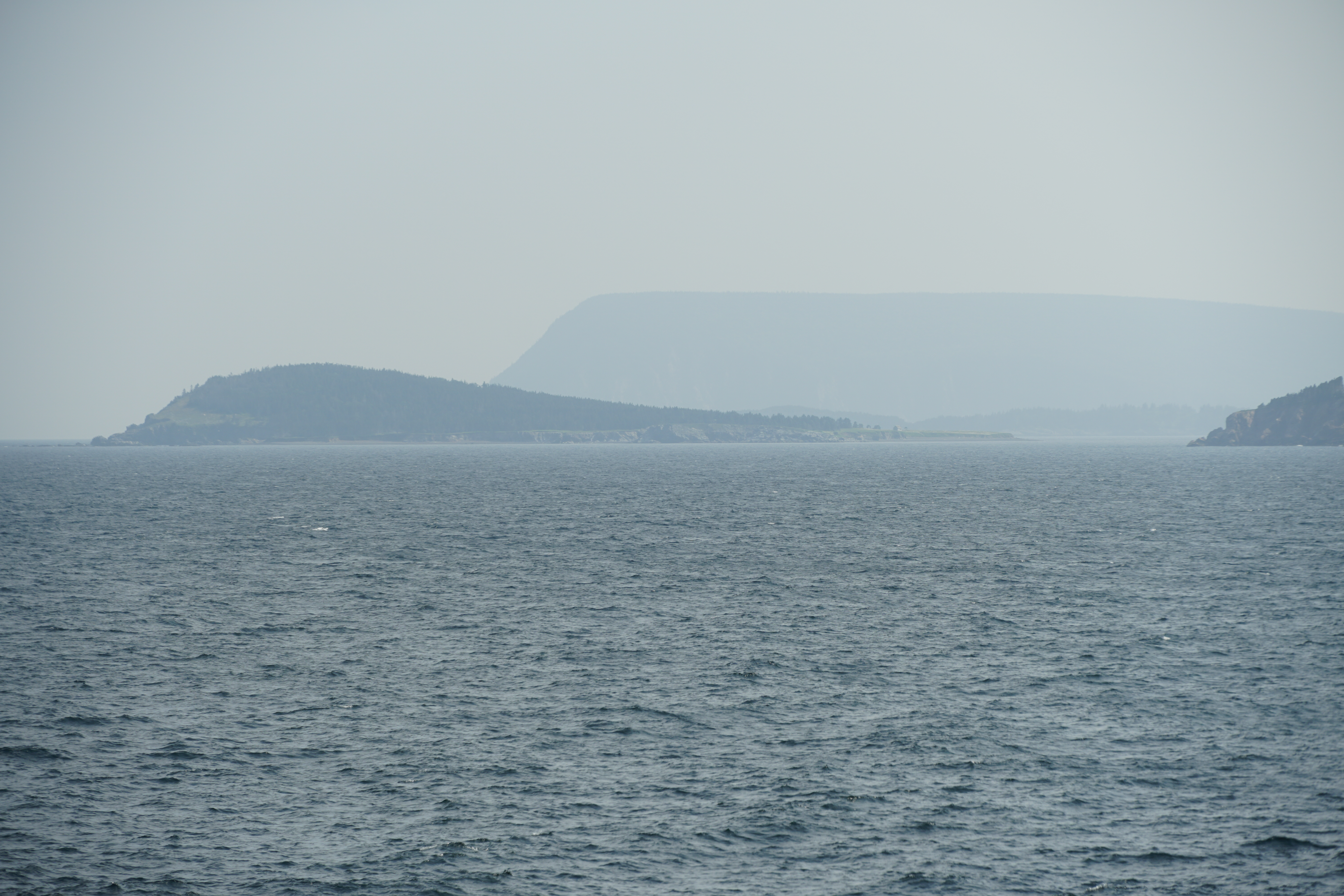
Keltic Lodge
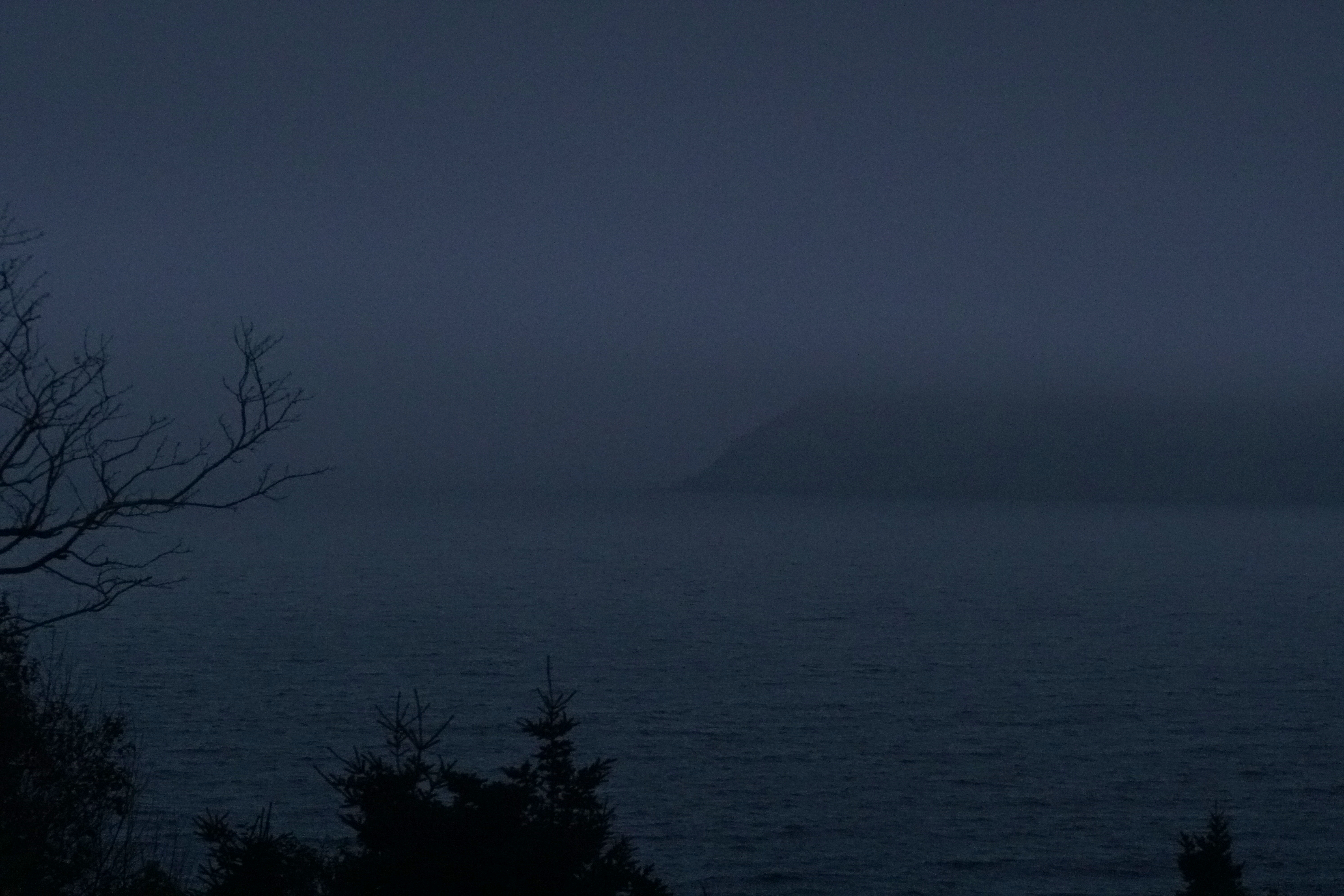
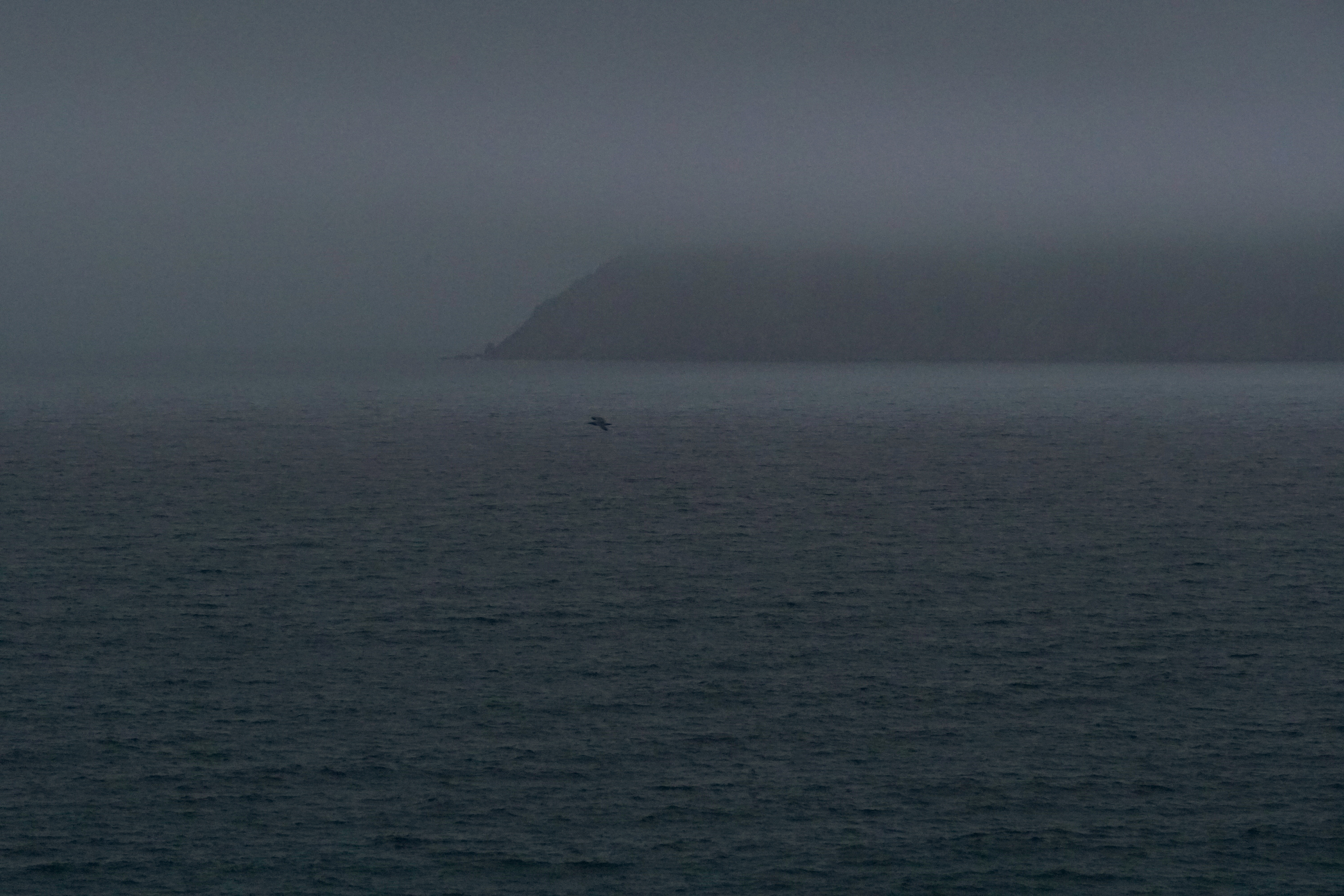
Got up and tried to catch a sunrise. It was too cloudy for that, but that had a mood of its own.




Section 2: Bugs
Hopewell Rocks
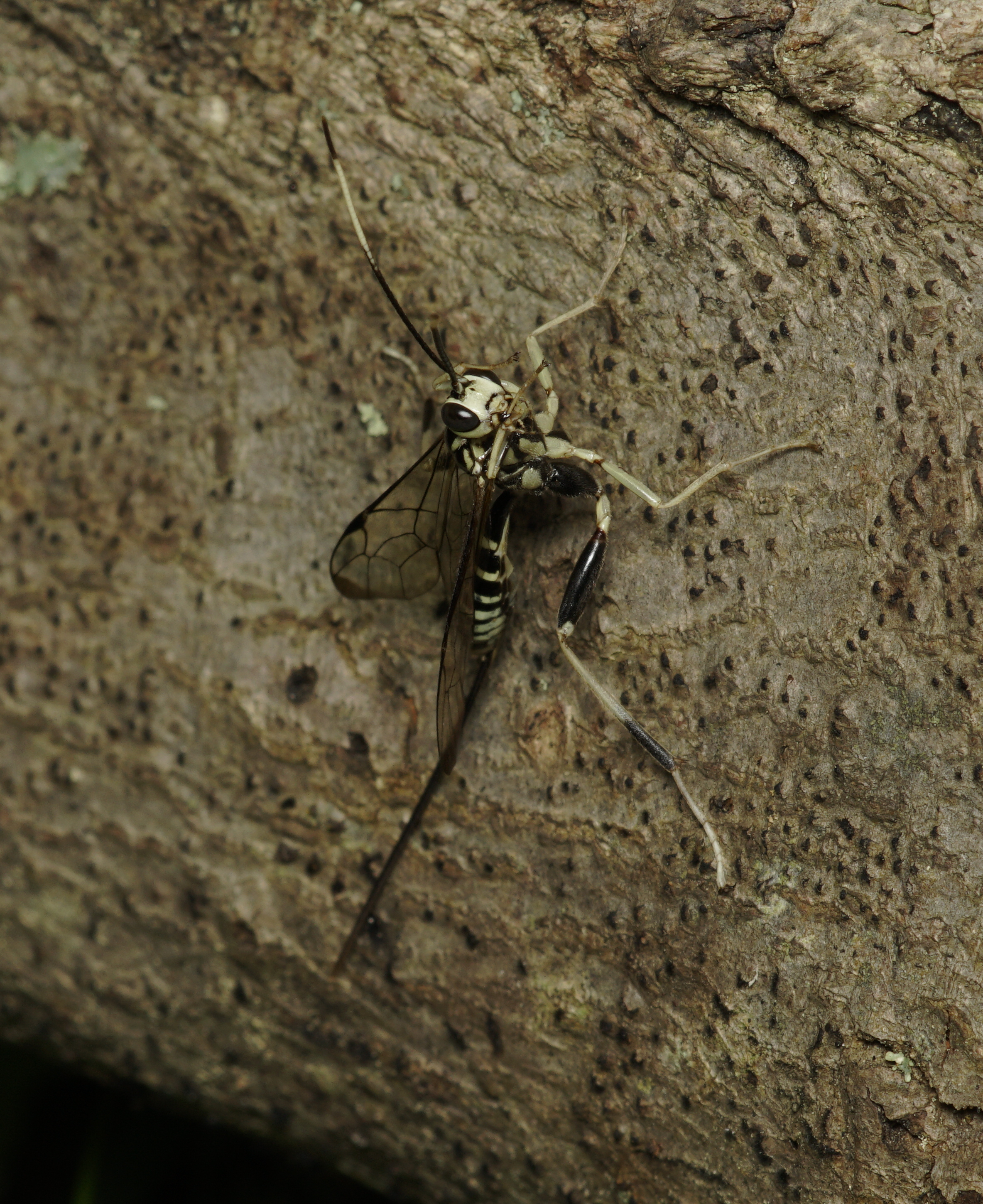
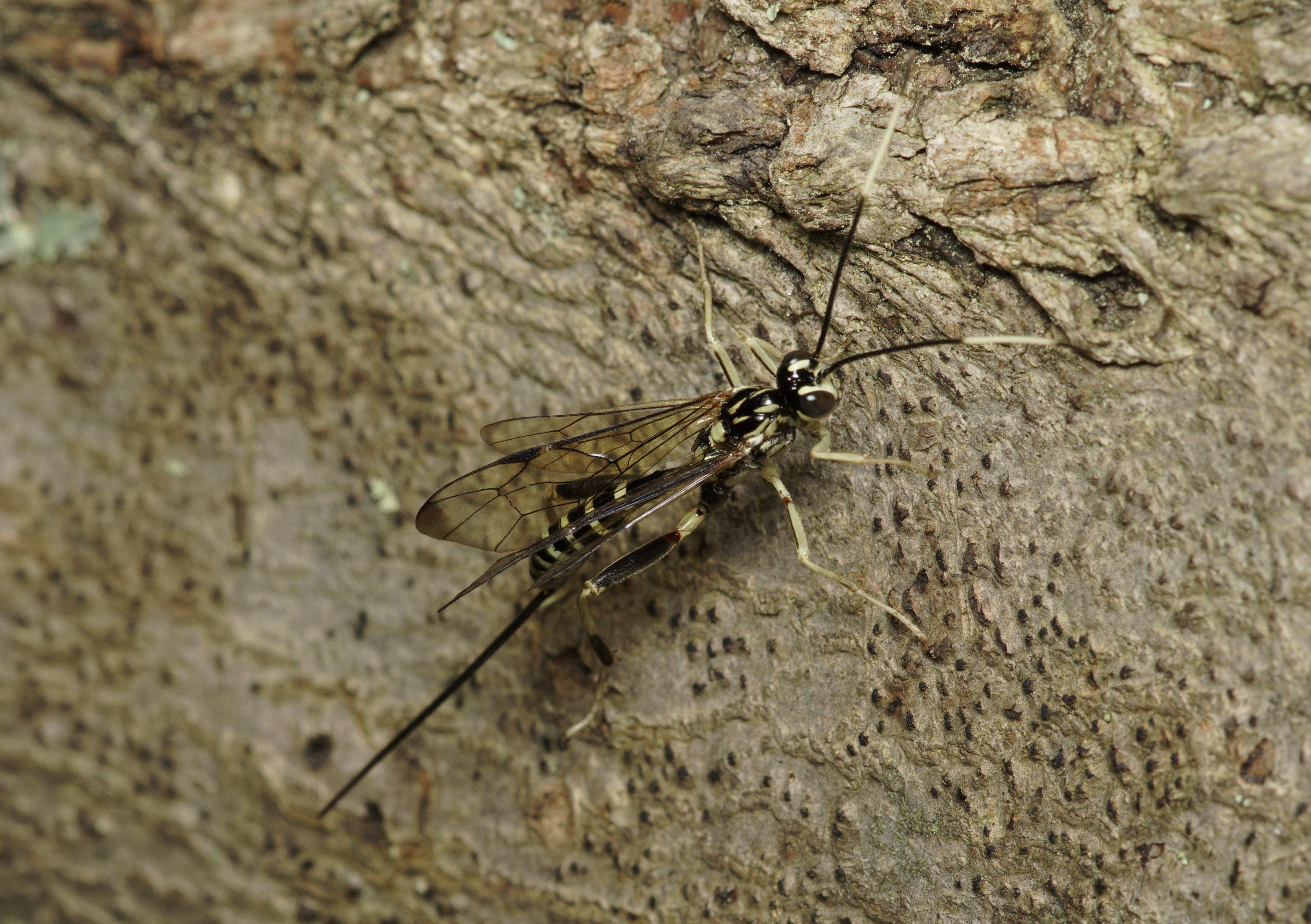
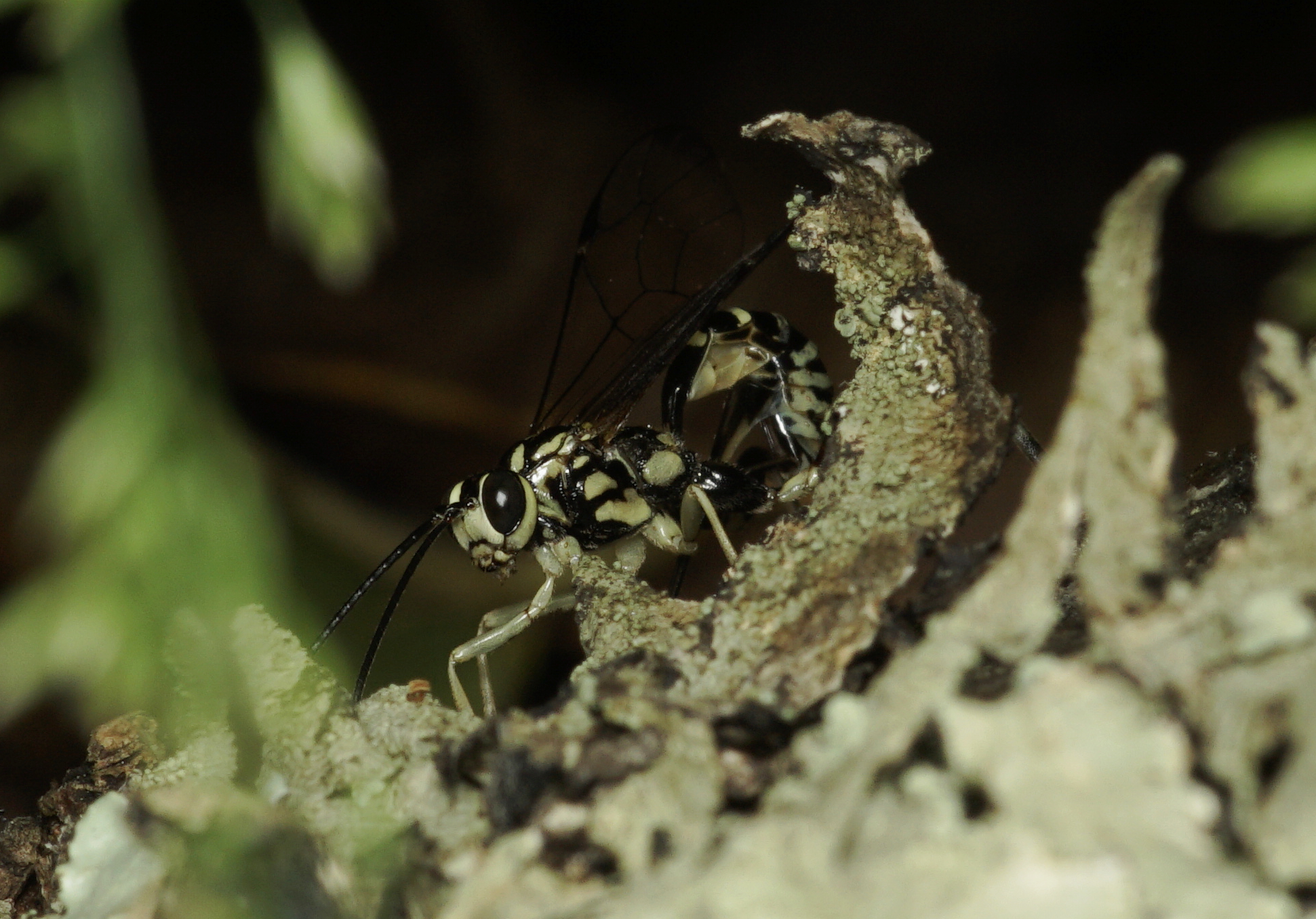
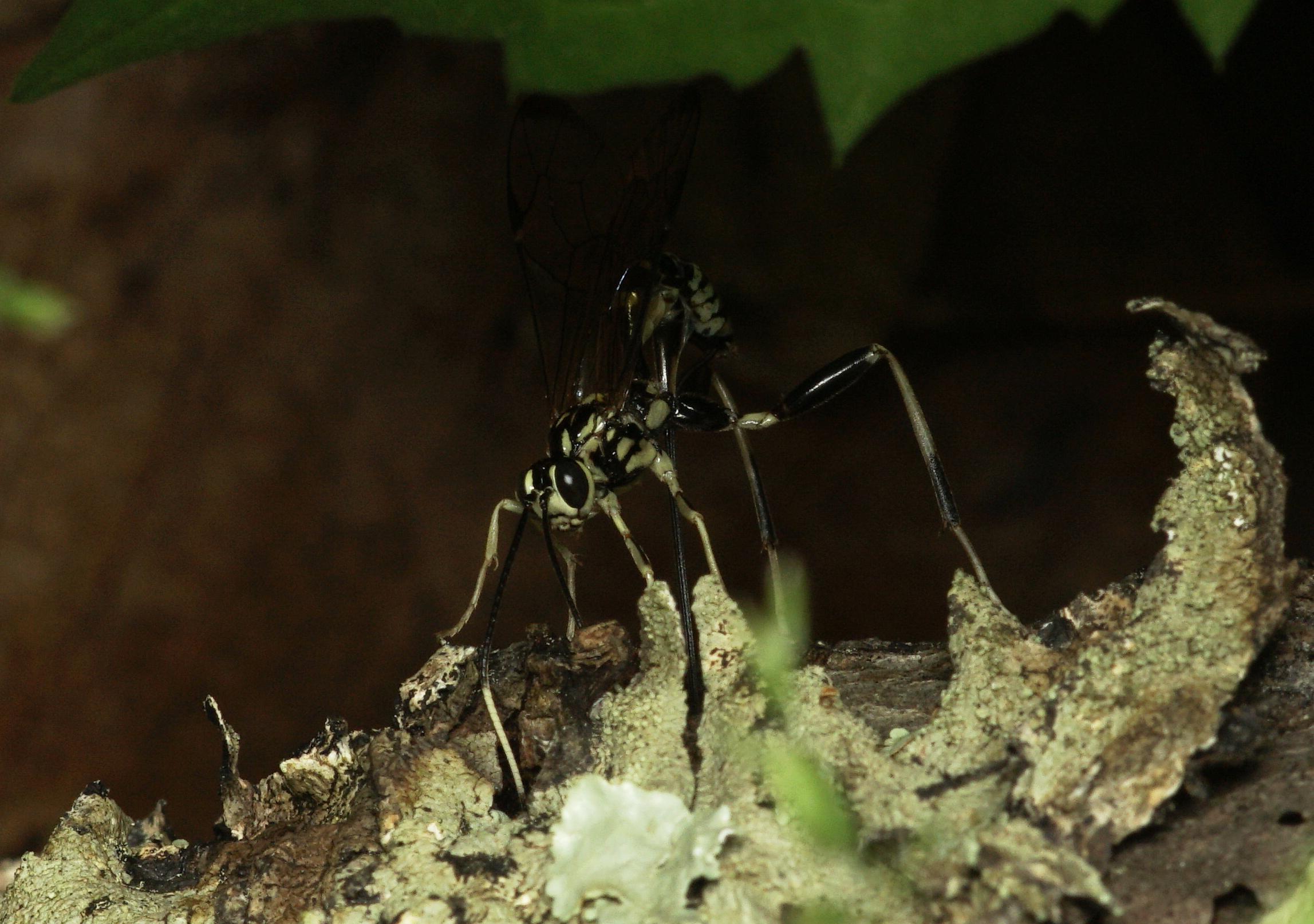
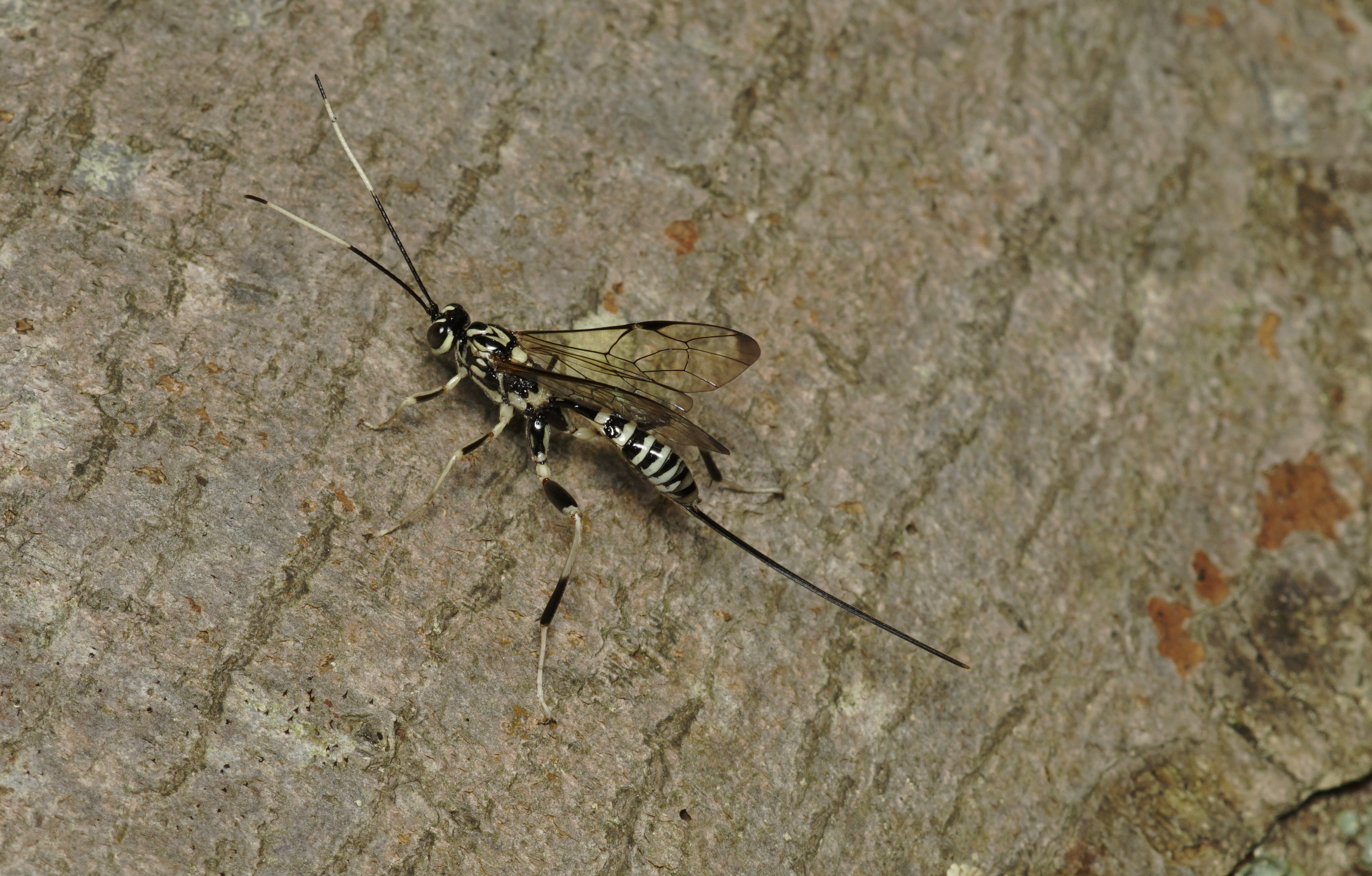
I’ve spent about 15-20 years interested in bugs, and never managed to see a Megarhyssa wasp, even though I looked for them everywhere. I visit New Brunswick and about 100m into my first walk, there it is. Not only that, but it was kind enough to wait for me to take photos. I guess it’s true that Canadians are nicer!
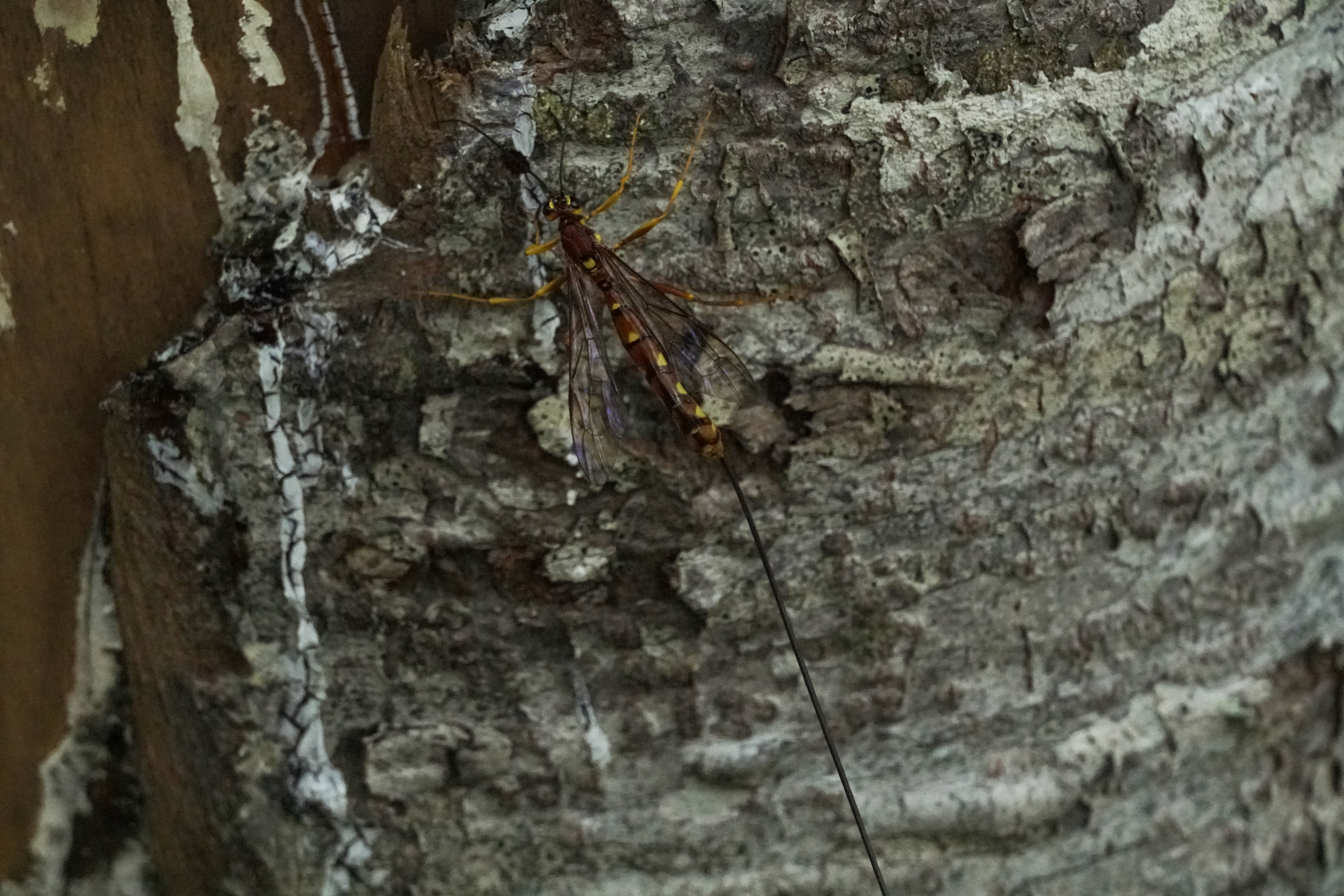

Walton Glen
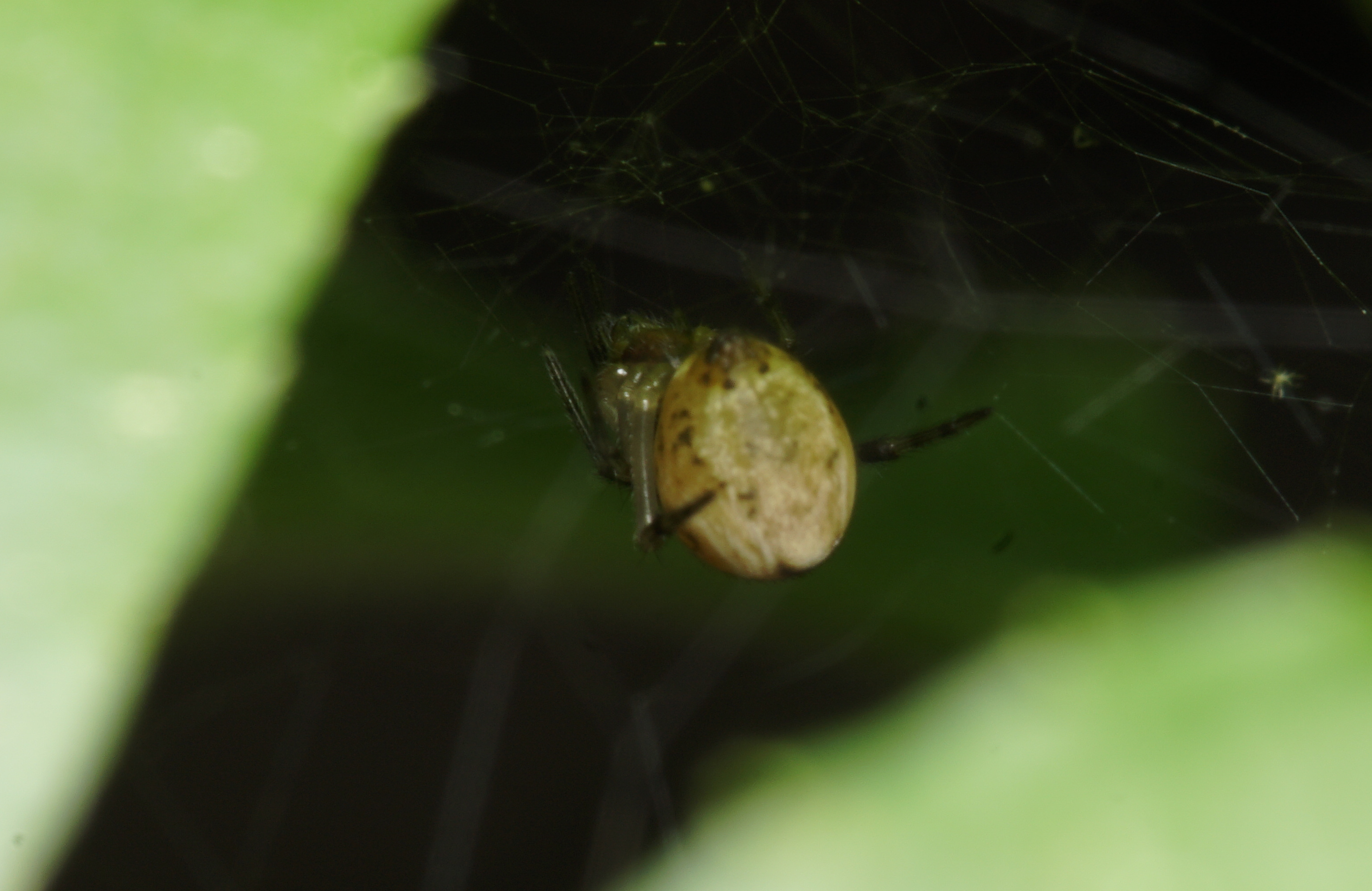
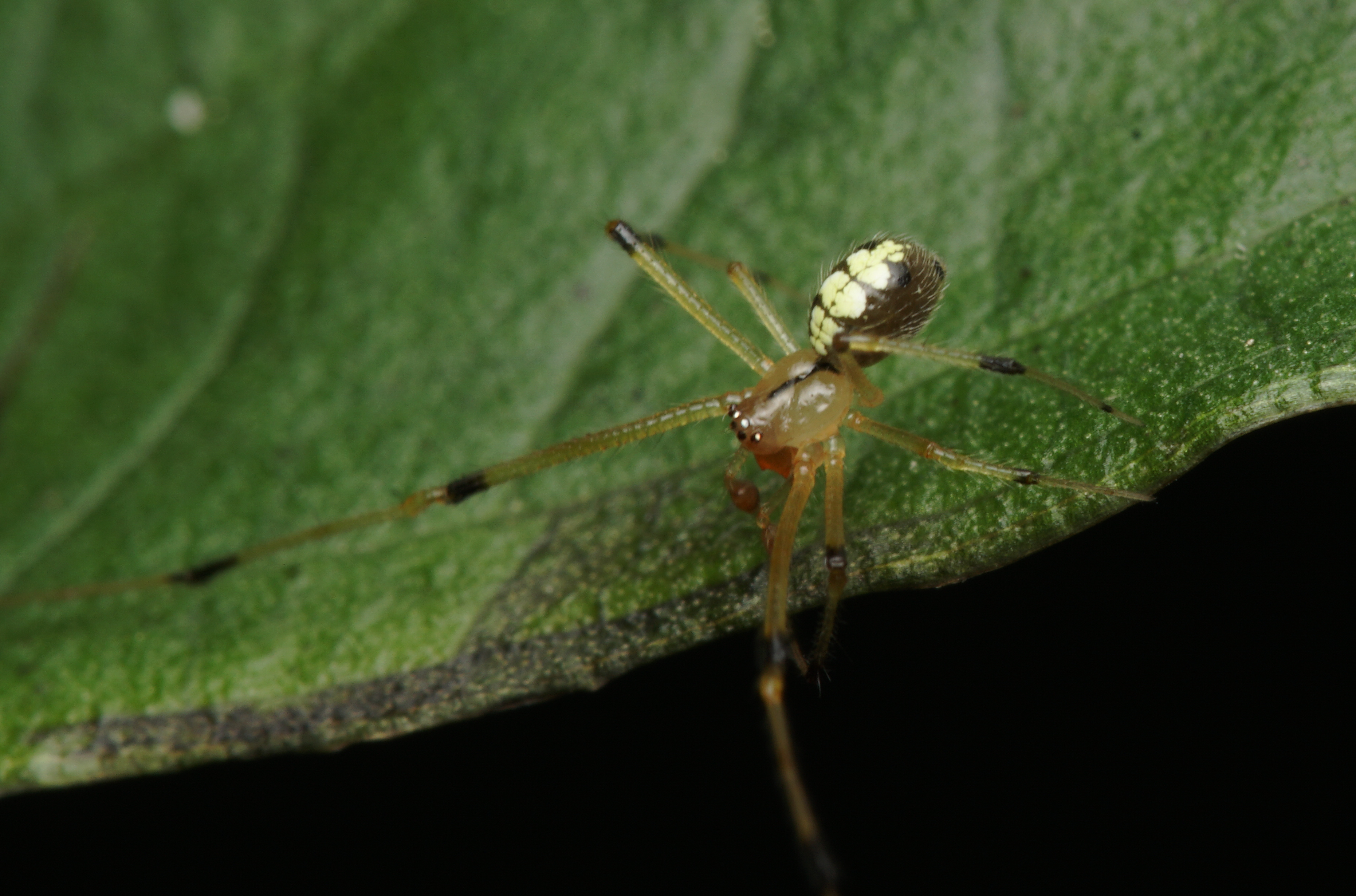
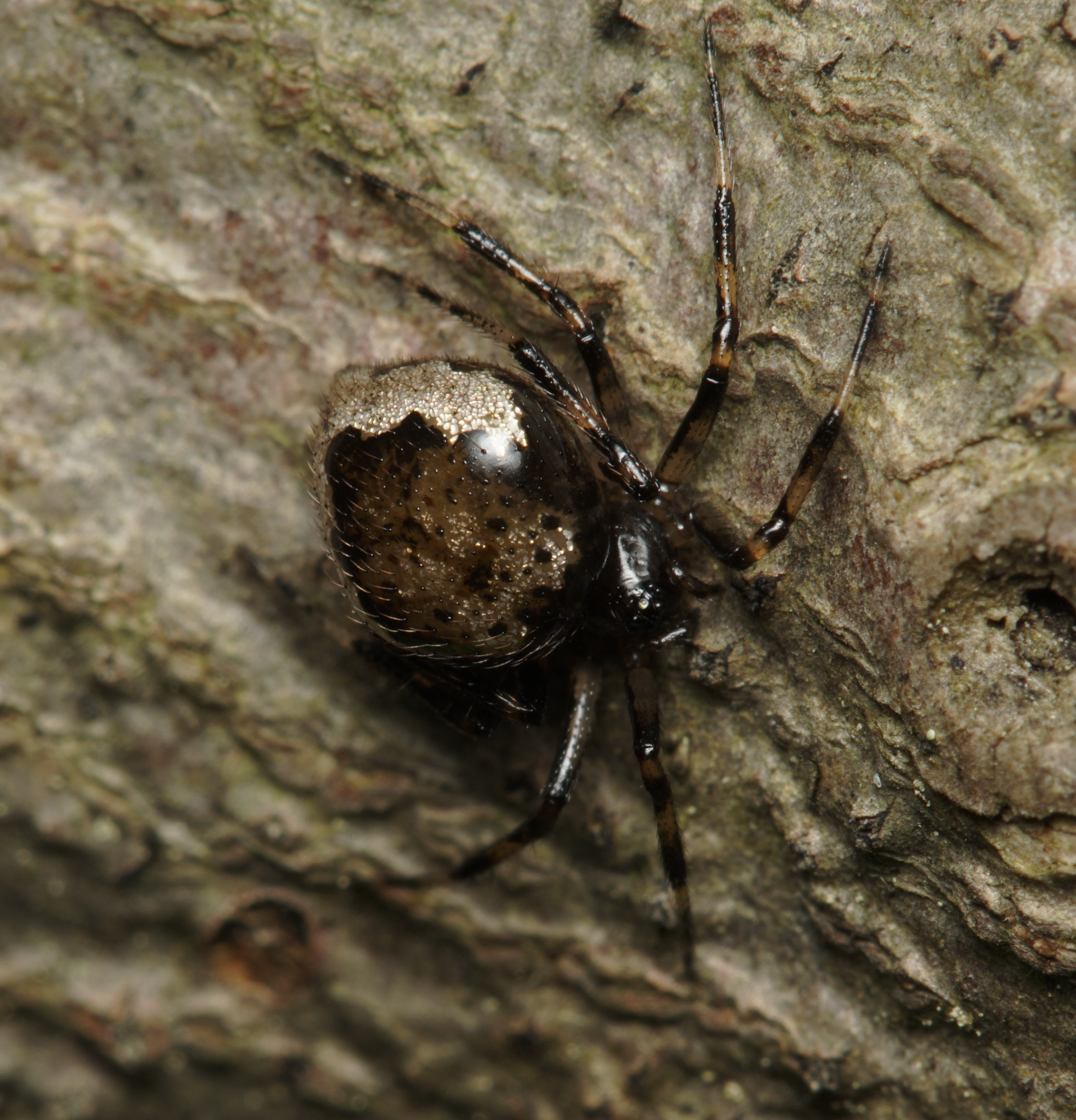
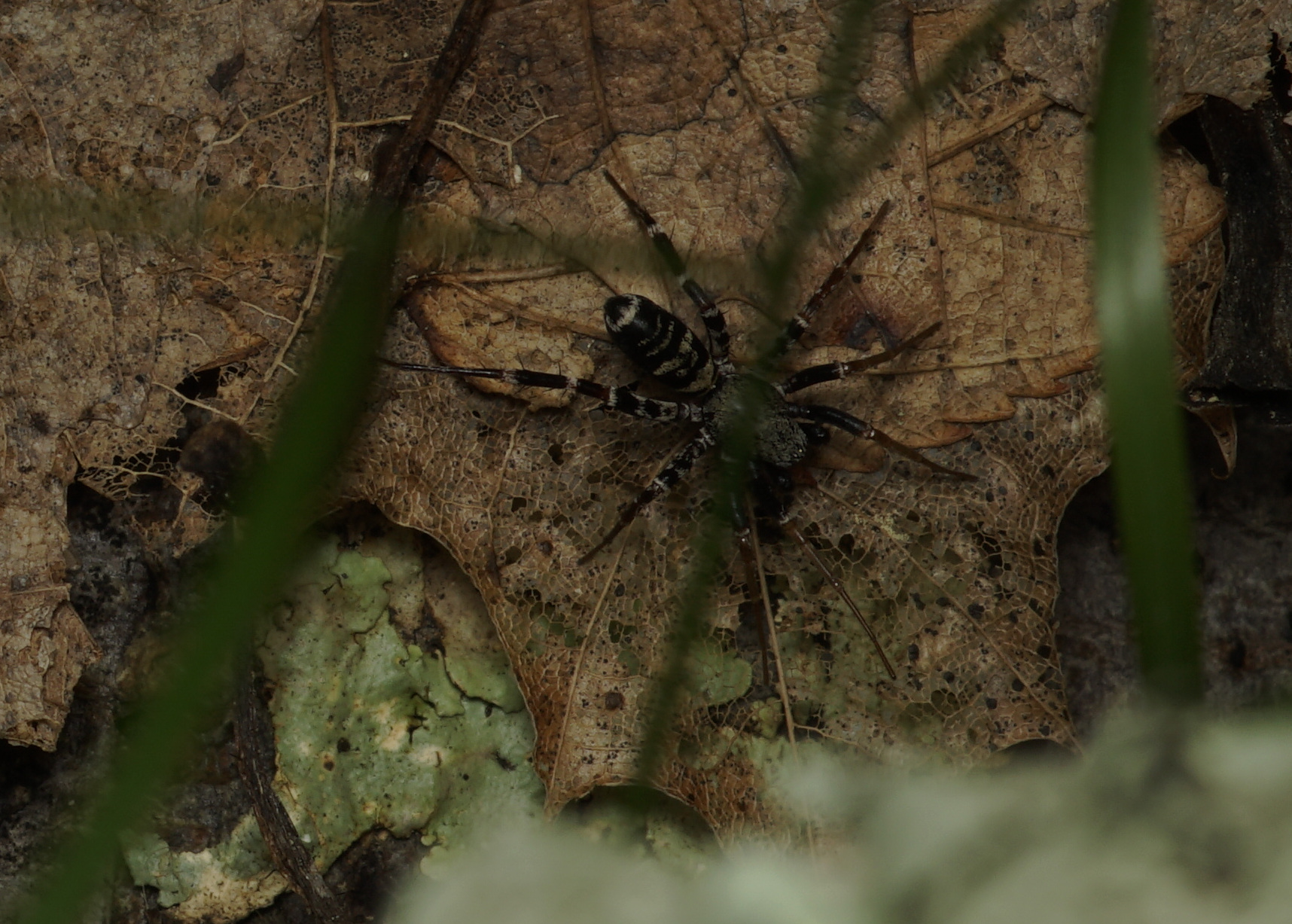
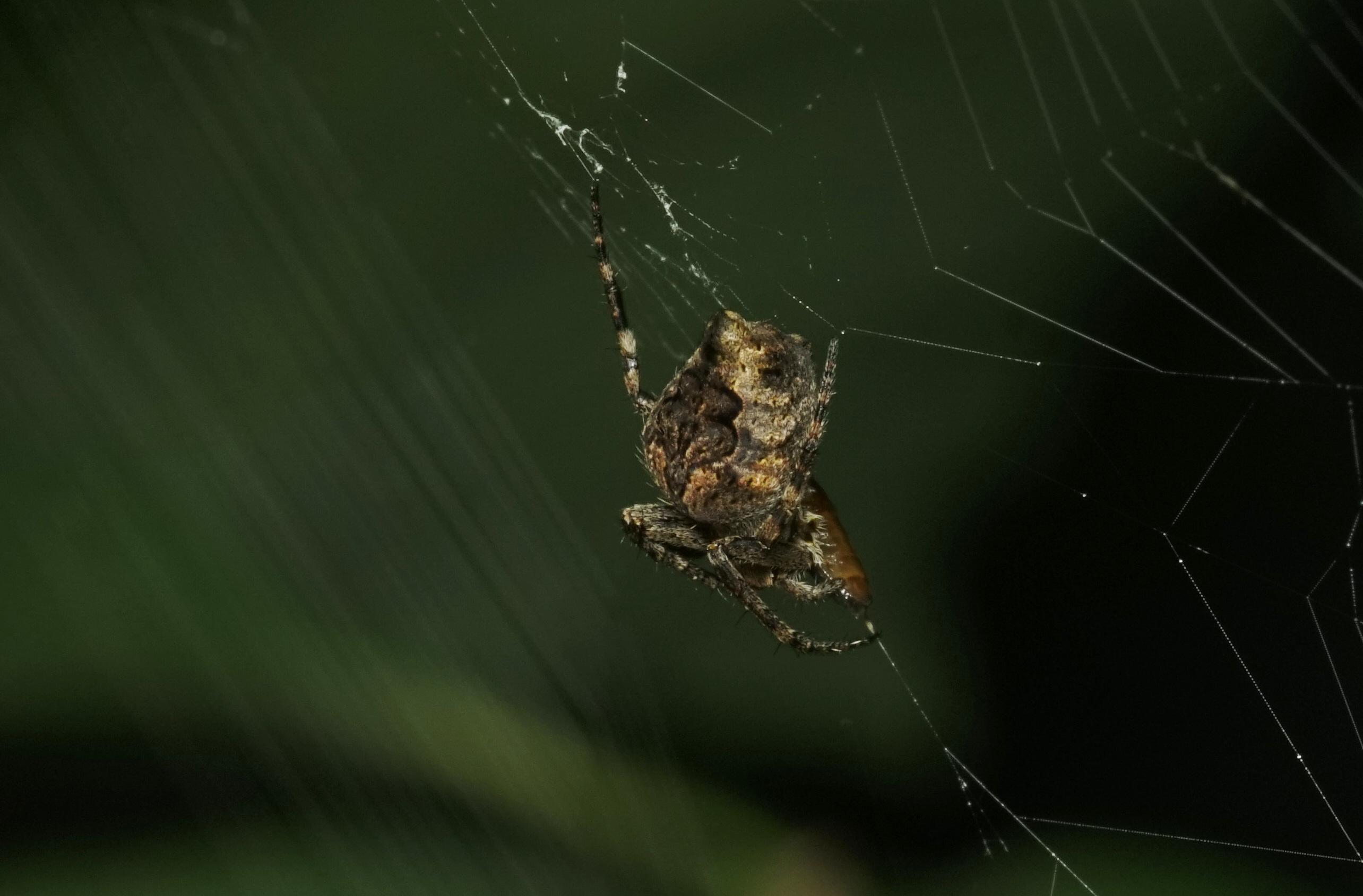
Araneid, need to identify. This is a Cyclosa sp., the trashline orb weavers.
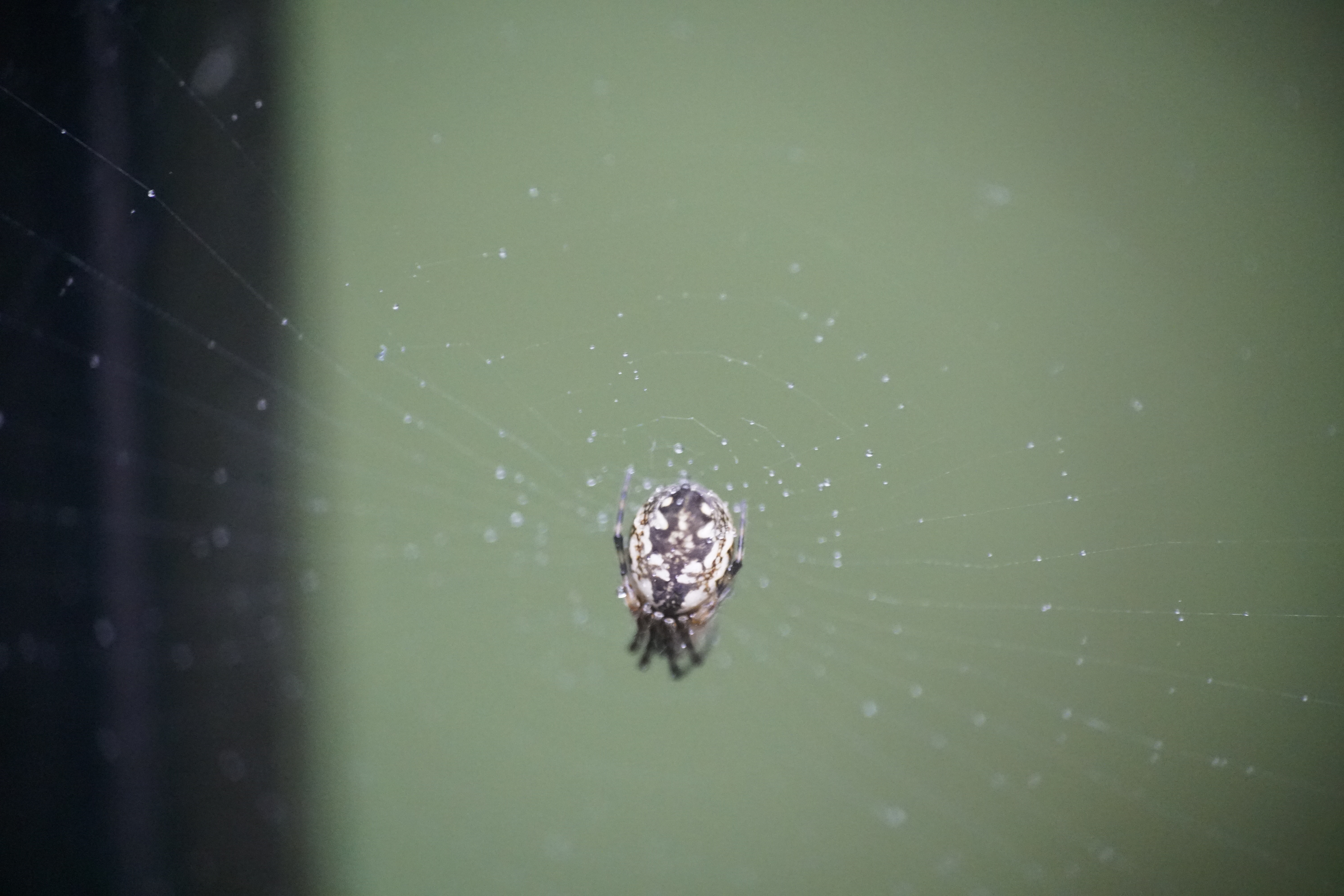
Cabot Trail
Eastern Pine Sawyer, Monochamus notatus

Perhaps a carpenter bee, like Ceratina? Or Lasioglossum coeruleum? There are other possibilities too.
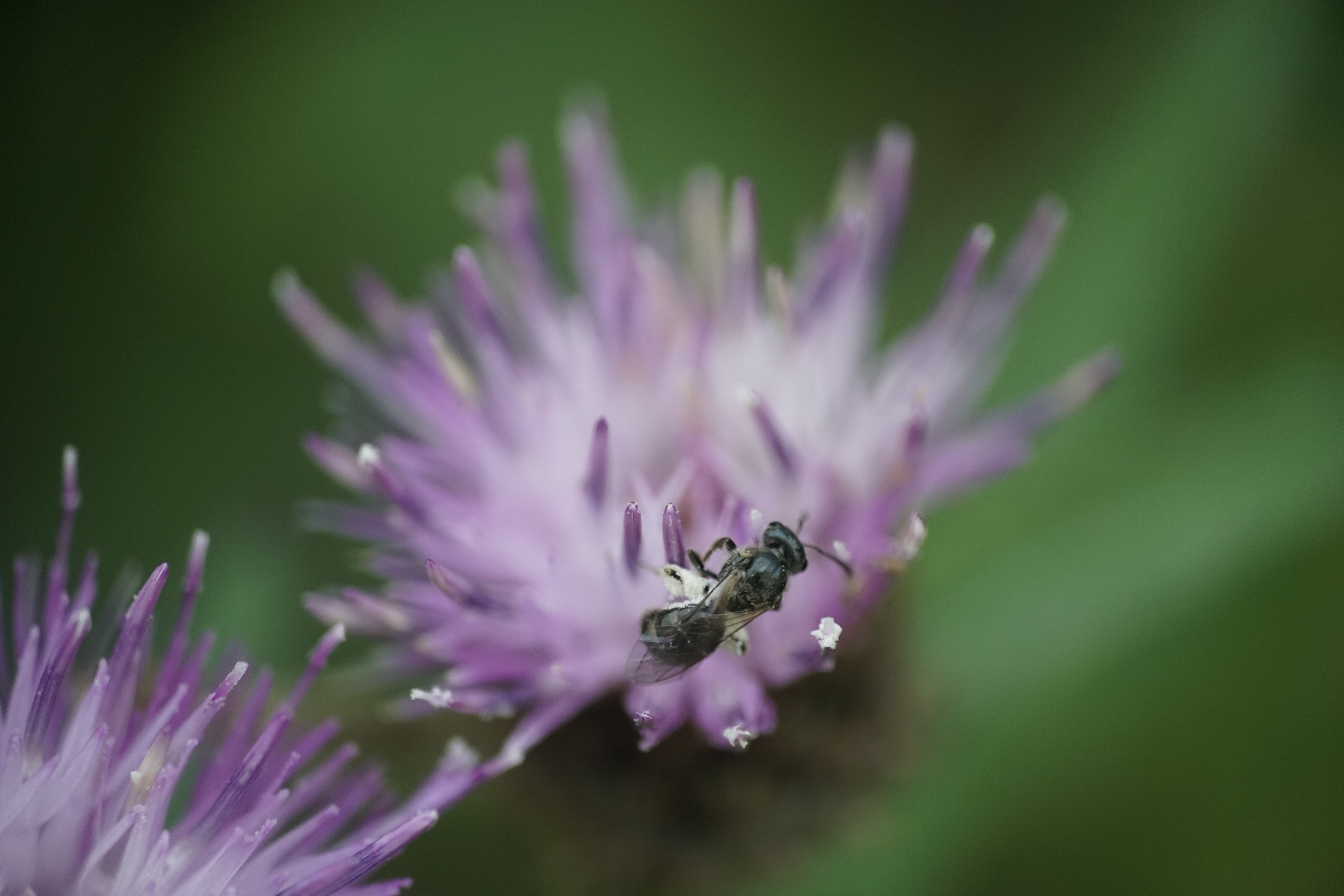
Keltic Lodge
Gorgeous sphecid wasp, Chlorion or Chalybion? I think Chalybion californicum is correct here. According to BugGuide, at https://bugguide.net/node/view/2010235/bgpage:
“Some of the most noticeable traits are in terms of the head. One is the presence of hairs on the temple (absent in Chlorion – though it does seem that males can have hairs on other parts of the head). The hind margins are also different. With Chalybion, there’s a narrower space behind the eyes (and ocelli) to the back of the head, and the edges have a fairly strong curve when viewed from above. It’s also thinner when viewed from the side. This makes for a bit more of an “inflated disc” shape to the head. Chlorion have a fairly broad space behind the eyes (and ocelli), and the edges are more squared off as viewed from above. It’s also thicker as viewed from the side. This gives for a more thickly-rounded, almost stereotypical alien appearance.”
And on https://bugguide.net/node/view/8606:
- One of two genera in our area notable for their distinctively metallic-blue bodies. Chlorion differs from the superficially similar Chalybion as follows:
- Head and thorax sparsely hairy, the vertex of the head particularly lacking dense setae
- Antennae inserted lower, well below the halfway point of the eye.
- The head is more produced at the temples and vertex (different head shape)
- Mandibles are dentate rather than simple and sickle-shaped
- Pronotum not as strongly notched
- Tarsal rake present (females only)
- Wing with the hind margin of the third sub-marginal cell meeting the marginal cell at nearly the same point as the fore margin, resulting in a strongly triangular cell rather than a rhombic cell
- Propodeum with U-shaped dorsal enclosure defined at least posteriorly by a semicircular sulcus/furrow (Chalybion has at most a median sulcus or pit)
- Generally larger
What does that mean for this individual? I can see hairs on top of the head, and the head shape looks flatter, so Chalybion, I think.
Assuming this is correct, here’s what Wikipedia has to say:
“Females can build their own nests, but often refurbish nests abandoned by other wasps and bees,[4] particularly those of Sceliphron caementarium,[5] removing any spiders captured by S. caementarium and the larva, replacing it with an egg of its own and freshly caught spiders.”
Which is interesting, because there are photos of Sceliphron caementarium further down below.

Earwig

Middle Head trail
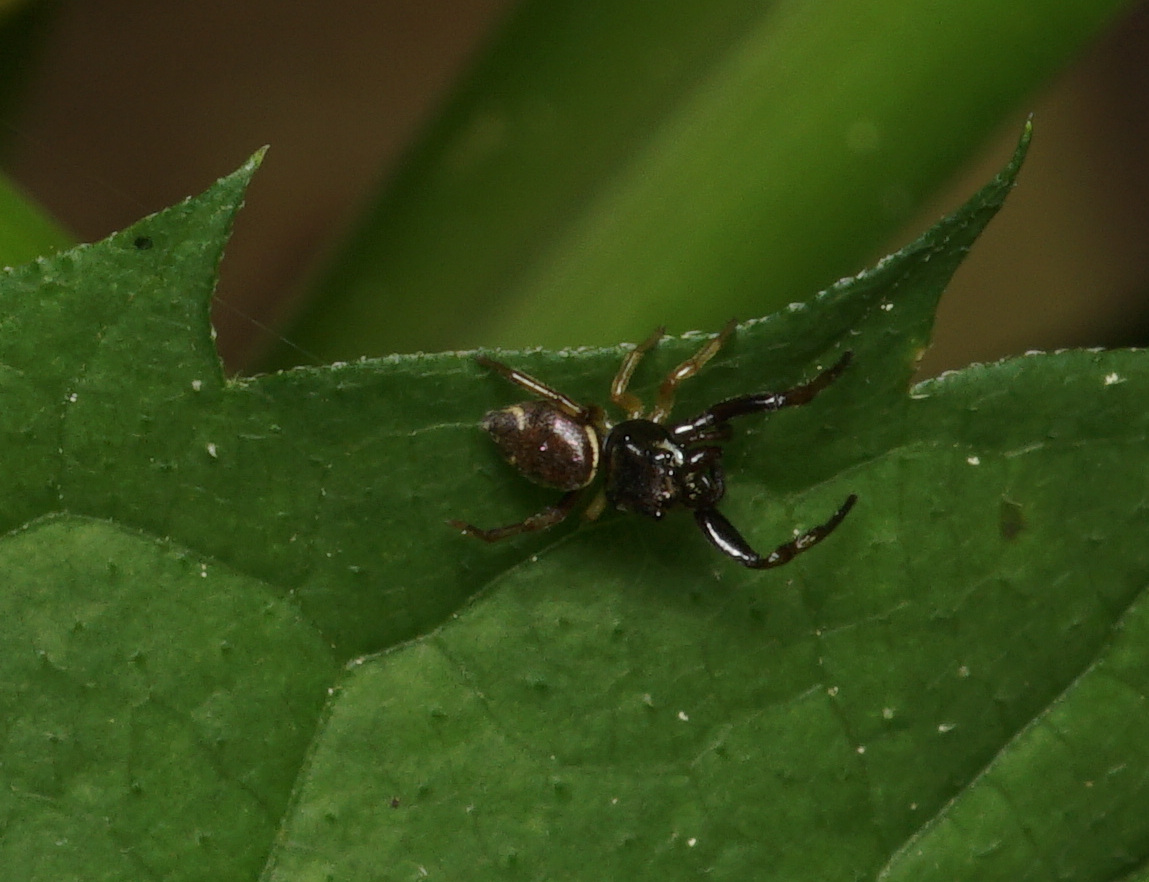
Salticid spiderling, Pelegrina or something? If it’s actually Maevia inclemens, I will be embarrassed.

Weevil, need to identify. Best guess is “Timothy billbug”, Sphenophorus cf zeae, https://bugguide.net/node/view/776934
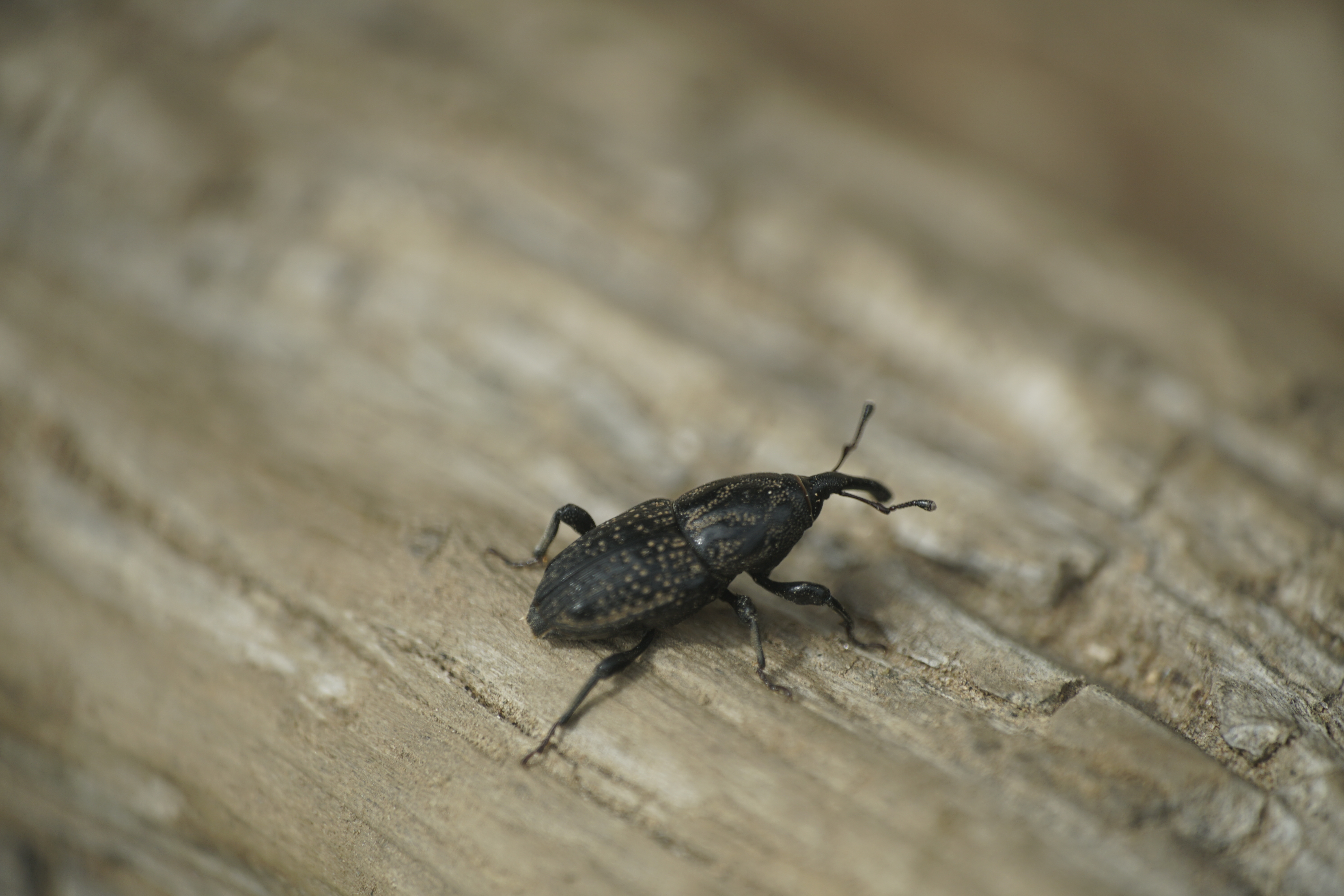
Freshwater Lake
Damselfly, in Enallagma aka bluets.

Broad nosed weevil, Entiminae? Polydrusus cervinus is a possibility but not sure at all.

Asilidae, something like Dioctria hyalipennis?

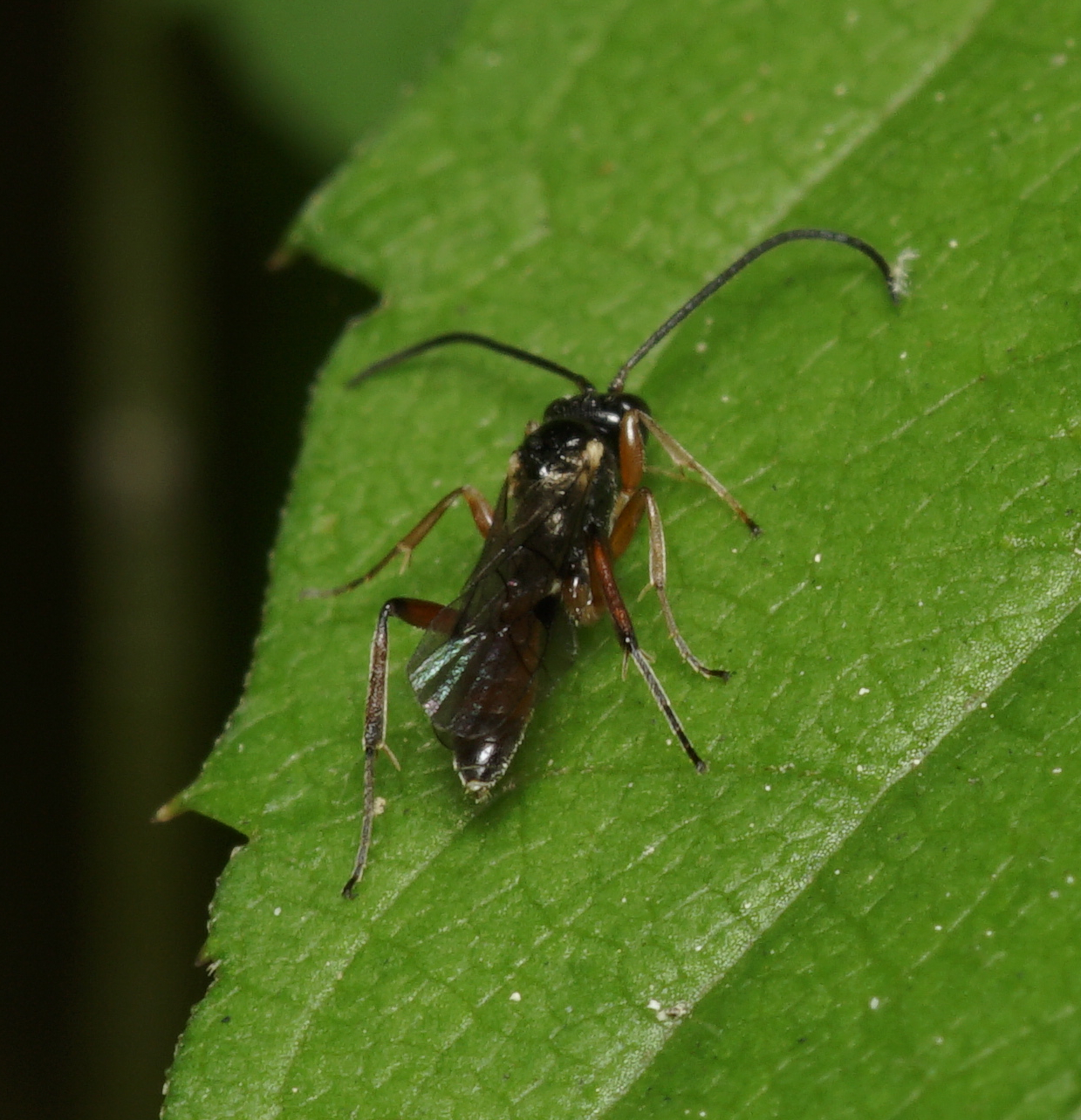
I can’t find an exact match for this wasp, and even when I do find photos in BugGuide, it doesn’t get any finer than tribe level. I think this might be in Ichneumonini, but even that is tricky. I’ve seen Vulgichneumon and Orgichneumon as names proffered for broadly similar looking wasps.

I think this is a black and yellow mud dauber, Sceliphron caementarium. They were wallowing in the puddle collecting mud to build their homes. They will later bring spiders to provision the nests for their babies.
Note that the Chalybion wasps later re-use the nests for their own spiders for their own babies.


Green Cove
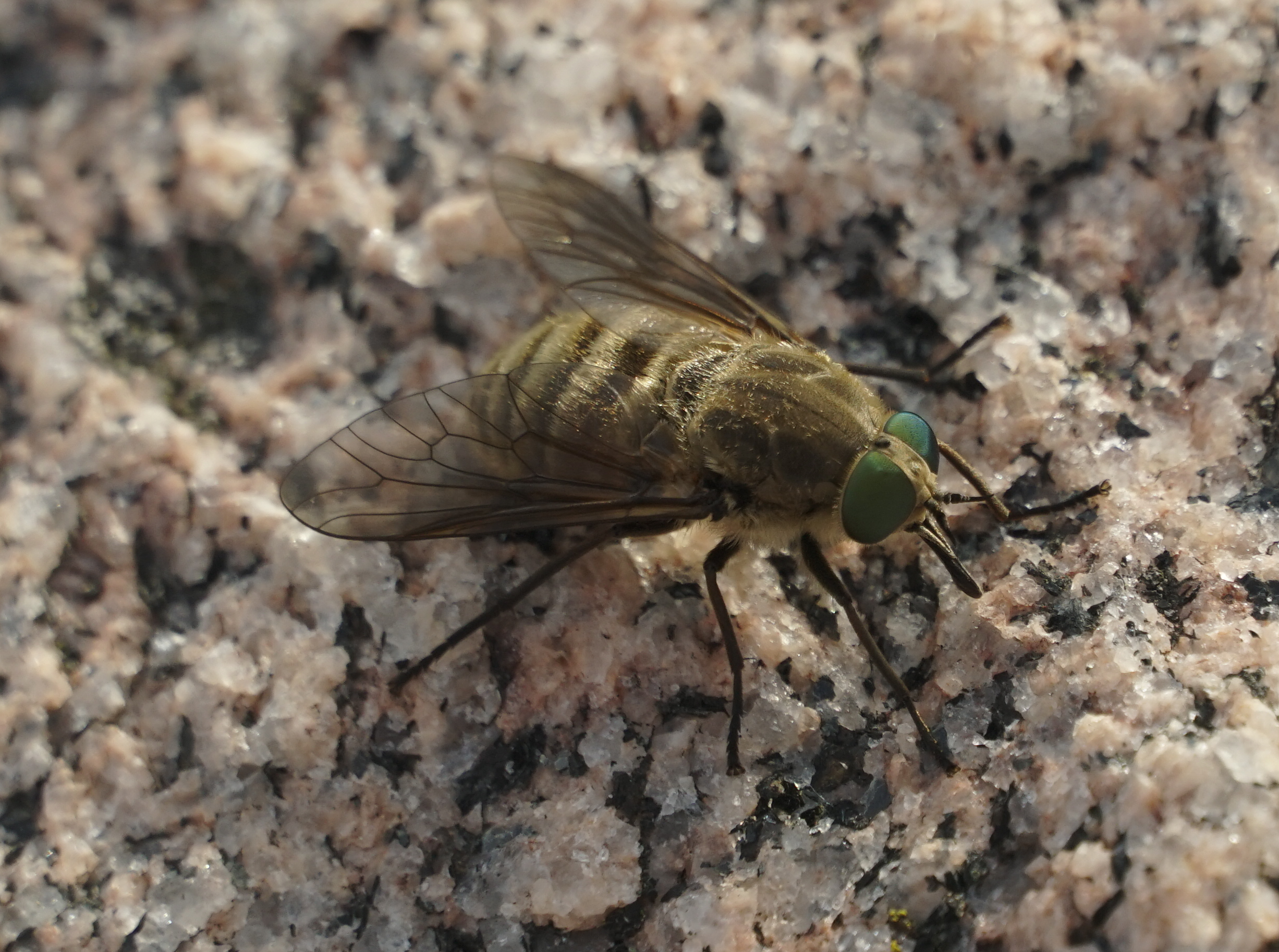
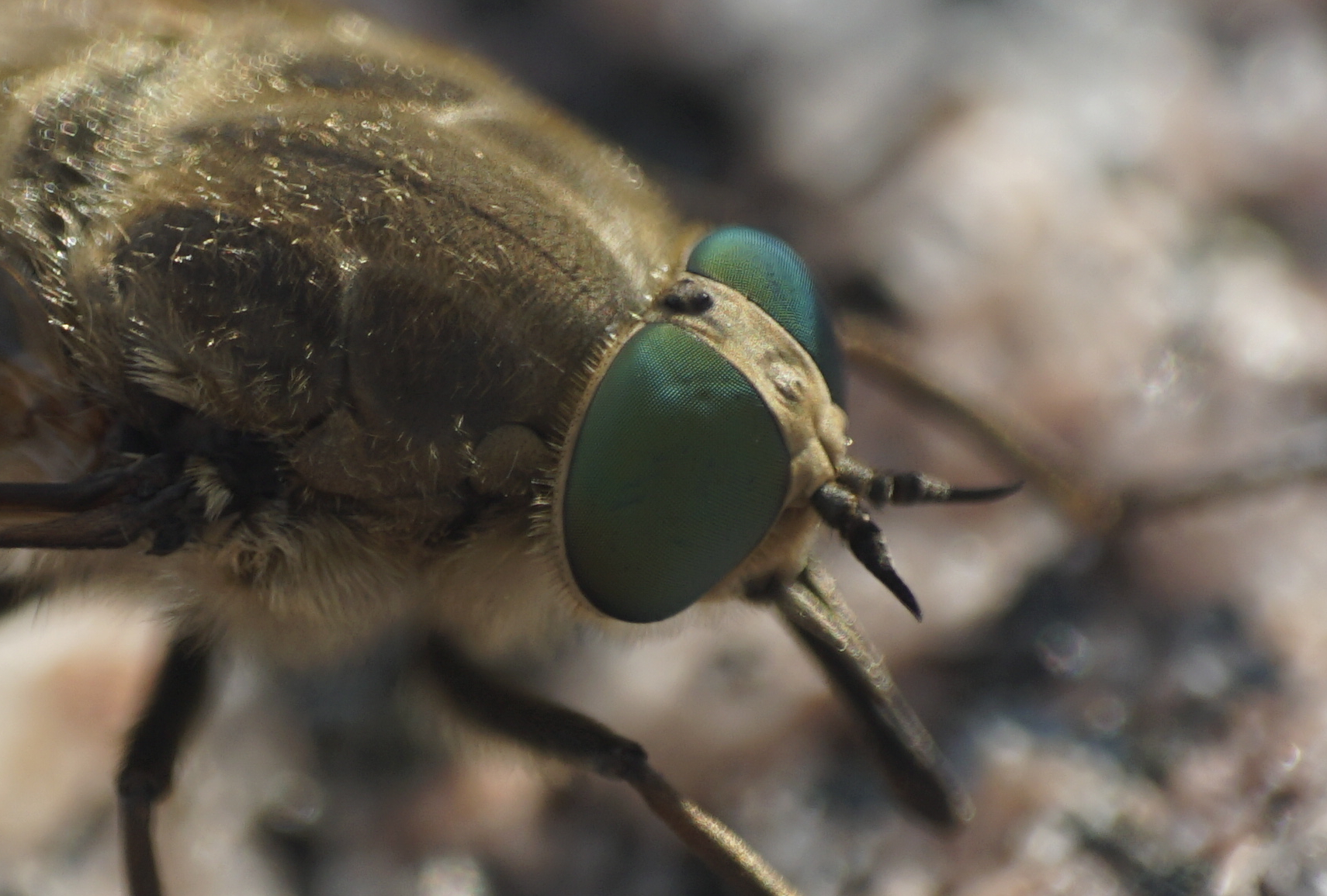
Gorgeous green eyes, but usually not a lot of fun to get close to. This could be a female horsefly, Tabanidae. (The separation between the eyes is the sign that it’s a female.) I think genus Tabanus is likely.



























 a little wild