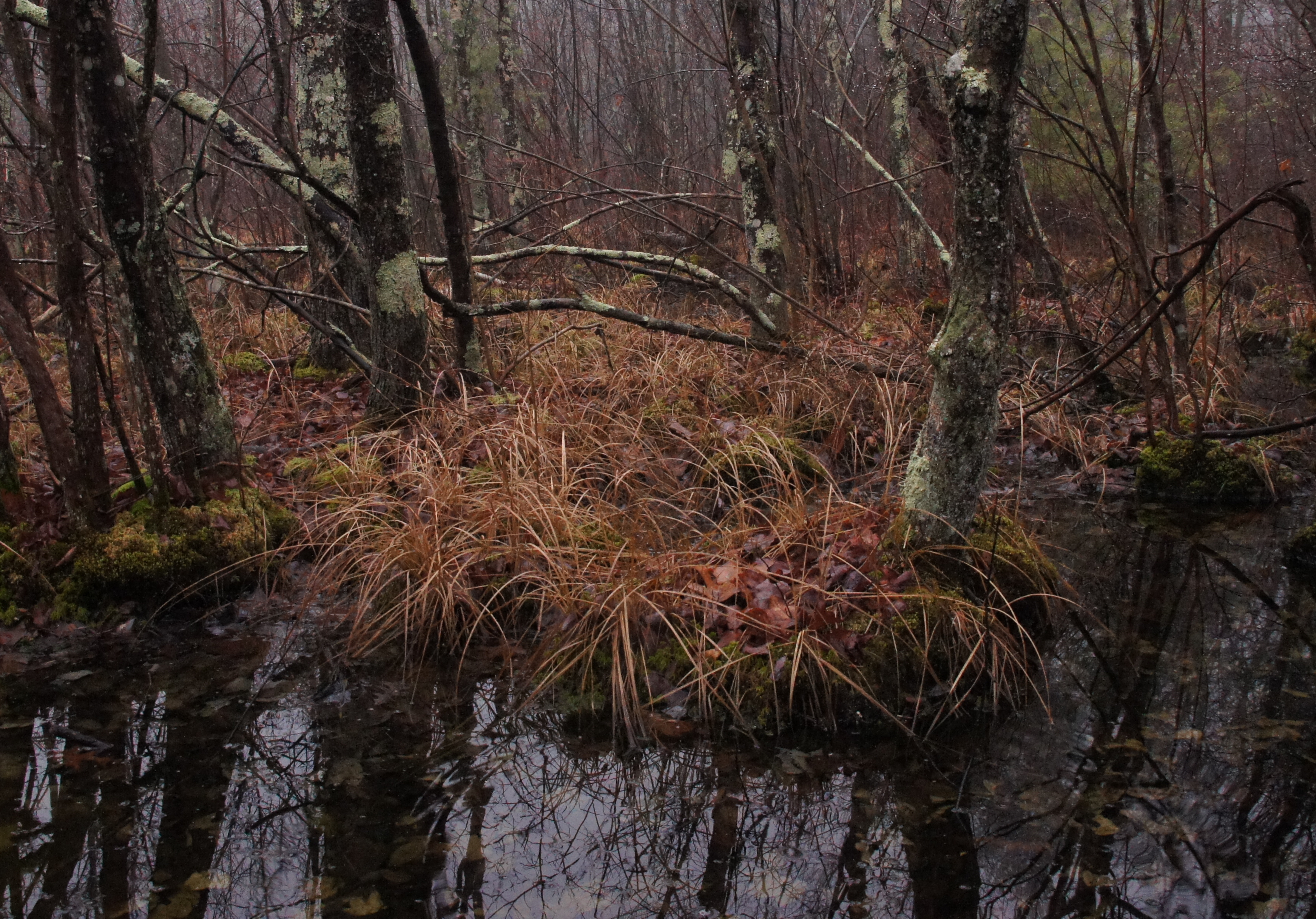
Took out the Laowa 24mm probe lens to look underwater. It’s been rainy for many days now, so the marshy area was filled with water (it’s often dried out).
I mostly looked in a little bit of the marsh that was cordoned off from the rest. That area turned out to have by far the most ostracods and copepods. Taking photos of them was pretty difficult, but out of several hundred photos, I got a few decent shots.
It was surprising there was so much activity at this time of year (New Year’s Day!). Even the caddisfly larvae were everywhere. And it was even more surprising that so many of them were with eggs; what would they have done if it were freezing at this time, or if there were no rain?
All identities are my best guess, I’m still learning as I go!
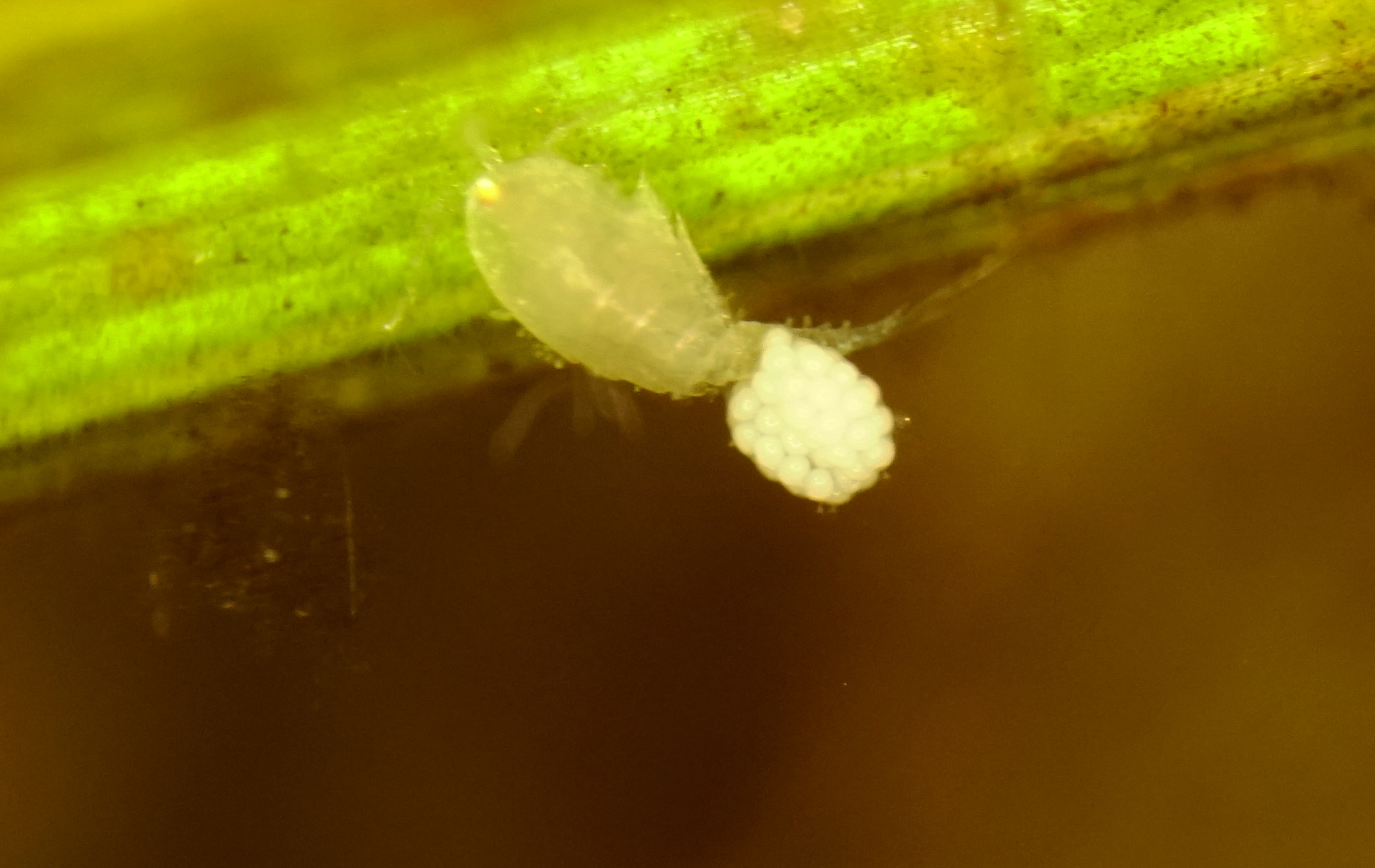
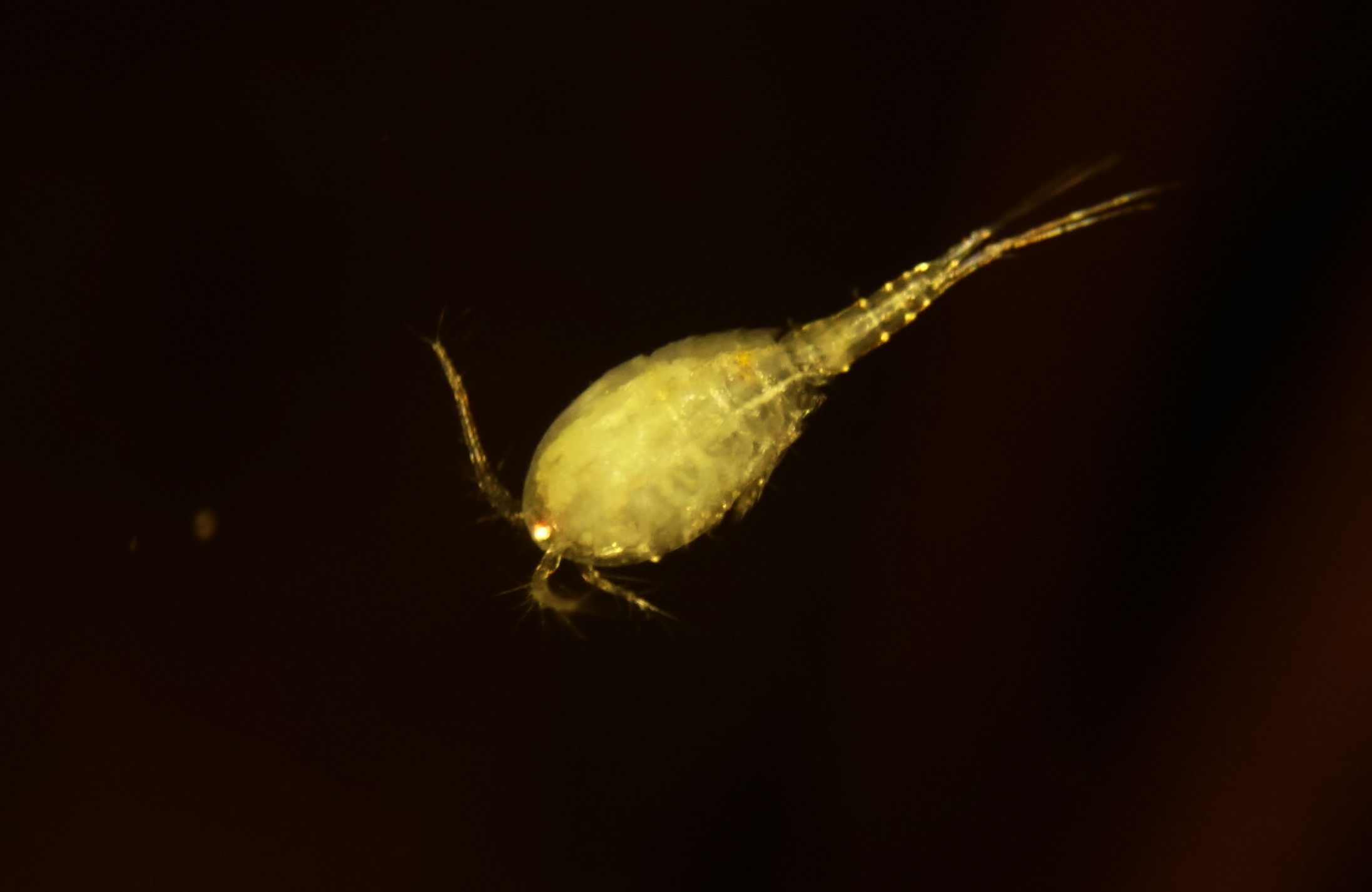
Copepod female, I think:
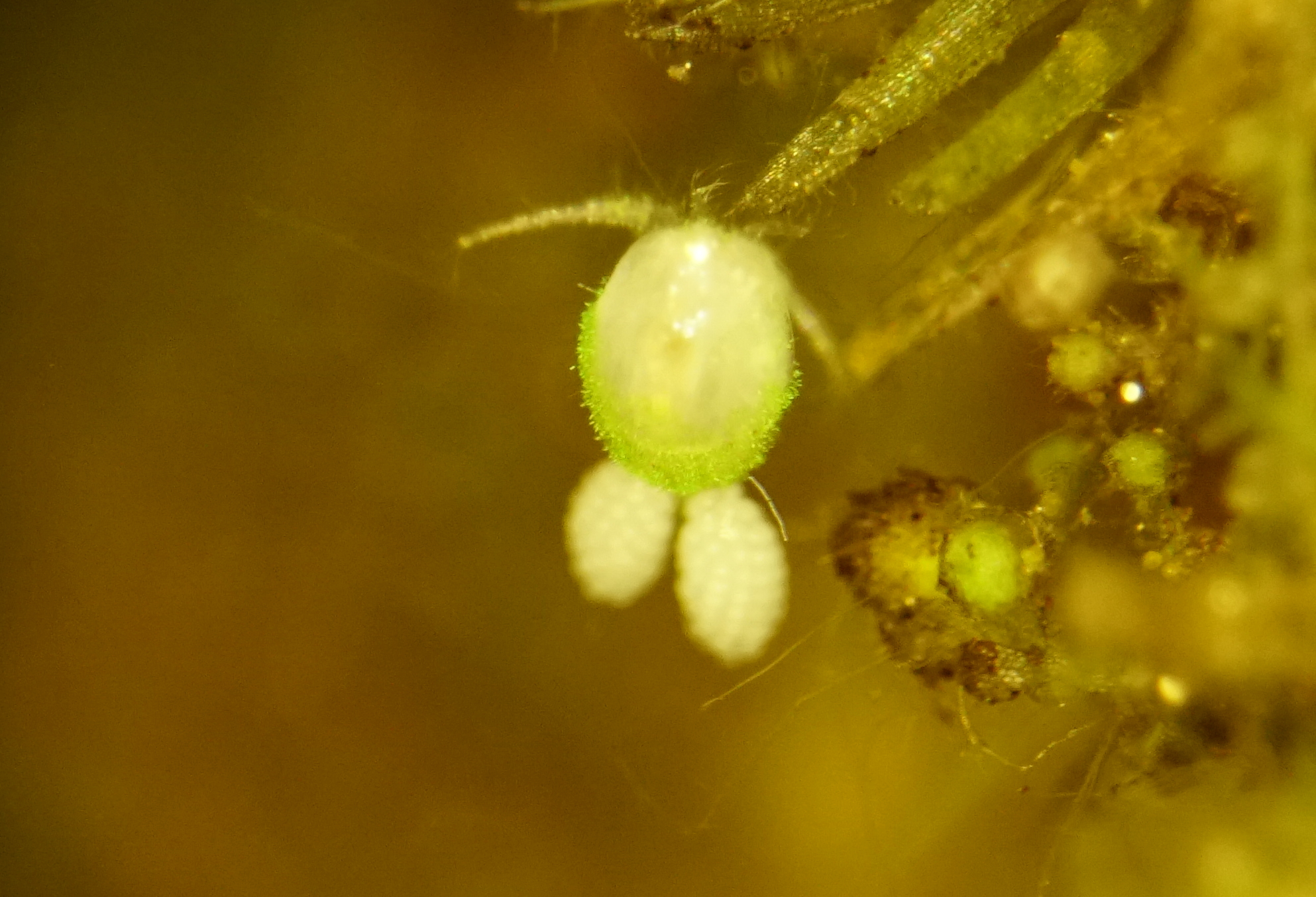
And another:
And another! You begin to get the idea. Fecundity rampant.
A better view of the male in the previous photo. I couldn’t tell if they were actually interacting, but they stayed together for a several seconds.
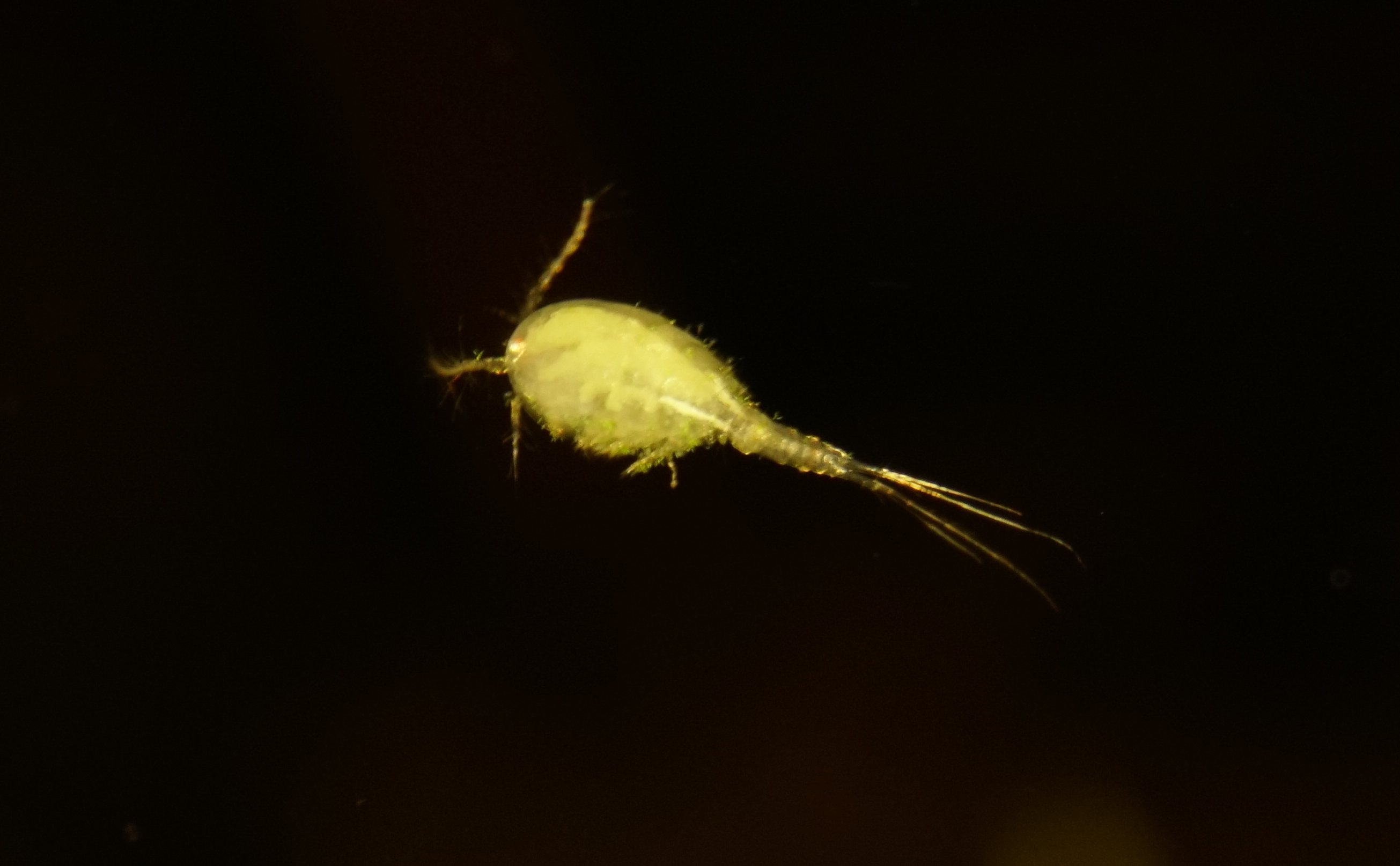
Copepod male, I think:
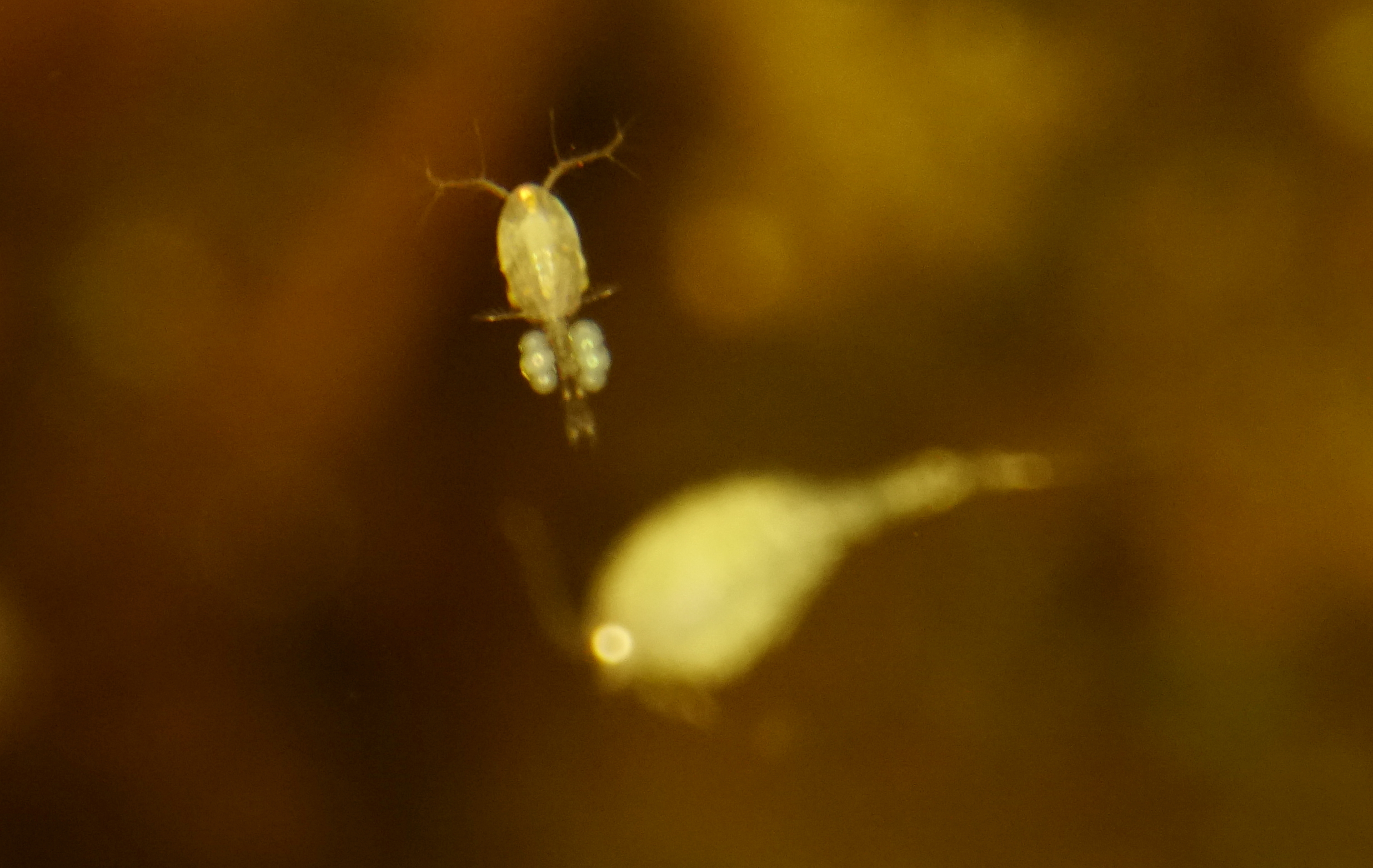
In focus, while swimming. Believe me, this was not an easy photo to take:
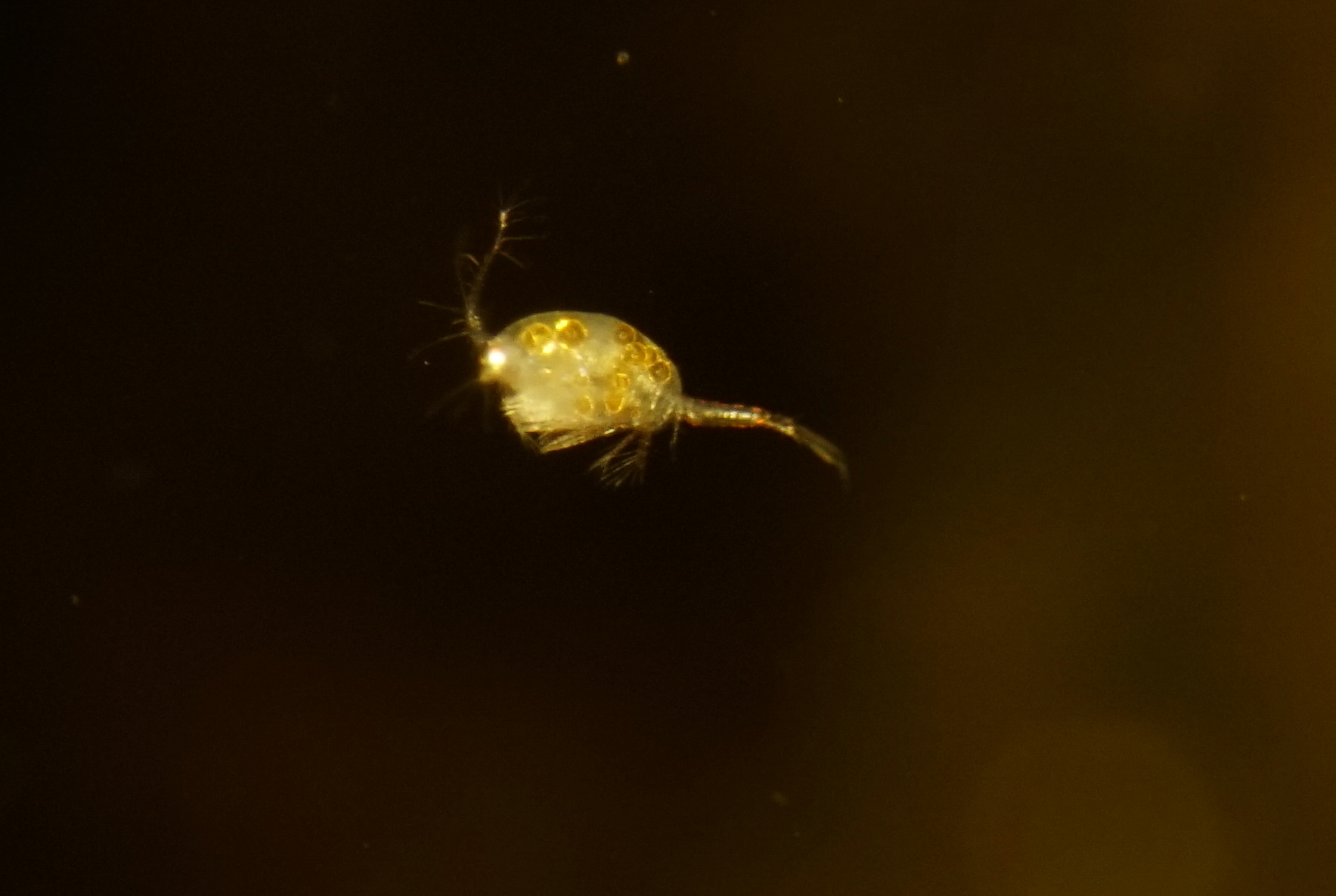
This is another copepod. Those sphere that look like eggs are actually fatty globules stored inside the body. The orange color comes from carotenoids.
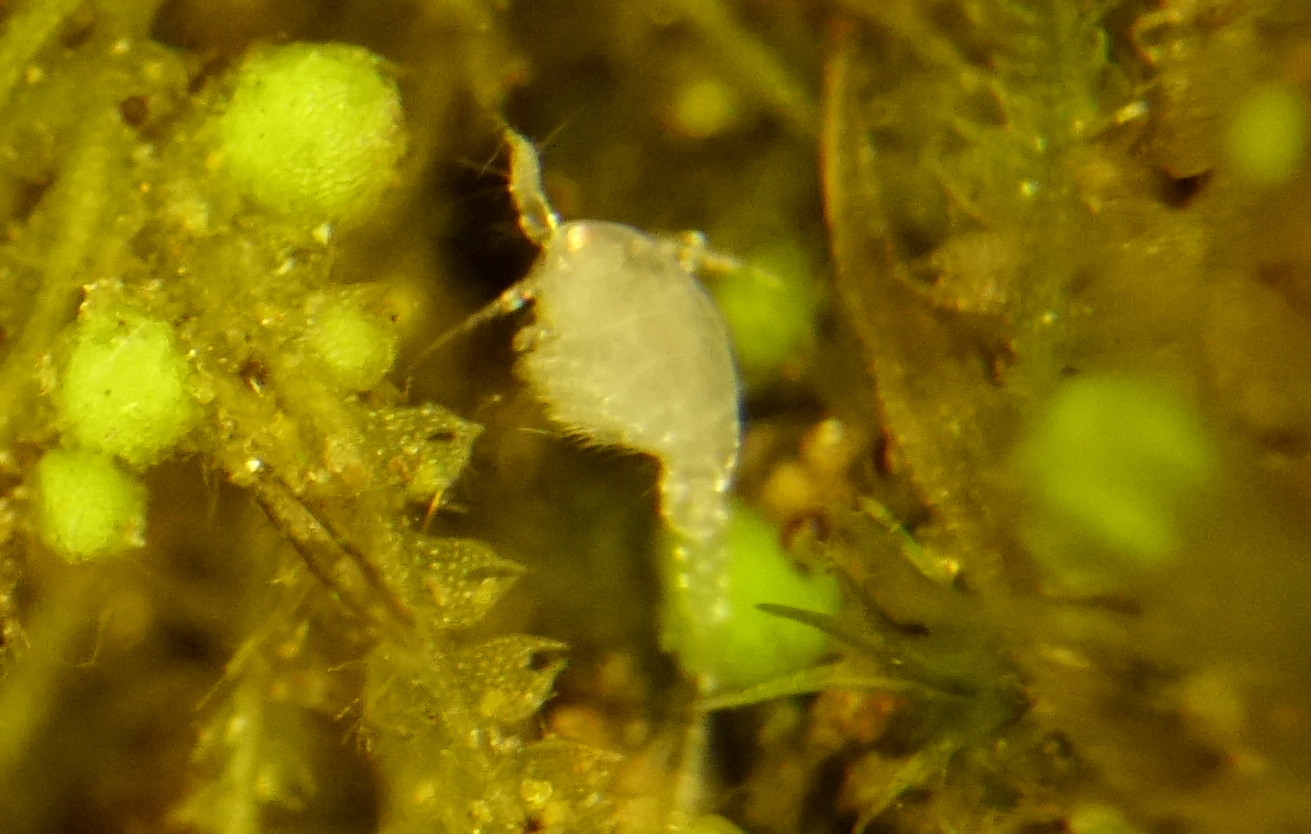
I think this is another copecod, but again, I’m still trying to pick this up:
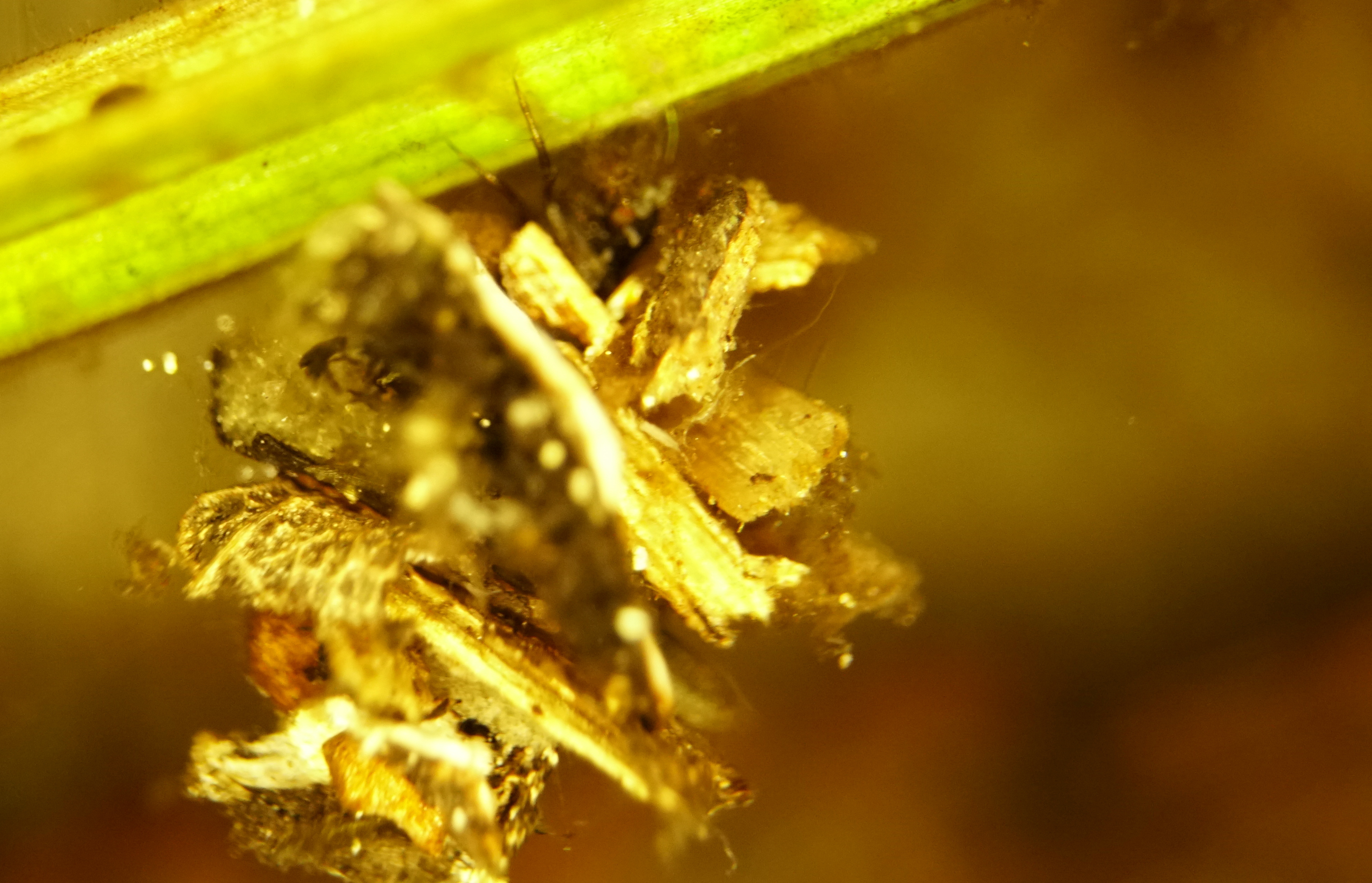
A caddisfly larvae in its casing. You can see the legs, but the main body is out of focus:
This photo was taken in the pool on the vernal pool trail. I have no idea what I’m looking at. It was a mass attached to a leaf, on the surface.
Now for some photos that do not involve exoskeletons:
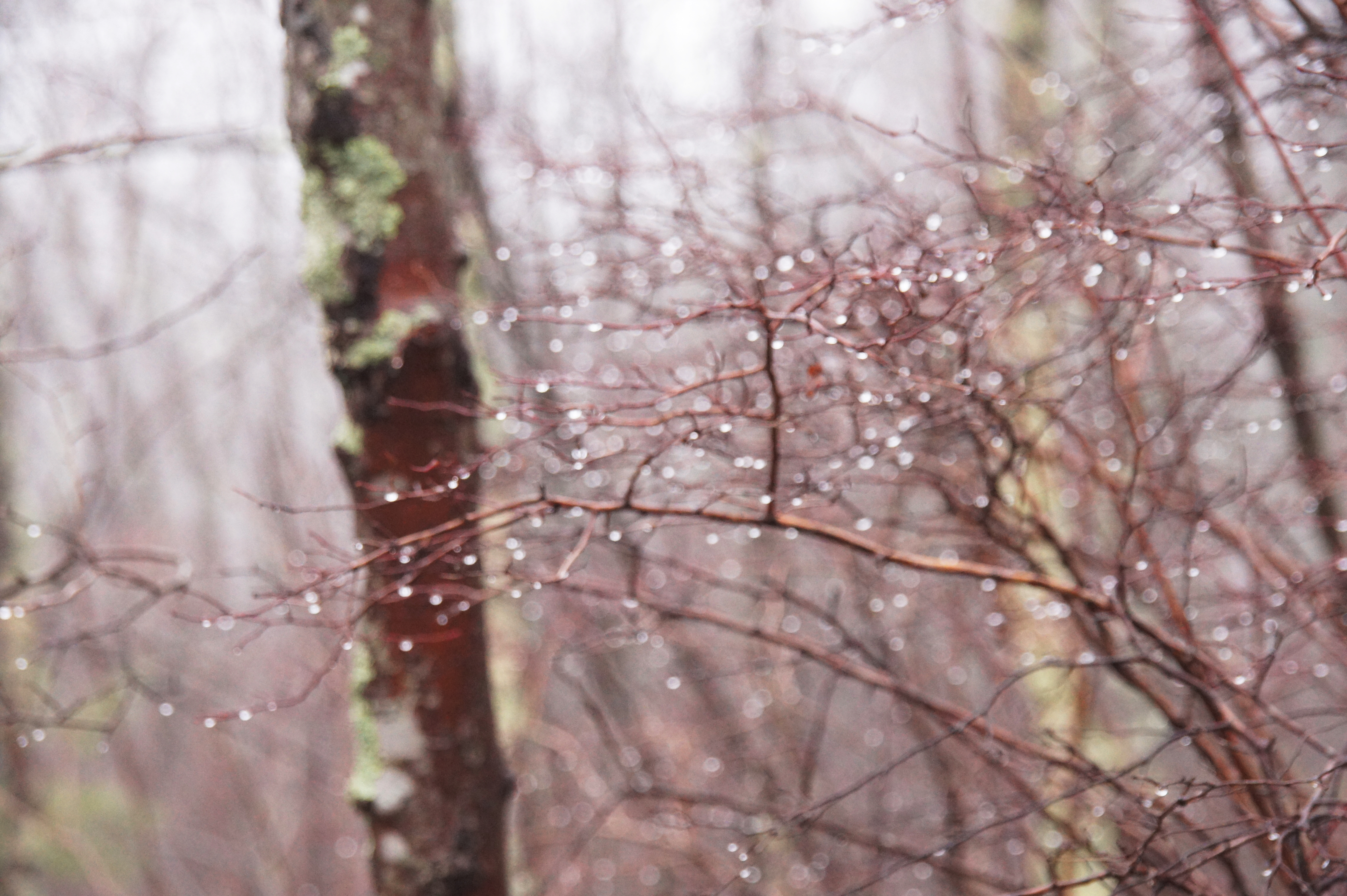
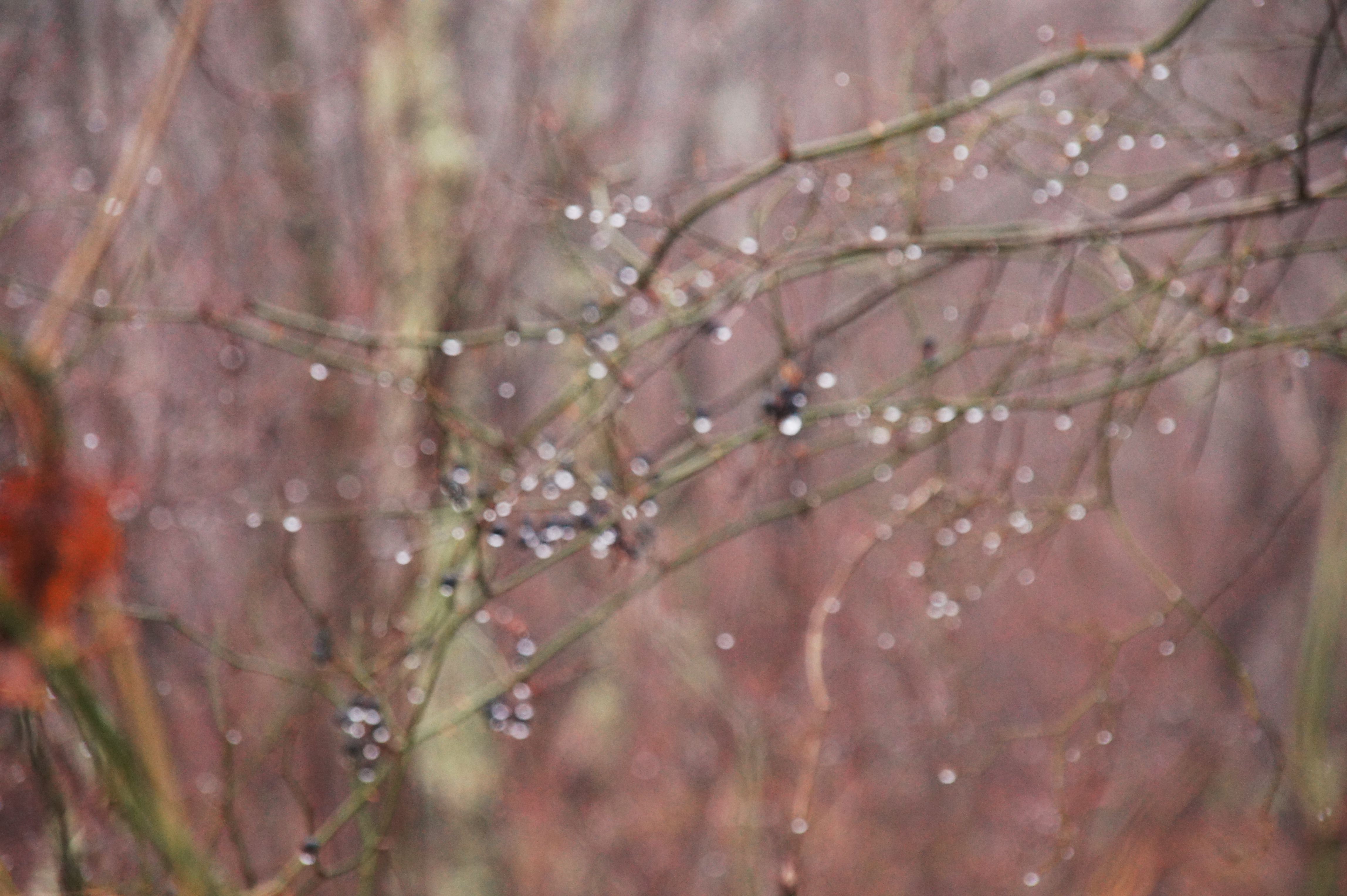
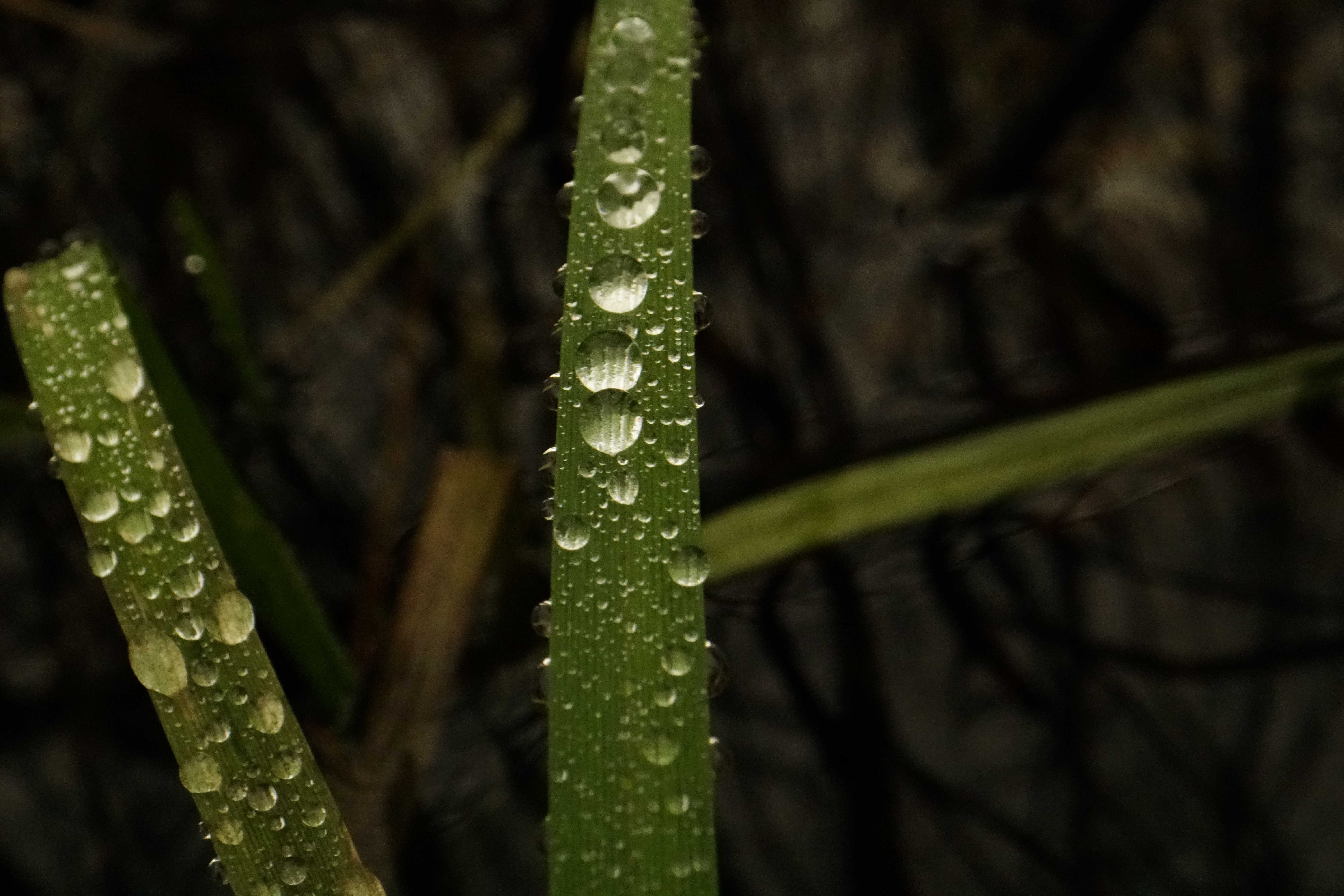
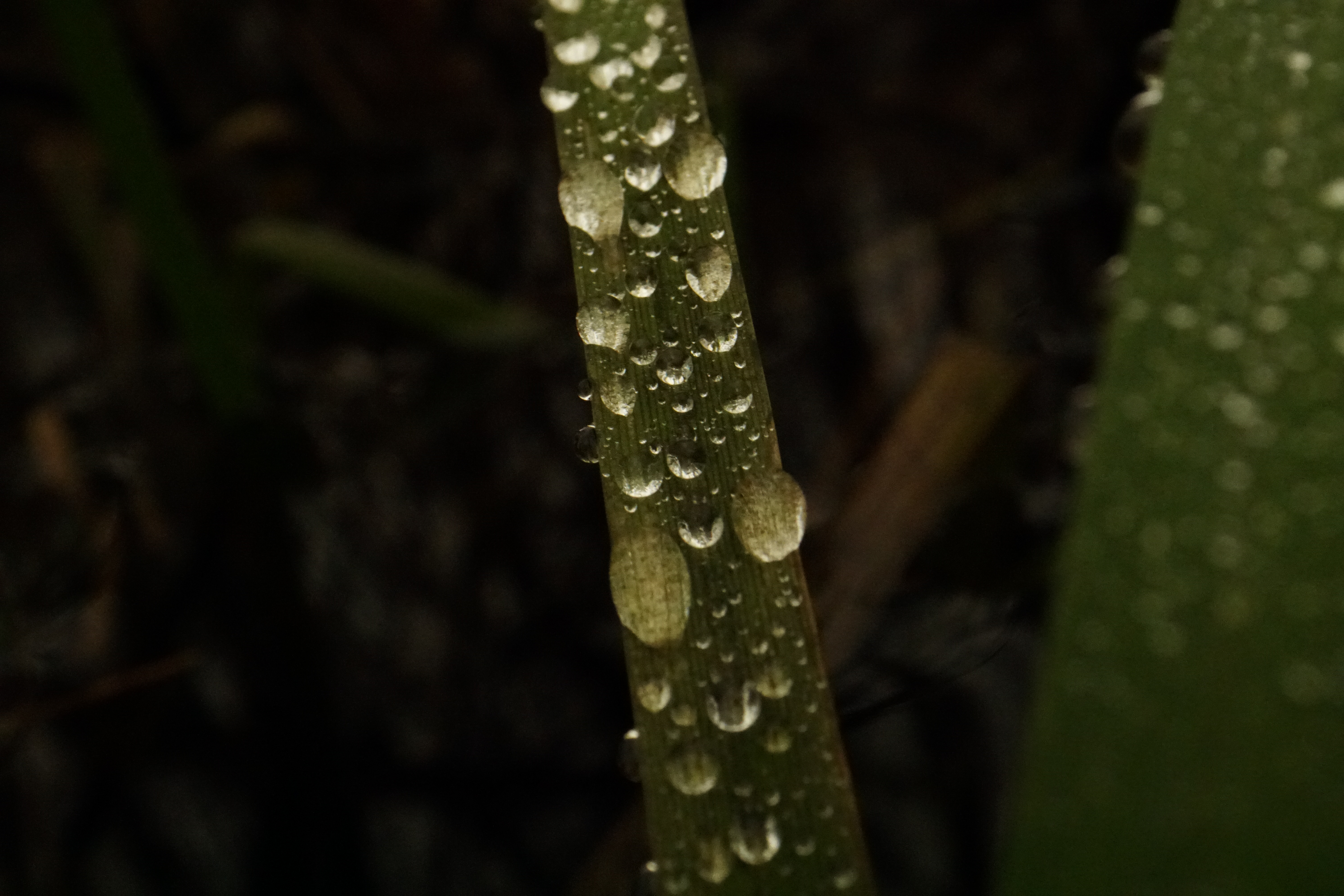
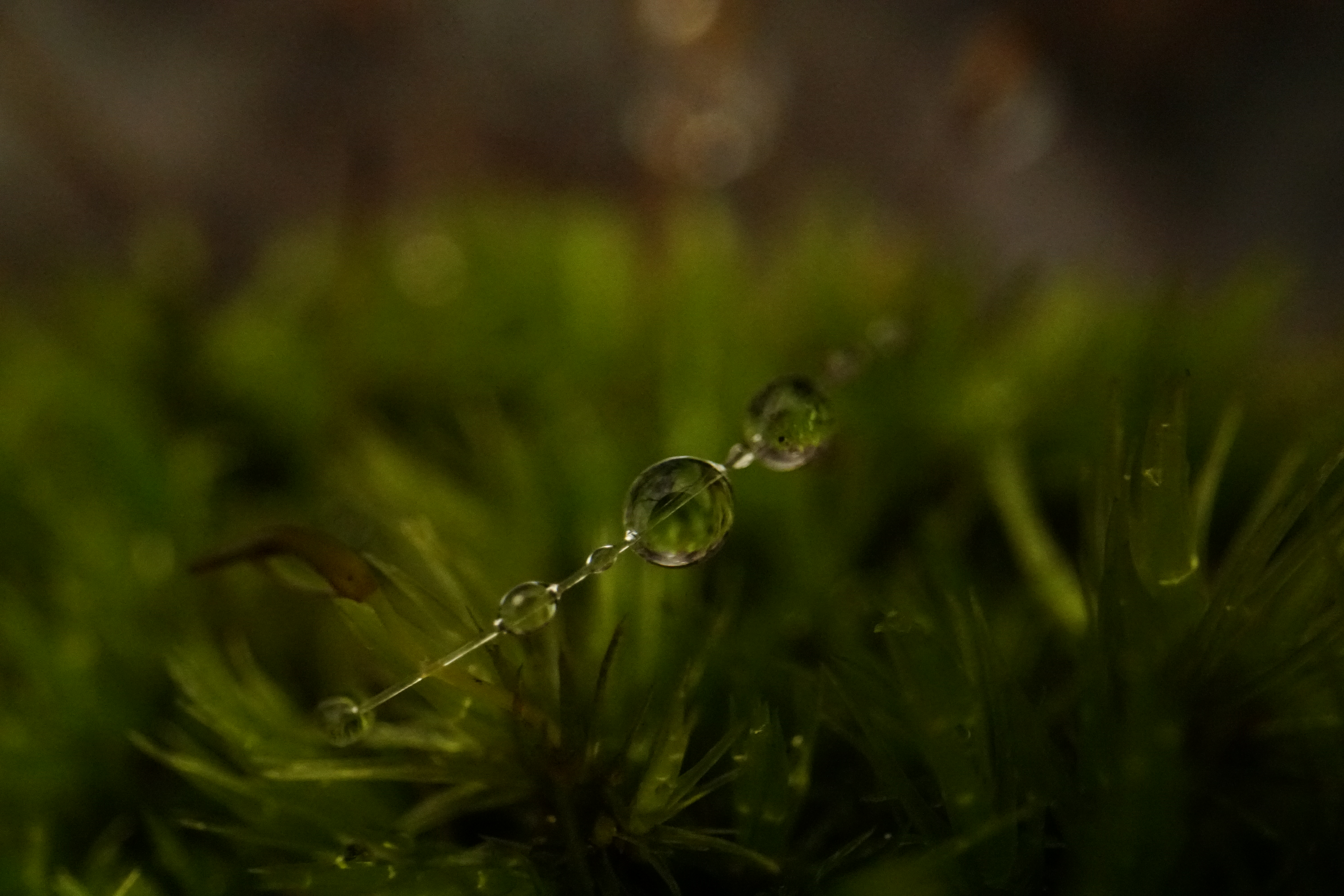
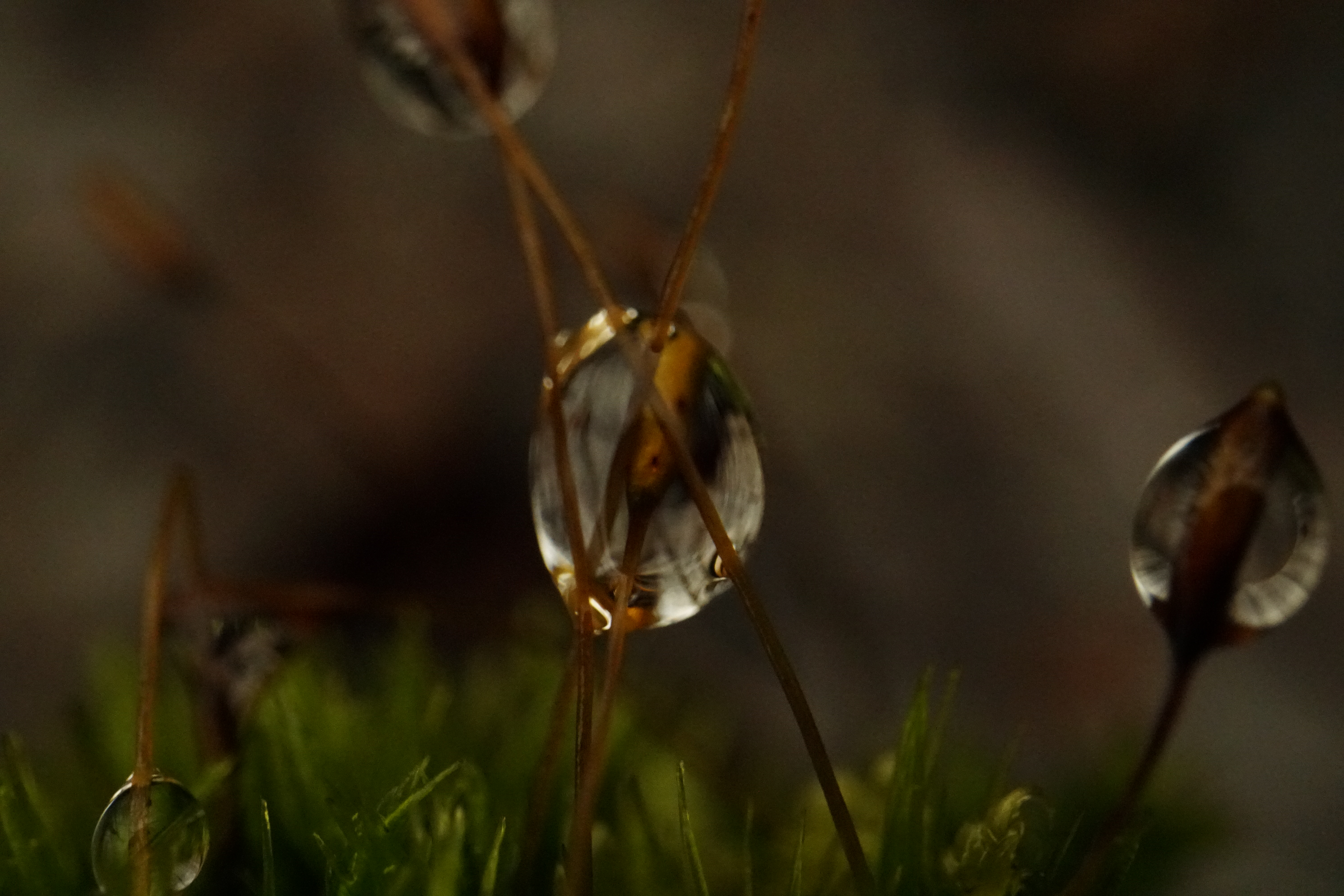
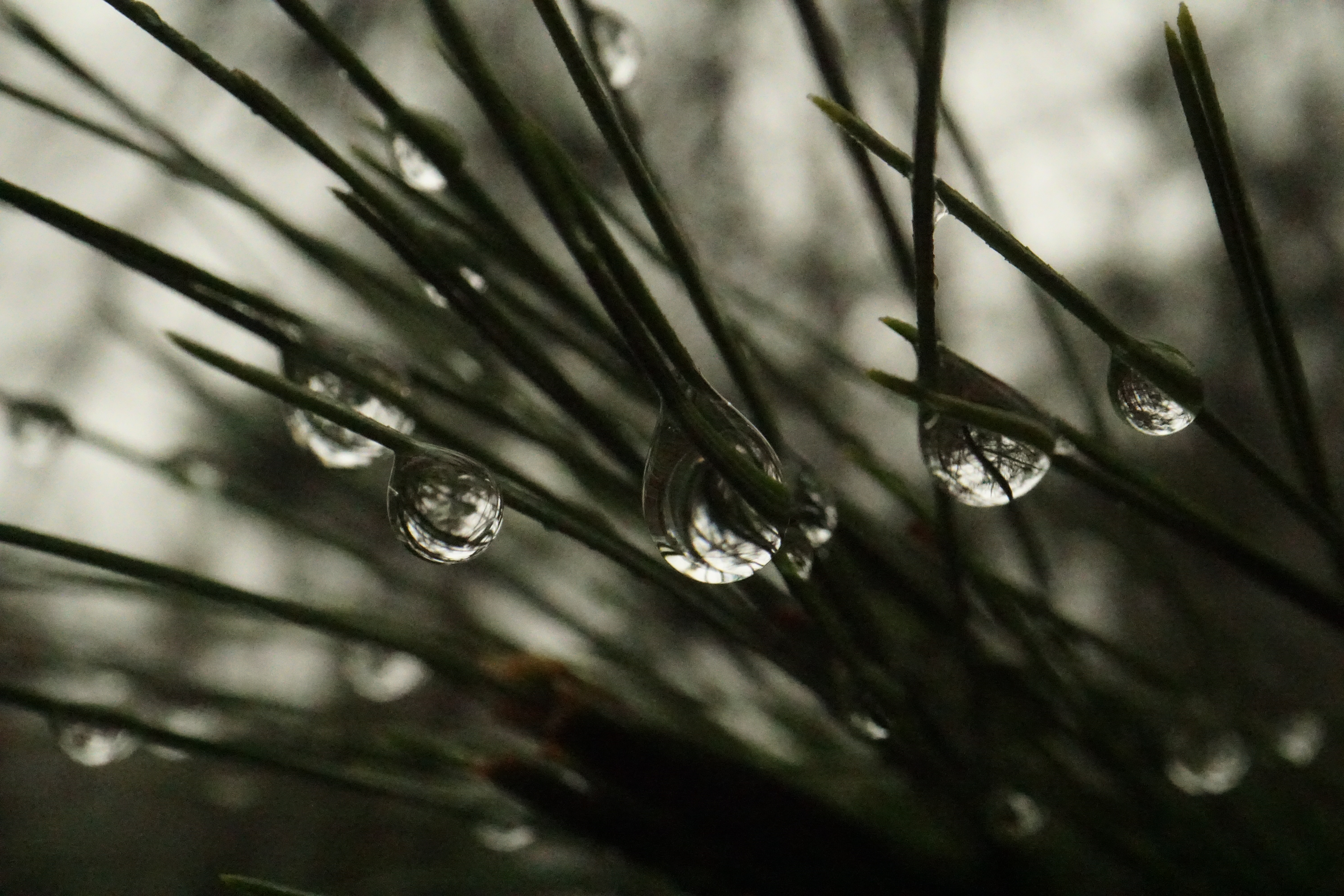
Rain droplets are sometimes better when out of focus. The shiny bright light gets lost in the photo if the droplet is in focus (because the dynamic range of the camera is less than that of the eye), but can be seen better by spreading it out.
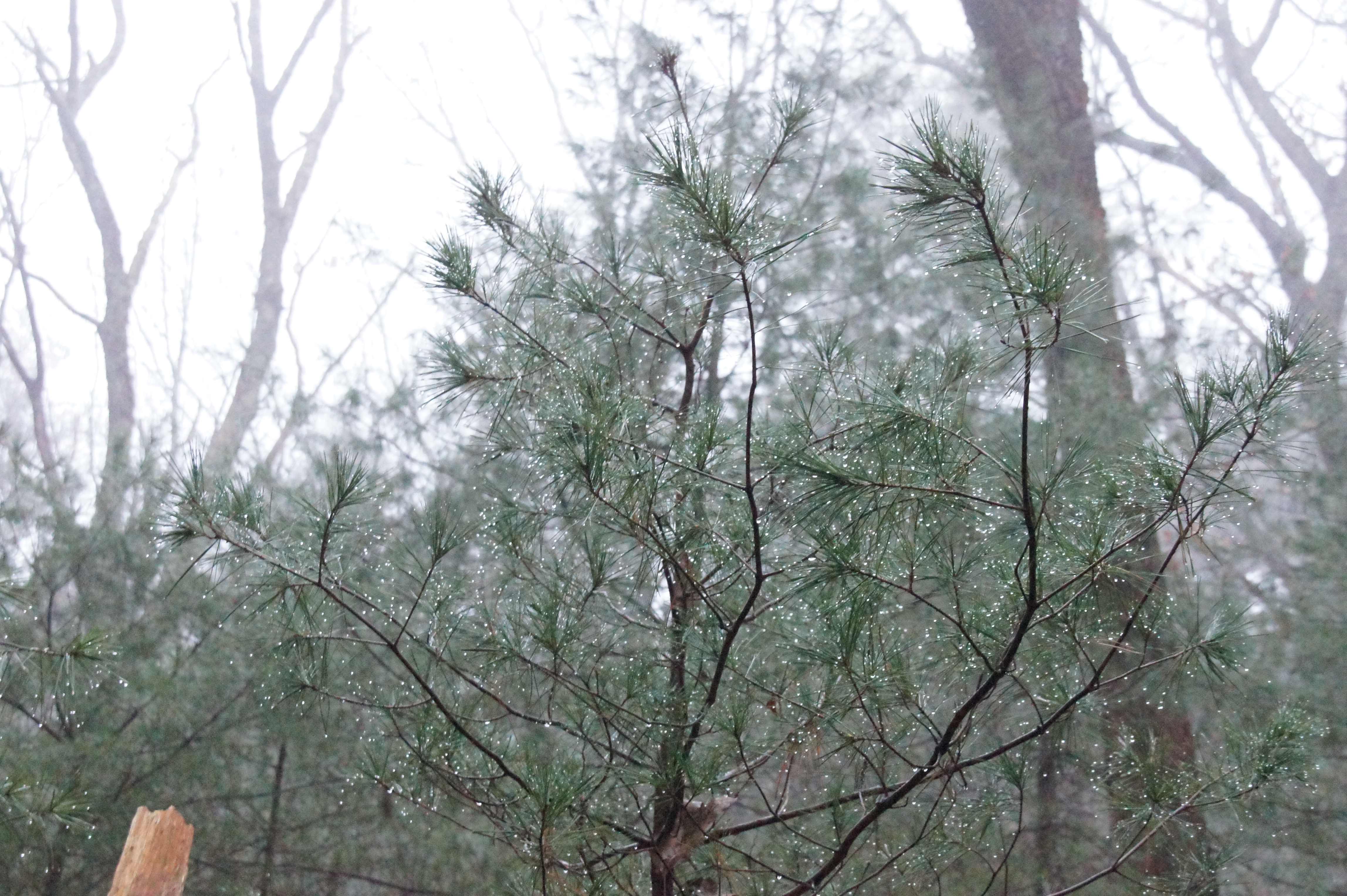
In this case, they didn’t need that help:
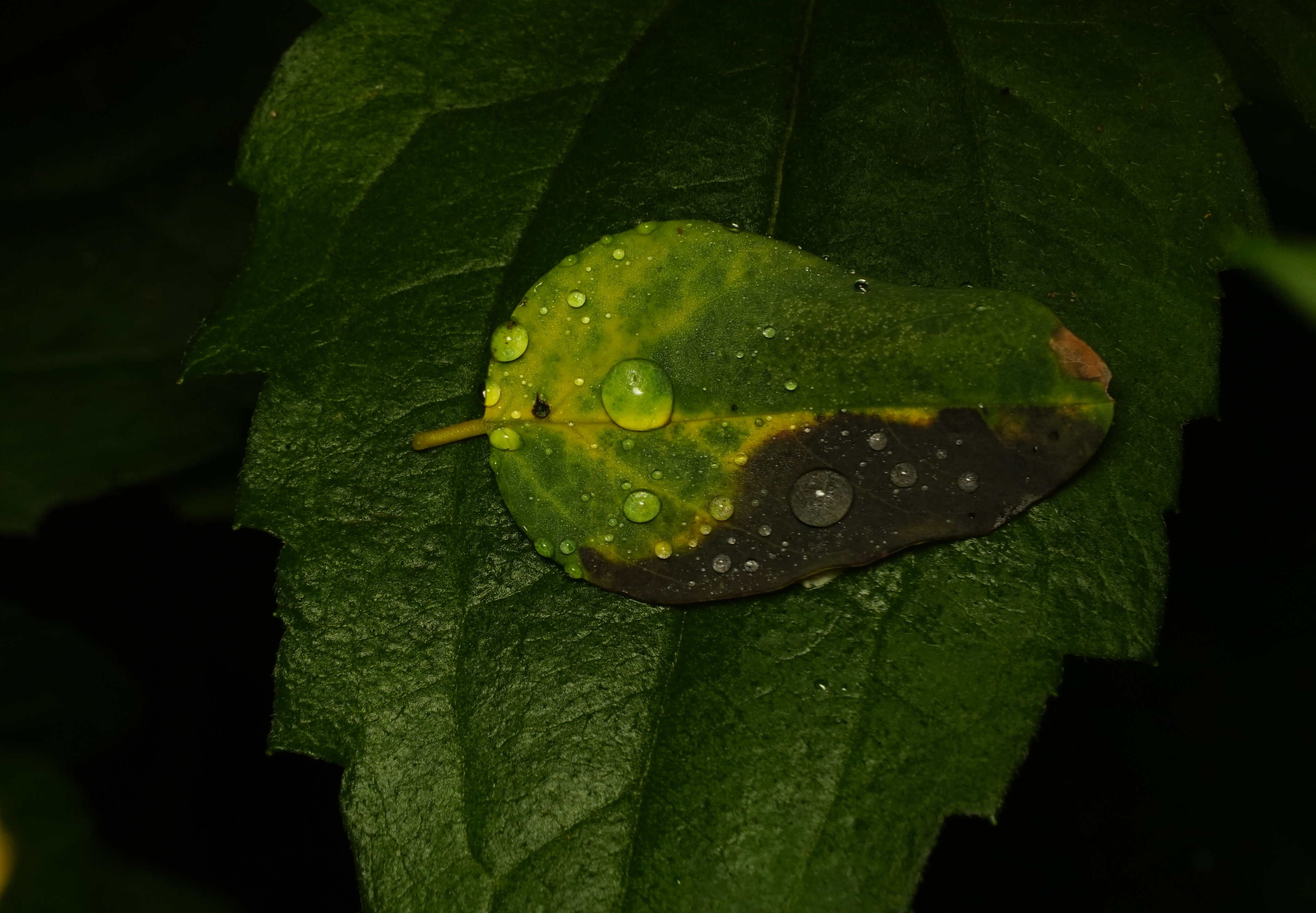
I took a series of photos of this wonderful set of droplets on a leaf in the marsh. No way I could have reached them without using the Laowa lens. The light was striking it just right.
Is this a slime mold? EDIT: no, looks like one, but more likely to be the fungus Ceriporia spissa.
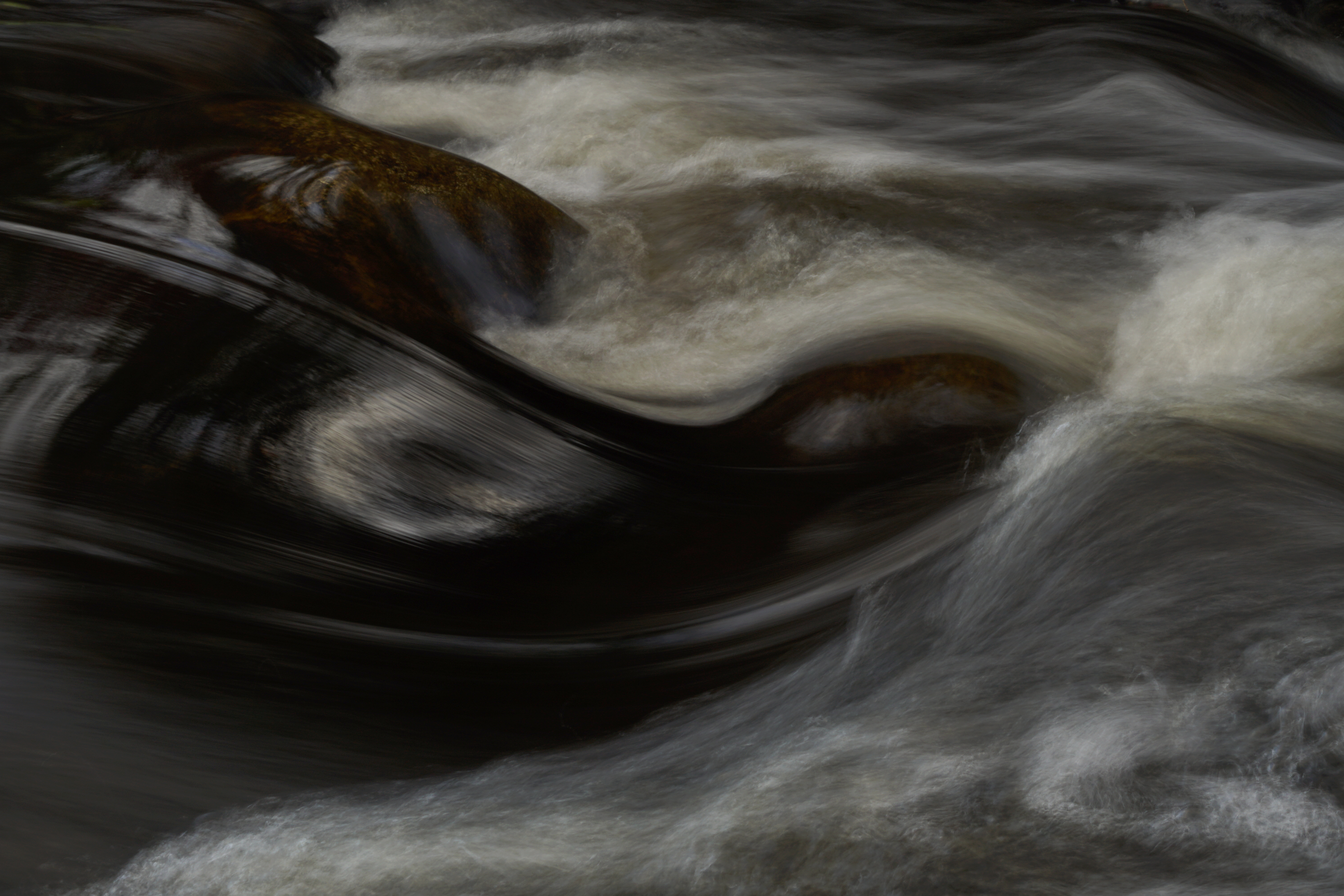
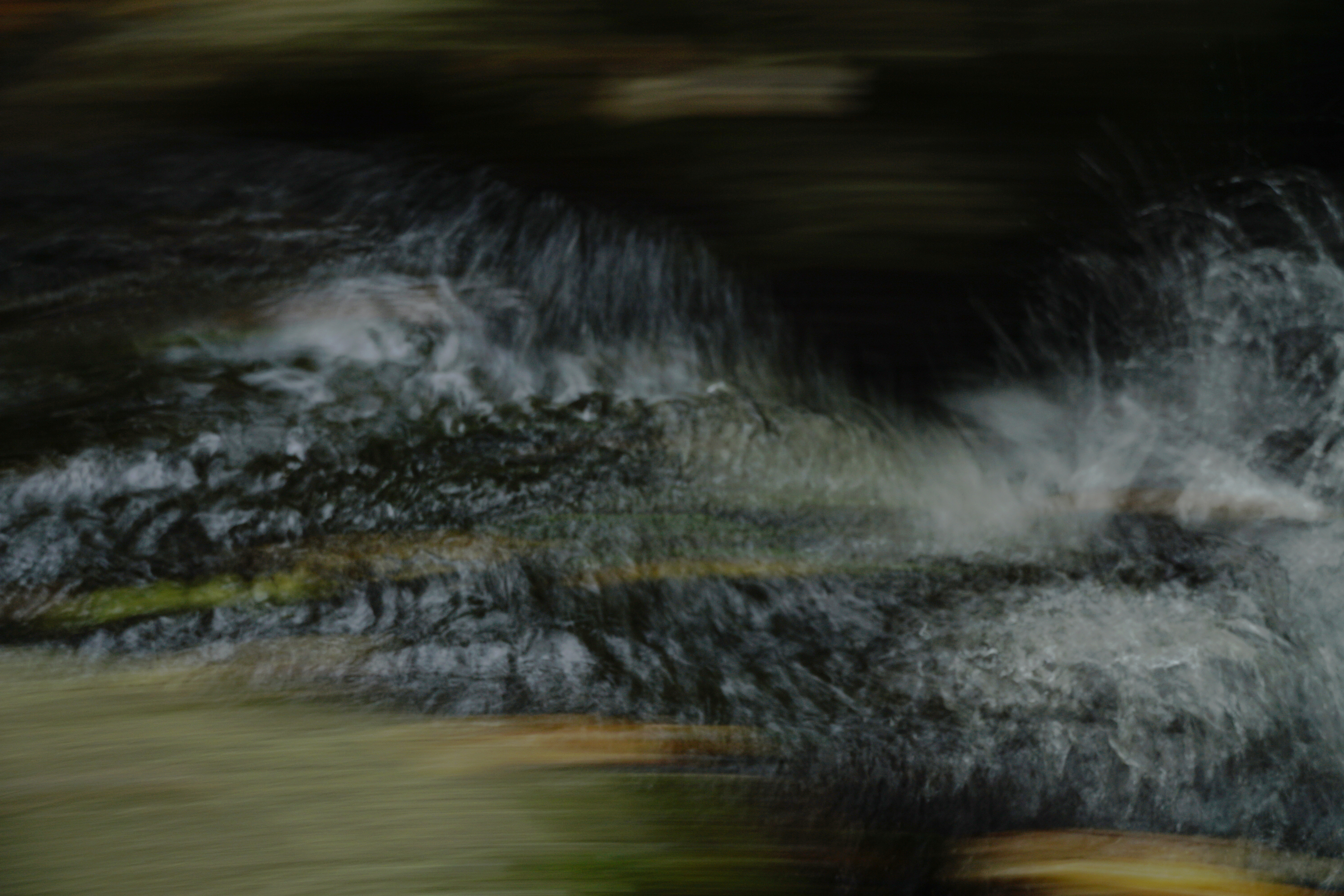
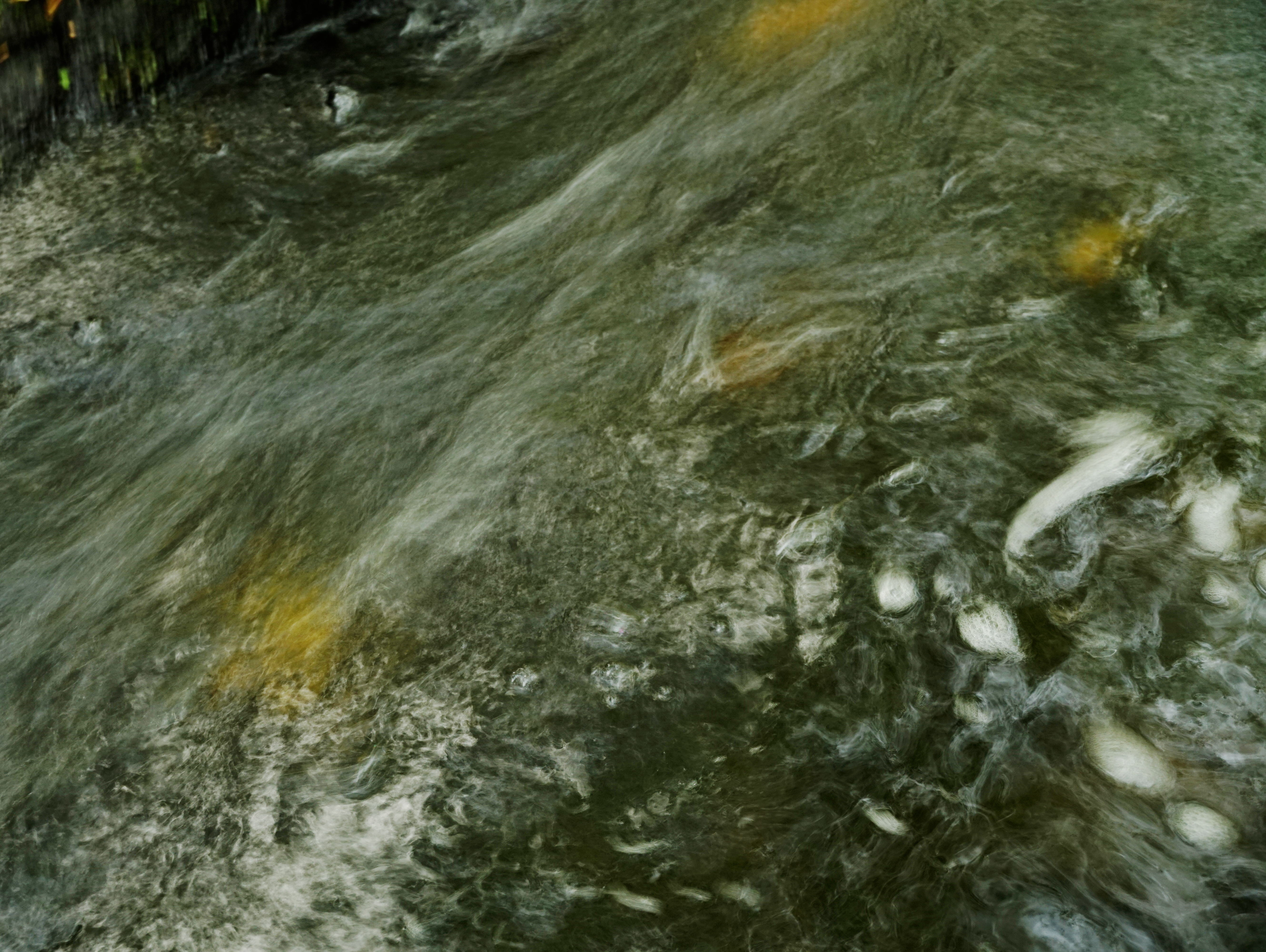
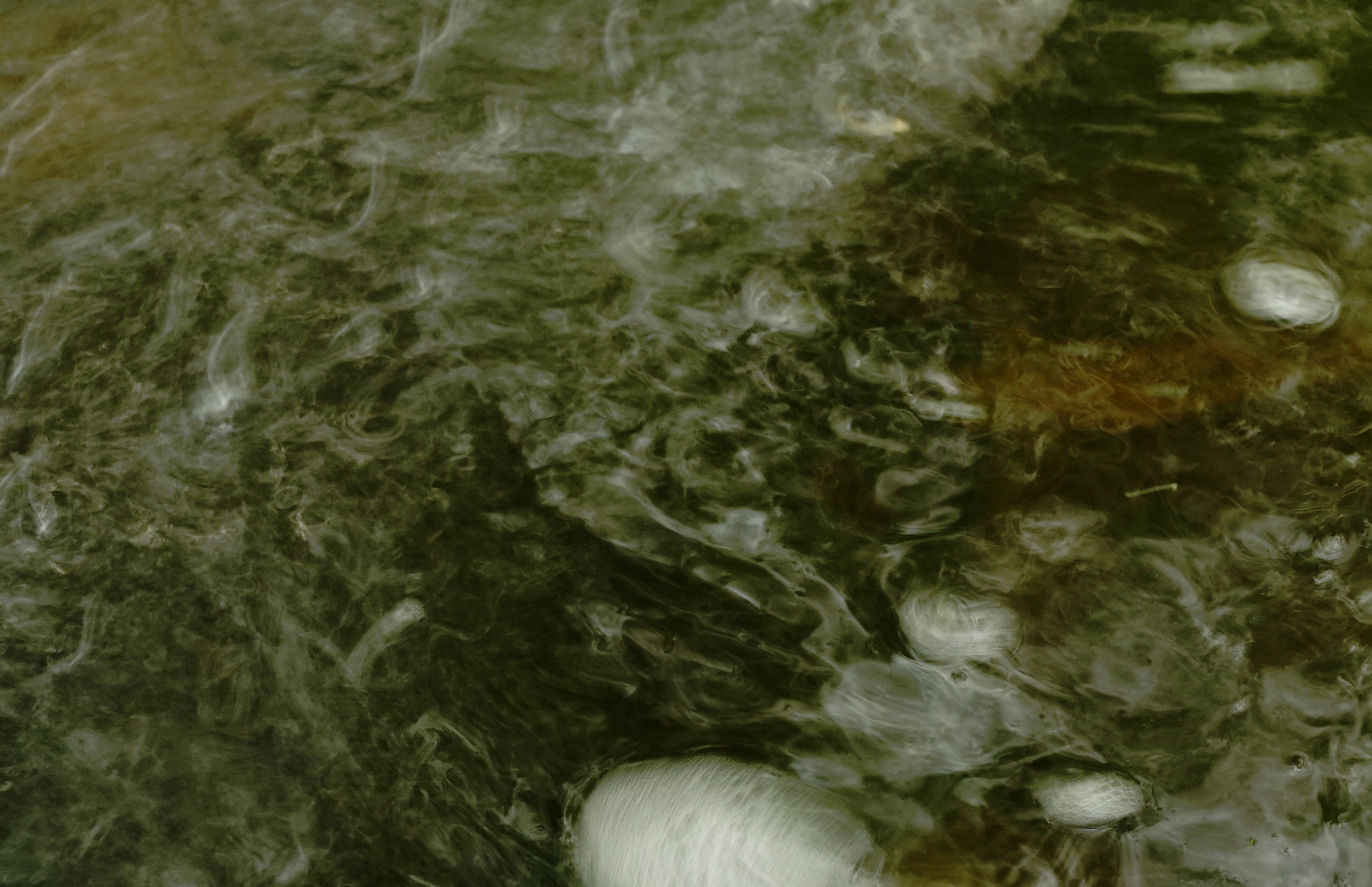
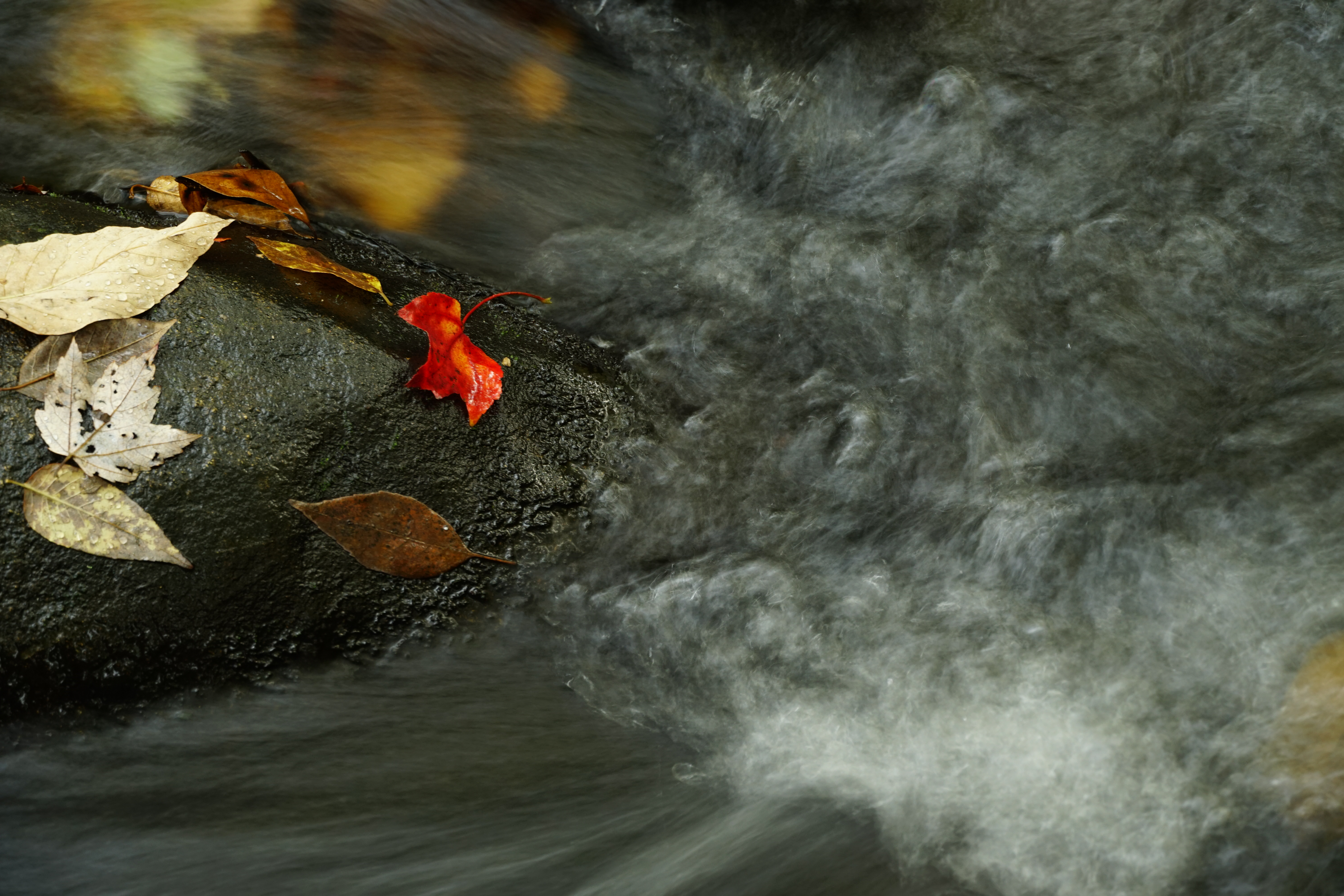
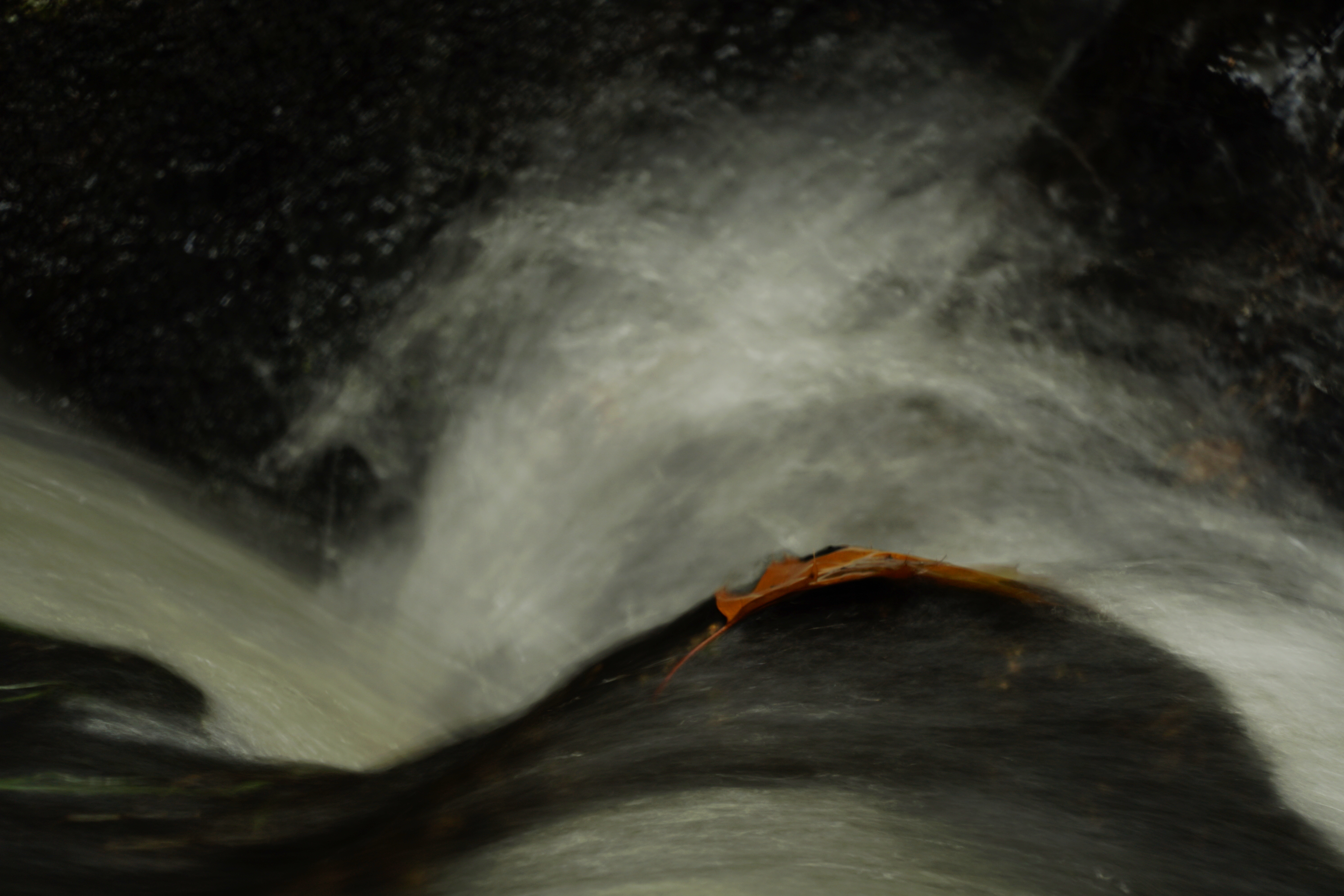
An experimental photo. I took a long exposure of the stream, and panned the camera along the length of the stream. Anything not changing comes out as a pure streak, while the bubbles and other features that changed over the length of the exposure stand out.
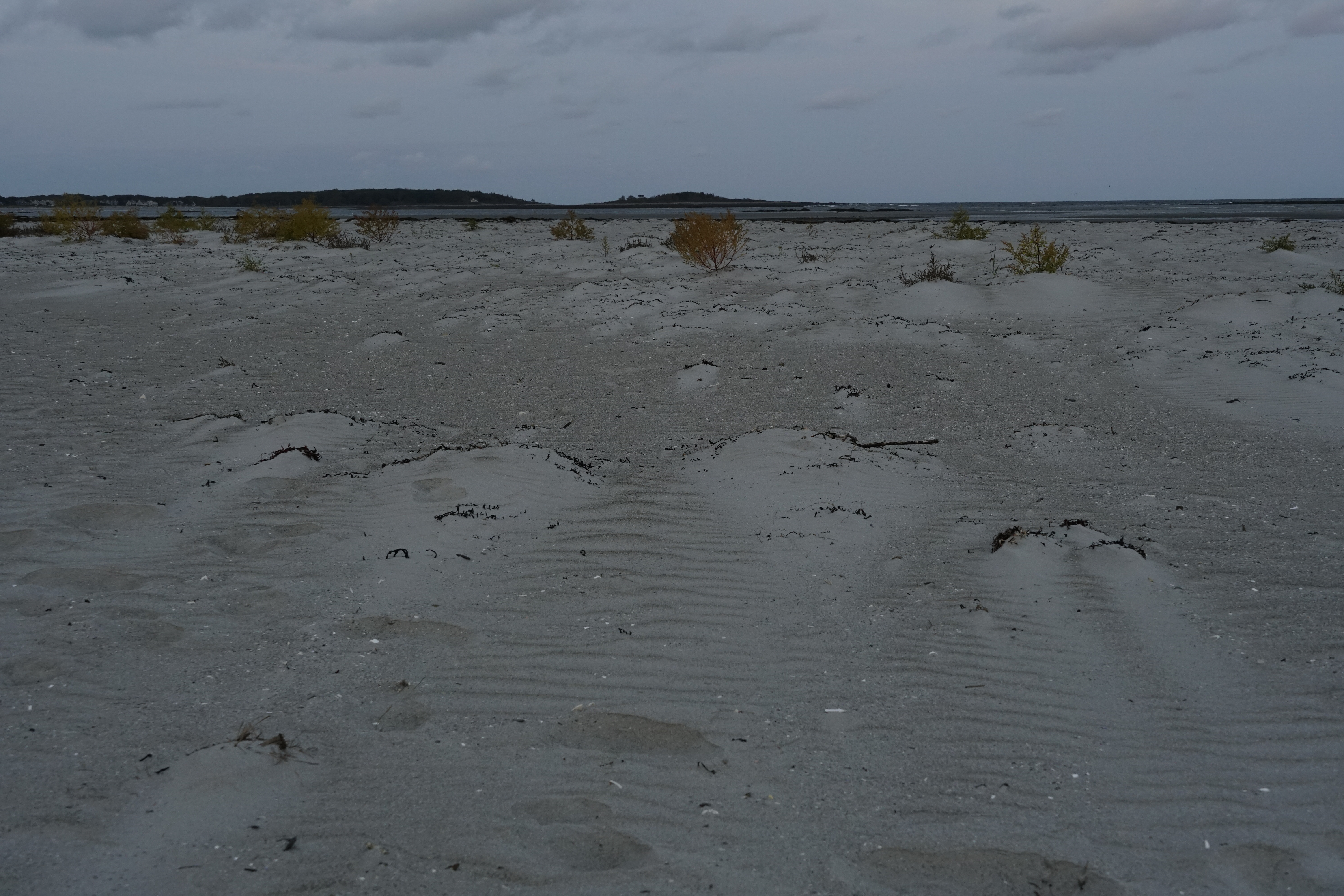
Long weekend in Southeastern Maine! First time exploring the area.
Rachel Carson National Refuge
Goose Rocks Beach, Cape Porpoise
Wells Jetty
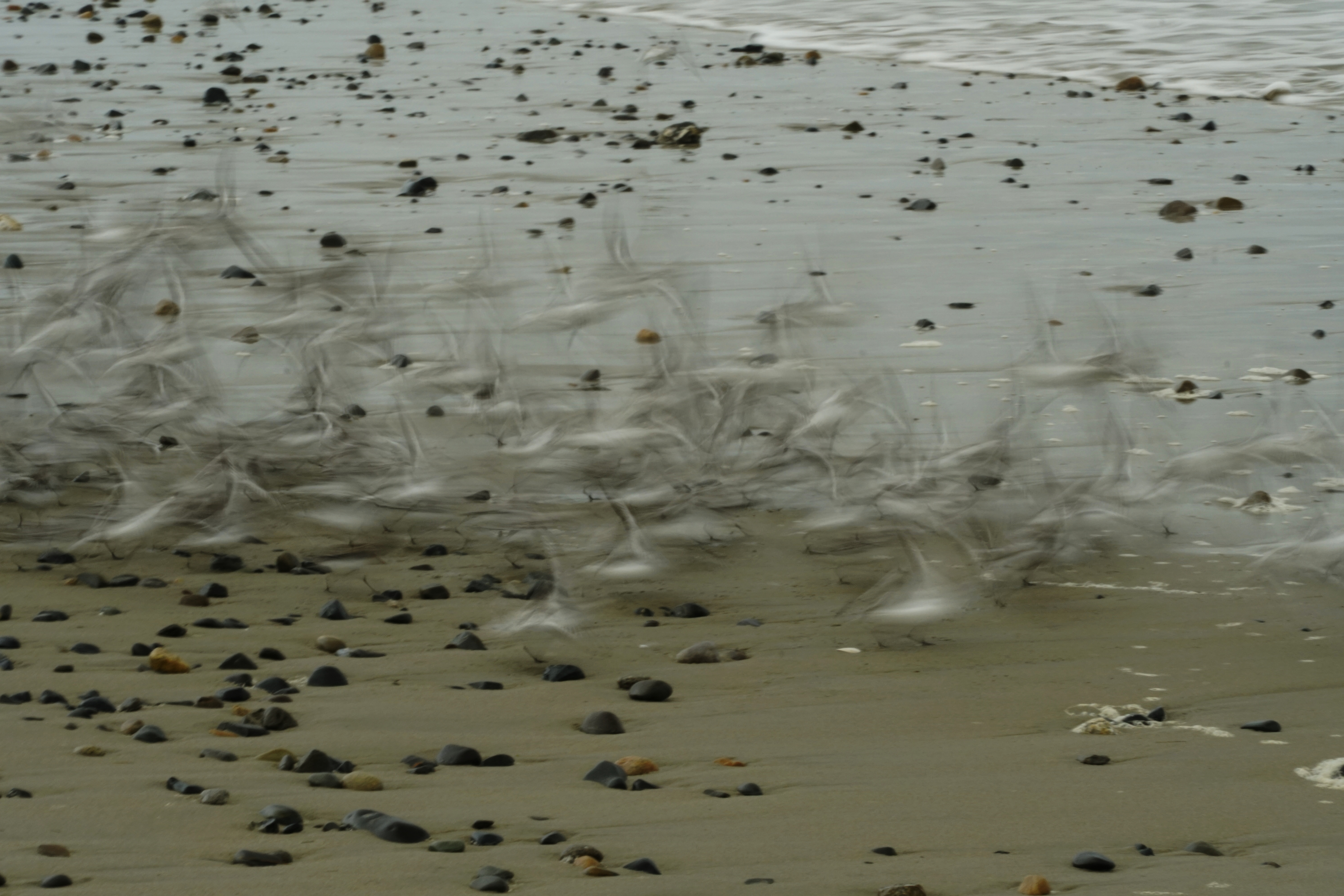
This was tough…wasn’t easy to take photographs I was happy with. Ended up with a lot of longer exposure photos of the waves, the birds, and the waves and birds together. Not sure how good they will look to other people!
Trying to capture the movement of the birds as they swayed up and down the beach with the waves:
A flock of birds in motion:
Bonus Tiger Beetle
This lovely Cicindela sexguttata, Six-spotted Tiger Beetle, was waiting to welcome us home when we got back. Definitely has sustained quite a bit of damage, but lovely nonetheless.
Crickets = Gryllidae. Is this one Nemobius sylvestris?
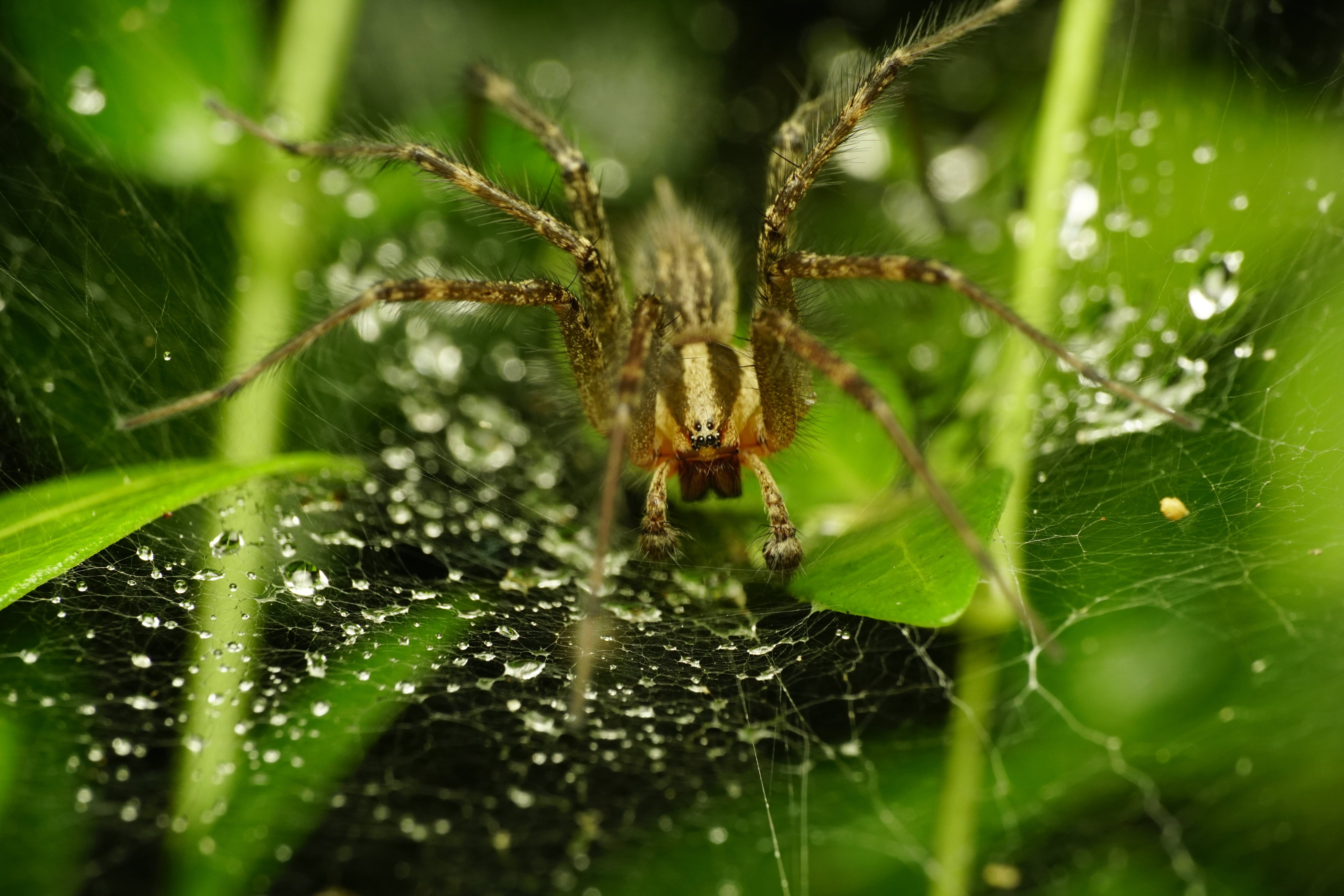
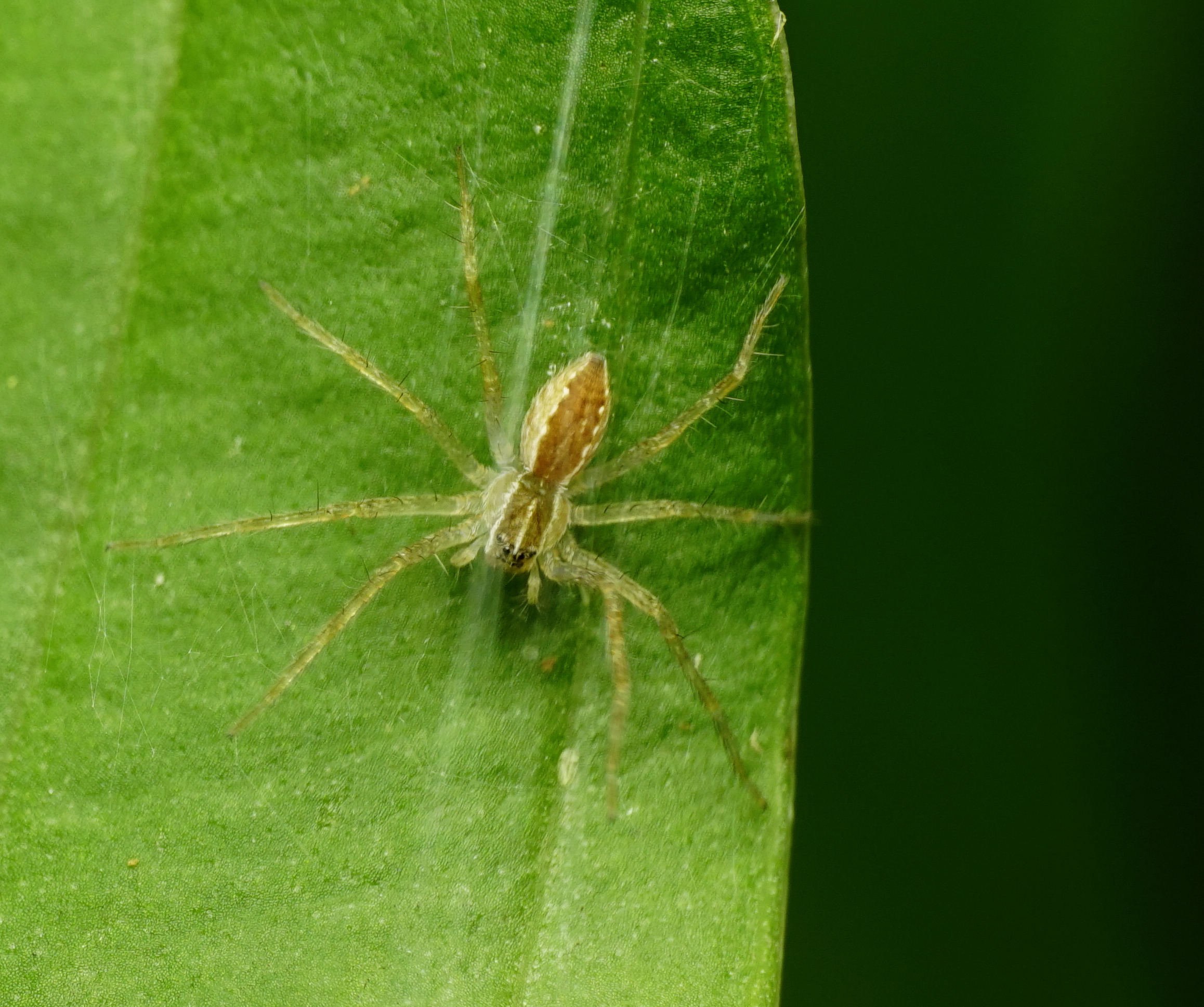
Pisaurina mira
Poecilus chalcites in Carabidae
Androchirus erythropus in Tenebrionidae? Not great. Capnochroa fuliginosa? Not perfect.
Strongylium tenuicolle or S. terminatum look best.
Xylopinus or Haplandres, Alobates pensylvanicus, less so.
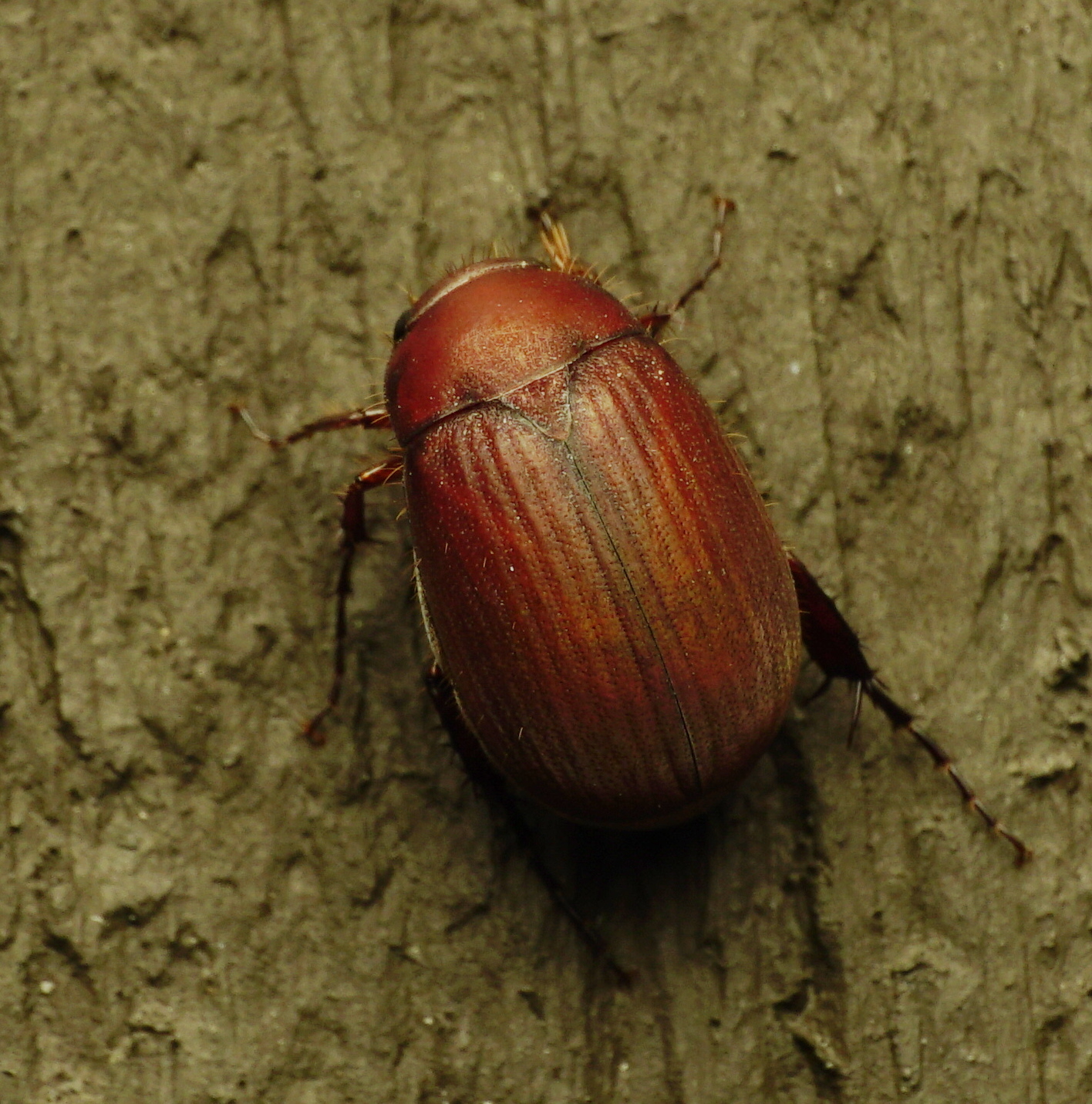
Probably Maladera castanea
Euparthenos nobilis
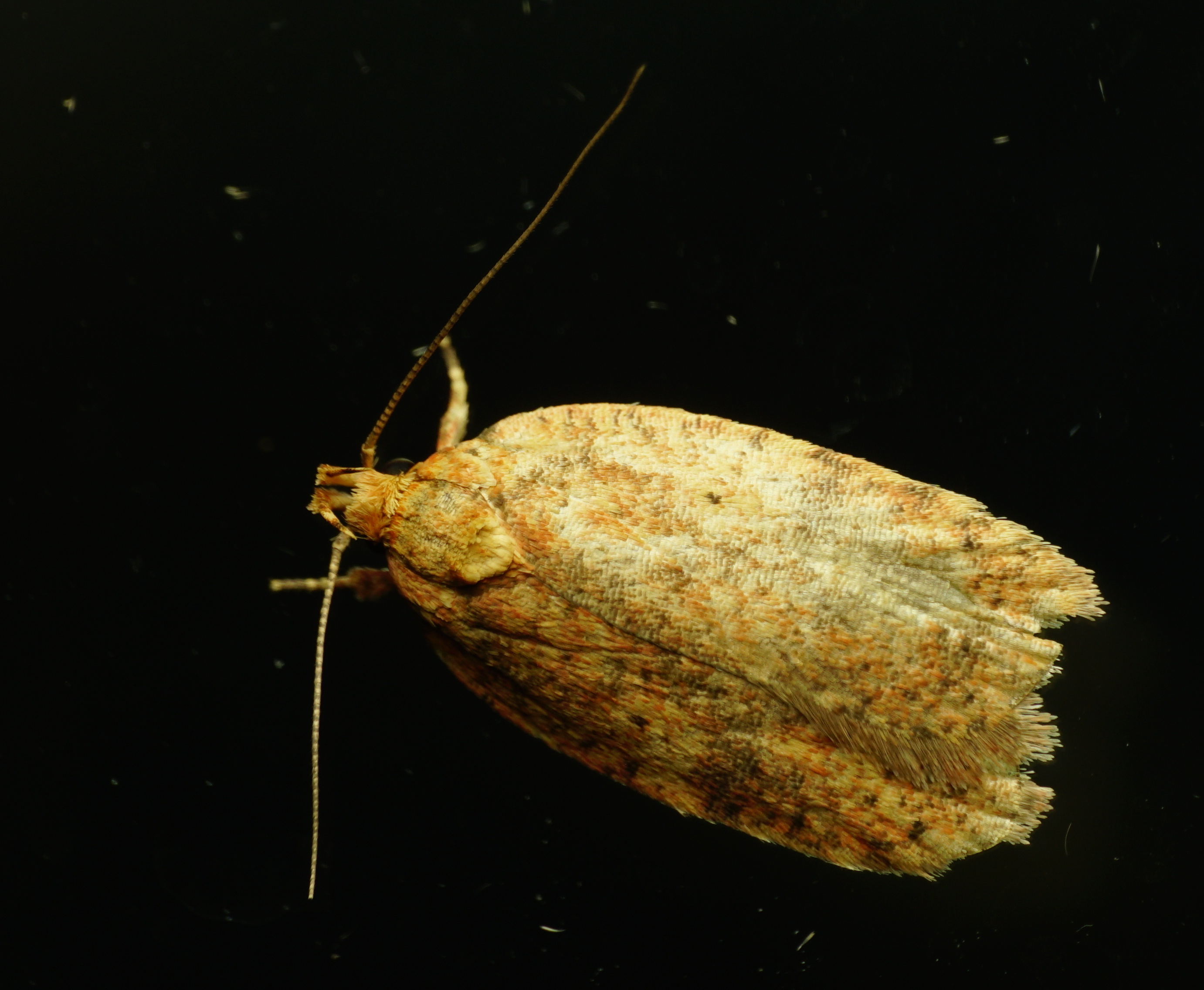
Looks similar, but not identical, to Agonopterix robiniella, Four-Dotted Agonopterix (a grass miner moth). Less similar to Acleris forskaleana, Hairnet Acleris.
Two weeks at Keuka Lake in upstate New York! Pretty much all the photos were taken on the property of the house we stayed in, itself. Some woods, some leafy plants, some flowers.
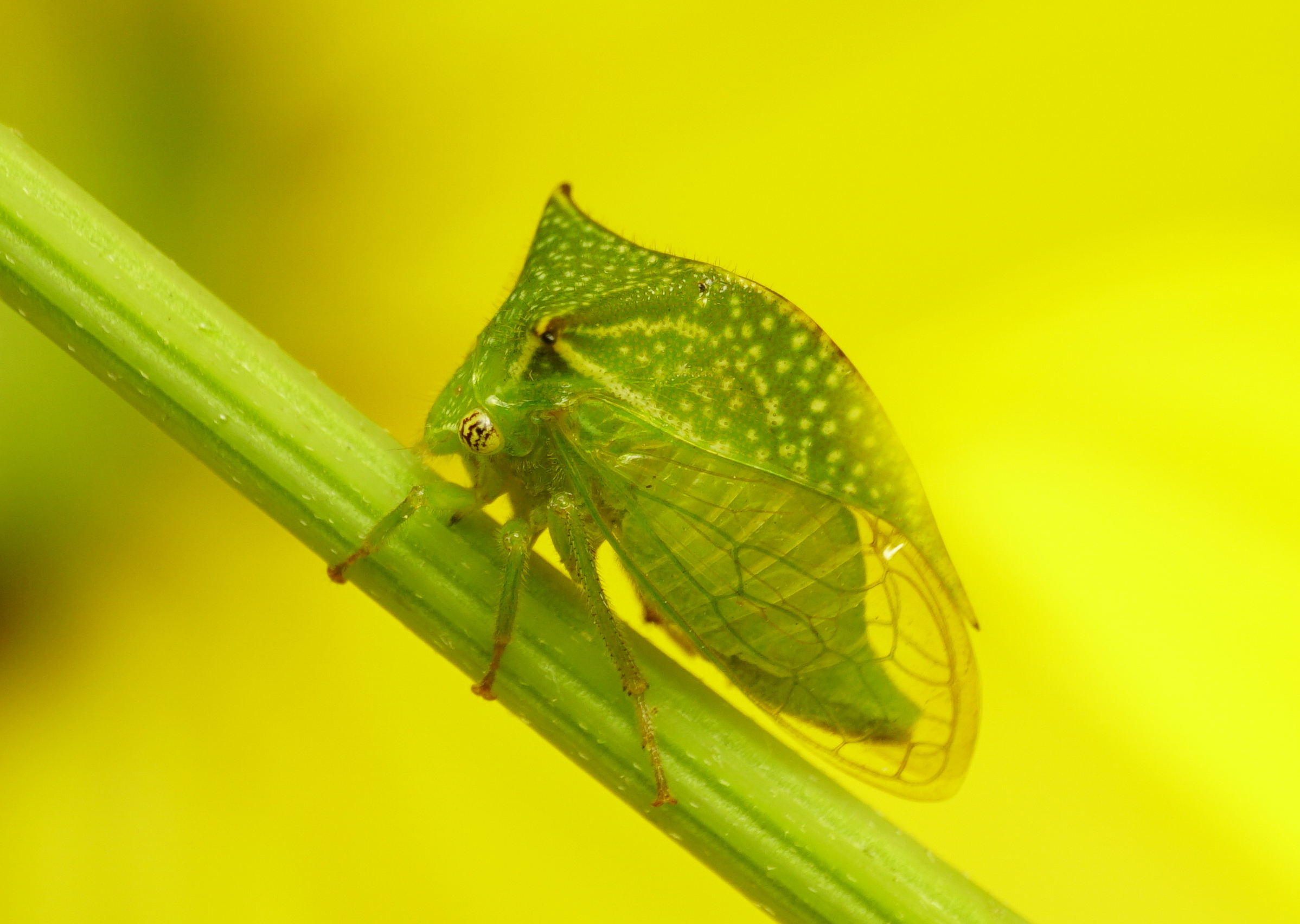
Hemiptera
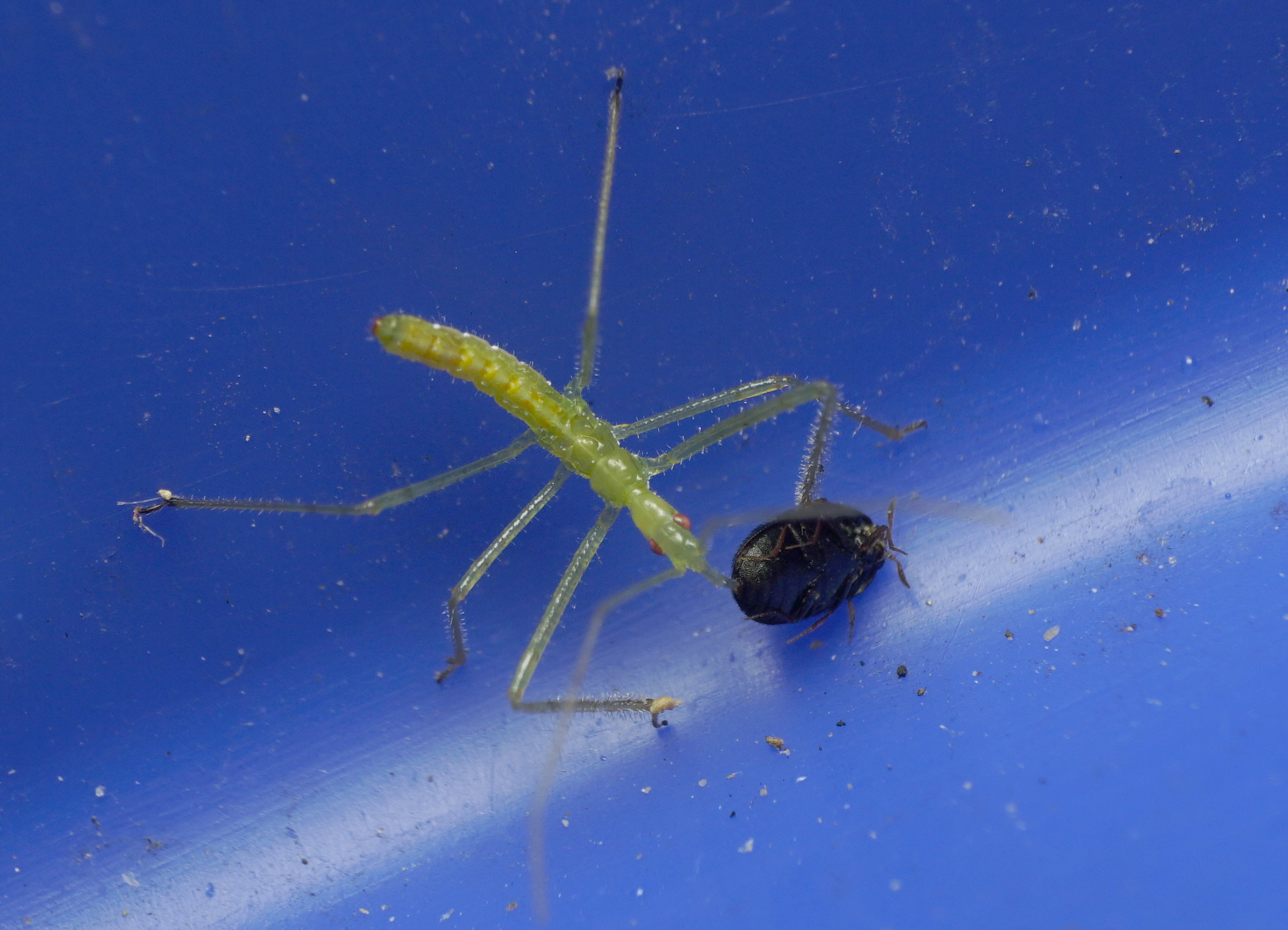
Beautiful Reduviidae nymph, probably Zelus luridus, and prey.
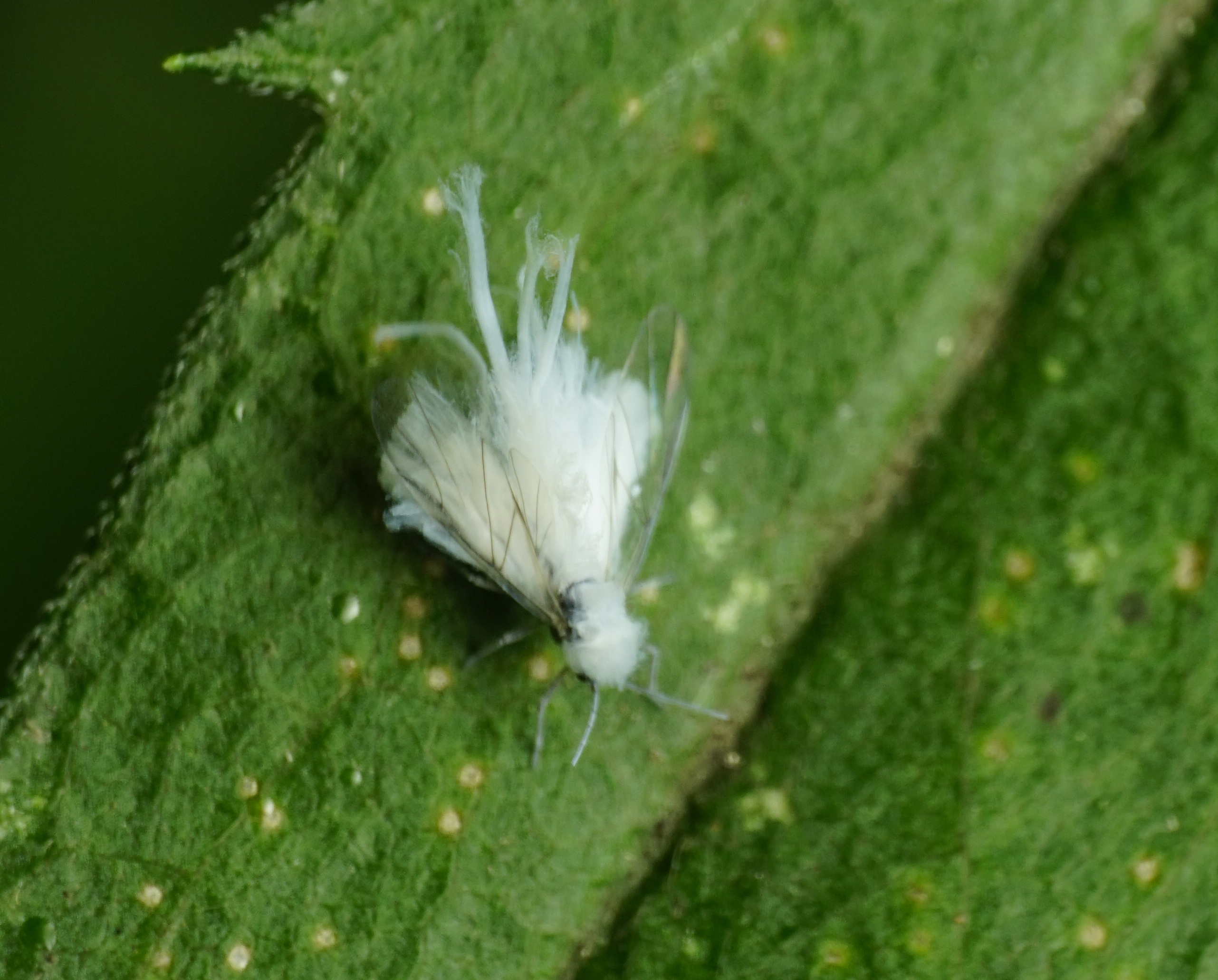
Woolly aphid, Eriosomatinae, perhaps Eriosoma?
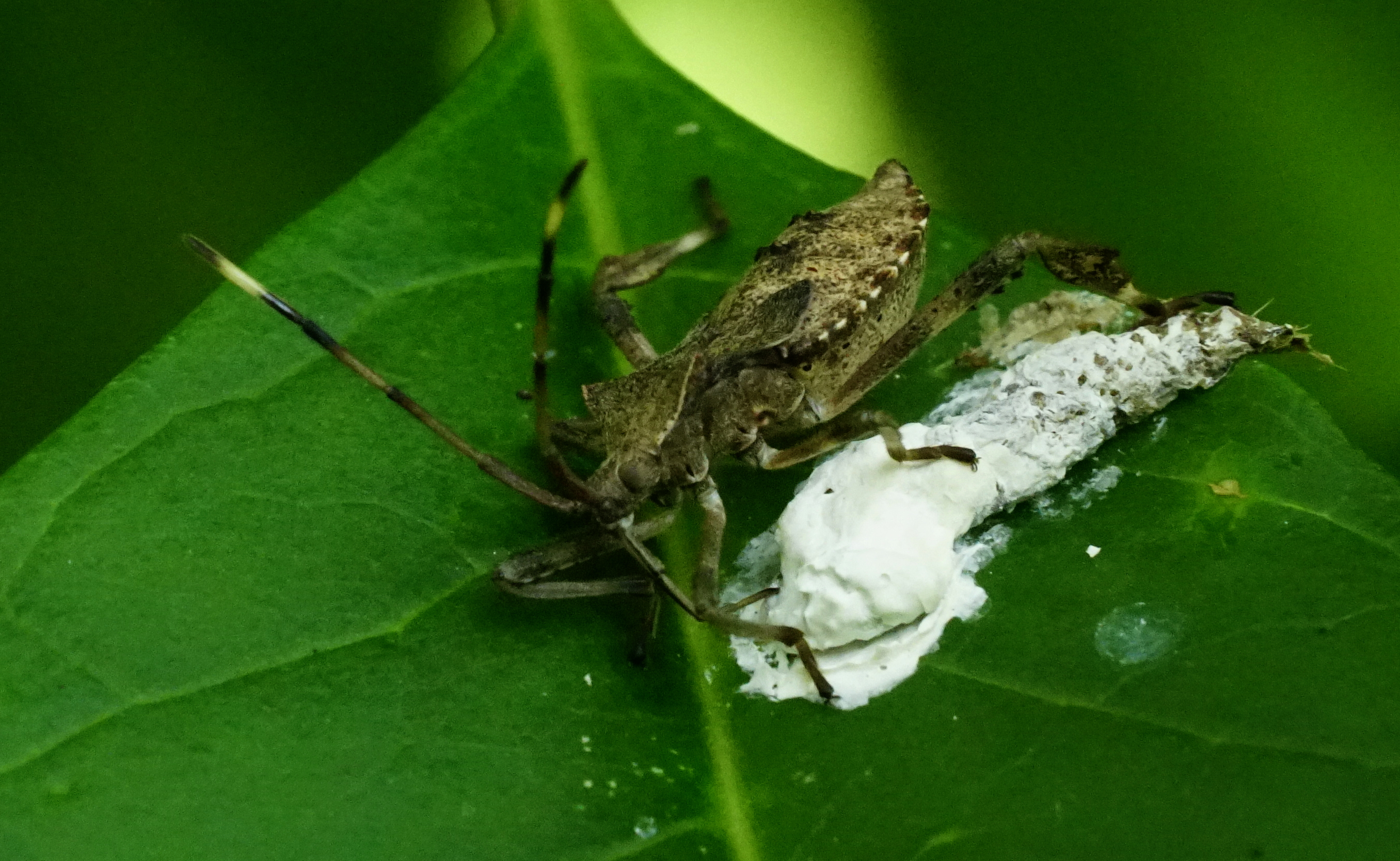
Acanthocephala:
Reduviidae, Phymata pennsylvanicus. And the beetle is Typocerus velutinus.
This has to be the world’s laziest ambush bug, and the world’s most oblivious beetle. They stood there in this proximity for at least ten minutes.
Coleoptera
Is it in Carabidae? I don’t see a match.
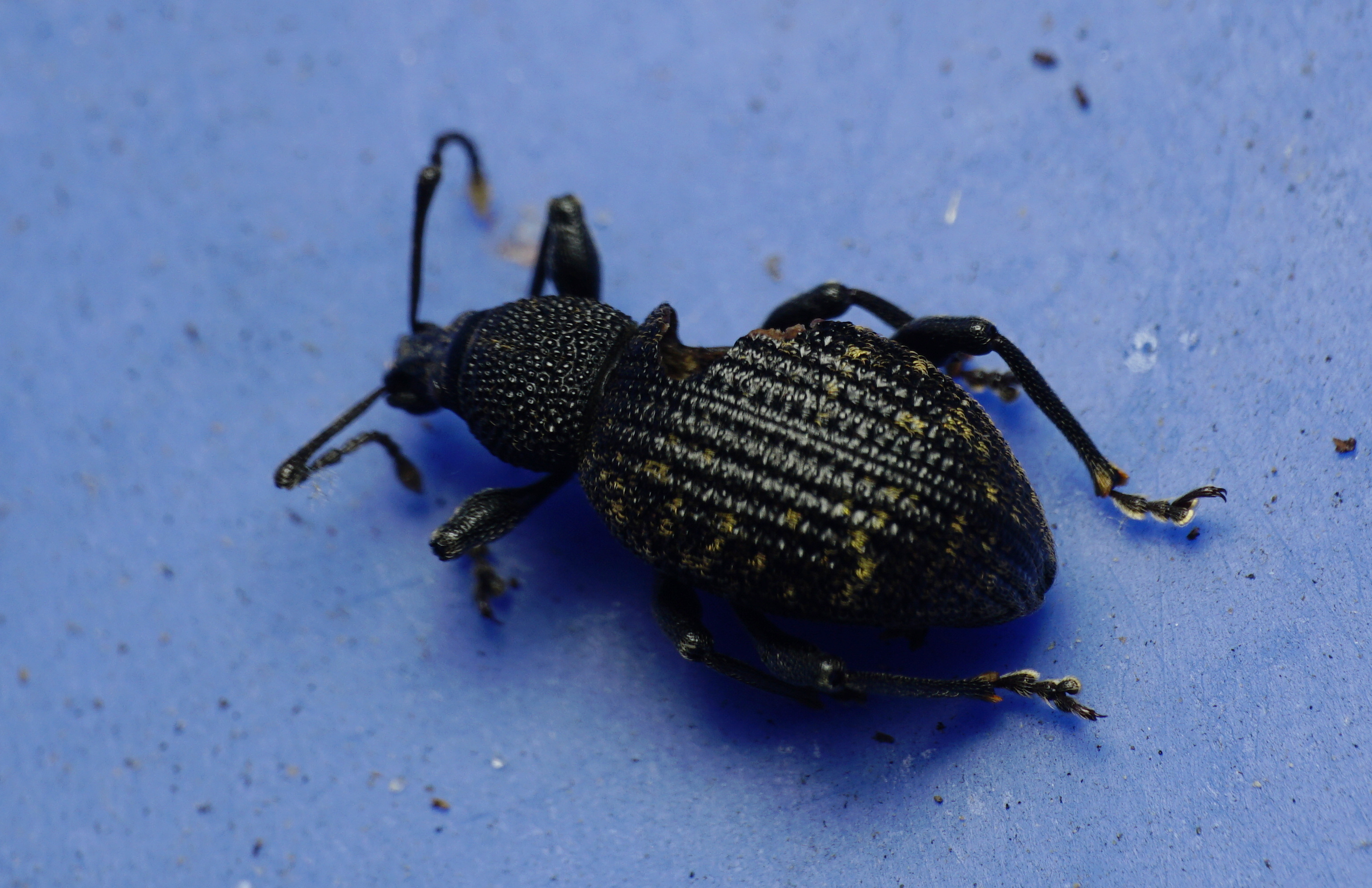
Is it a Curculionid? The size of the spots on the pronotum don’t seem to match. The antenna is unusual for Curculionidae, but seems to match that best. Cryptorhynchinae? Entiminae?
Maybe something like Otiorhynchus sulcatus? That actually looks perfect, I’m happy with that ID.
Sumitrosis inaequalis
Chrysomelidae, Galerucinae, Trirhabda. Not sure what species.
Cleridae, Enoclerus nigripes.
Diptera
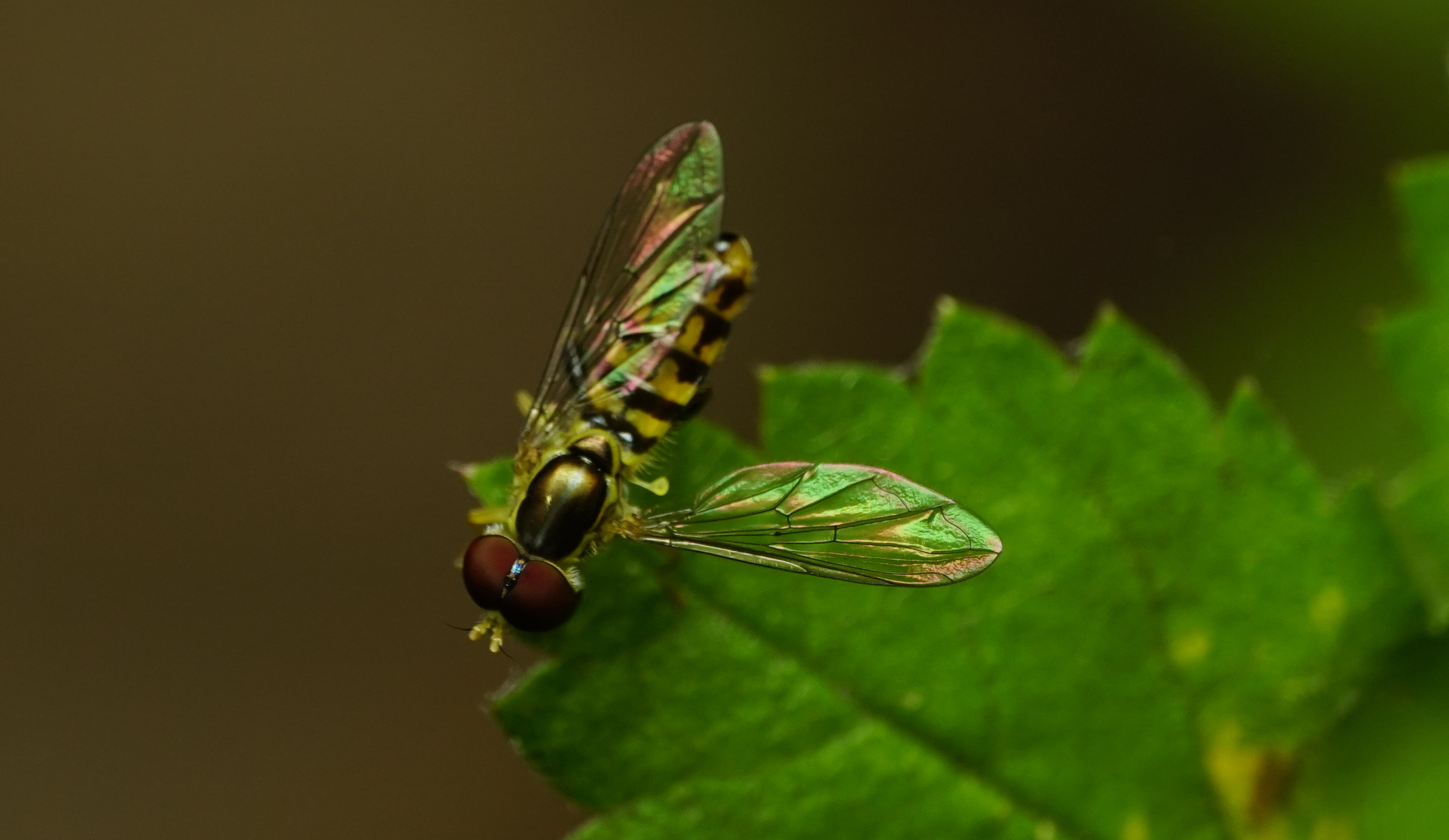
Syrphidae, Toxomerus geminatus.
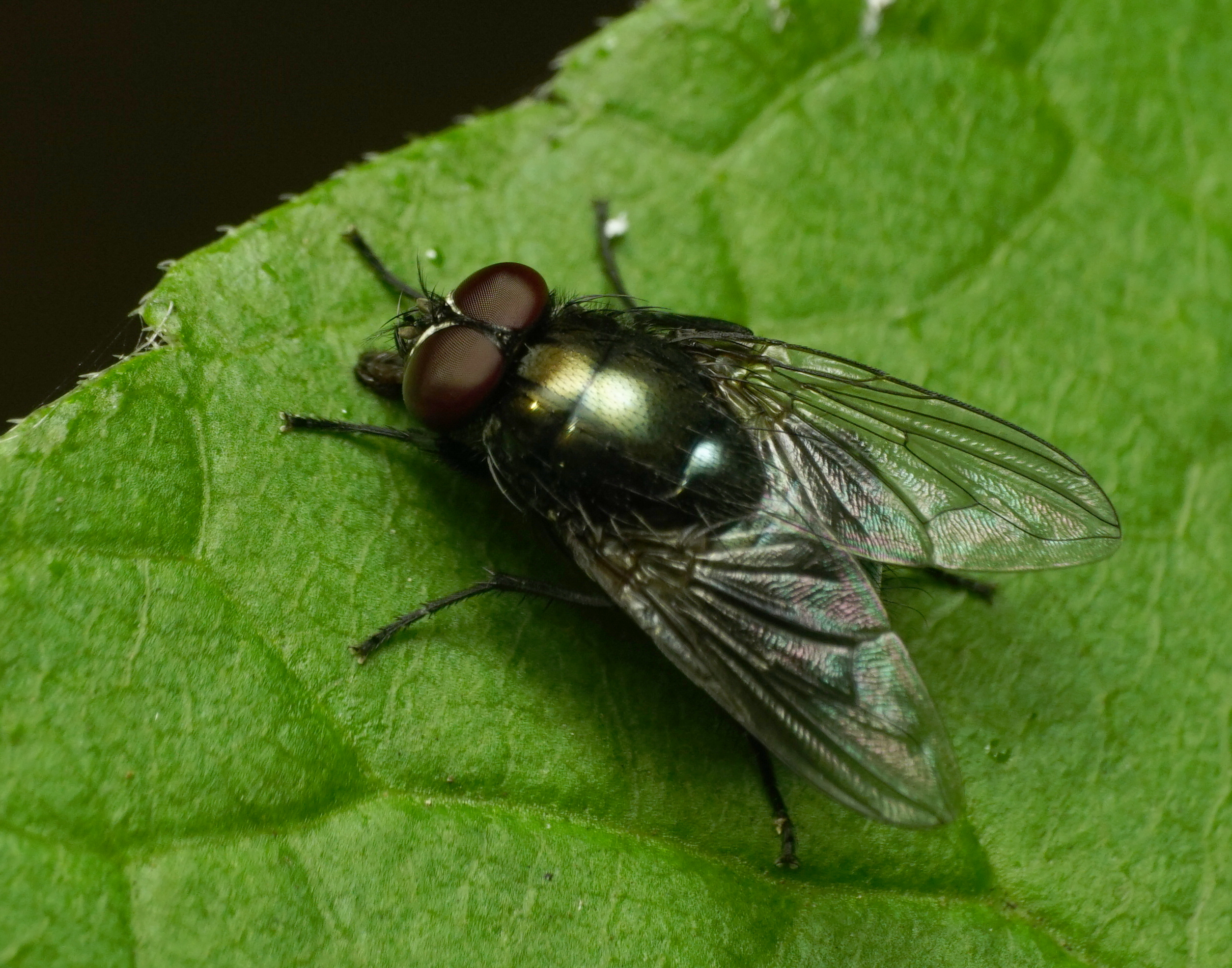
Calliphoridae? Wing venation details would be useful, note the straight-ish vein. Maybe Lucilia sp.? I really know so little about Diptera.
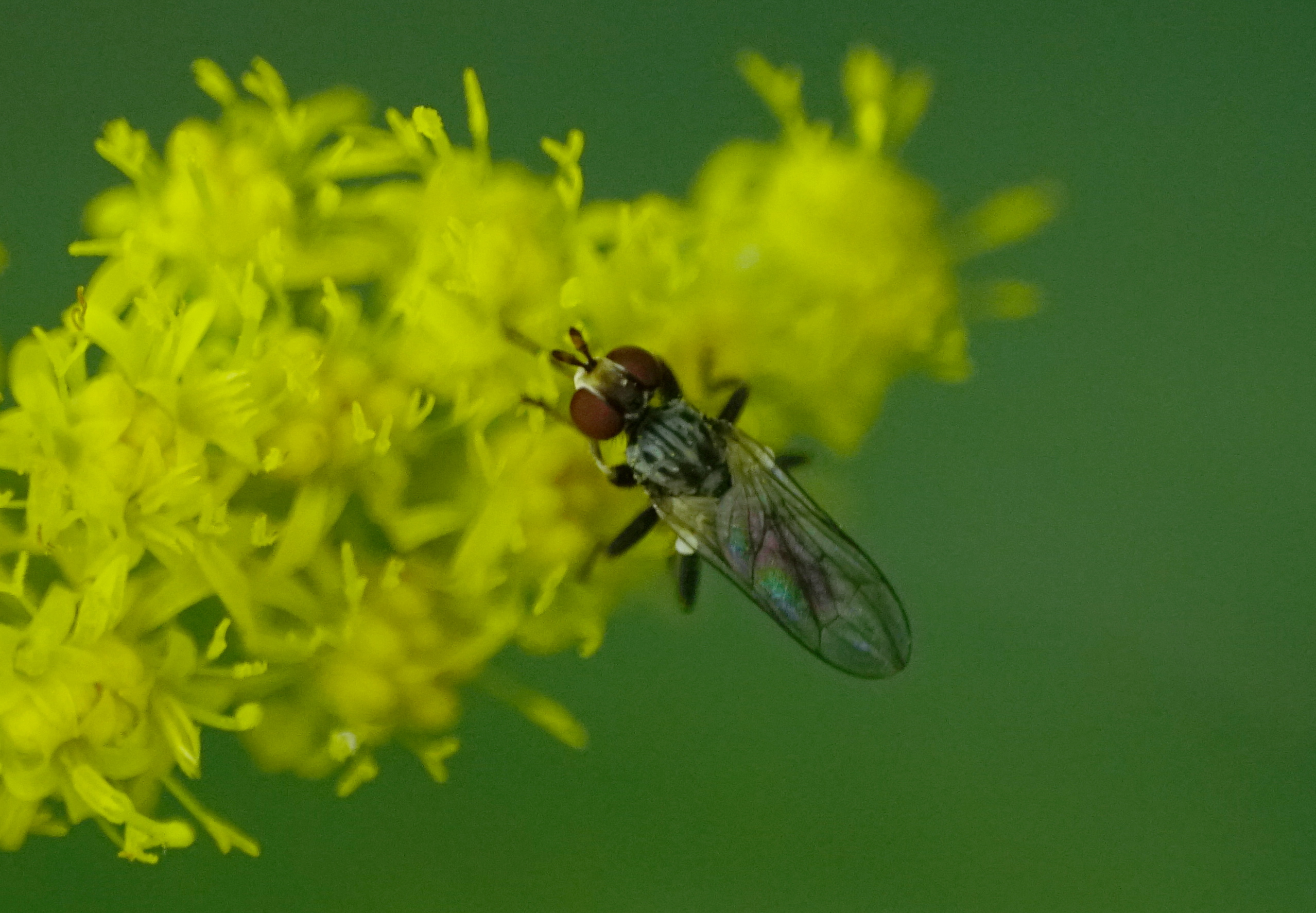
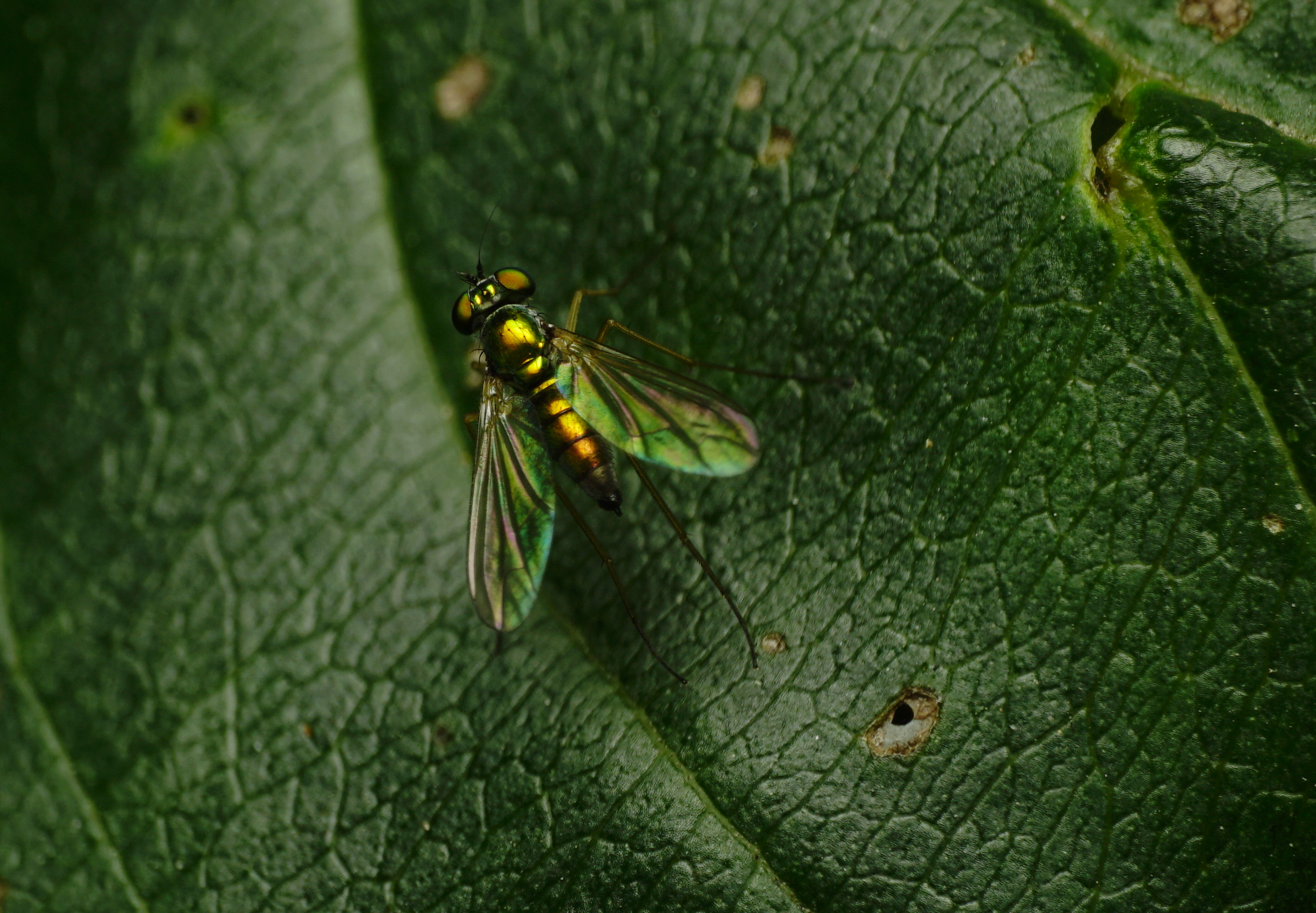
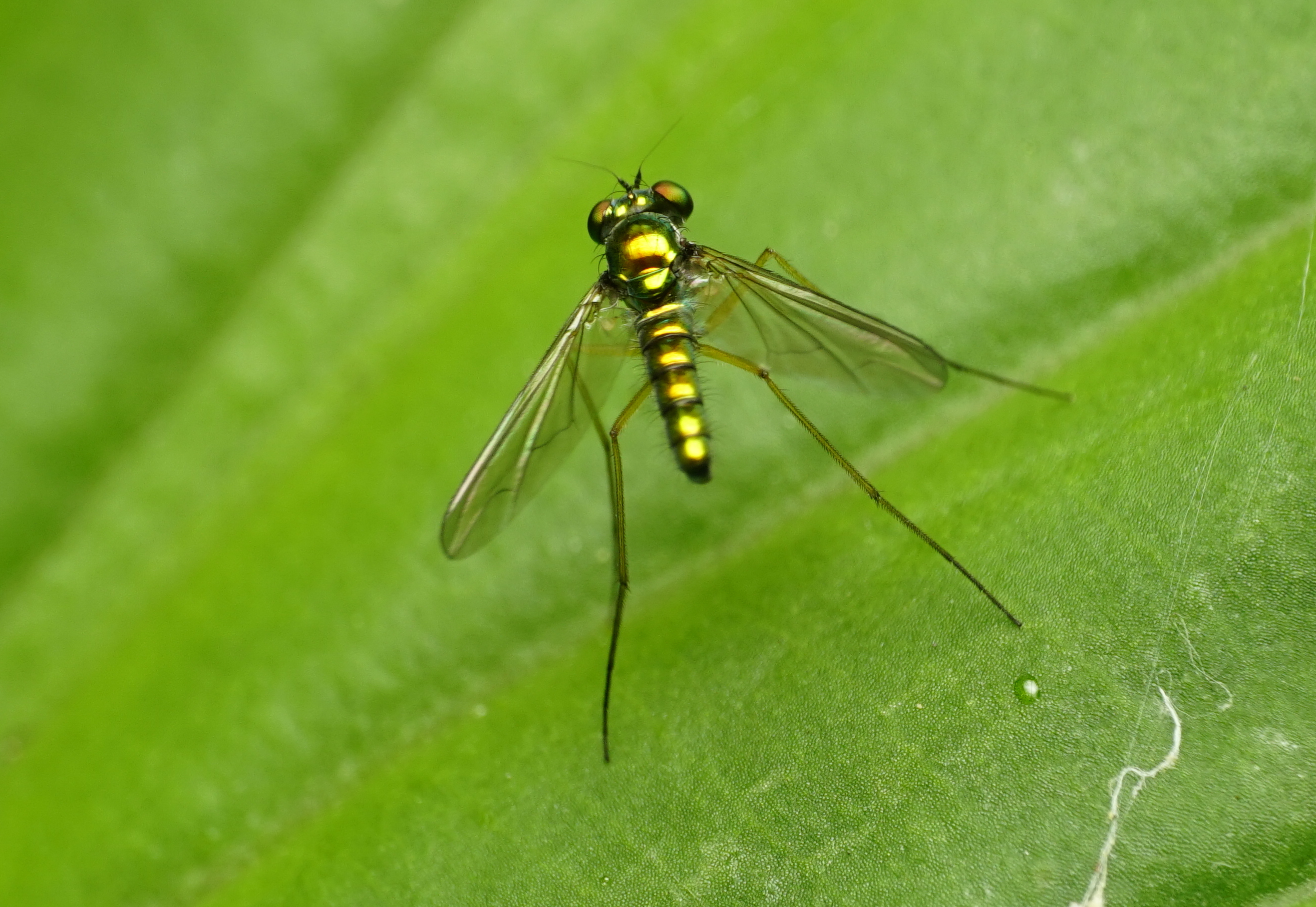
Dolichopodidae. Condylostylus is the most usual genus to classify them into.
I’m hesitant to even guess Anthyomyiidae, because it’s such a long shot and a I’m not really basing it on anything concrete.
Love these Condylostylus, assuming that’s the correct Dolichopodidae.
Not a clue.
Dolichopodidae.
Hymenoptera
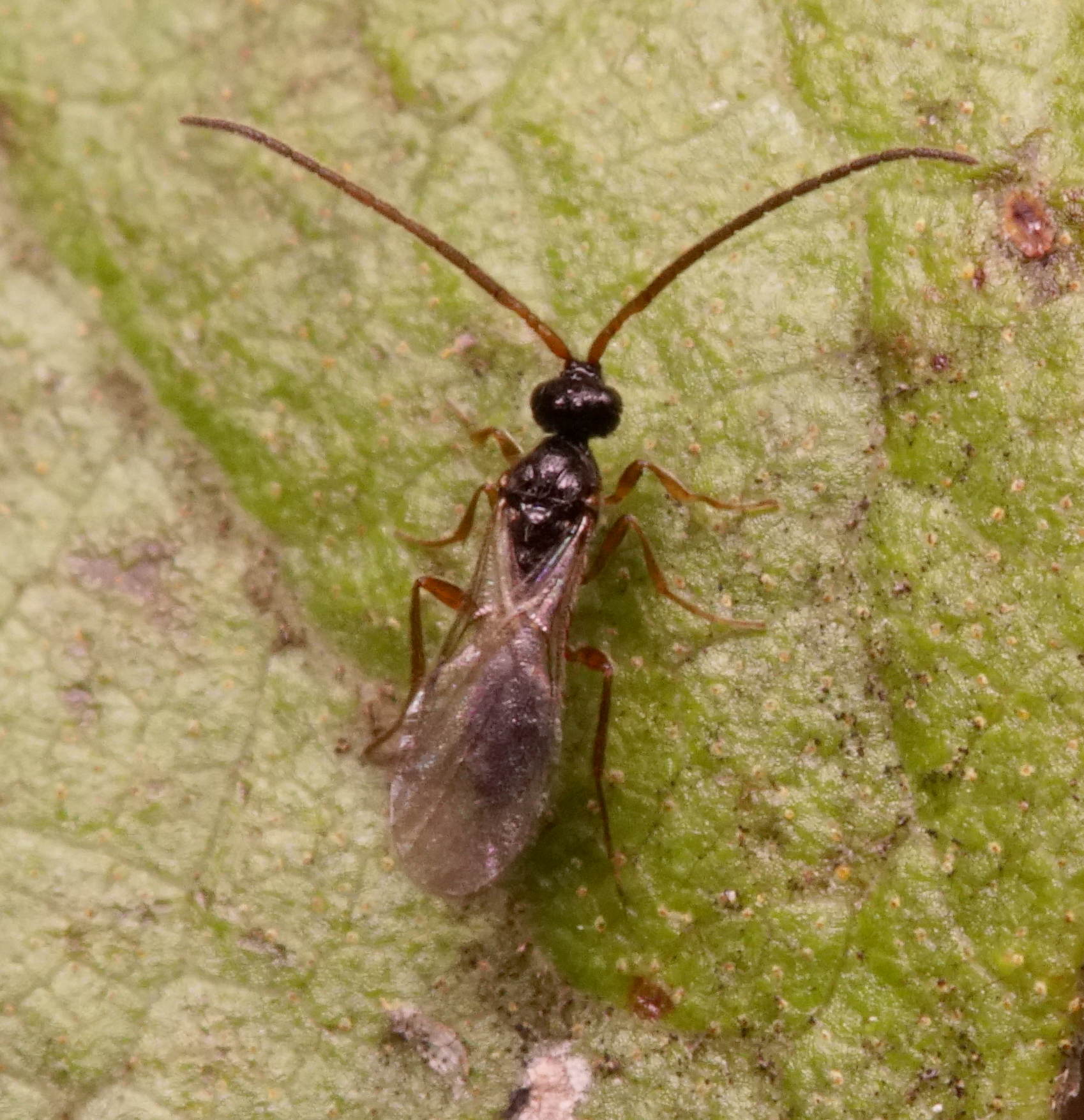
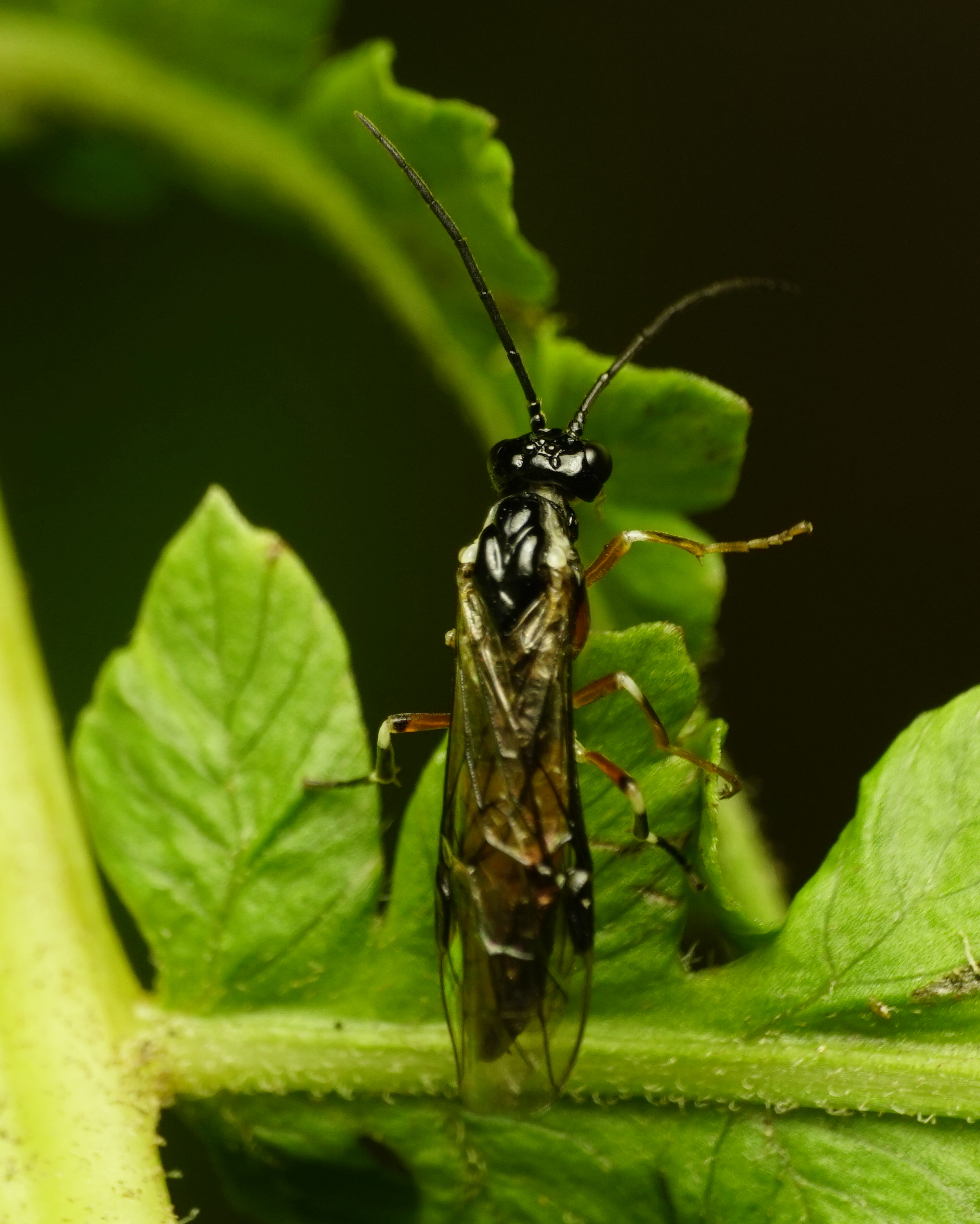
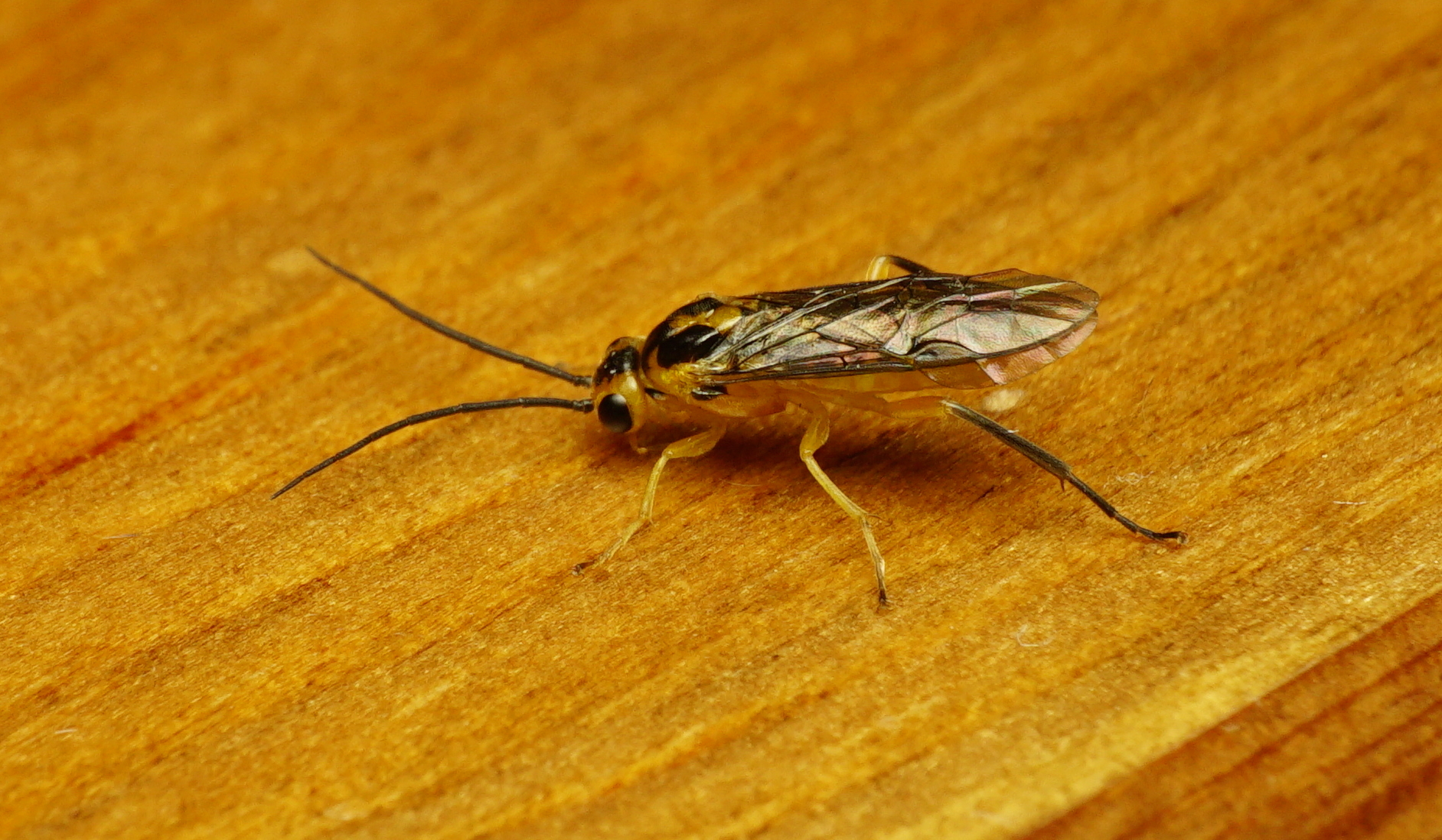
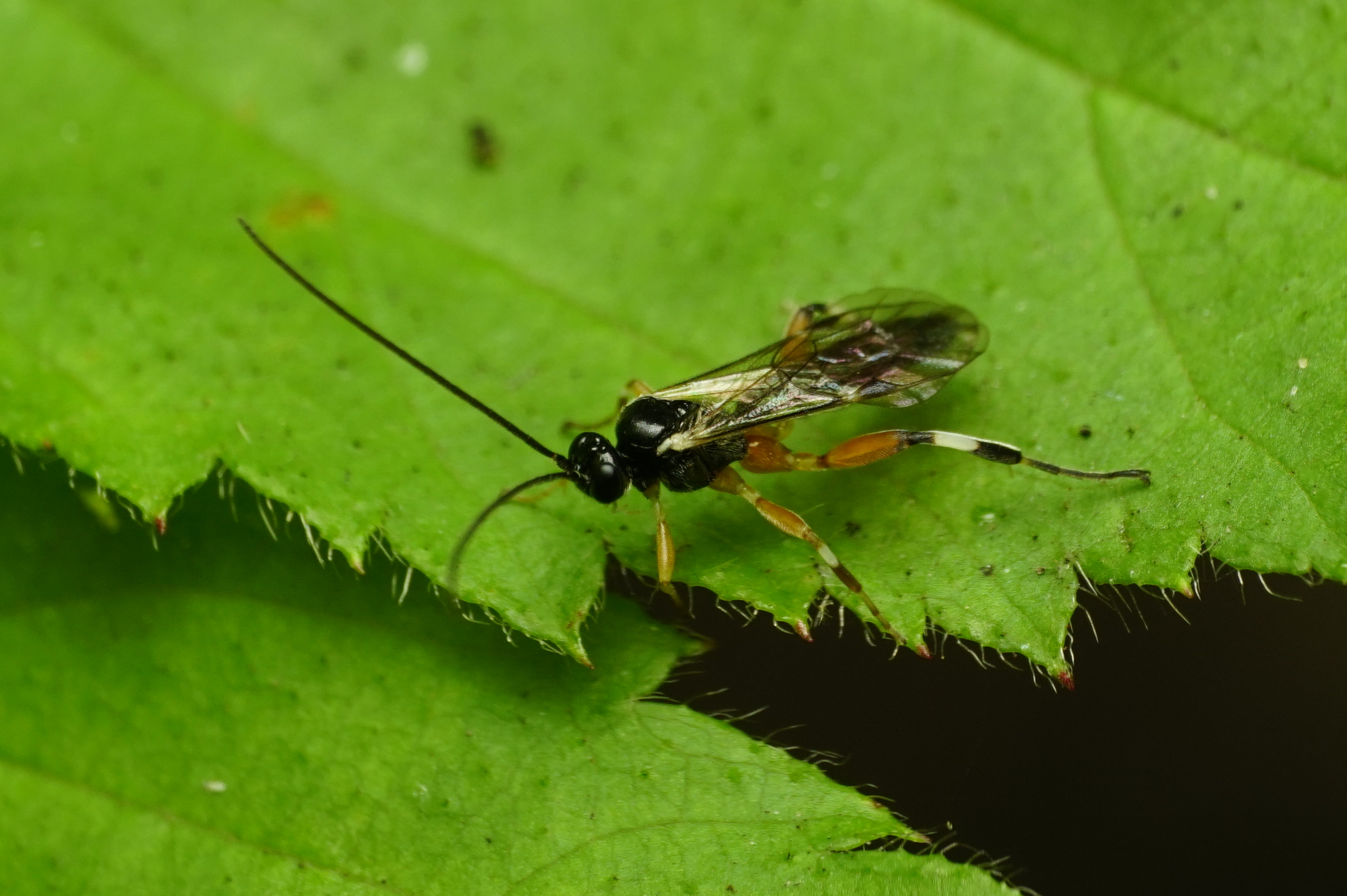
Ichneumonidae? There are some Pimplinae that look a bit like this.
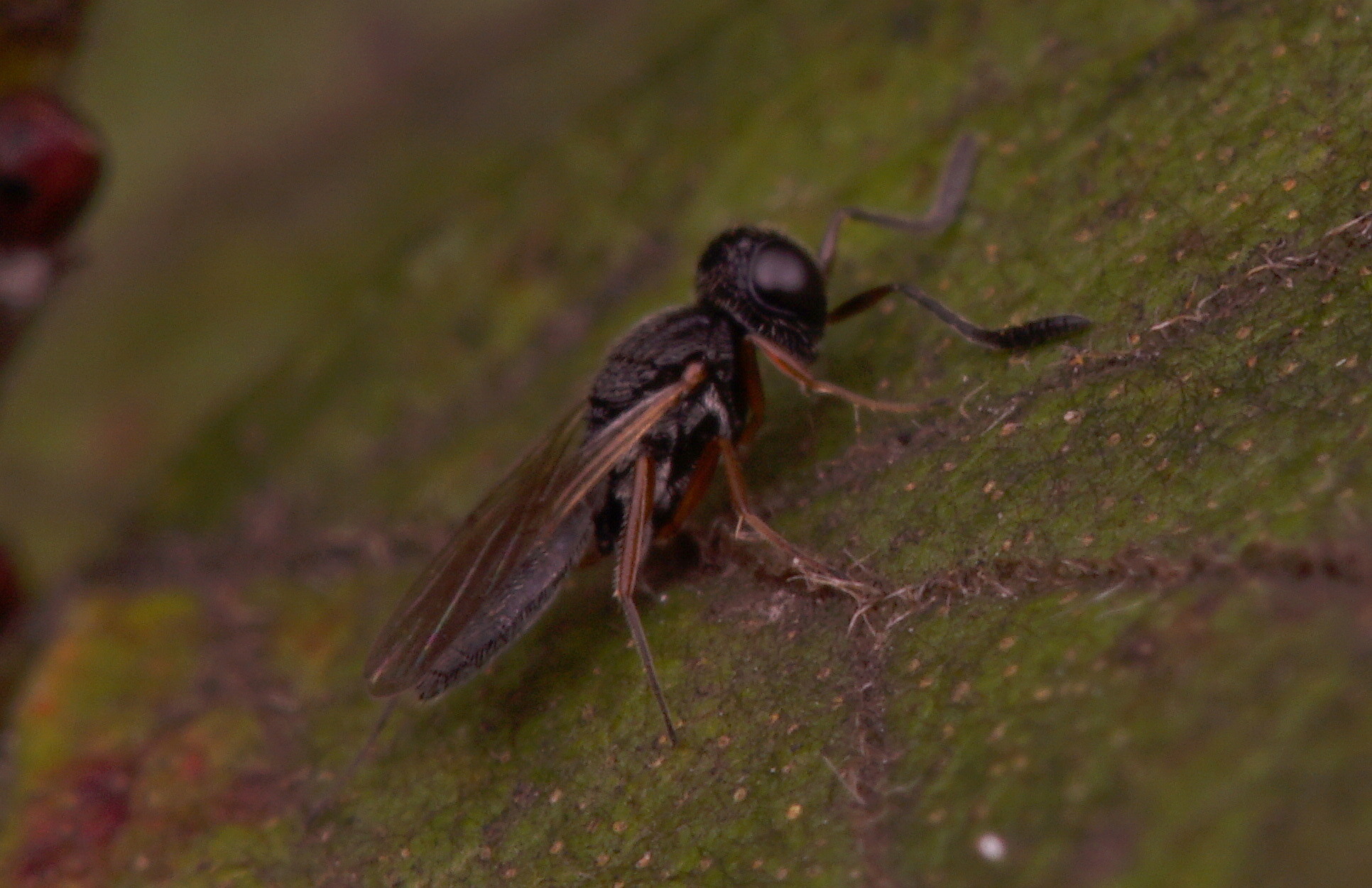
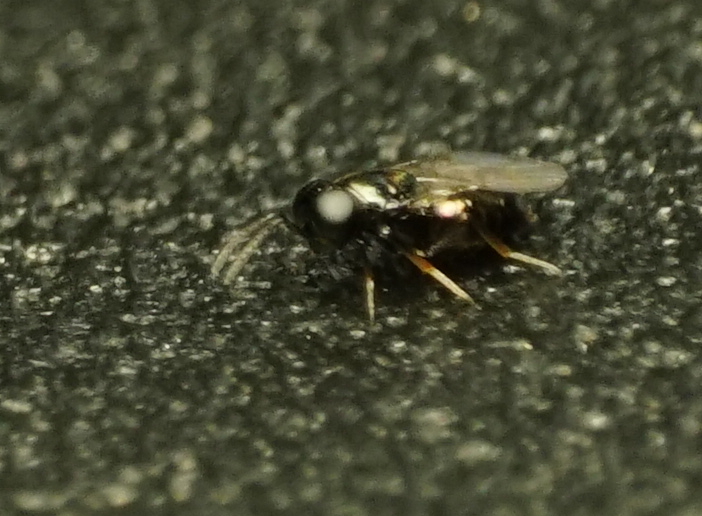
Encyrtidae, but maybe Eupelmidae instead?
Polistes fuscatus, in Vespidae.
Trypoxylon. Distinguished from Pemphredoninae by the little notch protruding into the eye at the middle level.
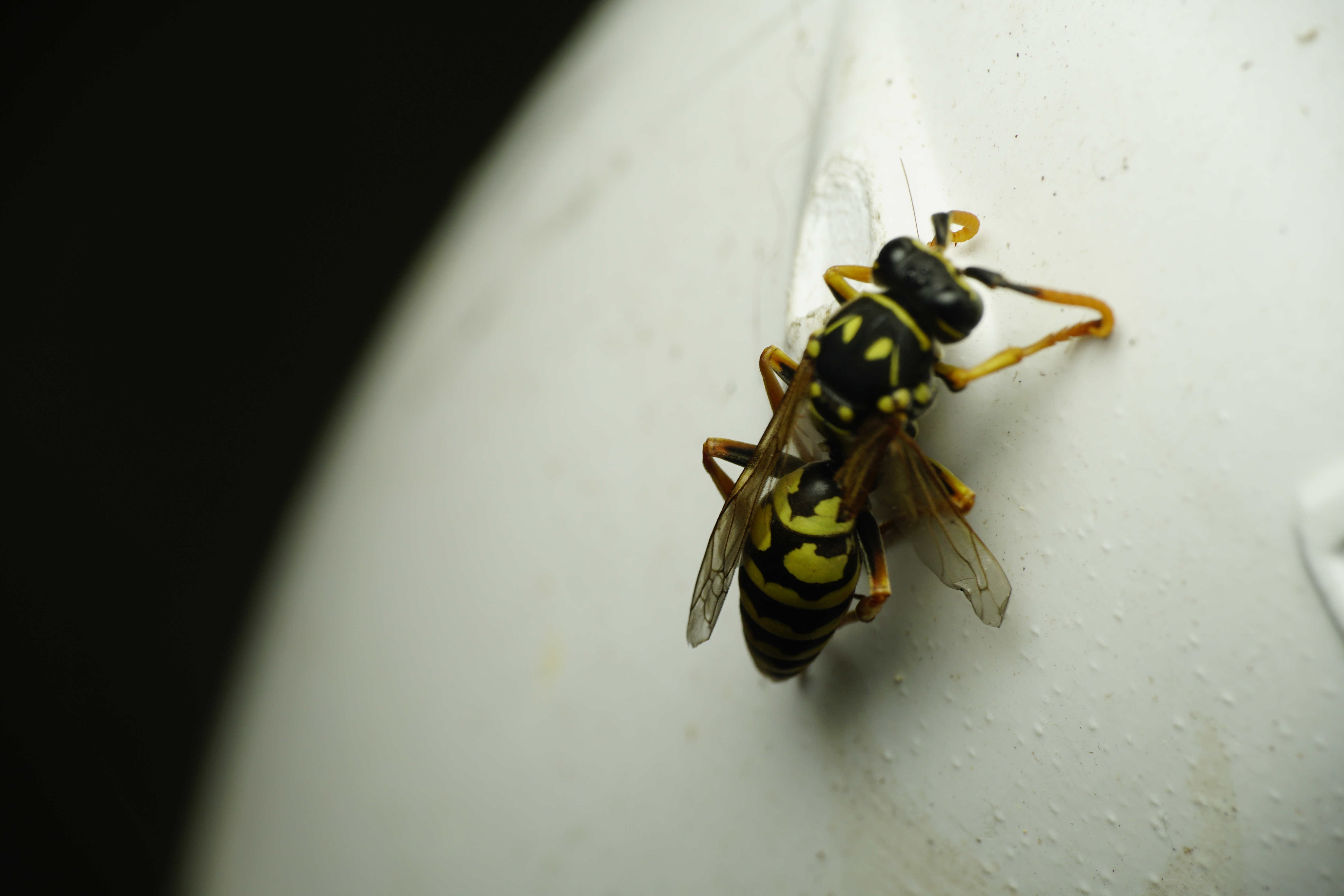
Vespidae. Polistes dominula.
Pompilidae? Priocnemis? Auplopos? Both Priocnemis and Auplopus have been suggested by people who know more than I do.
Further Pimplinae?
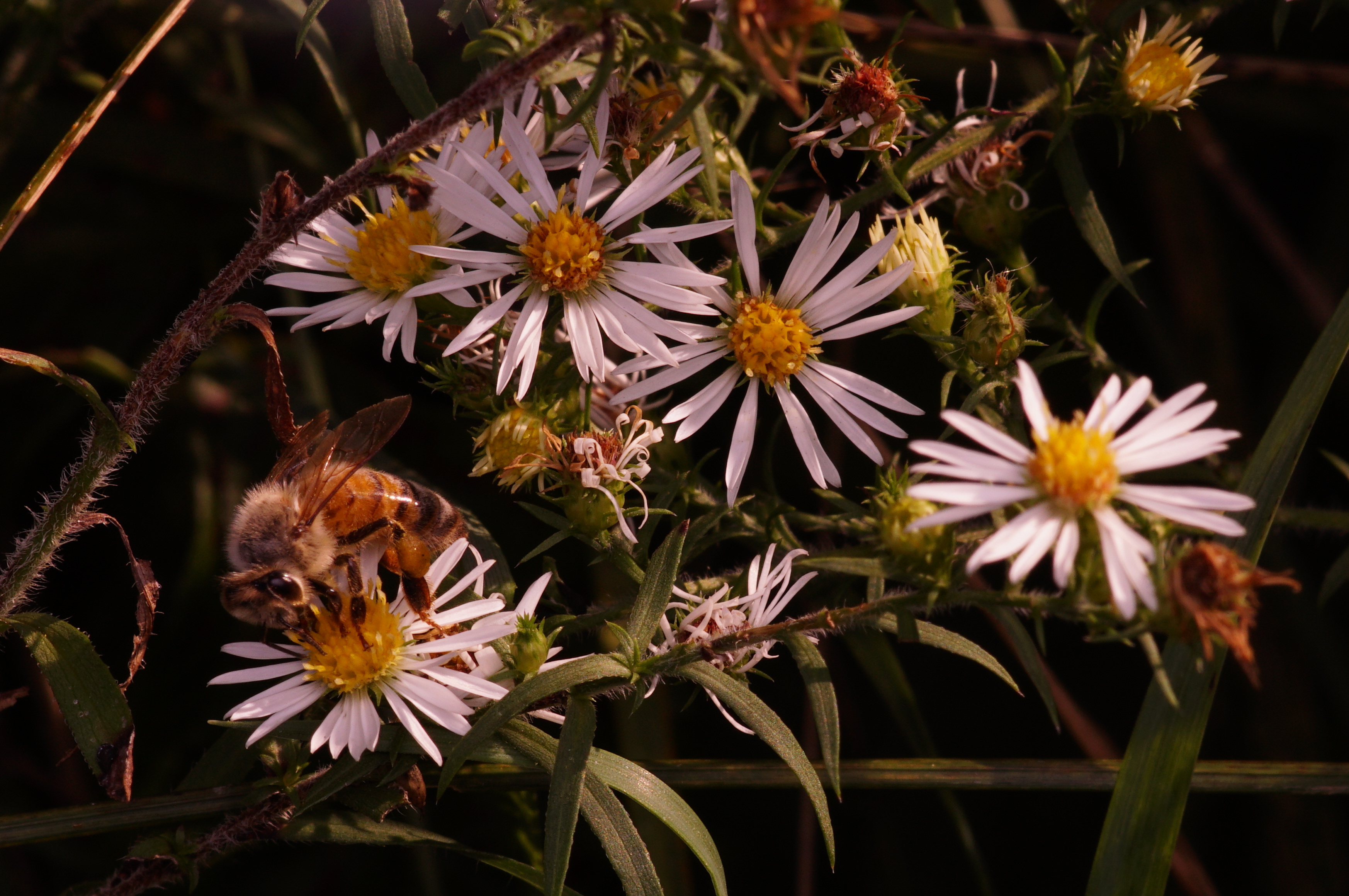
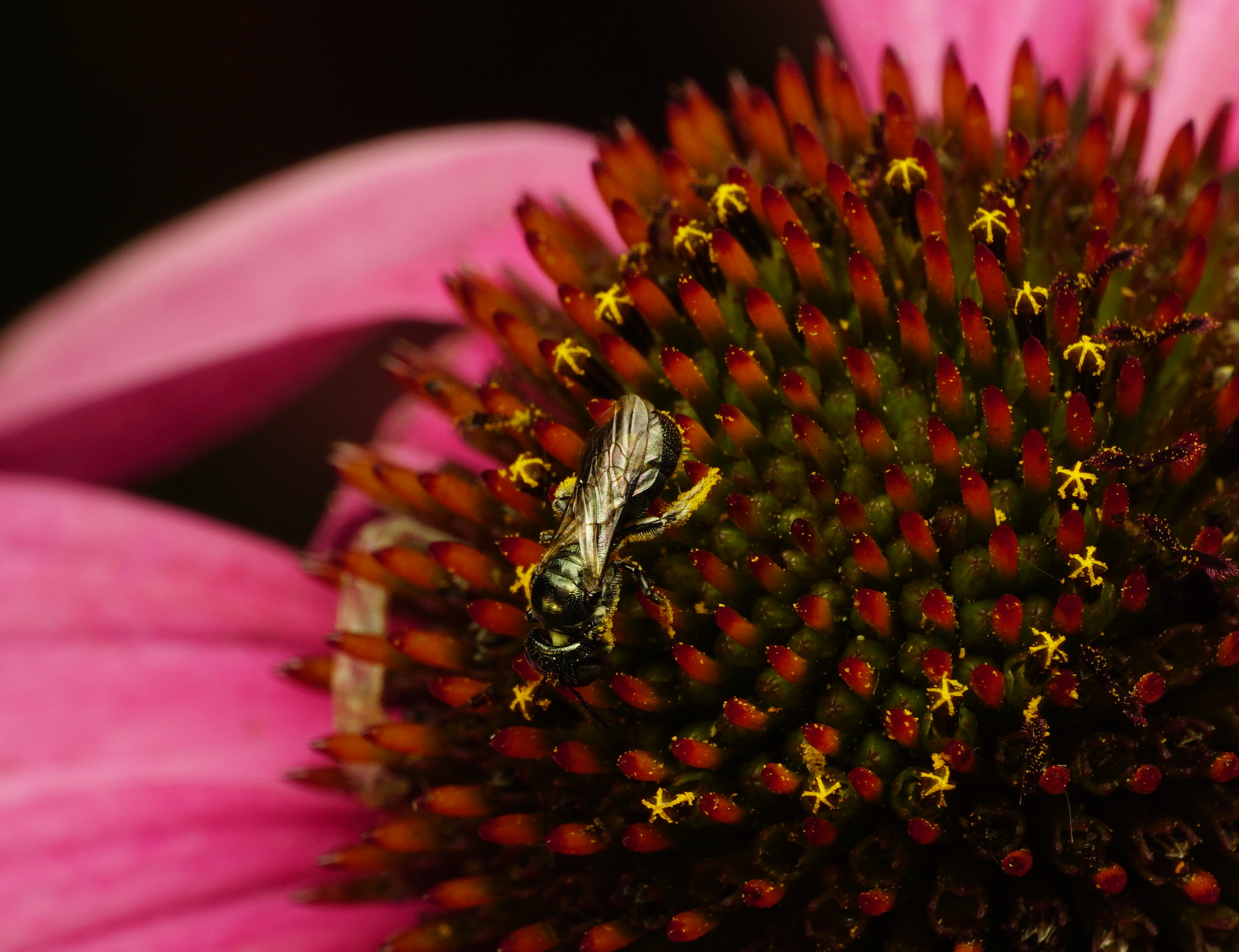
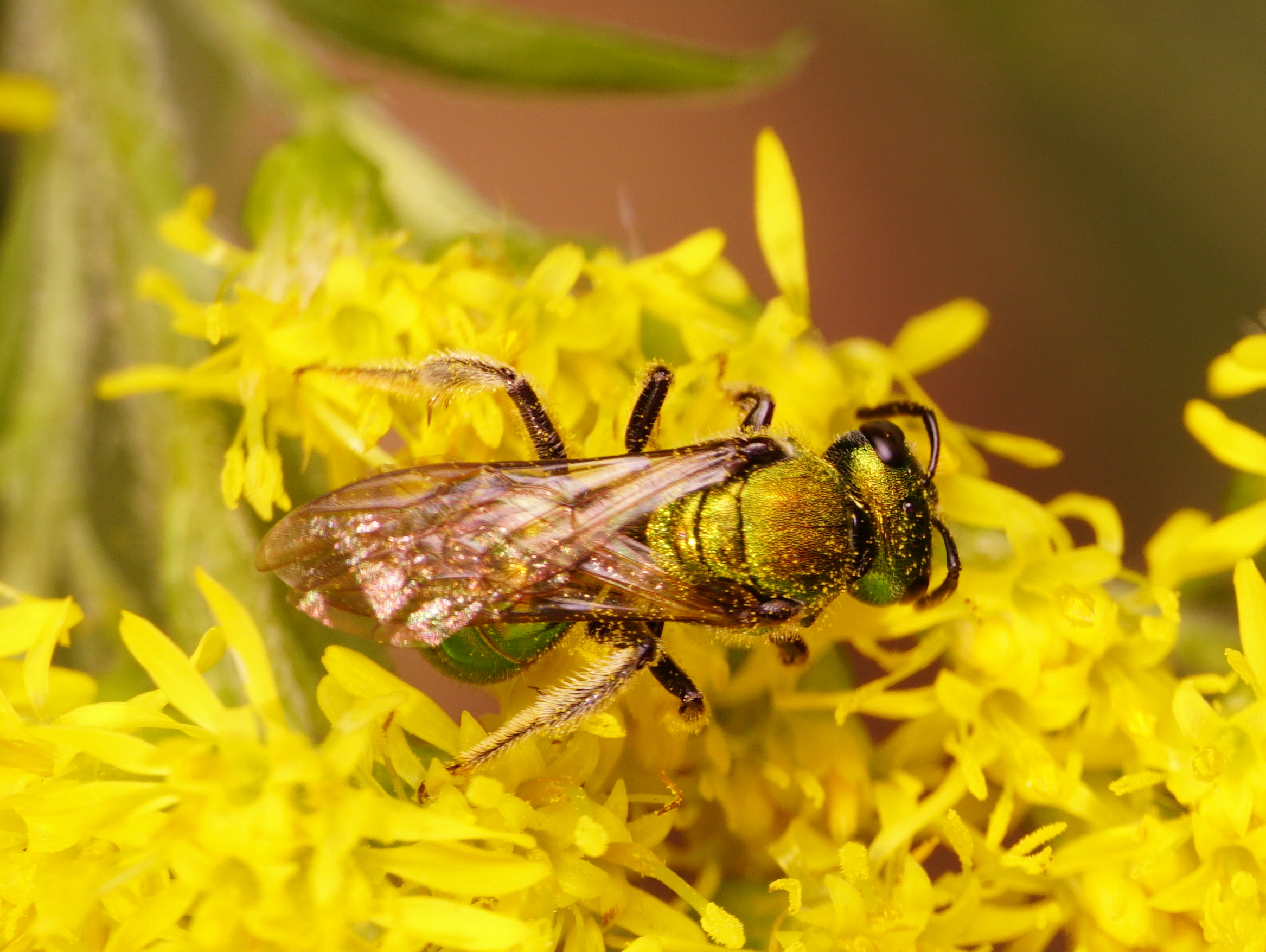
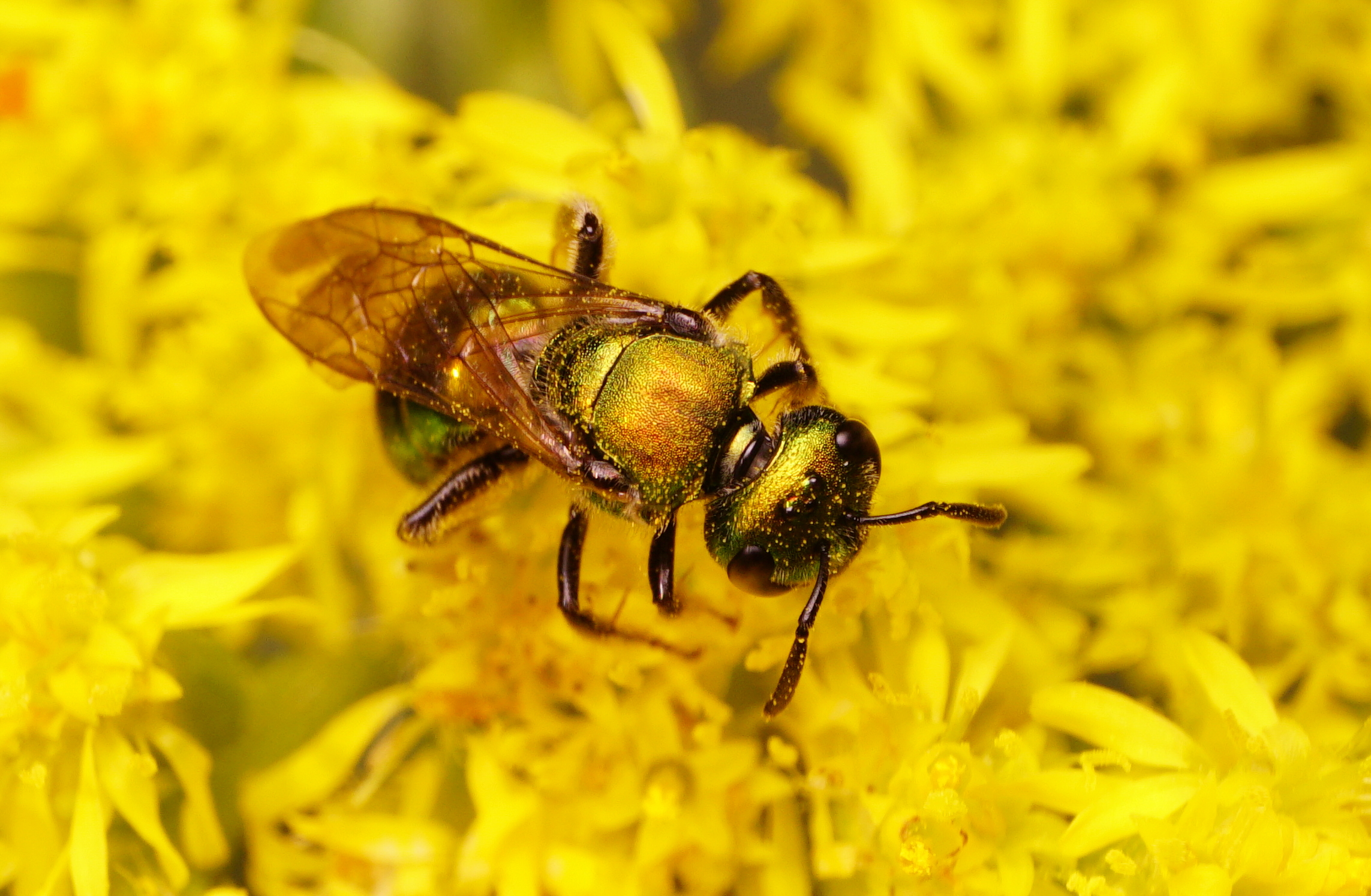
Halictidae. Augochlora pura?
Halictidae. Looks like Halictus.
Carpenter bee, Ceratina? I would guess subgenus Zadontomerus.
Augochlora pura.
Perhaps Apoidea –> Crabronidae, such as Crabronina –> Ectemnius or Crabro? Alternatively, Crabronidae –> Philanthus (beewolf)? I think Ectemnius or Crabro or something similar are the best match.
Distinguishing Crabro from similar genera (Crossecerus, Ectemnius, and Lestica)(3): Recurrent vein ending before distal third of submarginal cell Ocelli forming a low triangle Lacking orbital foveae (sharp groove along inner eye margin) Males front tibiae distinctly expanded
_________________________________
Distinguishing Ectemnius from similar genera (Crabro, Crossecerus, and Lestica)(3): Recurrent vein ending in distal third of submarginal cell Ocelli forming a low triangle Lacking orbital foveae (sharp groove along inner eye margin) Upper frons evenly punctate
Identified as Cerceris in Solitary Wasps Forum, Facebook
Cerceris in Crabronidae.
Spiders
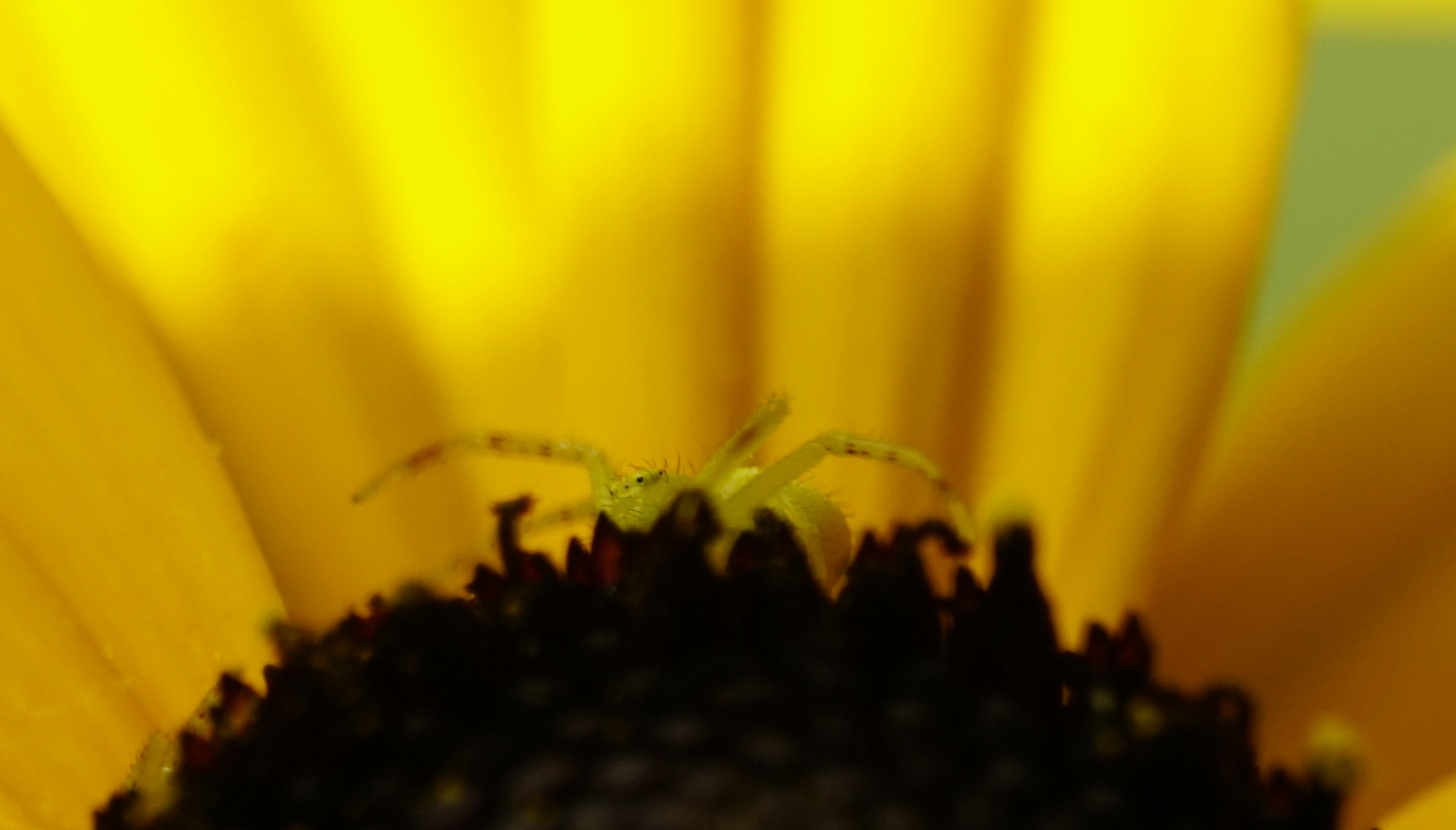
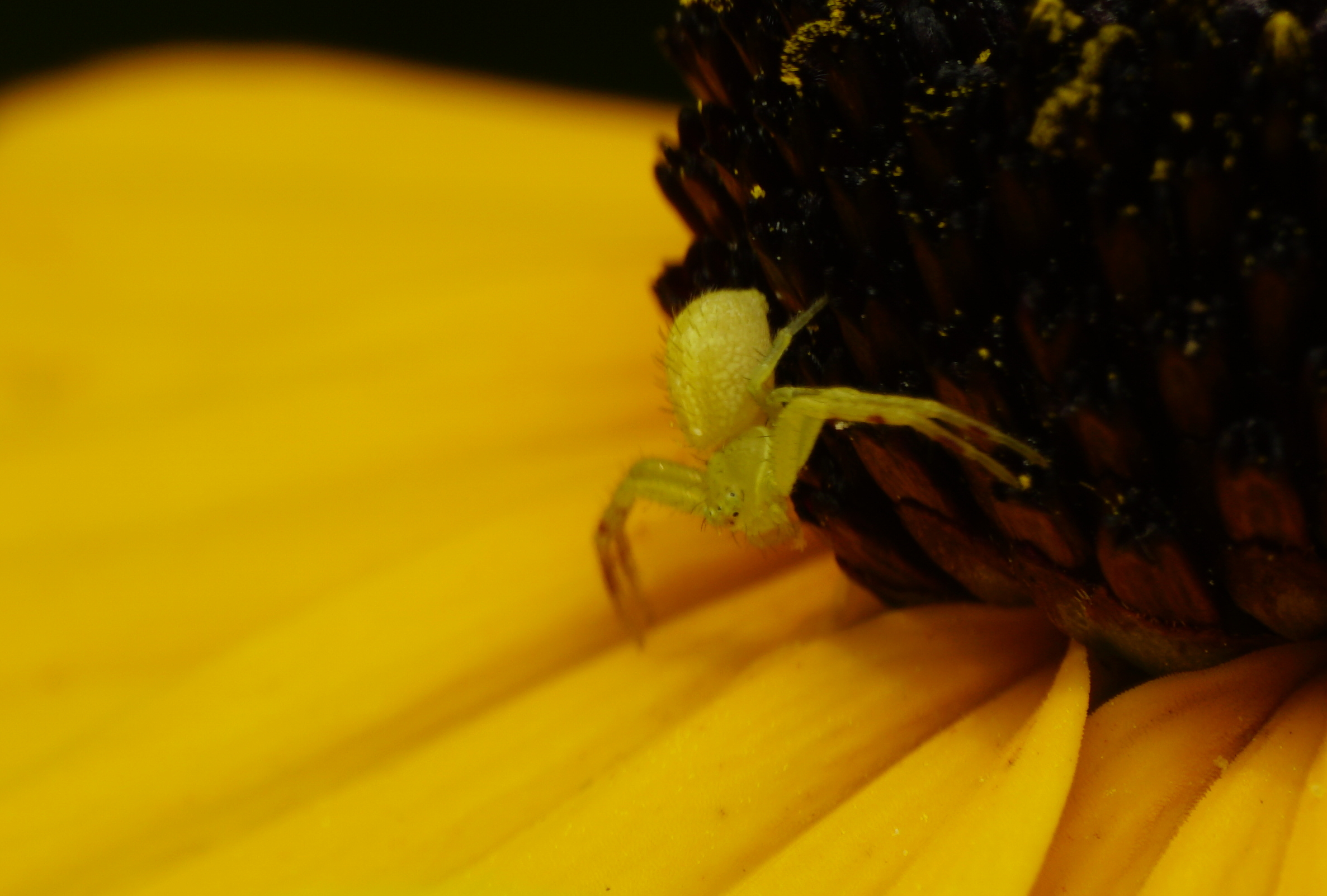
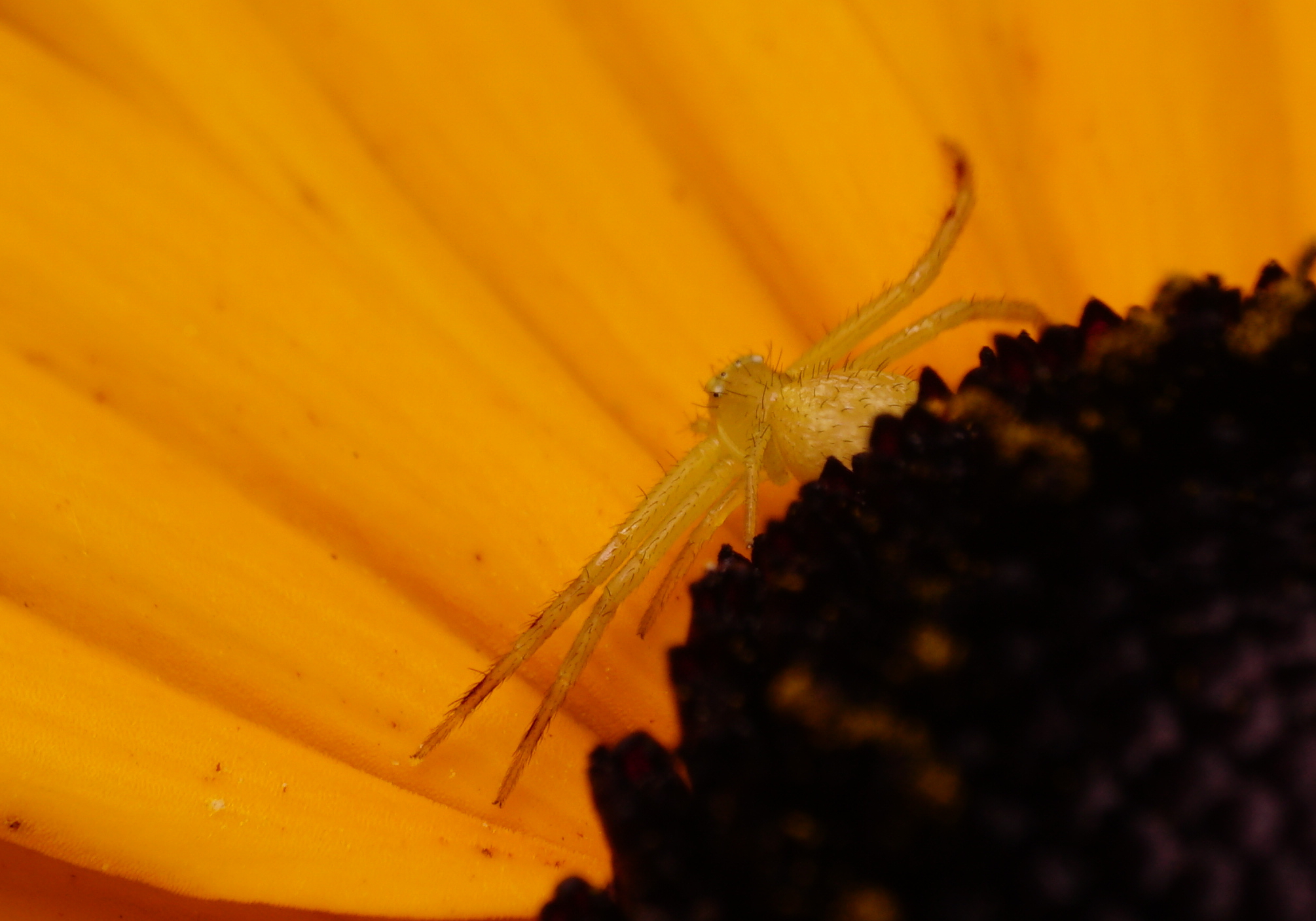
Platycryptus undatus, tan jumping spider, Salticidae.
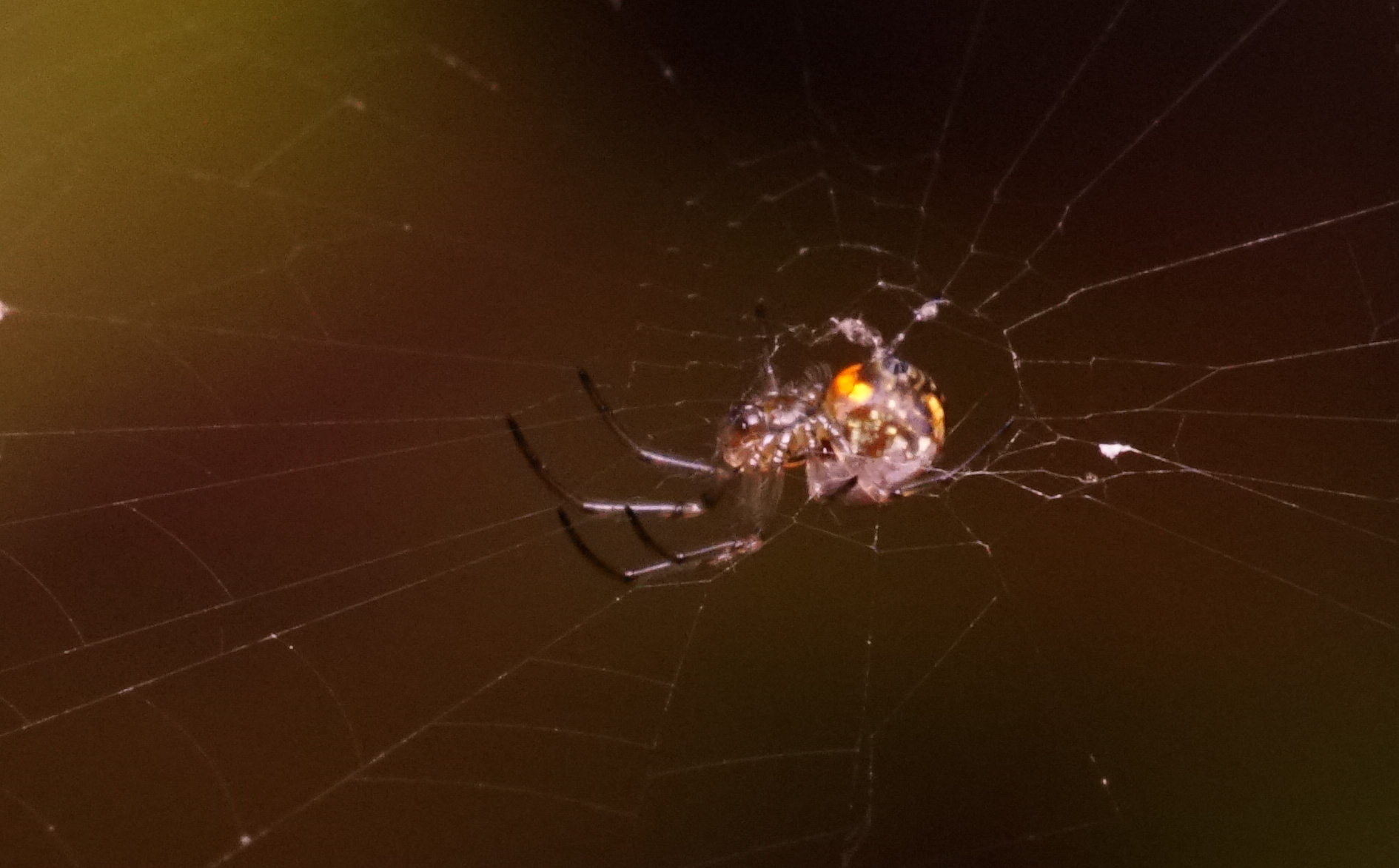
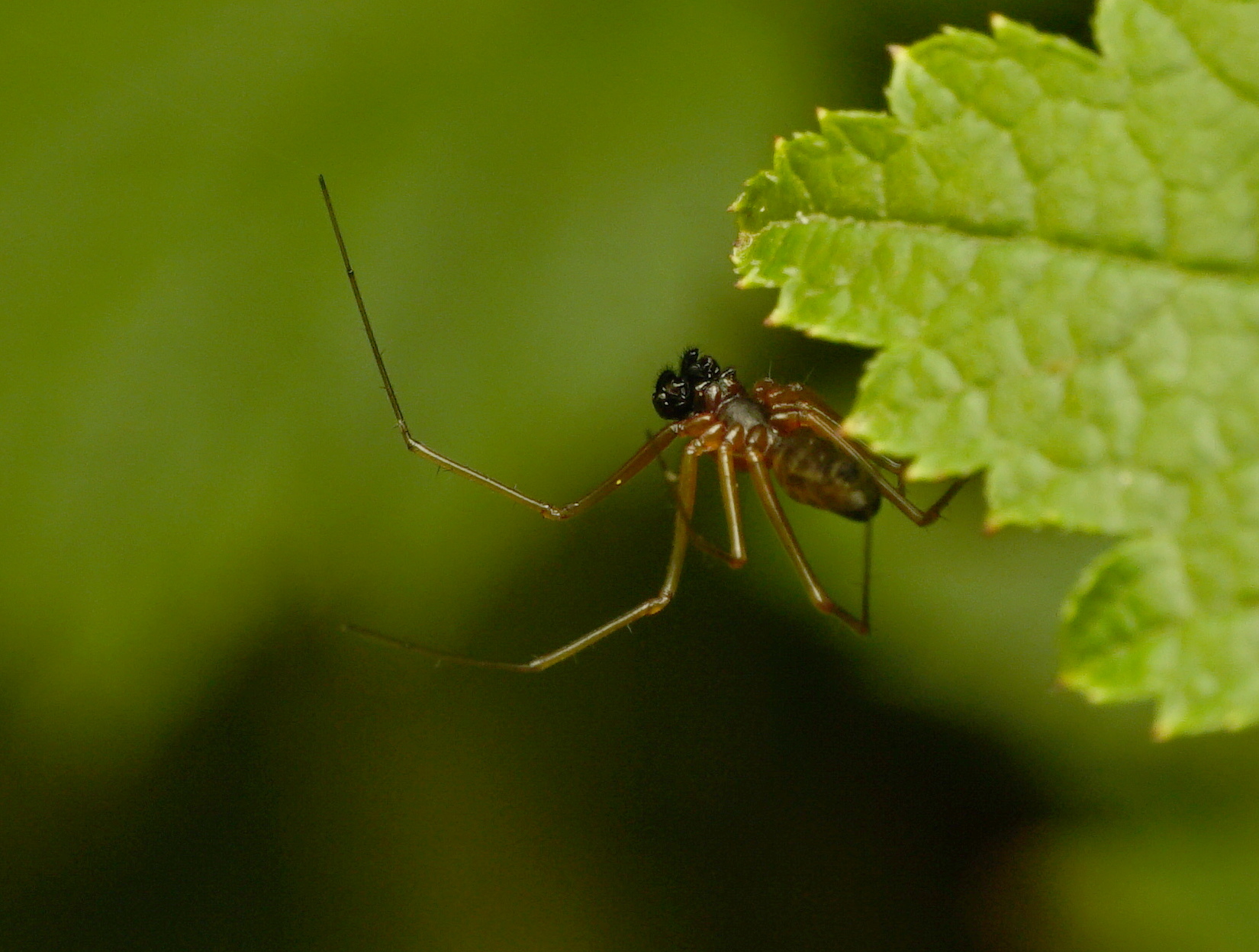
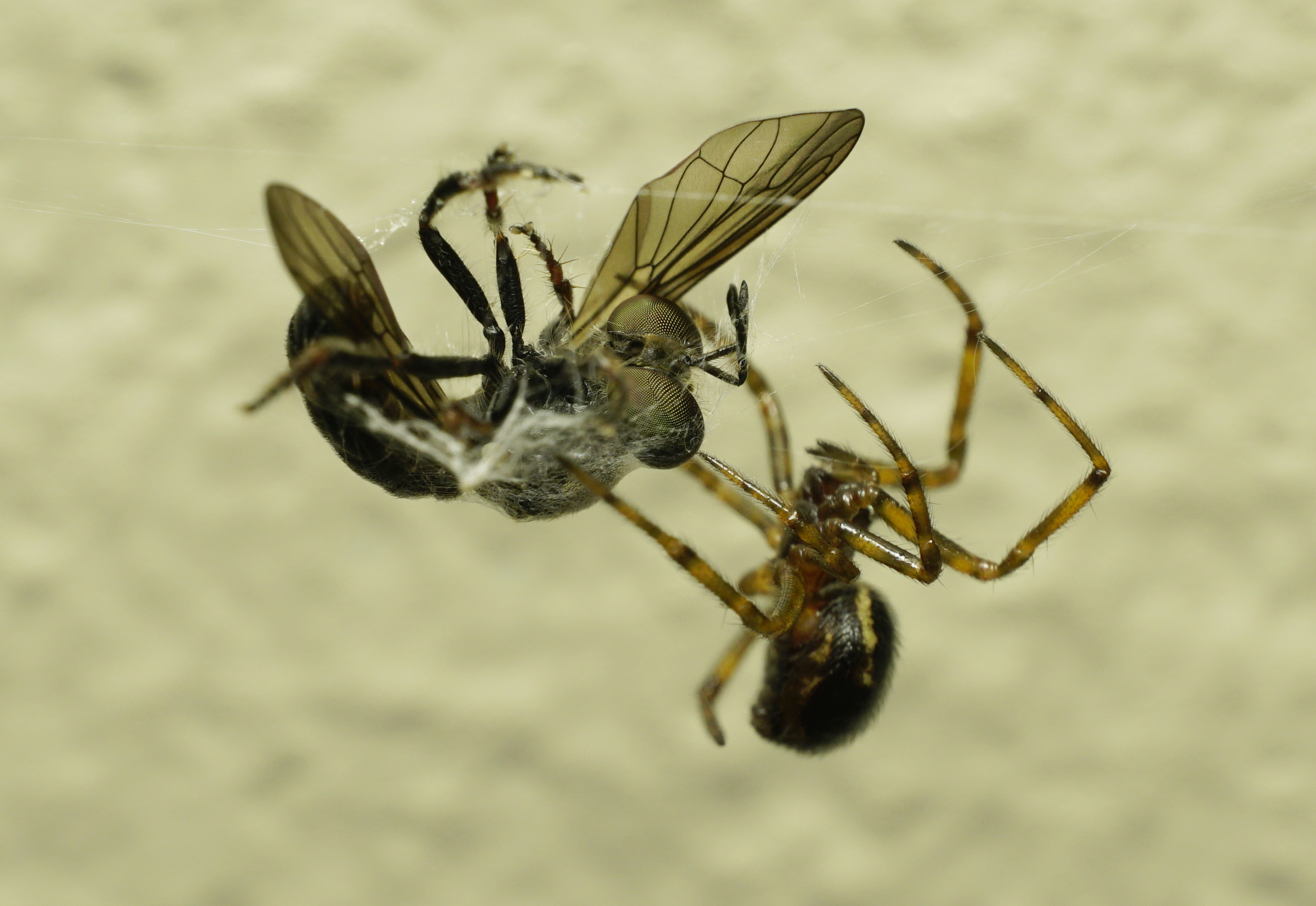
Theridiidae spider, what’s the prey? A robber fly, I believe.






























































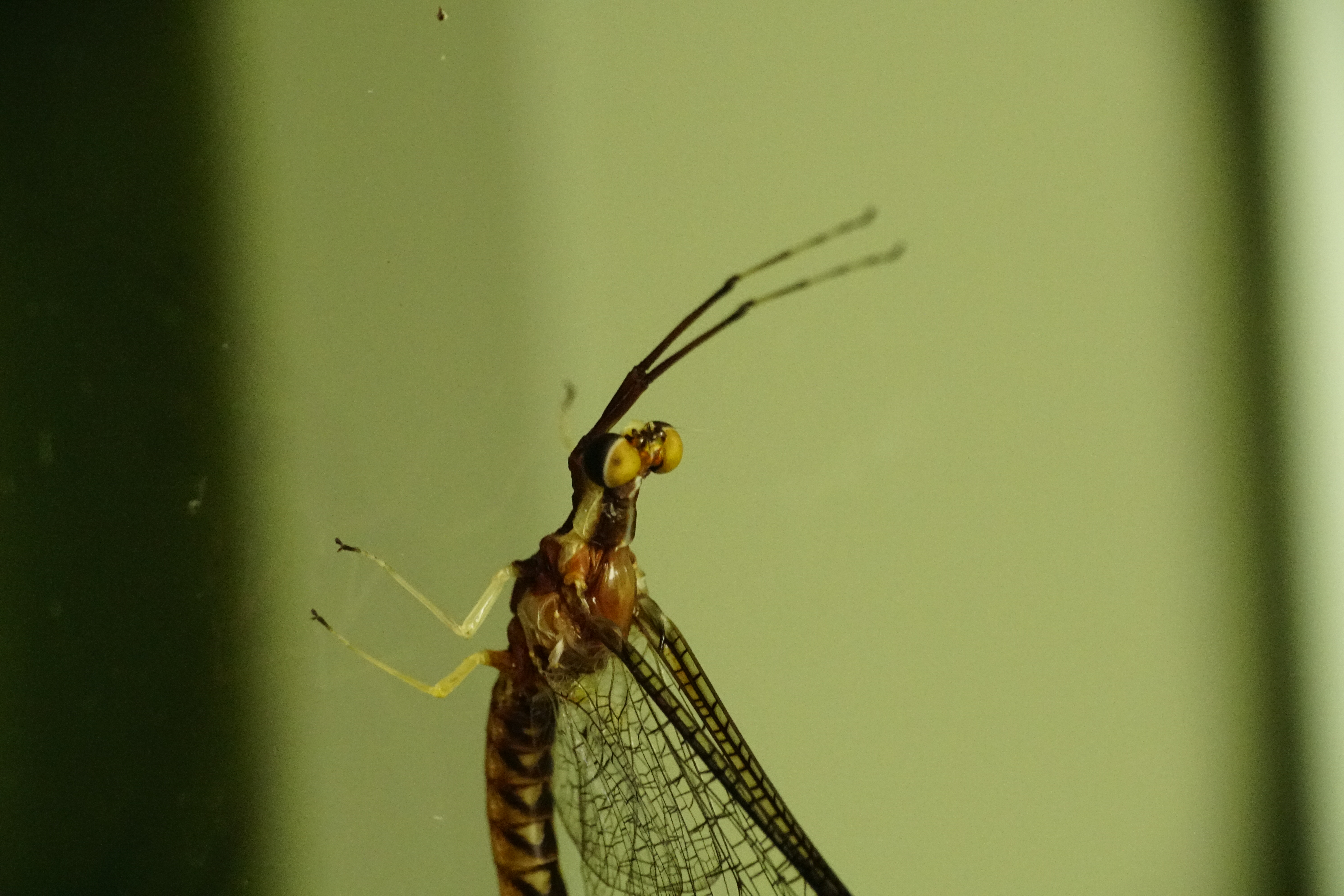































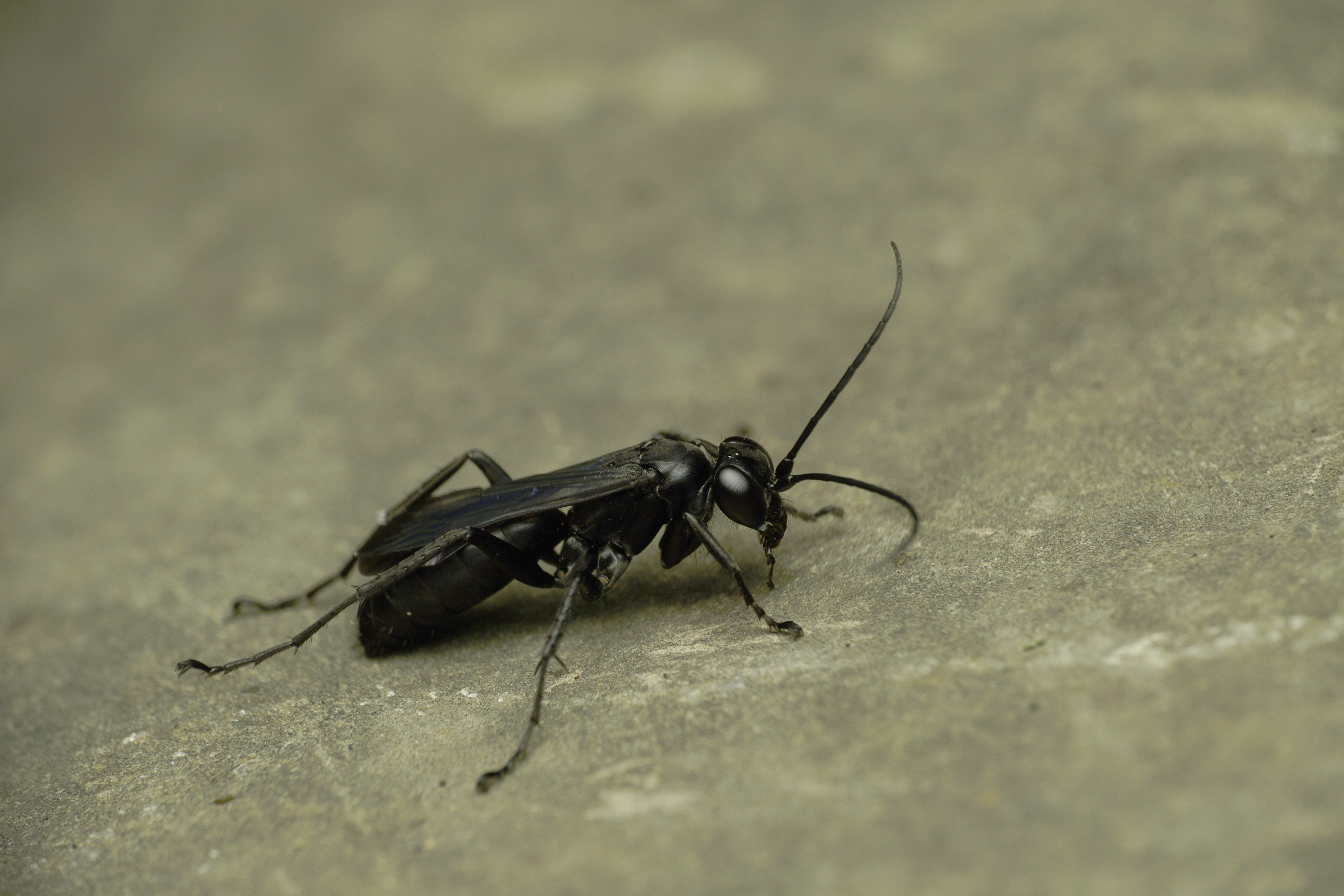


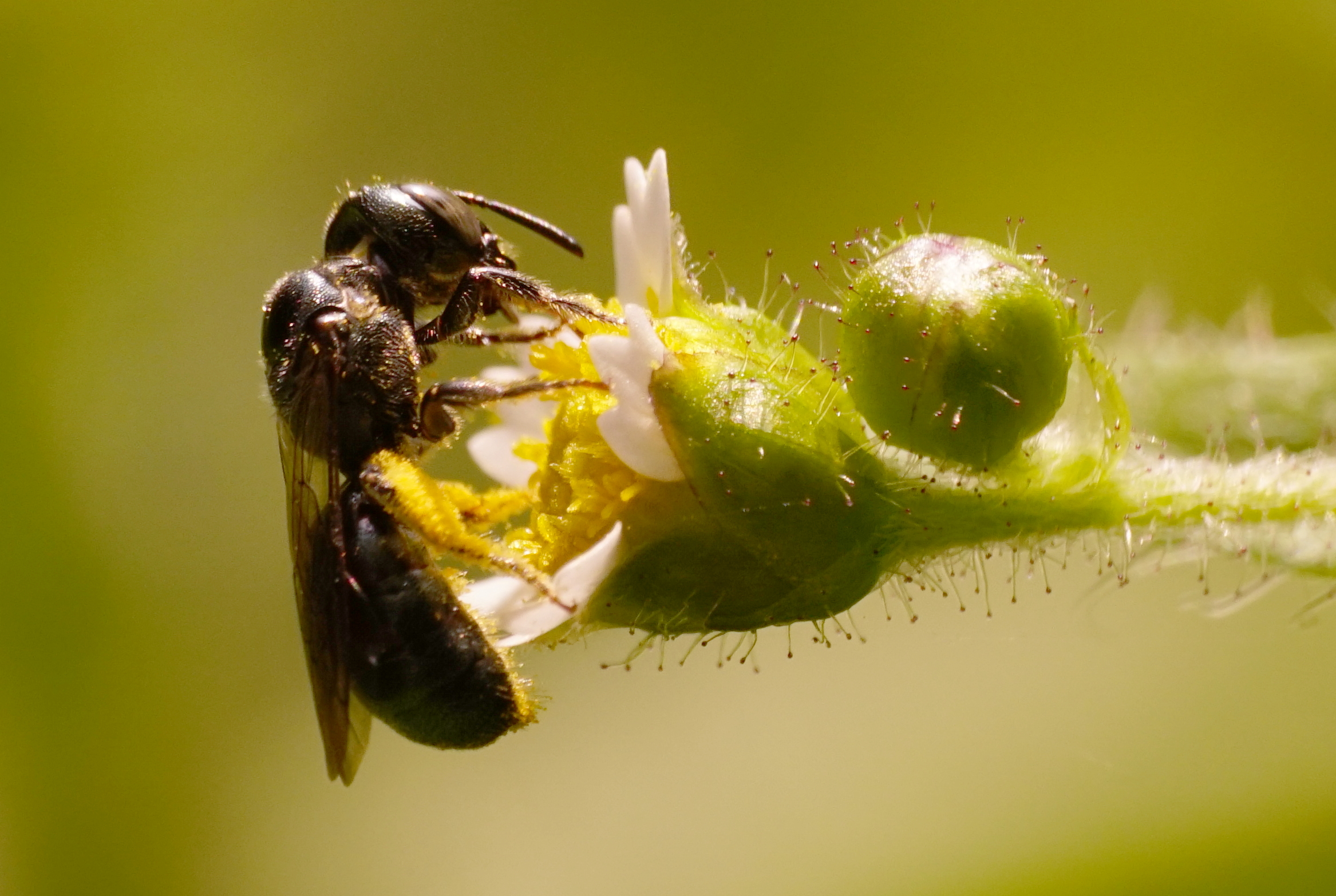
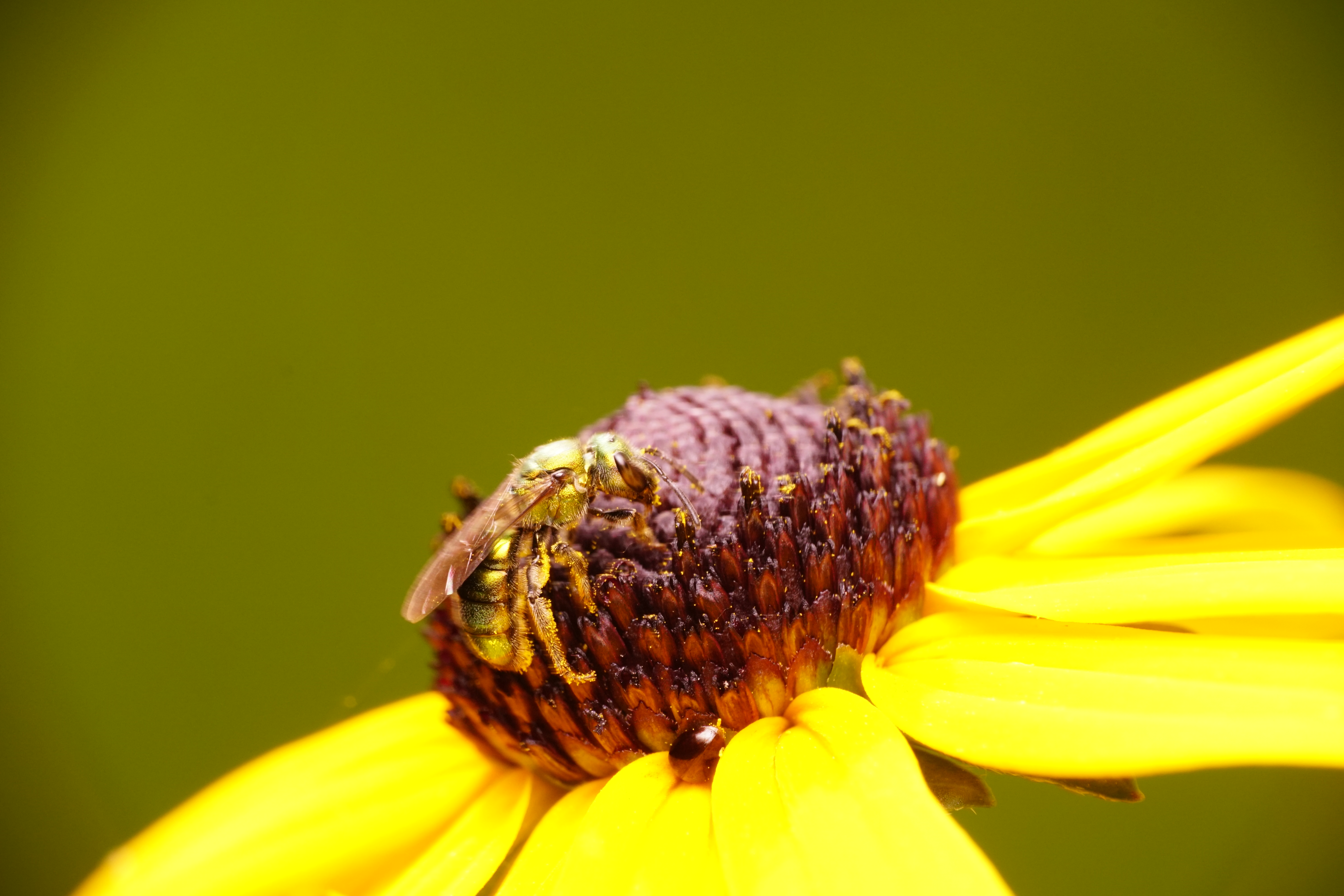


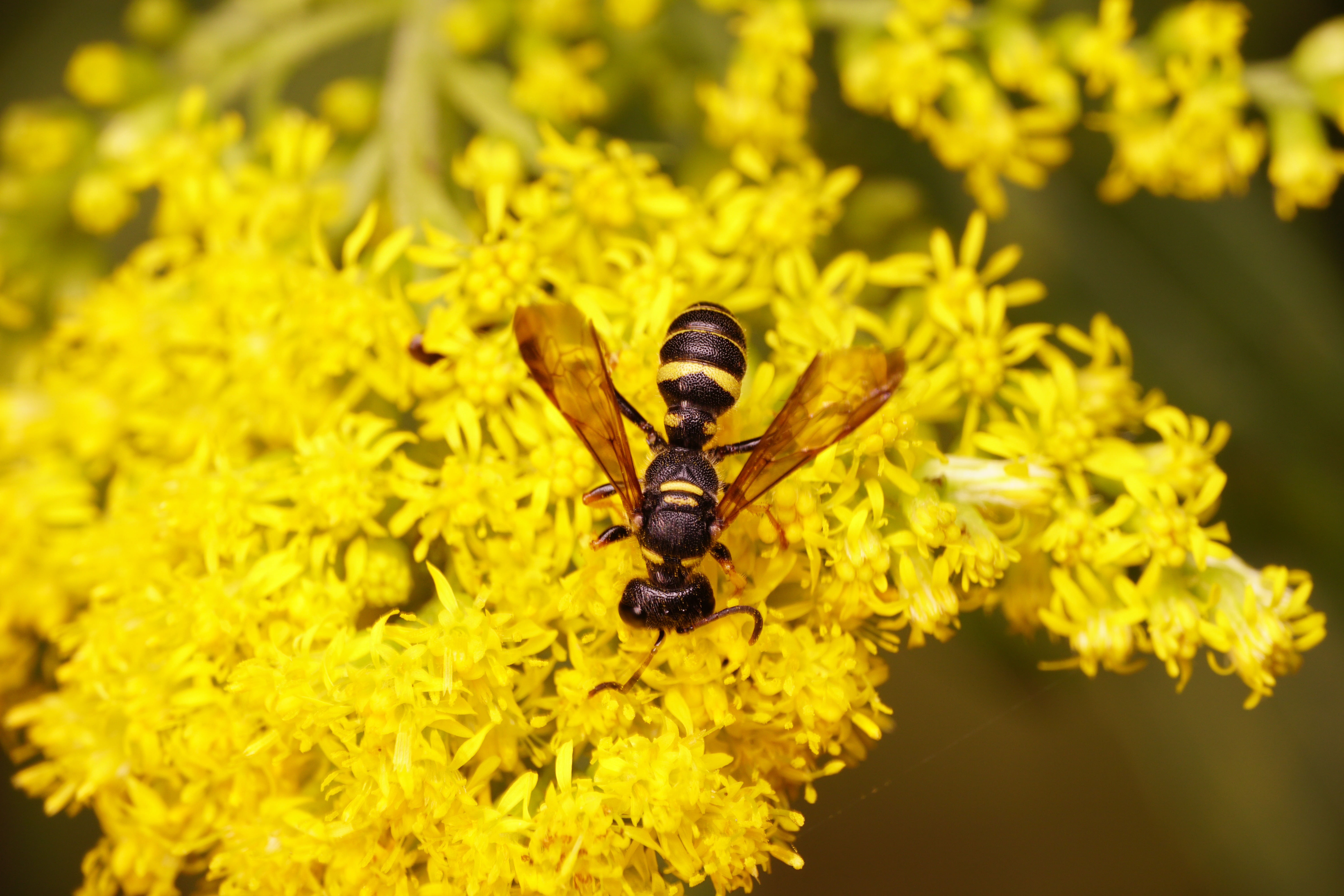





 a little wild