




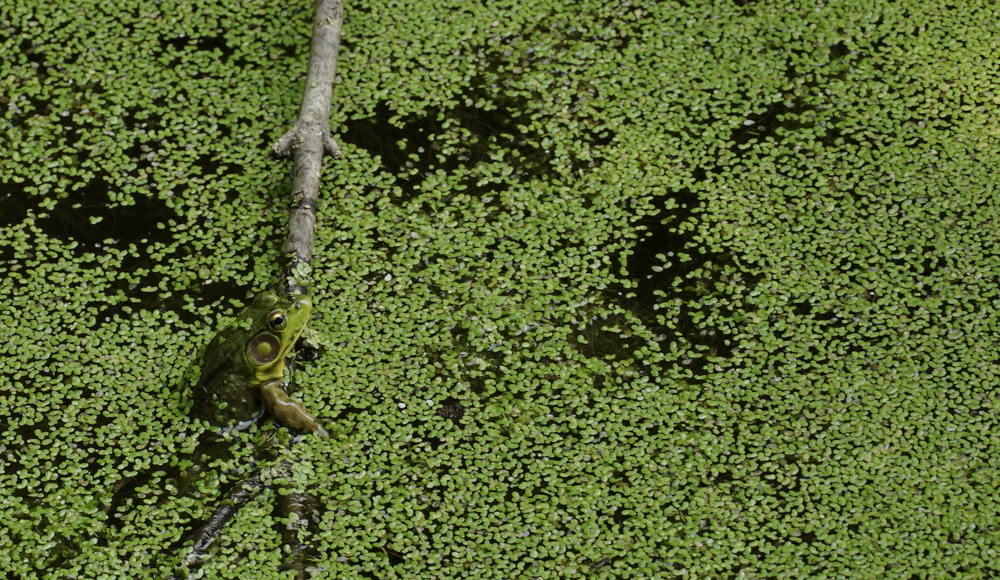
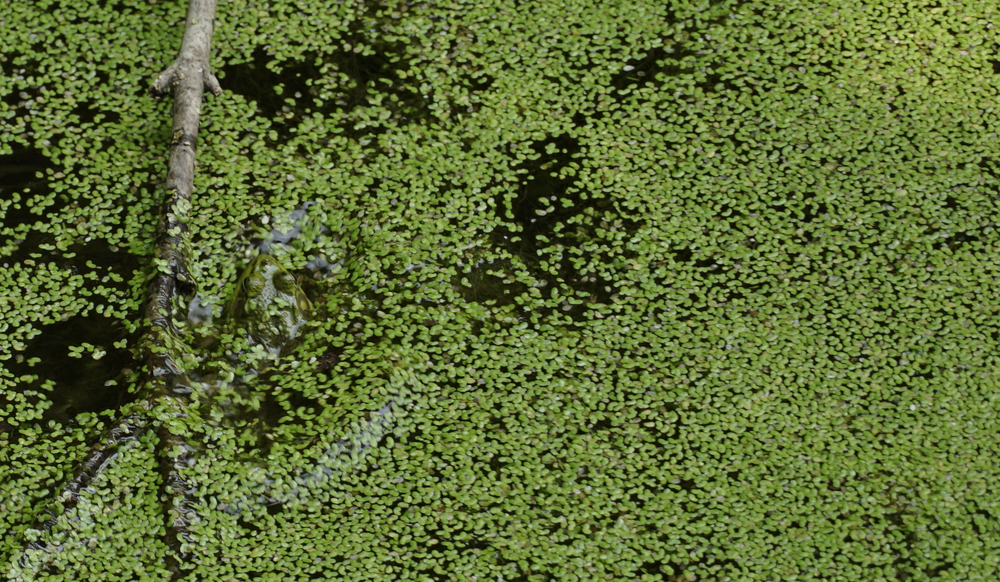
Second trip to Urbana State Park in a few days. You can finda list of observations here: https://www.inaturalist.org/calendar/gaurav1729/2025/8/4
Condylostylus –> complex Condylostylus caudatus
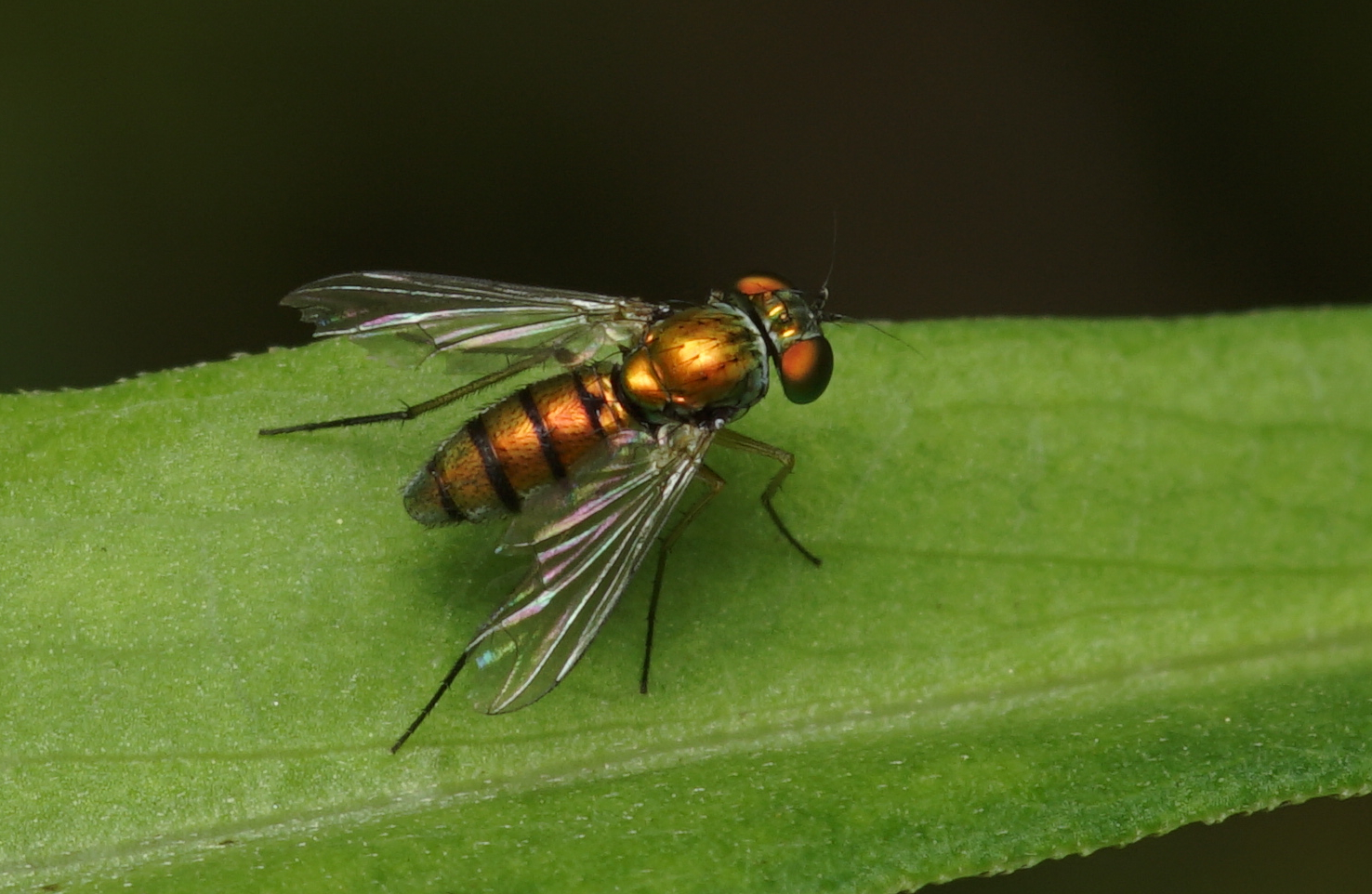

Rhagio, snipe fly. From iNaturalist:
“This is R. tringarius, a European species very common in the northeast, but also now on the West Coast. This species has a yellowish-brown frons (seen in females only) and humerus; diamonds on the first few abdominal segments; yellowish stigmata in the wings; and yellowish fore tibiae. Females are often more lightly marked, and more golden, than males.
If you don’t already know of it, there’s also a table of information on Rhagio in the Fly Guides under the Orthorrhapha column in the ‘Species Guides’ section. The Fly Guides are great for a lot of detailed info, and they’re meant for identifying from photos.
https://sites.google.com/view/flyguide/species-guides“

Bombylidae

Syrphidae –> Erastalinae –> Sphegina (Pufftails)
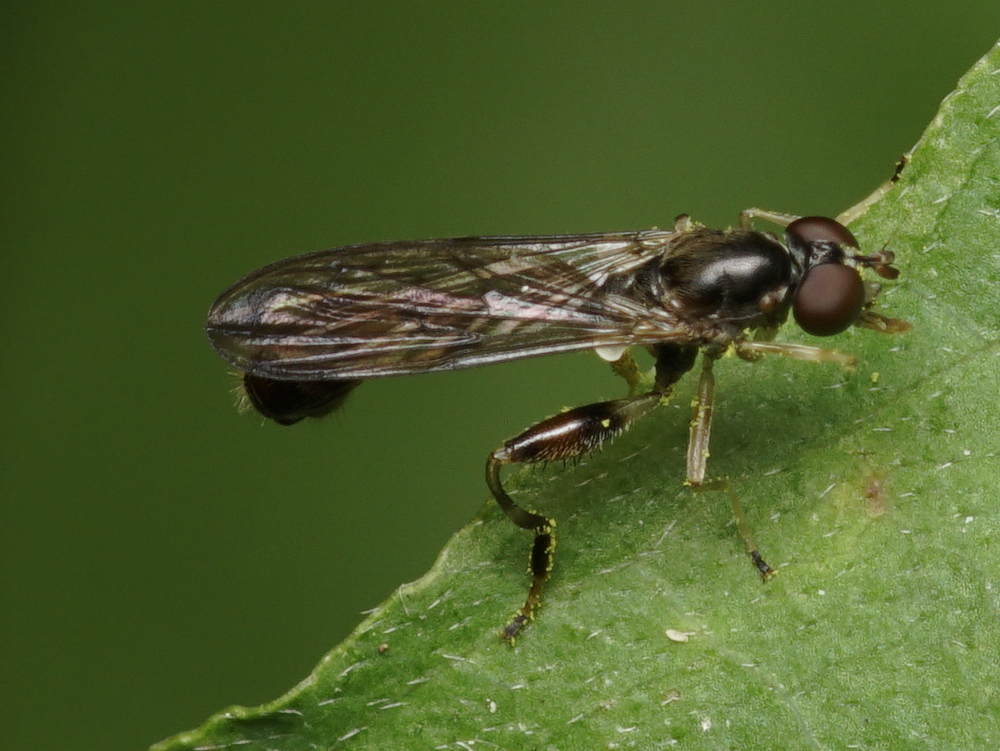
Dolichopus

Something in Membracidae –> Membracini. EDIT: BugGuide further refines it to Membracini » Enchenopa » Wide-footed Treehopper (Enchenopa latipes)
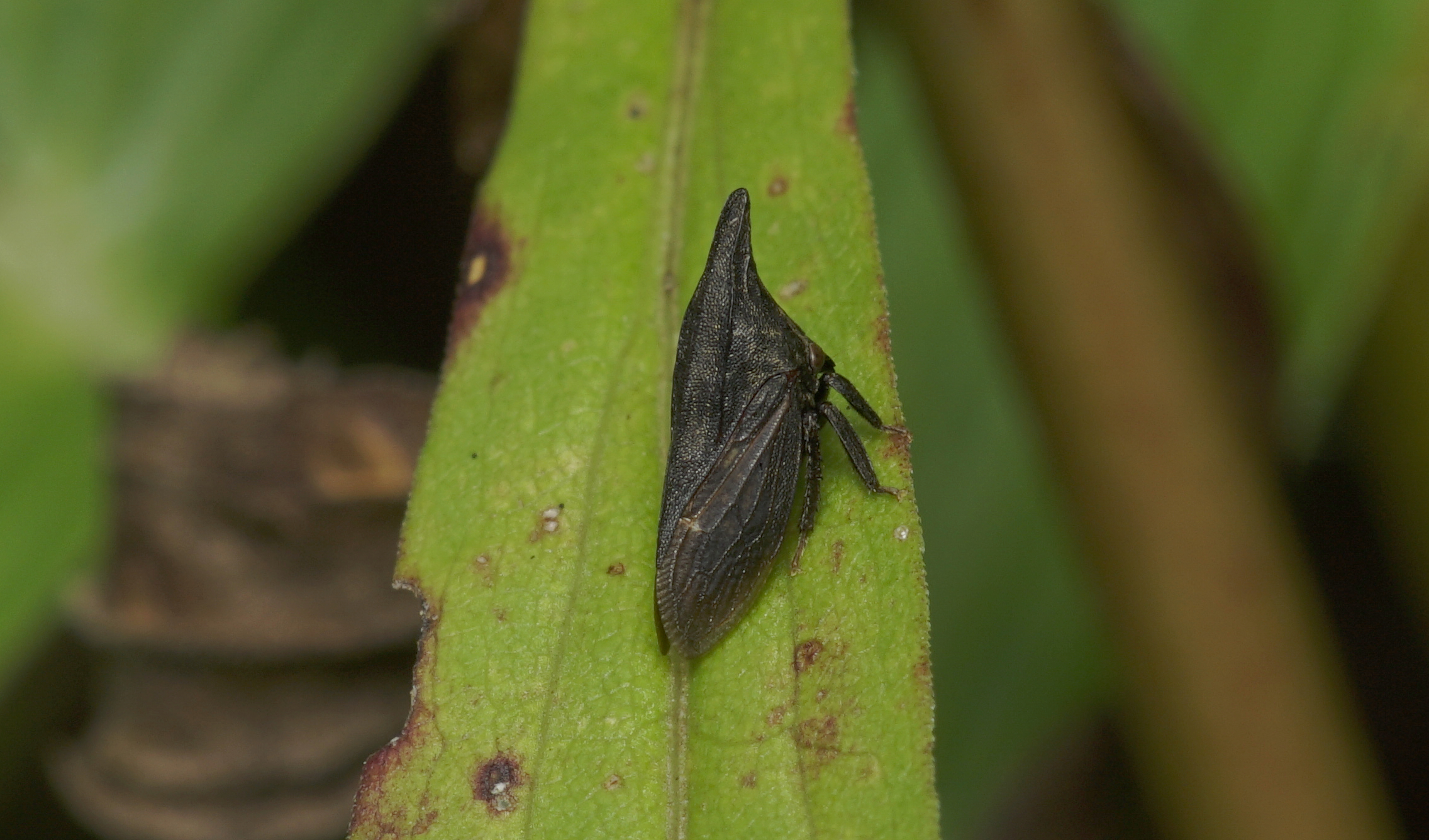
Aphrophora spittlebugs
“Aphrophora salicina (Goeze, 1778) Willow Spittlebug
Similar in form to Aphrophora alni (Fallén, 1805), but the forewings are more uniformly colored. Introduced from the Palearctic, mostly restricted to New England; recently reported from Quebec. It is a specialist on willows.”

And another

Clastoptera proteus, dogwood spittlebug
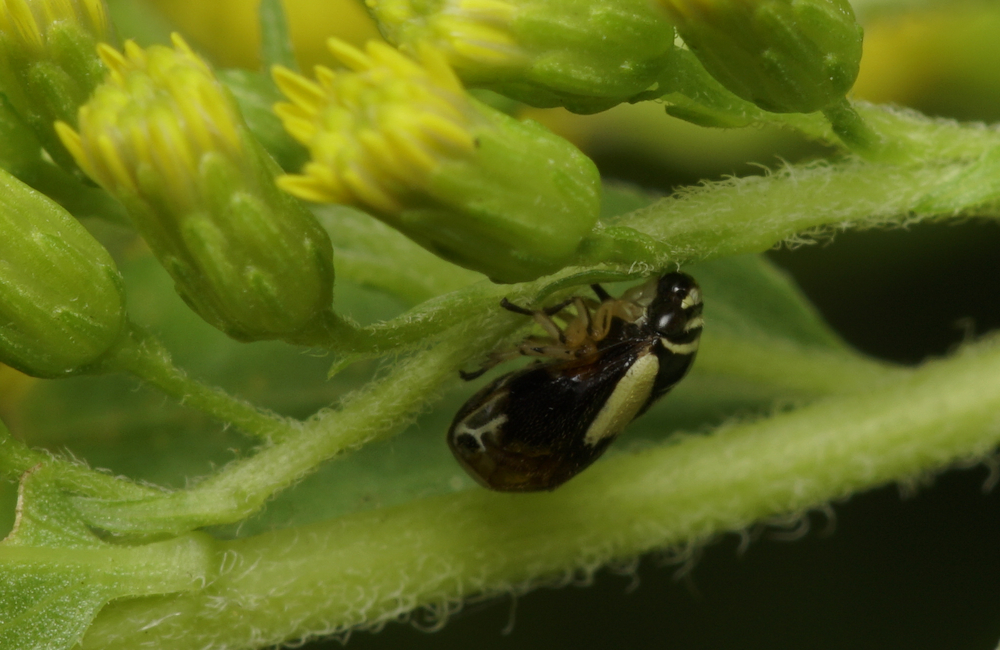
Flatid planthopper. Flatormenis proxima:
True Bugs, Cicadas, Hoppers, Aphids and Allies (Hemiptera) » True Hoppers (Auchenorrhyncha) » Planthoppers (Fulgoromorpha) » Fulgoroidea » Flatid Planthoppers (Flatidae) » Flatinae » Nephesini » Flatormenis » Northern Flatid Planthopper (Flatormenis proxima)


Stictocephala

Augochlora
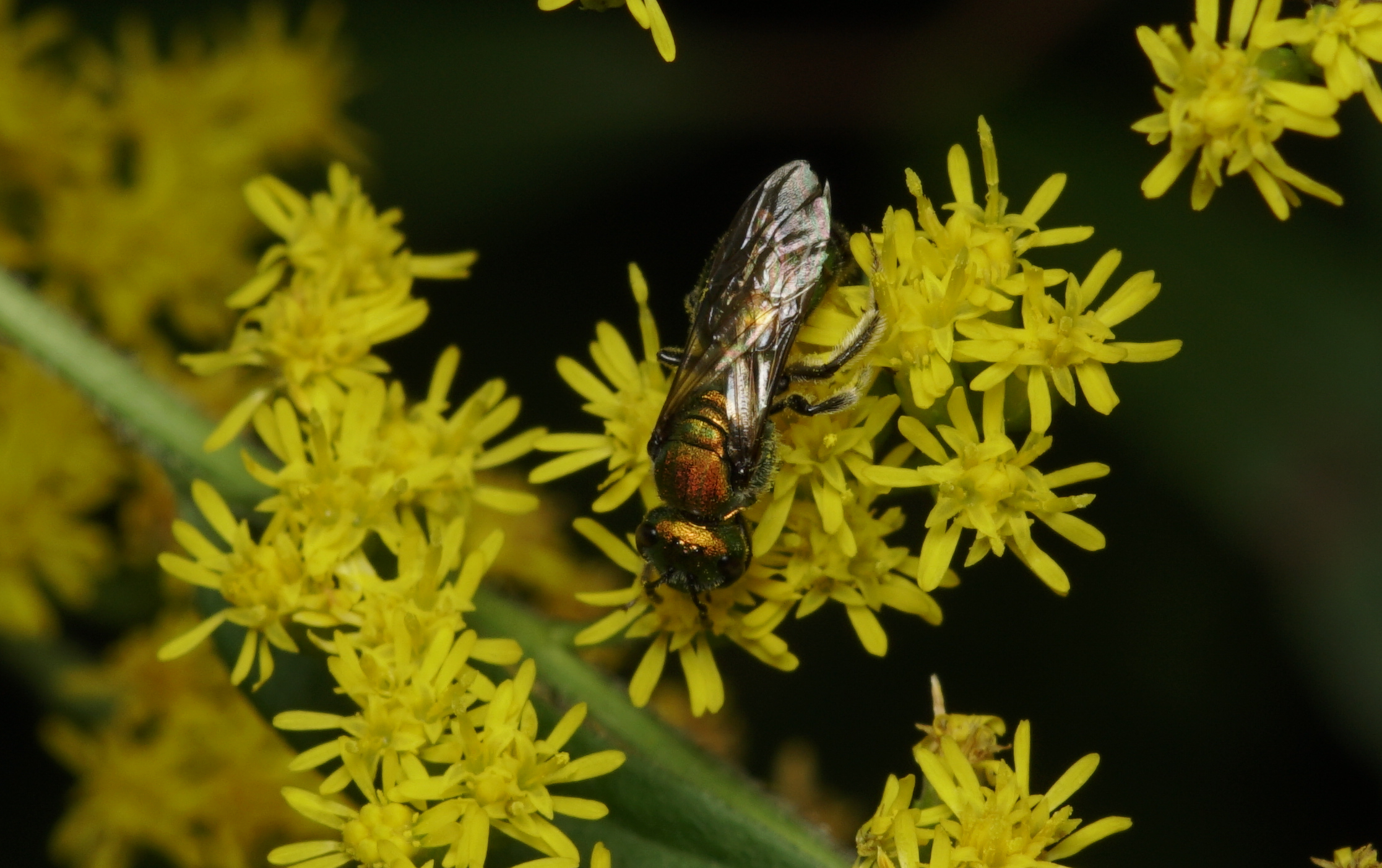

This photo gives a better idea of the color

Pimplinae?

And another

Ichneumonidae

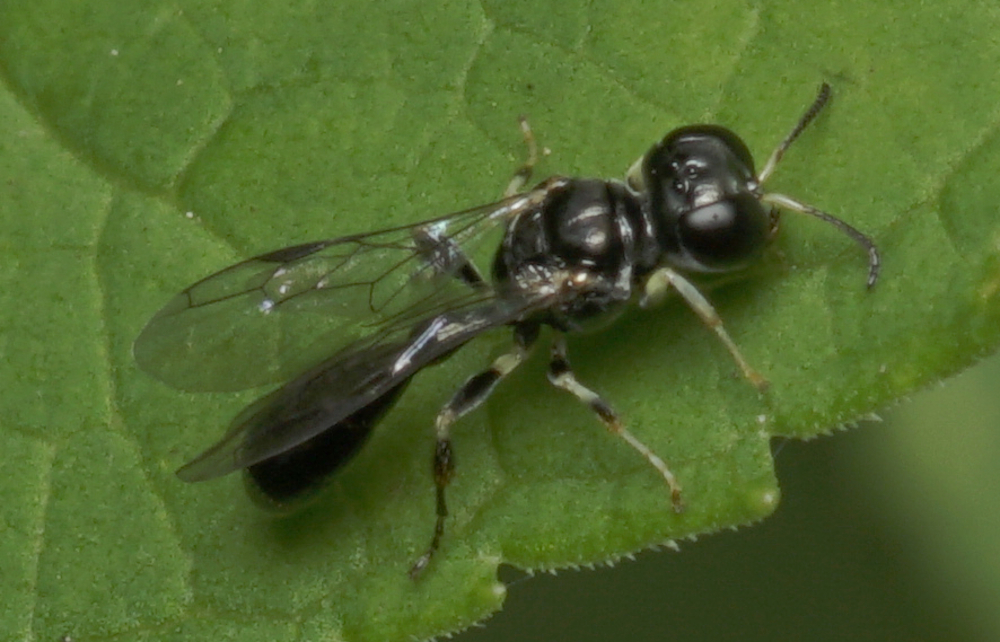
And this is probably Crabronidae, but which one. EDIT: Probably Rhopalum. Can be distinguished from Pemphredoninae based on wing venation.
Aculeata – Ants, Bees and Stinging Wasps » Apoidea sans Anthophila – Apoid Wasps » Square-headed Wasps, Sand Wasps, and Allies (Crabronidae) » Crabroninae » Square-headed Wasps (Crabronini) » Crabronina » Rhopalum

Pelecinus polyturator
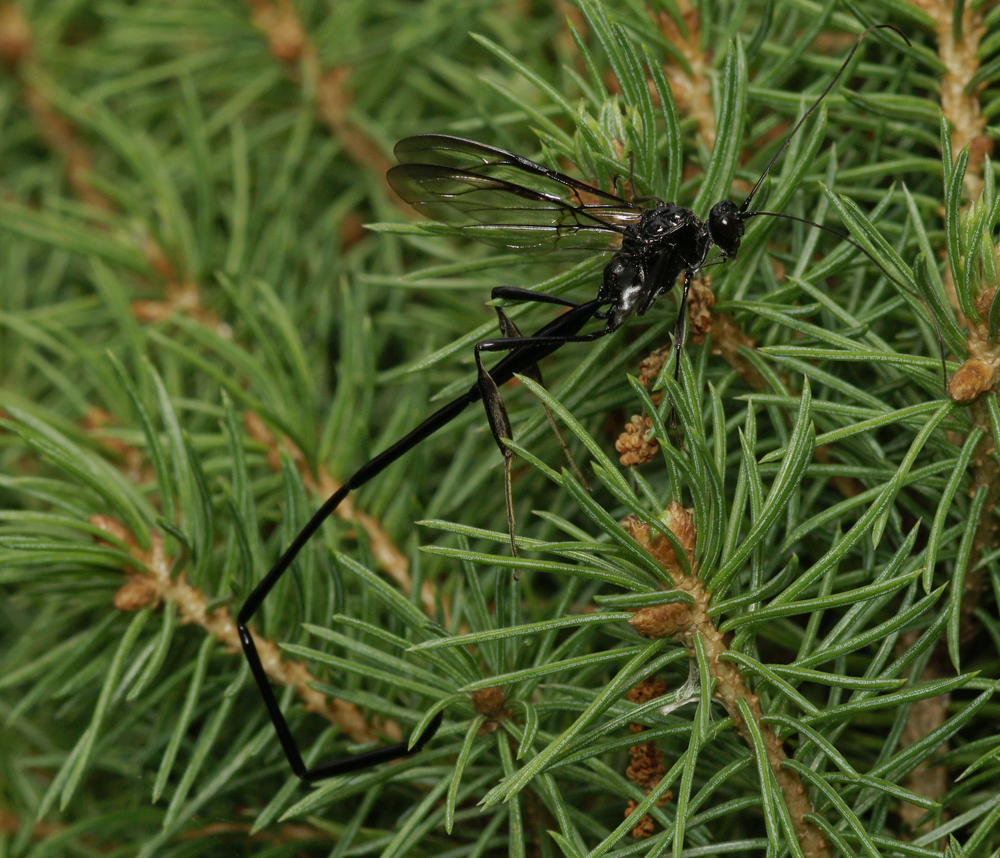
Odontocolon in Ichneumonidae? Instead, Dolochomitus irritator was suggested.
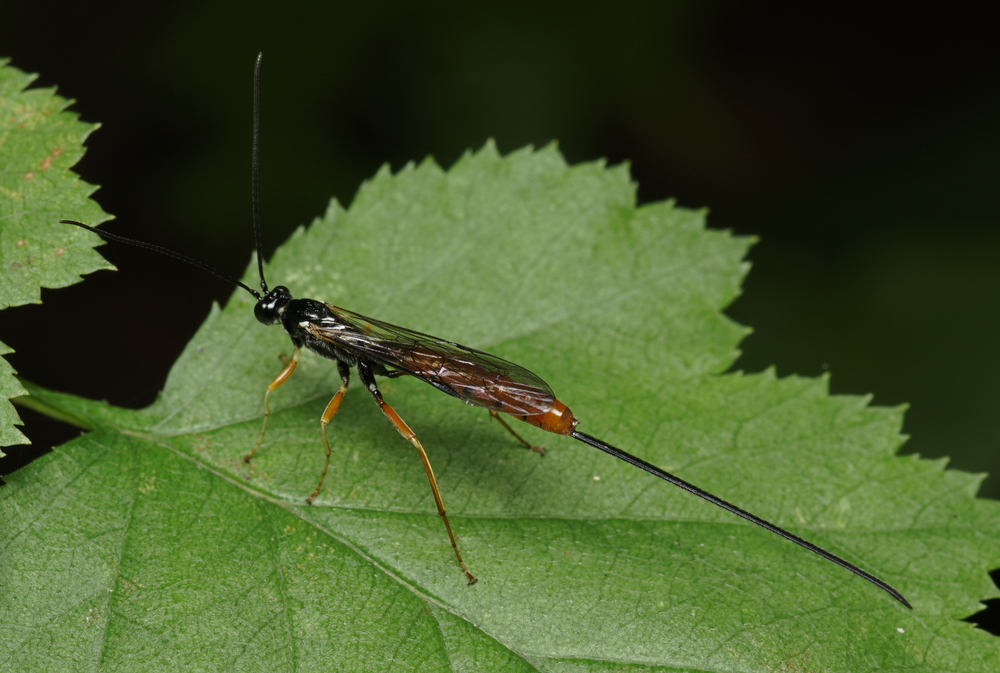
Braconidae –> Doryctinae –> Spathius. This one has a proper ovipositor, as opposed to the one from last time that was deformed.


Scopula
Geometrid Moths (Geometridae) » Sterrhinae » Scopulini » Scopula

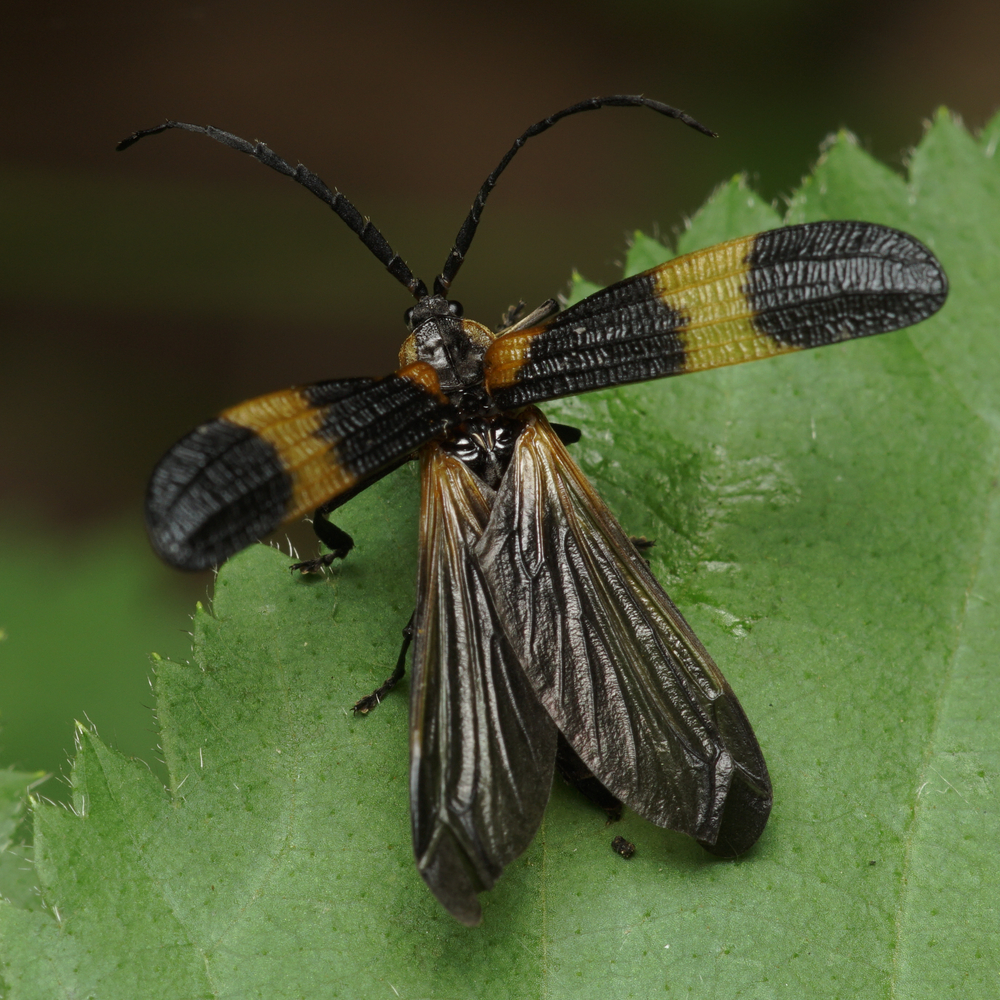
Eropterus in Lycidae
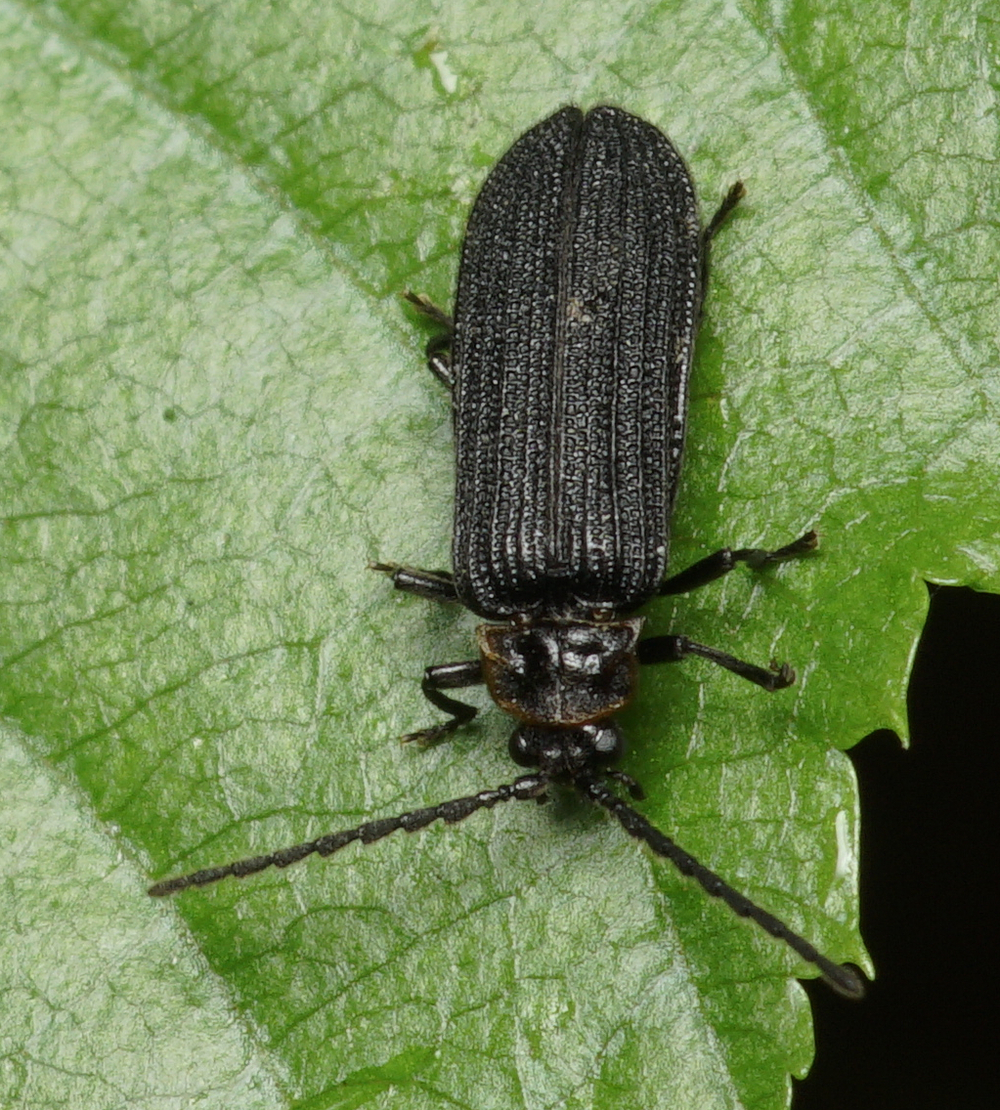
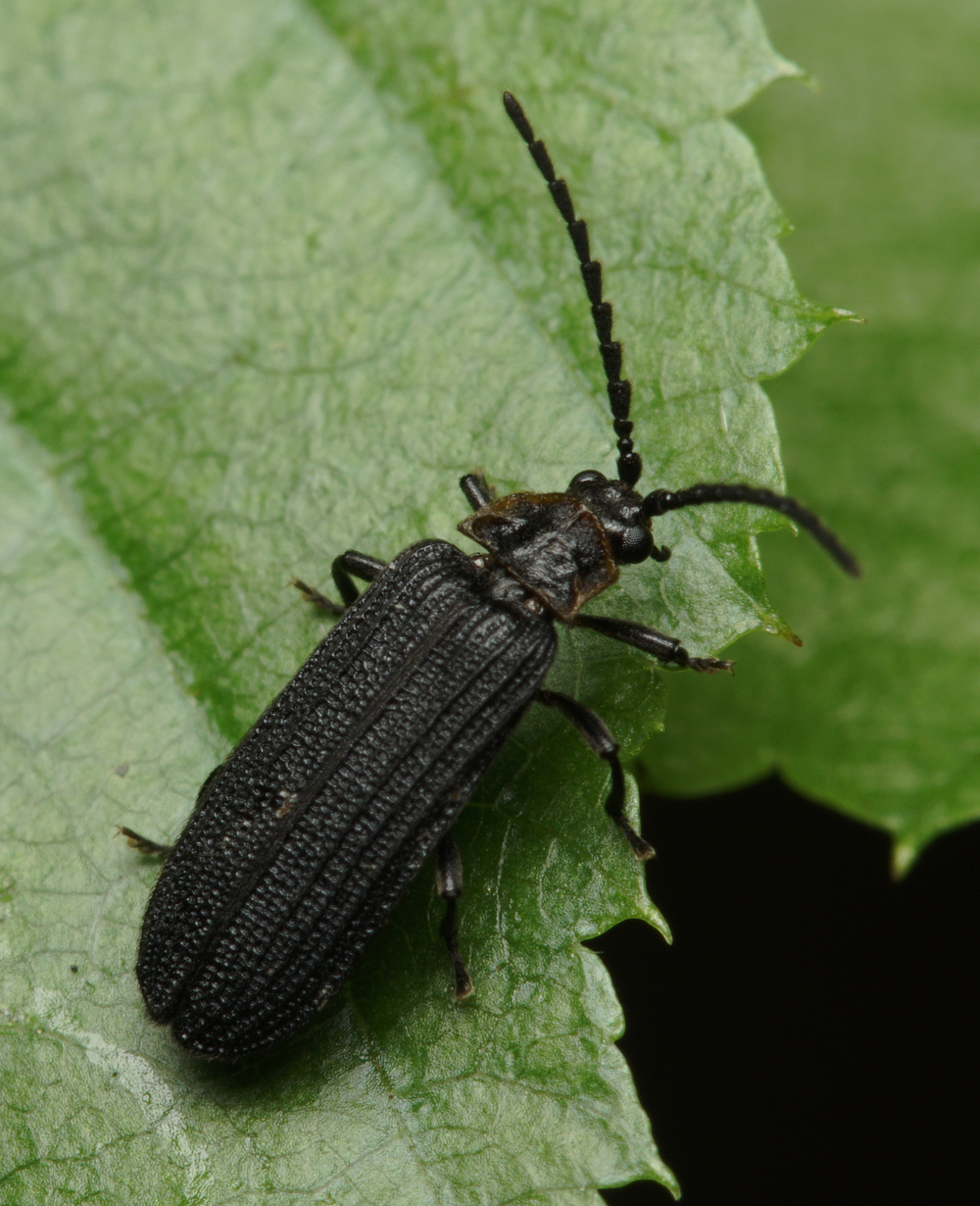
Elateridae. Athous neacanthus (https://bugguide.net/node/view/2481230), which makes it a New York state first sighting (in BugGuide + iNaturalist).

“Only” two scorpionflies

Finally a female one!

Thomisidae

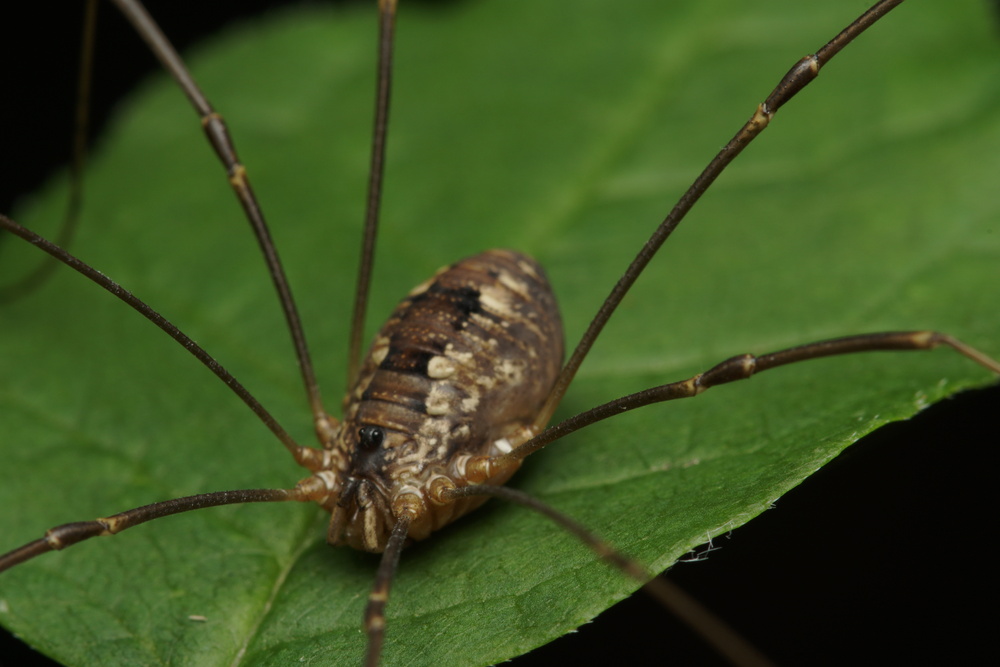
Leiobunum vittatum (I know, not actually a spider)
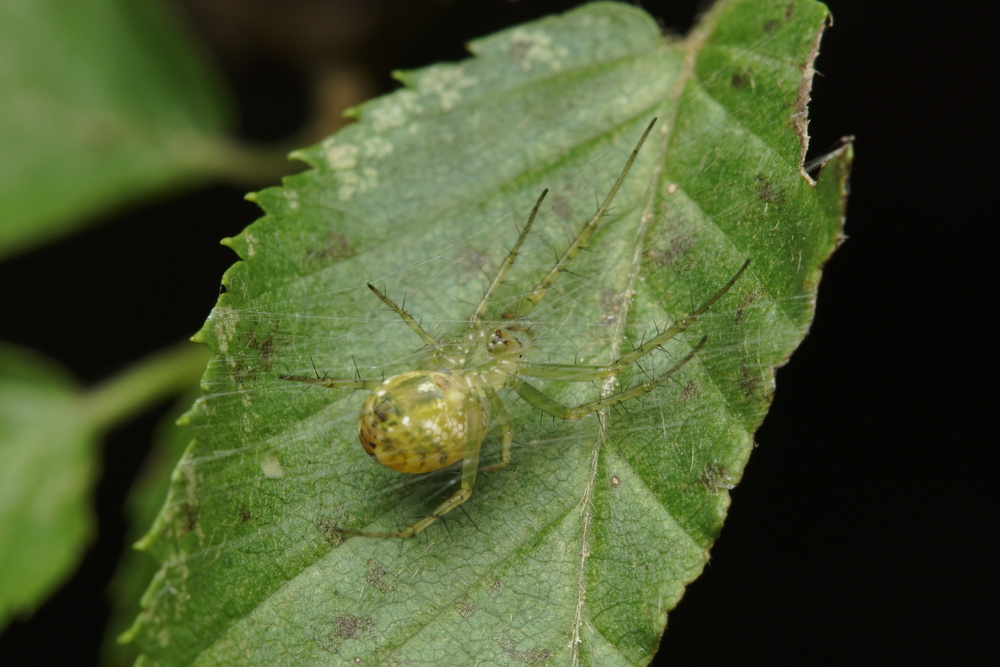
Mangora — is this a normal web, or is it a result of parasitoid infestation?
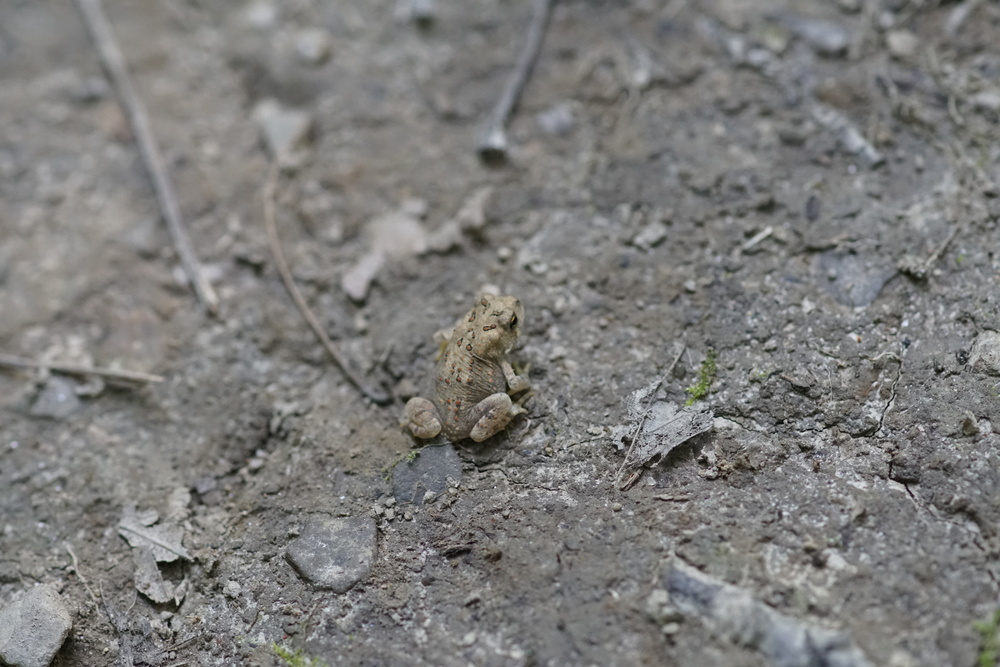
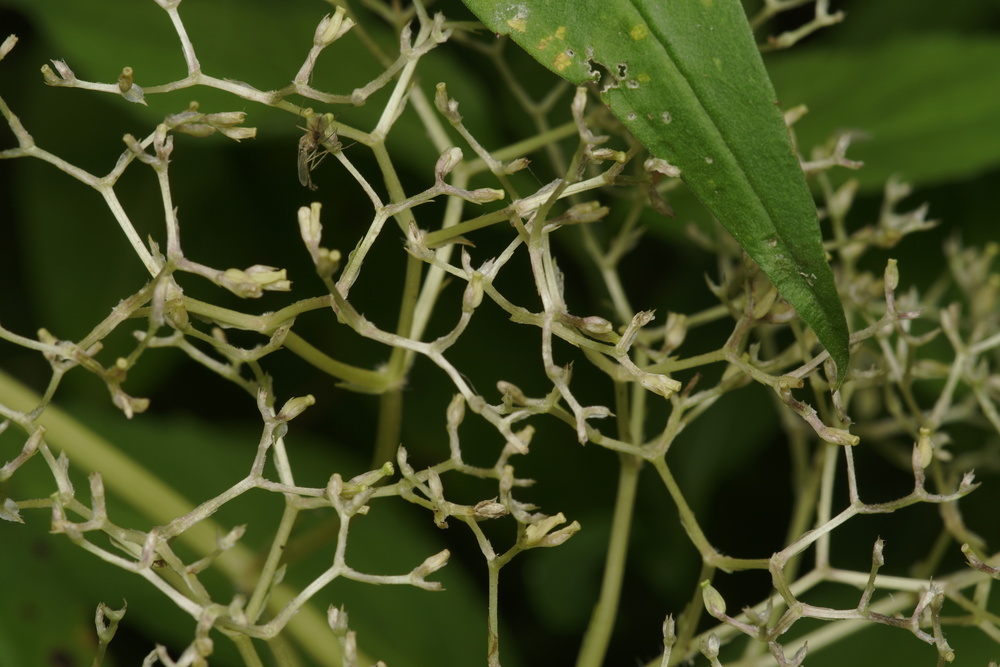


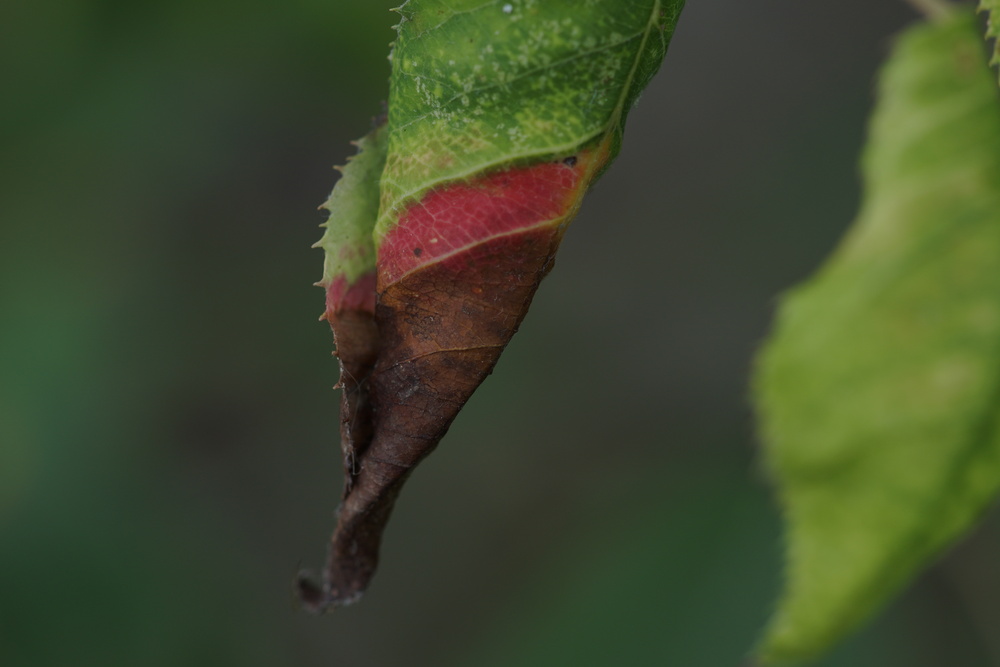
Are the next three galls?
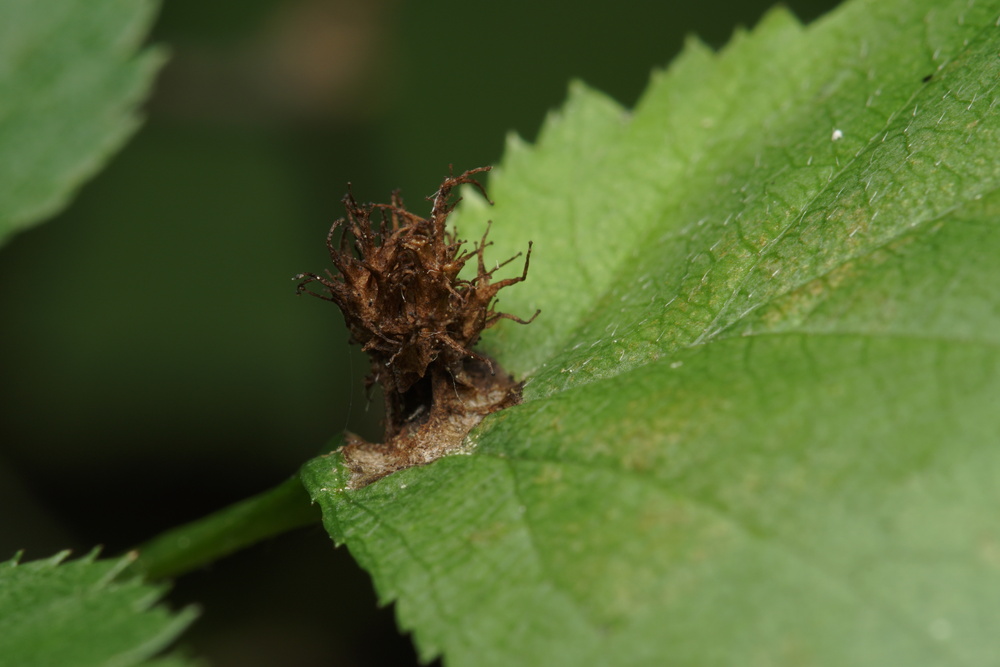
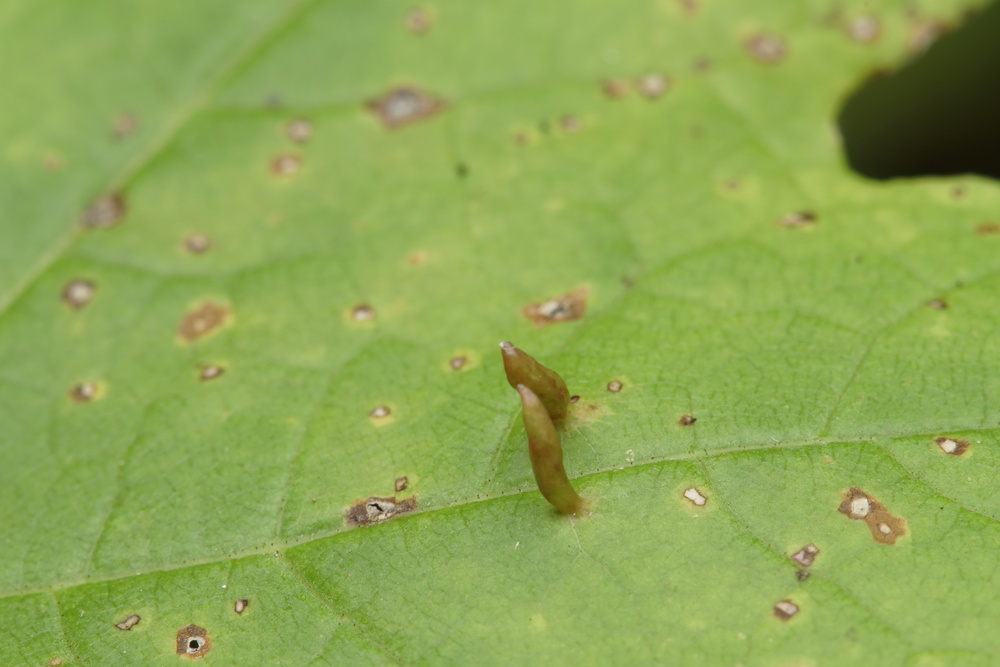
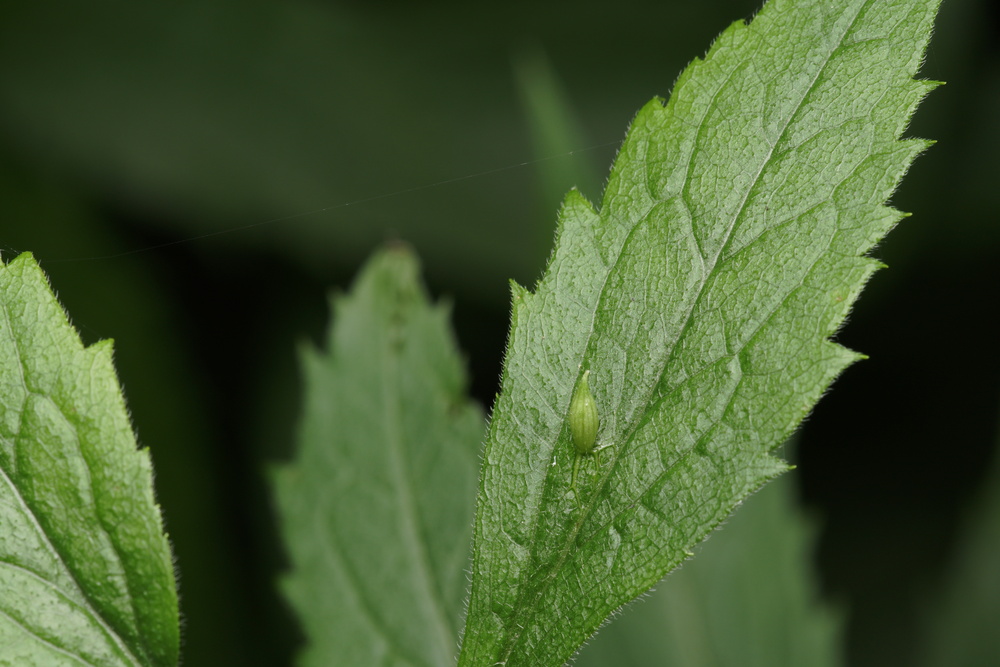

crab spider Thomisidae


Augchlora pura in Halictidae

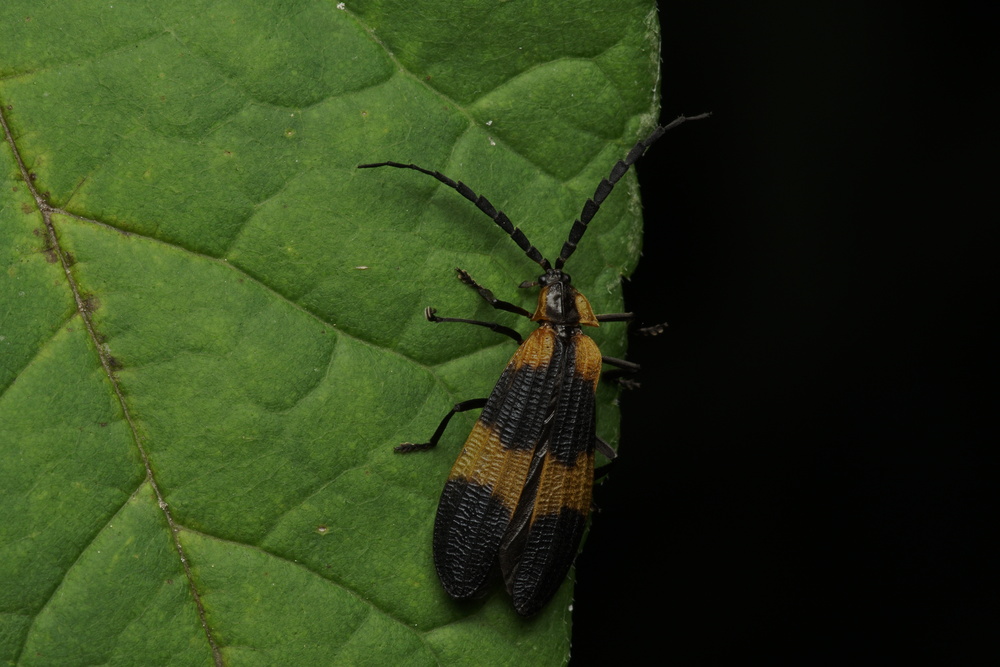
Net-winged beetle Lycidae

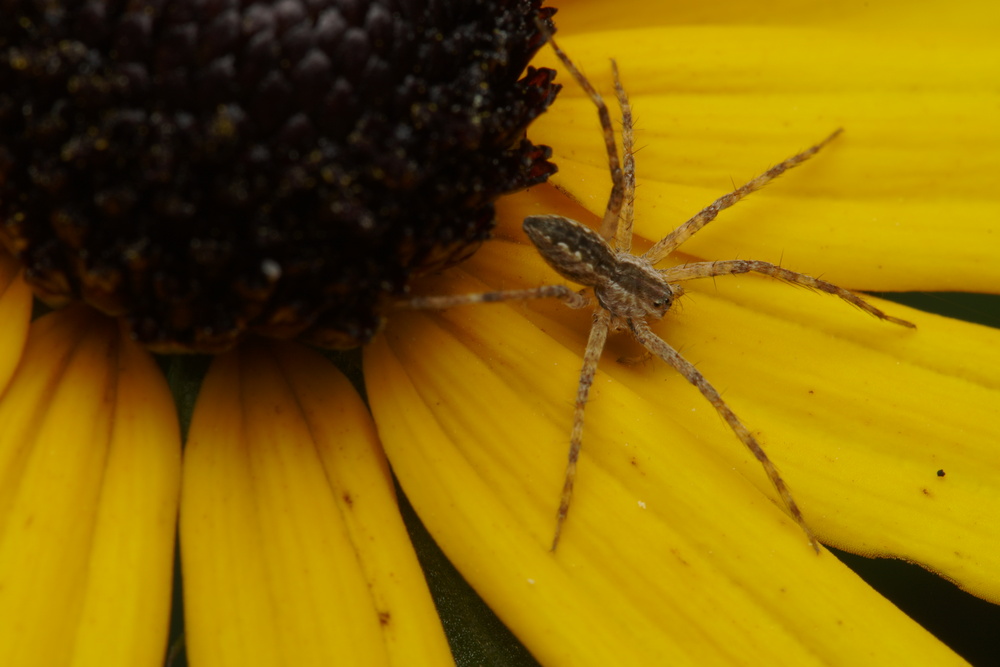
Pisaurina mira
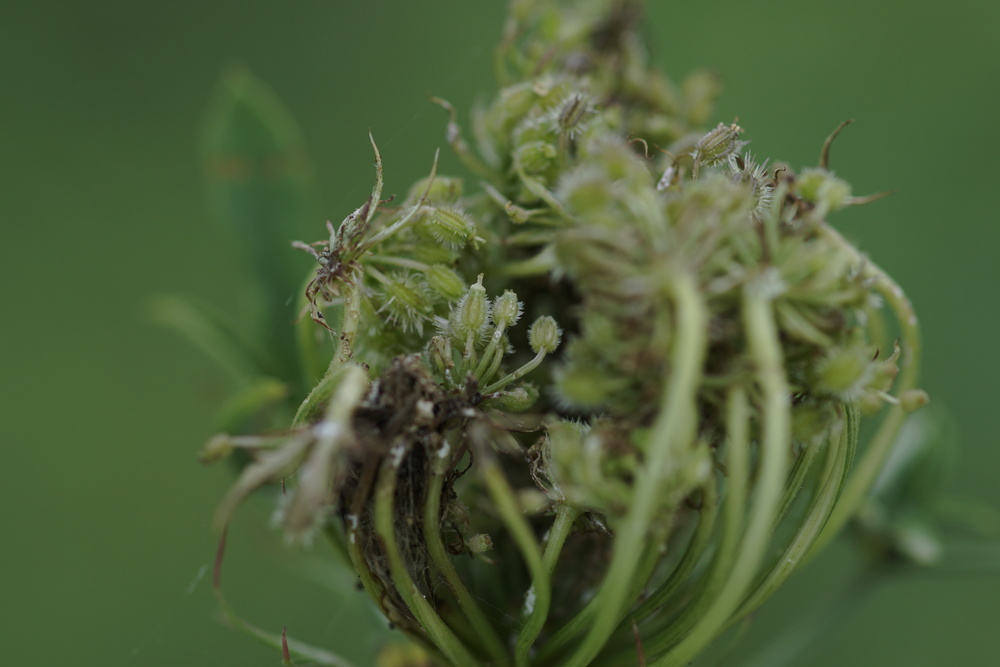
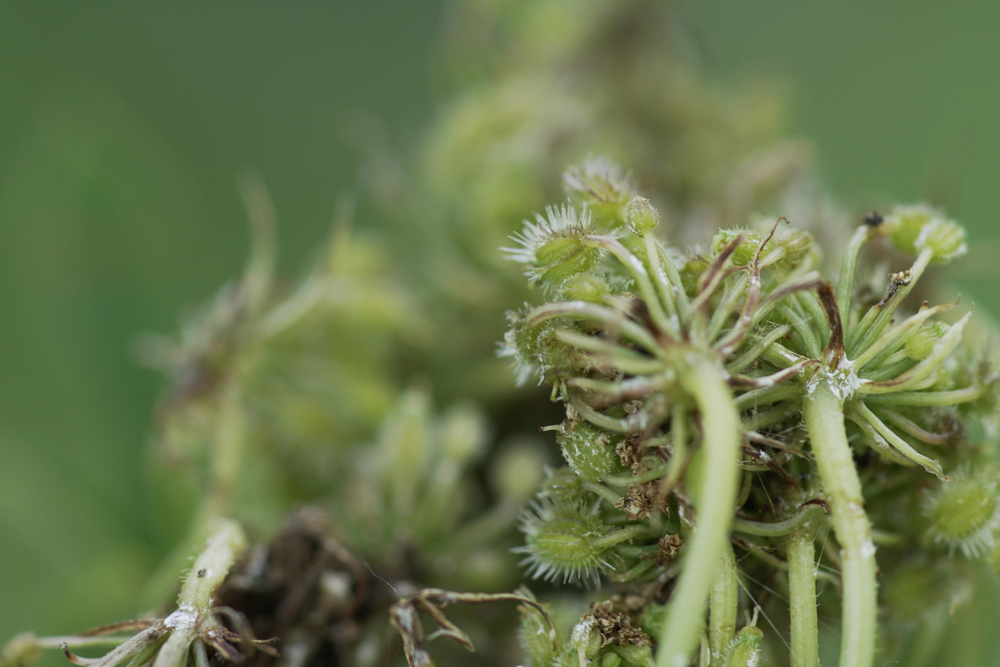

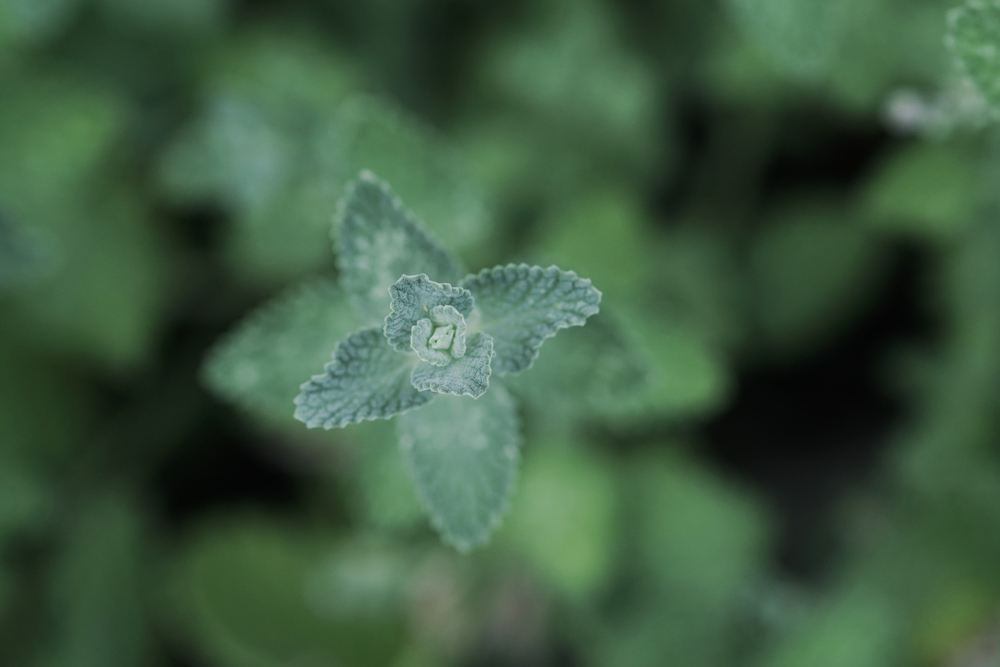
Hands down the best bugwatching area I’ve ever encountered. This may be normal for some people, but it feels incredibly rich for me!
Here are the observations, with updated identifications: https://www.inaturalist.org/calendar/gaurav1729/2025/7/30. You can see how species rich the walk was.
The highlight had to be the three observations of scorpionflies within half an hour of each other. I’ve never even had three scorpionfly observations in a season before.
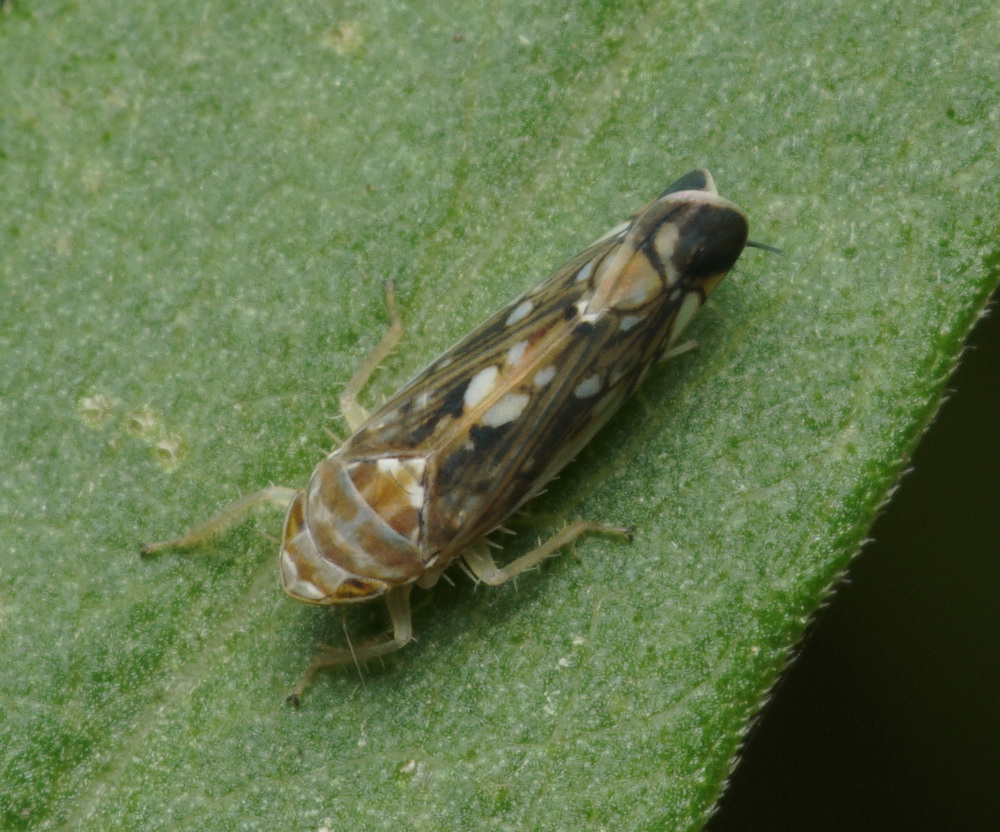
We’ll keep this at tribe Scaphoideini and hope that that is safe enough.
True Bugs, Cicadas, Hoppers, Aphids and Allies (Hemiptera) » True Hoppers (Auchenorrhyncha) » Cicadas, Spittlebugs, Leafhoppers, and Treehoppers (Cicadomorpha) » Leafhoppers and Treehoppers (Membracoidea) » Typical Leafhoppers (Cicadellidae) » Deltocephalinae » Scaphoideini
Acanthocephala

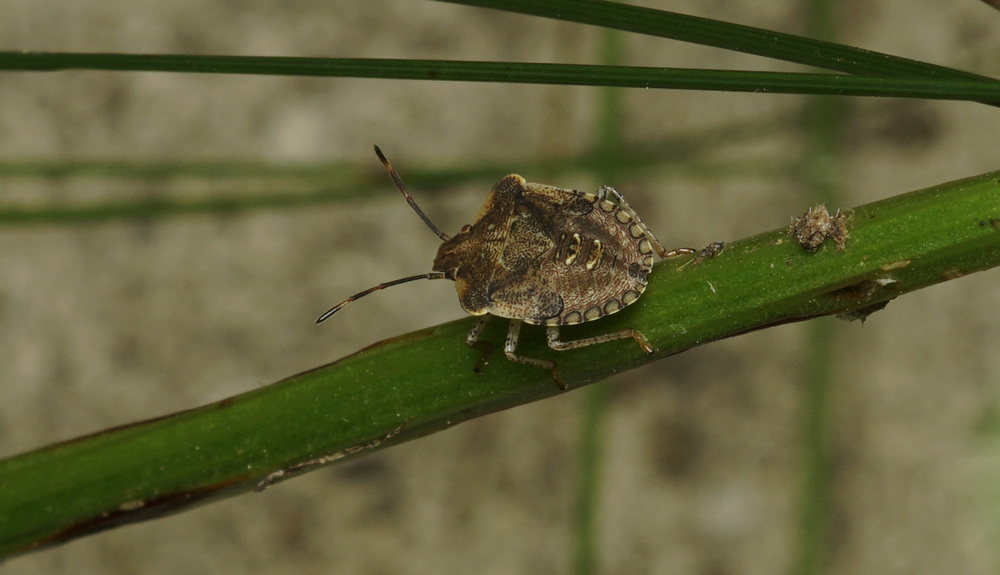
Brown stink bug, Euschistus:
Berytidae, stilt bug

iNaturalist says genus Ilisia, but Limoniidae at least seems safe.
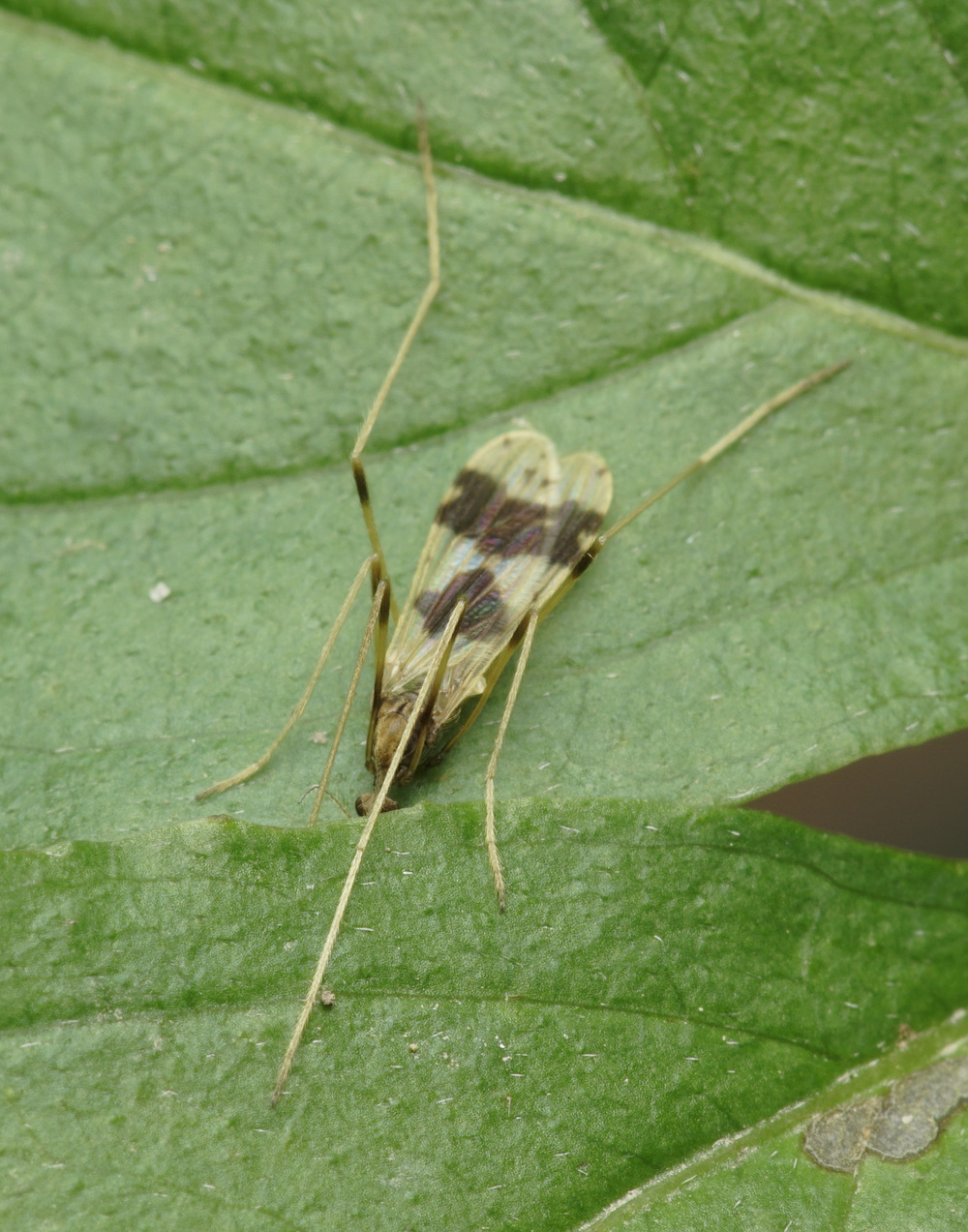
iNat says Sargus in Stratiomyidae, but of course going to genus is a bit aggressive.
Flies (Diptera) » Orthorrhapha » Stratiomyomorpha » Soldier flies (Stratiomyidae) » Sarginae » Sargus

I think this is Microdon, in Syrphidae. The question then is, which one?
NOTE: Eumerus was suggested in iNaturalist, in Erastalinae. Microdon has much larger antennae, I’m told.


Dolichopodidae, perhaps Chrysotus:

Hybos reversus, according to iNaturalist:
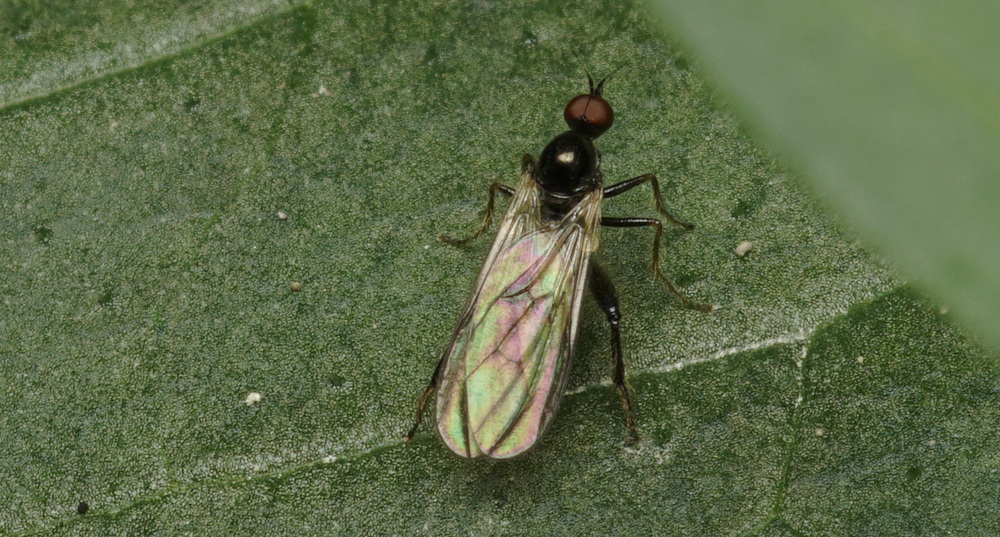
And another
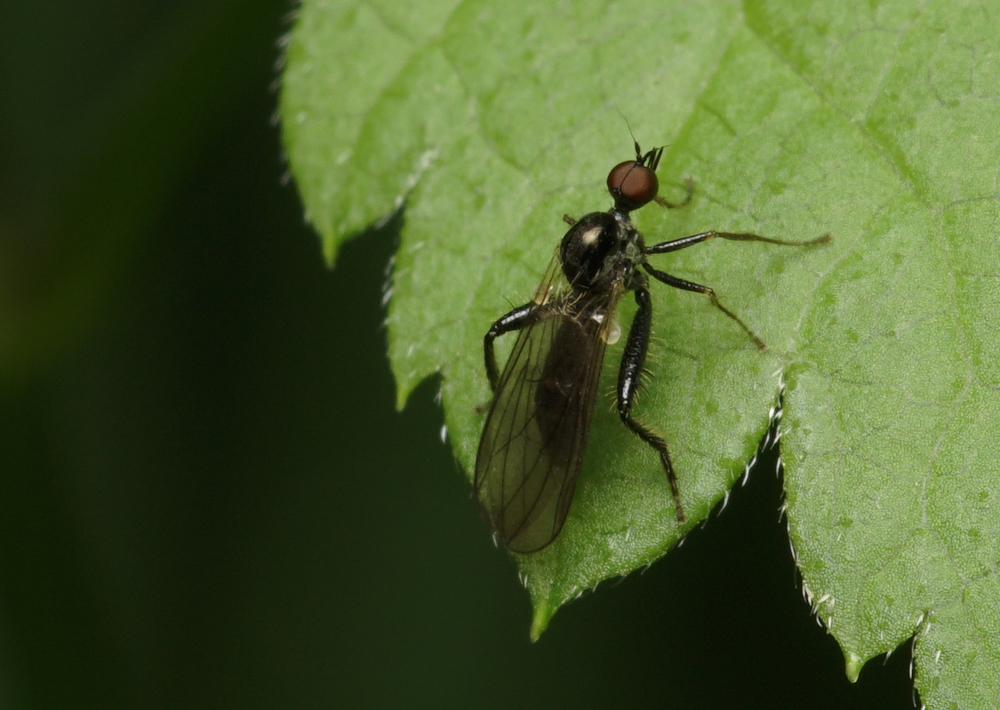
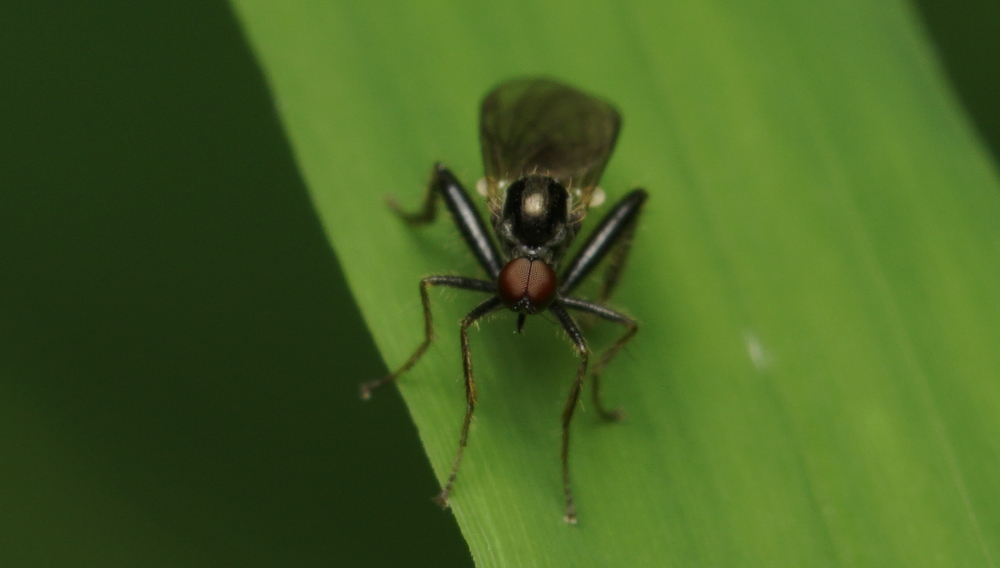
Picturesque Bombylid:
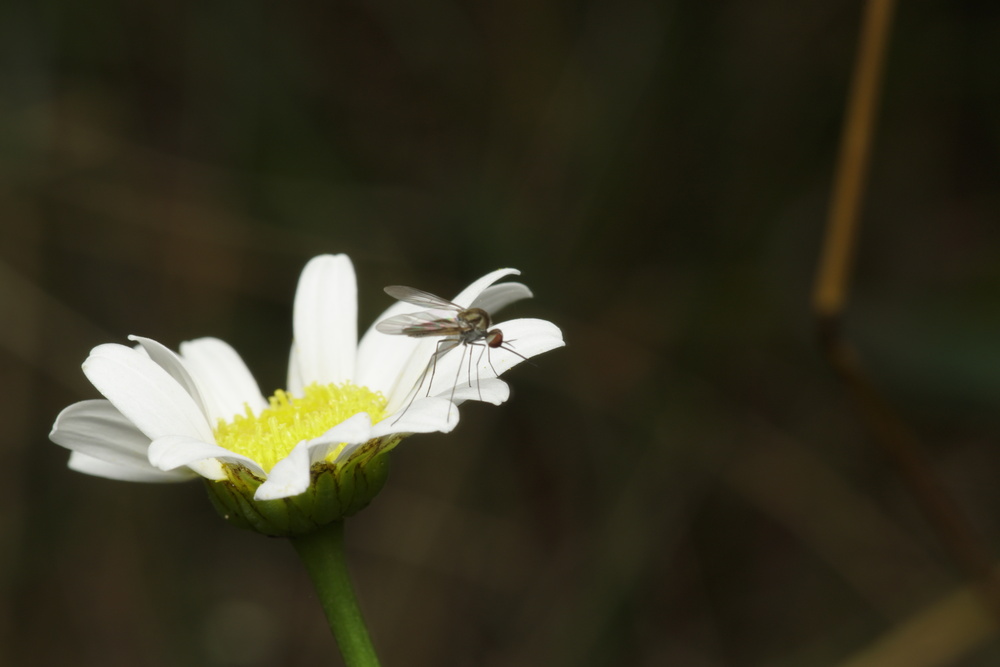
Another Dolichopodid:

Toxomerus geminatus:
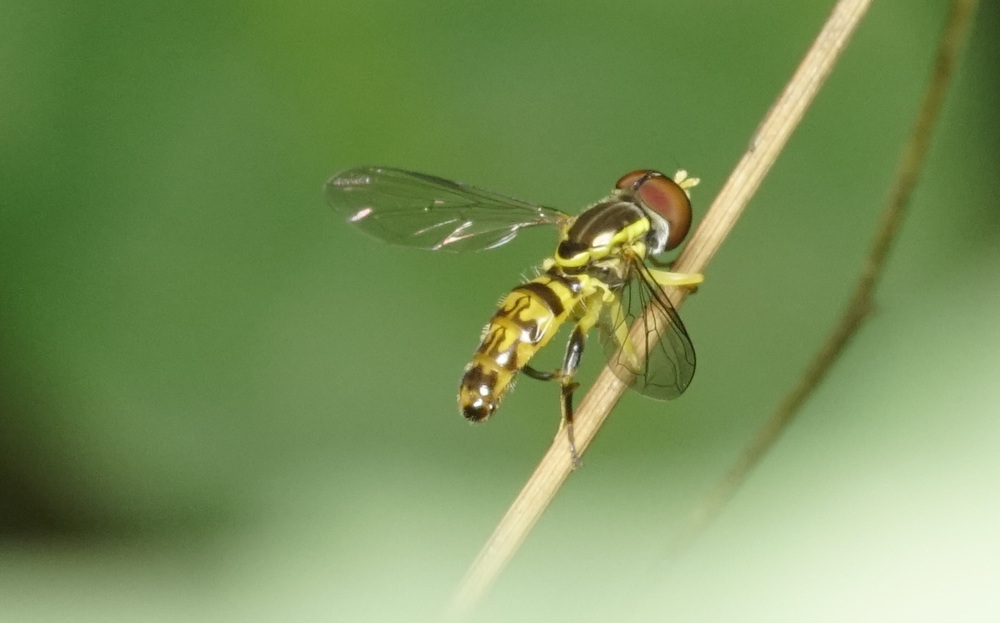
Eucnemidae, false click beetle.

Is this something like Isodonta mexicana (leaf carrying wasp)? I think so, but I personally can’t even rule out Eumeninae (potter wasps).
EDIT: “not vespidae by the wing shape (the majority of vespids will hold their wings out like this at rest but will also fold them lengthwise giving them a characteristic thinner look, for ex: https://bugguide.net/node/view/947720) and the thin thread-like petiole bt thorax and abdomen puts this in sphecidae, isodontia is the only sphecid in the region to hold wings out like this”


These Ichneumonids were all over the place. I also got some mildly unsatisfactory photos of one ovipositing.


“Probably Pimplinae”
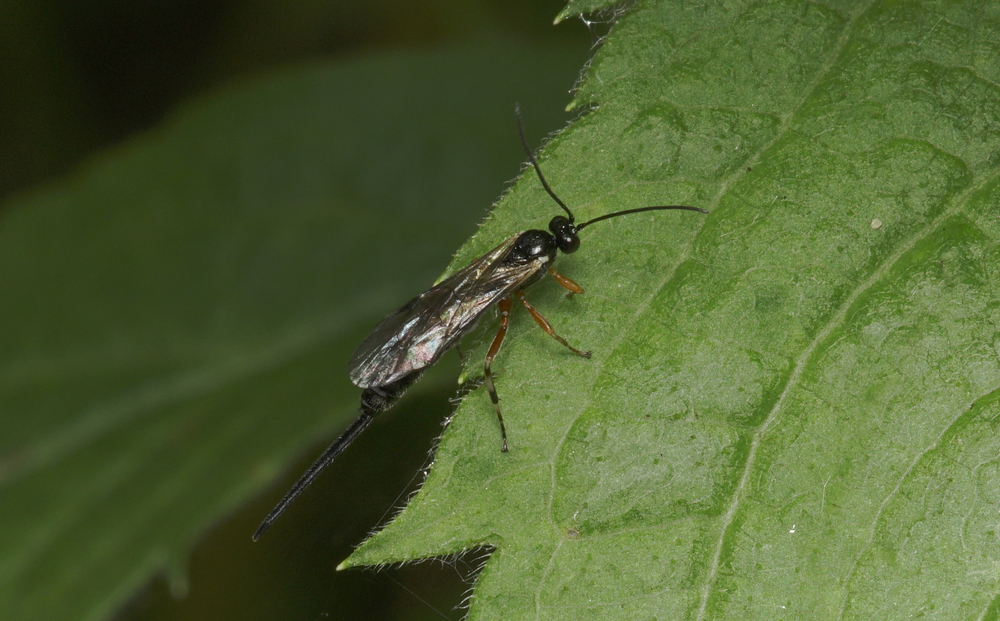
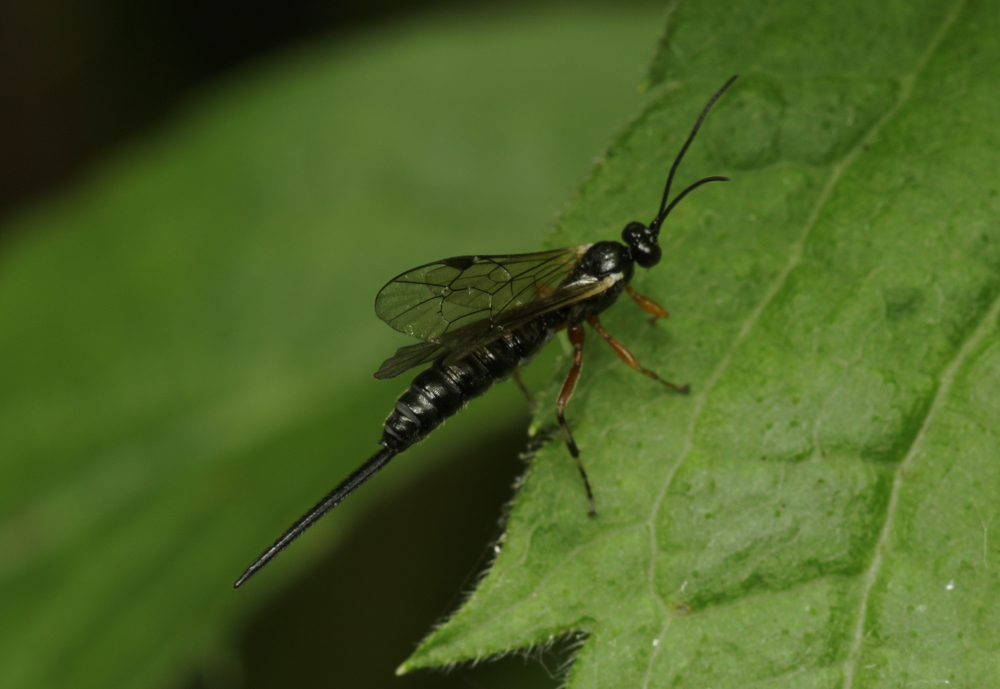
And hey, another one:
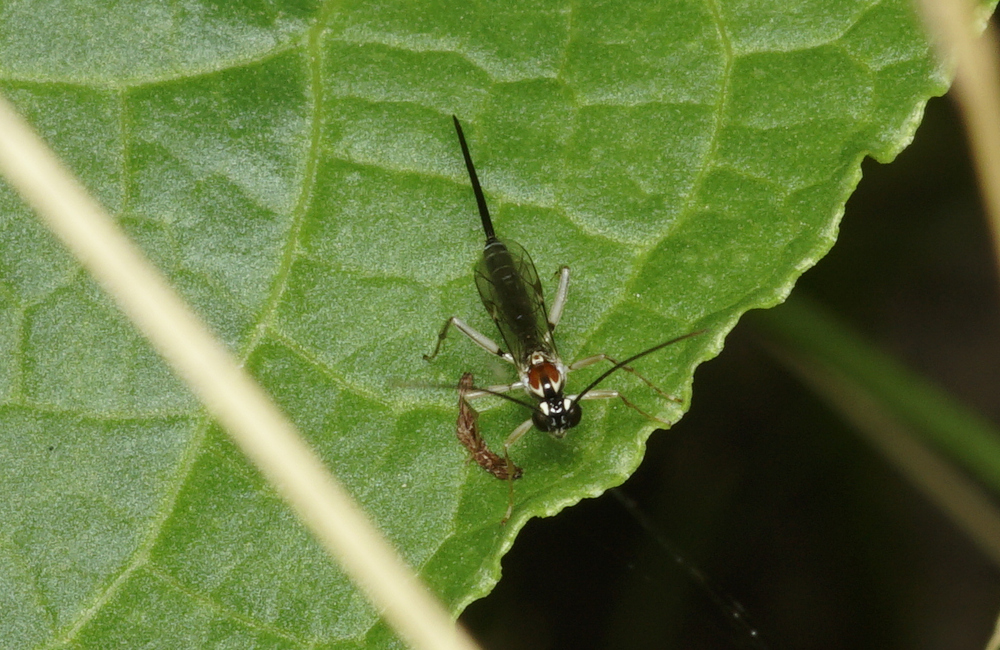
Ant alate

Camplopegine Ichneumonid, I think:

This could be Spathius. Notice the folding of the ovipositor. There are also stray strands around the ovipositor, and I don’t know what they are.


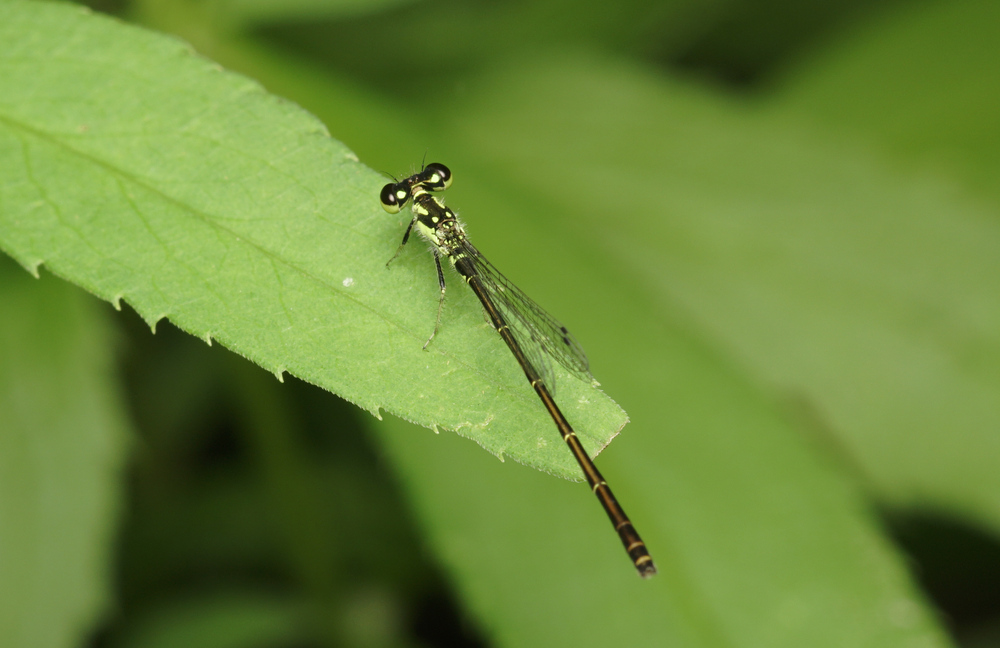
Ischnura, a forktail? Ischnura posita, fragile forktail, was suggested.
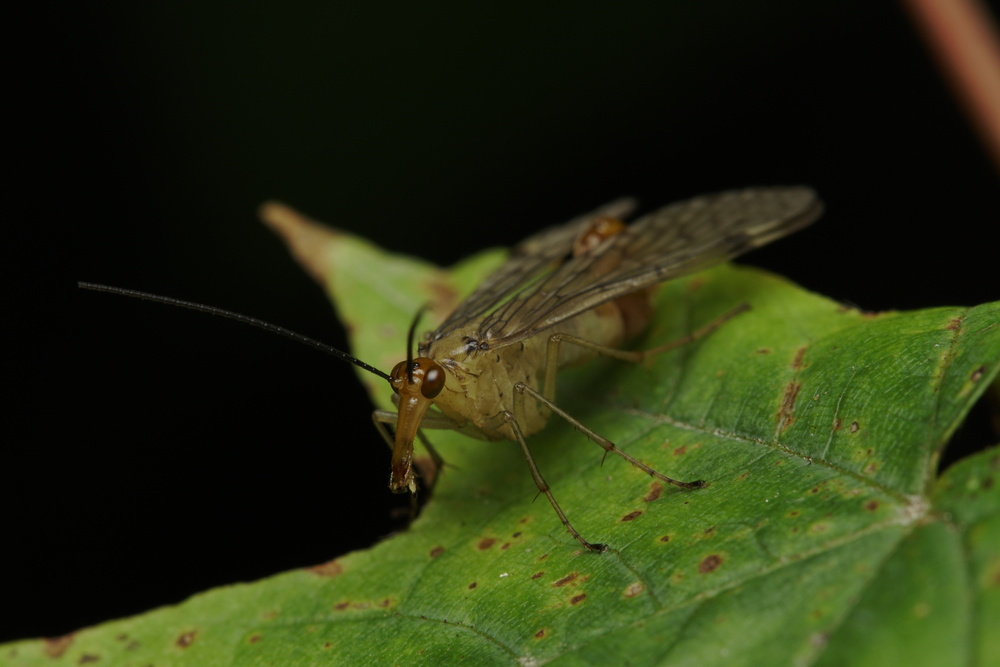
As promised, multiple scorpionflies, all in Panorpa! Here’s the first:

Number two:

Mr. Panorpa number 3:

Lovely Leucauge venusta

Tiny spiderling:


A nice gall

This link should have observations with updated links: https://www.inaturalist.org/calendar/gaurav1729/2025/7/29
But first a sighting of a Neopamera albocincta (banded-antenna seed bug) from home:
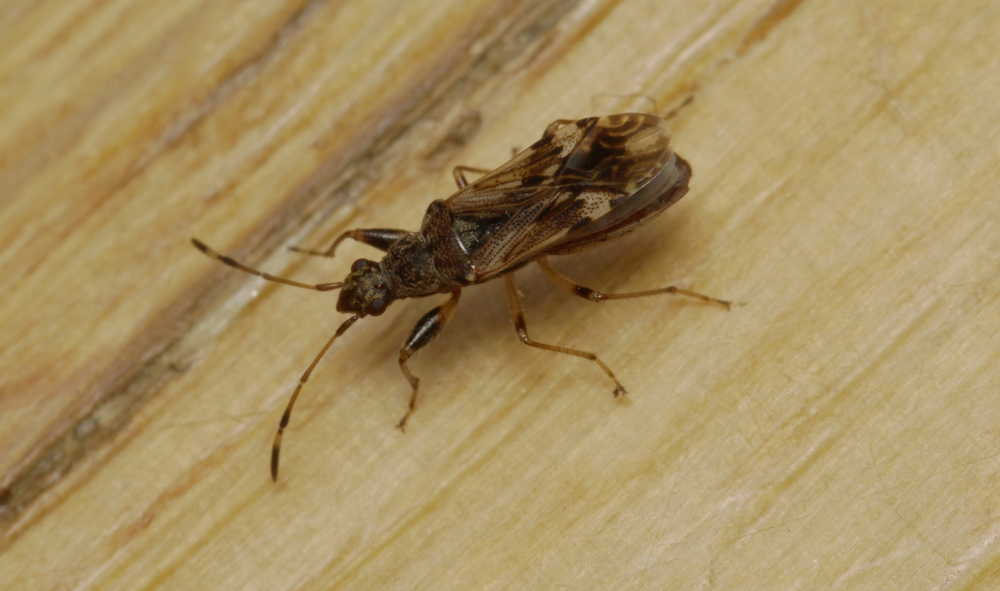
Okay, back to Keuka
Lots of Ceratina (small carpenter bees) hanging around the flowers
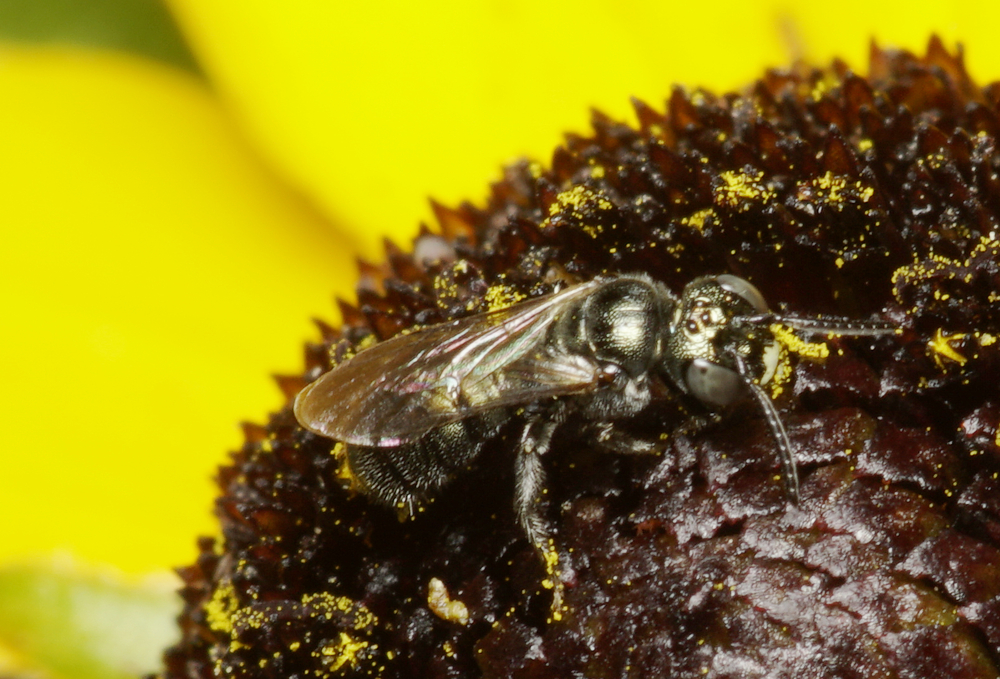
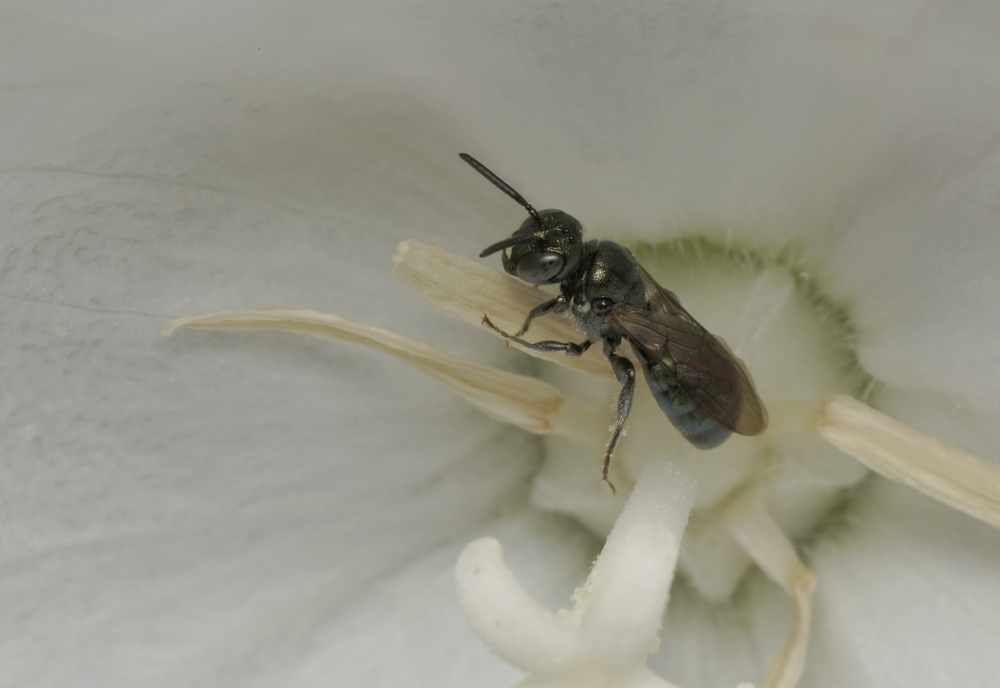
Not sure what this is, but I think a sweat bee:

Pergid sawfly, Acordulecera specifically
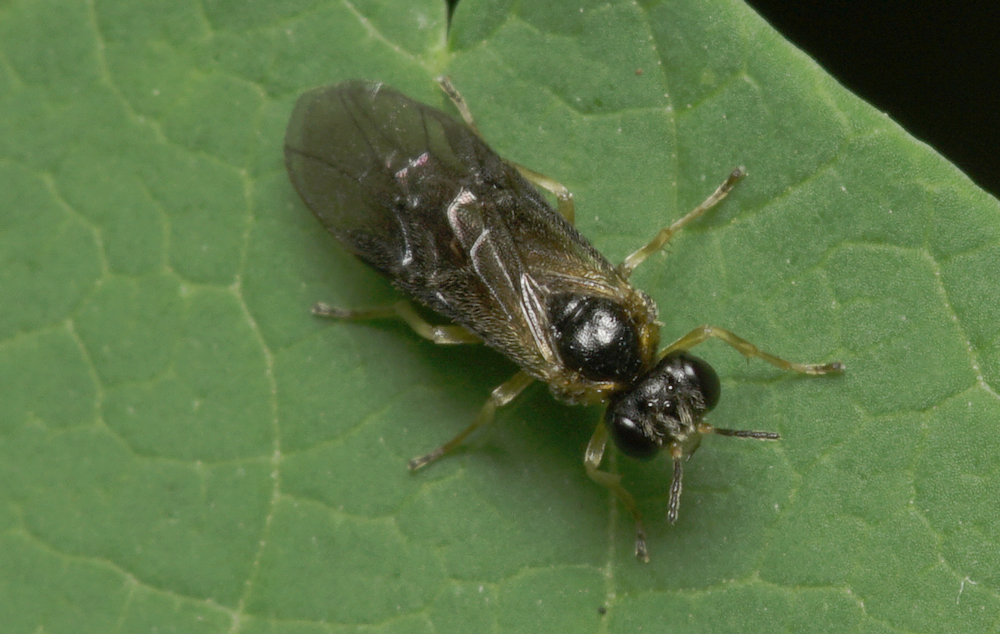
Schreckensteinia:
Order Lepidoptera
Superfamily Schreckensteinioidea
Family Schreckensteiniidae
Genus Schreckensteinia
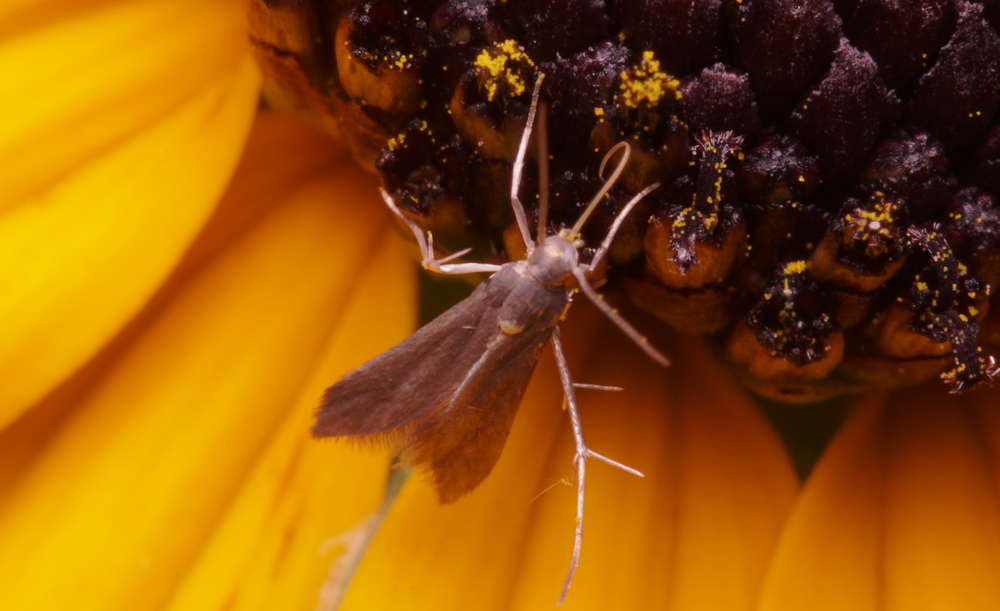
Lots of hover flies. This one seems Toxomerus geminatus:

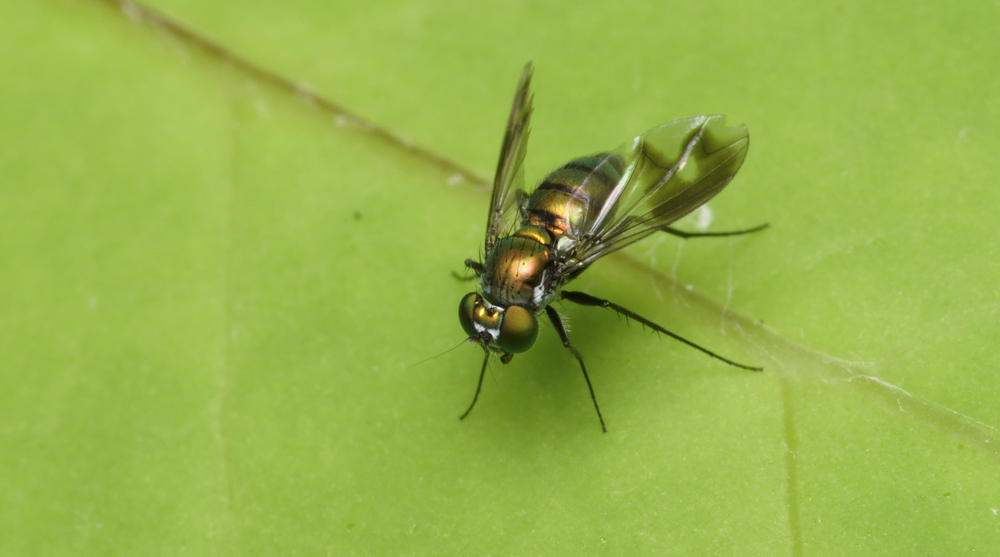
Long legged flies, Dolichopodidae –> Condylostylus. In fact, C. patibulatus was suggested.

These Mystacides sepulchralis (black dancer caddisfly) were everywhere
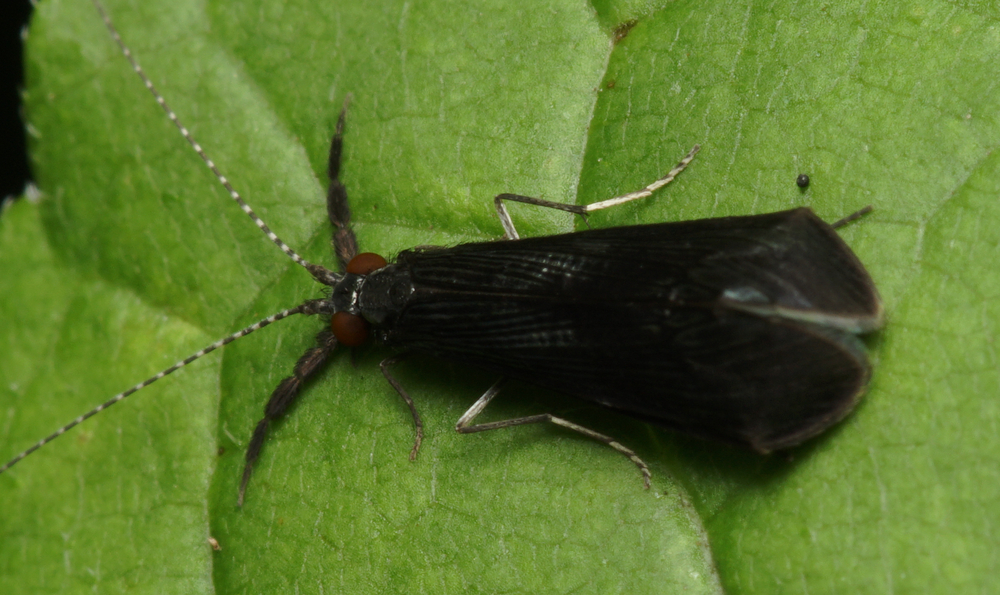
Long antennae!

Tumbling flower beetle, Mordellidae –> Mordella

Gorgeous Pisaurina mira, nursery web spider

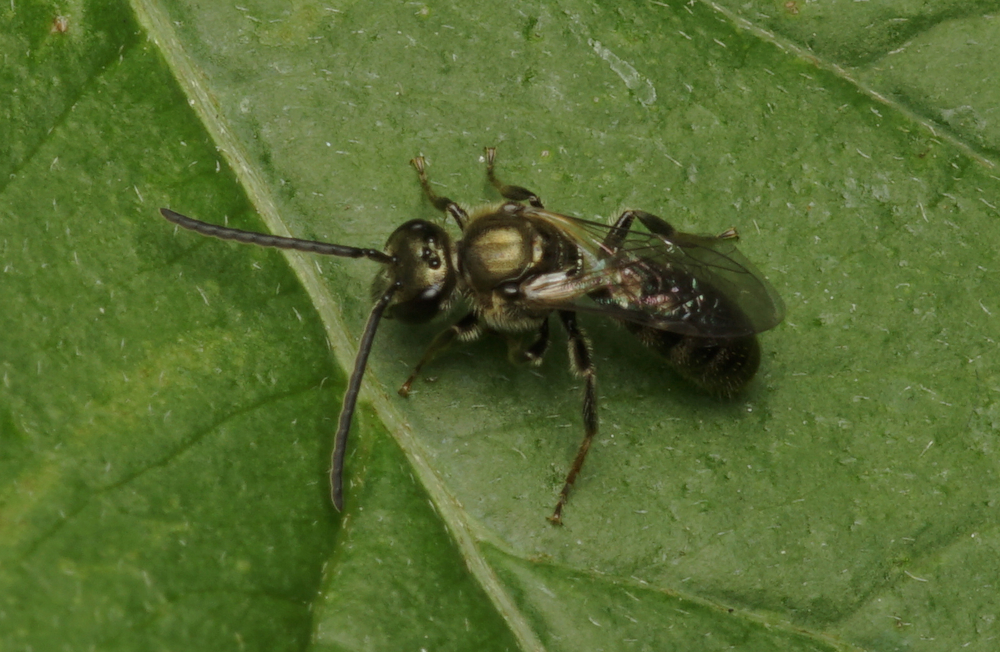
Lasioglossum, sub-genus Dialictus, I think. One of the my favorites, I love the golden color.
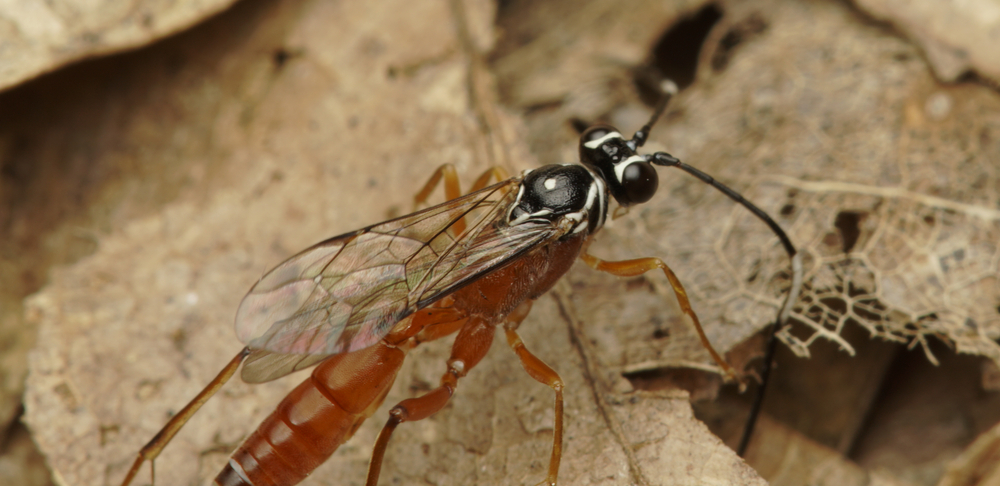
If I had to guess, then my guess would be something like Cryptinae. iNaturalist goes further and claims Mesostenus, but that seems very very ambitious and optimistic.

One of the dancers?

Argia, one of the dancers?

I thought this was funny, it took off as I was lining up the shot
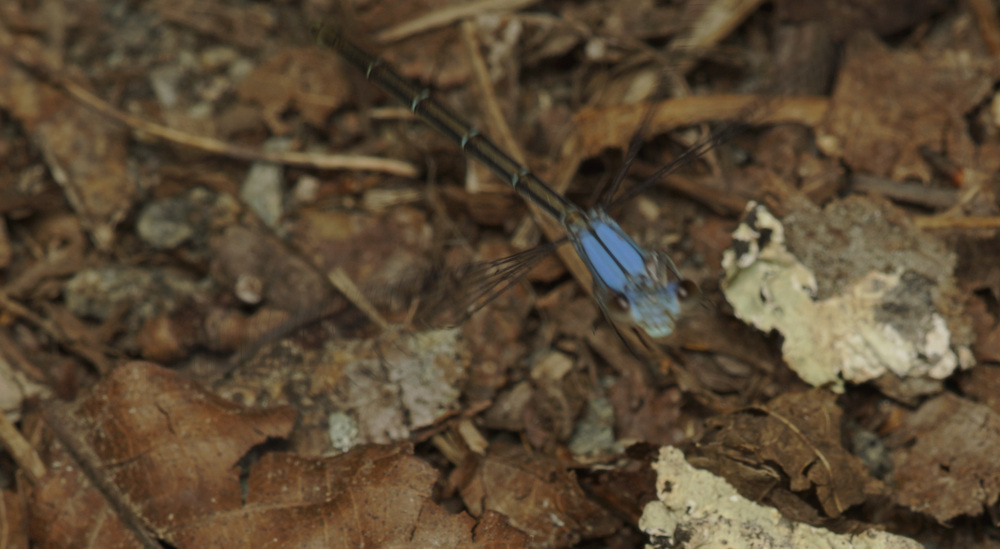


Hot morning. Lots of bugs, but they were very active and I wasn’t able to take a lot of good photos. Still a wonderful morning walk.
Observations: https://www.inaturalist.org/observations?on=2025-07-05&user_id=gaurav1729&verifiable=any
Ichneumonidae, maybe Pimplinae? iNaturalist suggests Itoplectis conquisitor, but that’s very optimistic.
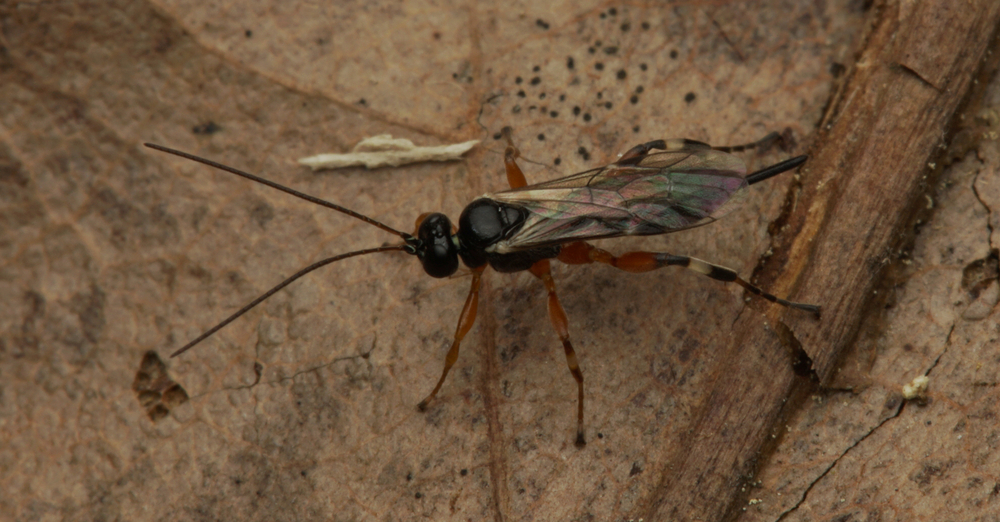
Poemeniinae?
Tribe Ephialtini from Pimplinae, maybe genus Dolichomitus, according to BugGuide.

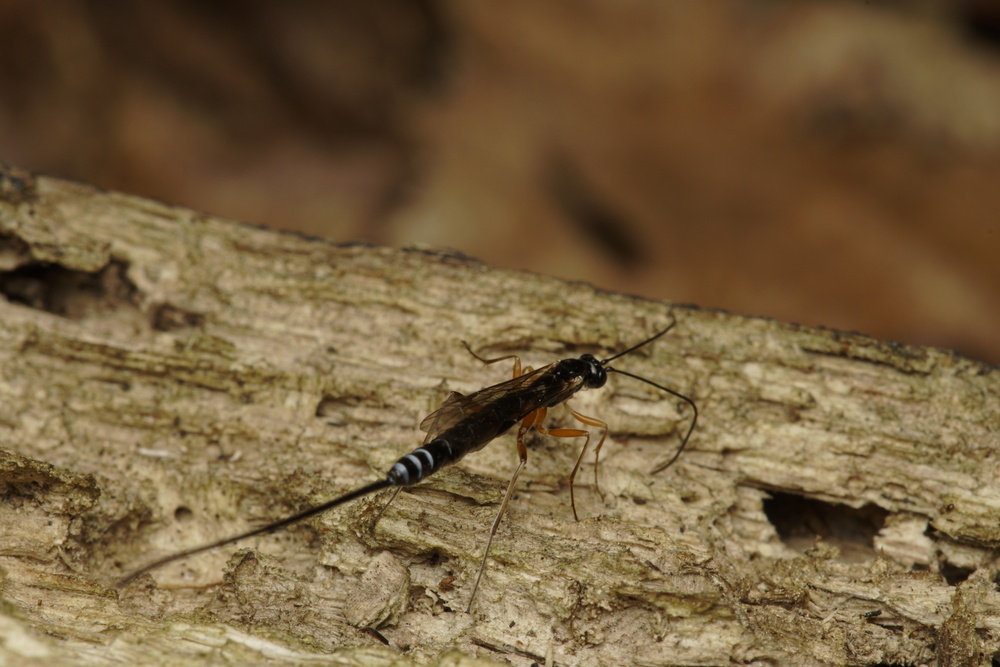
Gorgeous ant, Camponotus chromaiodes, ferruginous carpenter ant.
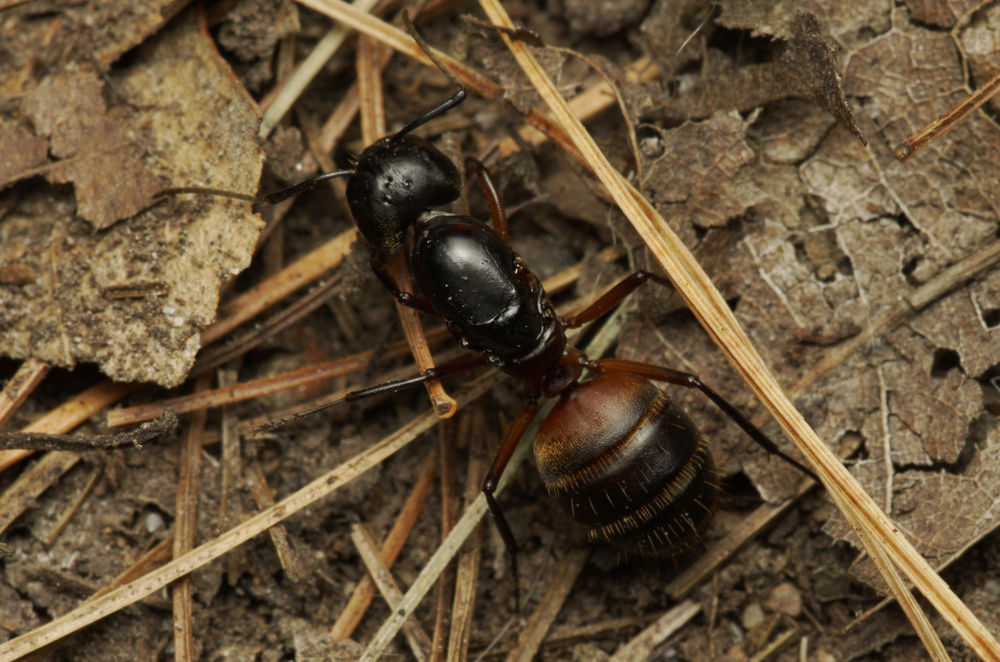
Another Pimplinae, perhaps

And another?

Tachinidae

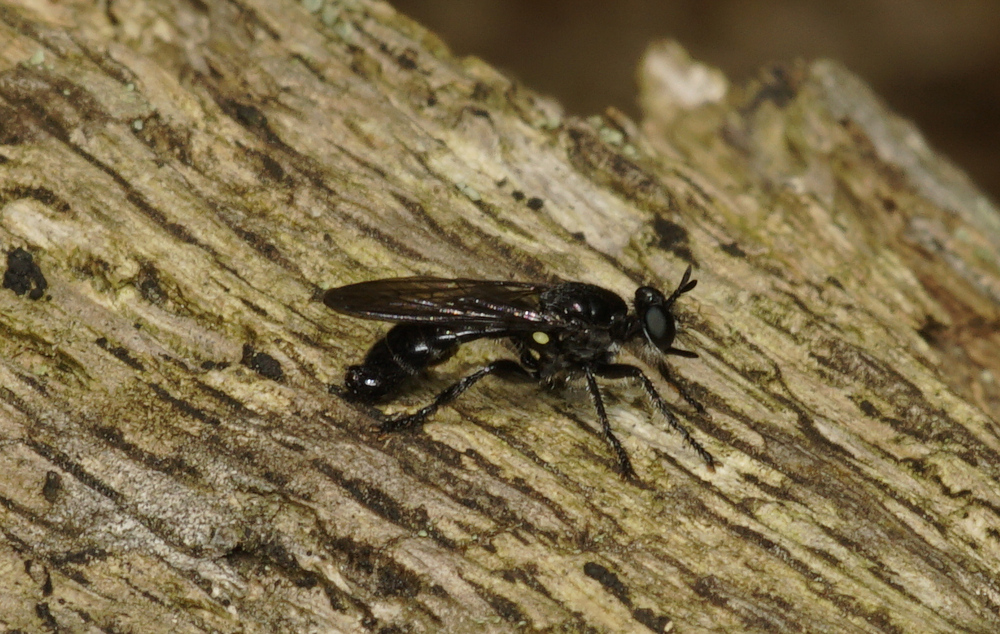
Asilidae (robber fly), Laphria canis complex?

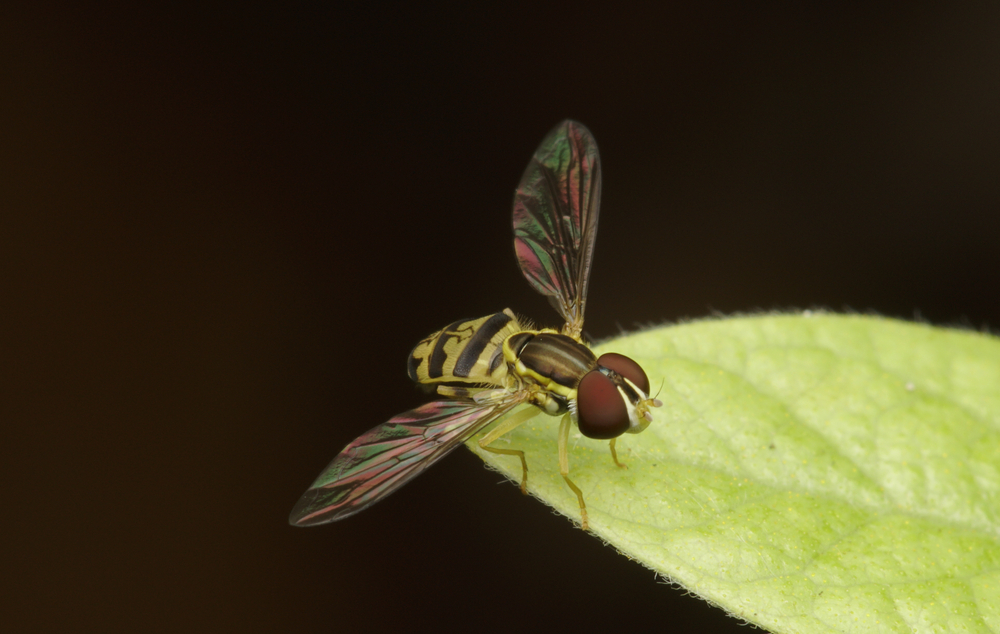
Syrphidae, Toxomerus marginatus
Membracid –> Smiliinae –> Ophiderma pubescens


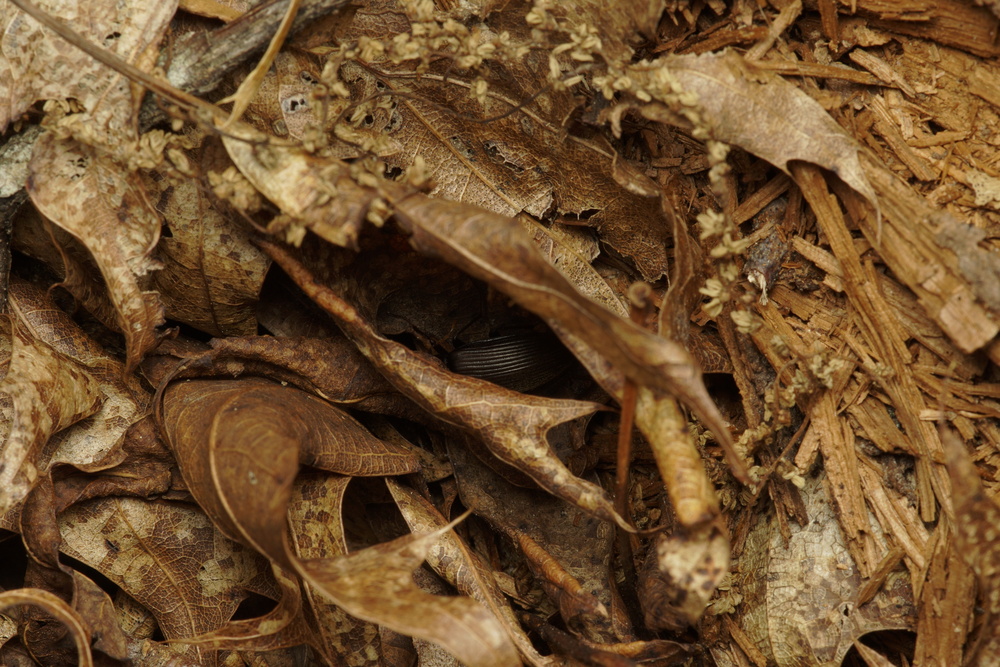
I think it’s a ground beetle, Carabidae, but I like the photo.
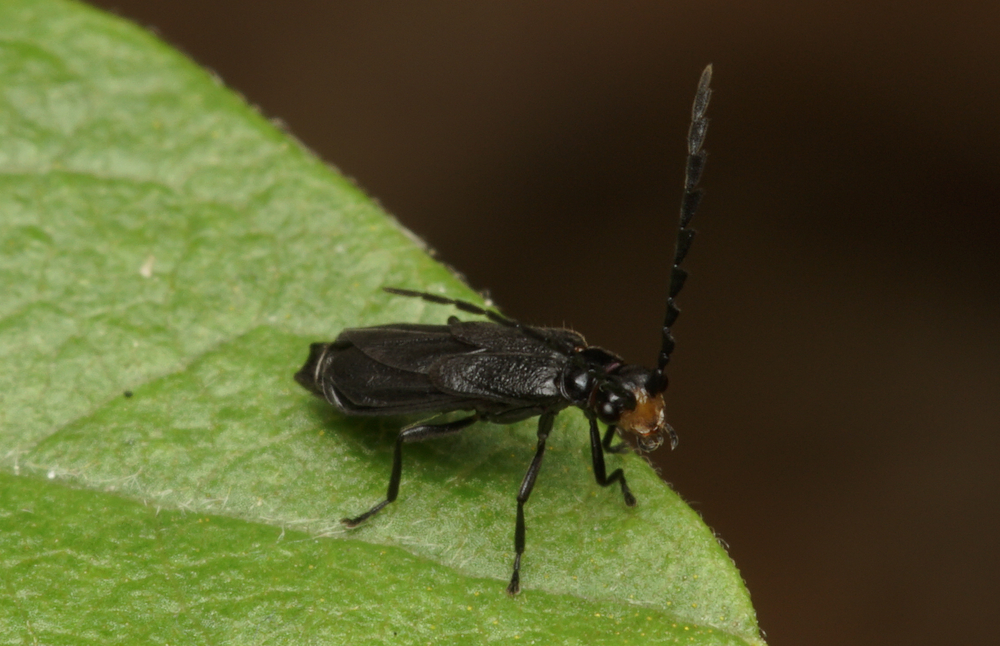
iNaturalist suggests Tytthonyx
Order Coleoptera
Suborder Polyphaga
Infraorder Elateriformia
Superfamily Elateroidea
Family Cantharidae
Subfamily Silinae
Tribe Tytthonyxini
Deltometopus cf amoenicornis, which is NOT in Elateridae.
Superfamily Elateroidea
Family Eucnemidae
Subfamily Macraulacinae
Tribe Macraulacini

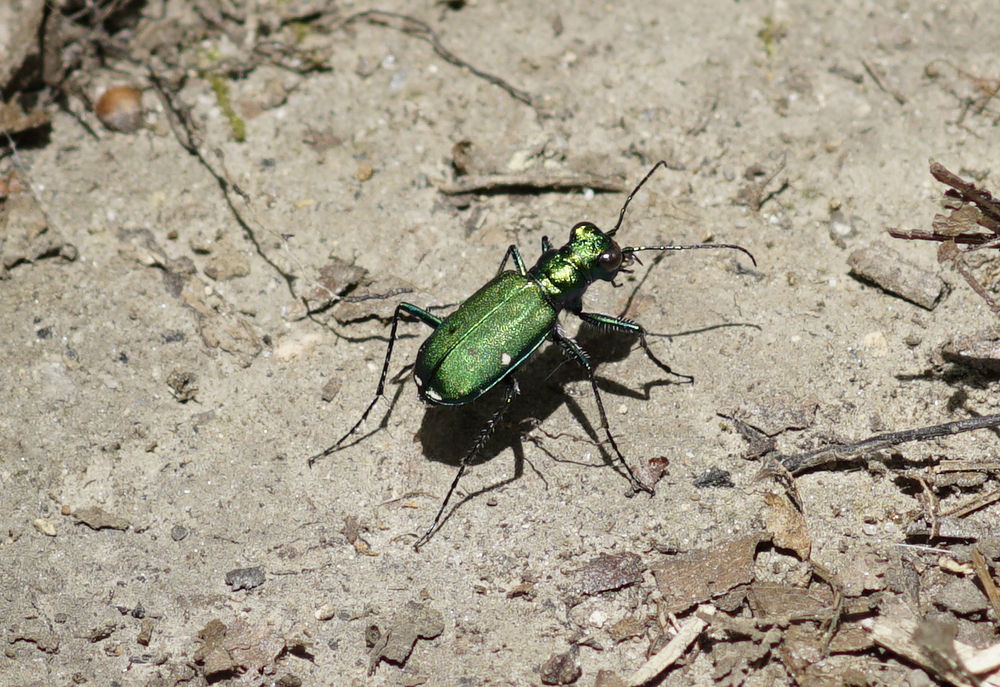
six spotted green tiger beetle, Cicindela sexguttata
There were plenty of green lacewings, but a lot fewer opportunities to get good photographs of them. Chrysopinae?

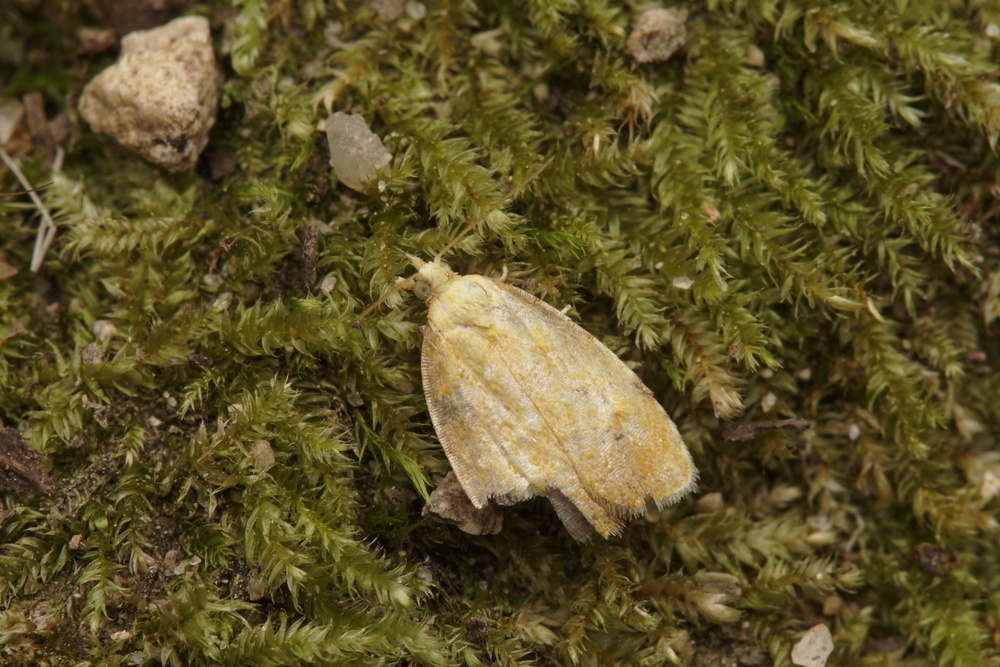
Perhaps Acleris. There are tons and tons of Acleris, and so tough to pin it down further!
Naphrys pulex

Castianeira cf longipalpa or variata, in Corrinidae

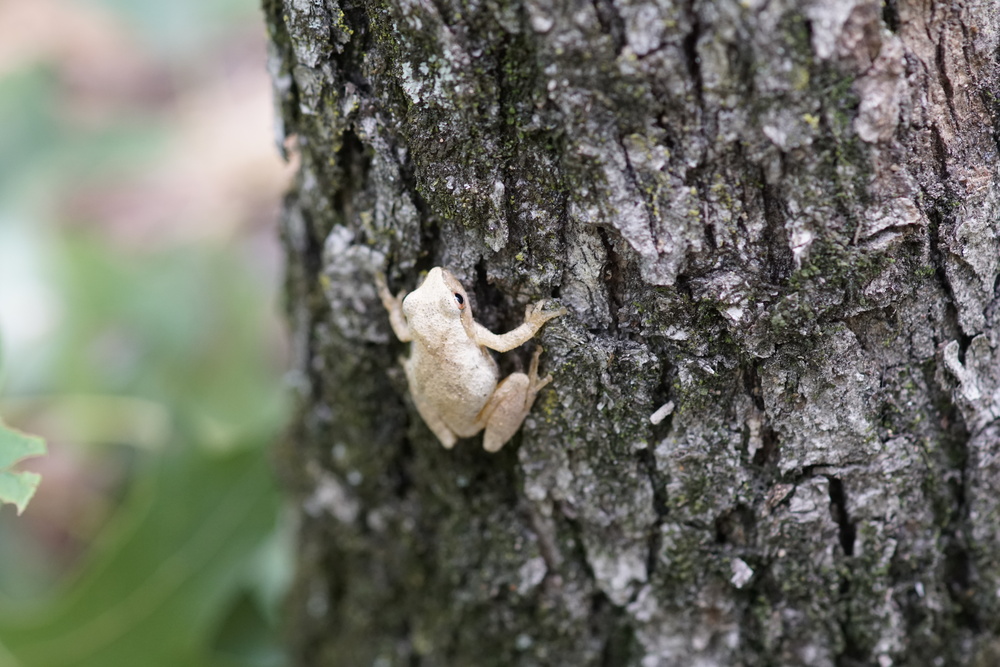
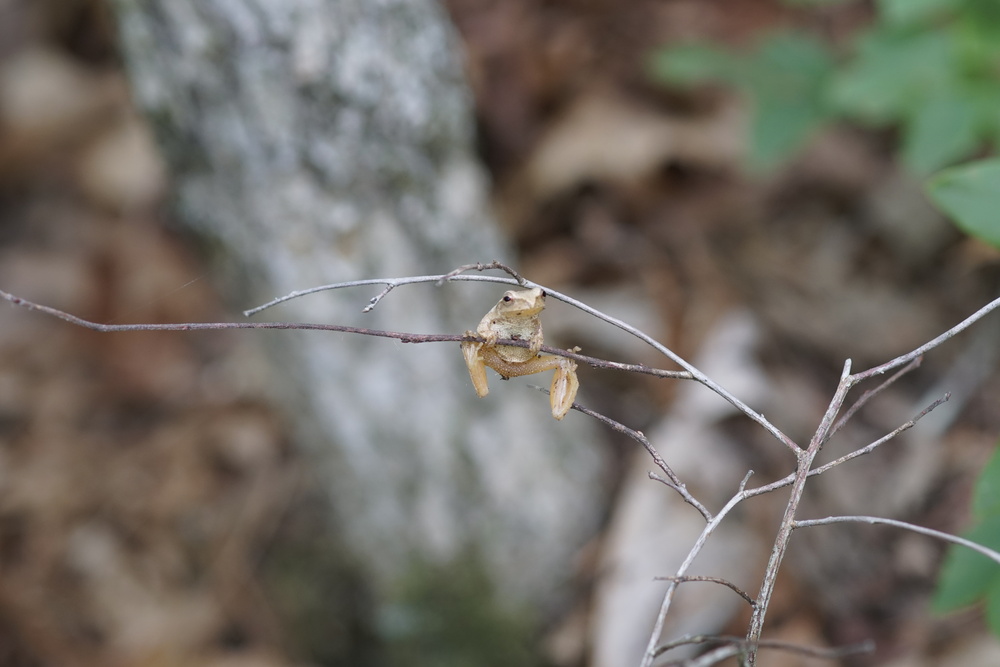
Pseudacris crucifer, spring peeper?
This little bit of red in the rock was interesting to me!

Cladonia lichen
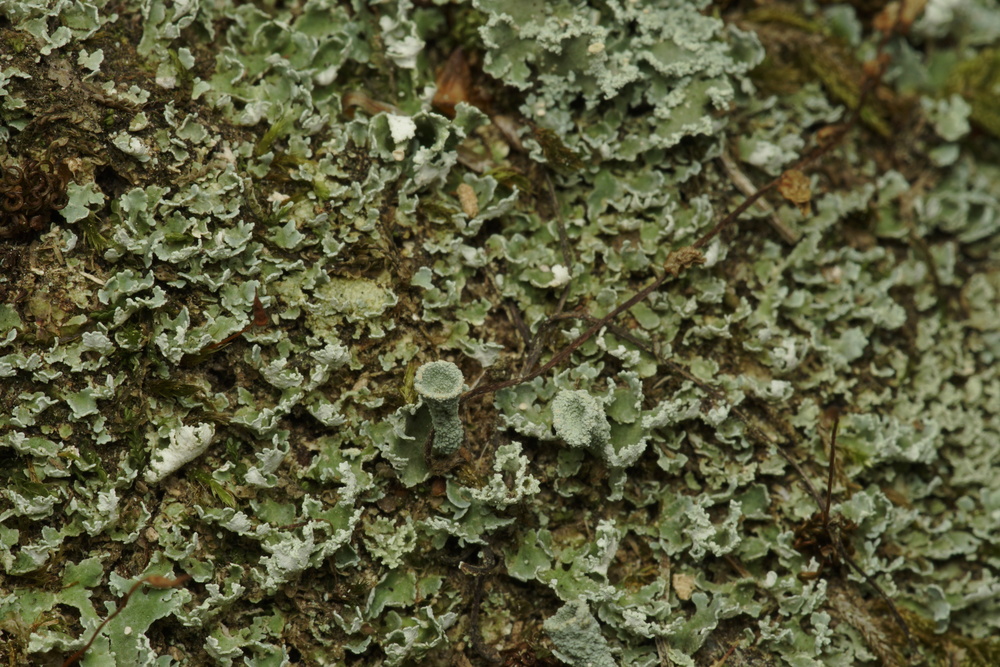

(off Billings)
See: https://www.inaturalist.org/calendar/gaurav1729/2025/6/15 for more up to date identifications
I have a tough time with beetles that look like this. Maybe Podabrus?
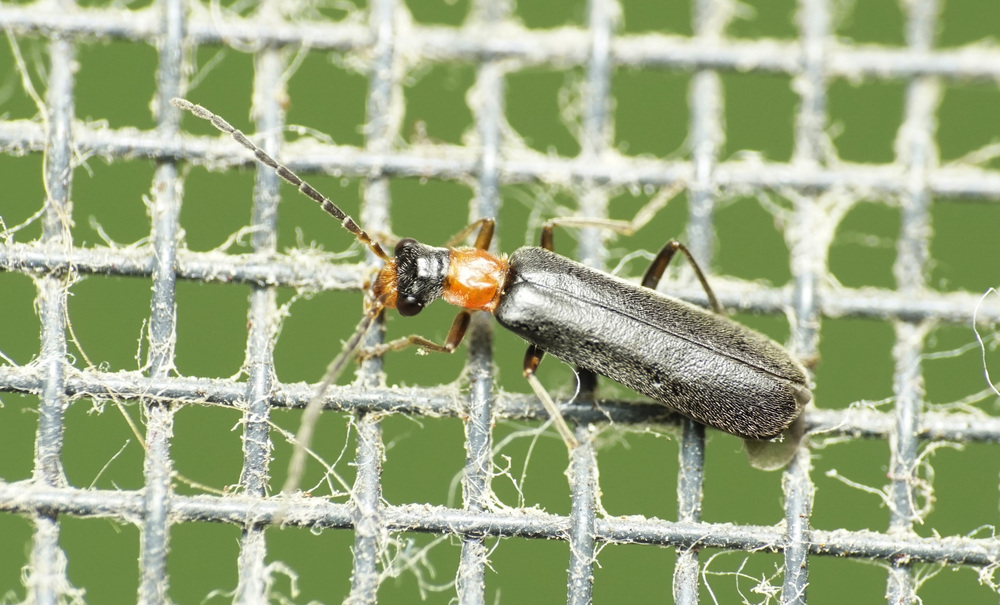
Tachinus fimbriatus, in Staphylinidae
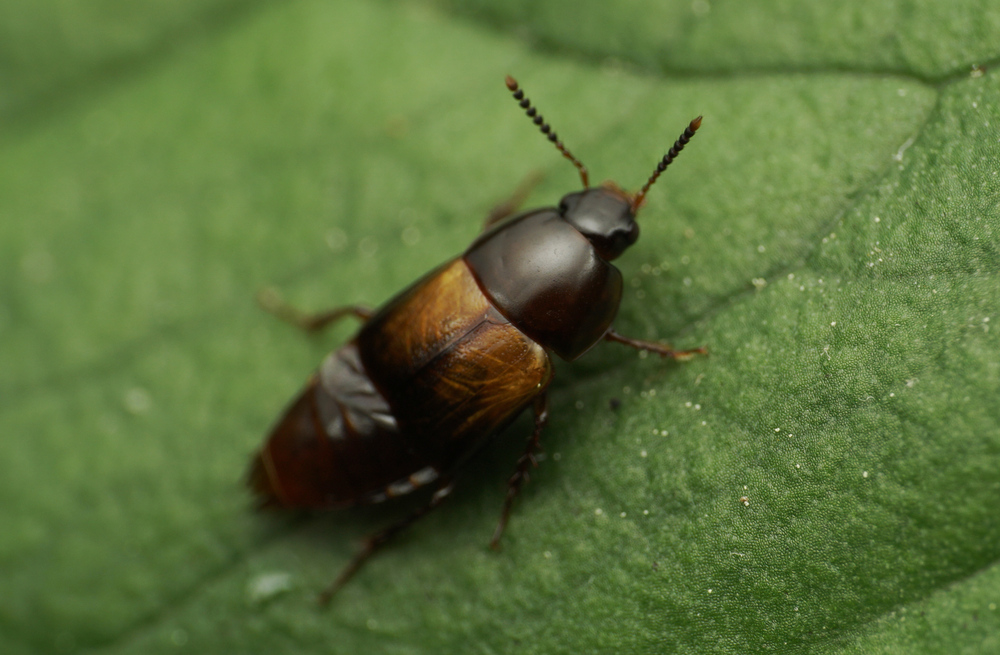
Another rove beetle, “compare with Oxyporus quinquemaculata”
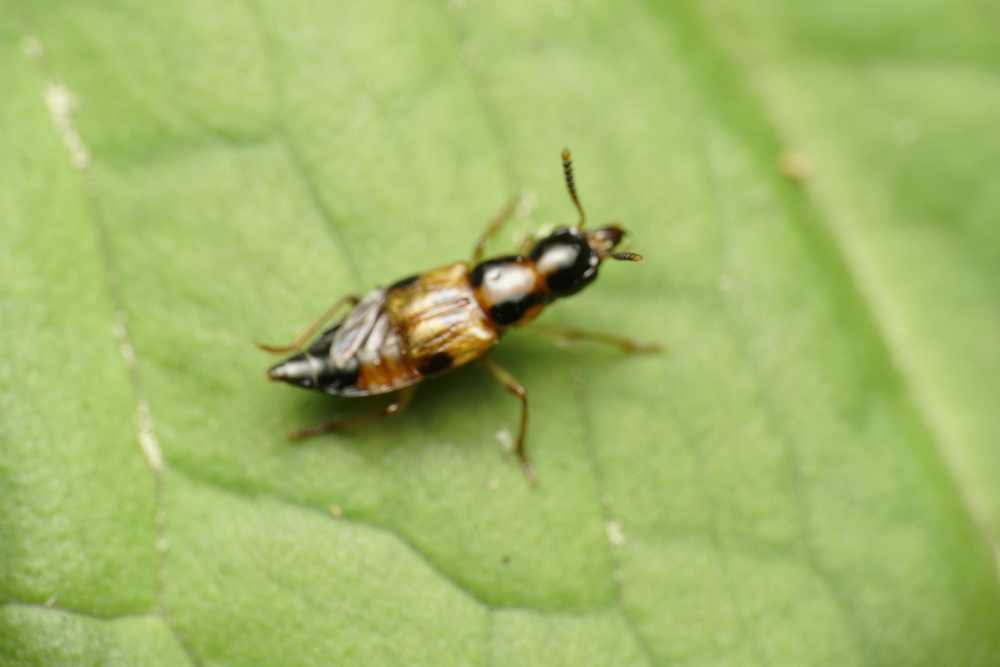
Scirtes cf tibialis, in Scirtidae

Lucidota atra in Lampyridae? EDIT: Plateros in Lycidae suggested instead. Perhaps the distinguishing feature is the absence of a carina (keel) on the pronotum.
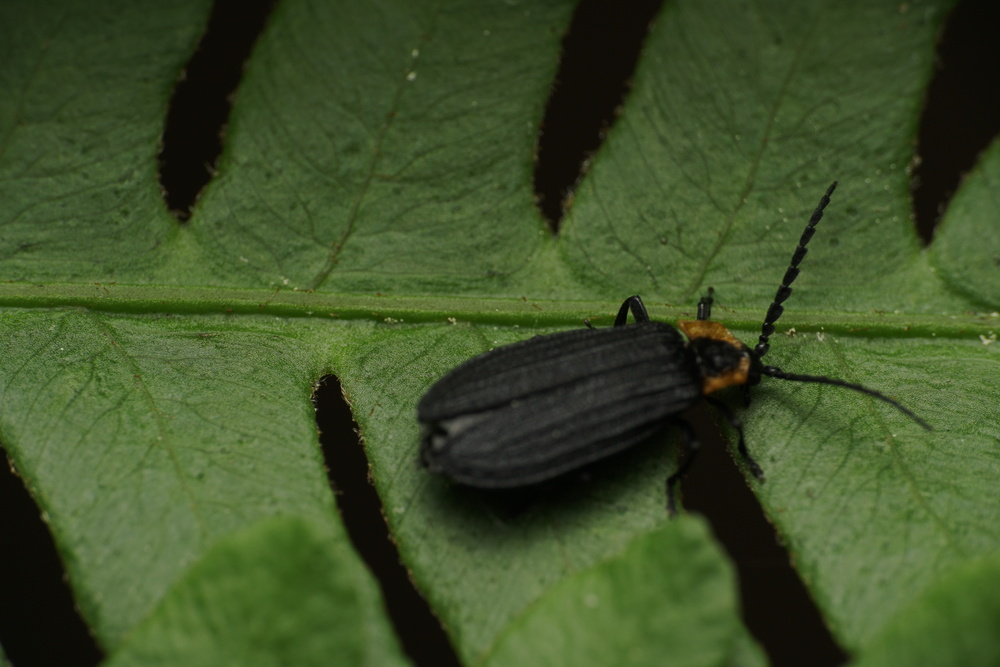
Isomira cf sericea, in Tenebrionidae.

Probably Elonus basilis in Aderidae
“I would tentatively place it in Elonus basalis based on coloration, locality, and whitish elytral pubescence.”

An Ichneumonid that is so amenable to pose for the camera, deserves a better and closer identification. Note the “horsehead” cell in the wing.
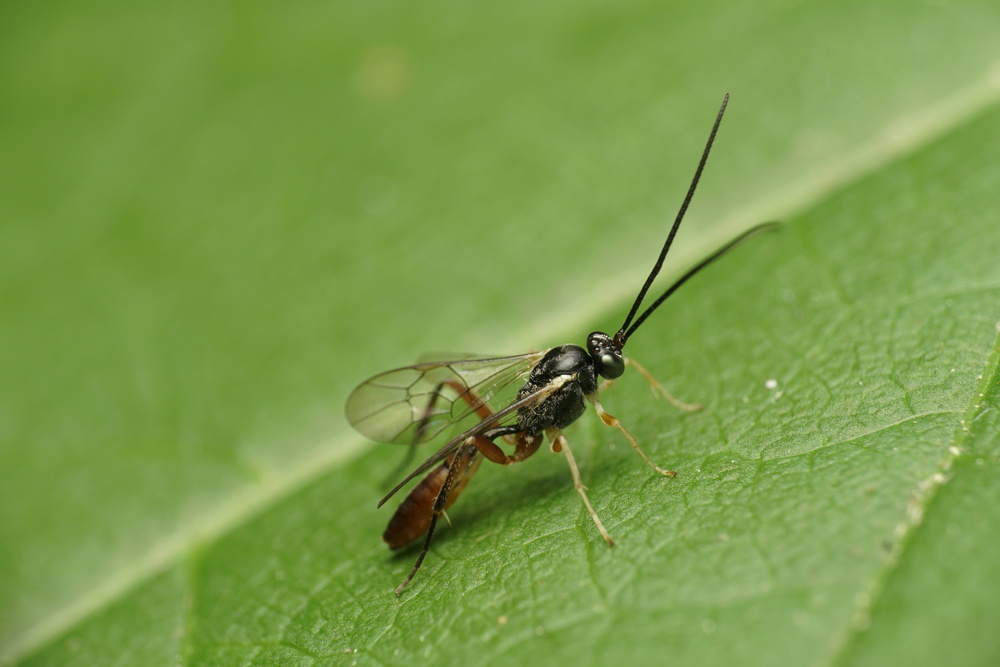
Another Ichneumonid?

Adorable Fulgorid planthopper nymph
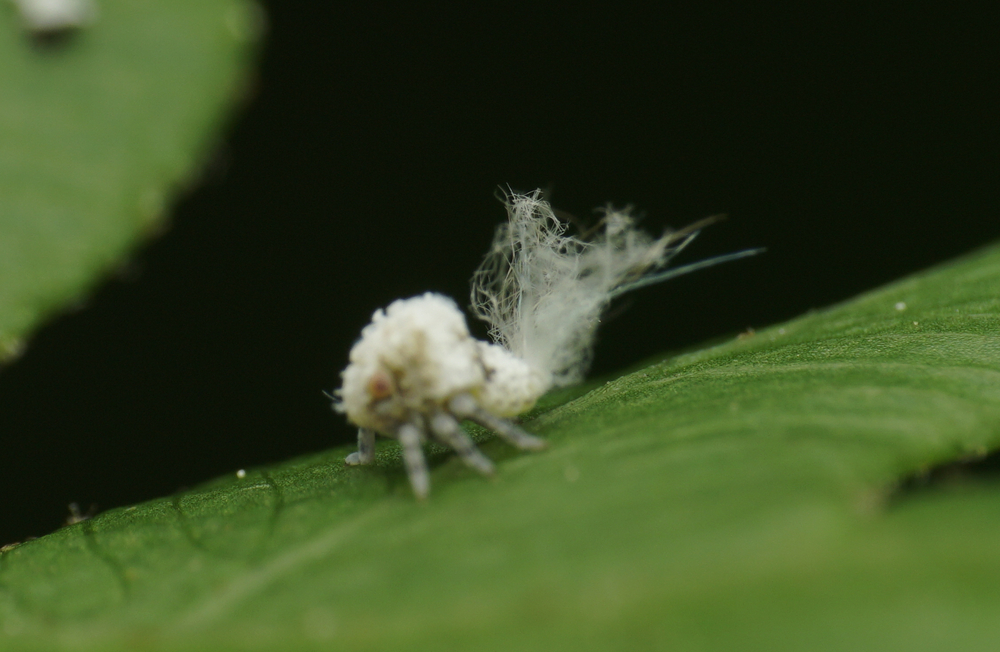
(Barklouses)
Polypsocus corruptus

Again, Polypsocus cf corruptus

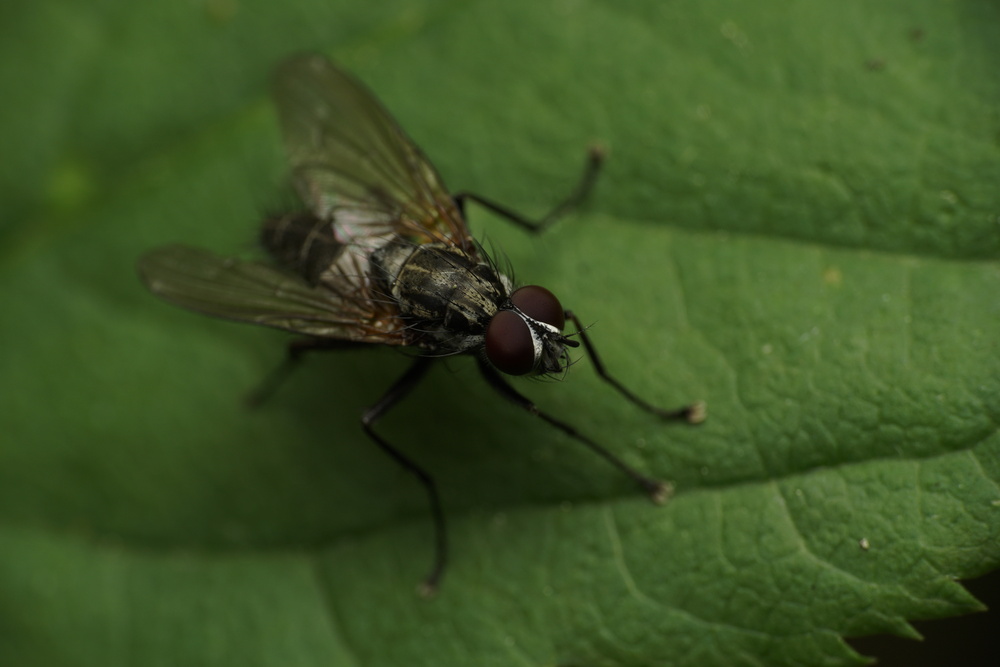

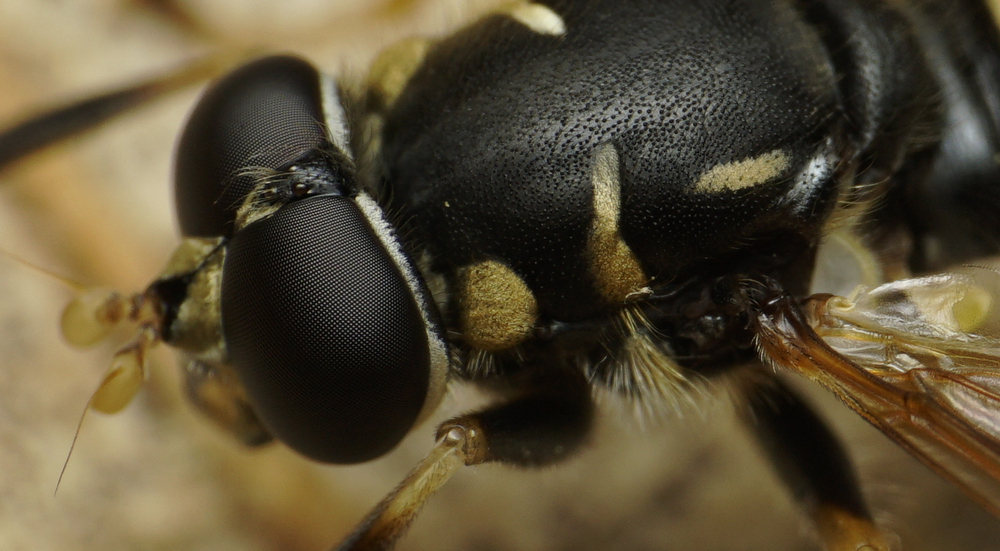
These Syrphid flies aka hover flies were all over the place! Temnostoma cf balyras complex, see below
Hover Flies (Syrphidae) » Eristalinae » Milesiini » Temnostomina » Temnostoma » balyras, barberi, obscurum, or trifasciatum (Temnostoma balyras, barberi, obscurum, or trifasciatum)

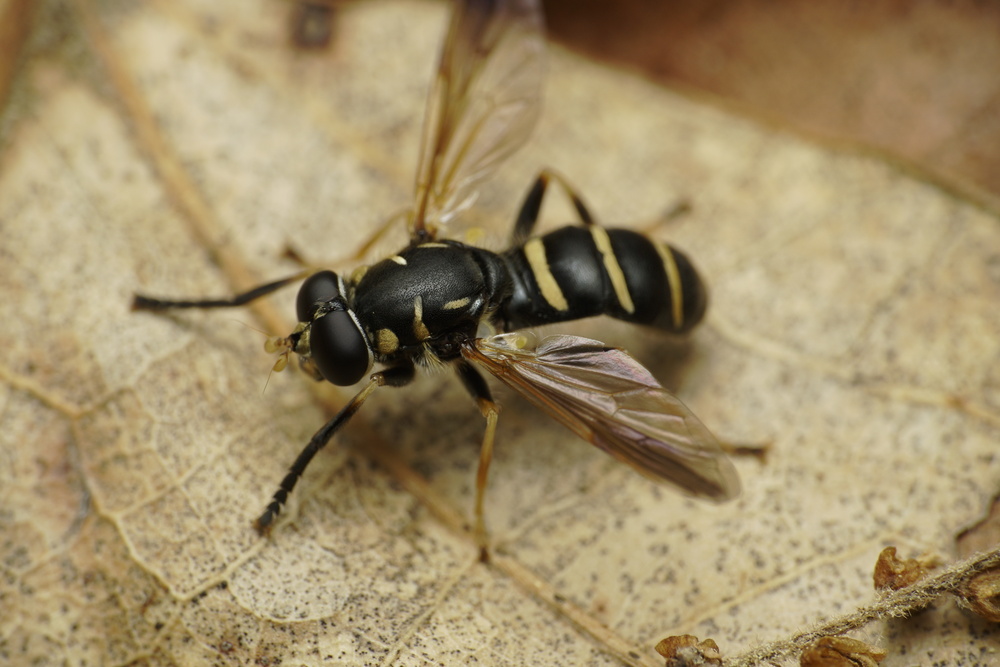
Such an elegant fly
Dimorphic jumping spider, Maevia inclemens, at home
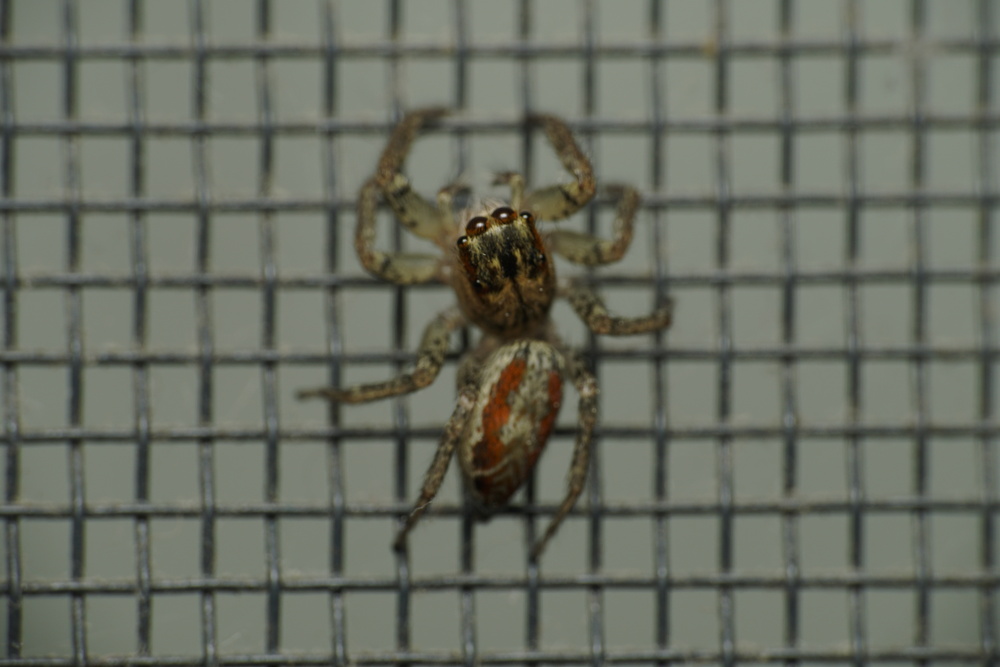
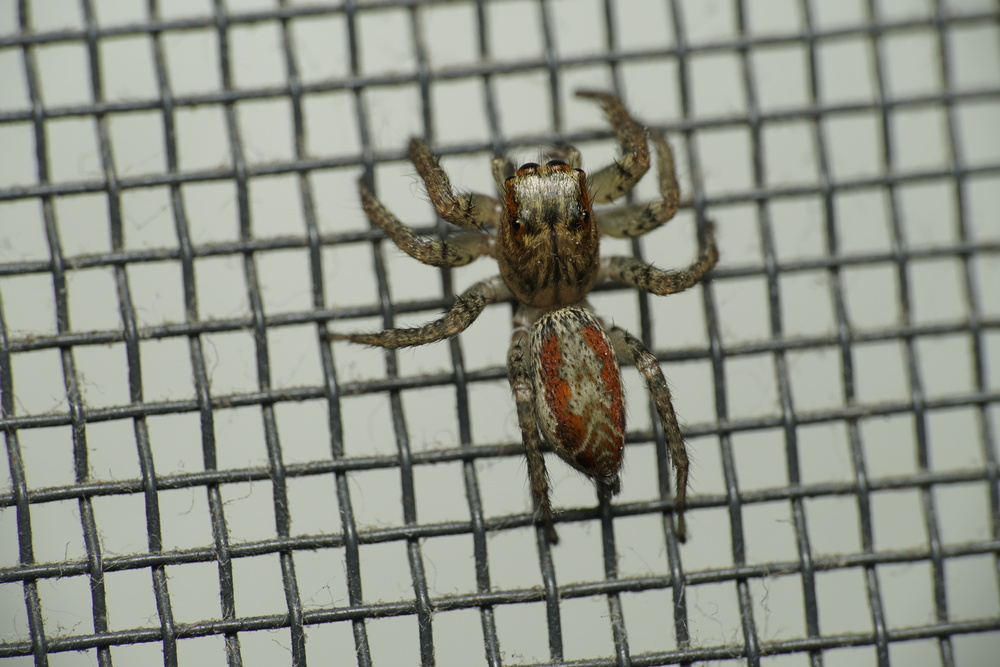
Anyphaenidae:
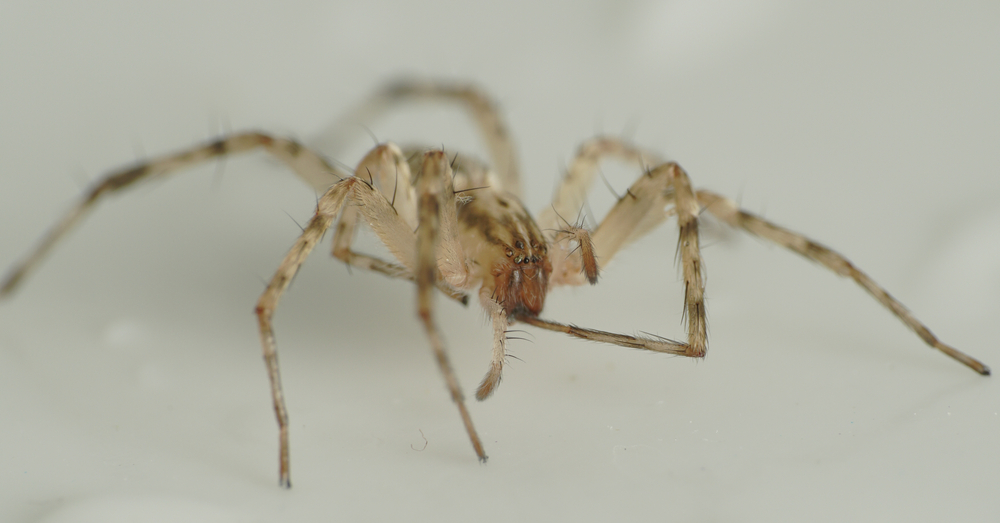
The Leucauge venusta were everywhere, of course. Always nice to see the hairs on the femur of the fourth leg.

A better view:

This is probably Pityohyphantes in Linyphiidae

Anystis in Anystidae?


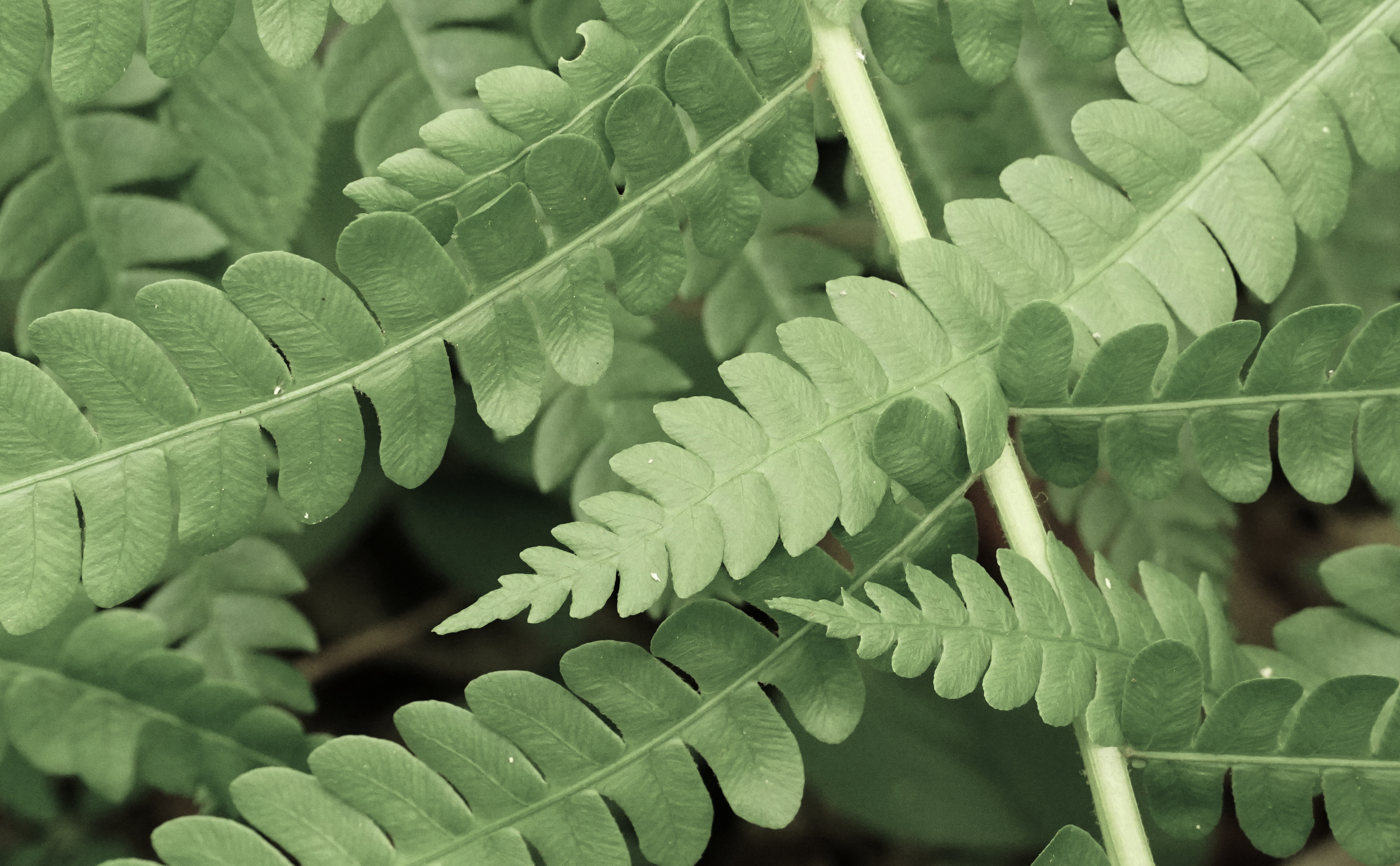
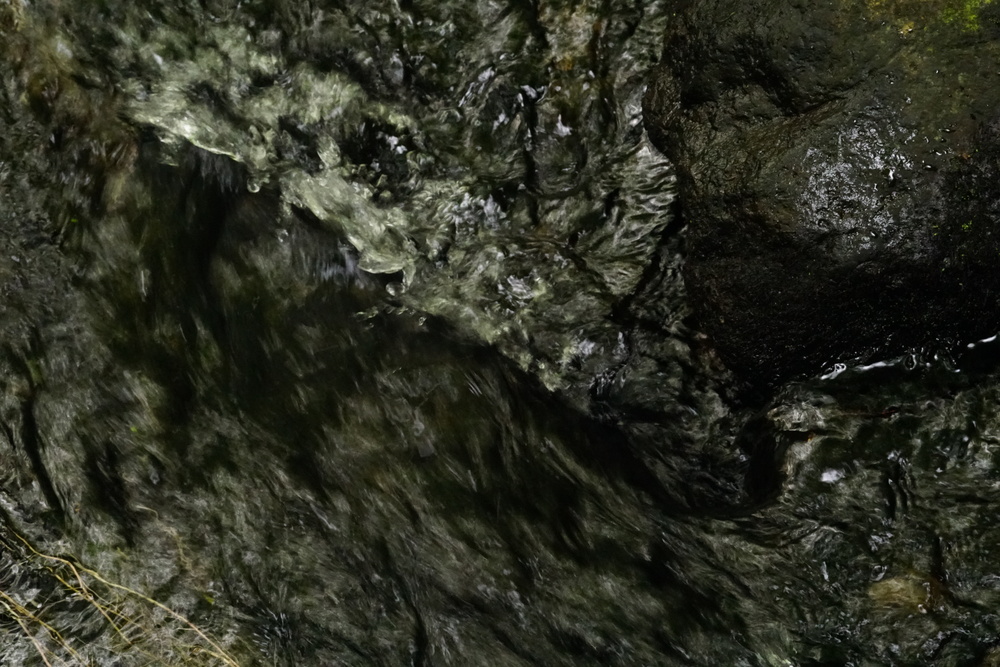

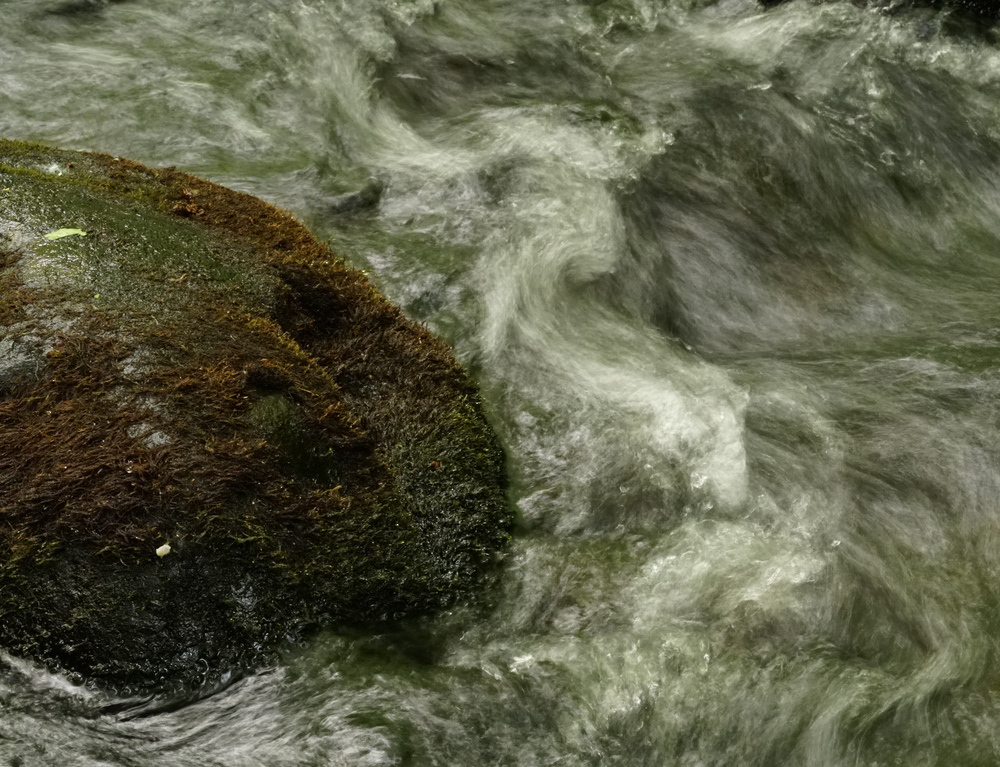


Here’s one link to the observations: https://www.inaturalist.org/calendar/gaurav1729/2025/5/26
Harmostes:
Order Hemiptera
Suborder Heteroptera
Infraorder Pentatomomorpha
Superfamily Coreoidea
Family Rhopalidae
Subfamily Rhopalinae
Tribe Harmostini
Genus Harmostes

Amphigonalia cf gothica, looking like a Maori warrior. It was flinging honeydew, I wish I had taken better photos of the process.
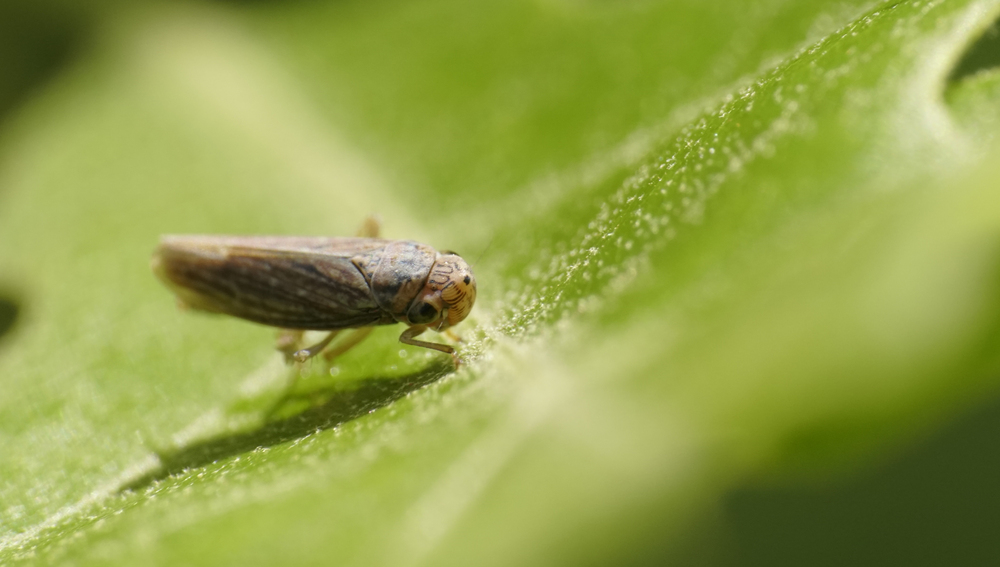
the honeydew

There was a puddle, not even a pond, and a lone Notonecta (milky backswimmer). From my vantage point, the backswimmer was swimming in the reflection of an electrical powerline tower, and that made for some very nice patterns in the water.
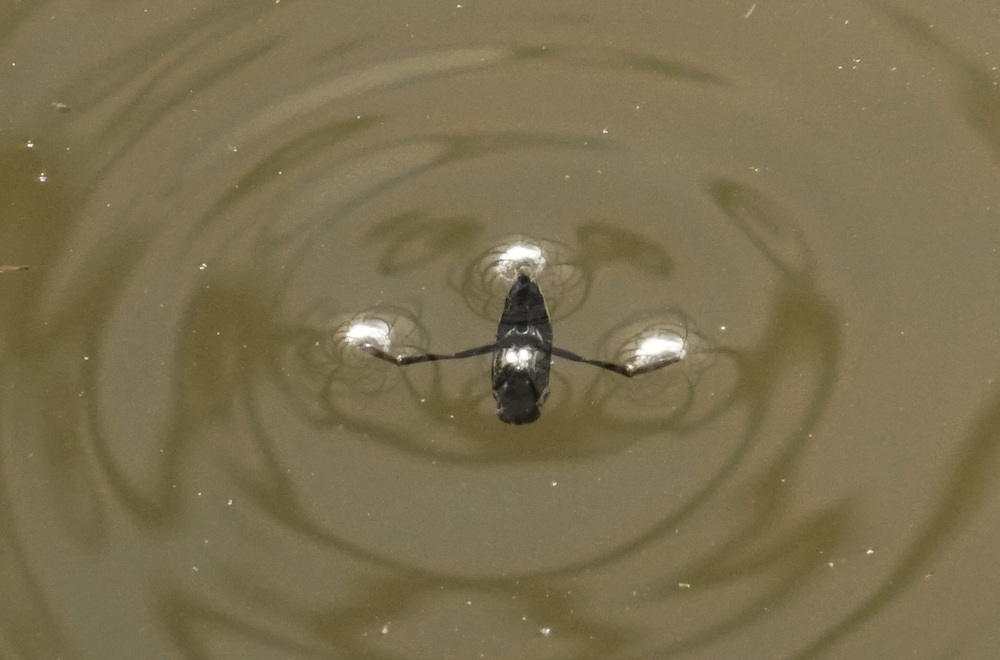


Ematurga:
Family Geometridae
Subfamily Ennominae
Tribe Boarmiini
Genus Ematurga, E. amitaria
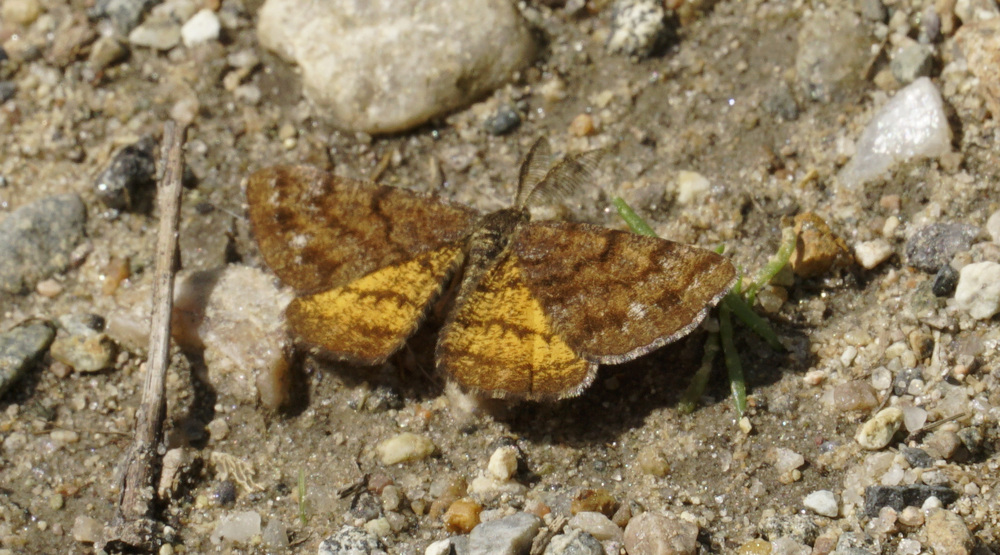
Lycaena:
Superfamily Papilionoidea
Family Lycaenidae
Subfamily Lycaeninae
Tribe Lycaenini
Genus Lycaena
Probably Lycaena hypophlaeas.

Hemileuca caterpillars, not that far from where I first encountered them many years ago
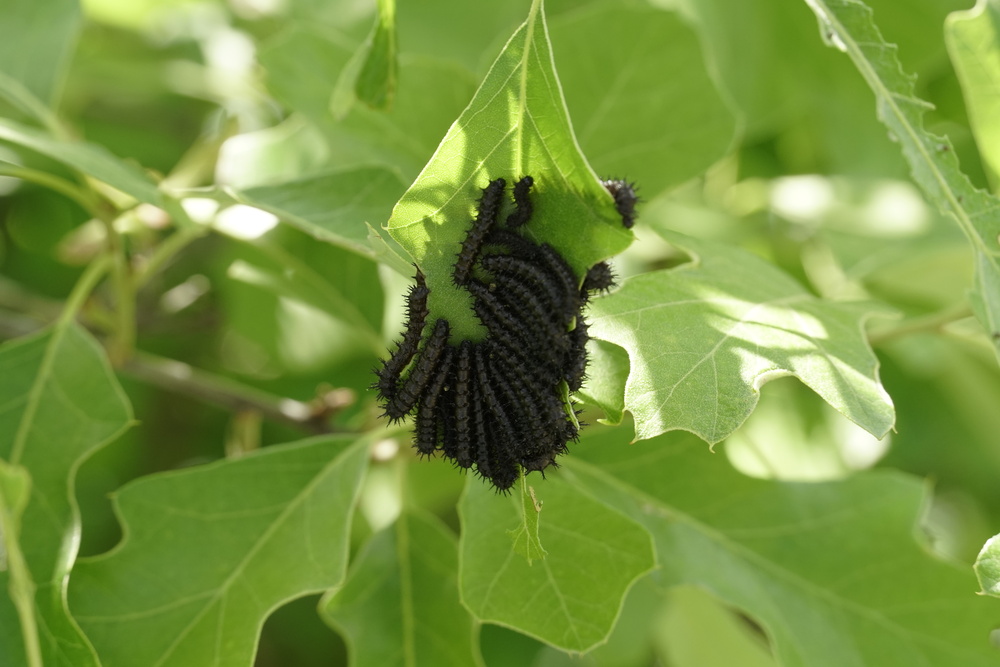

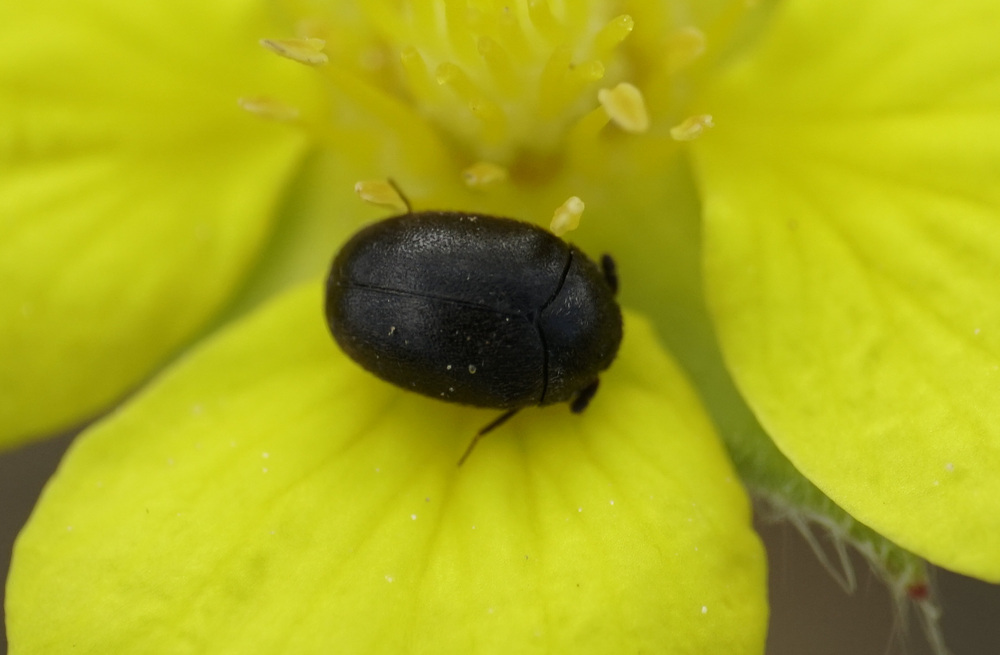
Dermestidae beetle, maybe Cryptorhopalum
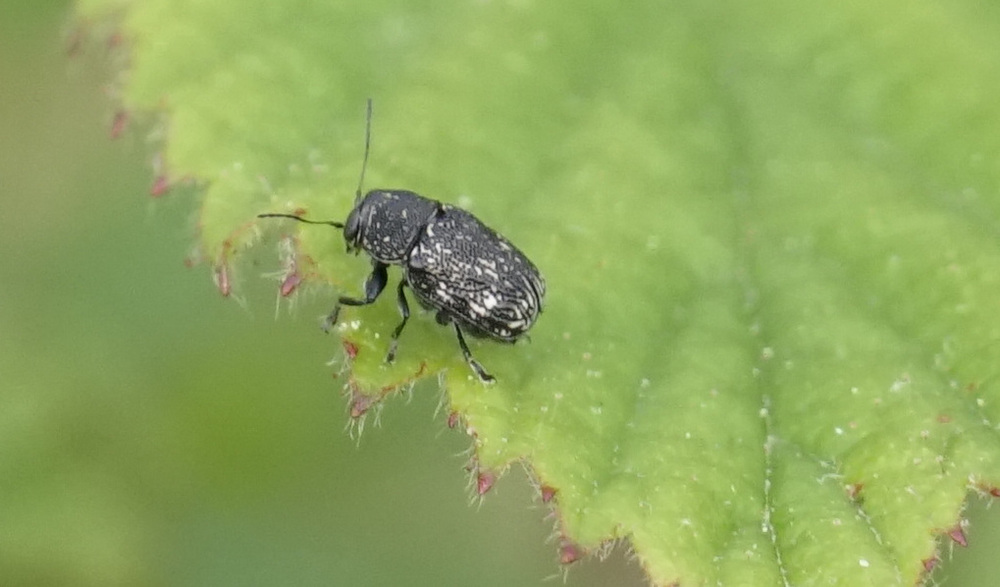
I think Pachybrachis is a reasonable fit (in Chrysomelidae). The best fit that’s been found in New England is Pachybrachis femoratus or “Black Pachys” which doesn’t seem to be an actual taxon.
Random note: for some reason, there’s a sub-genus called “pubescent Pachys” which is weird (https://bugguide.net/node/view/979599/bgpage).

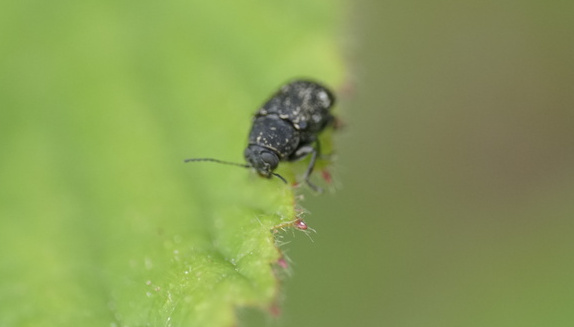
An egg case being laid. A warty leaf beetle, Fulcadini, perhaps Neochlamisus cf eubati. Compare with the photo here: https://bugguide.net/node/view/2294569
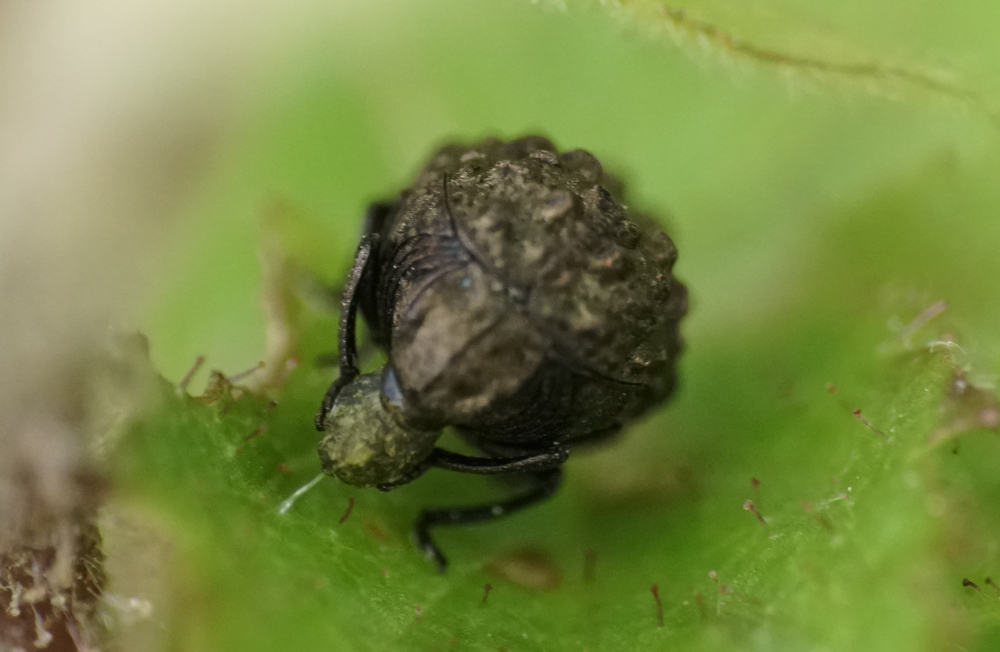
And I think this is also Pachybrachis, but maybe a different species. But I don’t see a great match among the Massachusetts records.

Cryptocephalus cf basilis, or C. quadruplex maybe, in Chrysomelidae, mating:

Elateridae, click beetles. Anything further is a guess, but maybe Limonius cf quercinus, the Oak click beetle.
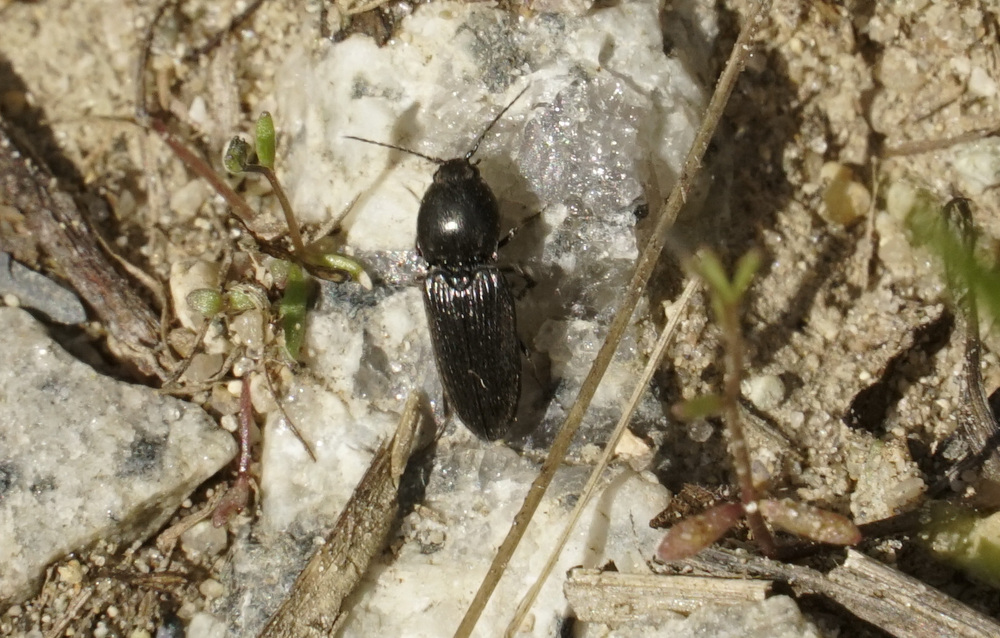
Rhagonycha, but maybe Podabrus?

Synolabus bipustulatus

Maybe Andrena mining bee:

Andrena, apparently:


Ceratina, I think. (EDIT: perhaps sub-genus Zadontomerus)

Osmia, pretty hairy as expected. “Only two submarginal cells, for one thing.”

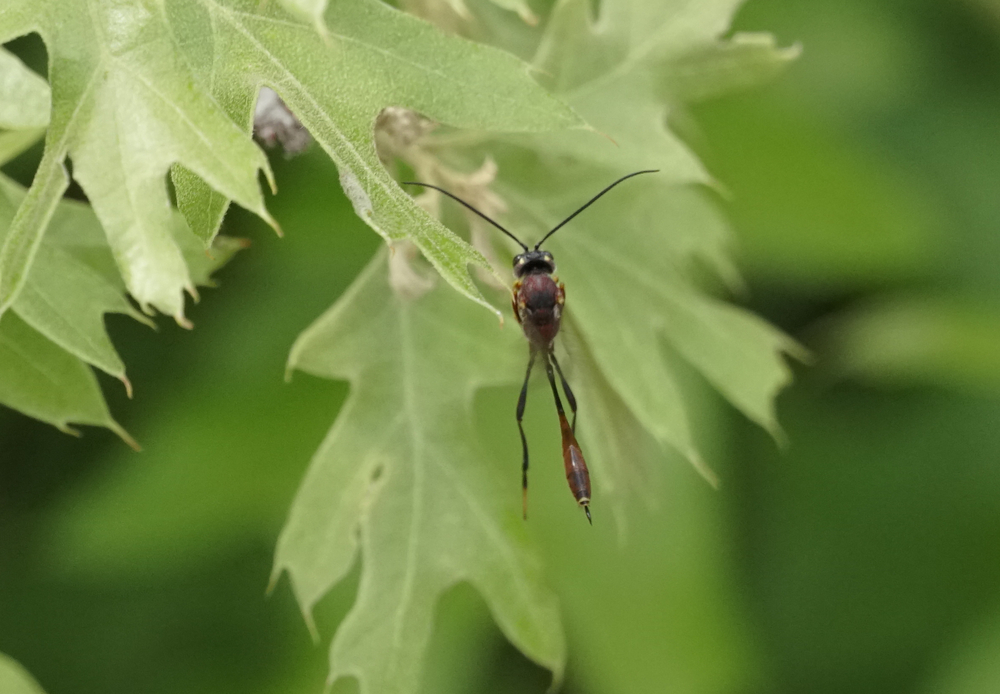
Lovely Ichneumonid, Anamalon genus.

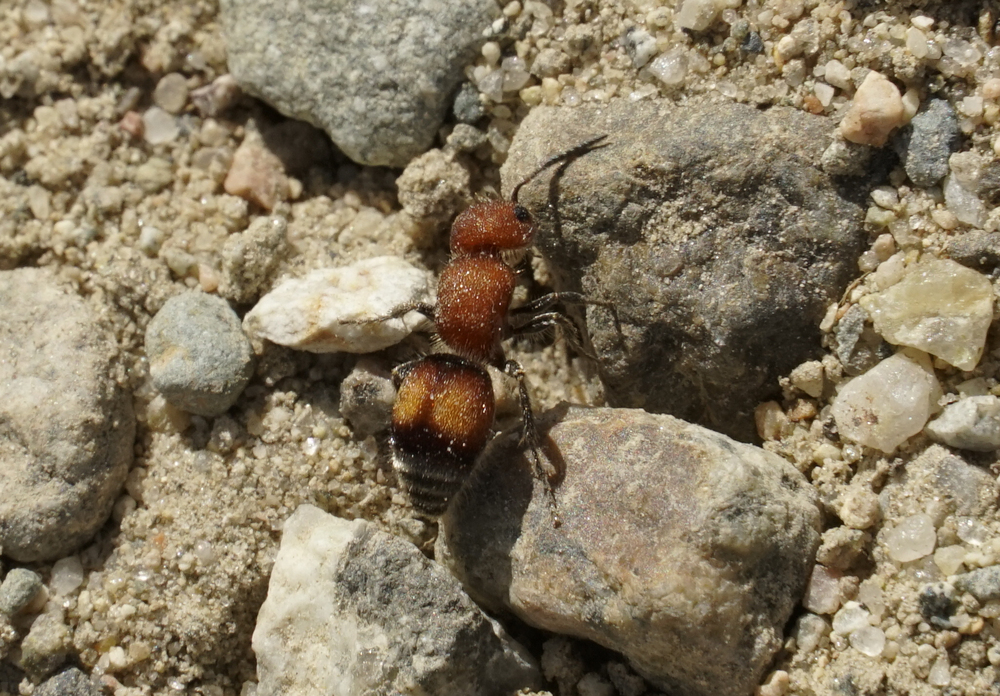
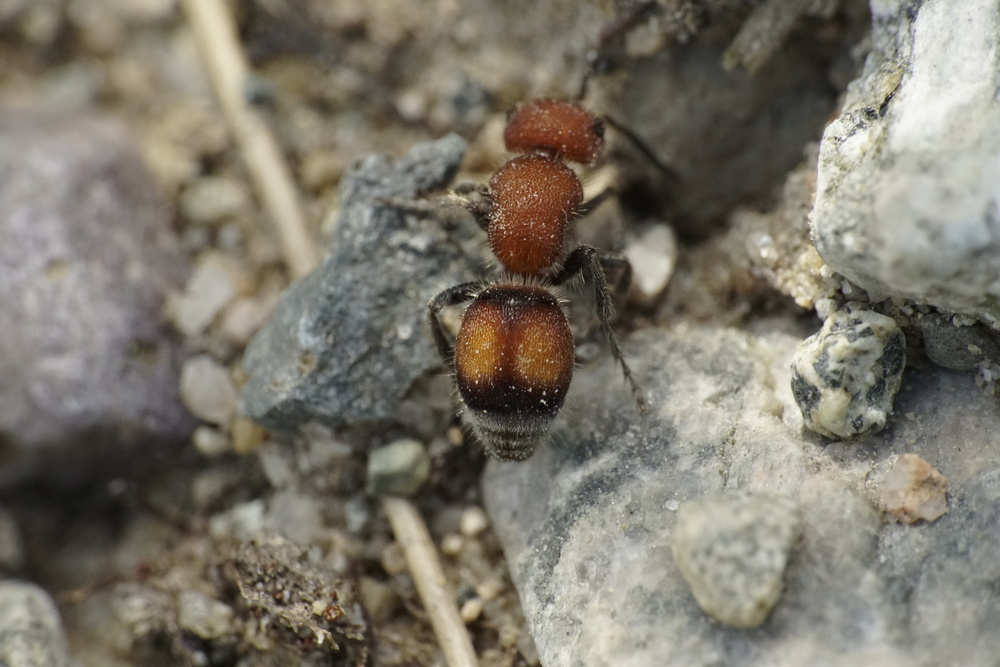
Lovely Dasymutilla ursus in Mutellidae, aka velvet ant.
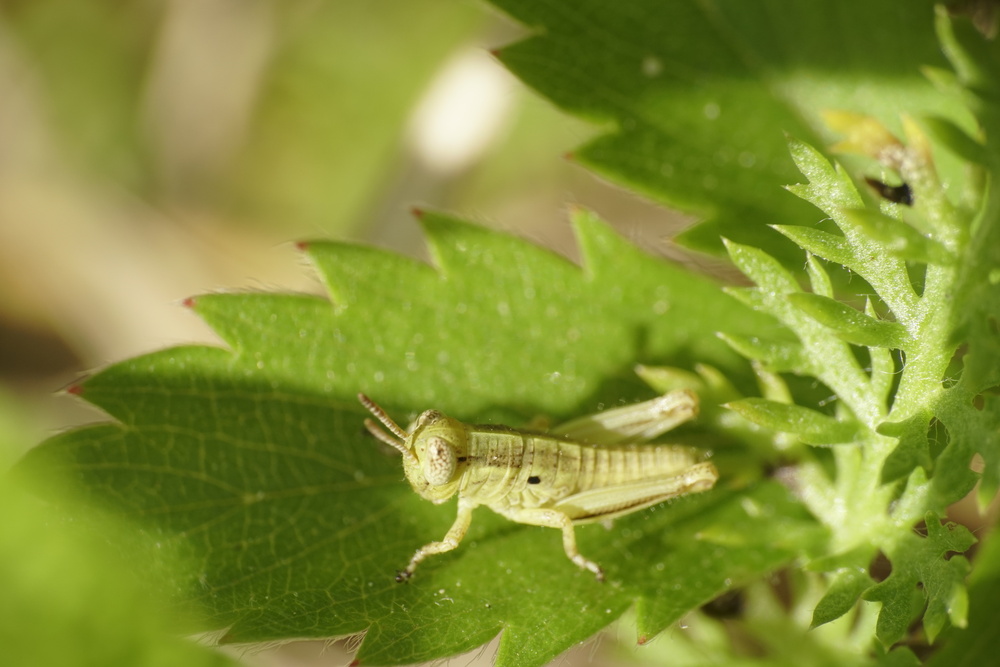
A very photogenic grasshopper. Is that a parasite/parasitoid on its face?

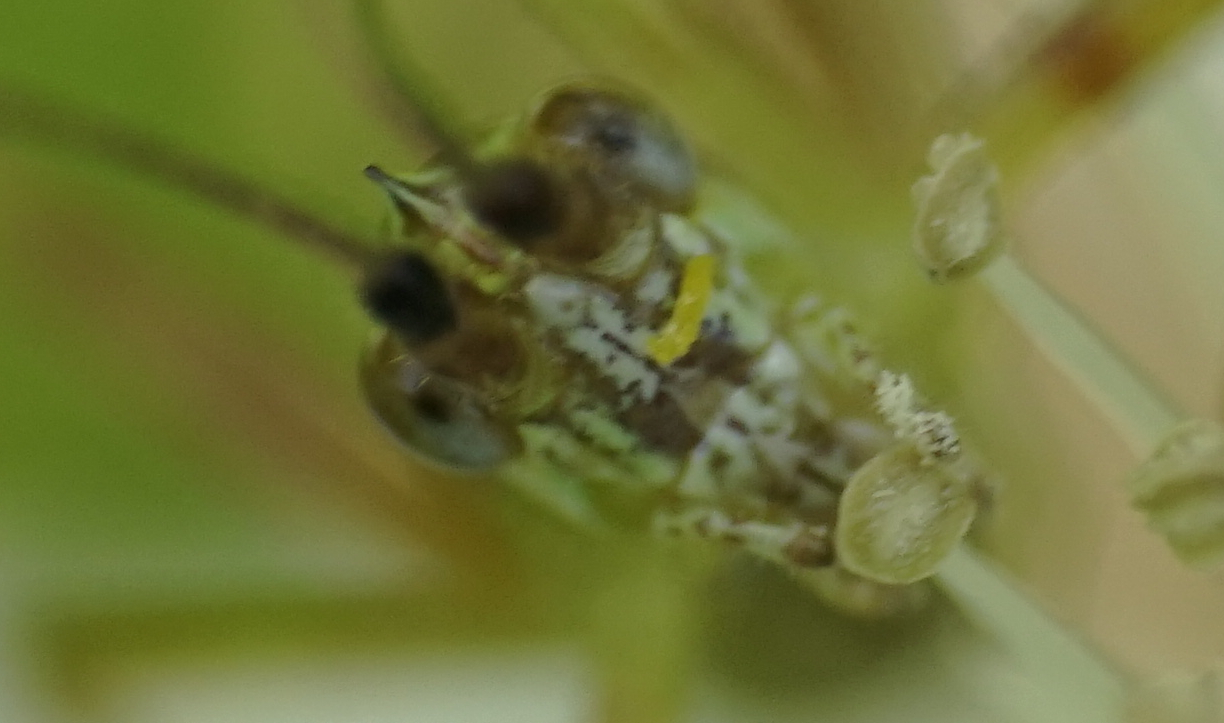
Melanoplus
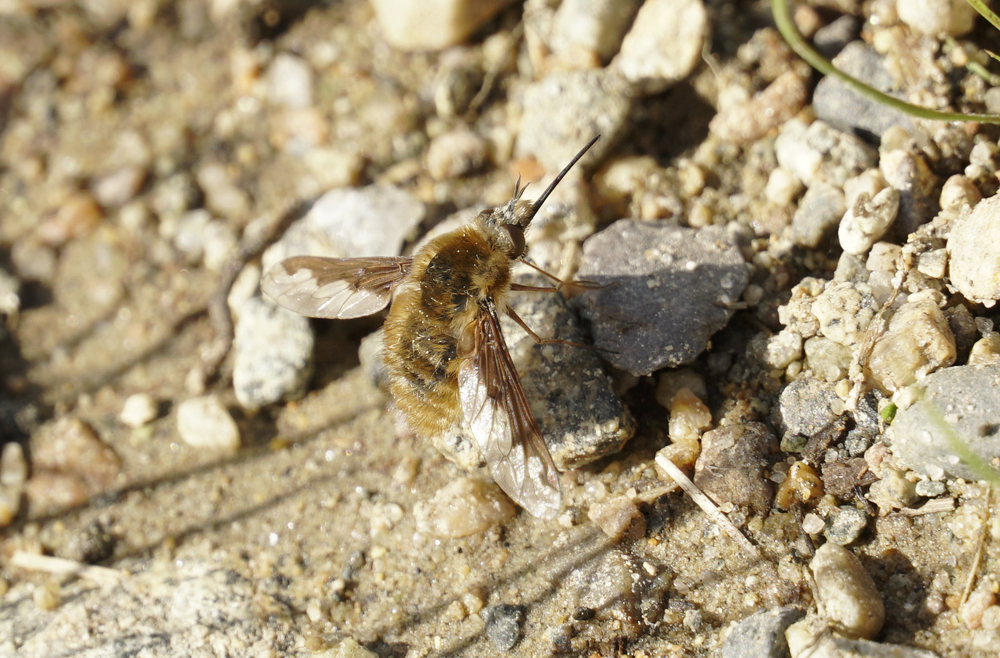
My first Bombyllius major (bee flies), somehow. And I caught it flying too, a terrible photo, but flying nonetheless (upper right).
These are brood parasites, and are famous for dive bombing their eggs into other insects’ nests, literally on the fly (was the pun intended? I’ll never say).

A slightly better photo at rest:
Toxomerus in Syrphidae:

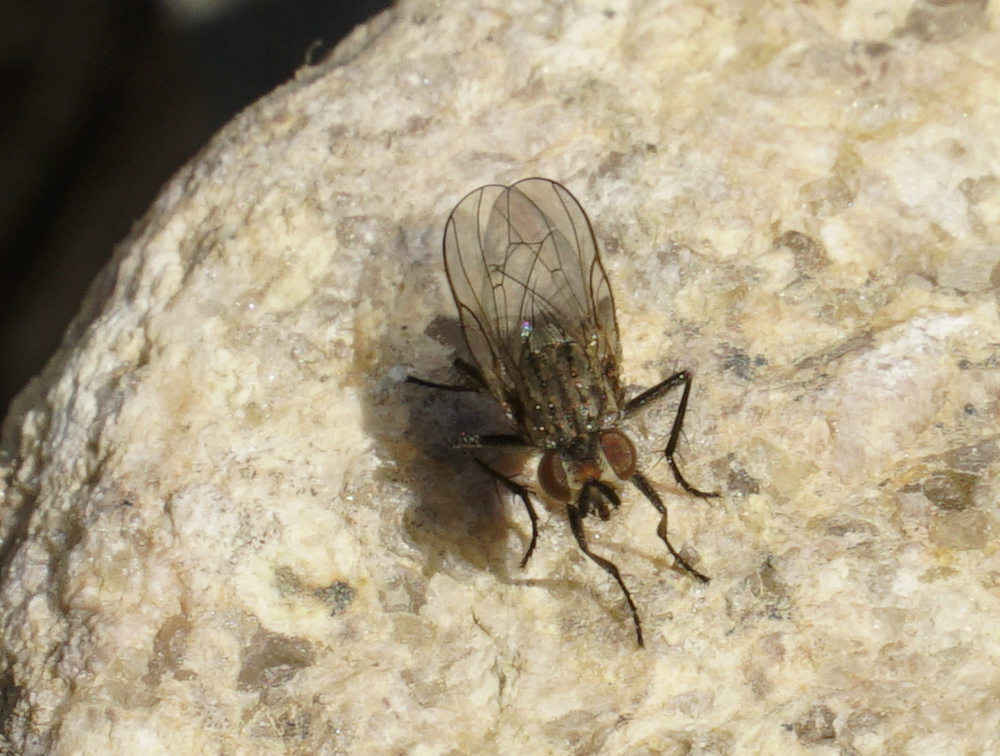
iNat says Muscoidea:
Common whitetail, Plathemis lydia.

Phidippus, perhaps P. clarus

Maybe Phidippus too

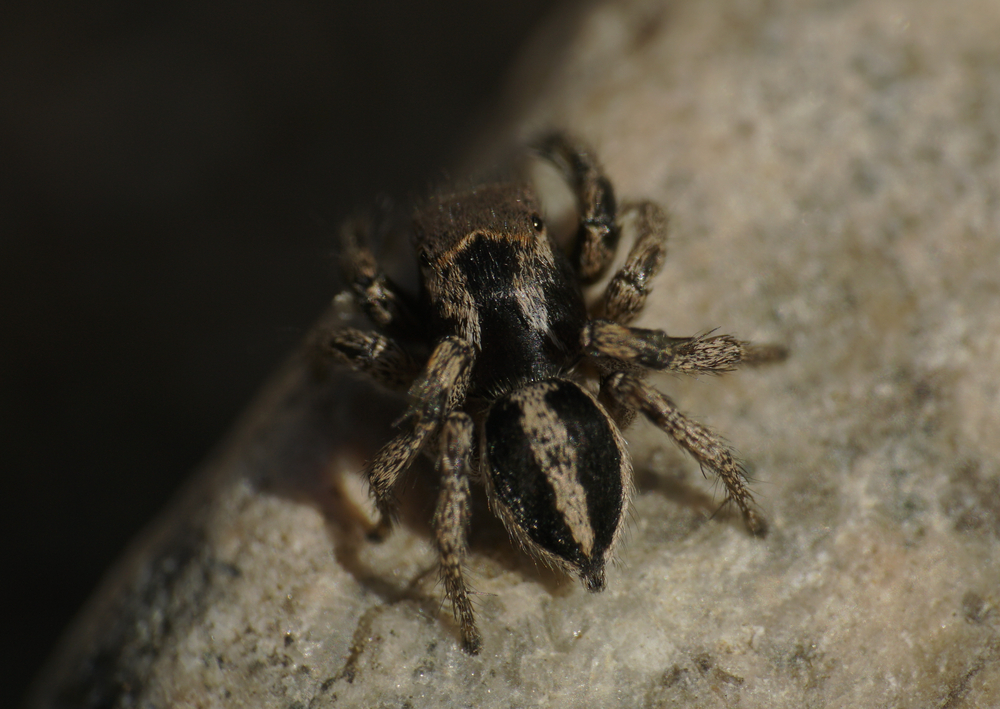
Habronattus, Habronattus viridipes complex.
If you want to be really really optimistic, you could go to Habronattus calcaratus maddisoni, https://bugguide.net/node/view/51312, but I think that is much too fine to be a real identification.

iNat says Silene (catchflies)

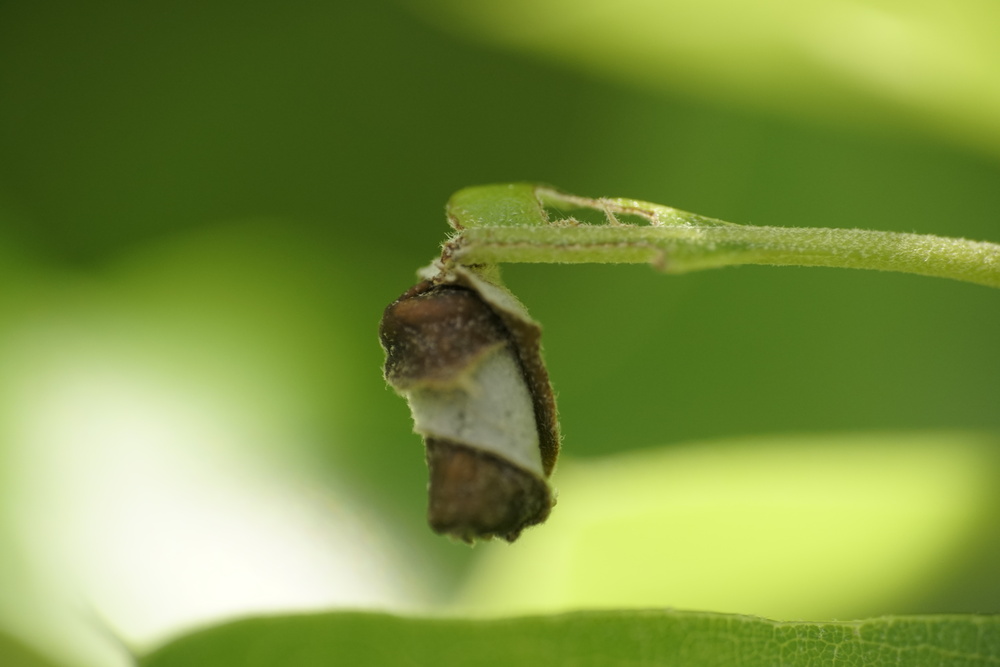
I said no bugs, but these are bug nests of some type:

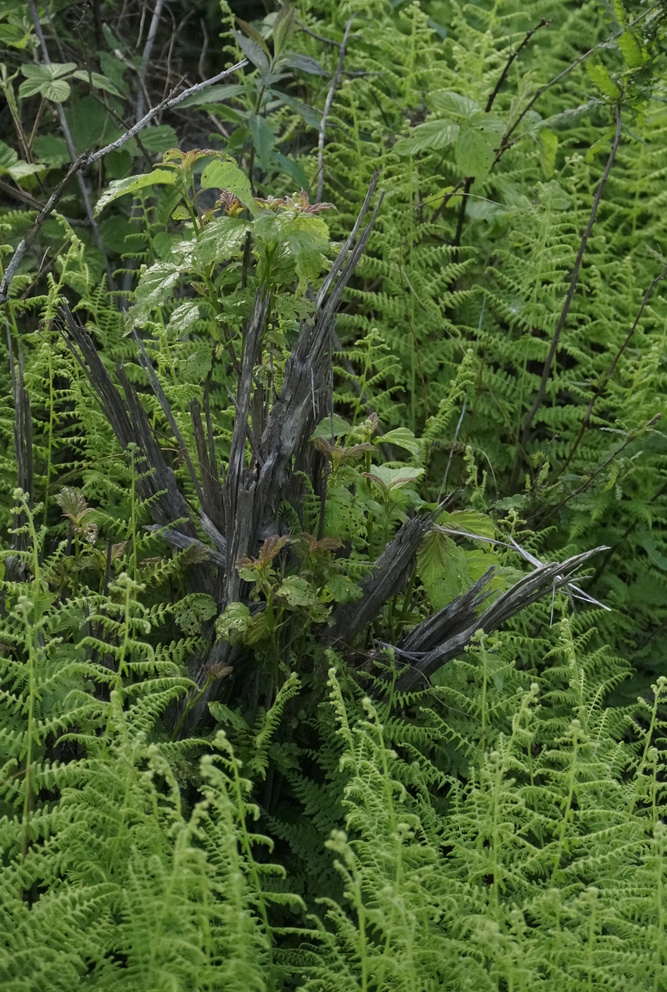

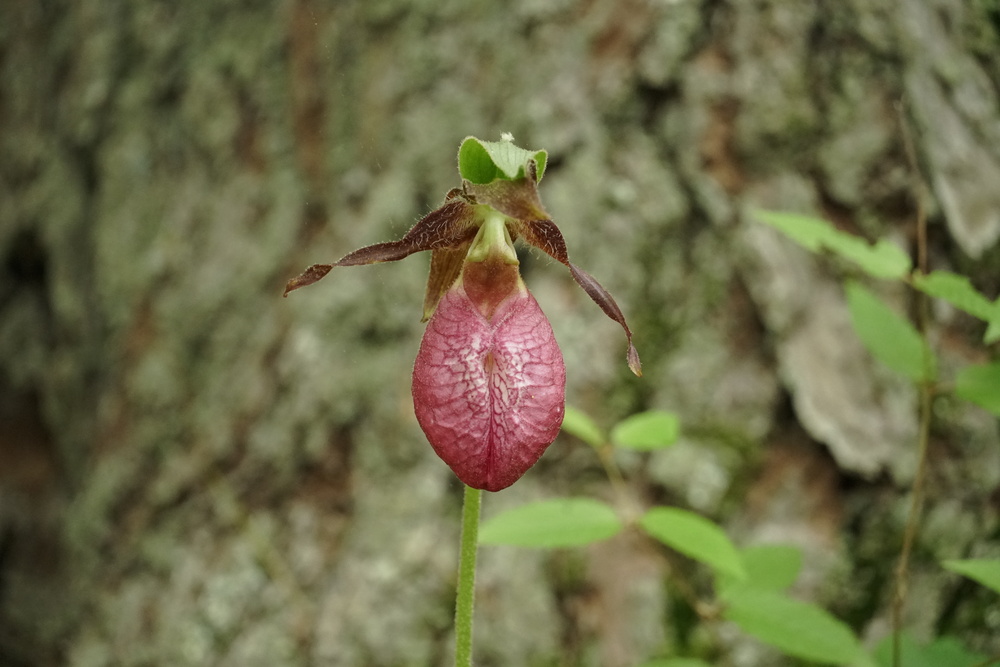
The number of Lady’s Slippers was something I hadn’t seen before, dozens and dozens.
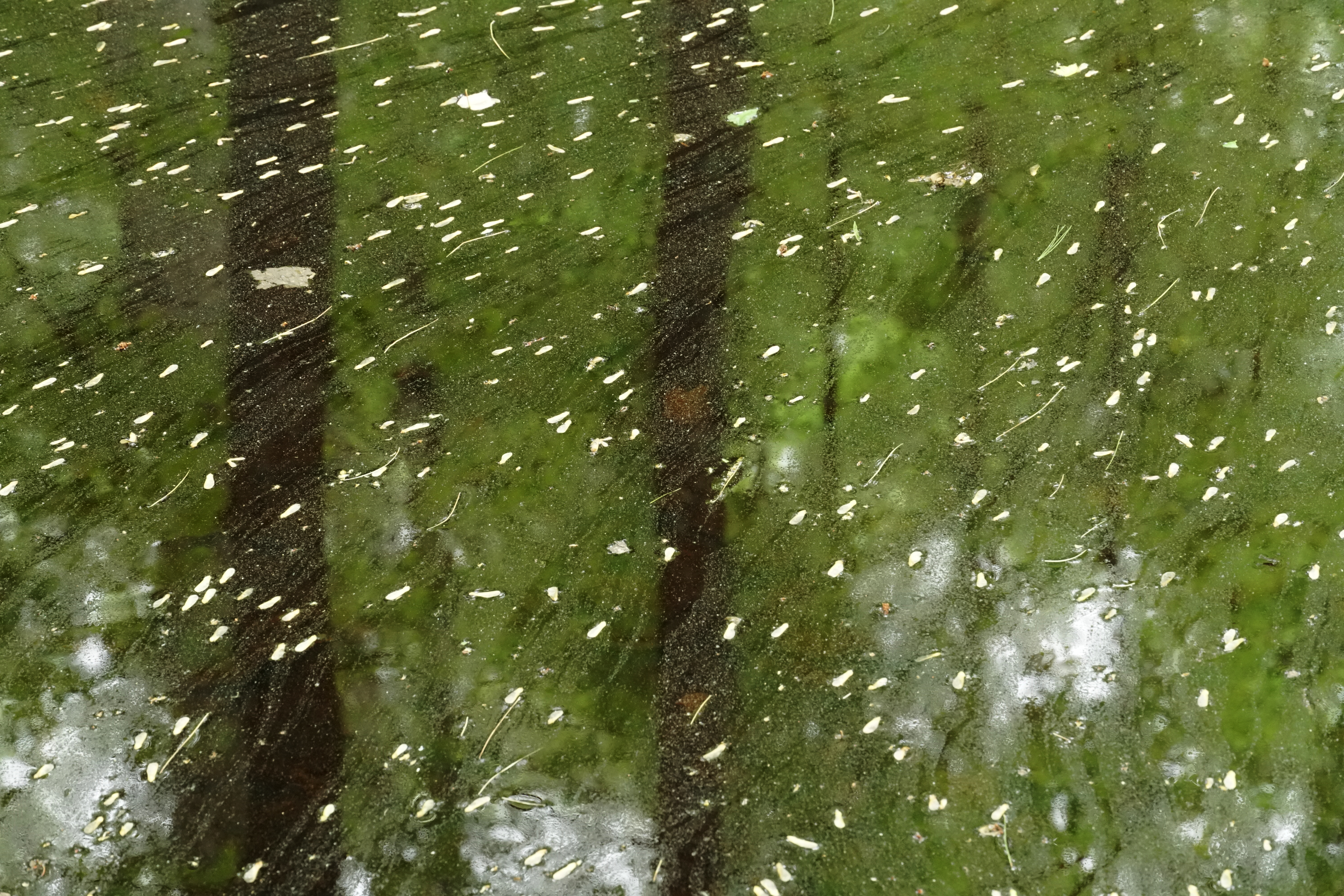
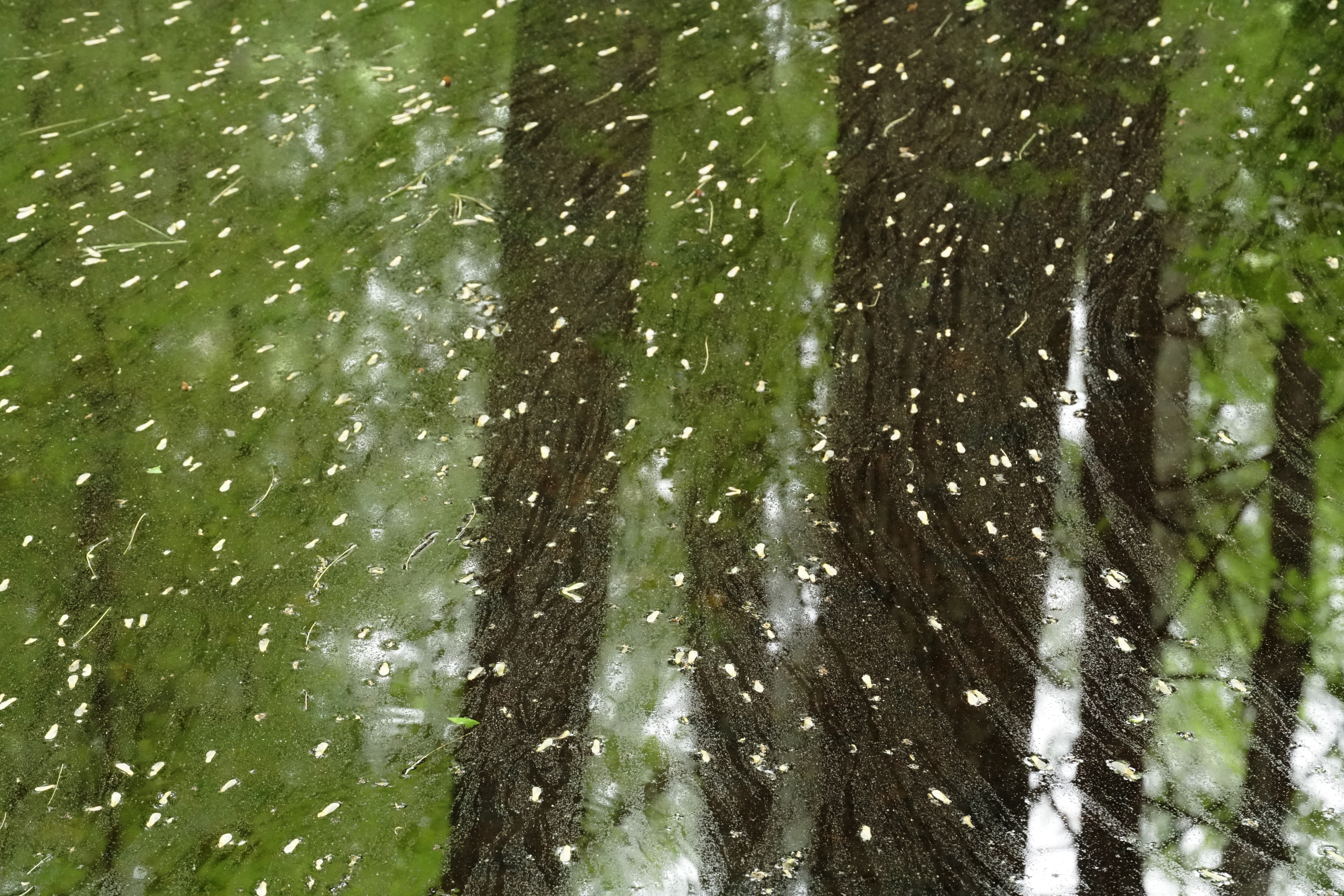
Pollen on the water

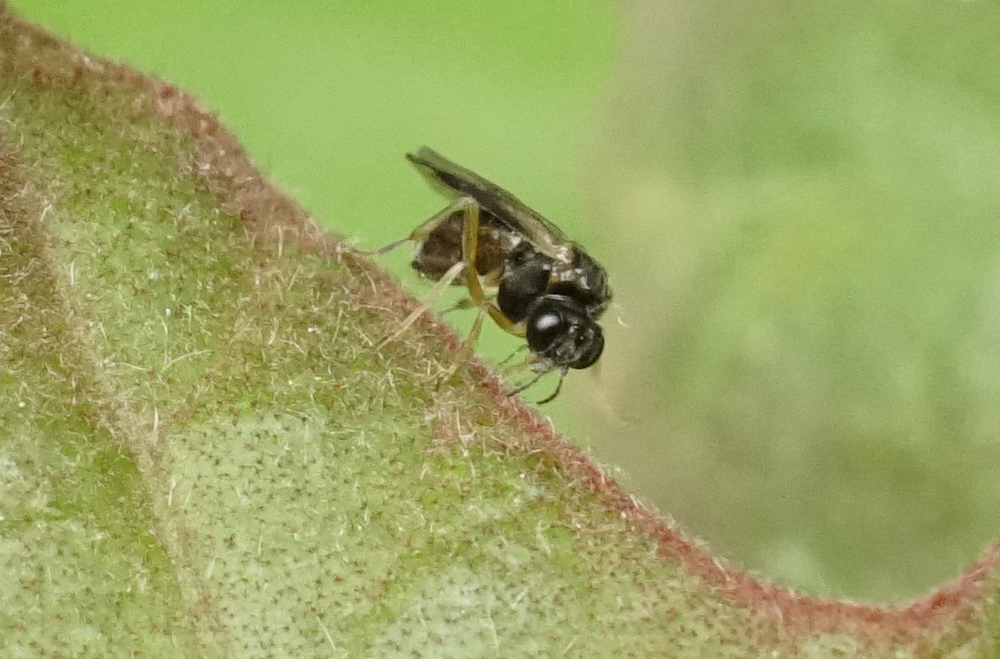
Perhaps Acordulecera, Pergid sawfly

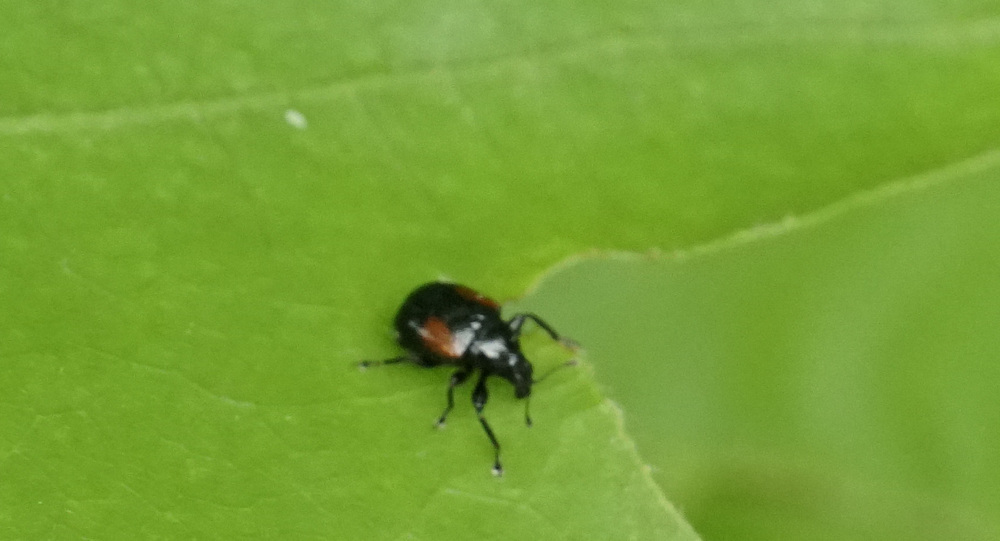
Oak leafrolling weevil, Synolabus bipustulatus
Beetles (Coleoptera) » Polyphaga » Series Cucujiformia » Curculionoidea » Leaf Rolling Weevils (Attelabidae) » Leaf-rolling Weevils (Attelabinae) » Synolabus » Oak Leafrolling Weevil (Synolabus bipustulatus)
Sawfly, Tenthredinidae?

ant alate?

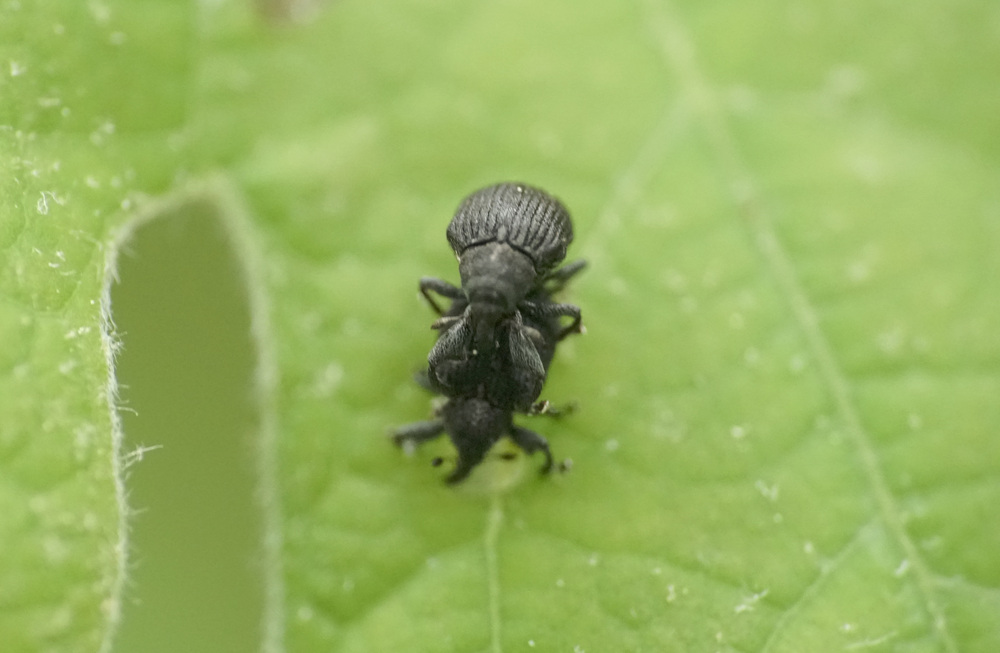
mating weevils, Odontopus calceatus
Another sawfly, Tenthredinidae?

What’s with the random head lying around?

Just sharing this because I really like the shade of blue

Zelus luridus assassin bug

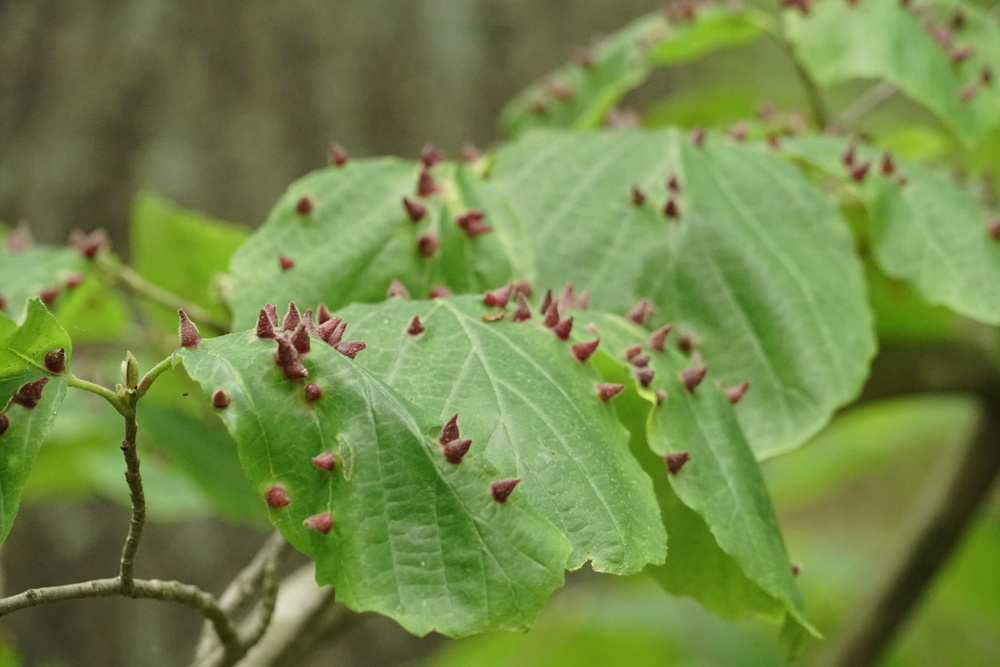
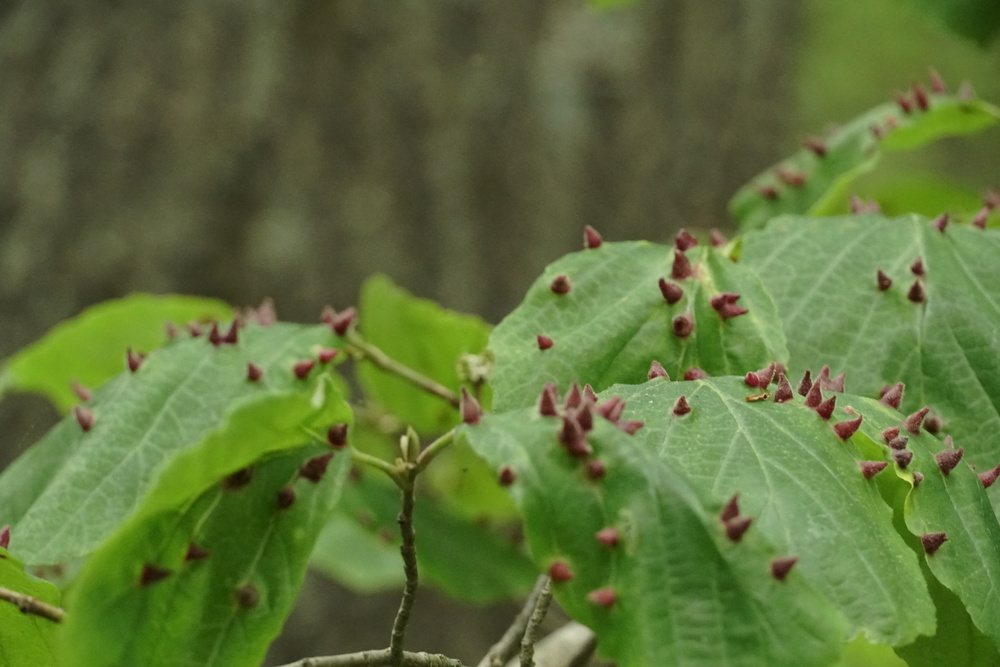
Tons of witch hazel galls, made by aphids

 a little wild