Was here for an astronomy session with the Arunah Hill Natural Science Center in Cummington, MA, so why not mix pleasure with pleasure? Got up early, looked for bugs on the verge of the woods with the lawn.
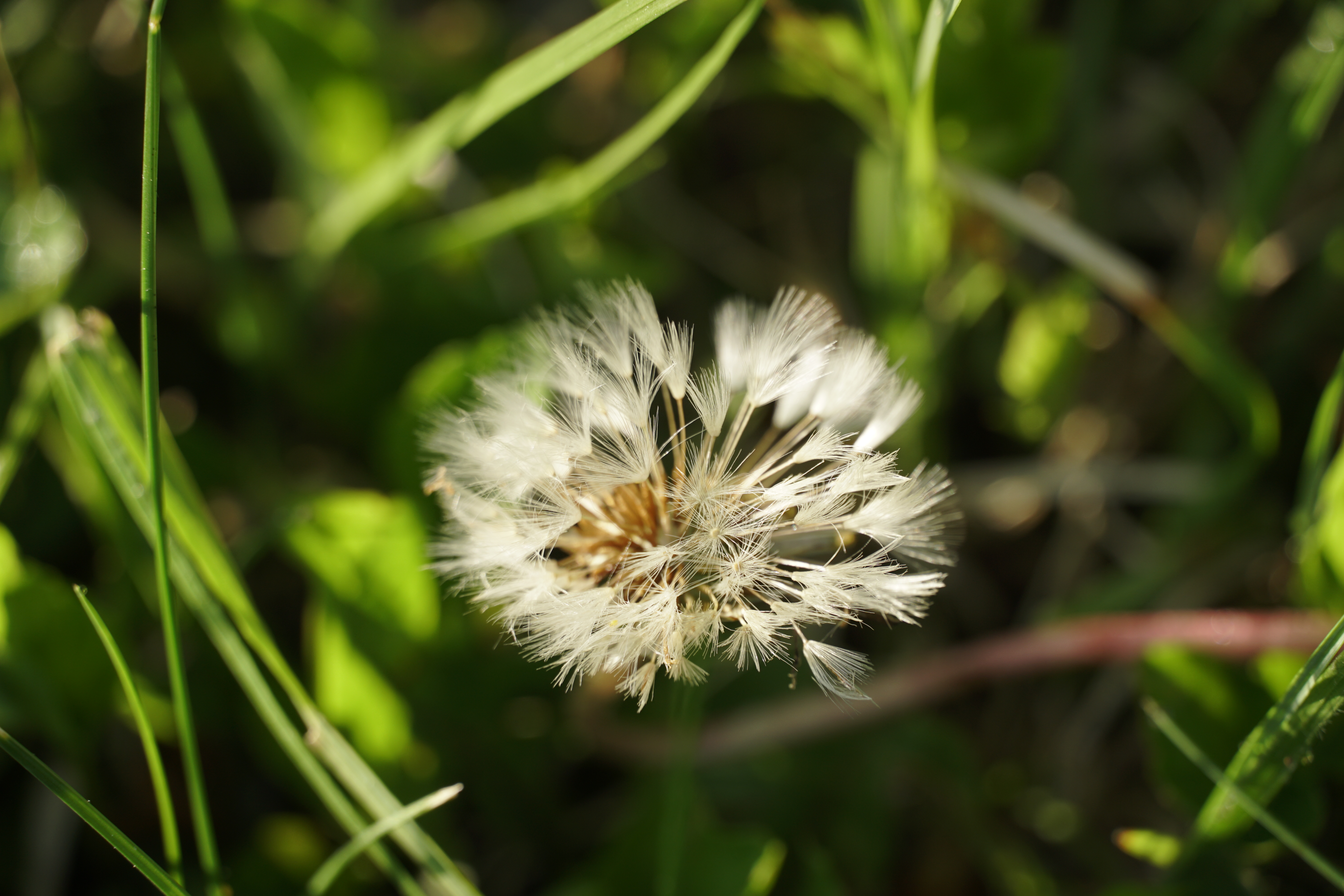
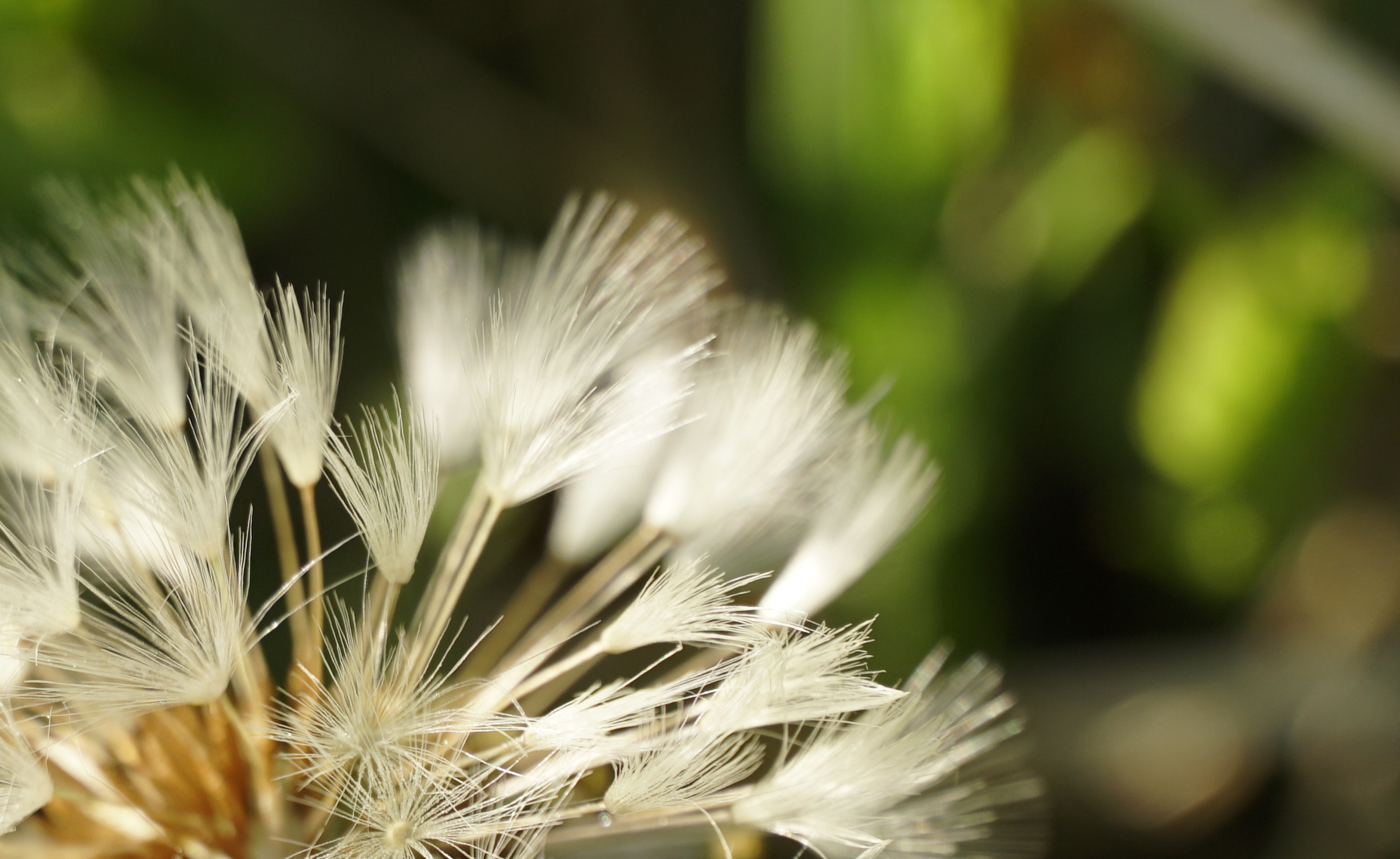
I unfortunately had problems with my flash all day, which led to some over- and under-exposures, but that’s life. First, a couple of micro landscapes, with no bugs.
No exoskeletons

Lepidoptera
White spotted sable moth, Anania funebris.

Coleoptera
A Chrysomelid beetle. I think Ophraella conferta [Longhorn and Leaf Beetles (Chrysomeloidea) » Leaf Beetles (Chrysomelidae) » Skeletonizing Leaf Beetles and Flea Beetles (Galerucinae) » Galerucini » Section Schematizites » Ophraella » Ophraella conferta]

Weevil, presumably a broad nosed weevil, Entiminae

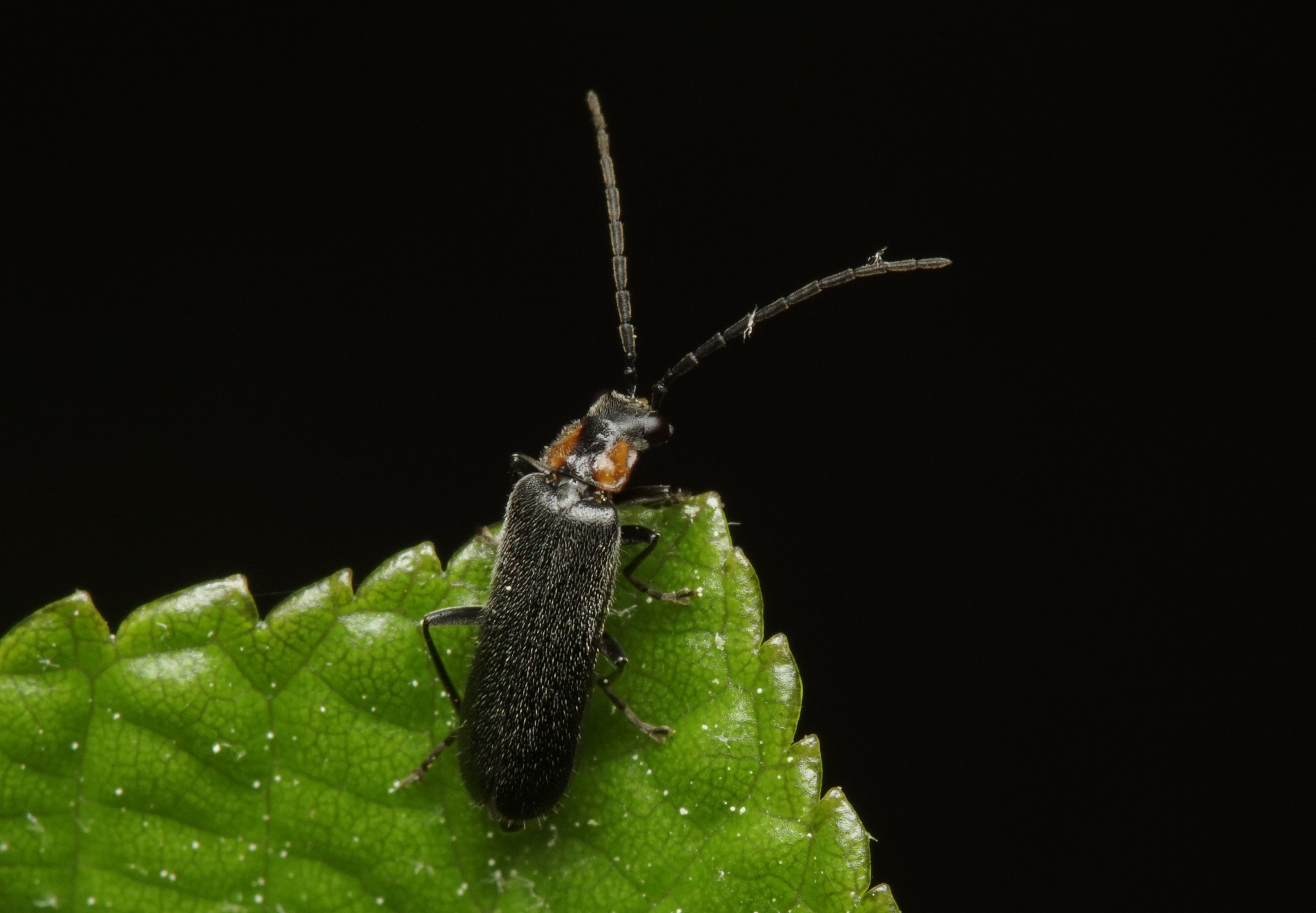
I could have sworn I had got the focus :-(. Maybe Podabrus in Cantharidae, but could certainly be Silis instead, I’m terrible at distinguishing between them. Let’s call it a soft focus romantic scene.

Tumbling flower beetle, Mordellidae:

Hemiptera

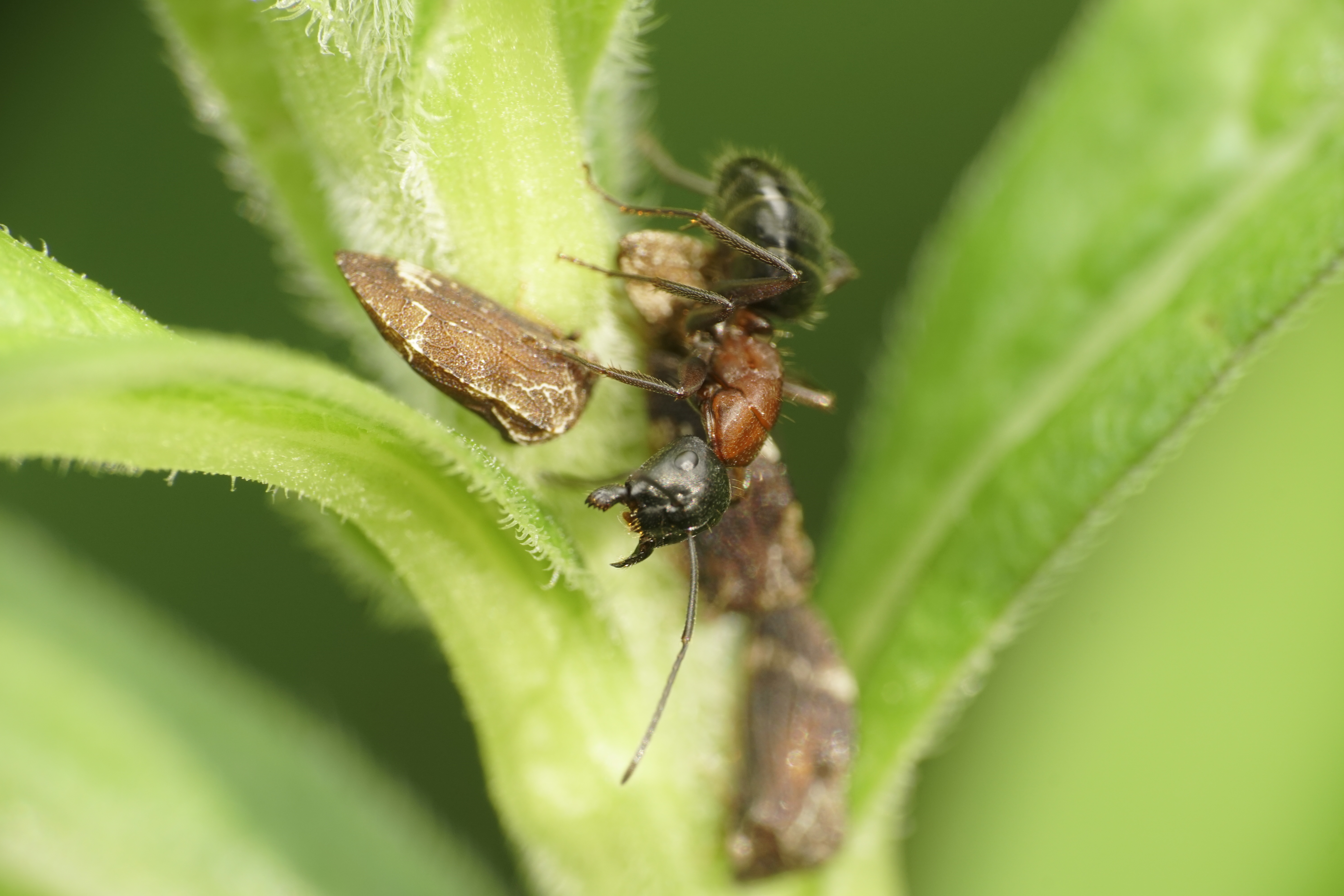
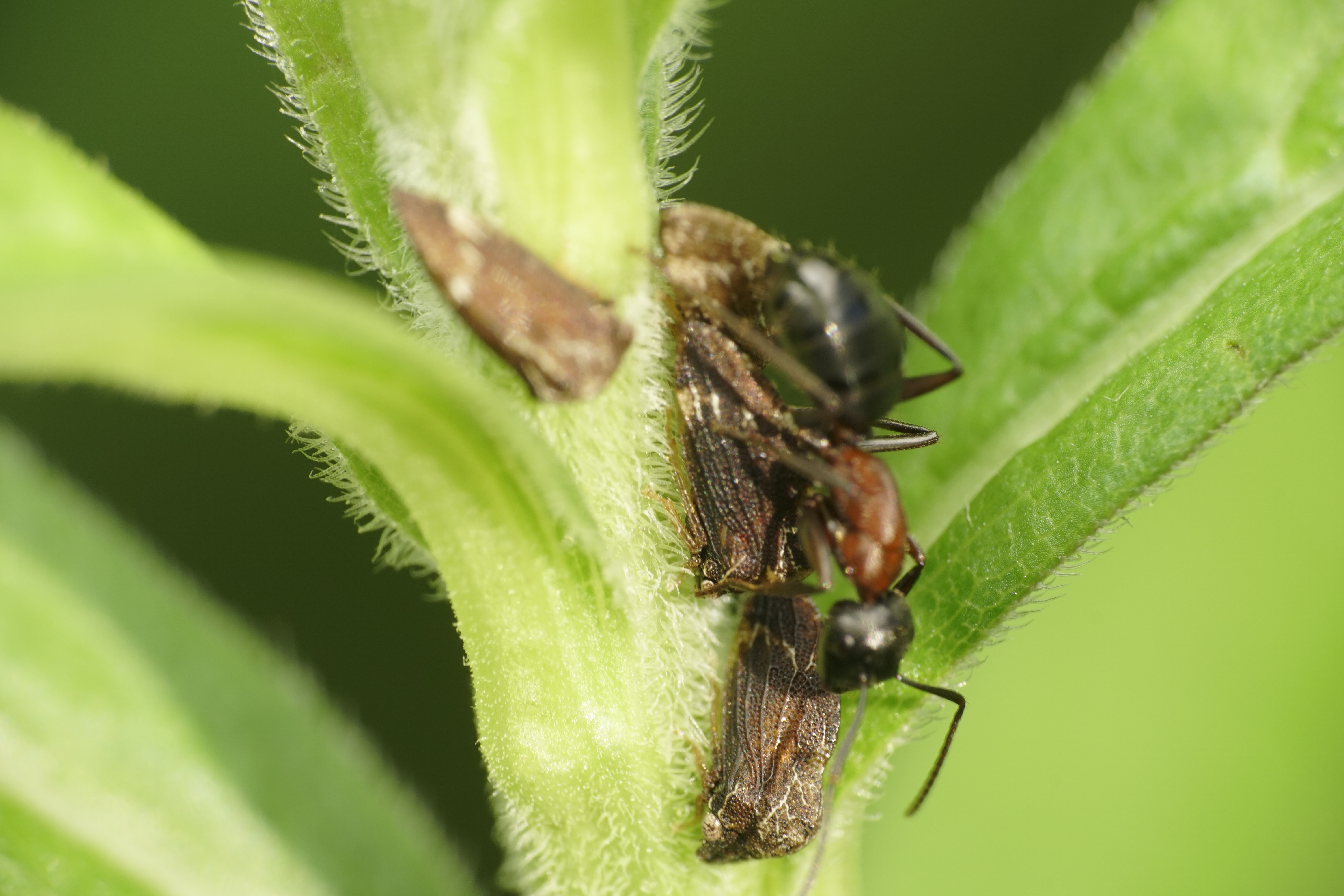
Fun symbiosis! Ants protect treehoppers from predators, treehoppers give ants honeydew from their anuses. Yum.
I think the treehoppers are Cyrtolobus cf tuberosus, but am not sure. The ant is probably Camponotus.

Is this Clastoptera, a spittlebug?

Orthoptera
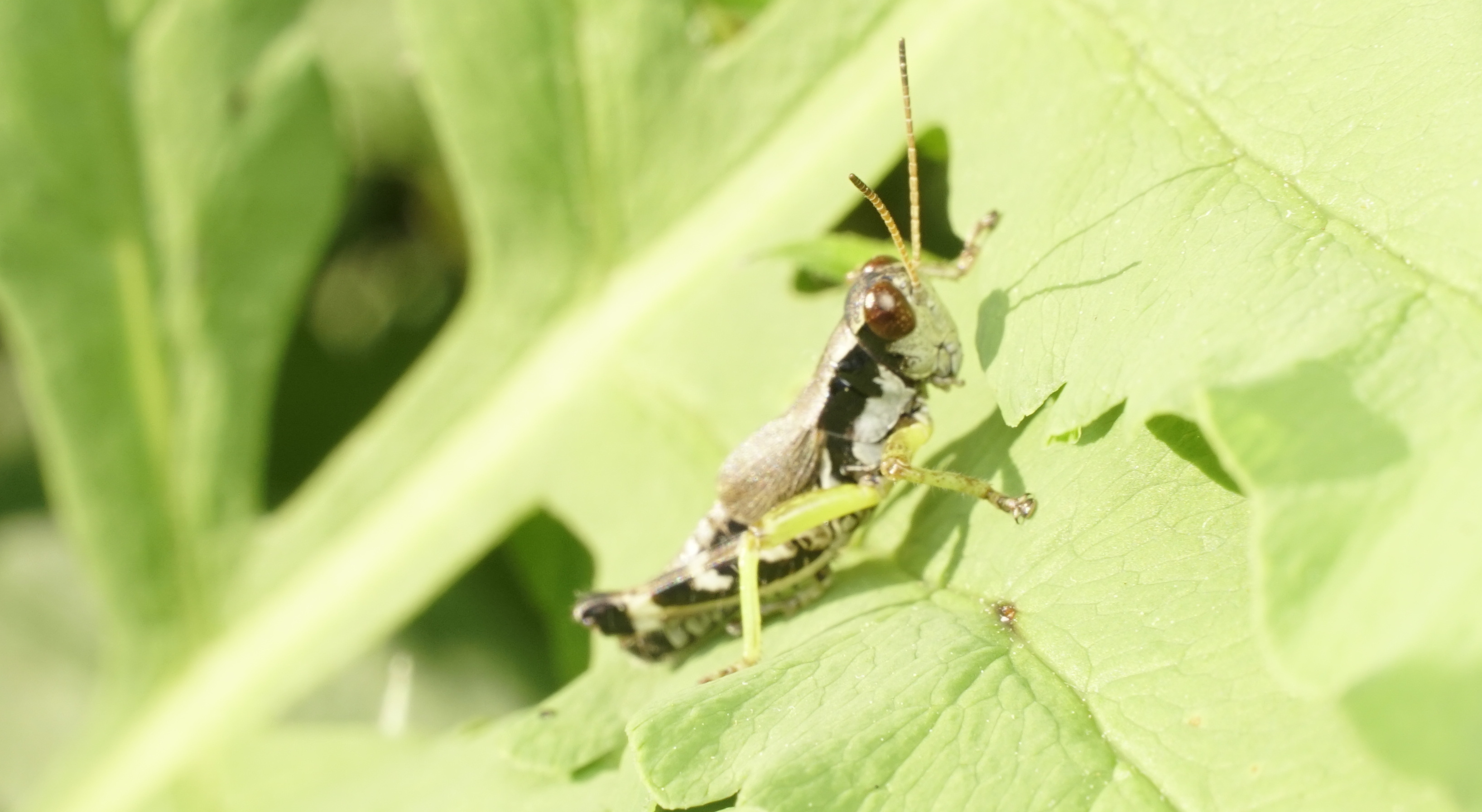
There were so many grasshoppers. They deserved better than this crappy photo. Anyway, this is Melanoplus viridipes, the green-legged grasshopper.
Hymenoptera
Lots of wasps. But mostly Dolichovespula starting their nest building process, and Ichneumonids. Here’s one of the Ichneumonids, perhaps Cratichneumon?


Diptera
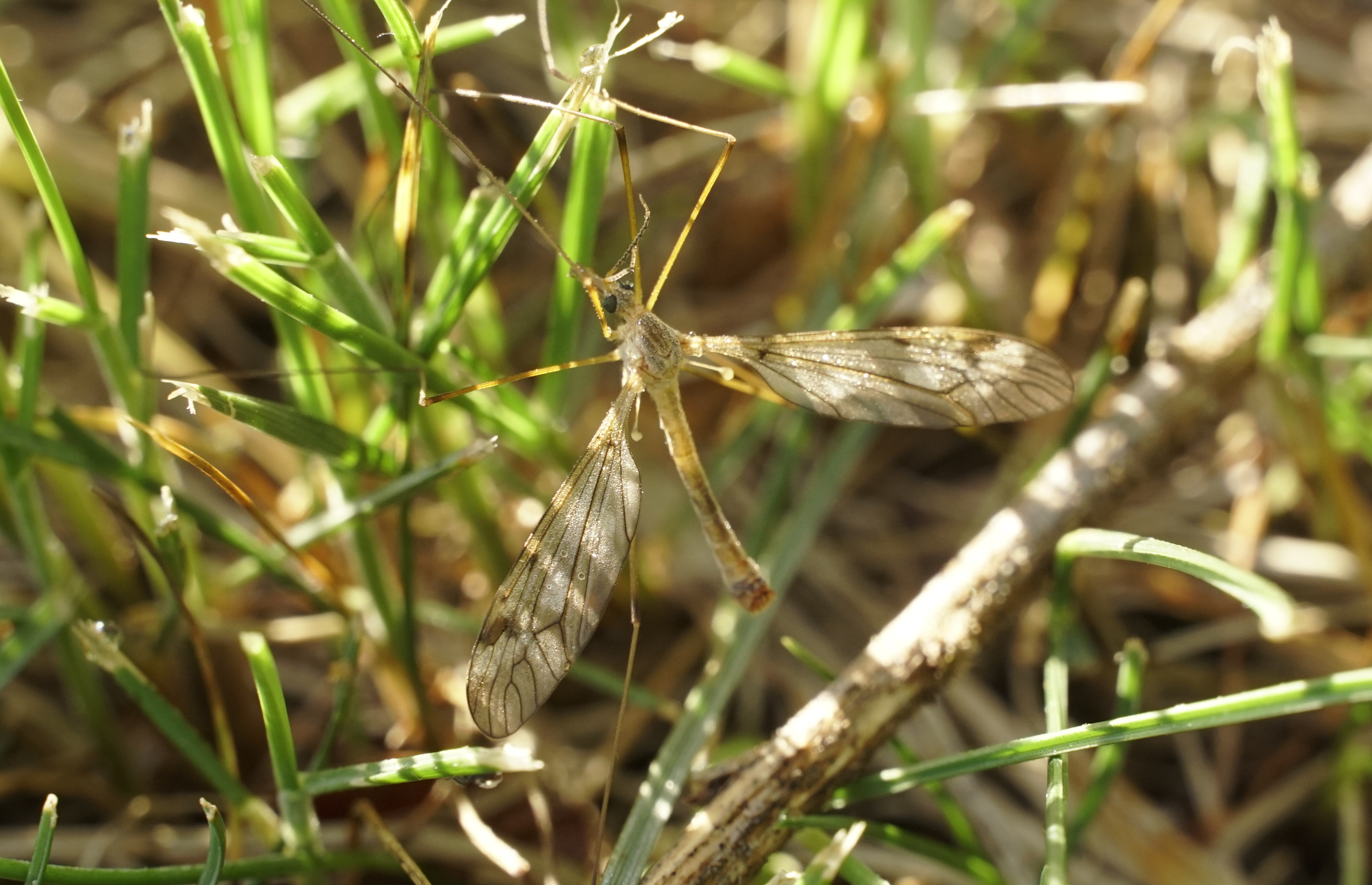
Tons of crane flies. I wish I had taken more of their photos. Seemed to be plenty of Limoniids in addition to Tipulids, but we’ll never know now, will we, since I didn’t take the photos.
I think Dance fly, Empididae.
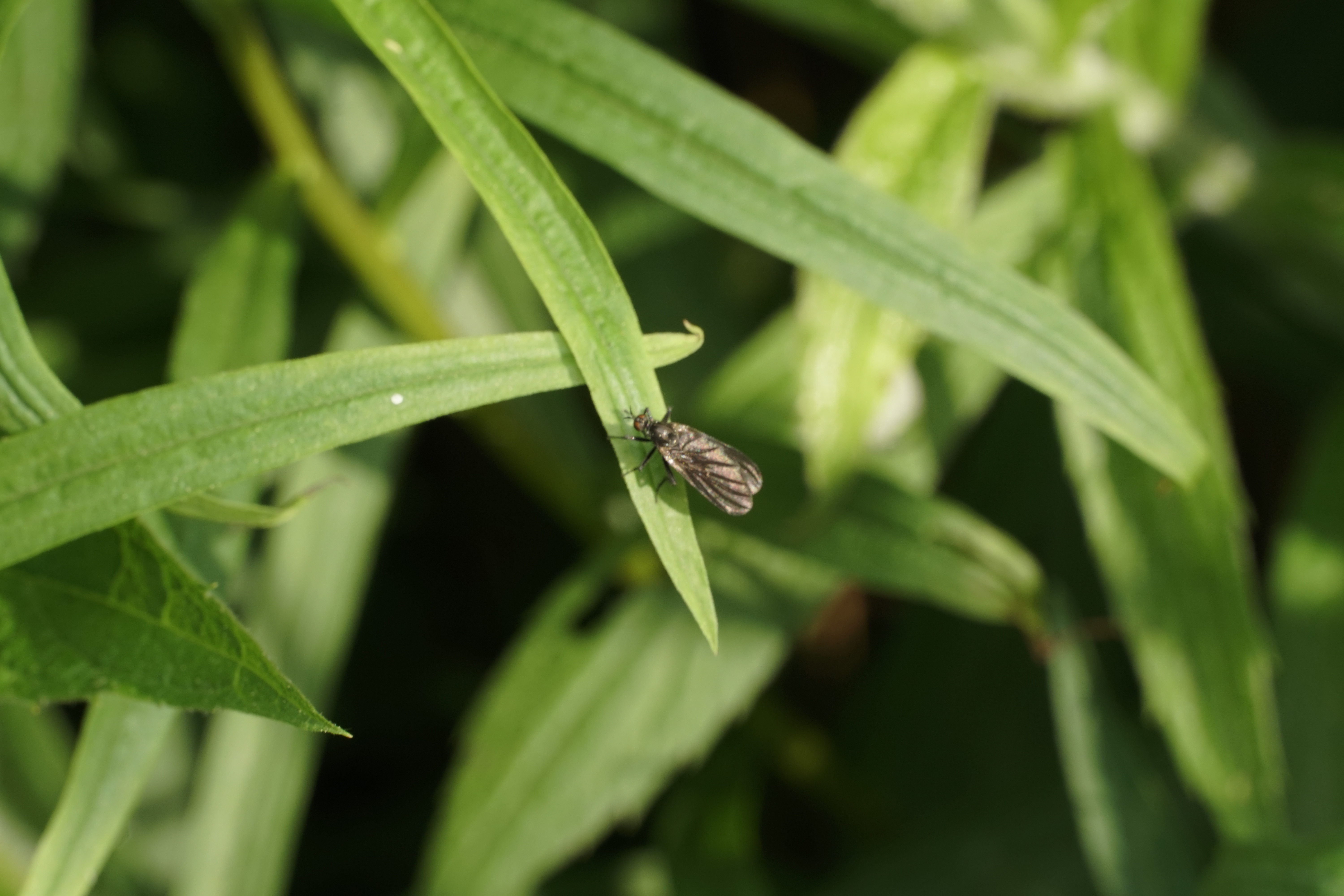
Snipe fly, Rhagionidae

A closeup of the eyes:

_____________________
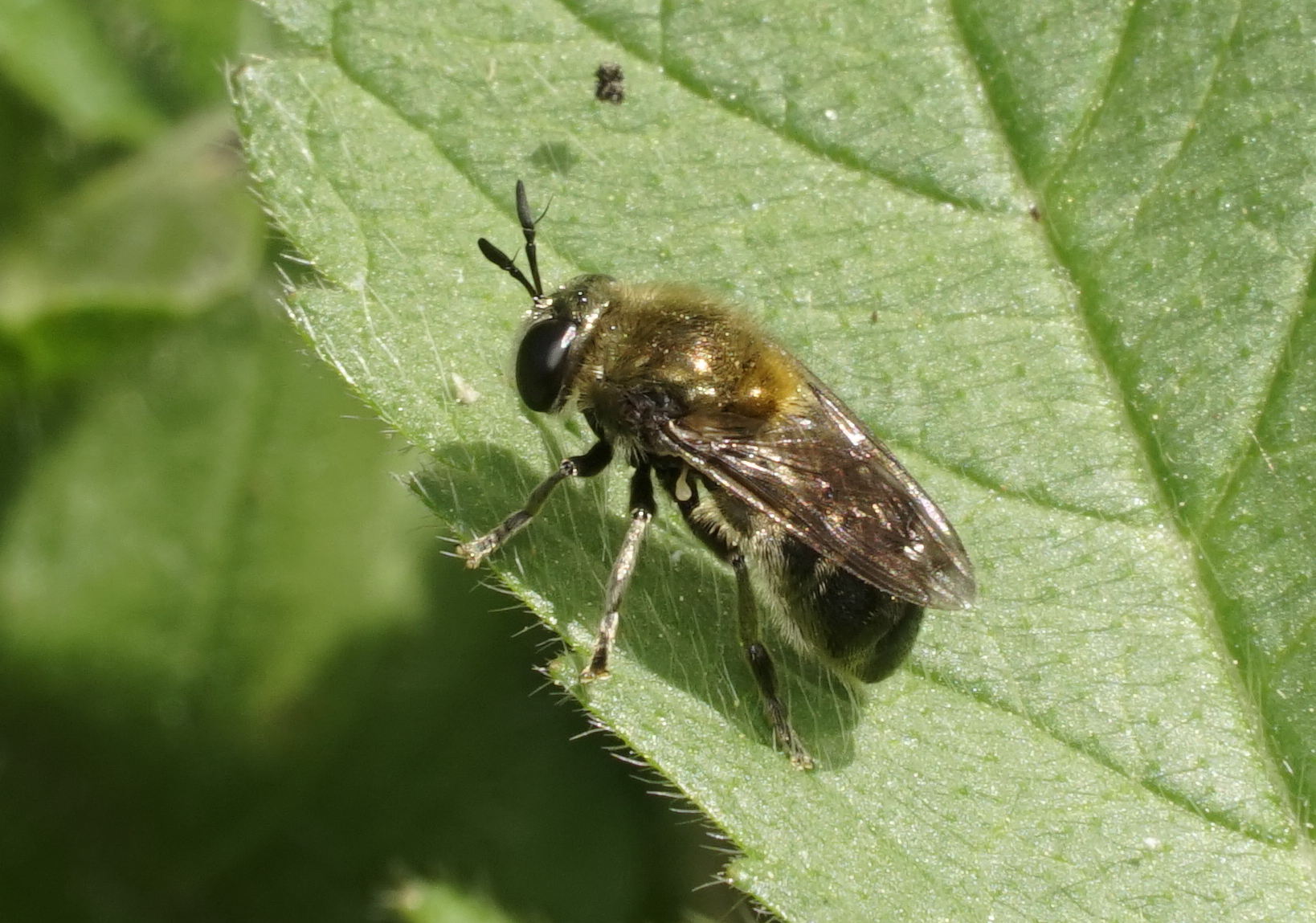
WHO IS THIS GLORIOUS FLY?
EDIT: Glorious is a fair description, I’m not taking it back. This is Microdon manitobensis, which would make it a first sighting in New England. Always a thrill!
Microdon is an interesting species for lifestyle. They are in the order Syrphidae, but are very different from others. Their larvae live in ant nests. Info from Wikipedia, https://en.wikipedia.org/wiki/Microdon:
The real oddity of the genus Microdon is in its larvae and pupae. These are dome-shaped and look like stout little slugs. Their appearance originally led scientists to describe them as mollusks and scale insects.[4] They are slow-moving. Most have the spiracles on a peg-like protuberance extending from the end of their abdomens.
…
Behavior
Adult Microdon flies do not behave like other syrphid flies; they do not hover around flowers, but instead remain very near the ant colonies which serve as larval hosts.
Larvae may be found very deep in ant colonies. Some species actively feed on ant larvae in the colony,[4] others are speculated to be scavengers.[5] Microdon larvae are more or less restricted in their ant host species. Some Microdon species have only ever been found in the colonies of a single ant species, while others are restricted to related ant species or genera. Because these flies have such cryptic life cycles, biological information on most species is limited.
And from antwiki, https://www.antwiki.org/wiki/Microdon:
The fly genus Microdon (family Syrphidae) is a myrmecophilous fly world-wide in distribution. The adults are not known to feed while the larvae are found feeding on ant larvae and pupae of their ant host. Adult flies disperse from the nest to mate often in the vicinity of their host ant nests where they lay eggs. Adult Microdon have no special glands or hairs while their unusual larvae have a series of trichomes and associated glands along the margin of their body. The role of the glandular secretions and trichome hairs have not been clearly defined. There are about 250 species in the genus and each fly species has a preferred host ant genus and species.
Spiders
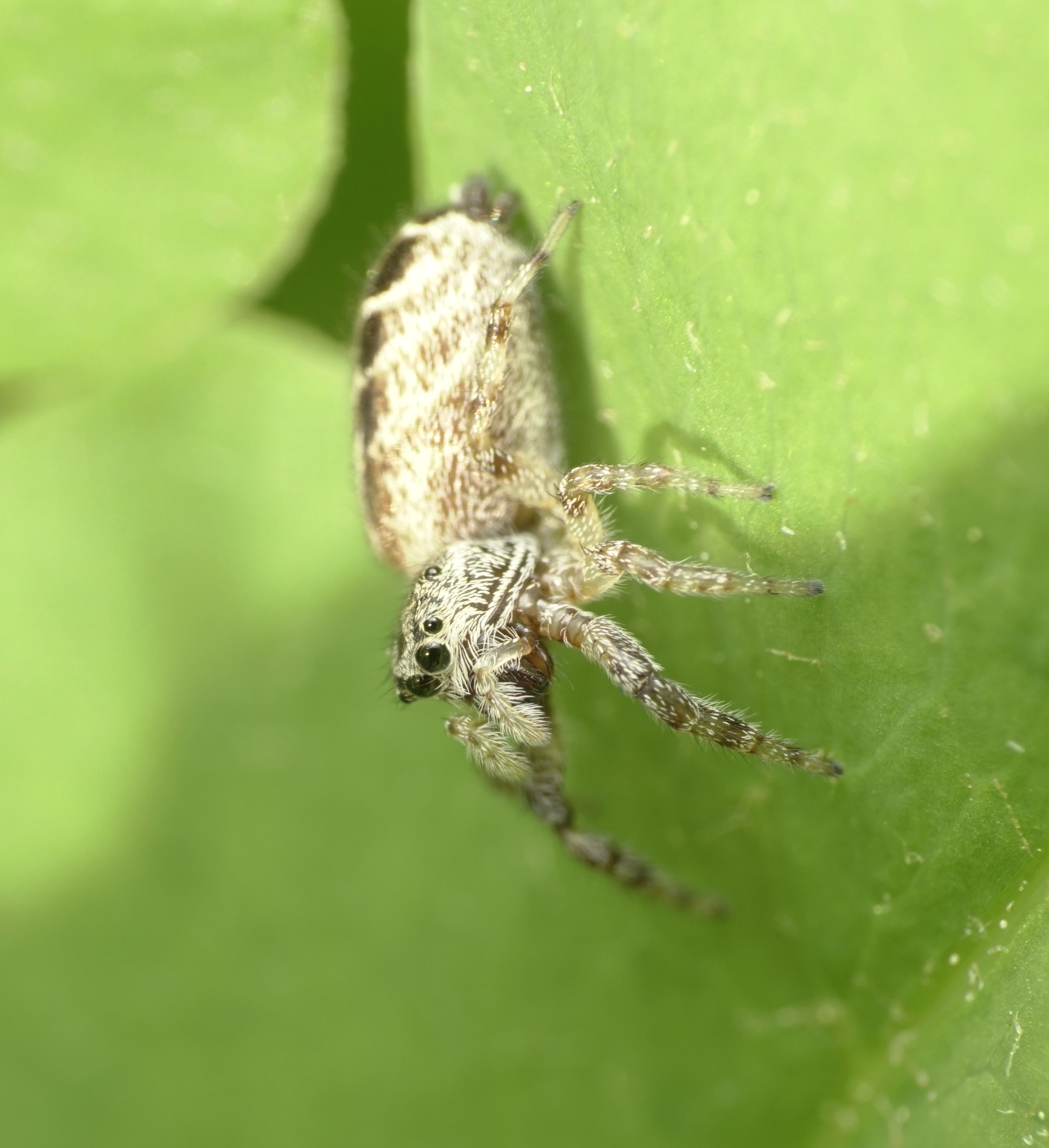
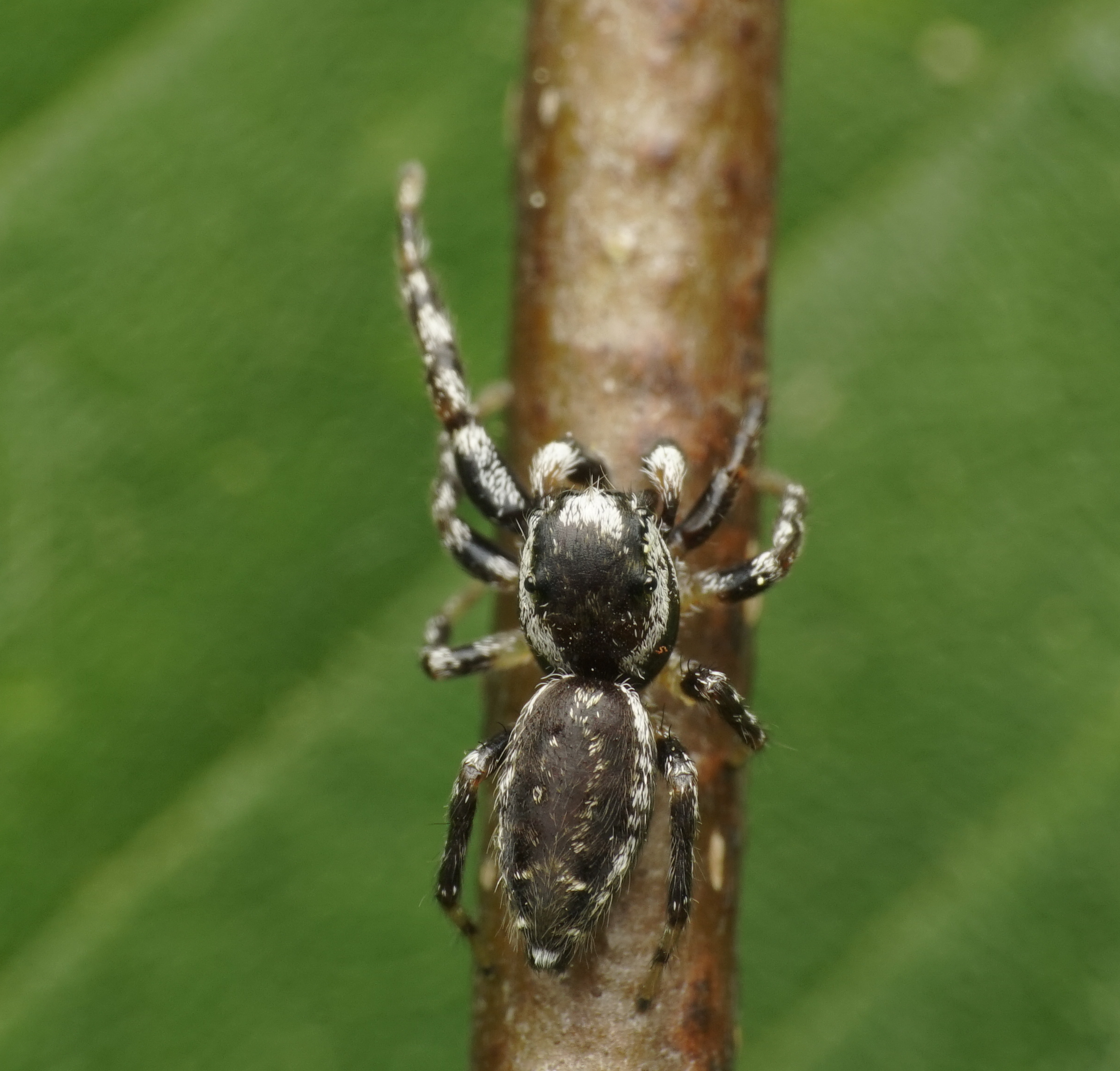
Tons and tons of jumping spiders. I think Pelegrina cf proterva may be the best fit.
A female:
Male
female, with prey:


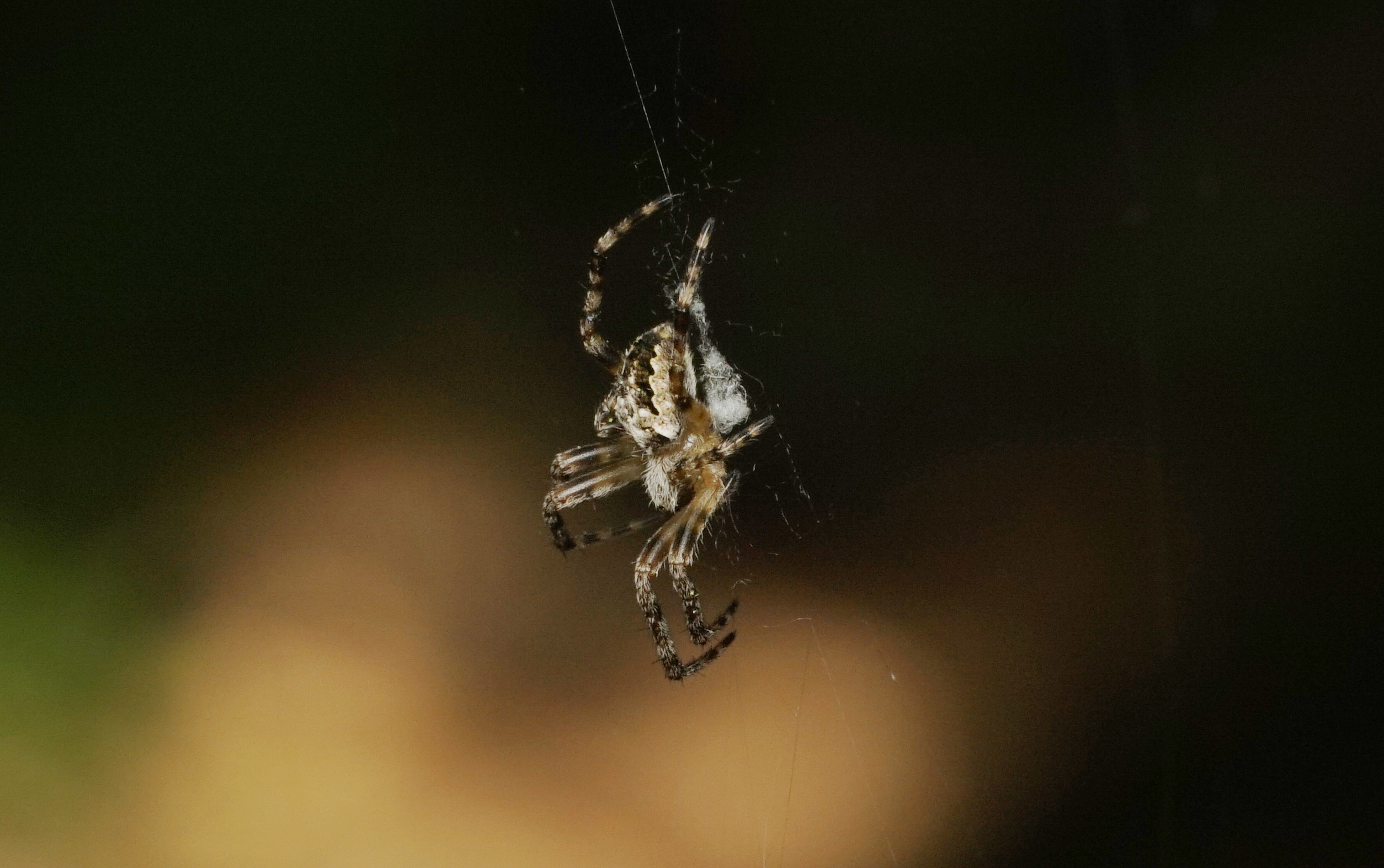
Araneus diadematus


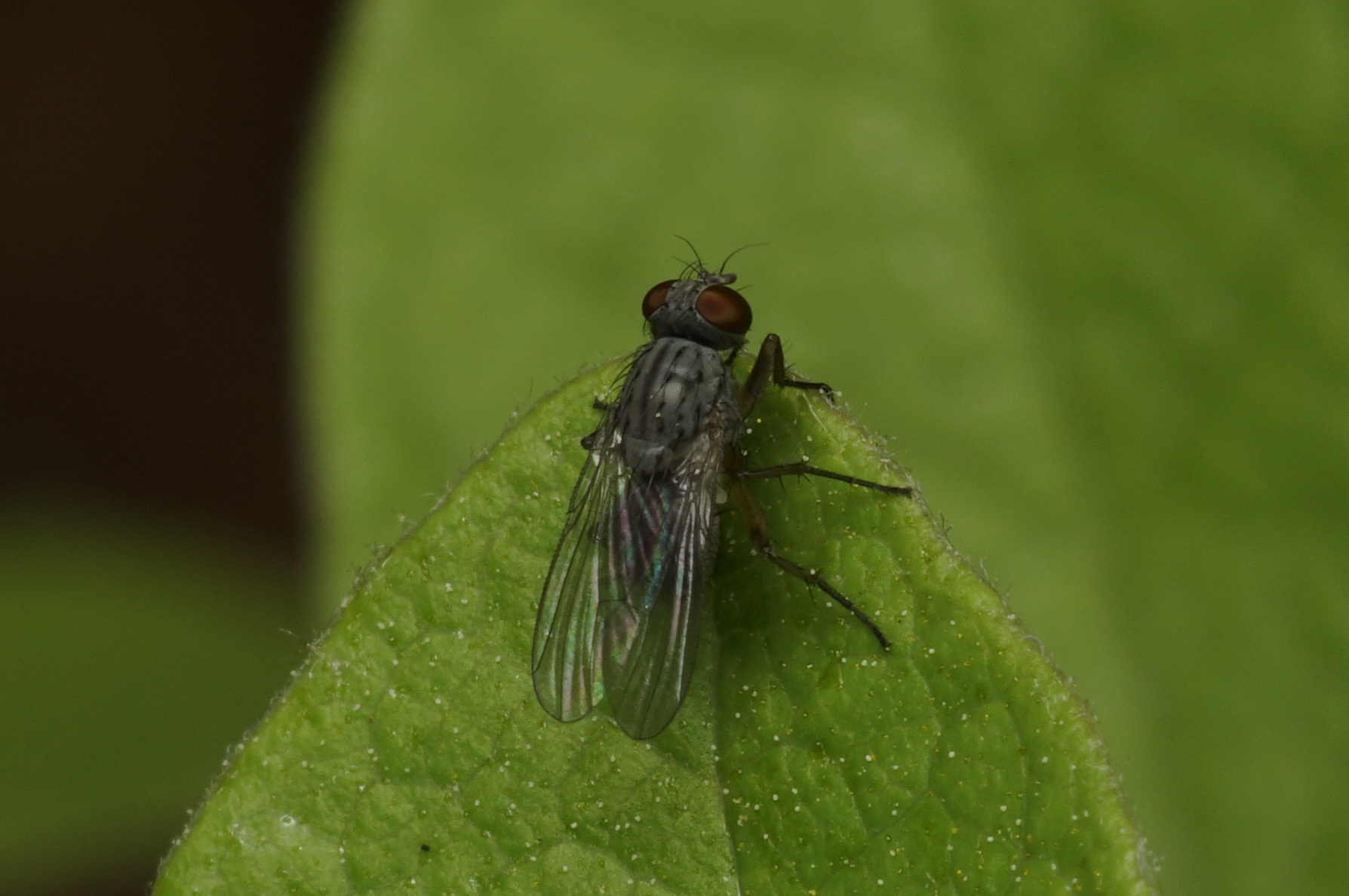







 a little wild