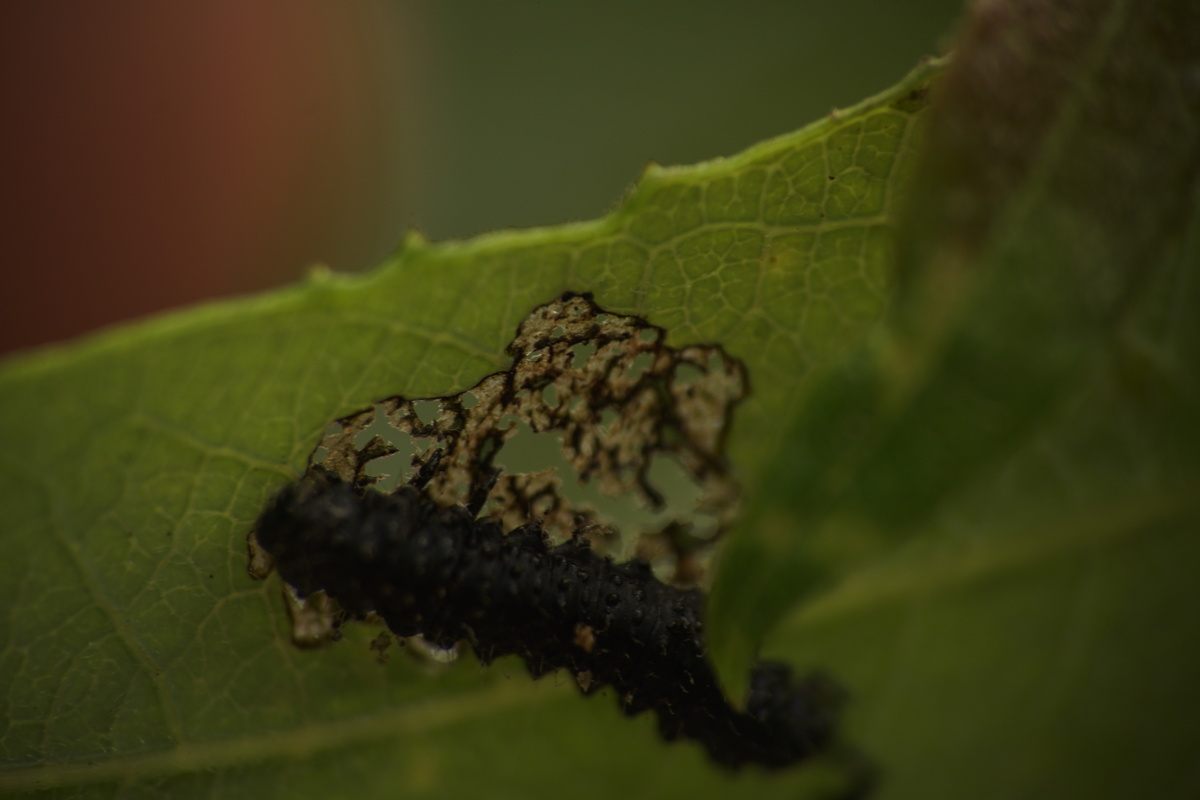
In the center of town, Sharon MA. Harrisina americana; wikipedia: https://en.wikipedia.org/wiki/Grapeleaf_skeletonizer
“Members of this family all produce HCN (hydrogen cyanide) a potent antipredator toxin.[2]“
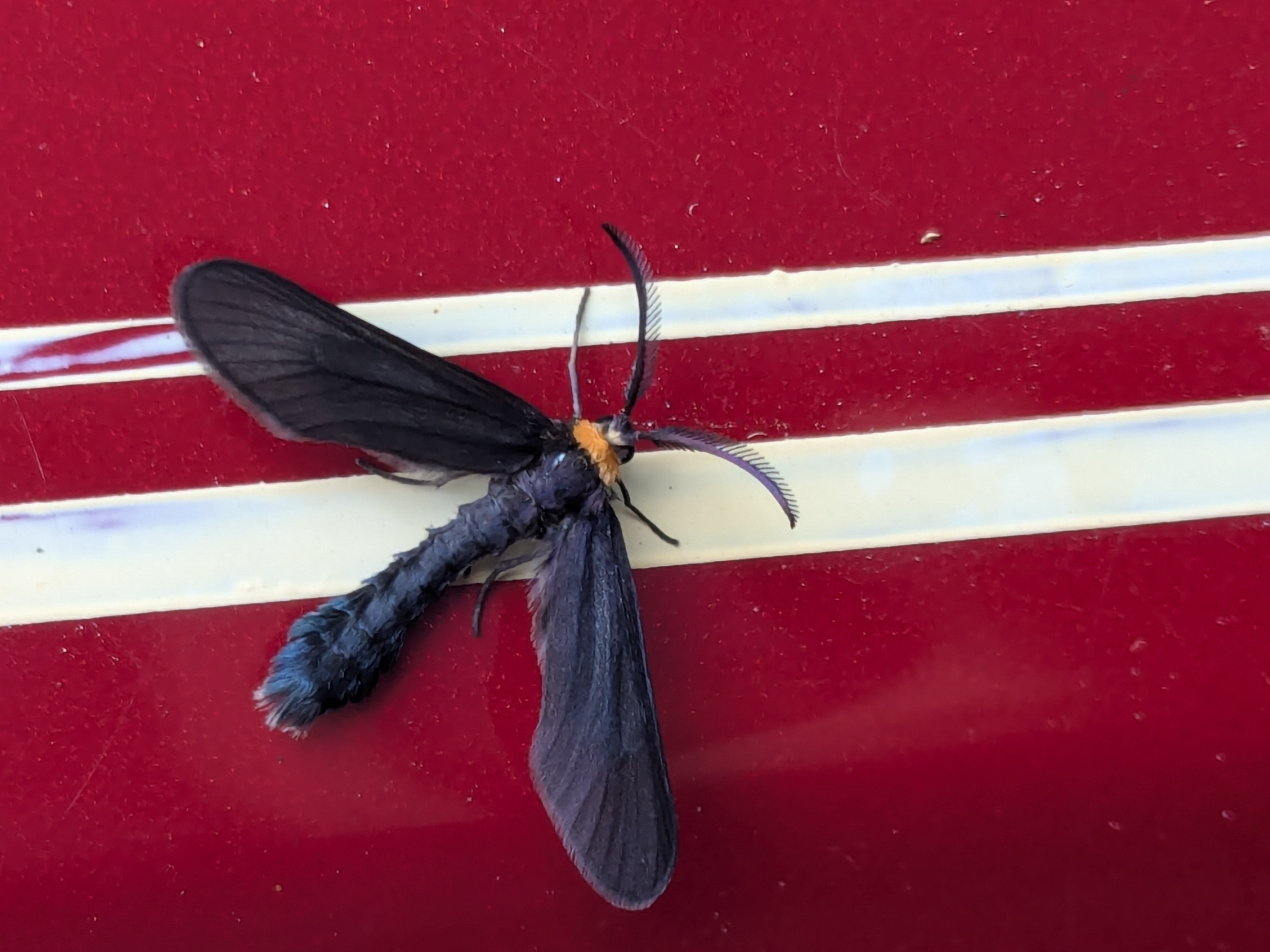
In the center of town, Sharon MA. Harrisina americana; wikipedia: https://en.wikipedia.org/wiki/Grapeleaf_skeletonizer
“Members of this family all produce HCN (hydrogen cyanide) a potent antipredator toxin.[2]“
An ant walk that was incredibly fascinating. My ignorance of ants is vast, which makes this particularly helpful.
All photos of ants being held in someone’s hand were being held by our wonderful hike leader.
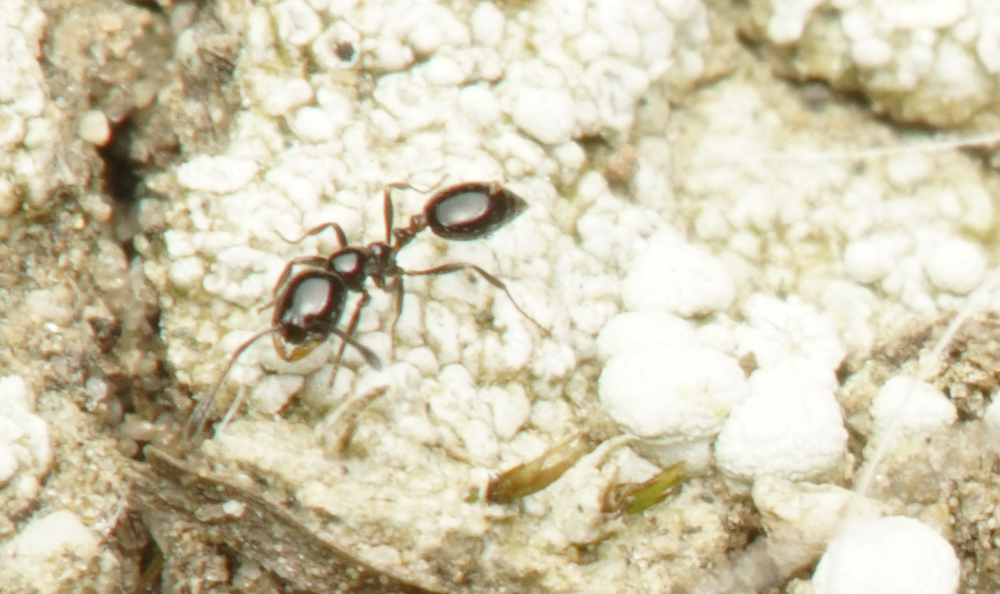
Monomorium (probably M. emarginatum), or perhaps M. minimum.
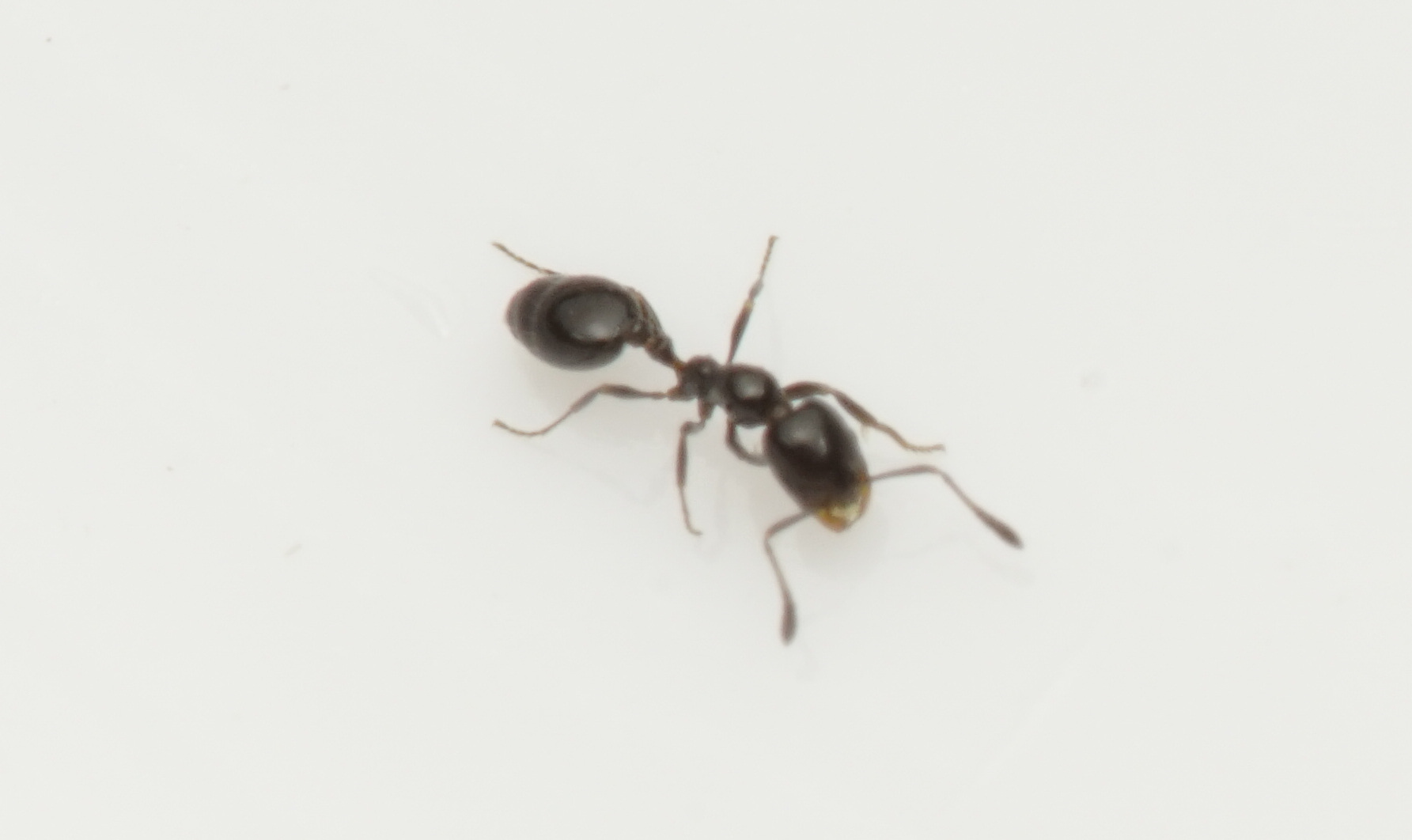
Camponotus pennsylvanicus


Formica

Formica sp
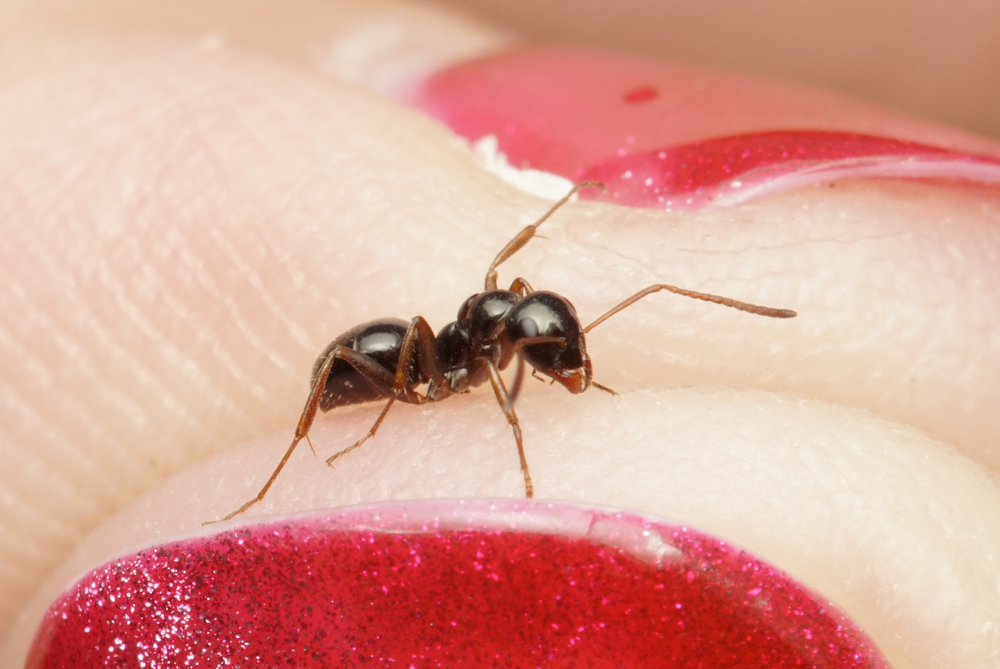
Lasius americanus or L neoniger
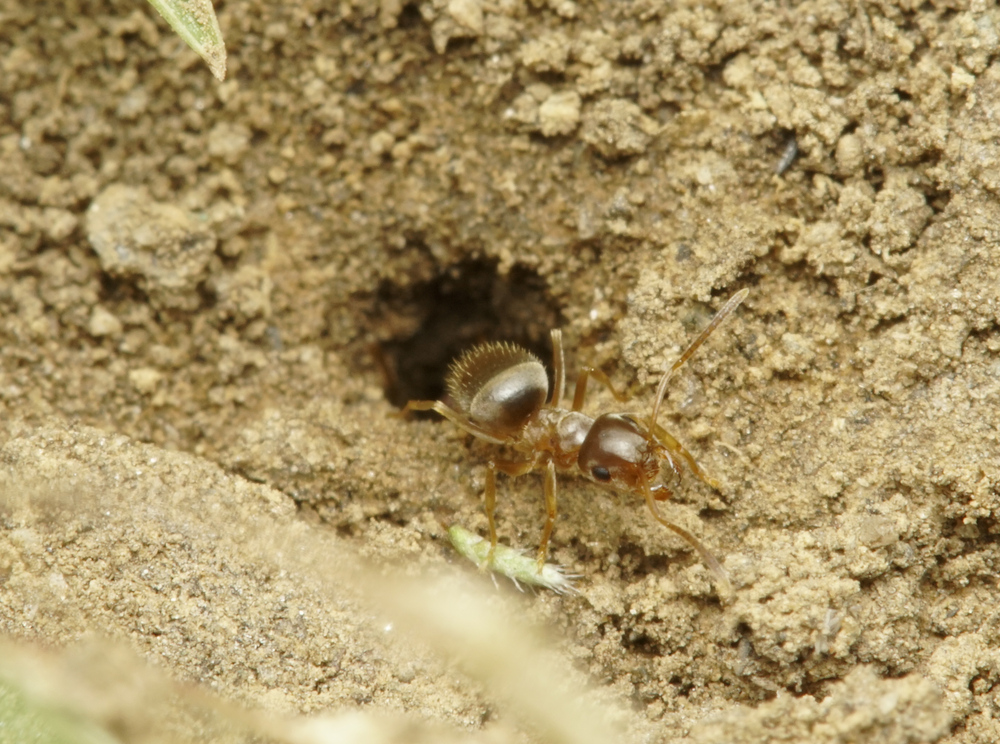
Myrmica queen

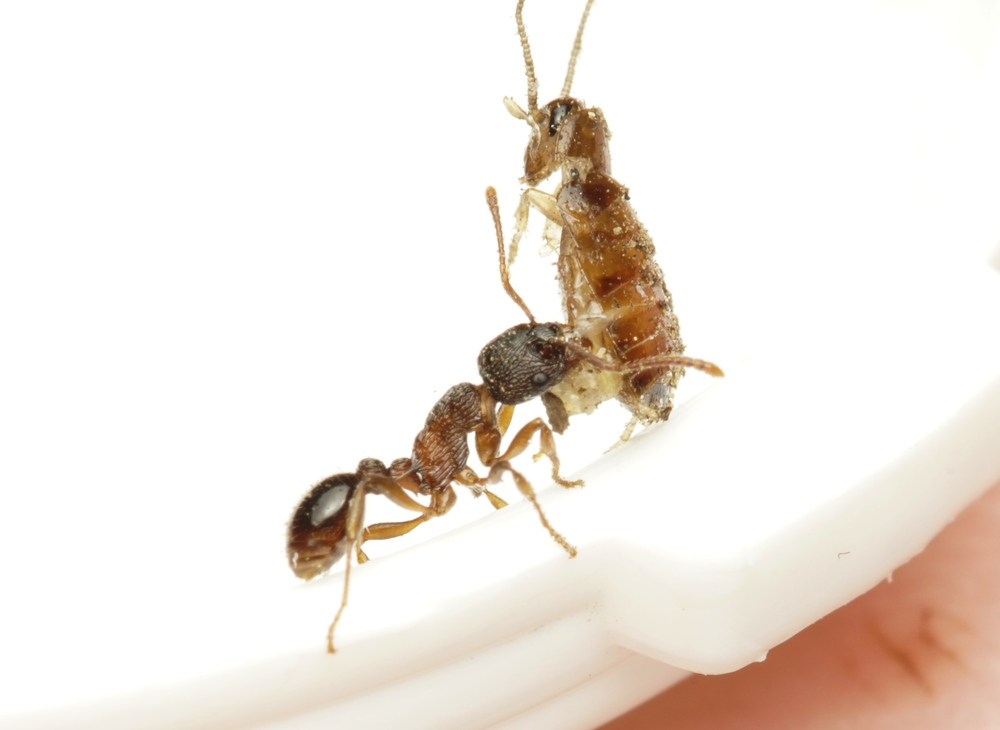
I believe this one is carrying a springtail. It’s Myrmica.
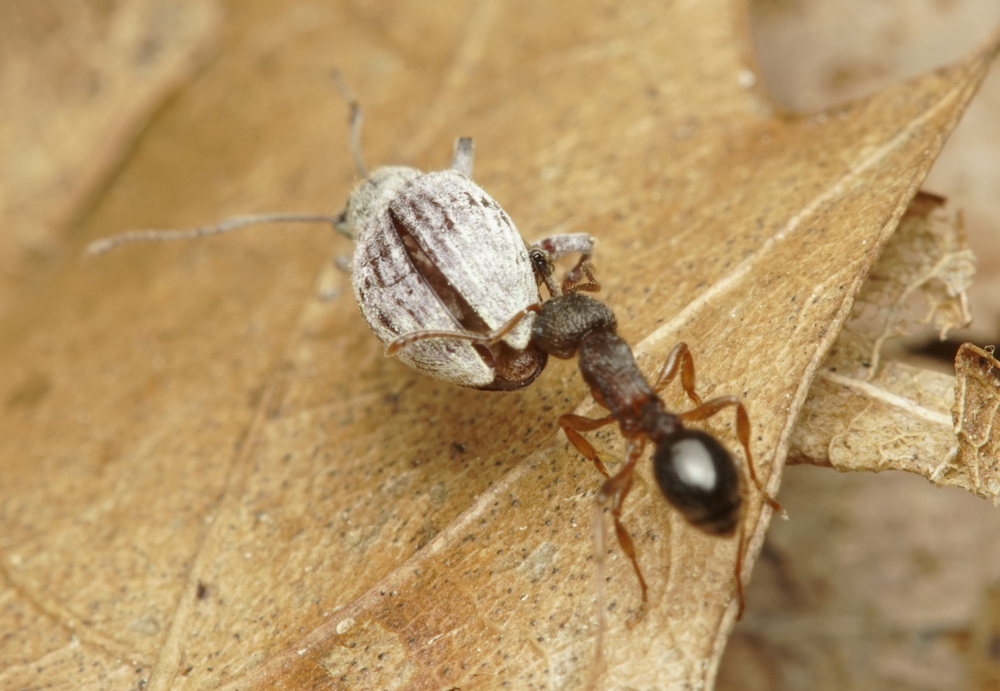
And a Myrmica carrying a weevil:
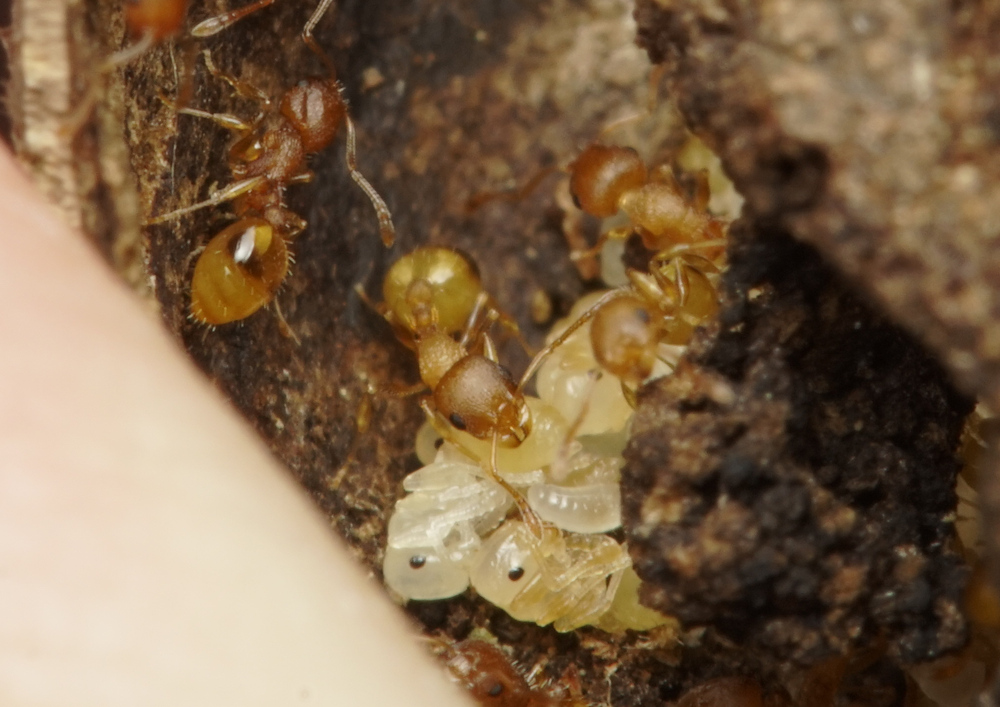
In an acorn, but not an “acorn ant”. This one is Ponera pennsylvanica.

These were actually acorn ants, I think (https://www.antwiki.org/wiki/Temnothorax_curvispinosus)
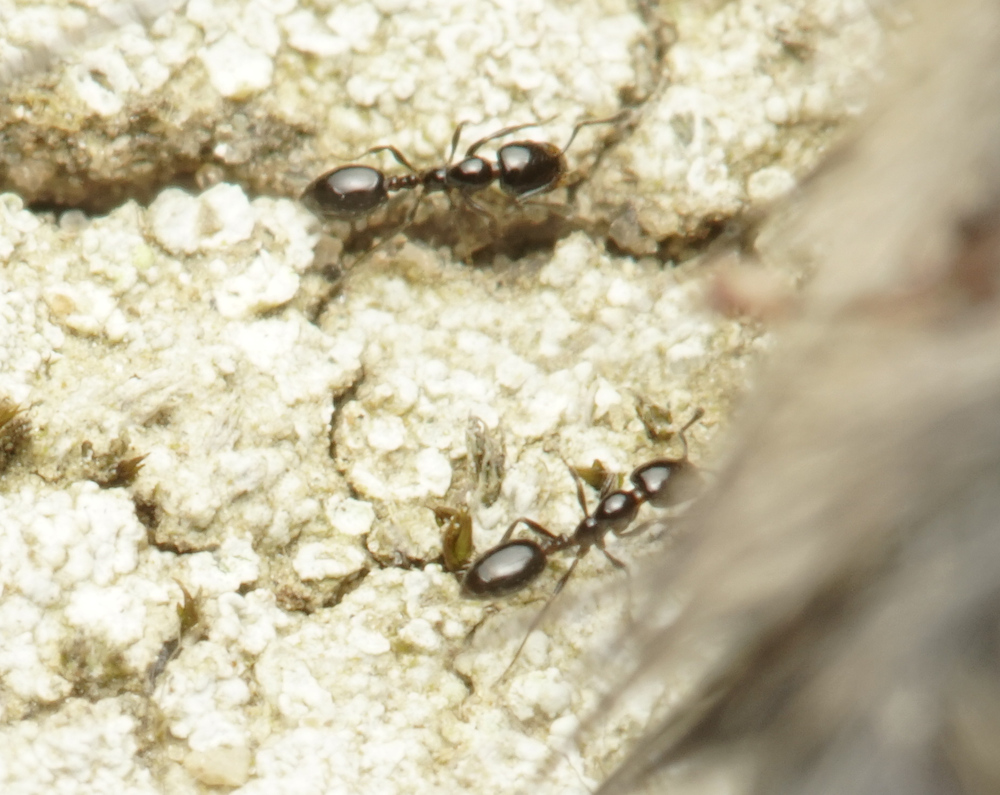
These were found near a dead mouse’s head, Monomorium.
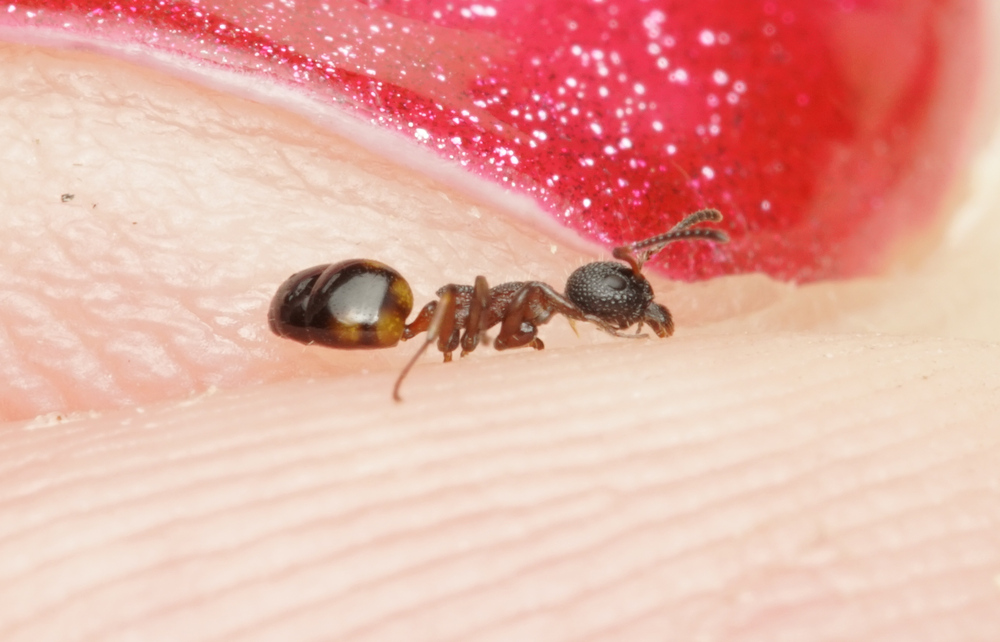
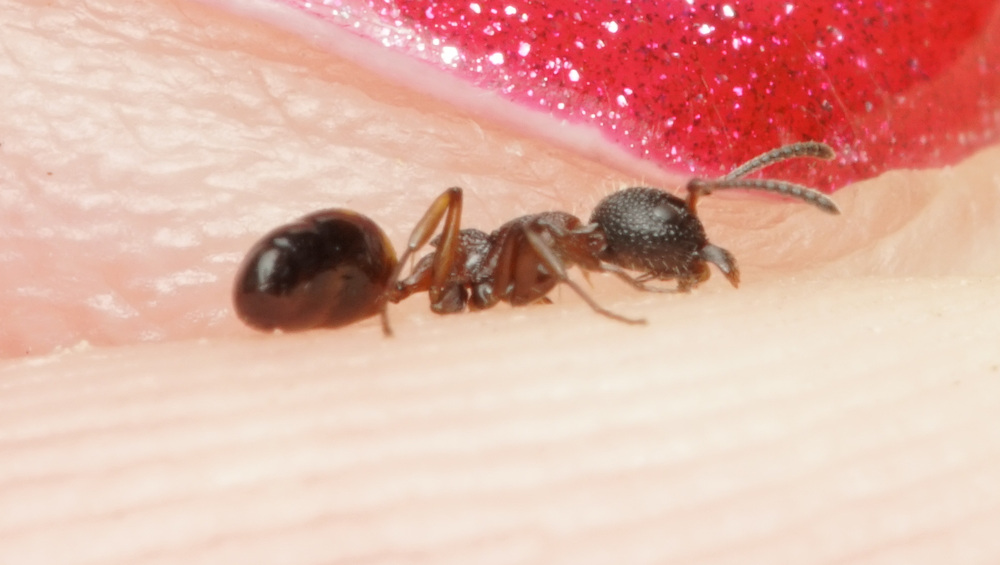
This one was described as the bottle can opener ant — notice the projection at the end of the mesoma (hope I’m right with the terminology). Dolichoderus pustulatus or D. plagiatis.
Another view
https://bugguide.net/node/view/1068332, Microcentrus nymph

“a really worn Lucerne moth”


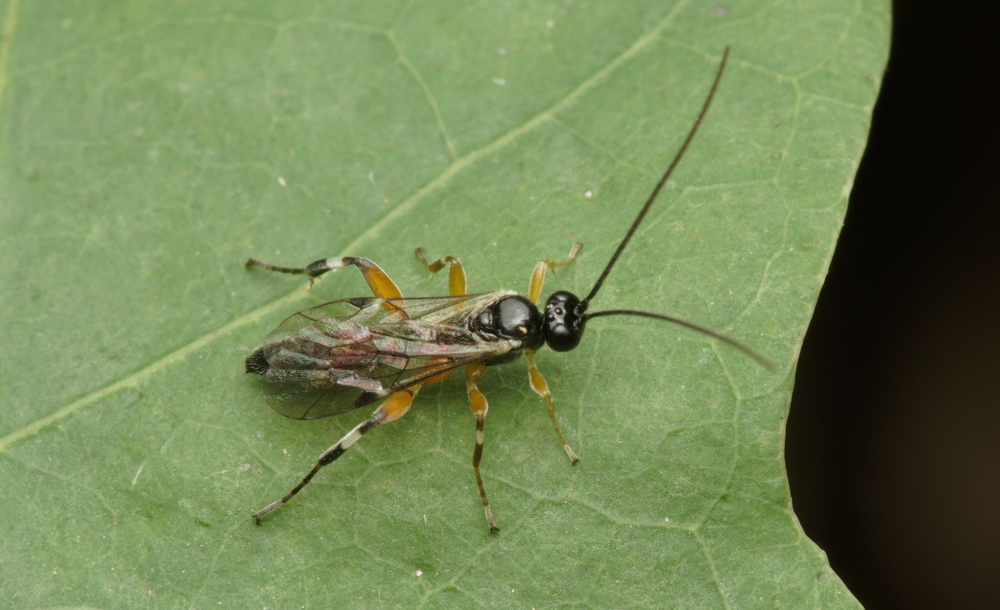
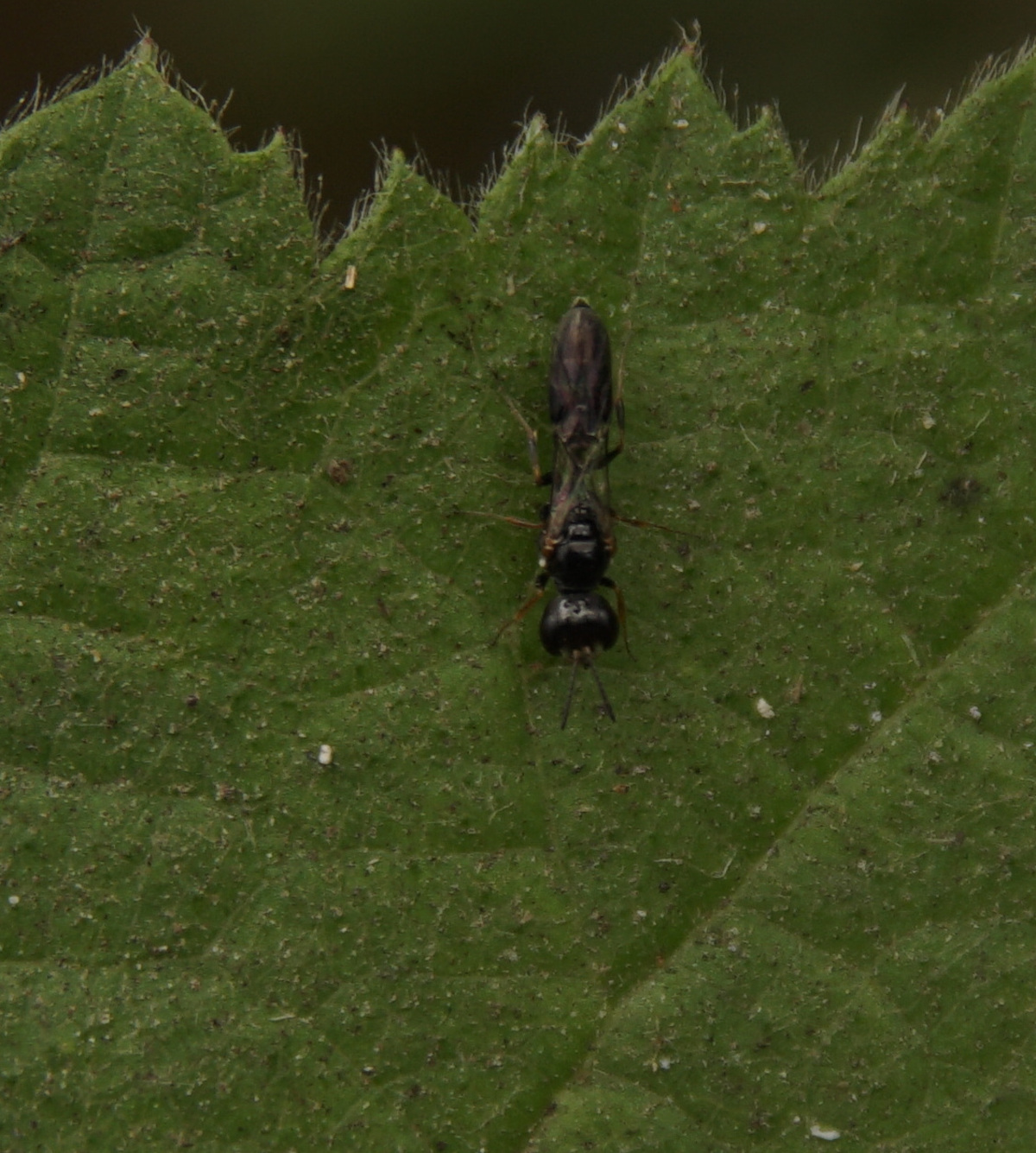
Pimplinae wasp?
A wonderful outreach event! A rather stunning number of visitors, maybe 100 or so? Lots of kids, and enthusiasm everywhere. The one thing relatively lacking were moths, but a good time was had for all.
Here is the first set of photos, with identifications to come at leisure later.
First, though, a Platycryptus undatus at home. These are very common in this particular spot: outside the kitchen window. The lights at the window attract prey; the flat environs give the jumping spiders’ superior eyesight the space to find prey; and there are places for the spiders to hide while stalking.

Okay, time for the moth ball
Spiders
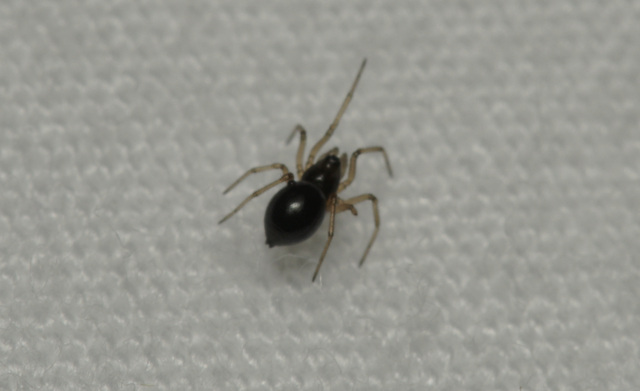
I think in Erigoninae (dwarf spiders)
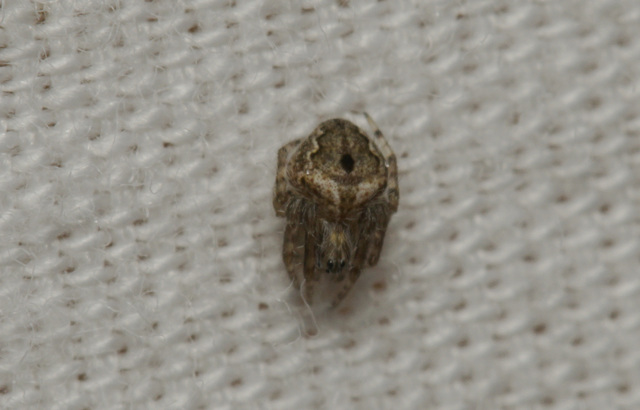
Orb weaver spiders, all in Eustala I believe.


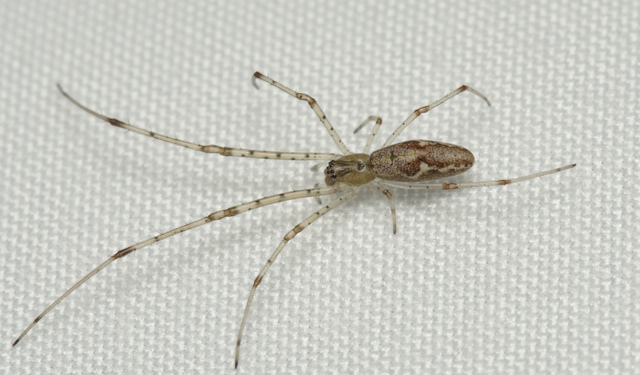
Tetragnathid, long-jawed orb weaver
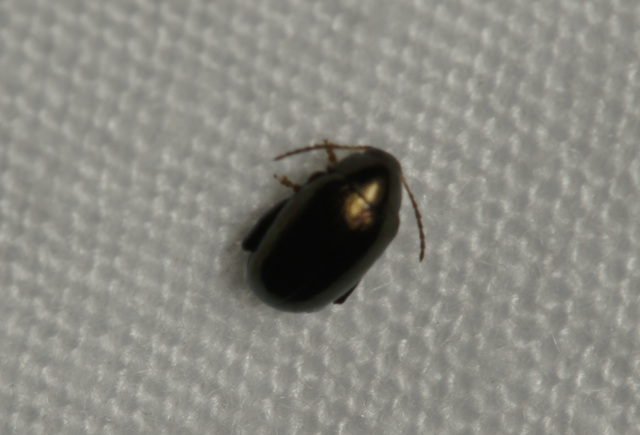
A leaf beetle
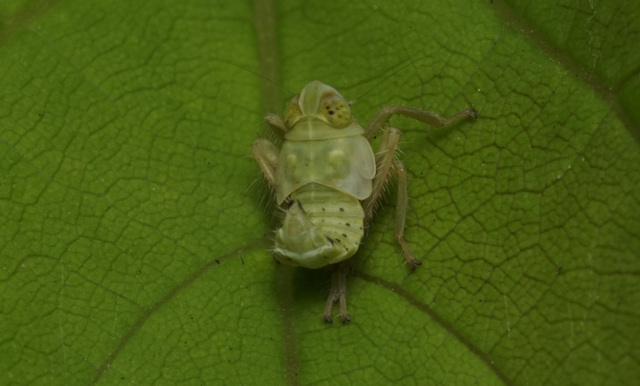
Leafhopper nymph
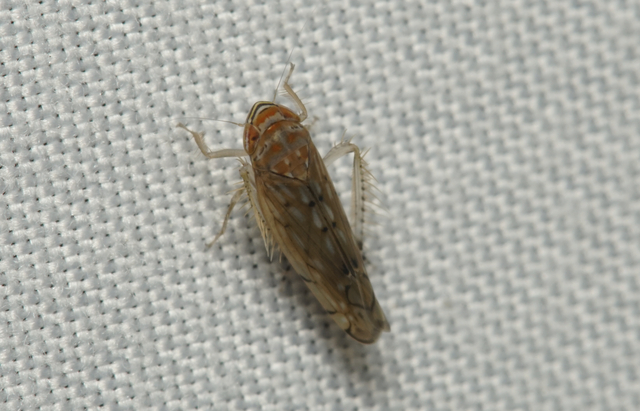
Leafhopper
Caddisflies


Weevil
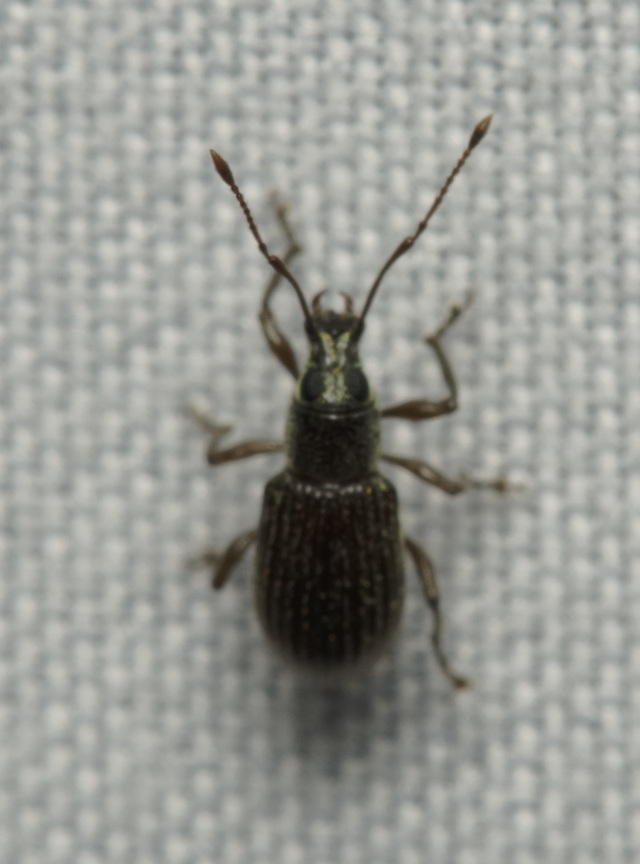
And another weevil

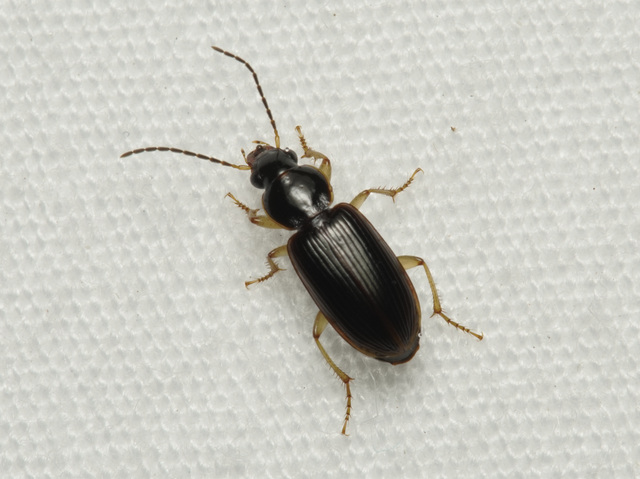
Carabidae, ground beetle

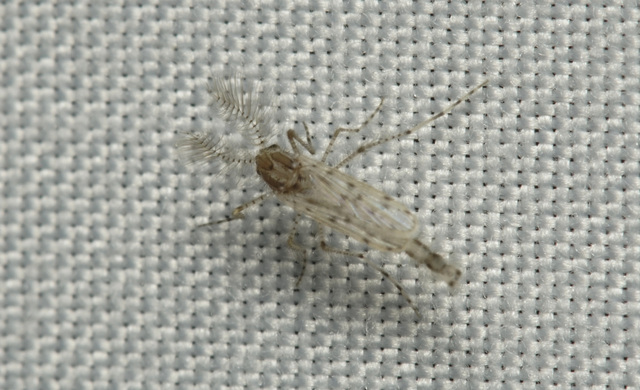
Chironomid midge
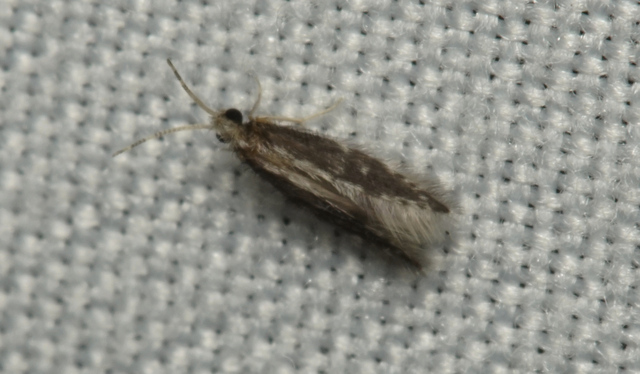
Micro-moth, very well spotted by one of the youngsters!

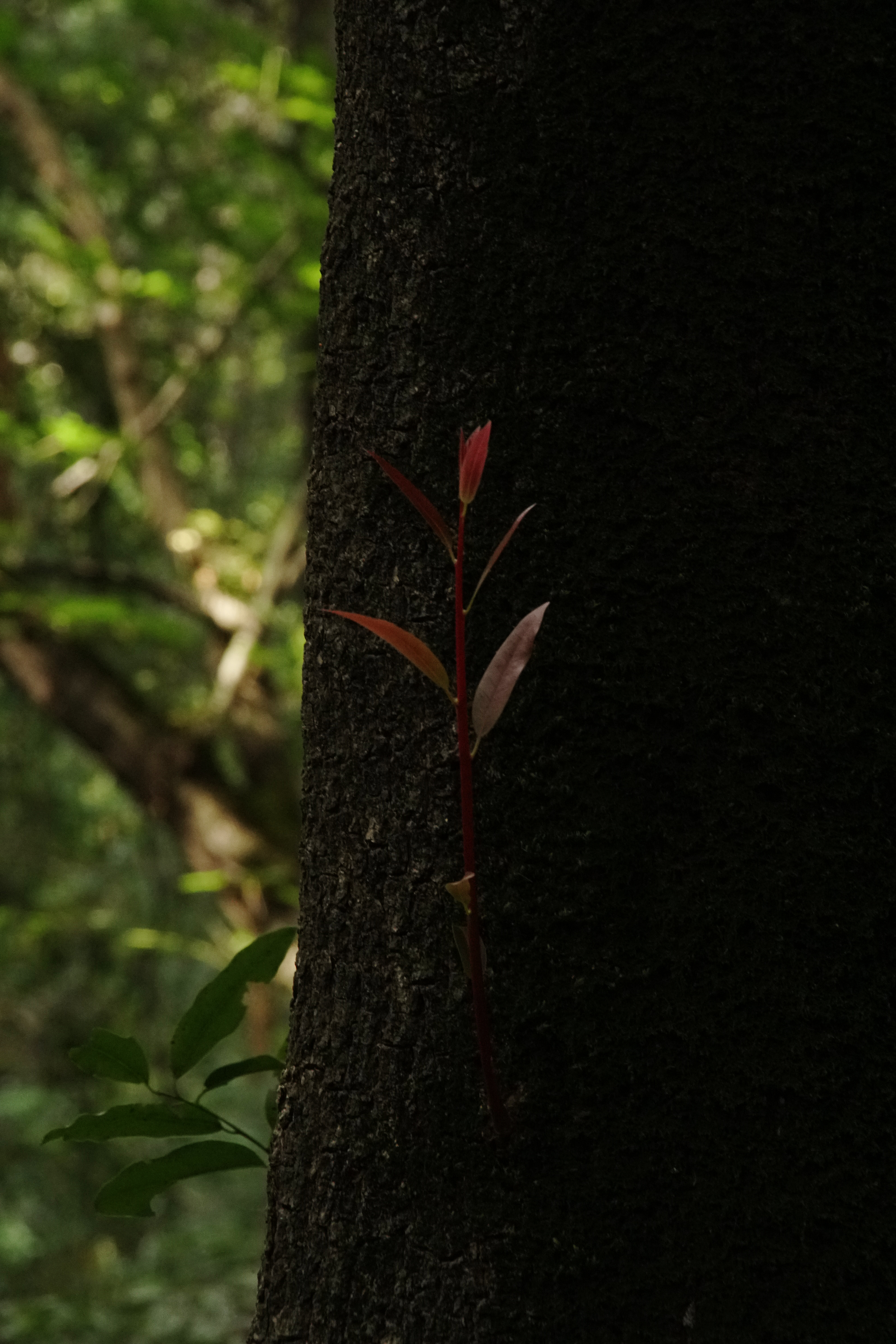



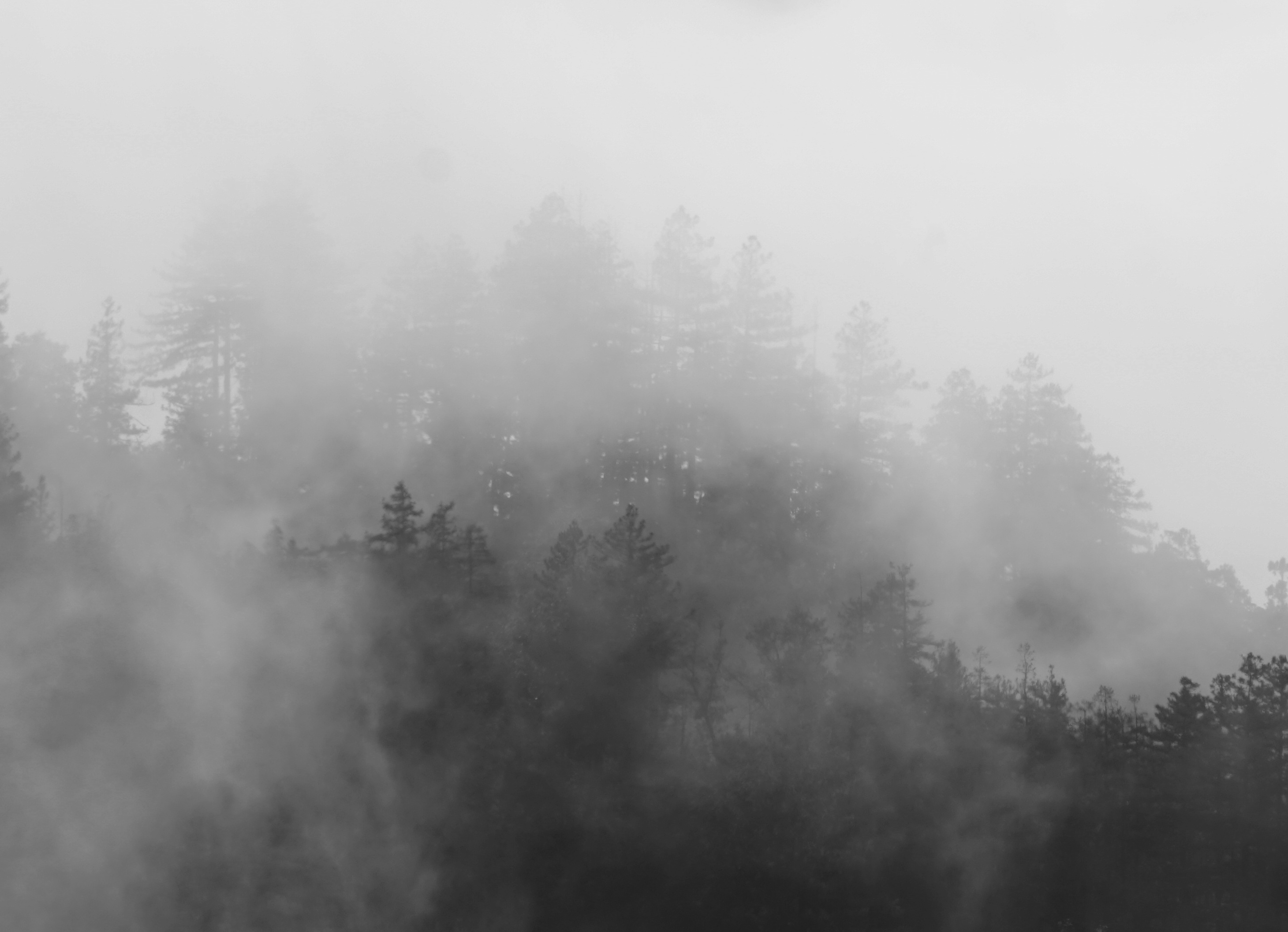

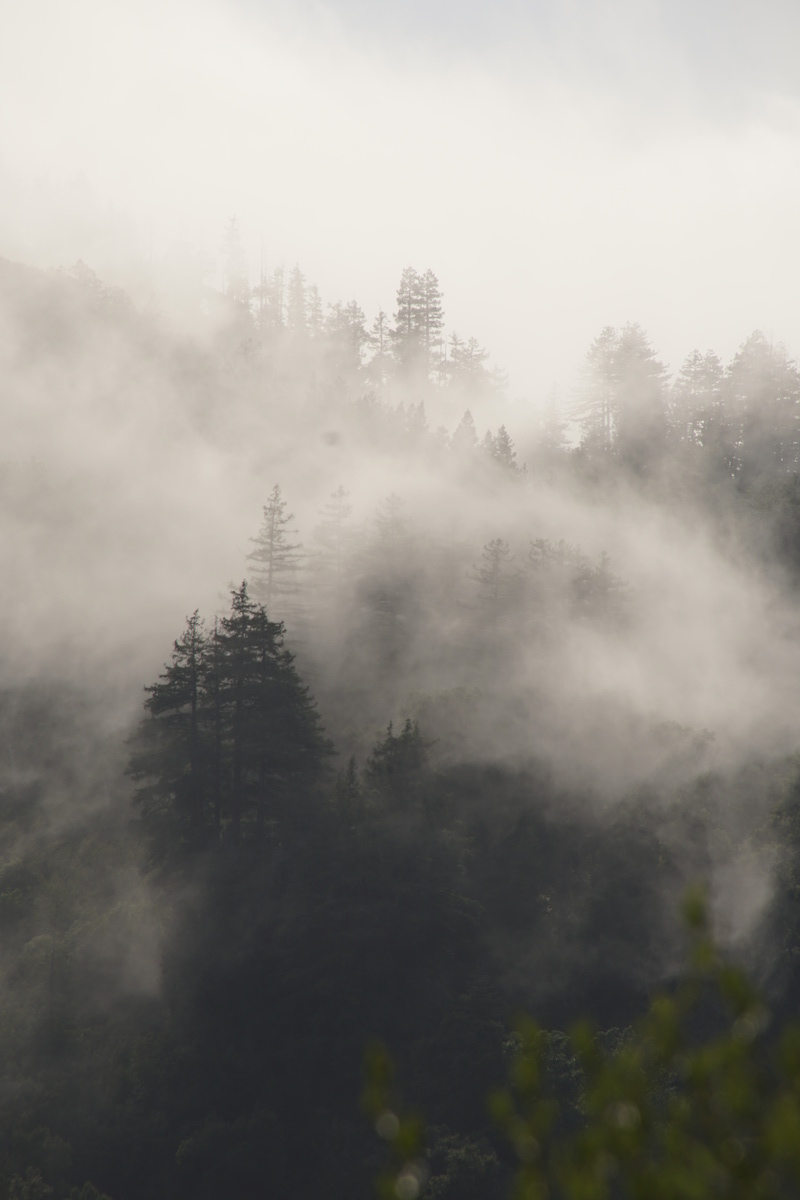

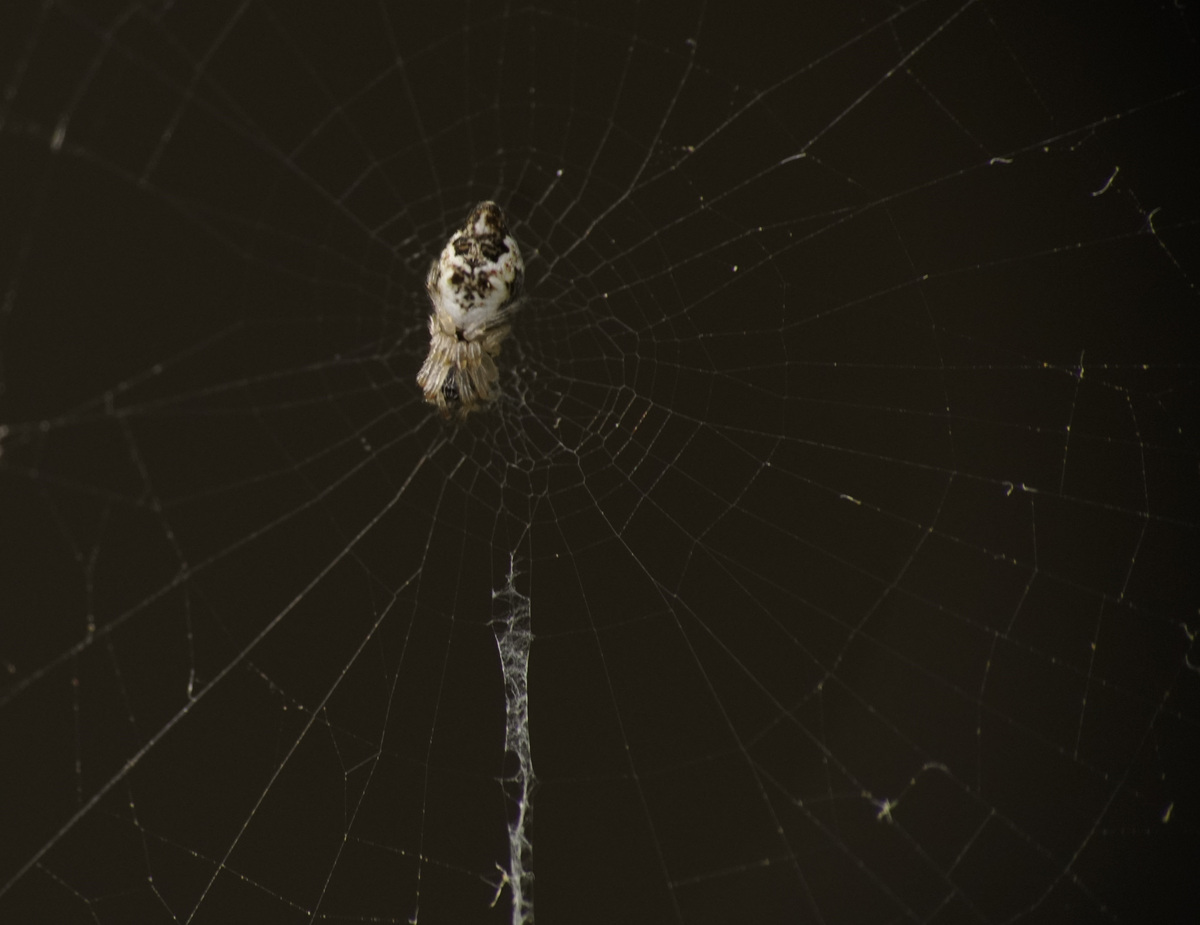
Cyclosa sp


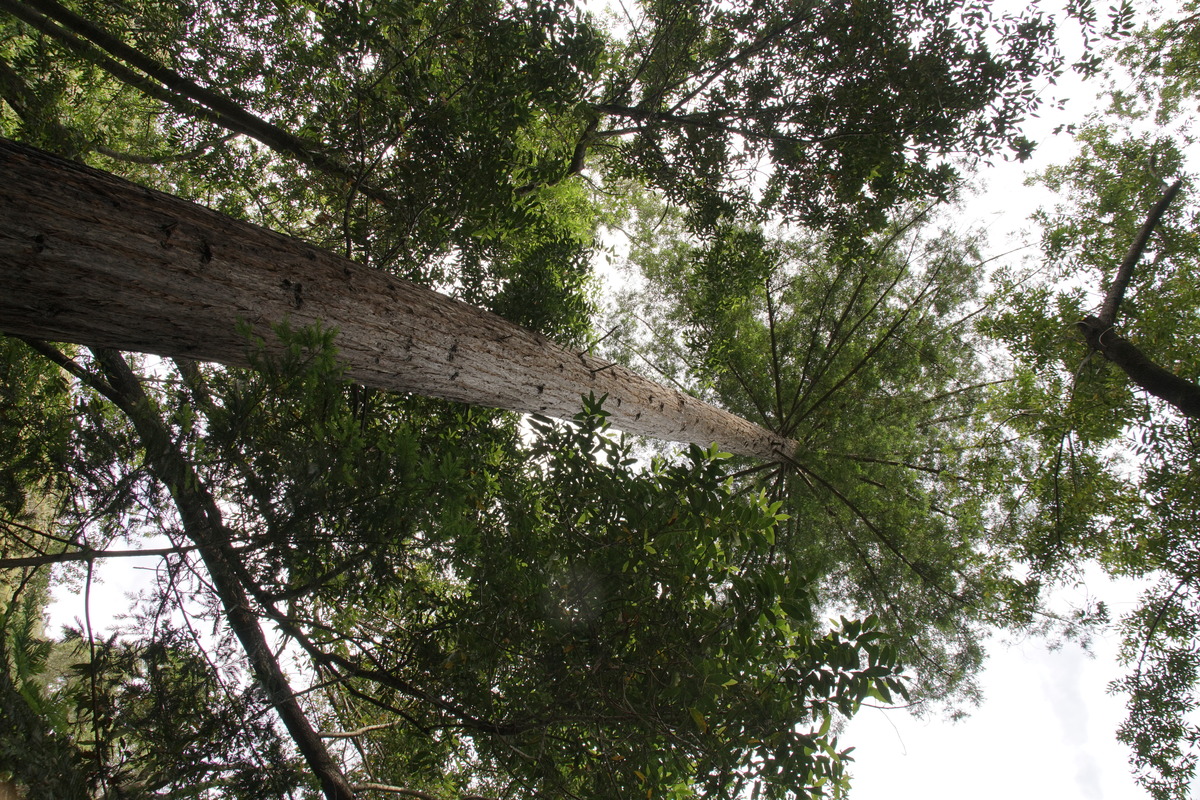
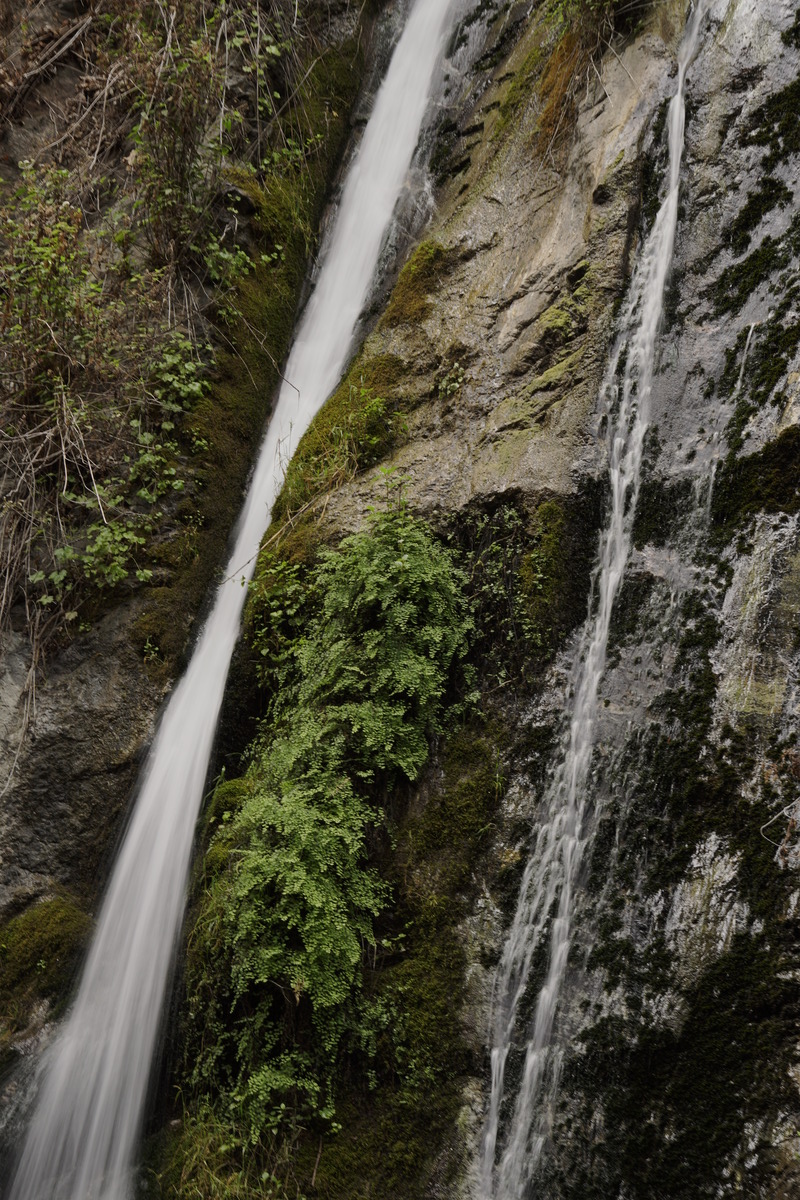
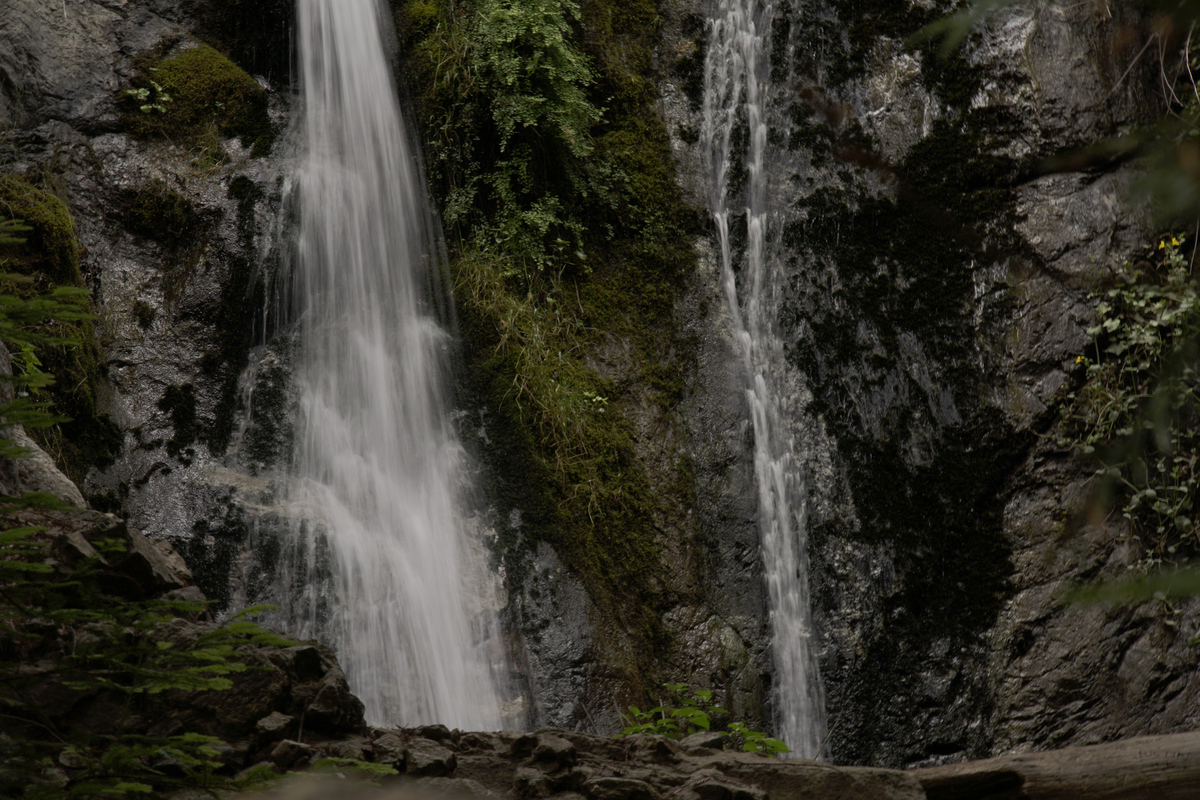
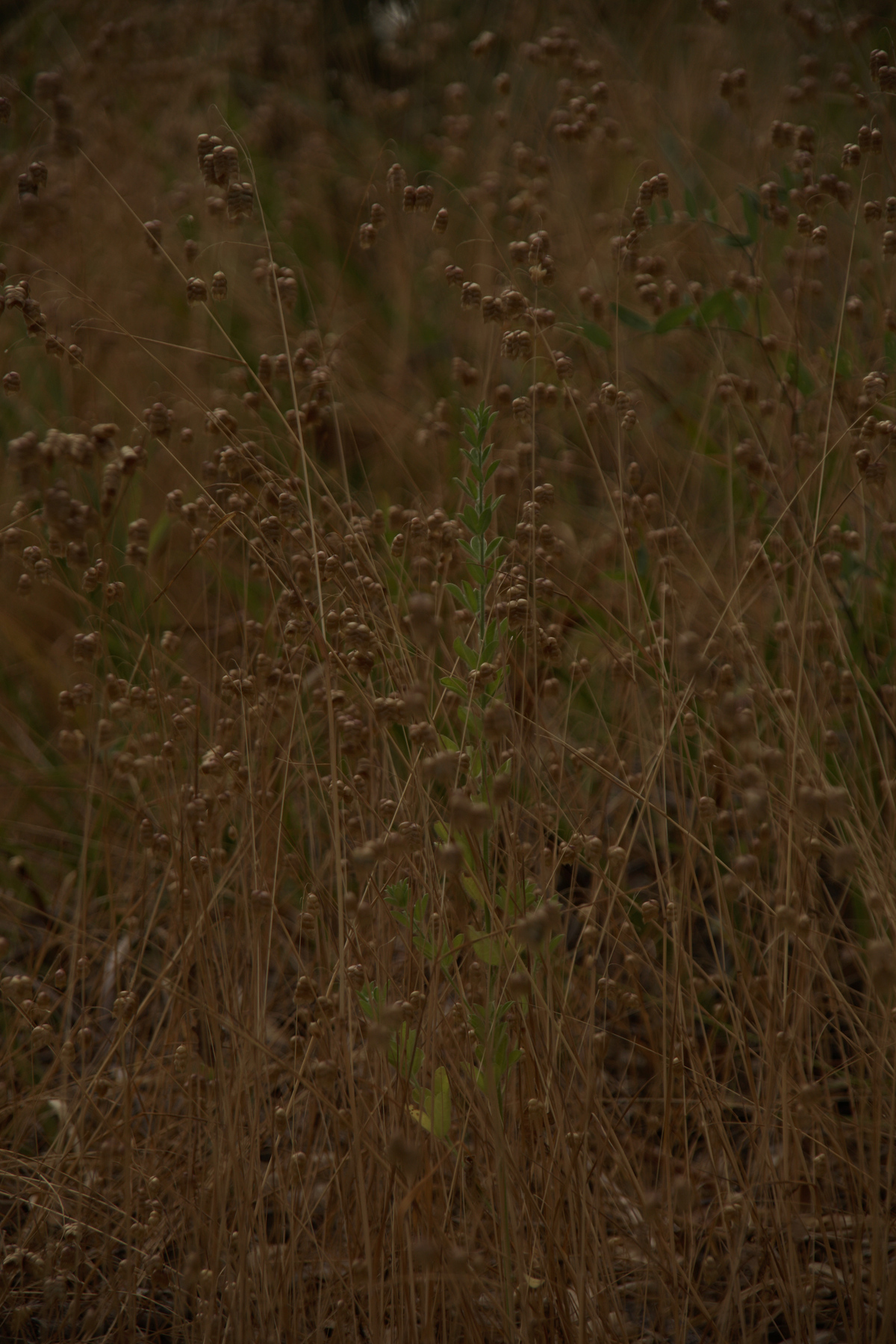
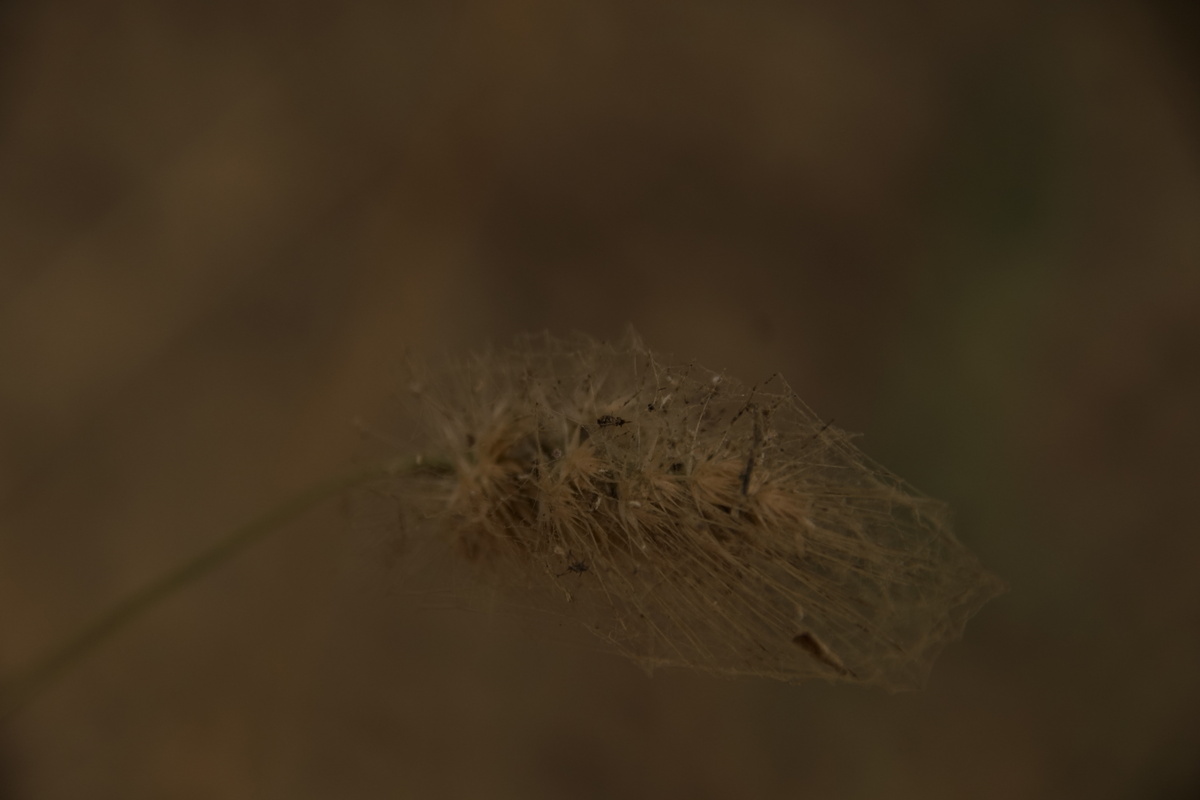
Spider webs up the grooves of the trunk


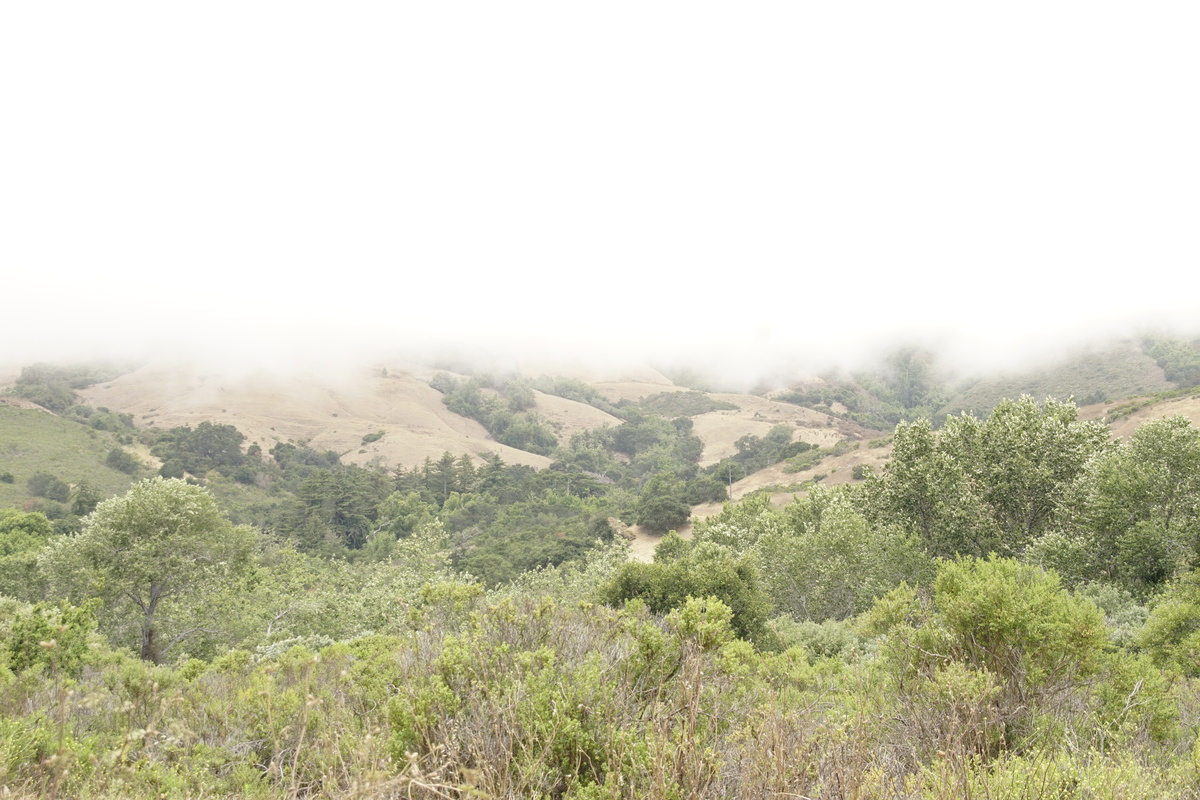




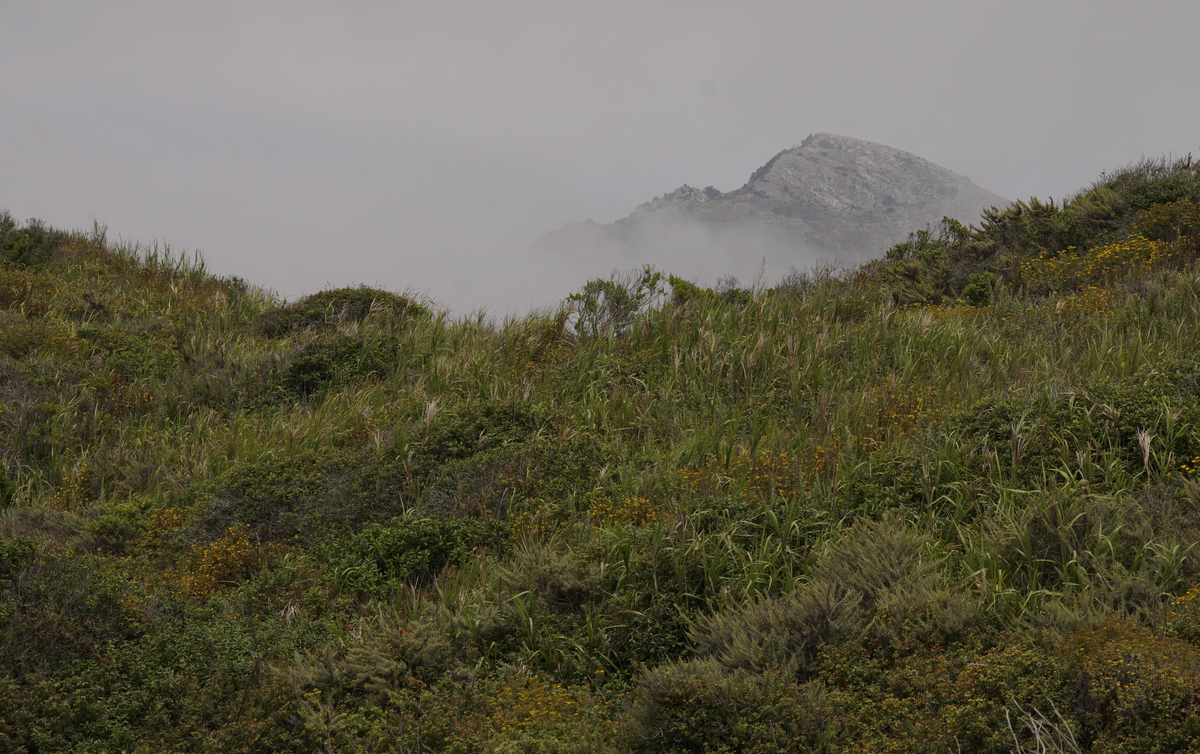
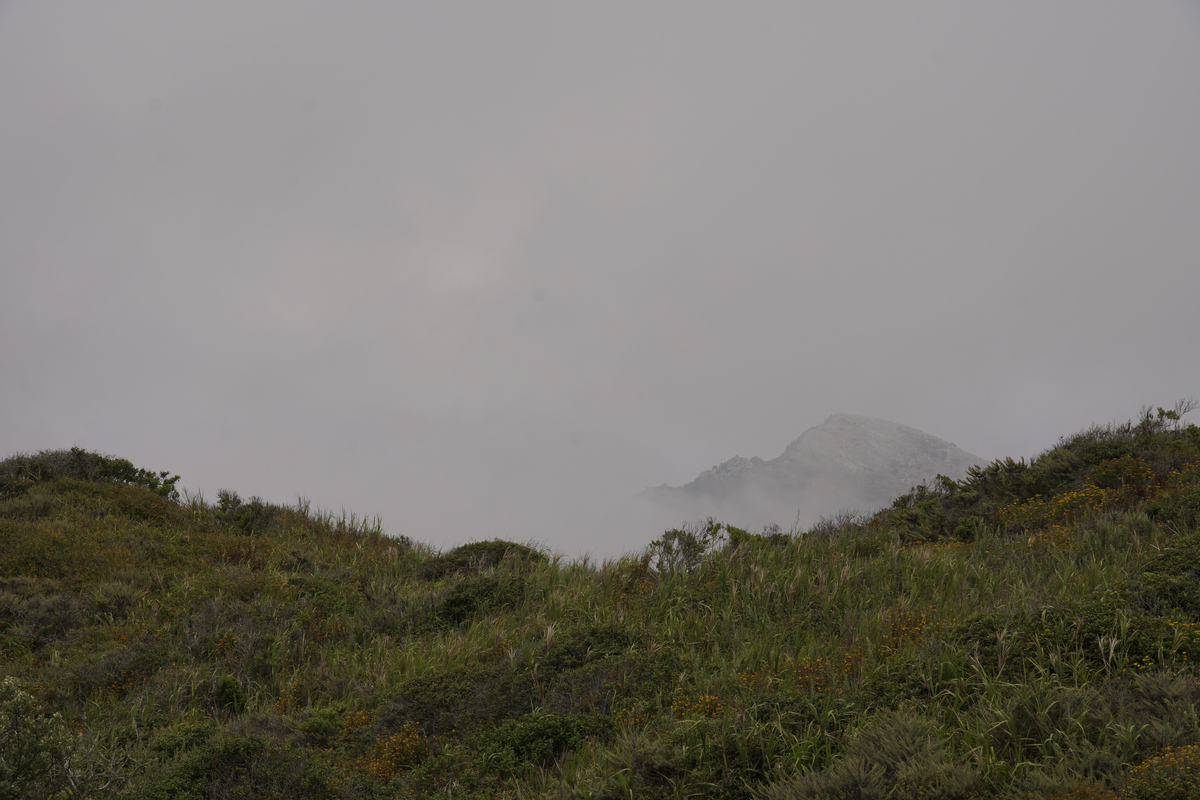
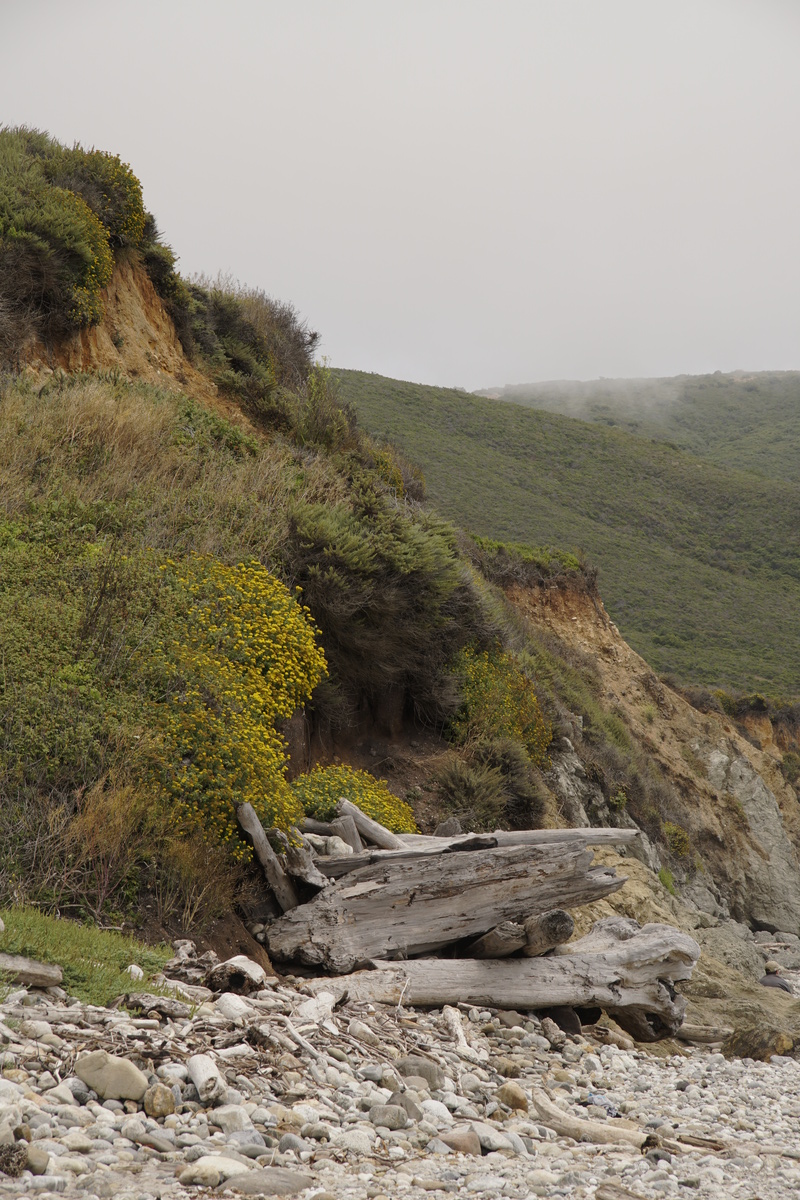
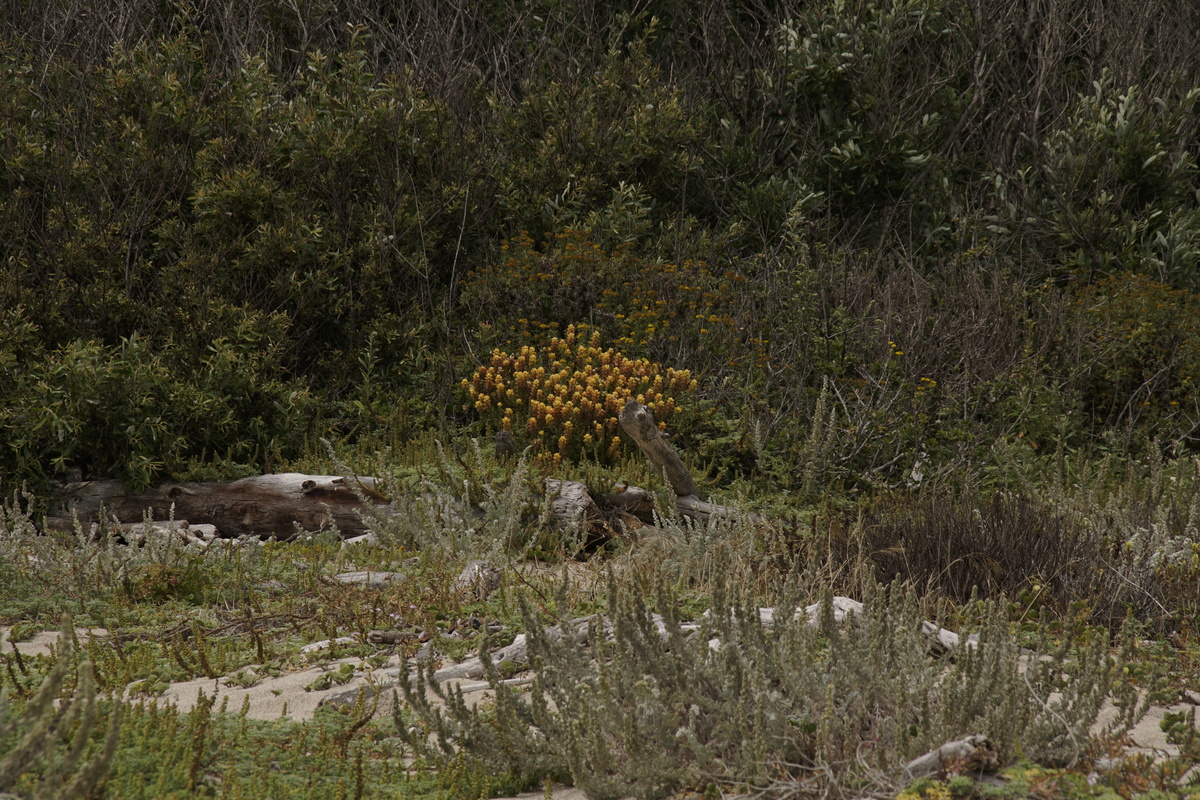
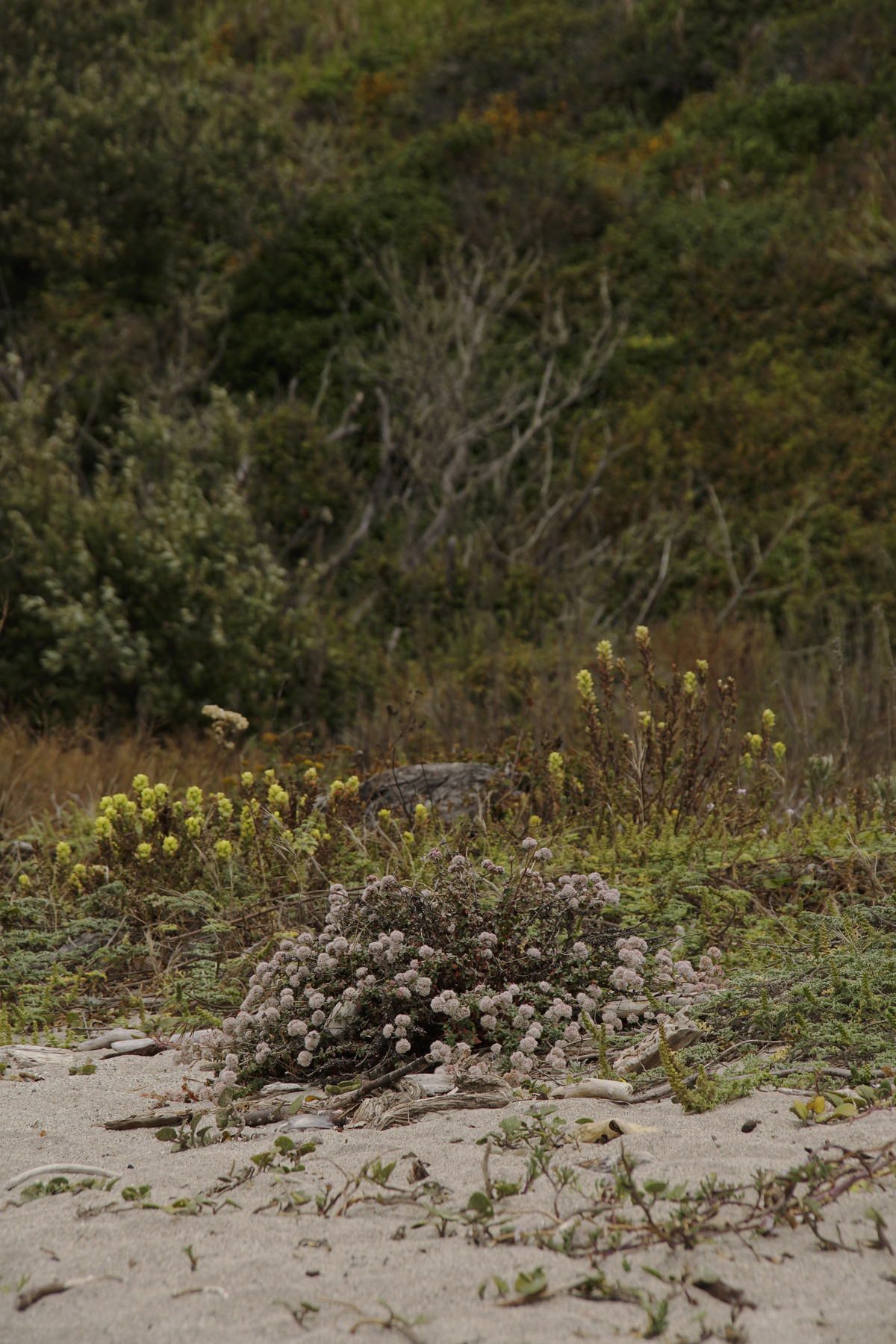


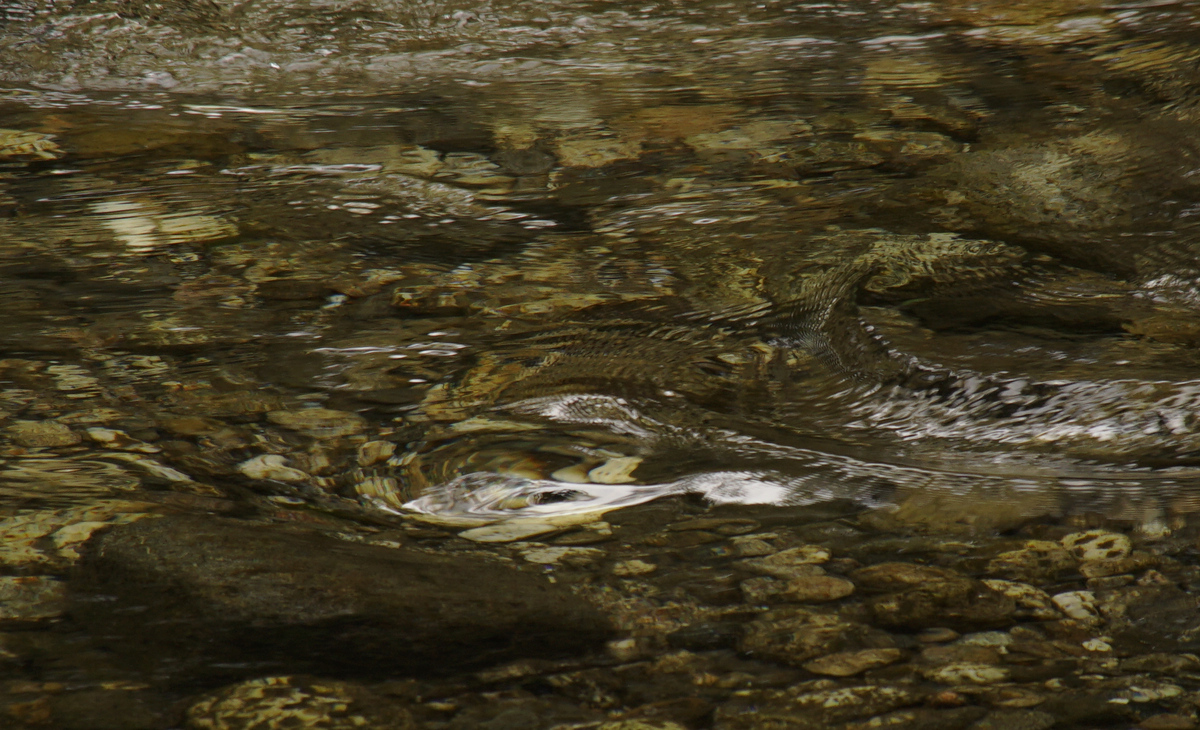


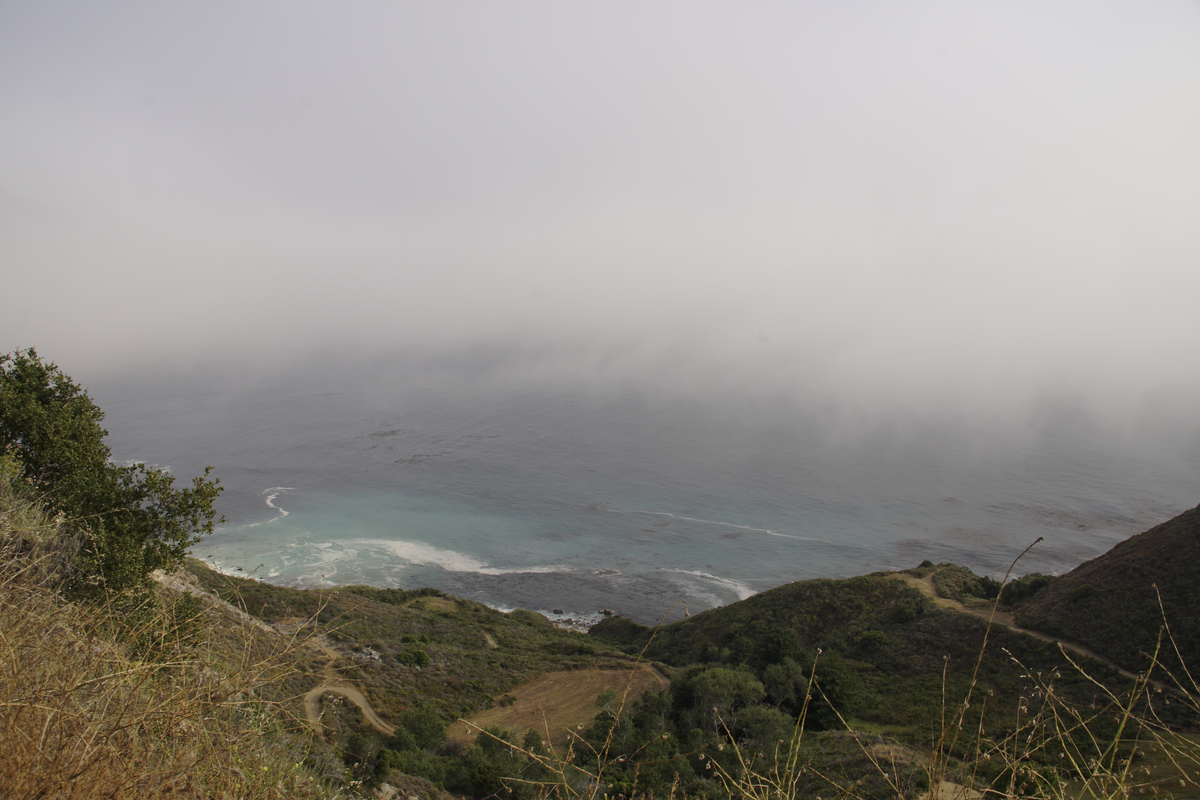
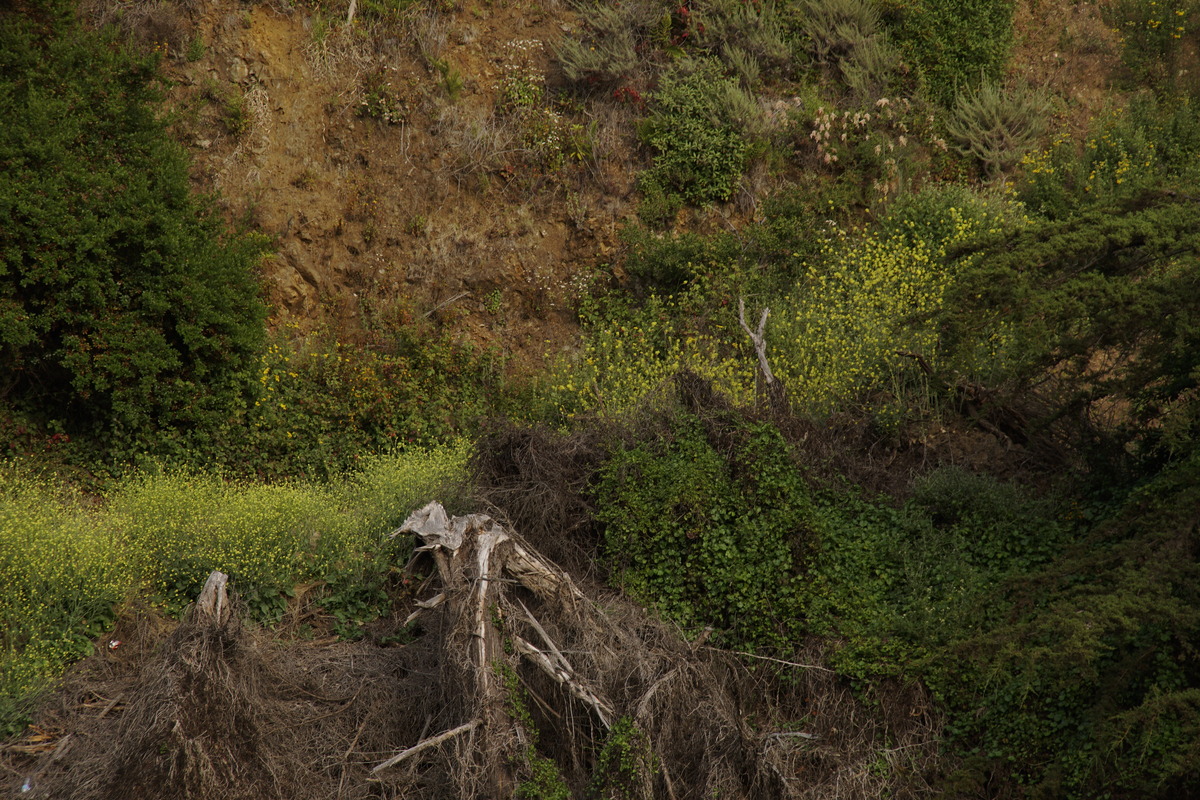
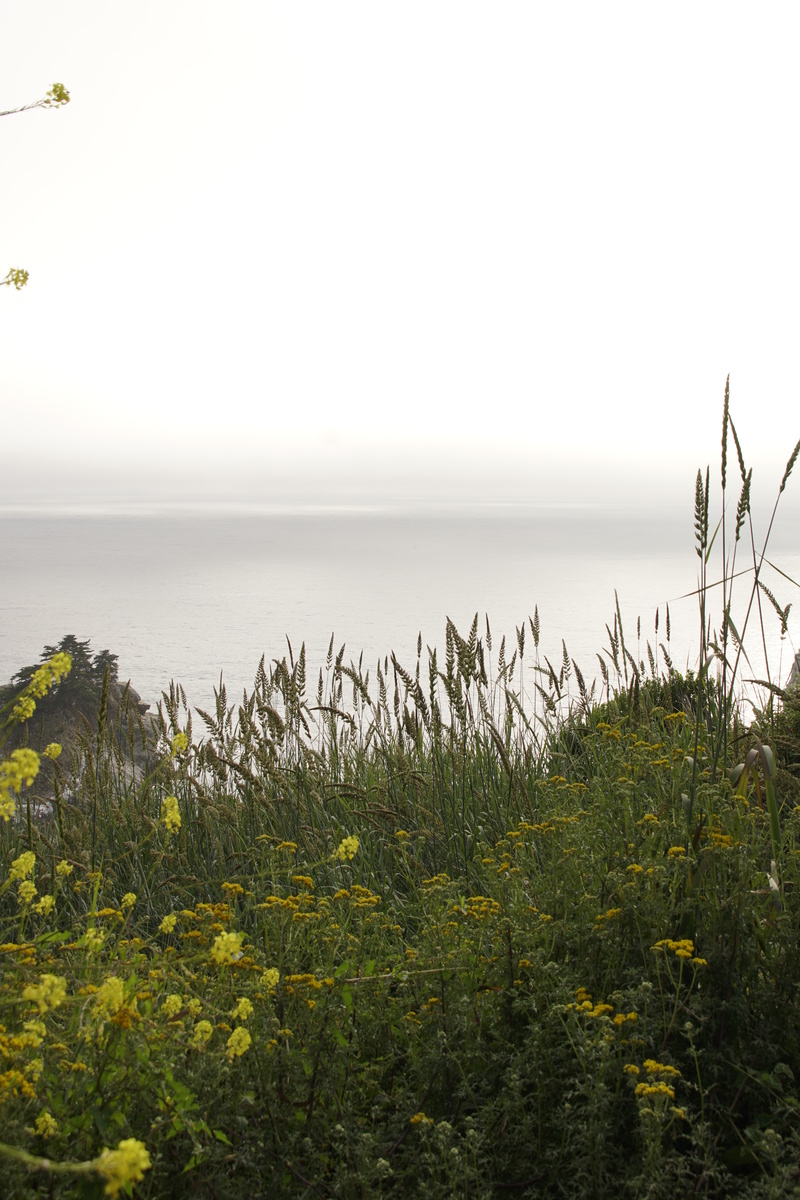

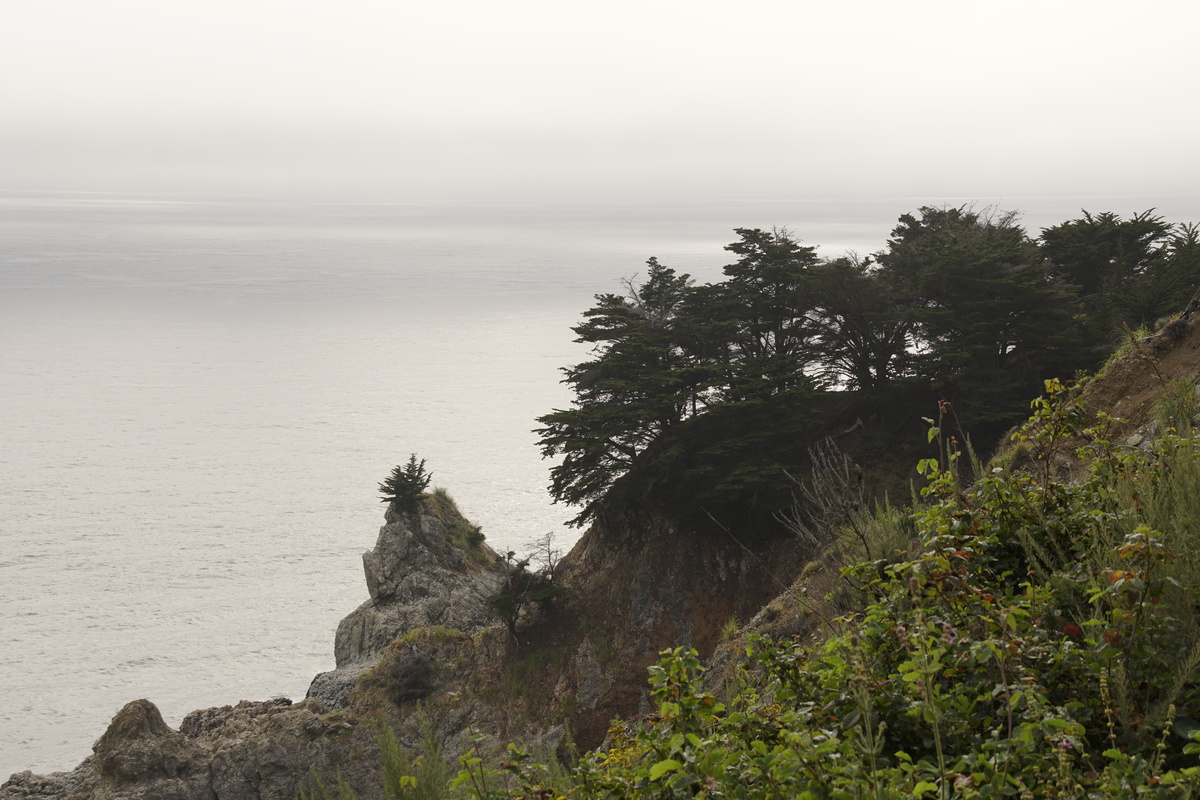

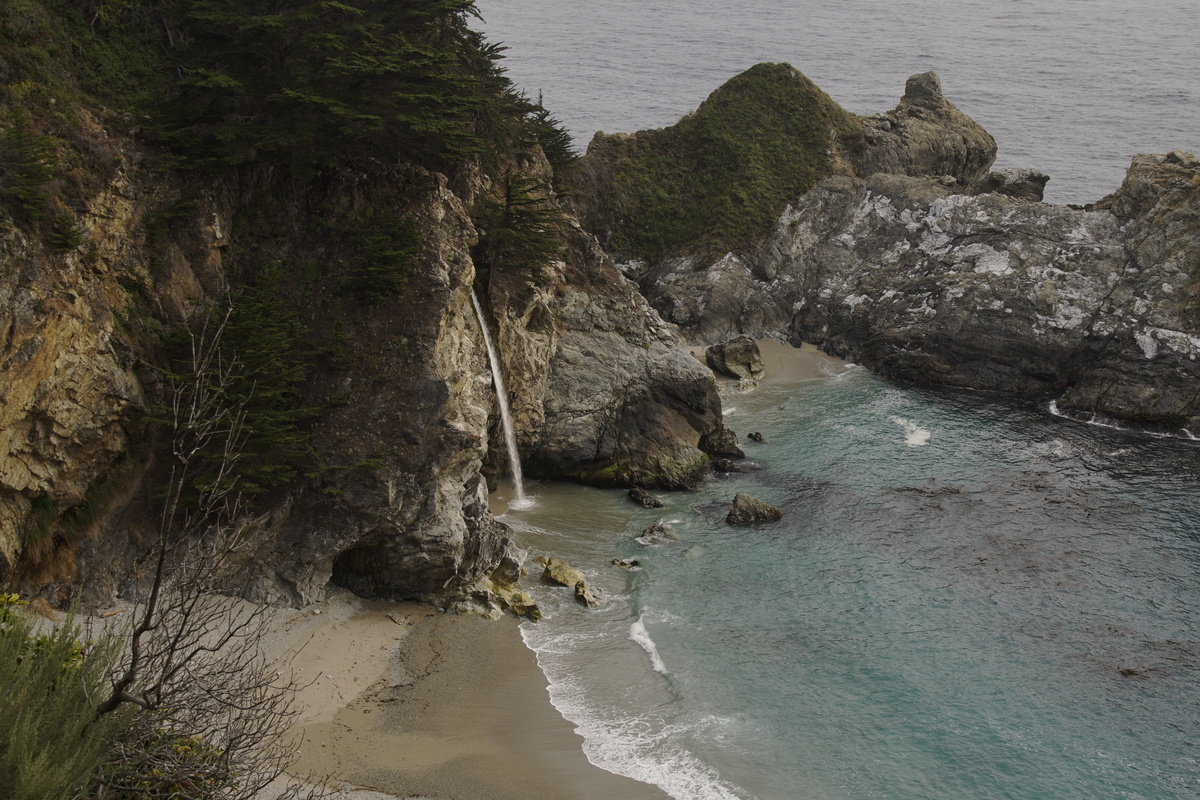


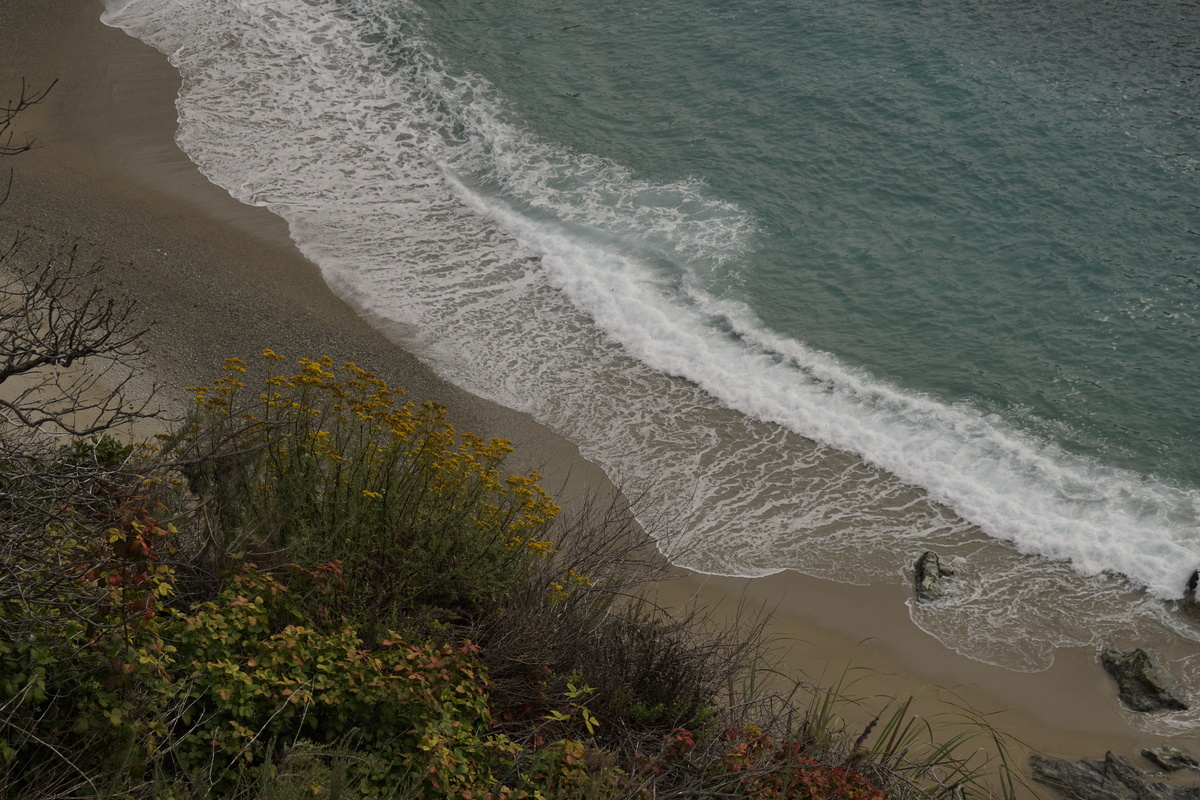
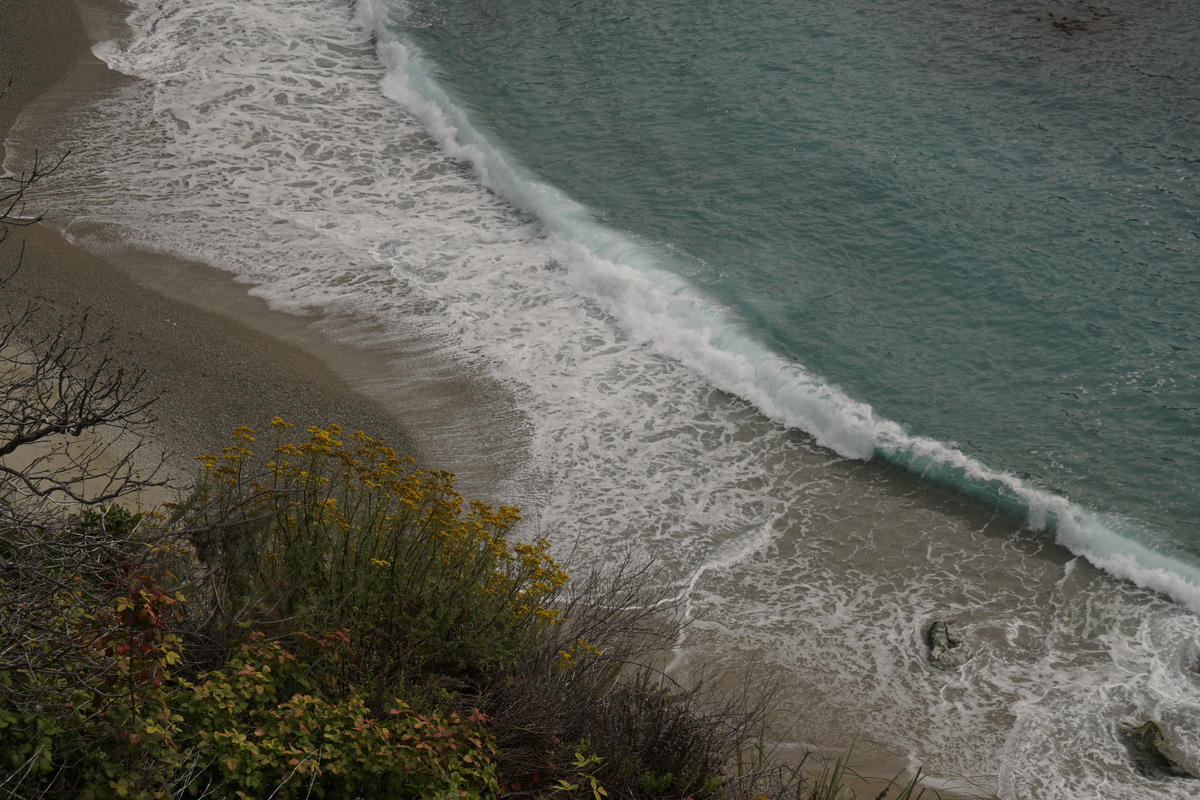

Sunset along the Big sur coast:



Some photos from the drive from Monterey to Big Sur


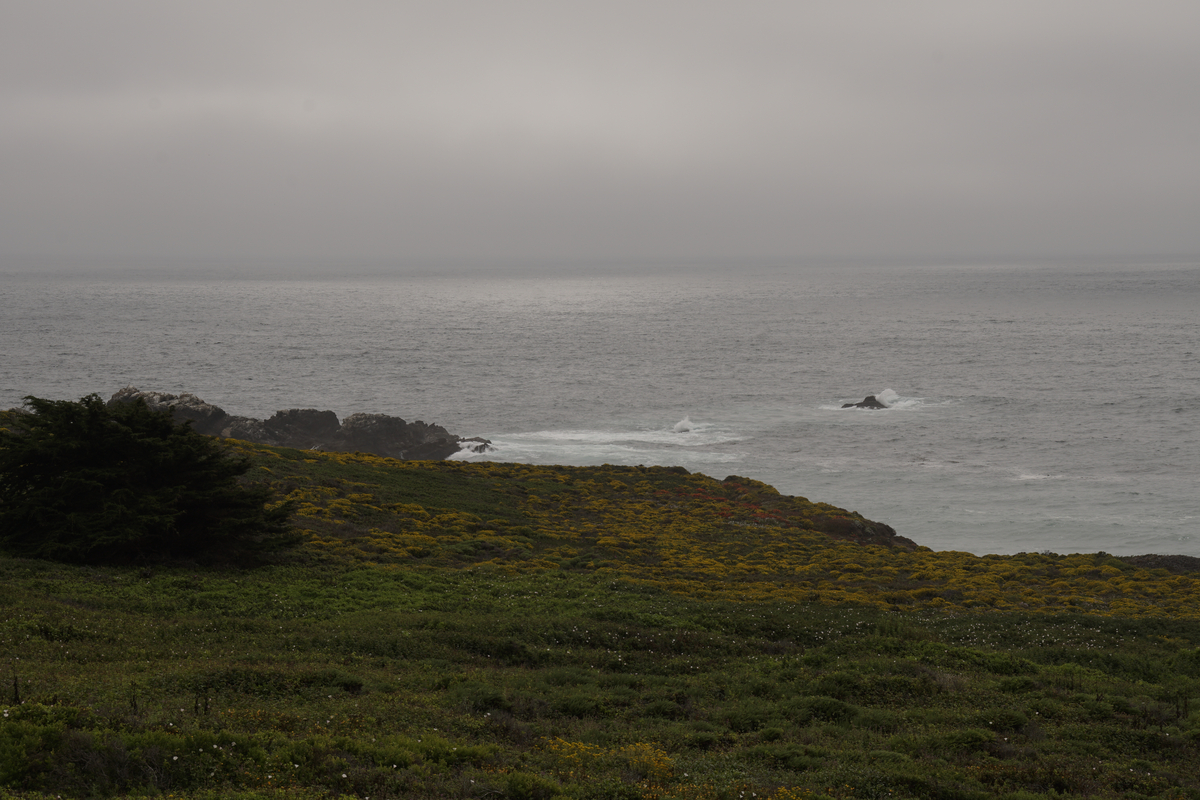


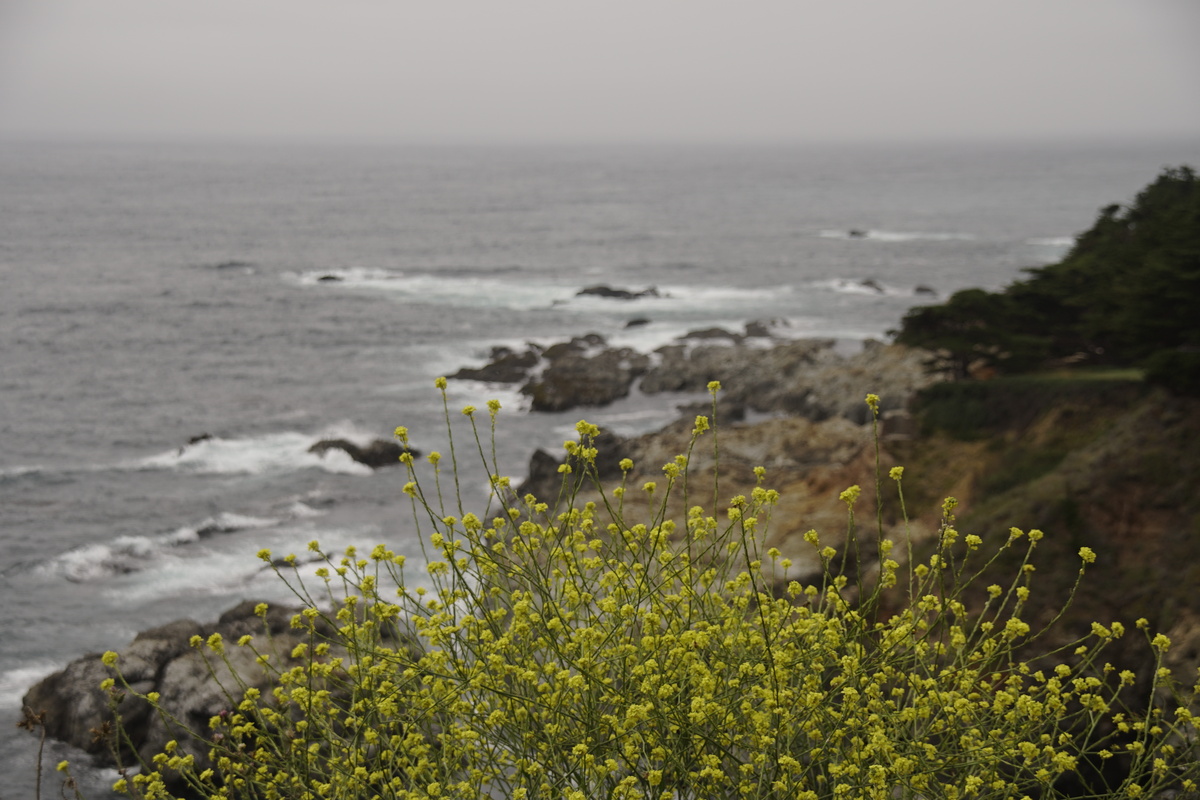
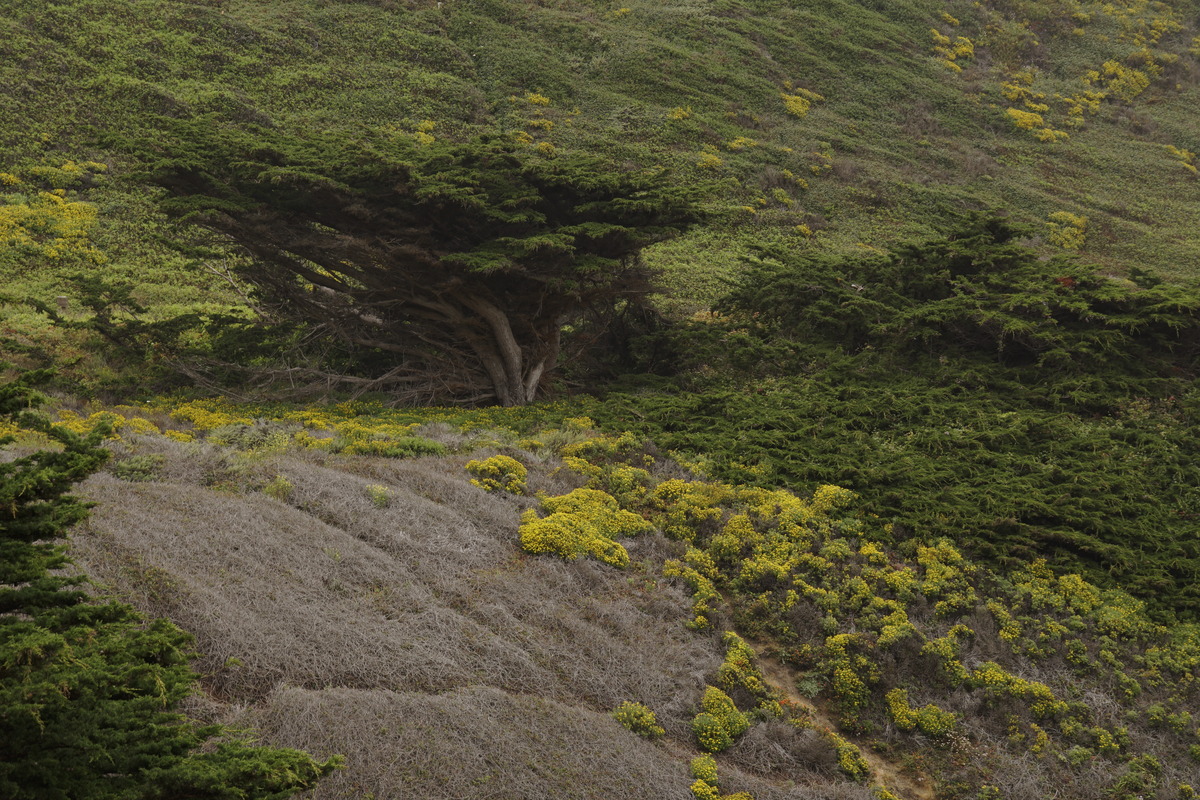
Goleta, California (north of Santa Barbara). The actual monarchs are usually found there overwintering from October onwards, but we did in fact see some during our July visit. The flowers and the ocean were spectacular.
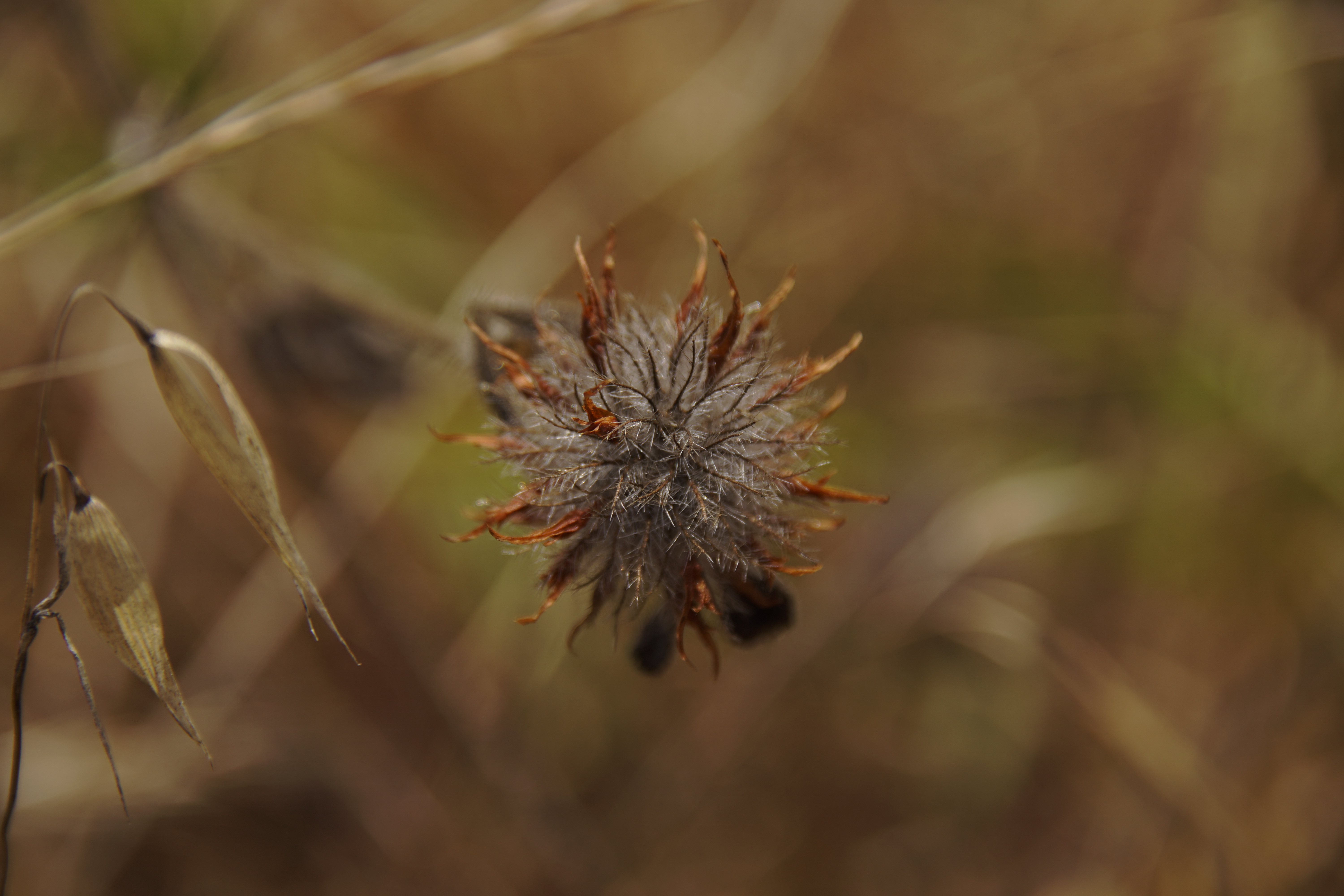
The flowers were amazing.

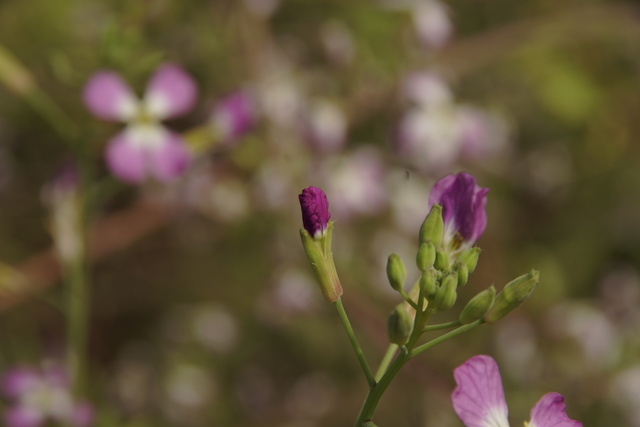
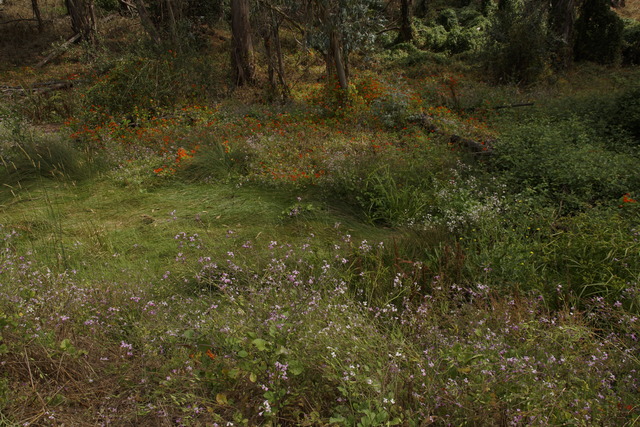

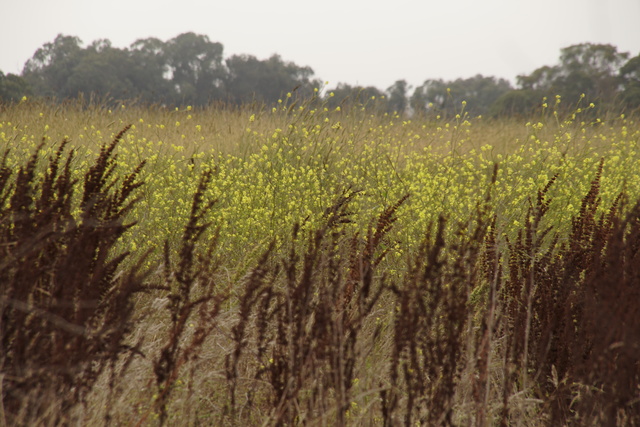
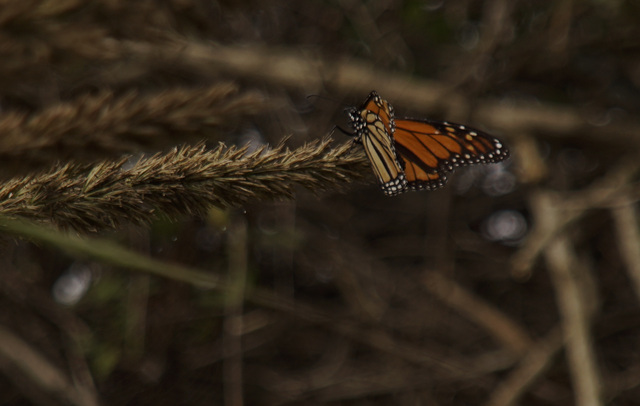
Carlsbad, California. Wikipedia description (https://en.wikipedia.org/wiki/Cerro_de_la_Calavera):
Cerro de la Calavera (also known as Mount Calavera) is an 513 ft (156 m)[1] ancient plug dome volcano that last erupted 22 million years ago during the subduction of the Farallon Plate.[3][better source needed] It is located within the city of Carlsbad, California in the United States.
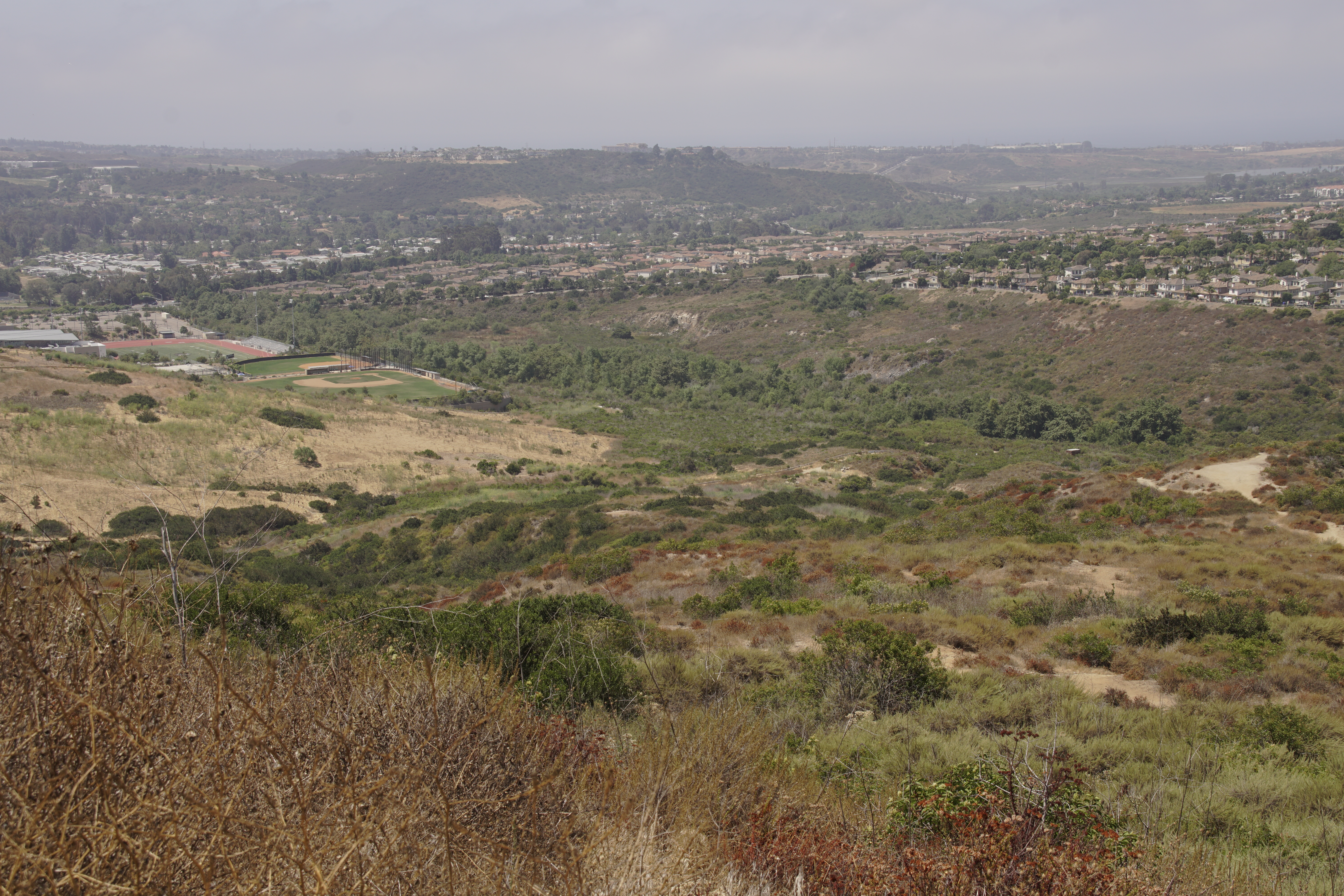
The caldera:

 a little wild