Here’s one link to the observations: https://www.inaturalist.org/calendar/gaurav1729/2025/5/26
Hemiptera
Harmostes:
Order Hemiptera
Suborder Heteroptera
Infraorder Pentatomomorpha
Superfamily Coreoidea
Family Rhopalidae
Subfamily Rhopalinae
Tribe Harmostini
Genus Harmostes

Amphigonalia cf gothica, looking like a Maori warrior. It was flinging honeydew, I wish I had taken better photos of the process.
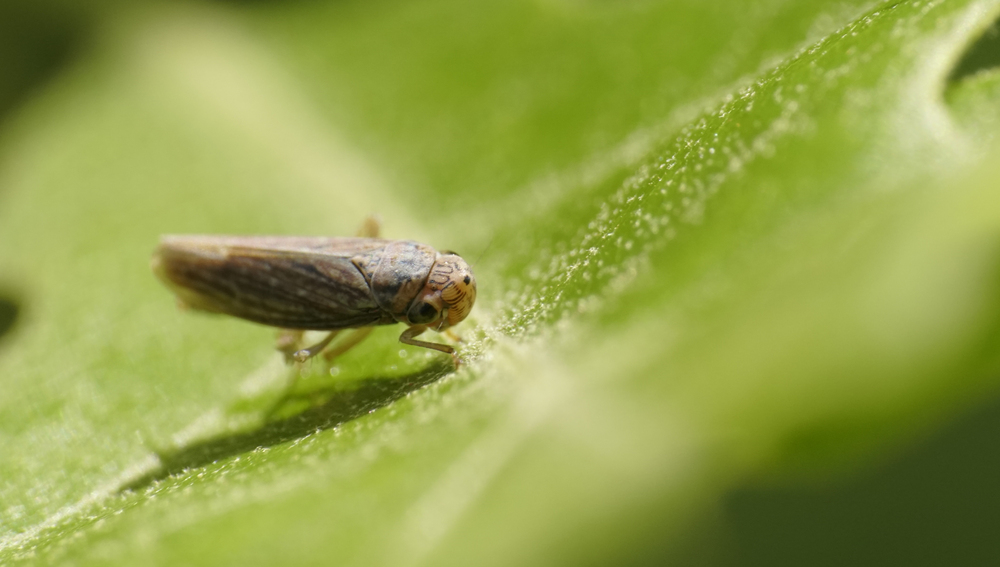
the honeydew

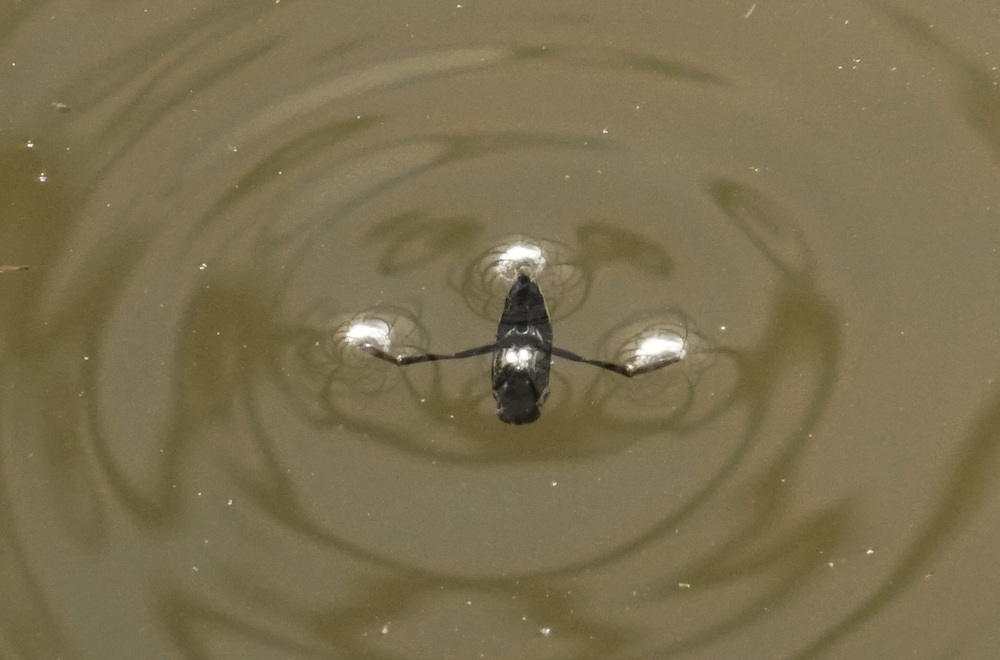
There was a puddle, not even a pond, and a lone Notonecta (milky backswimmer). From my vantage point, the backswimmer was swimming in the reflection of an electrical powerline tower, and that made for some very nice patterns in the water.


Lepidoptera
Ematurga:
Family Geometridae
Subfamily Ennominae
Tribe Boarmiini
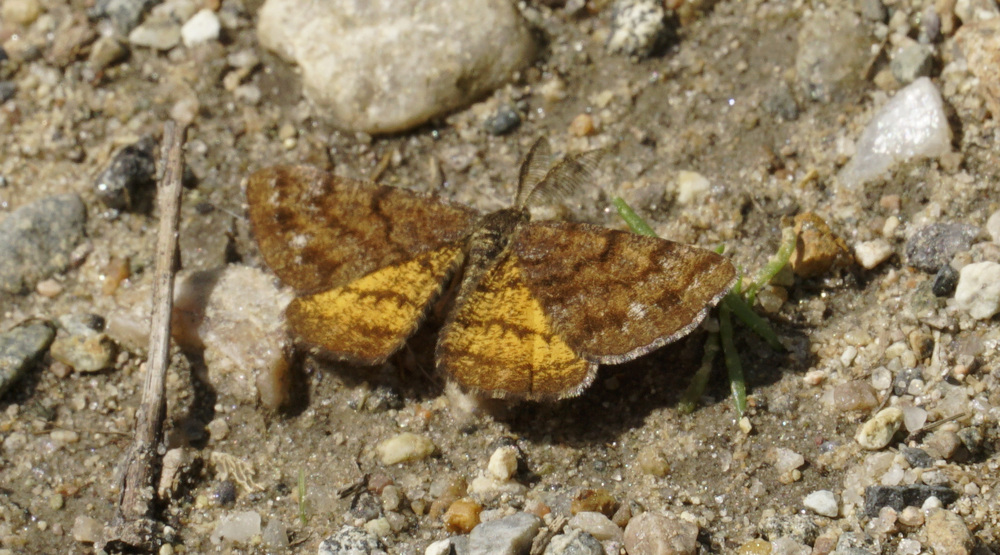
Genus Ematurga, E. amitaria
Lycaena:
Superfamily Papilionoidea
Family Lycaenidae
Subfamily Lycaeninae
Tribe Lycaenini
Genus Lycaena
Probably Lycaena hypophlaeas.

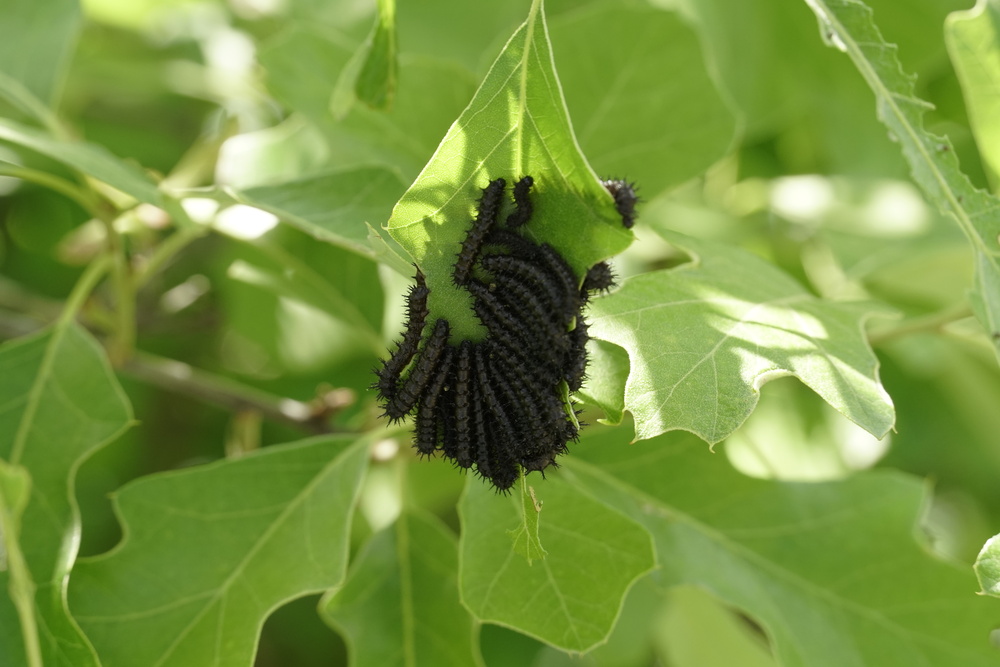
Hemileuca caterpillars, not that far from where I first encountered them many years ago

Coleoptera
Dermestidae beetle, maybe Cryptorhopalum
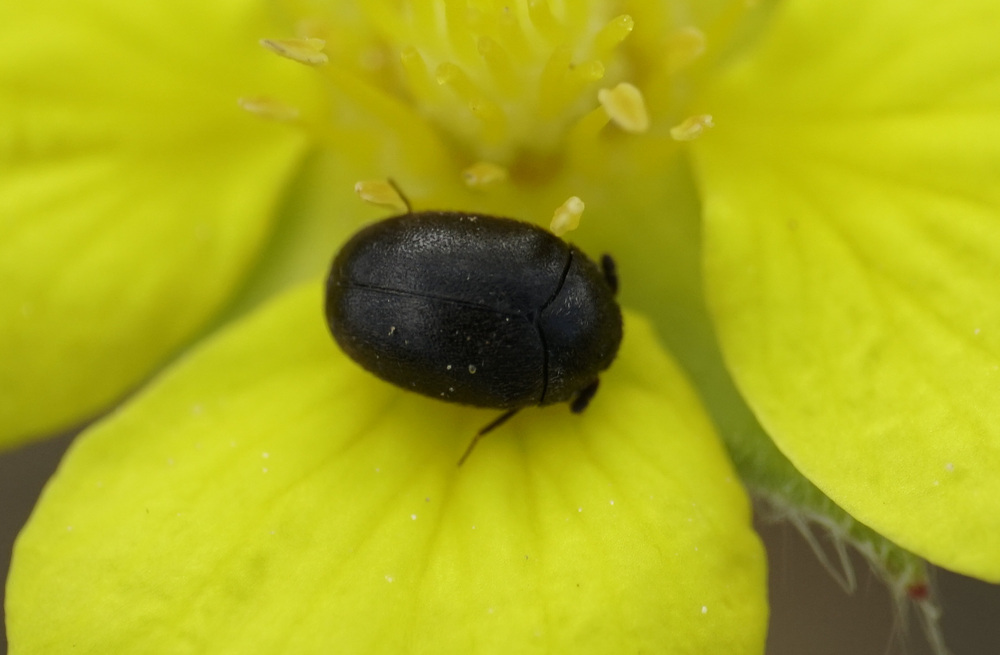
I think Pachybrachis is a reasonable fit (in Chrysomelidae). The best fit that’s been found in New England is Pachybrachis femoratus or “Black Pachys” which doesn’t seem to be an actual taxon.
Random note: for some reason, there’s a sub-genus called “pubescent Pachys” which is weird (https://bugguide.net/node/view/979599/bgpage).

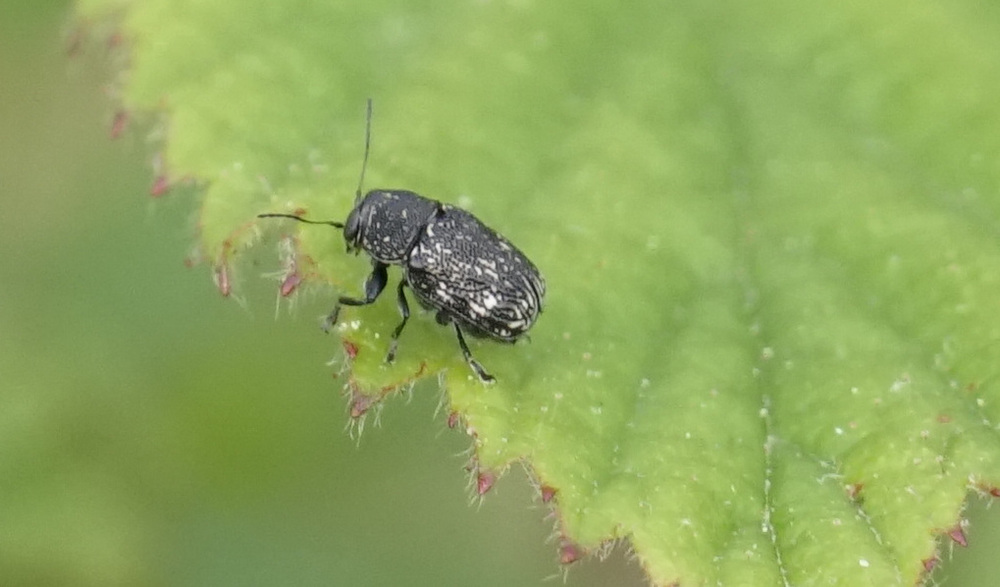
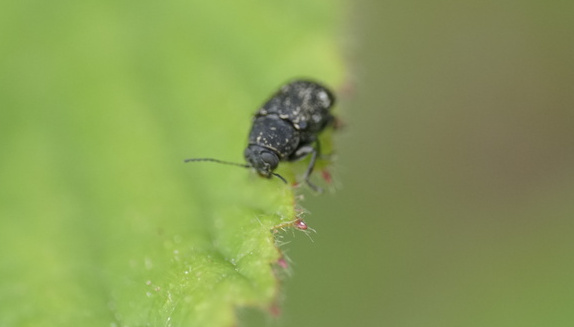
An egg case being laid. A warty leaf beetle, Fulcadini, perhaps Neochlamisus cf eubati. Compare with the photo here: https://bugguide.net/node/view/2294569
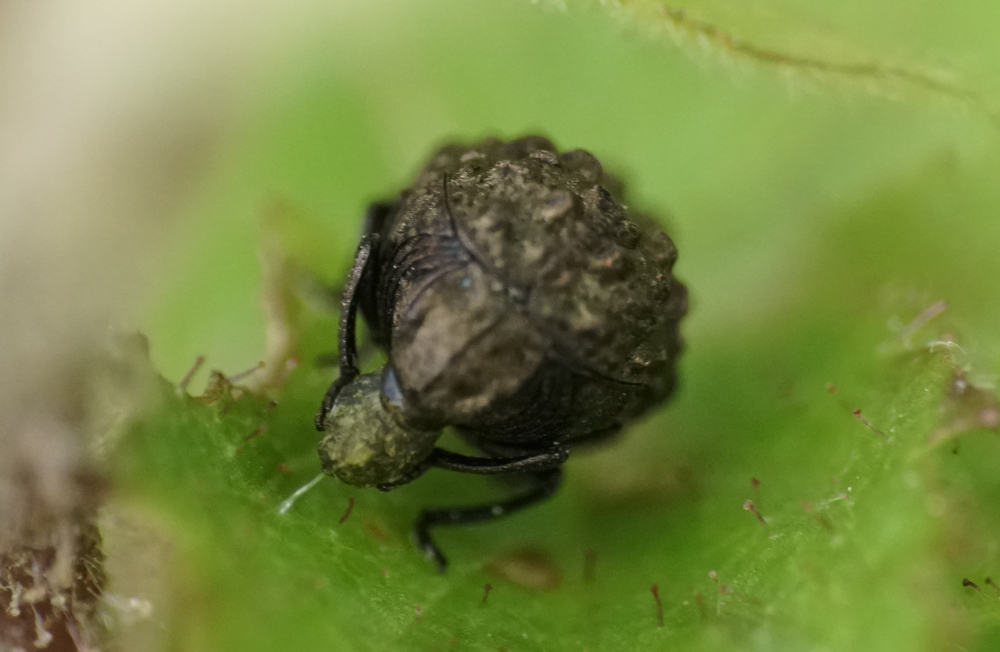
And I think this is also Pachybrachis, but maybe a different species. But I don’t see a great match among the Massachusetts records.

Cryptocephalus cf basilis, or C. quadruplex maybe, in Chrysomelidae, mating:

Elateridae, click beetles. Anything further is a guess, but maybe Limonius cf quercinus, the Oak click beetle.
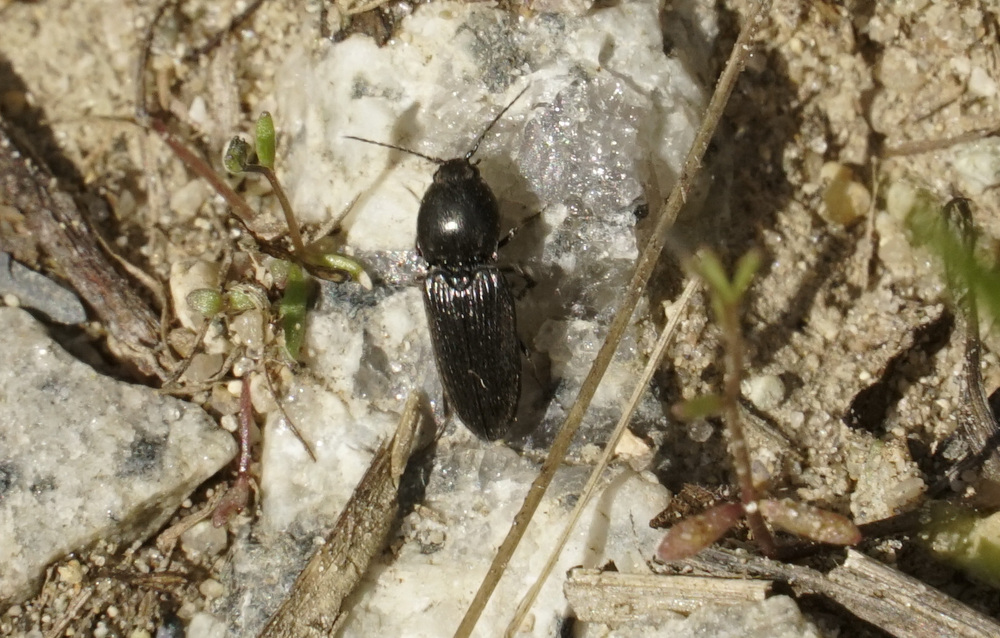
Rhagonycha, but maybe Podabrus?

Synolabus bipustulatus

Hymenoptera
Maybe Andrena mining bee:

Andrena, apparently:


Ceratina, I think. (EDIT: perhaps sub-genus Zadontomerus)

Osmia, pretty hairy as expected. “Only two submarginal cells, for one thing.”

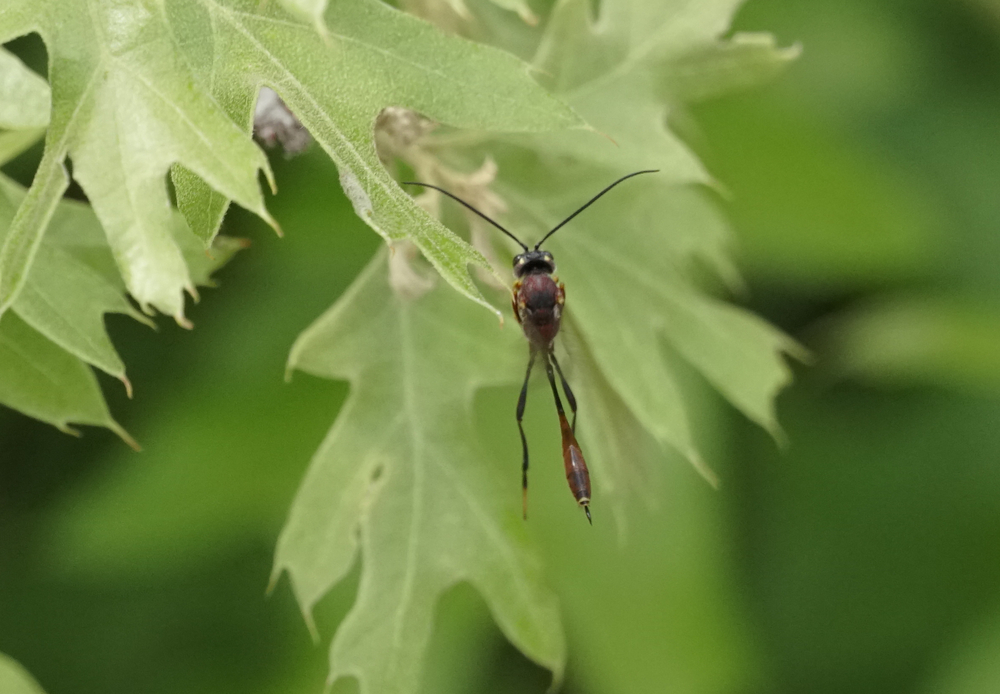
Lovely Ichneumonid, Anamalon genus.

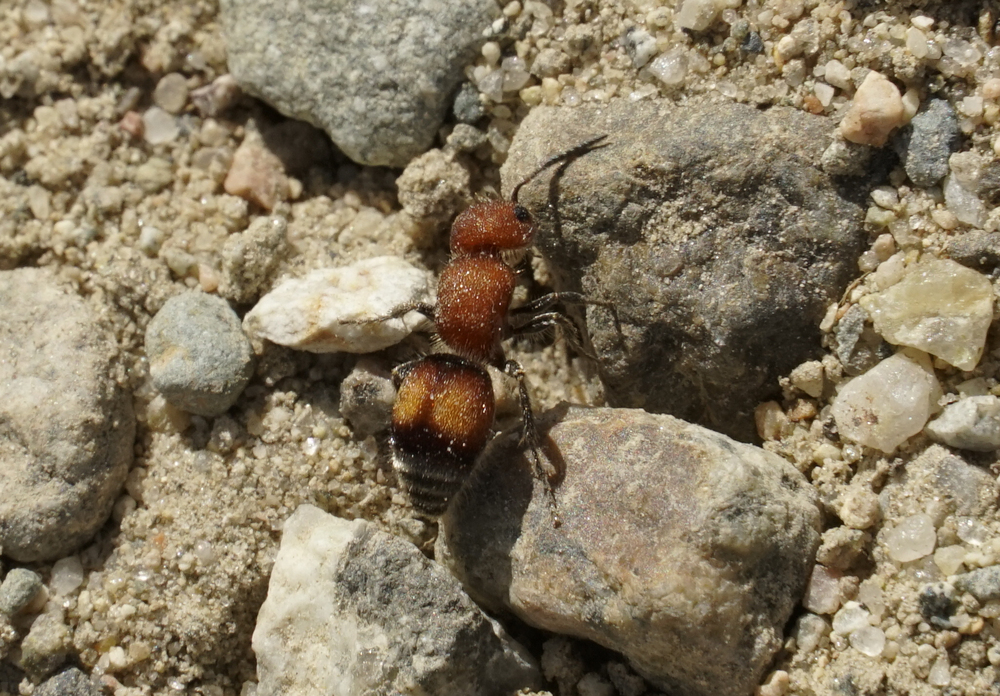
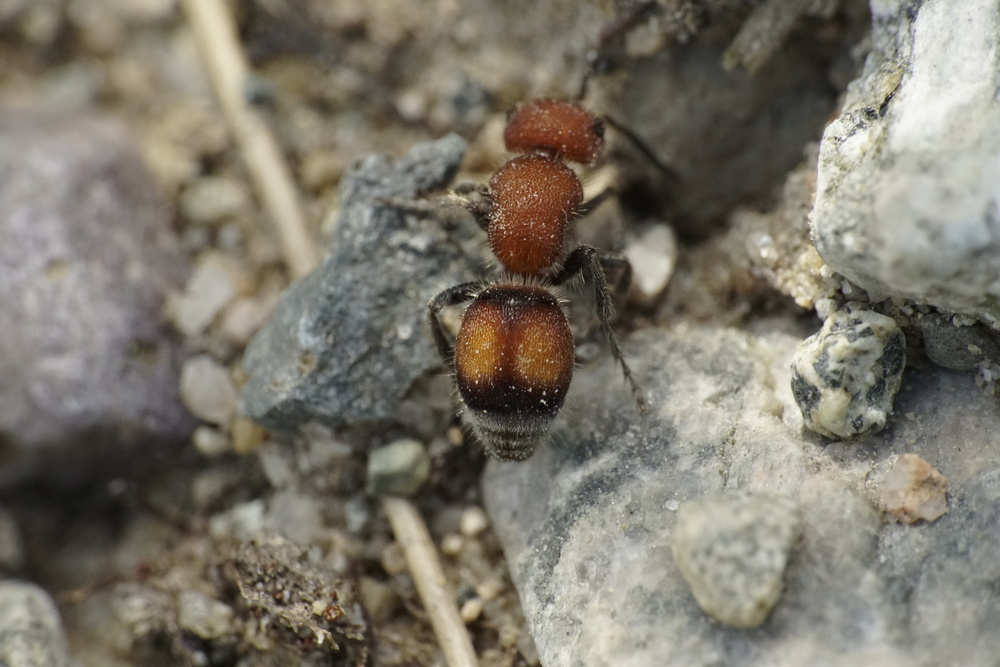
Lovely Dasymutilla ursus in Mutellidae, aka velvet ant.
Orthoptera
A very photogenic grasshopper. Is that a parasite/parasitoid on its face?

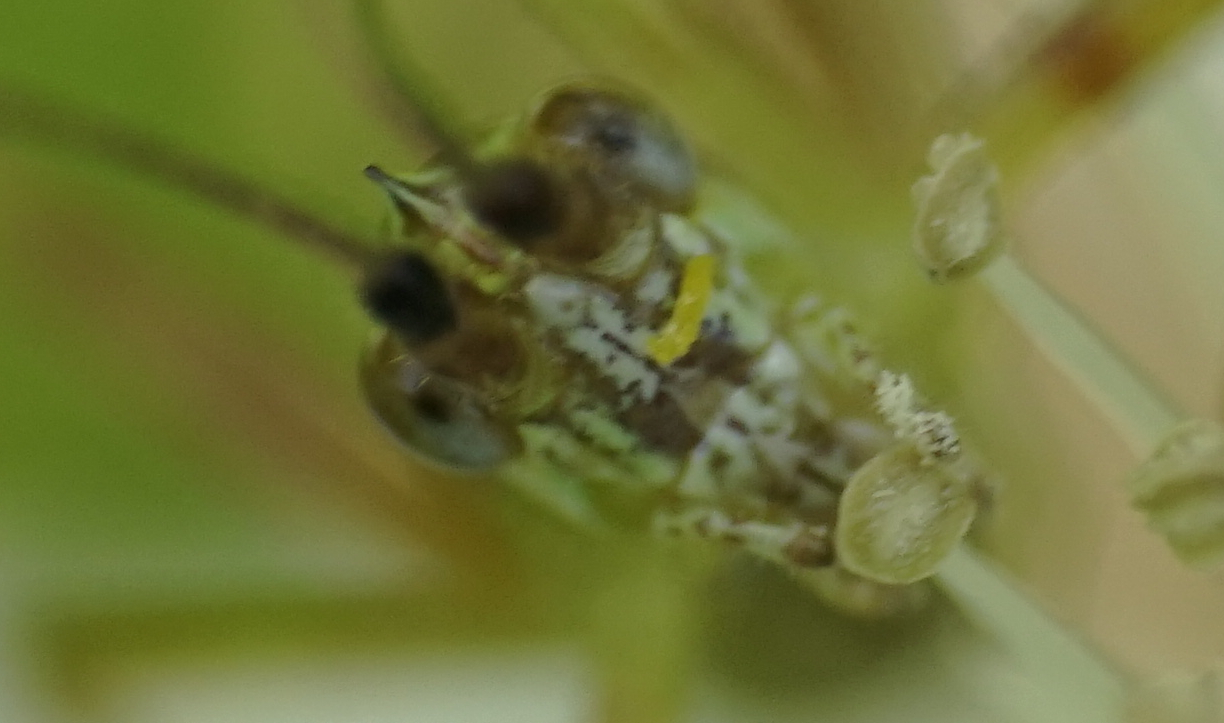
Melanoplus
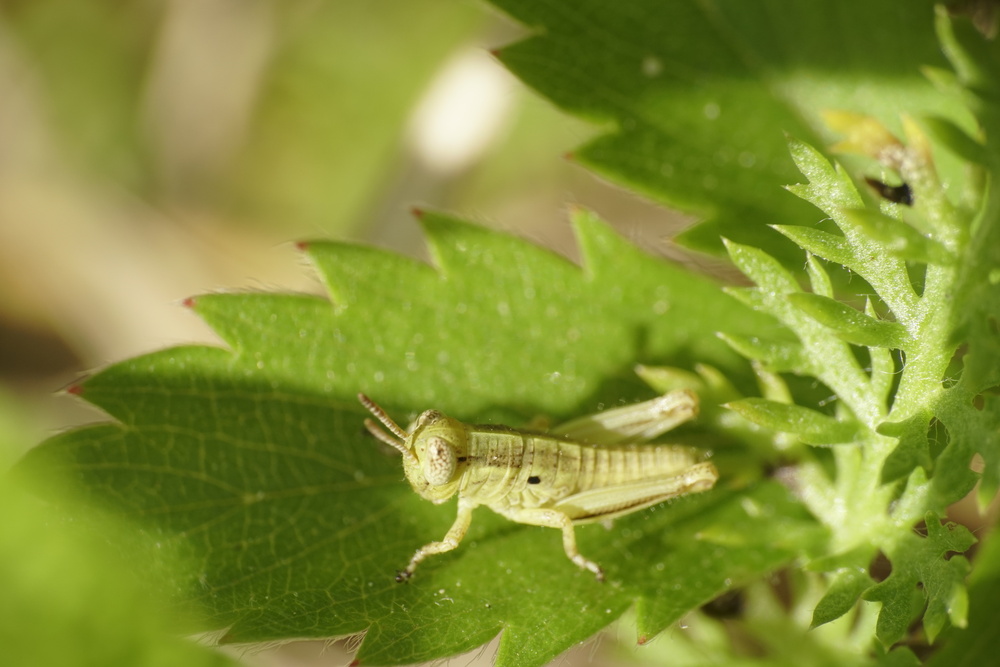
Diptera
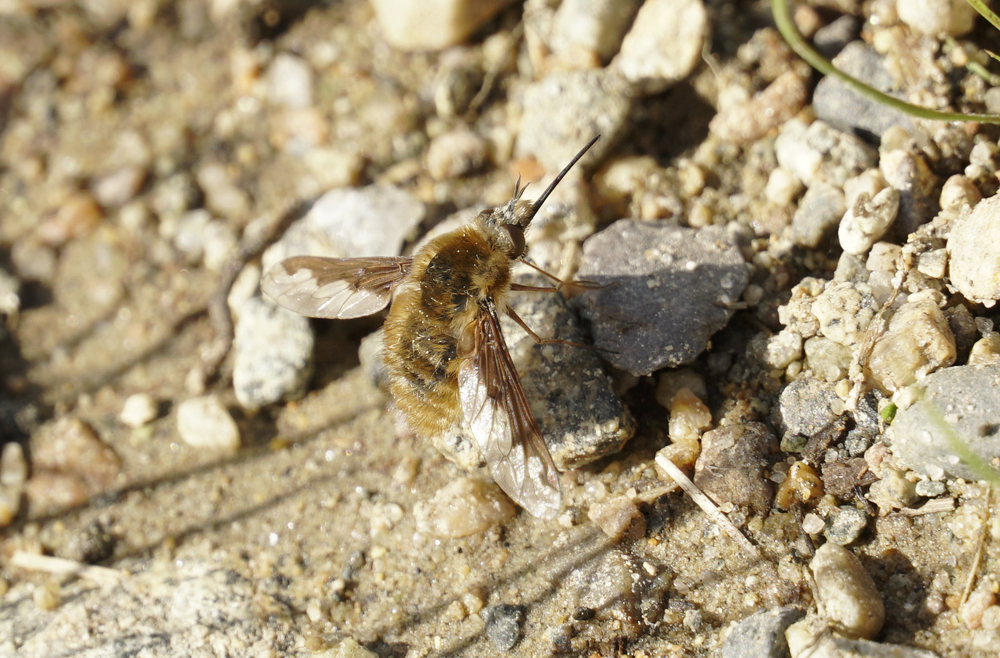
My first Bombyllius major (bee flies), somehow. And I caught it flying too, a terrible photo, but flying nonetheless (upper right).
These are brood parasites, and are famous for dive bombing their eggs into other insects’ nests, literally on the fly (was the pun intended? I’ll never say).

A slightly better photo at rest:
Toxomerus in Syrphidae:

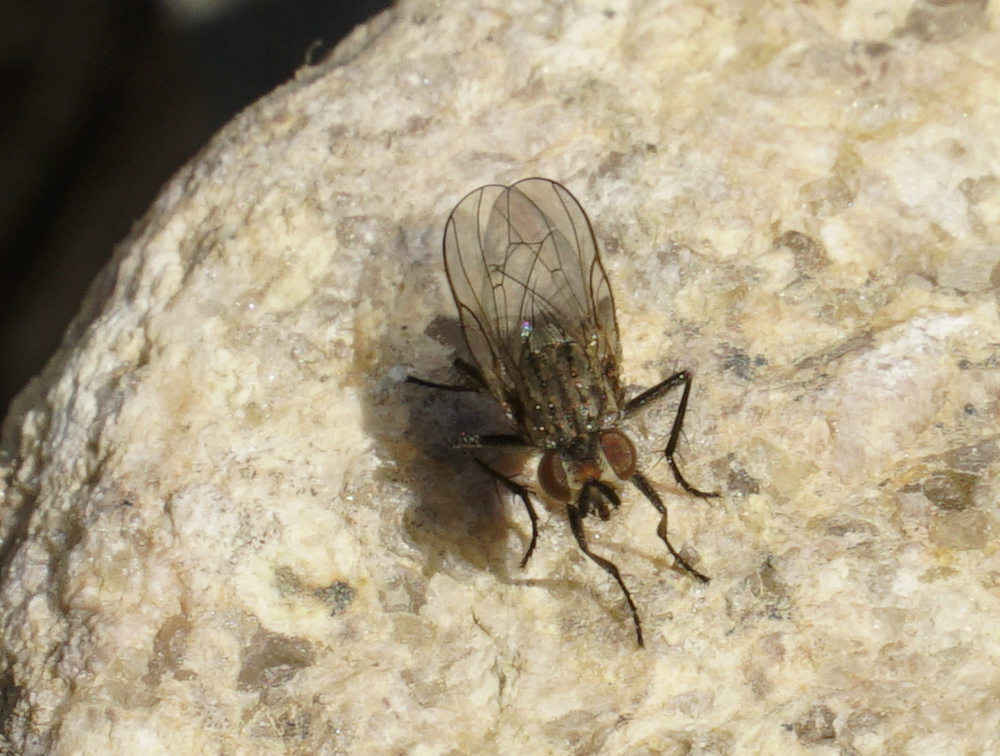
iNat says Muscoidea:
Odonata
Common whitetail, Plathemis lydia.

Spiders
Phidippus, perhaps P. clarus

Maybe Phidippus too

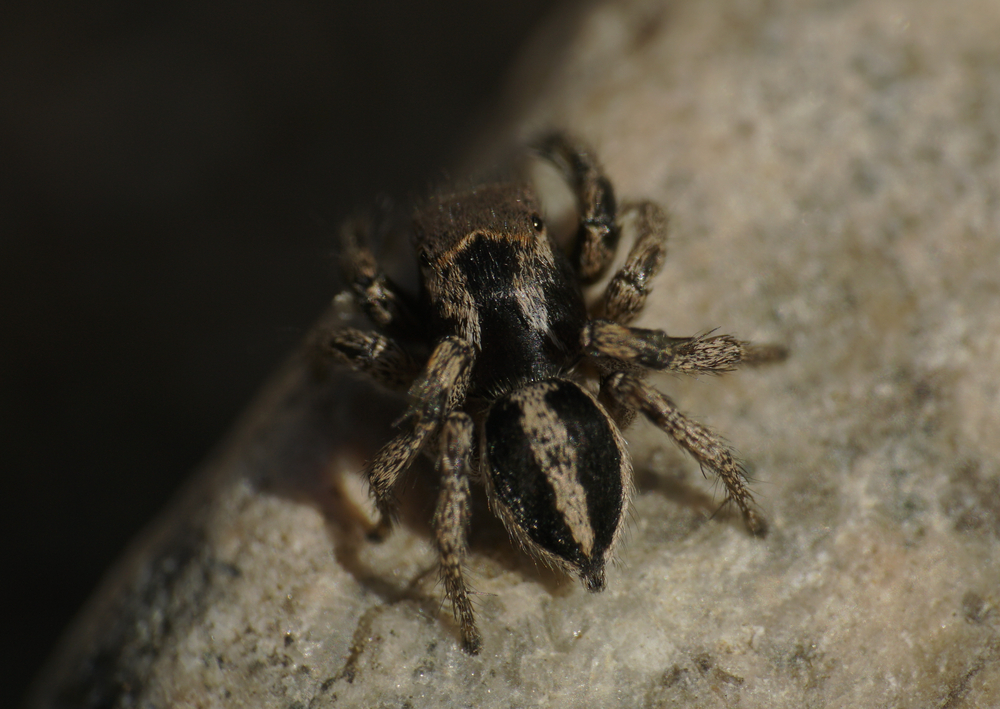
Habronattus, Habronattus viridipes complex.
If you want to be really really optimistic, you could go to Habronattus calcaratus maddisoni, https://bugguide.net/node/view/51312, but I think that is much too fine to be a real identification.
No bugs

iNat says Silene (catchflies)

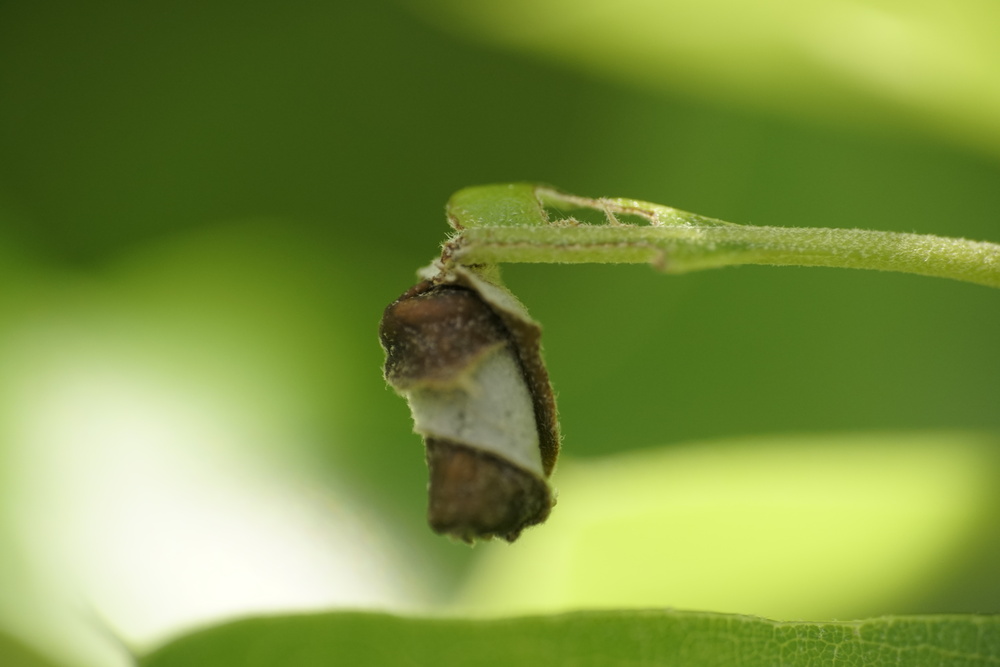
I said no bugs, but these are bug nests of some type:

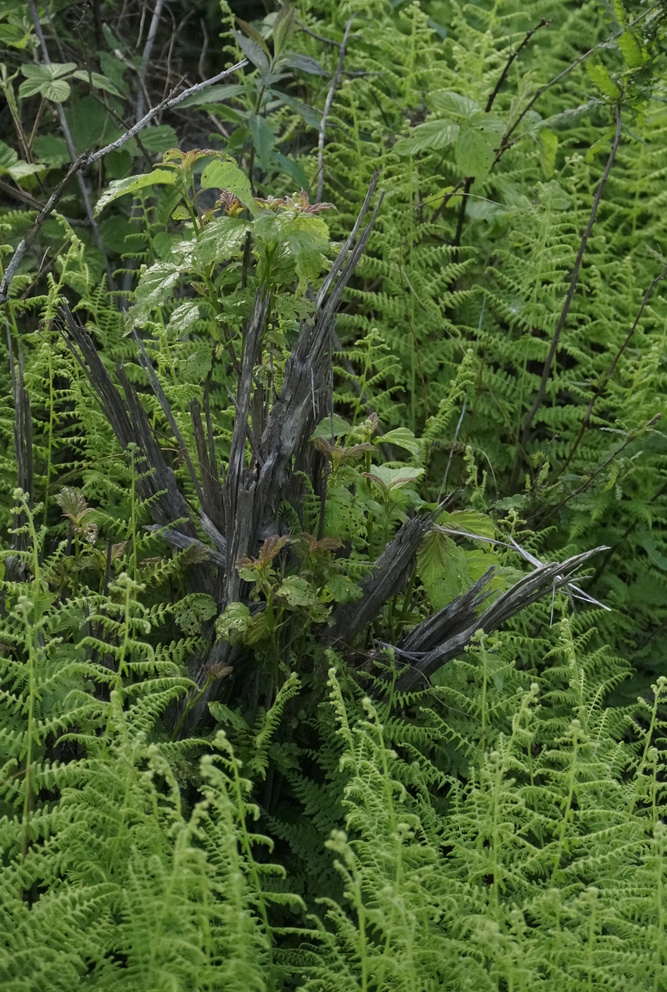

 a little wild
Leave a comment