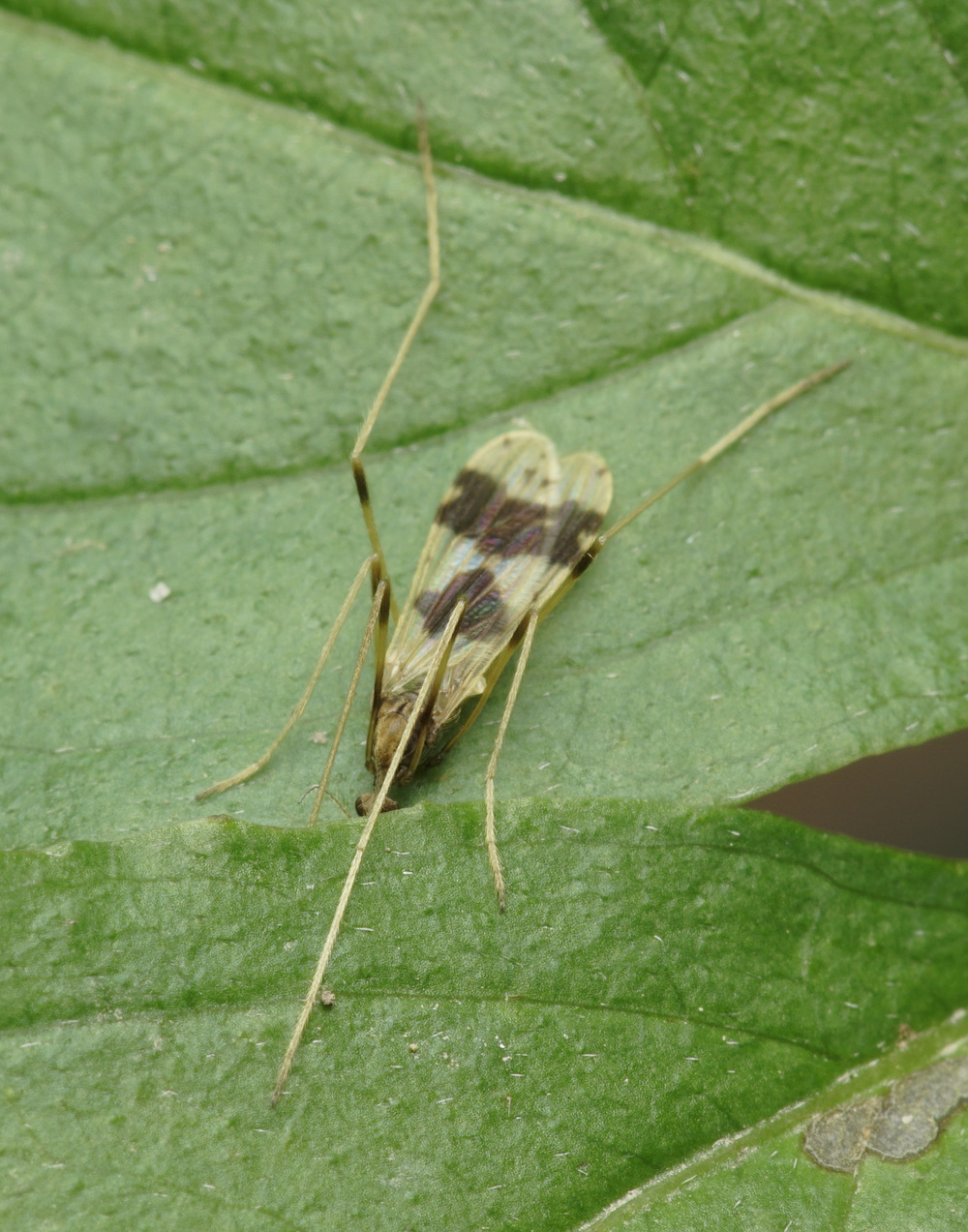
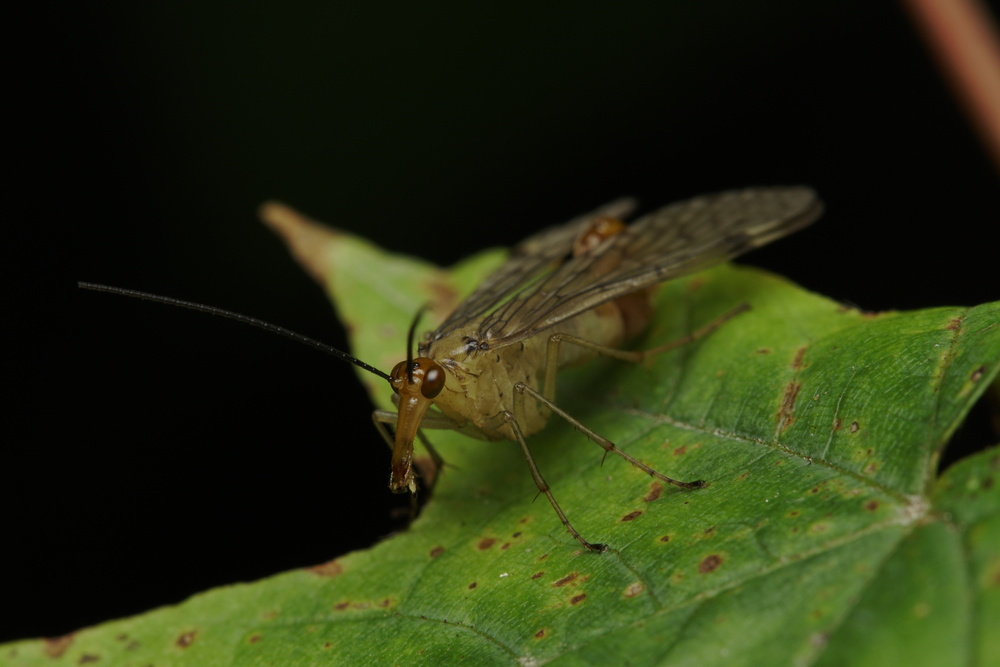
The highlight had to be the three observations of scorpionflies within half an hour of each other. I’ve never even had three scorpionfly observations in a season before.
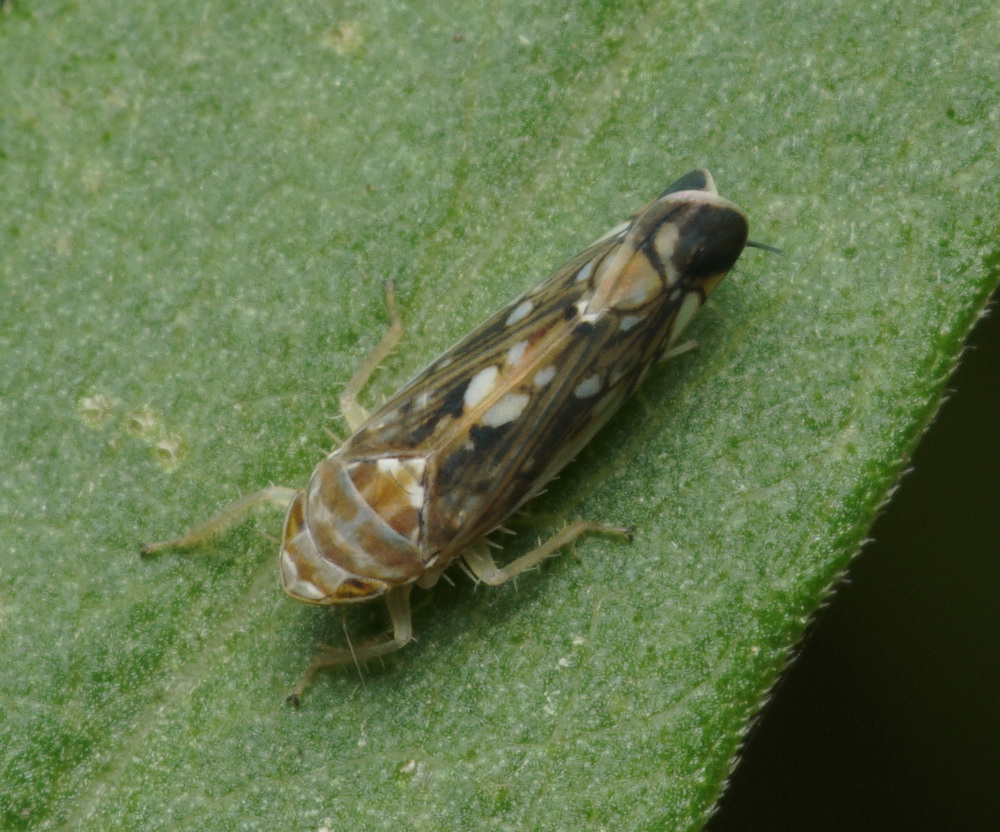
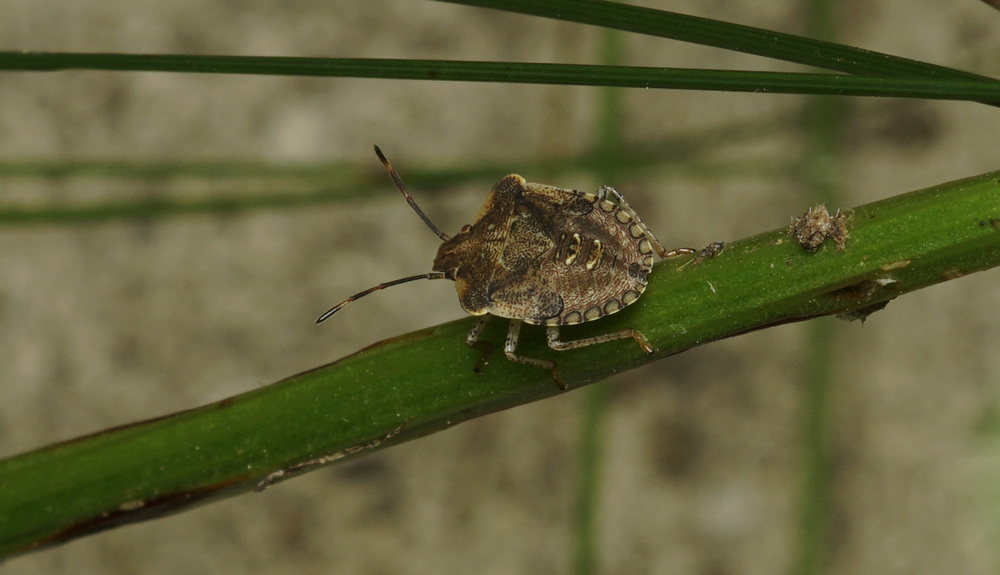
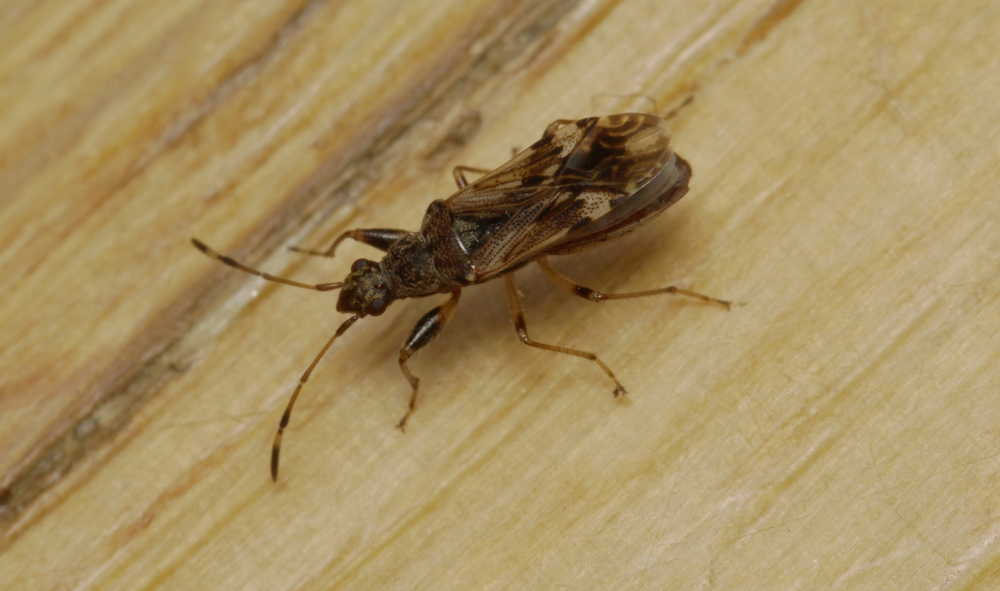
Hemiptera
We’ll keep this at tribe Scaphoideini and hope that that is safe enough.
I think this is Microdon, in Syrphidae. The question then is, which one?
NOTE: Eumerus was suggested in iNaturalist, in Erastalinae. Microdon has much larger antennae, I’m told.
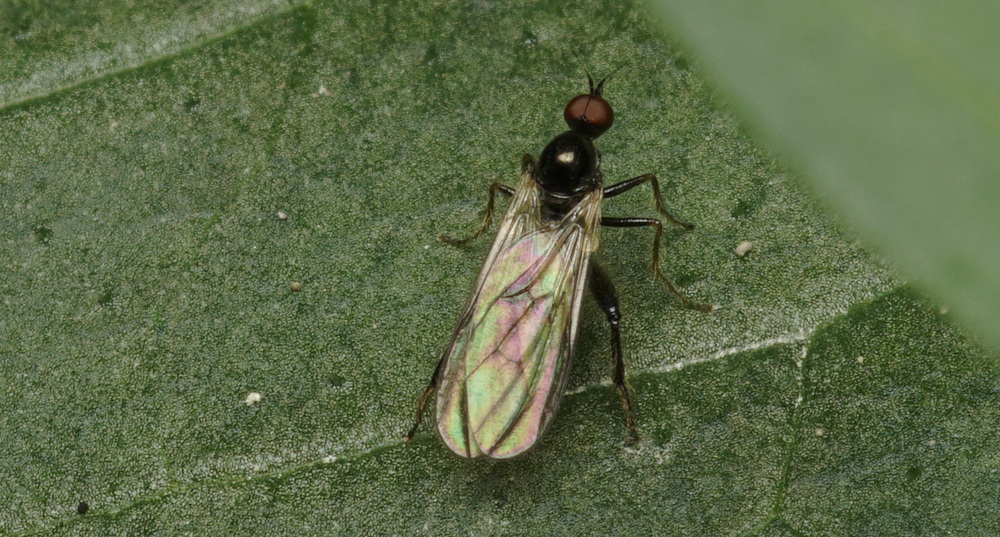
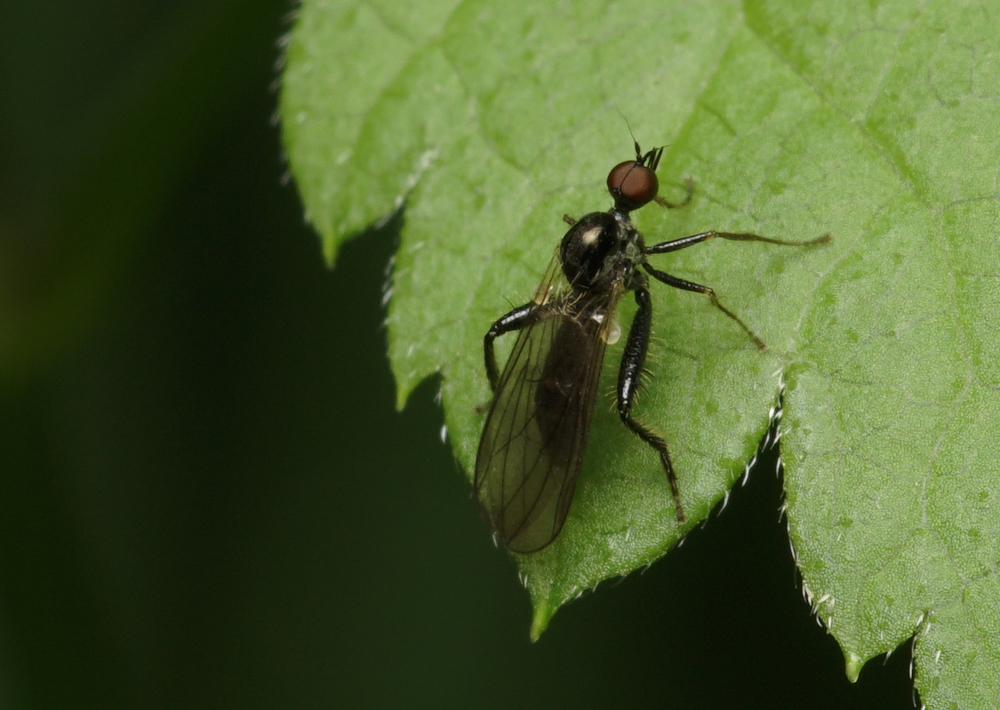
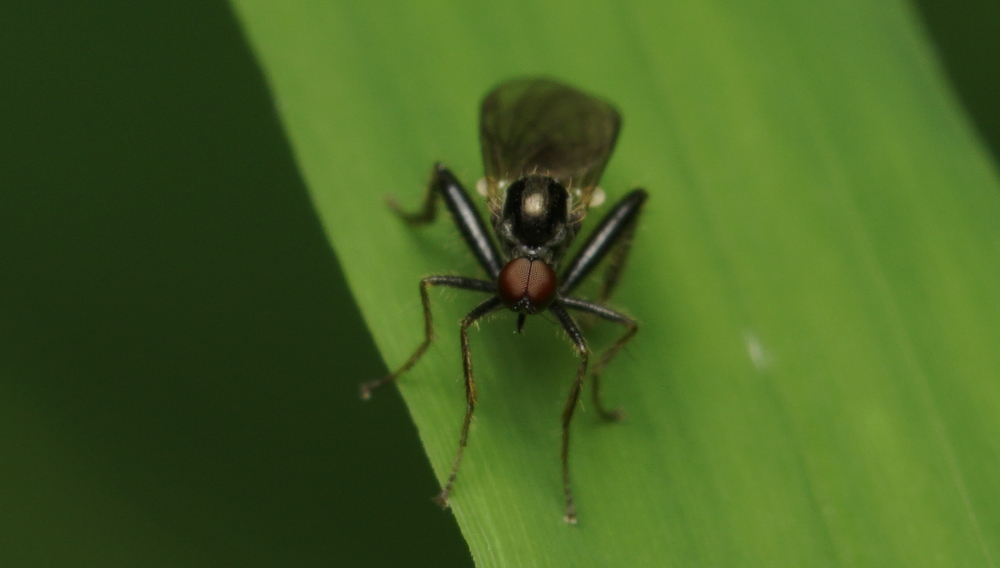
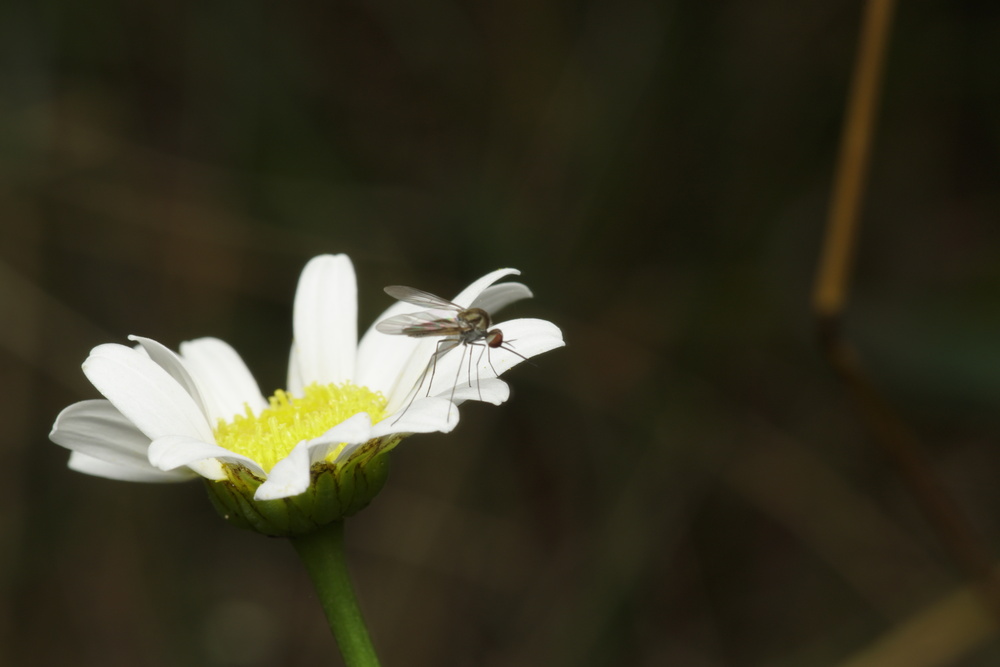
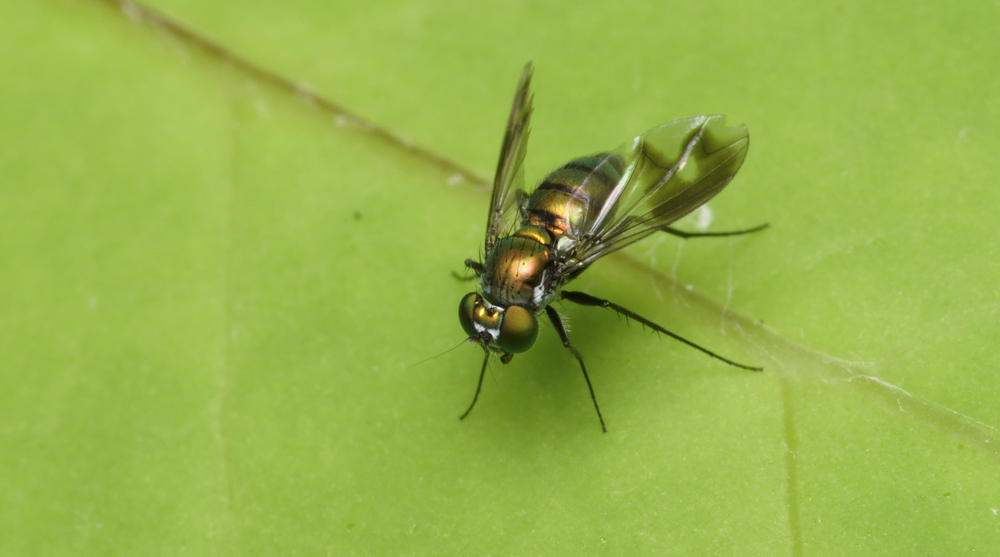
Dolichopodidae, perhaps Chrysotus:
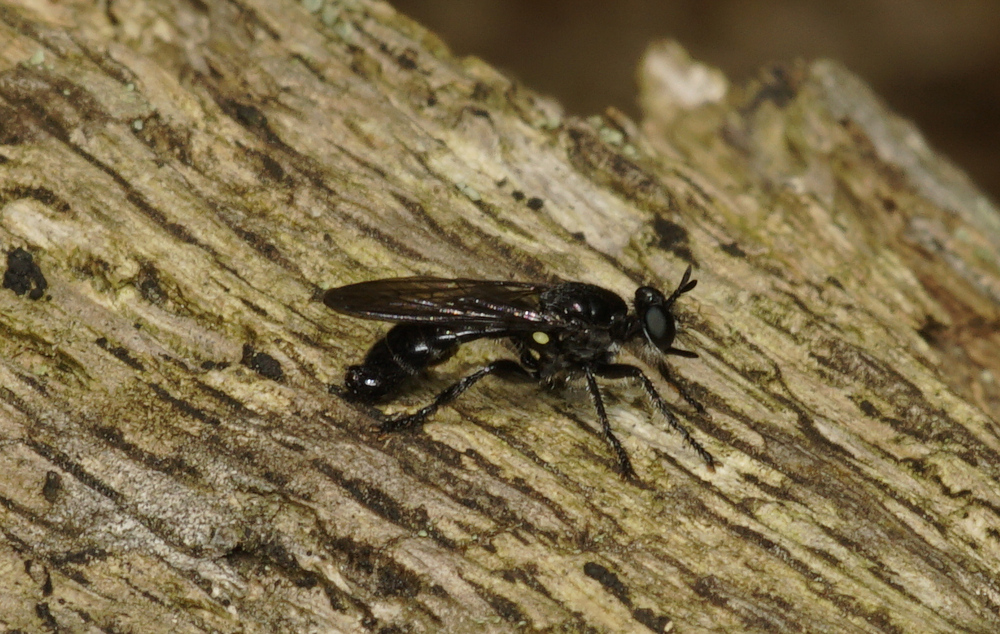
Hybos reversus, according to iNaturalist:
And another
Picturesque Bombylid:
Another Dolichopodid:
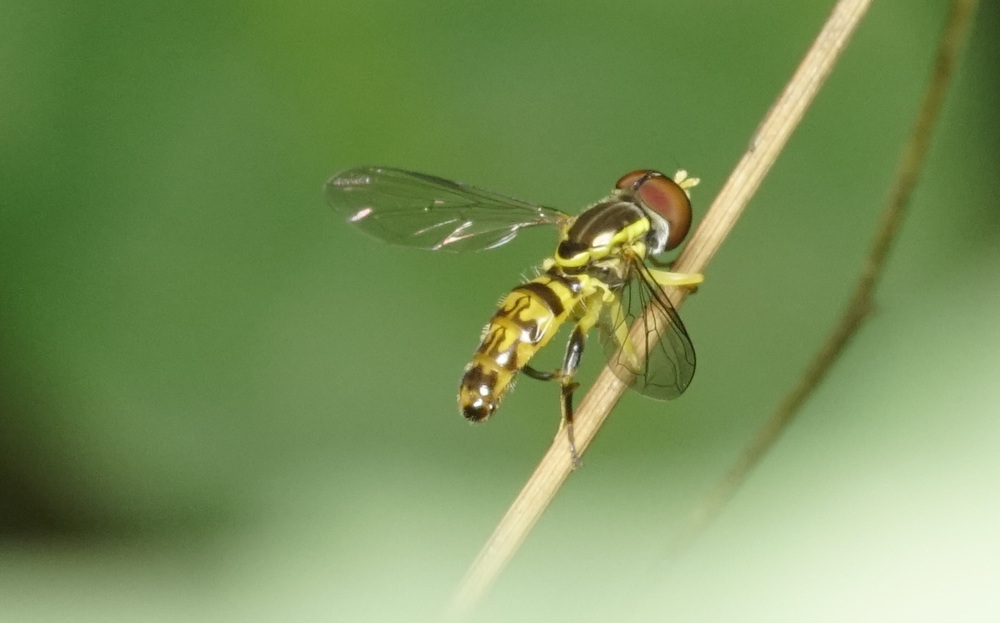
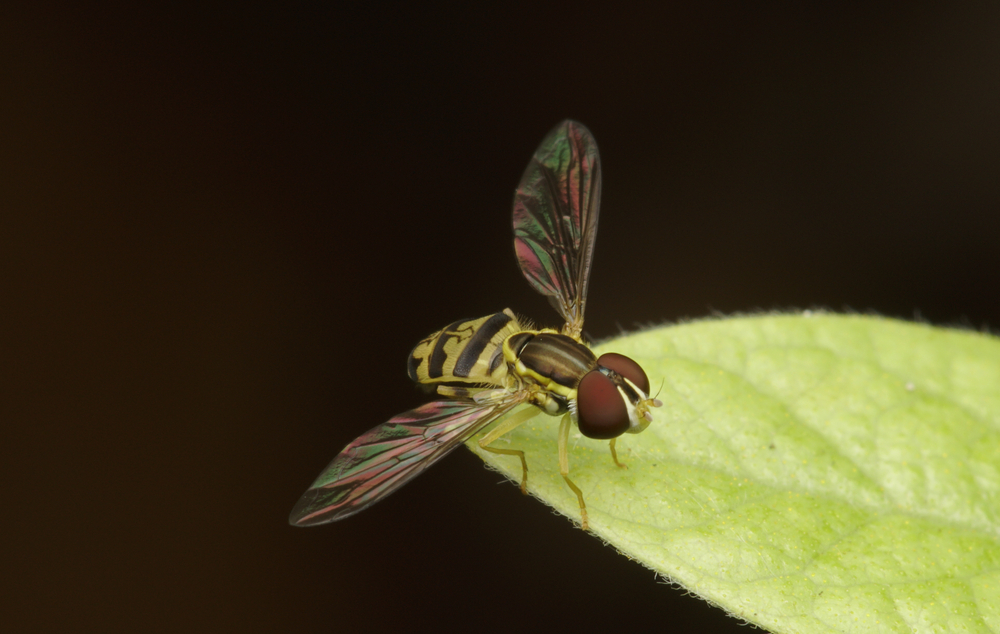
Toxomerus geminatus:
Coleoptera
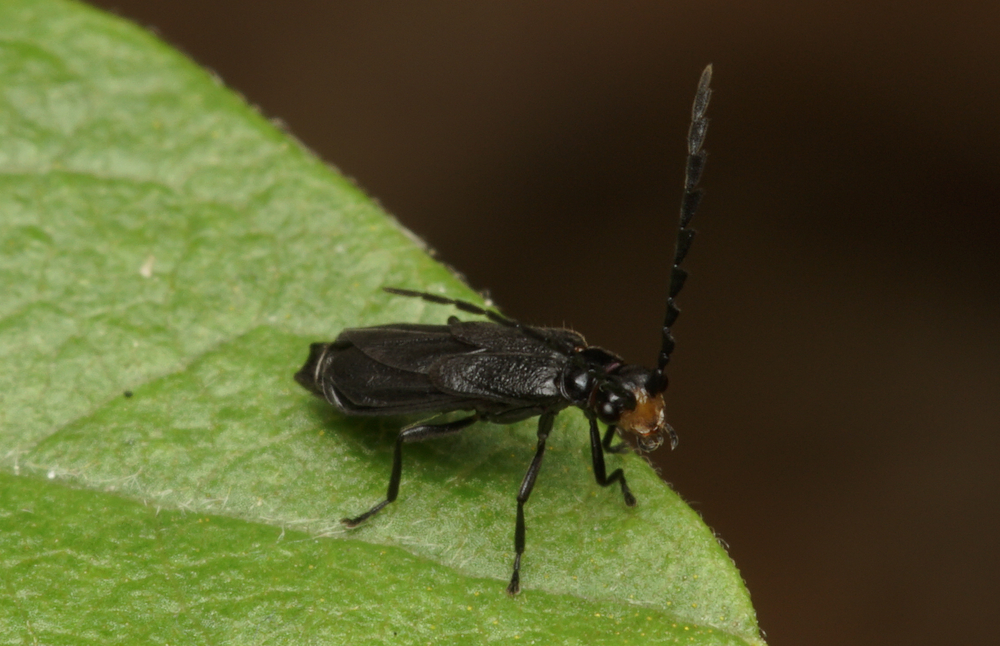
Eucnemidae, false click beetle.
Hymenoptera
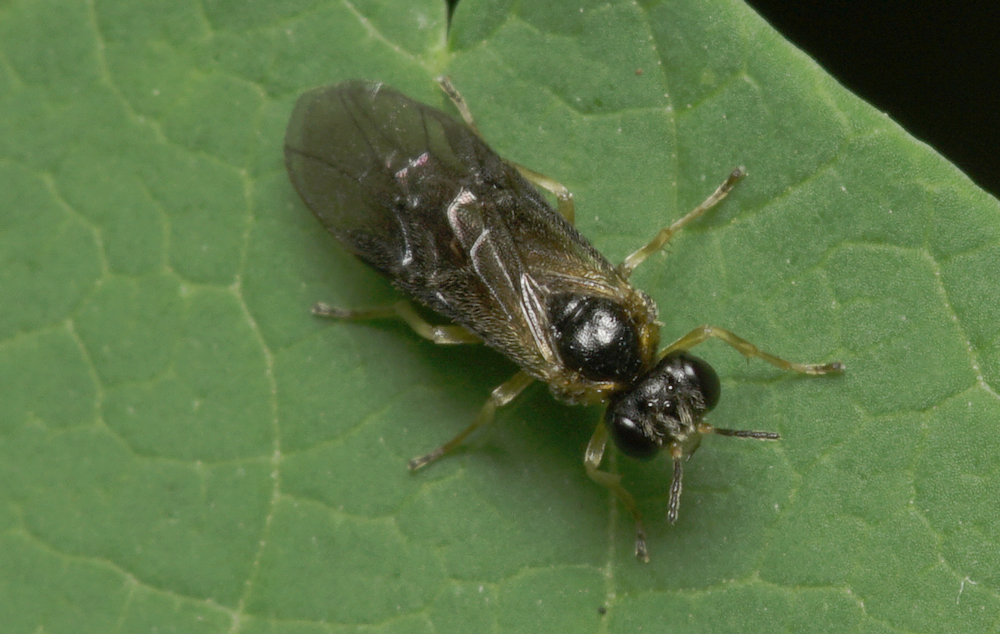
Is this something like Isodonta mexicana (leaf carrying wasp)? I think so, but I personally can’t even rule out Eumeninae (potter wasps).
EDIT: “not vespidae by the wing shape (the majority of vespids will hold their wings out like this at rest but will also fold them lengthwise giving them a characteristic thinner look, for ex: https://bugguide.net/node/view/947720) and the thin thread-like petiole bt thorax and abdomen puts this in sphecidae, isodontia is the only sphecid in the region to hold wings out like this”
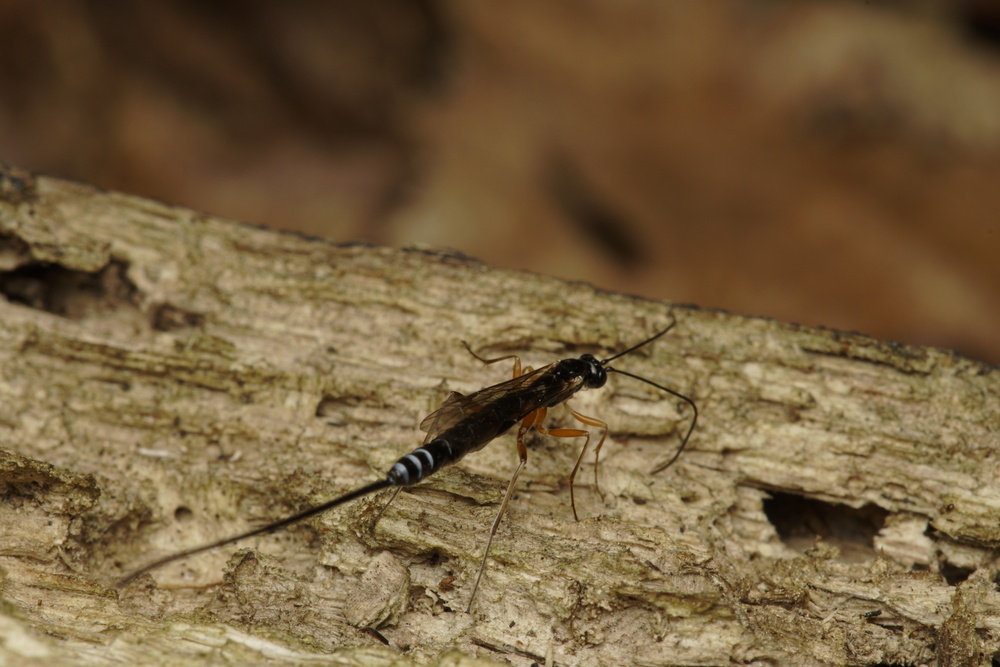
These Ichneumonids were all over the place. I also got some mildly unsatisfactory photos of one ovipositing.
“Probably Pimplinae”
And hey, another one:
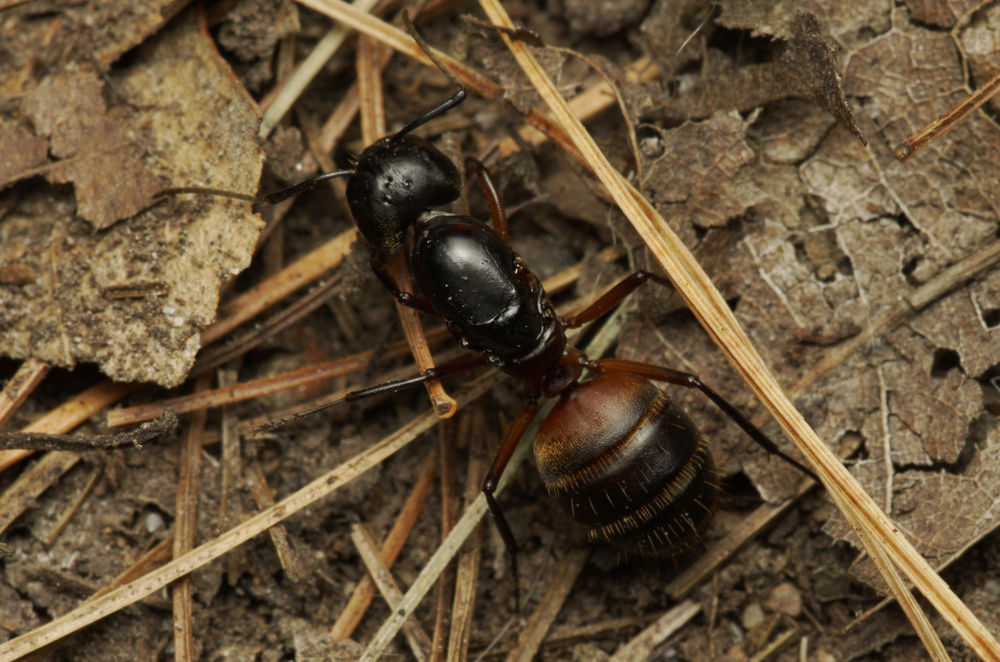
Ant alate
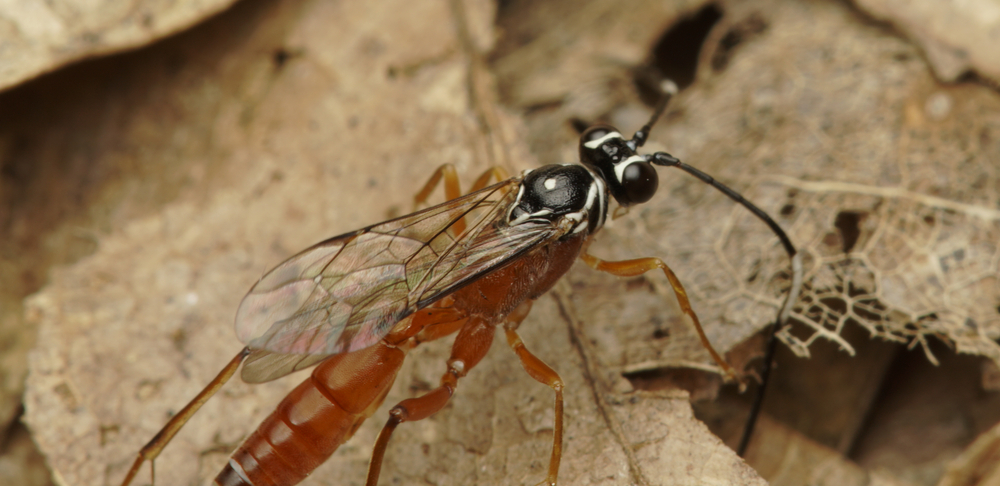
Camplopegine Ichneumonid, I think:
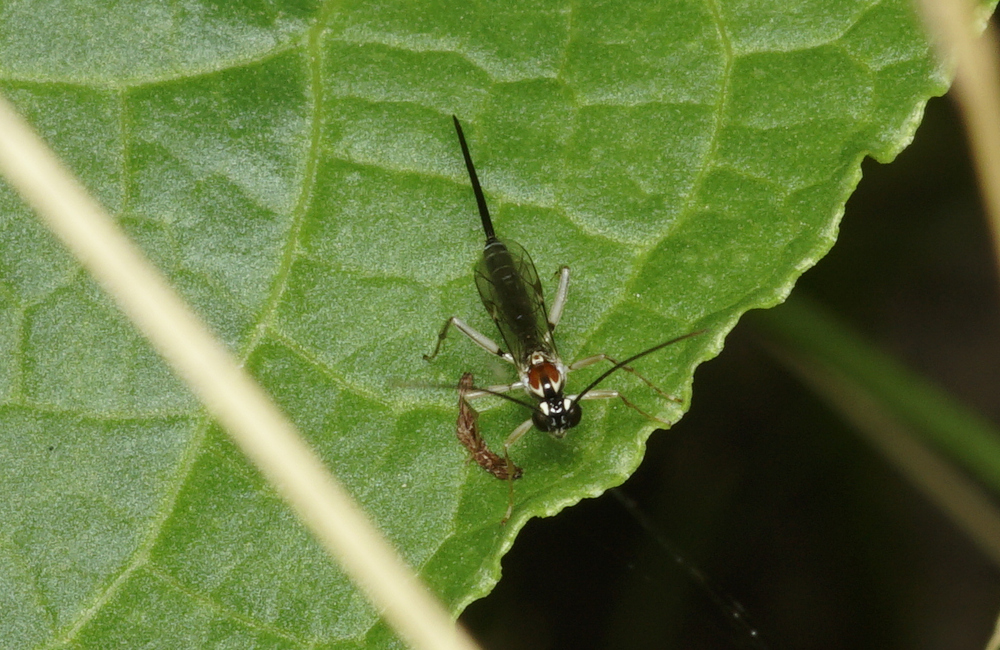
This could be Spathius. Notice the folding of the ovipositor. There are also stray strands around the ovipositor, and I don’t know what they are.
Odonata
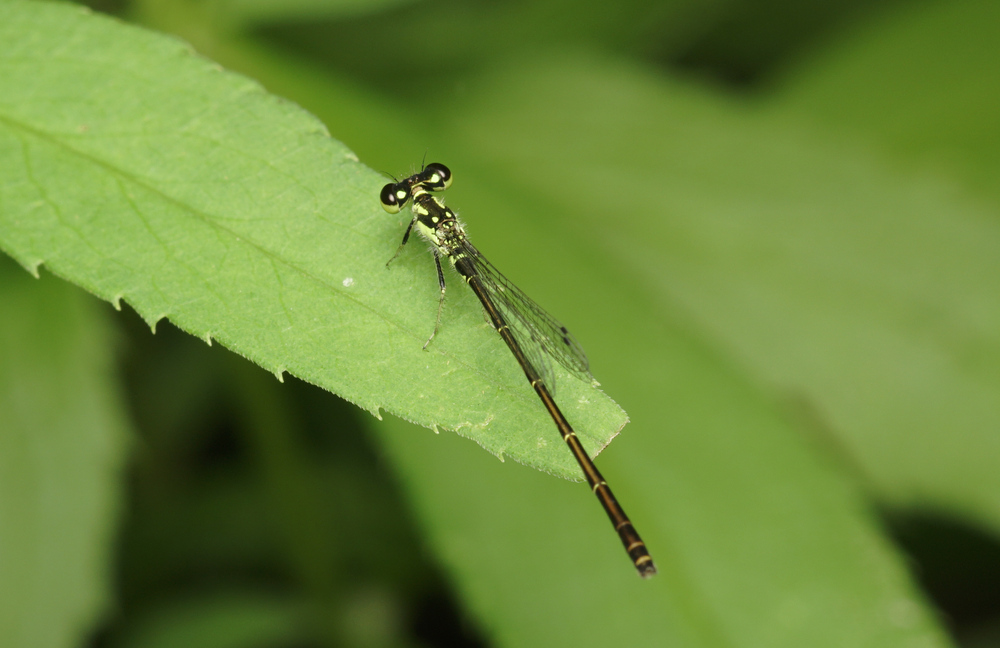
Ischnura, a forktail? Ischnura posita, fragile forktail, was suggested.
Mecoptera
As promised, multiple scorpionflies, all in Panorpa! Here’s the first:
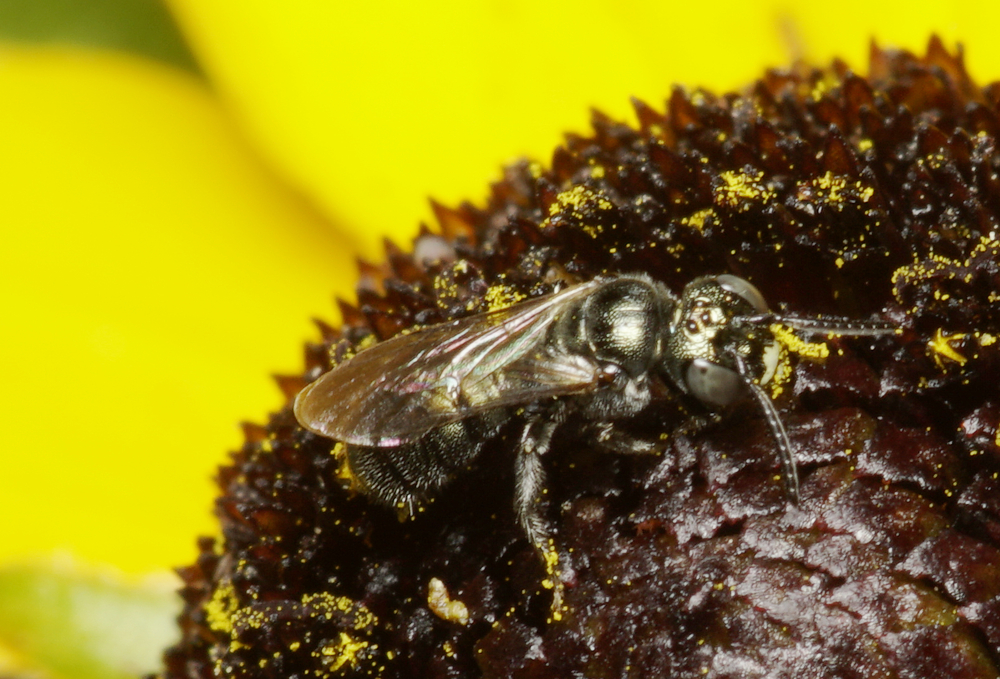
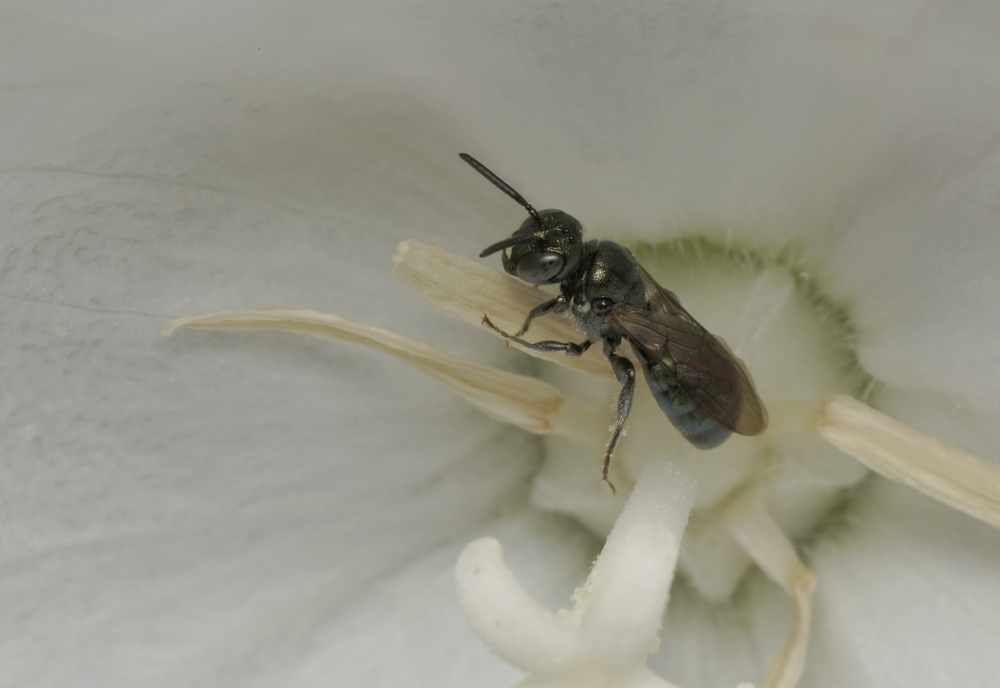
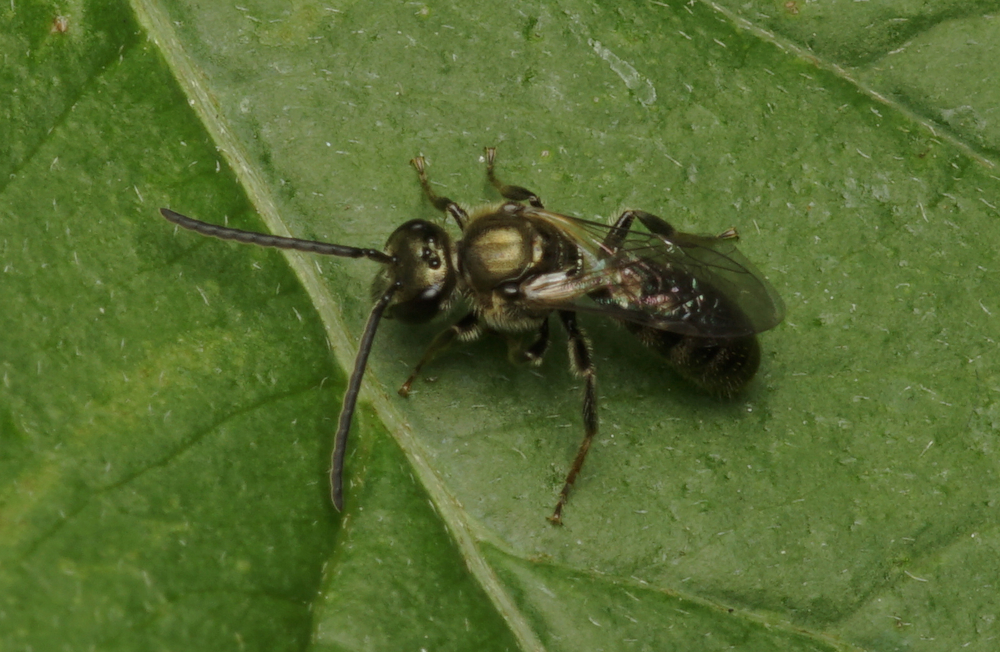
Lasioglossum, sub-genus Dialictus, I think. One of the my favorites, I love the golden color.
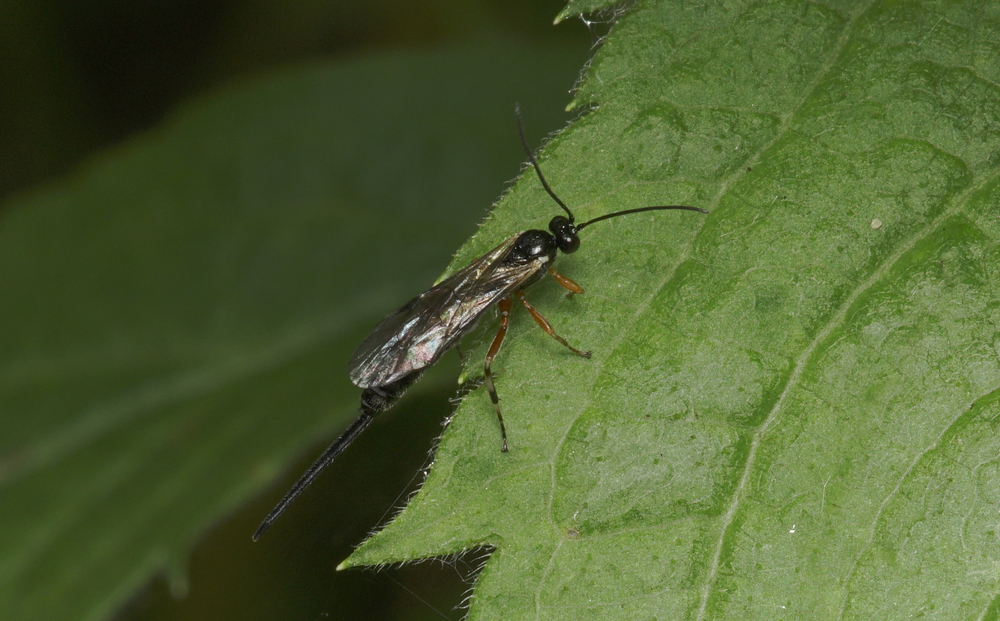
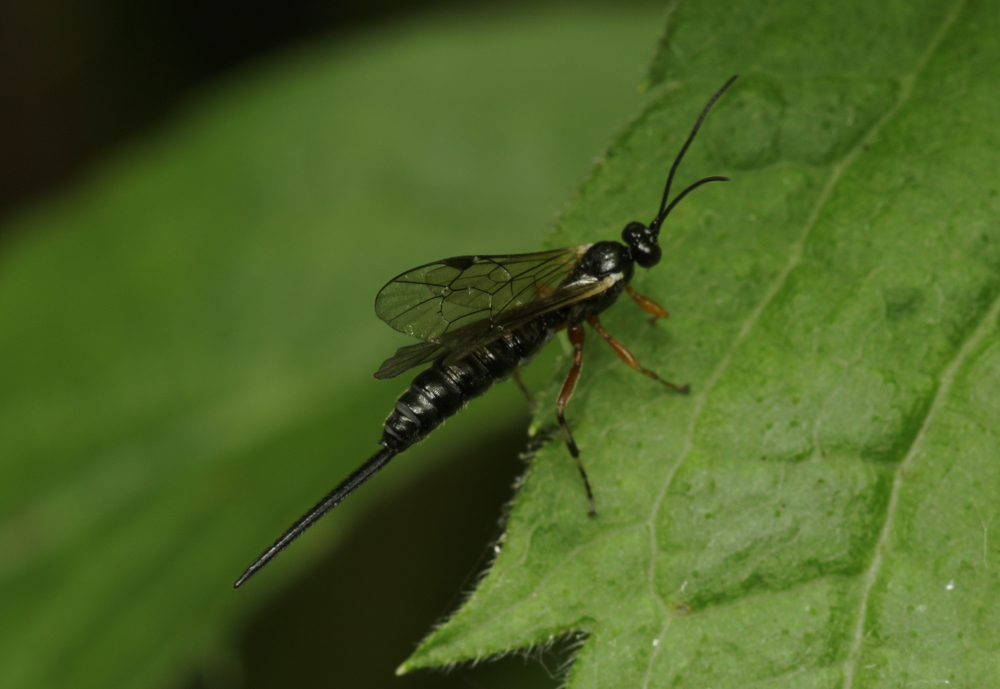
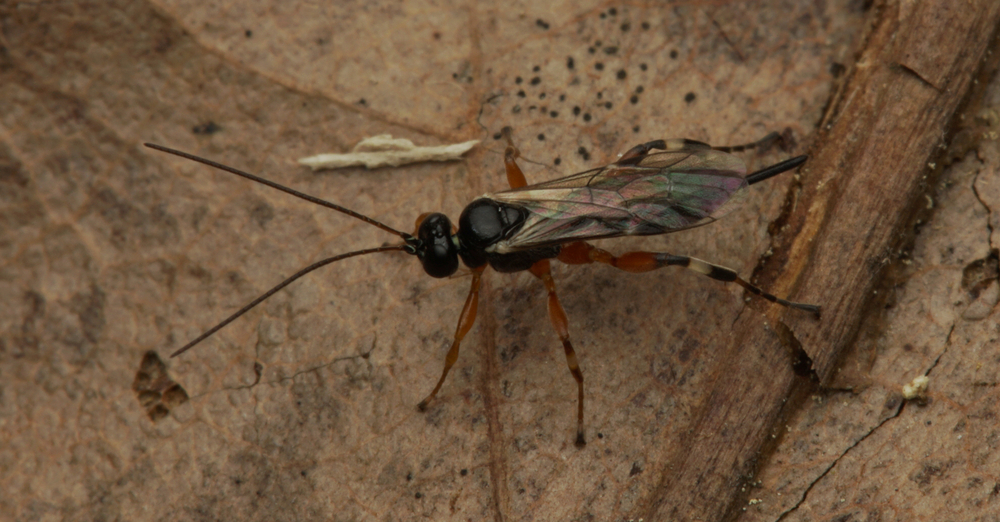
If I had to guess, then my guess would be something like Cryptinae. iNaturalist goes further and claims Mesostenus, but that seems very very ambitious and optimistic.
Odonata
One of the dancers?
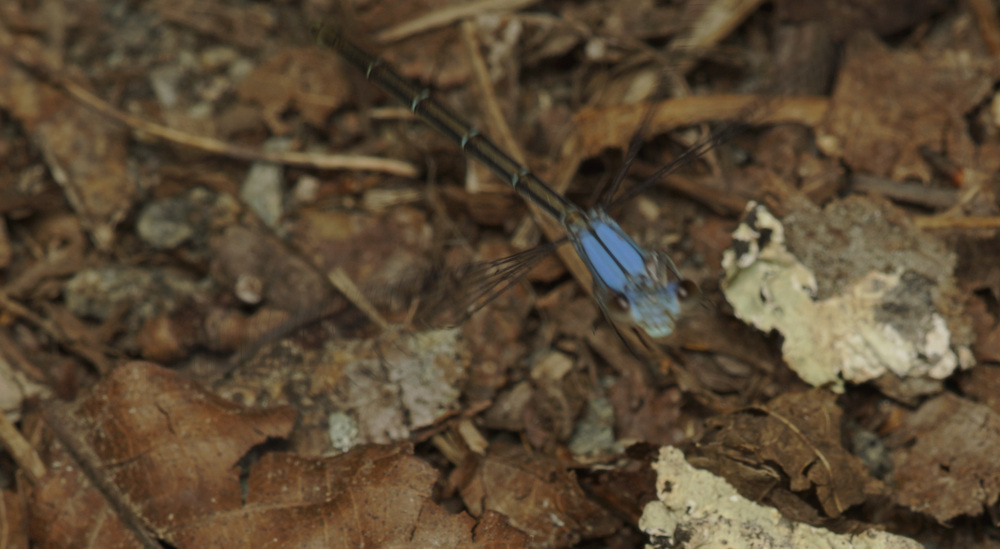
Argia, one of the dancers?
I thought this was funny, it took off as I was lining up the shot




























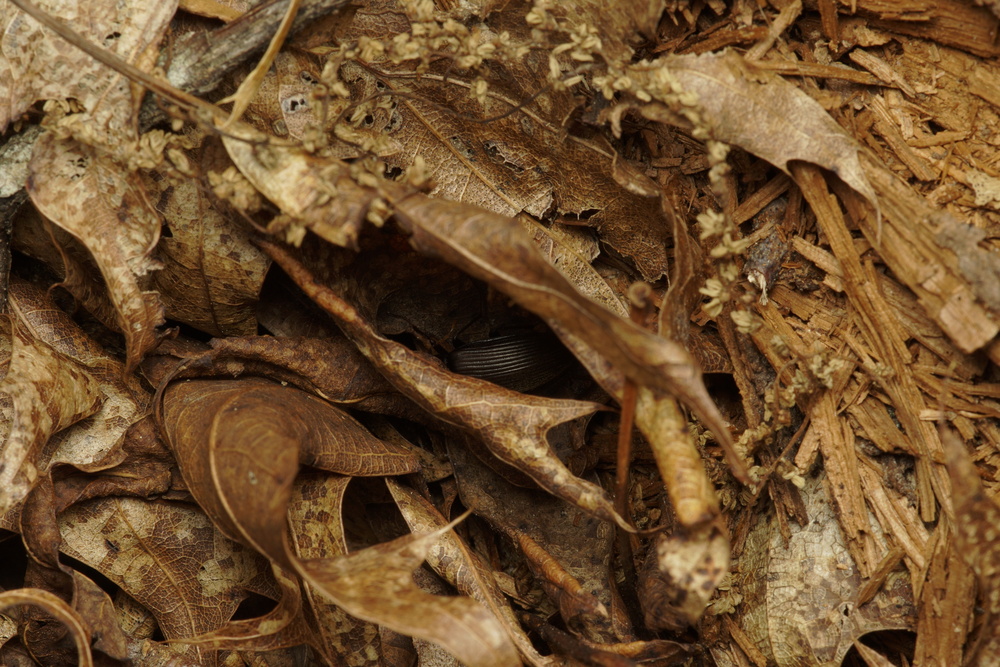

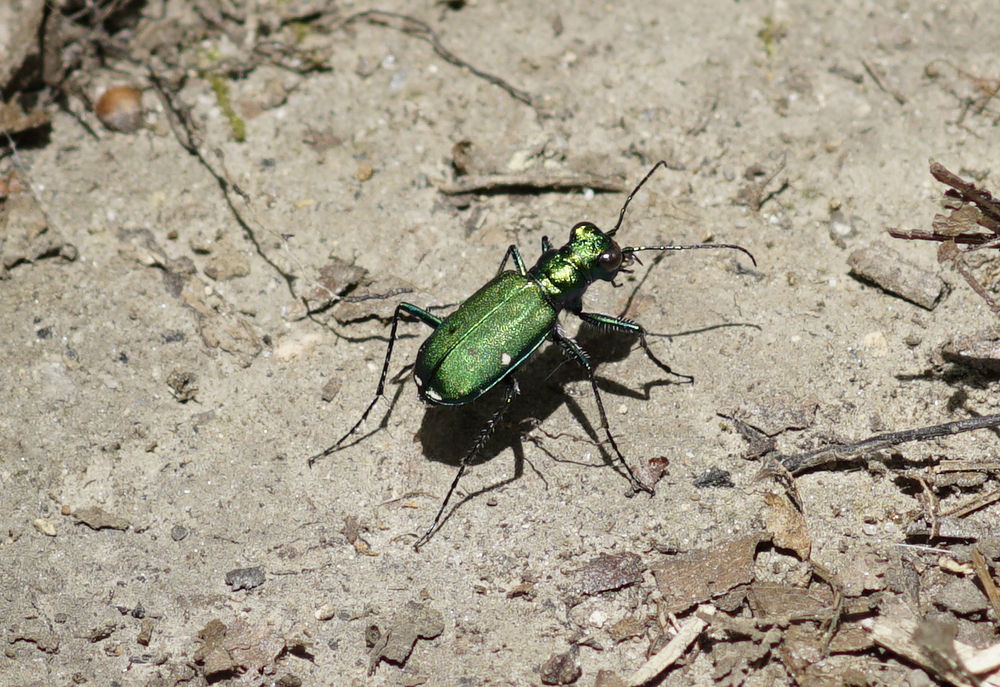

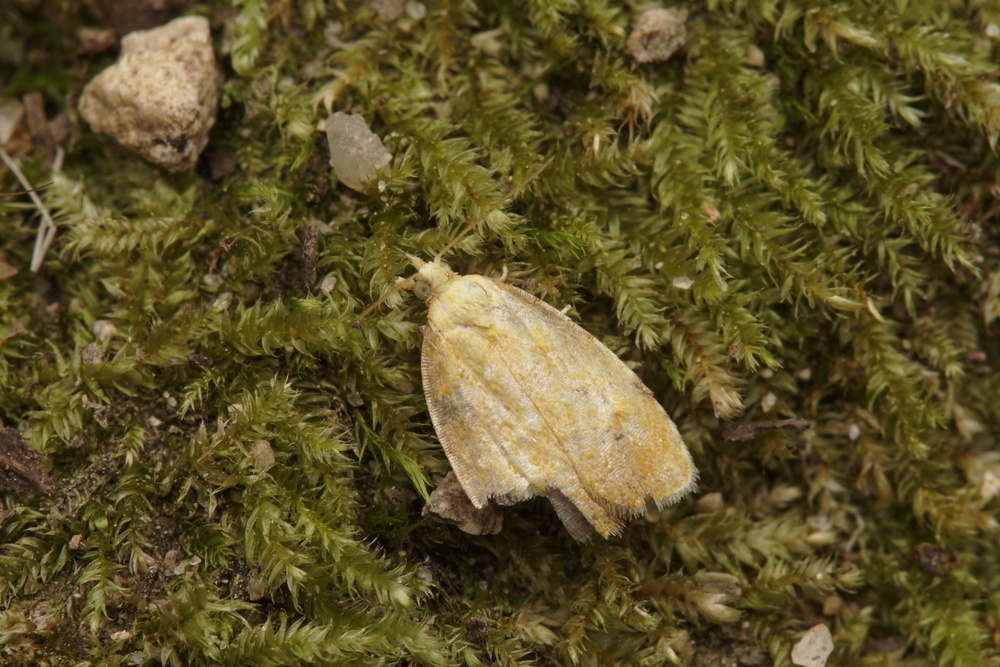


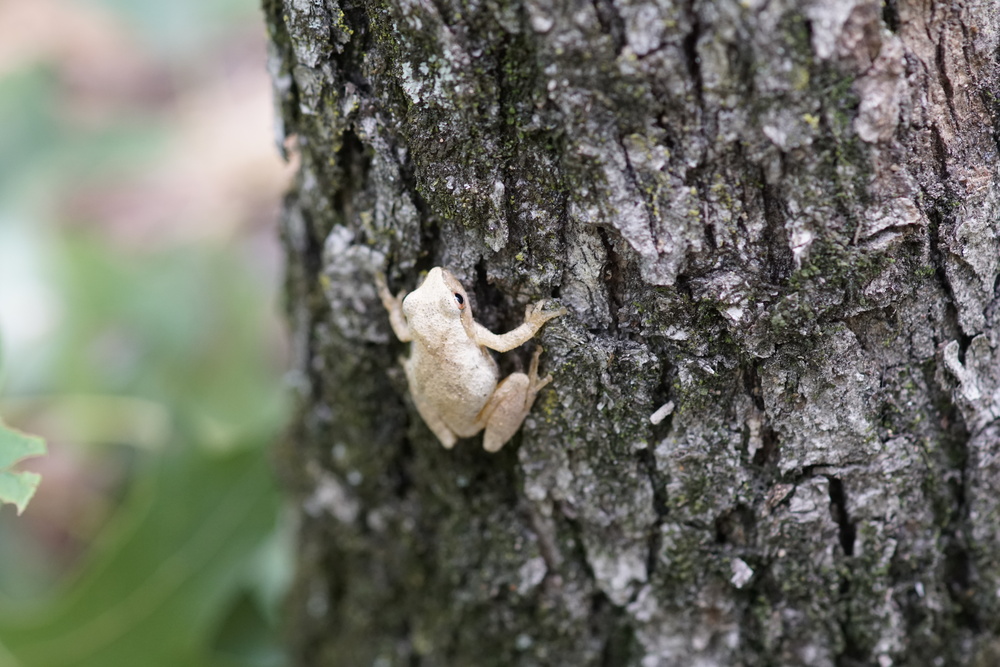
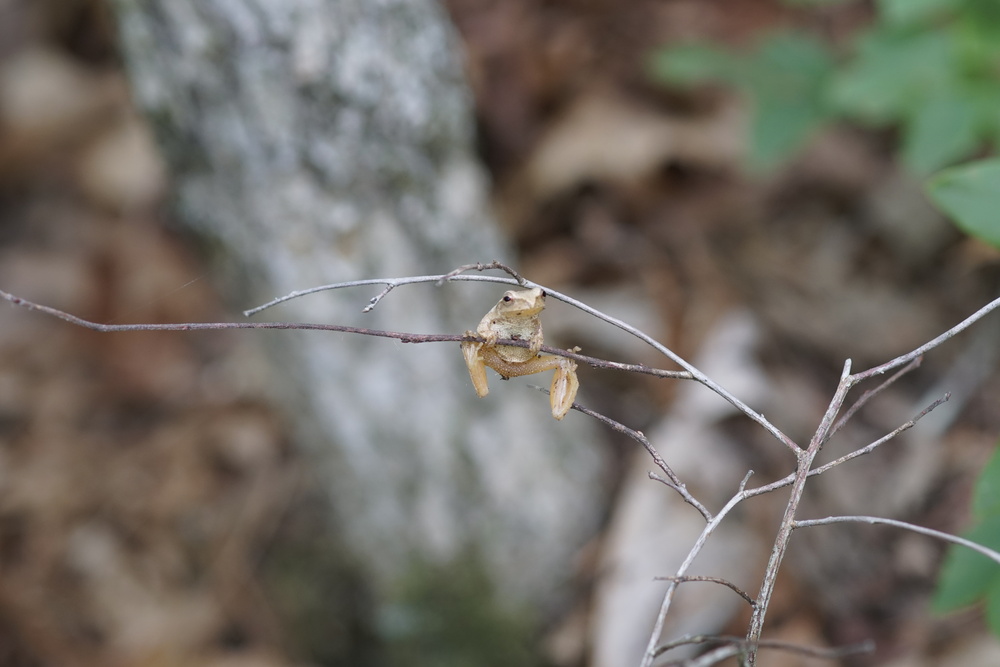

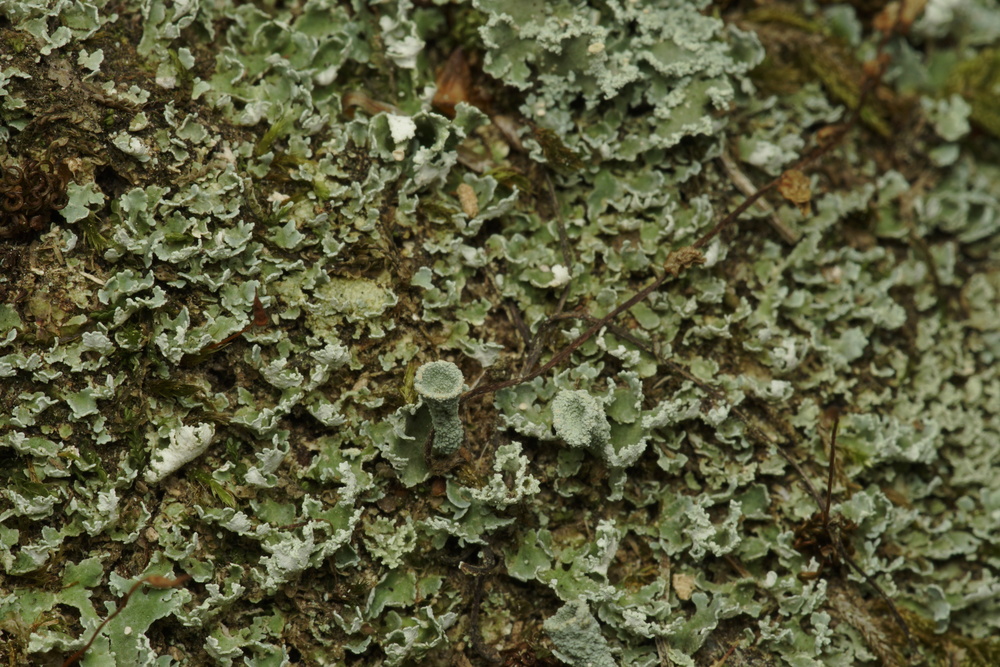

 a little wild