Archive for August 2025

Barber Reservation, Sherborn   Leave a comment

Urban Nature Walk, organized by Jef Taylor, with the amazing Sloan Tomlinson talking about wasps!

(Some quick identifications now, more at leisure in a few days).

Lepidoptera

The black locust leaf miner: https://bygl.osu.edu/node/846

“Another twist to add to this story is the fact that there is another leafminer that can be found on black locust trees called the locust digitate leafminer (Parectopa robiniella), a species of moth. The adult moth is tiny with a wingspan less than 1/4″ from tip to tip. Unlike the locust leafminer beetle, only the caterpillar feeds on the leaves of the locust tree.  There can be 2 to 3 generations per year.”

Jef pointed out that this one has a central spot, and then carves out the leaf innards outwards from that spot, after which it returns back there and creates another node of the star shape.

Hymenoptera

With Sloan’s presence, of course the Hymenoptera were the star of the outing. It doesn’t mean I was able to actually identify them myself, of course.

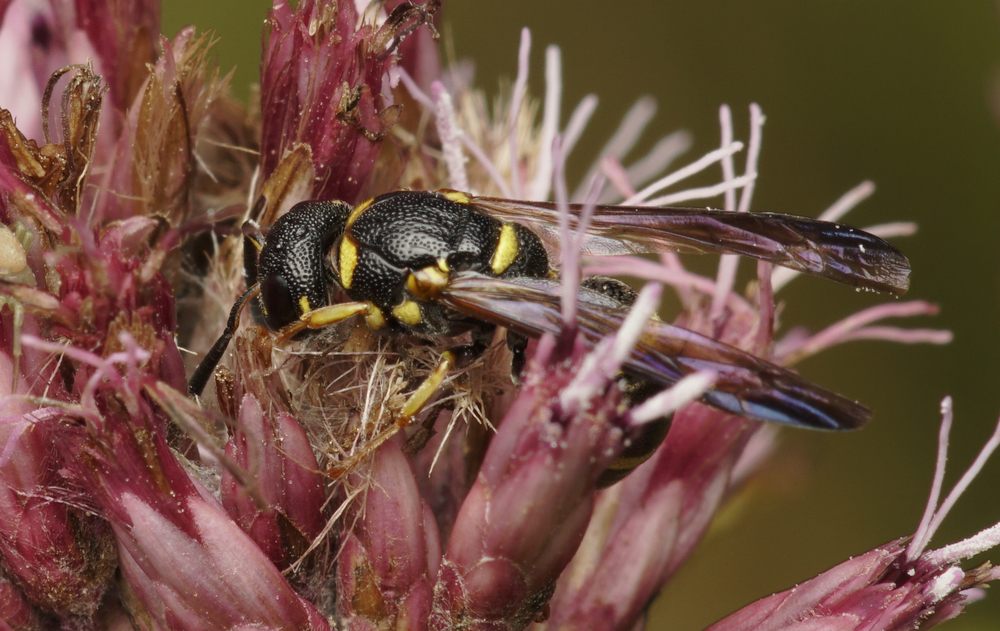
Ectemnius, in Crabronidae:

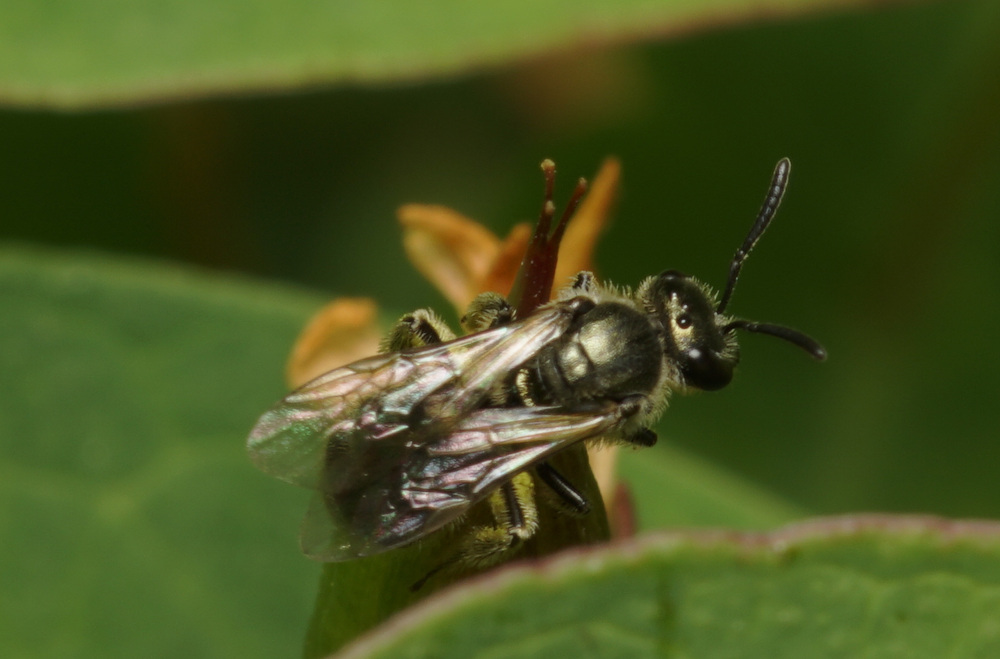
Masked bee in Hylaeus

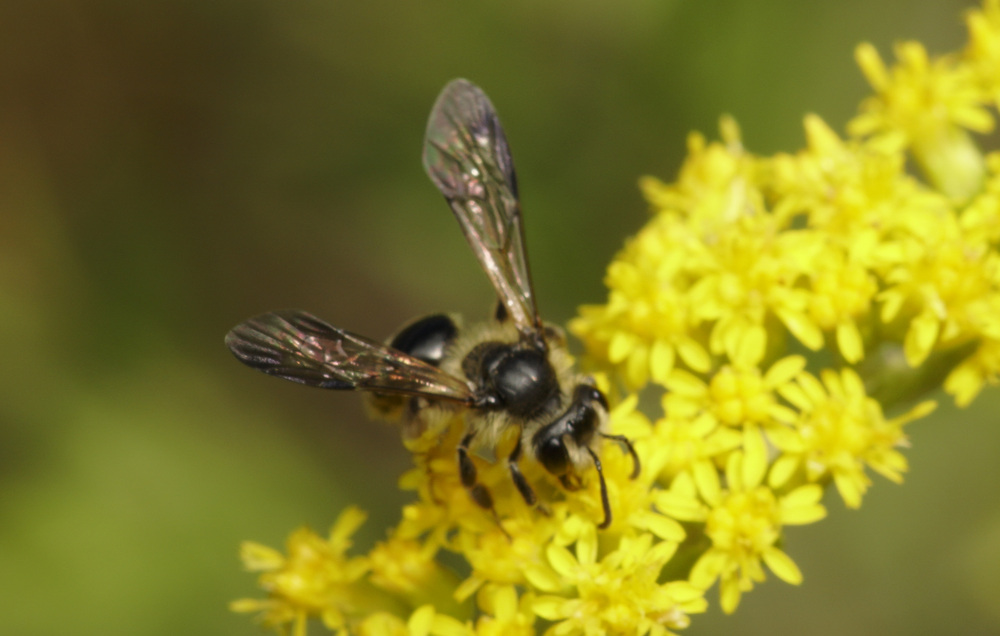
What bee? Probably something in Andrena.

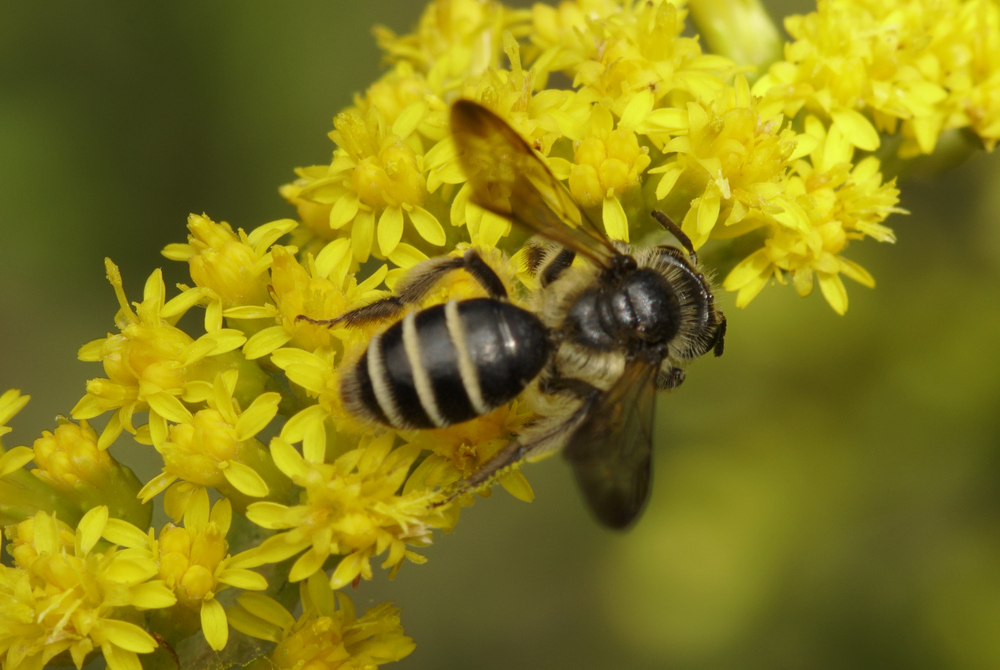
Also something in Andrena, perhaps? EDIT: Andrena nubecula

Isodontia cf mexicana

Paper wasp, Polistes

Some type of potter wasp, I think.

Agapostemon virescens in Halictidae, presumably:

Another Andrena?

Lovely Pompilidae wasp, perhaps Anoplius

Coleoptera

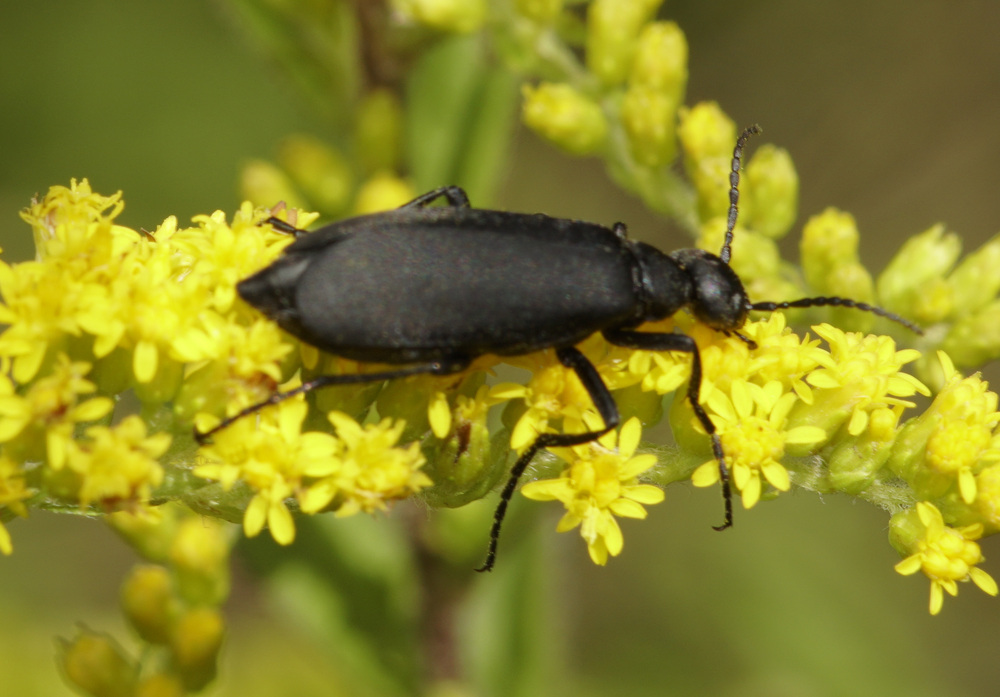
Blister beetle — Epicauta, presumably

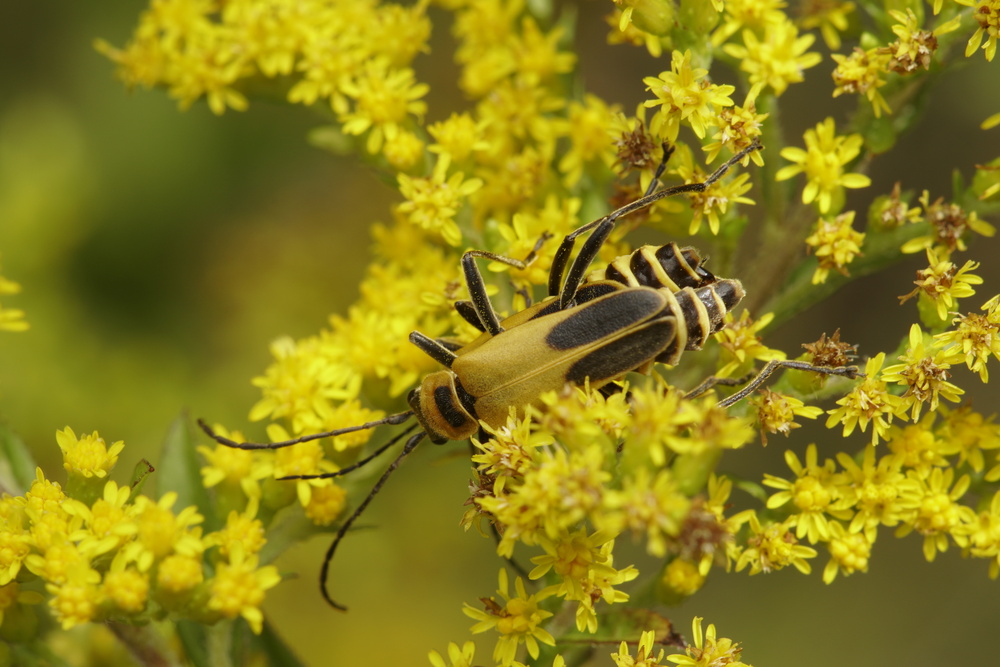
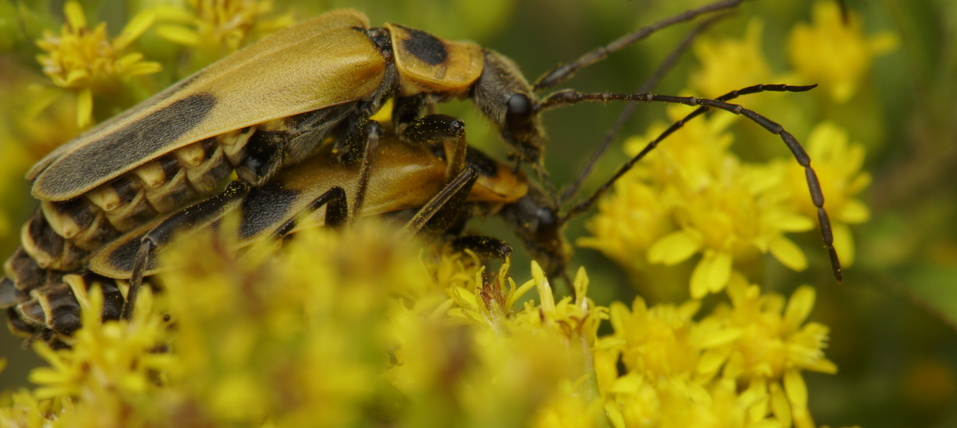
These beetles were absolutely everywhere. Chauliognathus pensylvanicus, goldenrod soldier beetle in Cantharidae. The mystery of the missing ‘n’ in pen(n)sylvanicus persists.

Diptera

Dolichopodidae

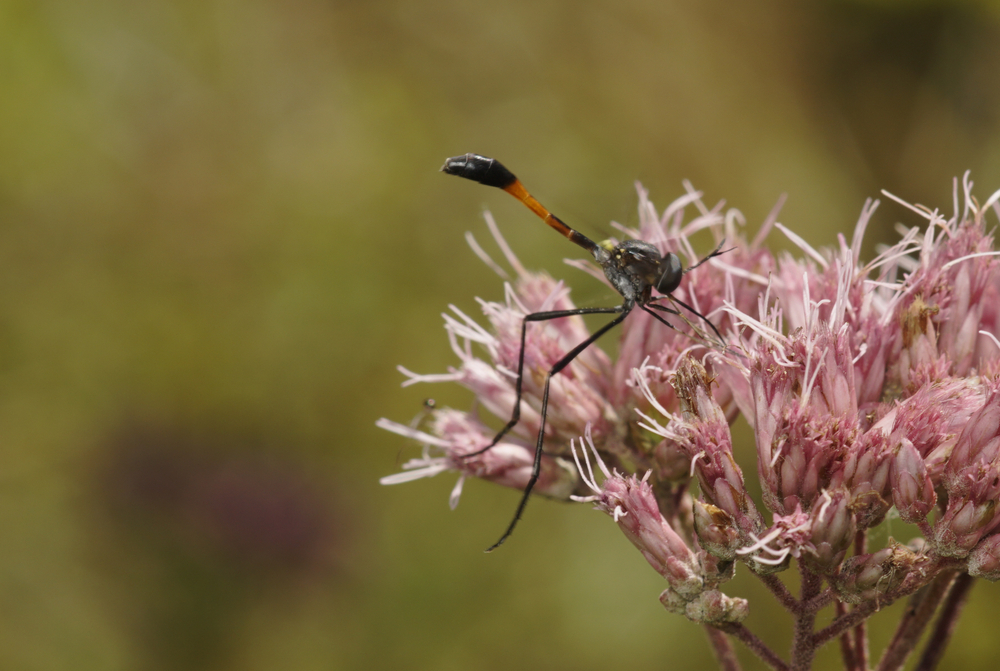
Spectacular Bombyllidae fly imitating Ammophila wasps in Sphecidae. Systropus macer, I think.

From BugGuide: “The best feature to separate this [Systropus angulatus] from the other eastern species, S. macer, is whether the propleuron (the swollen sclerite on the anterior edge of the thorax) is yellow (S. macer) or black with silvery hairs (S. angulatus).”

Hemiptera

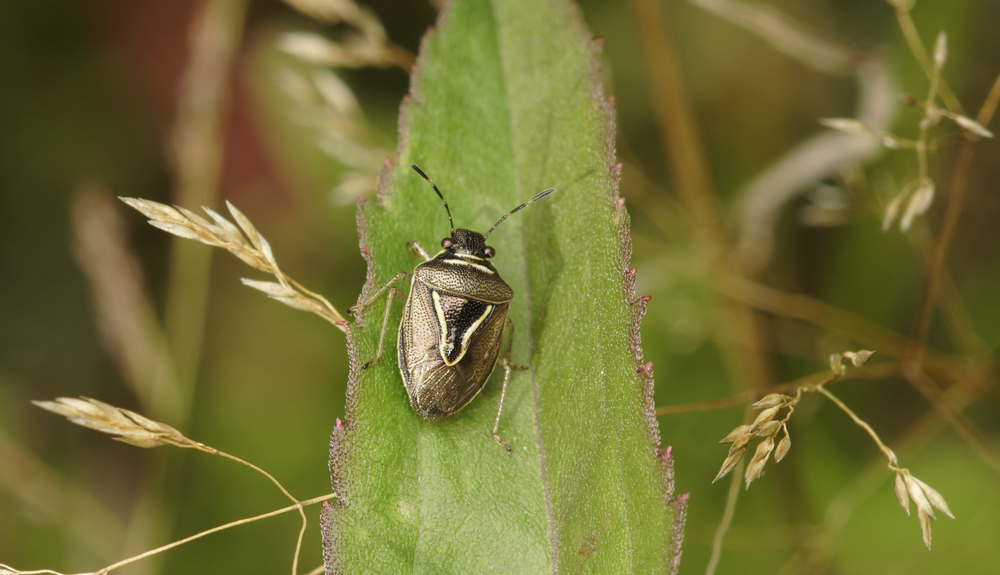
Gorgeous — Pentatomidae –> tribe Carpocorini –> Mormidea lugens, I think.

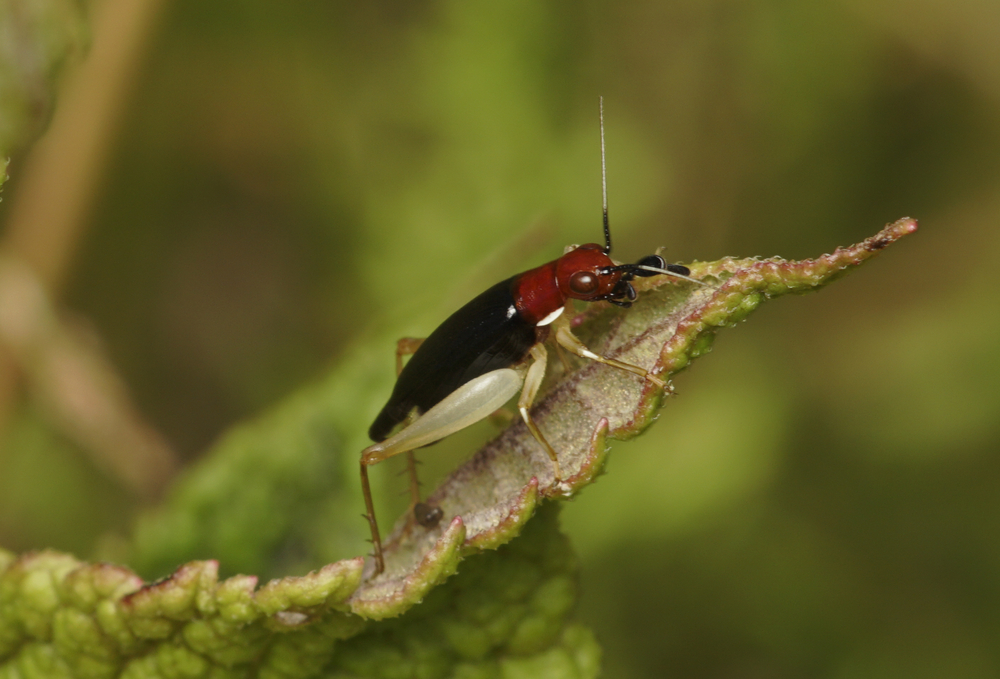
Handsome trig, Phyllopalpus pulchellus

Spiders

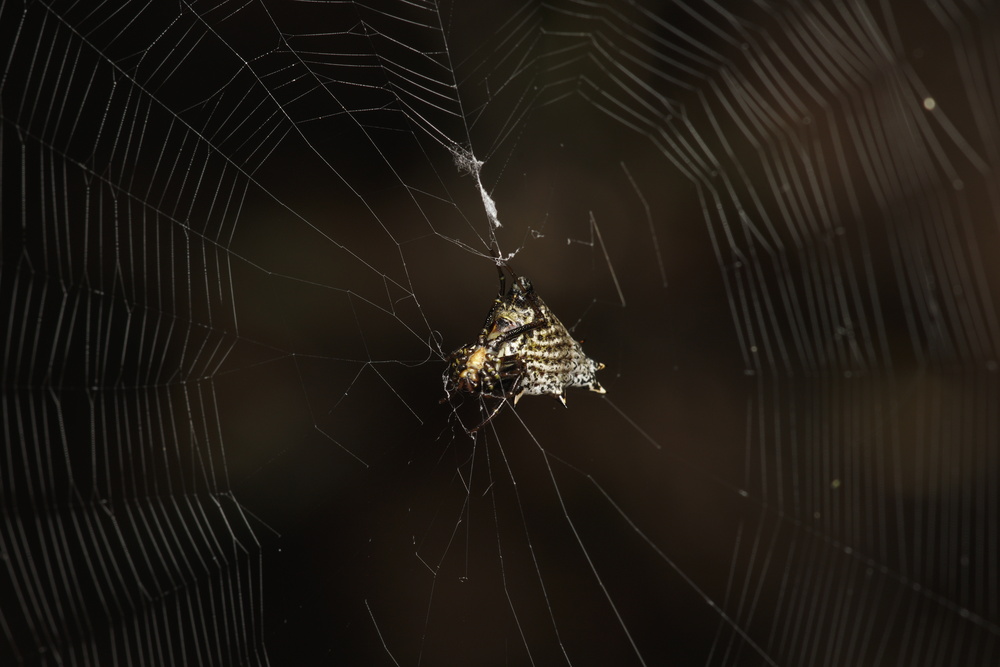
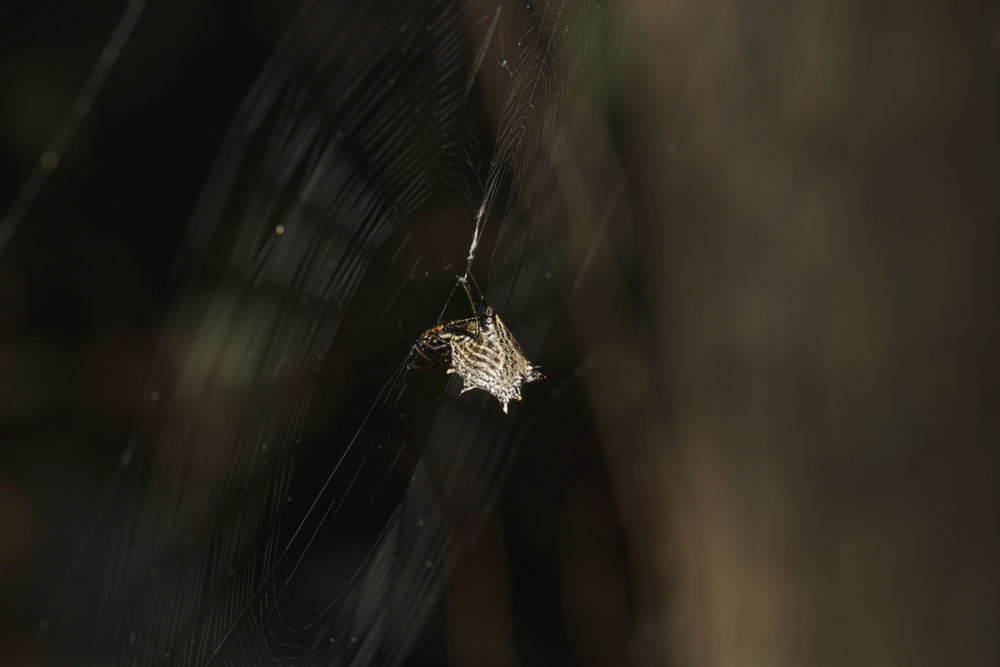
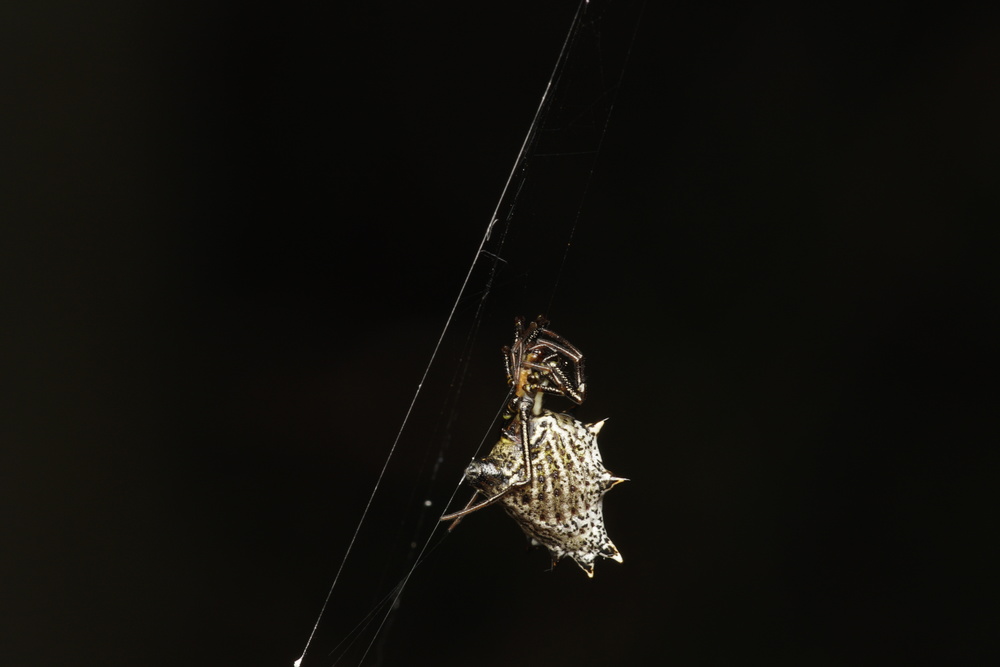
What a gorgeous Micrathena gracilis!

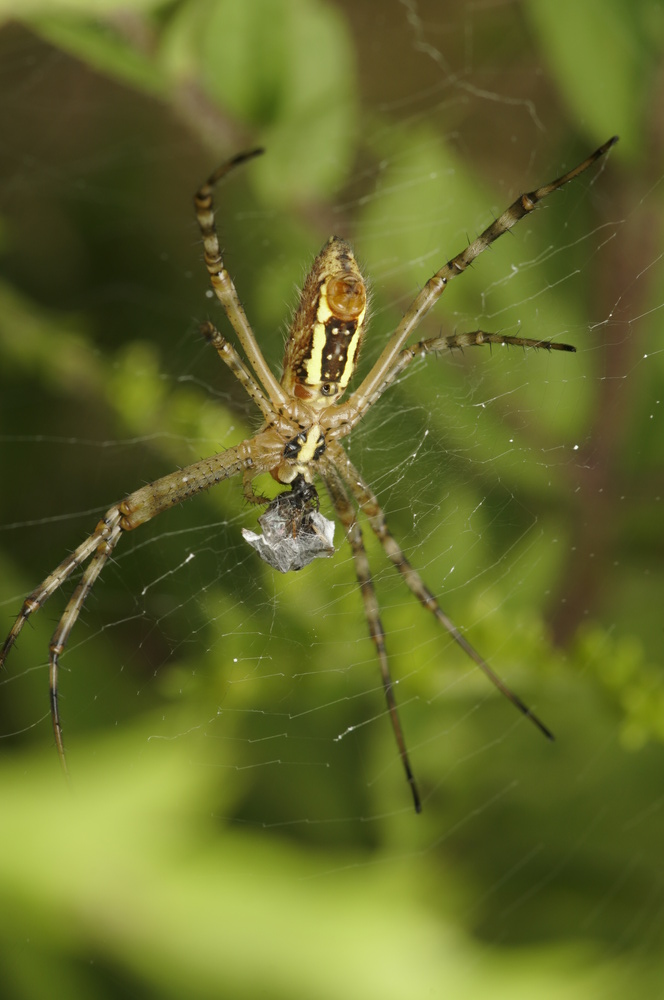
These Argiope were very common!

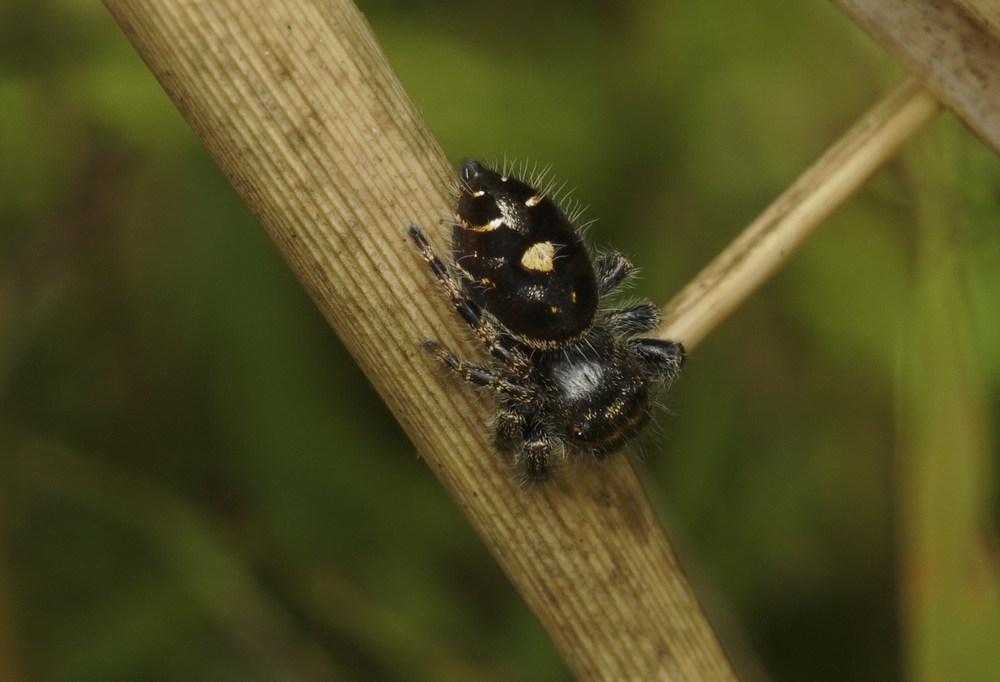
Phiddipus audax

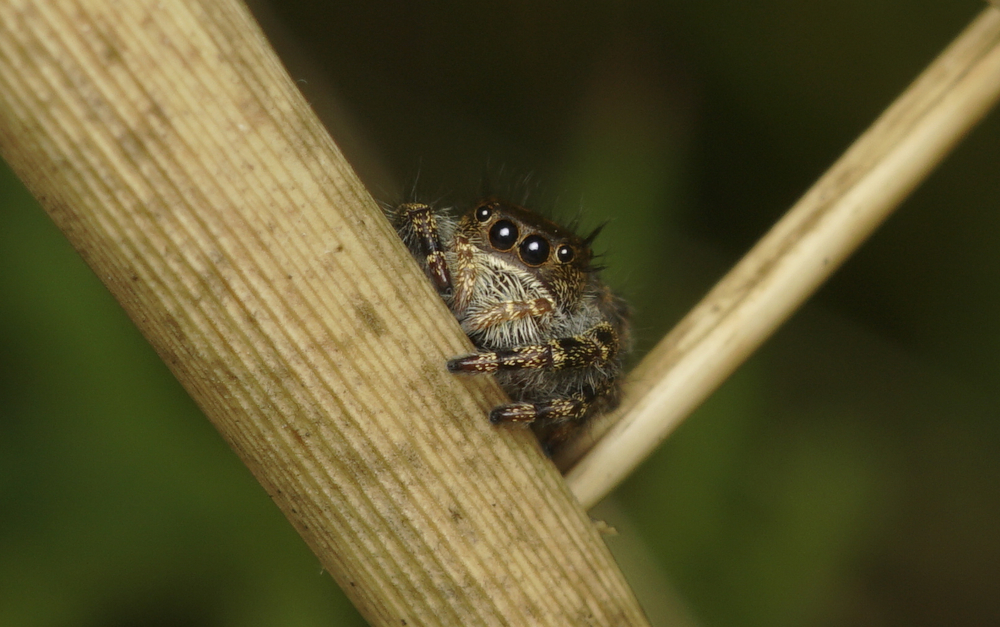
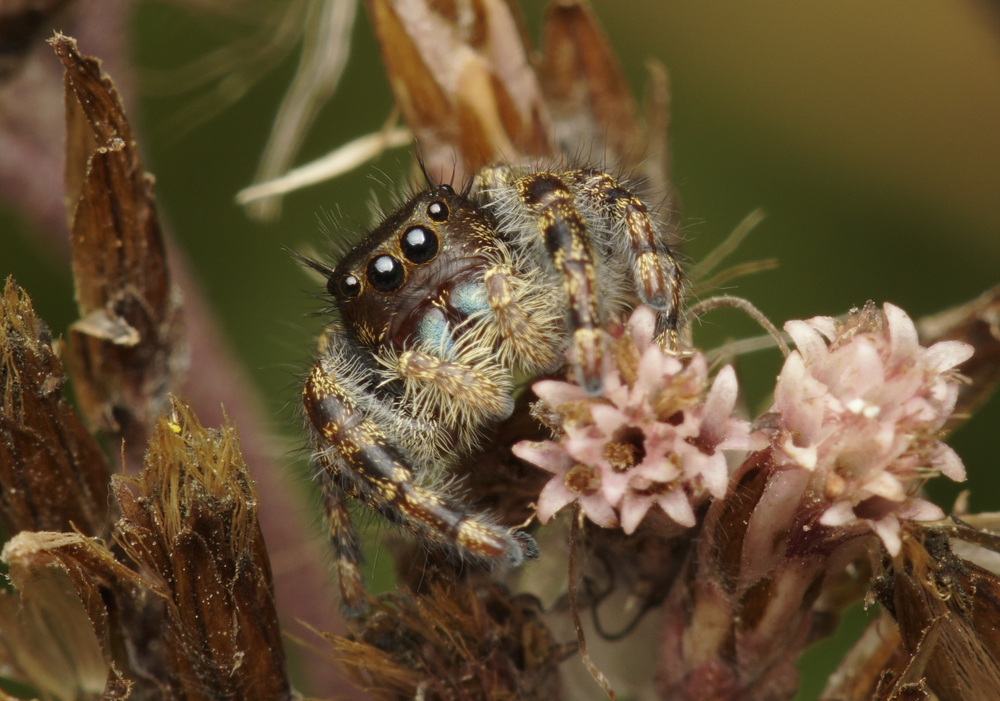
And another:

No bugs

Posted 2025-08-31 by gaurav1729 in Uncategorized

Hammond Pond   Leave a comment

A wonderful bug walk, led by Jace Porter, of Global Entomology Coalition: https://www.entomologycoalition.org/

Hammond Pond, near Chestnut Hill. I didn’t know we had these nice woods so close to town.

Observations, with latest edits, found here: https://www.inaturalist.org/calendar/gaurav1729/2025/8/17

Hymenoptera

Ammophila, in Sphecidae. They love stocking up on caterpillars as food for their babies.

This confused me at first. Episyron bigutattus, two spotted spider wasp, Pompilidae.

Lasioglossum

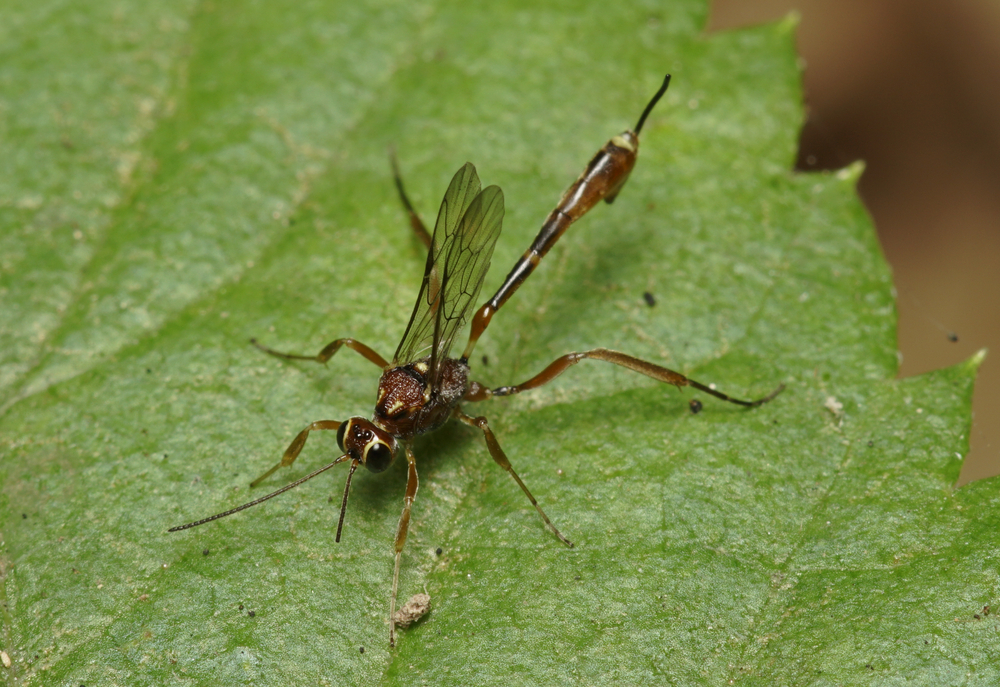
Lovely wasp in Ichneumonidae. Anomalon:

Hemiptera

Ambush bug, Phymata pennsylvanica

Flatid planthopper, Flatidae. Probably Flatormenis.

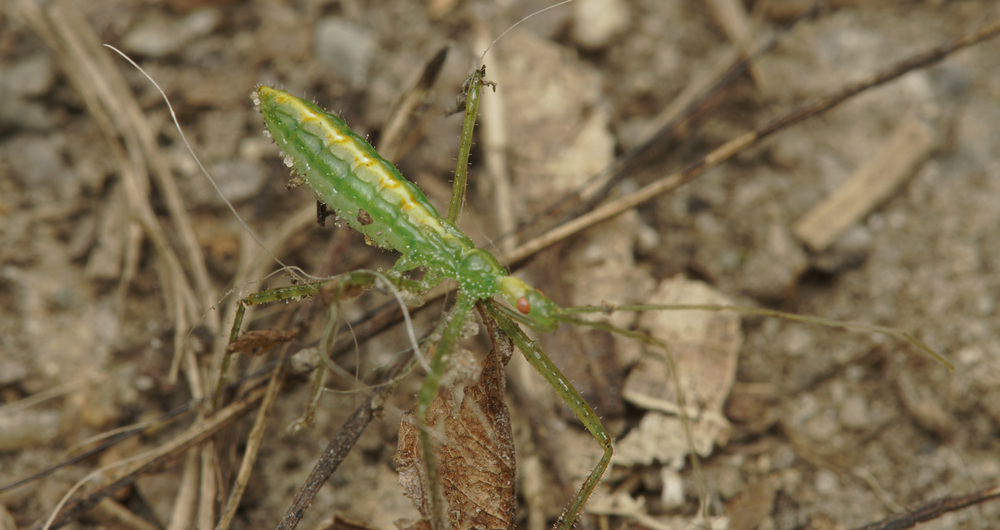
Classic Zelus luridus nymph

Stink bug, Pentatomidae. Dendrocoris humeralis.

Diptera

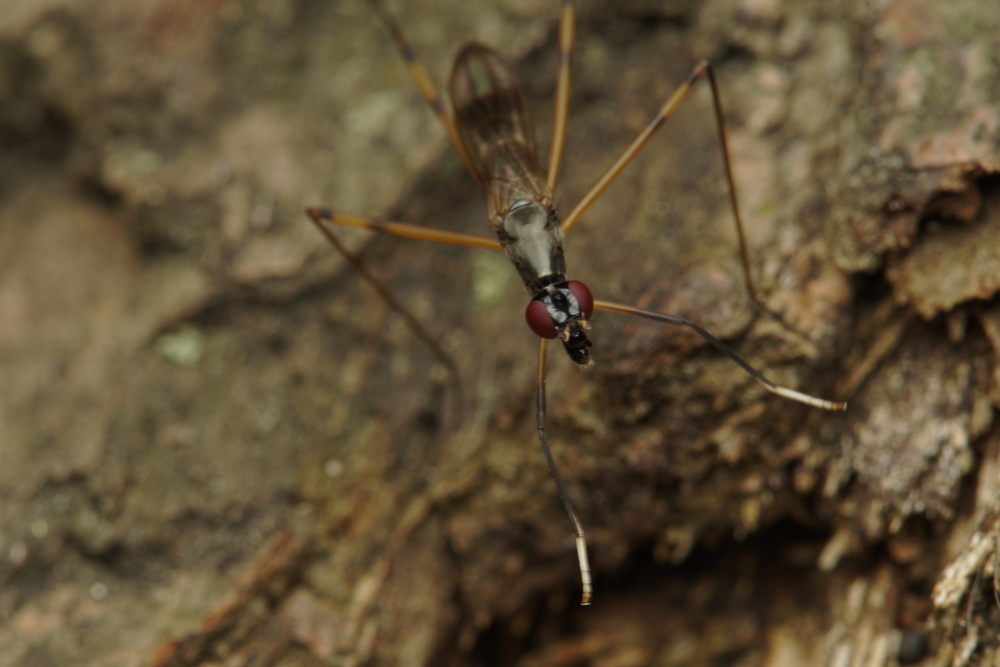
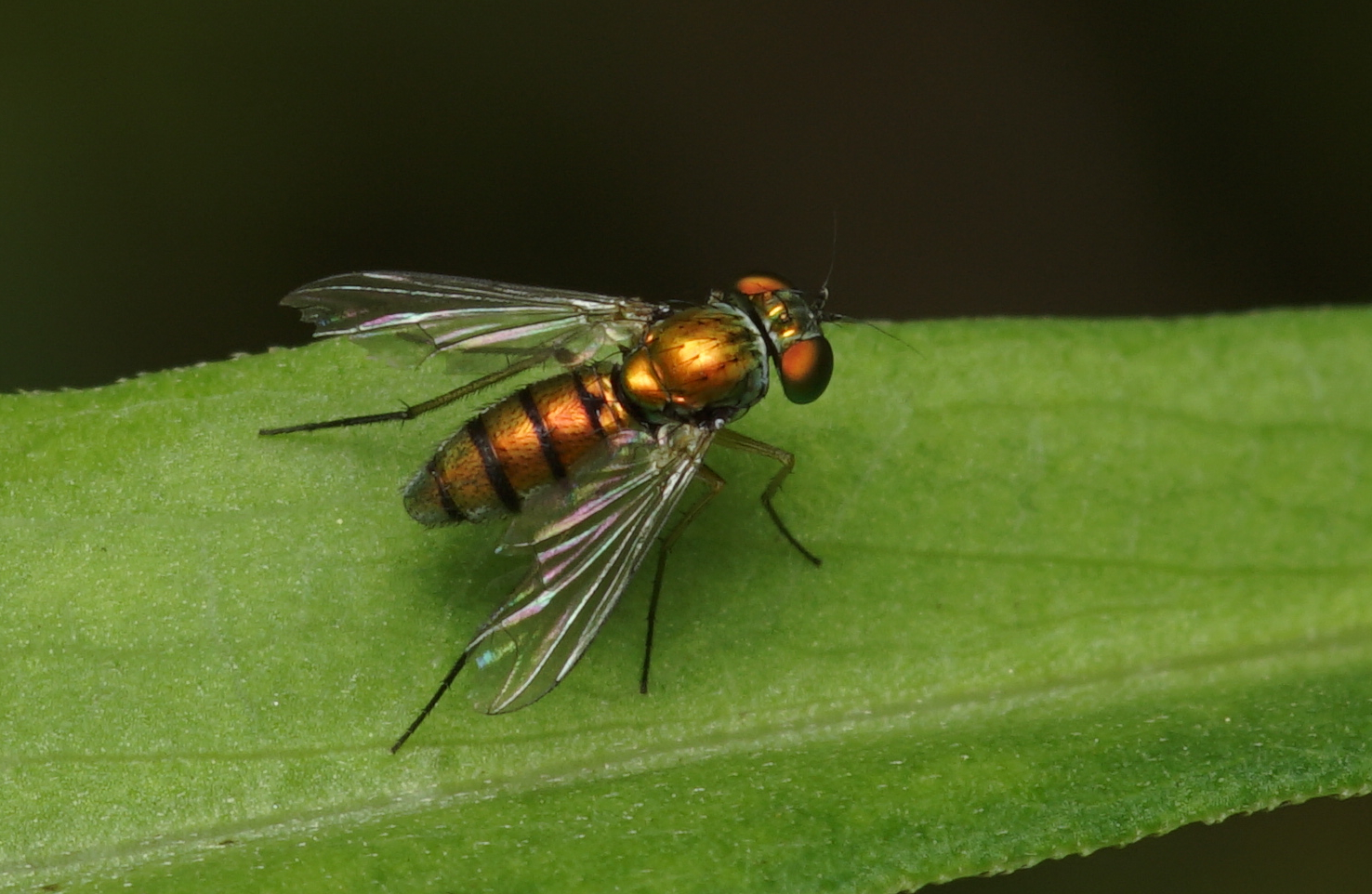
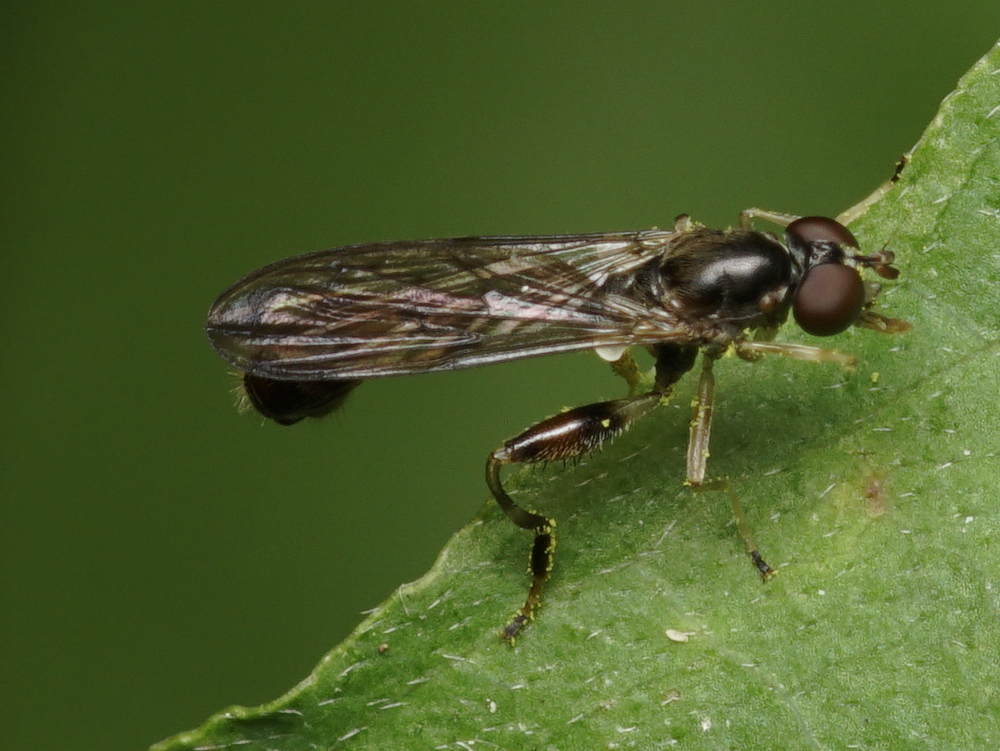
Lovely fly in Micropezidae. They are consummate wasp mimics, and even hold their front legs in front of them to mimic the wasp antennae. They had me completely fooled.

Specifically, Rainieria antennaepes

iNat called this a Bellardia bottle fly. I tried to foolishly persuade Jef Taylor that it wasn’t a bottle fly, which should teach me something. If it is in fact Bellardia, it’s fairly rare, but I don’t know if we can go that fine.

Neuroptera

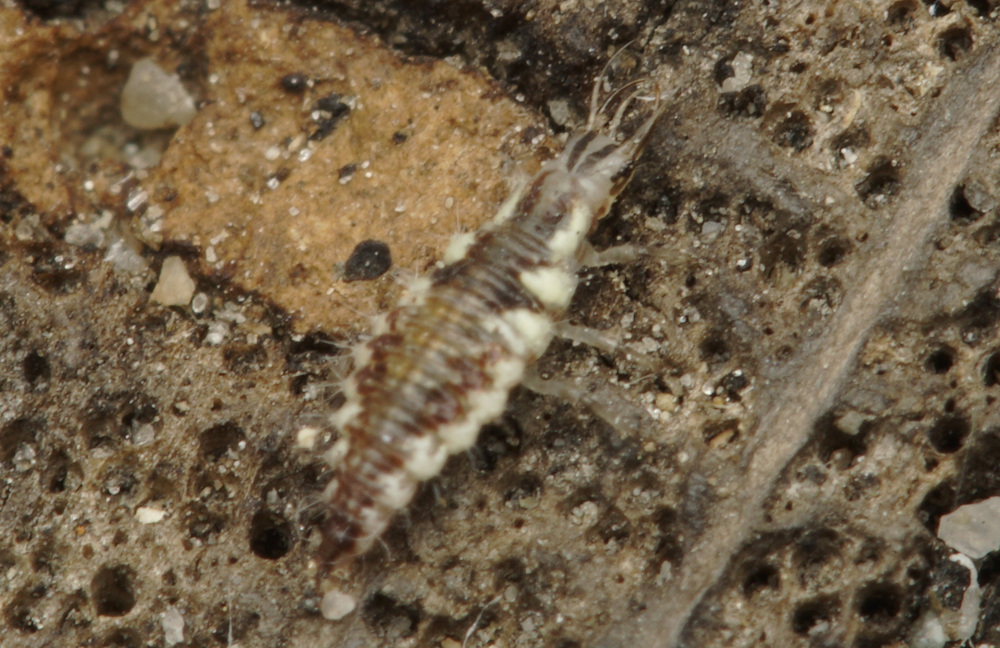
I think this is a lacewing larva. I can’t rule out other Neuropterans though.

And Neuropteran eggs:

Spiders

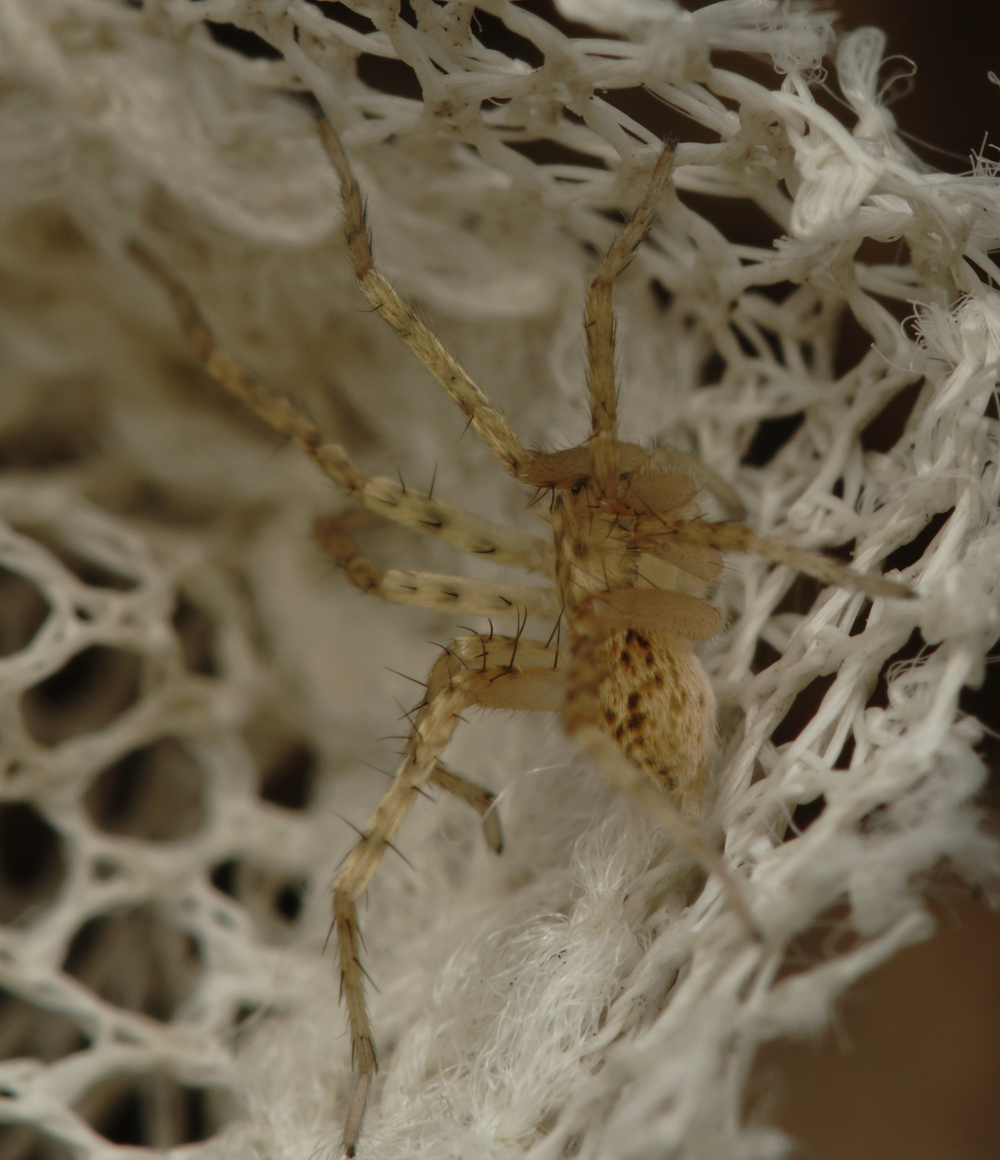
Ghost spider, Anyphaenidae. Anyphaena genus was suggested.

A highlight for me!! Micrathena

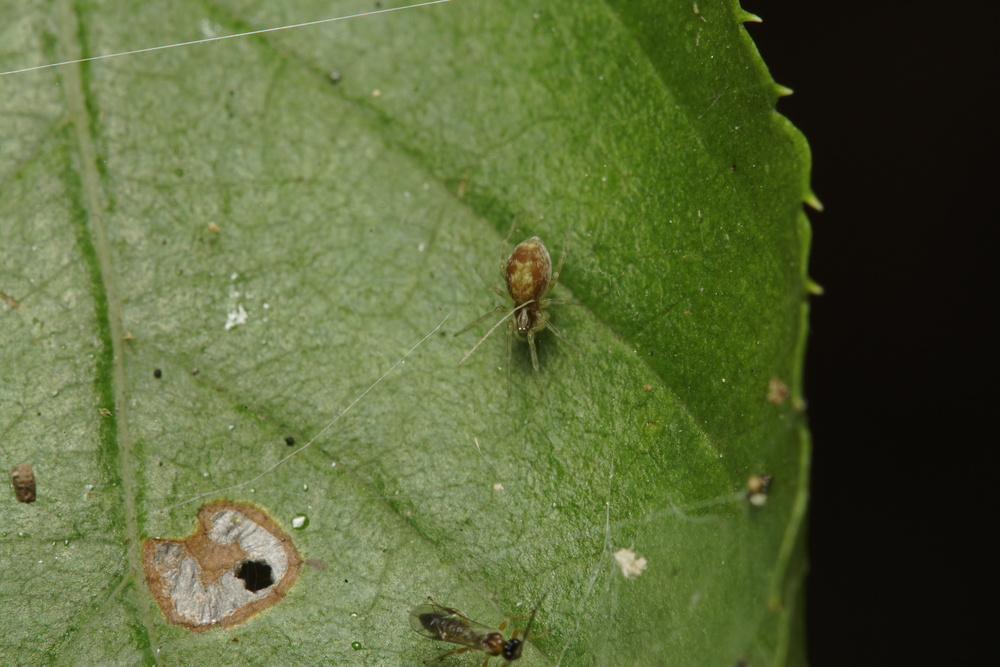
Dictynidae. iNaturalist AI suggests Nopalityna, which I’m not familiar with, but am skeptical about.

Posted 2025-08-17 by gaurav1729 in Uncategorized

Letchworth State Park   Leave a comment

Posted 2025-08-05 by gaurav1729 in Uncategorized

Urbana State Park   Leave a comment

Second trip to Urbana State Park in a few days. You can finda list of observations here: https://www.inaturalist.org/calendar/gaurav1729/2025/8/4

Diptera

Condylostylus –> complex Condylostylus caudatus

Rhagio, snipe fly. From iNaturalist:

“This is R. tringarius, a European species very common in the northeast, but also now on the West Coast. This species has a yellowish-brown frons (seen in females only) and humerus; diamonds on the first few abdominal segments; yellowish stigmata in the wings; and yellowish fore tibiae. Females are often more lightly marked, and more golden, than males.

If you don’t already know of it, there’s also a table of information on Rhagio in the Fly Guides under the Orthorrhapha column in the ‘Species Guides’ section. The Fly Guides are great for a lot of detailed info, and they’re meant for identifying from photos.
https://sites.google.com/view/flyguide/species-guides

Bombylidae

Syrphidae –> Erastalinae –> Sphegina (Pufftails)

Dolichopus

Hemiptera

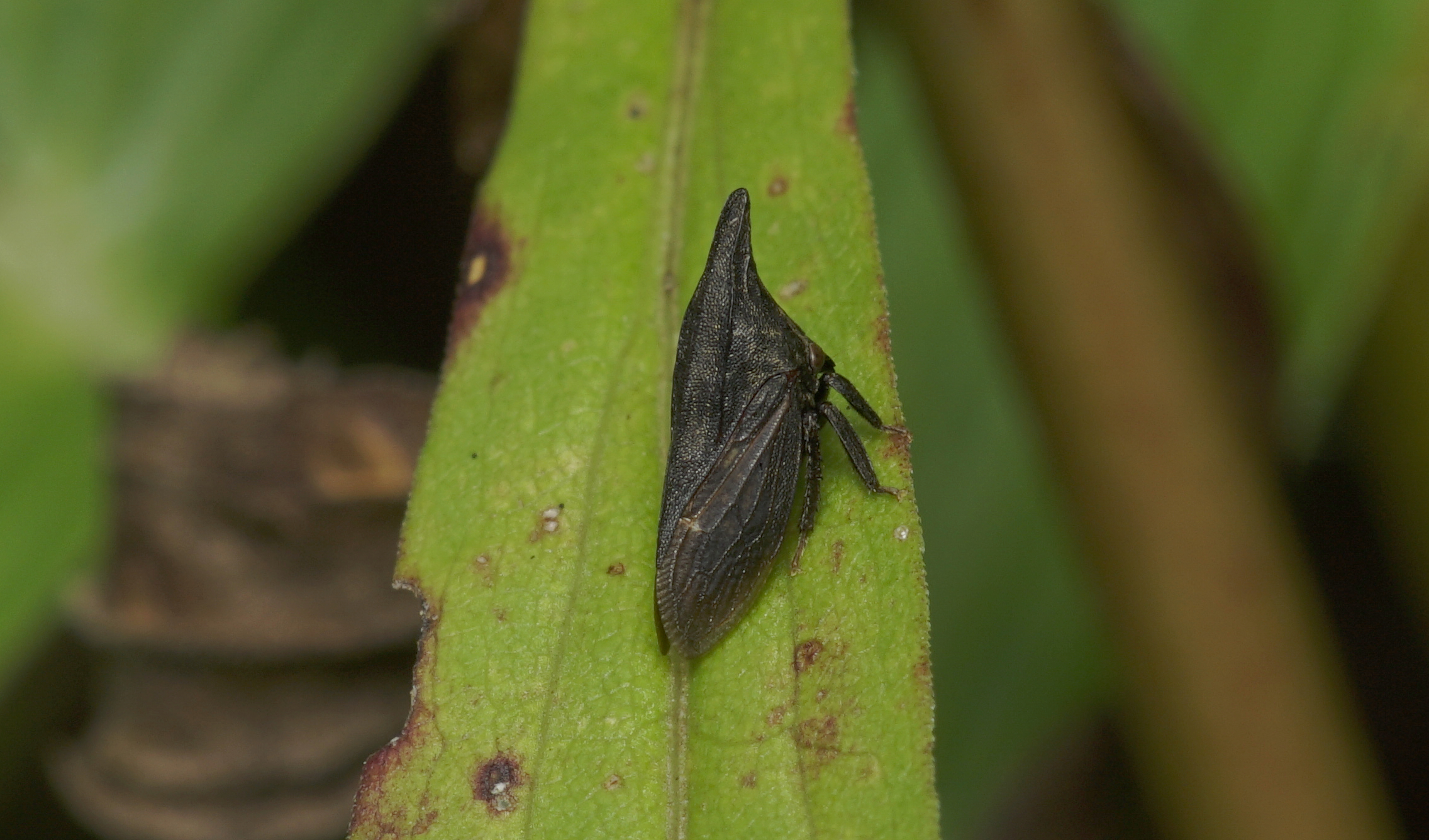
Something in Membracidae –> Membracini. EDIT: BugGuide further refines it to Membracini » Enchenopa » Wide-footed Treehopper (Enchenopa latipes)

Aphrophora spittlebugs

Aphrophora salicina (Goeze, 1778) Willow Spittlebug

Similar in form to Aphrophora alni (Fallén, 1805), but the forewings are more uniformly colored. Introduced from the Palearctic, mostly restricted to New England; recently reported from Quebec. It is a specialist on willows.”
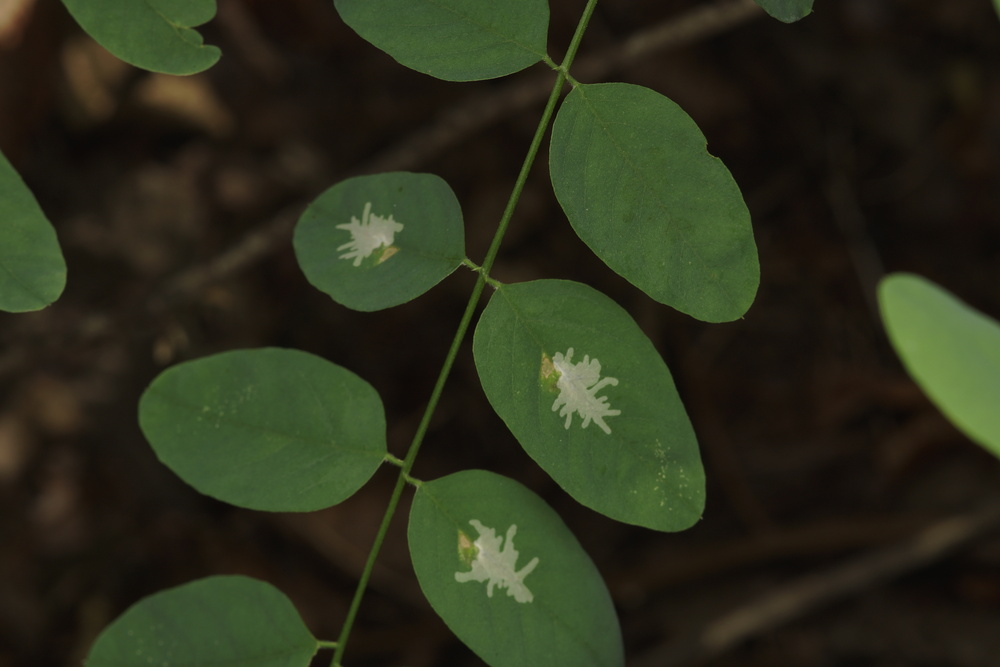
And another

Clastoptera proteus, dogwood spittlebug

Flatid planthopper. Flatormenis proxima:

True Bugs, Cicadas, Hoppers, Aphids and Allies (Hemiptera) » True Hoppers (Auchenorrhyncha) » Planthoppers (Fulgoromorpha) » Fulgoroidea » Flatid Planthoppers (Flatidae) » Flatinae » Nephesini » Flatormenis » Northern Flatid Planthopper (Flatormenis proxima)

Stictocephala

Hymenoptera

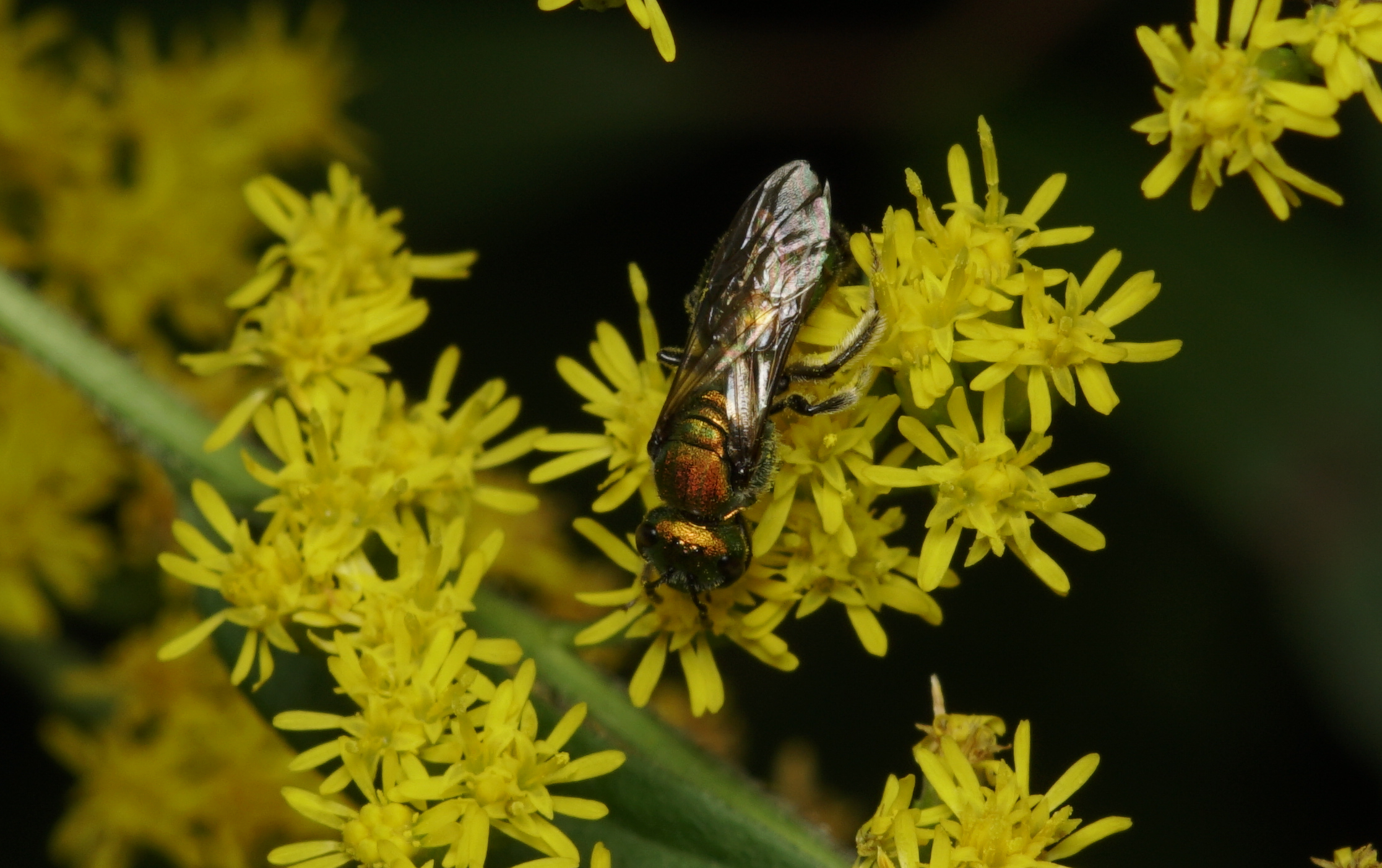
Augochlora

This photo gives a better idea of the color

Pimplinae?

And another

Ichneumonidae

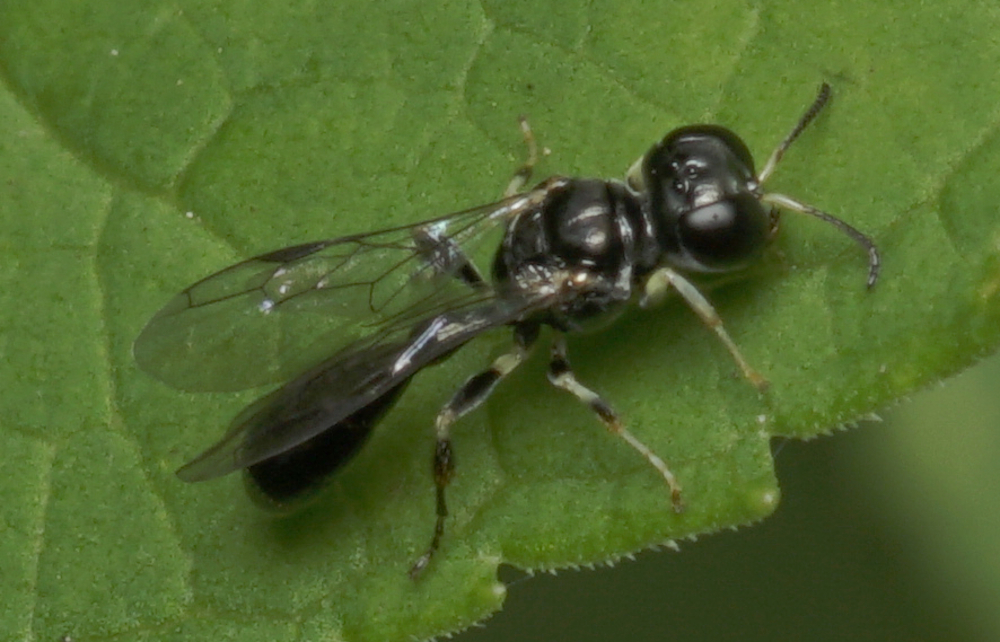
And this is probably Crabronidae, but which one. EDIT: Probably Rhopalum. Can be distinguished from Pemphredoninae based on wing venation.

Aculeata – Ants, Bees and Stinging Wasps » Apoidea sans Anthophila – Apoid Wasps » Square-headed Wasps, Sand Wasps, and Allies (Crabronidae) » Crabroninae » Square-headed Wasps (Crabronini) » Crabronina » Rhopalum

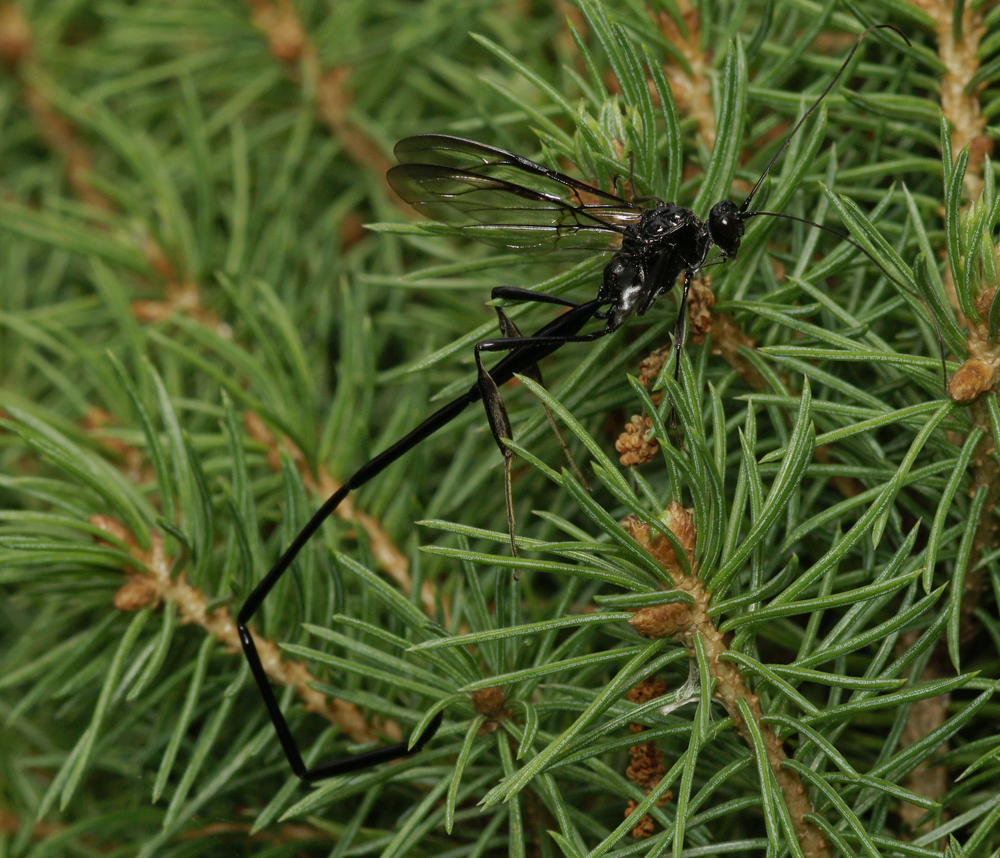
Pelecinus polyturator

Odontocolon in Ichneumonidae? Instead, Dolochomitus irritator was suggested.

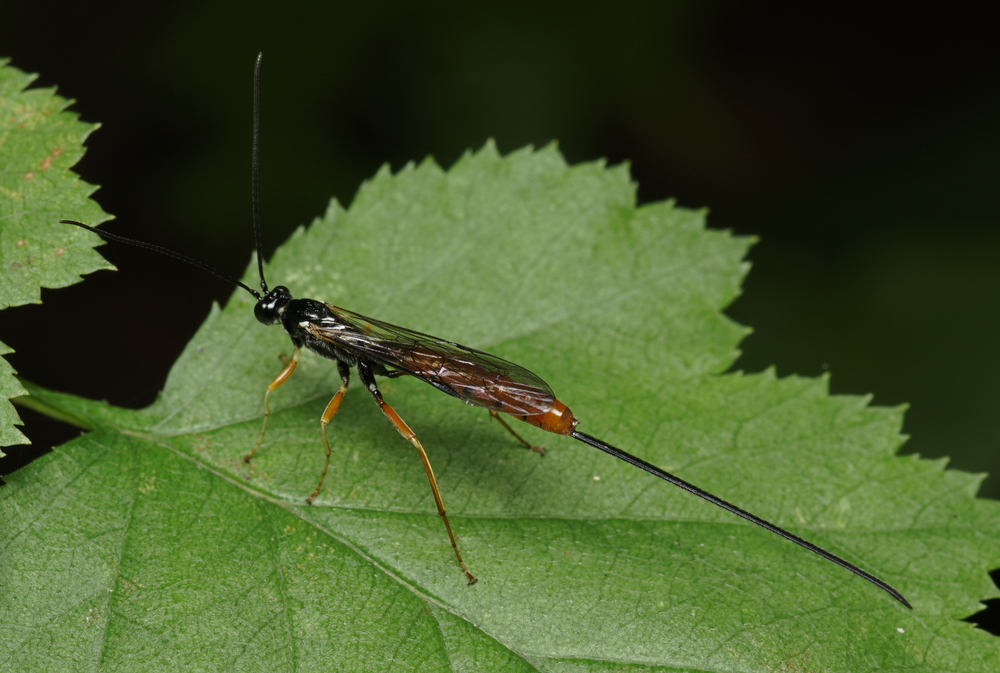
Braconidae –> Doryctinae –> Spathius. This one has a proper ovipositor, as opposed to the one from last time that was deformed.

Lepidoptera

Scopula

Geometrid Moths (Geometridae) » Sterrhinae » Scopulini » Scopula

Coleoptera

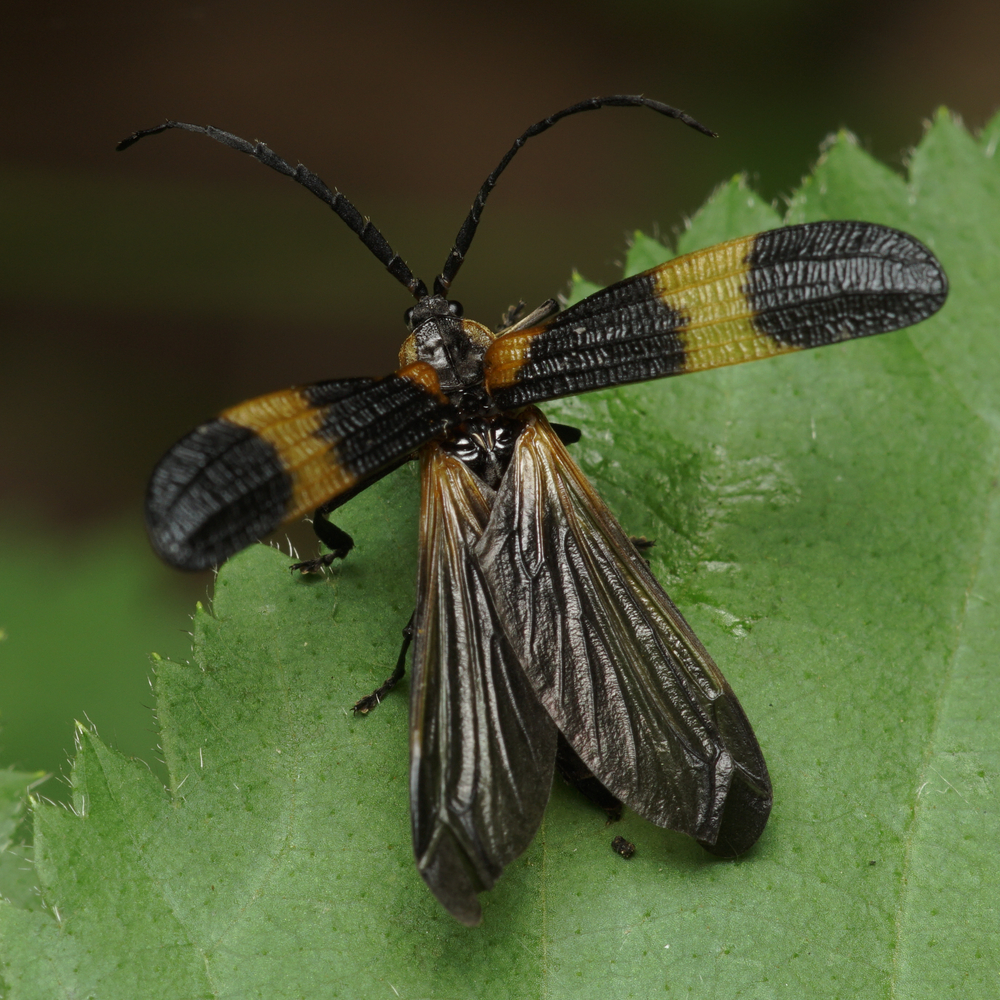
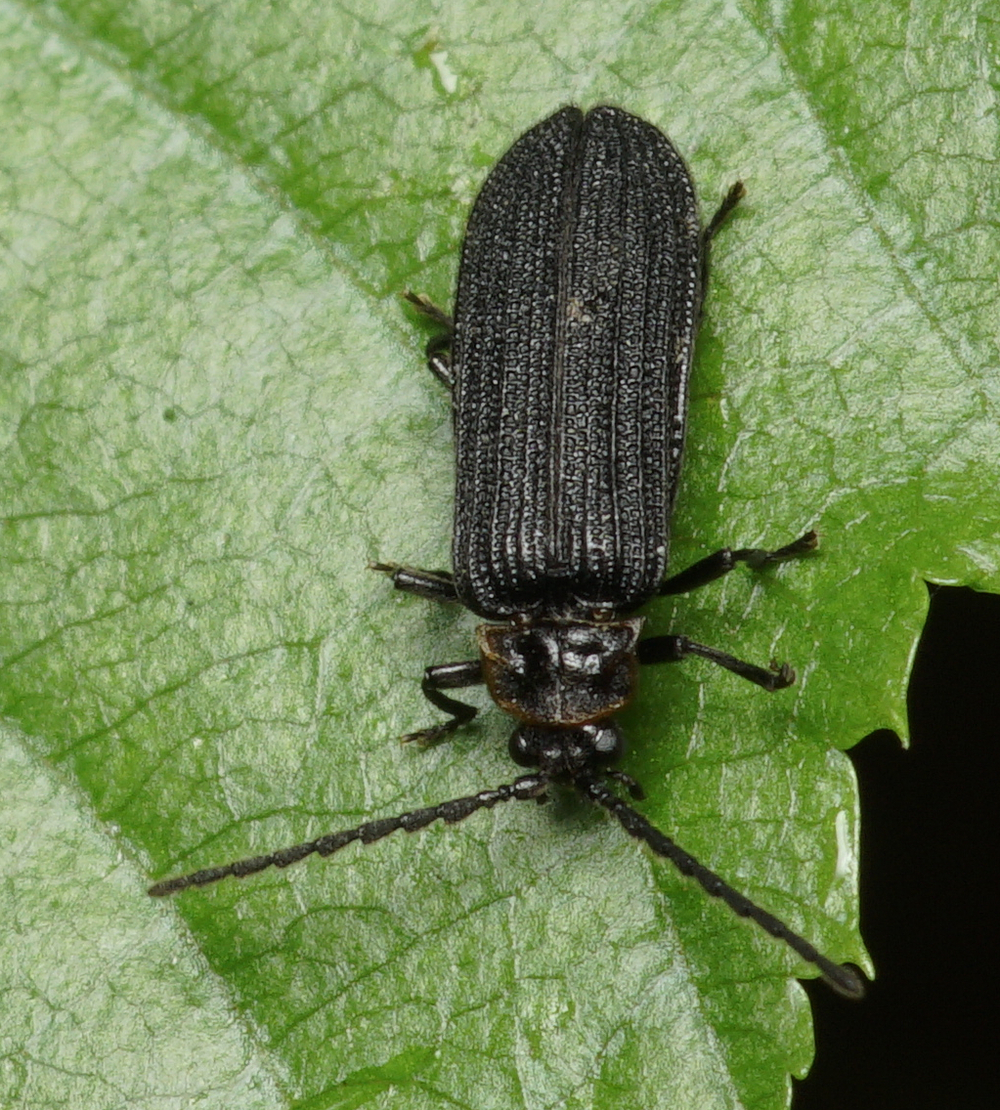
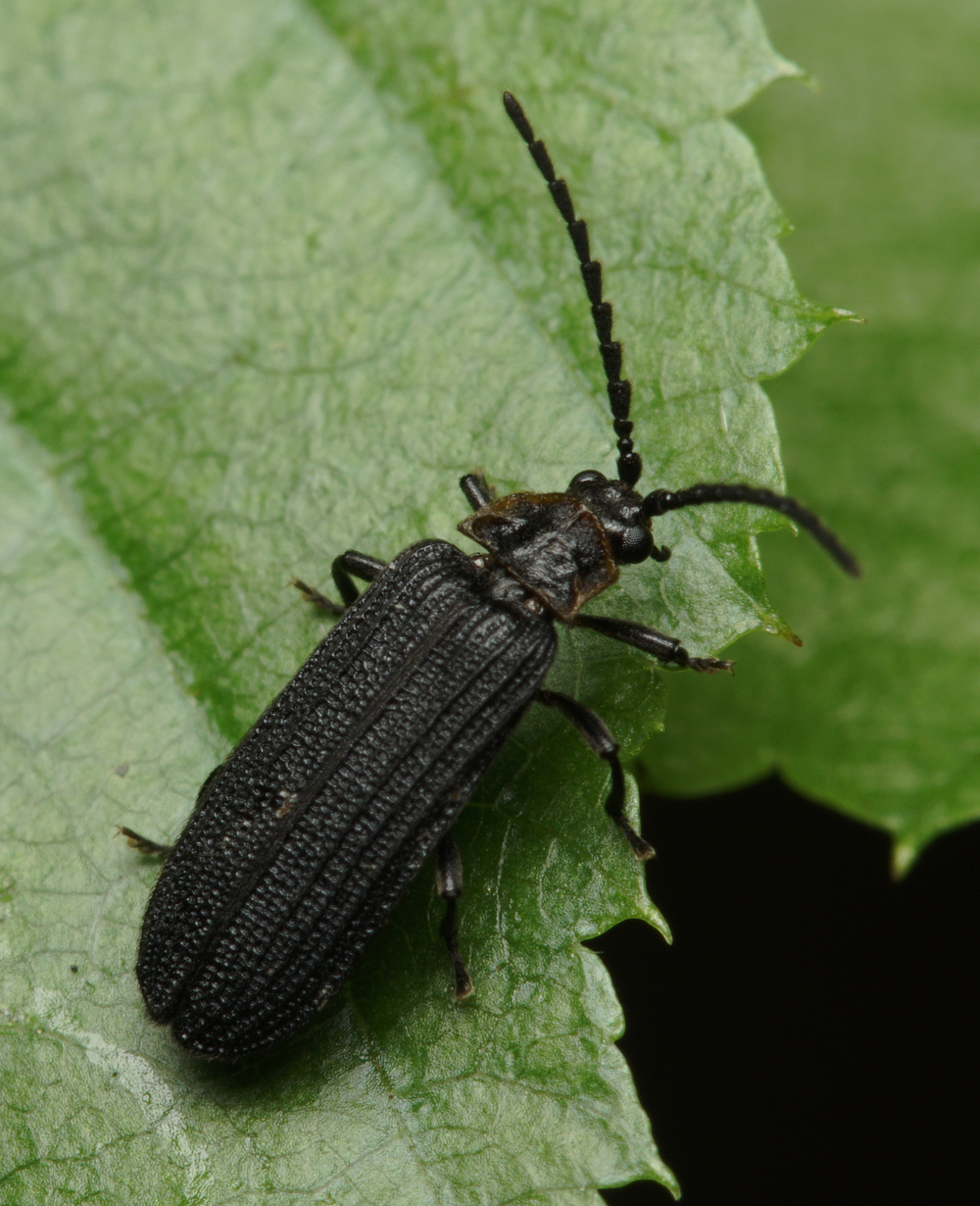
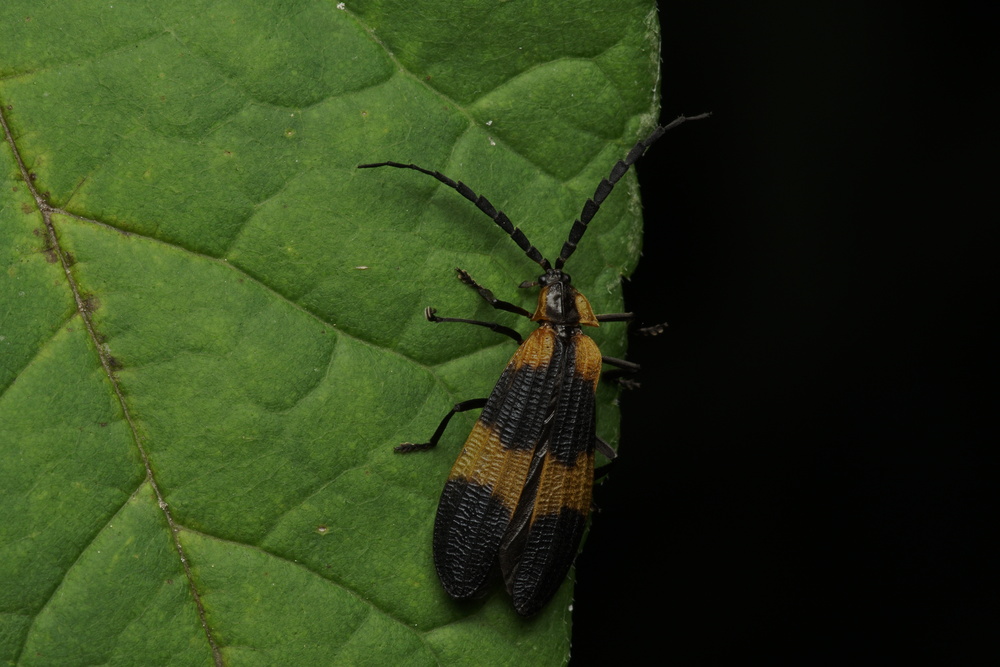
Eropterus in Lycidae

Elateridae. Athous neacanthus (https://bugguide.net/node/view/2481230), which makes it a New York state first sighting (in BugGuide + iNaturalist).

Mecoptera

“Only” two scorpionflies

Finally a female one!

Spiders

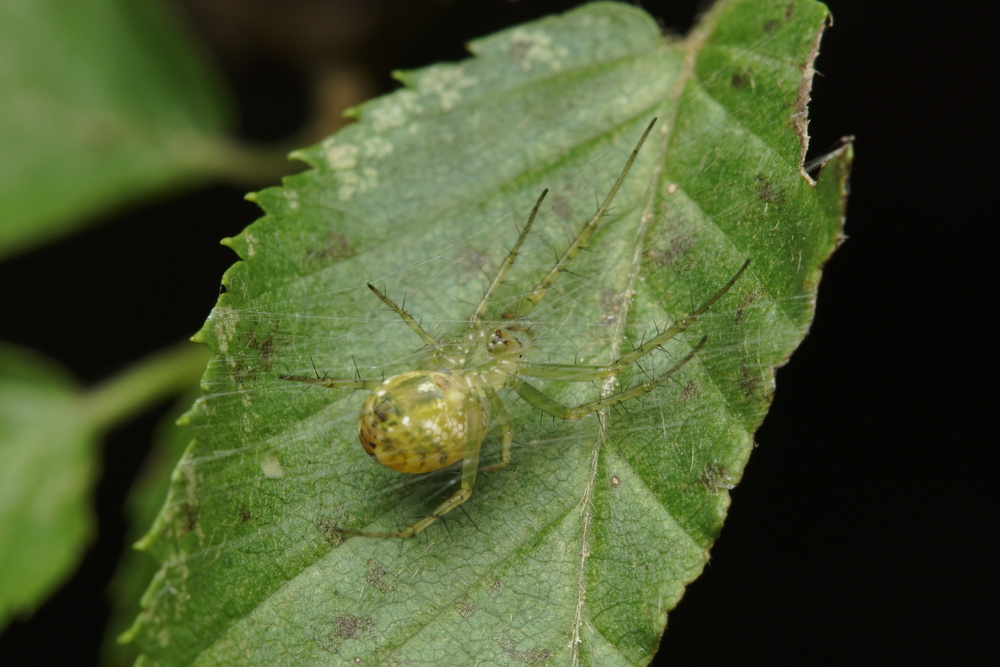
Thomisidae

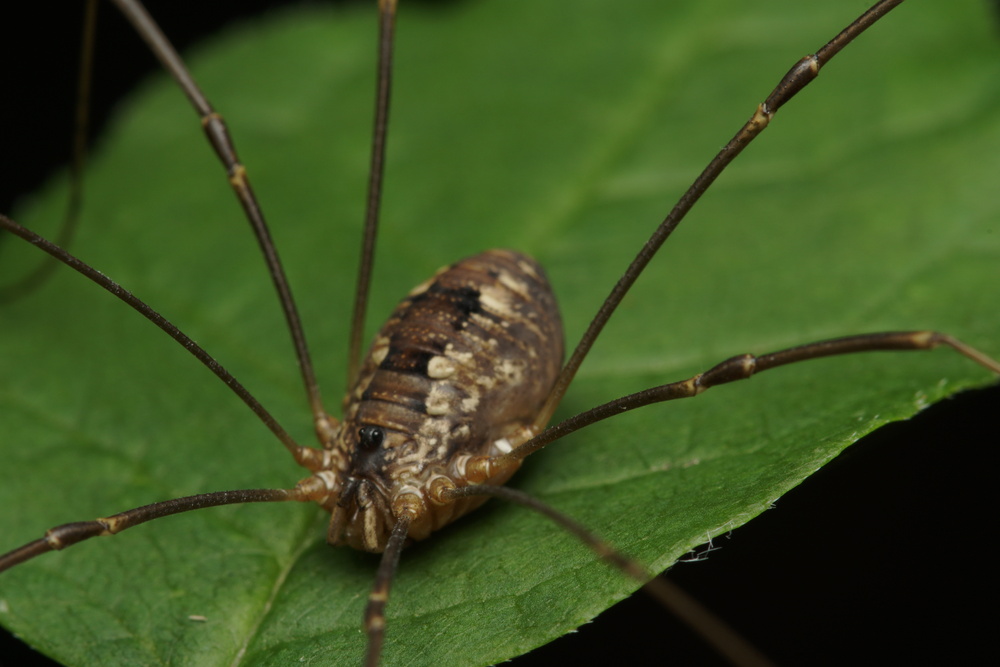
Leiobunum vittatum (I know, not actually a spider)

Mangora — is this a normal web, or is it a result of parasitoid infestation?

Vertebrate

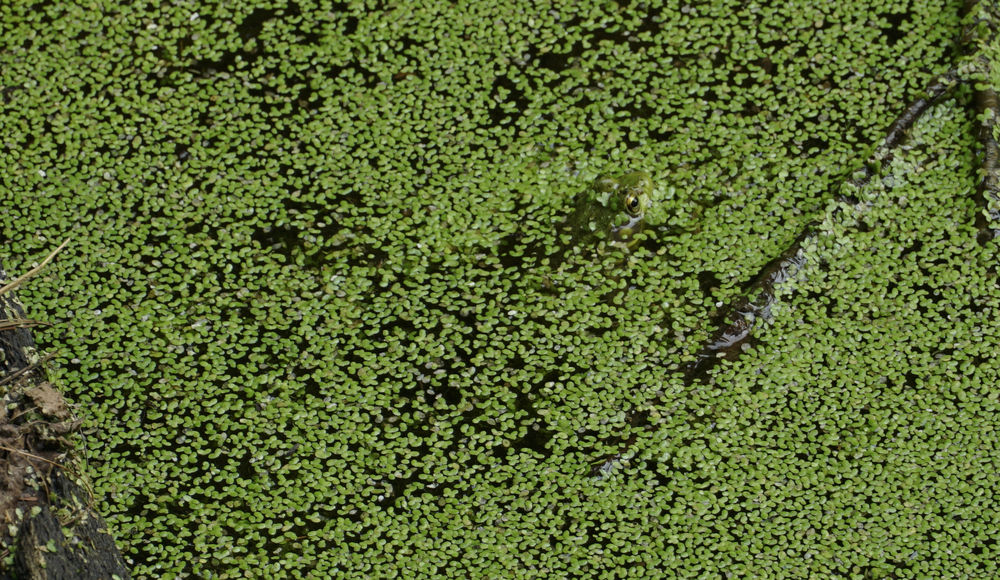
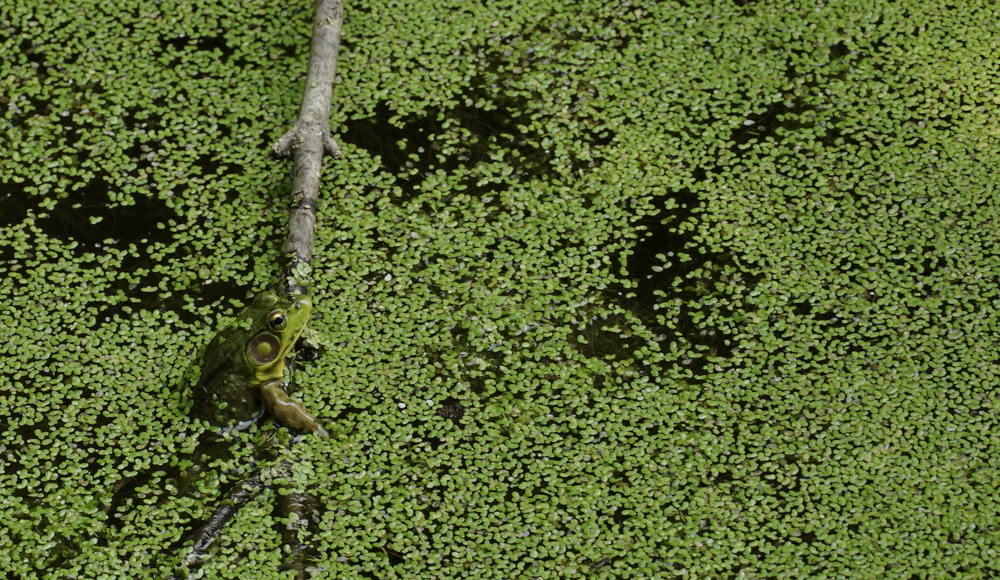
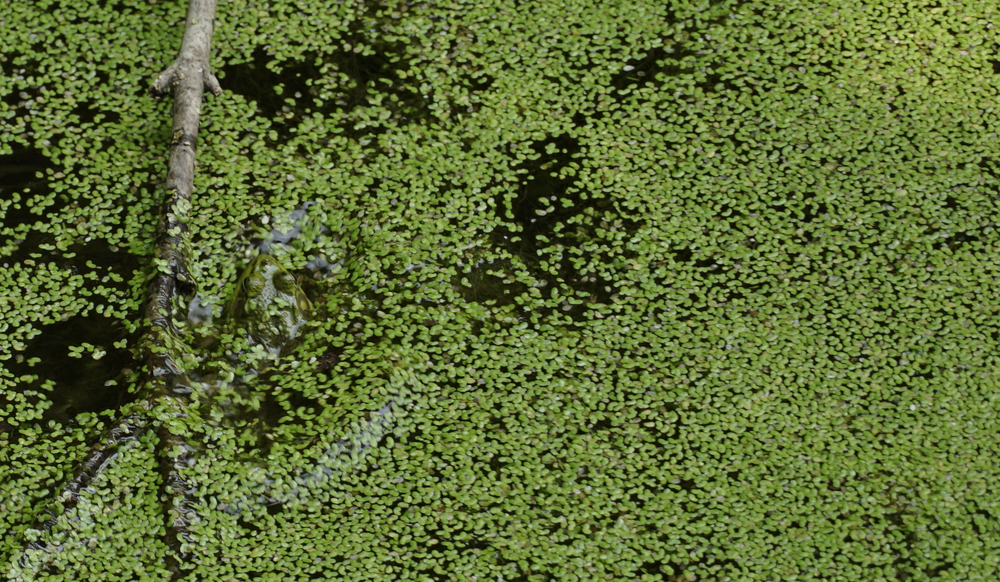
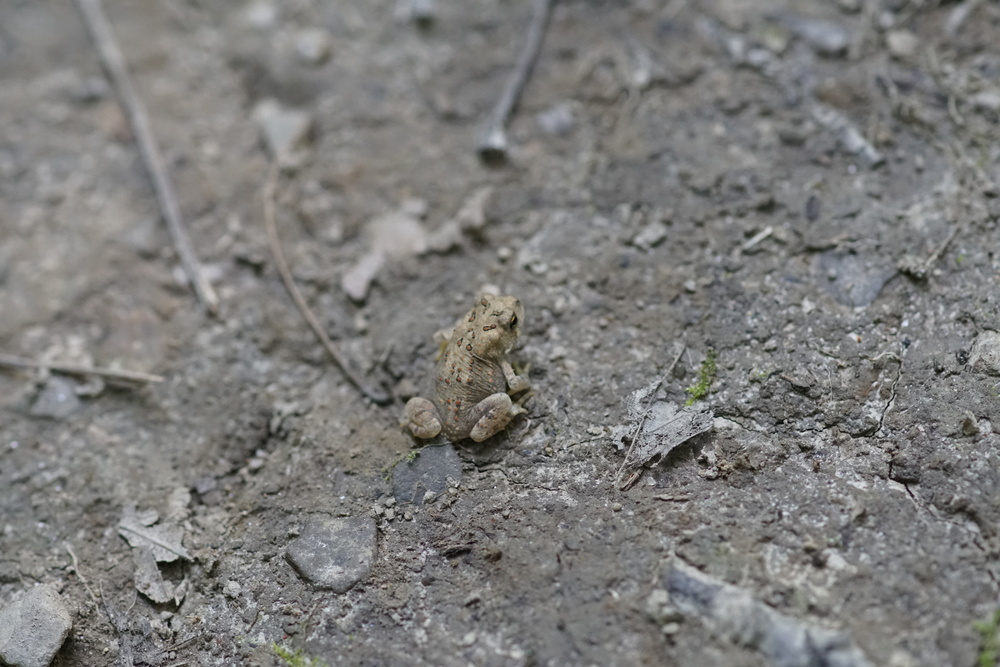
No bugs

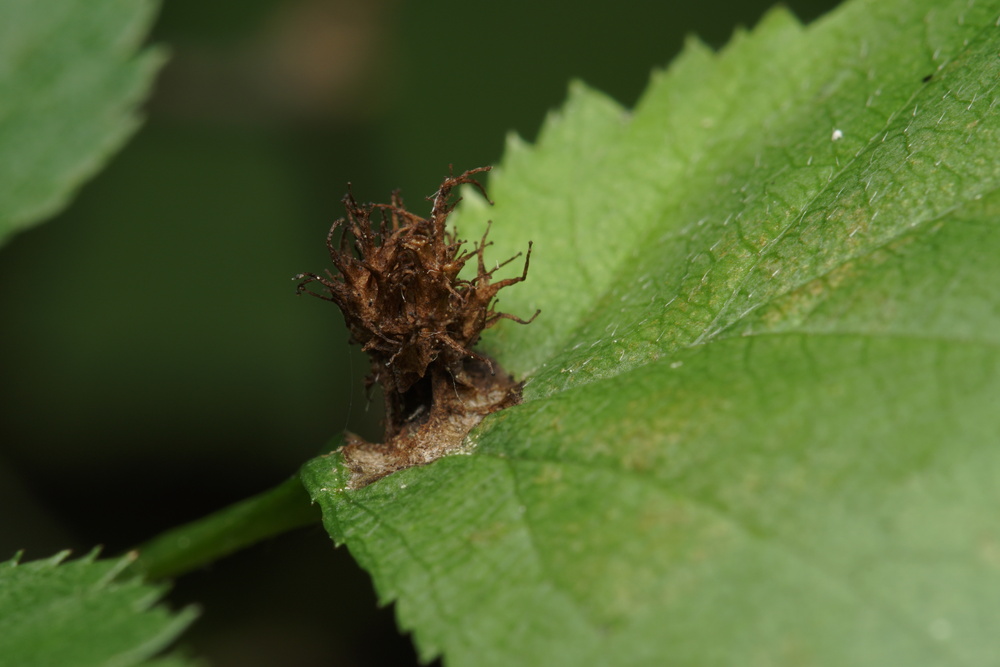
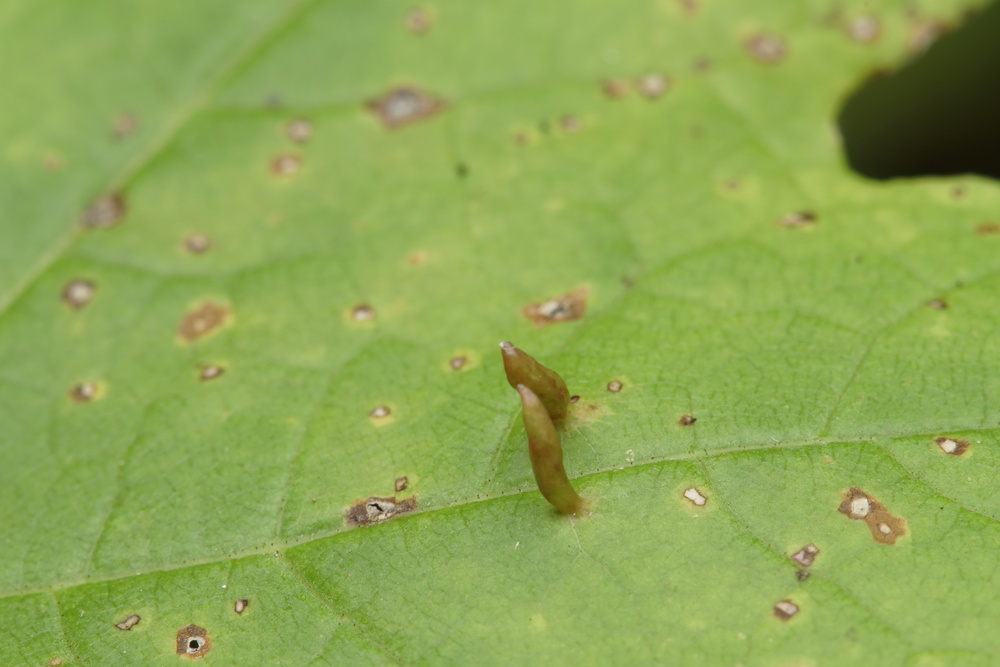
Are the next three galls?

Posted 2025-08-04 by gaurav1729 in Uncategorized

Keuka   Leave a comment

crab spider Thomisidae

Augchlora pura in Halictidae

Net-winged beetle Lycidae

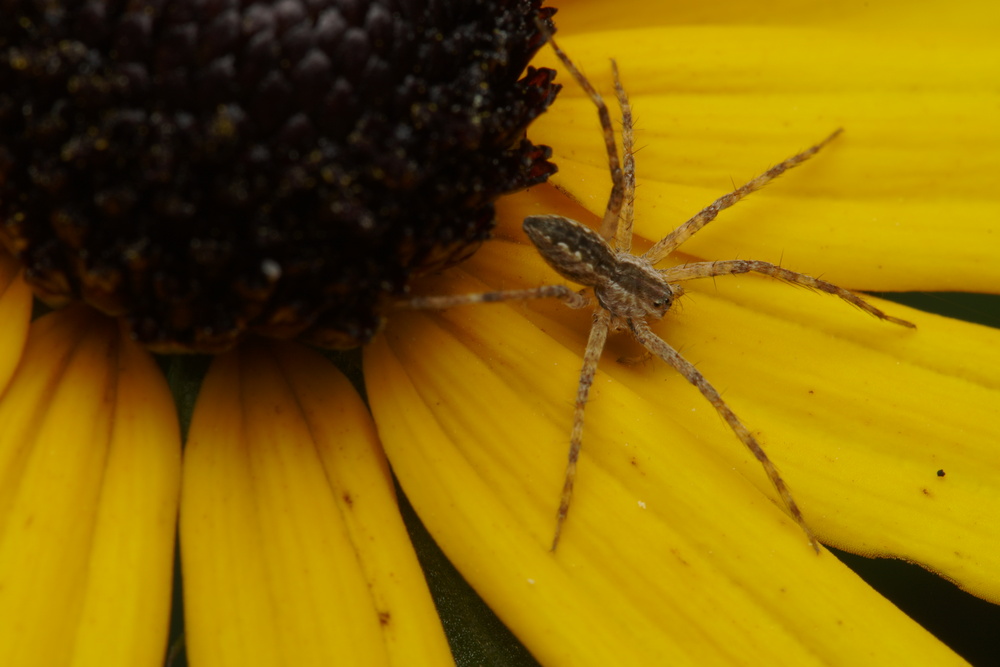
Pisaurina mira

Posted 2025-08-04 by gaurav1729 in Uncategorized