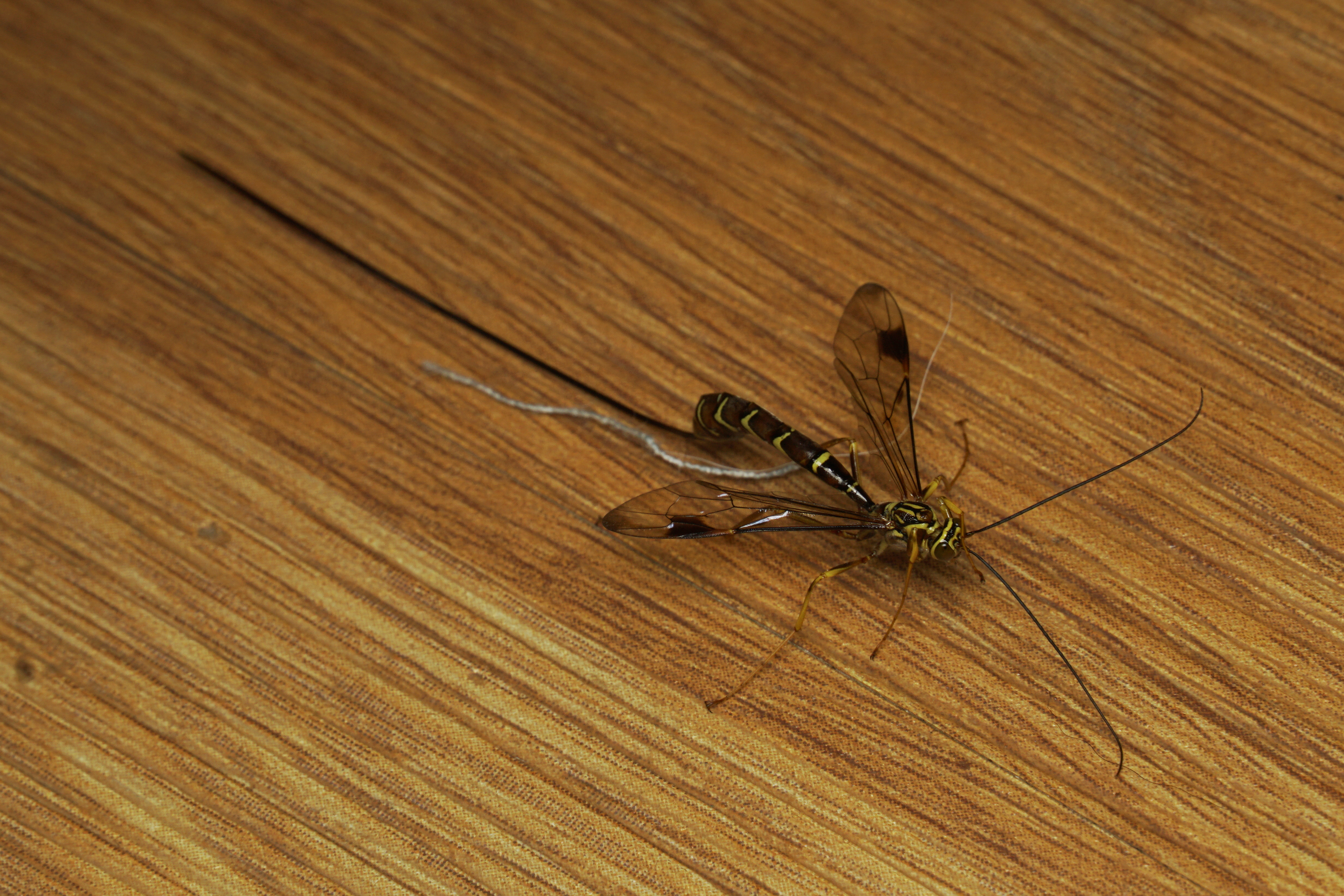
I’ve been searching for a Megarhyssa (Giant Ichneumonid Wasp) in Sharon for decades without success (found one in New Brunswick, Canada, though). Weirdly enough, I find one in my basement lying on the floor. I have no idea how she got in, or why, but I appreciate her cooperation.
This wasp has superpowers. She is able to detect pigeon horntail larvae living deep within hardwood tree trunks, using her powers of smell and hearing. Her ovipositor is reinforced with metal (*), manganese and zinc, making her bionic, literally. This adds to the strength of the ovipositor, to the point where she can break the laws of physics: https://www.science.org/doi/10.1126/sciadv.adi8284:
The parasitic female Megarhyssa has a hair-like ovipositor capable of withstanding a penetration force 10 times greater than Euler’s critical force, using a reciprocating penetration method.
(*) the metal in the ovipositor is actually in the form of protein-metal ion complexes. Let’s still call them bionic, okay?
Then they are somehow able to drill with their ovipositors to maneuver their way to lay their eggs on the larva of the horntail, without being able to see where it’s going.
So — nothing but appreciation for this mighty lady!
Hi everyone! First of all, this website will continue to be just as active as before.
I’ve created a new website: https://anaturalslant.wordpress.com. This is also for my photographs, but it’s in a portfolio format, and also has particular galleries for specific types of photos, such as black and white, minimalist, broad landscapes, more intimate nature photos, photos taken nearby, etc.
It’s also oriented less towards bugs, and more towards other nature photos, although there are certainly some bug highlights.
Great bug walk with Don and Kyla Bennett! The highlight was the samples from the lake, but I don’t have a ton of photos of that part.
Hemiptera
I’m not 100% confident this is even a bug, but I think this is a woolly aphid. Something like Phyllaphis fagi (Woolly Beech Aphid)? I thought it showed signs of feet and antenna, but I don’t see them in this photo very well. One point for great camouflage!
Backswimmer, Notonectidae –> Notonecta.
Jikradia olitoria
Hymenoptera
Ichneumonids are always tricky, but this is certainly sub-family Pimplinae, probably tribe Pimplini, and hopefully genus Itoplectus. Or it could be something else.
Odonata
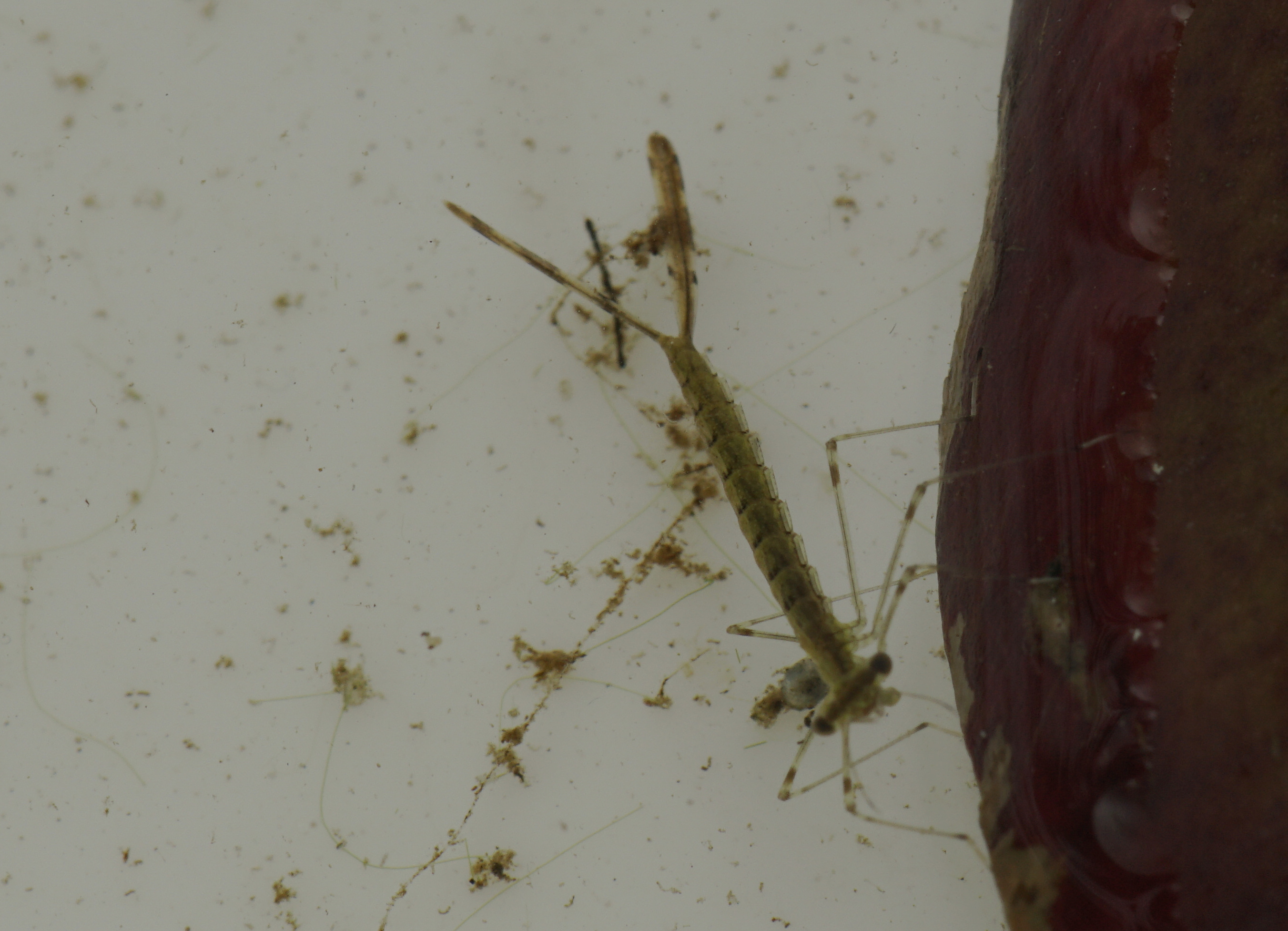
From the lake (thank you Don!). Naiad (I think that’s the correct term) of a damselfly.
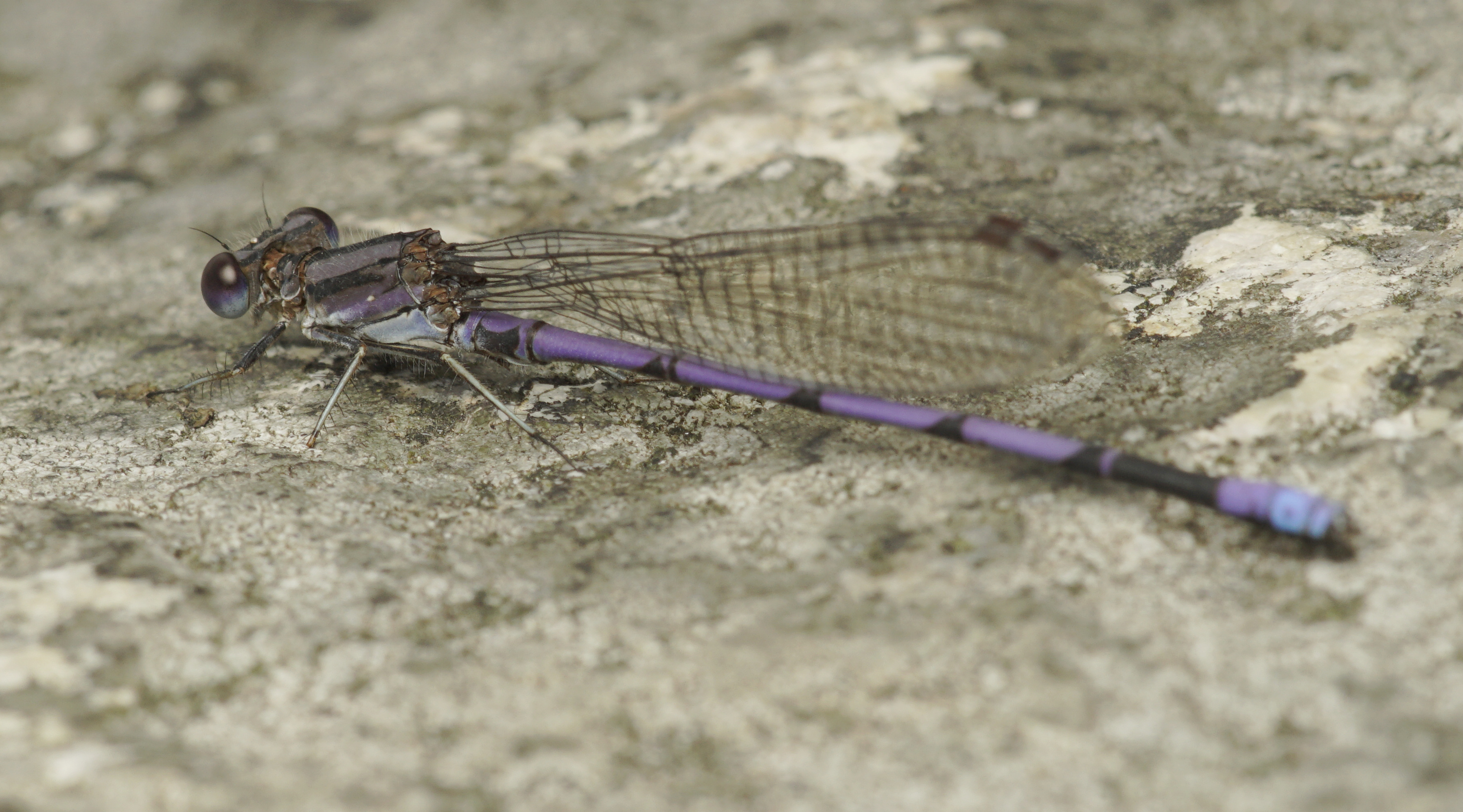
And an adult damselfly. Variable/violet dancer, I think — genus Argia.
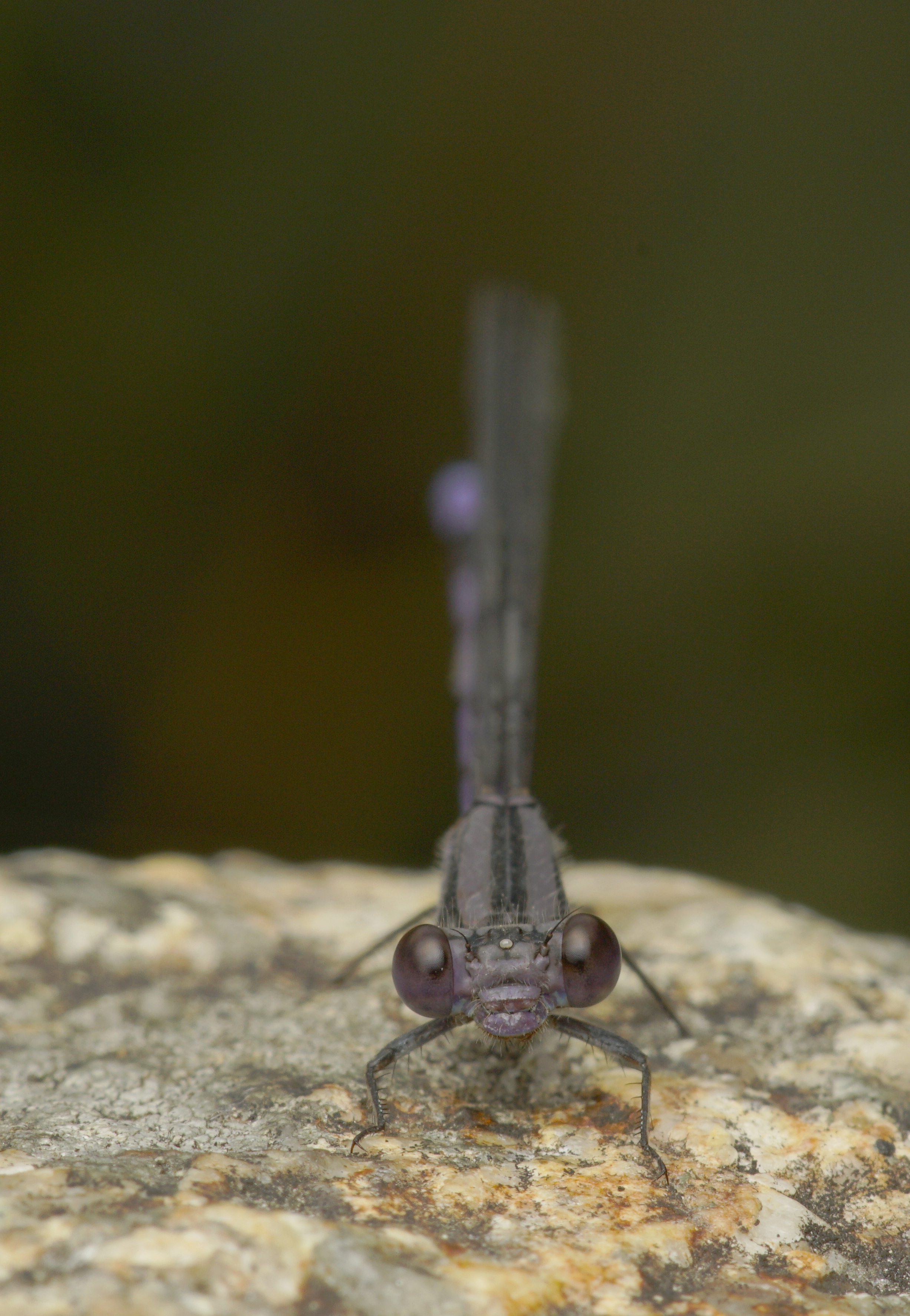
And another
Coleoptera
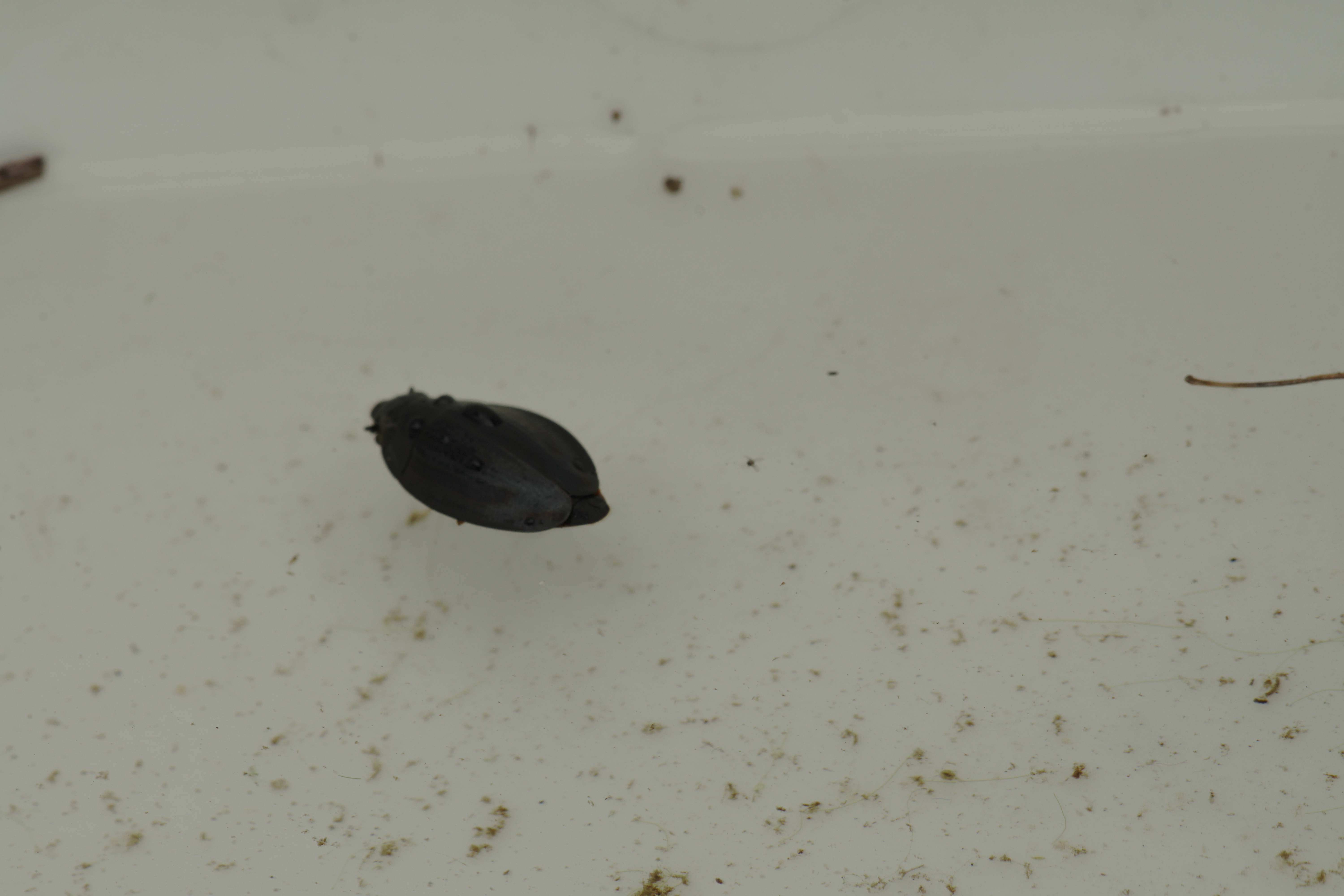
Whirligig beetle
Diptera
Dolichopodidae, probably Dolichopus.
Spiders
Well, not actually a spider. Opiliones are omnivorous, and here’s a capture of one eating an ant.
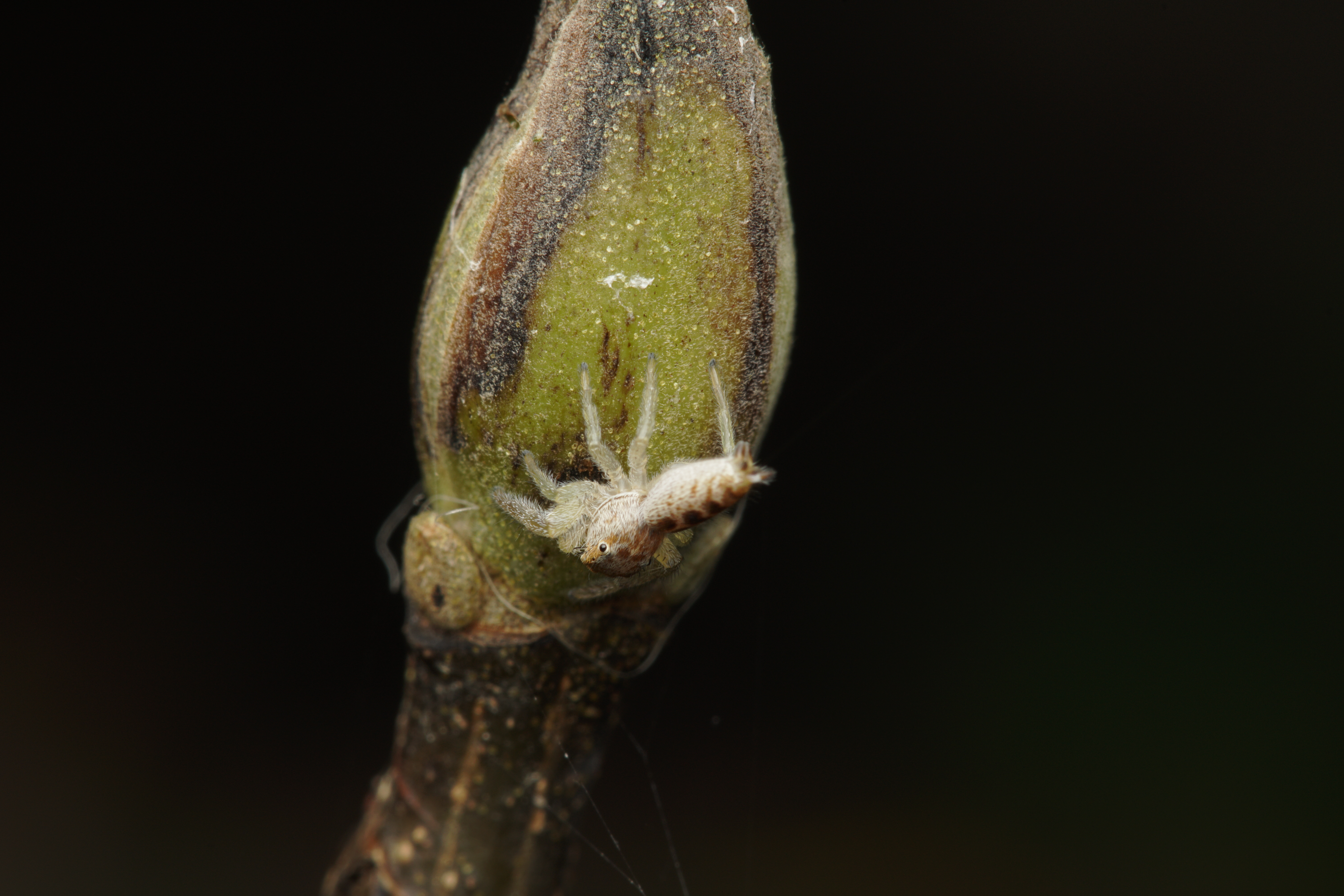
Jumping spider. Probably a female Hentzia?
Vertebrates (!)
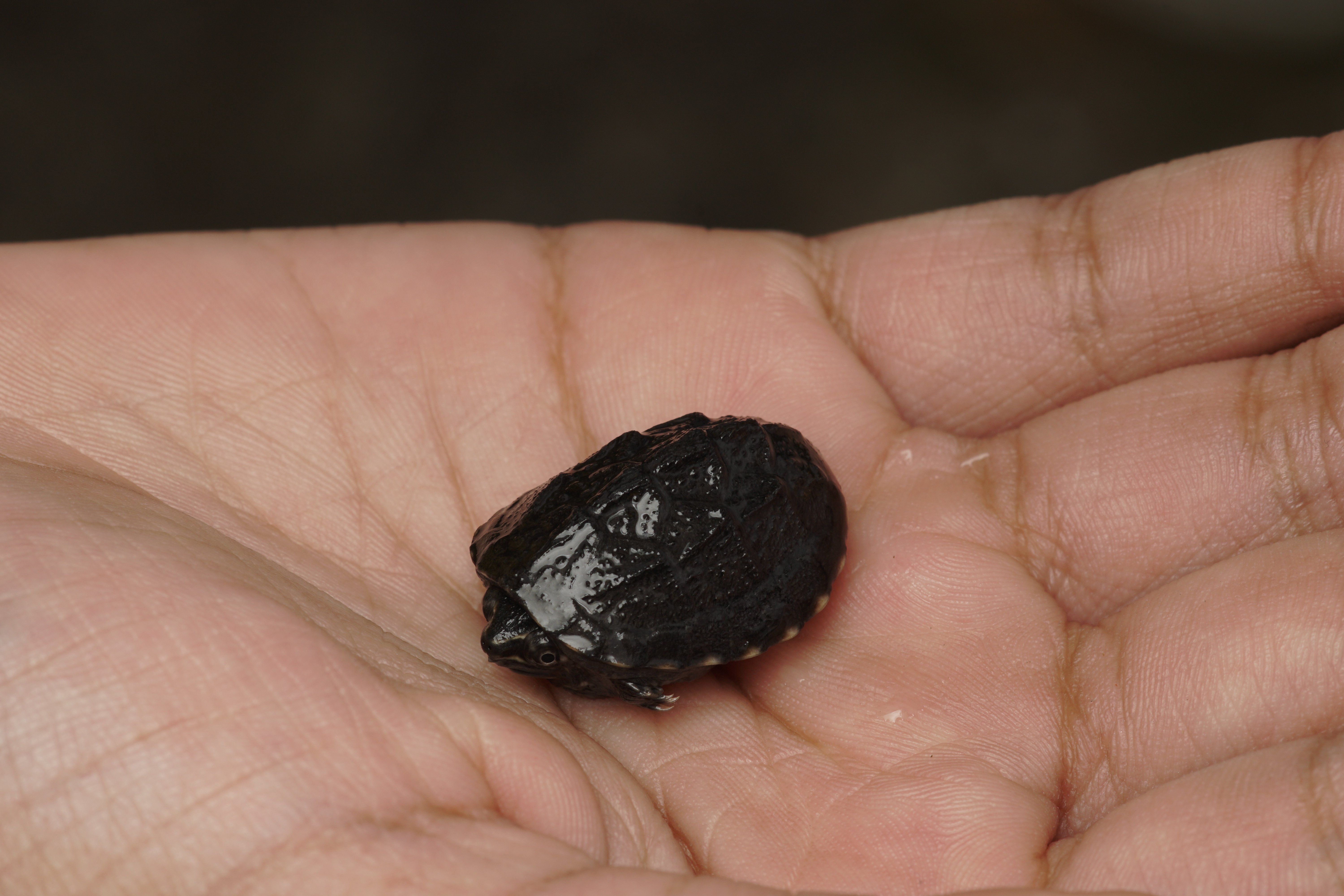
A tiny turtle. I was told this was a musk turtle, thank you Kyla.








 a little wild