


First, a pupa from a fledgling
First, a pupa from a fledgling
An autumn day, after a two day downpour.


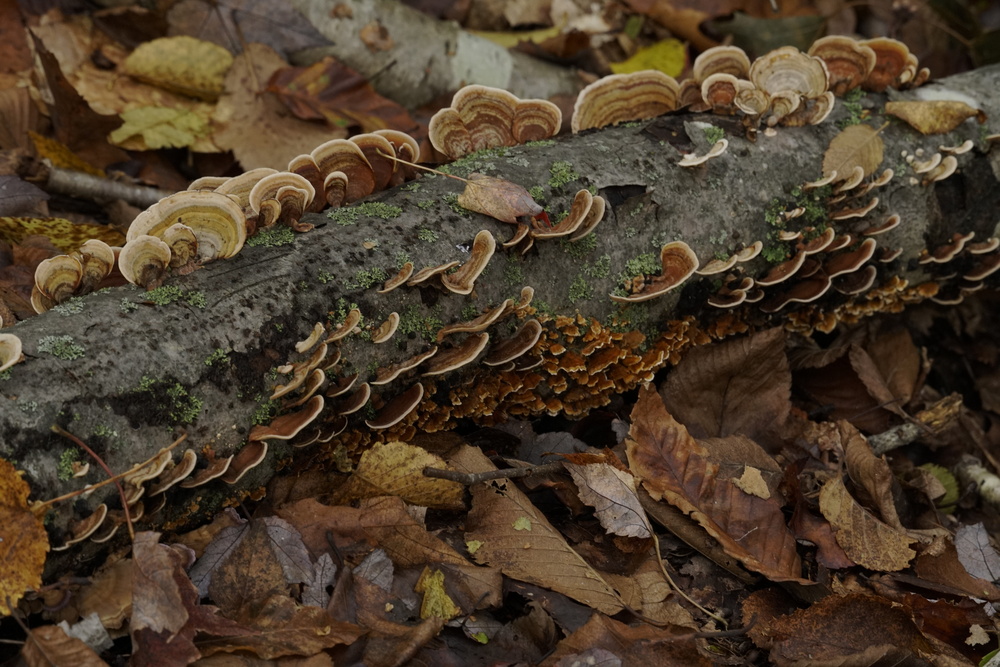


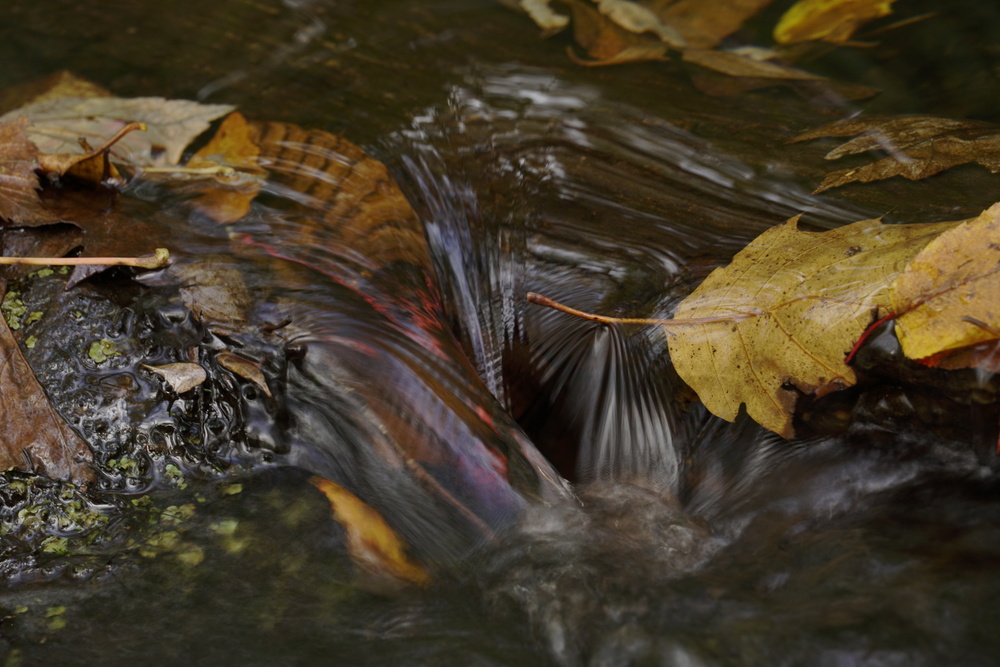
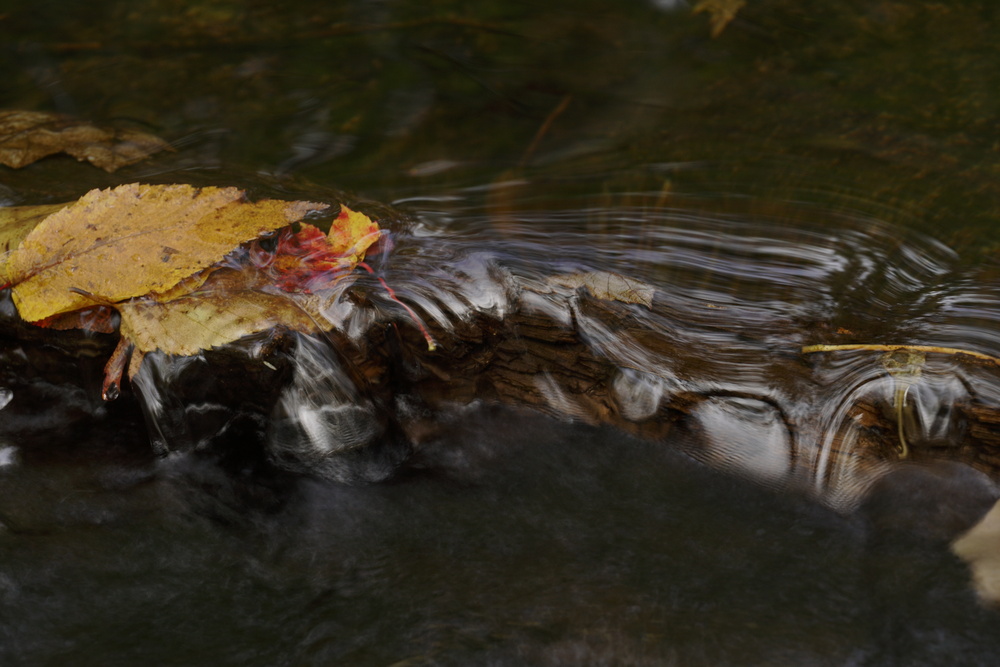


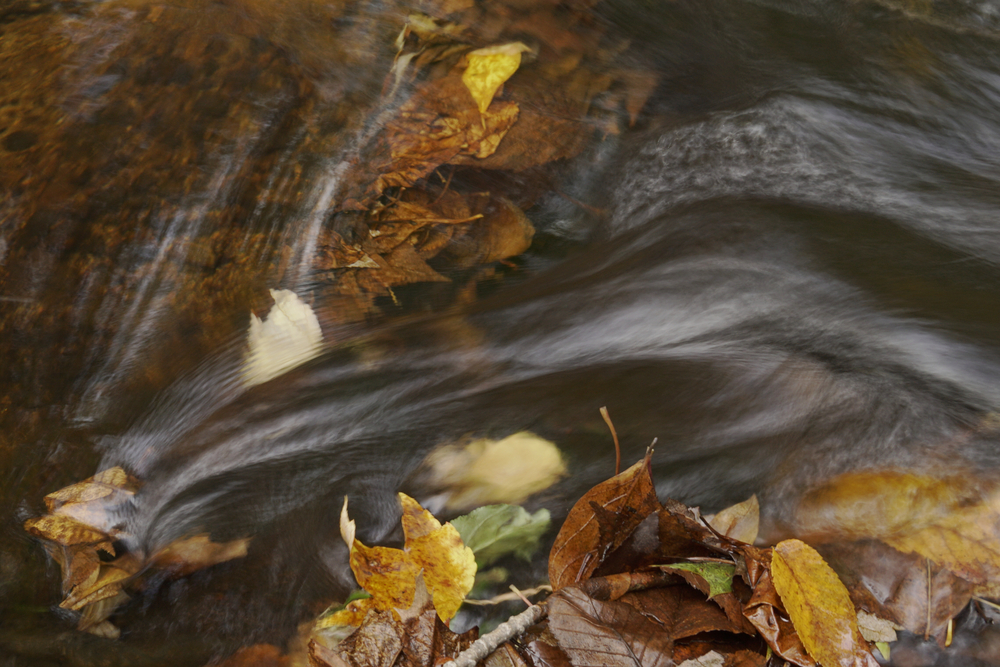

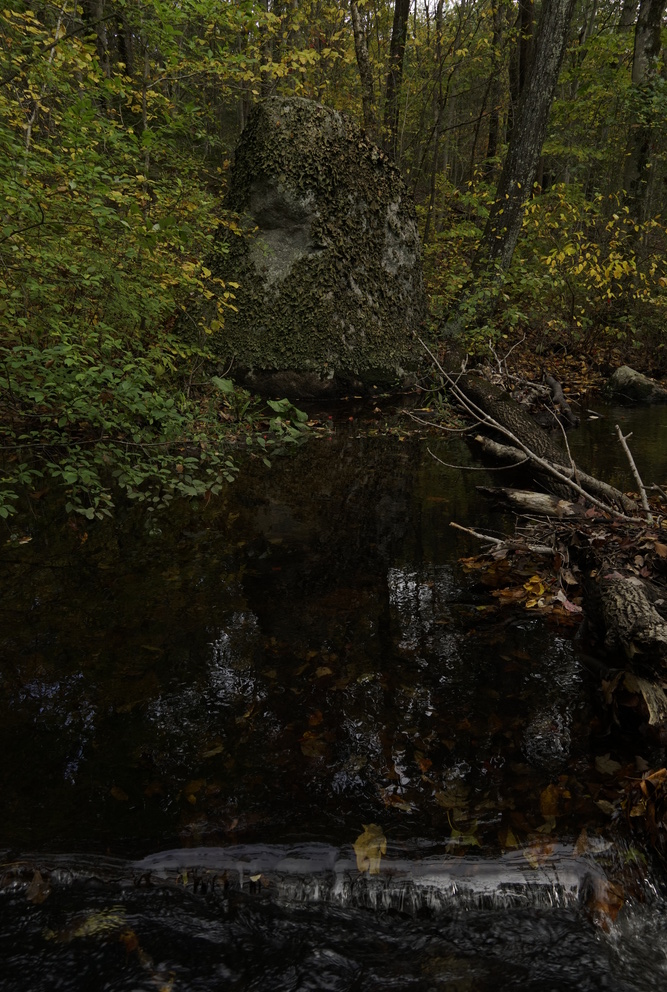
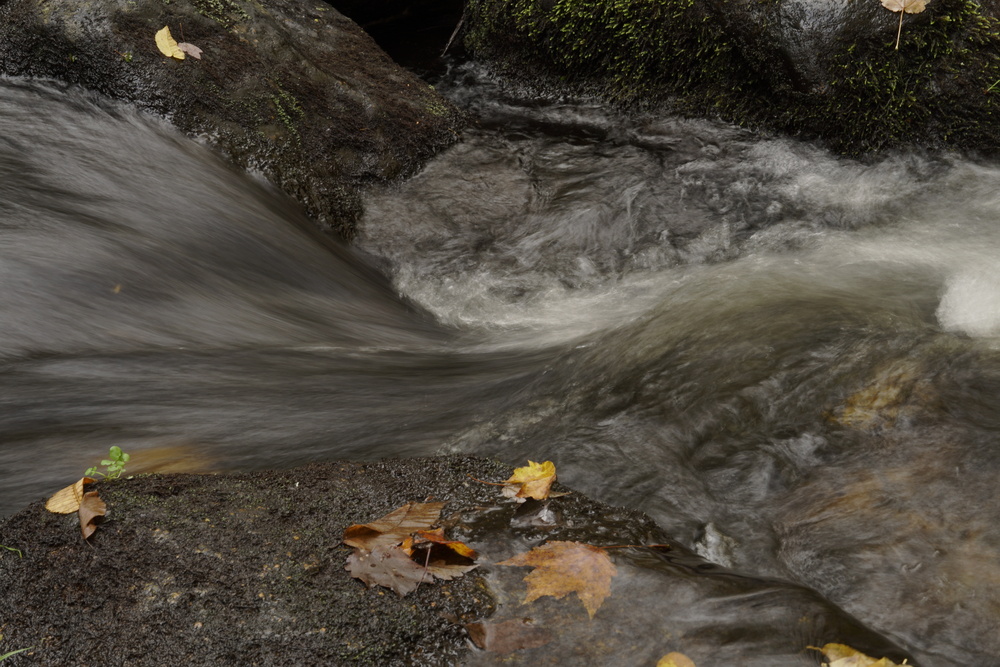
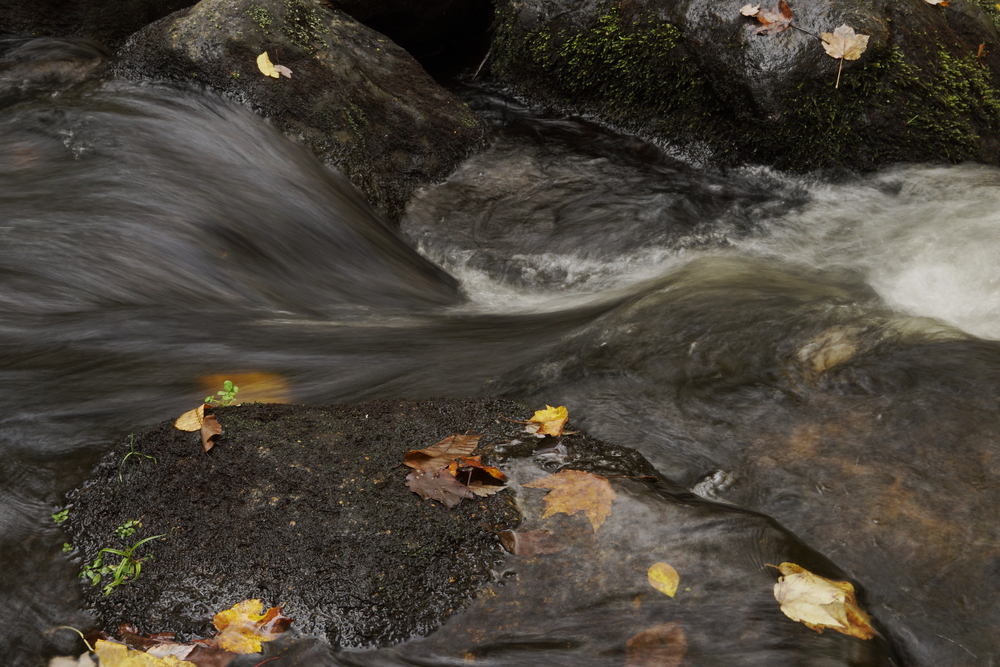
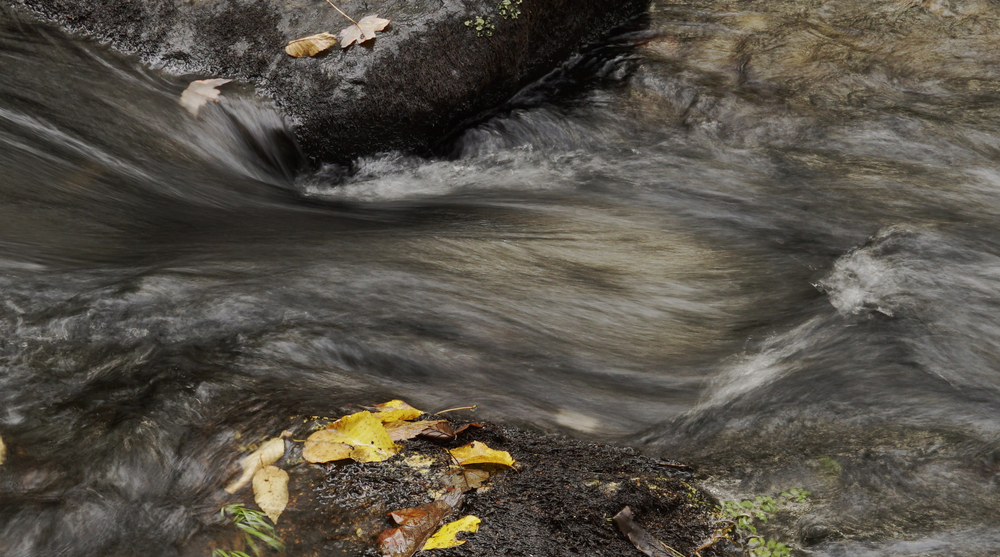
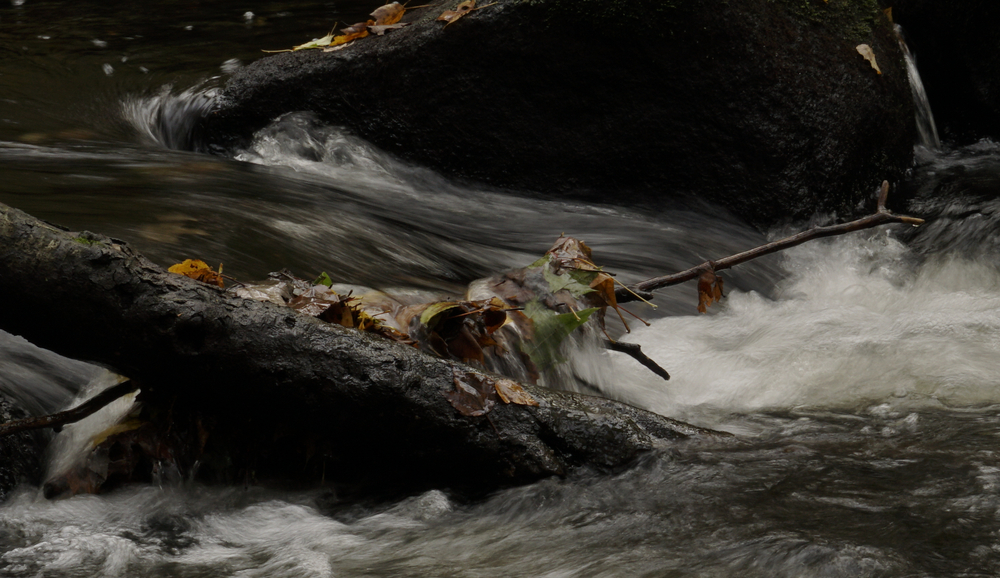
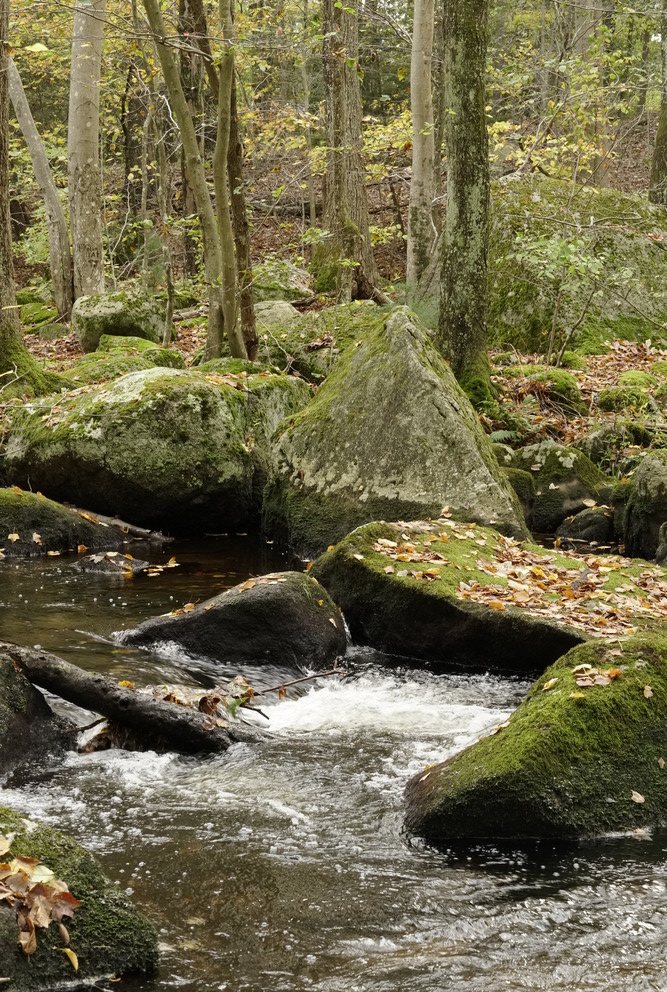

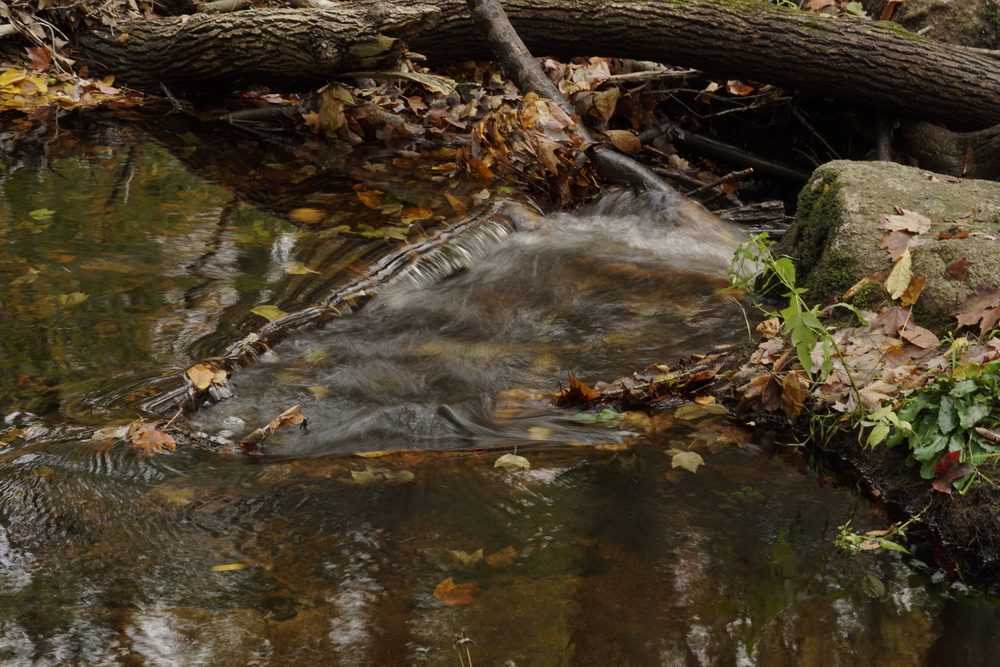
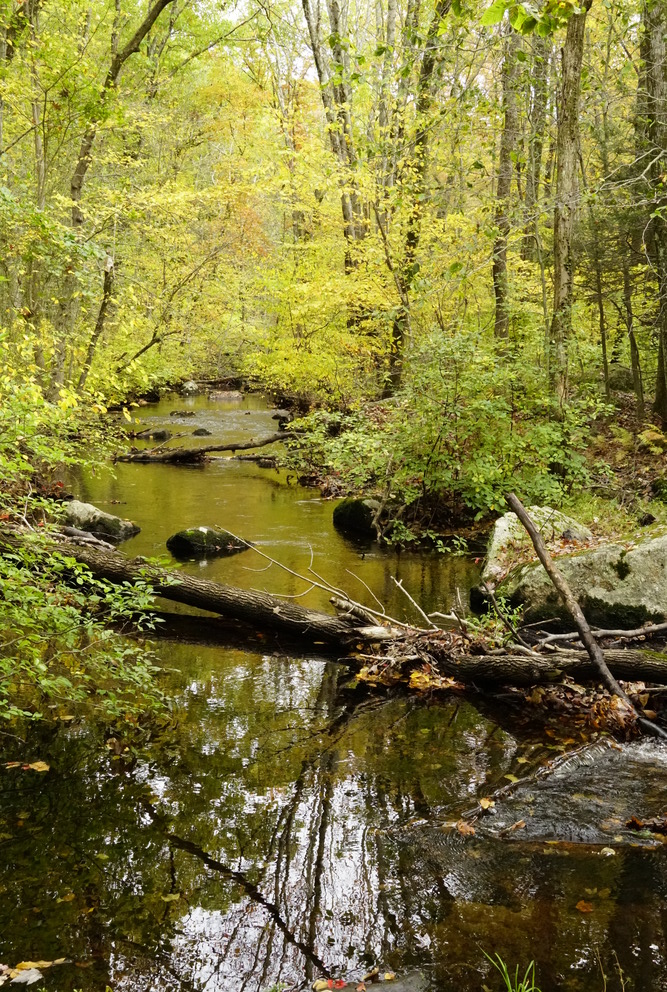


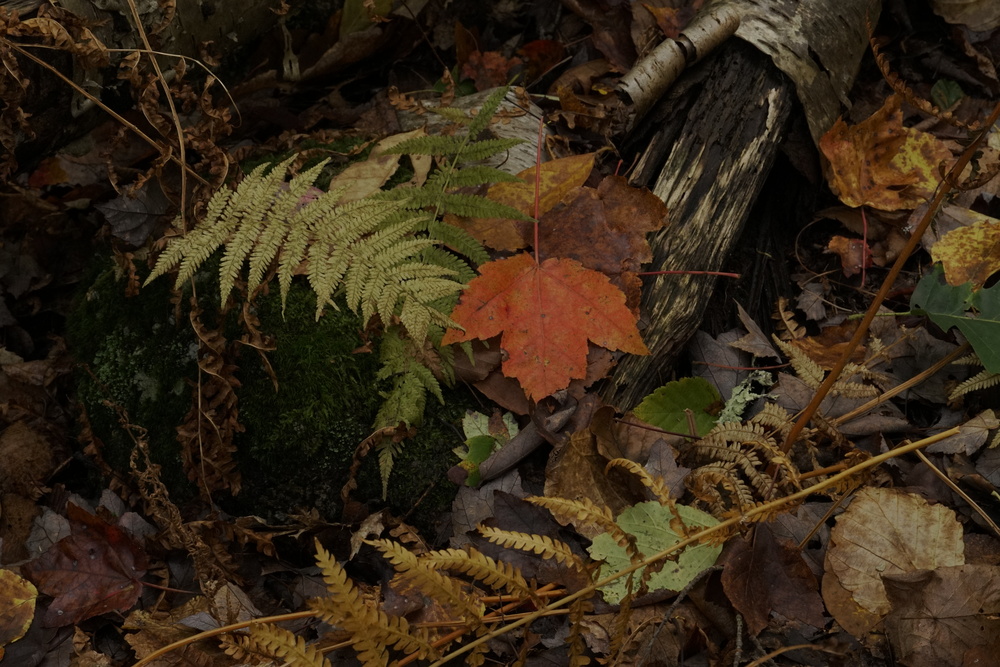


Autumn in Western Massachusetts is always special. Fitzgerald Lake trail: https://www.alltrails.com/trail/us/massachusetts/fitzgerald-lake-trail-and-hillside-trail-loop


Vespula cf flavipilosa

A crime scene:


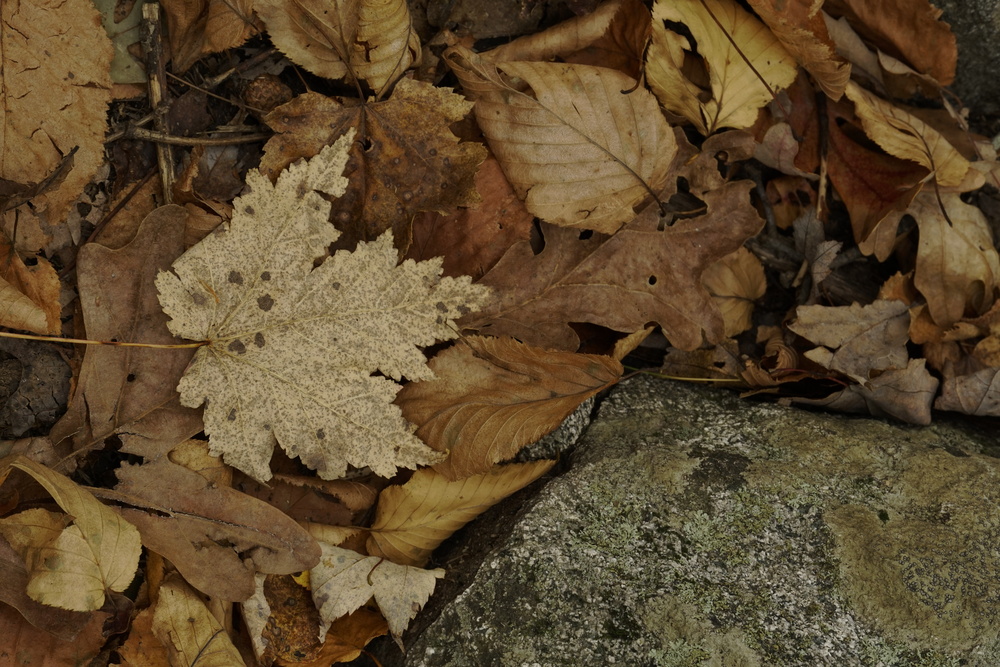

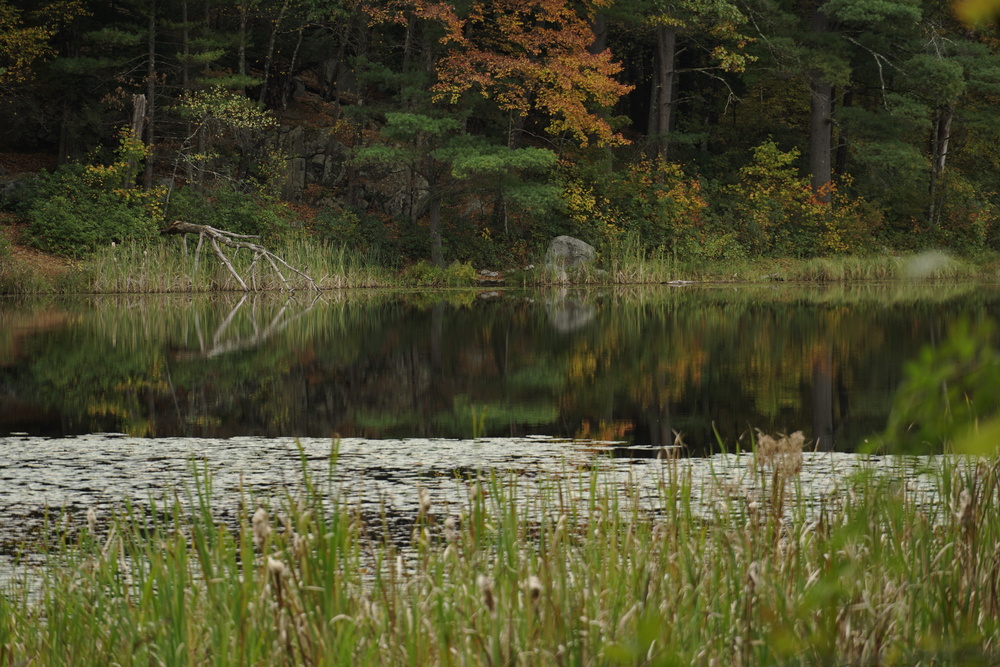

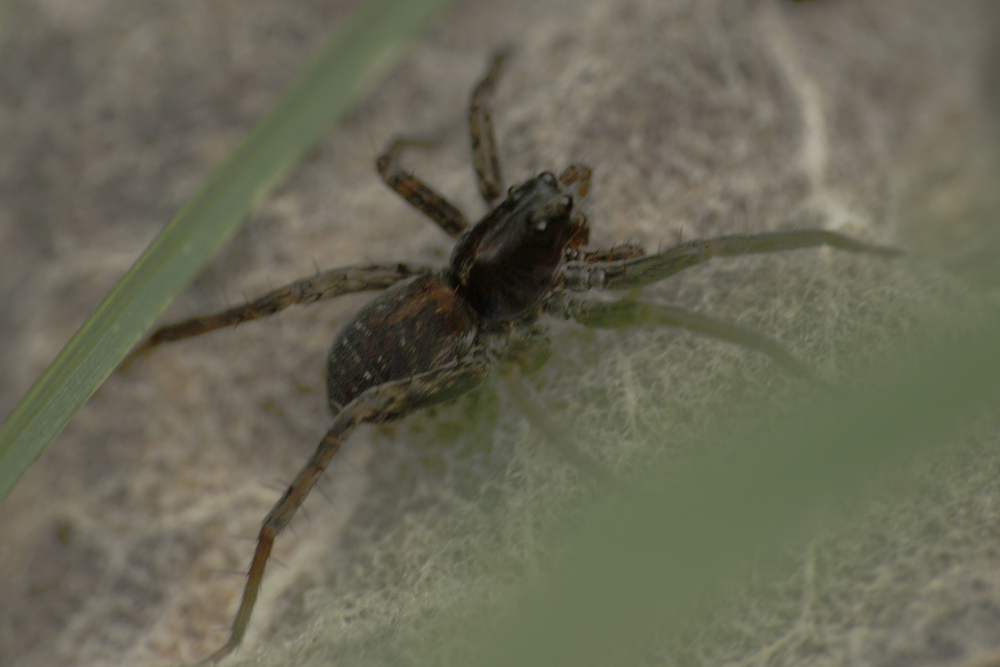
Pardosa in Lycosidae?


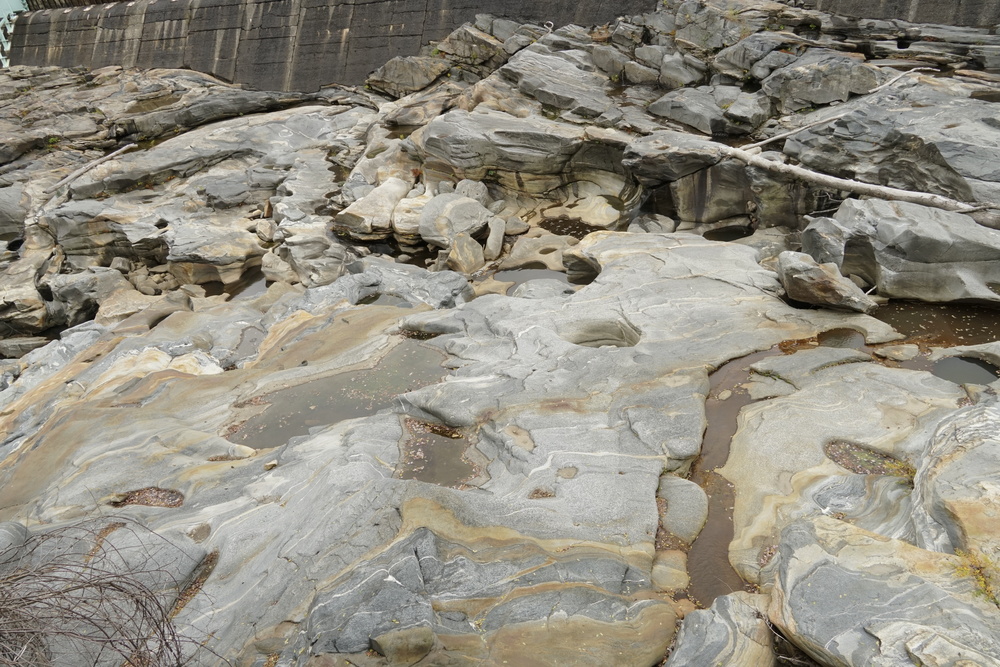
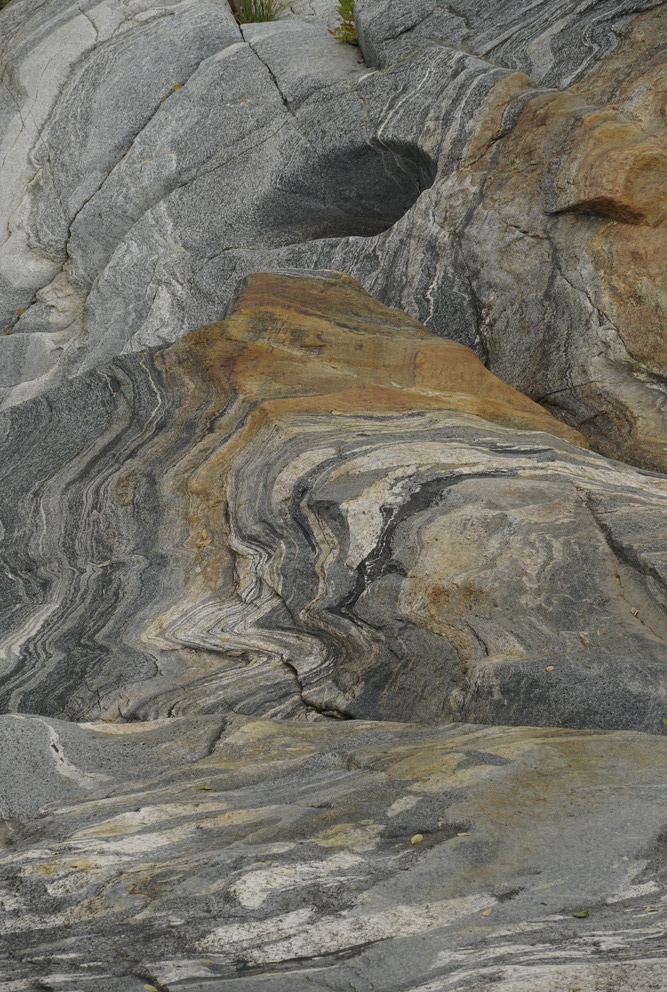
fall abstract:


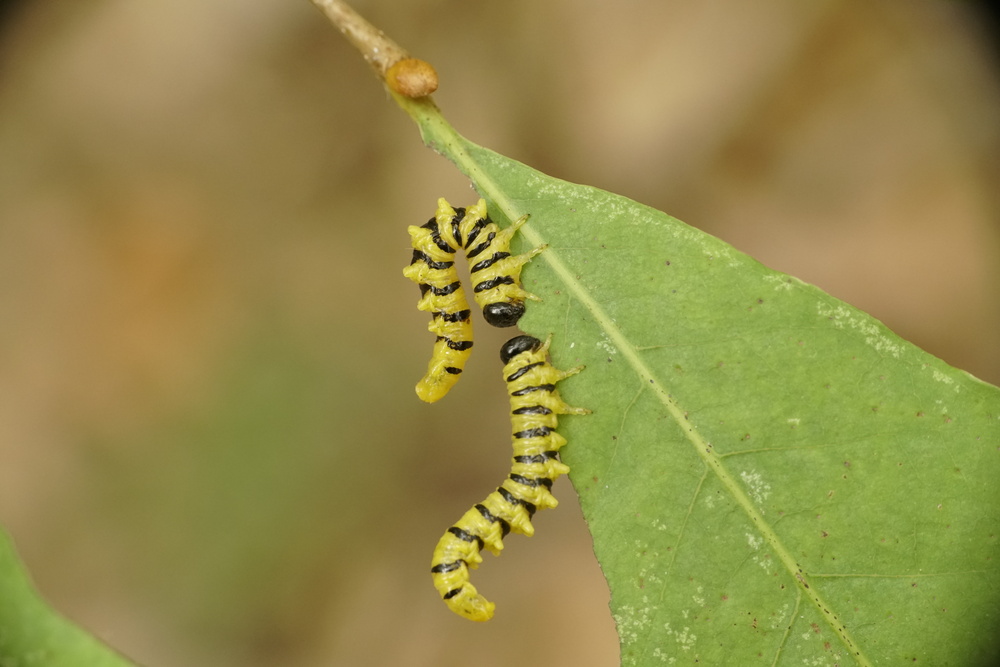
Nematus latitarsus, aka Dusky birch sawfly. Note six pairs of prolegs.
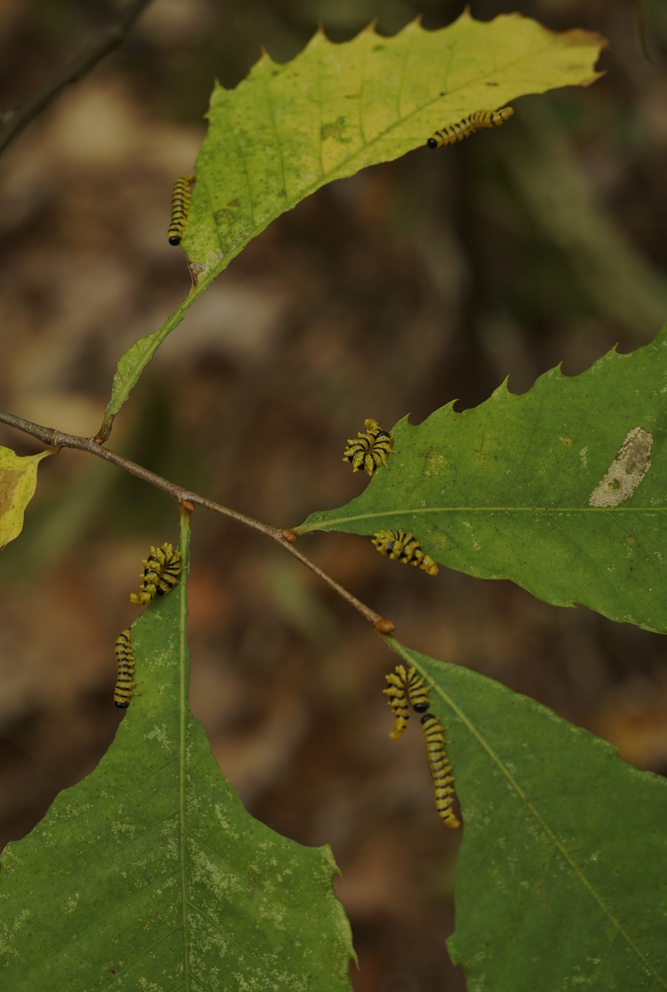
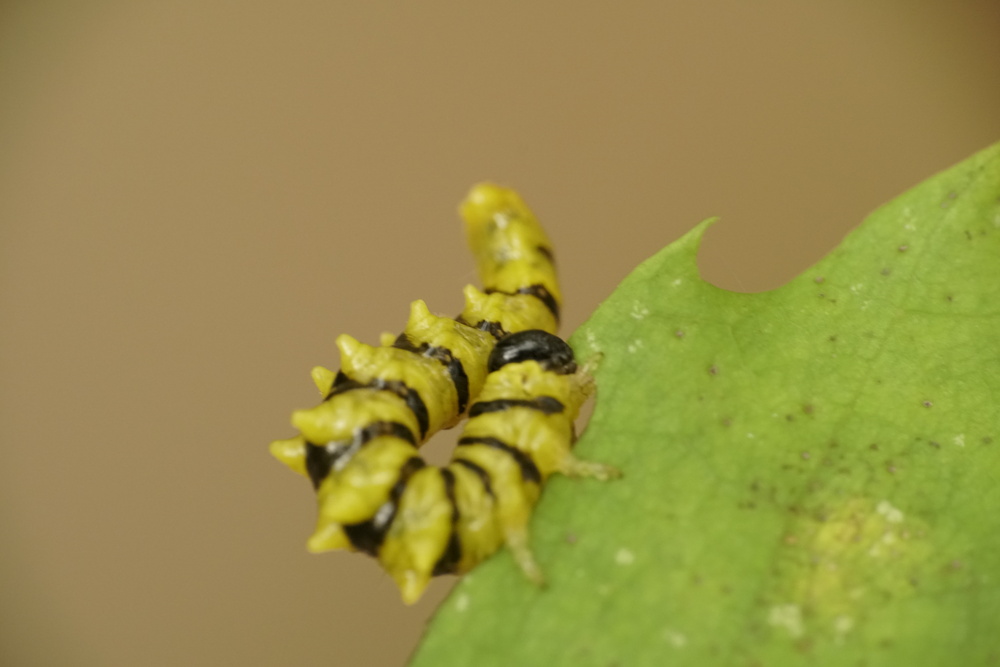
Cute!


Argiope



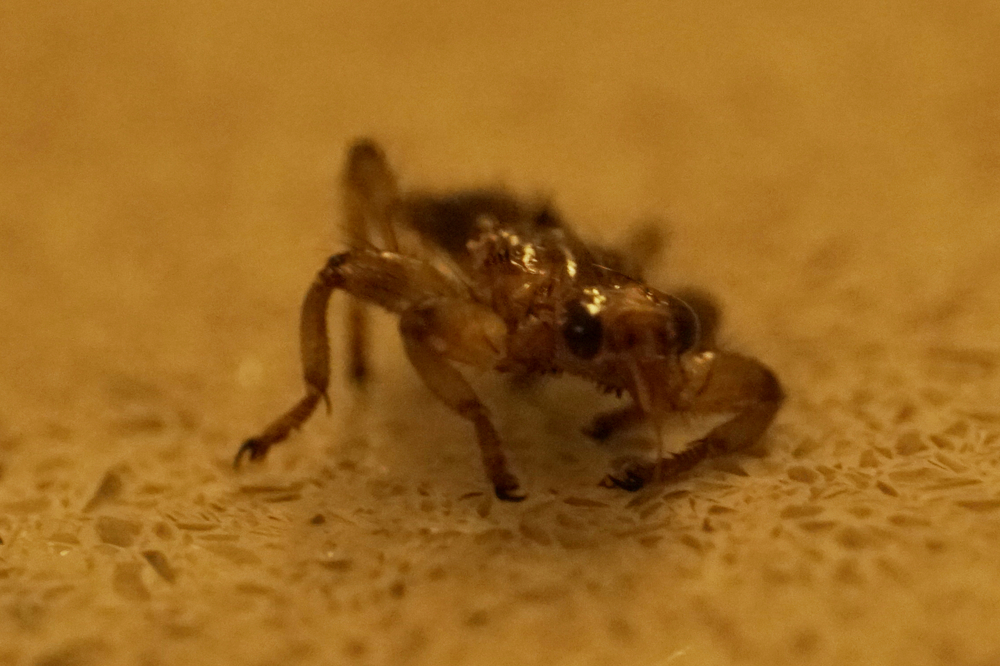
Another Hippoboscidae, Lipoptena cervi?




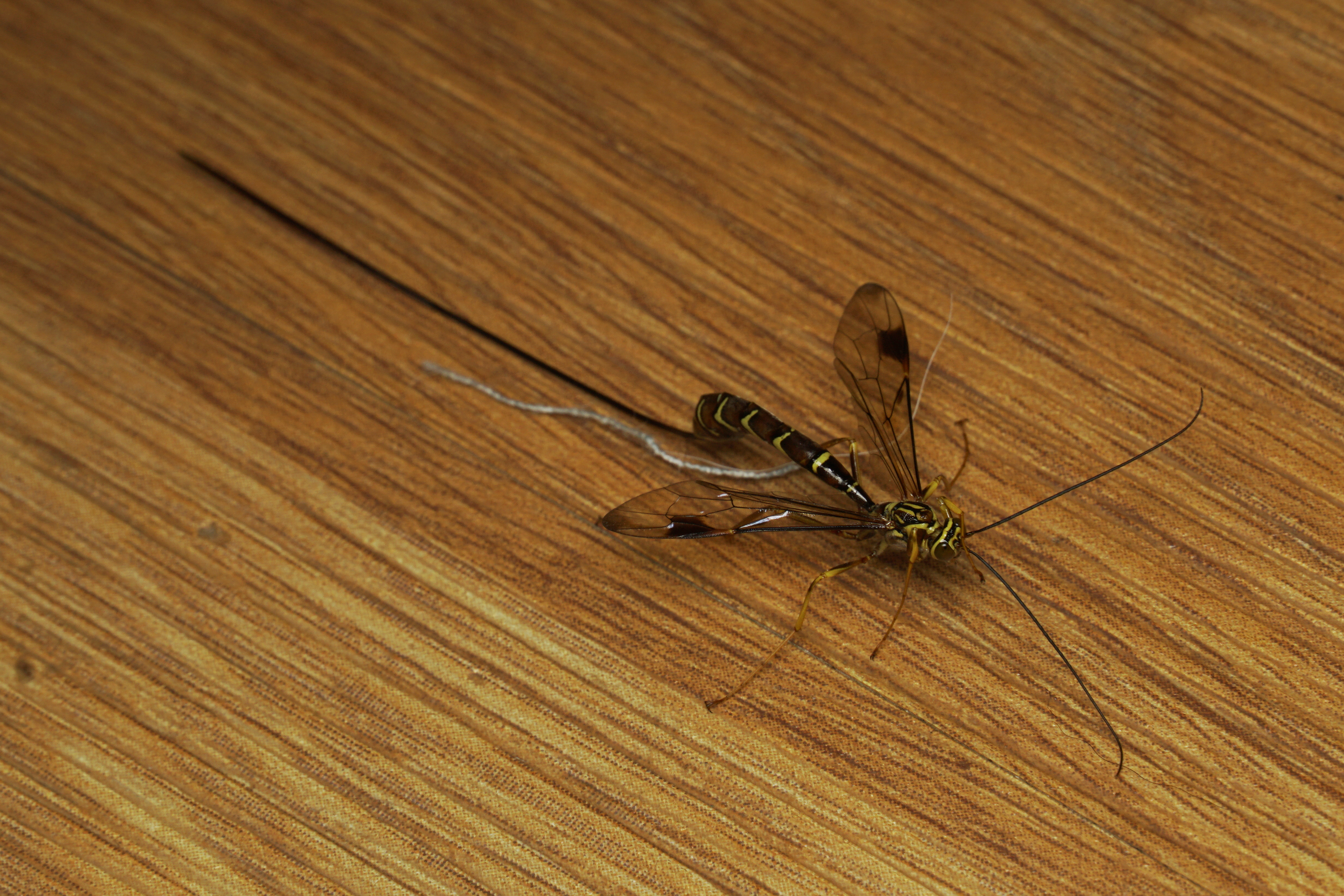
I’ve been searching for a Megarhyssa (Giant Ichneumonid Wasp) in Sharon for decades without success (found one in New Brunswick, Canada, though). Weirdly enough, I find one in my basement lying on the floor. I have no idea how she got in, or why, but I appreciate her cooperation.
This wasp has superpowers. She is able to detect pigeon horntail larvae living deep within hardwood tree trunks, using her powers of smell and hearing. Her ovipositor is reinforced with metal (*), manganese and zinc, making her bionic, literally. This adds to the strength of the ovipositor, to the point where she can break the laws of physics: https://www.science.org/doi/10.1126/sciadv.adi8284:
The parasitic female Megarhyssa has a hair-like ovipositor capable of withstanding a penetration force 10 times greater than Euler’s critical force, using a reciprocating penetration method.
(*) the metal in the ovipositor is actually in the form of protein-metal ion complexes. Let’s still call them bionic, okay?
Then they are somehow able to drill with their ovipositors to maneuver their way to lay their eggs on the larva of the horntail, without being able to see where it’s going.
So — nothing but appreciation for this mighty lady!
https://en.wikipedia.org/wiki/Hippoboscidae
Perhaps Lipoptena genus
Hippoboscidae flies aka louse flies aka keds are fascinating flies that live as blood parasites of birds and mammals.
My wife was nice enough to collect it, even if she didn’t do it willingly :-).


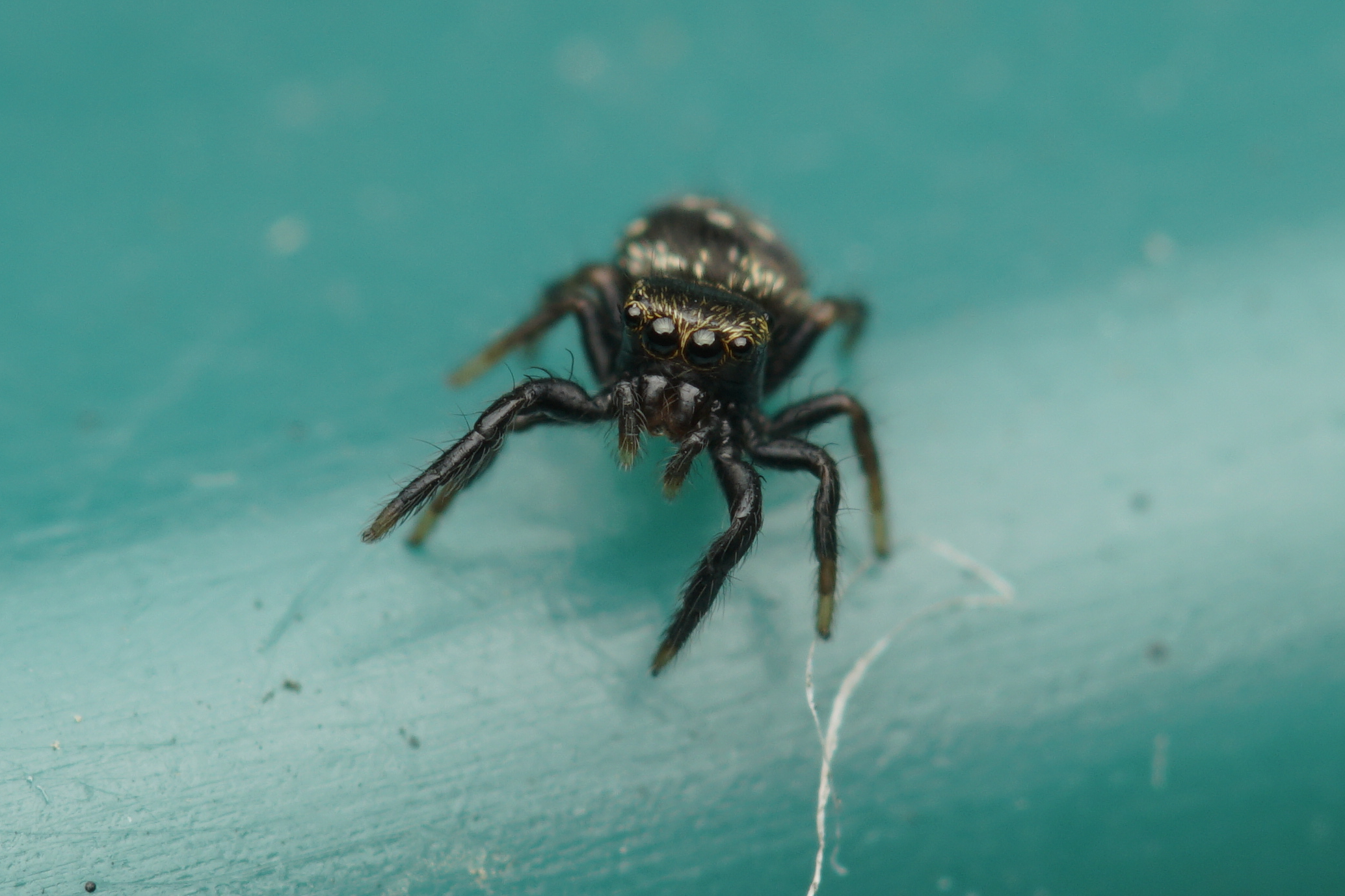
This is Paraphiddipus, I think.

Theridiidae? EDIT: Thymoides unimaculatus
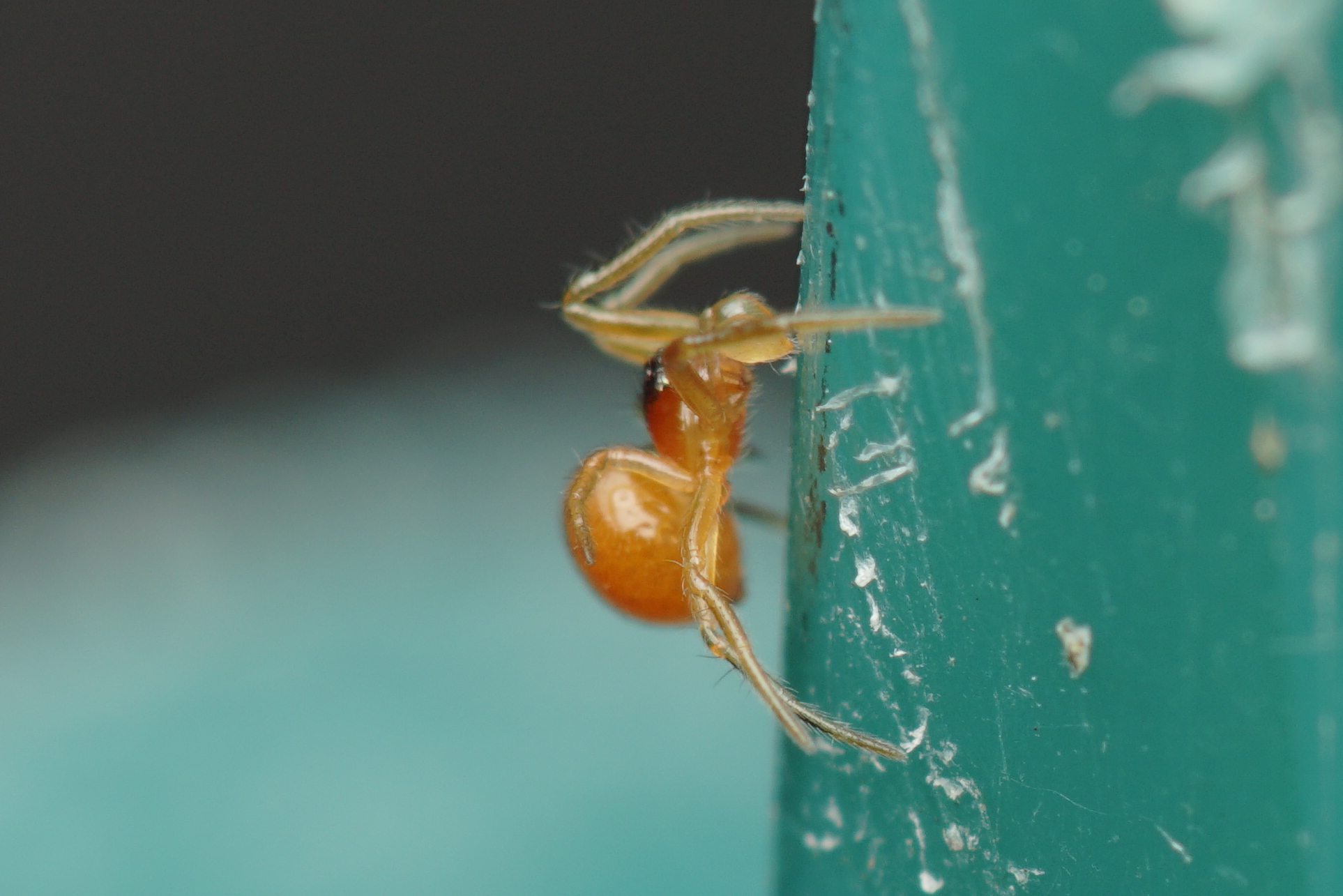
Torymidae, perhaps Monodontomerus.
“Parasitica” – Parasitoid Wasps » Chalcidoid Wasps (Chalcidoidea) » Torymidae

Hi everyone! First of all, this website will continue to be just as active as before.
I’ve created a new website: https://anaturalslant.wordpress.com. This is also for my photographs, but it’s in a portfolio format, and also has particular galleries for specific types of photos, such as black and white, minimalist, broad landscapes, more intimate nature photos, photos taken nearby, etc.
It’s also oriented less towards bugs, and more towards other nature photos, although there are certainly some bug highlights.
I hope you check it out and enjoy it!
Great bug walk with Don and Kyla Bennett! The highlight was the samples from the lake, but I don’t have a ton of photos of that part.
I’m not 100% confident this is even a bug, but I think this is a woolly aphid. Something like Phyllaphis fagi (Woolly Beech Aphid)? I thought it showed signs of feet and antenna, but I don’t see them in this photo very well. One point for great camouflage!

Backswimmer, Notonectidae –> Notonecta.

Jikradia olitoria
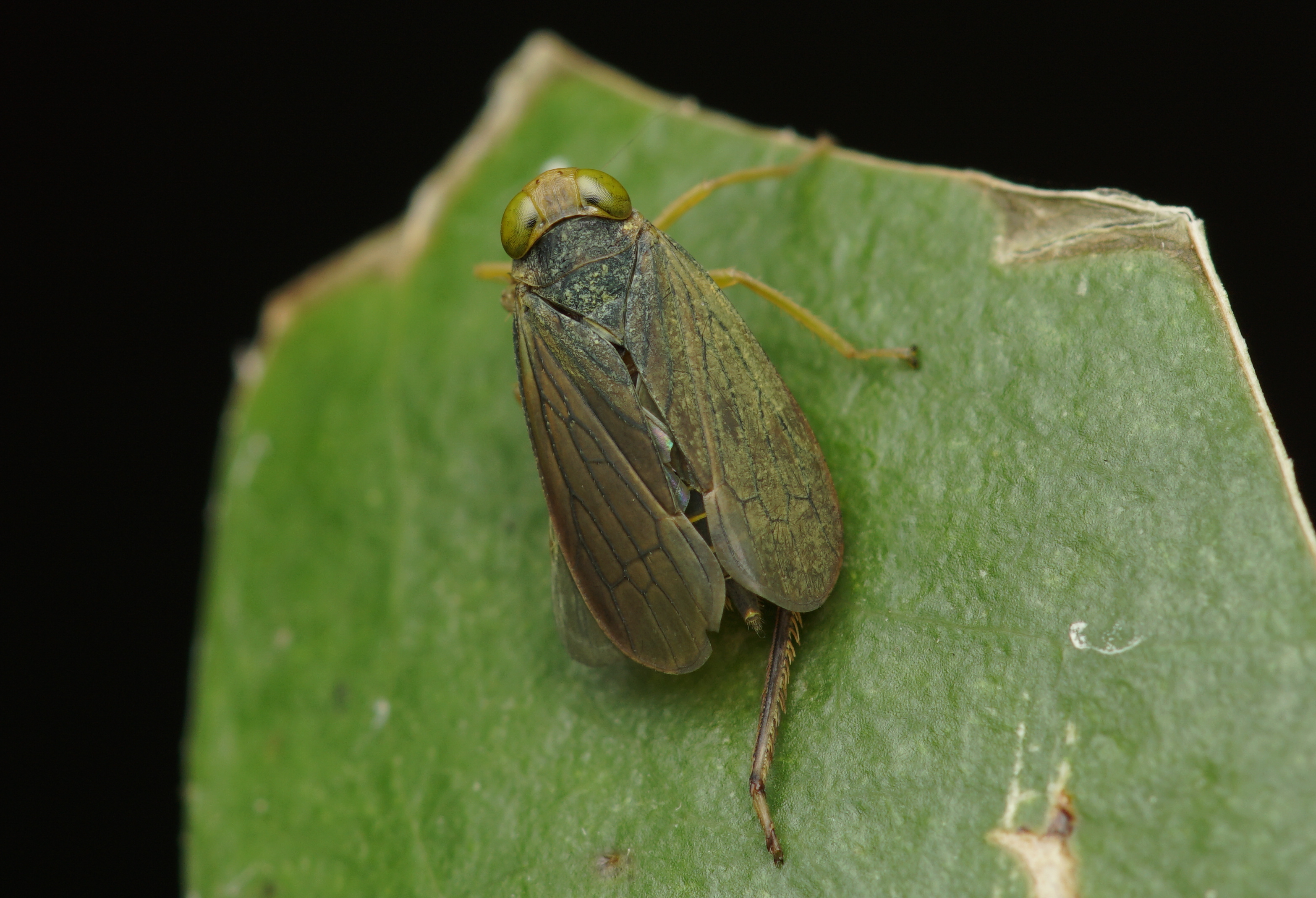
Ichneumonids are always tricky, but this is certainly sub-family Pimplinae, probably tribe Pimplini, and hopefully genus Itoplectus. Or it could be something else.

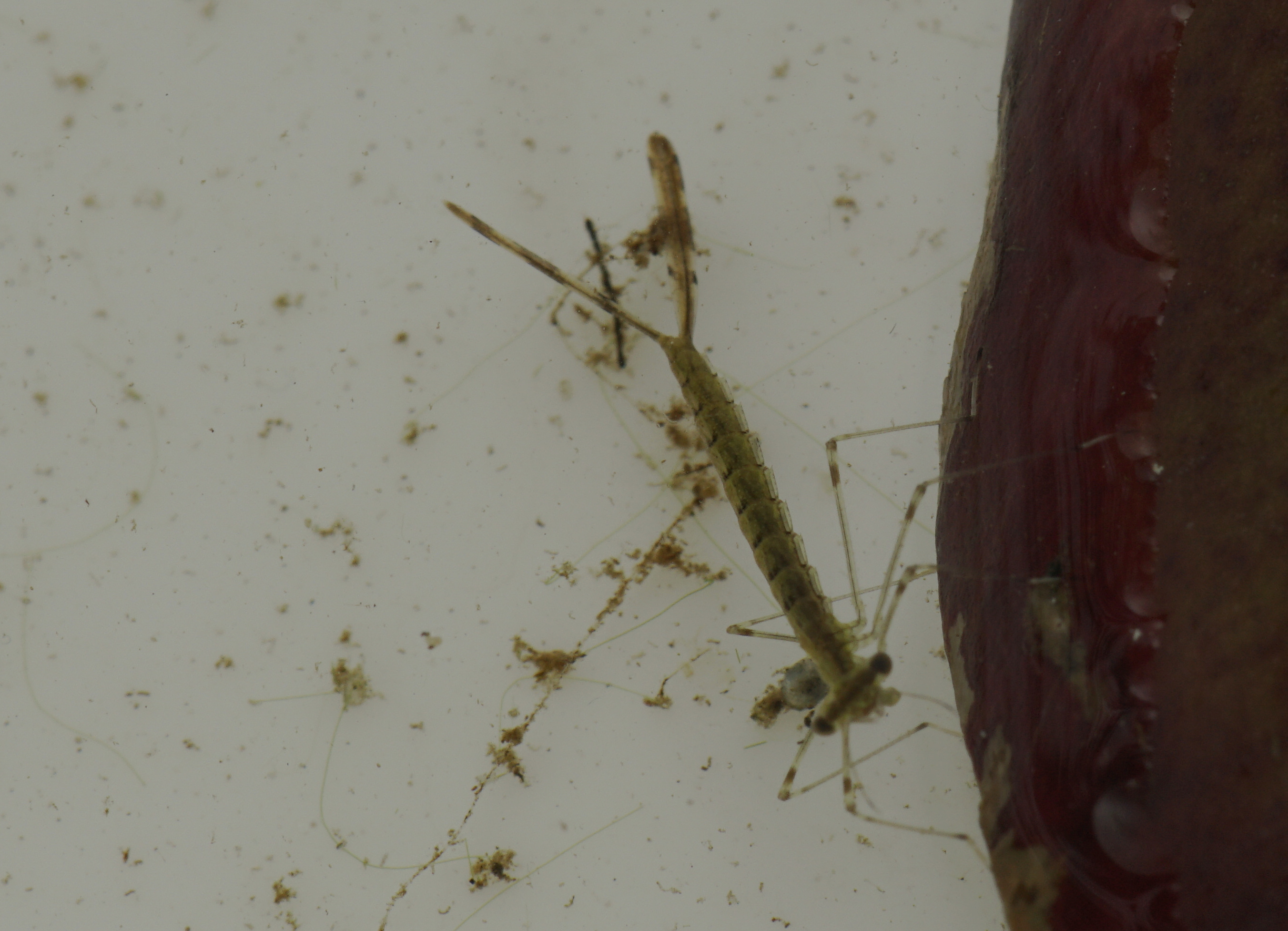
From the lake (thank you Don!). Naiad (I think that’s the correct term) of a damselfly.
And an adult damselfly. Variable/violet dancer, I think — genus Argia.
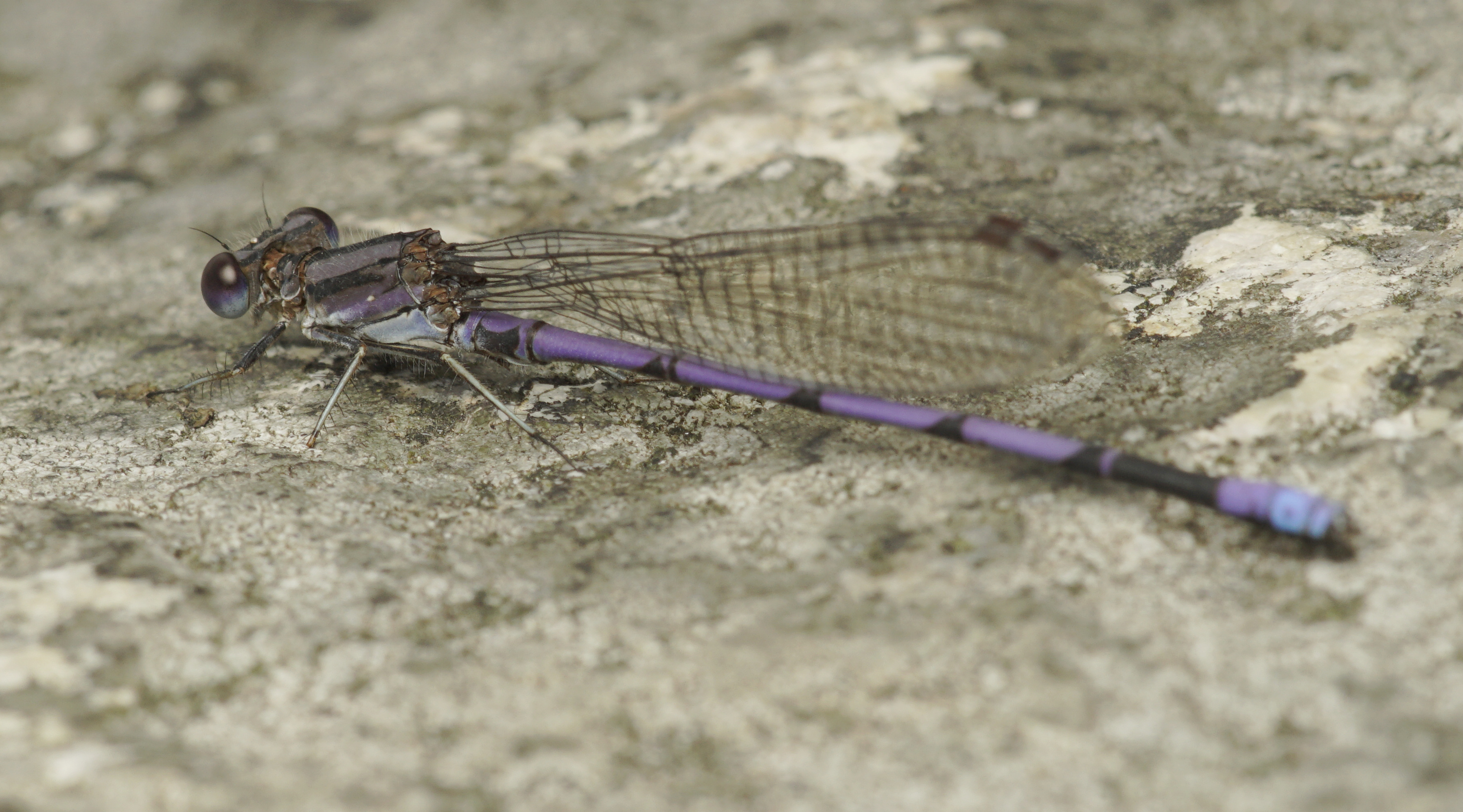
And another
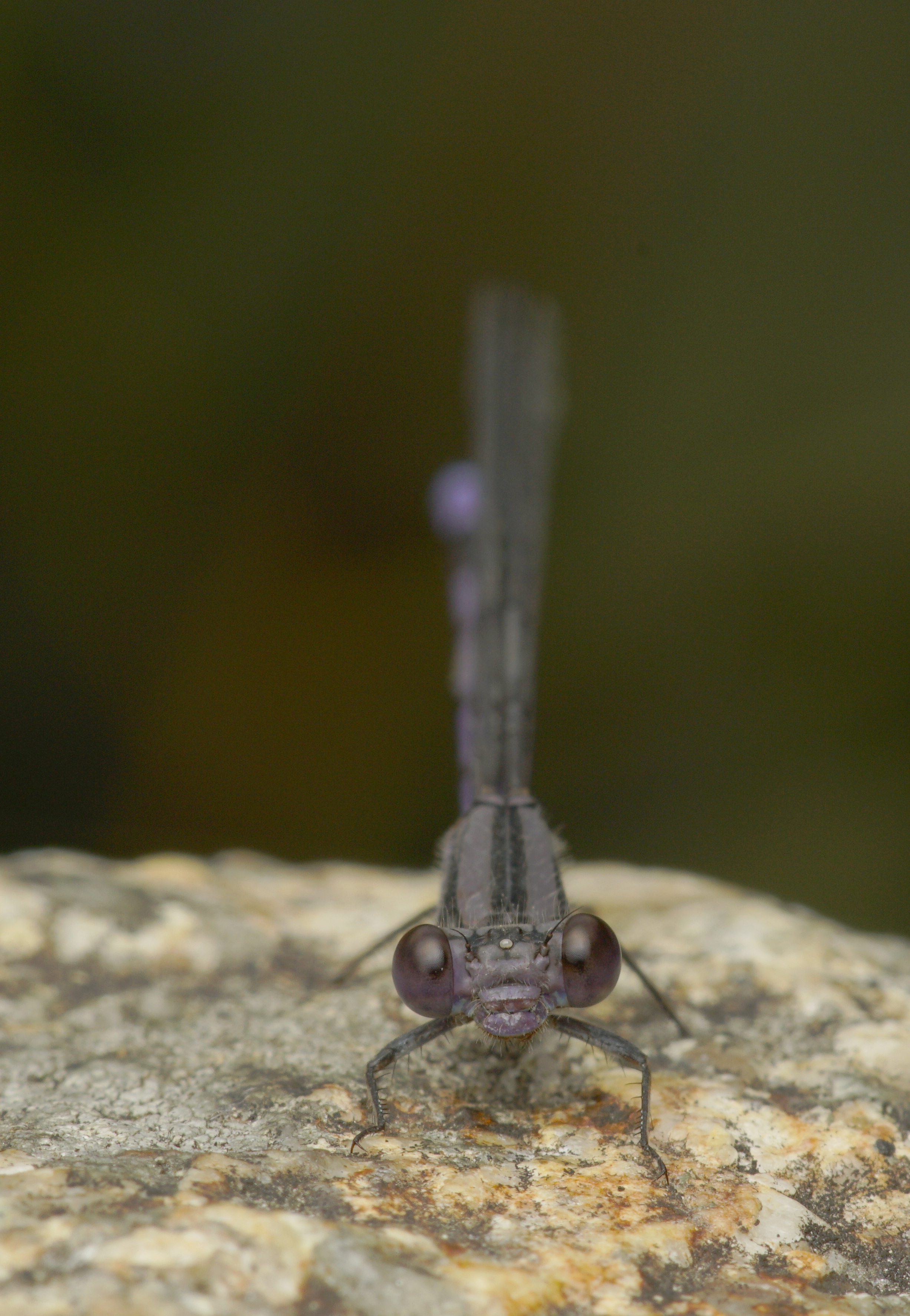
Whirligig beetle
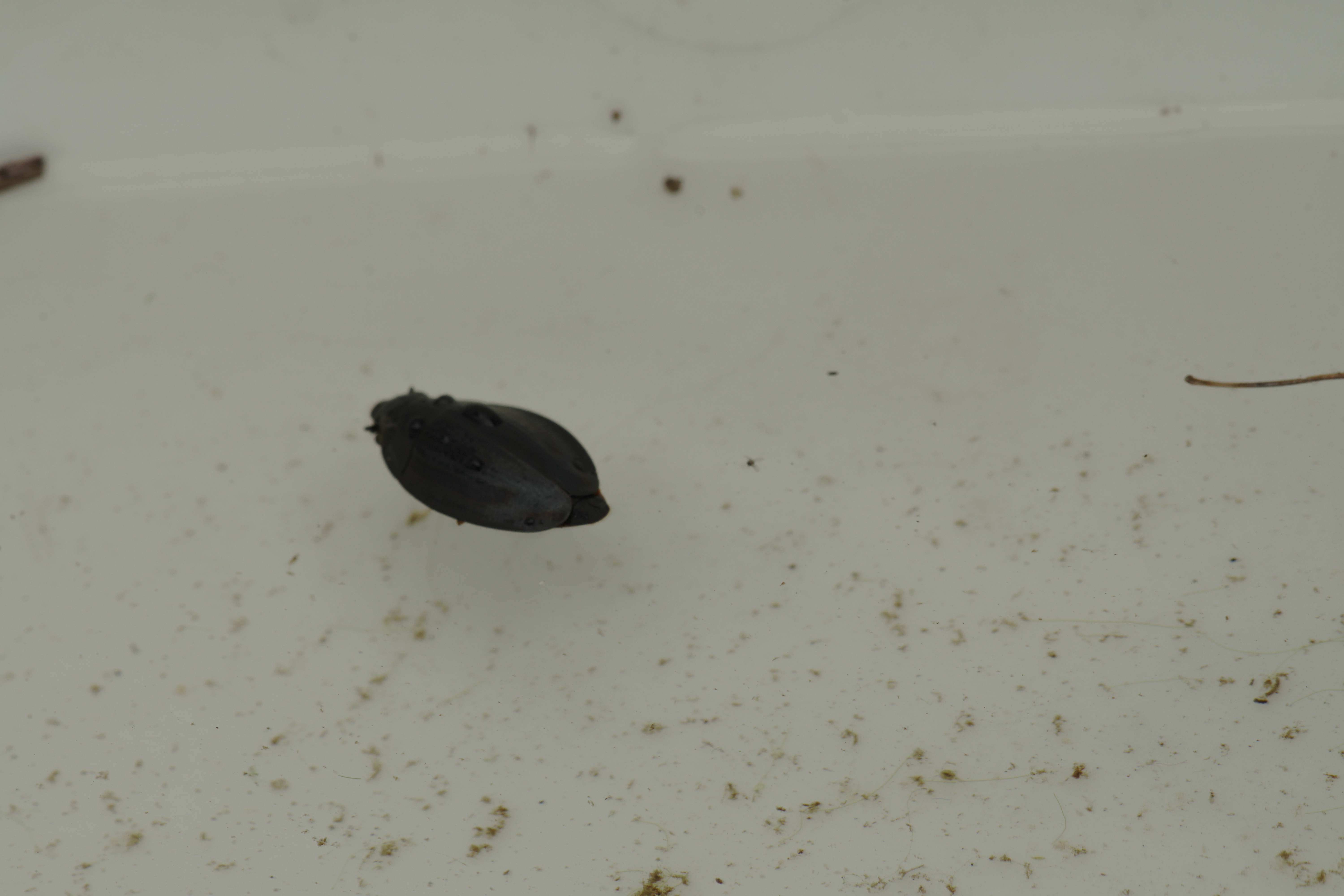
Dolichopodidae, probably Dolichopus.

Well, not actually a spider. Opiliones are omnivorous, and here’s a capture of one eating an ant.

Jumping spider. Probably a female Hentzia?
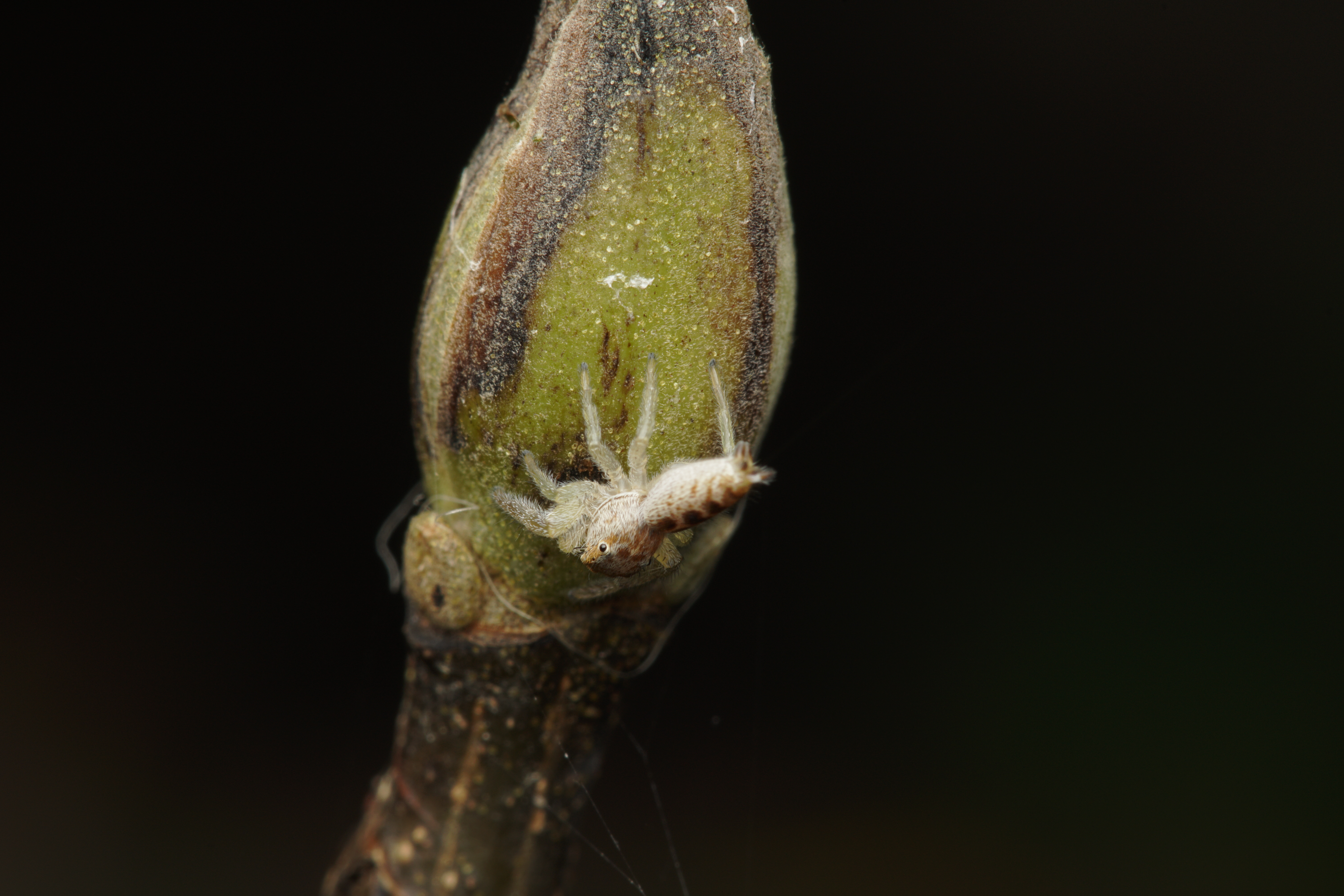
A tiny turtle. I was told this was a musk turtle, thank you Kyla.
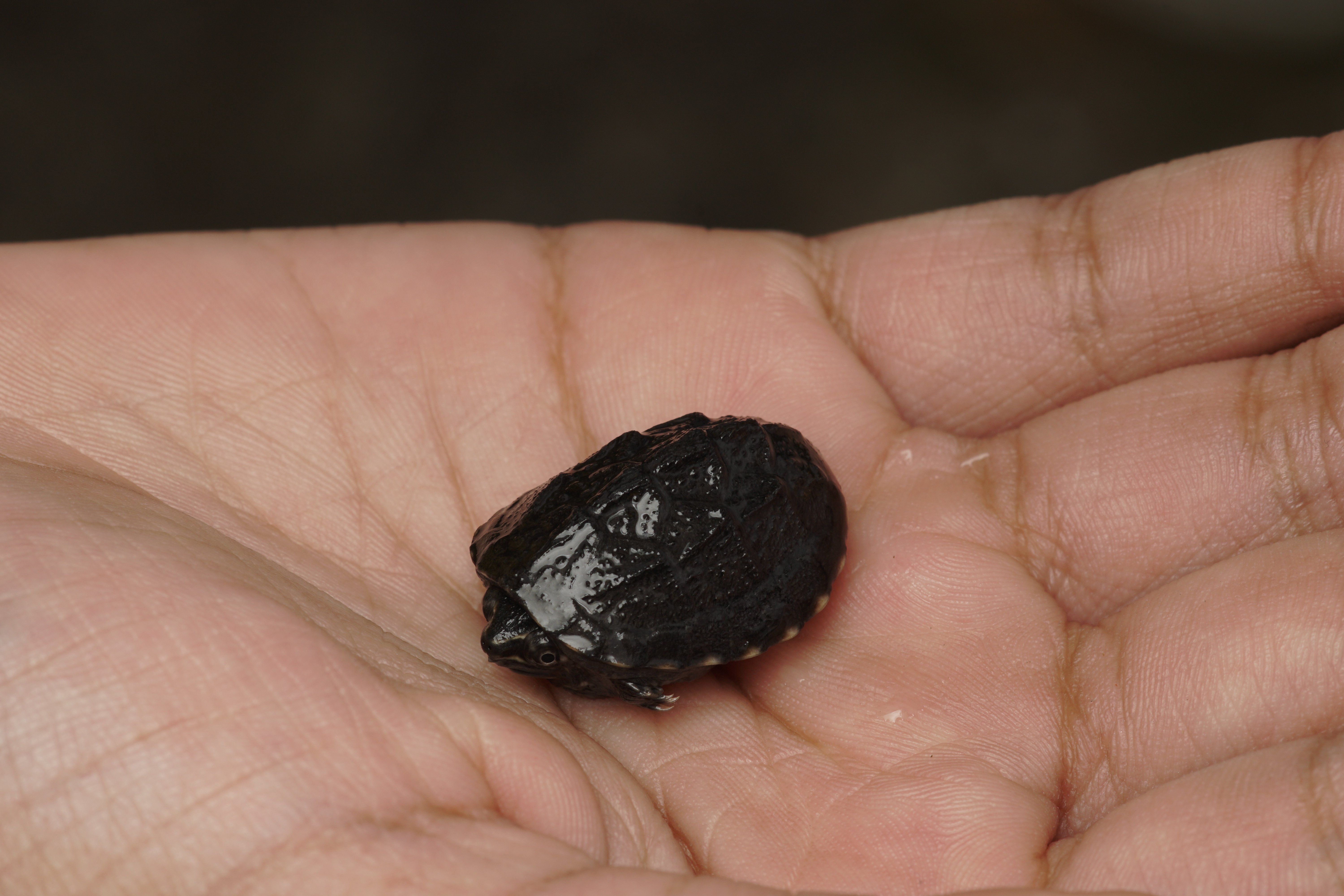
Urban Nature Walk, organized by Jef Taylor, with the amazing Sloan Tomlinson talking about wasps!
(Some quick identifications now, more at leisure in a few days).
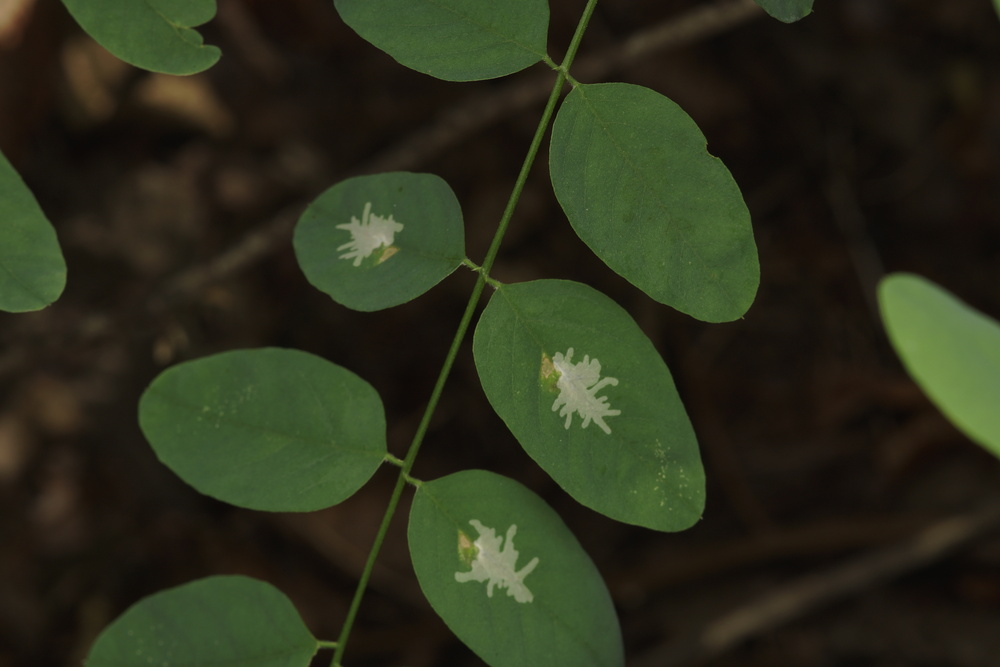
The black locust leaf miner: https://bygl.osu.edu/node/846
“Another twist to add to this story is the fact that there is another leafminer that can be found on black locust trees called the locust digitate leafminer (Parectopa robiniella), a species of moth. The adult moth is tiny with a wingspan less than 1/4″ from tip to tip. Unlike the locust leafminer beetle, only the caterpillar feeds on the leaves of the locust tree. There can be 2 to 3 generations per year.”
Jef pointed out that this one has a central spot, and then carves out the leaf innards outwards from that spot, after which it returns back there and creates another node of the star shape.
With Sloan’s presence, of course the Hymenoptera were the star of the outing. It doesn’t mean I was able to actually identify them myself, of course.
Ectemnius, in Crabronidae:

Masked bee in Hylaeus

What bee? Probably something in Andrena.
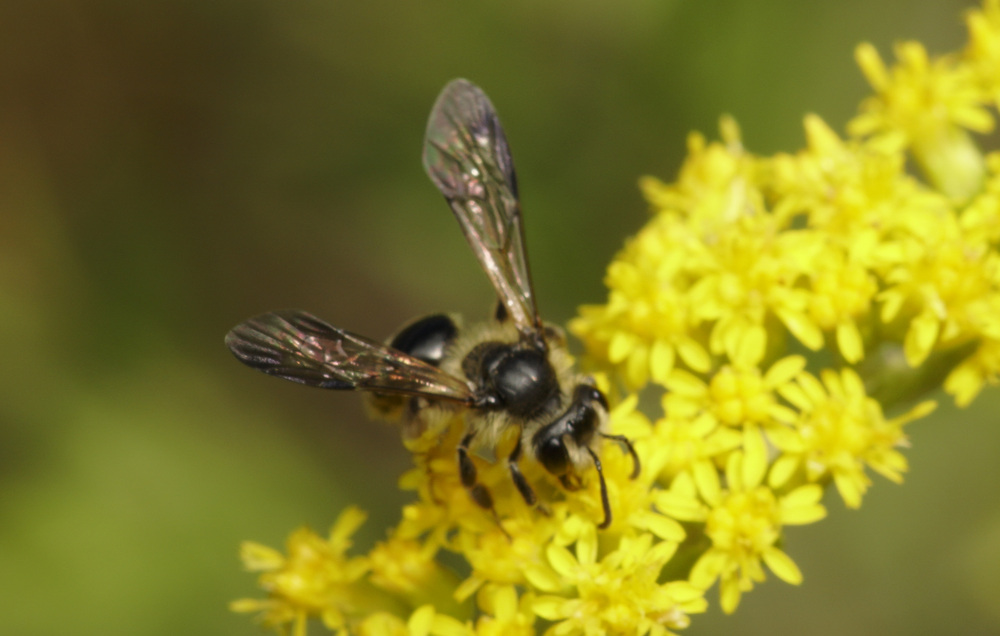
Also something in Andrena, perhaps? EDIT: Andrena nubecula
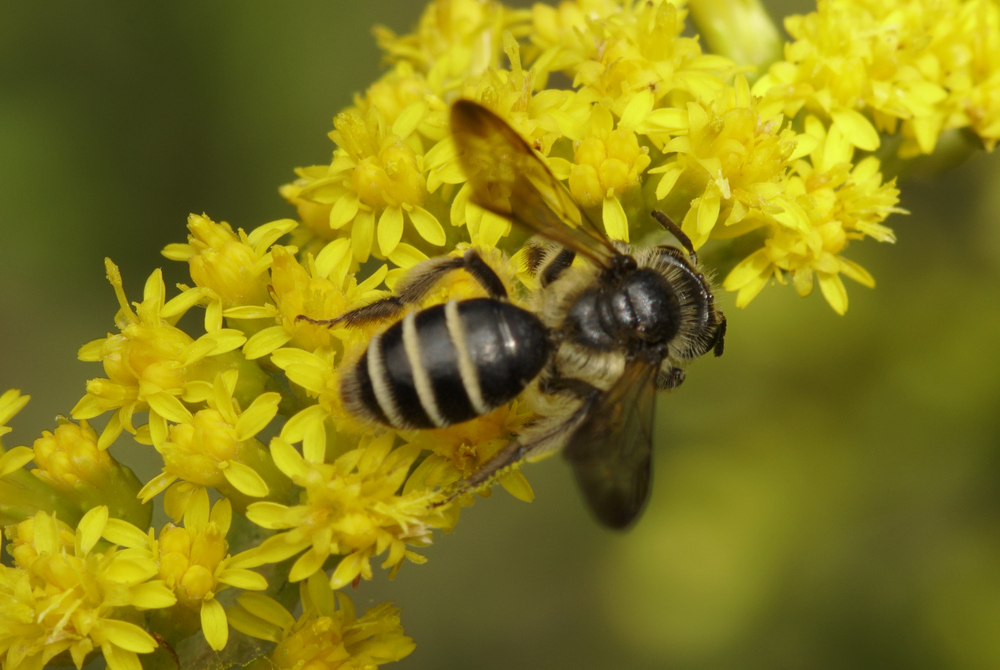

Isodontia cf mexicana

Paper wasp, Polistes

Some type of potter wasp, I think.
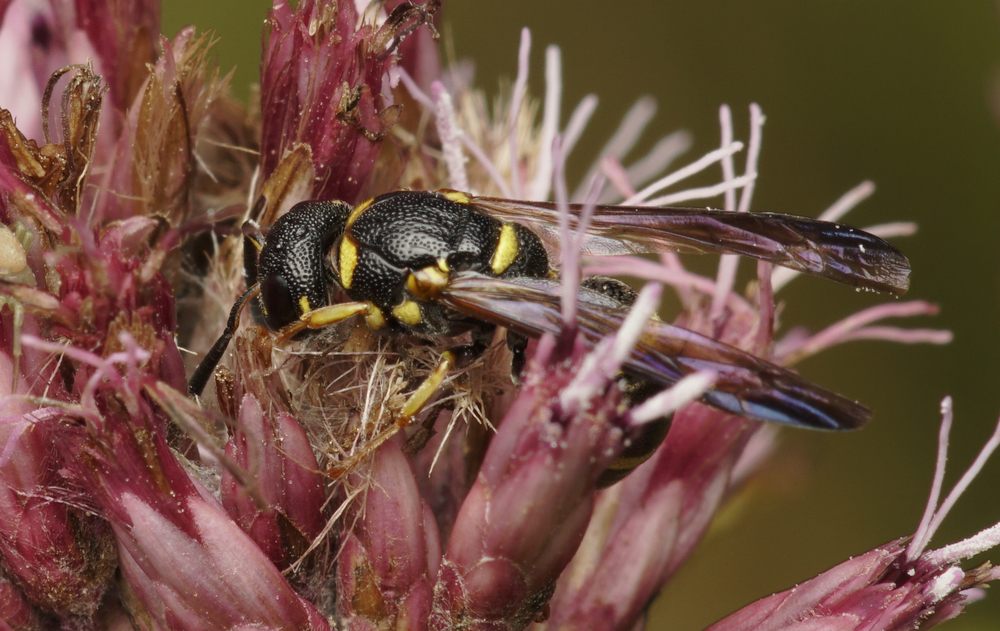
Agapostemon virescens in Halictidae, presumably:


Another Andrena?

Lovely Pompilidae wasp, perhaps Anoplius

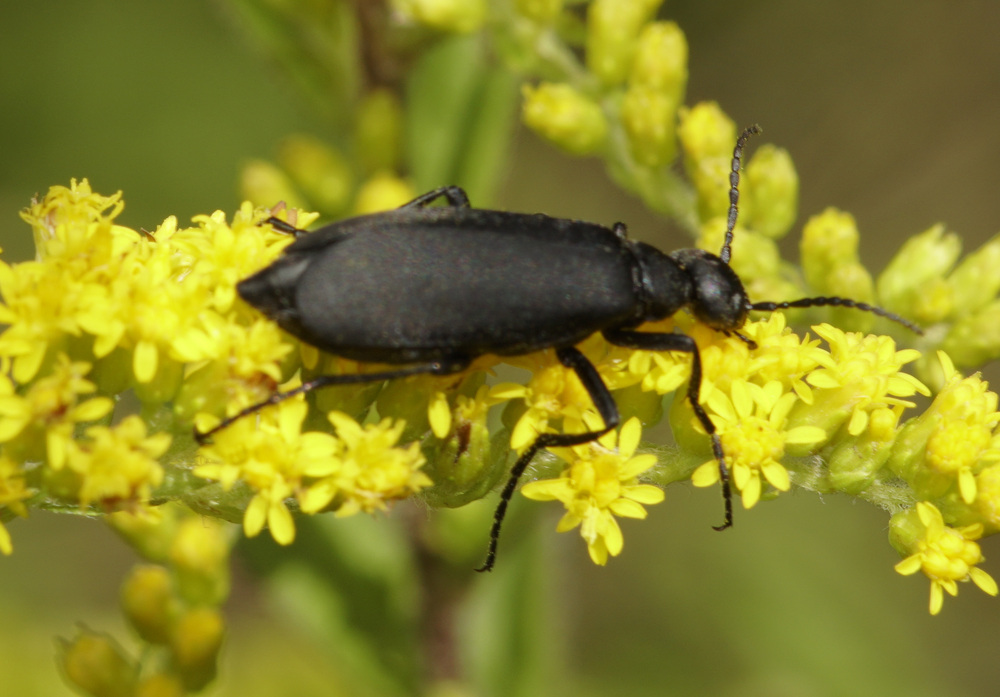
Blister beetle — Epicauta, presumably

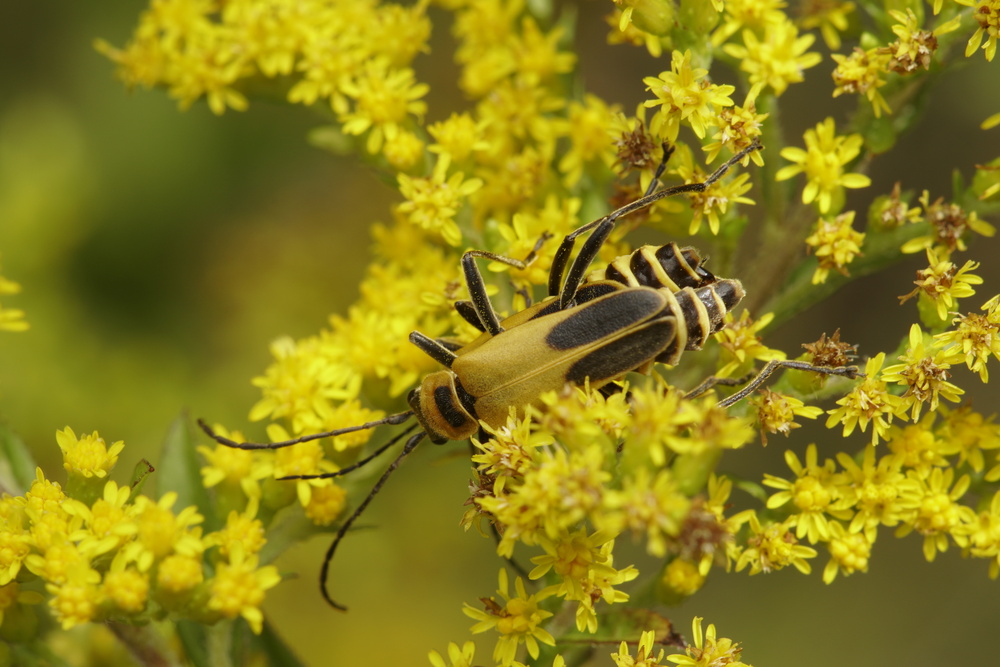
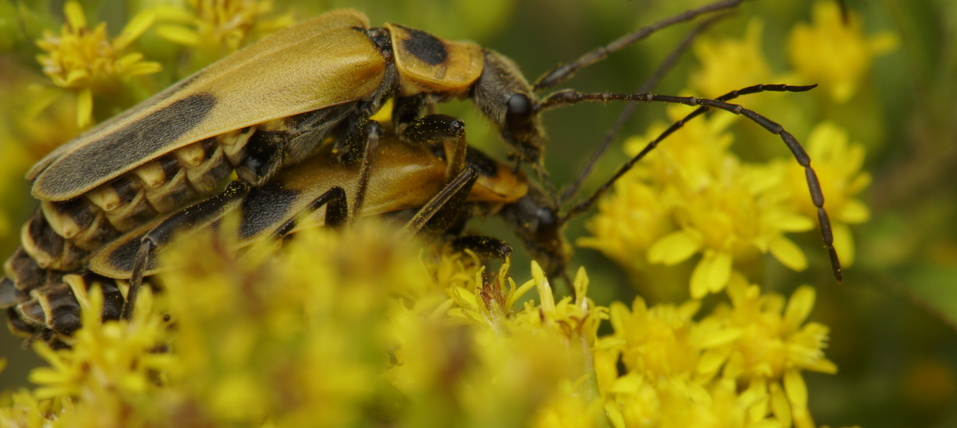
These beetles were absolutely everywhere. Chauliognathus pensylvanicus, goldenrod soldier beetle in Cantharidae. The mystery of the missing ‘n’ in pen(n)sylvanicus persists.
Dolichopodidae

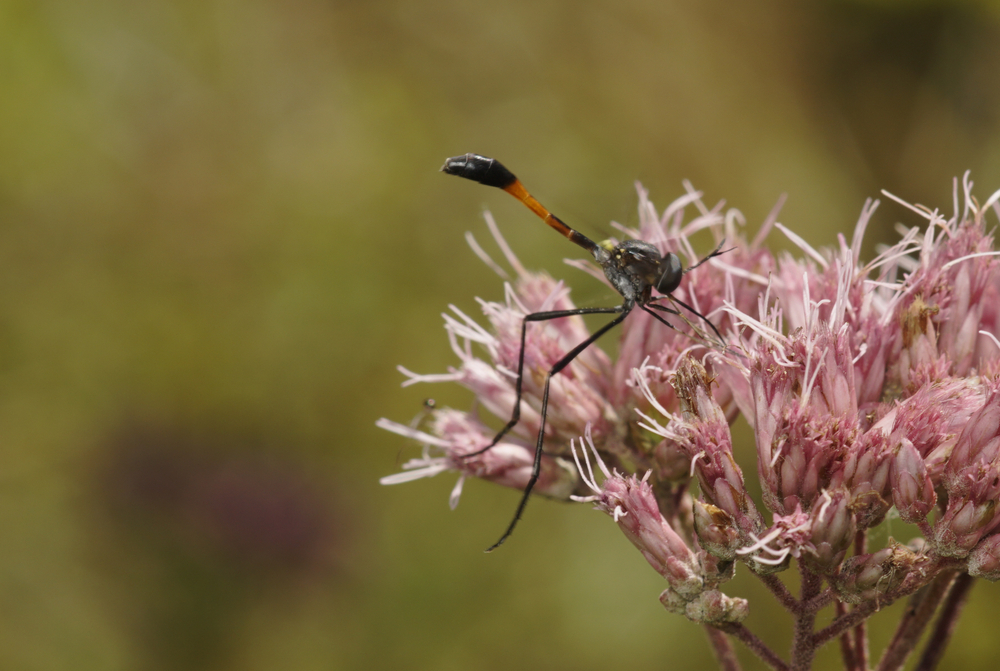
Spectacular Bombyllidae fly imitating Ammophila wasps in Sphecidae. Systropus macer, I think.
From BugGuide: “The best feature to separate this [Systropus angulatus] from the other eastern species, S. macer, is whether the propleuron (the swollen sclerite on the anterior edge of the thorax) is yellow (S. macer) or black with silvery hairs (S. angulatus).”

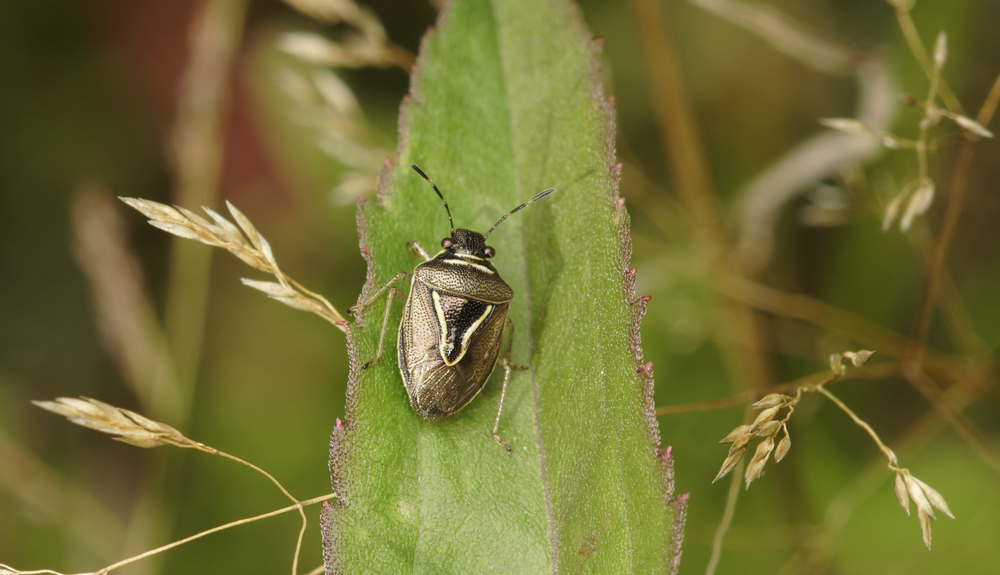
Gorgeous — Pentatomidae –> tribe Carpocorini –> Mormidea lugens, I think.
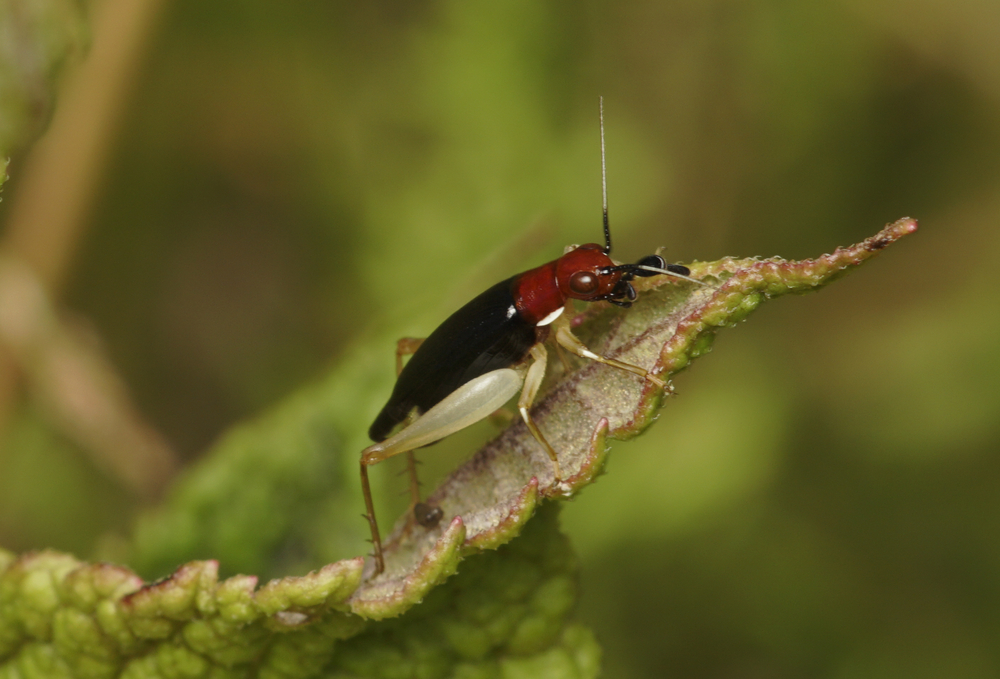
Handsome trig, Phyllopalpus pulchellus
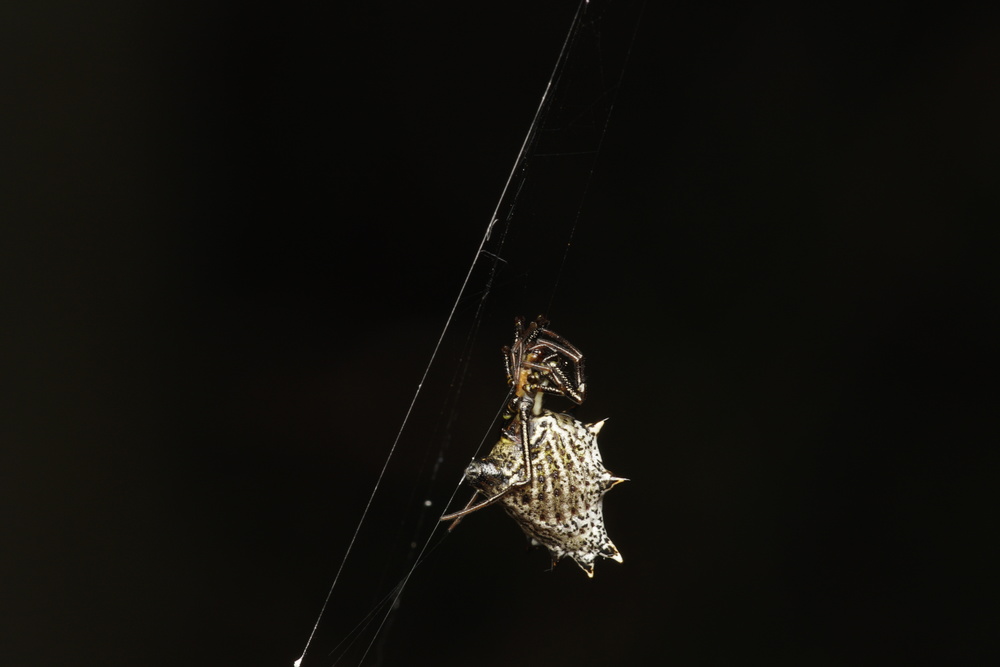
What a gorgeous Micrathena gracilis!
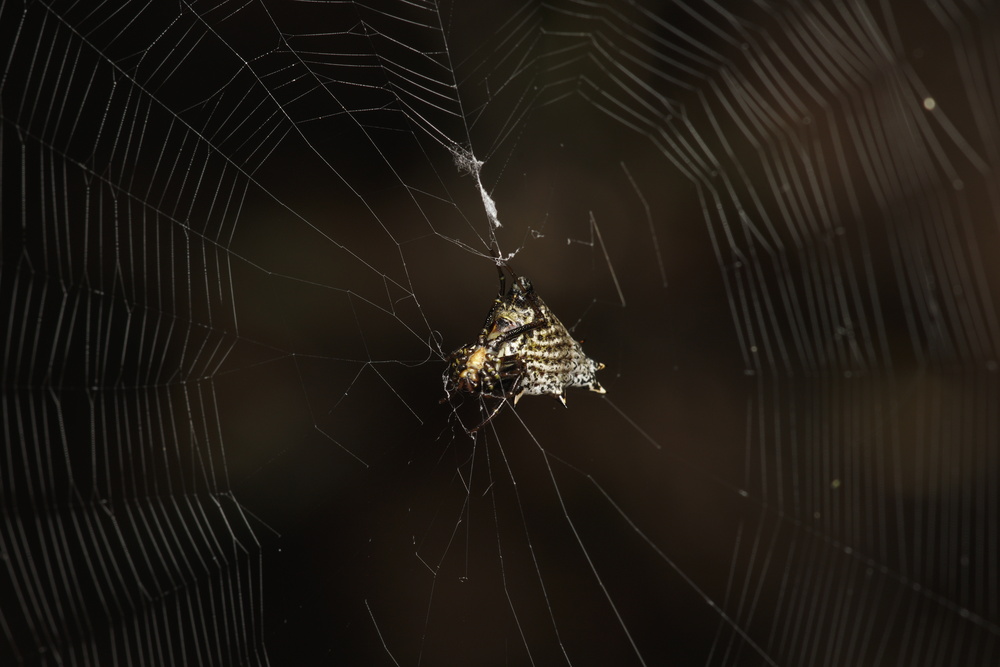
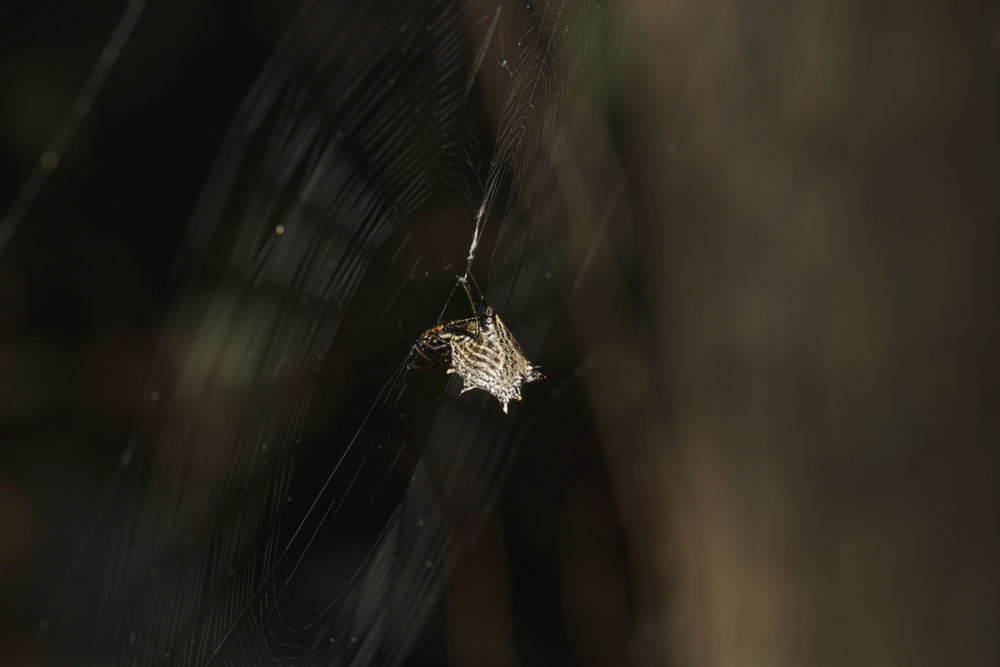
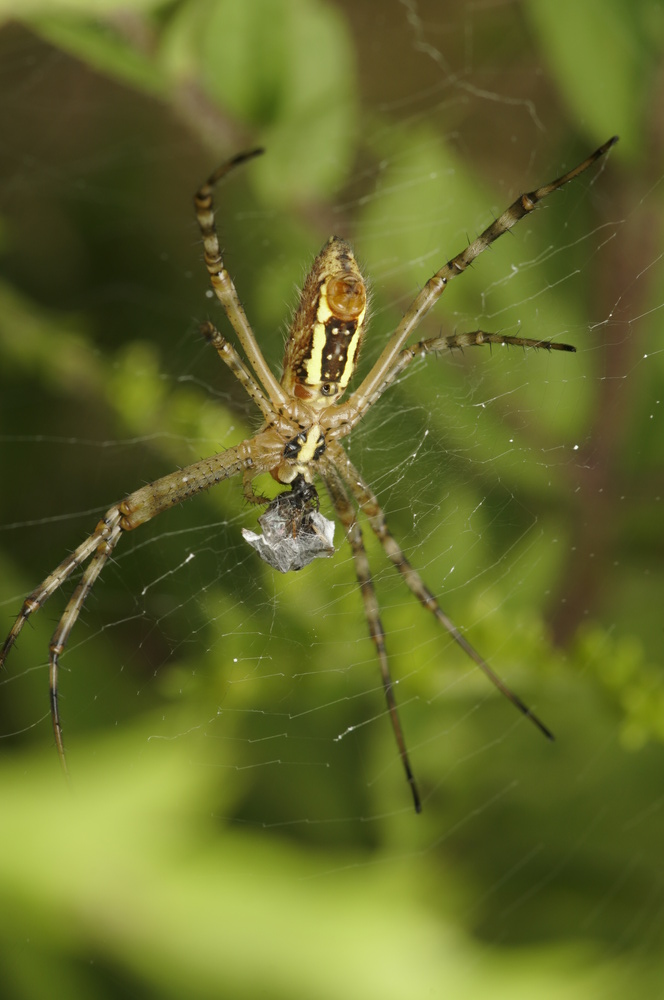
These Argiope were very common!
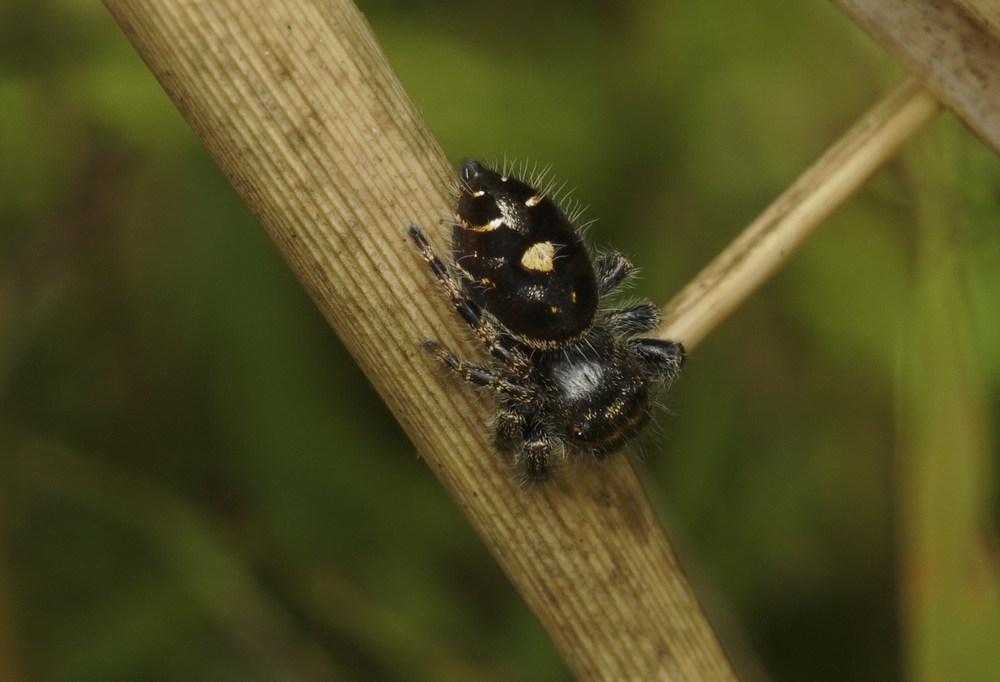
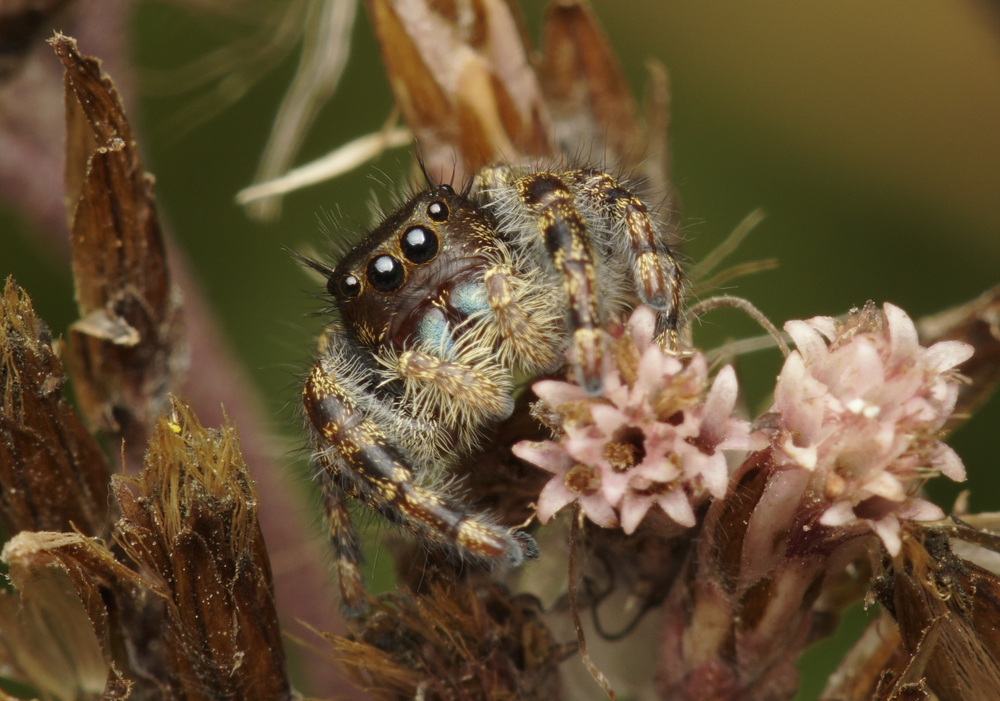
Phiddipus audax
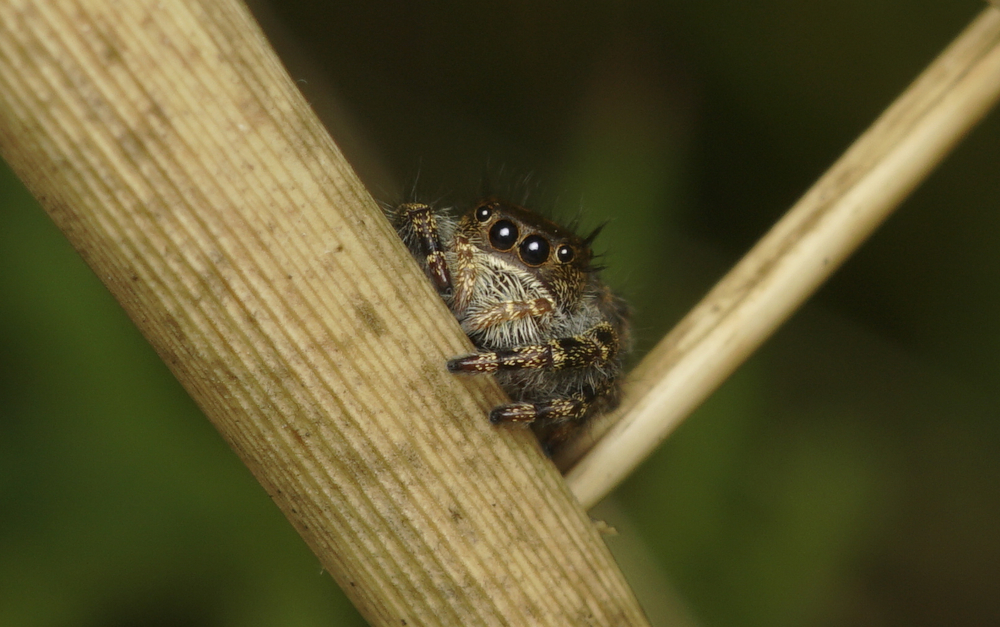
And another:

A wonderful bug walk, led by Jace Porter, of Global Entomology Coalition: https://www.entomologycoalition.org/
Hammond Pond, near Chestnut Hill. I didn’t know we had these nice woods so close to town.
Observations, with latest edits, found here: https://www.inaturalist.org/calendar/gaurav1729/2025/8/17
Ammophila, in Sphecidae. They love stocking up on caterpillars as food for their babies.

This confused me at first. Episyron bigutattus, two spotted spider wasp, Pompilidae.

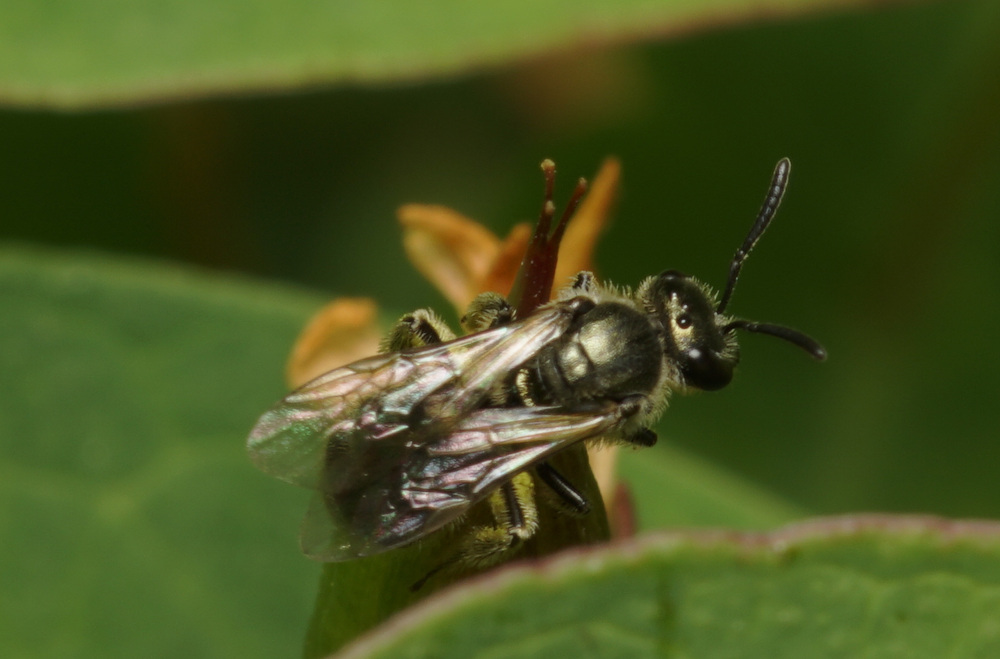
Lasioglossum
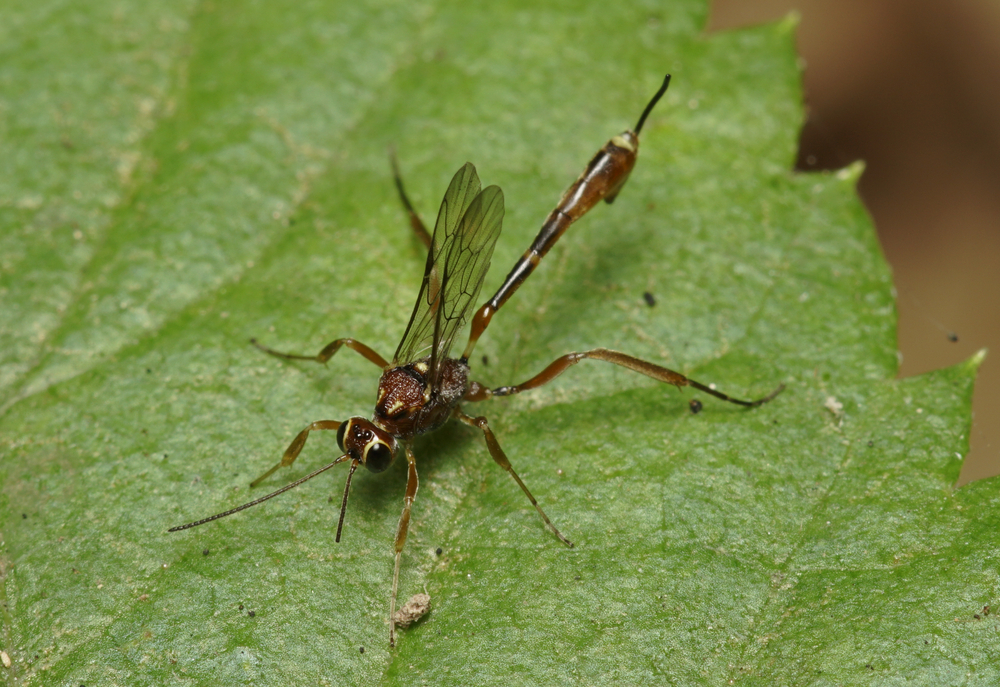
Lovely wasp in Ichneumonidae. Anomalon:
Ambush bug, Phymata pennsylvanica

Flatid planthopper, Flatidae. Probably Flatormenis.

Classic Zelus luridus nymph
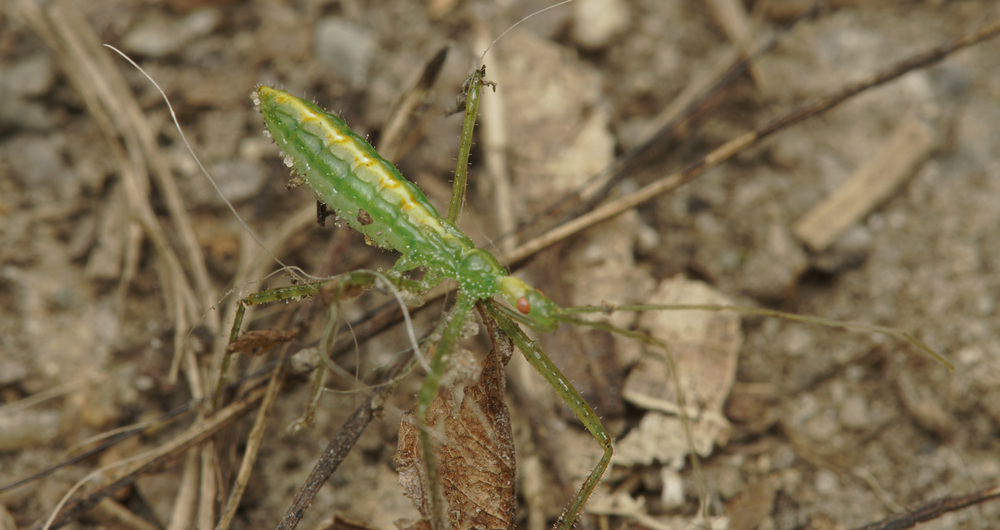
Stink bug, Pentatomidae. Dendrocoris humeralis.

Lovely fly in Micropezidae. They are consummate wasp mimics, and even hold their front legs in front of them to mimic the wasp antennae. They had me completely fooled.
Specifically, Rainieria antennaepes
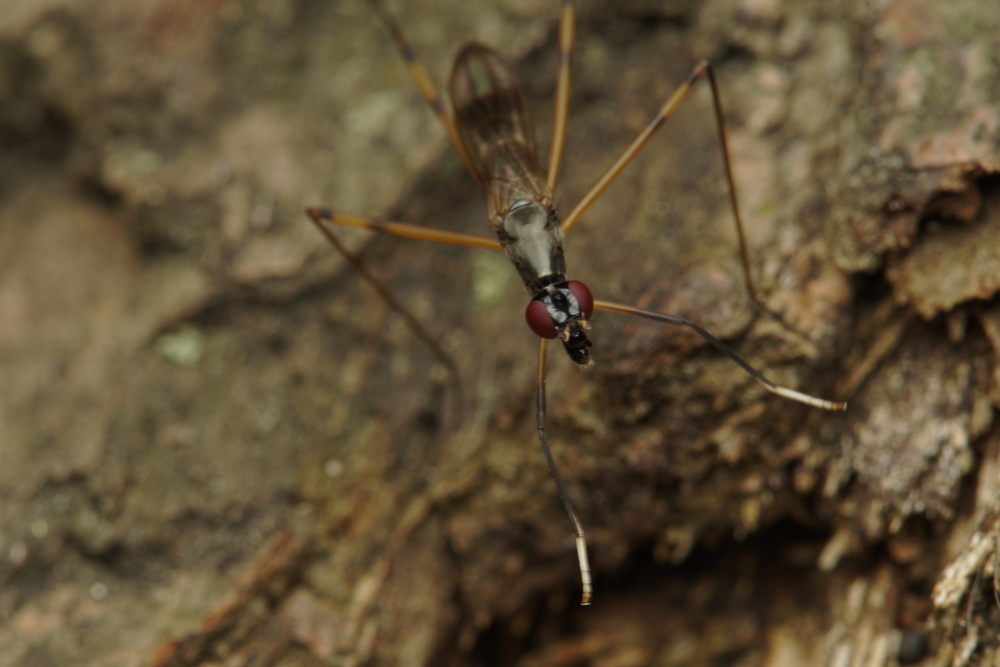
iNat called this a Bellardia bottle fly. I tried to foolishly persuade Jef Taylor that it wasn’t a bottle fly, which should teach me something. If it is in fact Bellardia, it’s fairly rare, but I don’t know if we can go that fine.

I think this is a lacewing larva. I can’t rule out other Neuropterans though.
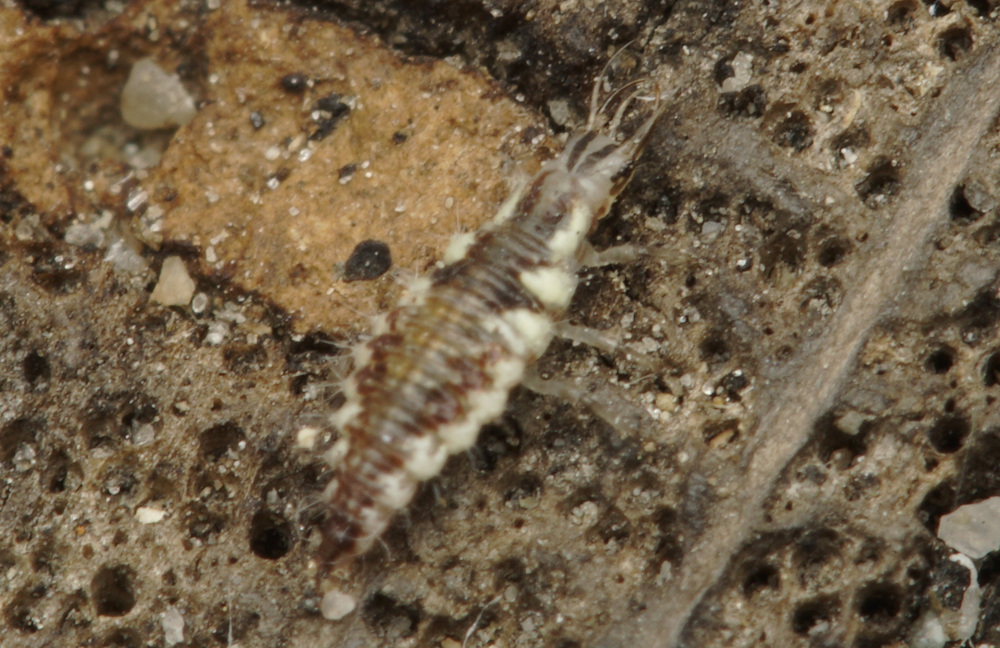
And Neuropteran eggs:

Ghost spider, Anyphaenidae. Anyphaena genus was suggested.
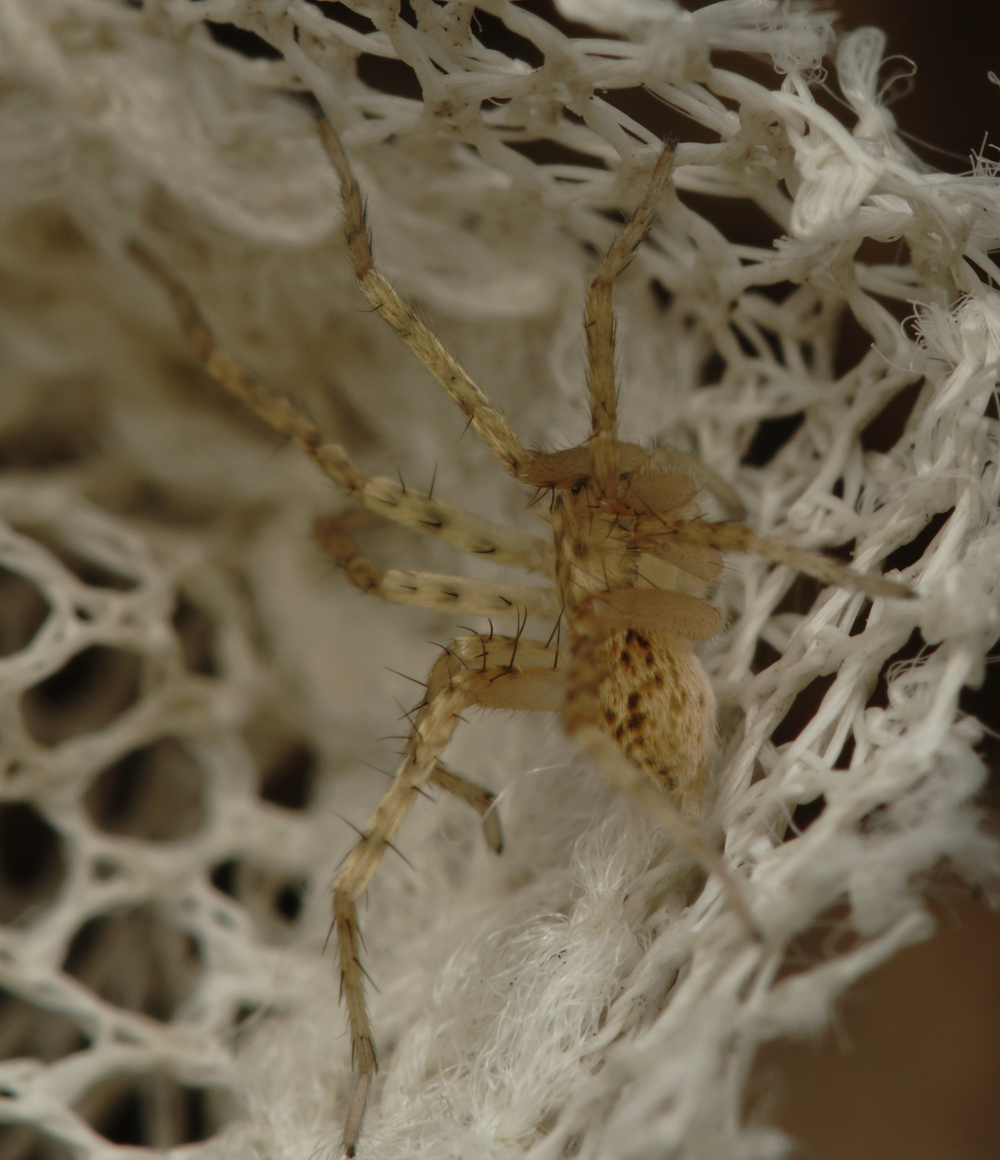
A highlight for me!! Micrathena

Dictynidae. iNaturalist AI suggests Nopalityna, which I’m not familiar with, but am skeptical about.
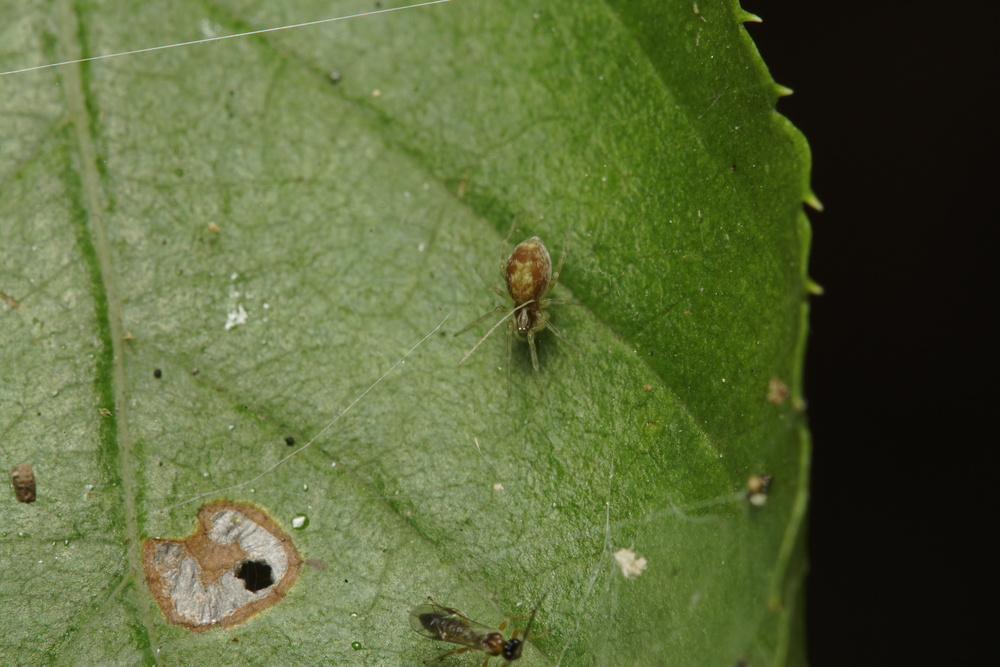
 a little wild