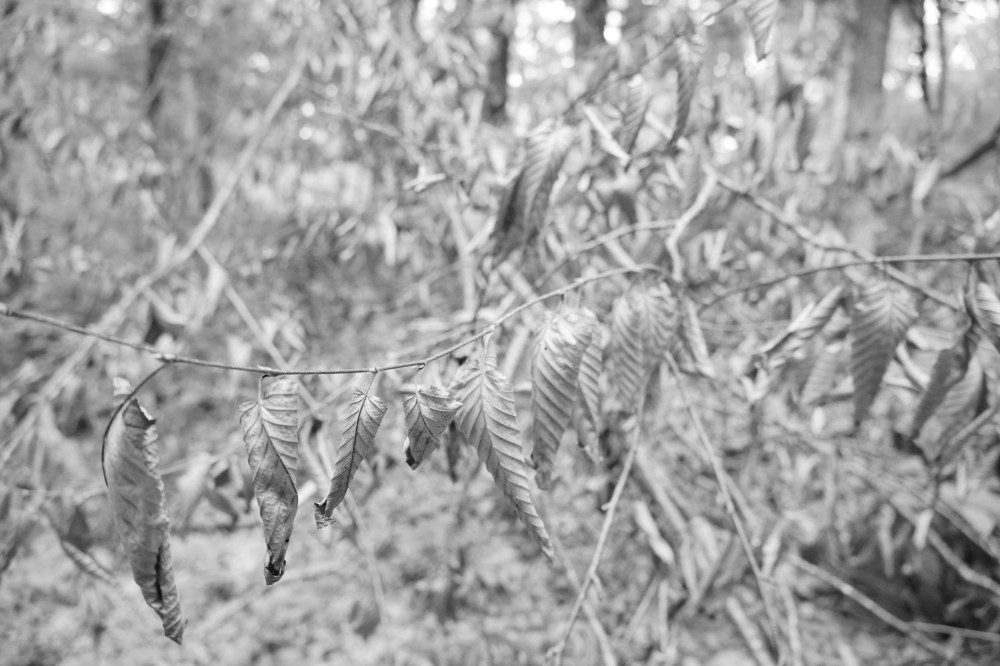
The days are getting shorter. The trees are raging against the dying of the light.
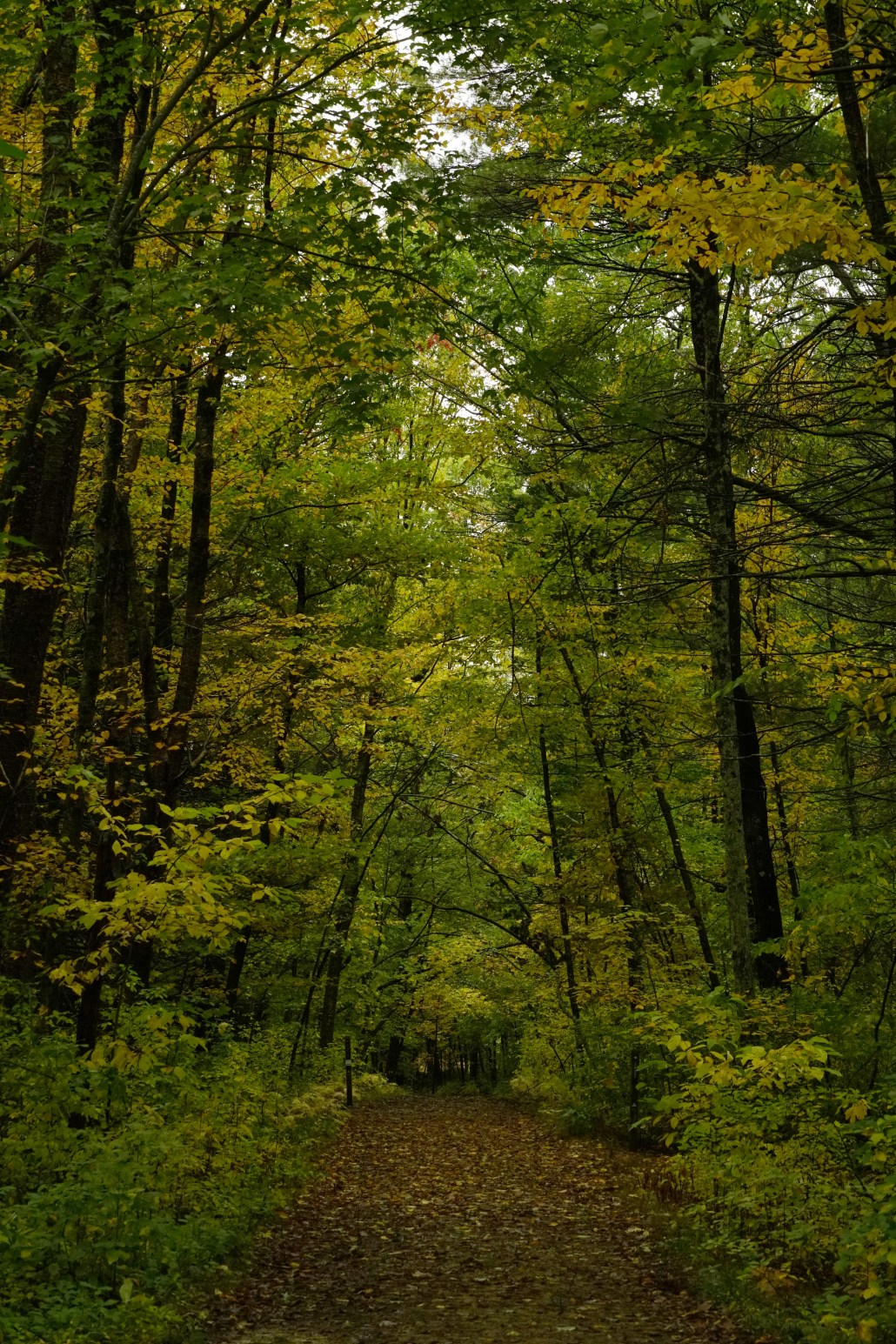


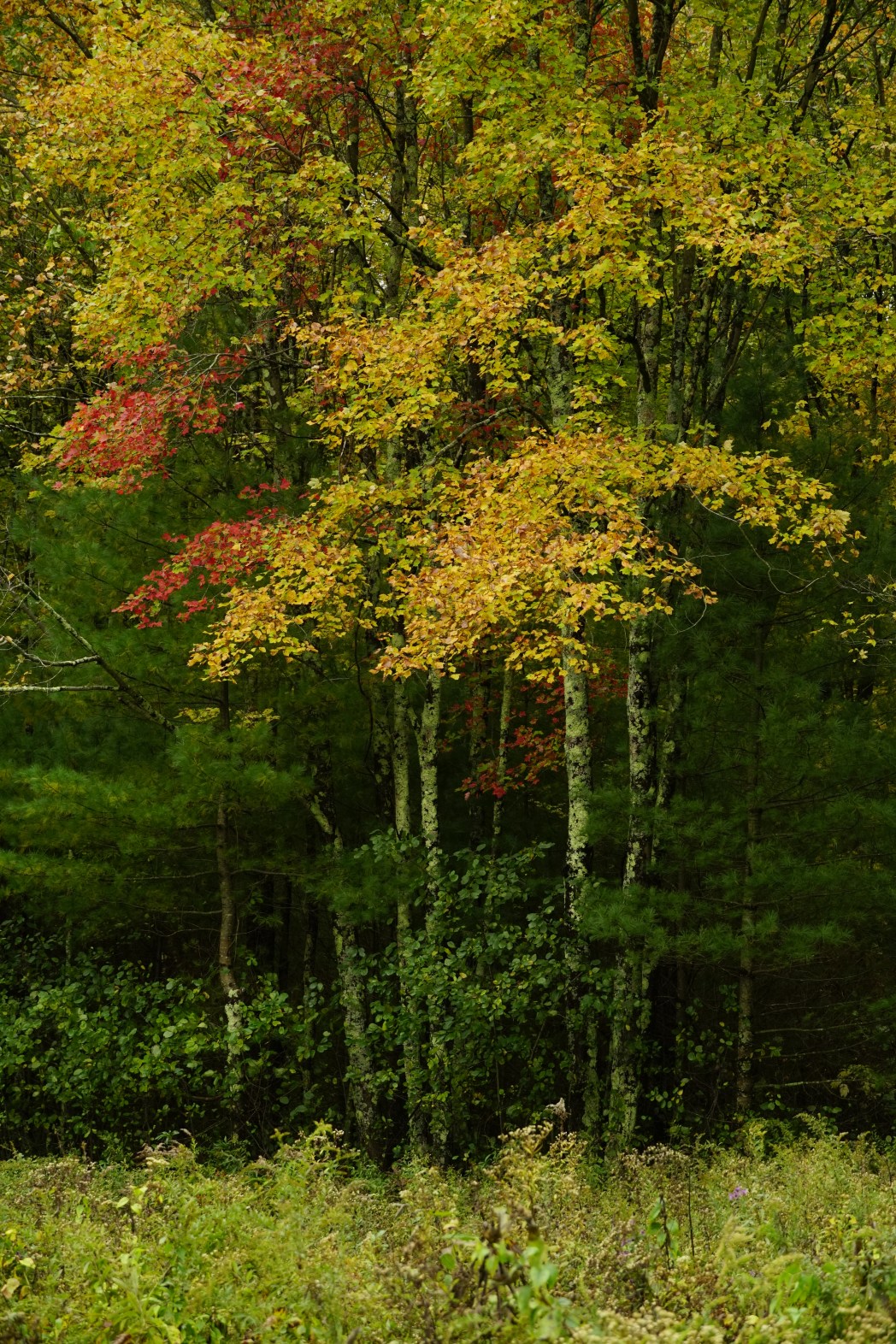





The days are getting shorter. The trees are raging against the dying of the light.
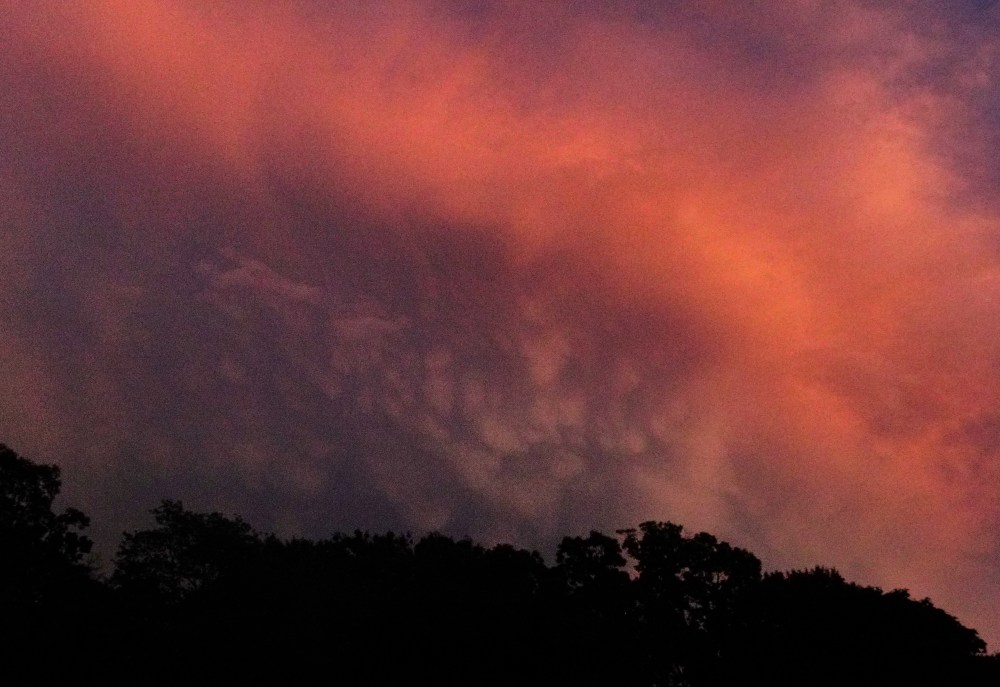
Hot weather leading to unstable atmosphere leading to spectacular clouds!


It is so bizarre: pretty much every single time I pass this dead tree trunk I find Atanycolus wasps (Braconidae).

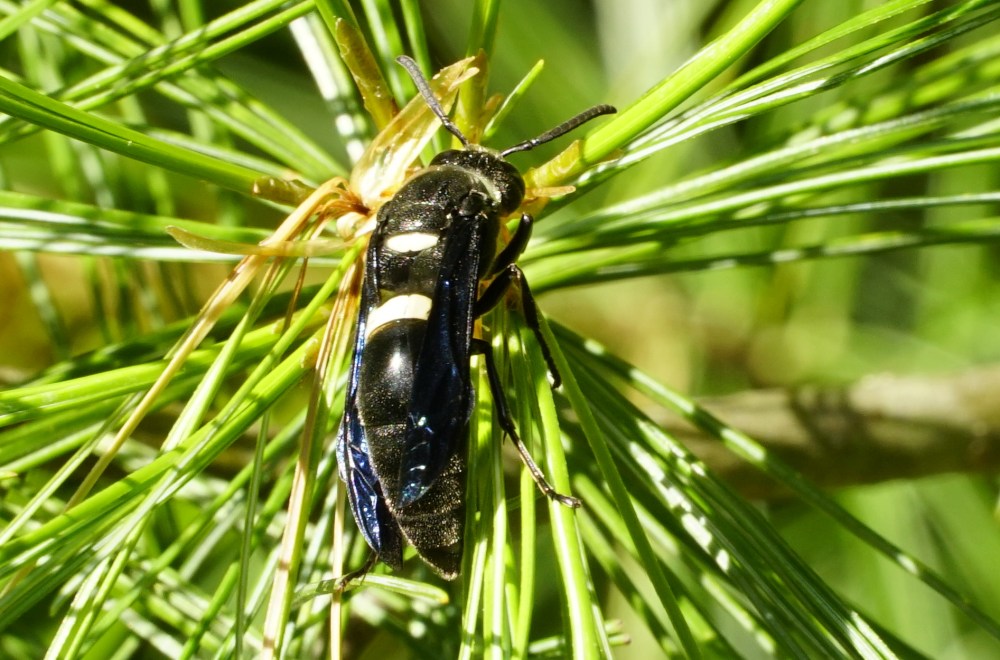
Dolichurus, with a roach? Maybe D. bicolor. If it is indeed Dolichurus — it’s the second report in BugGuide in the US, first report in iNaturalist anywhere in the world. [EDIT: confirmed in BugGuide as Dolichurus.]

This was suggested as Podium luctuosum on the solitary wasps Facebook group. That would make it the first Massachusetts record for this species, second in New England [EDIT: that’s only on BugGuide; there are a few iNaturalist reports. Still a fairly rare find.]
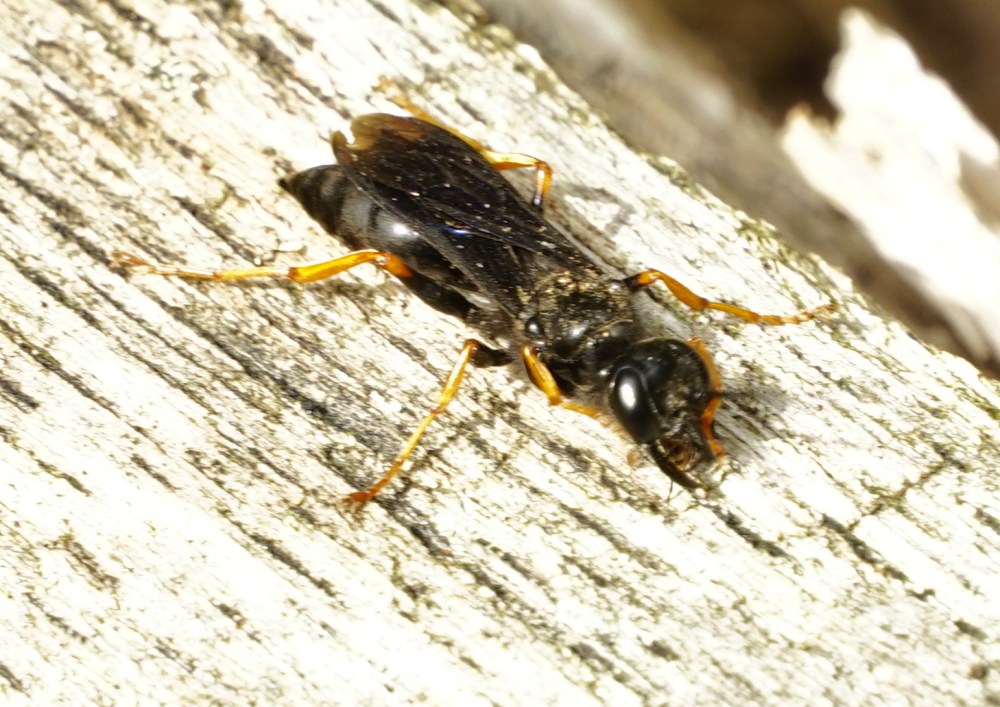
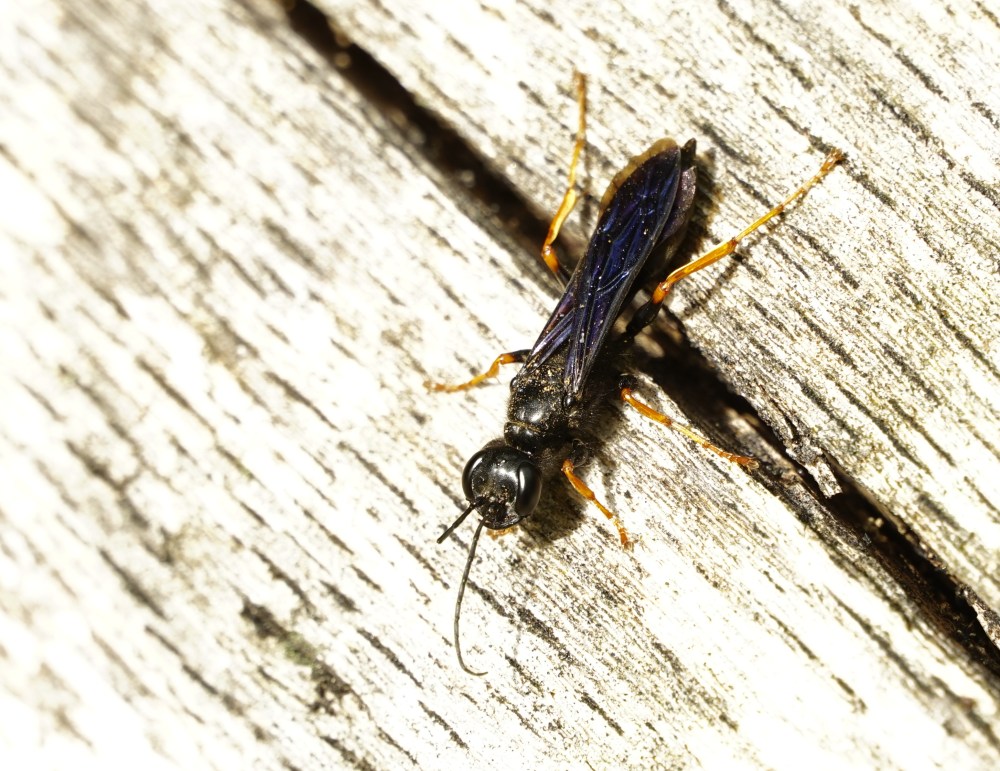
Ichneumonidae:

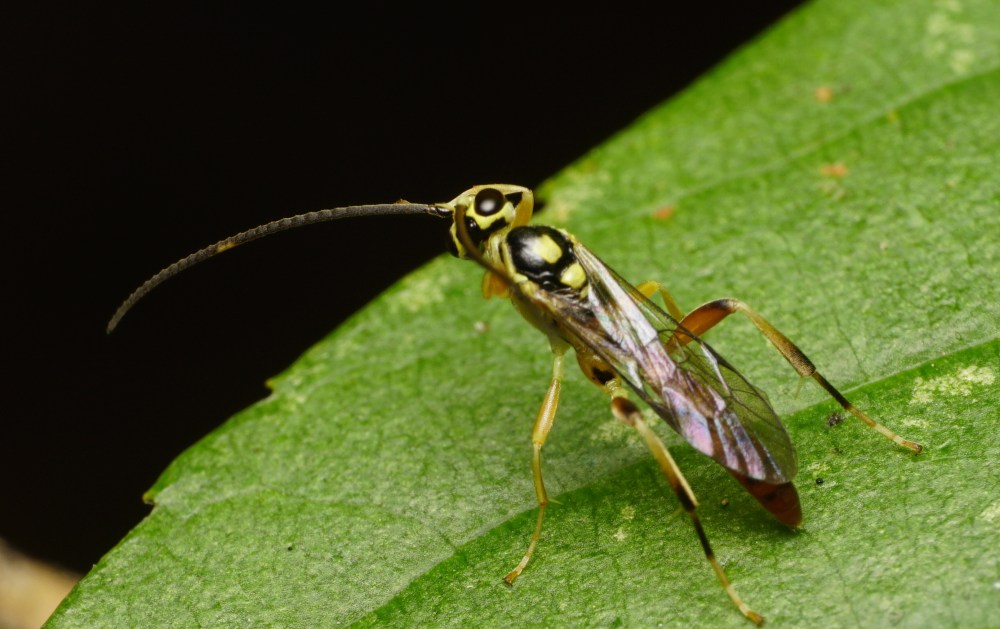
There was a bunch of wasps flocking. I think they were yellowjackets, Vespula flavopilosa; and I think there was a prey in the middle of flock, maybe a grasshopper.

Nematocera? Fungus gnat?

A Flatid planthopper, Anormenis chloris:

This spider was in a Linyphiid nest. I think it’s a kleptoparasite spider in Theridiidae, perhaps Neospintharus.

Tachinidae or Sarcophagidae:

Another:

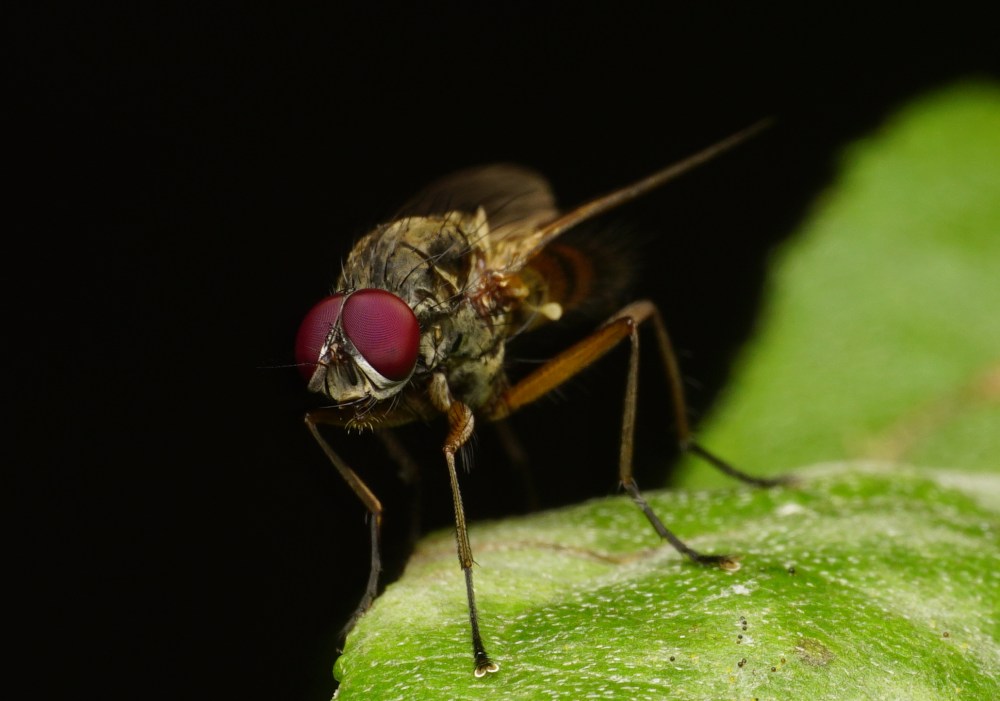
I don’t know what this film is. I know there are some bees that actually make their own natural cellophane (Colletes), but I don’t know if this is what’s happening here.

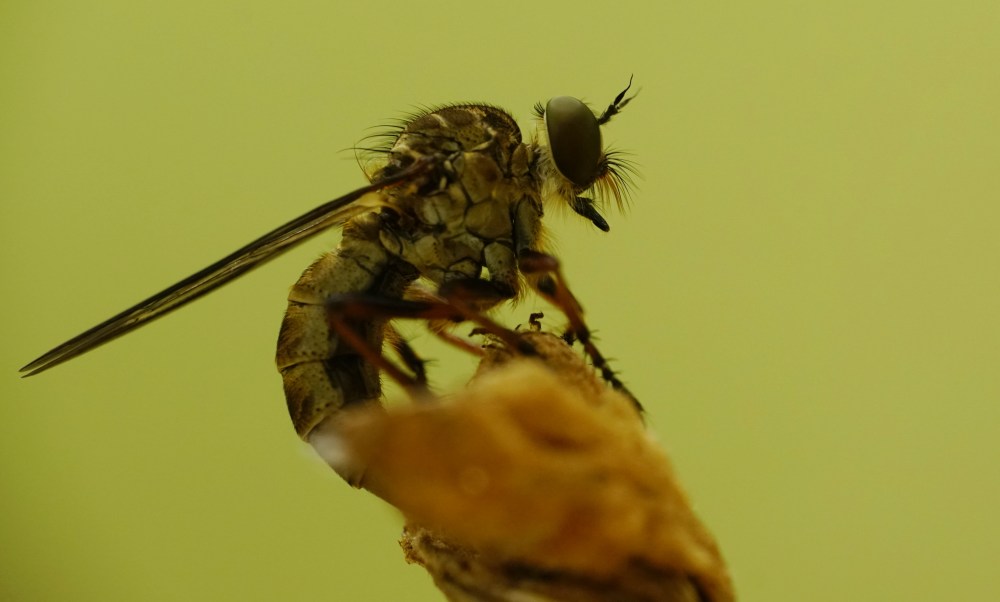
There was a robber fly that was ovipositing, I think. She was incredibly patient about me barging in and taking photos.
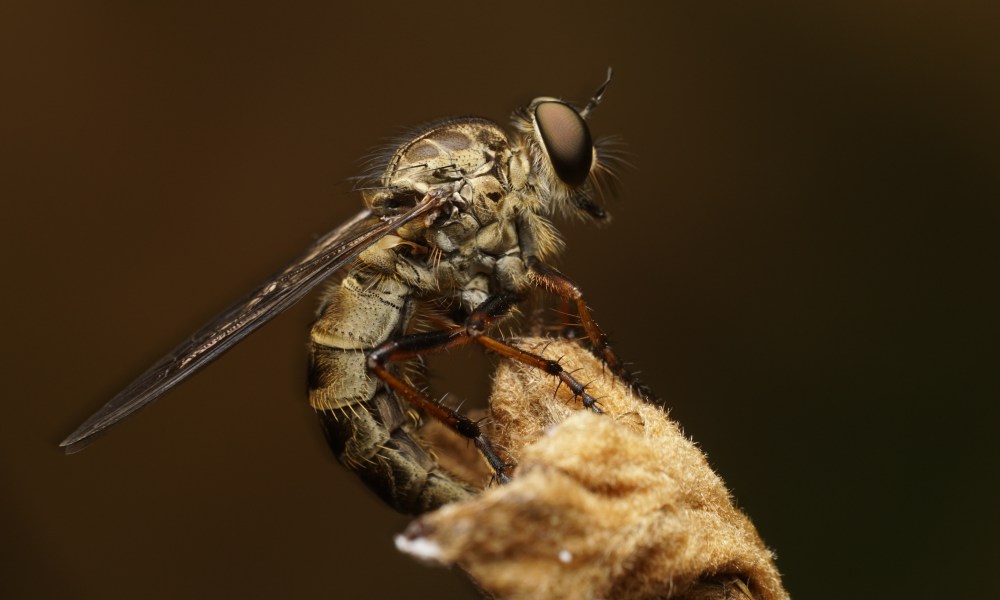
Here’s a photo without a flash:
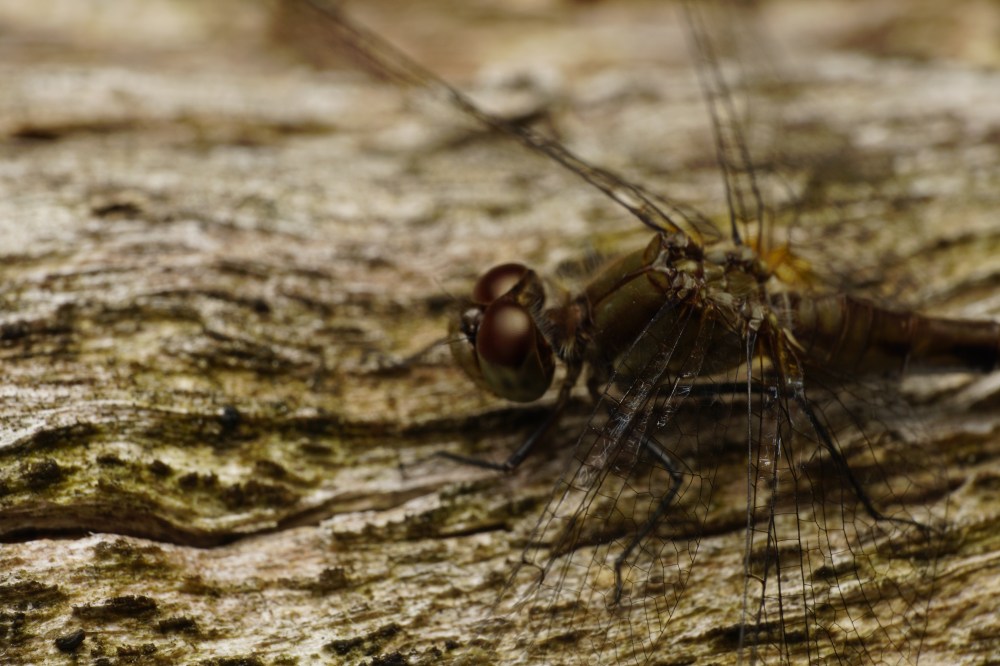
A lovely meadowhawk, not sure which kind:
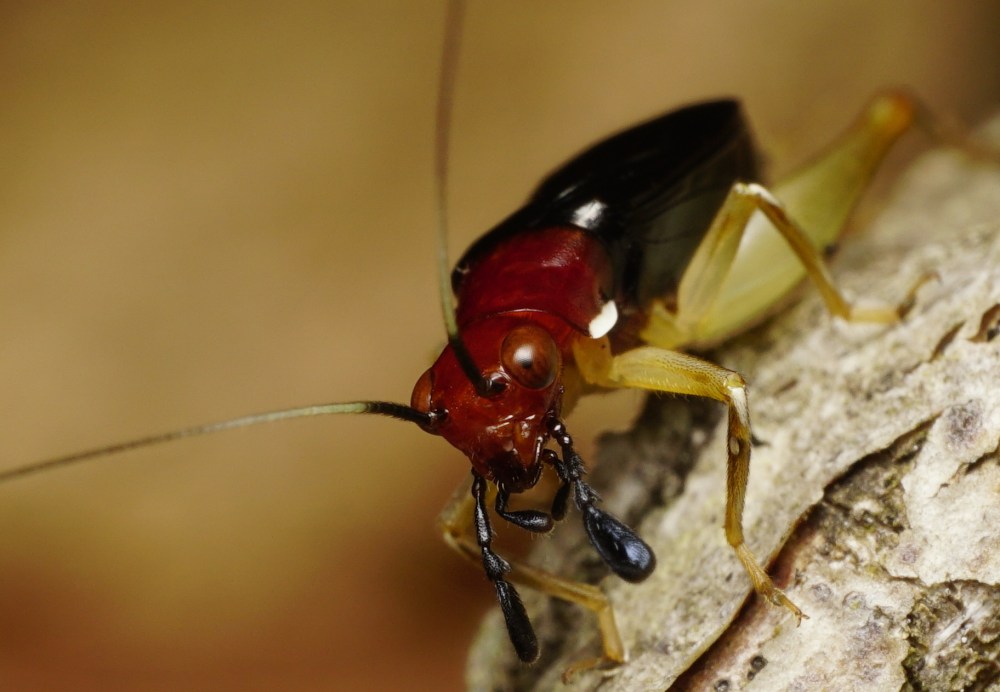
Handsome Trig. Again, a reminder, that’s really its name. Also known as Phyllopalpus pulchellus, or red headed bush cricket.
This cricket is Melanoplus, perhaps fasciatus:

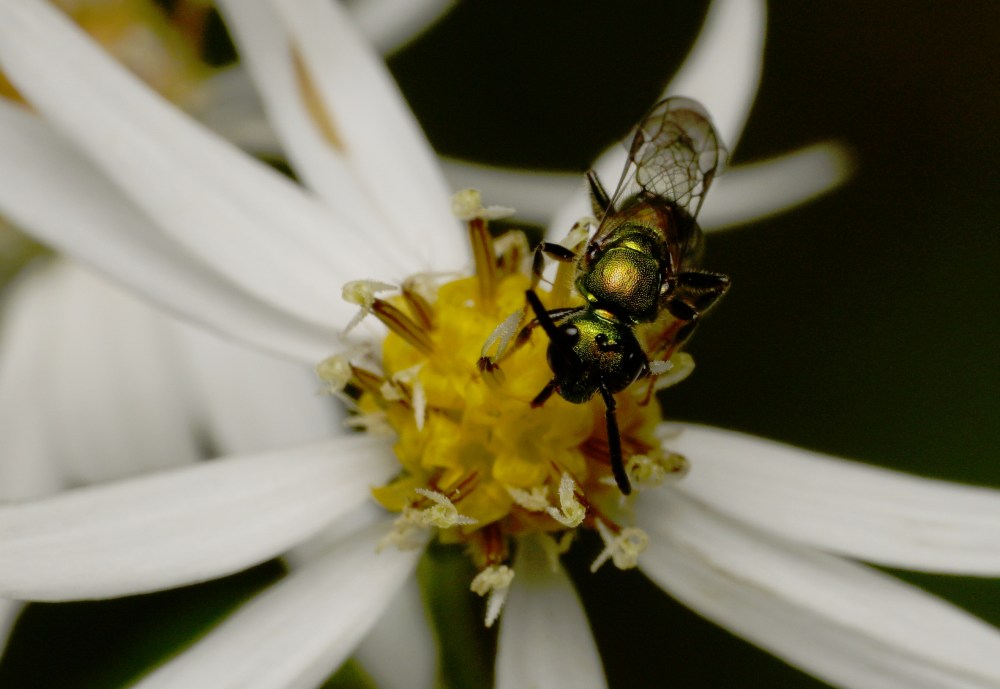
Gorgeous sweat bee, Halictidae.
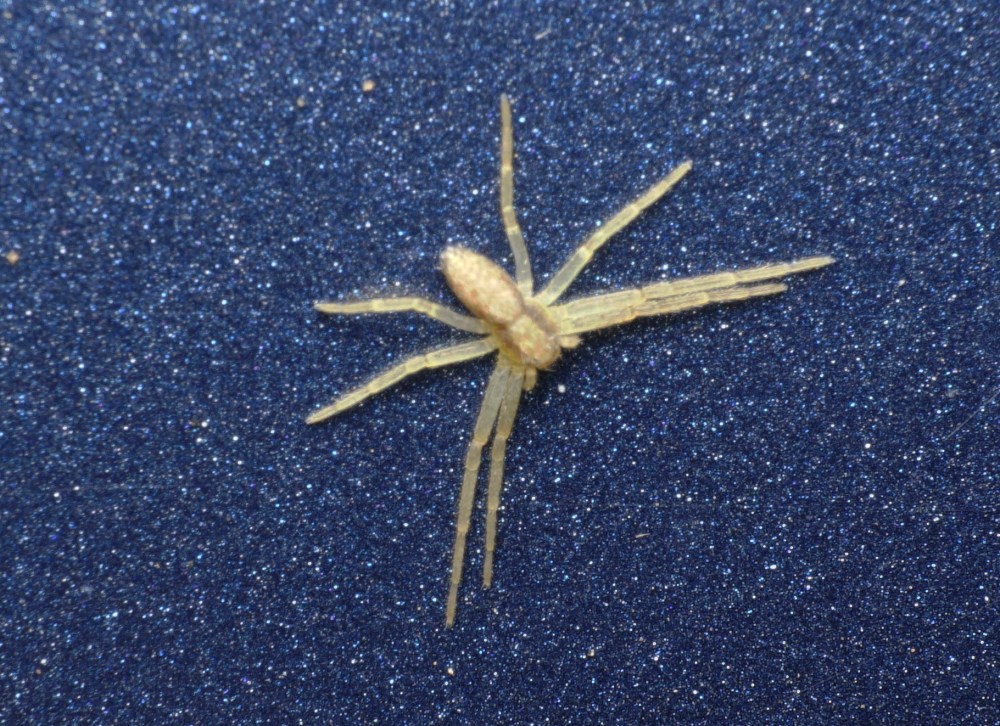
Philodromidae, perhaps Philodromus:
Summer thunderstorms give sunset mammatus clouds.

I kept my camera in check most of this vacation. Here are a few snaps I did take from Brecon Beacons National Park.
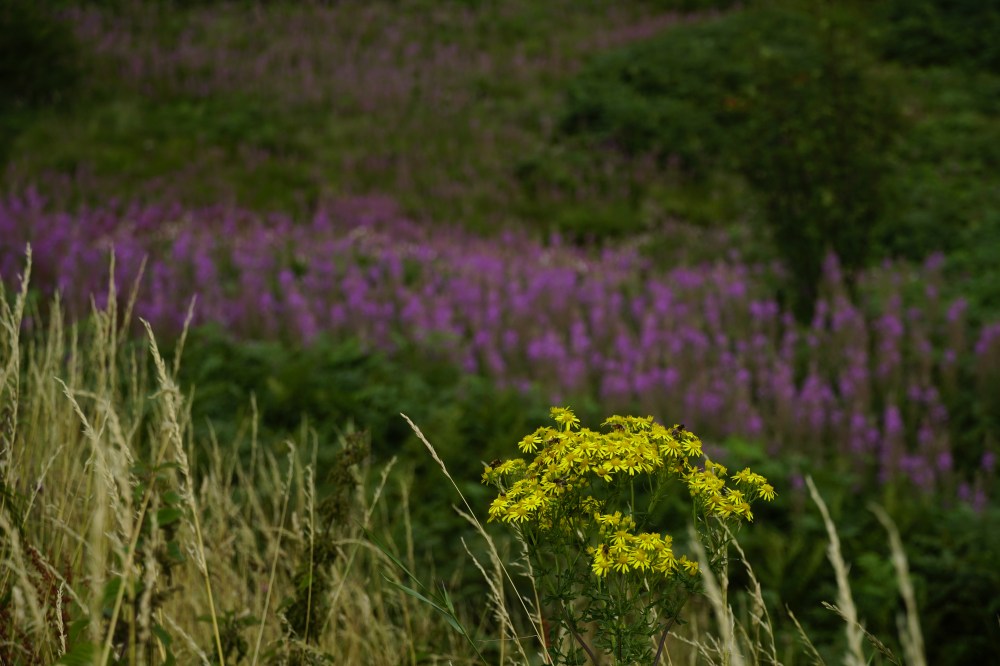
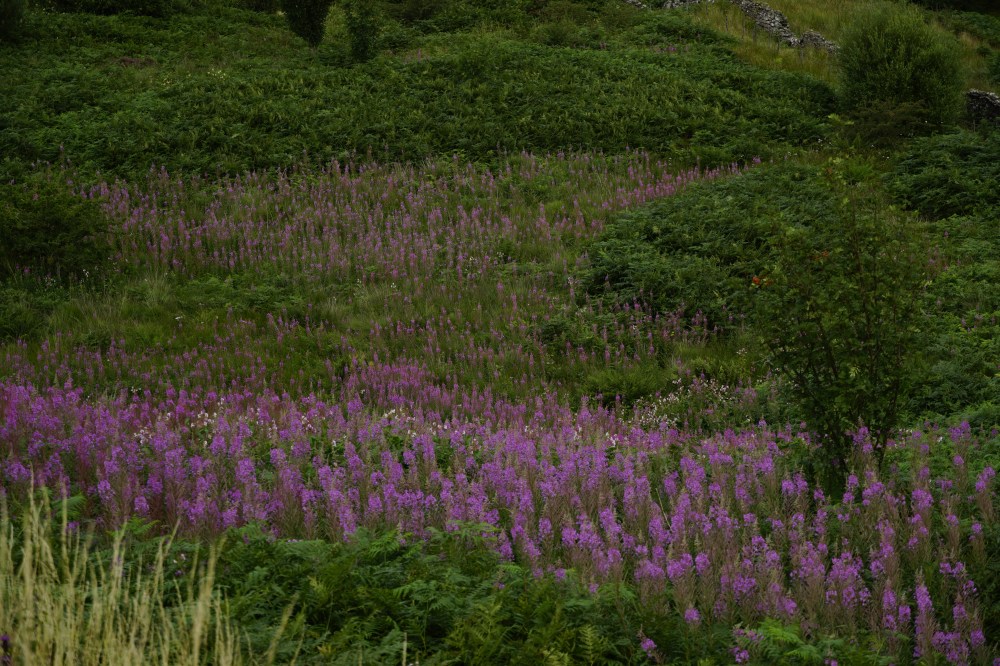

In summer, I often end up taking only insect photos. I took a walk at Stony Brook Mass Audubon to correct this imbalance and take some landscapes, but many insects crept in nonetheless.


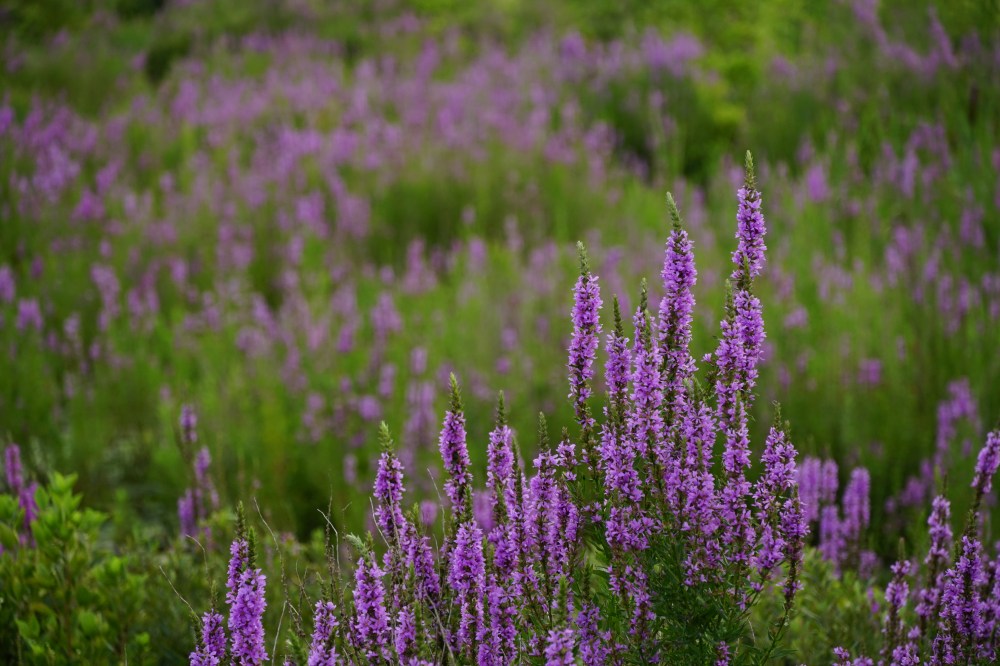
Scirtidae. Scirtes orbiculatus, or something very close to it:

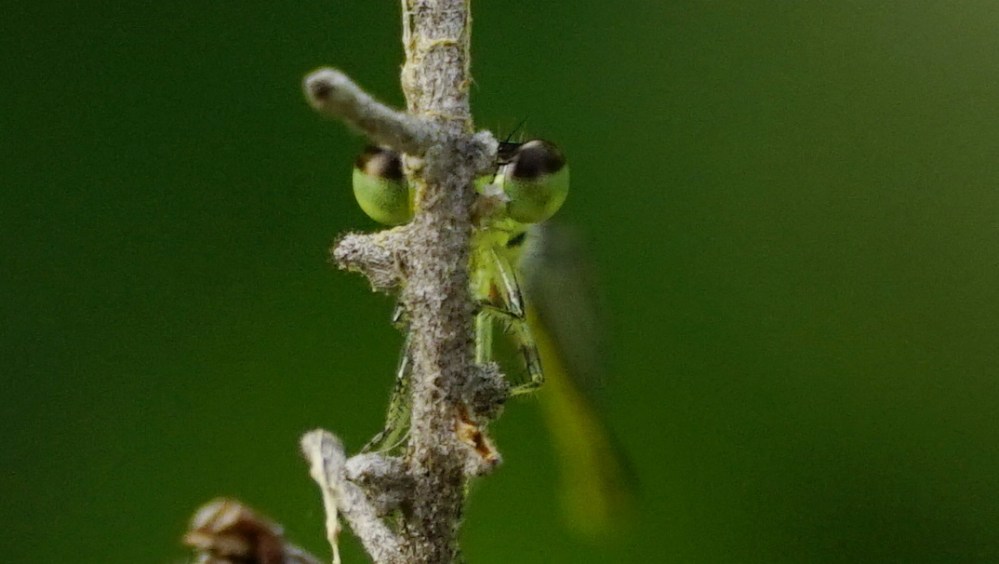
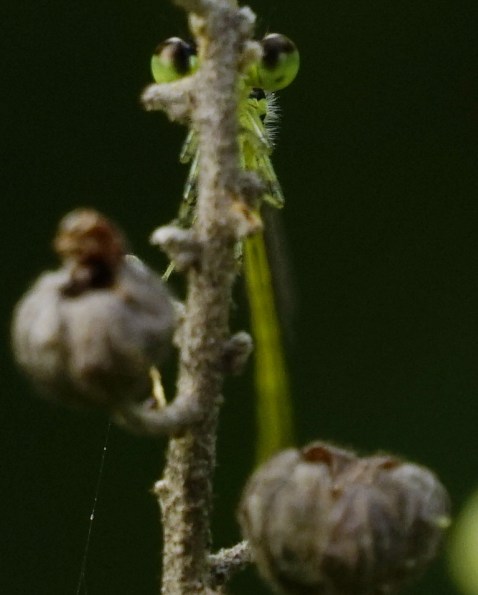
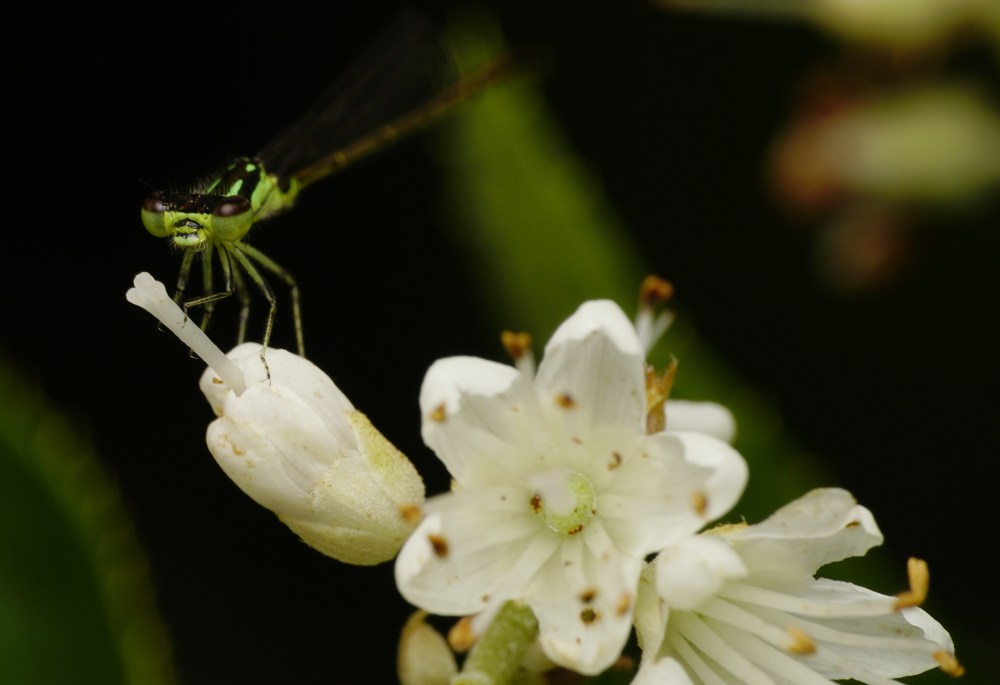



A sawfly in Tenthredinidae:

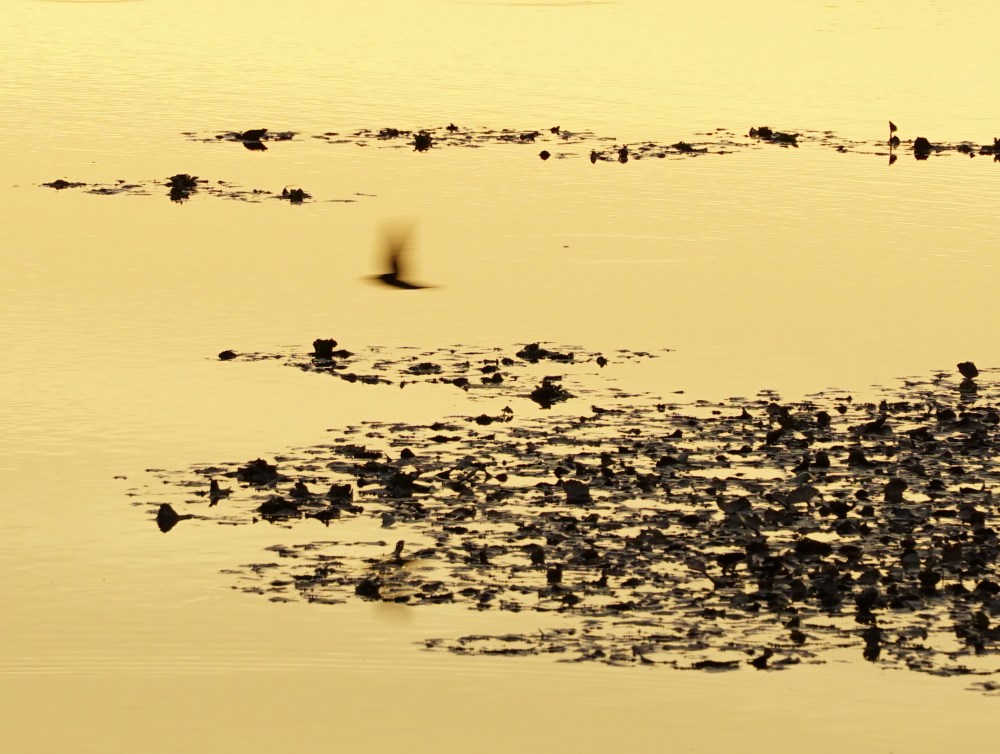
Sunset and swifts:


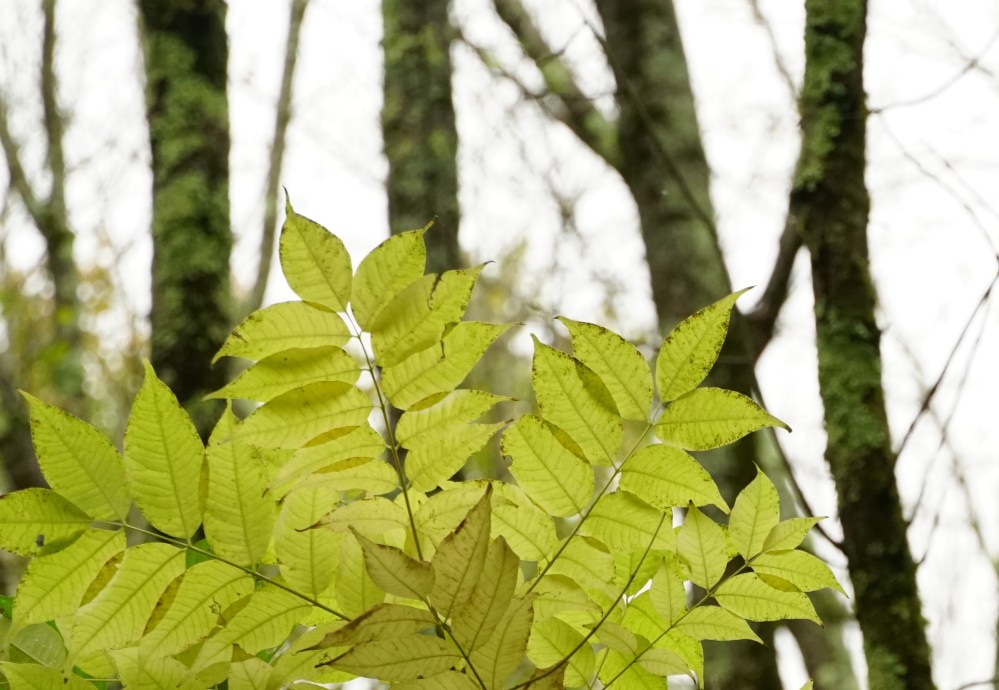
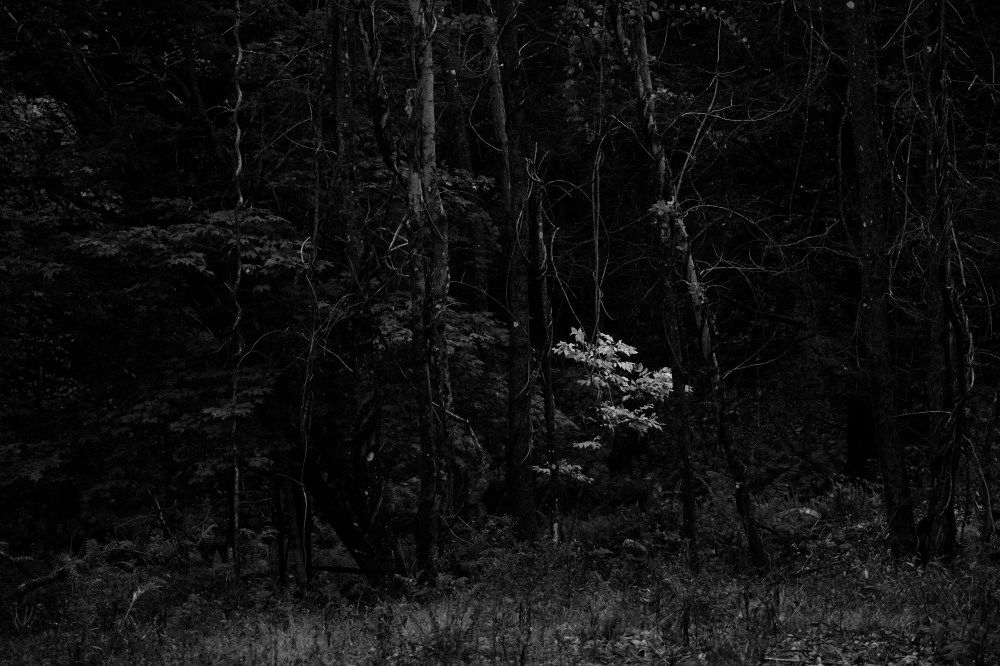
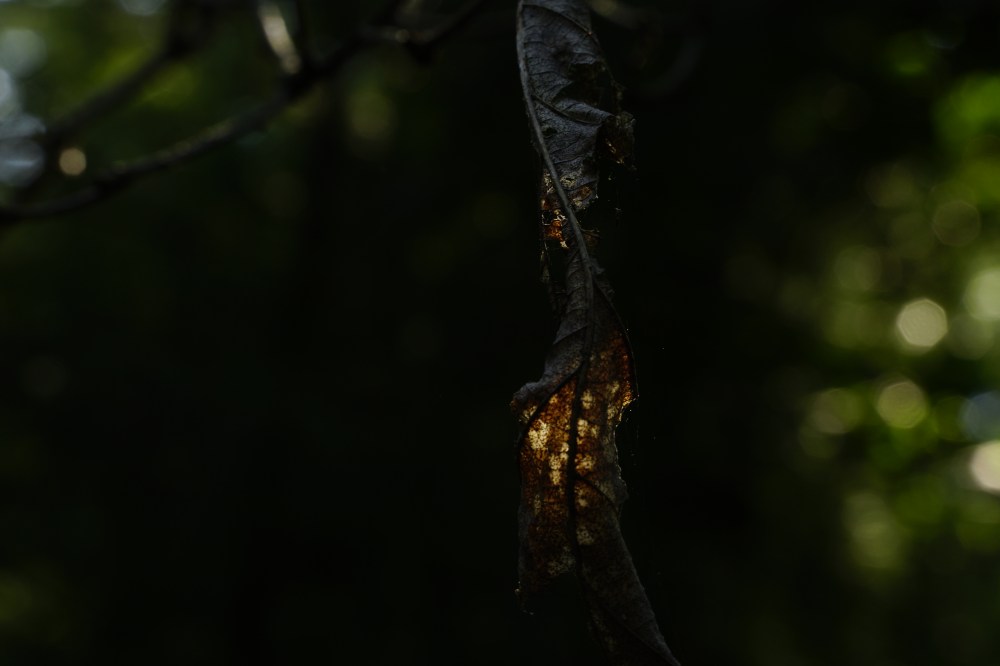
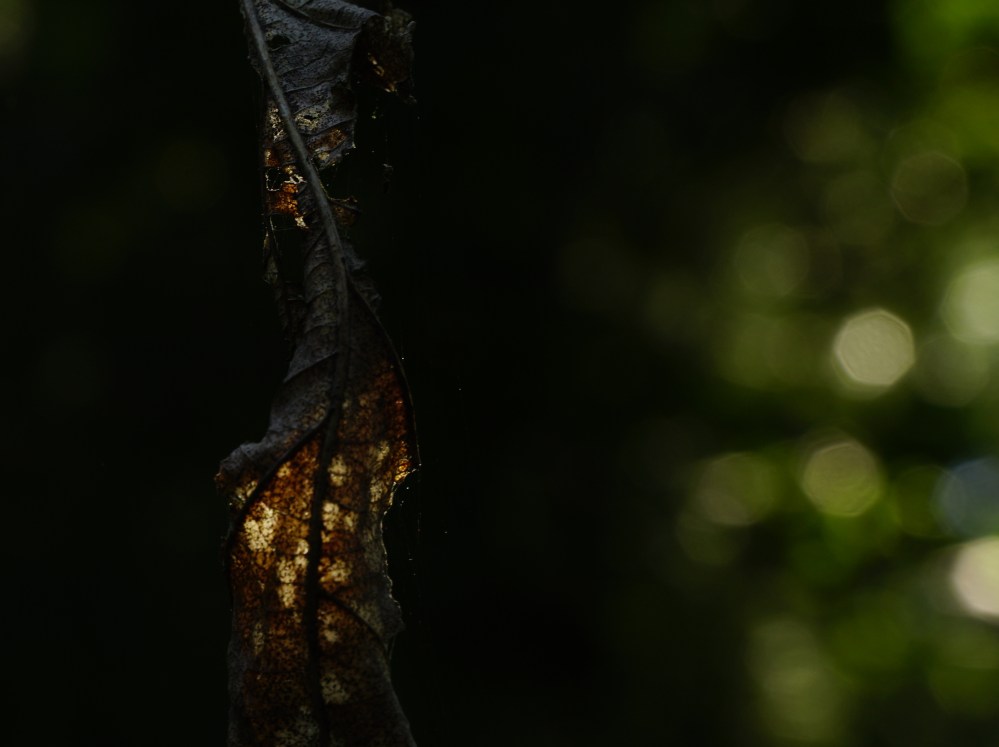
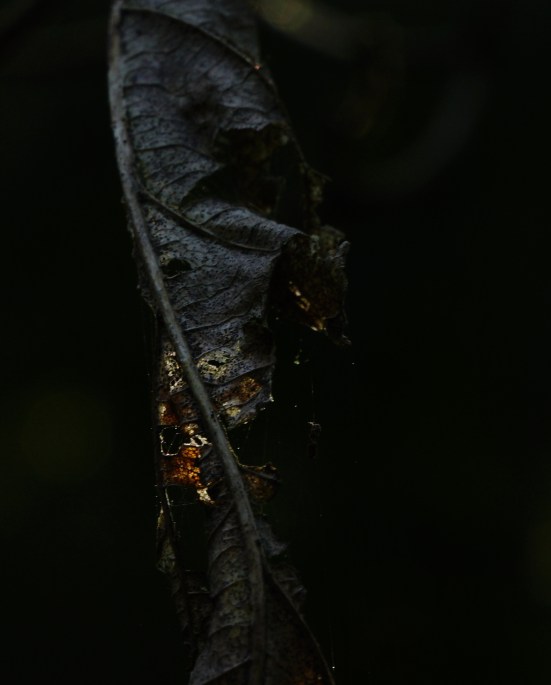
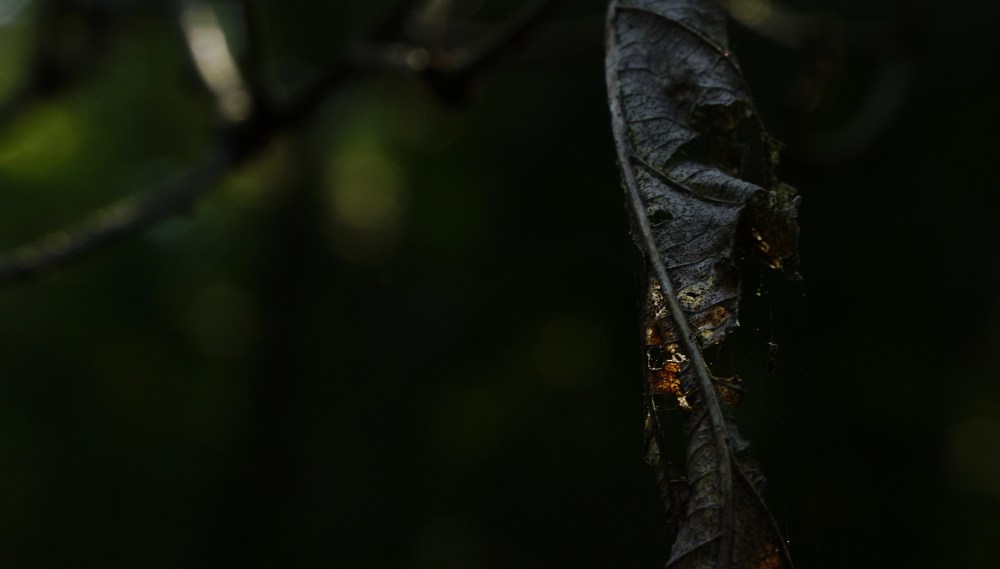
Beautiful interplay of light and leaf. I’m trying to get the crop right, so here are a few options.


This Linyphiid (Neriene radiata, I think) caught a crane fly:

Some more Atanycolus, I think:
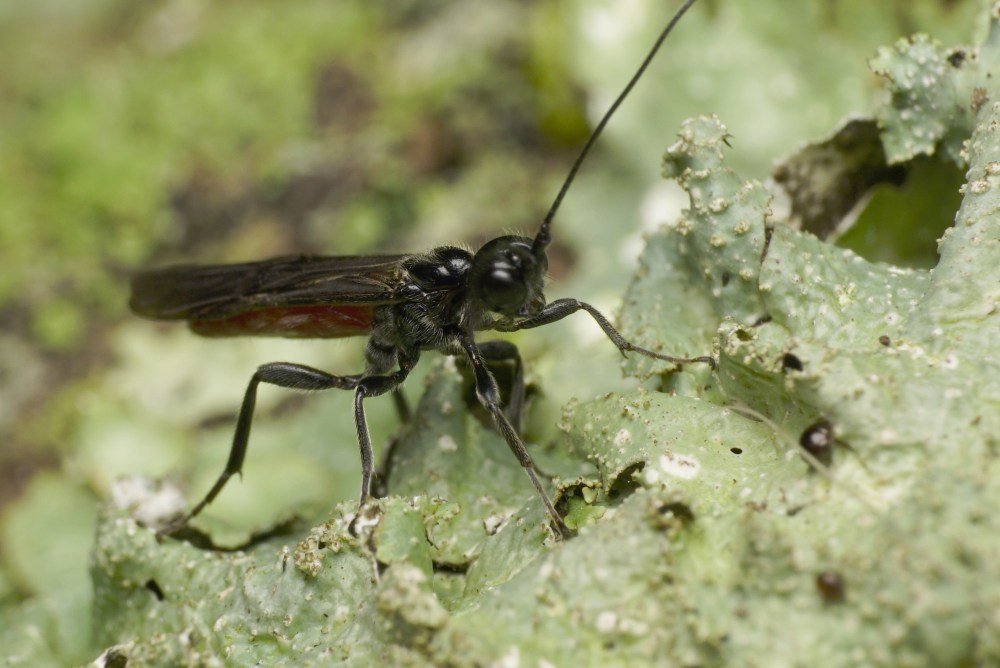

I believe that this is a tumbling flower beetle, Mordellistena trifasciata.

Another Mordellidae member, not sure which:
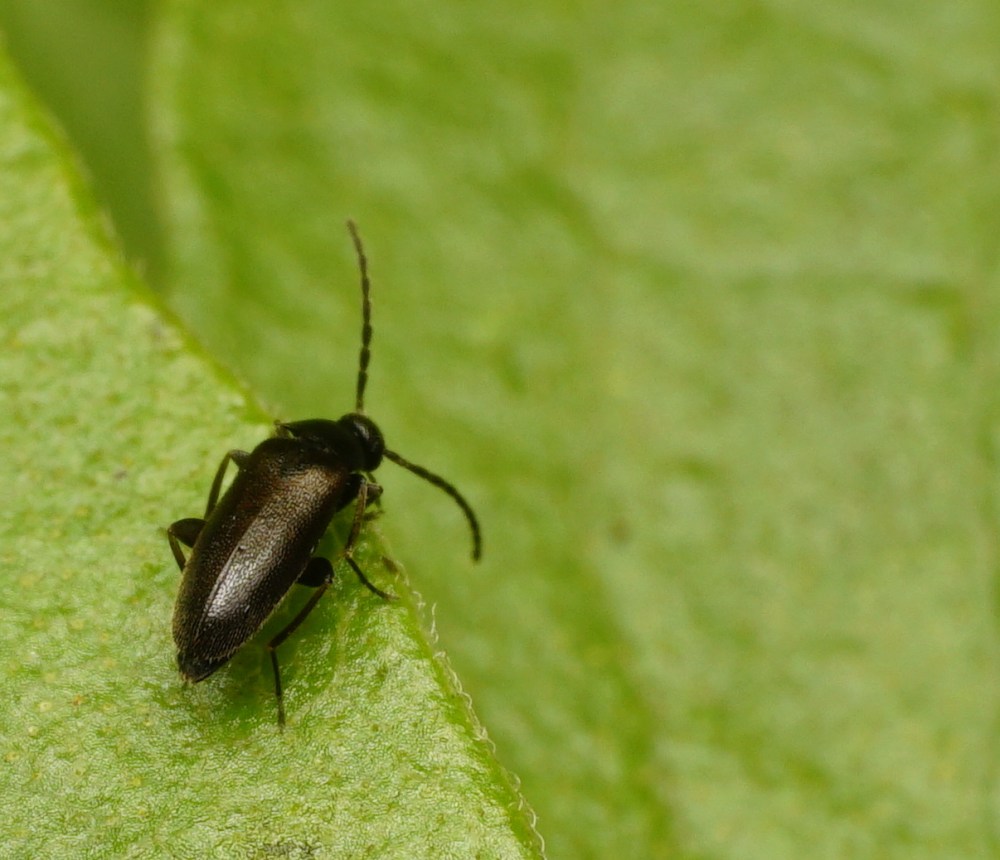

Hypsosinga, in Araneidae, most likely.
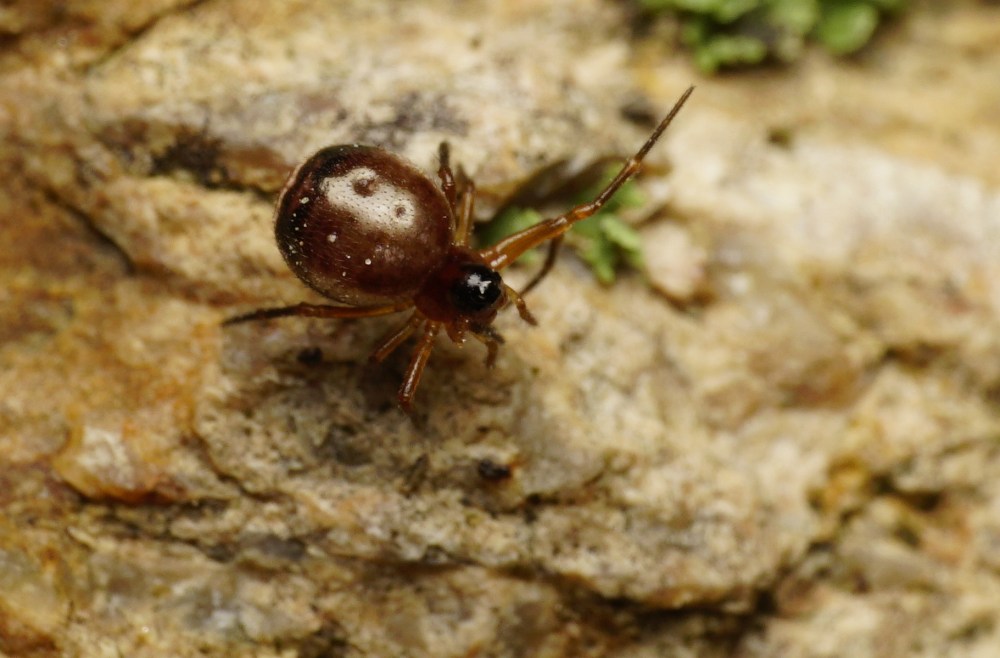

Probably an Oriental beetle, Anomala orientalis.

This is an Evaniidae wasp. If you think I was capable of identifying it by myself, you really don’t have any idea of my level of expertise! It was waggling its abdomen up and down the whole time. I don’t understand the behavior, but here’s what Wikipedia says:
“Evaniidae have the metasoma attached very high above the hind coxae on the propodeum, and the metasoma itself is quite small, with a long, one-segmented, tube-like petiole, and compressed laterally over most of its length (segments 2-8). The ovipositor is short and thin. When active, these wasps jerk the metasoma up and down constantly, as referenced in their common names.”
And here’s an explanation I was given: ‘Basically the abdomen is flat attached basically on the top of the back end of the thorax through a thin waist and looks like a little flag that they move up and down thus “ensign wasps”.‘

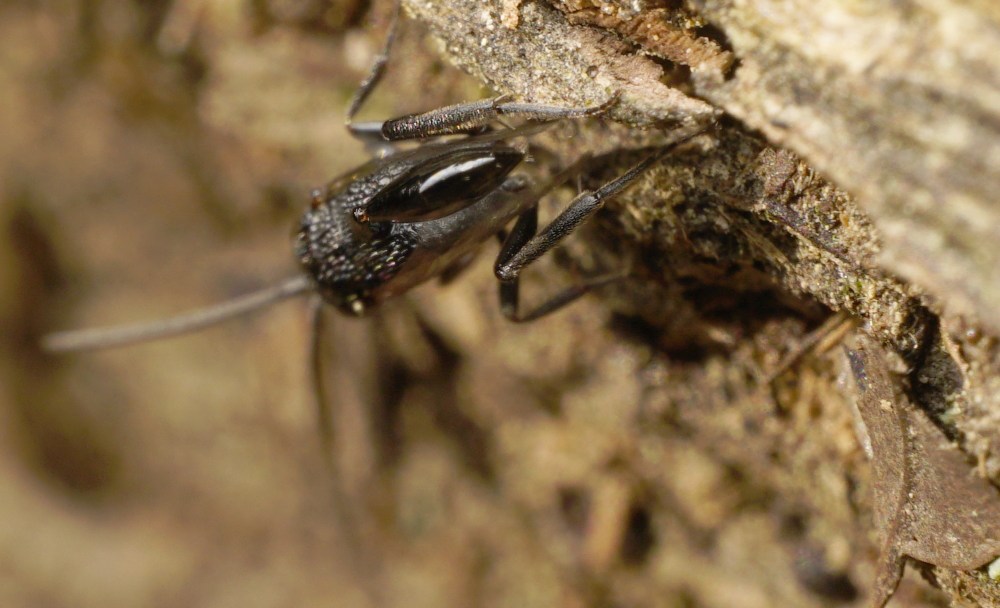
I think this Tenebrionid (darkling) beetle is a Haplandrus fulvipes. Xylopinus is another possibility.
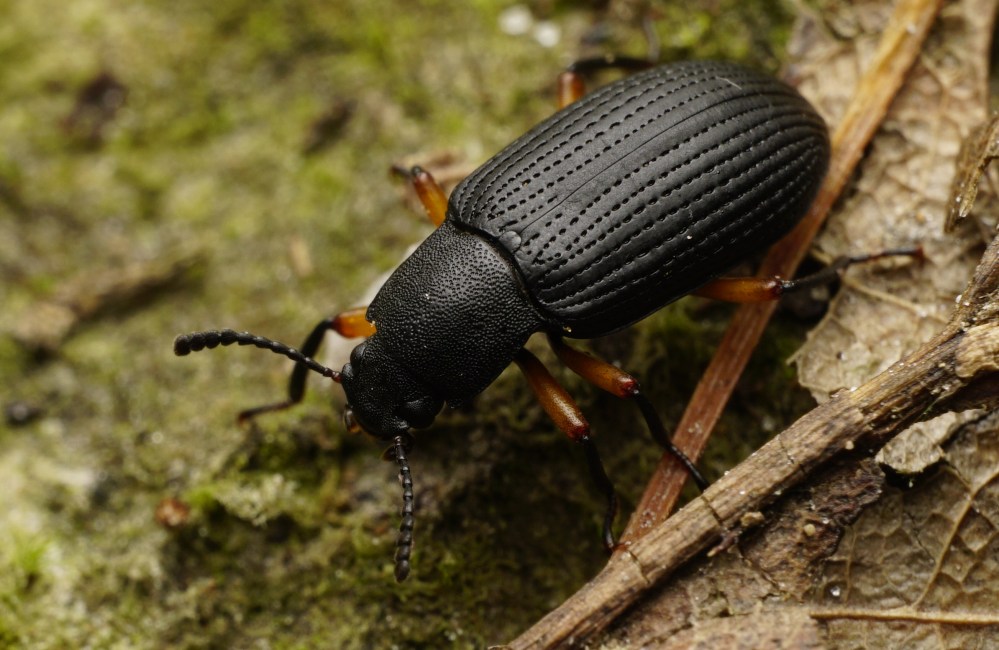
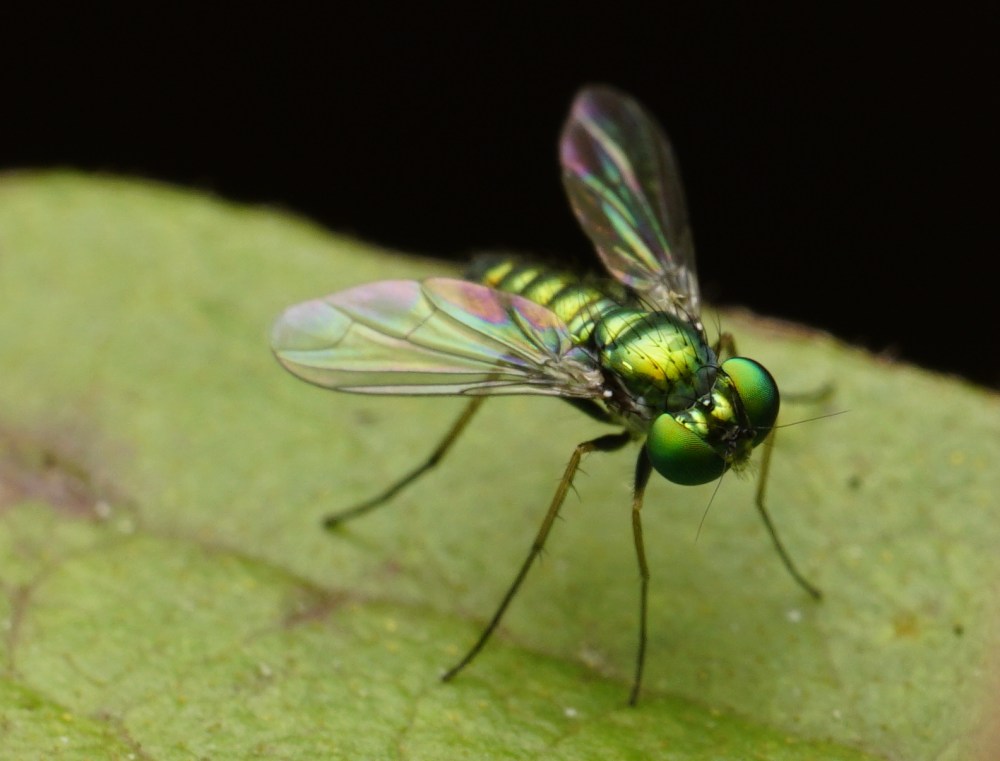
Dolichopodidae, perhaps Condylostylus:

Battaristis nigratomella, in Gelichiidae.

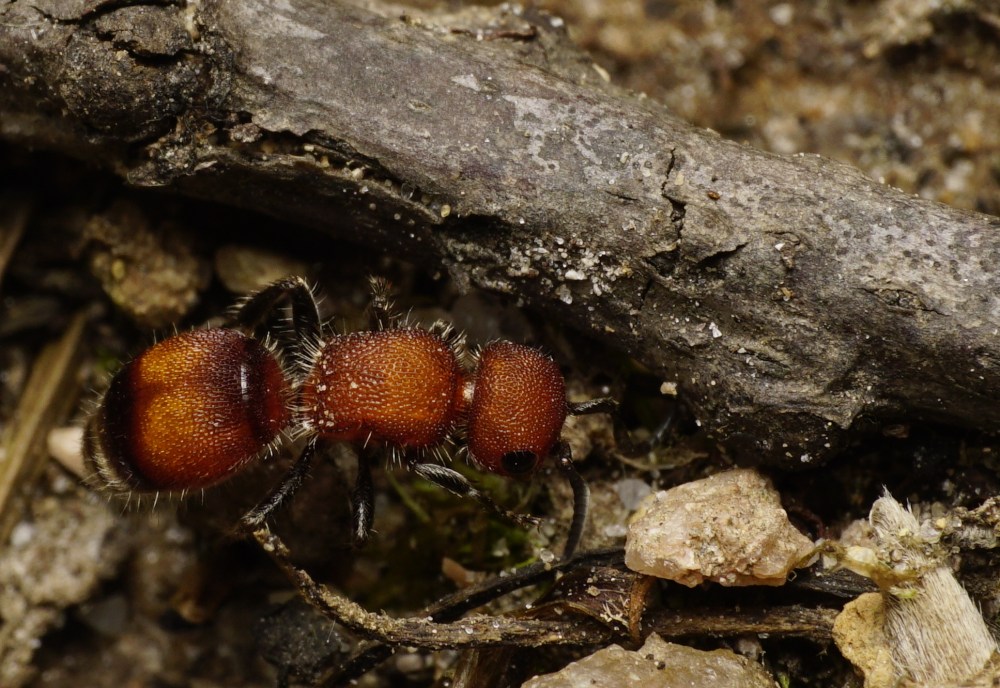
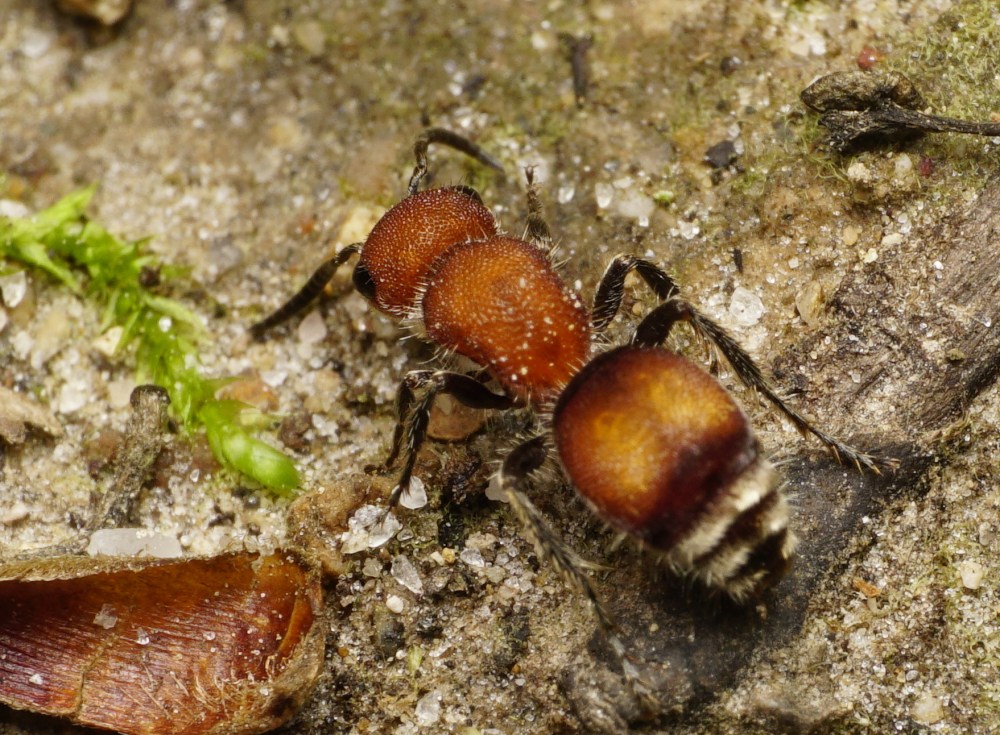
Lovely Mutillid wasp female (aka velvet ant). Pseudomethoca cf simillima.
Lycosidae, Schizocosa.

Tumbling beetle, Mordellidae. Mordella marginata?
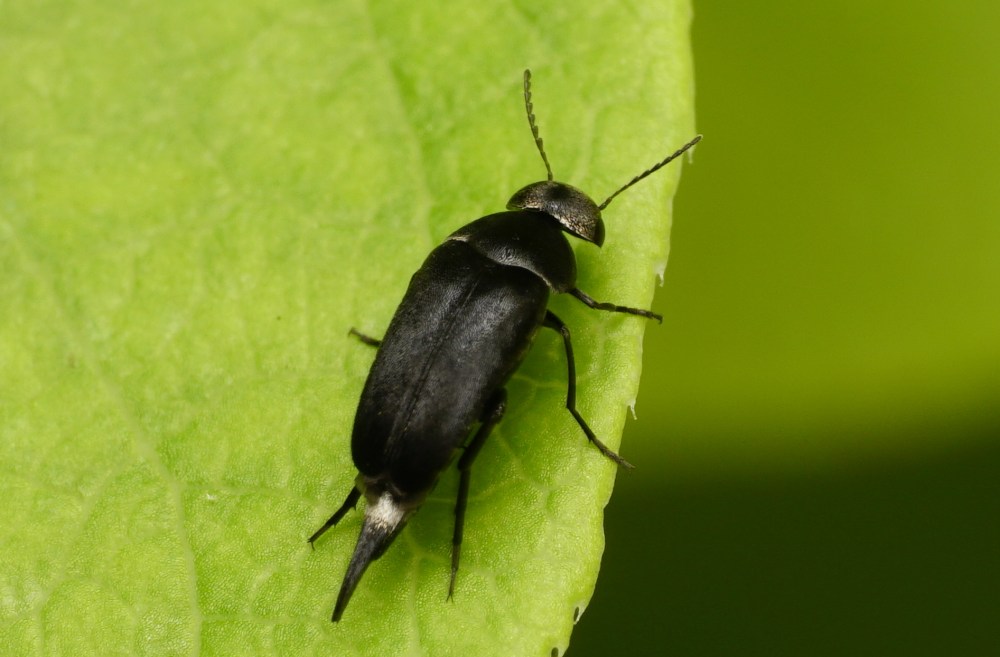
Long legged fly, Dolichopodidae. Maybe Condostylus.

Tiphiinae?
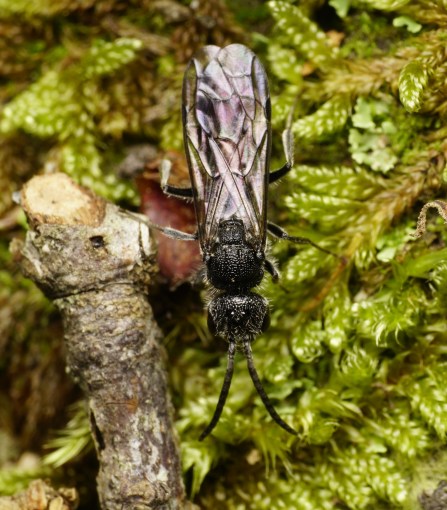
Earwig, Dermaptera:
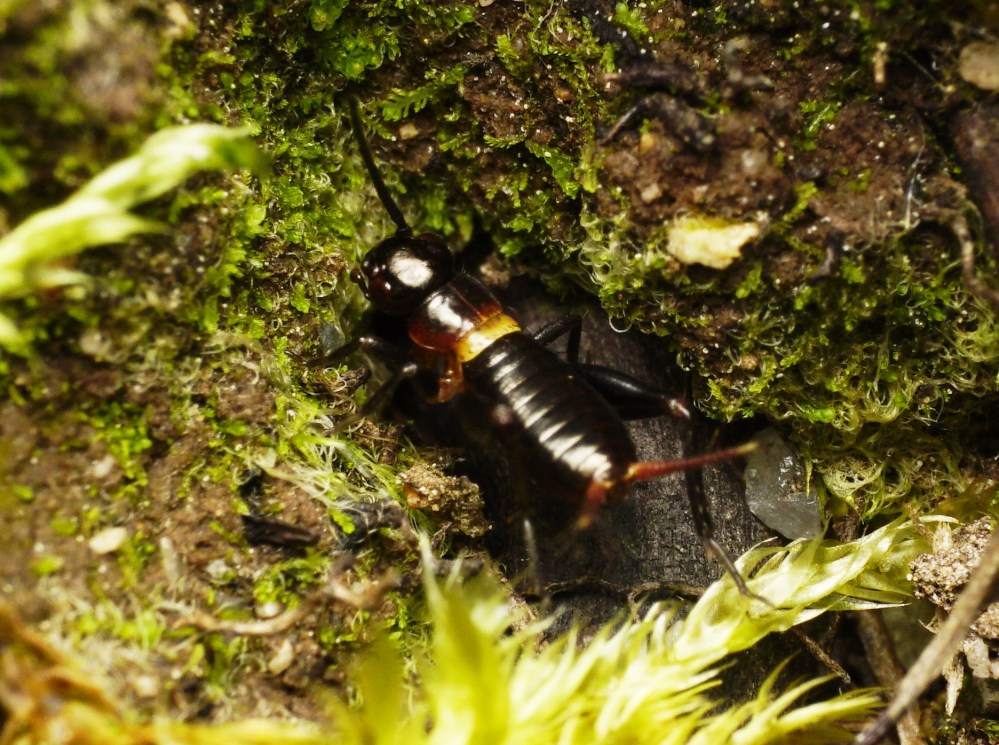
Muscidae? Sarcophagidae? I may never know.
EDIT: “Well, wing veins rule out Oestroidea, including Sarcophagidae. So I’d start with Muscoidea. https://bugguide.net/node/view/1122748/bgimage “
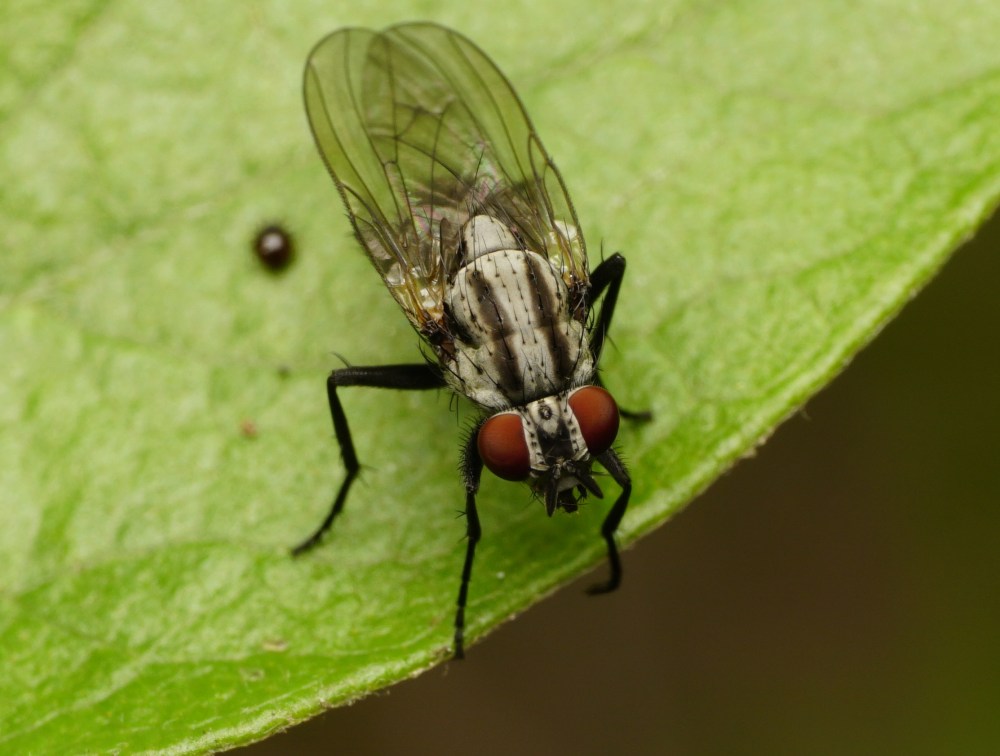
Thomisidae, Misumena vatia.

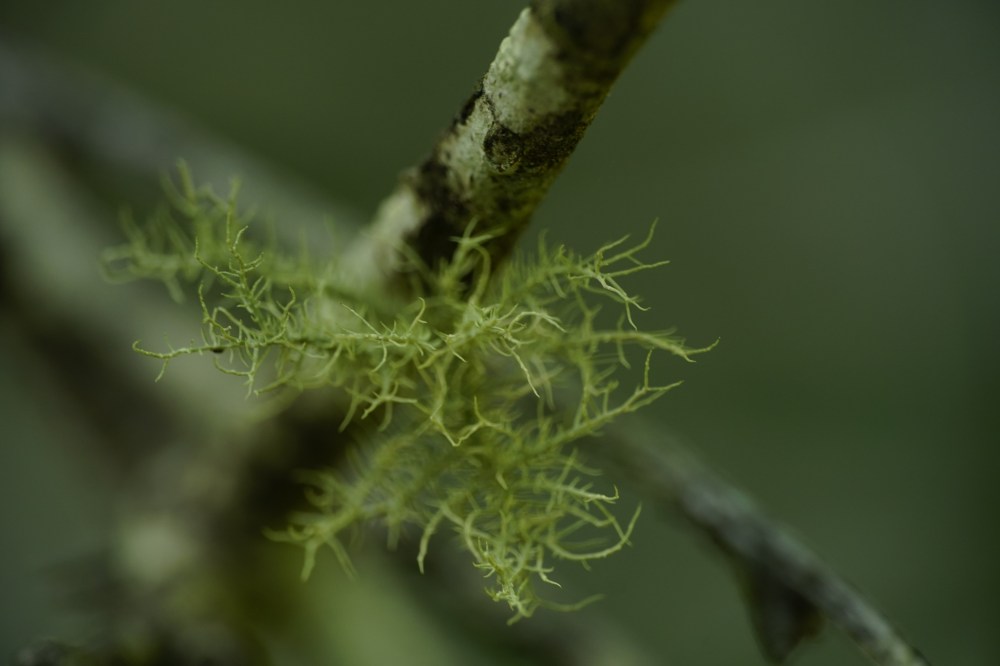
Four toothed mason wasp (Eumeninae, Monobia cf. quadridens) with gorgeous, gorgeous blue wings:

Eastern Pondhawk:

An uncanny resemblance to Homer Simpson:

Laphria robber fly (Asilidae):

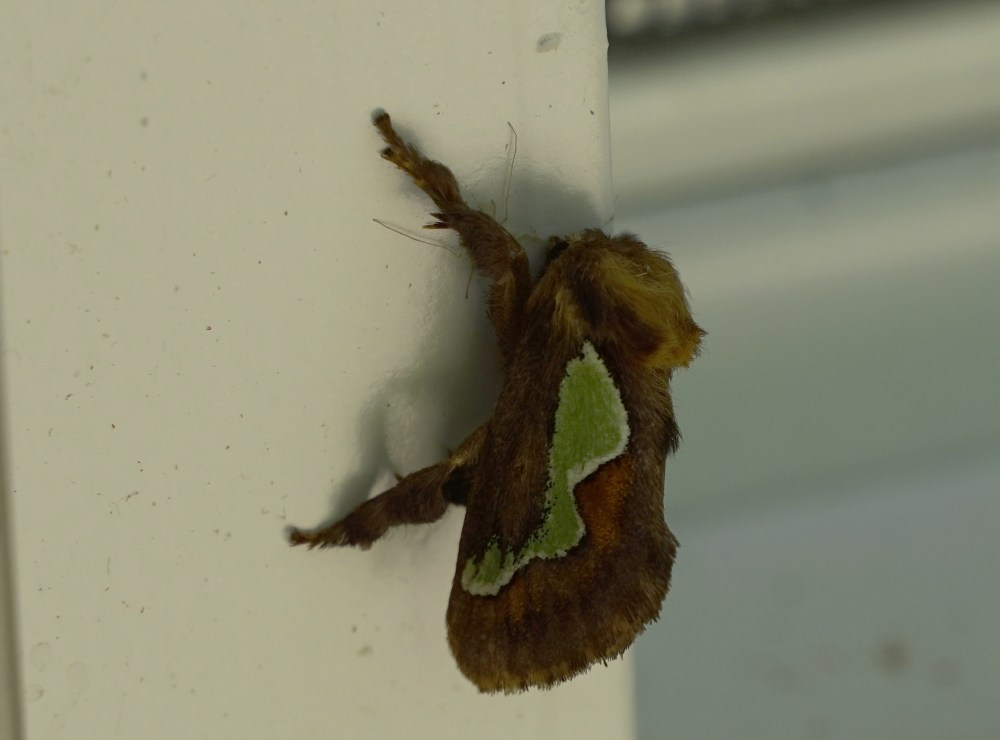
Spiny oak-slug moth
Euclea delphinii, in Limacodidae (slug caterpillar moths)
The Northeast trail never disappoints!
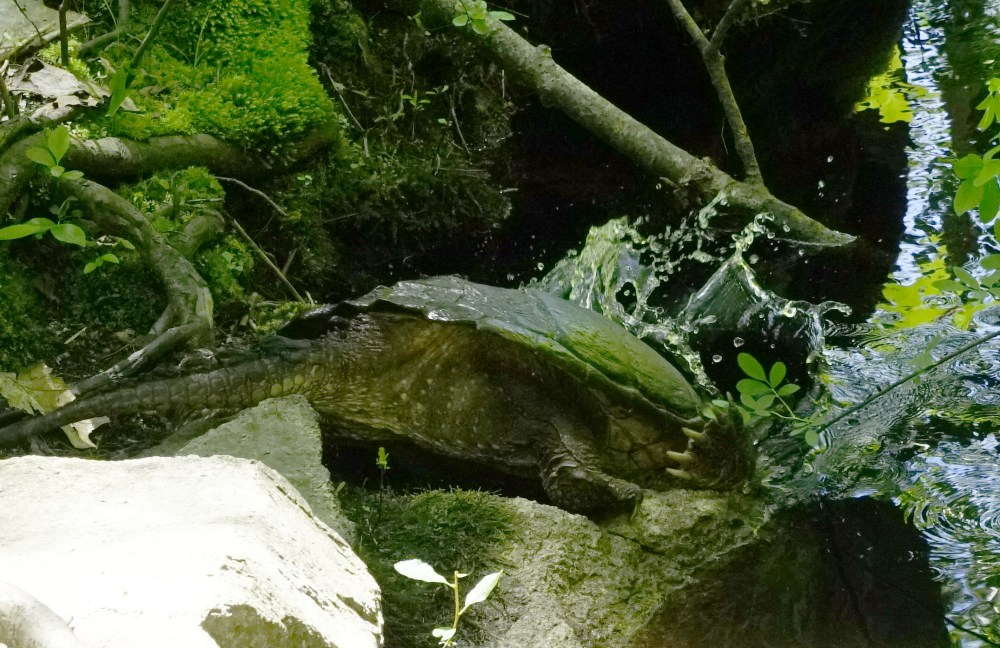
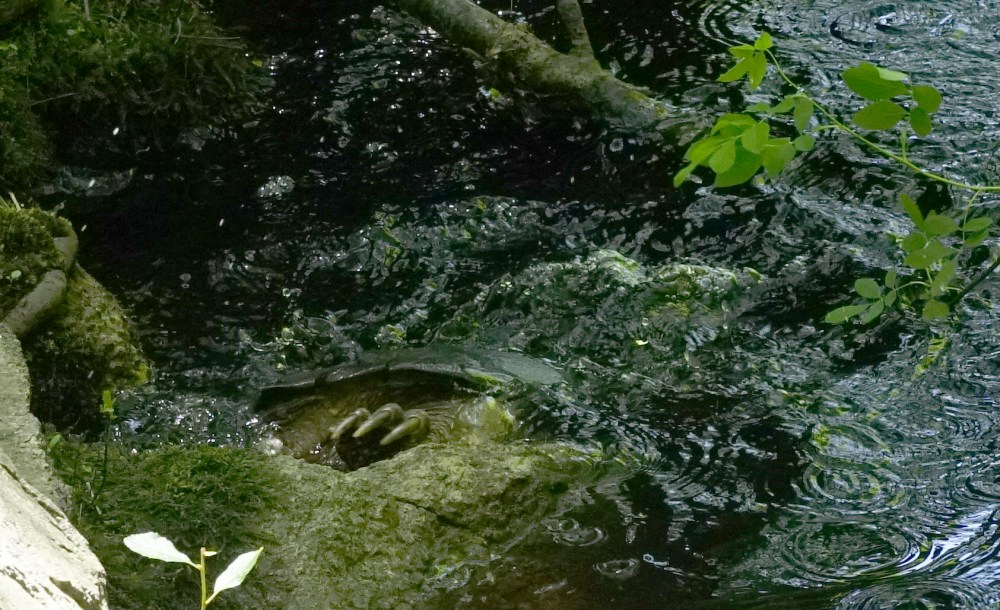
To lead off, this big chonk of a snapping turtle was sitting in the path. It had the aura of a dinosaur, especially when it extended its hind legs. As it dove in the water, watch it wave goodbye!


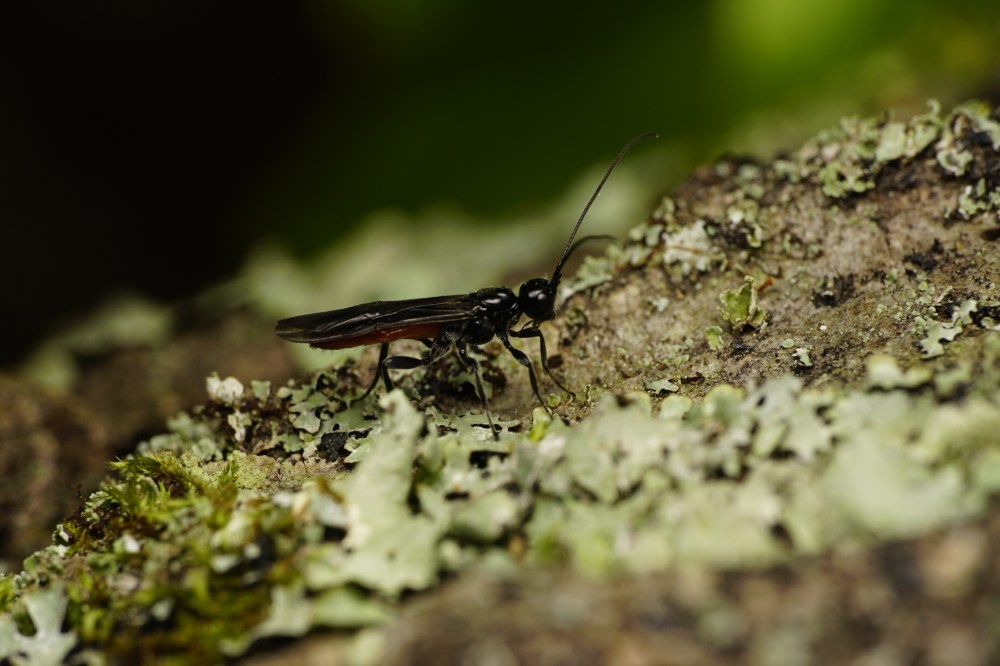
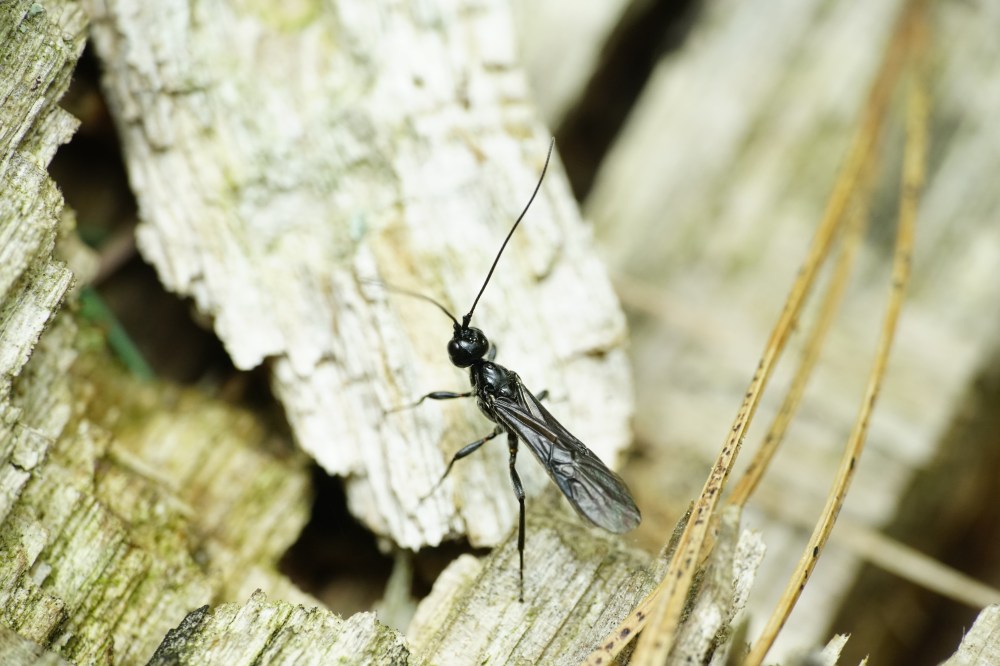
I believe these are Atanycolus, in Braconidae.

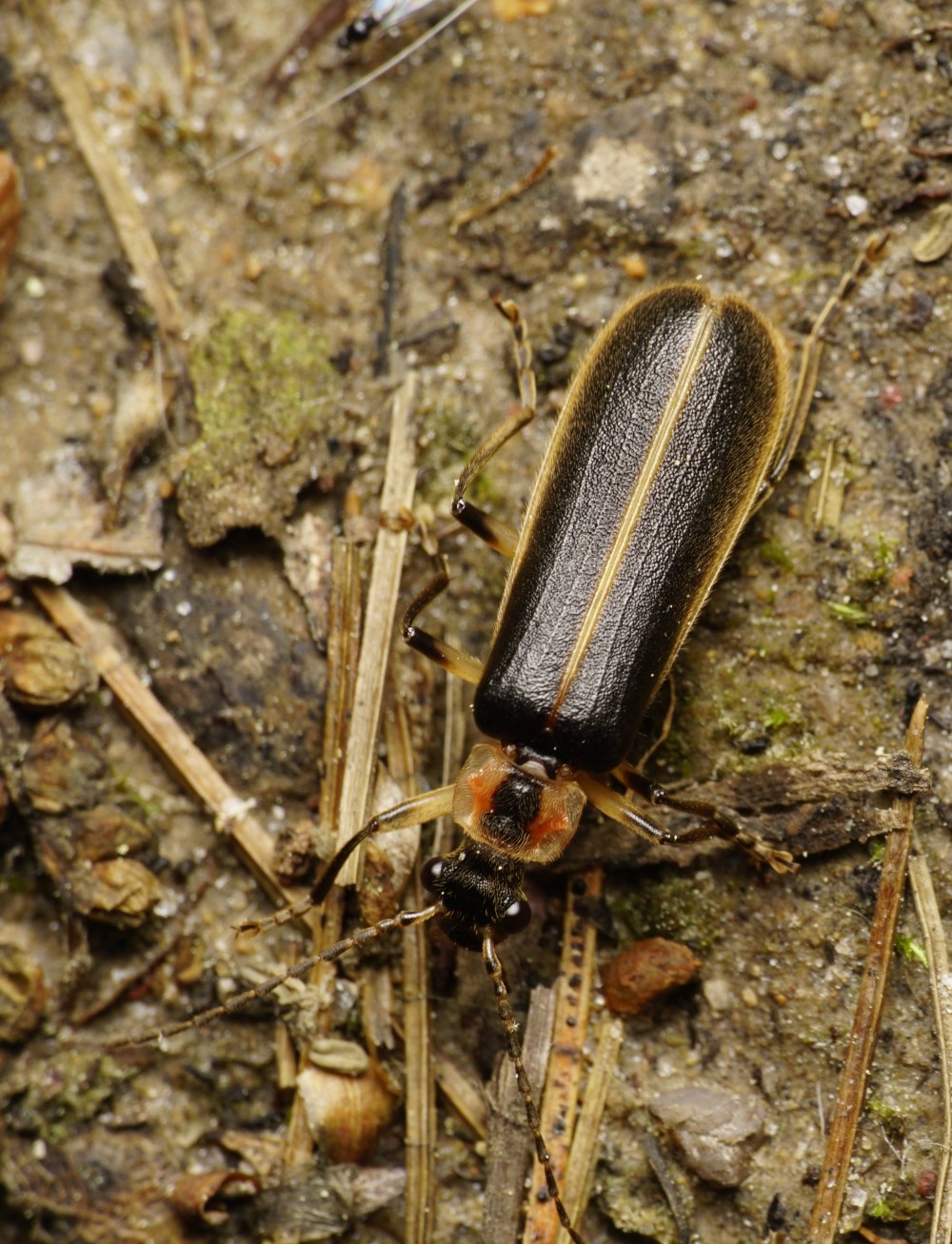
This is another Cantharidae firefly mimic. Podabrus cf basillaris?
This is an oak leaf rolling beetle, Synolabus bipustulatus.

This Lycosid is in Schizocosa:

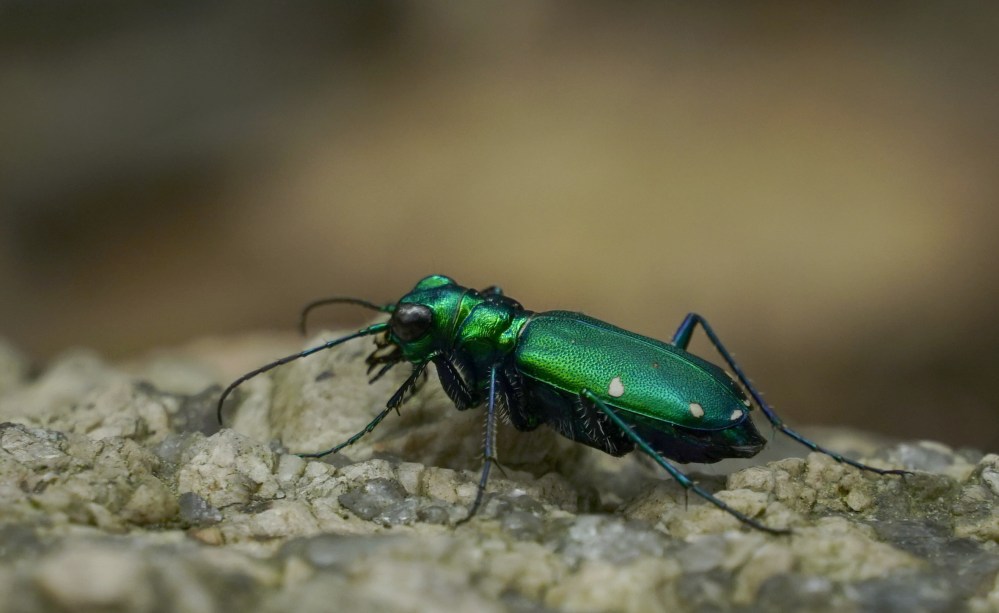
I saw between 20 and 25 different six-spotted tiger beetles (Cicindella sexguttata) in one morning. That’s stunning for me. I didn’t get THE photo, but did get some decent ones.

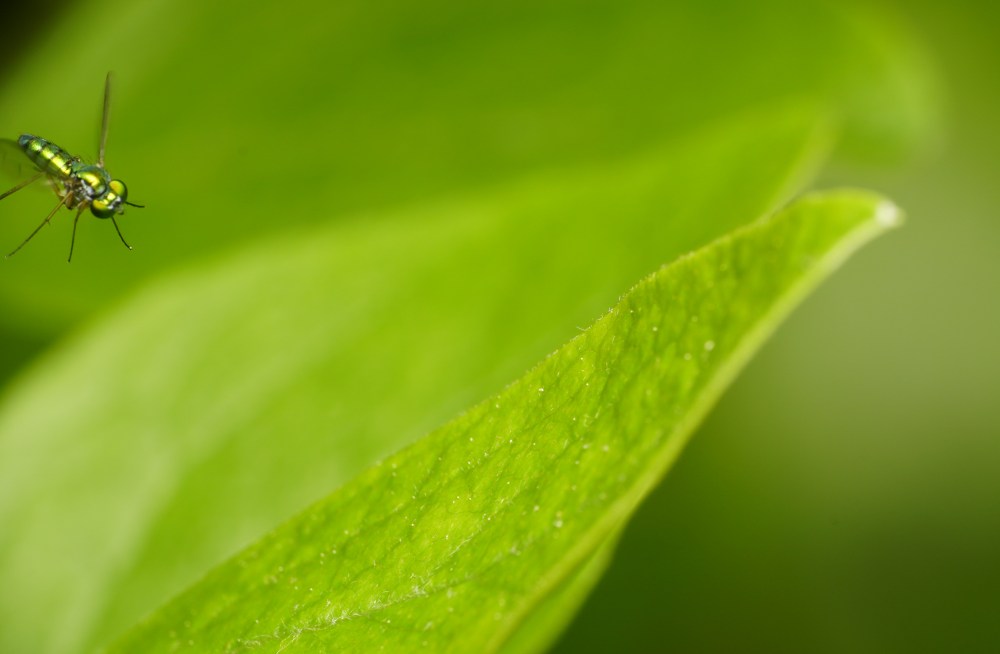
I love photos of insects in flight. This is a Condystylus in Dolichopodidae, and it was taking off, not landing.
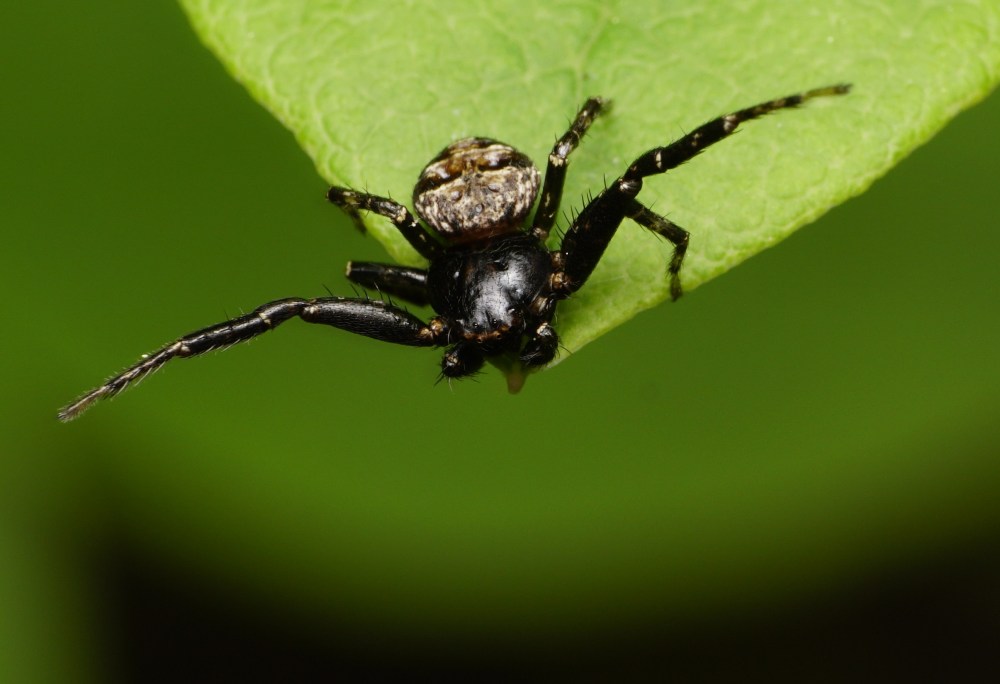
Phidippus, I think.

Cute little grasshopper!

This spider is Bassaniana, in Thomisidae.
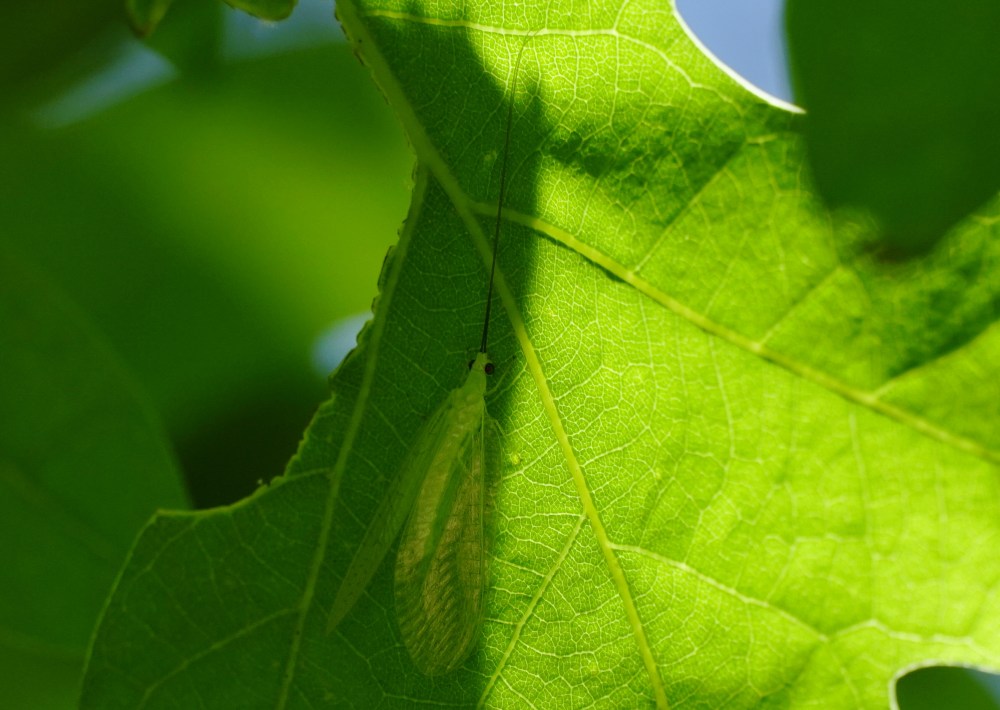
I love Green Lacewings. This one is in Chrysoperla.

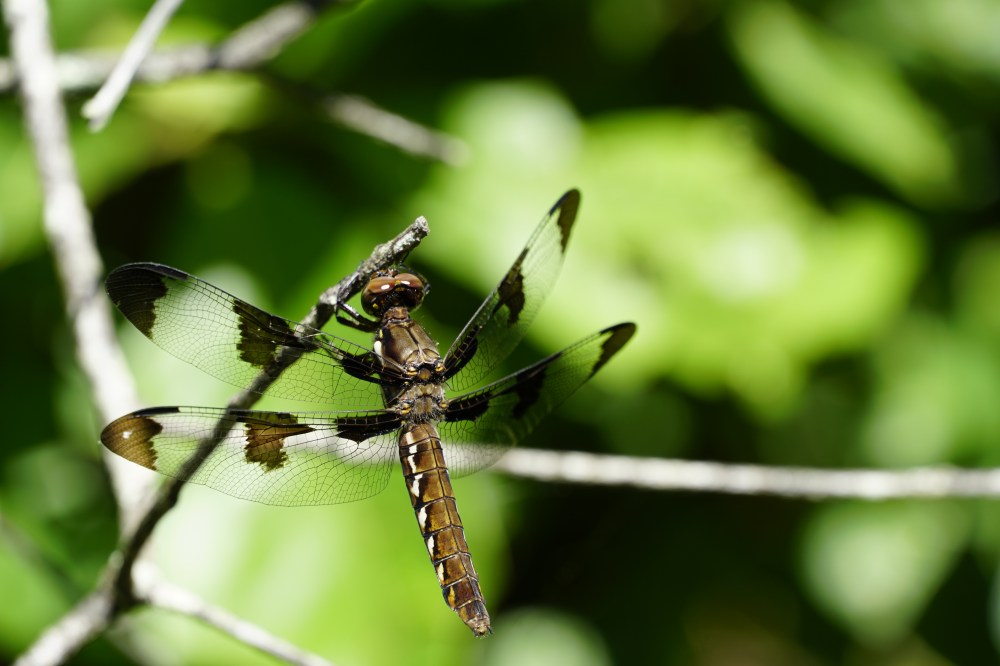
Female of the common whitetail, Plathemis lydia.
This is Anyphaena genus, in Anyphaenidae. The best fit is A. pectorosa, which has no bugguide reports anywhere in New England. However, identifying to species by photo in Anyphaena is not reliable at all.

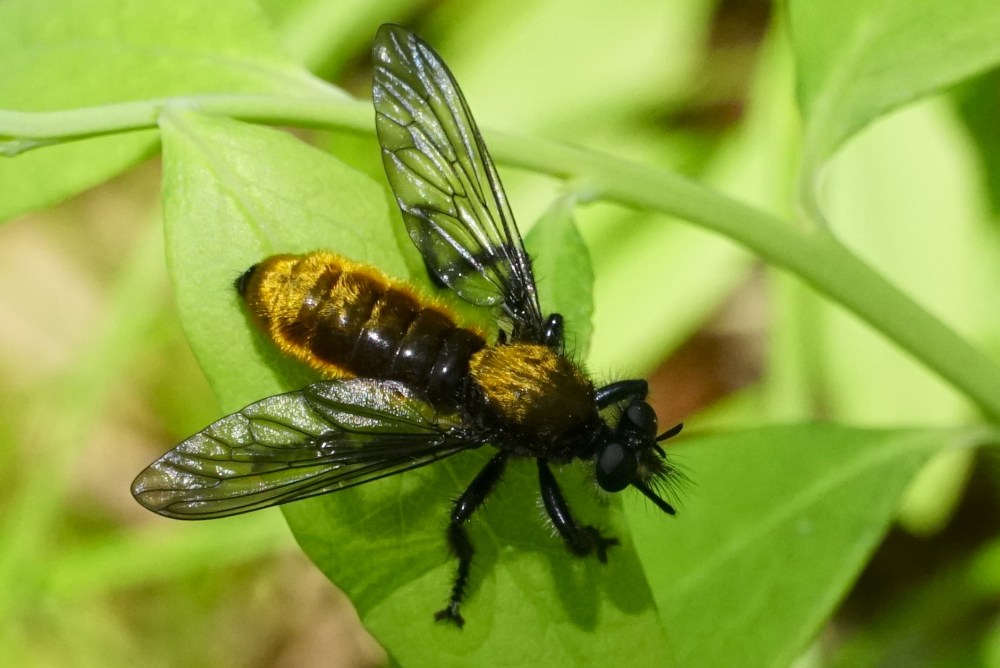
This beautiful robber fly (Asilidae) is in Laphria, sericia complex.
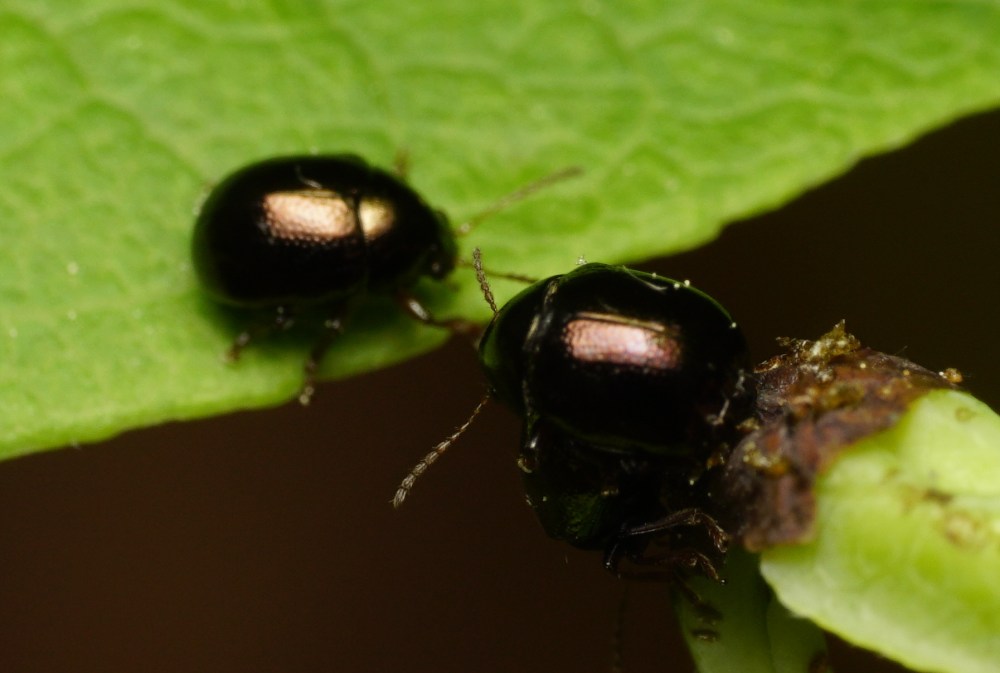
These beetles are in Chrysomelidae, perhaps Diachus auratus.
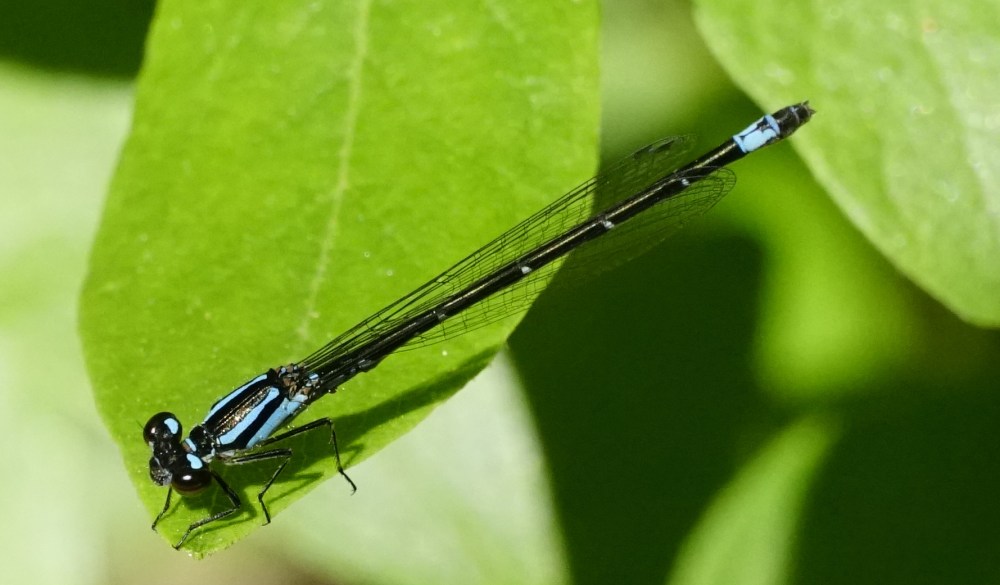
Gorgeous damselfly! Best ID is Enallagma geminatum.
Strangalepta abbreviata:

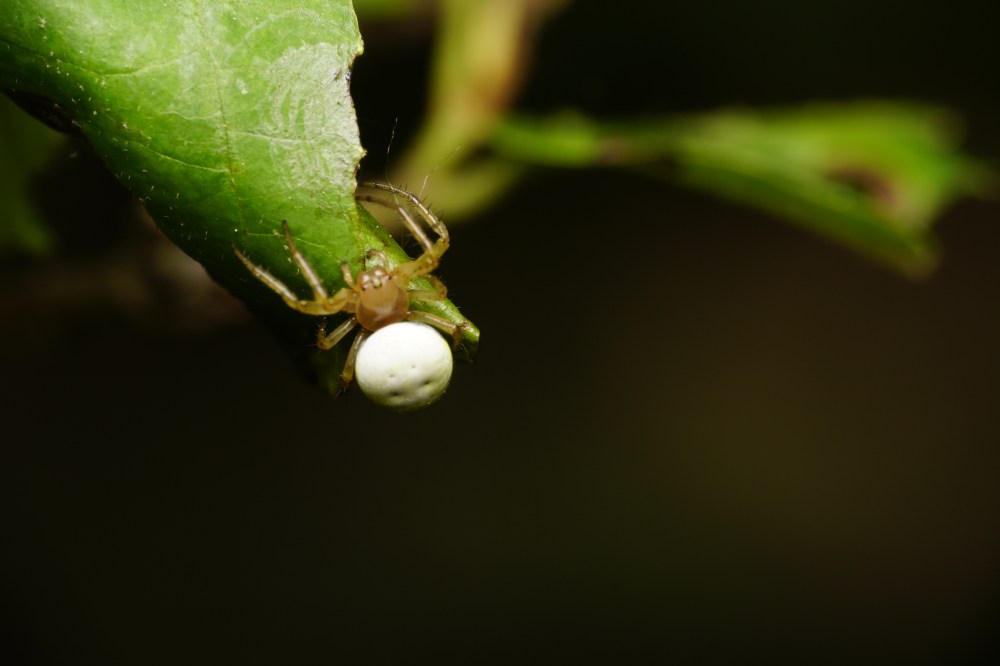
Araniella displicata:
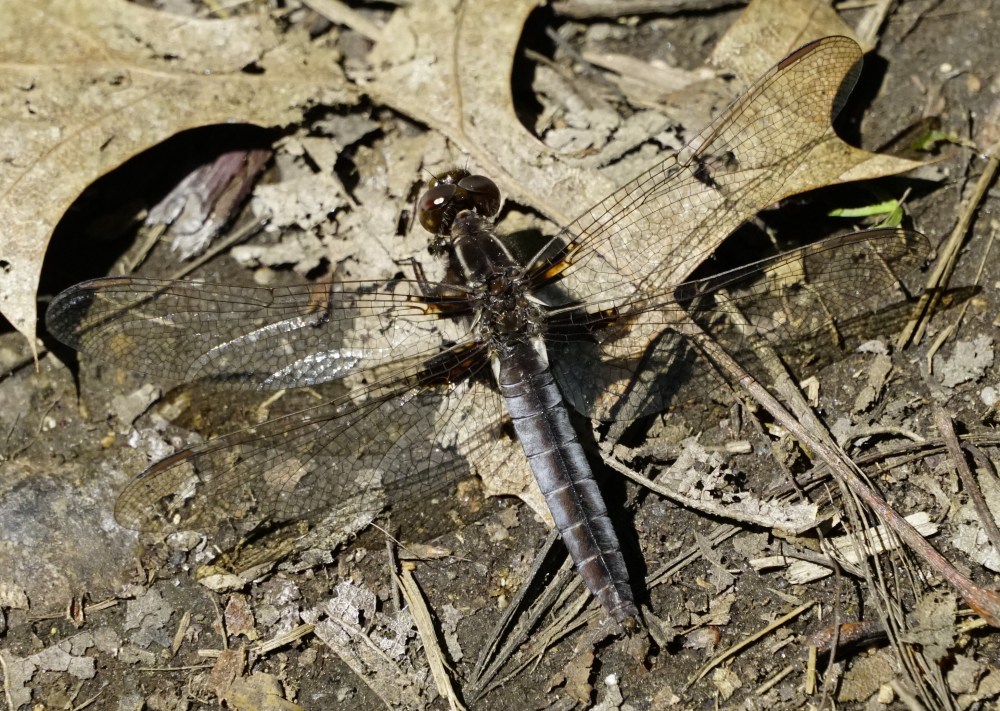
Female corporal dragonfly (Ladona genus):
Won’t be long before I come back this way.
 a little wild