Author Archive
I’ve always thought King Phillip’s Rock was the best insect hunting grounds around, but I’ve officially changed my mind. Borderland State Park, the trail that starts on Mansfield St. that connects to the Northwest Trail. Just the first few yards, I could spend all day on. There’s shade and there’s sun; there’s dead wood, leaf litter, shrubs and soil.
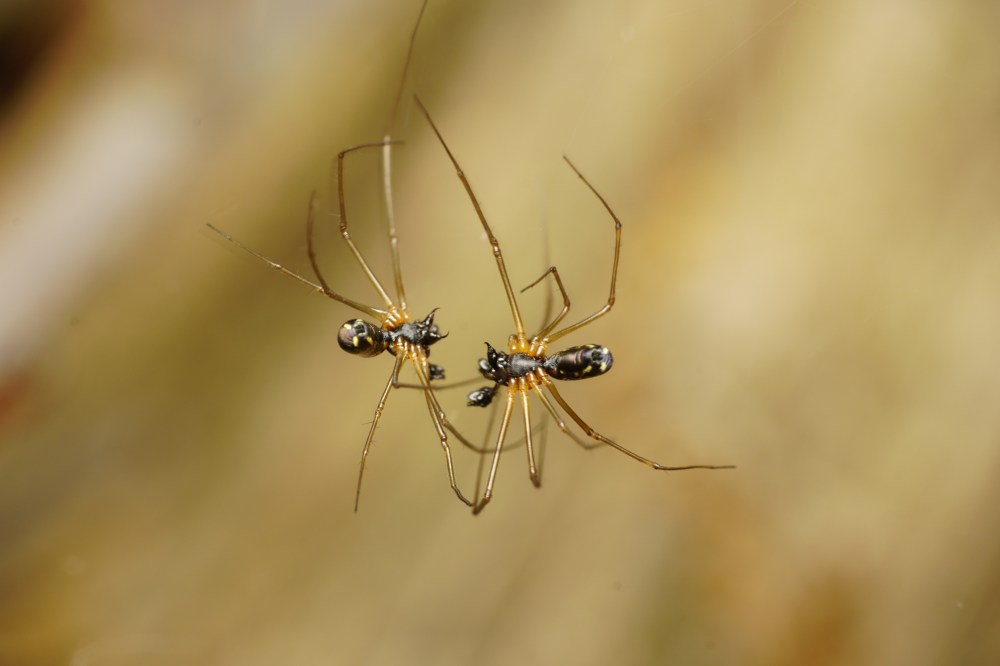
Linyphiids are always found there. Here’s a mating pair of Neriene radiata. Notice that the palps of the male are enlarged, because they’re transferring sperm to the female. (The jokes write themselves.)

Things got interesting: another male arrived, and the two started sparring for mating rights.

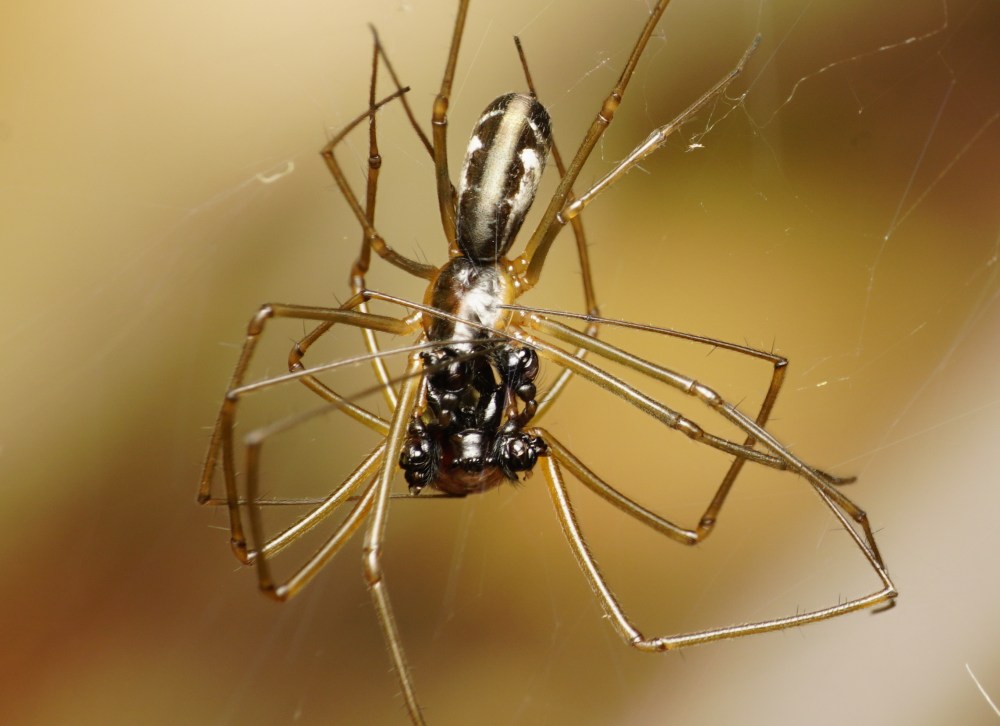
And here’s another mating pair, with a better view of the enlarged pedipalps for the male.

Here’s a Naphrys pulex. I desperately tried to get photos of it in midair, but was mostly unsuccessful (see below for more about that).


The jumping spider in mid-air is my white whale of photos; I’ve taken more than 1000 photos. And this is the best I land up with?

Cerambycidae: Cyrtophorus verrucosa (tribe Anaglyptini).
Ichneumonidae, Xoridinae:

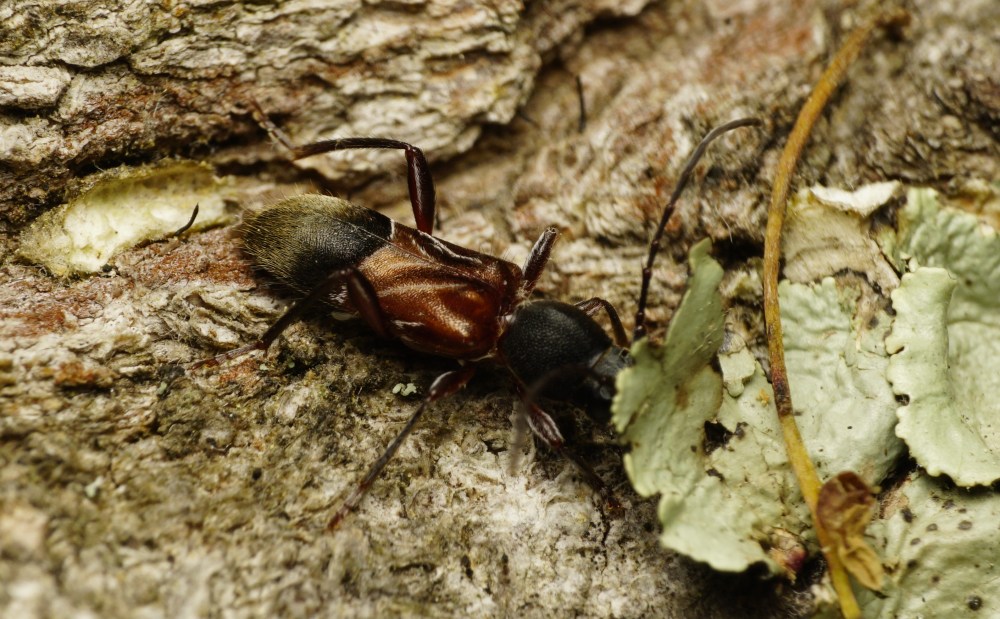
It seems that there’s a healthy population of velvet ants here, I’ve seen multiple in the same spot. This seems to be Pseudomethoca cf simillima.

I was ready to file this away as a firefly such as Pyropyga. But it’s actually a Cantharid firefly mimic, Rhaxonycha carolina.

A sawfly, perhaps Pergidae:
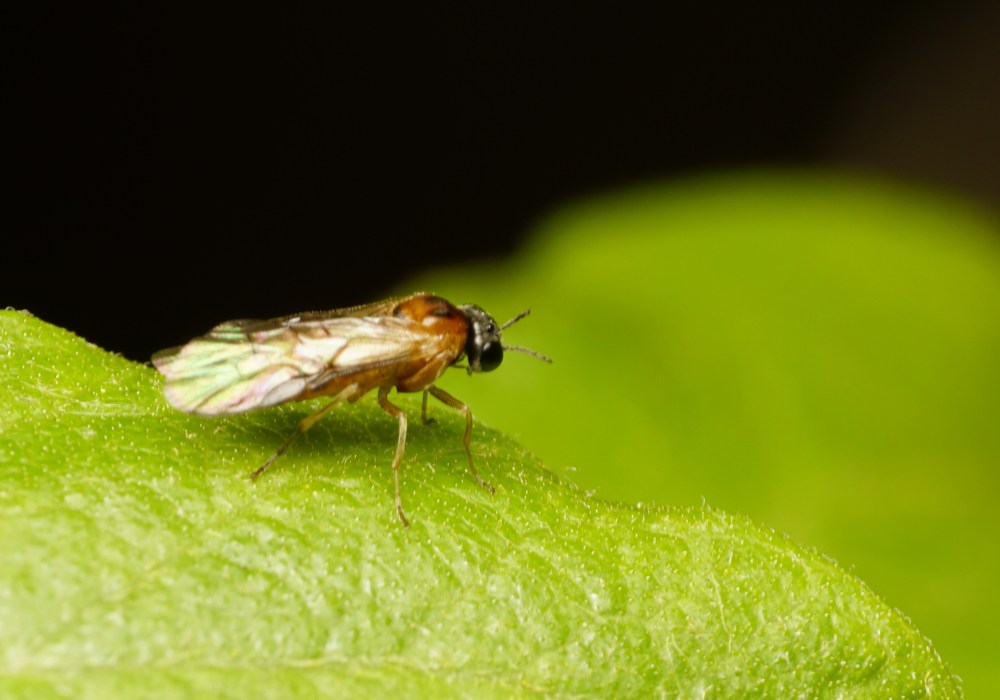
Another sawfly, perhaps Tenthredinidae:
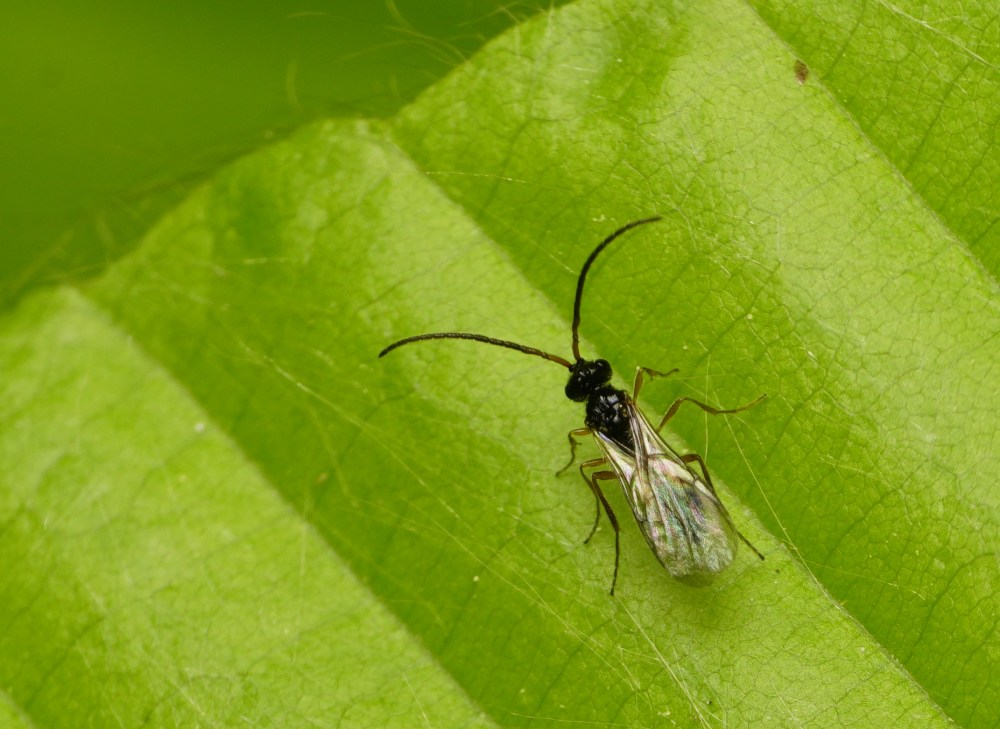
Dictyniidae, probably Emblyna:

Nice dramatic view of a Leucauge venusta:

Elateridae, probably Cardiophorus gagates:
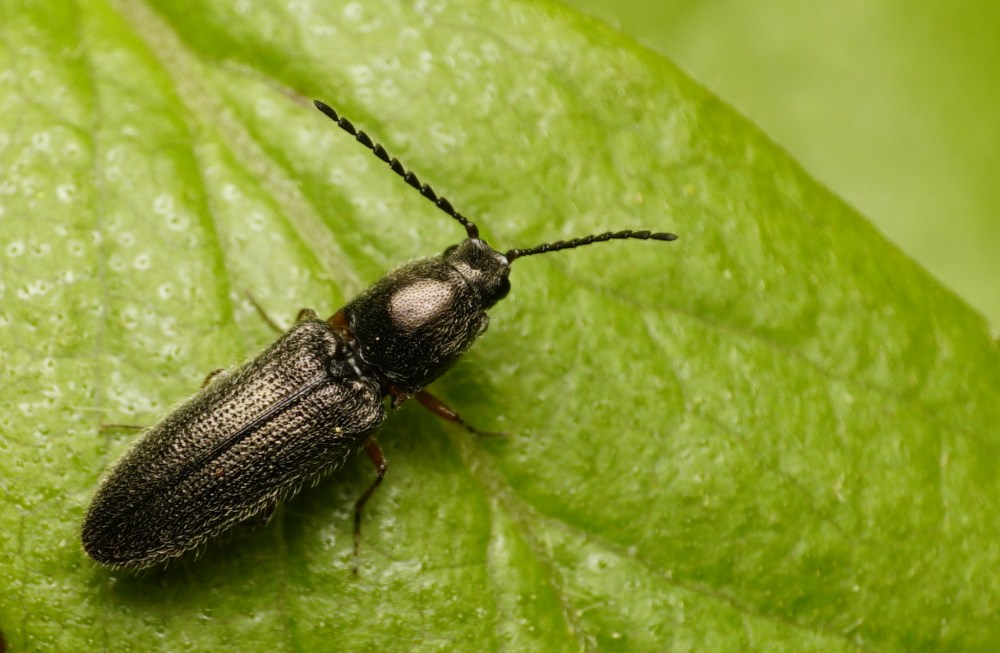
Pompilidae, Anoplius:

Snipe fly, Rhagio mystaceus:

I have no idea about this fly, but it’s definitely cute:

Weevil, Curculinidae, Piazorhinus scutellaris:

Probably a gall wasp of some kind:

Don’t know who this moth is:

Stonefly, will try to pin it down further to genus/species:
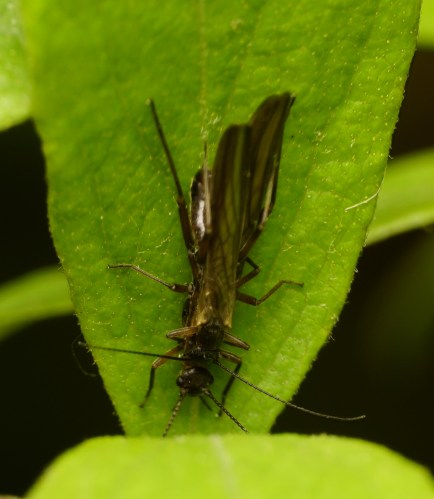
This Buffalo treehopper, Ceresa was playing peekaboo a lot:
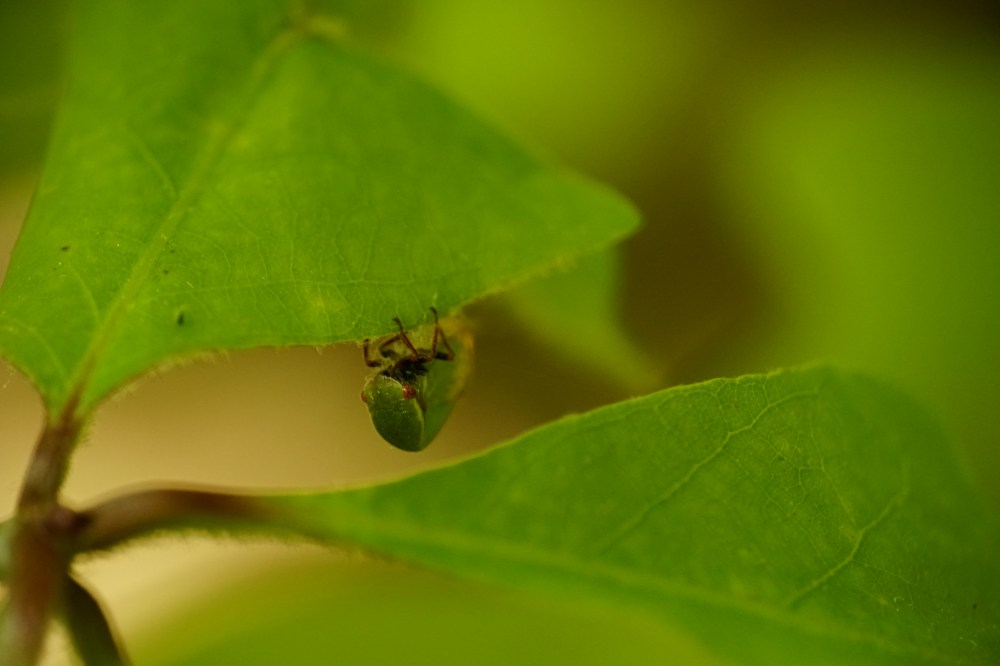
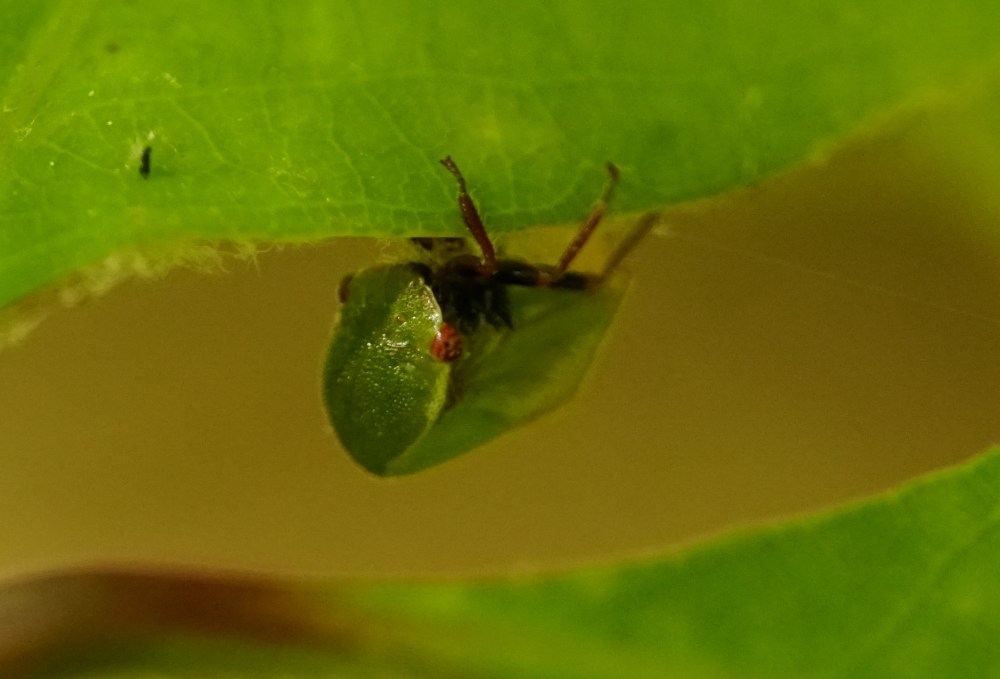
Angle moth? Need to look into it further:

Dictyniidae, Emblyna sublata:
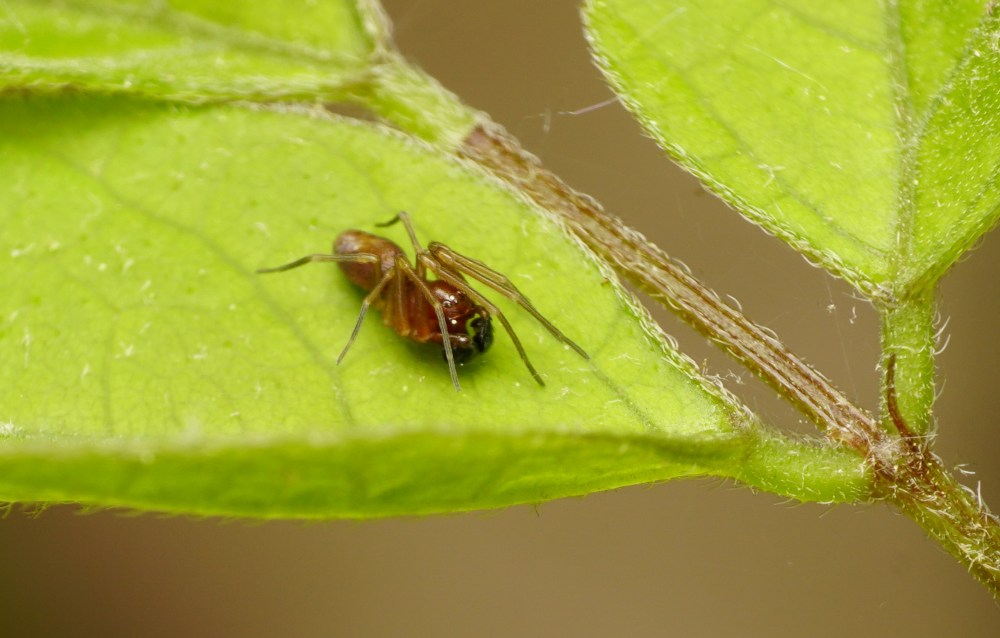
Pelegrina proterva:
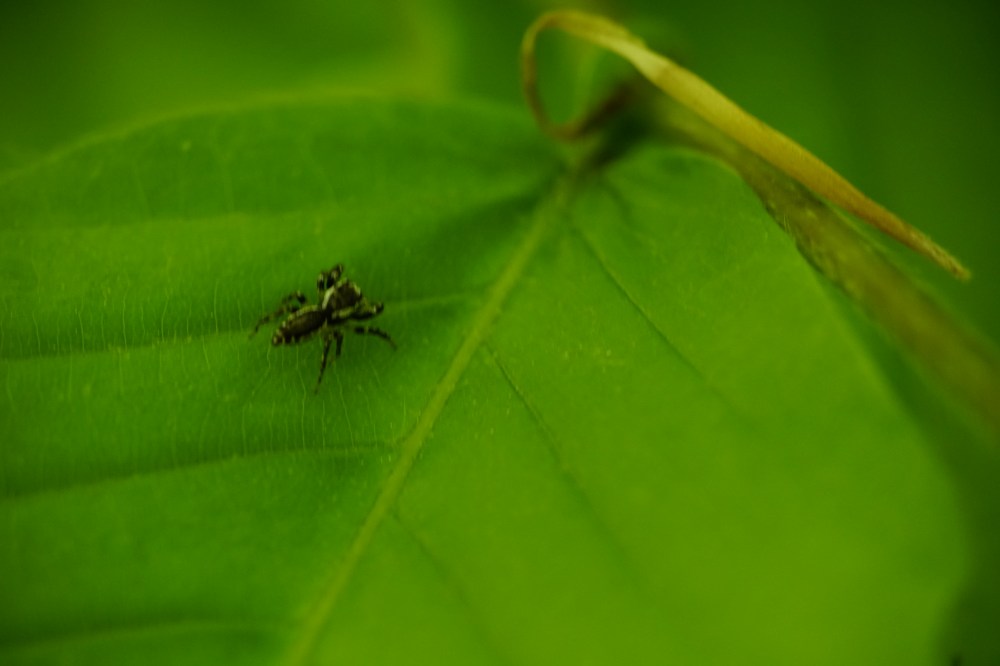
Syrphidae, Toxomerus marginatus:

Every time. Every single time I see a scorpionfly I get so excited I forget how to use a camera. Anyway. This is the best I got.

Nomada bees, and a flying photo! Nomada are cuckoo bees, and they look for other bee’s nests to lay their eggs in, kleptoparasitism.

Six spotted Tiger Beetle: Cicindella sexguttata.

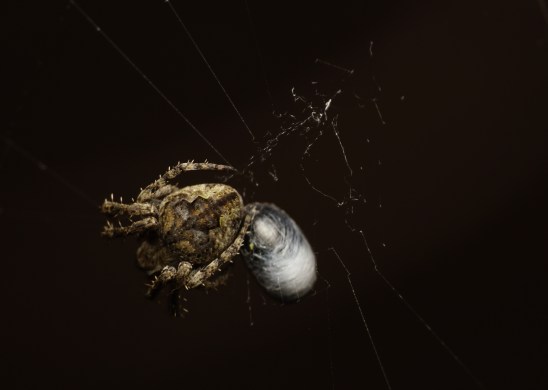
For some reason, all the orb weavers we seem to get are Cyclosa conica, Leucauge venusta, and the occasional Uloborus glomosus. Very few of the Araneus or Argiope that other people seem to swim in. Cyclosa conica here:

Elateridae:

The Uloborus glomosus I was talking about:

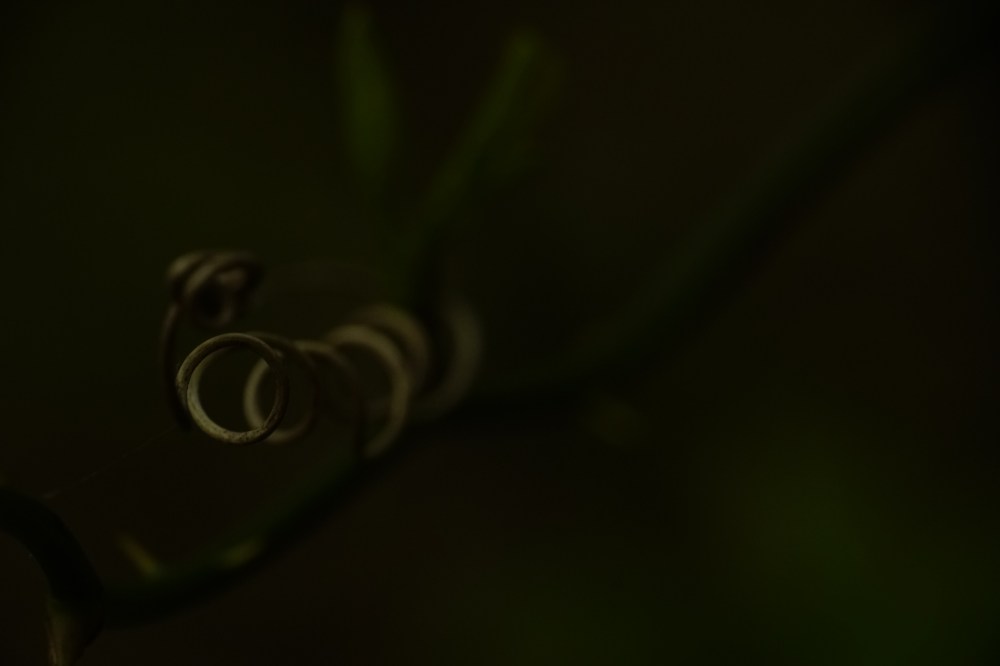
A little abstract design:

Eratoneura sp.? Dikrella cf. cruentata?


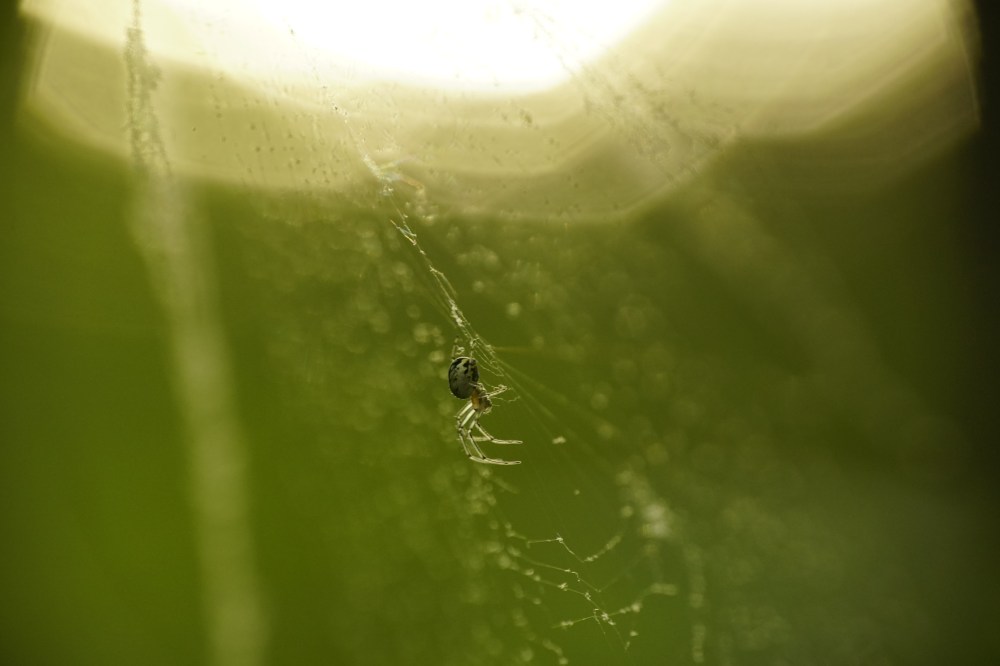
I really don’t know who this is. Best guess Dictynidae. Maybe Emblyna sublata?
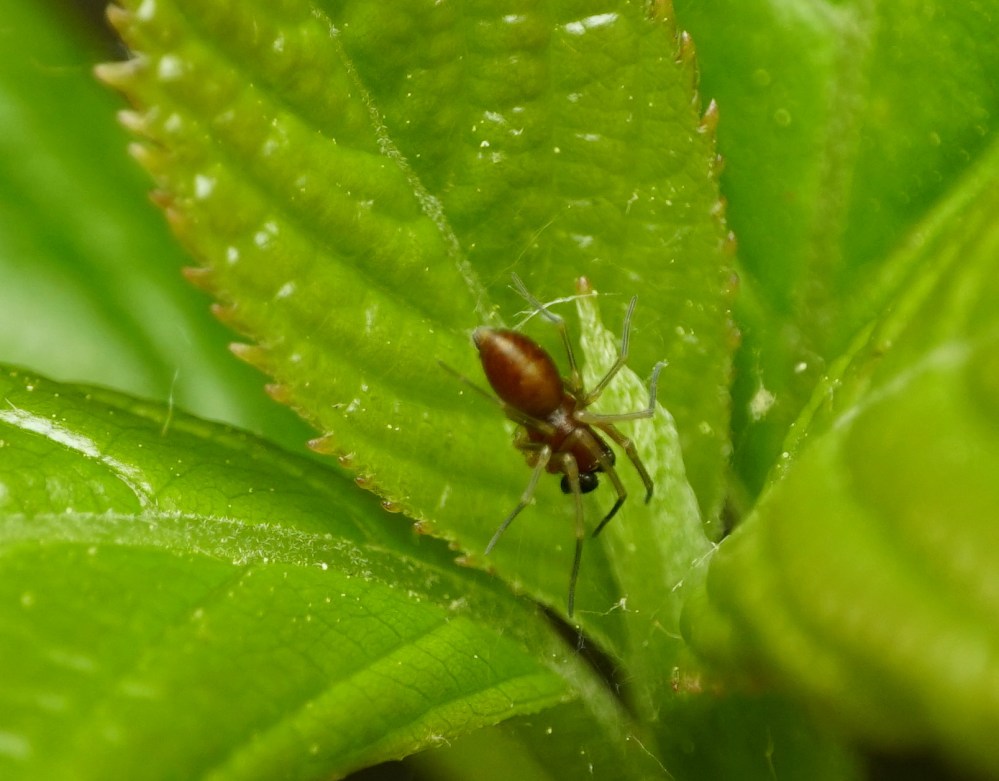
This particular pattern of Salticids is found in a lot of different genuses, and drives me crazy trying to identify it. Maybe Eris?


Leucauge venusta:
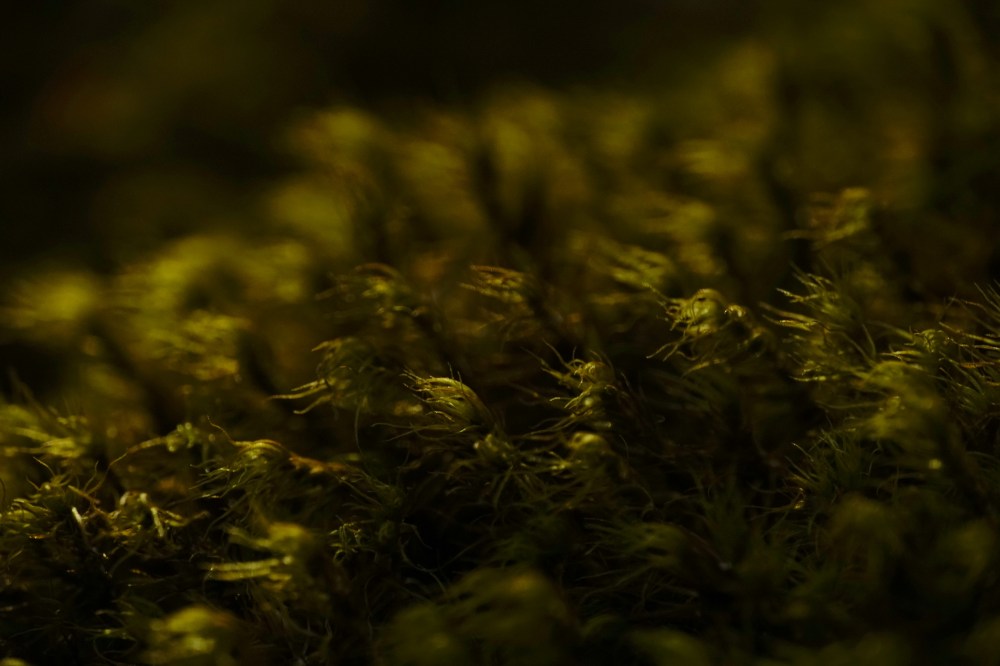
Moss backlit by setting sun:
Anyphaena cf. fraterna, maybe A. pectorosa? Neither has many sightings in New England, and A. pectorosa would be a first.

A gorgeous red color to the buds:

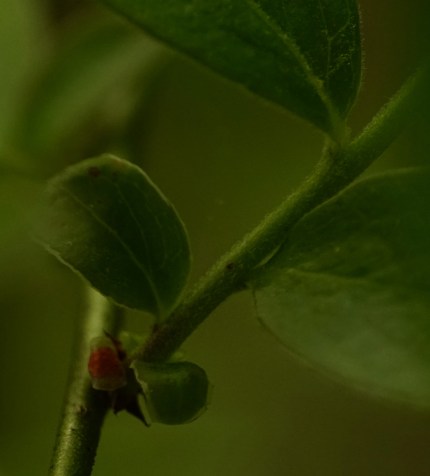
First warm day in a while!
Trashline orb weaver, Cyclosa conica.
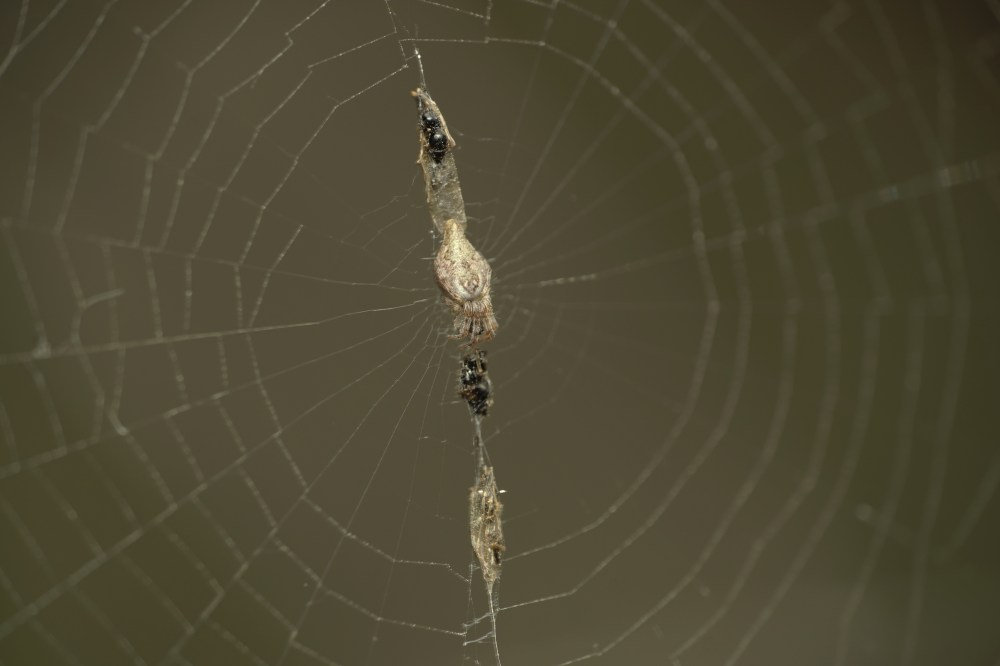
Unidentified flying flies.
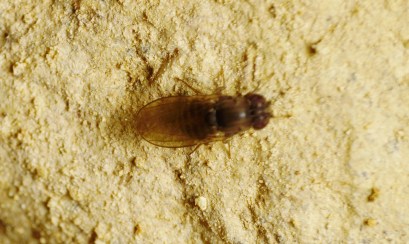
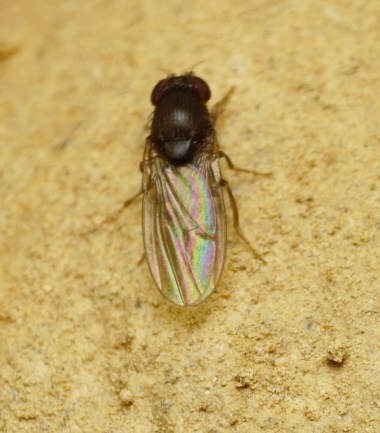
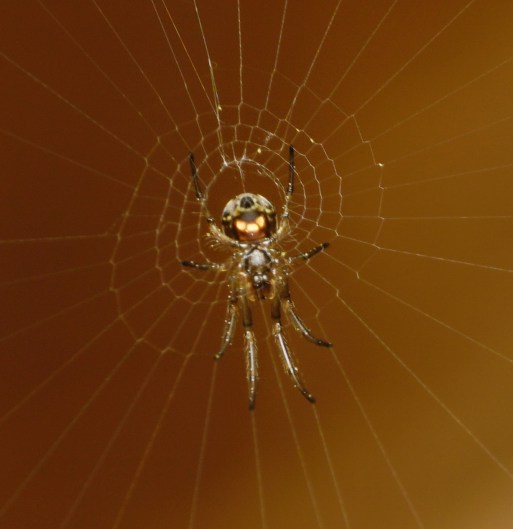
Leucauge venusta baby.
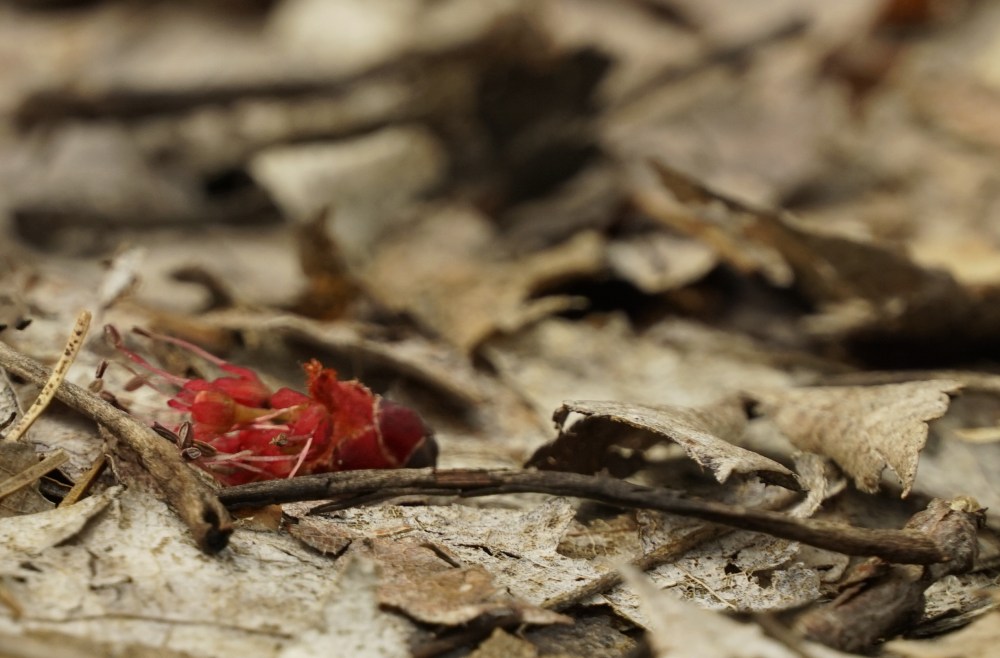
A change of seasons to spring: maple blossom on leaf litter.
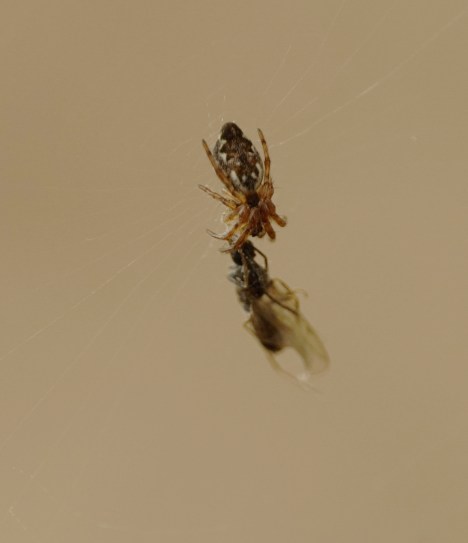
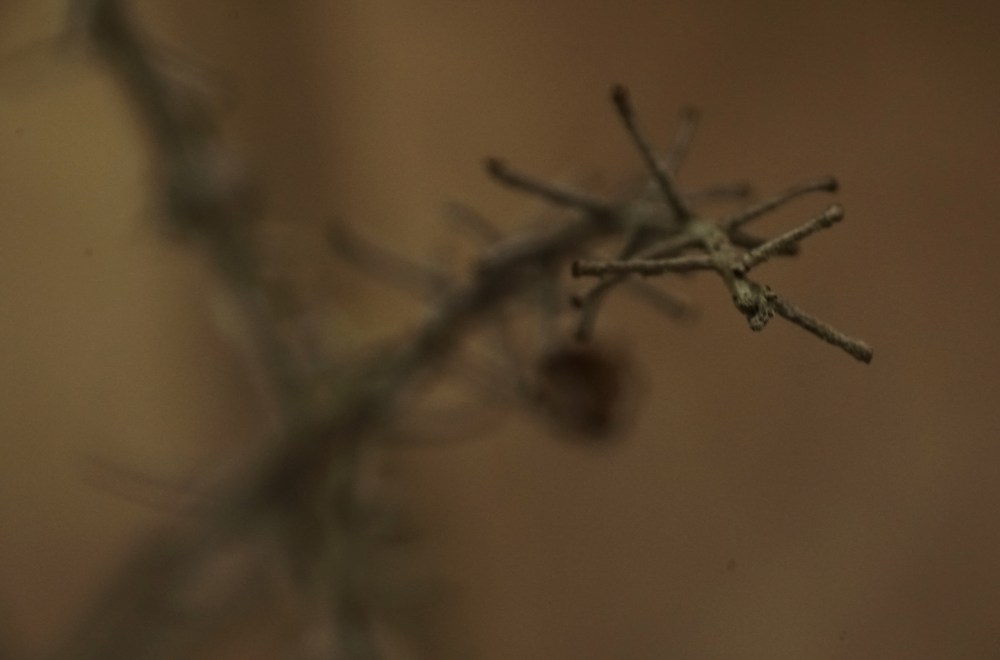
Eustala sp.

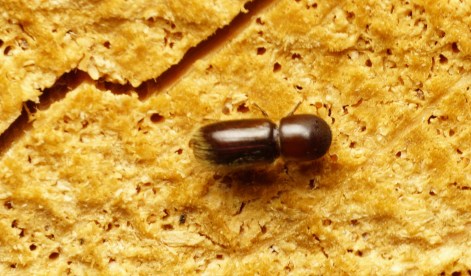
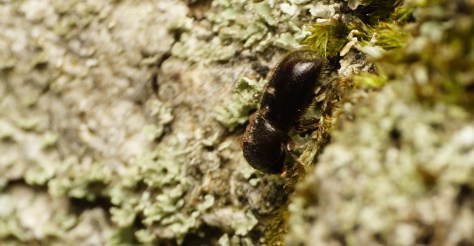
Scolytini, “Typical bark beetle”

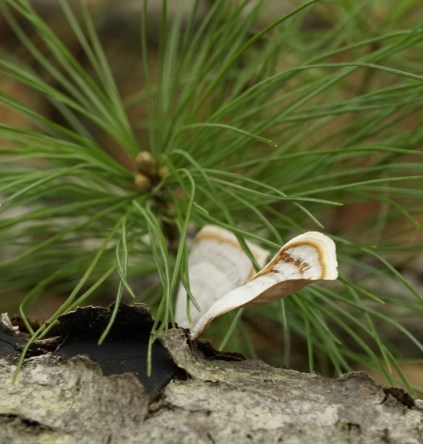
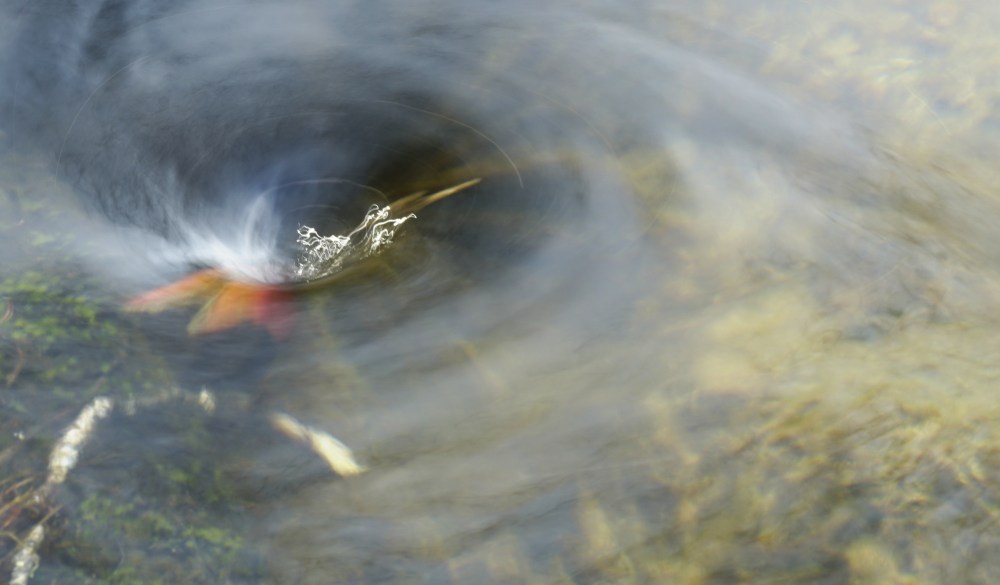
In the lake, near the outlet, there was a little whirlpool. I took a small time exposure, facing into the sun a bit, so the reflection of the sun went on a reel.


Not a good photo, but a spring stonefly, Nemouridae?


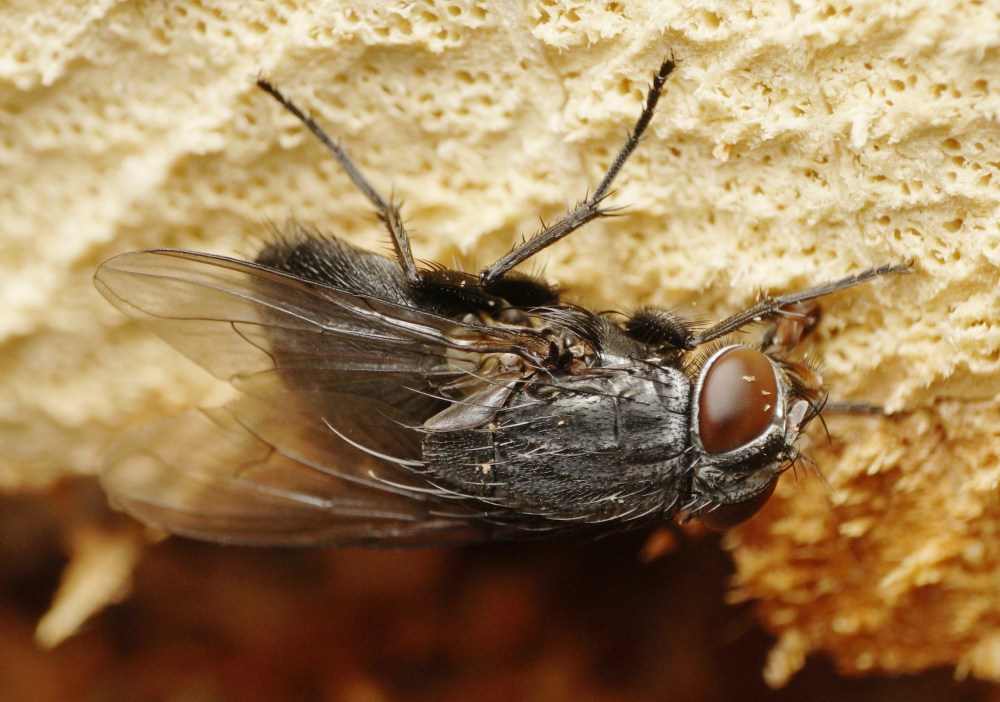
Even the experts were unclear as to what this fly is.

Muscidae, maybe Muscina, according to the experts. Why is it not Calliphoridae? “Shallow bend to median (M) vein. It is more acute in nearly all Calliphoridae. Also general gestalt. I can’t really think of a calliphorid that has this exact color pattern.”
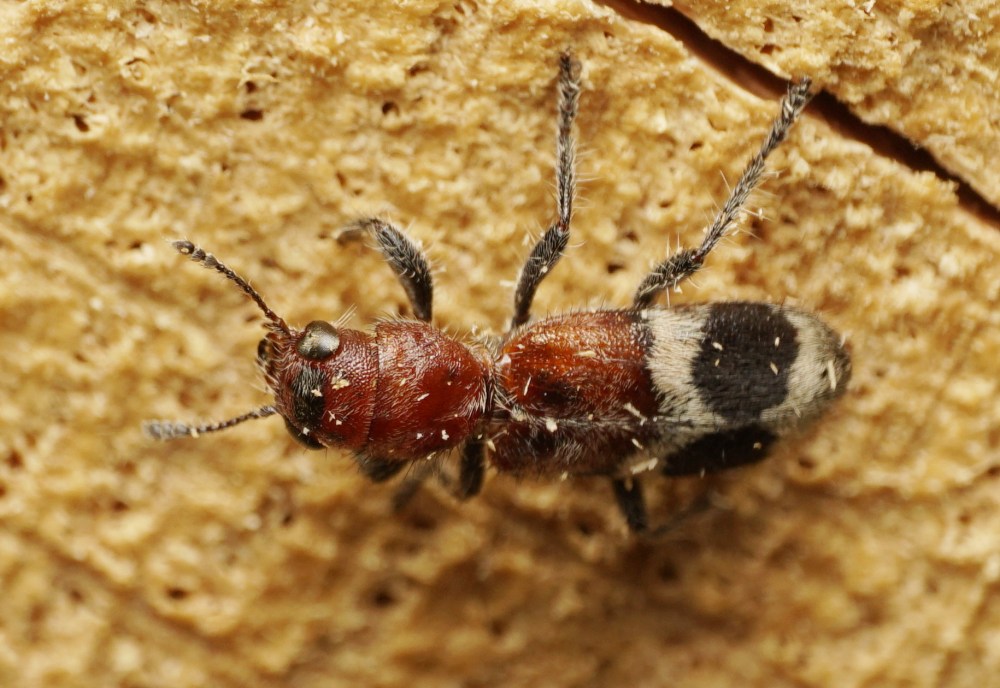
Enoclerus nigripes:
Perhaps Linyphiidae, Eregoninae, Erigone? Verdict is that Eregoninae is correct, but genus requires more details (genitals).

Glischrochilus cf. fasciatus (Nitidulidae — Sap feeding beetles). This species is also called the Picnic beetle, or more amusingly, the Beer beetle, because they love beer and other fermentation.

Nitidulidae, near Carpophilus.

Andrena. “Male Andrena sp. (note the “furrows” on the inside margin of the eyes. Would be flat if not convex in Colletes).”
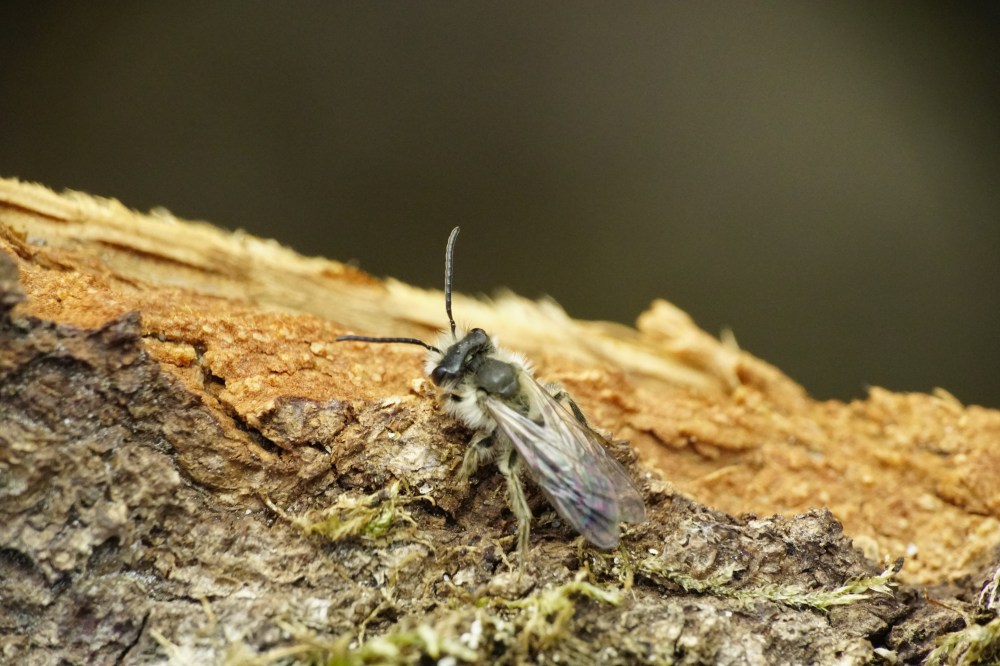
Wood gnat. Anisopodidae, Sylvicola cf alternatus. Maybe S. fenestralis instead?

Spherical head, and time of year, apparently suggest Scathophagidae as a possibility.
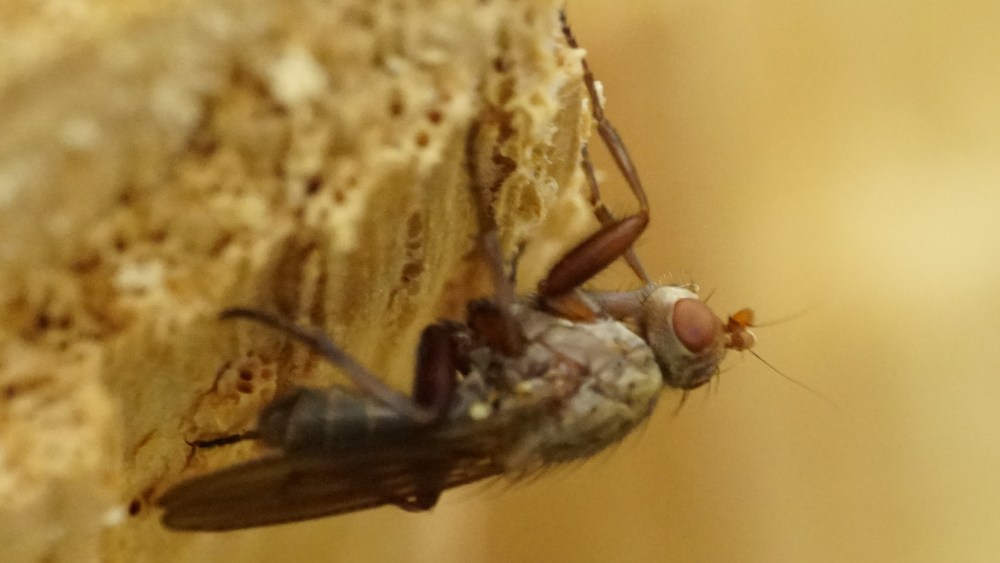
Tried to get some Dytiscid beetle photos. Instead I got this!
EDIT: Identified as a Fairy shrimp (Eubranchipus sp ).
Also got one awful Dytiscid beetle photo, and one semi-decent Dytiscid beetle larva photo.
This ain’t my last attempt to get a decent Dytiscid shot.
EDIT: Could be Haliplidae or Hydrophilidae instead of Dystiscidae, I guess.

Dytiscid beetle
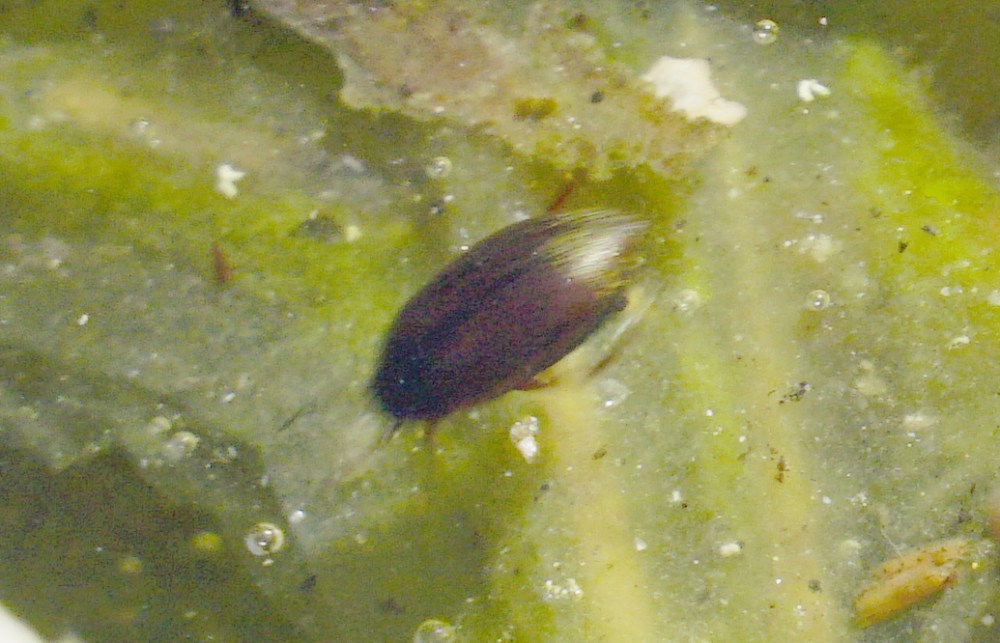
Dytiscid beetle larva

Mosquito larva with bonus Collembola in the upper right.

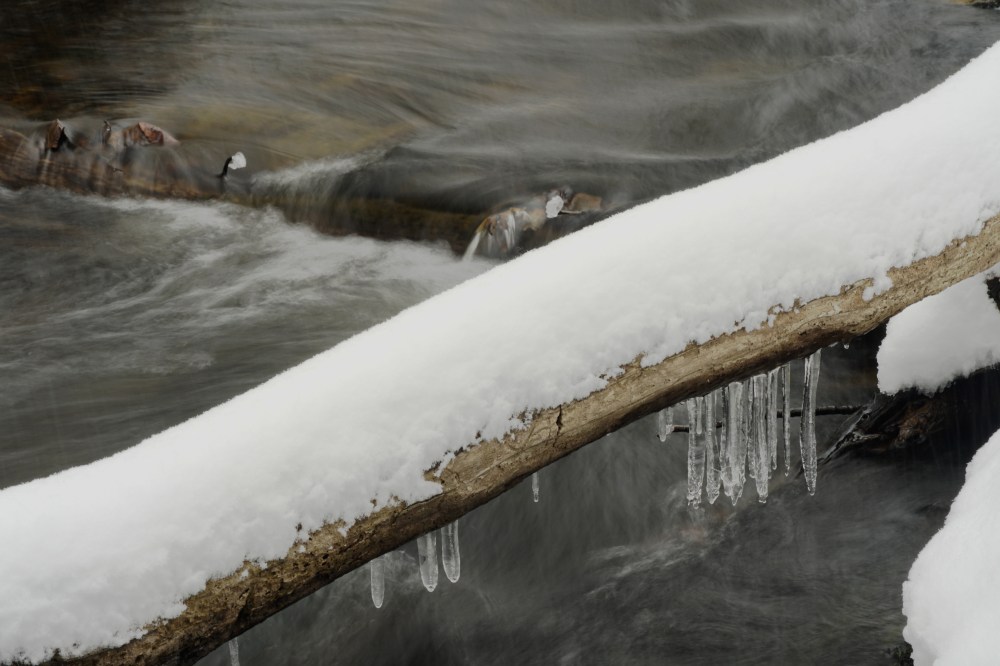
Some interesting patterns in the icicles outside our window: the small things in life matter.
Going through some old photos, thought there was something in this photo that could be cropped and salvaged into a snap worth sharing.
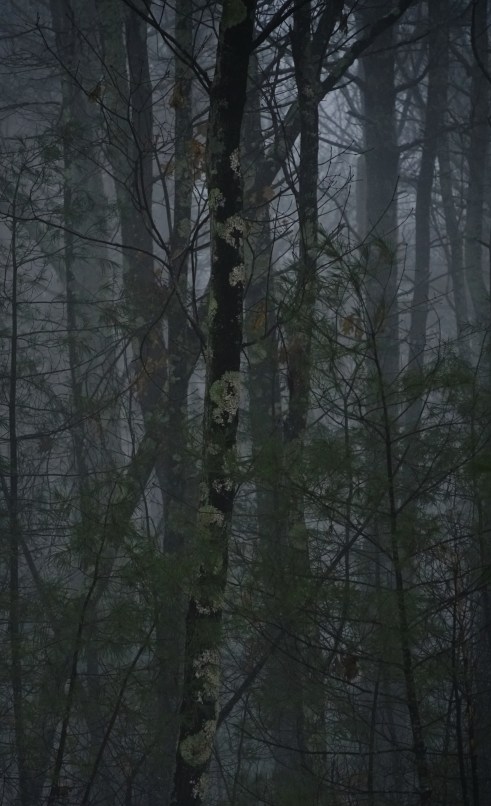
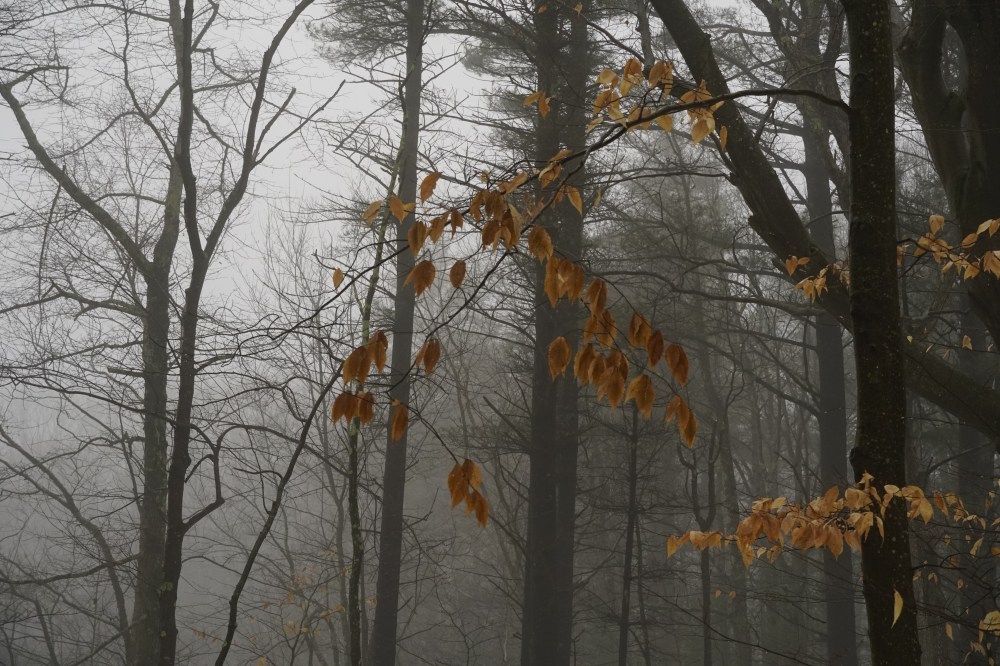
A foggy day. I wanted to get to the lookout point to photograph the fog effects, but unfortunately didn’t time it right — I didn’t want the gates to get locked with my car still inside. So I ended up with more water droplet images than I planned.


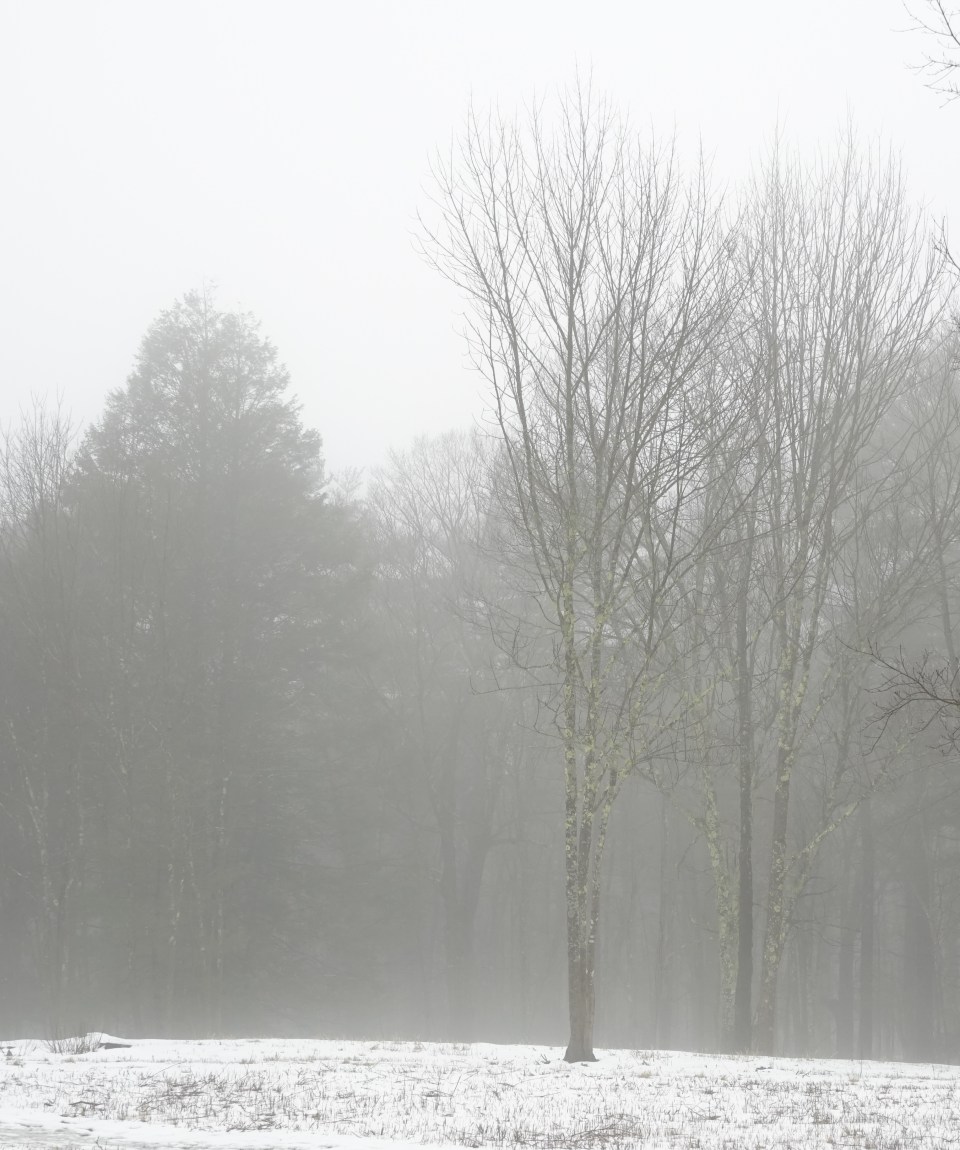

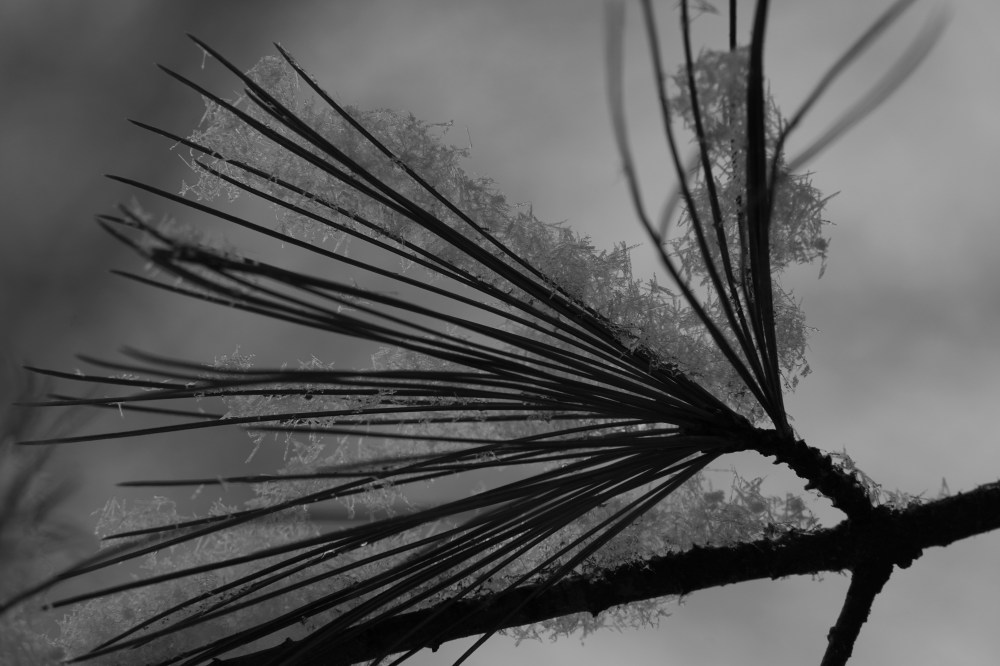
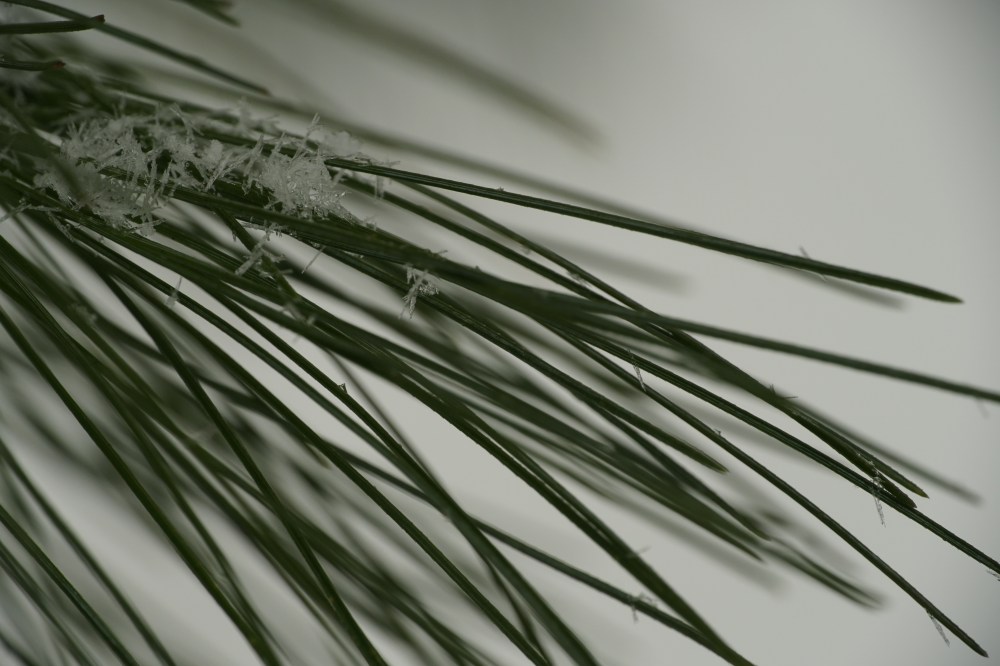
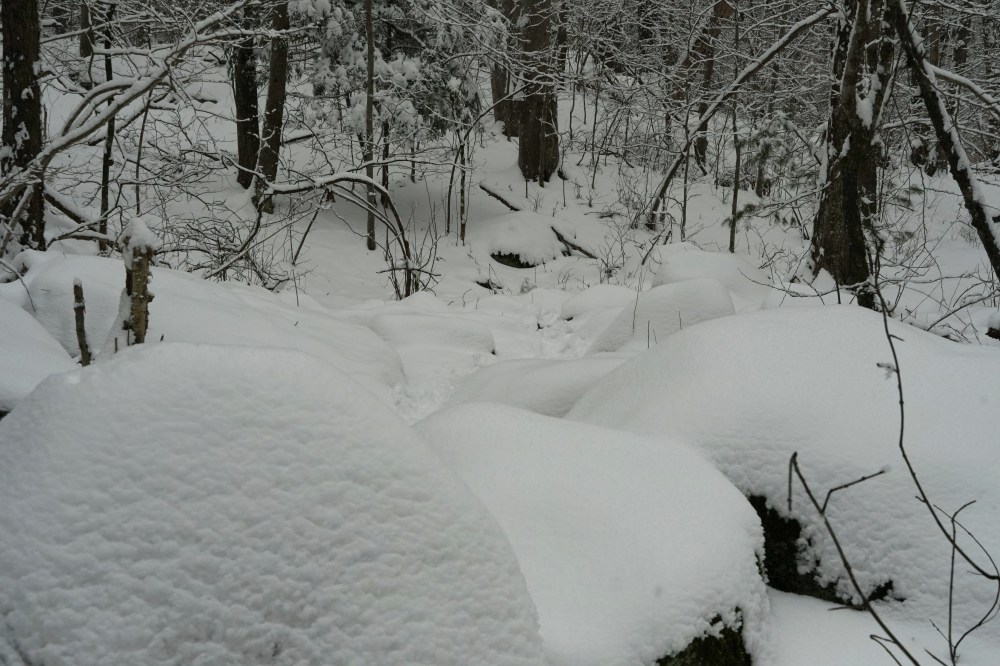
Snow, yay! It was especially crystalline today, which makes it a good day for closeups.
Snow crystals on spider web.


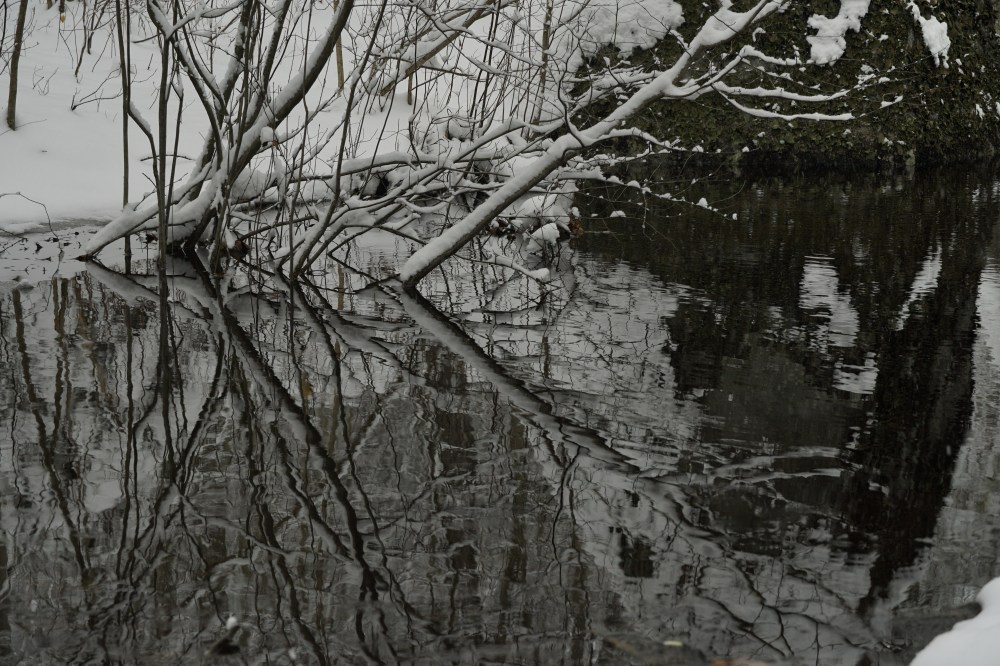
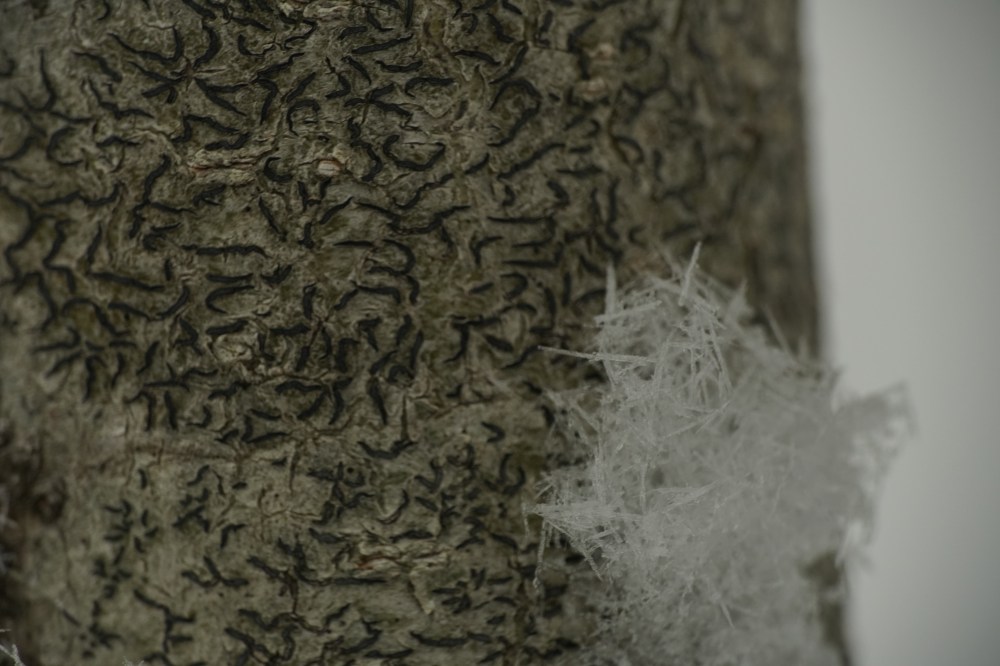
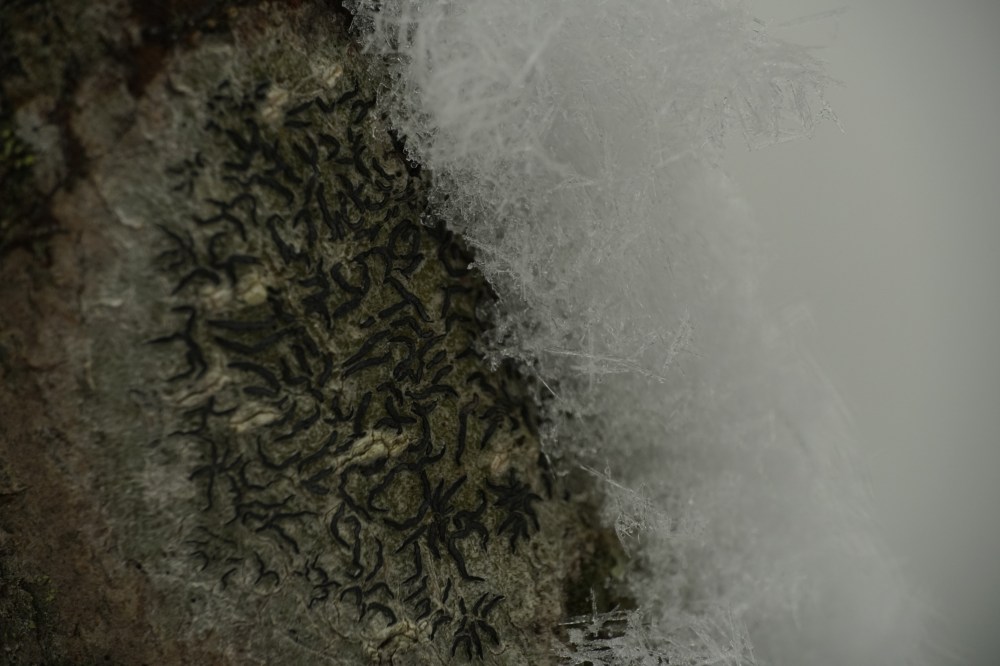

The winter stoneflies were everywhere! It was wonderful seeing them.


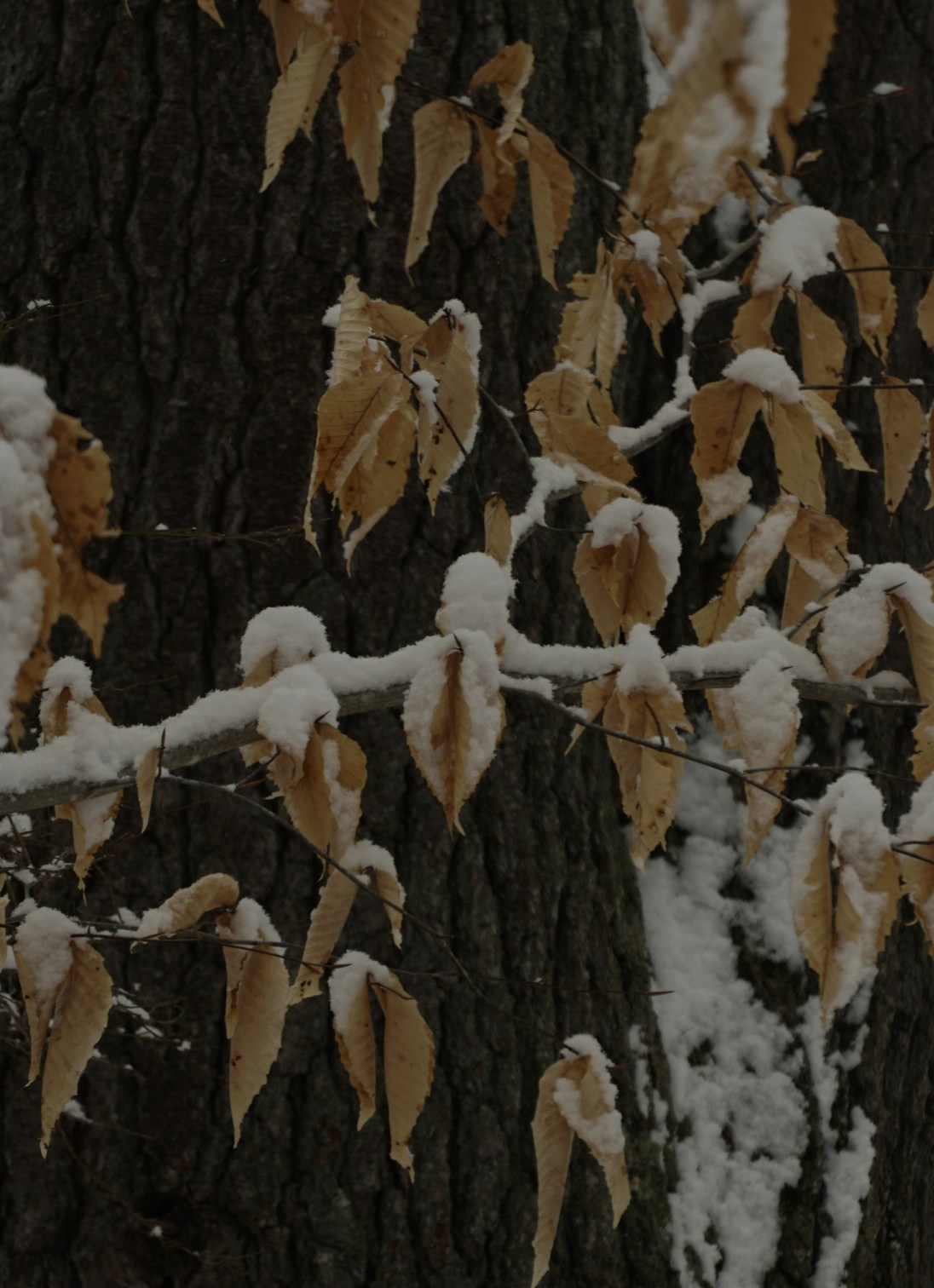

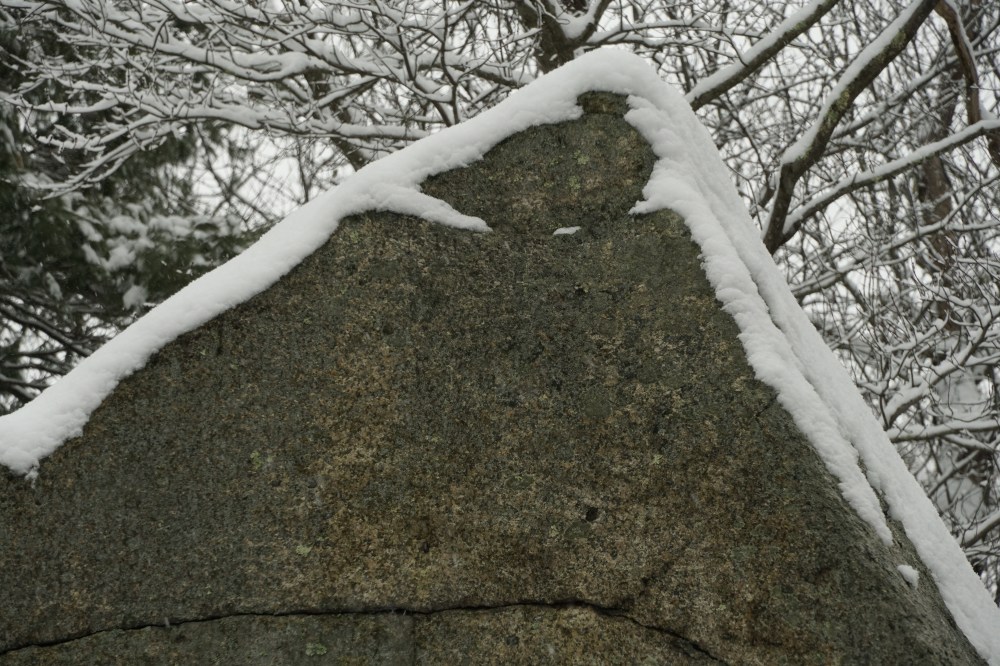
You might already know: I can’t stop taking photos of this panorama.



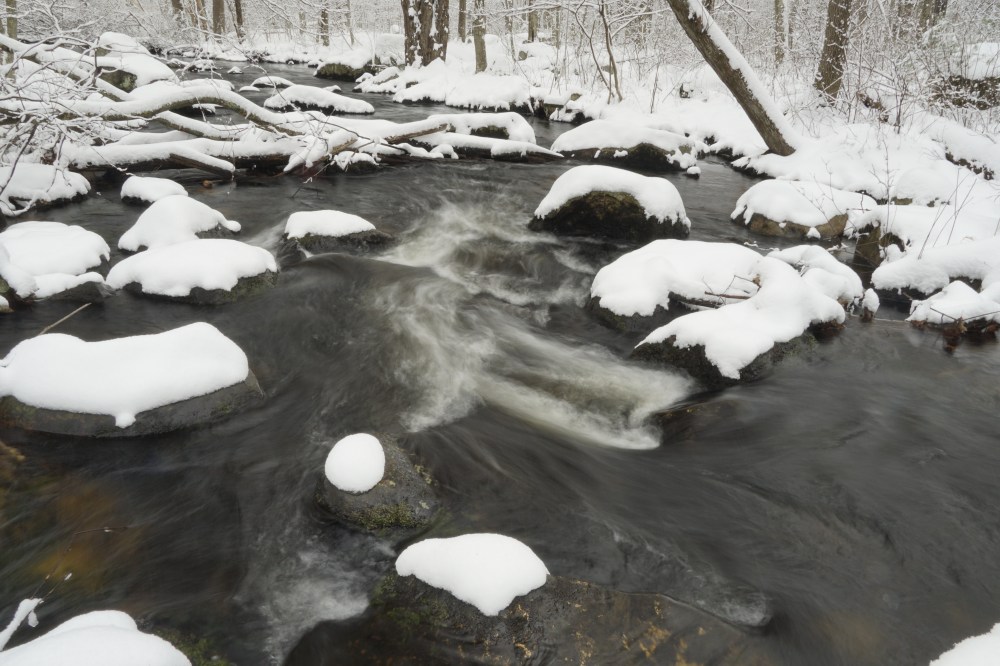
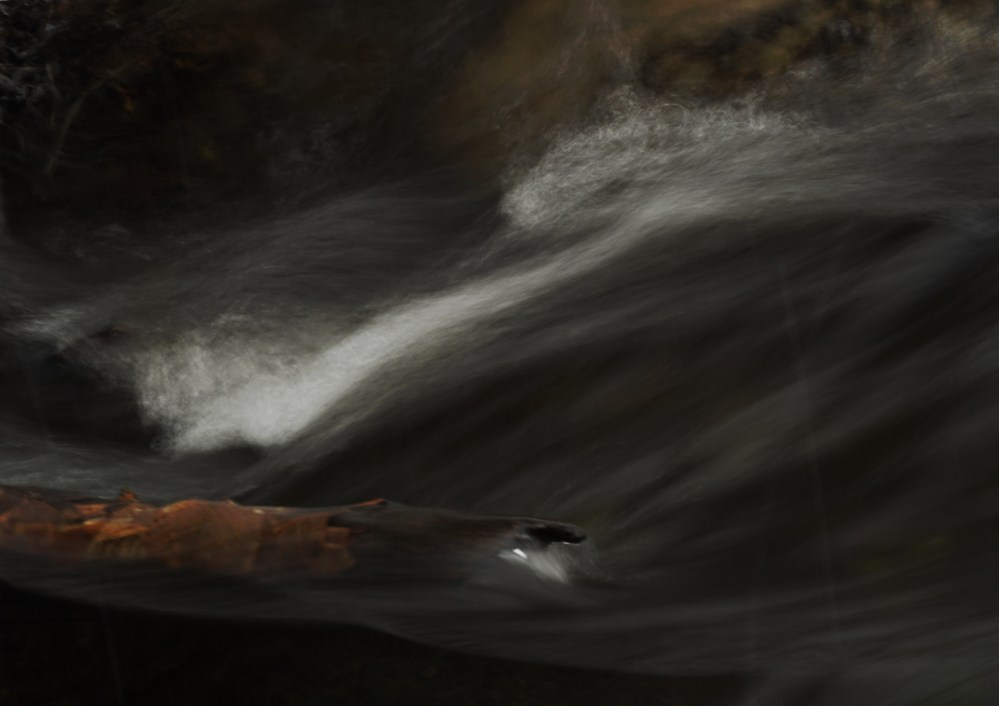
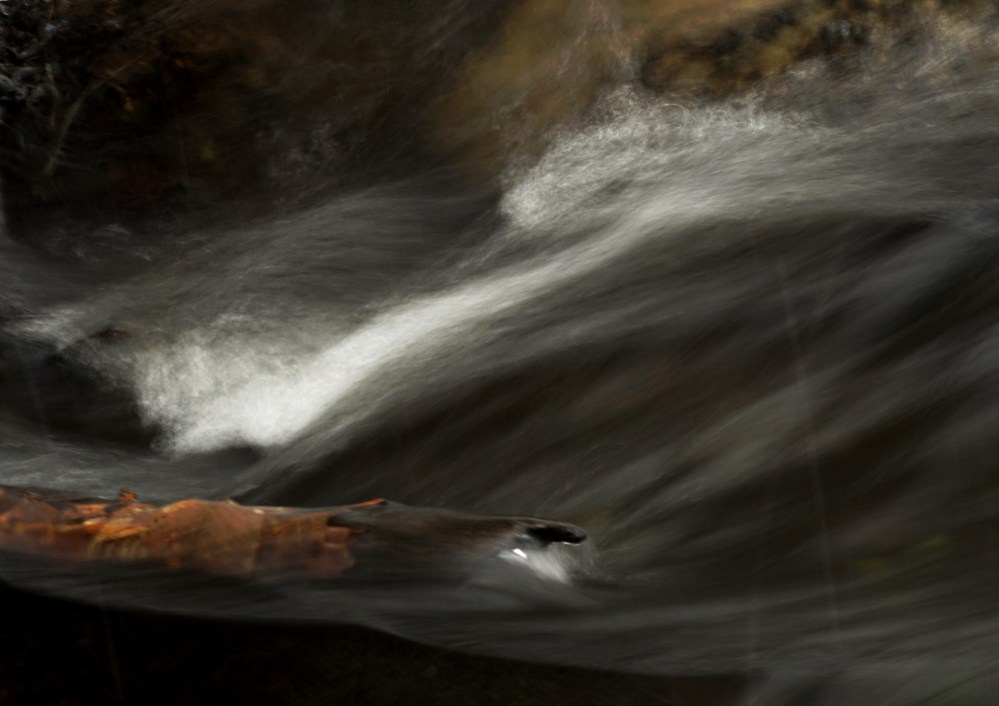
And you may already know that I can’t stop taking long exposure photos of the stream.


I was expecting the winter stoneflies, but wasn’t expecting…the winter midges. The family Orthocladiinae was suggested.

A wonderful walk, as always, to a magical place.
 a little wild