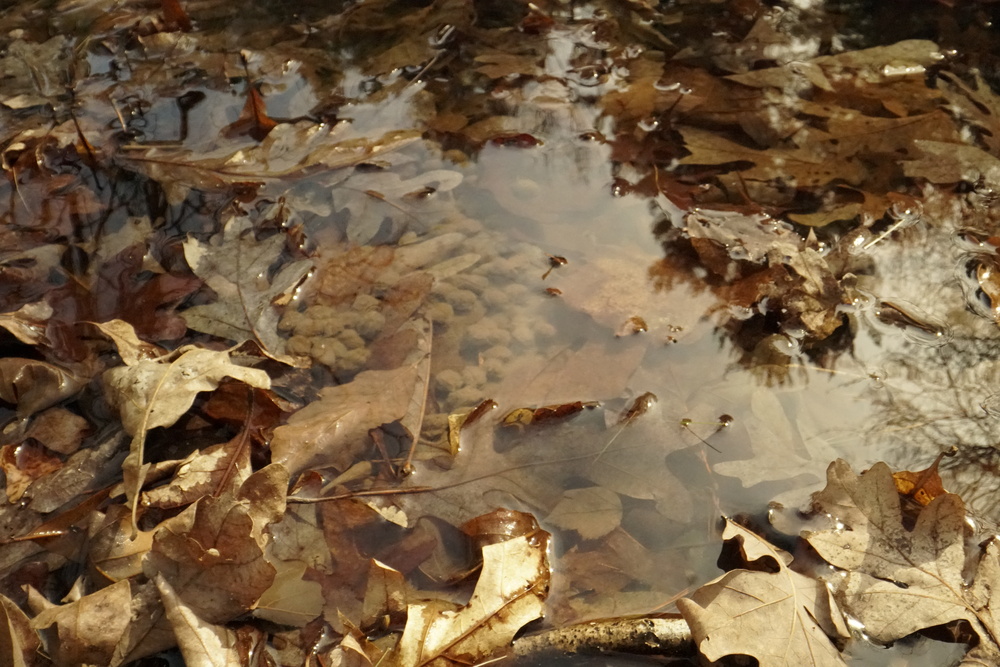
I don’t know what these globules are, but I wish I did.
EDIT: Here is a useful comment:
With regard to those “globules” you had observed (and photographed), If they are not a type of aquatic/aero-aquatic fungus, then they most likely are Spotted Salamander spermatophores. These are picked up by a female salamander, fertilized internally, and then in a few days she deposits them (as egg masses) on vegetation in a seasonal pool. *And remember, along with that unique matrix covering them below water, they can often appear opaque in color, so quite different from Wood Frog egg masses. Of course, both A Field Guide to the Animals of Vernal Pools by Kenney and Burne, and Vernal Pools: Natural History and Conservation by Colburn are terrific resources that will impart much, much more information.
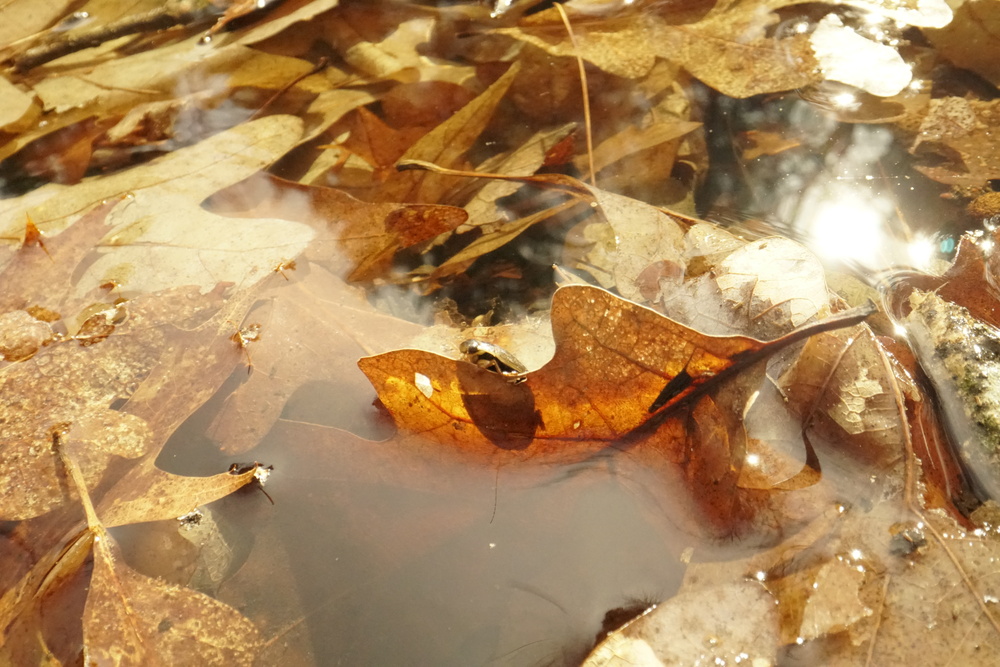
A predaceous diving beetle. There were tons and tons of them. Every now and then one would climb out like this.
Moose Hill boardwalk
I don’t know what these are:
Copepod
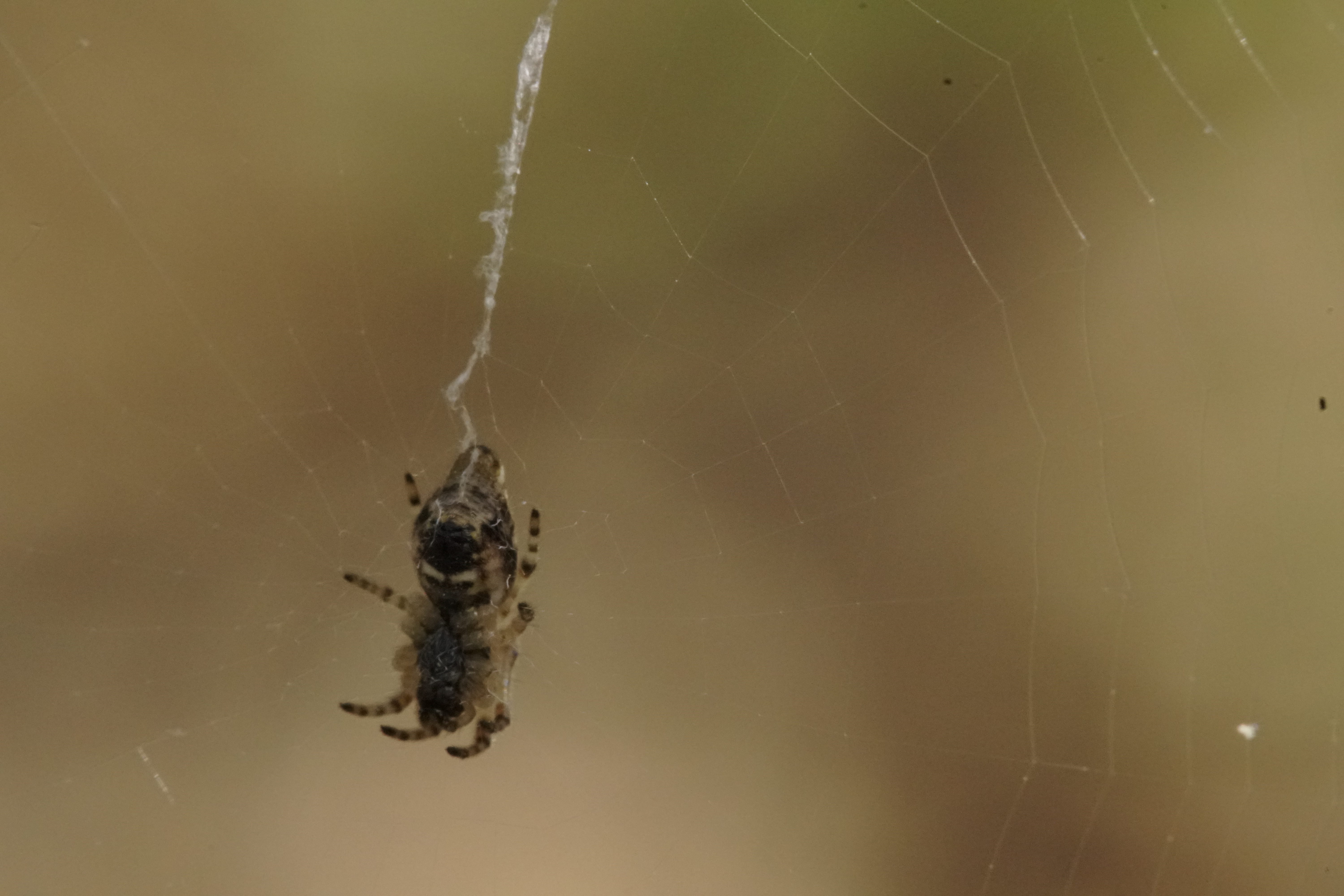
This terrible photo of a spider, maybe a dwarf spider, Erigoninae?
In the past, I’ve been fooled (actually: I’ve fooled myself) into believing that I’ve found tardigrades, because I’ve wanted to find them pretty badly. This time, I’m sure, though.
I went to Moose Hill Mass Audubon and took three small samples home:
Moss from a dead tree trunk
Lichen attached to a piece of bark, lying on the ground
Moss from the top of a medium sized rock
I added water and waited a couple of hours, then looked at them under my (rather poor quality, but excellent value for the money) Tomlov electronic microscope. Please don’t confuse this with a scanning electron microscope :-).
The first two samples were completely devoid and bereft of any animal life I could find. The third one, the moss from the top of the rock, for some reason was utterly chock full of life. It was difficult to find a field of view that didn’t have some animal or the other. I don’t understand the reason for the difference, the samples were from similar-ish samples, not far from each other. I don’t know if this is a systematic issue, but next time I go exploring, I know I’m going to definitely look at the rock moss.
We’ll get to the tardigrades, please be patient. First, a movie with a flatworm (planarian) on the lower left. There’s also a green blob on the lower right that I’m unable to identify any further than “green blob”.
Here’s a spectacularly transparent worm, which I think is some sort of Nematode worm:
Here’s another one that gives some idea of all the activity going on. There’s at least one planarian, one tardigrade (not the best view of it, though) and a bunch of other creatures that I can’t pin down.
There were a lot of good views of the tardigrades, which were very common. I’m going to just share one. It’s translucent, so you have to look a little carefully, at center-left. You can see that it’s the right size, shape, and you can see its (adorable little) lobopods (aka, legs).
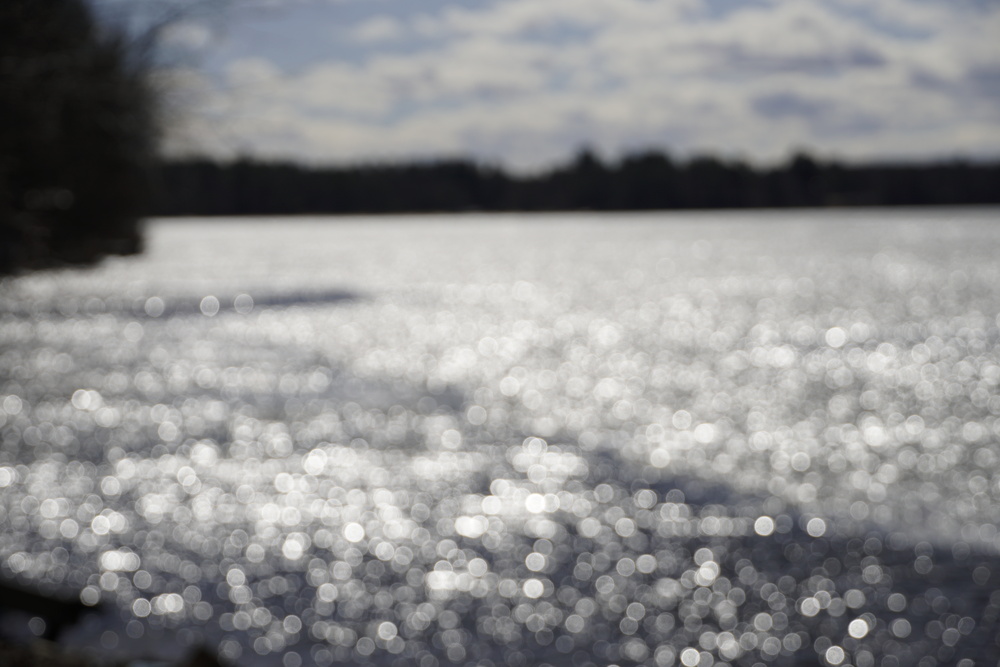
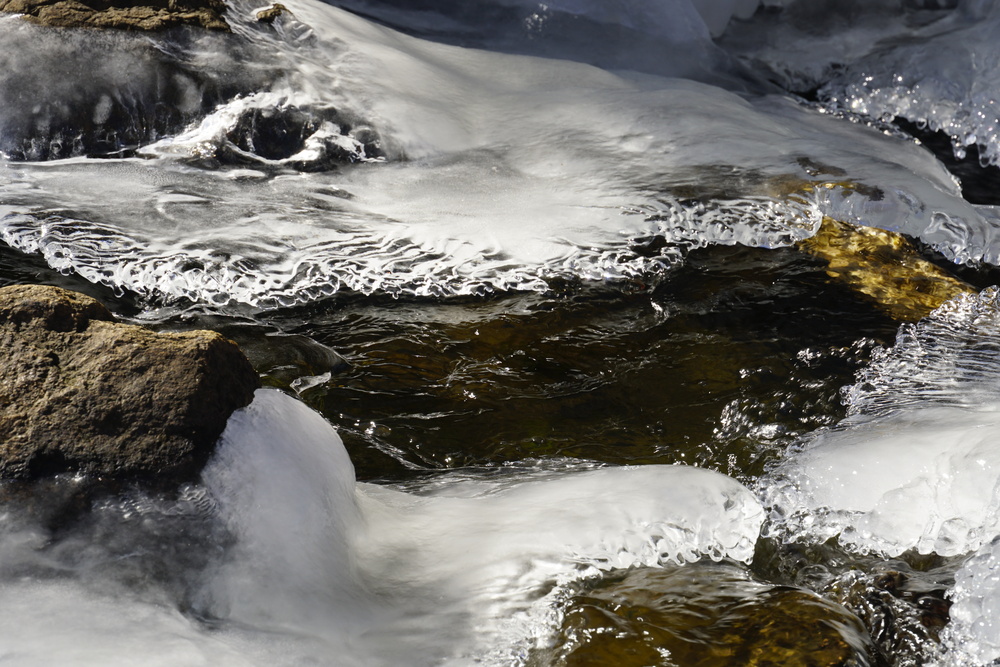
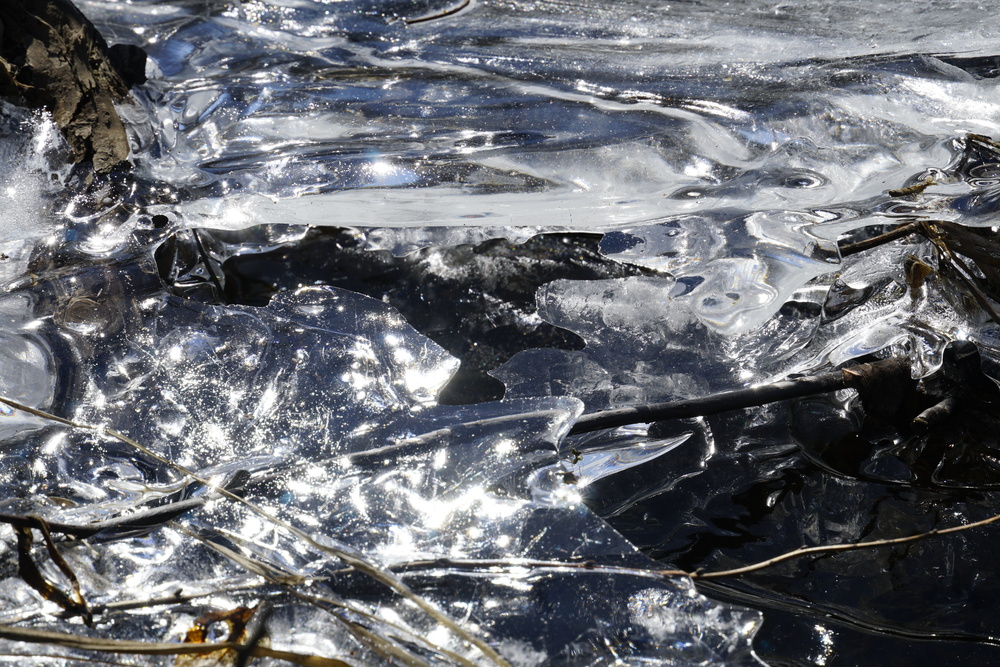
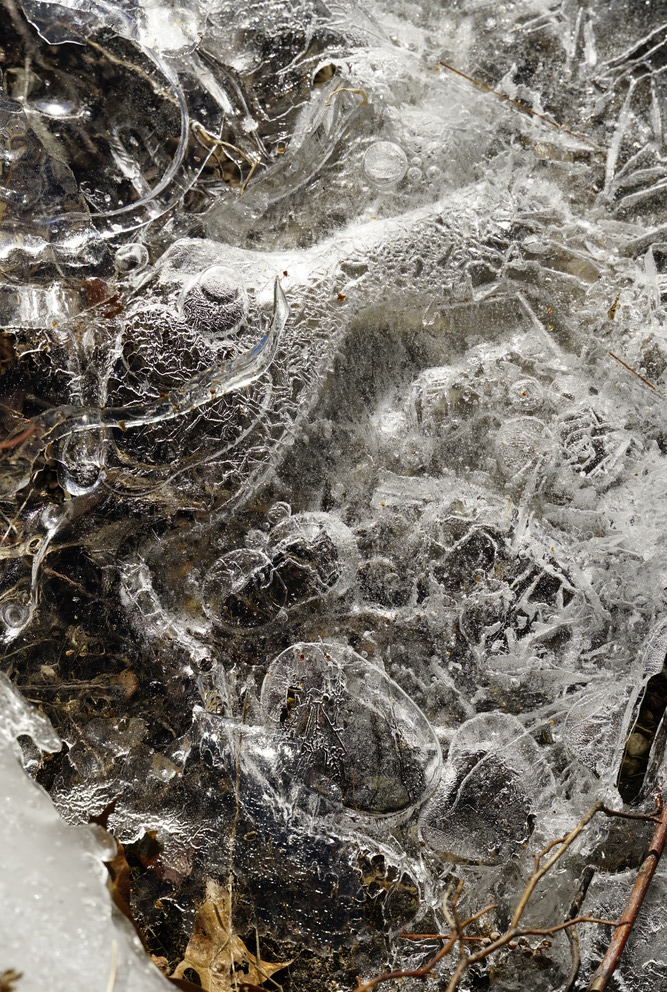
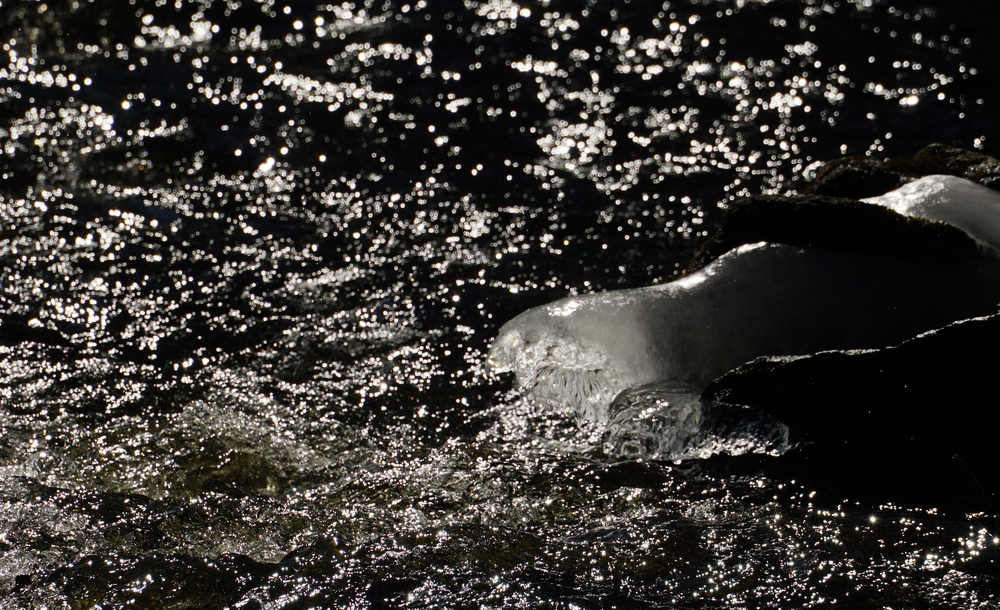
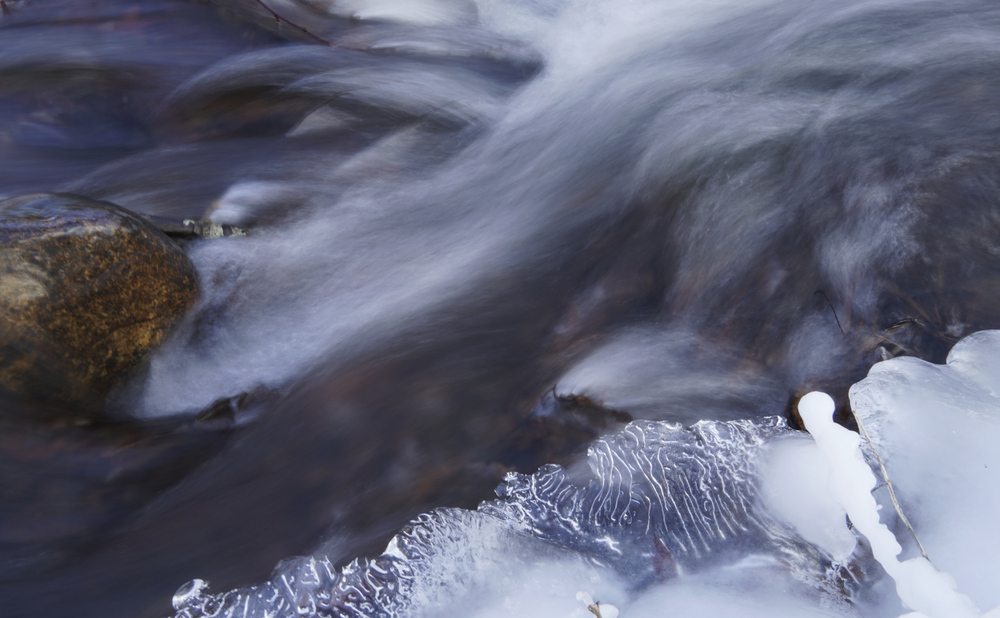
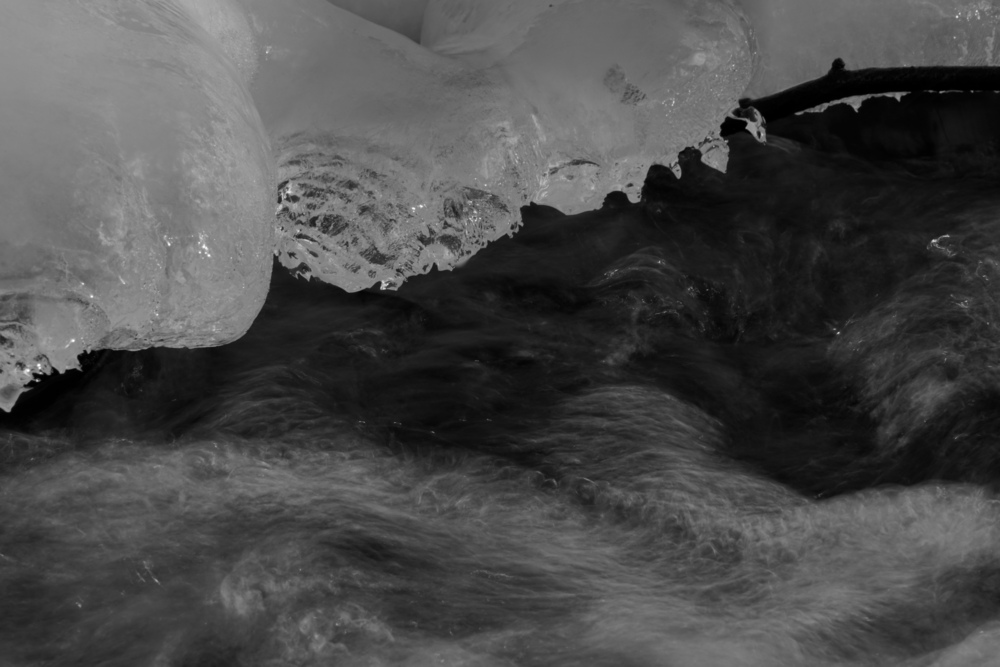
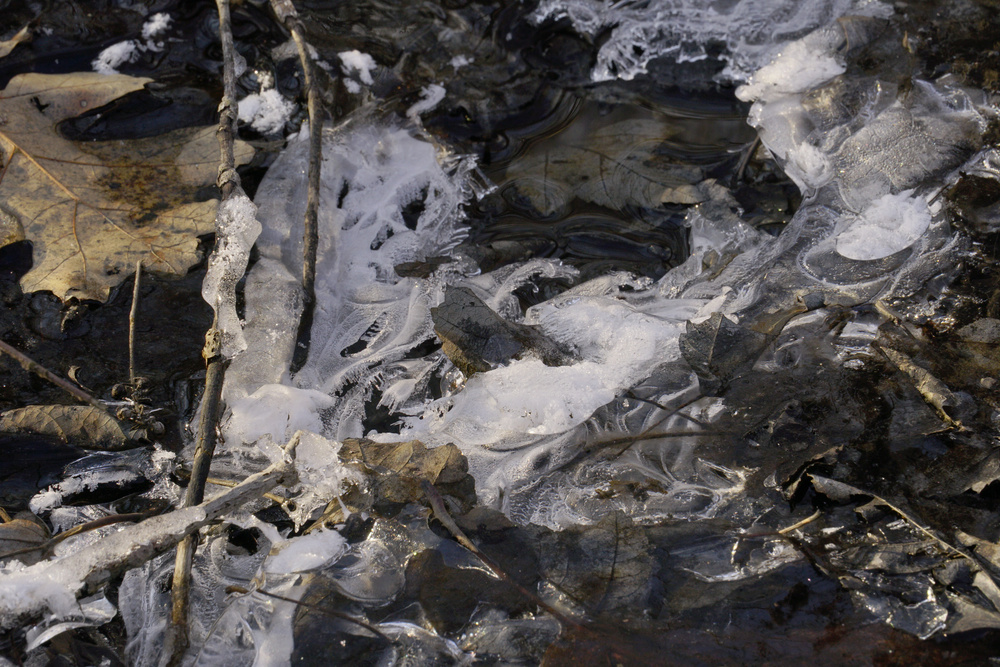
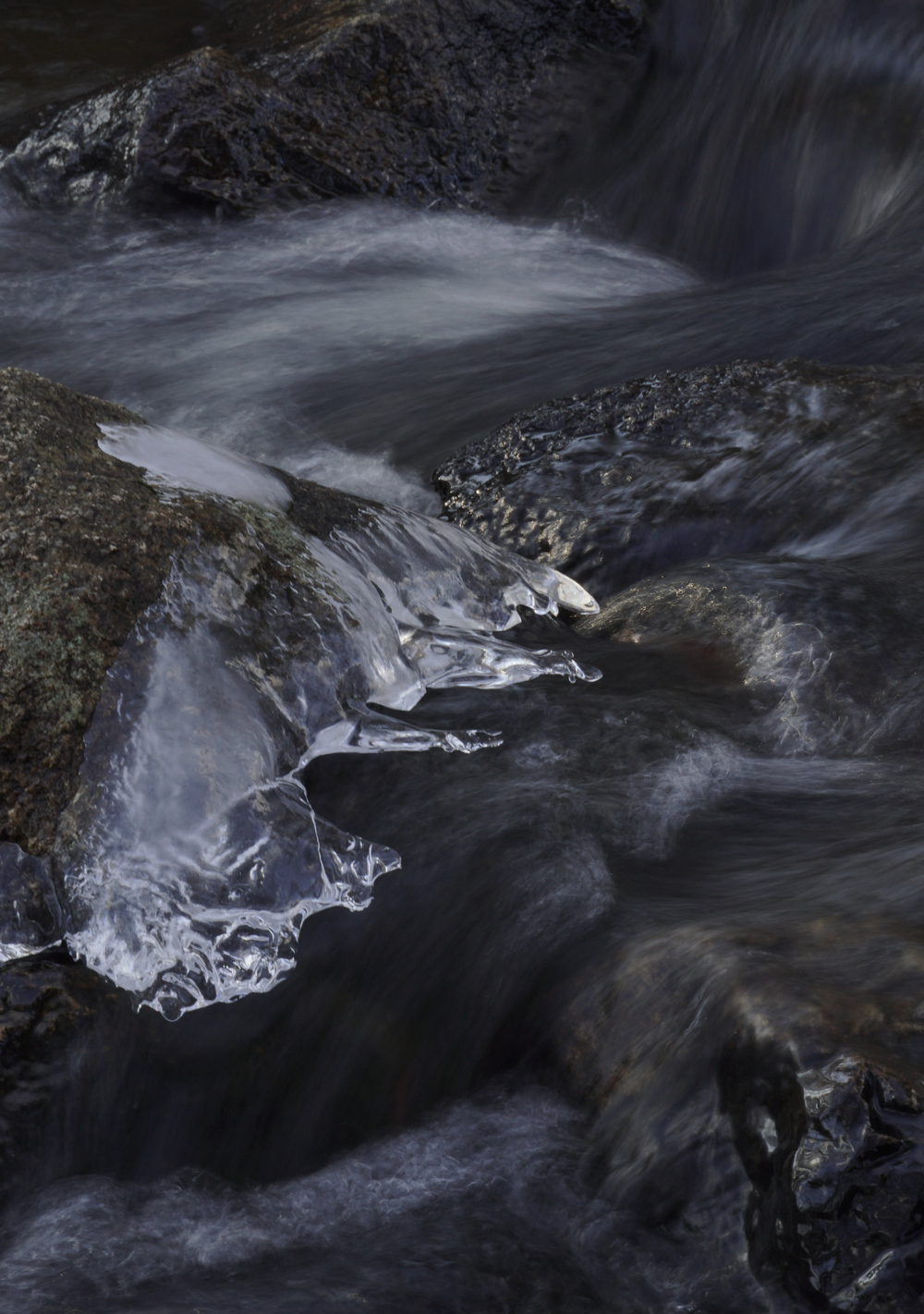
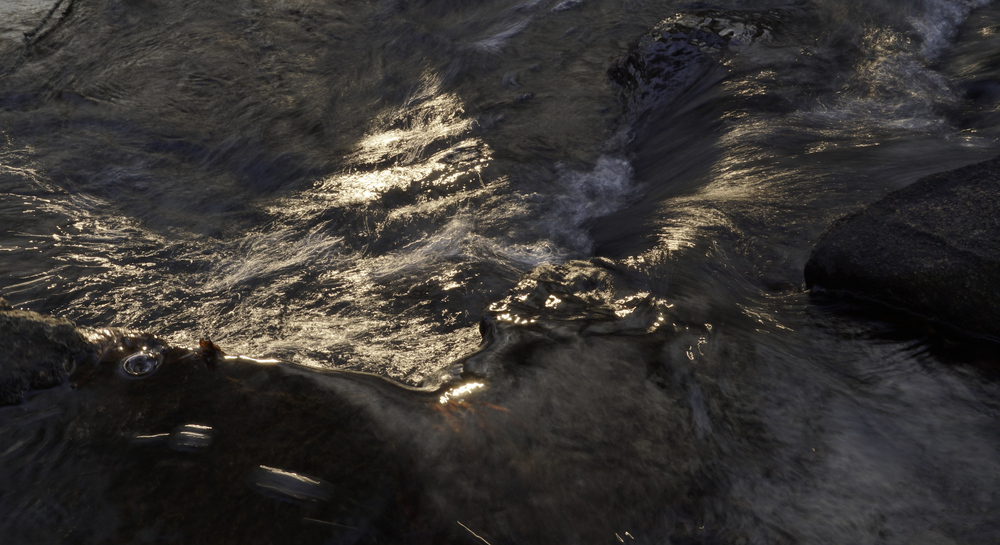
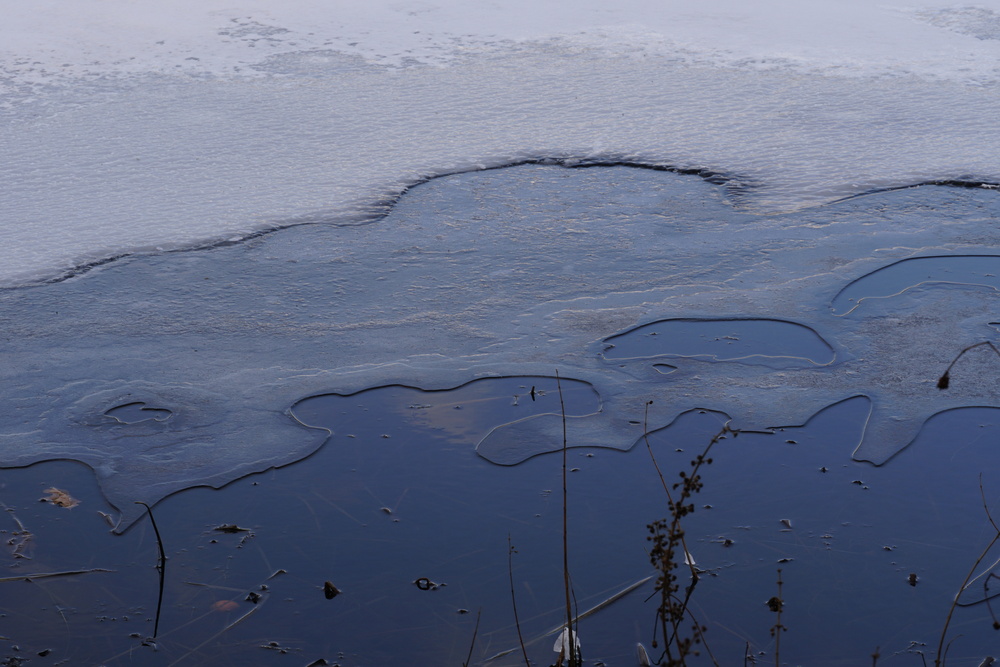
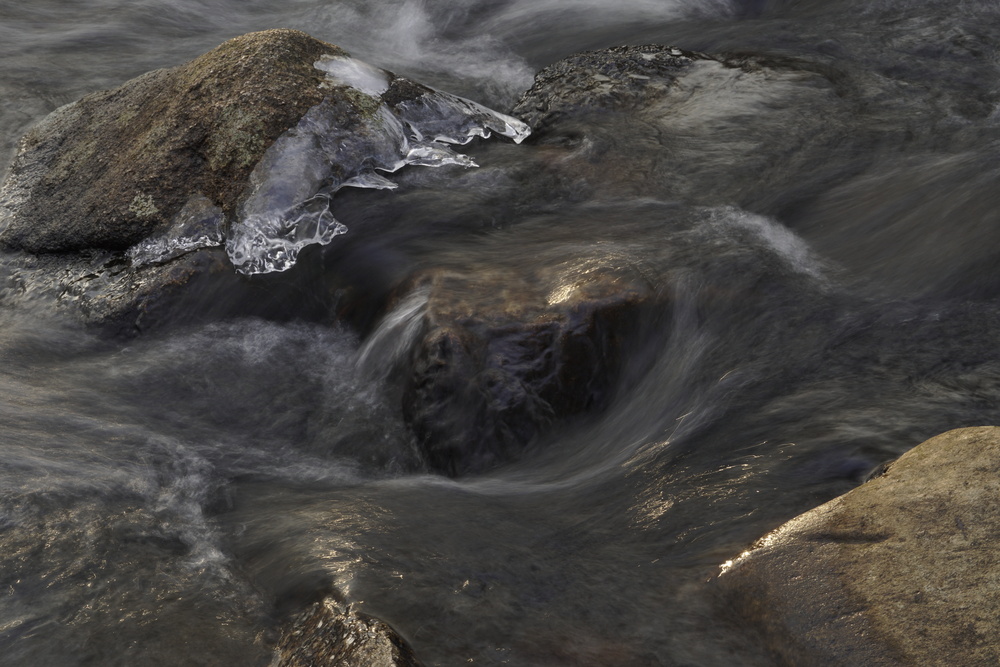
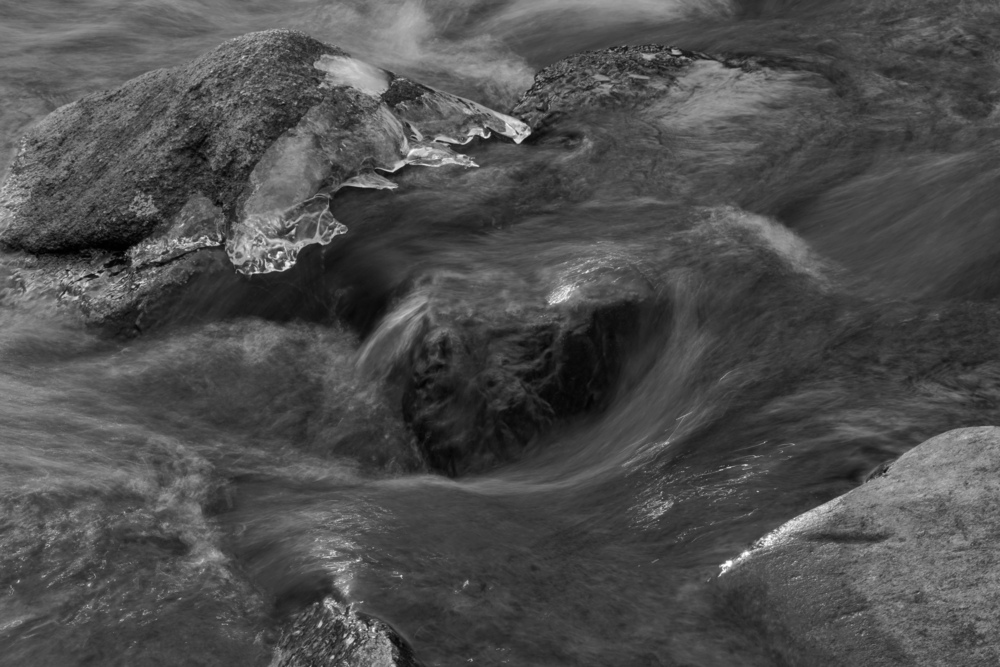
Warm weather has been breaking up our ice cover on the lake. It’s a sunny day so I pointed toward the sun and cranked open the aperture to decrease the depth of focus. Unfortunately, I had my zoom, which doesn’t open up too wide, only up to f/5.6. This would have been better with a better lens.
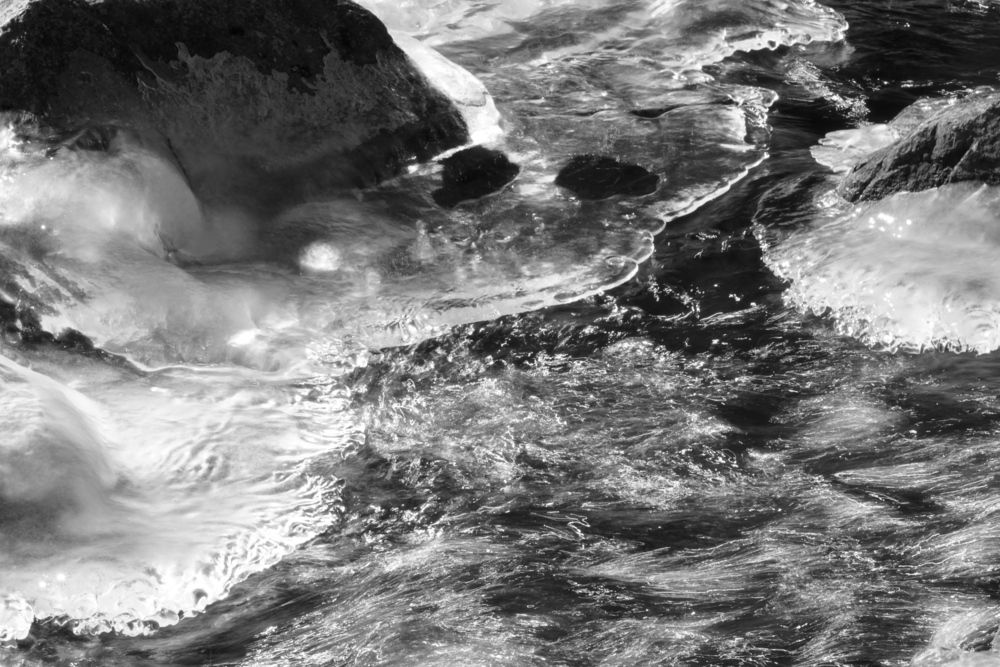
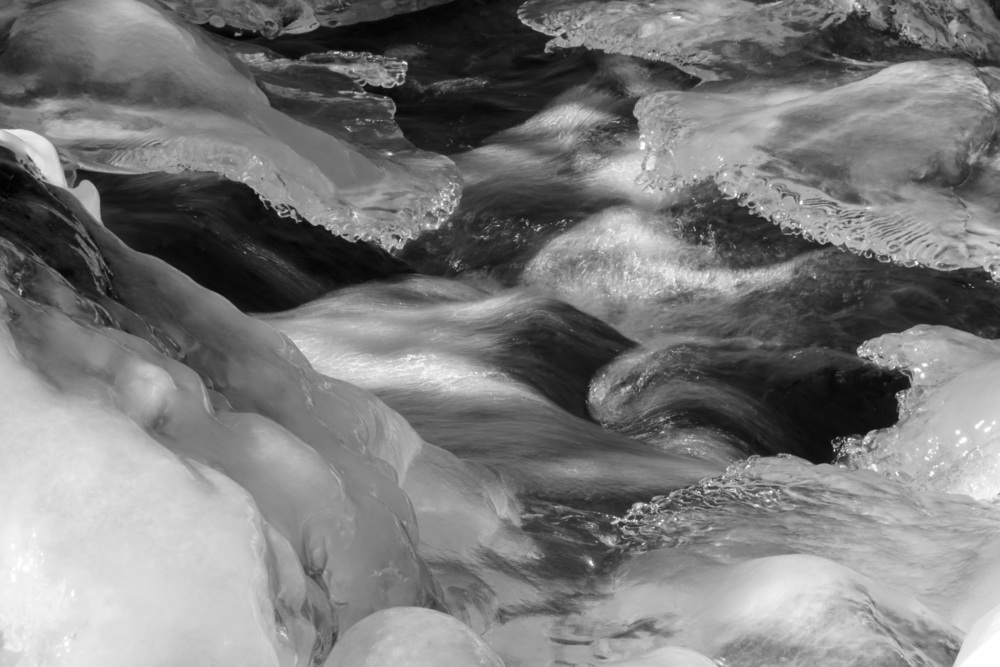
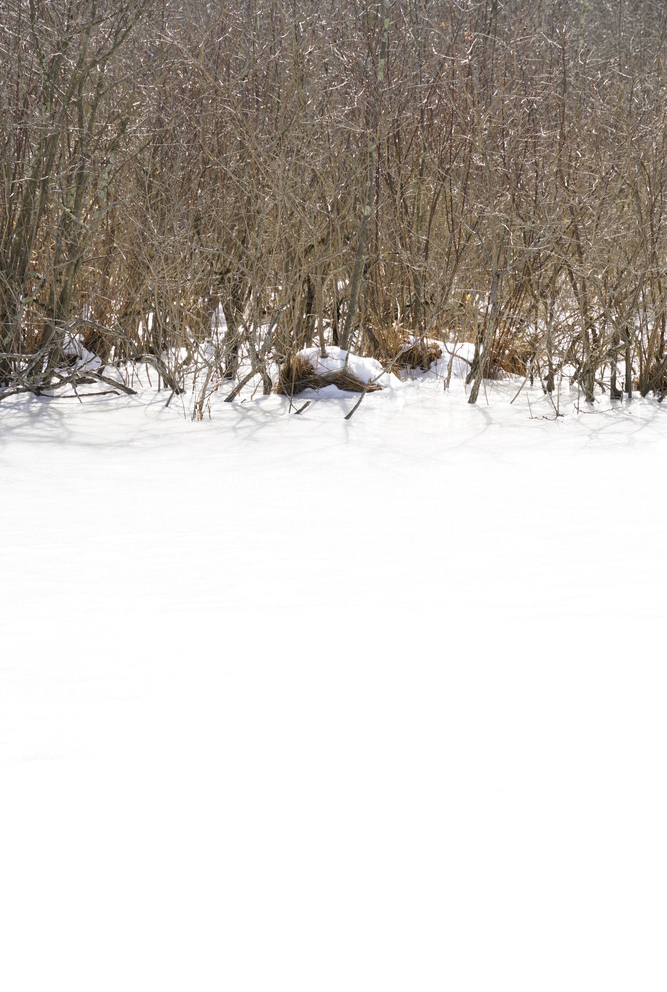
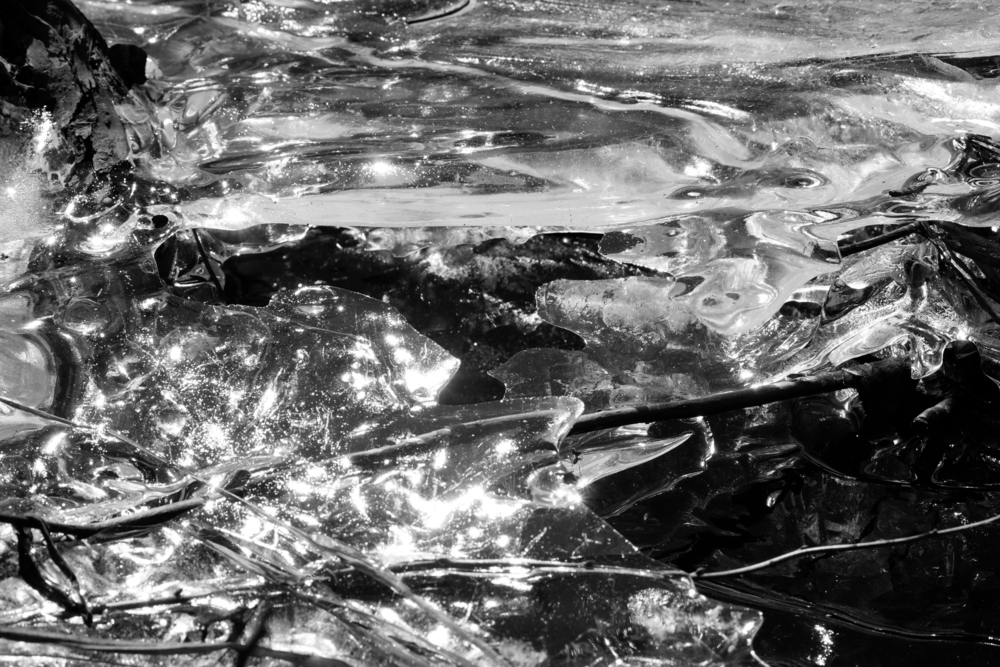
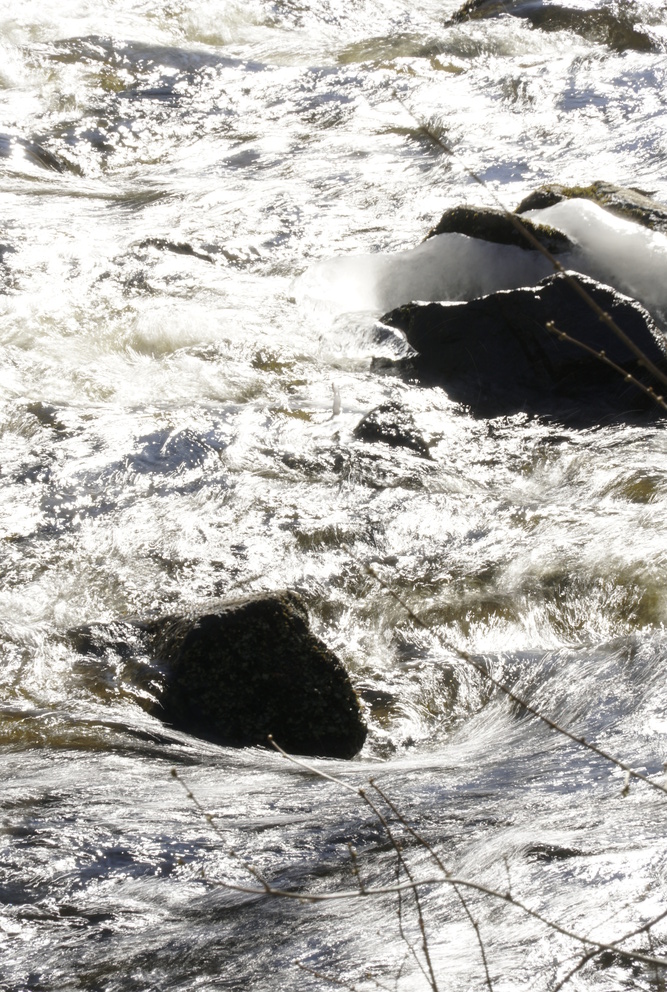
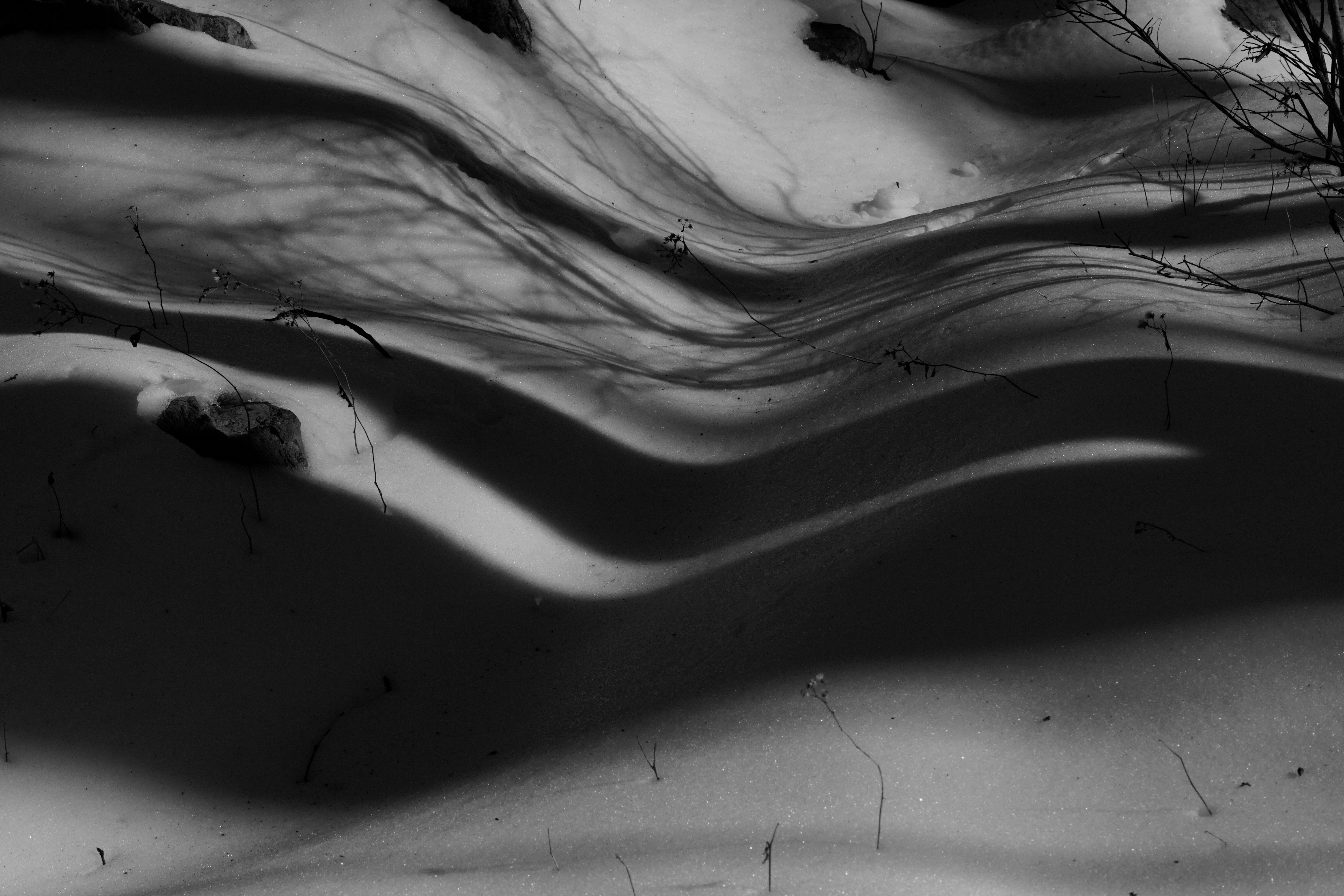
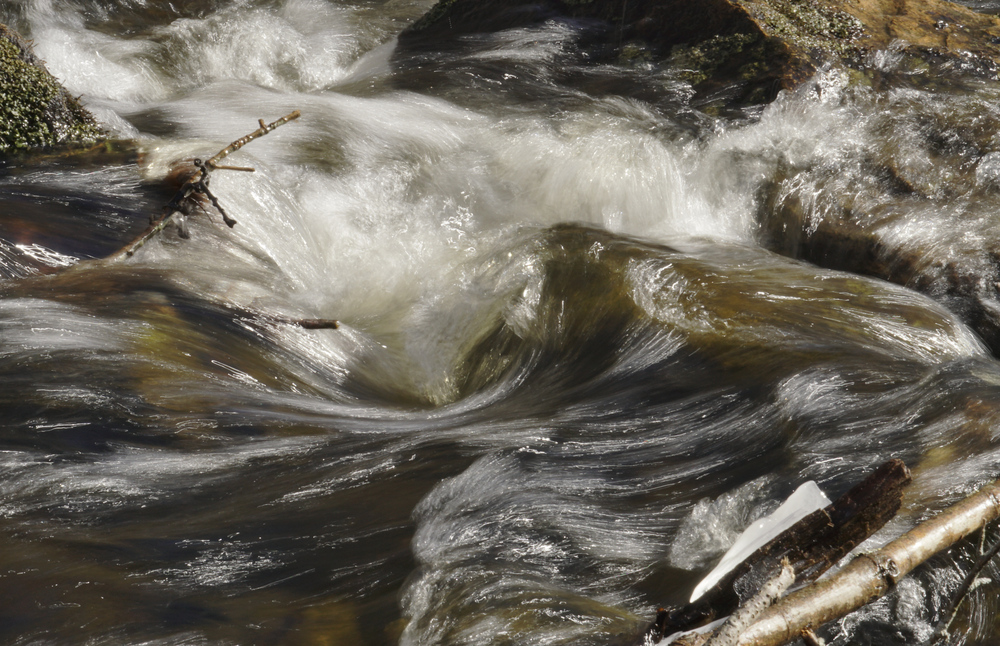
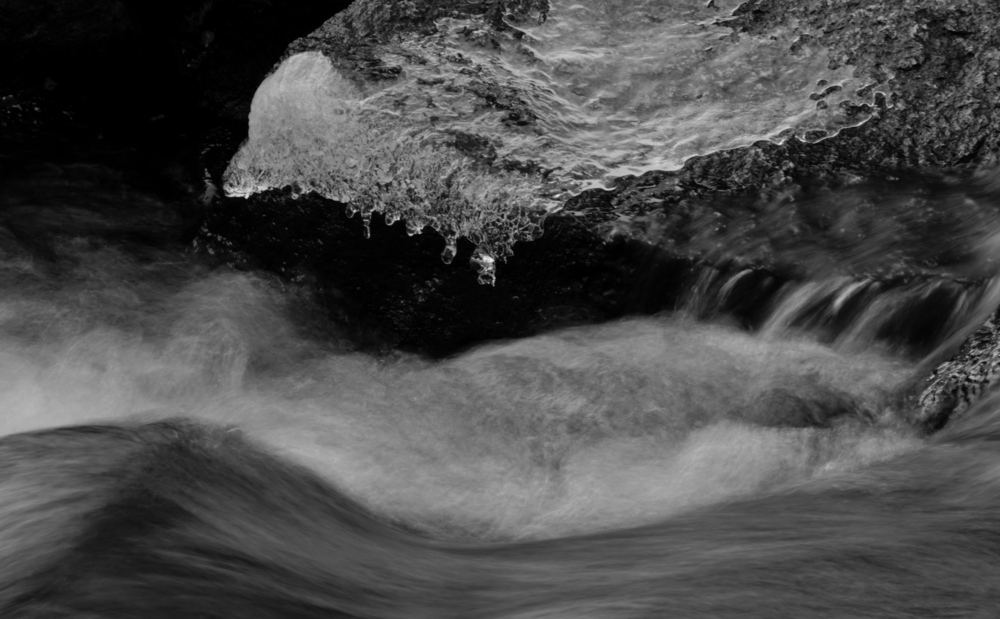
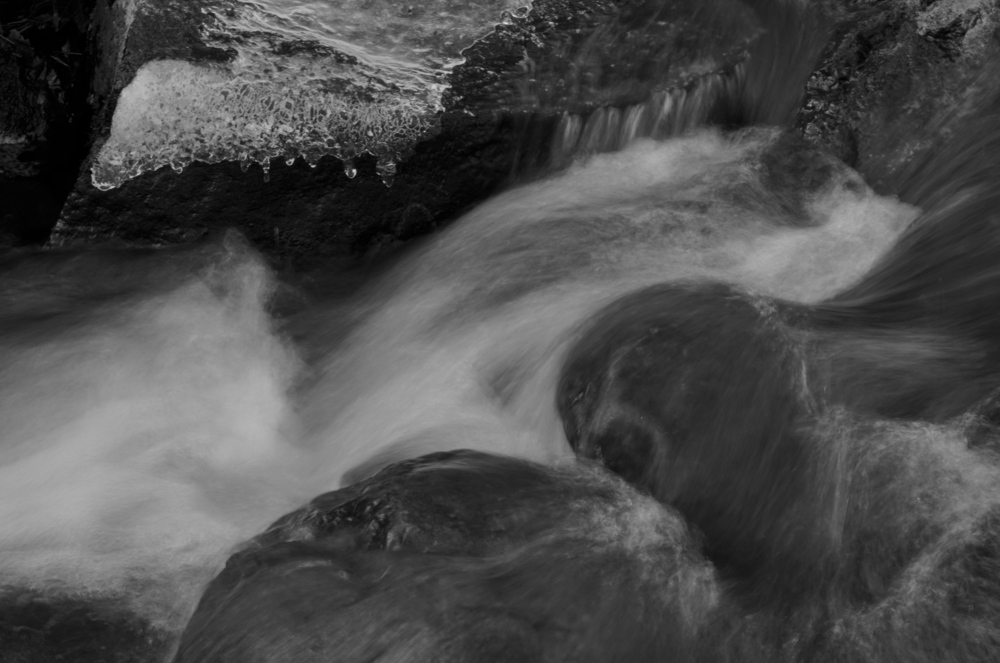
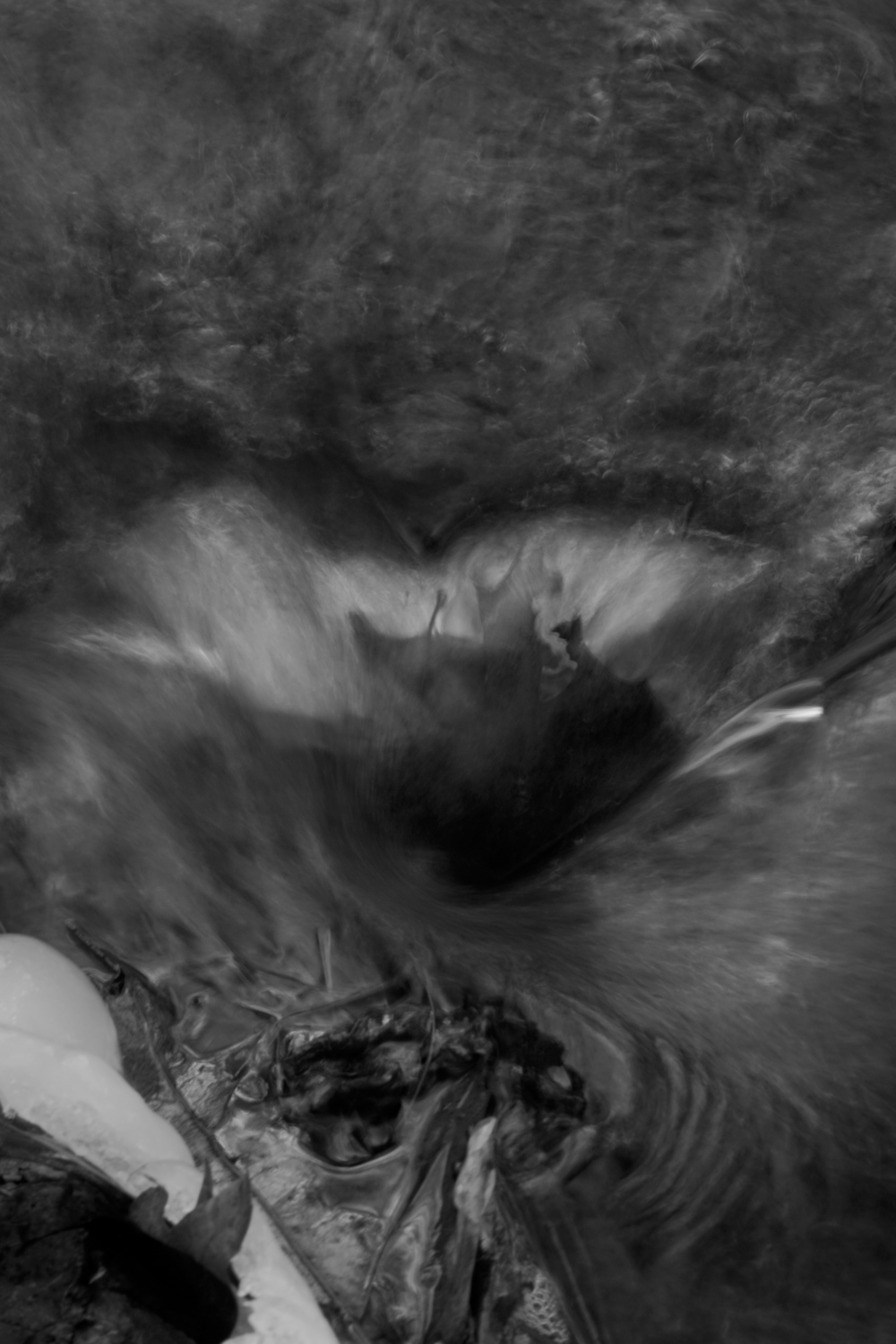
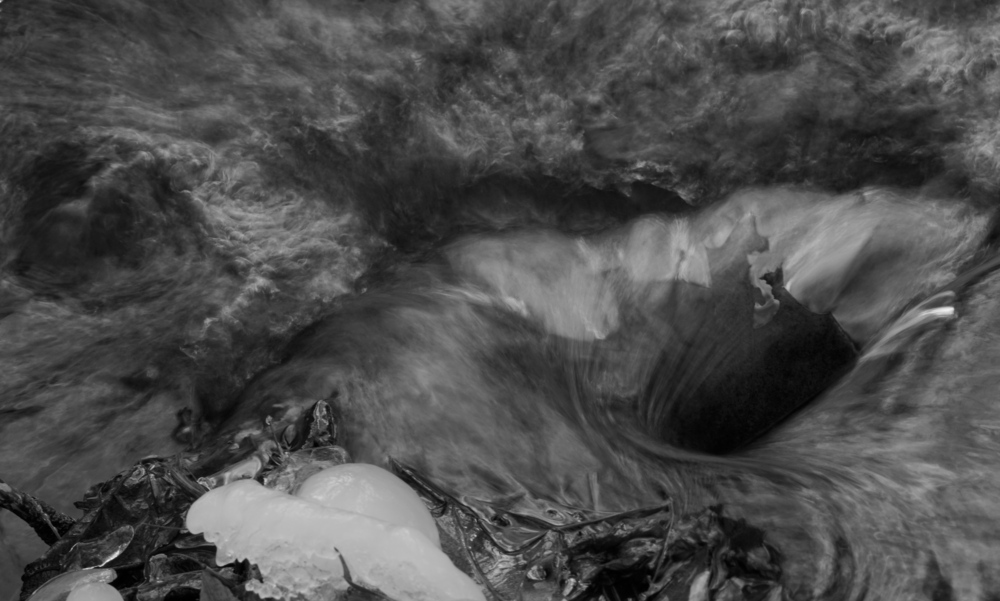
A bright sunny afternoon after a cold spell. A lot of exploration of how the sun landed on the current and on the ice. Shooting into the sun was a lot of fun! A lot of black and white, maybe too many?









































 a little wild