


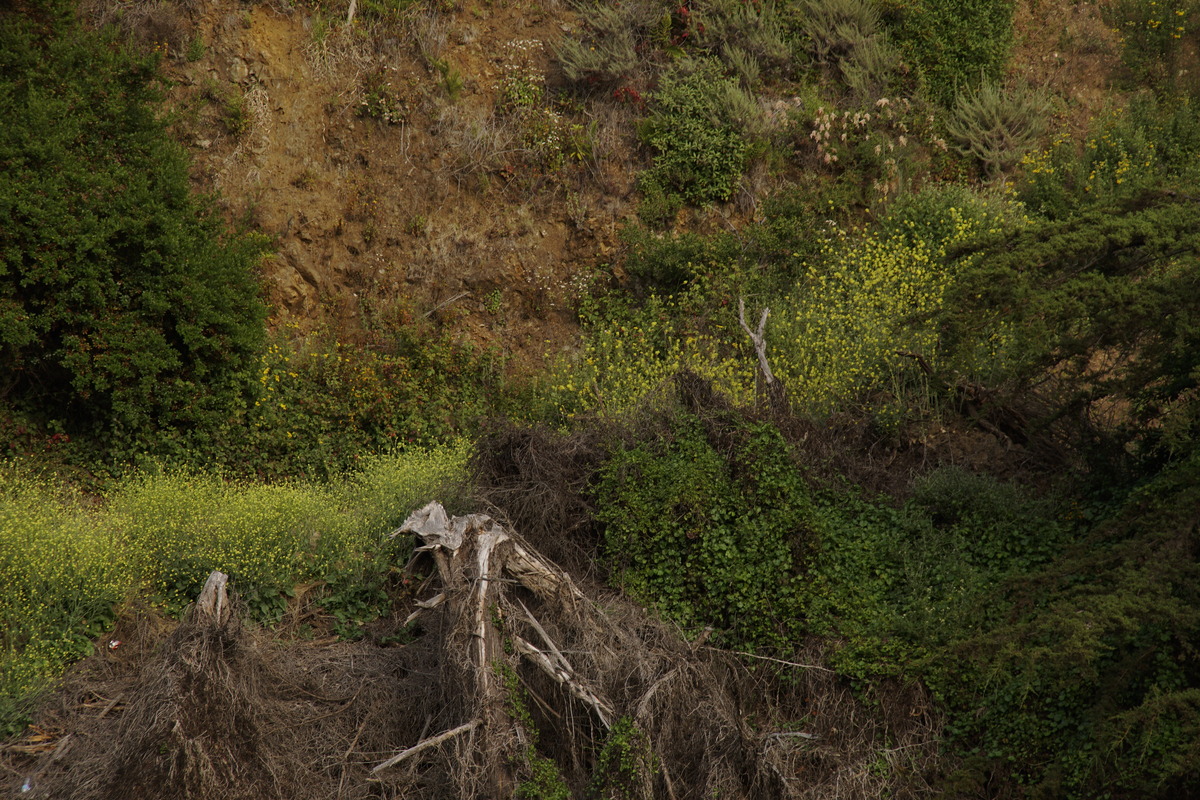










Sunset along the Big sur coast:



Sunset along the Big sur coast:
Some photos from the drive from Monterey to Big Sur






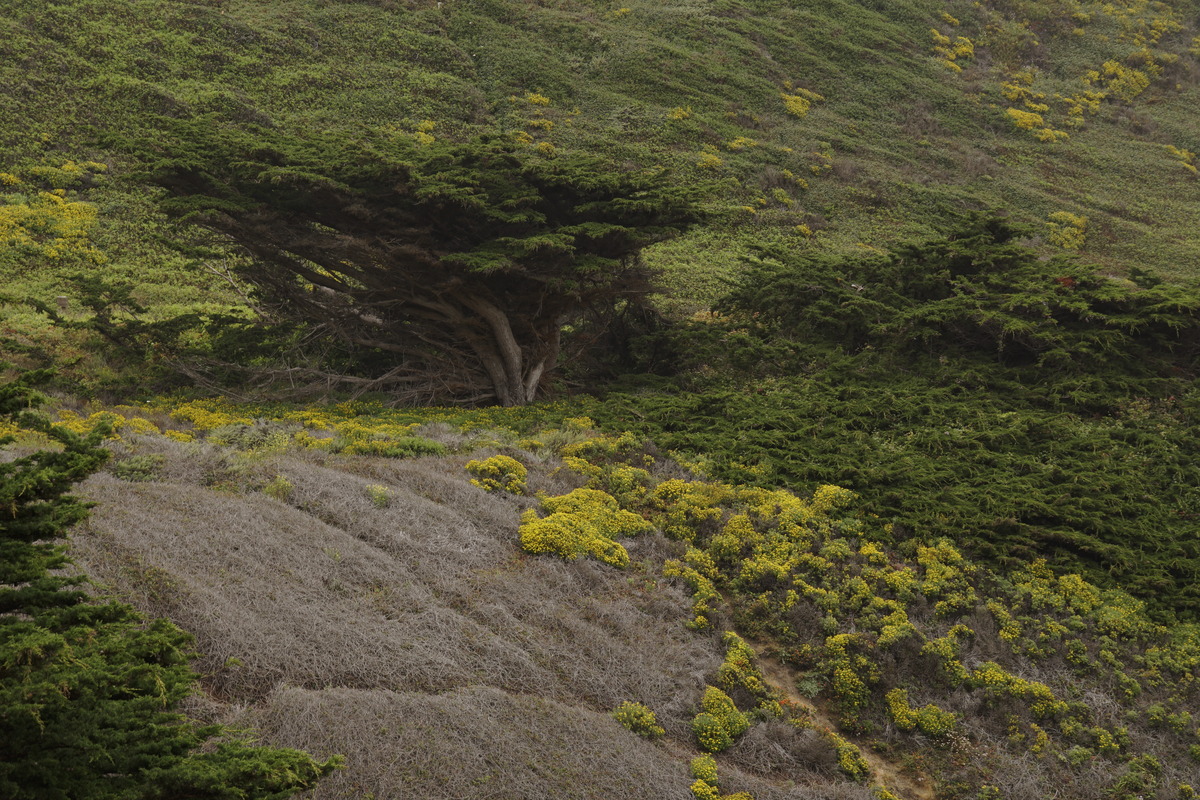
Goleta, California (north of Santa Barbara). The actual monarchs are usually found there overwintering from October onwards, but we did in fact see some during our July visit. The flowers and the ocean were spectacular.
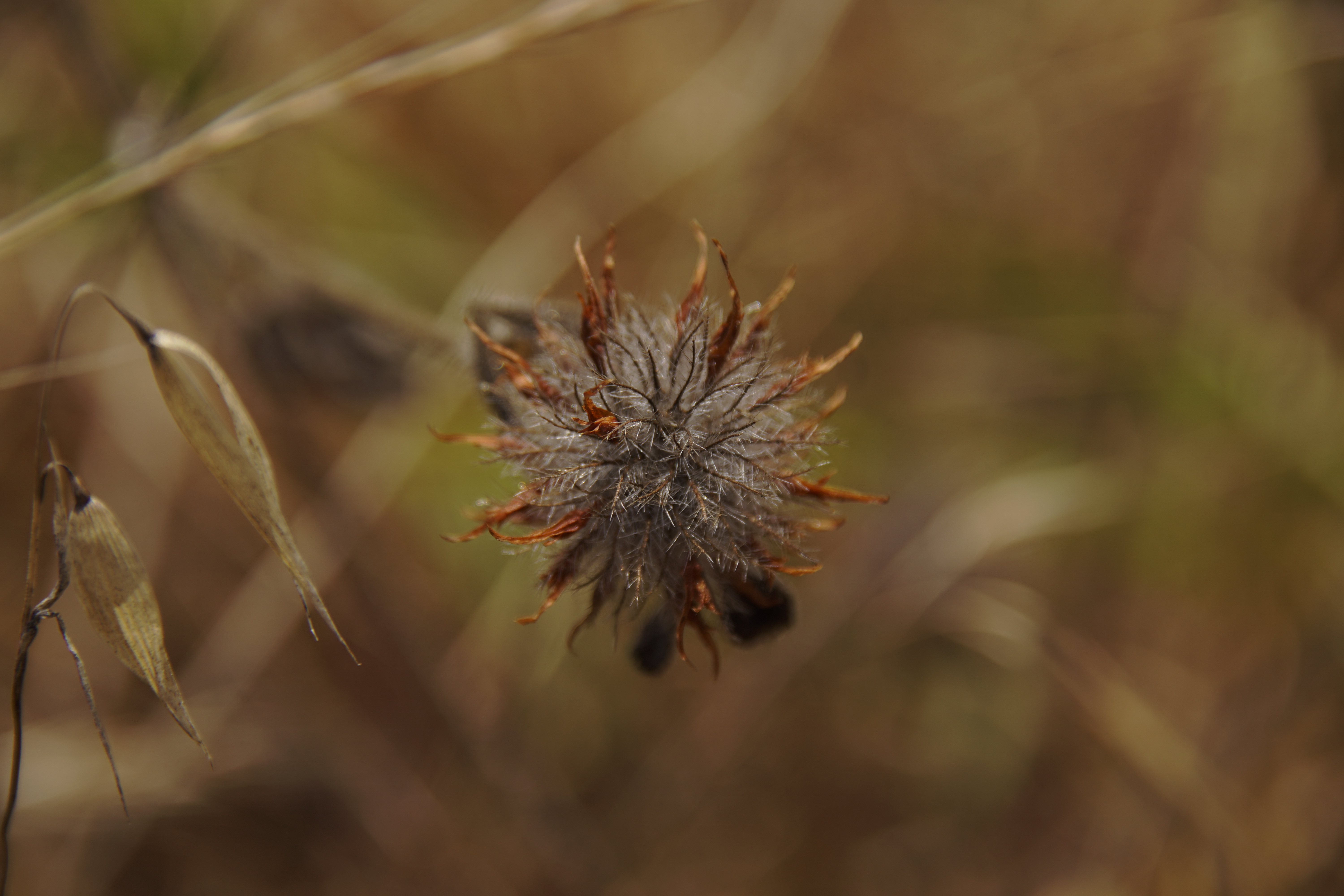
The flowers were amazing.

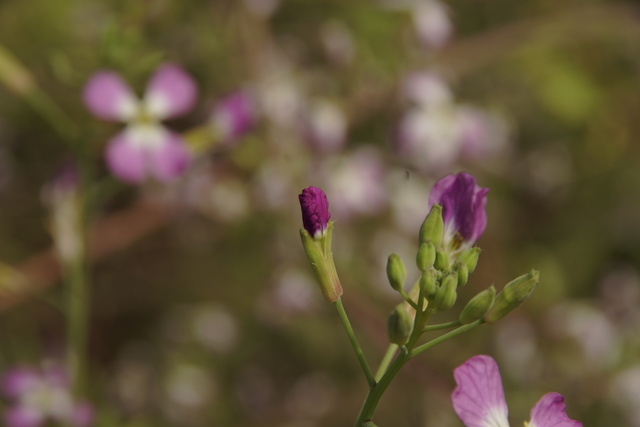
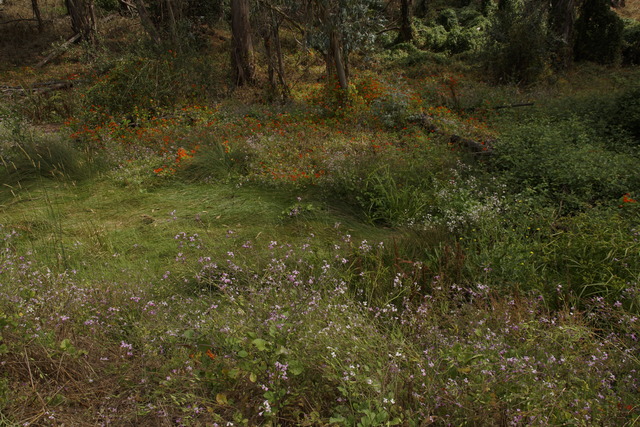

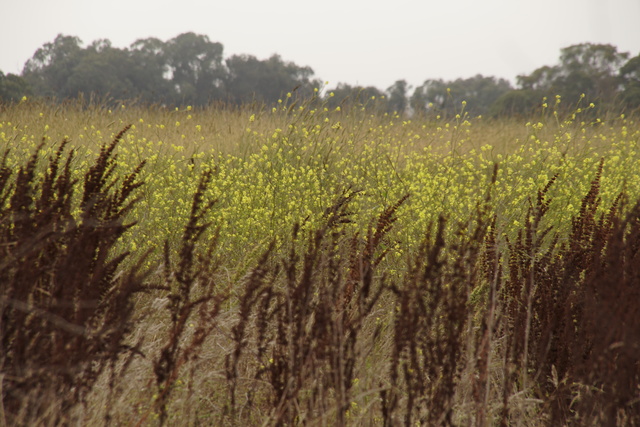
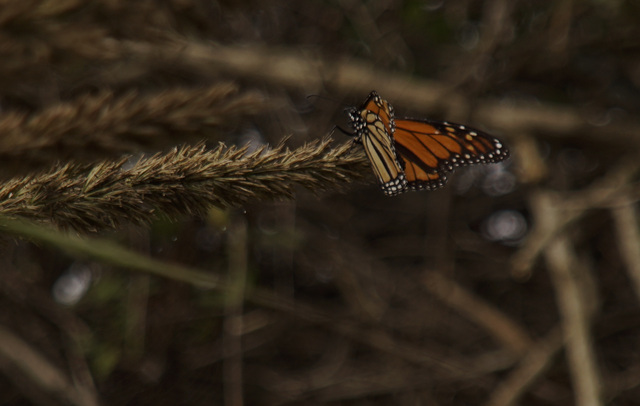
Carlsbad, California. Wikipedia description (https://en.wikipedia.org/wiki/Cerro_de_la_Calavera):
Cerro de la Calavera (also known as Mount Calavera) is an 513 ft (156 m)[1] ancient plug dome volcano that last erupted 22 million years ago during the subduction of the Farallon Plate.[3][better source needed] It is located within the city of Carlsbad, California in the United States.
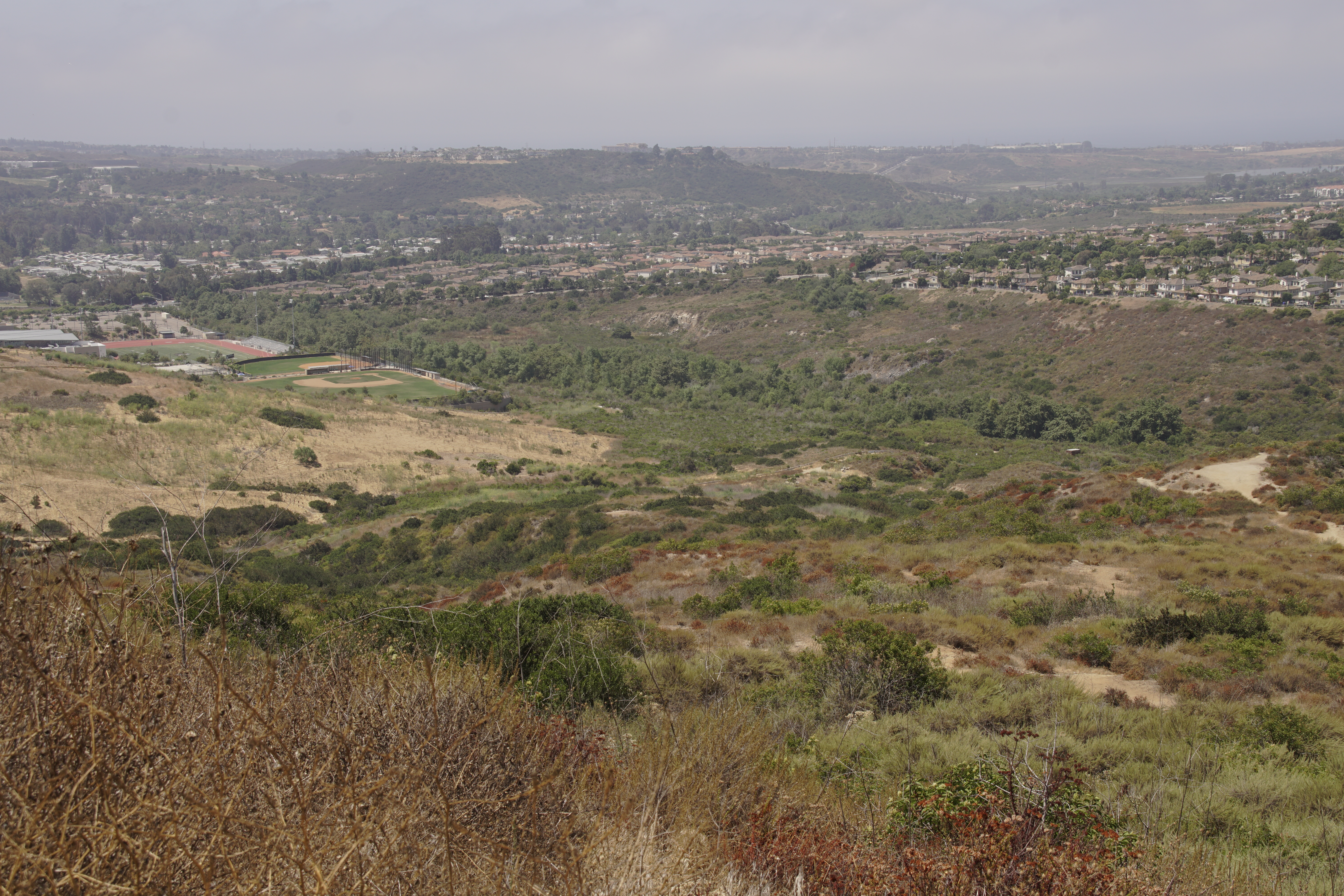
The caldera:

My first time here. DEFINITELY not my last. This place was amazing for bugs. Thank you to the organizers! And as always, many people have contributed to the identifications.
I was very surprised by how different the microfauna was from what I get near my house just one hour away. I found several new life species, including ones that are otherwise very common. This means I should be traveling more — except, one of the things I love about bugwatching is that you can do it near your house, with minimal waste of time and carbon.
I guess I need to figure out a compromise.
Tons of these Bicyrtes quadrifasciatus. Fewer that were willing to pose for me.

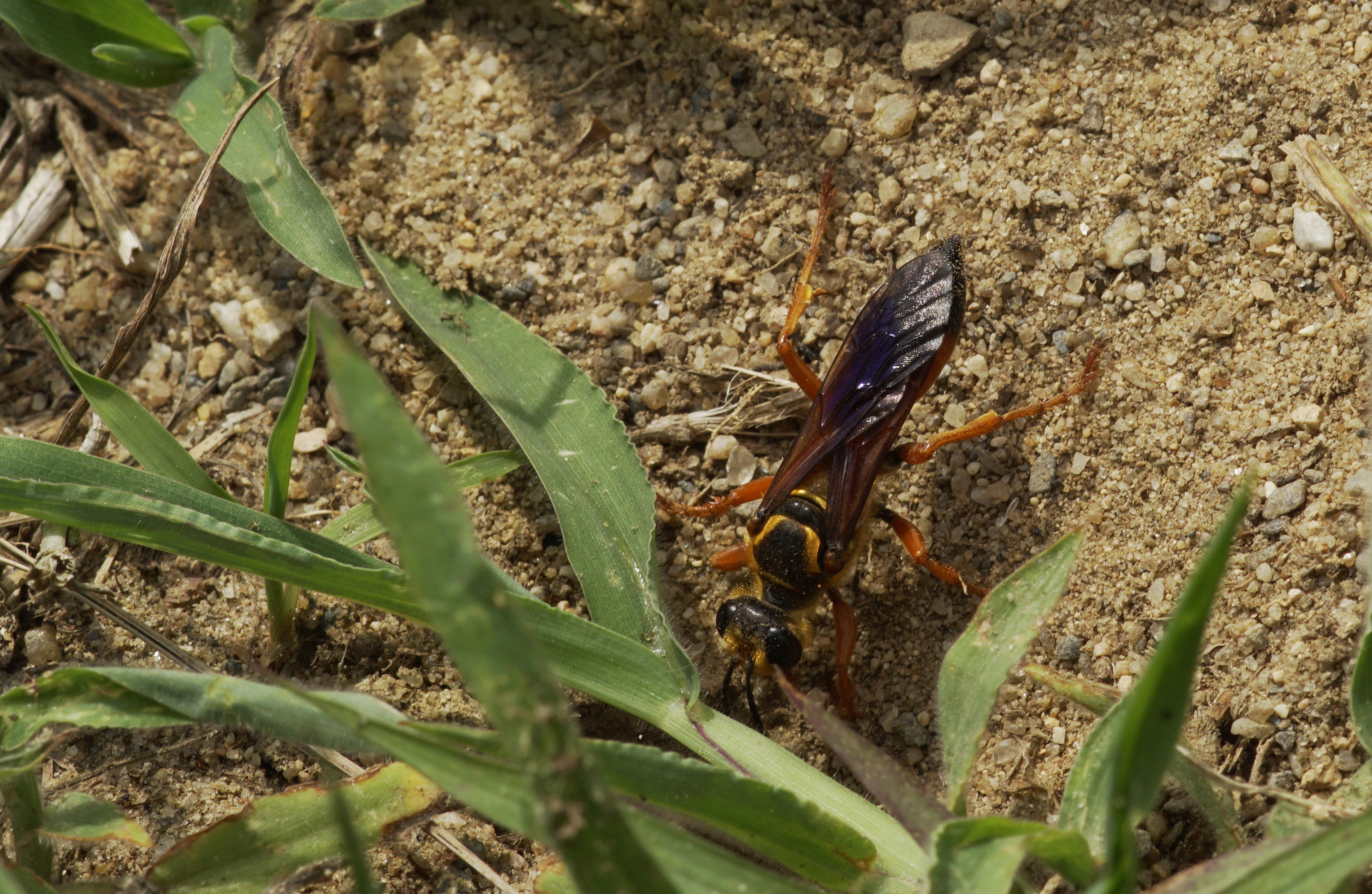
This Great Golden Digger Wasp, Sphex ichneumoneus, had a grasshopper outside her nest. And I somehow managed to just miss a shot of it dragging it in.
Sawfly larva, I think. Notice six pairs of prolegs (I think) — most caterpillars have two to five pairs.

My best guess is Dasymutilla for this Mutillidae female, but not sure which. There were lots of males flying around and really did not give us much of a chance to photograph them.

Since we’re going to be seeing a couple of Bombyliid flies, this seems a good time to recount some interesting info about them (mostly paraphrased from Wikipedia): the females are mostly parasitoids, looking for burrows of beetles or solitary wasps and bees to lay their eggs. Once the females find a burrow, they don’t even need to land — they flick the eggs out mid-air, aimed into the burrow (hence the name, bomber flies). They also have a special storage structure in their bodies called a sand chamber, which they fill with sand before laying (if that’s the right word with these flies!) their eggs. These sand grained are used to coat the eggs before release, perhaps for the purpose of improving their aim, slowing down dehydration, or masking the chemical scent.
I thought I had seen my first Bombylius major, but pretty sure this is instead Bombylius incanus. Still cute, though!
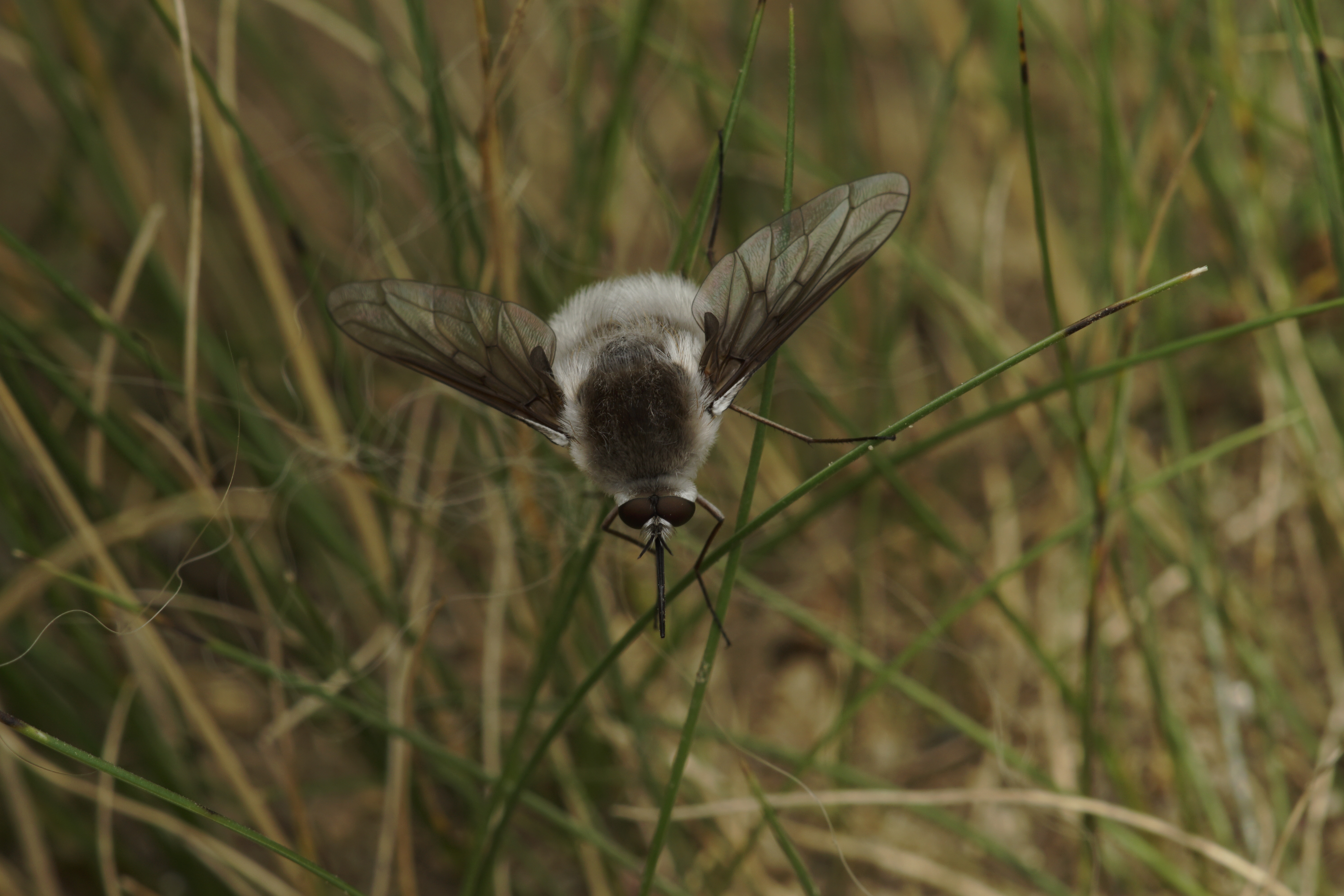
Bombyliidae –> Anthracinae certainly. I’m pretty sure this is Hemipenthes.

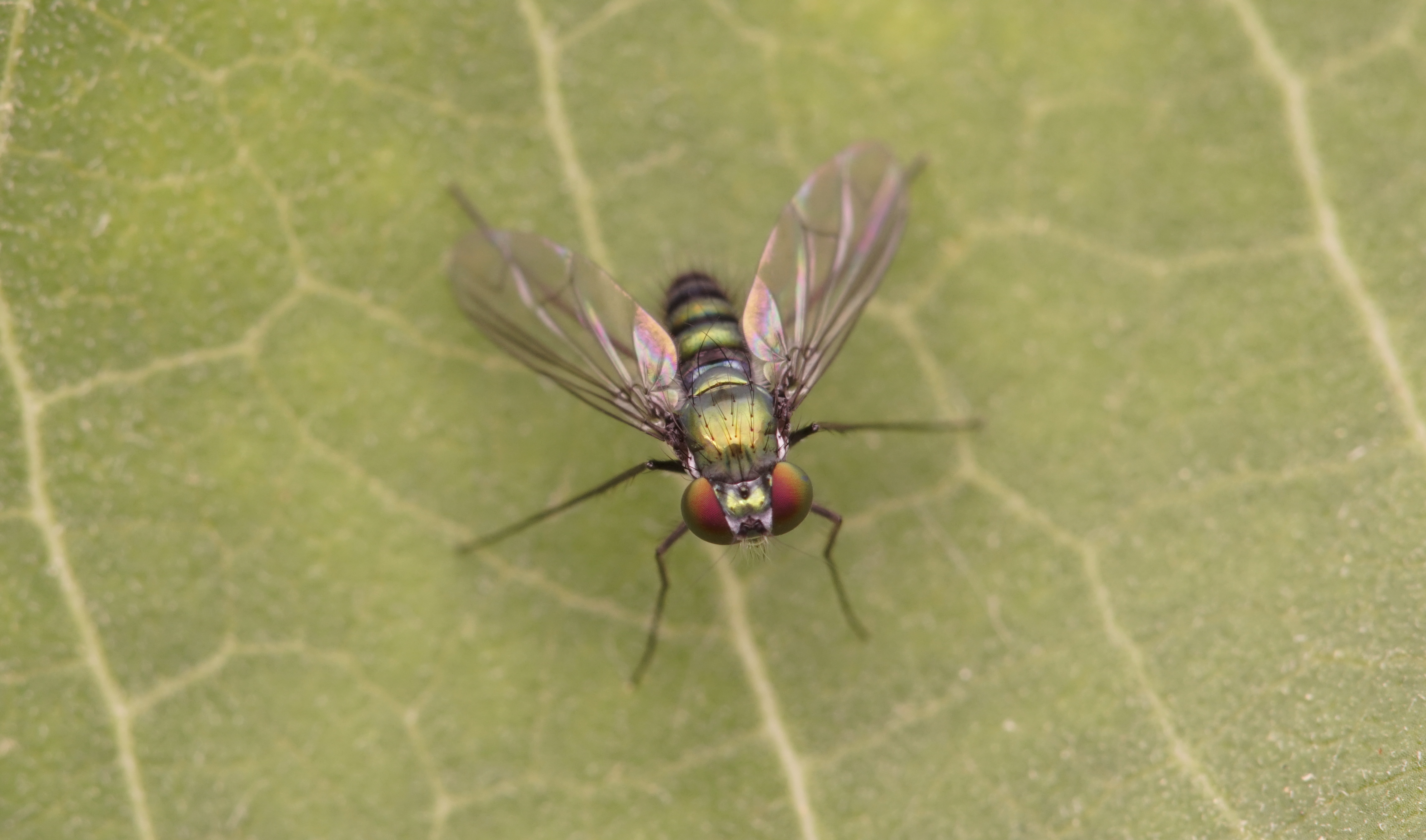
Dolichopodidae.
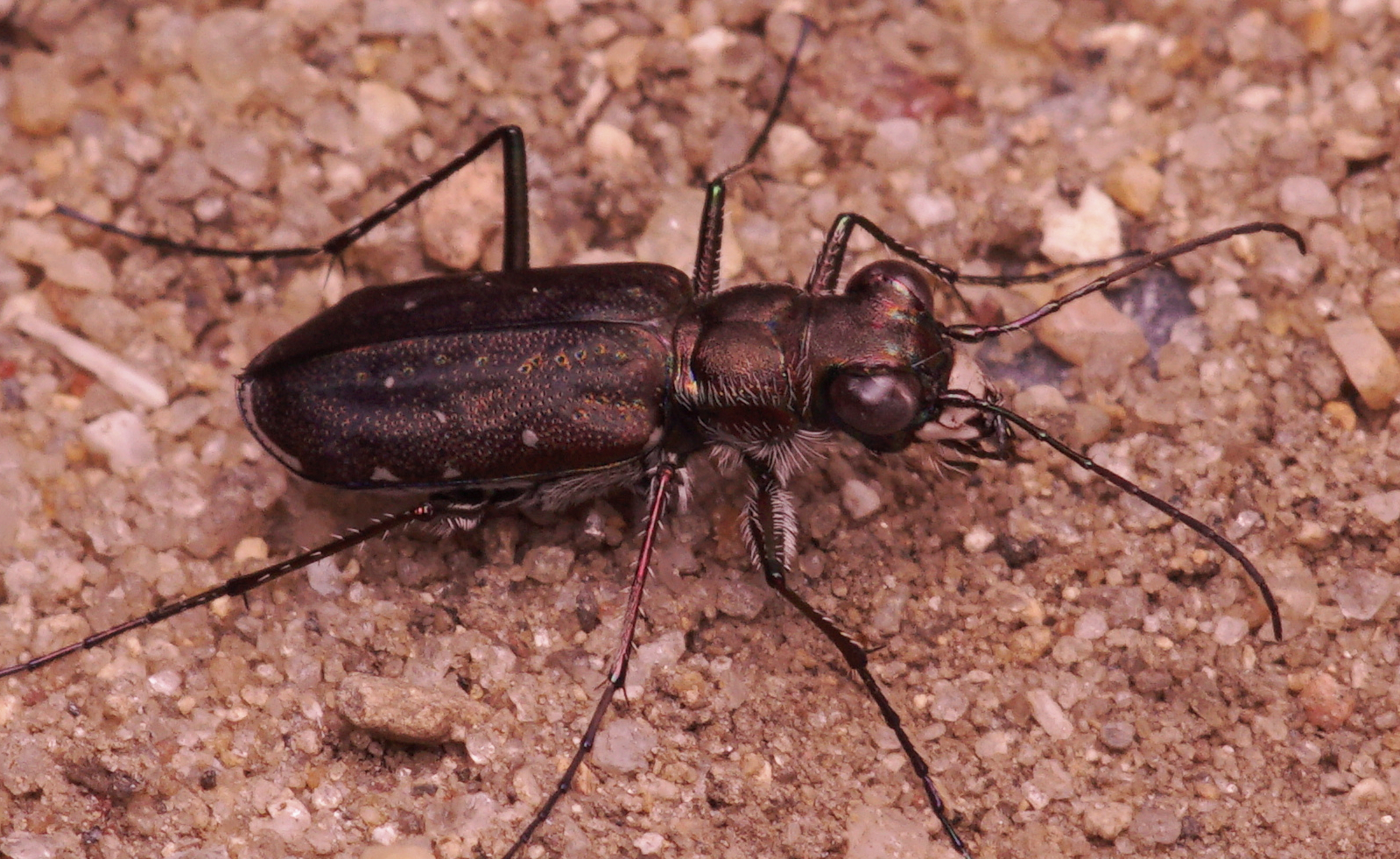
A stunning number of tiger beetles! I think this is Cicindelididia punctulata. Among my multitudinous other shortcomings, I’ve seen very few species of Cicindelinae.
Bugguide: “slender, dark brownish-gray (in the east), with or without thin white markings; longitudinal row of pits on each elytron”

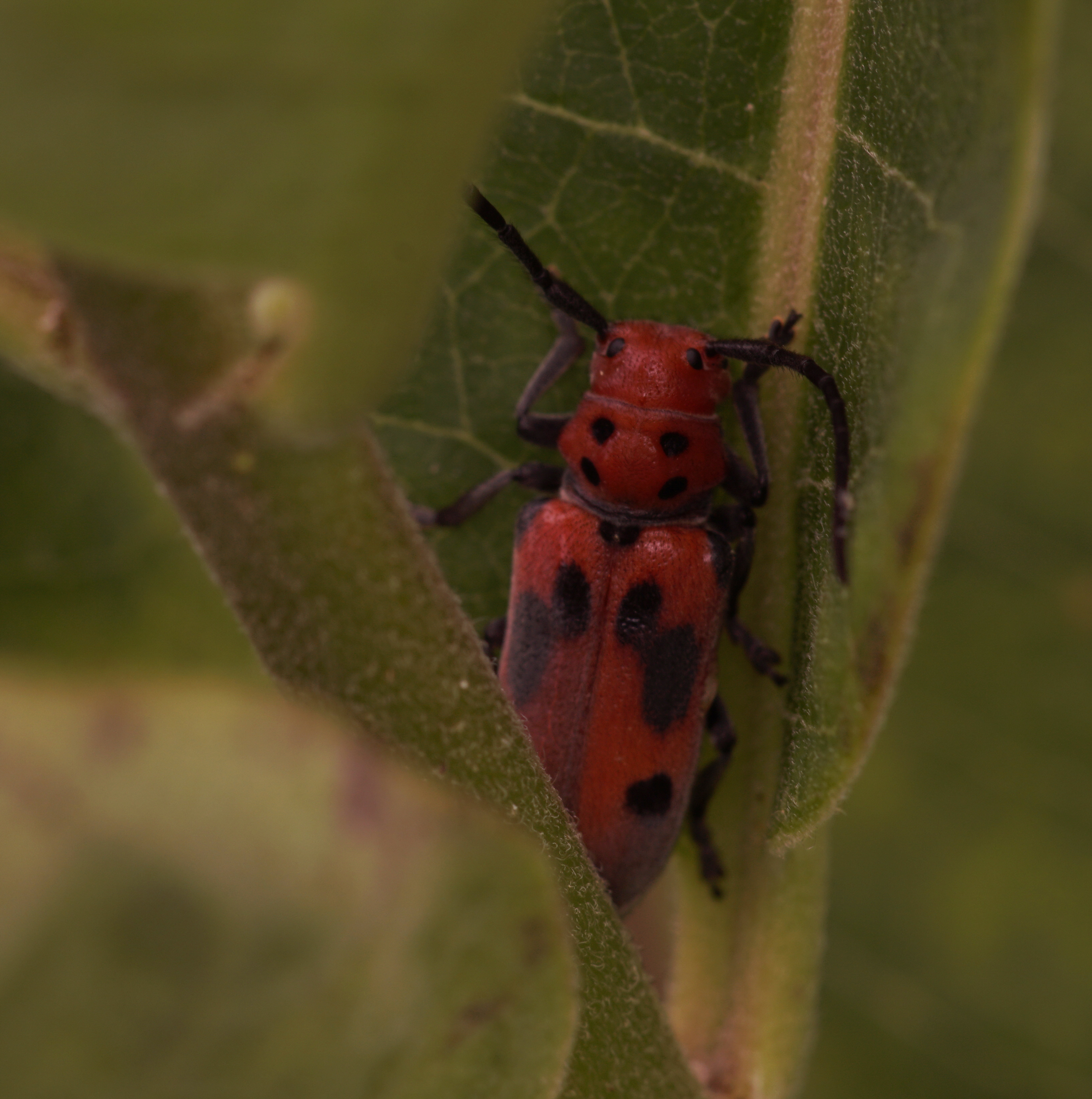
Red Milkweed Beetle, Tetraopes tetrophthalmus.
Wikipedia, https://en.wikipedia.org/wiki/Tetraopes_tetrophthalmus, says: “When startled, the beetles make a shrill noise, while they make a ‘purring’ noise when interacting with another beetle.” Now I really want to hear it.
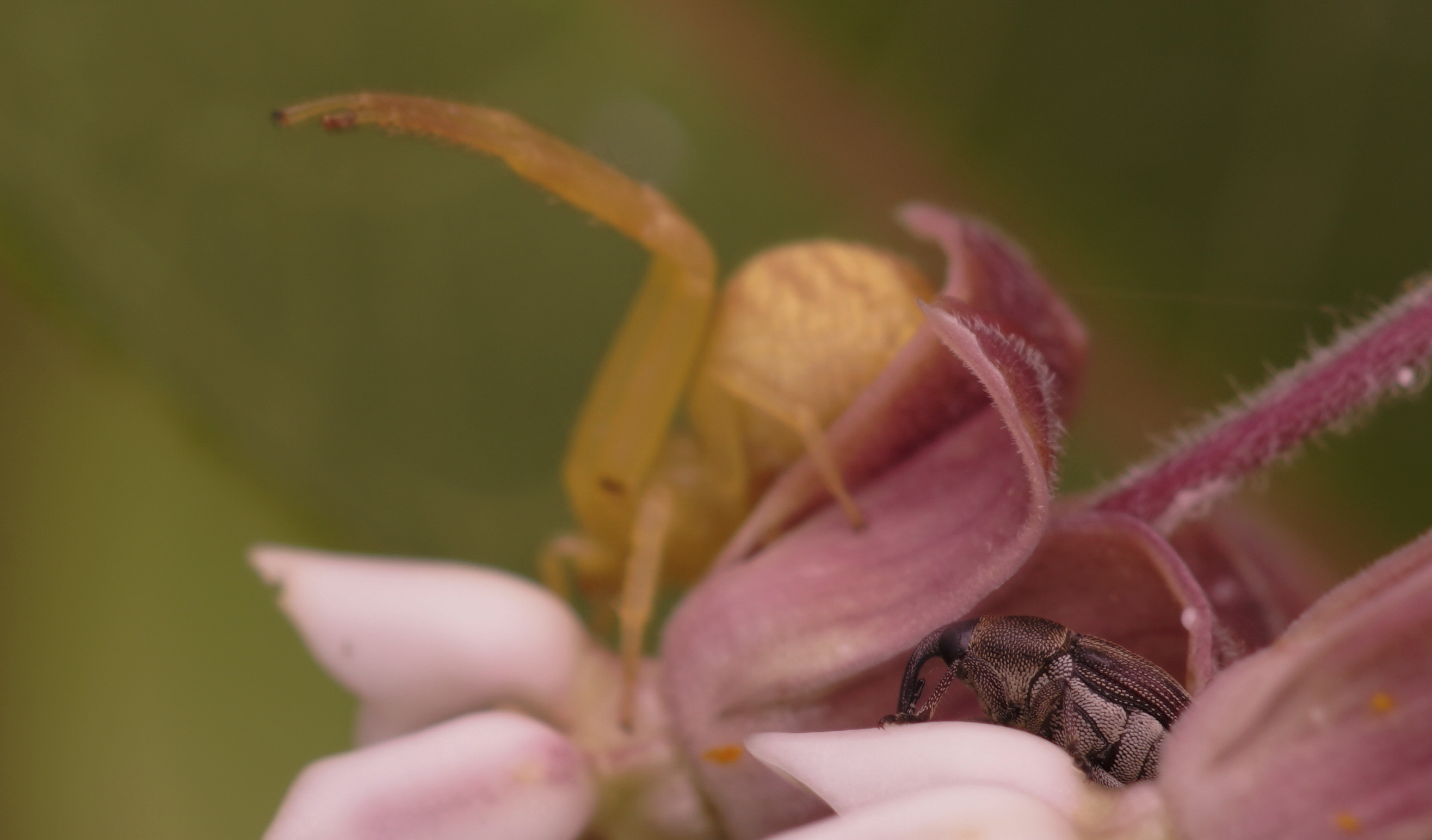
This weevil is a little unaware of its danger. It’s going to take a while to pin it down further, because weevils are the absolute worst to identify because they’re so specious. EDIT: Maybe Odontocorynus.
Tumbling flower beetle Mordellidae. I think tribe Mordellistenini. Not sure how to go any further.

Very colorful, not sure which:
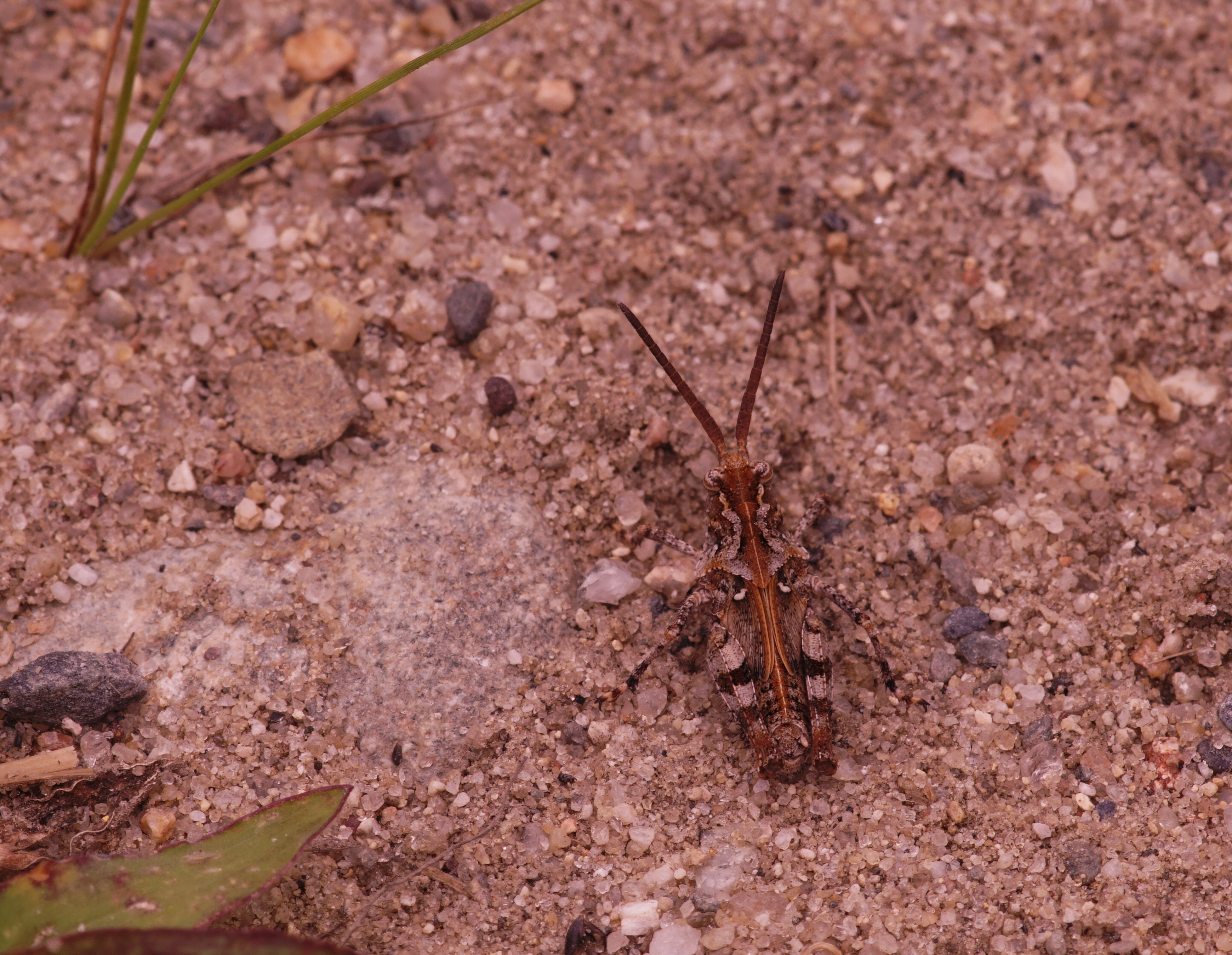
Very colorful, not sure which. (Dissosteira carolina nymph suggested, thank you!)

Very colorful, not sure which:

A very under-appreciated order. Let’s give them some love. Is this Parcoblatta, a wood cockroach? And I presume that’s her ootheca.
EDIT: “more likely to be Ectobius pallidus”

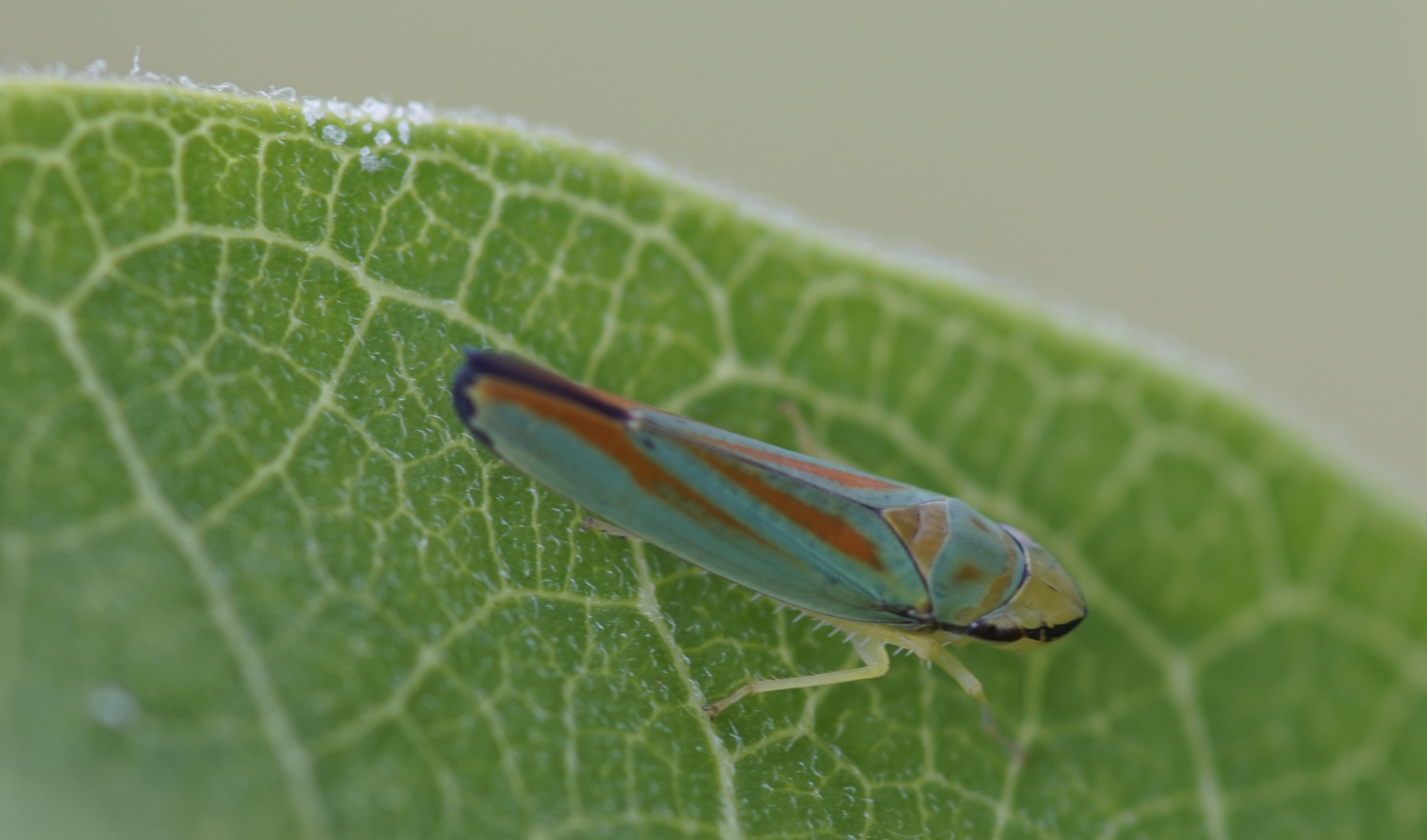
I think this is Graphocephala fennahi, the Rhododendron leafhopper.
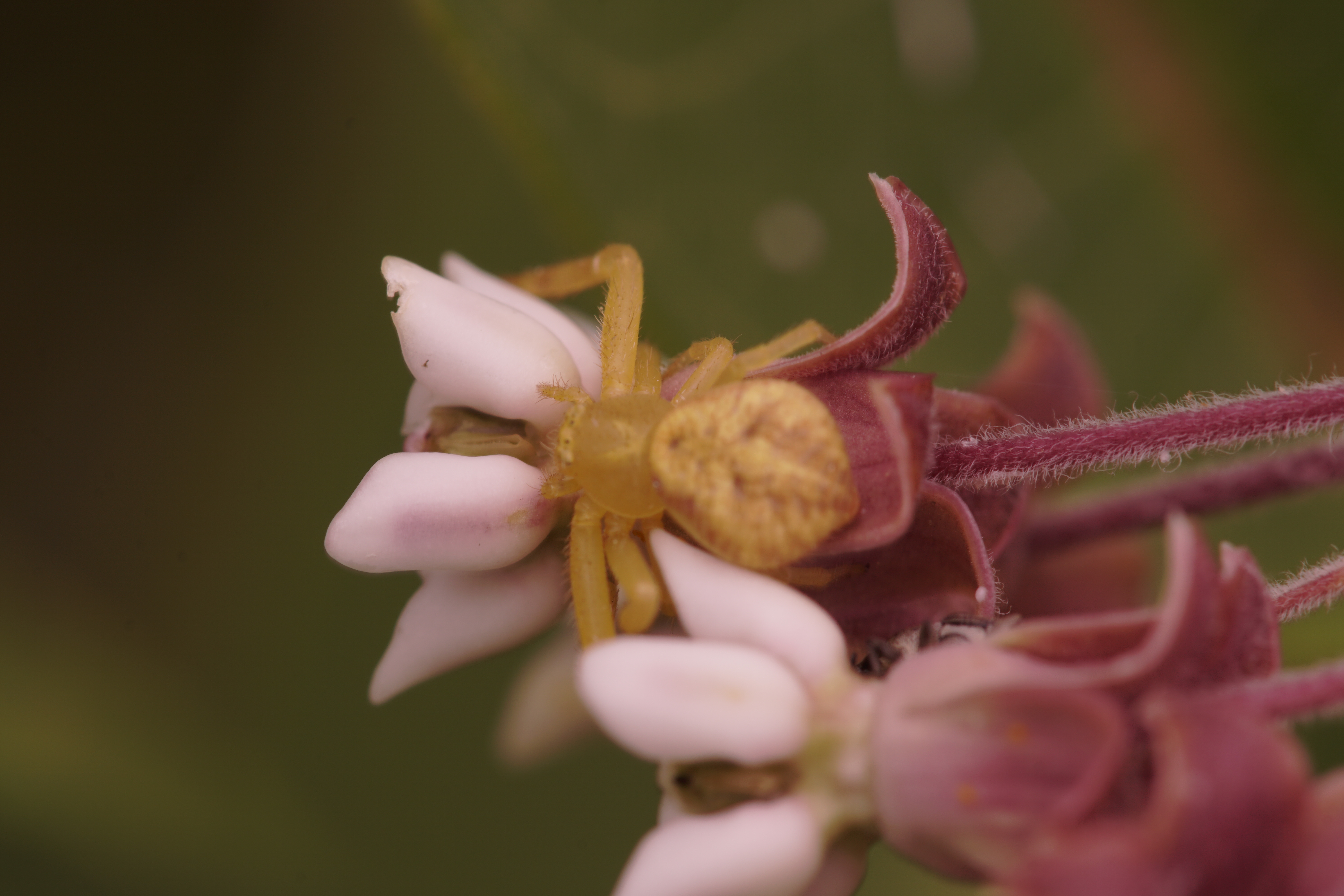
I’m not sure but this might be Mecaphesa in Thomisidae. Note it’s a little hairy around the head. Anyone who wishes to chime in is welcome!
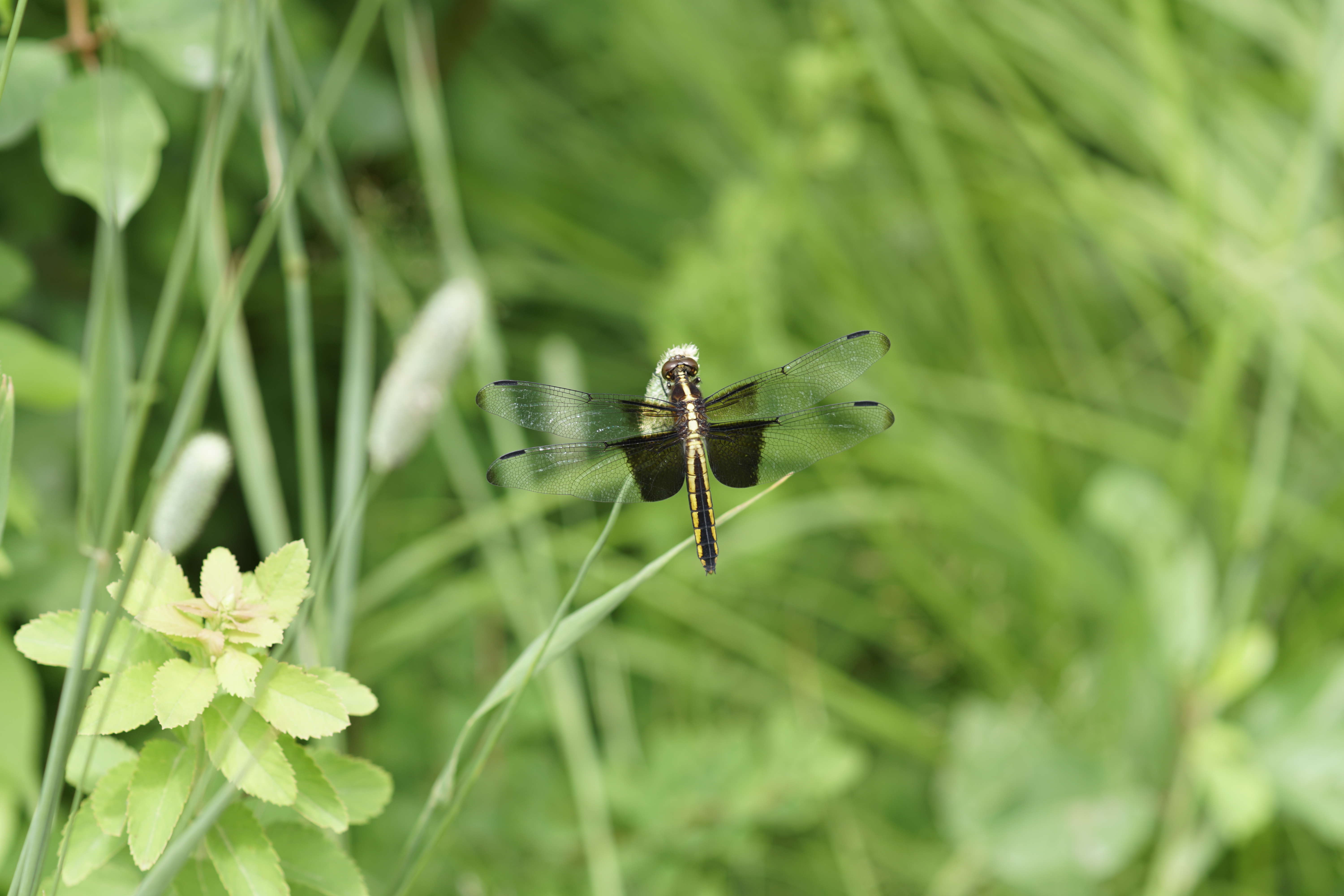
Widow skimmer. I’m showing the photo from further away because I like it.

blue dasher Pachydiplax longipennis (thanks for the help with ID!)

And another shot, just because they’re so photogenic:

Eastern pondhawk Erythemis simplicicollis, thanks for the help with ID!

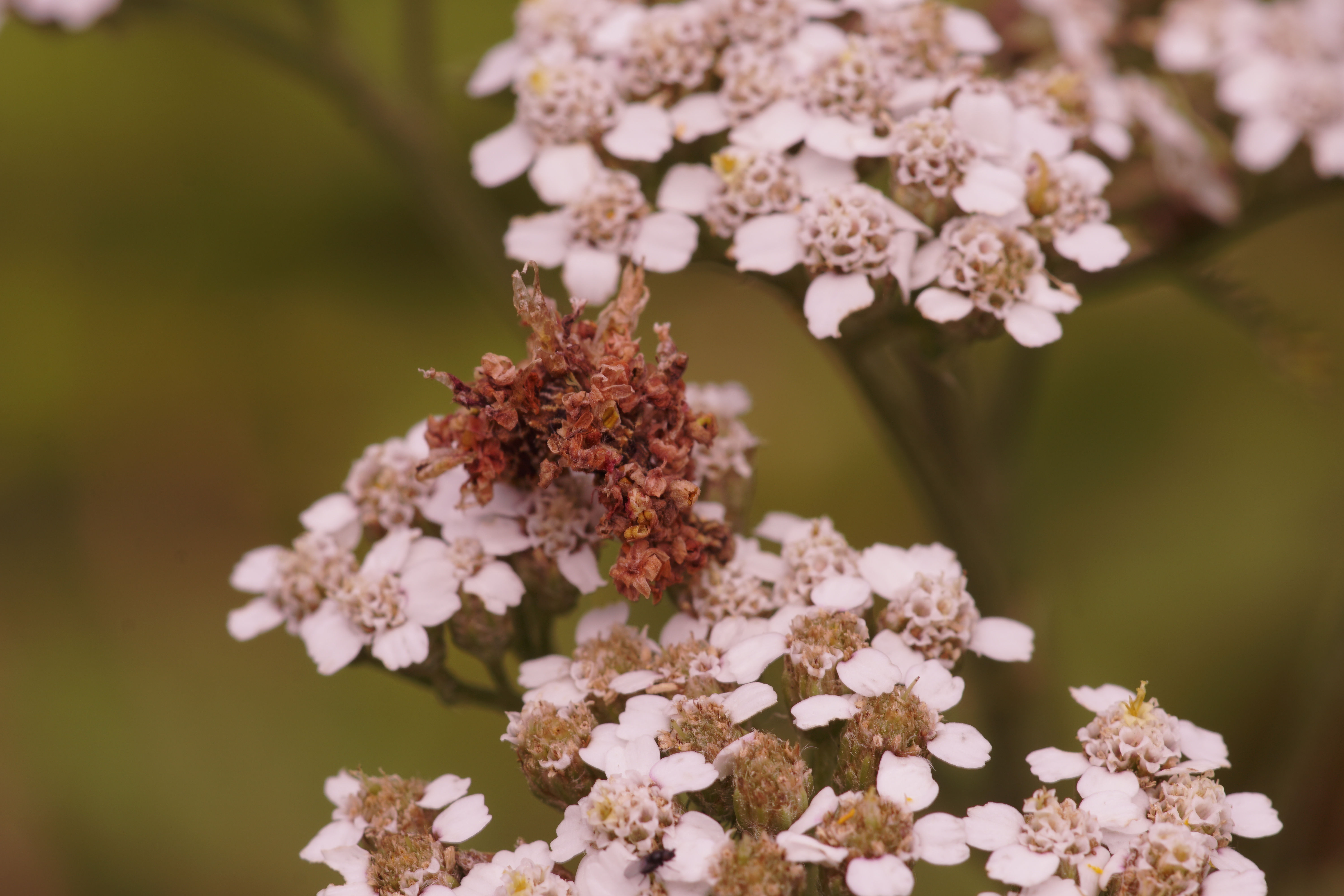
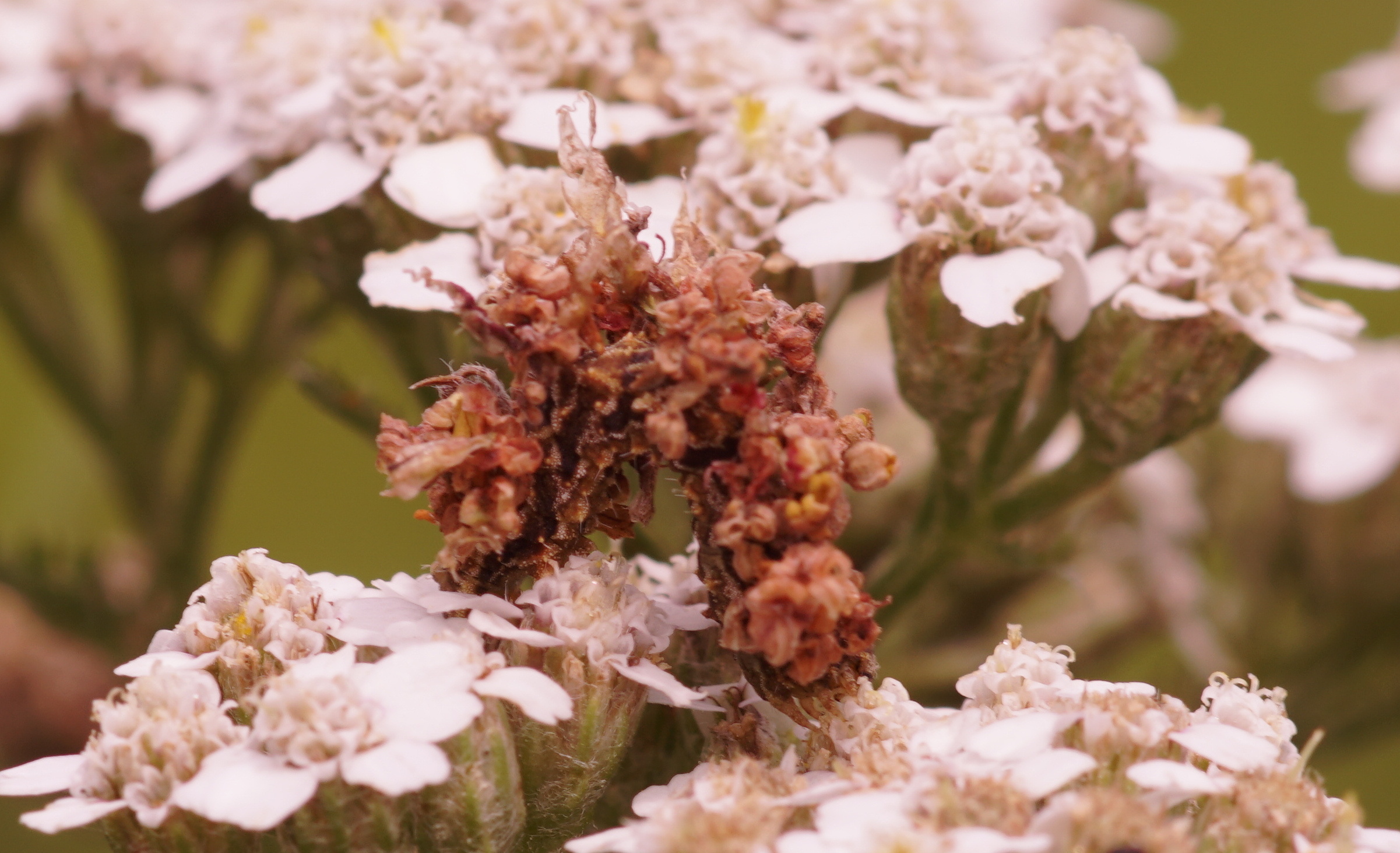
This stunning caterpillar is the camouflaged looper, the caterpillar of the Synchlora aerata, in Geometridae. Look at the camouflage!


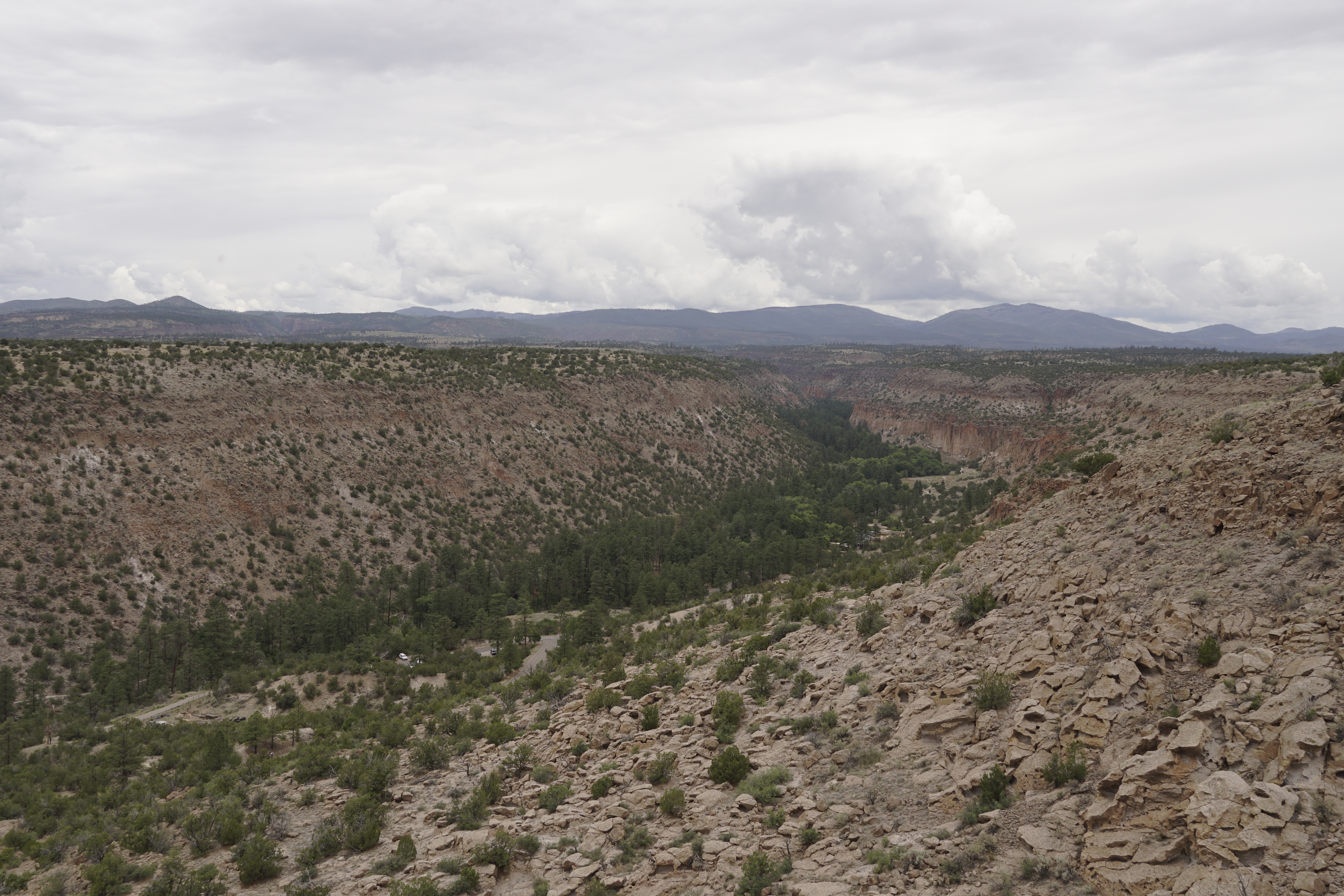
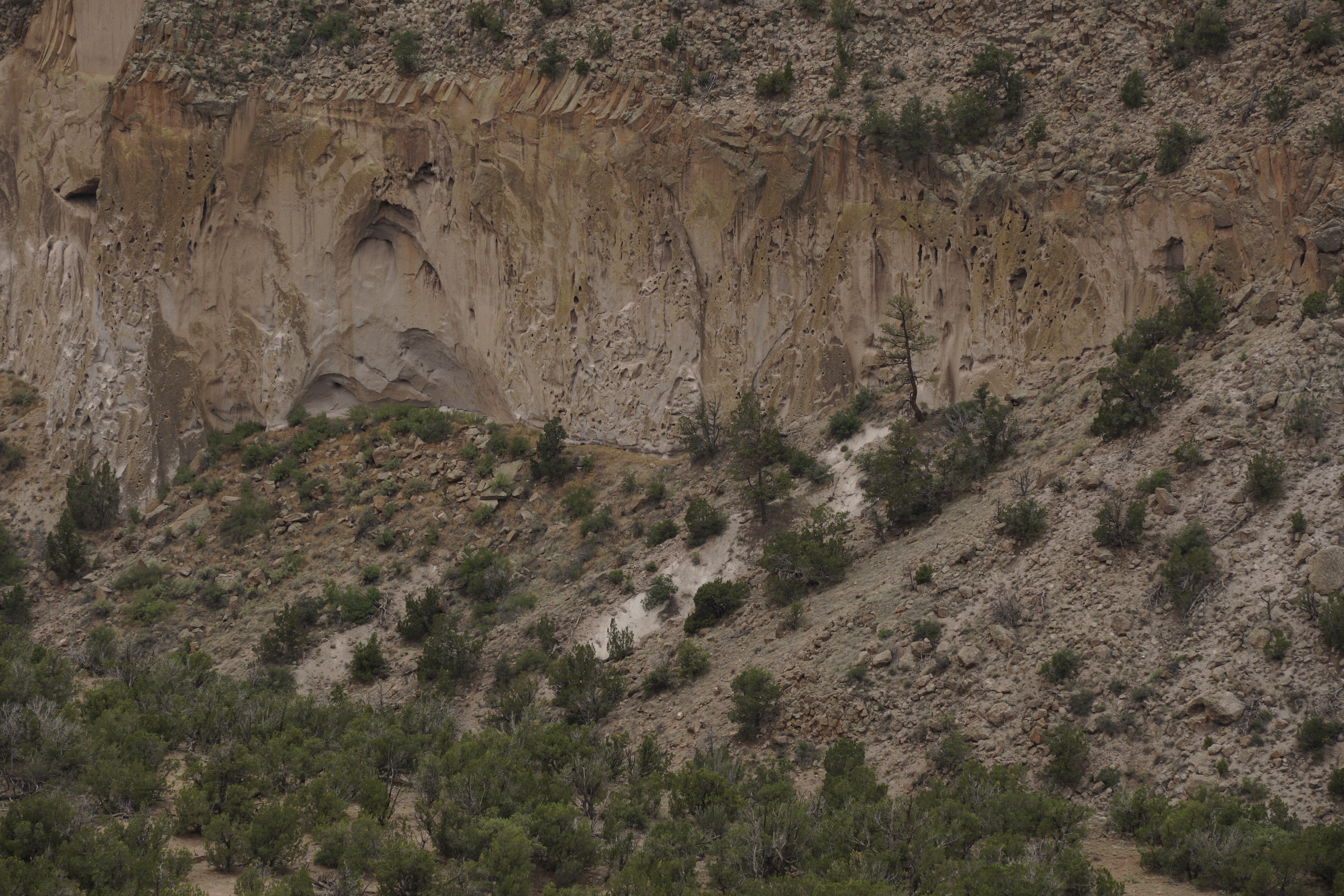
Unfortunately, I managed to drop my camera onto the parking lot pavement just as I started the hike. This may be responsible for so many of the photos coming out blurred as we look away from the center, almost like a tilt shift photo. Strangely, many of them also came out fine, so I’m not sure what was happening here.
The path took place in a valley, with heights on either side. It ended in a spectacular outlook (although the falls did not have water).
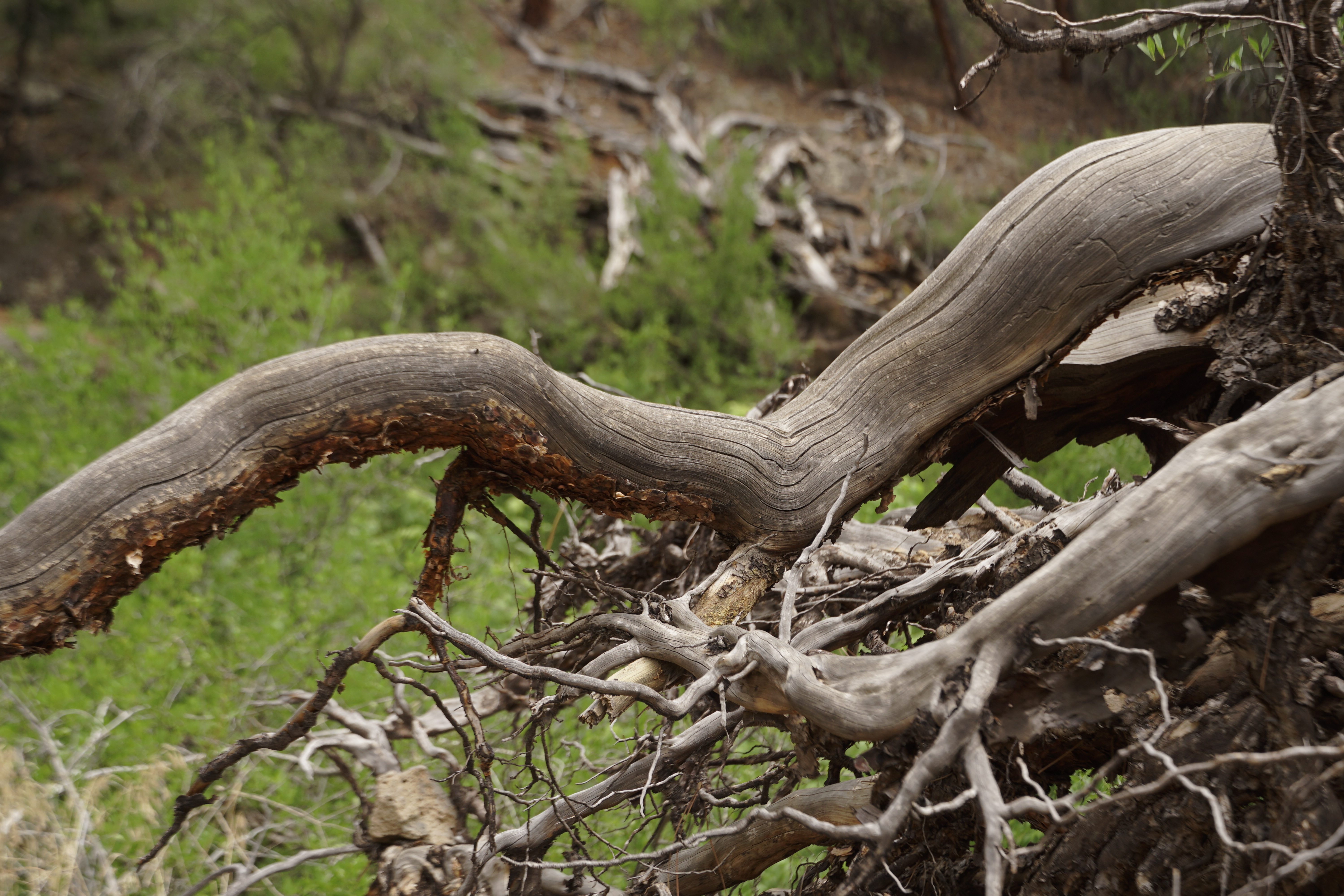
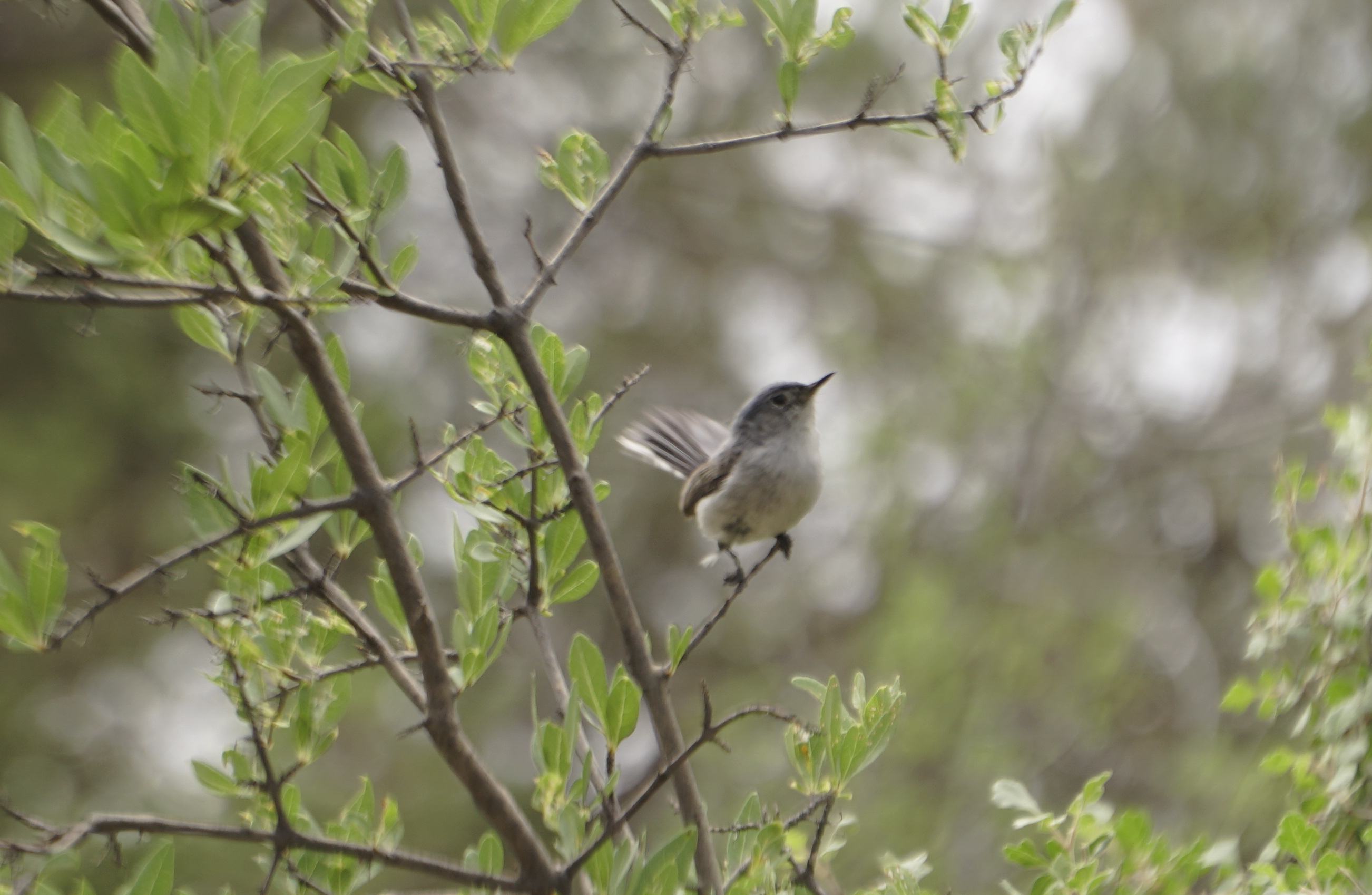
EDIT: blue-gray gnatcatcher suggested as the identification, please see comments below.
These presumably Buprestid beetles were everywhere:


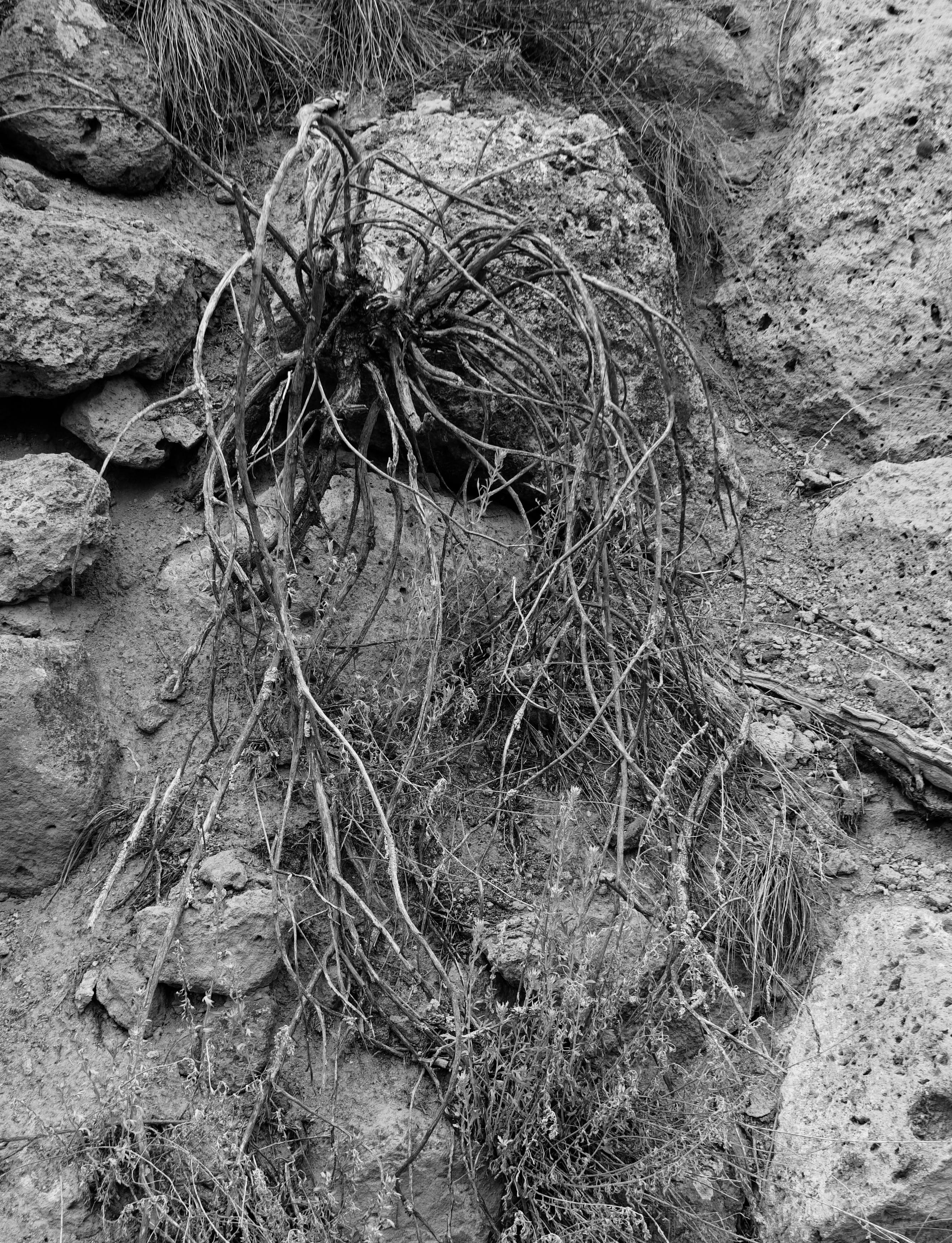


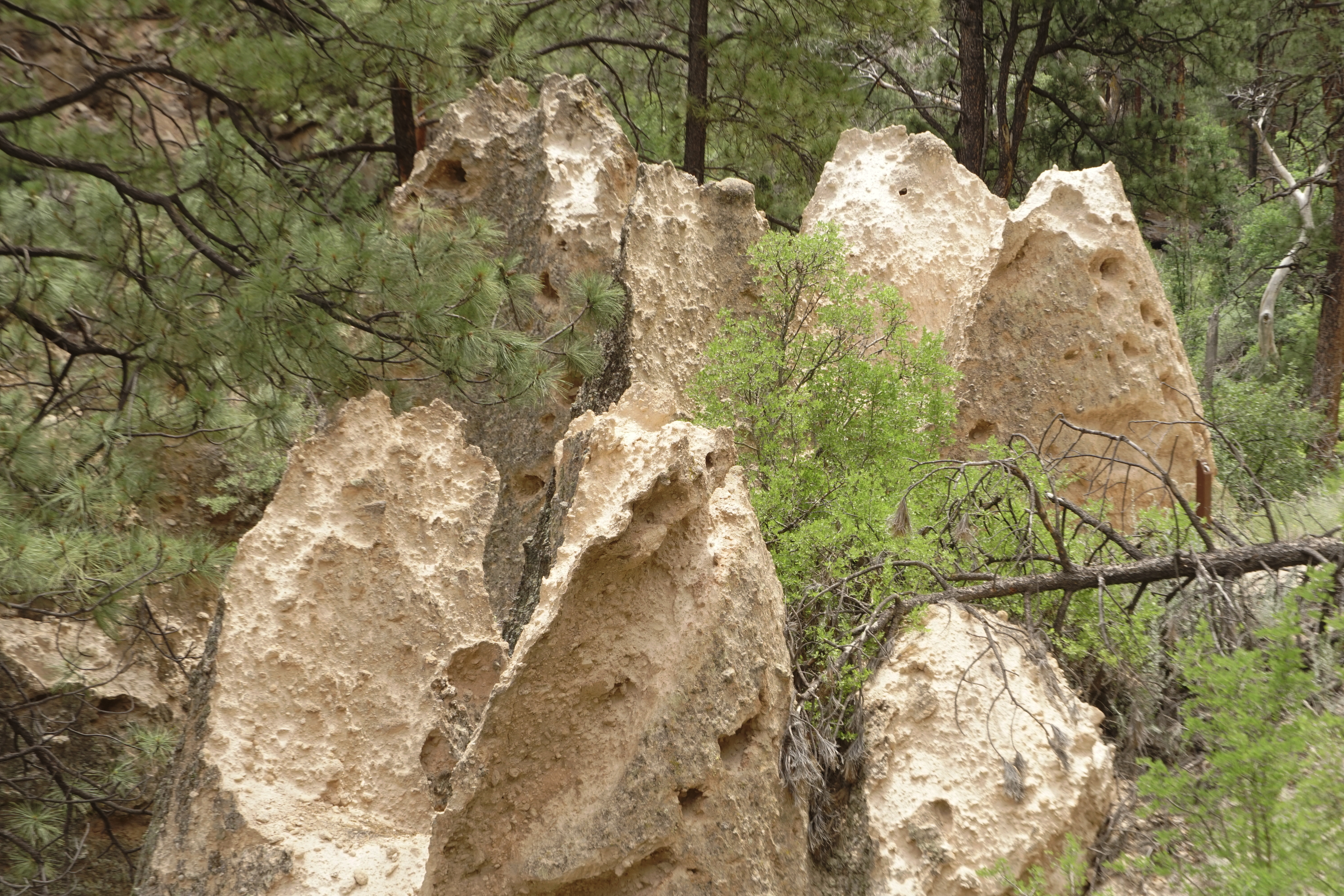
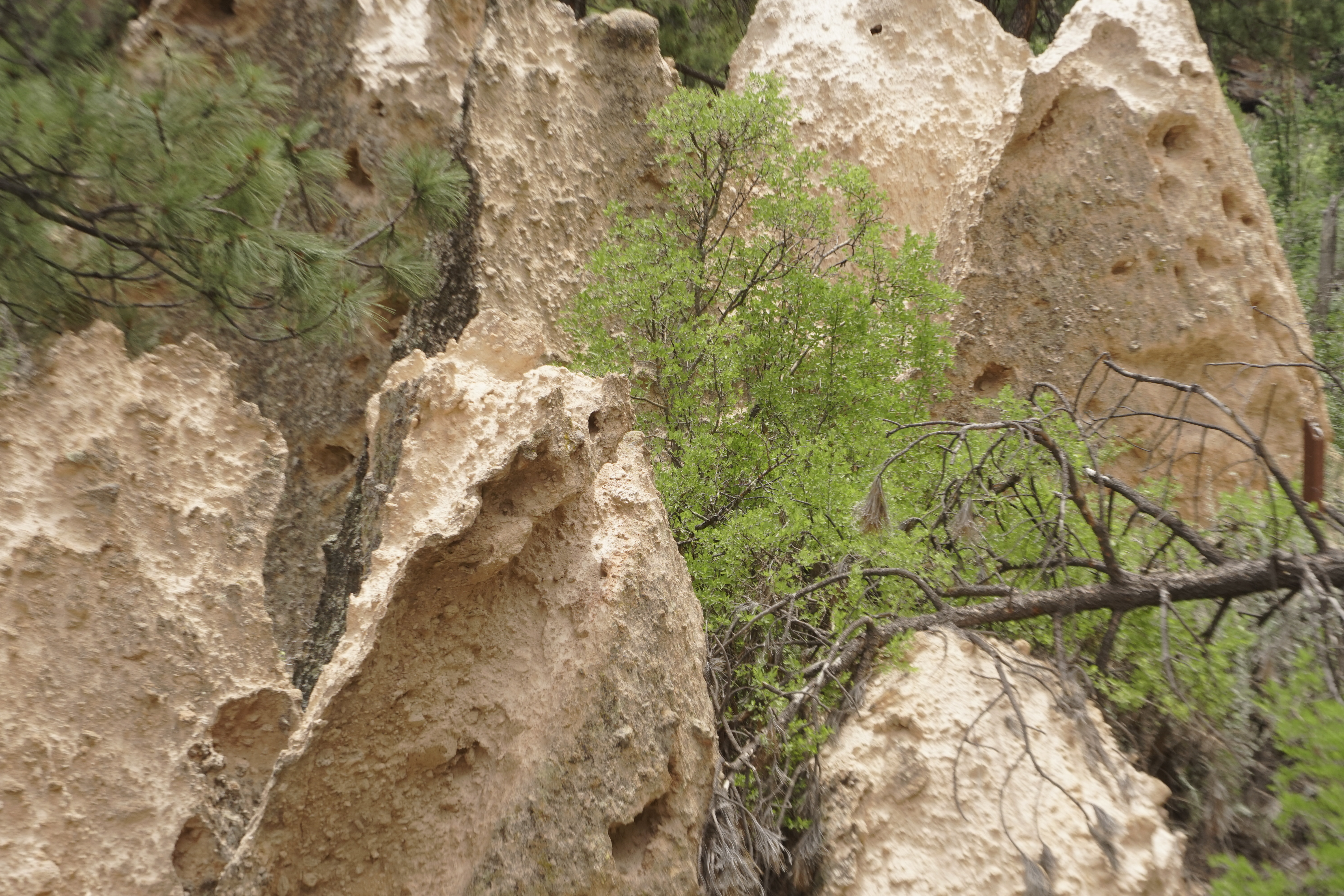
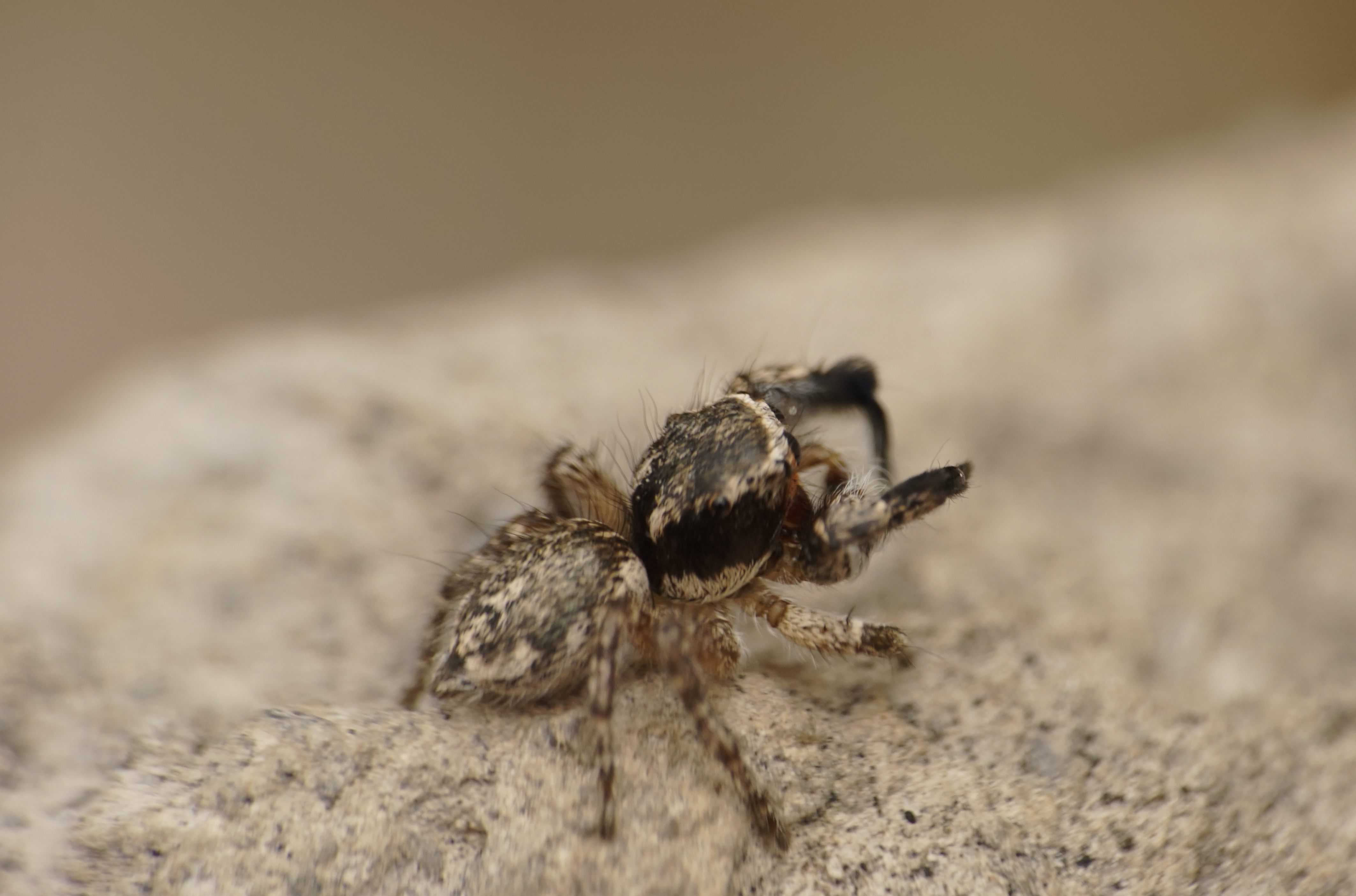
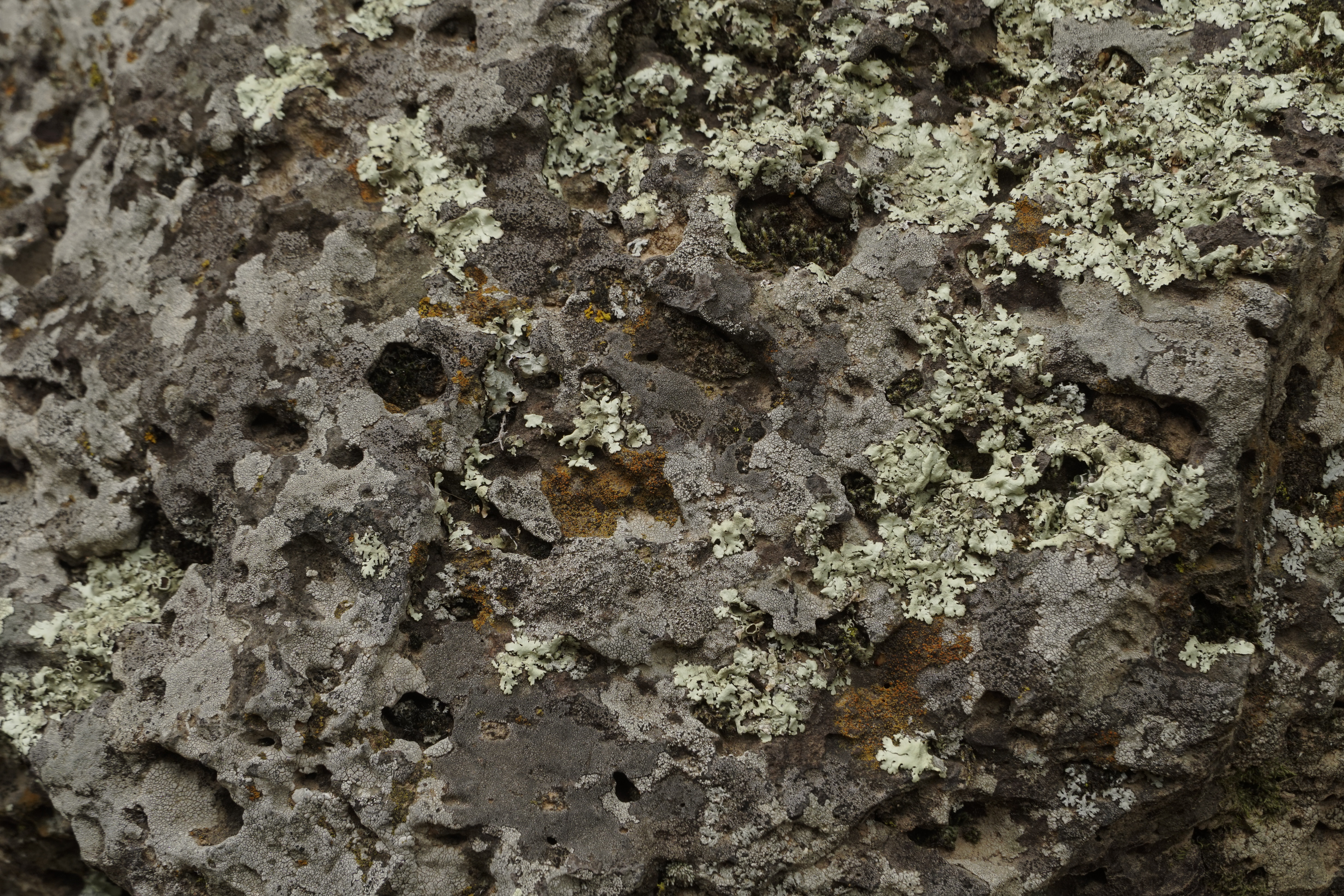
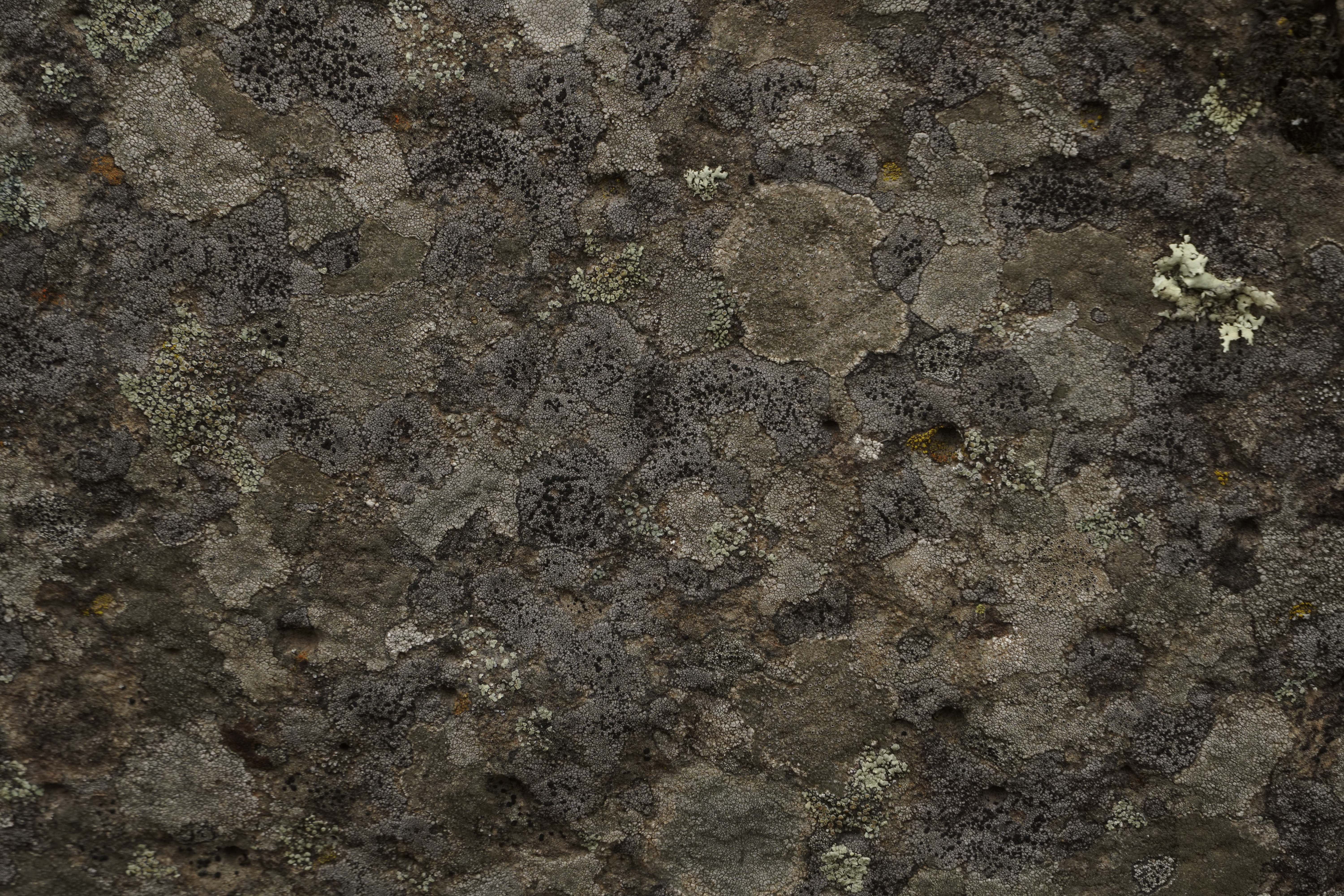

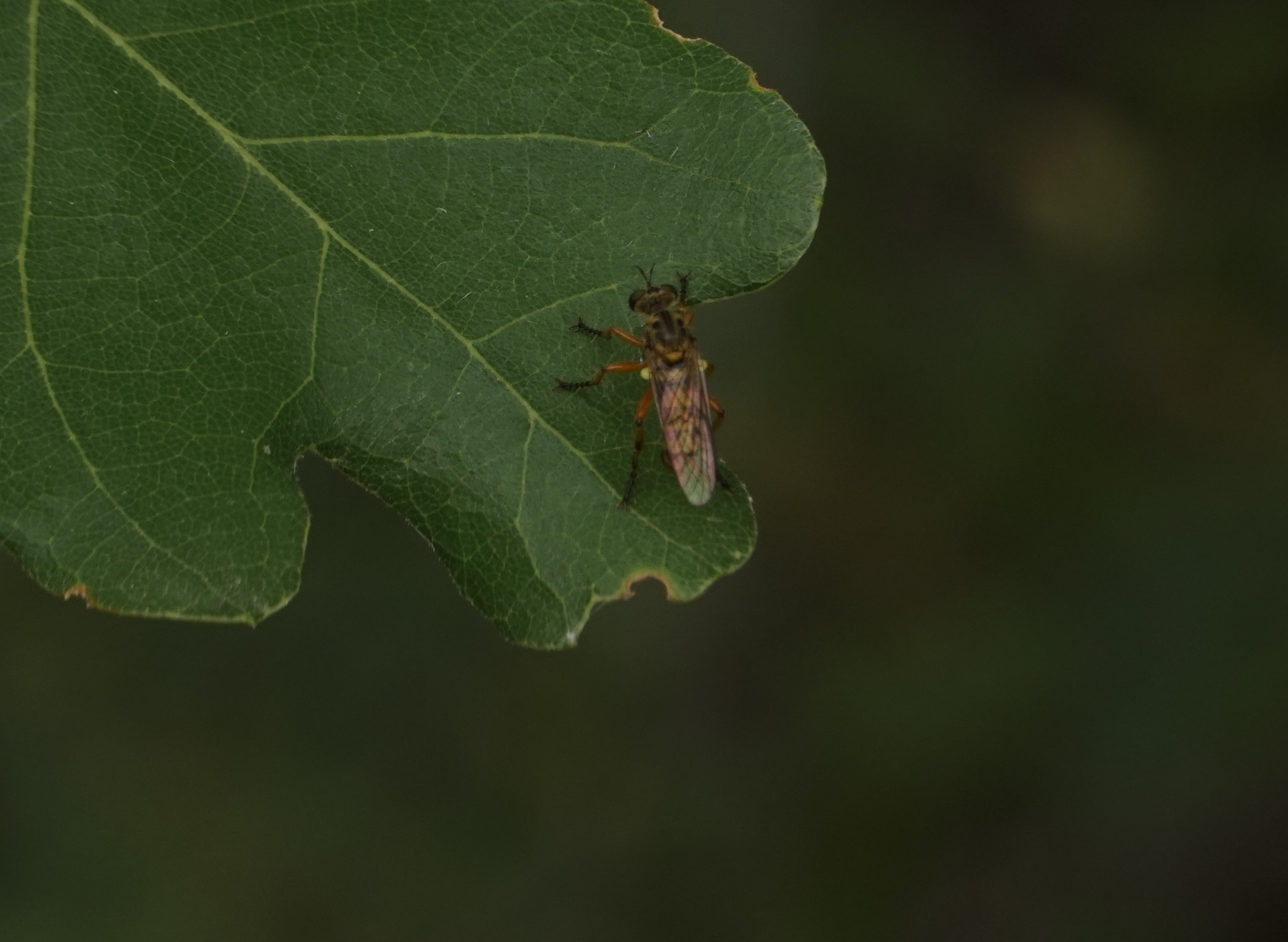


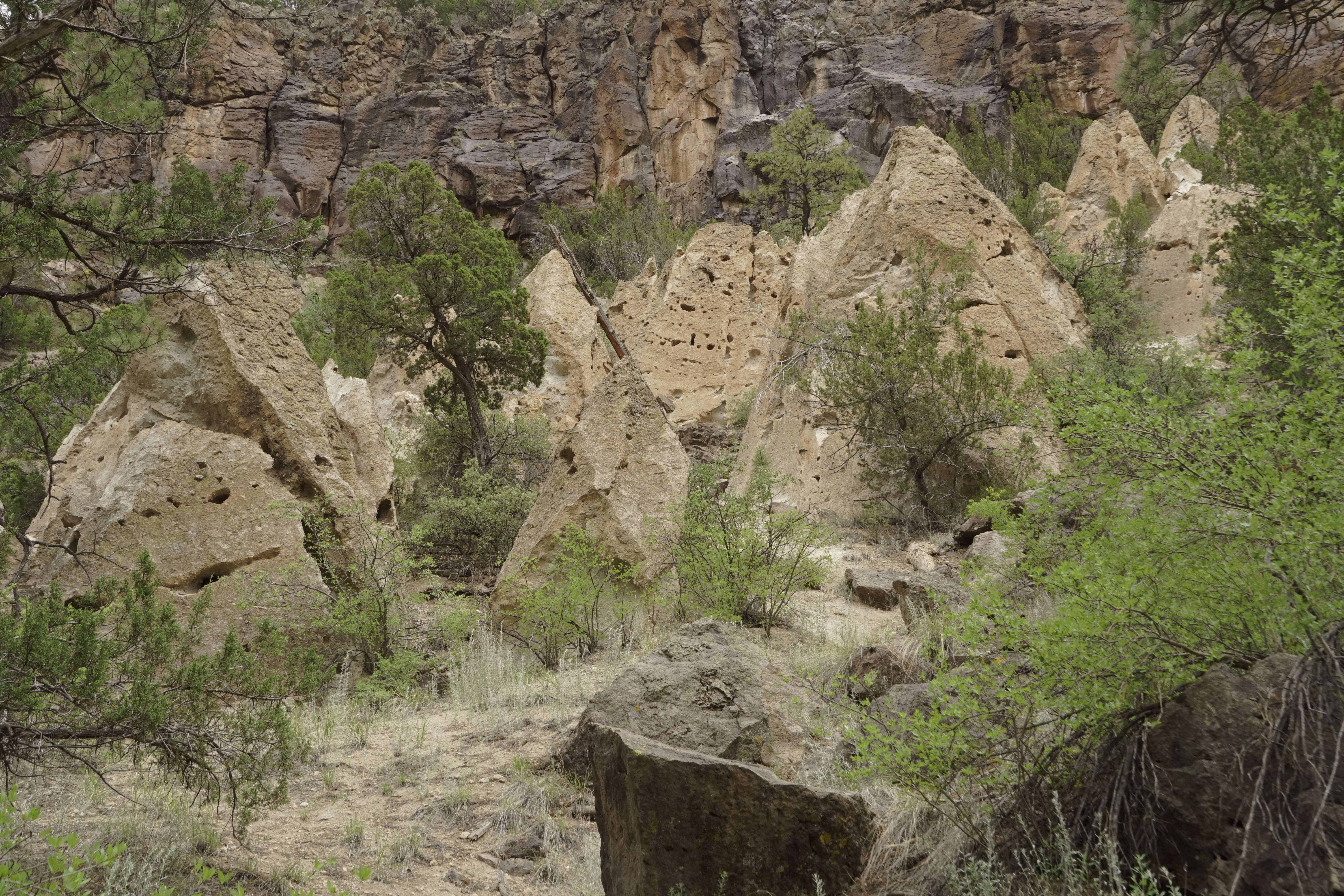
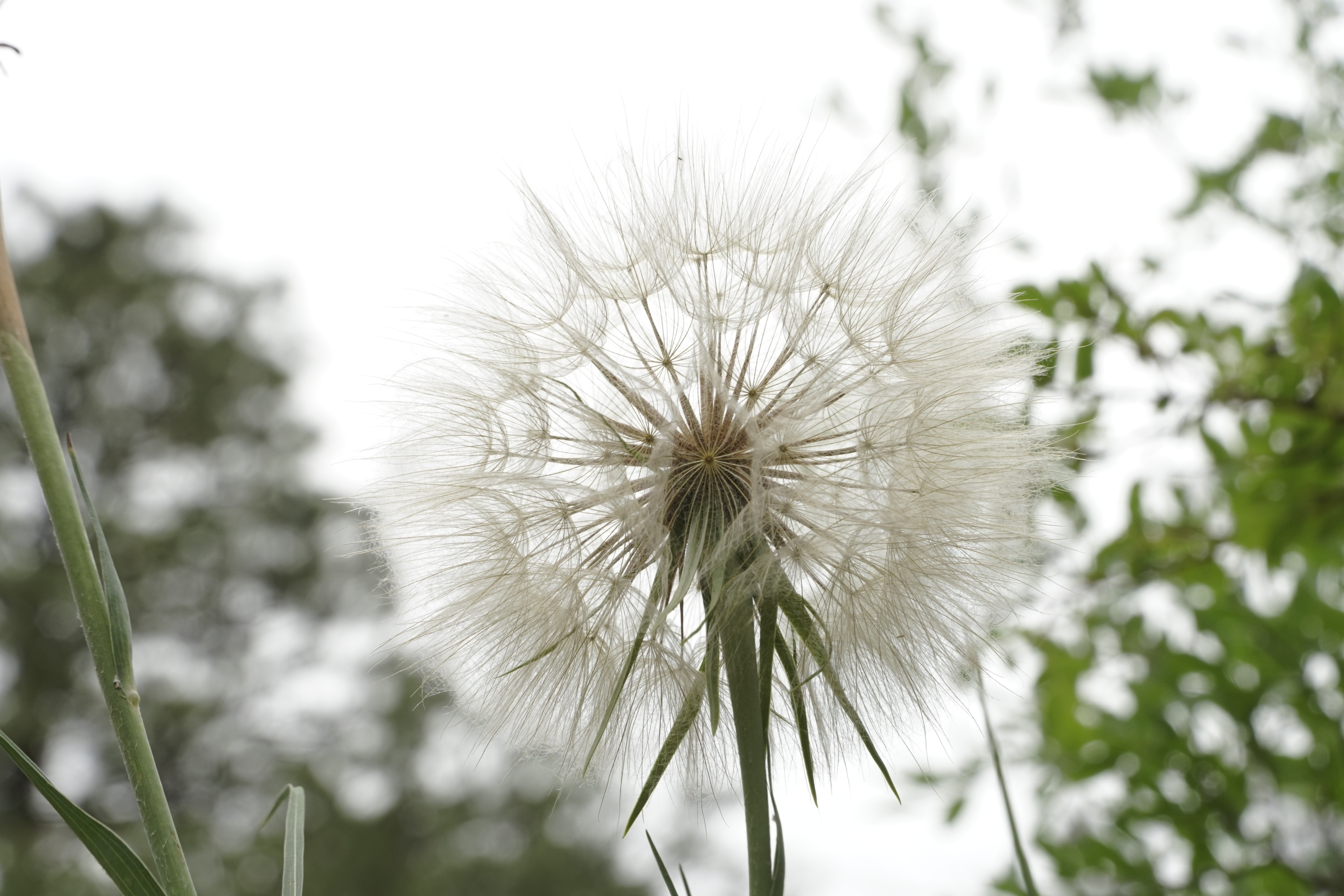
See what I mean about some of the photos being blurred away from the center? This next photo actually had a f-number of f/13 , there’s no way it should be looking like this. Mildly heartbreaking, because I think it could have been a good photo.

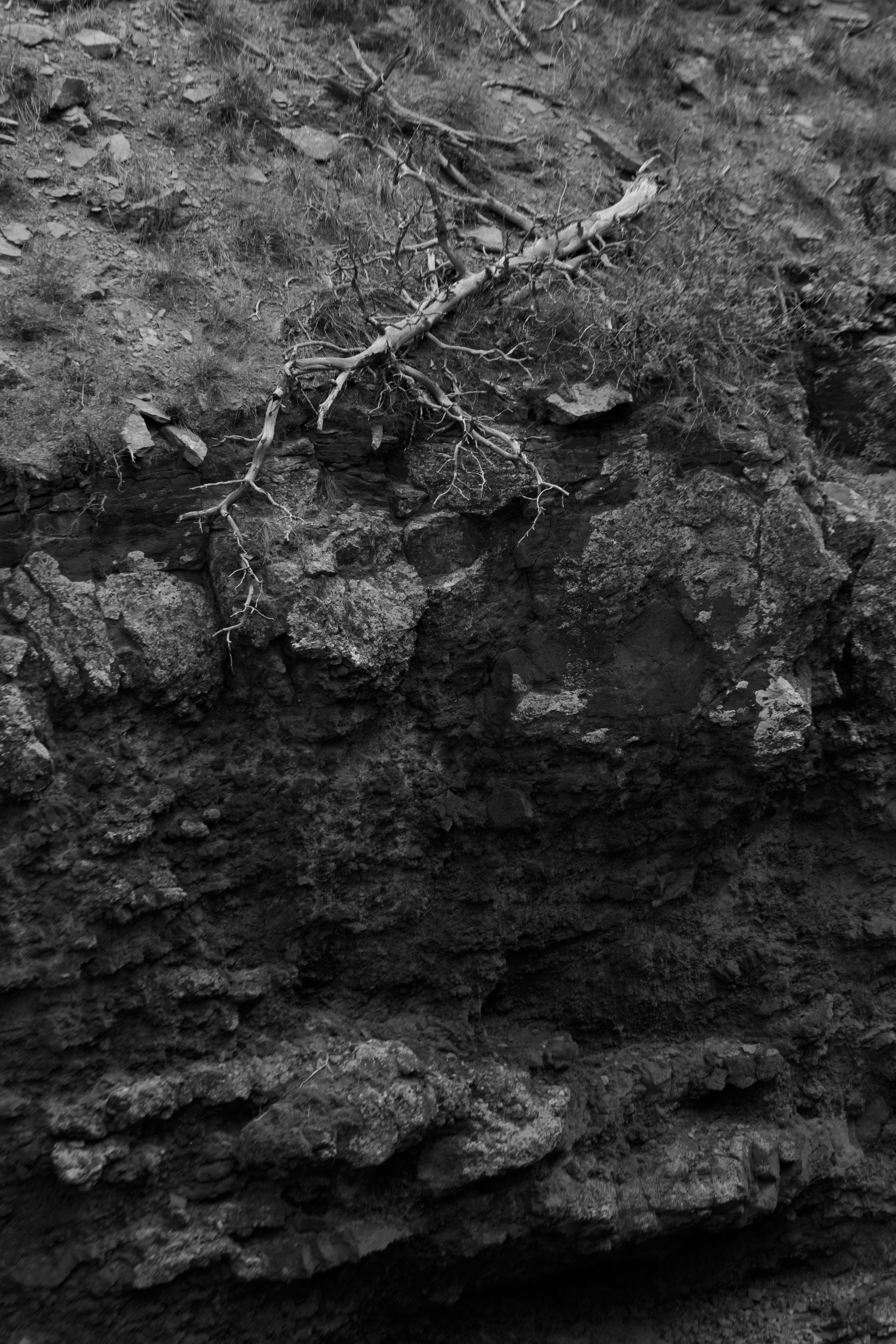
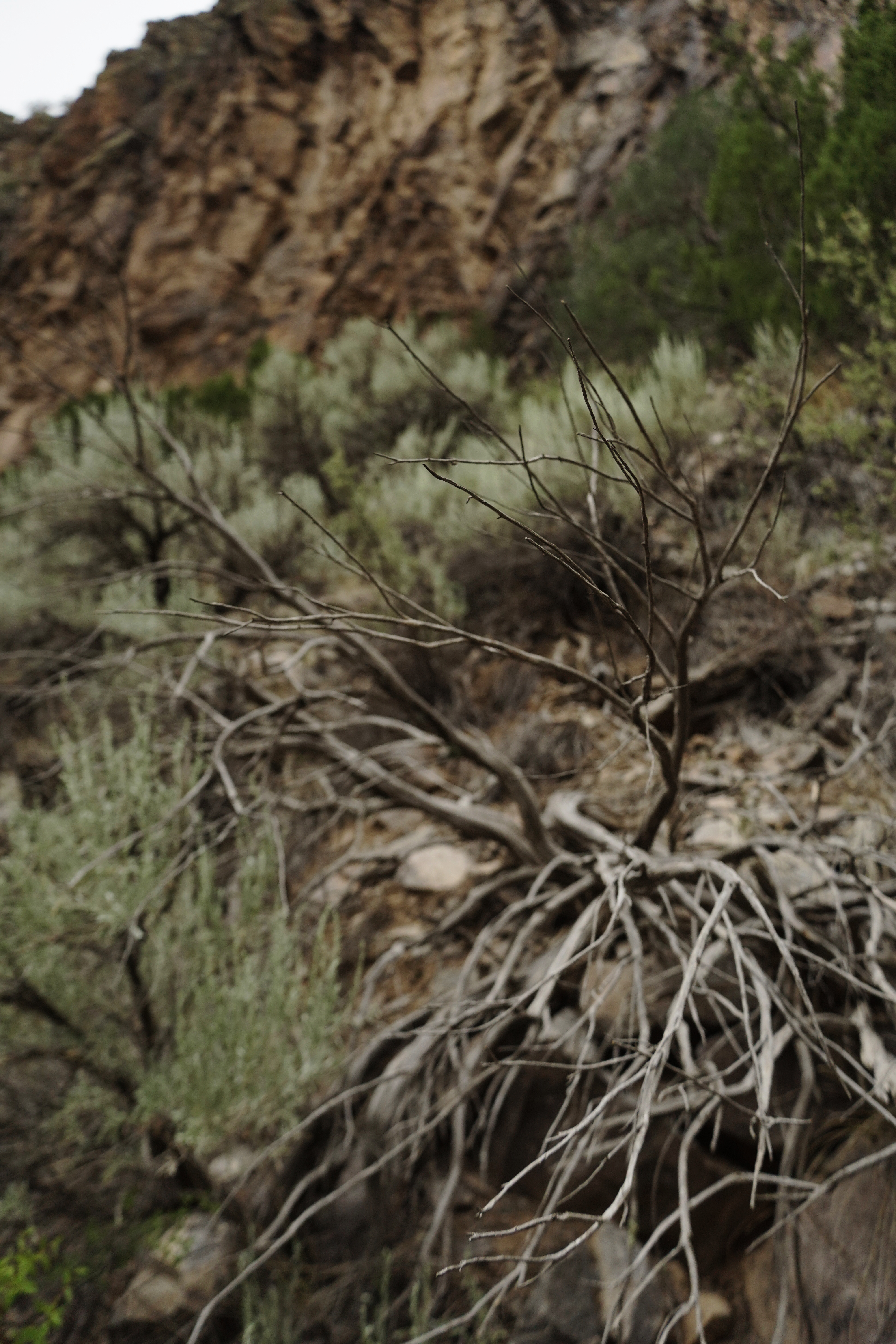

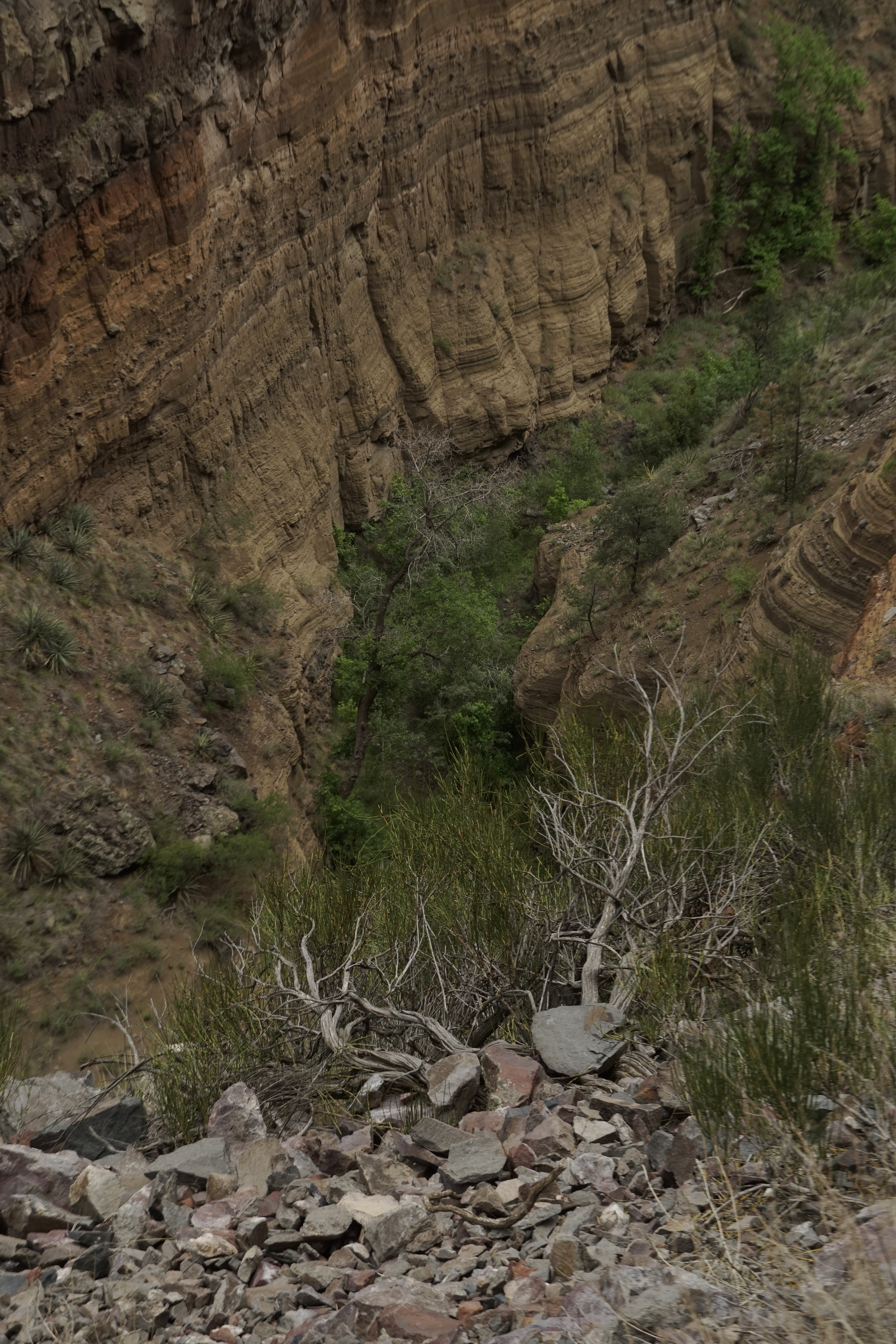
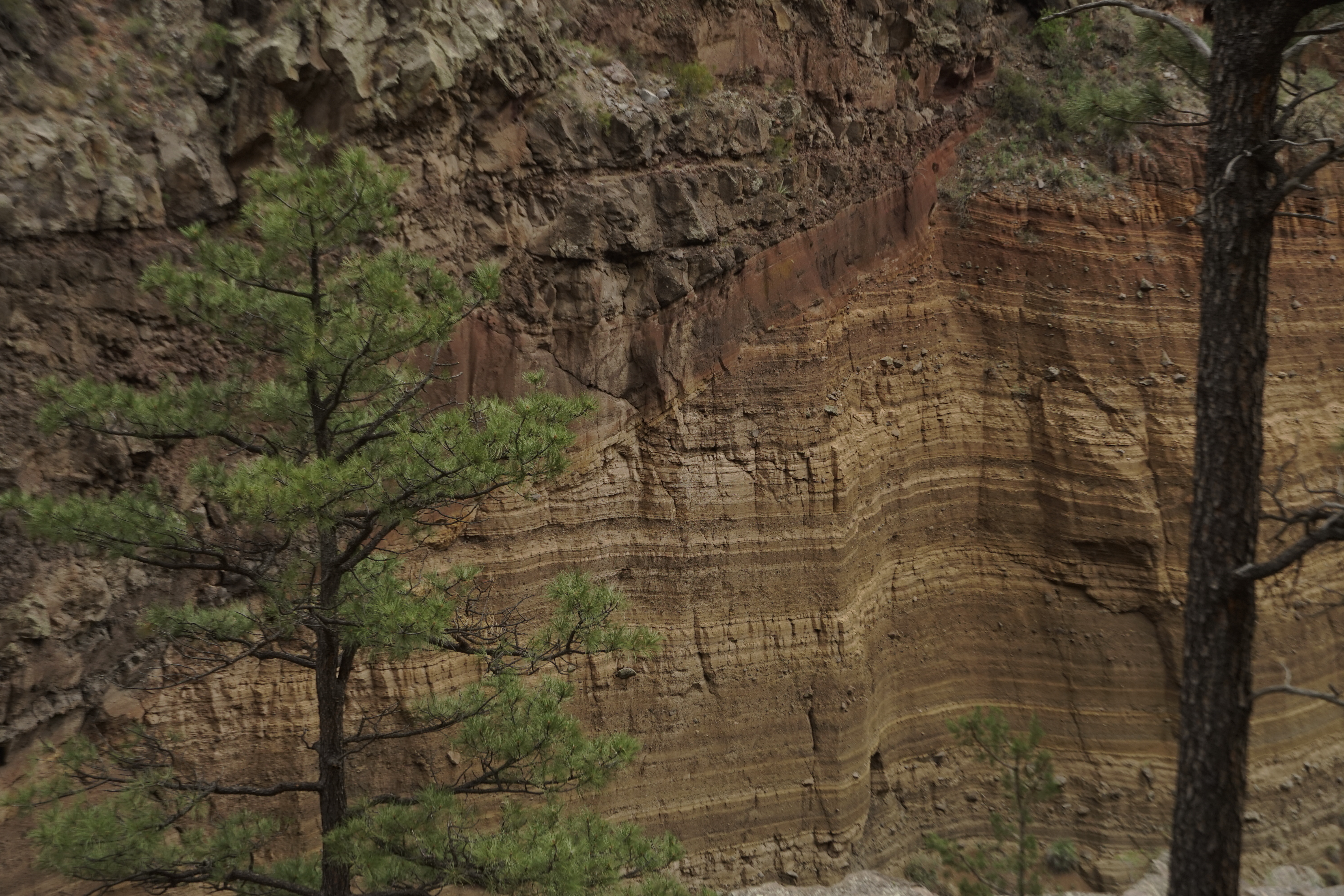
The falls would have been here:

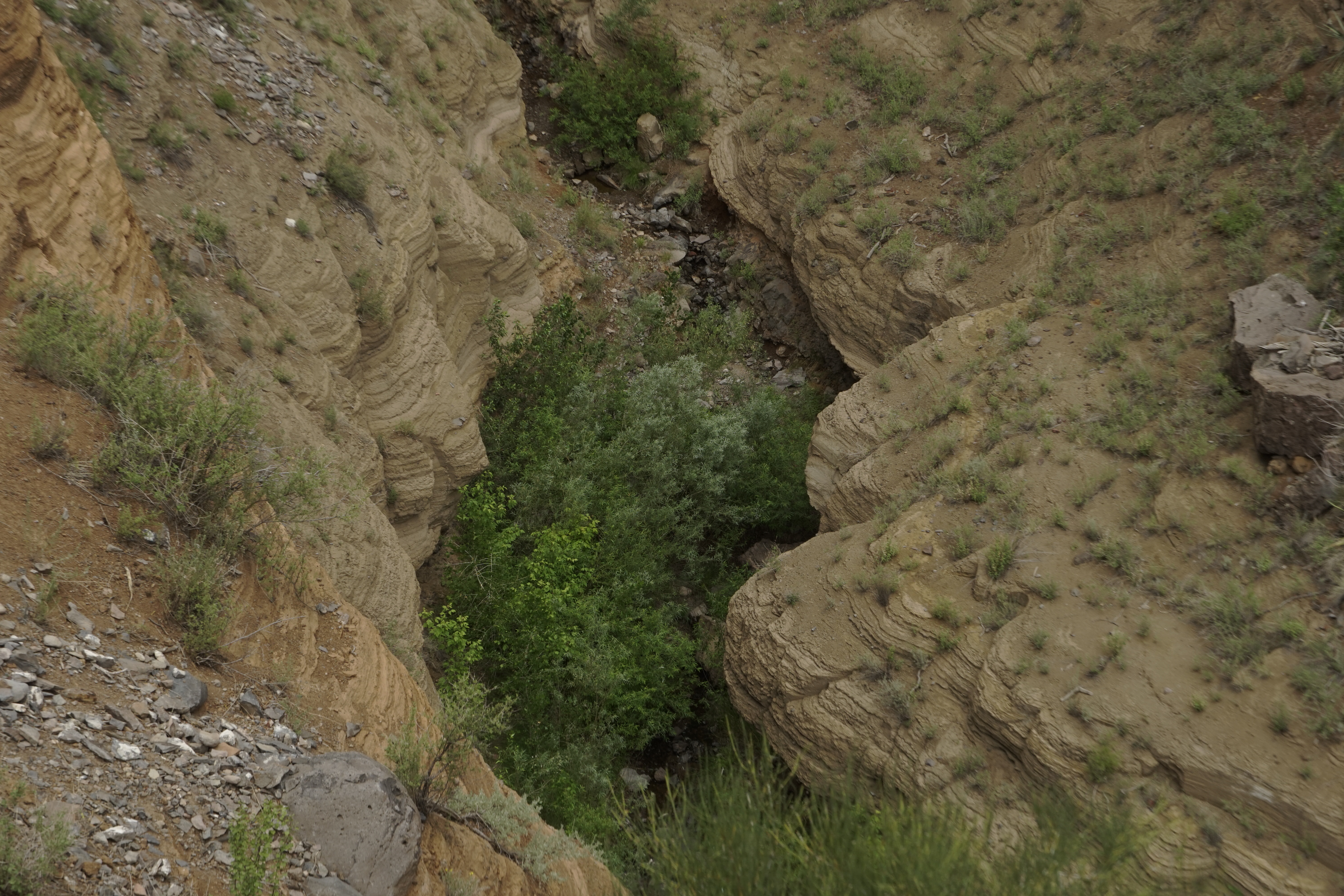


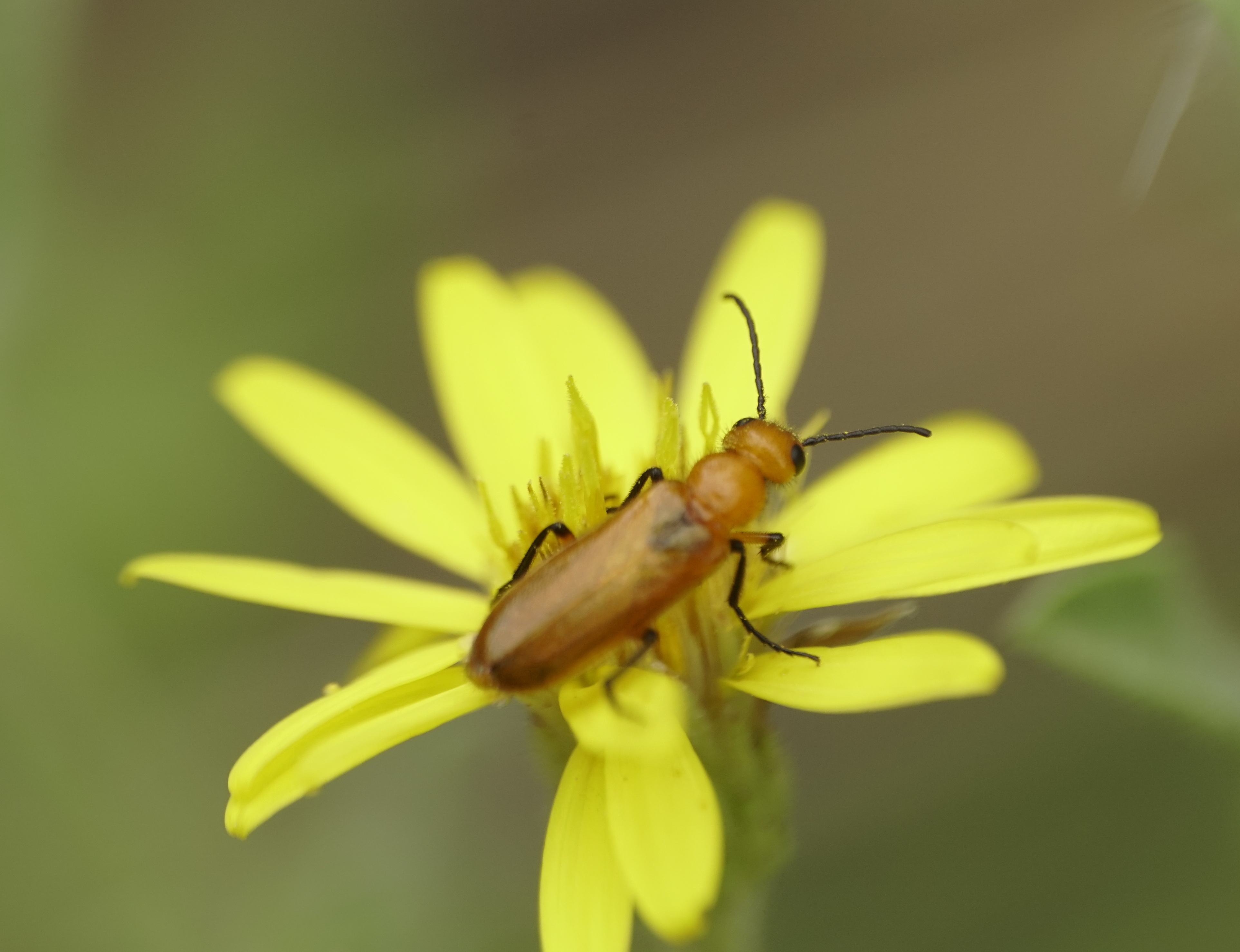
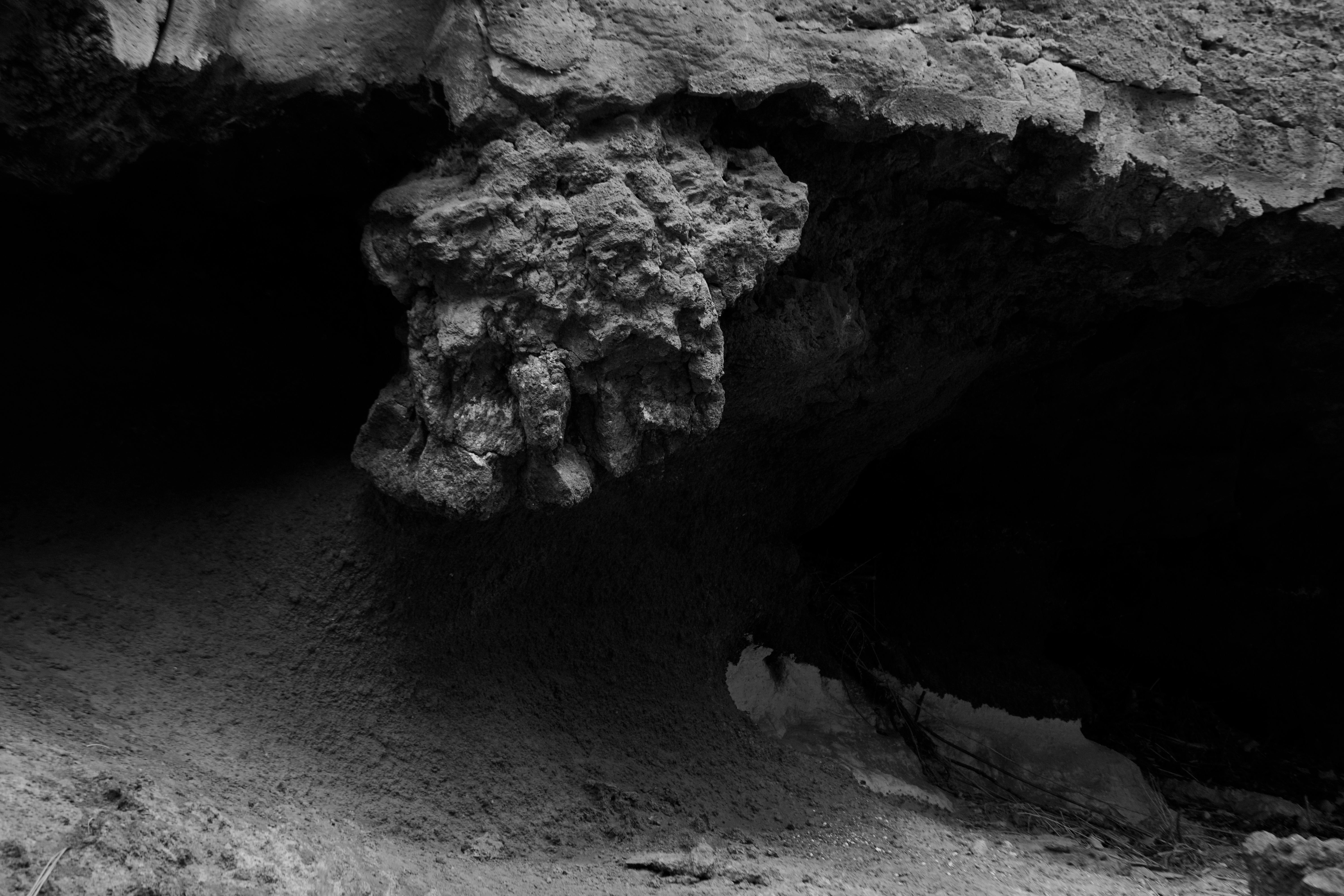

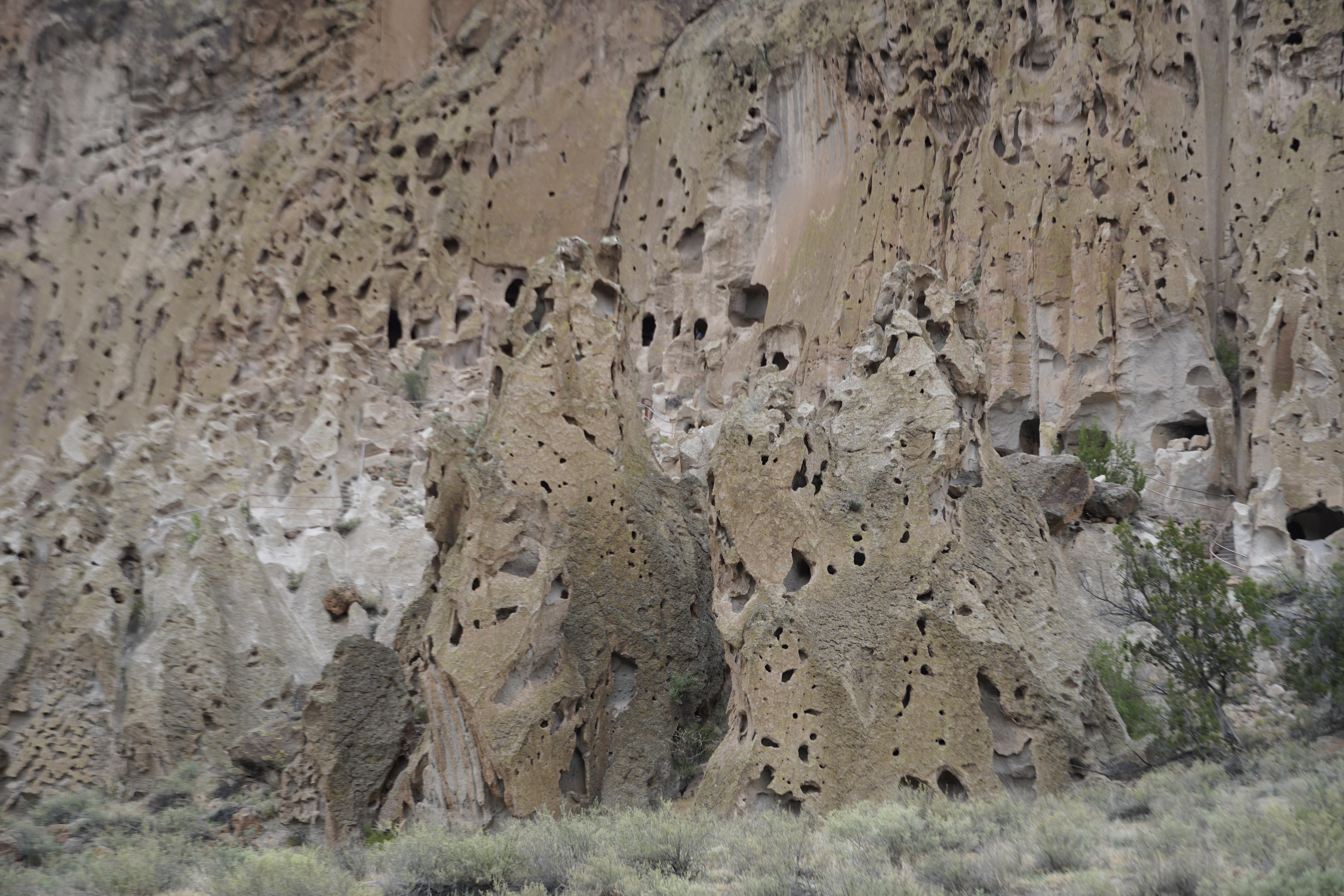
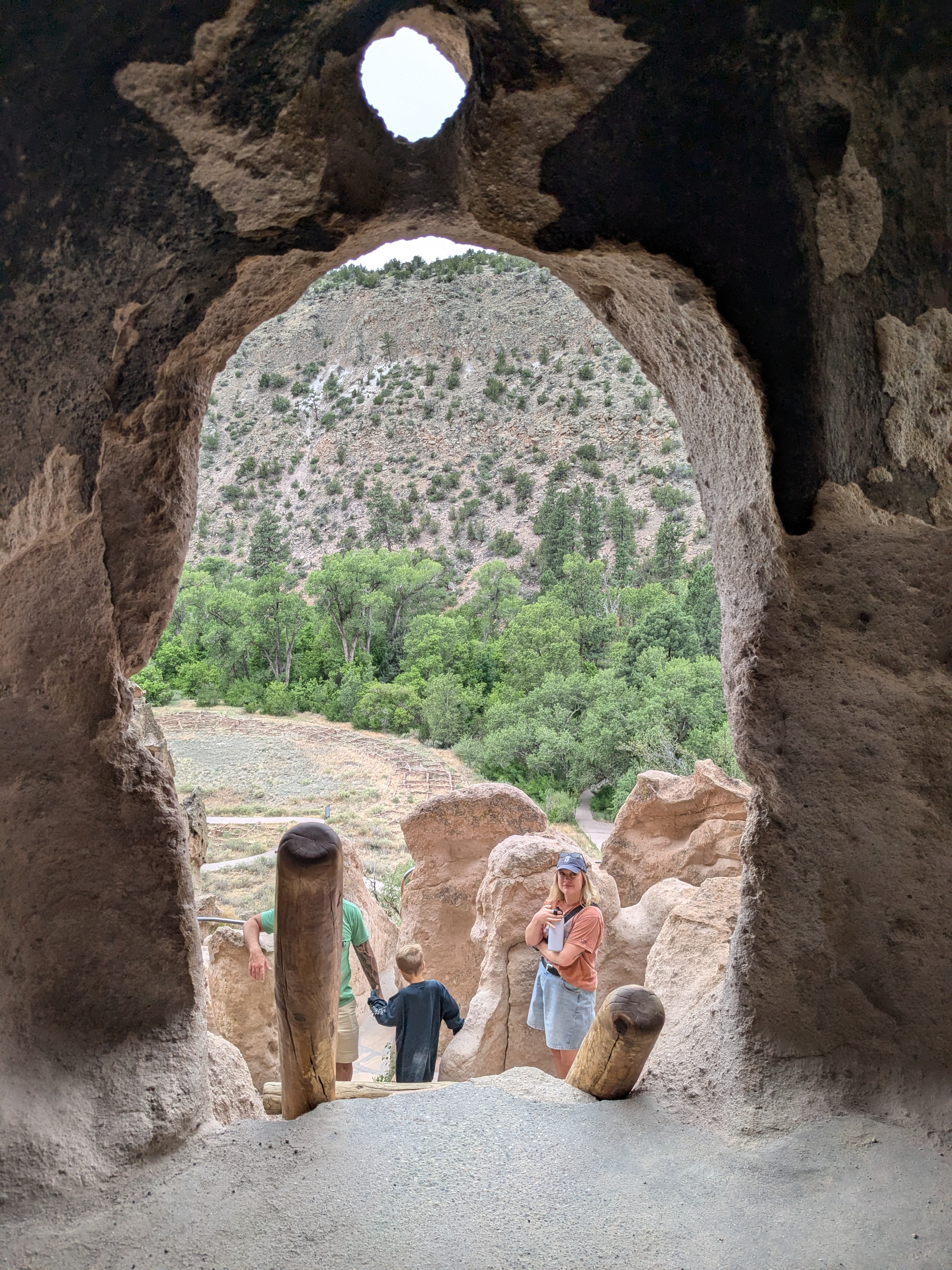
View from inside one of the cliff dwellings:
Starting from a relatively lower and wetter area, to a peak with 360 degree views around.
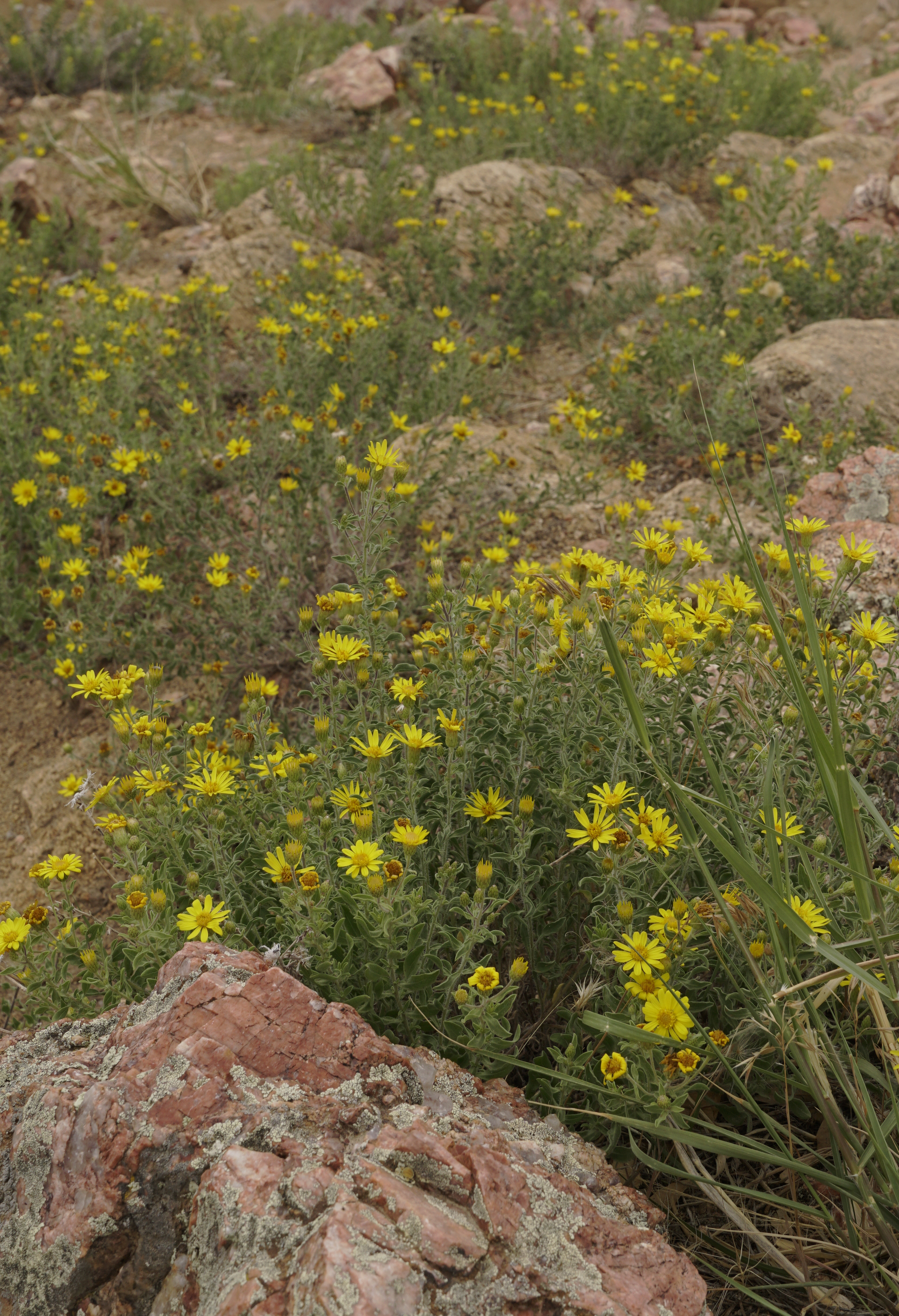
I think Fallugia paradoxa:



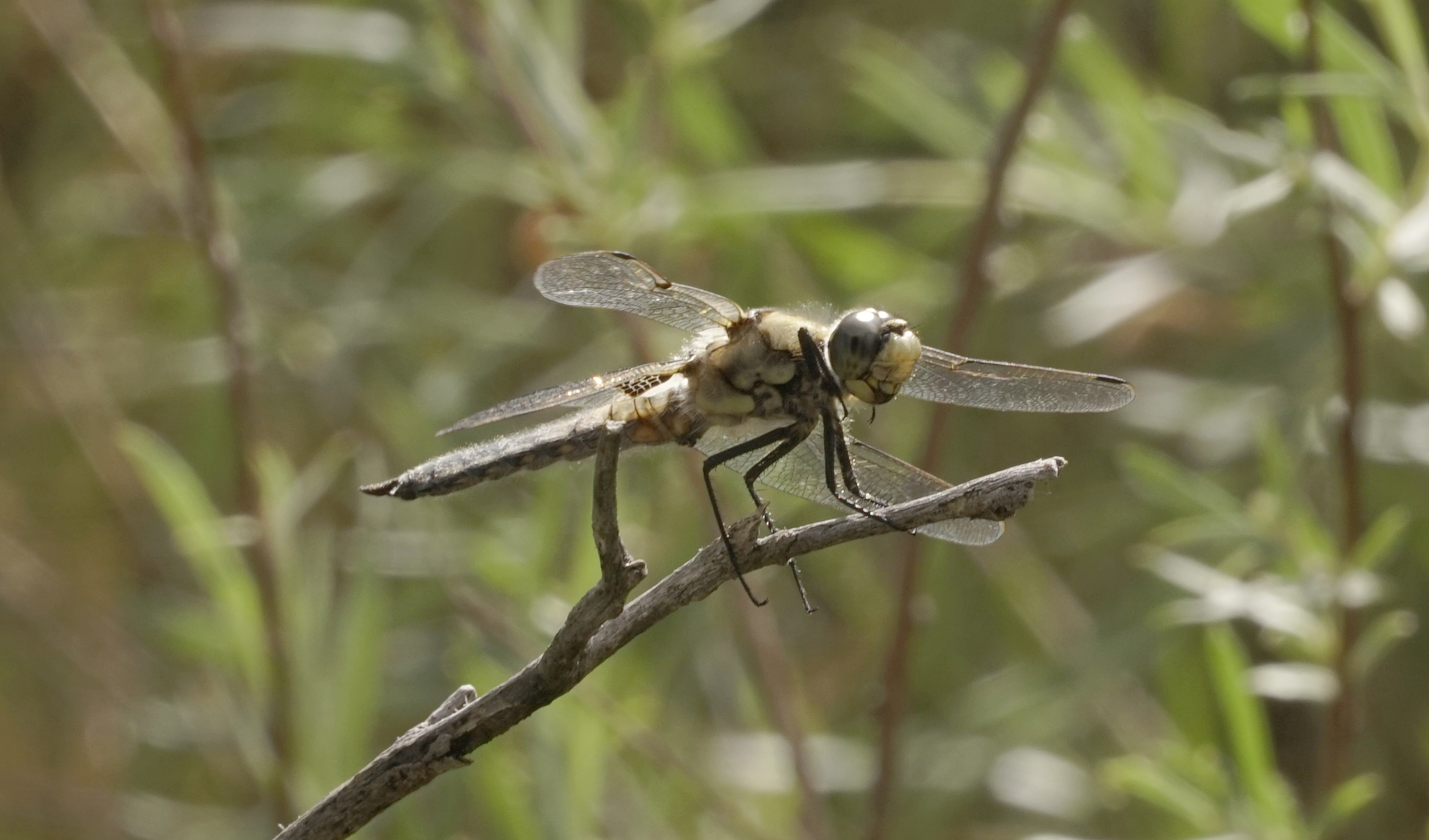
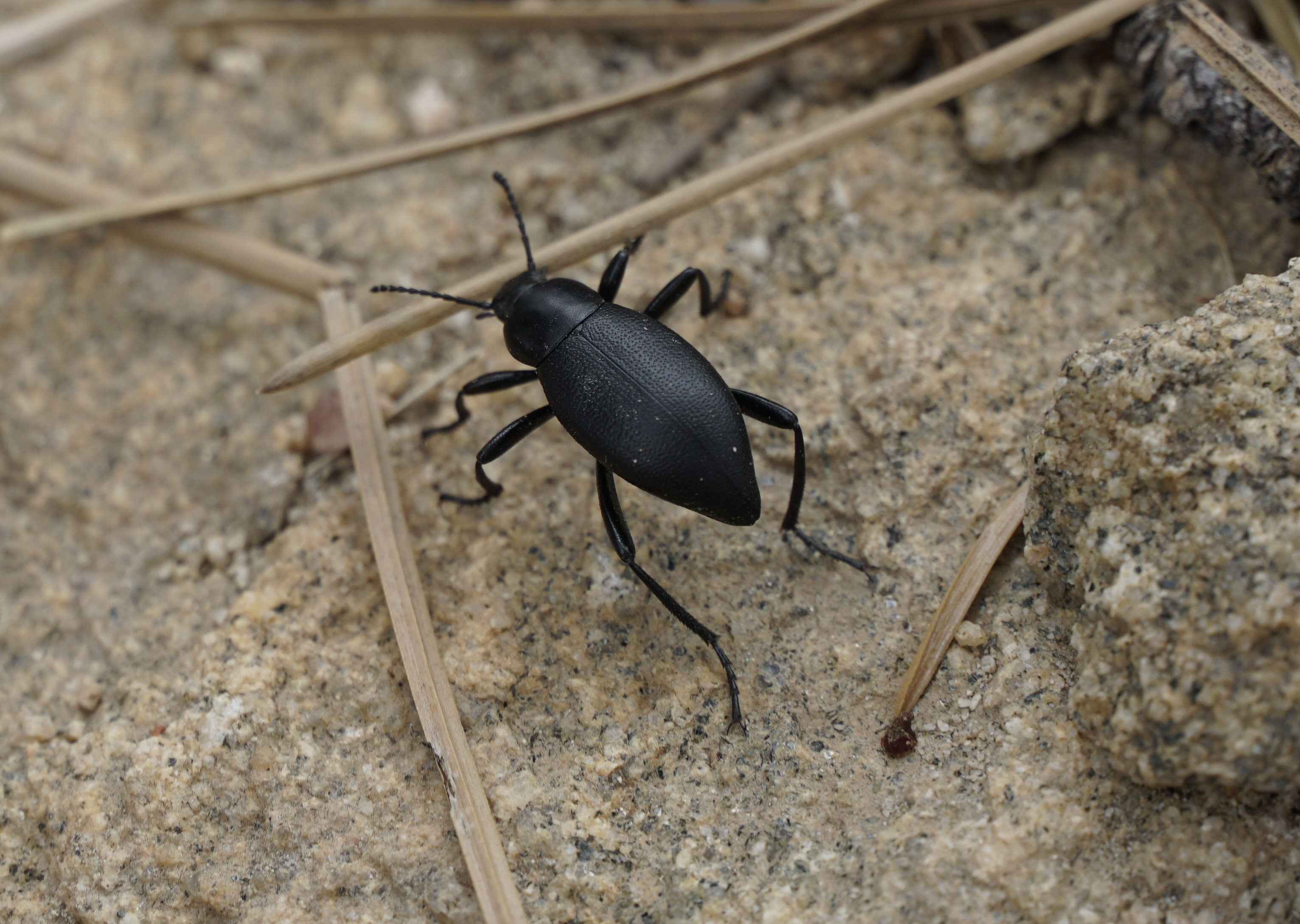
Perhaps Eleodes in Tenebrionidae?
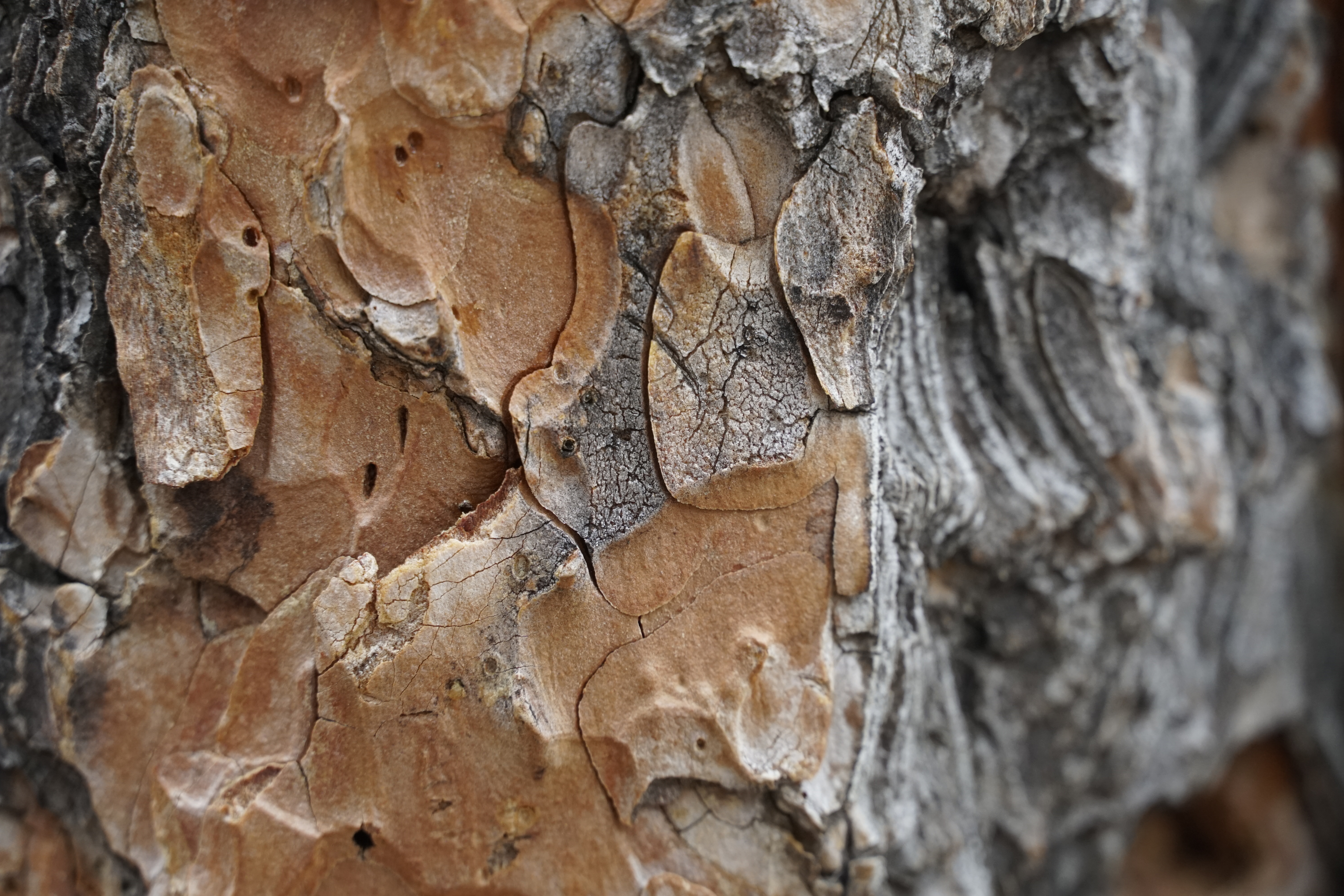
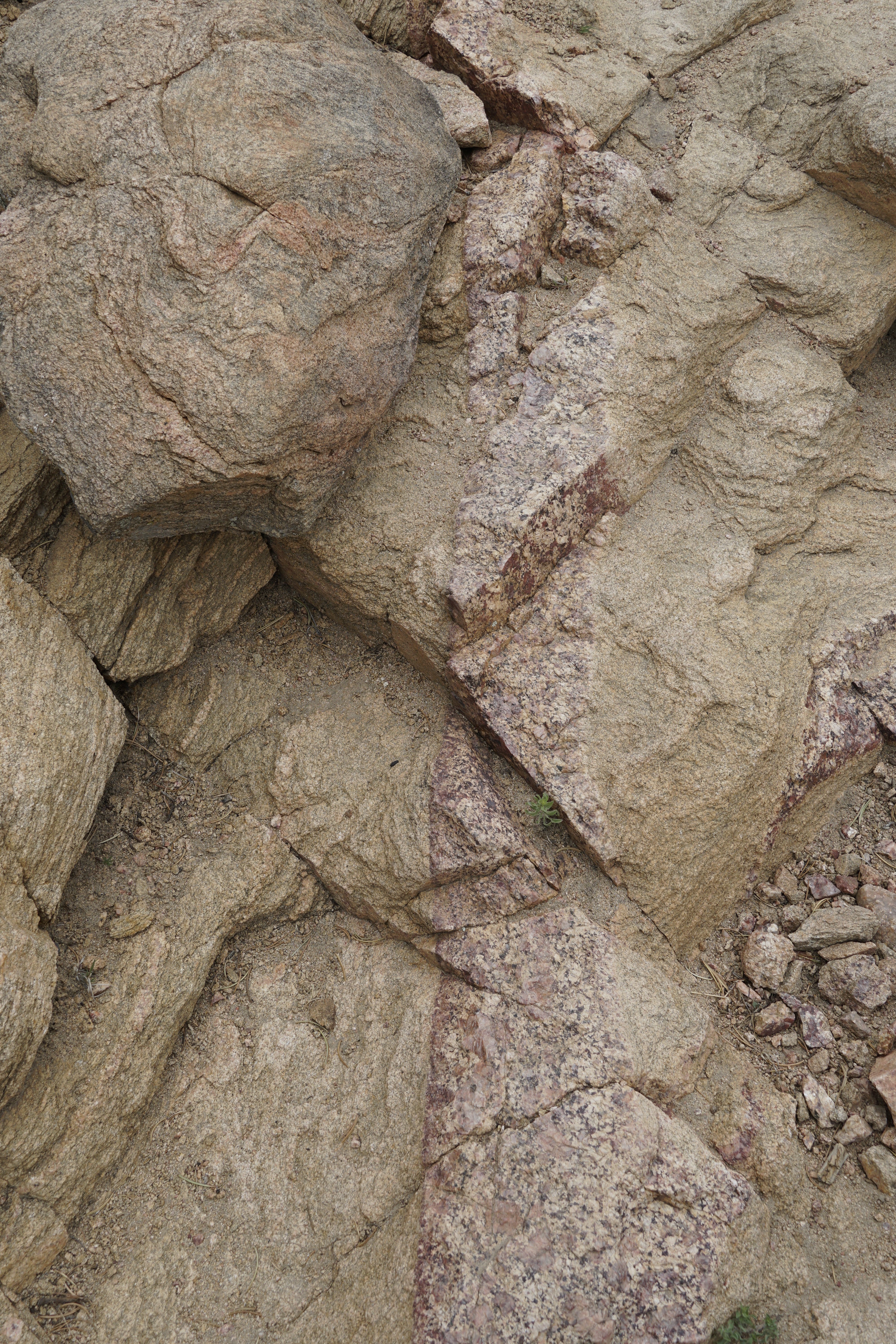
There were many of these rocks with veins running through them.
Lots of robber flies everywhere! These are apex predators in their own niche, so if there were that many of them, there were probably lots of bug life that evaded my notice.


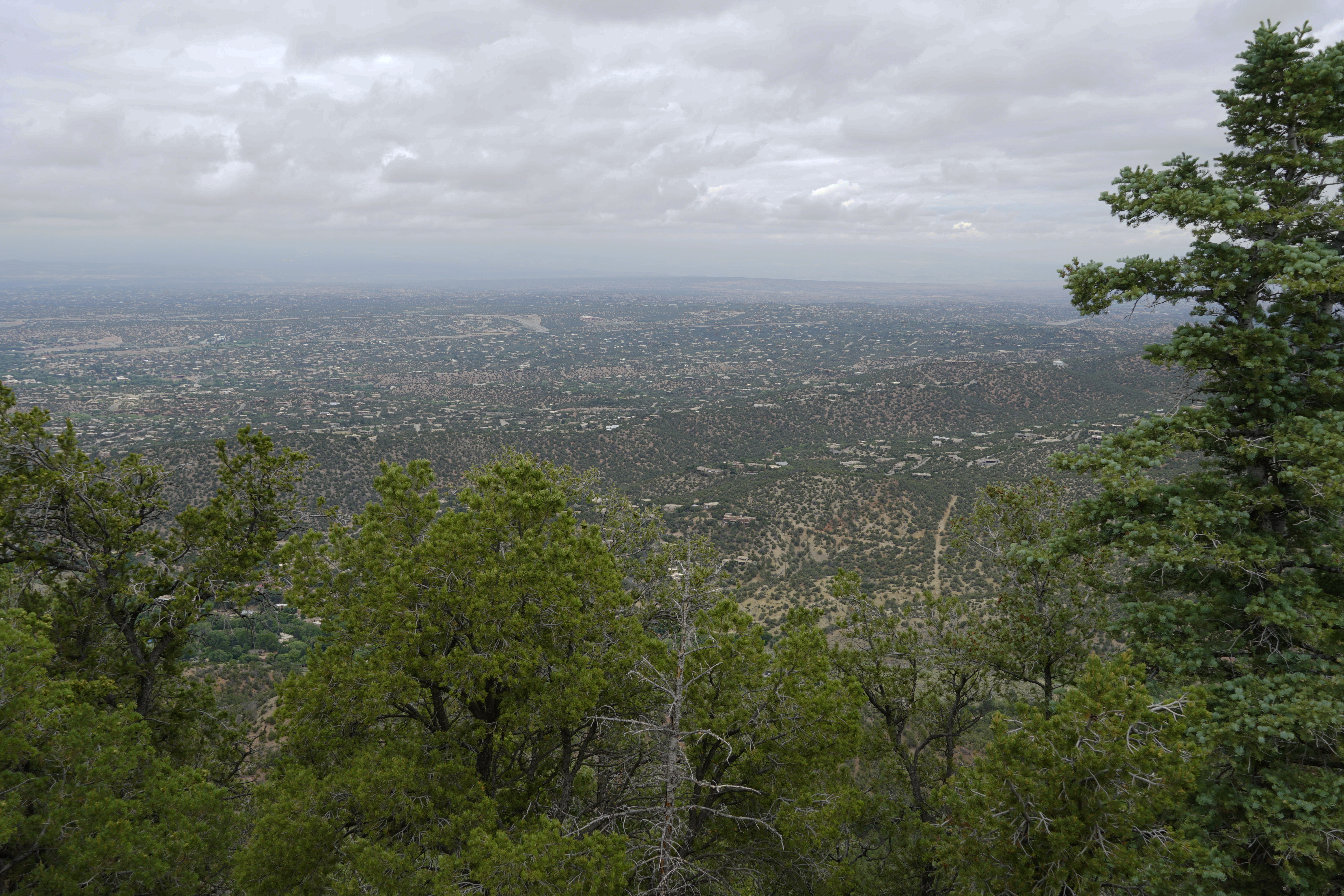
At the top:
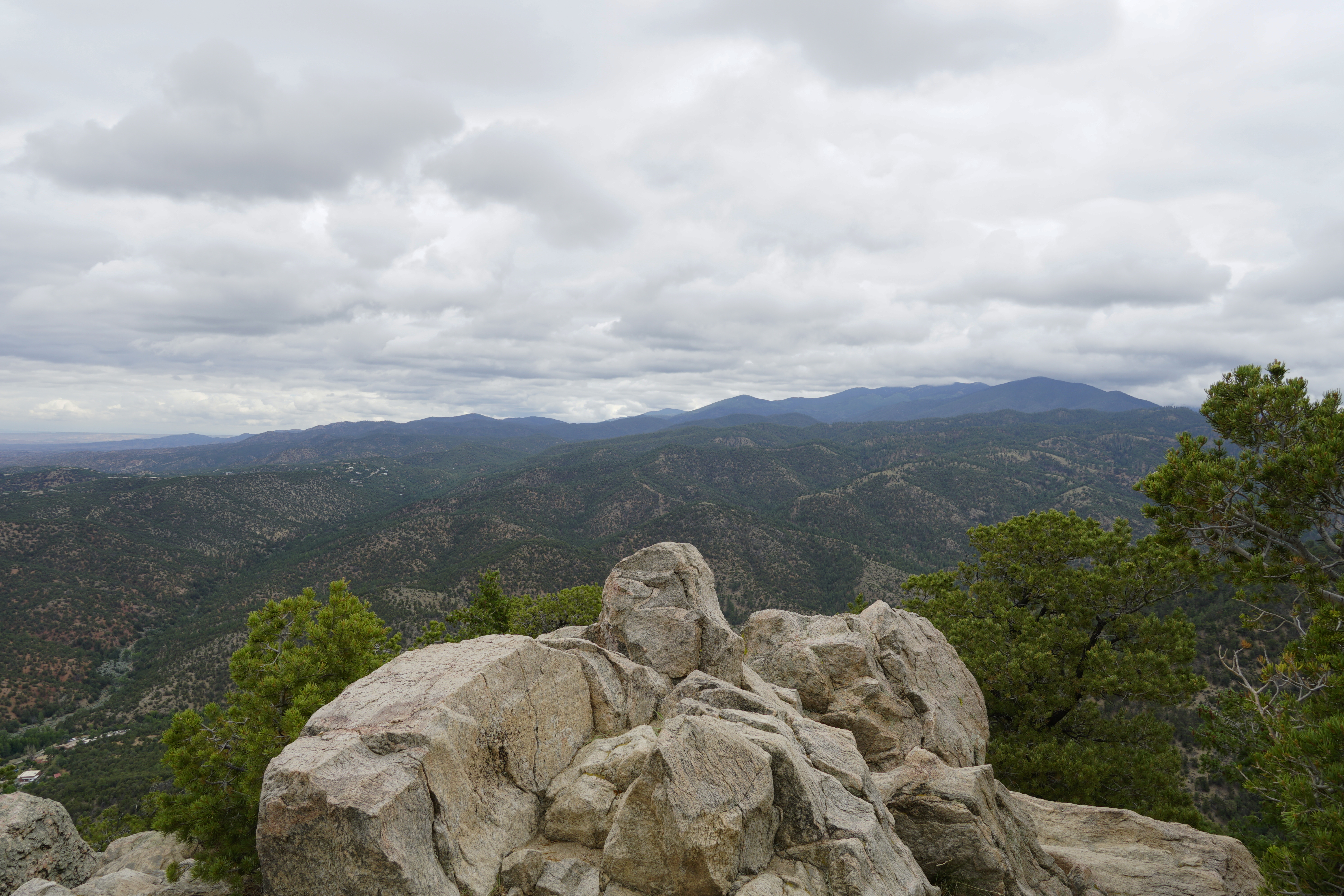
Panorama at the top:

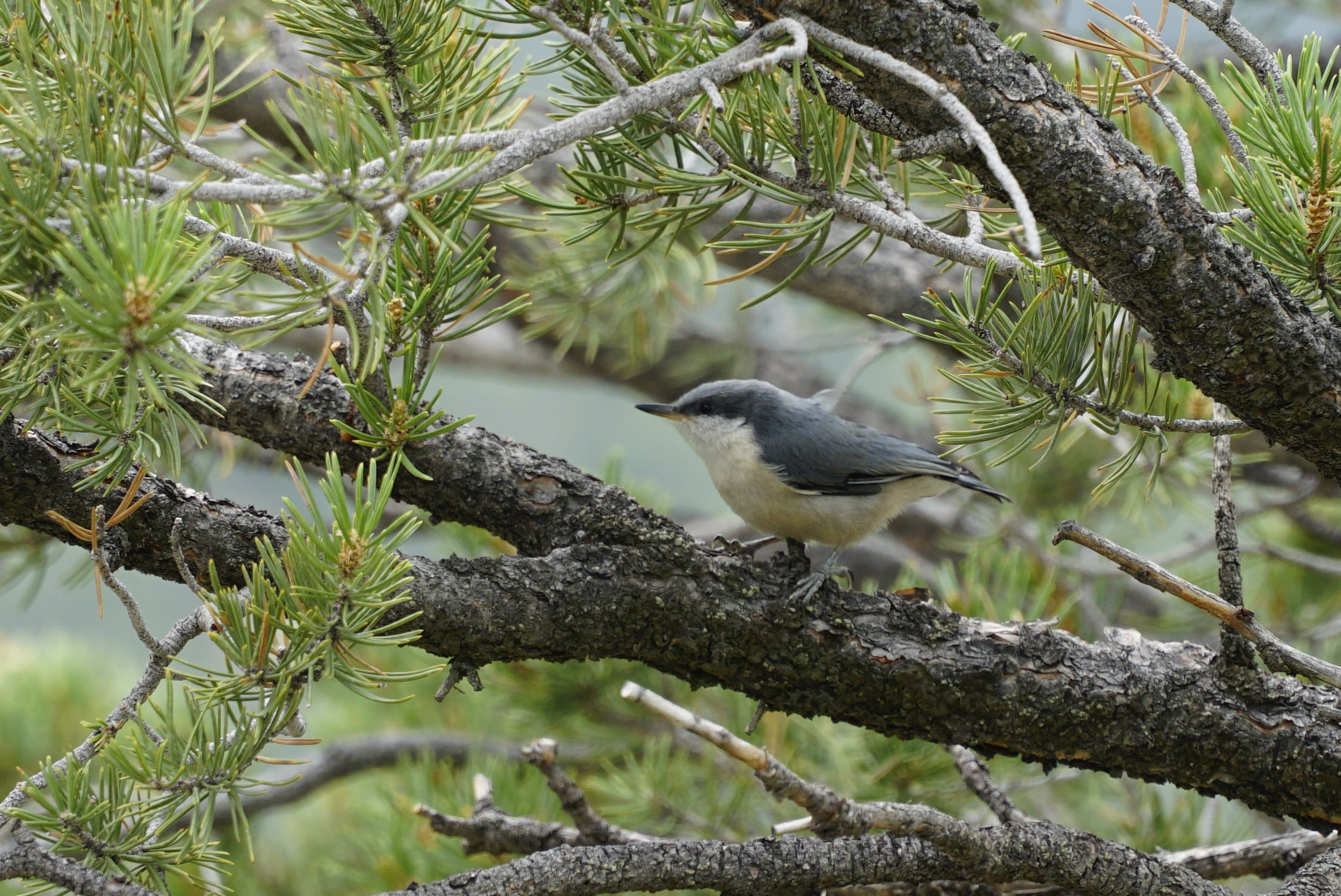
Pygmy nuthatch


Lots of Syrphid flies


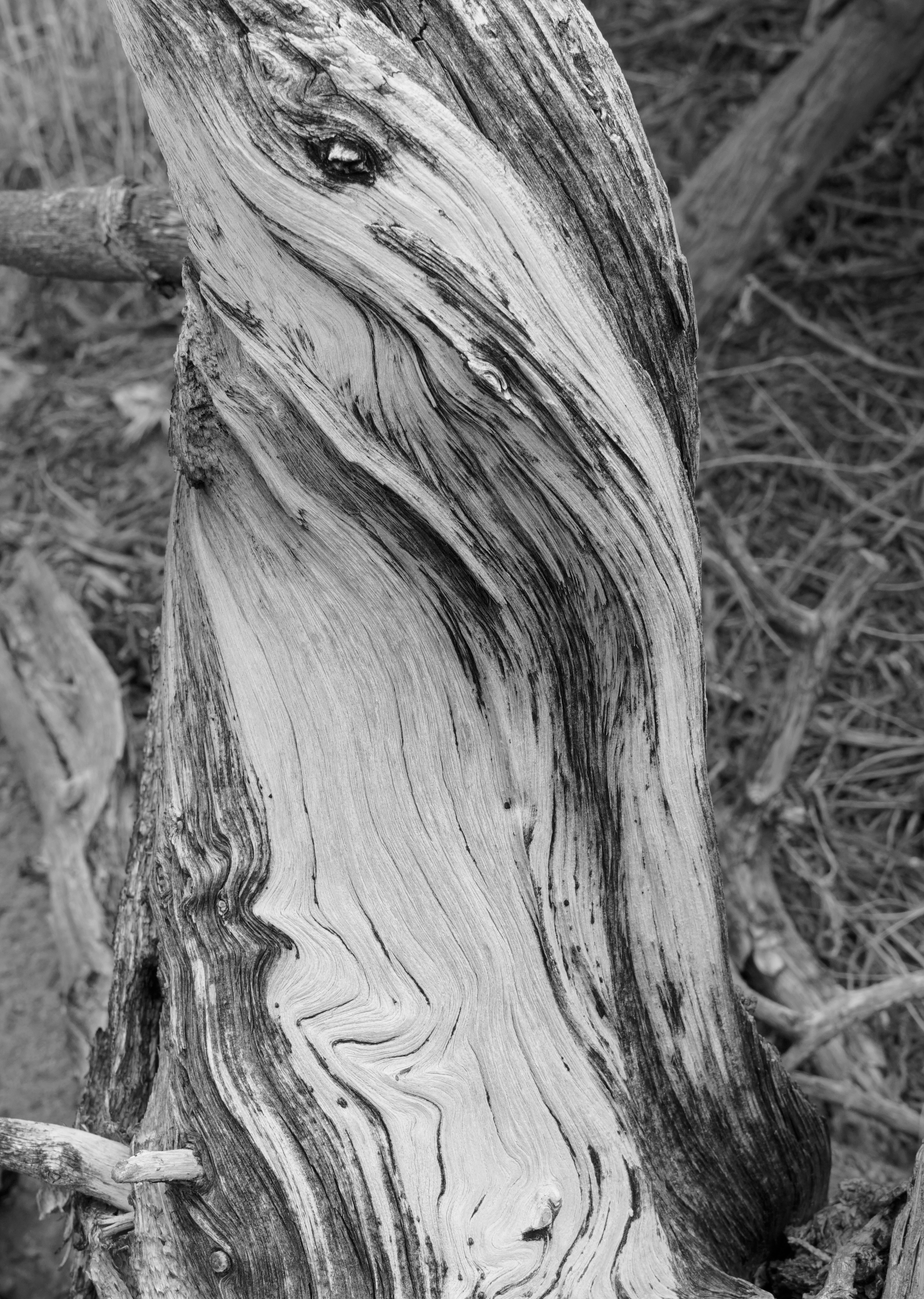
Looks like an elephant, a Ganesha / Ganapati look-alike




Bombyliidae, maybe Geron?
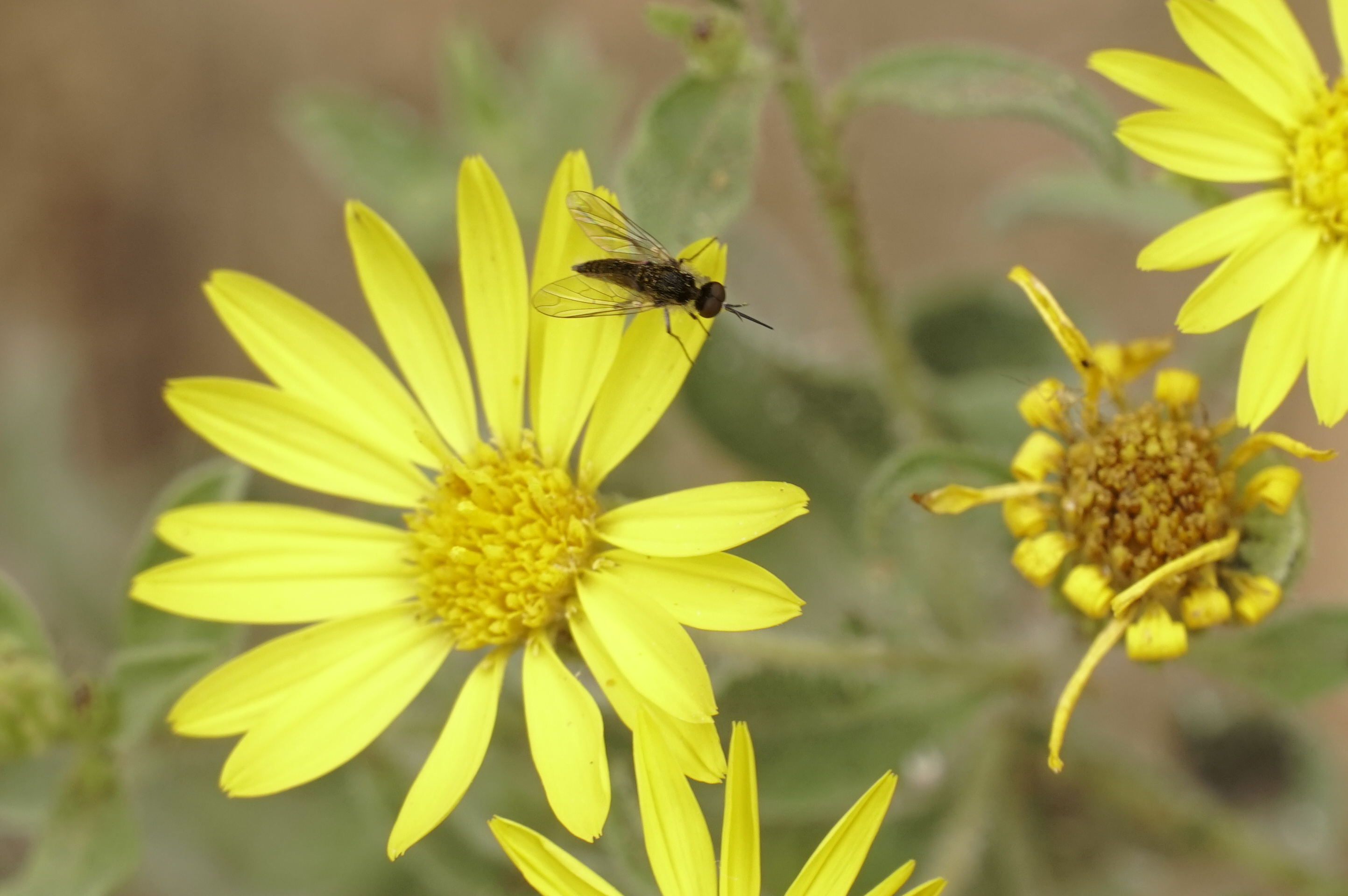
Chalybion californicum, I think, based on the shape of the head

Another robber fly

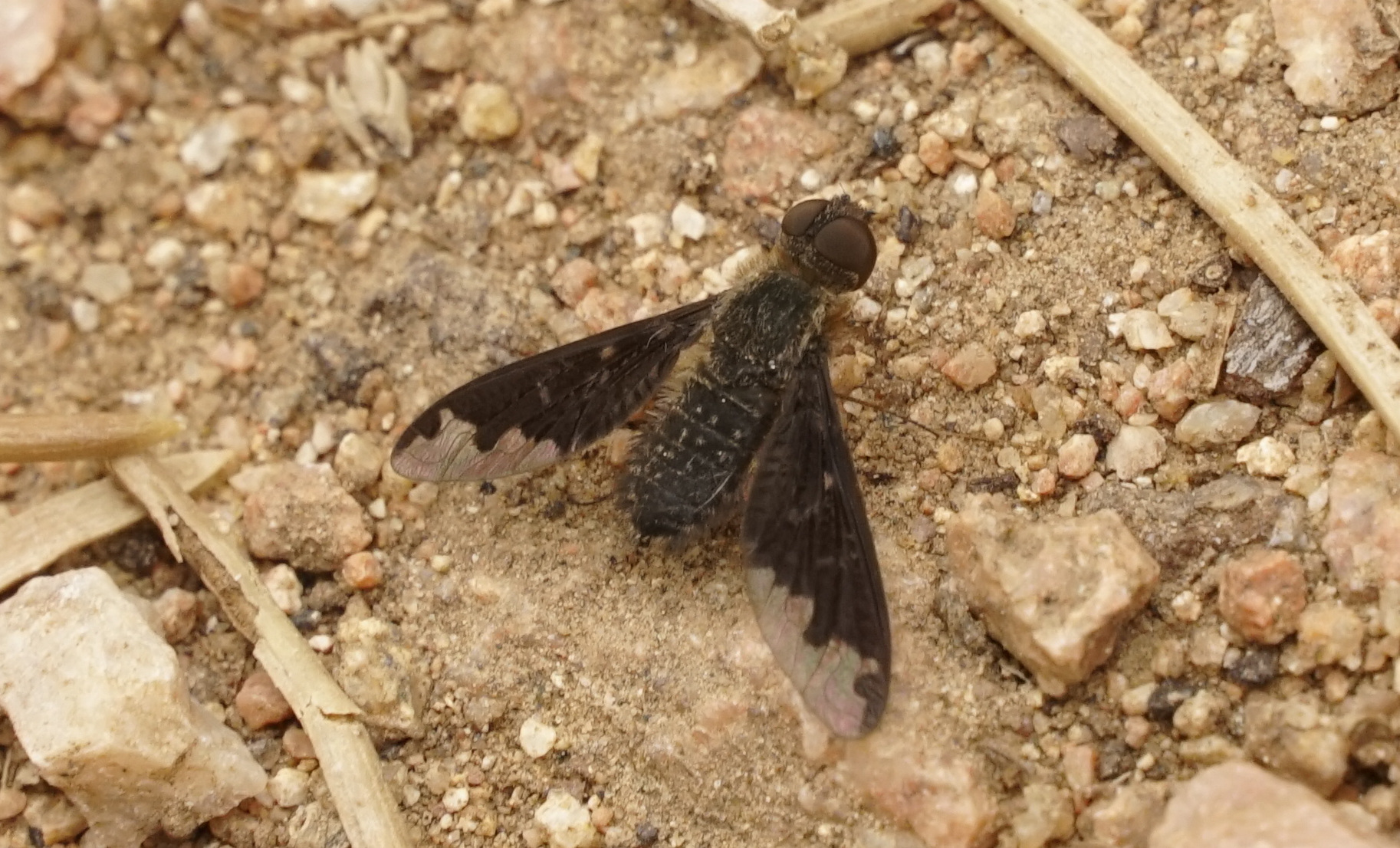
This fly belongs to Anthracinae in Bombyllidae
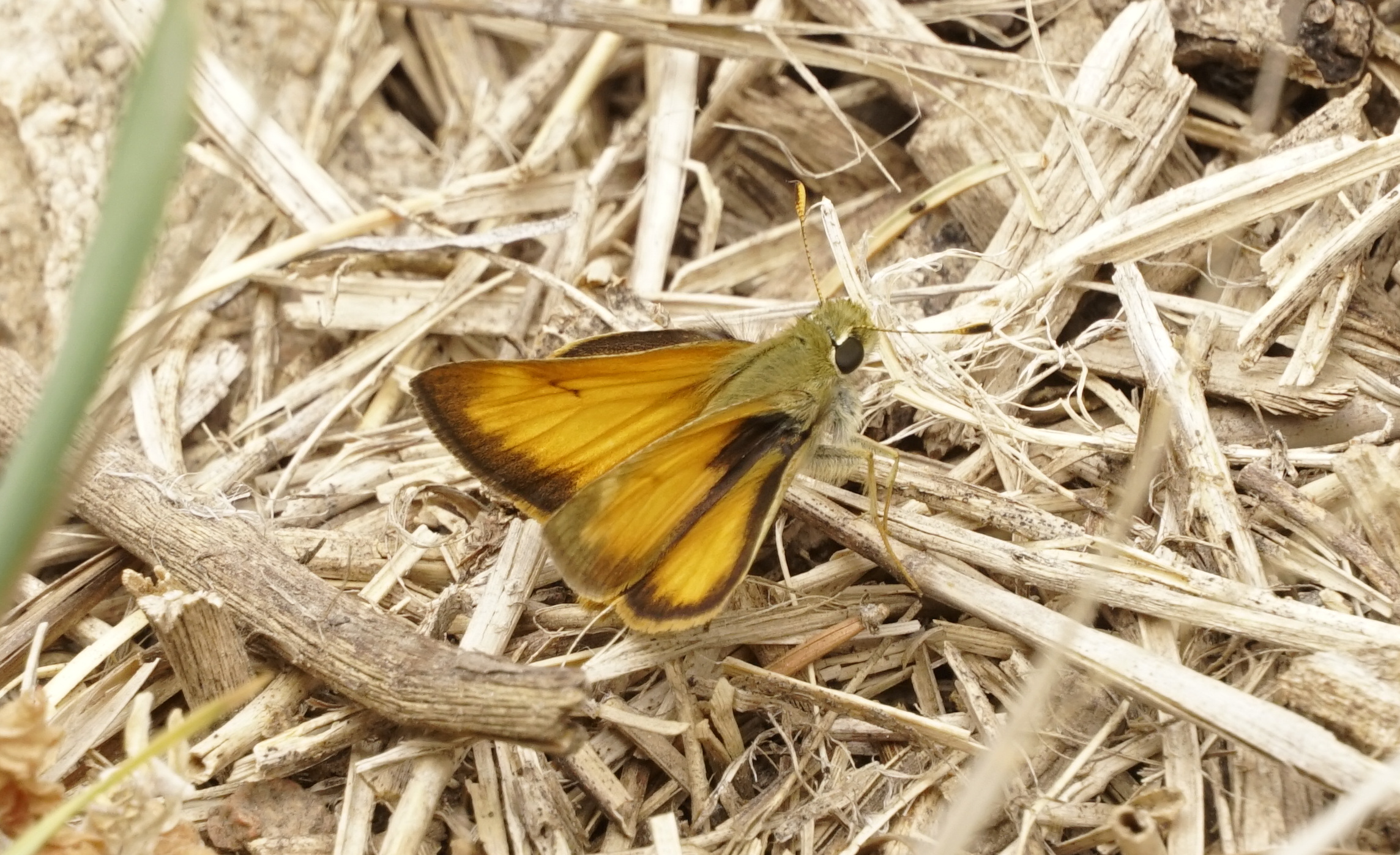
A skipper butterfly
I watched as the presumed Mirid bug crawled onto the lizard’s head. The lizard was not amused.

Went with family, so not many photos. Definitely would love to come back and take some time to explore, especially the bugs.
In particular, Rehoboth State Park contains an Atlantic white cedar swamp, which is a habitat I haven’t explored before.
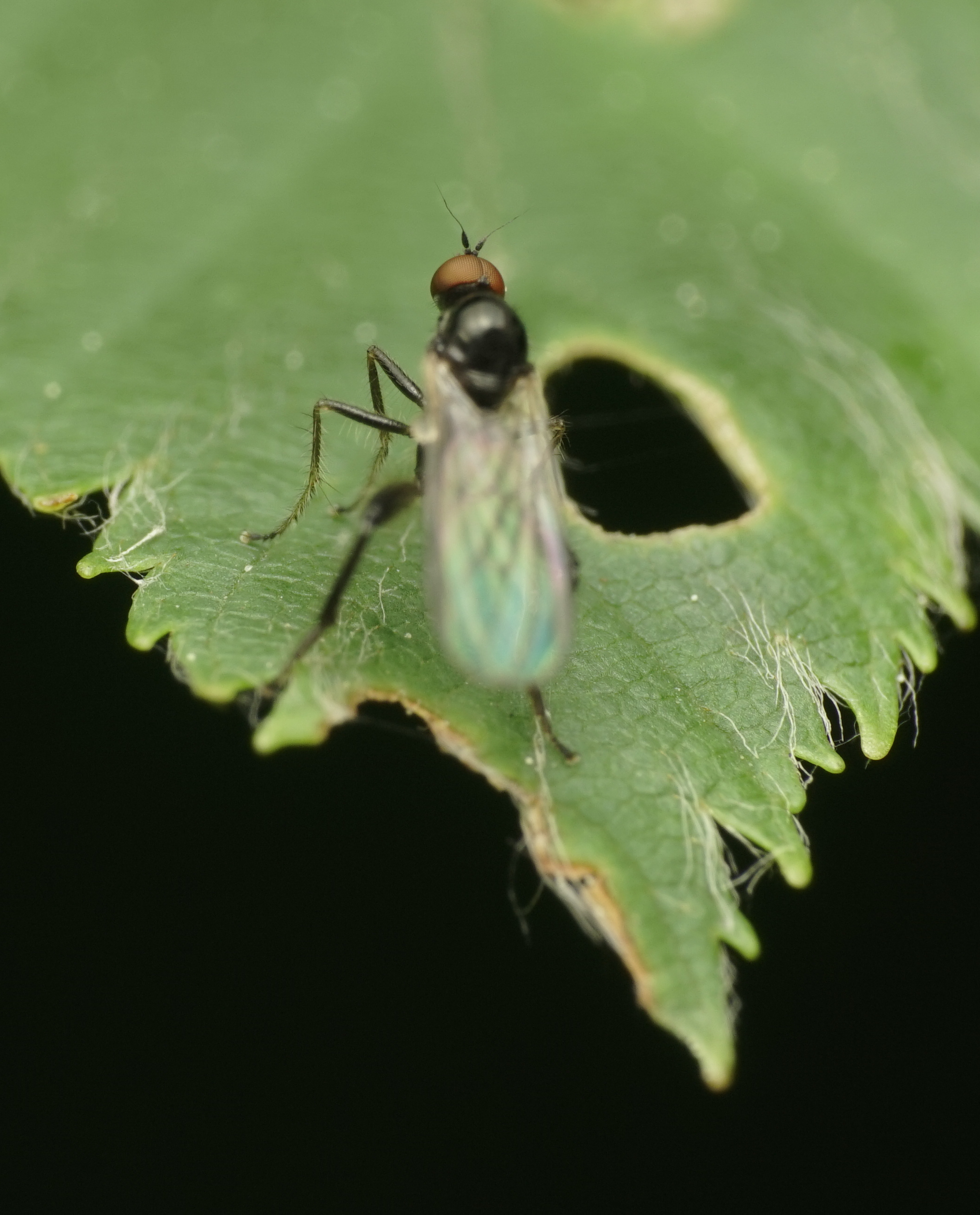
I’m guessing Olethreutes:

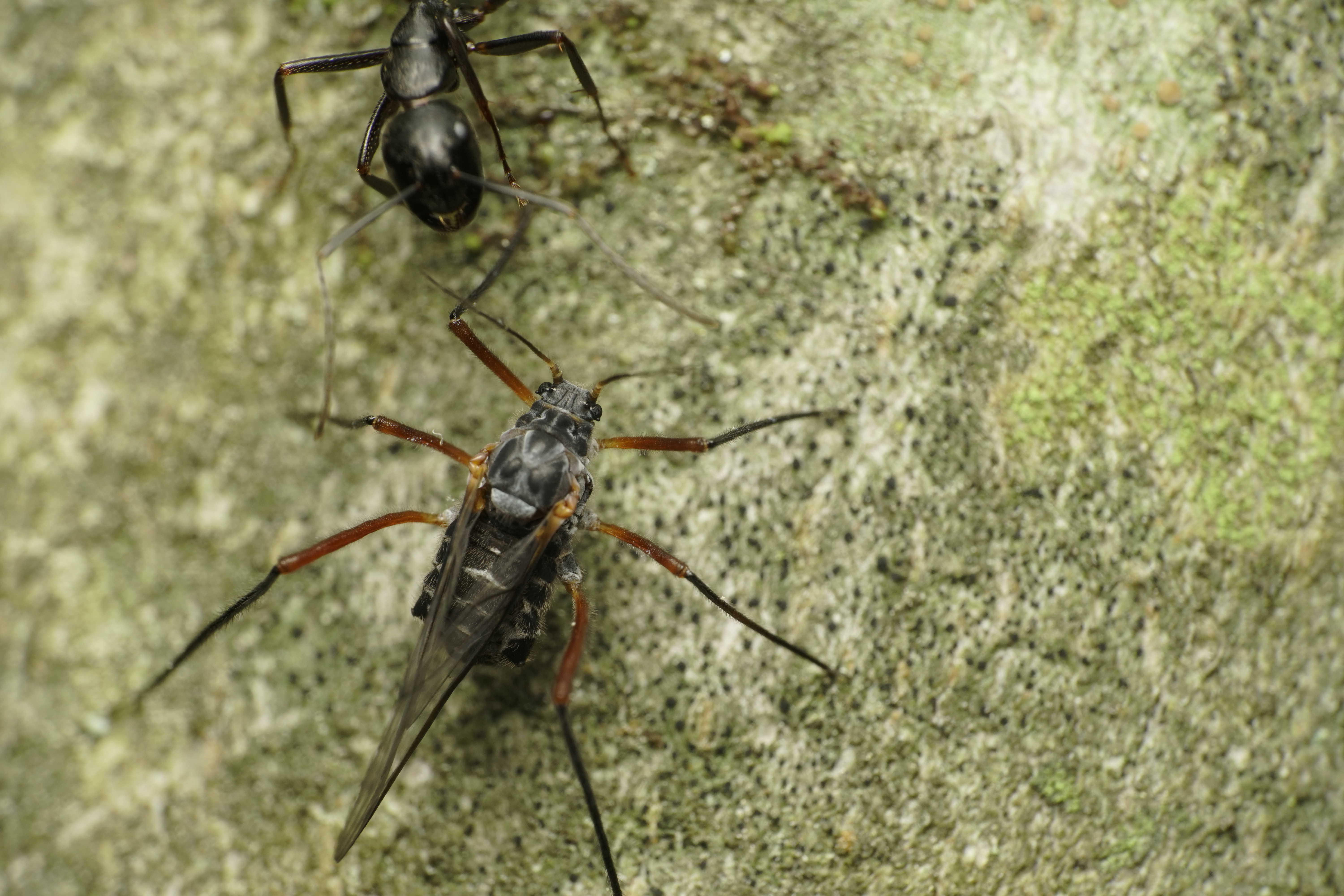
This ant and the aphid were interacting, but I couldn’t spend too much time studying it. It was interesting to me that the aphid was winged…so it was less likely to stay in one place, be “millked’ by the ant, and need protection. I’ve heard some ants remove the wings from the aphids to make them more domestic, I wonder if that was in the cards.

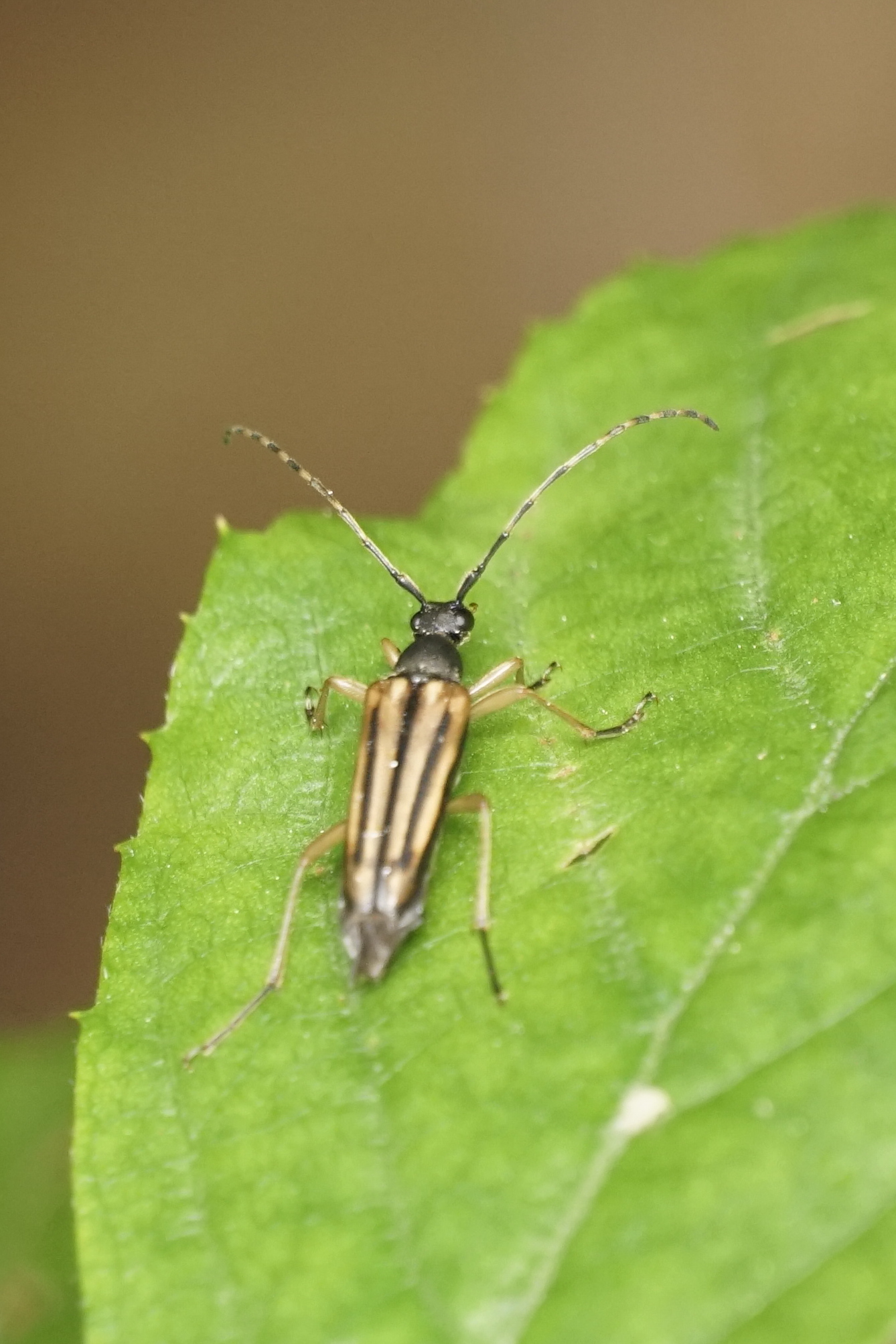
Lepturinae, longhorn flower beetle, in Cerambycidae. I think Analeptura lineola.
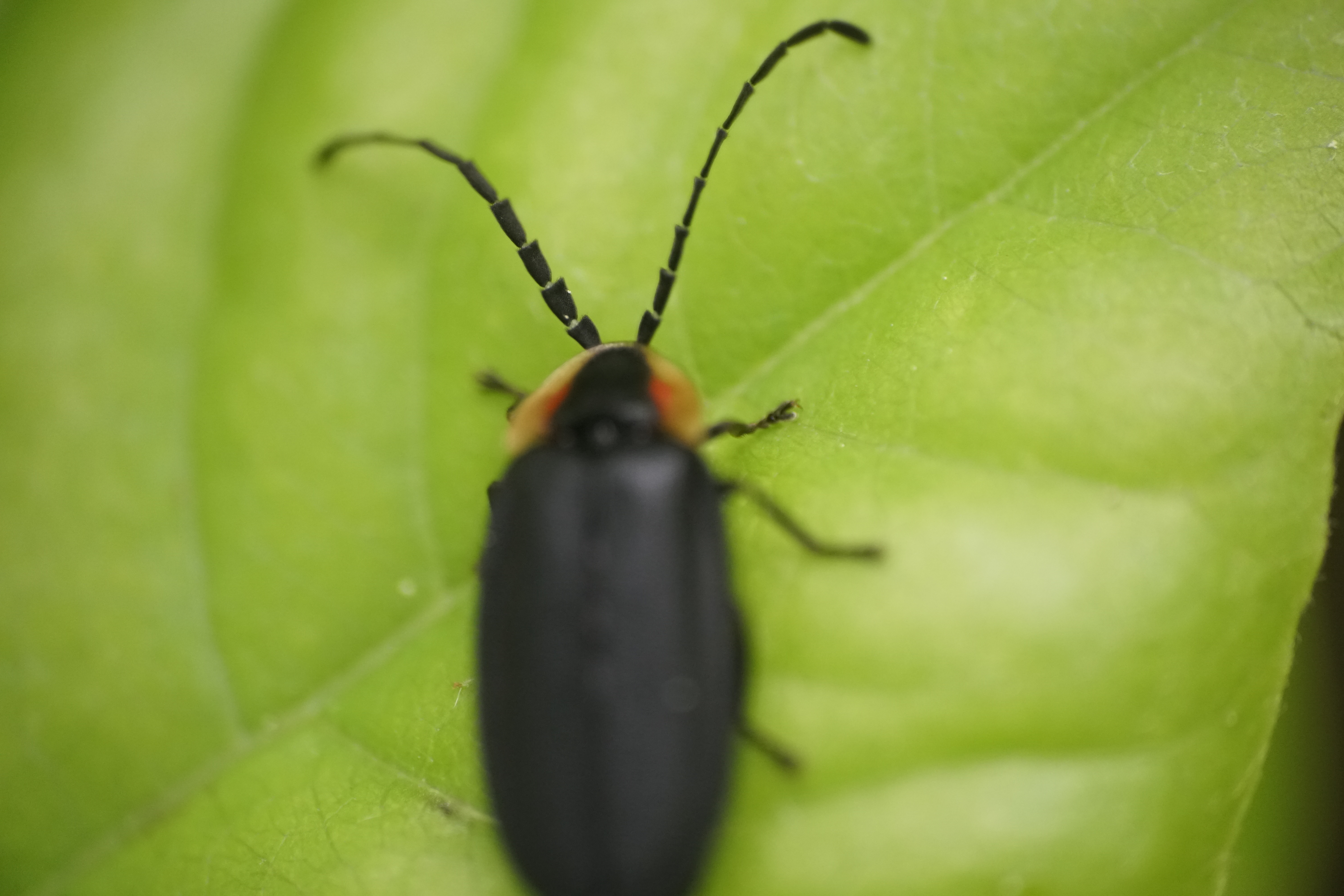
Firefly
Pisaurina mira

Long legged fly at home, Dolichopodidae, probably Condylostylus

Was here for an astronomy session with the Arunah Hill Natural Science Center in Cummington, MA, so why not mix pleasure with pleasure? Got up early, looked for bugs on the verge of the woods with the lawn.
I unfortunately had problems with my flash all day, which led to some over- and under-exposures, but that’s life. First, a couple of micro landscapes, with no bugs.
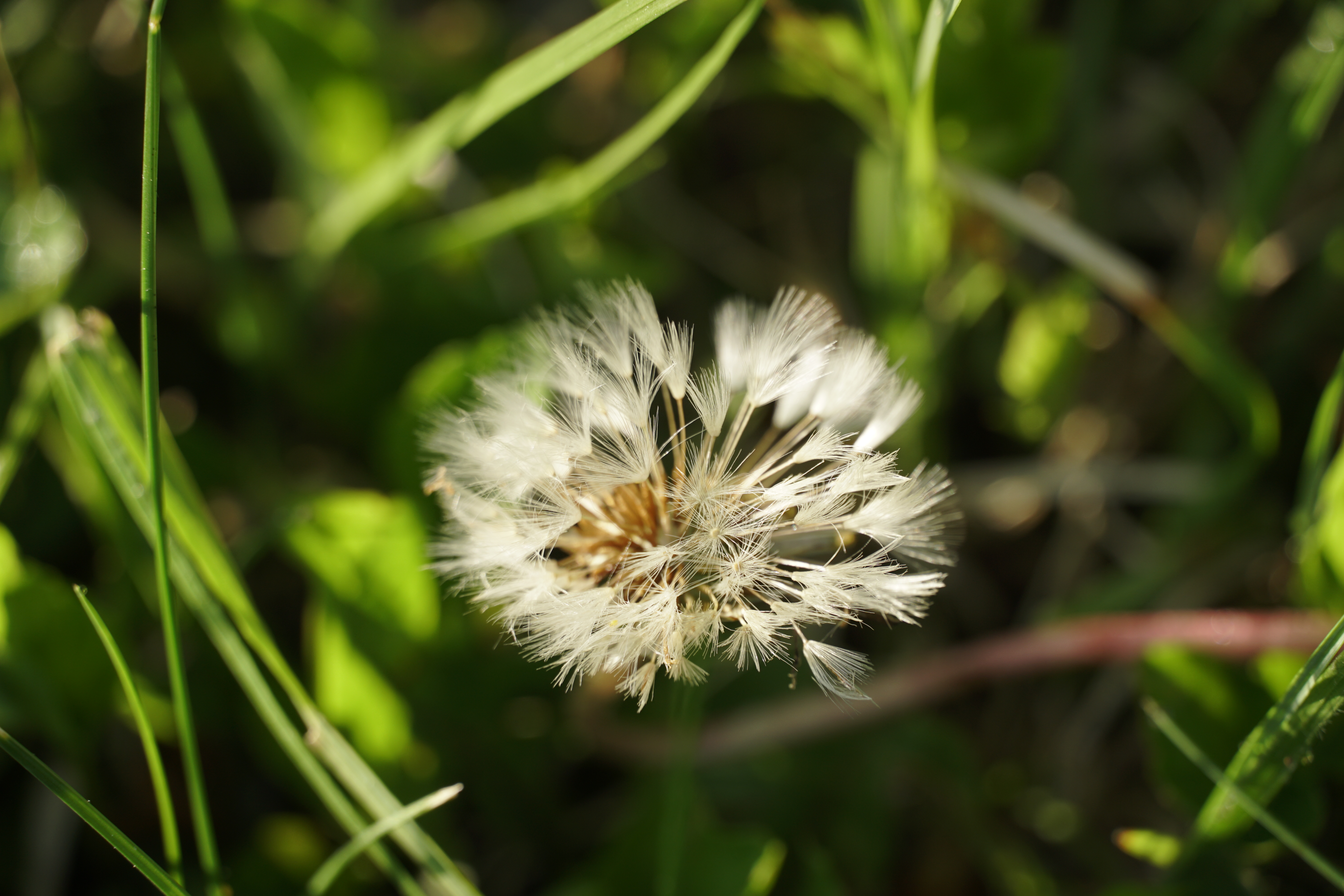
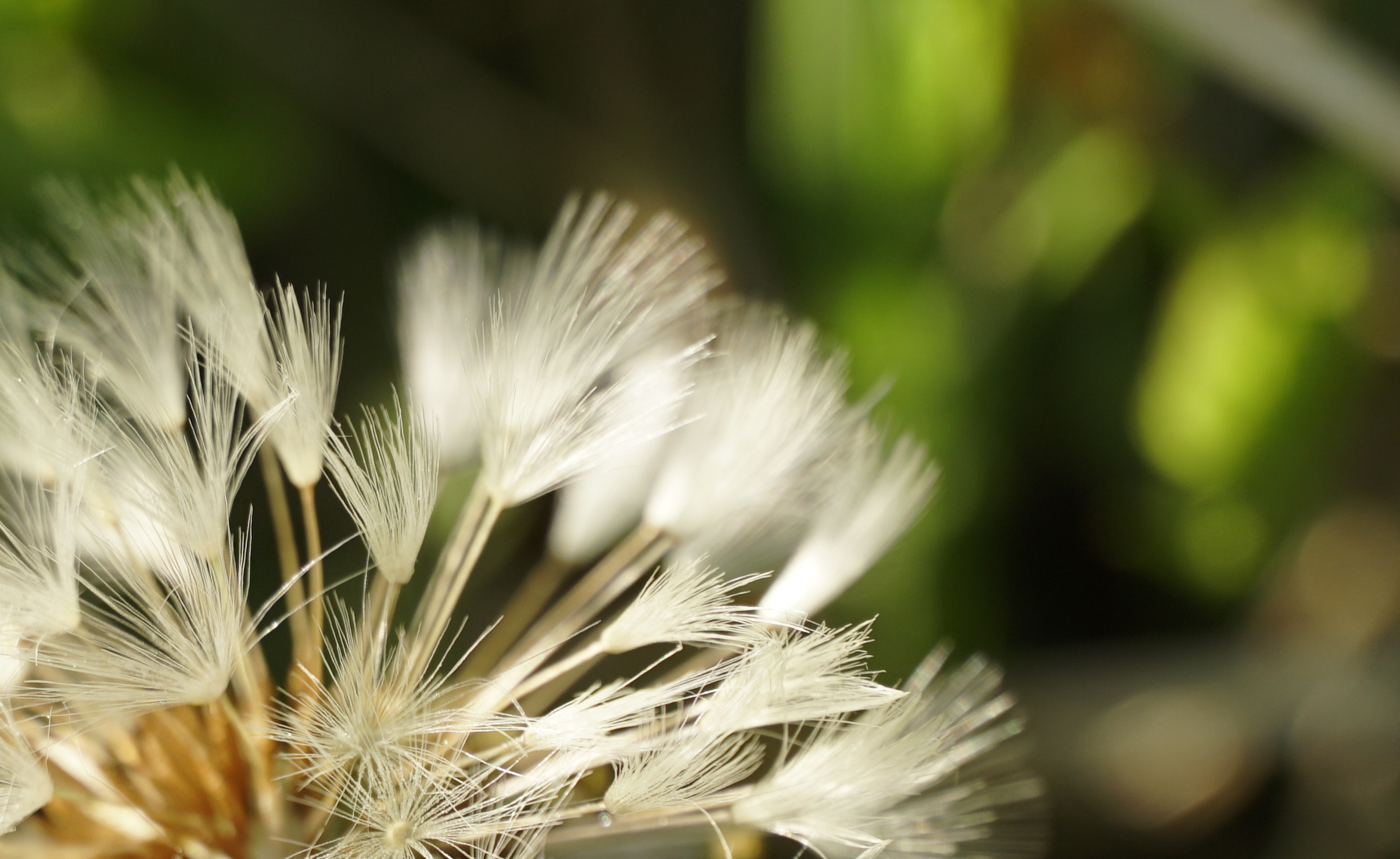

White spotted sable moth, Anania funebris.

A Chrysomelid beetle. I think Ophraella conferta [Longhorn and Leaf Beetles (Chrysomeloidea) » Leaf Beetles (Chrysomelidae) » Skeletonizing Leaf Beetles and Flea Beetles (Galerucinae) » Galerucini » Section Schematizites » Ophraella » Ophraella conferta]

Weevil, presumably a broad nosed weevil, Entiminae

I could have sworn I had got the focus :-(. Maybe Podabrus in Cantharidae, but could certainly be Silis instead, I’m terrible at distinguishing between them. Let’s call it a soft focus romantic scene.

Tumbling flower beetle, Mordellidae:


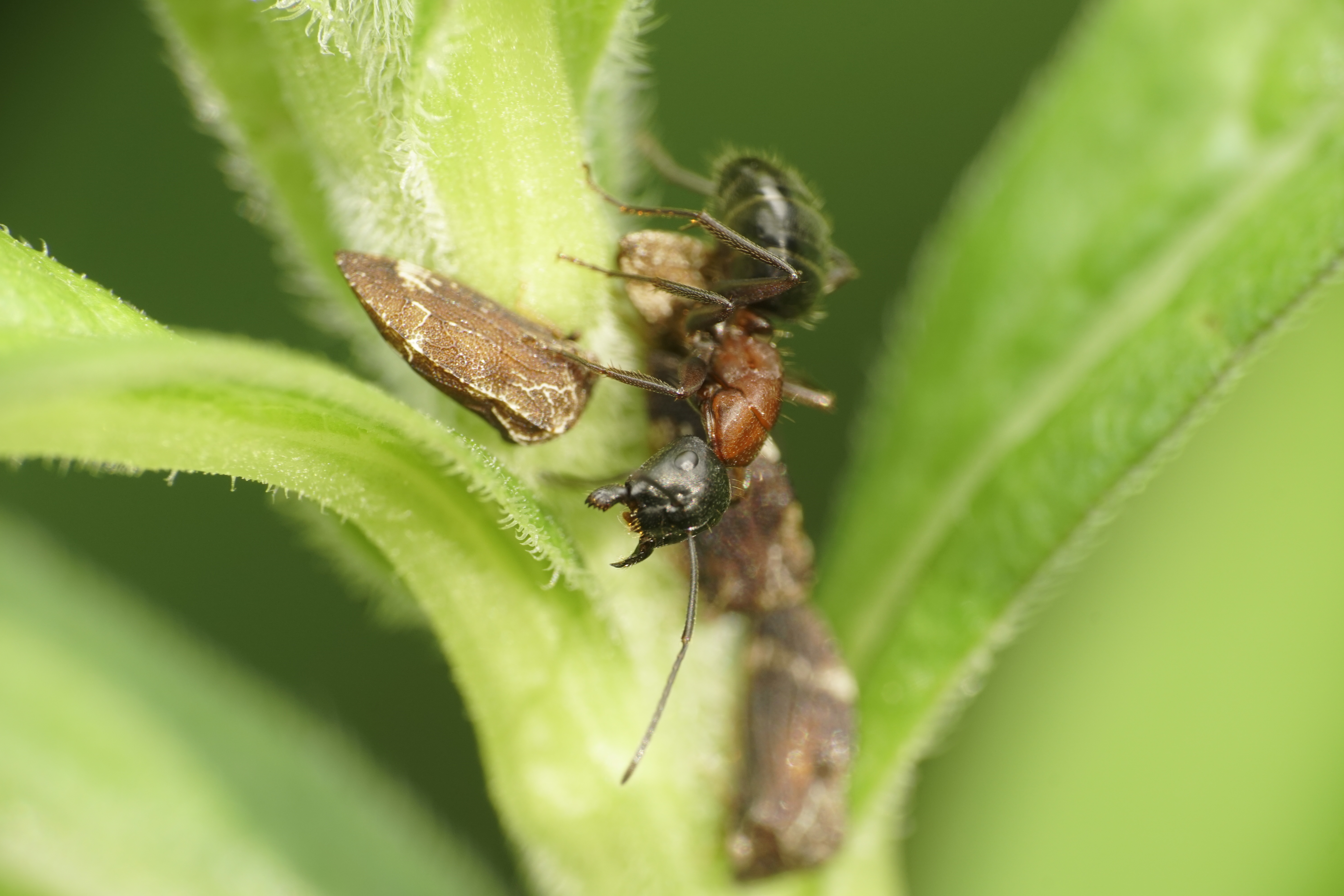
Fun symbiosis! Ants protect treehoppers from predators, treehoppers give ants honeydew from their anuses. Yum.
I think the treehoppers are Cyrtolobus cf tuberosus, but am not sure. The ant is probably Camponotus.
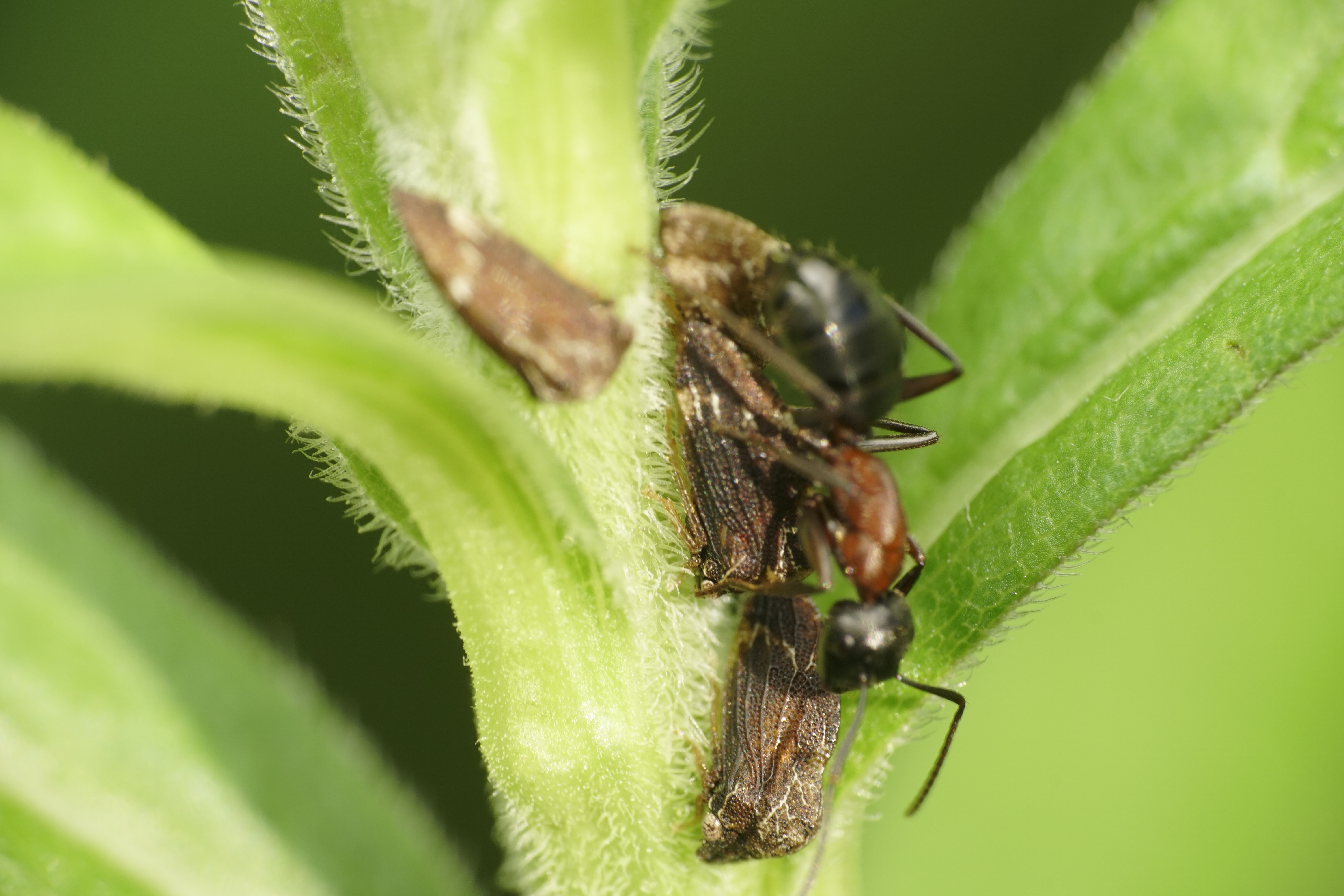

Is this Clastoptera, a spittlebug?

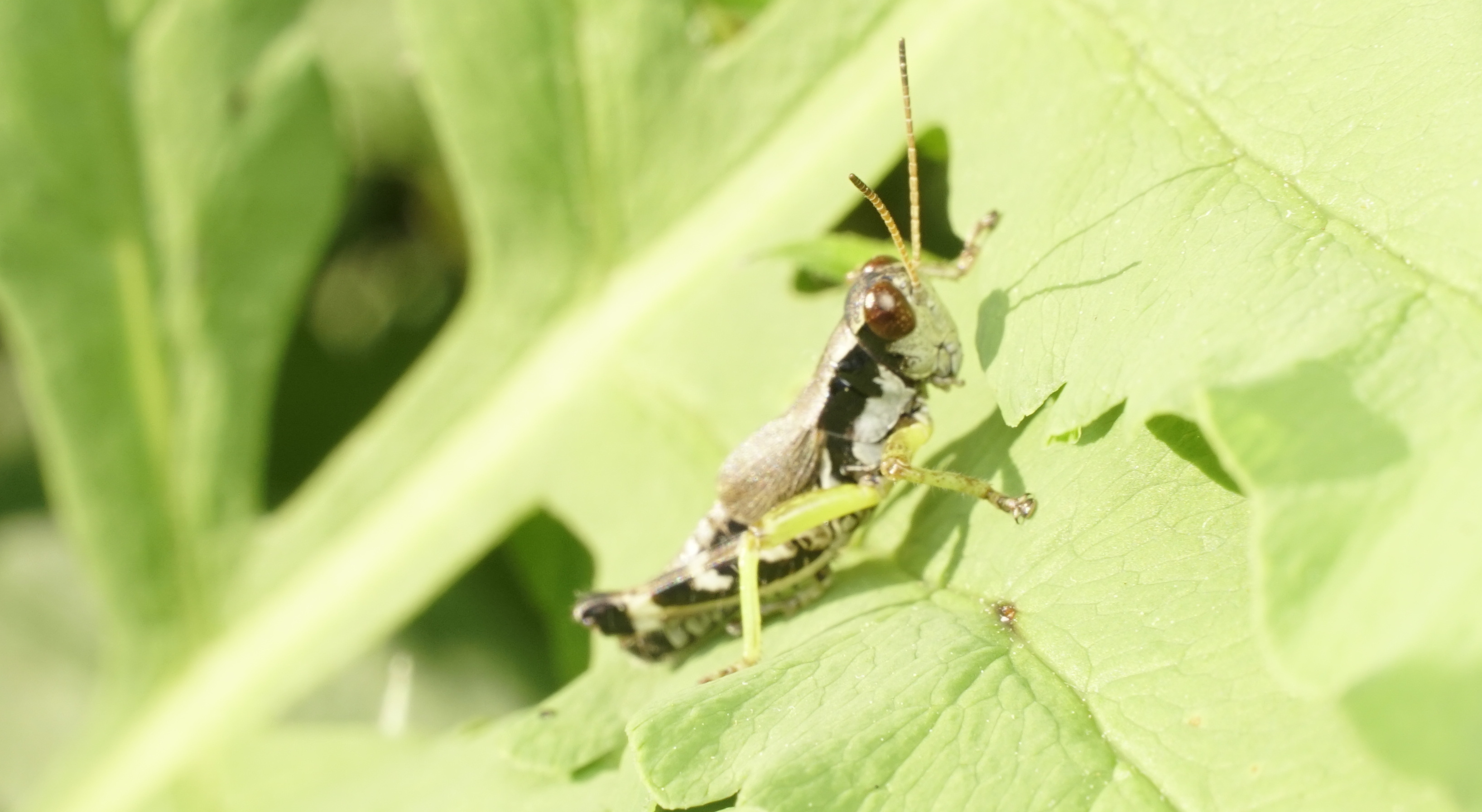
There were so many grasshoppers. They deserved better than this crappy photo. Anyway, this is Melanoplus viridipes, the green-legged grasshopper.
Lots of wasps. But mostly Dolichovespula starting their nest building process, and Ichneumonids. Here’s one of the Ichneumonids, perhaps Cratichneumon?


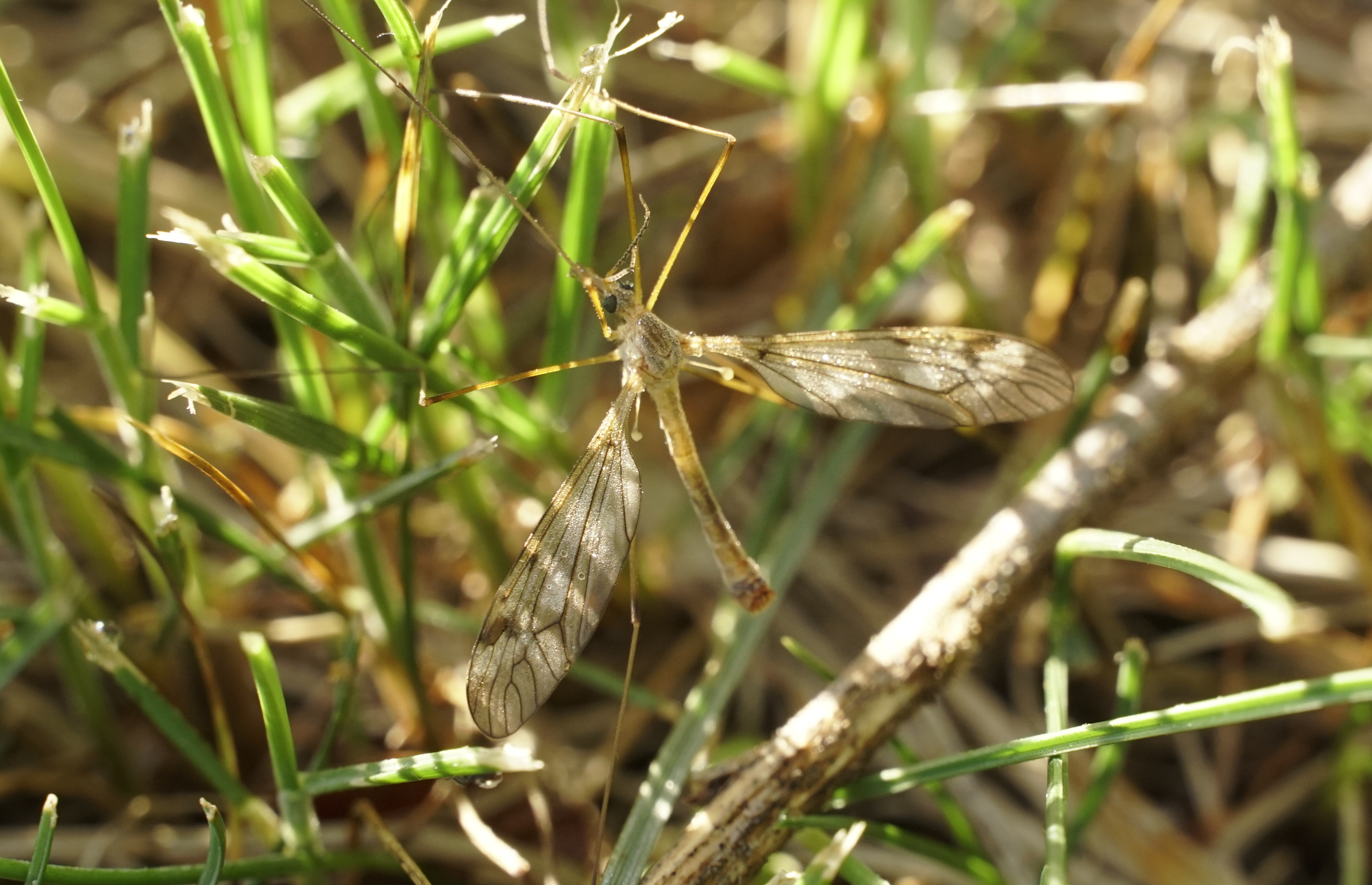
Tons of crane flies. I wish I had taken more of their photos. Seemed to be plenty of Limoniids in addition to Tipulids, but we’ll never know now, will we, since I didn’t take the photos.
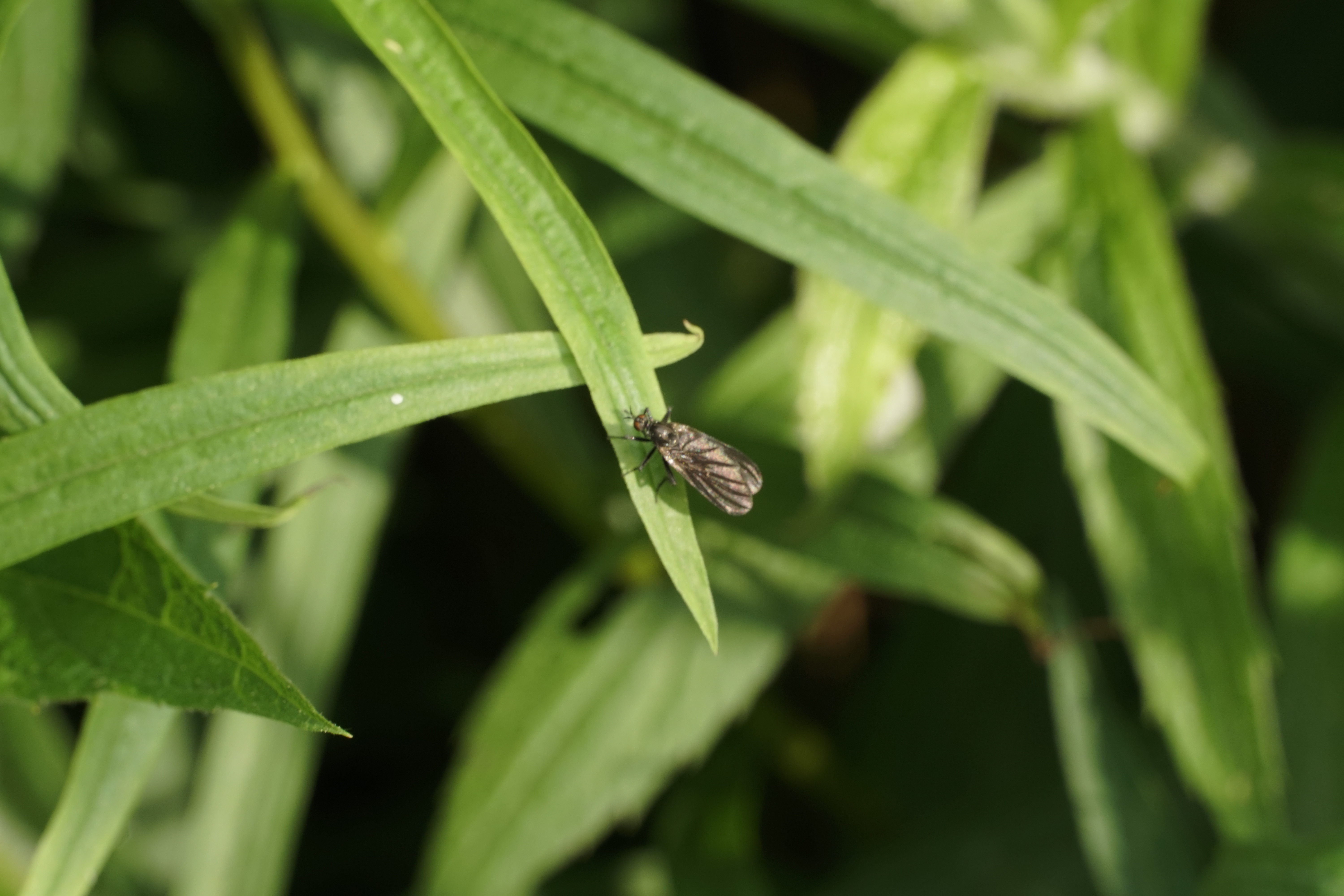
I think Dance fly, Empididae.
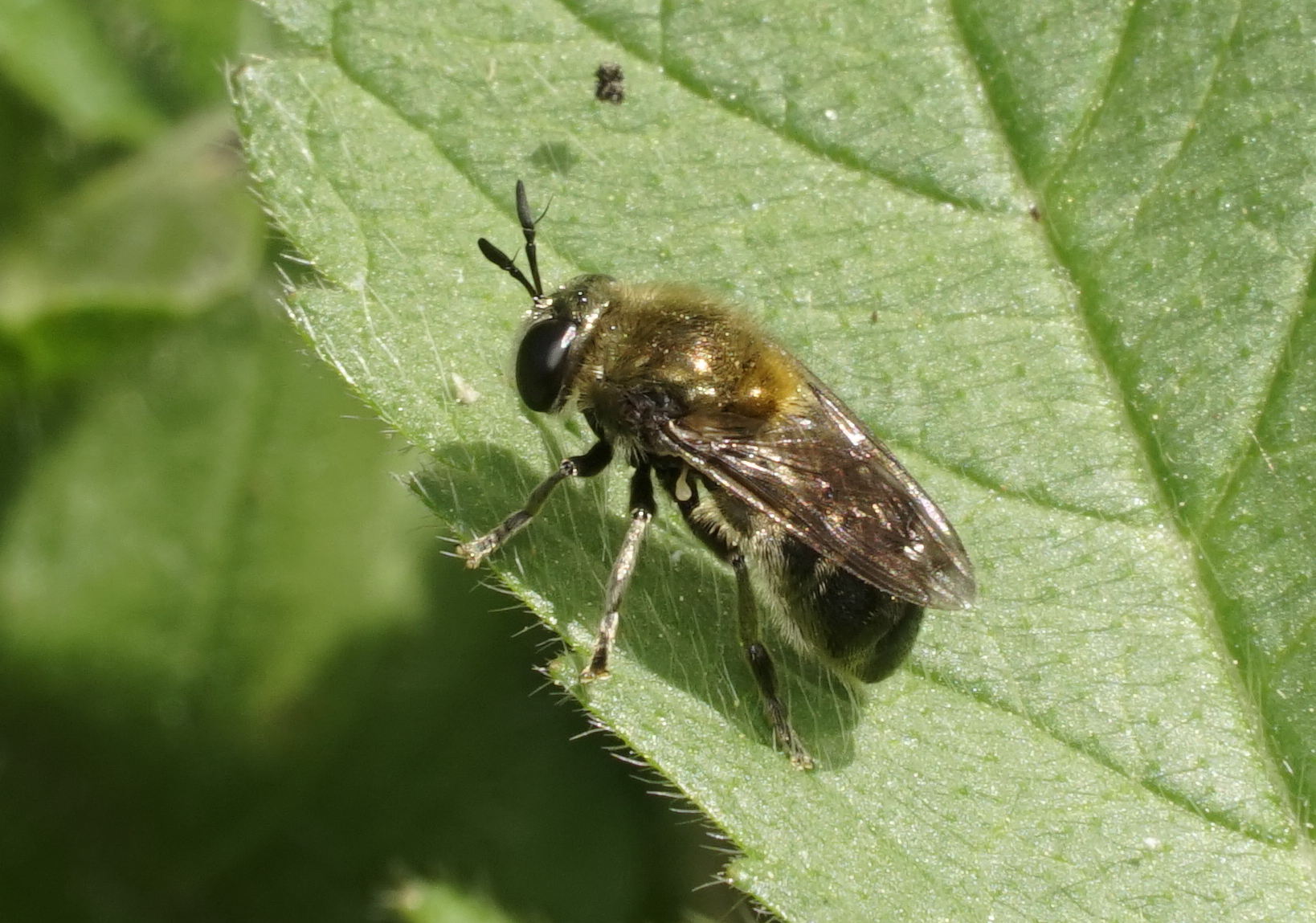
Snipe fly, Rhagionidae

A closeup of the eyes:

_____________________
WHO IS THIS GLORIOUS FLY?
EDIT: Glorious is a fair description, I’m not taking it back. This is Microdon manitobensis, which would make it a first sighting in New England. Always a thrill!
Microdon is an interesting species for lifestyle. They are in the order Syrphidae, but are very different from others. Their larvae live in ant nests. Info from Wikipedia, https://en.wikipedia.org/wiki/Microdon:
The real oddity of the genus Microdon is in its larvae and pupae. These are dome-shaped and look like stout little slugs. Their appearance originally led scientists to describe them as mollusks and scale insects.[4] They are slow-moving. Most have the spiracles on a peg-like protuberance extending from the end of their abdomens.
…
Behavior
Adult Microdon flies do not behave like other syrphid flies; they do not hover around flowers, but instead remain very near the ant colonies which serve as larval hosts.
Larvae may be found very deep in ant colonies. Some species actively feed on ant larvae in the colony,[4] others are speculated to be scavengers.[5] Microdon larvae are more or less restricted in their ant host species. Some Microdon species have only ever been found in the colonies of a single ant species, while others are restricted to related ant species or genera. Because these flies have such cryptic life cycles, biological information on most species is limited.
And from antwiki, https://www.antwiki.org/wiki/Microdon:
The fly genus Microdon (family Syrphidae) is a myrmecophilous fly world-wide in distribution. The adults are not known to feed while the larvae are found feeding on ant larvae and pupae of their ant host. Adult flies disperse from the nest to mate often in the vicinity of their host ant nests where they lay eggs. Adult Microdon have no special glands or hairs while their unusual larvae have a series of trichomes and associated glands along the margin of their body. The role of the glandular secretions and trichome hairs have not been clearly defined. There are about 250 species in the genus and each fly species has a preferred host ant genus and species.
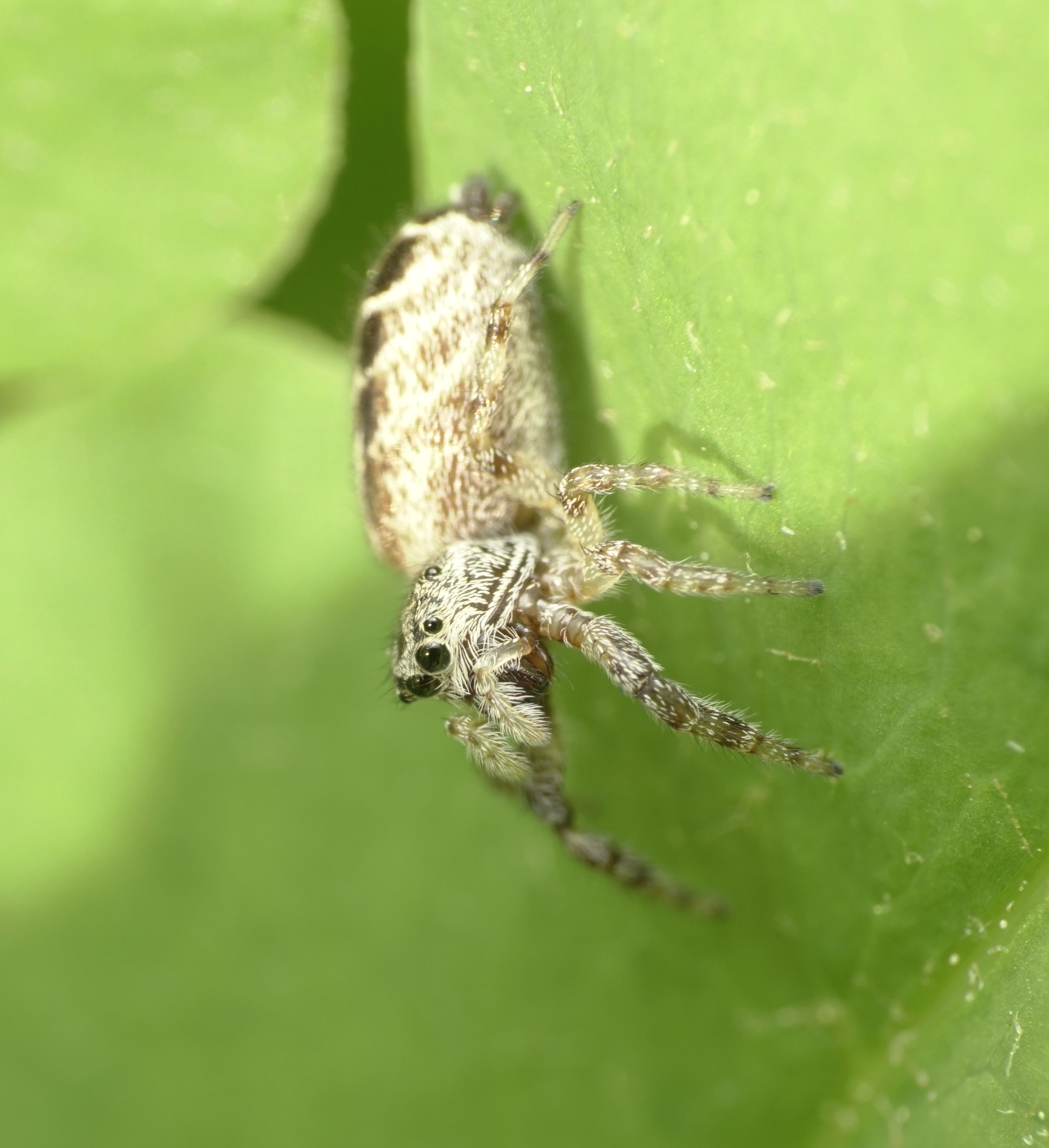
Tons and tons of jumping spiders. I think Pelegrina cf proterva may be the best fit.
A female:
Male
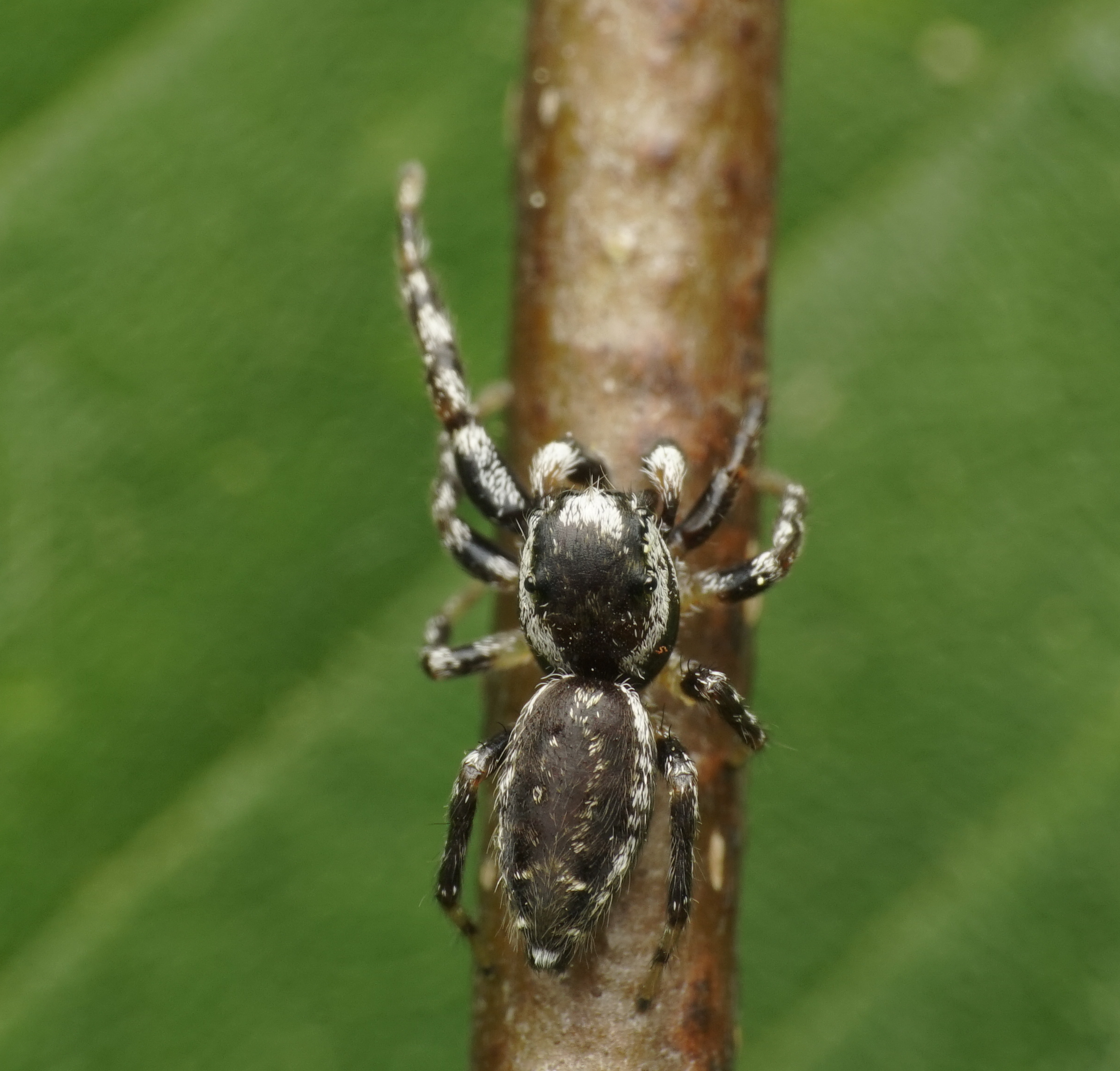
female, with prey:


Araneus diadematus
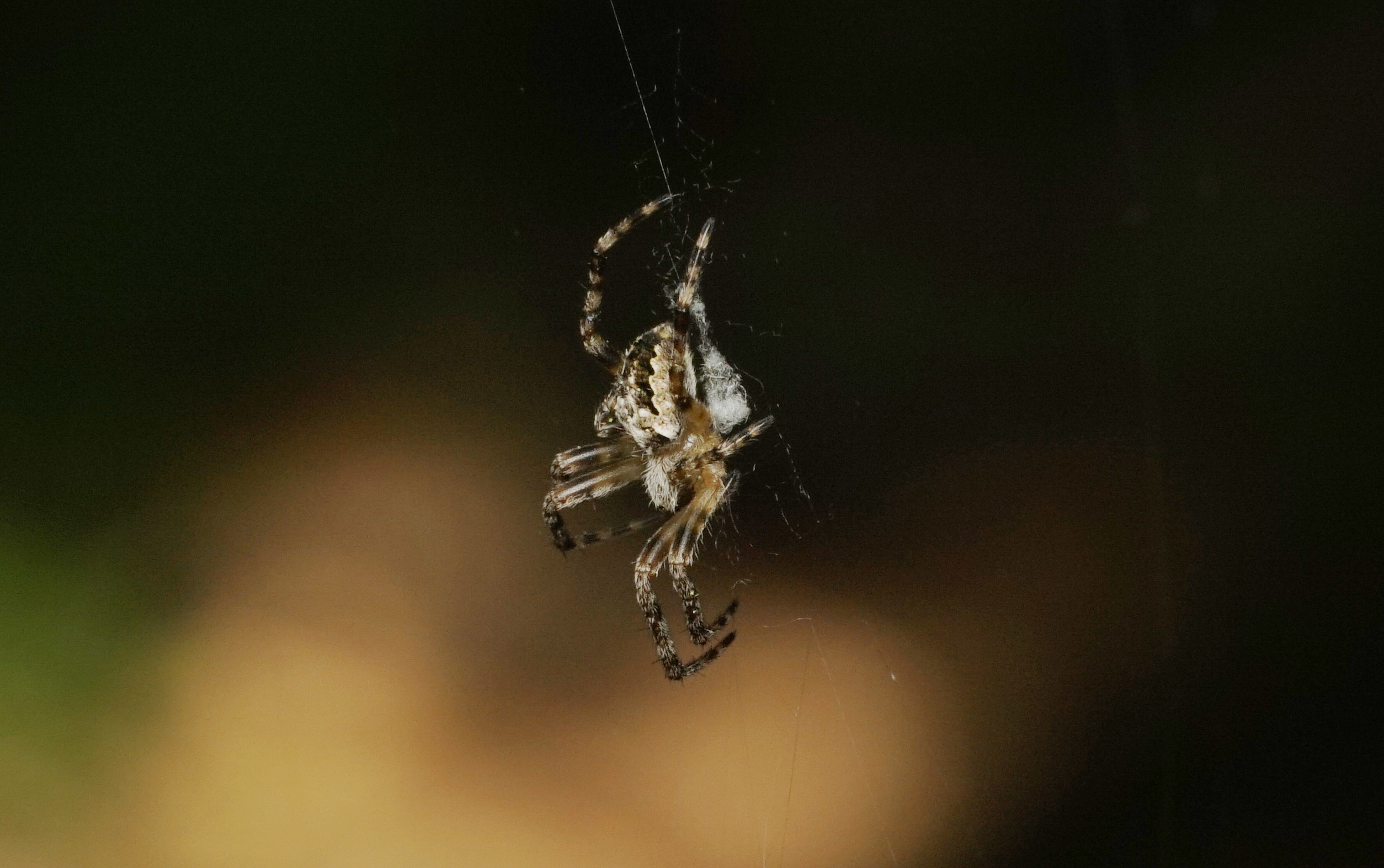
Leucauge venusta, orchard spider, in Tetragnathidae

Dictynidae:


Muscidae?
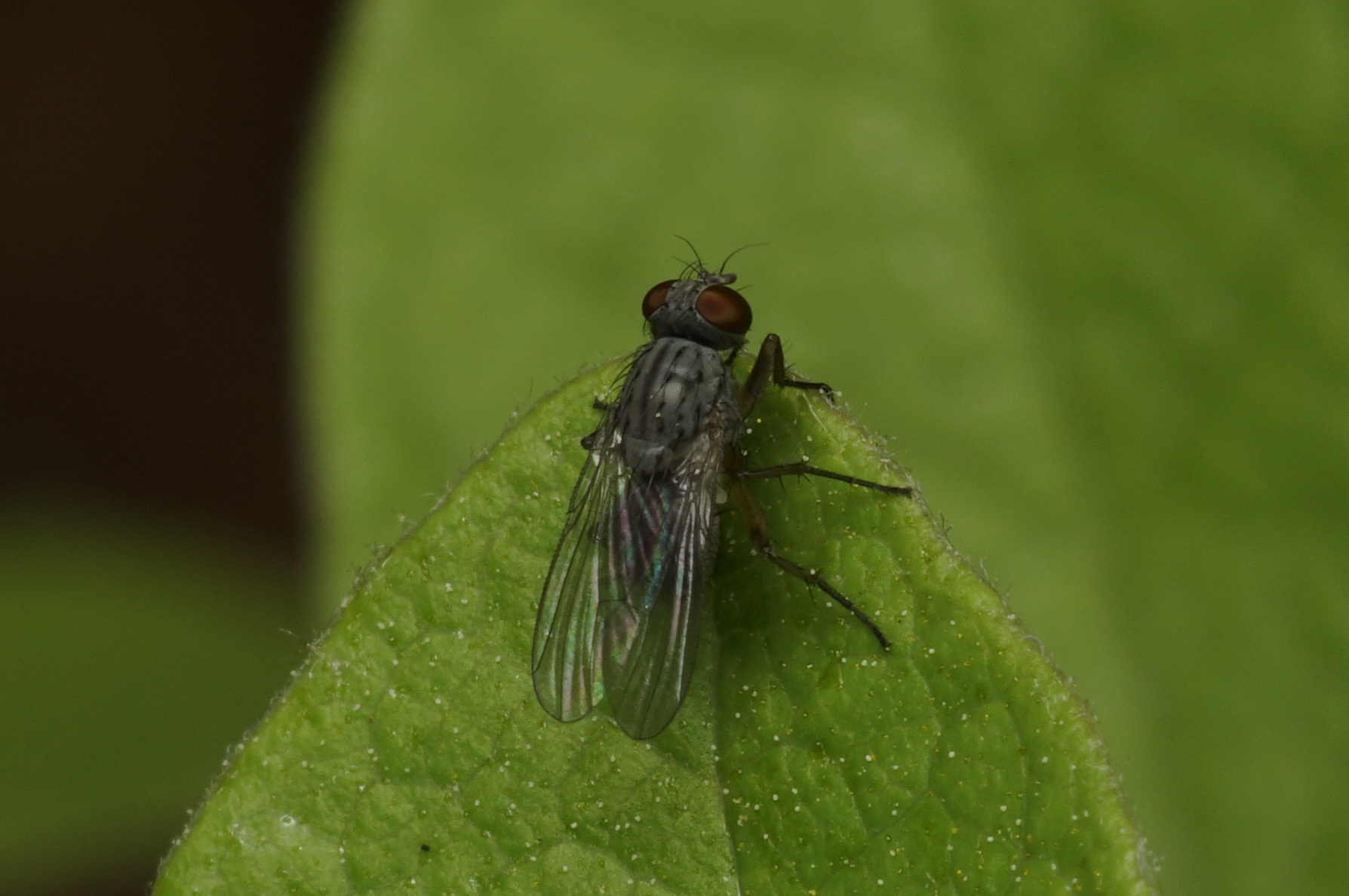
Fungus gnat, Sciaridae, I think:

Is this Podabrus in Cantharidae? Tough to tell, there are plenty of similar beetles.
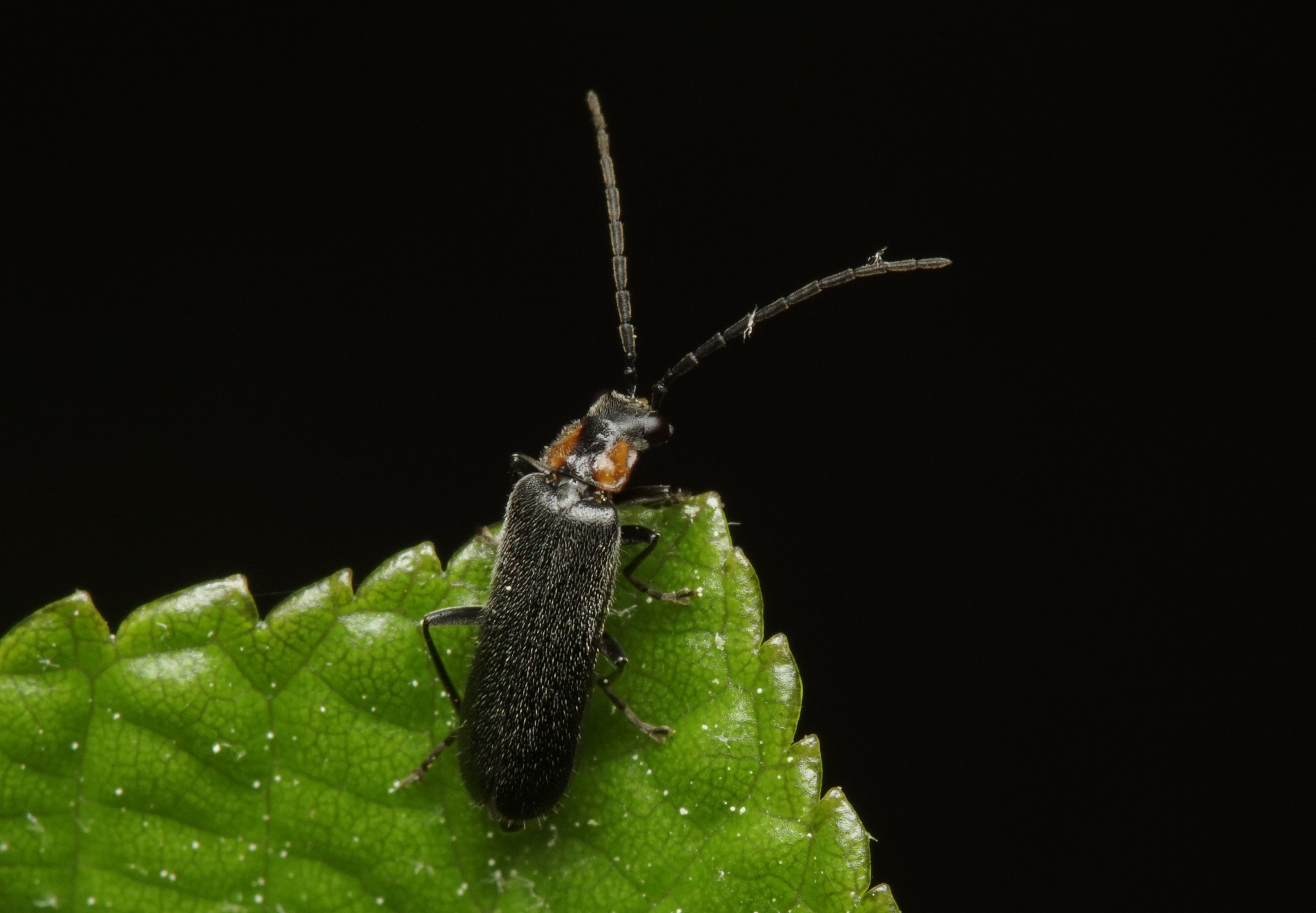
Stonefly, Plecoptera, perhaps Leuctridae

 a little wild