
Which crop works best? I can’t quite resolve it.
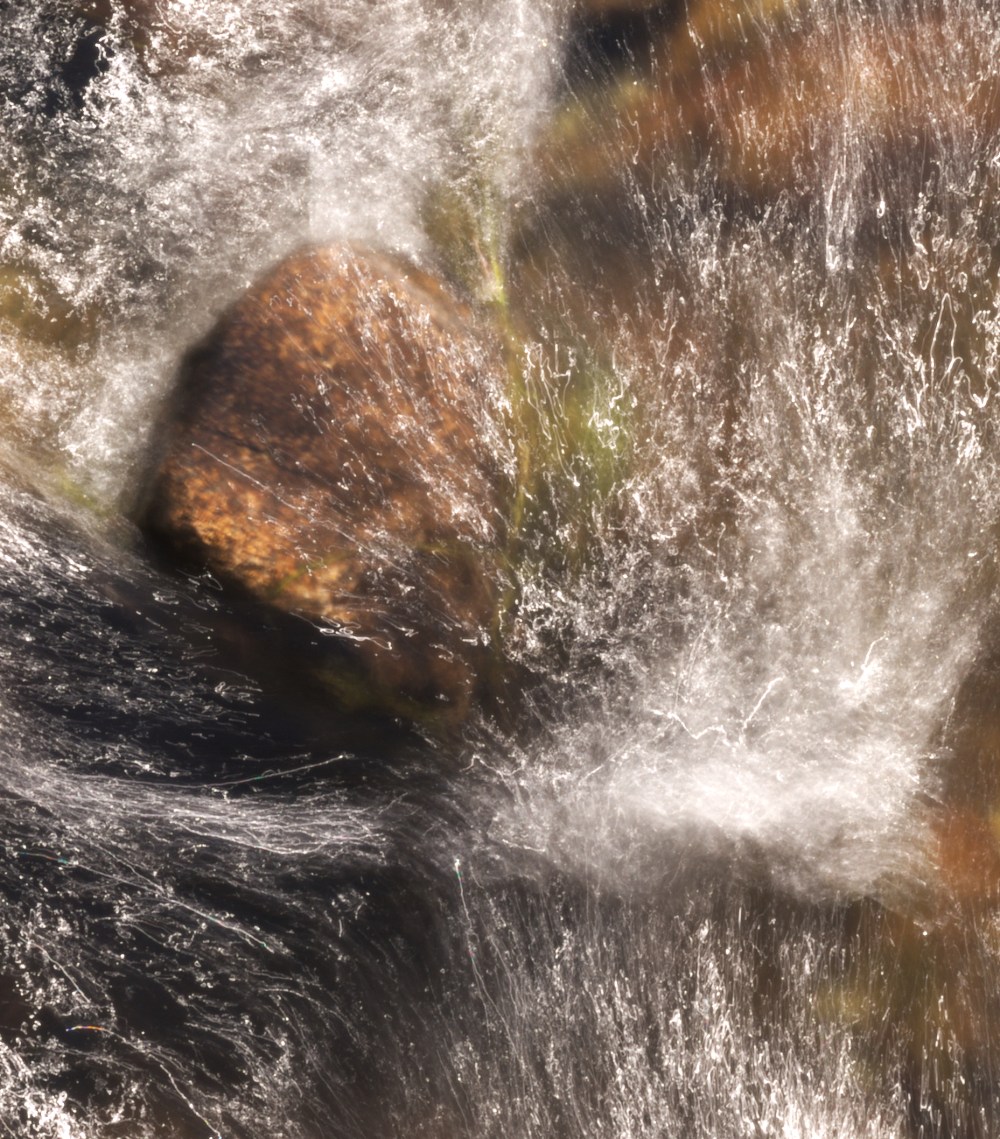
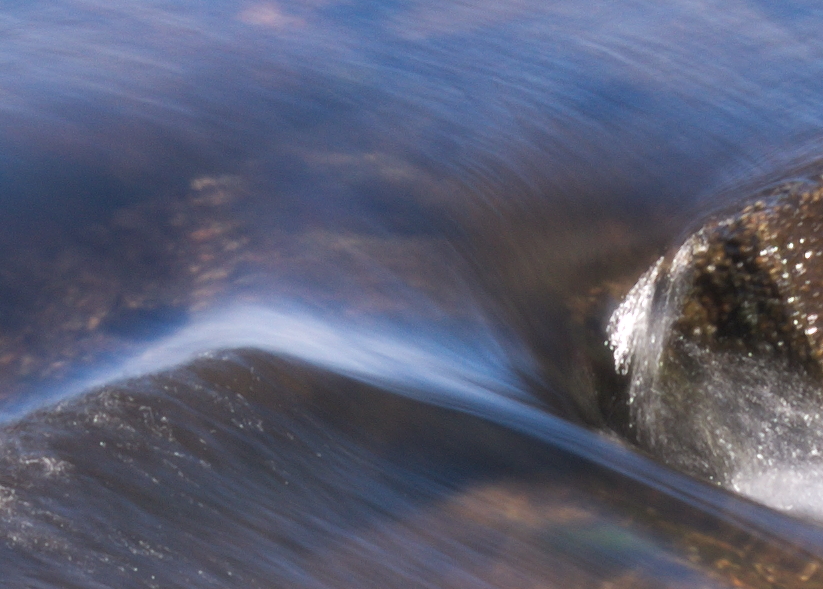
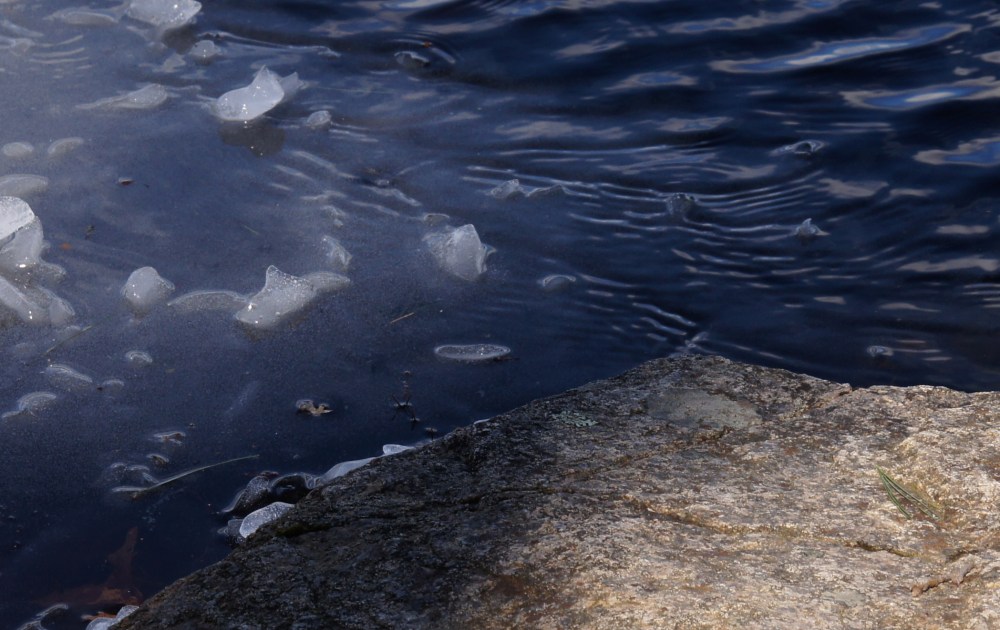
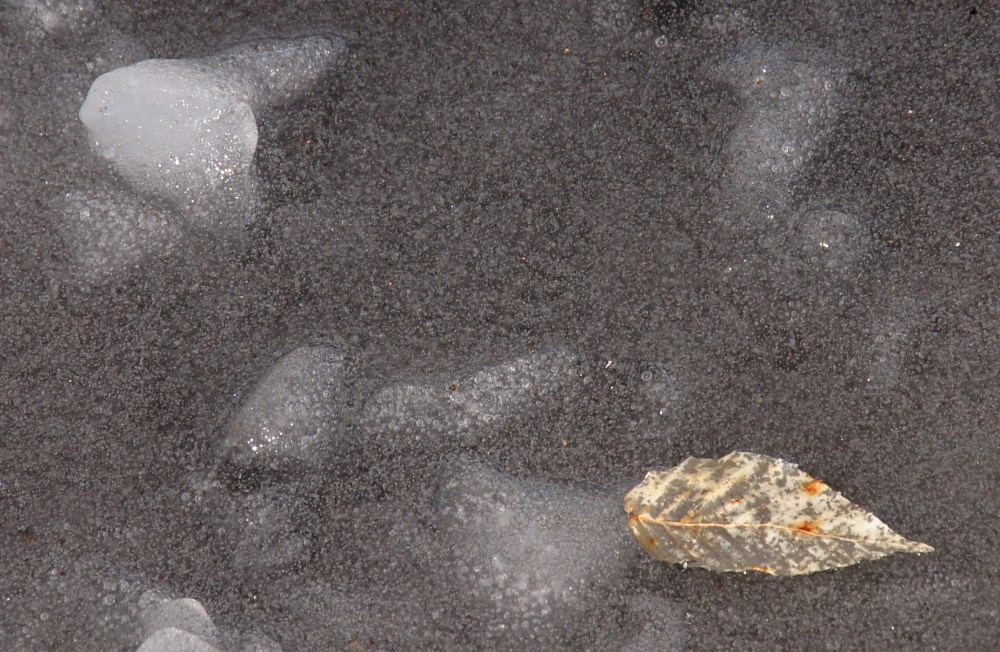
Which crop works best? I can’t quite resolve it.

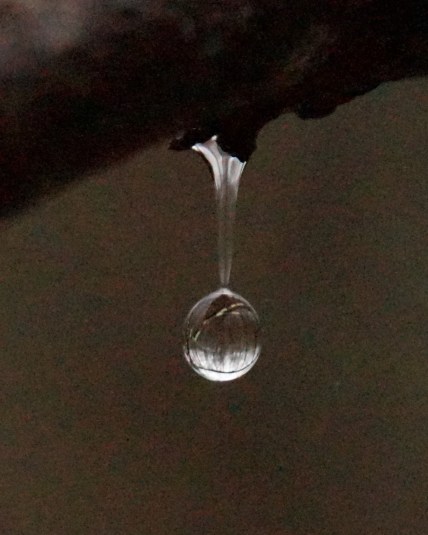
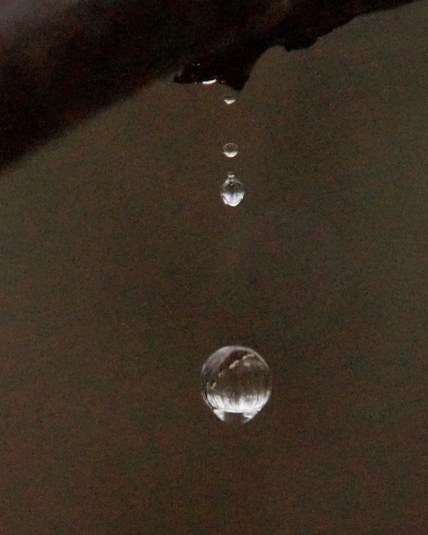
I was pretty excited that this morning was rainy, because taking photographs like these has been on my mind for a while. Not the easiest photos to take, but it was a fun effort, regardless of the product. What you’re seeing here is the final result of a couple of hours of effort in the rain — but I couldn’t ask for a better morning.
This is one time I wish I had a better camera — superior high ISO performance would have really improved these photos.


I’ve started a new site, edgeofthecircle.net, where I will have more writing and less photos. Please feel free to check it out and subscribe if you want to!
As part of an application for a photography show, I wrote a writeup that turned into a manifesto for macro photography, an explanation of why I enjoy it so much and why it makes me so happy. Here’s the link:
http://edgeofthecircle.net/2018/02/08/a-manifesto-for-macro/
One of my special places.



The coldest seven day spell in a hundred years is just starting, and we already have plenty of ice at Mann’s Pond.
I should mention that the next images have been edited a bit to remove a few stray branches.


A white Christmas! It would be wrong to miss the chance for a walk in the woods right after a snowfall. I apologize if there are too many photos here; the fresh snow brings out so much beauty.



Winter insects are always a thrill. Here’s a winter stonefly, If you want to learn more about them: https://blogs.scientificamerican.com/guest-blog/winter-stoneflies-sure-are-supercool/.

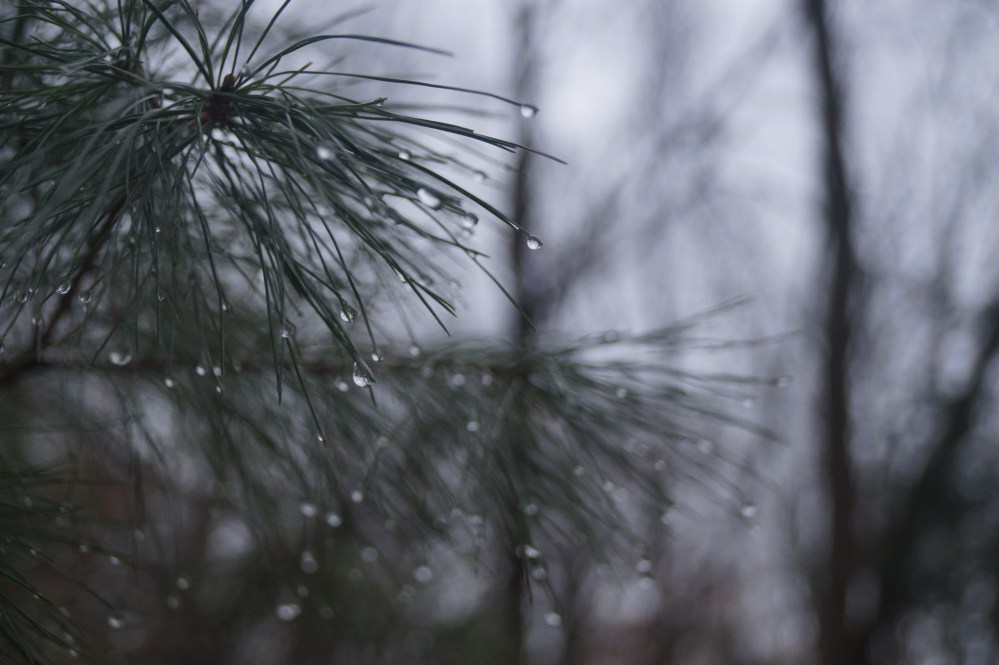
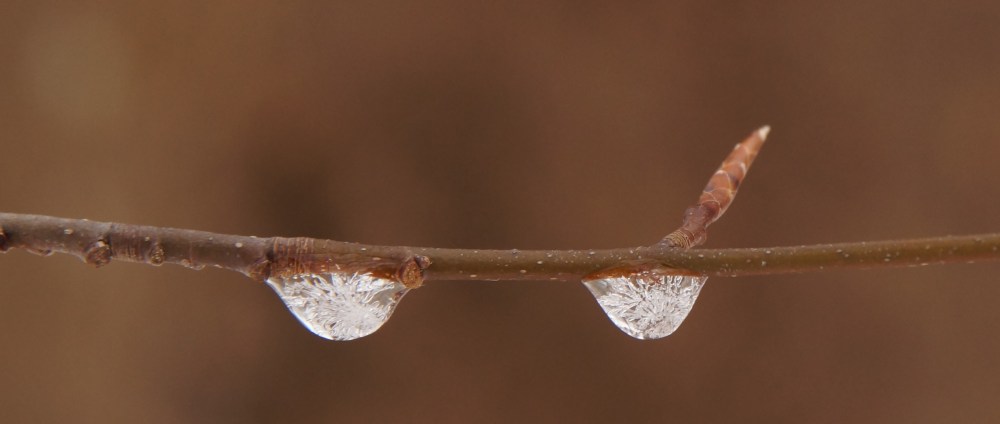
One of the biggest attractions today was the sun shining on the droplets on the branches, setting them afire. However, photographing that posed a challenge: what was scintillating to the eye disappeared in the photos, as the droplets were too small and the highlights were cut, so the brilliance was lost, for the most part. This is a typical photo:

By accident, I found that one way to sometimes compensate for this was to take photos out of focus — in retrospect, I suspect everyone else already knew this, but it was fun to experiment with. Here’s pretty much scene as the previous photo, but out of focus:


I’ve often mentioned that I’m obsessed with photographing this particular view:

Here’s a boulder that clearly is not enjoying the snowstorm 😦

And here’s an occasion where the droplets in the sunlight did in fact display themselves well:


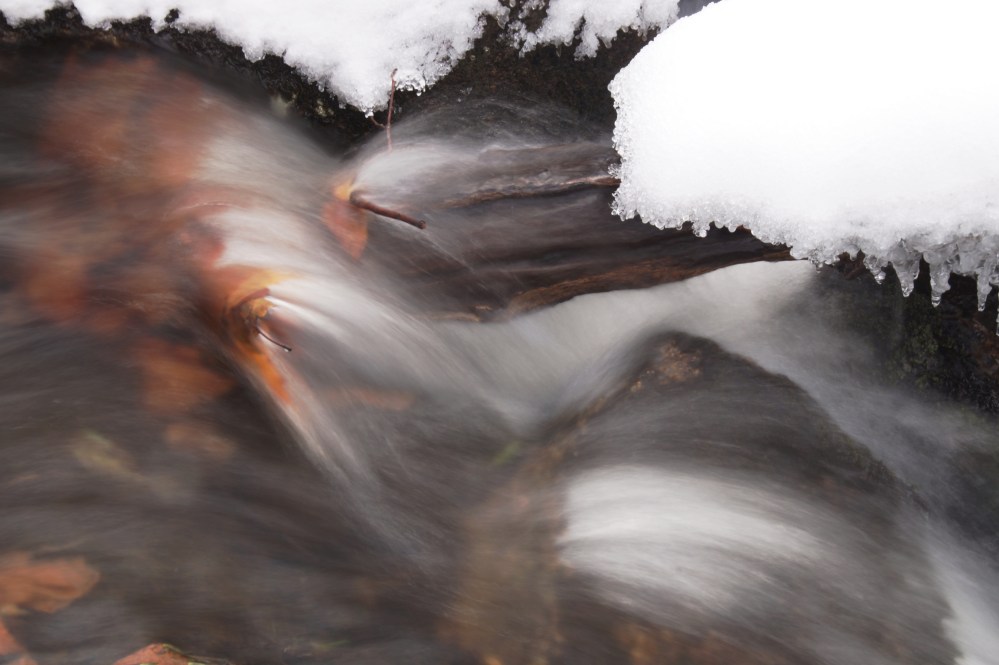
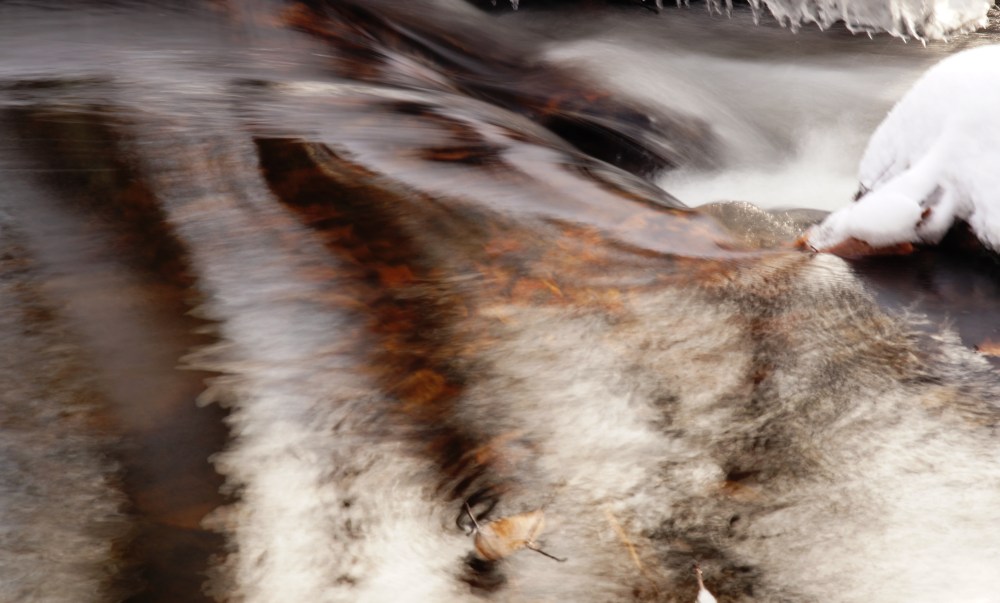
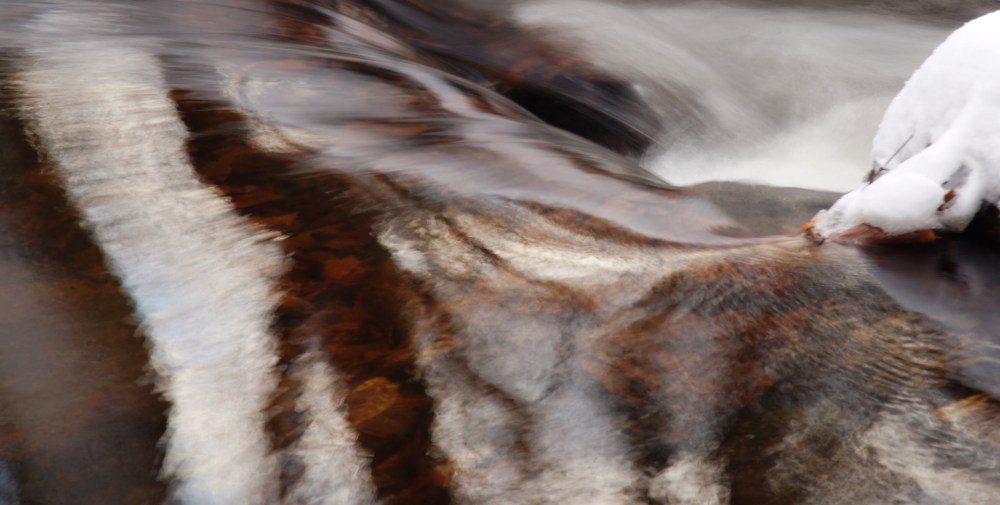
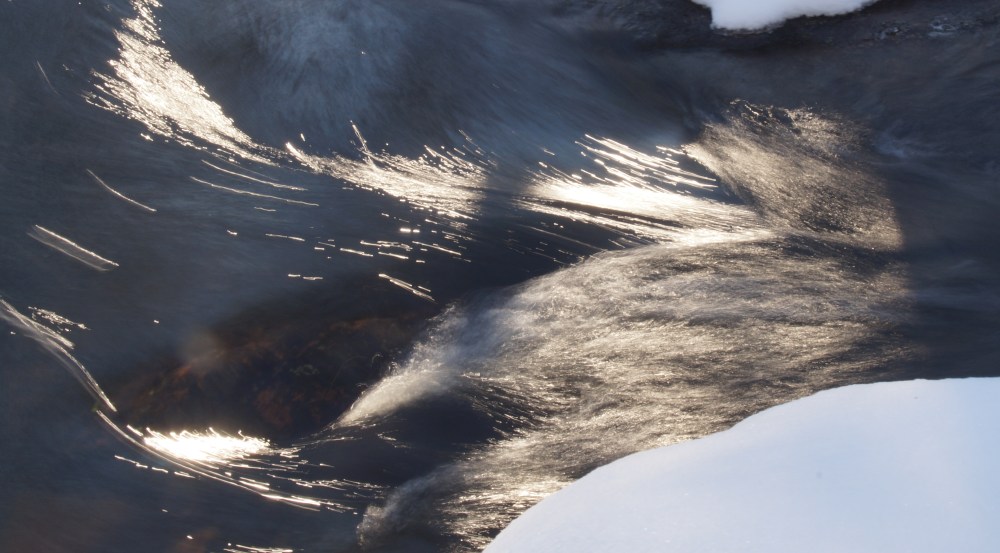
I don’t apologize for my time exposures of the stream, cliched or not! But it’s nice to find a new twist on this approach. Today, the sun was reflected on the bustling flow, so the exposures had a fresh look.
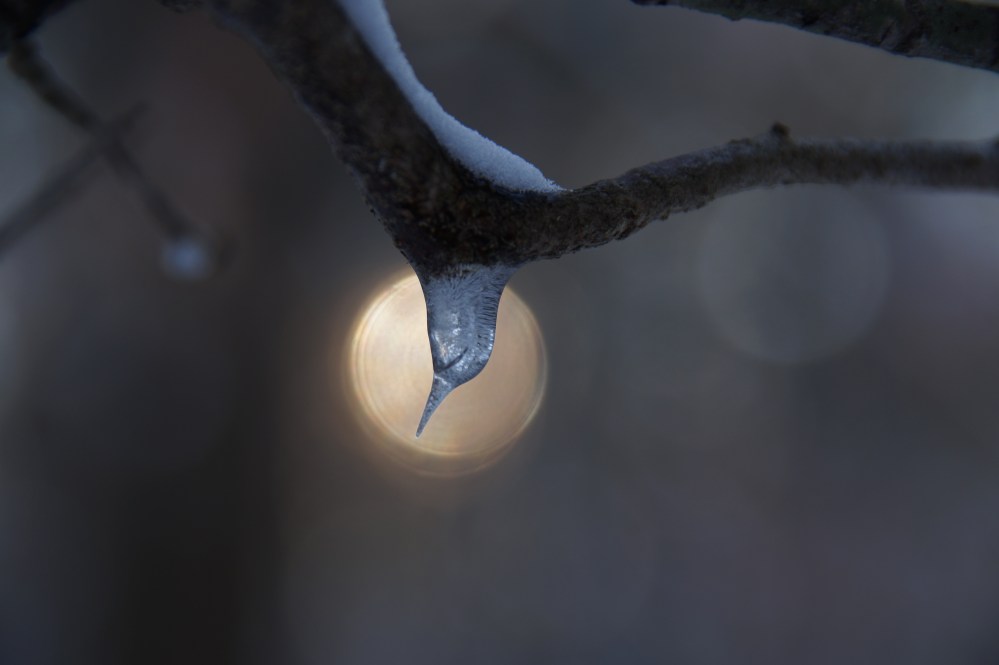
And finally, the sun was low enough that I could take backlit photos of this eccentric icicle, with the sun in the background:





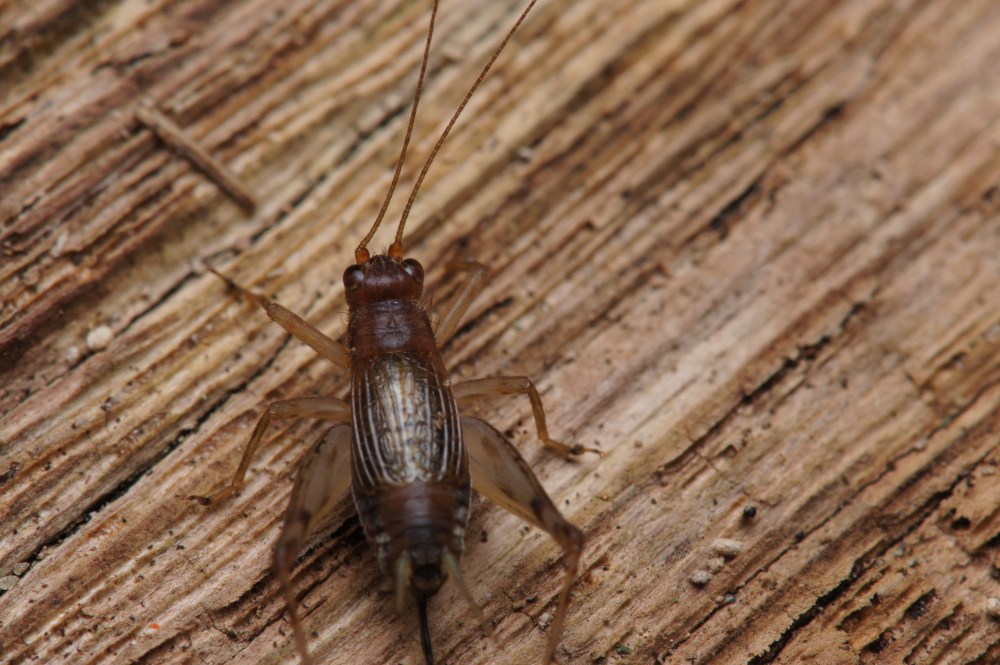
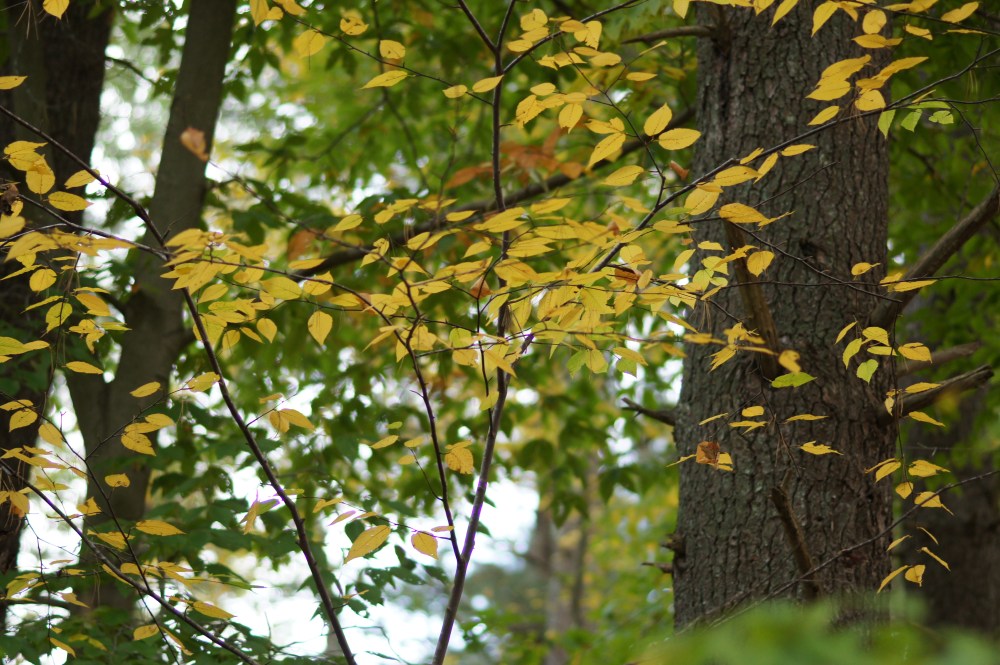
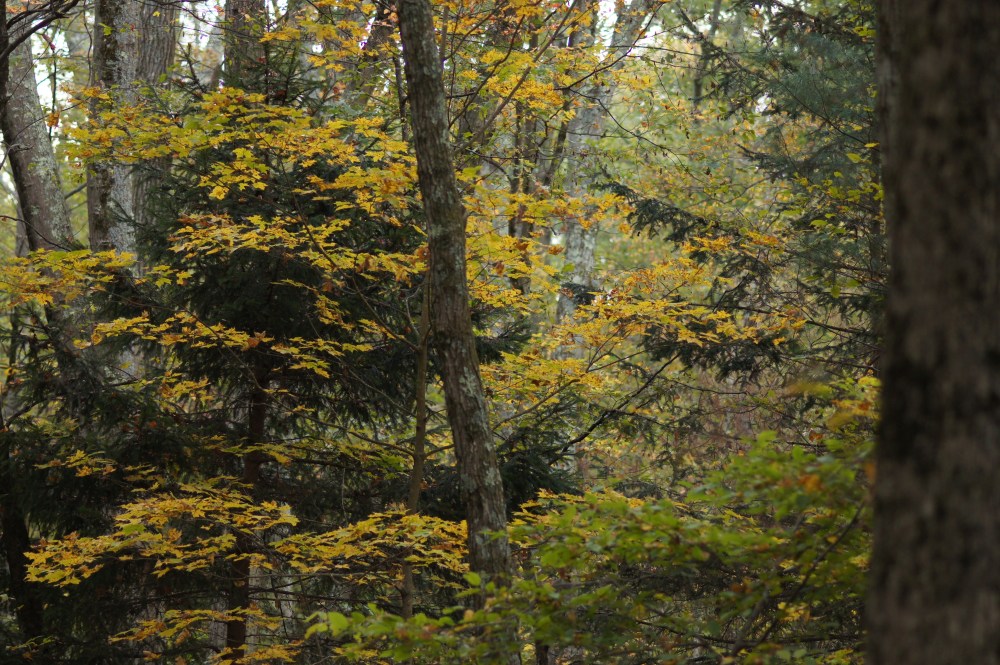

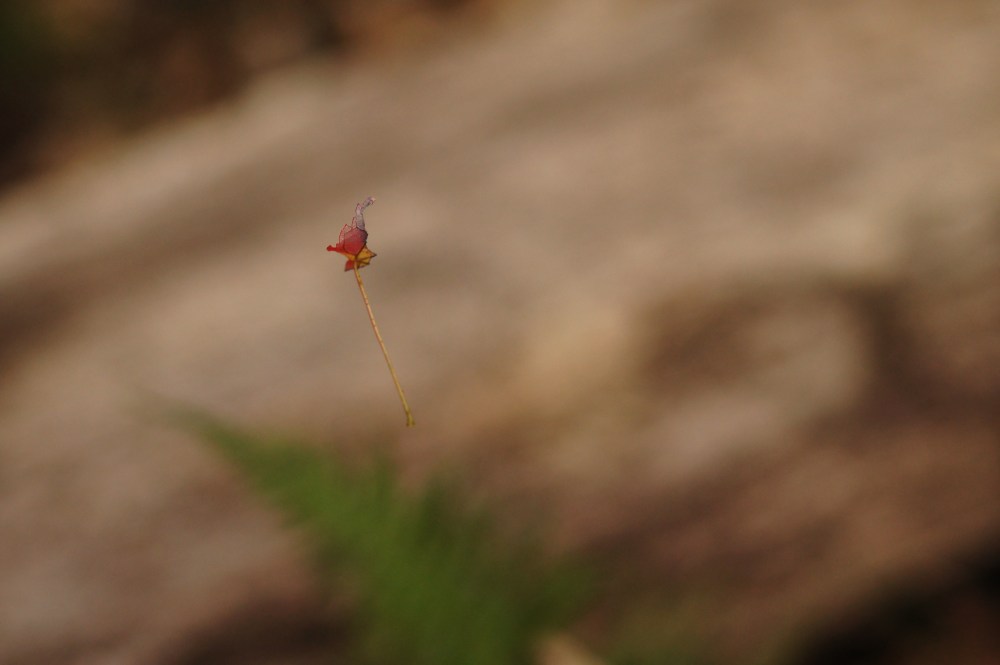
A leaf suspended in a spider web:
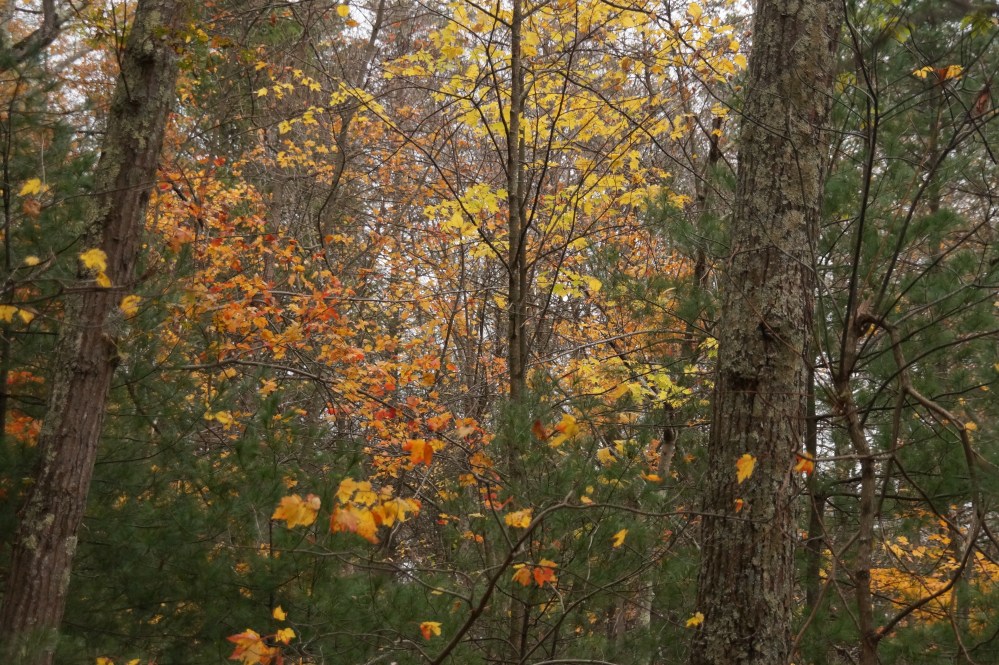
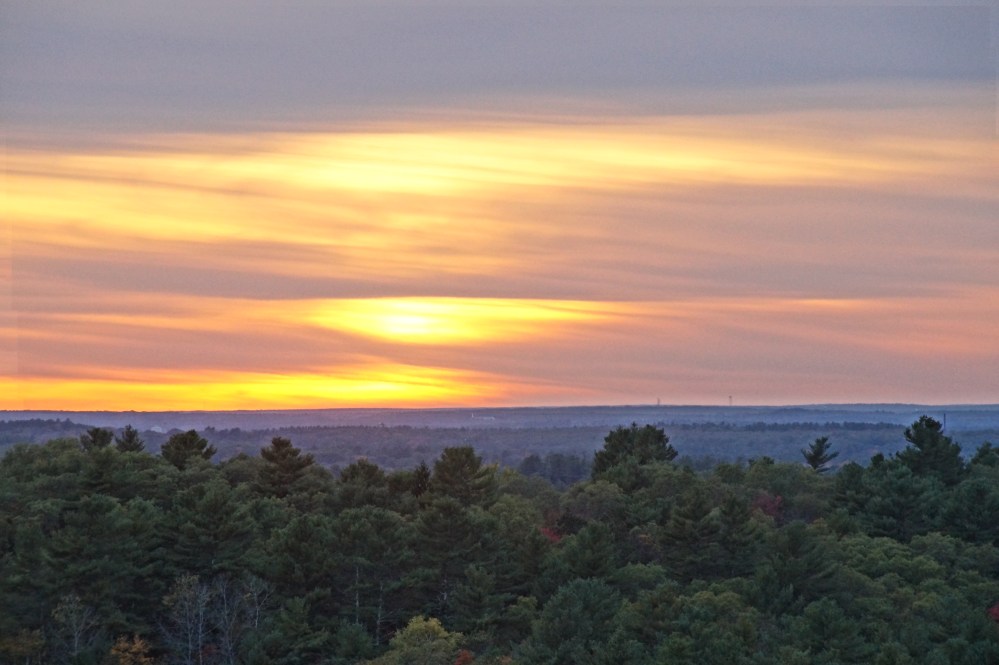
A nice autumn fall day. There’s no way should anyone be indoors. I went on the Ridge trail at Moose Hill Mass Audubon in time for sunset.

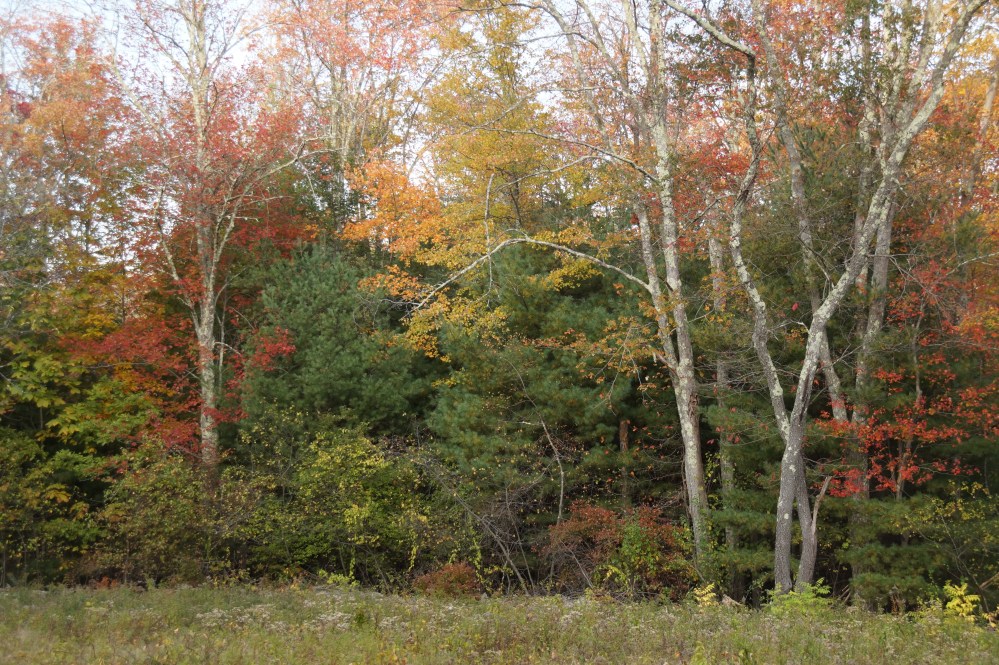


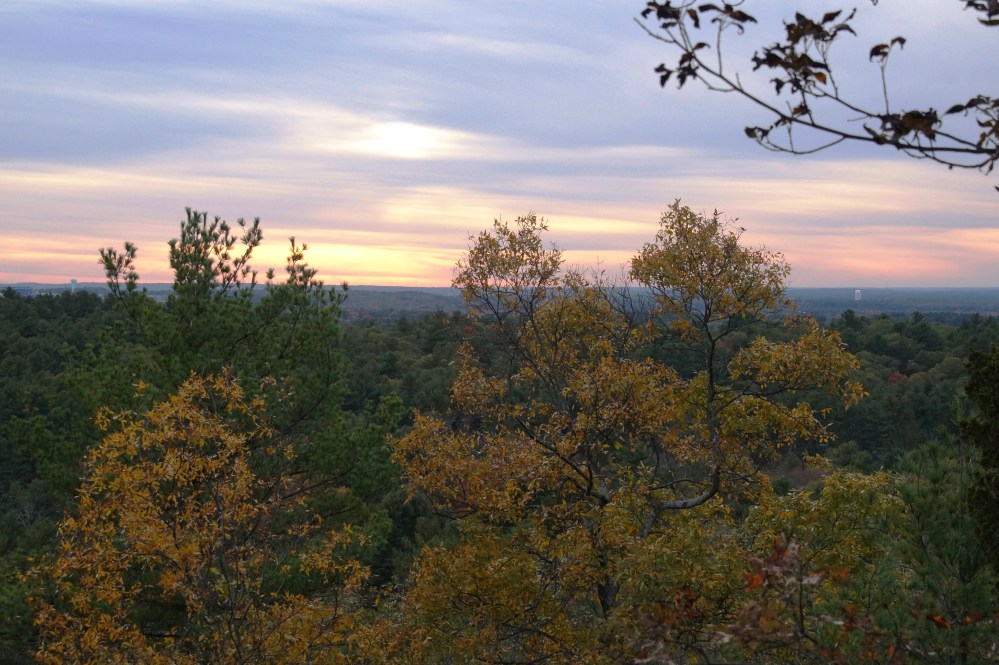
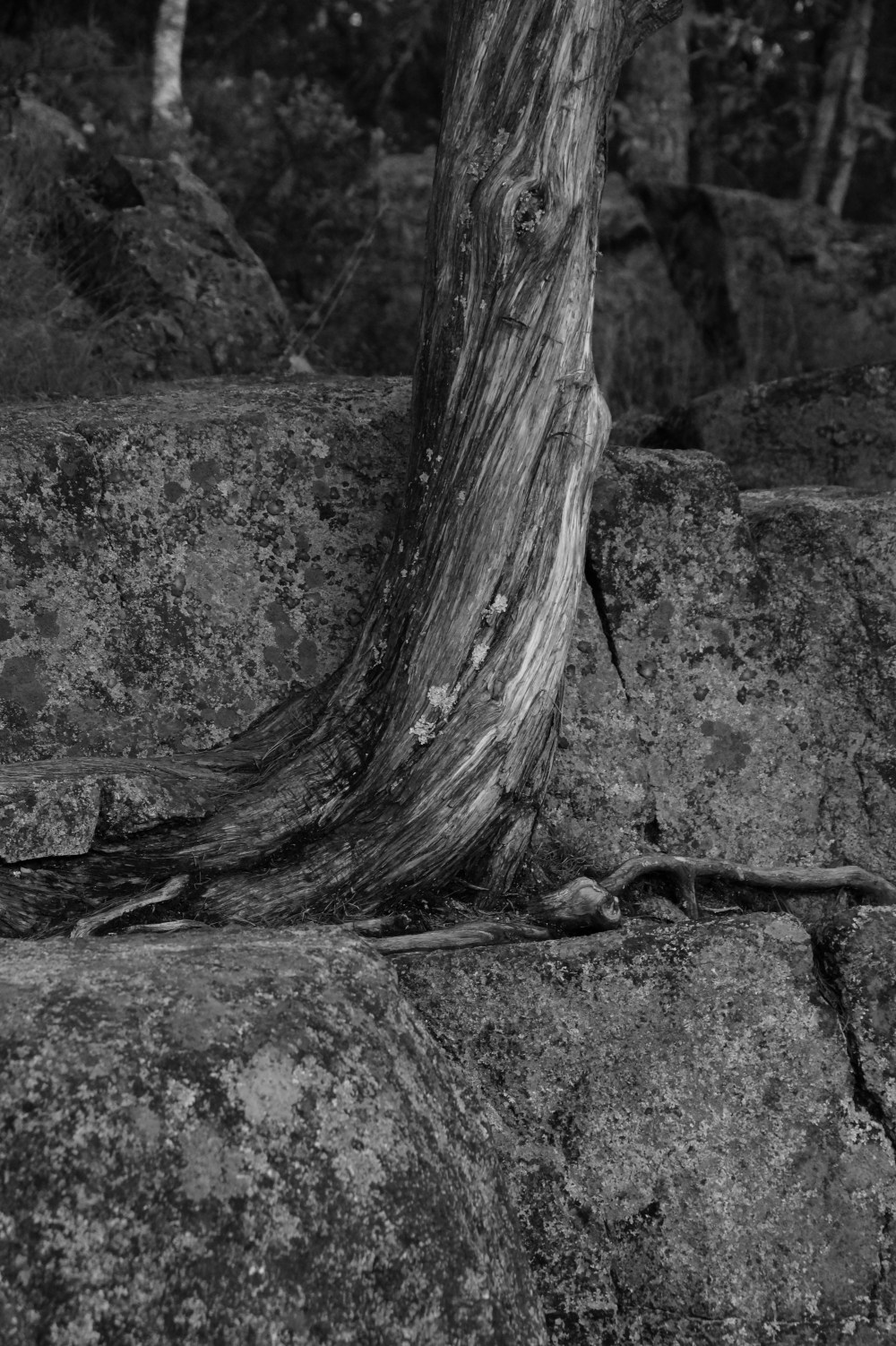


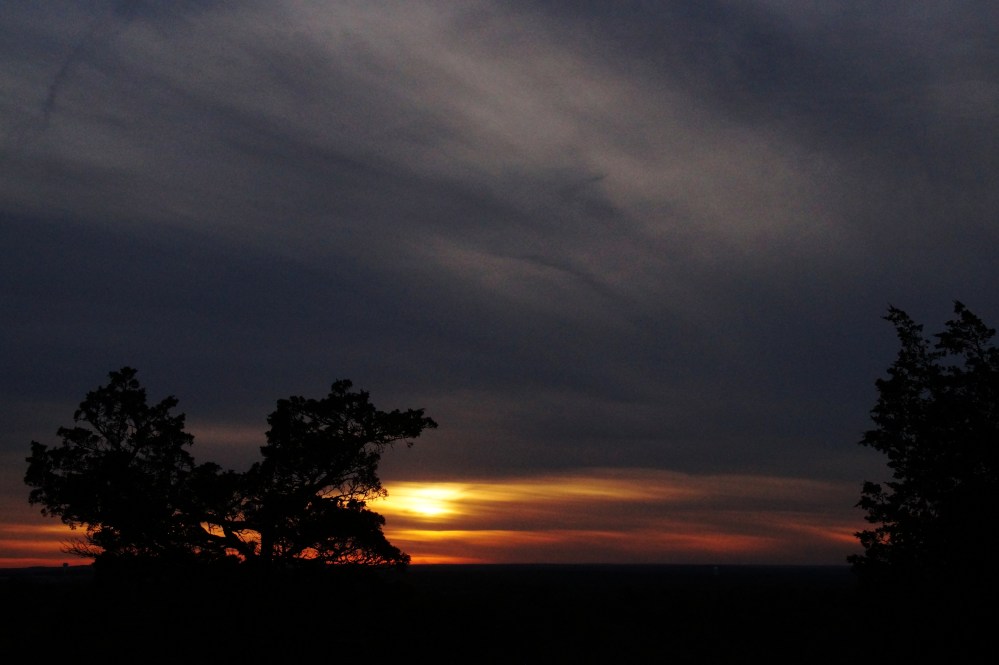


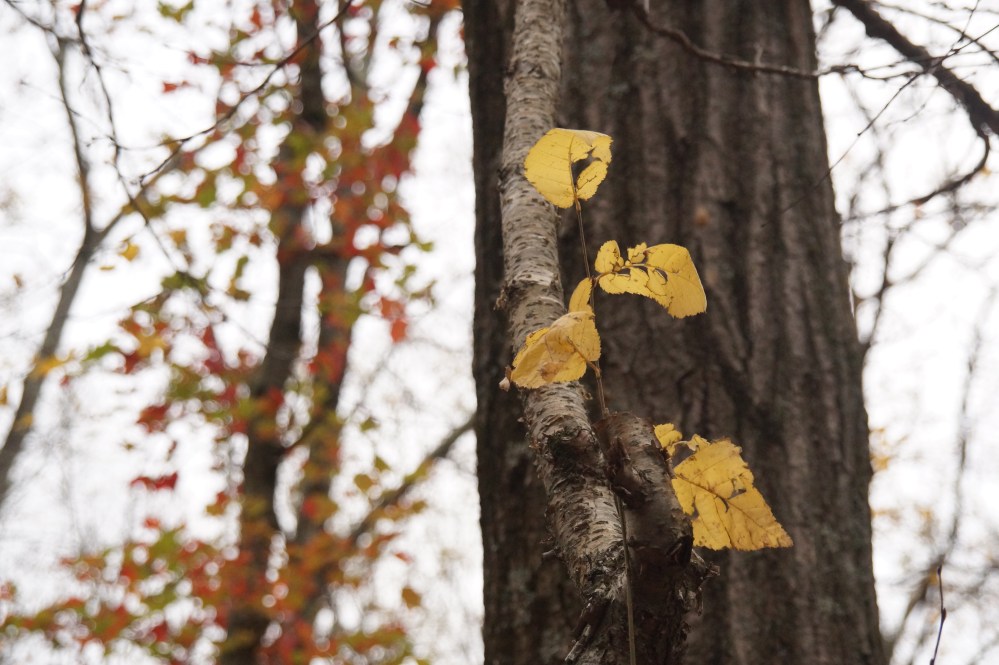
It got late and as I was going back, the yellow autumn leaves were pretty much glowing in the dark.

 a little wild