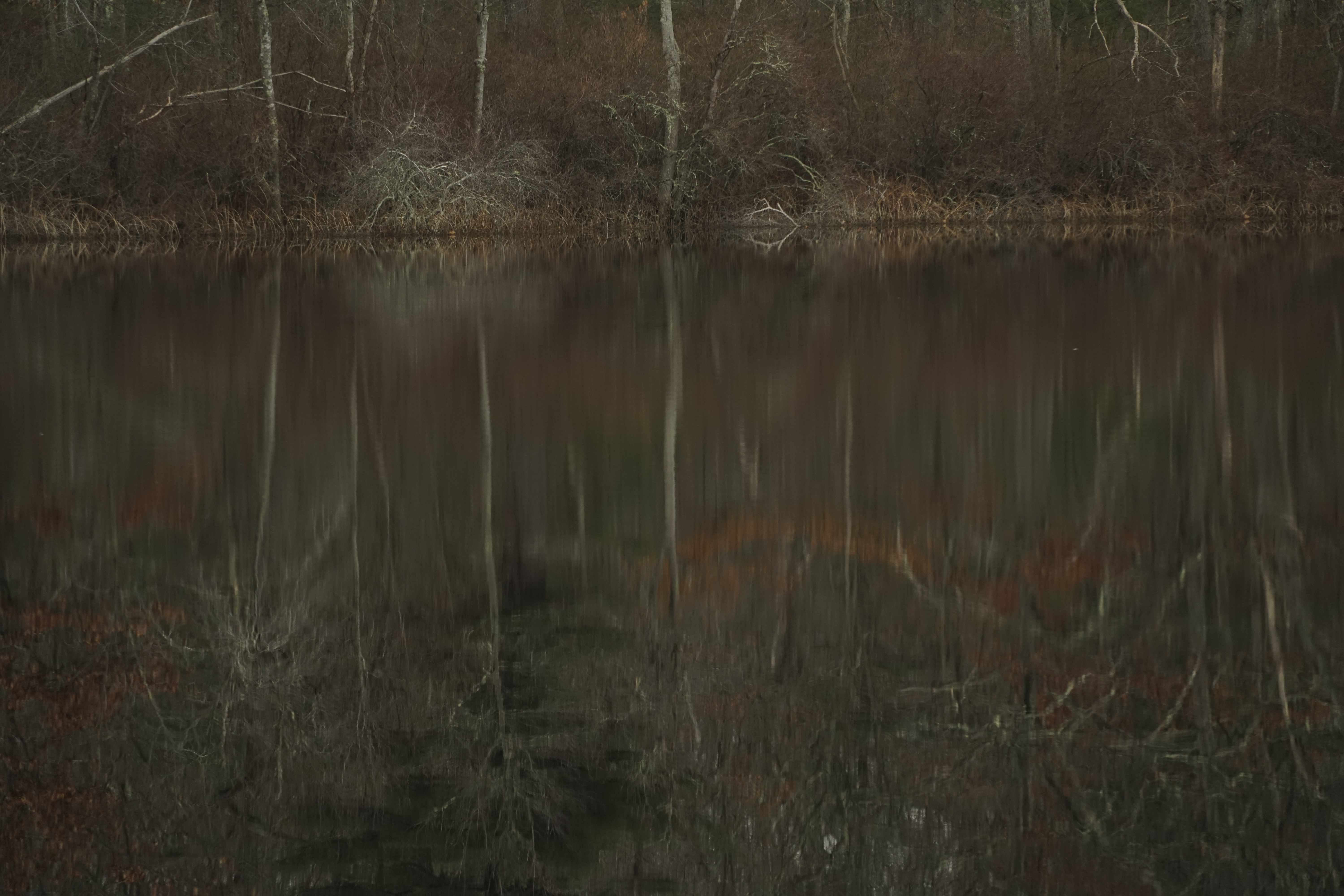
Assabet River National Wildlife Refuge   Leave a comment

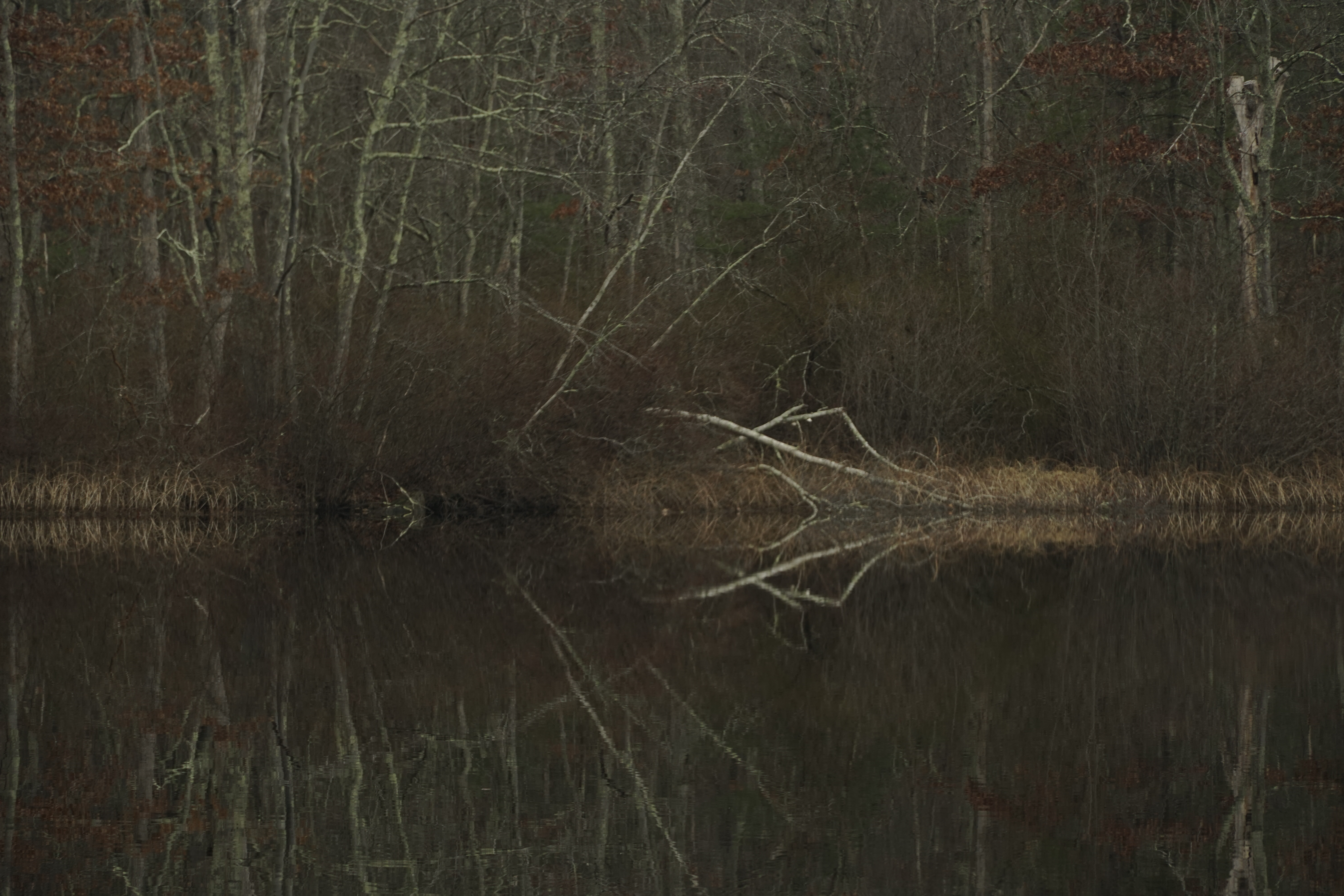
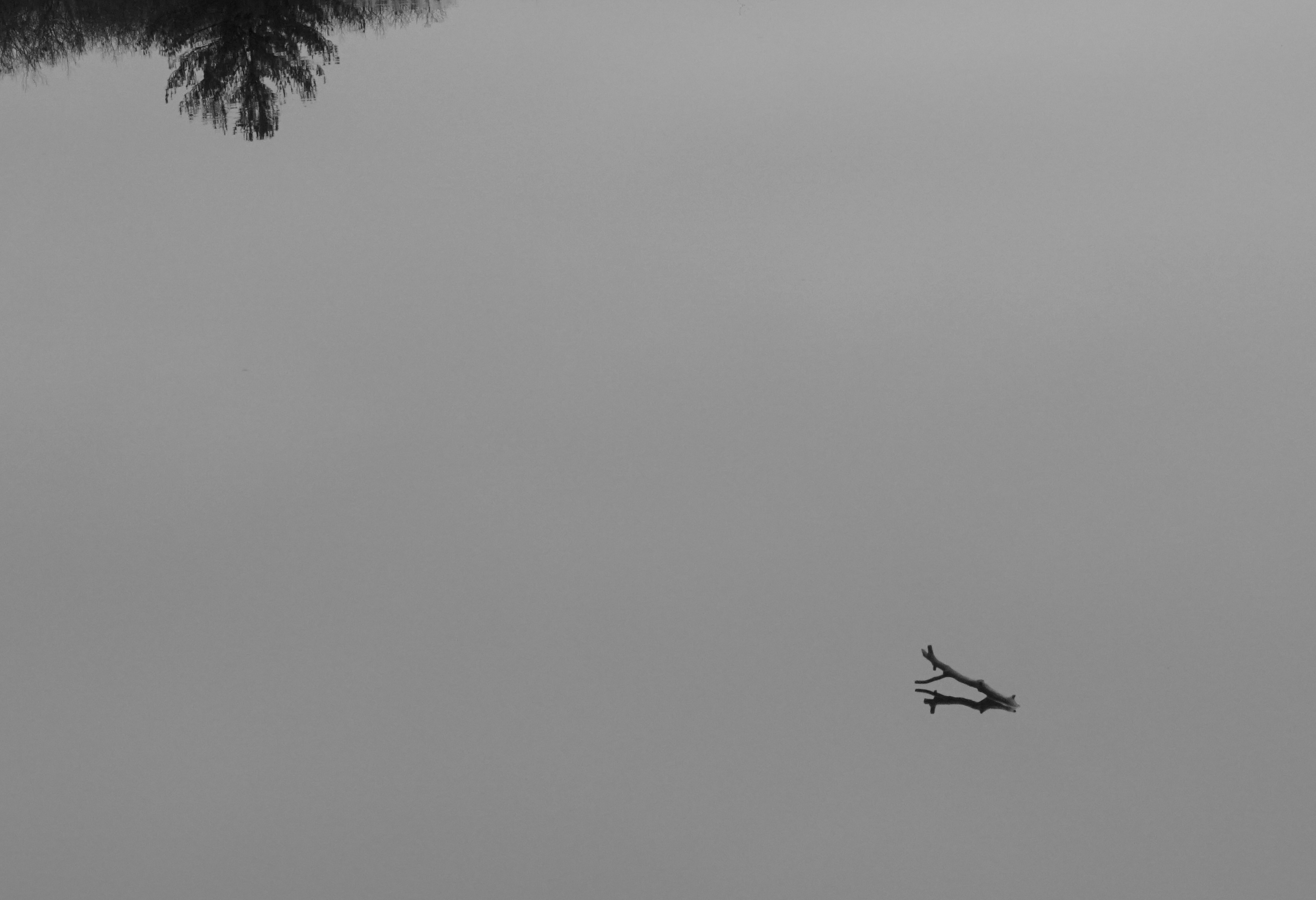
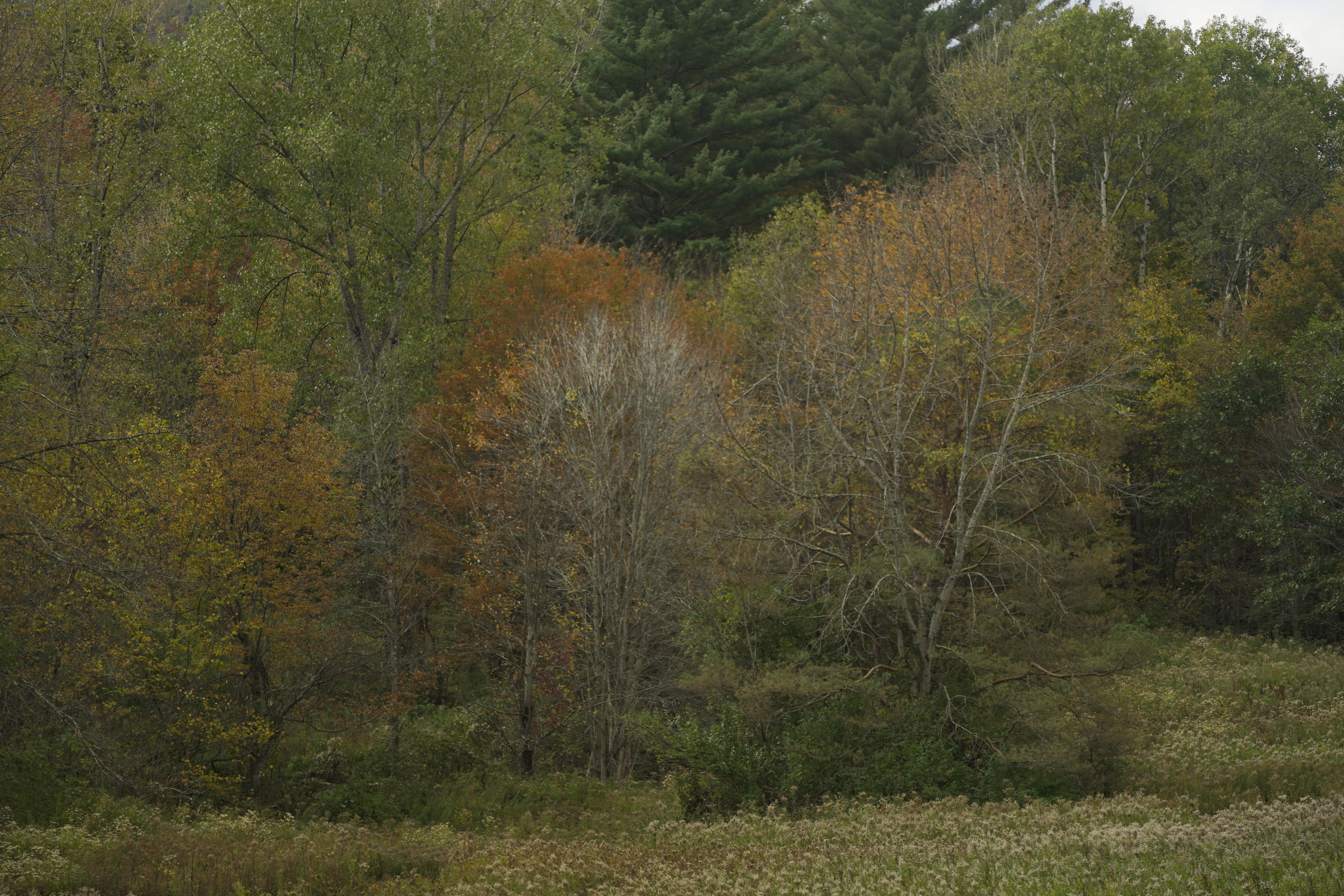
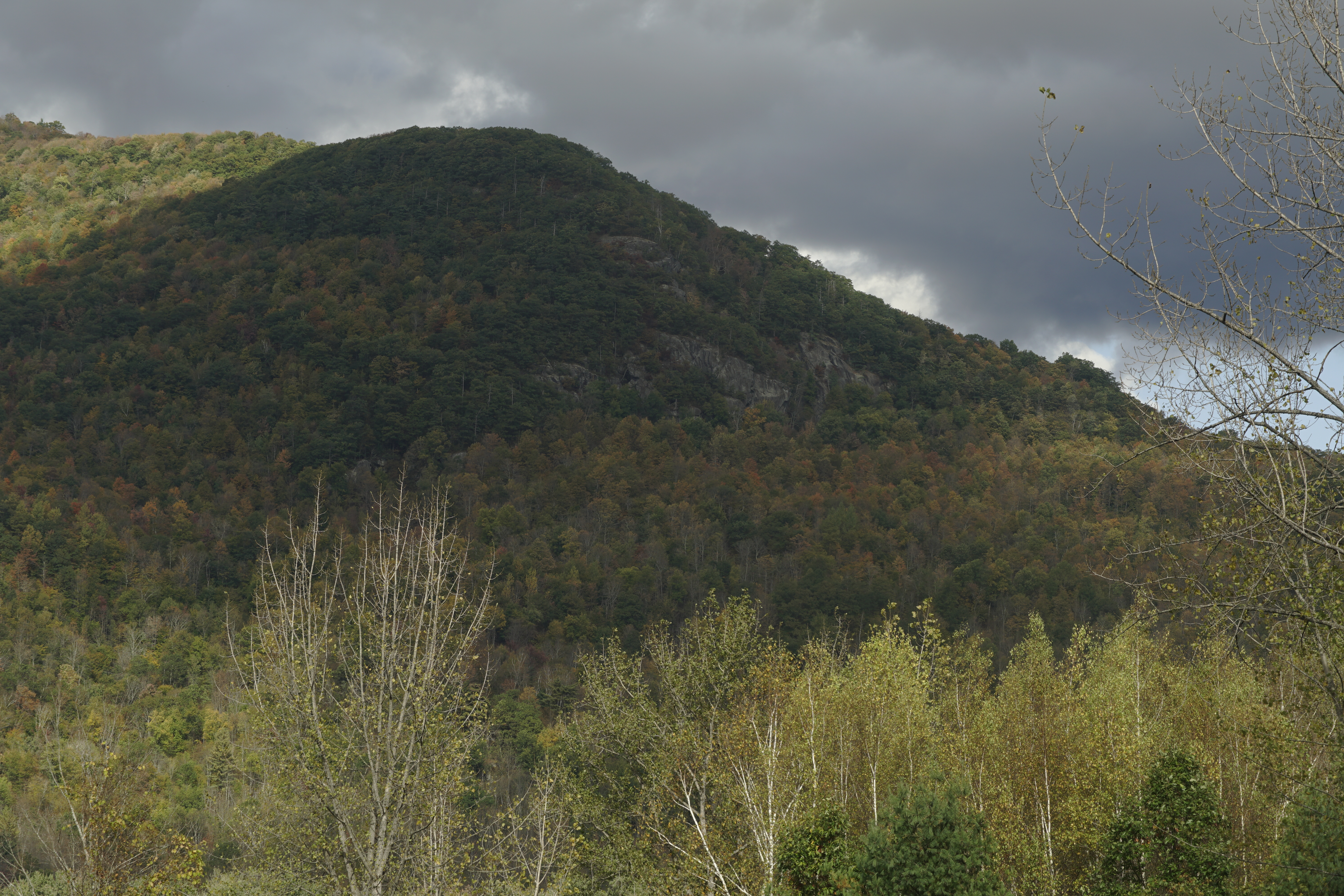
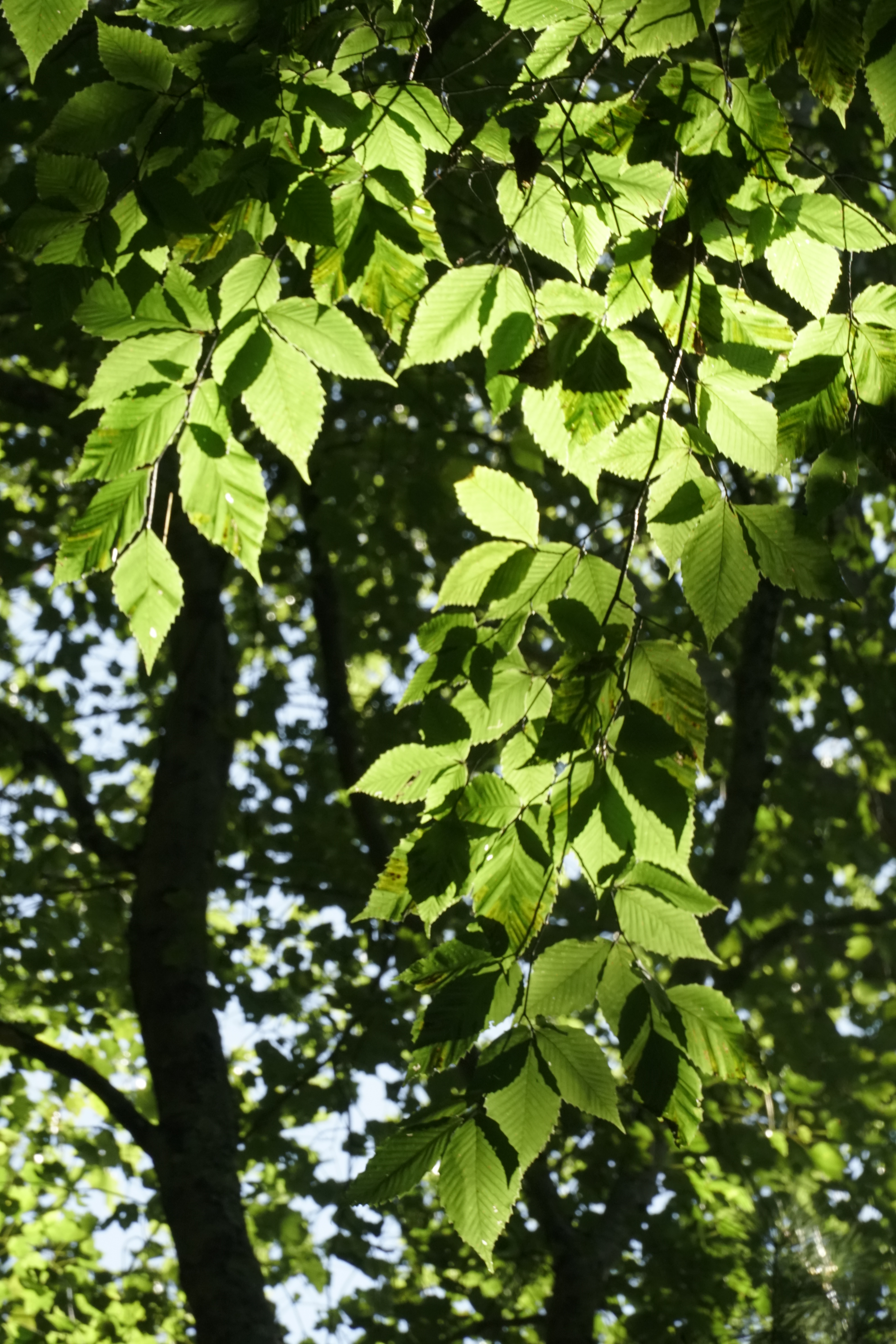
It’s so annoying that I didn’t get the tree on the left fully into the photo.

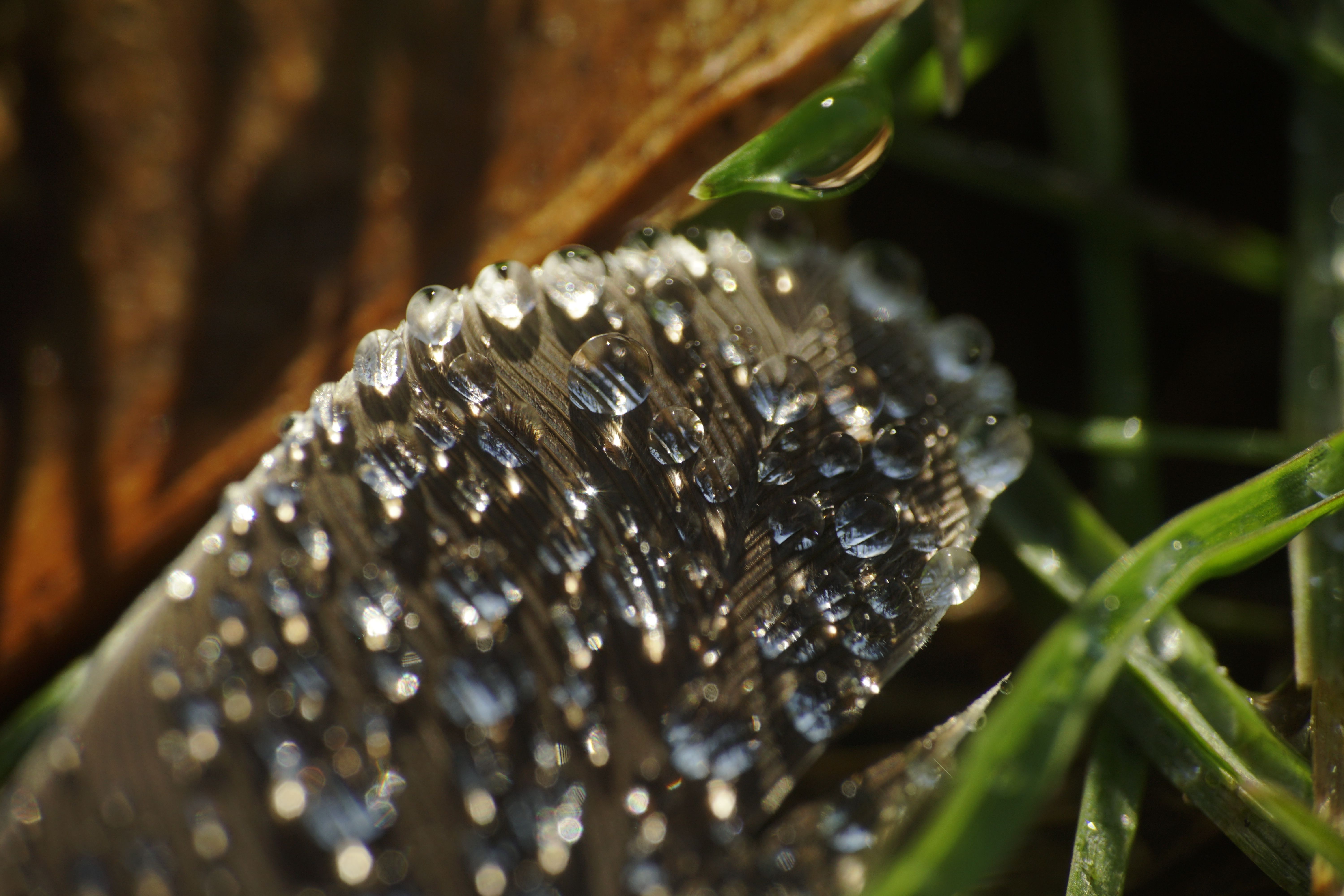
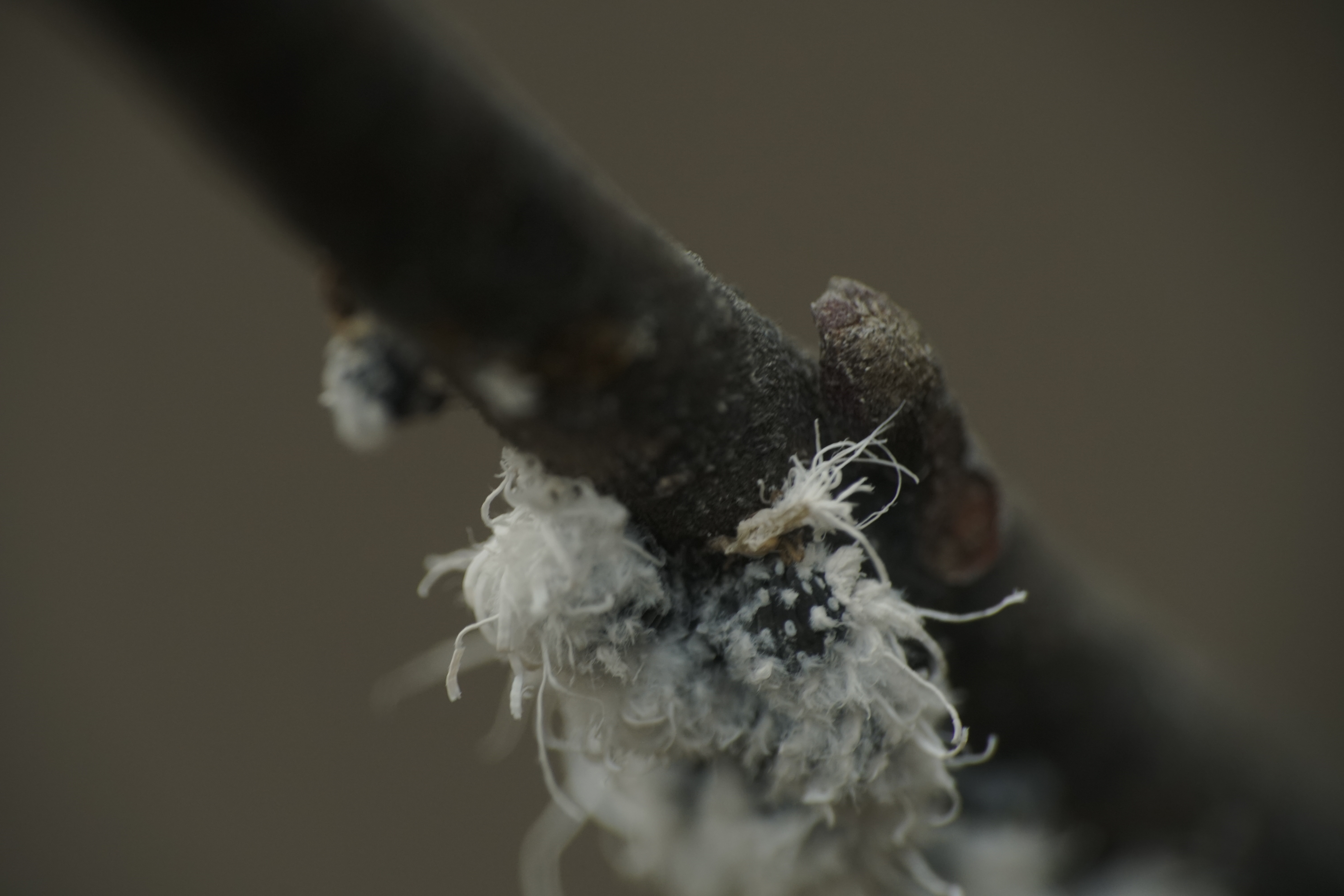
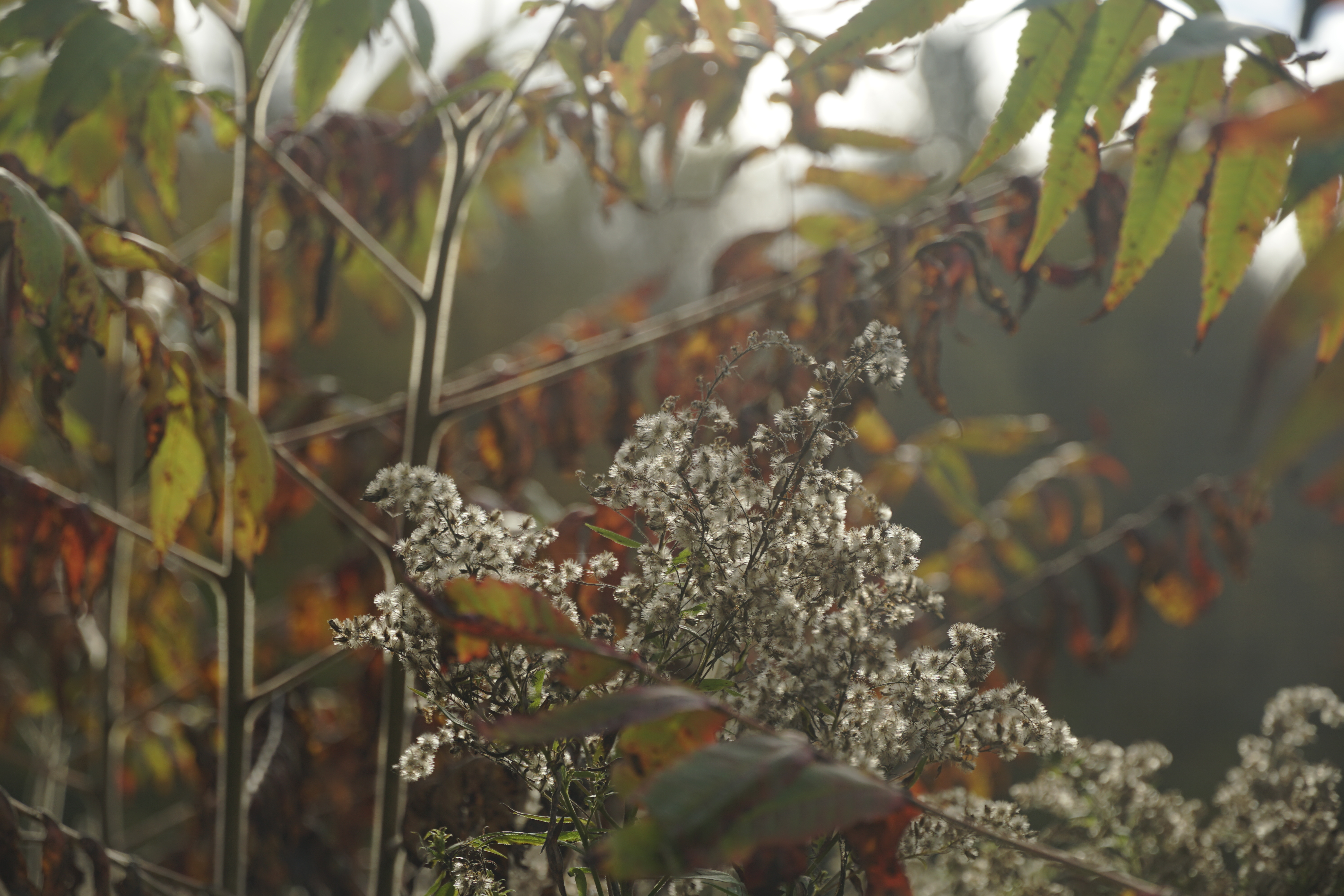
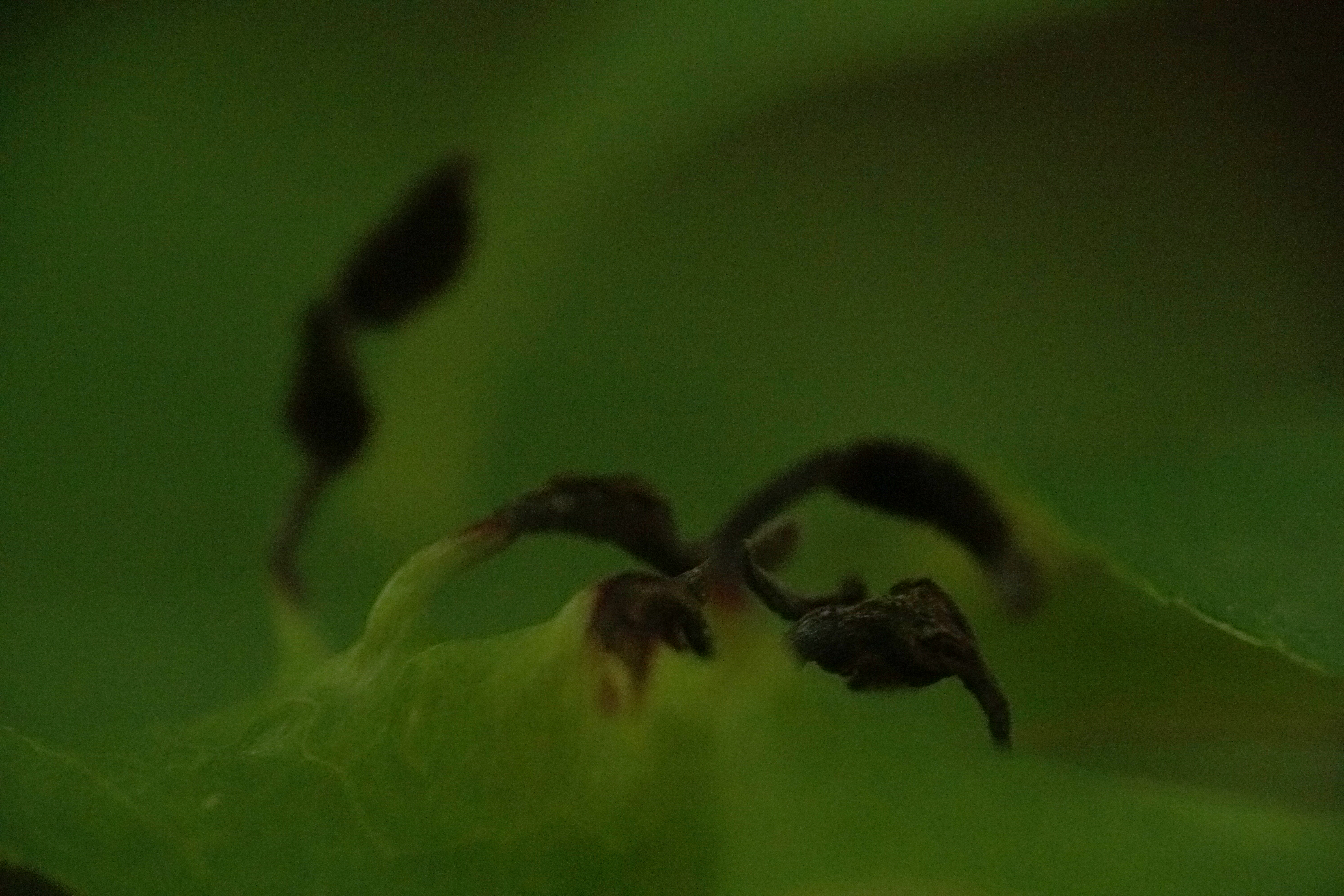
Woolly Alder aphid, Prociphilus tessellatus:

Posted 2023-11-17 by gaurav1729 in Uncategorized

Borderland State Park   Leave a comment

Posted 2023-10-28 by gaurav1729 in Uncategorized

Honey Hollow Trail, Vermont   Leave a comment

Posted 2023-10-12 by gaurav1729 in Uncategorized

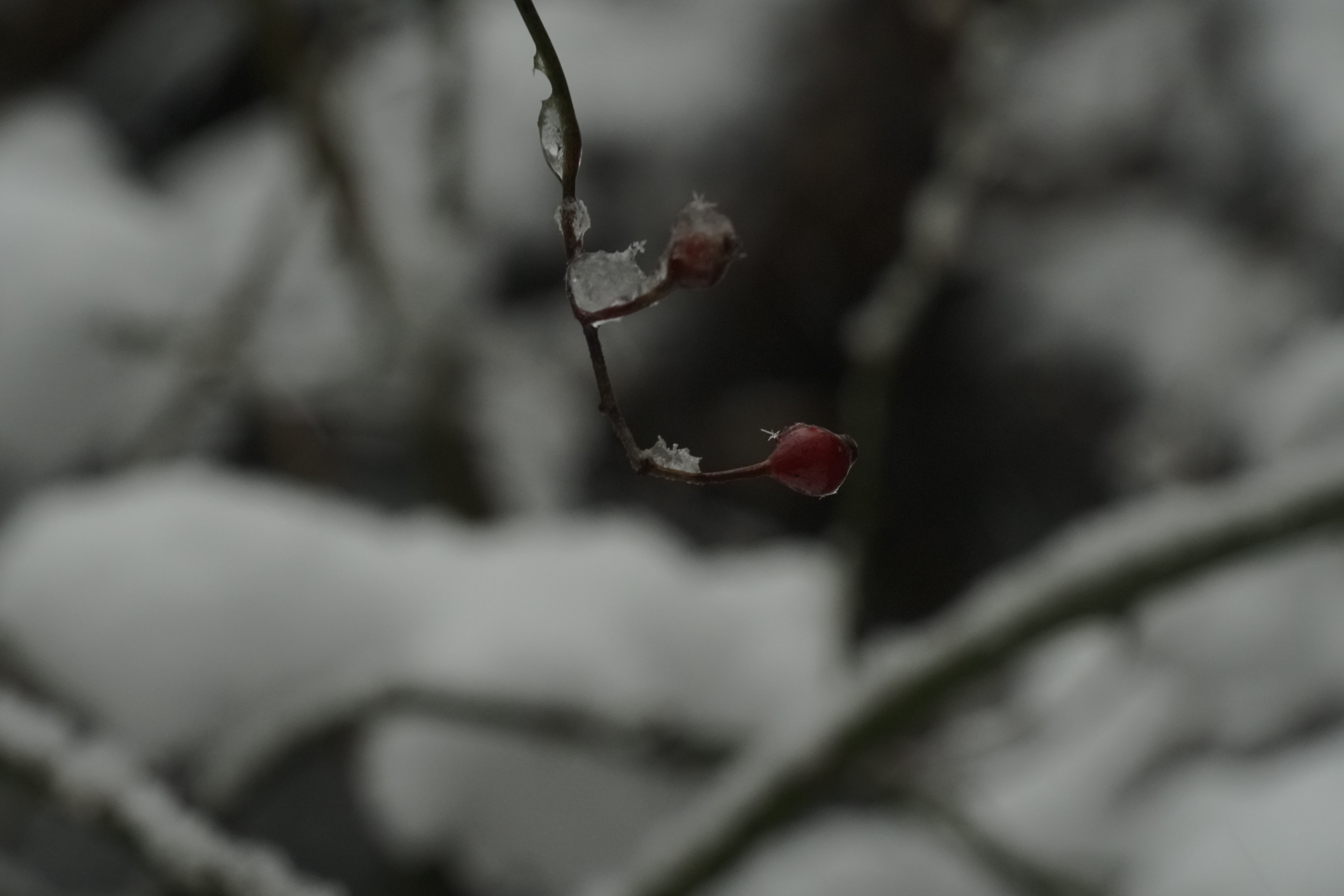
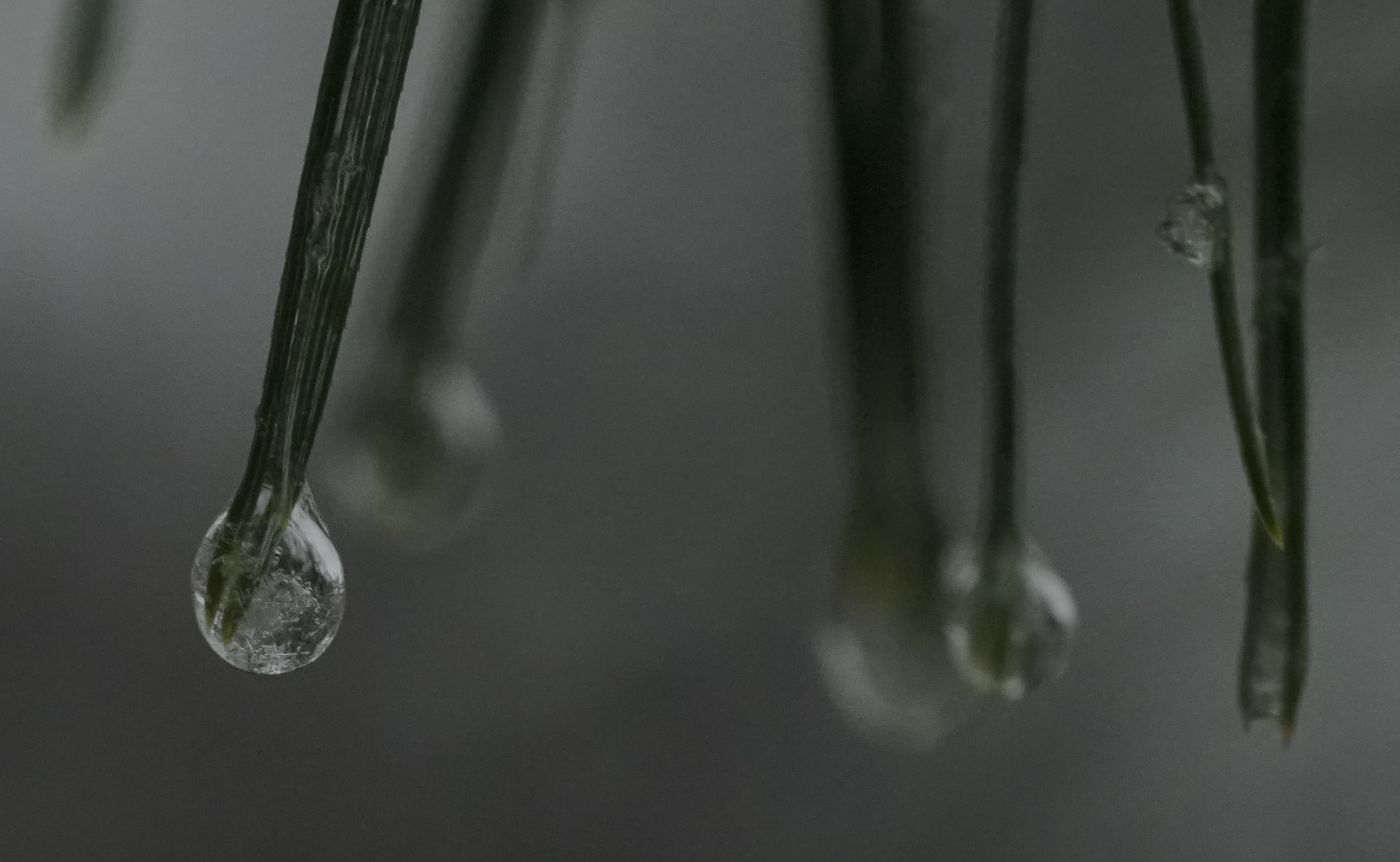
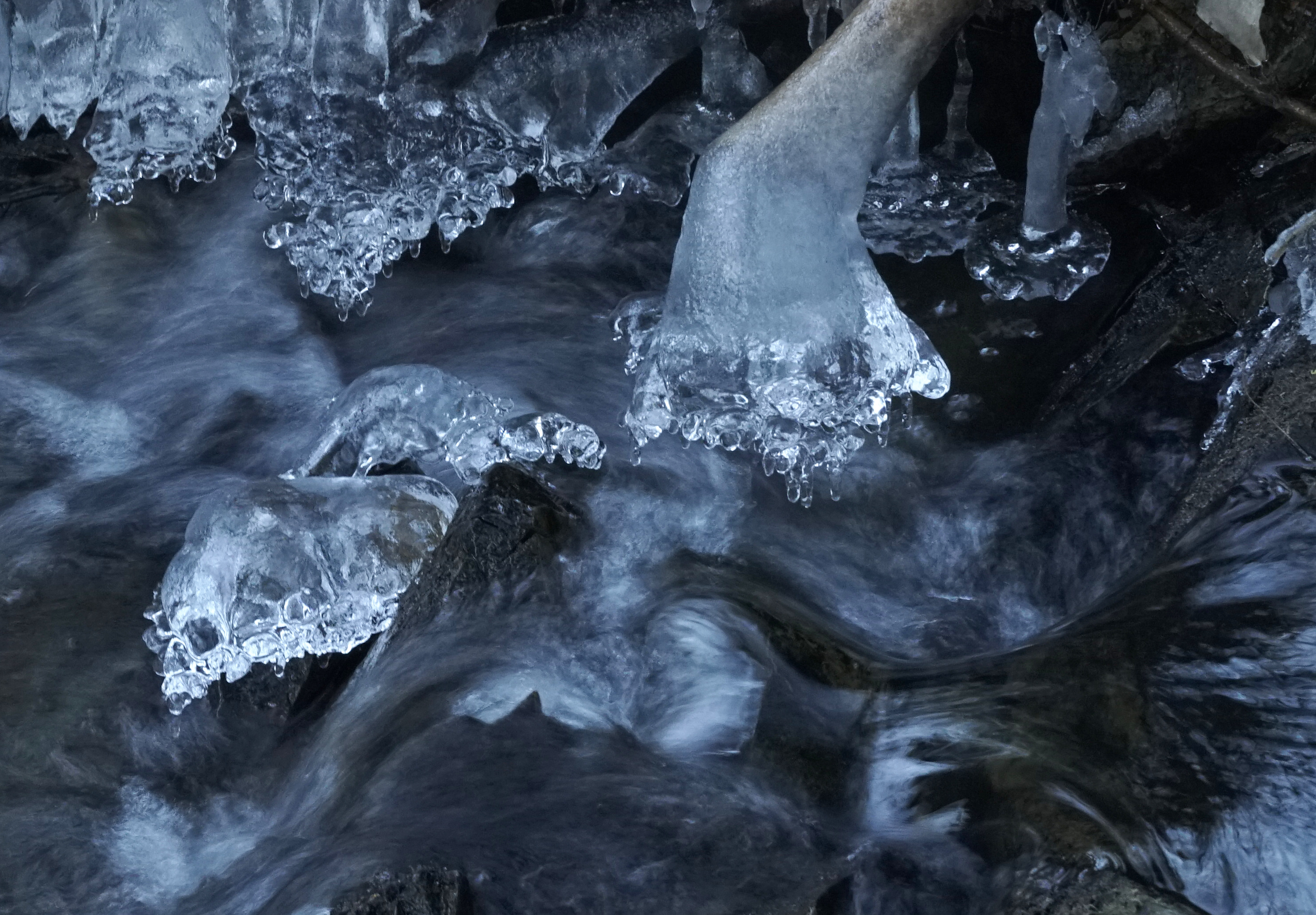
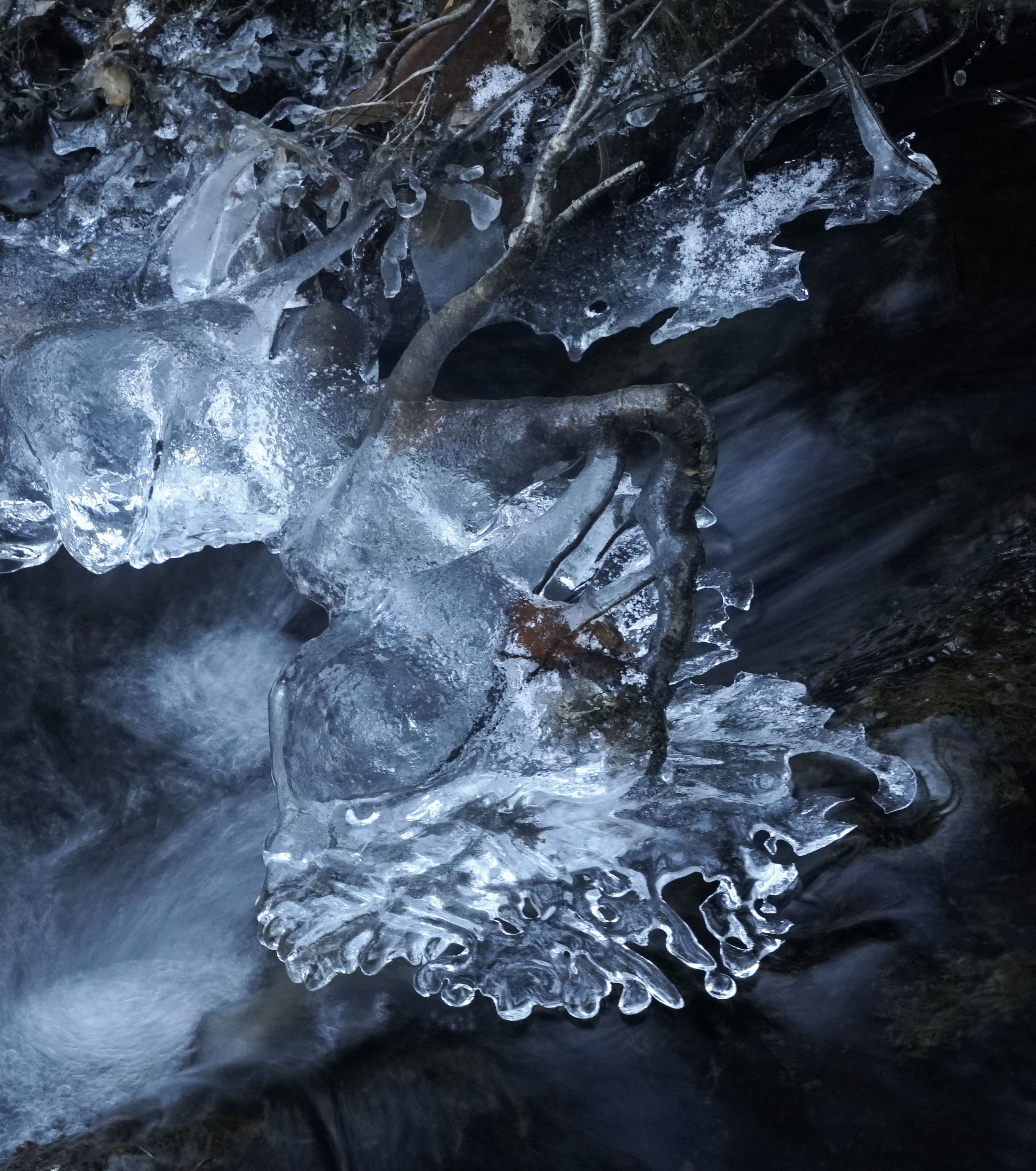
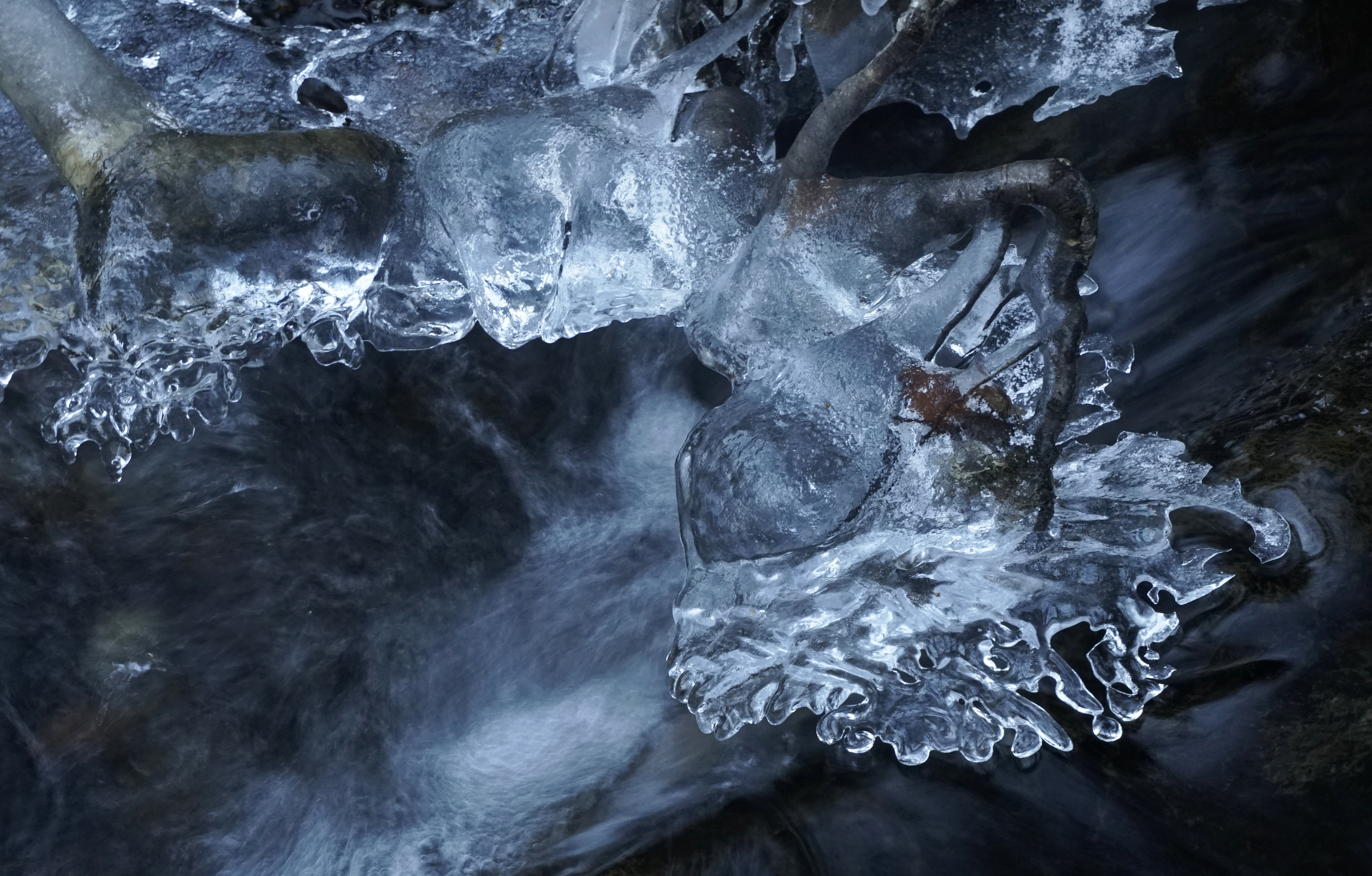
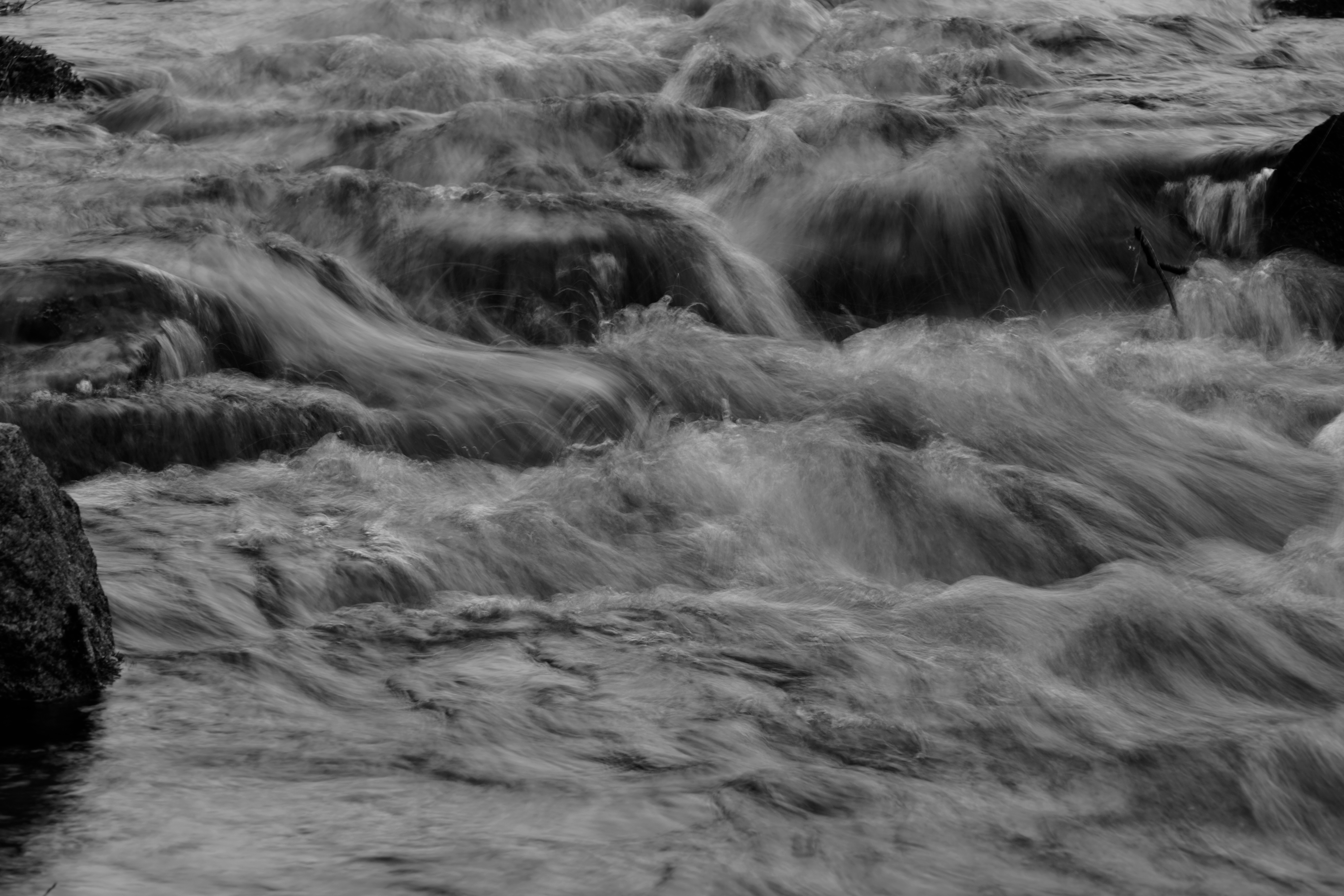
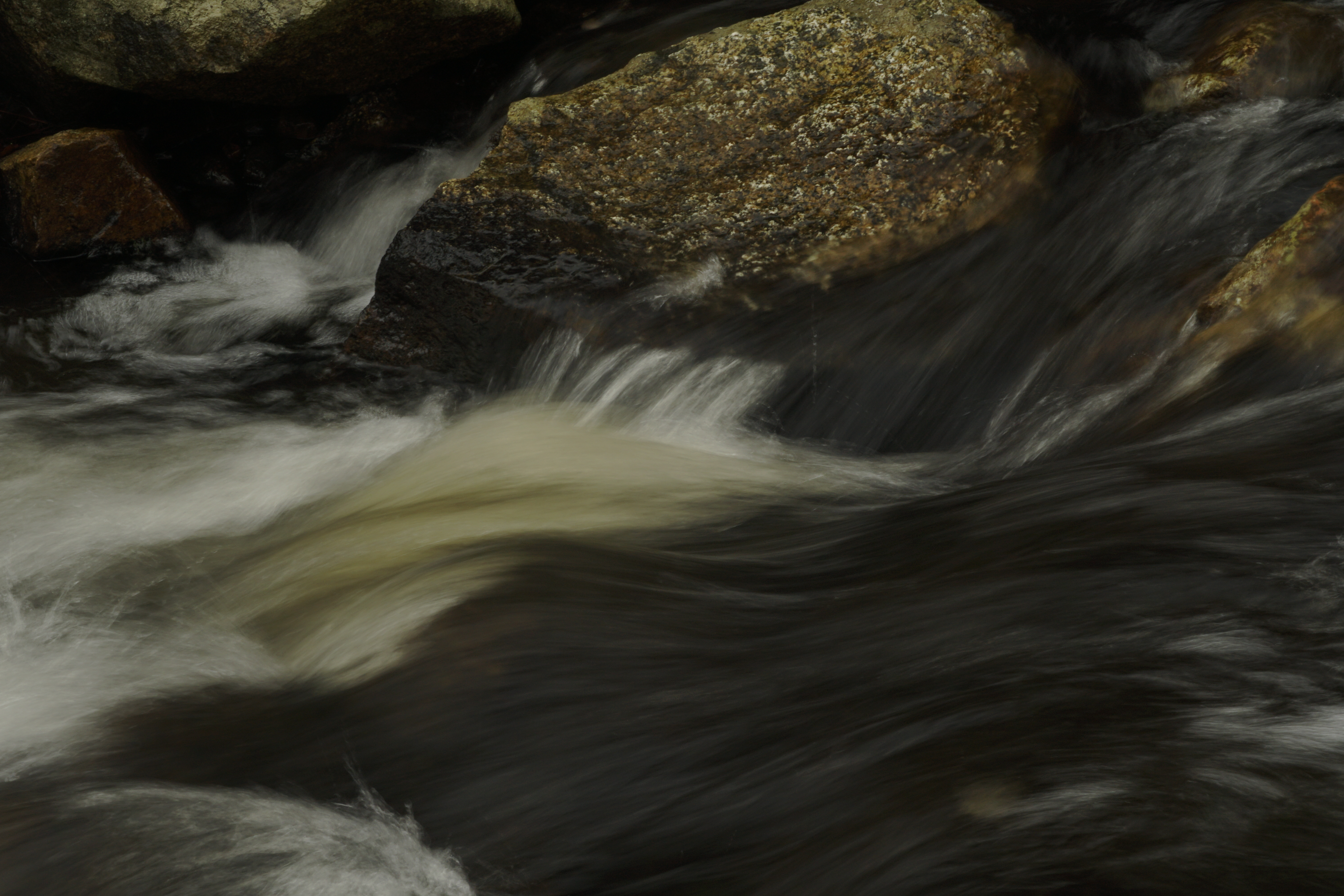
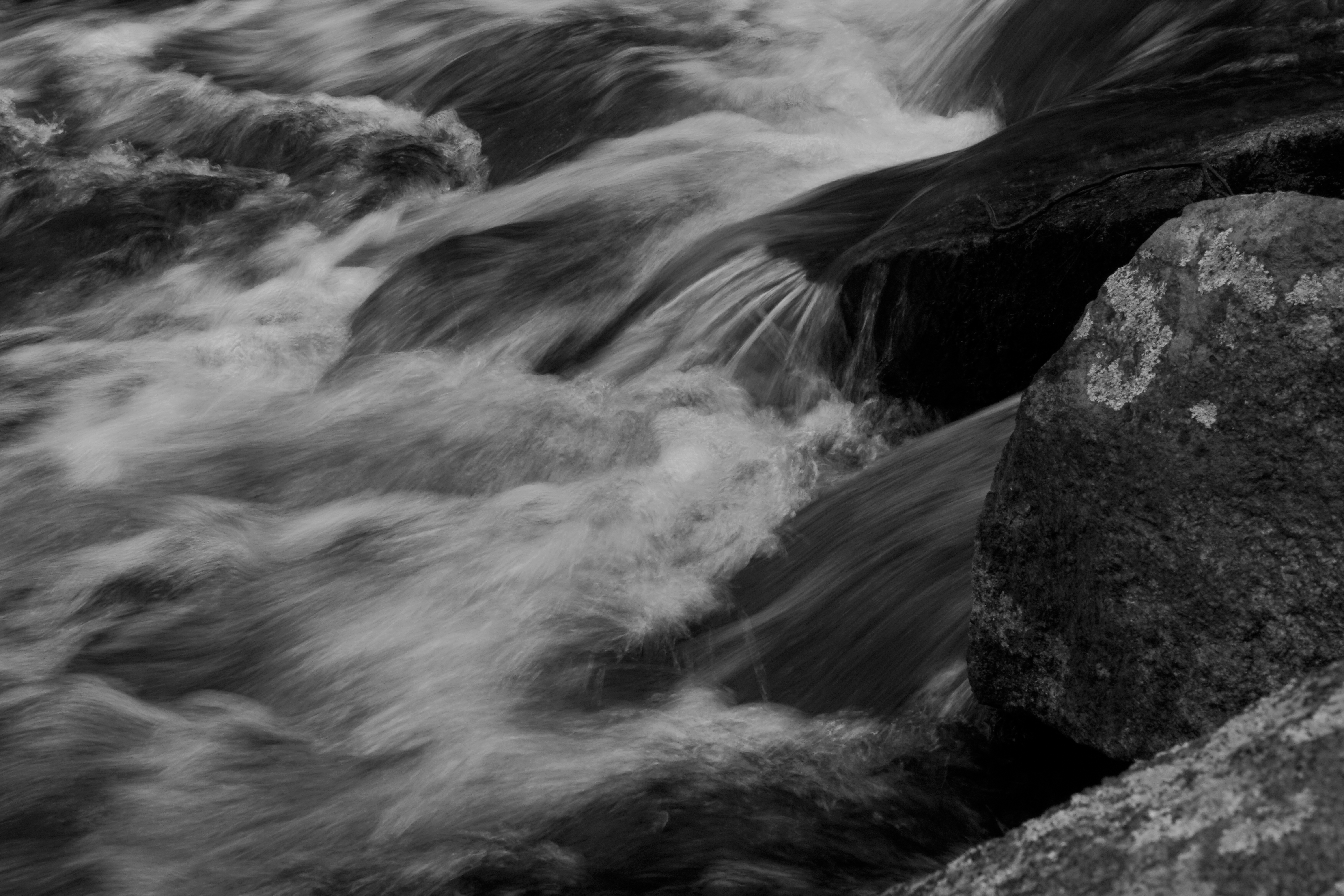
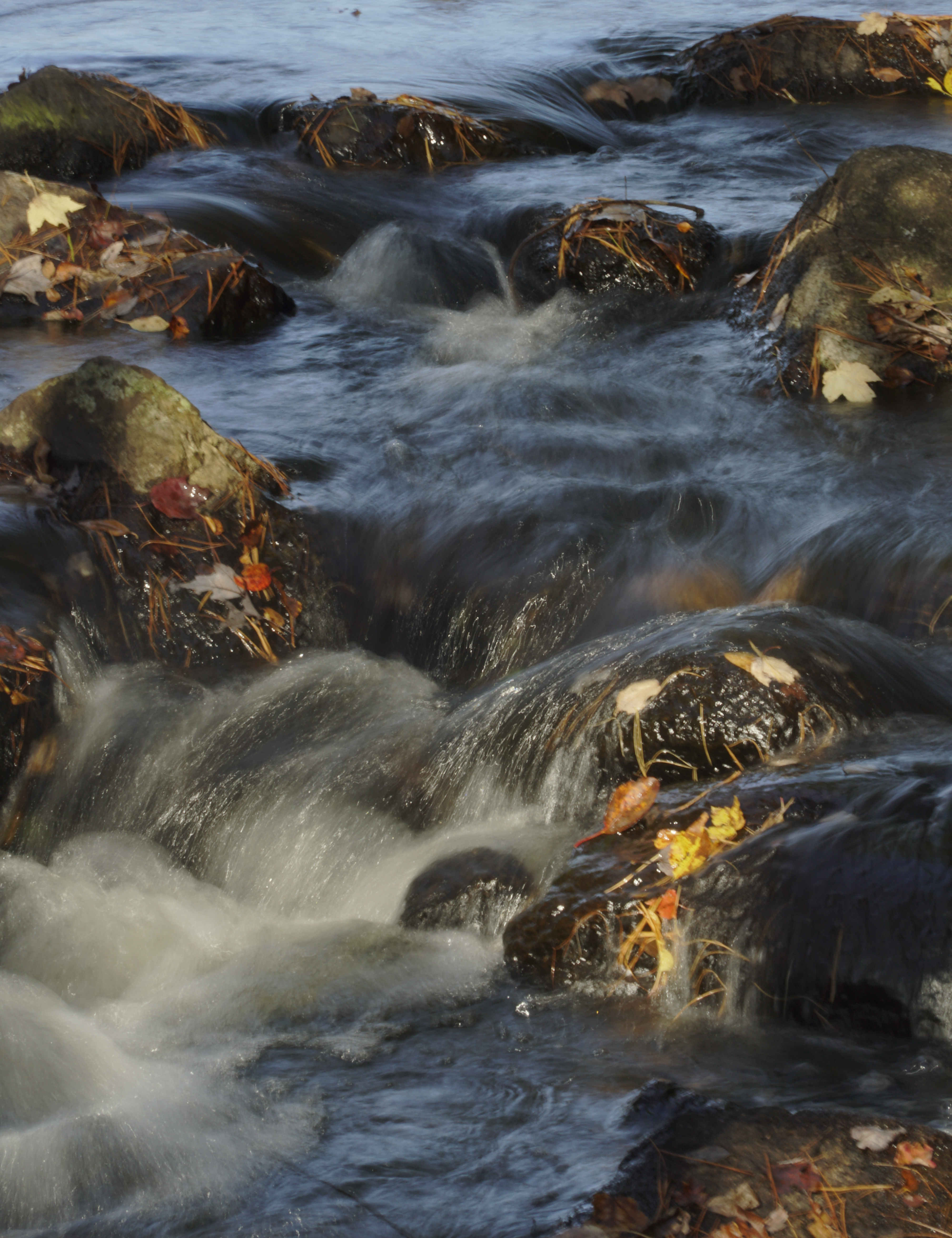
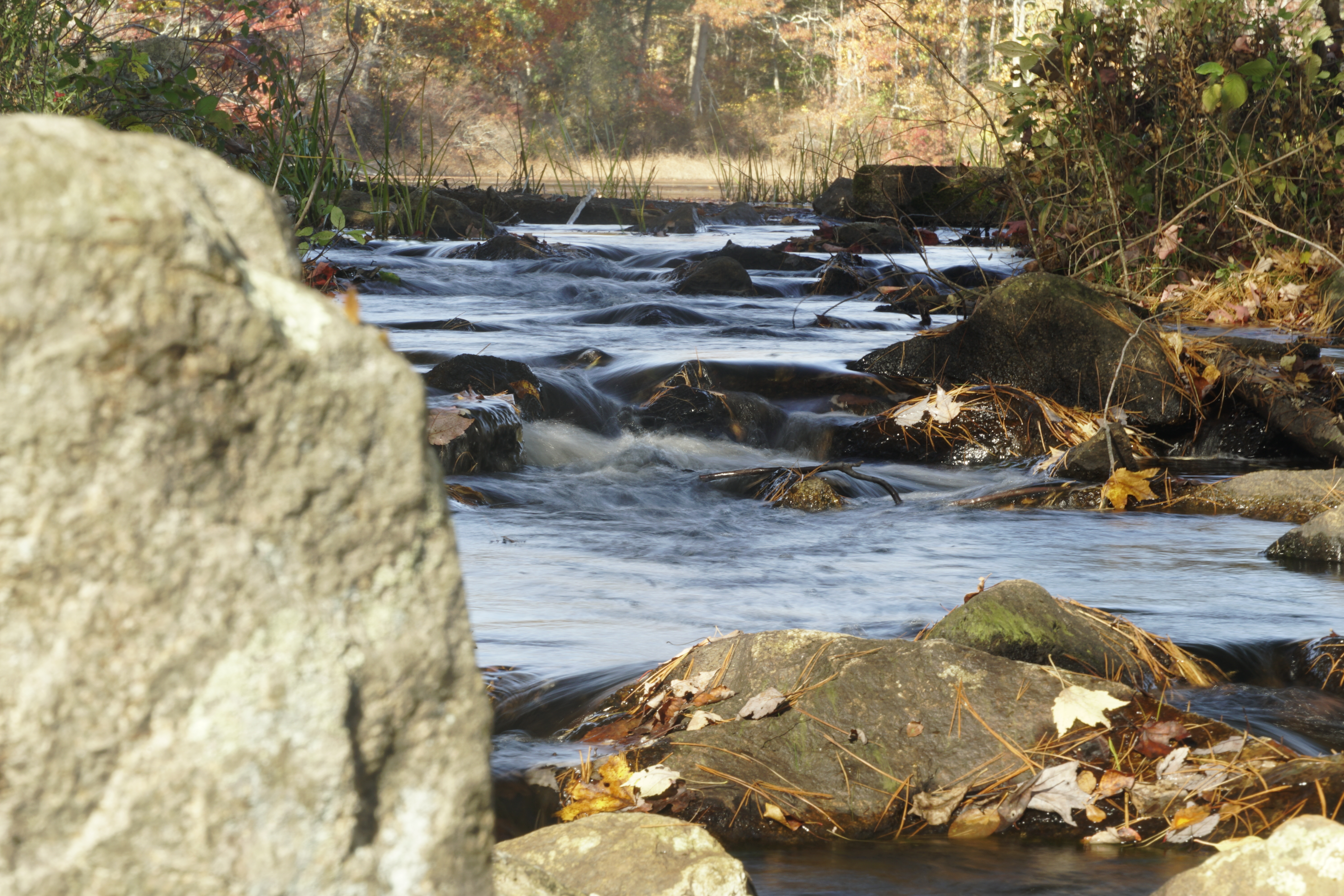
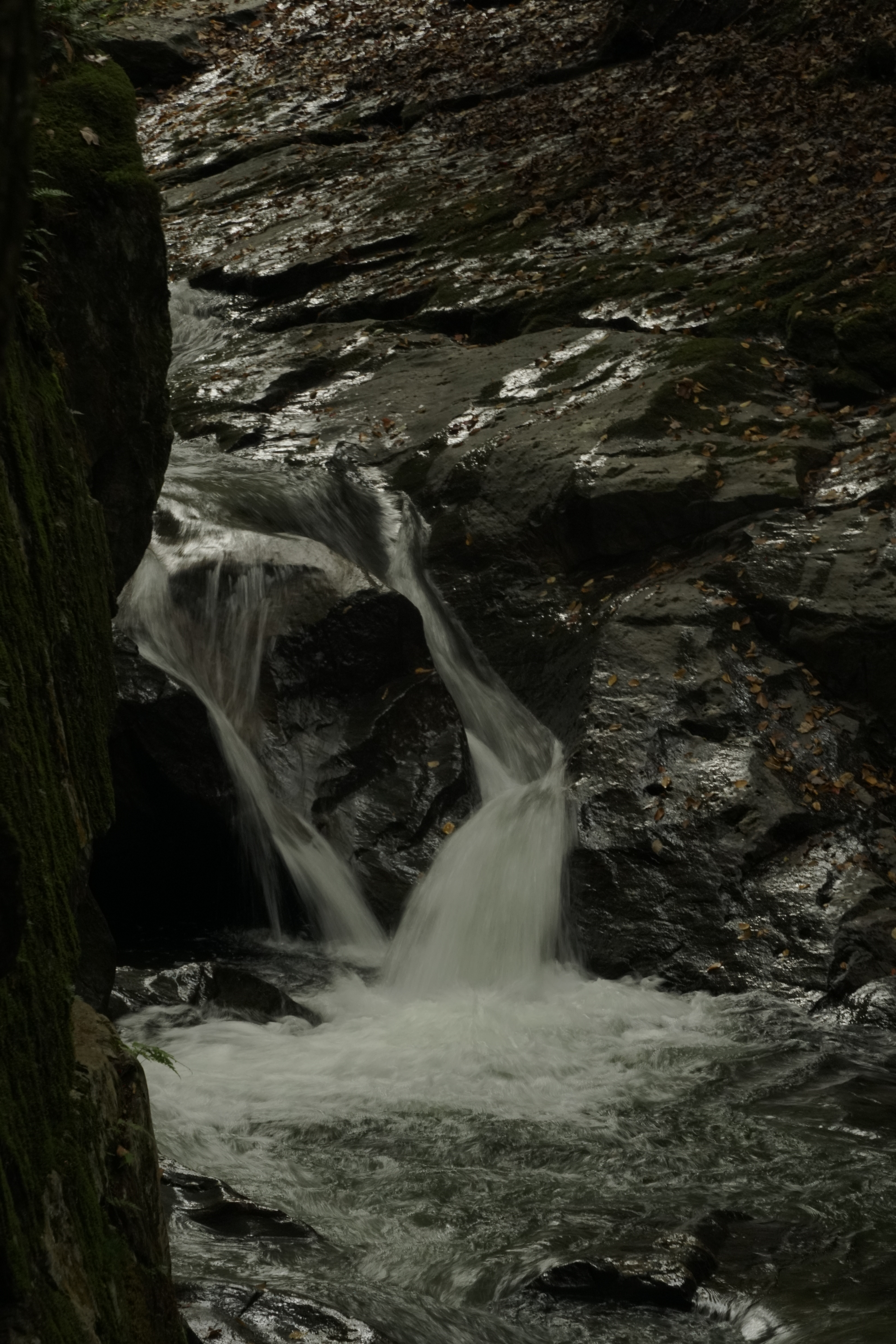
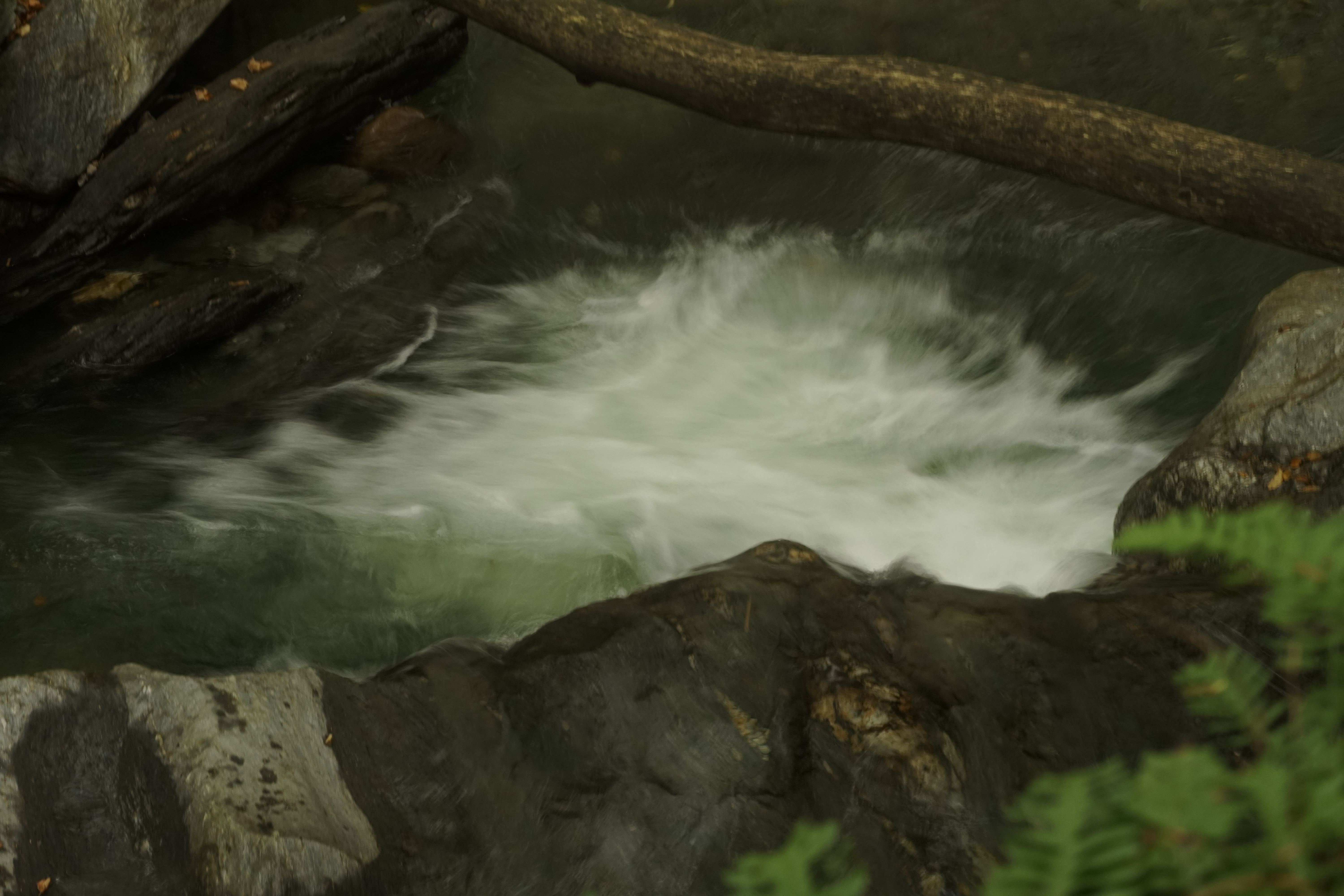
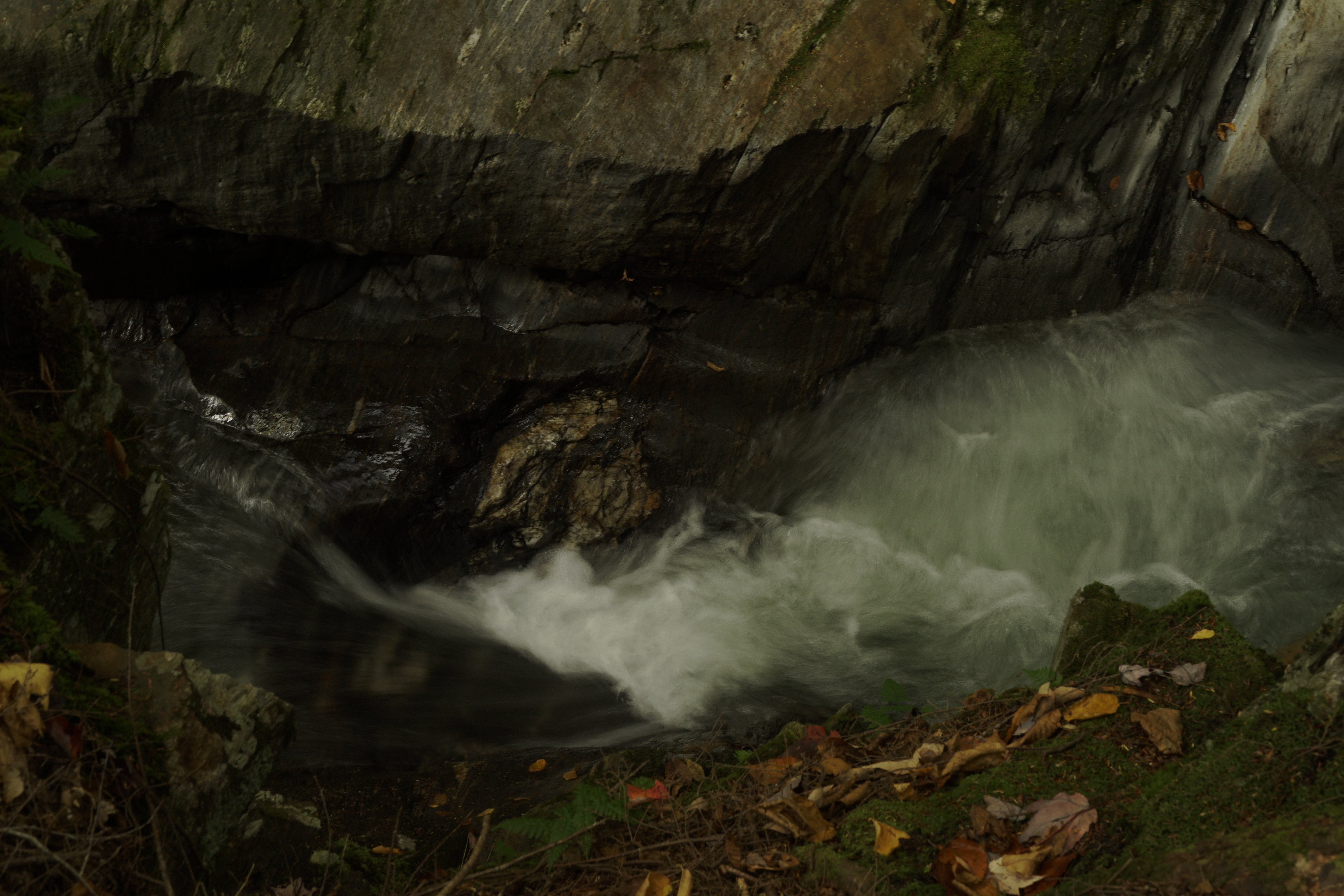
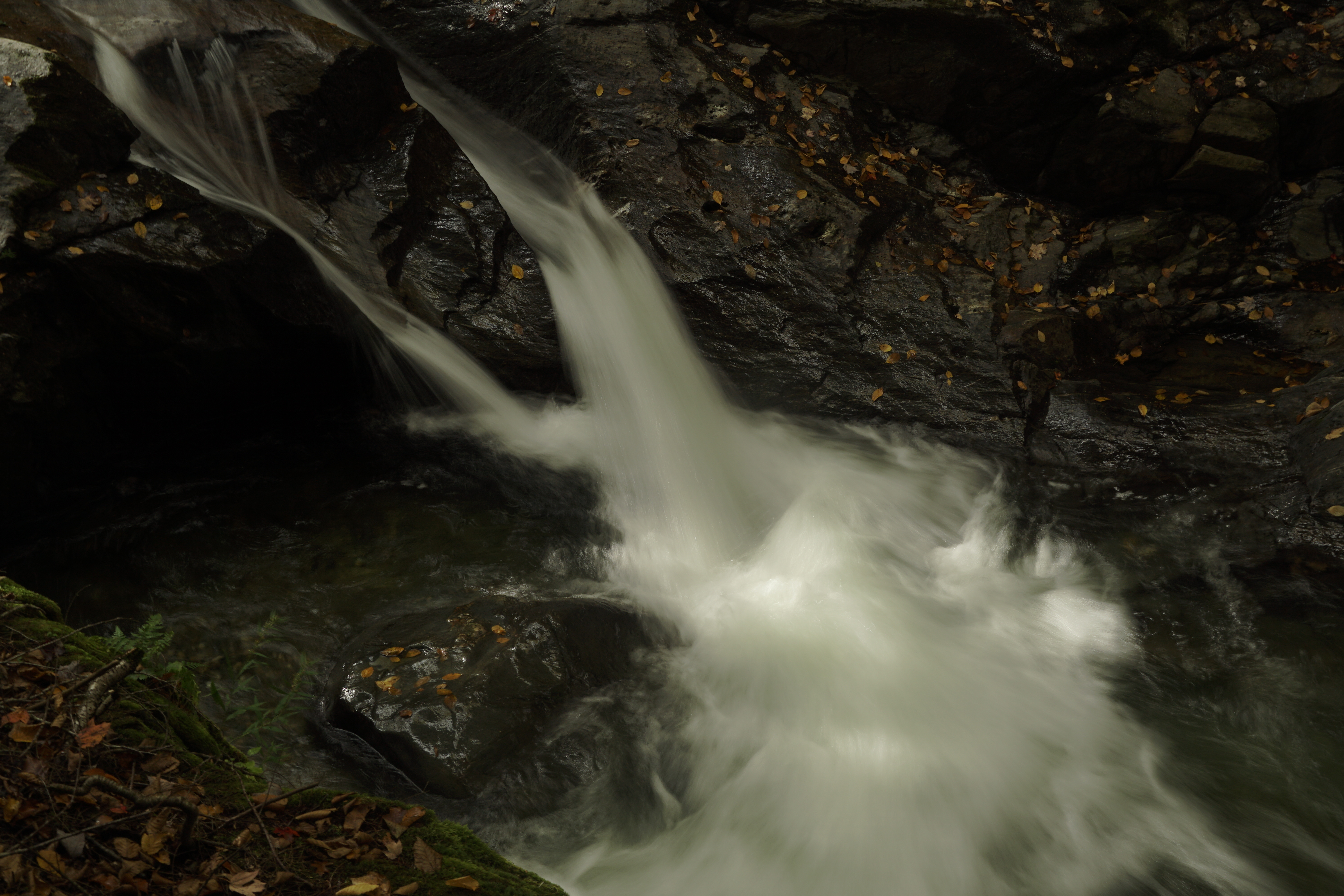
Massapoag Brook   Leave a comment

No Bugs

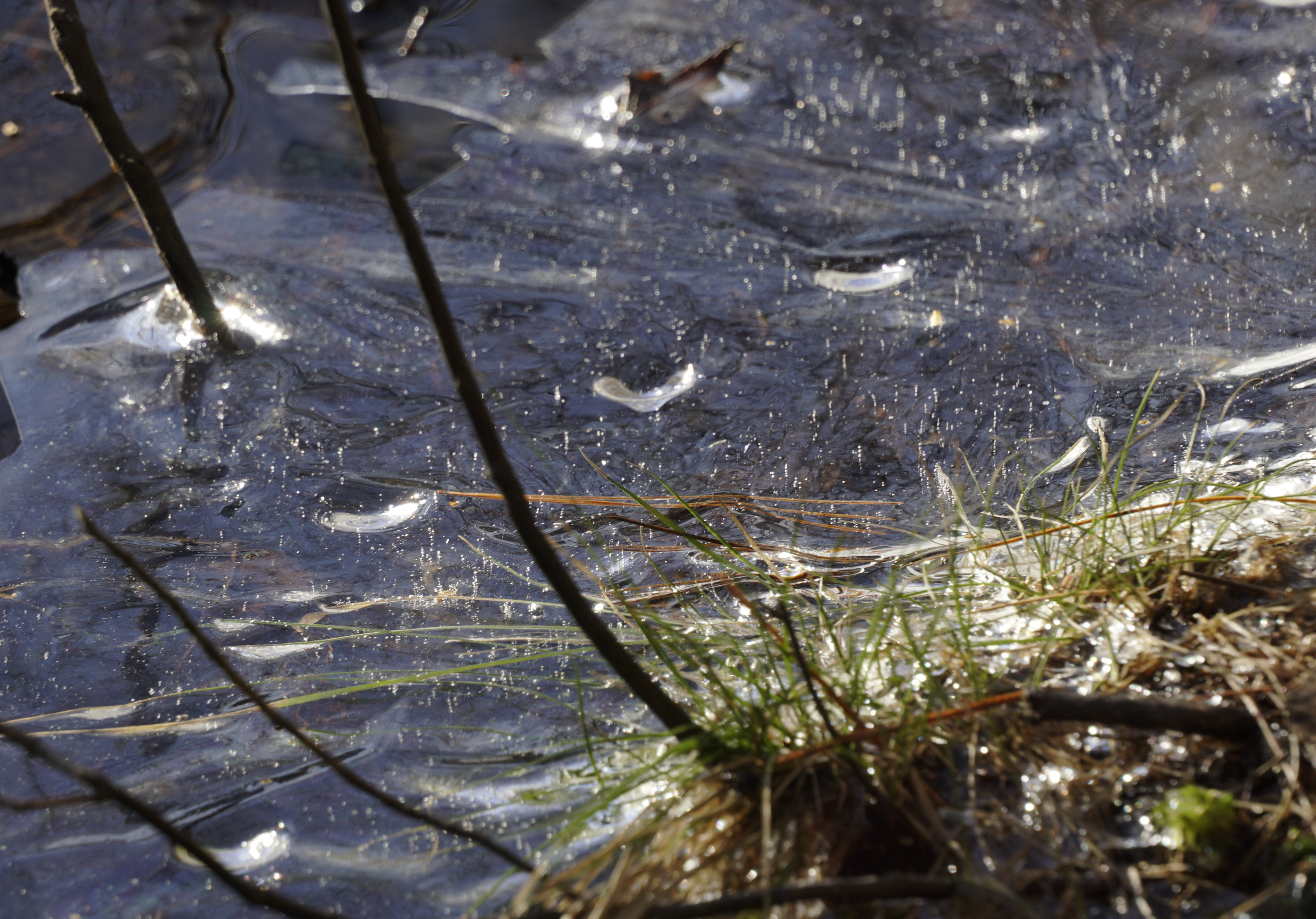
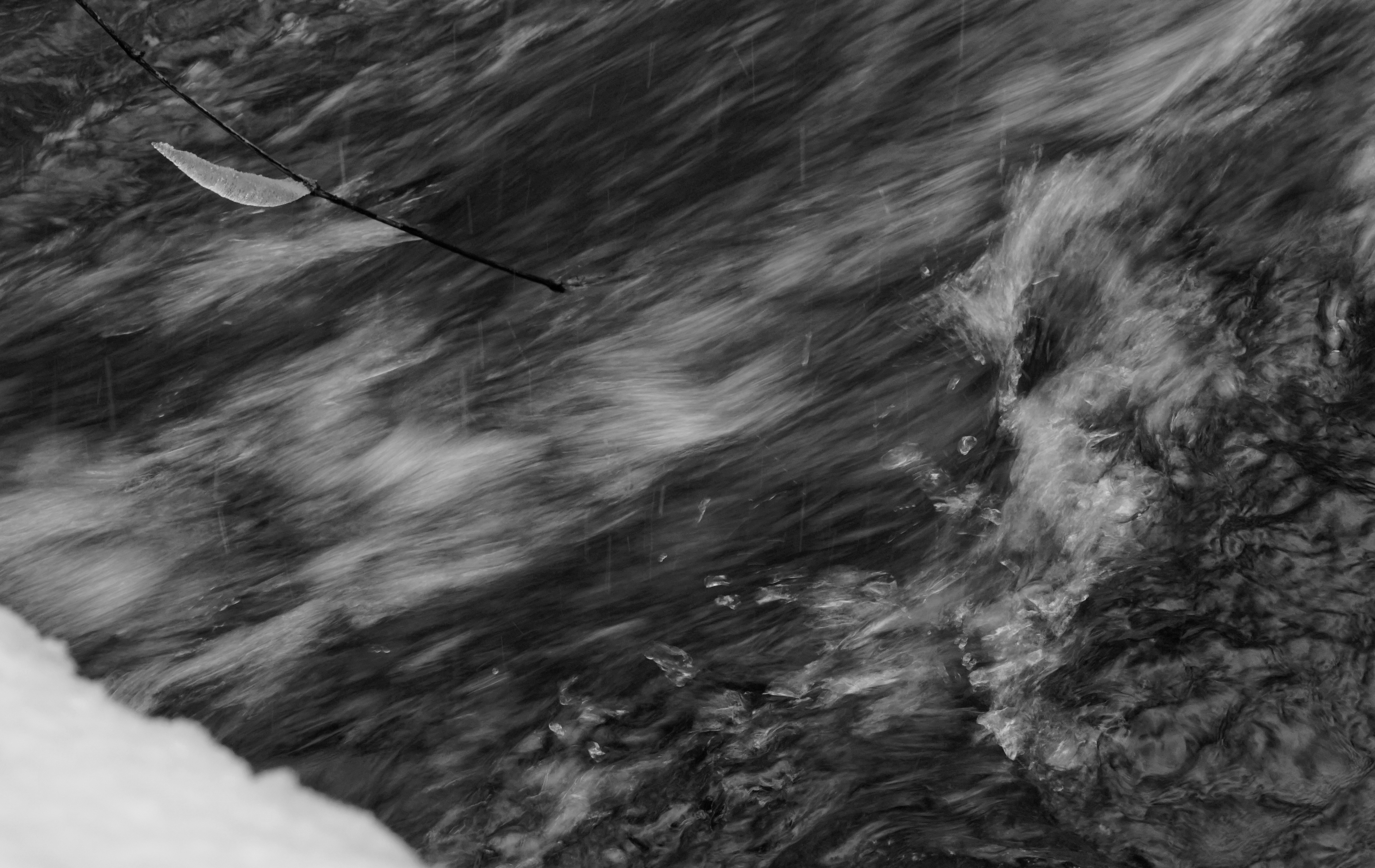
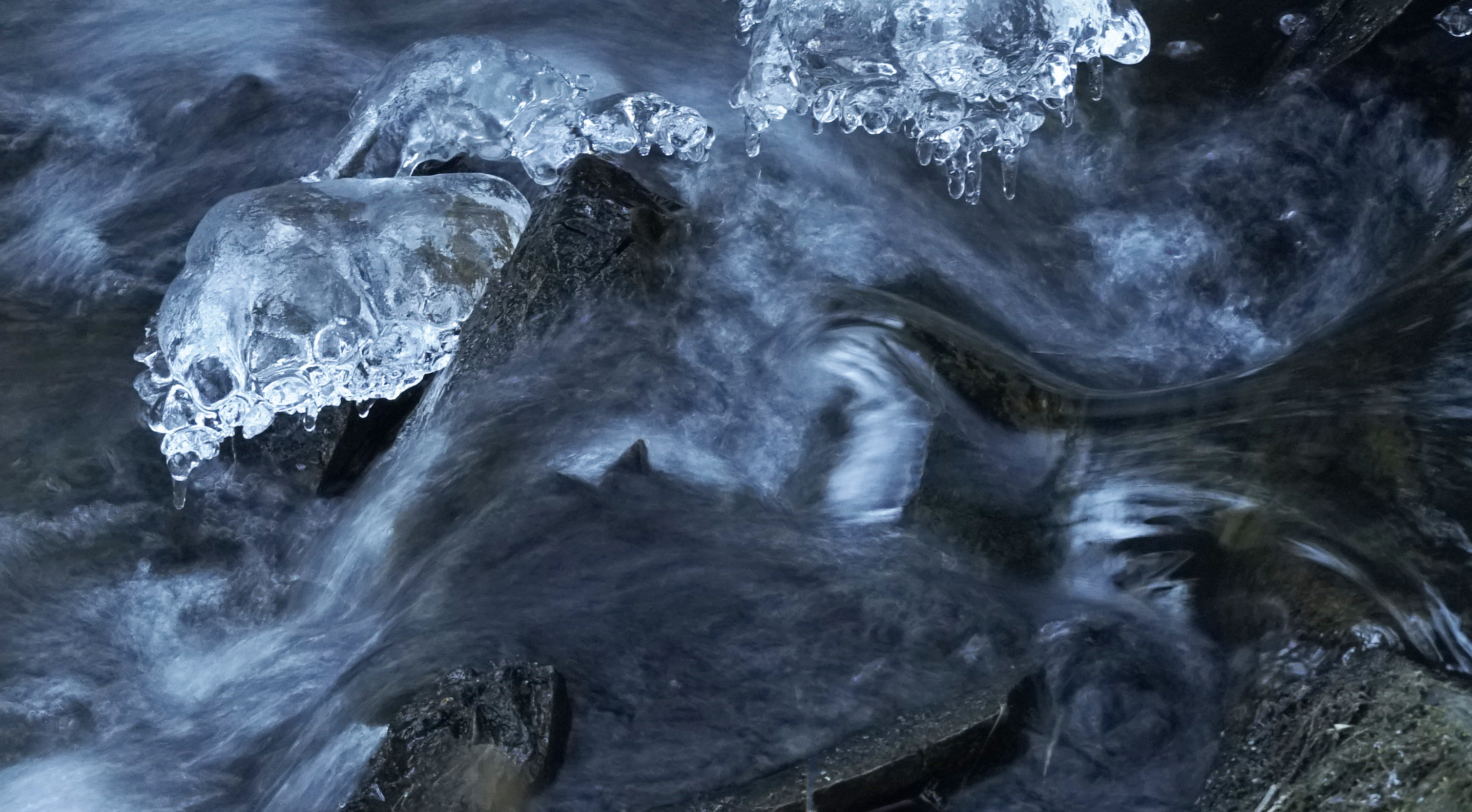
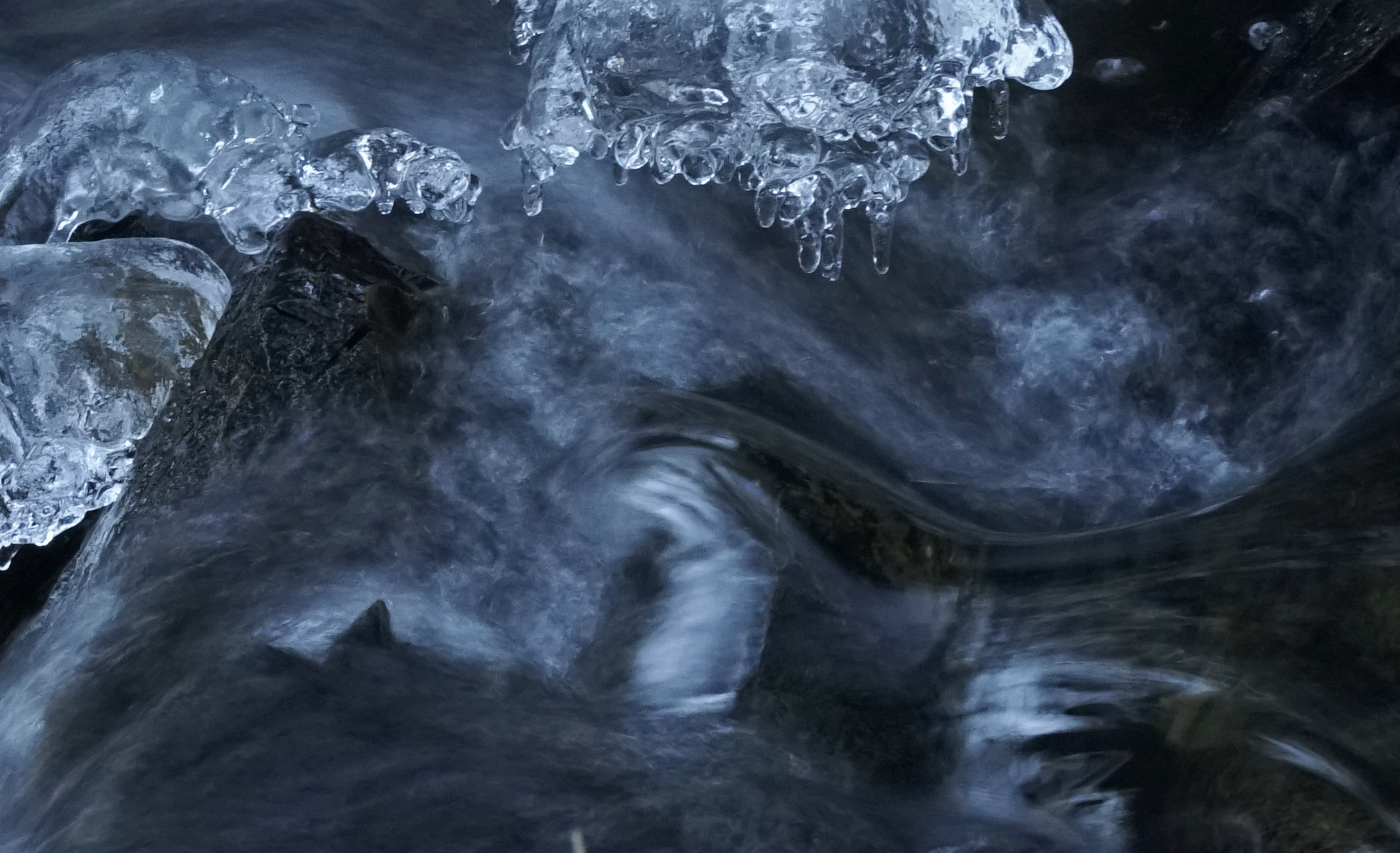
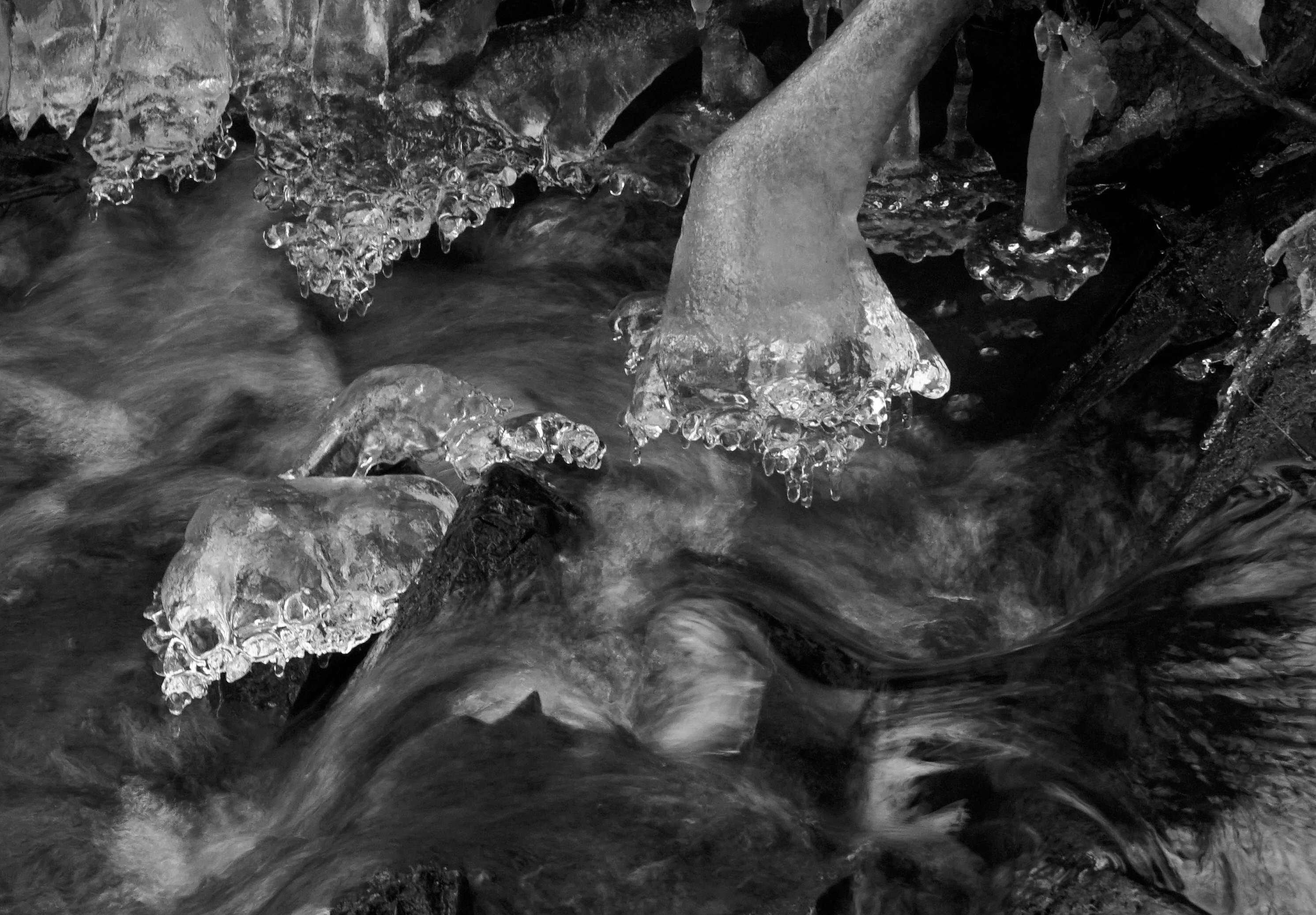
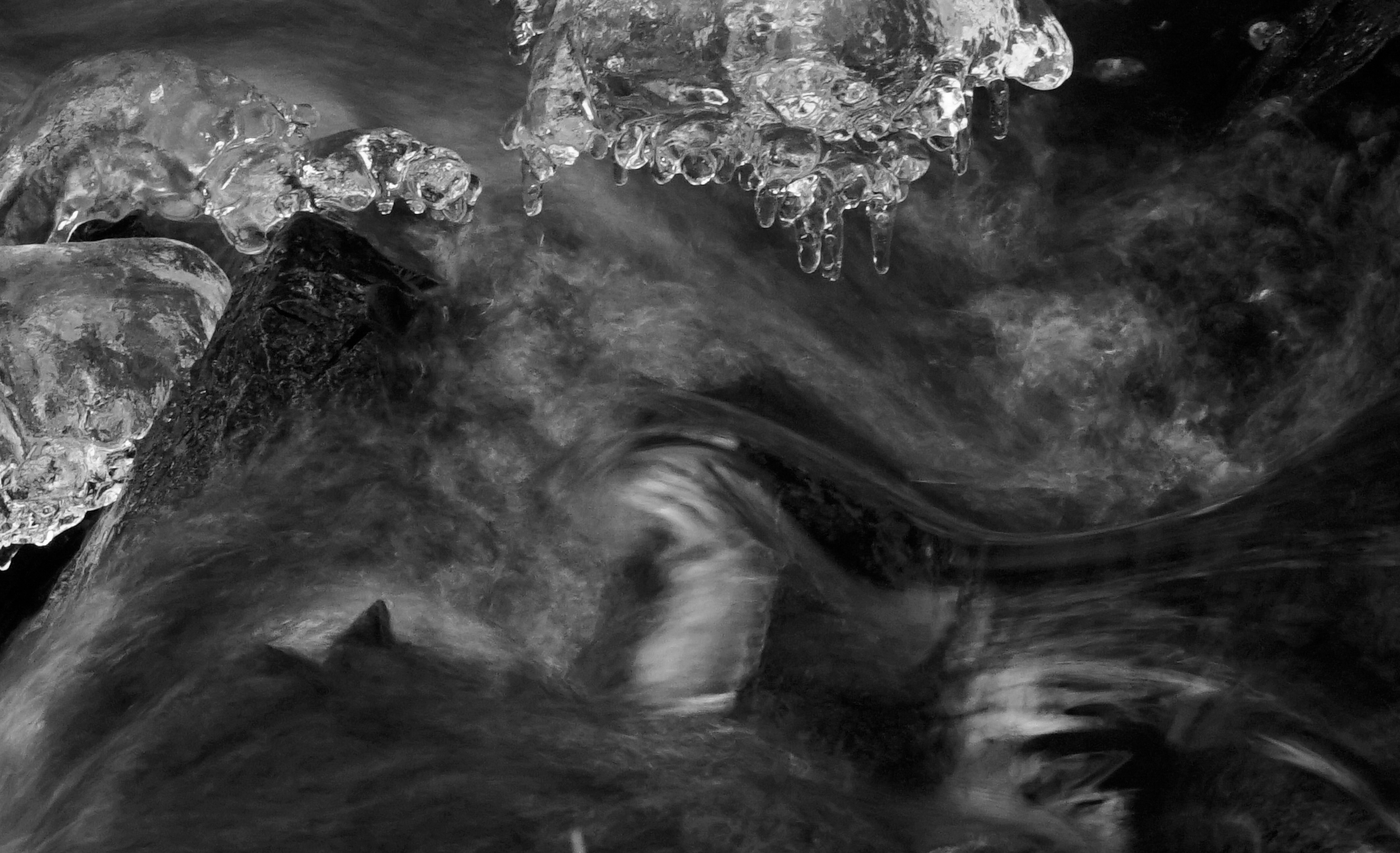
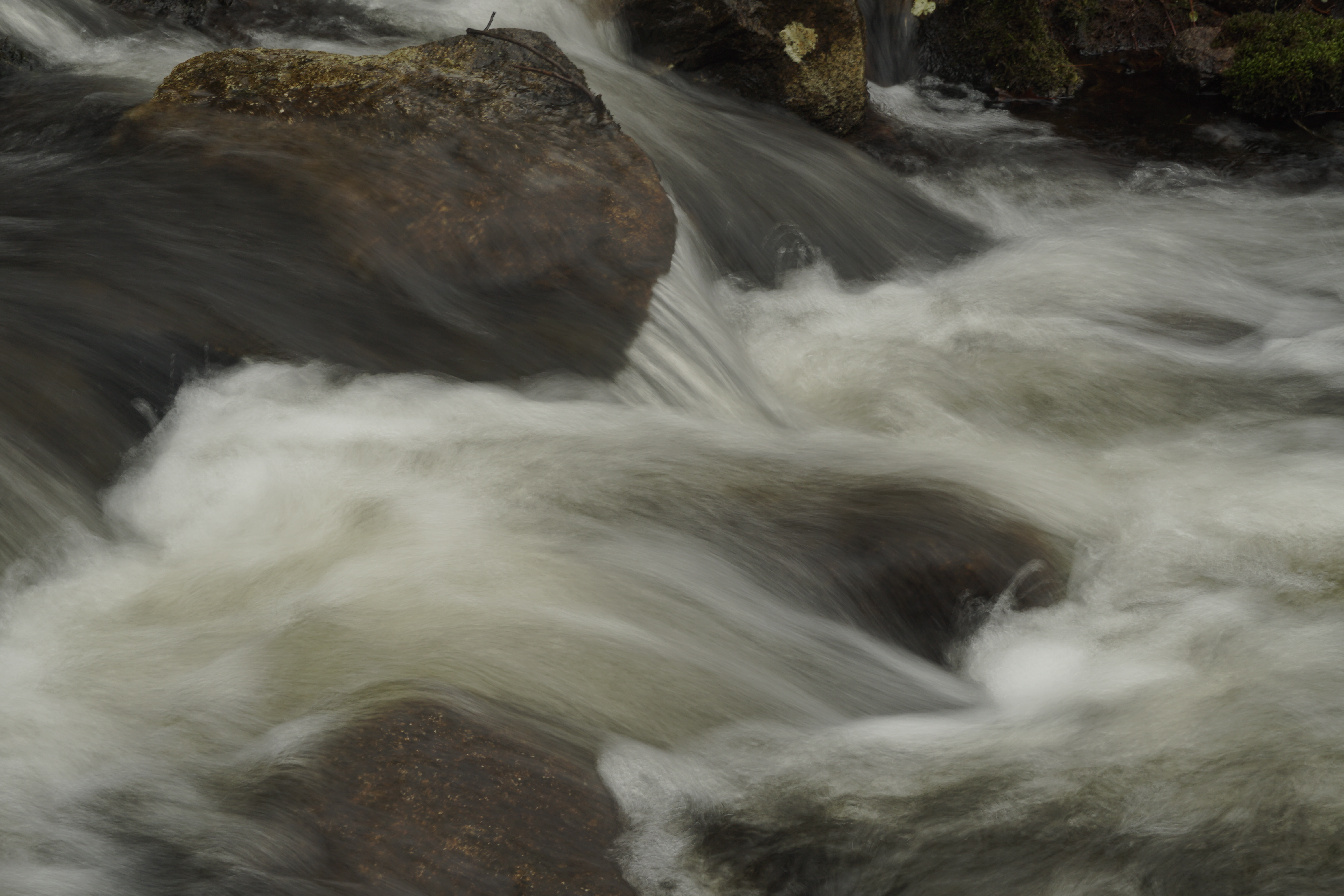
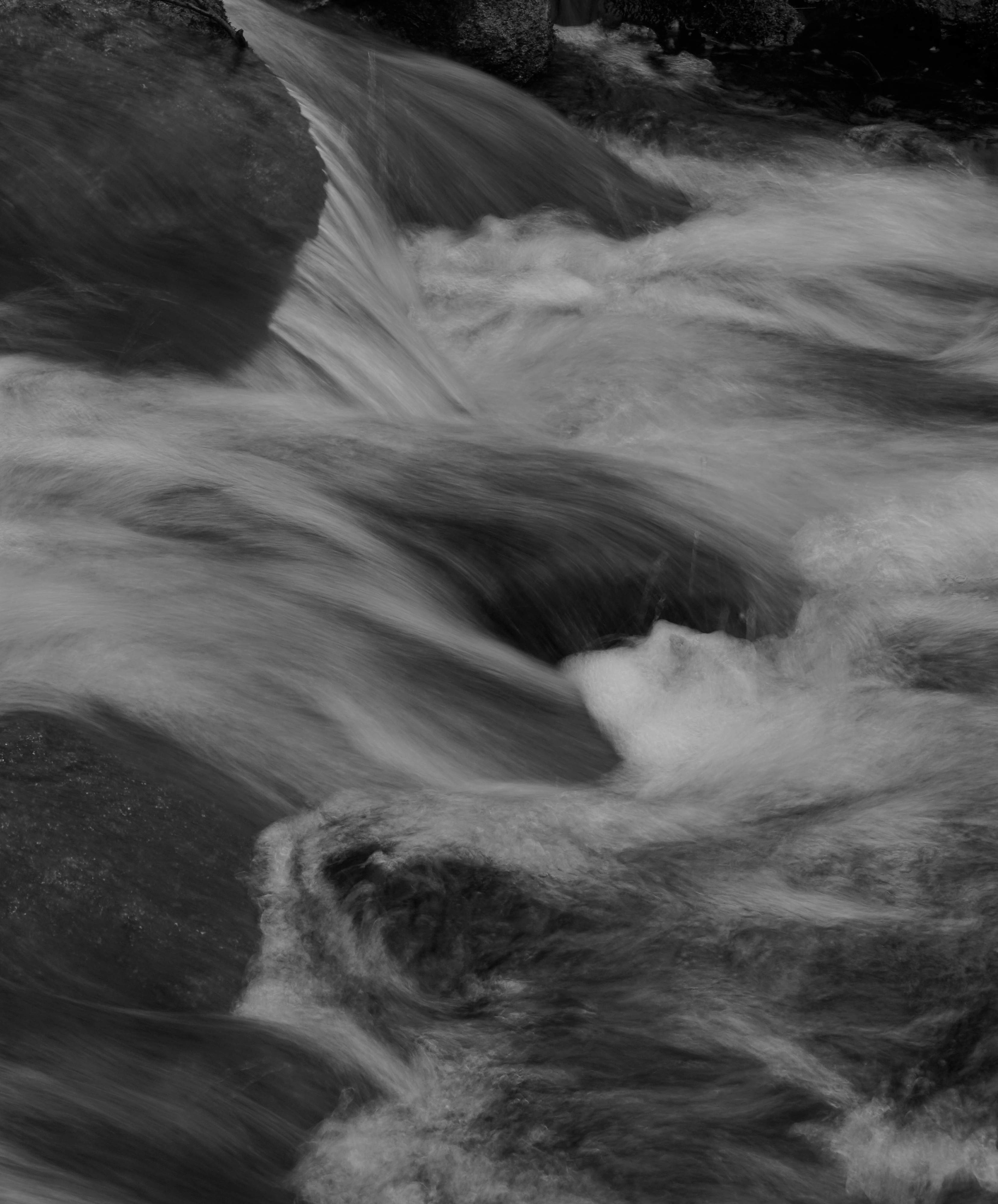
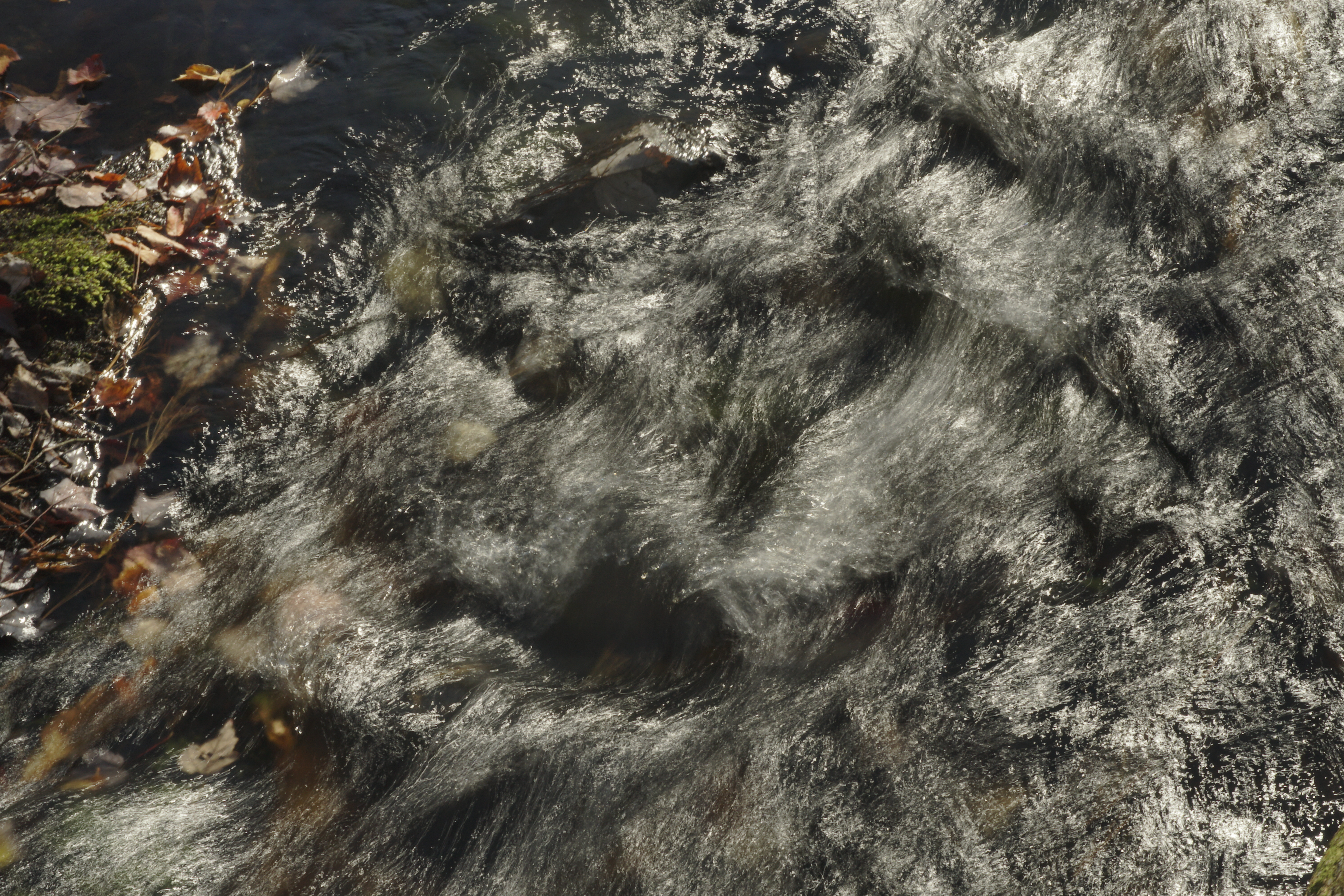
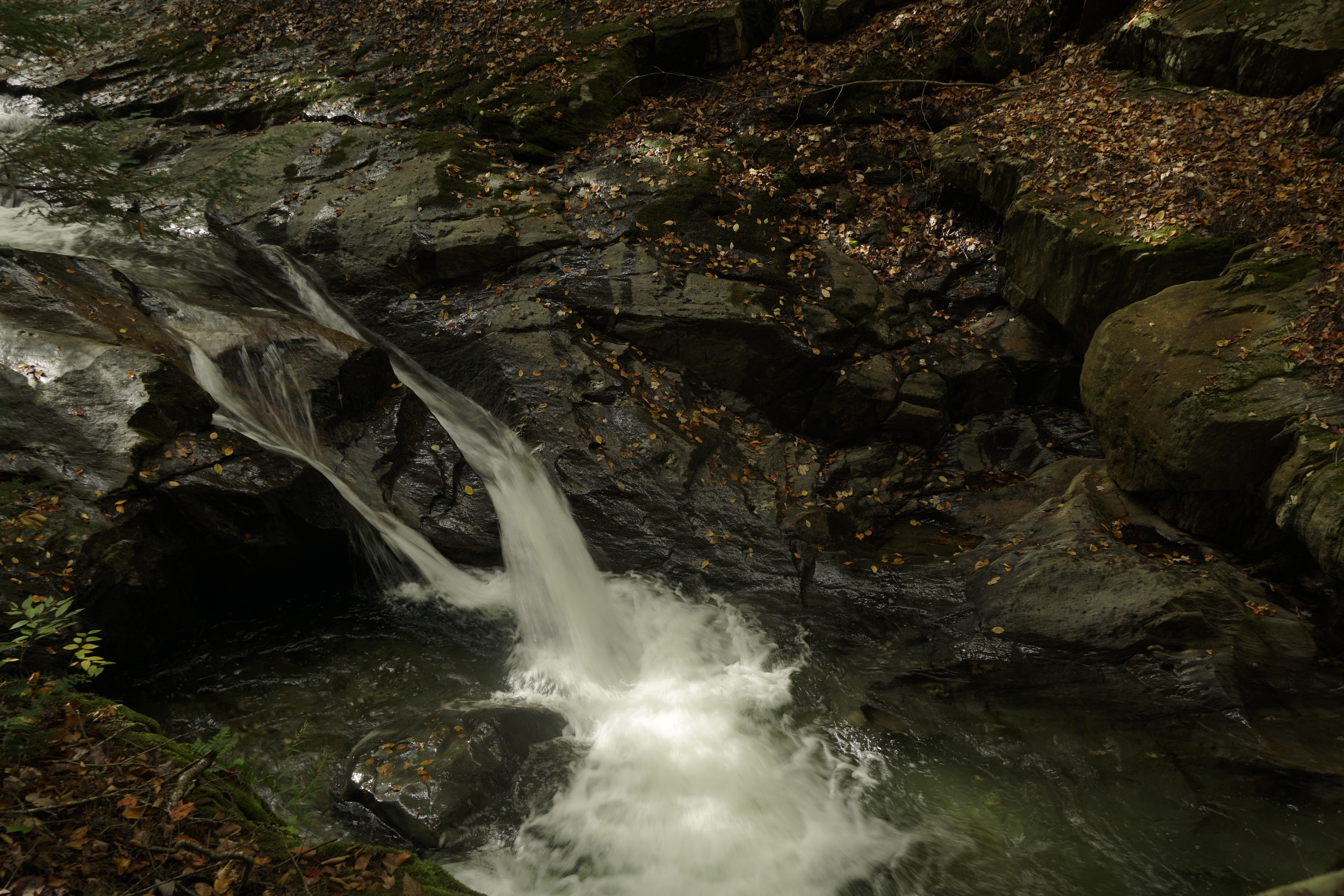
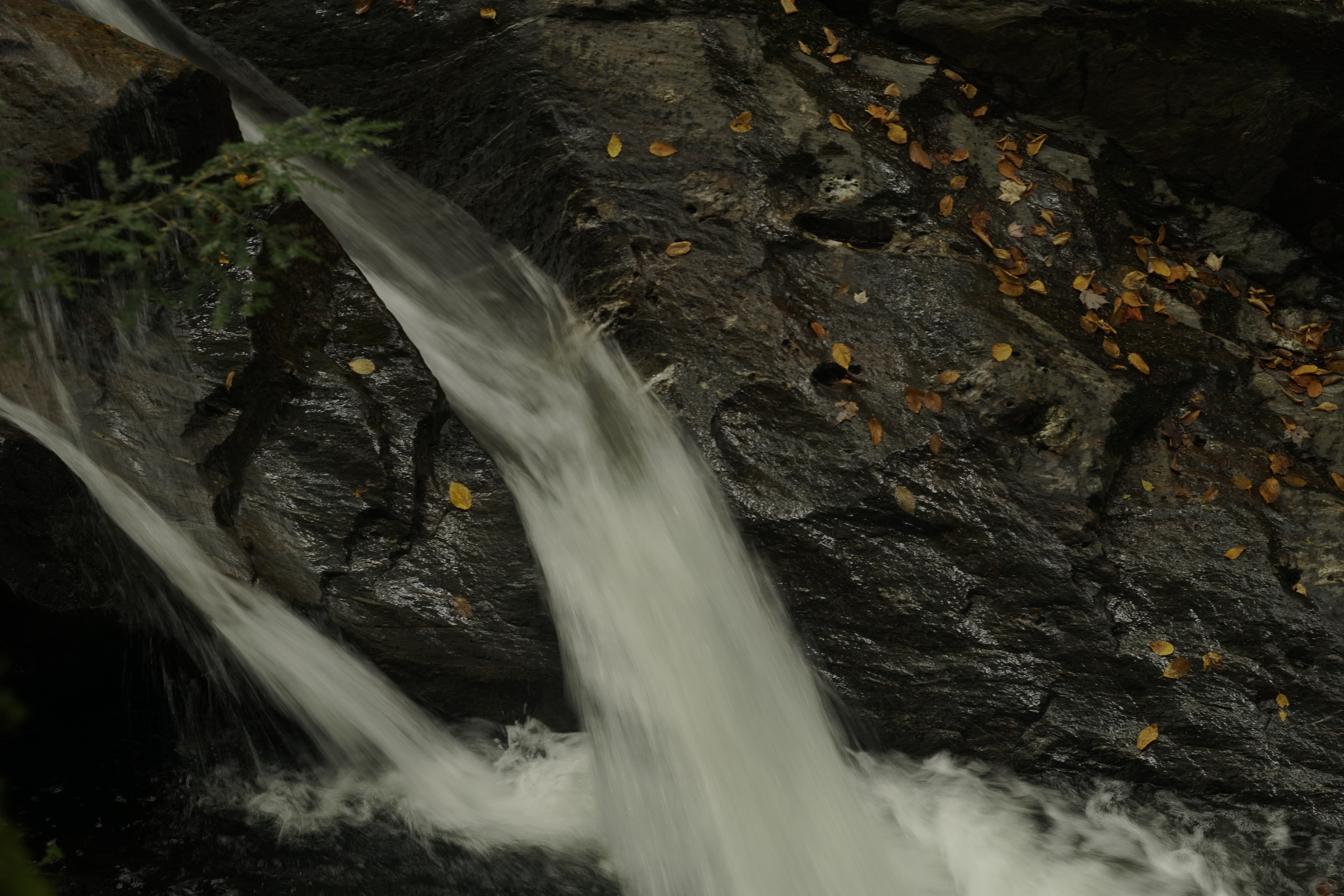
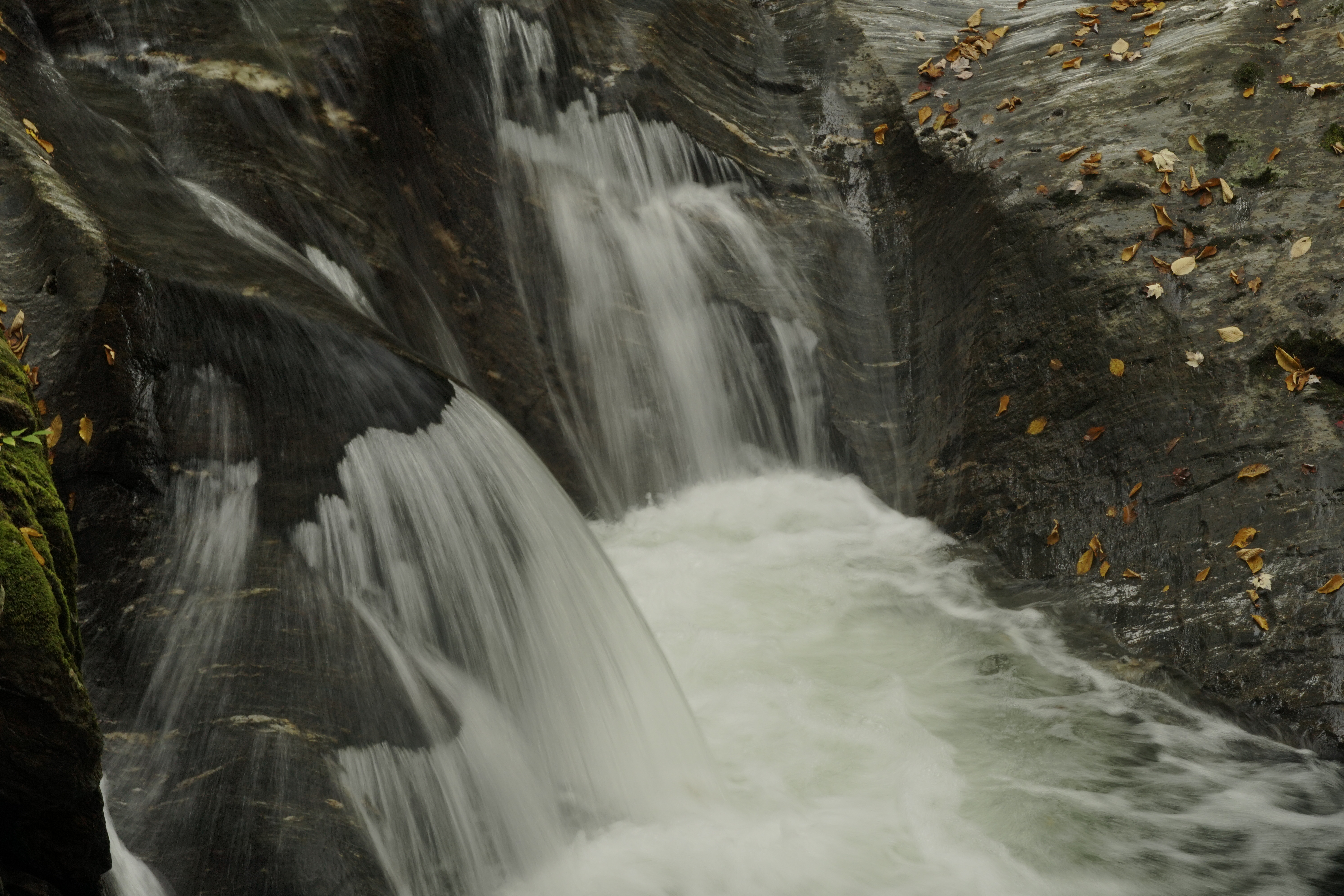
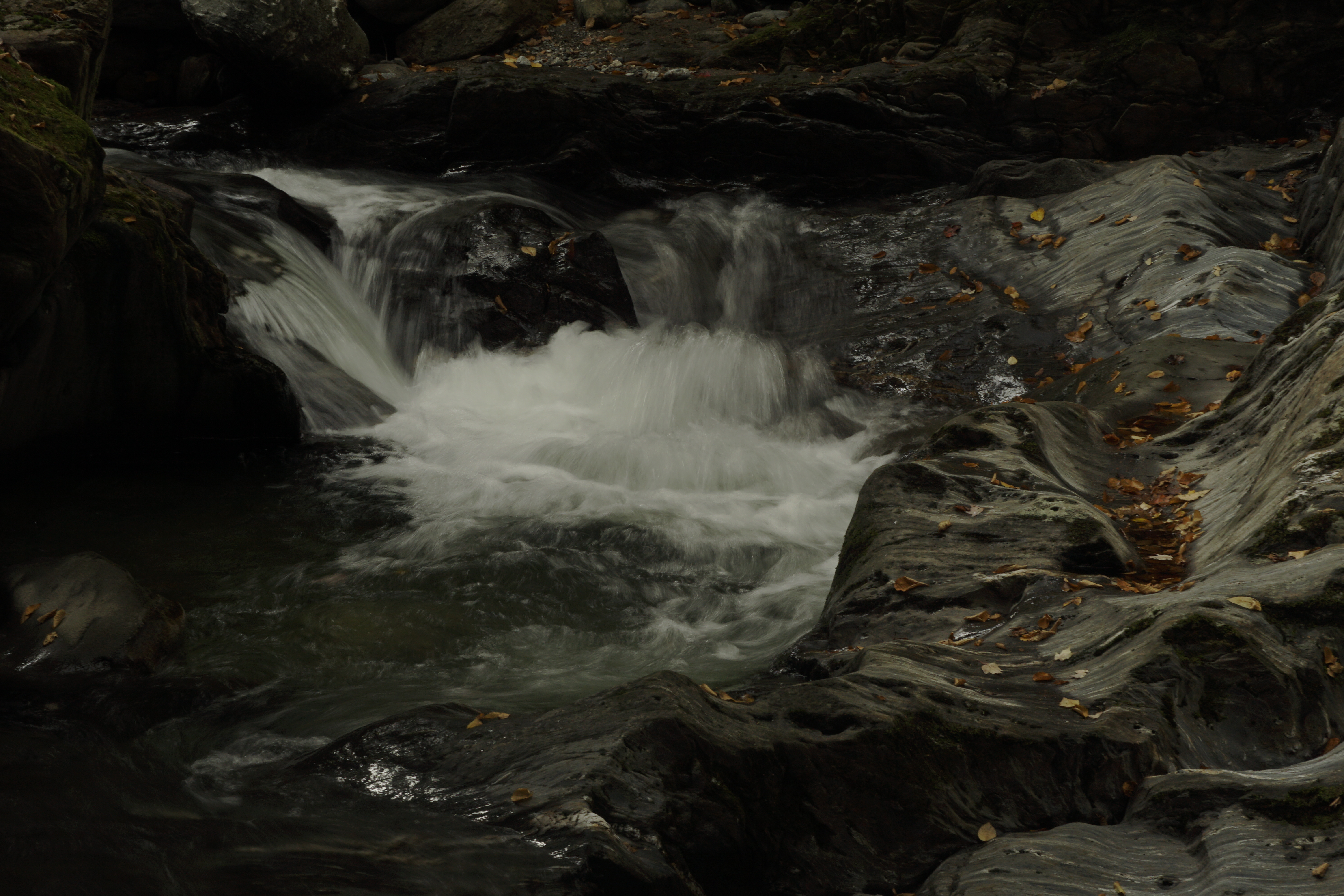
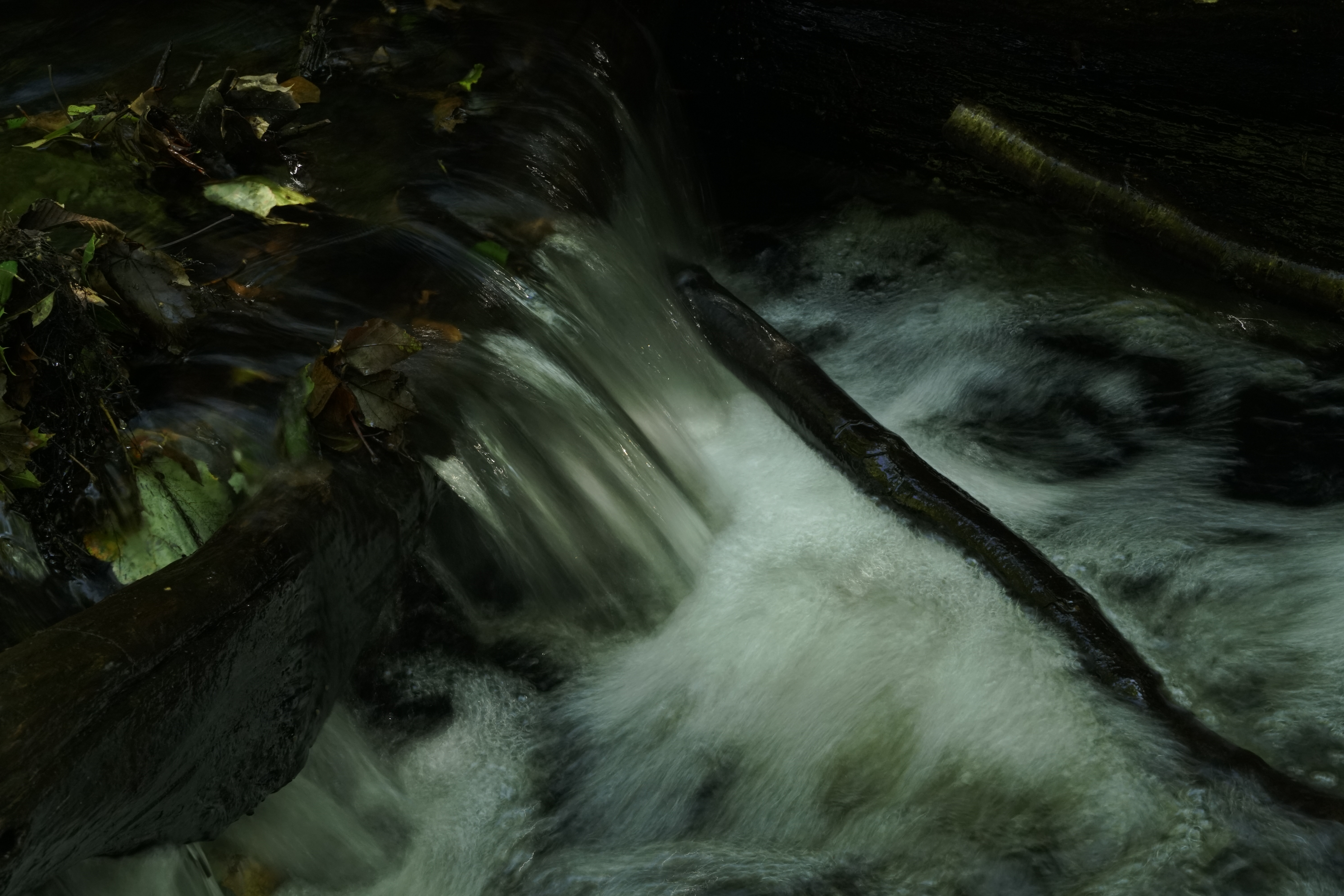
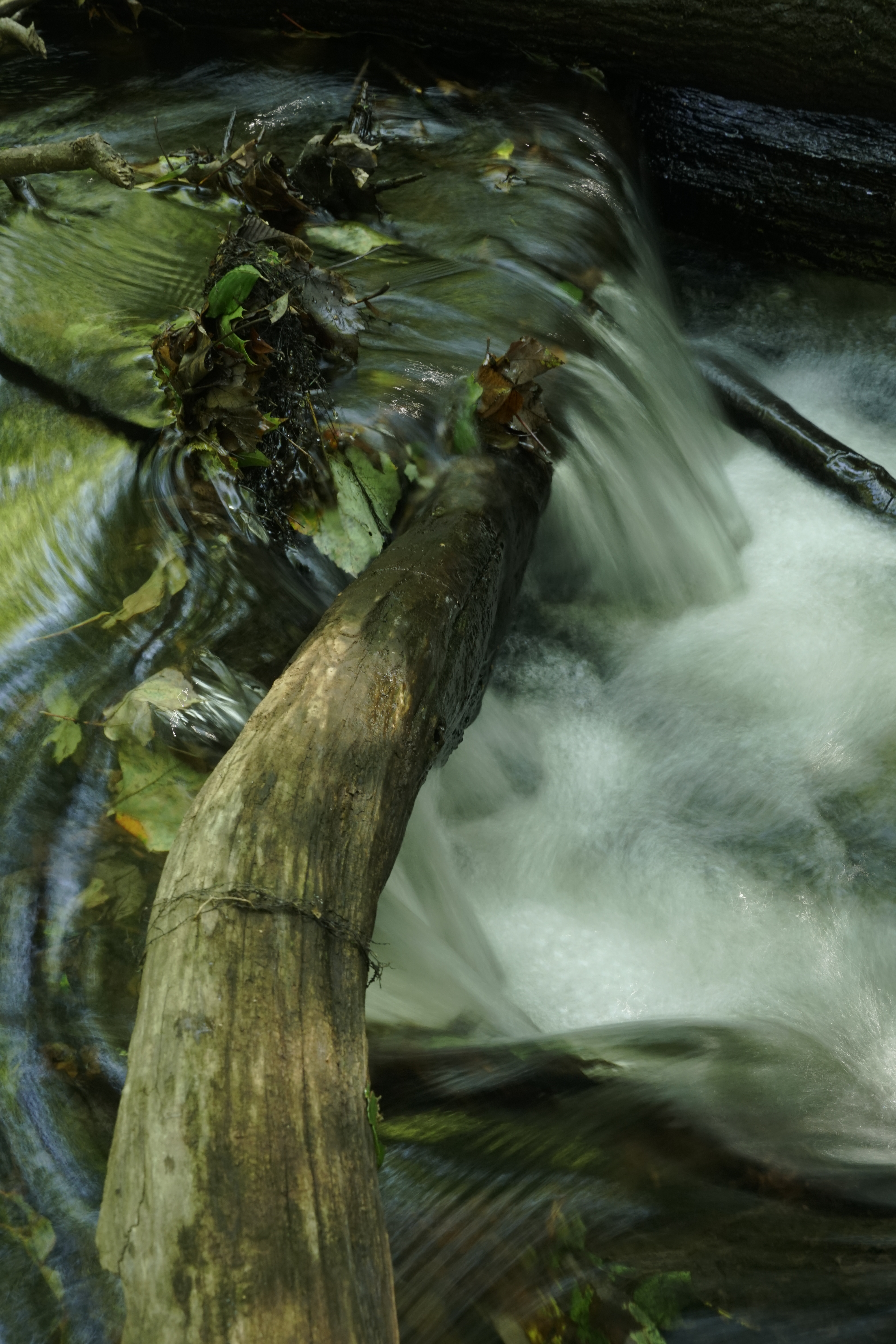
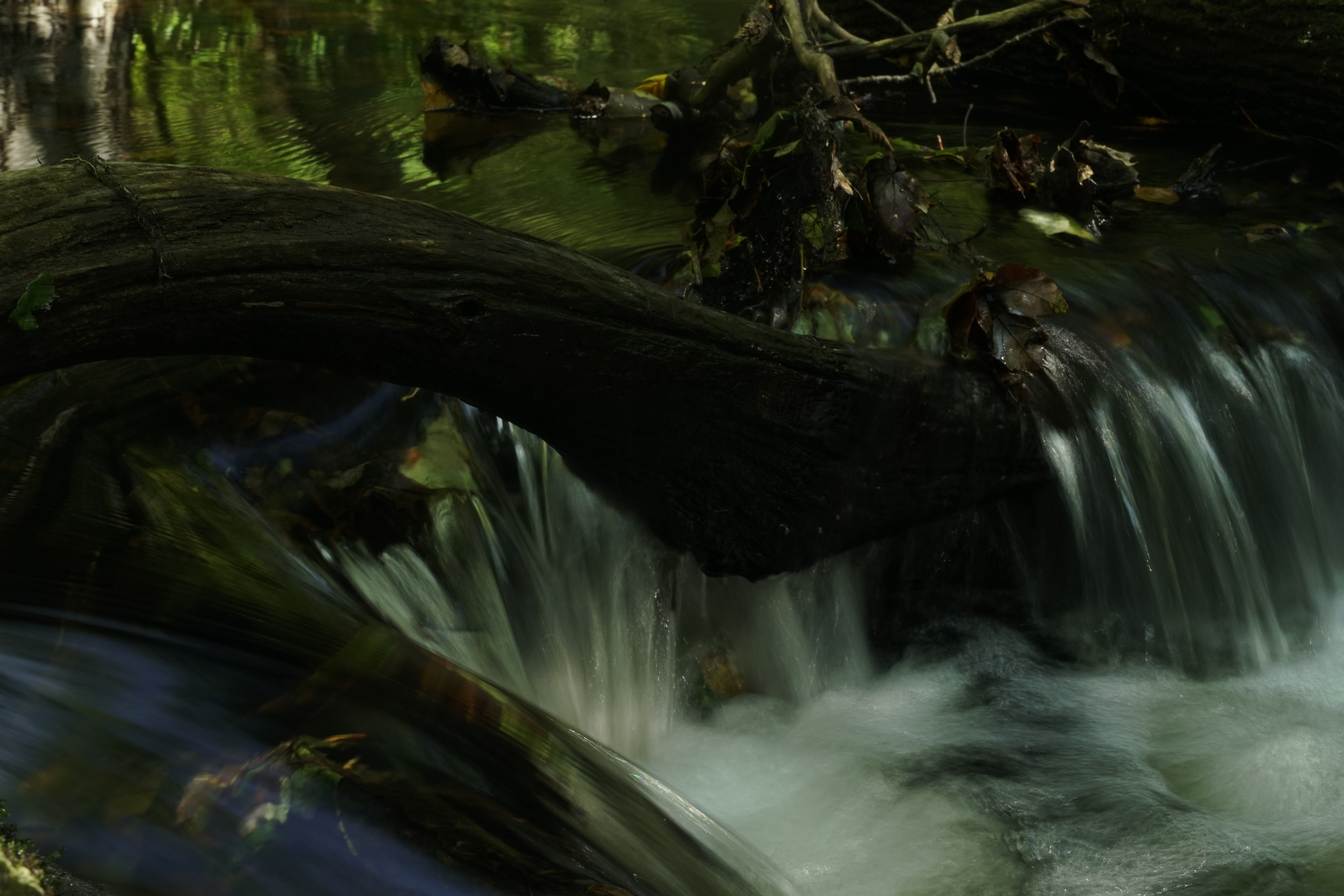
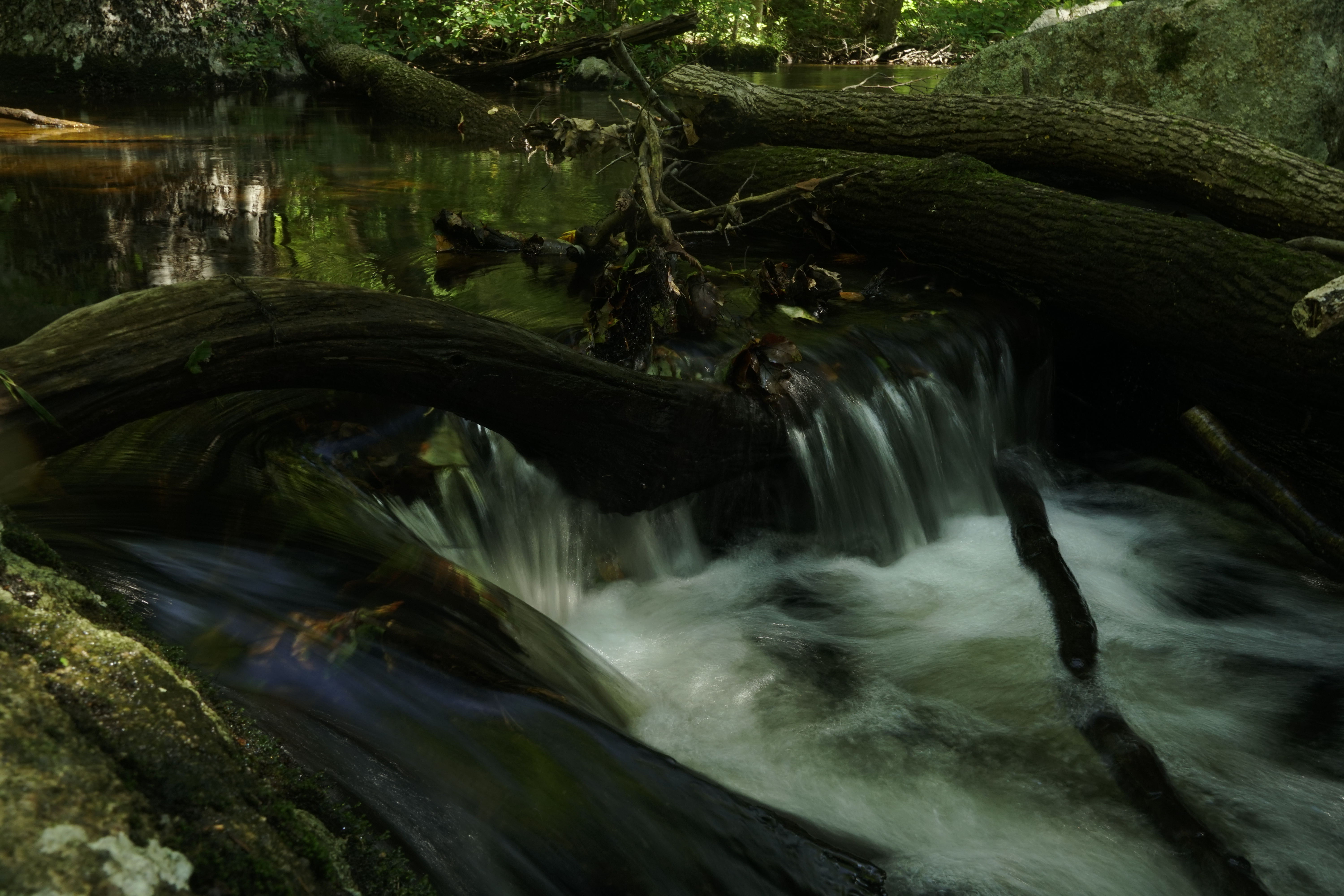
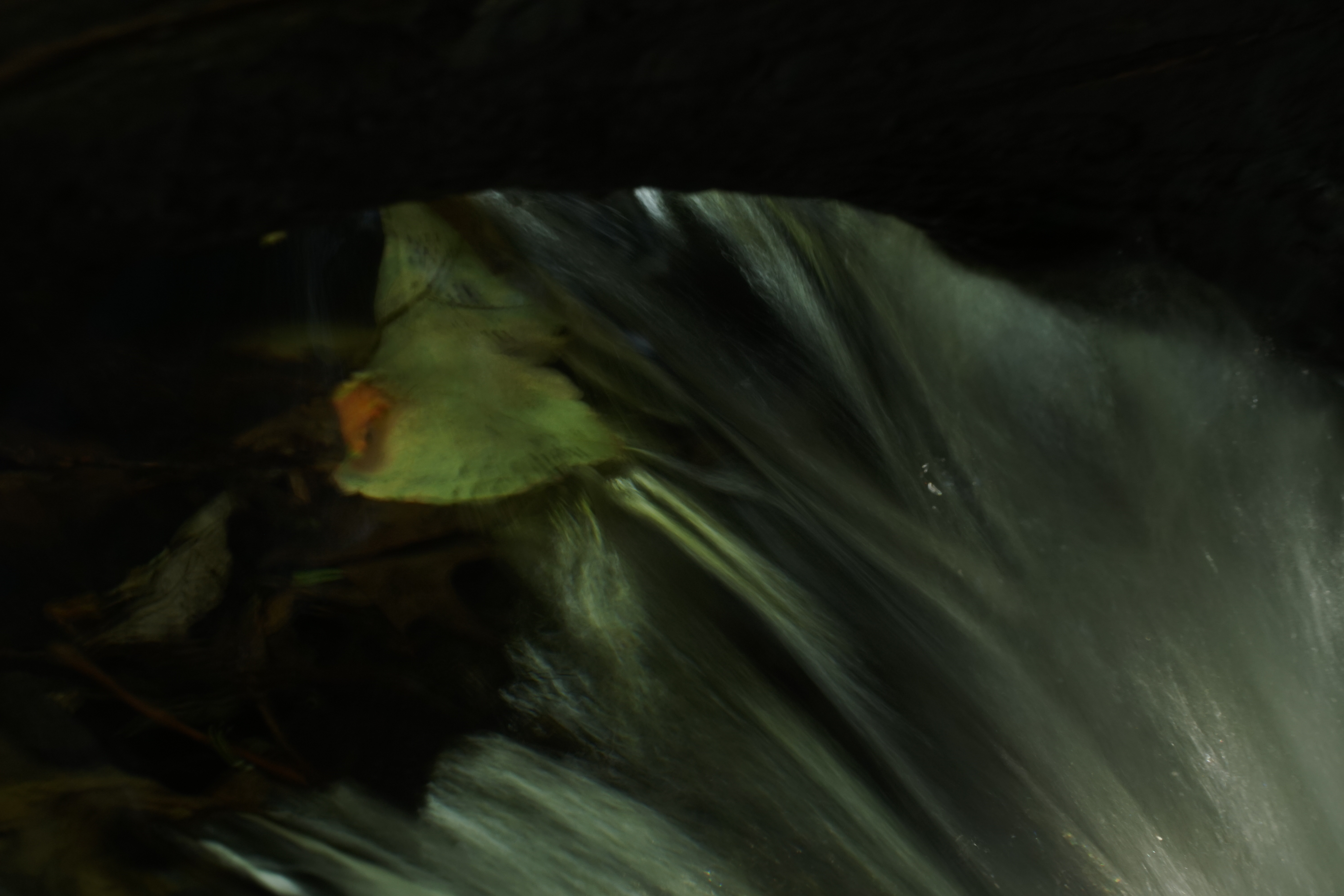
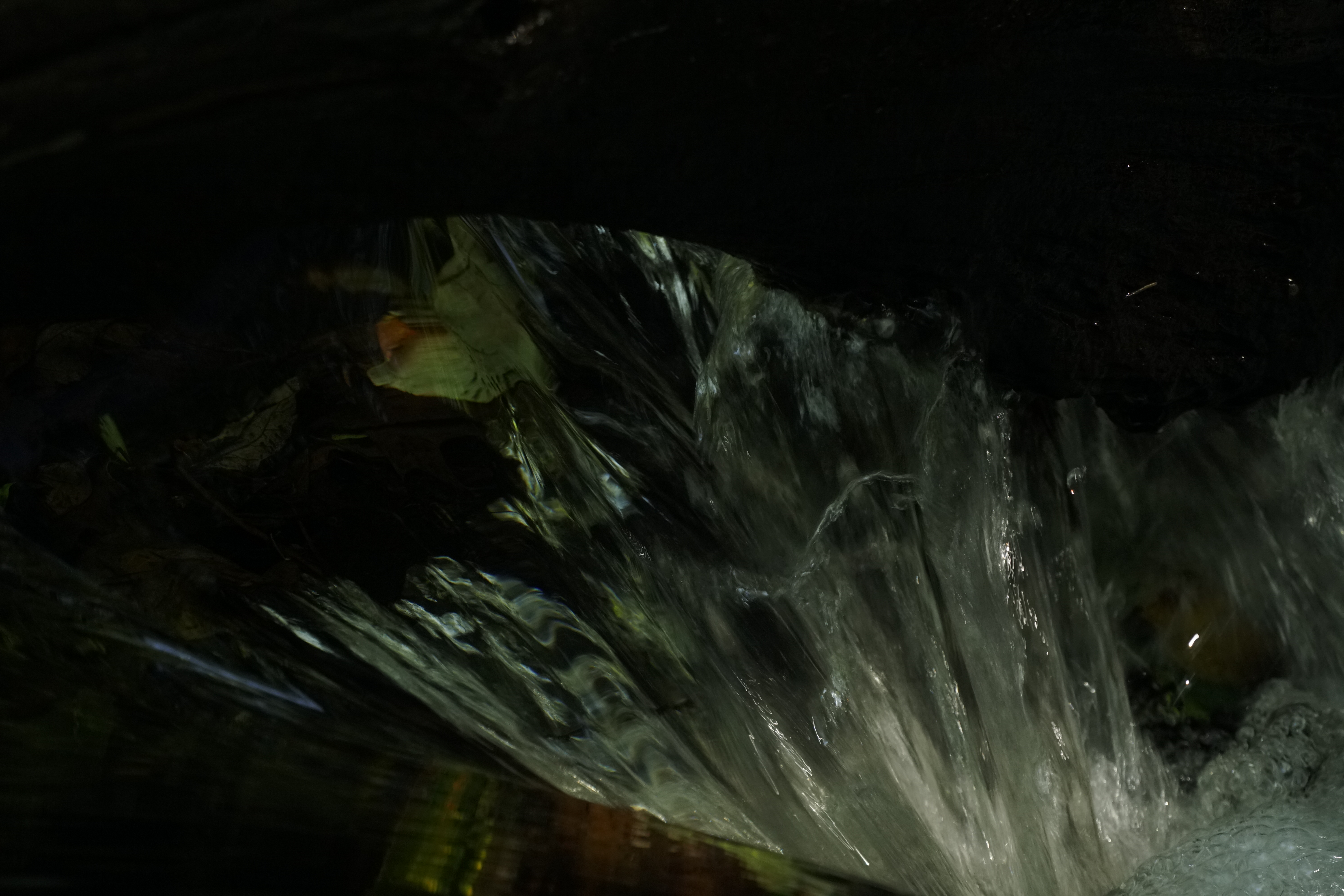
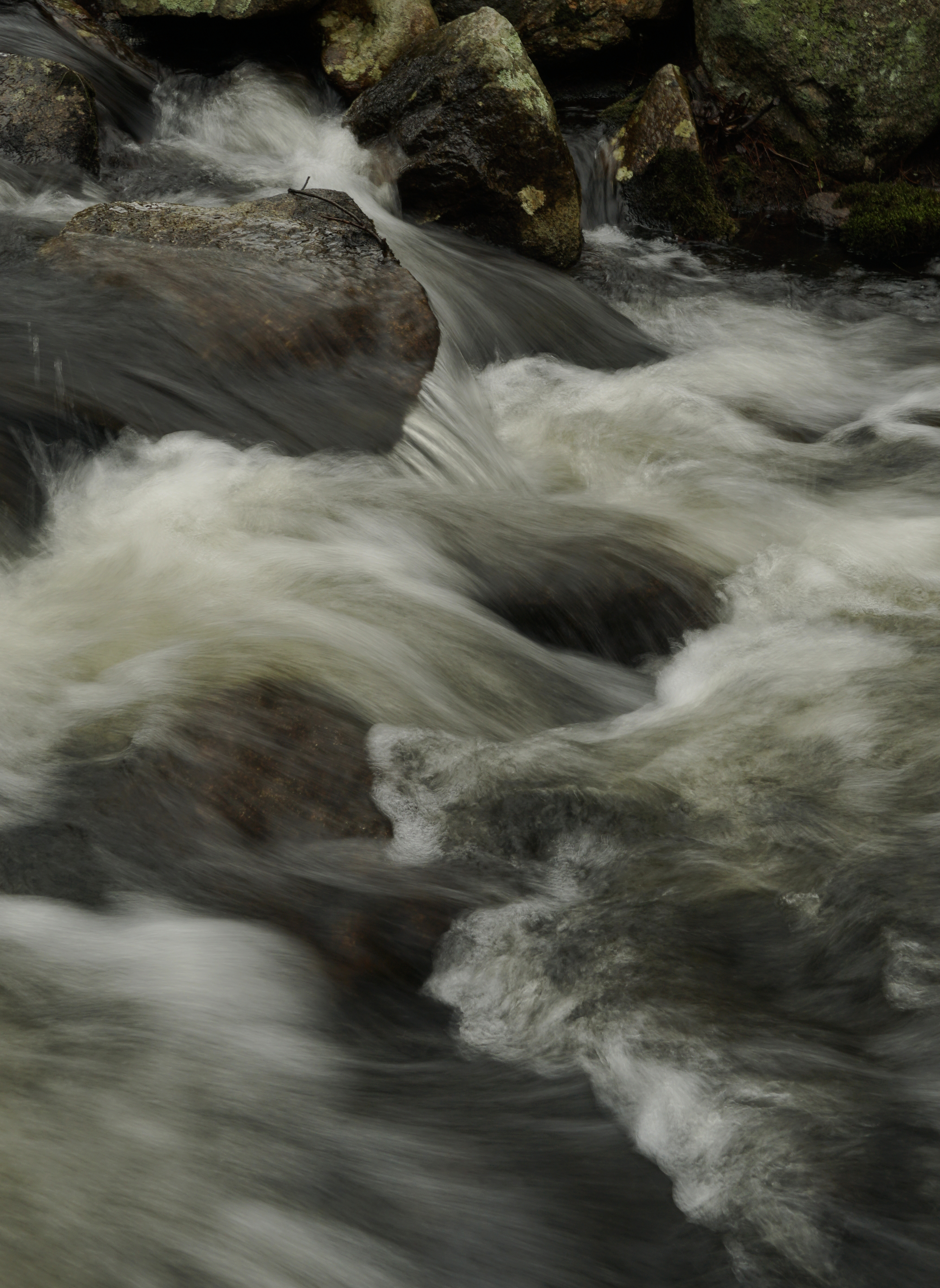
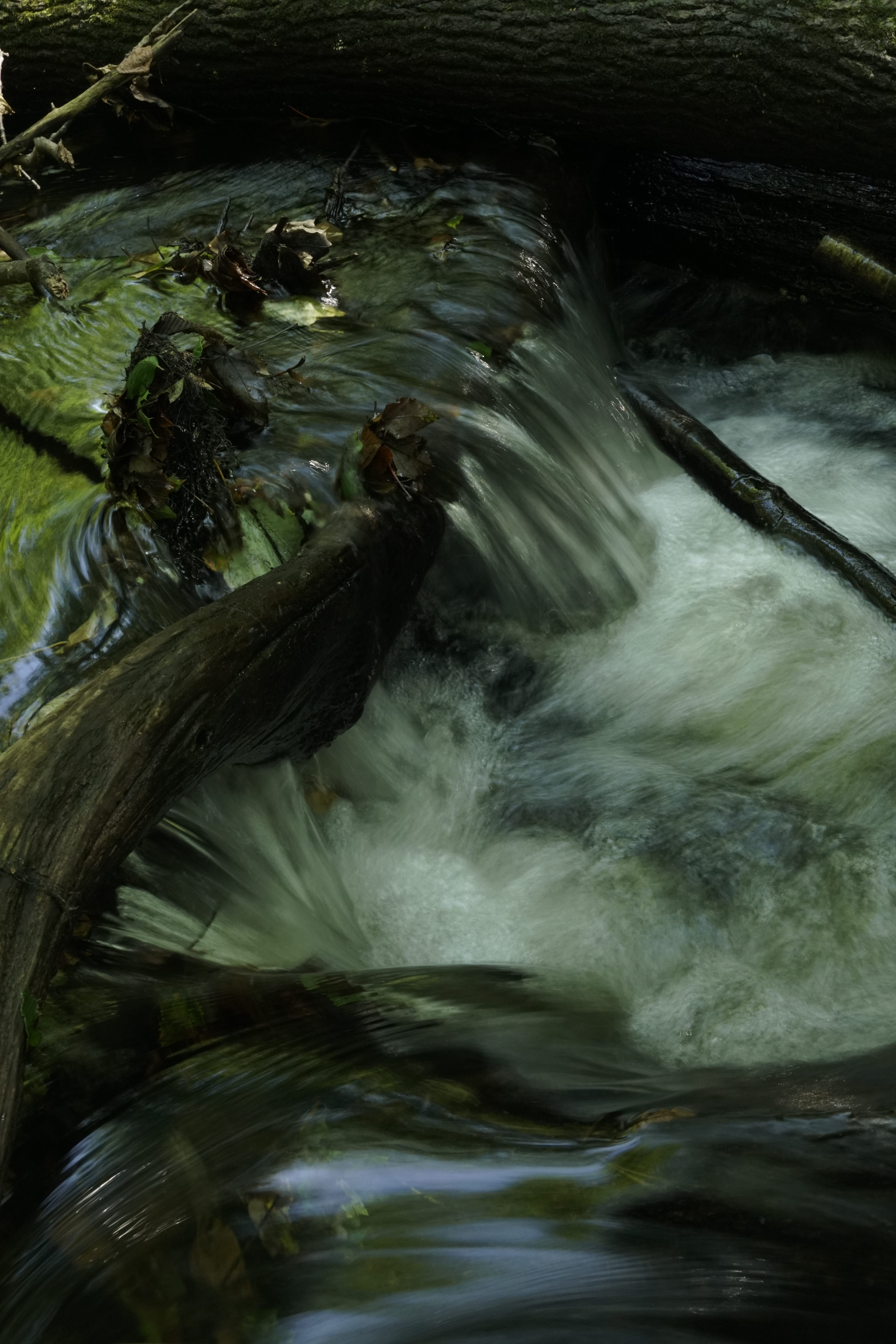
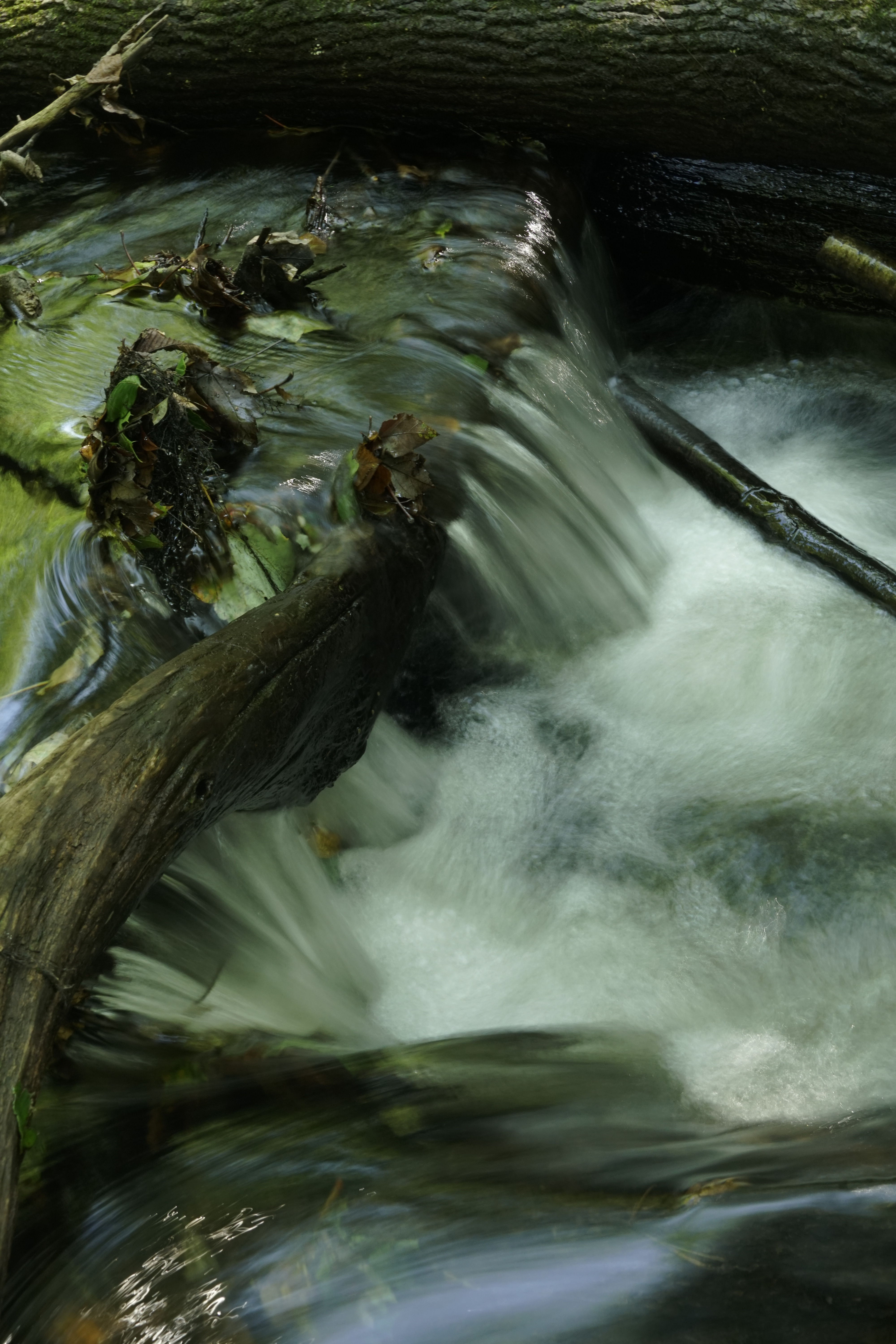
Waterflow

I apologize for so many photos, but just a little.

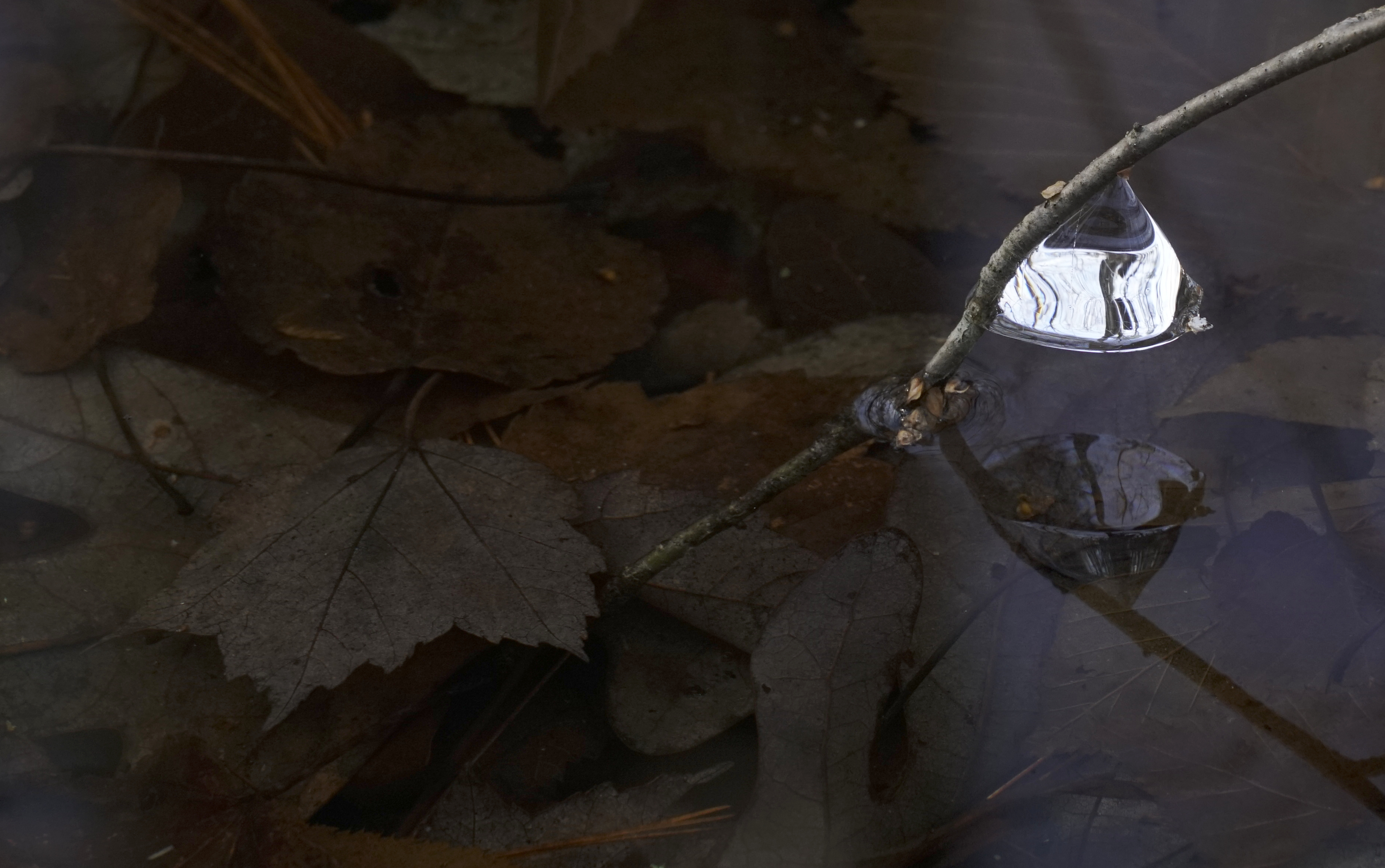
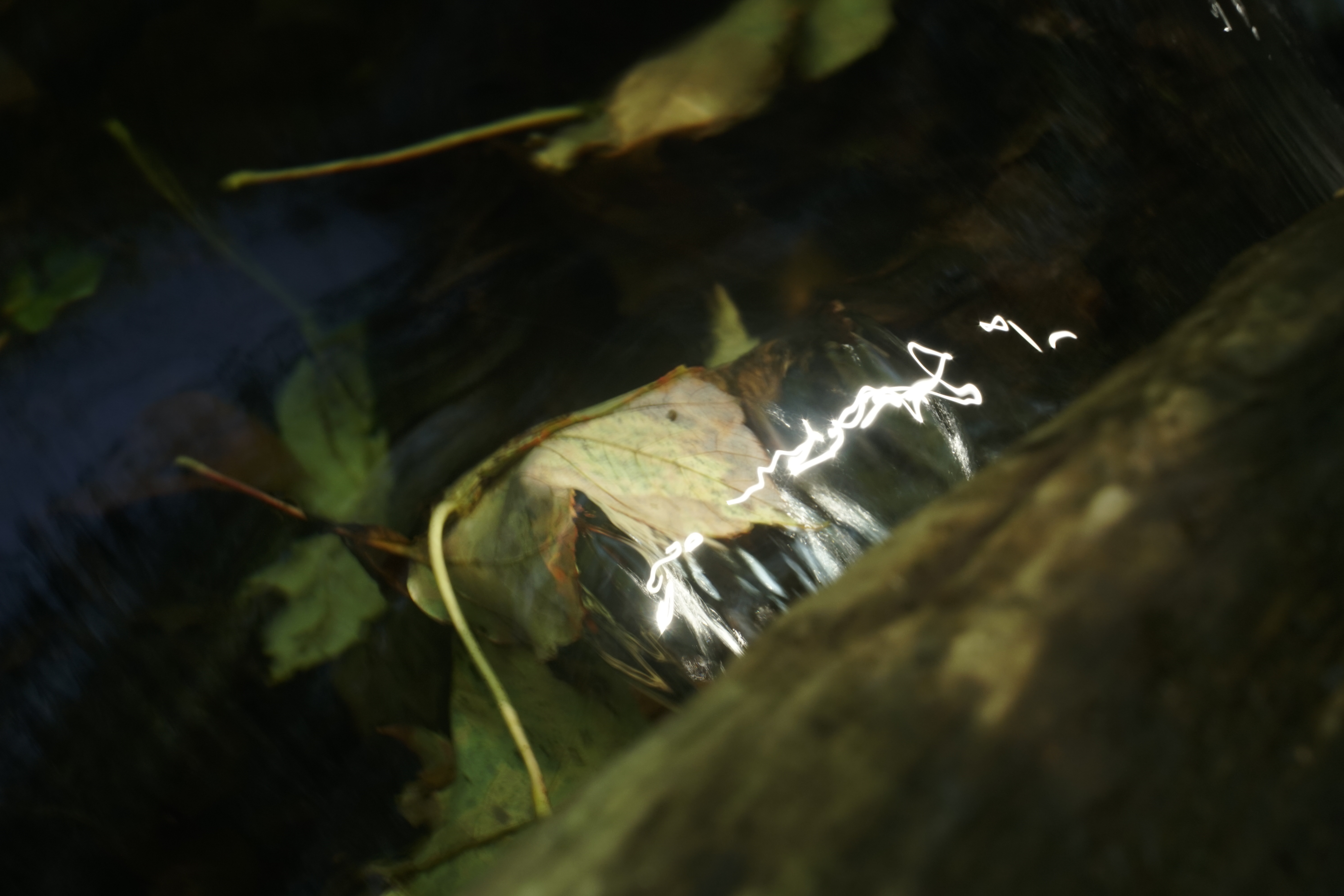
Time exposure with the reflection of the sun.

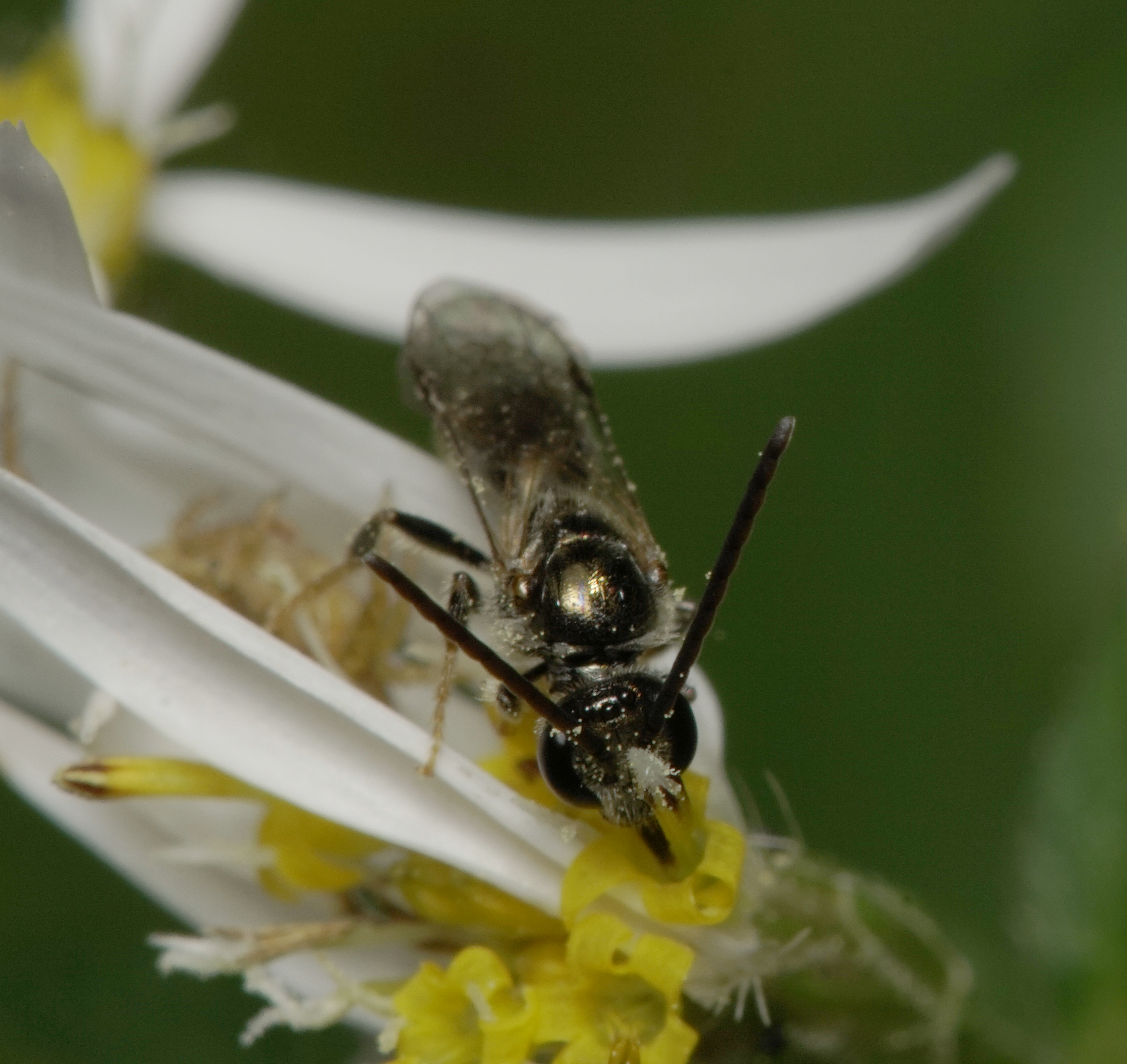
Hymenoptera

Lasioglossum, subgenus Dialictus

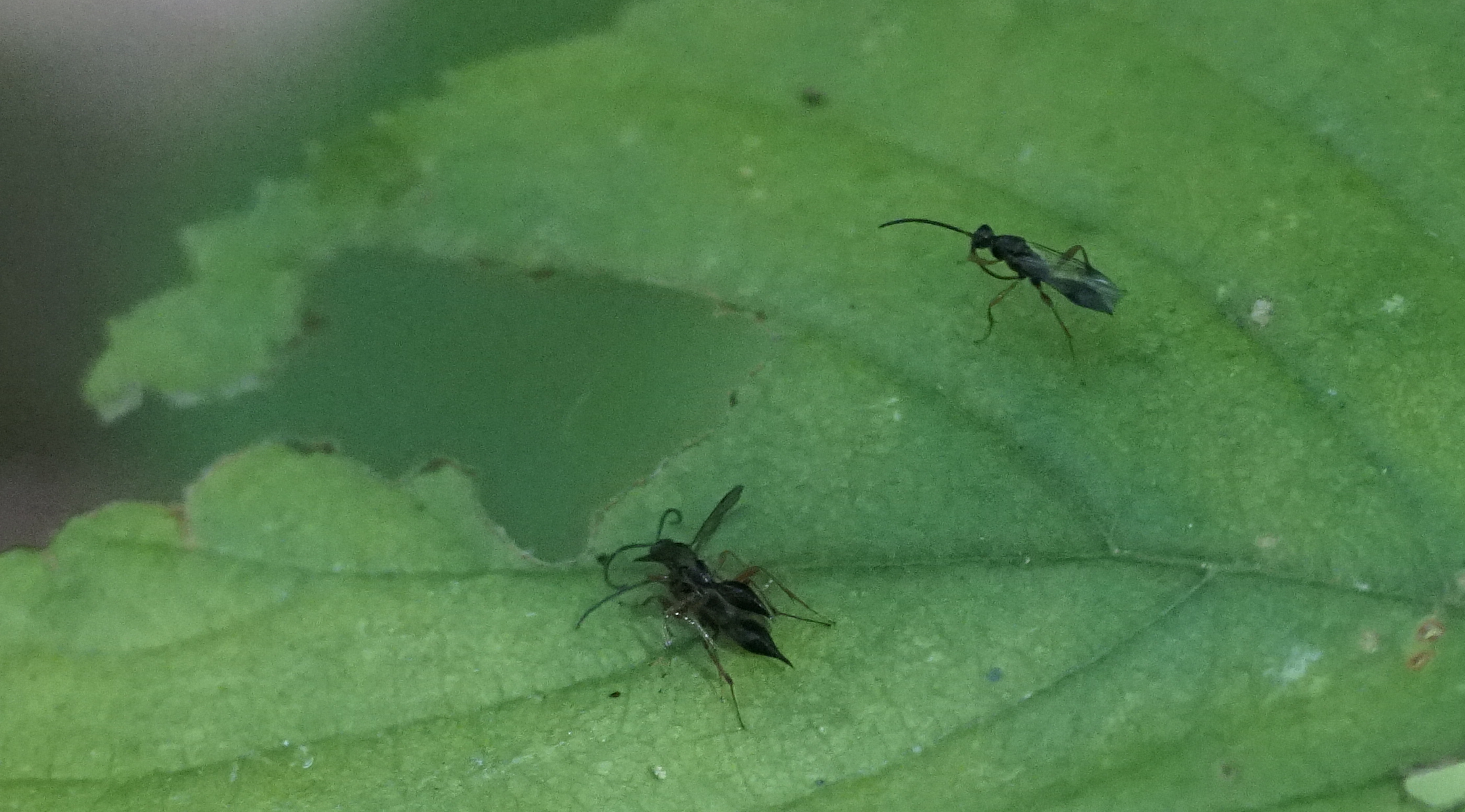
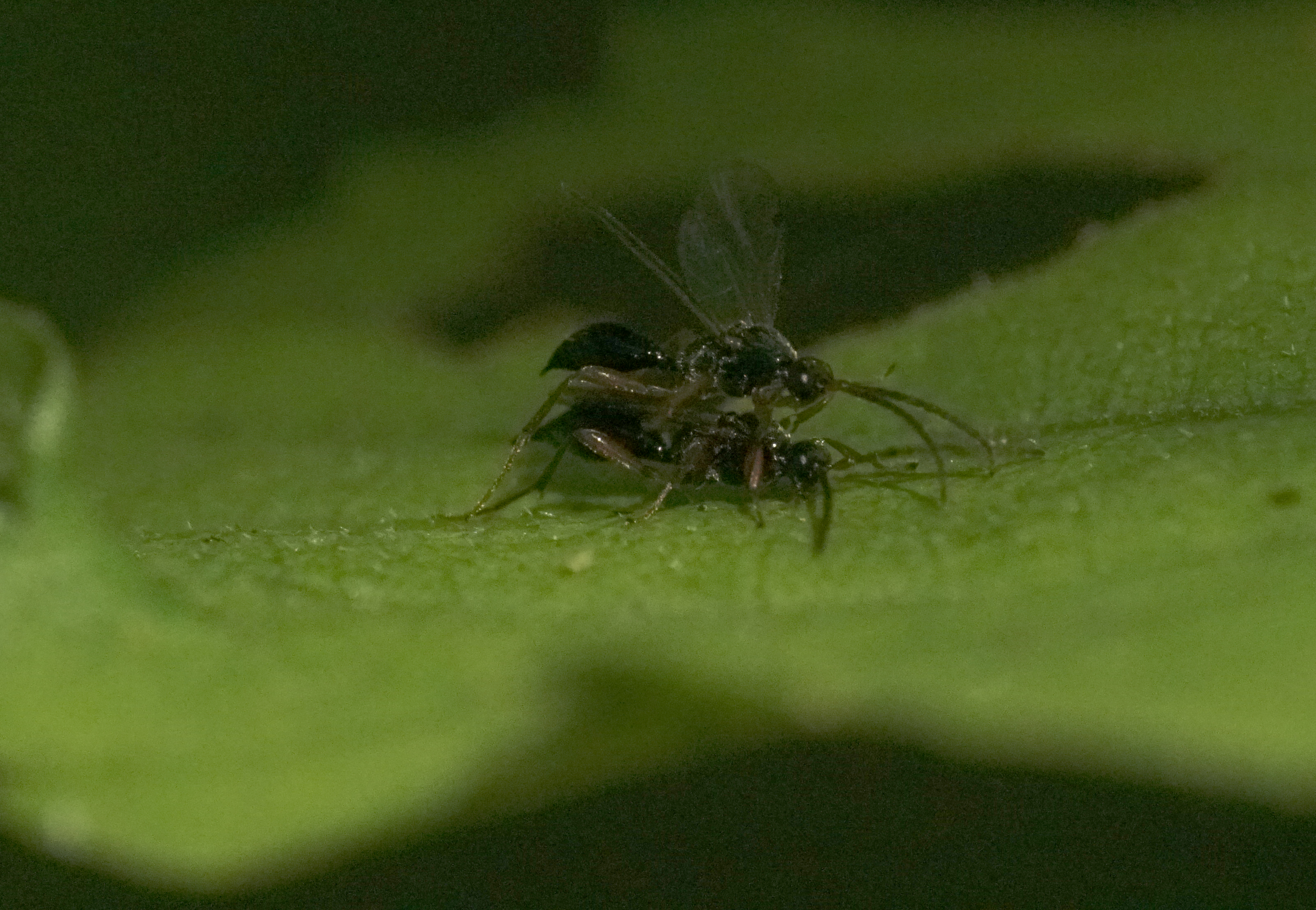
Proctotrupidae wasps.

From BugGuide:

Identification

Antennae with 13 segments

Terminal abdominal segment narrow, elongated, and down-curved in many species

Non metallic. Often black, sometimes red.

Forewing with large stigma, beyond which is a very small marginal cell.

Parasitoids of beetle larvae, fungus gnats

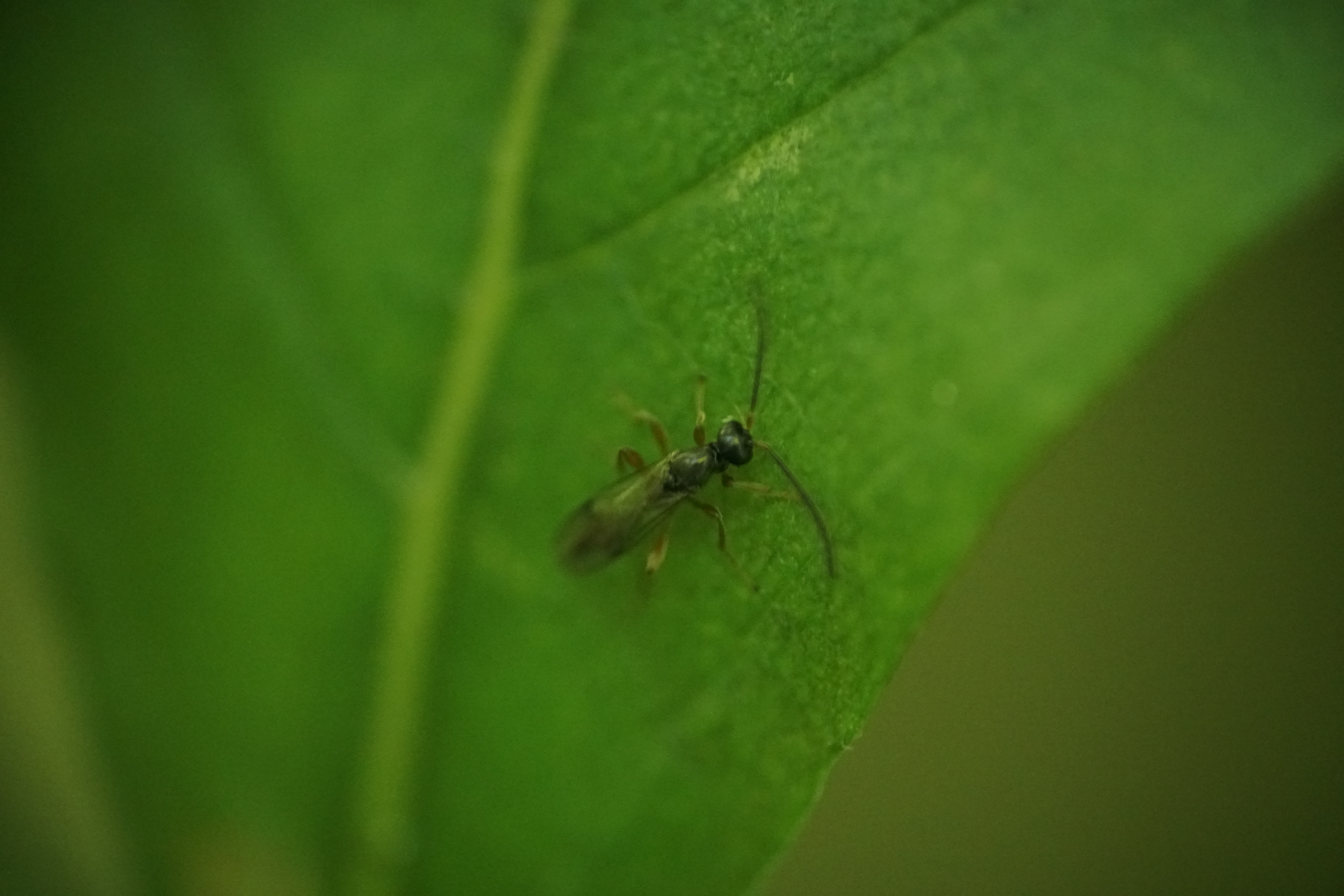
Cryptinae, I think.

Is this Diapriidae? EDIT: Probably not. That appears to be a stigma on the wing, in which case it’s likely to be another Proctotrupidae.

Odonata

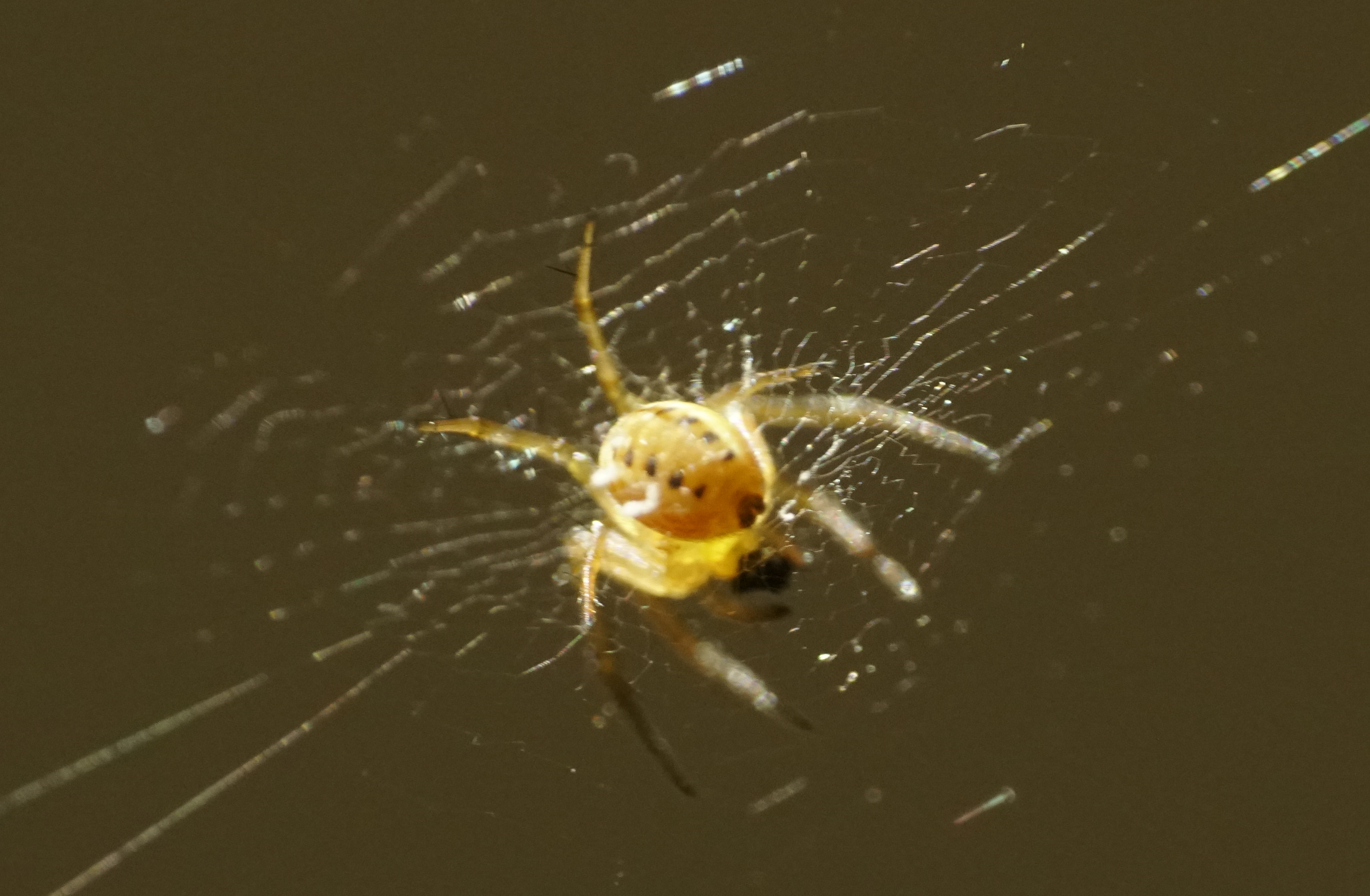
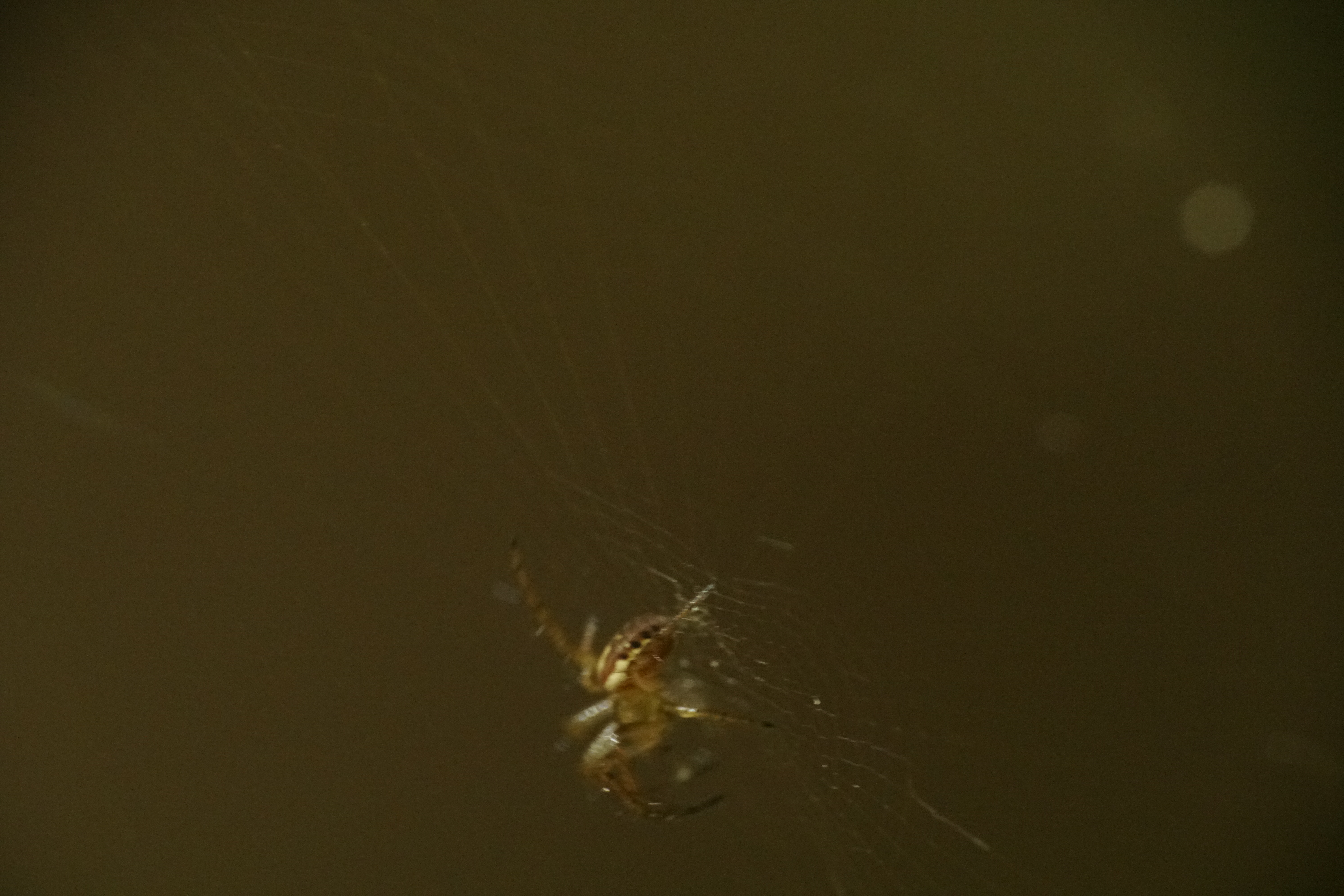
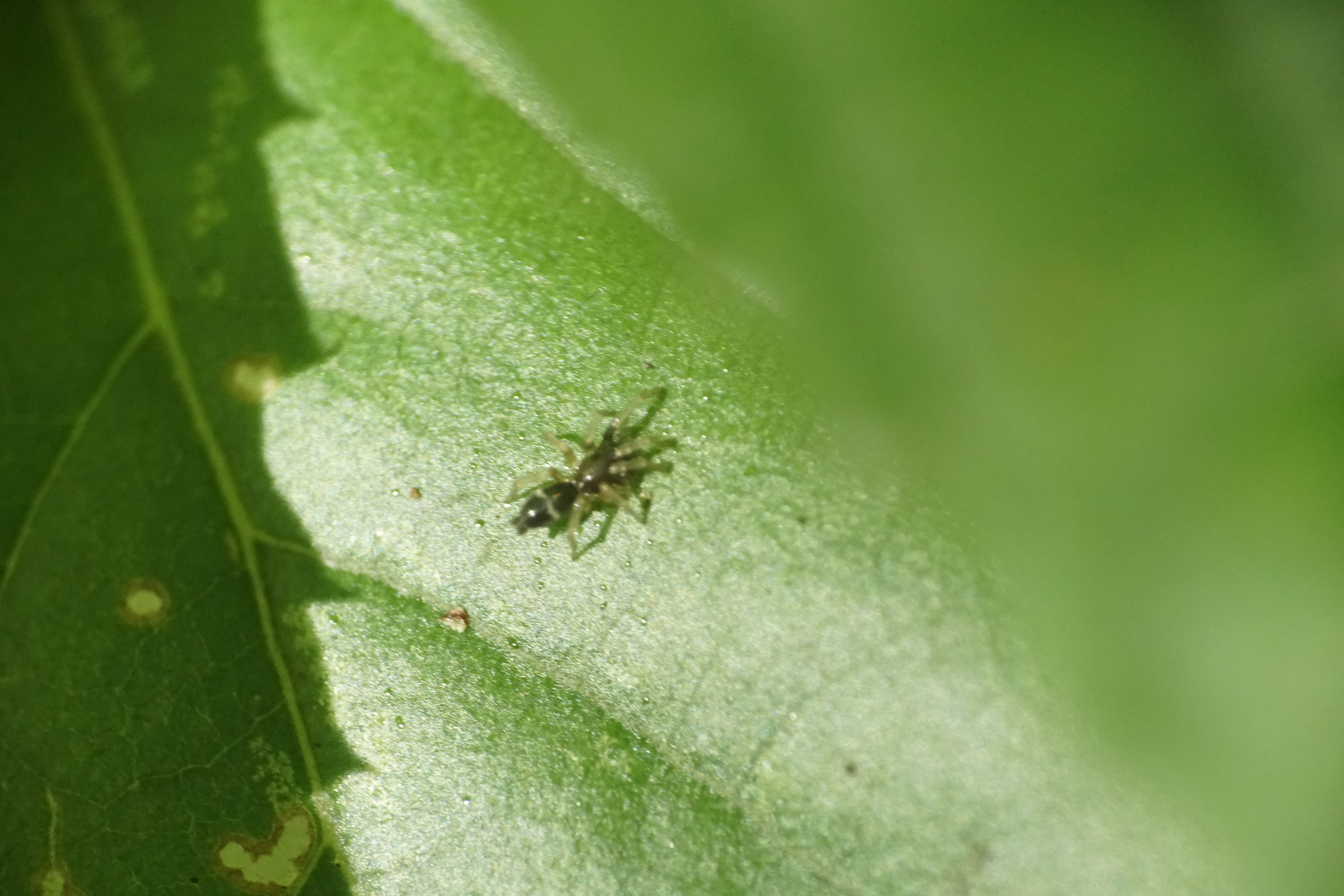
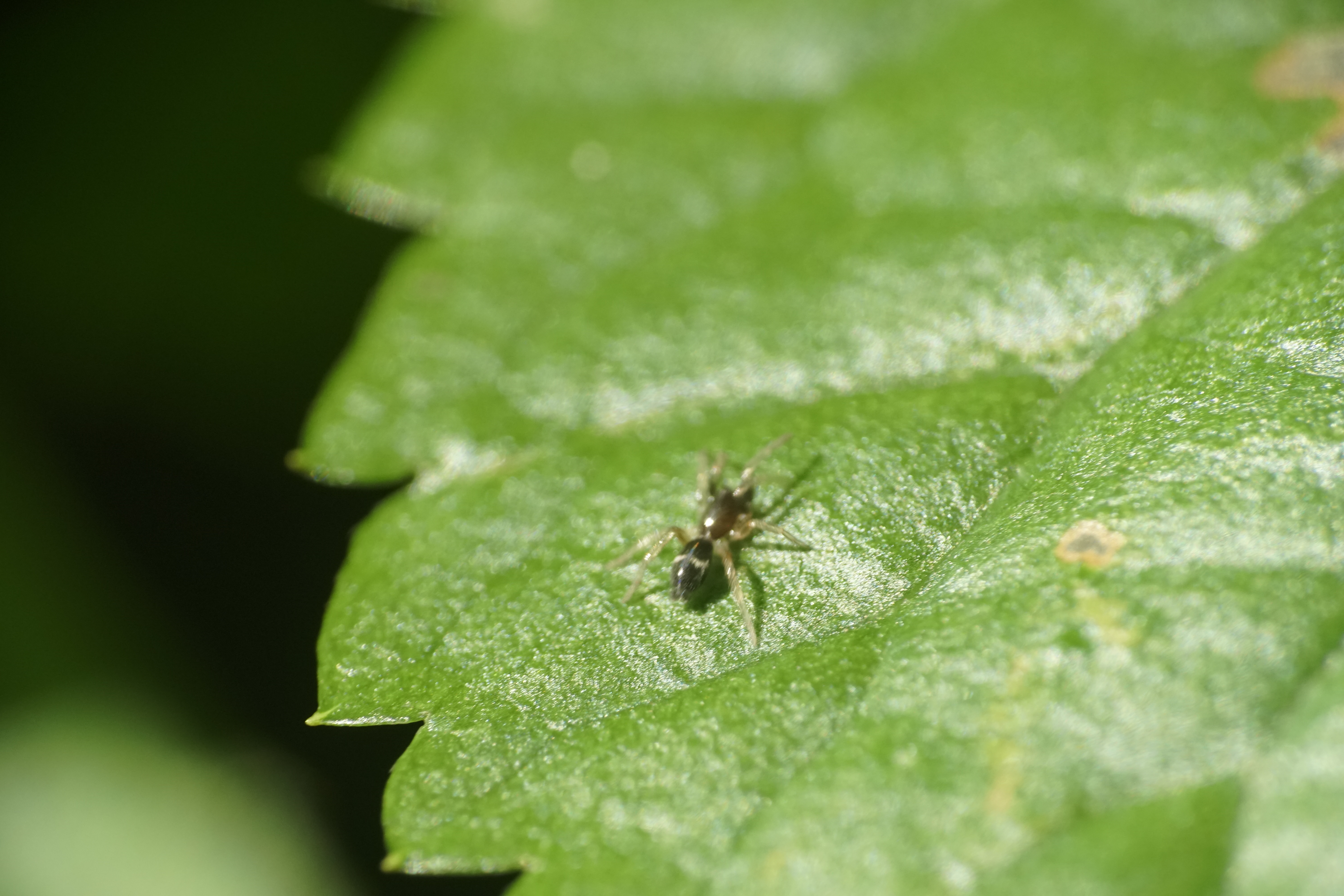
Spiders

Agelenopsis. Note the distended palps. That’s a male mating with the female.

Perhaps Mangora

Mangora placida

Sergiolus in Gnaphosidae.

Leucauge venusta

Trichoptera

Diptera

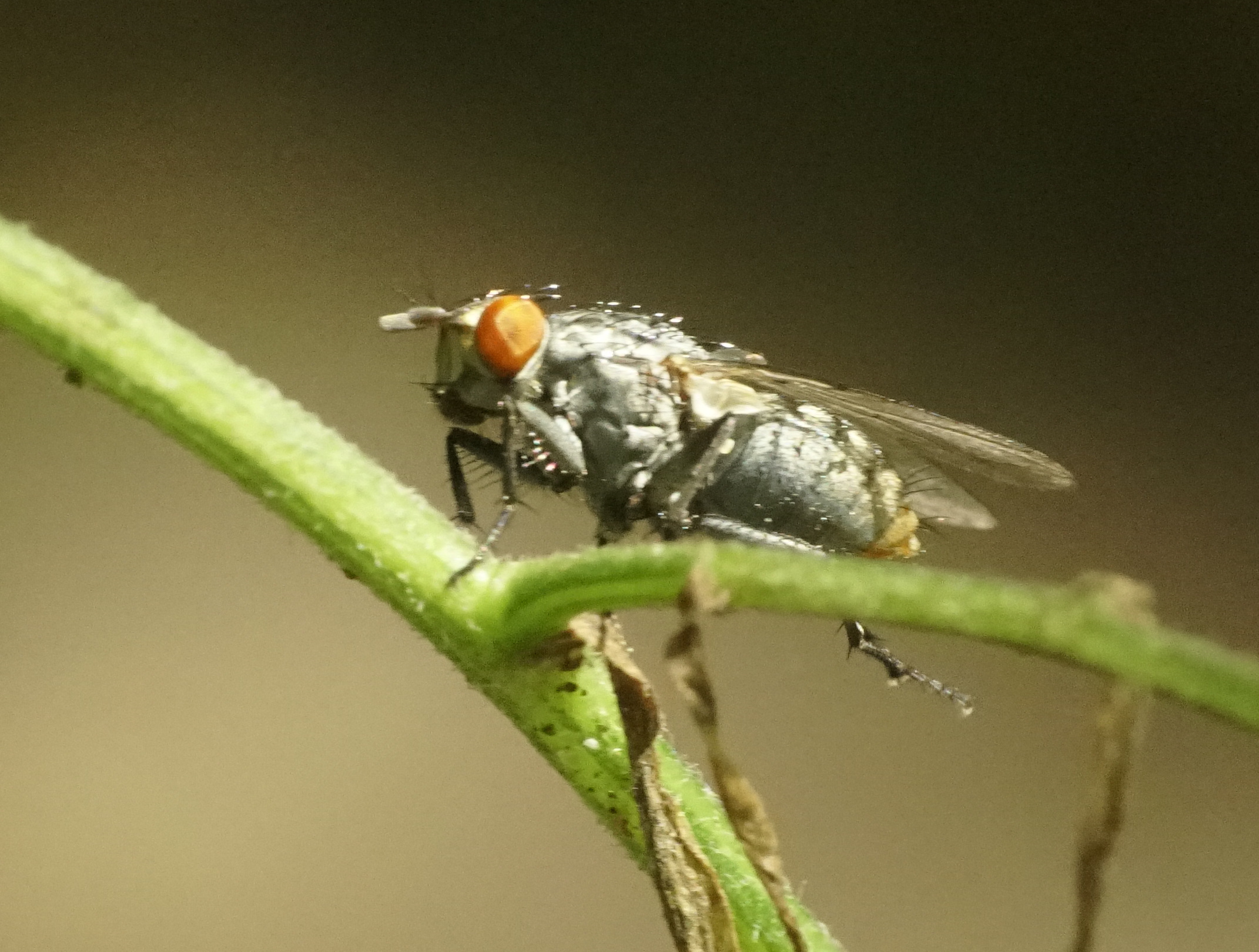
Stunning mosquito! Or gnat.

Posted 2023-09-18 by gaurav1729 in Uncategorized

Tide pools, Beavertail State Park   Leave a comment

My first time taking the Laowa 24mm probe lens to a tide pool. As a reminder, the tip is waterproof and can be introduced underwater. It has its own light source, and can focus down to 2:1 magnification.

Beavertail State Park is in Jamestown, RI, at the southern tip. Deserves a lot more time — I didn’t know we had sea arches that close by!

Usually, I have to chase my subjects, especially with the razor thin depth of field in macro photography. However, the tide pools were full of shrimp, and the shrimp were full of aggression. The moment I tried to take a photograph, they came right up to the lens, presumably to attack it. Which meant that they were close enough it was tough to get the whole shrimp in the field of view. And a lot of the photographs of other objects had shrimp photobombers.

So very colorful!

Posted 2023-09-02 by gaurav1729 in Uncategorized

Farm Pond Park, Framingham   Leave a comment

Some type of skipper

Perhaps Stictocephala:

Perhaps Dictynid?

Stink bug, Mormidea lugens

Posted 2023-08-27 by gaurav1729 in Uncategorized

Keuka Lake, New York, 2023-08-10   Leave a comment

Ammophila. Evolution bought the WÄSP kit from Ikea, got drunk, and decided she didn’t need to read the directions.

I don’t really know this wasp. Ichneumonidae?

Unidentified Lepidopteran.

Posted 2023-08-11 by gaurav1729 in Uncategorized

Keuka Lake, New York, 2023-08-09   1 comment

Hymenoptera

This is a bee, Hylaeus, aka the masked bees. The front view is very distinctive.

One of the stars of the show: a cuckoo wasp, Chrysididae. This particular one is in genus Chrysis. I’ve gotten photos of them before, but they were the type you wouldn’t show anyone else, because they would silently pity you.

I haven’t been able to narrow down the identification. The gorgeous combination of iridescent green and iridescent blue over the thorax should stand out, but I haven’t found a match yet.

The reason I was able to get some decent photos this time (ahem, besides my outstanding skill and perseverance) was that it seemed to have found an area to investigate and stayed there for a while. I can only presume that that area was a nest for some other wasp, but it didn’t seem to be so to my own eyes.

The iridescence (?) on the antennae is something that shows up in several of my photos. Not sure whether it’s a reflection of her body or something else.

Further investigation of the purported nest:

Side view

My best guess for this next wasp is Ichneumonidae –> Cryptinae

Lepidoptera

I have no idea what this one is. Which is no surprise because I don’t know my Lepidoptera at all.

EDIT: identified for me as a silver-spotted skipper.

“Epargyreus clarus, the silver-spotted skipper, is a butterfly of the family Hesperiidae.”
Ephemeroptera

This mayfly was swinging its (his?) cerci all over the place. I presume that it was trying to smell a mate?

Hemiptera

Coreidae (aka leaf-footed bug) nymph

I wish I had taken the time to get a better photo of this bug:

Arachnida

Agelenids always look spectacular in their webs, especially after the rain

I really really tried hard to get a good image of this presumed Acariform. Compare with Erythraeus. Wikipedia: “These are large red mites with two pairs of eyes and long legs (the first and fourth pairs are often longer than the body).”

This spider spent quite a bit of time hauling its prey up. I’m guessing Parasteatoda. It’s weird seeing them actually in nature, outside a house or garage.

It looks like a mite on the left side of the cephalothorax.

Another star of the show! I’ve been trying for so, so, so long to get photographs of a mama Lycosid (wolf spider) with all of her many spiderlings on her back. It was exciting finally getting them!

Pardosa sp., in Lycosidae, aka wolf spiders. The main genus that could be confusing is Arctosa. Two points of difference are the legs spines and the shape of the face: “[Pardosa have a ] narrow cephalic area. Arctosa have a chunky face”

Other

I just liked this very prominent layer in the rock. Not sure what geological transition it corresponds to. Although, could it just be an intrusion joining together two pieces?

Posted 2023-08-10 by gaurav1729 in Uncategorized

Clymene moth   2 comments

Haploa clymene, the Clymene moth, in our backyard. Quite stunning!

Posted 2023-08-03 by gaurav1729 in Uncategorized

New Brunswick and Nova Scotia   2 comments

First time ever to the Maritimes. Amazing place, loved it. It was a particularly rainy stretch of a particularly rainy summer, but so what? Part of the beauty.

Something of a challenge for photography, though. Cloudy skies can look dull; there were no shadows to add drama; and “golden hour” and “blue hour” were non-existent. Again, doesn’t matter, it was gorgeous and I hope some of that comes through in the photos.

Section 1: No Bugs!

Hopewell Rocks, Bay of Fundy

Some interesting geography behind the inclined layers?

Walton Glen and Fundy Parkway

Walton Glen: an amazing waterfall vista!

Cabot Trail

Bog Trail

So many, many pitcher plants!

Middle Head Trail, Cape Breton National Park

Freshwater Lake

Beaver dam

Green Cove

Keltic Lodge

Got up and tried to catch a sunrise. It was too cloudy for that, but that had a mood of its own.

Section 2: Bugs

Hopewell Rocks

I’ve spent about 15-20 years interested in bugs, and never managed to see a Megarhyssa wasp, even though I looked for them everywhere. I visit New Brunswick and about 100m into my first walk, there it is. Not only that, but it was kind enough to wait for me to take photos. I guess it’s true that Canadians are nicer!

Walton Glen

Araneid, need to identify. This is a Cyclosa sp., the trashline orb weavers.

Cabot Trail

Eastern Pine Sawyer, Monochamus notatus

Perhaps a carpenter bee, like Ceratina? Or Lasioglossum coeruleum? There are other possibilities too.

Keltic Lodge

Gorgeous sphecid wasp, Chlorion or Chalybion? I think Chalybion californicum is correct here. According to BugGuide, at https://bugguide.net/node/view/2010235/bgpage:

“Some of the most noticeable traits are in terms of the head. One is the presence of hairs on the temple (absent in Chlorion – though it does seem that males can have hairs on other parts of the head). The hind margins are also different. With Chalybion, there’s a narrower space behind the eyes (and ocelli) to the back of the head, and the edges have a fairly strong curve when viewed from above. It’s also thinner when viewed from the side. This makes for a bit more of an “inflated disc” shape to the head. Chlorion have a fairly broad space behind the eyes (and ocelli), and the edges are more squared off as viewed from above. It’s also thicker as viewed from the side. This gives for a more thickly-rounded, almost stereotypical alien appearance.”
And on https://bugguide.net/node/view/8606:

  • One of two genera in our area notable for their distinctively metallic-blue bodies. Chlorion differs from the superficially similar Chalybion as follows:
  • Head and thorax sparsely hairy, the vertex of the head particularly lacking dense setae
  • Antennae inserted lower, well below the halfway point of the eye.
  • The head is more produced at the temples and vertex (different head shape)
  • Mandibles are dentate rather than simple and sickle-shaped
  • Pronotum not as strongly notched
  • Tarsal rake present (females only)
  • Wing with the hind margin of the third sub-marginal cell meeting the marginal cell at nearly the same point as the fore margin, resulting in a strongly triangular cell rather than a rhombic cell
  • Propodeum with U-shaped dorsal enclosure defined at least posteriorly by a semicircular sulcus/furrow (Chalybion has at most a median sulcus or pit)
  • Generally larger

What does that mean for this individual? I can see hairs on top of the head, and the head shape looks flatter, so Chalybion, I think.

Assuming this is correct, here’s what Wikipedia has to say:

“Females can build their own nests, but often refurbish nests abandoned by other wasps and bees,[4] particularly those of Sceliphron caementarium,[5] removing any spiders captured by S. caementarium and the larva, replacing it with an egg of its own and freshly caught spiders.”
Which is interesting, because there are photos of Sceliphron caementarium further down below.

Earwig

Middle Head trail

Salticid spiderling, Pelegrina or something? If it’s actually Maevia inclemens, I will be embarrassed.

Weevil, need to identify. Best guess is “Timothy billbug”, Sphenophorus cf zeae, https://bugguide.net/node/view/776934

Freshwater Lake

Damselfly, in Enallagma aka bluets.

Broad nosed weevil, Entiminae? Polydrusus cervinus is a possibility but not sure at all.

Asilidae, something like Dioctria hyalipennis?

I can’t find an exact match for this wasp, and even when I do find photos in BugGuide, it doesn’t get any finer than tribe level. I think this might be in Ichneumonini, but even that is tricky. I’ve seen Vulgichneumon and Orgichneumon as names proffered for broadly similar looking wasps.

I think this is a black and yellow mud dauber, Sceliphron caementarium. They were wallowing in the puddle collecting mud to build their homes. They will later bring spiders to provision the nests for their babies.

Note that the Chalybion wasps later re-use the nests for their own spiders for their own babies.

Green Cove

Gorgeous green eyes, but usually not a lot of fun to get close to. This could be a female horsefly, Tabanidae. (The separation between the eyes is the sign that it’s a female.) I think genus Tabanus is likely.

Posted 2023-07-24 by gaurav1729 in Uncategorized