From the trailhead on Billings Street. Purely through wetland area. Also spent a lot of time at one dead log busy with a lot of activity, especially some Ichneumonidae wasps who were ovipositing.
I’m still in the process of trying to identify a lot of these, so this is a work in progress. Please bear with me!
Diptera
I think a Dolichopodid, but I really have no idea which.
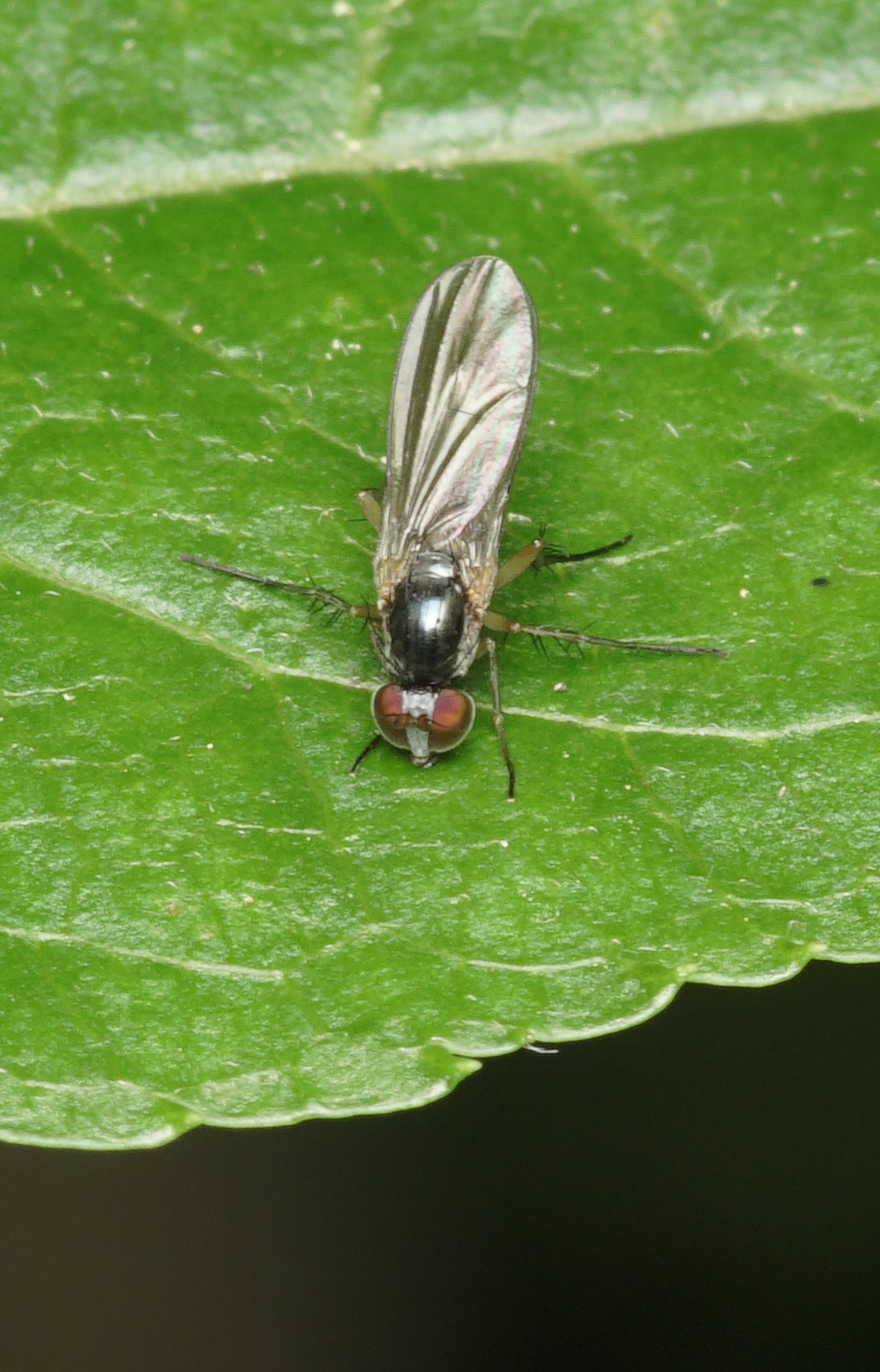

And another:


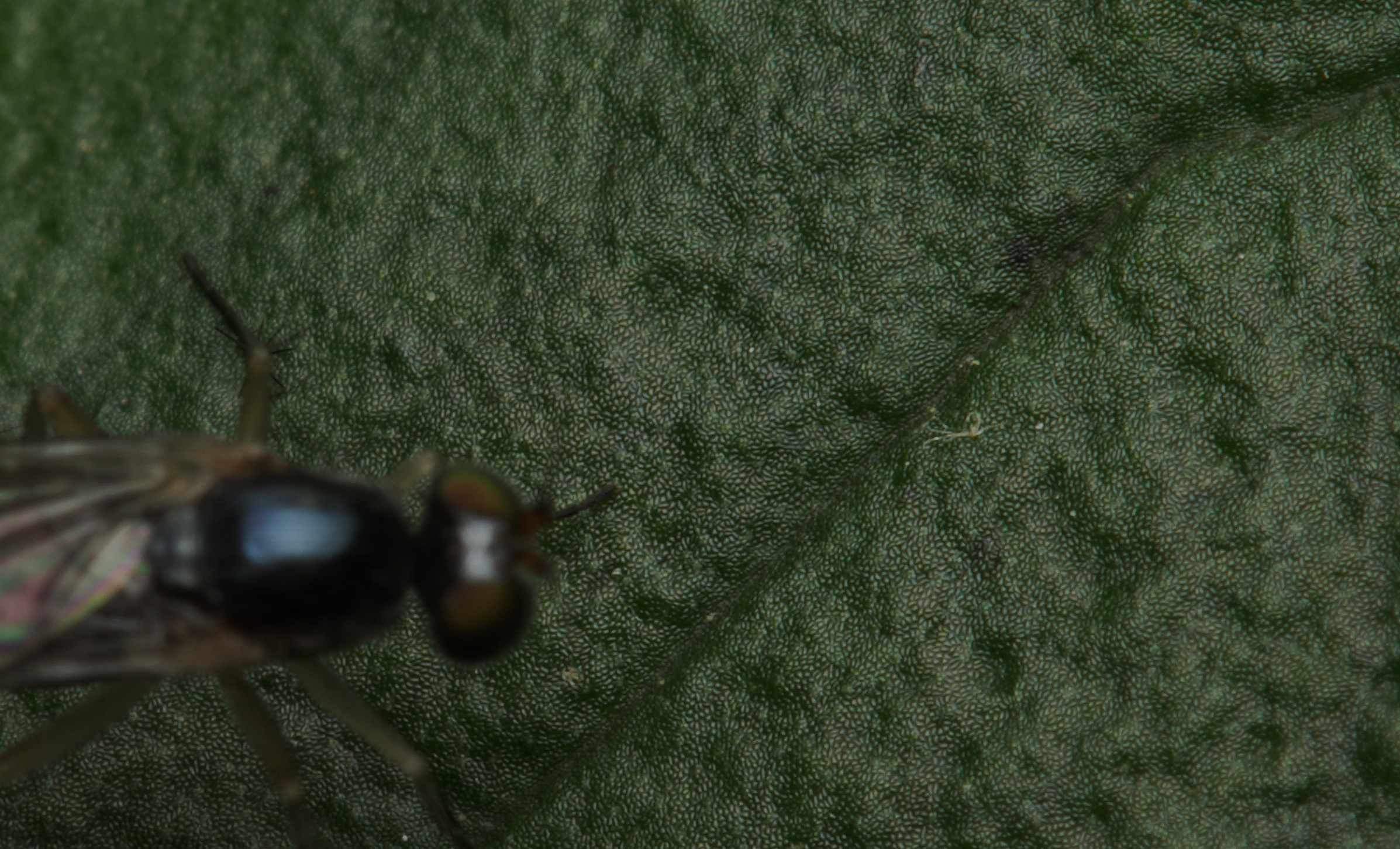
I missed the focus on this, so let’s call it an interesting study of leaf texture, okay?
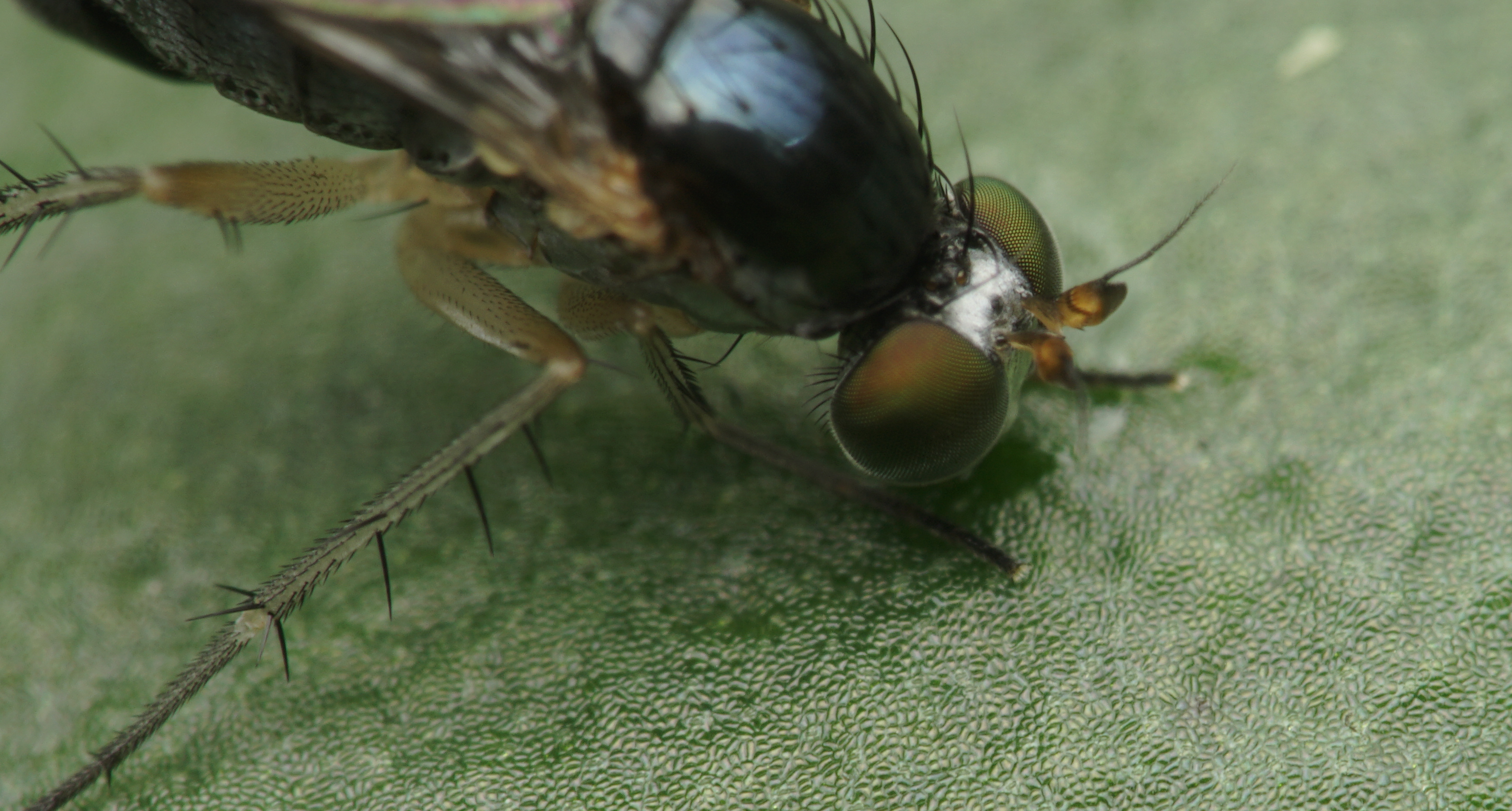
Didn’t miss the focus on this one:
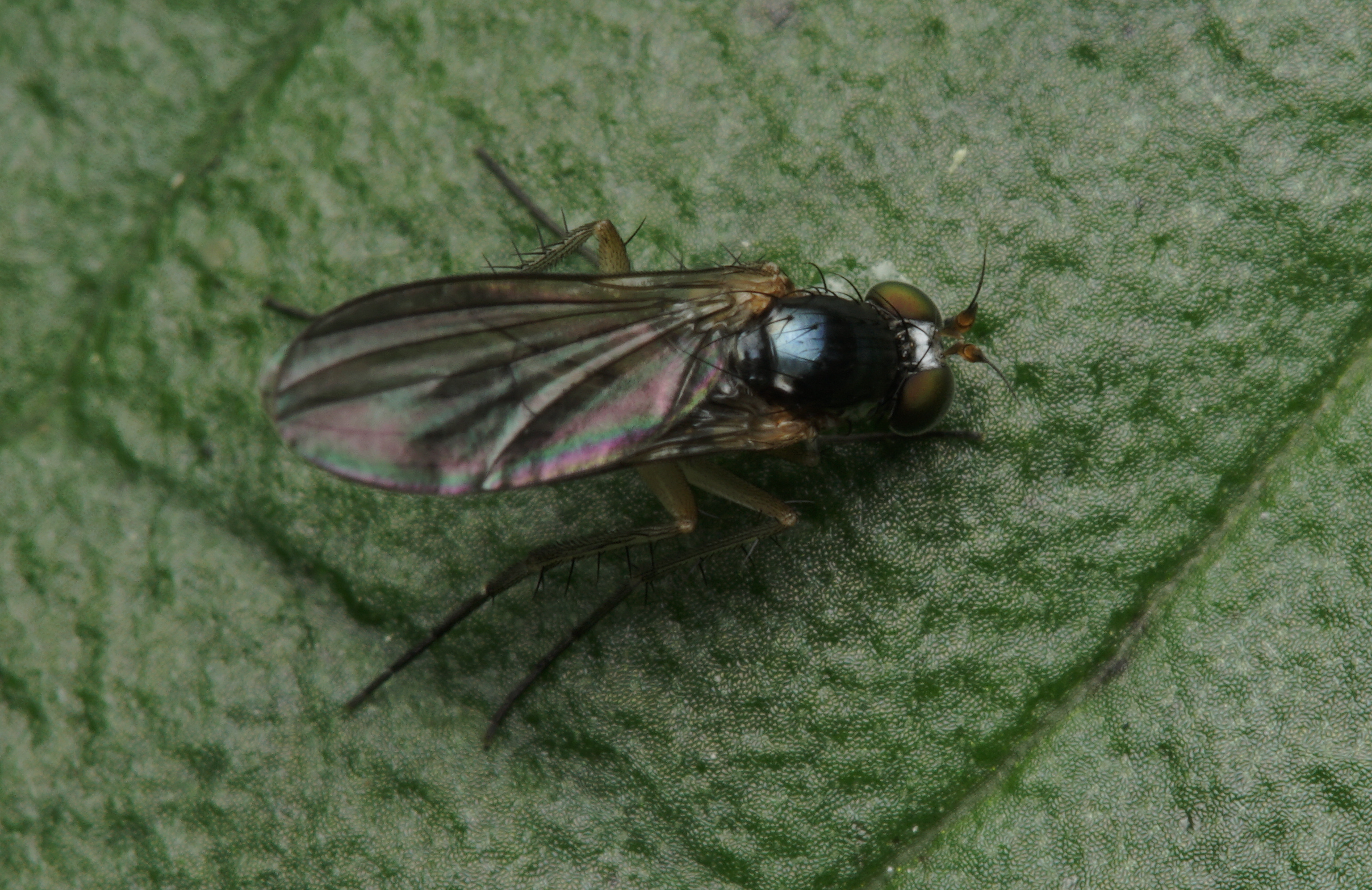
Caught these two flying while mating:
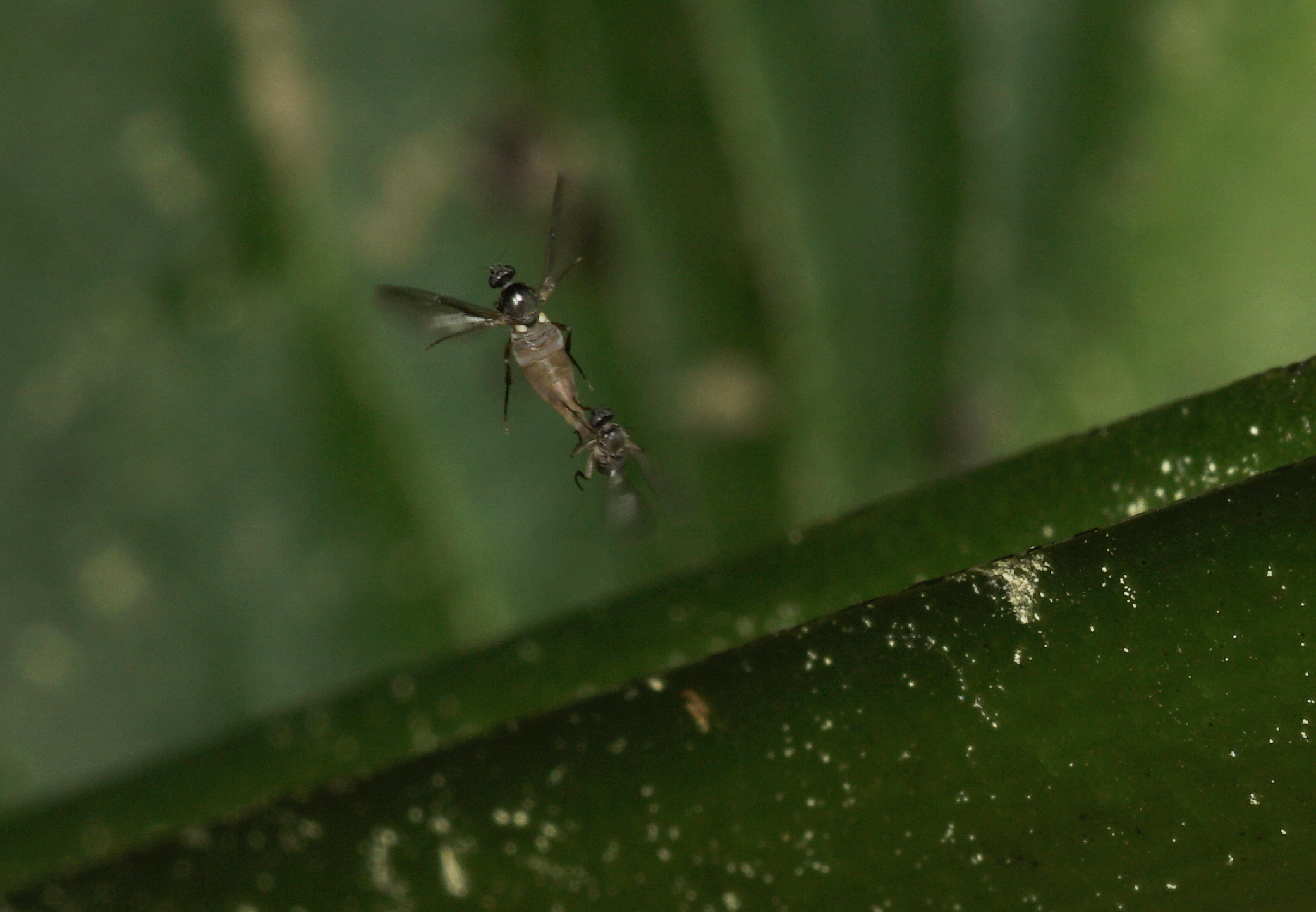
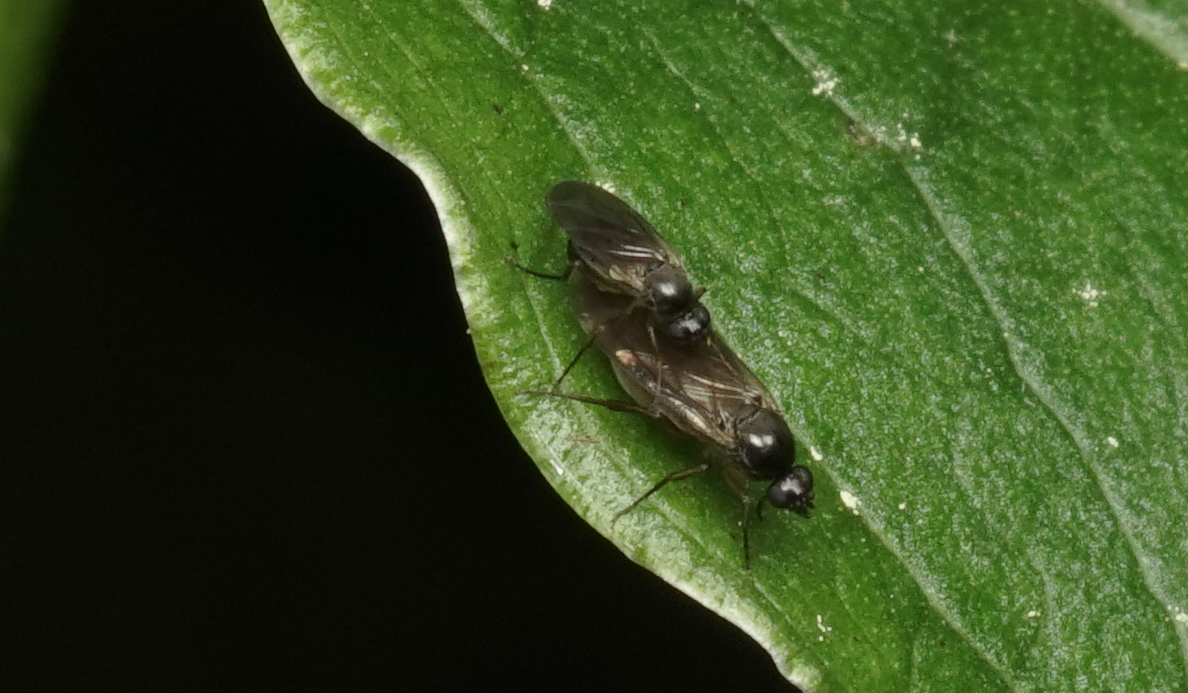
Muscidae?
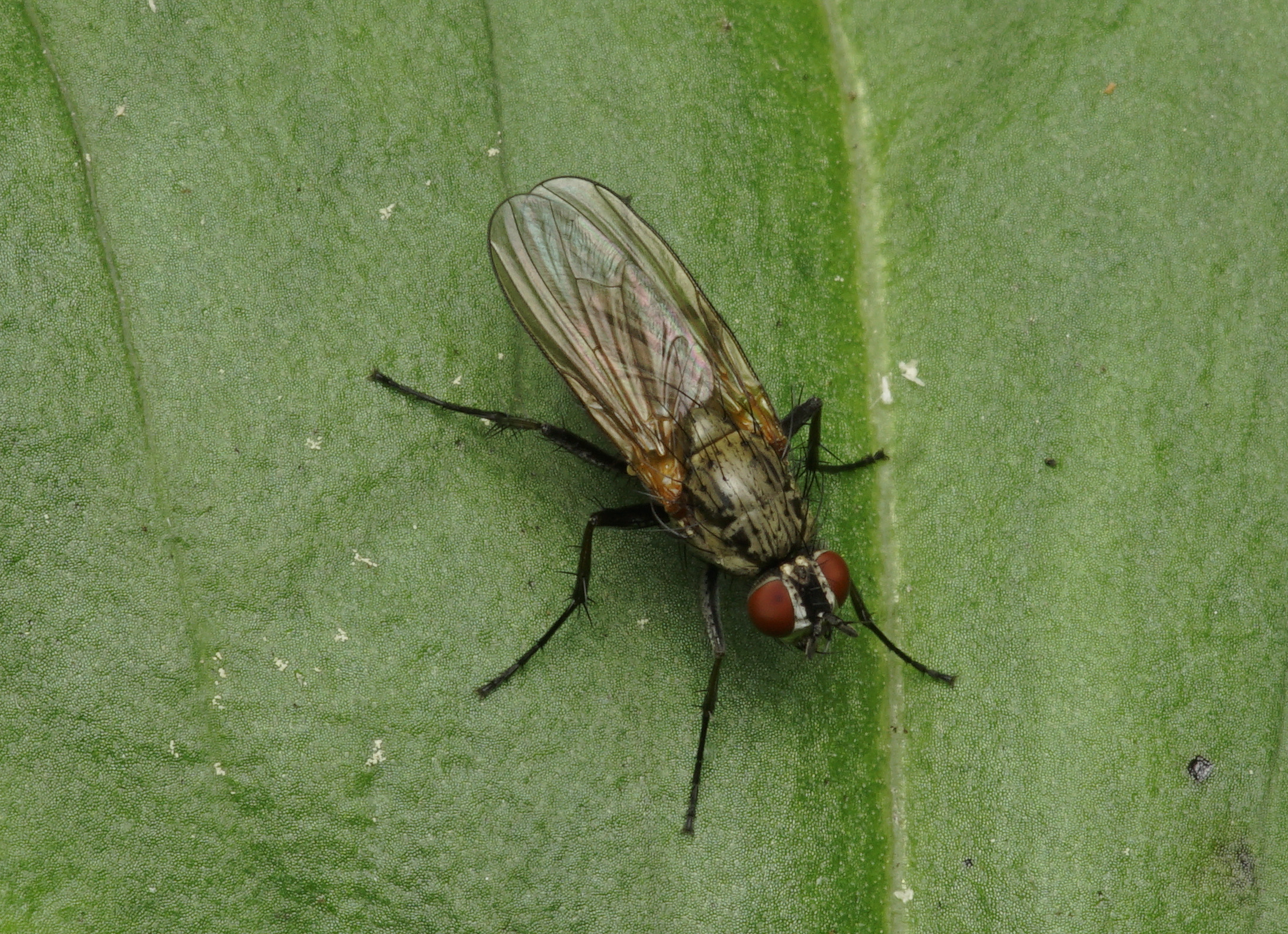
Crane fly, Tipulidae

Is this a Limoniid crane fly? Bugguide on Limoniid fly identification:
“Identification
terminal (fourth) segment of maxillary palpus short or subequal to third segment (elongate, longer than first three segments combined in Tipulidae)
antennae usually with 14 or 16 segments (13 in Tipulidae)
(per Chen Young’s comment)
Interpretation of the wing venation can be difficult, especially on the subcostal and radial fields. See Alexander (1927, 1929-1930)(4)”

Chironomus cf ochreatus?
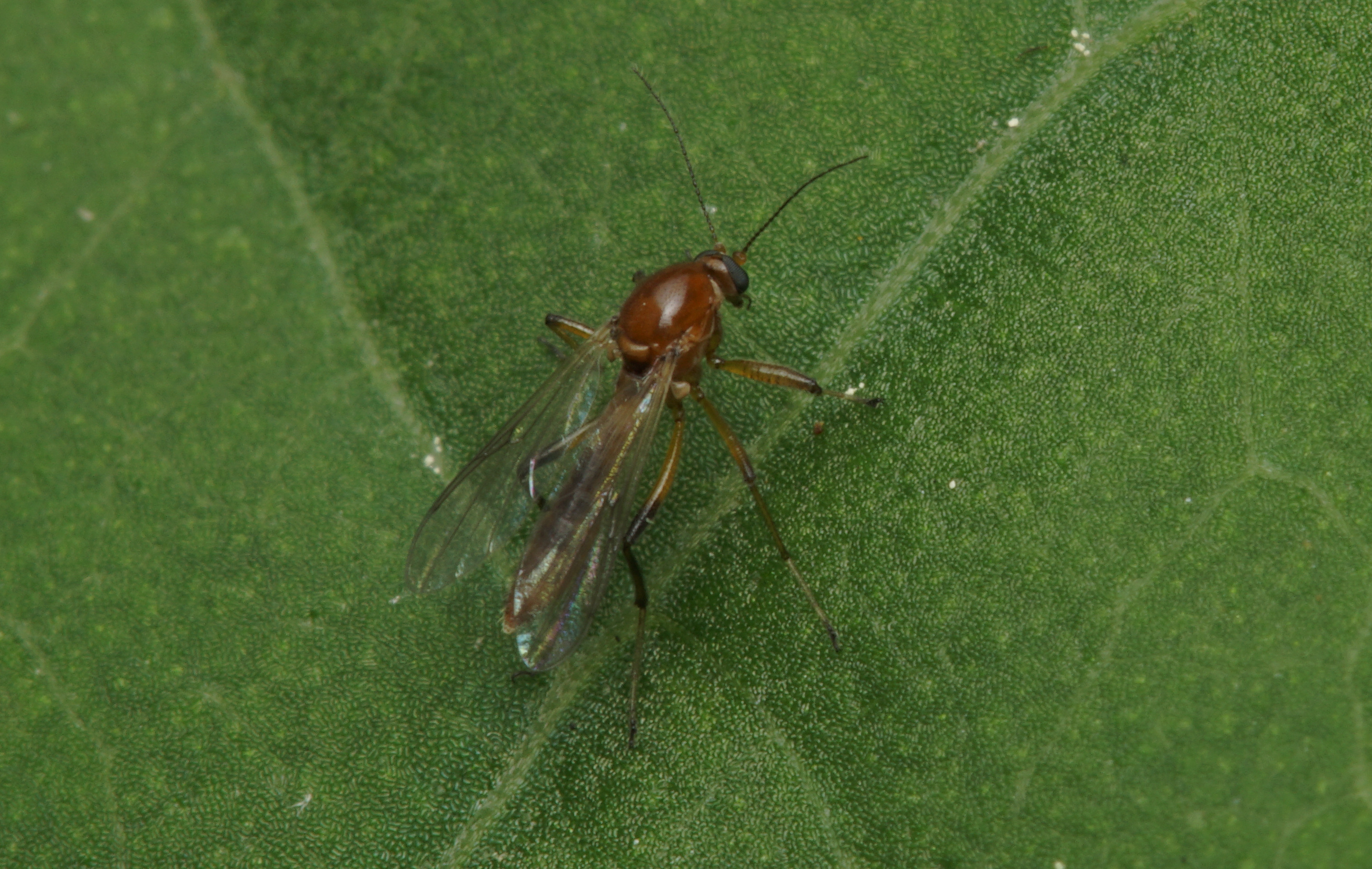
wing pattern:
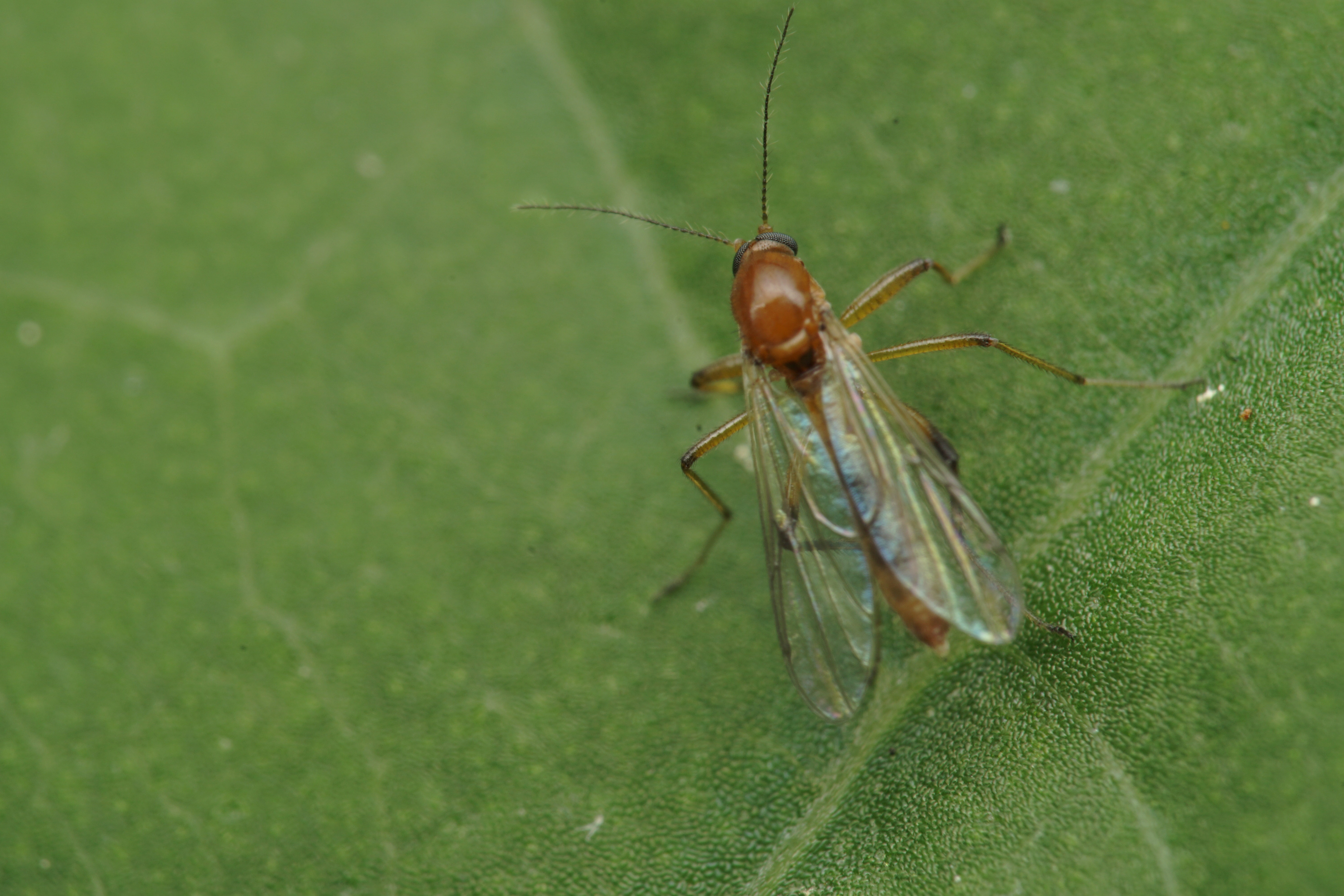
Perhaps Platypalpus in Hybotidae

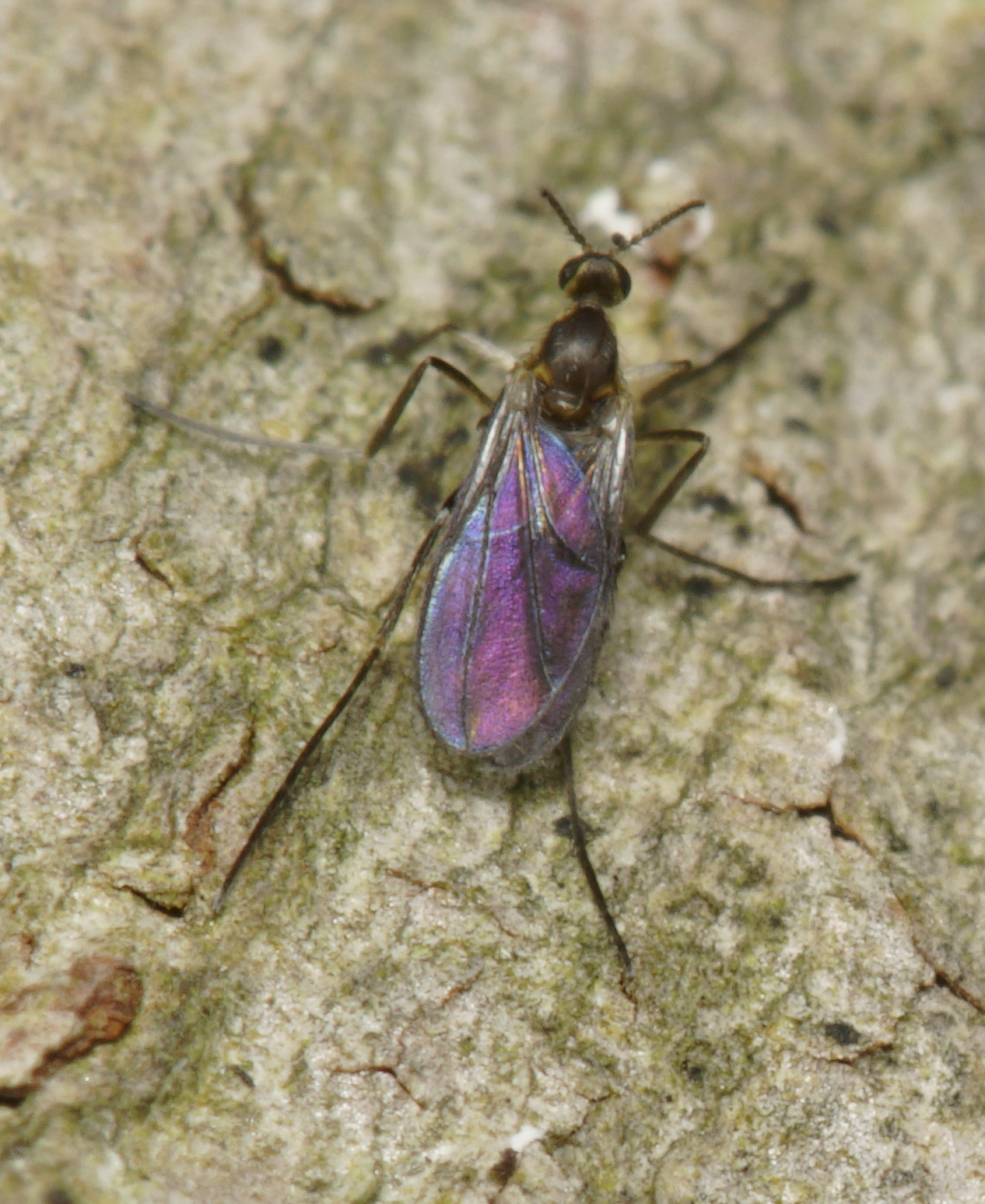
Very low confidence in identifications. But I’ll say that the root-maggot fly, Anthomyia oculifera, looks very similar to this.

I dunno. Anthomyiidae?

Psychodidae, Pericoma? Pericoma cf signata? Wait, is Pericoma being re-categorized to Pneumia, so Pneumia cf signata?
Interestingly, there’s only one record of Pericoma in BugGuide, and two in iNaturalist, although of course Tom Murray has a record of it in his book.

Why is this crane fly so white? Is it…tenebrous?

Coleoptera
A dead buprestid?
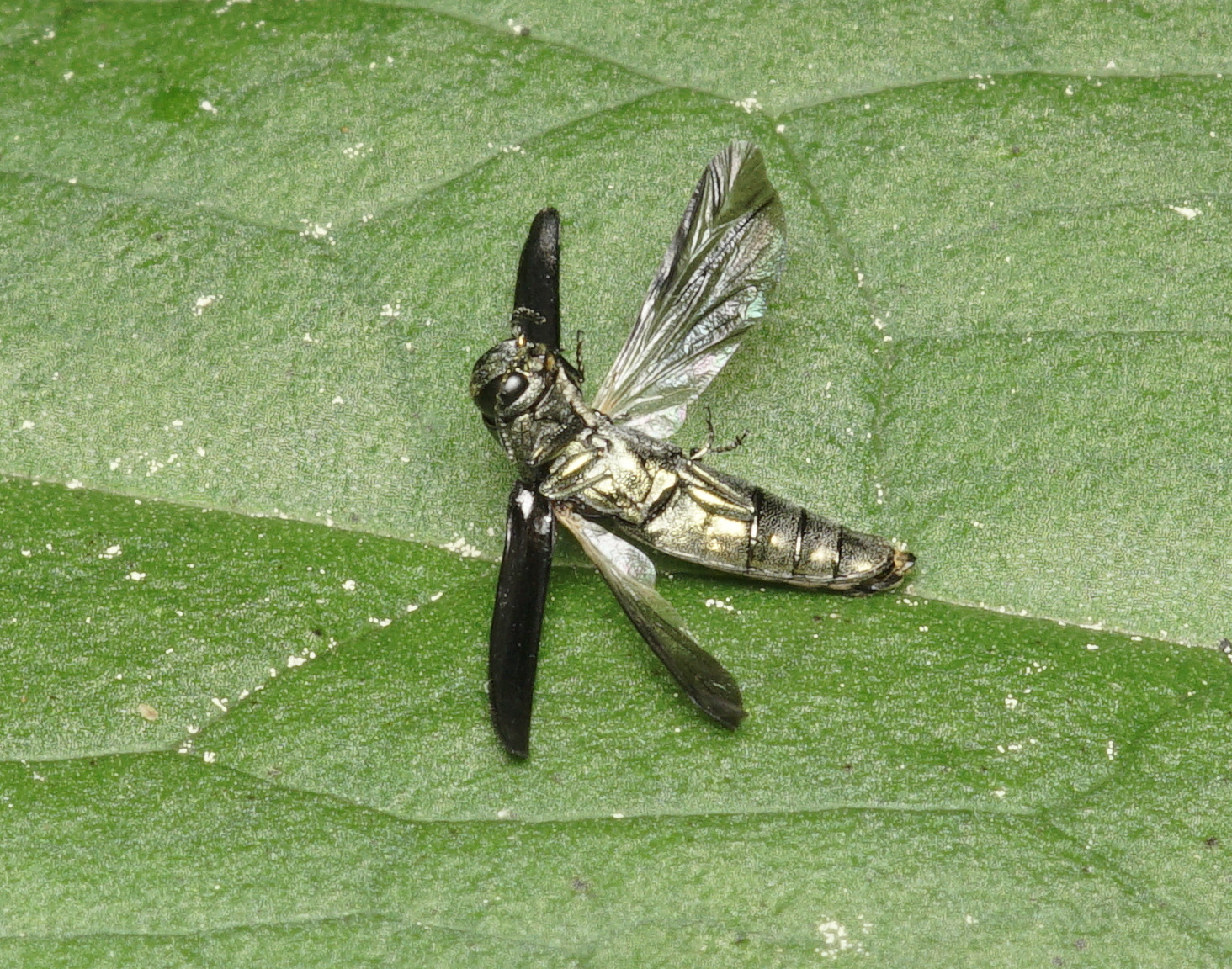
Cantharidae, something like Rhagonycha
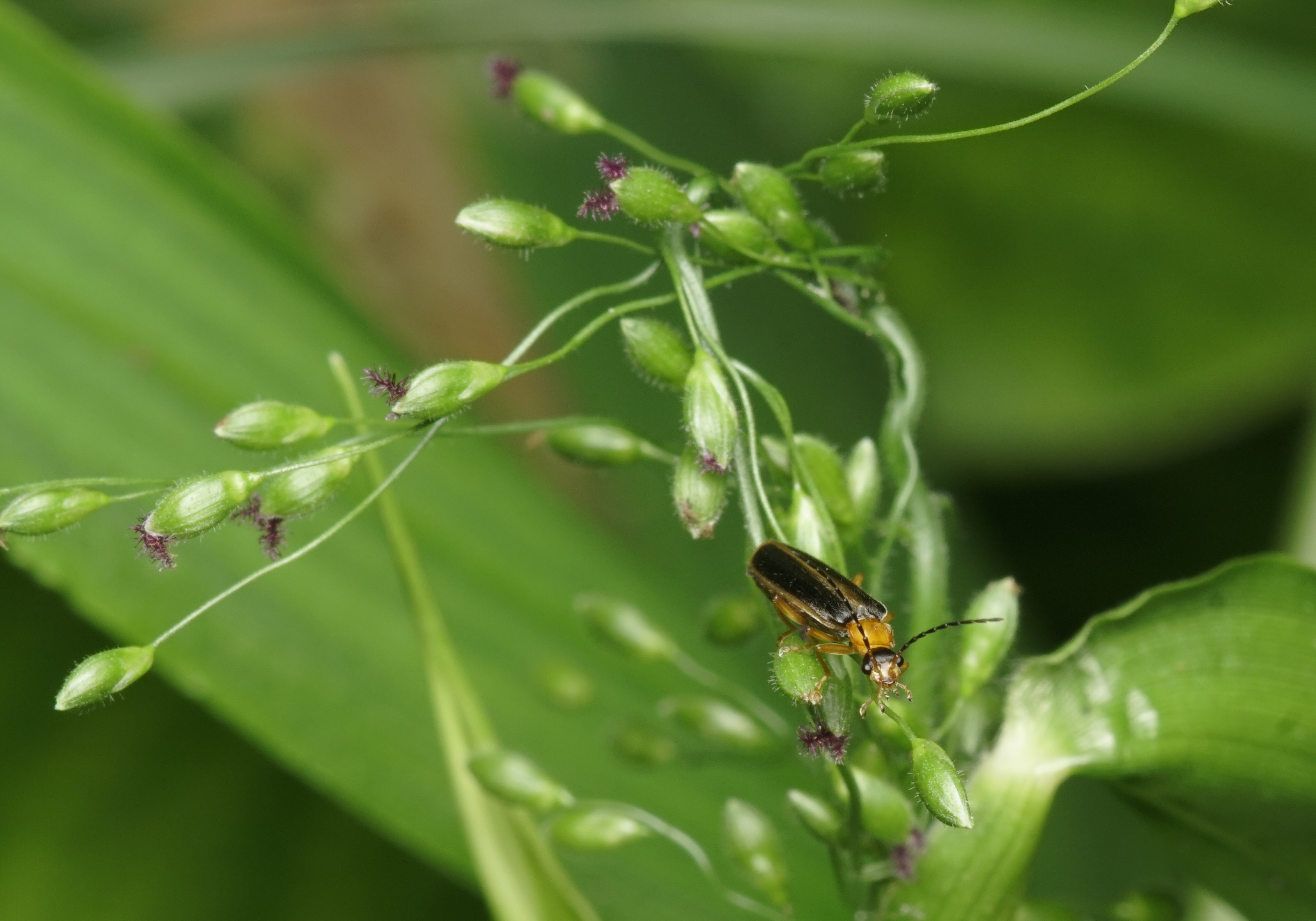

Podabrus?

And another:

Lampyridae, firefly. Photinus. Some advice on distinguishing different genera:
“Photinus is small and will often have the elytra outlined. Pronota will be more rounded
Pyractomena generally have their pronota shaped triangular or shovel shaped
Photuris are larger species and legs will look very “spidery.” But they’ll usually have faint lines on their elytra, like stripes. They will also be more “hump backed.@
I think Pyractomena stand out very easily from the previous two. But you can usually separate the two based on perceived size and other characteristics.”

Elateridae:
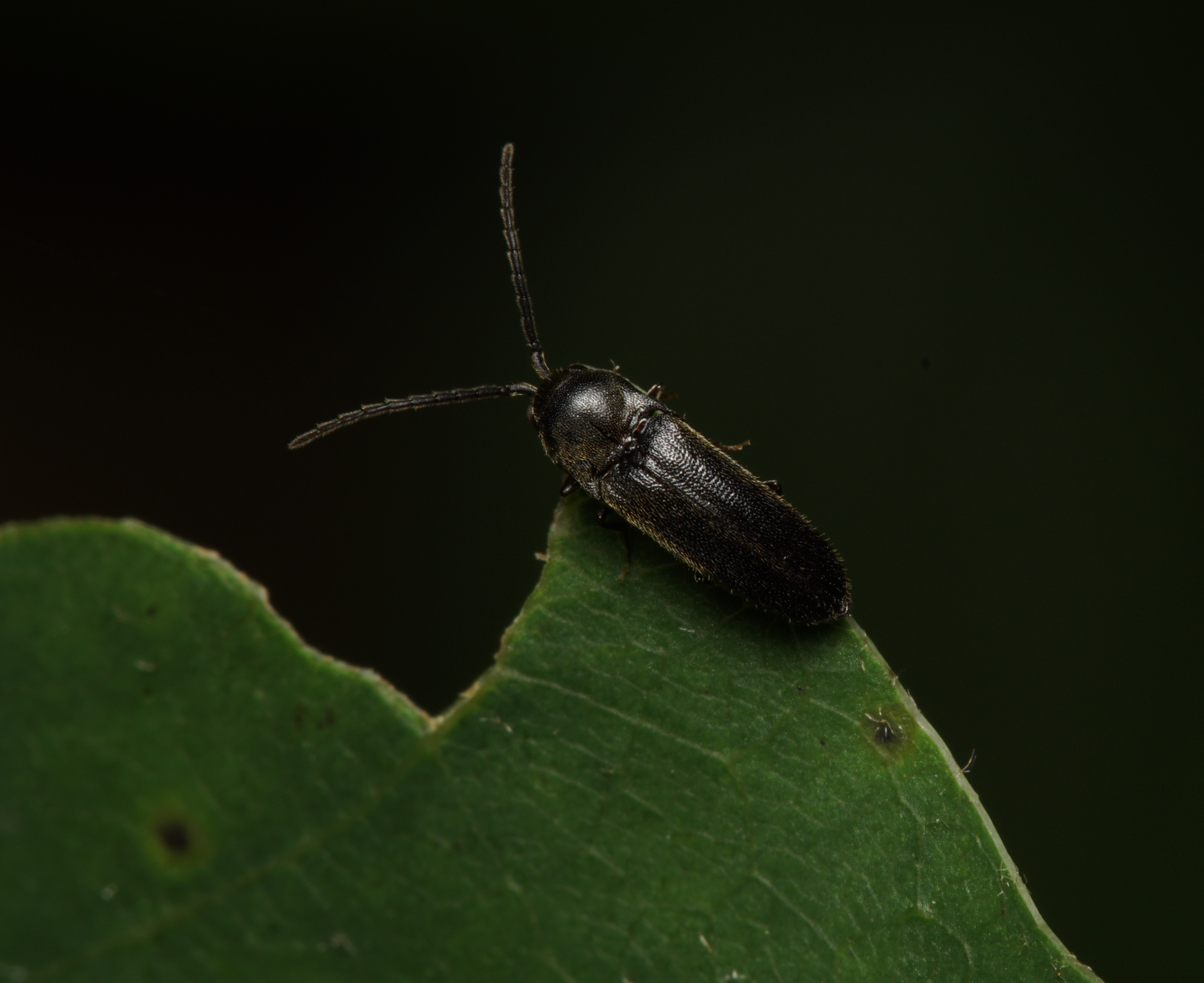
EDIT: I found a *lot* of wasps nearby that seem like a very good fit to Arotes amoenus. BugGuide says that their host is Melandrya striata (“false darkling beetle”, Melandryidae), which actually seems pretty close to this. I think I might need to change my mind on this.
ORIGINAL: Maybe Tenebrionidae, Capnochroa cf fuliginosa? Maybe Androchirus instead? Capnochroa is “comb-footed”, but I don’t have enough details on the feet.

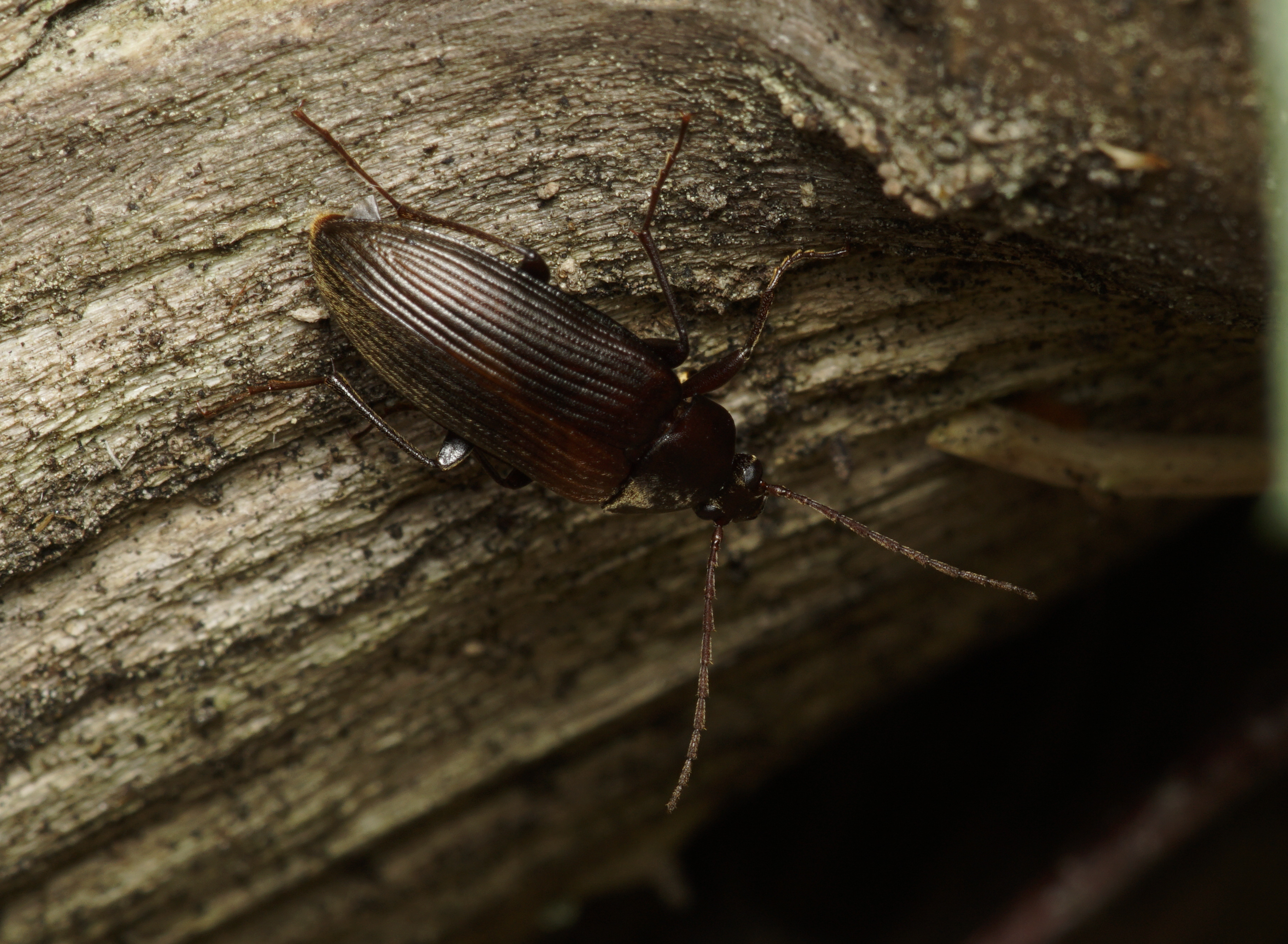
These beetles were everywhere. I’ve seen them before and I seem to have a tough time identifying them, even to family.
EDIT: Wait, it could be Isomira cf sericea, in Tenebrionidae! I’m excited that there’s a reasonable candidate for this beetle, now.


Elateridae:
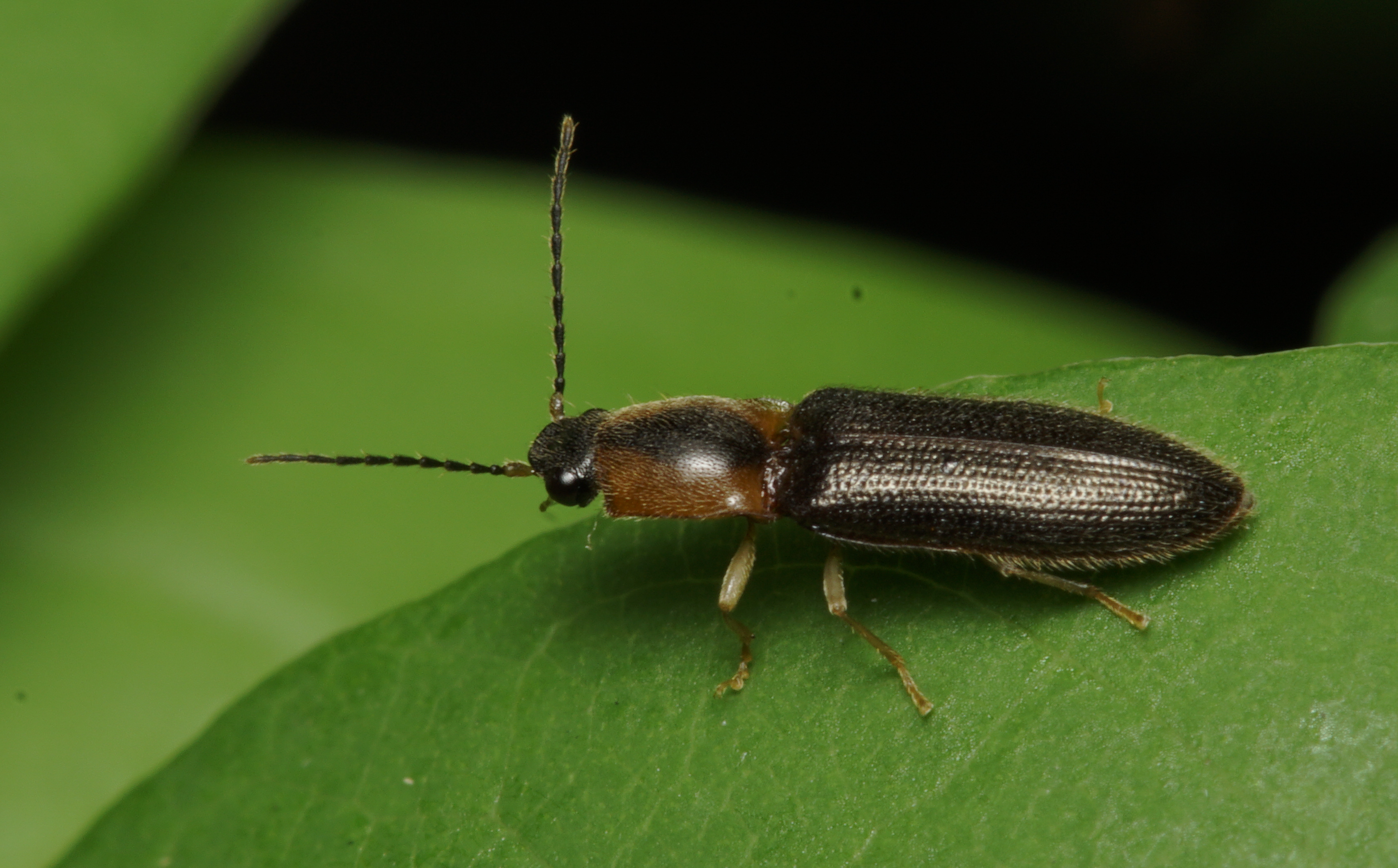
A crime scene? Not sure why there are a dead ant and a dead beetle right next to each other. Any good detective will tell you they don’t believe in coincidences!
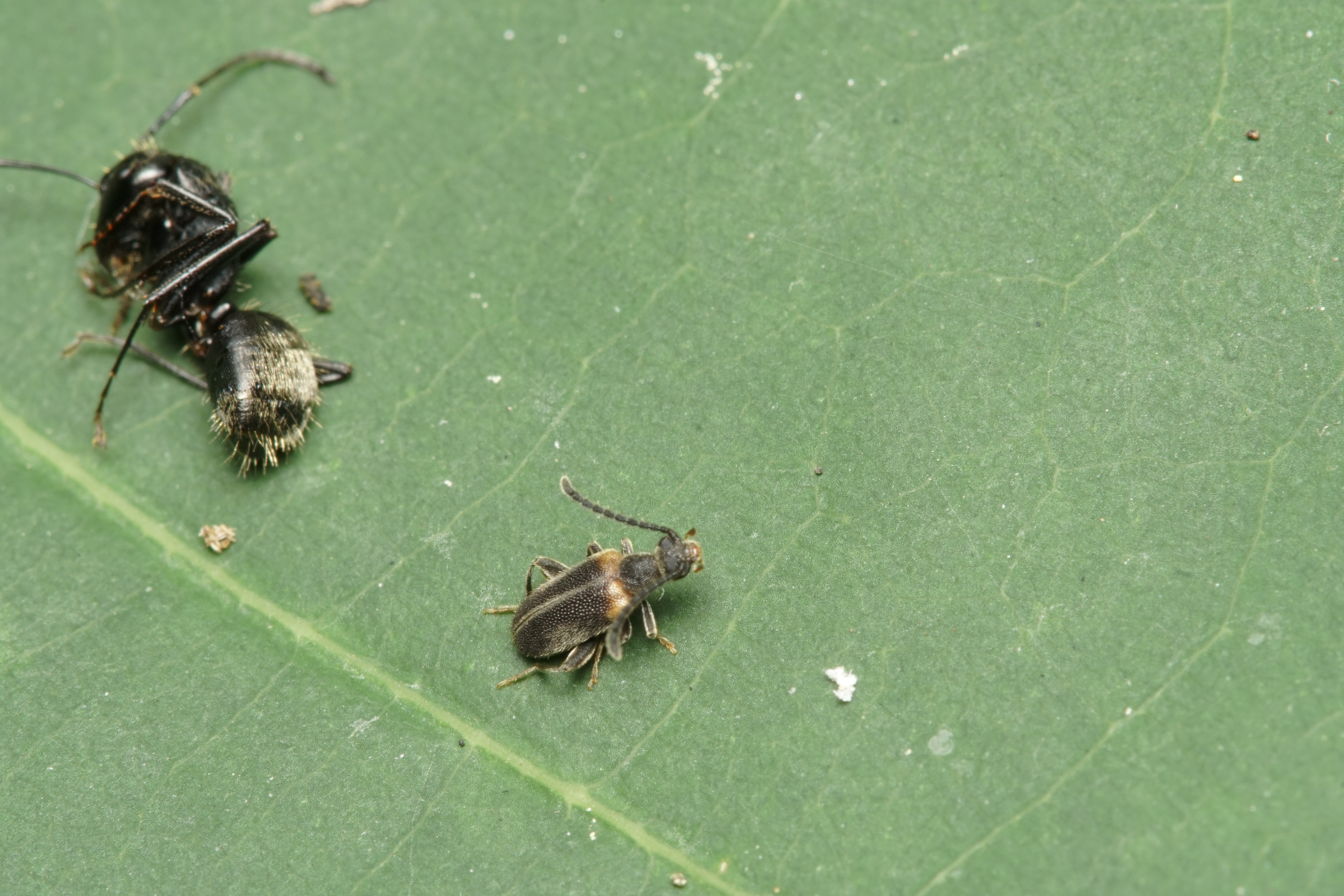
Looks to be Elonus, in Aderidae, the “ant-like leaf beetles”.

Trichoptera
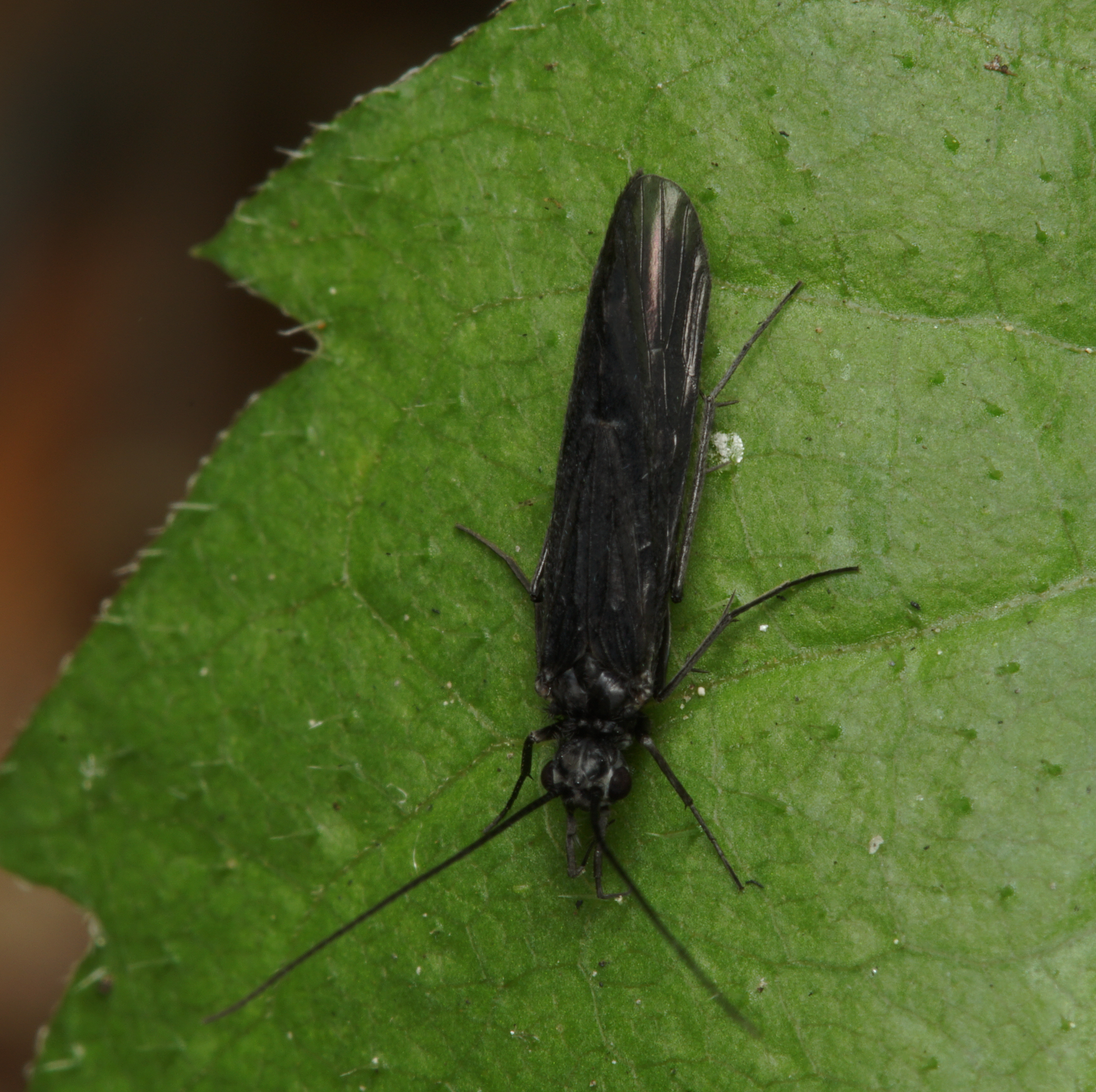
Caddisflies:


Lepidoptera
Is this a grass veneer? Immaculate grass veneer does not seem to fit exactly.
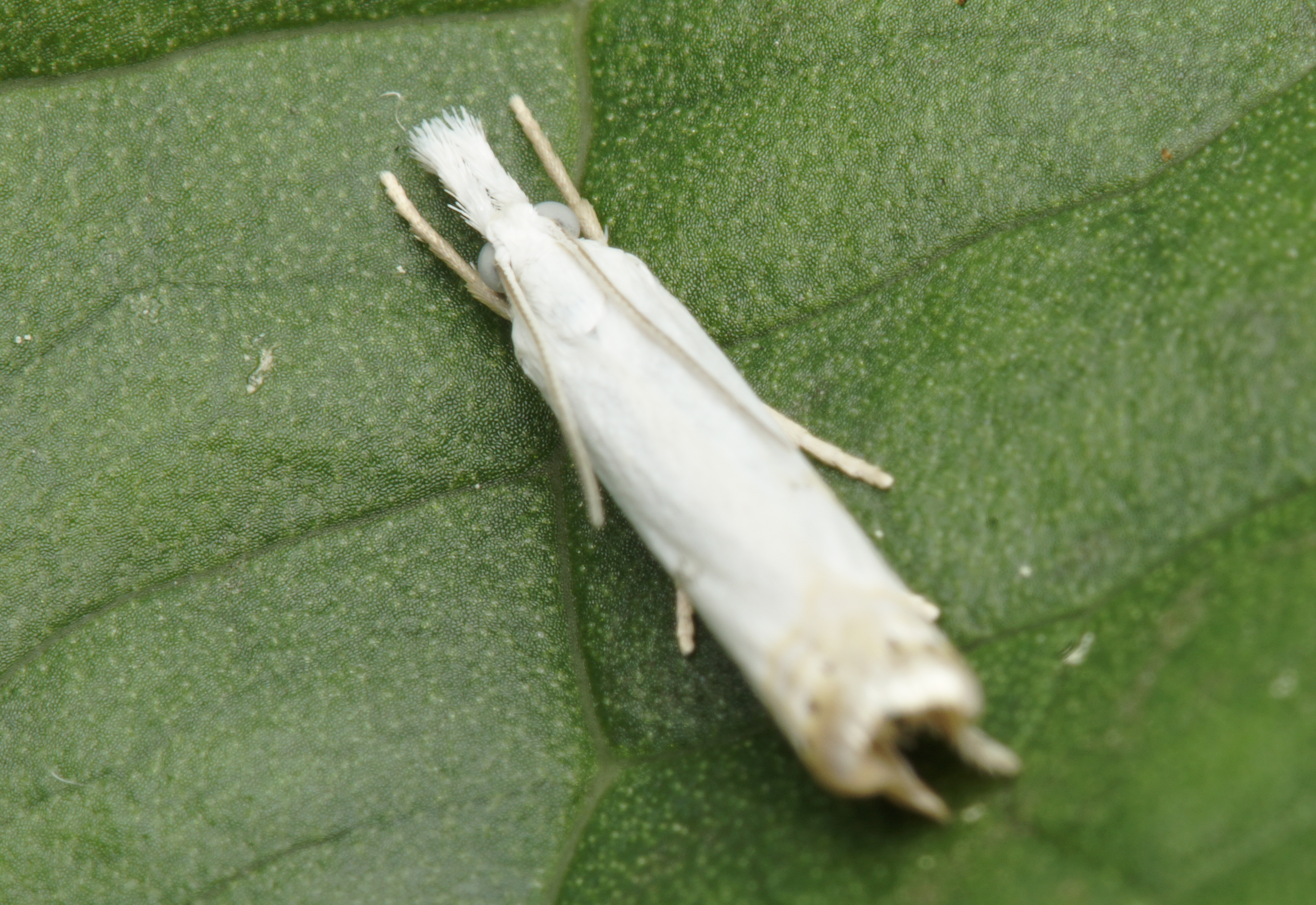
Tortricidae –> Olethreutes? I think Banded Olethreutes.

Not even sure this is Lepidoptera:
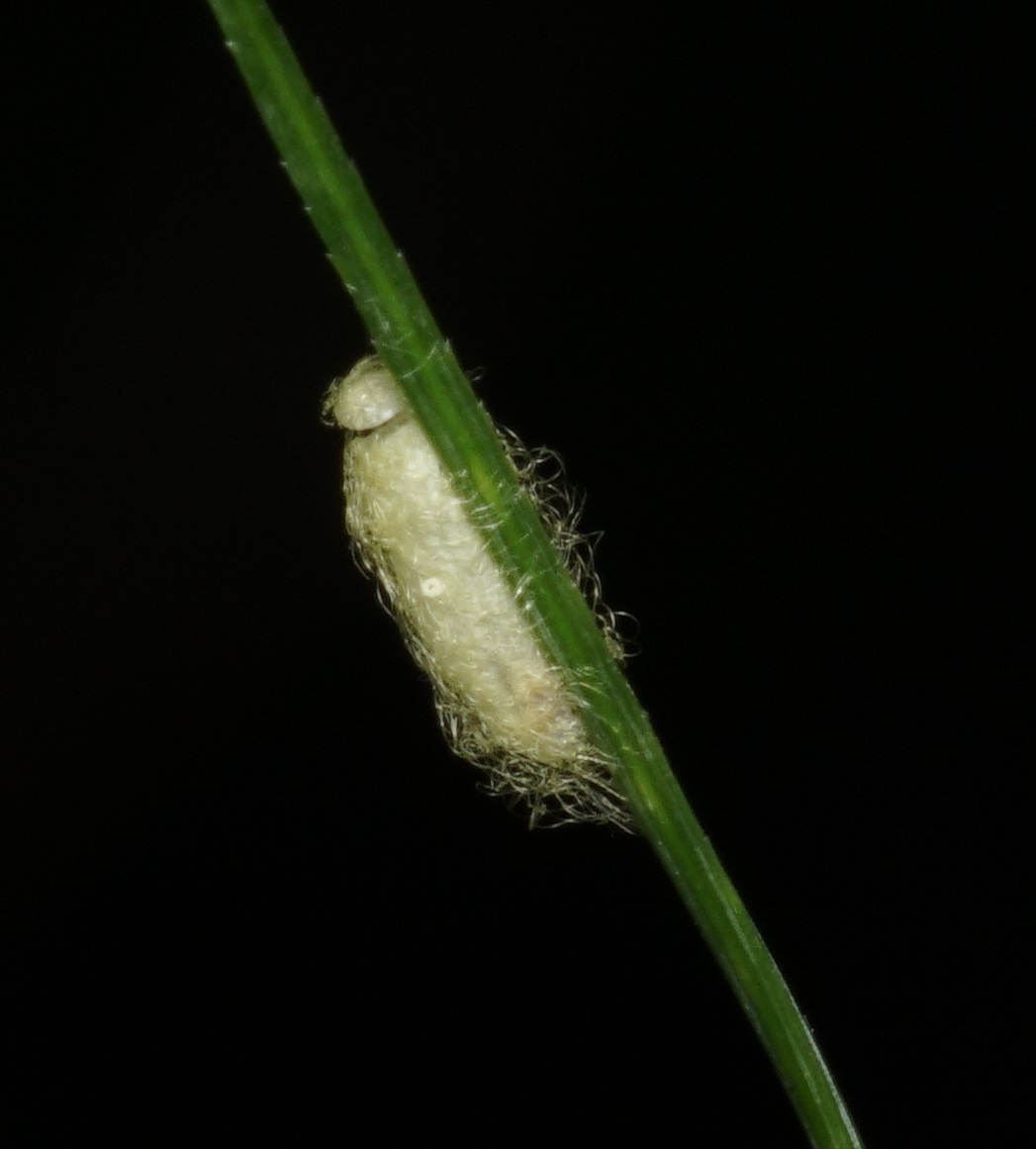
And I don’t know if this is Lepidoptera:

Hymenoptera
Ichneumonidae –> Pimplinae?


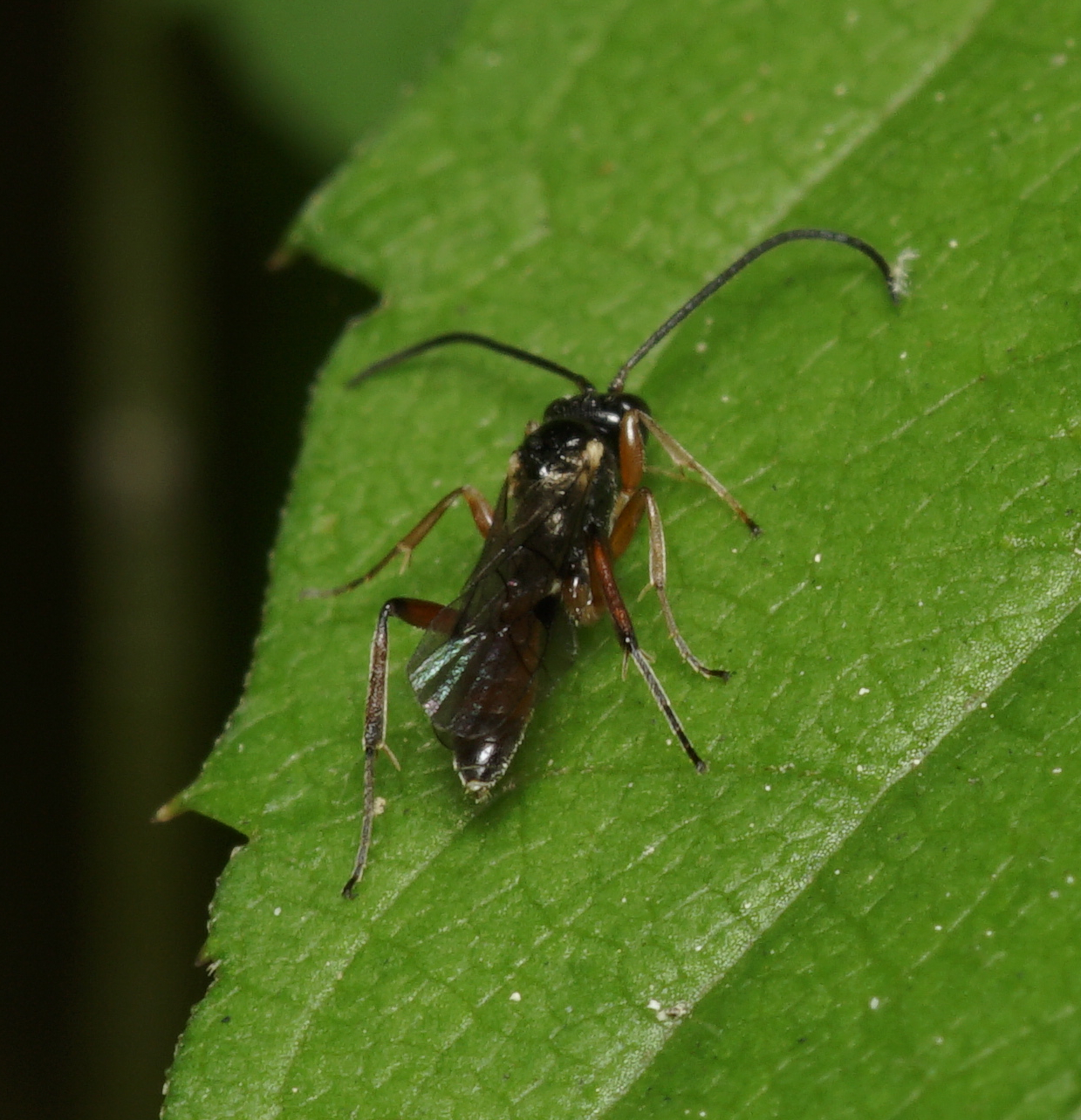
Here’s the ichneumonid, . Please forgive me for so many photos, but I was very excited to finally get photos of ovipositing!
There were several of these females. They were flying and walking all over, flicking antennae, looking for someone in the dead wood to lay their eggs in.
Which ichneumonid?
Acaenitinae –> Arotes? Arotes cf amoenus?
A group of boldly-patterned, medium-sized ichneumonid wasp. See photos.
Black and yellow coloration, long ovipositor, dorsoventrally depressed abdomen with apical portion laterally compressed, the first tergite narrowed anteriorly and broadened posteriorly and apical dark wing spots.
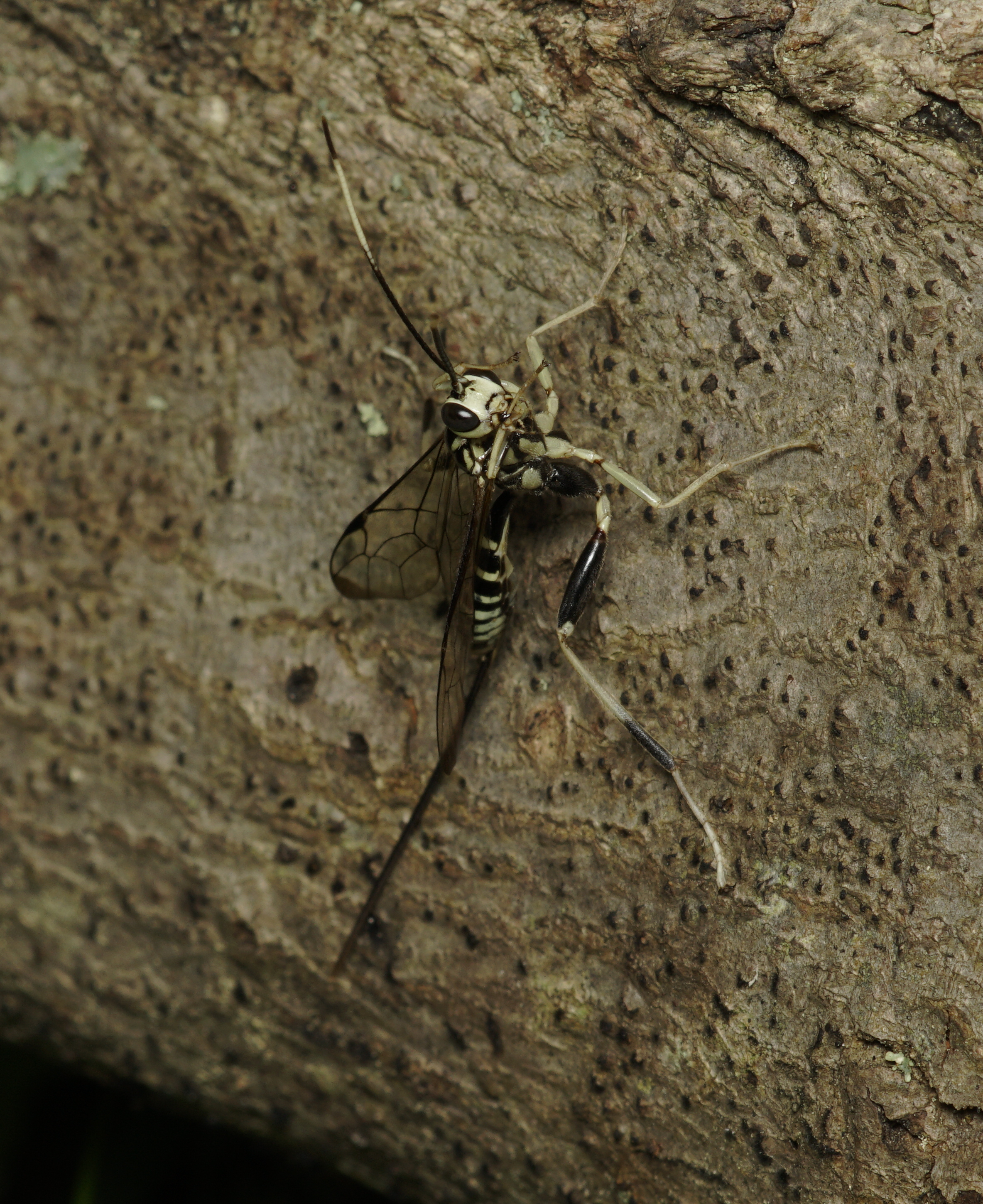
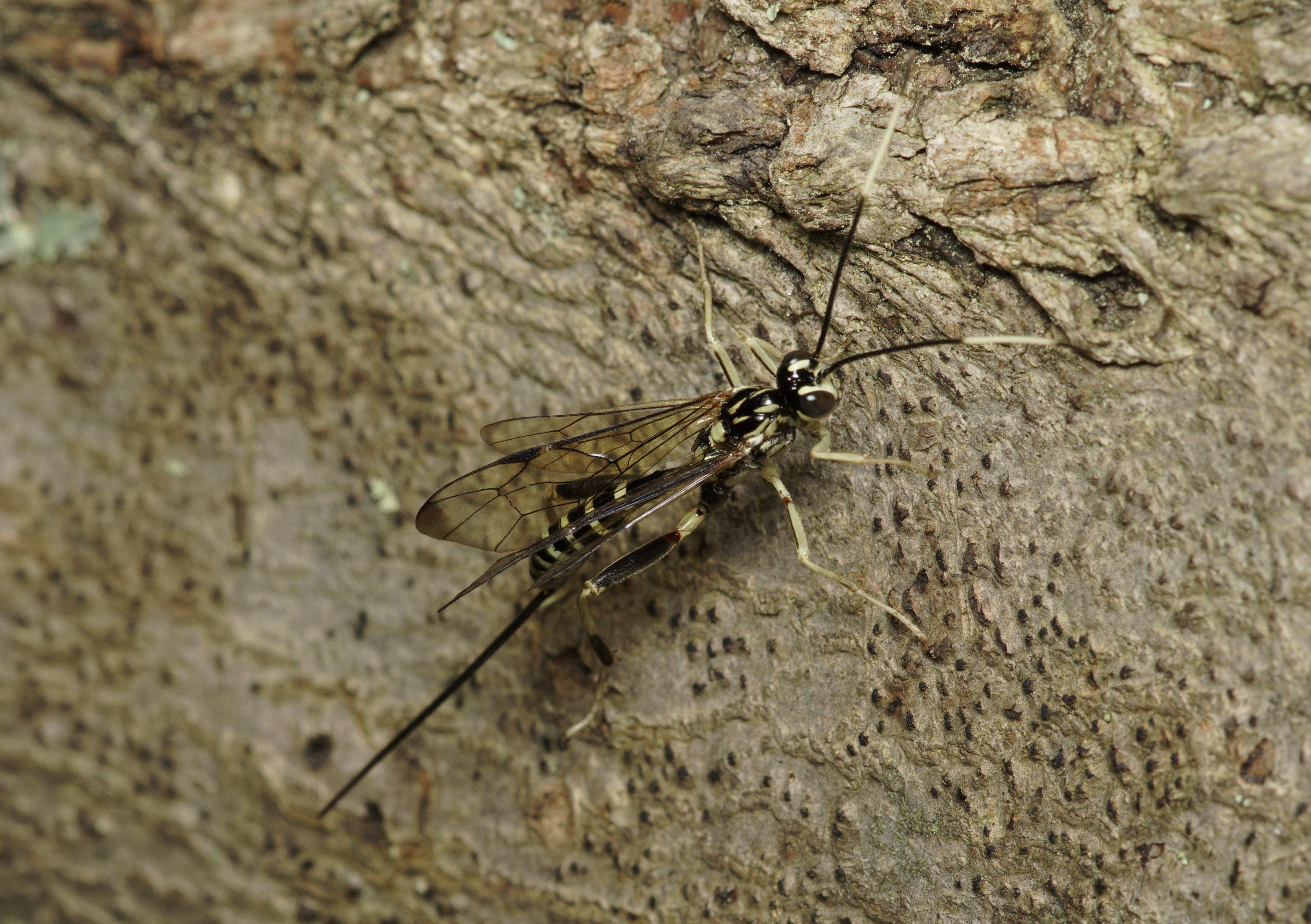
Here’s some ovipositing!

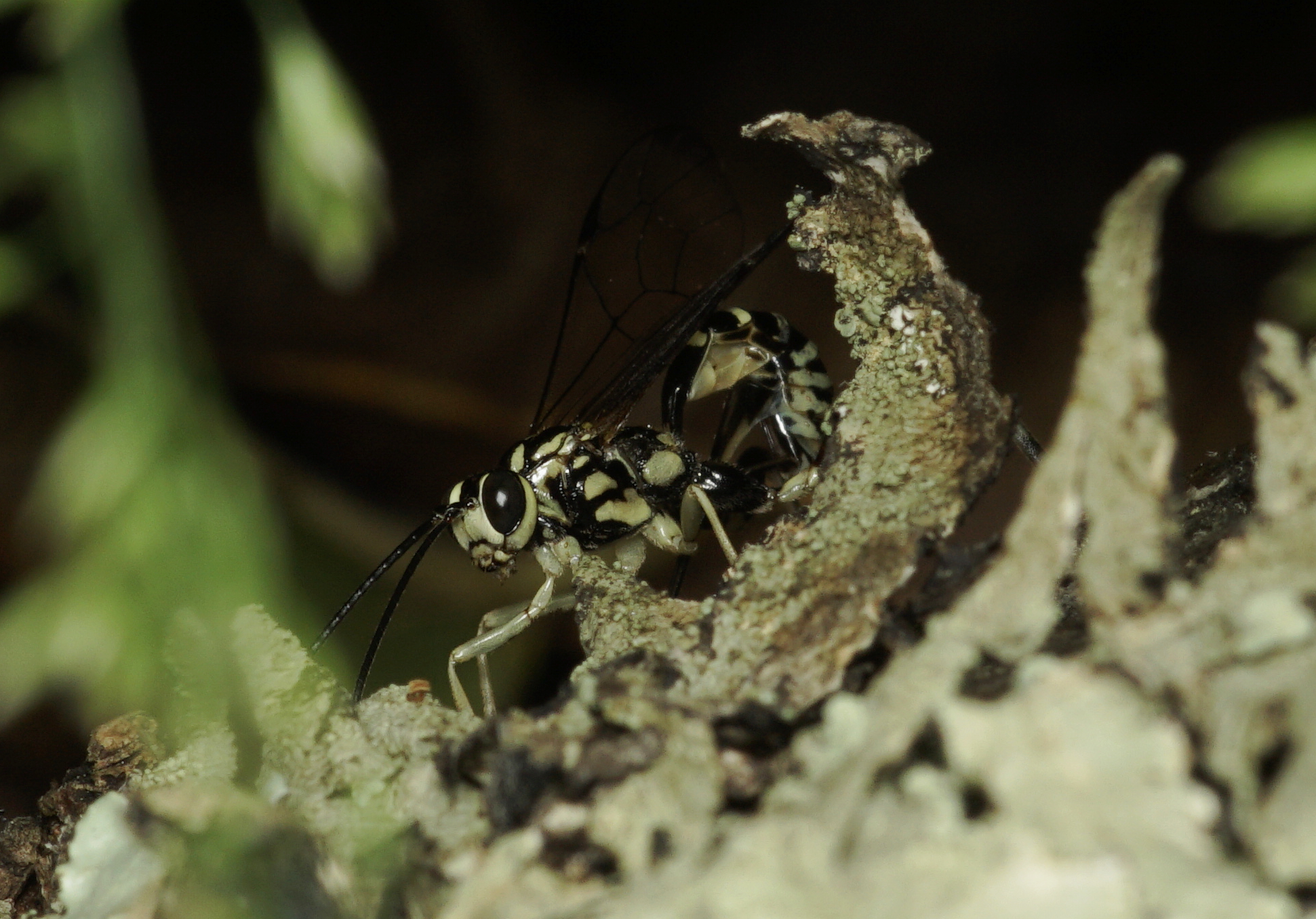
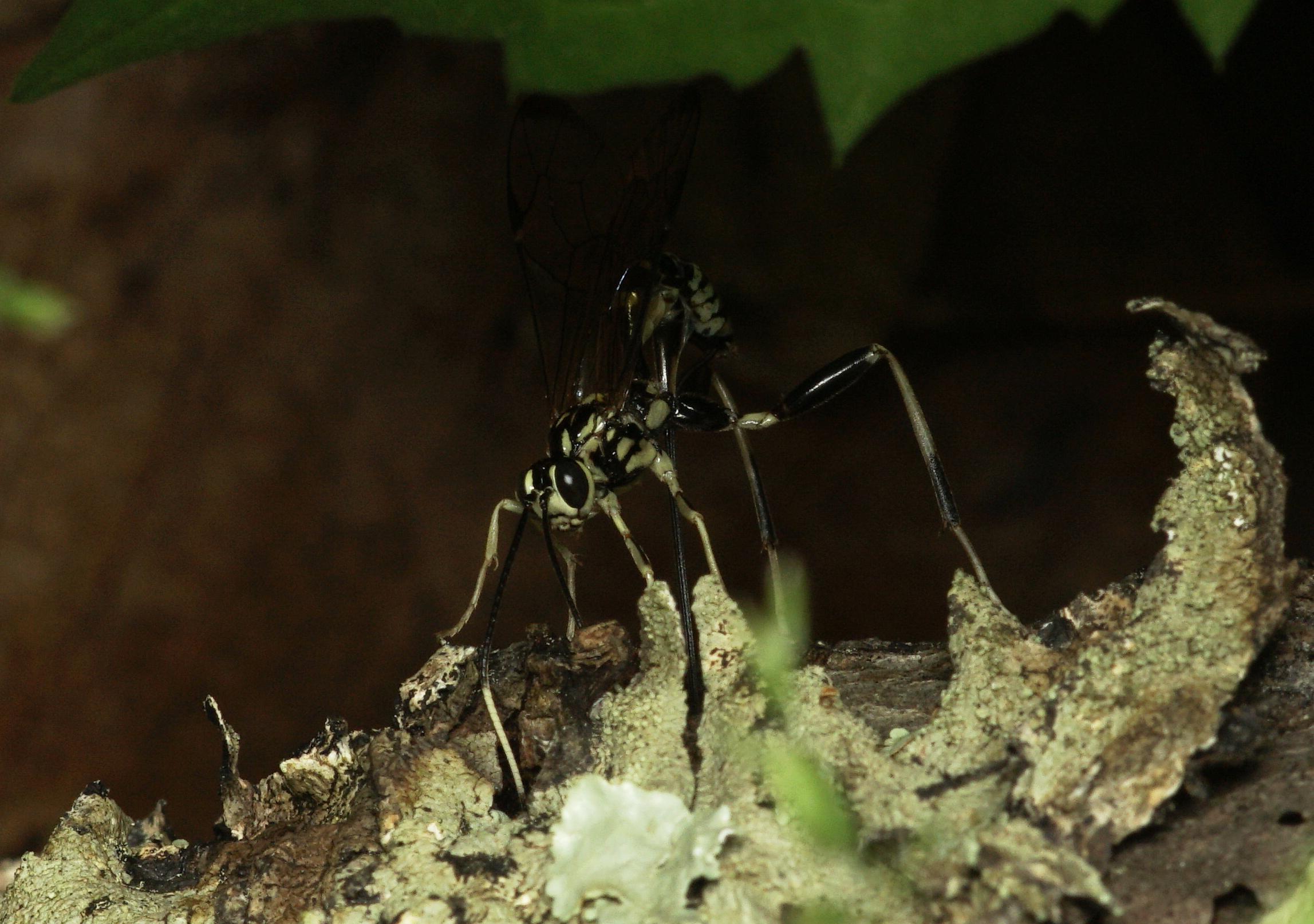
Wing venation:
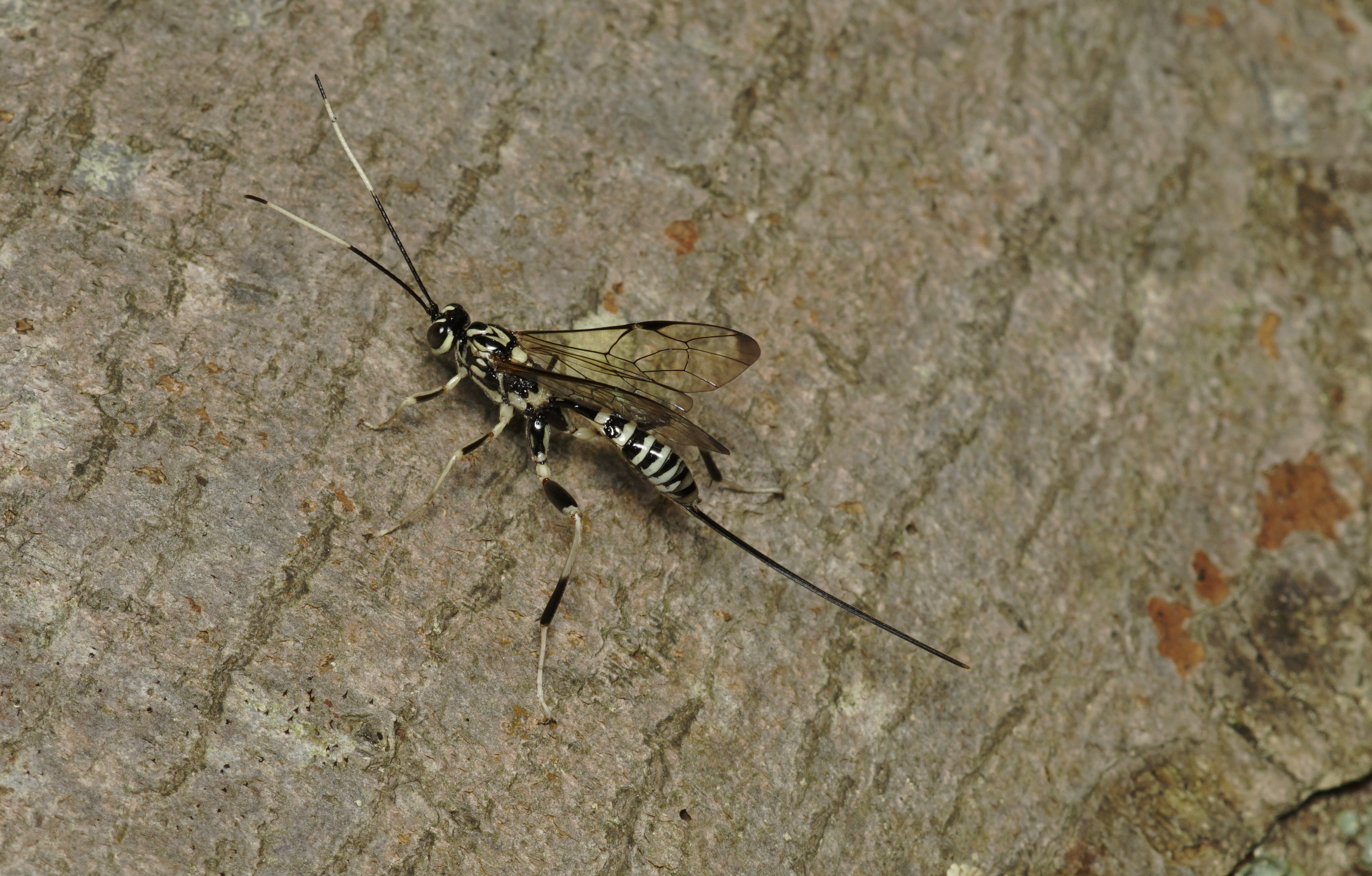
Pimplinae?

Spiders
Spider seen but not photographed: dark morph of Maevia inclemens.
I think Theridiidae, not sure which:
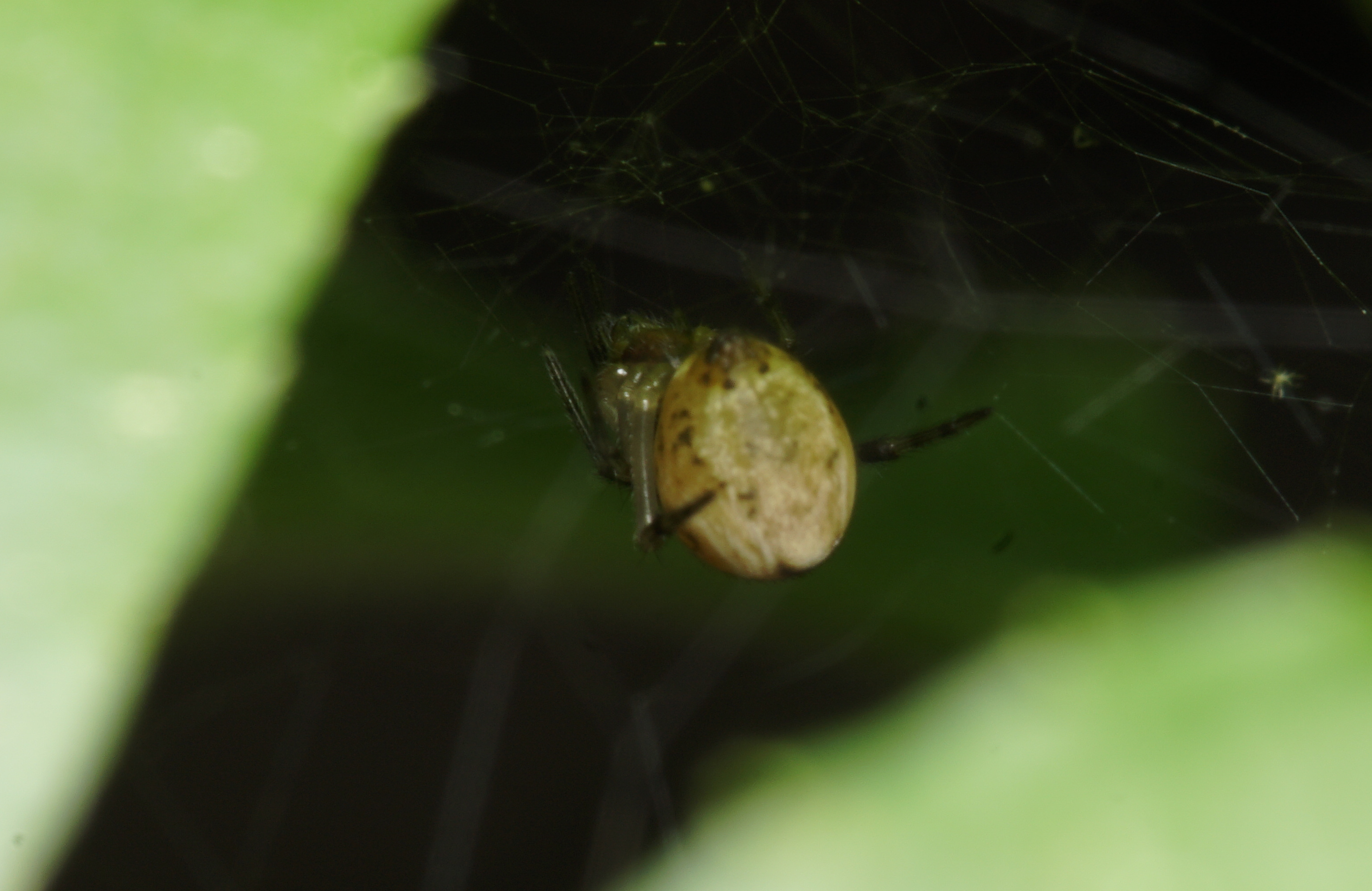
Theridion cf frondeum, perhaps, as T. albidum is rarer, but could be that too. Male.
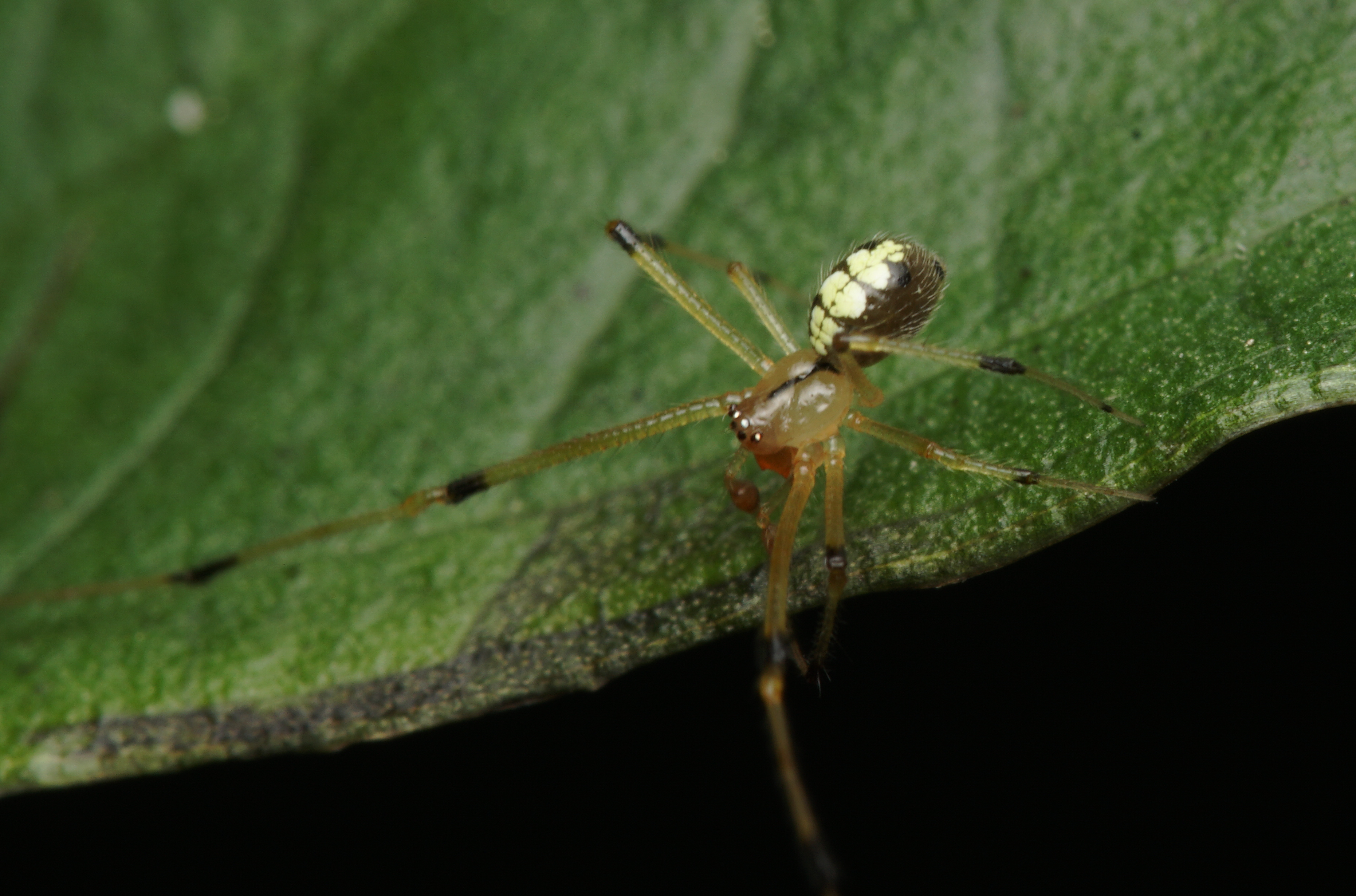

Philodromidae, Philodromus marxi

Uloborus glomosus. Whenever you display one of these, it is mandatory to mention that Uloboridae is the only spider family lacking in venom.

So gorgeous!
Theridiidae –> Euryopis, perhaps E. funebris? Looks okay-ish, but the opisthosoma is supposed to be teardrop shaped. Maybe gravid?
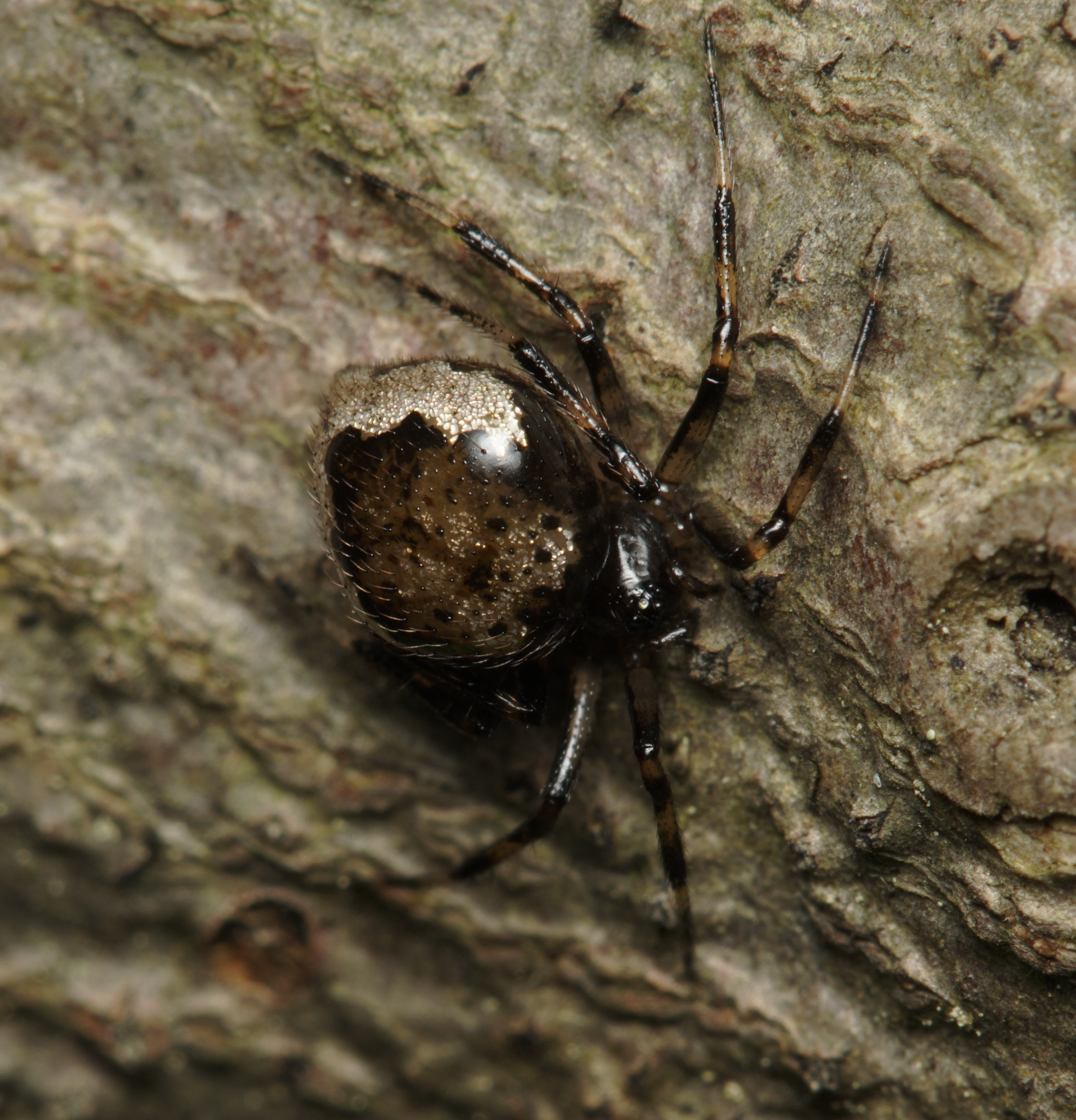
Castianeira:
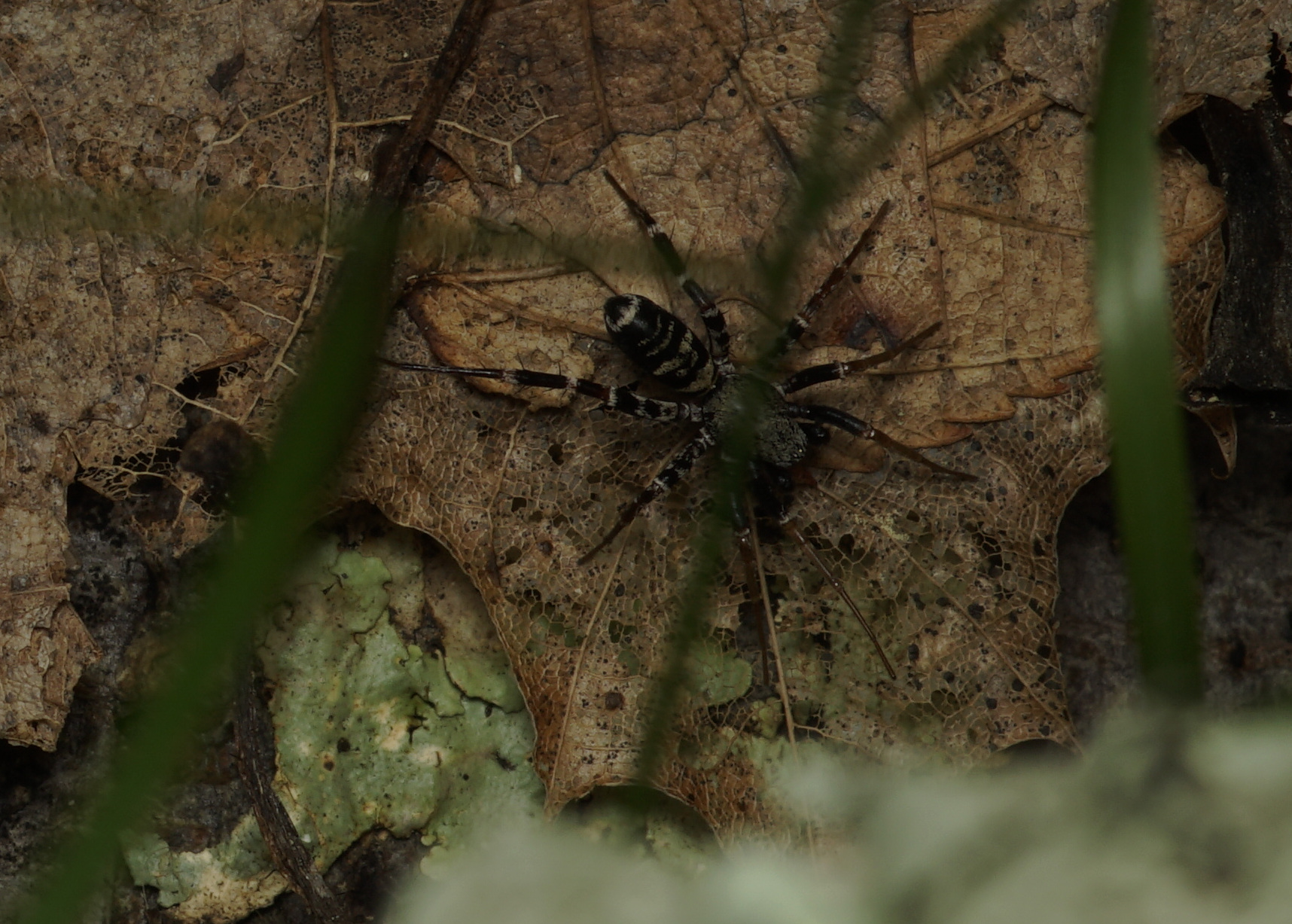
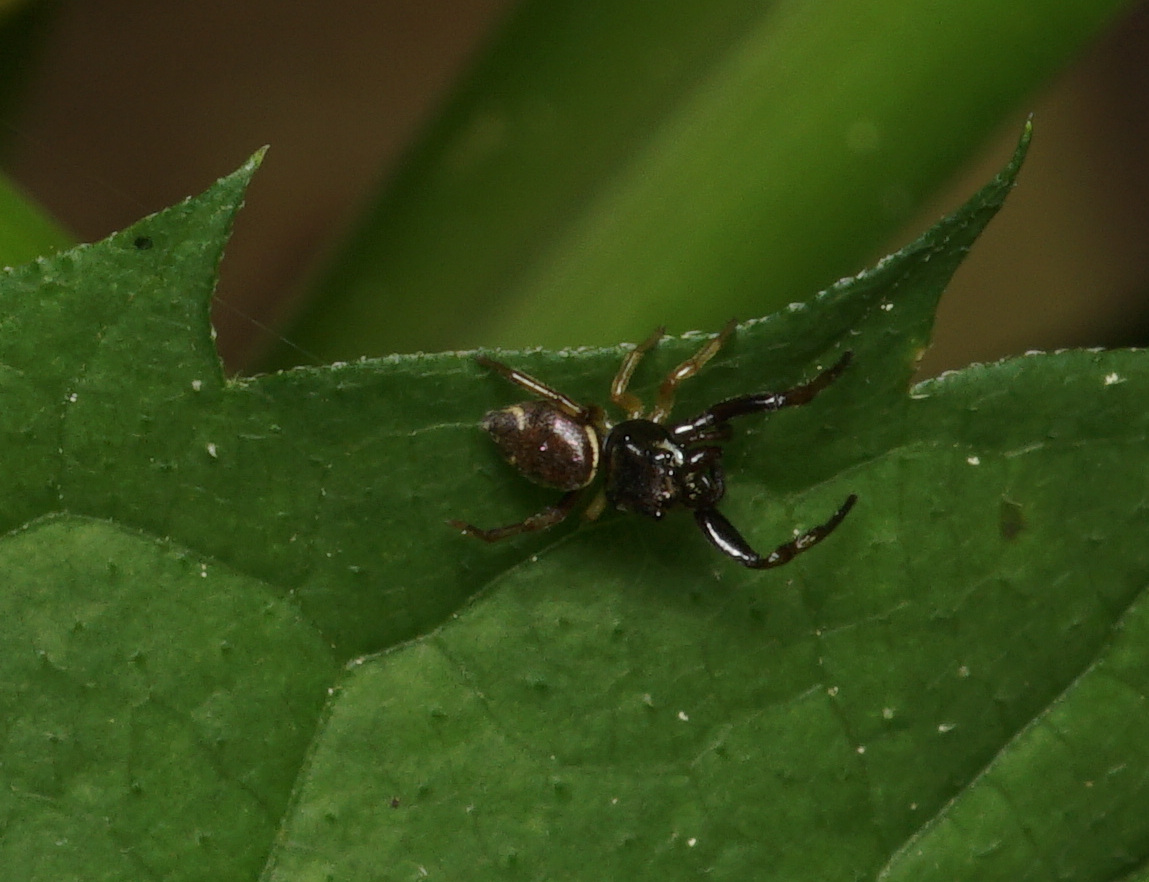
Zygoballus rufipes, hammer-jawed jumping spider?
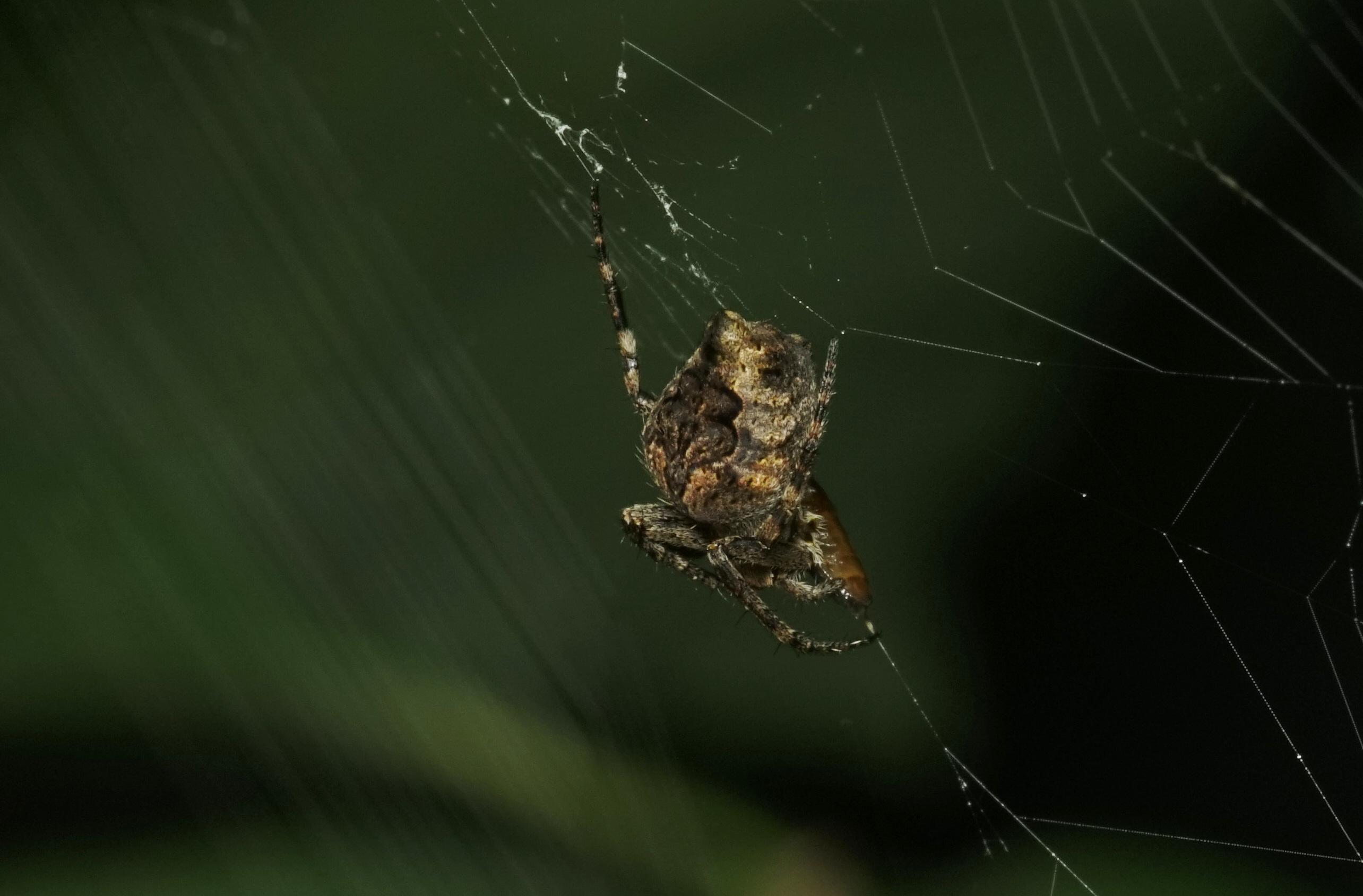
Eustala
Theridiosoma gemmosum, Theridiosomidae egg sac

Not a spider, some sort of mite. Just possibly Anystis, in Anystidae?
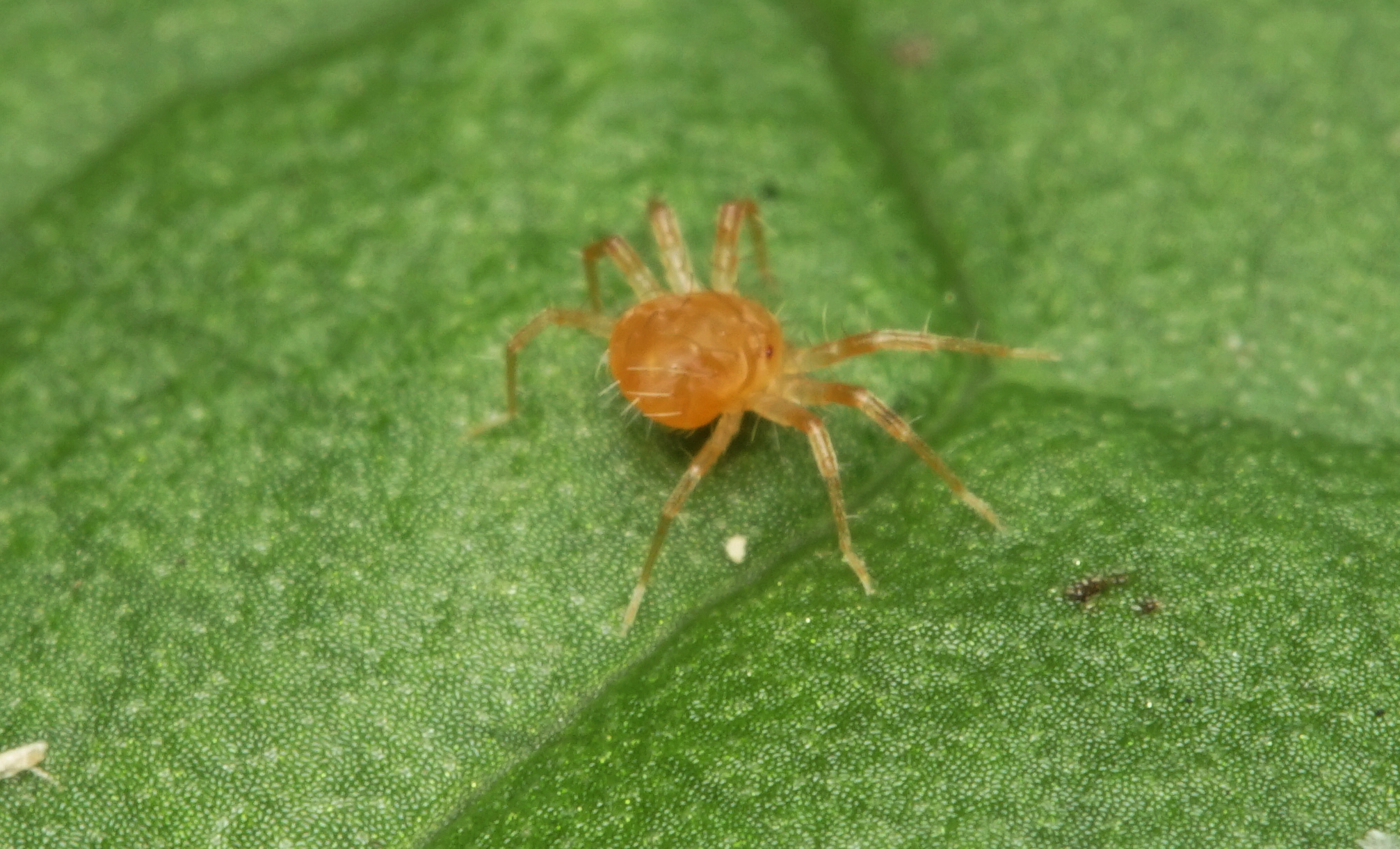
Not a spider, a woodlouse:


No bugs

Probably crown-tipped coral, Artomyces pyxidatus, suggested to me.

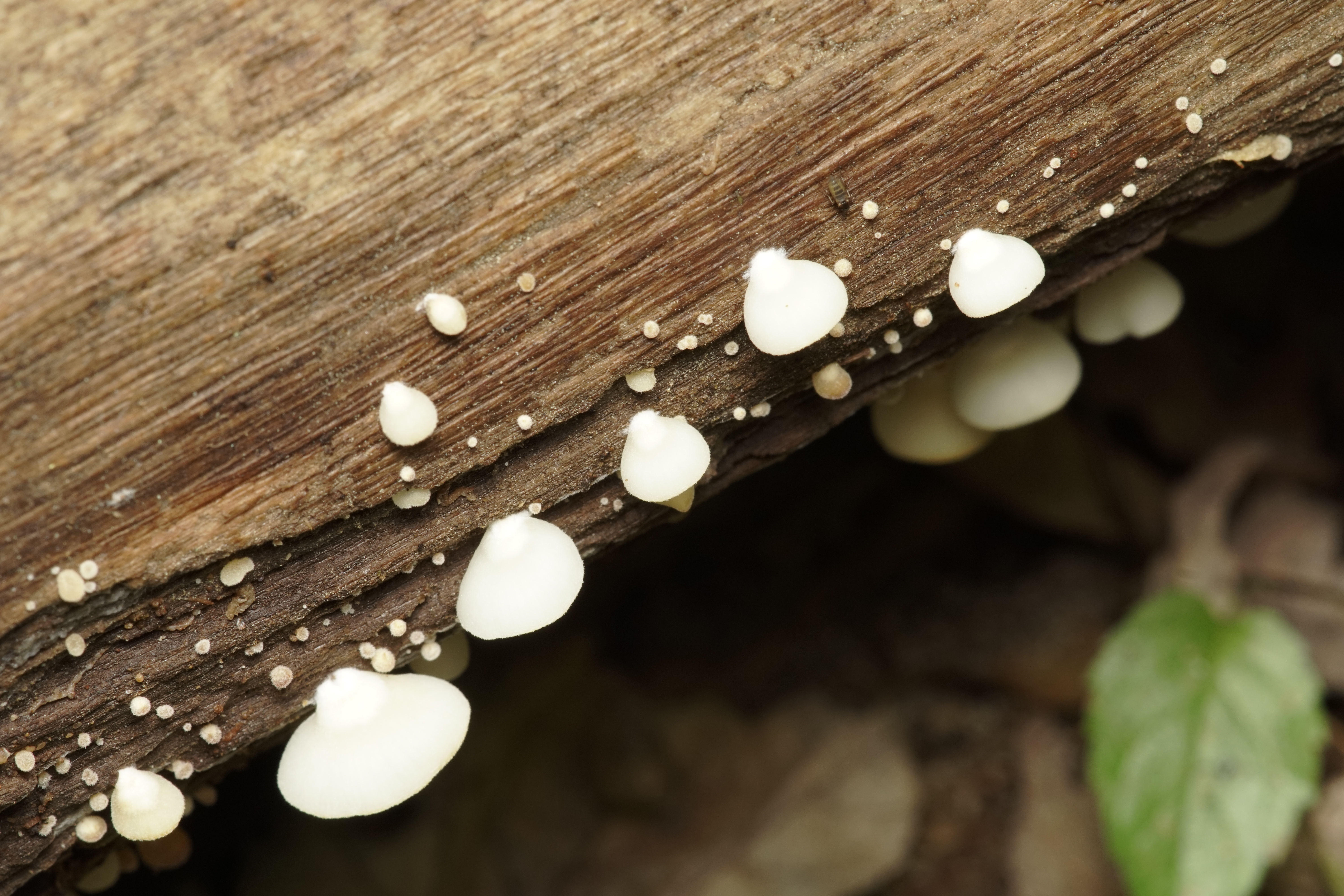
 a little wild
Hi Gaurav,
Seek identifies this as crown-tipped coral fungus. If you would like me to post it on the Sharon Friends of Conservation web site, please send me the date, time and place.
Regards, Paul L.
>