Second trip to Urbana State Park in a few days. You can finda list of observations here: https://www.inaturalist.org/calendar/gaurav1729/2025/8/4
Diptera
Condylostylus –> complex Condylostylus caudatus
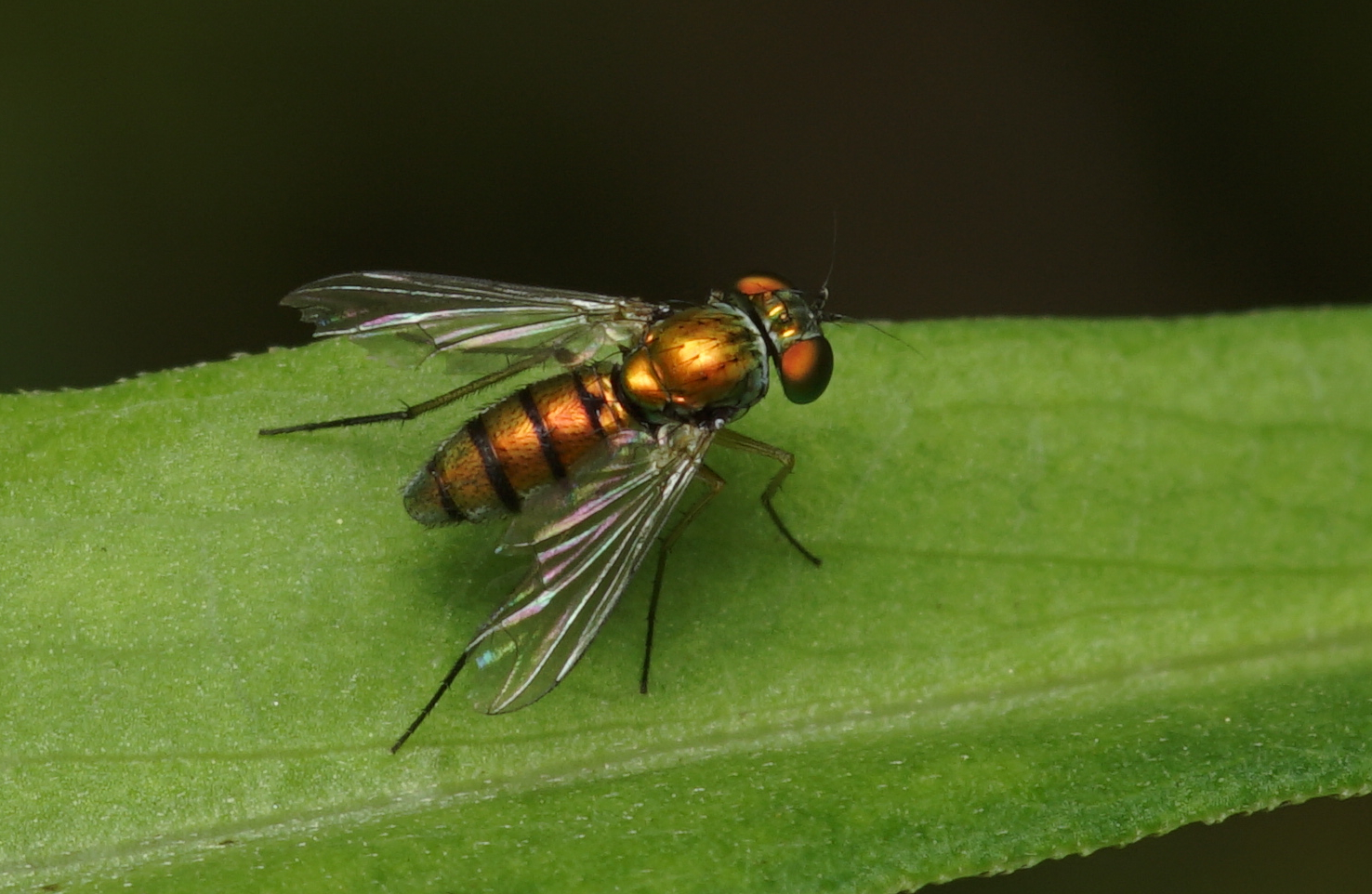

Rhagio, snipe fly. From iNaturalist:
“This is R. tringarius, a European species very common in the northeast, but also now on the West Coast. This species has a yellowish-brown frons (seen in females only) and humerus; diamonds on the first few abdominal segments; yellowish stigmata in the wings; and yellowish fore tibiae. Females are often more lightly marked, and more golden, than males.
If you don’t already know of it, there’s also a table of information on Rhagio in the Fly Guides under the Orthorrhapha column in the ‘Species Guides’ section. The Fly Guides are great for a lot of detailed info, and they’re meant for identifying from photos.
https://sites.google.com/view/flyguide/species-guides“

Bombylidae

Syrphidae –> Erastalinae –> Sphegina (Pufftails)
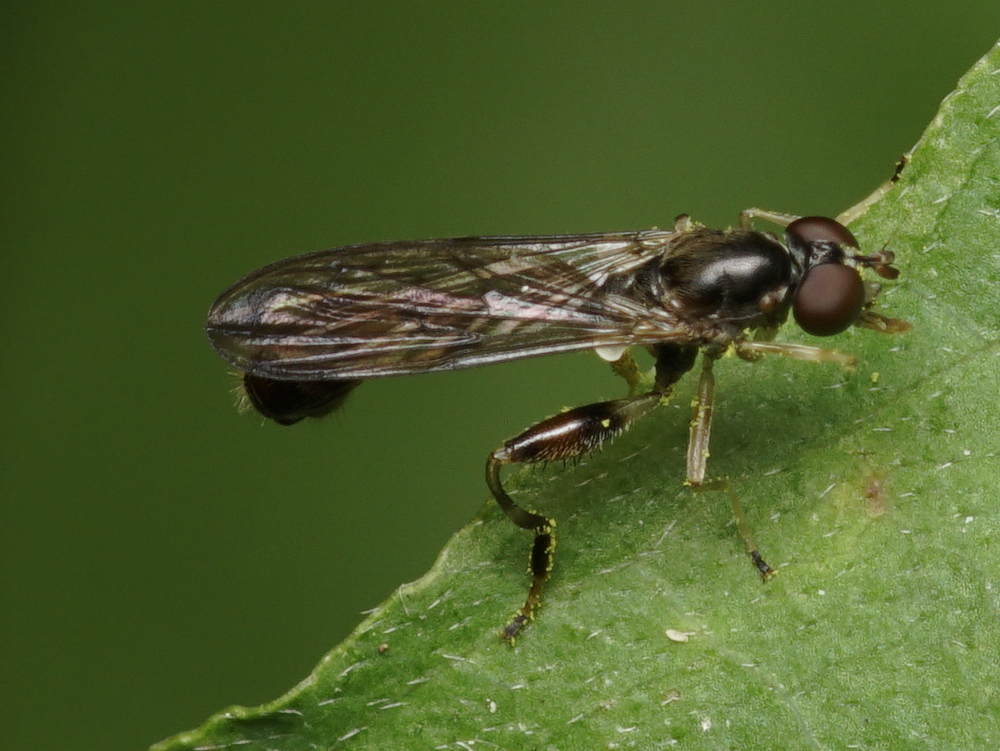
Dolichopus

Hemiptera
Something in Membracidae –> Membracini. EDIT: BugGuide further refines it to Membracini » Enchenopa » Wide-footed Treehopper (Enchenopa latipes)
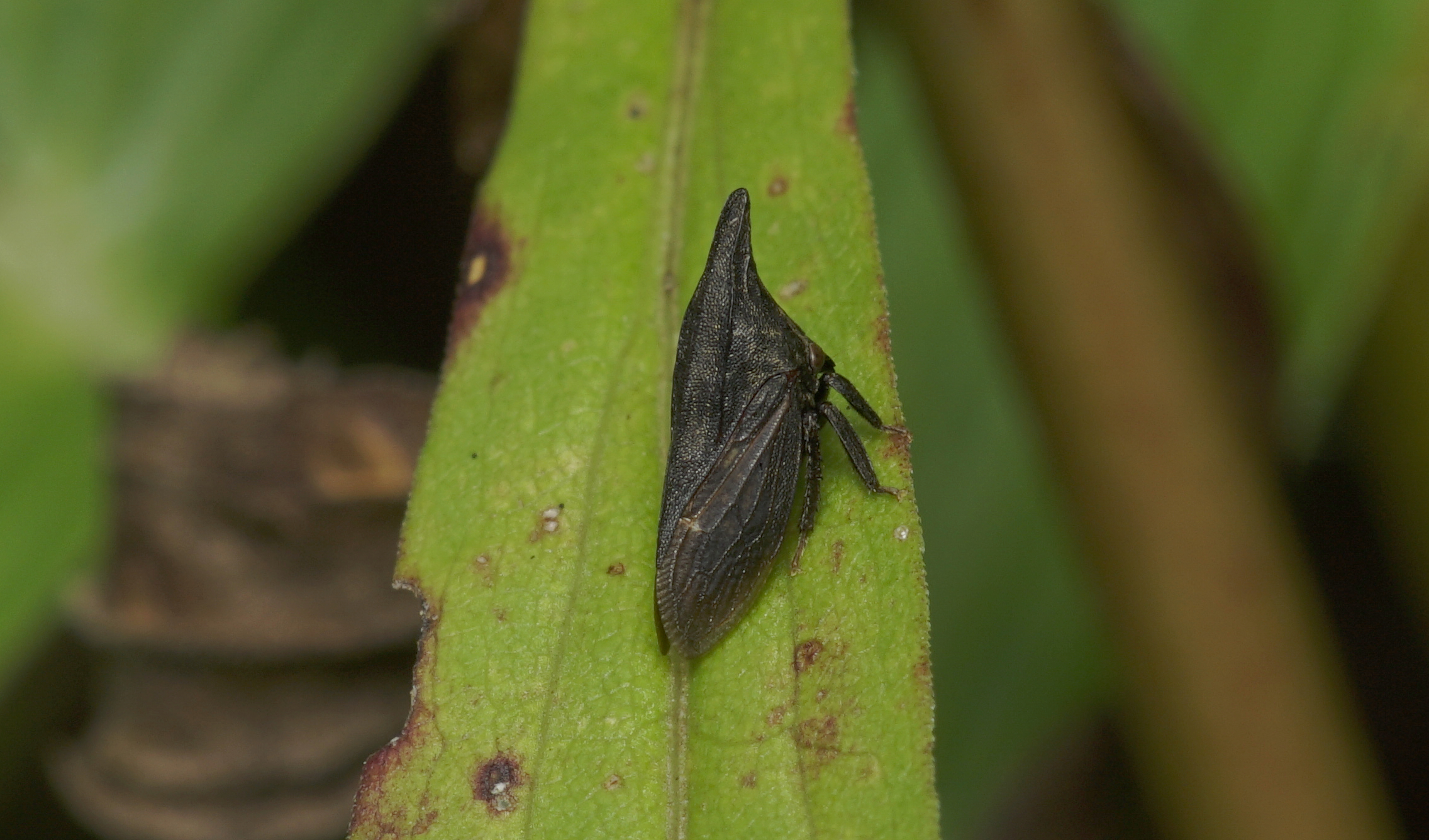
Aphrophora spittlebugs
“Aphrophora salicina (Goeze, 1778) Willow Spittlebug
Similar in form to Aphrophora alni (Fallén, 1805), but the forewings are more uniformly colored. Introduced from the Palearctic, mostly restricted to New England; recently reported from Quebec. It is a specialist on willows.”

And another

Clastoptera proteus, dogwood spittlebug
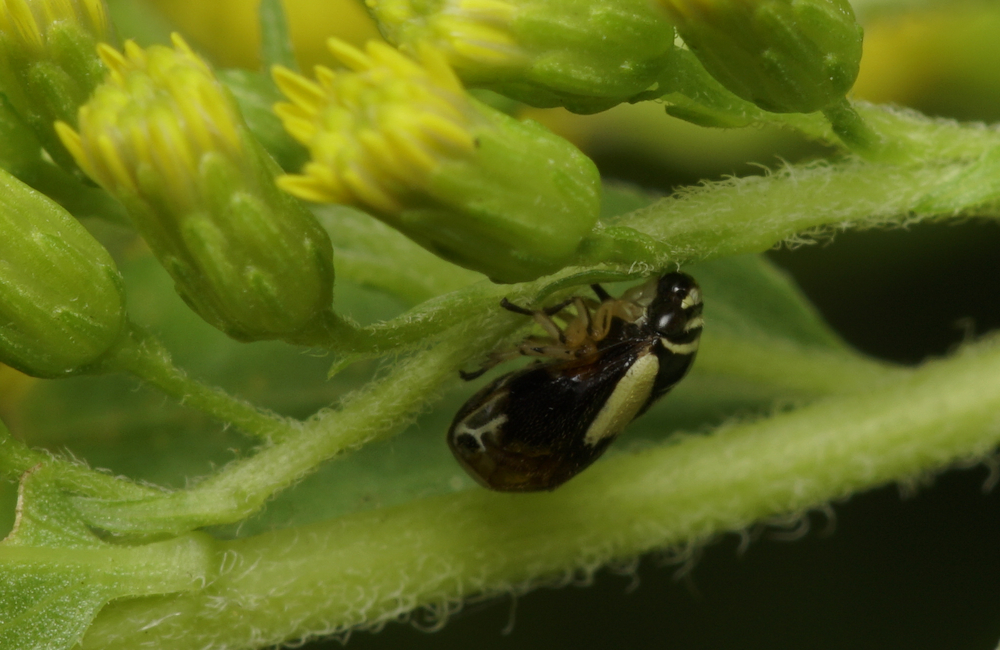
Flatid planthopper. Flatormenis proxima:
True Bugs, Cicadas, Hoppers, Aphids and Allies (Hemiptera) » True Hoppers (Auchenorrhyncha) » Planthoppers (Fulgoromorpha) » Fulgoroidea » Flatid Planthoppers (Flatidae) » Flatinae » Nephesini » Flatormenis » Northern Flatid Planthopper (Flatormenis proxima)


Stictocephala

Hymenoptera
Augochlora
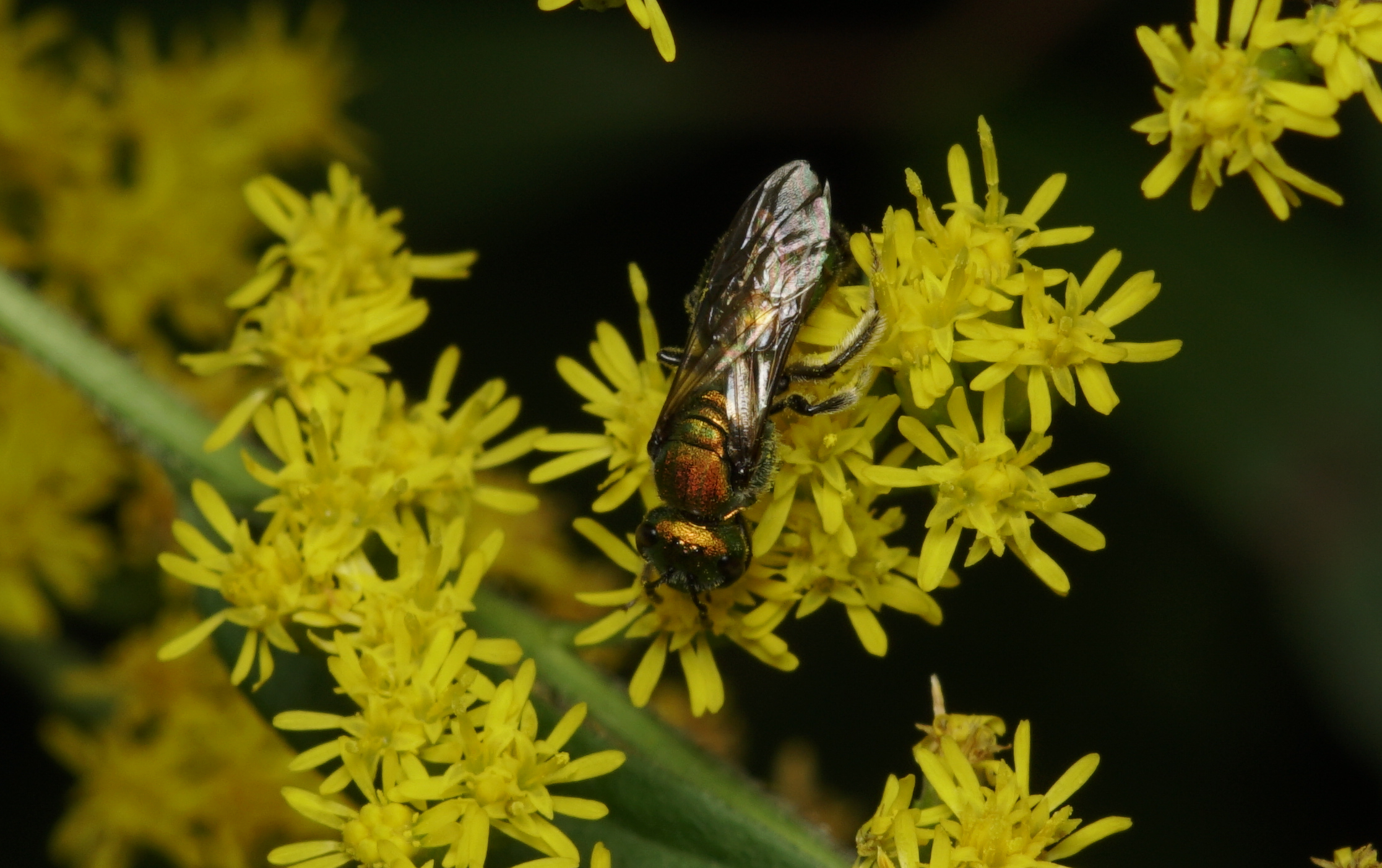

This photo gives a better idea of the color

Pimplinae?

And another

Ichneumonidae

And this is probably Crabronidae, but which one. EDIT: Probably Rhopalum. Can be distinguished from Pemphredoninae based on wing venation.
Aculeata – Ants, Bees and Stinging Wasps » Apoidea sans Anthophila – Apoid Wasps » Square-headed Wasps, Sand Wasps, and Allies (Crabronidae) » Crabroninae » Square-headed Wasps (Crabronini) » Crabronina » Rhopalum
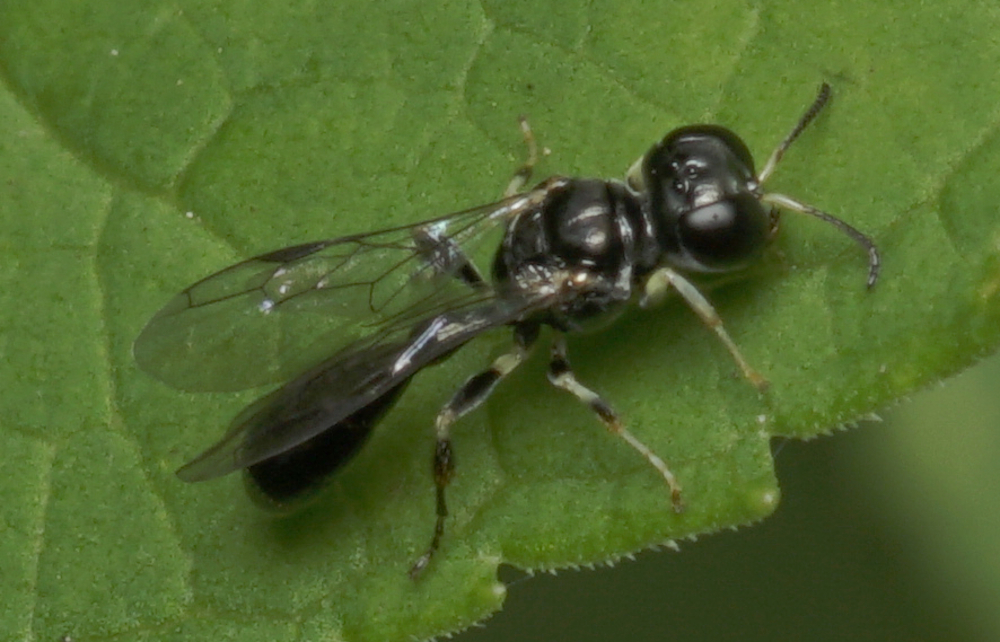

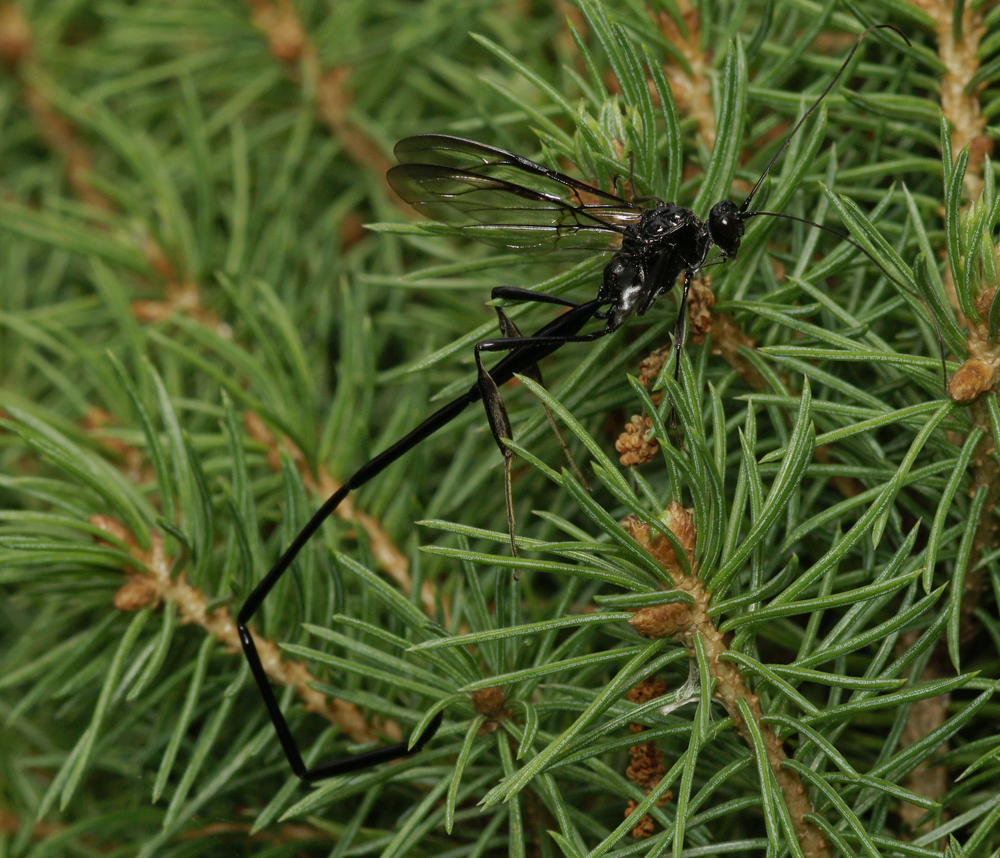
Pelecinus polyturator
Odontocolon in Ichneumonidae? Instead, Dolochomitus irritator was suggested.
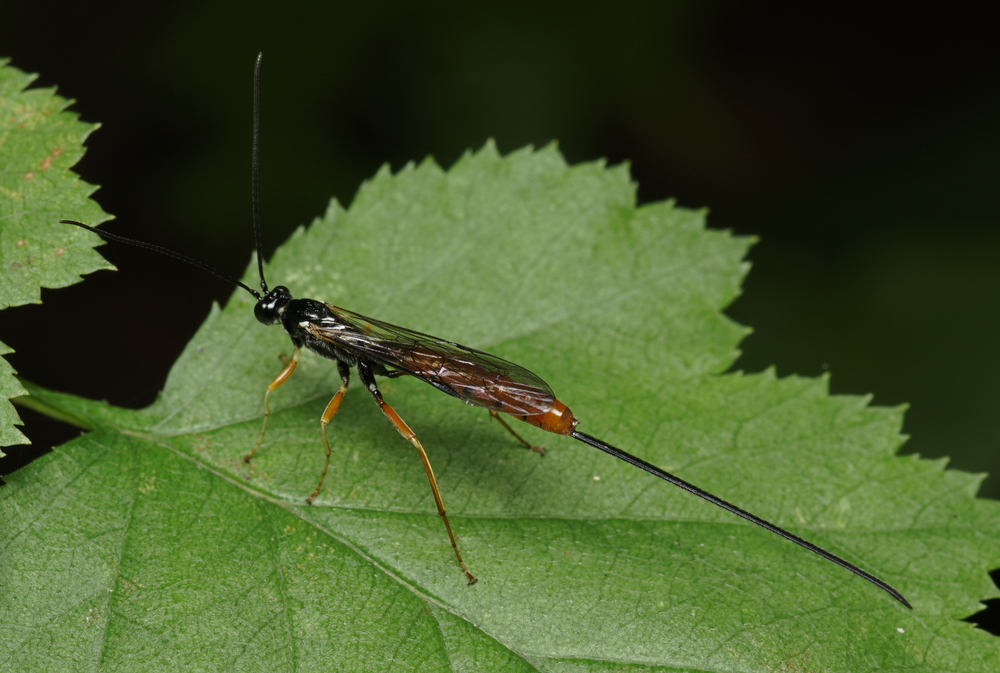
Braconidae –> Doryctinae –> Spathius. This one has a proper ovipositor, as opposed to the one from last time that was deformed.

Lepidoptera

Scopula
Geometrid Moths (Geometridae) » Sterrhinae » Scopulini » Scopula

Coleoptera
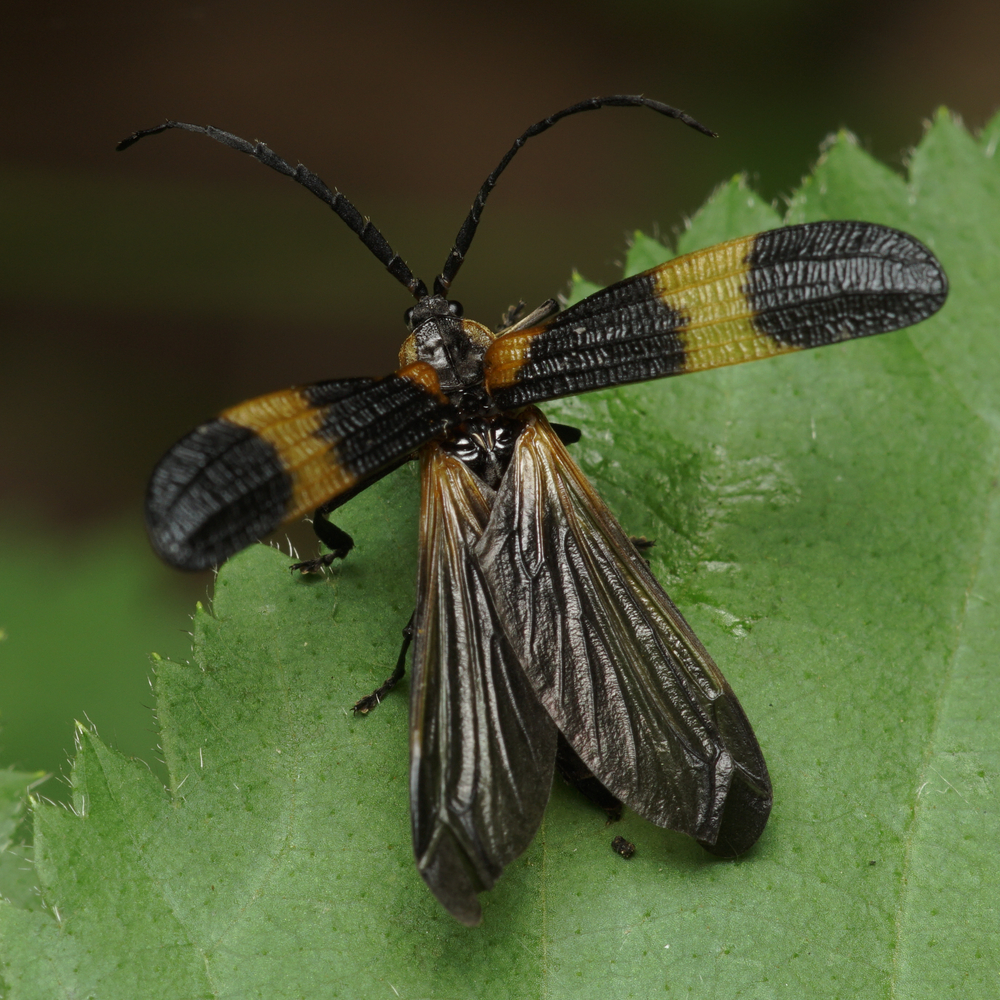
Eropterus in Lycidae
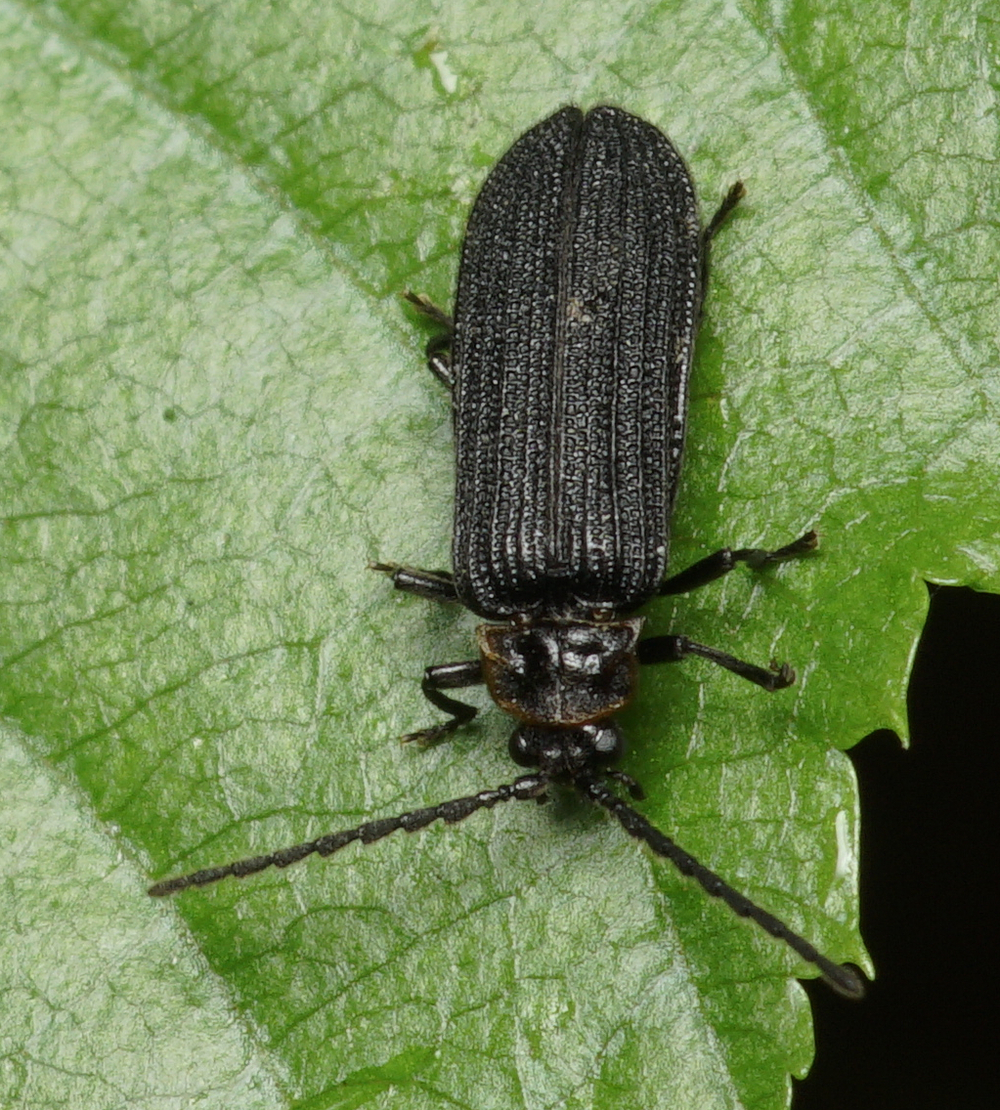
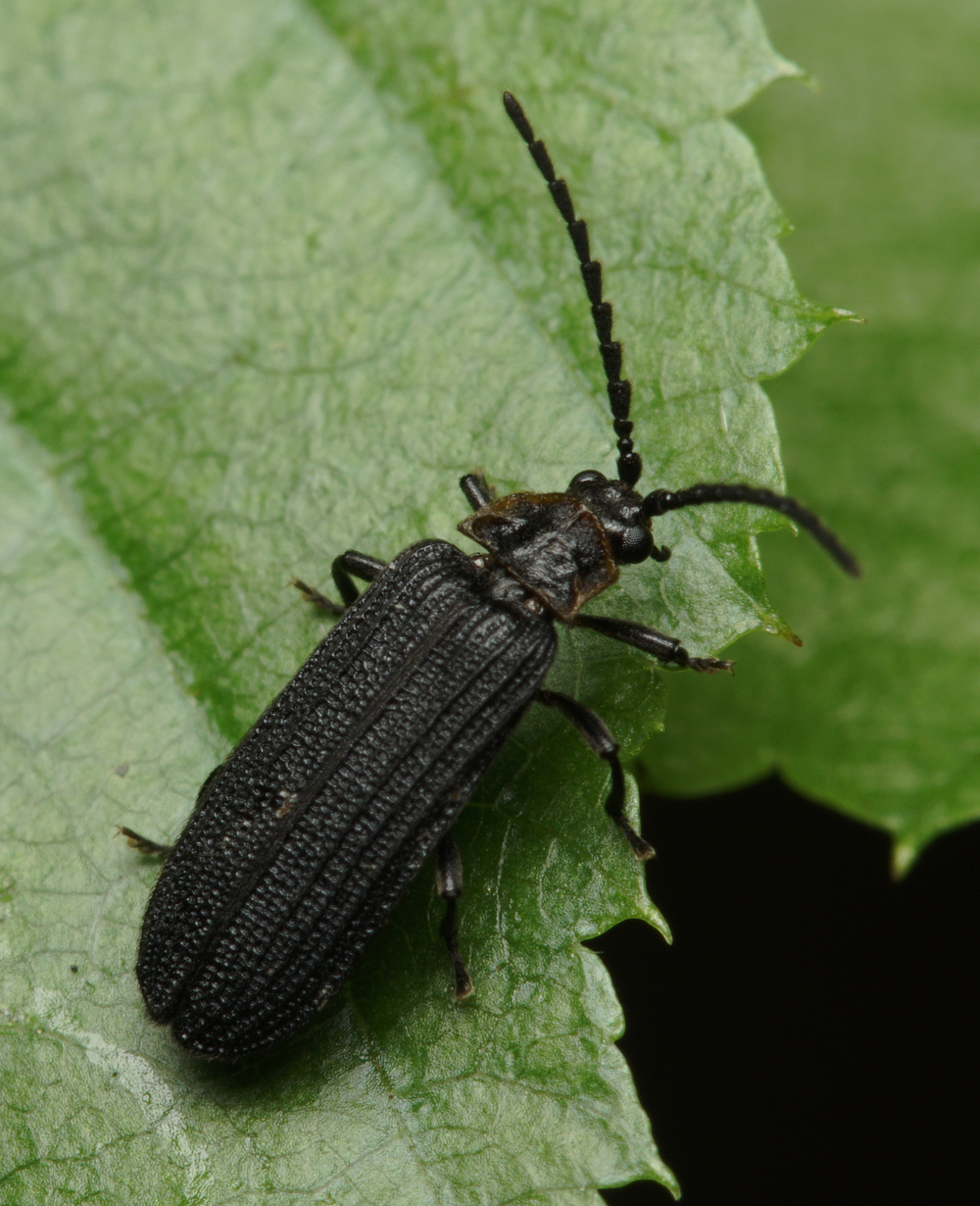
Elateridae. Athous neacanthus (https://bugguide.net/node/view/2481230), which makes it a New York state first sighting (in BugGuide + iNaturalist).

Mecoptera
“Only” two scorpionflies

Finally a female one!

Spiders
Thomisidae

Leiobunum vittatum (I know, not actually a spider)
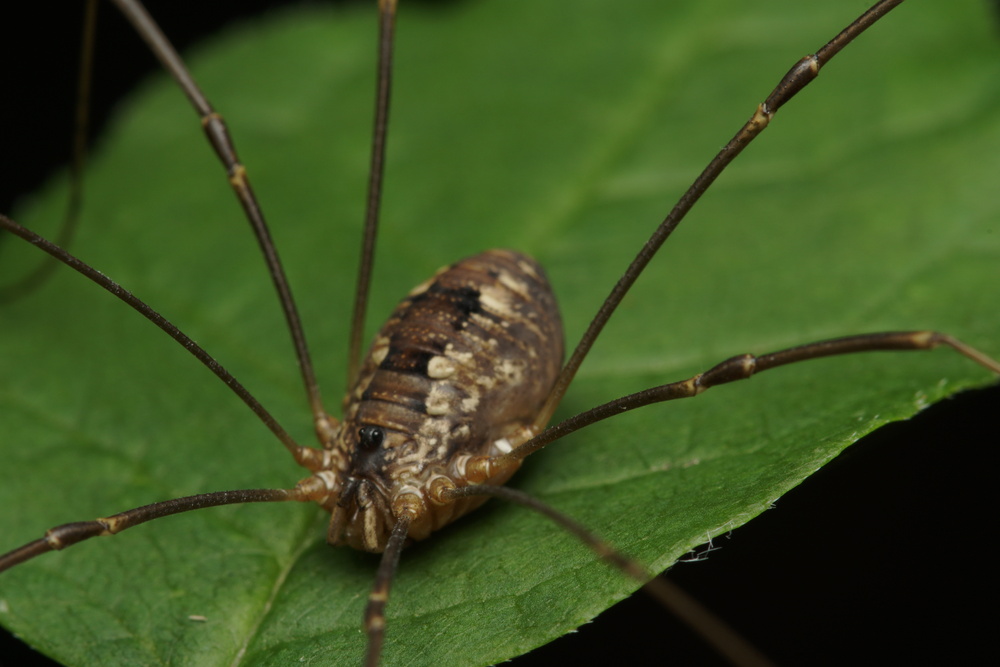
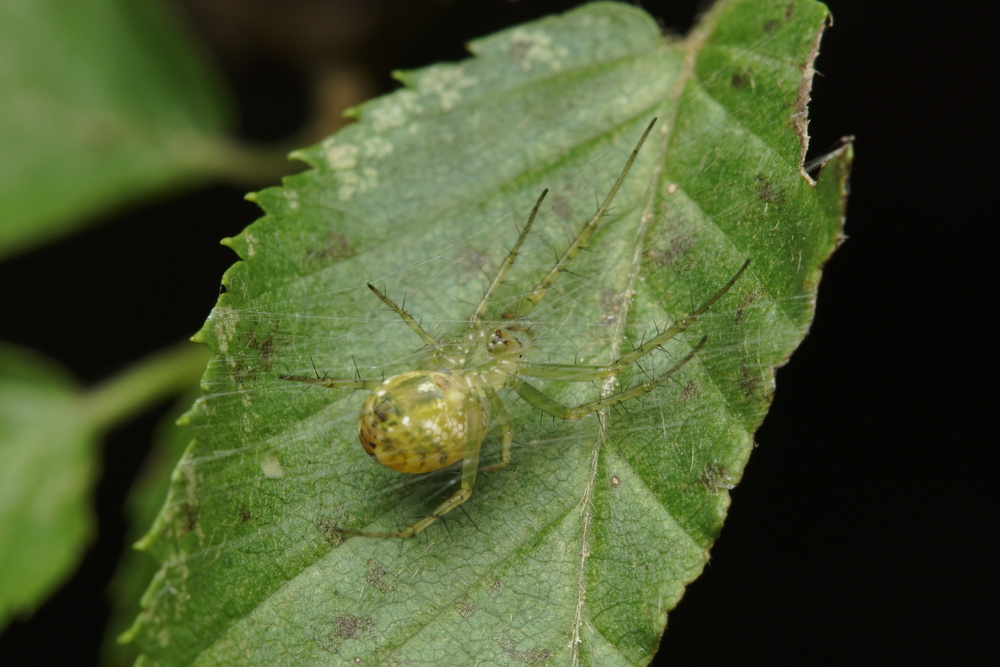
Mangora — is this a normal web, or is it a result of parasitoid infestation?
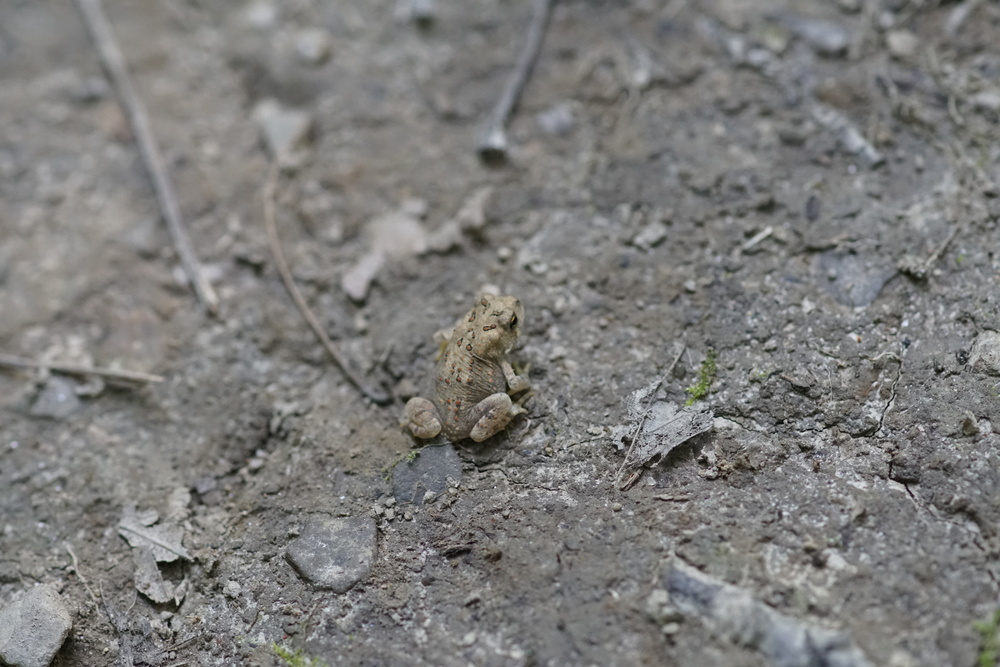
Vertebrate
No bugs
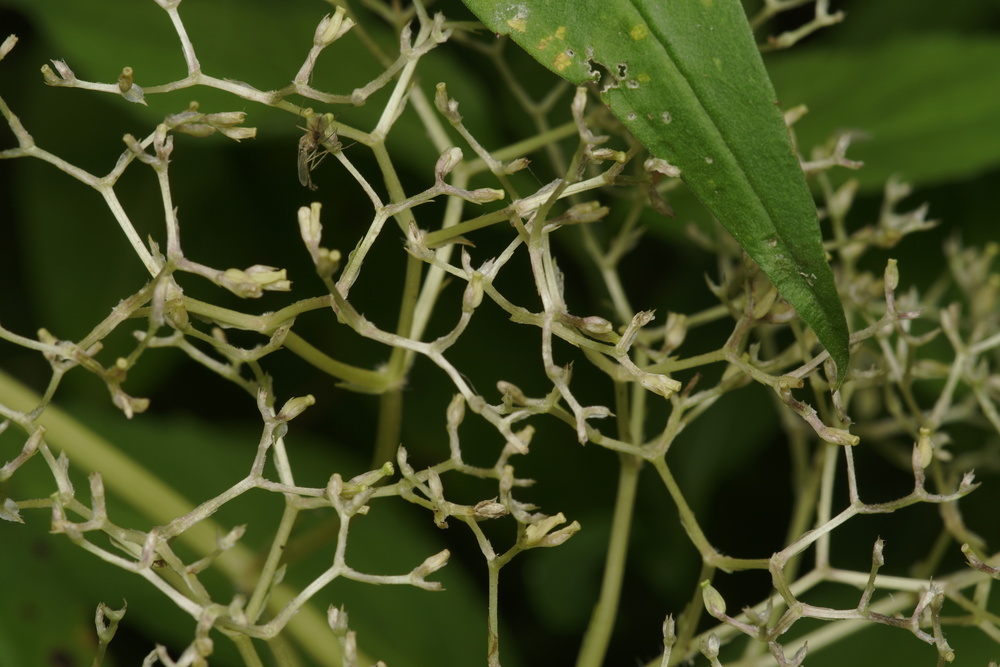


Are the next three galls?
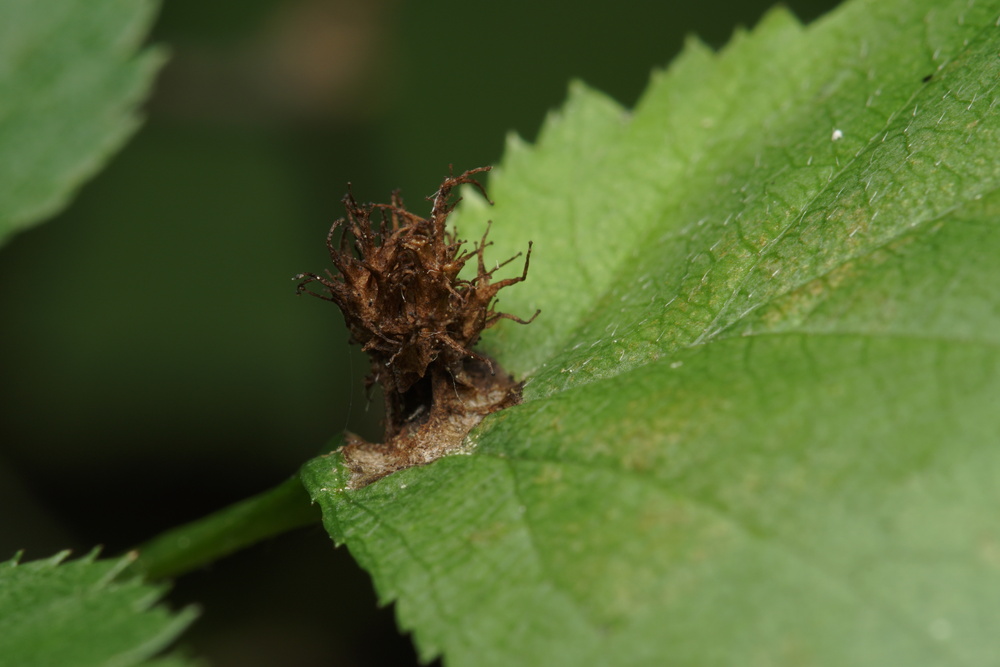
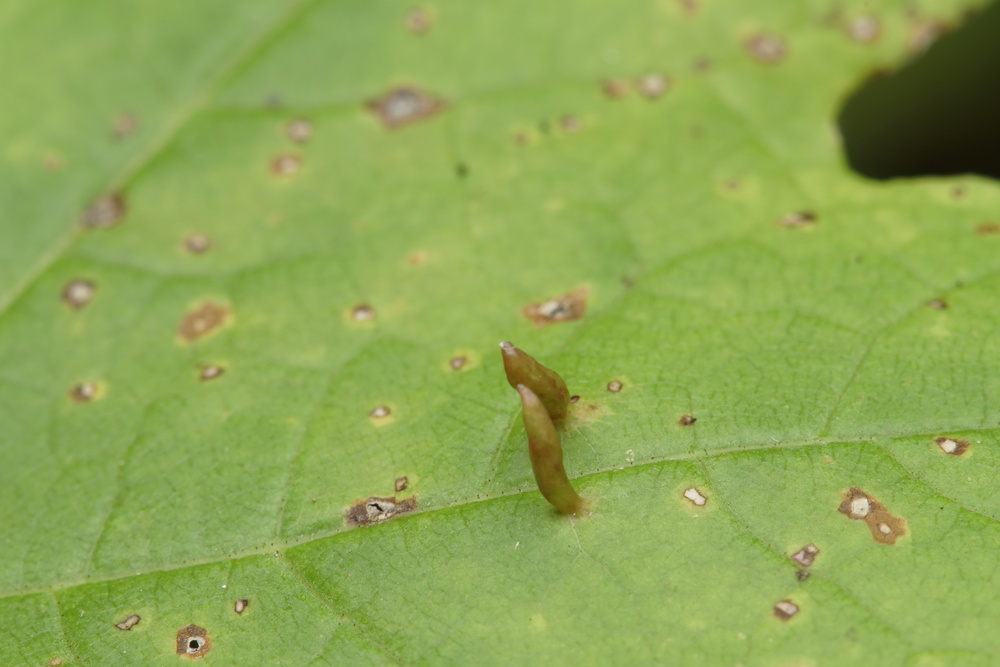
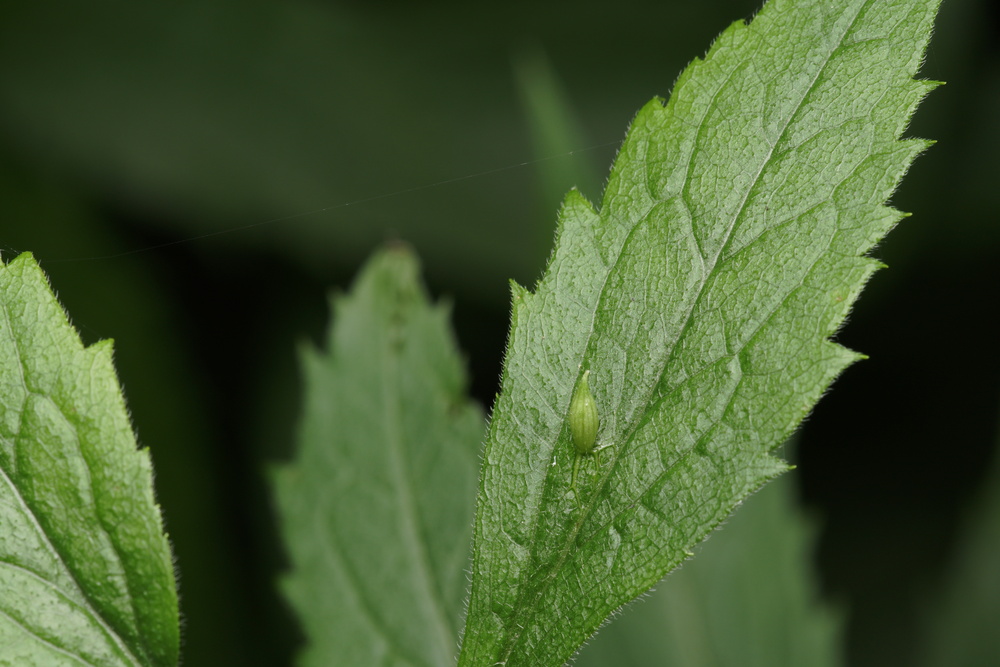

 a little wild
Leave a comment