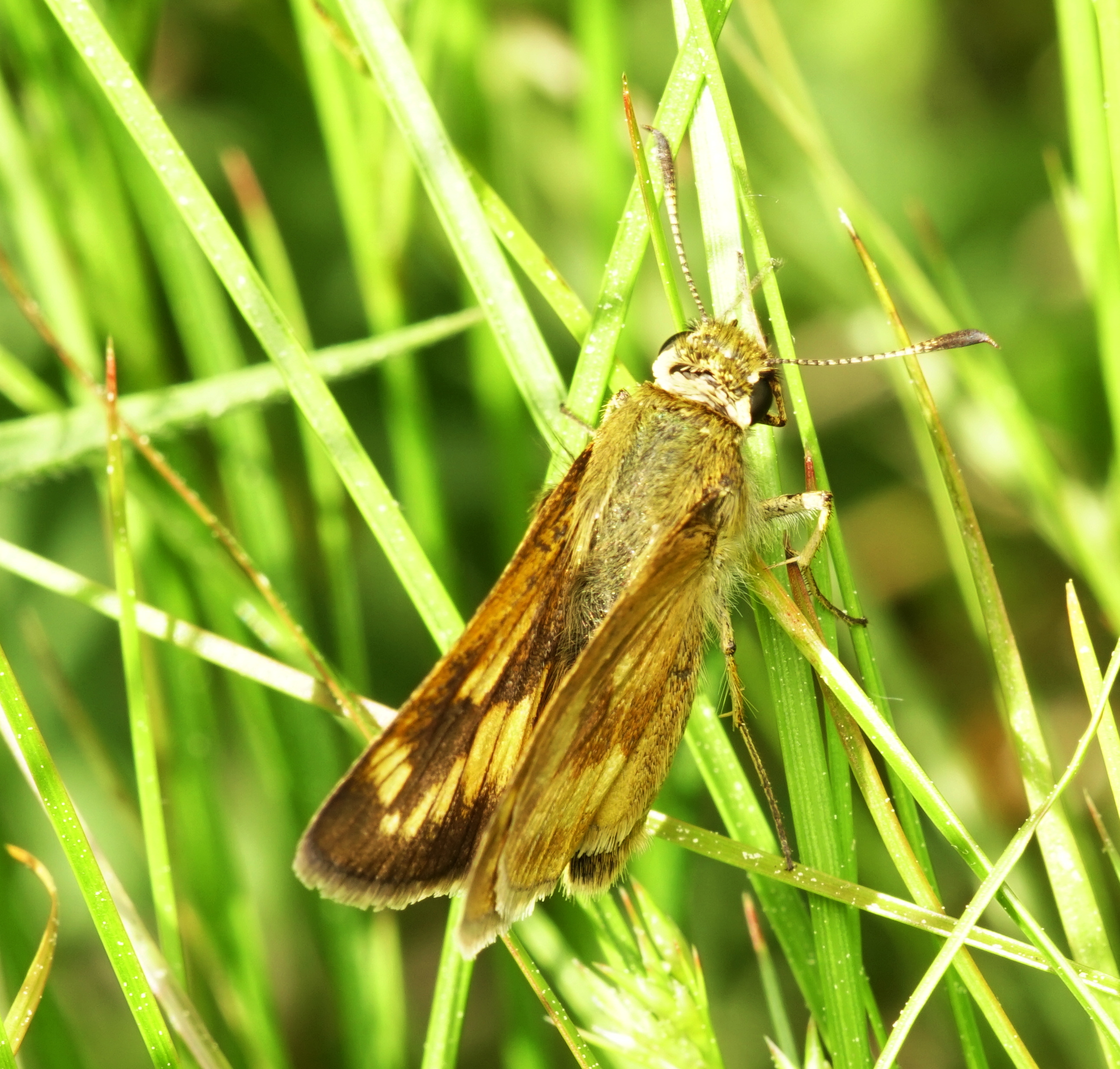
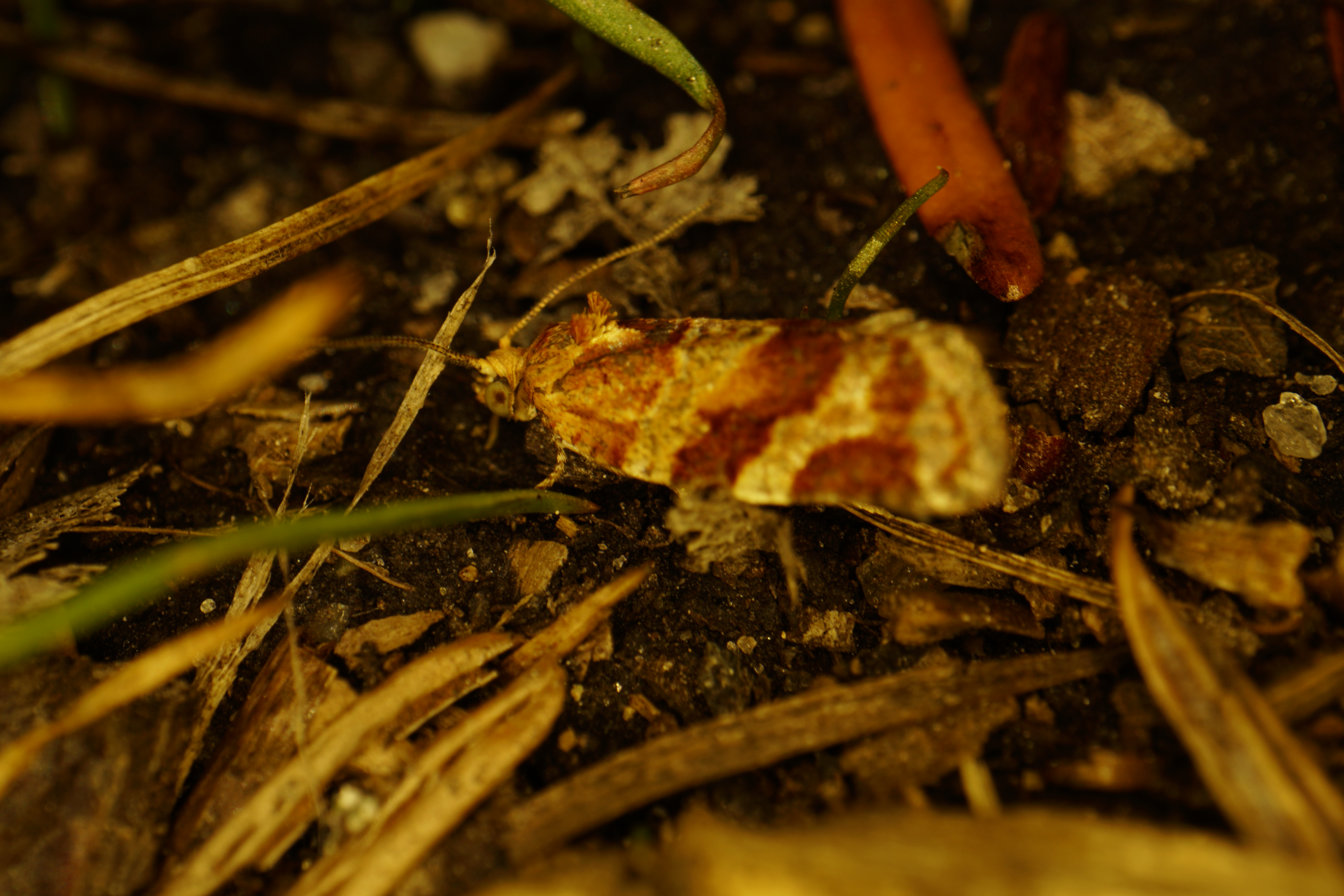
“This is 5451 – Parapediasia teterrellus. The white head is the give-away, with the dark sprinkling on the wing.”
(ORIGINAL COMMENT: Best guess: Mottled Grass-Veneer, Neodactria luteolellus, 5379)
“It doesn’t have the distinct darker triangle over the back which nigranum has and the color is too greenish. Possibly O. olivaceana, but these species are so variable and it would really need dissection to identify it for certain. Also, there are several undescribed species in the genus.”
Odonata
Seen but not photographed: a gorgeous Ebony Jewelwing.
Female calico pennant:
Unfortunately, no idea what this damselfly is, either.
Hymenoptera
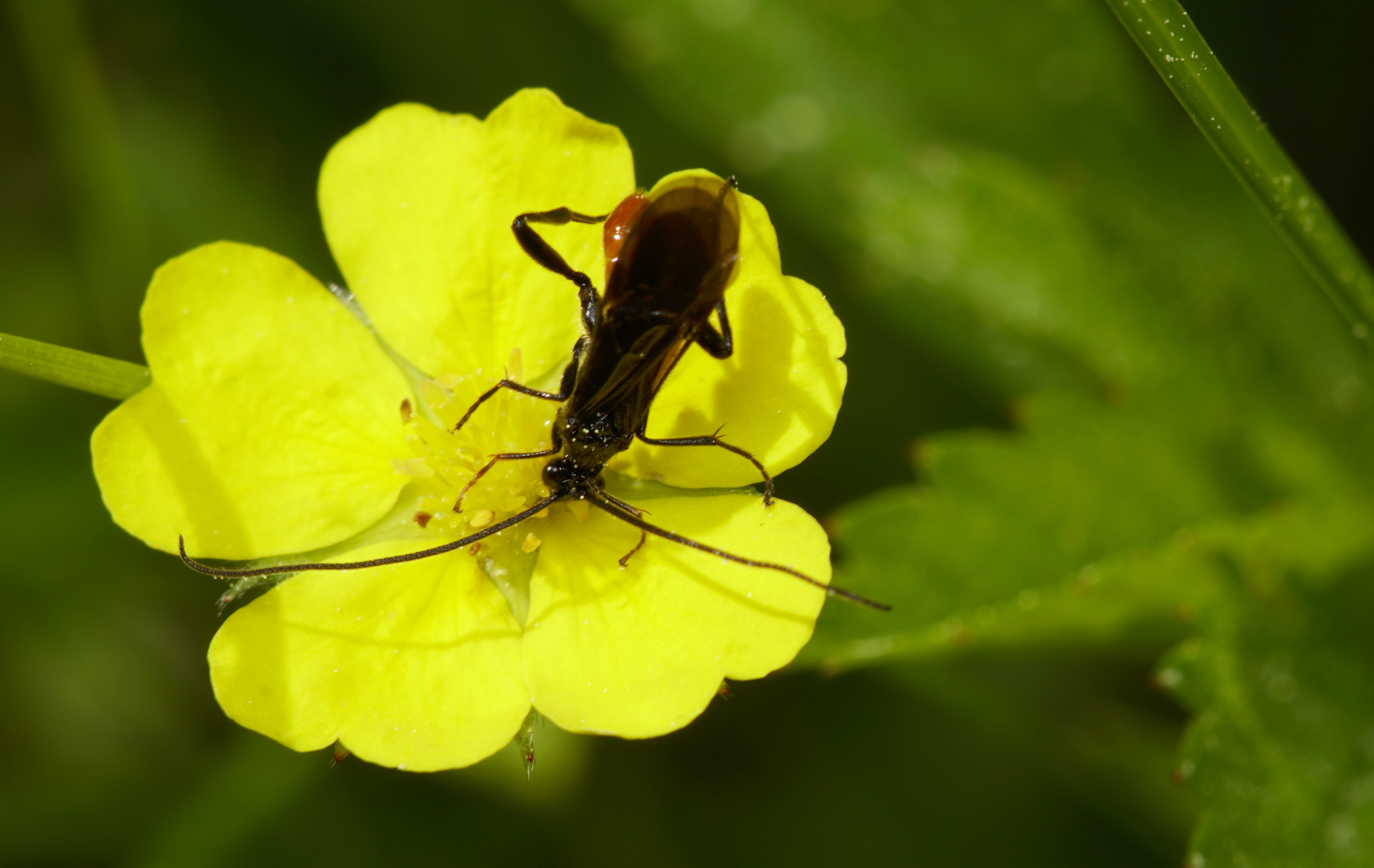
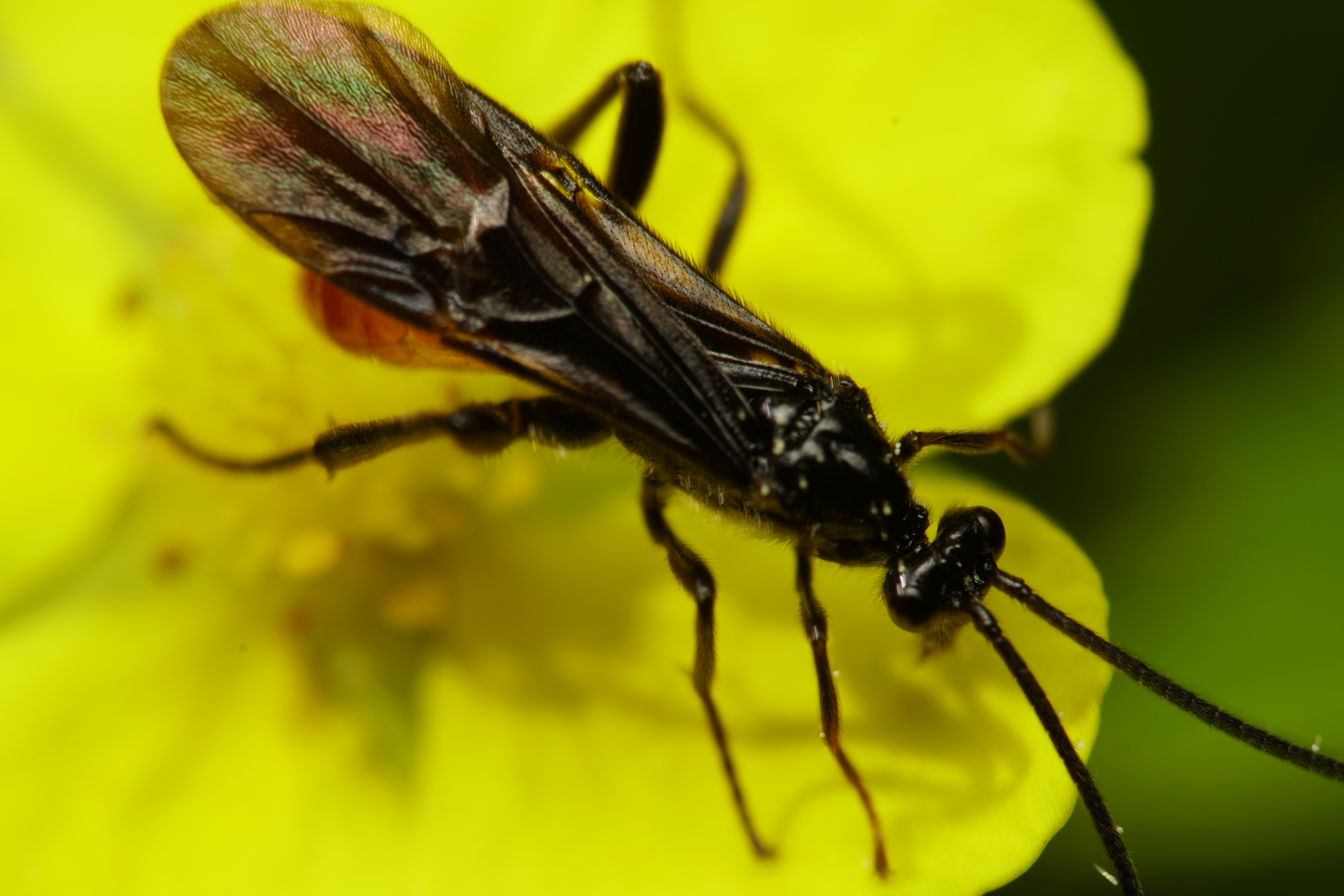
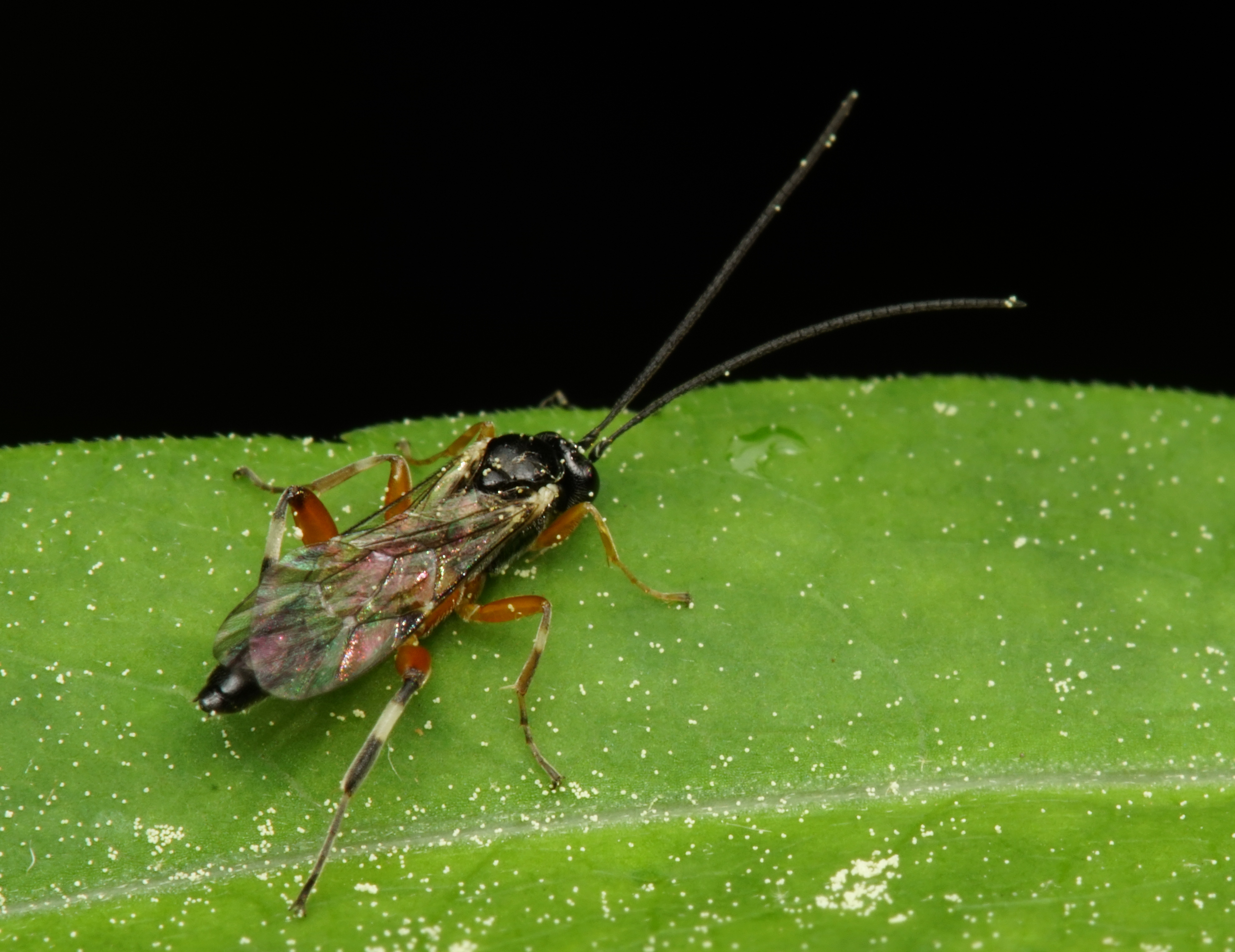
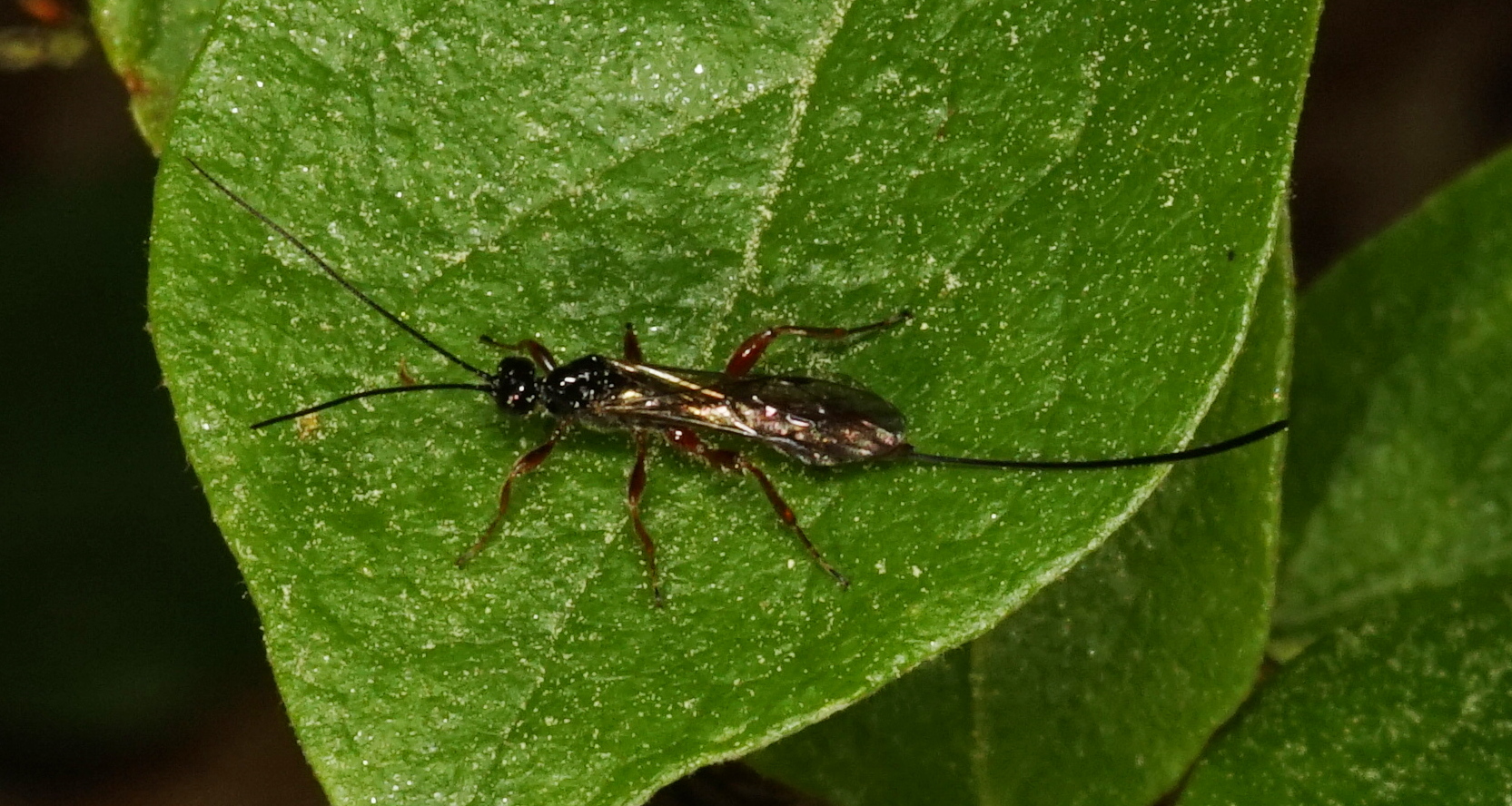
Braconidae –> Agathidinae
Other suggestion: Braconidae –> Doryctinae –> perhaps Doryctes
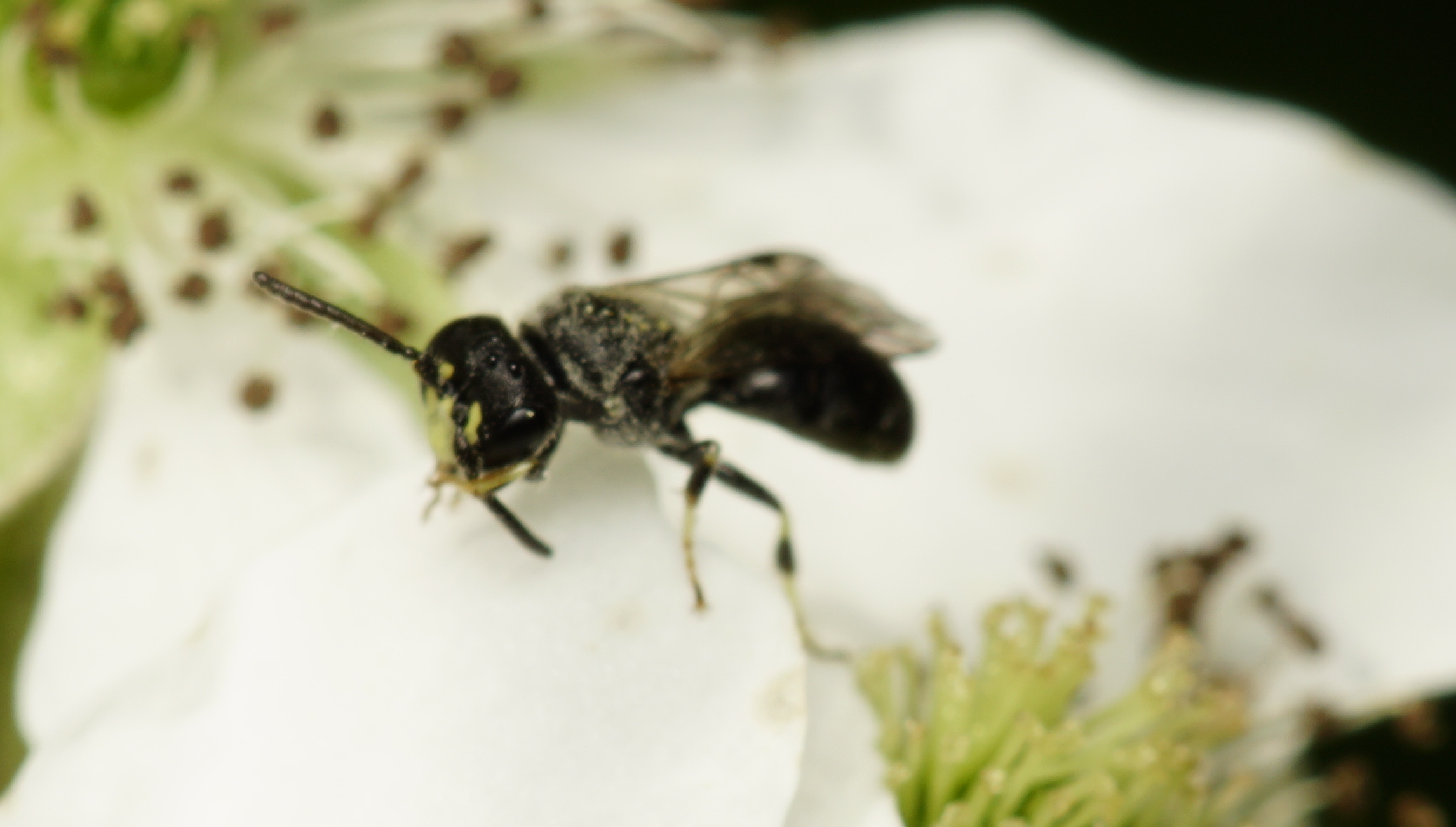
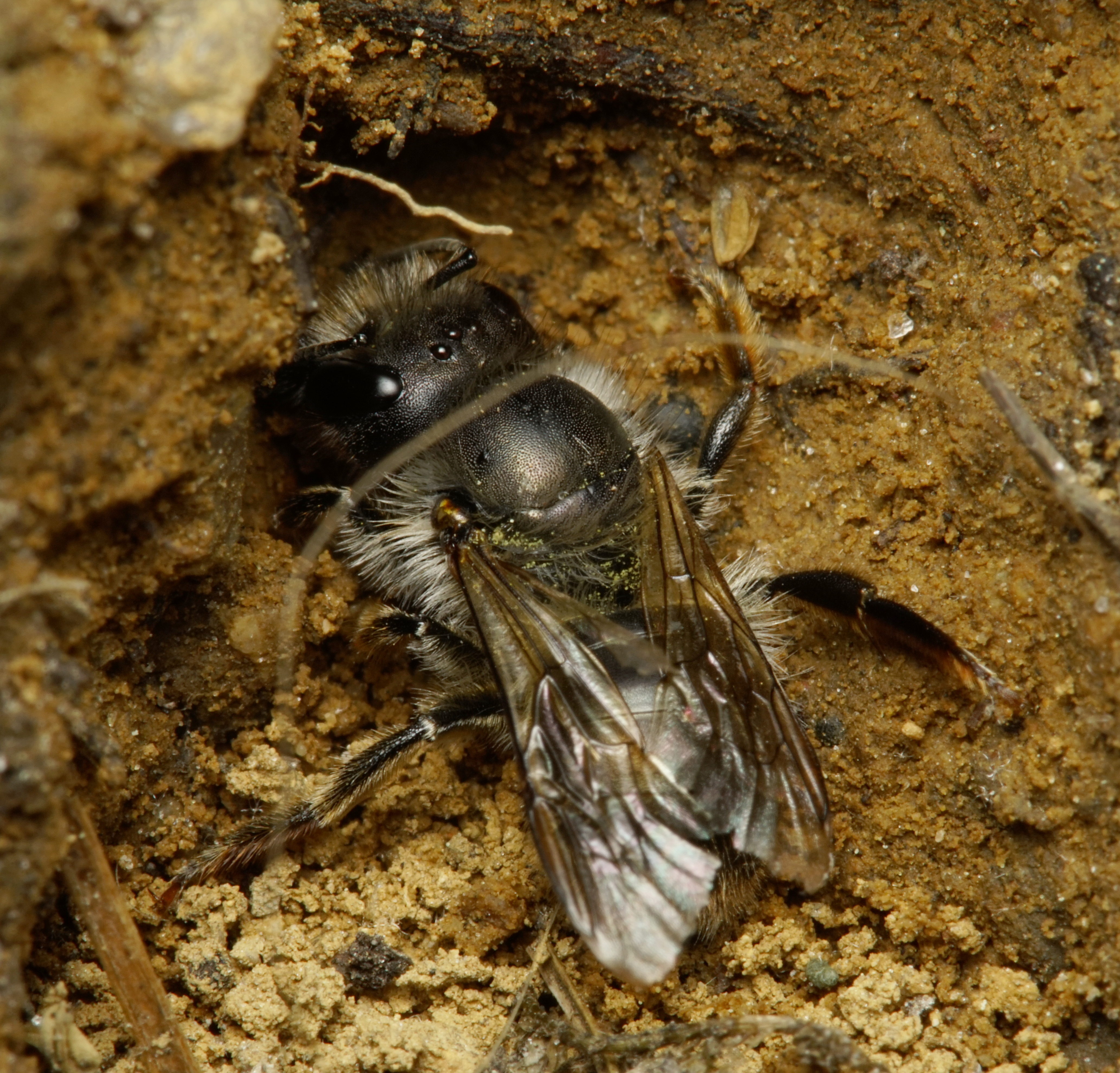
Maybe yellow-faced bee, Hylaeus modestus/affinis?
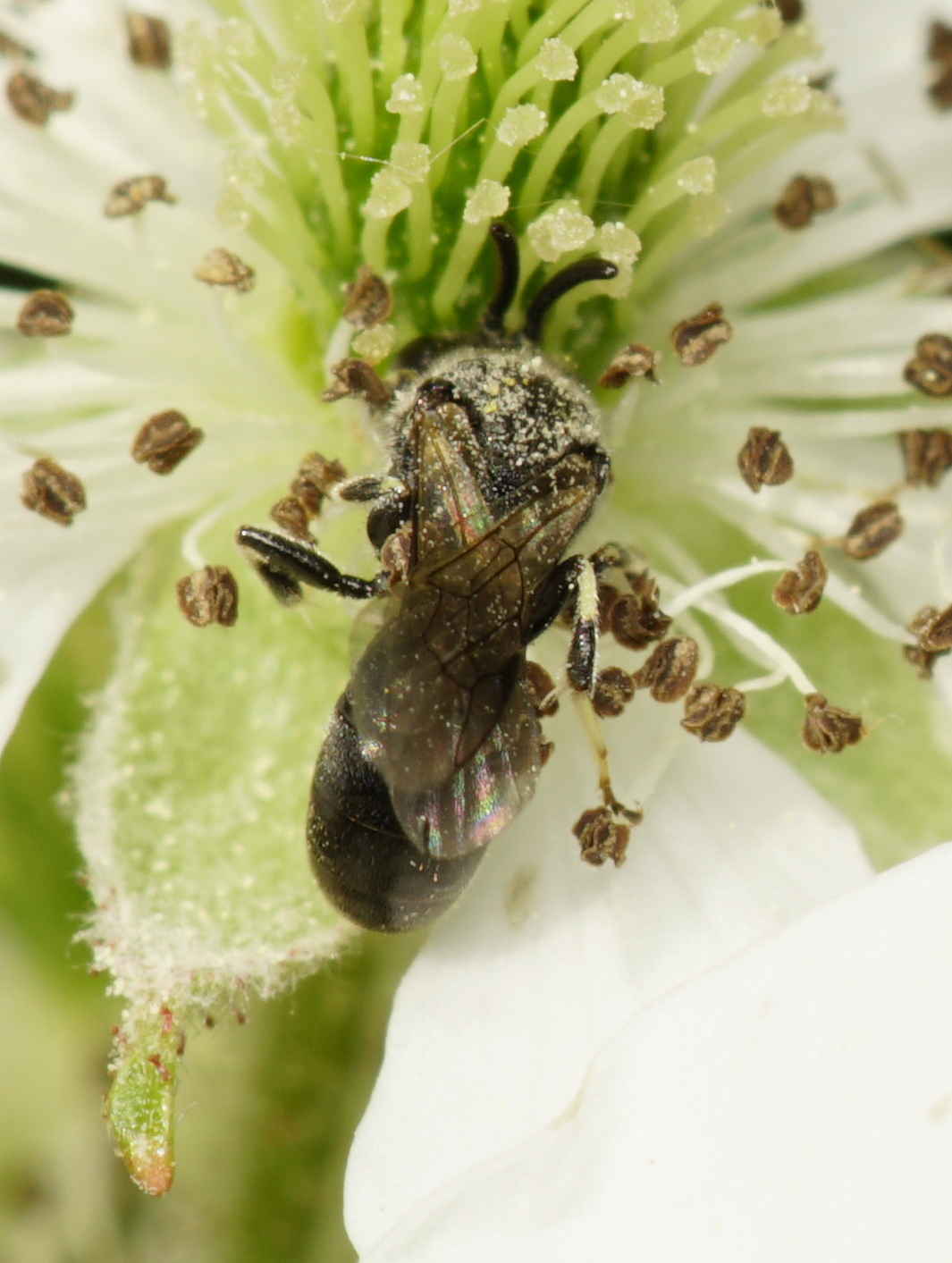
Perhaps Ceratina?
Ceratina? The body looks too smooth.
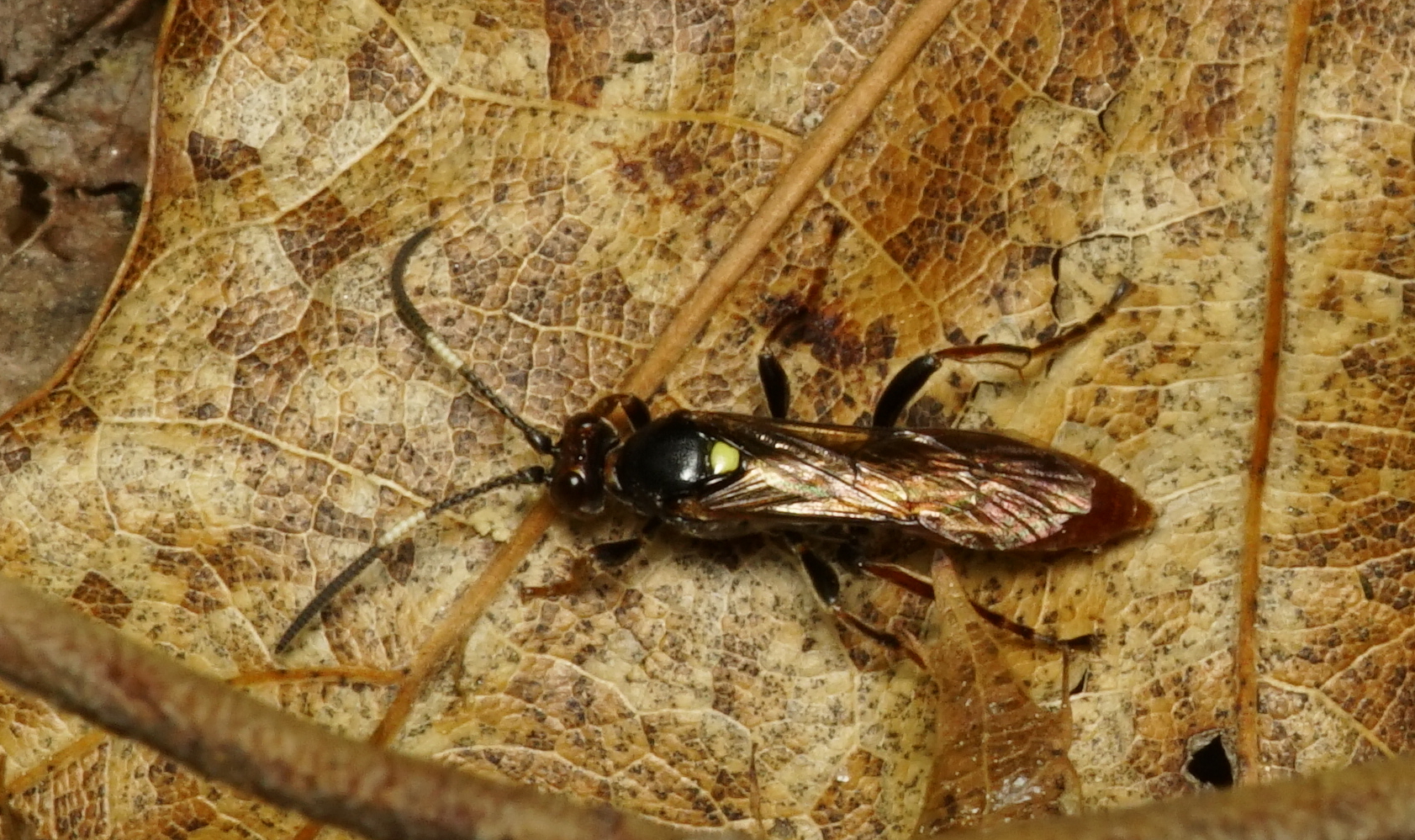
Pimplinae in Ichneumonidae, perhaps Pimpla
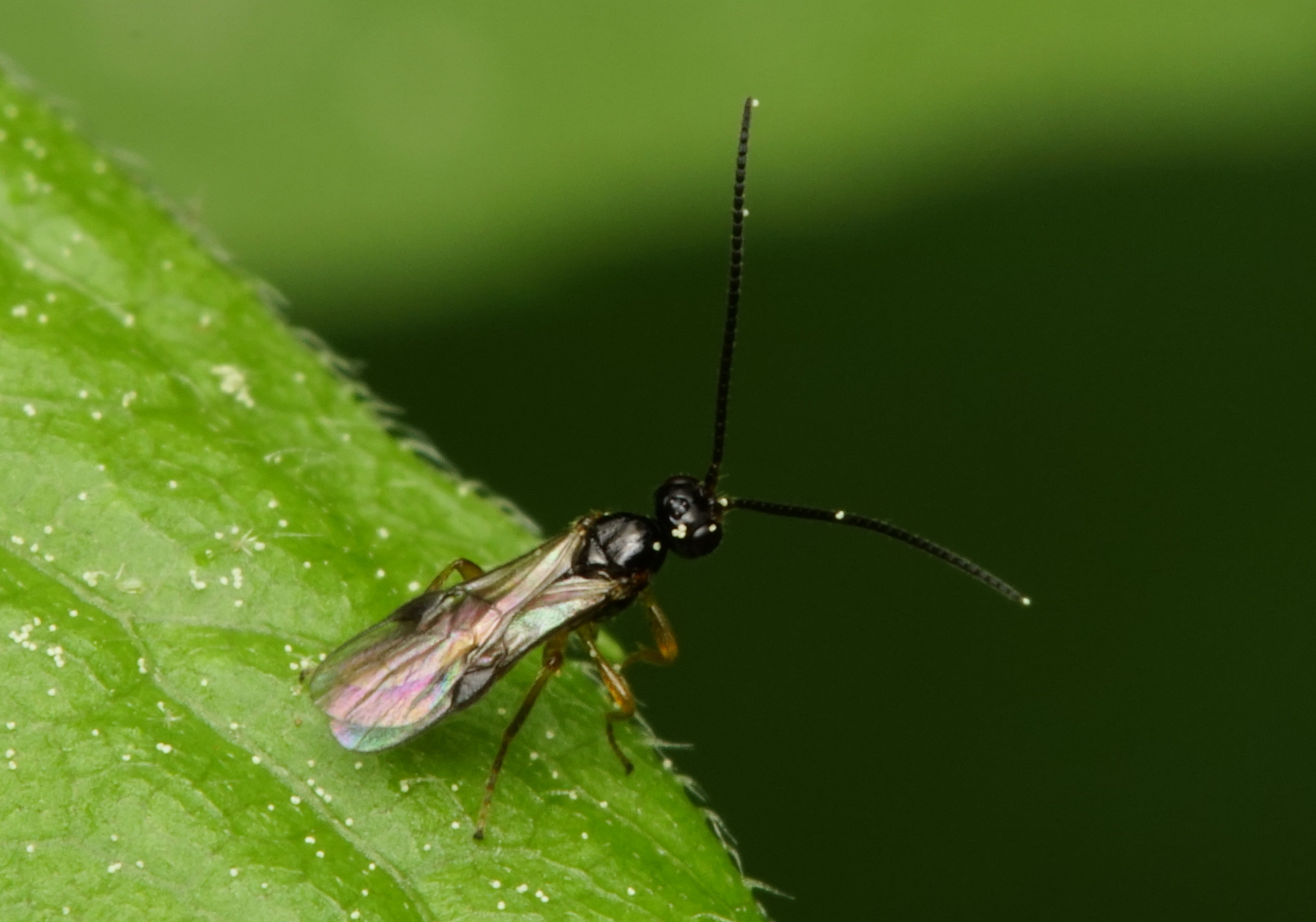
Braconidae
Ichneumonidae, probably Odontocolon
Coleoptera
Synolabus bipustulatus, Oak leafrolling weevil, Attalebidae
Podabrus cf brevicollis in Cantharidae? There are too many similar looking species, so tough to be certain.
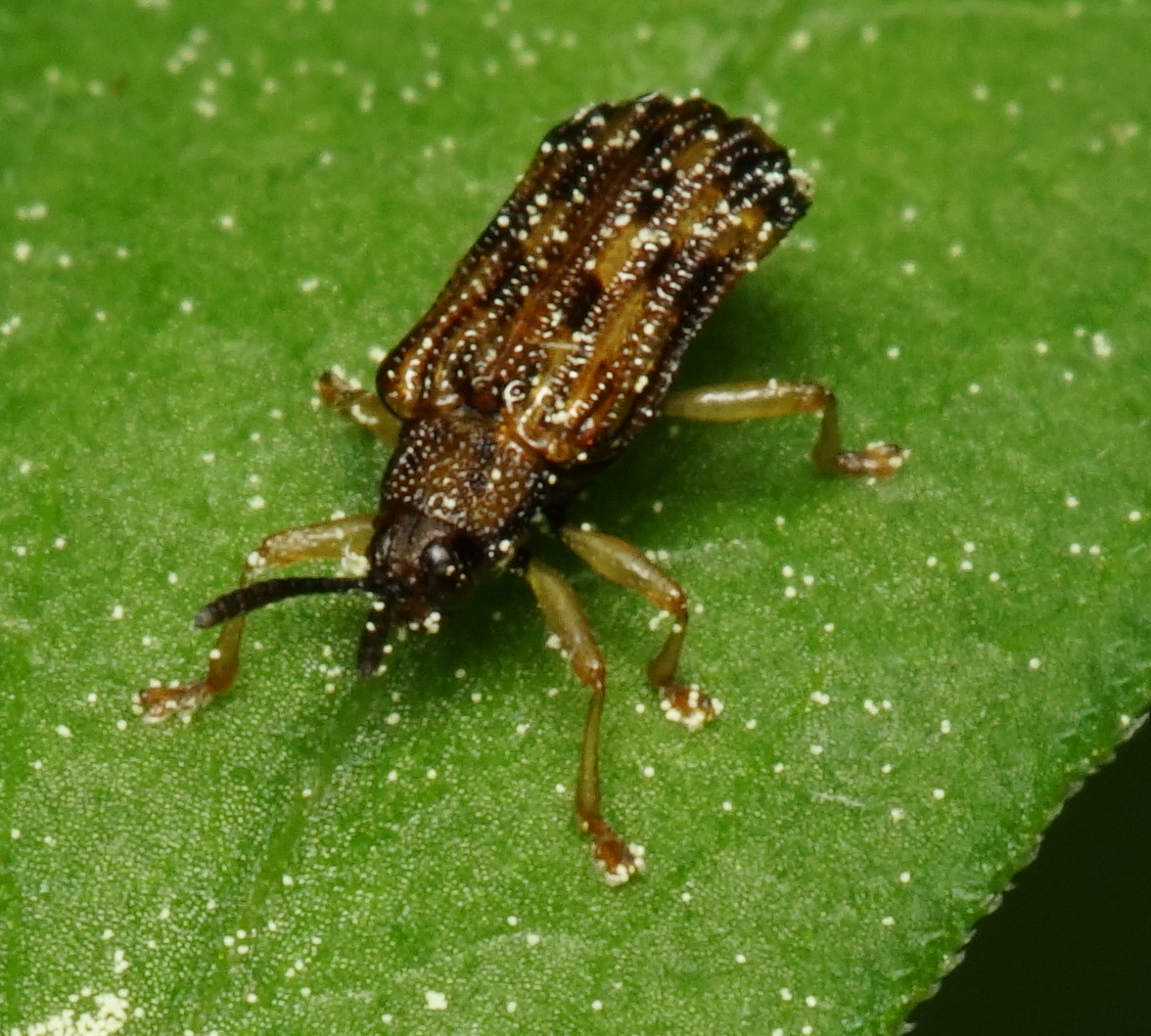
Sumitrosis inaequalis
Spiders
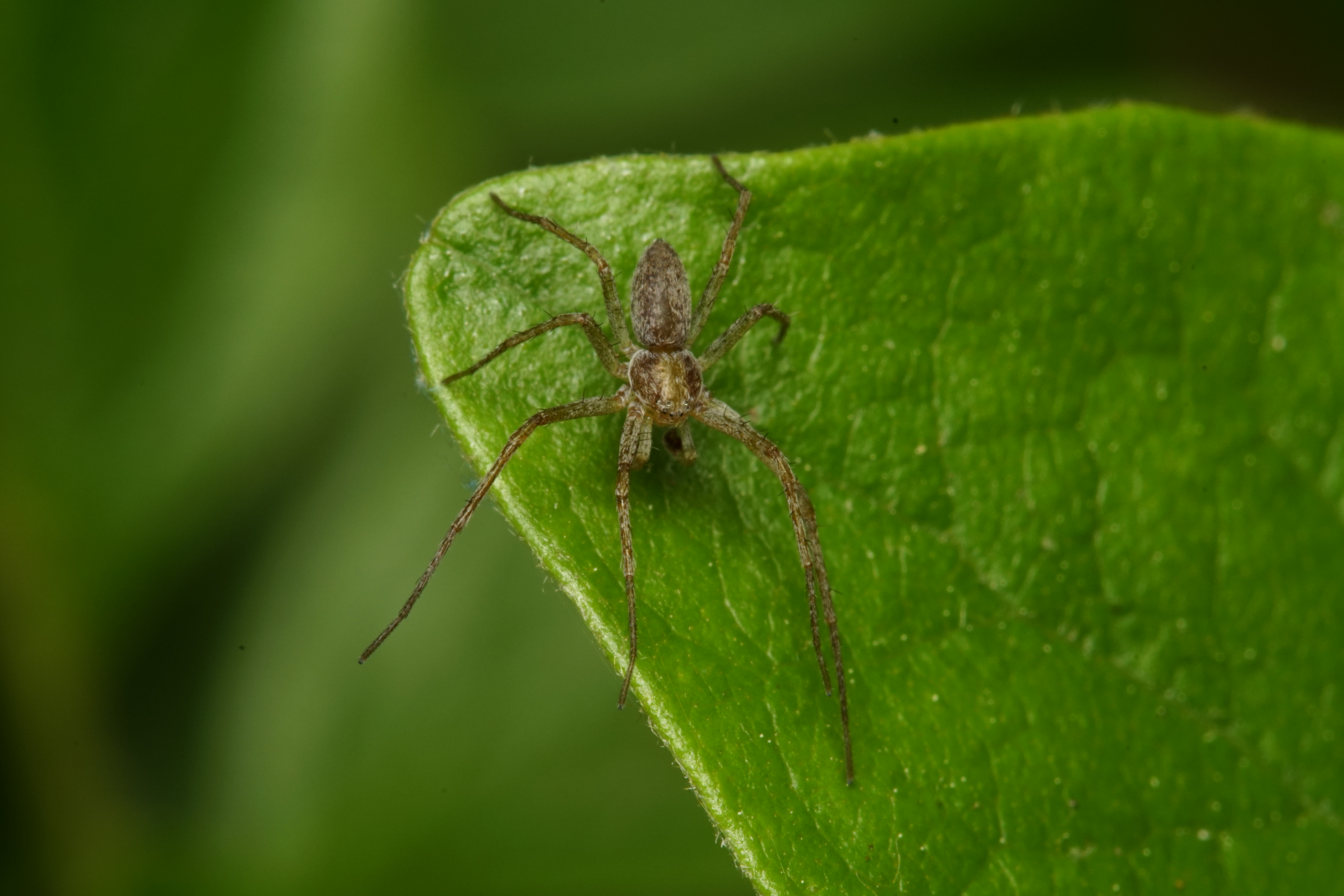
Thanatus, in Philodromidae:
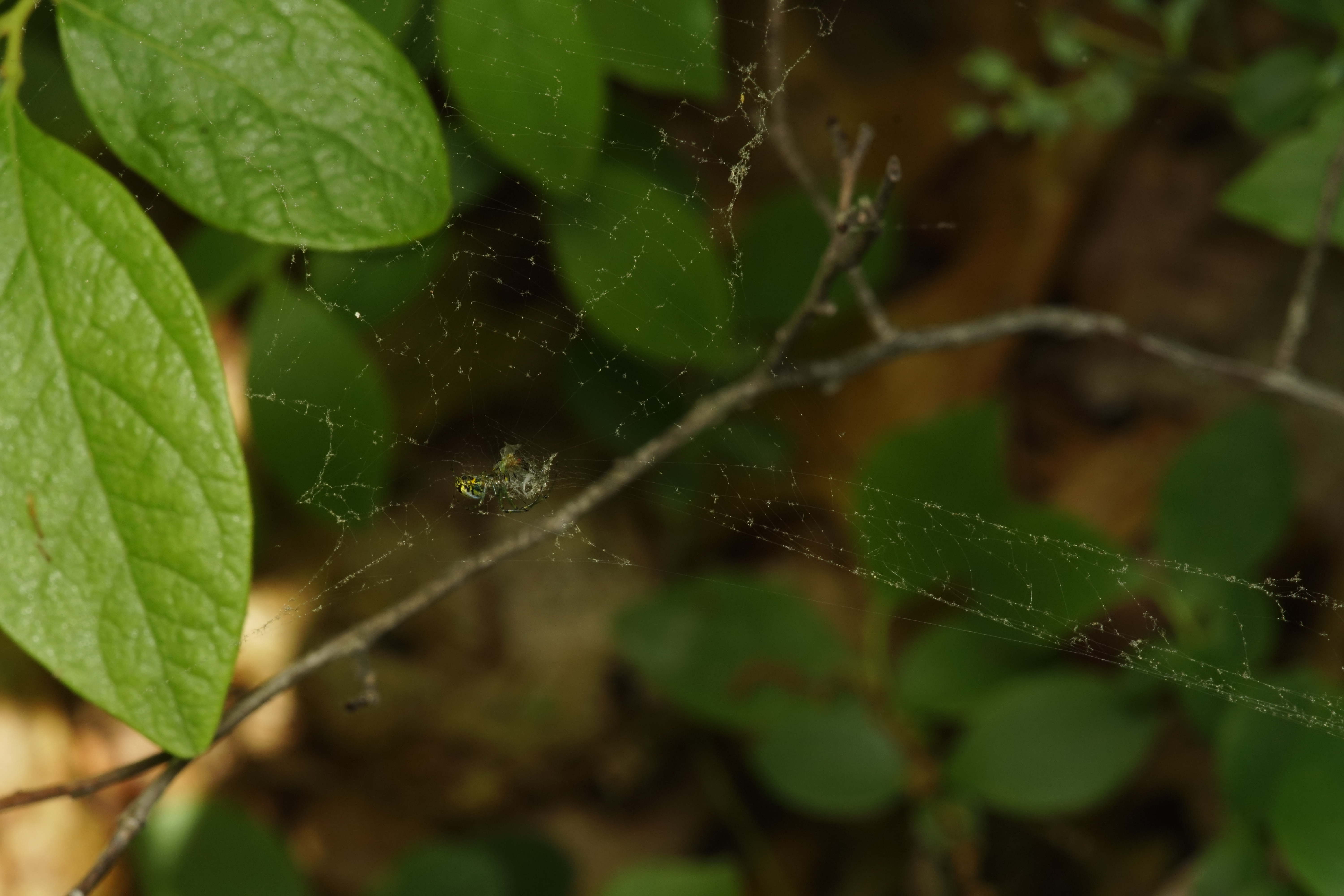
Bowl and doily weaver web (Frontinella pyramitela)
Leucauge venusta. As always look at the bristles on the fourth leg.
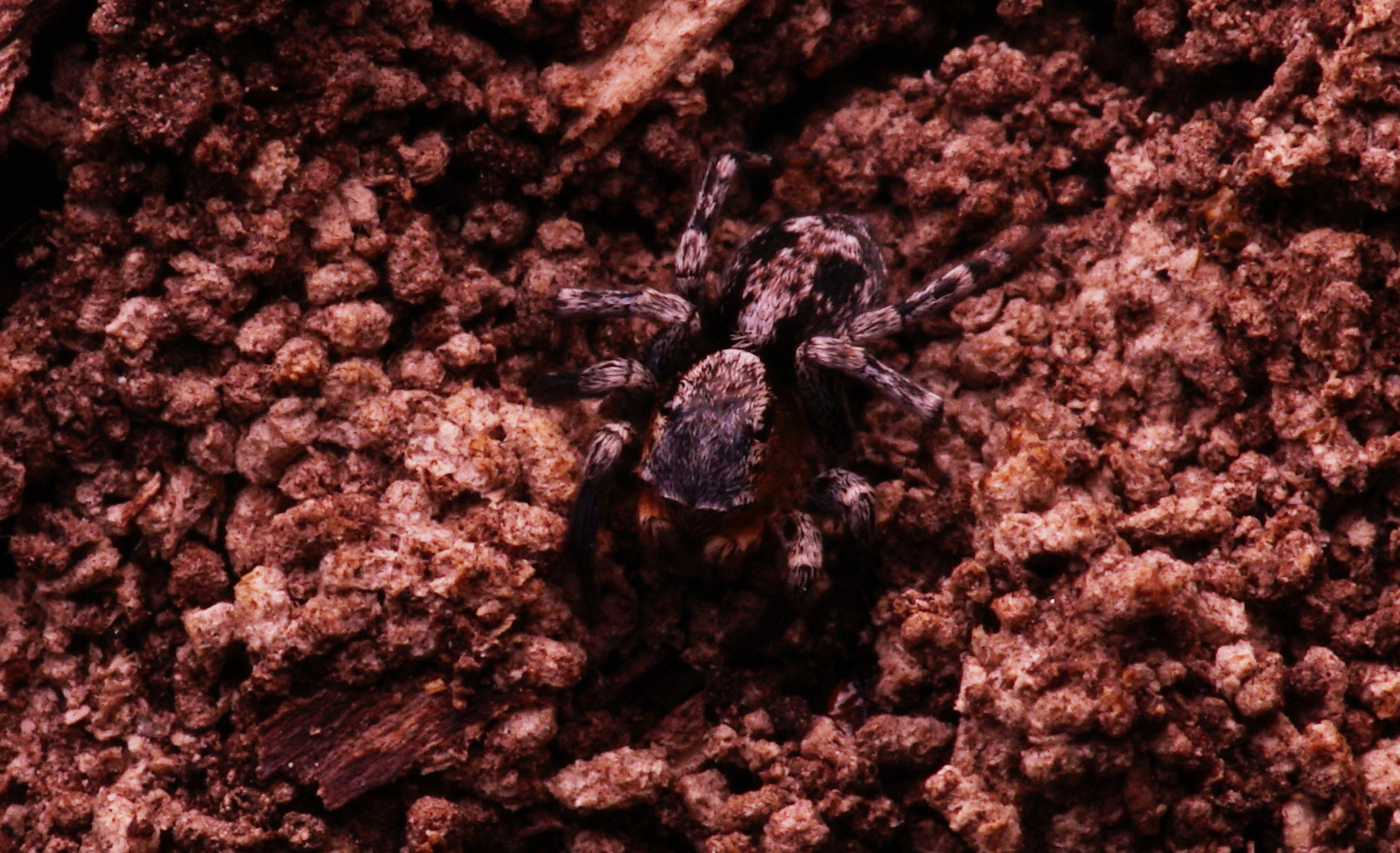
Came home to a nice Easter Parson Spider, Herpyllus ecclesiasticus, in Gnaphosidae.
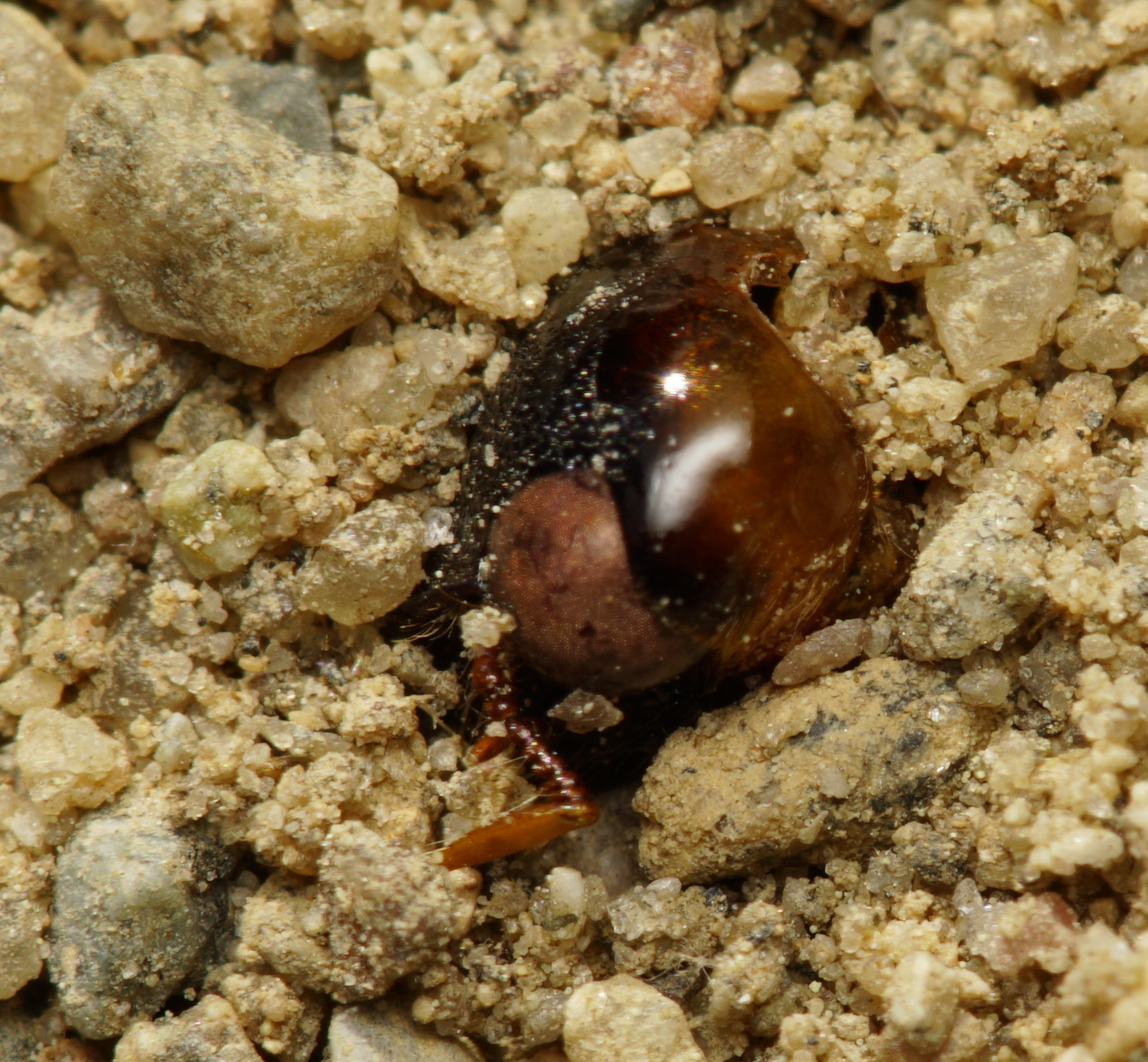
What is this?
Found sticking out of the ground. There was an ant nest outlet not that far away.
Elateridae were all over. I do not dare try to refine this any further. But just FYI, the sharp flanges at the ends of the thorax are called hypomerons.
Also, saw at last 15-20 Cicindella sexguttata, six-spotted tiger beetles.
Hymenoptera
Cynapoid, perhaps Figitidae.
‘cynipoids all have sort of a triangle “dagger” shaped cell toward the edge of the forewing. Also the shape of the abdomen, antennal segments, etc. are clues.’
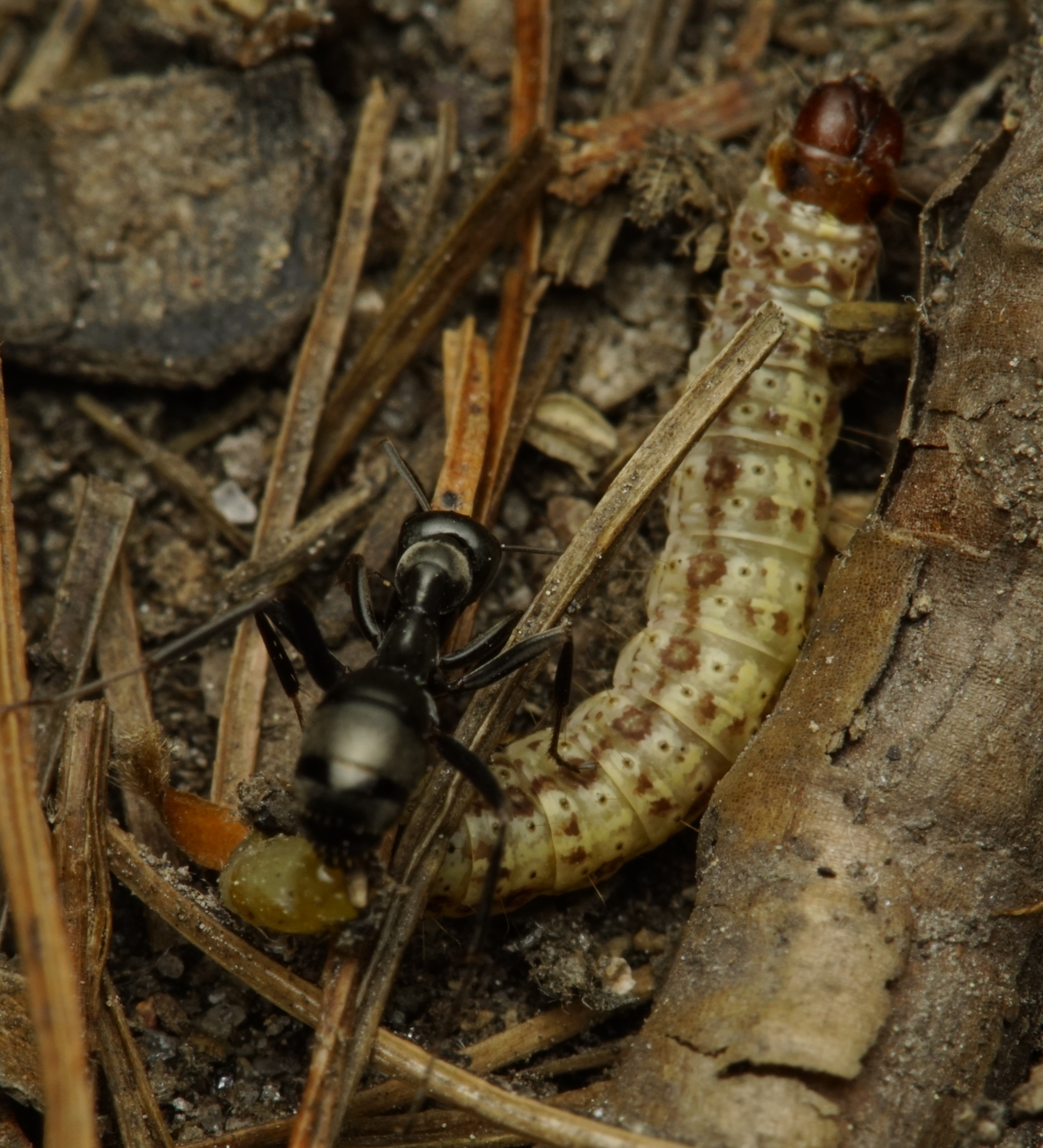
There were a bunch of these caterpillars, and there were a bunch of ants attacking them. The caterpillars were writhing furiously (and perhaps successfully).
Typically dark colored with smoky or yellowish wings; a few are brightly colored.
Slender with long and spiny legs, hind femora typically extending beyond tip of abdomen.
Tibiae of rear legs have two prominent spines at apex (distal end, next to tarsi)
Wings not folded flat on top of abdomen.
Mesopleuron with a transverse suture
Like the Vespidae, the Pompilidae have the pronotum extending back to the tegulae, the pronotum thus appearing triangular when viewed from the side and horseshoe-shaped when viewed from above.
Ichneumonini. Like Ichneumon or Cratichneumon.
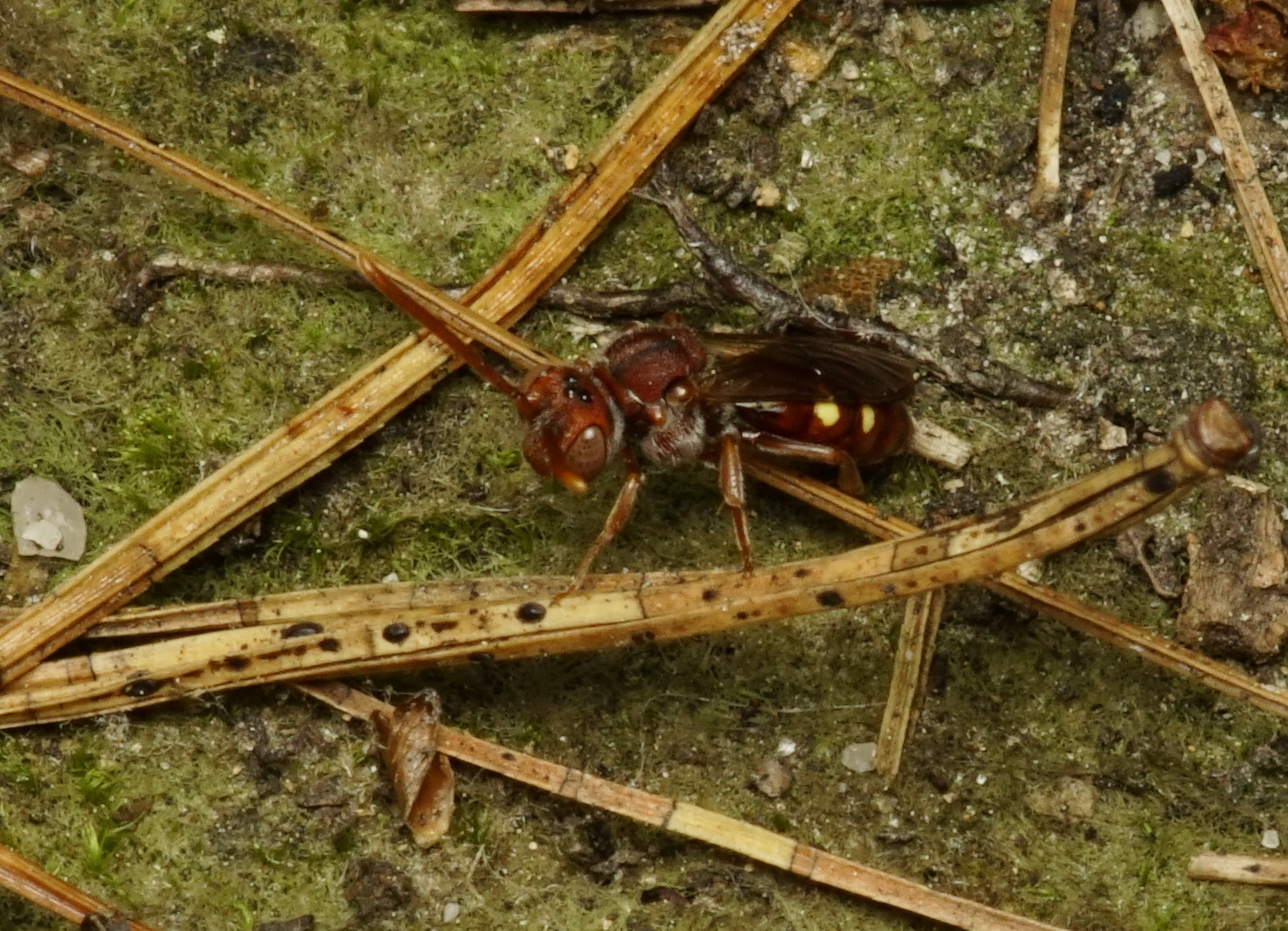
Nomada
Ichneumonidae, such as Pimpla or similar.
Sphecodes? In flight!
Lepidoptera
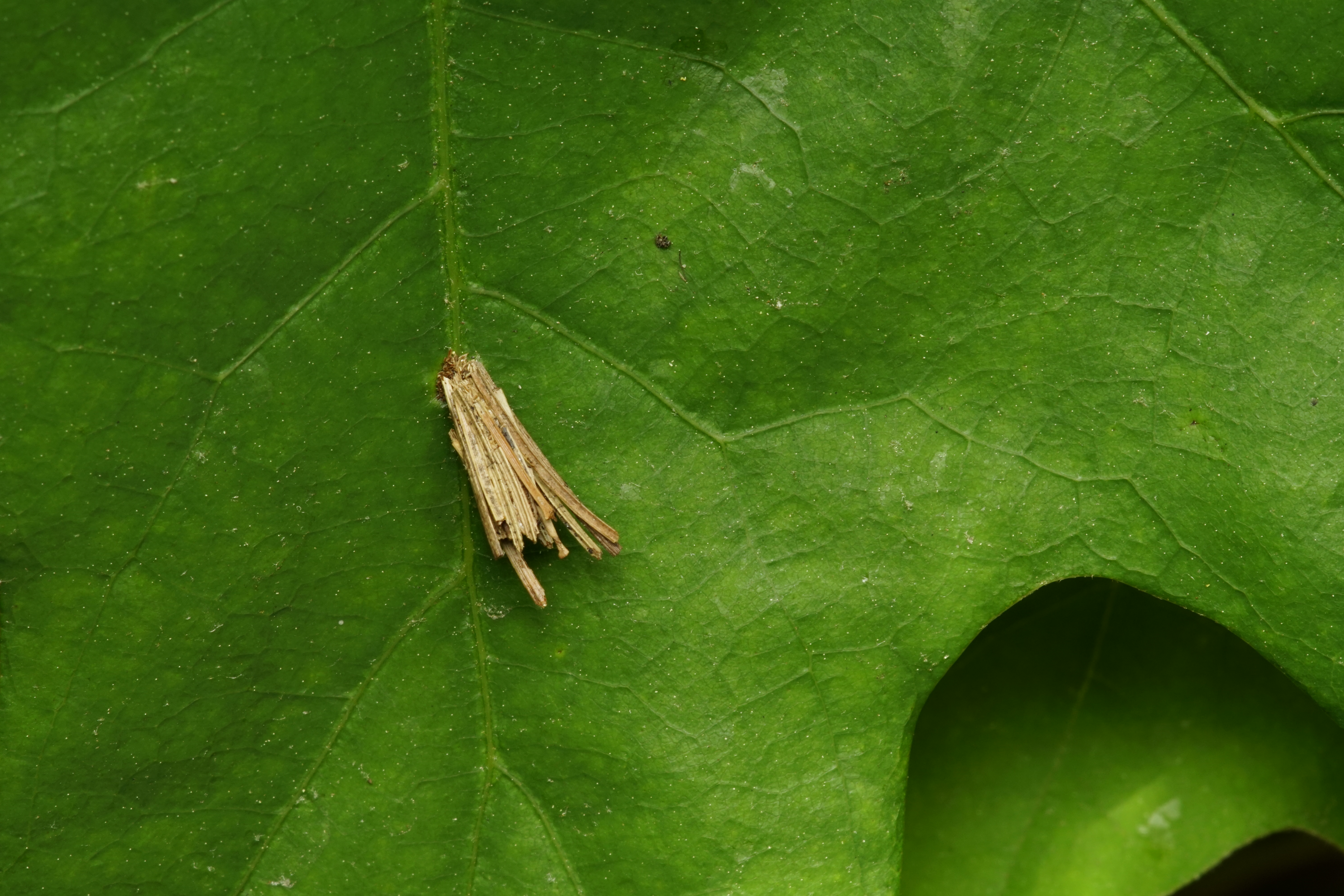
Bagworm nest
Hemiptera
Very colorful, Zelus luridus?
Stictocephala treehopper
Brown marmorated stink bug
Diptera
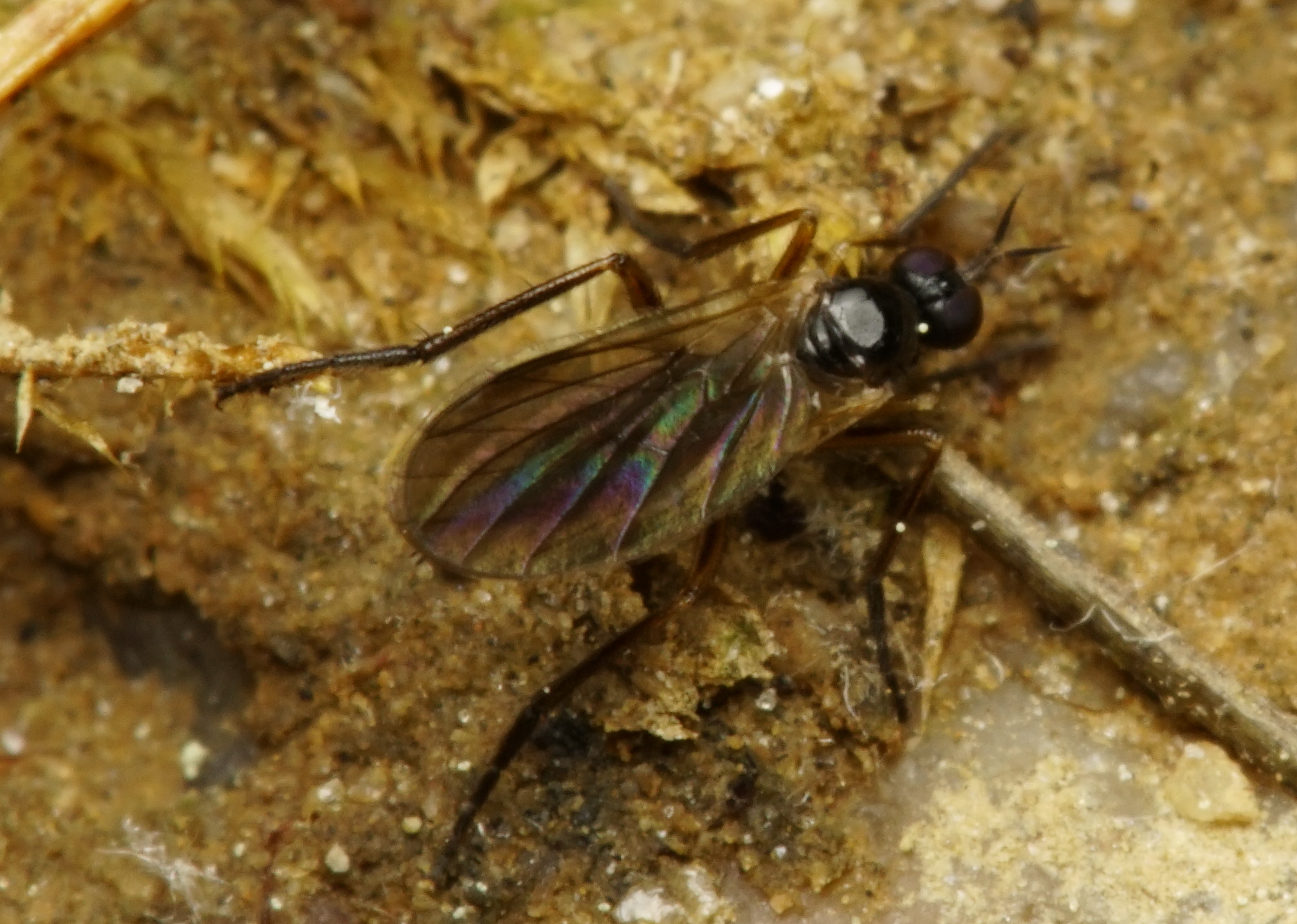
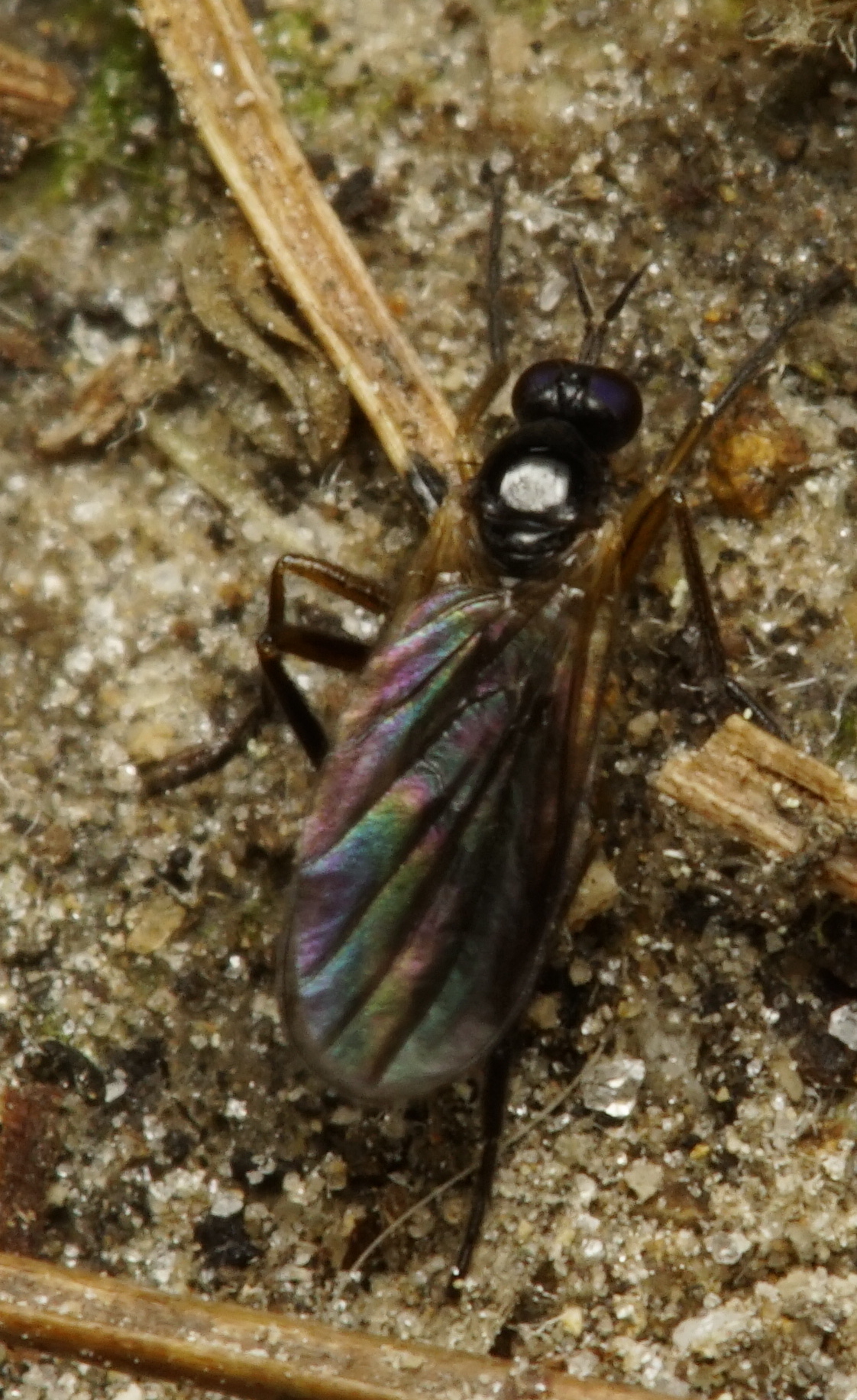
Bibionidae (male)?
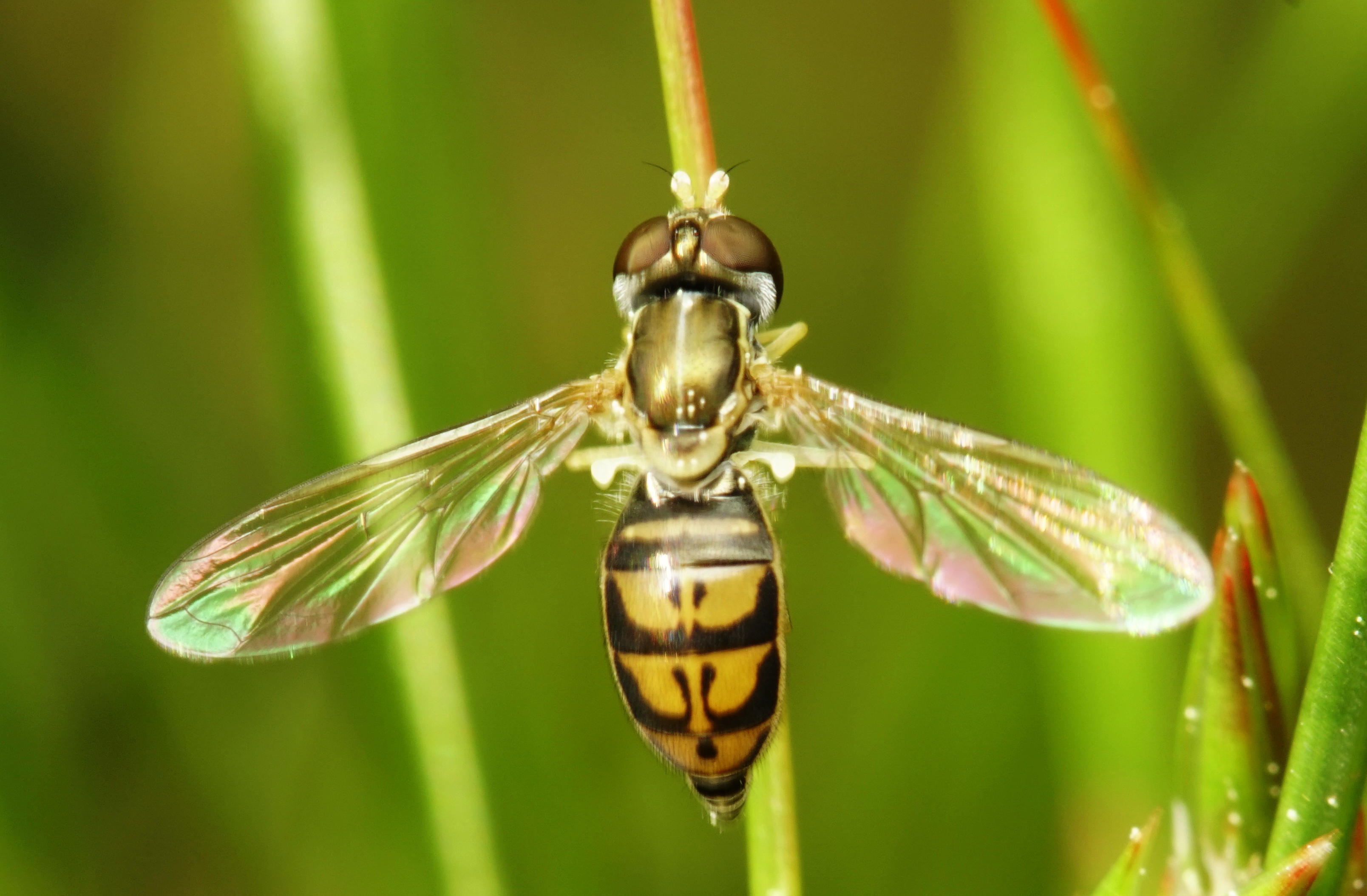
These flies abound. And I’ve never been able to get an ID for them.
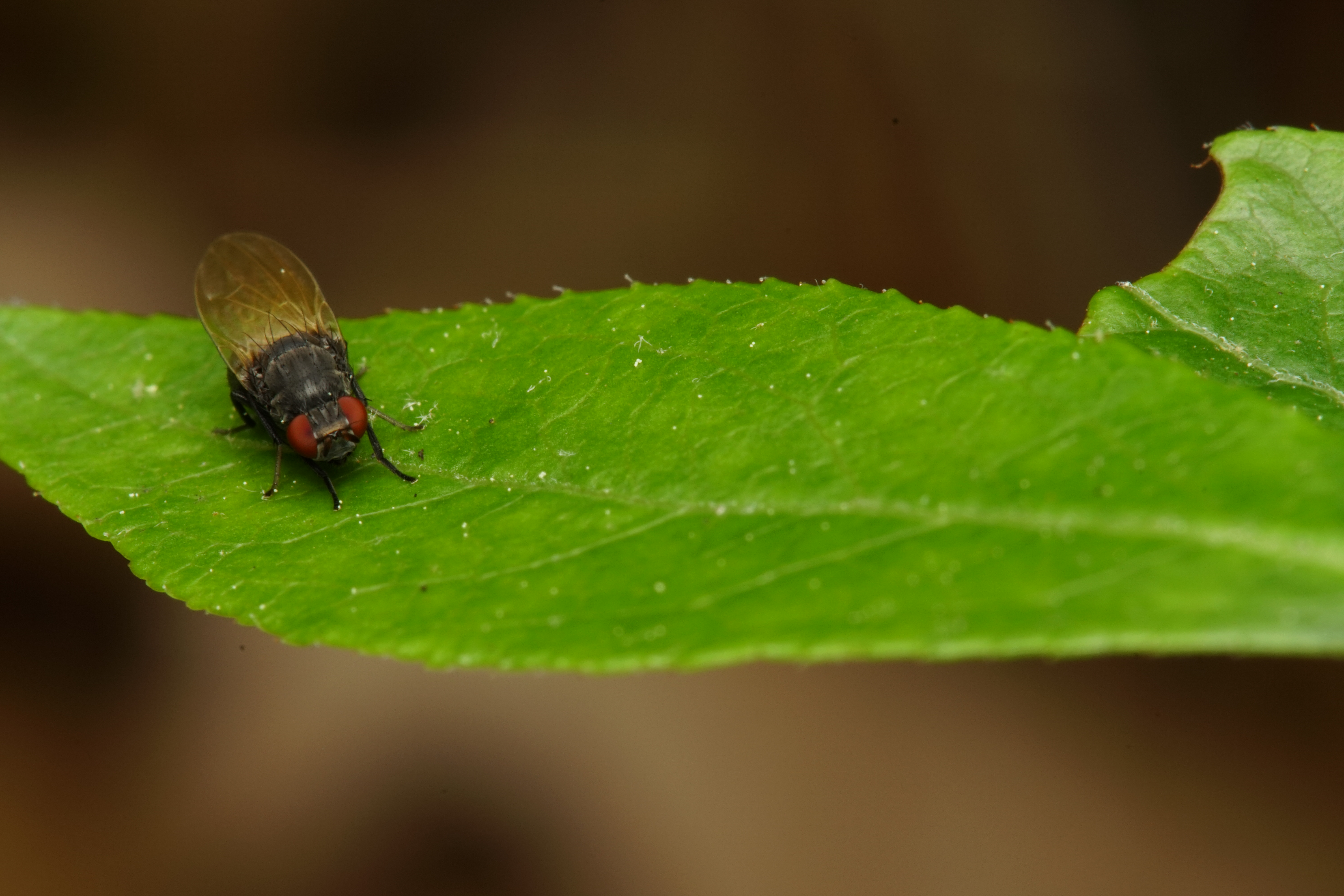
Tachinidae? Compsilura concinnata looks very similar to this.
Bibionidae?
Spiders
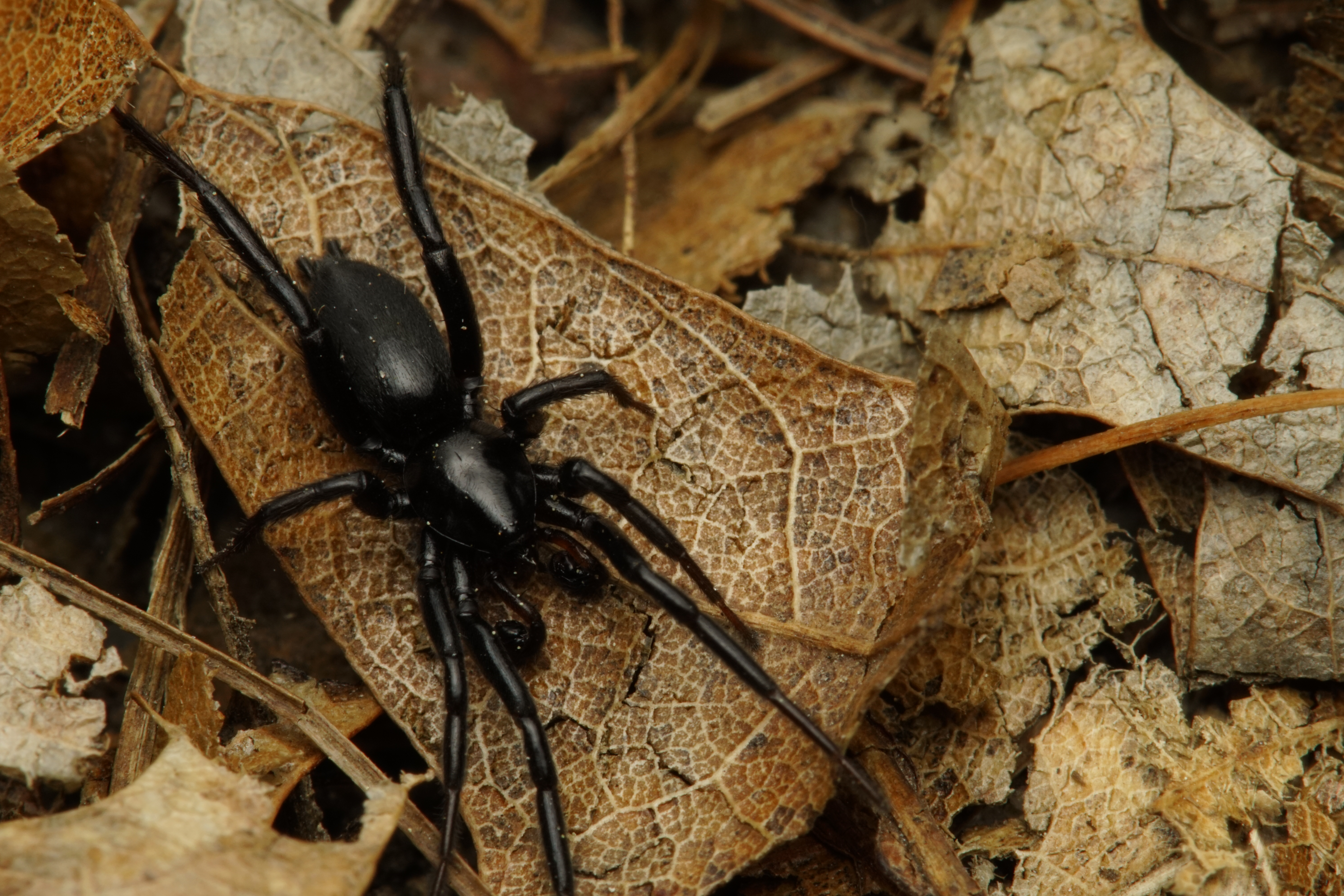
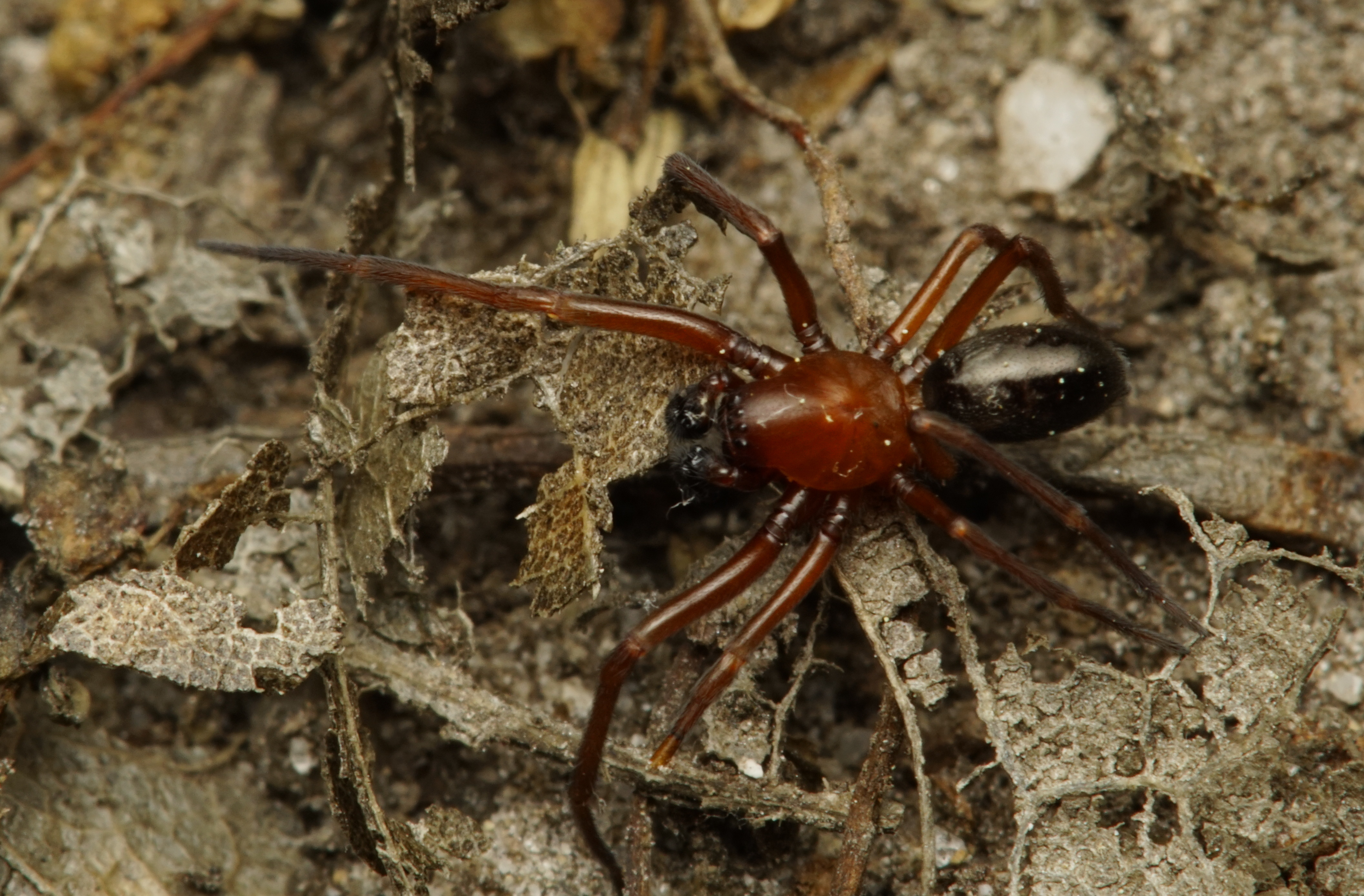
Gnaphosidae. Something like Zelotes, but it’s not easy to go to genus.
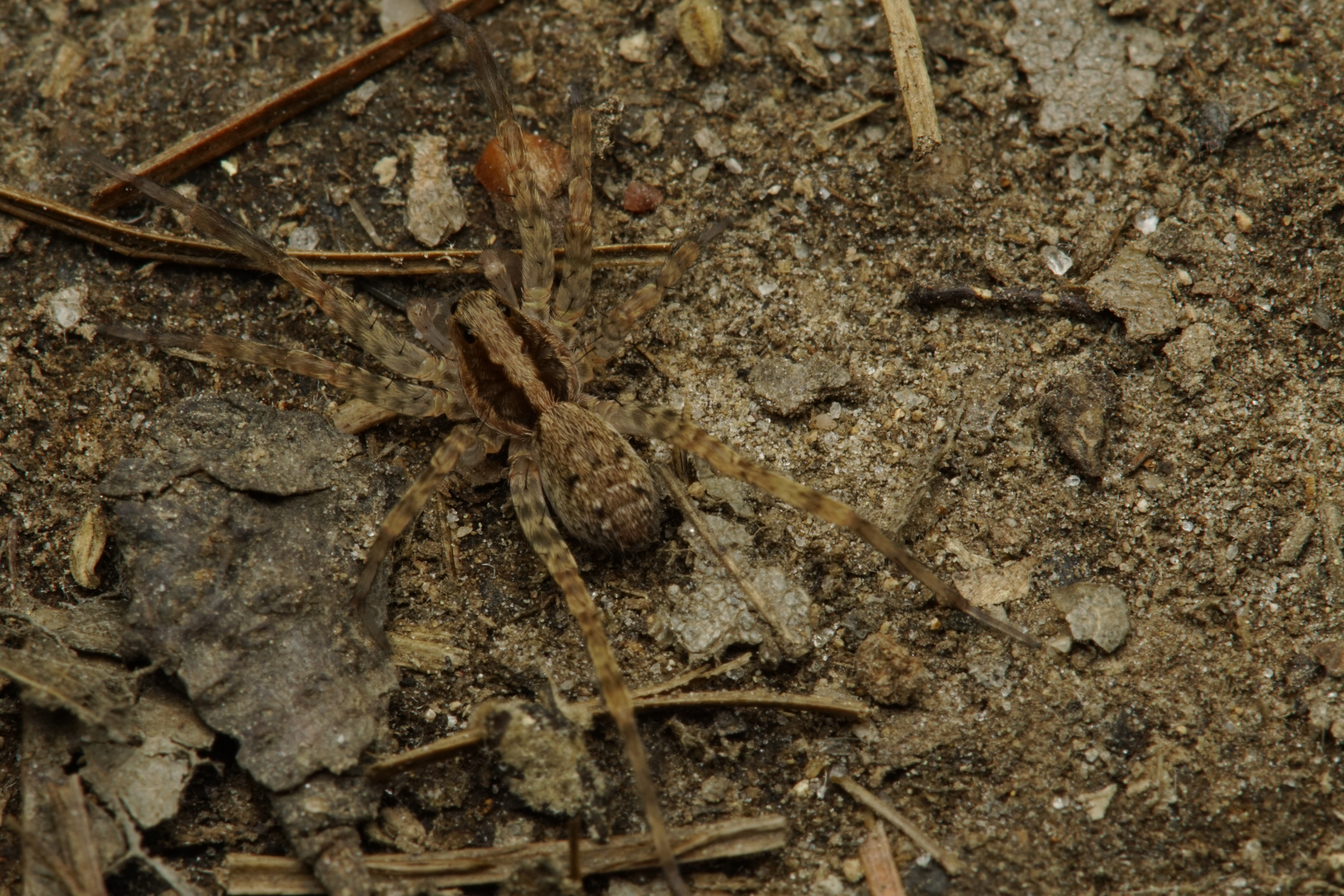
Lycosidae. Gladicosa? Just possibly Pardosa.
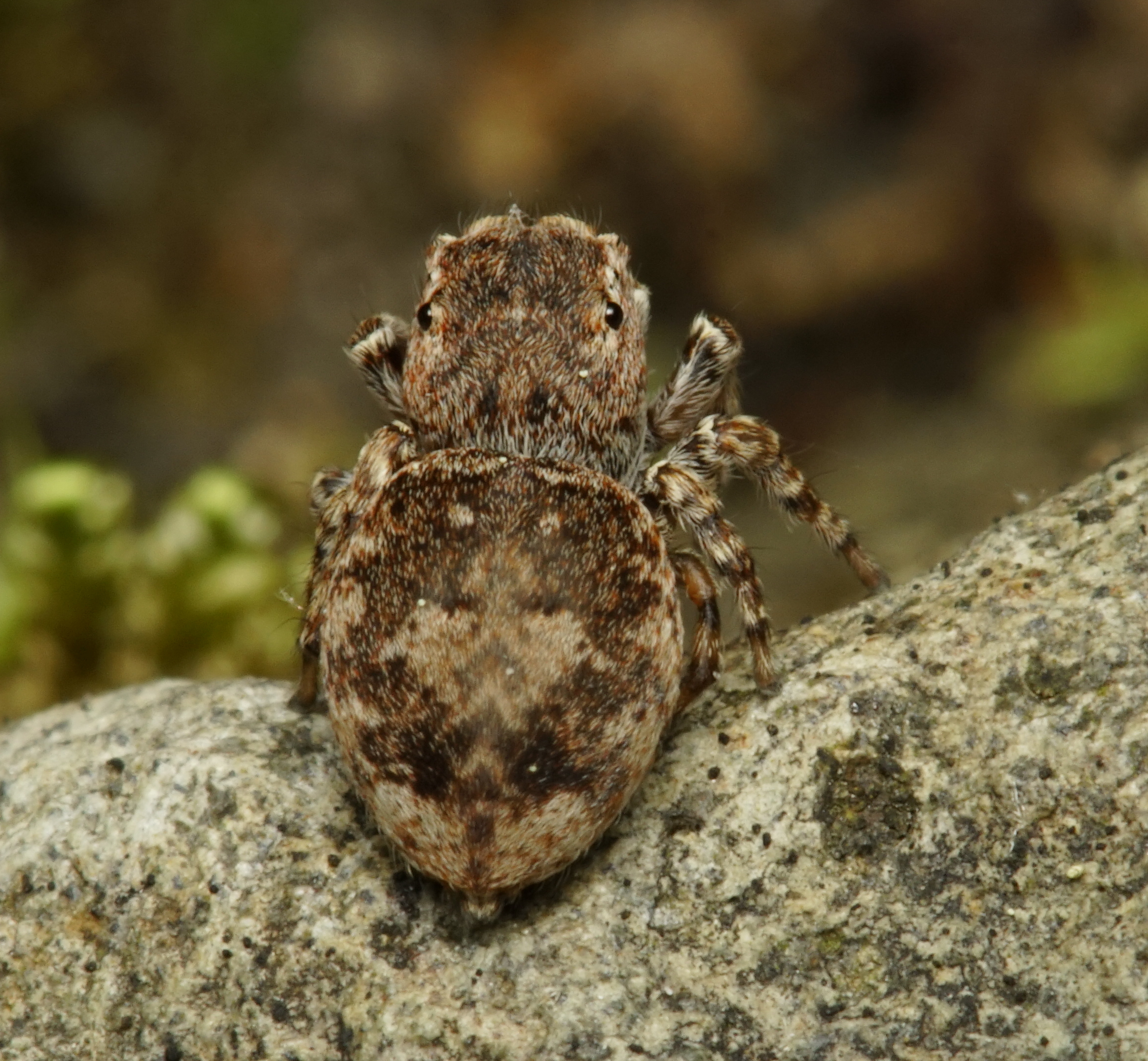
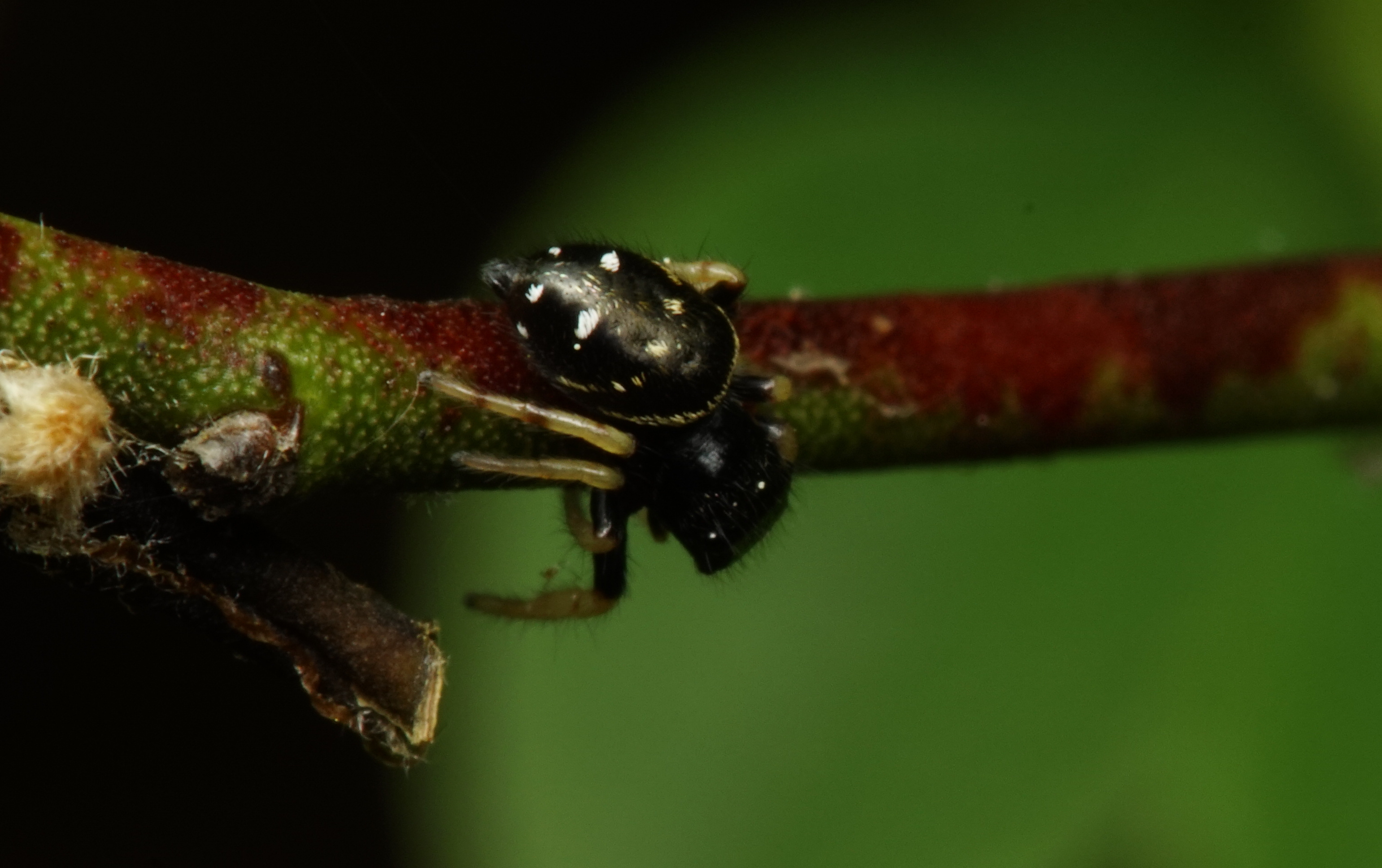
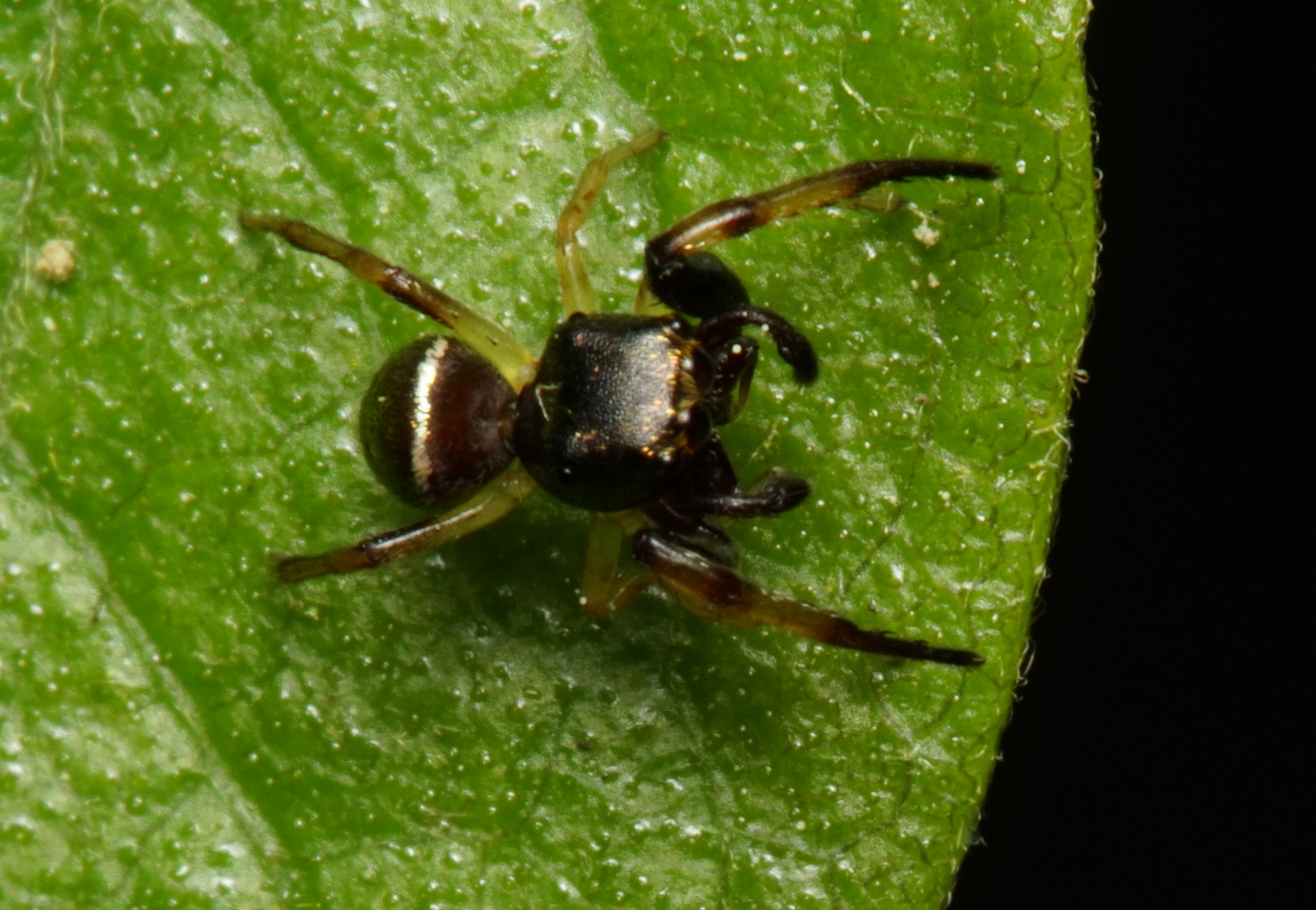
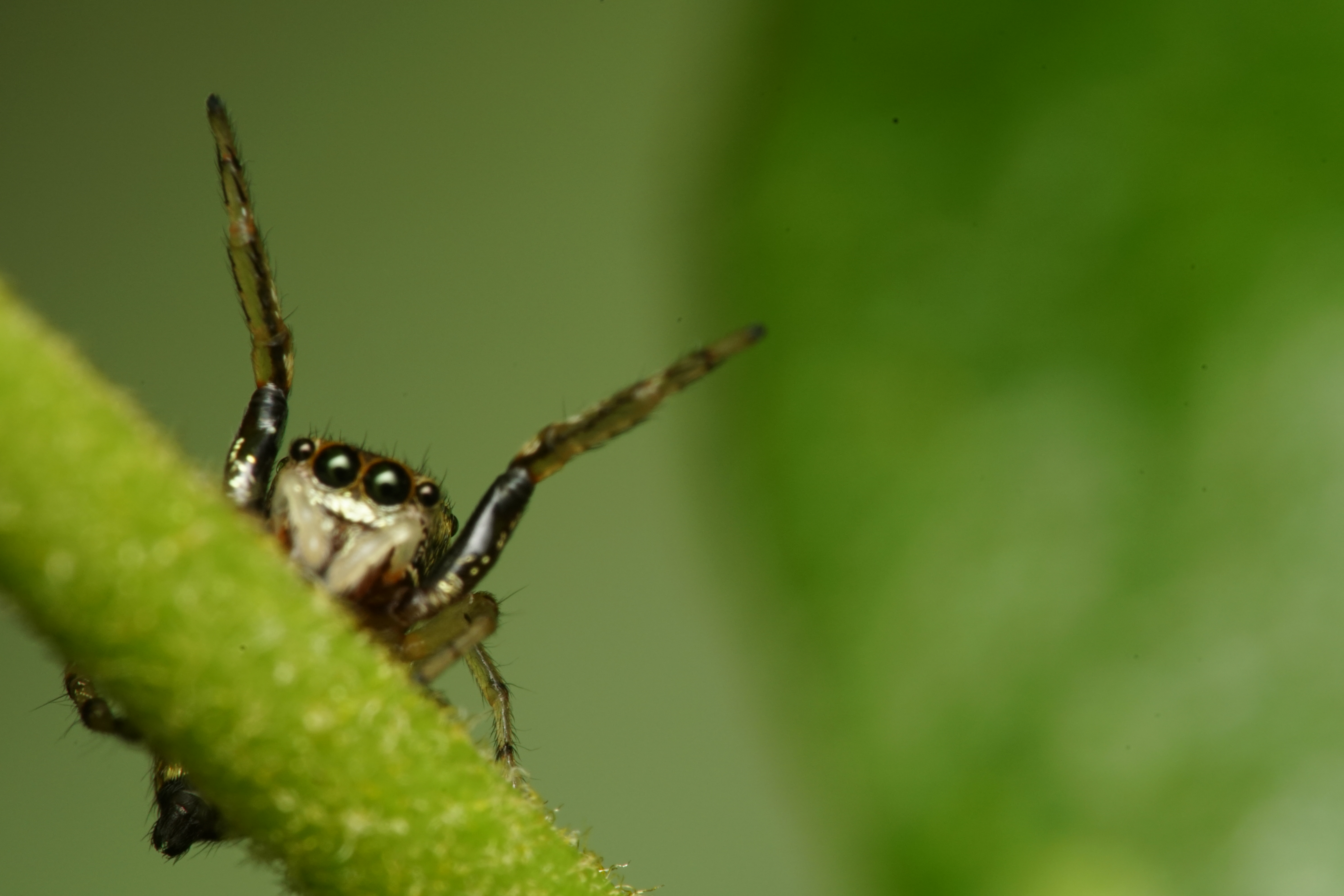
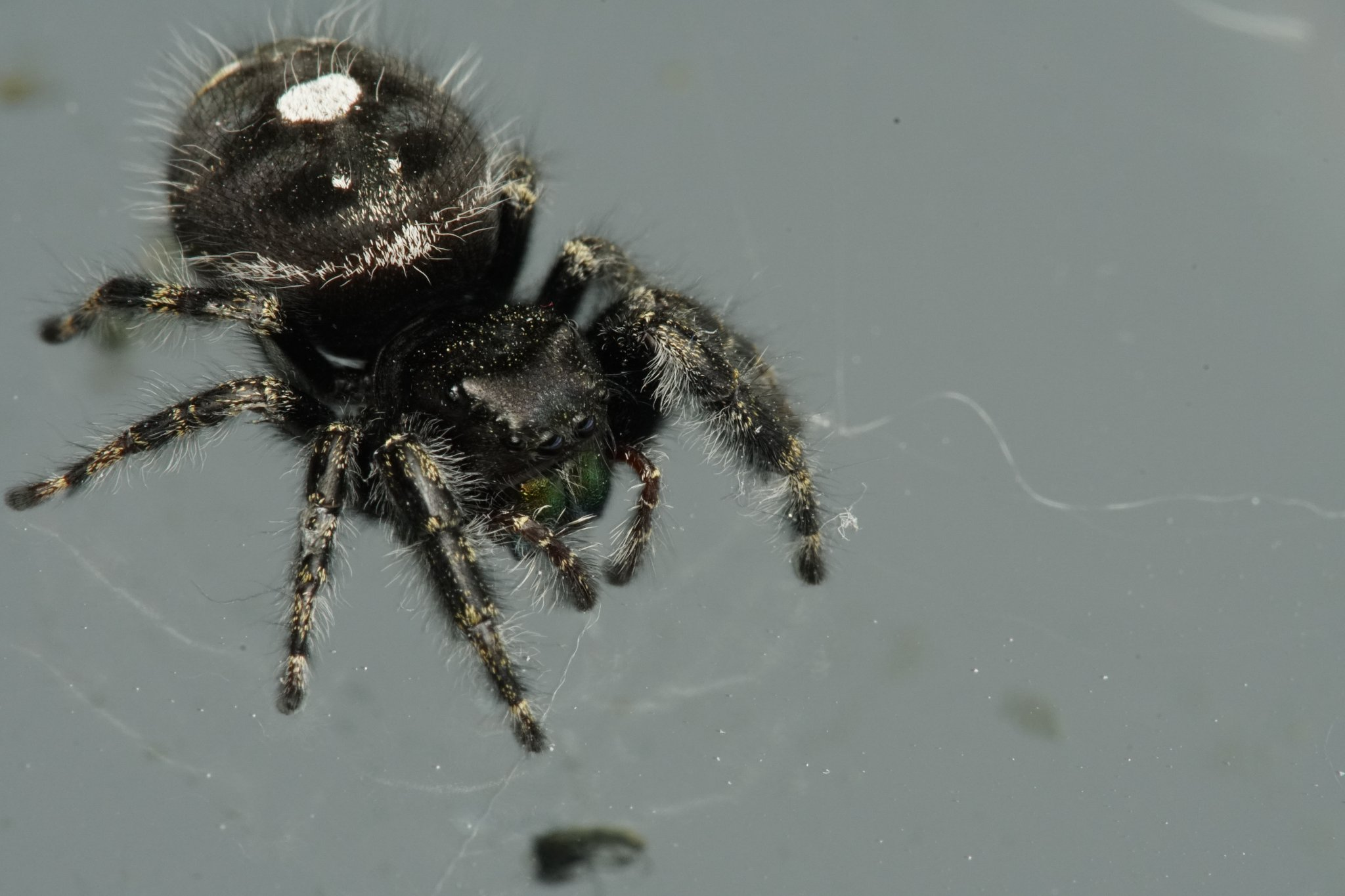
Cute little Salticid. Looks like a young Phidippus Whitmani.
Attulus cf. floricola? Also, is Attulus a synonym for Sitticus? If it’s changed, which one is more recent? (ANSWER: Yes, Attulus is more recent.)
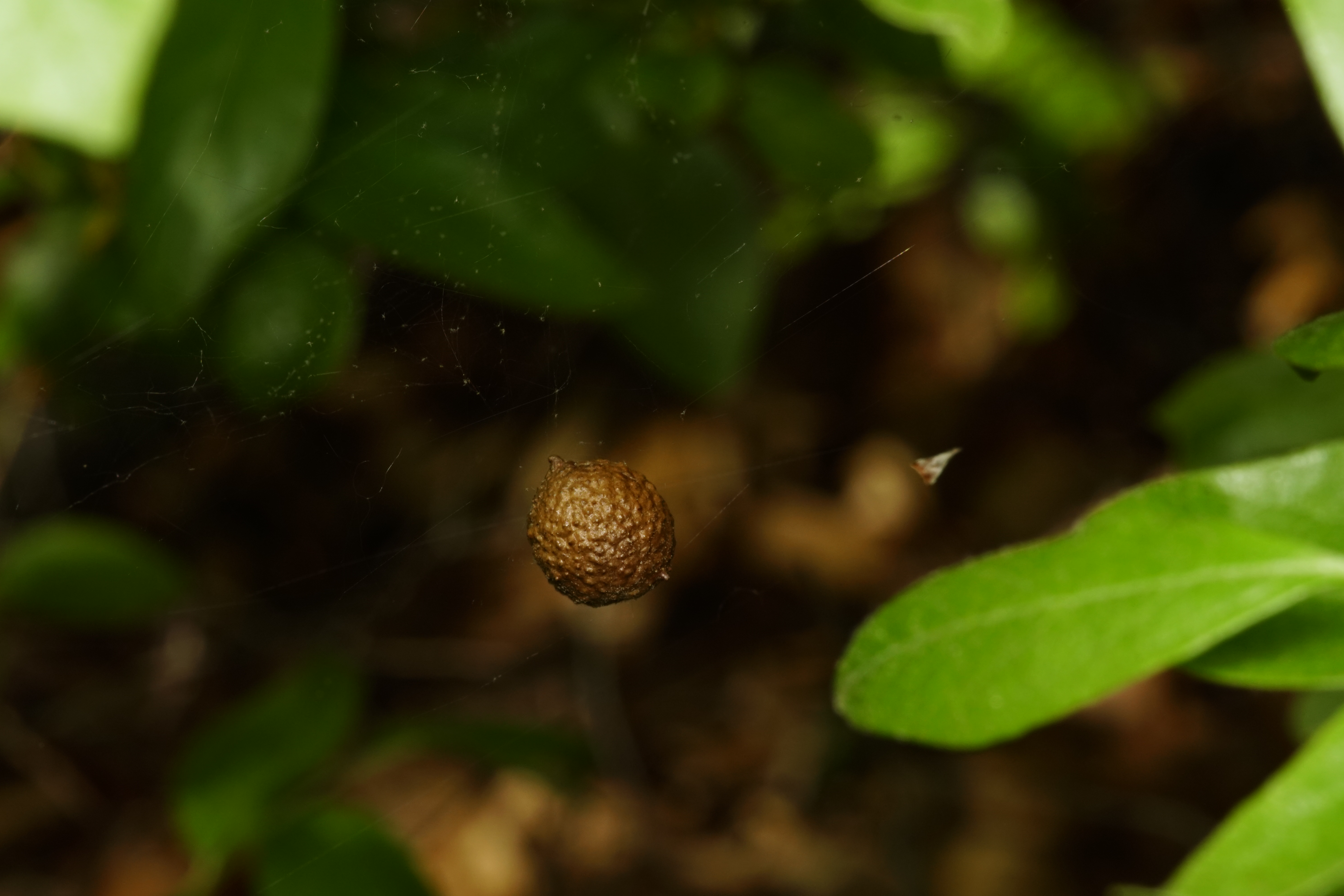
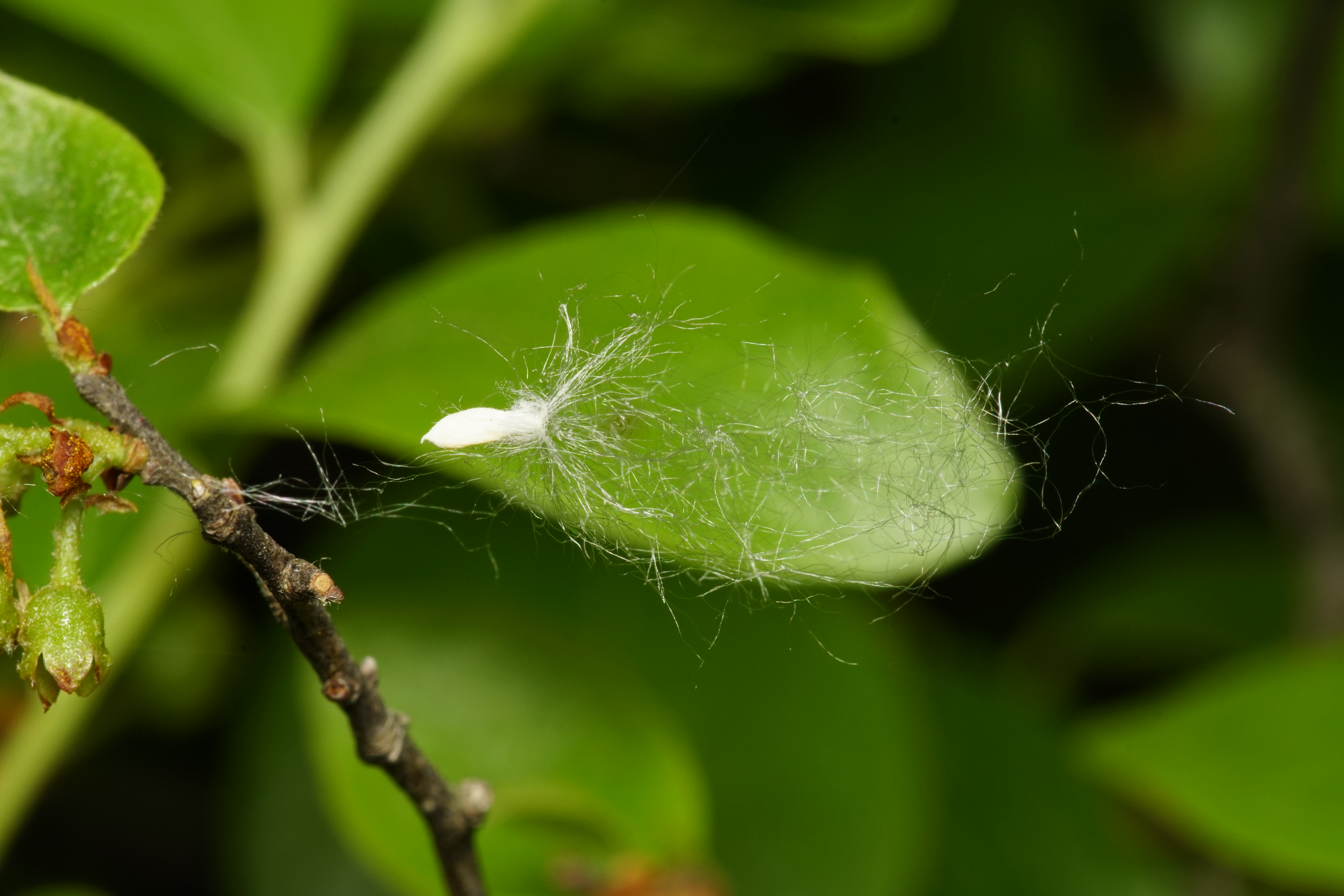
I think this is a Neriene radiata egg sac (perhaps some other Linyphiid). And here’s the spider whose web it was in.
THIS WAS EXCITING! Titanoeca in Titanoecidae, first sighting of this family in Massachusetts according to BugGuide. And my first sighting of this family, too.
And another Salticid, perhaps the same species as previous.
Leucauge venusta.
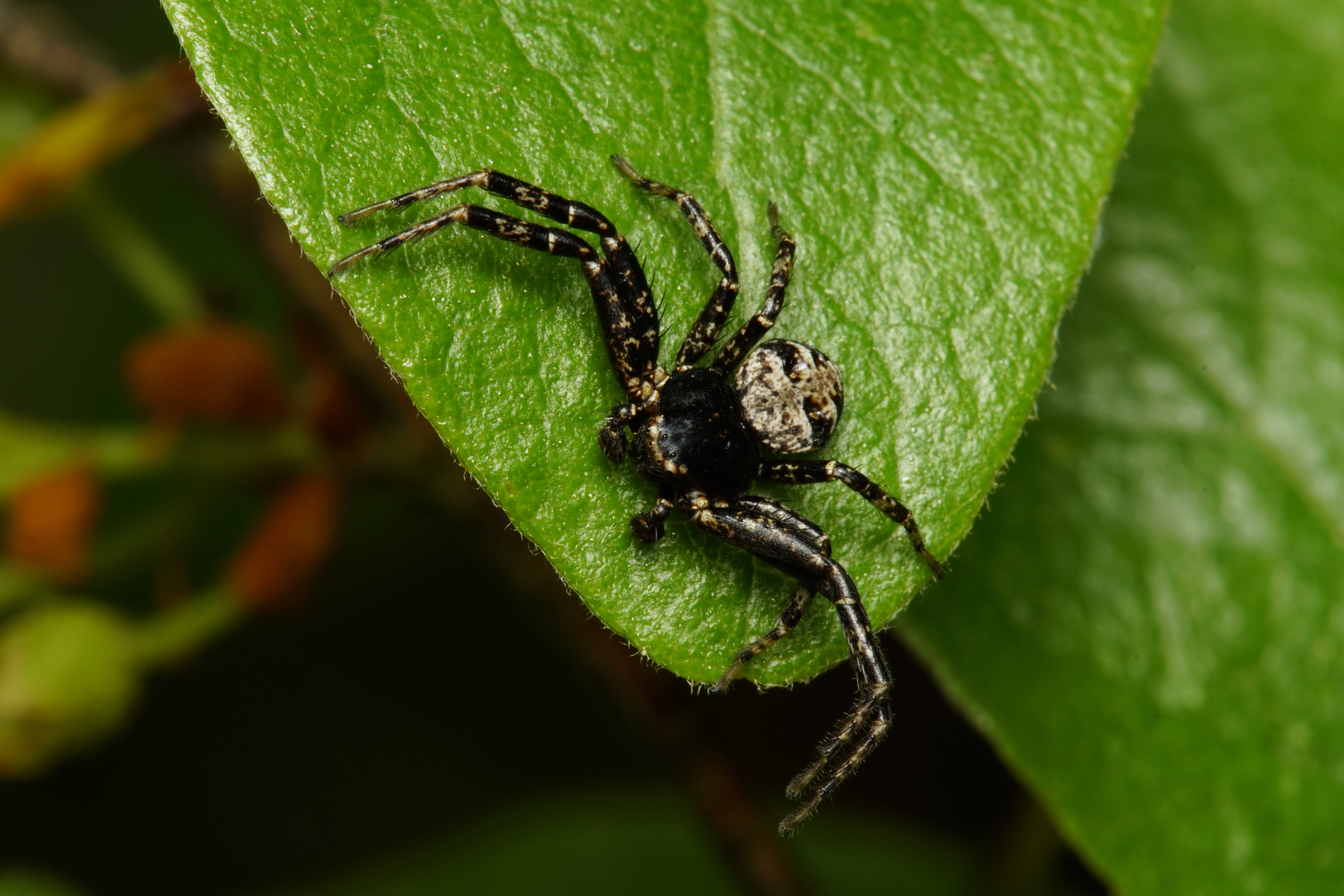
Philodromidae:
Looks like Bassaniana versicolor
Another tough Salticid. Turned out to be Zygoballus.
And another one. Also turned out to be Zygoballus, probably female.
Perhaps the same lady as we saw in the same location a year ago? They can live 2-3 years in captivity, perhaps living inside the house is just as good.
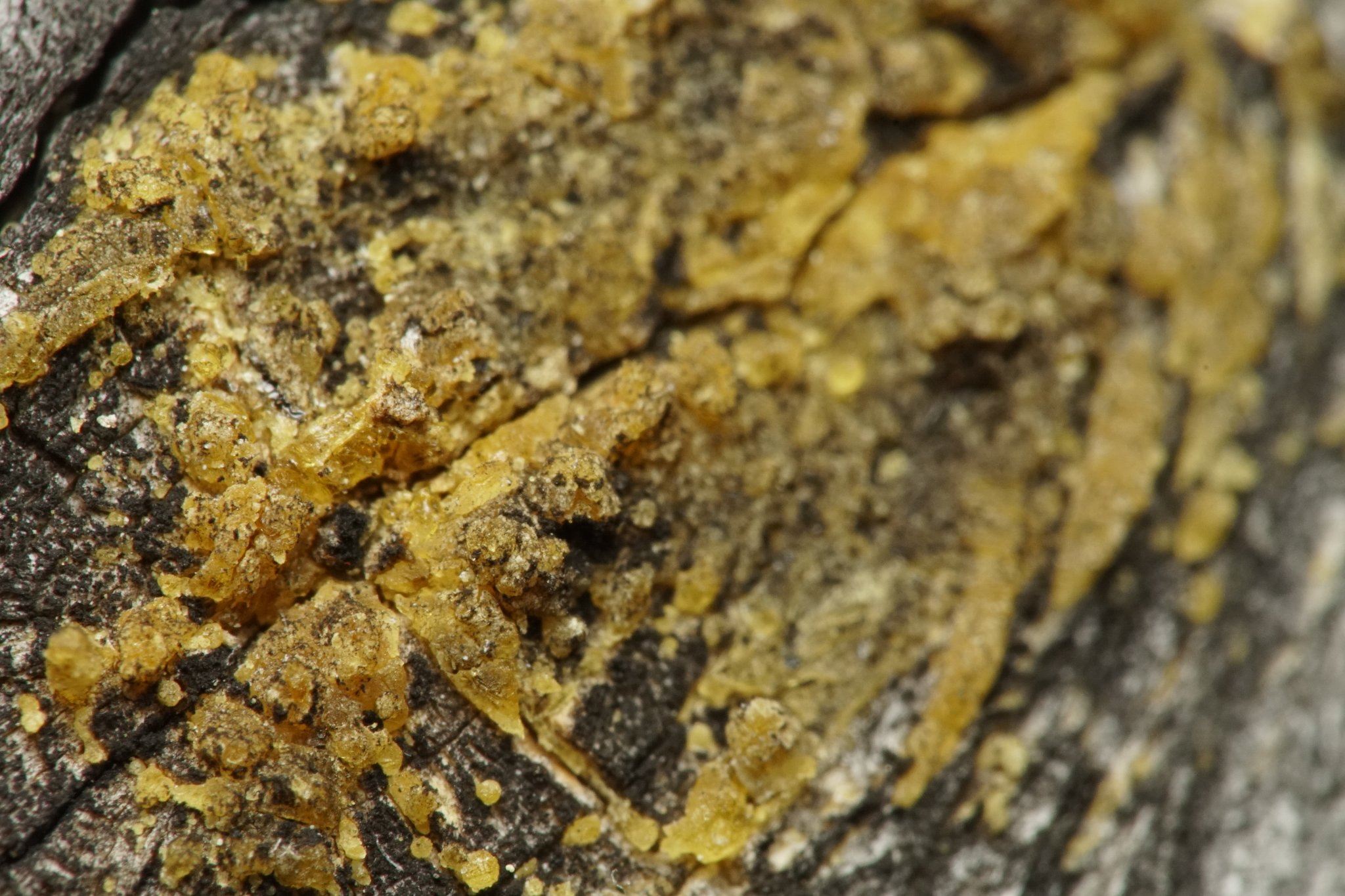
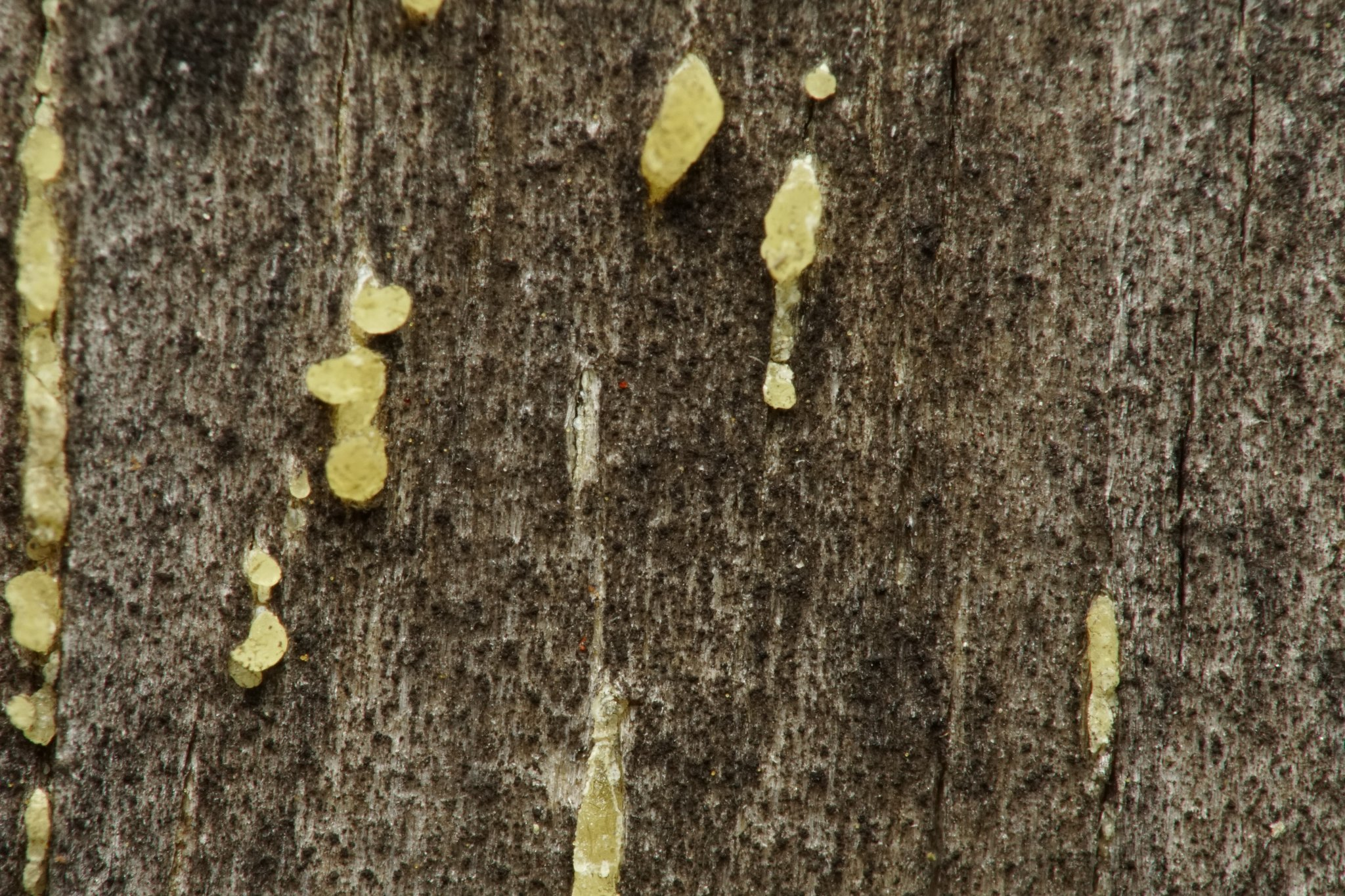
Fungus growing on wood. I always hope it turns out to be slime mold and it never is.
EDIT: it’s not fungus or slime mold, it’s mineralized wood excretions. So just ignore, please 🙂
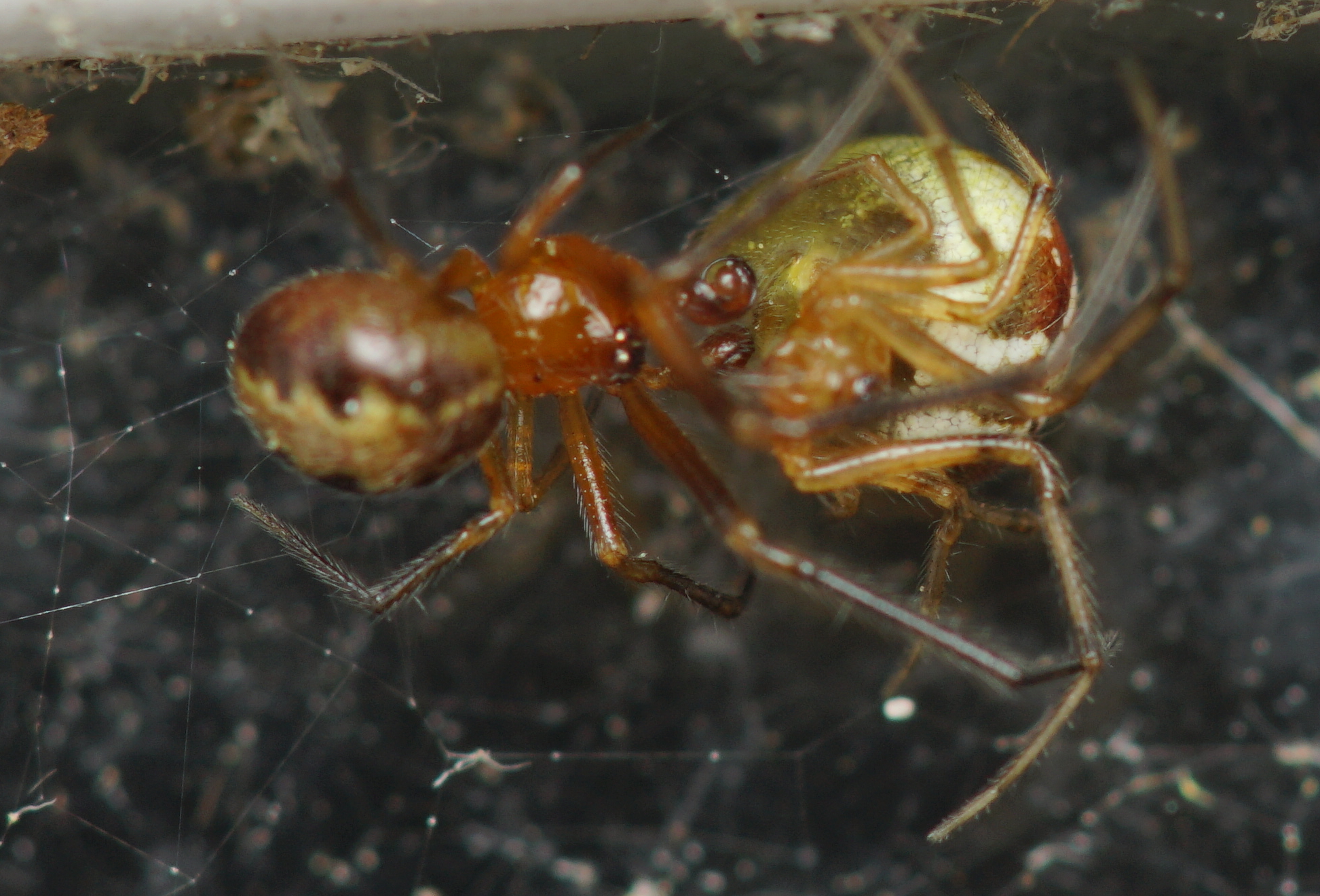
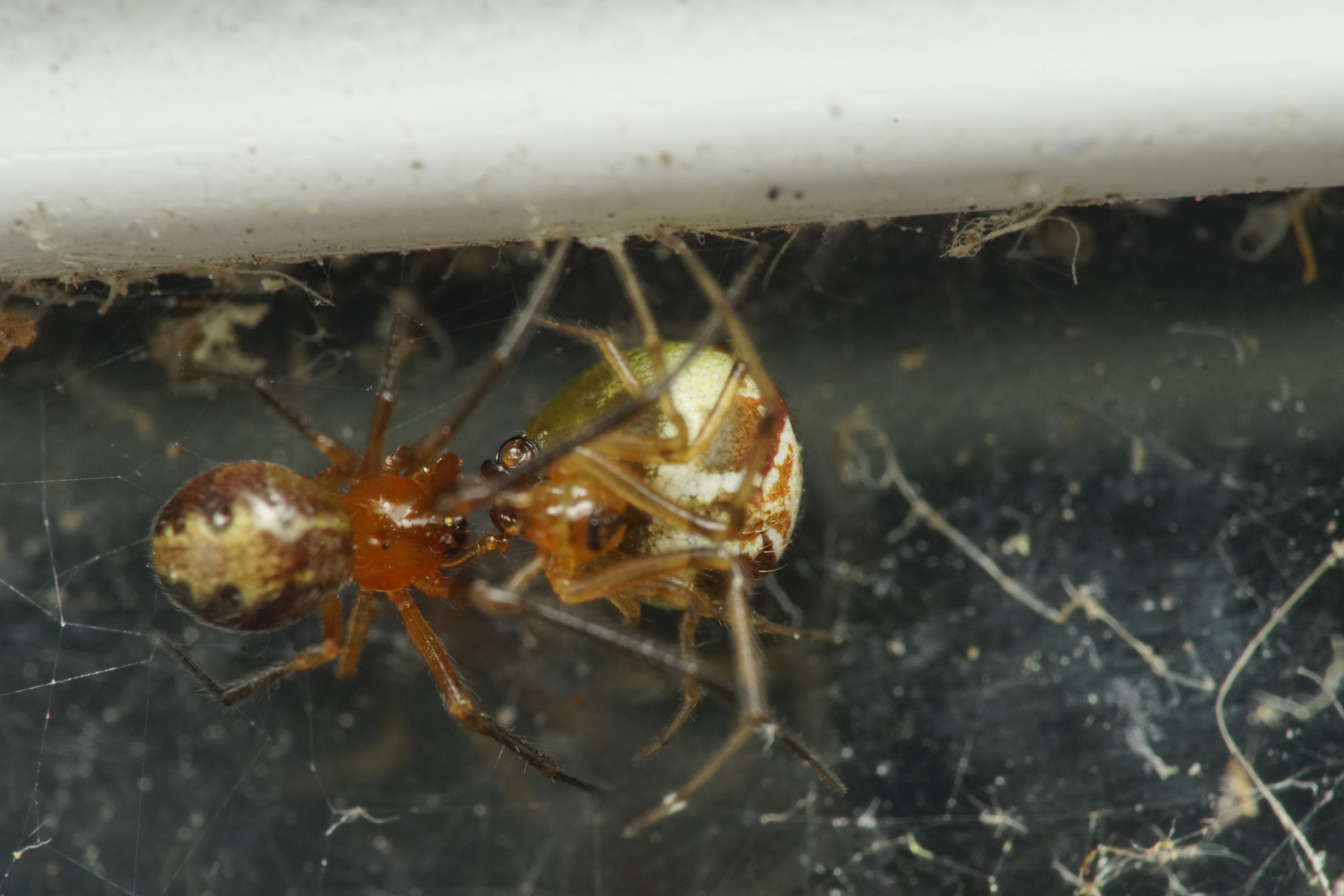
For the last few years, we’ve had plenty of little Theridion spiders nesting outside the front door. This morning, a little hanky-panky — they were busy making little Theridions. Note the distended palps on the male, indicating he has already loaded up the sperm sacs into his pedipalps for mating.
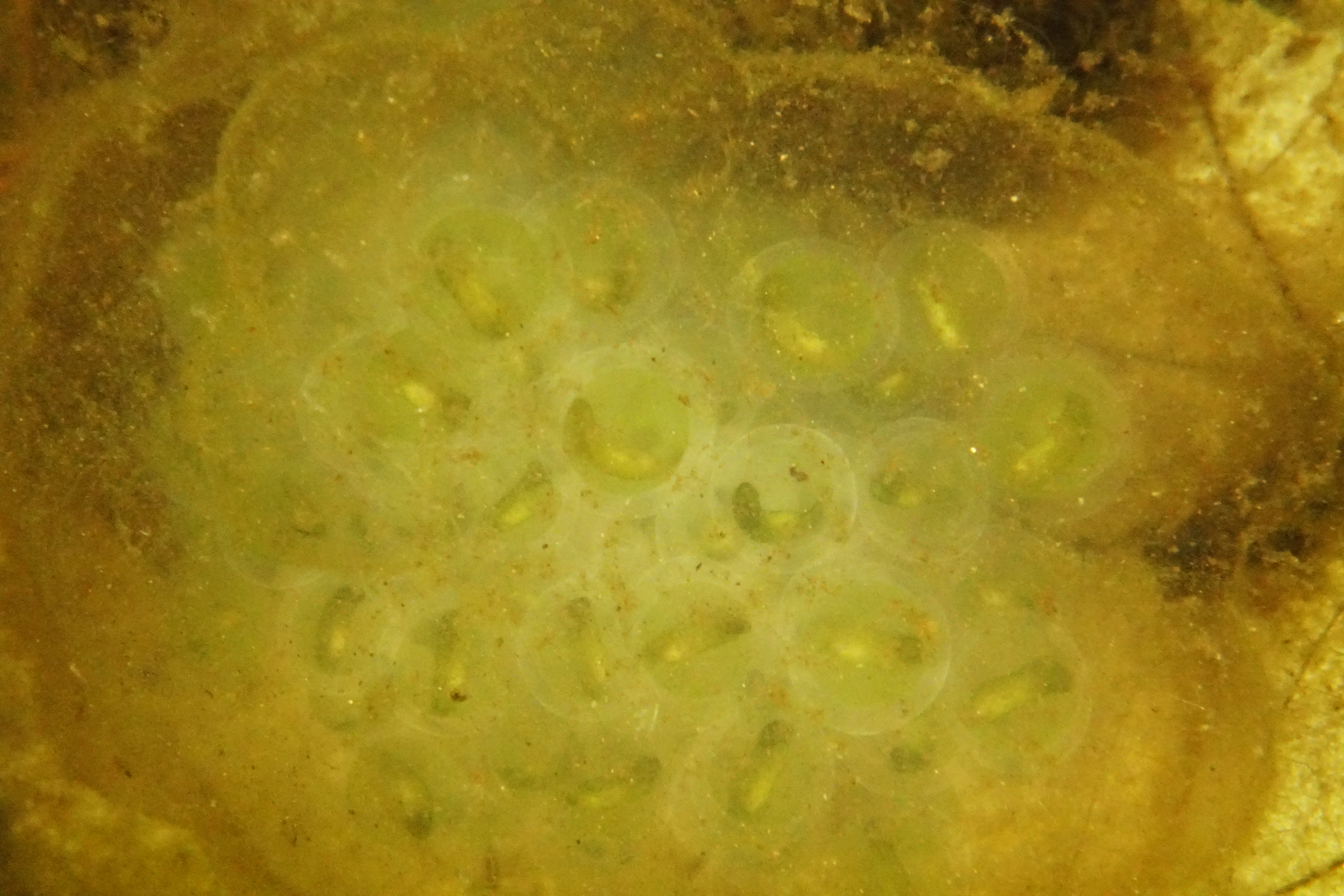
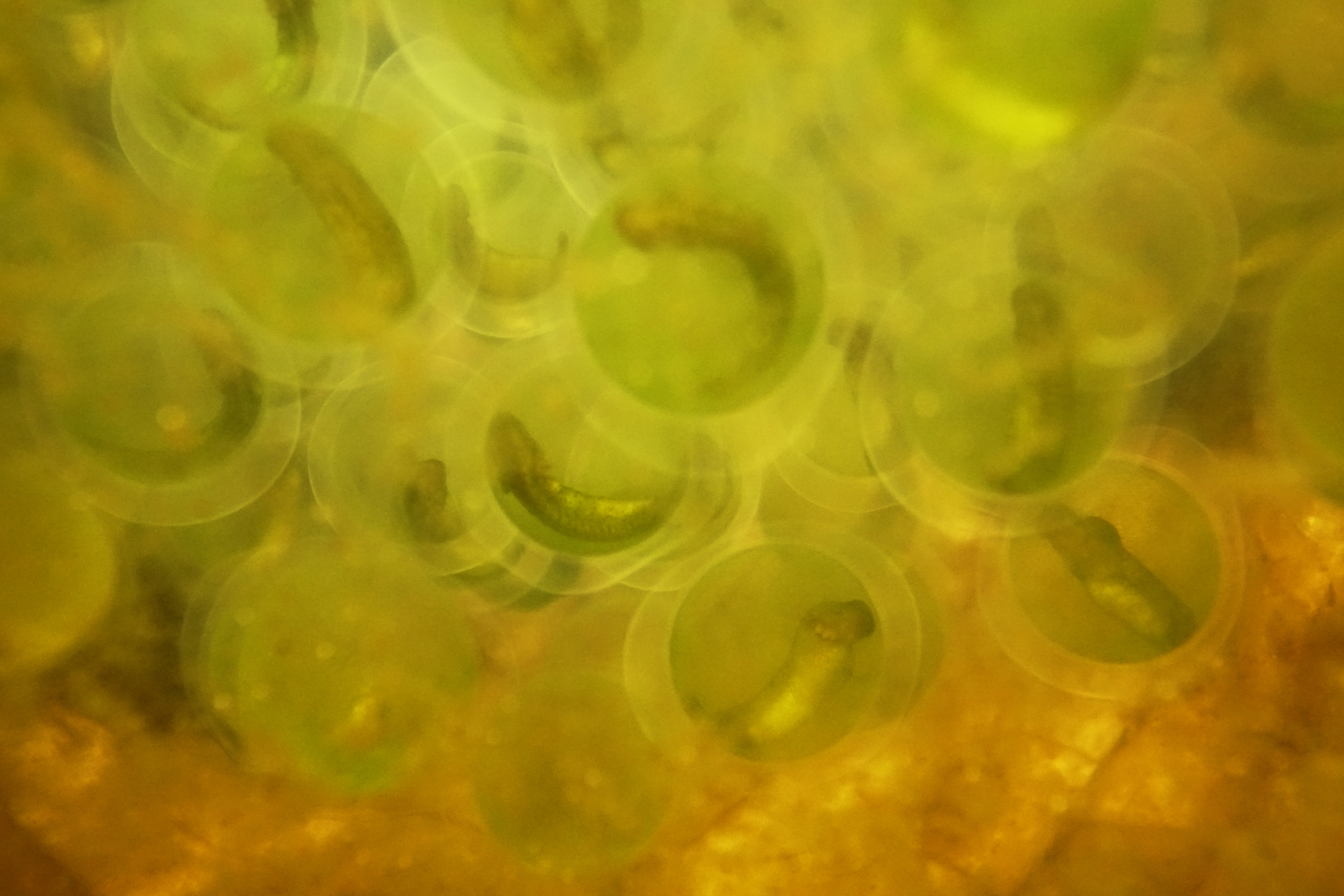
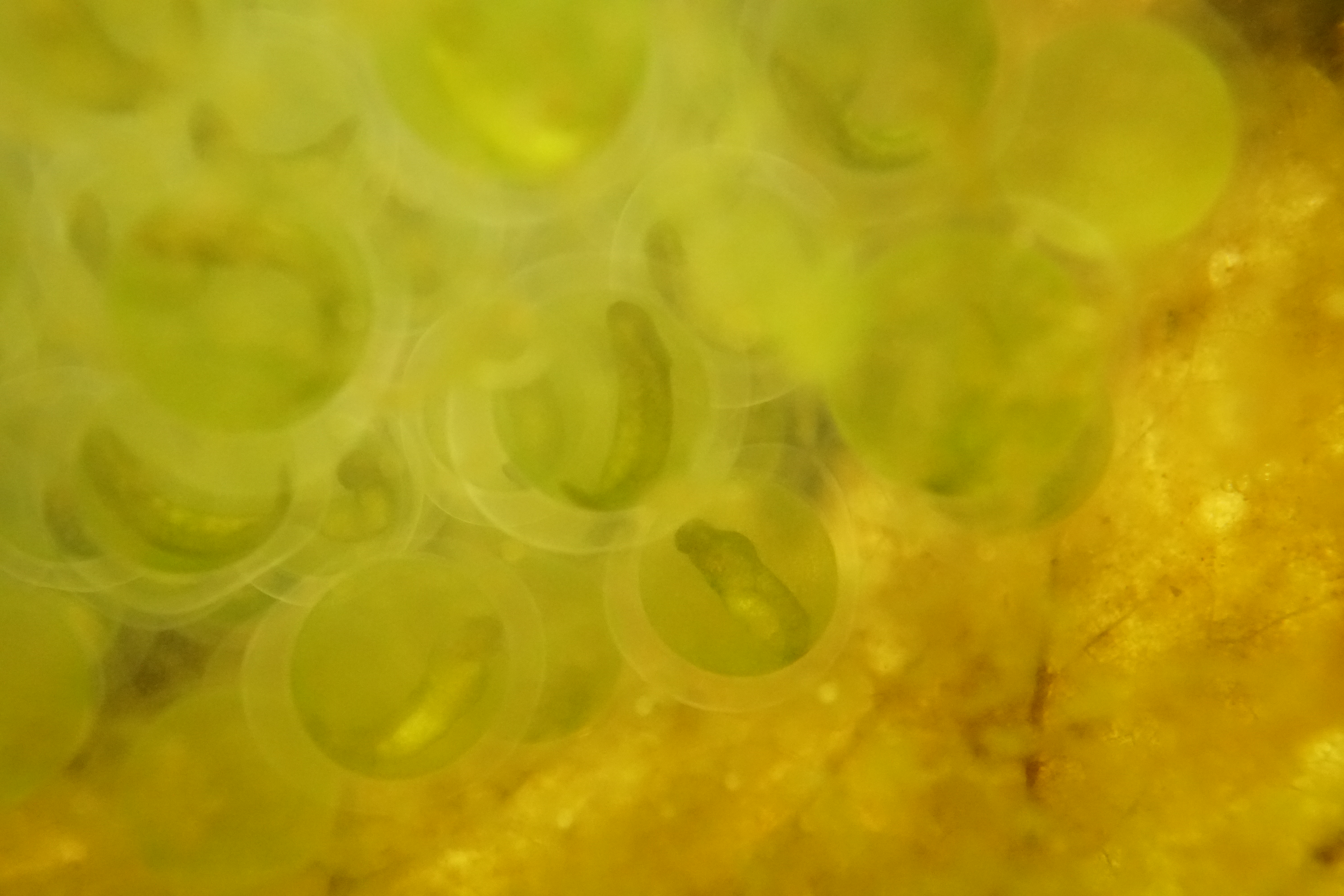
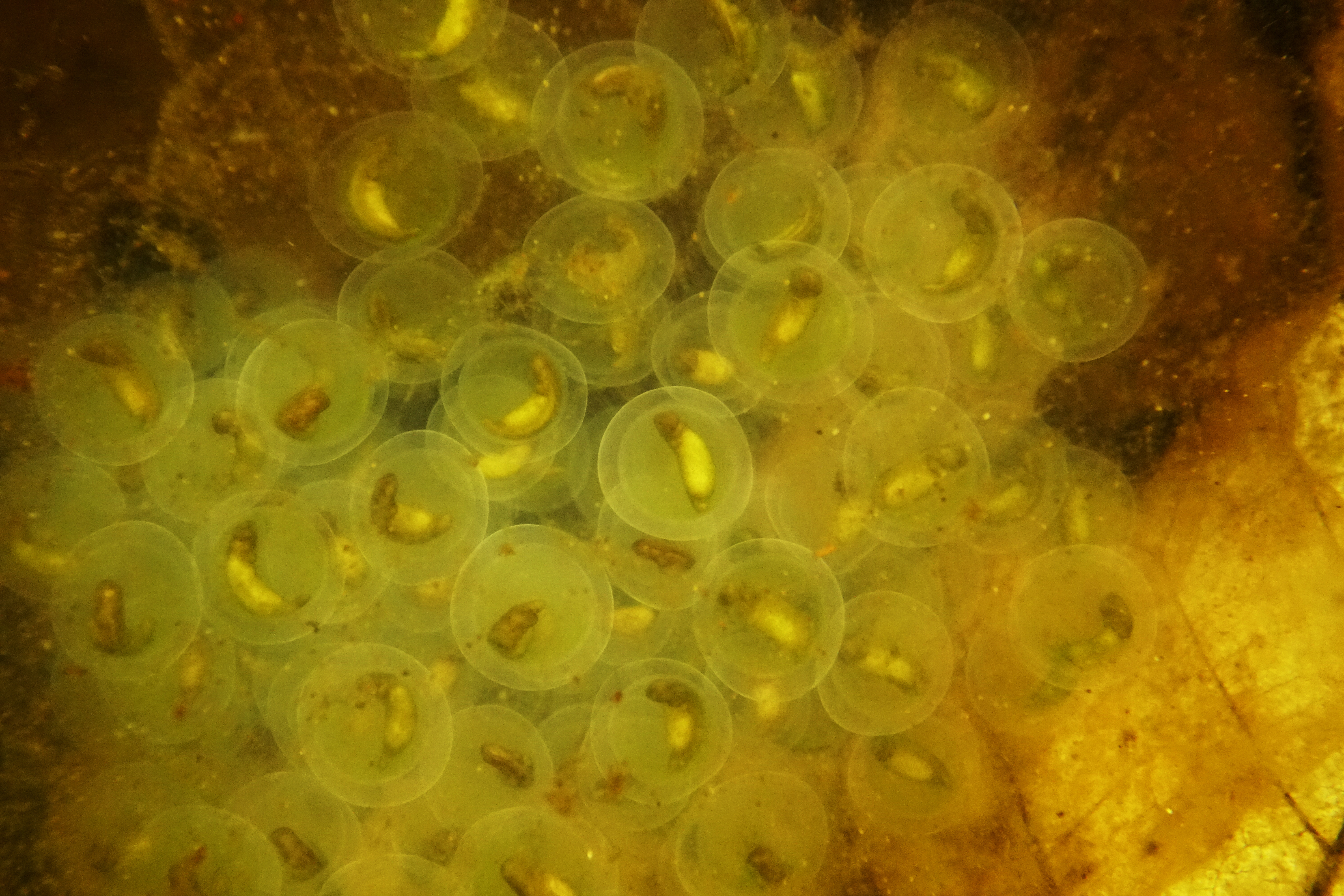
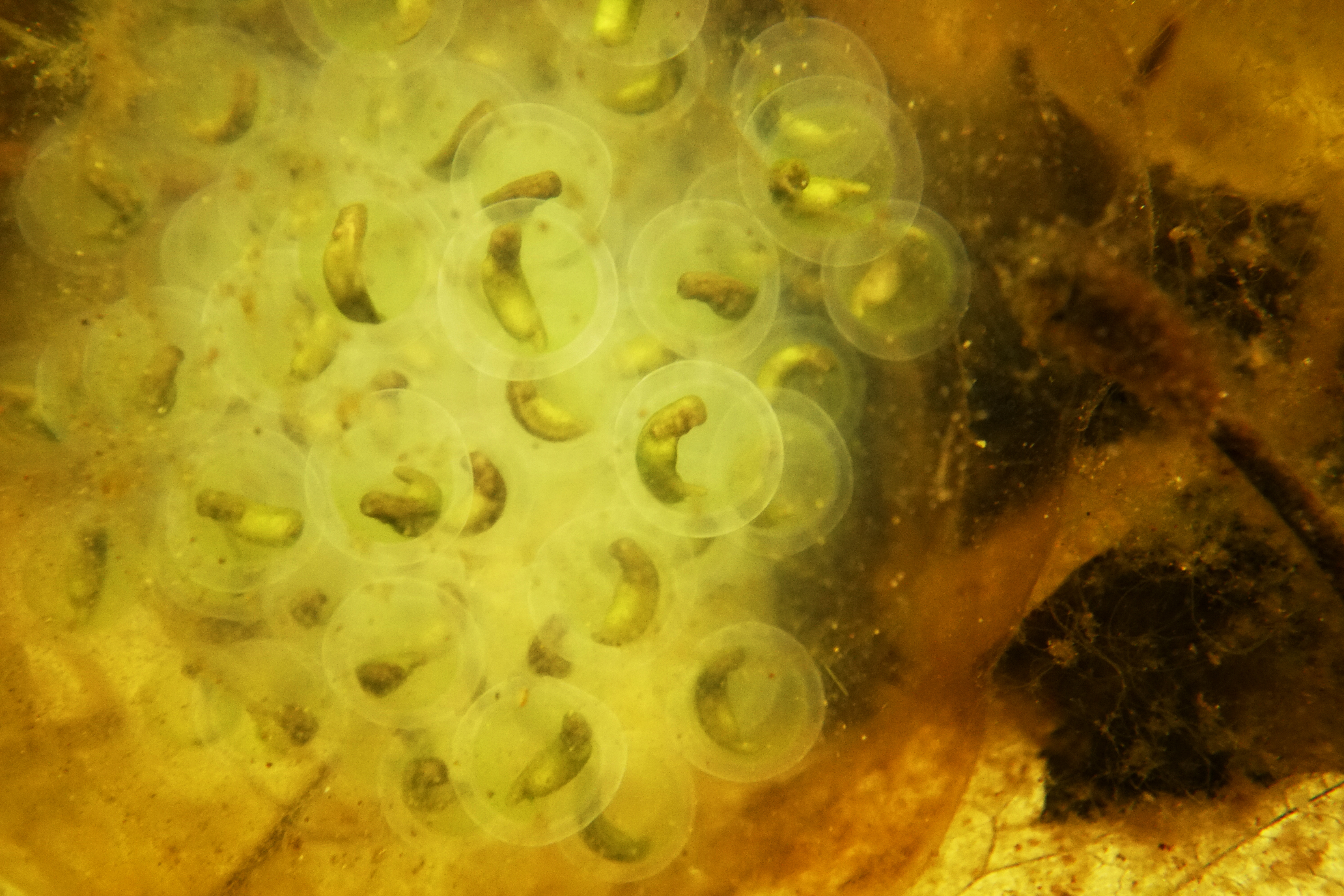
Made several more trips to see the evolution of the salamander eggs shown earlier. It was surprising to me to see that they became more opaque with time. Also accidentally formatted the SD card and lost a bunch of them, which is … life.
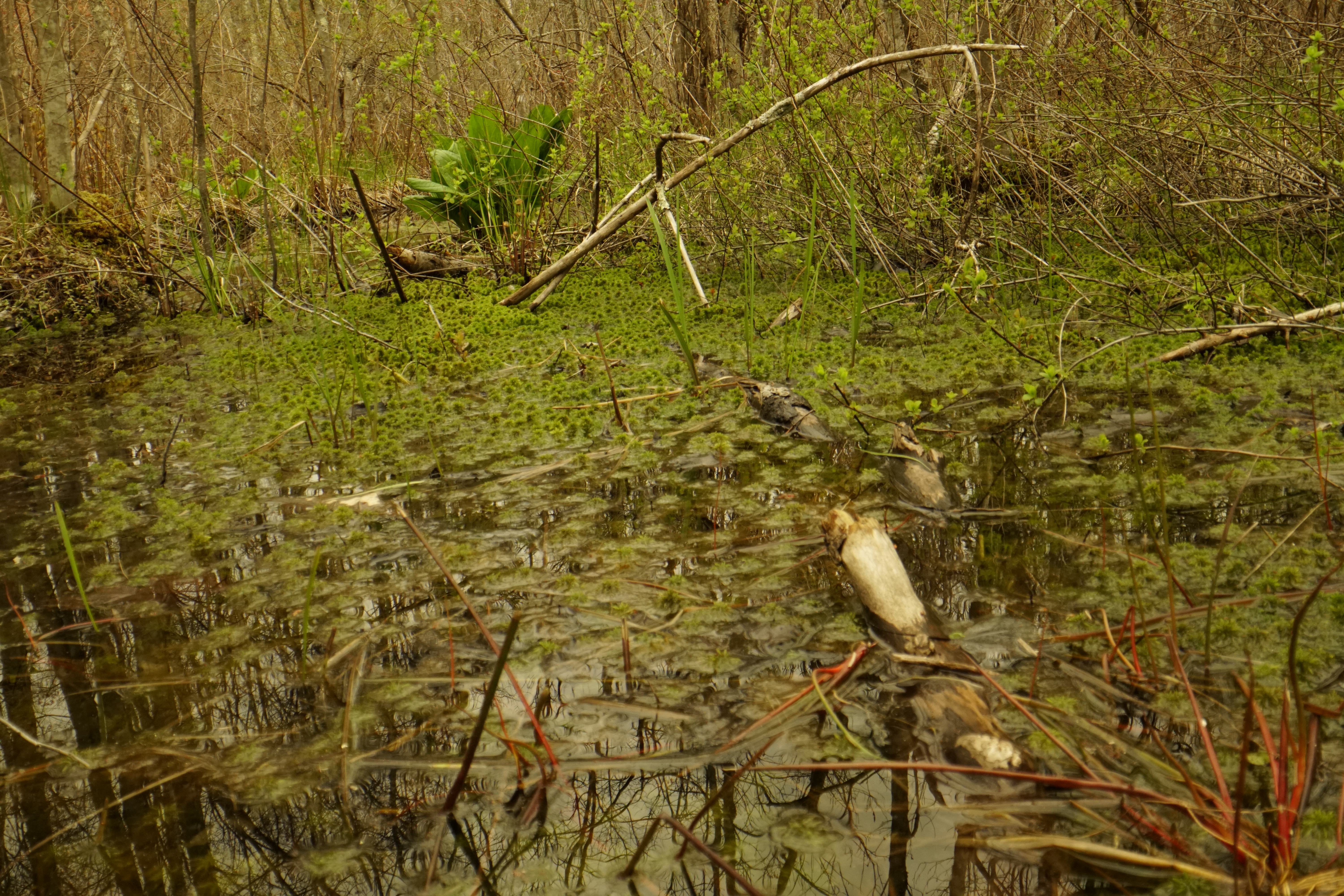
The boardwalk at Moose Hill. I took my Laowa 24mm macro probe lens to take underwater photos. I was especially hoping for amphibian egg photos. I can’t tell you how happy I am with how they turned out.
Let’s cut to the good stuff. I think this is a salamander egg clutch, probably spotted rather than blue-spotted, as spotted salamanders have larger egg clutches.
Diptera
There was plenty of other stuff to look at! This fly (at least, it seems to be a fly from the wings) was one of many similar floating on the water.
Trichoptera
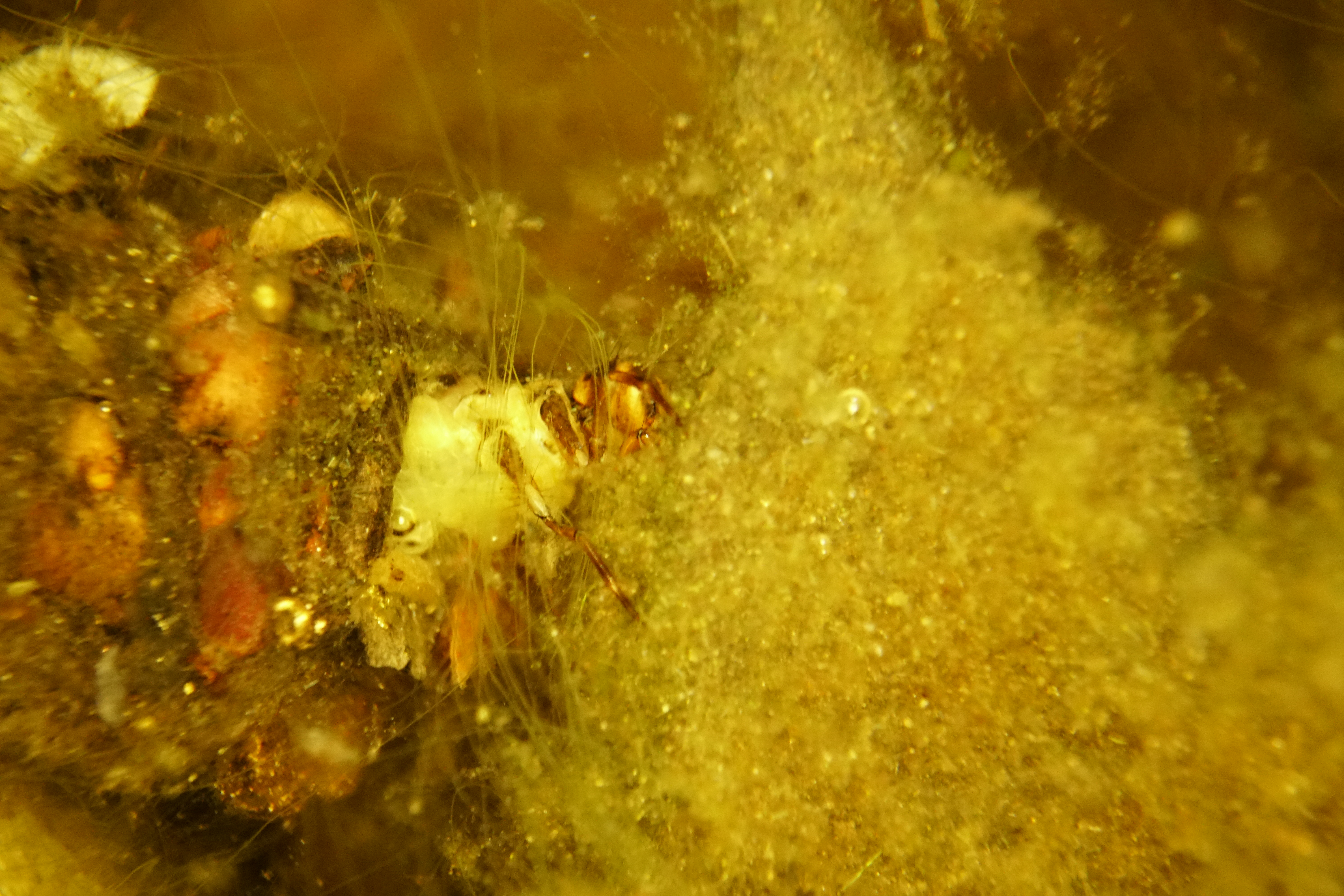
There were so many caddisfly larvae in their casings. Once you see one, you start to see so many others.
Trombidiformes
Water mites, Hydrachnidia, were very common, and a complete pain to photograph. They sometimes look like pigs flying underwater:
Gerridae
At least, I think it’s Gerridae. The genus name (if I’m correct) is Aquarius.
Hymenoptera
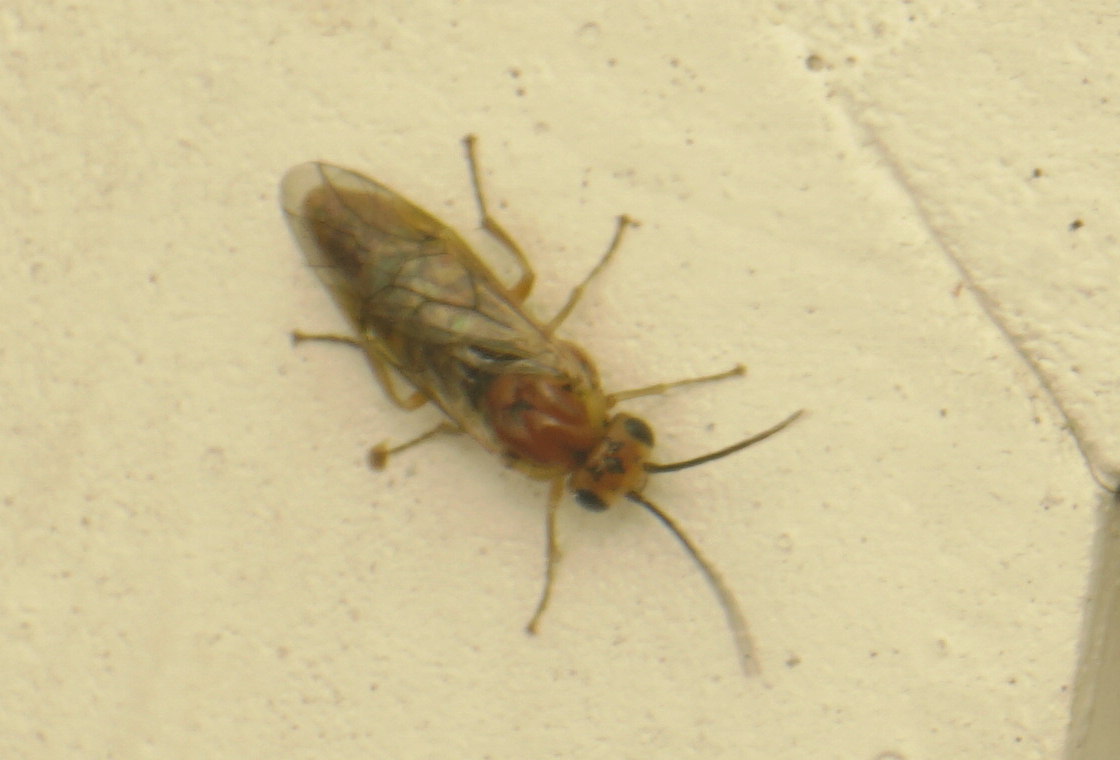
On the way there, saw this sawfly, no reason not to take a snap, even if it wasn’t the main purpose of the walk. I’m comfortable calling it Neodiprion Lecontei, the Red-Headed Pine Sawfly. It eats conifer needles, according to Tom Murray’s book — I didn’t know there were insects out there that found conifer needles nutritious.
Collembola
As always, lots and lots of Collembola (springtails) in the marsh. They love the water. This one, in particular, was inside a skunk cabbage. I didn’t realize there were other bugs besides the springtail until I looked at the photo.

























































 a little wild