Perhaps the latest start to the bugwatching season I’ve had for a long time! The weather was cold-ish (14 C/57 F approximately) so not a lot of insects, but the ones I could see were fairly low-energy, allowing me to take some very close up photos.
For some reason, there were dozens of march flies (Bibionidae). I’ve never seen that many in one walk.
Diptera
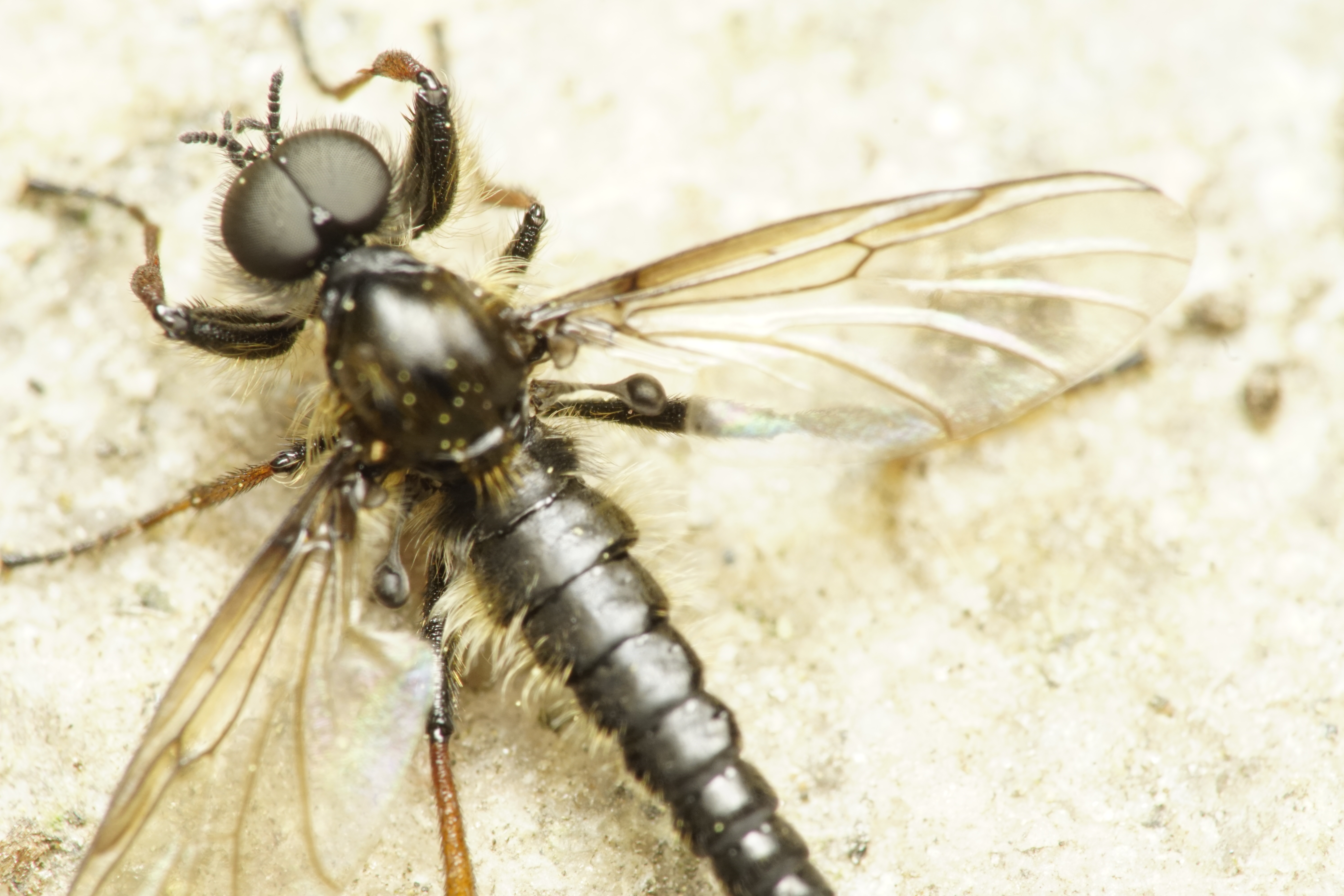
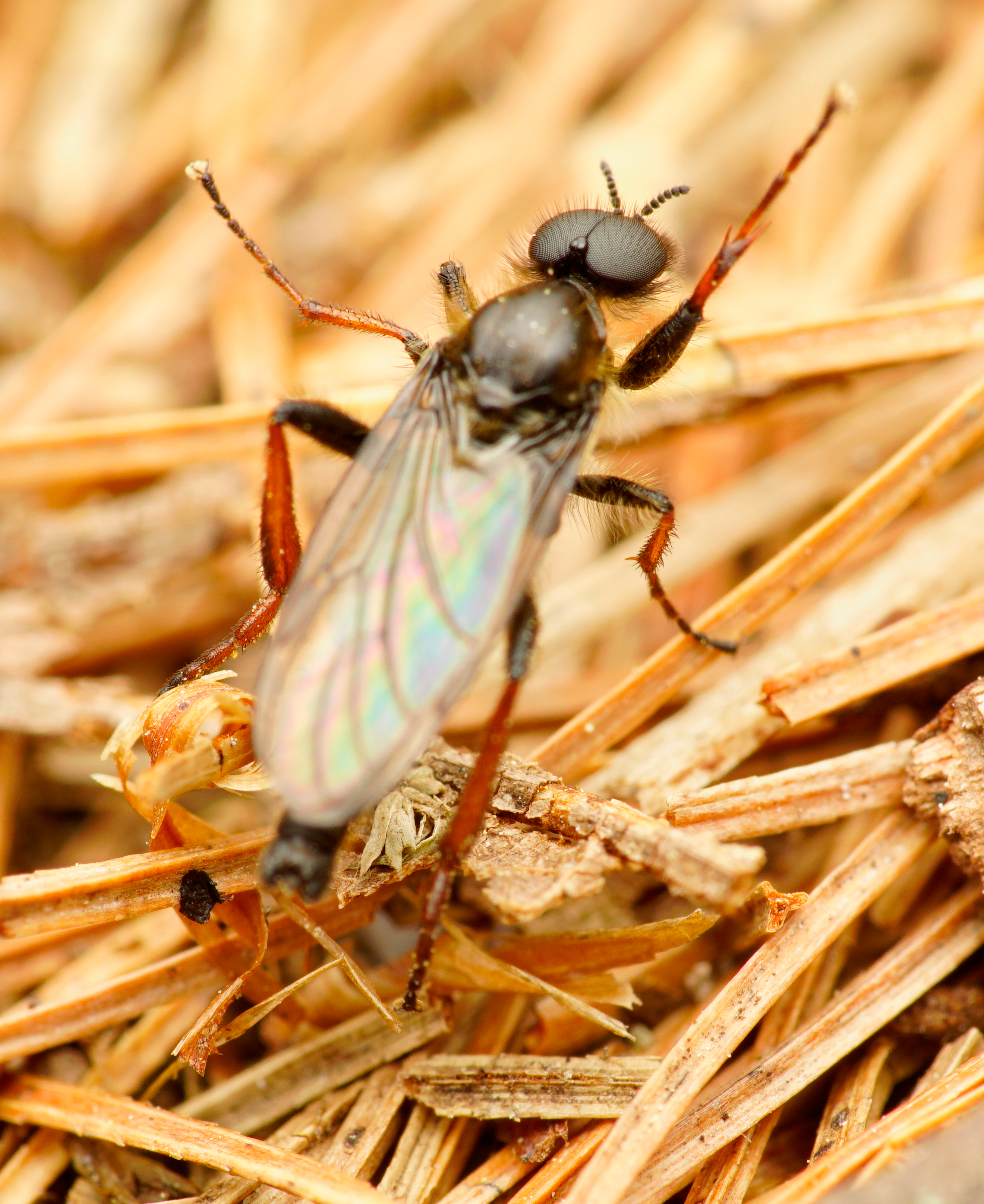
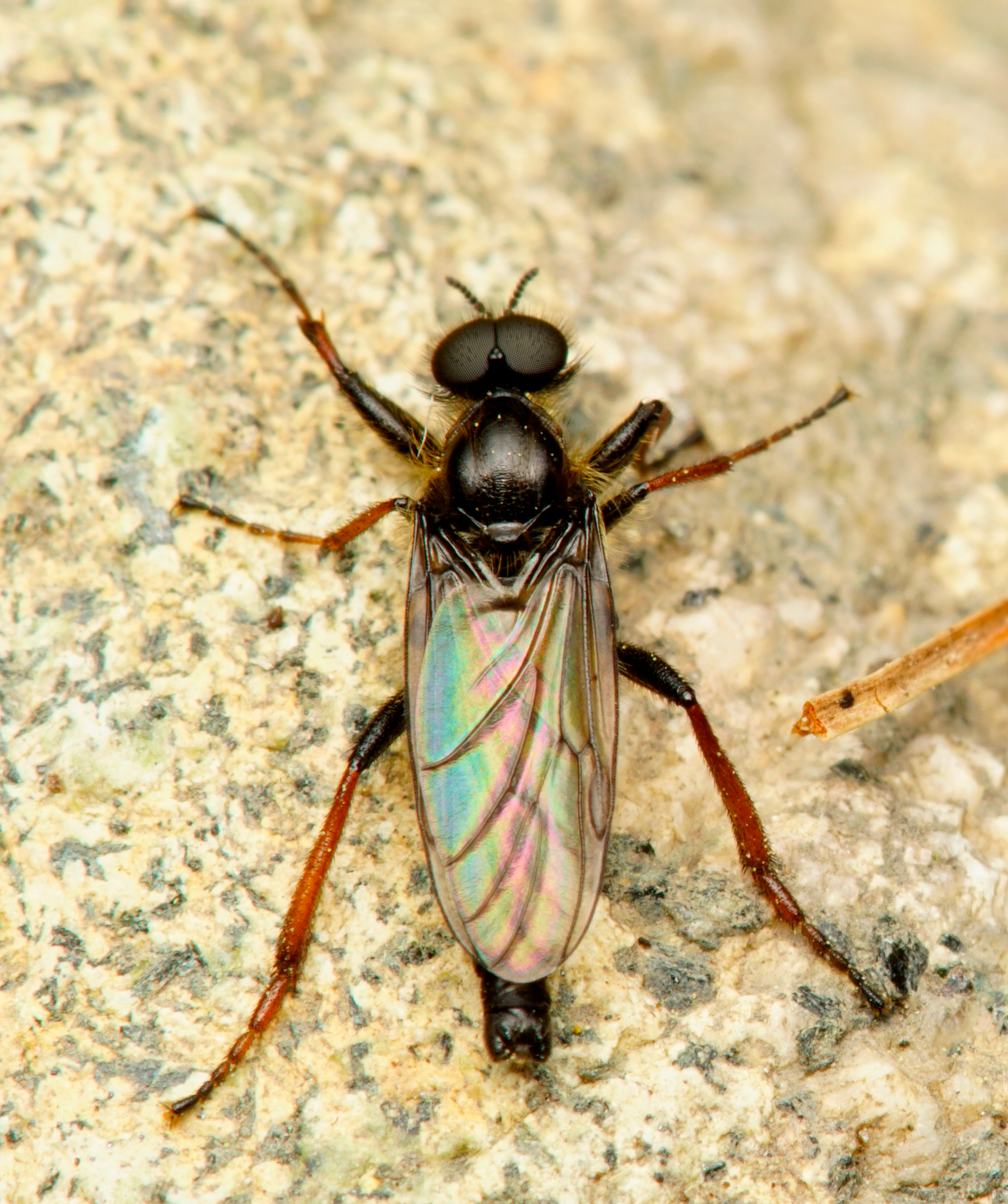
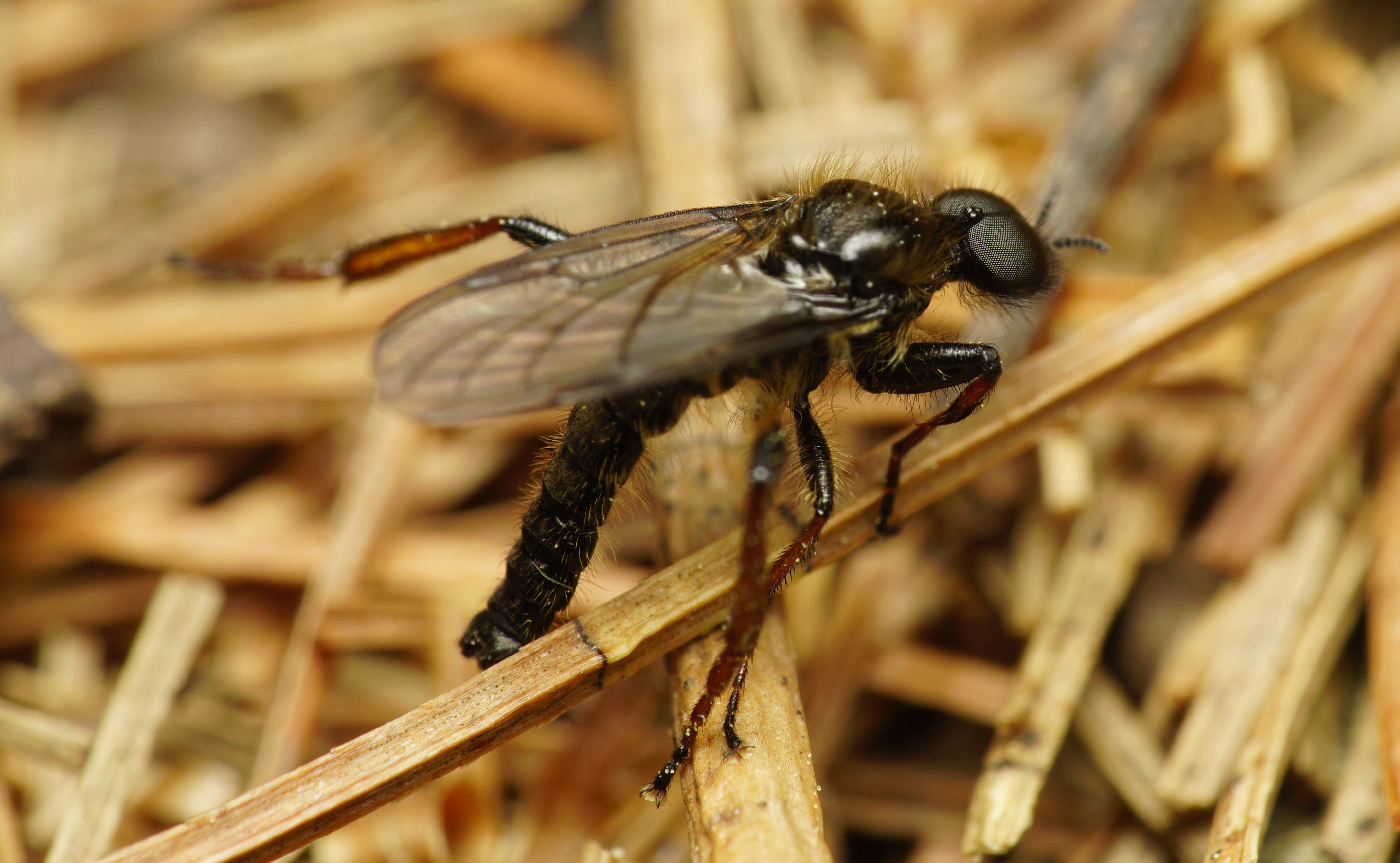
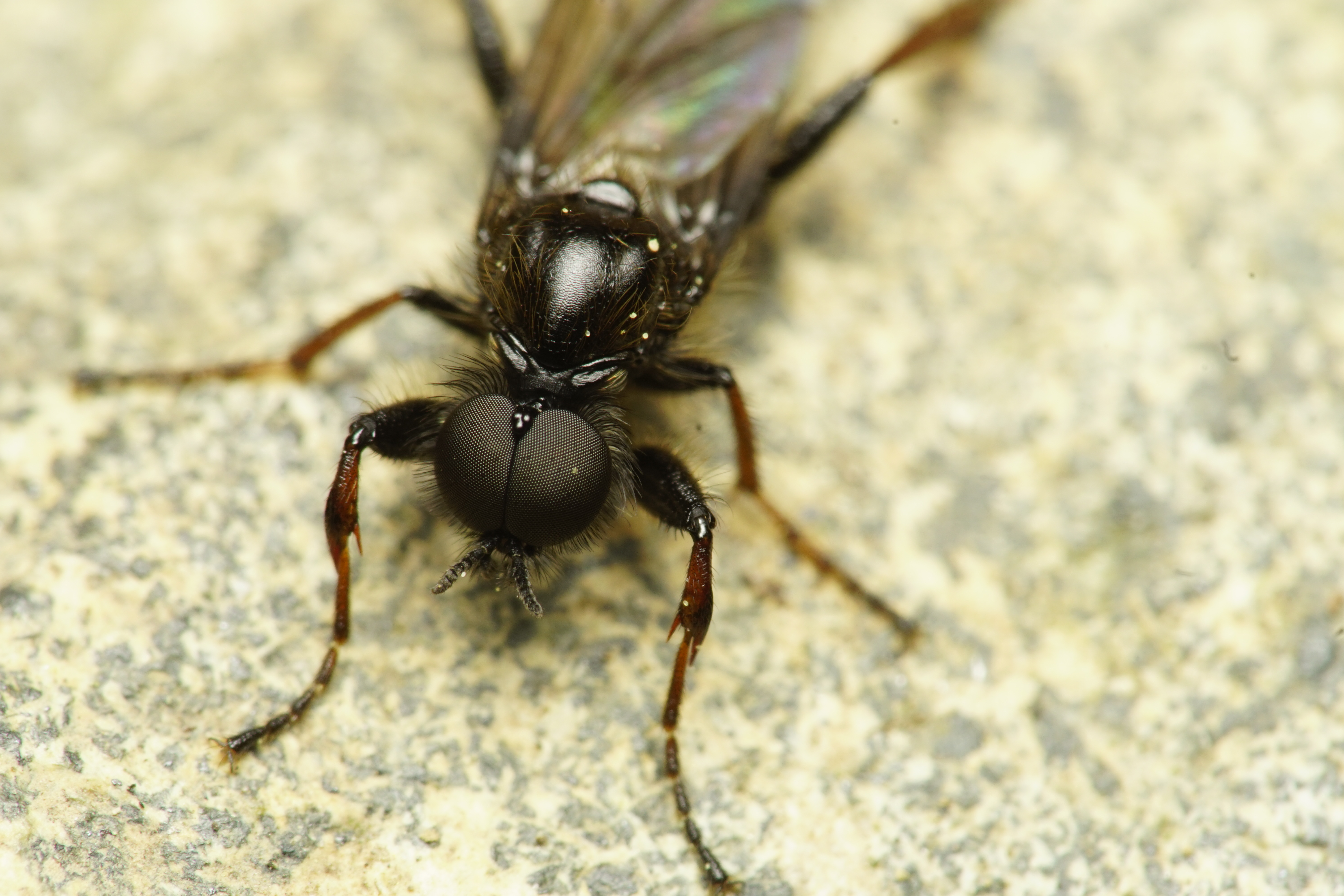
As promised, tons of Bibionids. The large eyes belong to the males. But which ones?
And honestly, I don’t know which one is a good fit with the images below. My best guess is Bibio ‘Boston’ species, nr. lanigerus, compare with https://bugguide.net/node/view/182418.
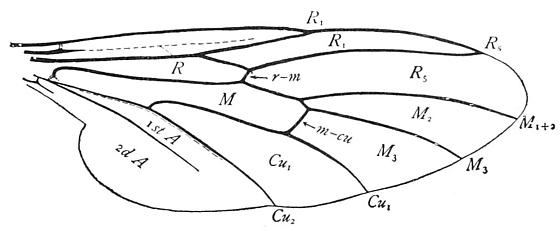
First, here are some views with the wing patterns.
This one is a female.
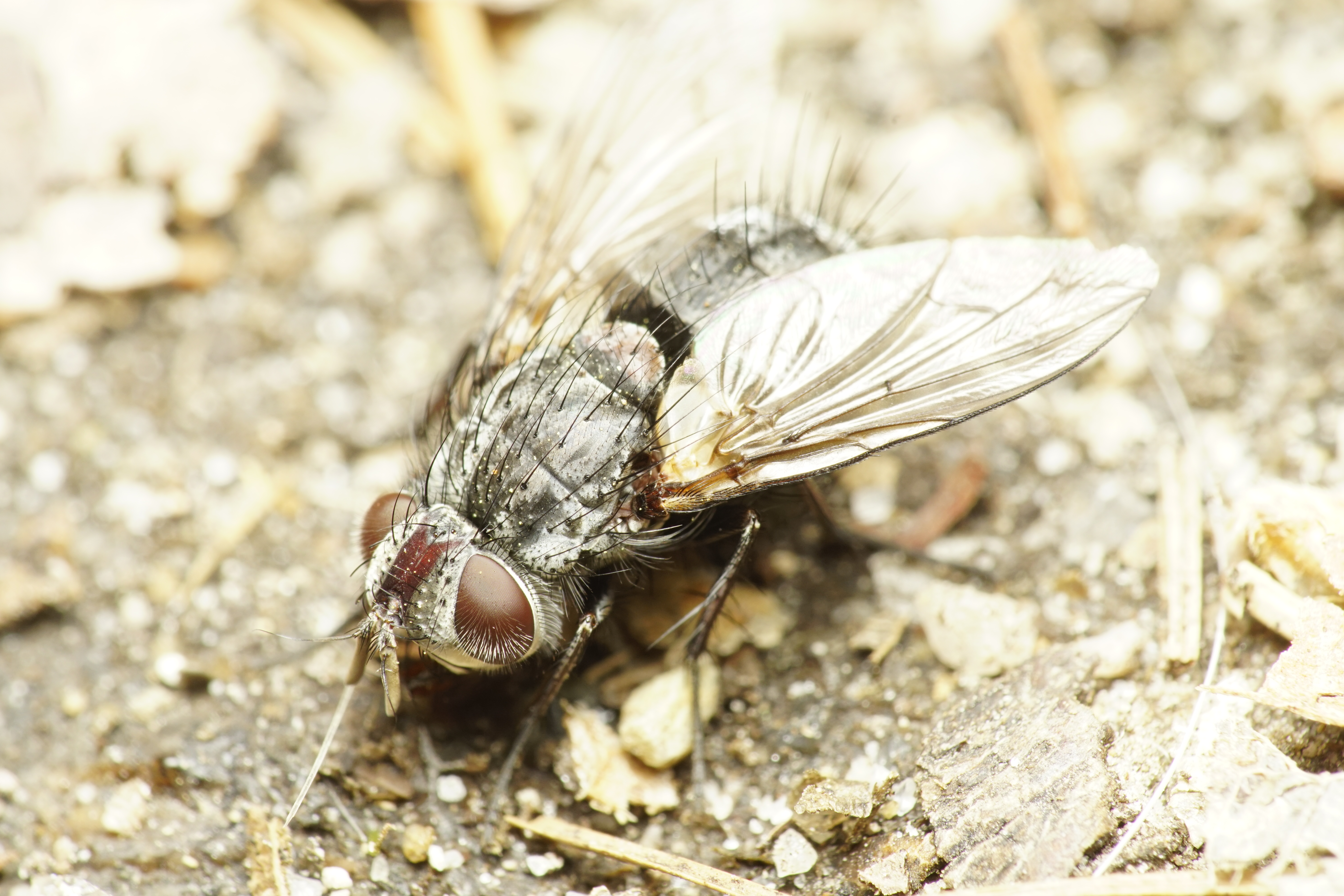
Tachinidae, I think. I believe that’s the diagnostic large post-scutellum at the end of the thorax.
Hemiptera
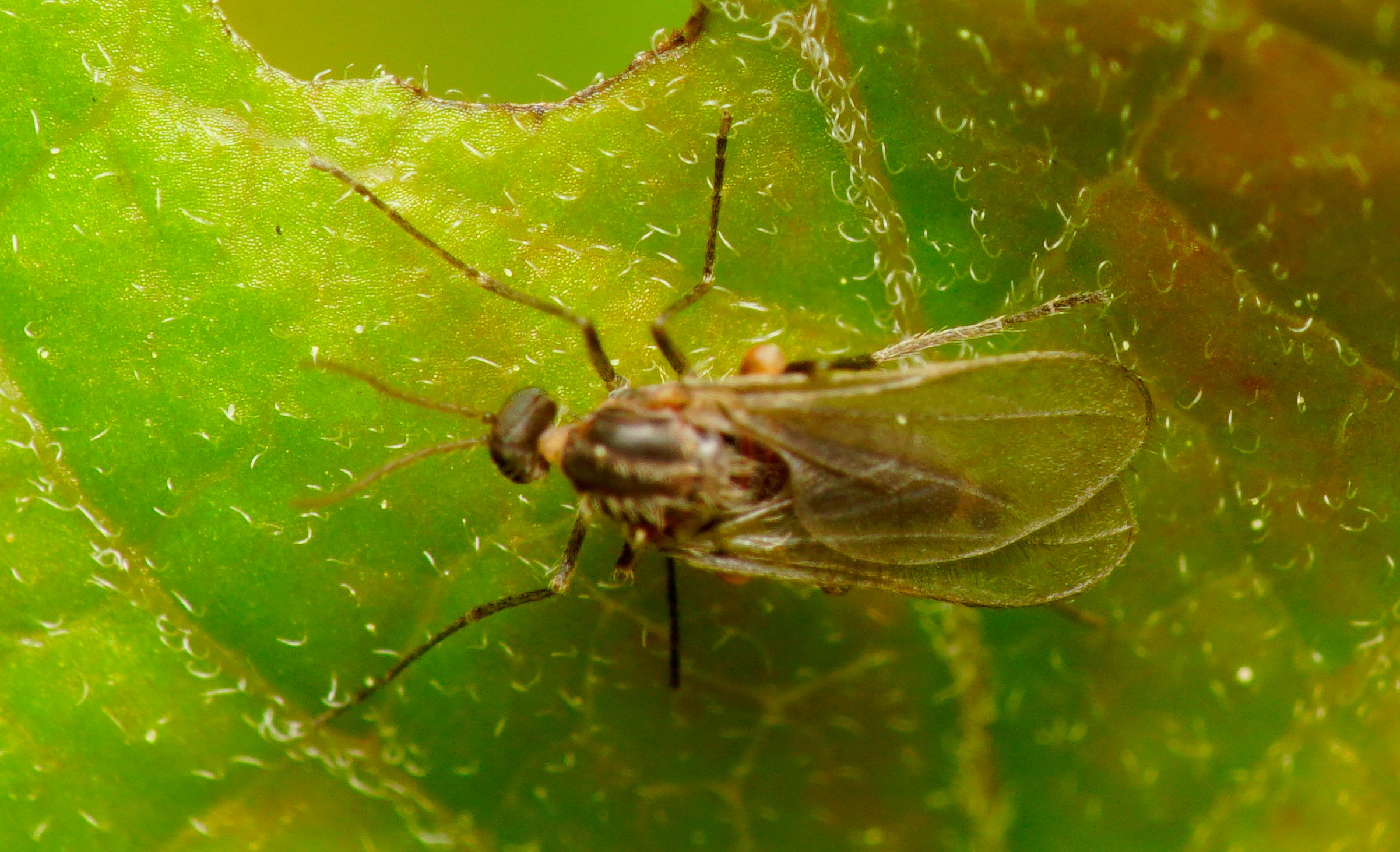
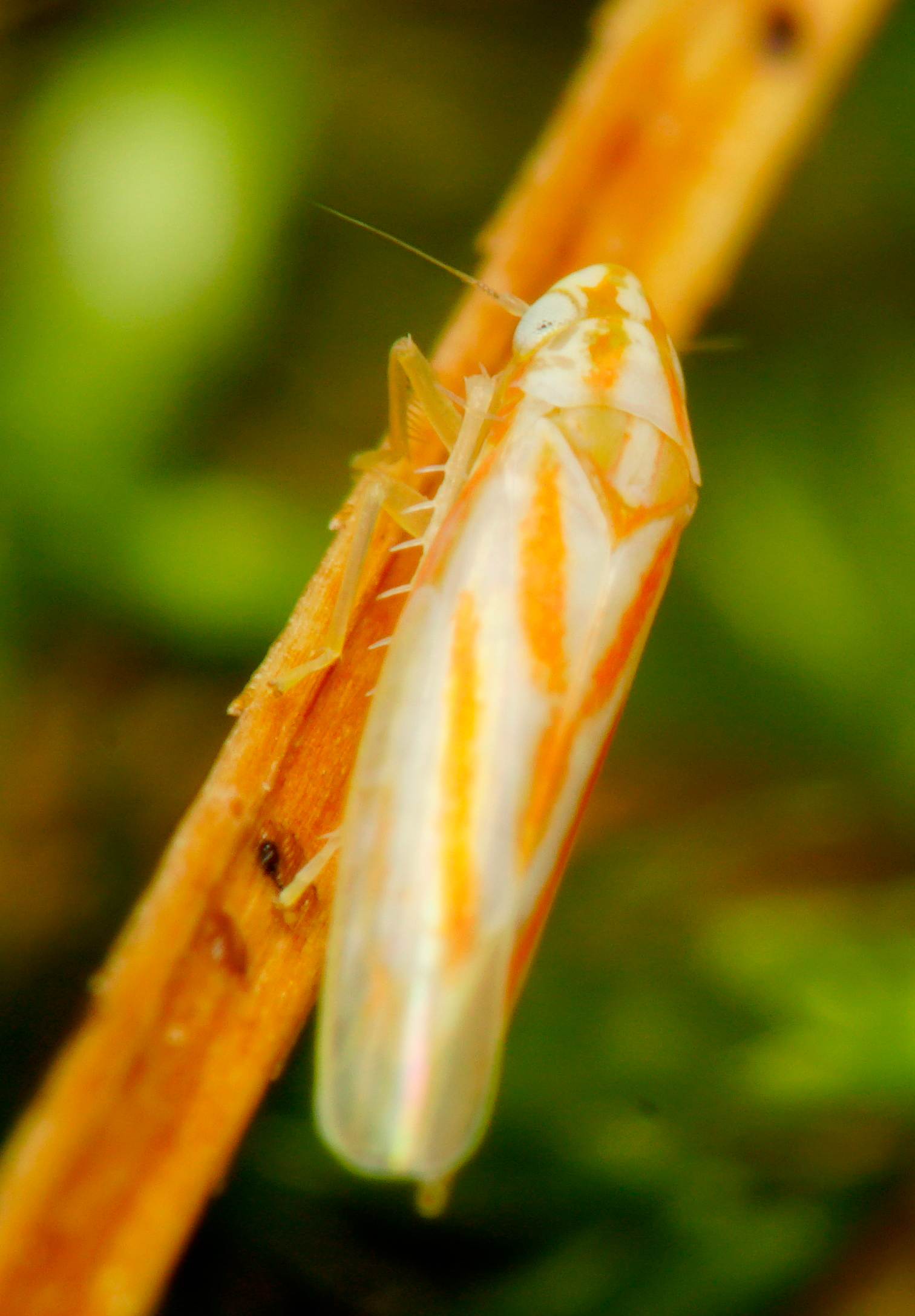
Leafhopper, I think Erythridula. Tom Murray in Insects of New England calls this Arboridia plena, but I think that’s a deprecated name.
Coleoptera
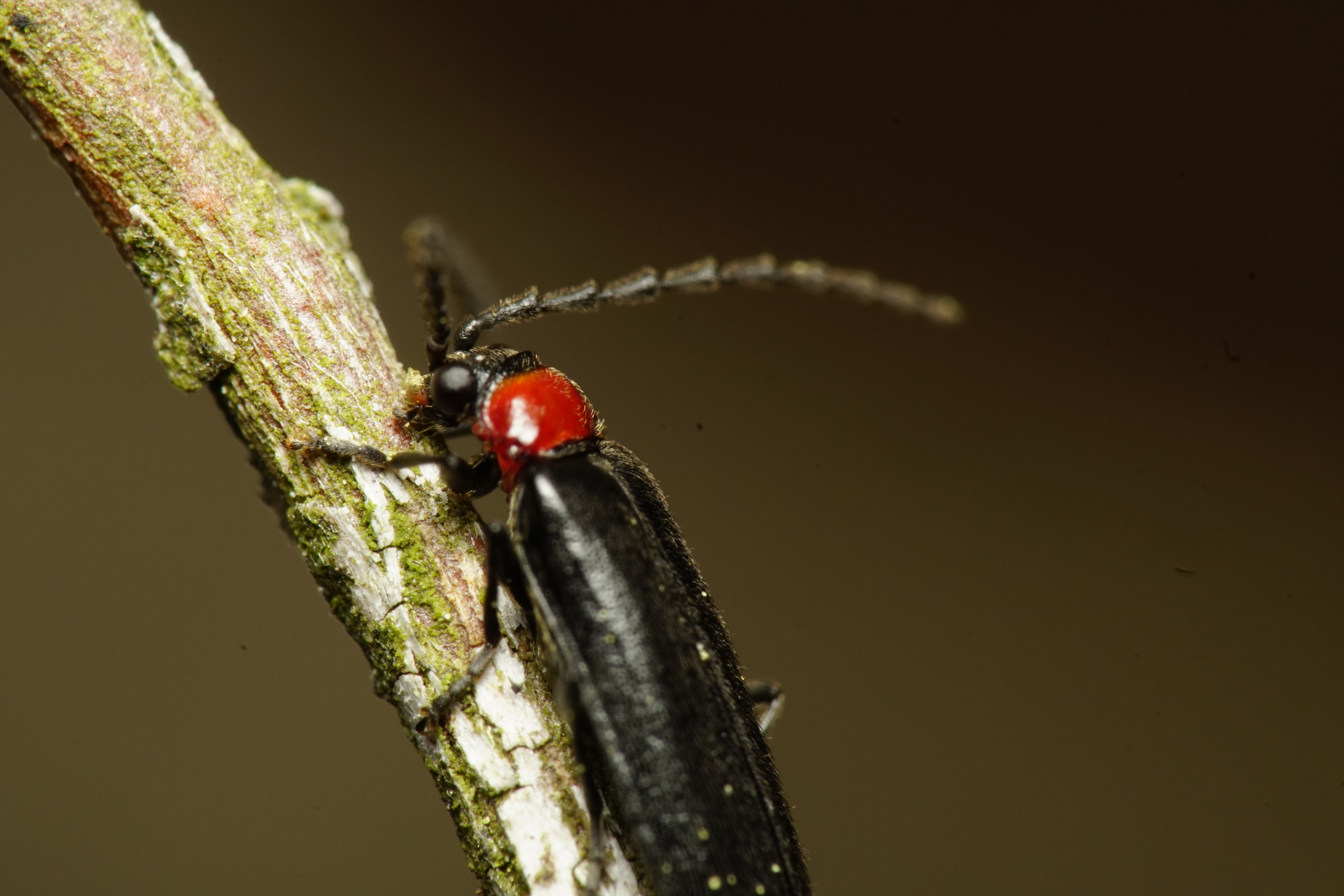
I think this is Pedilus lugubris, in Pyrochroidae (“Fire-colored beetles”). EDIT: Actually, I guess Silis in sub-family Silinae, family Cantharidae is just as likely.
Hymenoptera
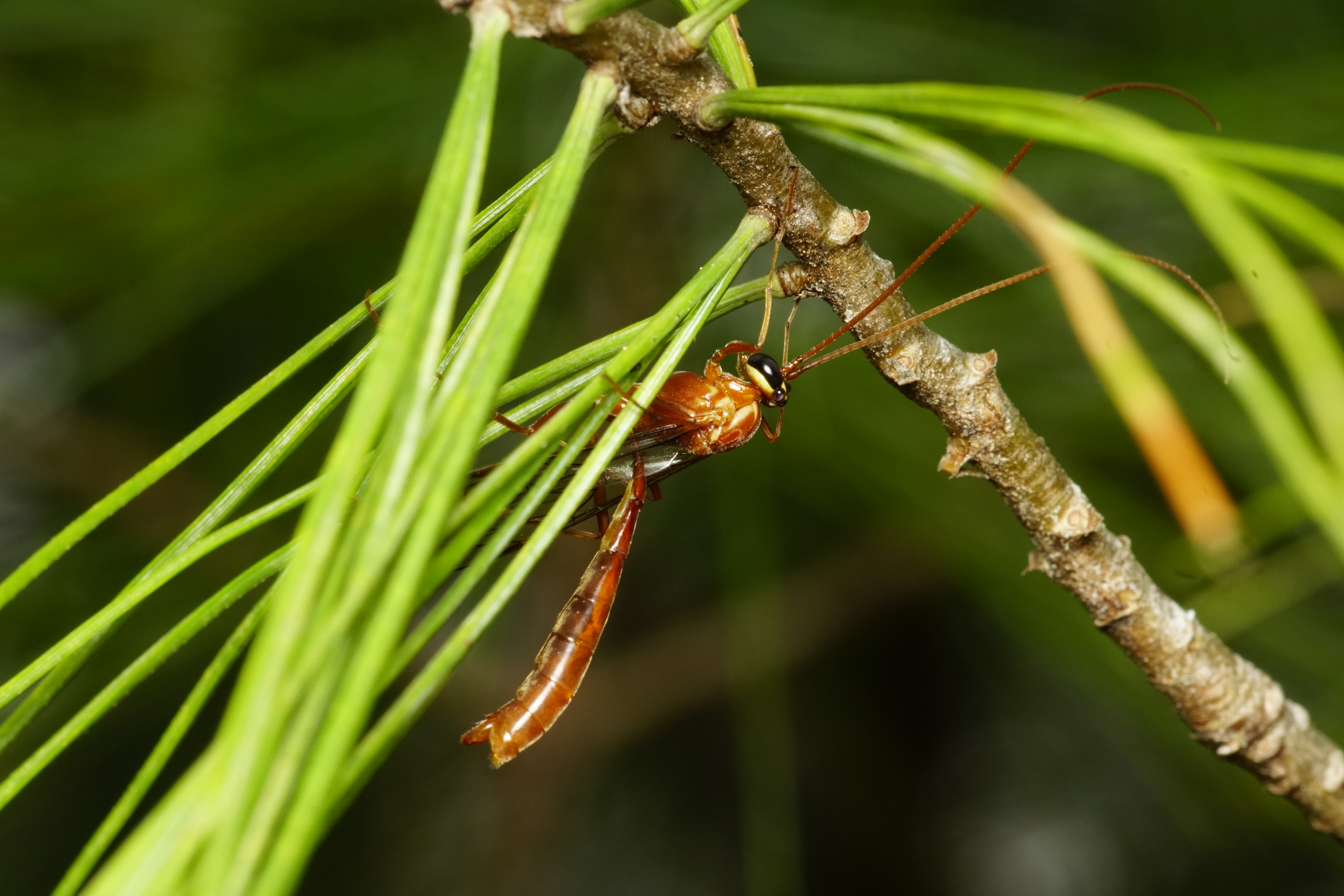
Ichneumonidae –> Ophioninae –> Ophion sp. perhaps
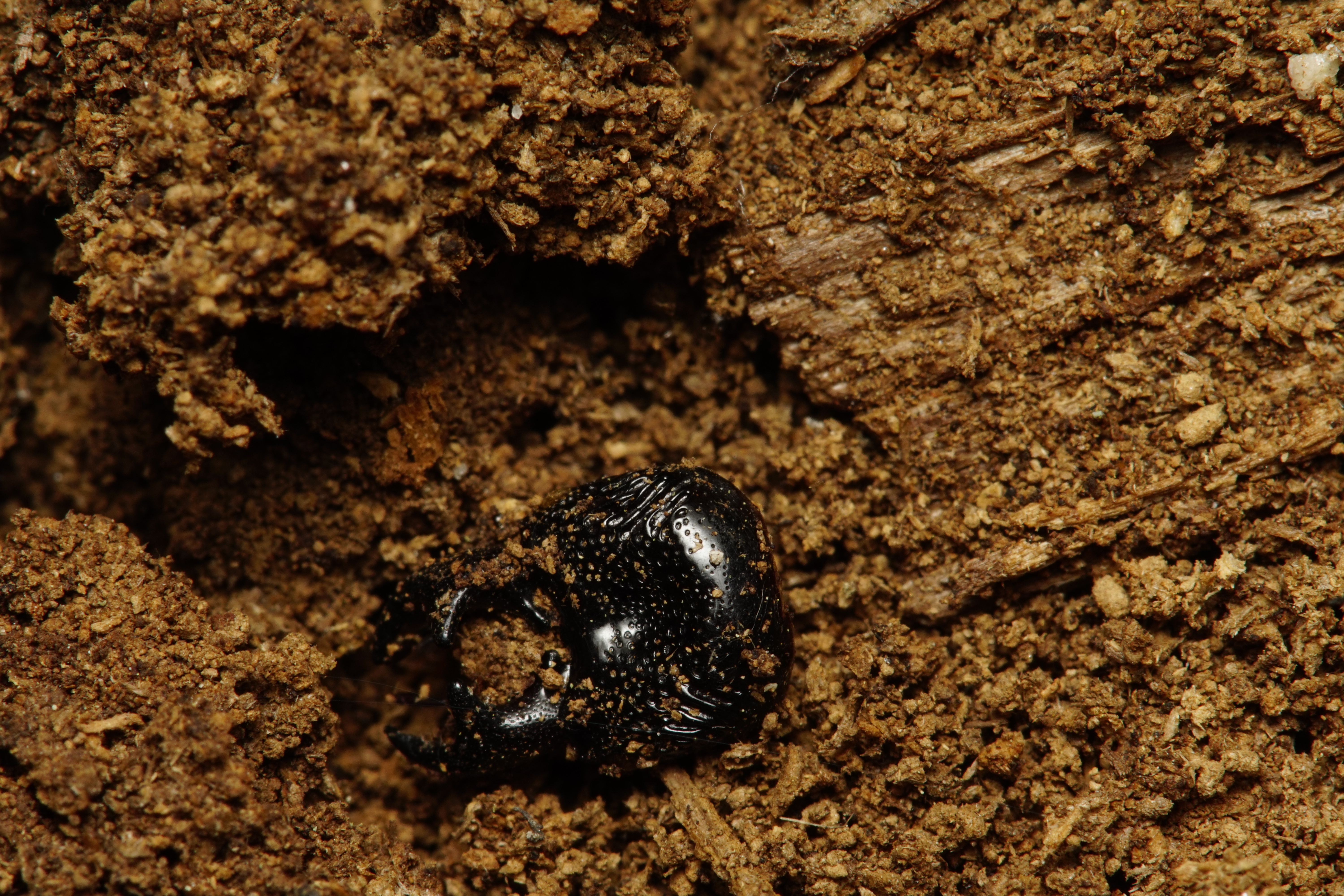
I’ve seen this before, and I don’t have an explanation: the head of an ant, partially buried in the soil. Caused by some sort of parasite?
Spiders
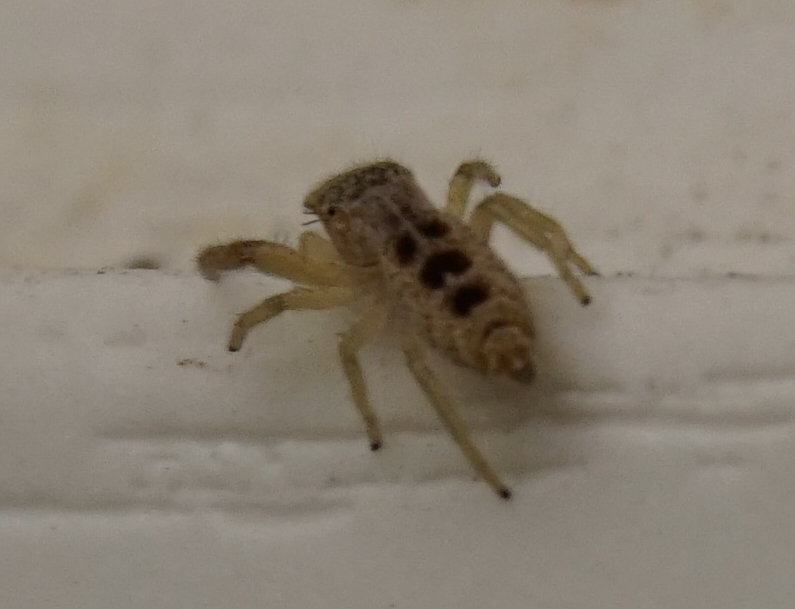
As always, Leucauge venusta all over the place. They’re the first spiders I see in spring (along with Cyclosa conica) and the last ones I see in fall.
First set of photos at the vernal pool; then photos from the boardwalk.
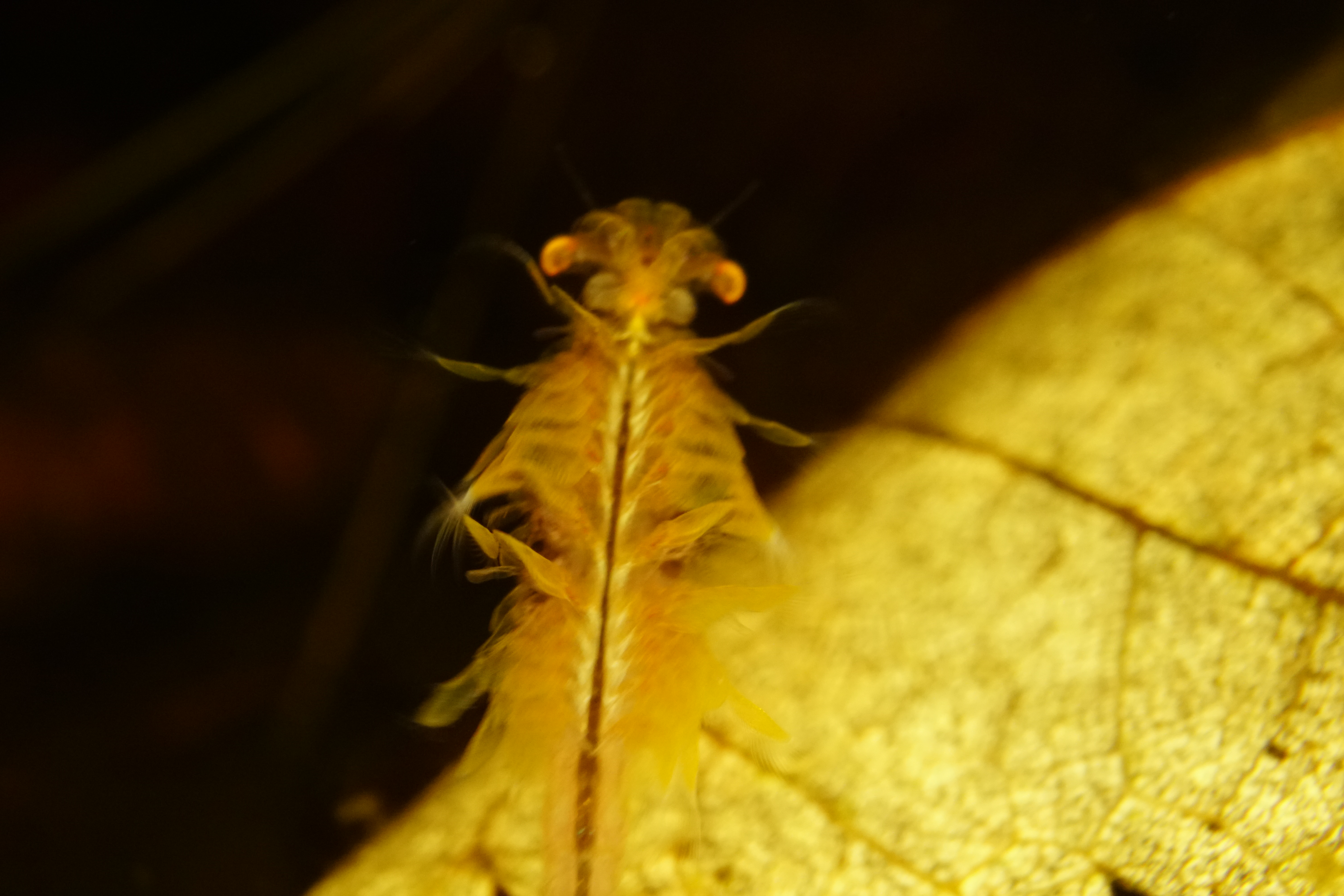
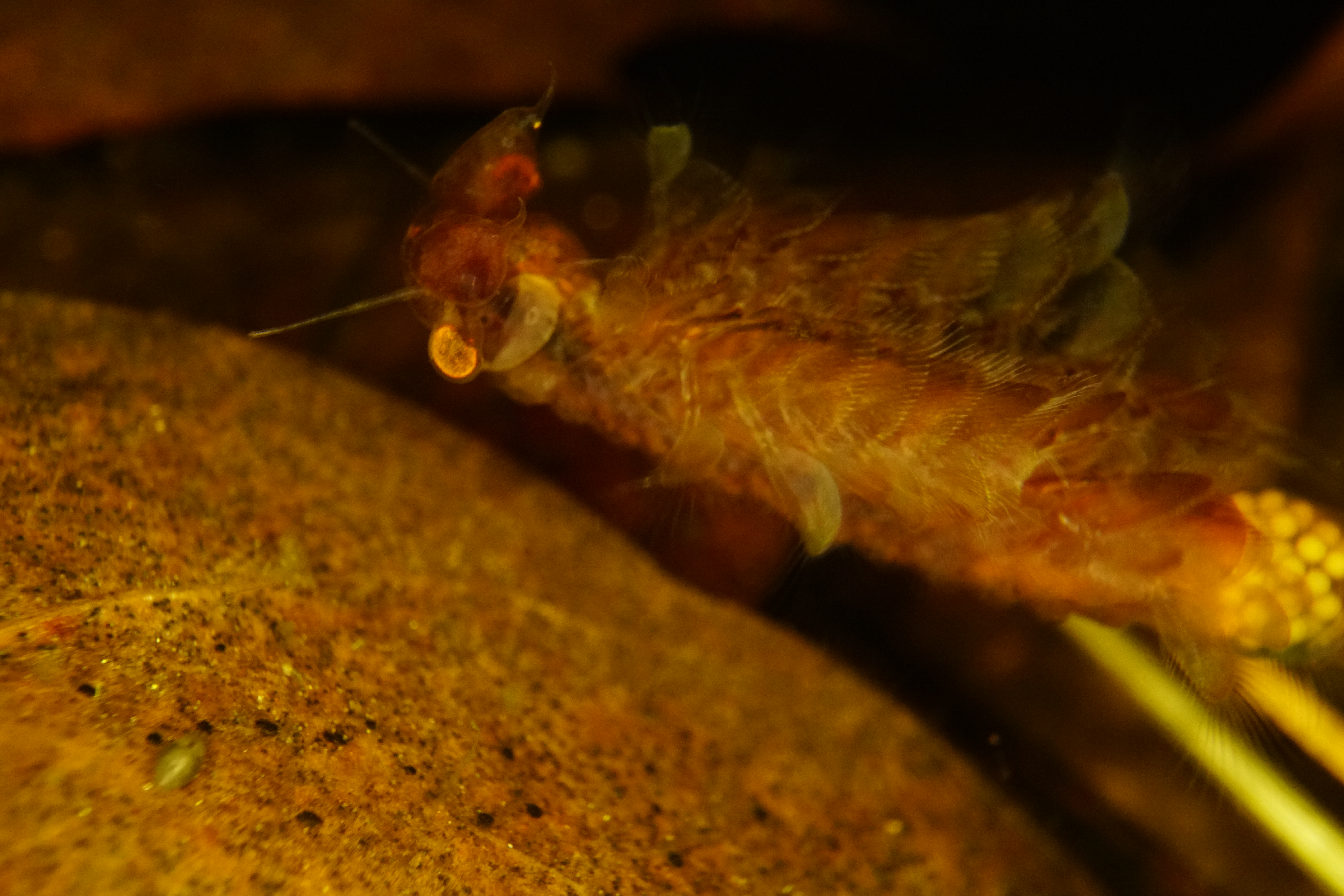
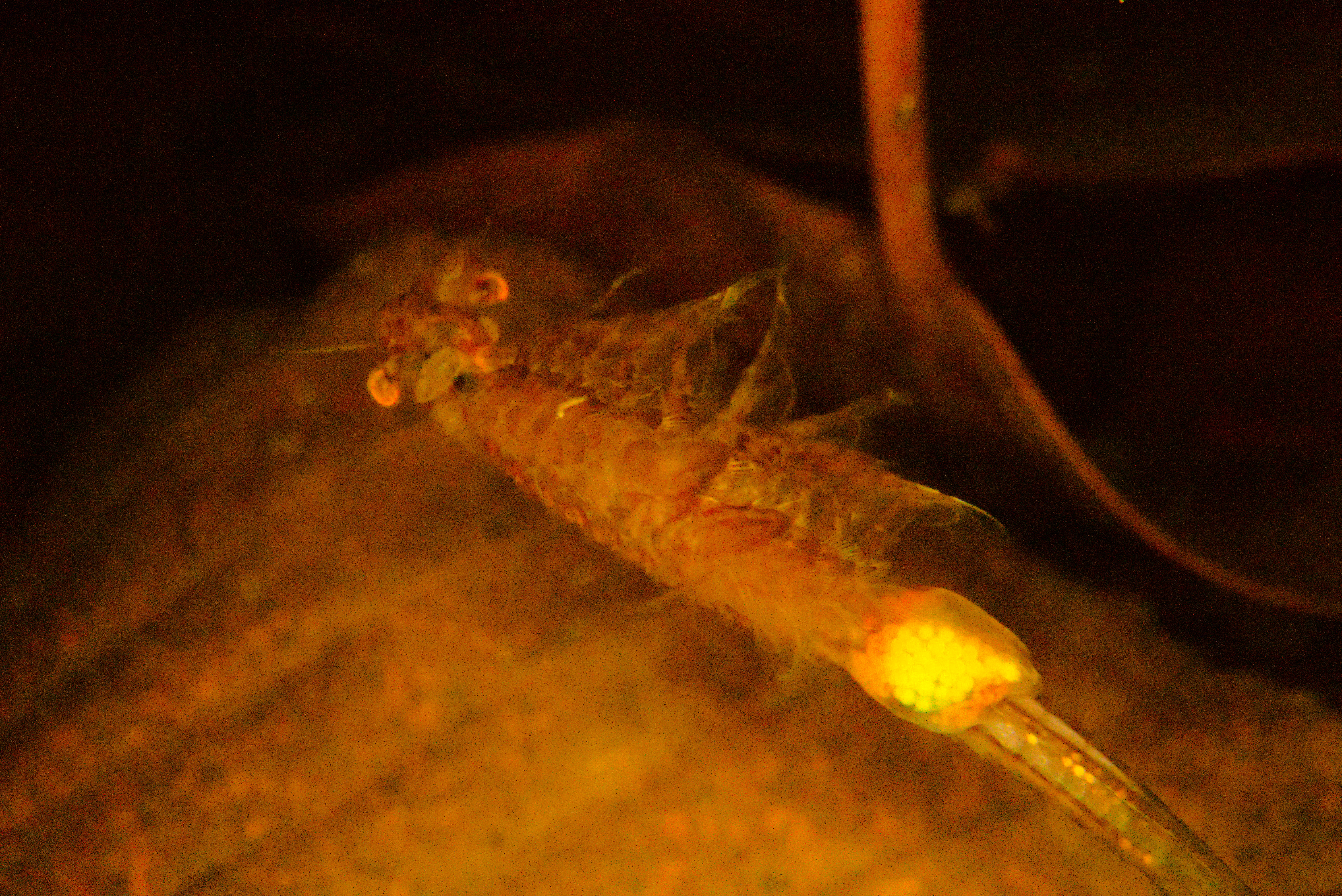
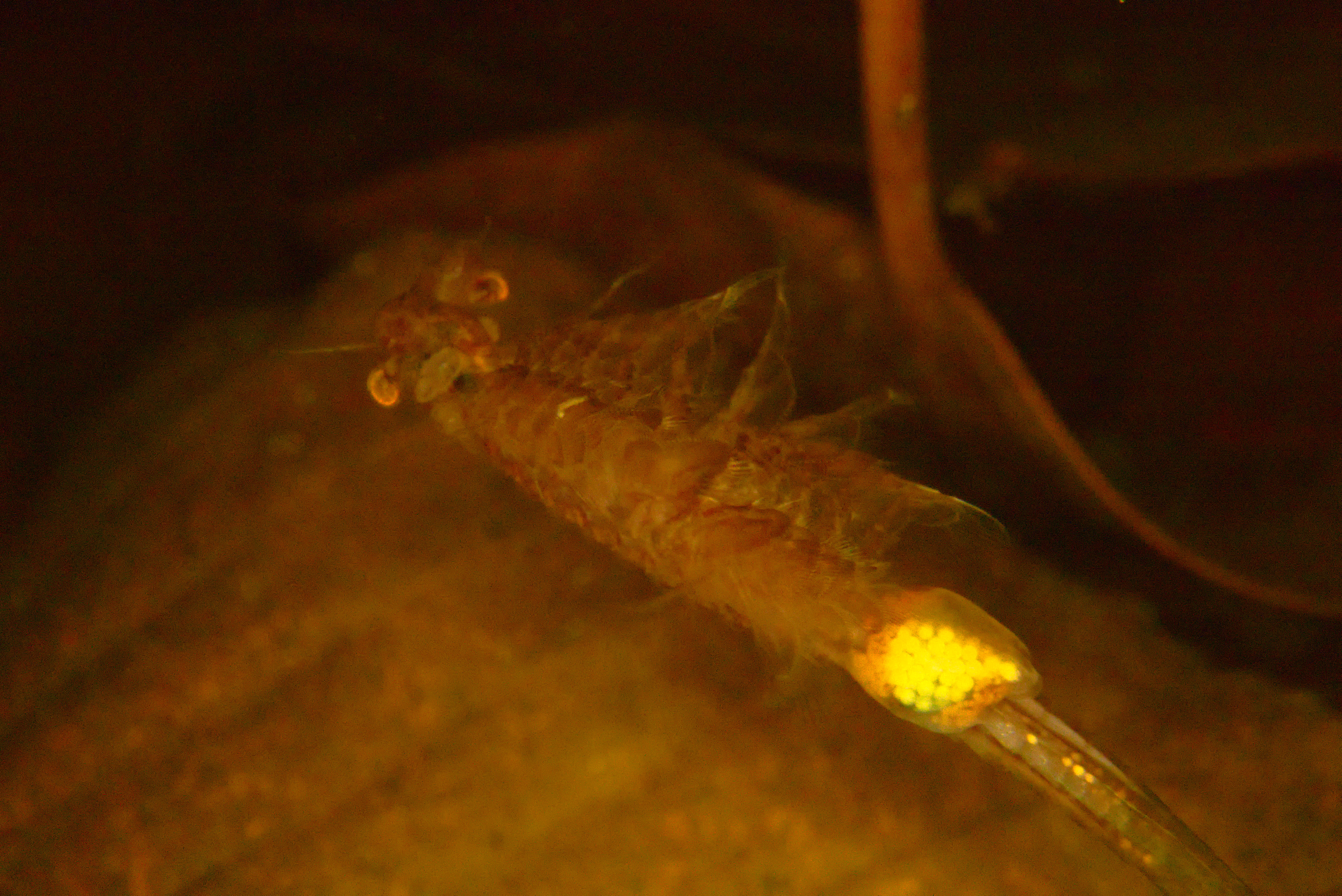
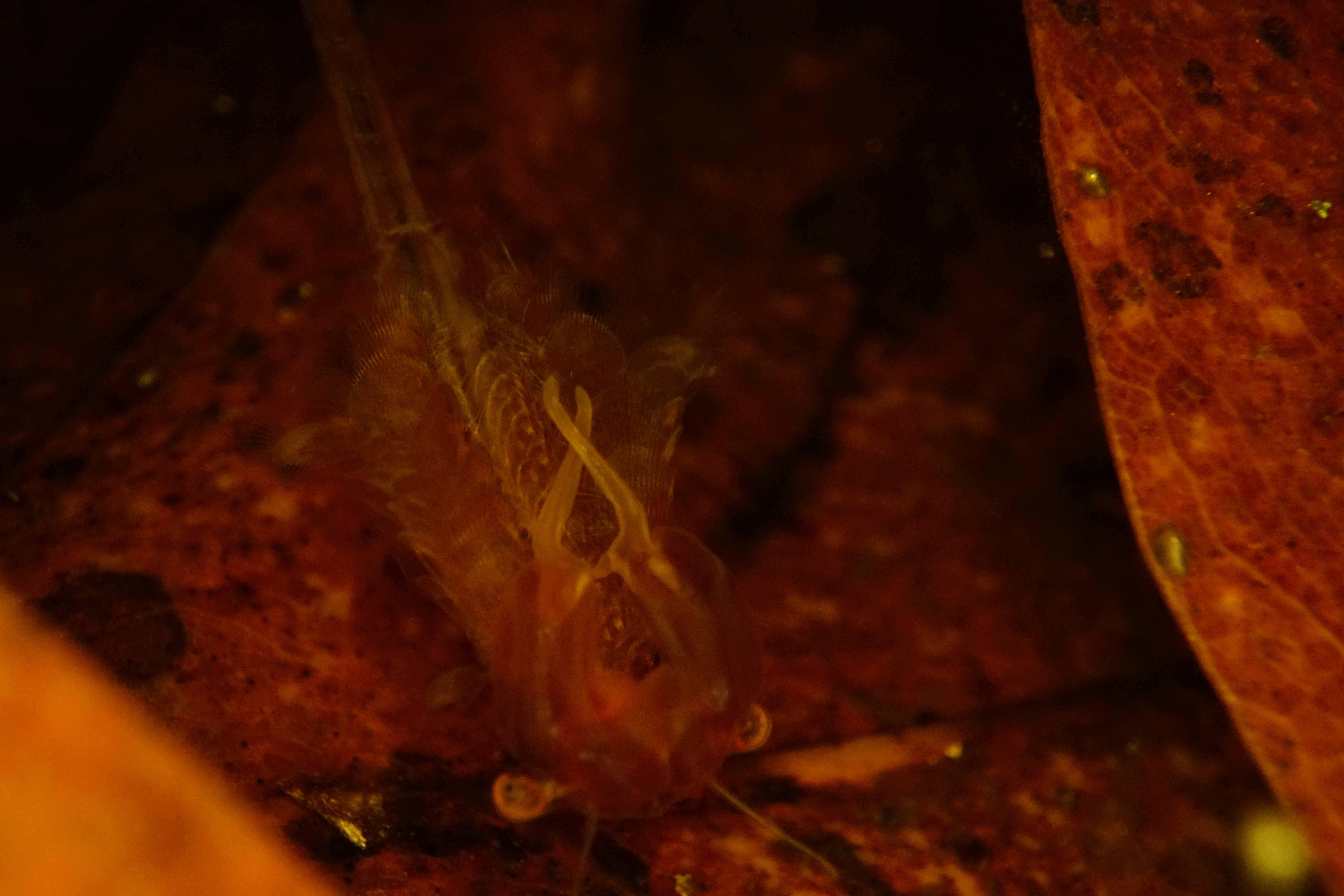
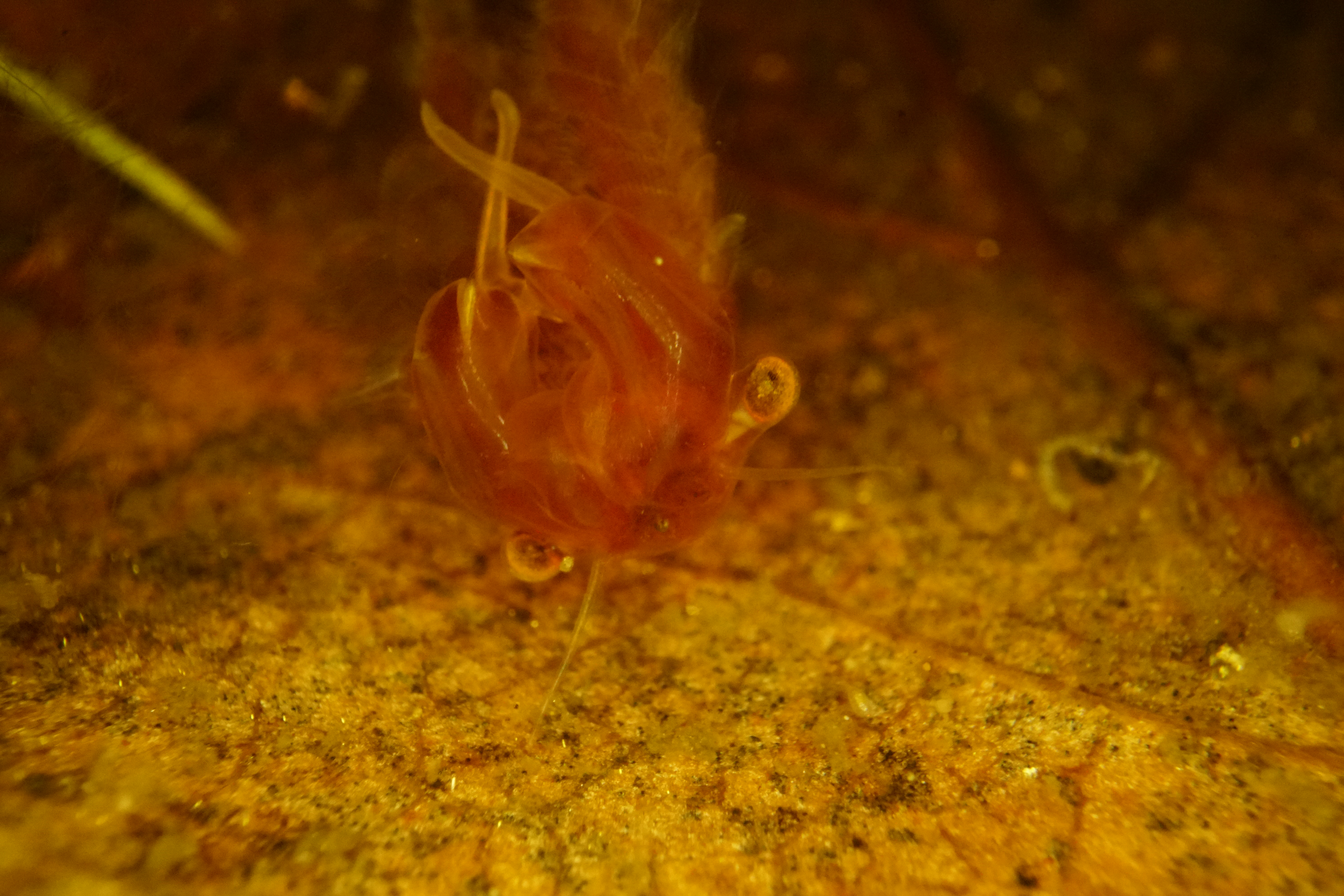
Very happy with the fairy shrimp photos from the vernal pool, those creatures are so picturesque!
As an introduction for anyone encountering them for the first time: fairy shrimp are freshwater crustaceans. They are obligate dwellers of vernal pools — they are found nowhere else. They tend to swim upside down, and they have some very nice wavy appendages that are used for swimming and for wafting food to their mouthparts. I have photos of the mouthparts, which is something I haven’t done before, and also some extremely shaky video.
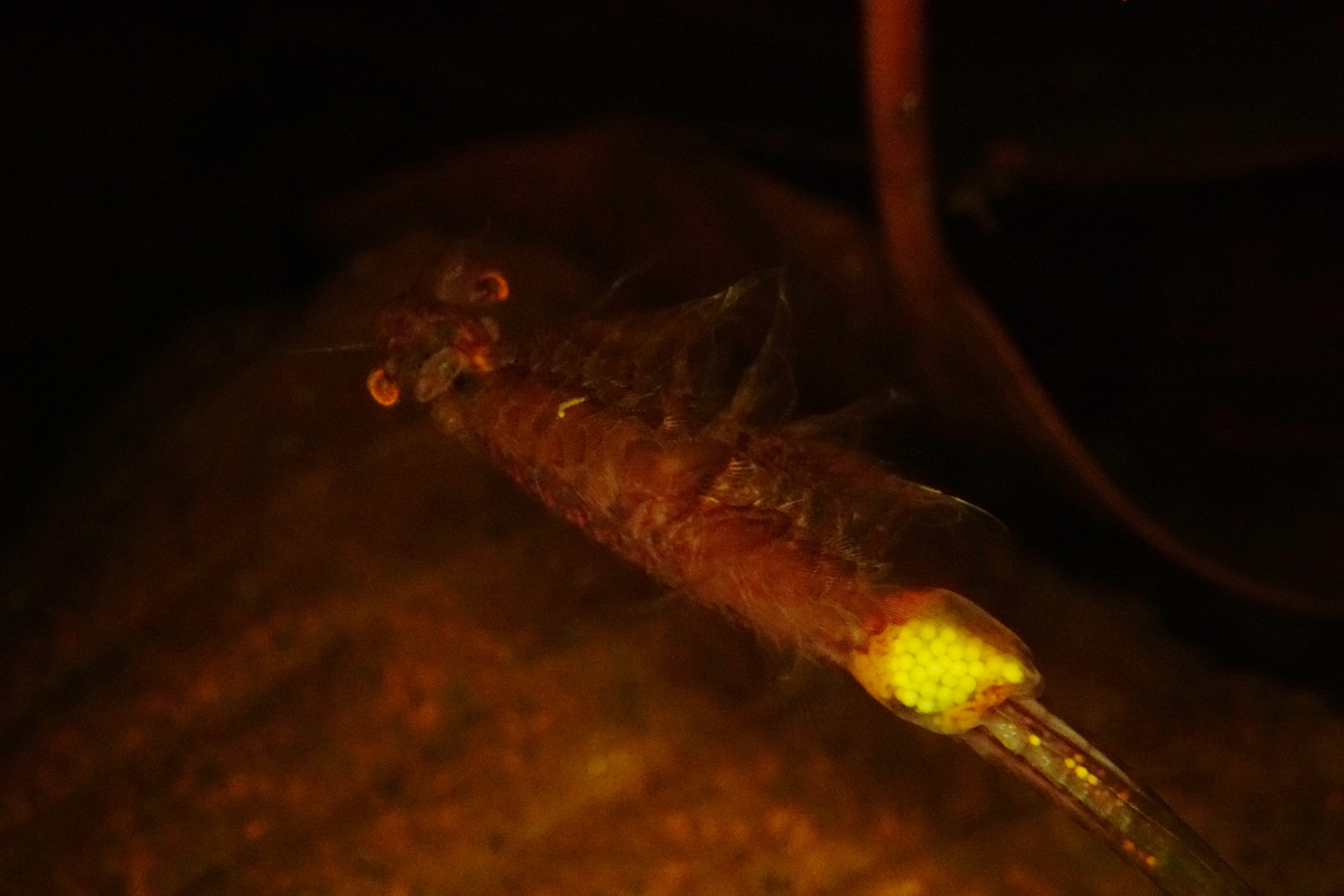
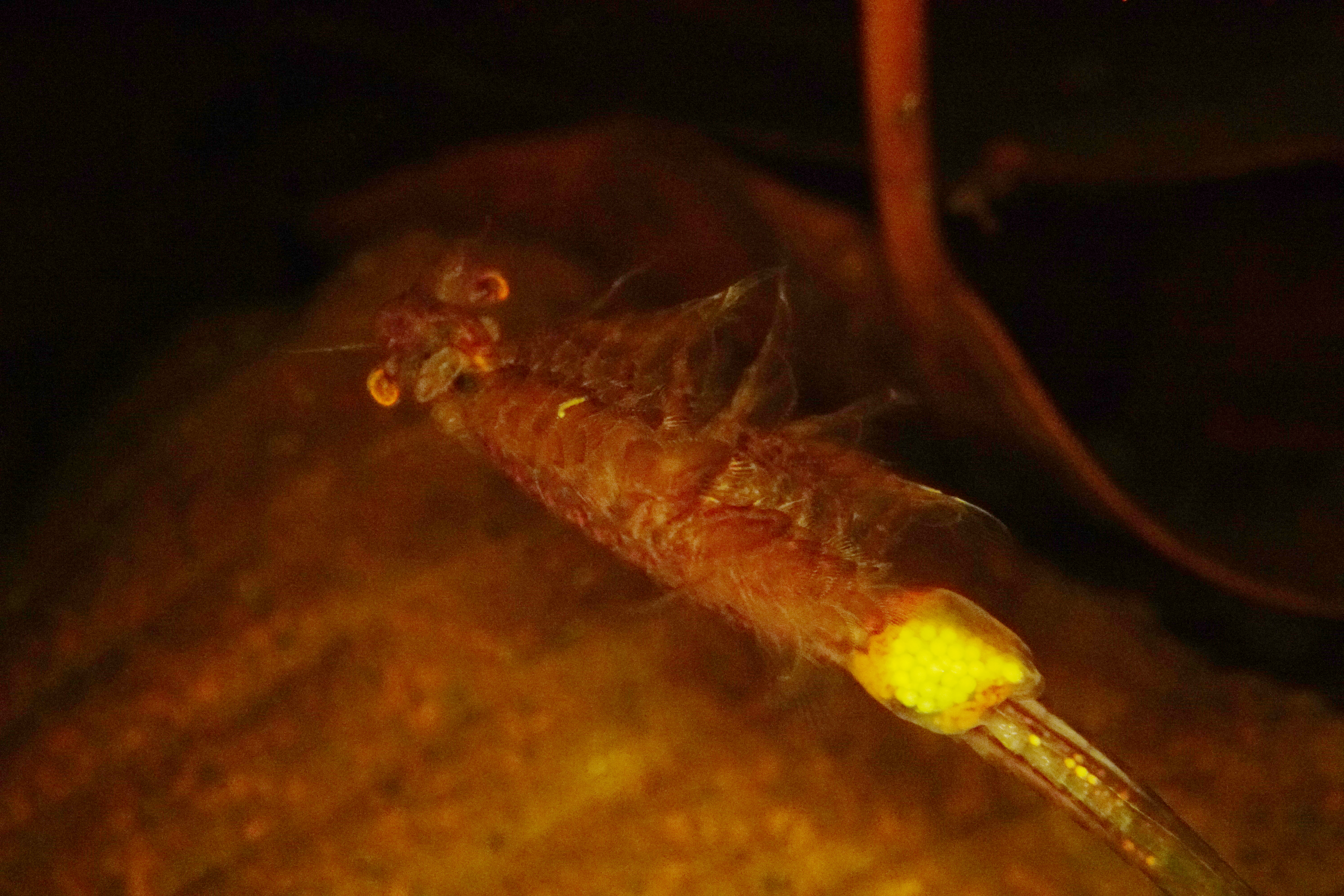
I believe these are fatty globules rather than eggs, but am not sure.
I’m sharing multiple edits of this photo, as it was a challenge. It’s a tough photo to process, getting the globules to look good while at the same time bringing out detail in the rest of the shrimp wasn’t easy. In addition, there’s plenty of noise and at the same time lots of subtle detail, so tough to balance those two issues. What do you think?
The first two were processed in GIMP using the curves feature.
Adding a couple of my RawTherapee edits of the same photo so I can stare at them and compare.
A view down the feeding maw:
Sorry this is so shaky. It’s not easy, you know!
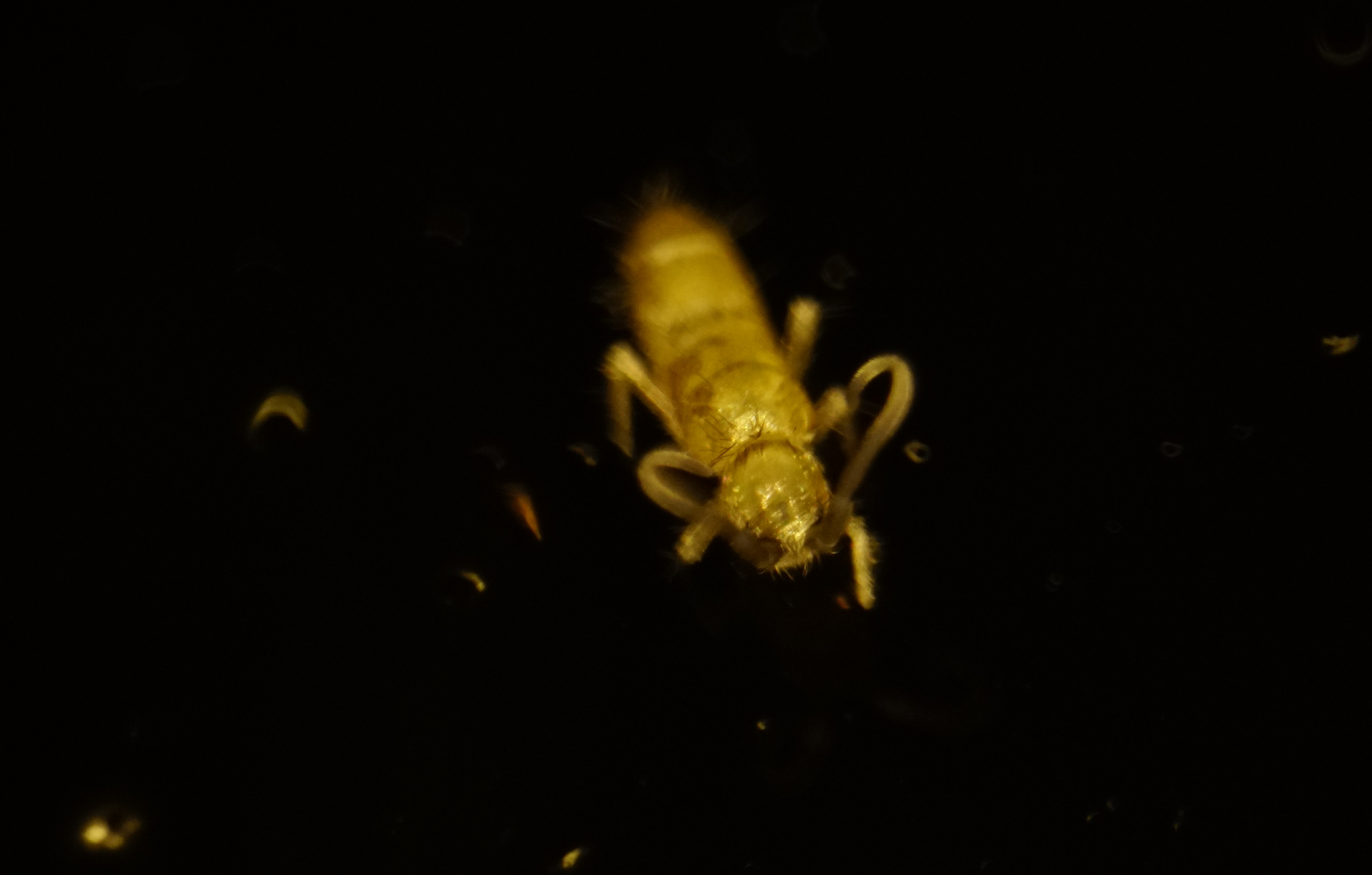
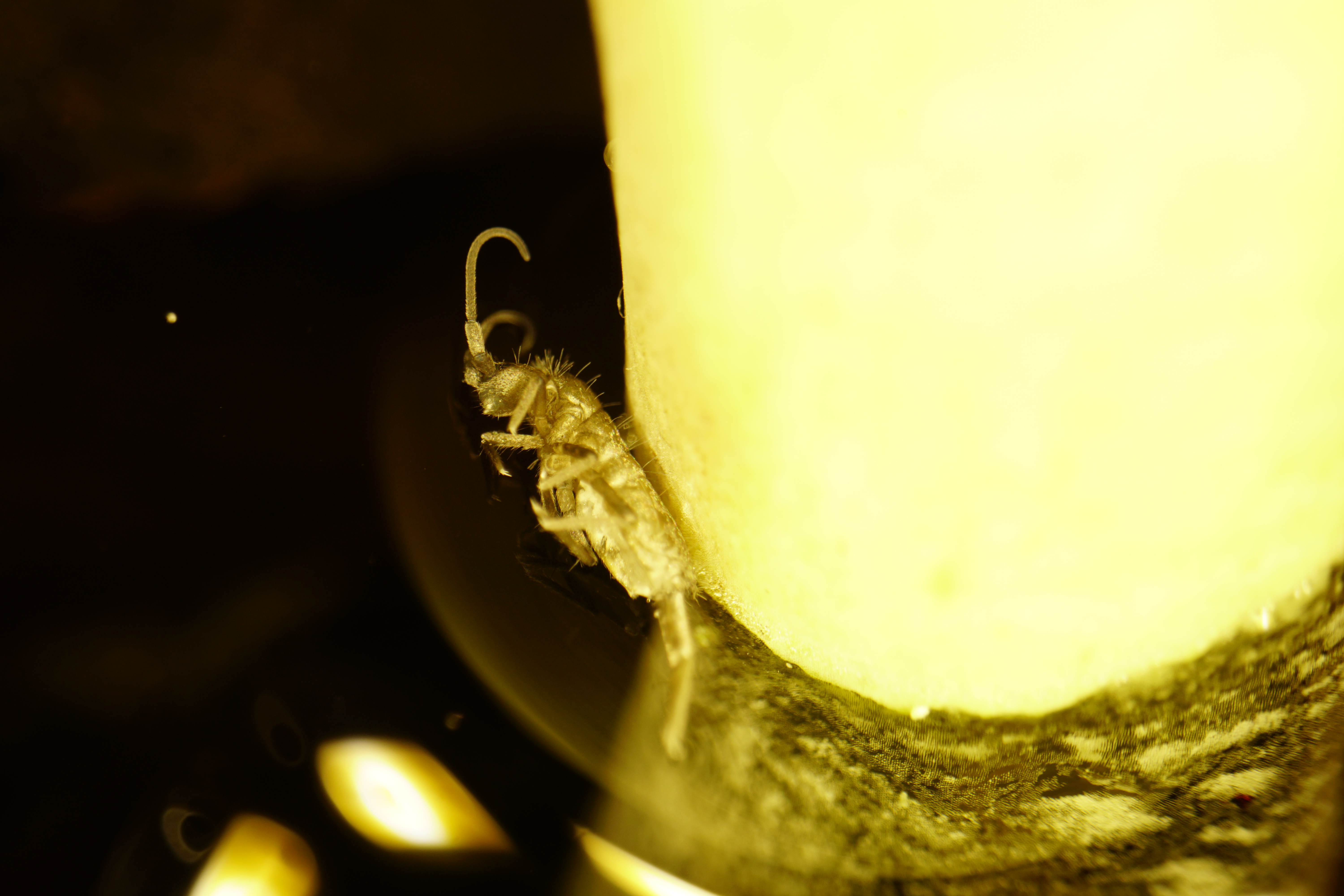
Collembola on the surface:
And another:
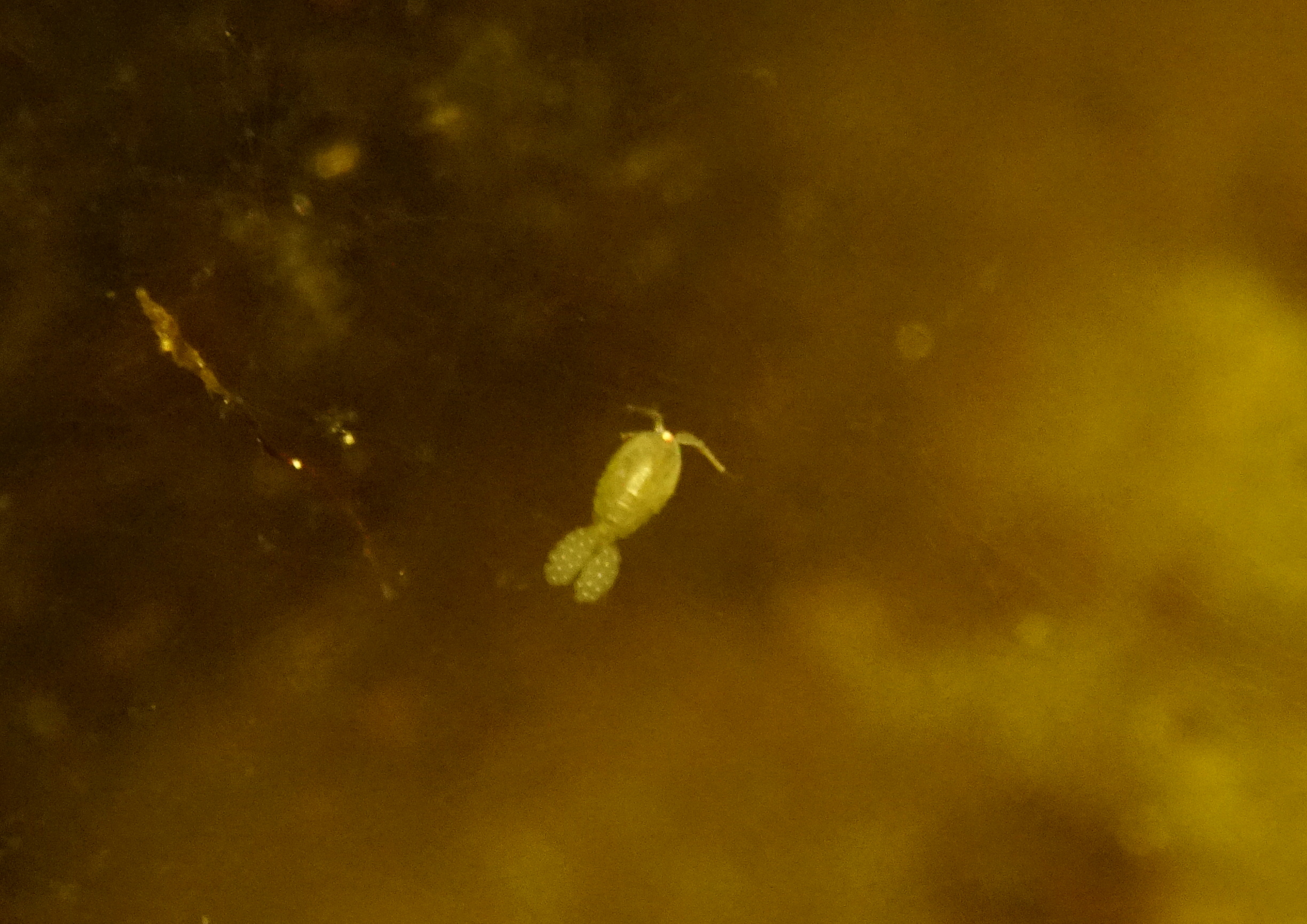
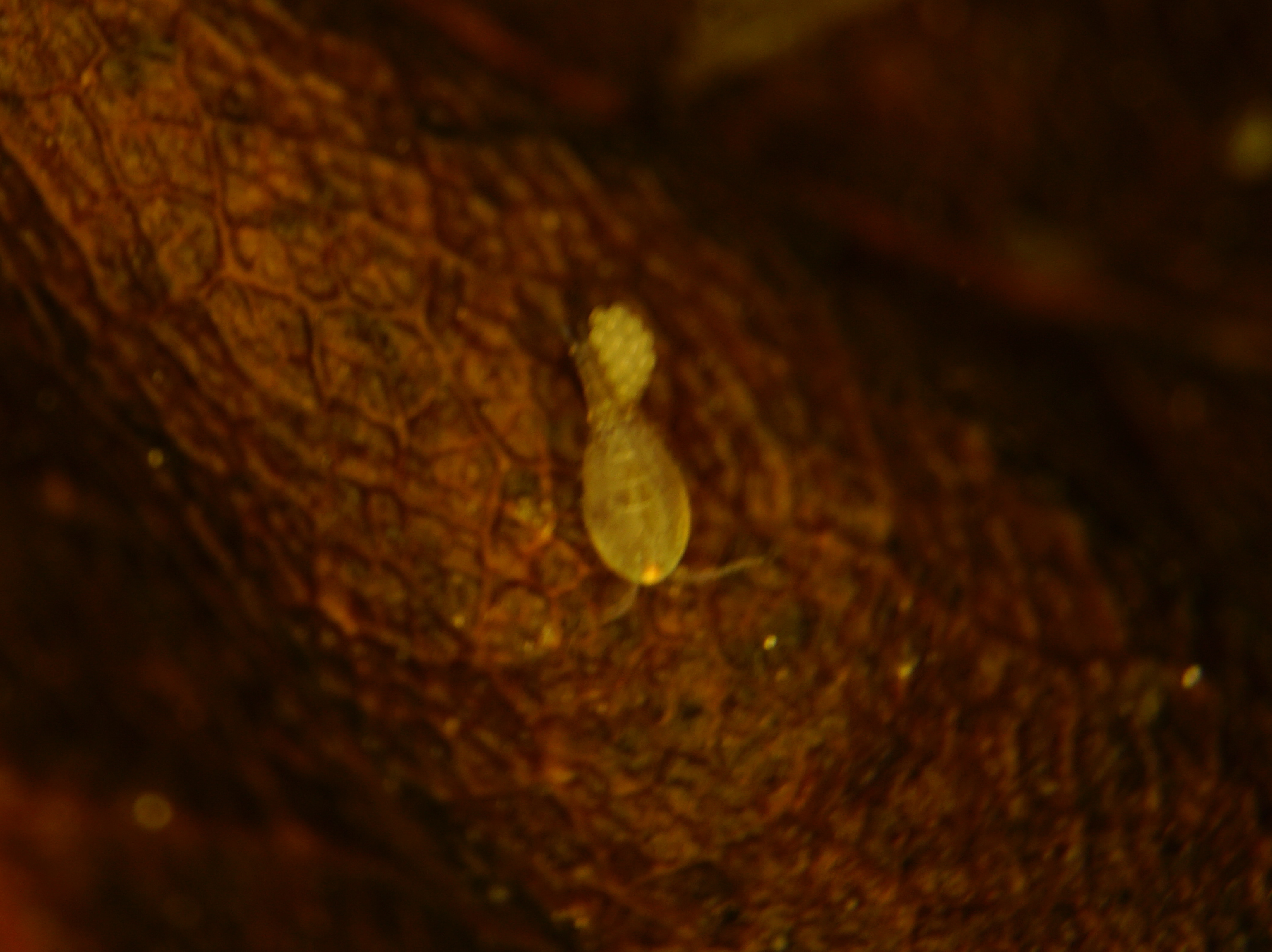
Copepod:
And another. You can see why they are known as “cyclops”, they look like they have one eye.
Chironomid midge larva writhing around:
I was recording a midge to show its writhing behavior, when a fairy shrimp photobombed. It was that kind of day.
Ostracods, so many of them:
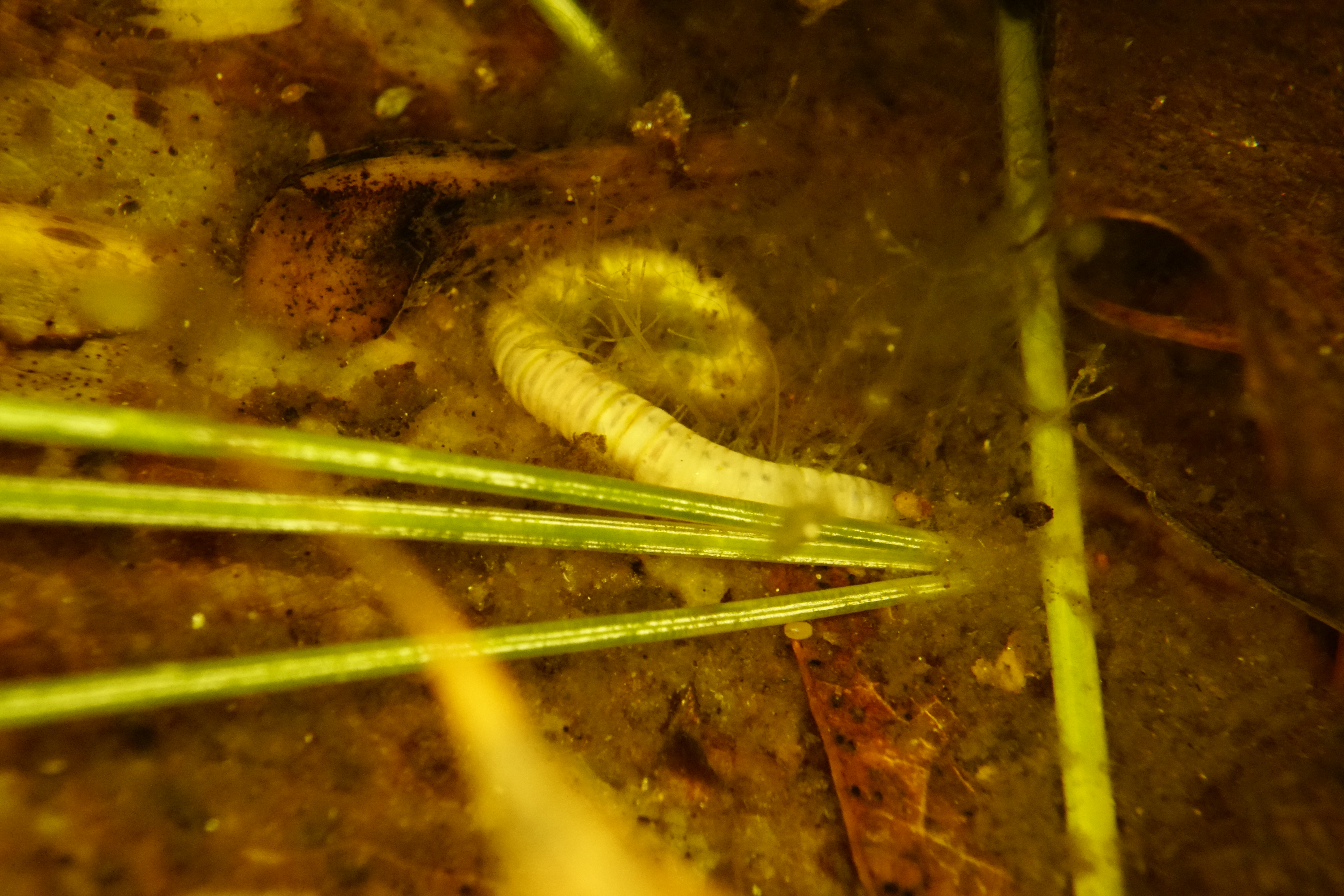
I don’t know what this is. EDIT: perhaps Psychodidae larvae (“drain fly”)
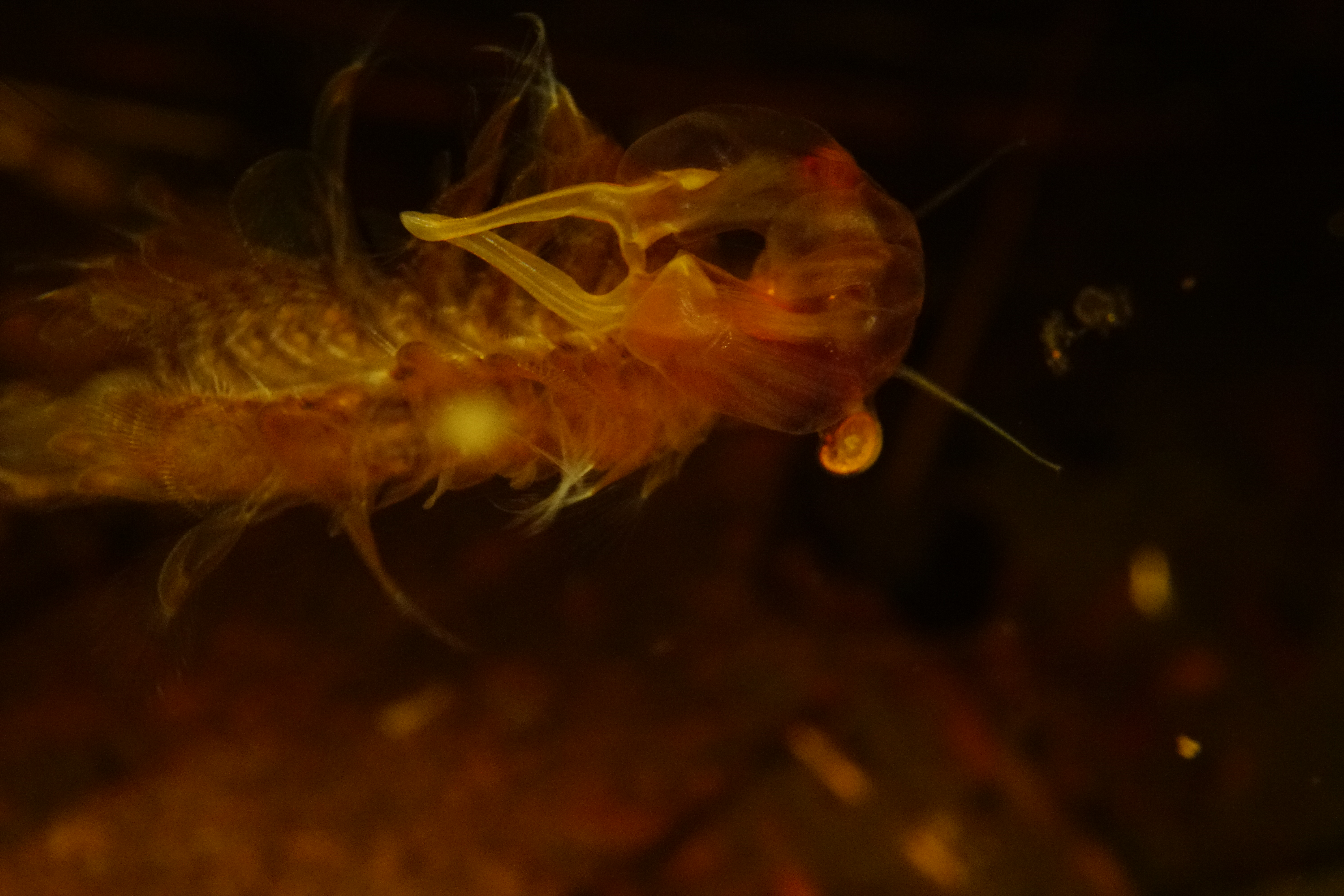
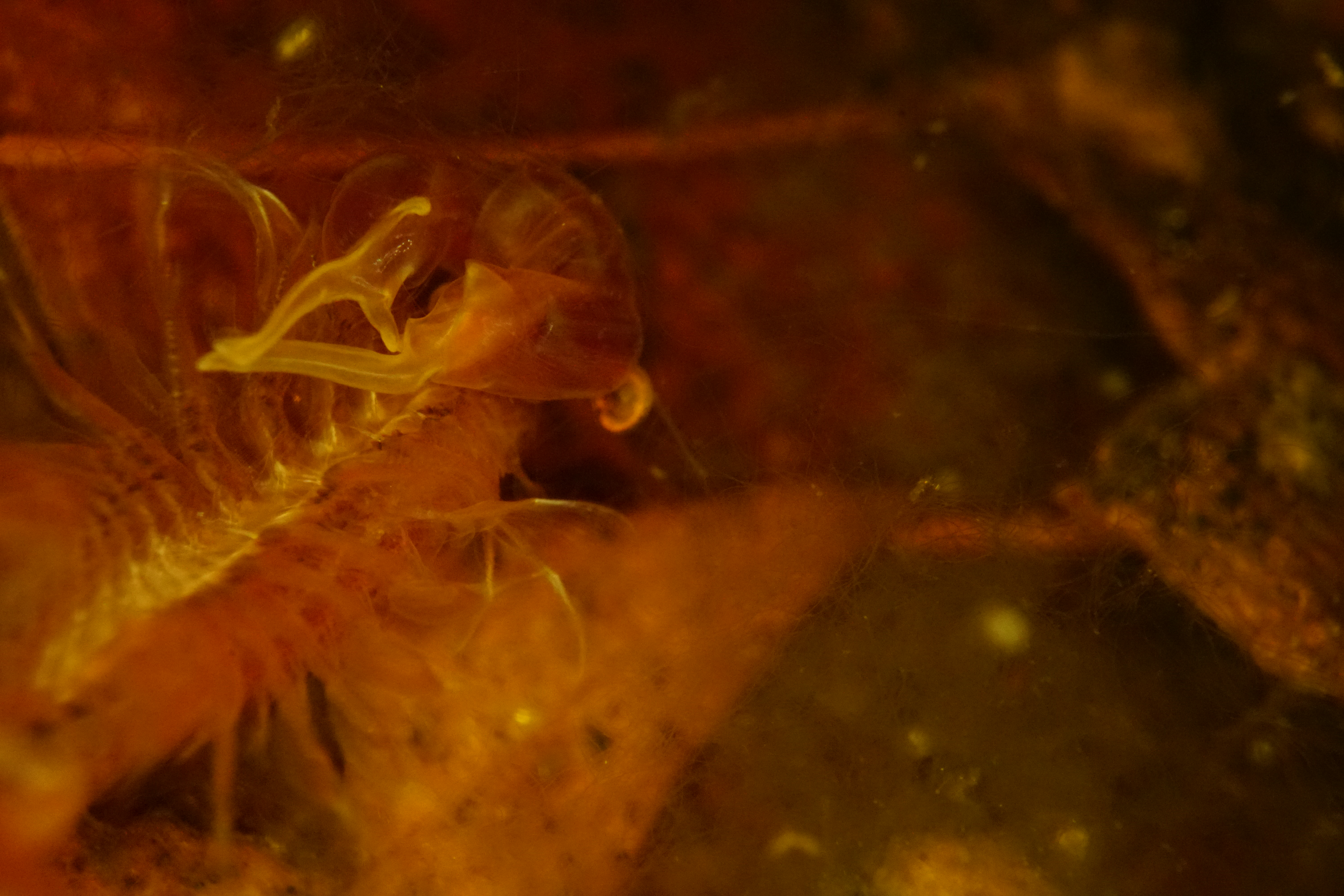
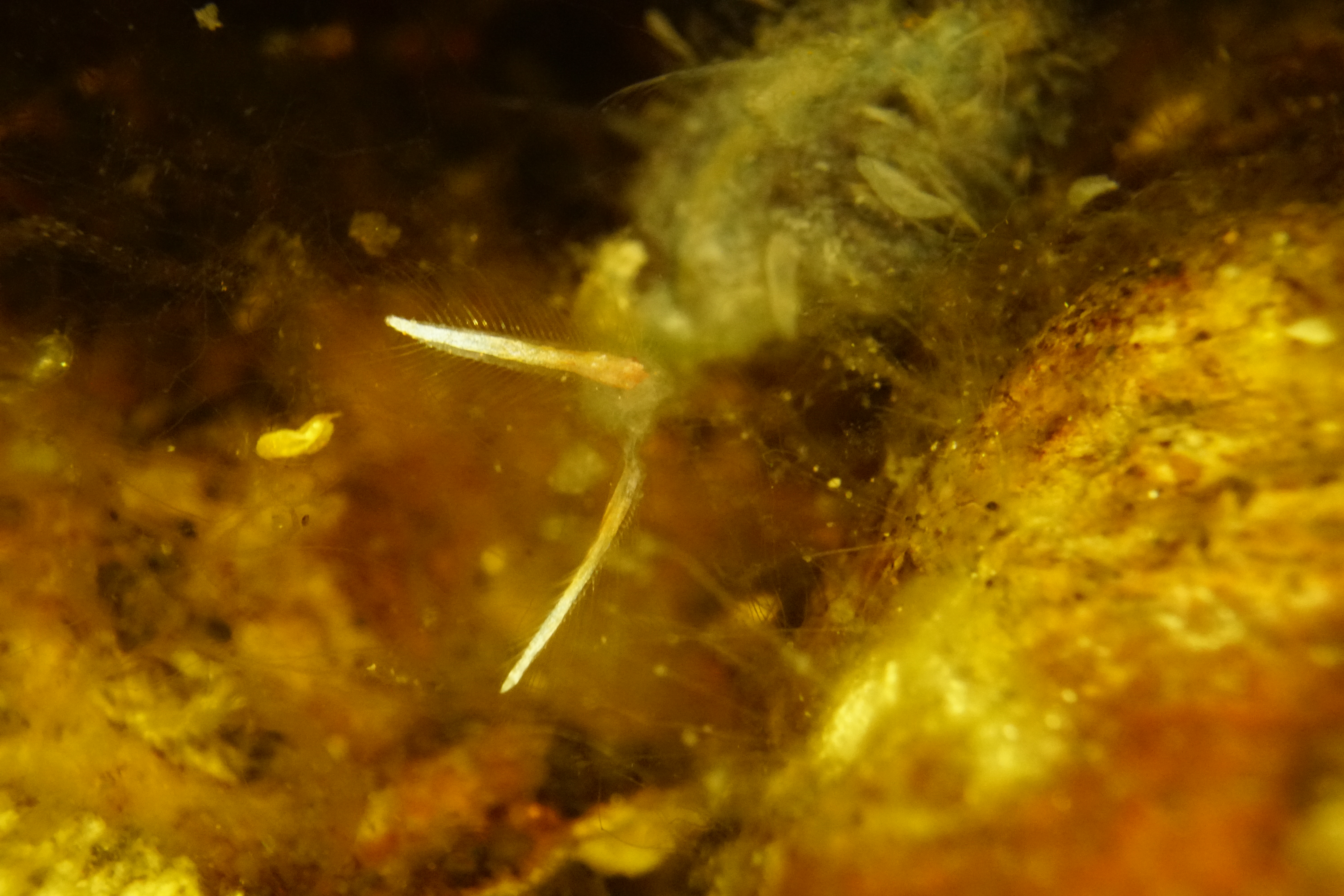
And I have no idea what I’m looking at here. EDIT: probably Atherix, which would make it the first sighting in Massachusetts for the genus (as always, I actually mean the first record in BugGuide and iNaturalist). These are gill-like terminal appendages. I saw the rest of the creature, and it does look like Atherix larvae, but couldn’t get a photo.
Some photos without exoskeletons now.
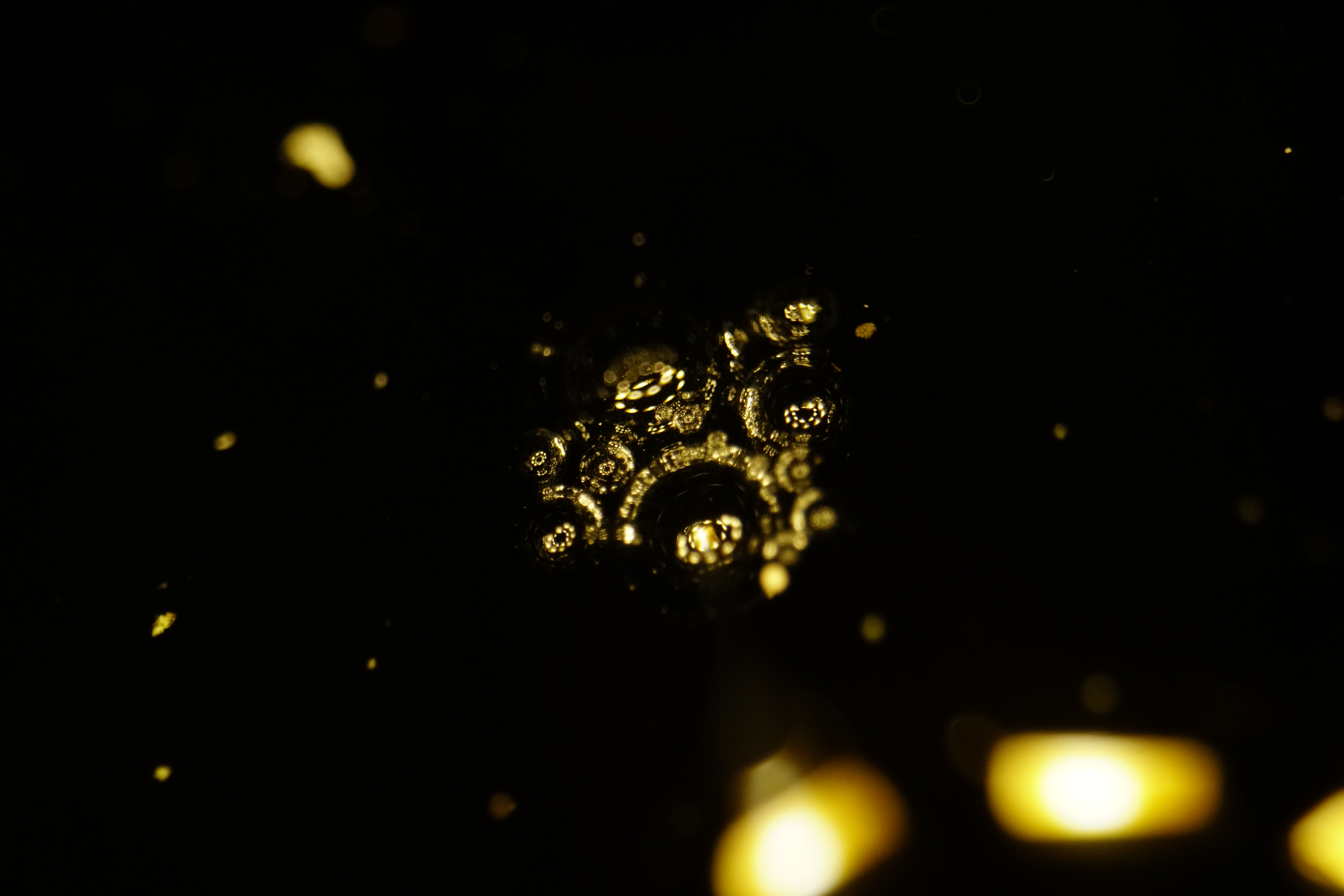
What a cluster of bubbles looks like under the lights of the lens:
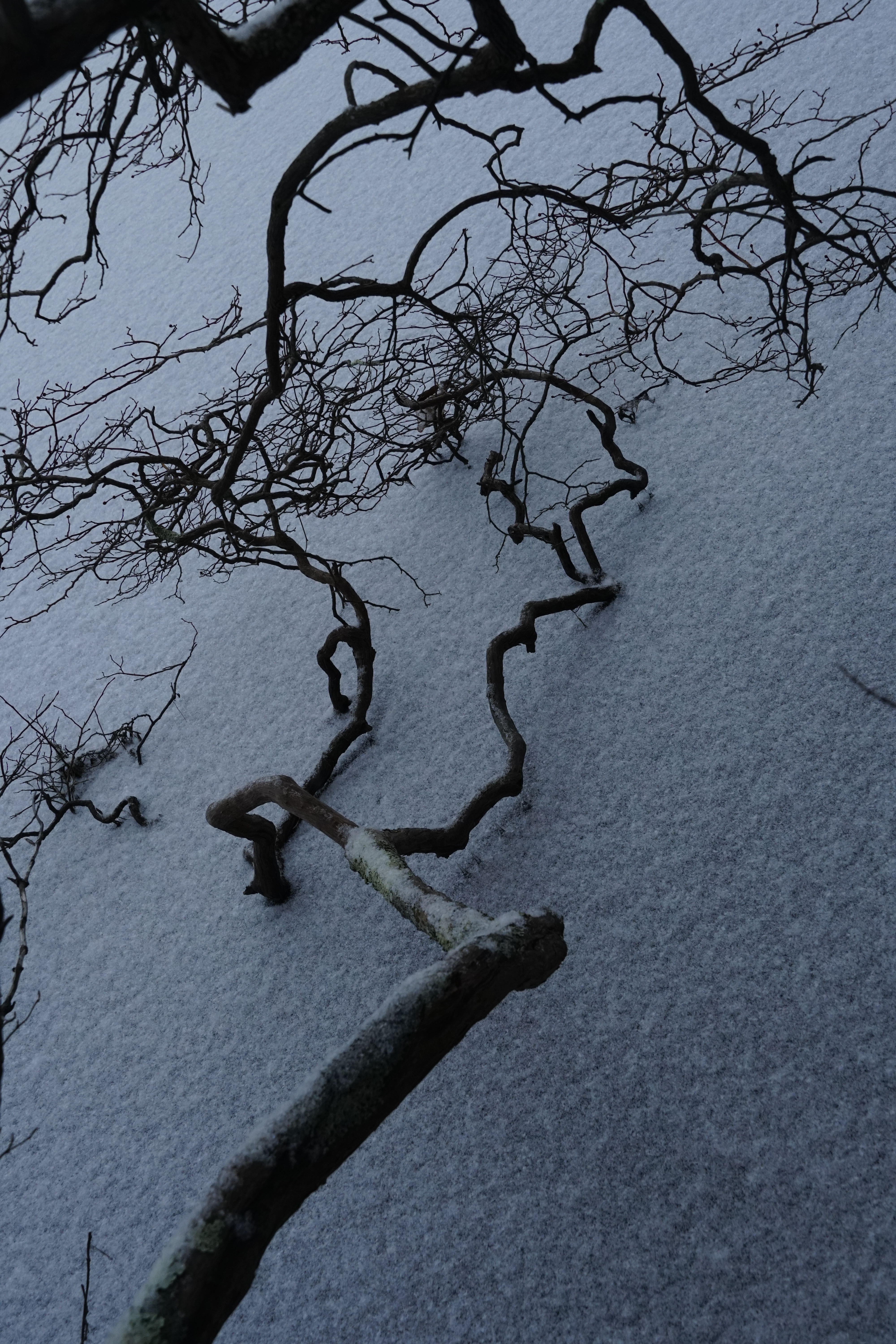
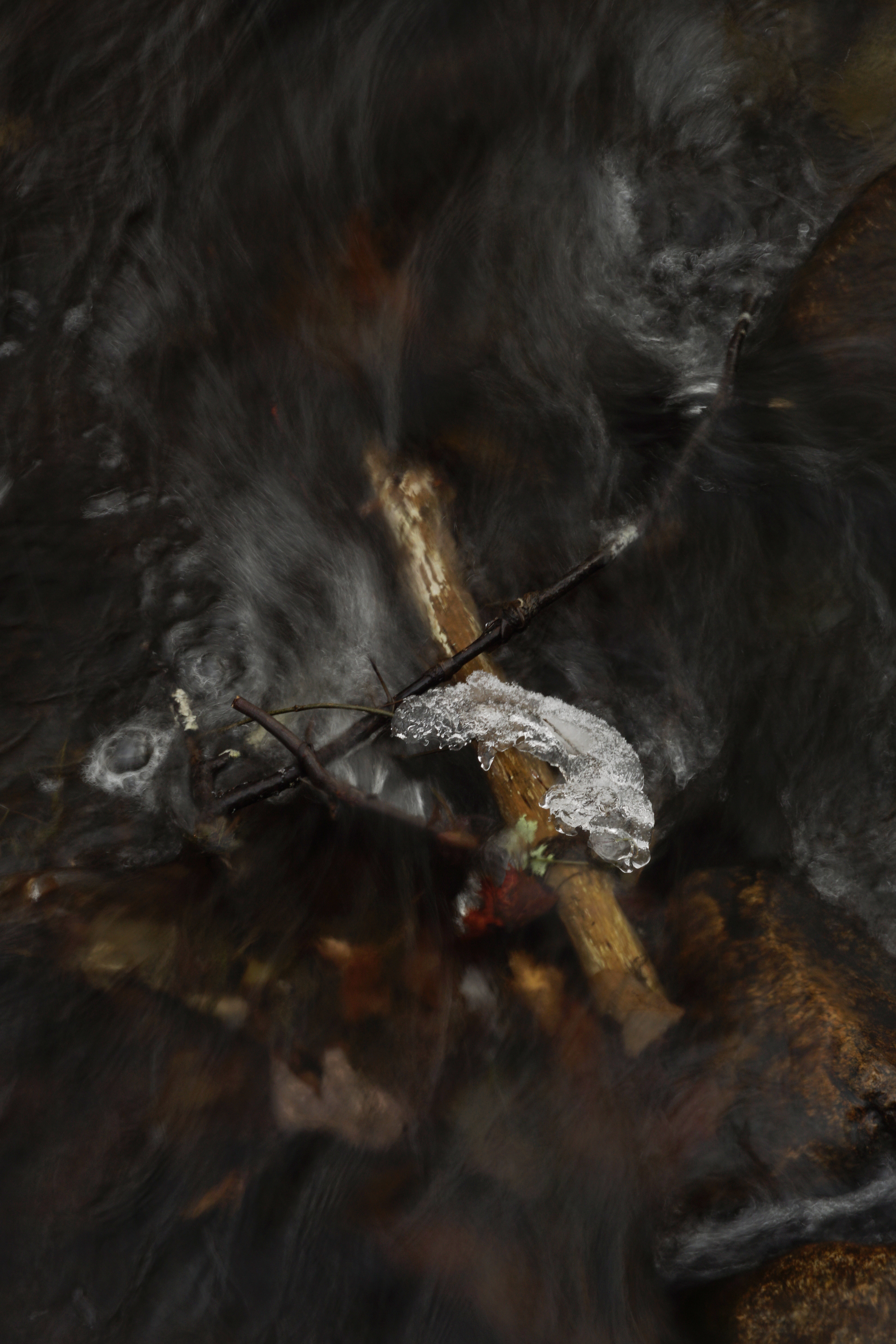
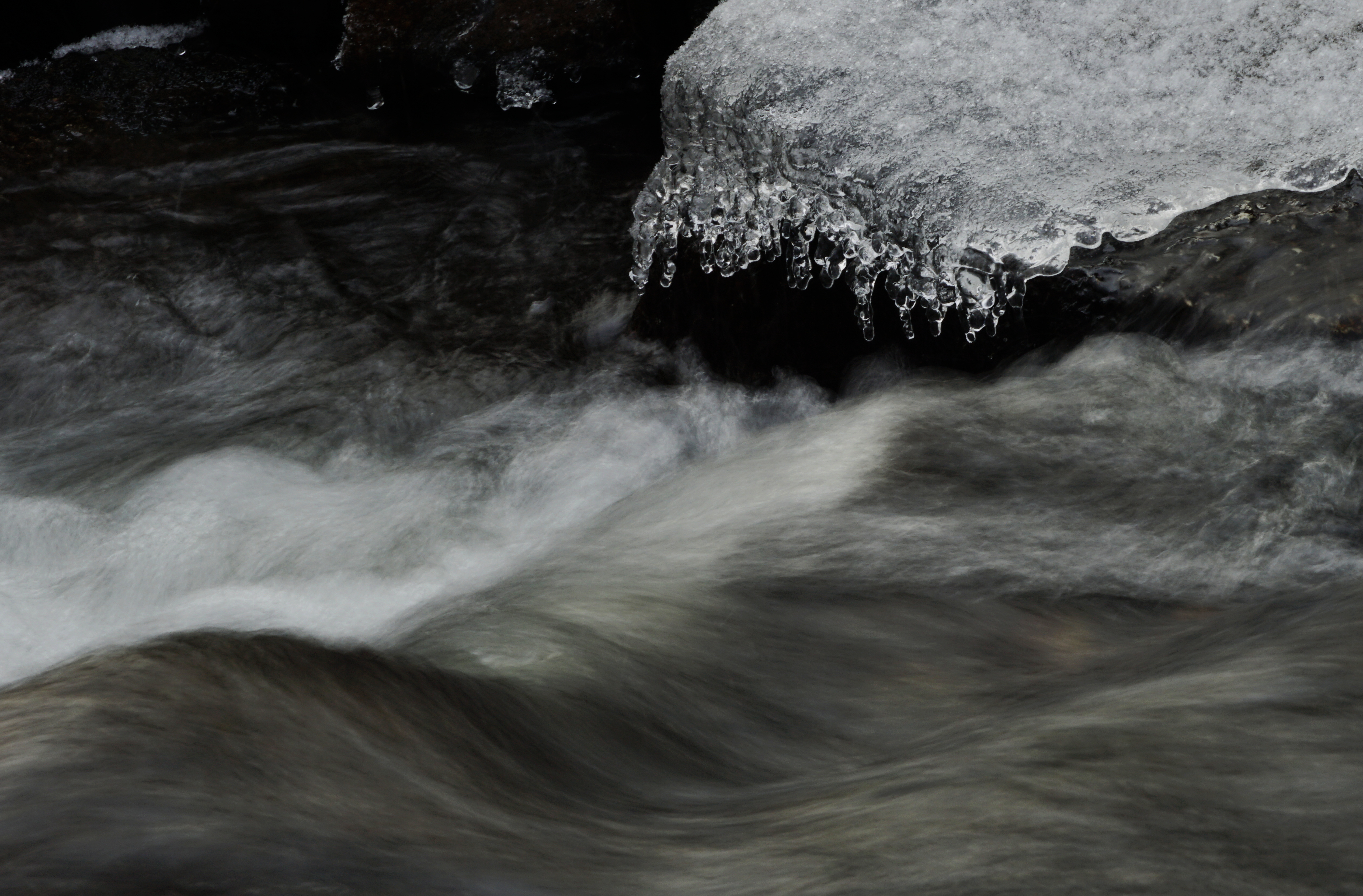
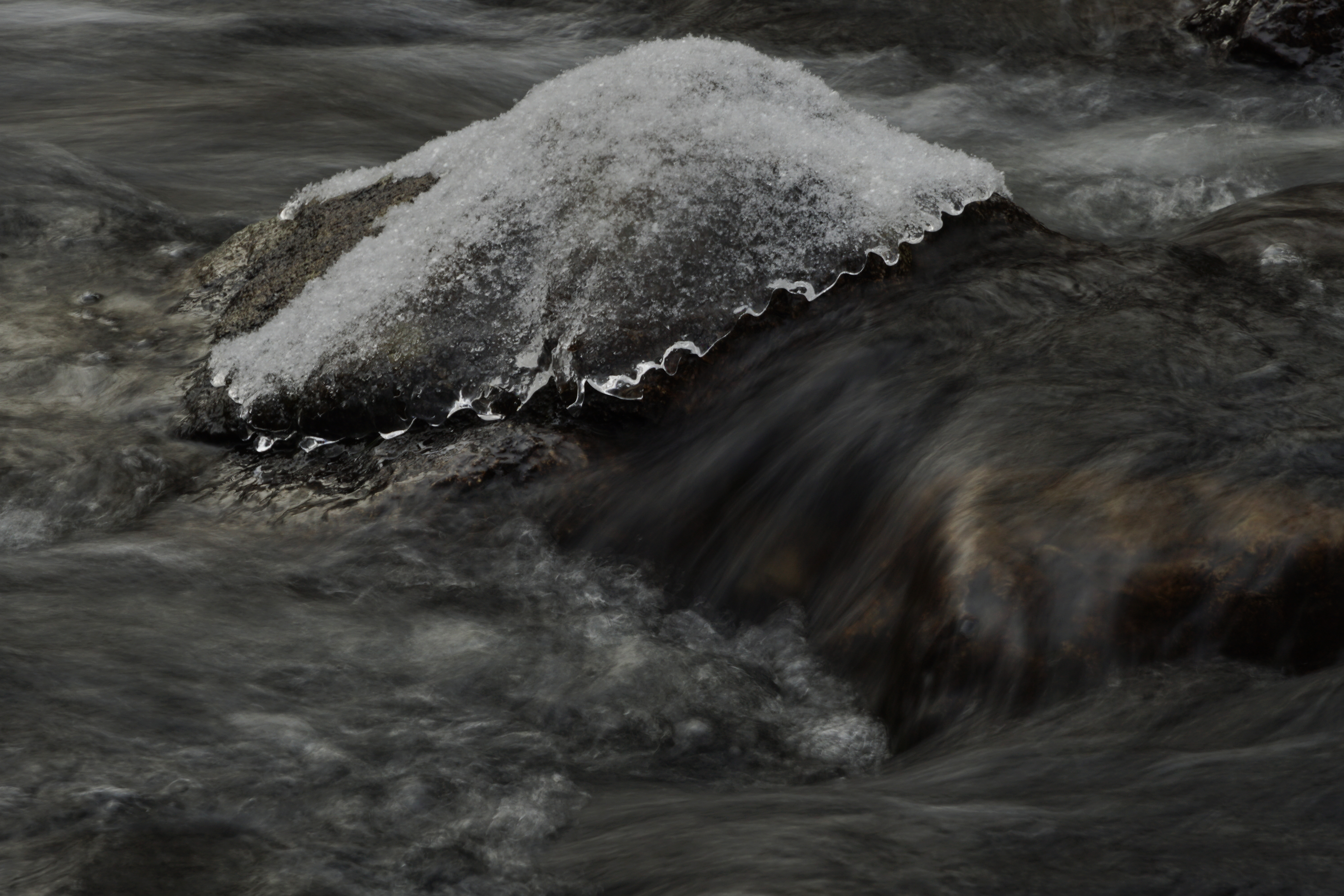
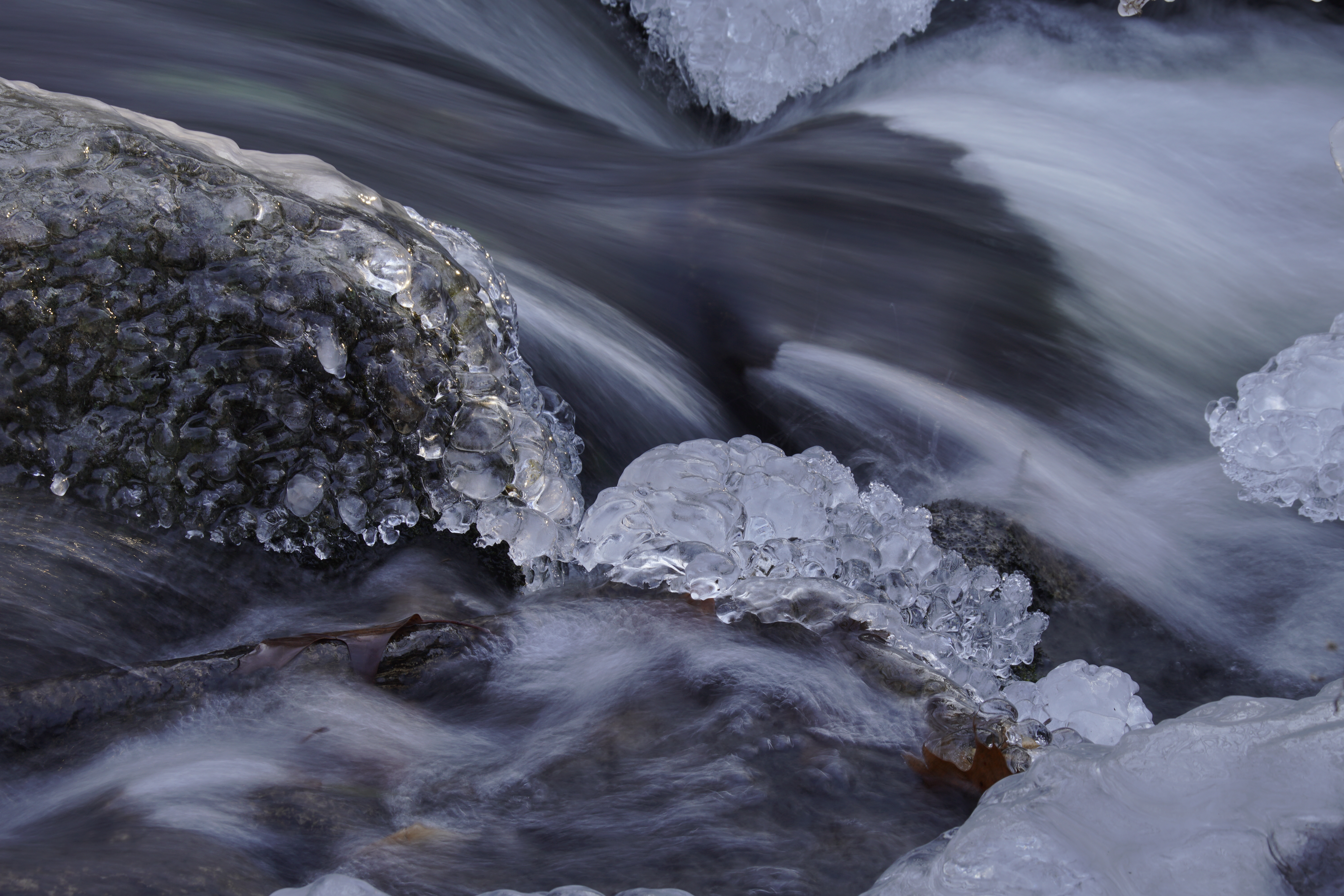
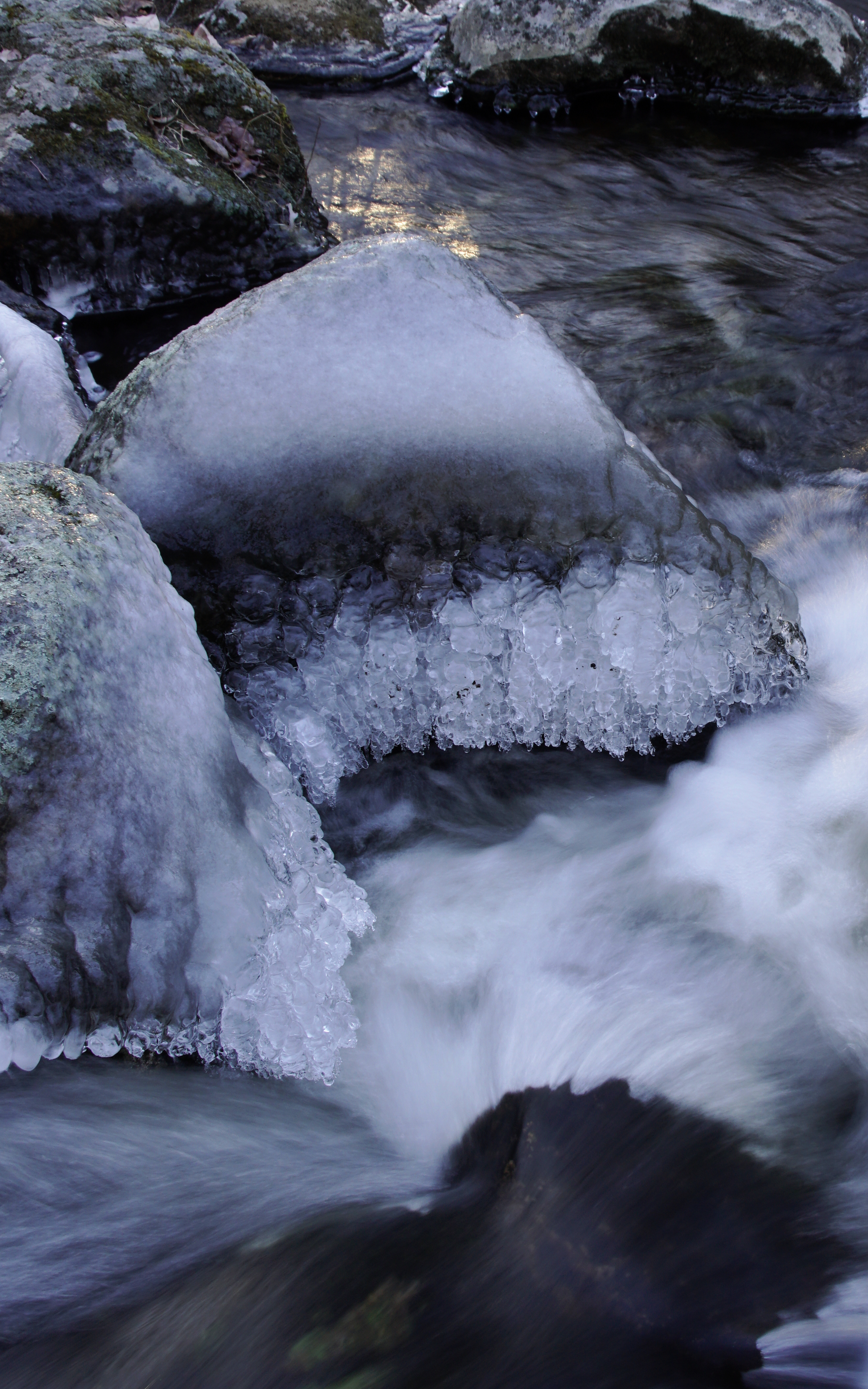
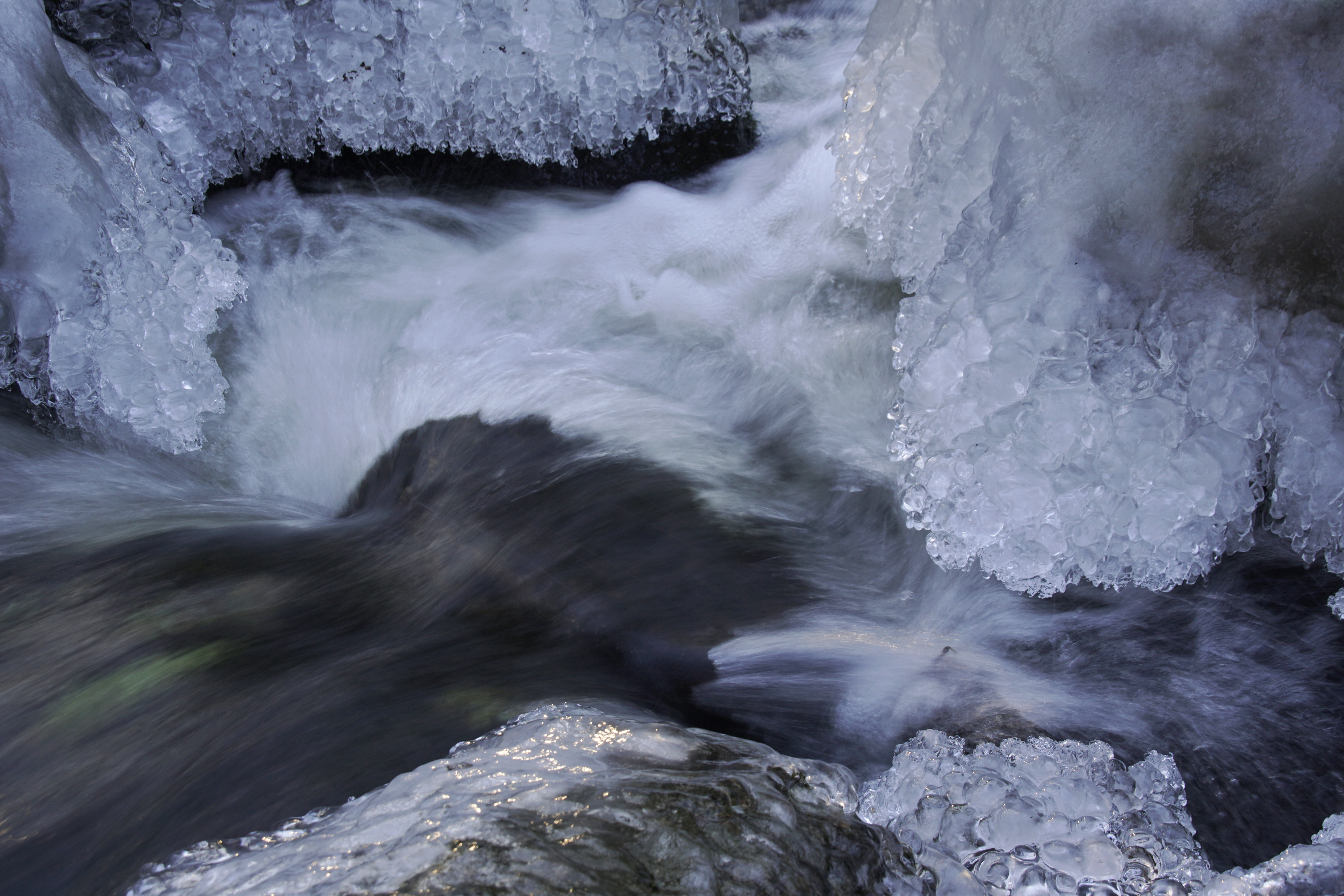
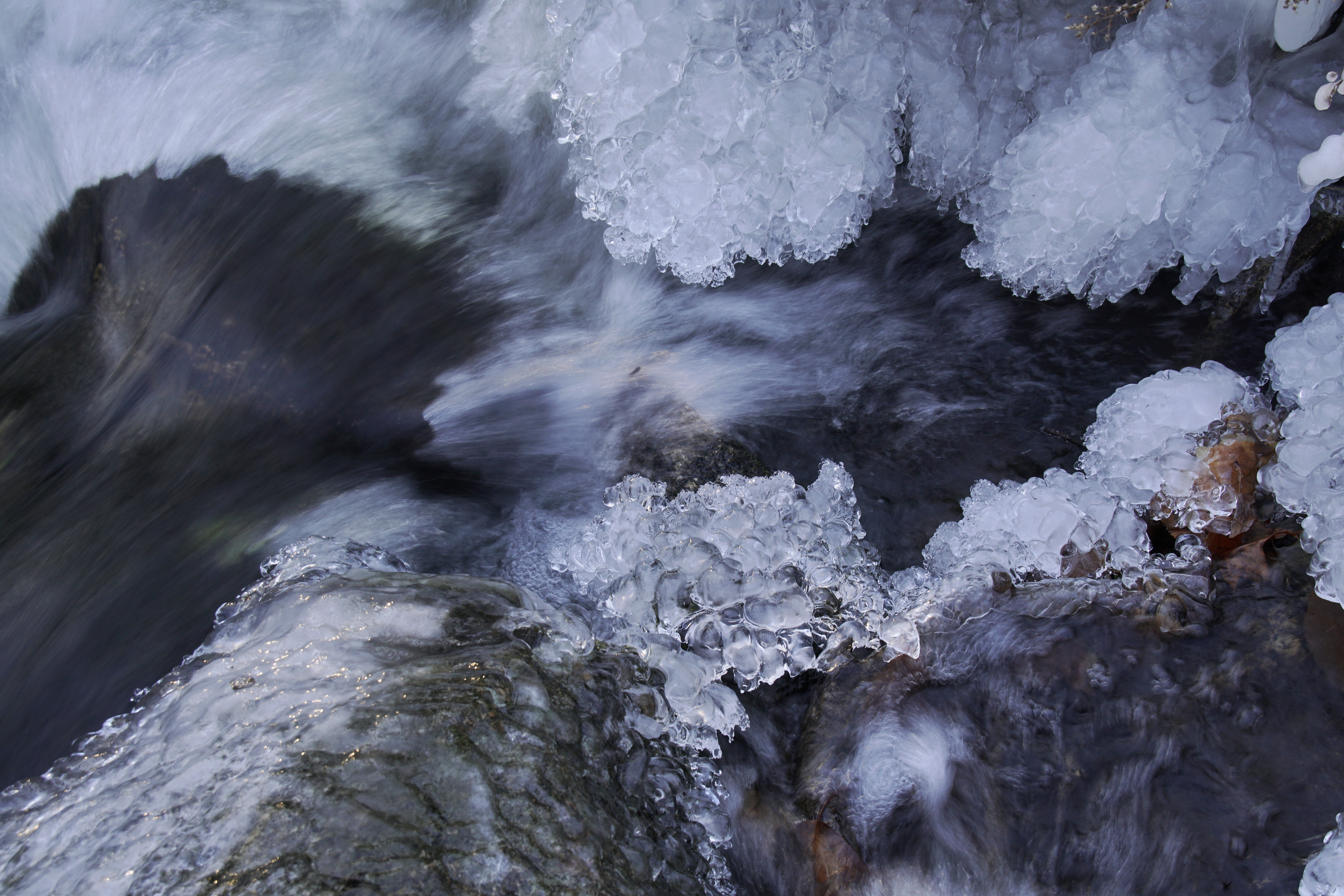
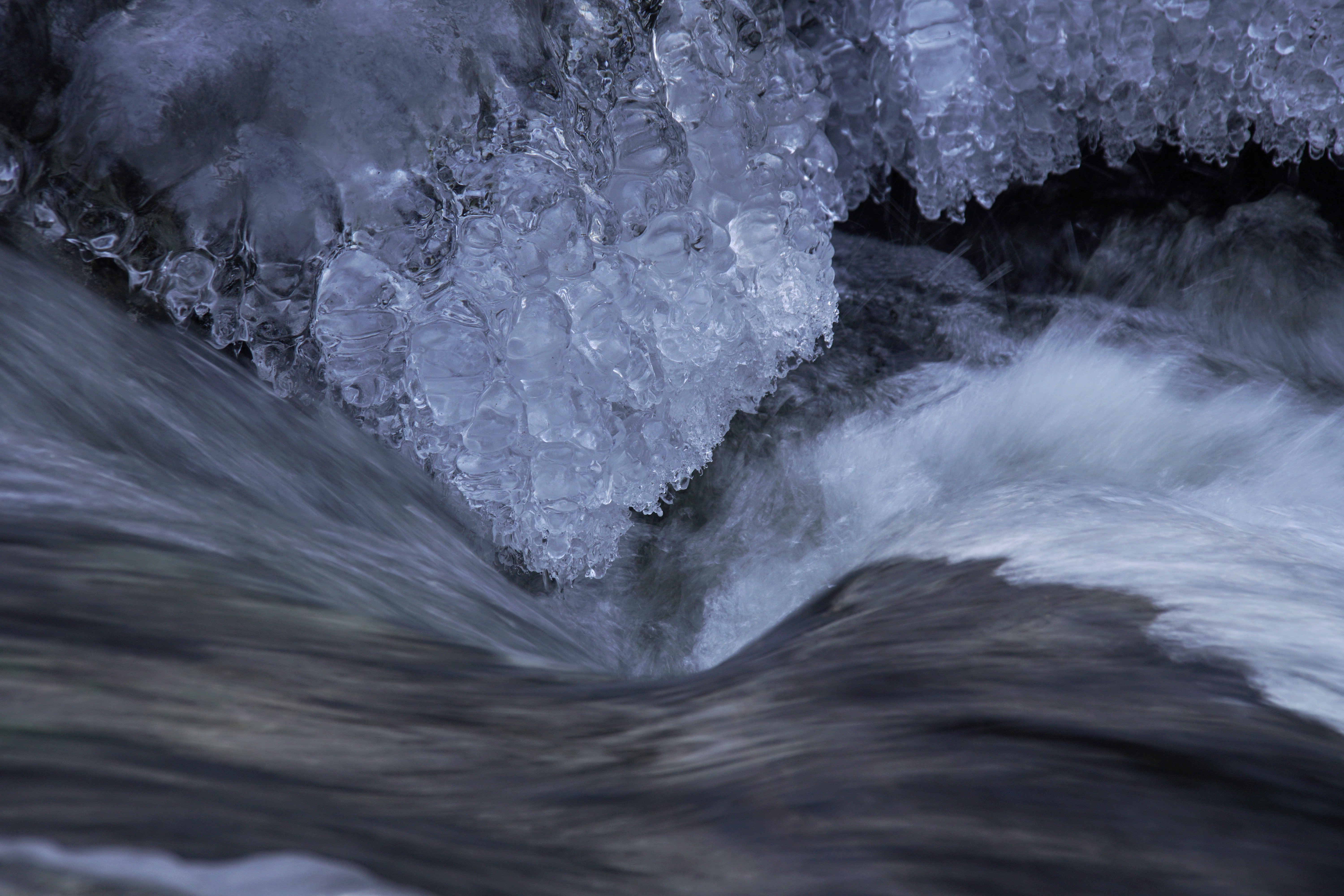
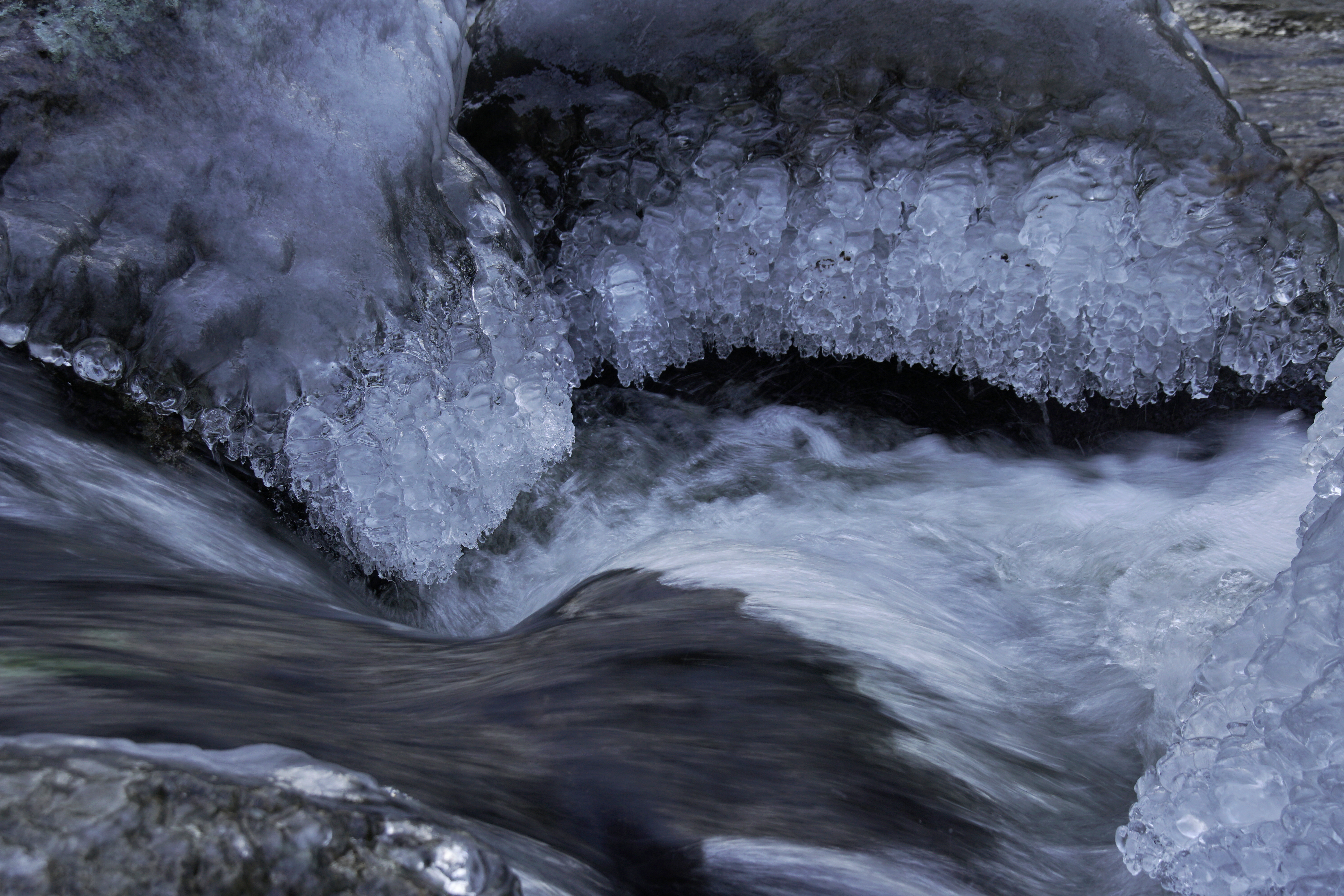
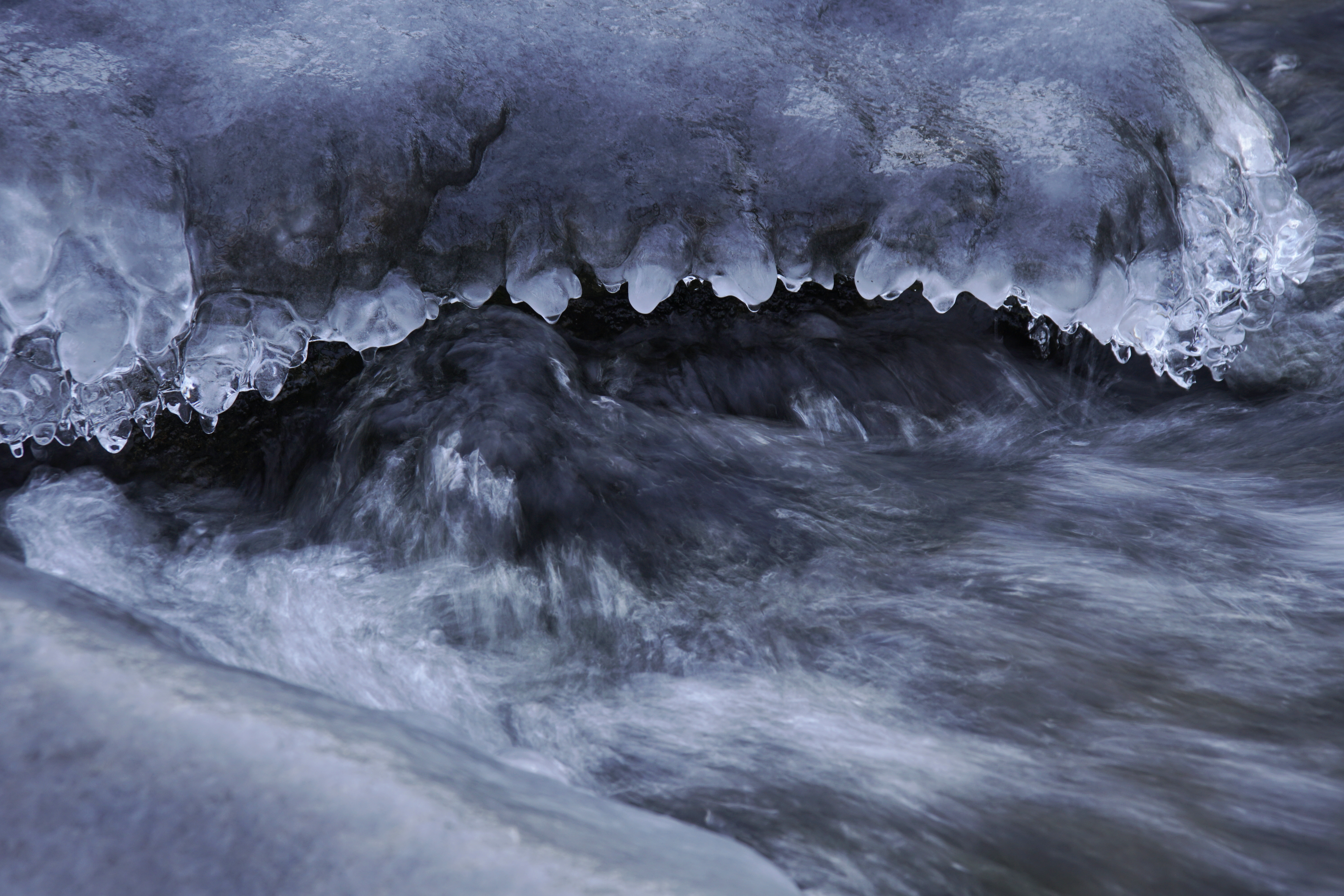
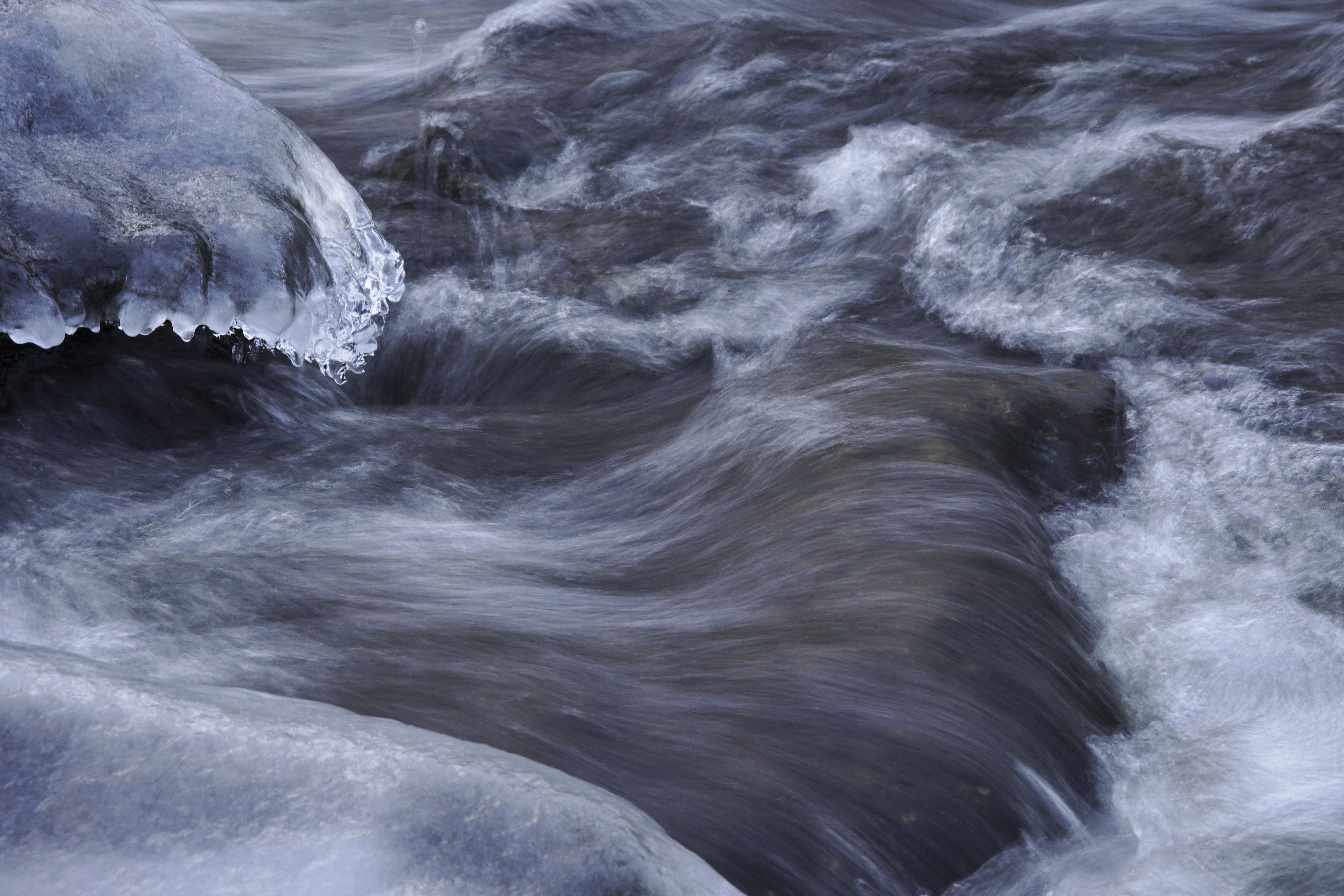
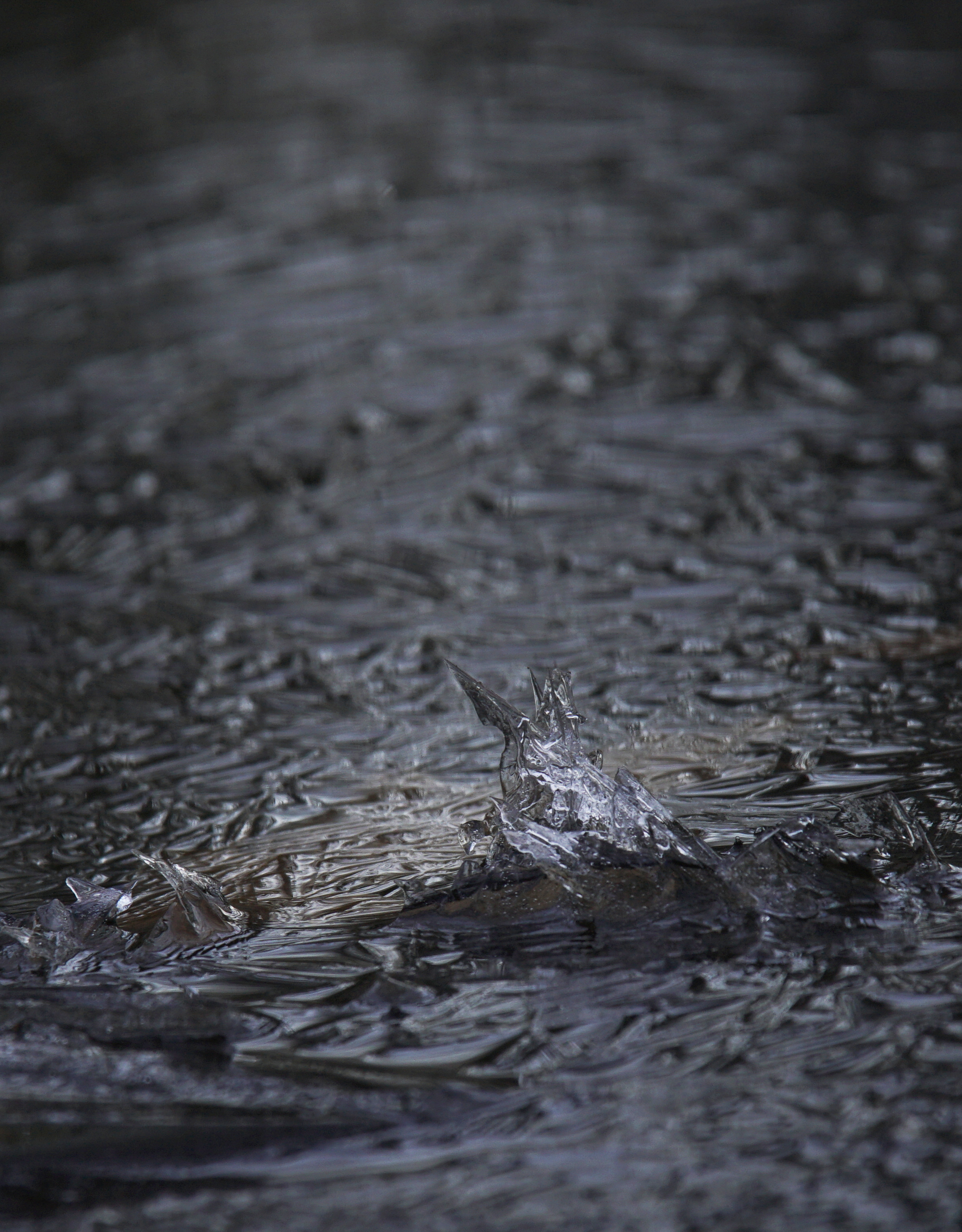
Snowy and frigid (about -10 degrees C). A pancake of clouds, so the skies were featureless, and no nice sparkly sunshine to play with the ice. Had to work with that.
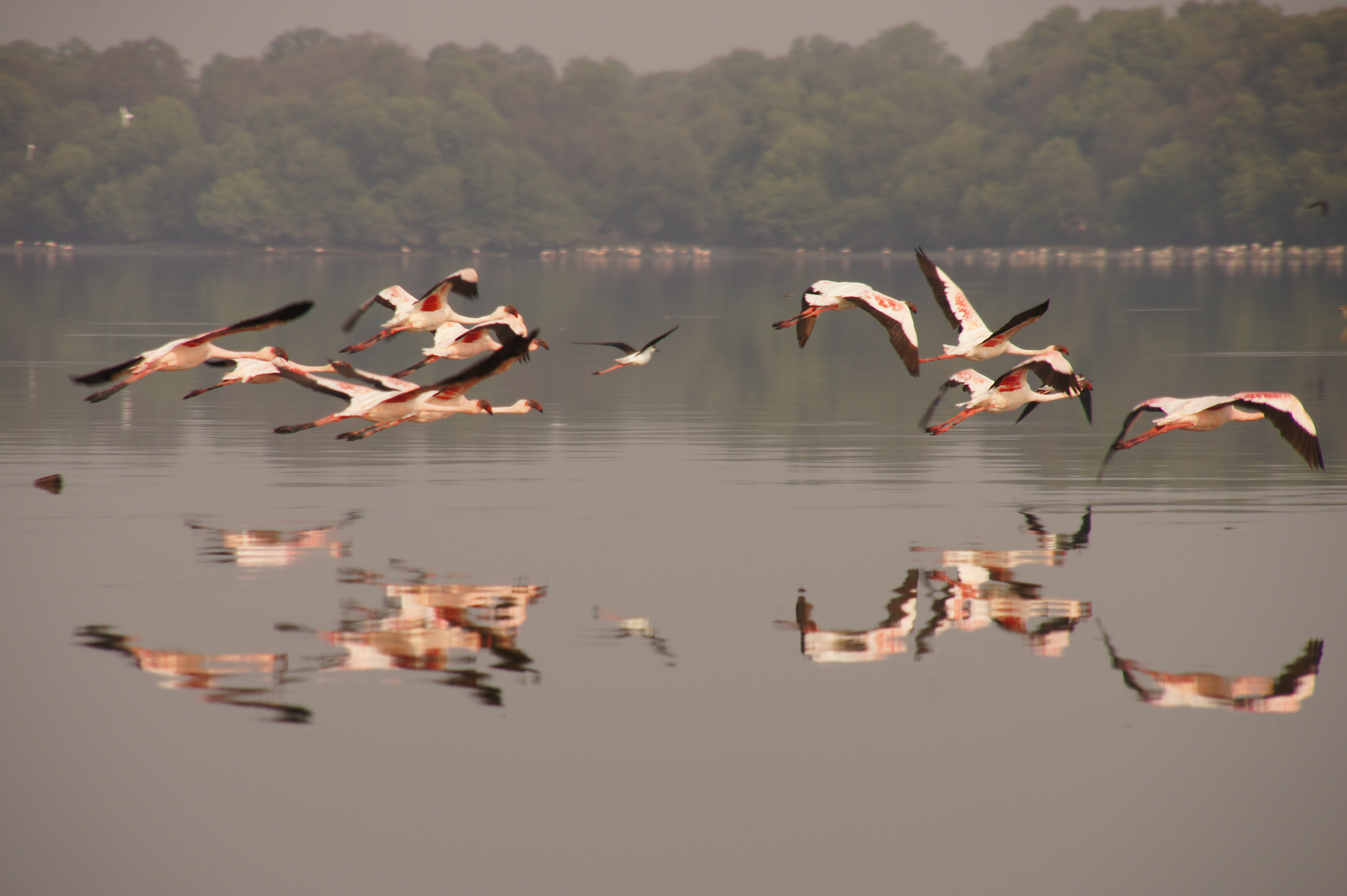
Two types of flamingos: the lesser flamingos have been here longer, and are pinker, because they’ve been having algae in their diet here that create the caratonids. The greater flamingos are larger, arrived more recently, and are therefore still black/white/gray (but not for long).
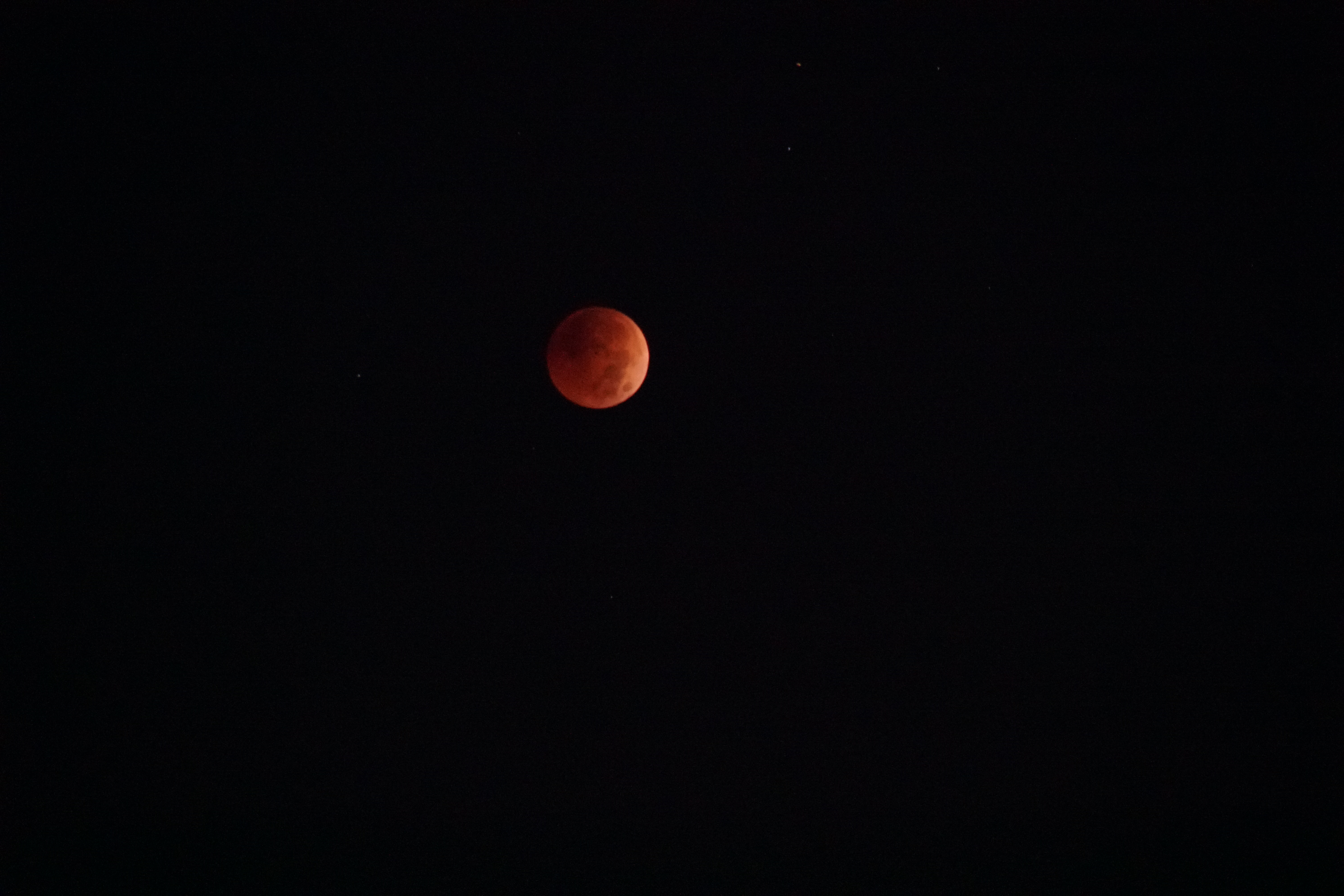
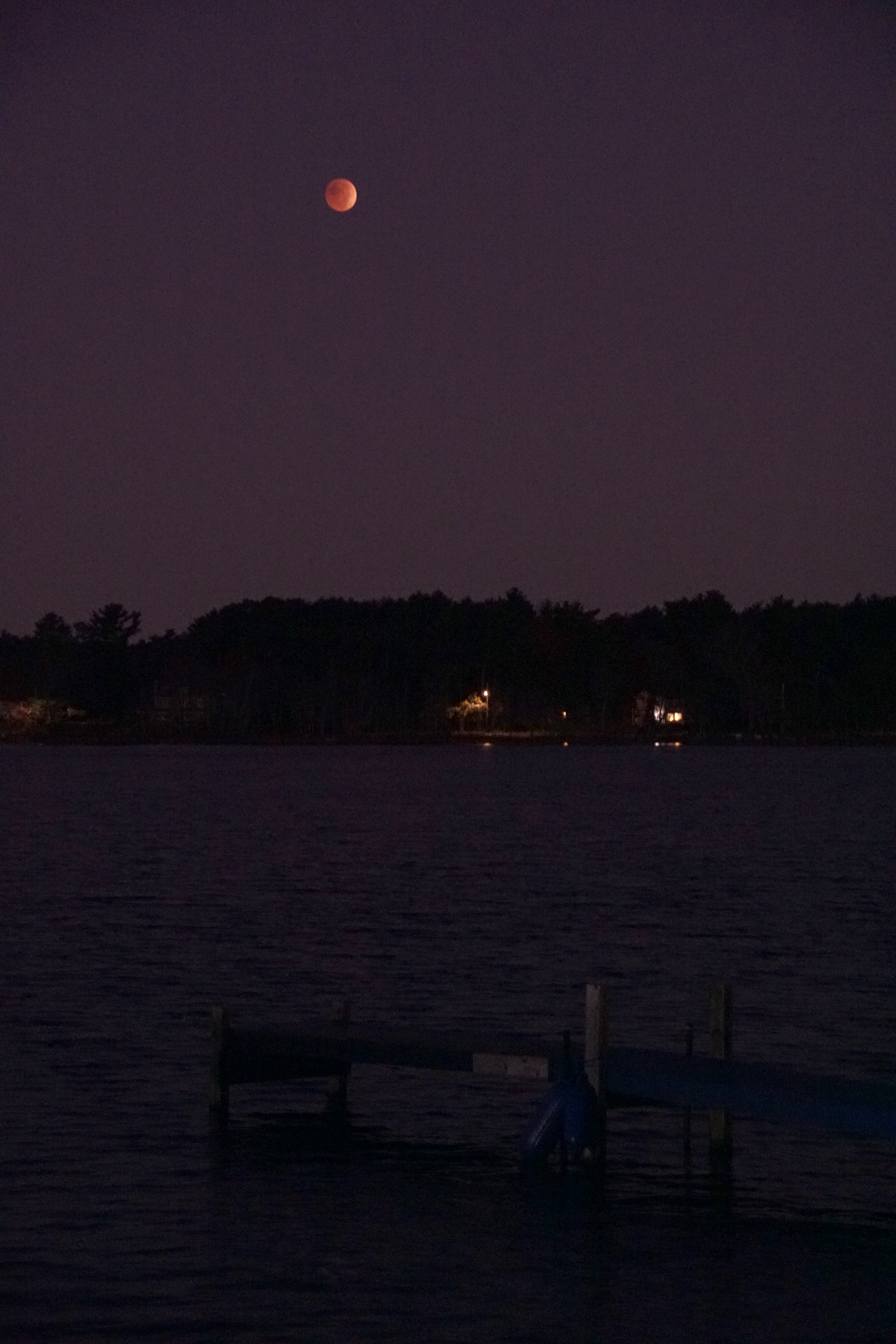
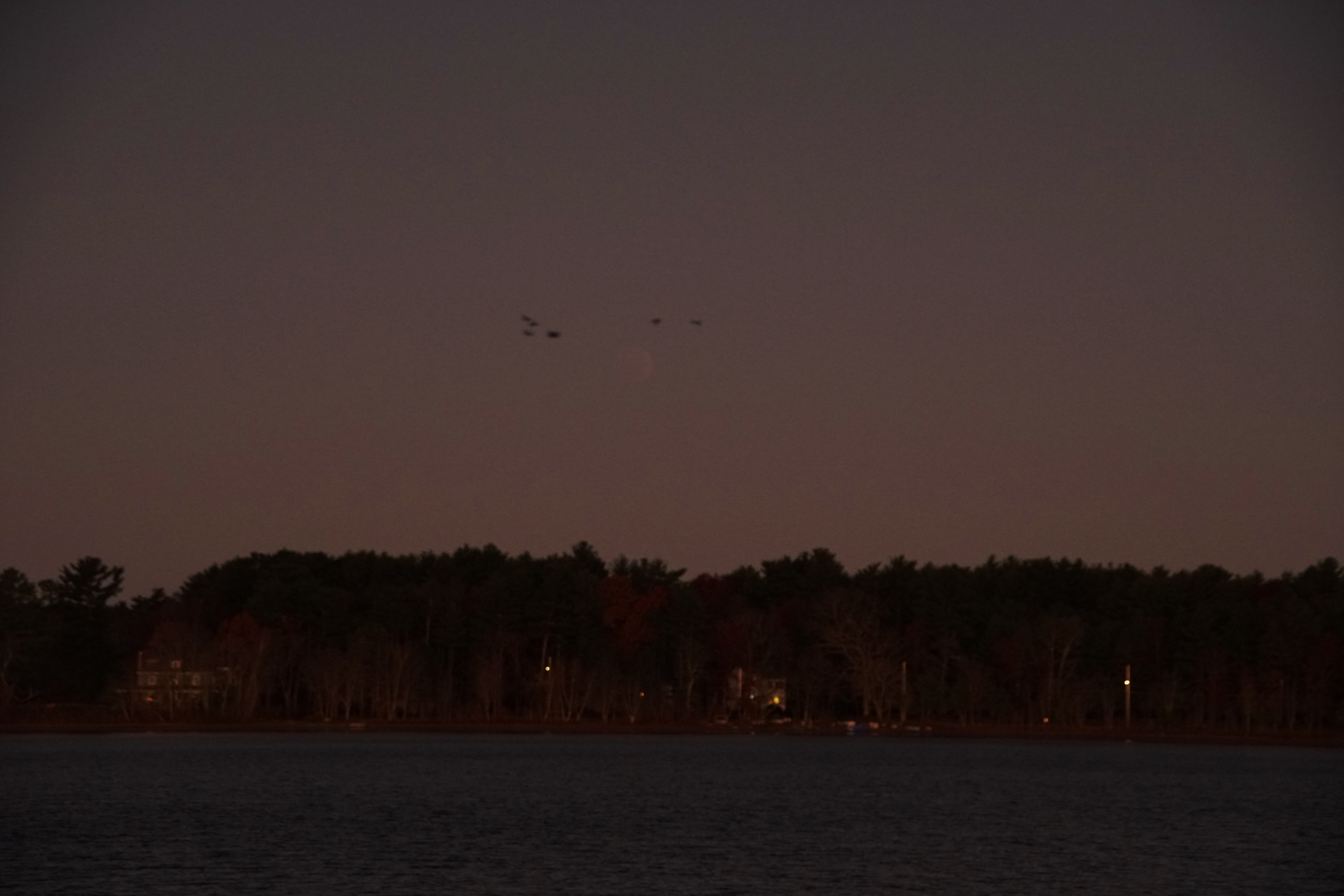
Lunar Eclipse. Totality started just before sunrise. Photos over Lake Massapoag.
The eclipsed moon and Pleiades.
With time, totality became more pronounced (less refraction through earth’s atmosphere), and background light increased, so the moon became less visible. You can barely see it between the birds here. Uusually, a full moon would be much more distinct.













































 a little wild