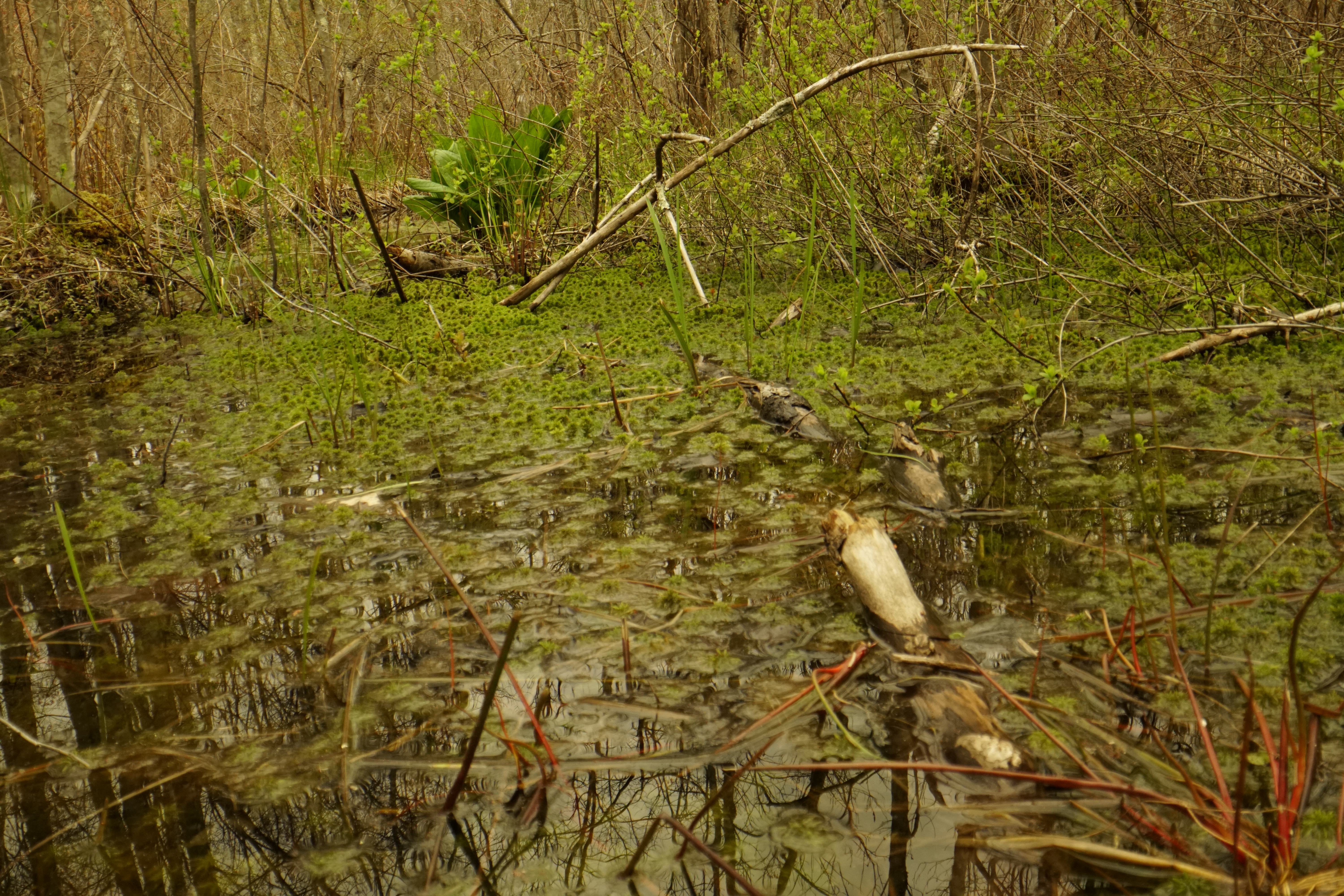
The boardwalk at Moose Hill. I took my Laowa 24mm macro probe lens to take underwater photos. I was especially hoping for amphibian egg photos. I can’t tell you how happy I am with how they turned out.
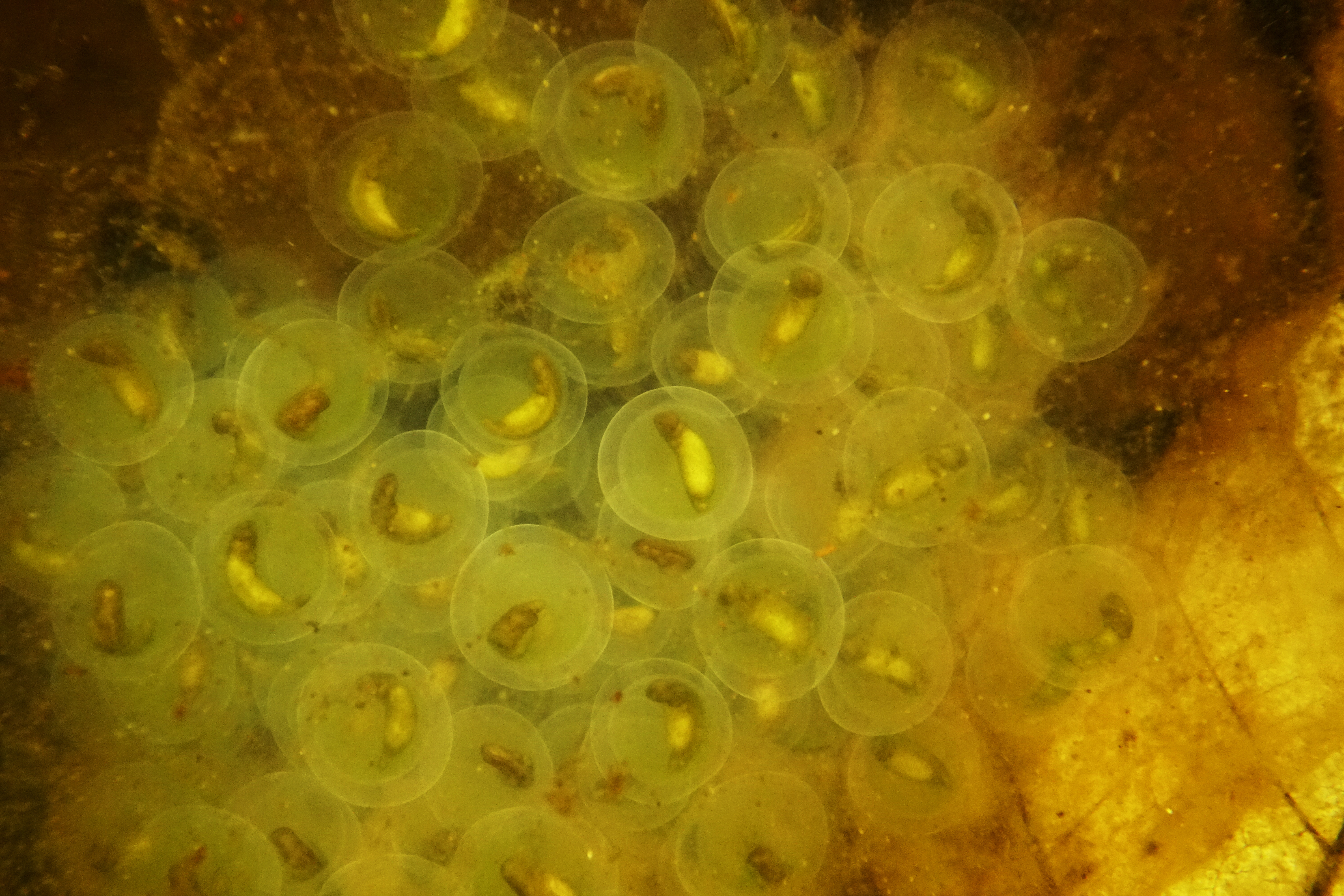
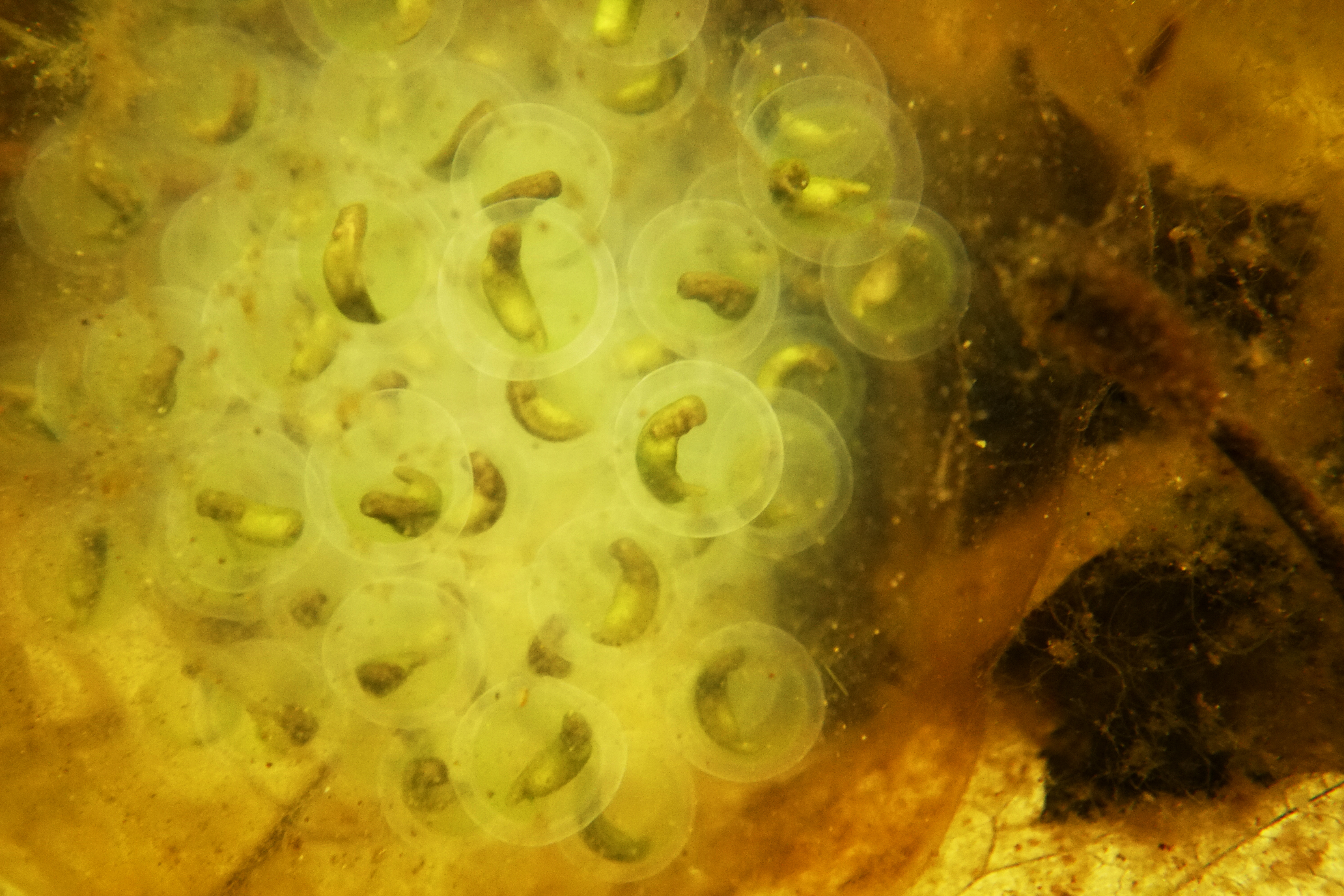
Let’s cut to the good stuff. I think this is a salamander egg clutch, probably spotted rather than blue-spotted, as spotted salamanders have larger egg clutches.
Diptera
There was plenty of other stuff to look at! This fly (at least, it seems to be a fly from the wings) was one of many similar floating on the water.
Trichoptera
There were so many caddisfly larvae in their casings. Once you see one, you start to see so many others.
Trombidiformes
Water mites, Hydrachnidia, were very common, and a complete pain to photograph. They sometimes look like pigs flying underwater:
Gerridae
At least, I think it’s Gerridae. The genus name (if I’m correct) is Aquarius.
Hymenoptera
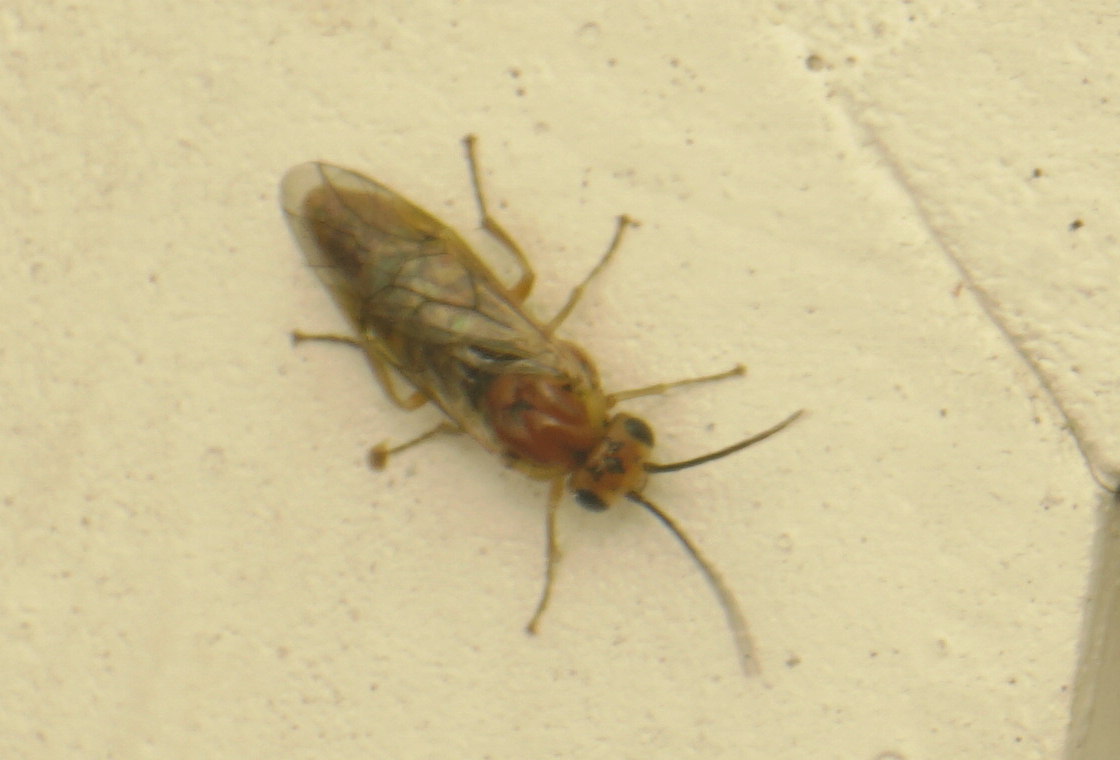
On the way there, saw this sawfly, no reason not to take a snap, even if it wasn’t the main purpose of the walk. I’m comfortable calling it Neodiprion Lecontei, the Red-Headed Pine Sawfly. It eats conifer needles, according to Tom Murray’s book — I didn’t know there were insects out there that found conifer needles nutritious.
Collembola
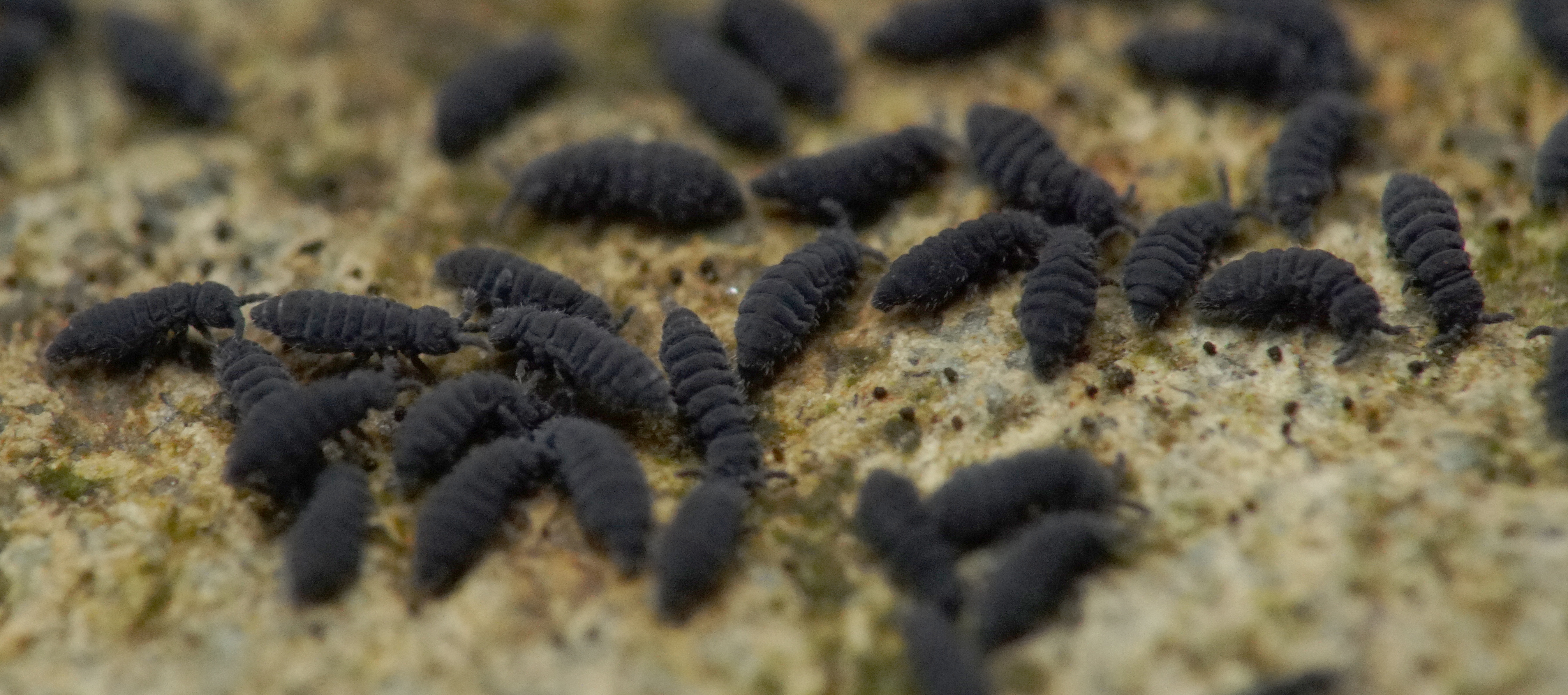
As always, lots and lots of Collembola (springtails) in the marsh. They love the water. This one, in particular, was inside a skunk cabbage. I didn’t realize there were other bugs besides the springtail until I looked at the photo.
Started at the trailhead on Lakeview St. and walked to Mansfield St., past Metacomet’s Rock (still like the name better than King Philip’s Rock).
The first part of the walk was a fairly short grass meadow, followed by wet marshy areas, and woodlands.
I have a slight problem with designing and making way too many flash diffusers for macro photography. This was the initial test for the latest version, which is probably Mark X.
The results were mixed. When it worked, it was absolutely amazing. Best diffusion I’ve worked with. However, it was bulky and made it difficult to get photos in tight spaces, and insects are almost always in tight spaces.
Hymenoptera
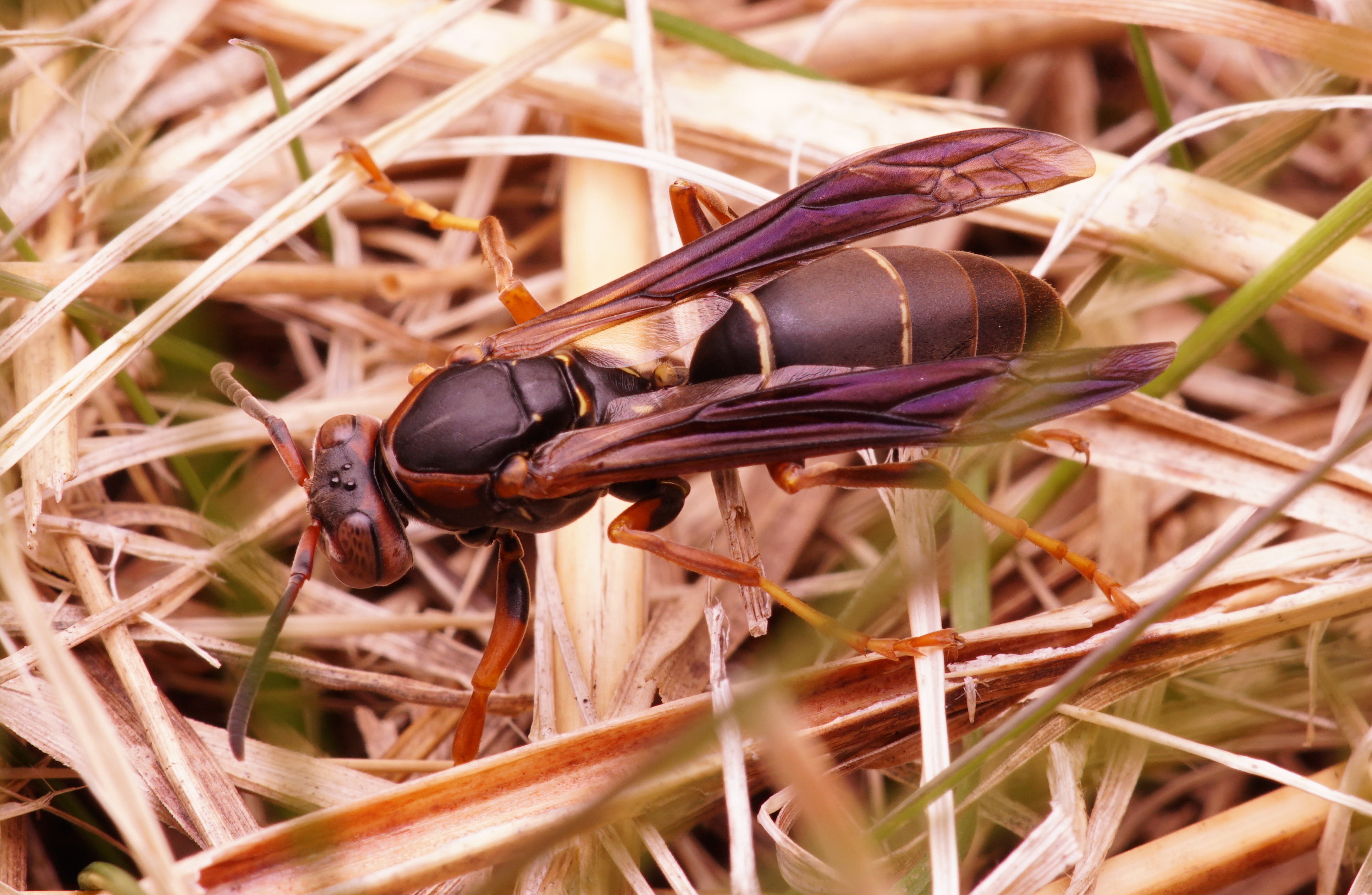
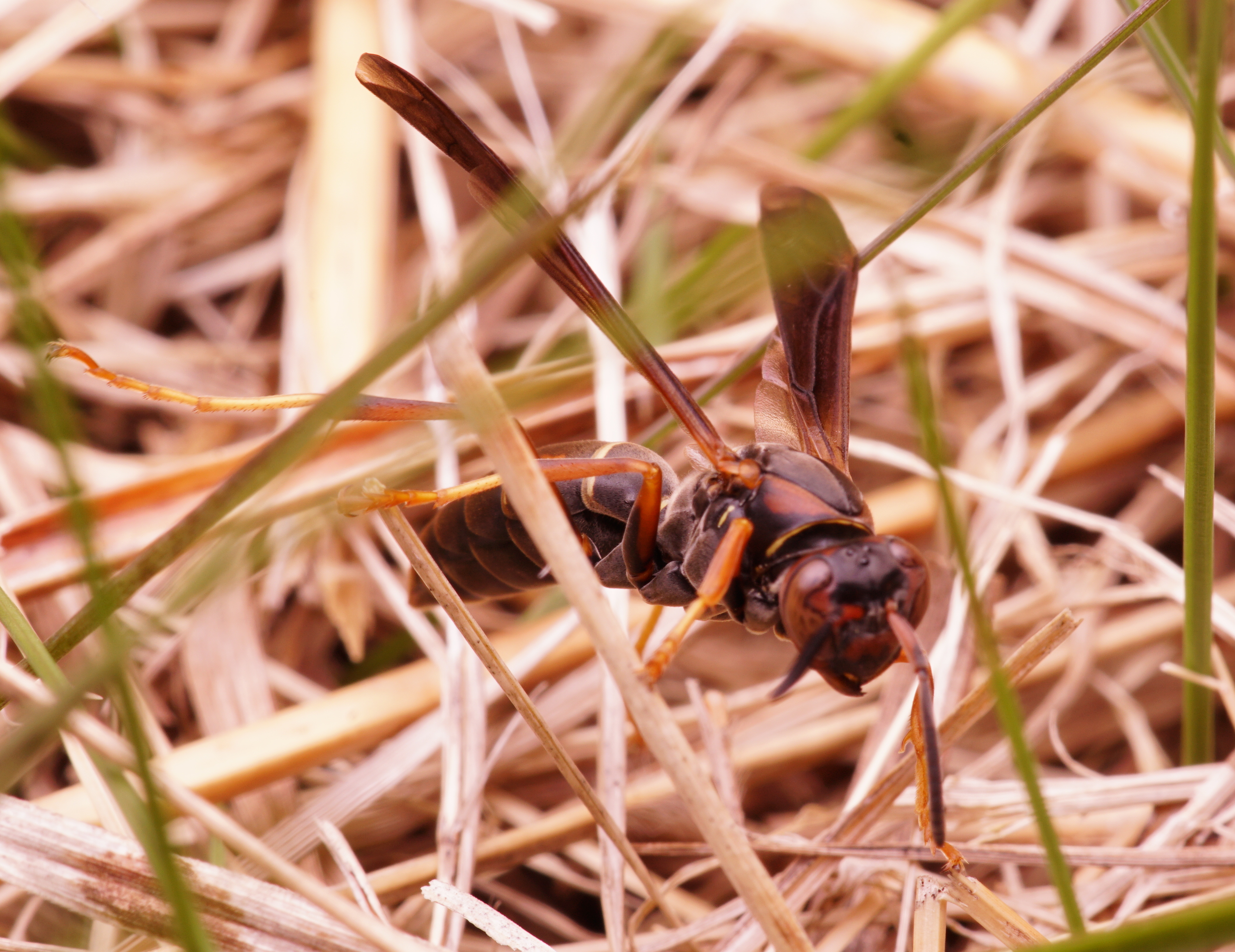
The meadow area had paper wasps, Polistes. Very active, tough to get photos of, but pretty friendly and chill. Hey, check out the flash diffusion in this photo.
Polistes fuscatus
I think this is Lasioglossum in Halictidae. Perhaps sub-genus Dialictus?
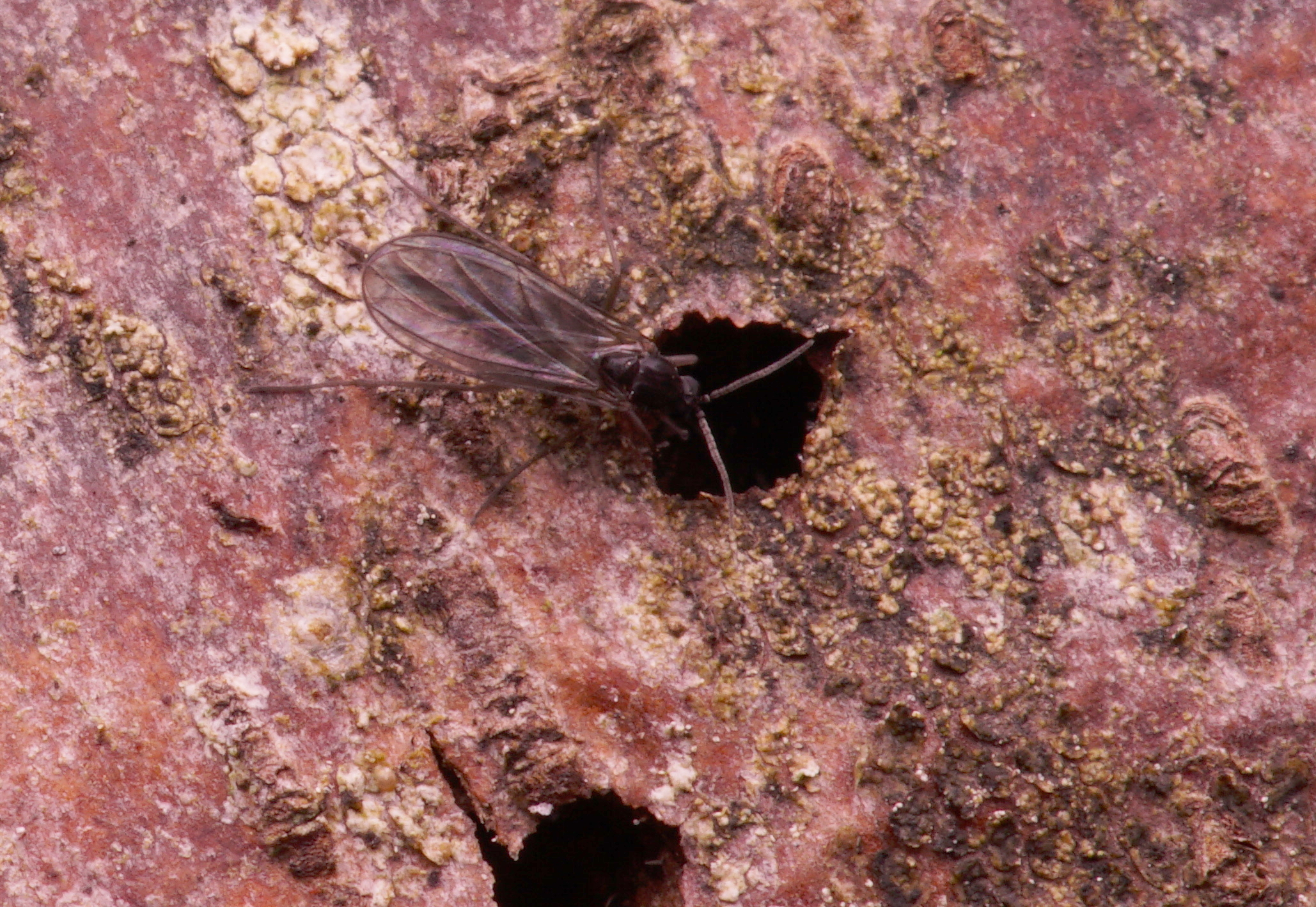
Diptera
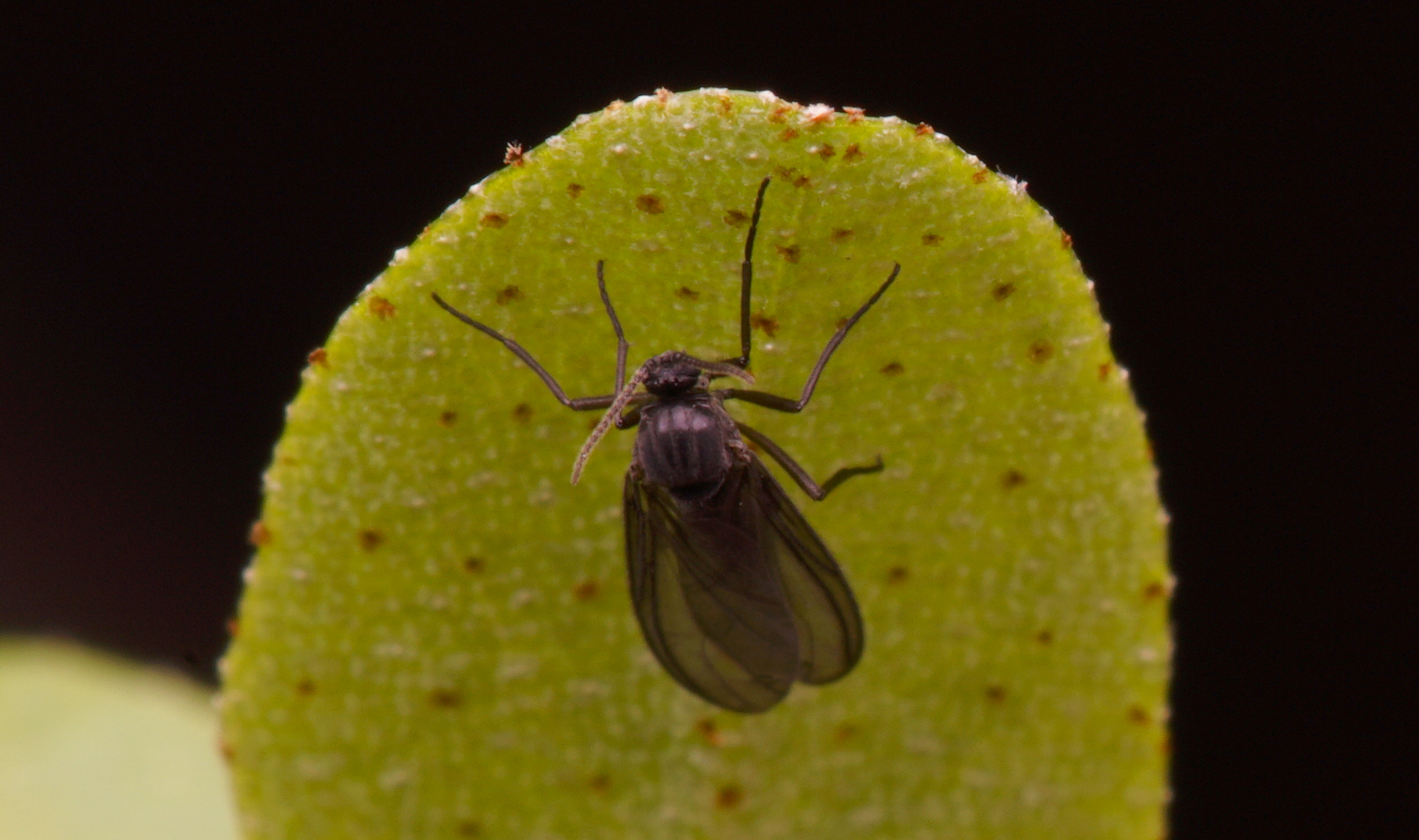
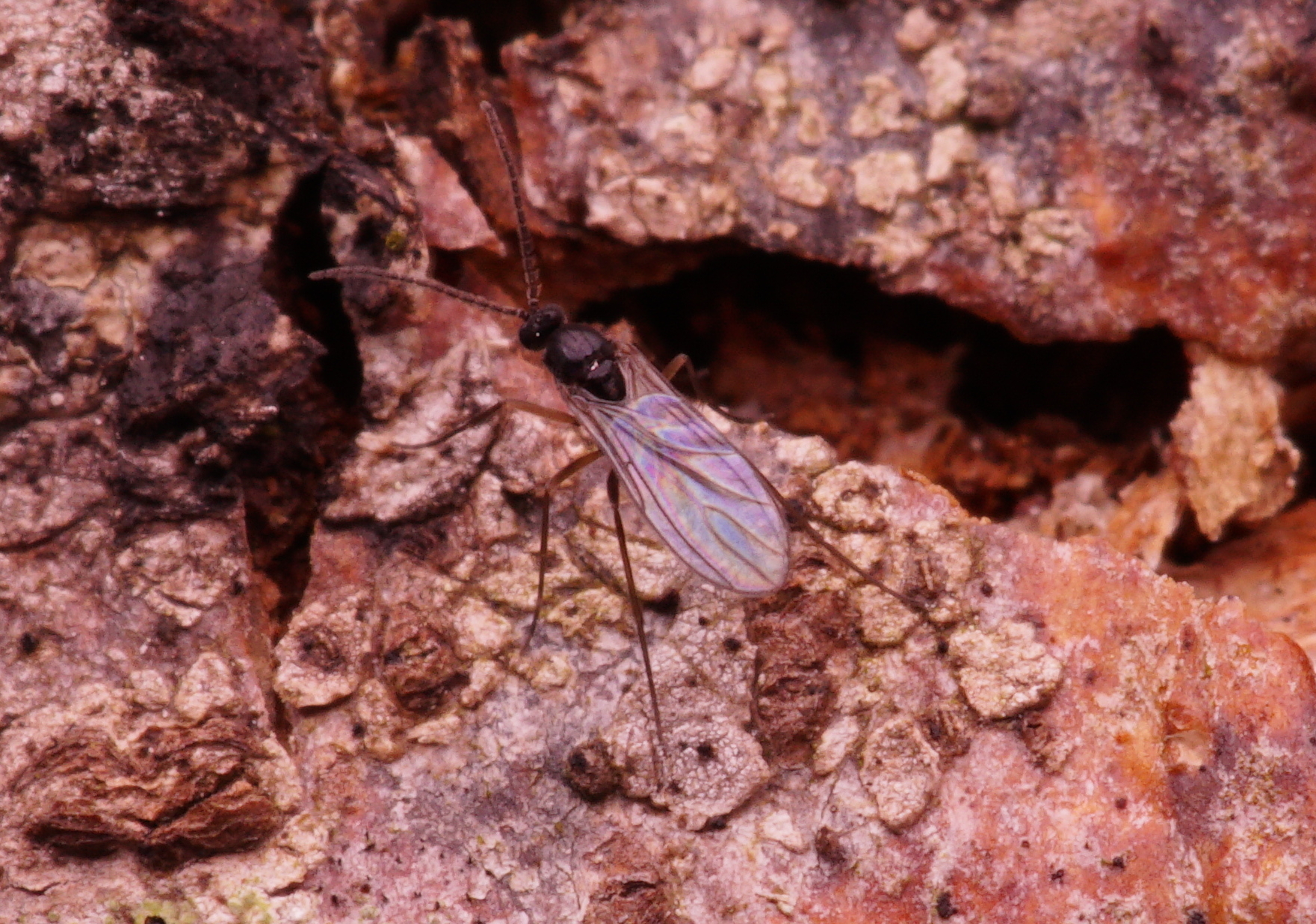
Perhaps fungus gnats, Sciaroidea, but tough to go any further. Mycetophilidae? Sciaridae? I don’t know.
Just like the rove beetles, the fungus gnats seemed interested in the beetle larvae holes in the dead wood.
And another
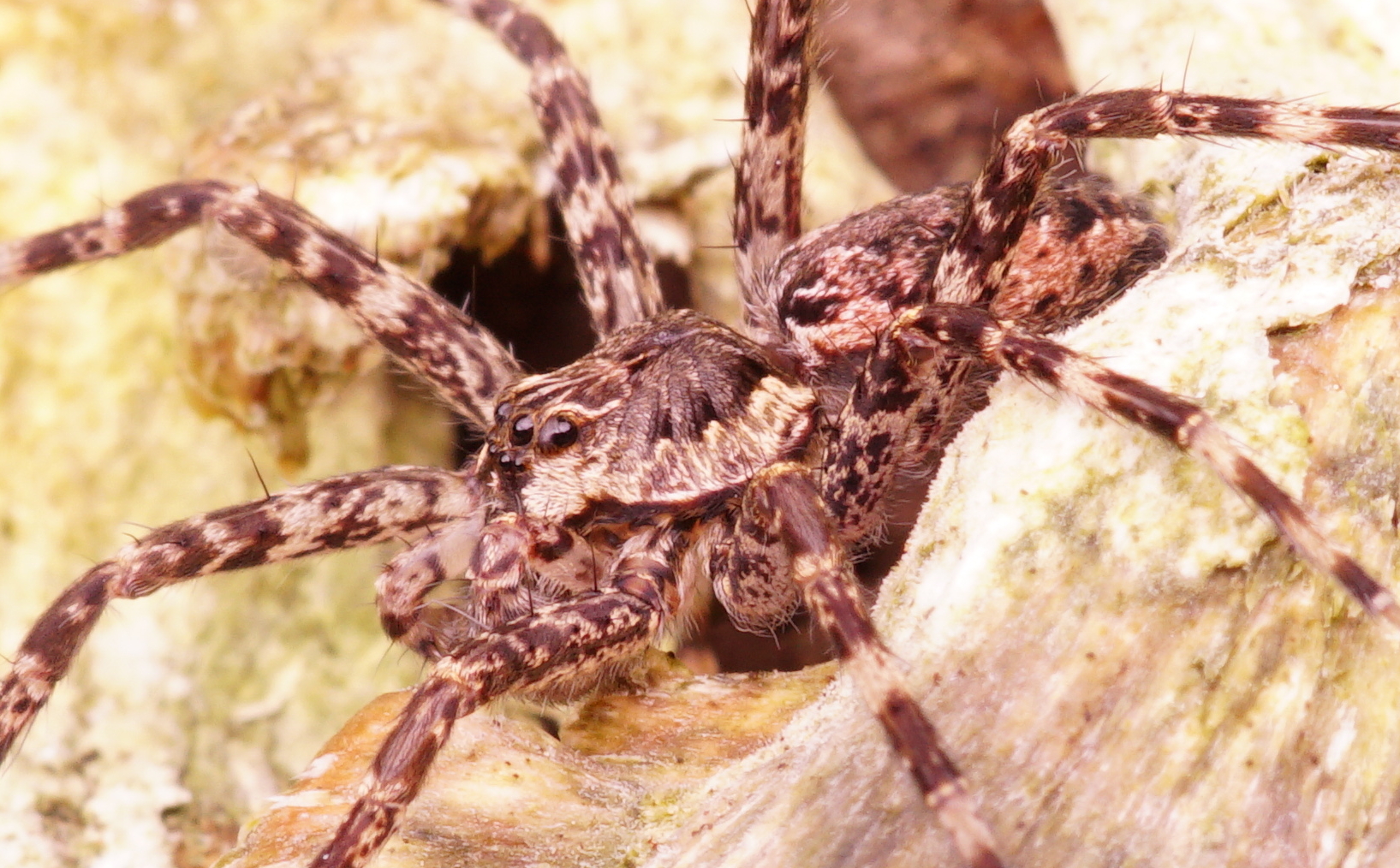
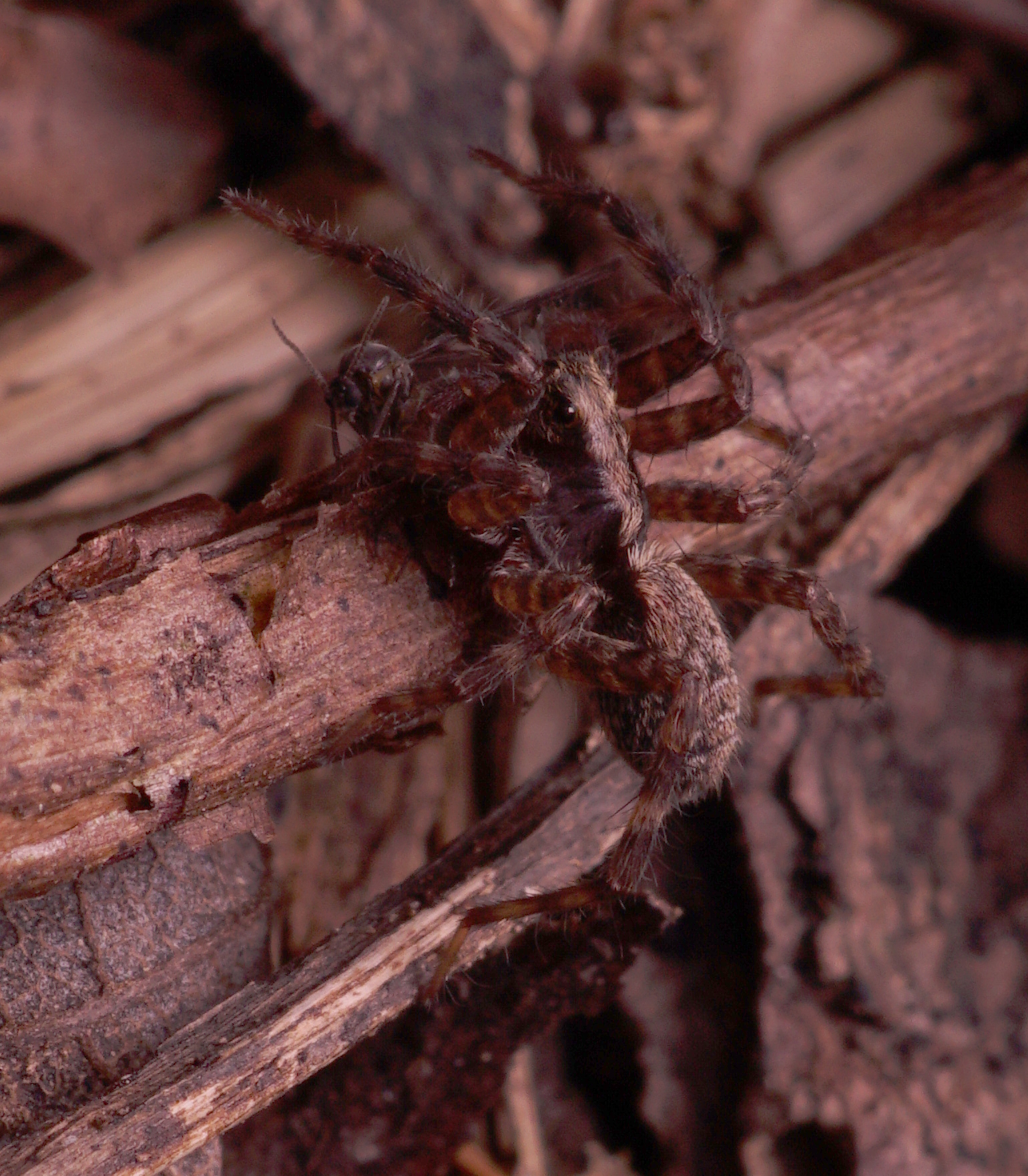
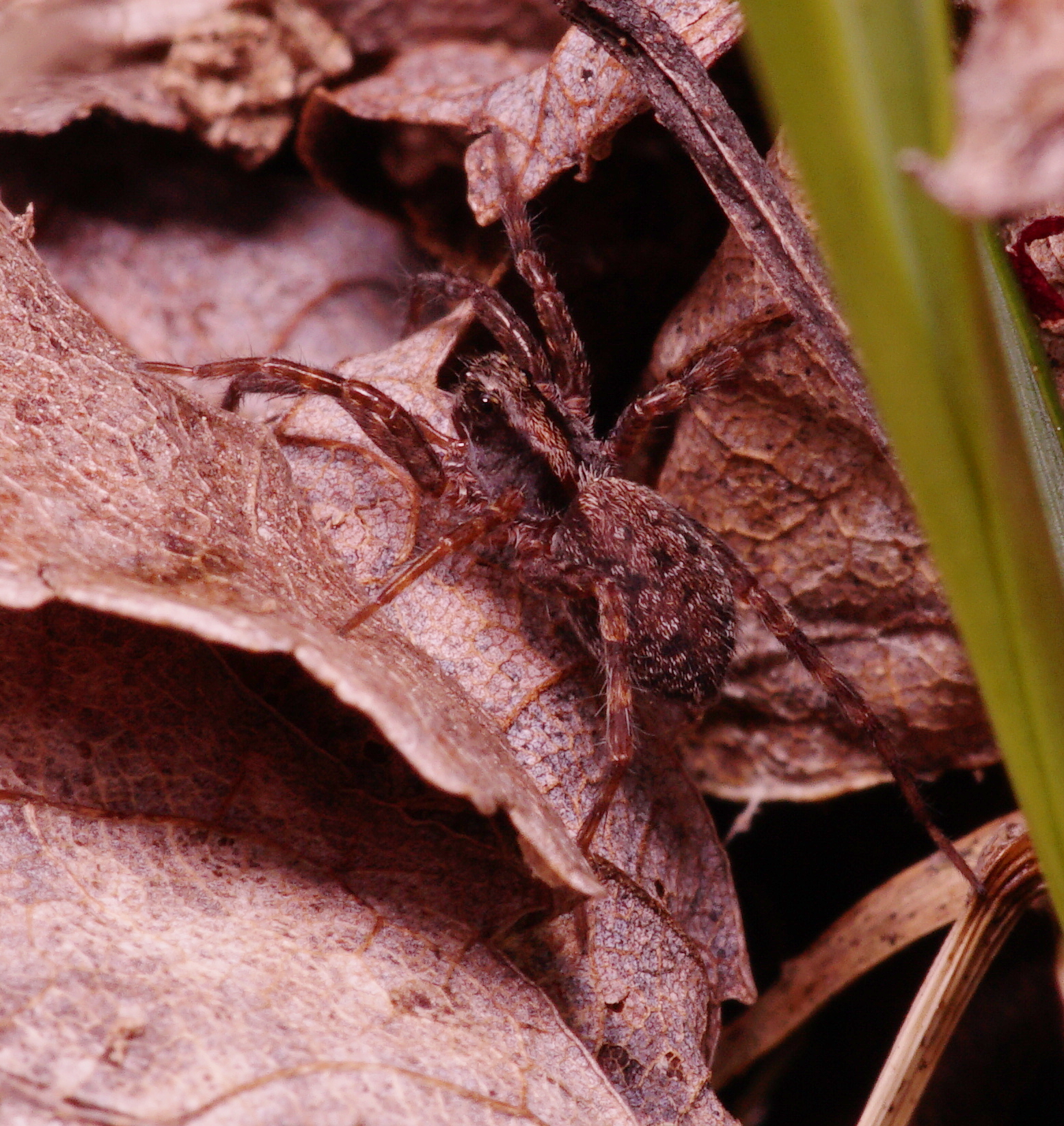
Spiders
Dolomedes tenebrosus, in Pisauridae. A male. Note that the W pattern on the abdomen isn’t all white.
Schizocosa, in Lycosidae.
And Schizocosa again:
And another Schozocosa:
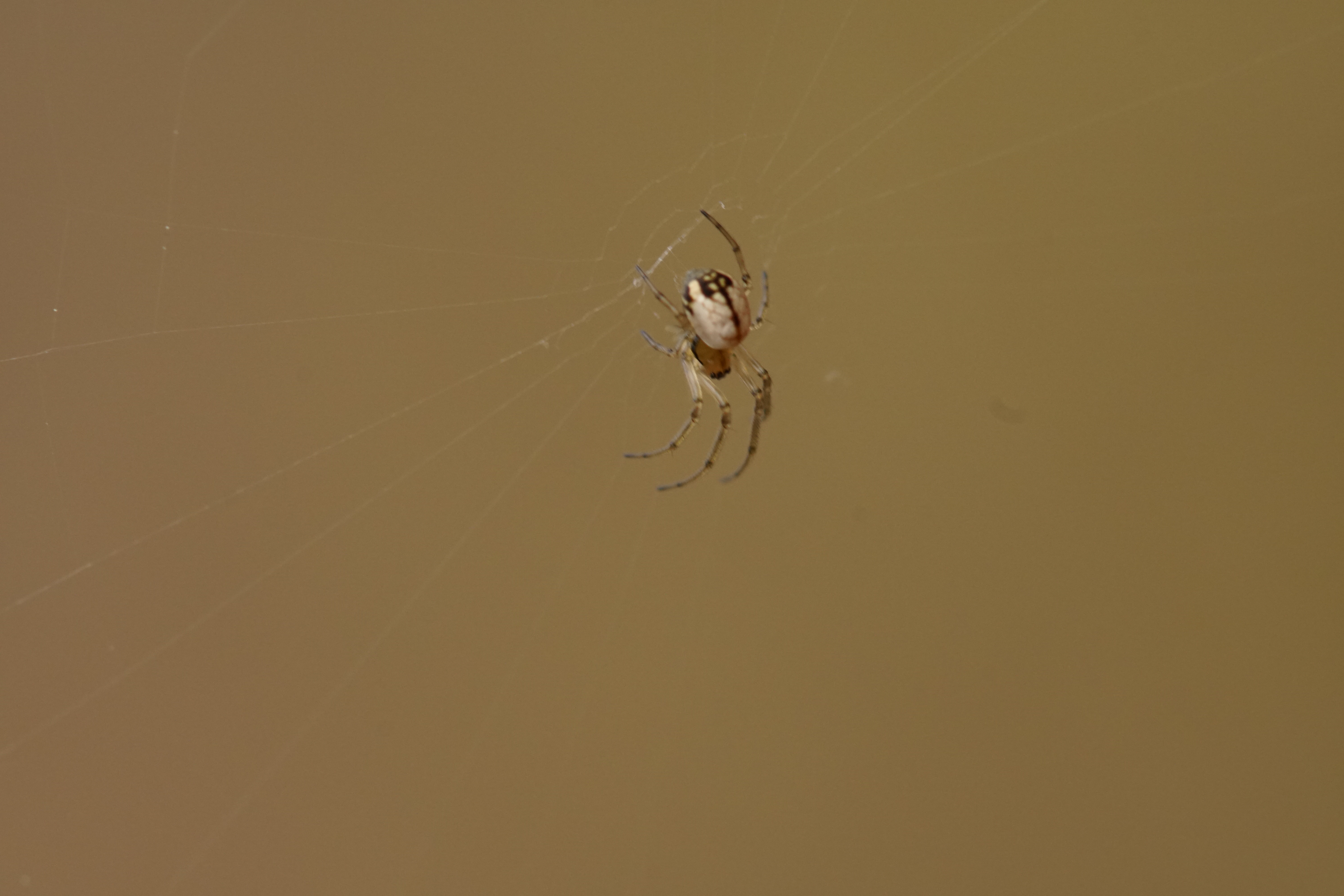
Leucauge venusta:
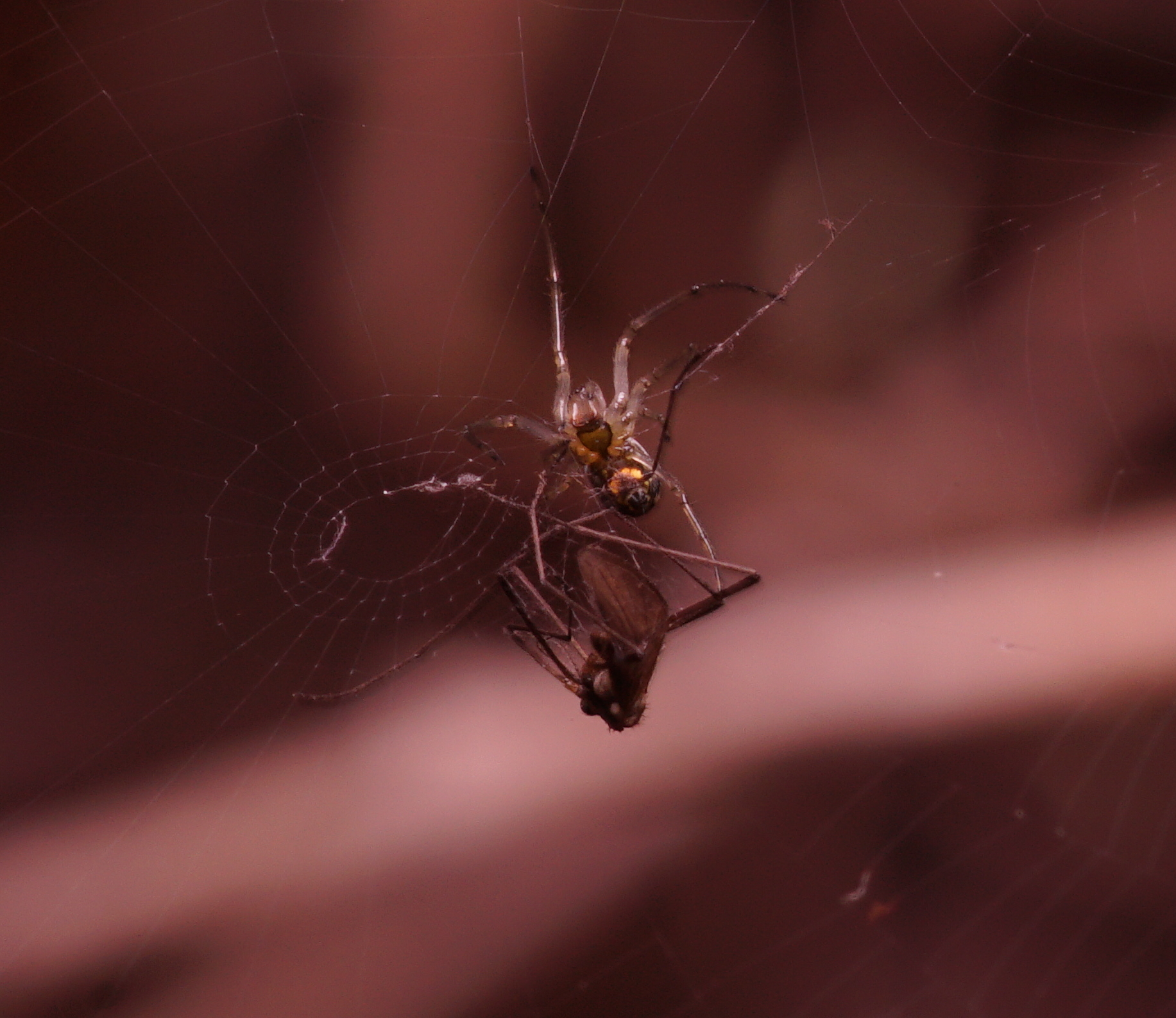
Linyphiidae. Probably Neriene radiata.
Coleoptera
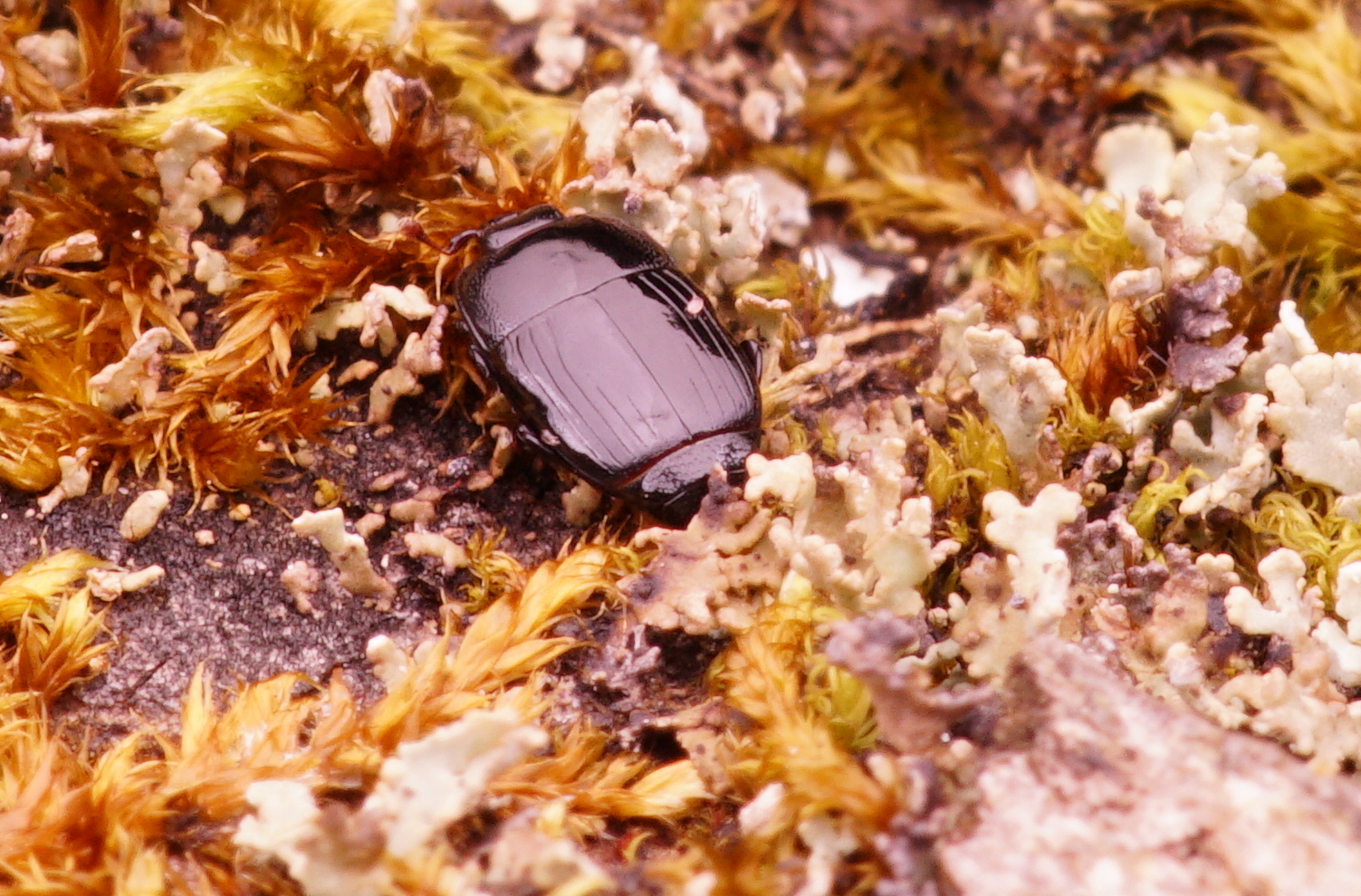
This is Histeridae, aka the clown beetles, for good reason. I think it’s Platysoma leconti, in particular.
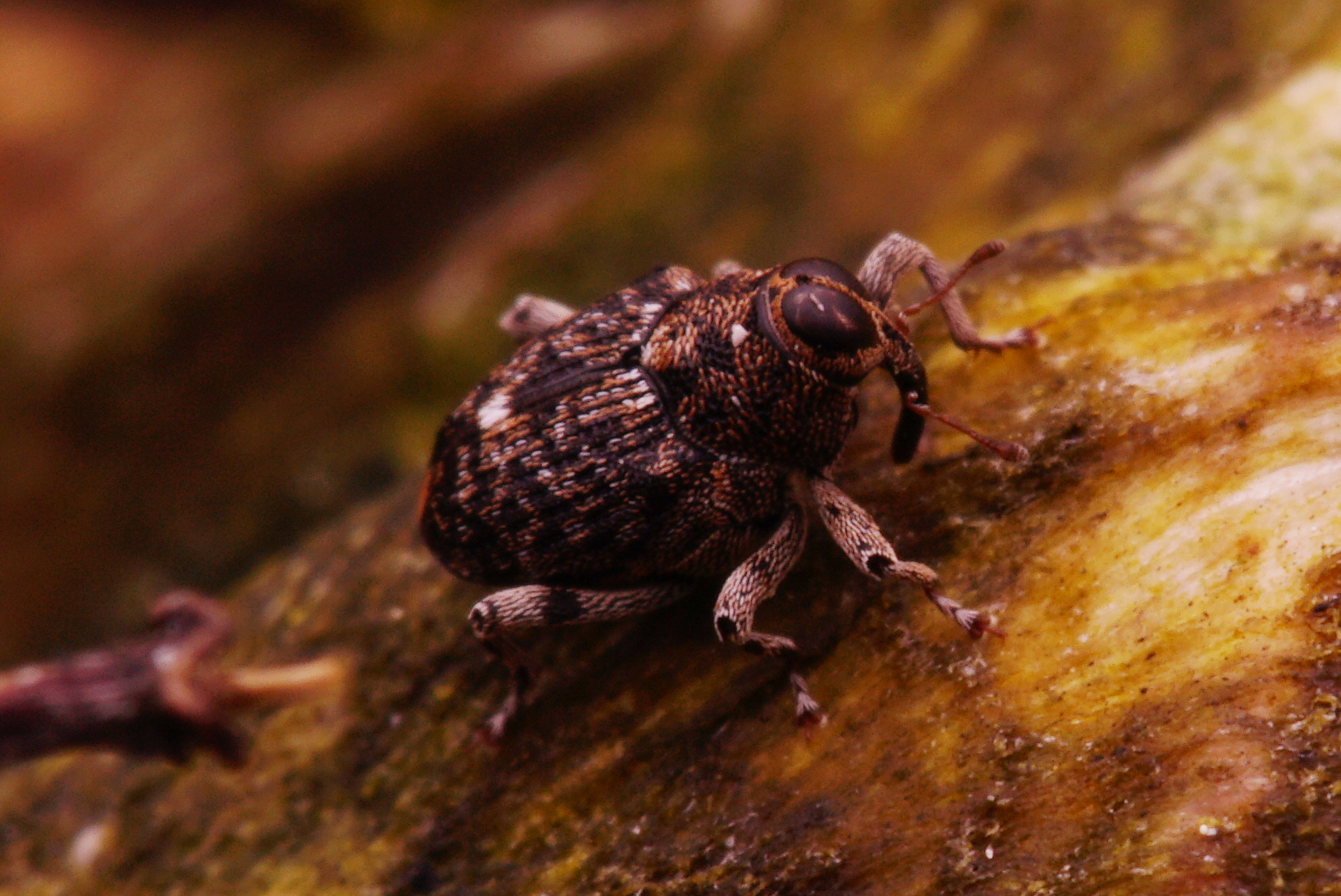
Such a cute little weevil. I think it’s Lechriops. Alternatively, Conotrachelus?
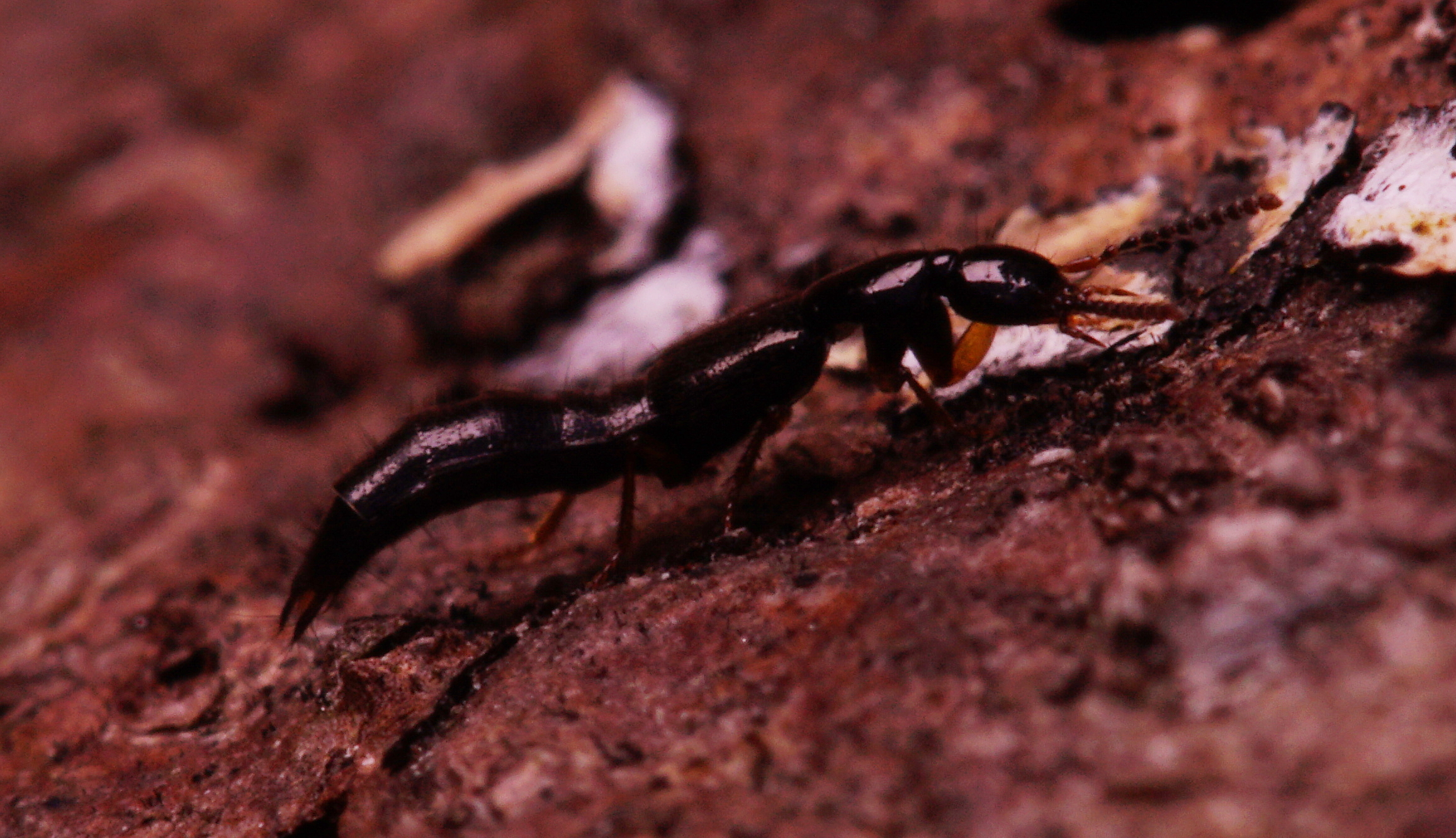
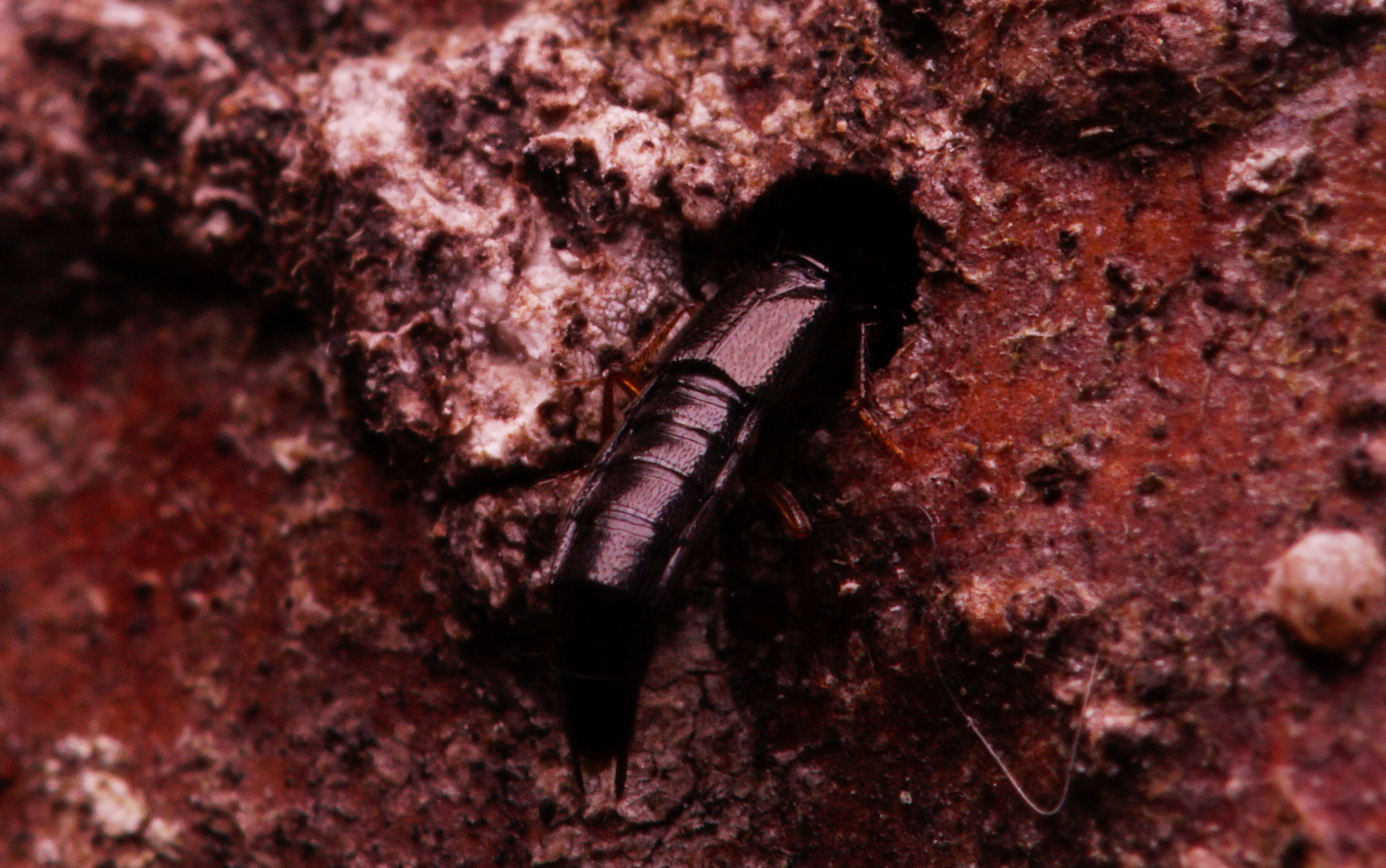
Staphylinidae, aka Rove beetles. For some reason, I think this one was especially interested in the holes in the dead wood that beetle grubs had tunneled out of. Not sure why, what in them was so interesting.
Very tough to pin down. Maybe Cafius cf. aguayoi, but that seems less common. Maybe Homaeotarsus?
A dark horse candidate is Atheta coriaria, perhaps classified as Dalotia coriaria. That’s been introduced and sold for pest control purposes, has it established in the wild?
Here’s one of them poking its head into a beetle grub hole.
Fungi and Slime molds
Some fungus.
A polypore fungus.
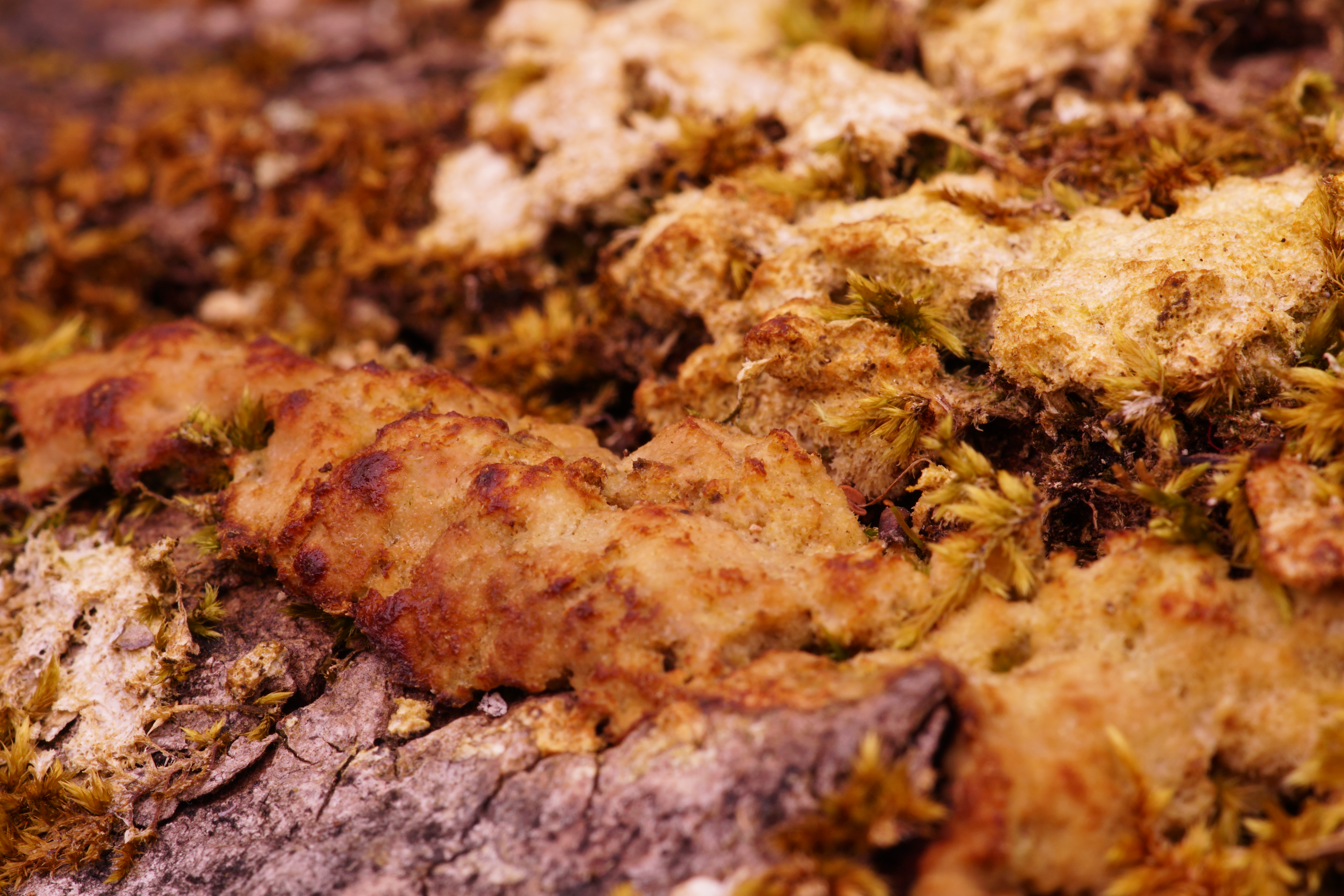
Closeup of fungus
I think this is a slime mold. Perhaps something like Metatrichia? Lindbladia? Neither of these really fits perfectly.
EDIT: “ascomycete” was a suggestion. Another was “probably pyrenomycetous fungi. Maybe Rosellinia sp”
The pond in the backyard is almost completely dried up. There is skunk cabbage growing all over the soil. I dragged some of the remaining water, soil and leaf matter. A fairly wide range of creatures, for few of which I have a firm identification.
Some of these (some of the ostracods, the “newborn”) may be cladocerans. And the putative fairy shrimp in the first one may actually be a baby amphipod.
In this one short video, I think we have a fairy shrimp (the larger red one); a copepod (the other longish one); and an ostracod (small, round, doesn’t stand out in its color).
I think this is a copepod; you can see why it’s also known as a Cyclops. Most copepods have only one eye.
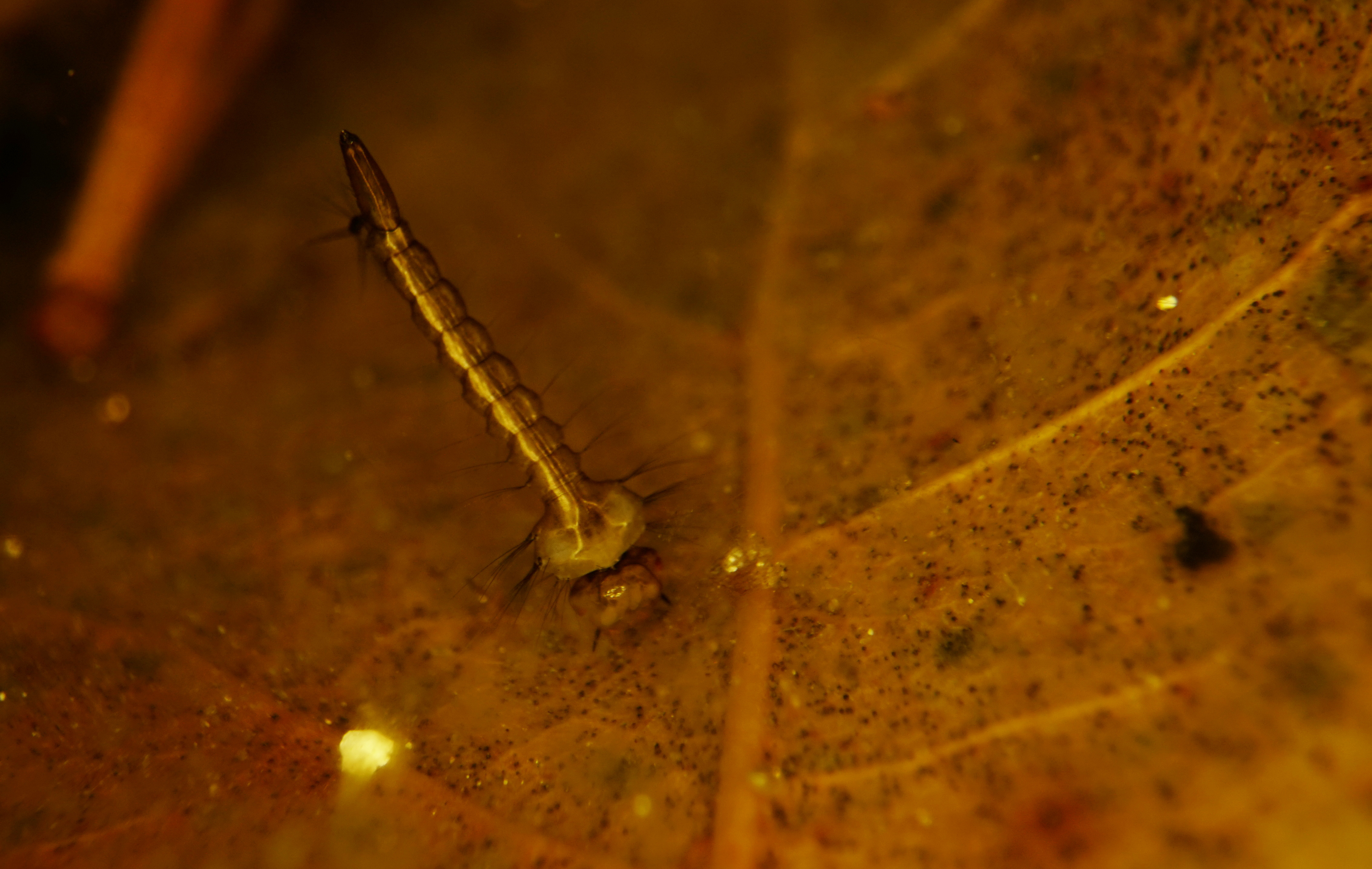
I saw several of these worms. I don’t know their identification. Notice the movement of fluid near the hind part. Diptera larvae has been suggested as the identification (as has Oligochaetes).
A closeup. Watch how it moves:
I don’t know what this is. My best guess is a newborn fairy shrimp. Notice the gel enveloping it.
Noticed several of these transparent worms. Nematodes seems the most likely identification.
(2) “<There’s a> distinctive “S” shaped recurrent vein in <…> Colletes.”
A mantis ootheca, I believe:
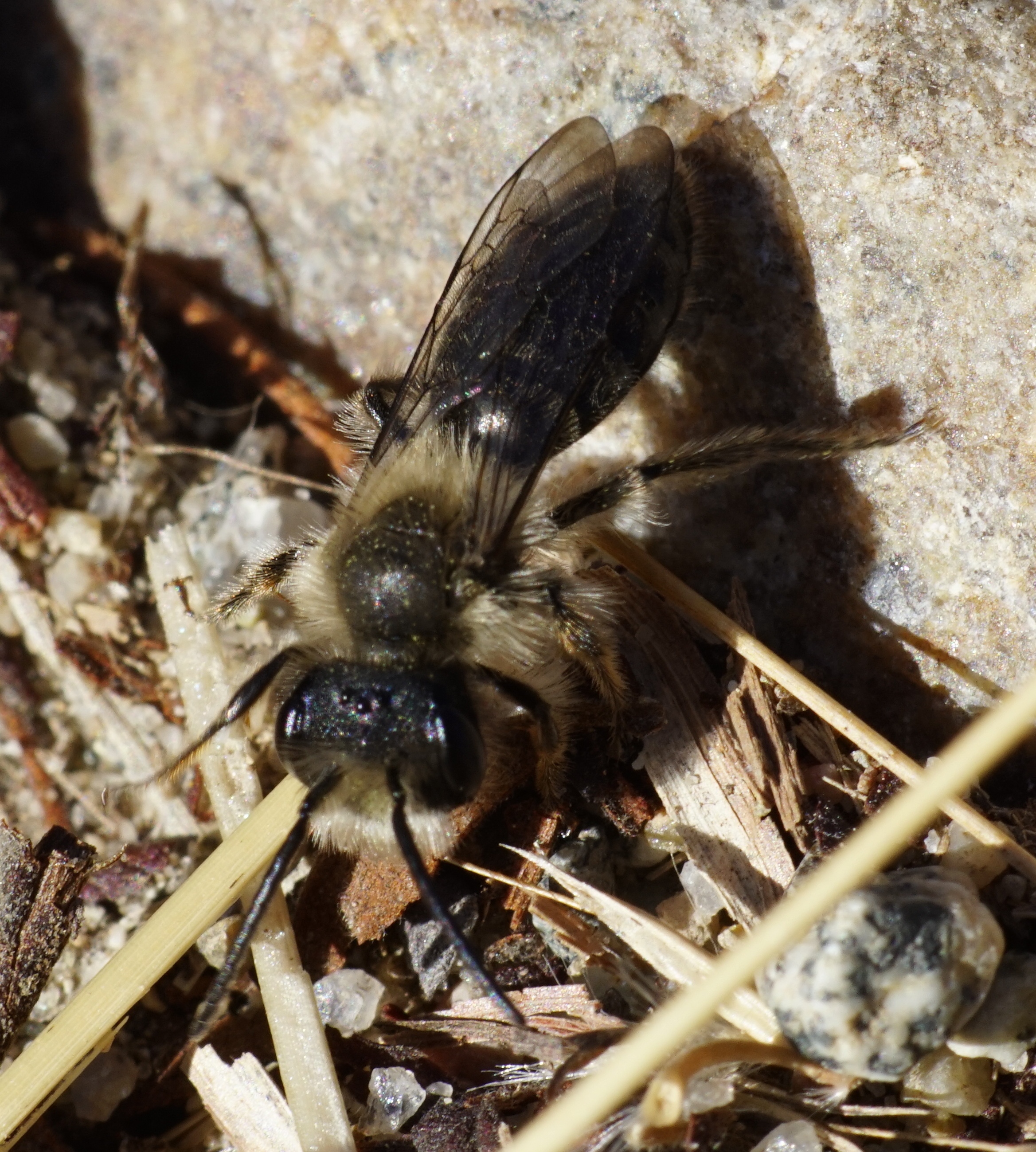
I’m not sure if the bees belonged to just one species or to more. They all seemed like Andrena, to me, but so very very difficult to have any confidence in the ID.
A better view of the wing venation. Colletes inaequalis. “S vein” helps identify it.
I’m calling it Metacomet’s Cave because I think that’s a better name than King Philip’s Cave.
First bug walk of the season! Trying a new technique: no flash, high ISO, larger aperture, some focus stacking if necessary. I don’t know if it’s any better. Perhaps with a ring light?
I found a little stone (3-4 cm) that was swarming with Collembola, like little sheep.
Look, I caught one of them in the process of jumping!
Lasius ant, I believe, commonly called Citronella ants:
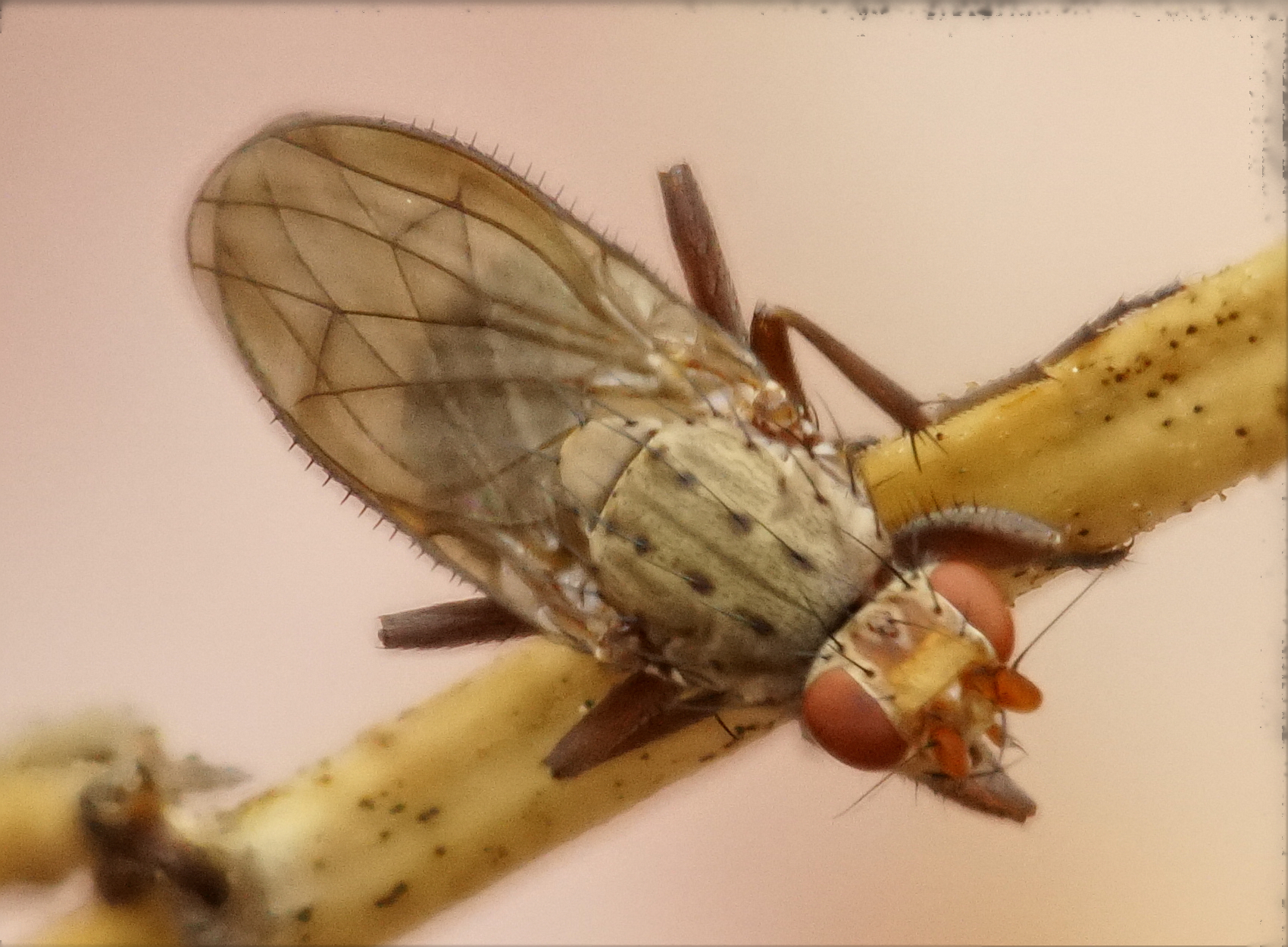
Fly in Heliomyzidae. This photo is the result of focus stacking. Mixed success:
I always see Leucauge venusta spiders as some of the earliest spiders in the spring. Also Cyclosa conica, but didn’t see any of those on this trip.
Next set of observations from the same sample of pond water from my backyard (also includes some moss from the tree in the front yard). IMPORTANT: this time, I did not ingest any pond water at all. Yay for small victories!
I’ve enjoyed this enough I really want to consider getting a “real” microscope.
I don’t really have terribly good identifications for all of this.
I think this is an ostracod. It was about 2/3 mm long.
I’m not sure what this is. Maybe another ostracod? It was about 1.5mm long.
I have no idea what’s going on here. On the lower right, I think is an ostracod. The rest of the object seems to be the carcass of an insect, perhaps? About 2mm long.
Took some moss from the tree in front of the house; mixed it with water from the pond behind the house. First cut at using the digital microscope, this is a copepod female with eggs, I believe. Next time, I’ll try to look for other creatures.
First lesson learned: NEVER EVER TRY TO USE A STRAW AS A PIPETTE, GAURAV, YOU IDIOT. Especially when dealing with pond water.
It seems that Youtube degraded the video quality quite a bit, unfortunately; the original video looks much sharper.








































 a little wild