A big snowstorm, and temperatures around -10C (15 F or so). A perfect time for a walk.
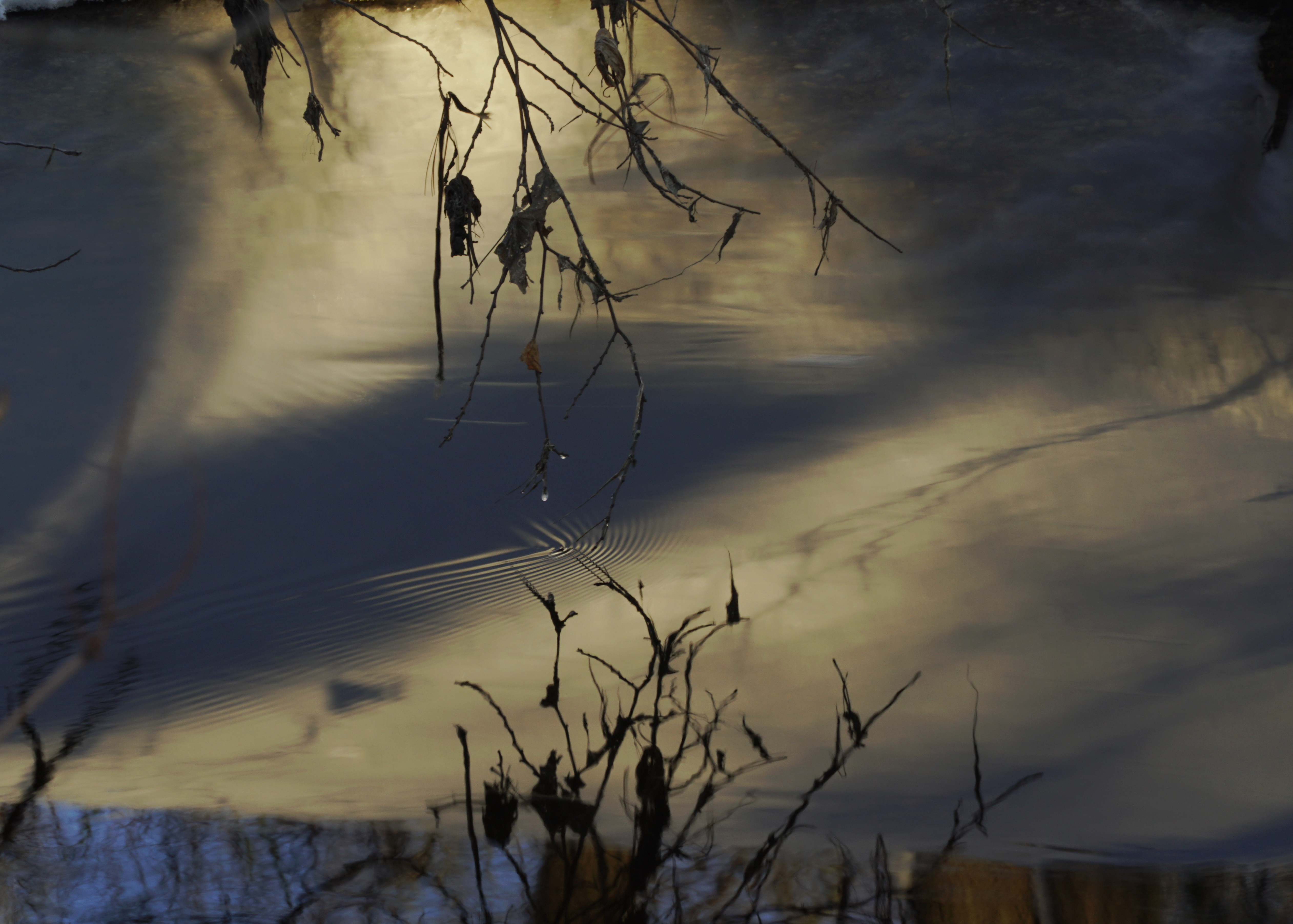


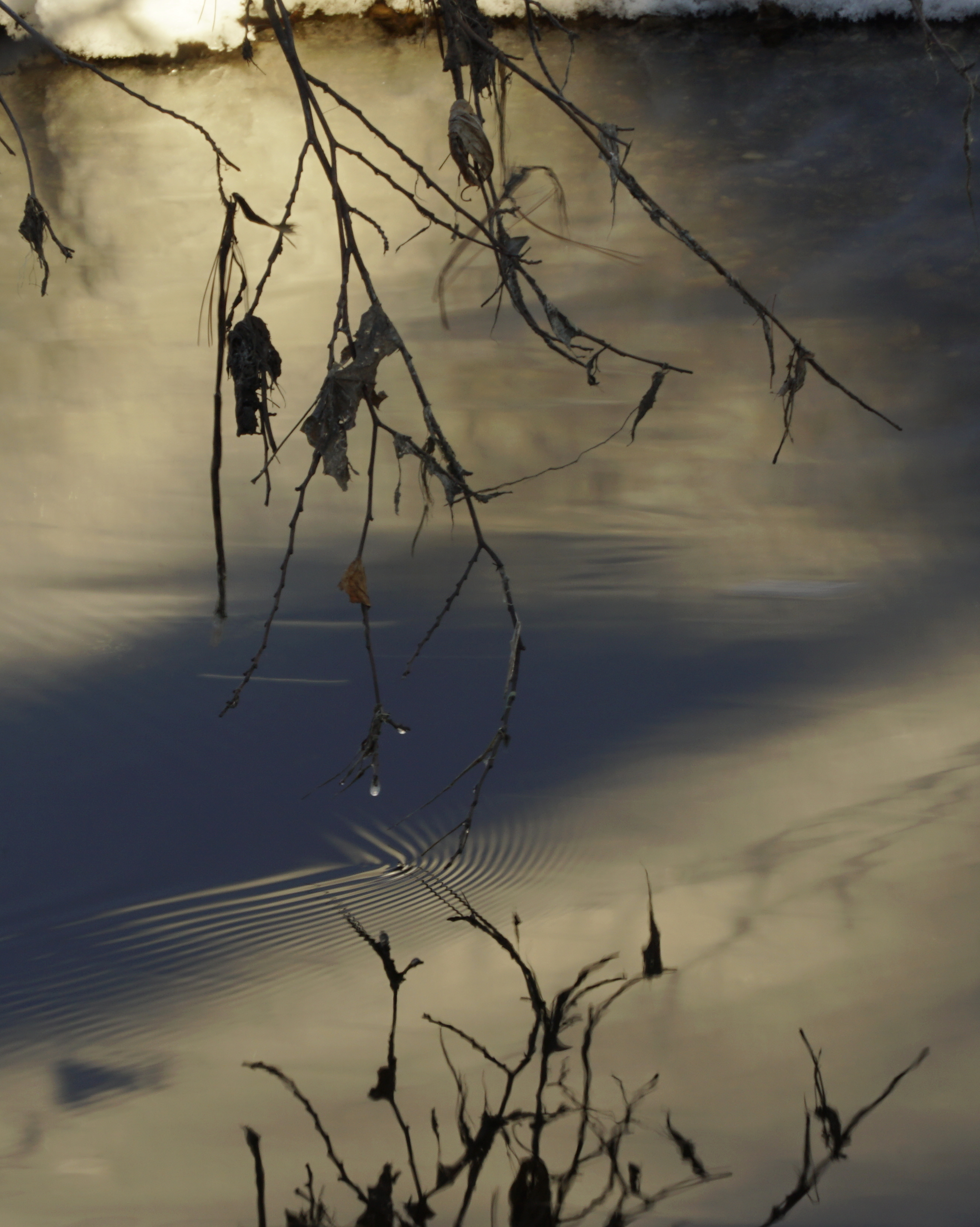
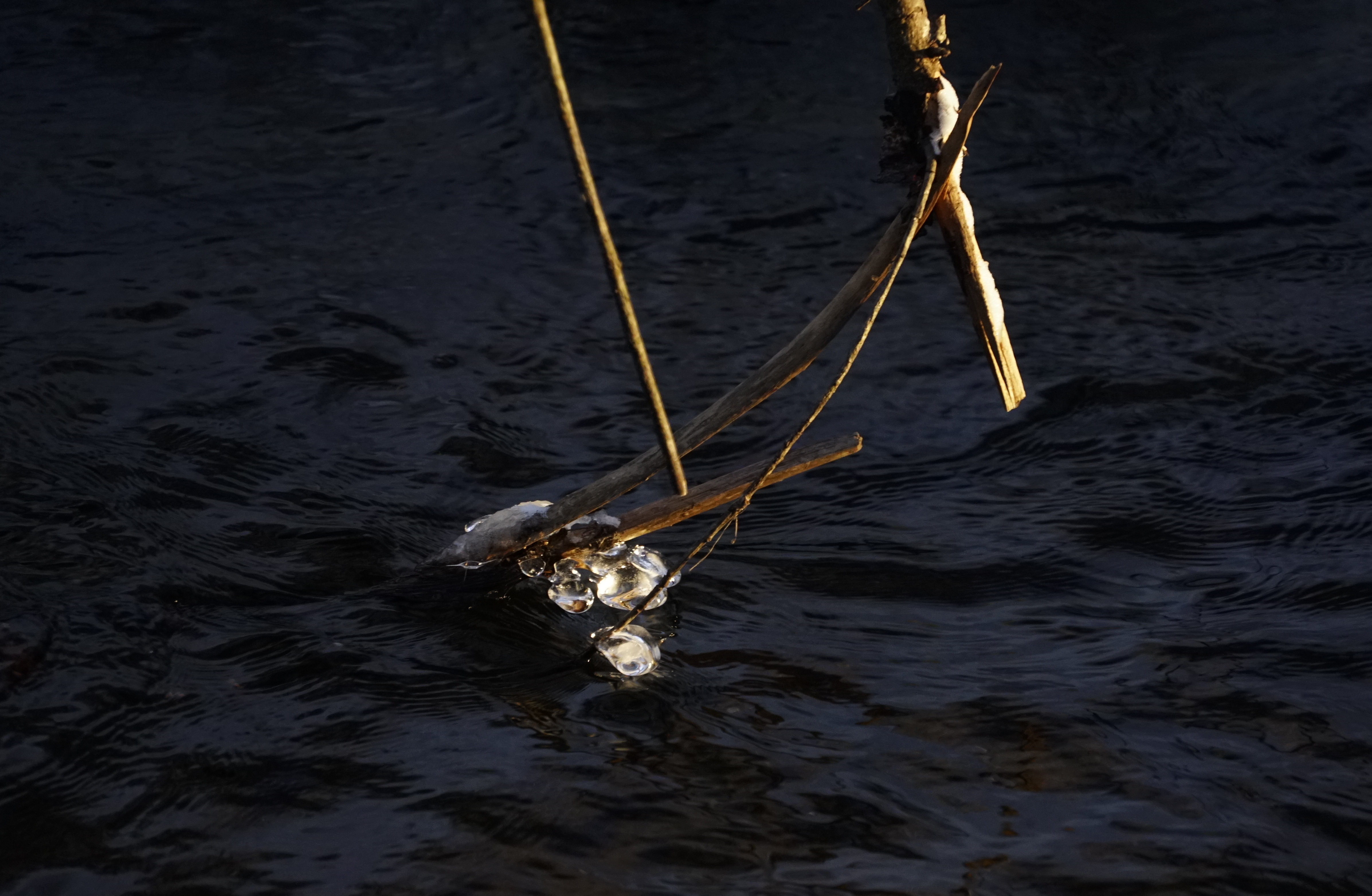
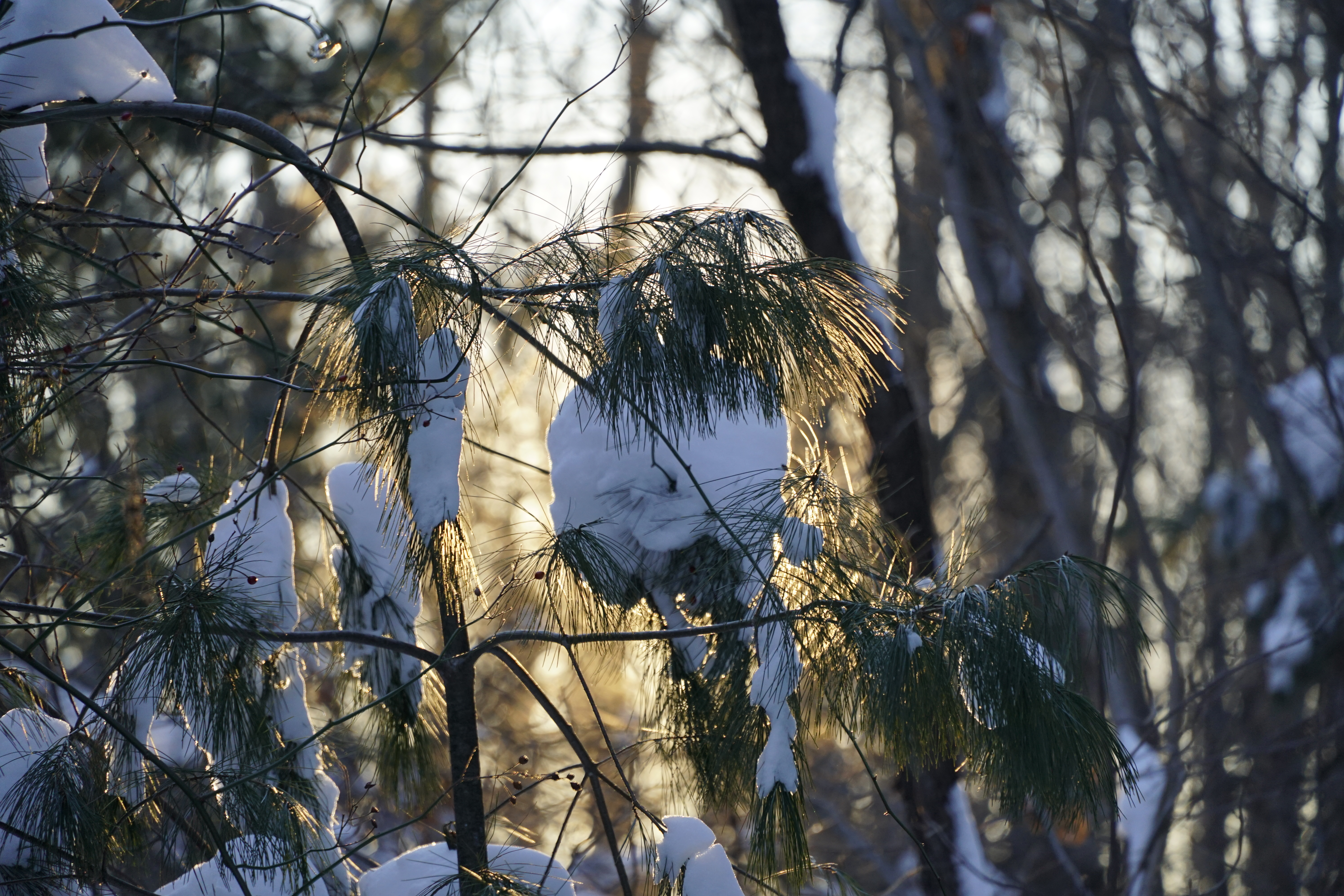
A big snowstorm, and temperatures around -10C (15 F or so). A perfect time for a walk.
Took out the Laowa 24mm probe lens to look underwater. It’s been rainy for many days now, so the marshy area was filled with water (it’s often dried out).
I mostly looked in a little bit of the marsh that was cordoned off from the rest. That area turned out to have by far the most ostracods and copepods. Taking photos of them was pretty difficult, but out of several hundred photos, I got a few decent shots.
It was surprising there was so much activity at this time of year (New Year’s Day!). Even the caddisfly larvae were everywhere. And it was even more surprising that so many of them were with eggs; what would they have done if it were freezing at this time, or if there were no rain?
All identities are my best guess, I’m still learning as I go!
Copepod female, I think:
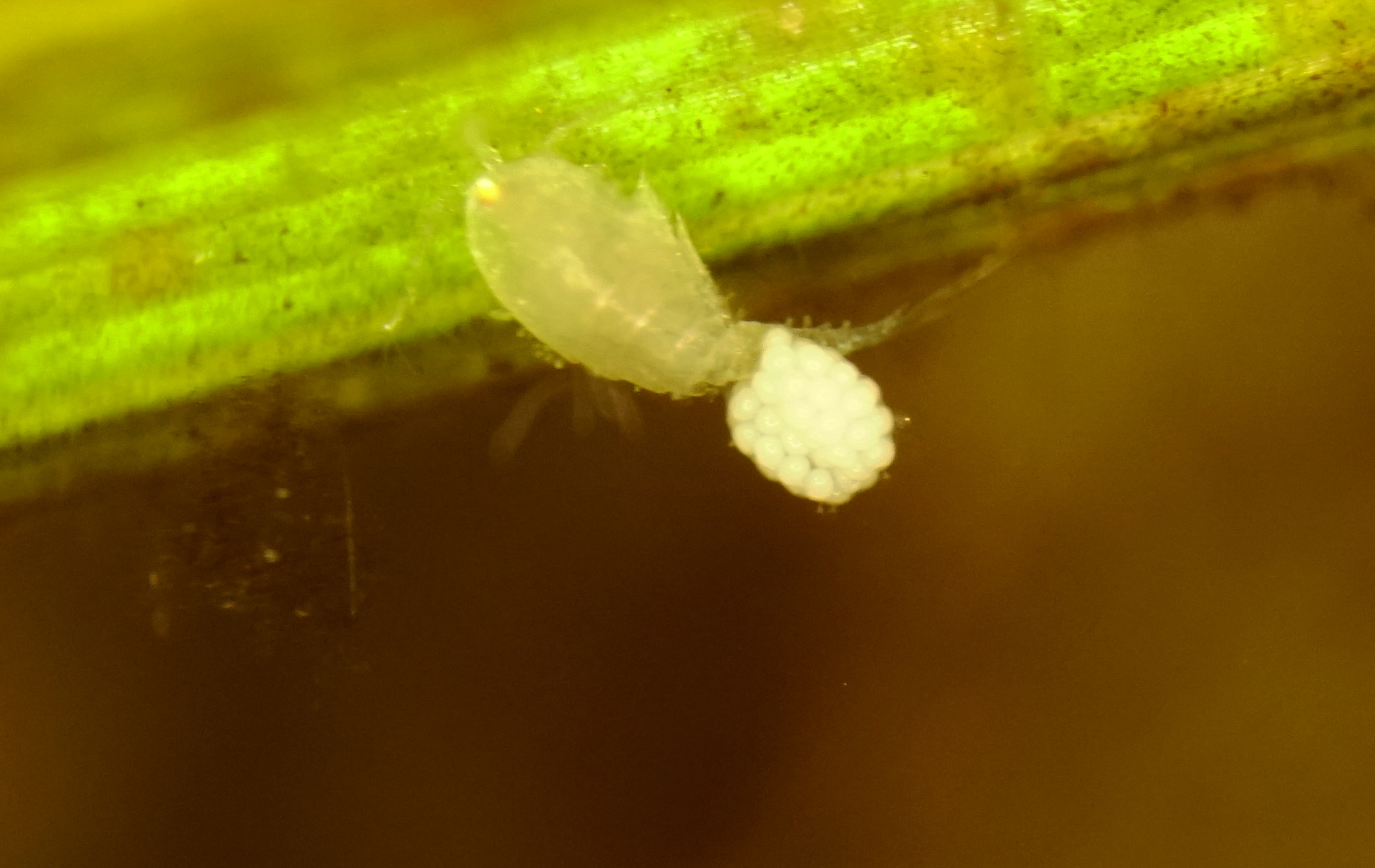
And another:
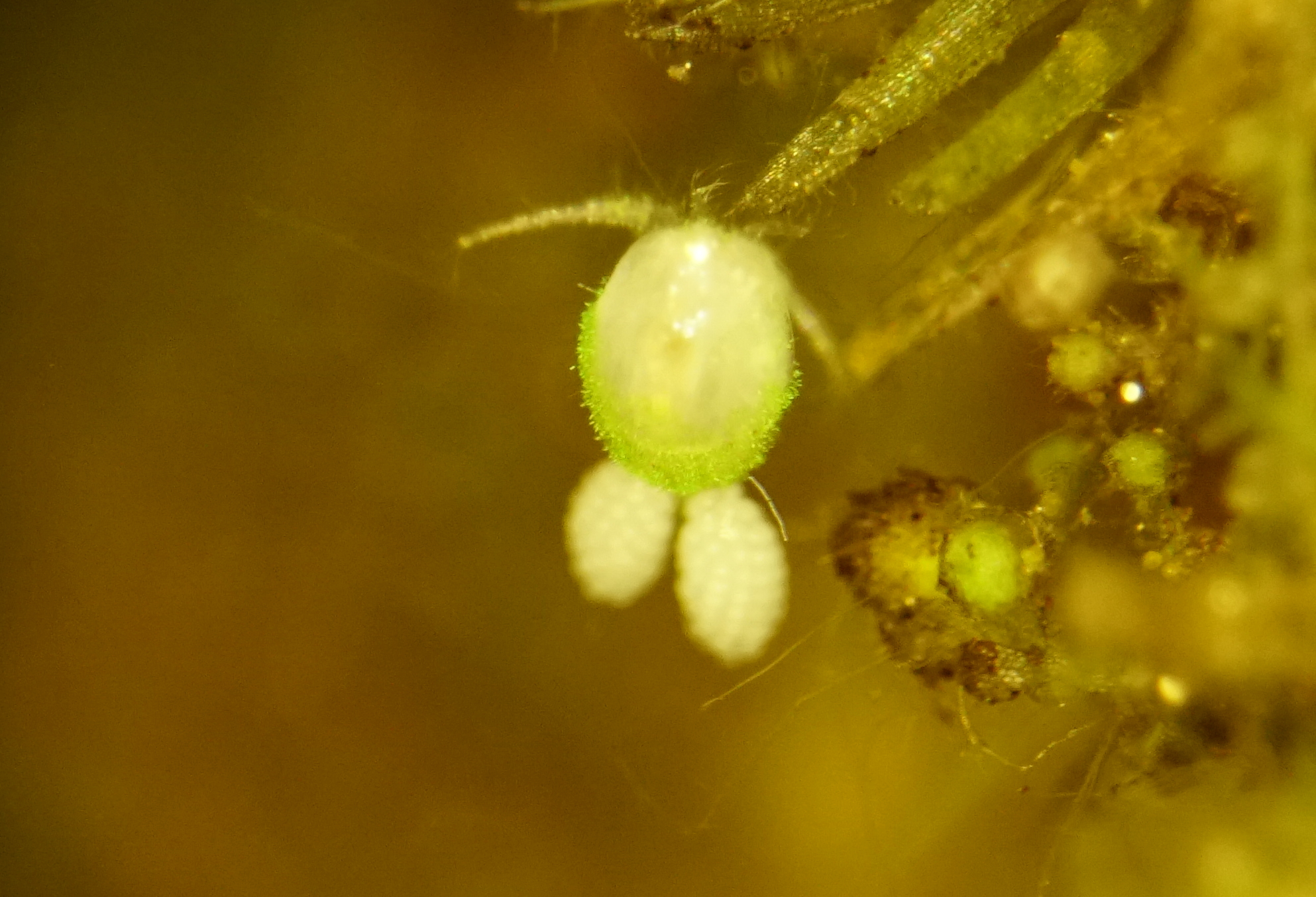
And another! You begin to get the idea. Fecundity rampant.
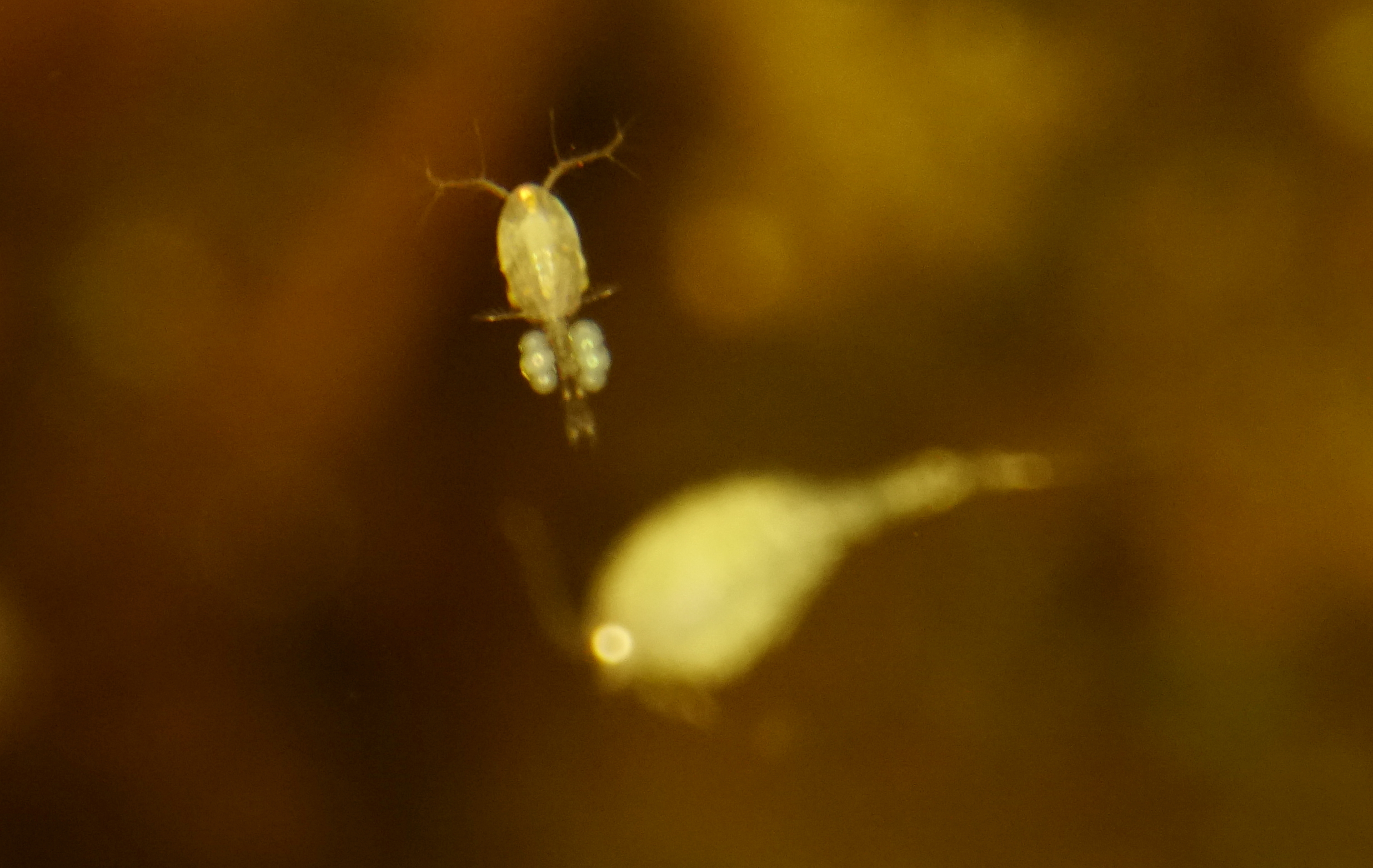
A better view of the male in the previous photo. I couldn’t tell if they were actually interacting, but they stayed together for a several seconds.

Copepod male, I think:
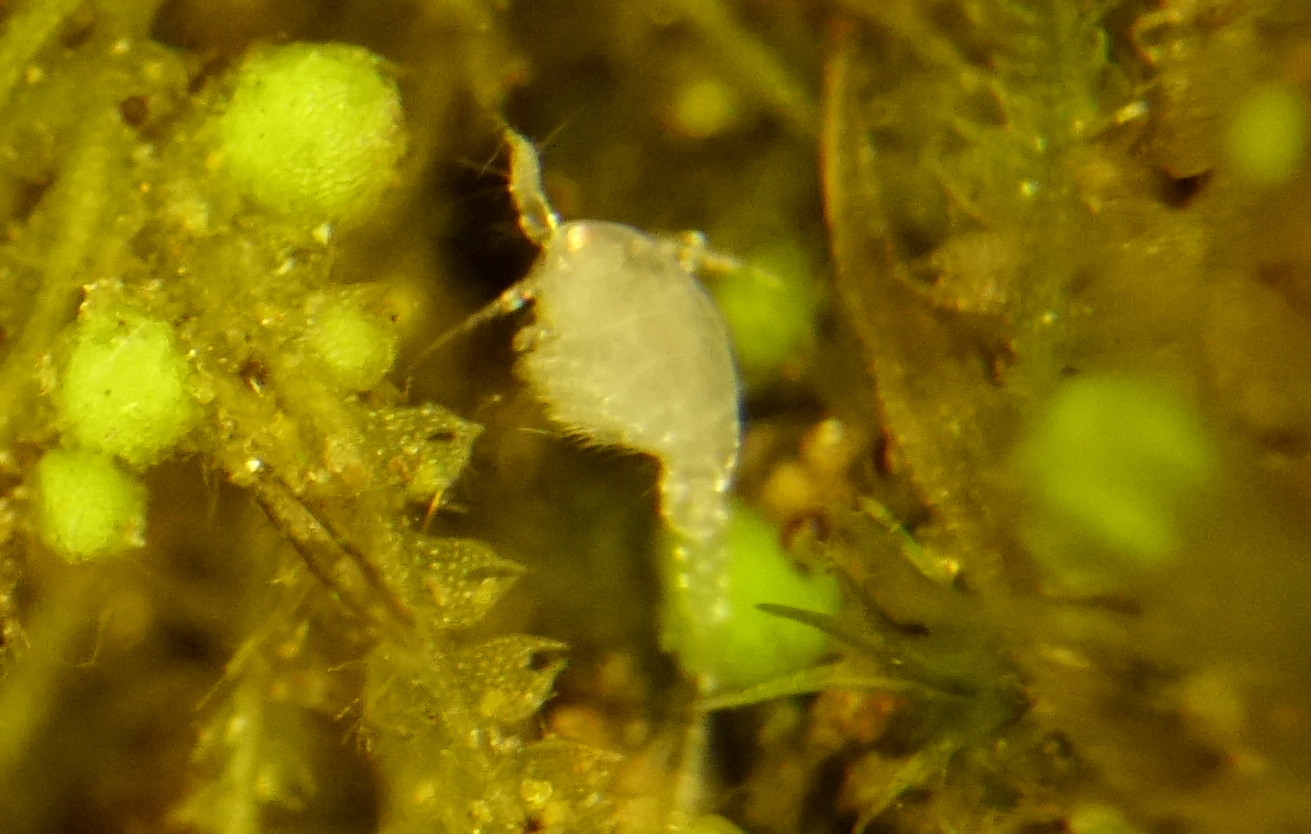
In focus, while swimming. Believe me, this was not an easy photo to take:

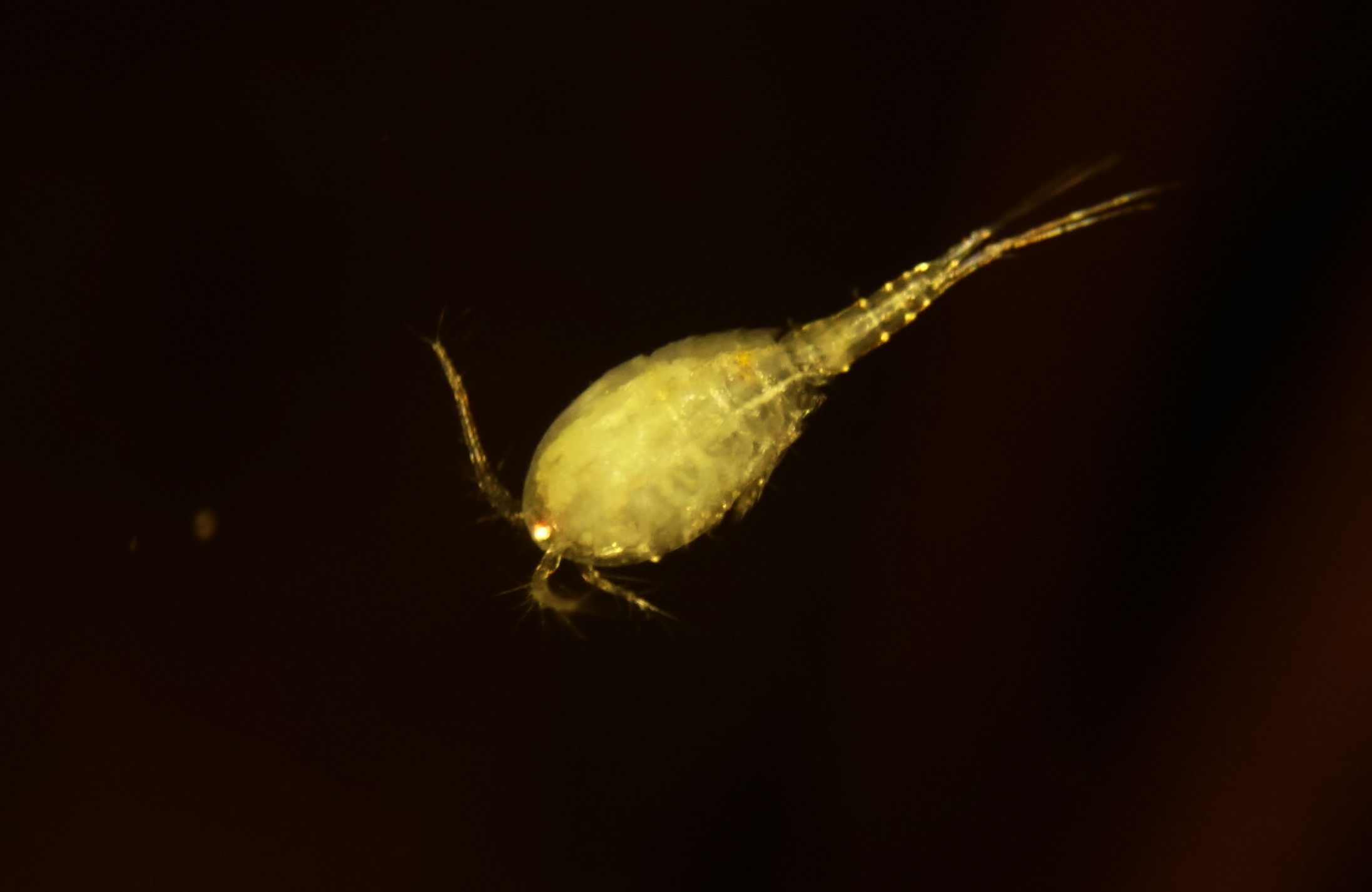
This is another copepod. Those sphere that look like eggs are actually fatty globules stored inside the body. The orange color comes from carotenoids.
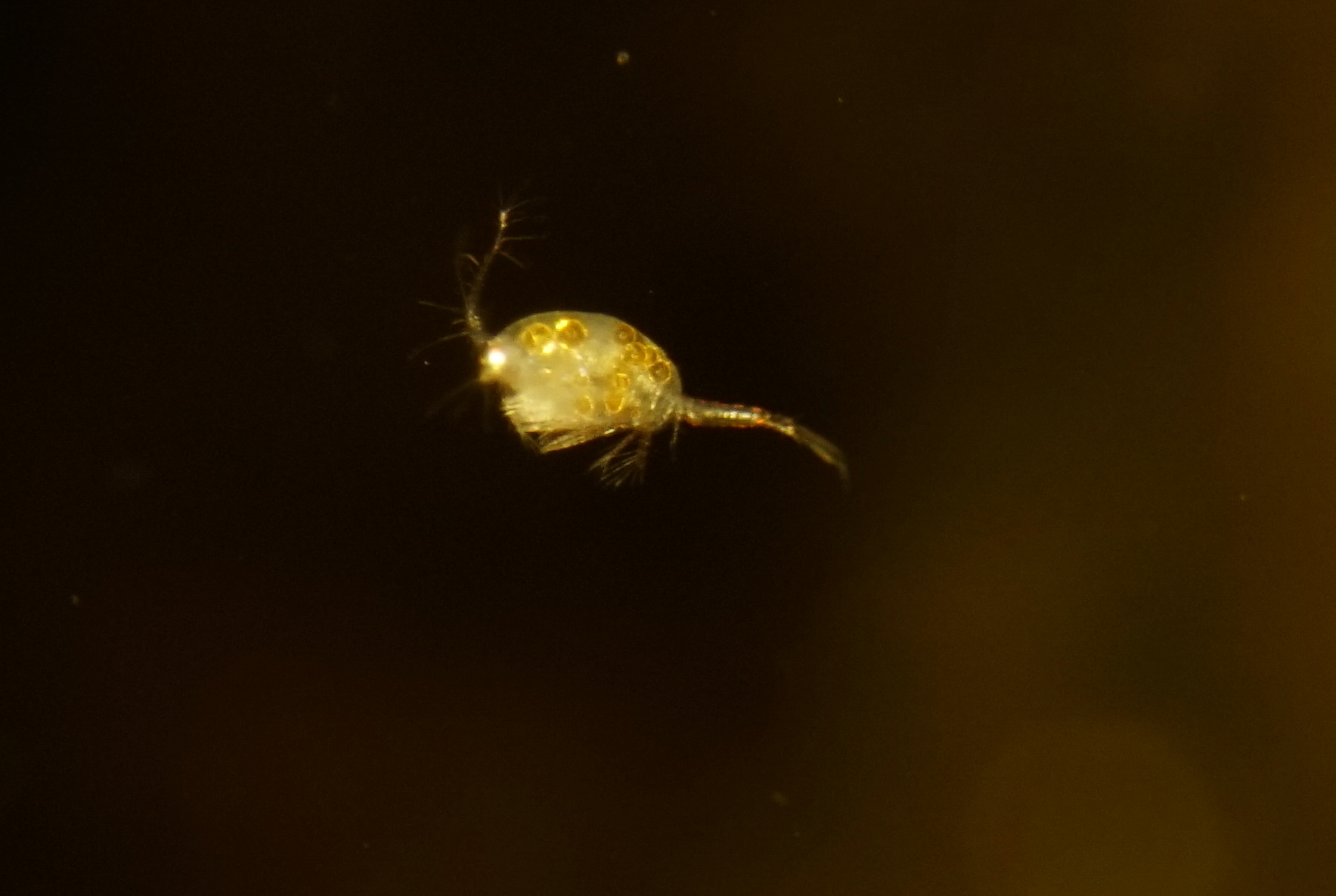
I think this is another copecod, but again, I’m still trying to pick this up:
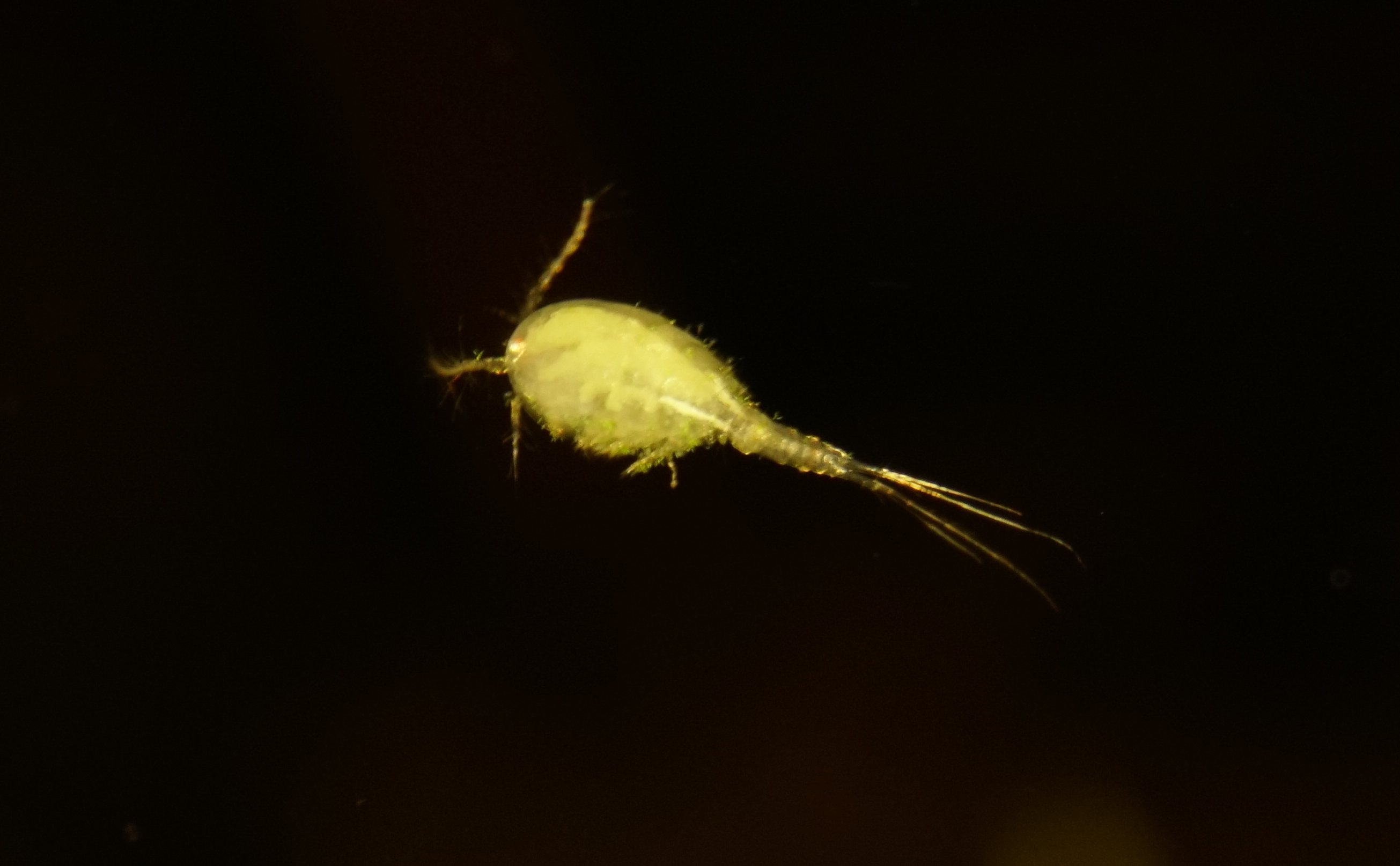
A caddisfly larvae in its casing. You can see the legs, but the main body is out of focus:
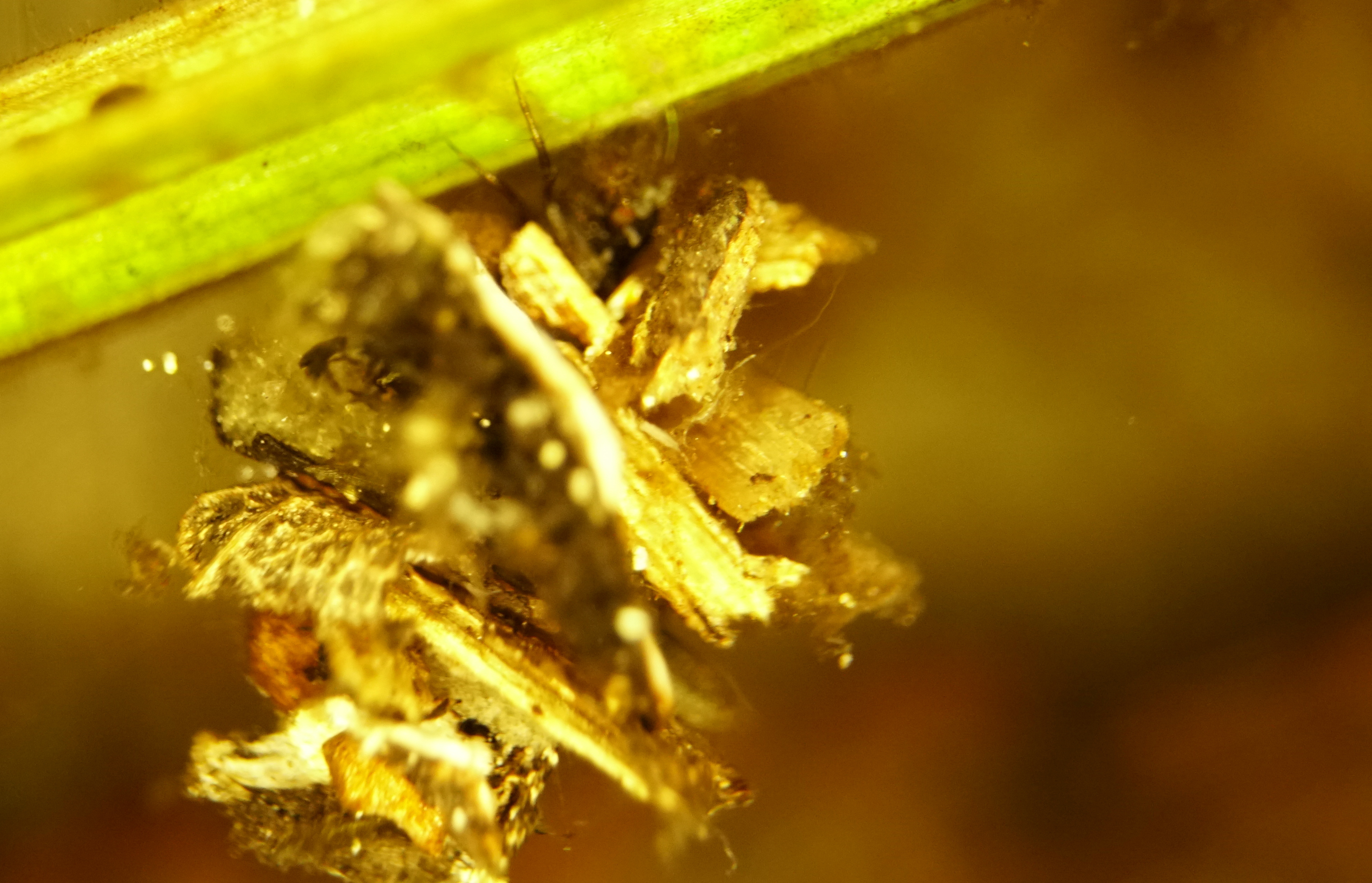
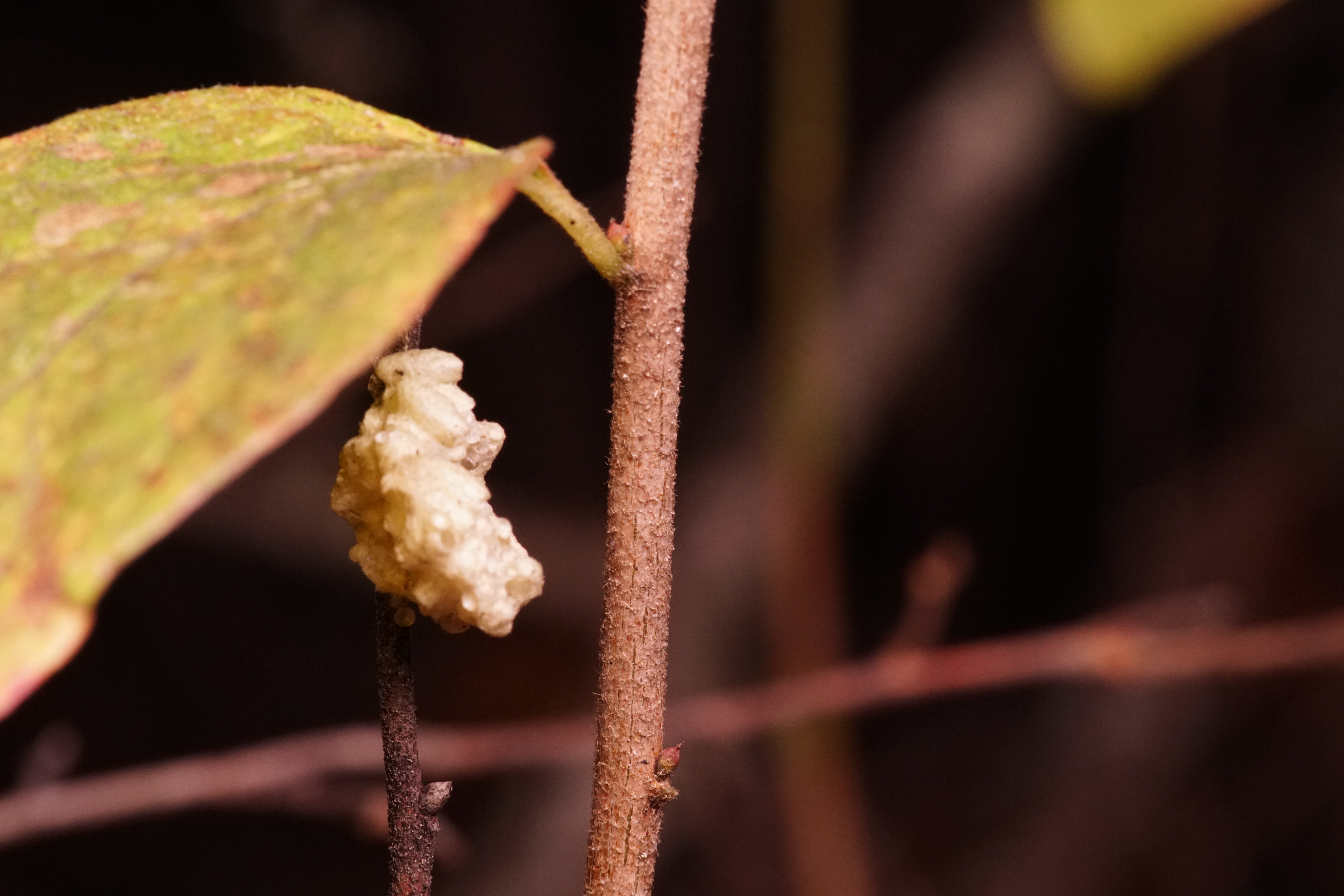
This photo was taken in the pool on the vernal pool trail. I have no idea what I’m looking at. It was a mass attached to a leaf, on the surface.

Now for some photos that do not involve exoskeletons:
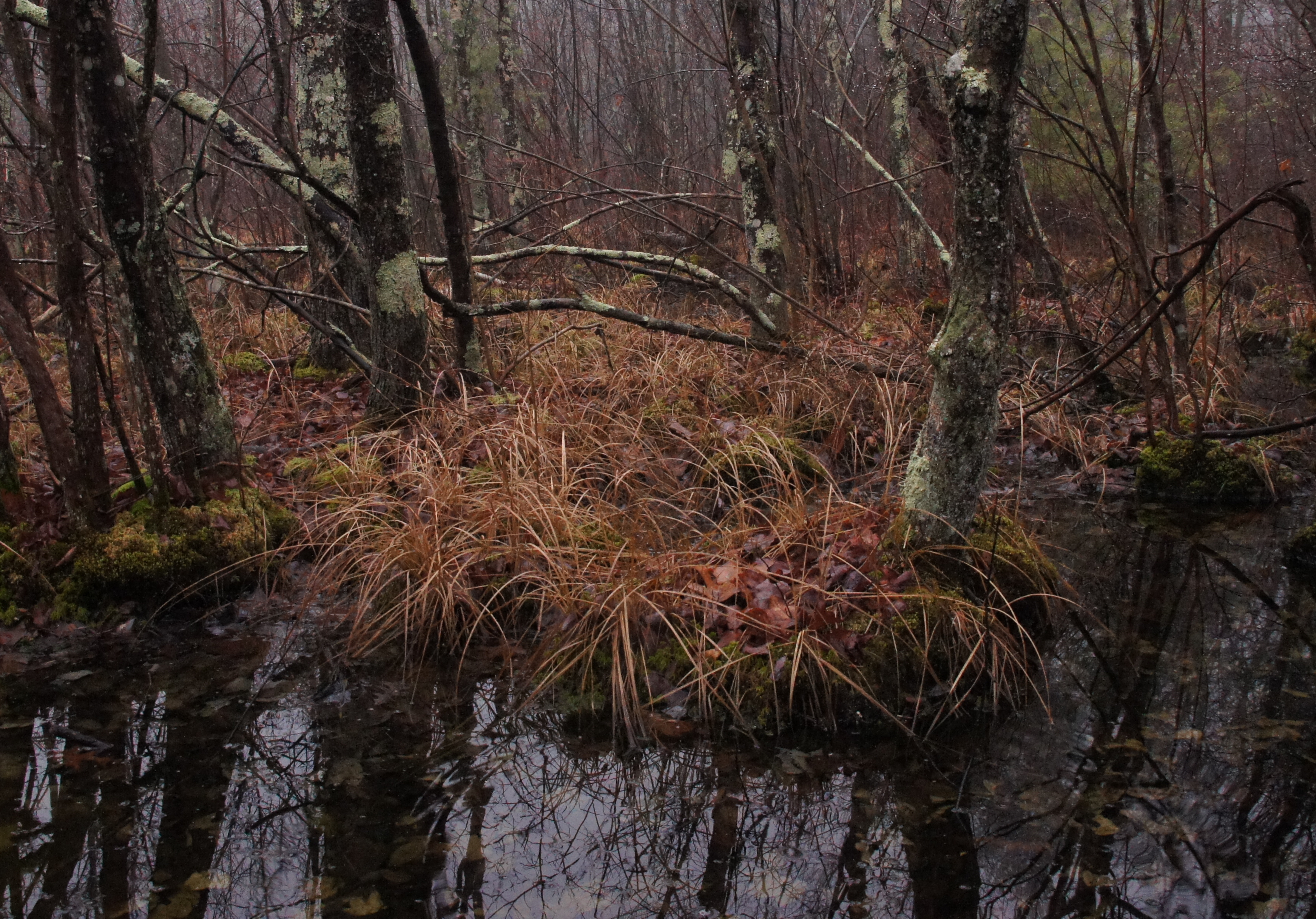
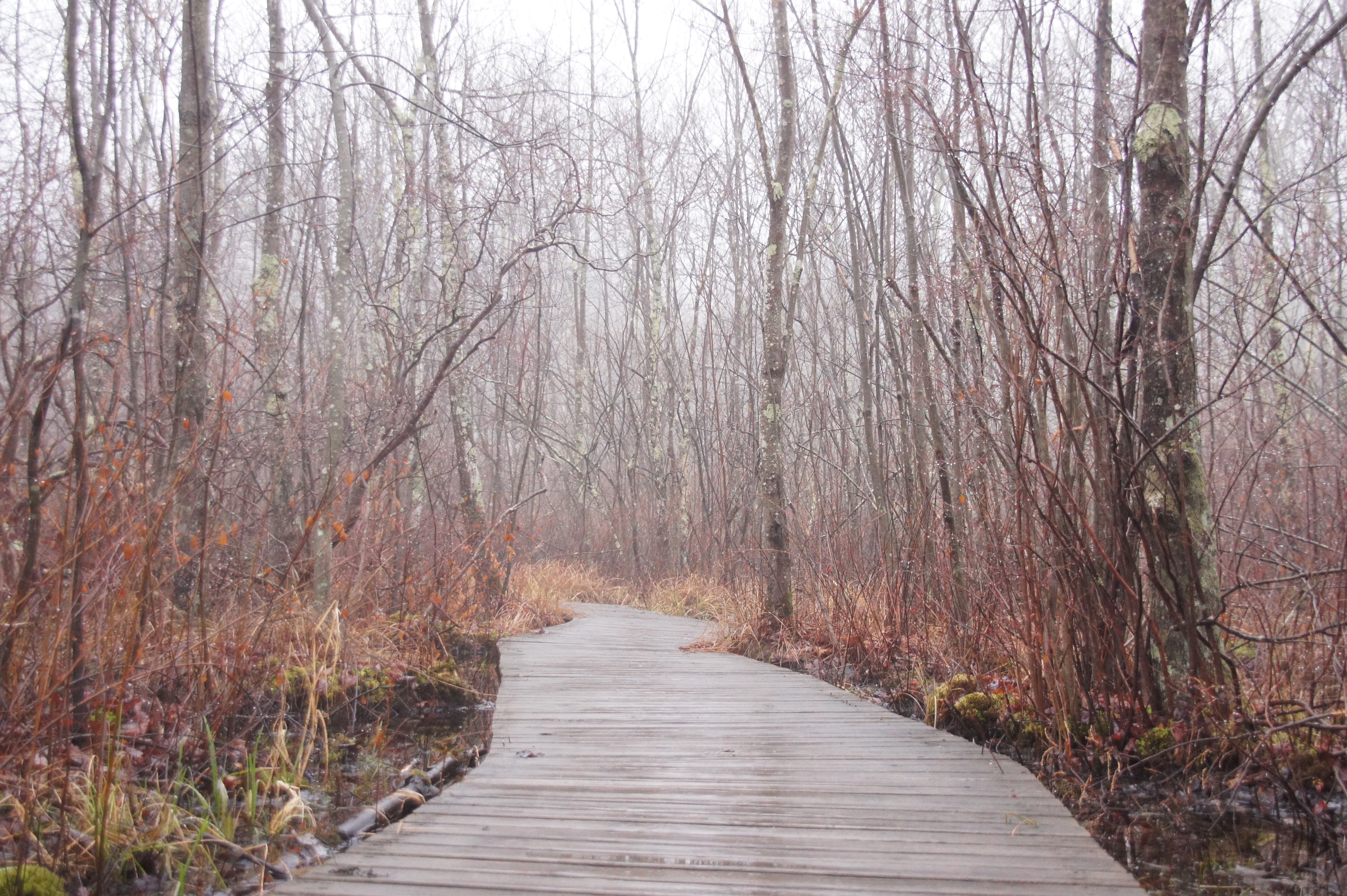
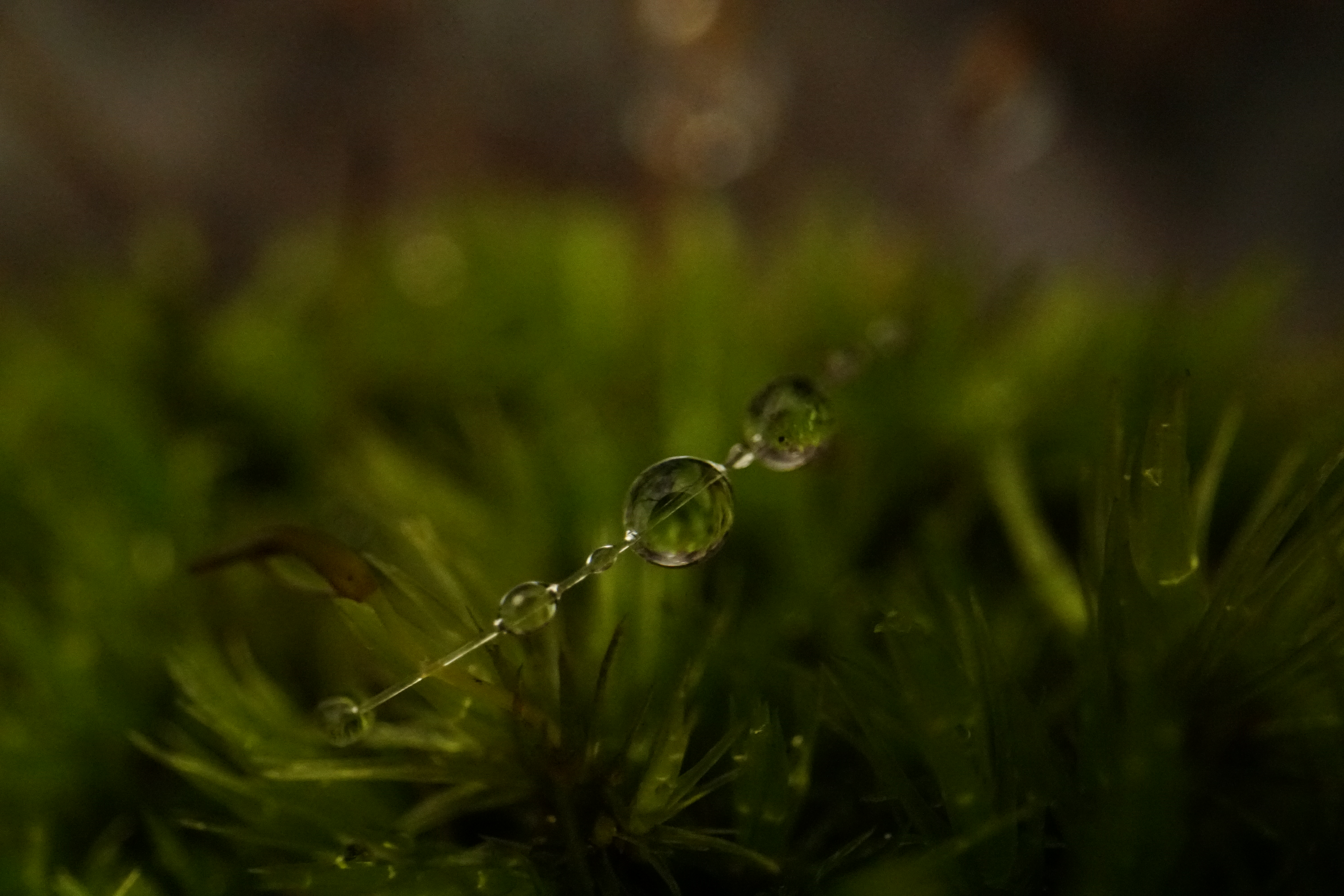
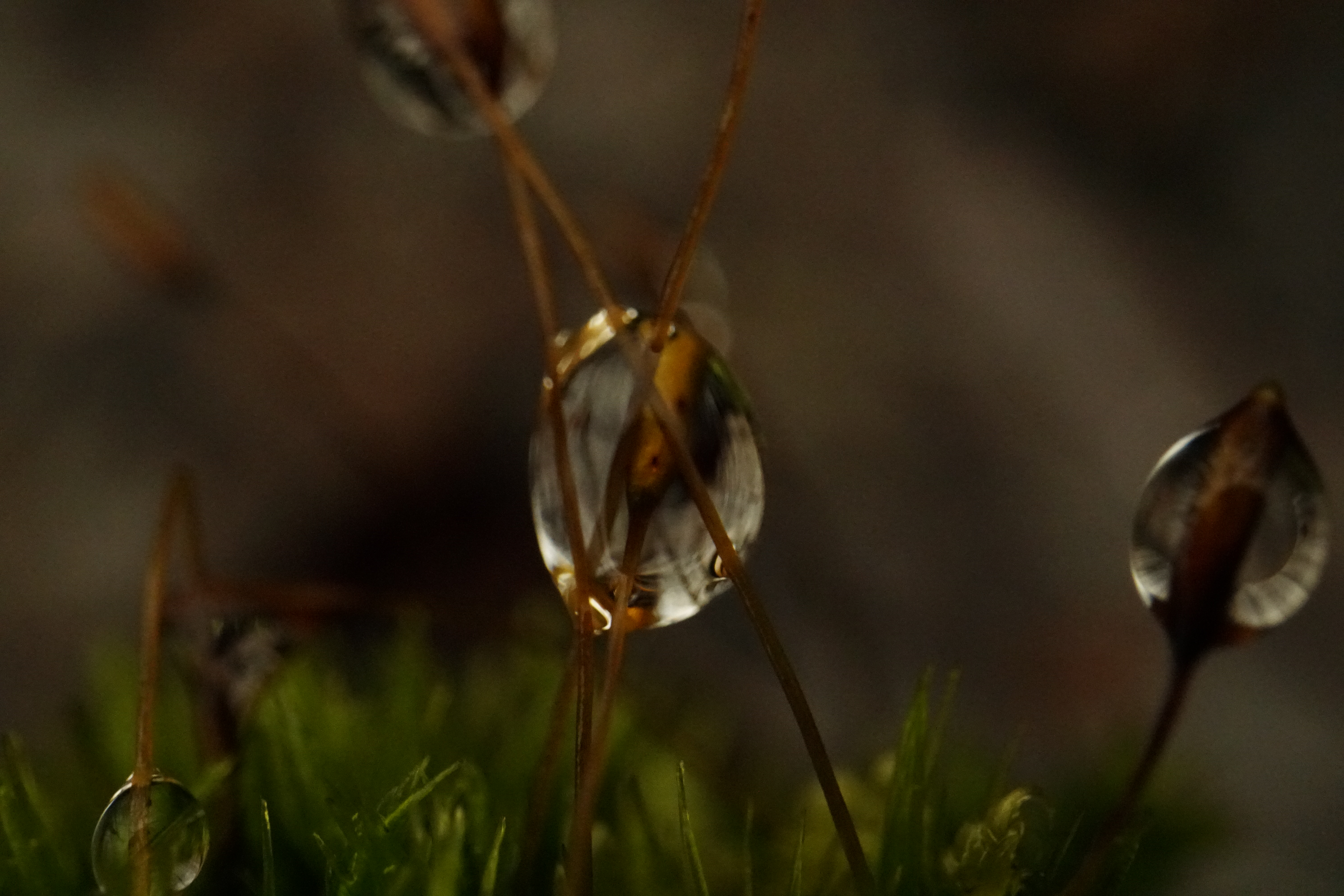
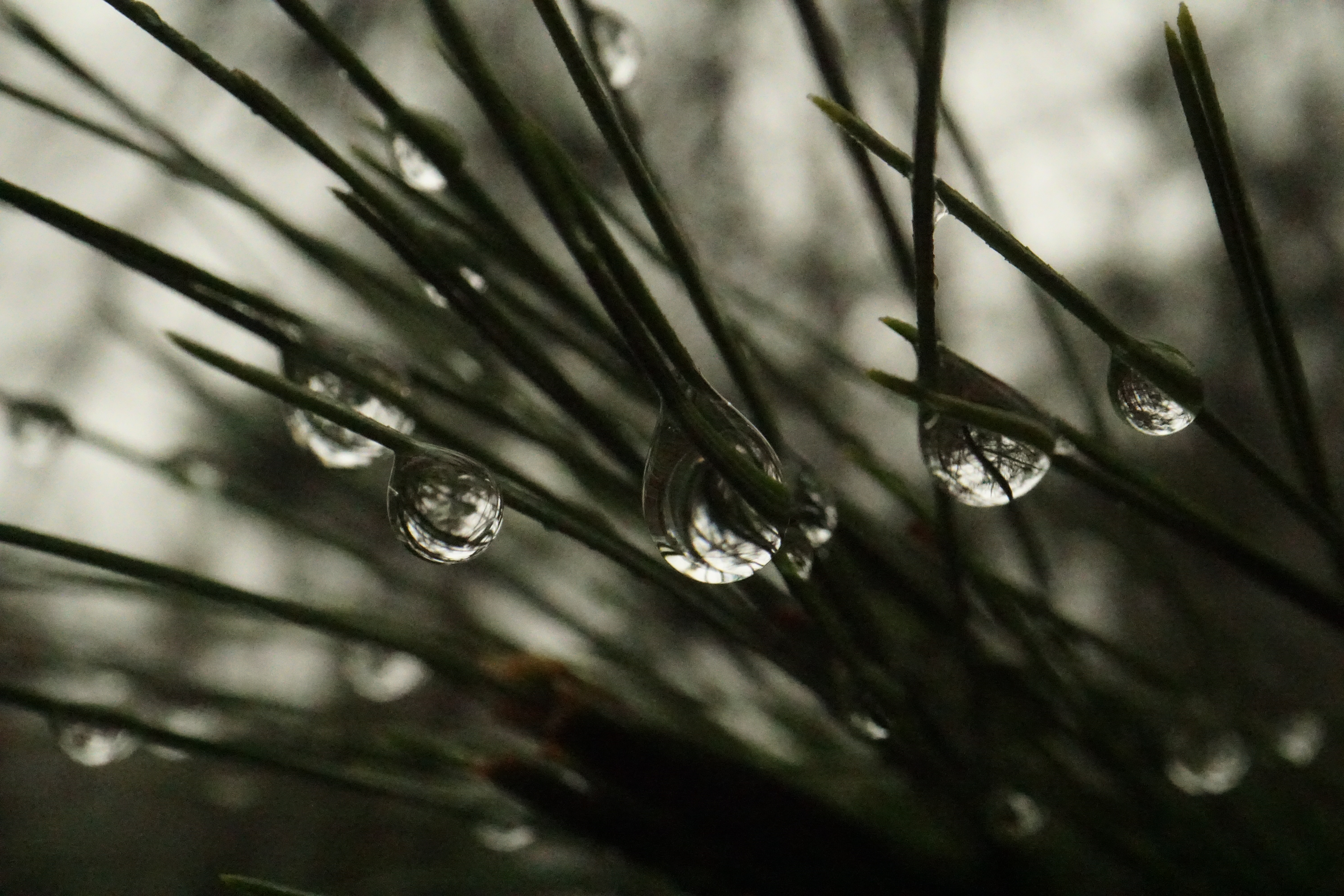
Rain droplets are sometimes better when out of focus. The shiny bright light gets lost in the photo if the droplet is in focus (because the dynamic range of the camera is less than that of the eye), but can be seen better by spreading it out.
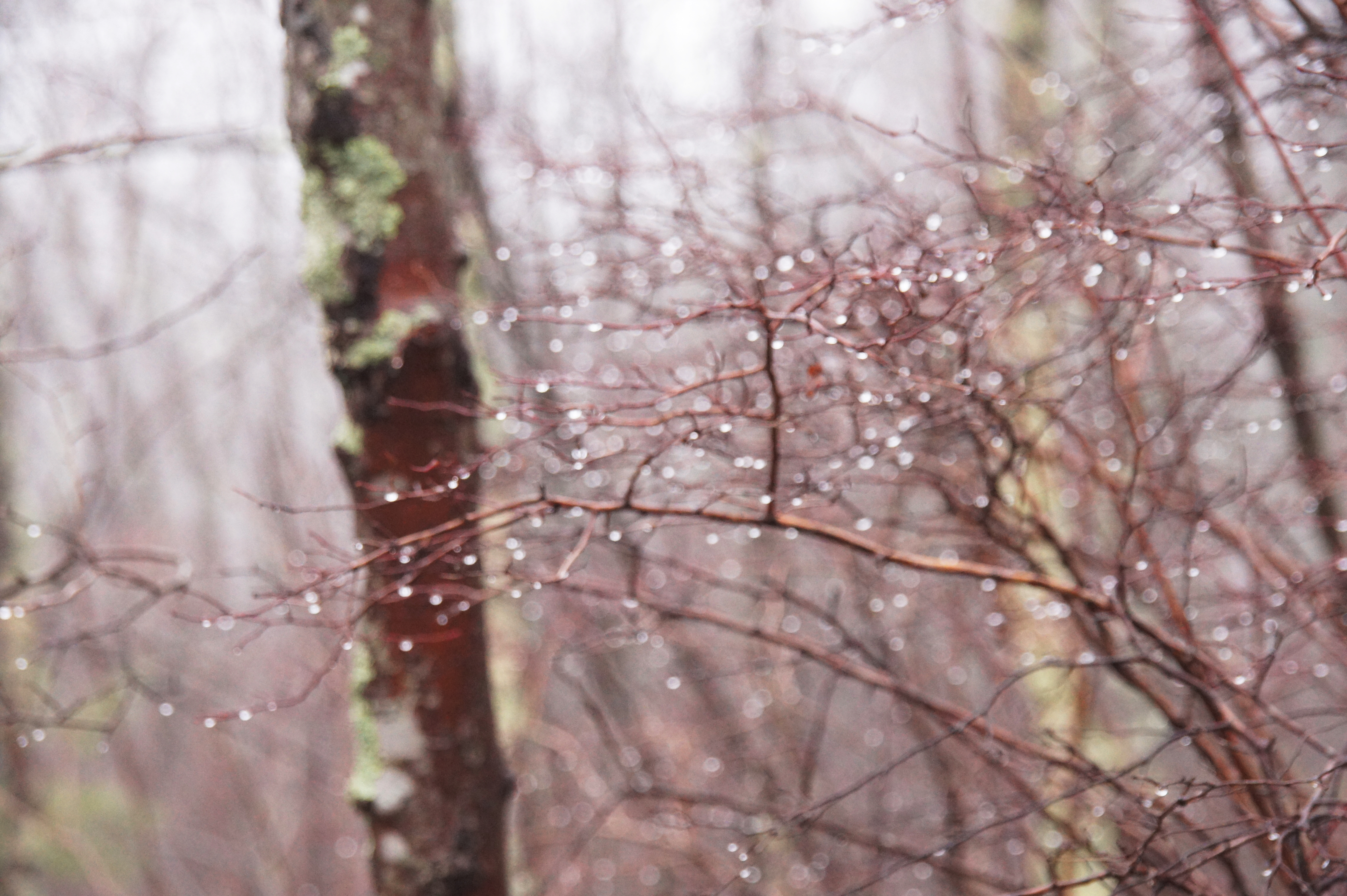
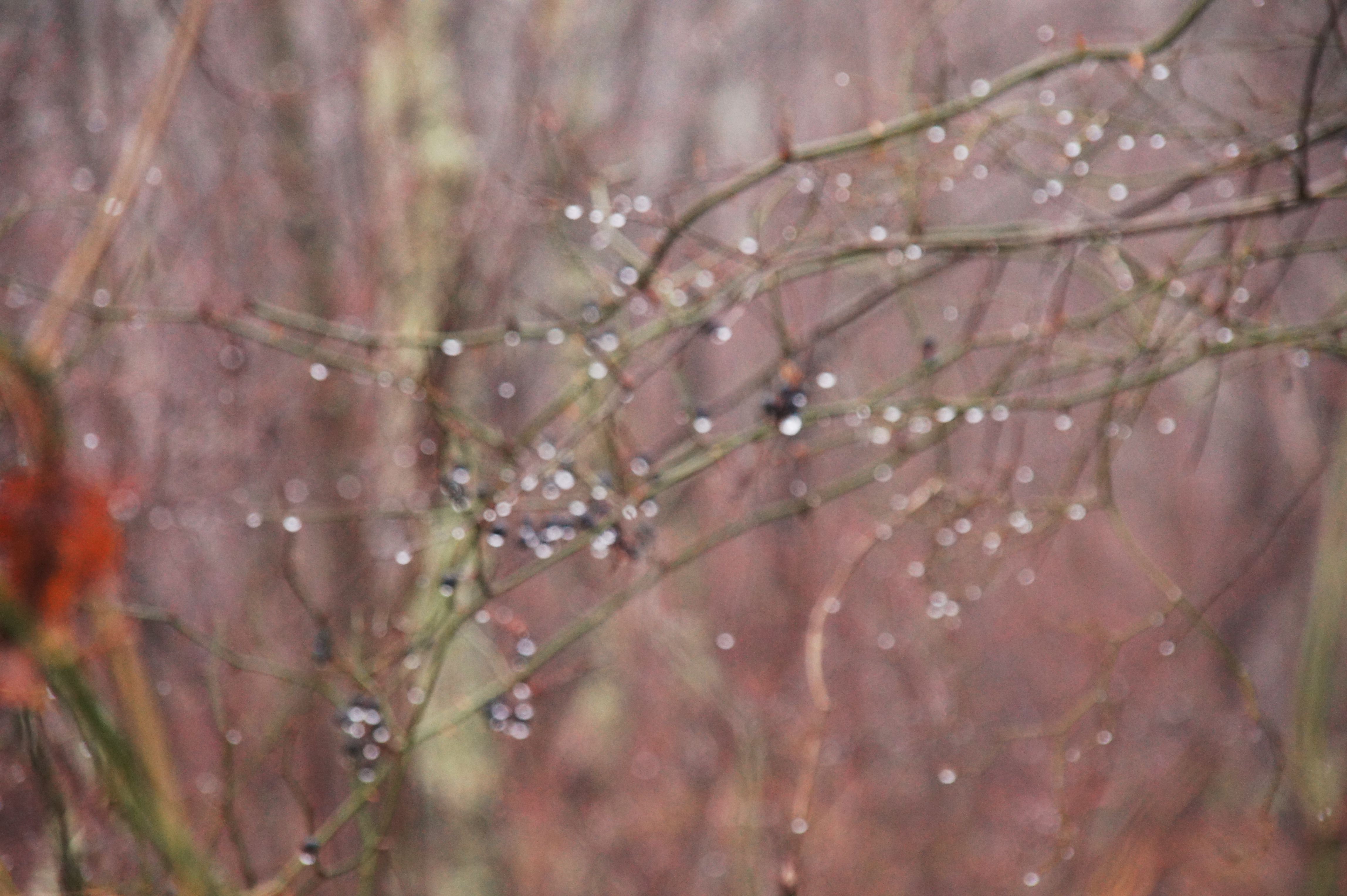
In this case, they didn’t need that help:
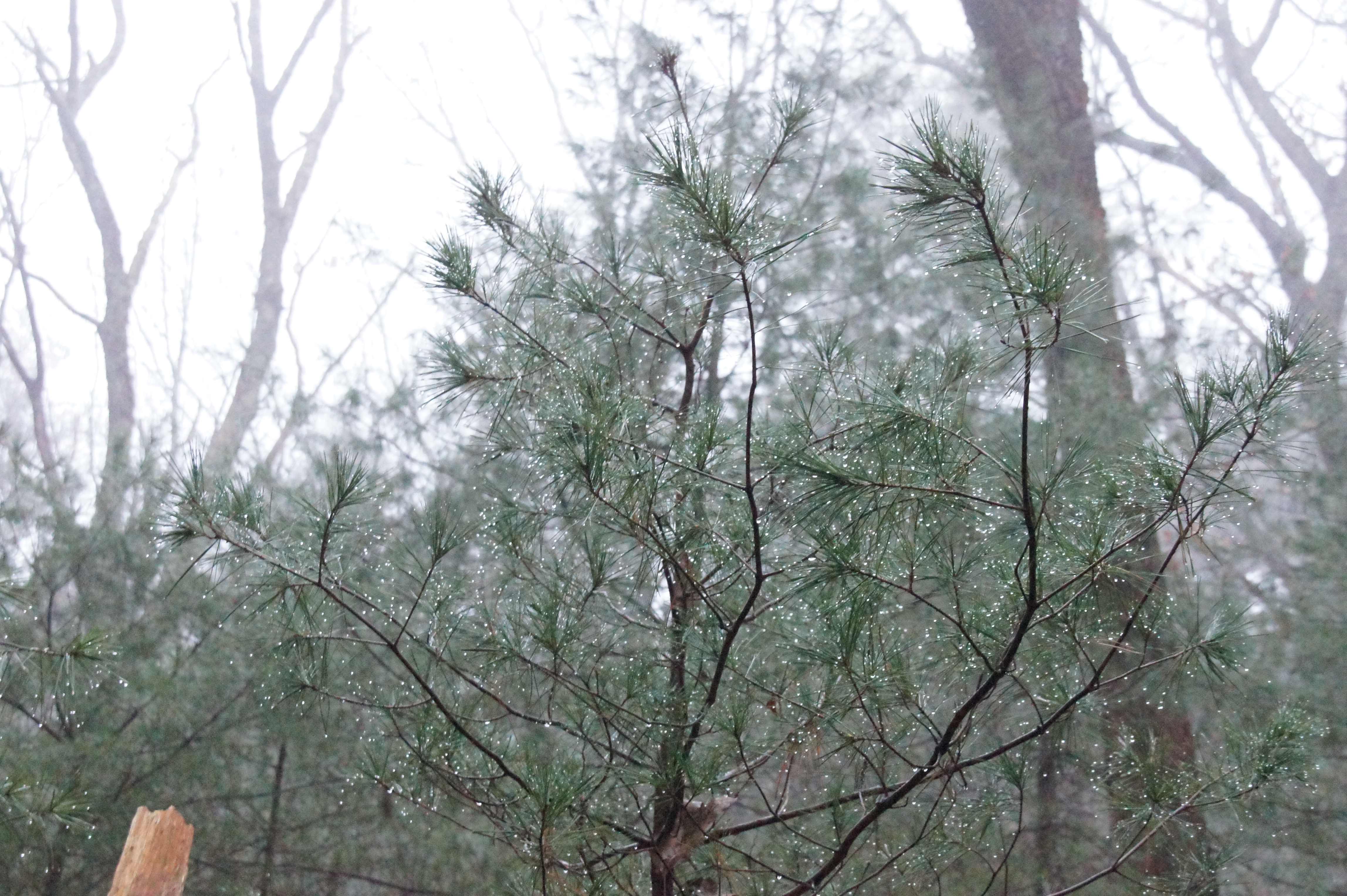

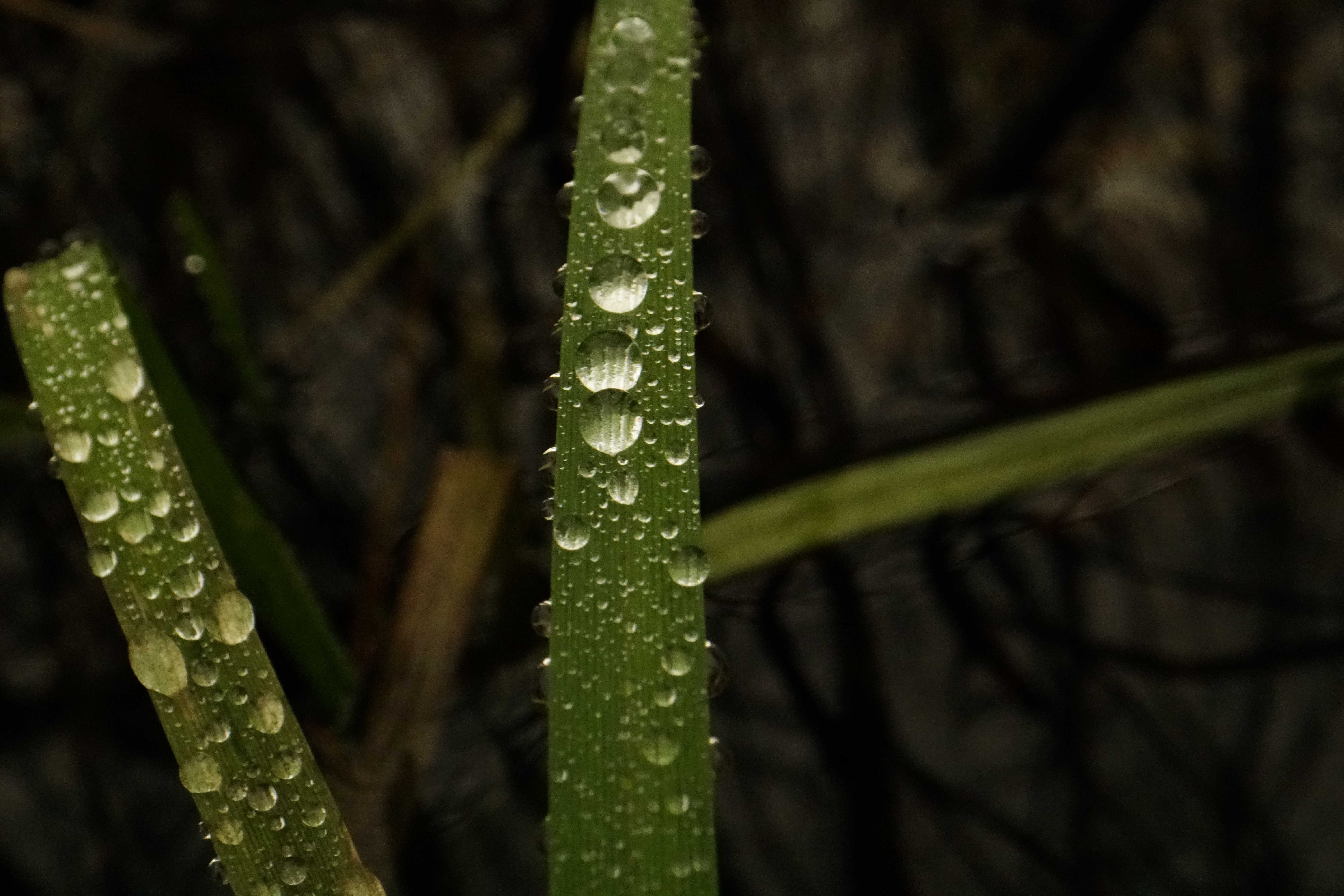
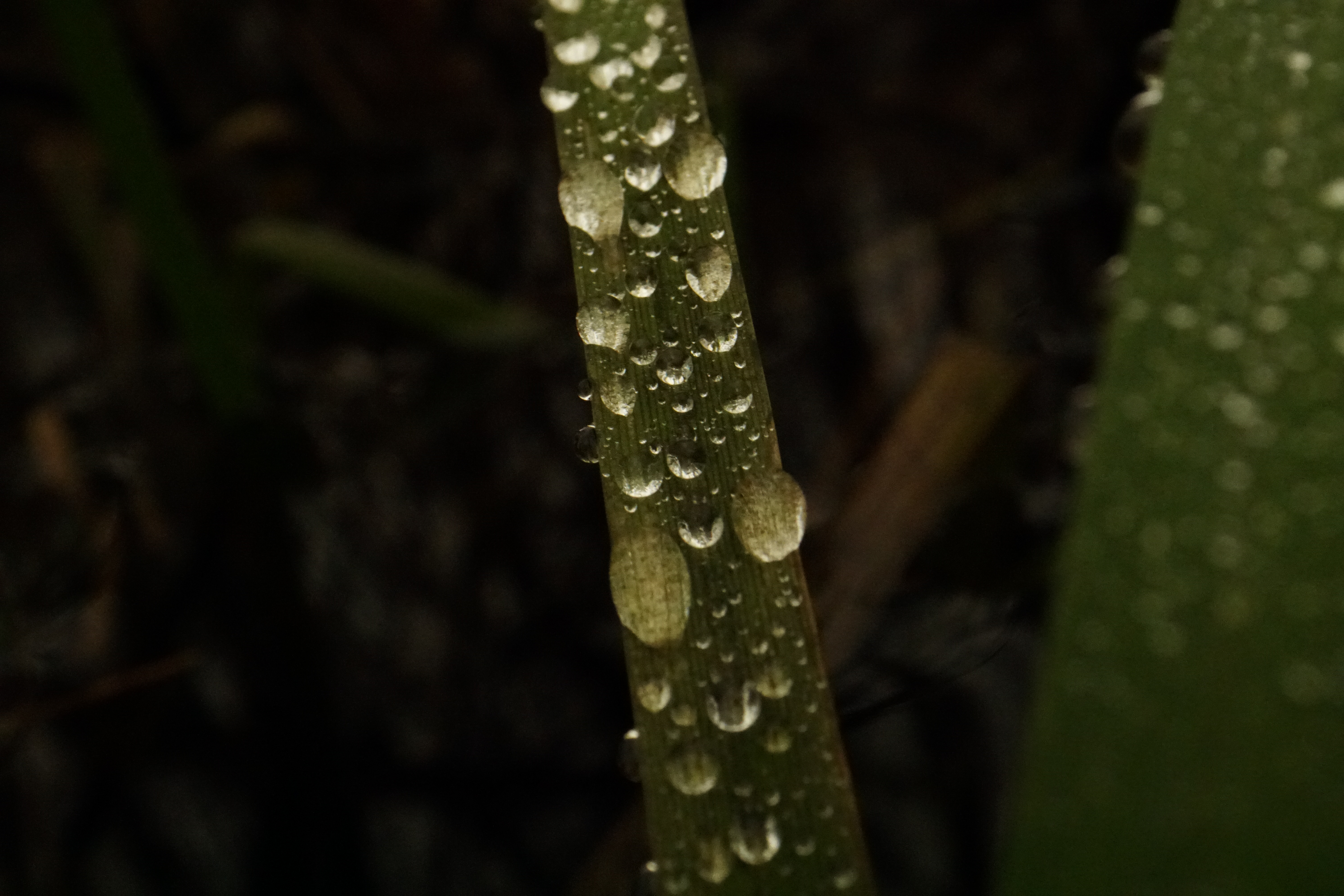
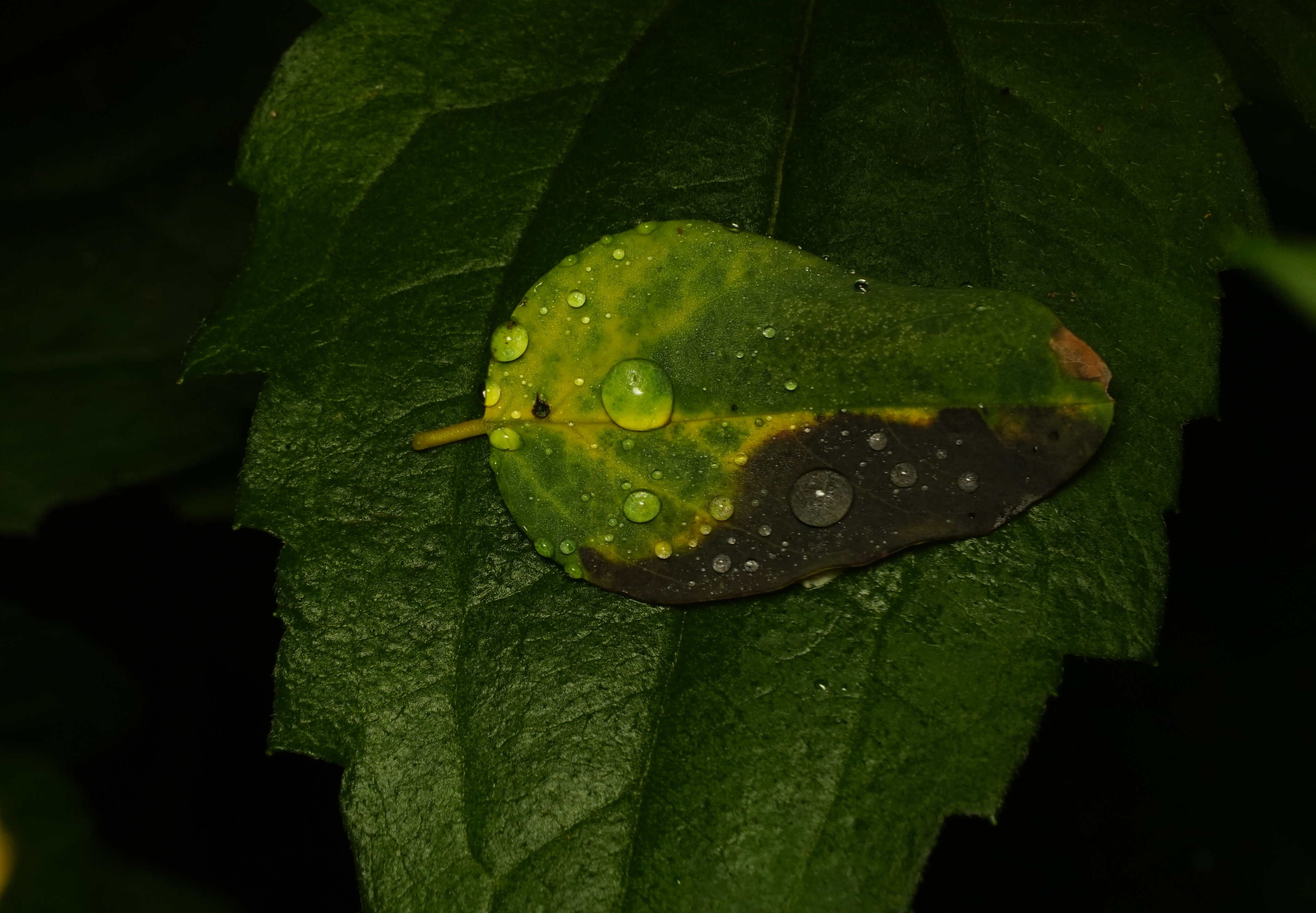
I took a series of photos of this wonderful set of droplets on a leaf in the marsh. No way I could have reached them without using the Laowa lens. The light was striking it just right.


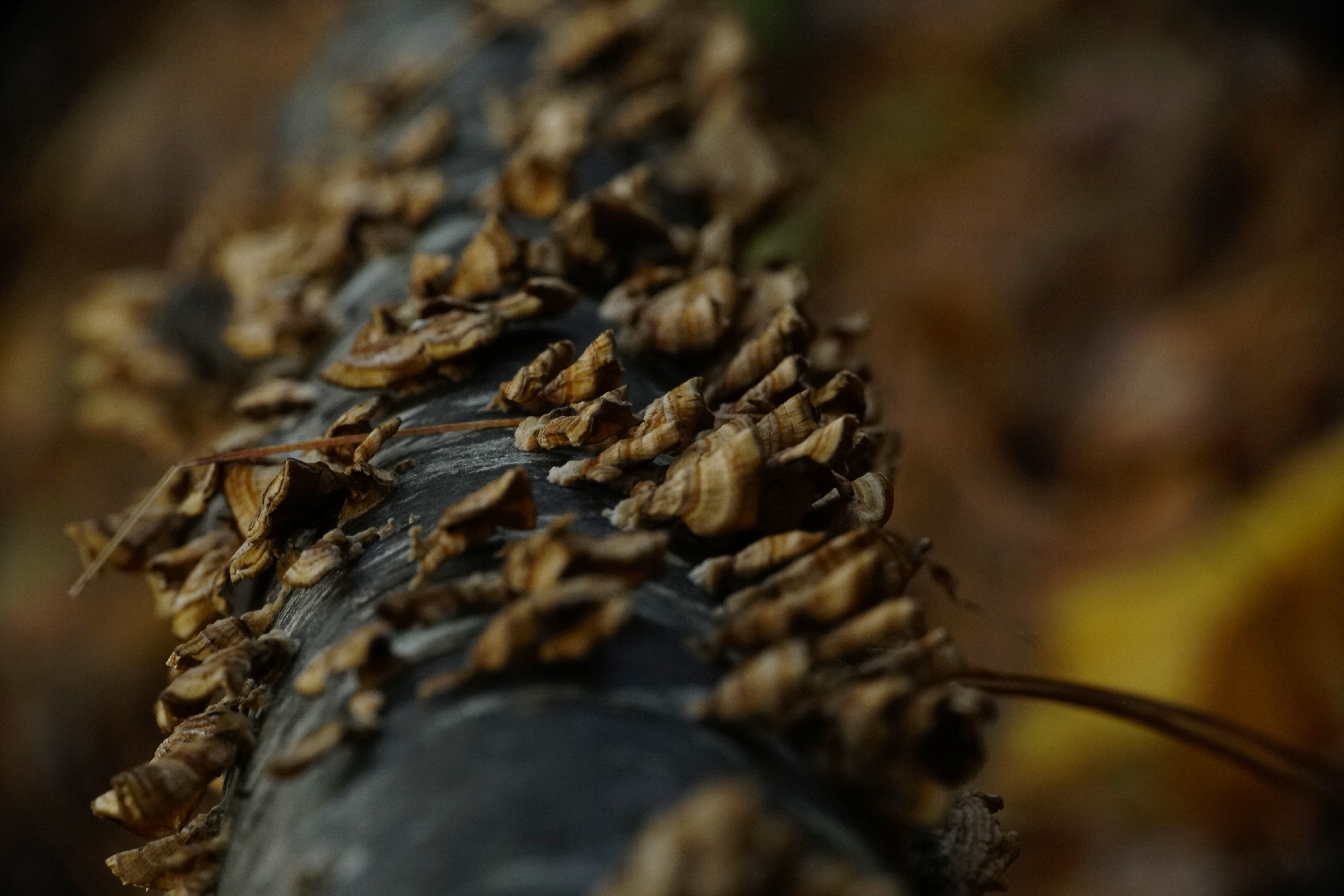
Is this a slime mold? EDIT: no, looks like one, but more likely to be the fungus Ceriporia spissa.




Winter Hooded Mergansers


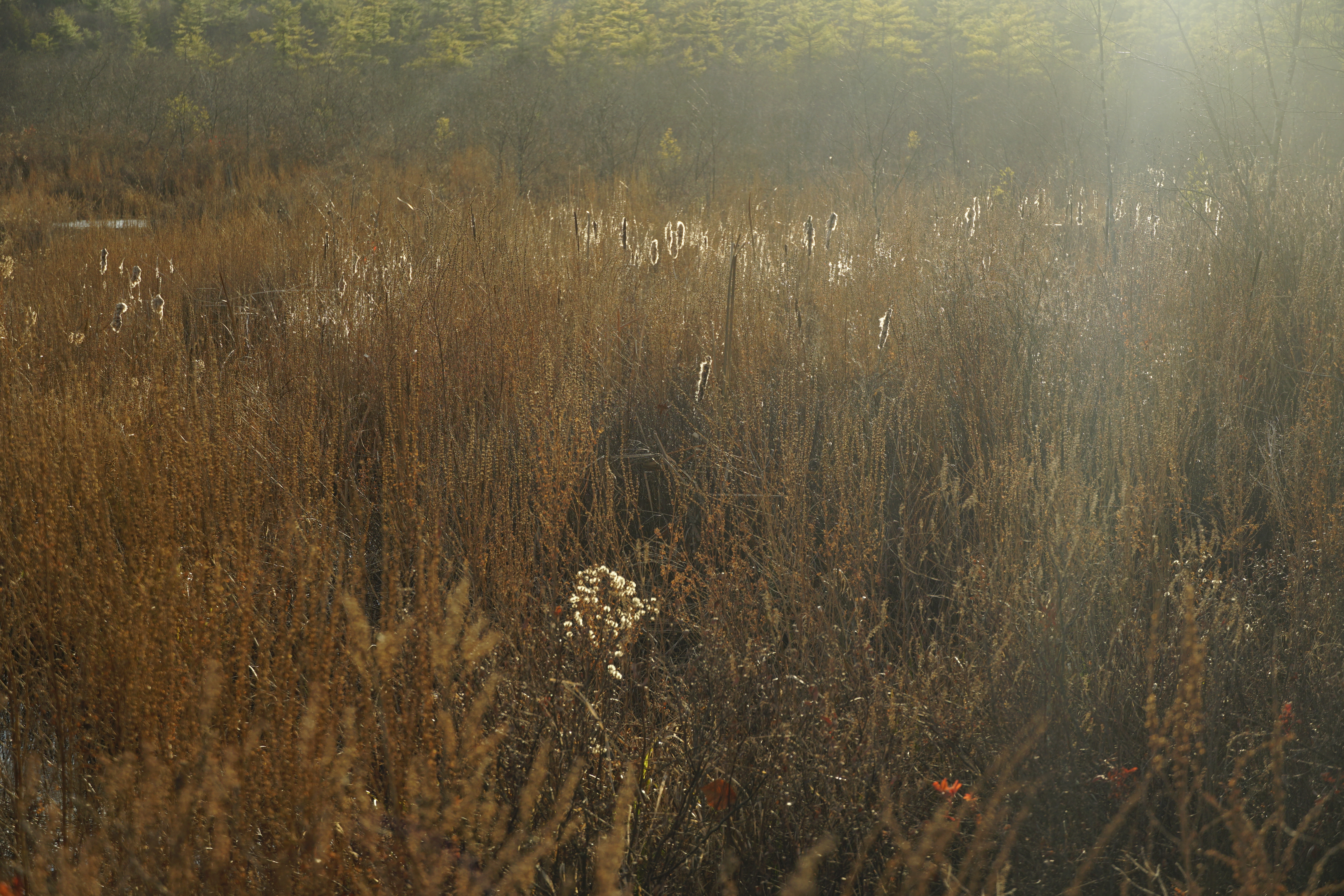
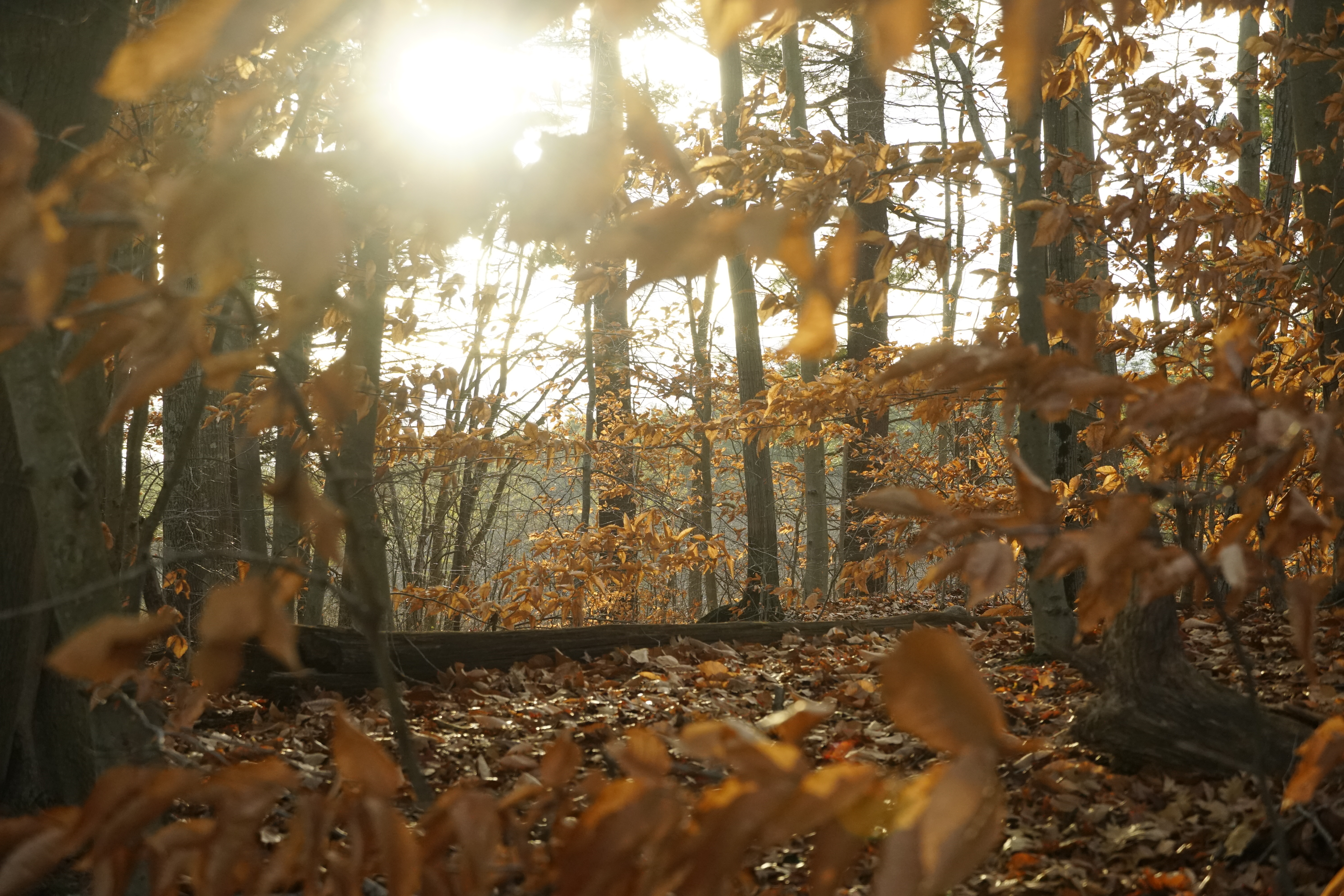
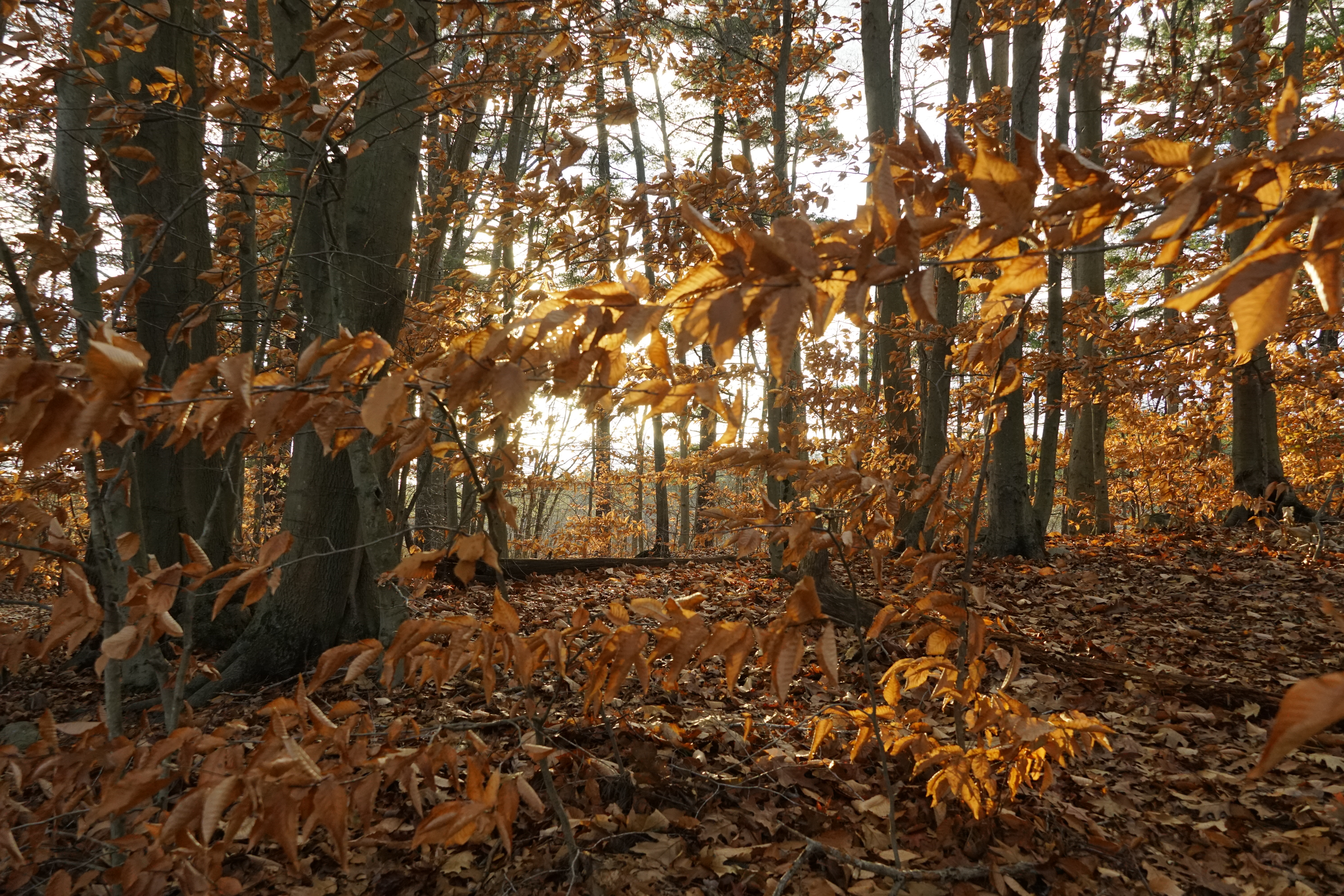

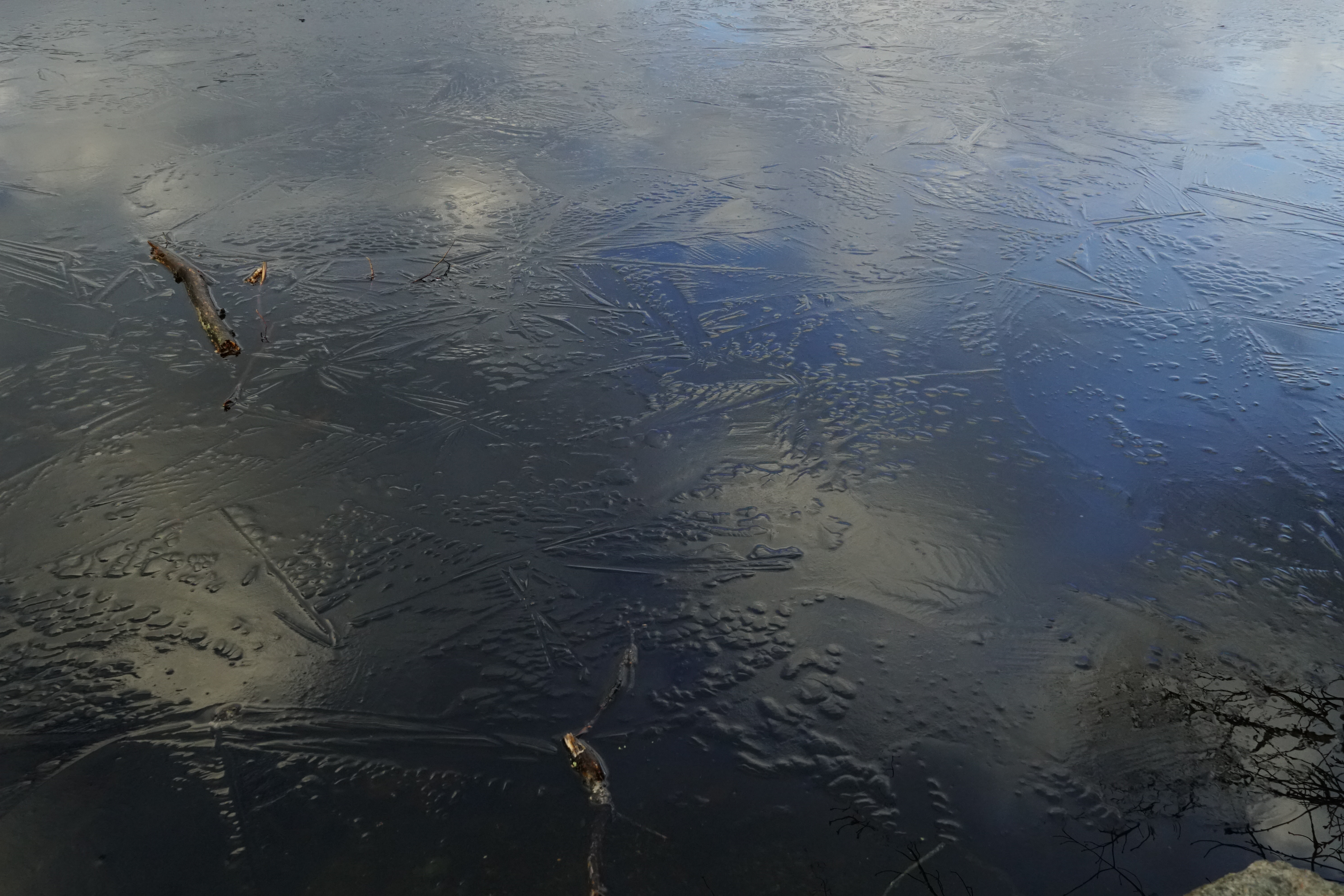


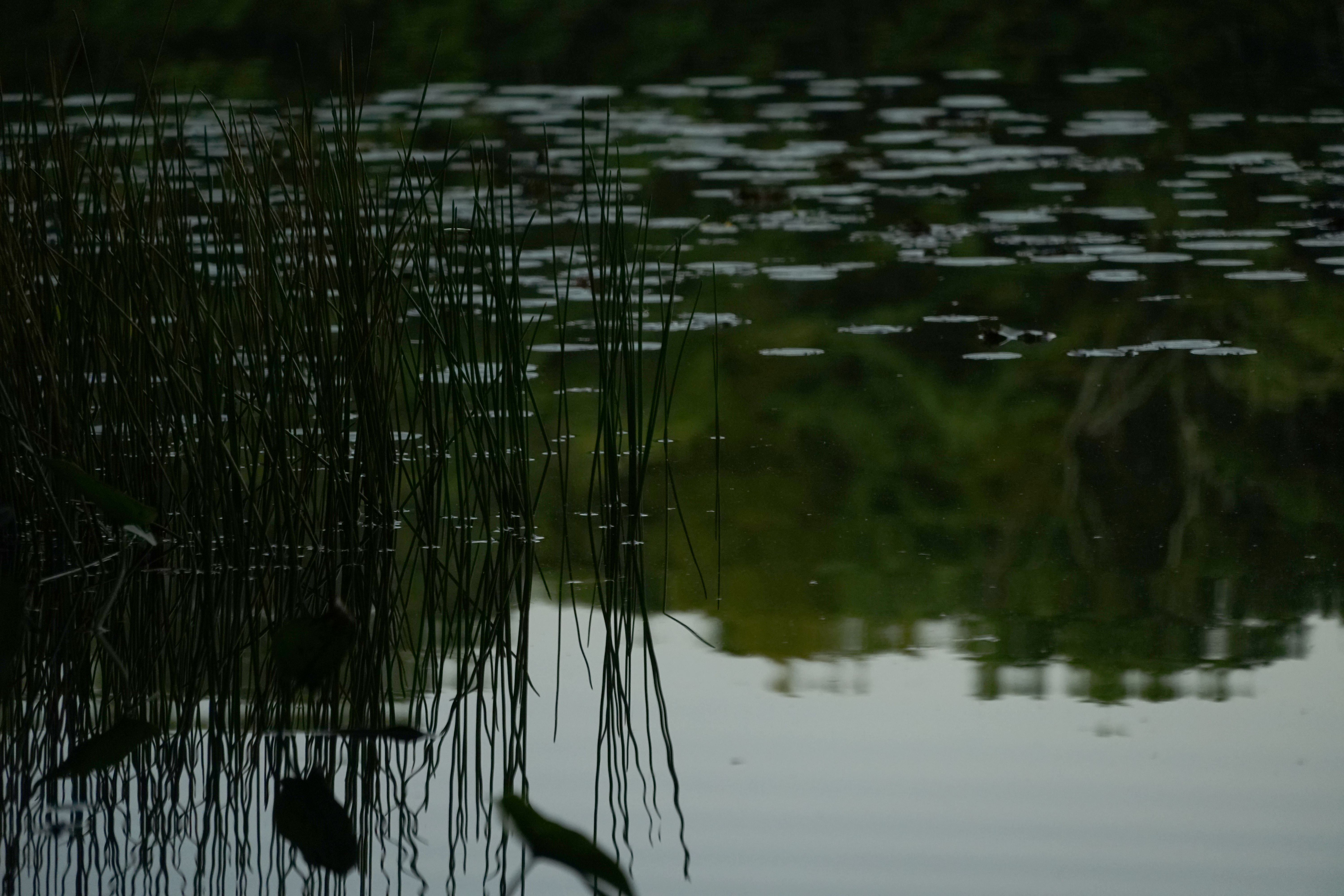
Lake Massapoag:

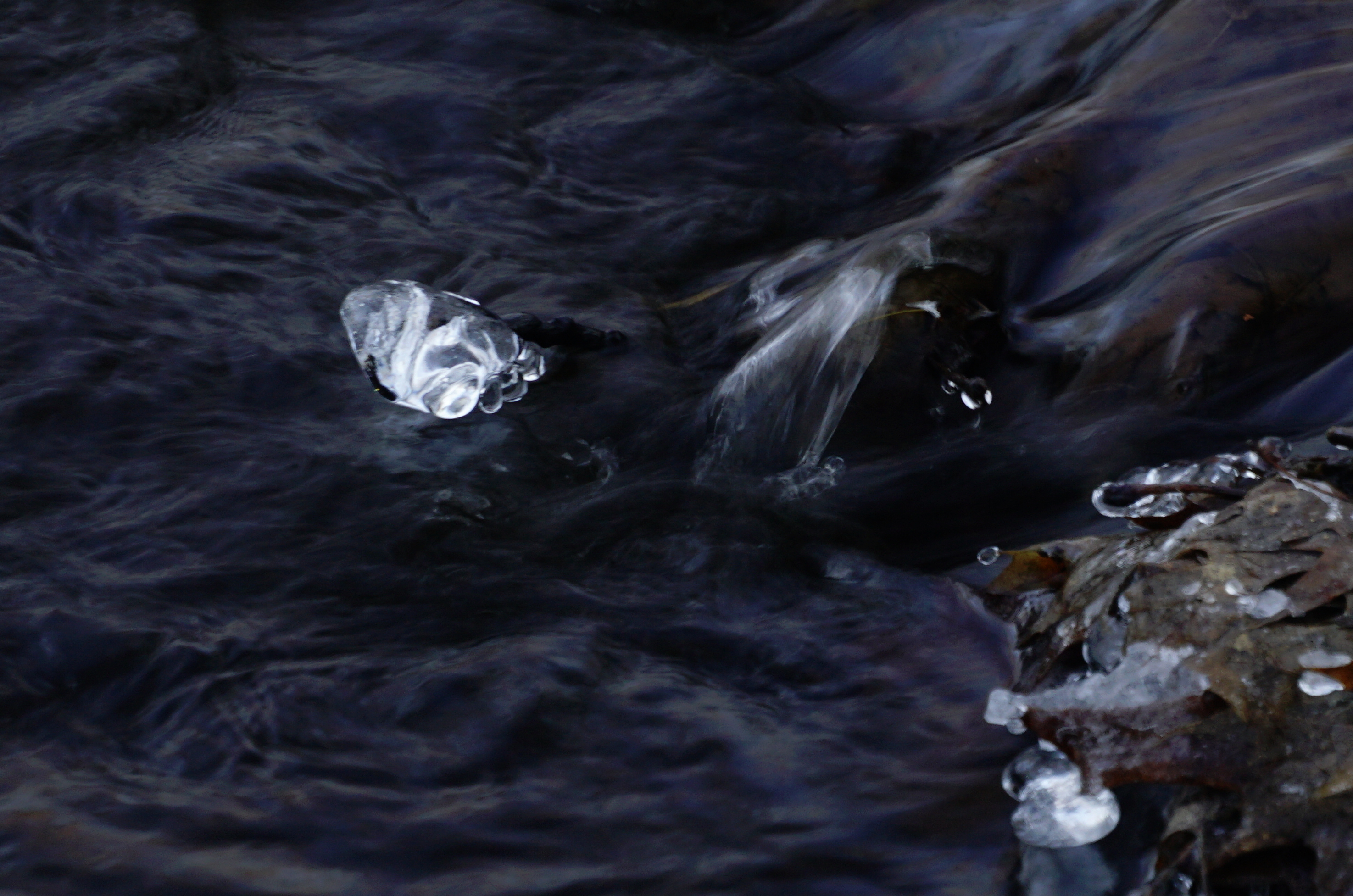
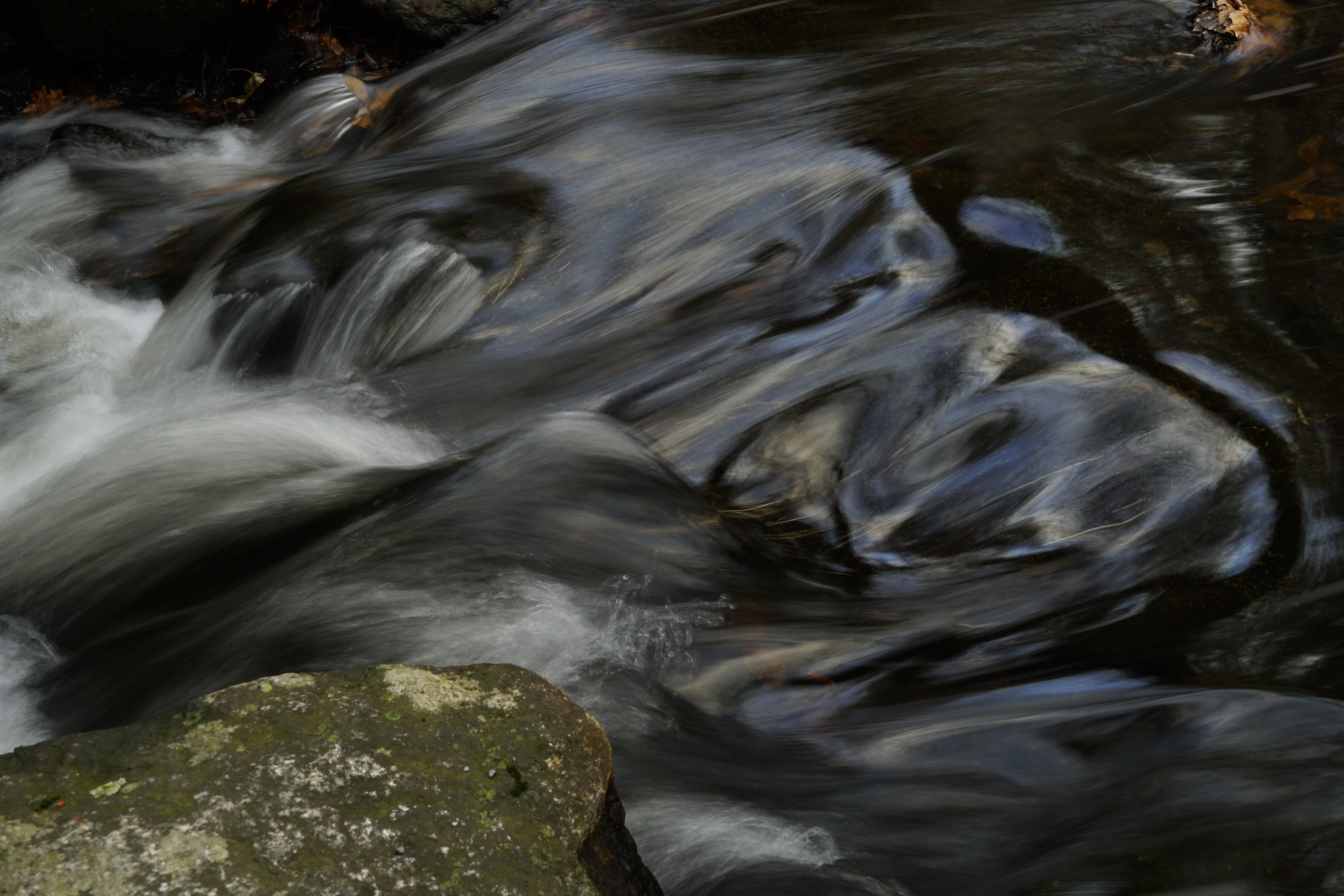
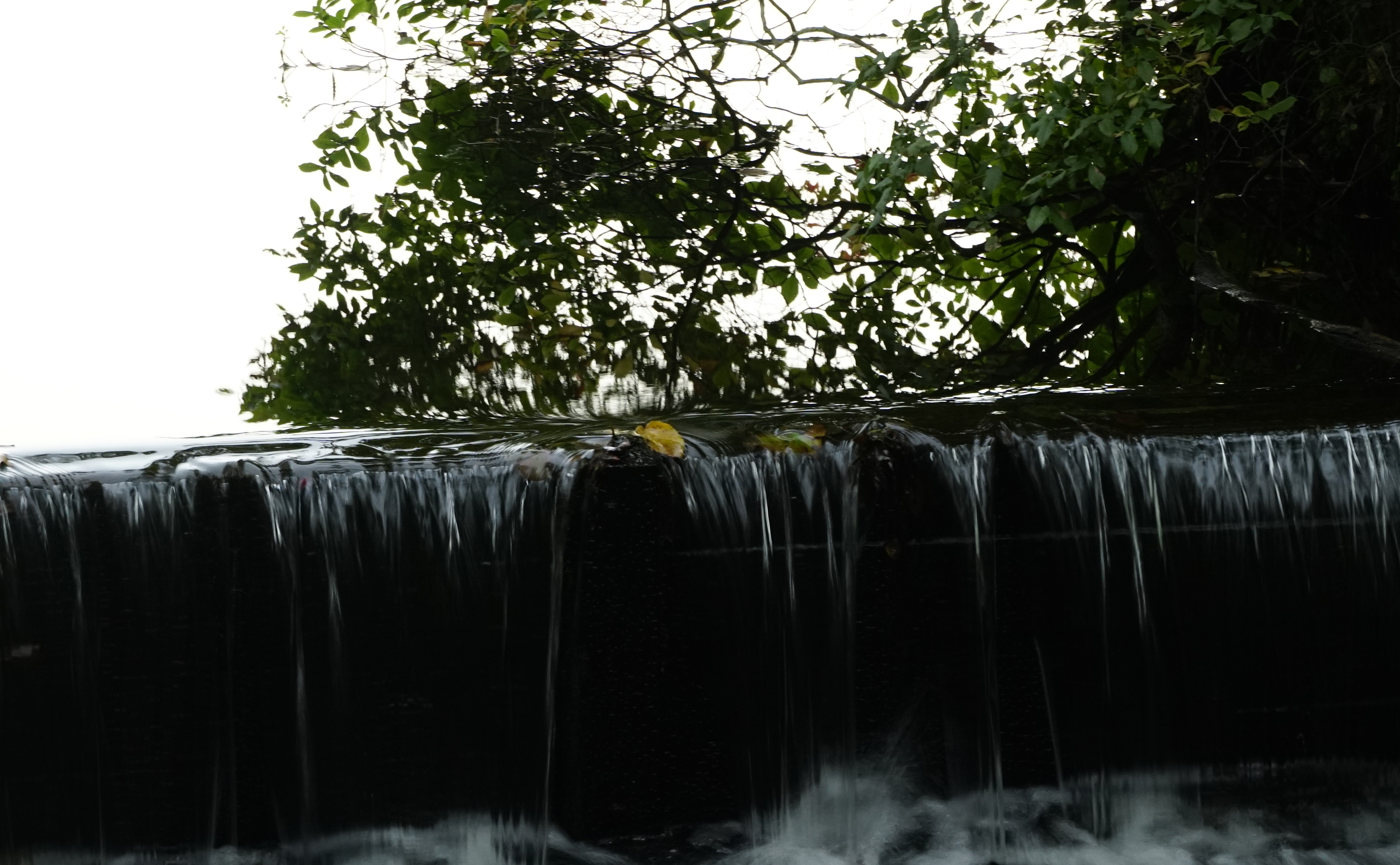
After some heavy rains from a Nor’easter, the brook in spate.

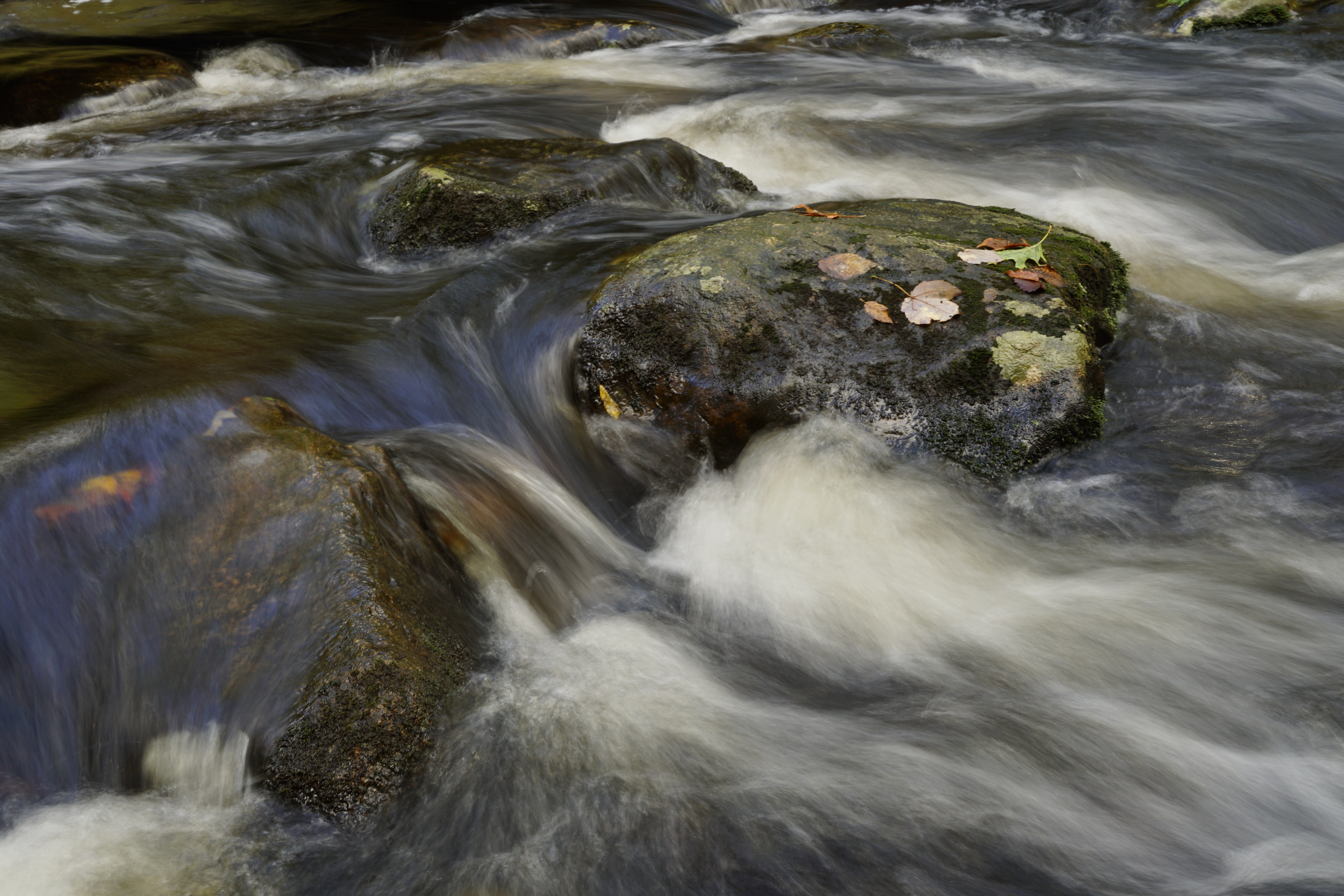
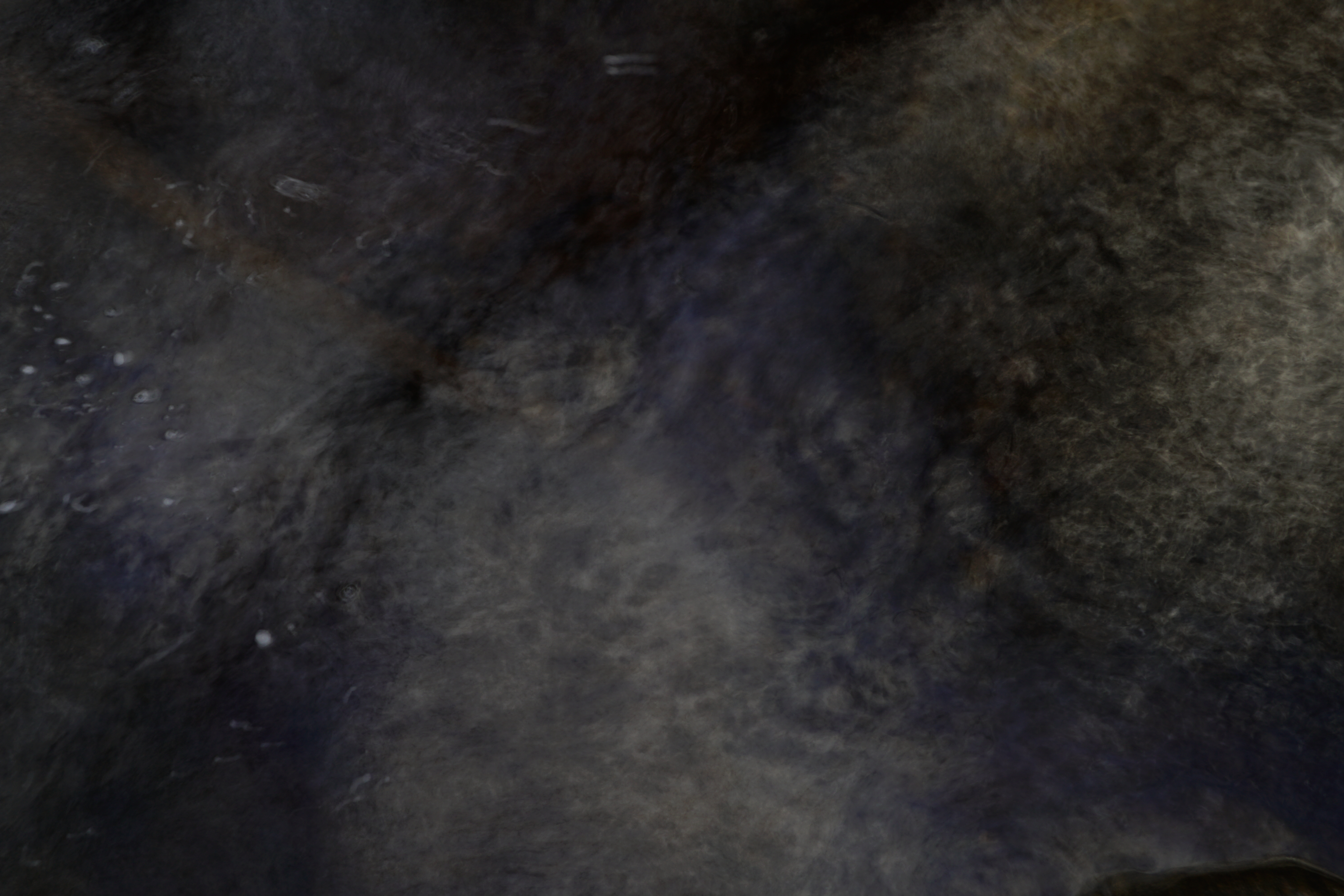
A little experimental again. Time exposure, panned the camera.


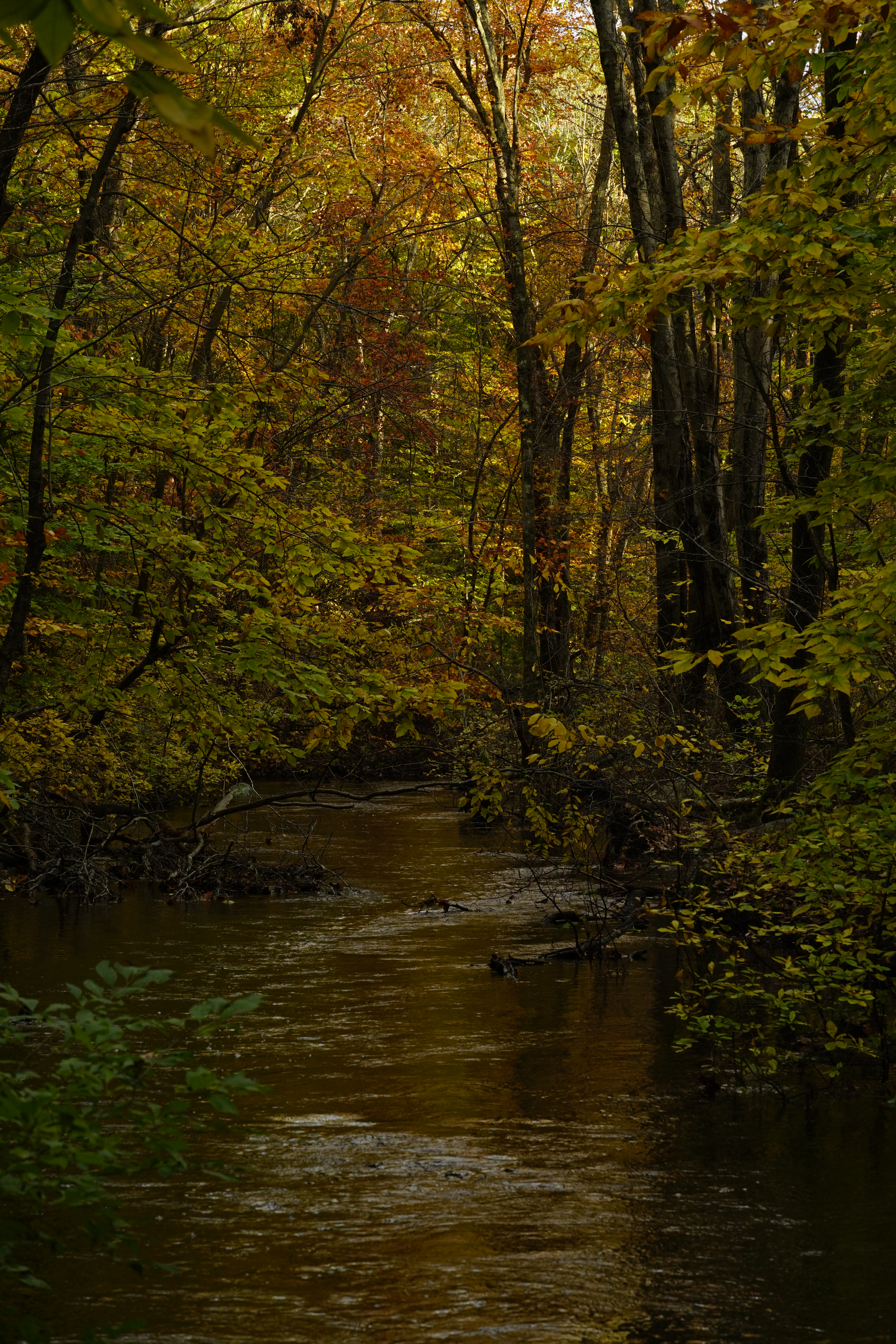
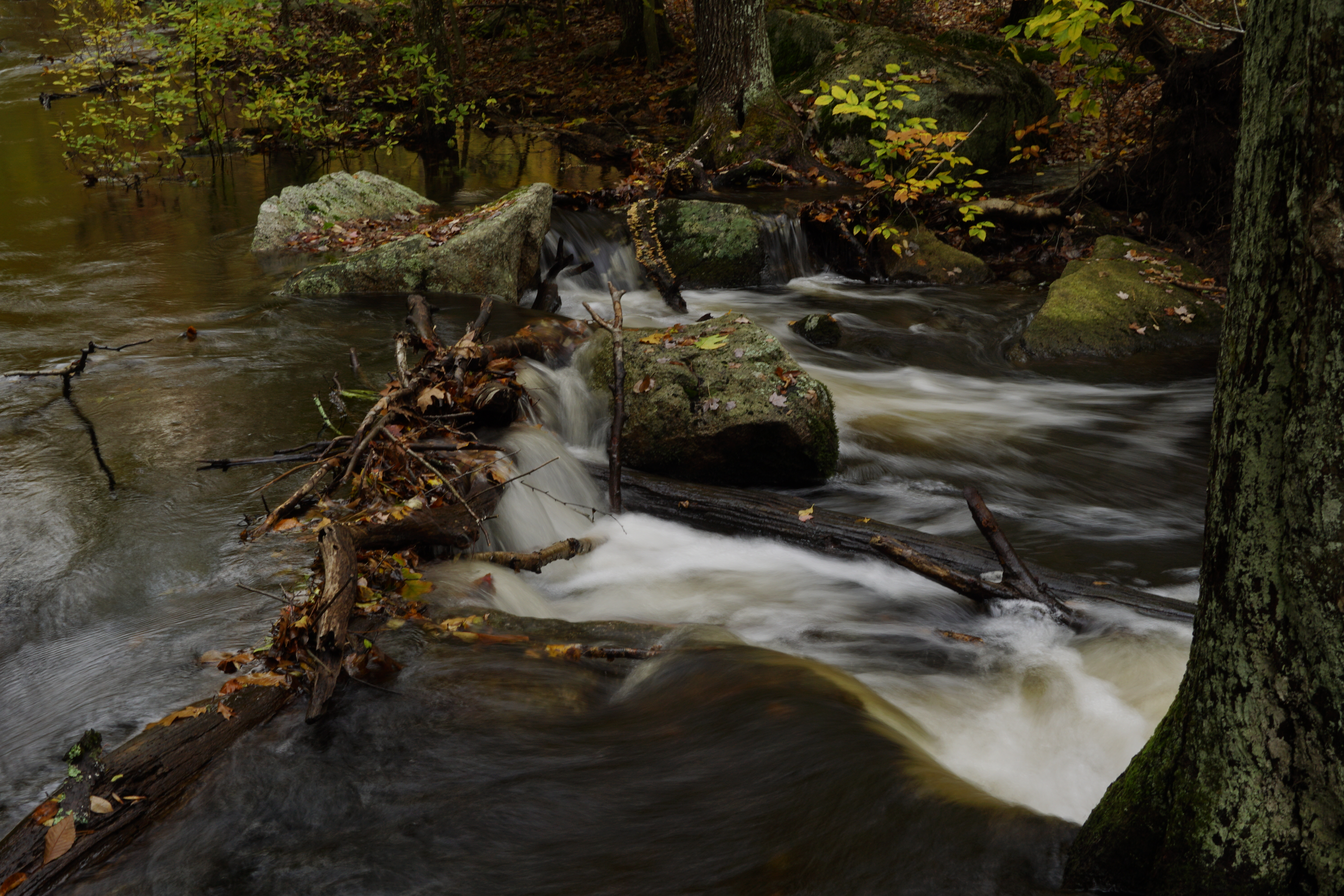
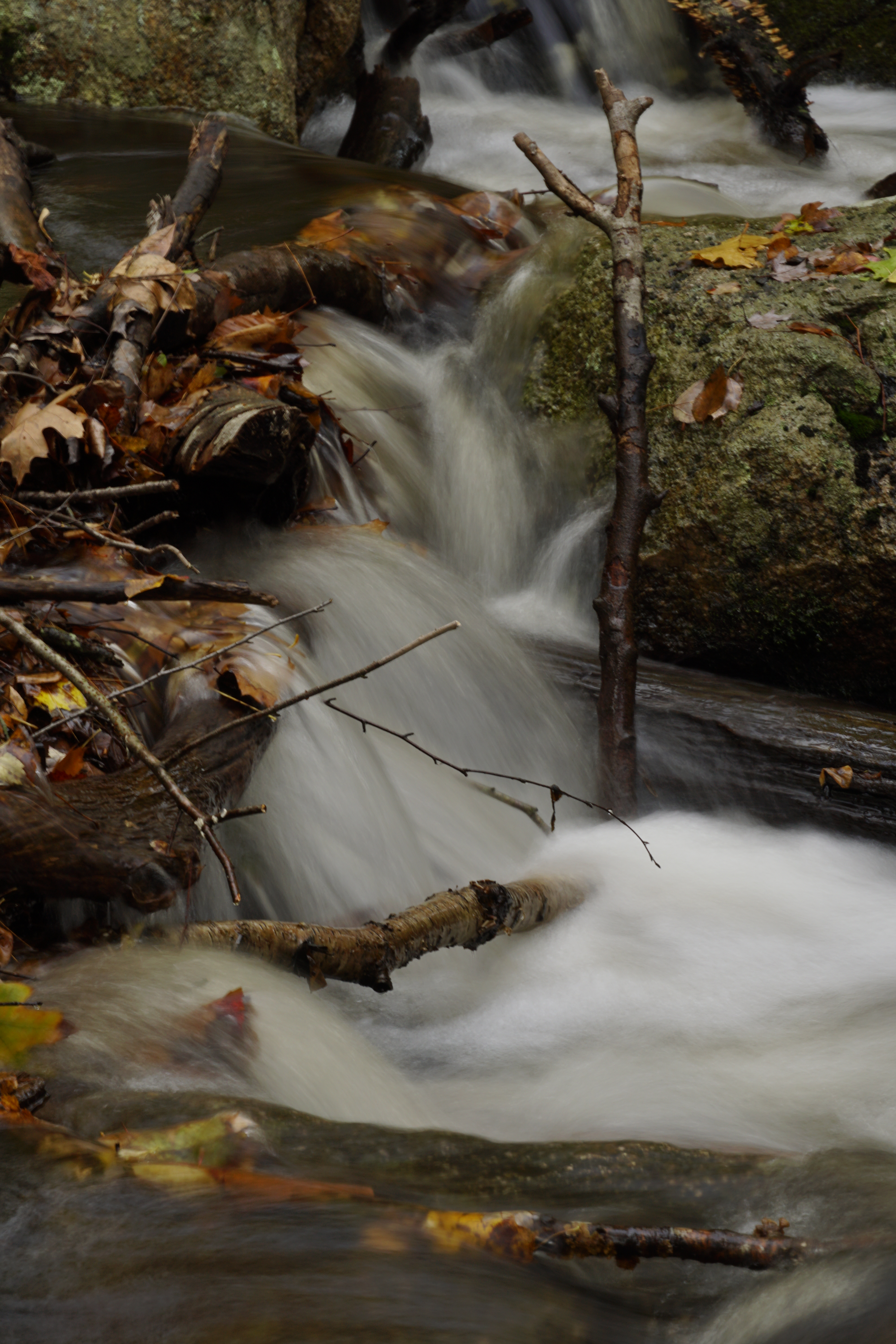
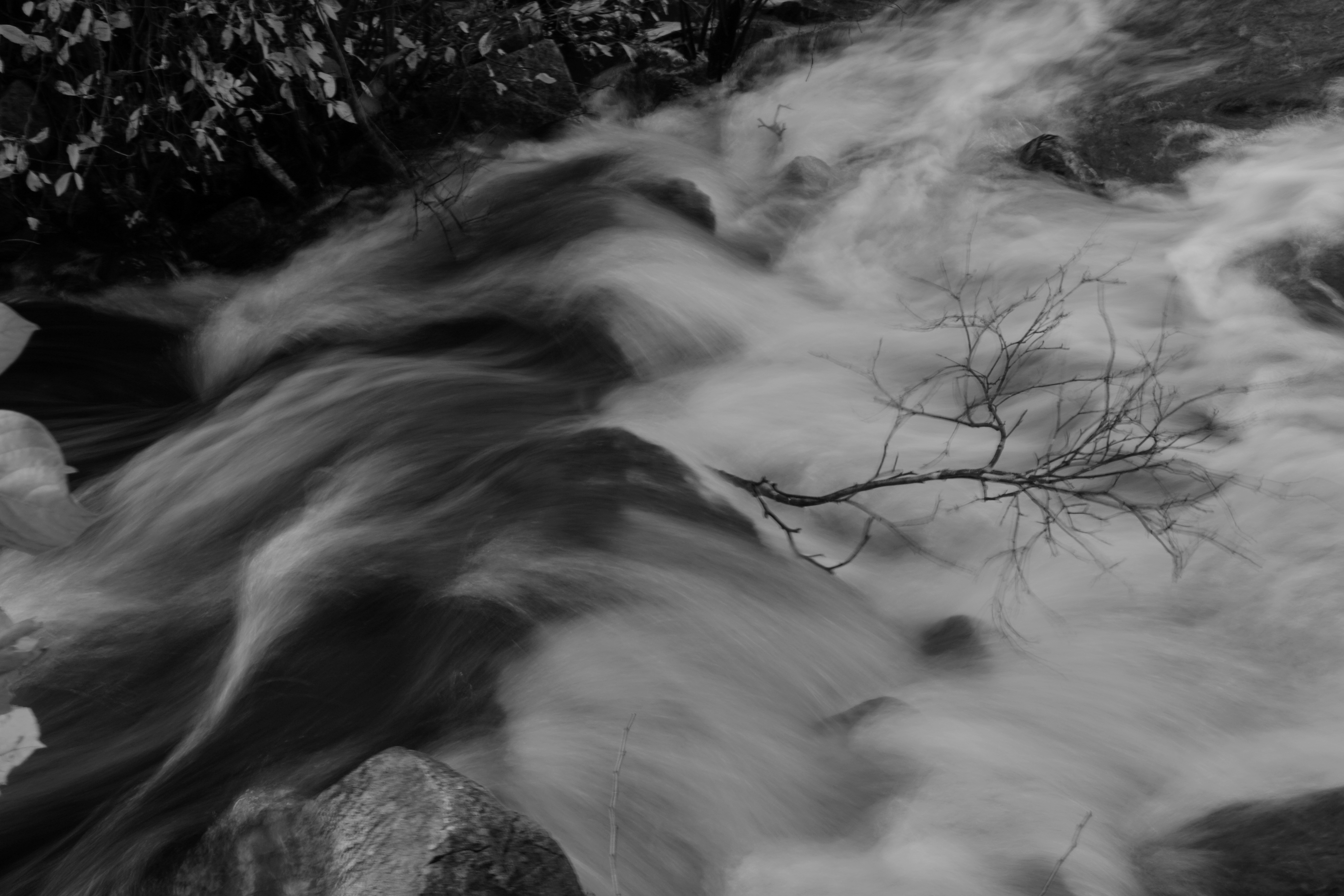
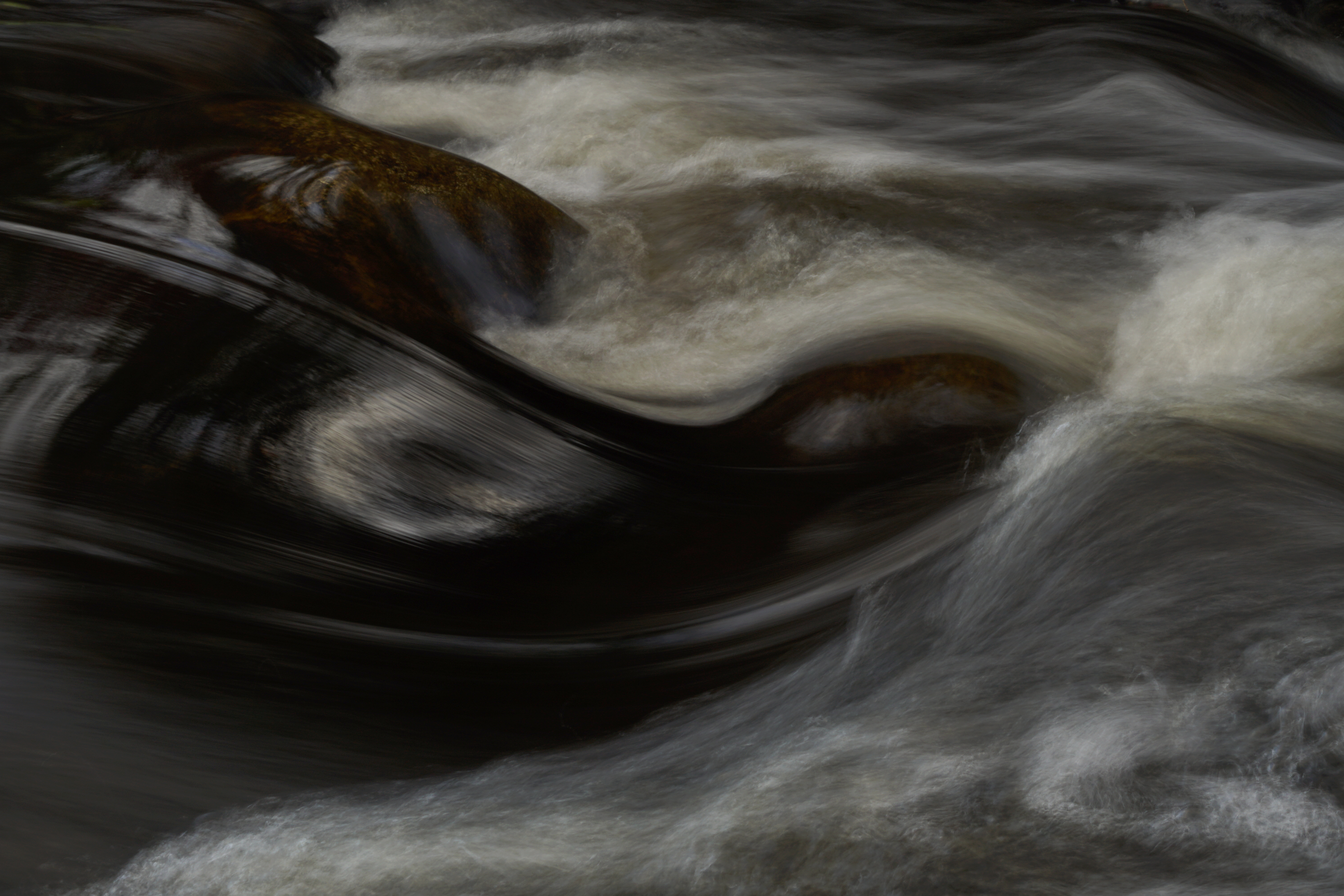

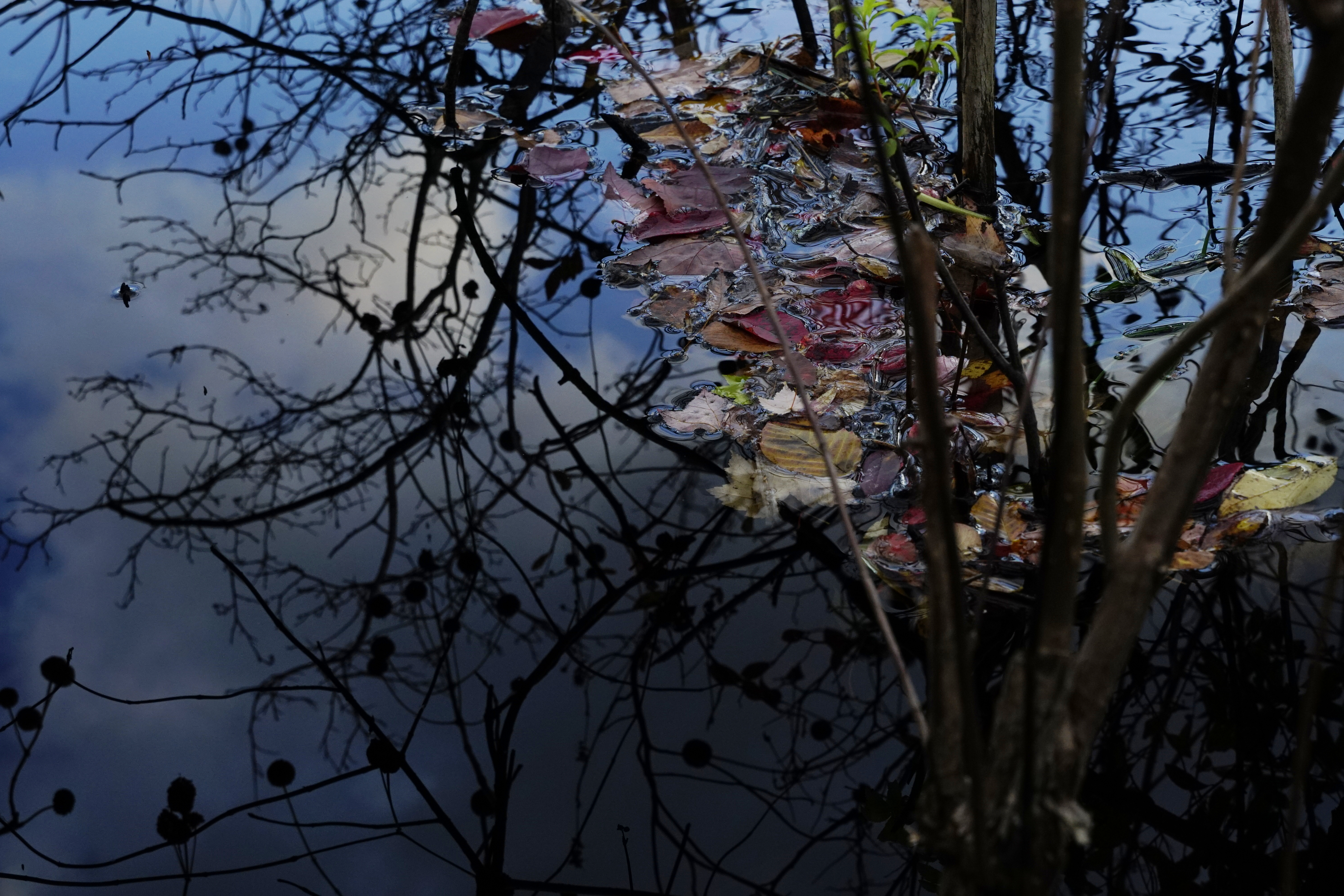
Waves. Rocks. Brightly colored leaves.

An experimental photo. I took a long exposure of the stream, and panned the camera along the length of the stream. Anything not changing comes out as a pure streak, while the bubbles and other features that changed over the length of the exposure stand out.
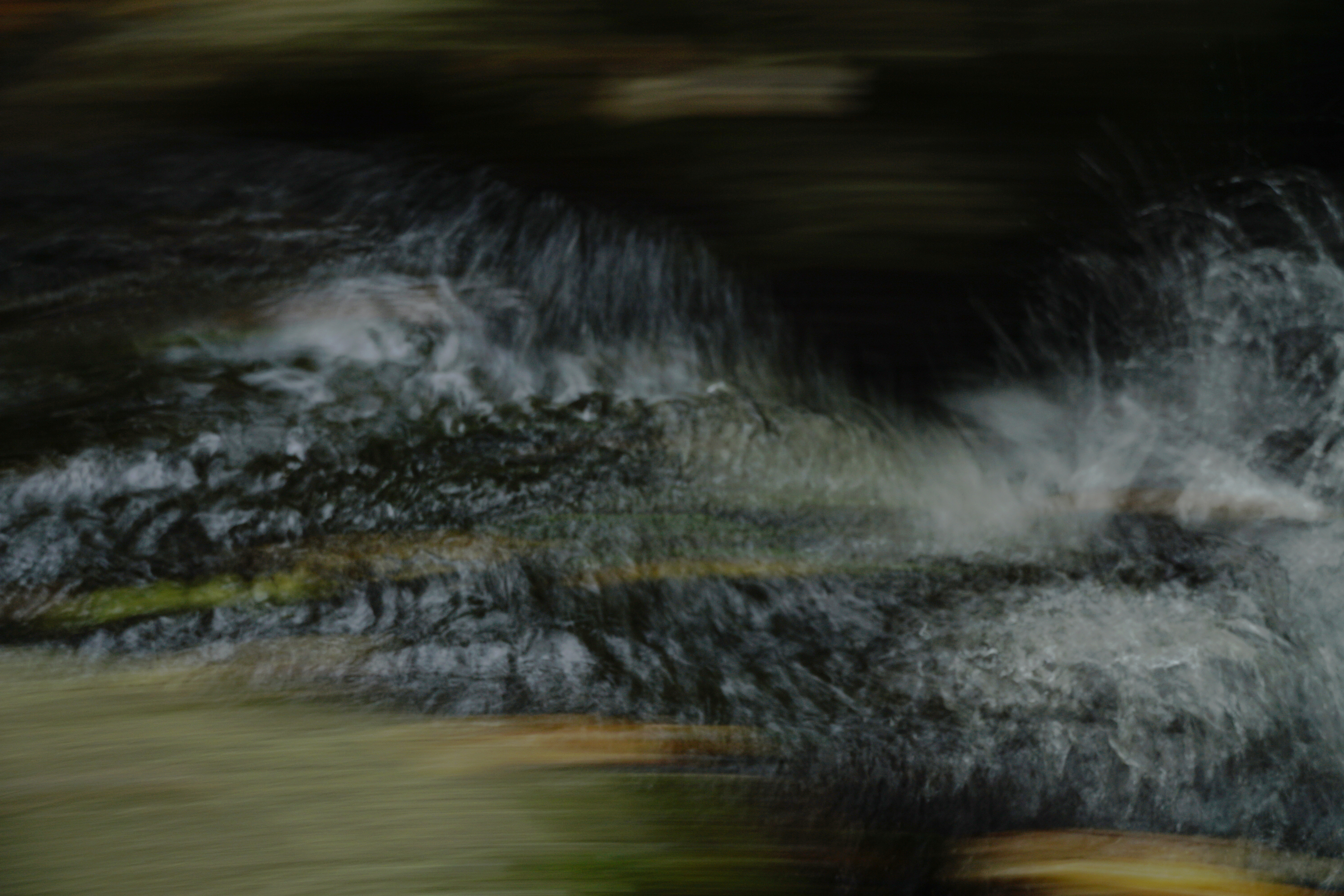
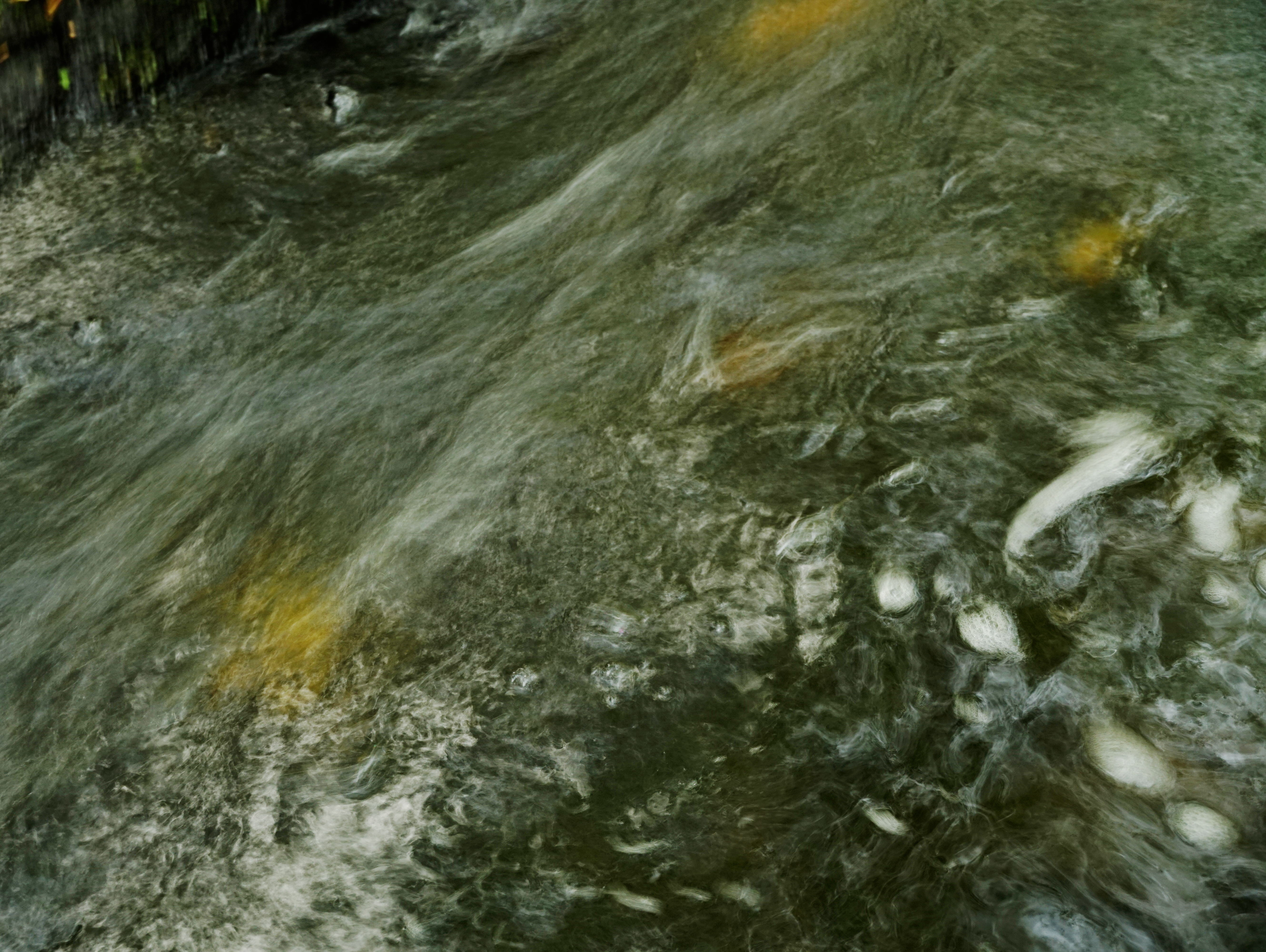
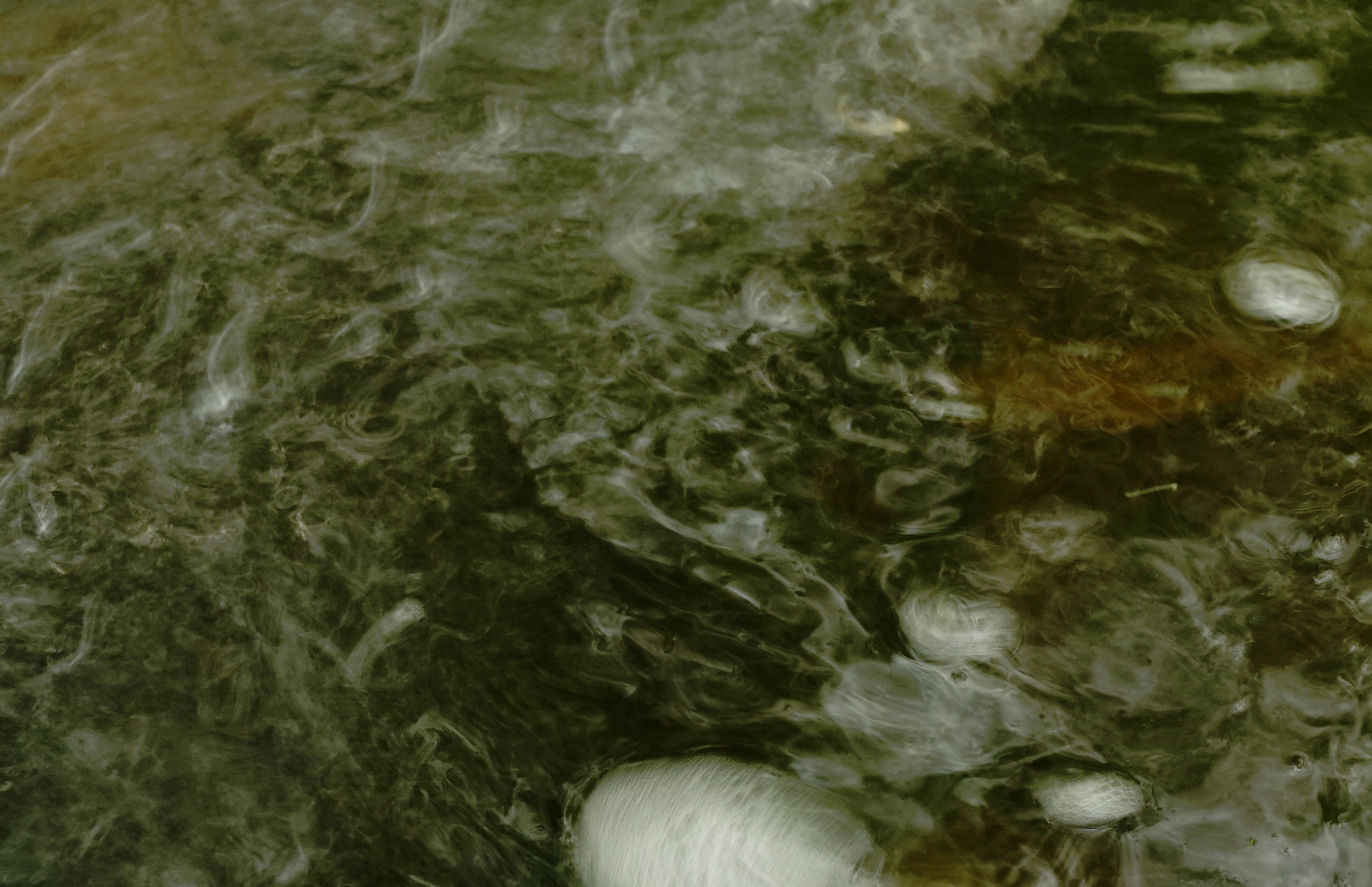
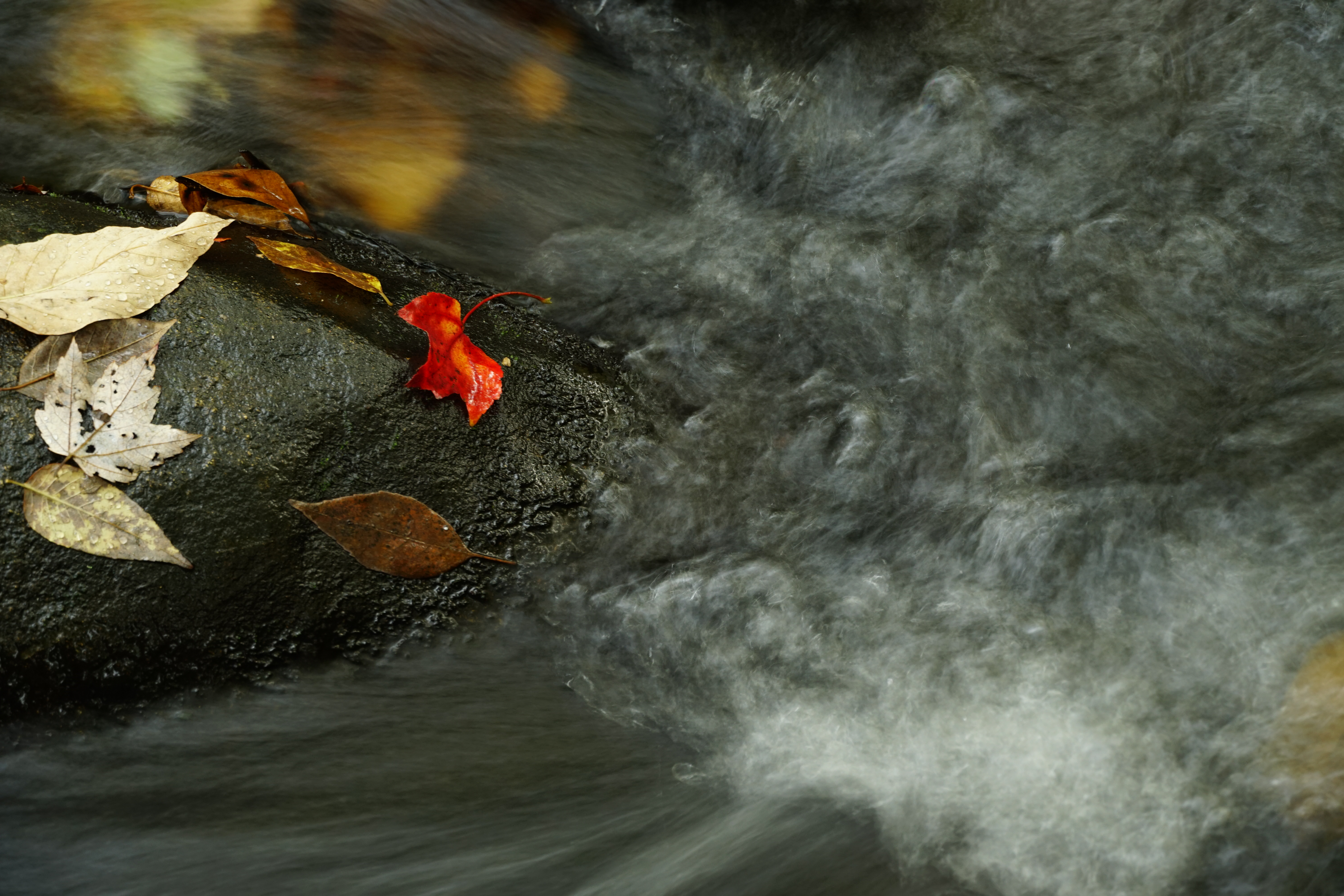
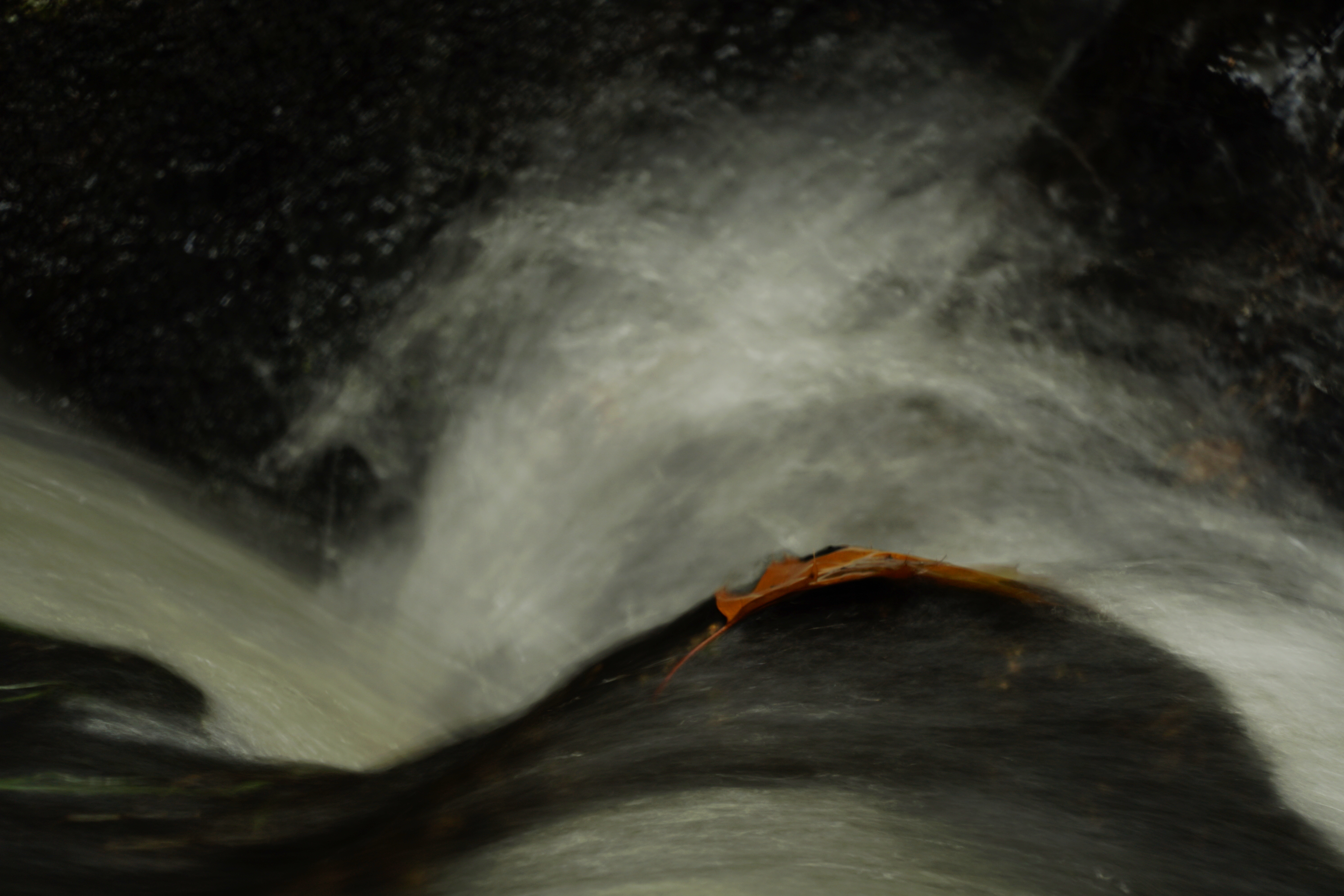

Long weekend in Southeastern Maine! First time exploring the area.
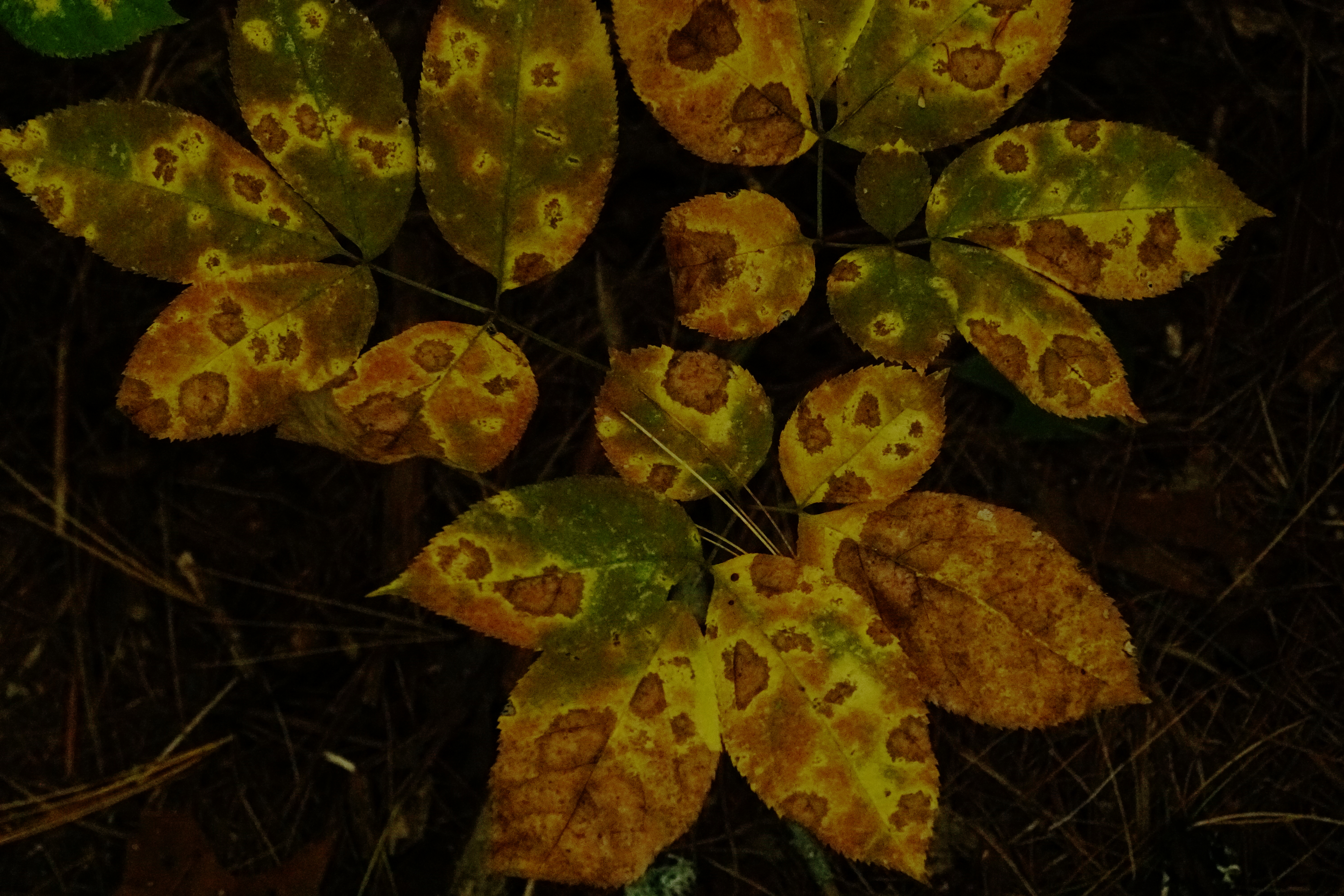


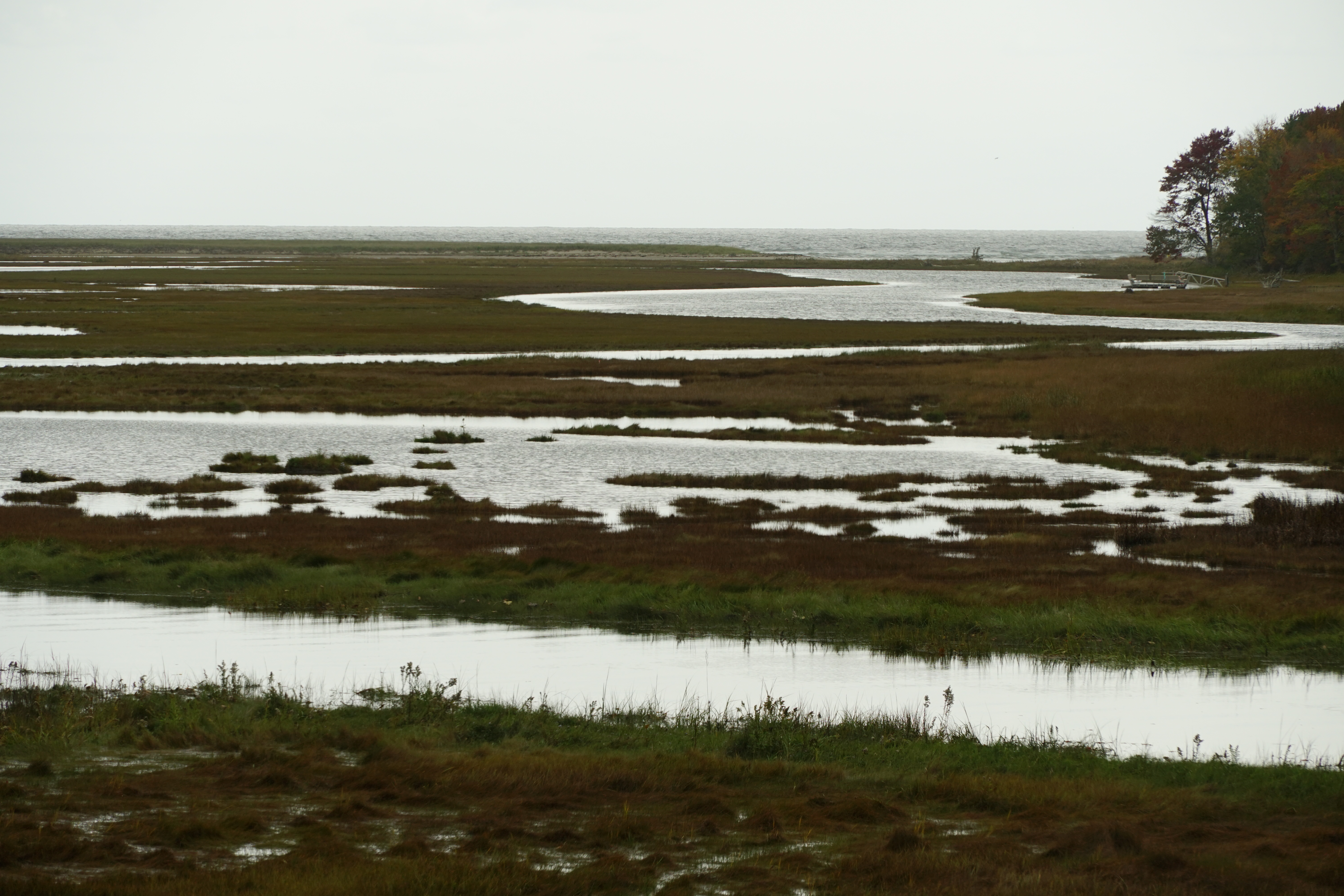

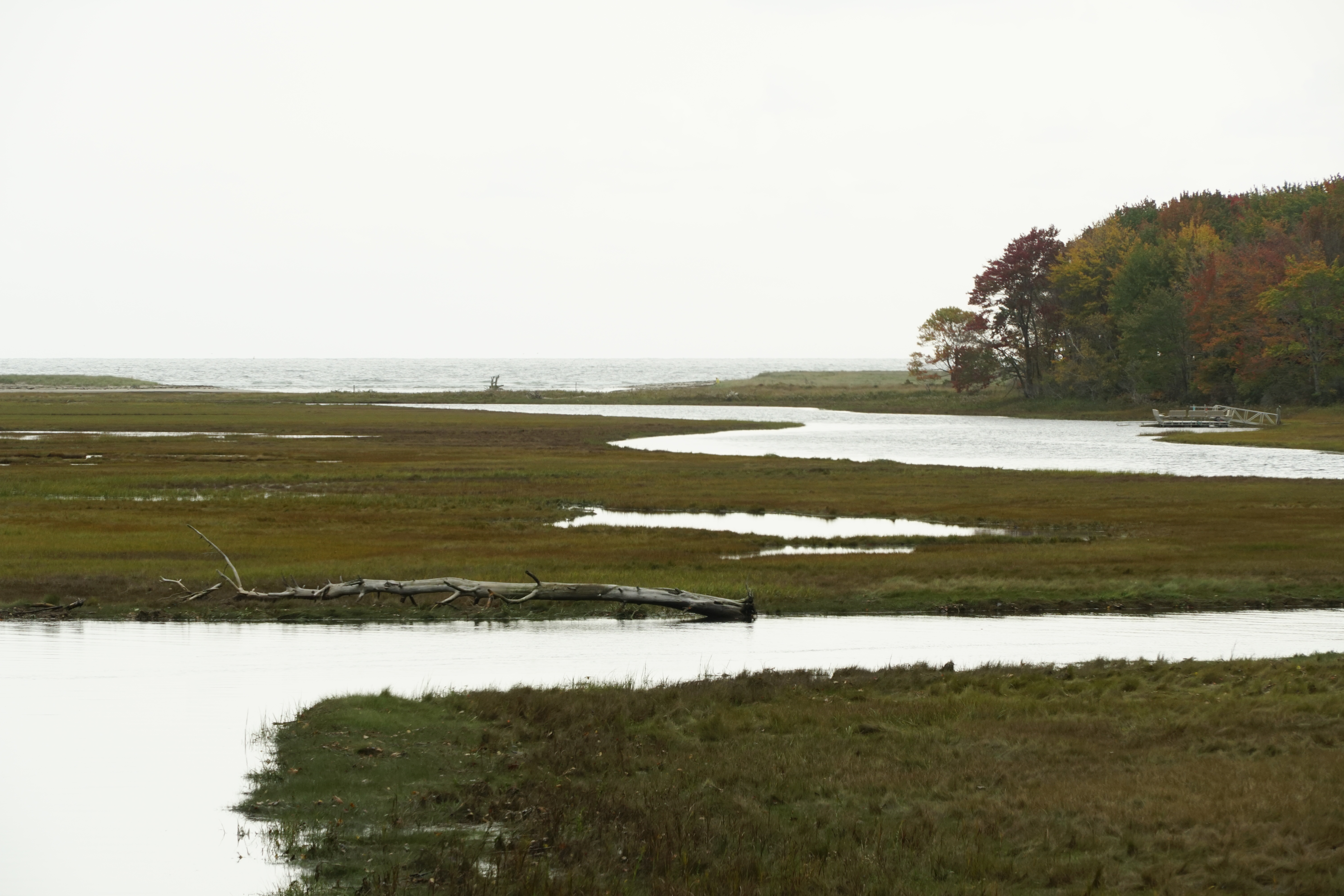
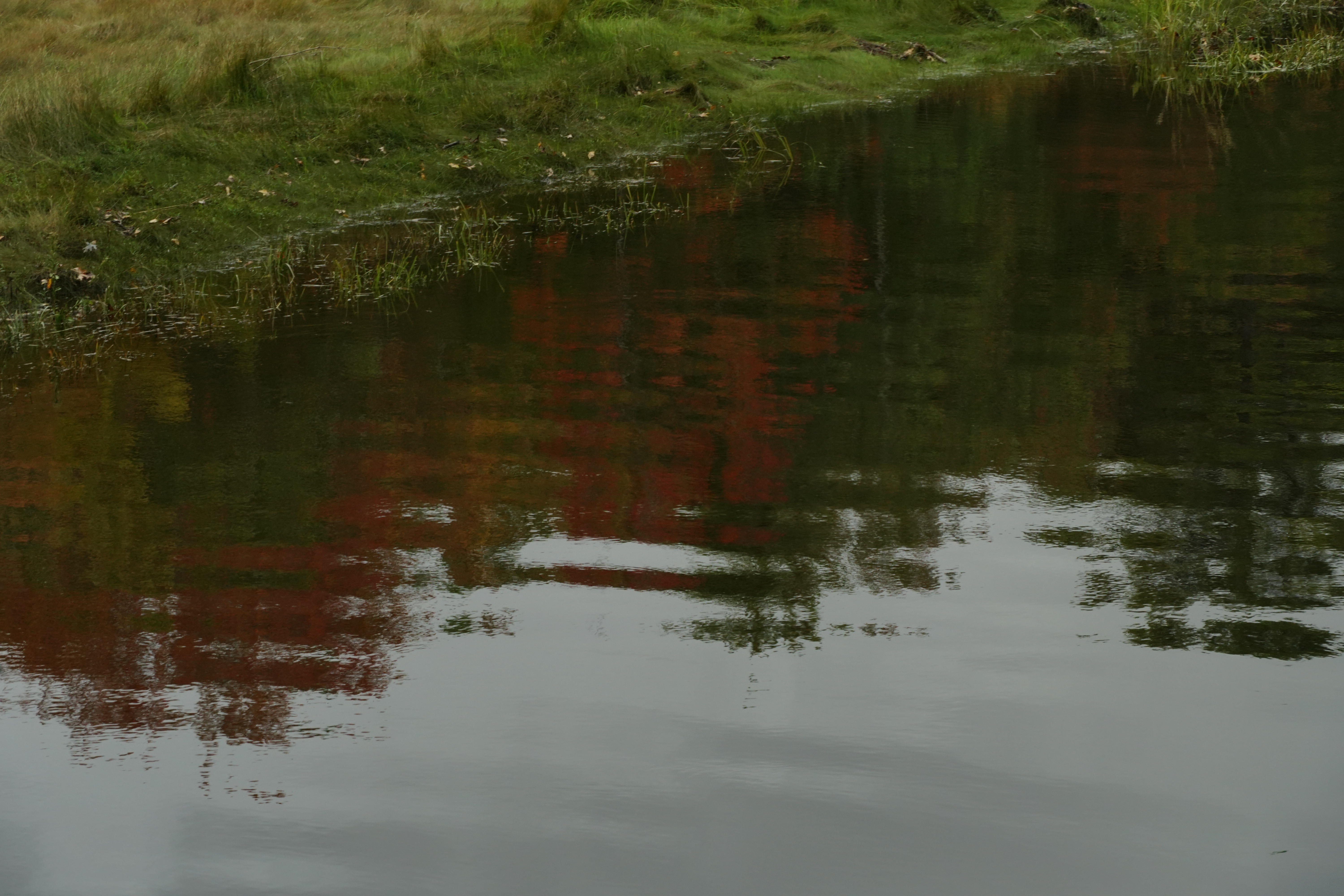
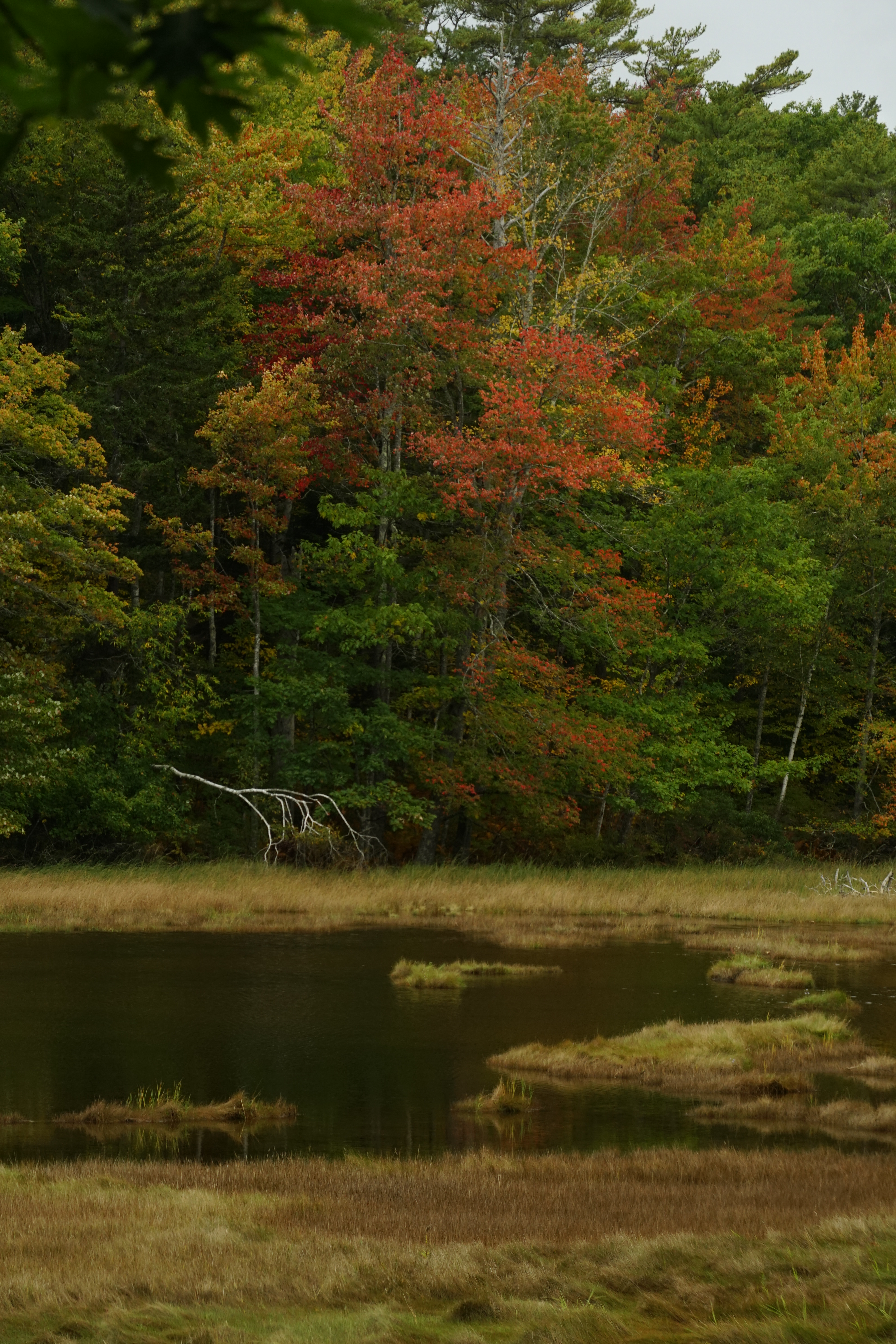

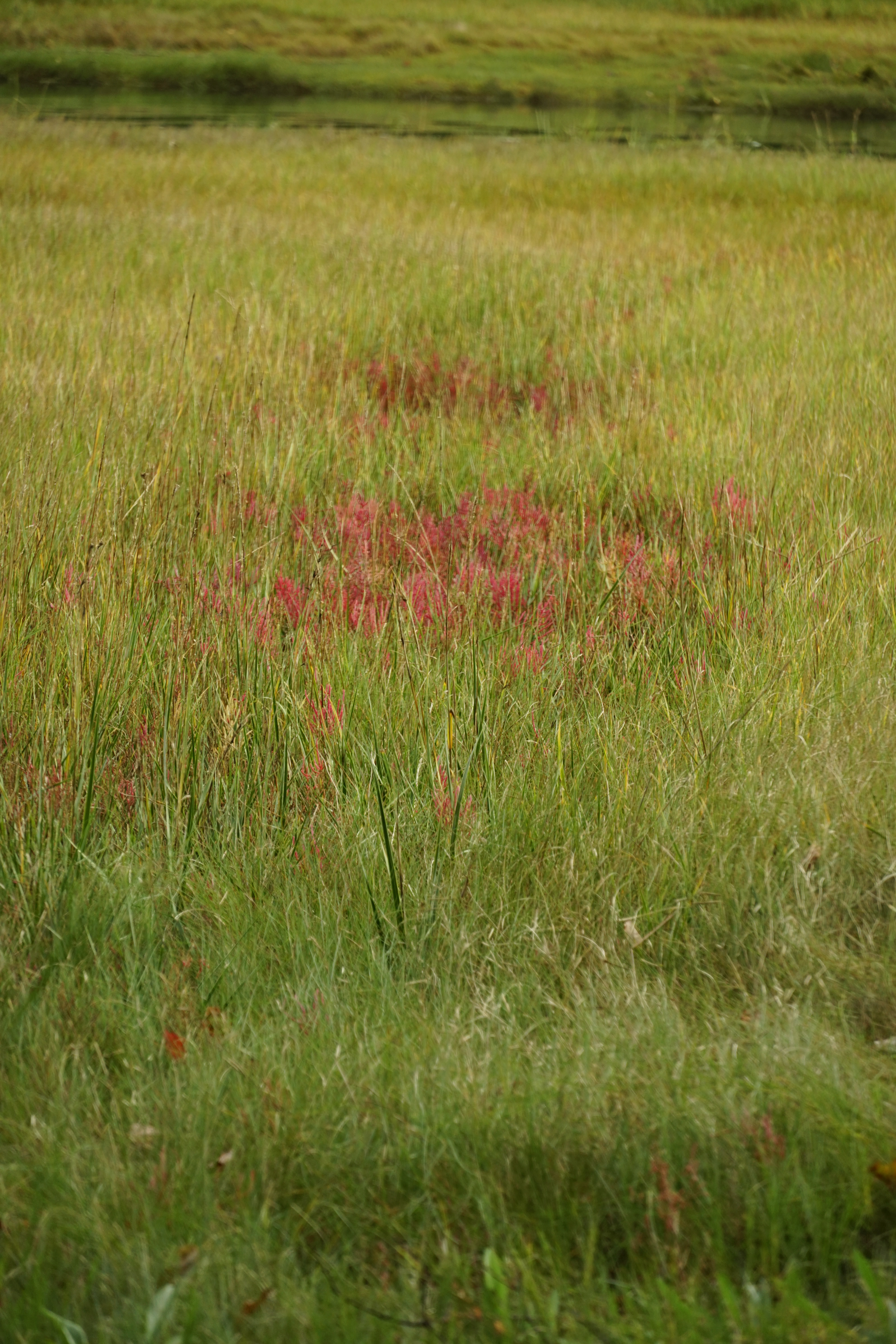

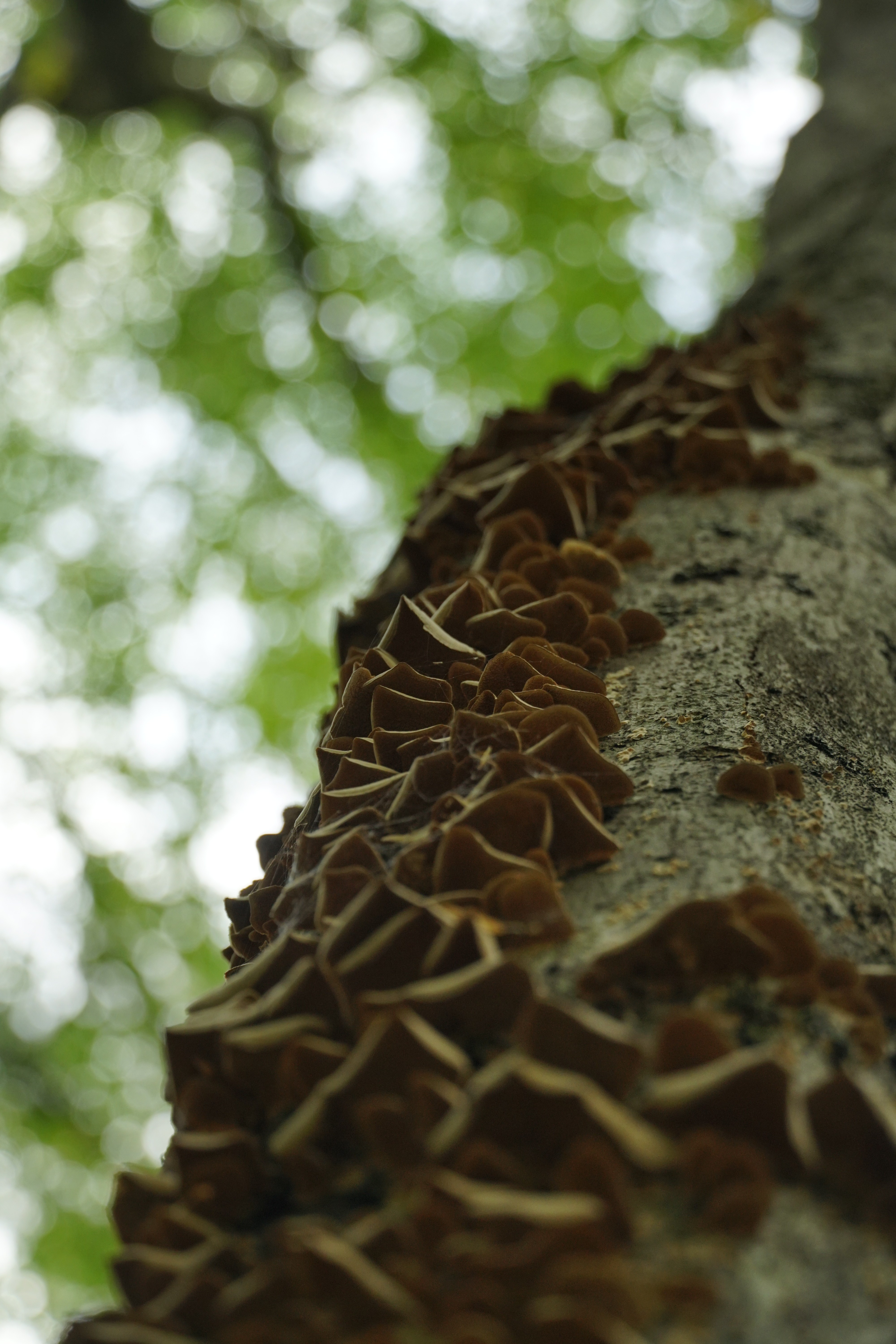
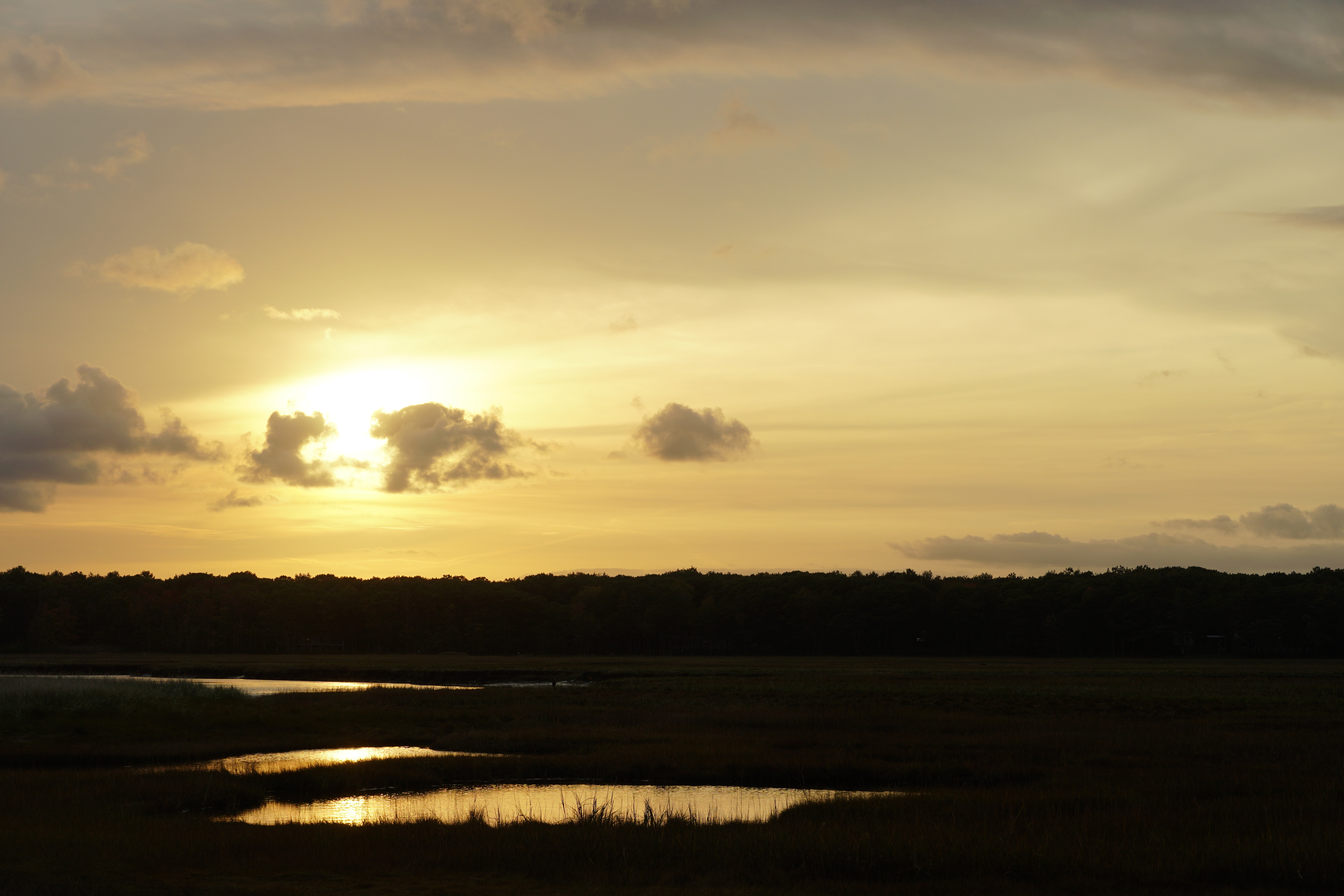
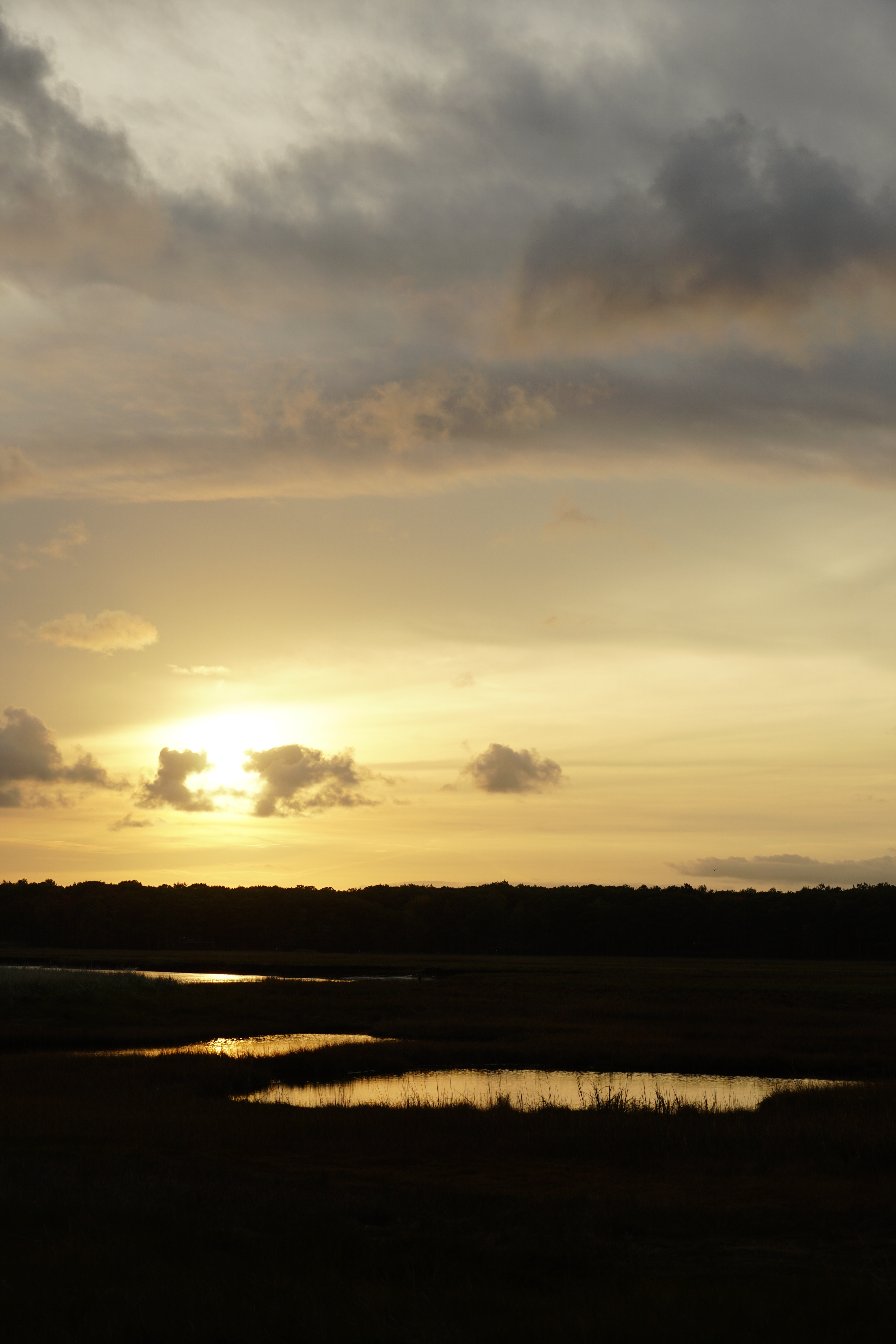
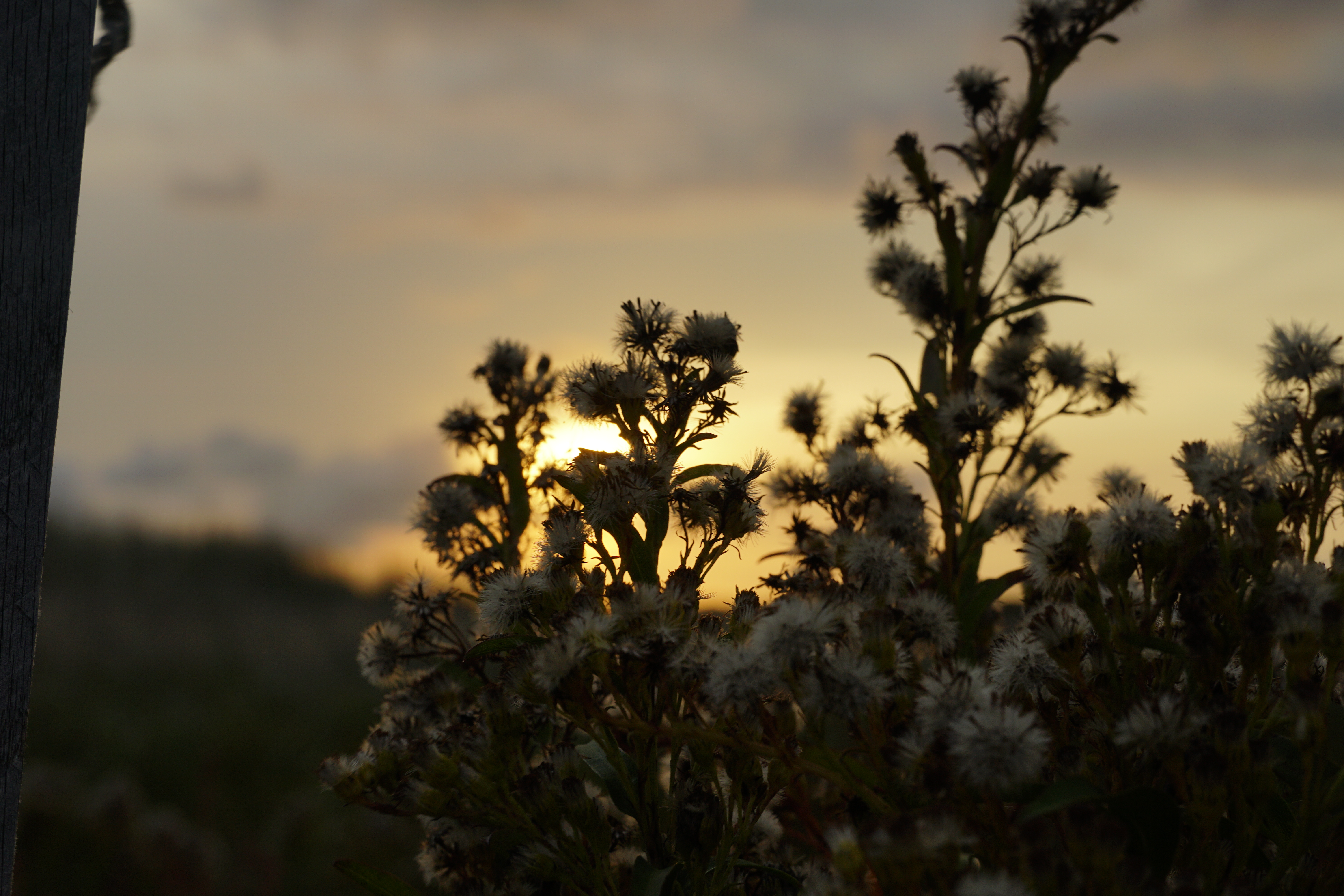

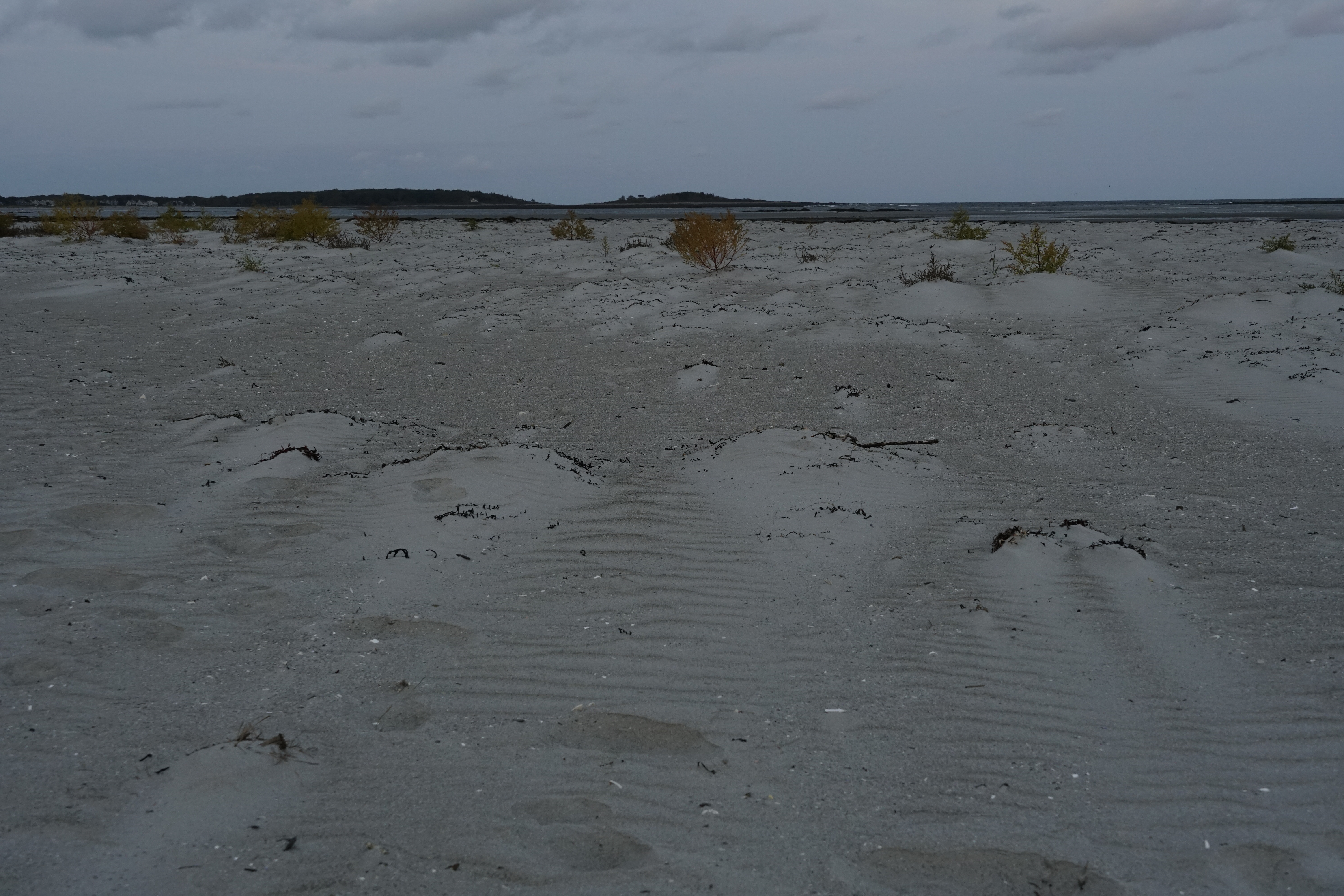

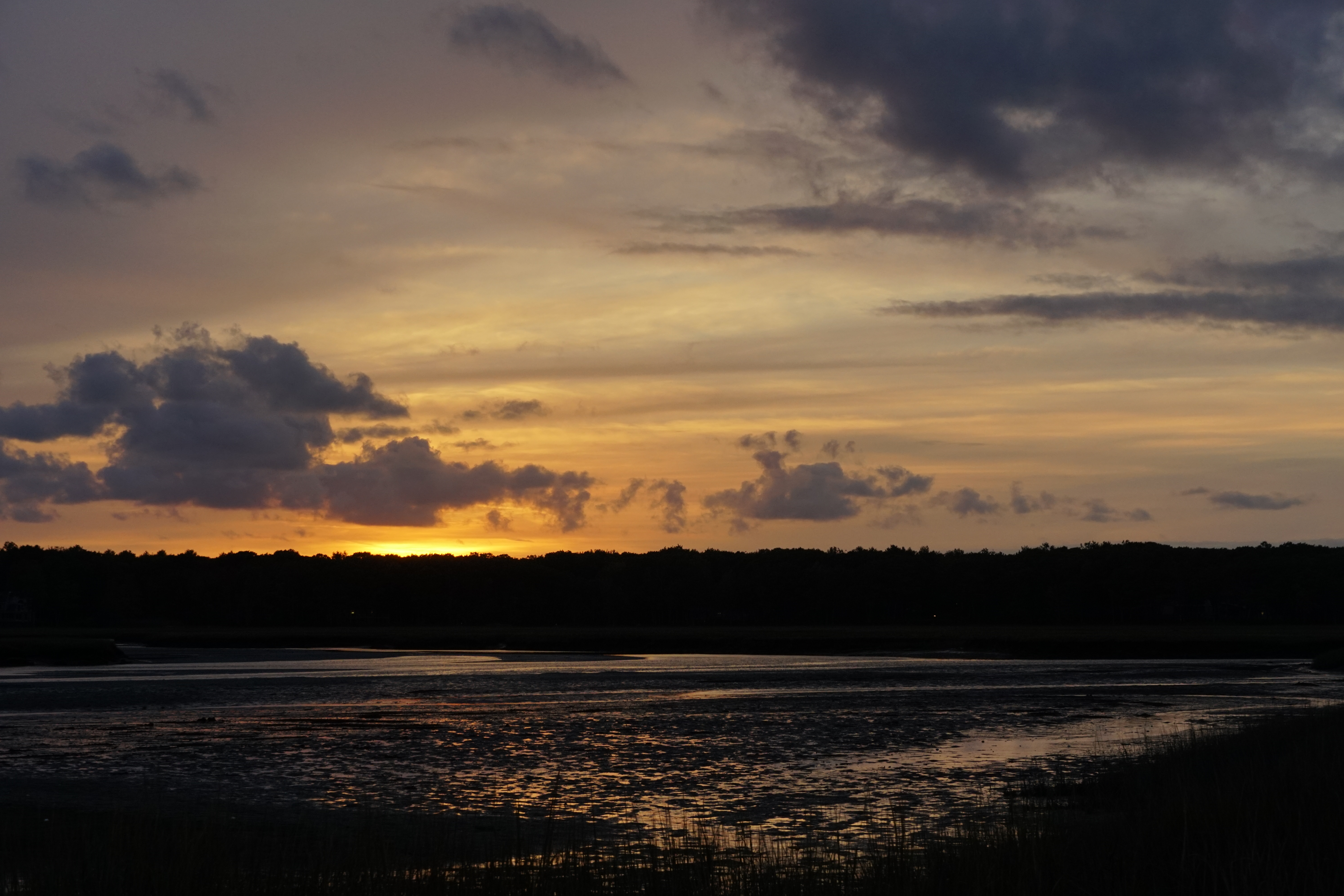
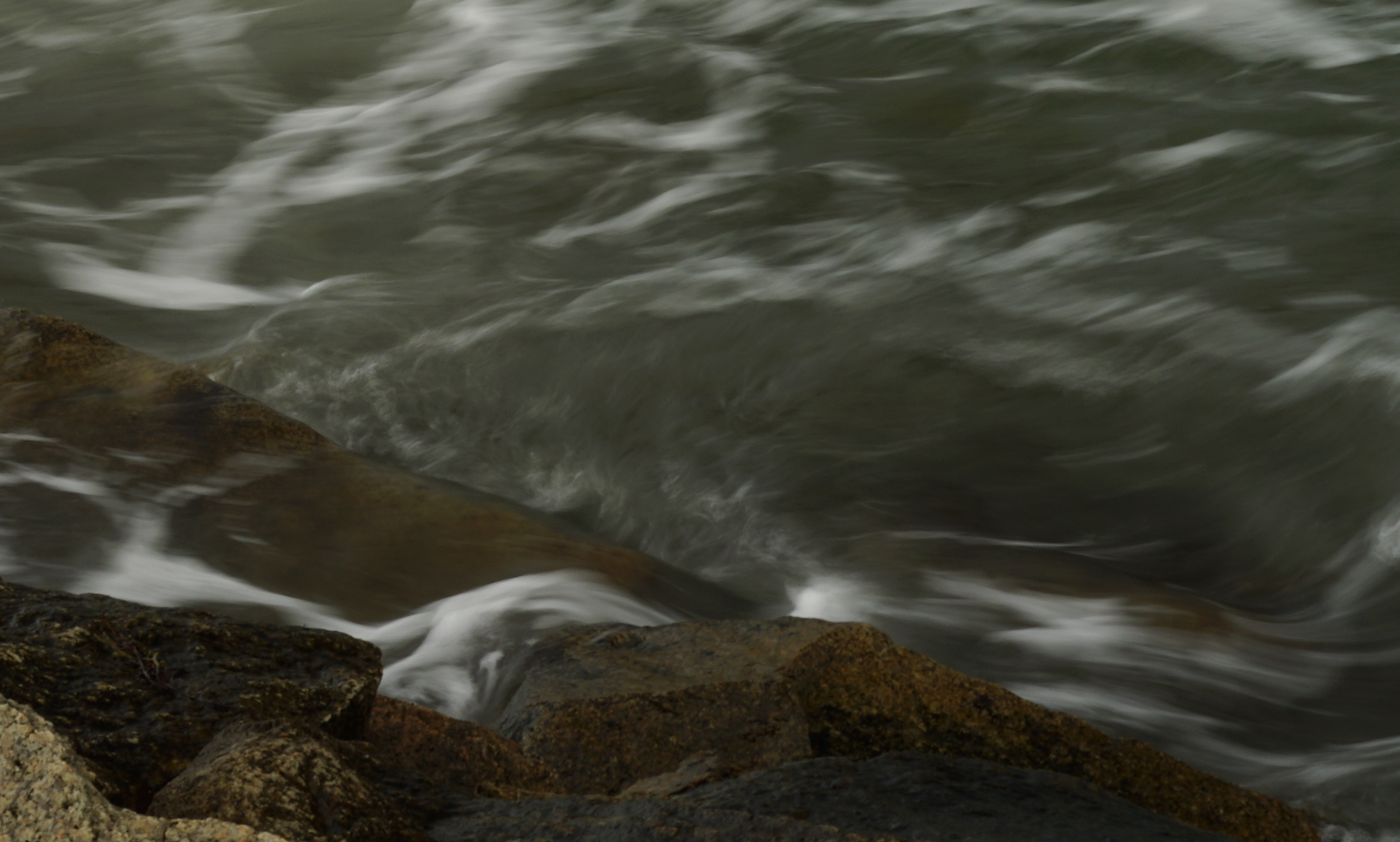
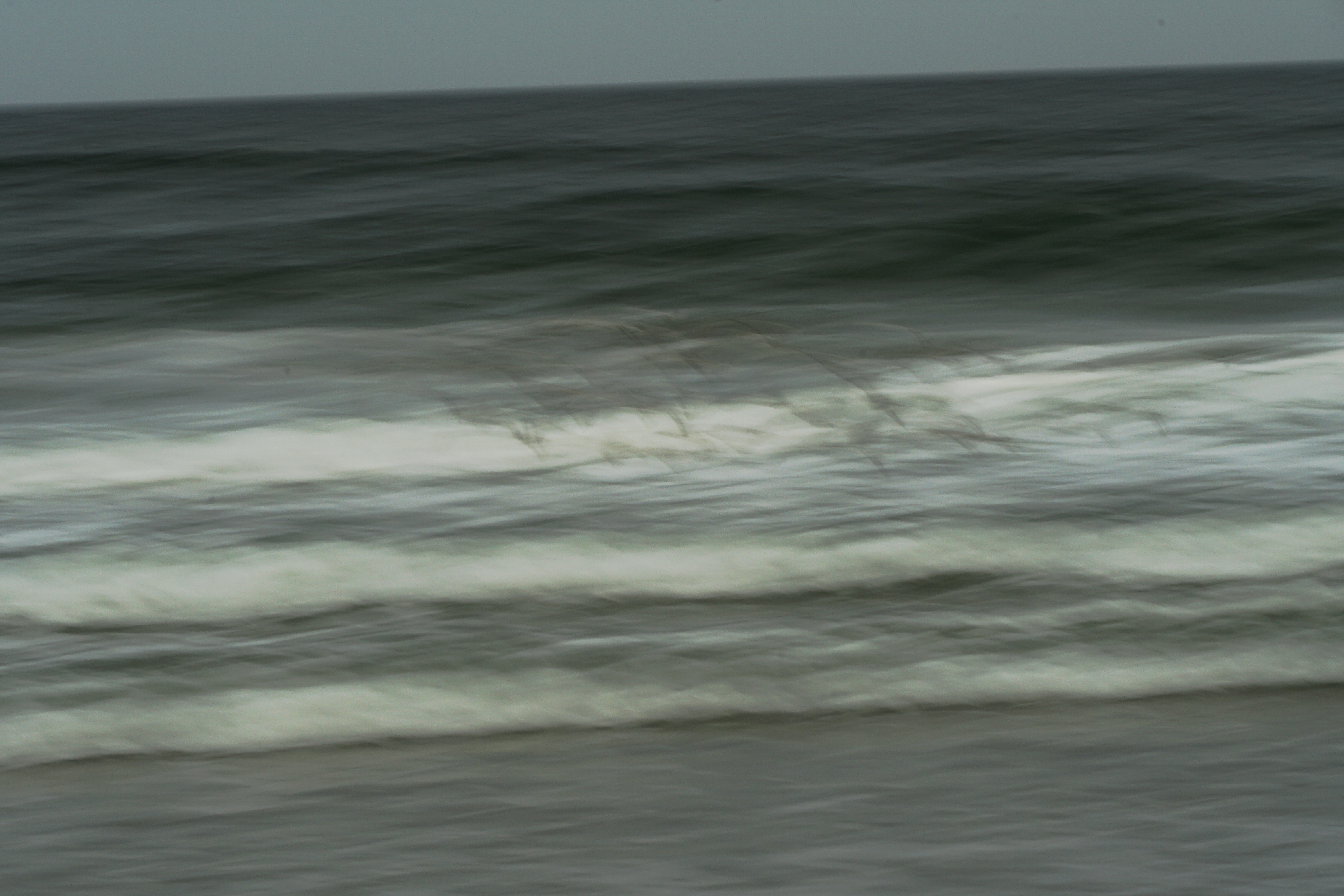
This was tough…wasn’t easy to take photographs I was happy with. Ended up with a lot of longer exposure photos of the waves, the birds, and the waves and birds together. Not sure how good they will look to other people!

Trying to capture the movement of the birds as they swayed up and down the beach with the waves:

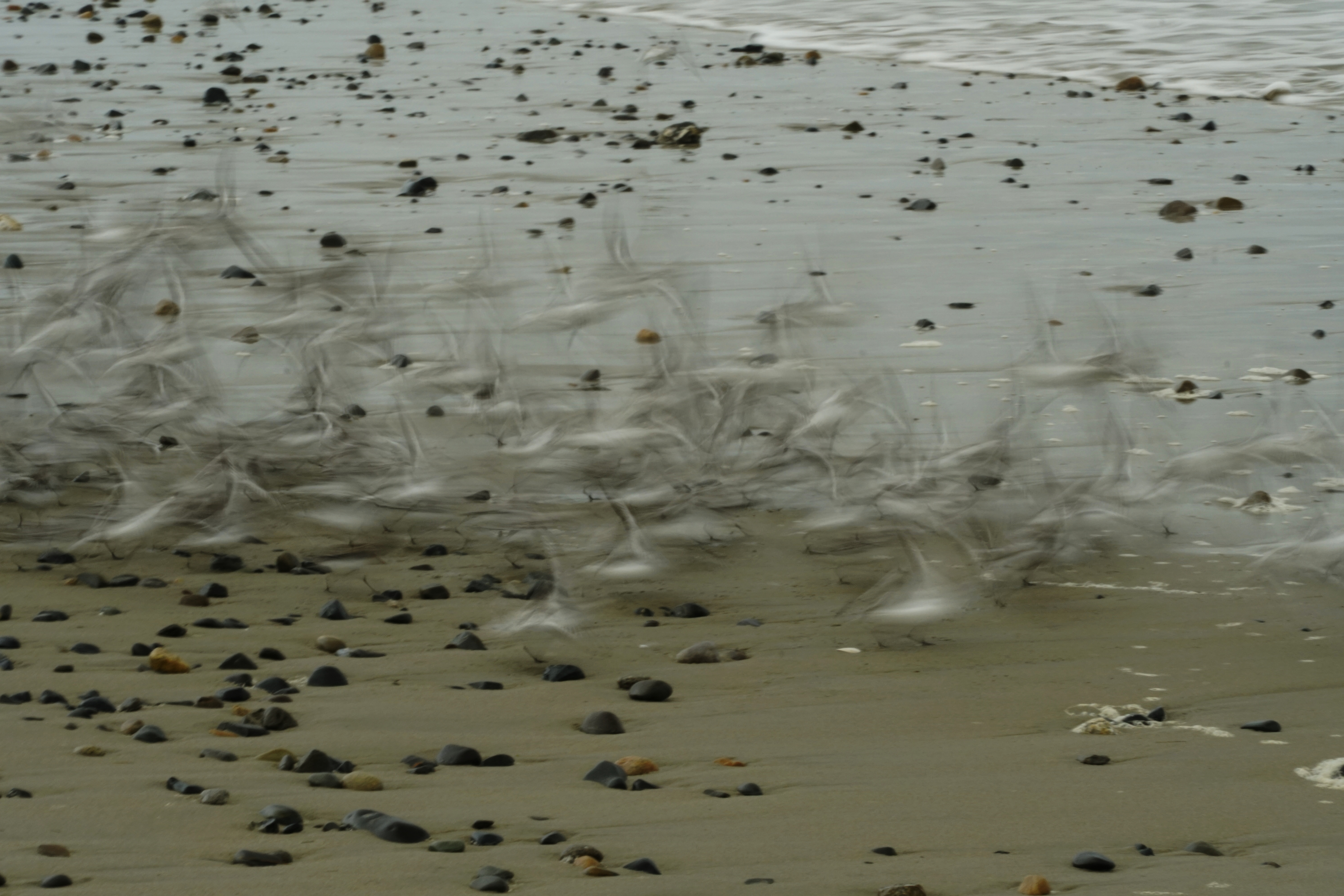
A flock of birds in motion:


This lovely Cicindela sexguttata, Six-spotted Tiger Beetle, was waiting to welcome us home when we got back. Definitely has sustained quite a bit of damage, but lovely nonetheless.


Late afternoon, in the late afternoon of the year. Some insects, and a stunning show of light.

“Noctuid moth, Heliothis or relative”
“Anagrapha falcifera”
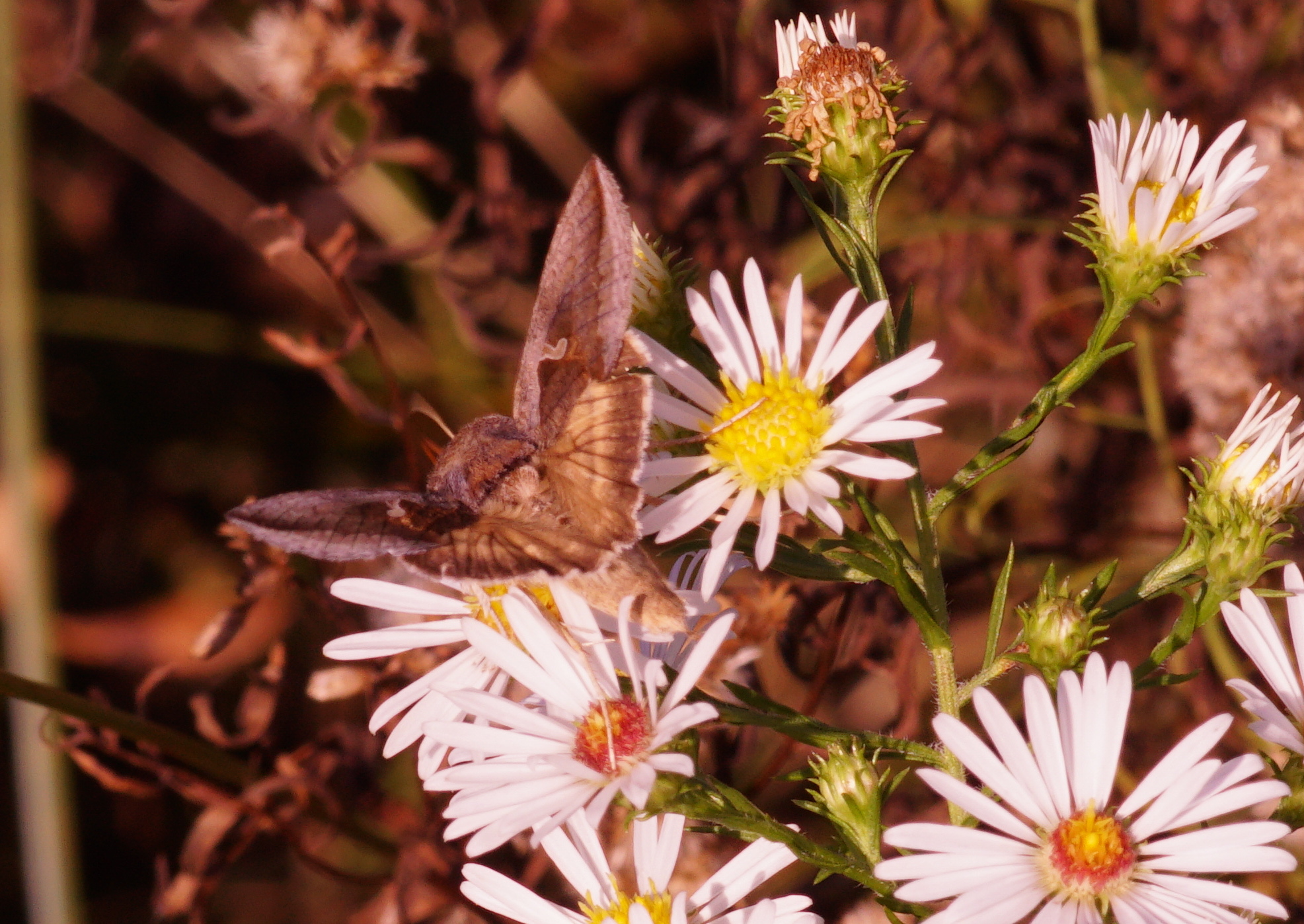

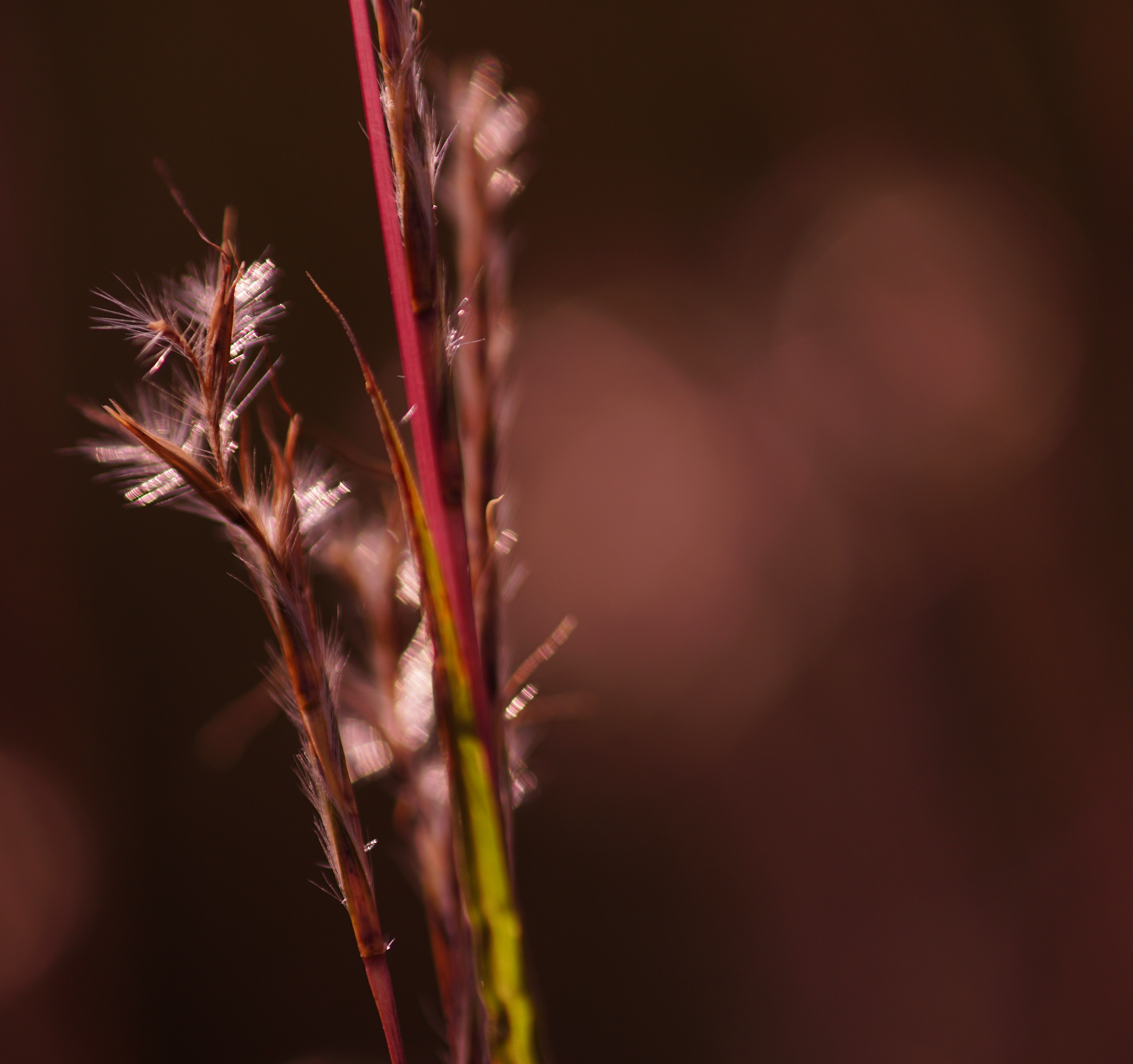
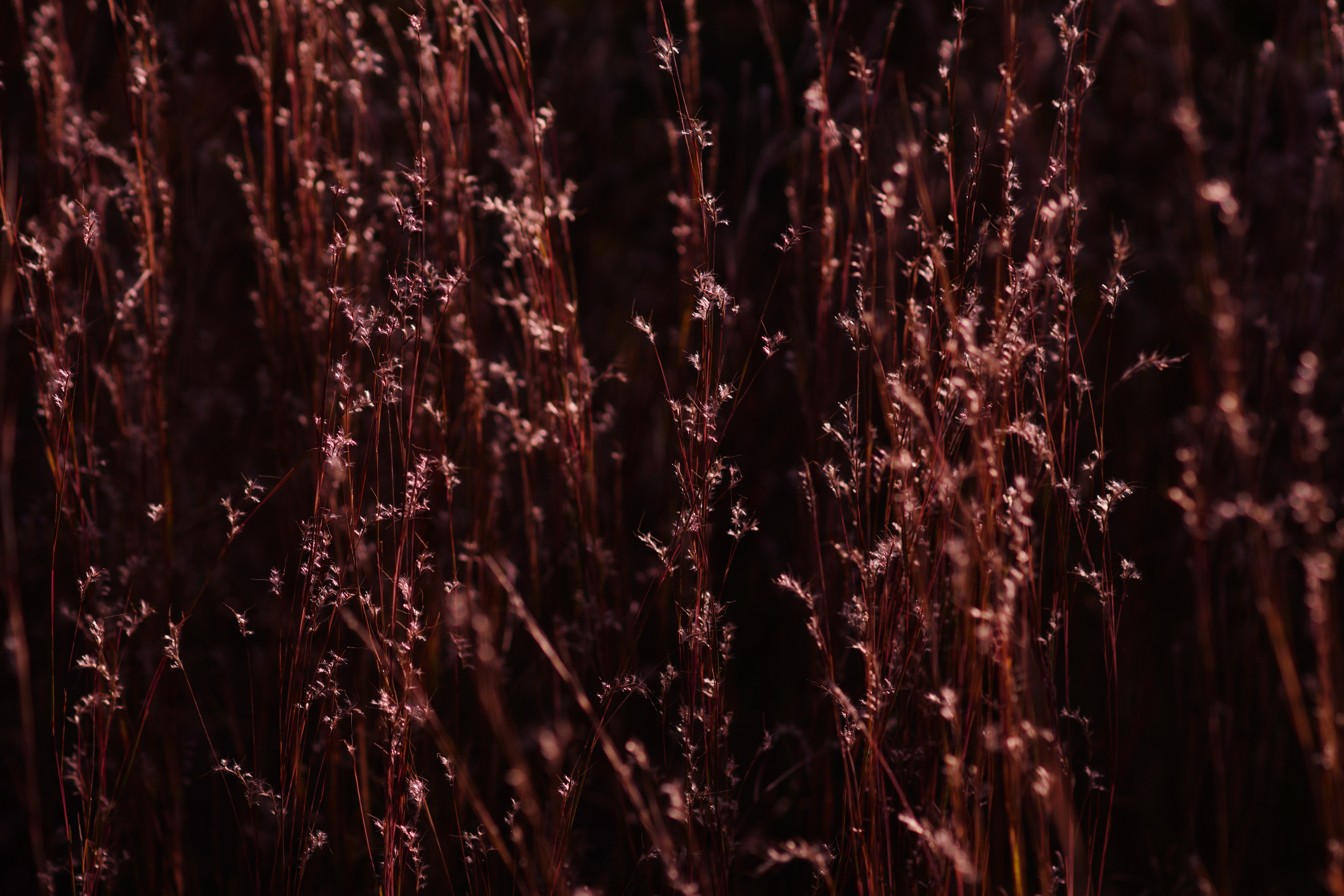
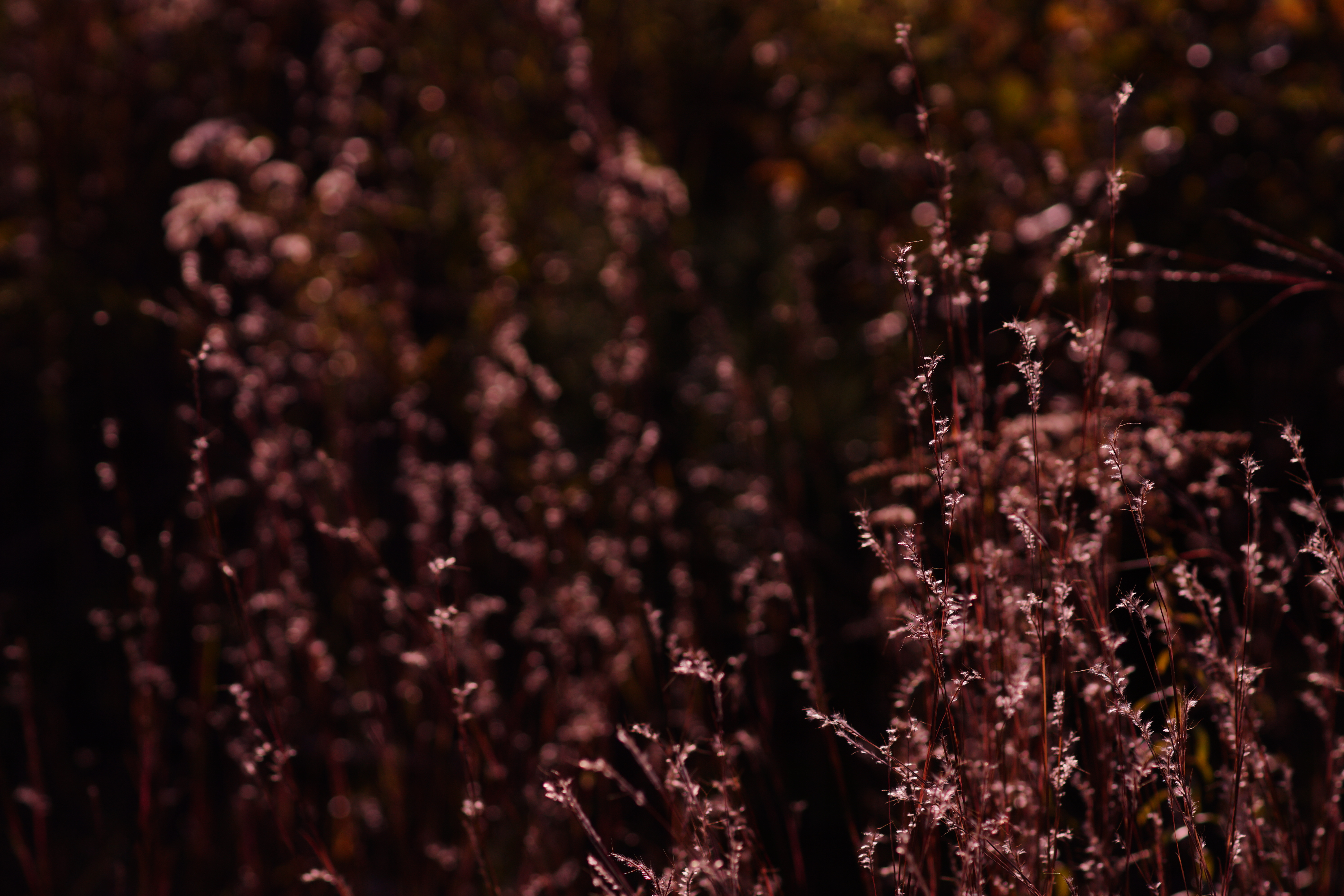
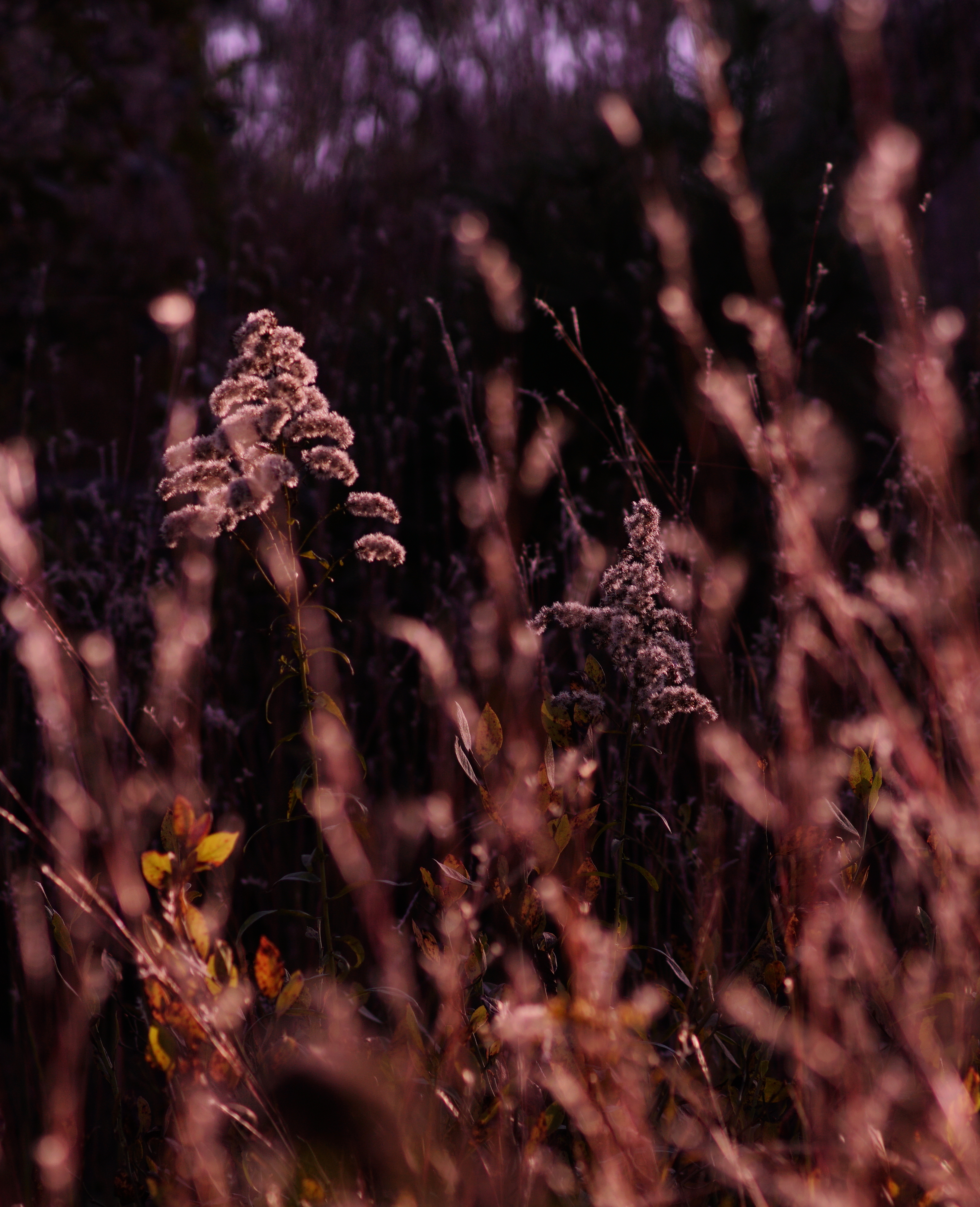
Fall late afternoon backlighting! Love the light.



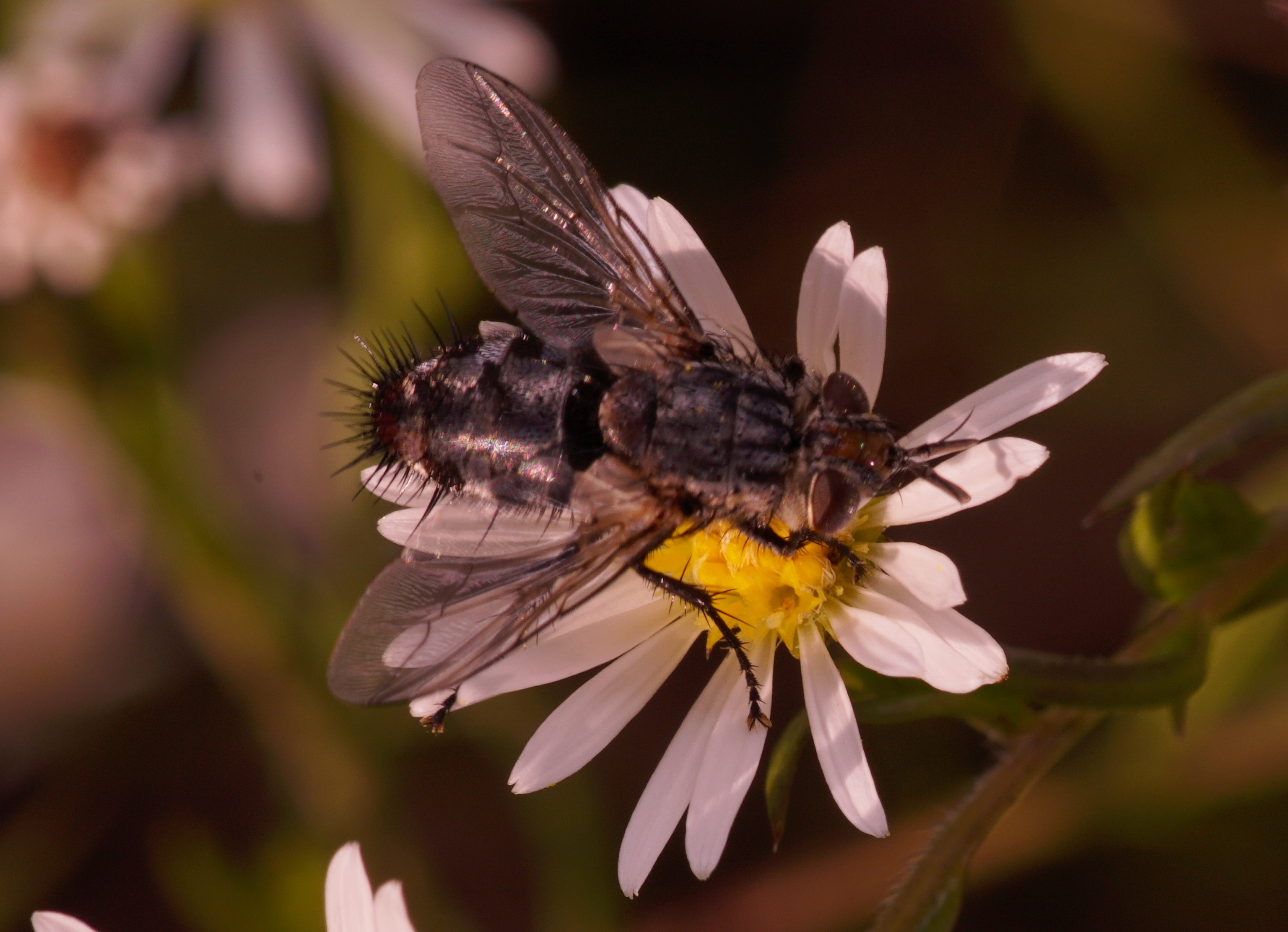
Tachinidae, Trichopoda.

Tachinid fly, I think.
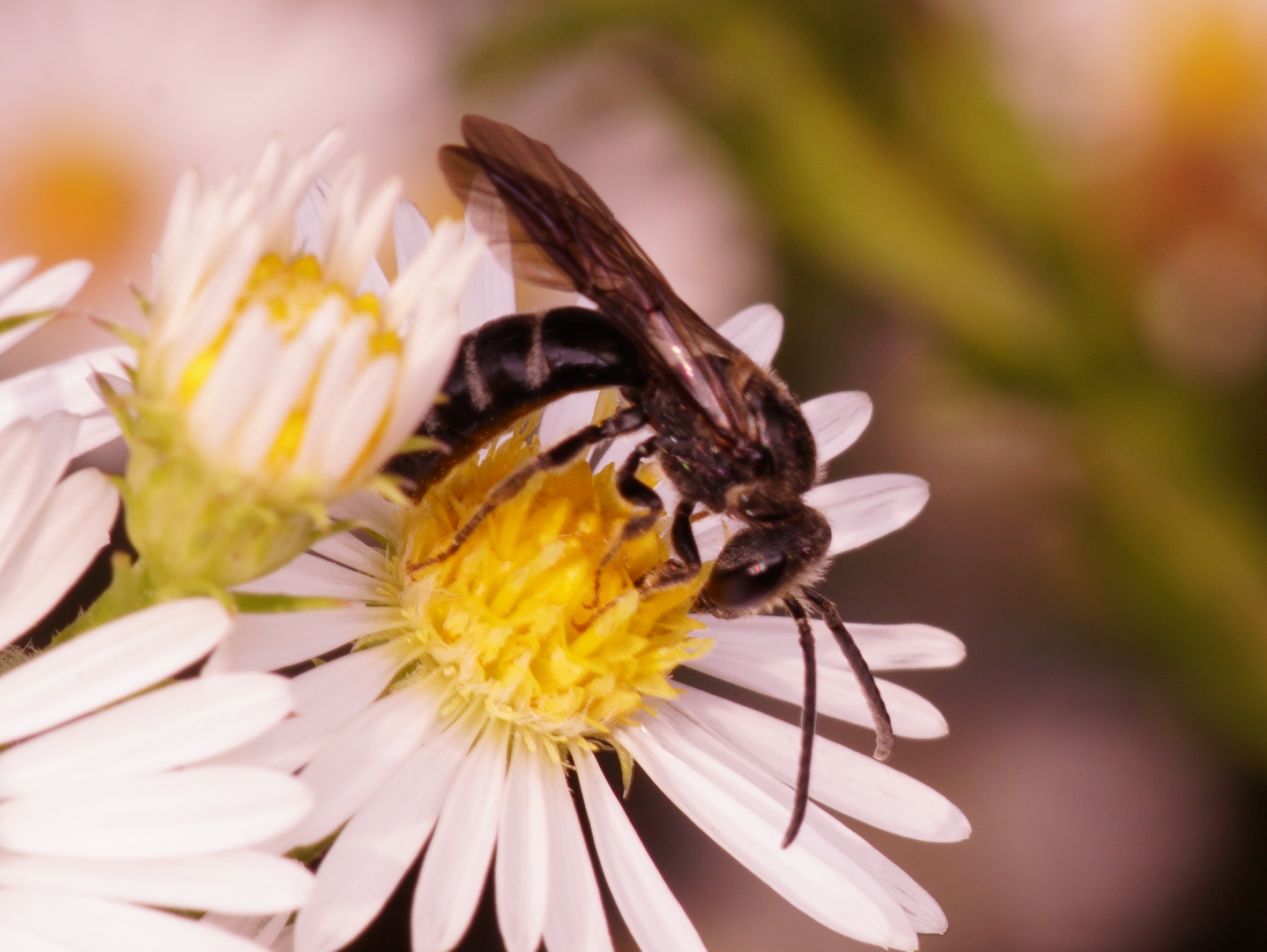
Halictus, I believe.
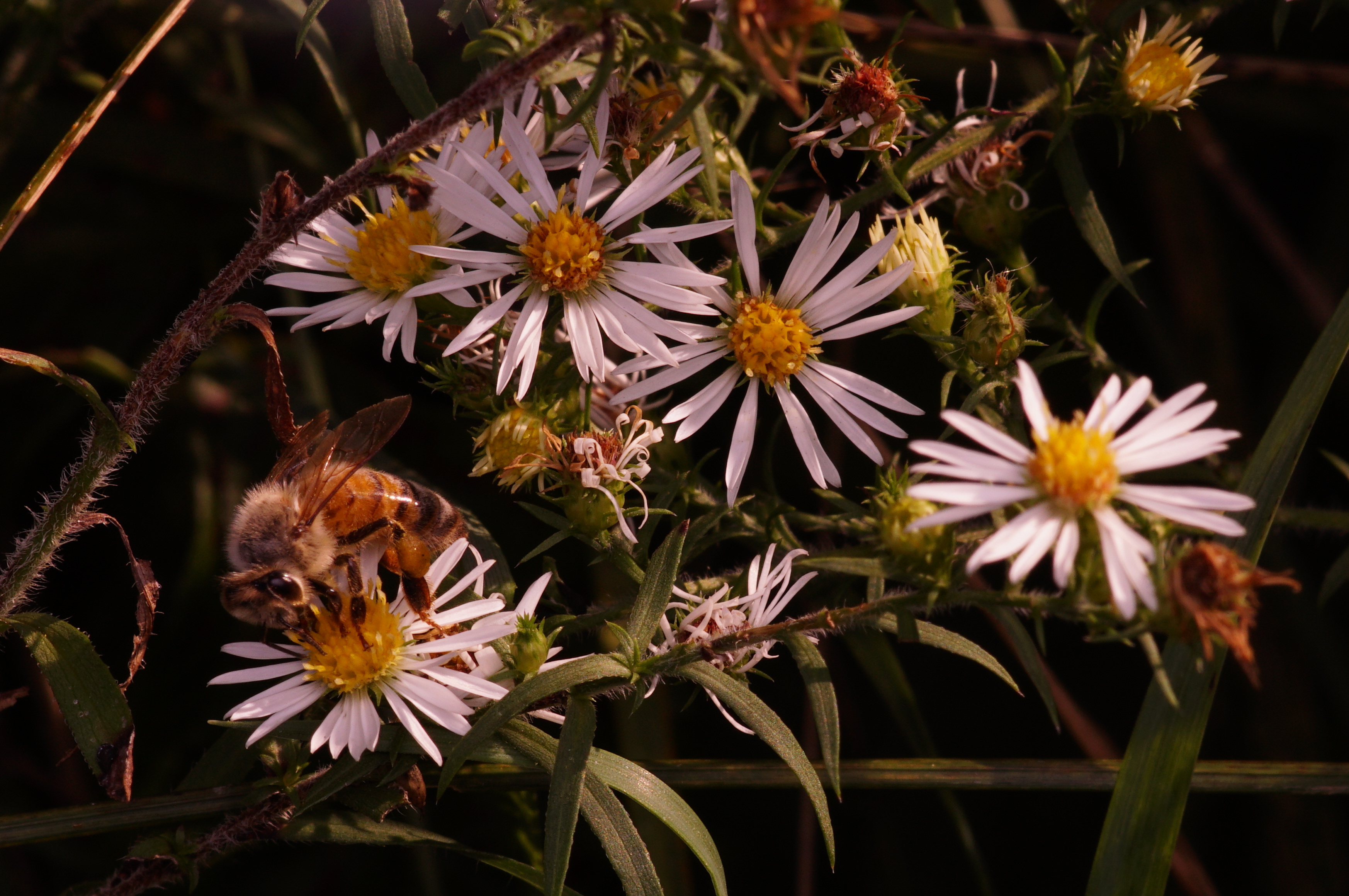
I’m not sure how I got the light in this photo to come out like this!
Alydidae.

Now the Borderland State Park part of the trip.
Such a stunning portrait of a robber fly:

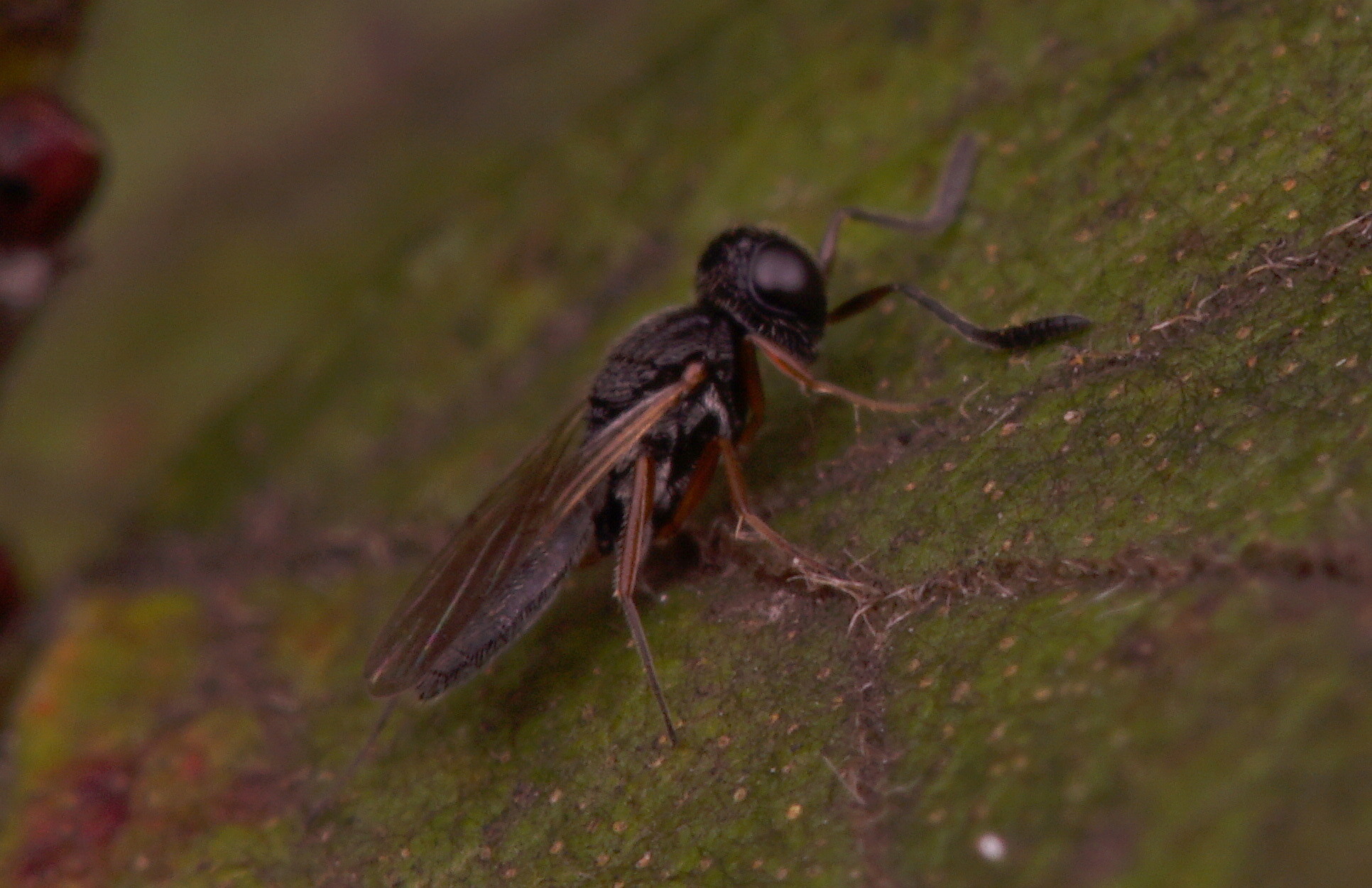
Probably Platygastridae.

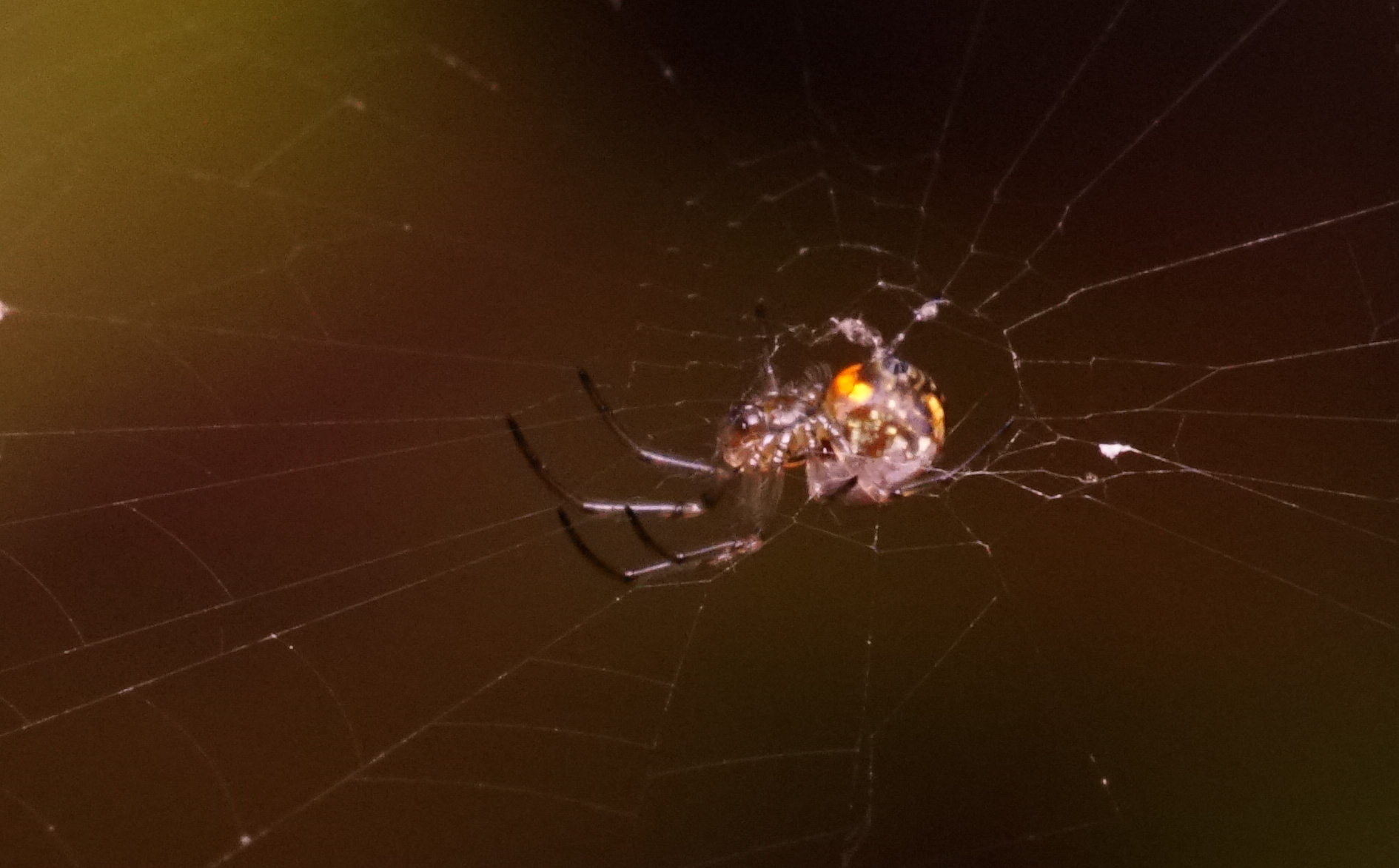
Time for the next generation of Leucauge venusta:
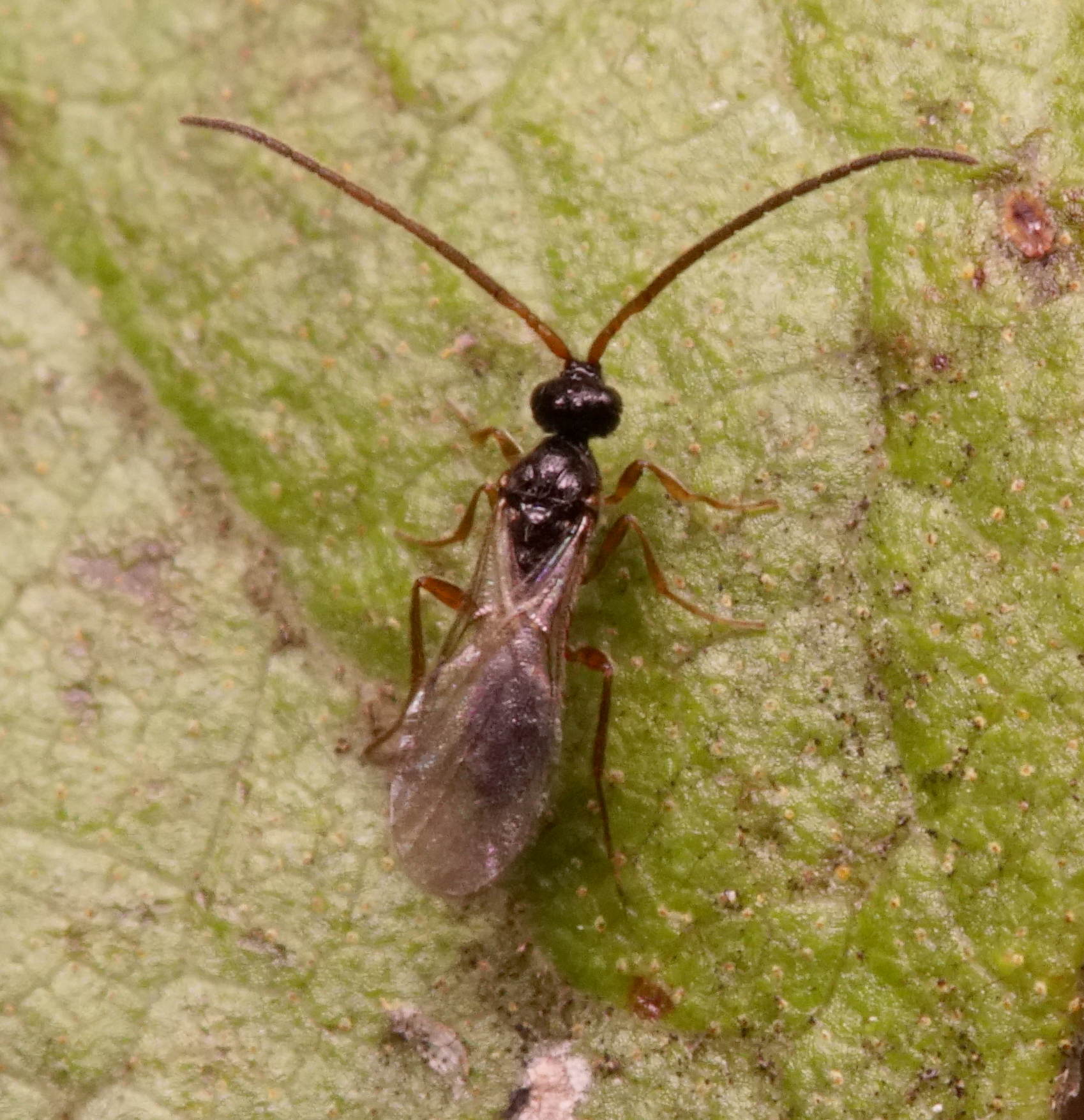
Perhaps Diapriidae, according to the lack of venation on the wings.
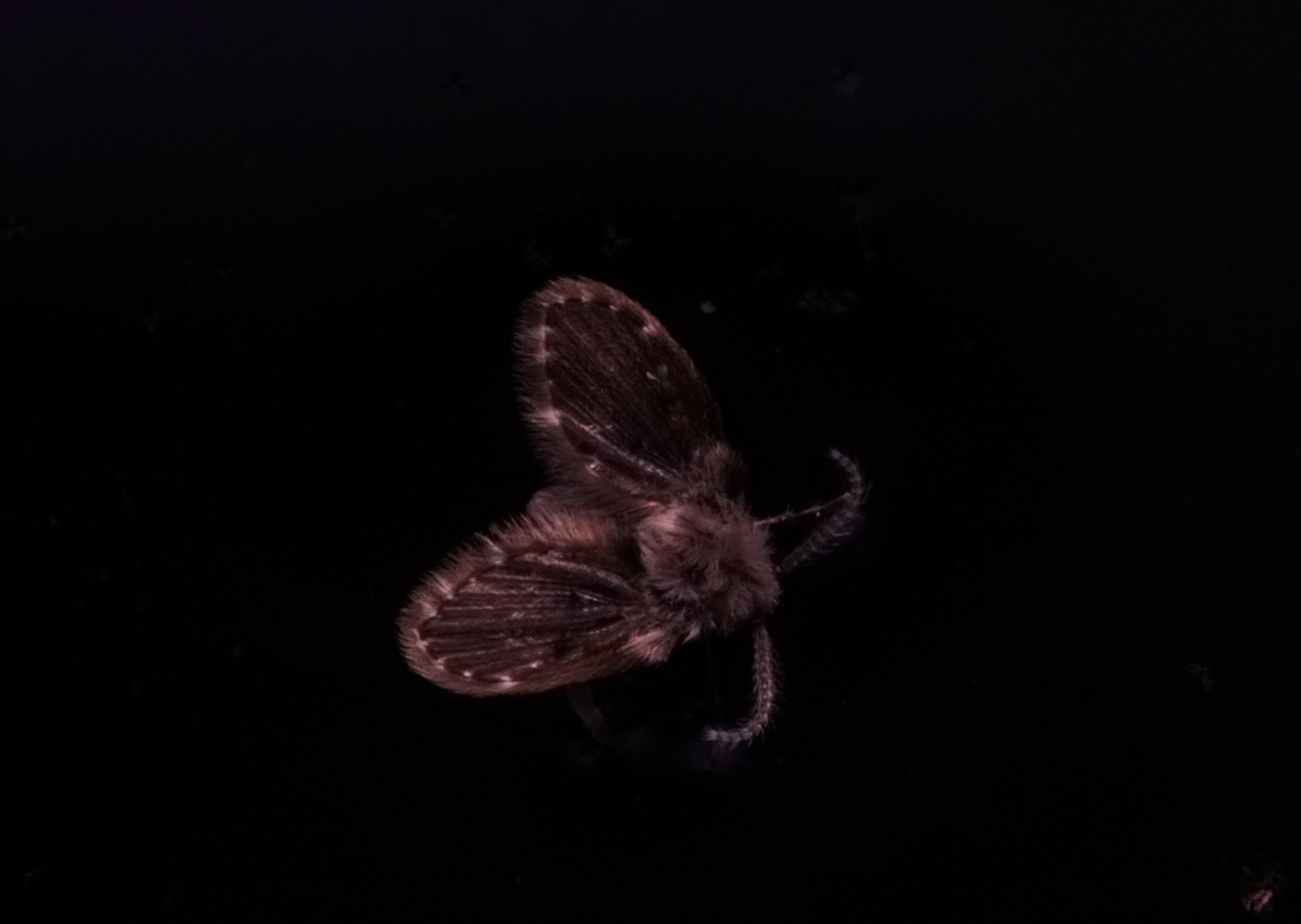
Psychidid (aka drain fly):

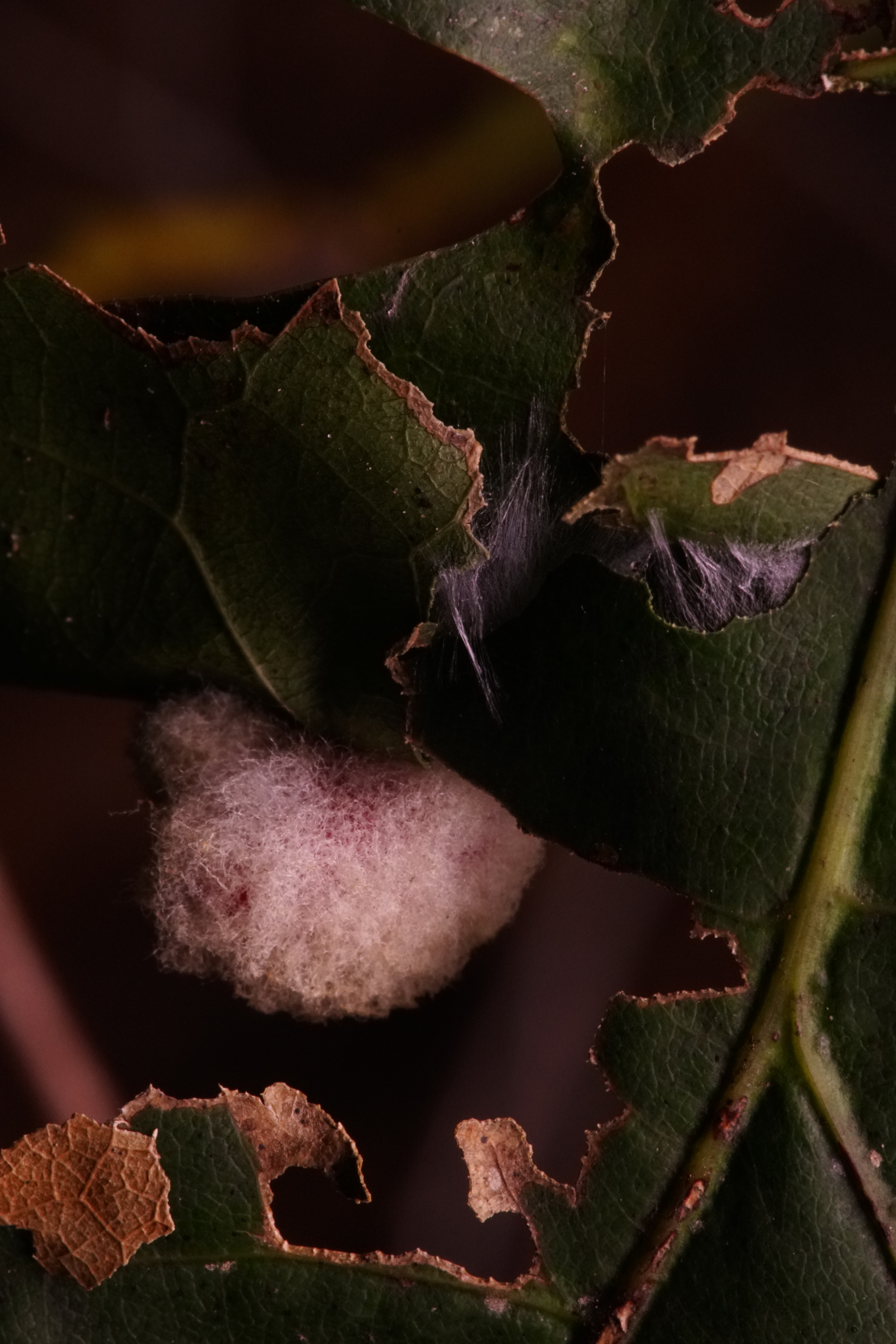
Some insect signs:


Sunset







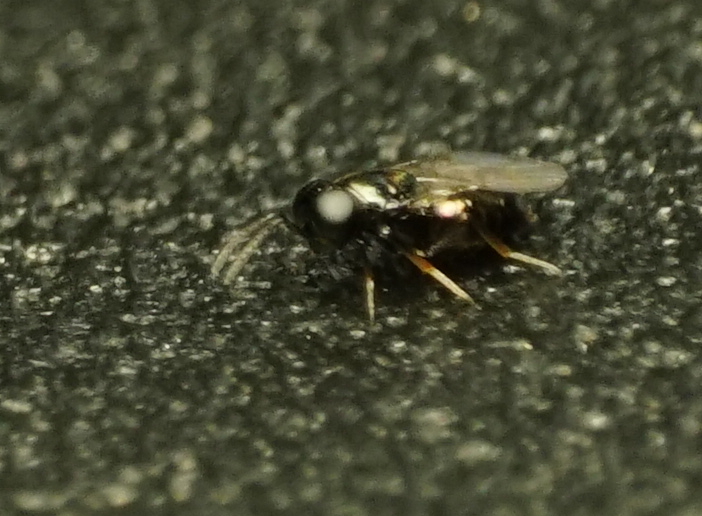
Platygastridae? Eupelmidae? Pteromalidae? That’s three guesses at the family level, and I’m still probably wrong.

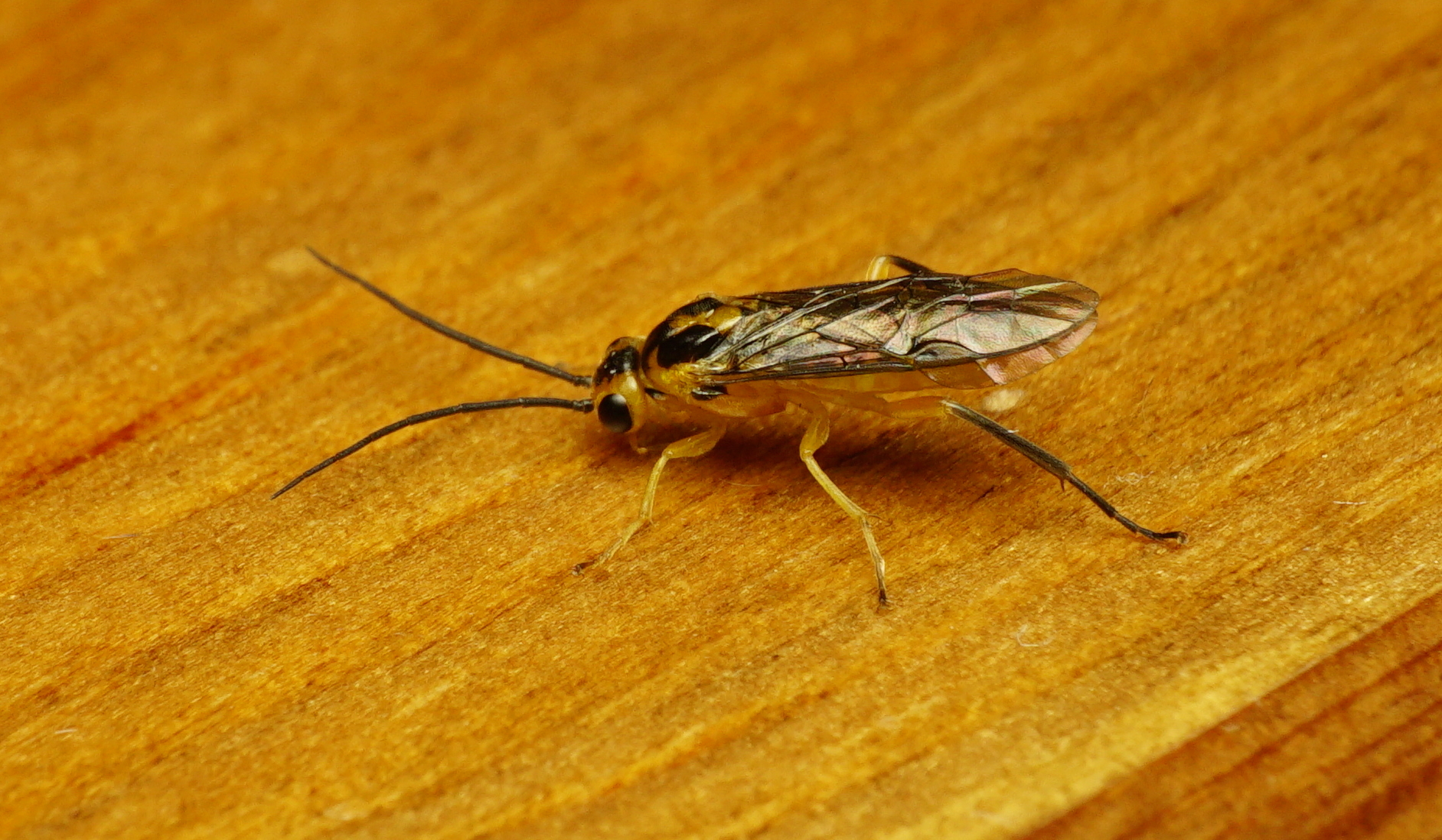
A sawfly, not sure which one.
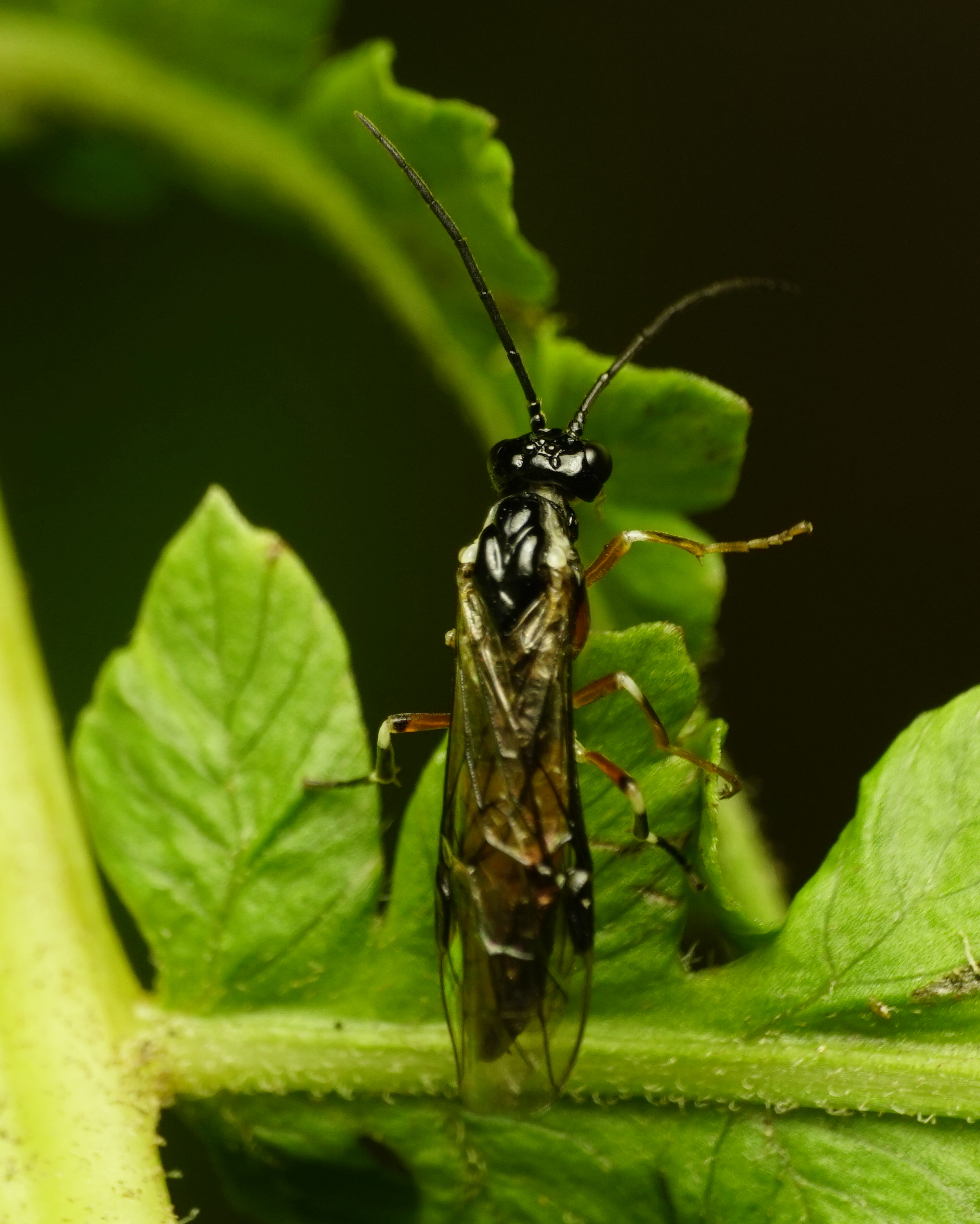
Perhaps Pimplinae/Pimpla, female?

Love this carpenter bee, Ceratina.
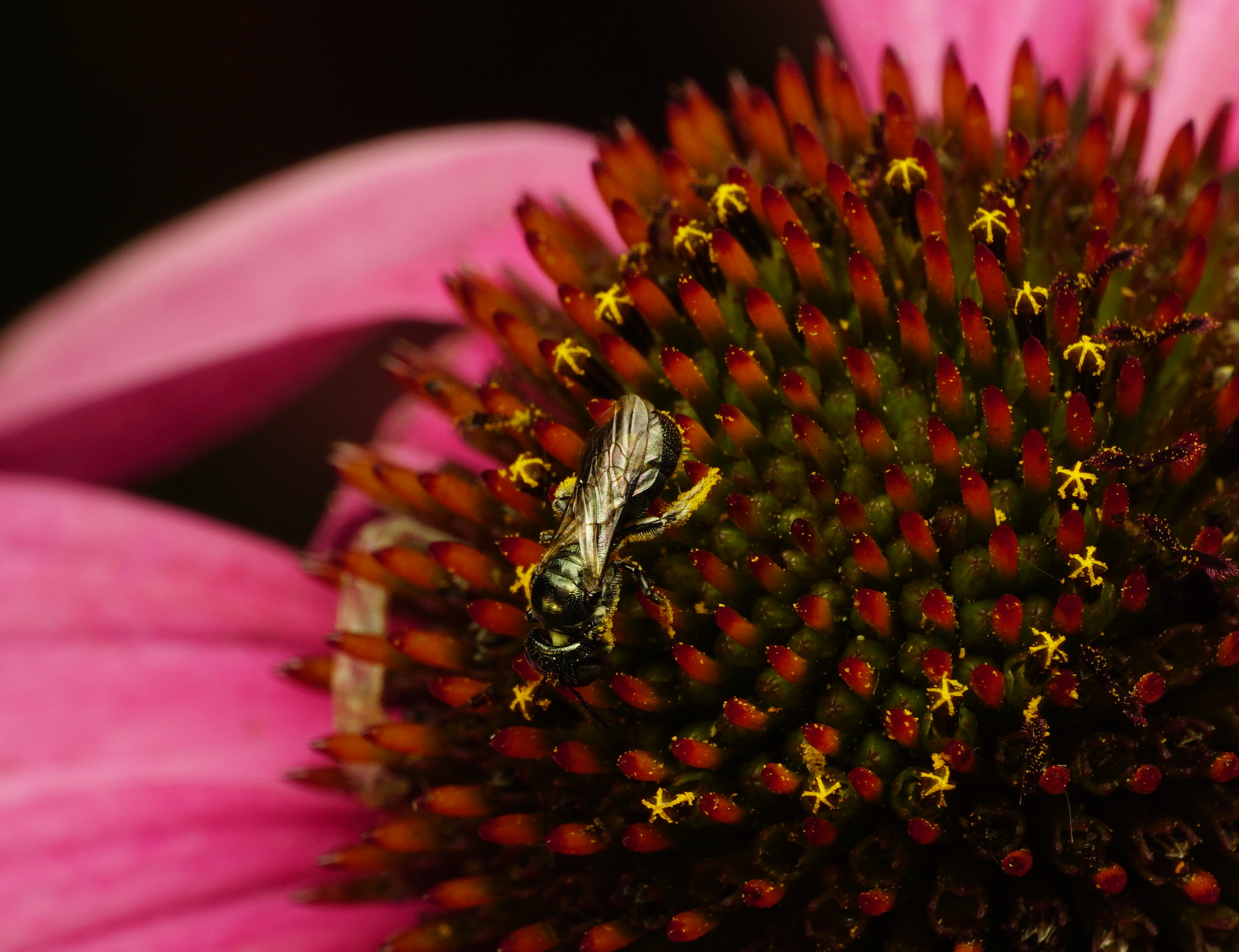

Perhaps Megachile leafcutter bee?

Pamphiliidae sawfly?

Entiminae. Not sure which.


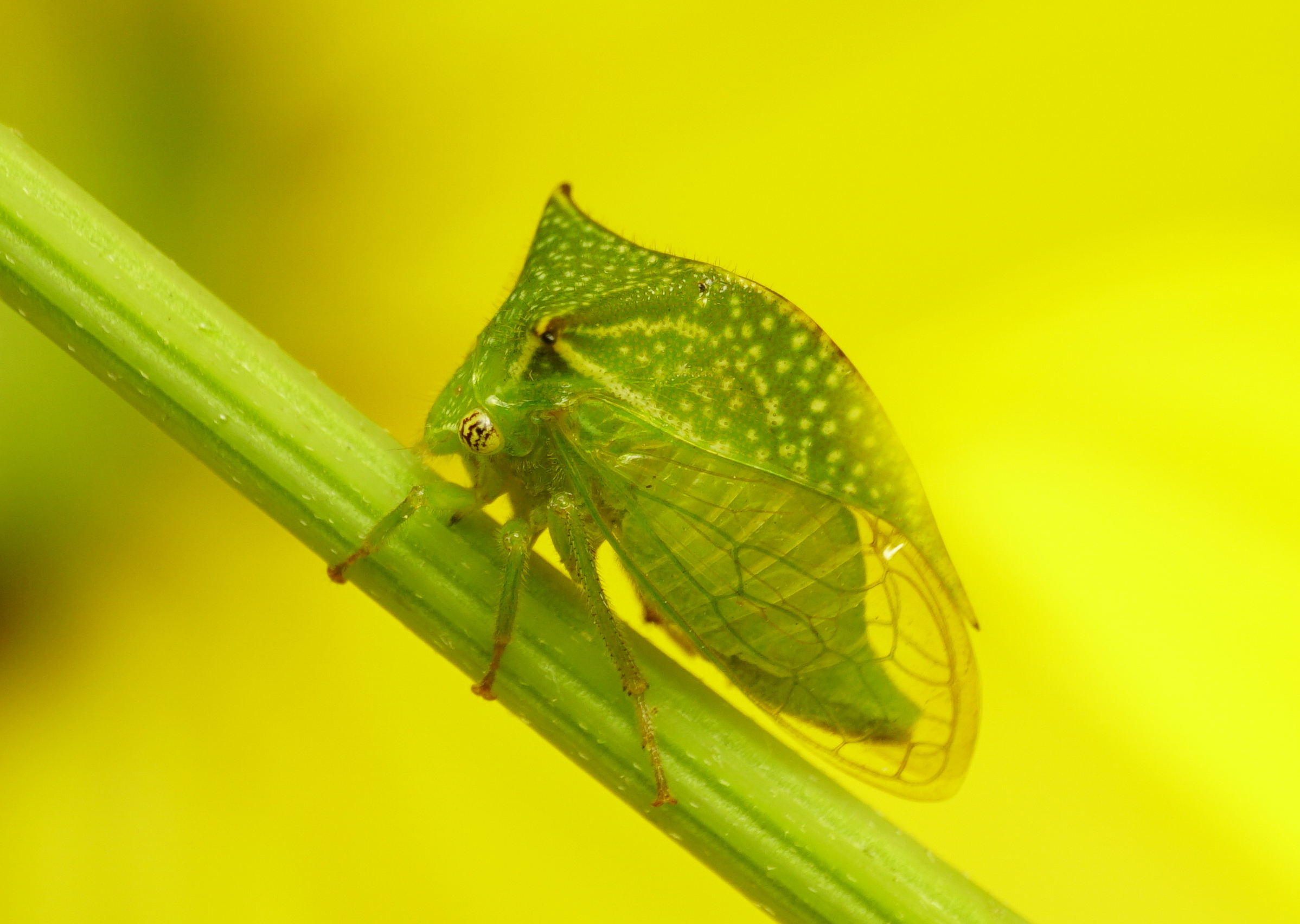
Ceresa palmeri
Dermestid?

Exciting find!


Maybe: Flies (Diptera) » Orthorrhapha » Stratiomyomorpha » Soldier flies (Stratiomyidae) » Sarginae » Ptecticus » Ptecticus trivittatus

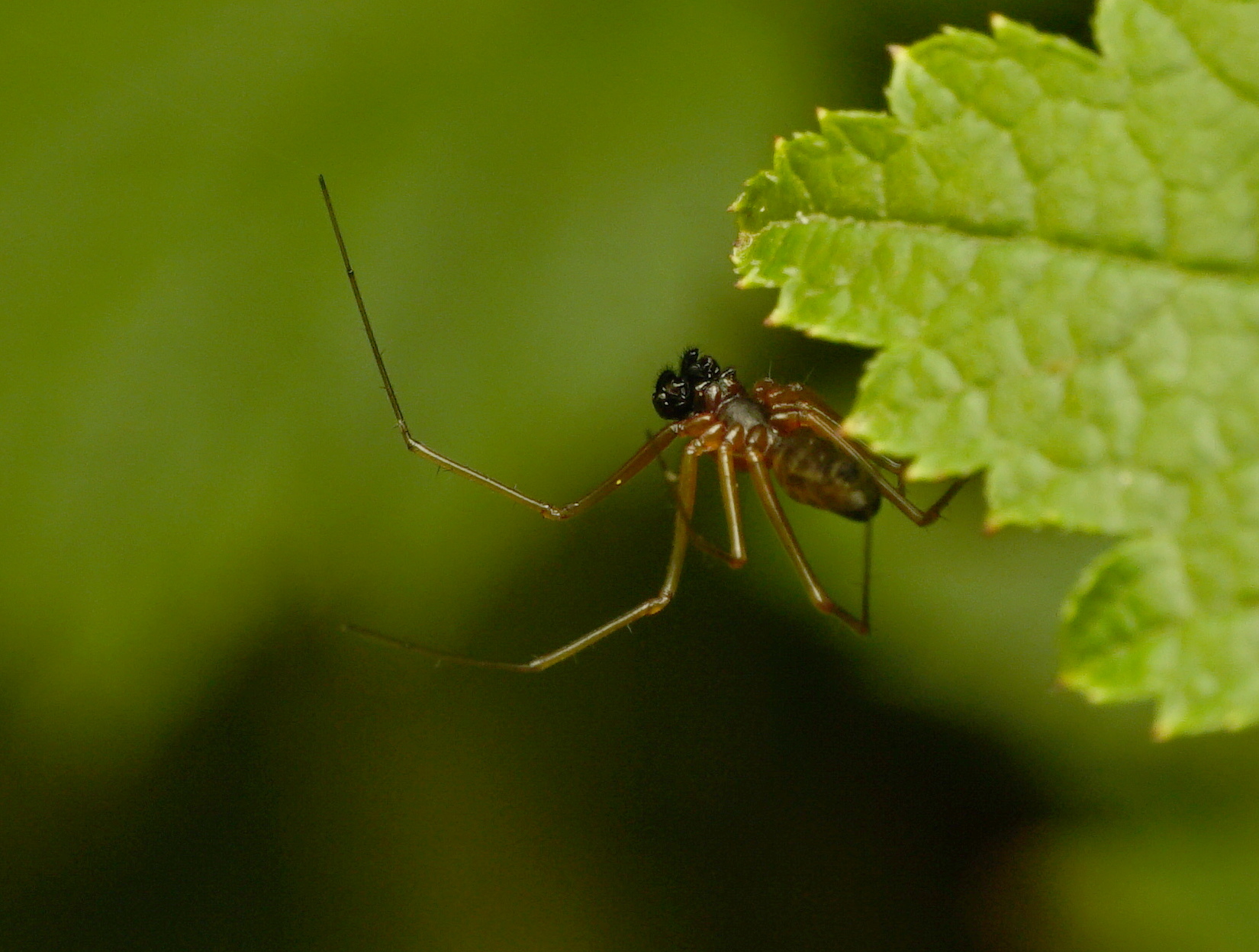
Erigoninae?

Neoscona crucifera?


Mecaphesa?


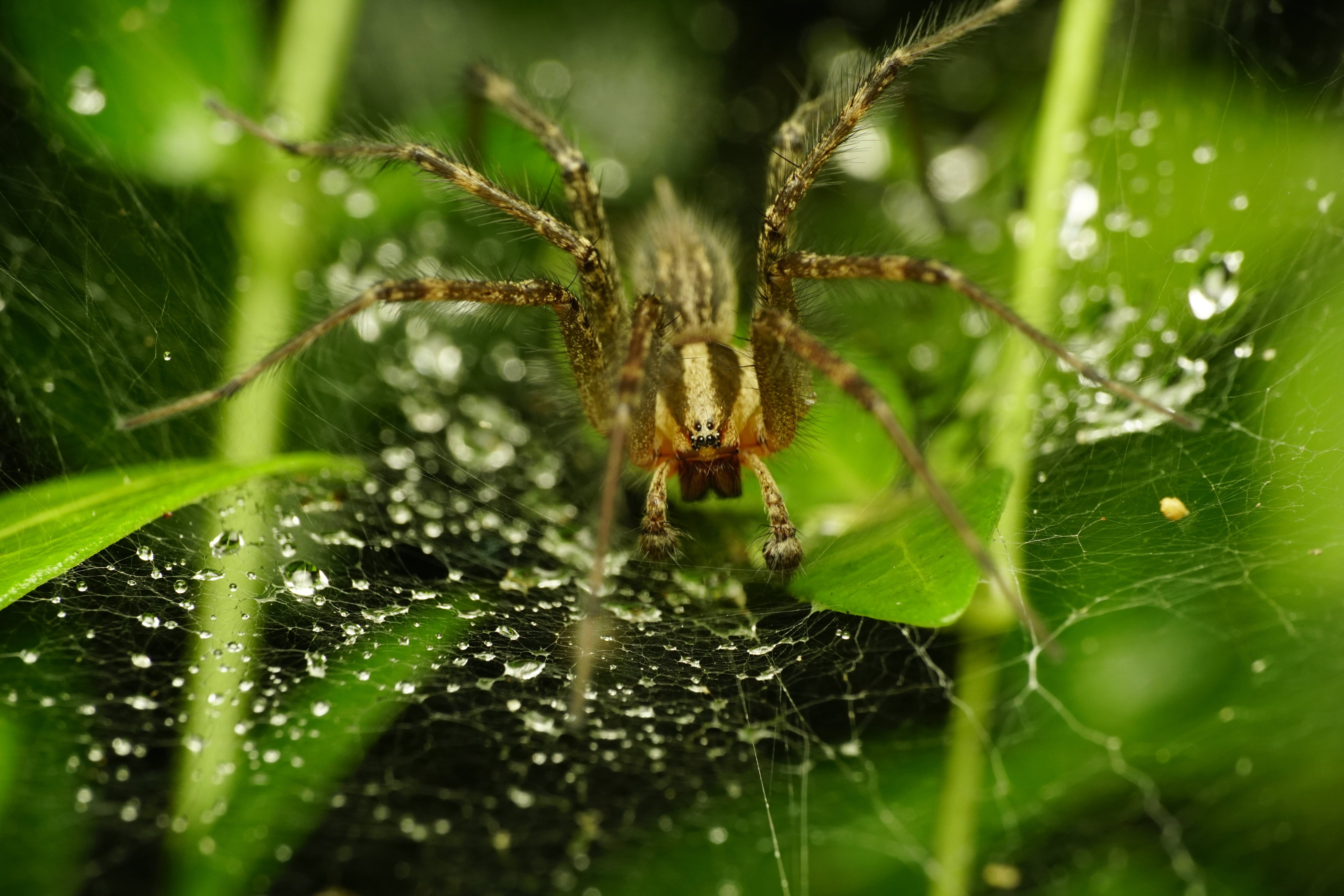
Agelenopsis in Agelenidae:

A bagworm cocoon, Psychidae.

Pill bug, Armadillidium vulgare.

Crickets = Gryllidae. Is this one Nemobius sylvestris?

Pisaurina mira

Poecilus chalcites in Carabidae

Androchirus erythropus in Tenebrionidae? Not great. Capnochroa fuliginosa? Not perfect.
Strongylium tenuicolle or S. terminatum look best.
Xylopinus or Haplandres, Alobates pensylvanicus, less so.

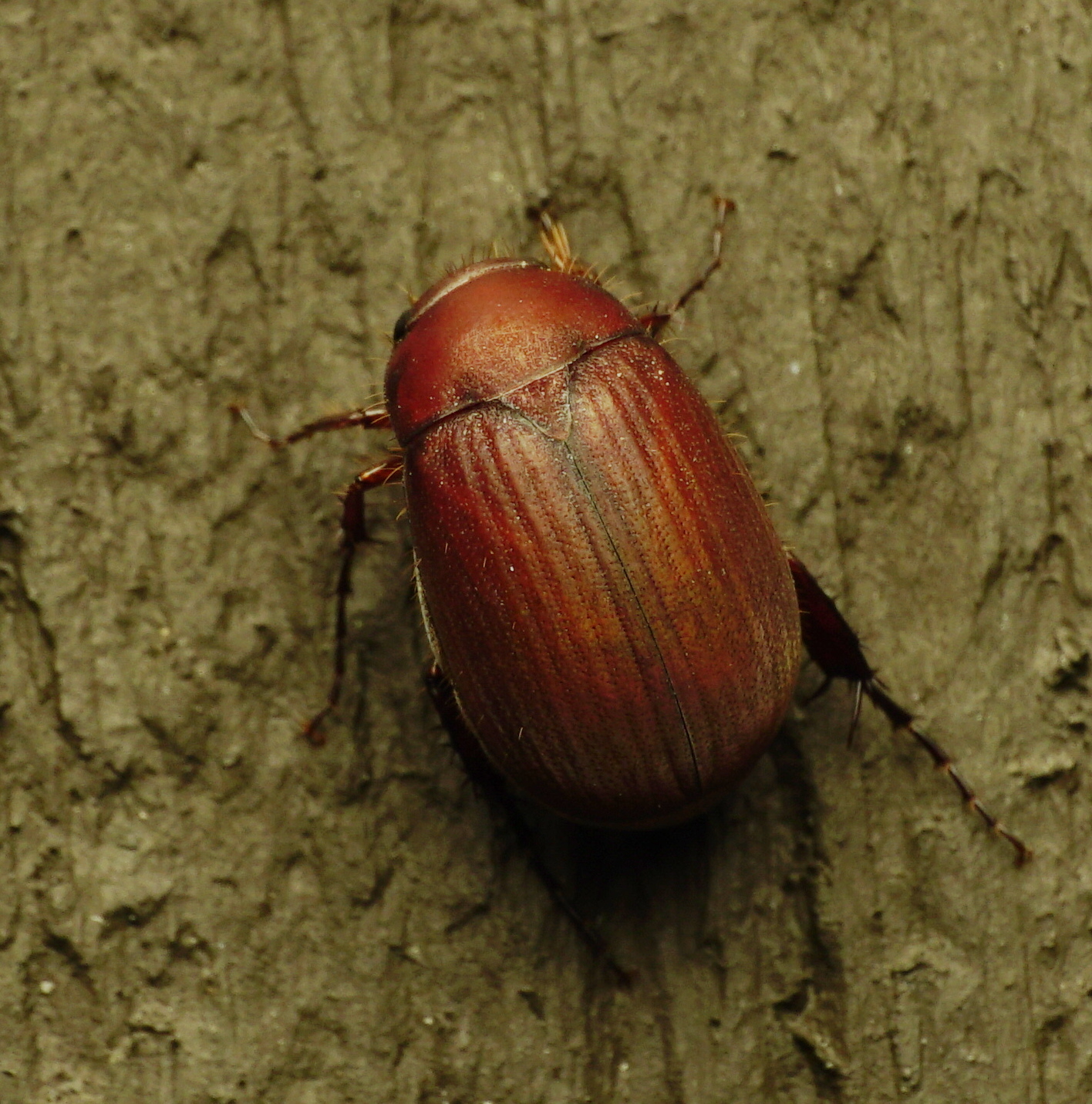
Probably Maladera castanea
Euparthenos nobilis

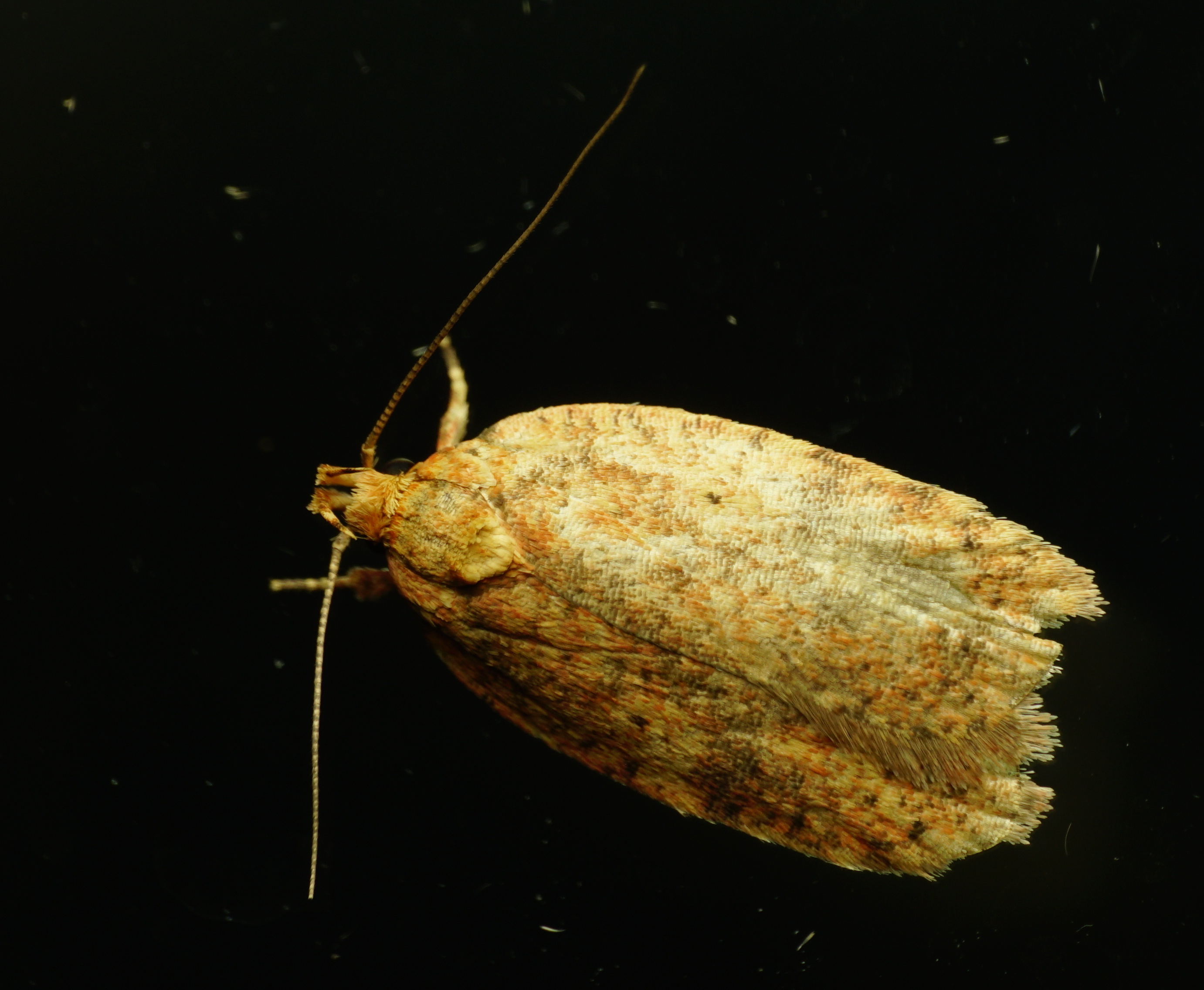
Looks similar, but not identical, to Agonopterix robiniella, Four-Dotted Agonopterix (a grass miner moth). Less similar to Acleris forskaleana, Hairnet Acleris.

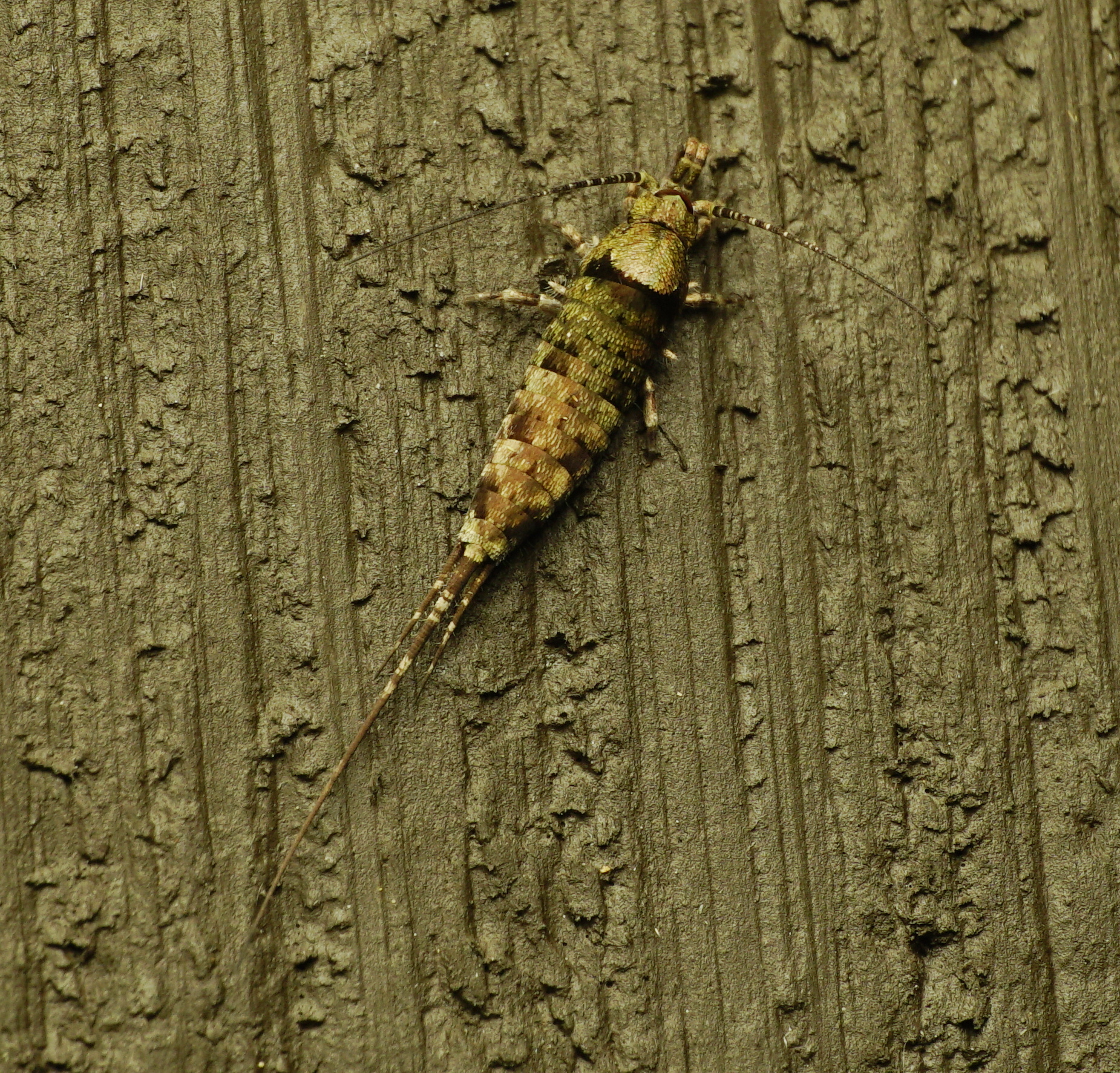
Archaeognatha, probably Trigoniophthalmus alternatus (aka bristletail).
Beautiful Cerambycidae. Eburia, not so common: Water, Rove, Scarab, Long-horned, Leaf and Snout Beetles (Polyphaga) » Series Cucujiformia » Long-horned and Leaf Beetles (Chrysomeloidea) » Long-horned Beetles (Cerambycidae) » Cerambycinae » Eburiini » Eburia


Hahncappsia: Pyralid and Crambid Snout Moths (Pyraloidea) » Crambid Snout Moths (Crambidae) » Pyraustinae » Hahncappsia

Lampyridae.

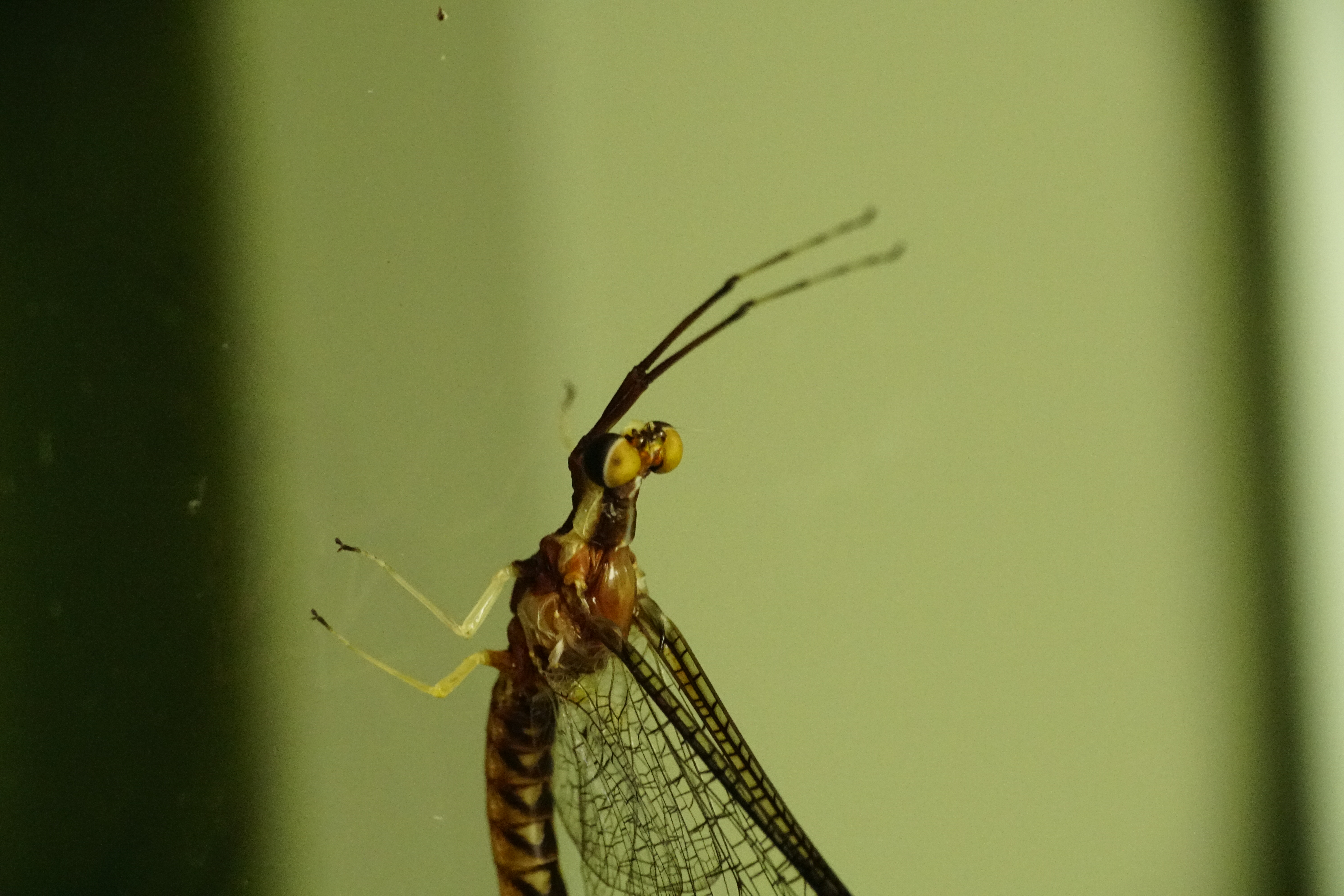
A caddisfly


Desmia sp.


Similar, but not the same as the Maple Trumpet Skeletonizer, Catastega aceriella.

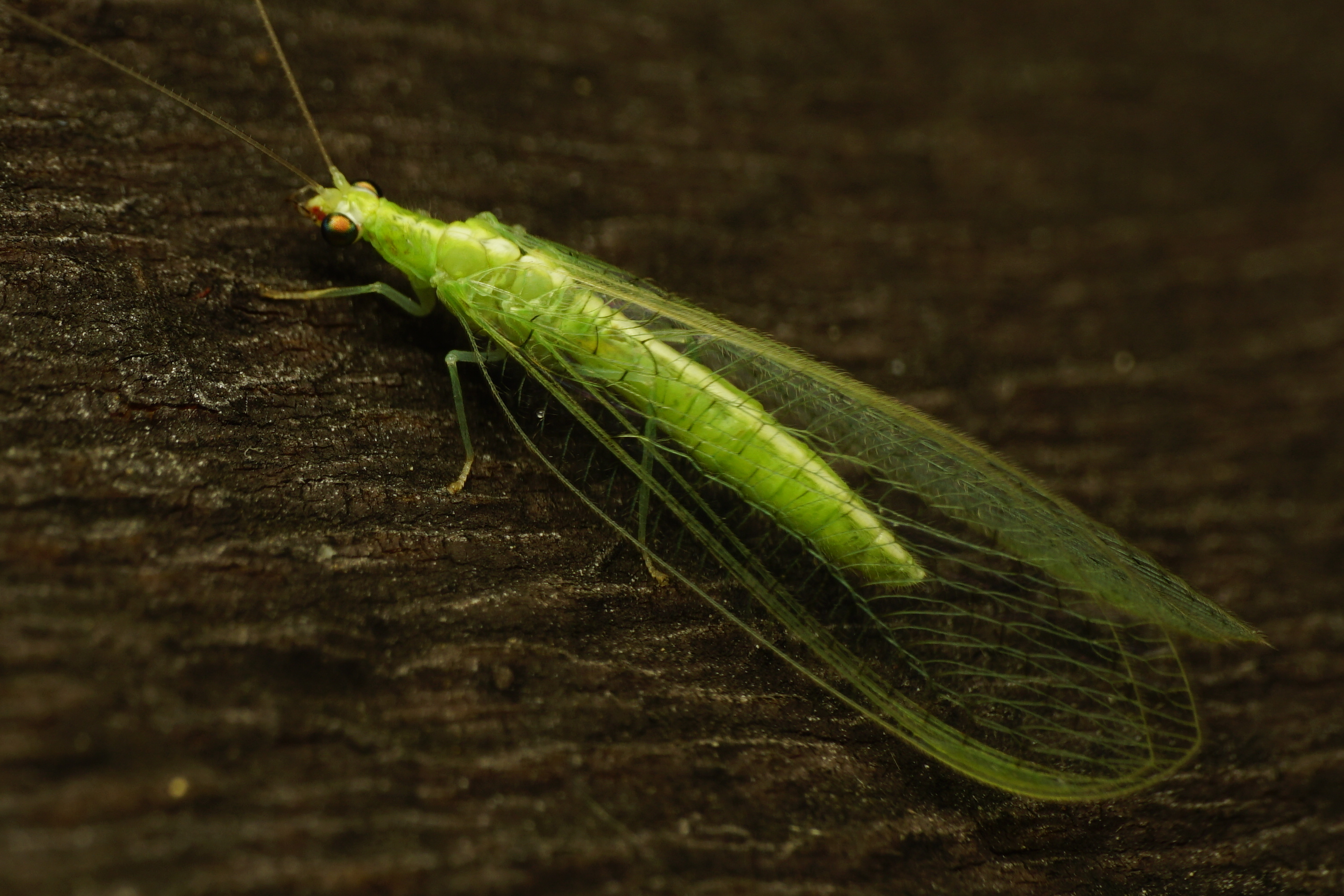
Green lacewing, Chrysopidae. Not sure which one.
I think Reticulated Fruitworm, Cenopis reticulatana.

Common barklouse, Psocus leidyi. Looks like an android.

 a little wild