Again, physical distancing constrains me from my beloved Northwest Trail at Borderland State Park…the crowd of cars parked there was definitely disconcerting.
At King Phillip’s Cave. Chrysomelid is what I’m going with right now. Best guess is a flea beetle, such as Capraita cf subvittata.

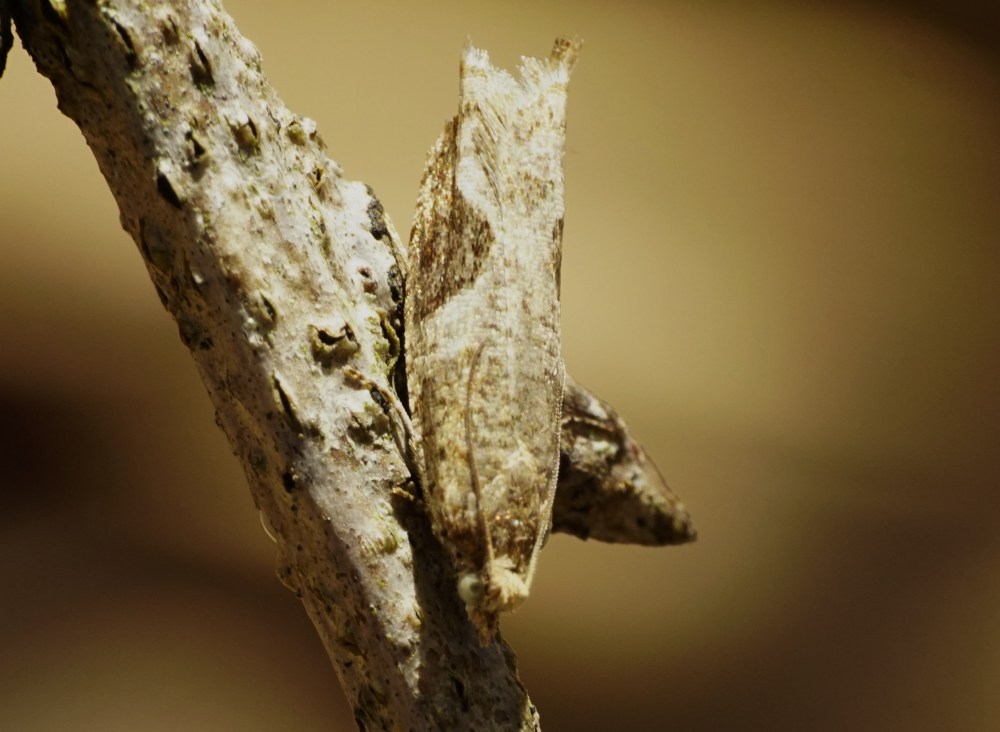
Unknown moth. EDIT: “3251 – Barepatched Leafroller – Pseudexentera spoliana, extremely common around oaks”
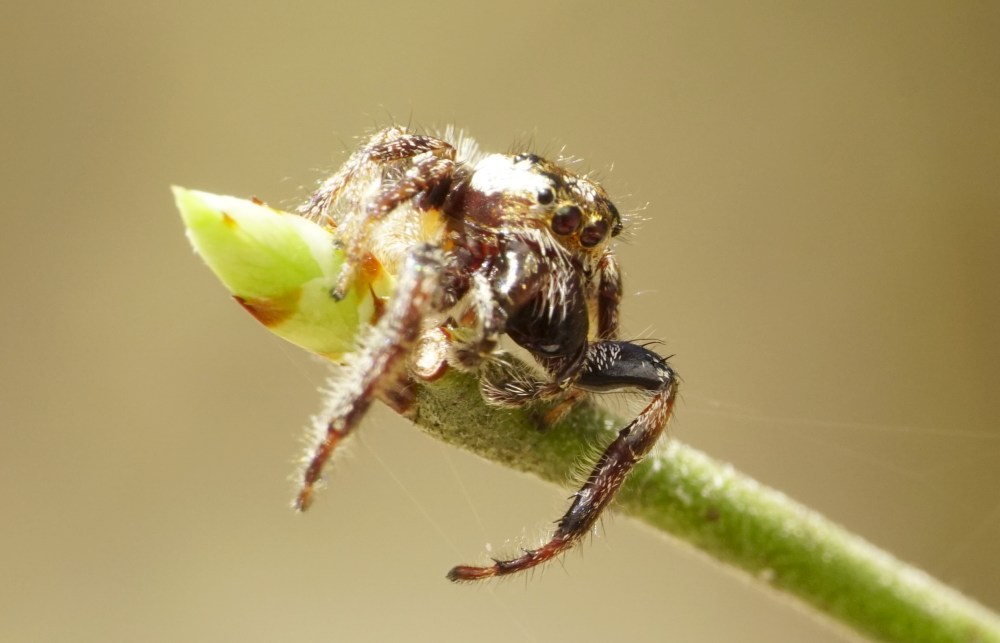
The spider is a Salticid jumping spider, probably in Pelegrina or in Eris (cf militaris).
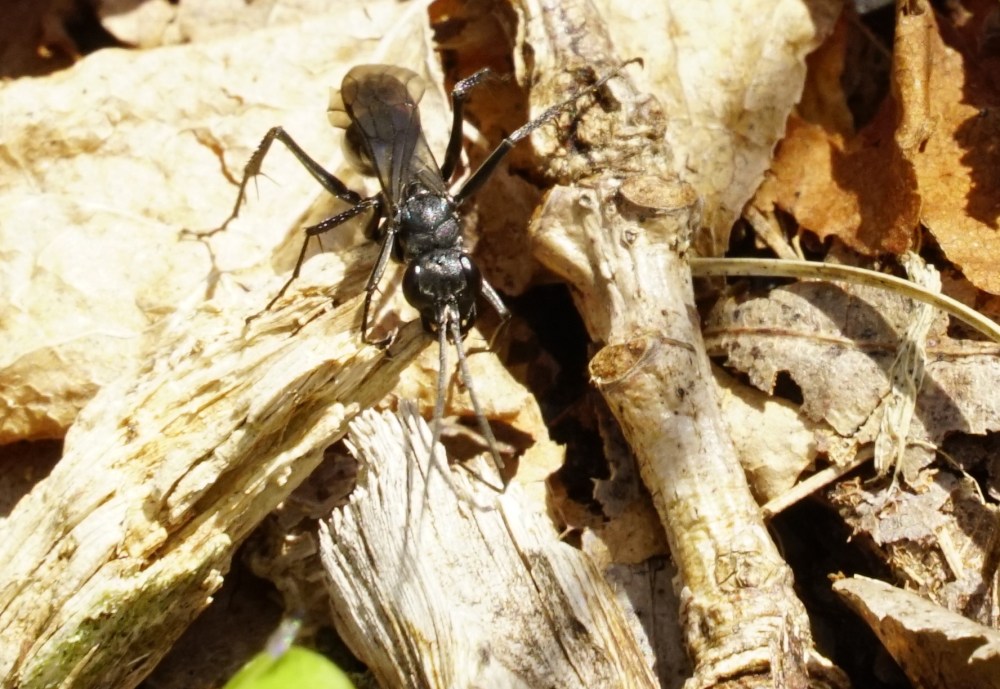
Perhaps a Pompilid? For Pompilids, long tibial spines, “also note the antennae and wing venation. Totally lacking the “horse head” discosubmarginal cell of an ichneumon and the antennae aren’t segmented enough. ” Also: “Auplopus sp. or another Ageniellinine“.

Platysoma leconti, in Histeridae. Love how pleasingly plump and chonky it is.

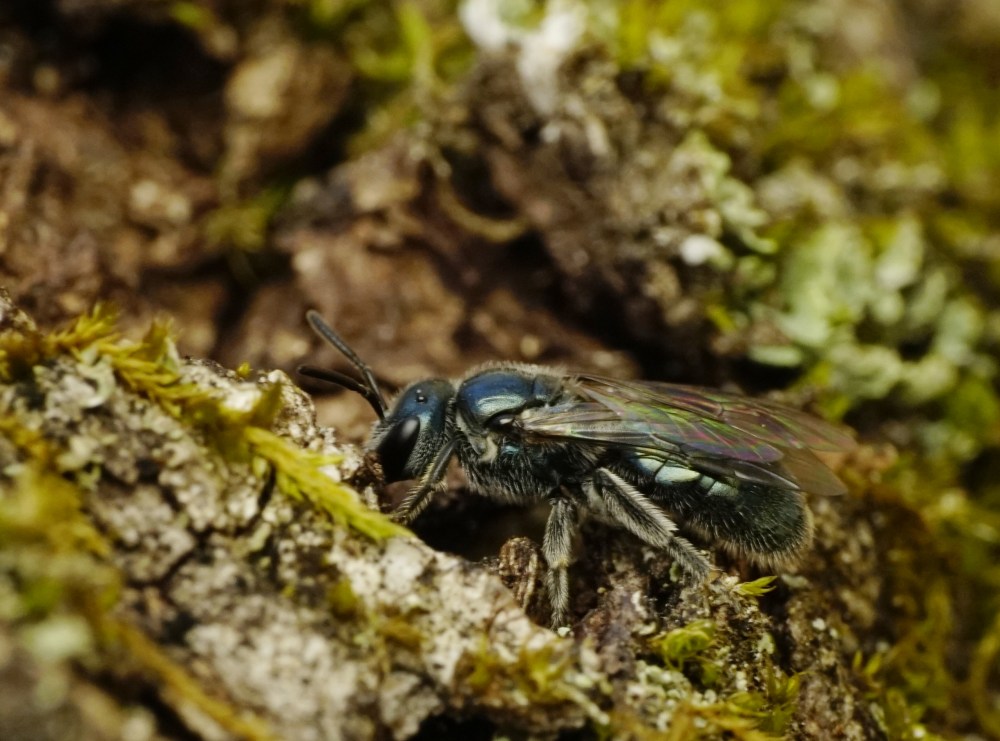
Love, love this Halictid. Perhaps Lasioglossum coeruleum, “dark blue sweat bee”.
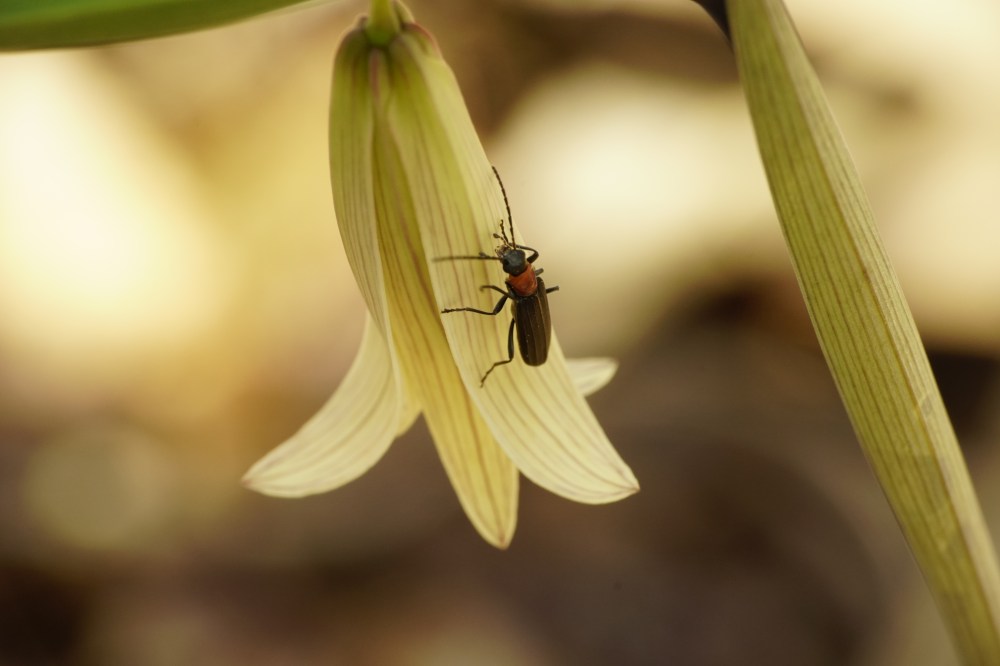
Probably Red-necked false blister beetle, Asclera ruficollis (Oedemeridae, Tenebrionidae). Note the depressions in the pronotum.

Scolytinae, Scolytini: Bark beetle.

Non-insect photos:

I call this one “Ascension”.

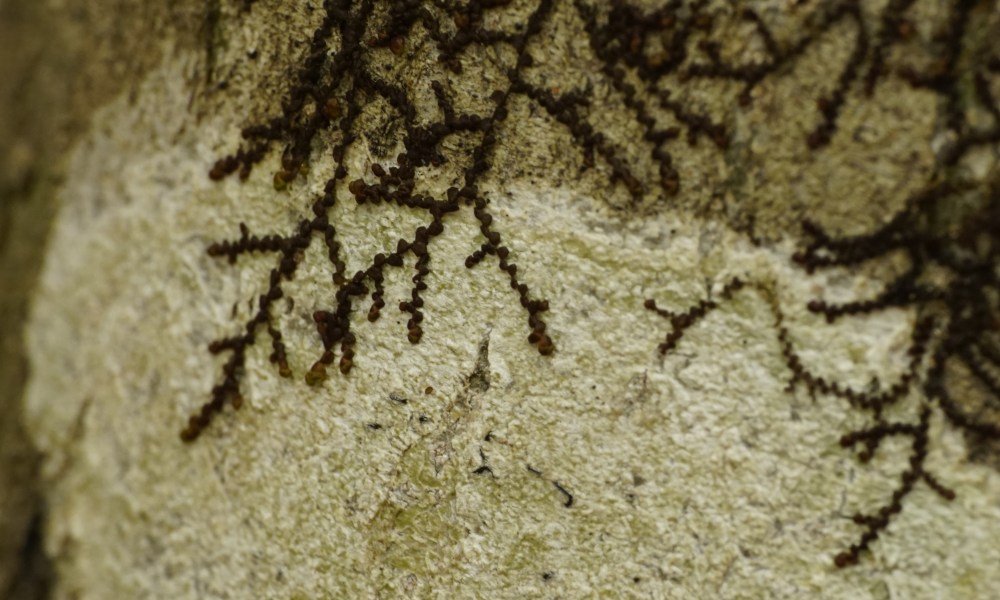
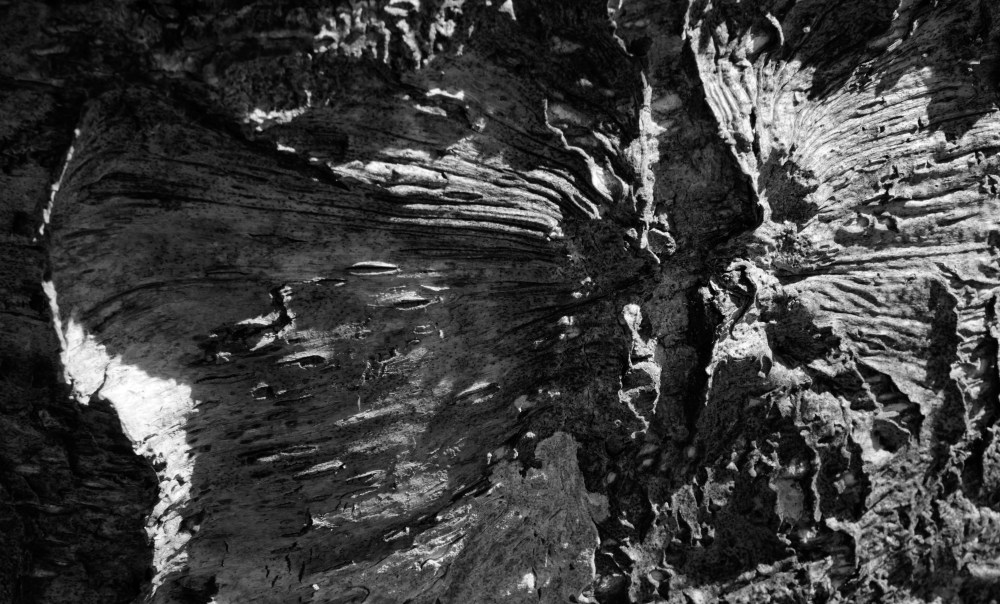
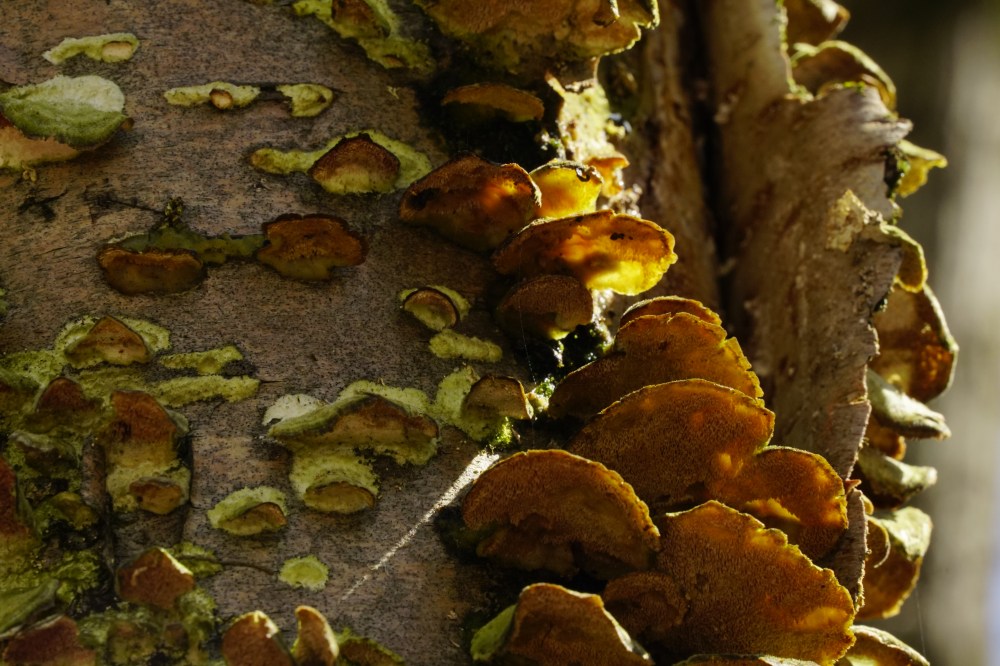
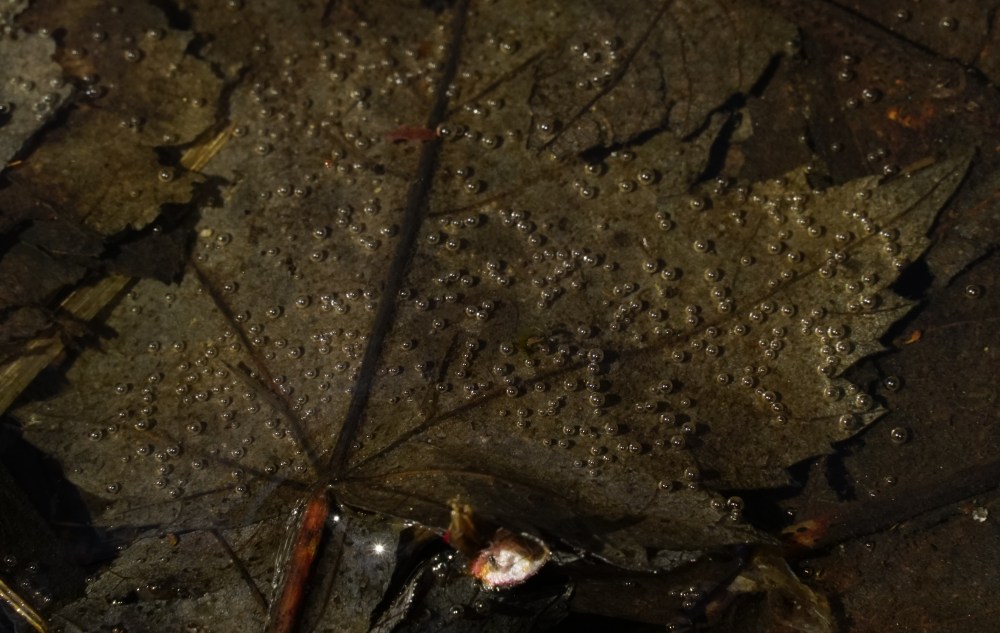

Not quite the usual nature photos. Bubbles in a puddle of water on the counter.
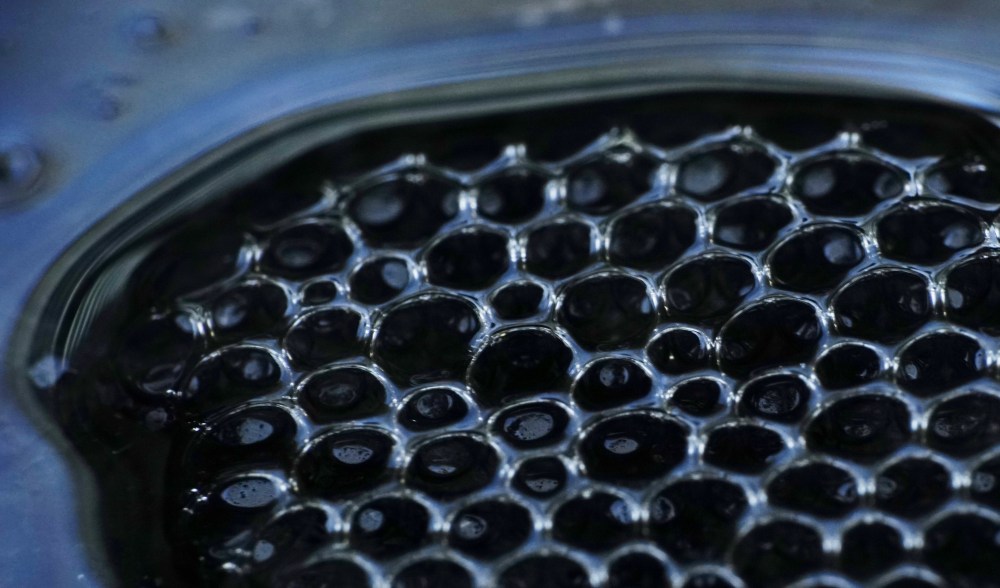

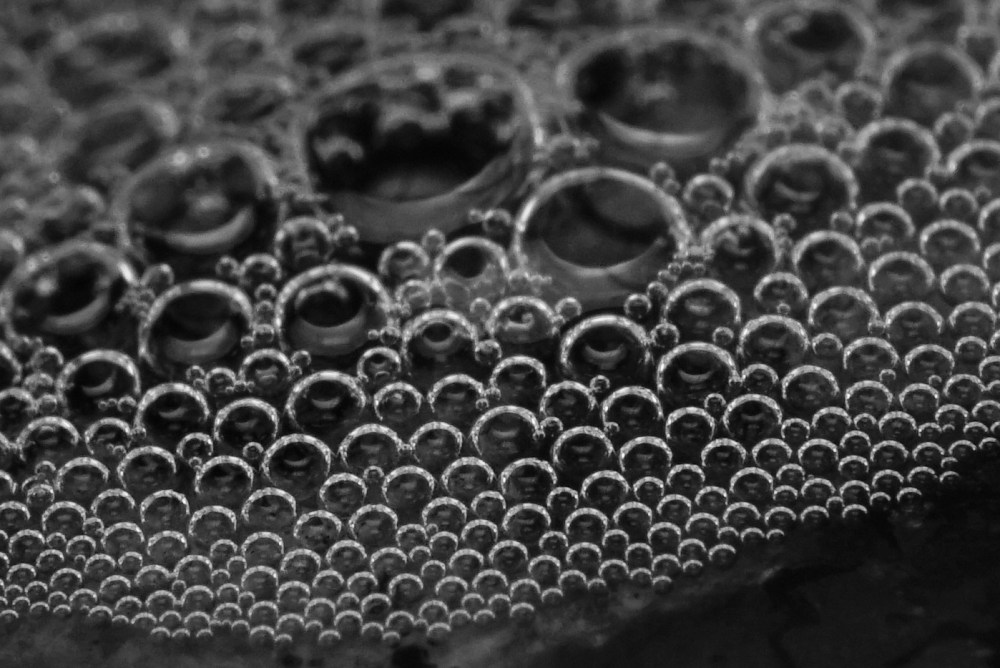
First insect safari of the season. My main hunting ground, the Northwest Trail of Borderland State Park, was deluged with people — cars parked on the roads for hundreds of yards. With Corona virus acting up, I went to King Phillip’s Cave instead.
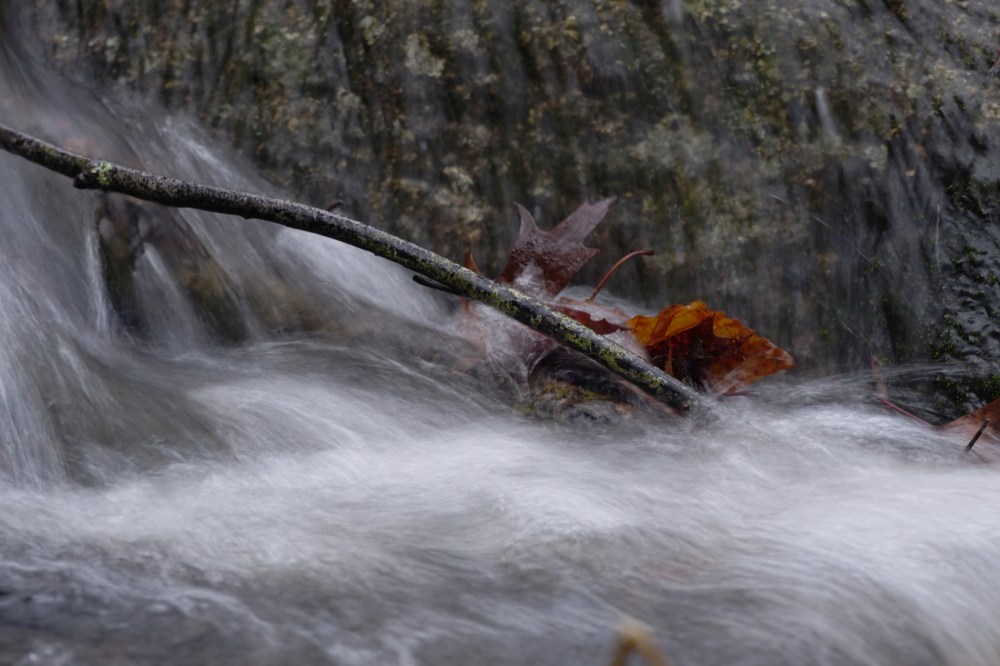
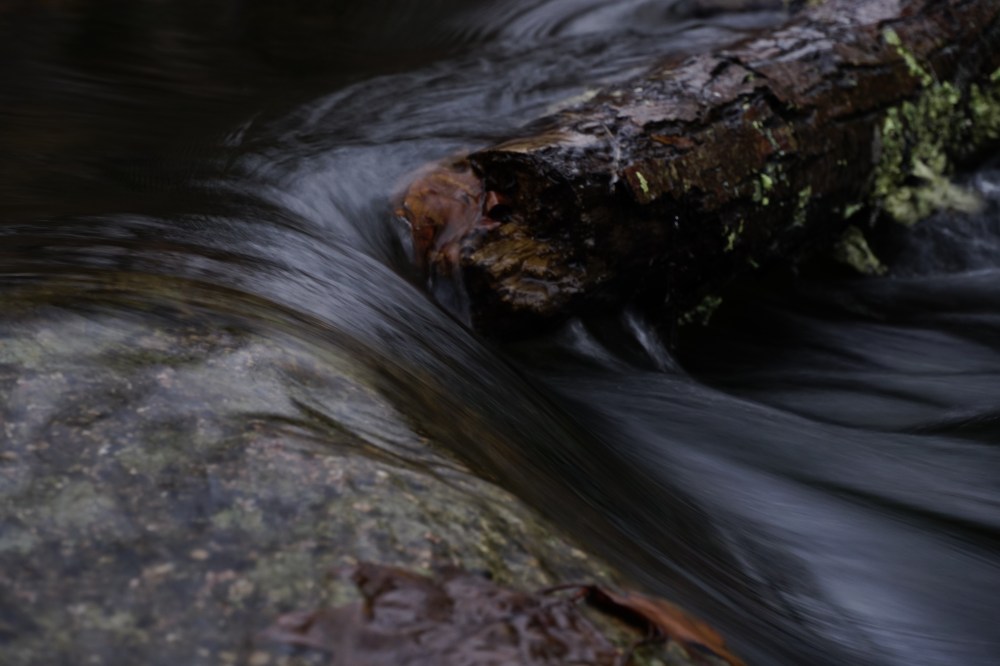
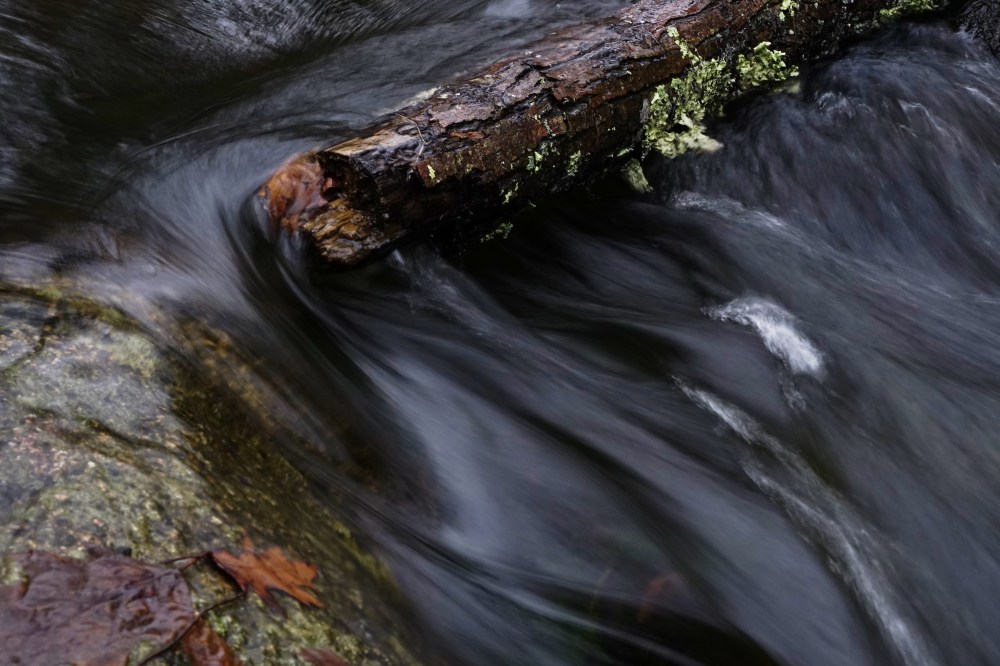
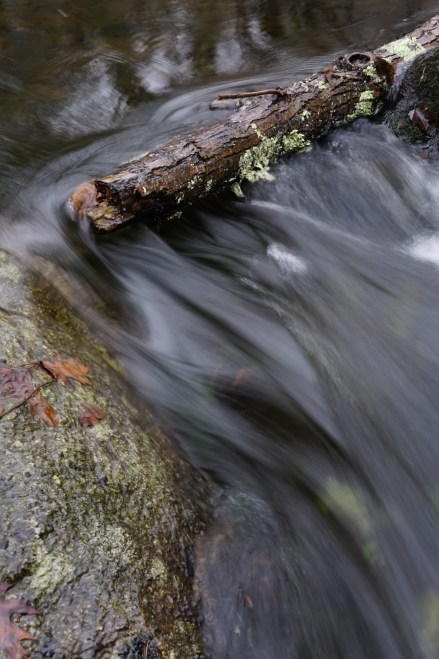
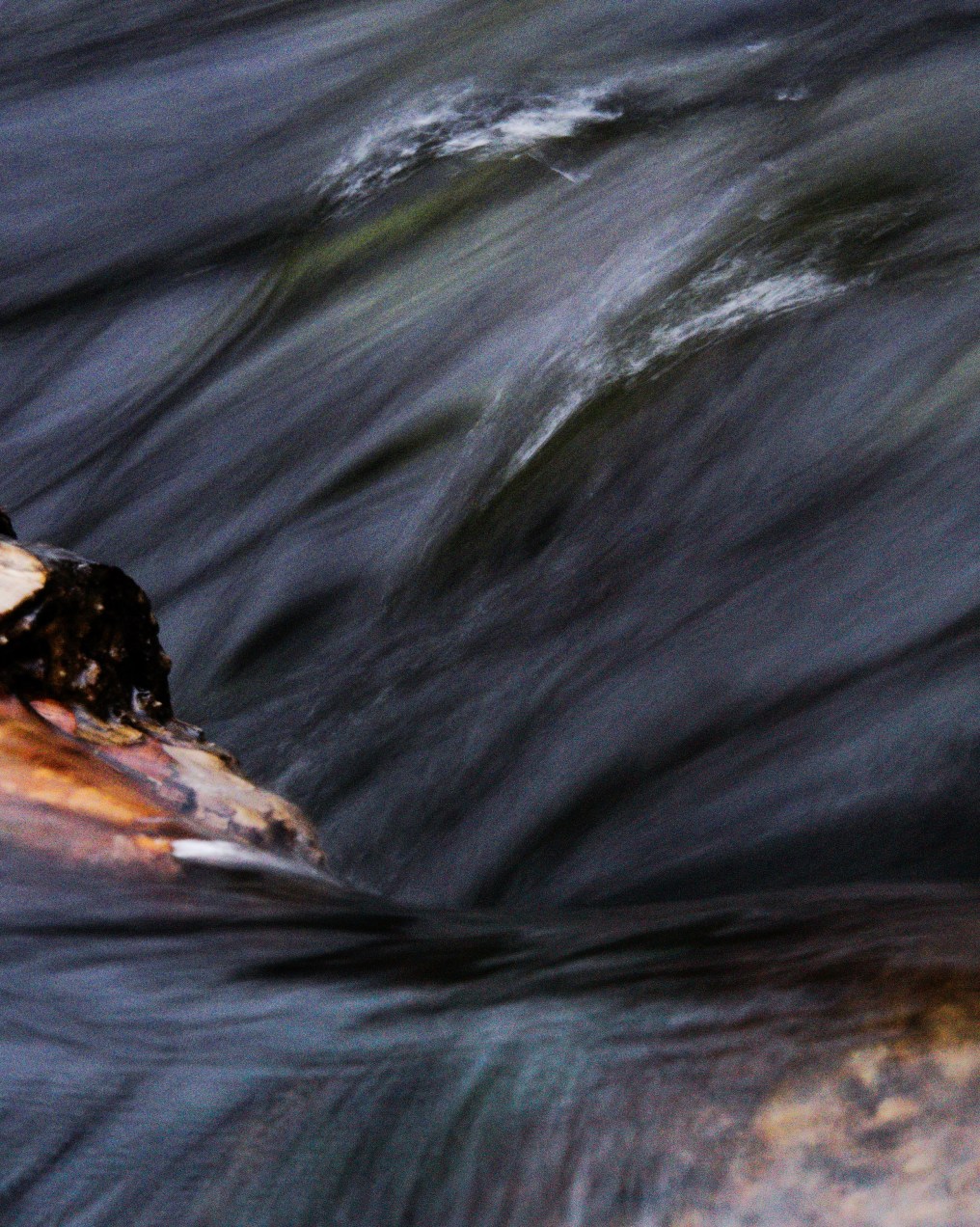
First, a few abstract reflections on the stream.


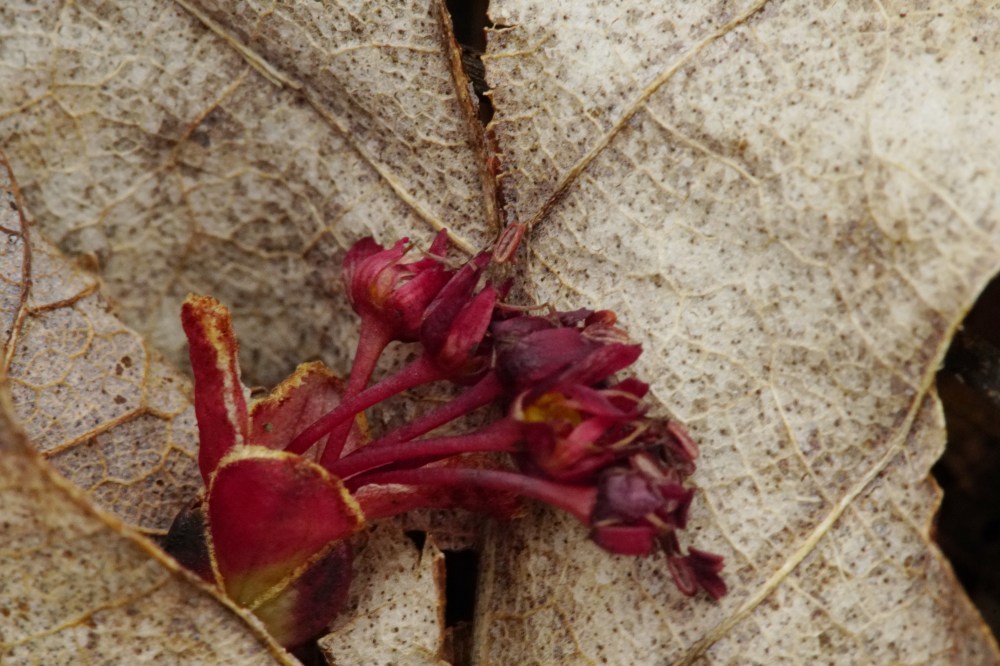
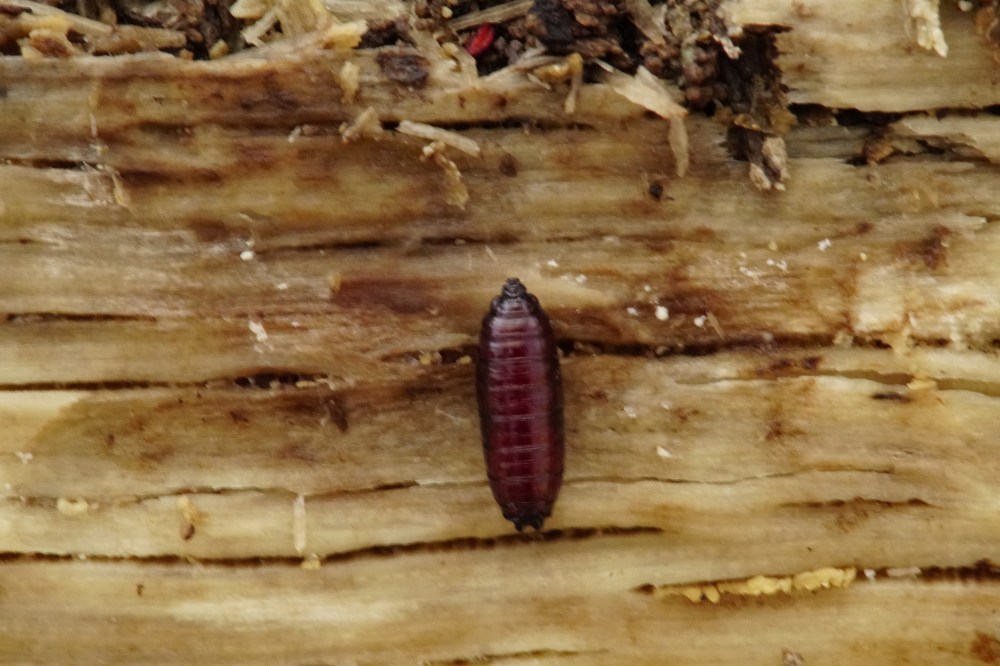
Perhaps a fly puparium, such as Tipulidae:
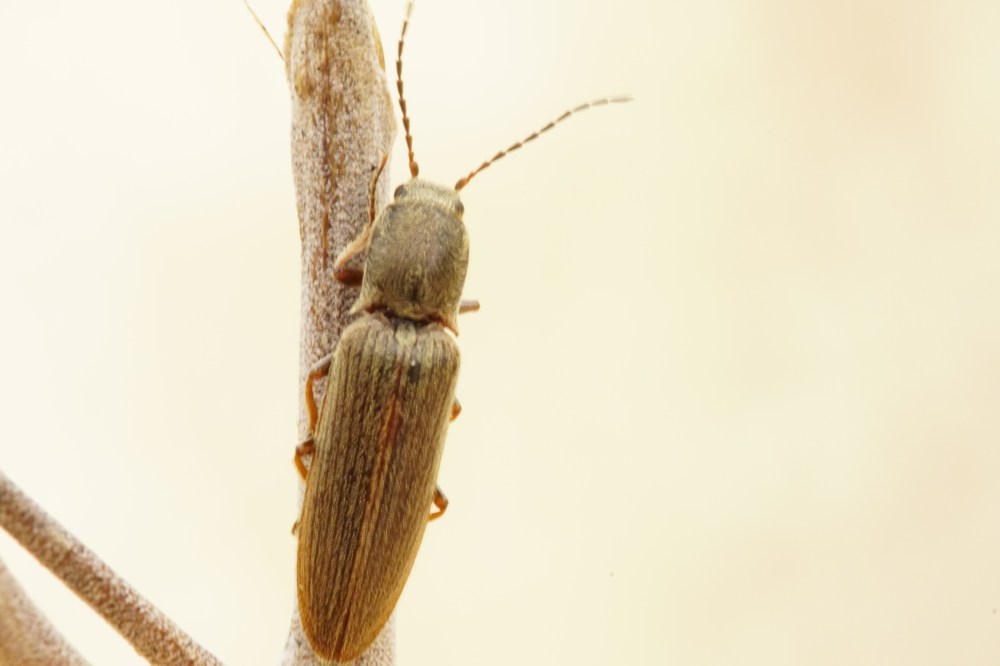
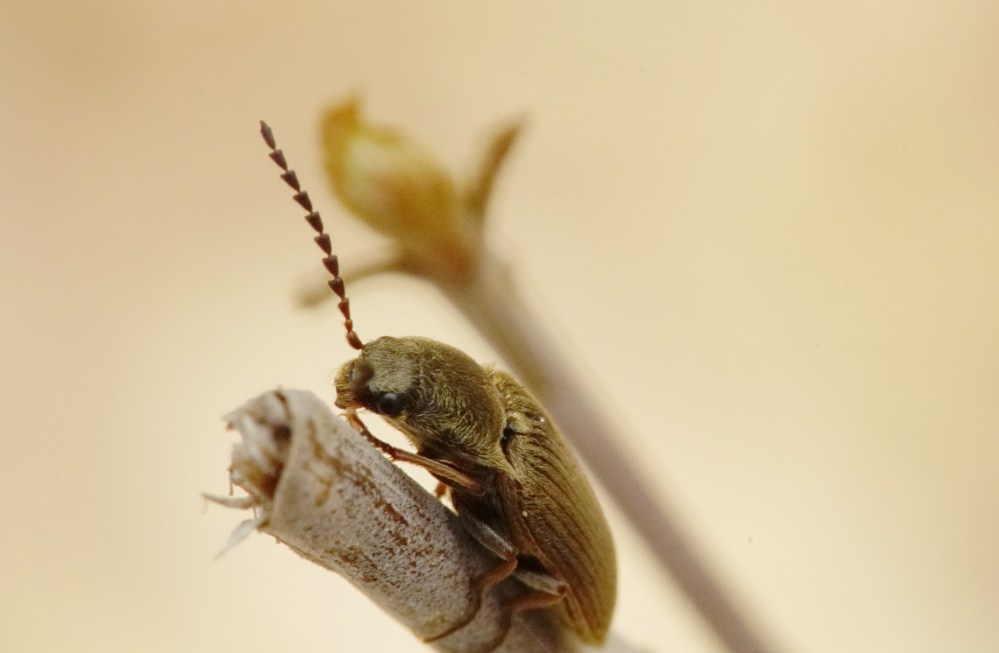
Elateridae. Some kind of hairy click beetle? Sylvanelater cylindriformis was suggested as most likely, but I don’t know how to rule out Gambrinus (aka Limonius) griseus.
EDIT: Sylvanelater cylindriformis does indeed seem correct. Differentiated by the flares on the hind angles of the pronotum in the photo below.
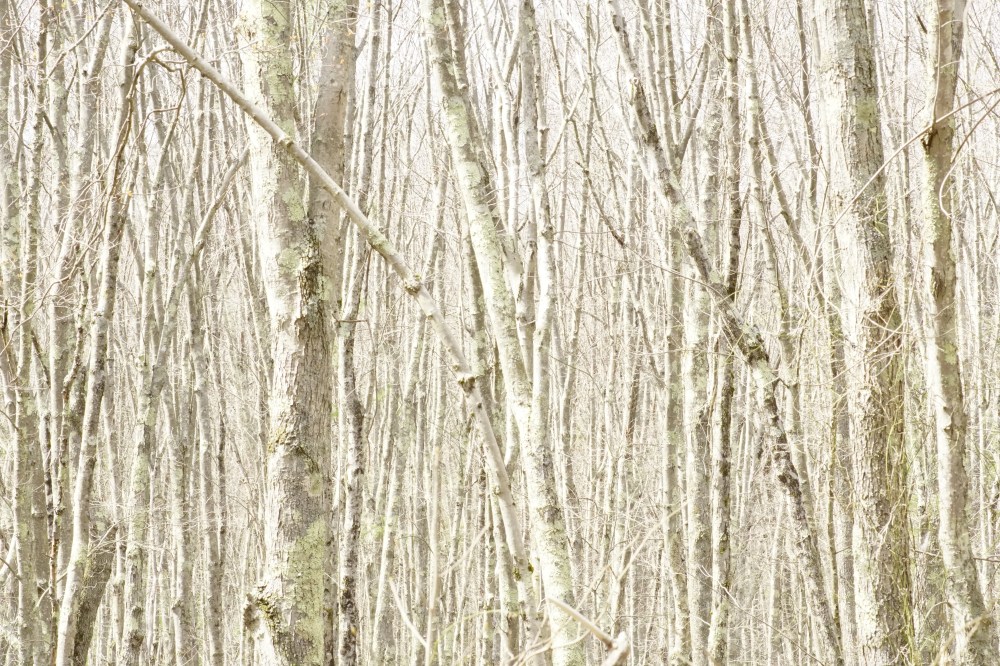
Intentionally overexposed. Does it work?
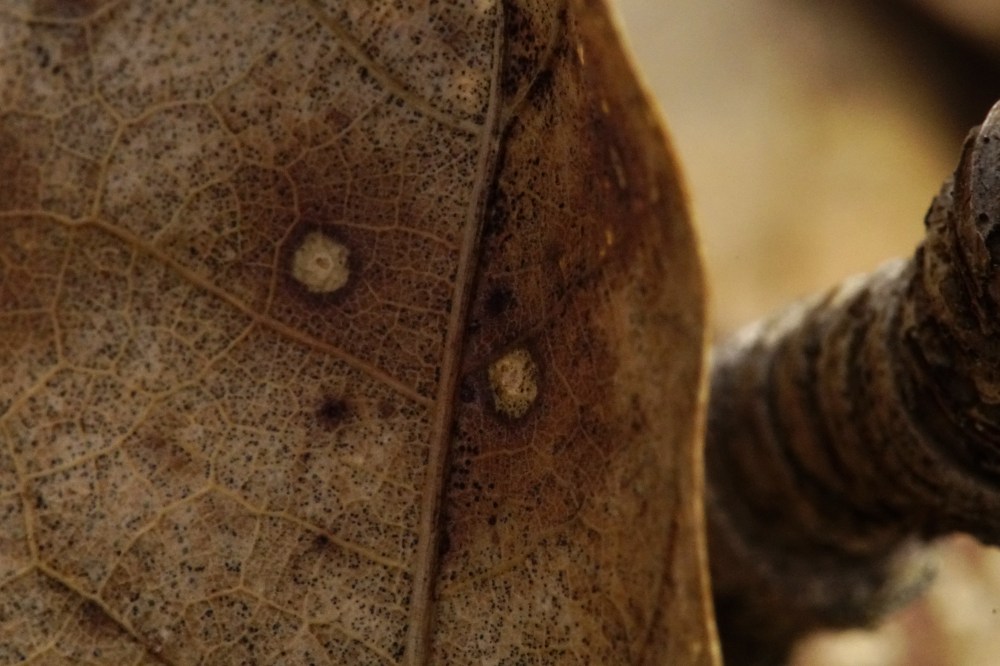
As always, young Leucauge venustas were everywhere. One of the first spiders of the spring, one of the last spiders of the fall.

Perhaps Ellychnia corrusca, winter firefly. They were everywhere.

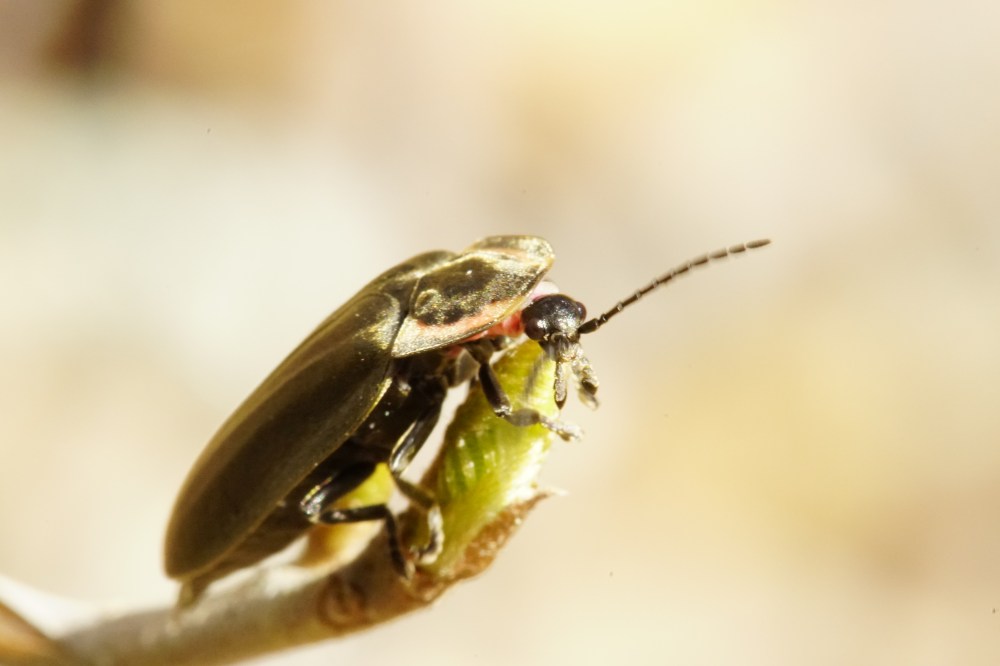


This seems to be Nomada (nomad bees). Bugguide: “ruficornis species group, Typical Nomad Bees” maybe?
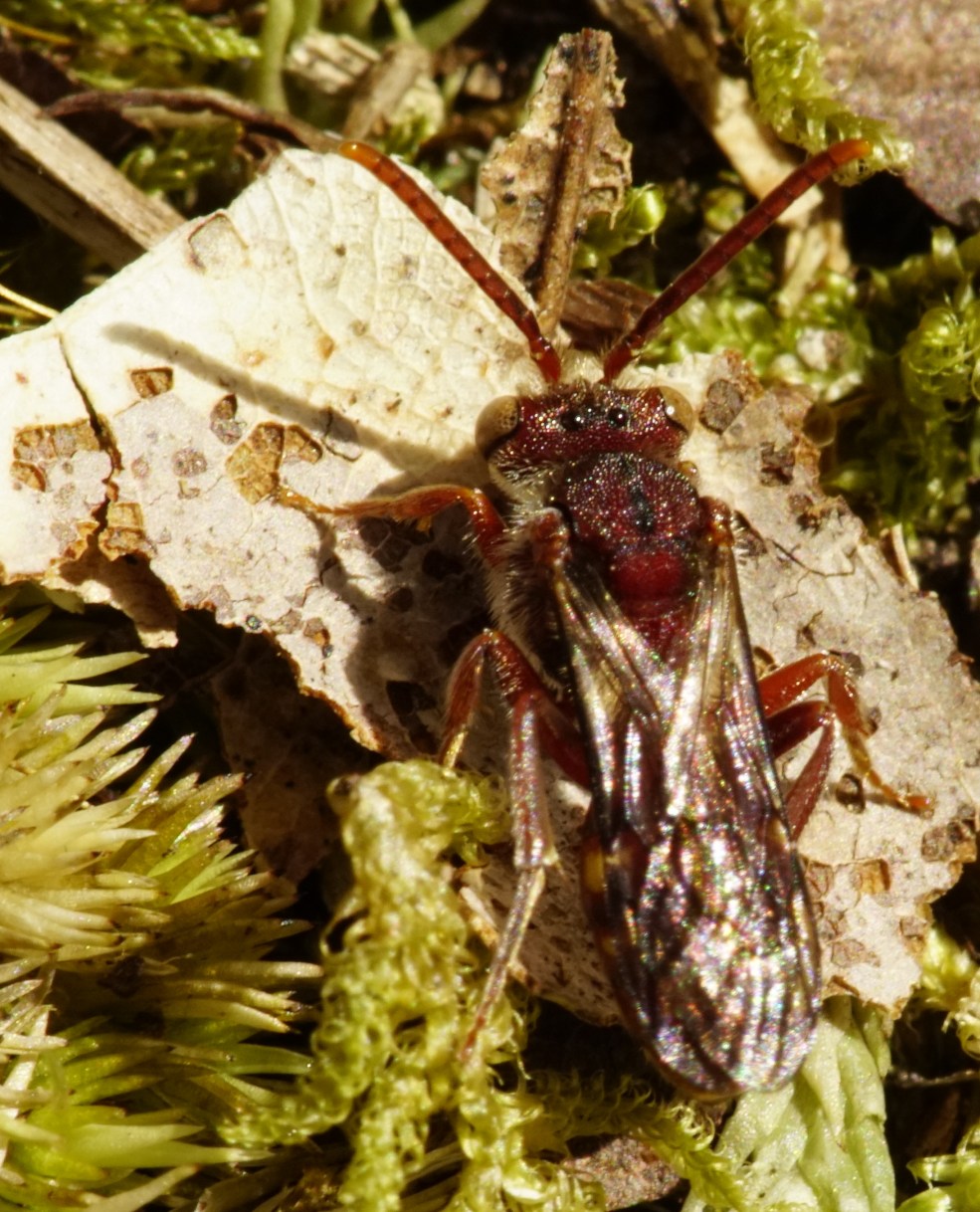


Andrena cf frigida

Halictidae? Best guess Lasioglossum coeruleum.
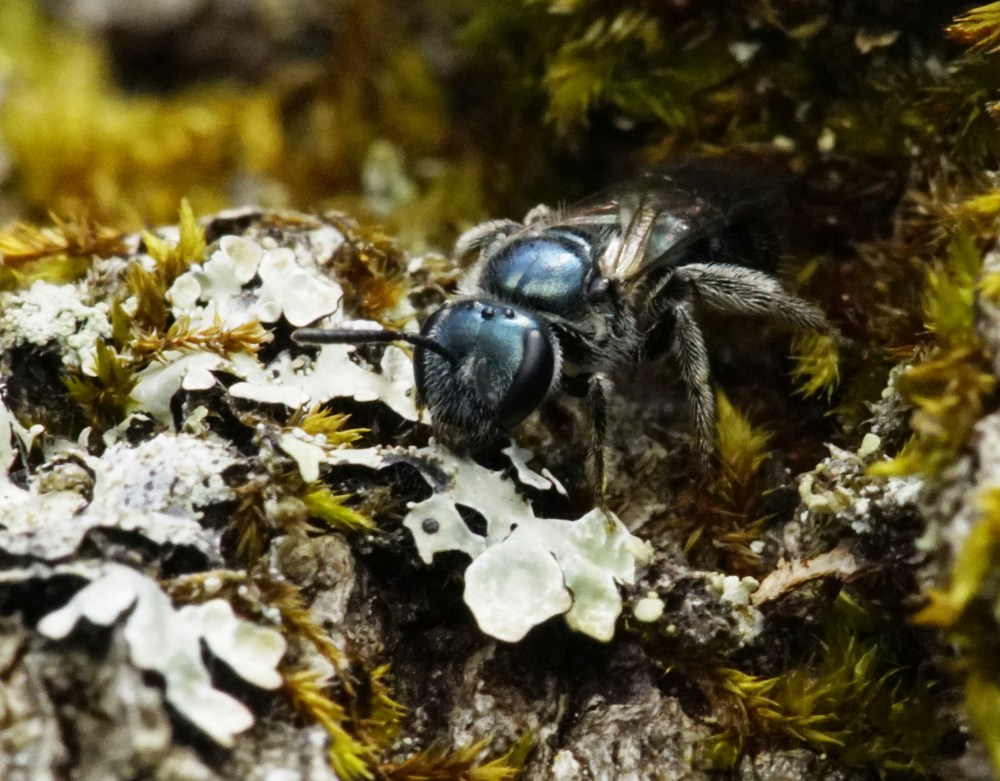
Spring azure (Celastrina ladon)

Best guess, Tetrix subulata? (EDIT: “Black-sided Pygmy Grasshopper for this one (Tettigidea lateralis)“)

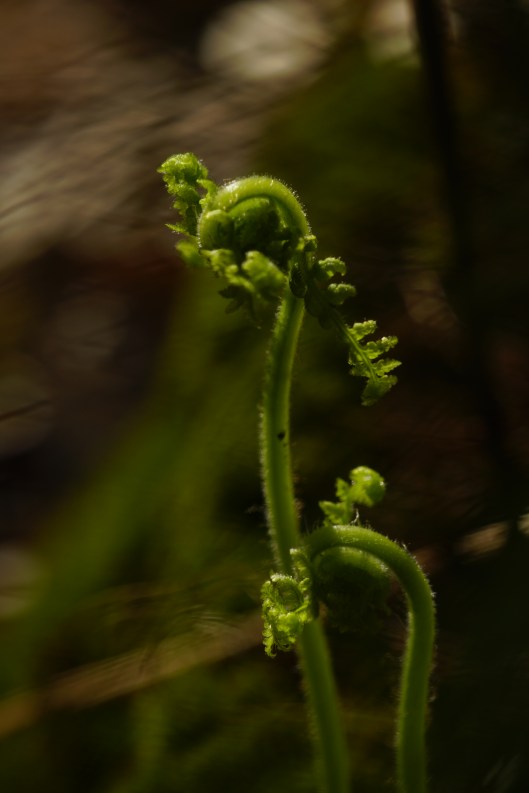
Cyclosa conica. Another reliable early spring spider.

Cold, rainy day. Spent time lying on the ground to get this.

Freezing weather leads to ice and light.

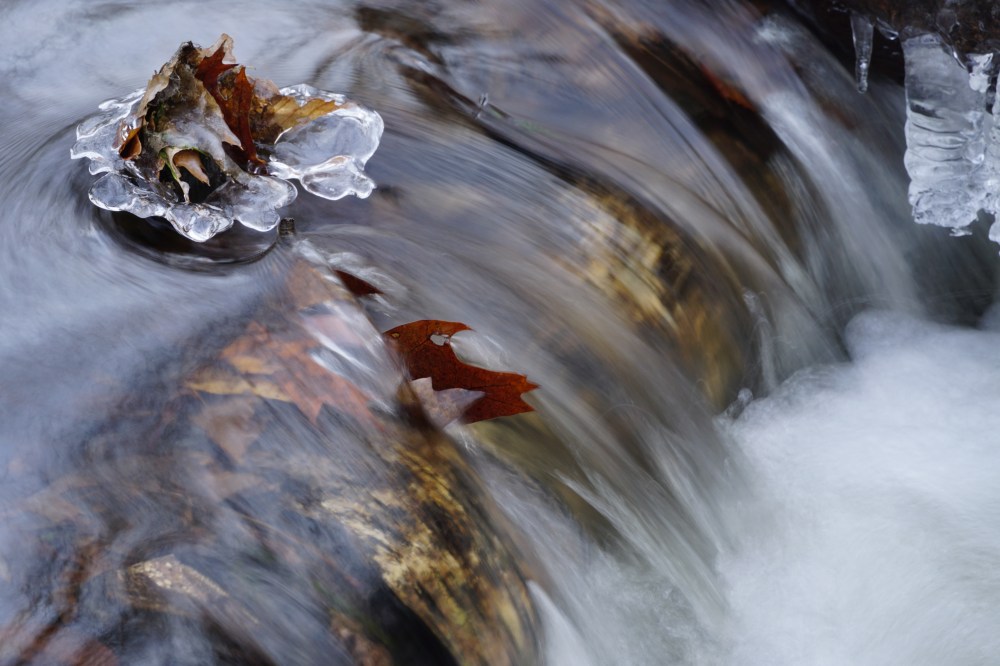
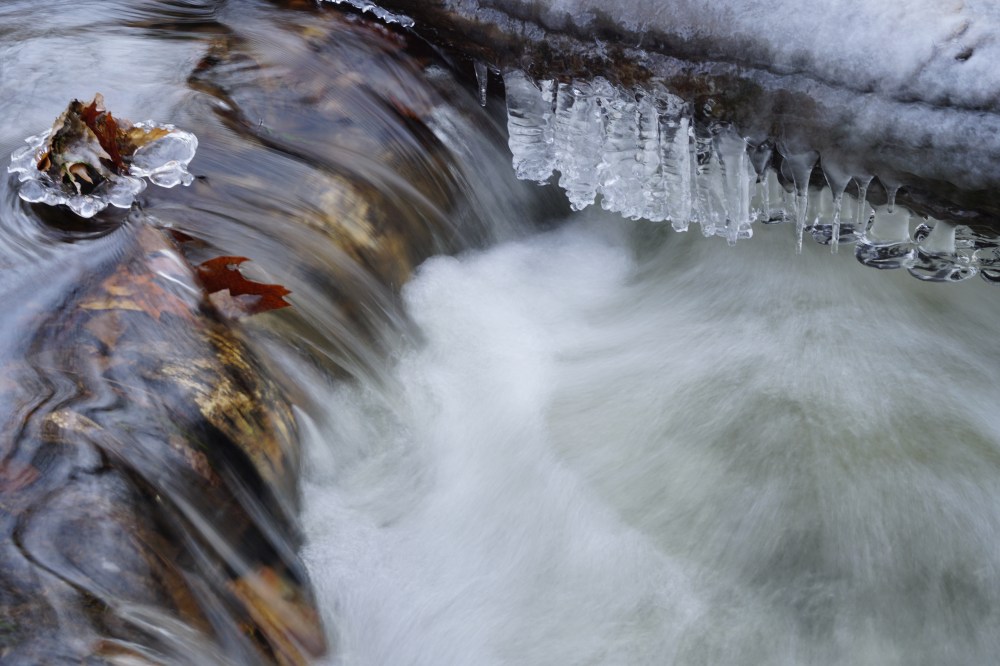
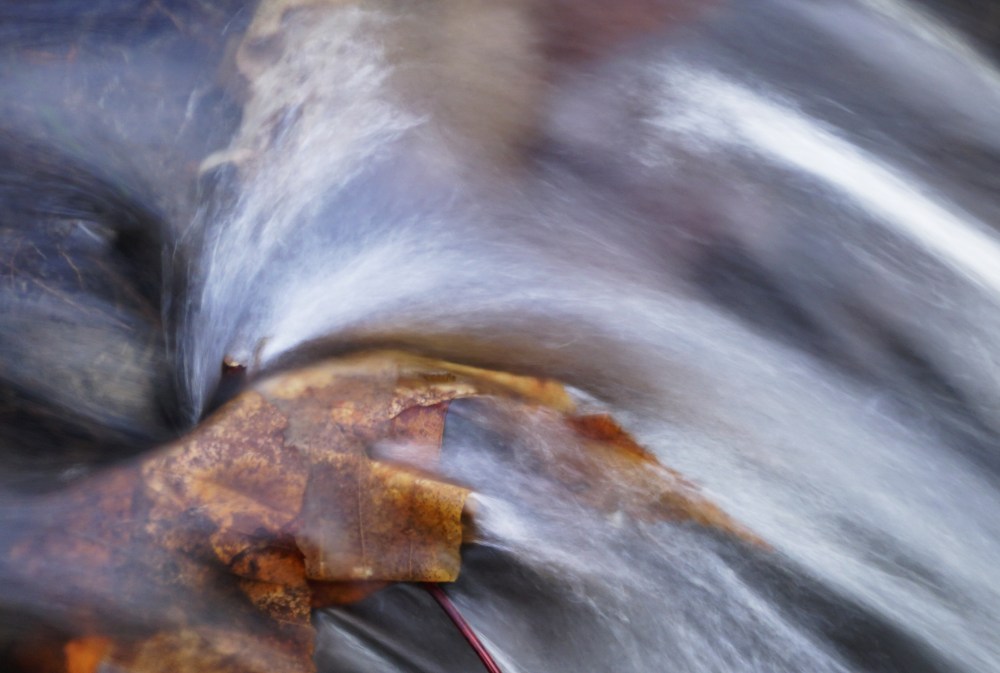


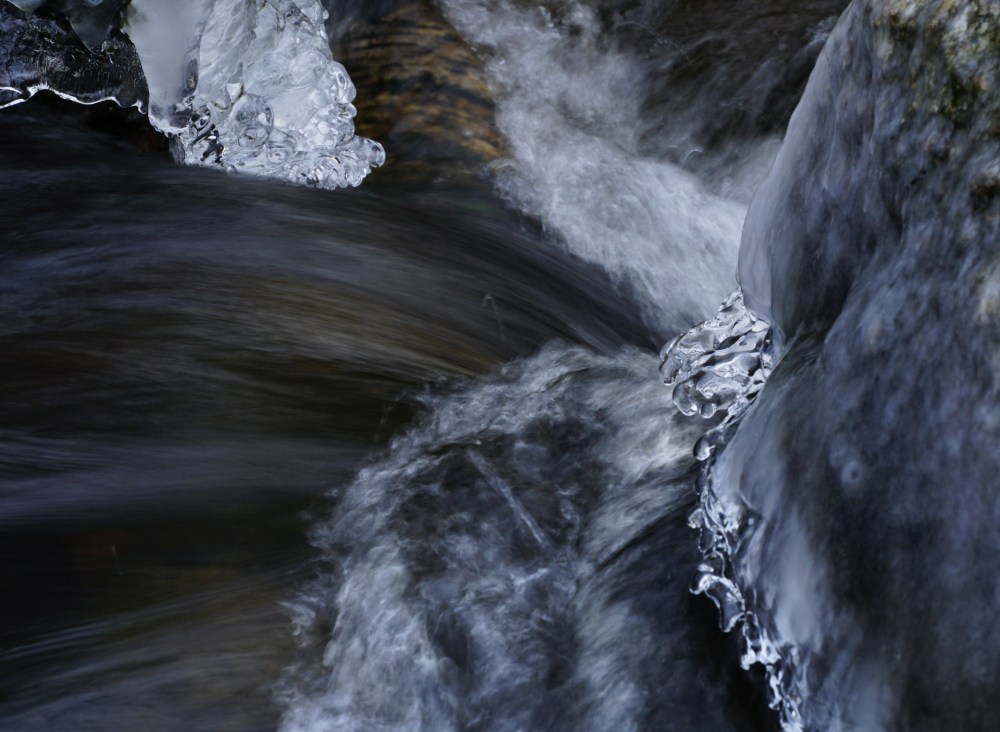


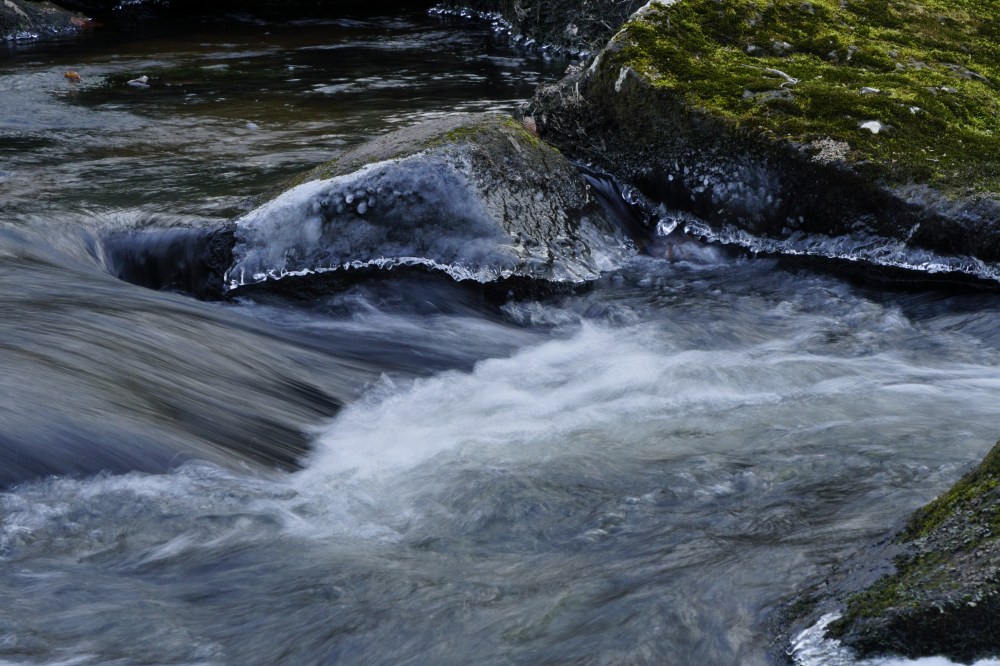

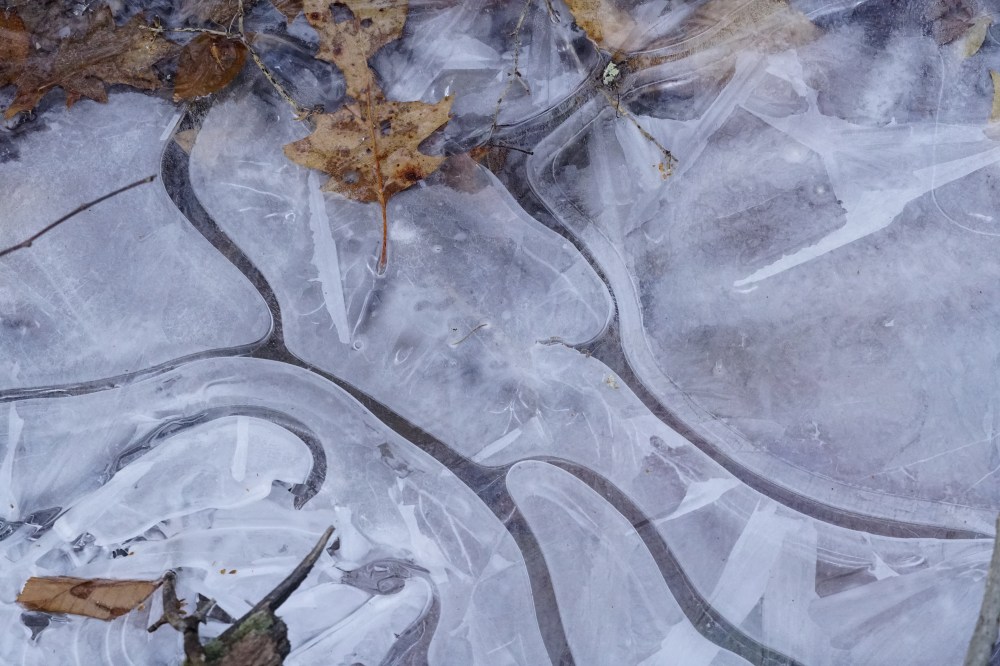

A light snowfall last night made this morning a good time for a walk.
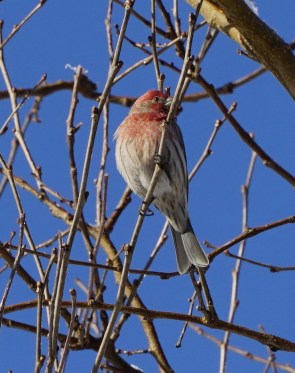
House finch:


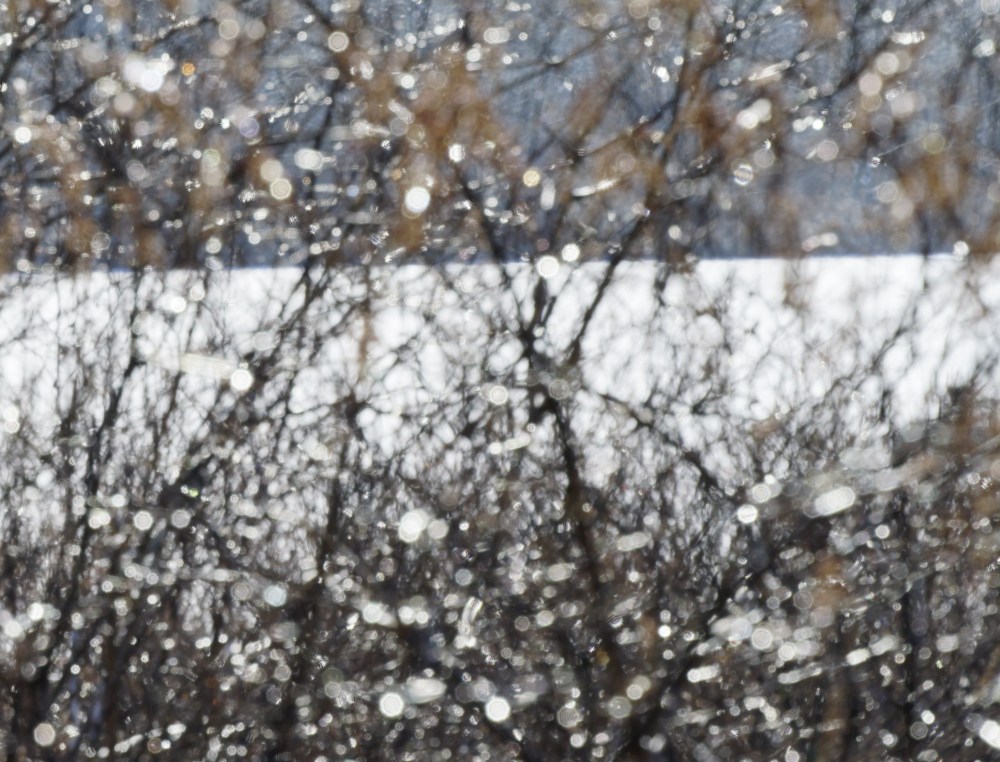
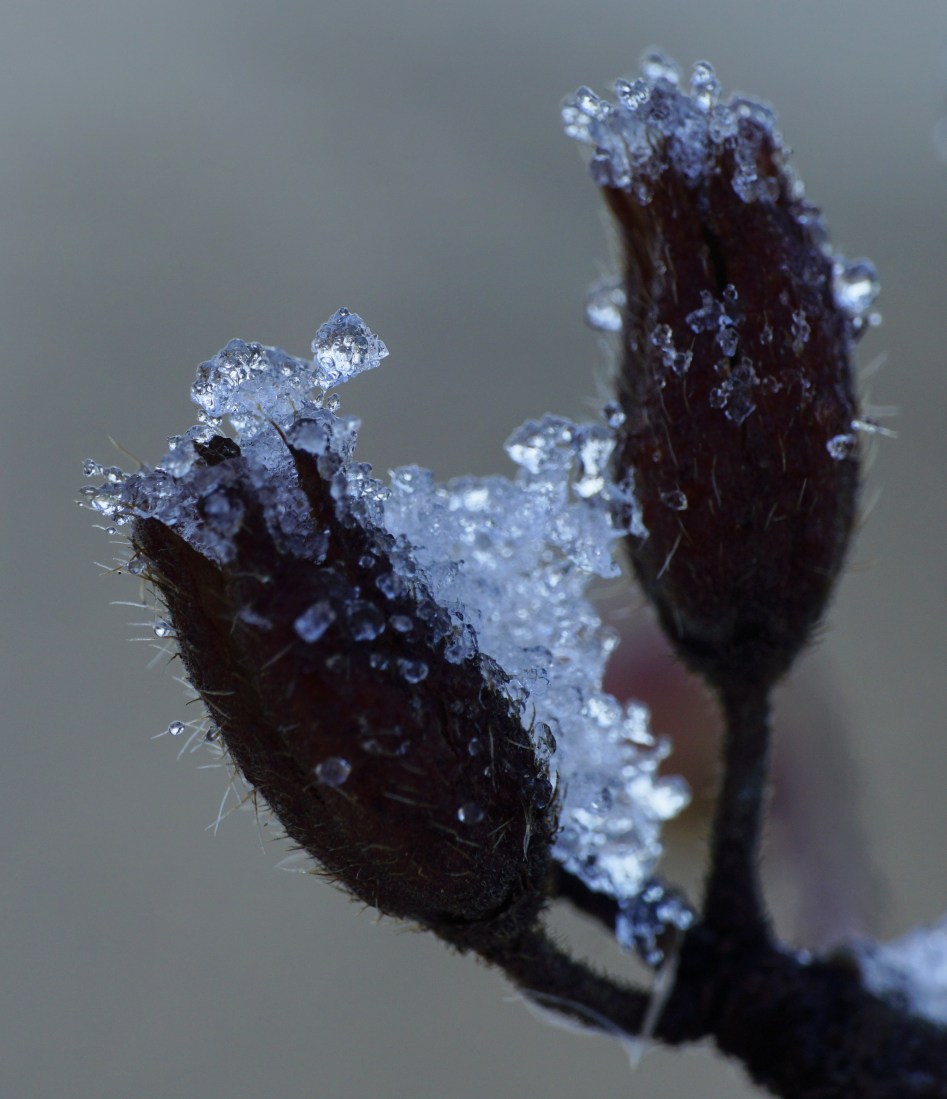
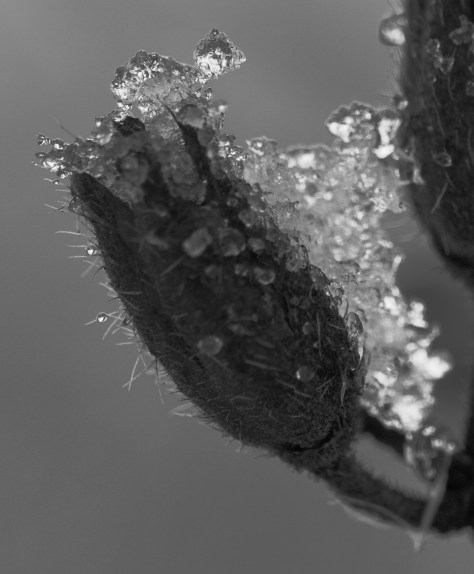


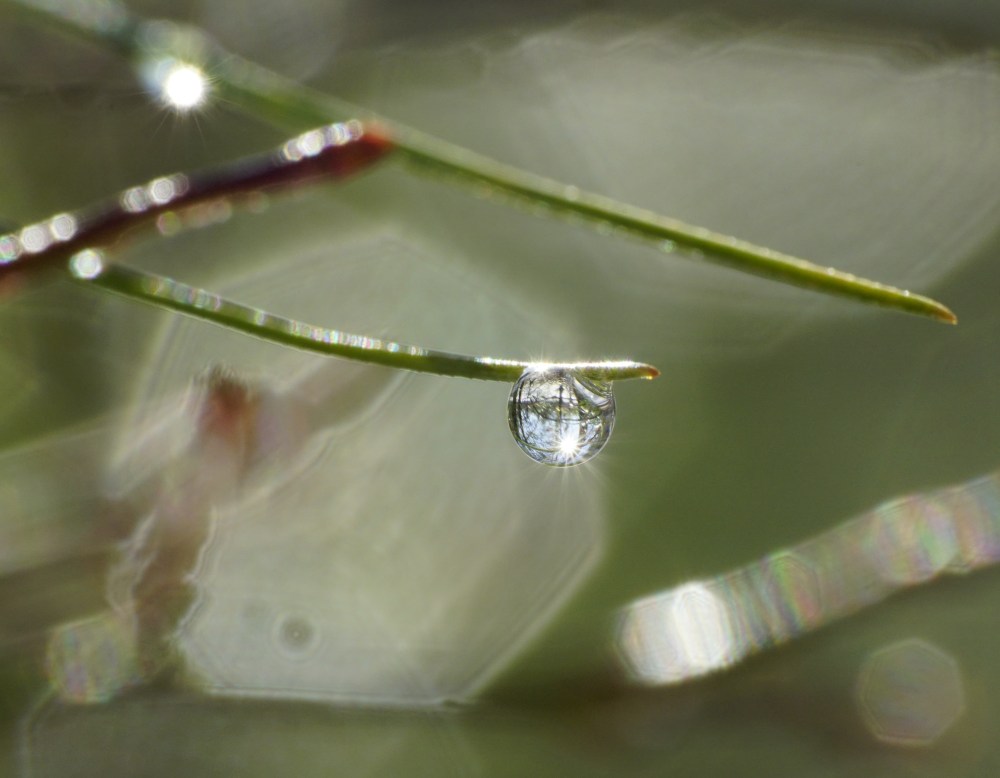
I try to take a photo walk at least once every calendar month. December was a bit of a failure in that regard, but I wanted to start the new year off right. A rainy day meant lots of yummy droplets, and a healthy flow in the brook.







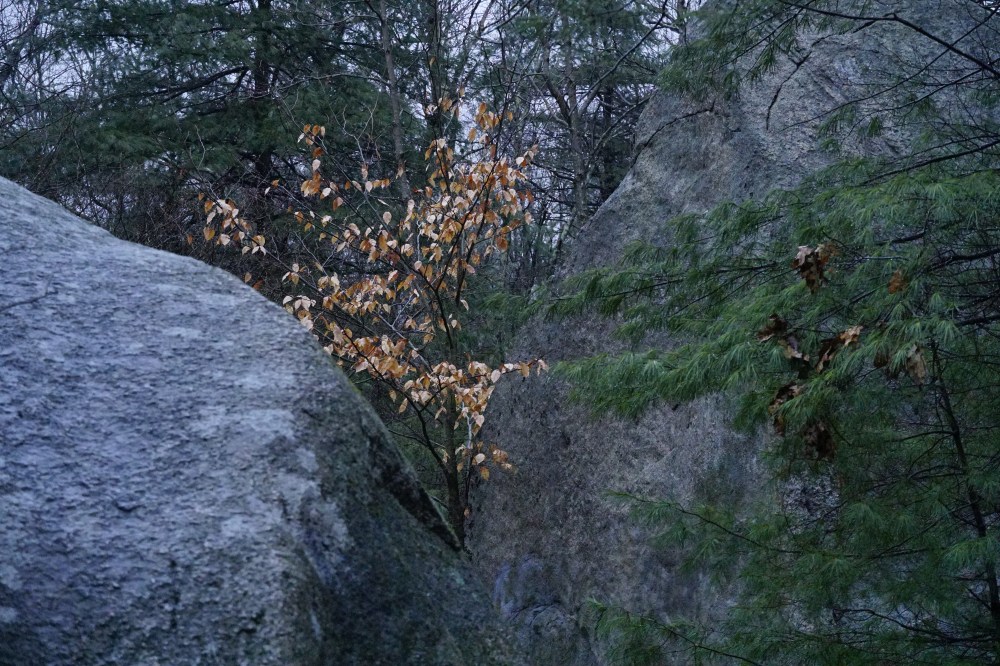
A four day backpacking trip, through REI. Incredible experience!
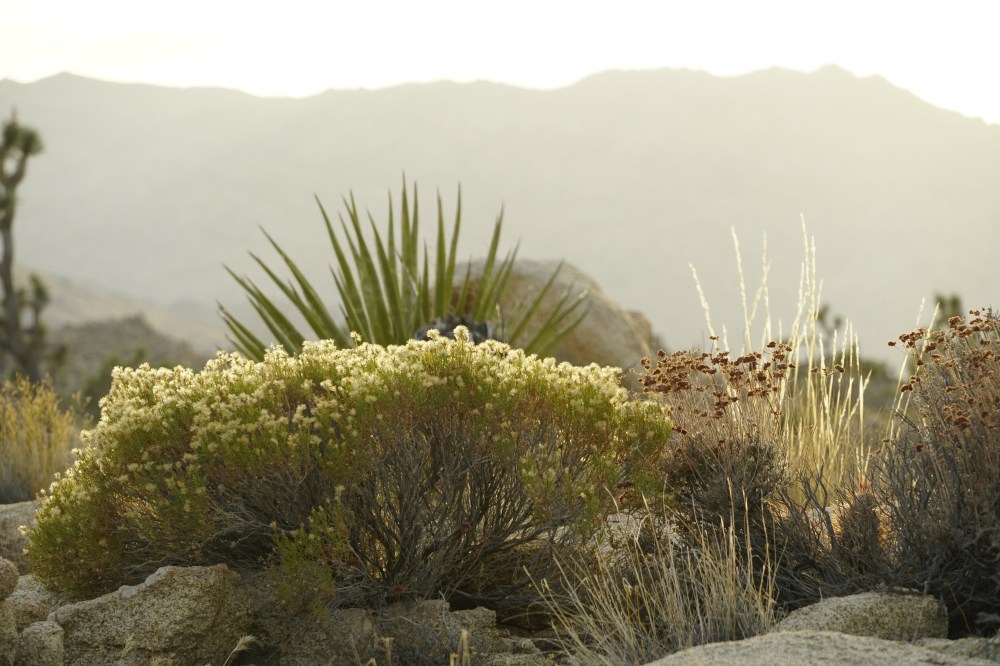
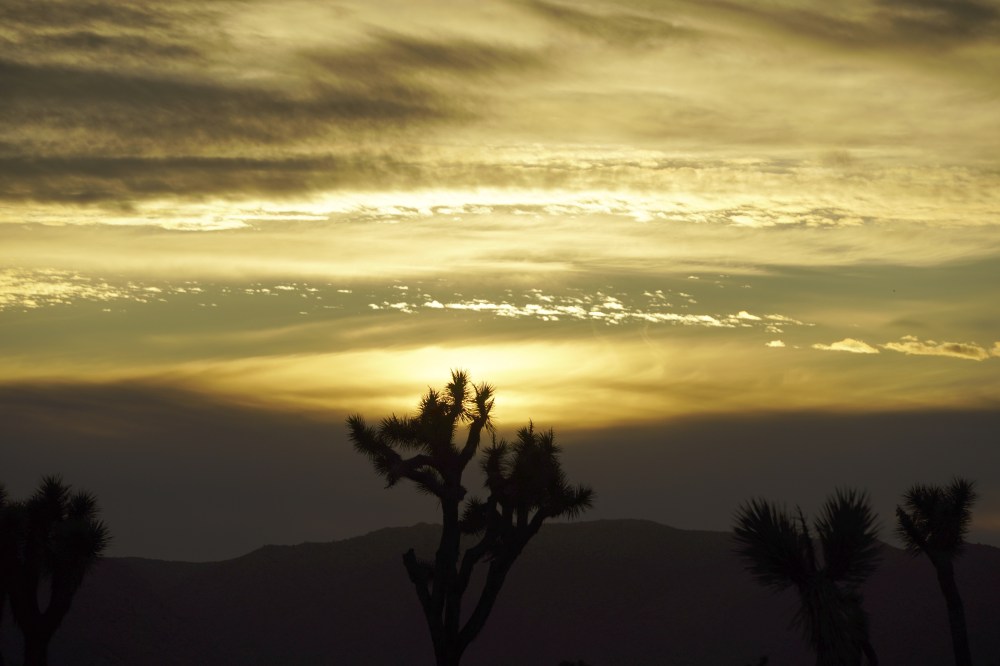
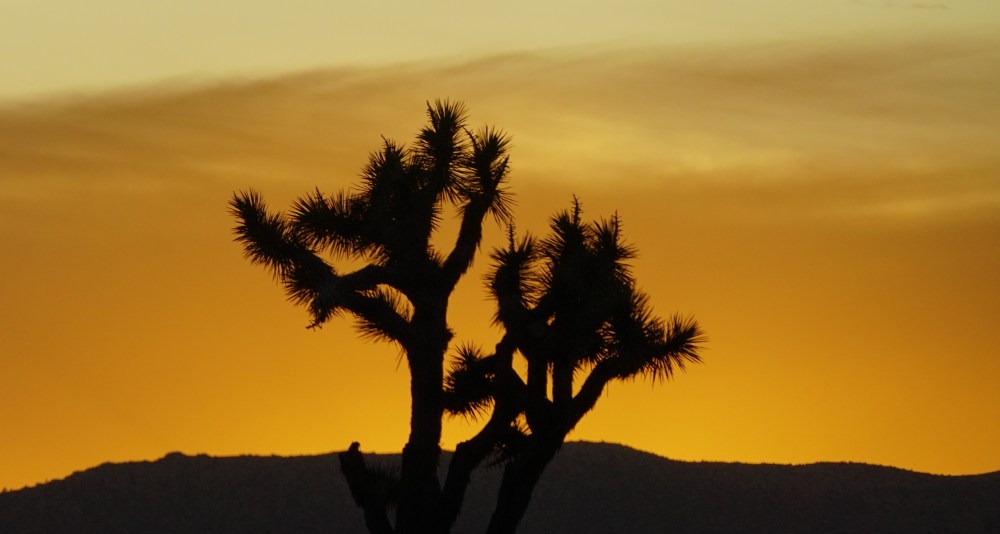
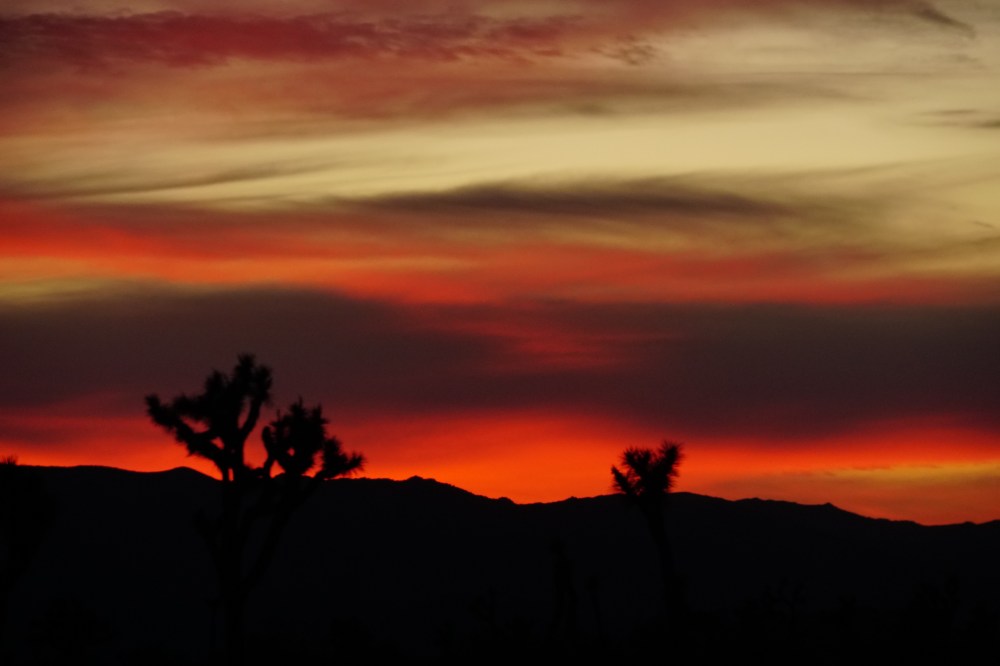
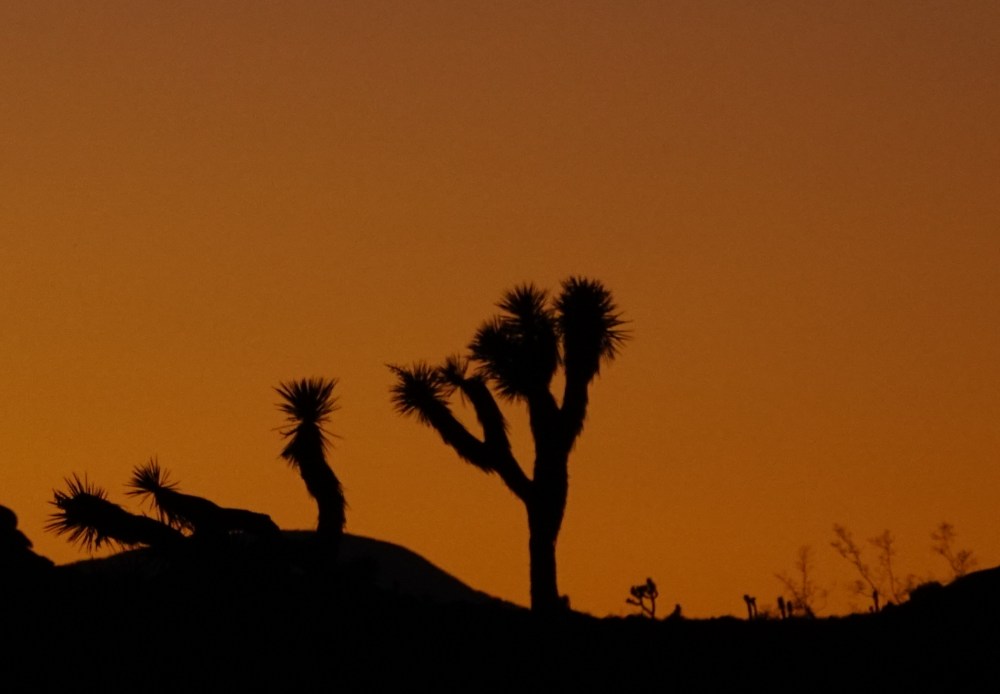
The afternoon sun bleaches the land, so it’s probably not surprising that some of the best photos are sunrise and sunset. Plus, during the day, the guides were driving us mercilessly, so who had time to take photos?


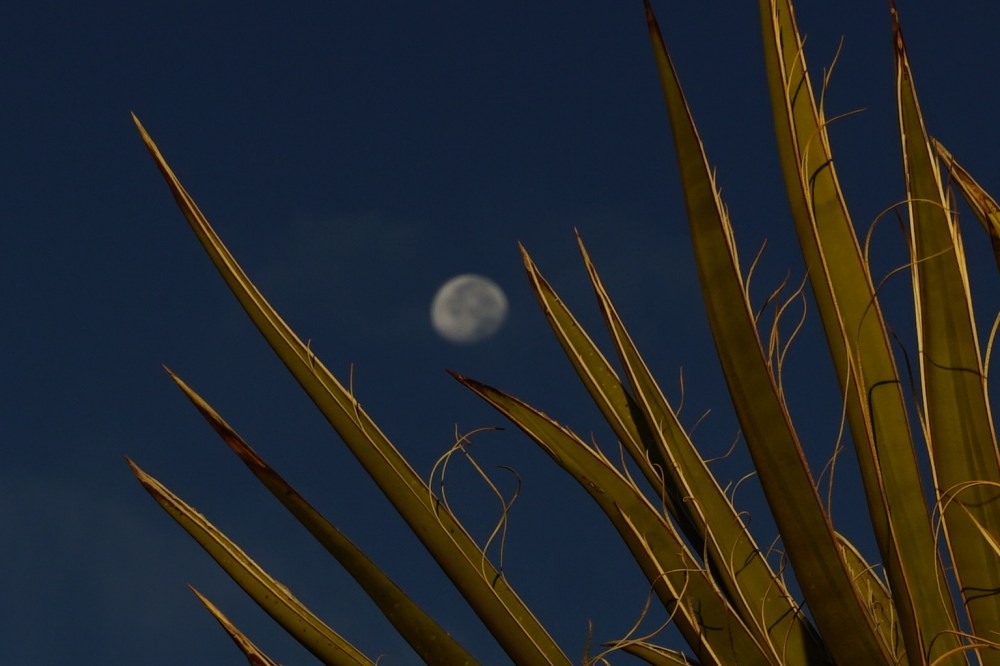
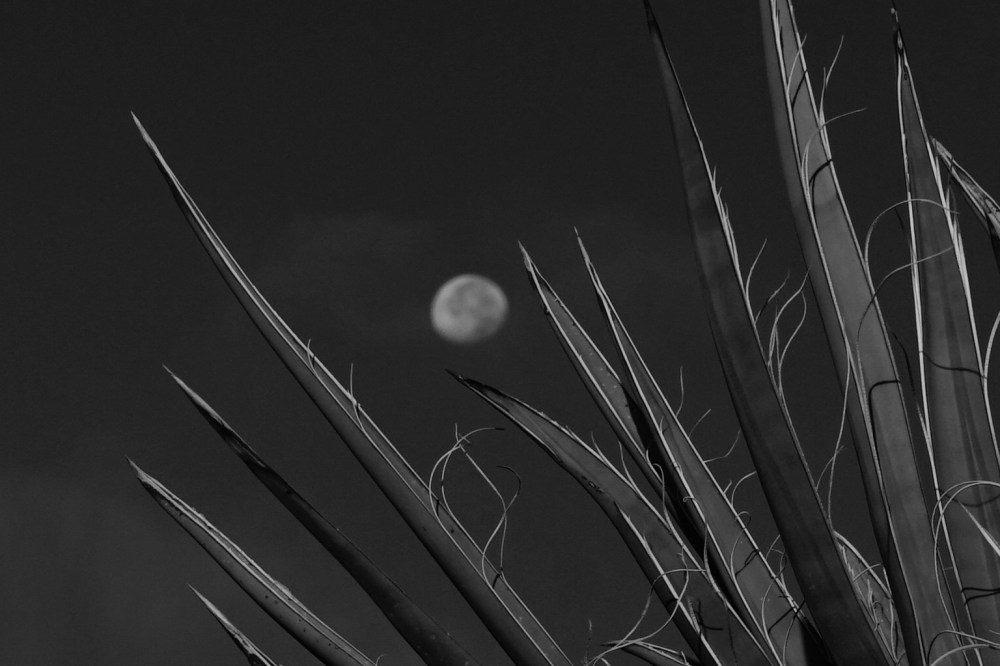
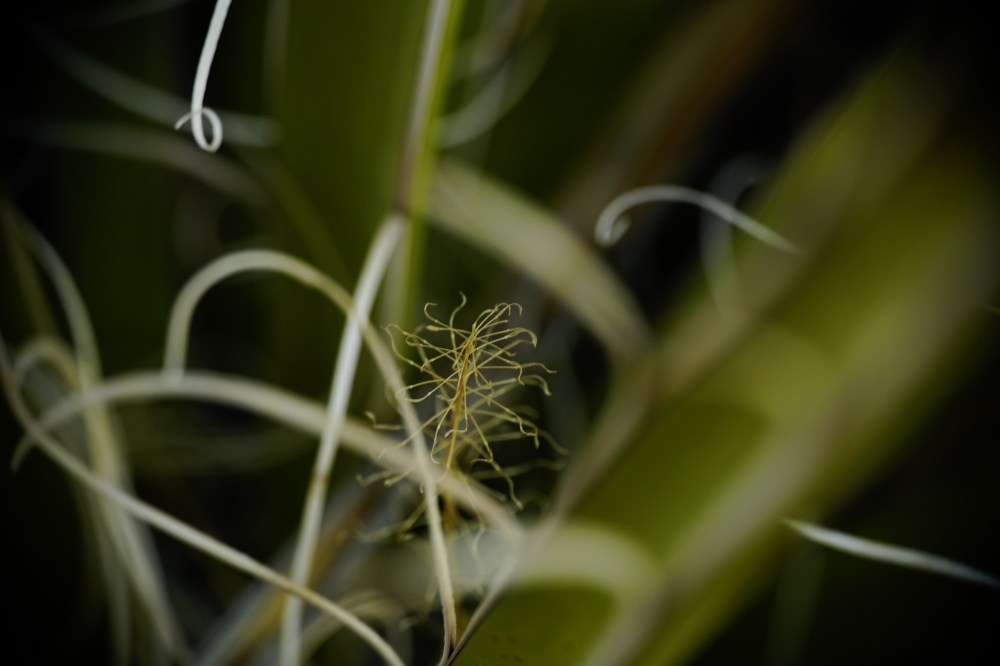
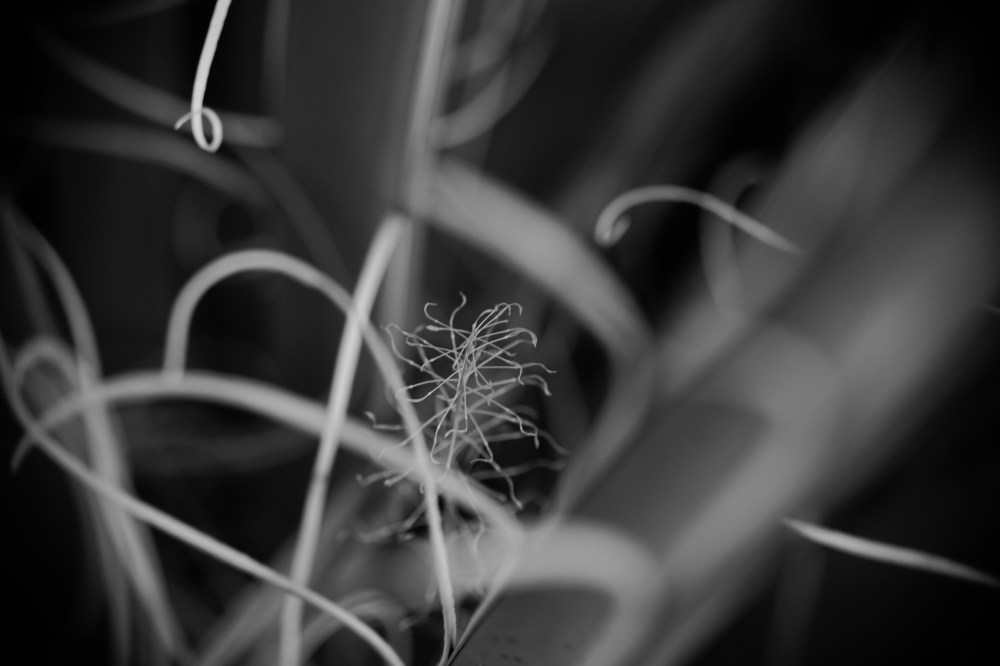
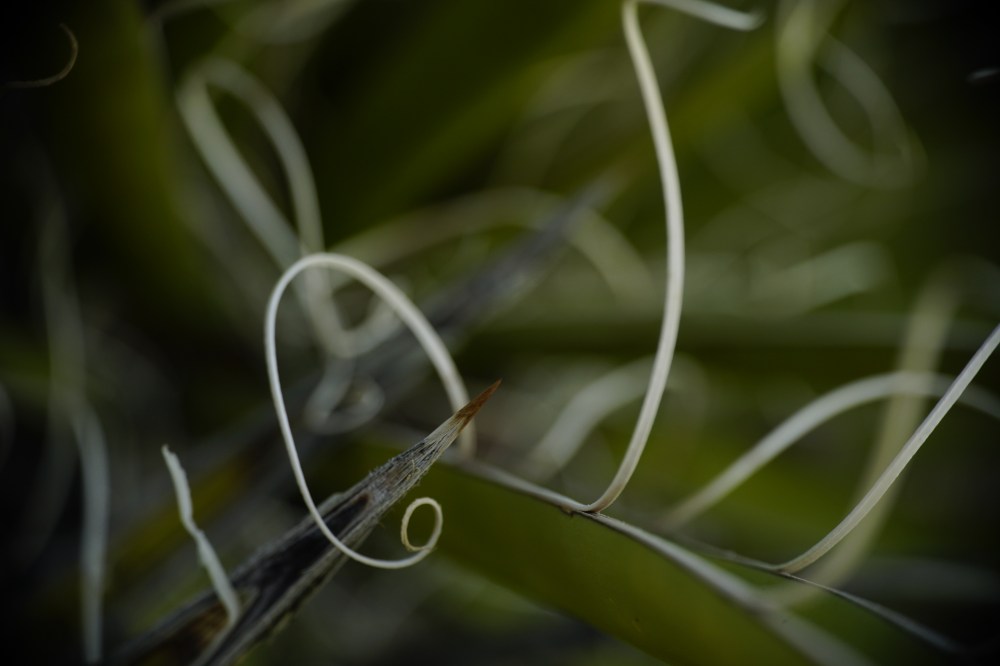

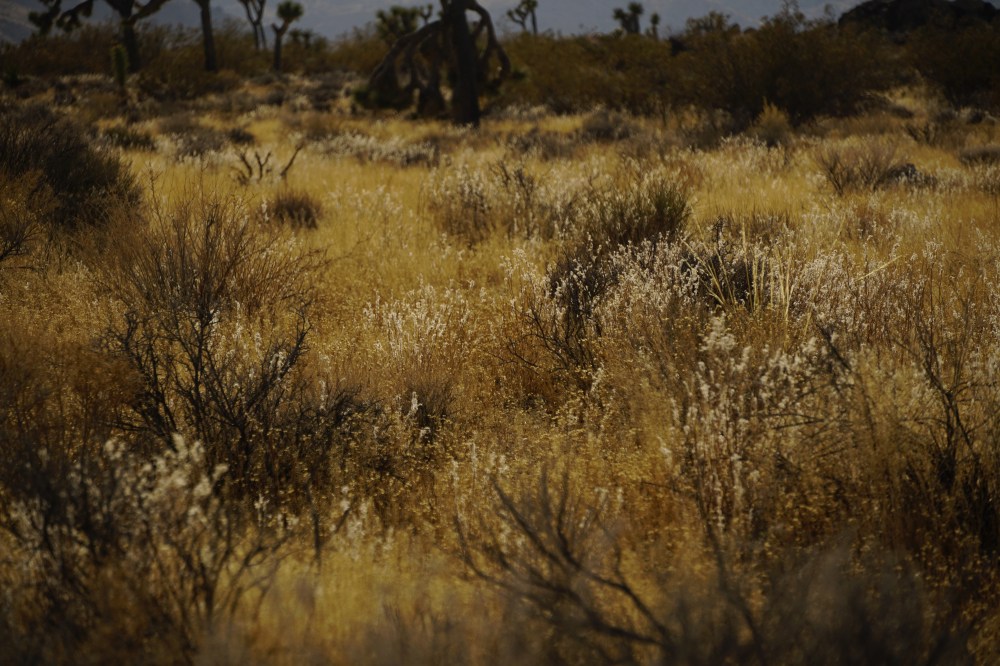
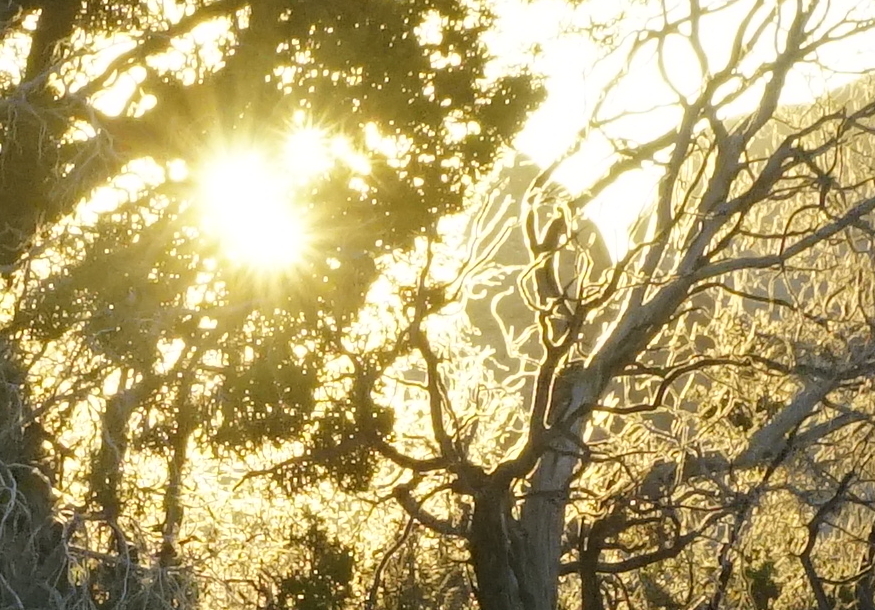
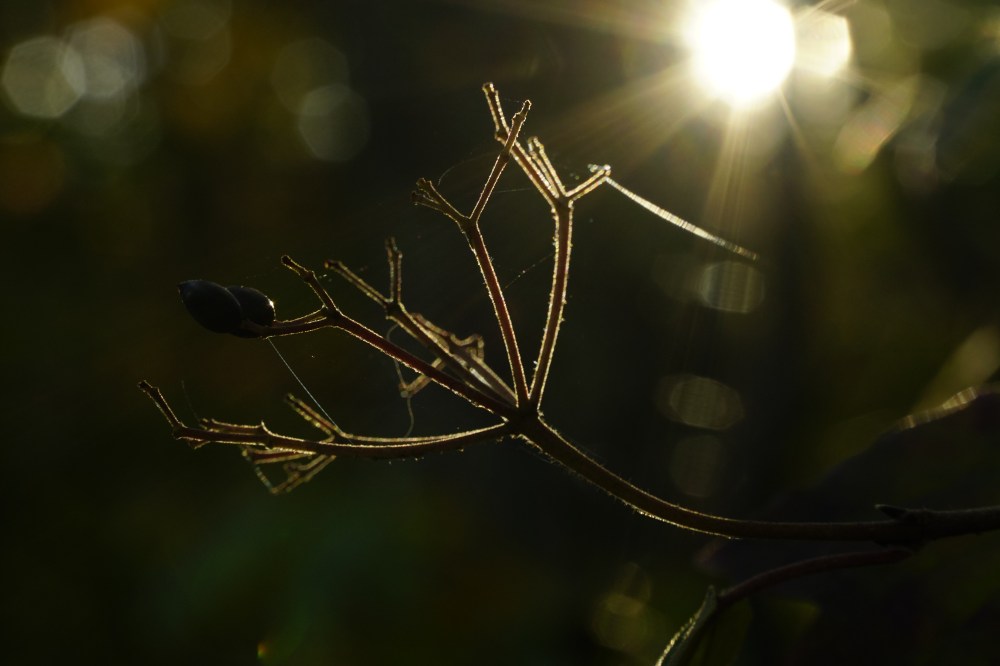
Morning sunlight through a dried Joshua tree branch:









How is it that I haven’t been to Rattlesnake Hill before? Anyway, it’s just been preserved for nature, and to celebrate I made my first trip.
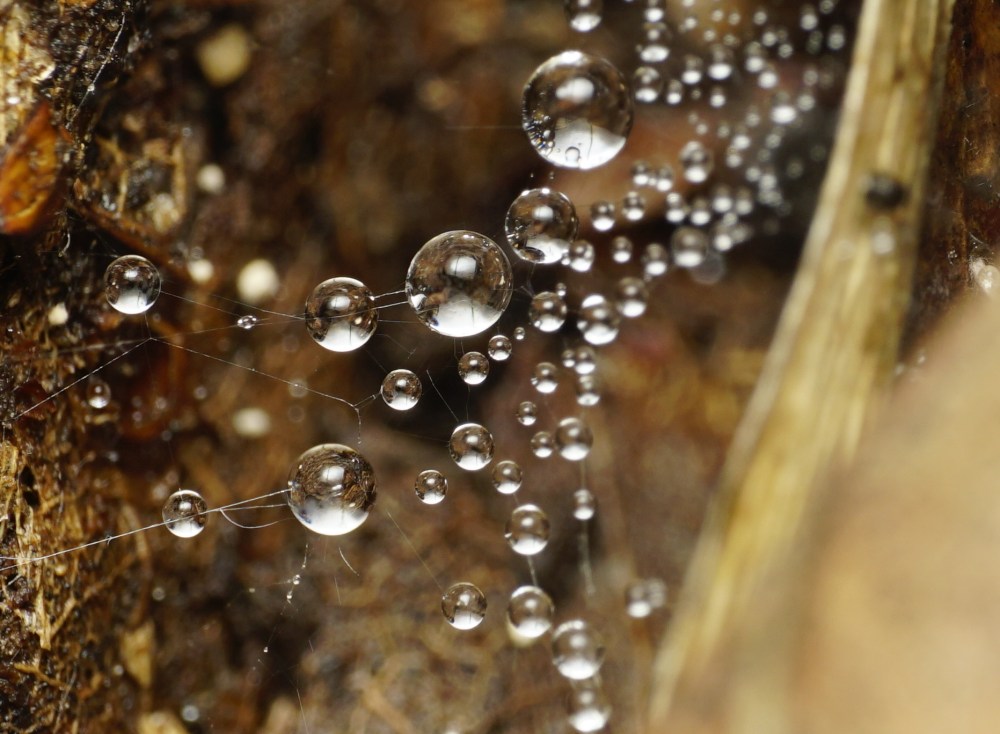
When you look under a rock around here, you often find little strands of silk. I don’t know if they are fungal or insect/spider in origin. They often have droplets on them, perhaps water but possibly not. Always a great view.



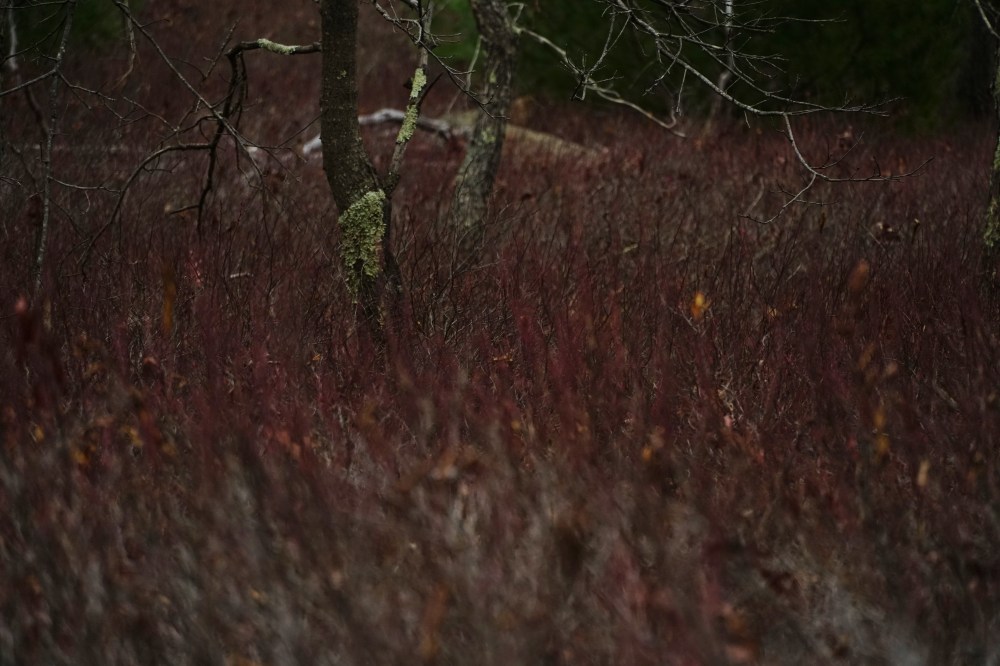

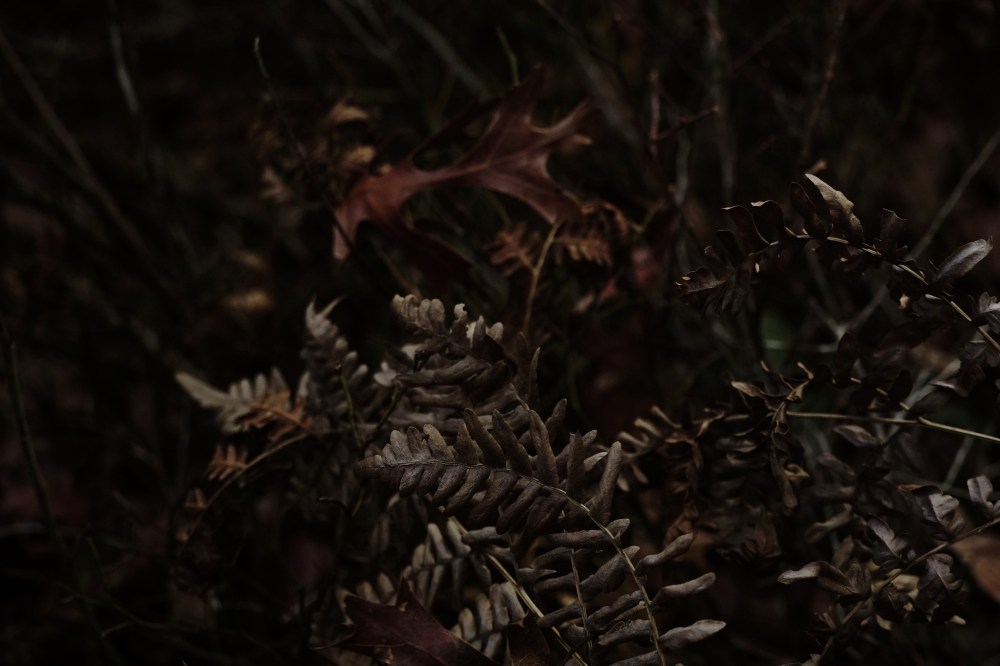

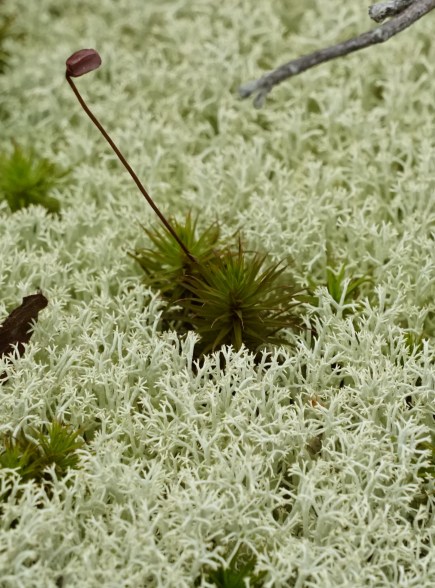

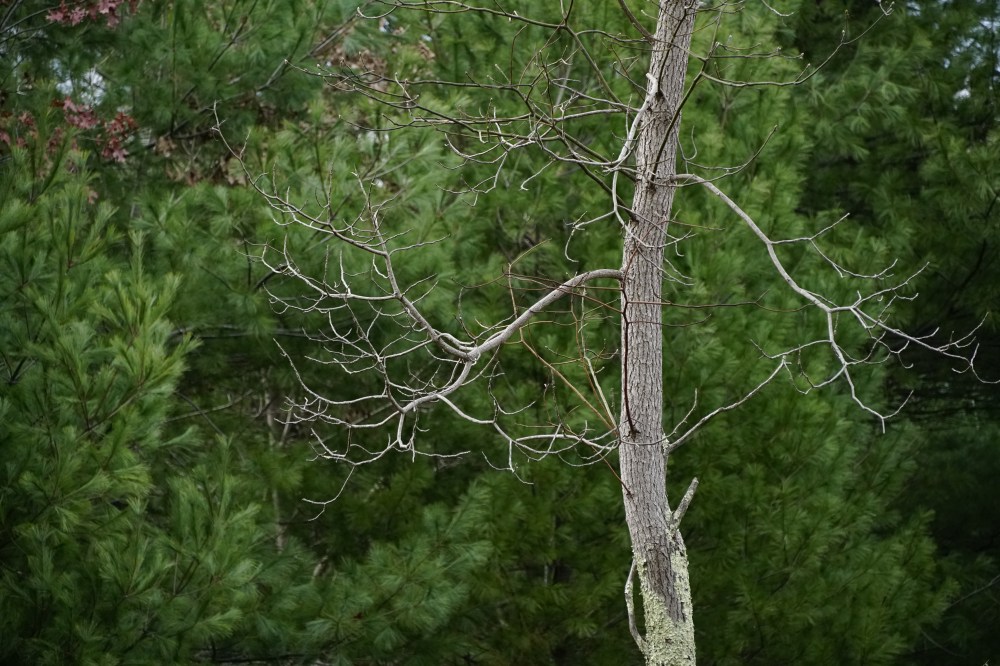
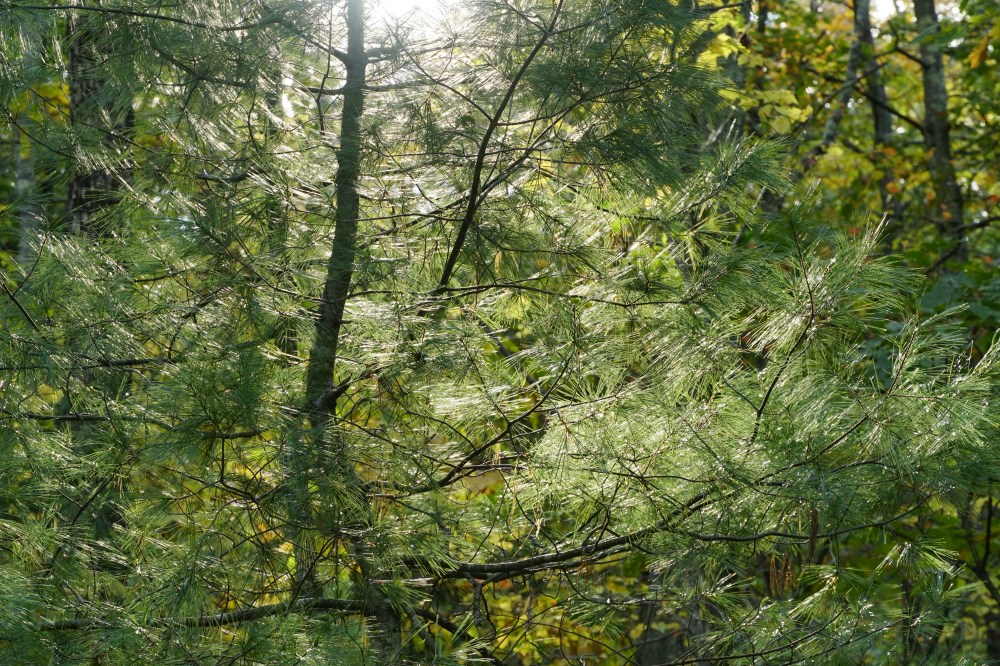
The pine needle circles! I had a previous photo published as Earth Science Photo of the Day: https://epod.usra.edu/blog/2018/11/pine-needles-sunlight-and-concentric-circles.html






 a little wild