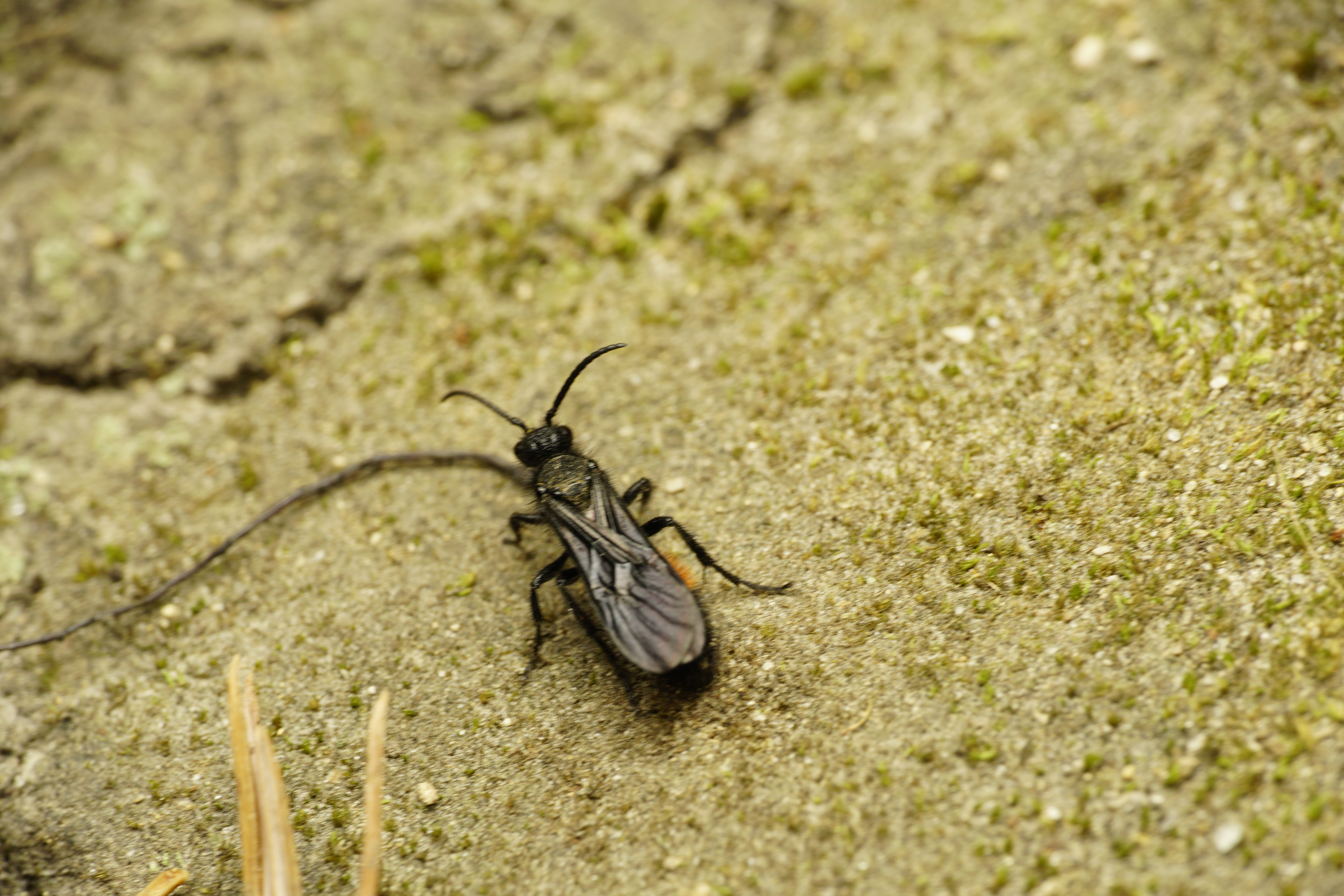
New Ipswich; Eliza Adams Gorge walk; some ponds and reservoirs on Rt 101; Pratt Pond.


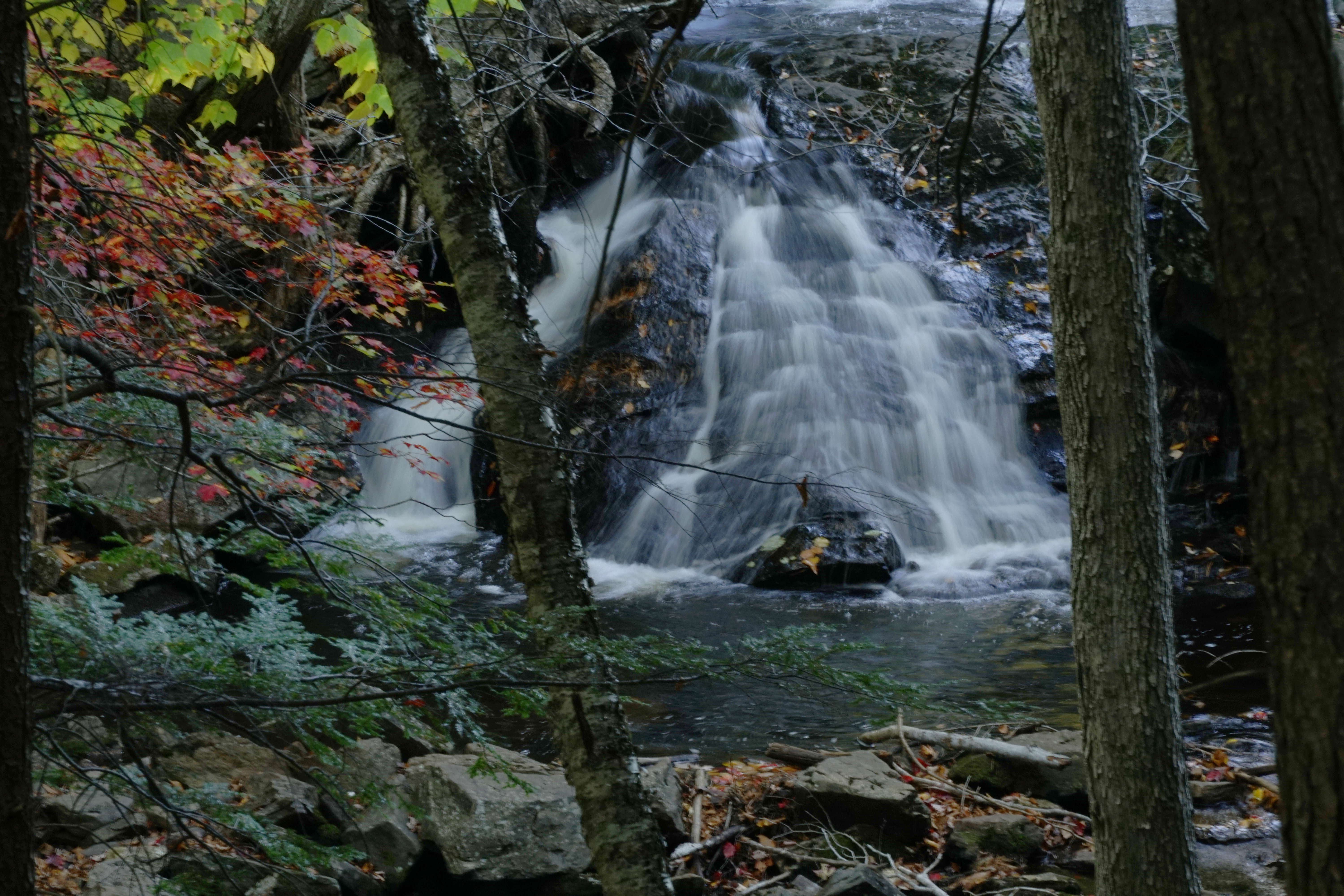


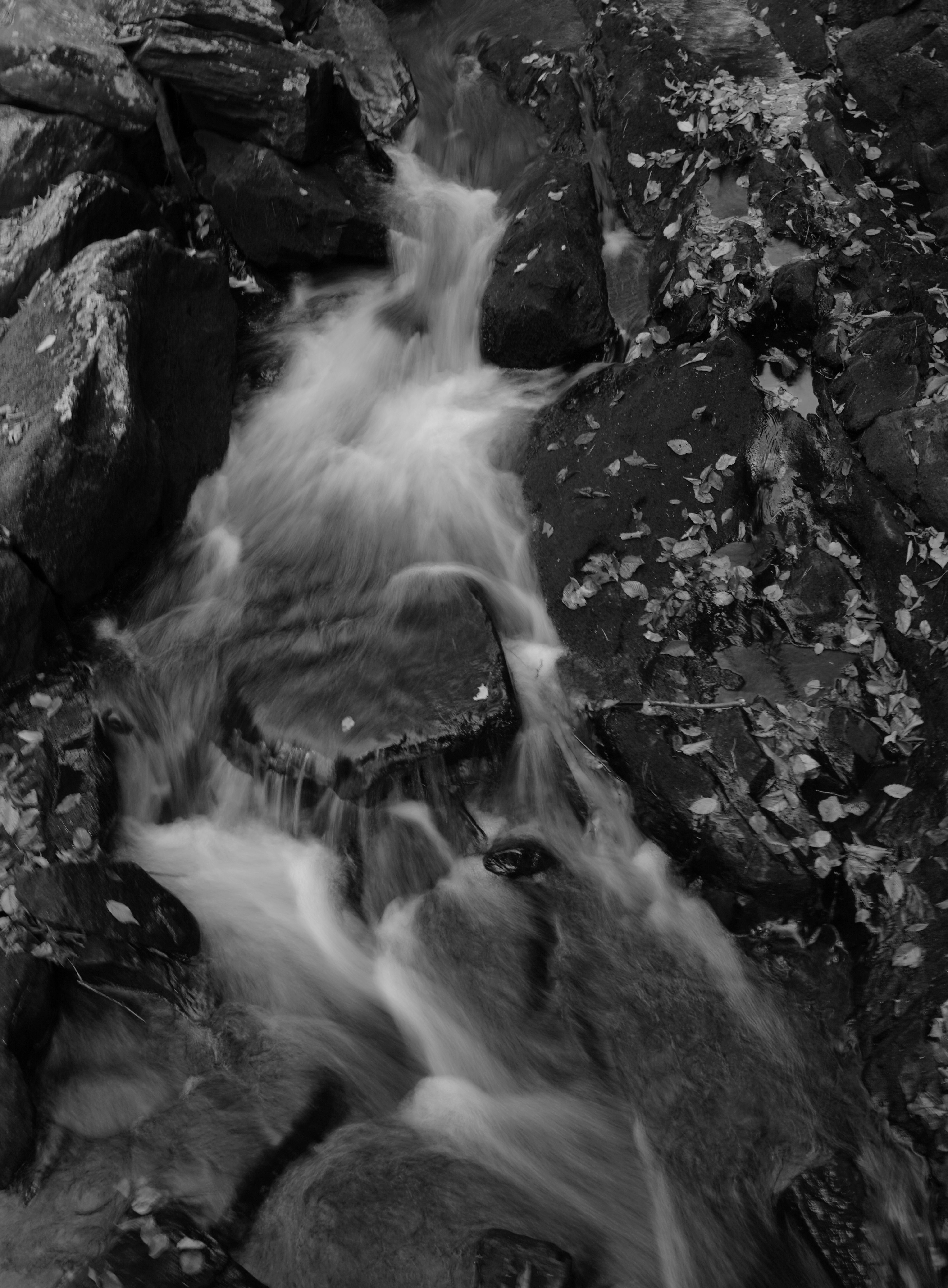
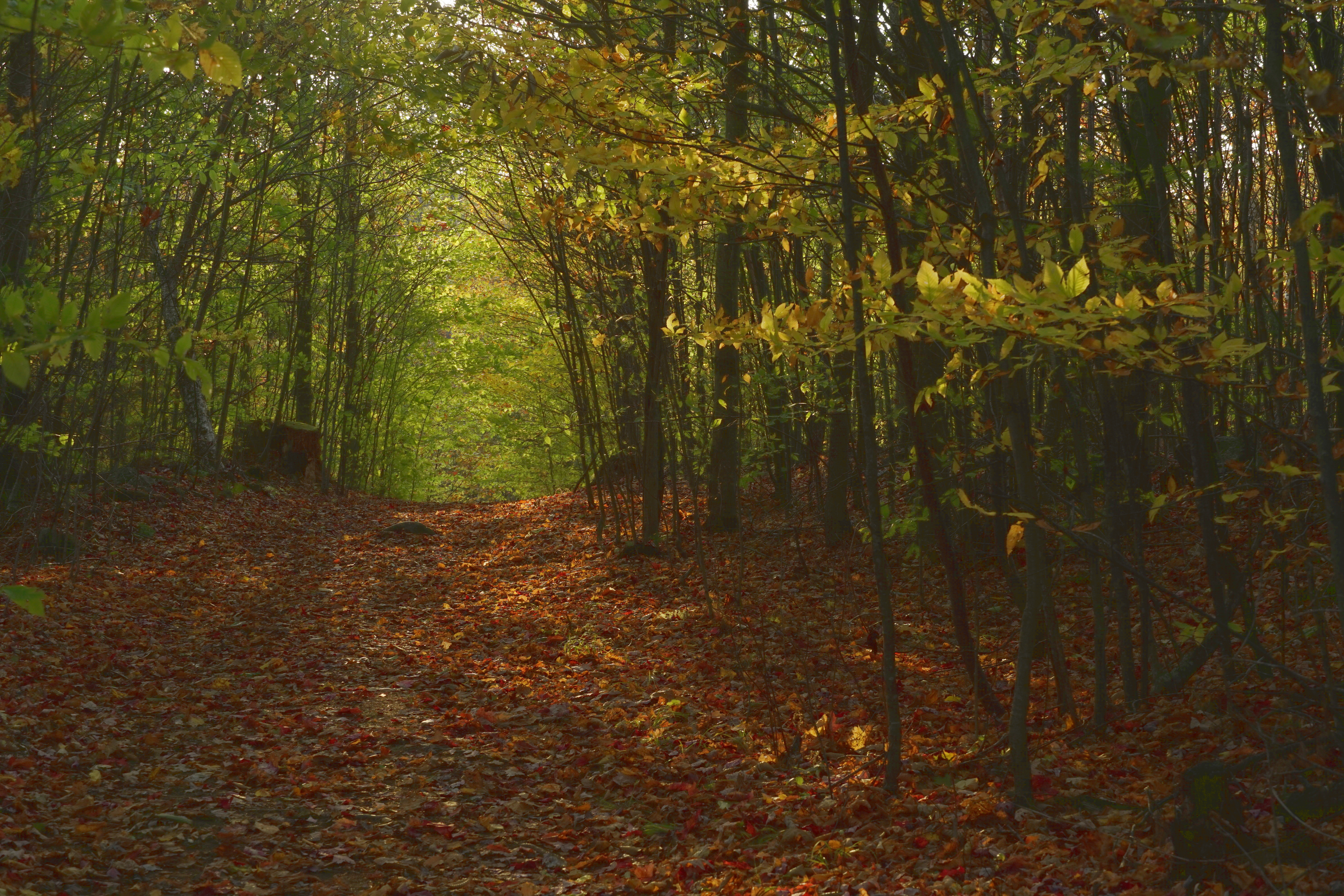
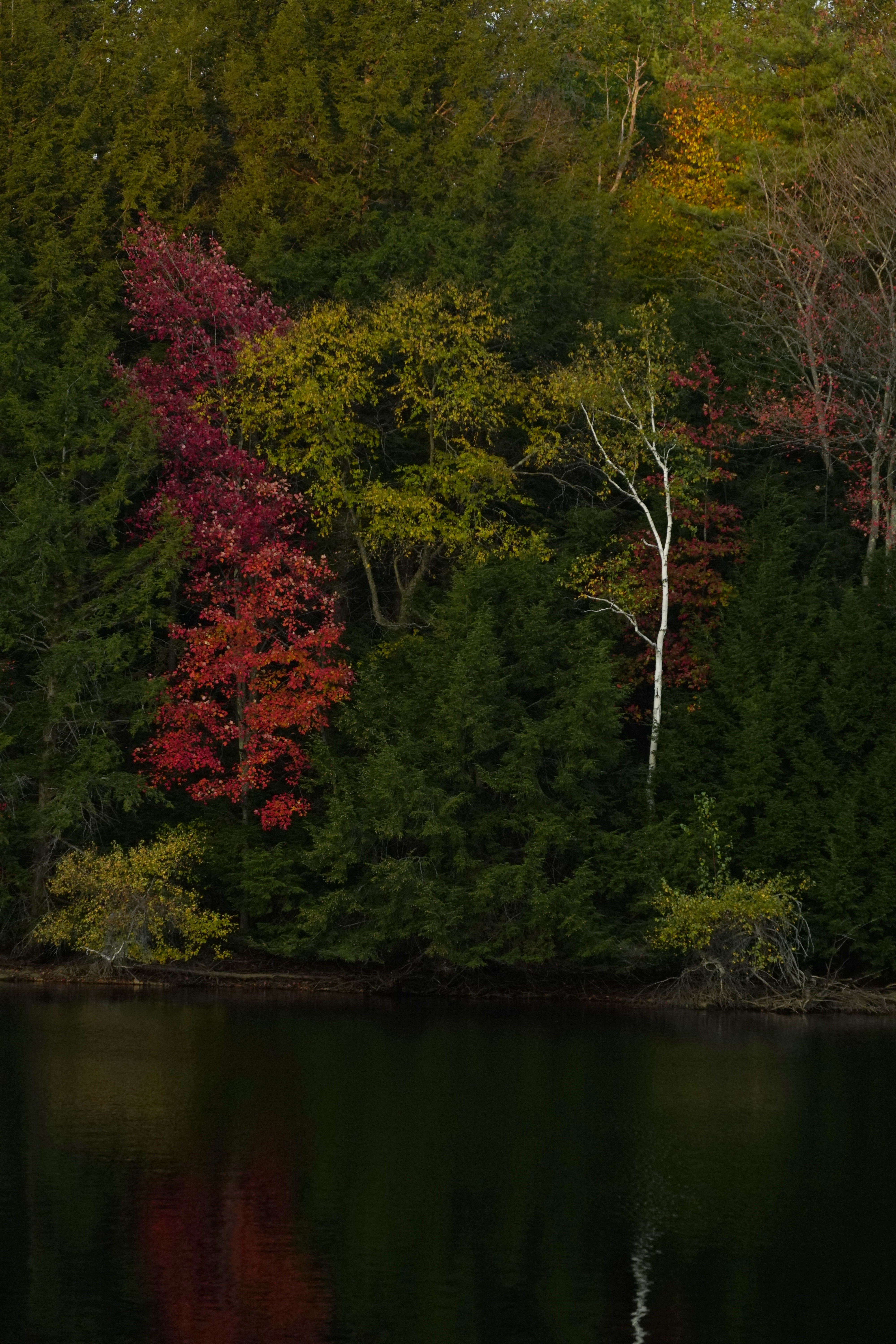
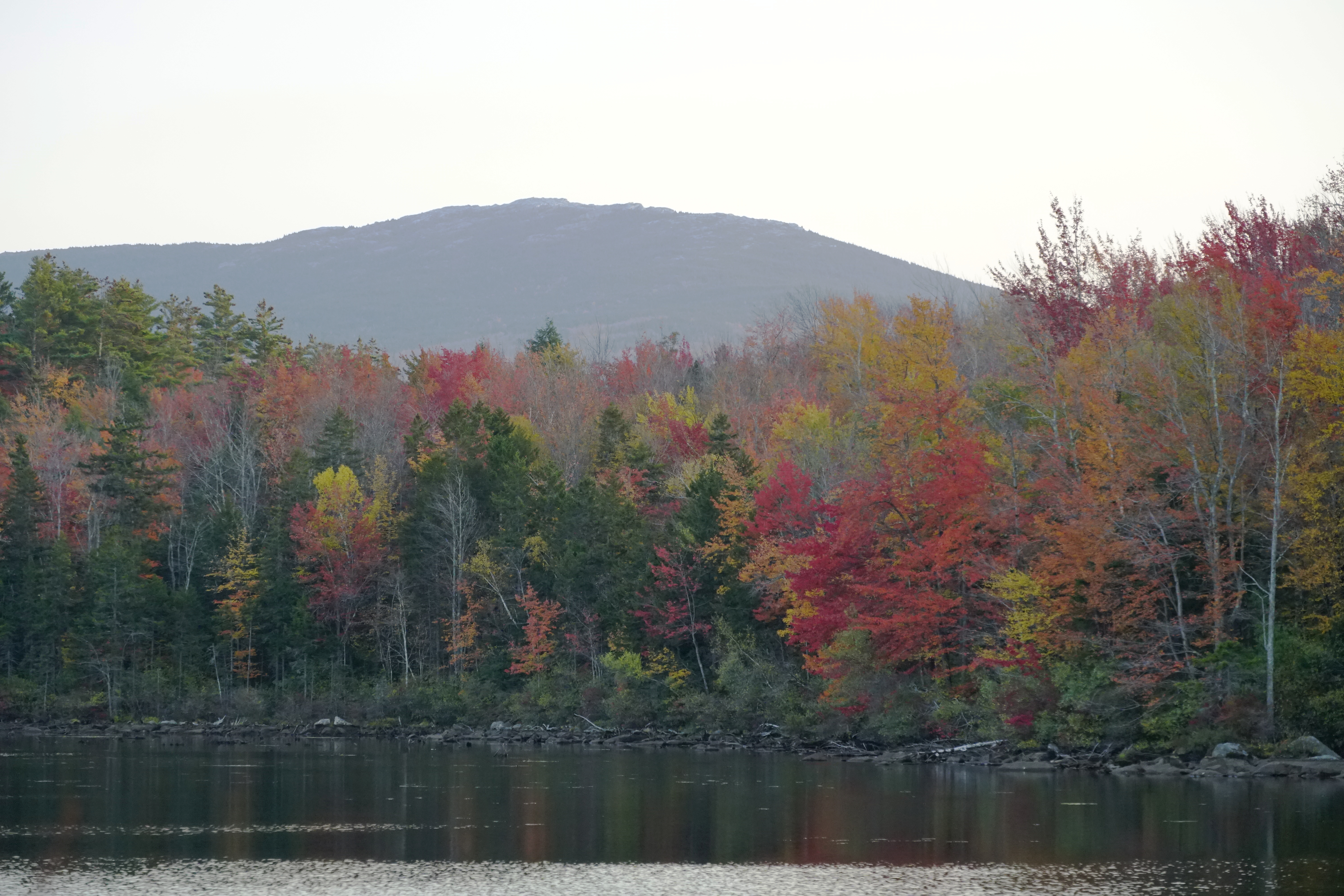
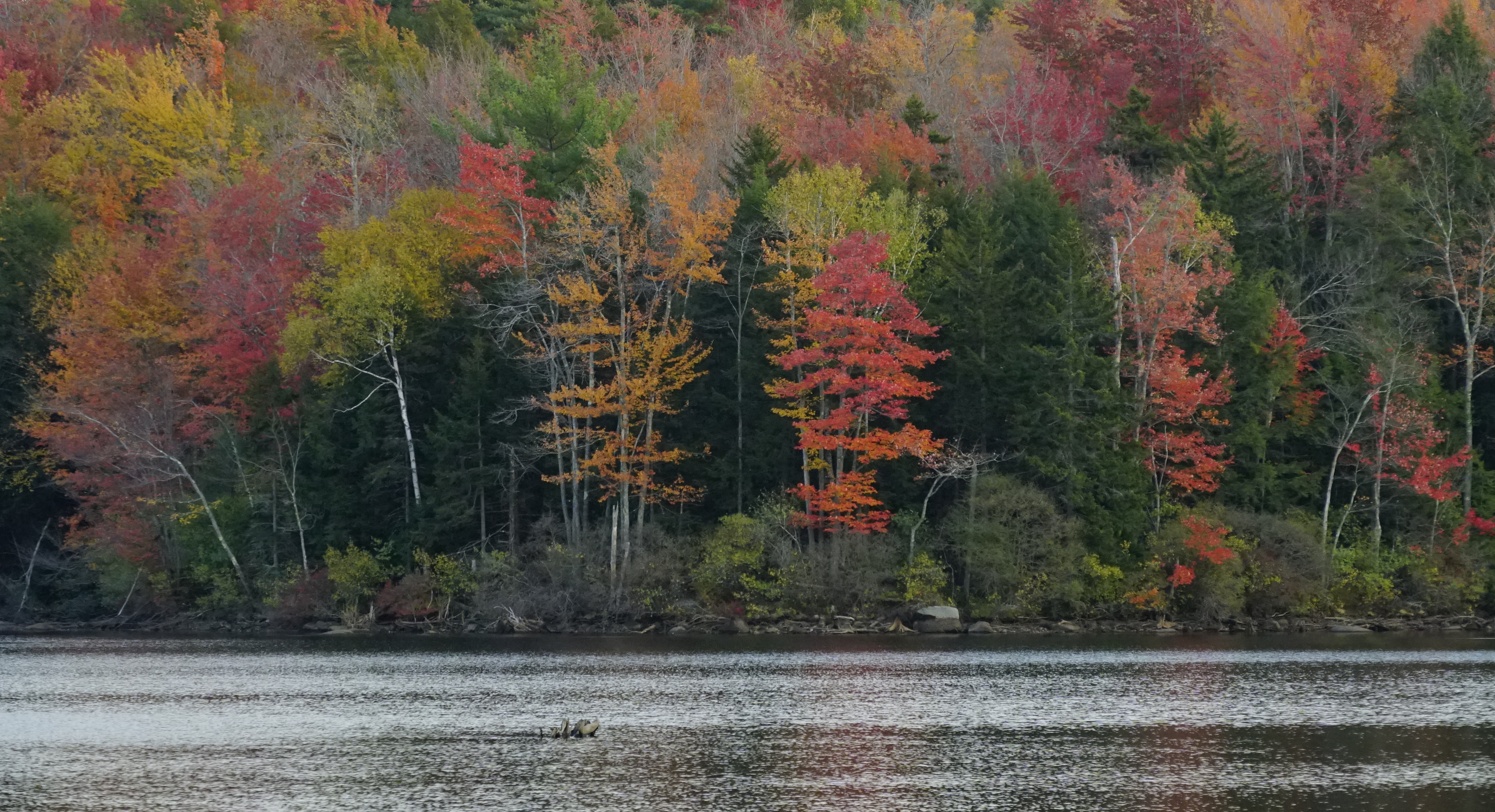



New Ipswich; Eliza Adams Gorge walk; some ponds and reservoirs on Rt 101; Pratt Pond.
For some reason, my first visit to the trails of Moose Hill Farms, run by The Trustees of the Reservations. Battery ran out of juice, so just a few photos, which is just as well, enjoyed the walk very much!
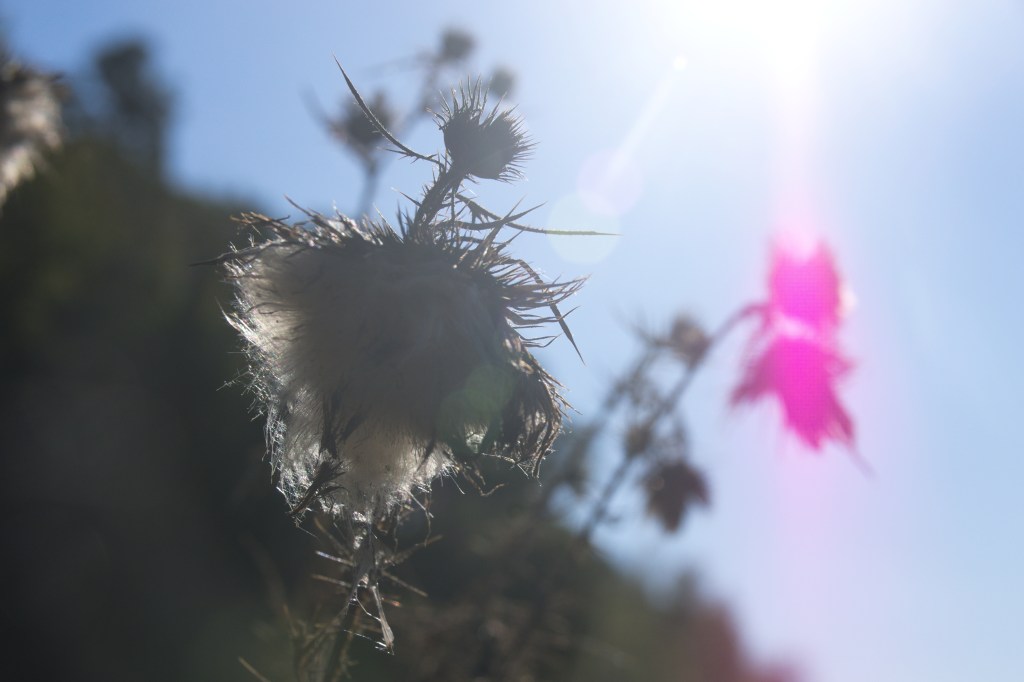


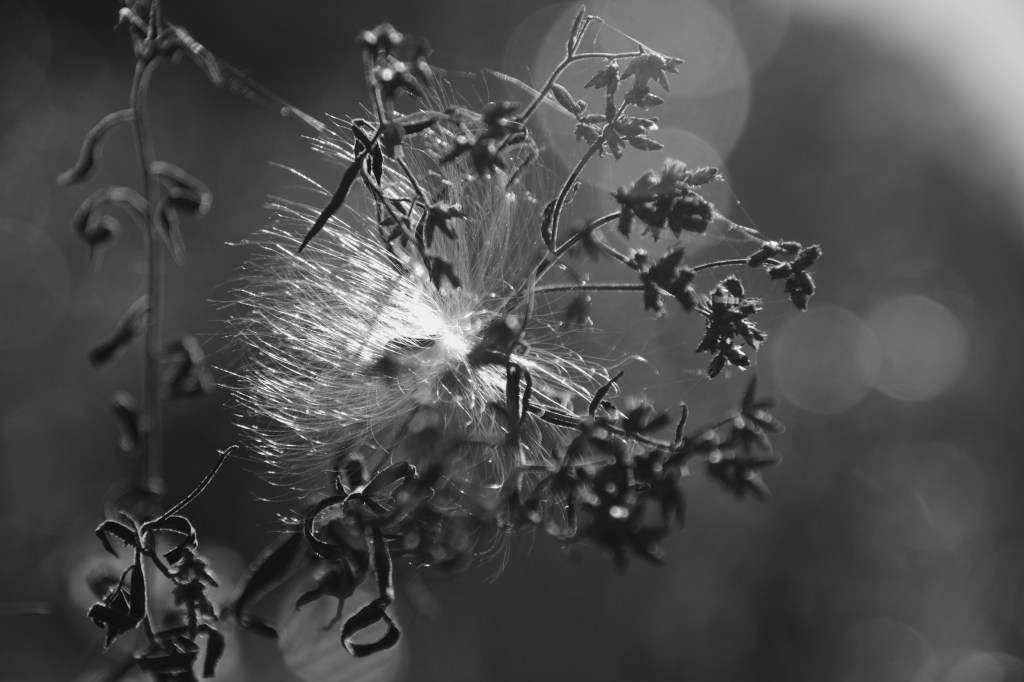
Two parts: first, in the Canoe River area in Foxboro, from Willow St. along the electricity lines. Next, Borderland State Park at the Northwest Trail.
Not a great day for too many insects. At the Canoe River area, the breeze was too much to get many photographs in focus; at Borderland, there were fewer insects than I’ve seen for a while. Maybe the season is dwindling.
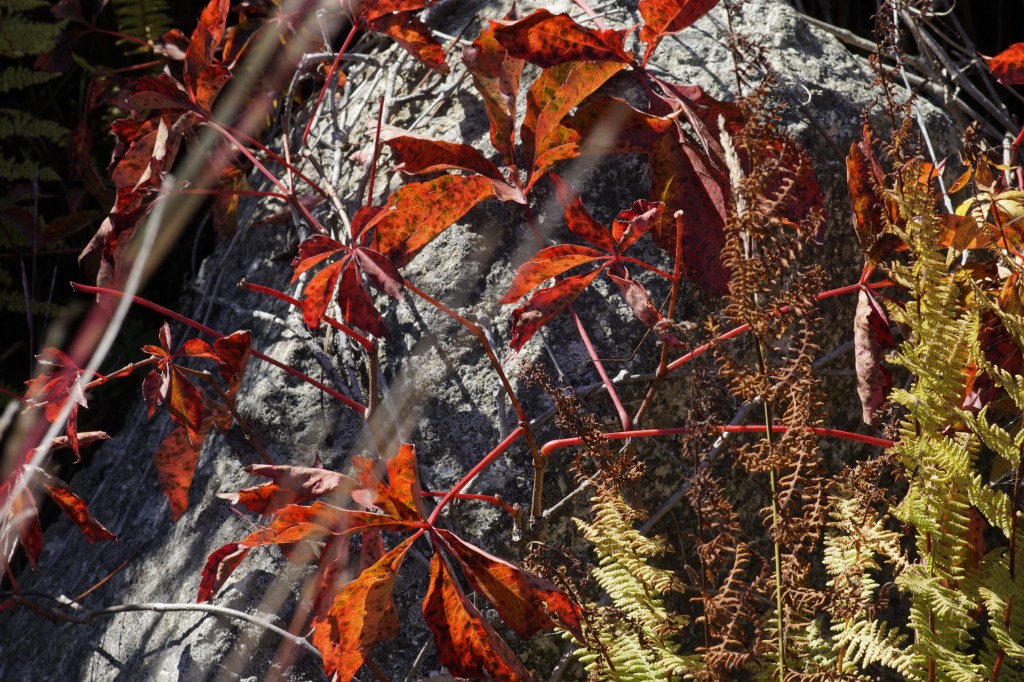
As recompense, we’re getting more colors and better light. The early and late autumn — before and after peak colors — are underestimated for their beauty.
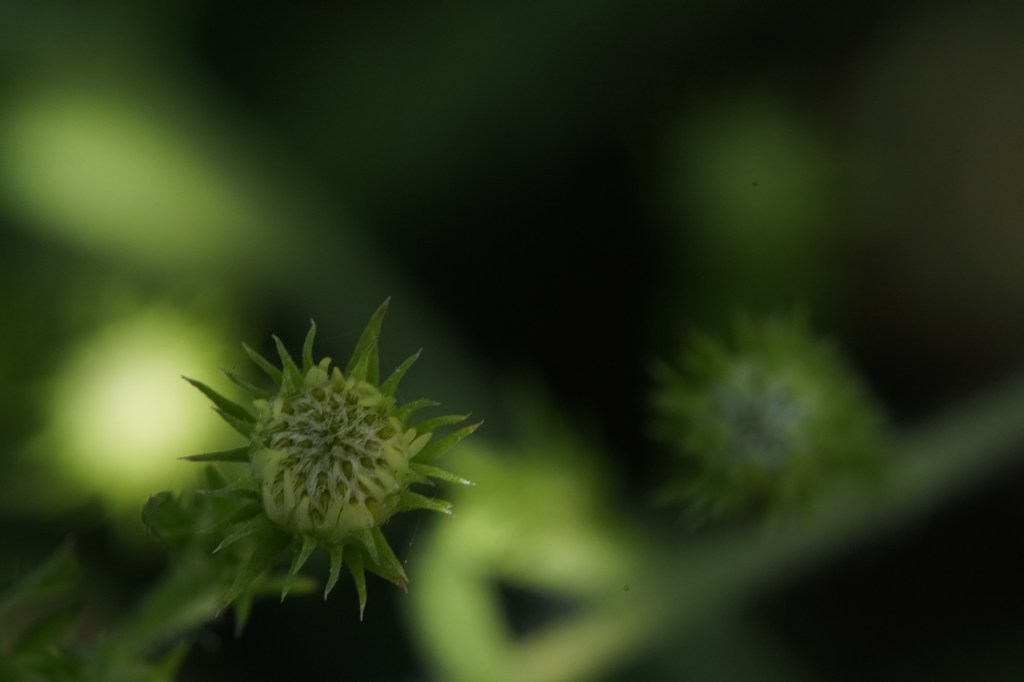
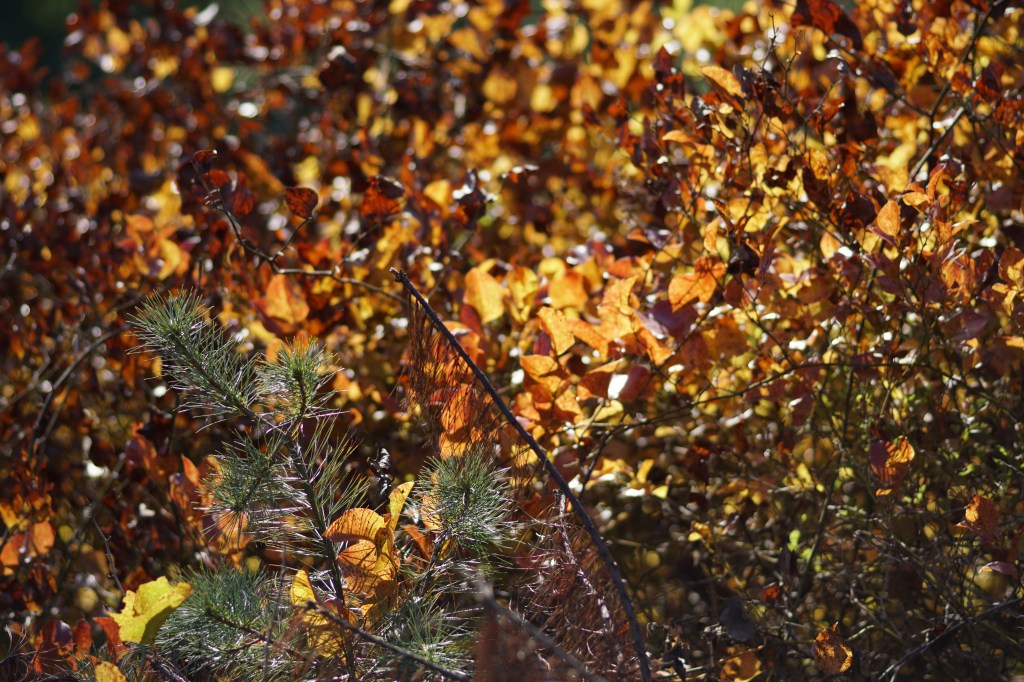

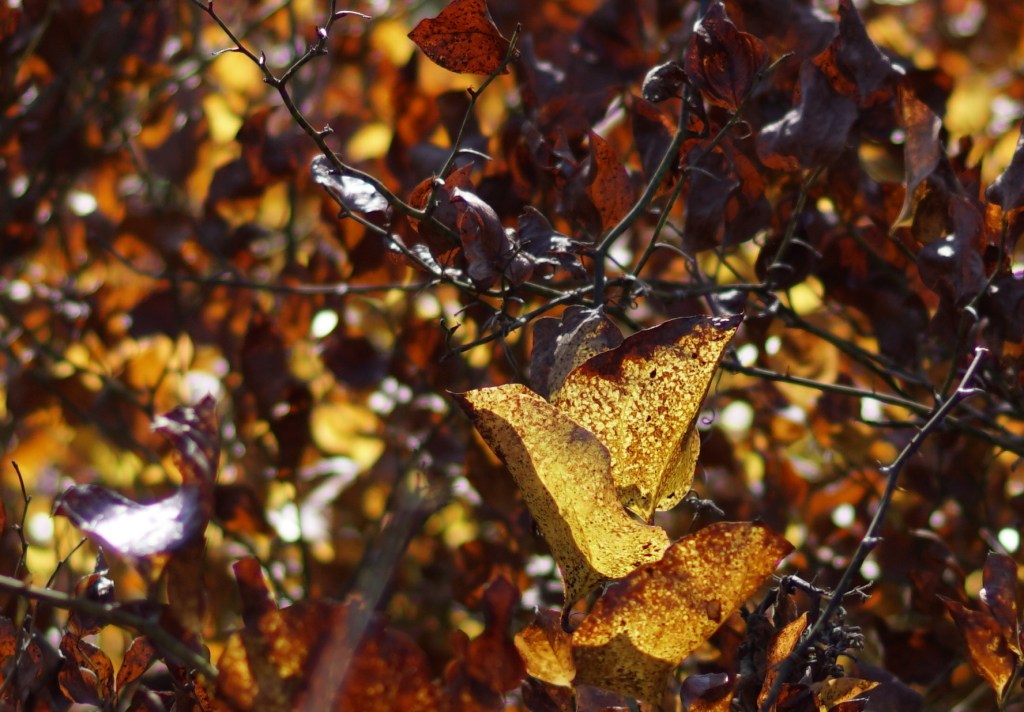
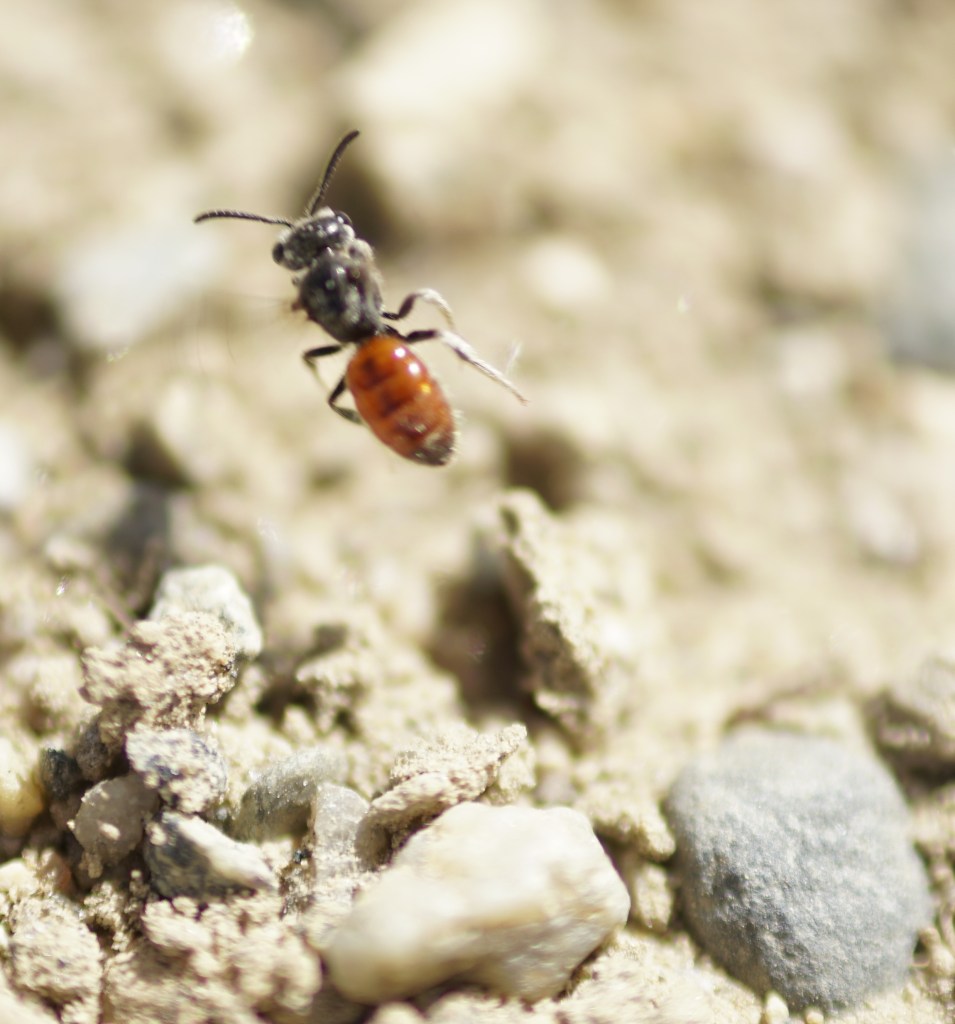
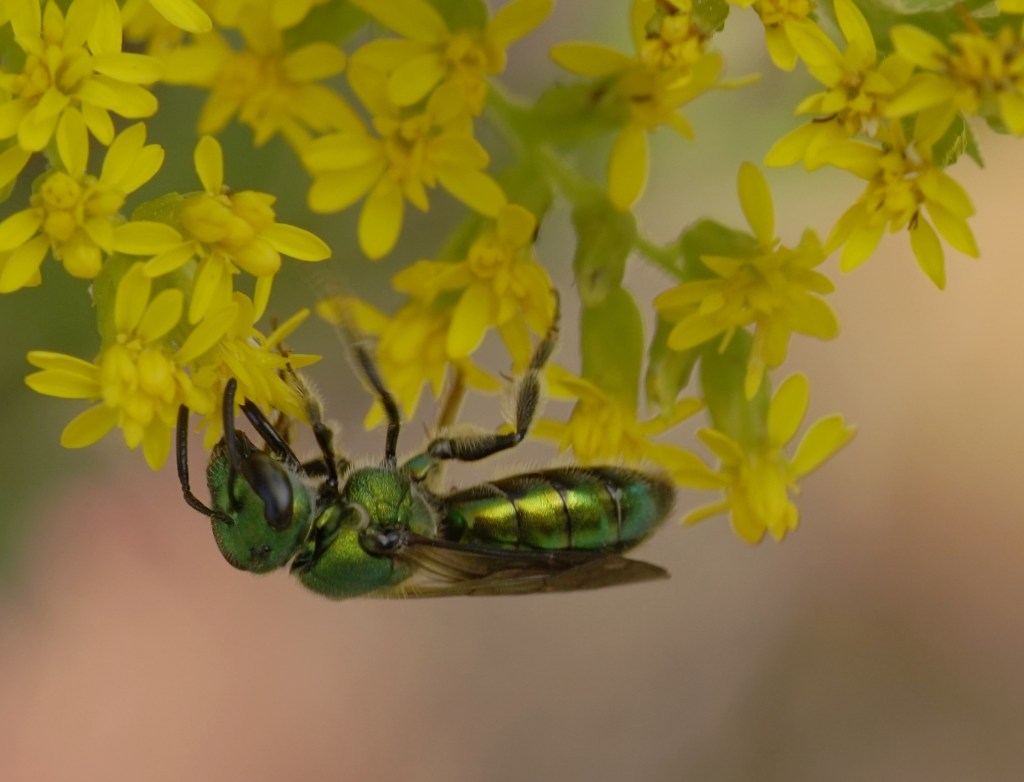
These photos (a bee, Sphecodes, I’m told) could have been so much better! I realized after I took them that my camera was still at f/2.8. Trying to capture a fidgety bee at f/2.8 is like drinking your tea with chopsticks.
They’re kleptoparasites: they can feed themselves, but get other bees (including other Halictids) to feed their babies.
My guess is that we caught her in the act of invading another bee’s burrow to lay her eggs! Very cool.


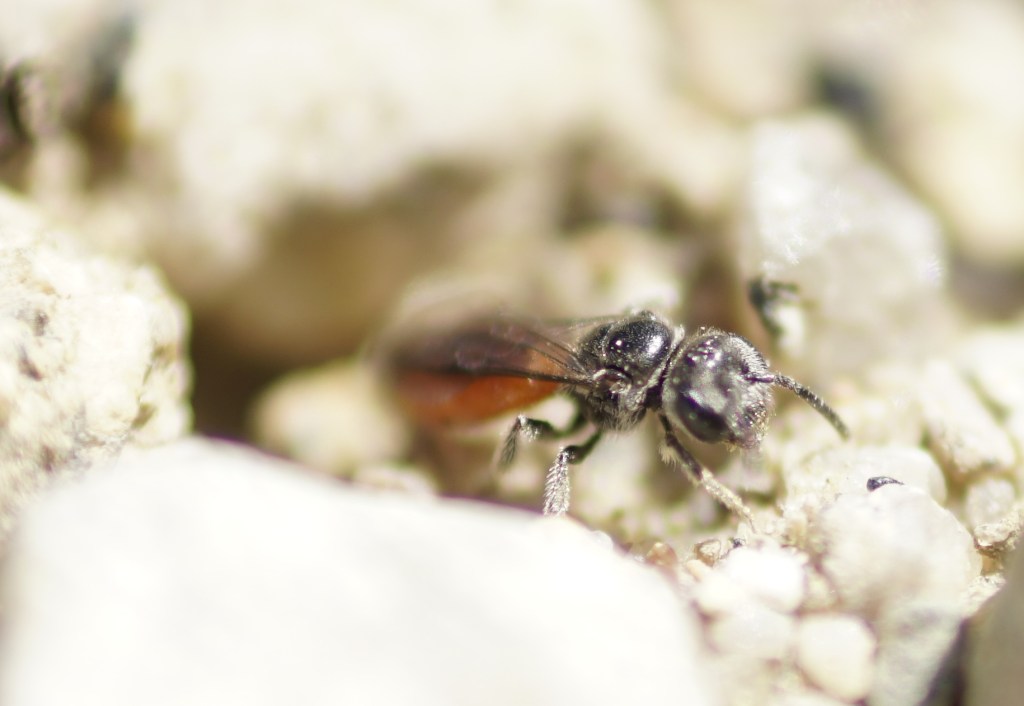
Nice to catch it taking off:
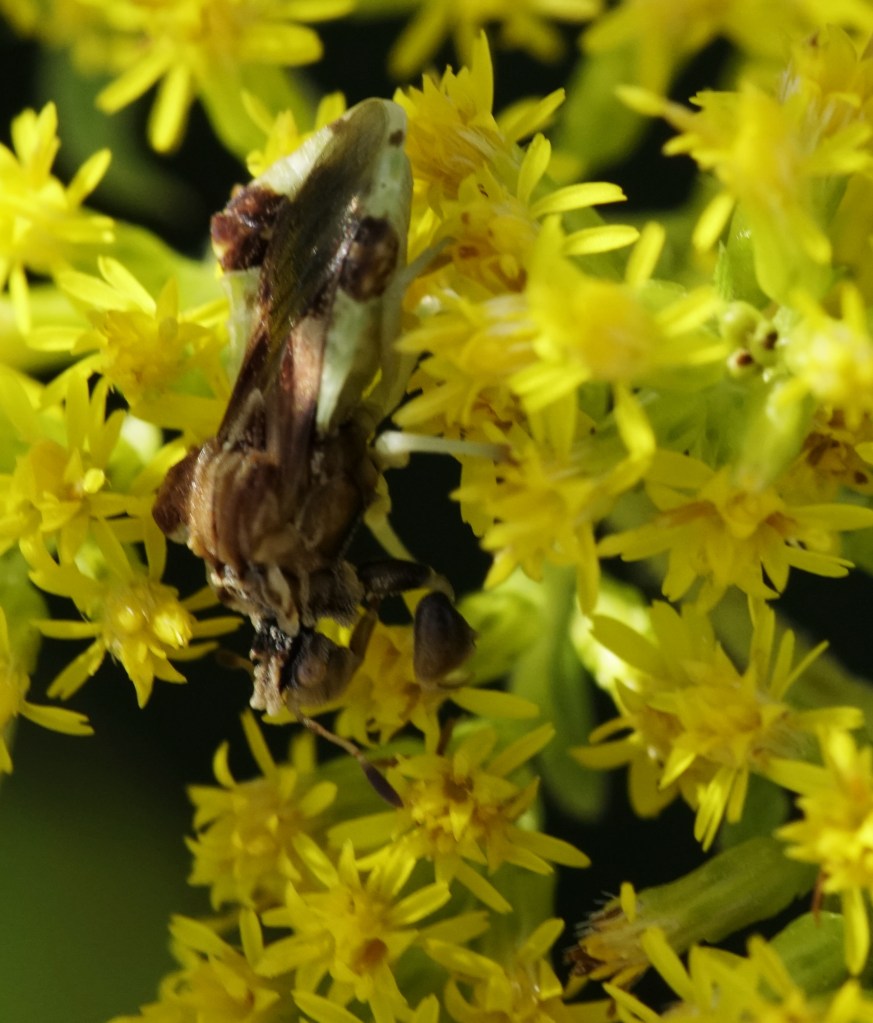
A jagged ambush bug, Phymata cf pennsylvanica
I can never say no to Halictidae photographs:



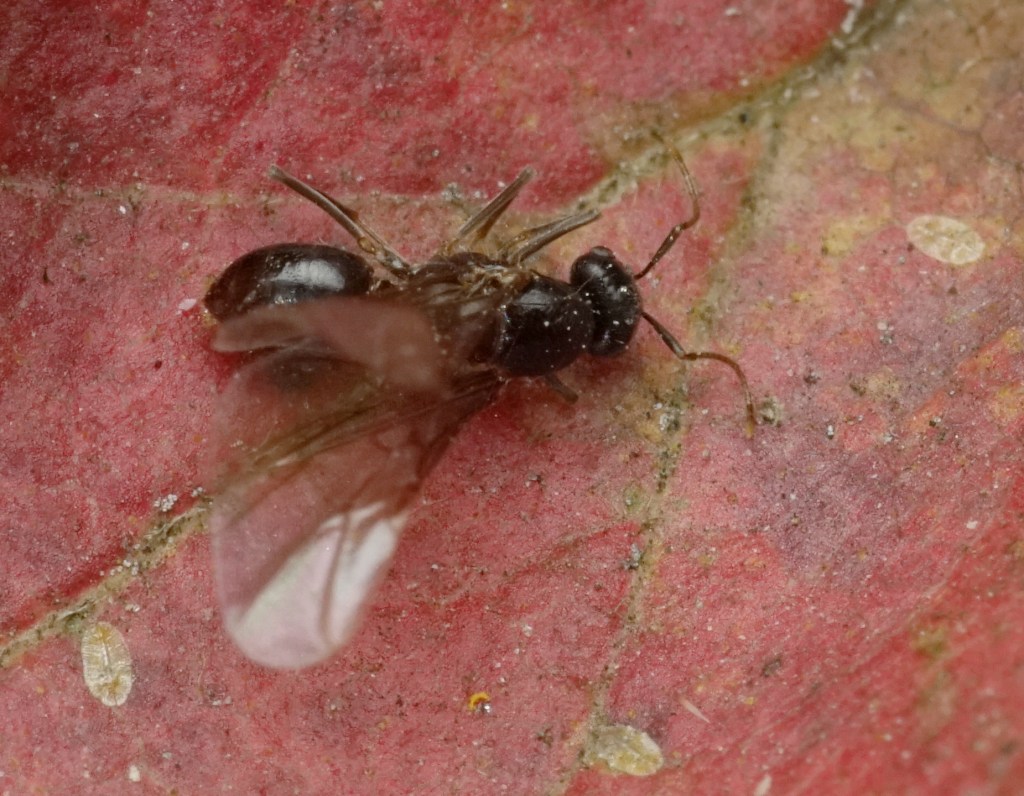
An ant alate. “Crematogaster cerasi or less likely C. lineolata”.
Can you spot the jumping spider?

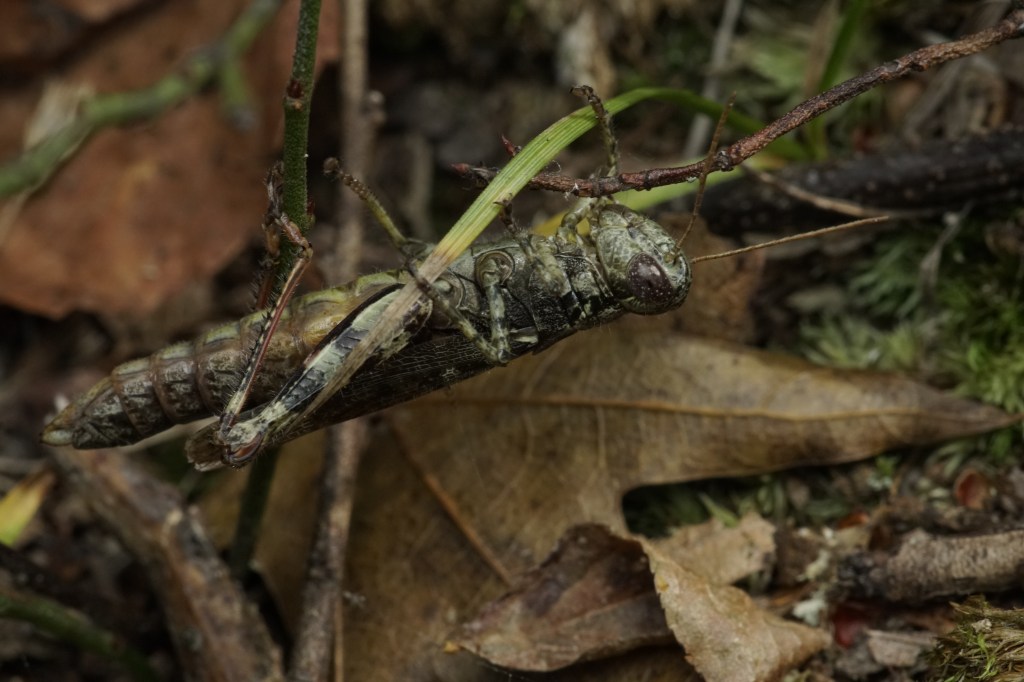
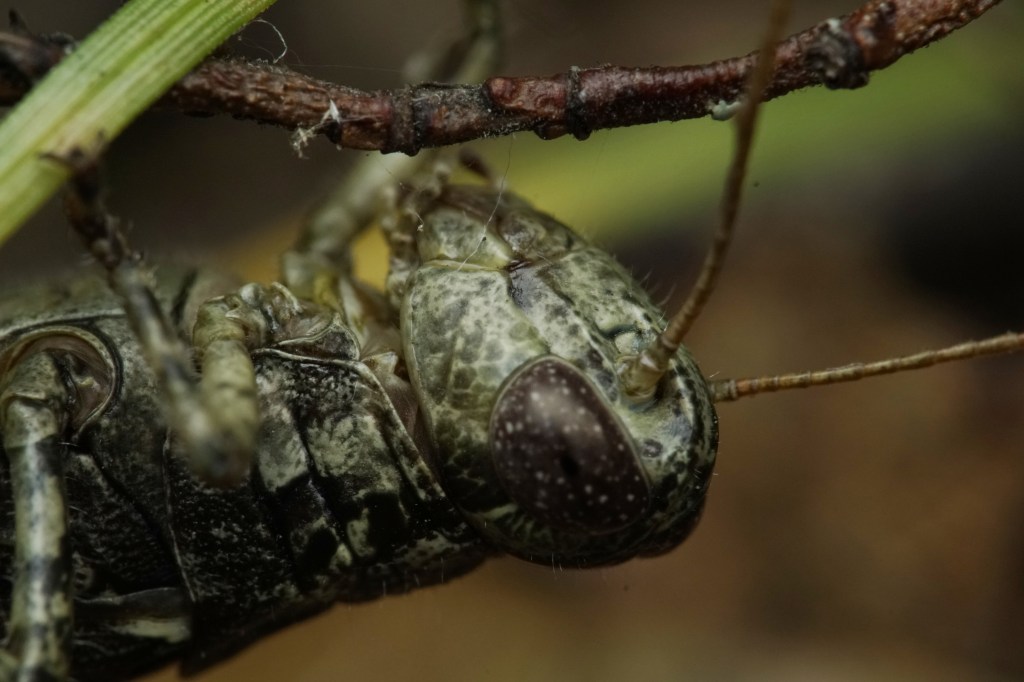
I’m using new apparatus for macro photographs. This grasshopper allowed me to make full use of the zoom. Melanoplus punctulatus.
And this is with the lens fully zoomed in, no crop!
Lichen:

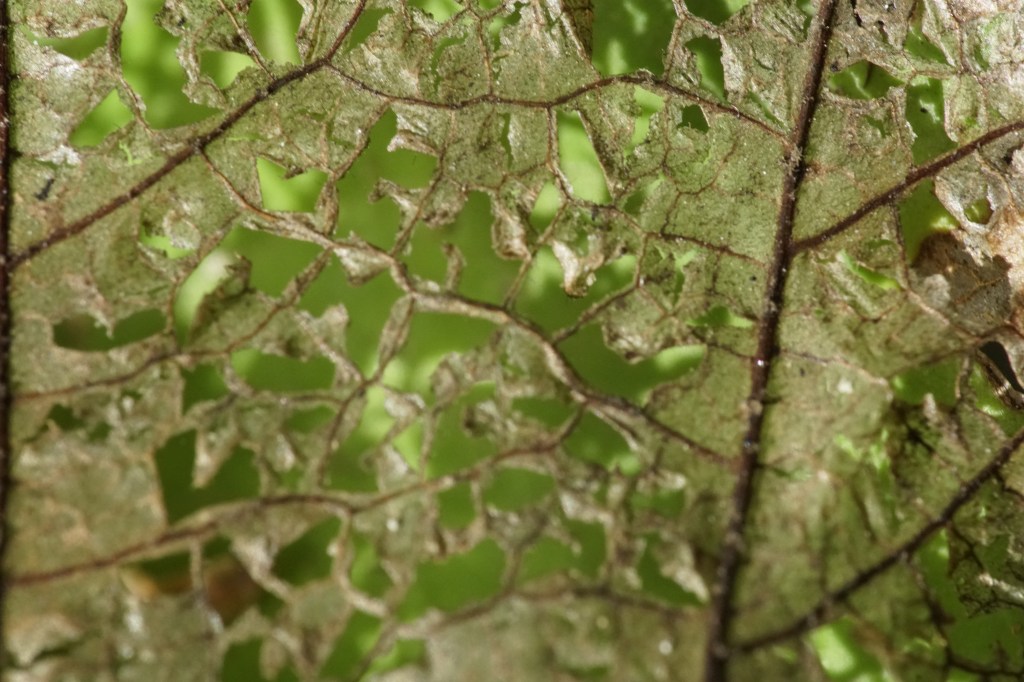
Figitidae:

I think it’s a Copper Underwing, Amphipyra pyramadoides, but my moth intelligence is very low.

Visitor’s Center to the Pond, to Pond Edge Trail, to the Swamp Trail. Then Pond Walk to Ames Mansion.
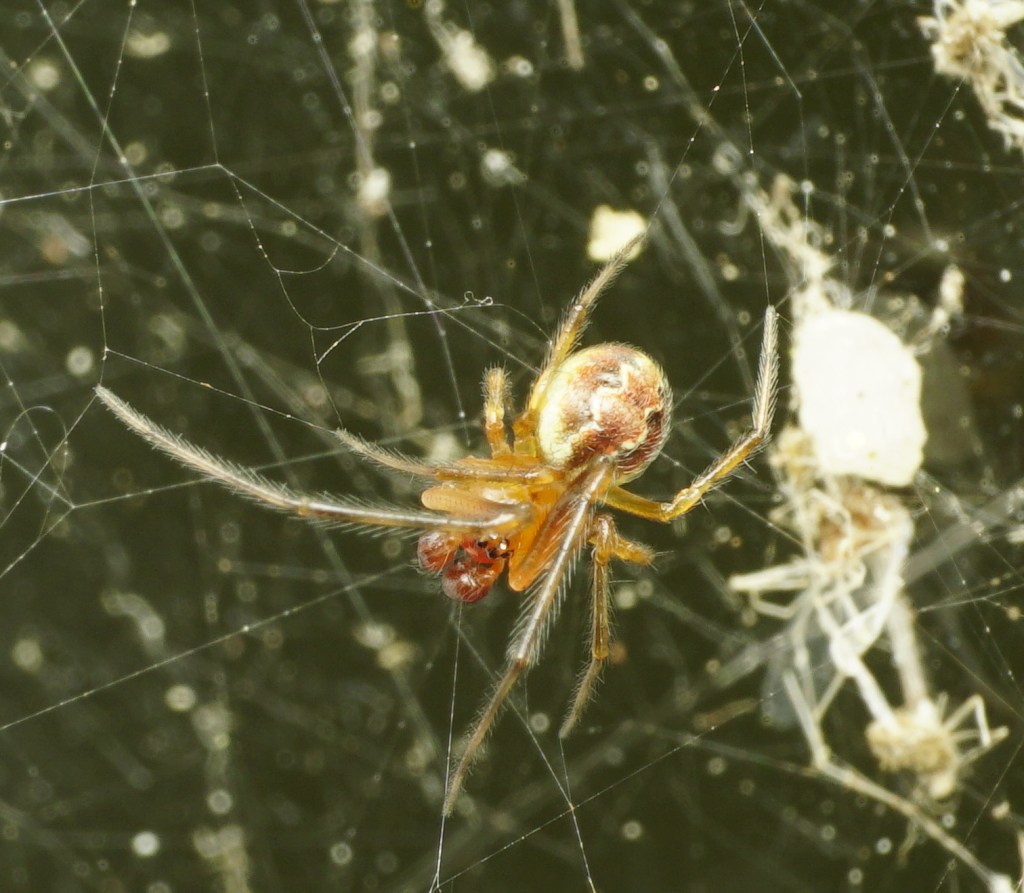
But first, spiders from right outside my front door. Shame on me for not noticing them earlier! This is Theridion. They can actually be social spiders, and there were multiple of them in this web.

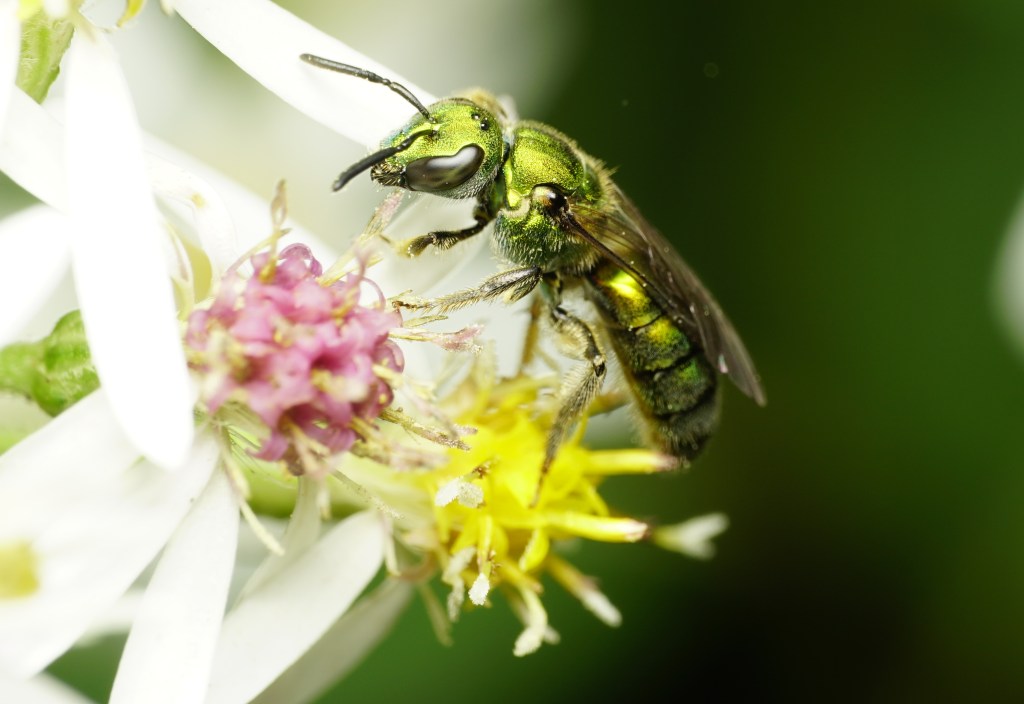
The Halictids were out in force! Augochlora pura:


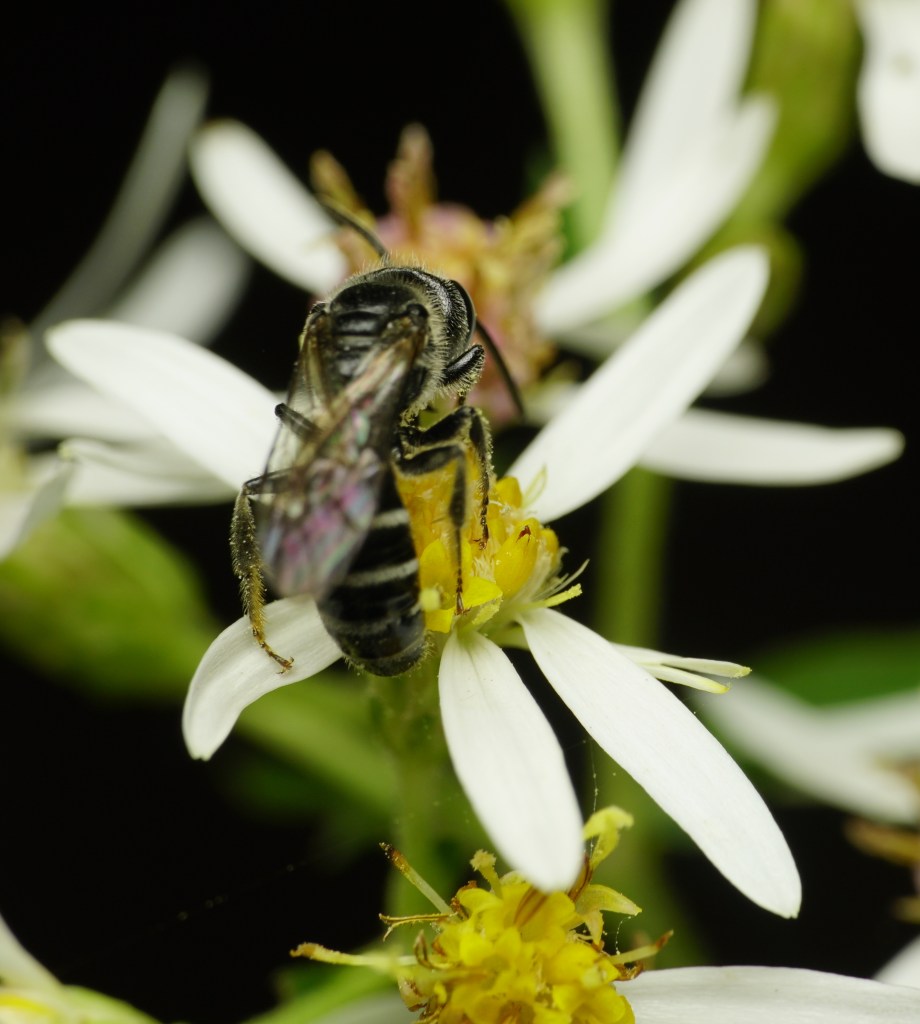
Halictus sp. : “the hair bands are stronger and seem apical while the head looks much larger than a Lasioglossum”
Maybe Three Streaked Sparganothis, aka Sparganothis tristriata 3699?

Figitidae:

Ancistrocerus cf adiabatus:

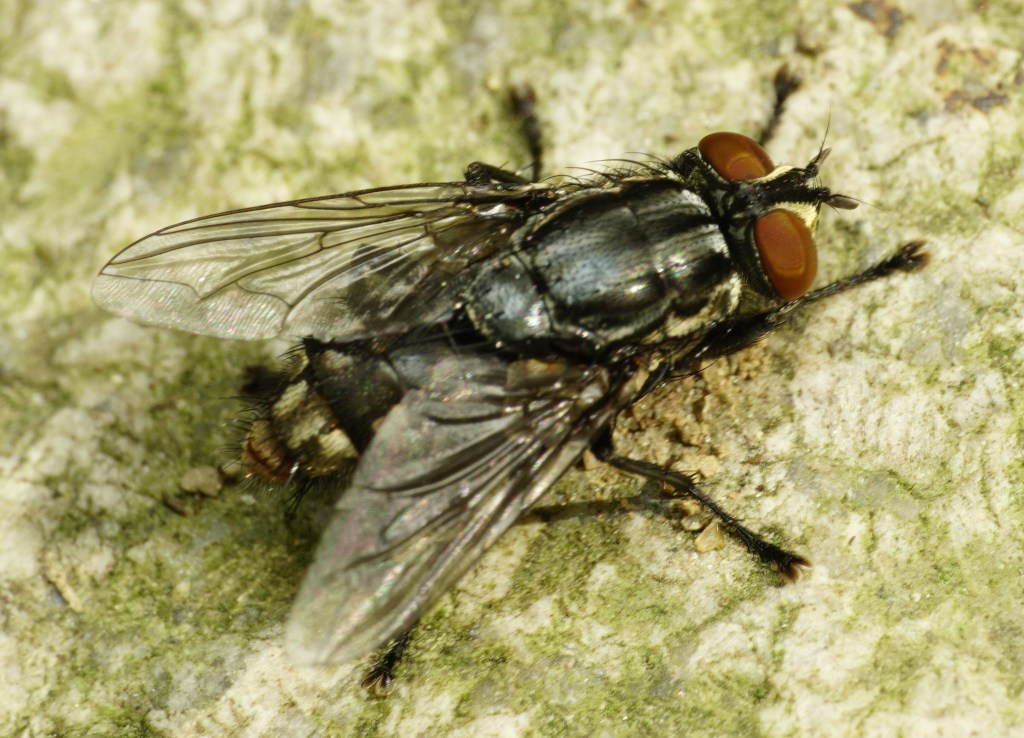
Diptera. “Calliphoridae, Calliphora sp. Wing veination in this case mainly gets you to Oestroidea, ruling out Muscoidea.”
A male Bethylidae. Wikipedia: “aculeate wasps in the superfamily Chrysidoidea. As a family, their biology ranges between parasitoid wasps and hunting wasps.”

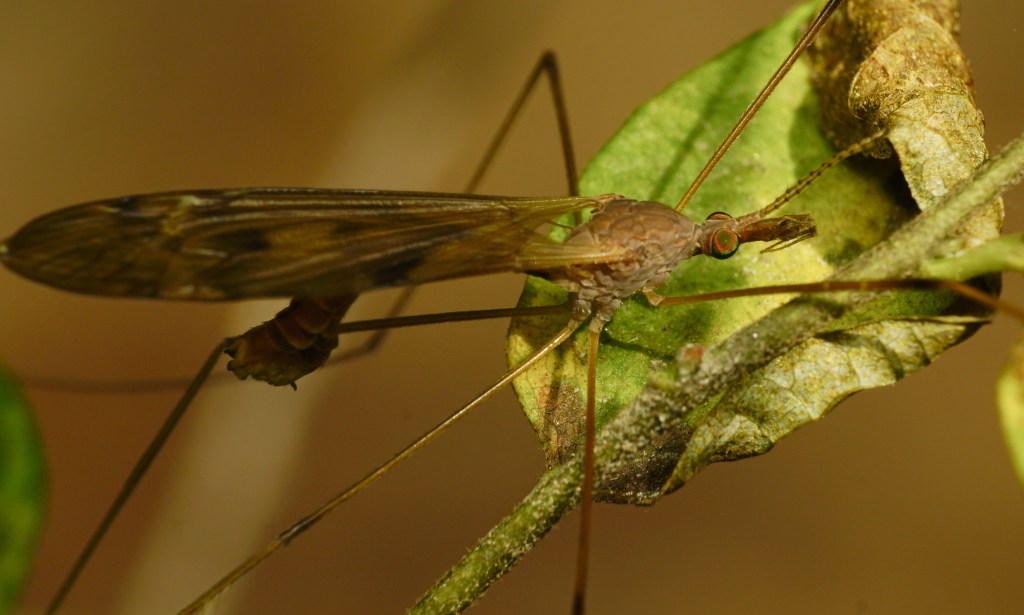
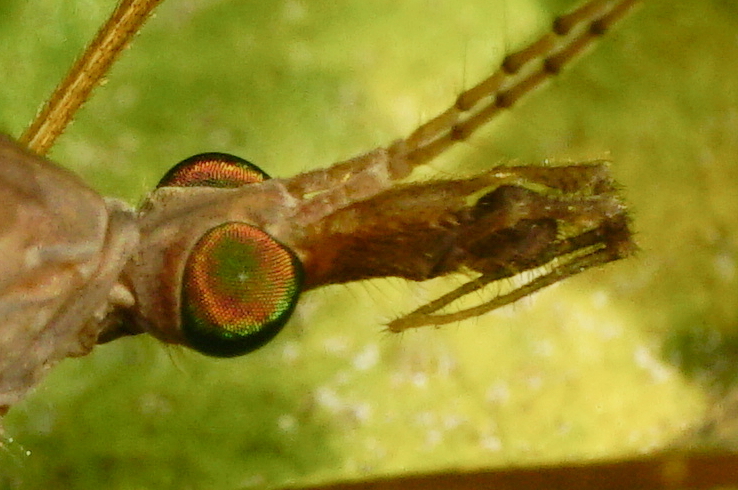
Beautiful Crane fly, perhaps Tipulidae?, with beautiful eyes:
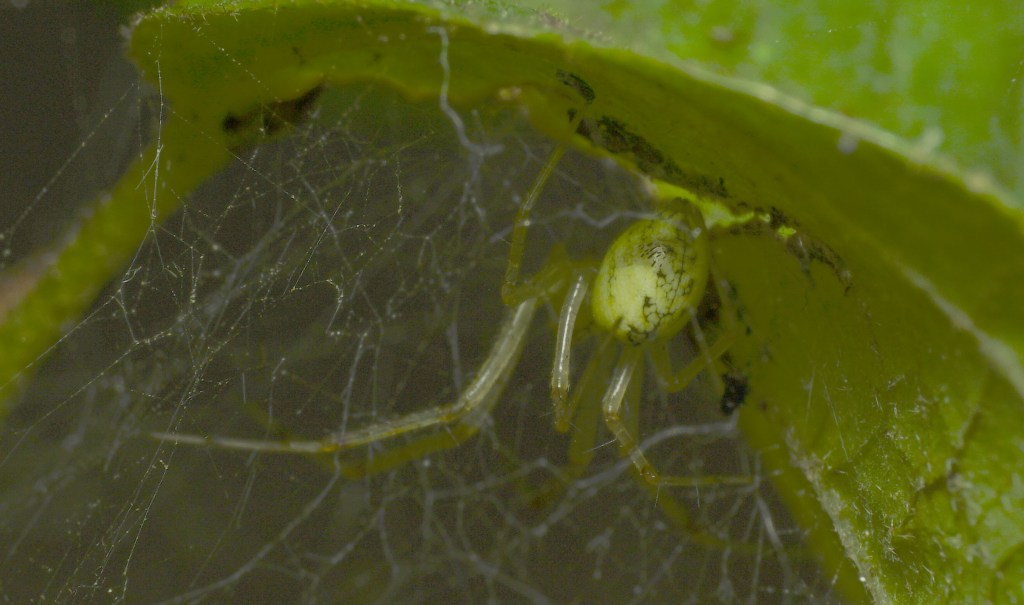
Pityohyphantes cf costatus in Linyphiidae

Harvestman aka Opilione. Leiobunum vittatum?

This wasp: Braconidae.
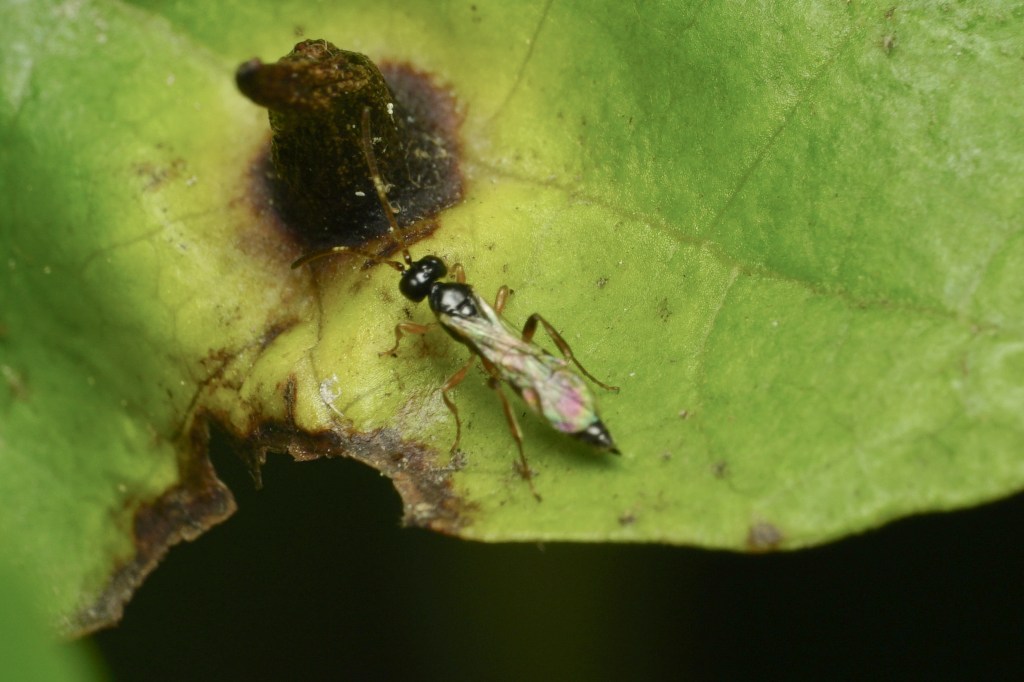
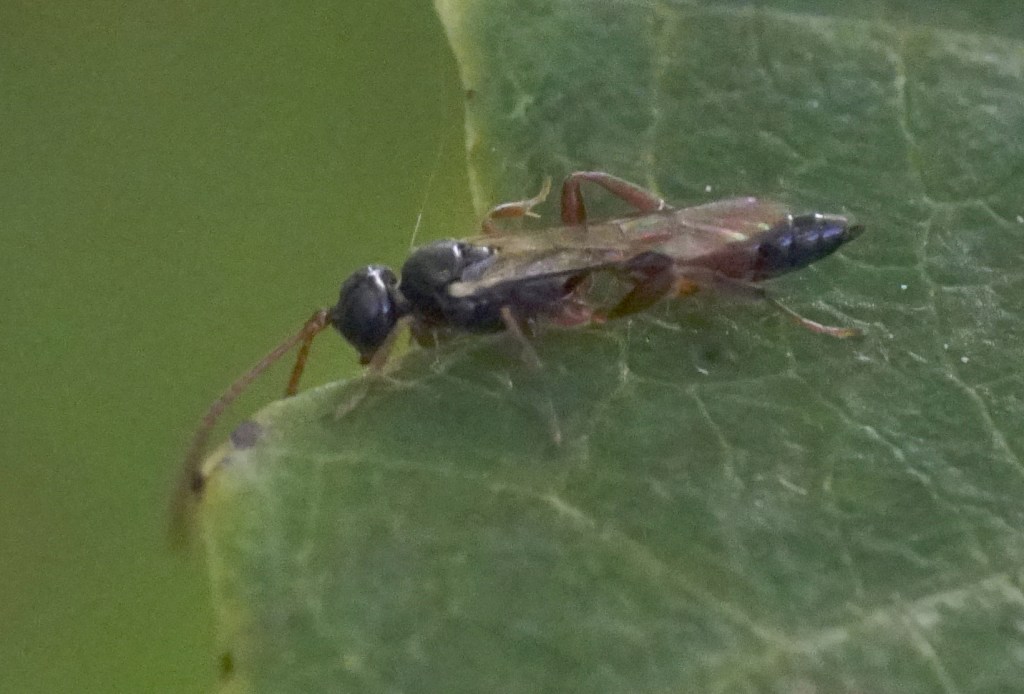

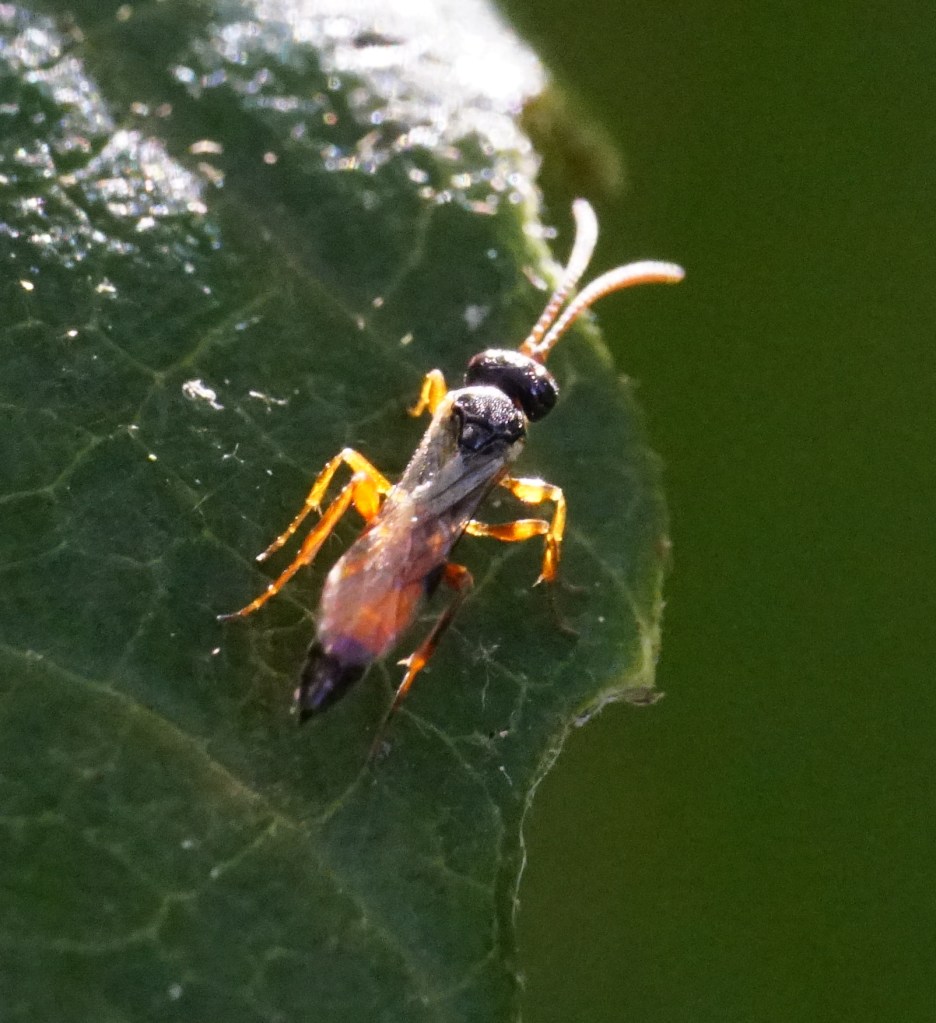
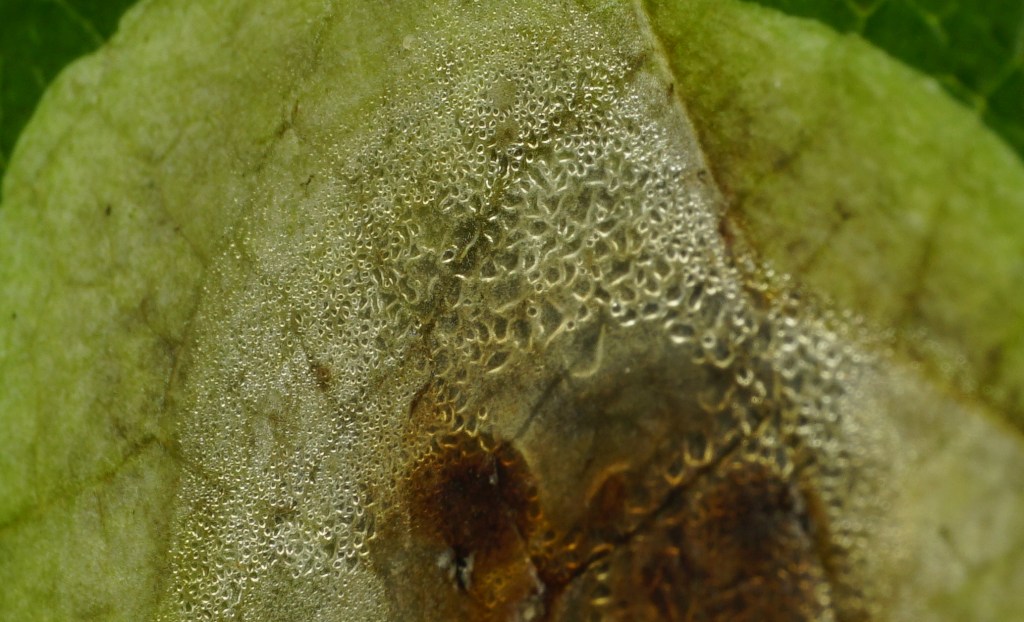
I thought this was fascinating. Some kind of leaf miner made a pocket, and I think there was water condensation between the two sides of the pocket.

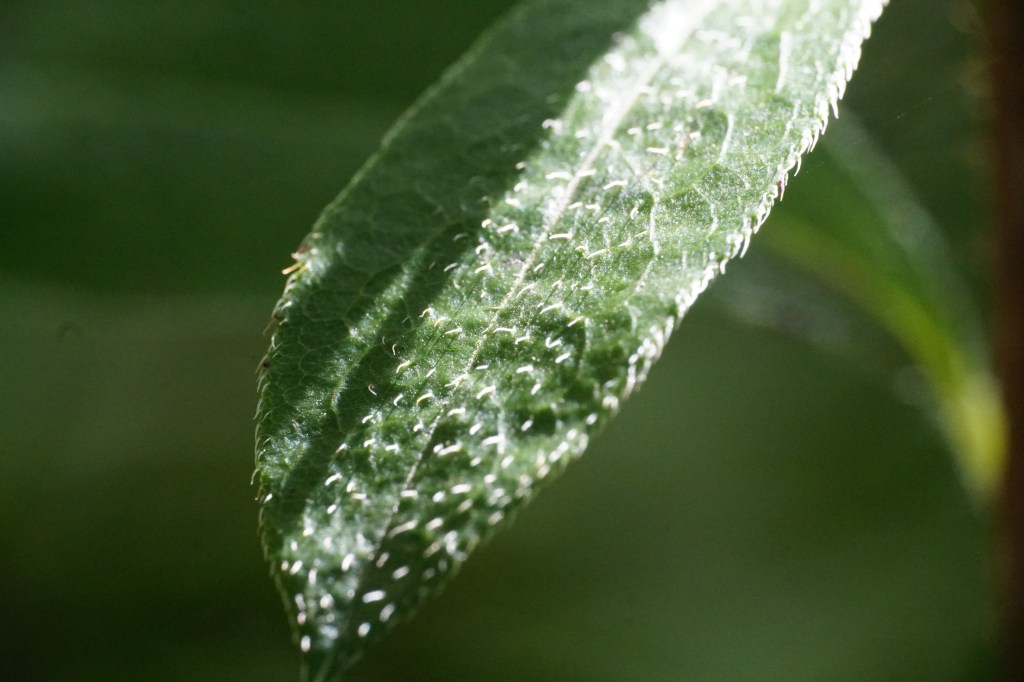
Dictyniidae. My guess is Emblyna, but can’t rule out Dictyna:

These fireflies were everywhere. All MA fireflies in September in BugGuide are Ellychnia corrusca, so I guess this is too.

Tetragnathidae, Tetragnatha sp. probably. I think they’re so elegant.

This little piece of debris stuck in a web:
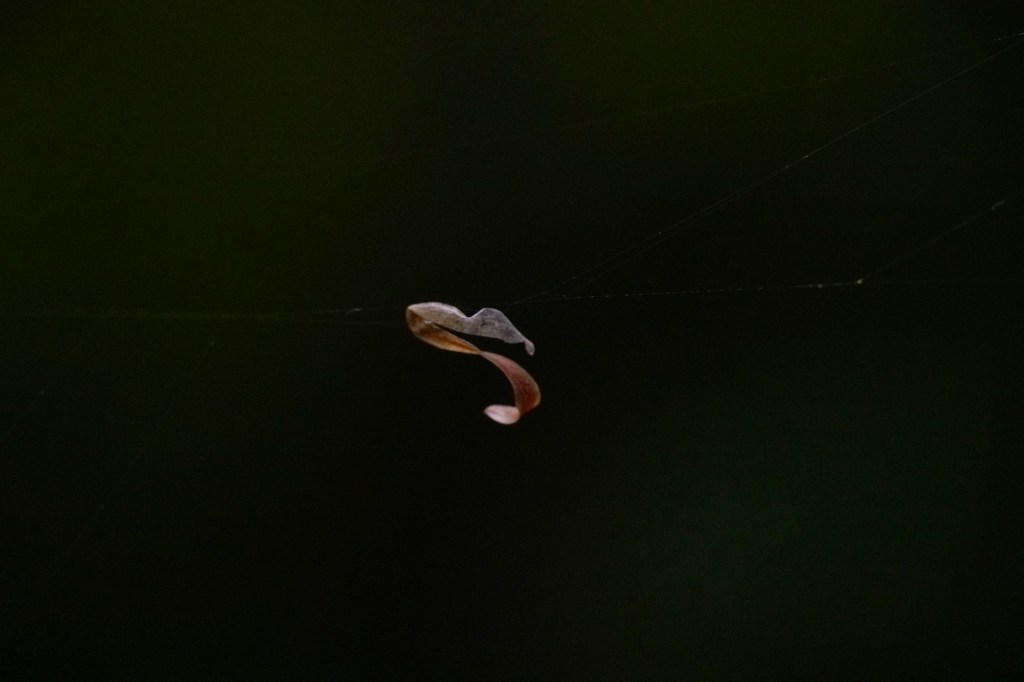
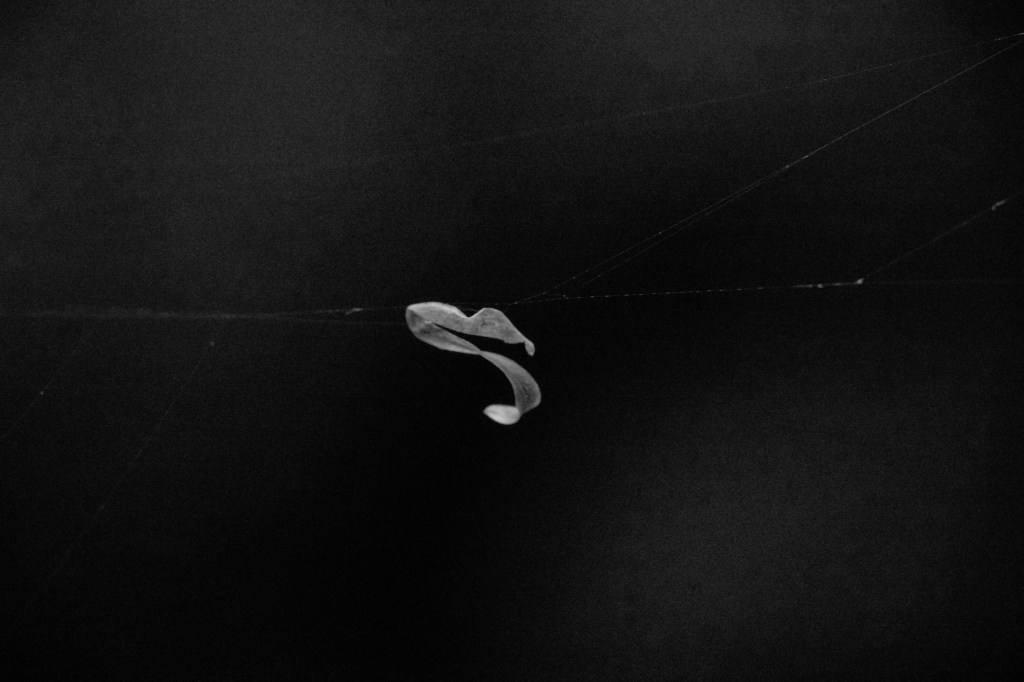
Really not sure, but Anthomyiidae if I had to guess.

I absolutely love these. Graphocephala fennahi (Rhododendron Leafhopper)?

Mangora spiculata


The whirligig beetles were busy busy busy. Gyrinidae.

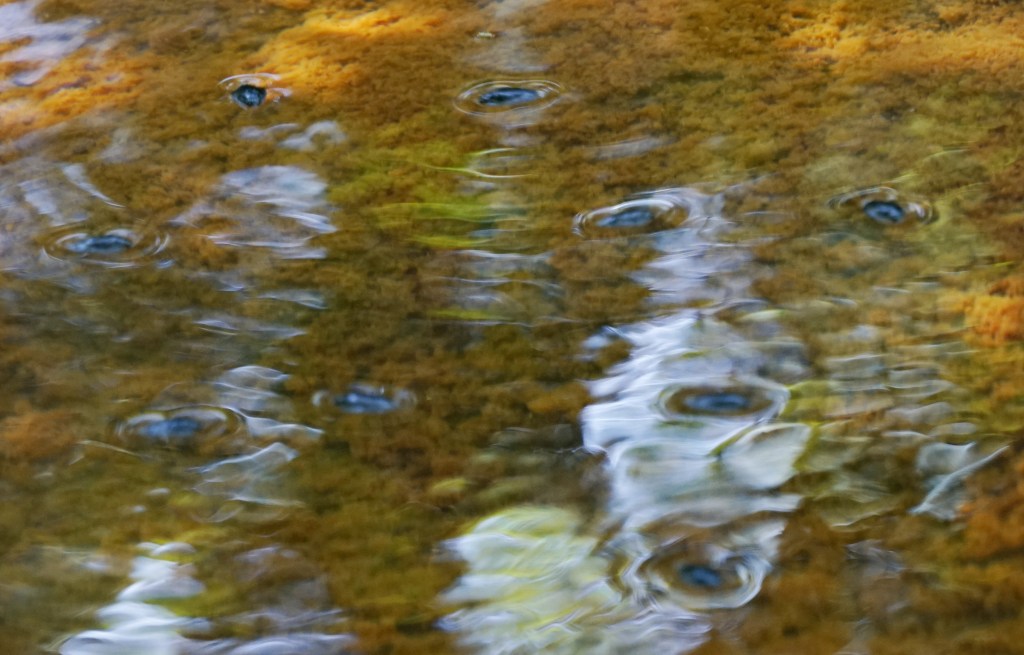
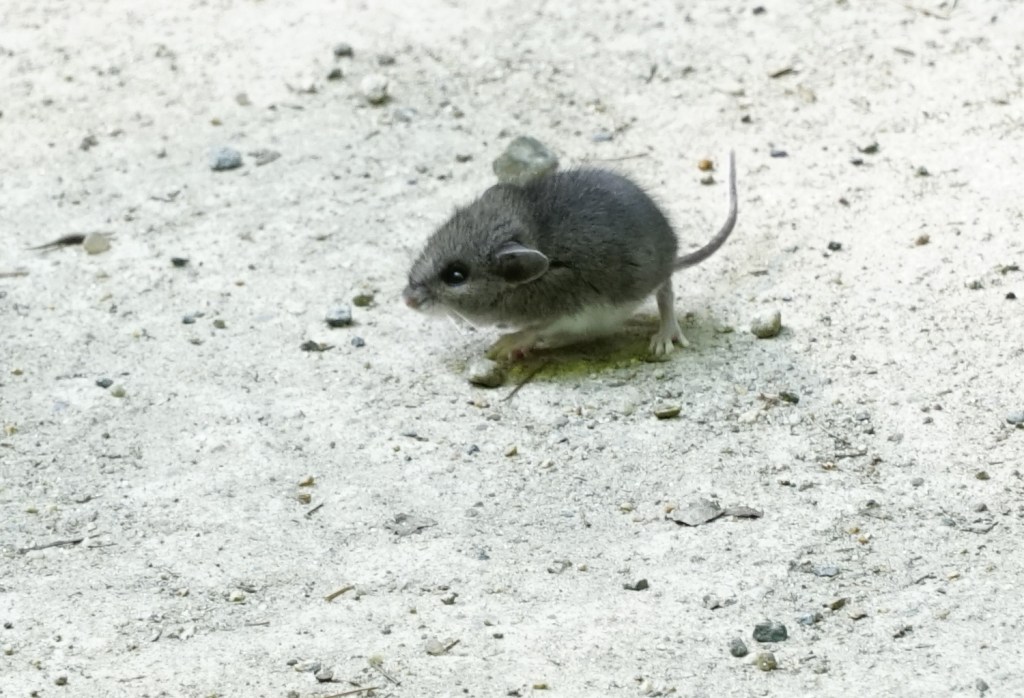
I _think_ this is a meadow vole:

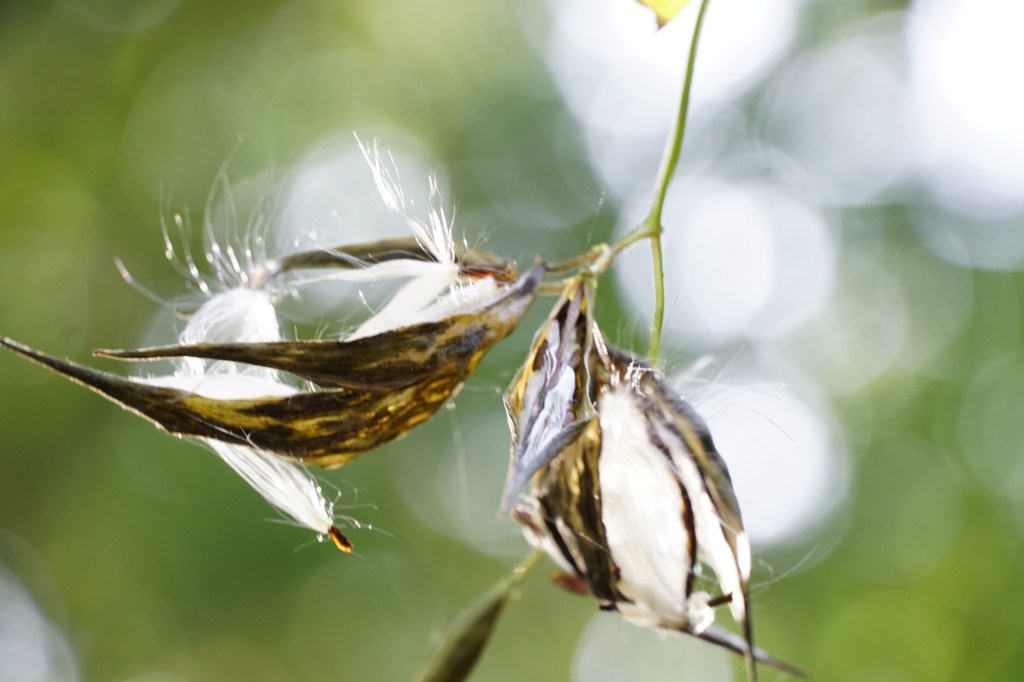
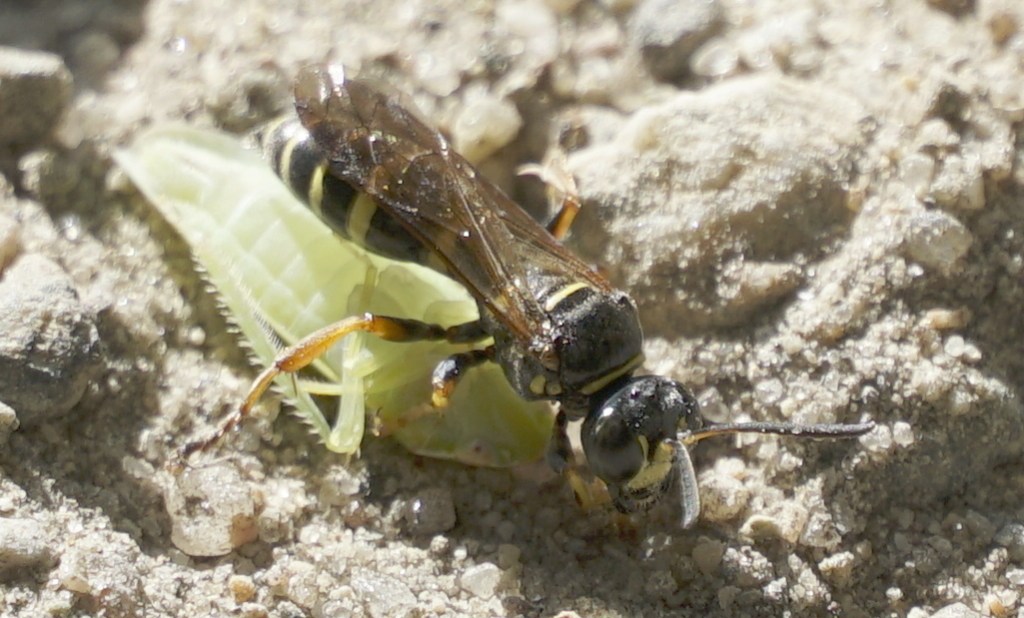
Crabronidae, Gorytes, with a grasshopper for its babies. It later flew off carrying it away.
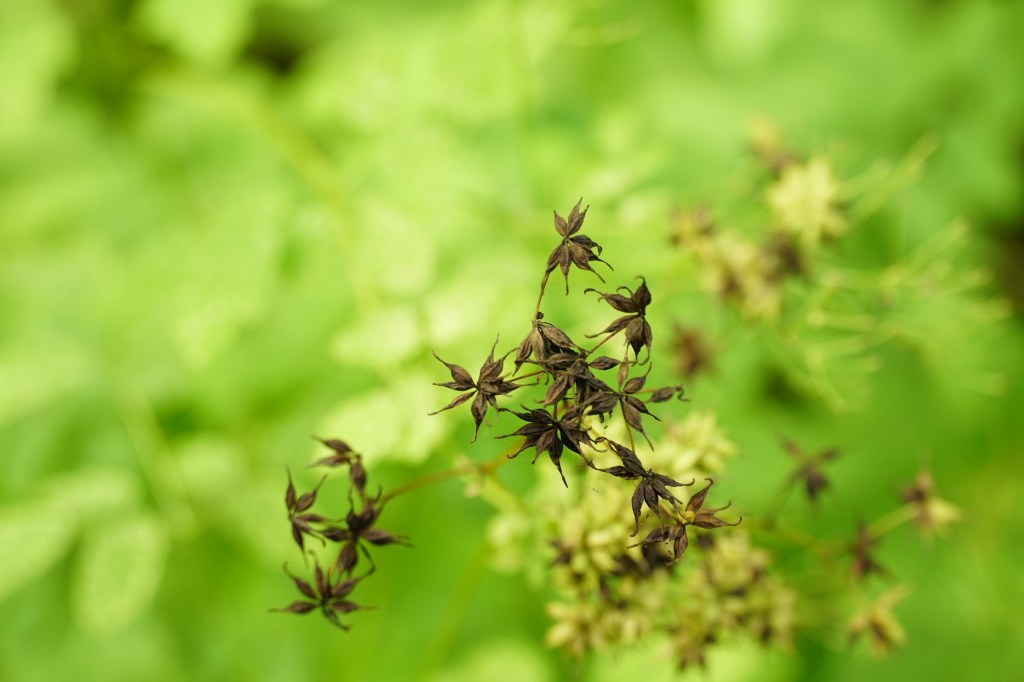
A sunset walk at Stony Brook. I was hoping to catch my share of insects before the season ended, and especially Odonates (dragonflies and damselflies) seem to be common at Stony Brook. I hardly saw any, except for the ubiquitous mosquitoes. But a wonderful walk, and plenty of sights to see and snap.

Lebia ornata, I’m told.

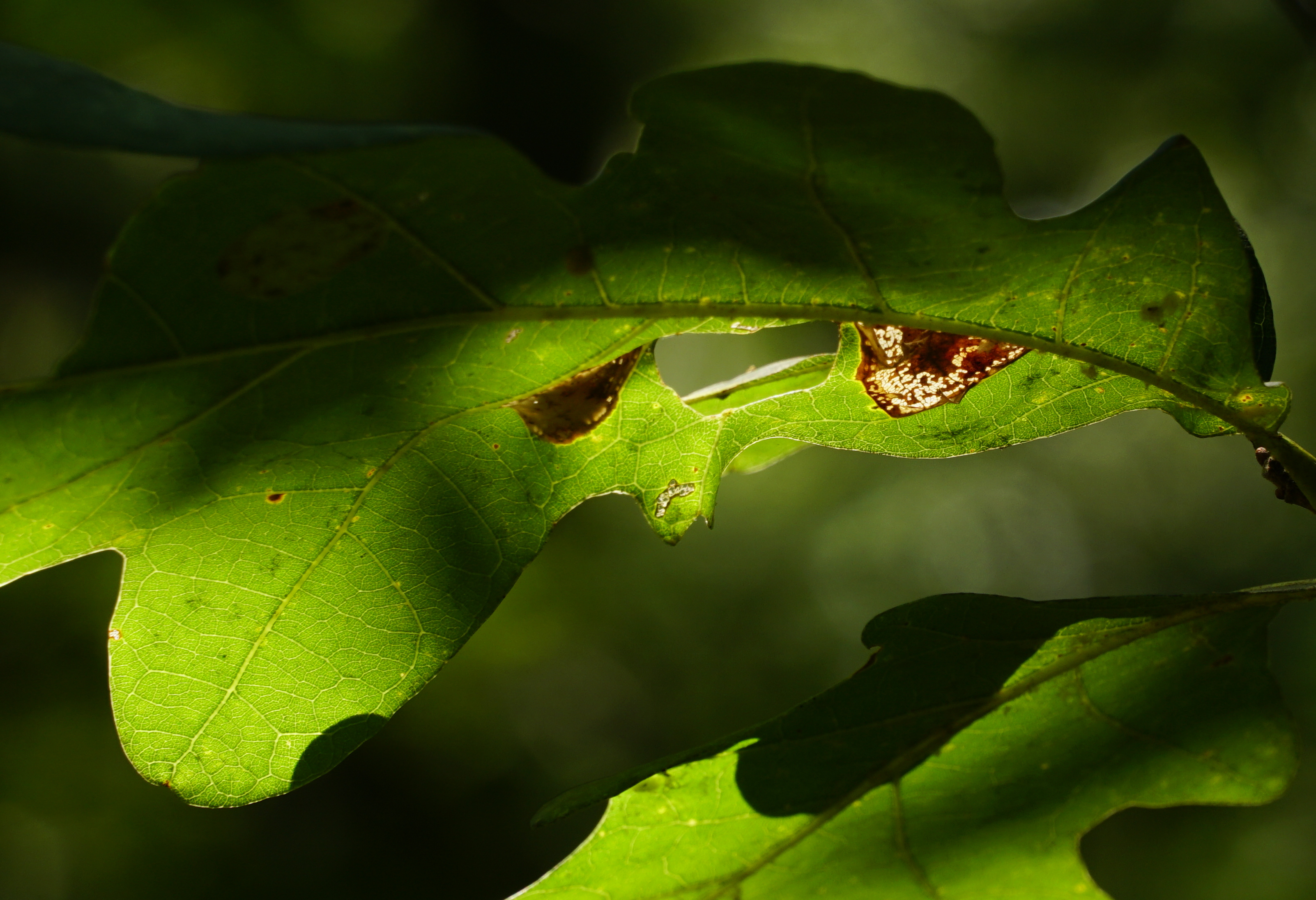
View through a chewed up leaf.
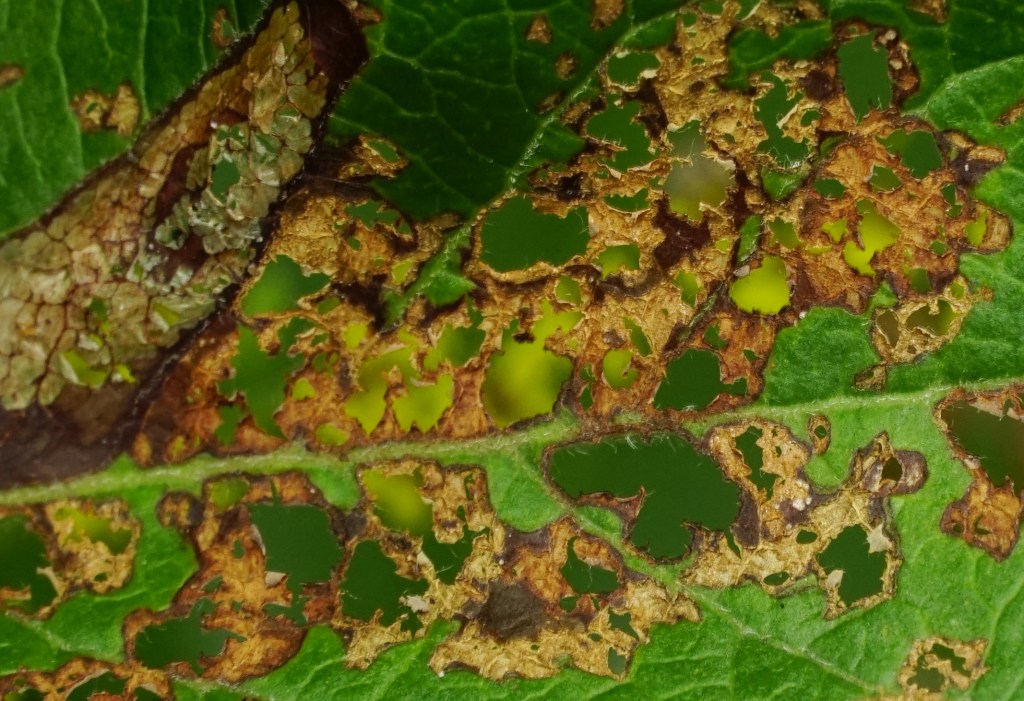
Nothing at all eerie about this leaf. I have no idea what you’re talking about.

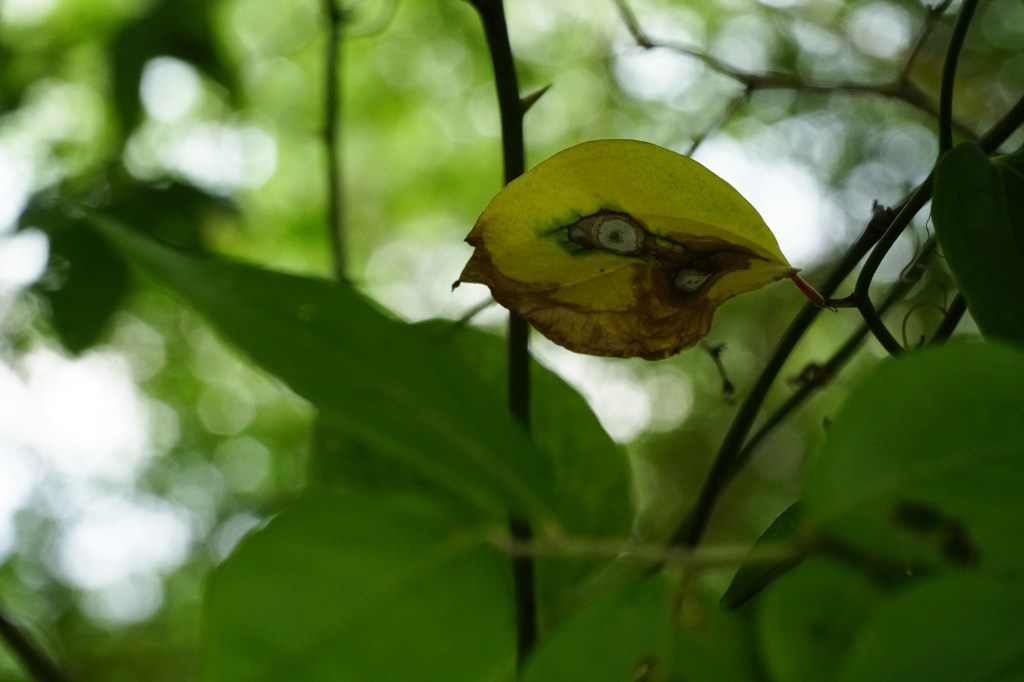
Lots of light and shadow:
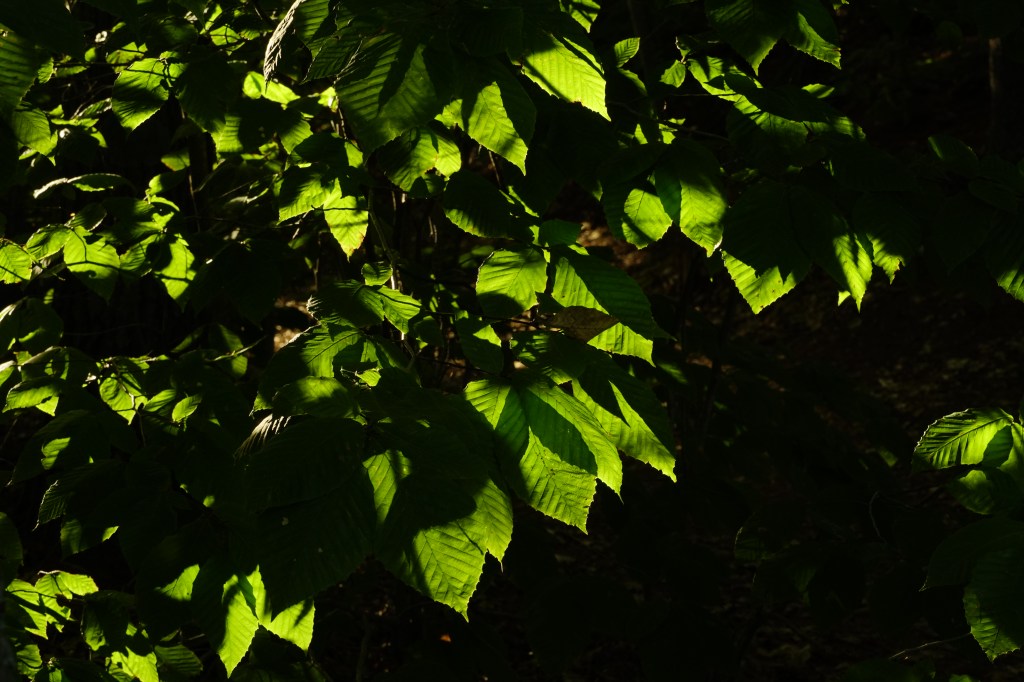
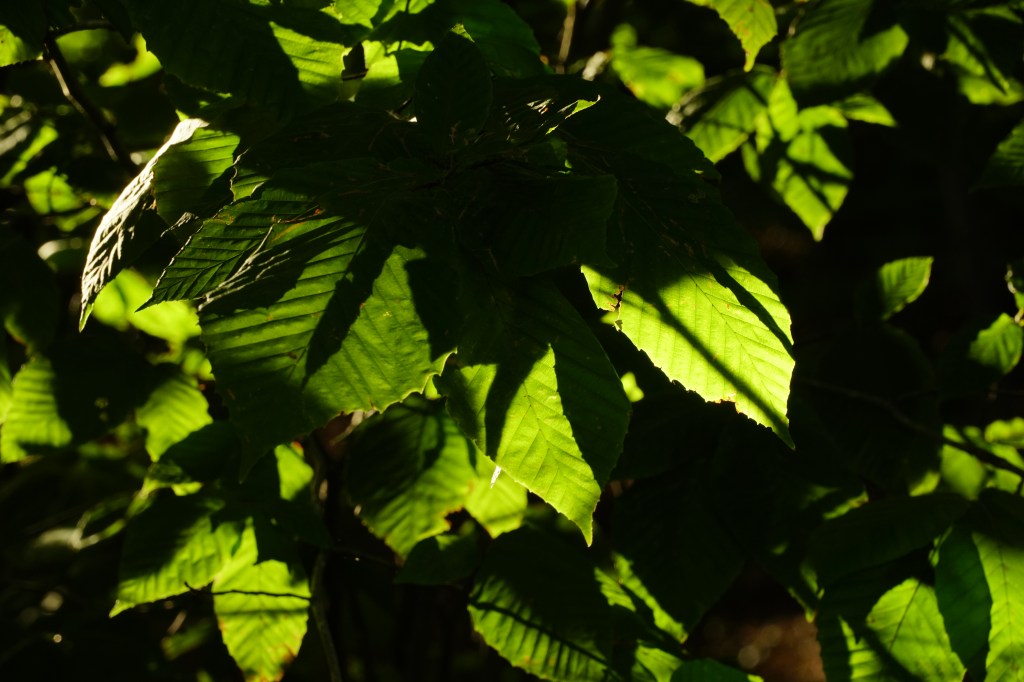
This leaf was breathtaking:

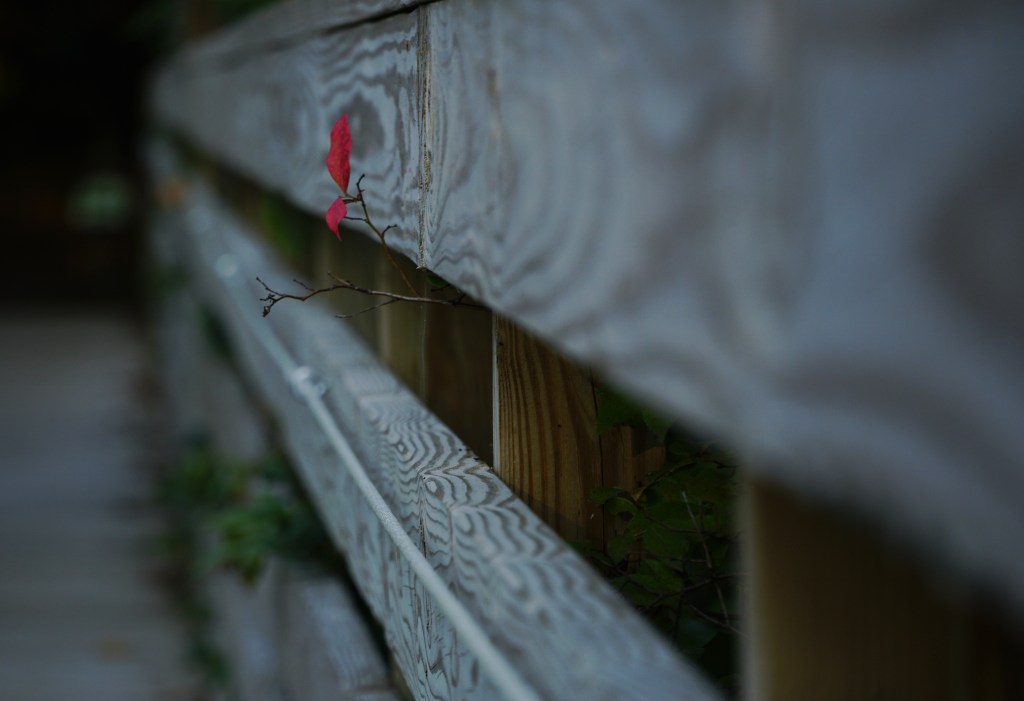
Loved this simple view of fence and branch:

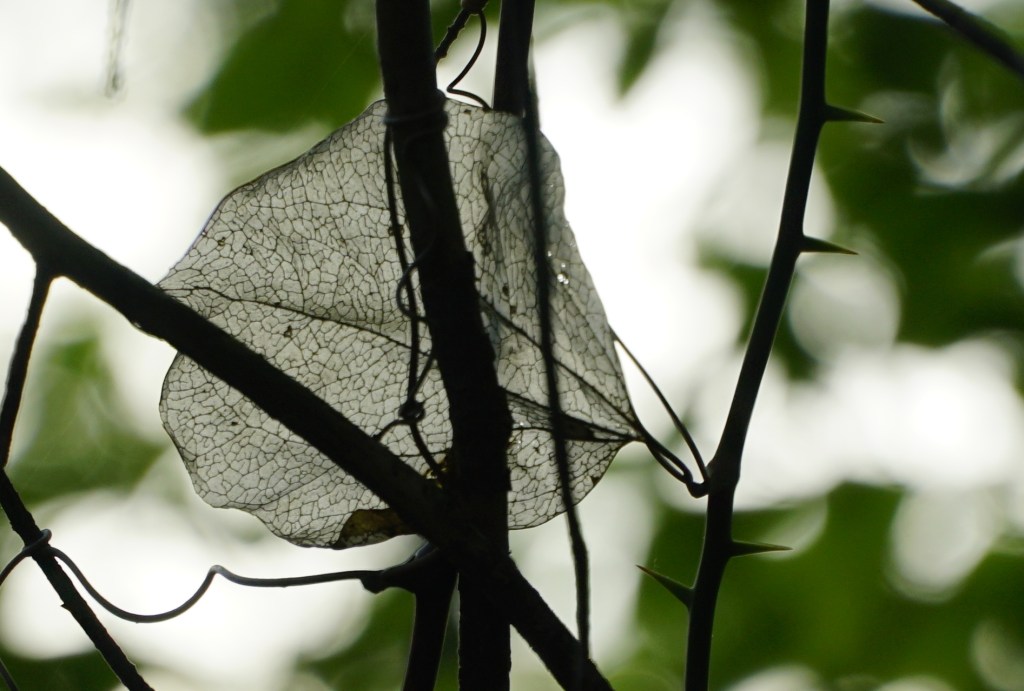
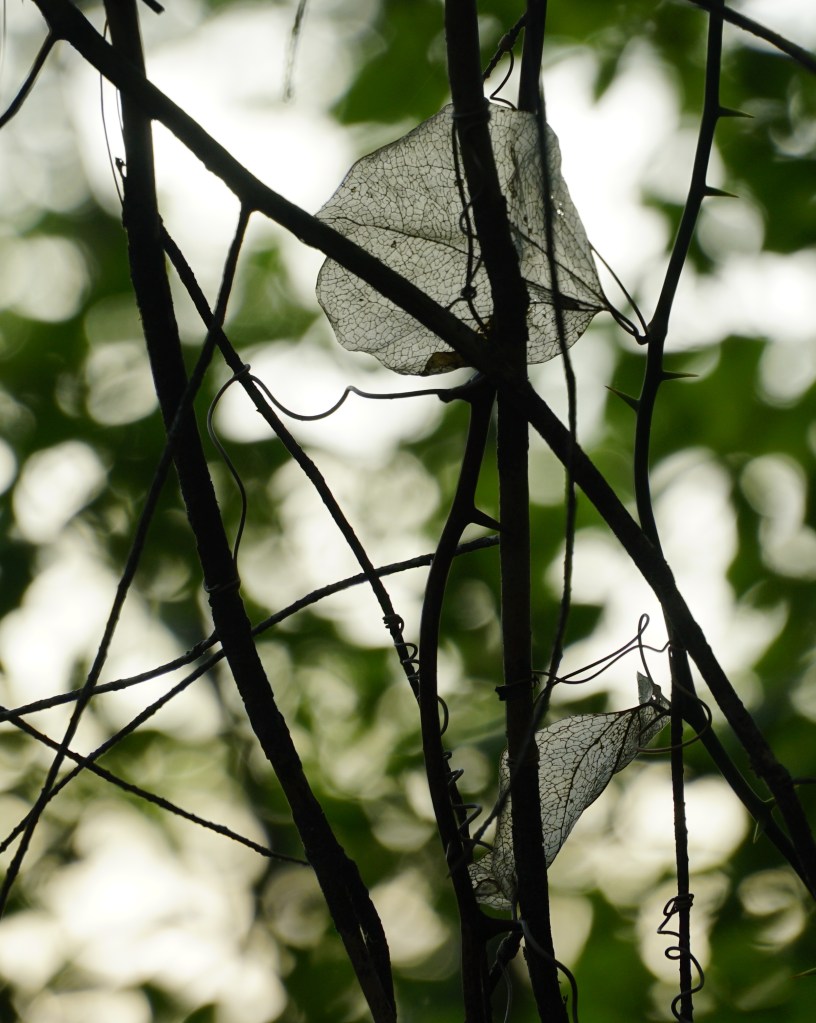
Just a spectral looking leaf. Not sure which crop I like best.
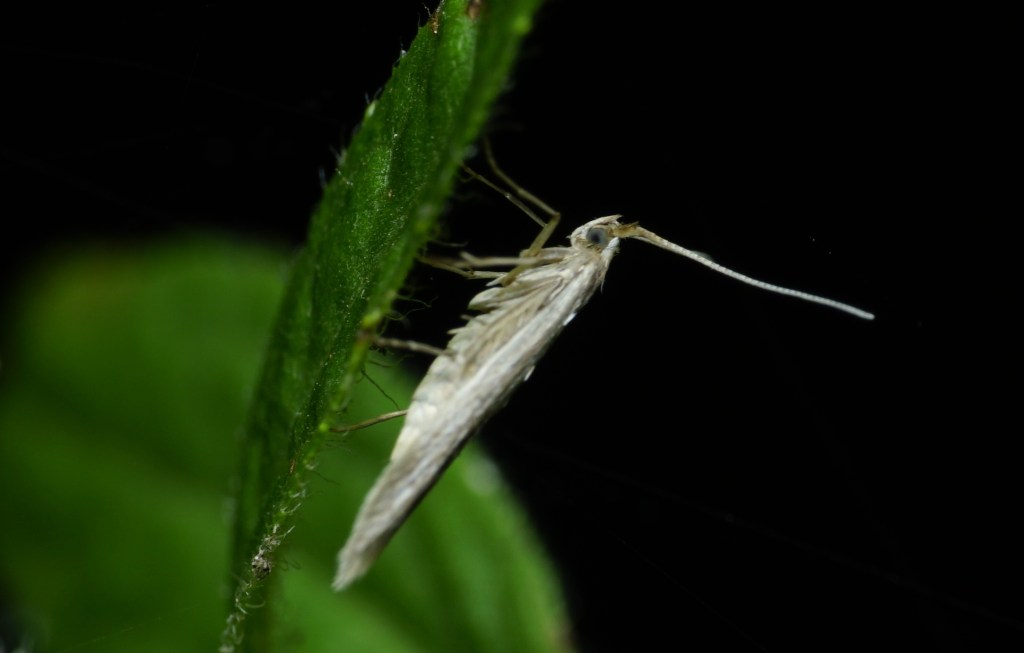
“Coleophora sp. of the type that feeds on Goldenrods and Asters. They need dissection to distinguish, but the common one on most Solidago species is C. duplicis.” In my defence, I actually did figure out that Coleophora was one of the likely candidates!


Again, which shot works better?

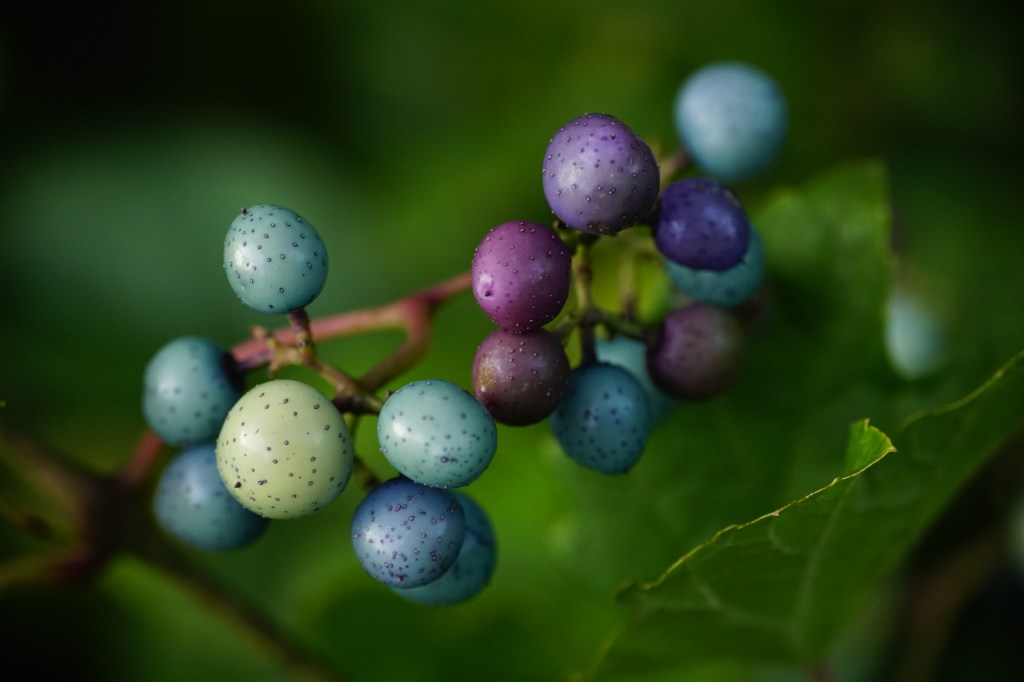
Porcelainberry. An invasive, but what colors!
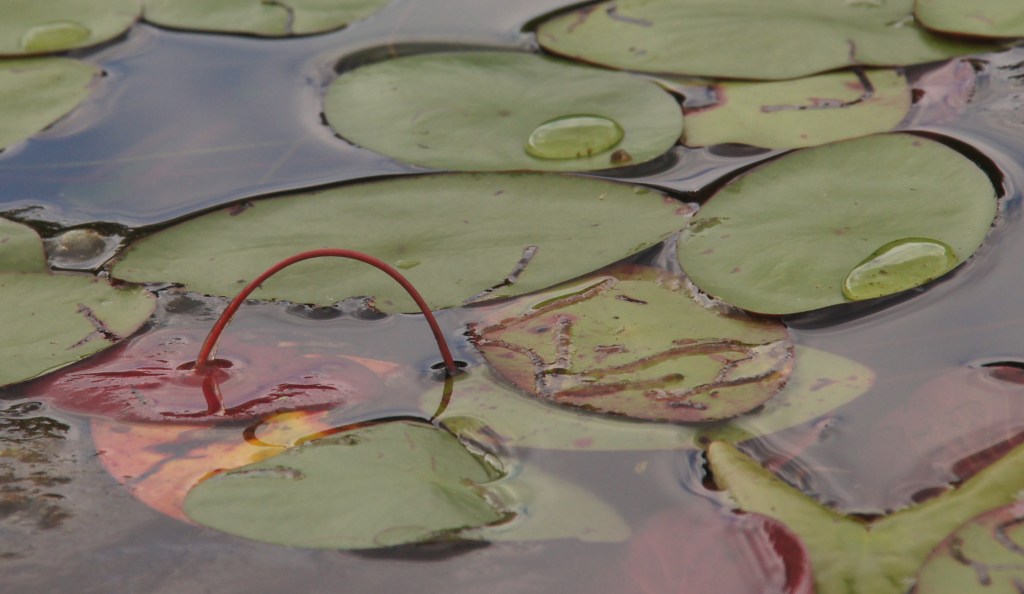
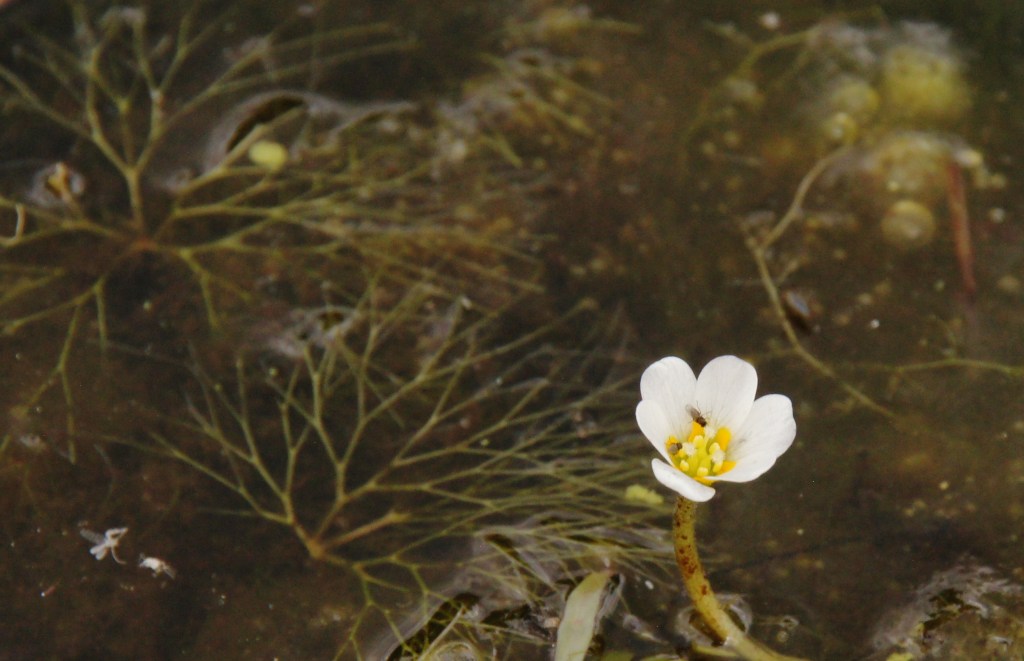
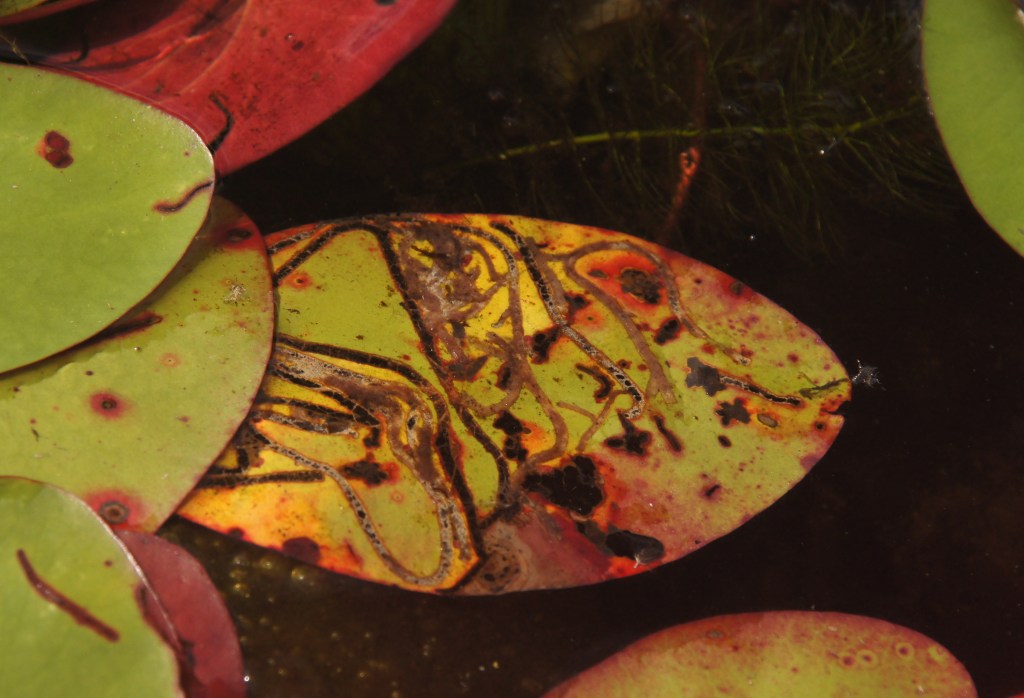
Took the kayak out to Lake Massapoag. Went to a lily patch, and then just floated, taking photos of whatever came by. Older camera, no flash, moving boat…please forgive the lower picture quality.
Blue heron:

Water skimmer. Gerridae. Maybe Gerris buenoi?

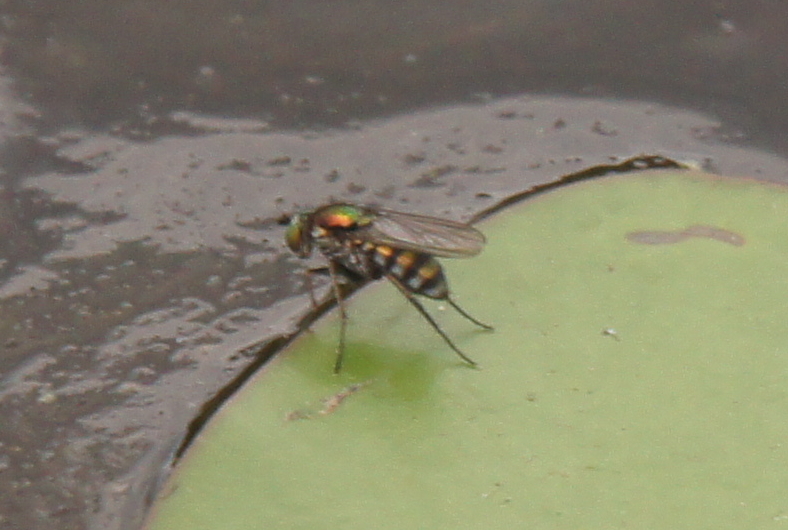
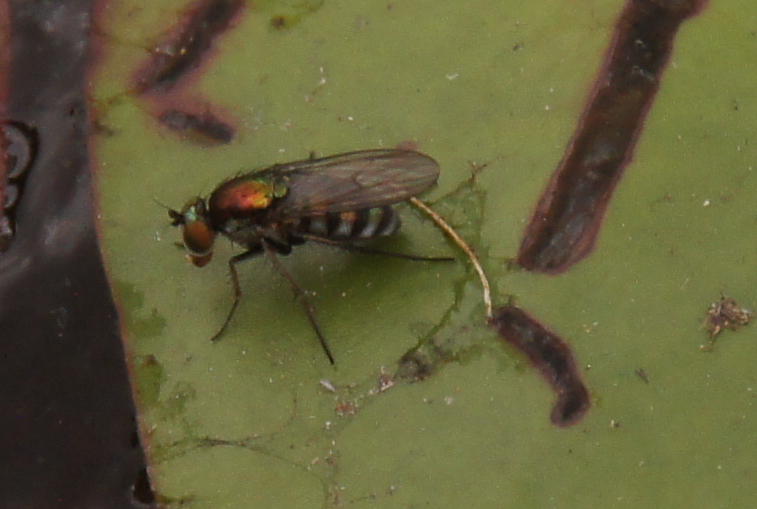
These flies were everywhere. Probably Dolichopodidae, certainly gorgeous:


Painted turtle, I think (Chrysemys picta):

Found this the kitchen. Love it when insects make house calls.
Again, little choice but to go during the hottest part of the day. Relatively little insect activity because of that, I think. As always, worth the walk!
Start off with non-insect photo, just one:
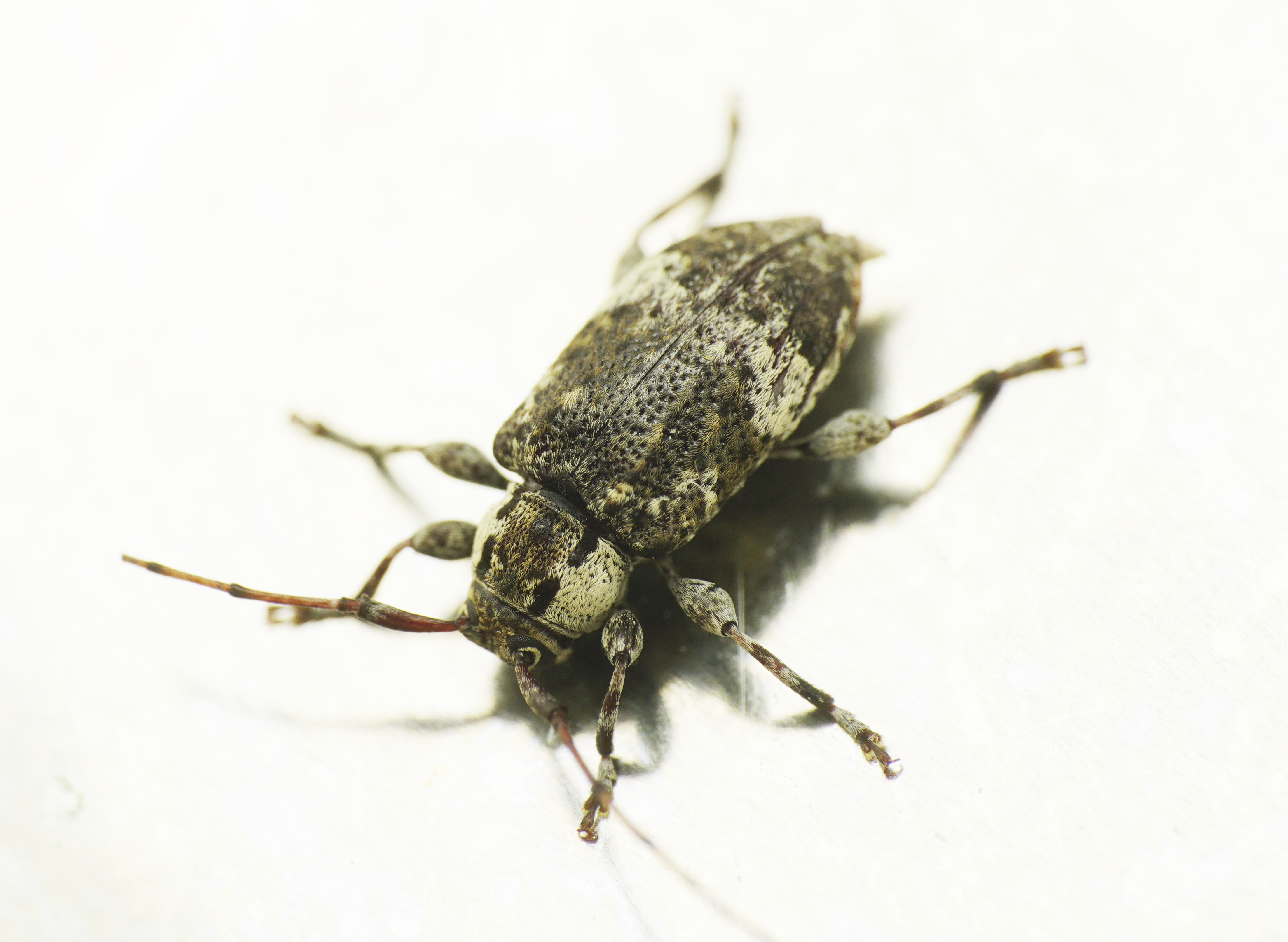
This weevil: Curculionidae –> Entiminae (Broad-nosed weevils). Perhaps Asiatic oak weevil, Cyrtepistomus castaneus.

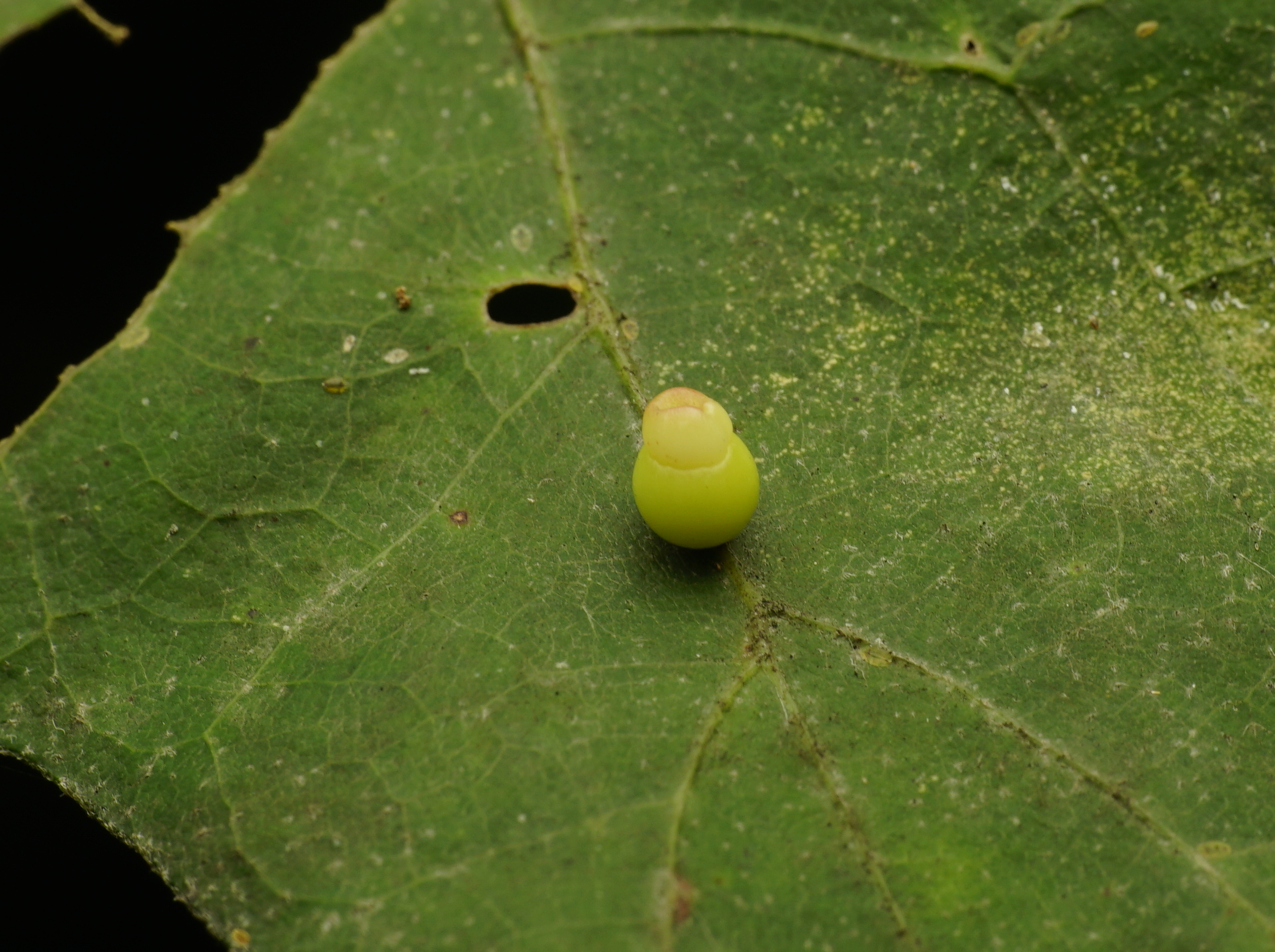
Some sort of egg, perhaps? Pretty cute.
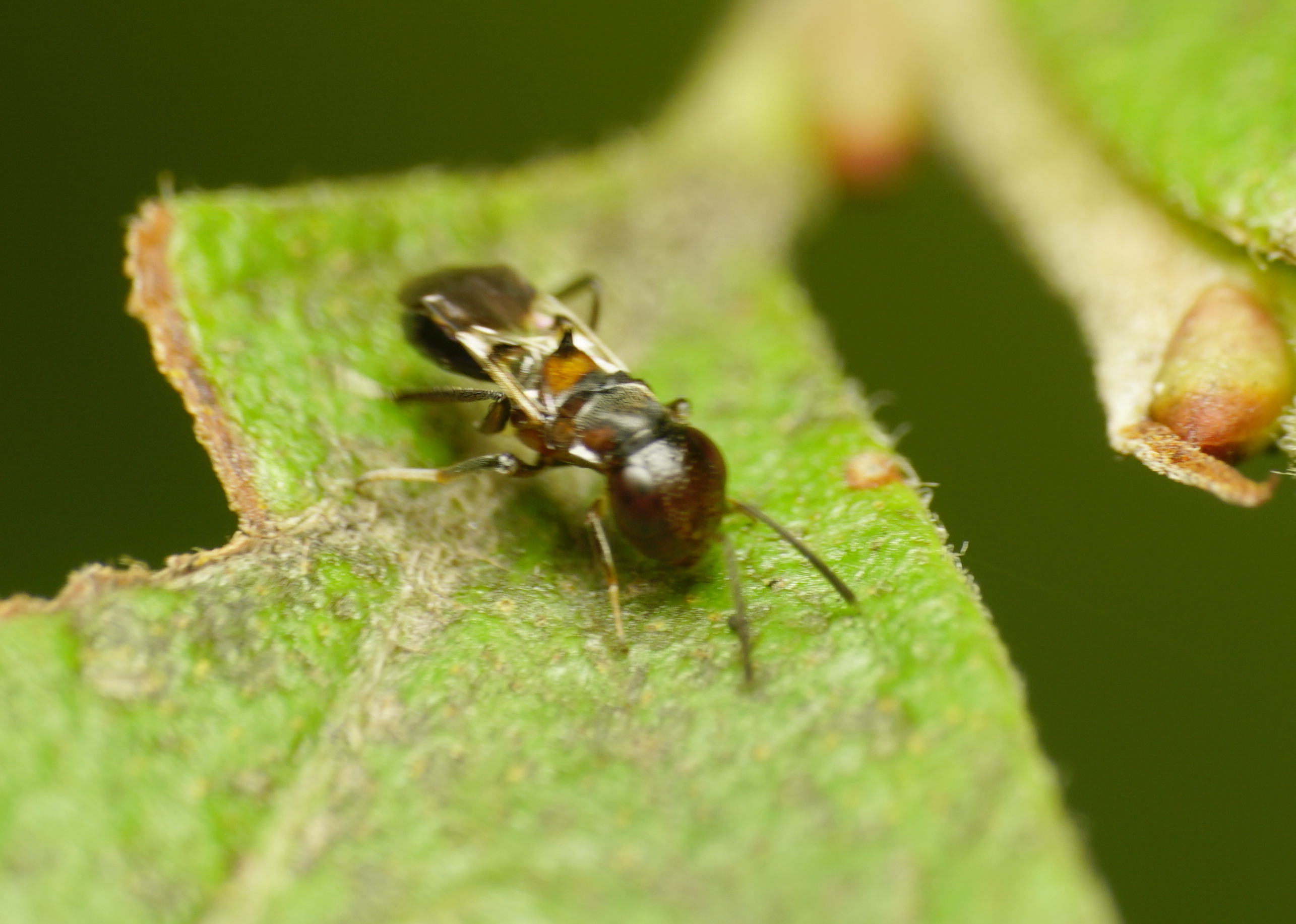
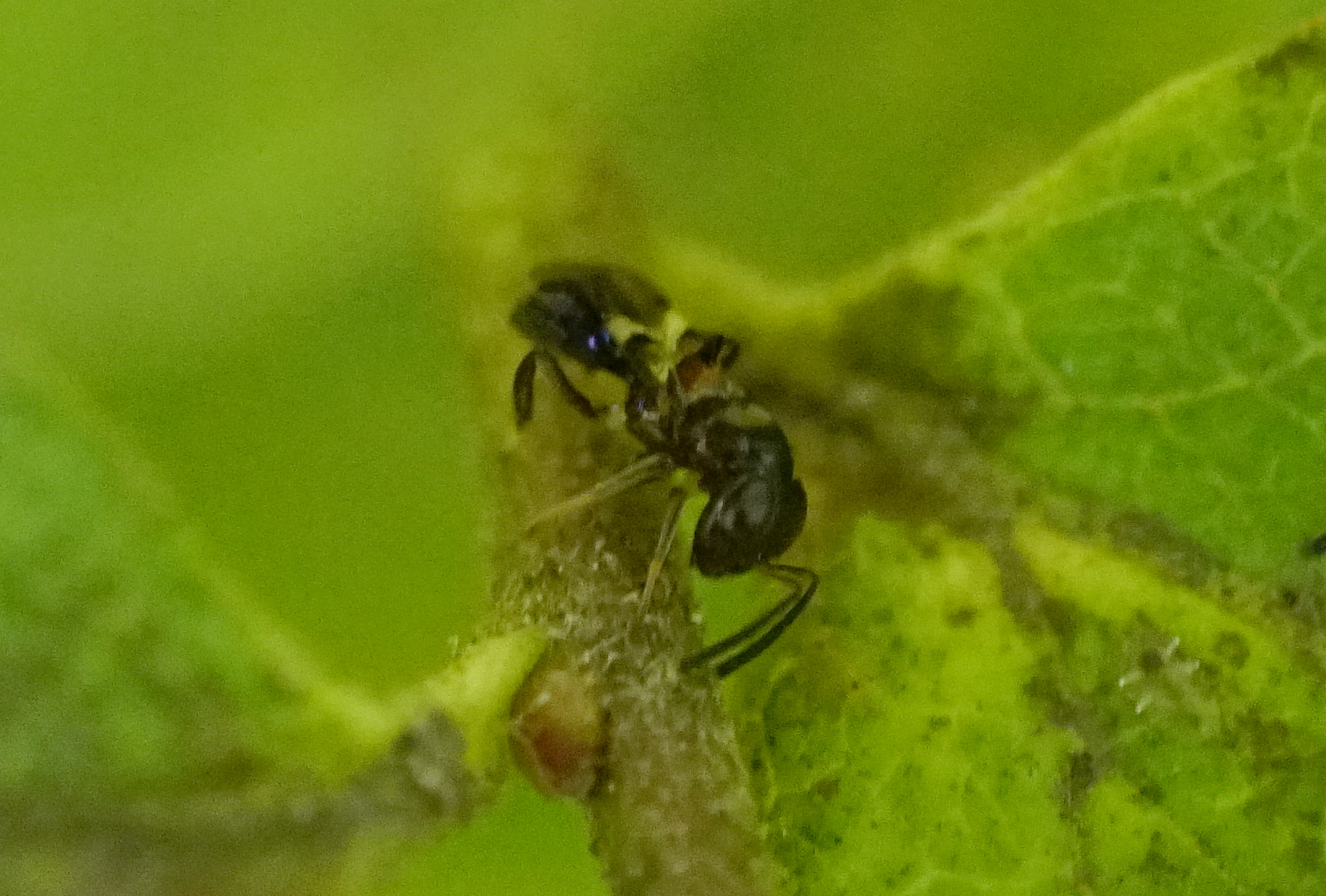
EDIT: Encyrtidae. Compare with Encyrtus — https://bugguide.net/node/view/1702308

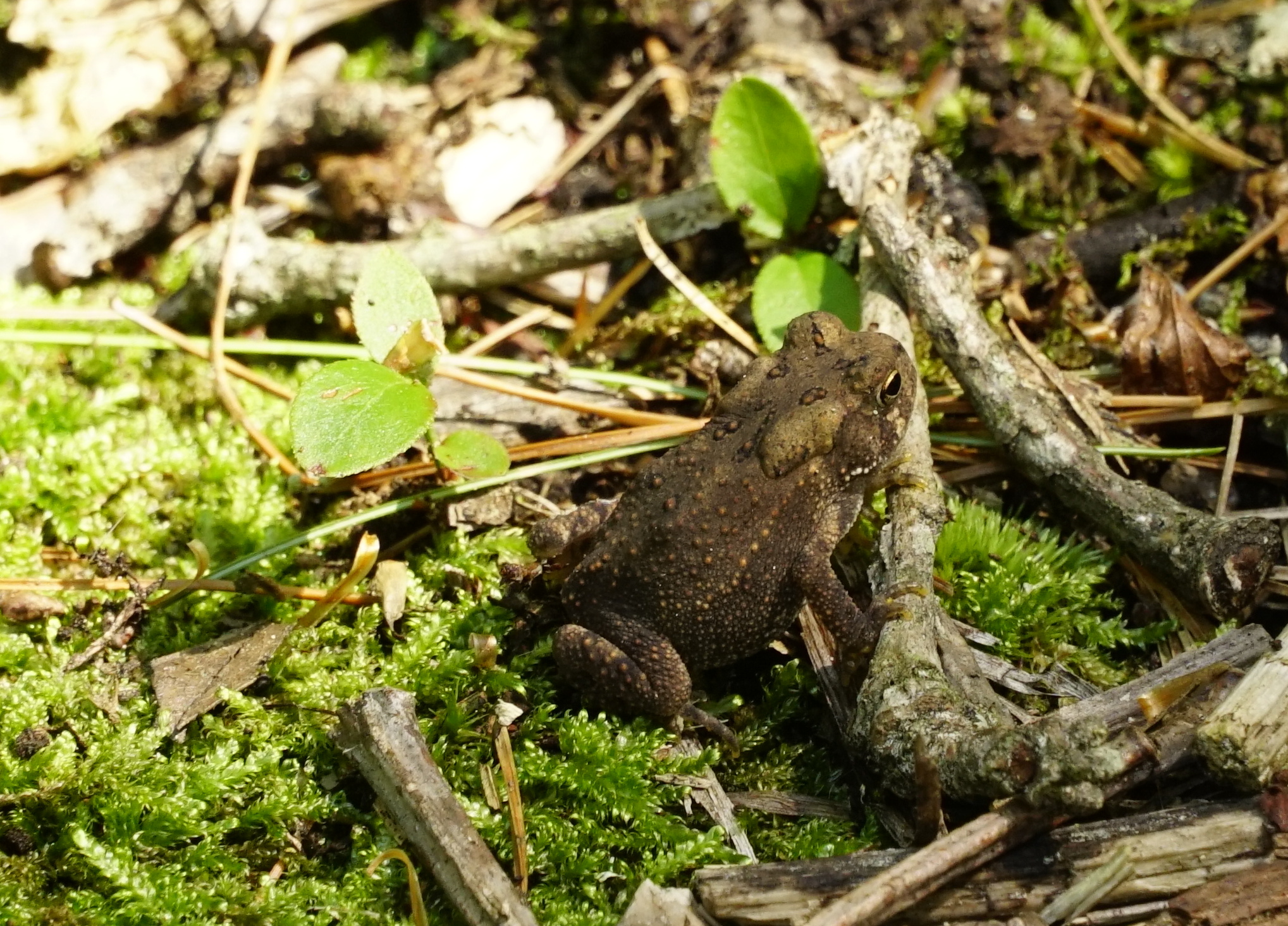
American toad.
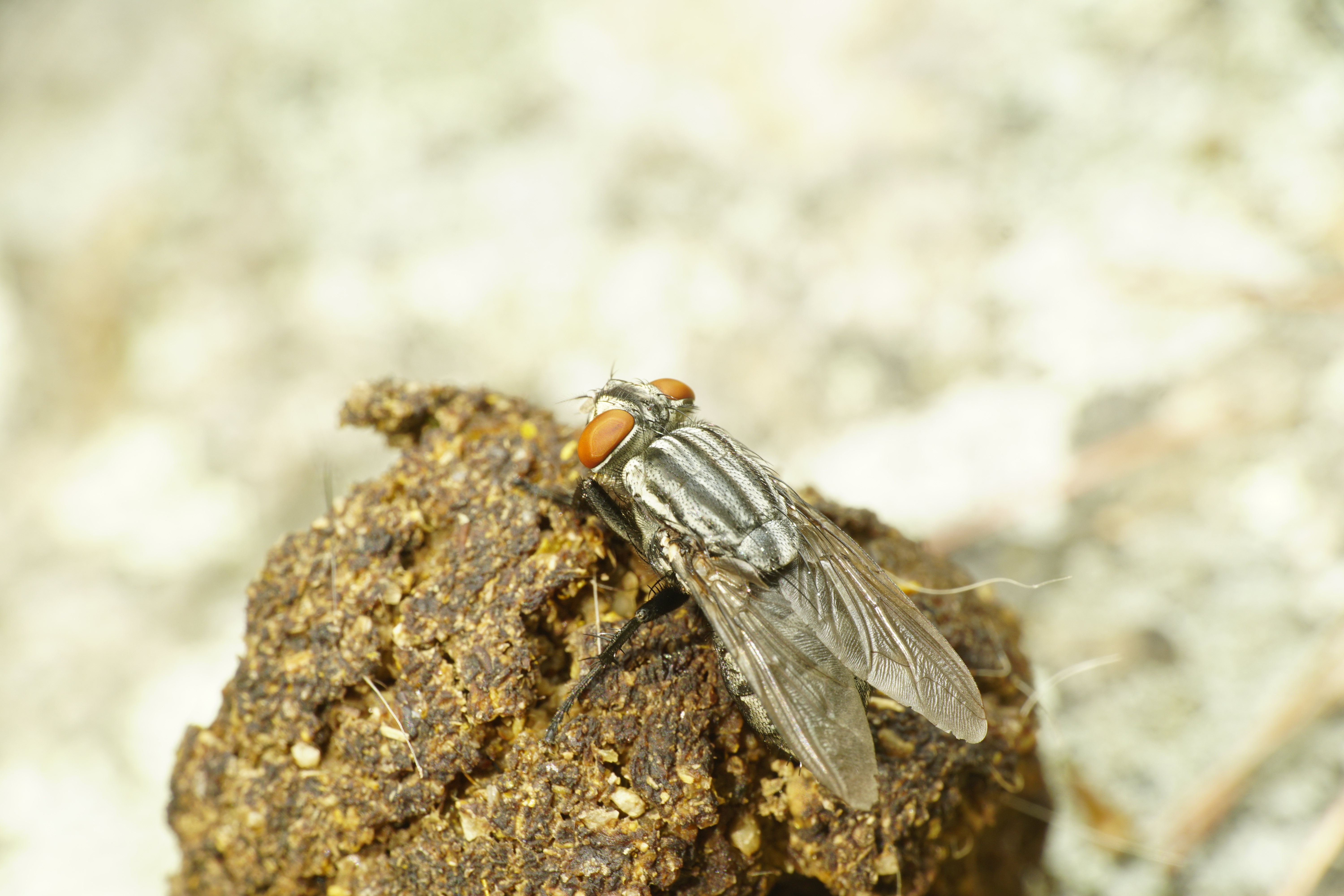
Sarcophagidae?
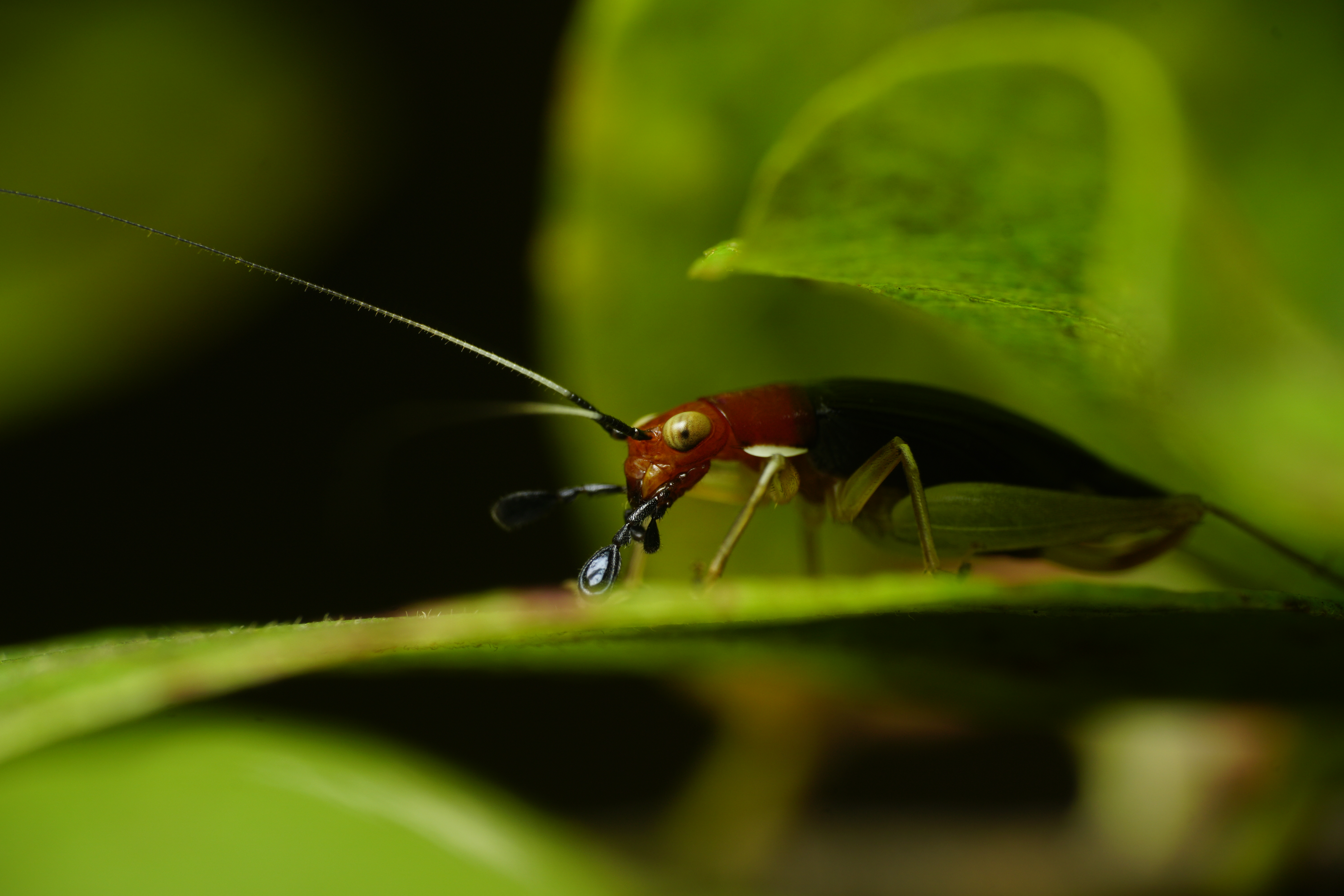
Love the handsome trigs!
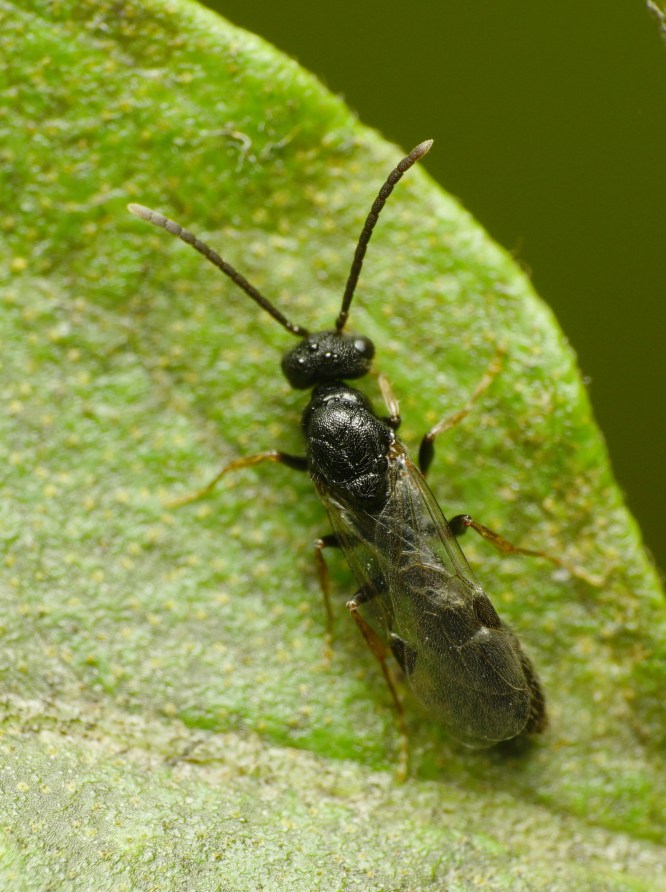
Perhaps a male Crabronidae wasp.
Some sort of Ichneumonid. Spilopteron?
EDIT: “One of the cryptine ichneumons, maybe around Polycyrtus sp. ”

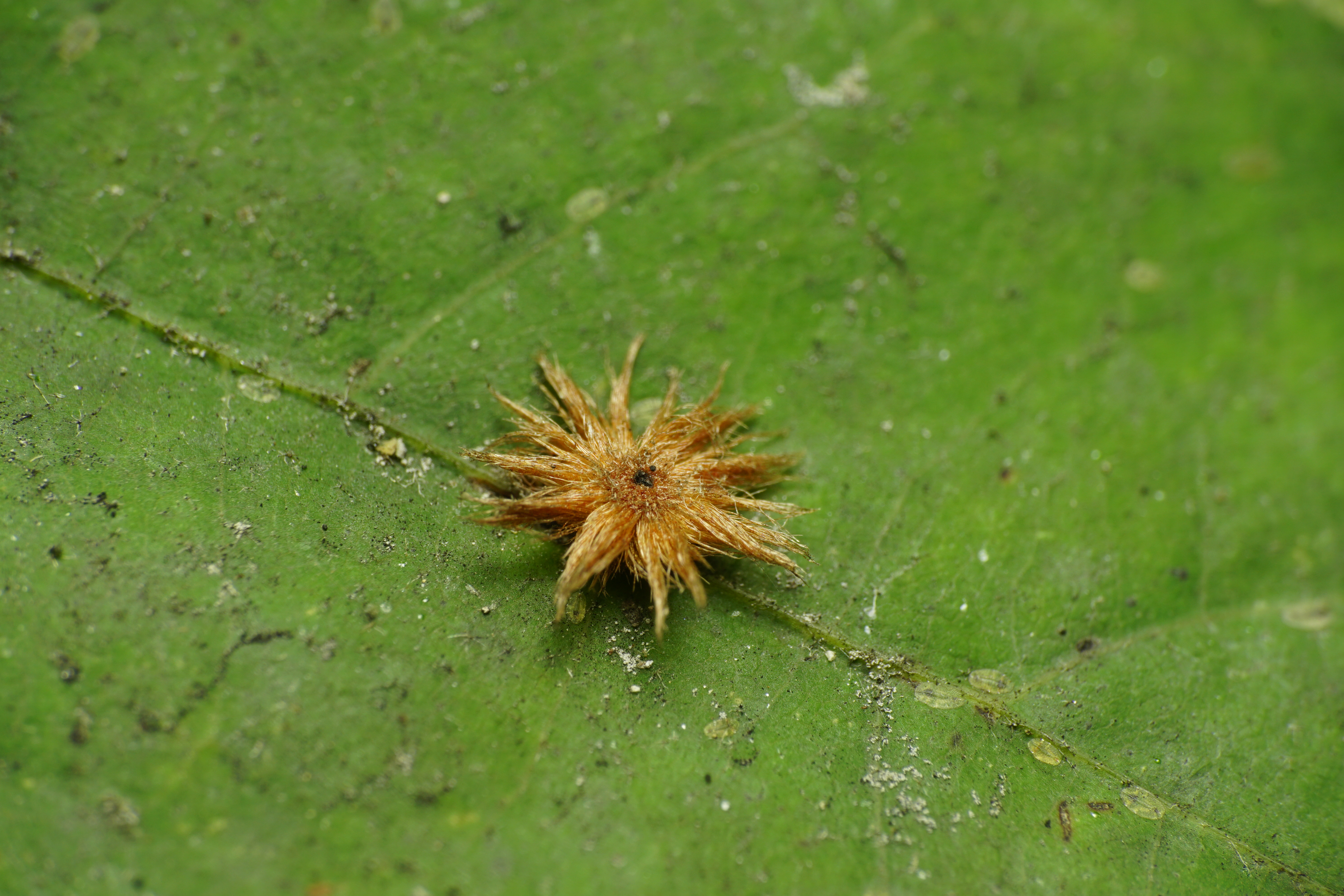
Don’t know what this is:
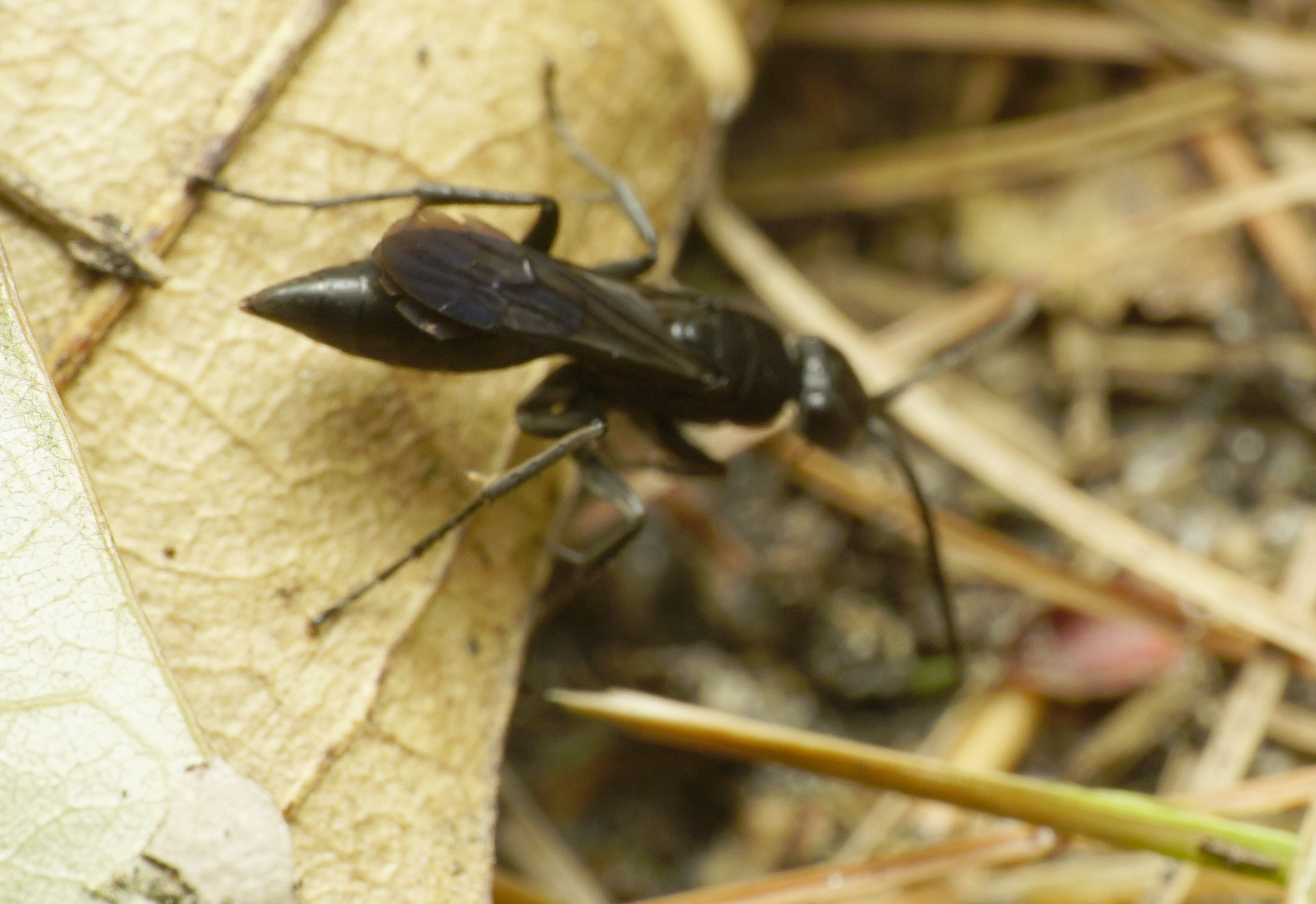
Perhaps a Pompillid wasp.
Female Mutillid wasp. Timulla? EDIT: “Pseudomethoca has a wider head, usually” — so it looks like I actually guessed correctly! Weirder things have happened, but not often.

The hottest part of a very hot and dry day. Spent the whole walk sweating and swatting flies and mosquitos. The insects were missing, and the ones that were around were busy and elusive, so not too many photographs. In the end: a wonderful afternoon walk. It’s always nice to be out in the woods.
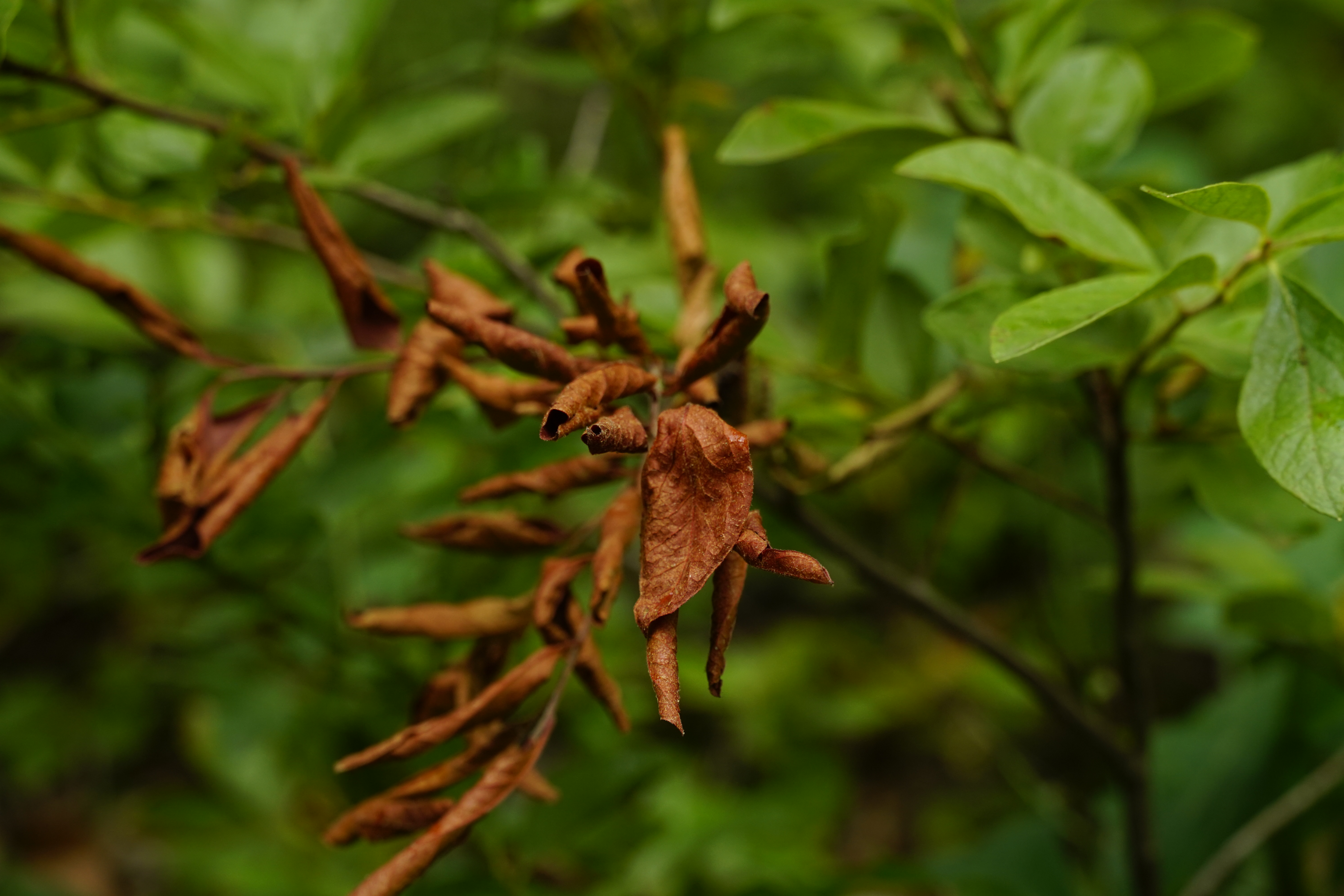
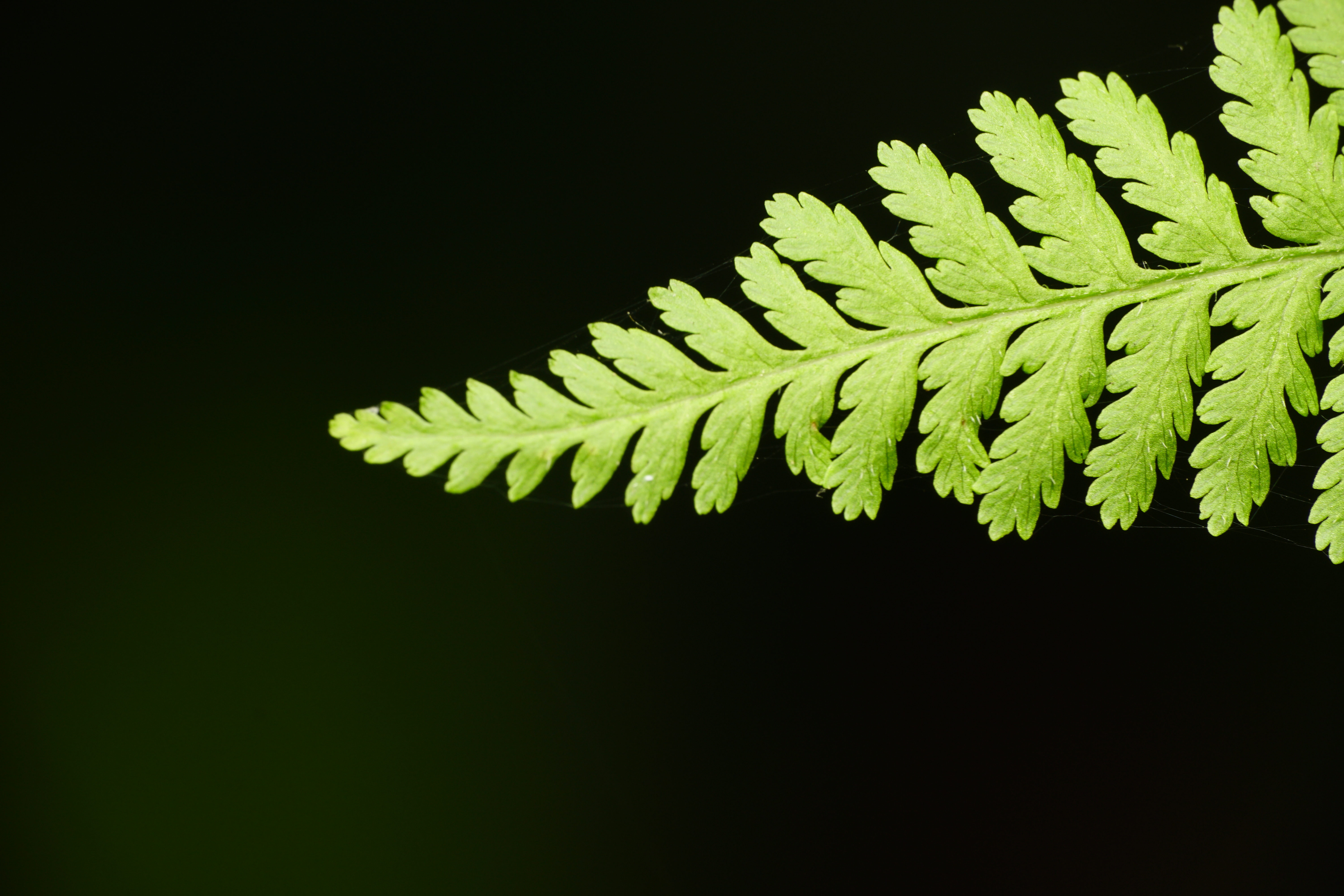
First a few non-invert photos! In hindsight, I *really* wish I had used a wider aperture for this shot.
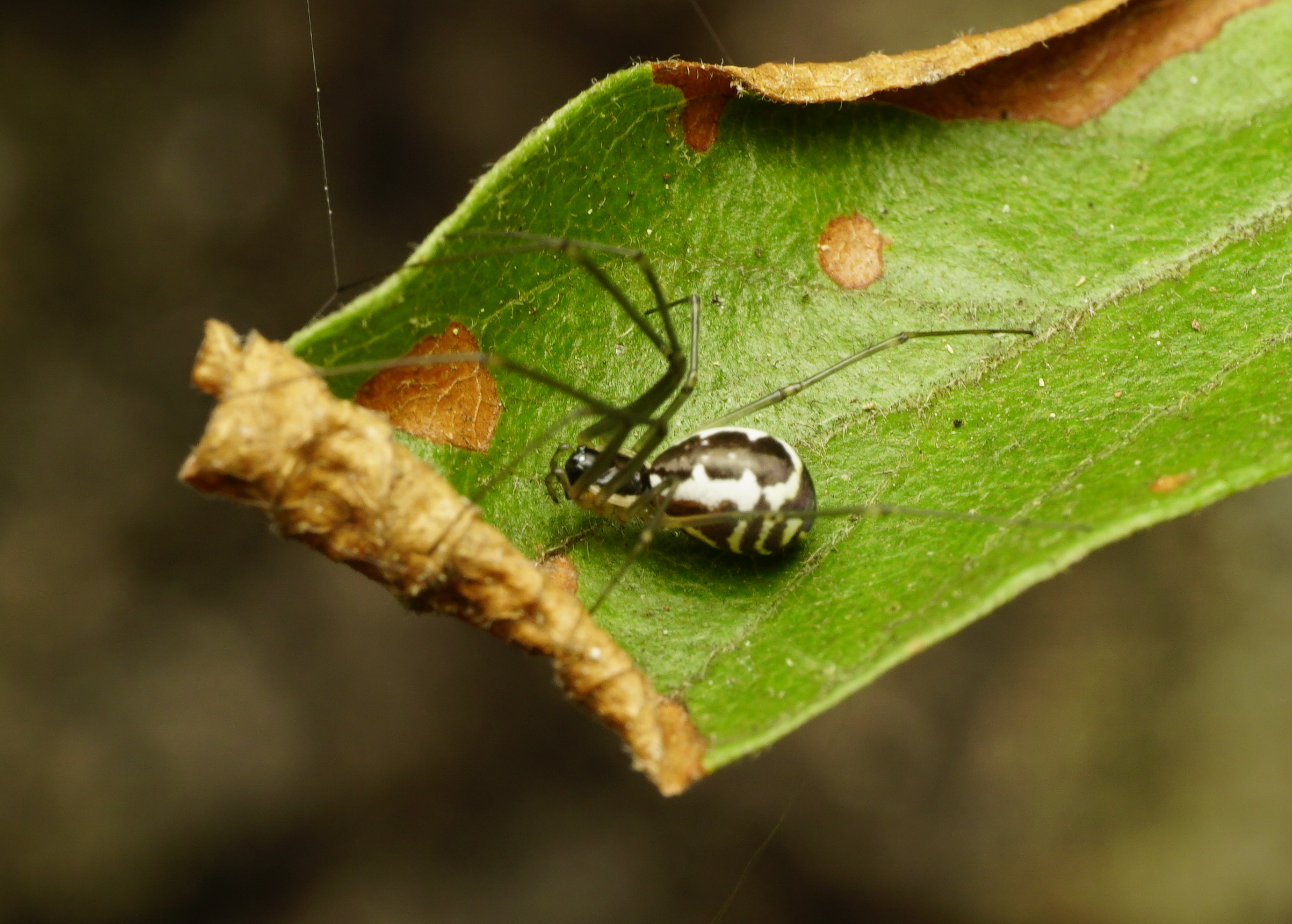
Neriene radiata.
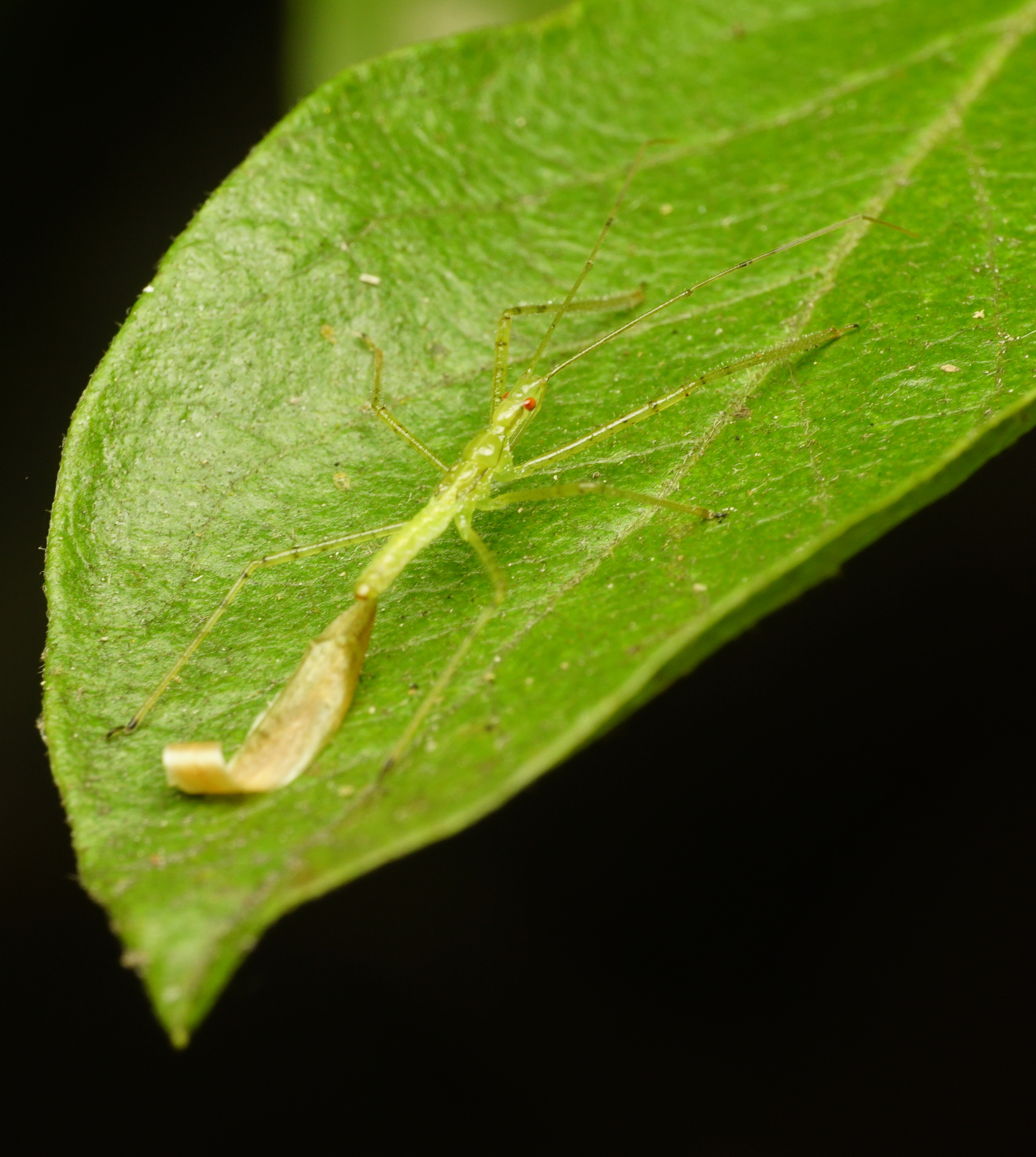
Zelus cf luridus nymph.
I think this is a 0299 White shawled Isocorypha, Isocorypha mediostriatella.
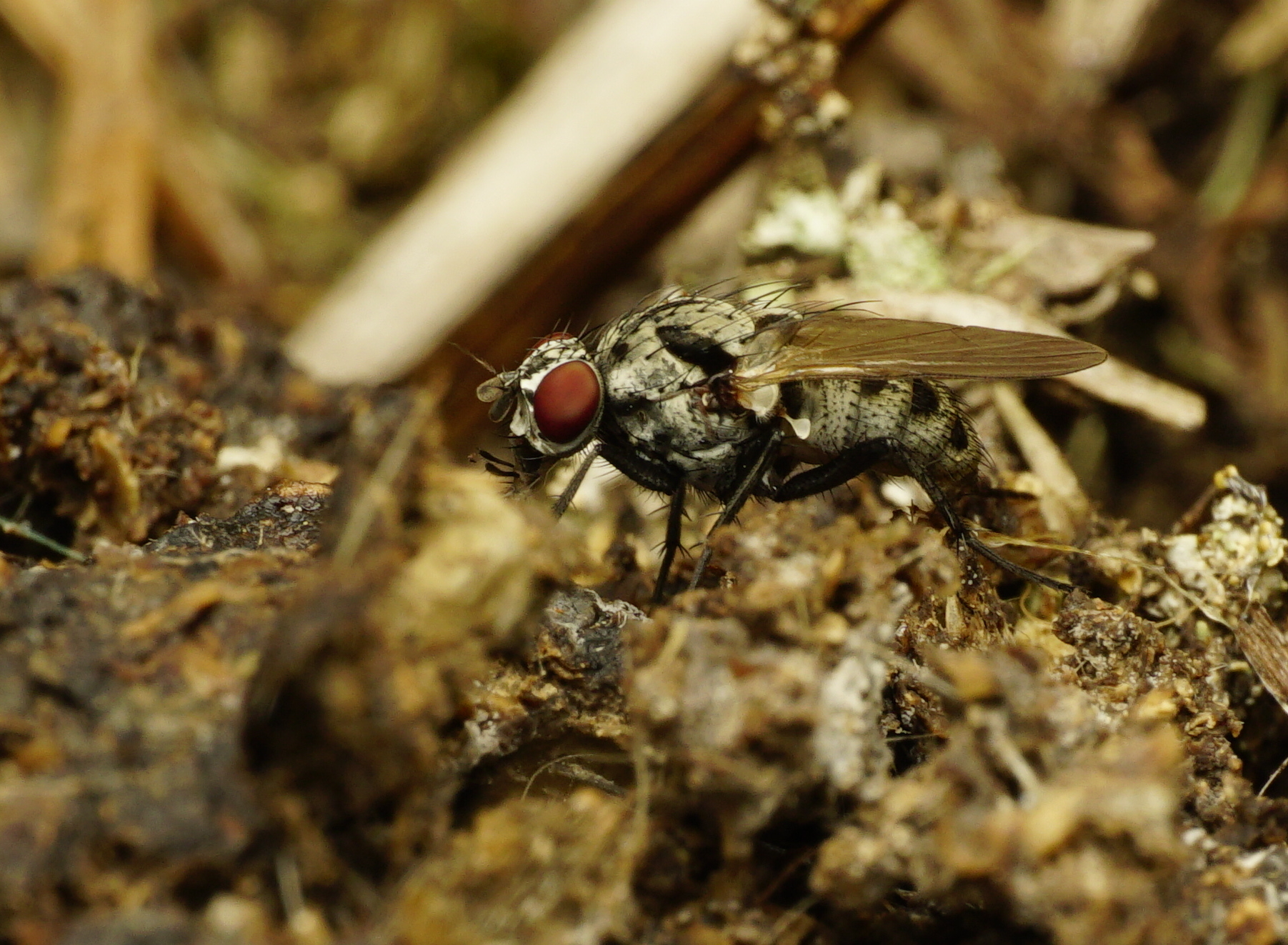
Anthomyiidae, in the process of, um, scathophagiding.
Vespula flavopilosa worker.

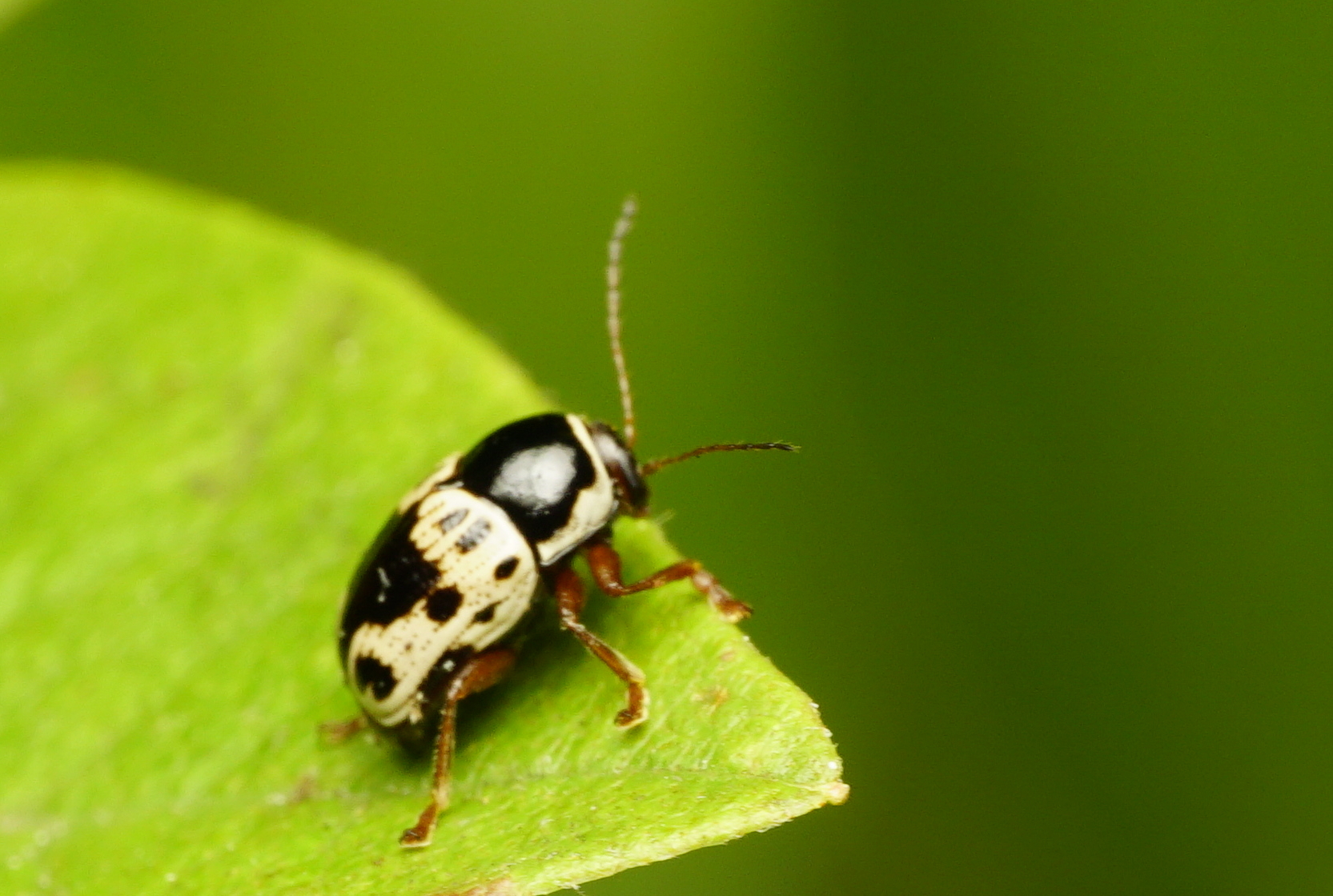
Cryptocephalus mutabilis in Chrysomelidae
I think this is Atanycolus in Braconidae.

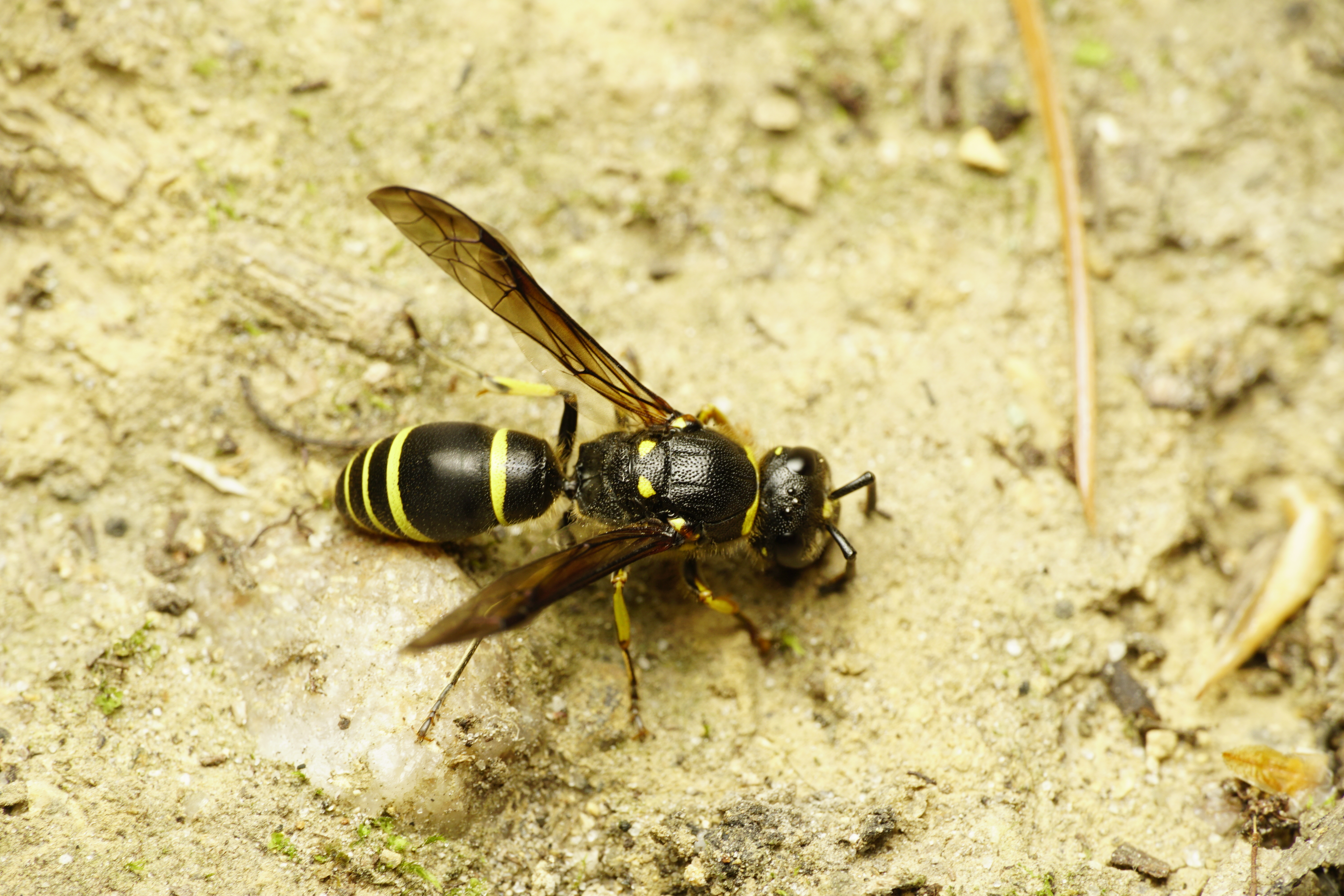
Ancistrocerus adiabatus
Unknown. Could be Anthomyiidae.

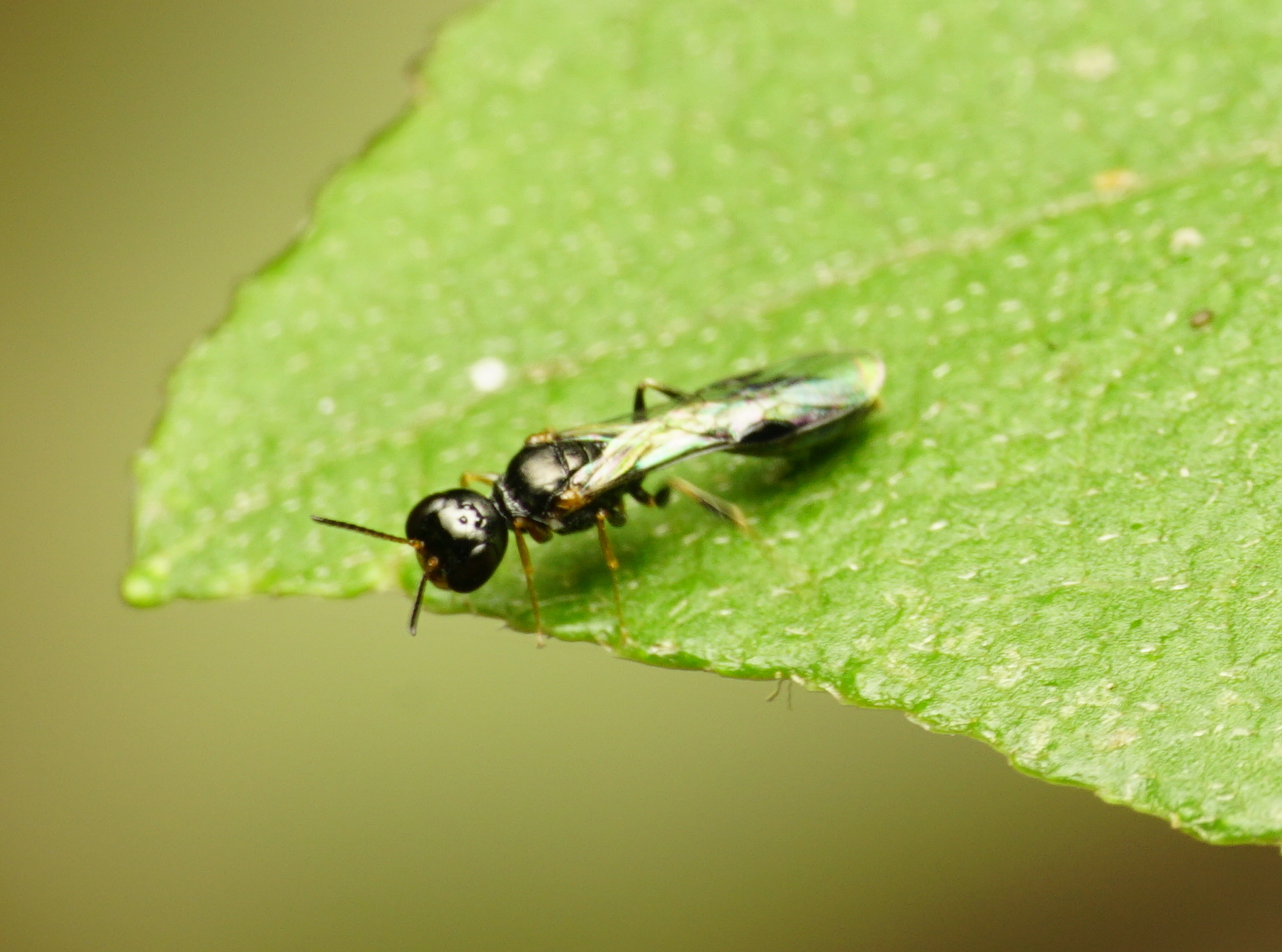
A pemphredonine. Something in Pemphredonini tribe.
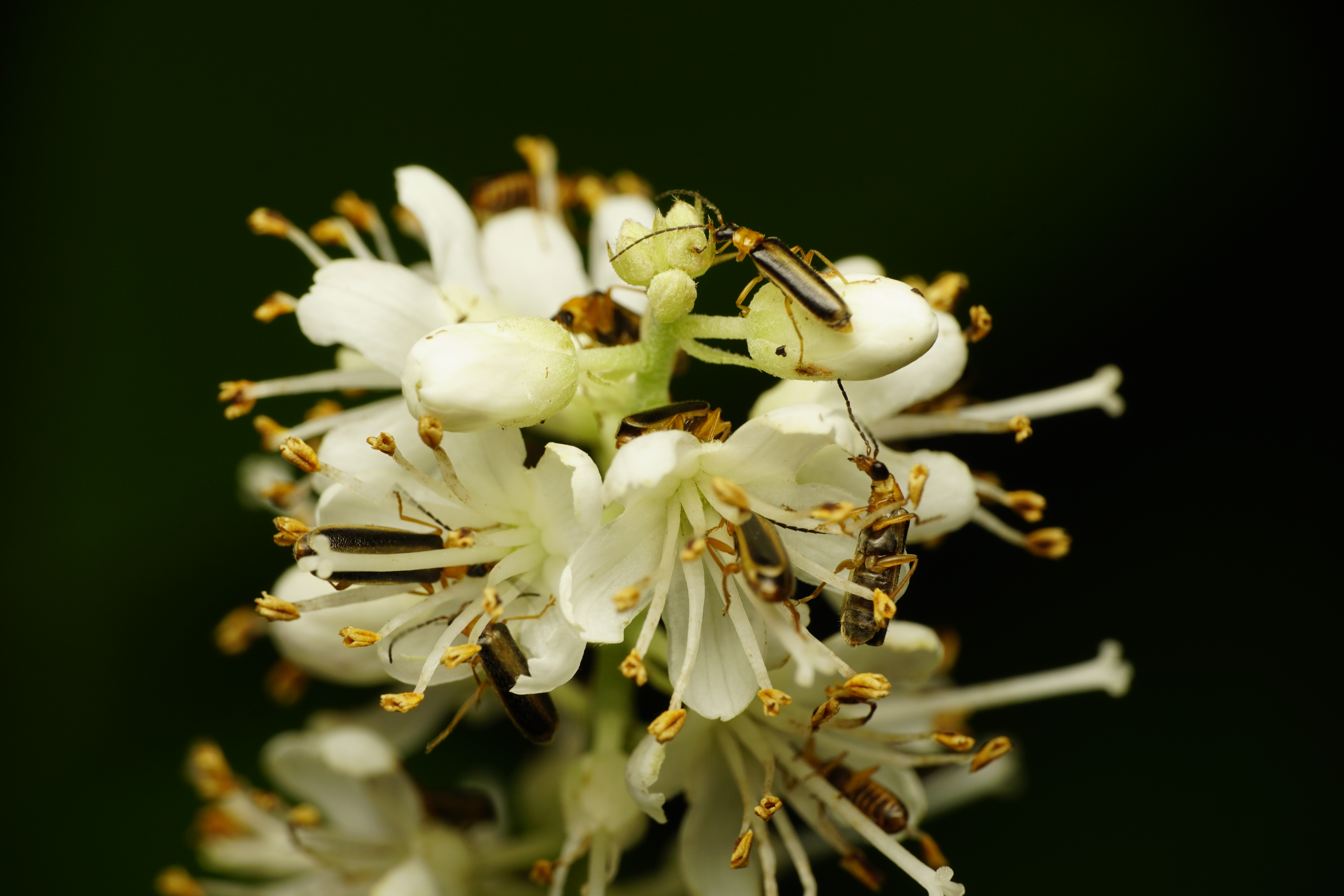
So many of these beetles on this cluster of flowers! Podabrus basillaris, I think, in Cantharidae.
Gnaphosidae, I’d say. Maybe Drassyllus (but that’s probably wishful thinking, there are few sightings of Drassylus).
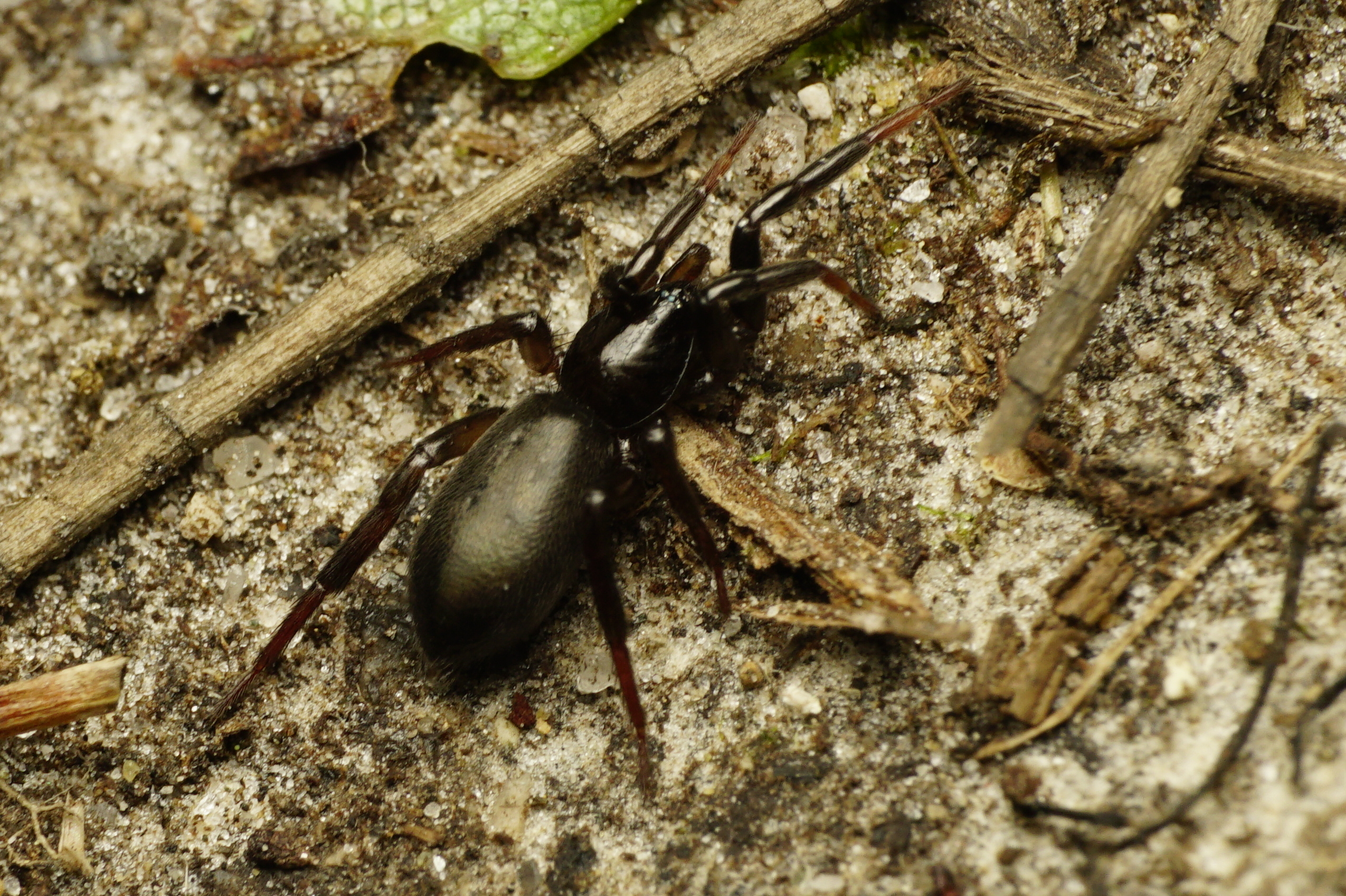
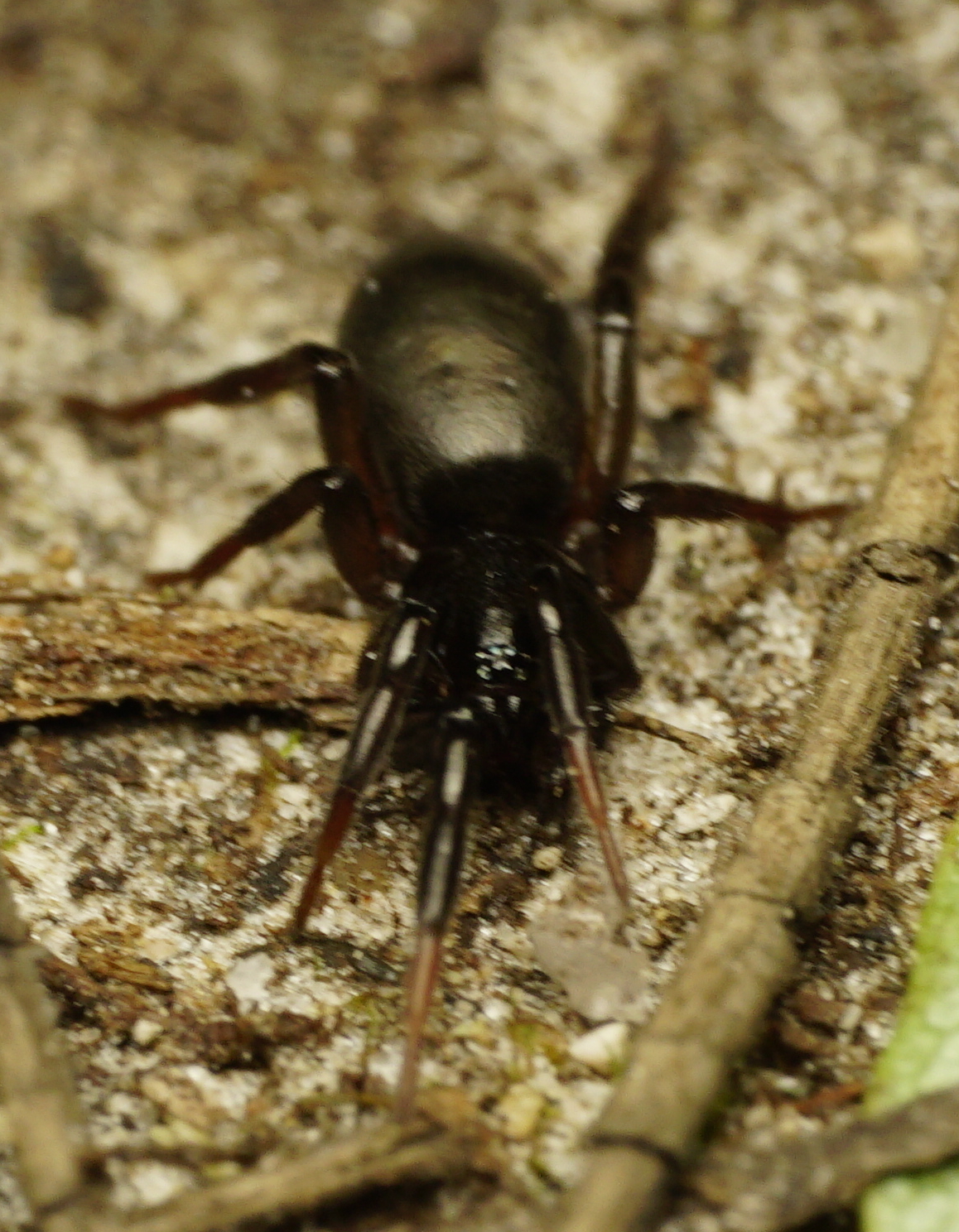
Unknown:

A fly, Micropezidae, maybe Rainieria antennaepes.

Male mutillid, likely Timulla sp.