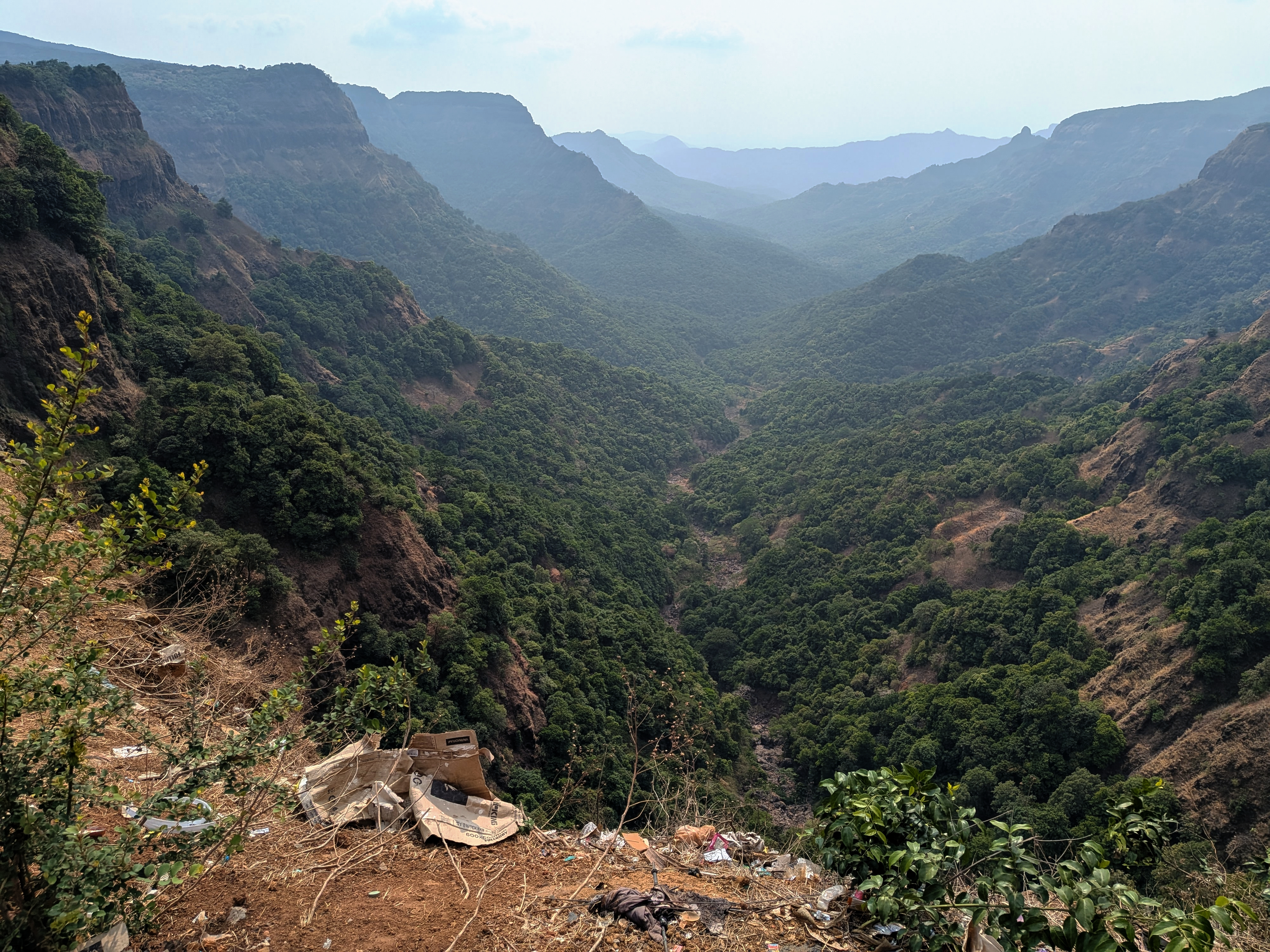
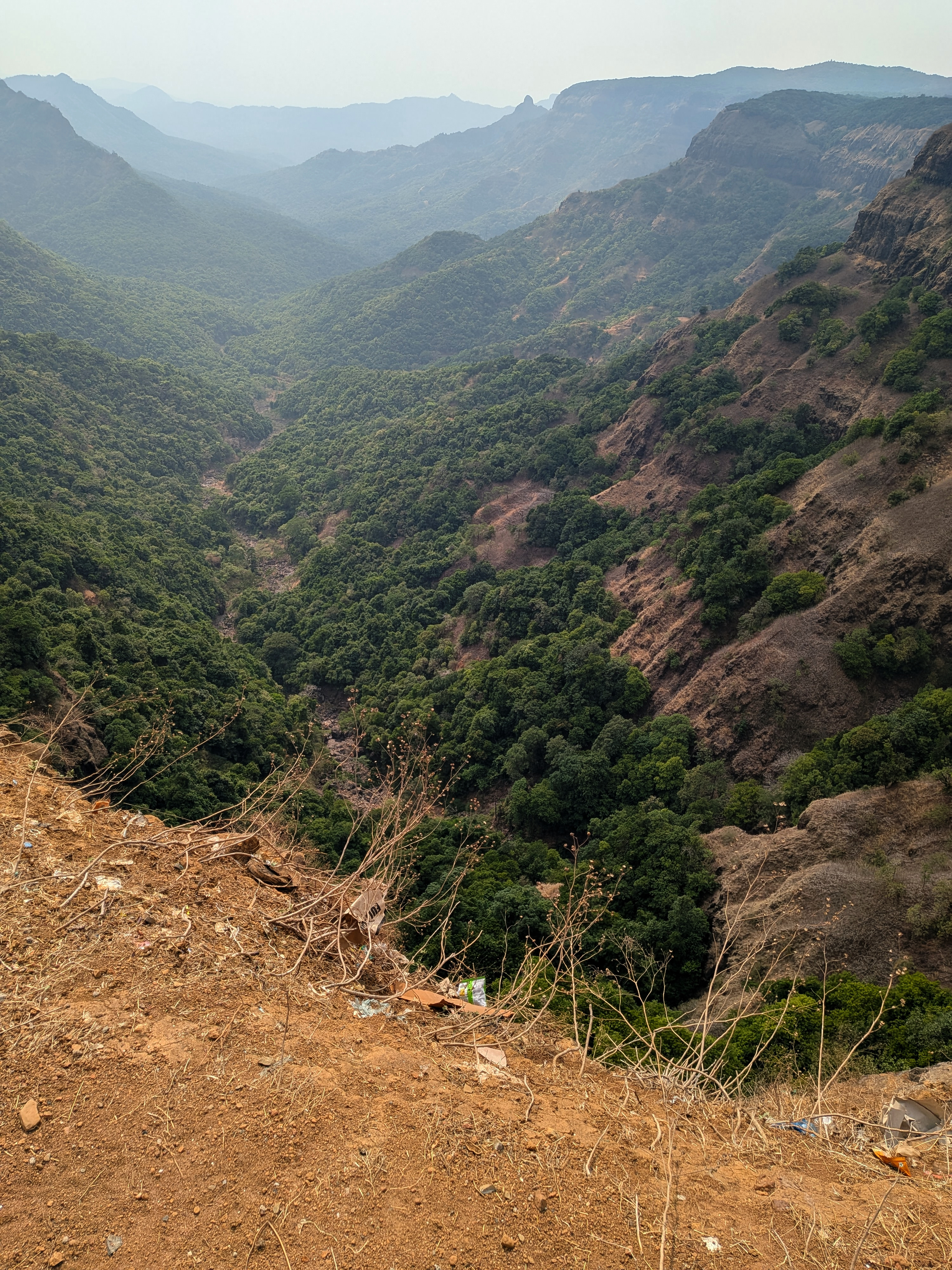
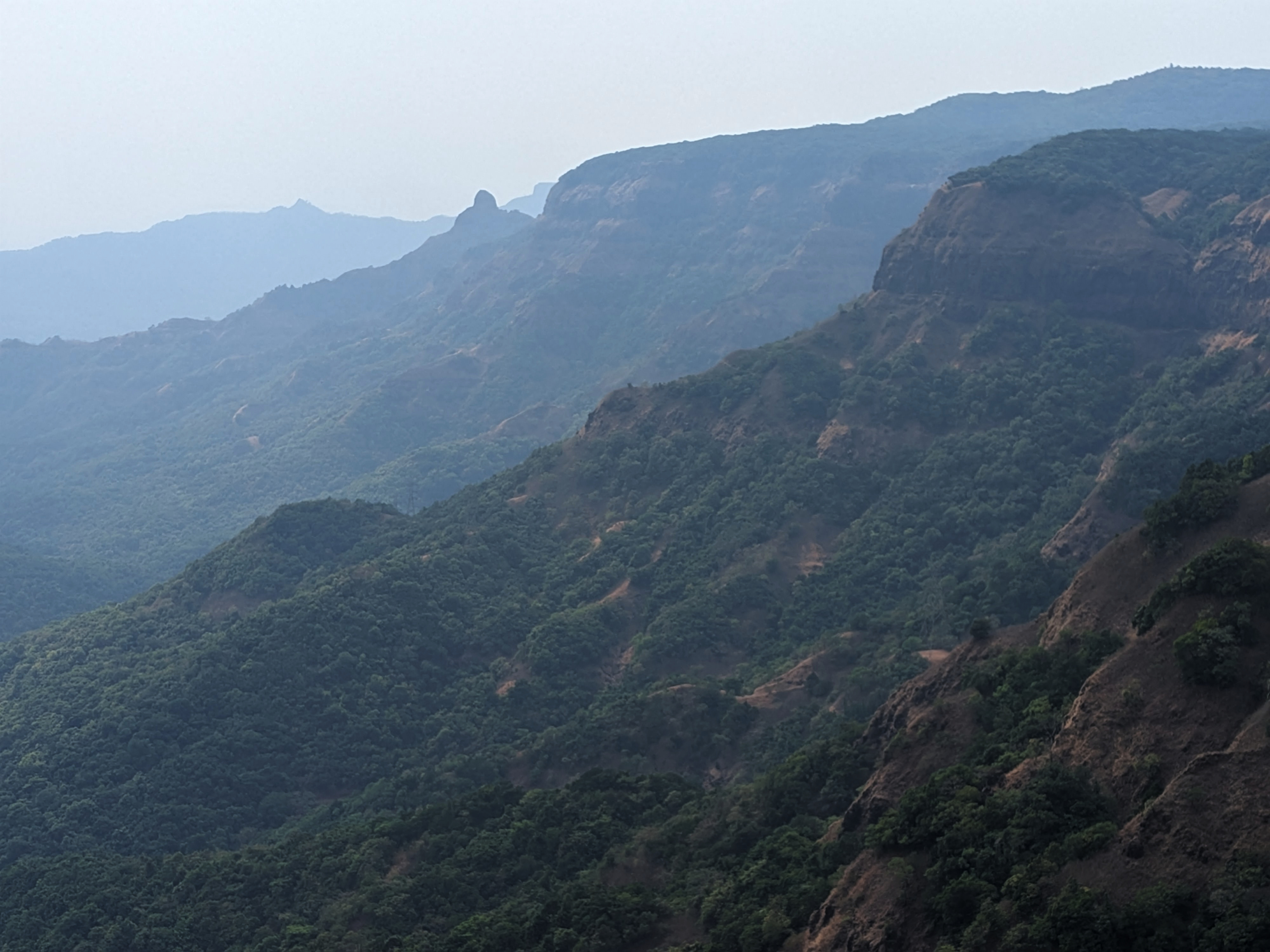
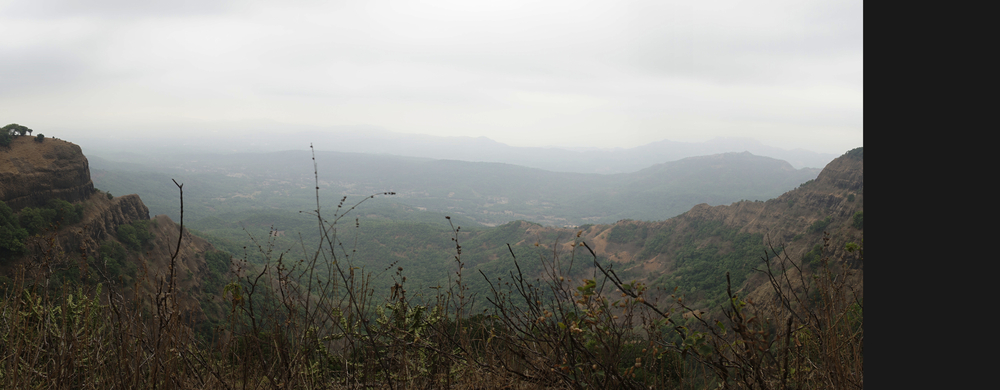
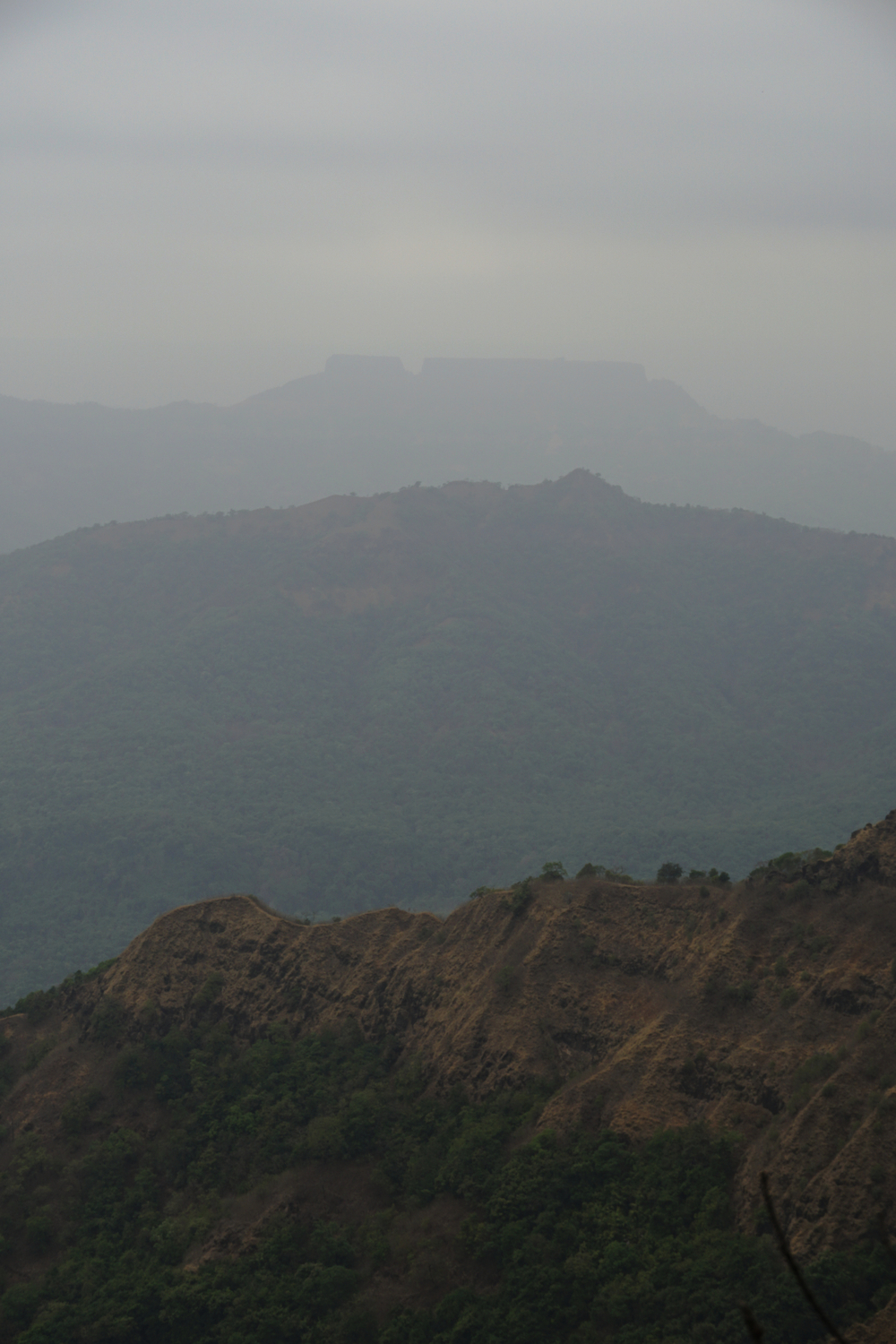
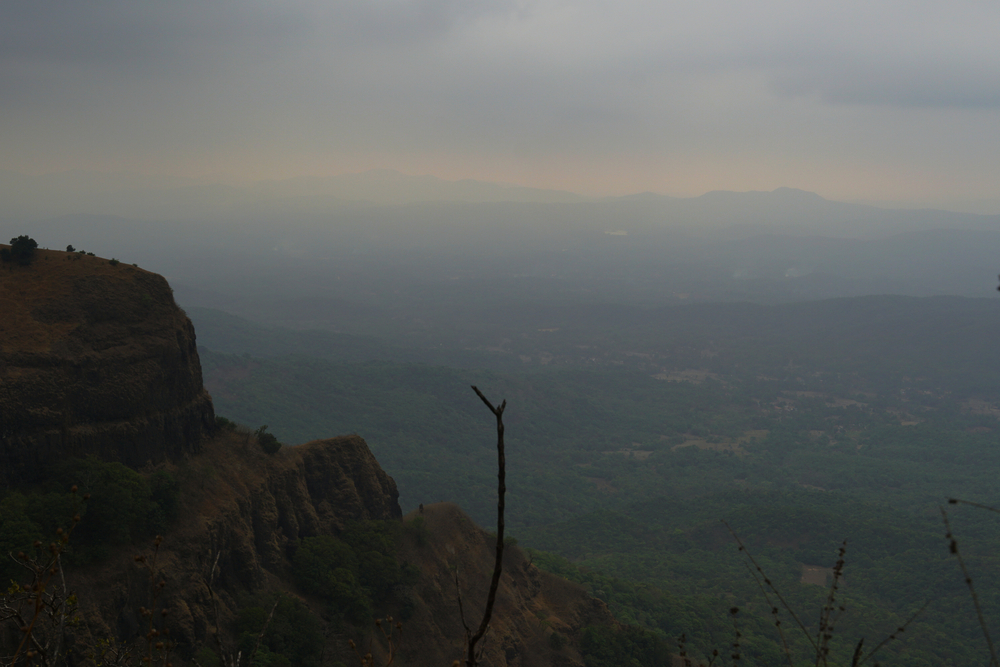
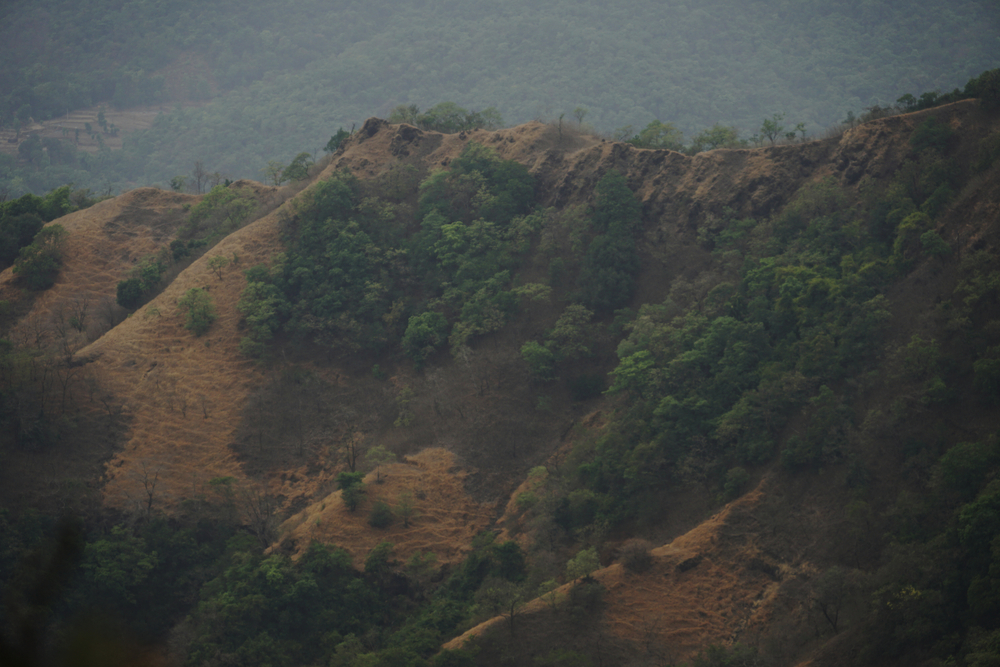
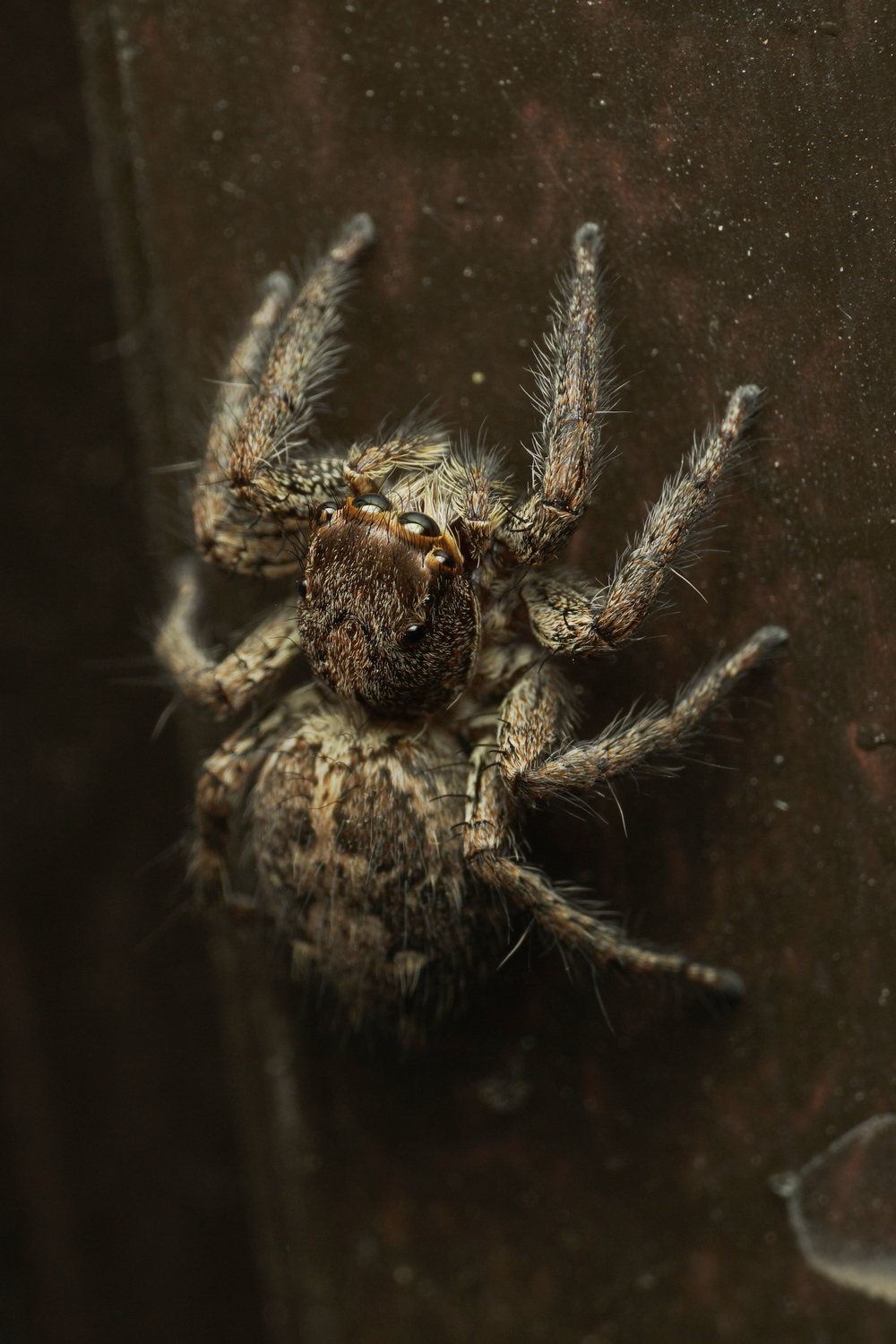
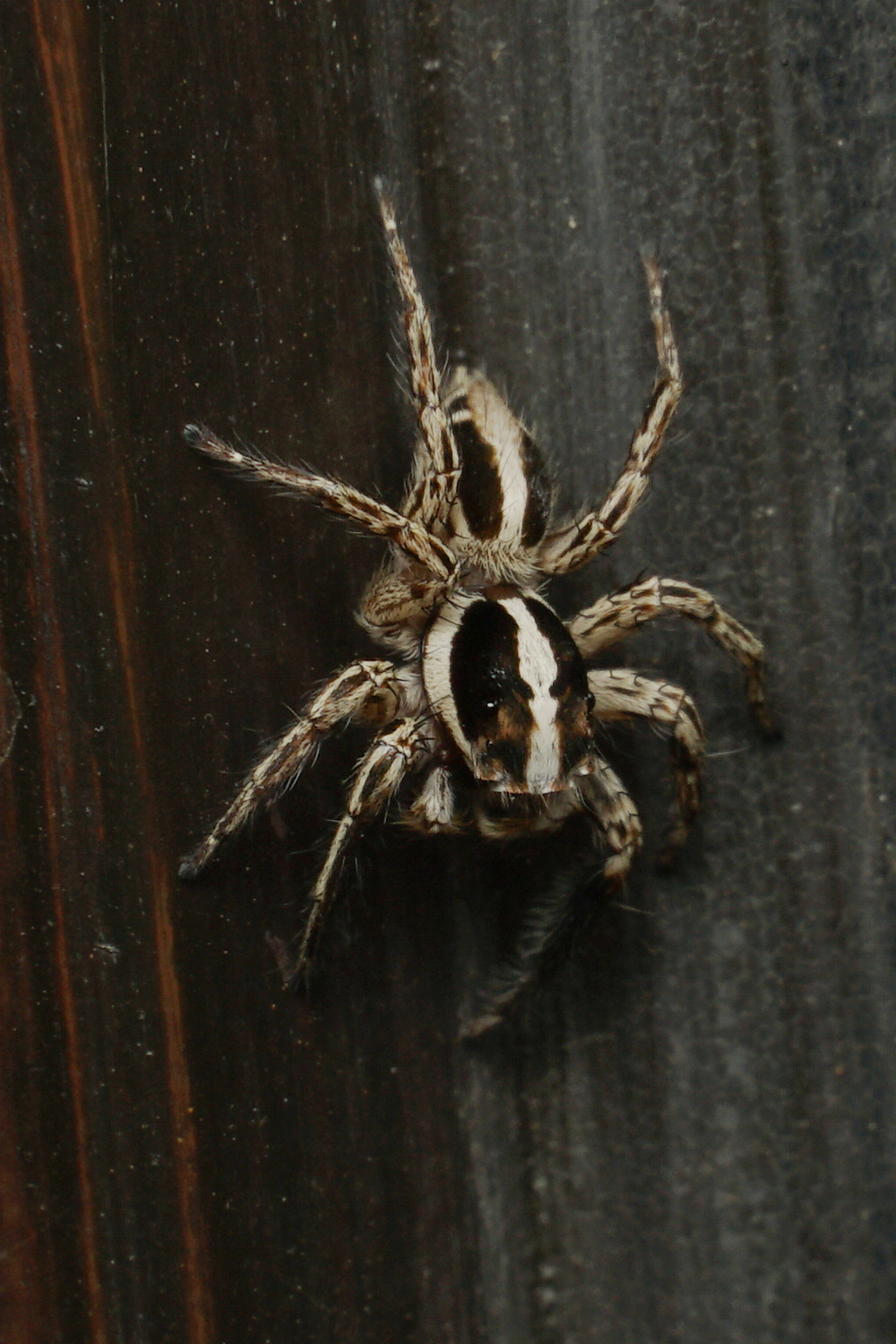
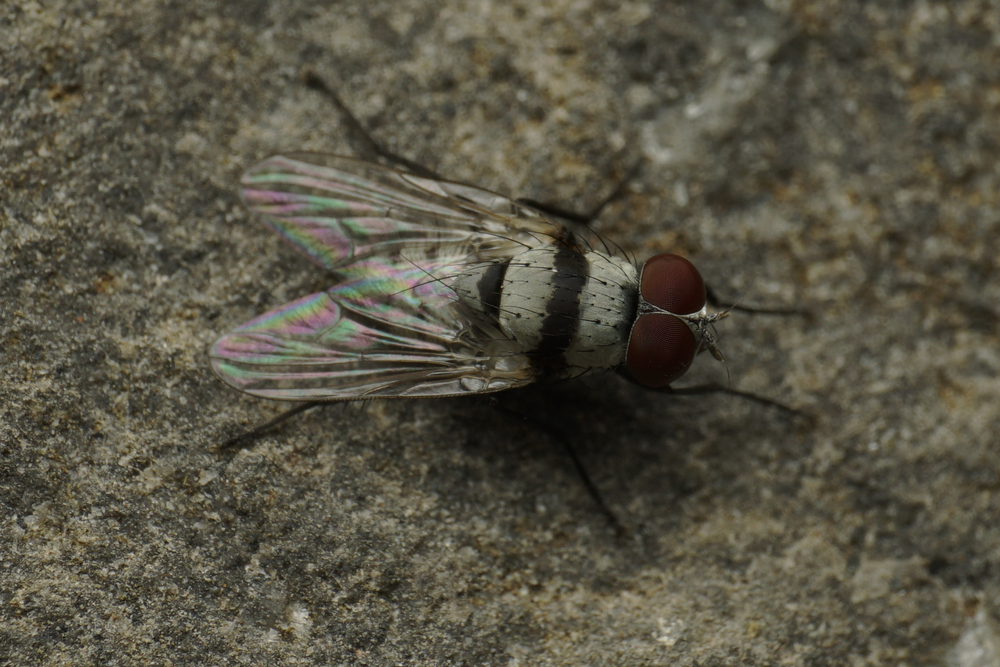
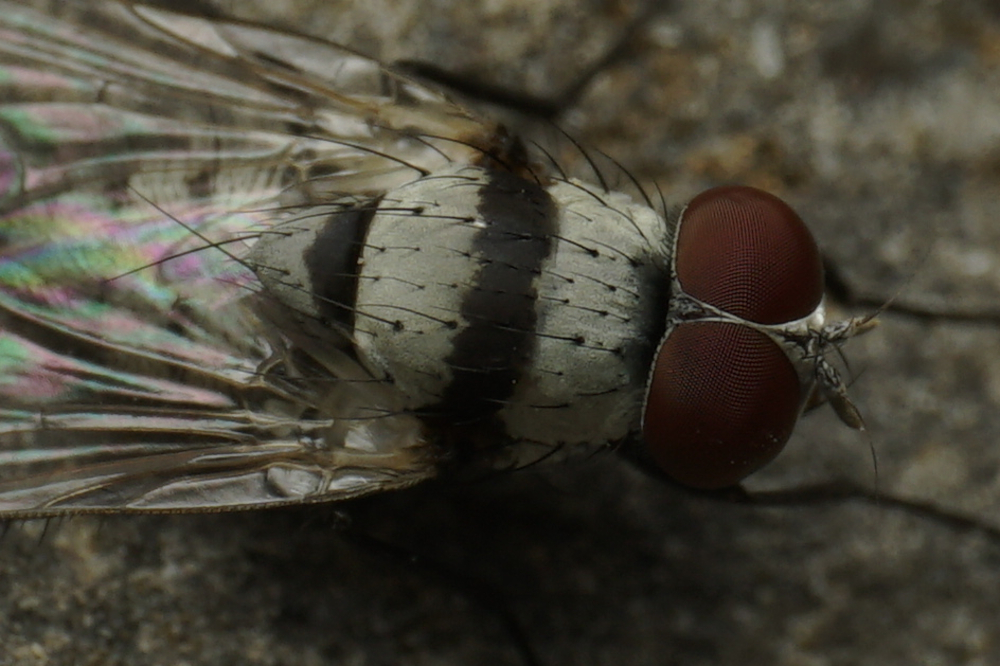
A couple of days in Amboli. Amboli is in the western ghats, which is a world hot-spot of amphibian bio-diversity. It’s a huge tourist attraction in the monsoon season, less so in the summer.
I first looked around the guest house, Mrugaya Amboli (https://www.mrugayaamboli.com/). Our guide was Yash Patil, a terrific naturalist and, as we later found out, an extremely talented self-taught photographer and videographer. Please check out his instagram https://www.instagram.com/rah_bhatka/
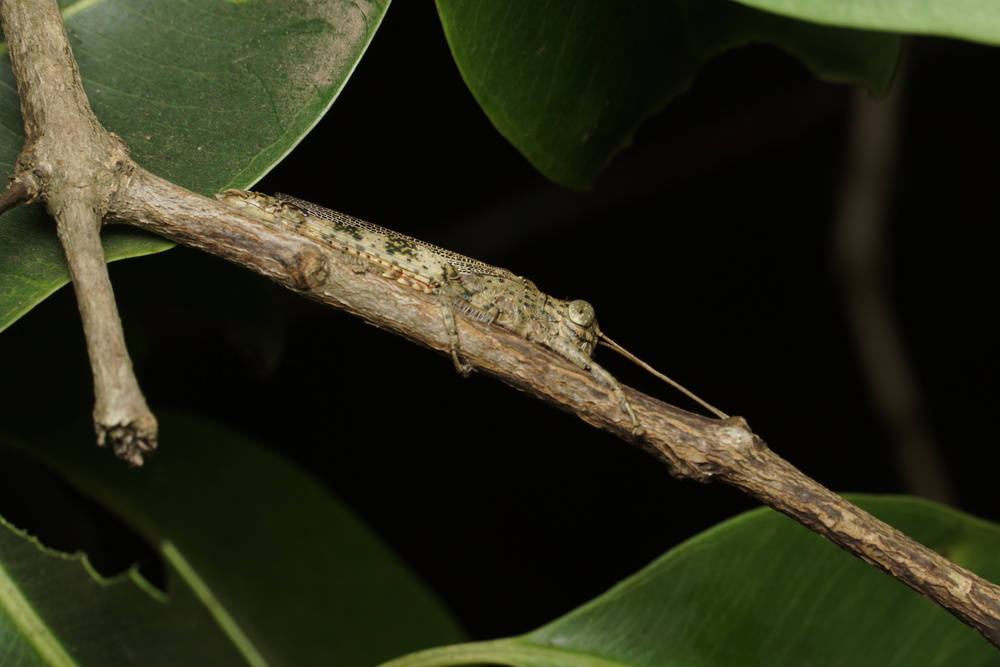
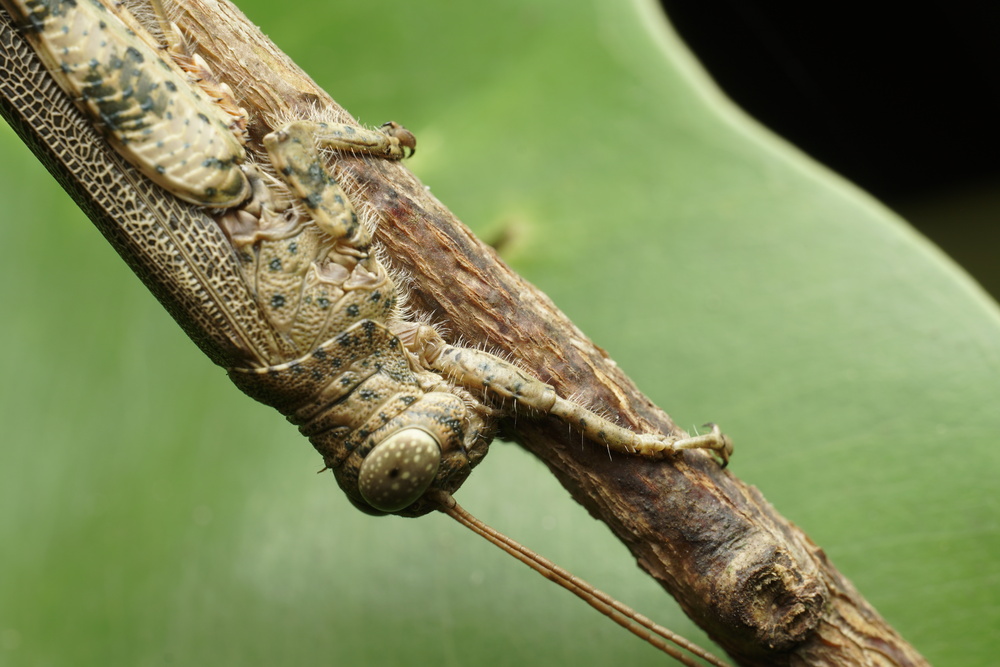
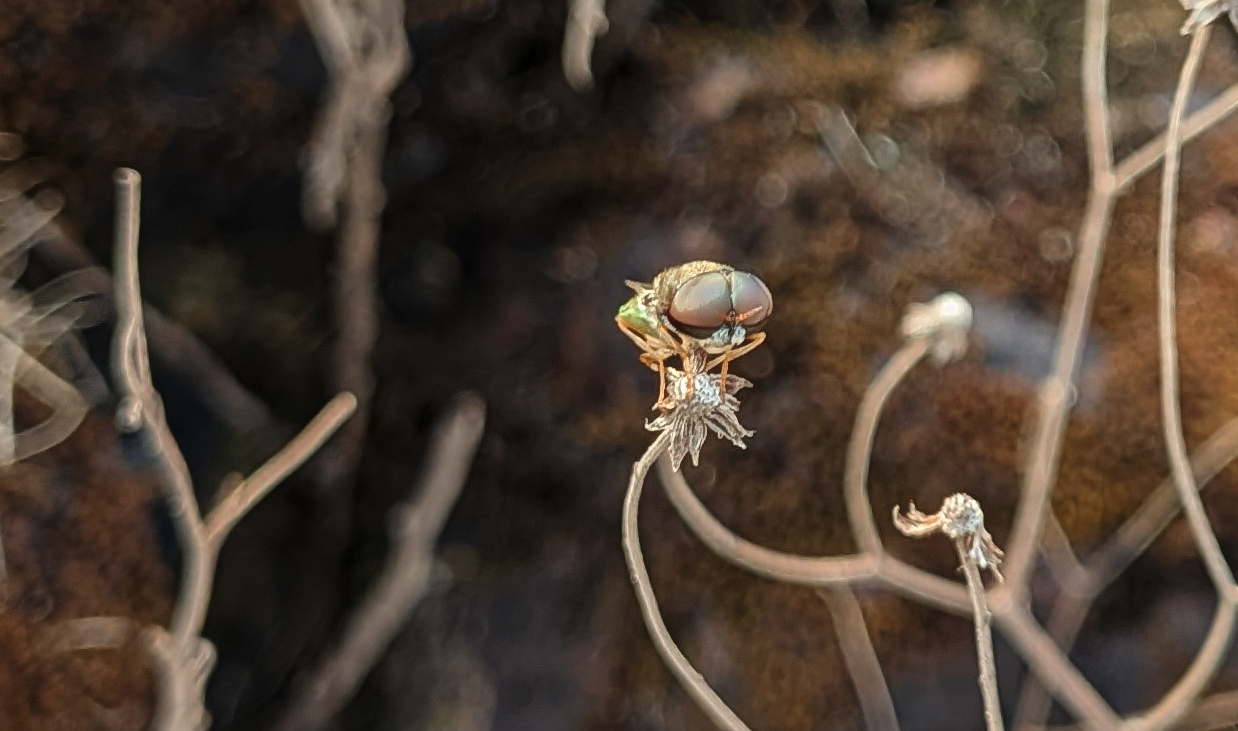
Here’s an unidentified grasshopper with beautiful eyes:
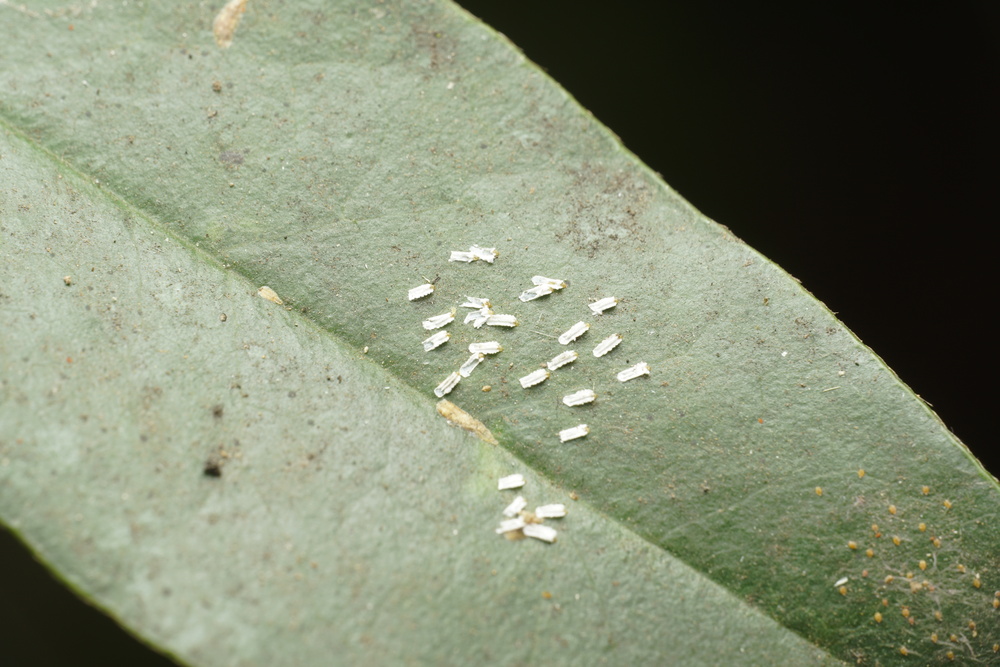
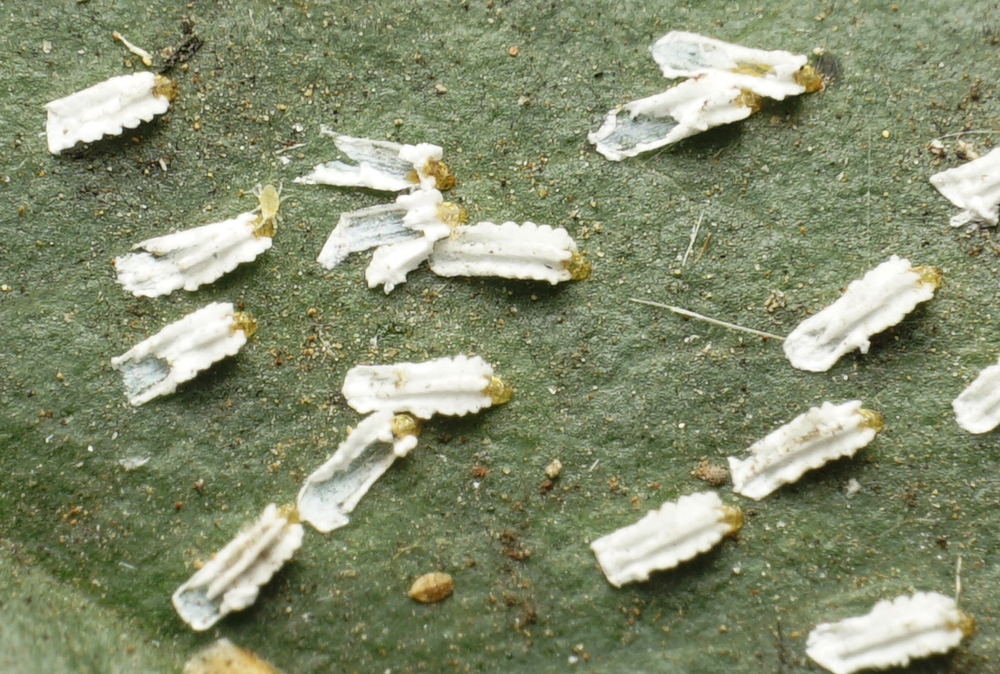
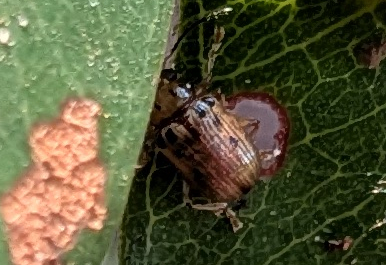
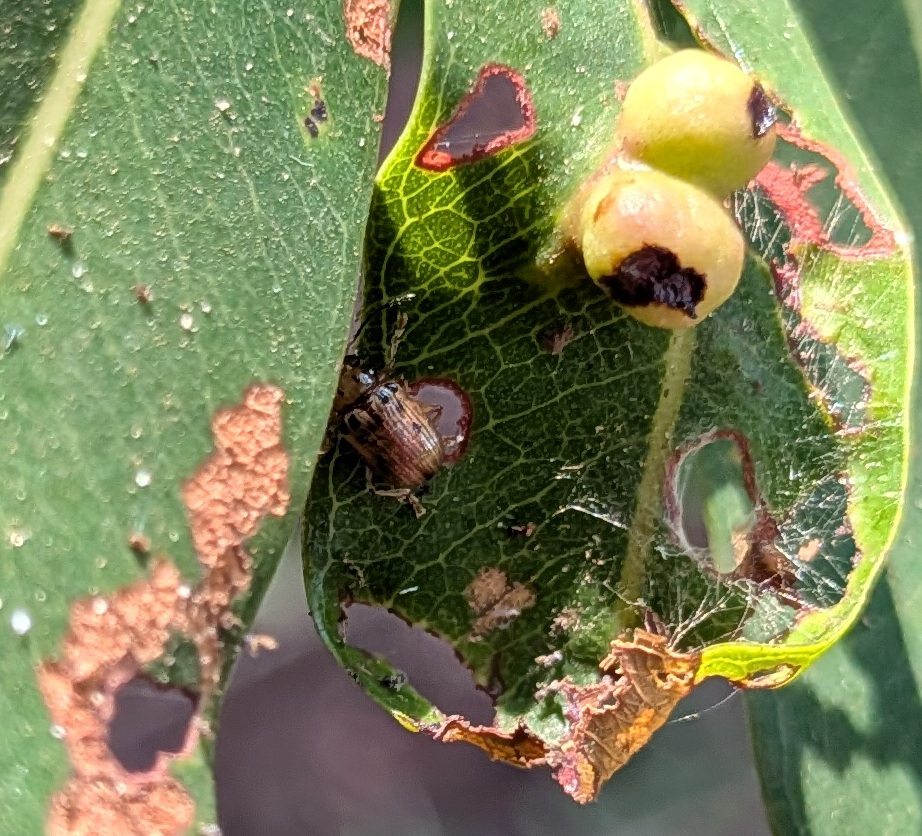
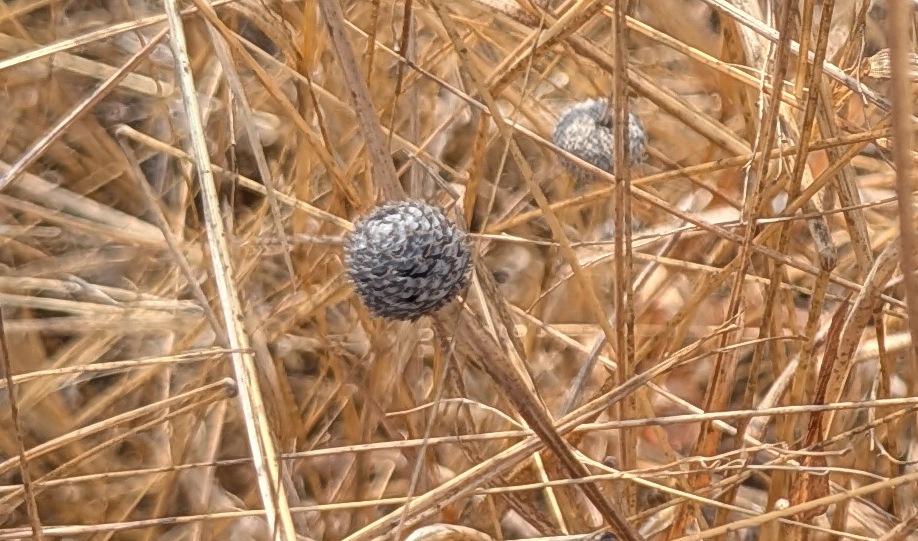
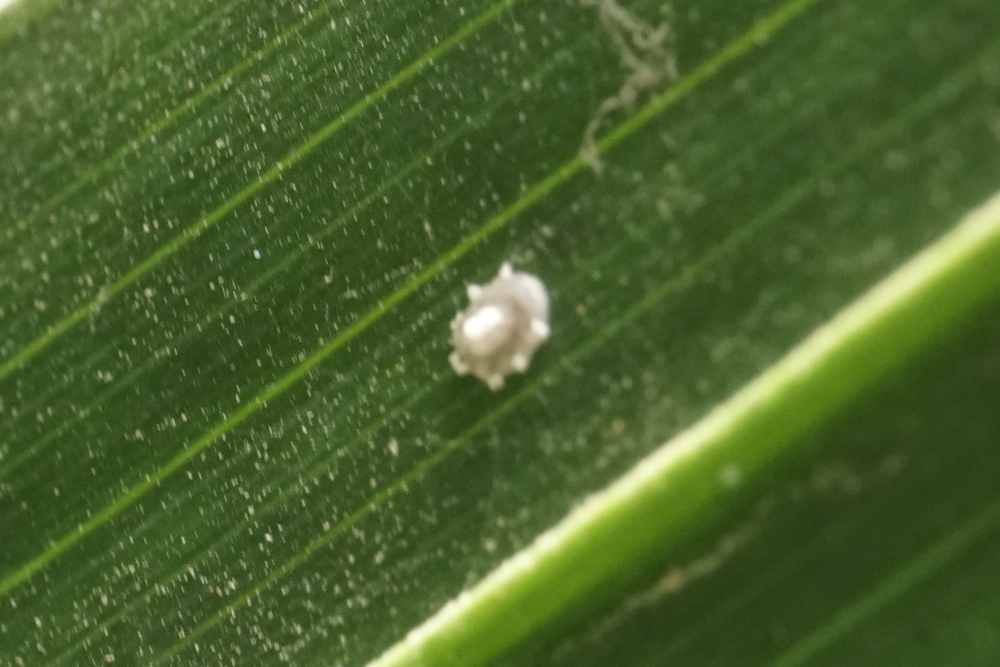
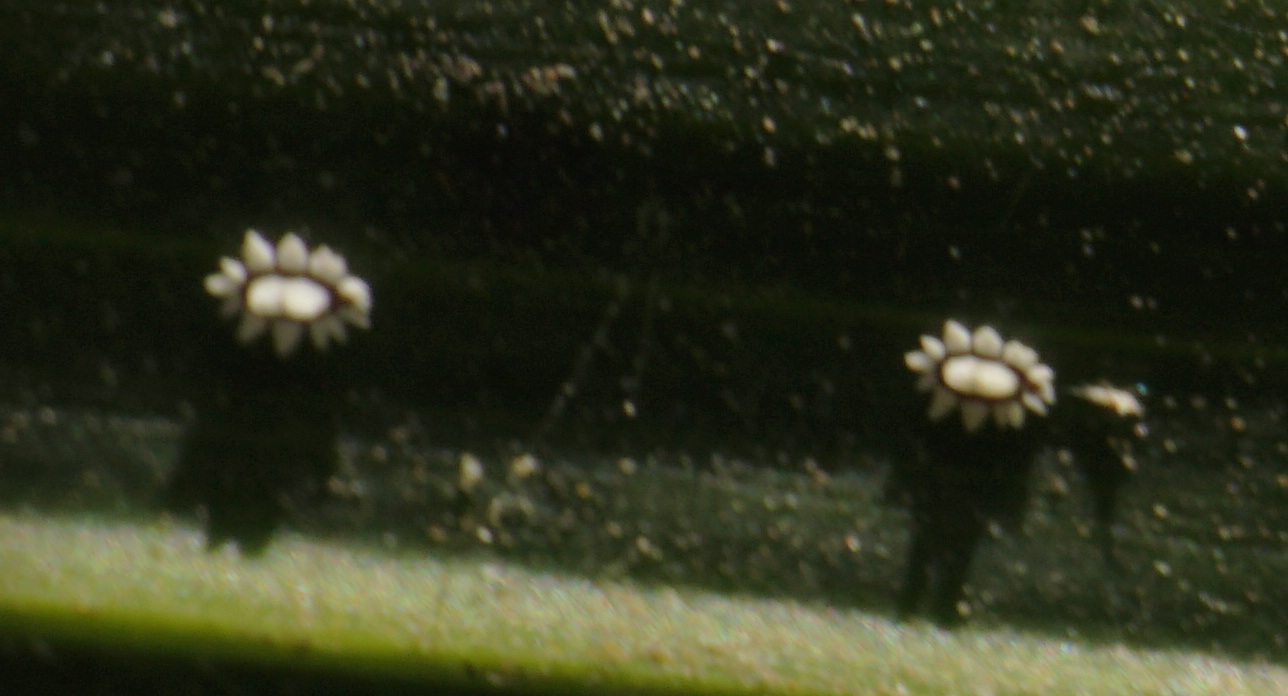
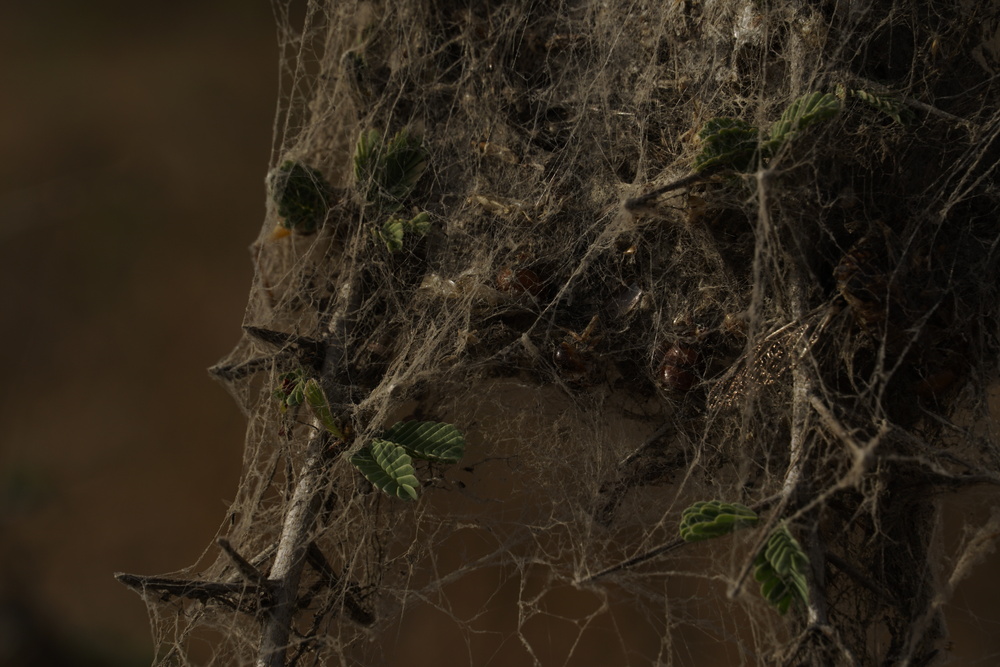
I don’t understand what’s going on here. I took the photo thinking that these were eggs, which may still be true. But it got more confusing when I zoomed in.
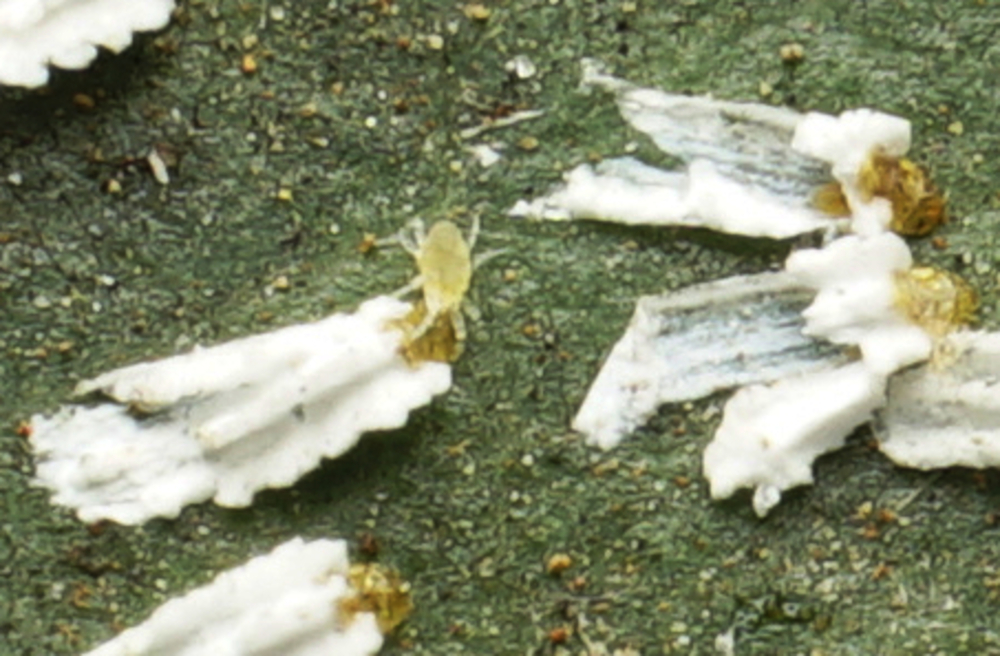
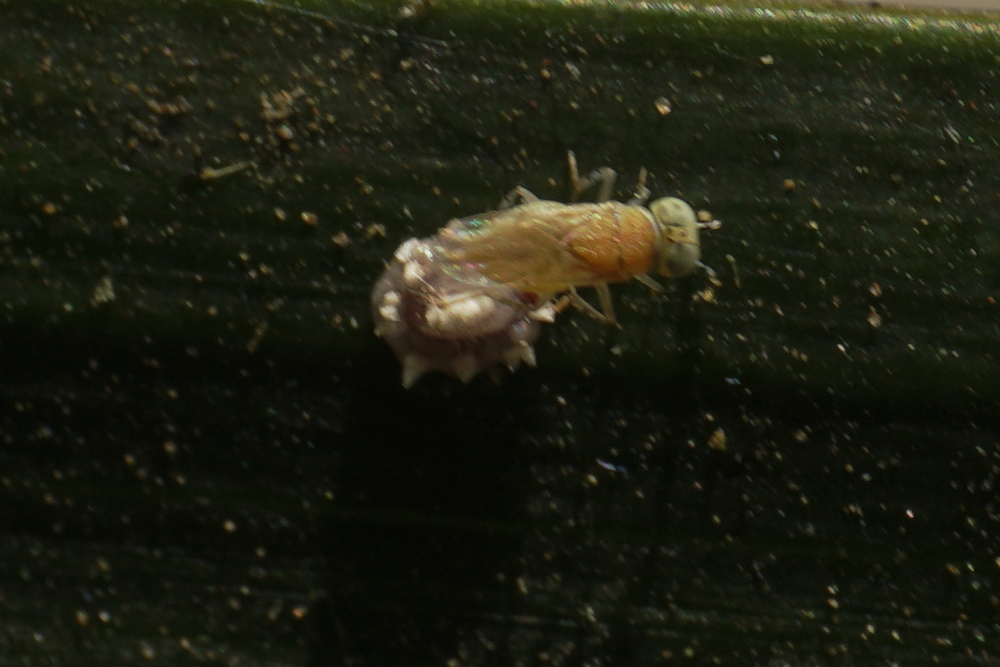
There are some creatures at the “head” of the long tubular “eggs”. They look too small to have emerged from the eggs. The eggs are tubular and collapsed and empty. This got a little traction from some entomologists as an engaging mystery :-).
I think the consensus is wax secretions from scale insect males, perhaps Monophlebidae –> Icerya? Suggested on Facebook.
To make it more interesting, there appears to be a predatory mite munching away.
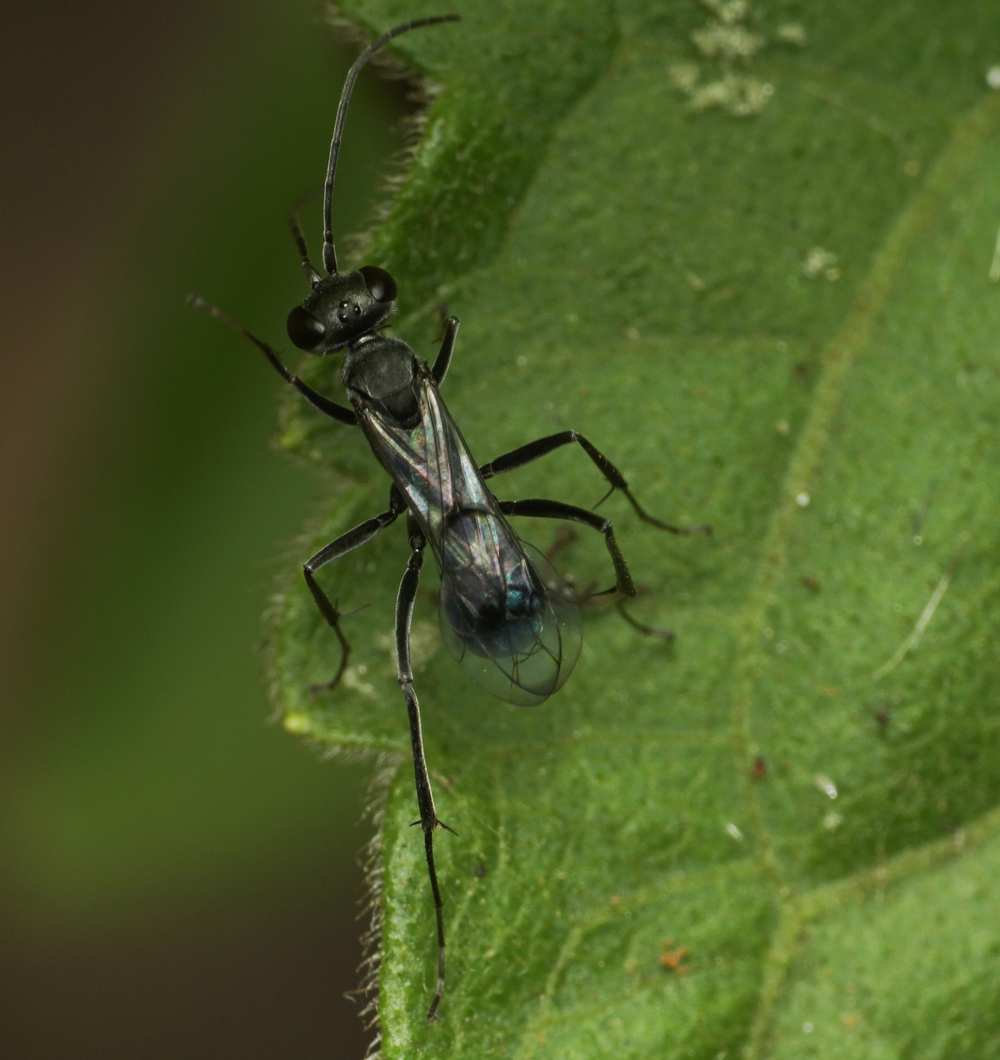
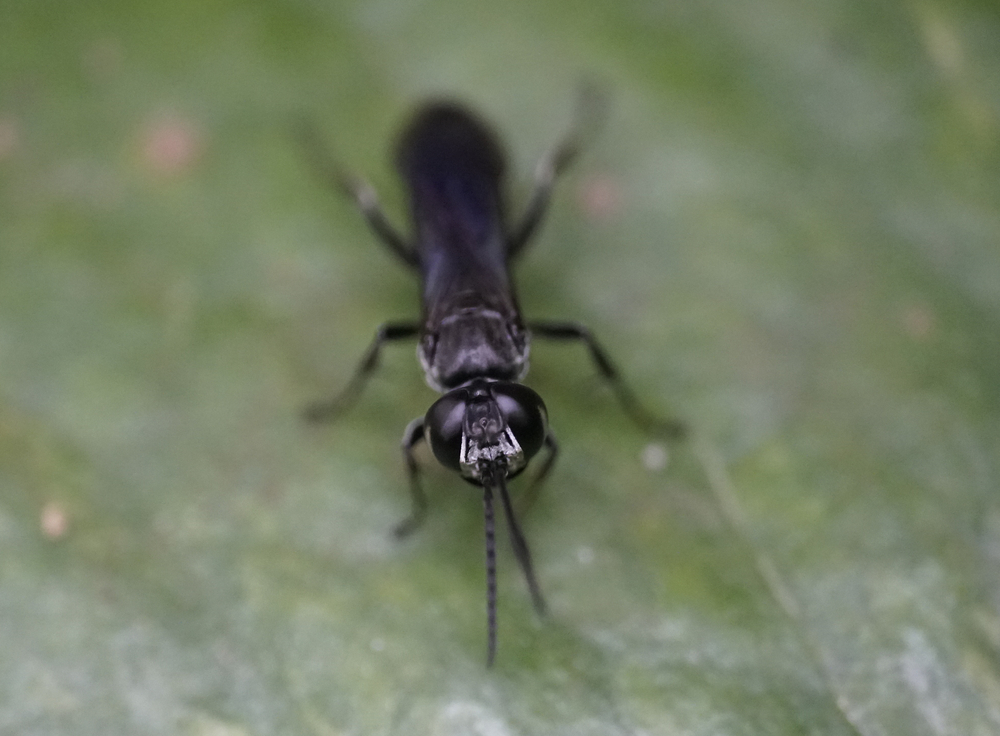
A Pompilid, perhaps Liris cf subtessalatus? The blue color on the back was very nice.
Another perhaps Liris:
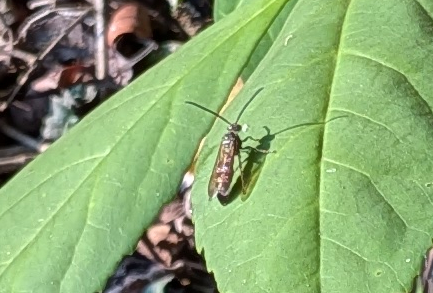
Another Ichneumonid wasp, maybe Metopius or Euceros as per iNat:
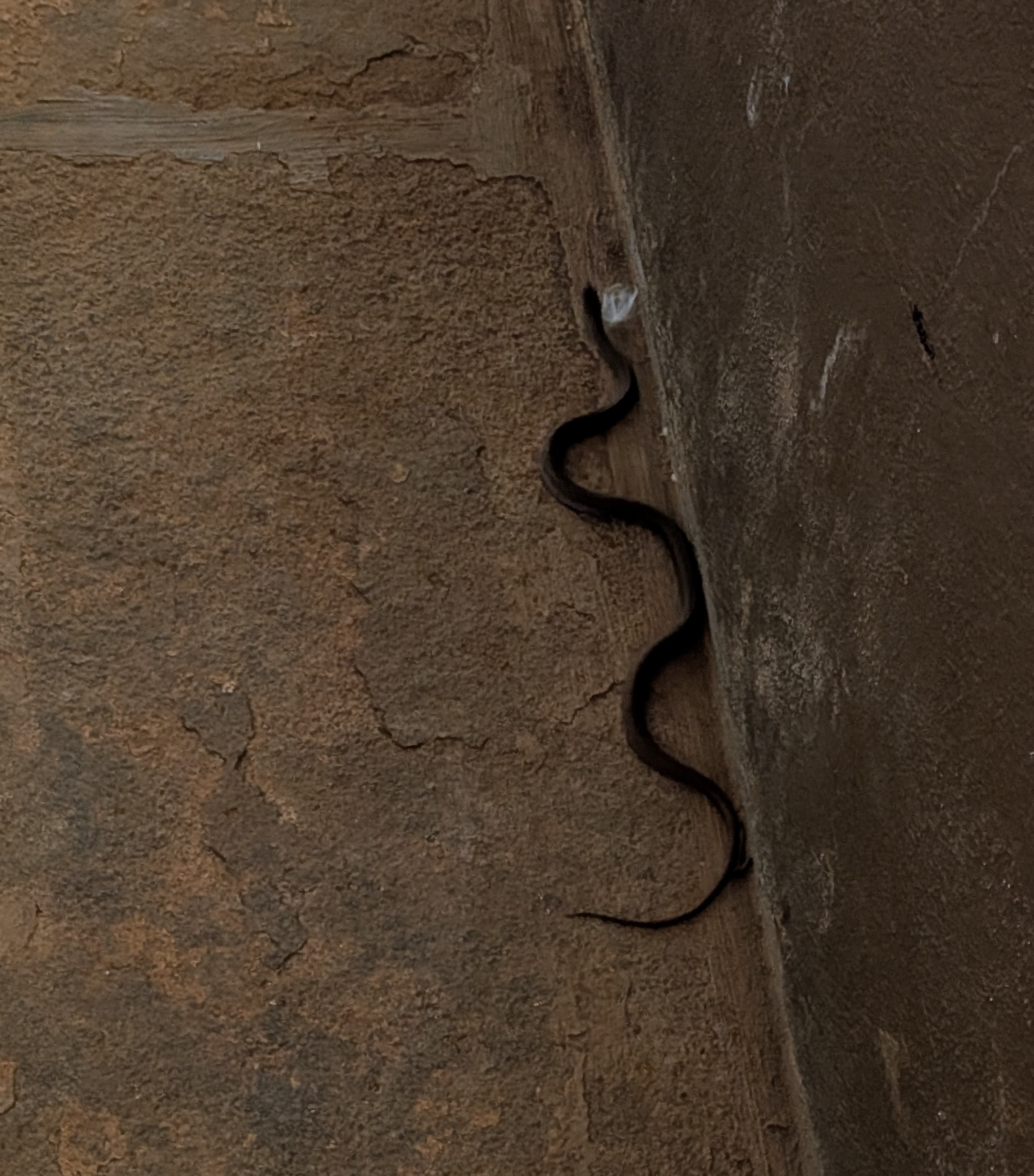
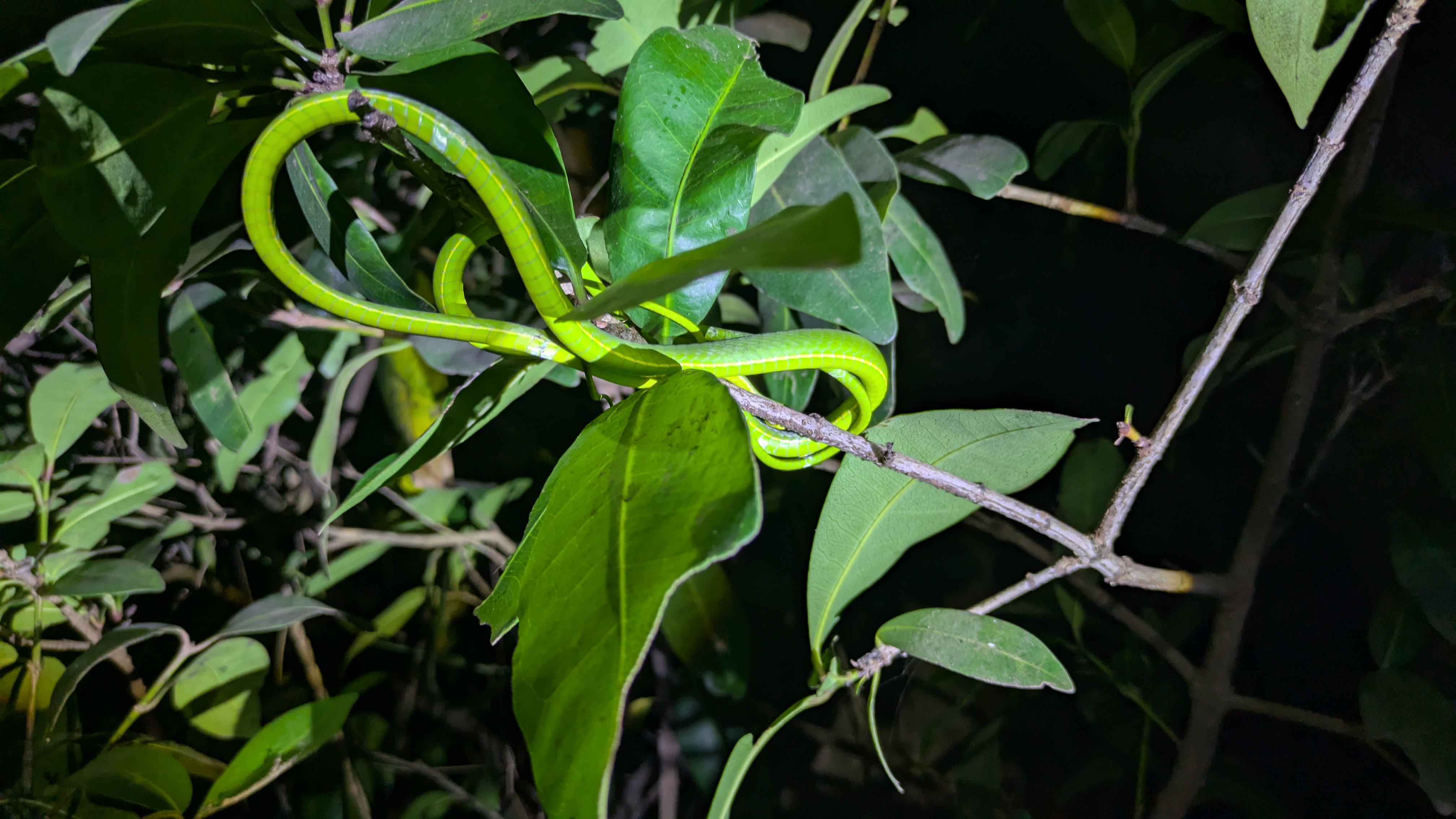
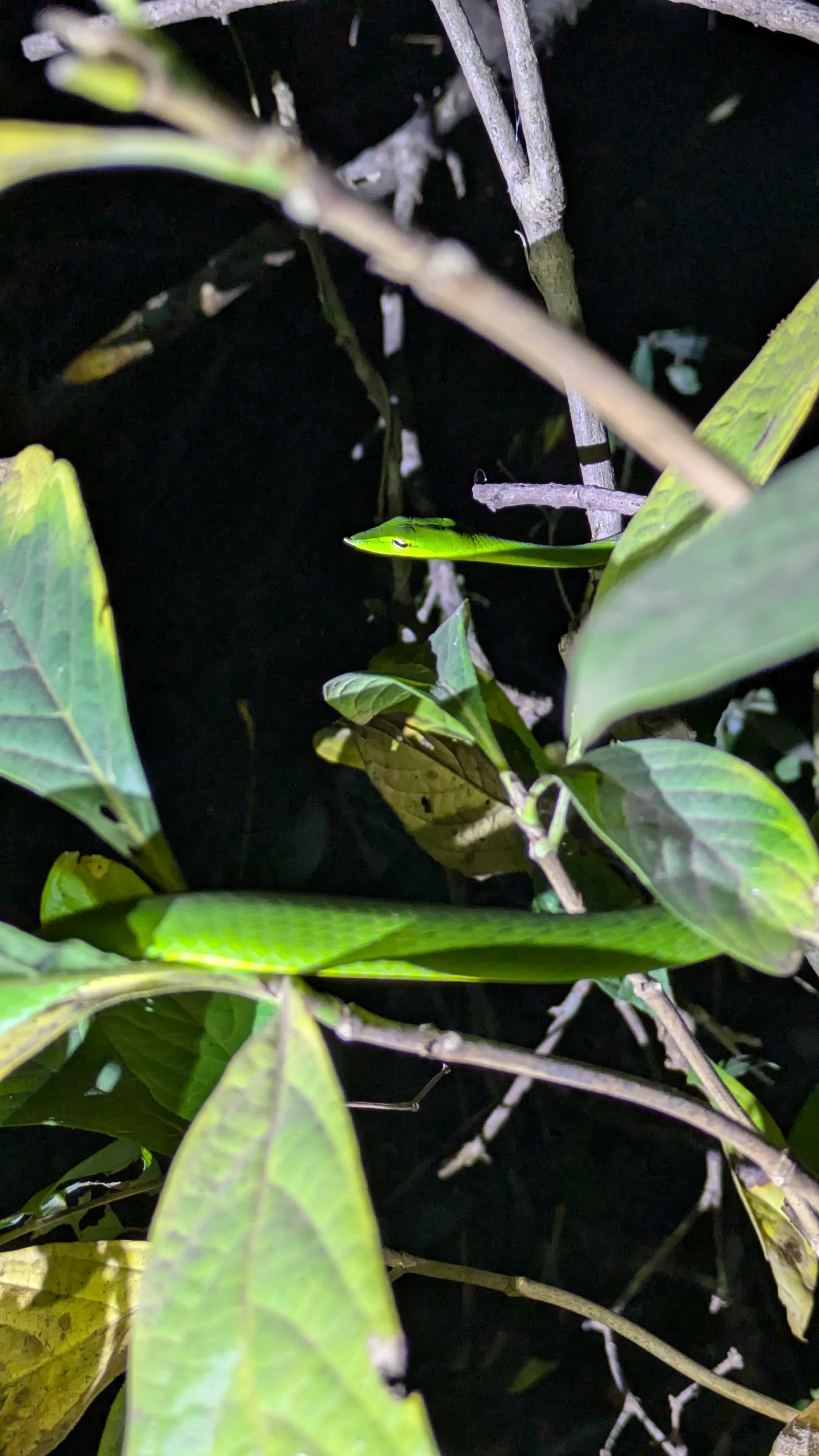
A Nilgiri keelback snake:
I asked Yash for tarantulas, so he took us on a night walk. Spoiler: lots of tarantulas, but zero photographs. Maybe one day I will be more patient than the tarantulas are shy. Also, perhaps a glimpse of a tailless whip-scorpion!
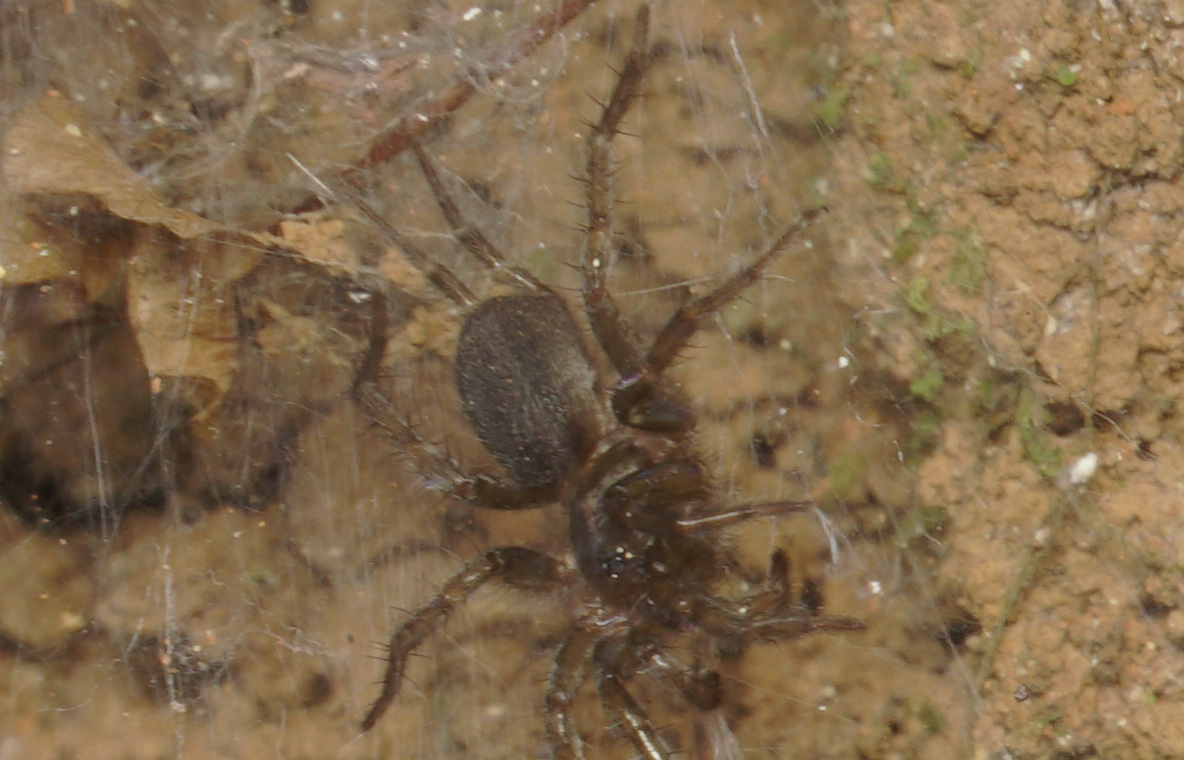
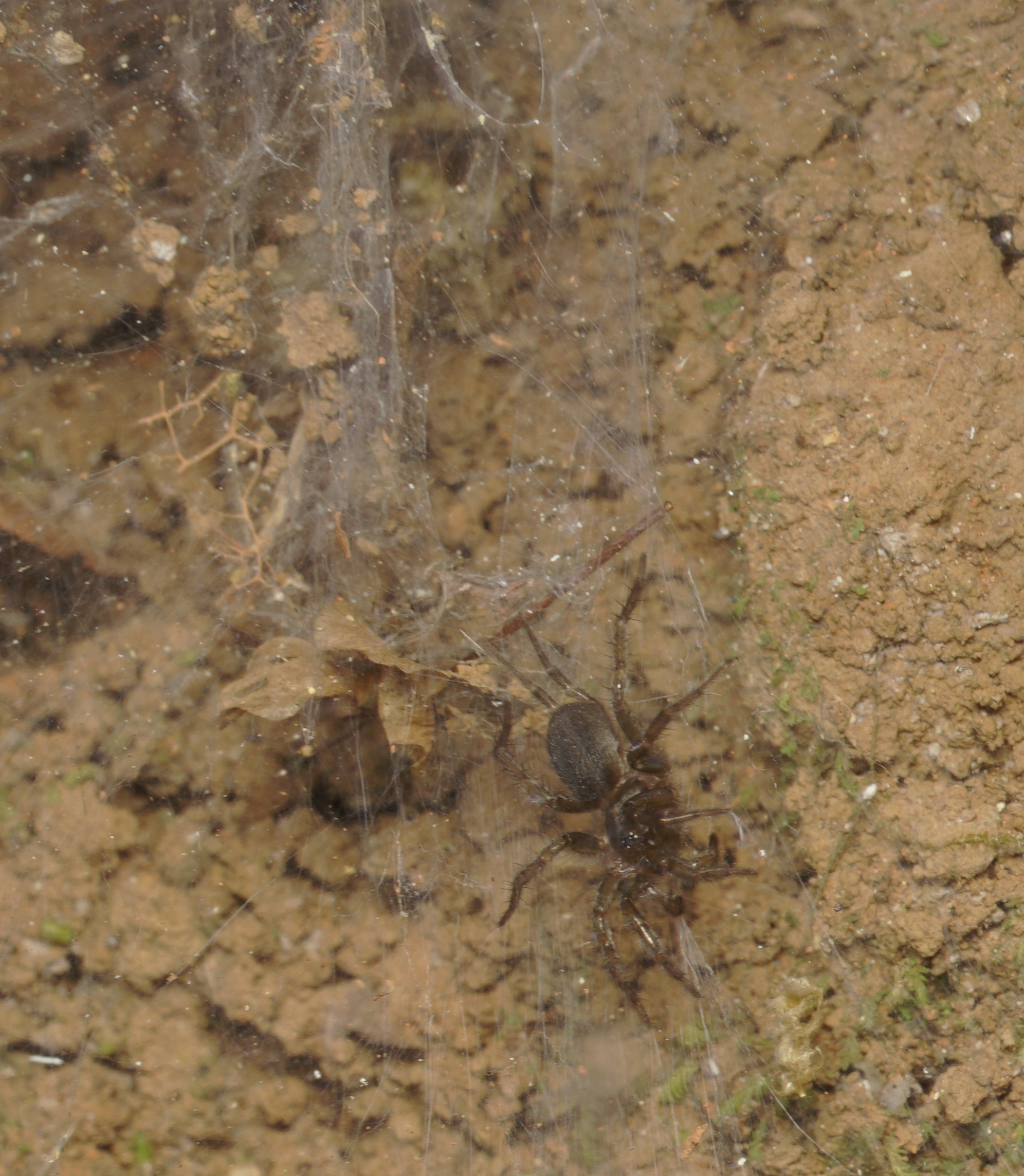
BUT: my first sightings, and first photo, of a Mygalomorph!!! Please see below.
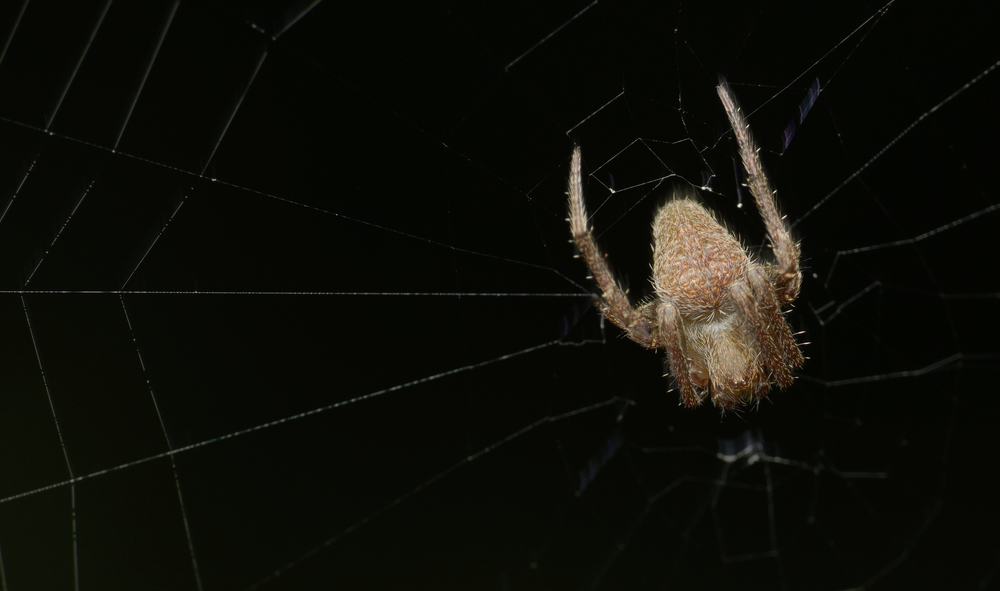
This spider is perhaps in Neoscona:
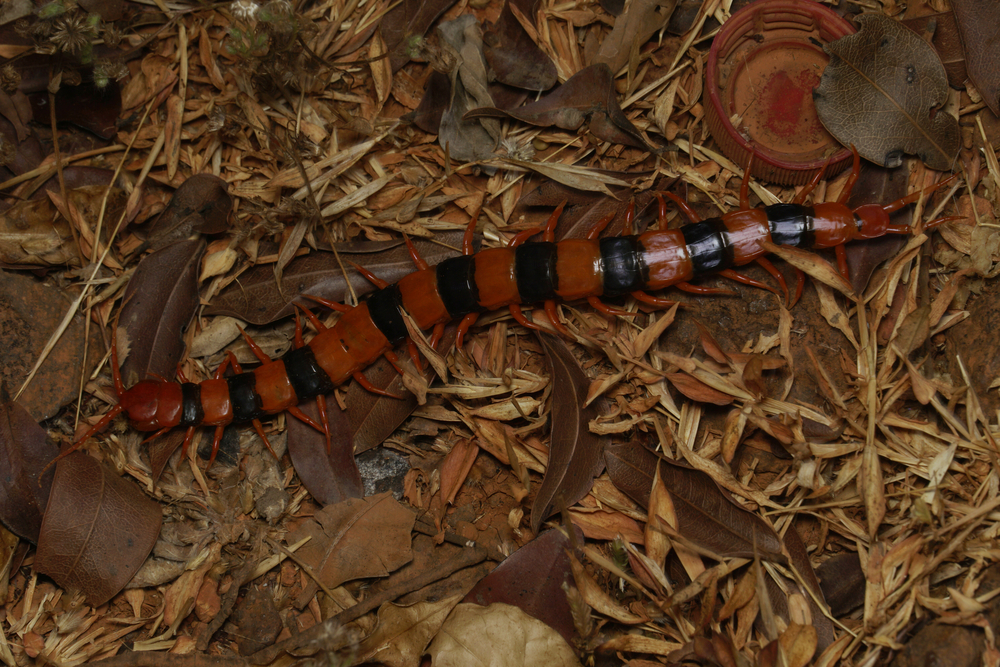
One of the stars of the night for me!!! Indian tiger centipede, huge, maybe 12 cm or so. Scolopendra hardwickei
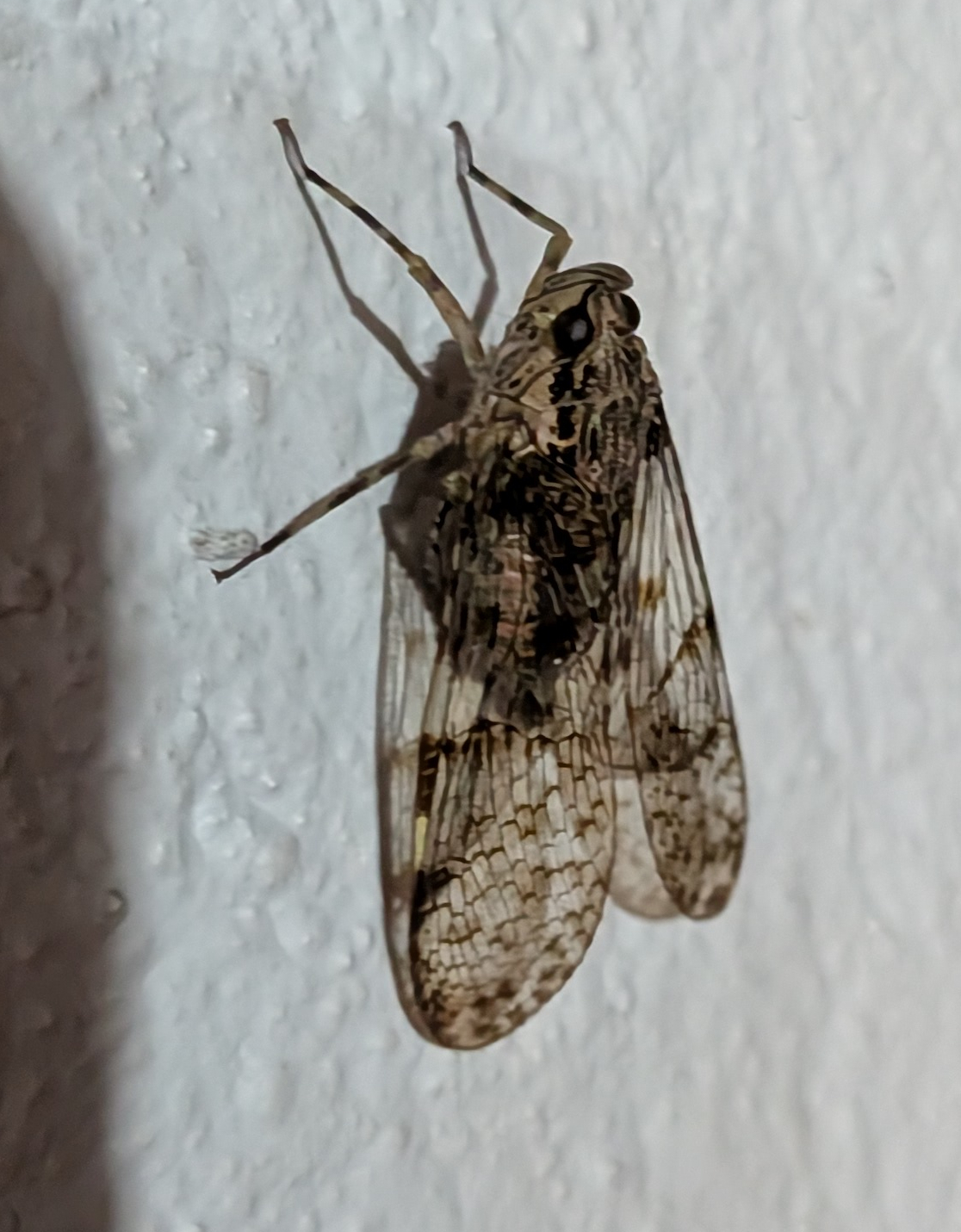
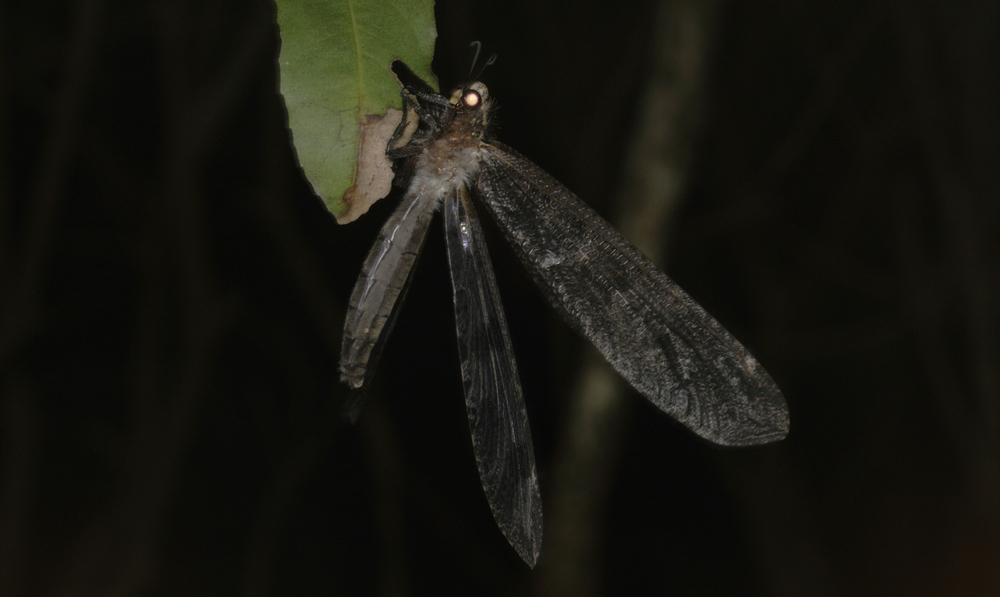
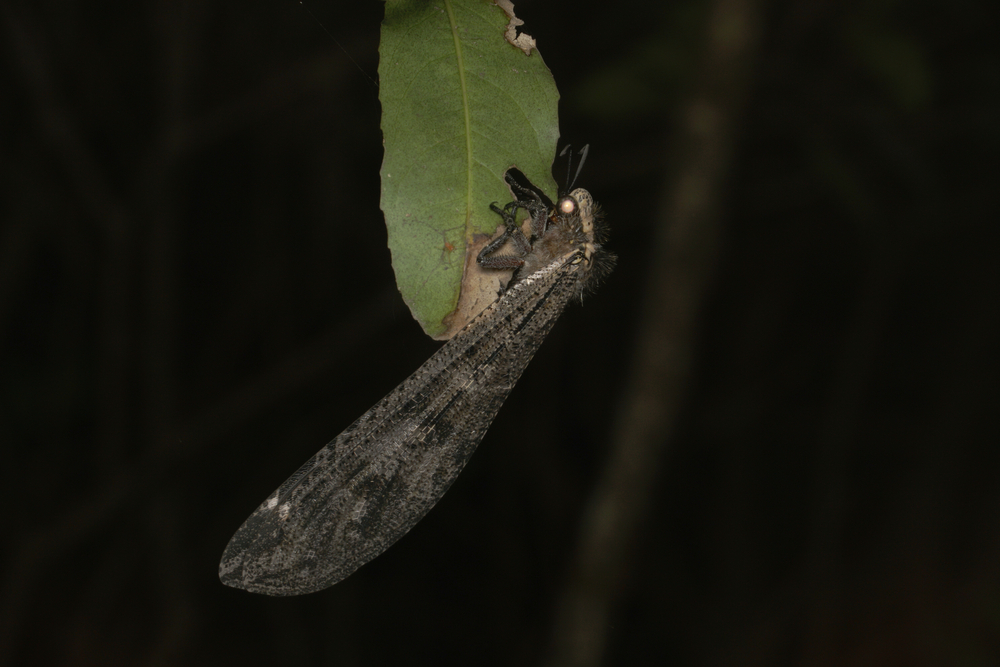
A lovely ant-lion, one of the Giant Ant-Lions. According to the knowledgeable gentleman at iNaturalist:
This is interesting for various reasons! First of all, as a member of Ascalaphinae, it’s technically not an ant-lion, but an owlfly, which makes it the first owlfly I’ve ever seen.
Next, there aren’t a lot of Stenares found. He also suggested it might be S. harpyia, which has zero confirmed sightings on iNat, and has only recently (over the last year or two) been discovered in the Western Ghats region. Previously it was only seen in India in Tamil Nadu and Telangana.
This was exciting!!! My first good sighting and photograph of a Mygalomorph!!! This is apparently family Ischnothelidae. Genus perhaps Indothele (I. dumicola suggested, but very difficult to pin down based on these photos), they are present in India at least.
Note the two very long spinnerets at the back (could be easily mistaken for legs).
There is a serious lack of information on the web about this family! And not a ton of sightings in India.
Tripathi, R., Kadam, G., Sherwood, D. & Sudhikumar, A. V. 2025. Revision of Indian Ischnothelidae (Arachnida: Araneae) and descriptions of two new species of Indothele Coyle, 1995. European Journal of Taxonomy 981: 189-212.
There are currently no reports of I. amboli in iNaturalist, but I know that Mr Atish Gawai has taken photos of a similar spider, in the same area.
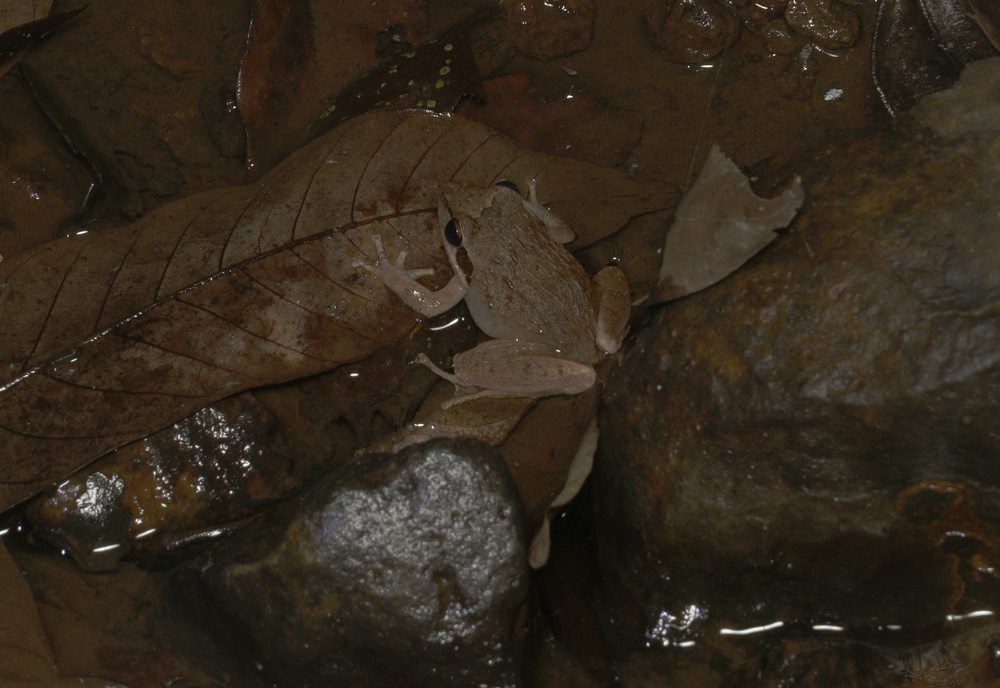
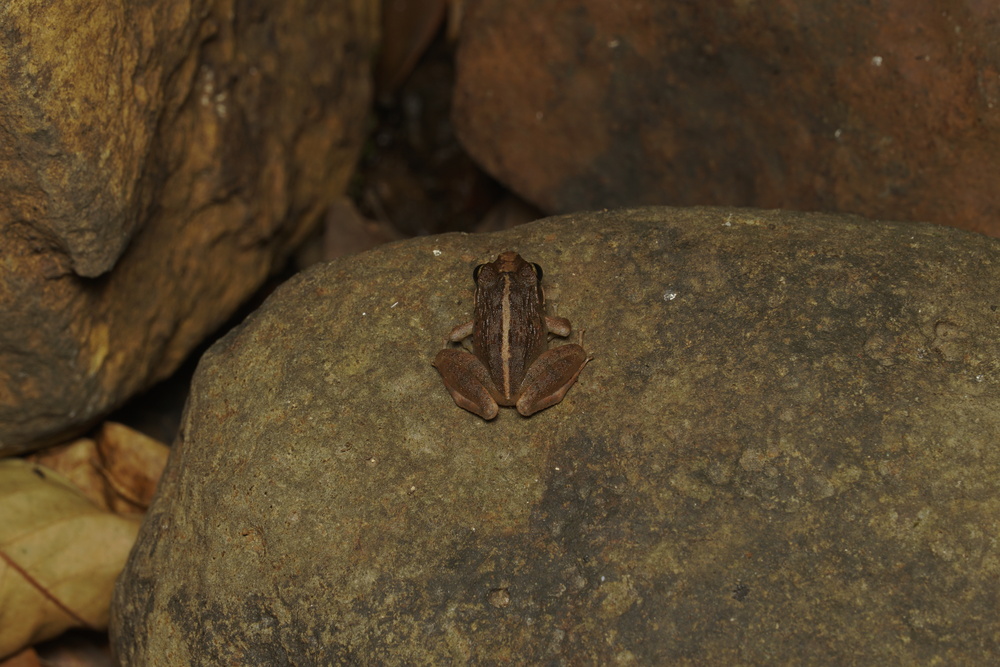
Amboli leaping frog:
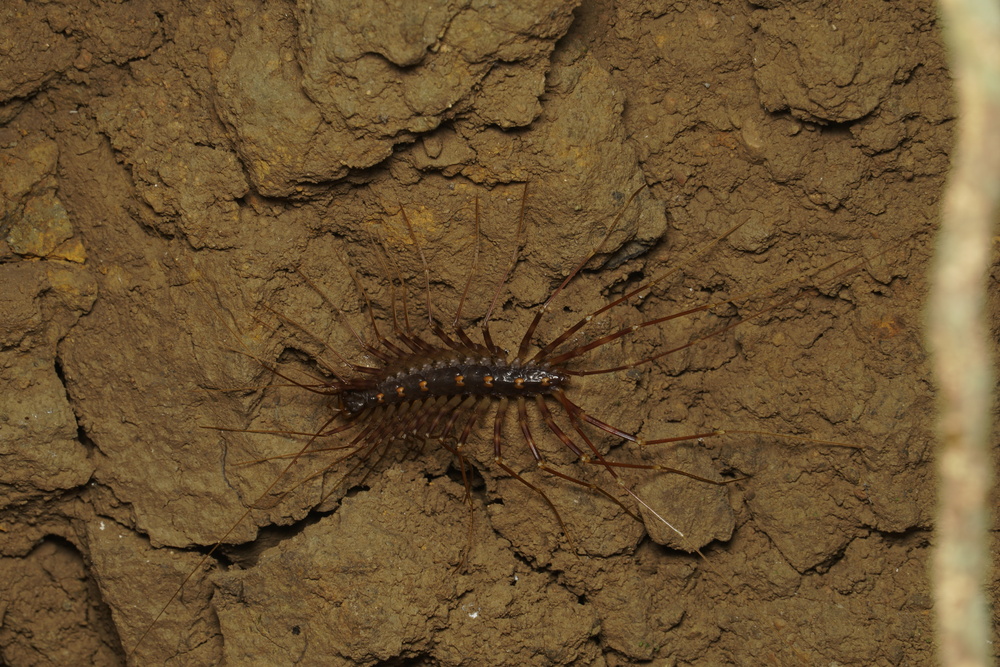
iNat suggests perhaps genus Thereuopoda for this centipede:
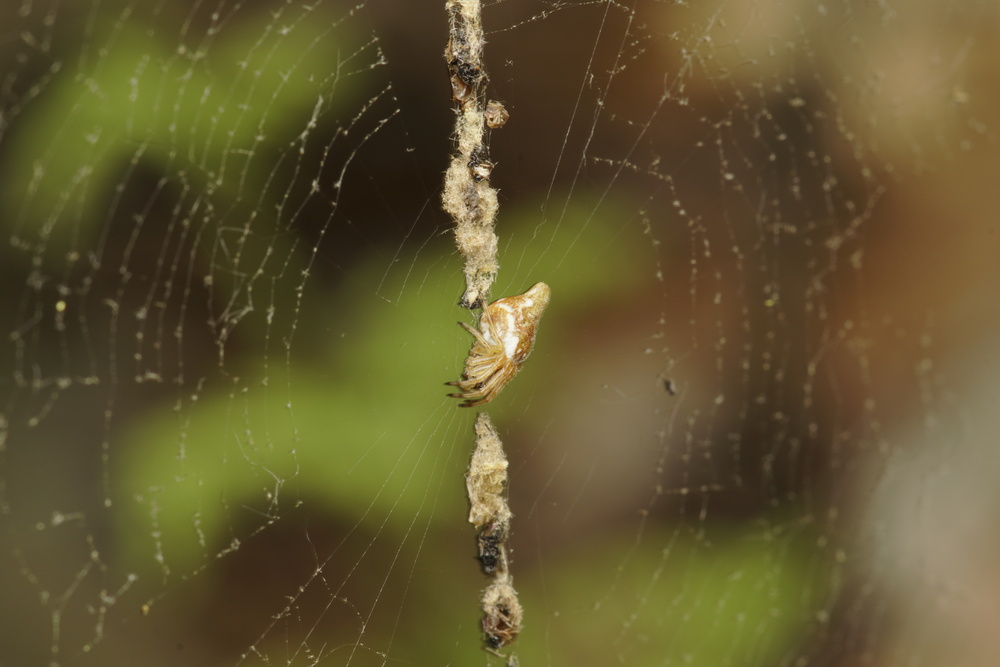
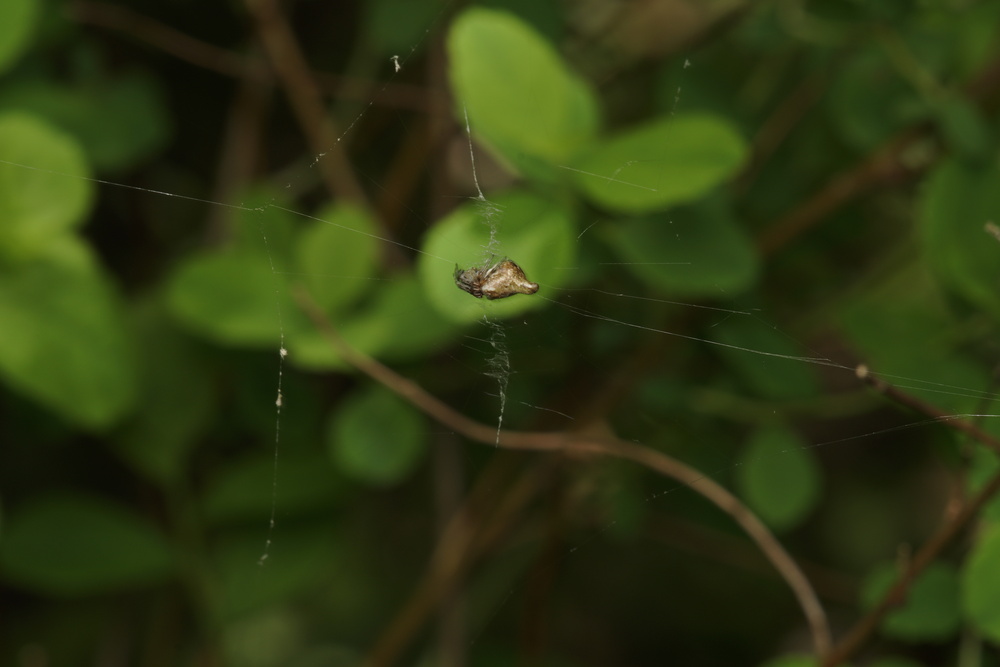
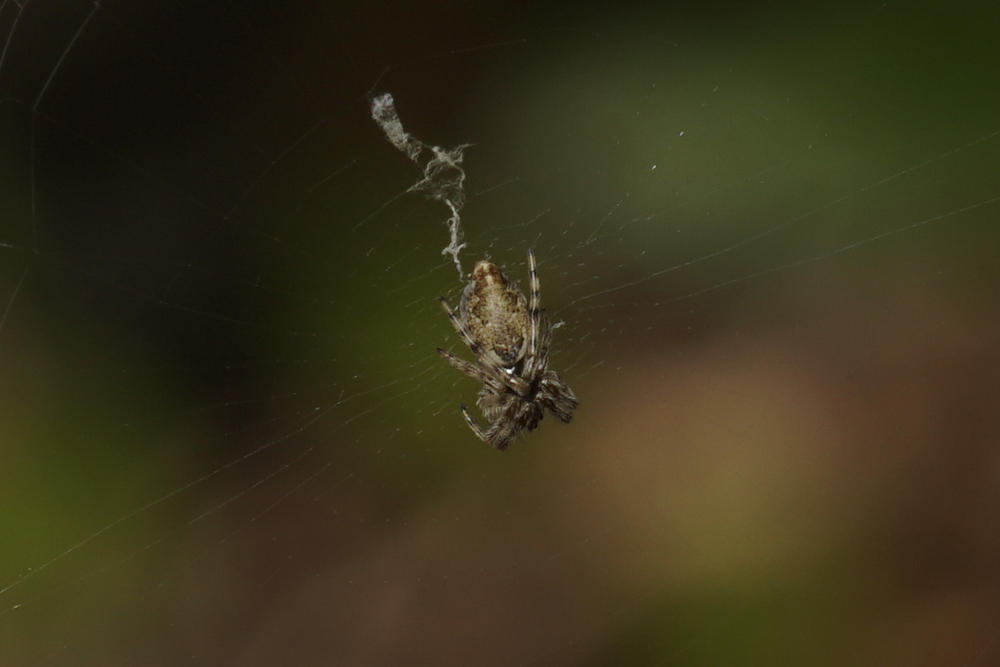
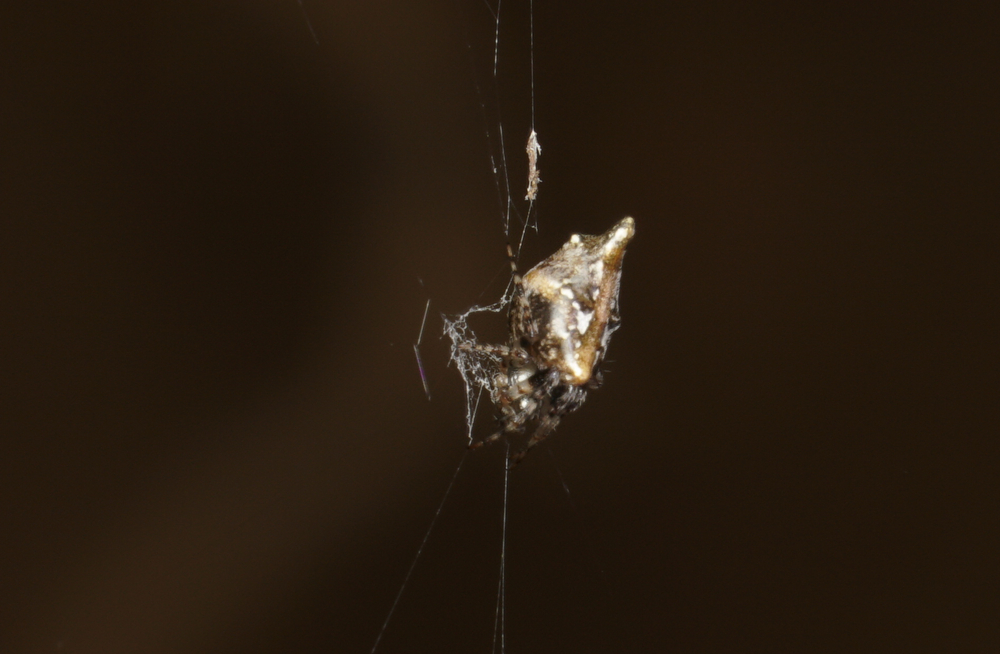
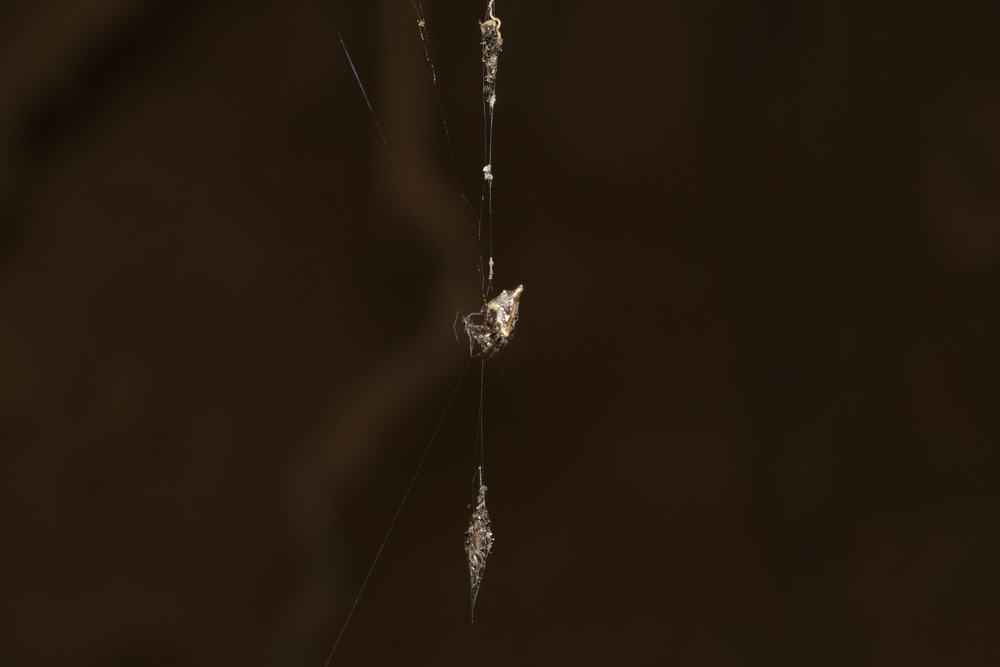
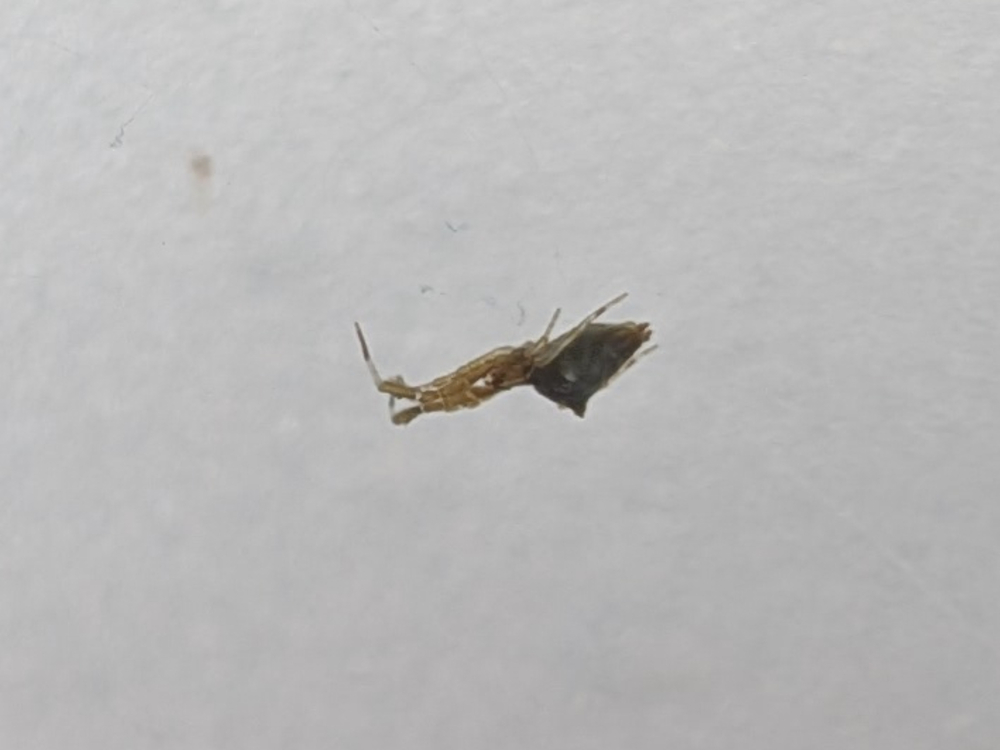
Lovely camouflaged spider in Cyclosa. I recognized it as a Cyclosa web immediately, but it *still* was tough to decide whether the lump was a spider or debris.
Another Amboli leaping frog:
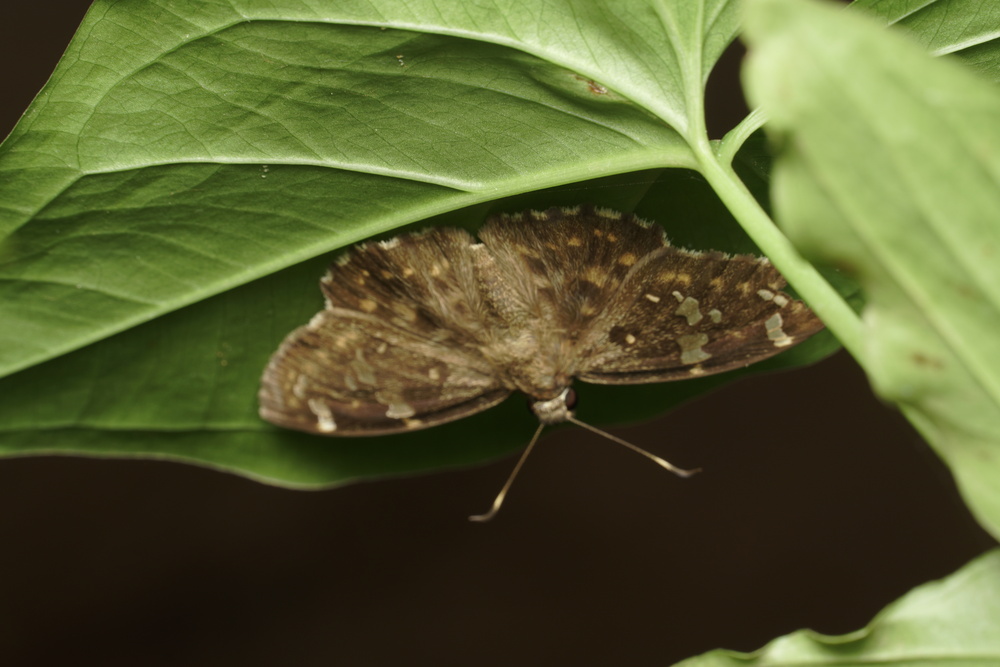
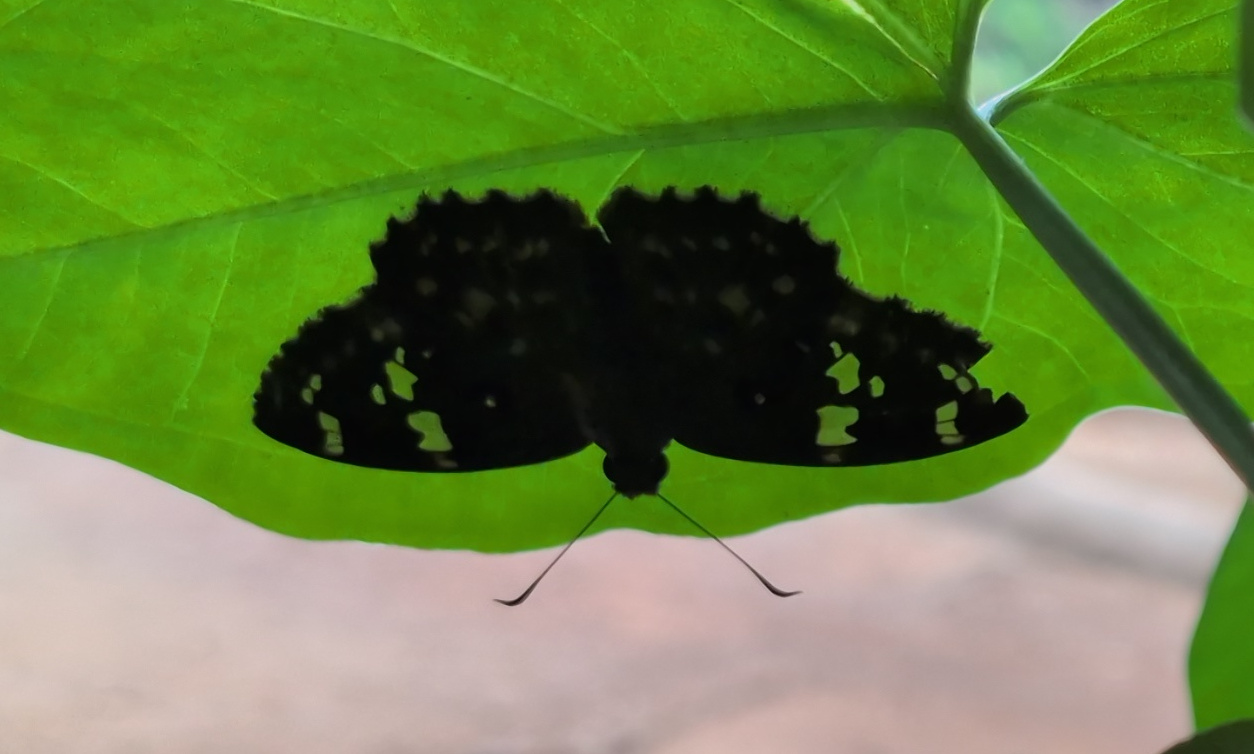
Malabar spotted flat, a butterfly that spreads its wings. This is with flash, the actual view was much darker.
This was on a laterite plateau. We spent some time exploring this plateau, which is part of an biome being recognized as a fascinating and unique eco-system found nowhere else. They are characterized by very little soil cover which leads to little water retention and a boom and bust cycle in the summer and rainy season. However, since they composed of porous rock, they act as water reservoirs for the surrounding areas. See: https://roundglasssustain.com/habitats/laterite-plateaus-maharashtra
We discussed coming back in the monsoon season with a waterproof lens to investigate the life in the monsoon, which would be wonderful.
Temperatures in the range of 39-40 Celsius (102-104 Fahrenheit). There hasn’t really been much rain for the past few weeks. Yet abundant bug life, somehow. I think the daily watering of the plants may be helping?
Also, a gorgeous Pompilid wasp that seemed green, but wasn’t nice enough to pose for photos :-(. I have to come back to capture that.
Note that I used iNaturalist liberally for identification suggestions, as I’m still learning the Indian bugs.
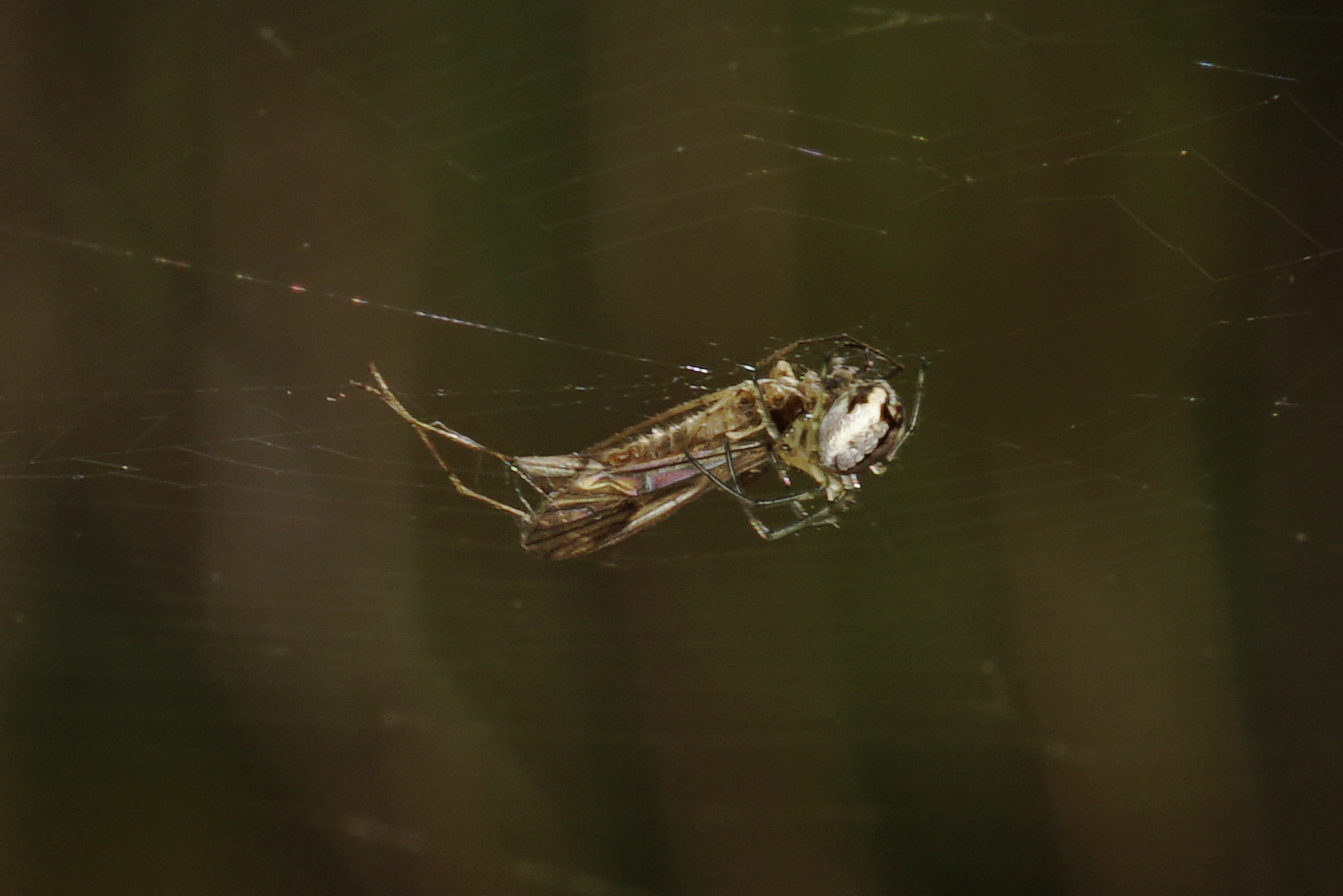
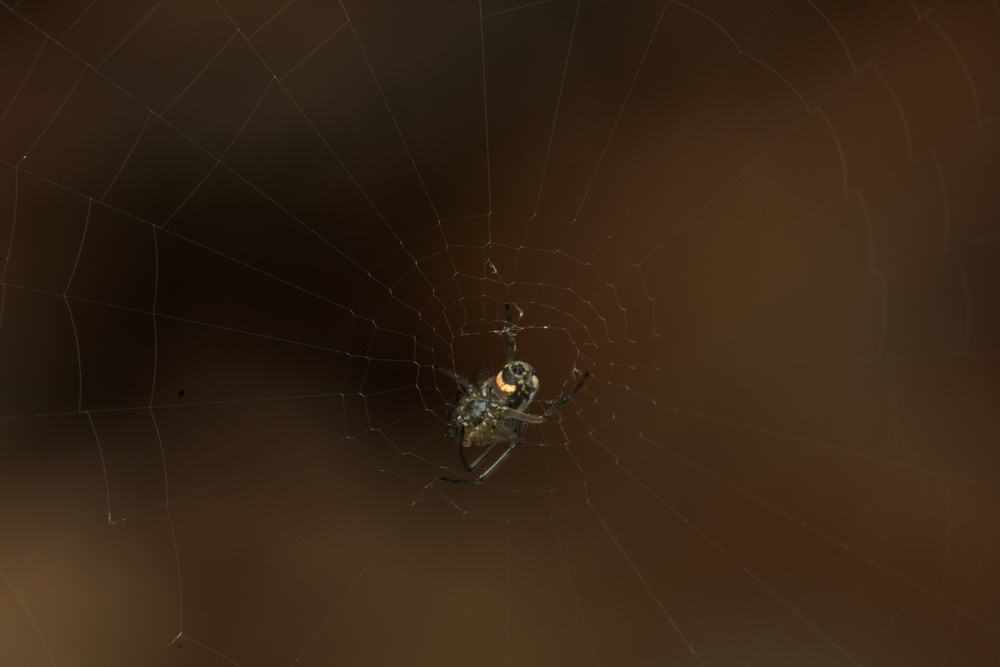
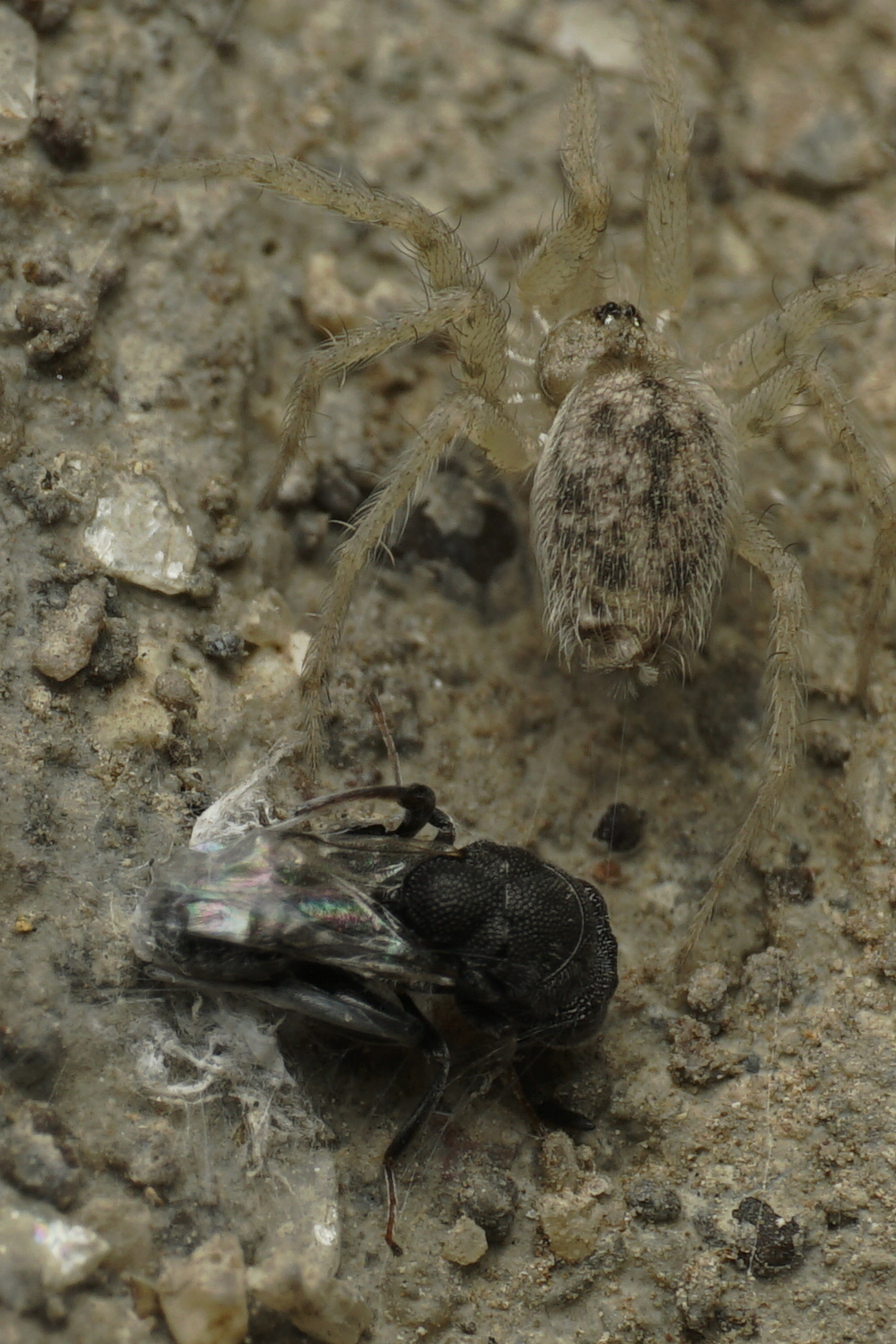
This Oecobiidae spider had captured some prey and was running in circles around it to wrap it in silk. I don’t know what the prey insect is. I could see some Oecobiidae spider webs nearby.
If you look carefully, you can see the strands of silk coming out from the spinnerets on its butt, extending to, and wrapping up, the prey.
Plexippus cf paykulli. I understand this coloration is the females.
while here is the male
Anthomyia, perhaps:
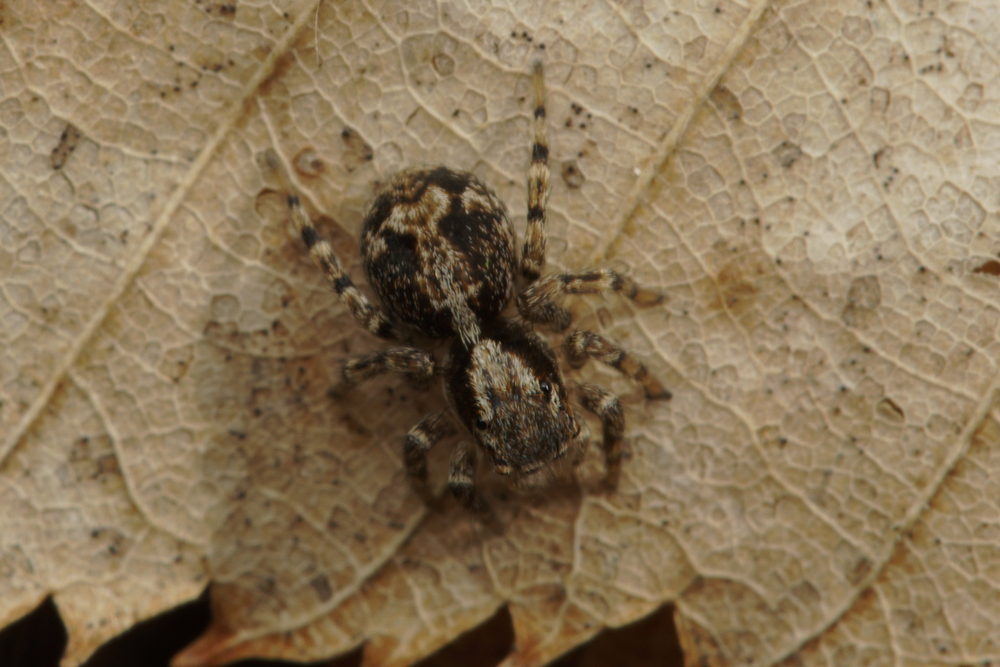
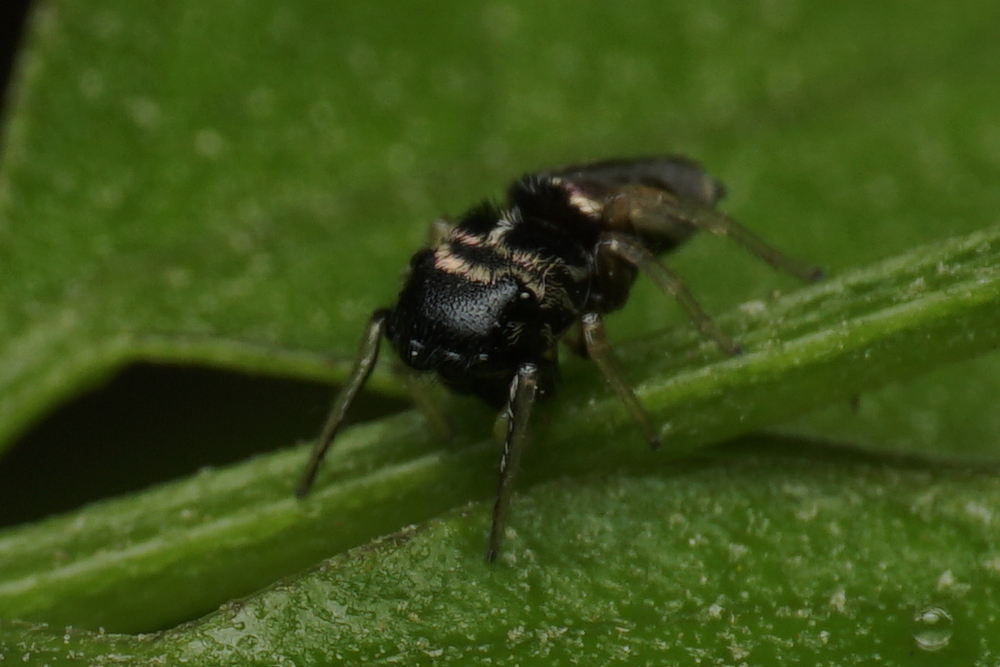
I don’t know the ID of this cute little Salticidae spiderling:
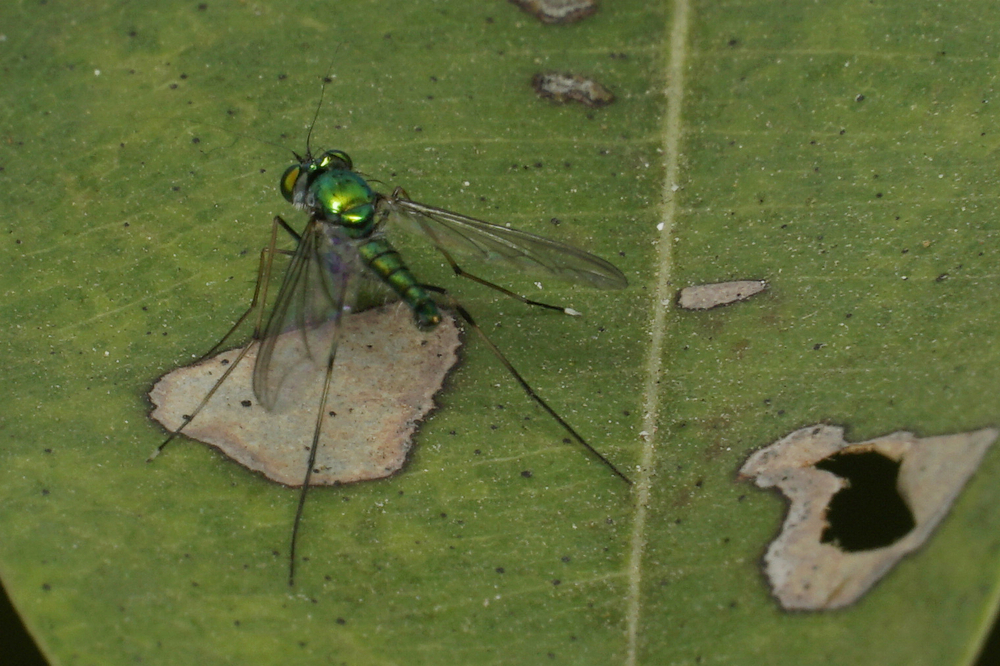
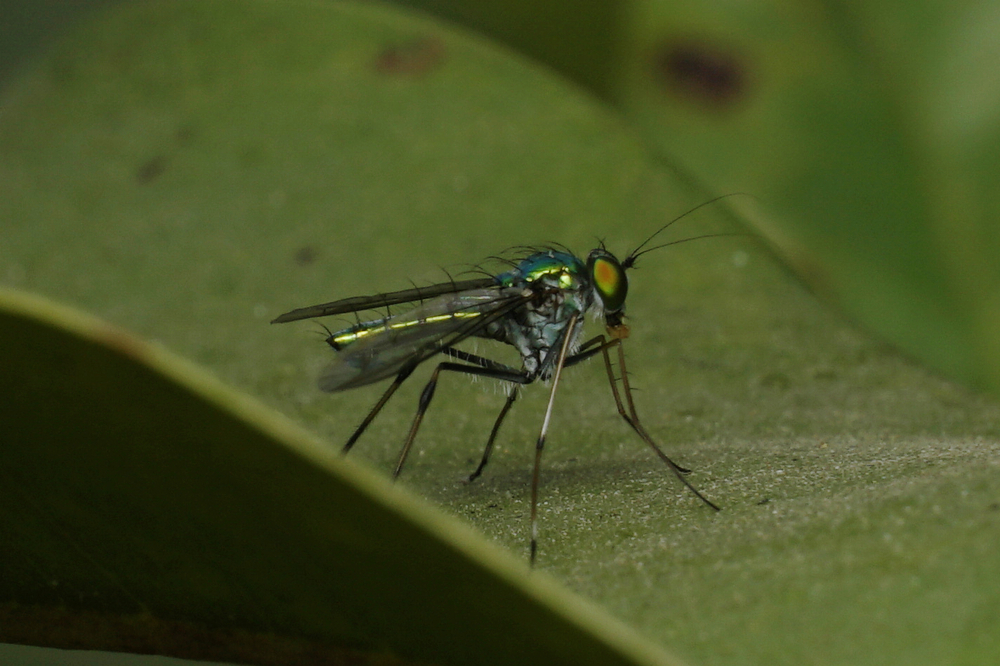
Dolichopodidae is always gorgeous. Genus Chrysoma is suggested.
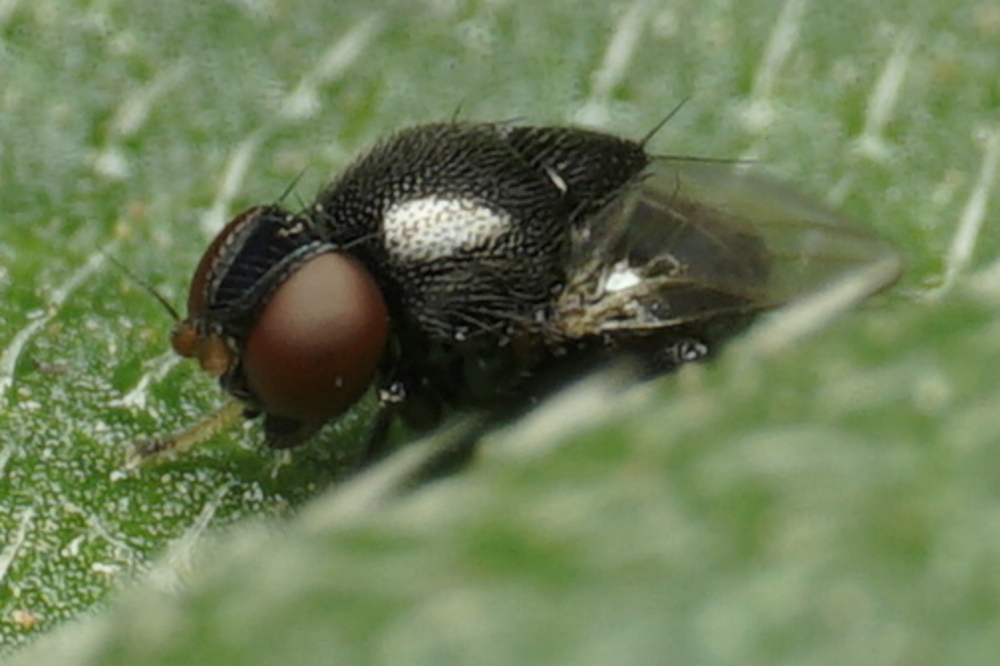
A gorgeous tiny little fly. iNaturalist suggests Rhodesiella, in Chloropidae :
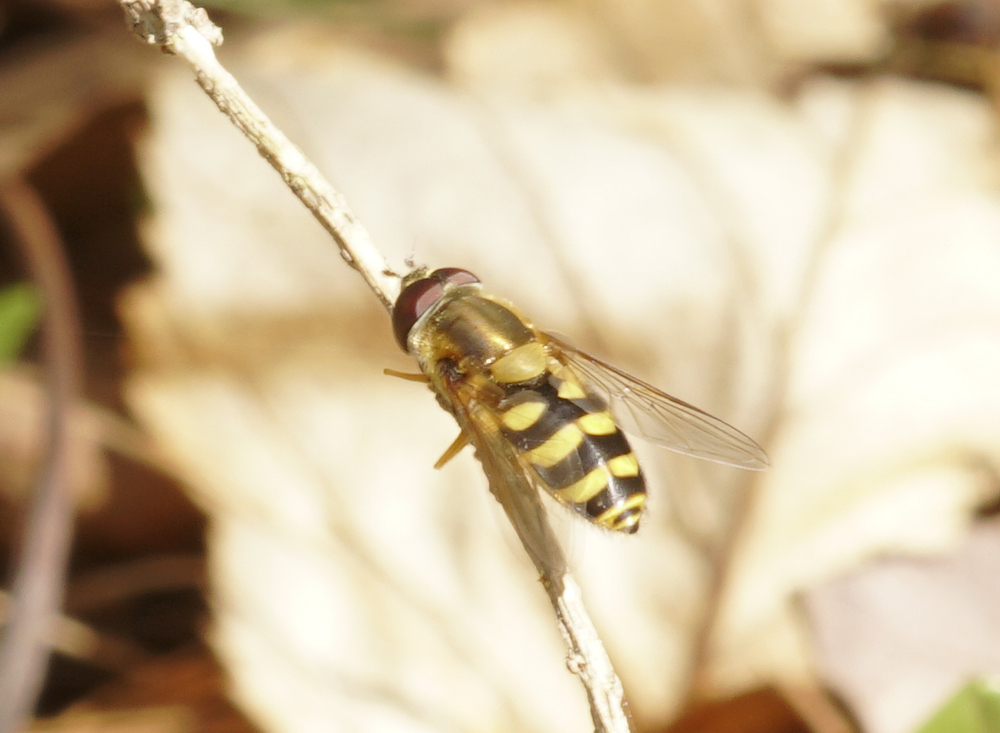
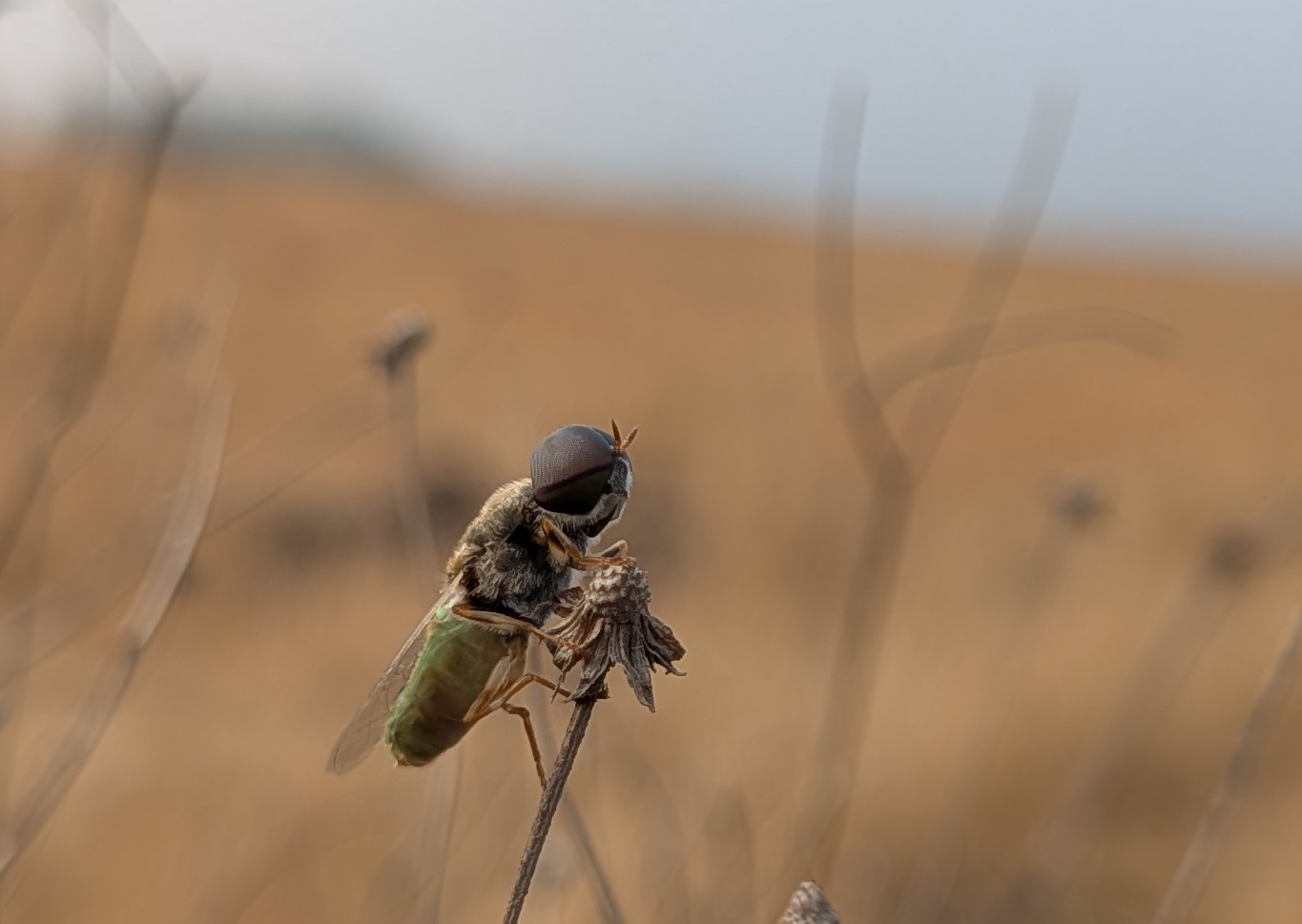
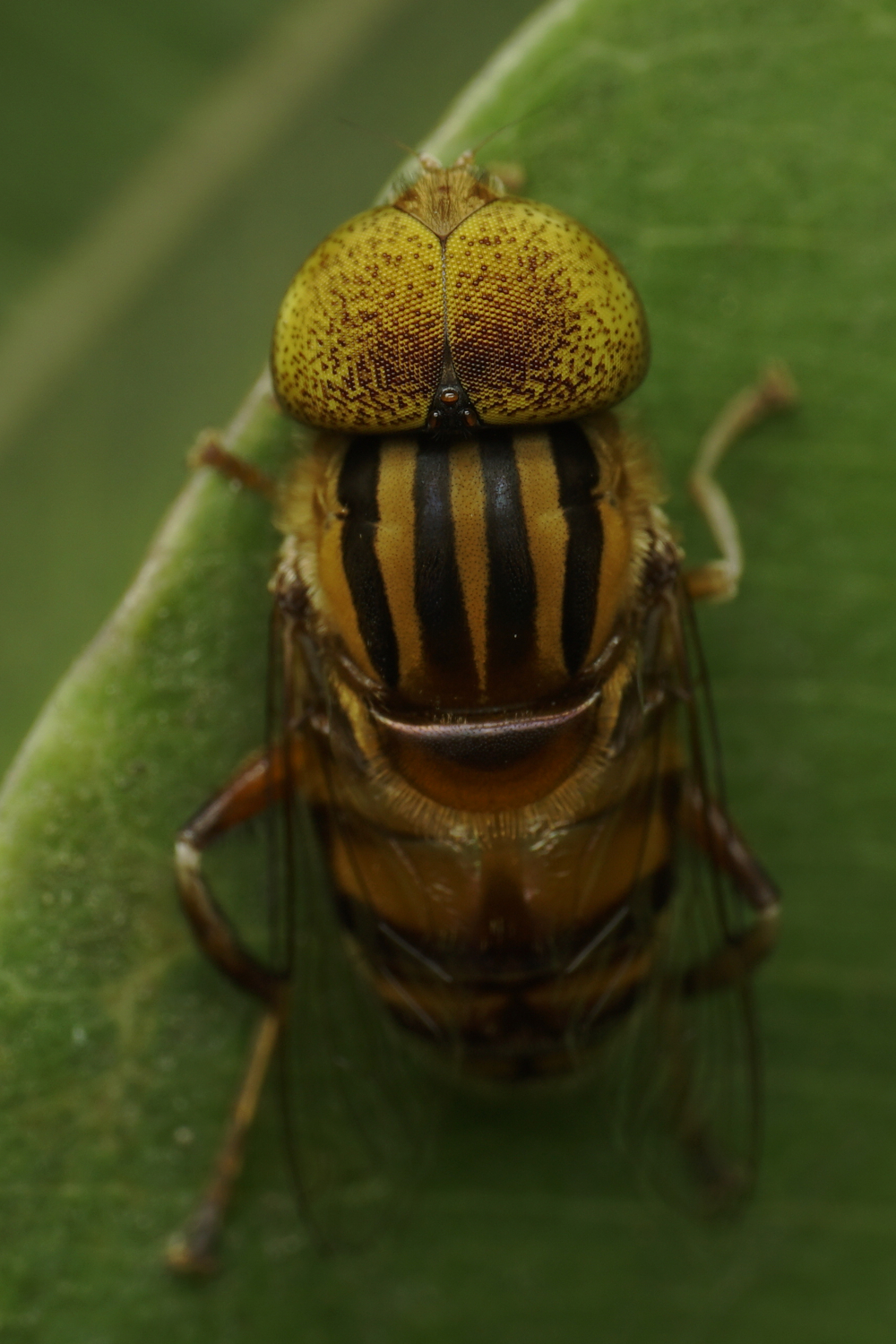
Absolutely gorgeous Syrphidae aka hover-fly in Erastalinae:
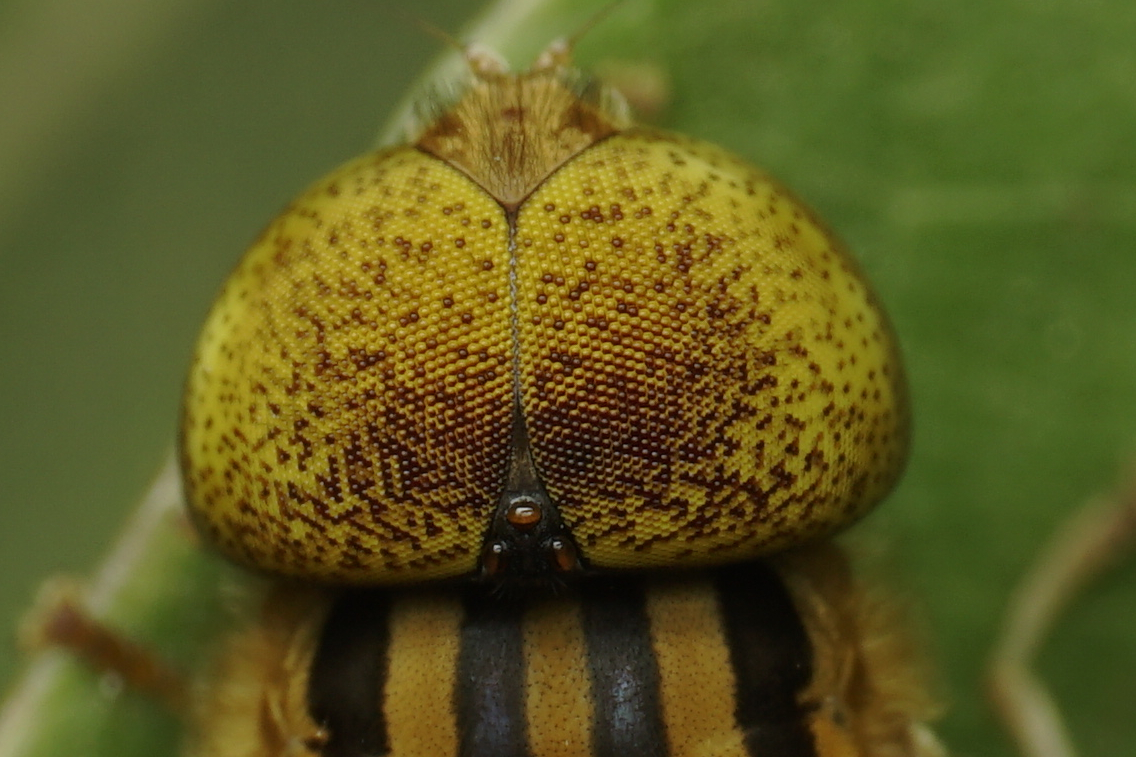
Closeup of the eyes
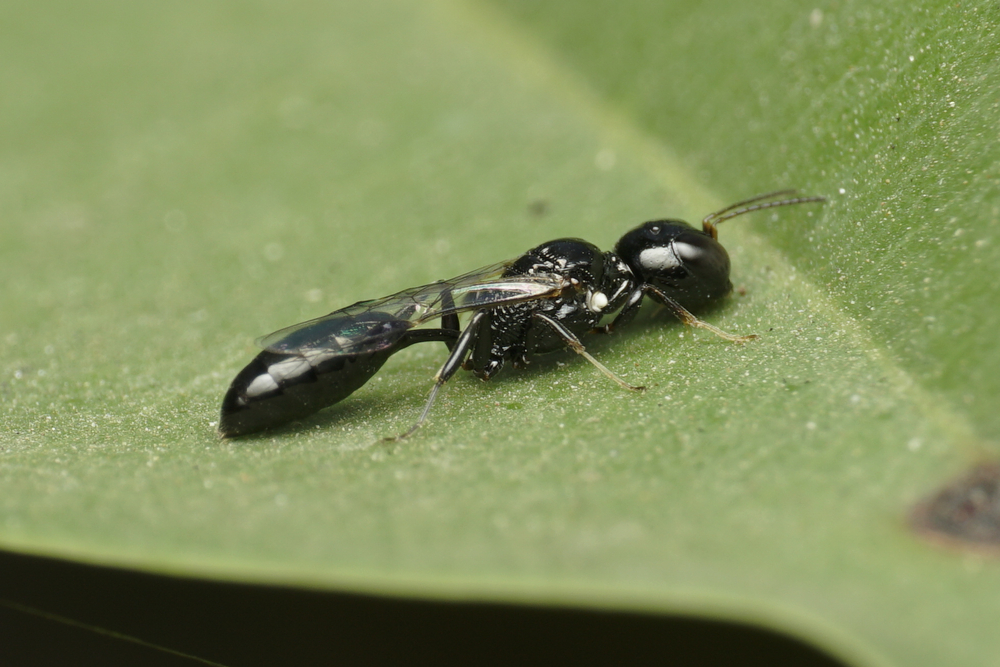
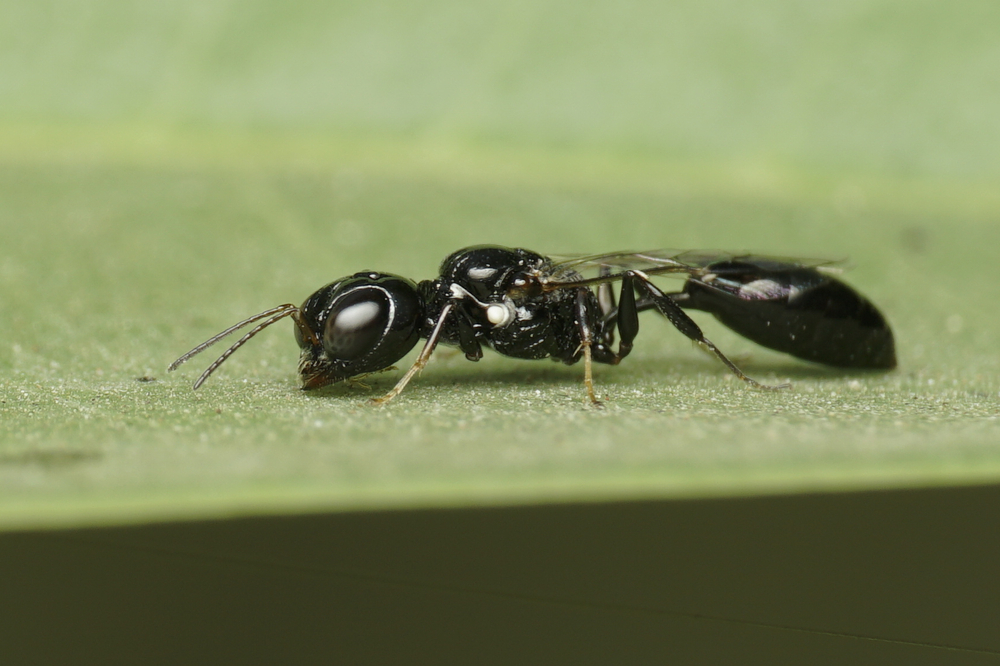
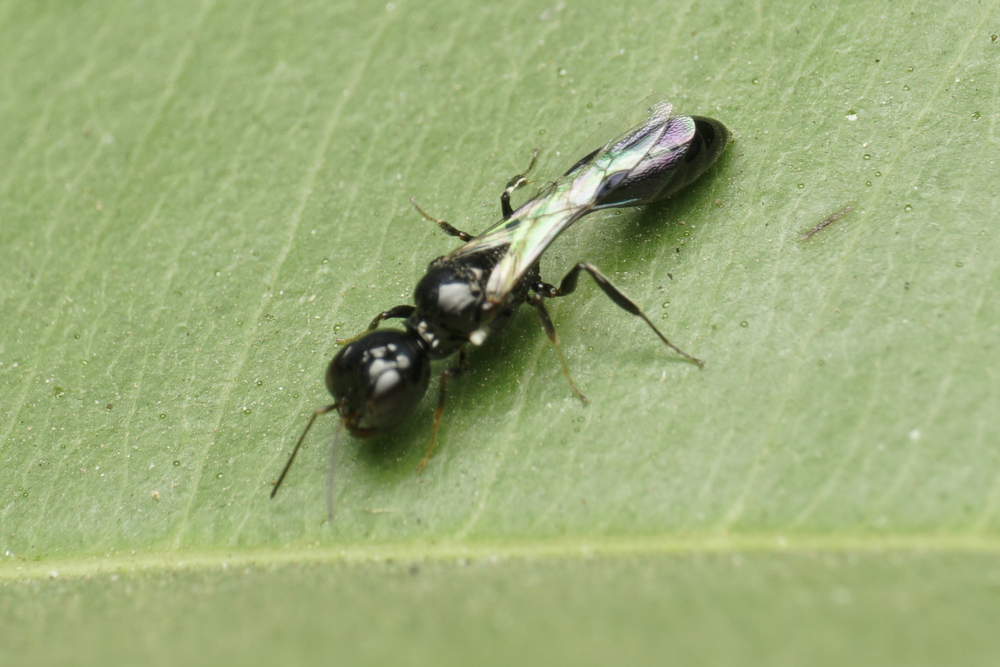
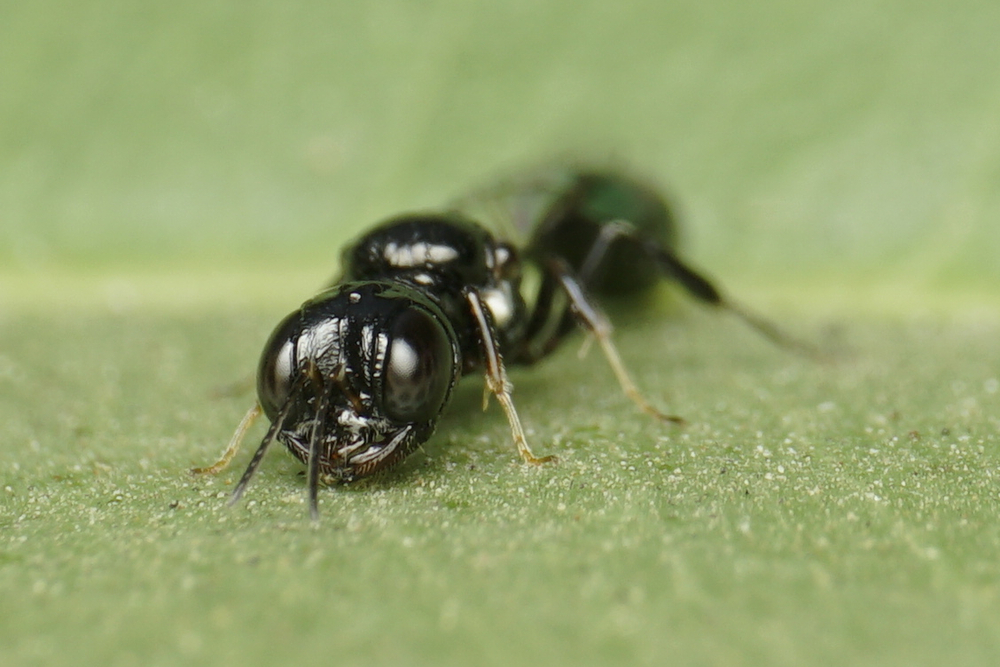
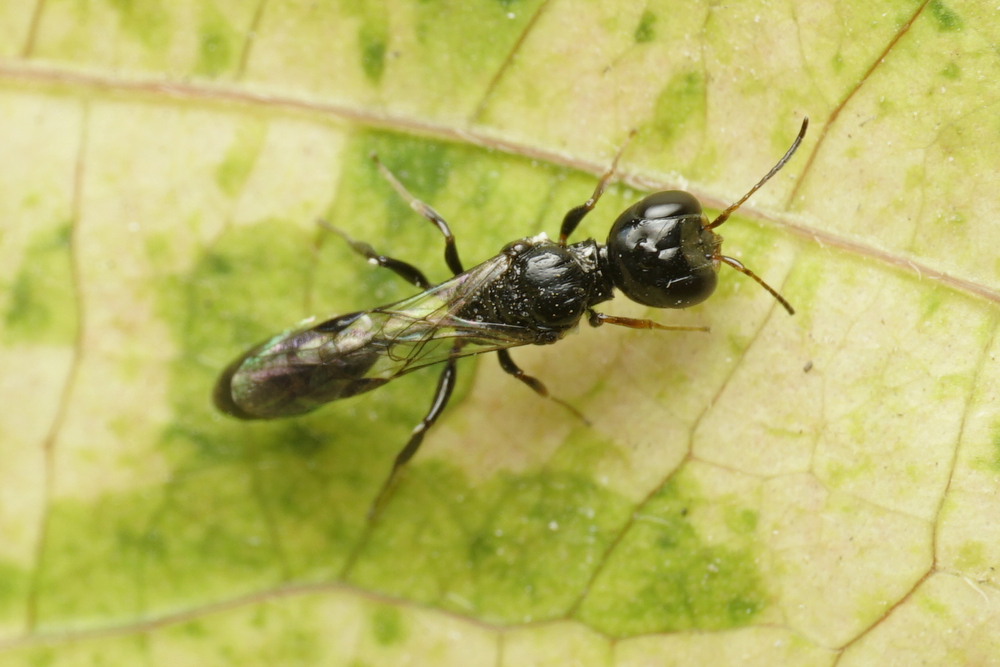
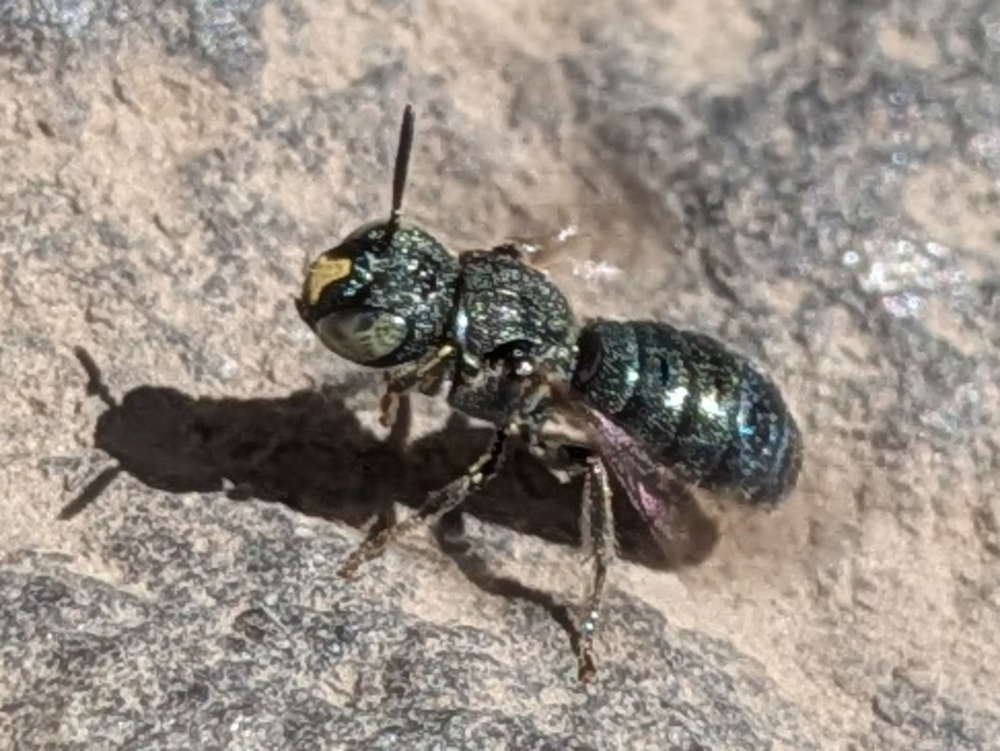
Such a stunning gorgeous wasp. I think it’s Carinostigmus:
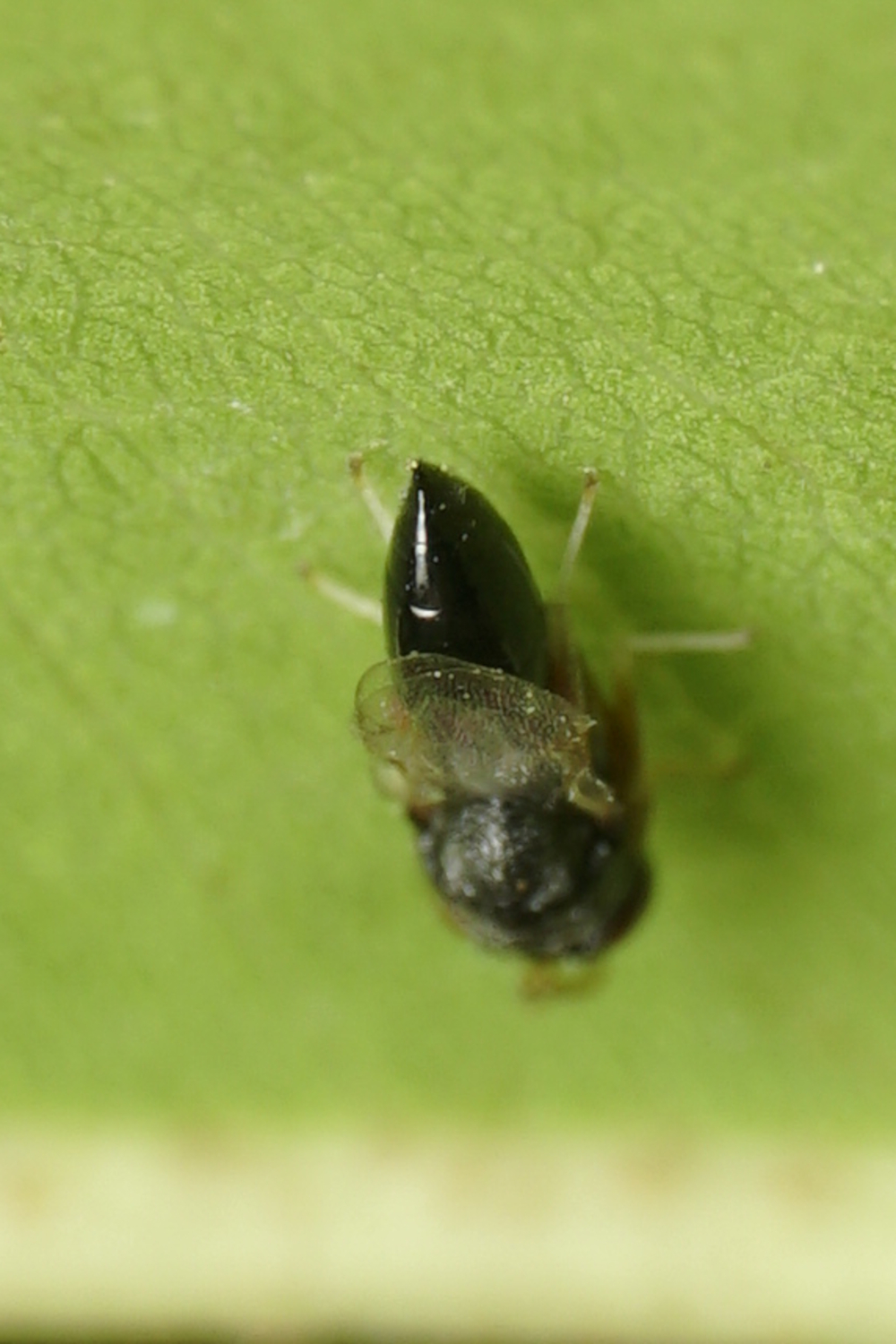
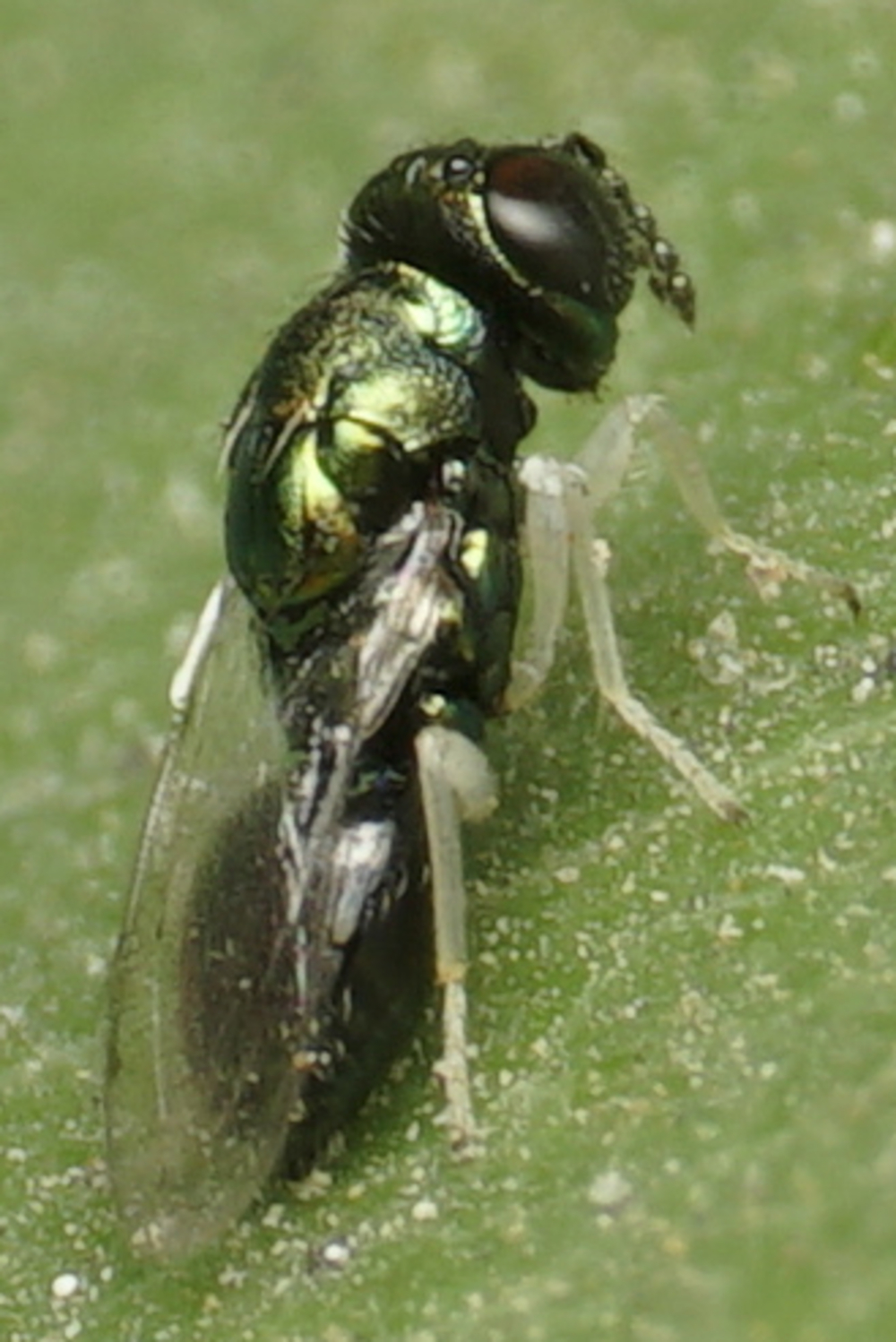
iNaturalist says Eulophidae, and someone suggested Entedoninae in particular.
They are exceptional in that they are one of two hymenopteran families with some species that are known to parasitize thrips.[2] Eulophids are found throughout the world in virtually all habitats (one is even aquatic, parasitising water-penny beetles).
Eulophids are separable from most other Chalcidoidea by the possession of only four tarsomeres on each leg, a small, straight protibial spur (as opposed to the larger, curved one in most other chalcidoids), and by antennae with two to four funicle segments and at most 10 antennomeres.
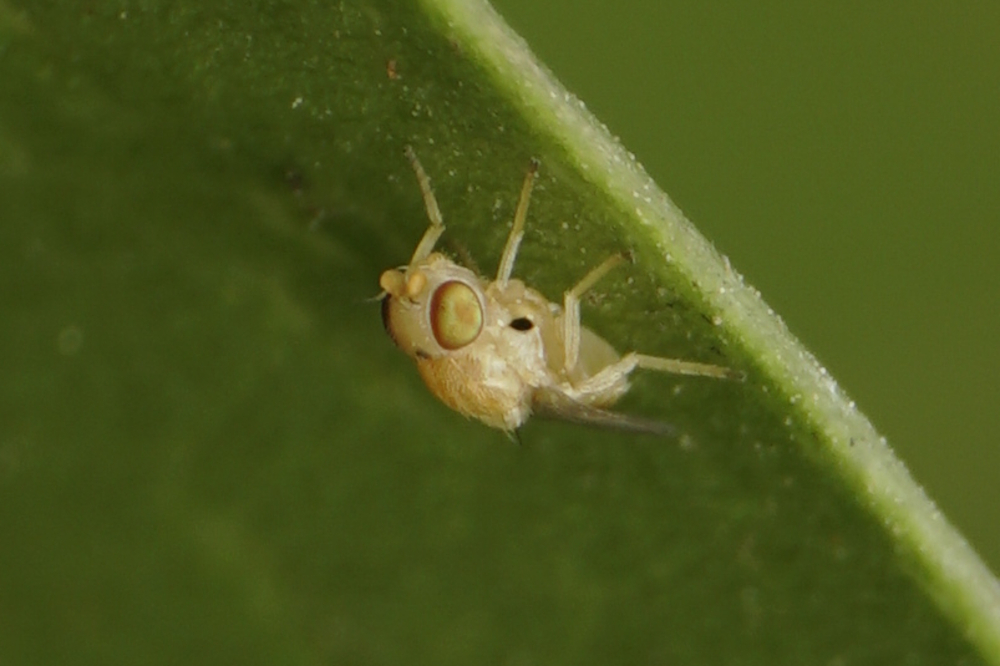
iNaturalist suggests Gymnochiromyia in Chloropidae:
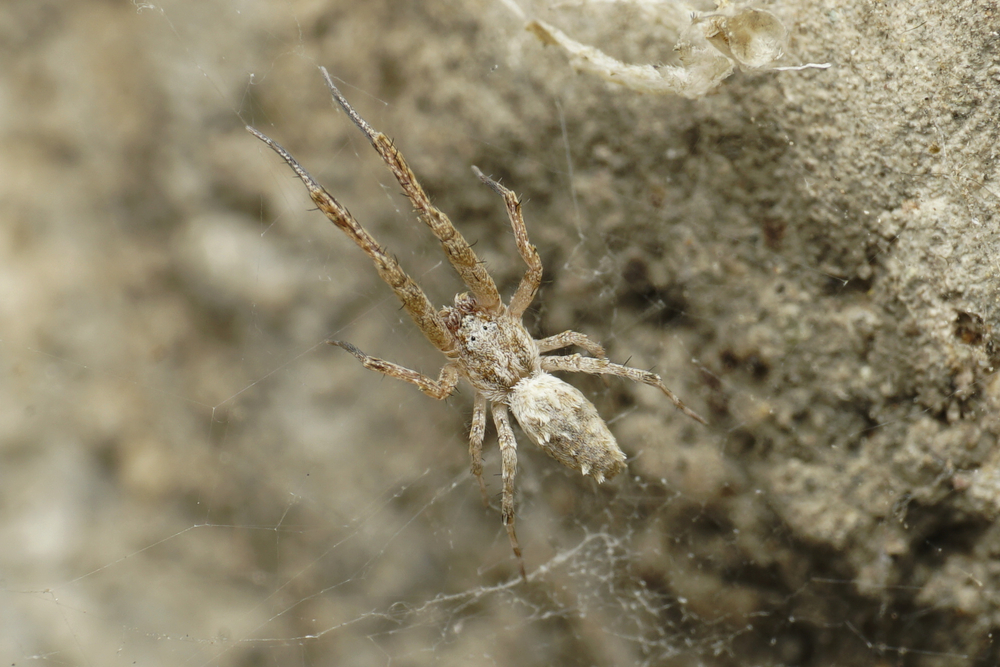
A lovely spider in Uloboridae –> Uloborinae. Obligatory statement whenever Uloboridae is mentioned: they are the only family of spiders with no venom.
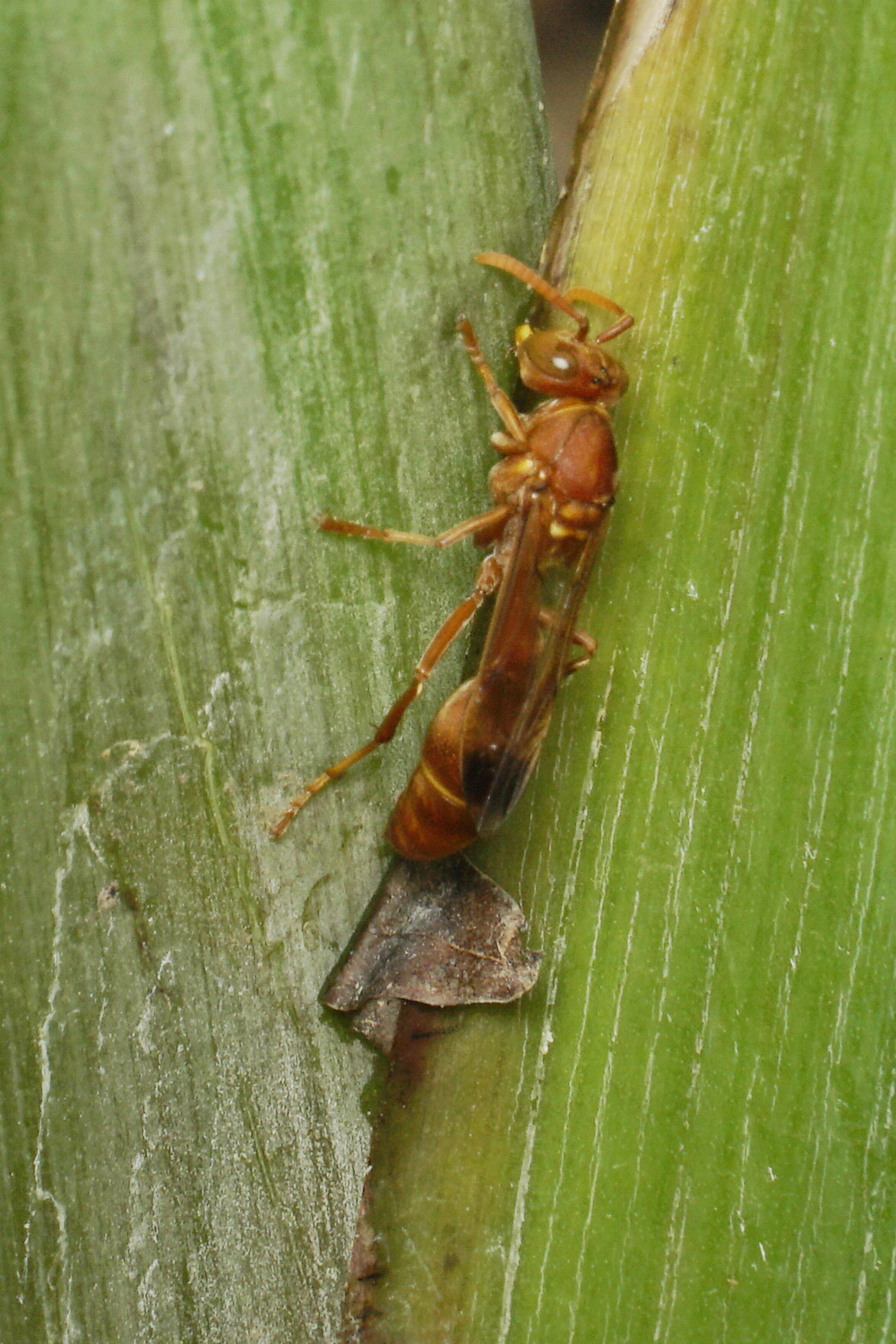
A wasp in Ropalidia, small paper wasps:
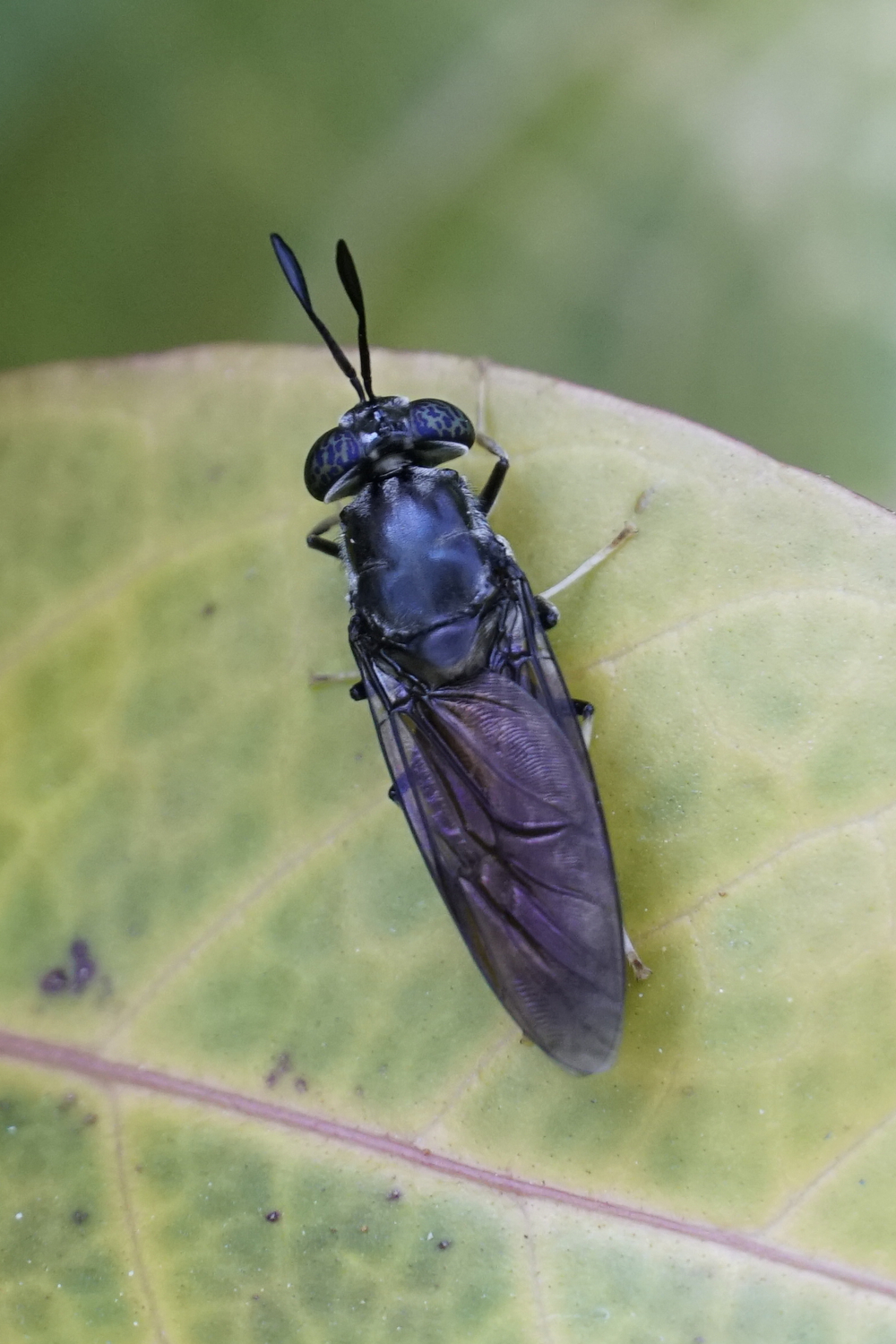
A gorgeous black soldier fly, perhaps genus Hermetia:
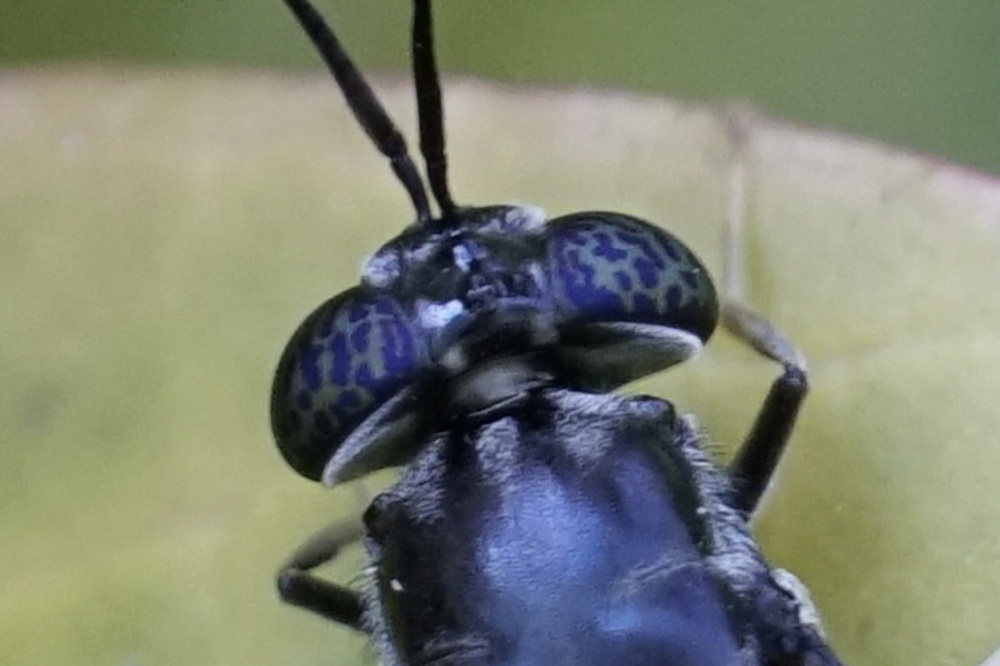
Closeup of the eyes:
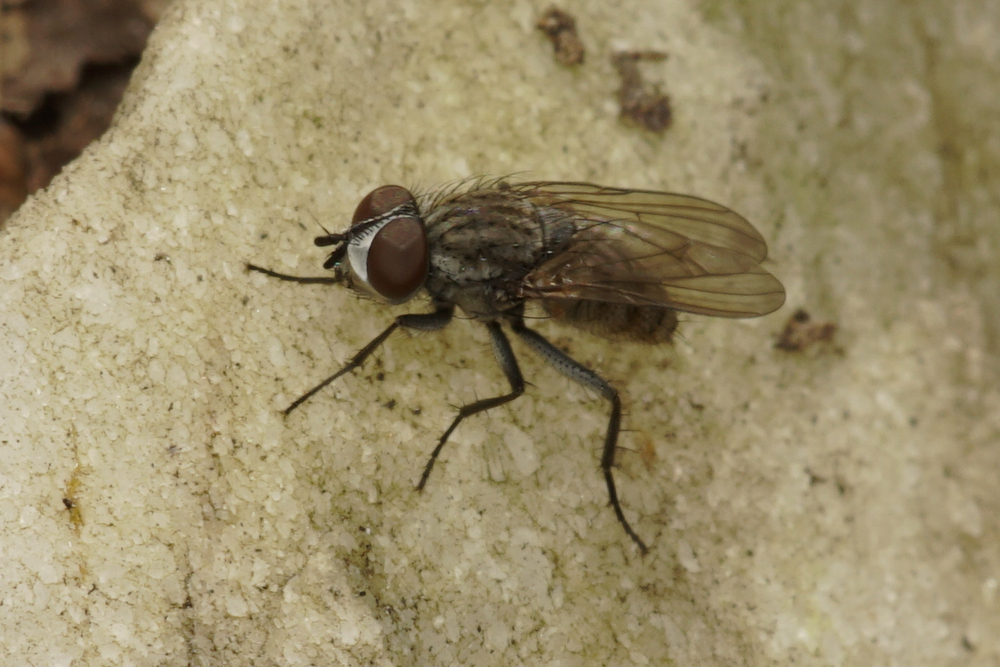
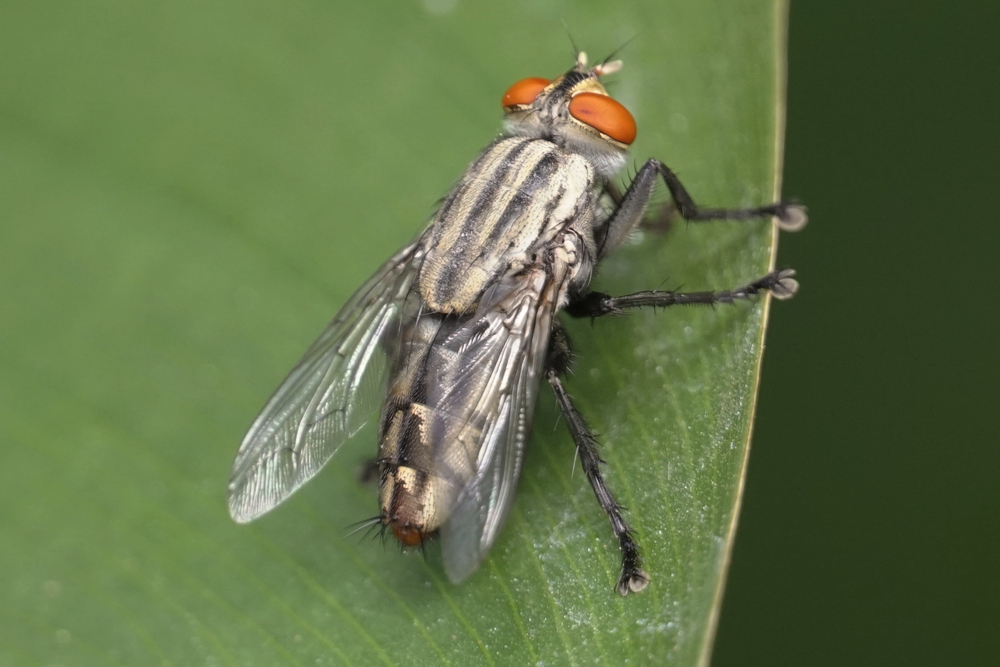
Sarcophagid fly, perhaps genus Sarcophaga?
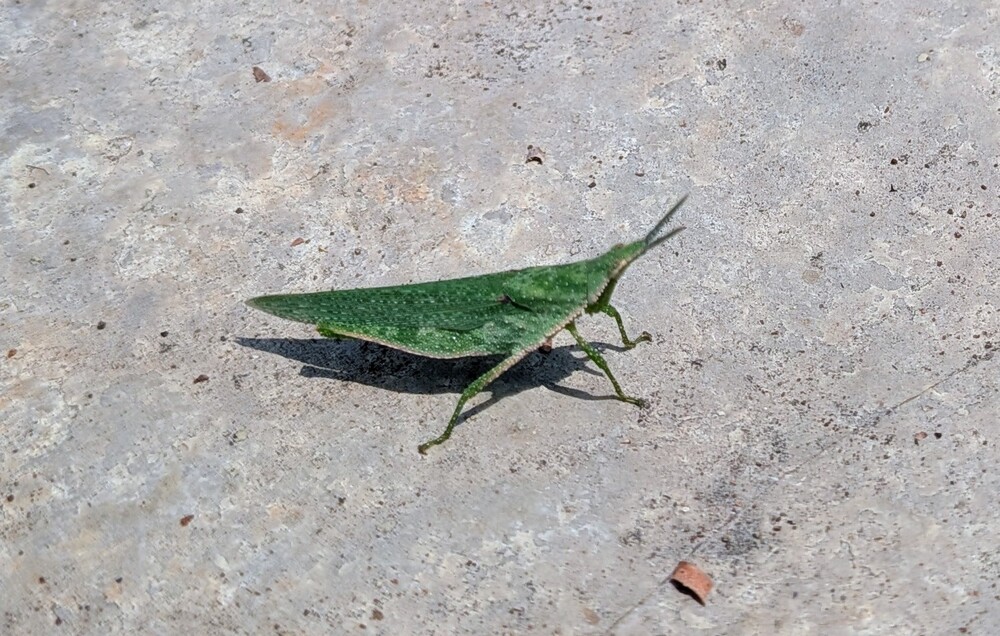
Apparently genus Atractomorpha:
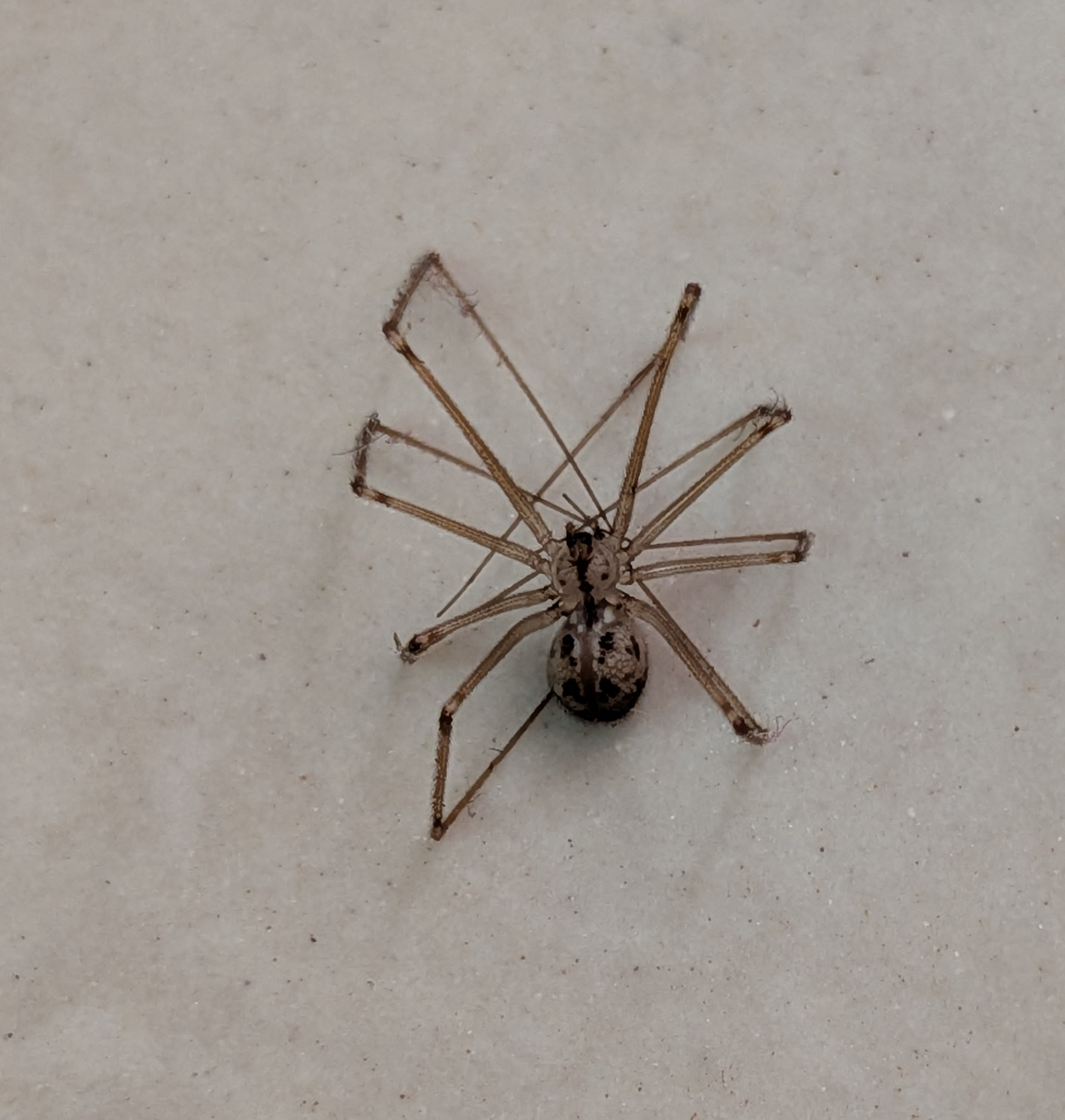
A lovely Uloborid that has been surviving in the window in the bathroom by pretending to be detritus. I hope no one bothers it!
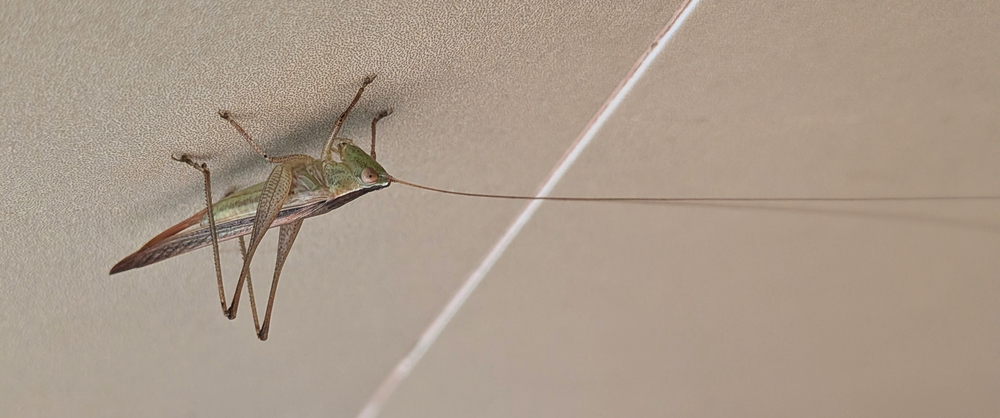
Apparently Lesser Meadow Katydid, Conocephalus. Note: long antennae = katydid, short antennae = grasshopper
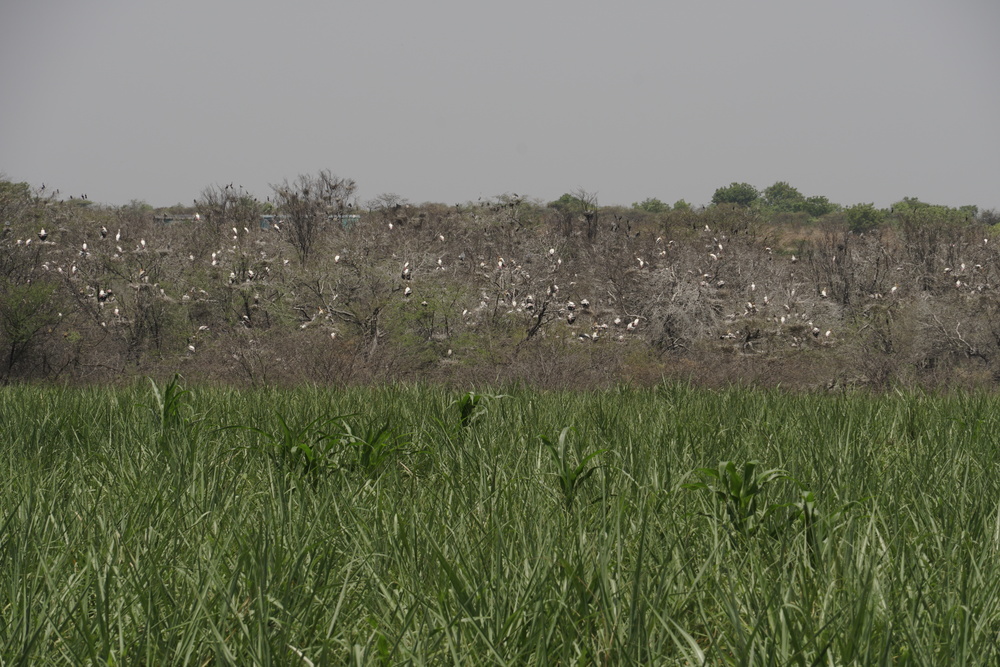
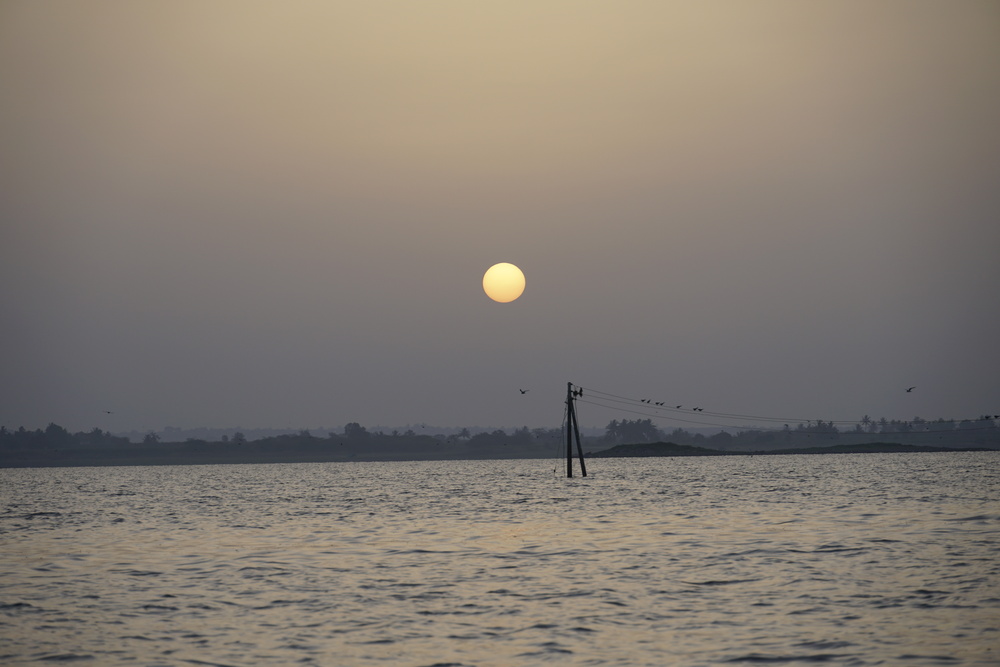
A smorgasbord of photos from my trip to India: first, the Bhigwan area painted stork rookery (exact location withheld 🙂 ); next, a safari in the savannah-like Kadabanwadi Zone; a few photos from our boat trip in Bhigwan lake to see migratory waders; and some photos from the Nayanta university campus.
Unfortunately, I did not get a chance to use my actual macro photography setup, largely due to mistakes on my part; and I didn’t get a lot of time to look for bugs. It’s amazing how many interesting situations were seen during that short time. I really really need to come here and dedicate some time to macro bug shooting.
Also, I didn’t have the lenses needed to take good bird and wildlife photos. But please enjoy what I did take!
The trip to Bhigwan and Kadabanwadi was with the directors and members of the Wildlife Research and Conservation Society, Pune: https://www.wrcsindia.org/. They are doing amazing work and I encourage you to donate to them, or if you can, you can shop their wonderful items.
Kumbhargaon: Agnipankh guest house
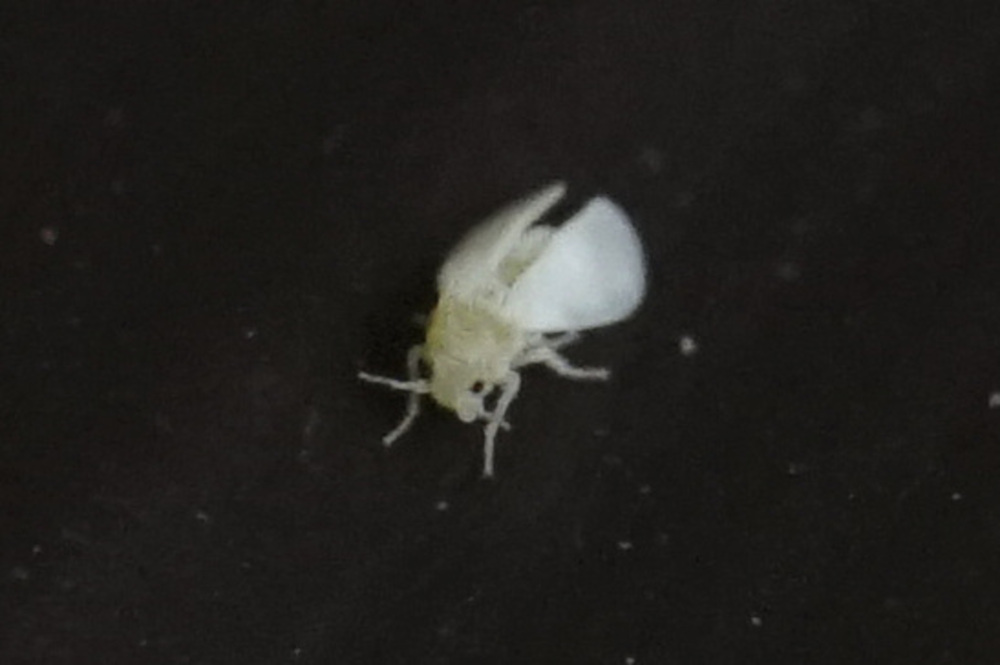
I first thought this was a type of barklouse, but iNaturalist suggests Trialeurodes, the greenhouse whitefly, in
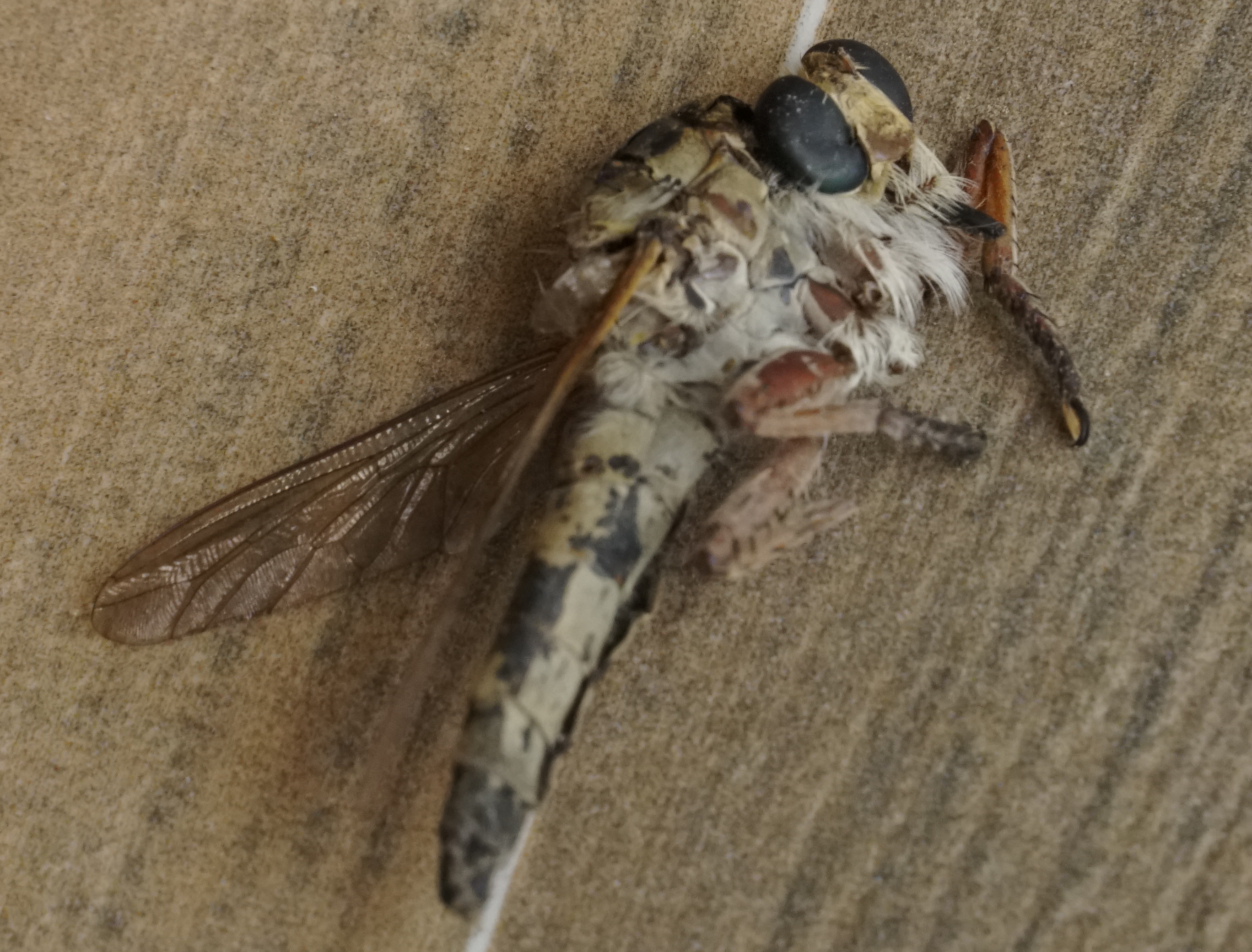
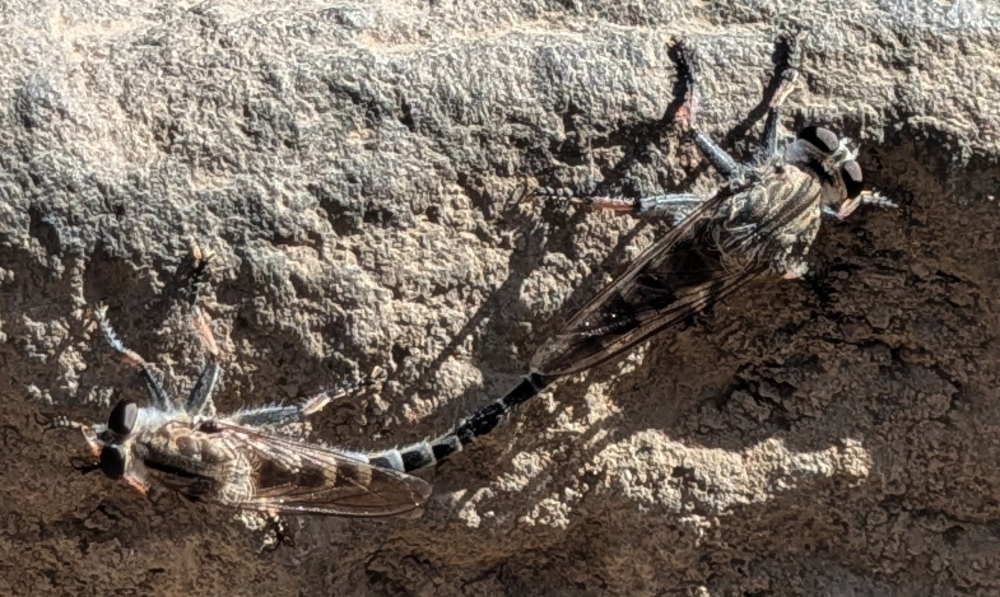
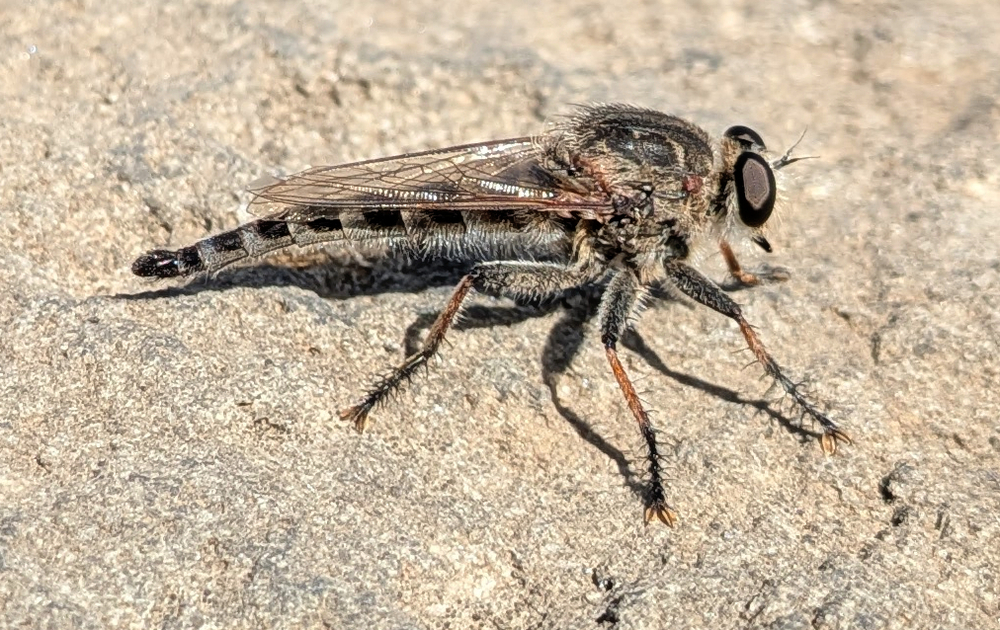
A gorgeous but sadly recently expired robberfly (Asilidae, probably subfamily Asilinae):
The palm tree next to the guesthouse had a bunch of these scale insects, probably genus Ceroplastes, the wax scale insects. these too can be fairly destructive if found in sufficient numbers.
If you’re not familiar with scale insects: the larvae are mobile, until they find a nice location on a plant. At this point, they become sessile, that is, immobile. They lose all unnecessary organs, such as wings, antennae, legs, eyes, and distinct body parts. In that sense, their life history is similar to that of coral.
However, there is some confusion about this identification that I’m trying to resolve. In particular, is this actually a scale insect or a mealybug? This particular photo seems more like a scale insect. However, please read my comments on the next photo.
EDIT: as described below, these are probably indeed scale insects rather than mealybugs, it’s the wasp that is probably Anicetus or Metaphycus or other Encyrtid, rather than Anagyrus.
But never fear, where there’s a way, there’s a wasp! I managed to capture this lovely wasp in Encyrtidae, in the process of ovipositing in one of the many insects on the leaf. The wasp larvae as they grow will eat the insect that the eggs were laid in, and kill them. (The distinction between parasitoids and parasites is that a parasitoid usually kill its host, while a parasite will not).
HOWEVER, Anagyrus is a parasitoid of mealybugs, rather than scale insects. So perhaps the previous one is actually a mealybug rather than a scale insect (deciding between them is tricky); or this isn’t an Anagyrus (although I’m fairly sure this is indeed Encyrtidae at least); or maybe some Anagyrus species are scale insect parasitoids. Still investigating, will update this as I find out more.
While Anagyrus has a world-wide distribution, it’s not clear if this species is native or introduced specifically for pest control.
EDIT: Okay, it seems that the hosts are indeed scale insects, while this Encyrtidae wasp is probably not Anagyrus, but genus Anicetus or Metaphycus or other possibly other genus in Encyrtidae instead. They do look like this, but are indeed parasitoids of scale insects.
EDIT: According to a comment on the Facebook Entomology group by an expert on parasitic wasps, it should be Metaphycus; “It looks like the antenna have the black and white segments common in Metaphycus.” A web search shows that several native species of Metaphycus have been identified and used for scale insect control in India.
And so on; you can explore with the ScaleNet links. But all the reported host ranges are likely radically incomplete.”
With that in mind, here’s one more image of the host insect species taken nearby:
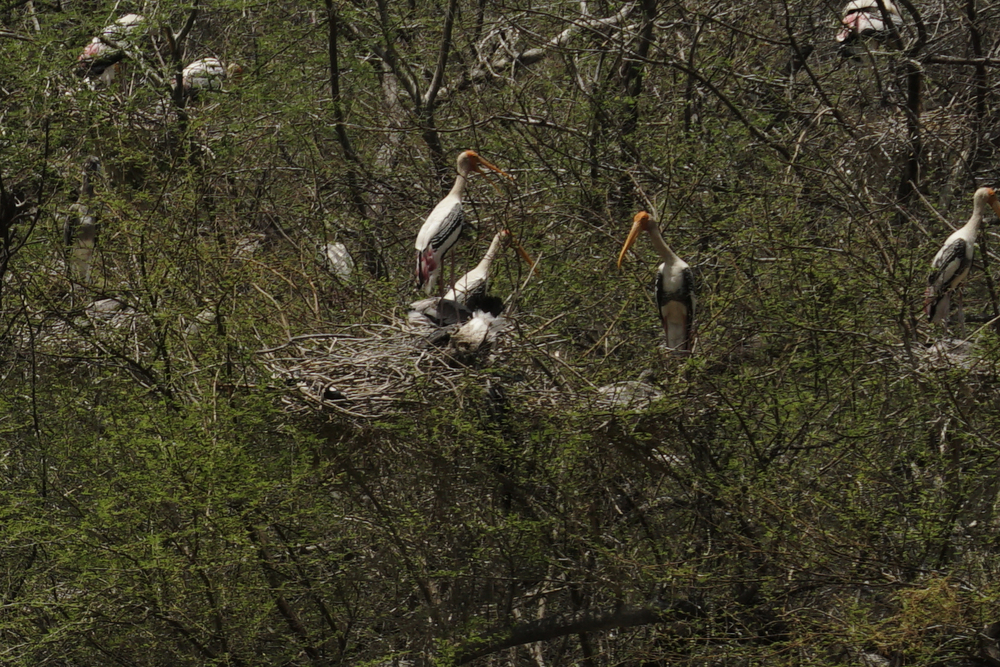
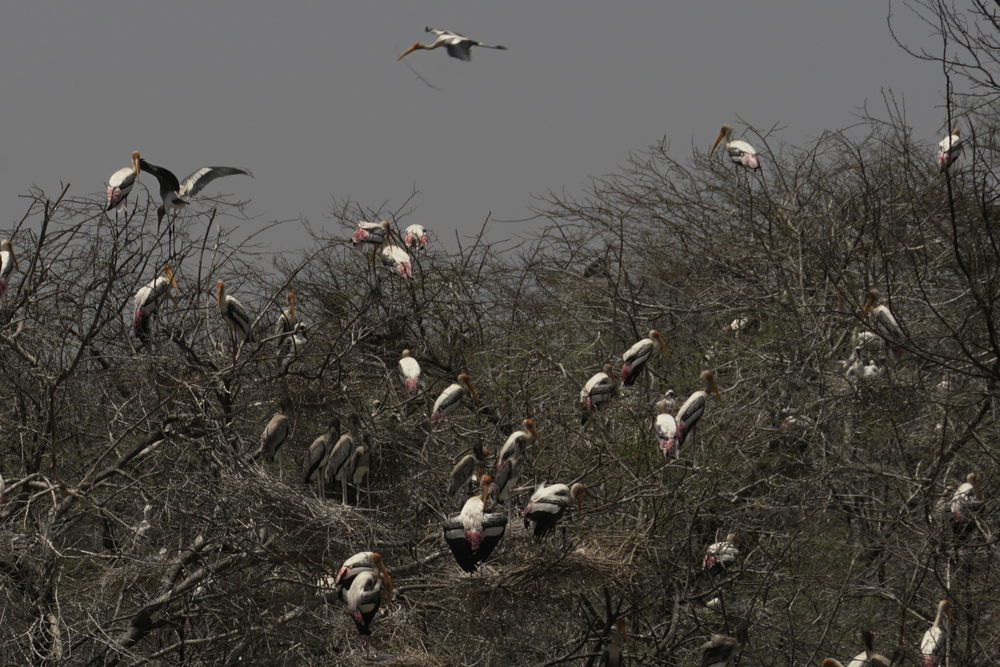
Painted stork rookery (and bugs found there)
This was an amazing experience. Activity, cries, flying, settling, all happening.
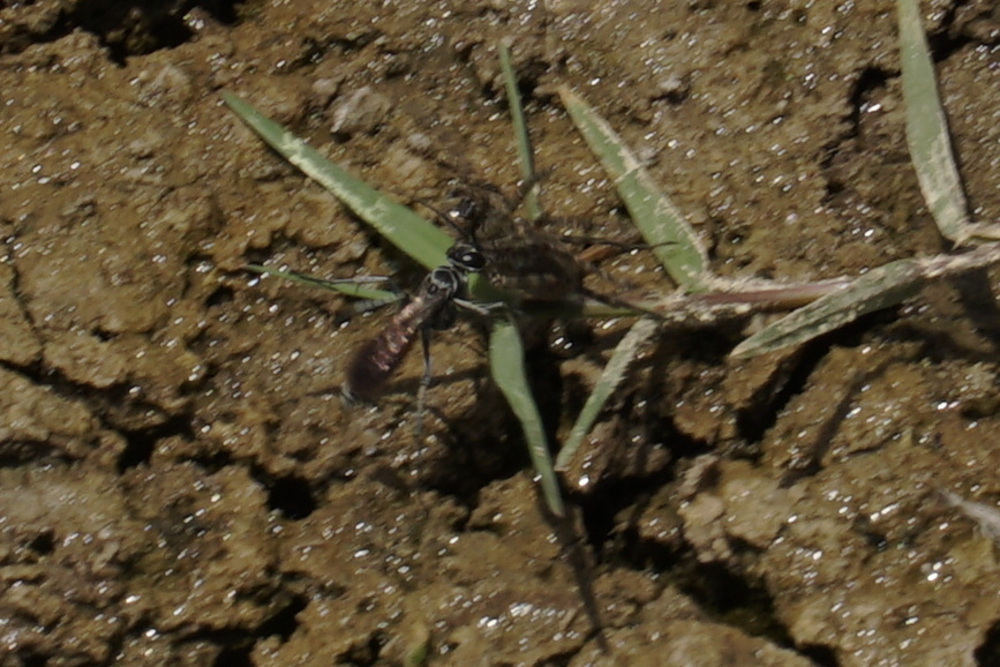
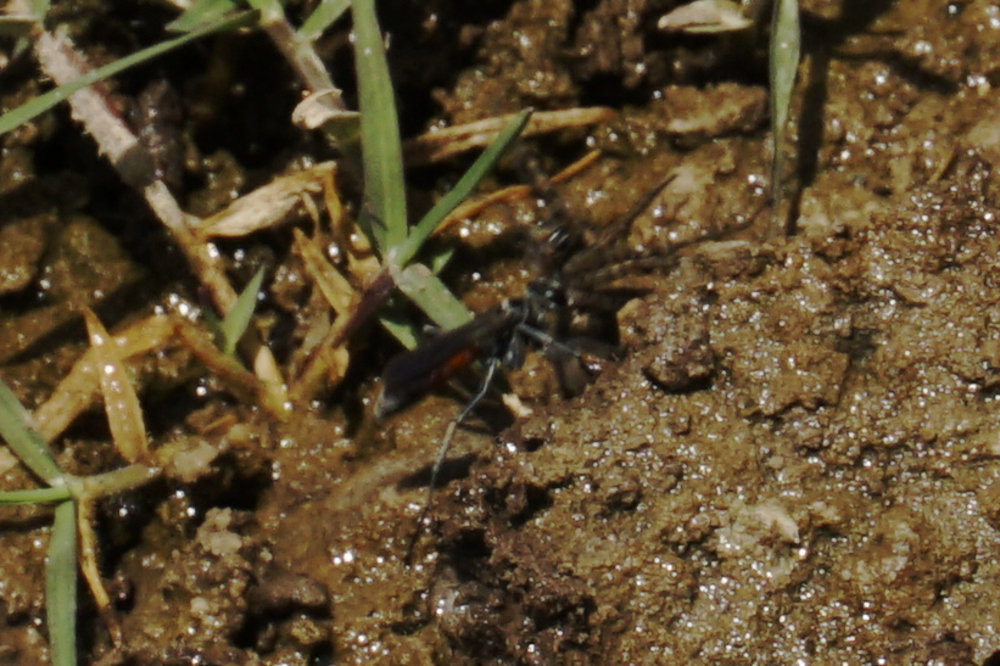
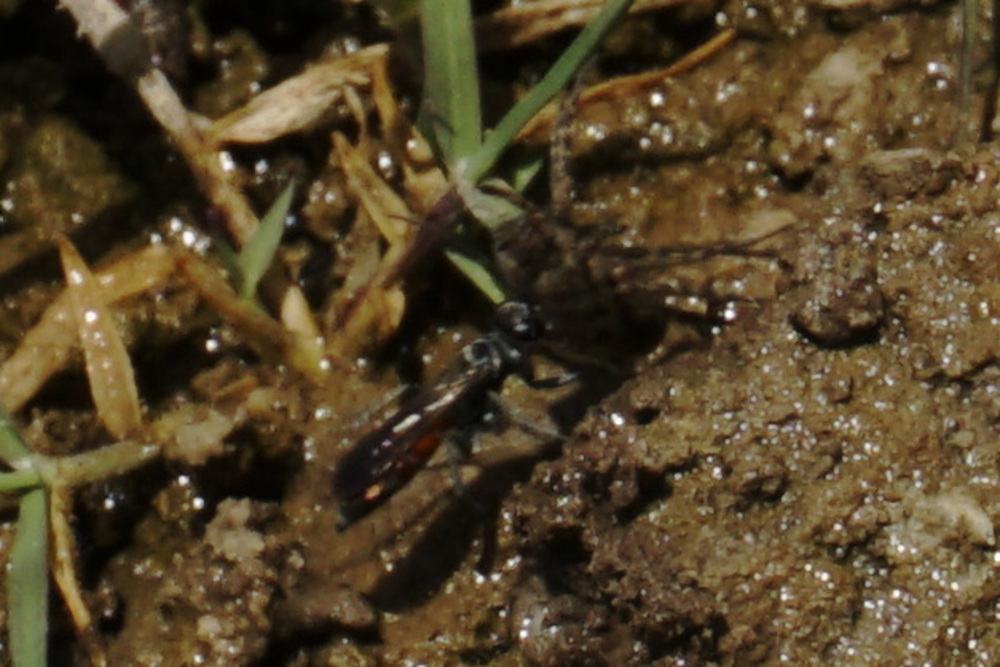
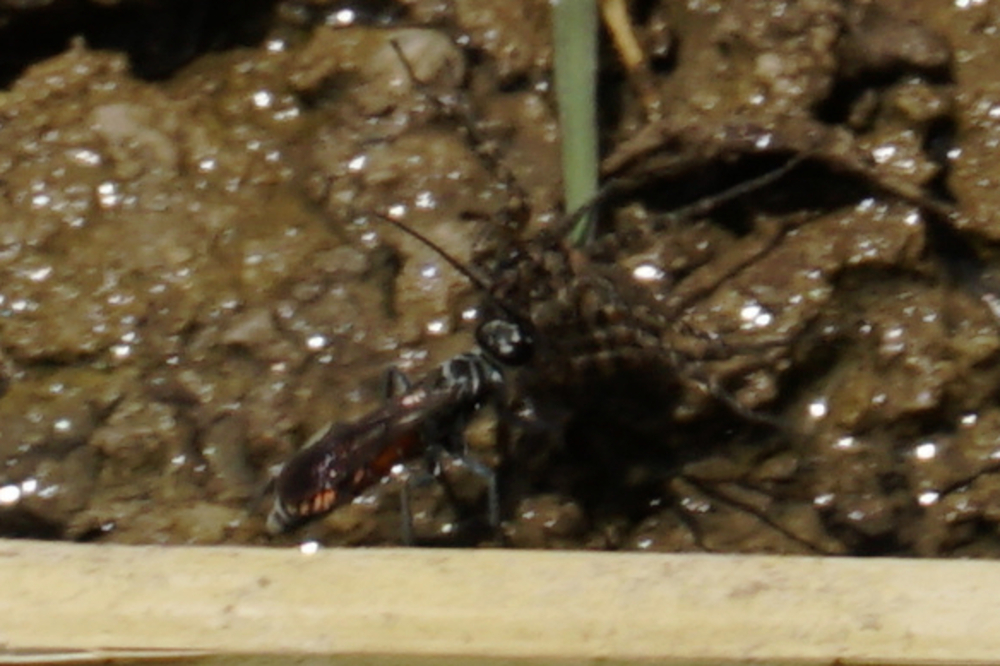
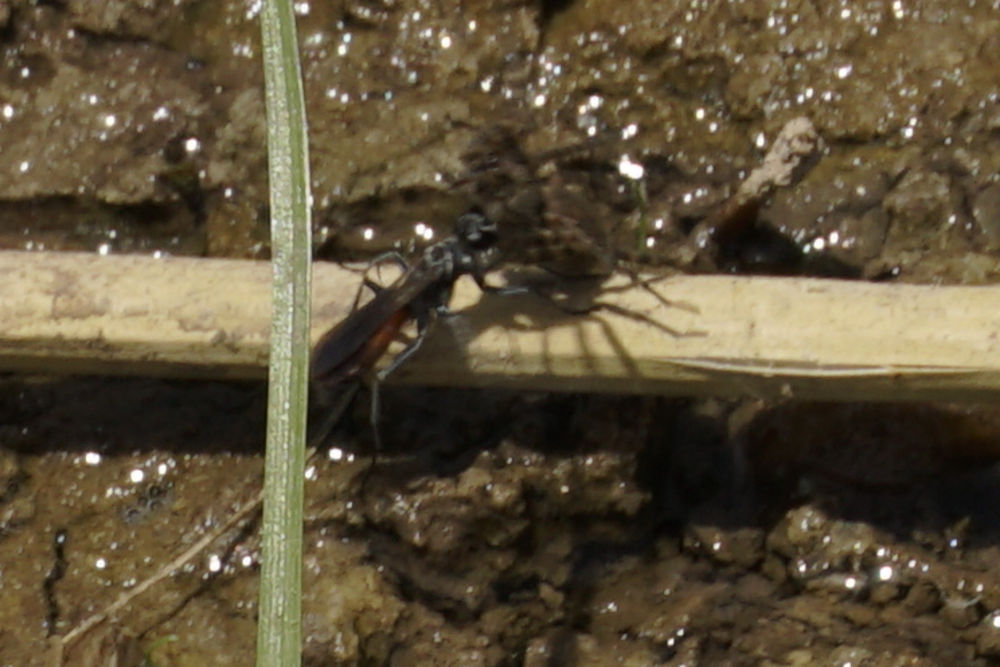
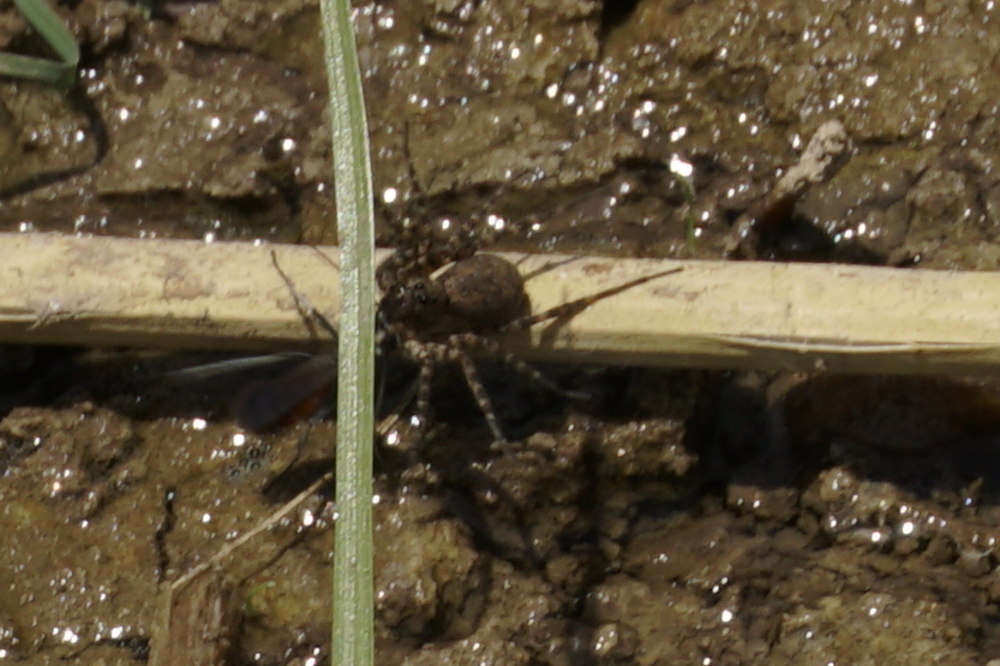
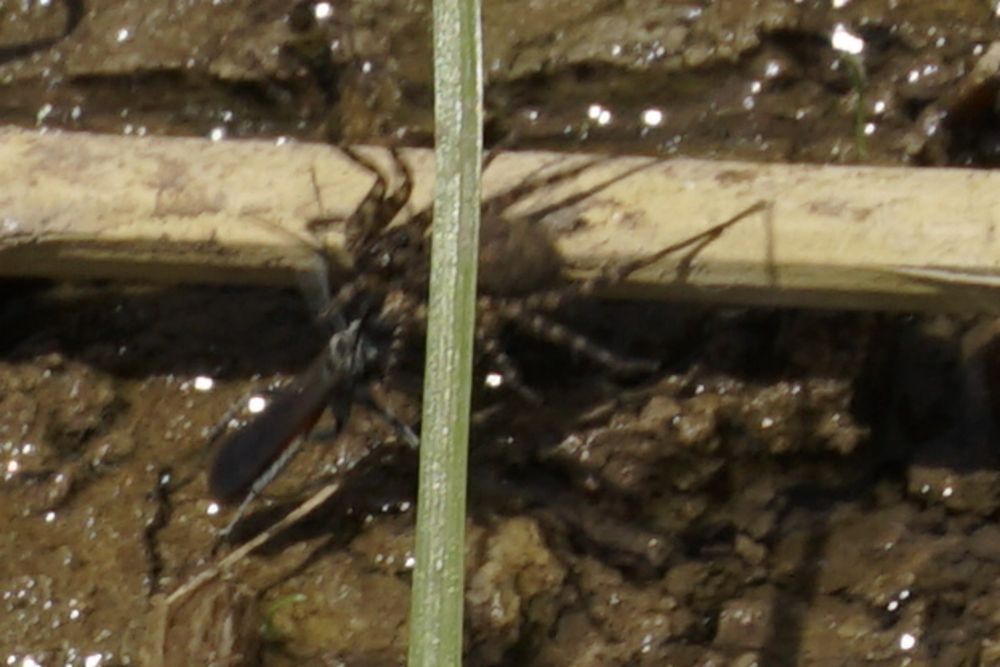
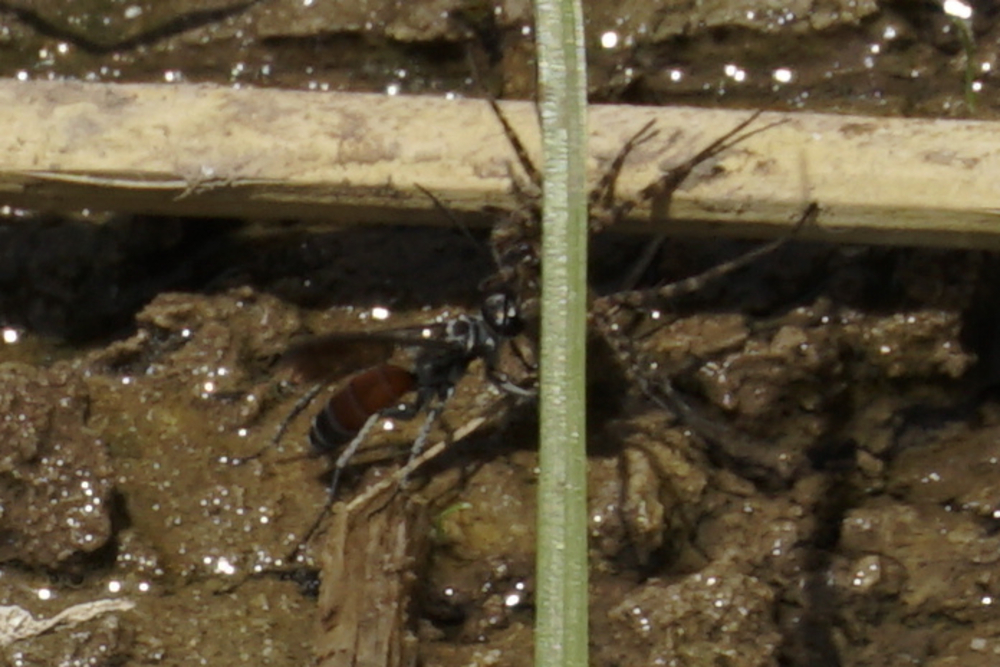
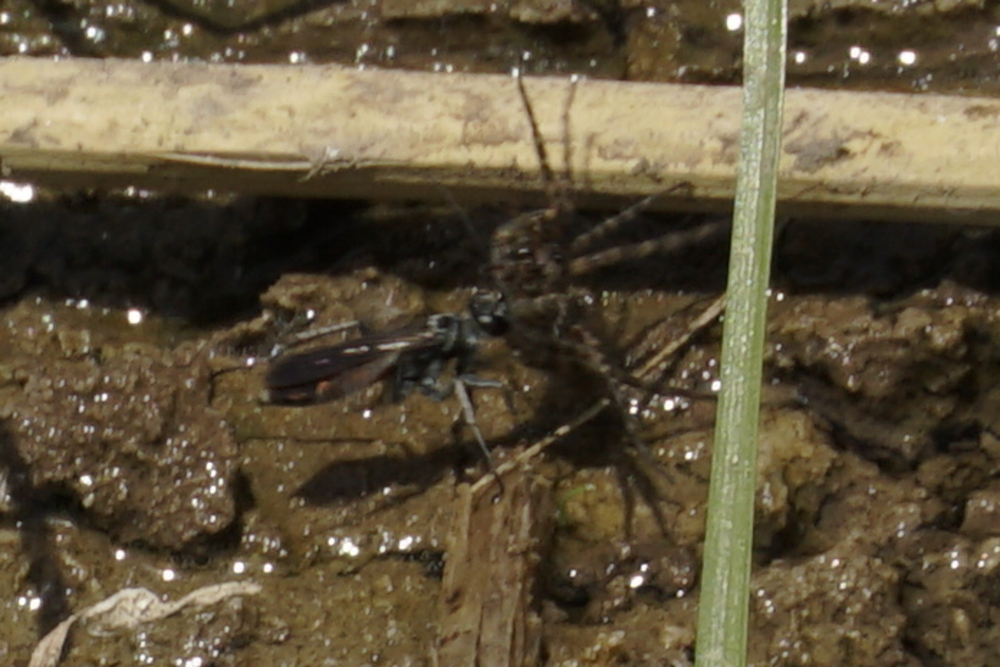
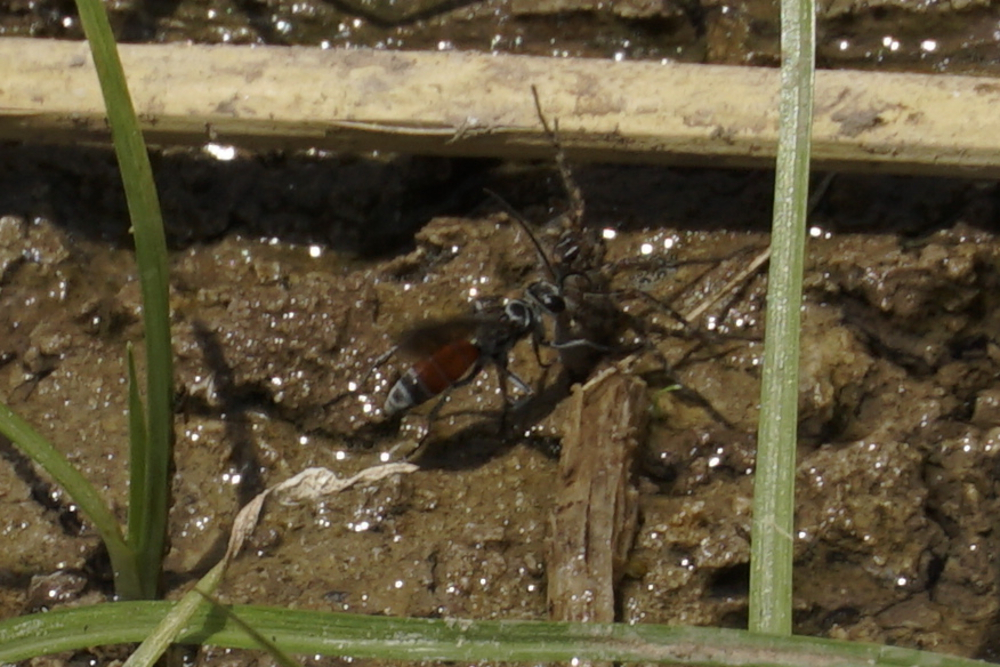
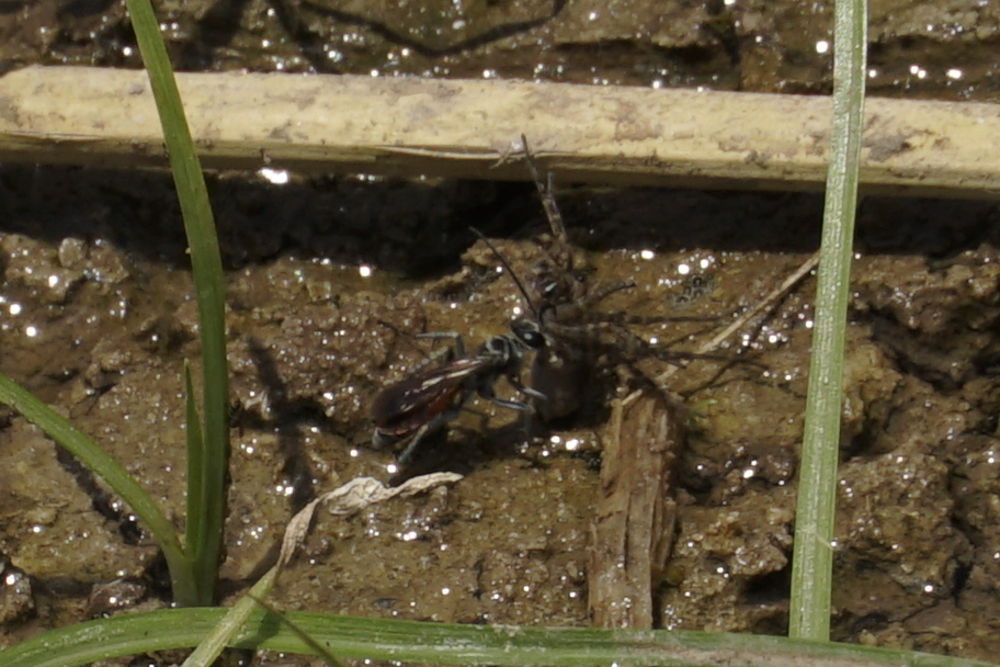
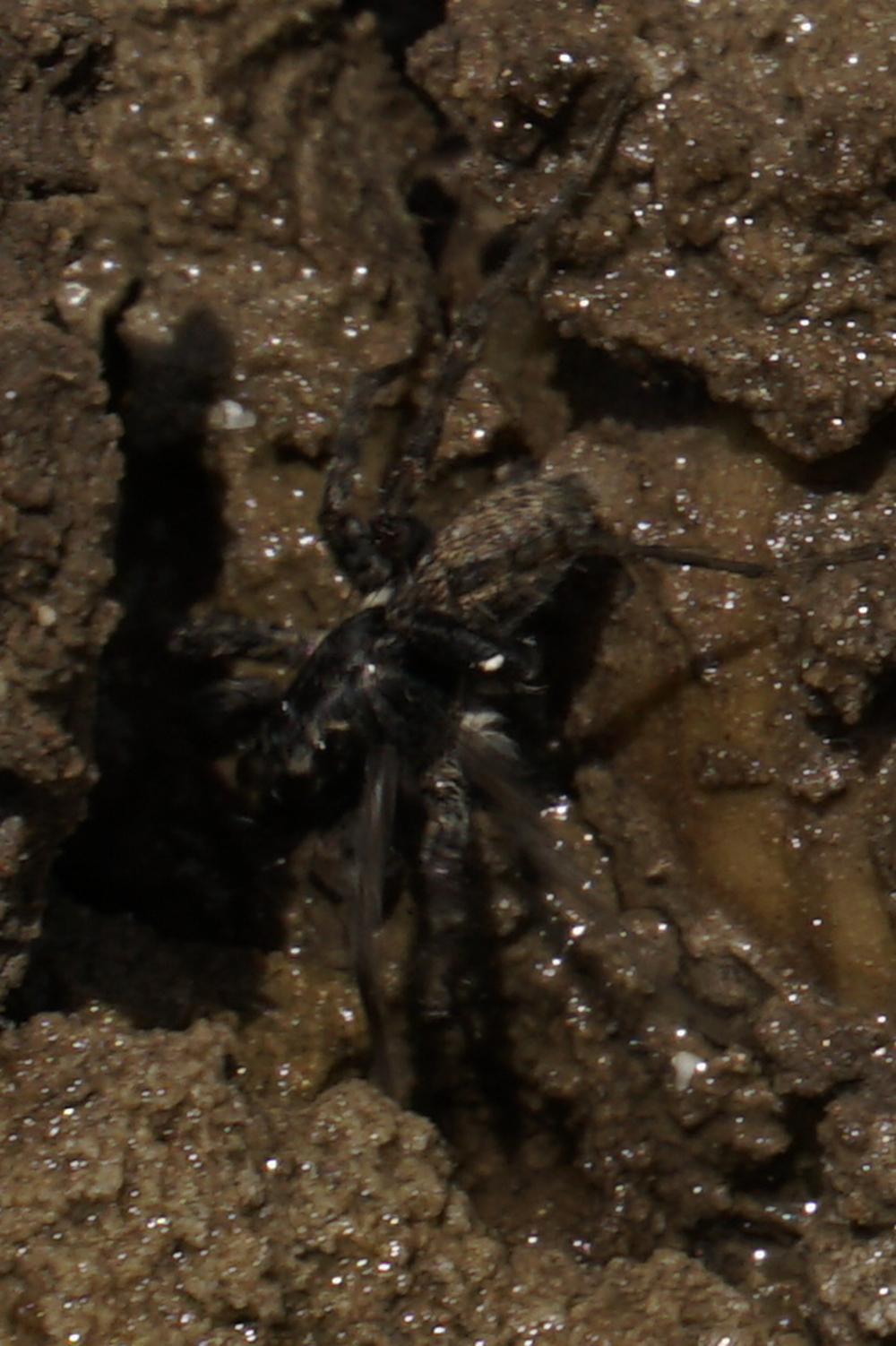
I apologize for the poor photo quality in the next few photos. There was a wasp behaving strangely on the other side of a long puddle. I took a bunch of photos on the assumption that this was a wasp, it had to be doing something interesting. After looking closely at the photos, I discovered that the wasp was a Pompilid aka spider wasp, and I had completely missed that she was leading a paralyzed spider back to her den as food for her babies. The spider was a wolf spider, and blended in with the mud.
In the end, it’s not clear to me if the wasp was actually able to lead the wasp to her burrow. Perhaps the mud was too difficult to walk through, perhaps the spider wasn’t paralyzed and was able to fight back. I did lose track at some point.
I got a lot of (quite poor) photos of this spider, but I don’t know how to pin down the identification. I’m going to guess Lycosidae at least as a start, but I’m not sure of even that.
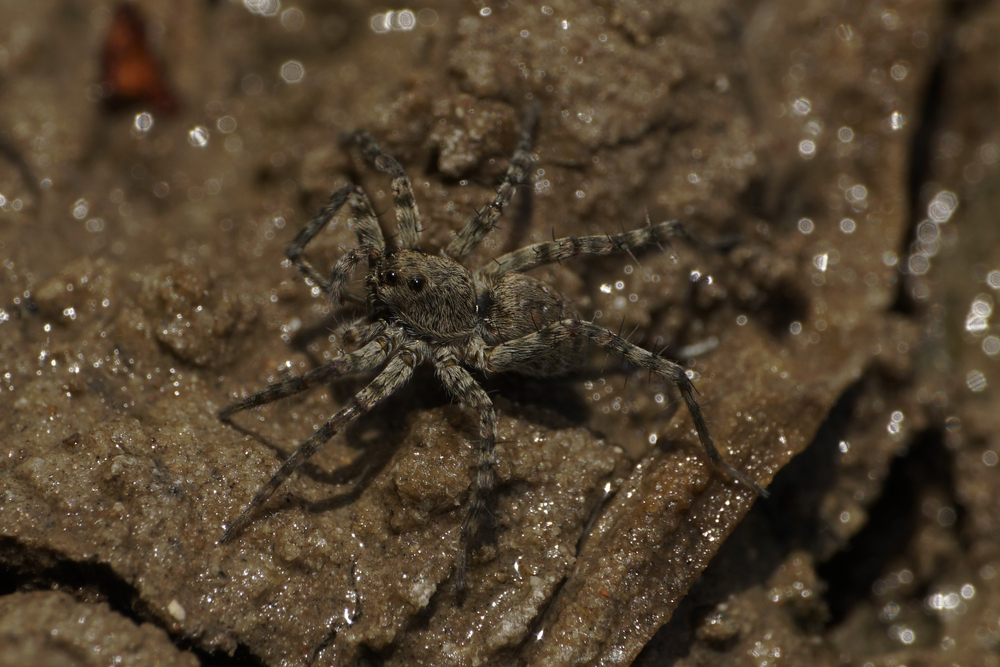
This one is a lovely wolf spider:
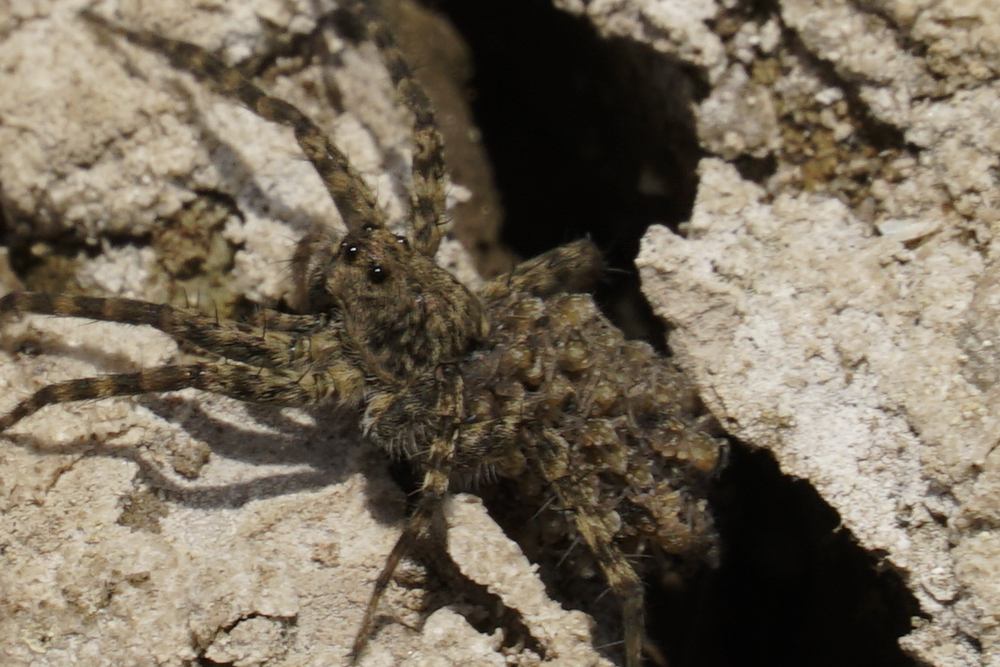
Compare its abdomen with this mamma! This is only the second time I’ve managed to get photos of a wolf spider mamma with her babies on top.
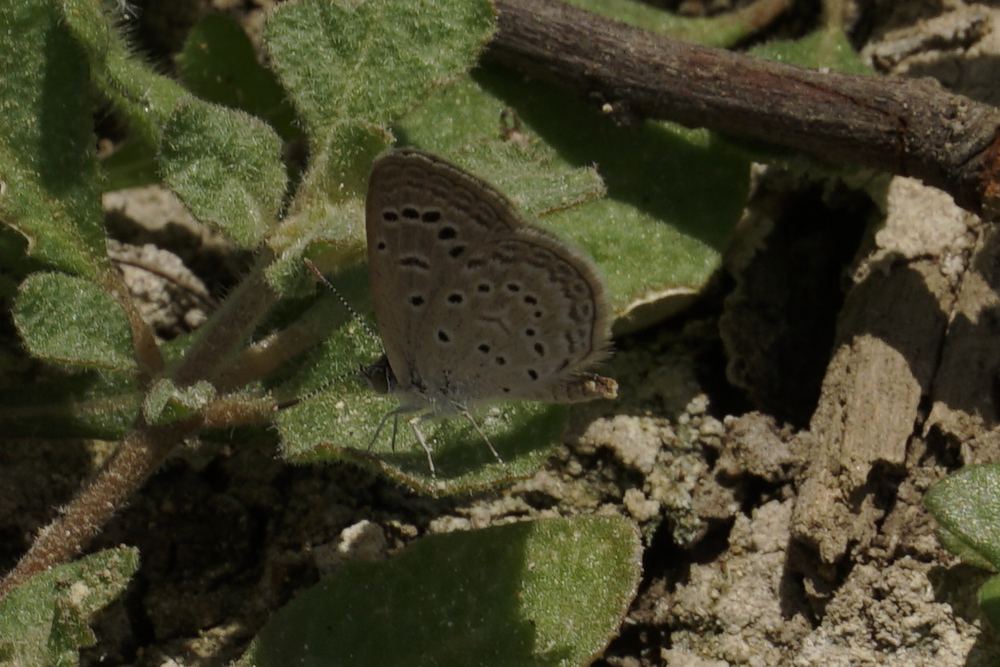
I’m awful with butterflies, but iNaturalist tells me that this is Zizeeria karsandra, the Dark Grass Blue.
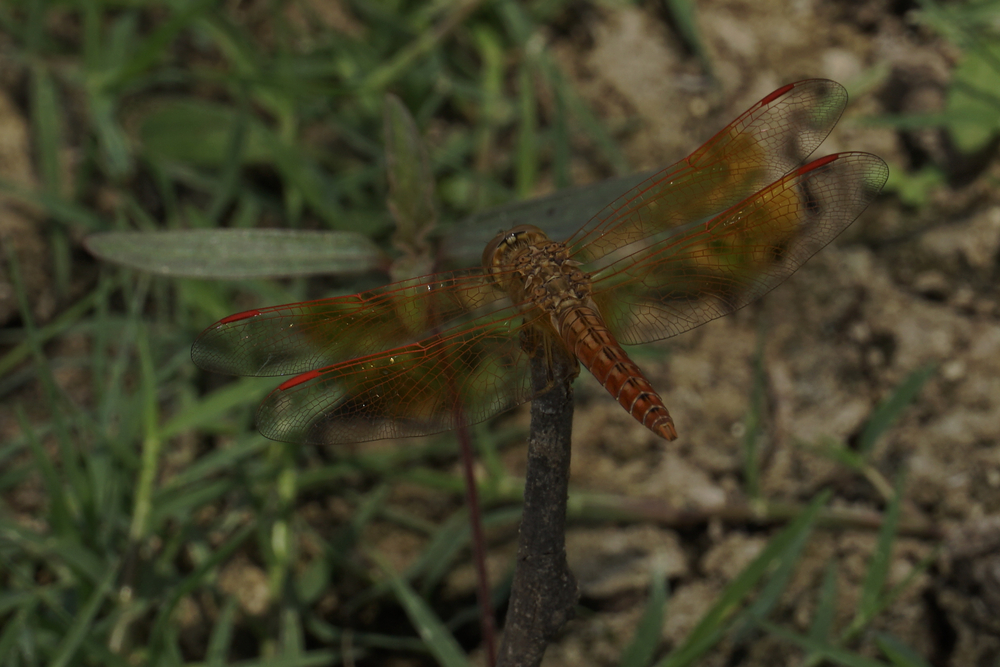
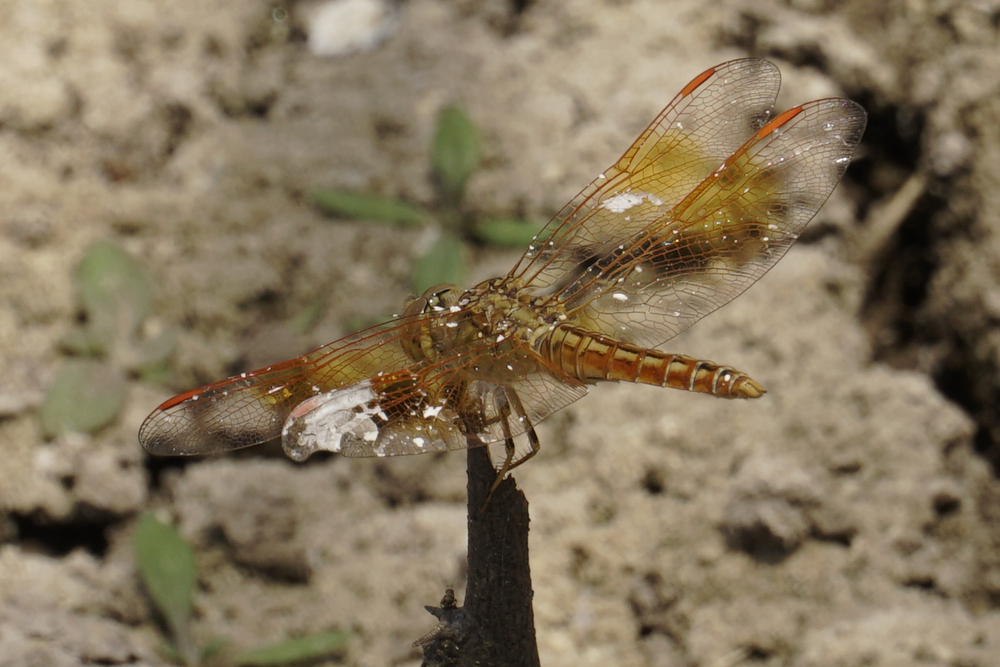
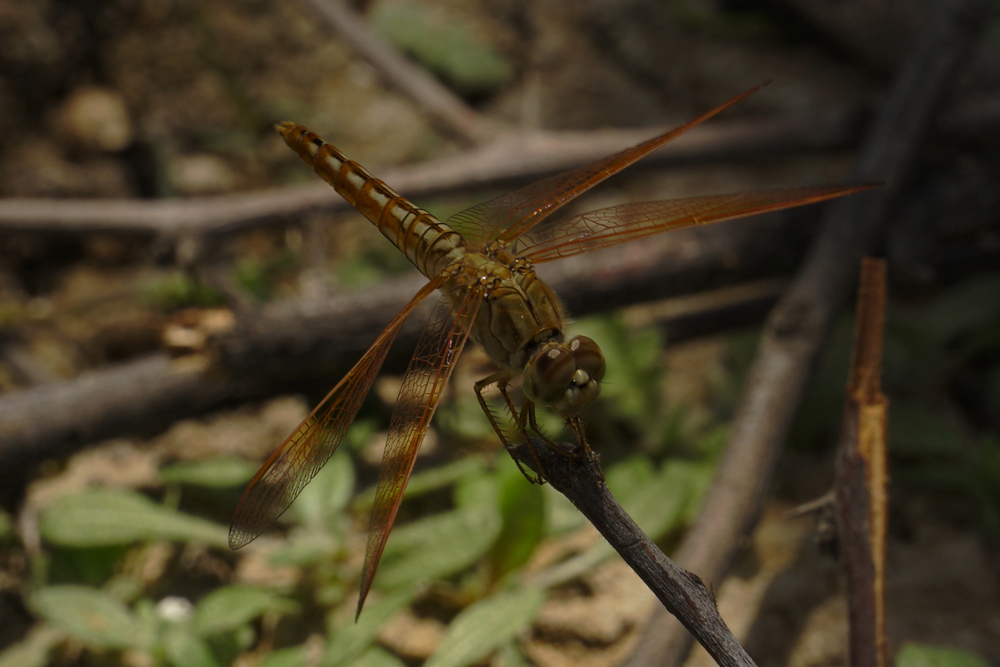
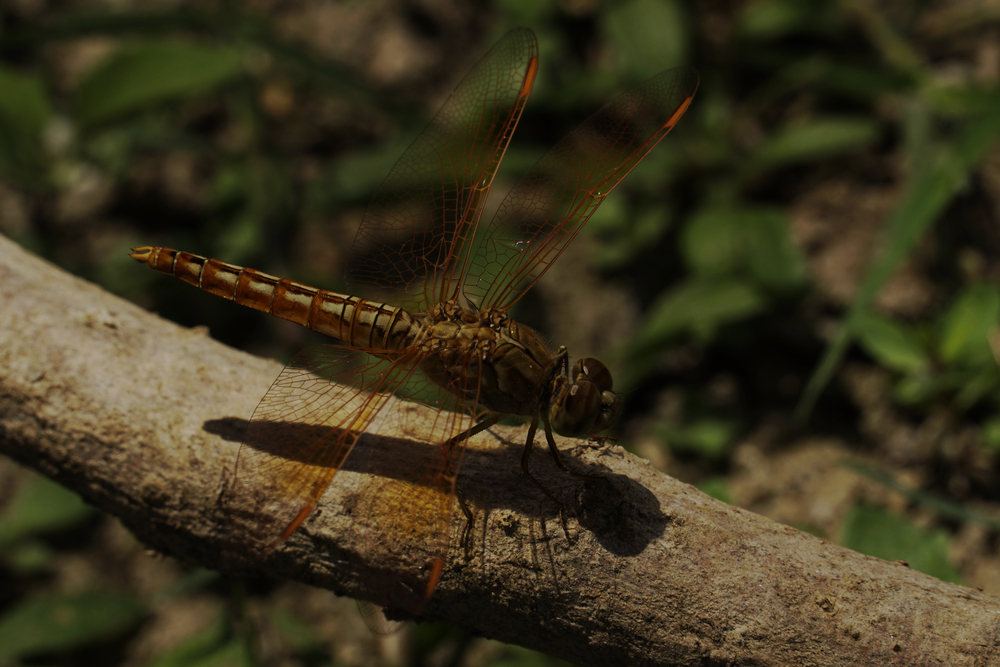
There were lots and lots of these dragonflies around. They have the interesting Latin binomial of Brachythemis contaminata, and also the rather poetic common name of Ditch Jewel.
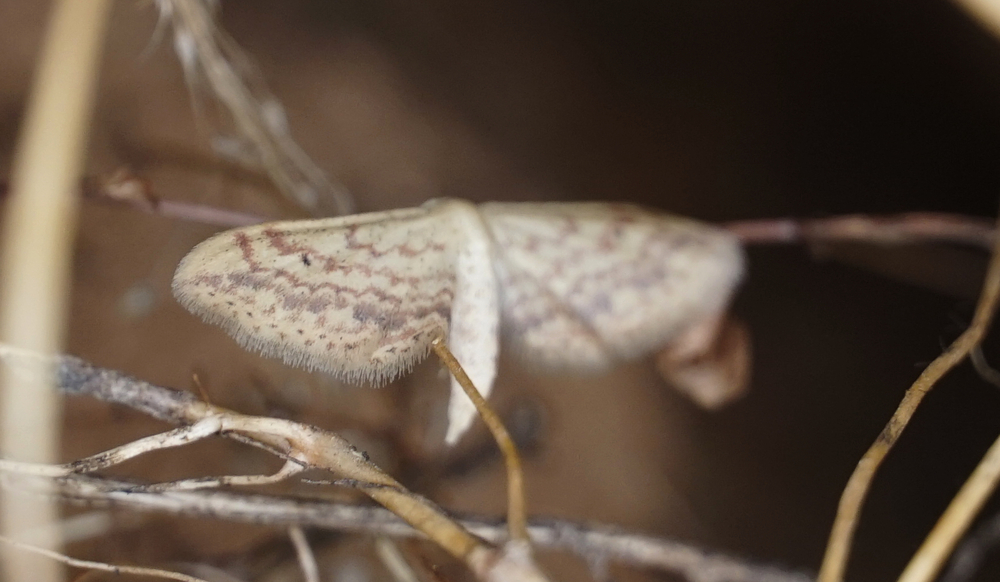
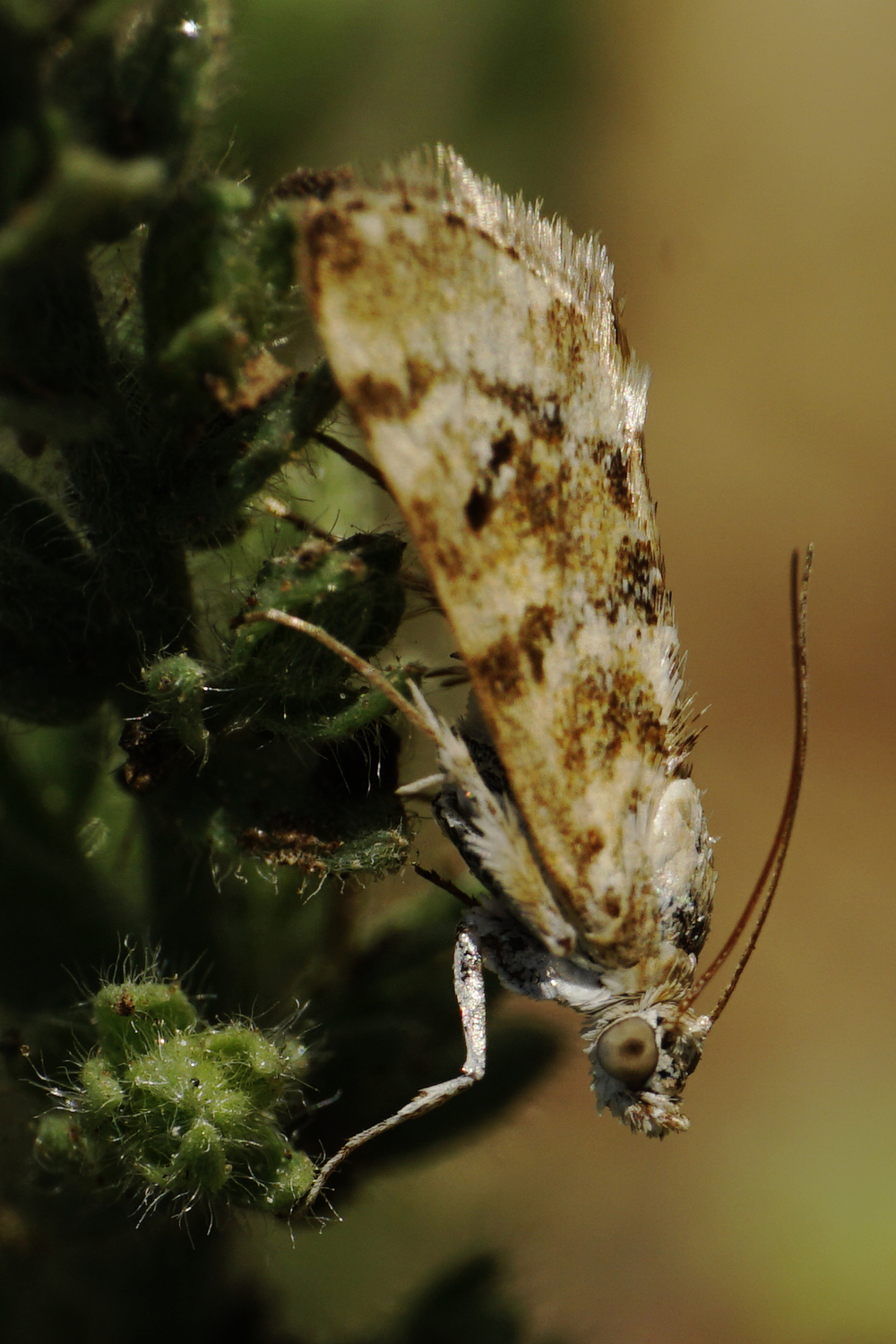
iNaturalist tells me that this moth is in Crambidae, aka Crambid snout moths.
Kadabanwadi Zone
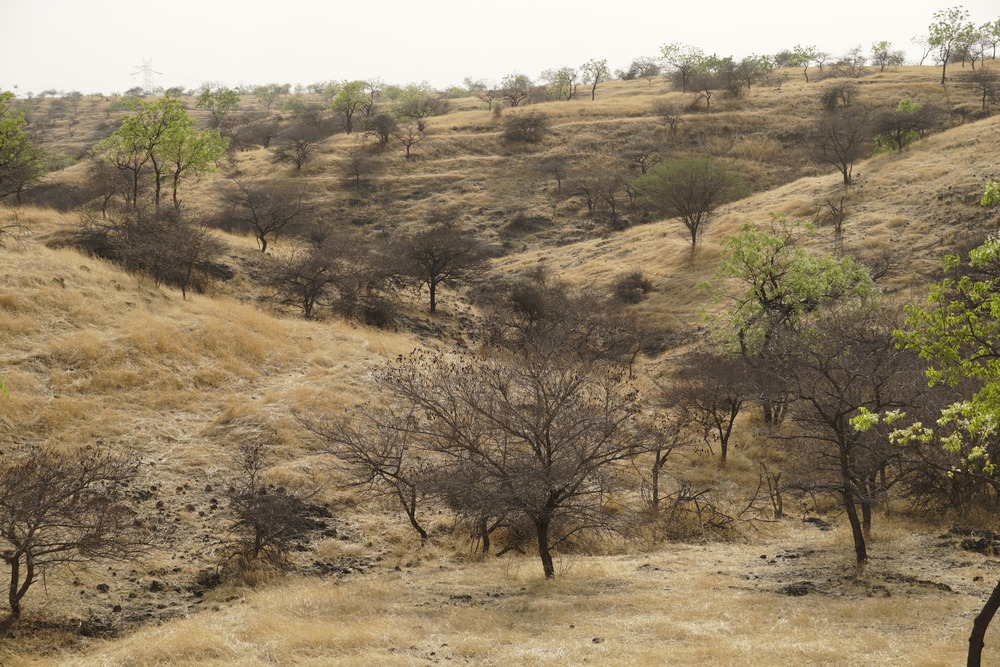
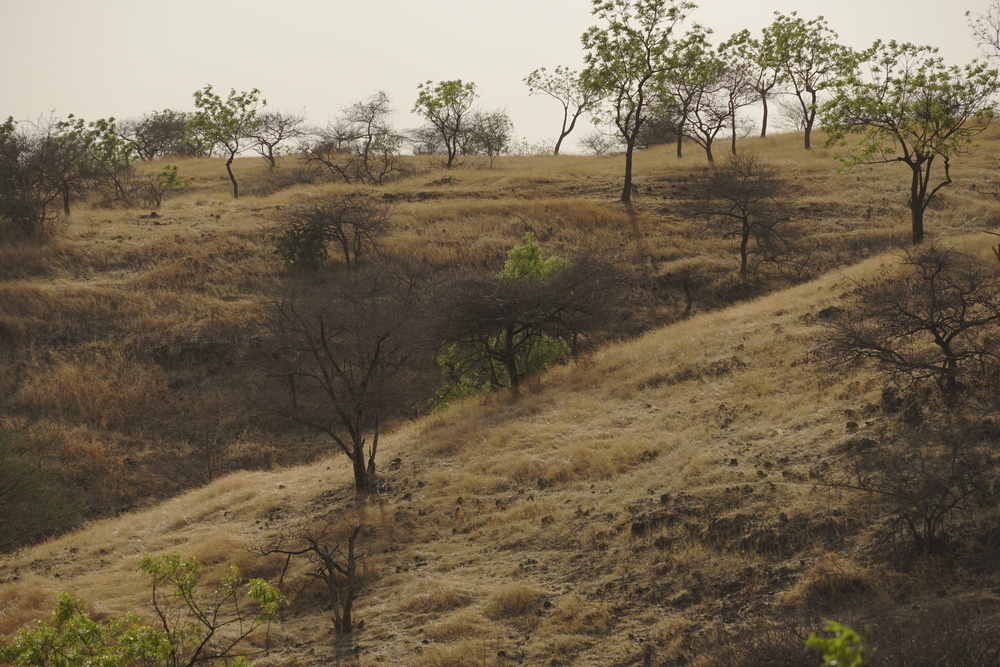
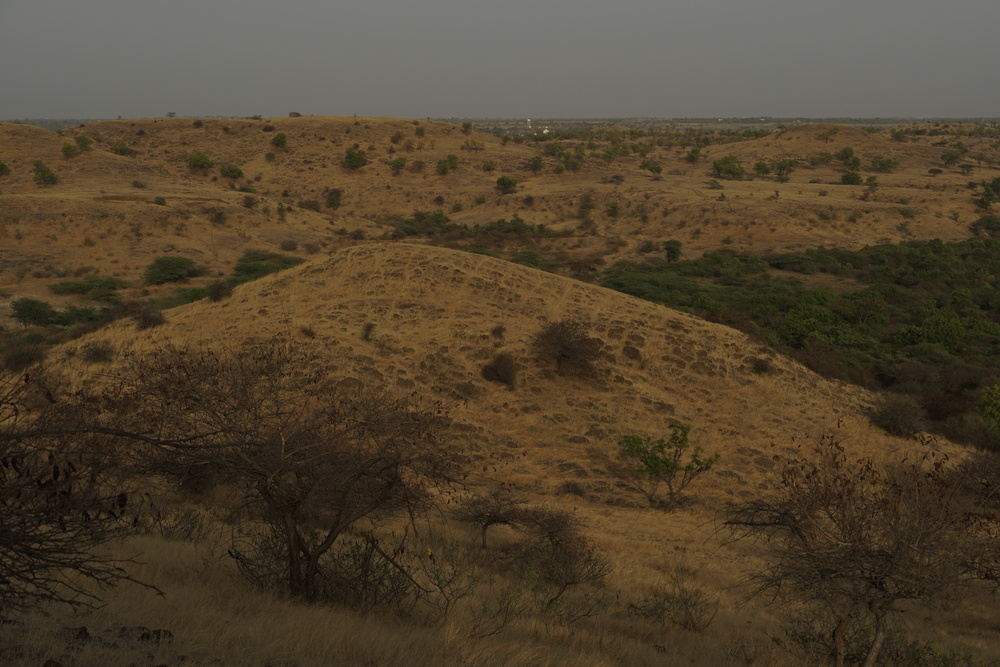
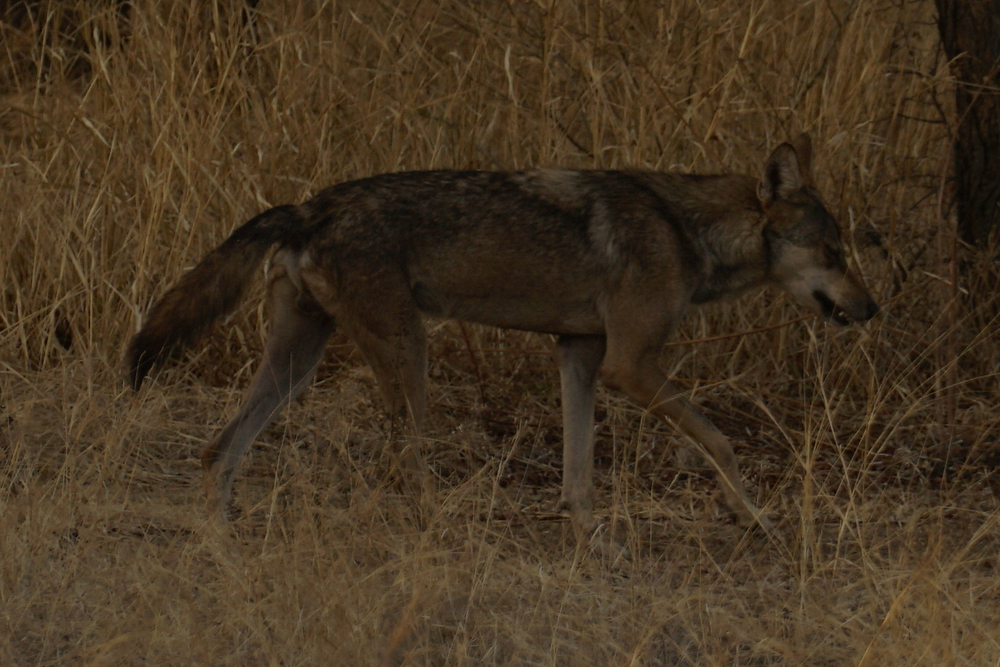
This is an area I had never heard of before. It consists of a savannah like terrain and rolling hills and is absurdly beautiful in its own way. They’ve started offering jeep safari rides there. Mammals that populate the area include chinkara (gazelles), hyaenas, and wolves, although the wolf population has been decimated by canine distemper unfortunately.
Again, I really did not have the right lenses for bird or wildlife photos, so apologies for the quality of the photos.
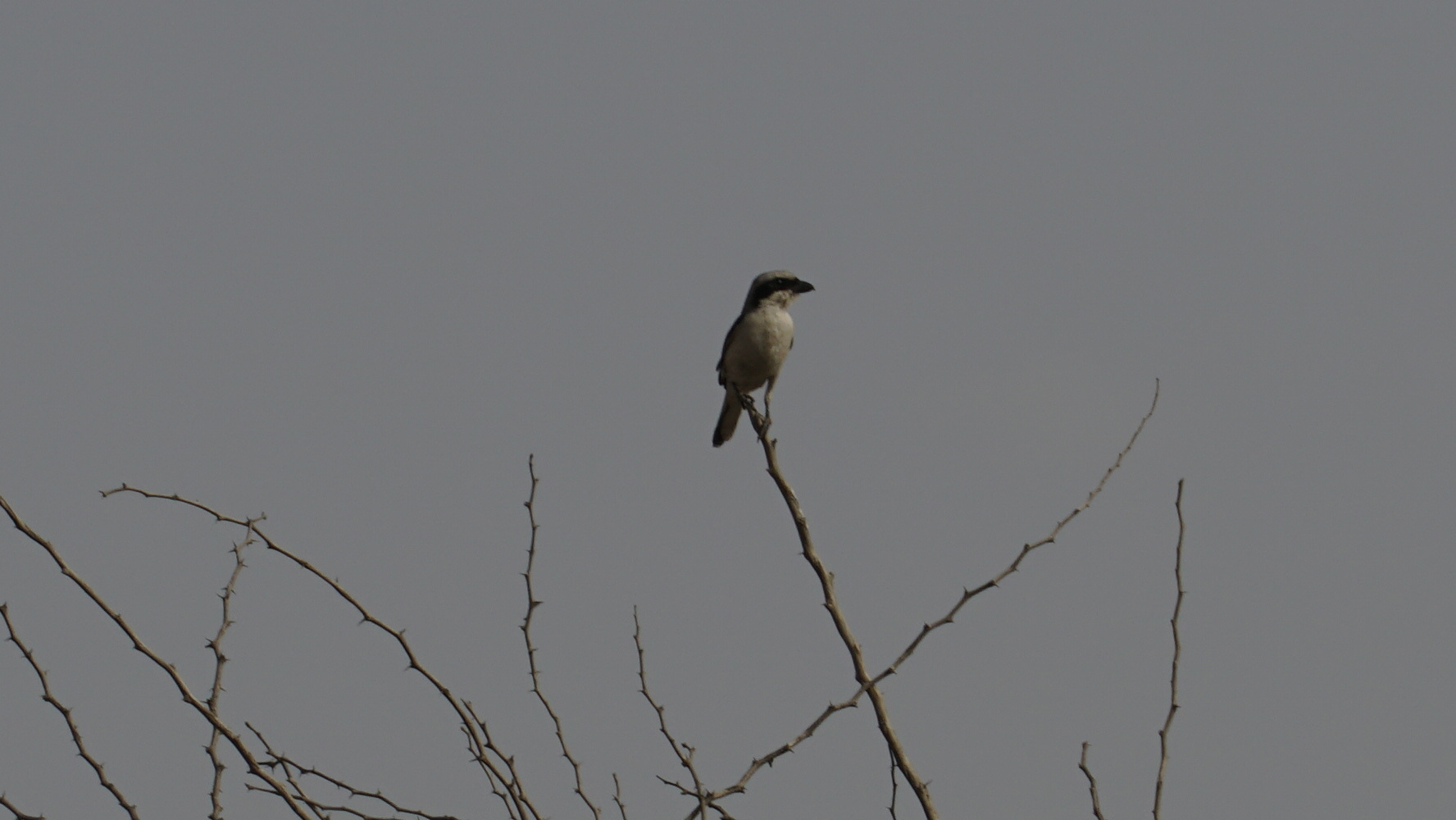
Not sure what shrike this is:
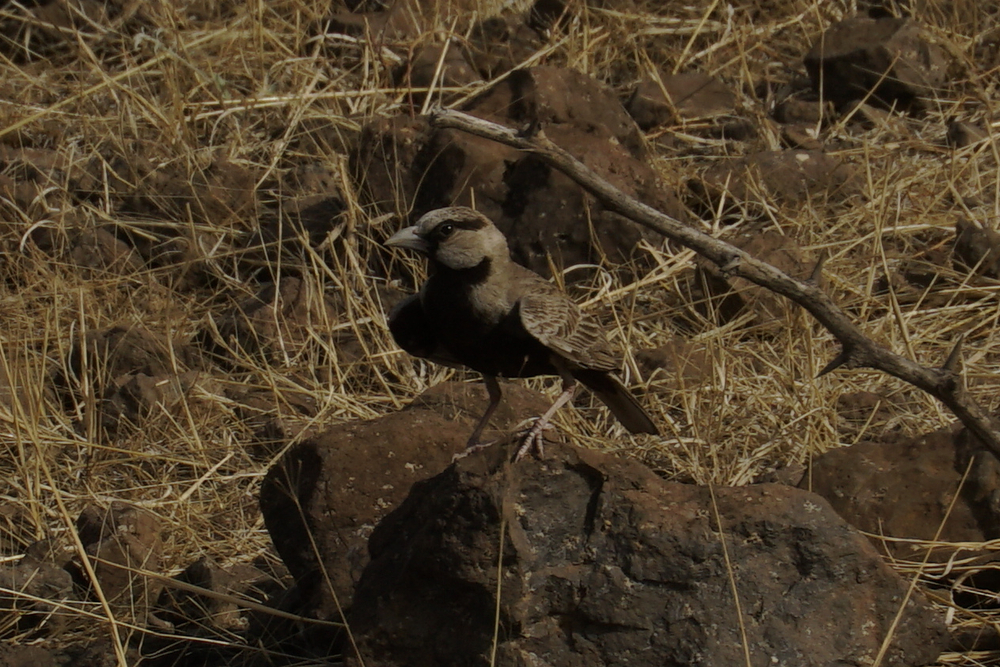
Ashy-crowned sparrow-lark, Eremopterix griseus if you want to get fancy.
Note that Eresids are cribellate spiders, which means that they have an organ called the cribellum that “whips” the strands of silk coming out so it becomes tangled, which in turn can get their prey tangled up in it. Other spiders that make webs to catch prey would typically use special strands of sticky silk; cribellates do not do that.
I’ve never even seen a spider in Eresidae before, and I’ve always wanted to, so I have to come back with the proper equipment and take some time to delve into this! My notes below are the result of some interested googling, I’m of course not an expert. Also, this is my first day off in a while, so I’m enjoying spending the time writing about what I know :-).
Colonies are predominantly female: 80-90 females vs 5-10 males. Just as in eusocial structures, the males are mostly active for mating only.
These spiders have several fascinating aspects, and have had several important papers written about them. For one thing, they are NOT eusocial (no spiders are eusocial), and yet they seem to have several aspects of eusocial societies.
For one, it is claimed that they have differentiation of tasks. This is not based on caste, as in eusocial insects, but on “personality” — braver spiders take on bigger prey, while less brave ones may perhaps help more with helping take care of spiderlings. Wait: this paper appears to have been retracted (https://pmc.ncbi.nlm.nih.gov/articles/PMC3735259/). So I don’t know if this true or not, or how true. The retraction account is here: https://pmc.ncbi.nlm.nih.gov/articles/PMC7944085/. This paper seems to do an analysis of the data: https://onlinelibrary.wiley.com/doi/full/10.1111/eth.13229, and all that is clear to me is that nothing seems to be clear to anyone.
That notwithstanding, there are interesting discussions about why one spider should be the first to attack, thereby taking the bulk of the risk, such as here https://ui.adsabs.harvard.edu/abs/1993CaJZ…71.2220W (the first to attack get more time to eat?).
Which is another aspect that eusocial societies have: they do have cooperative behavior. Tackling prey (and the dangers therein) is a shared task, and the food is then shared with everyone, not just the spiders that took the risks. Taking care of all spiderlings is shared, and the carers are not just taking care of their own offspring, but everyone’s. In fact, some of the females engage in matriphagy, the gruesome (to our human imagination) process of the spider turning herself into food for the younglings.
Also, as gravid females are less able to obtain food, other members of the colony actually drag food into the interior of the nest so they can feed.
In addition, Uloborus ferokus spiders are commensal with these nests, presumably without too much predation. They build their own orb webs anchored on S. sarasinorum nests, help themselves to some extra food that gets caught (a little kleptoparasitism never did anyone any harm), and also apparently have extra protection from the Idris wasp (Scelionidae) which is an egg parasite of U. ferokus.
Female sunbirds are happy to grab some of the S. sarasinorum nest material to build their own nests — if you’ve ever seen a sunbird nest, this will be no surprise.
Successful nests do not grow larger than others: rather, they have more females who leave and found their own nests.
I sincerely hope this is quite sufficient random info on social spiders.
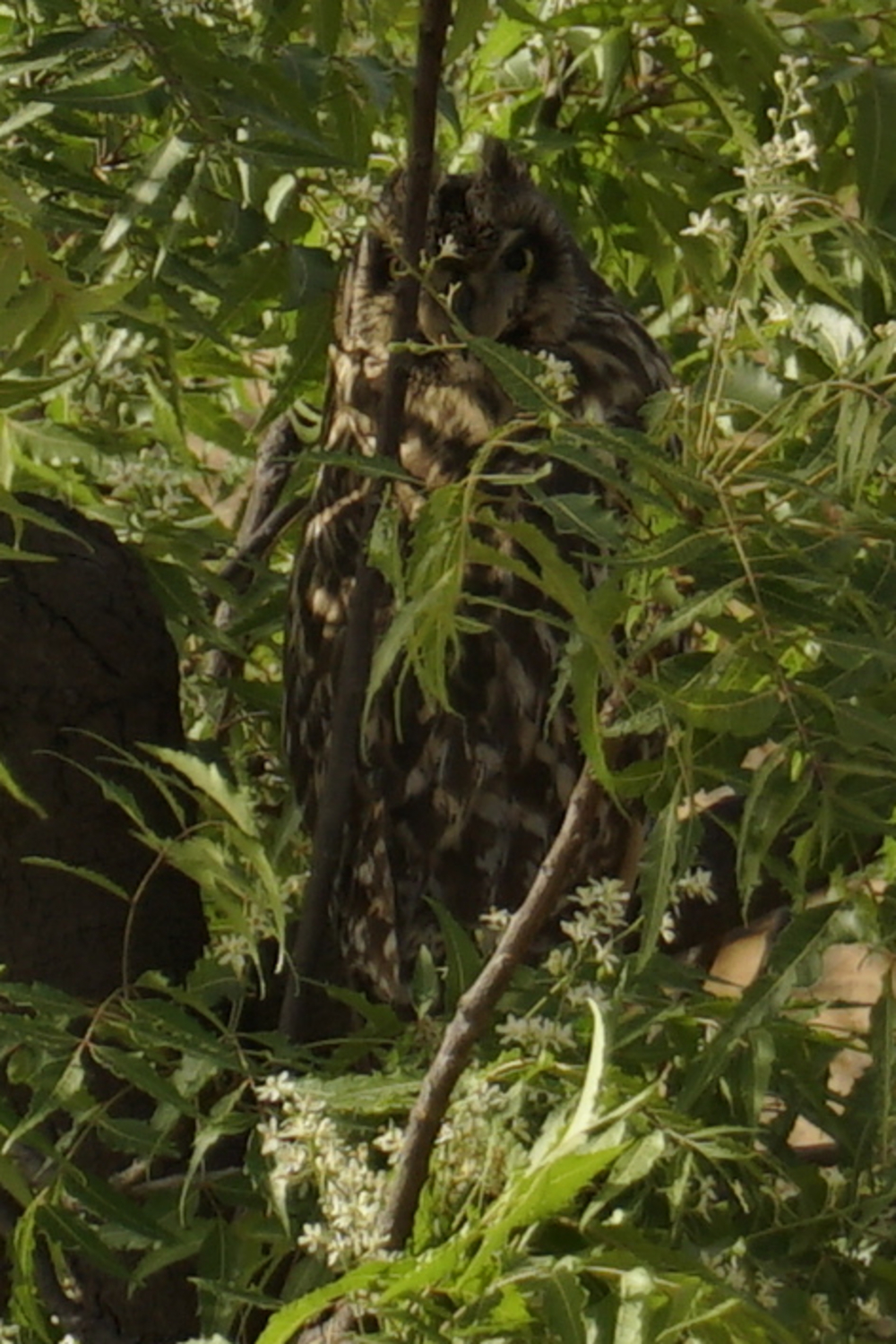
This short-eared owl was quite a hit:
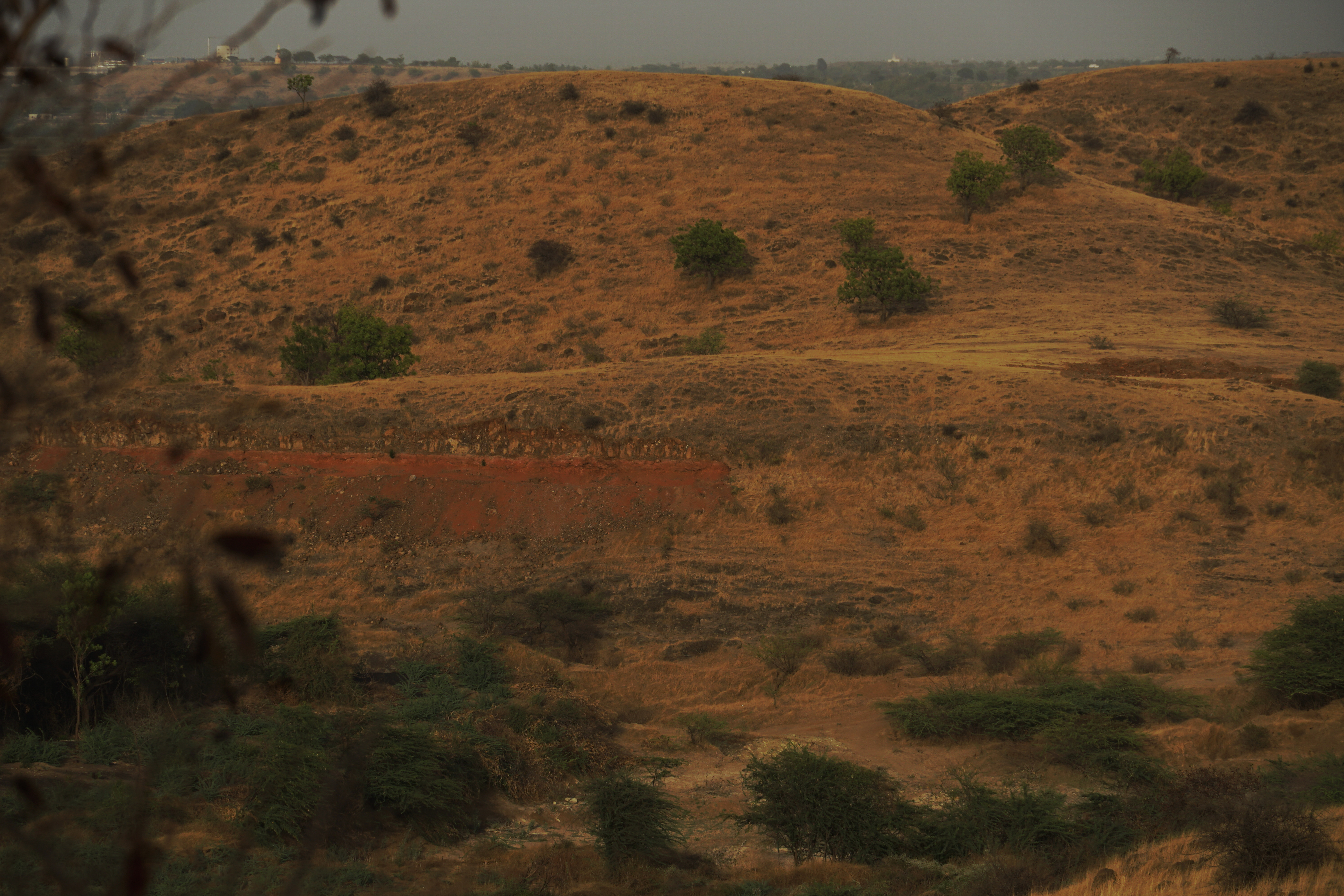
Some landscape photos to give you an idea of what it’s like:
A strangely textured hill:
A splash of red:
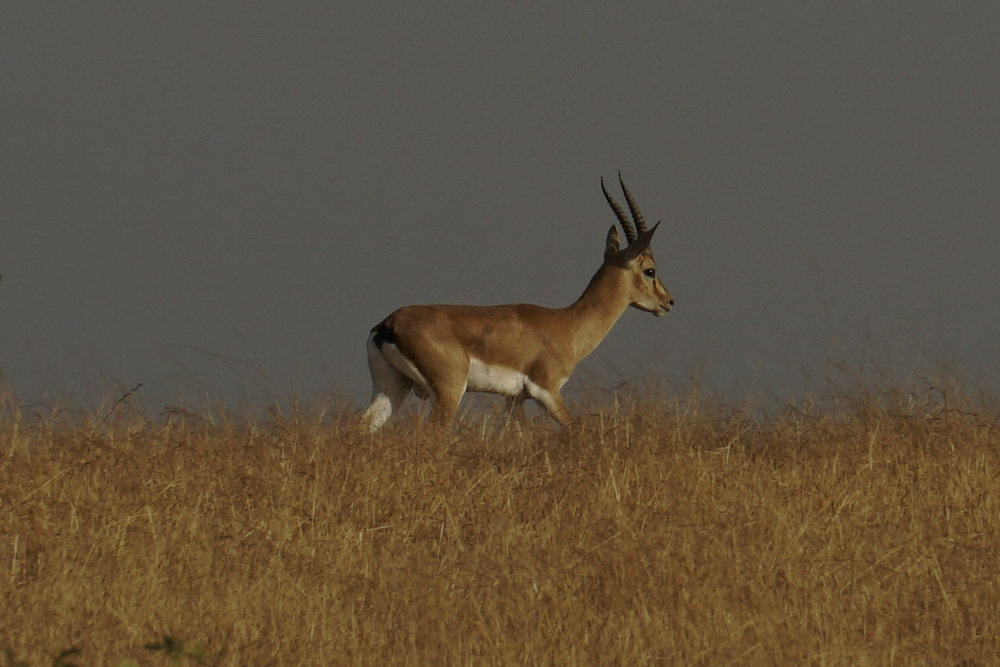
Chinkara aka Indian gazelle aka Gazella bennettii:
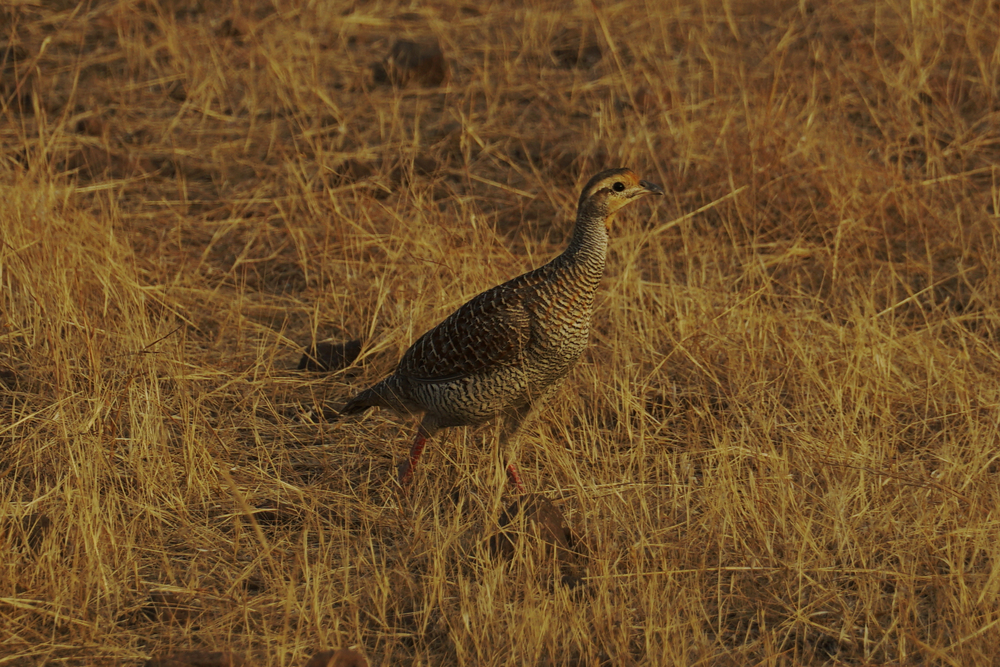
Grey francolin:
The star of the safari, a pair of Indian wolves. As mentioned, the population isn’t doing well, due to canine distemper.
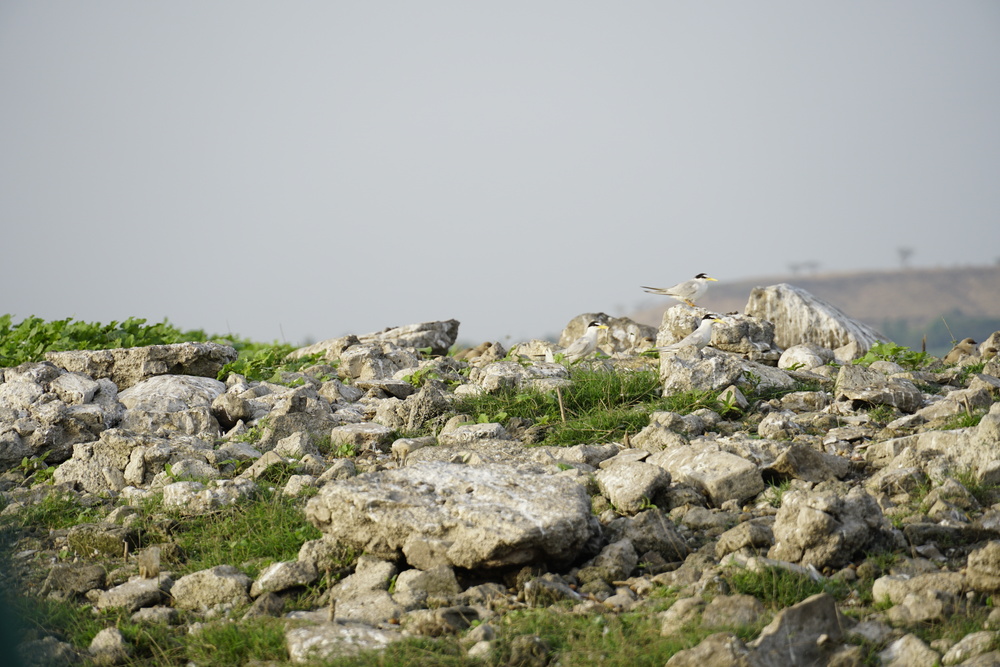
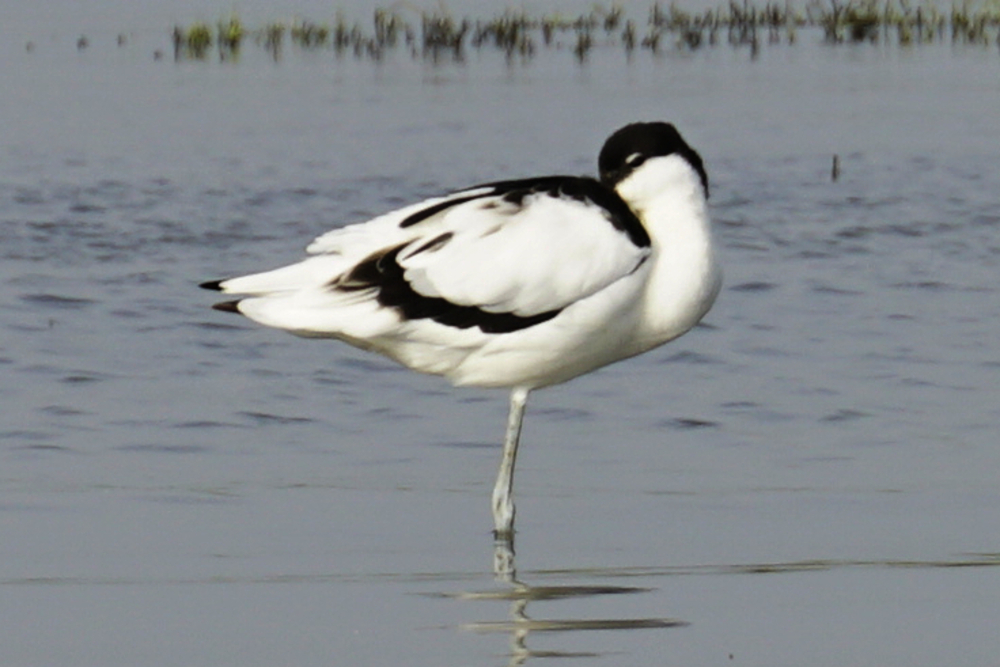
Bhigwan lake waders
Not only did I not have the right lenses, but my battery started off at less than 1% power. Not my proudest moment. Here’s what I got anyway.
Some photos of the amazing structures and sculptures at Lohagadh Fort and at Bhaje caves.
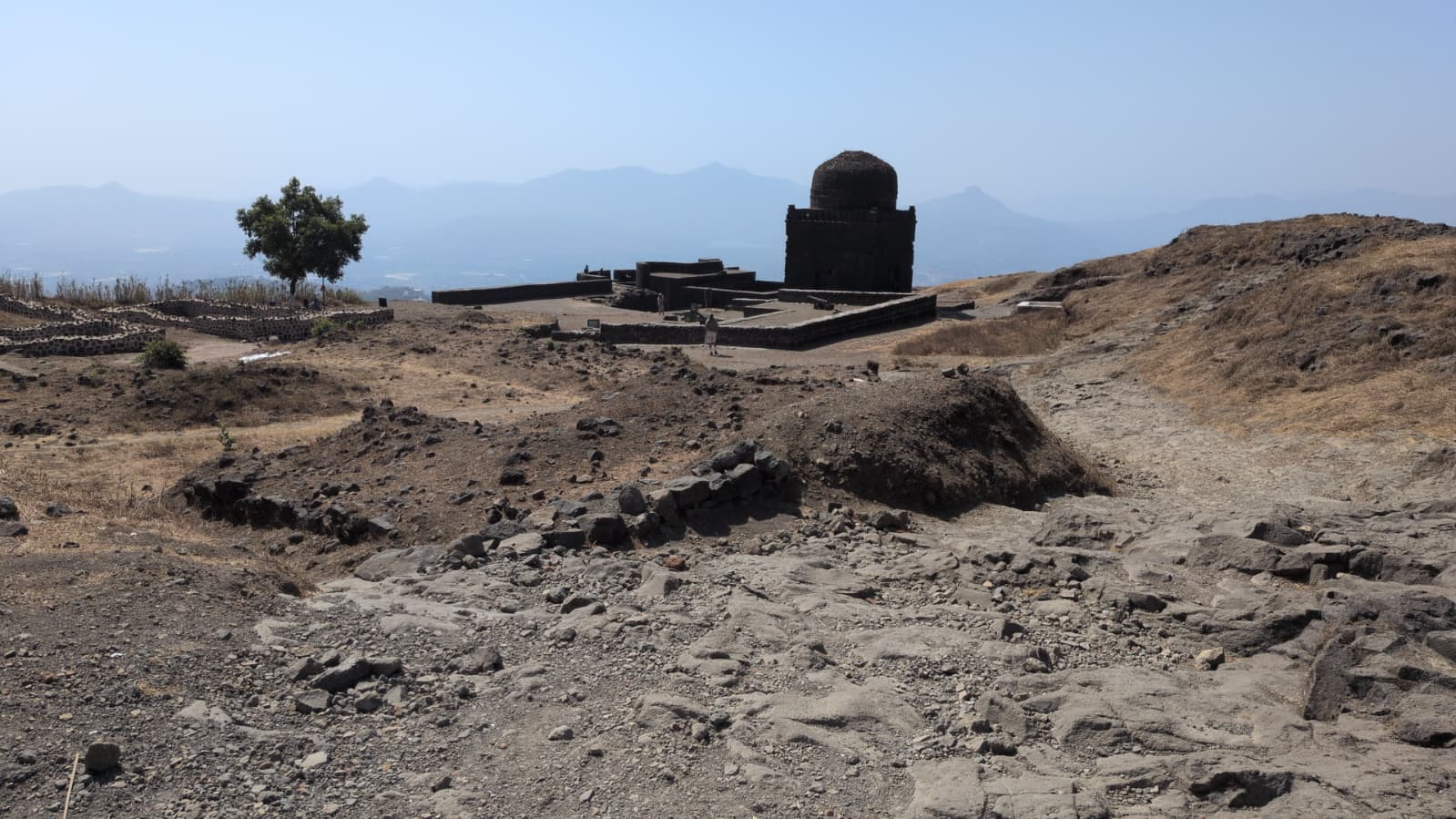
First, Lohagadh Fort
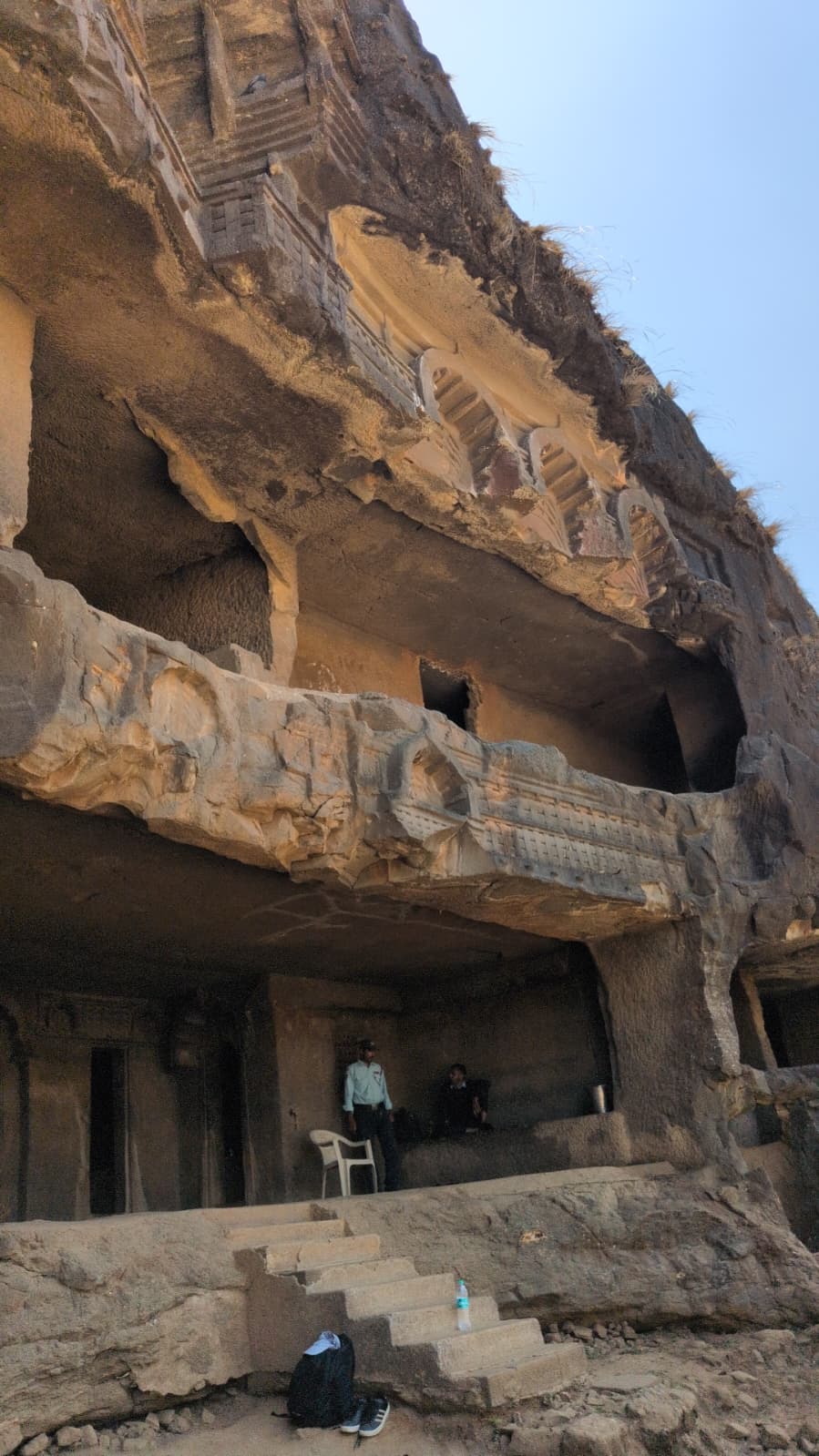
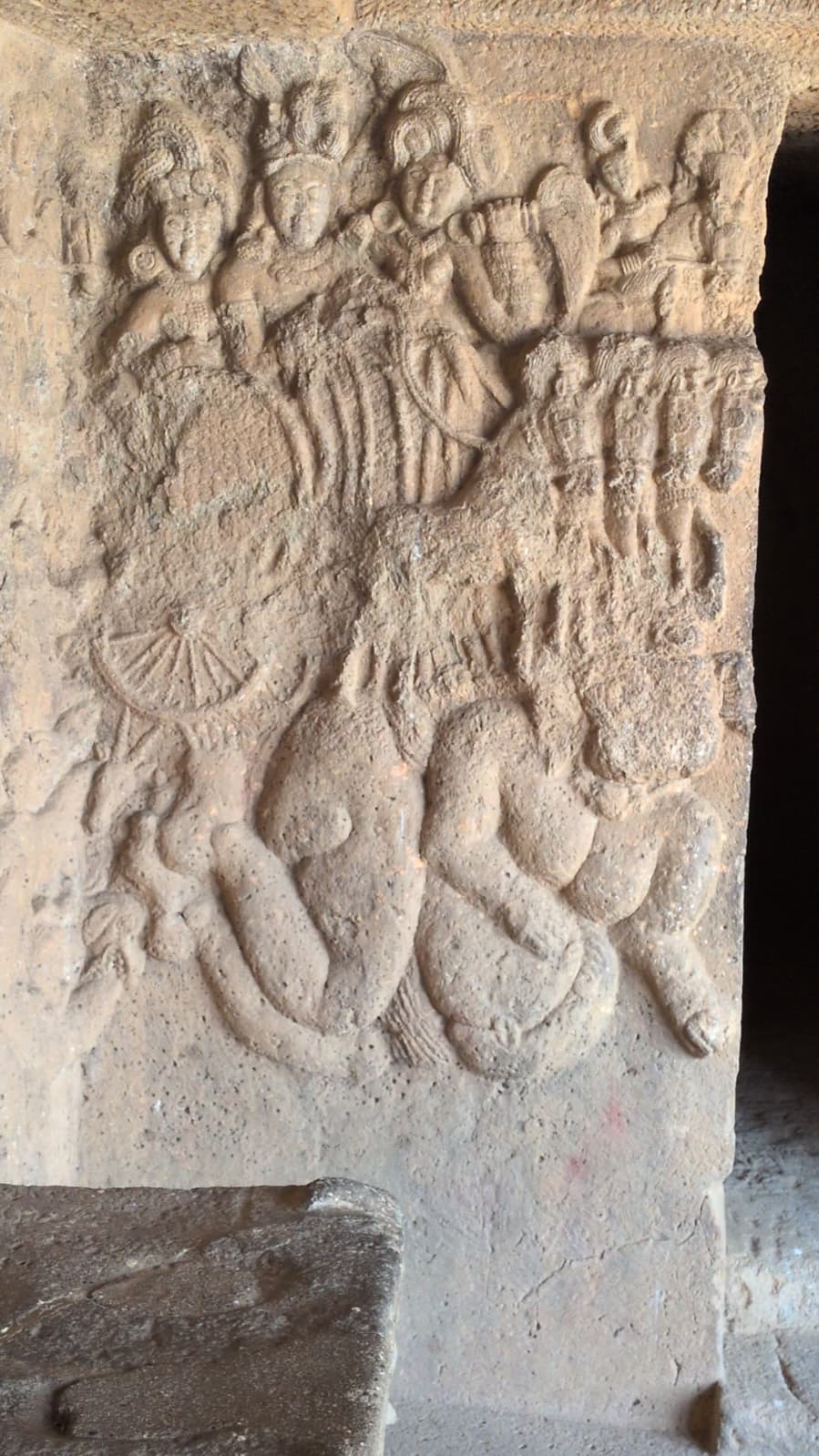
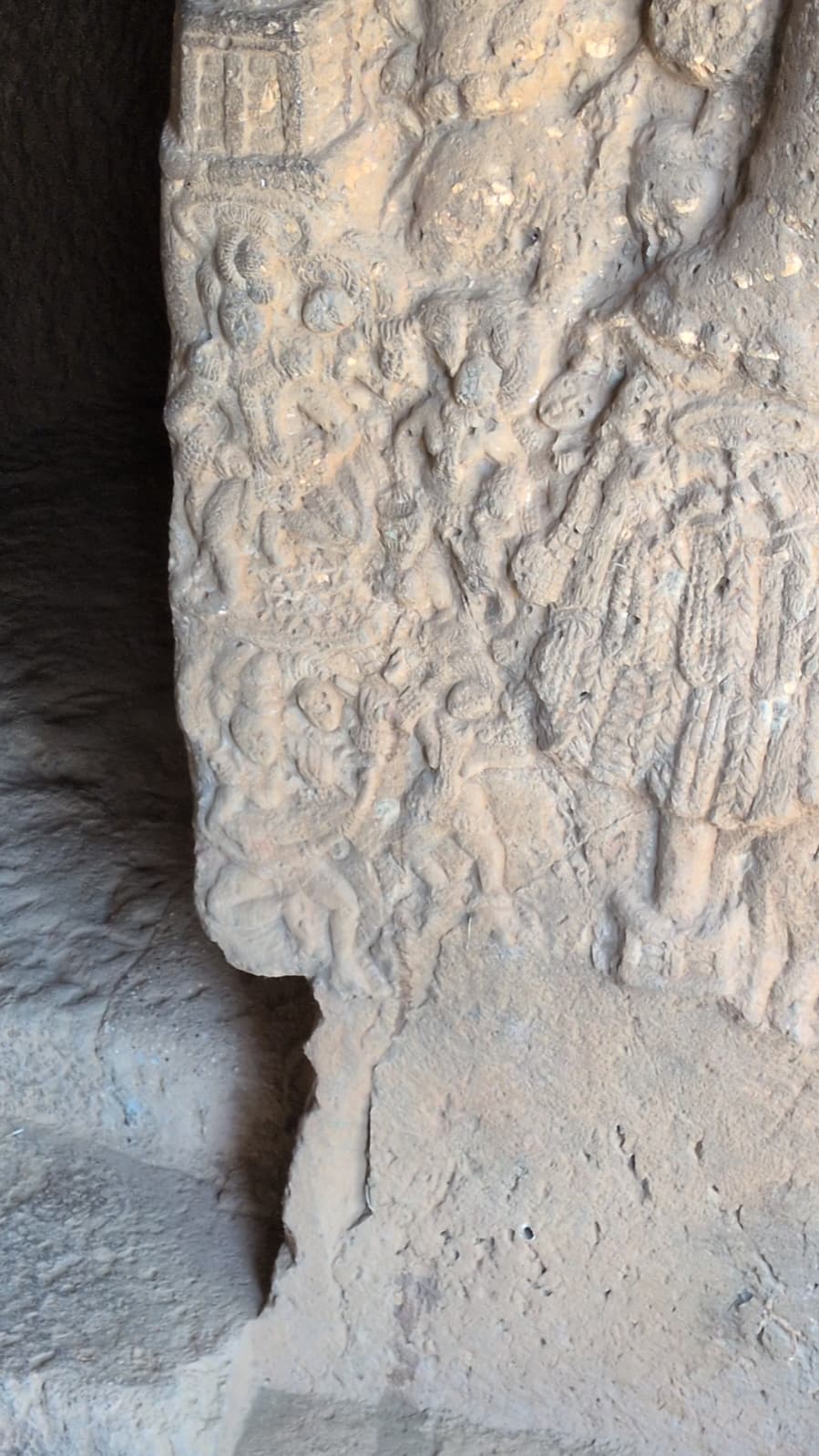
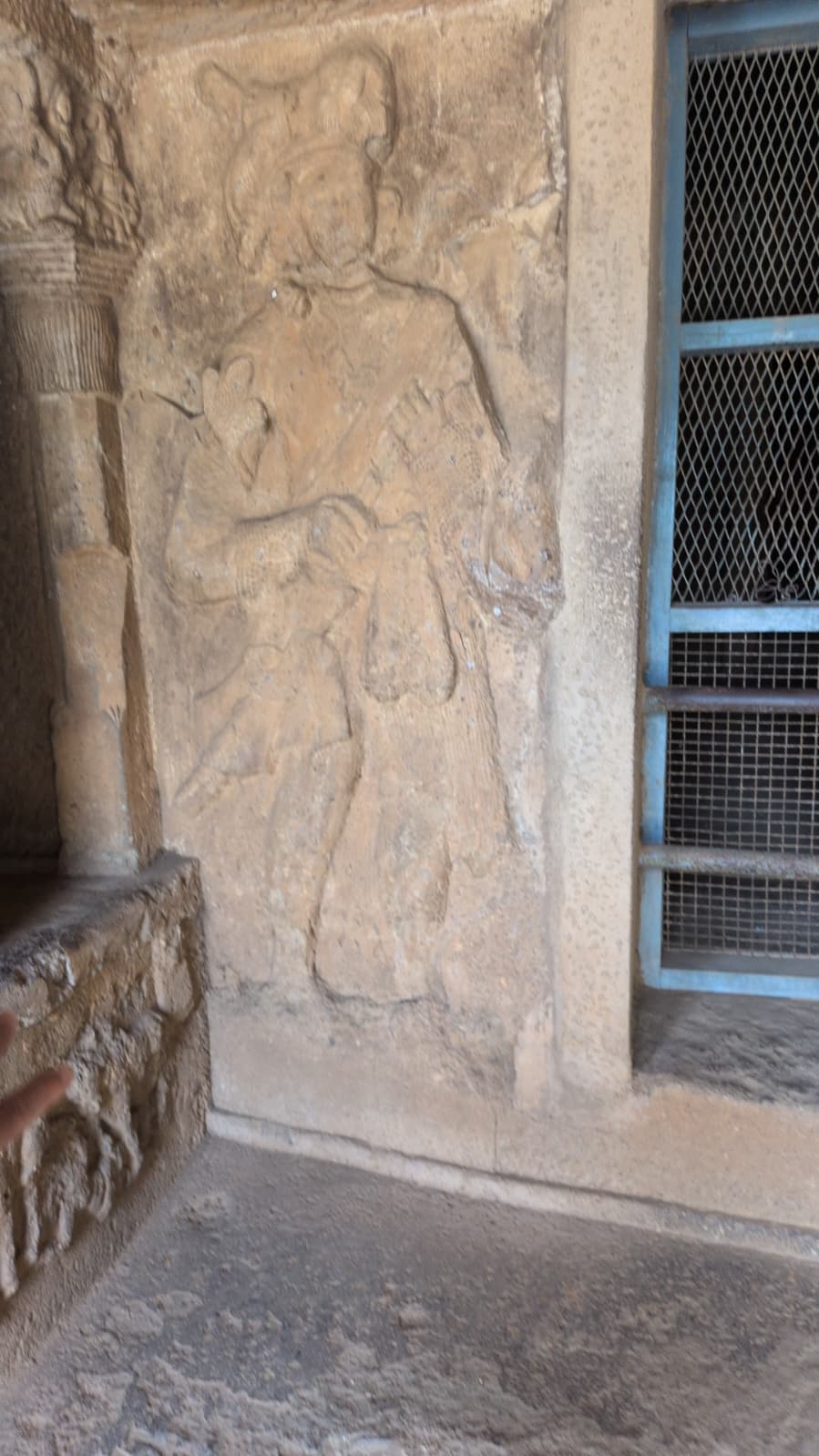
Bhaje caves. A few centuries BCE, perhaps. Fascinating stupas and Buddhist/Hindu/Greek/Babylonian (!!!) imagery
A chariot riding over a yaksha/rakshasa
An elephant.
This was mentioned as illustrative of very early use of the tabla, back to BCE. However, I heard that the tabla was a much later invention (~ 1000 AD?). Someone mentioned that there was something similar to a veena too.
This was explained as a carving of the Greek (Gandharan?) Buddhist king who sponsored the construction of these caves financially.
outside view of the caves
Seen but not photographed: a representation of a centaur (!), which comes from Greek mythology, and a griffon (!!!) which comes from Babylonian/Persian/Assyrian iconography, I think.