




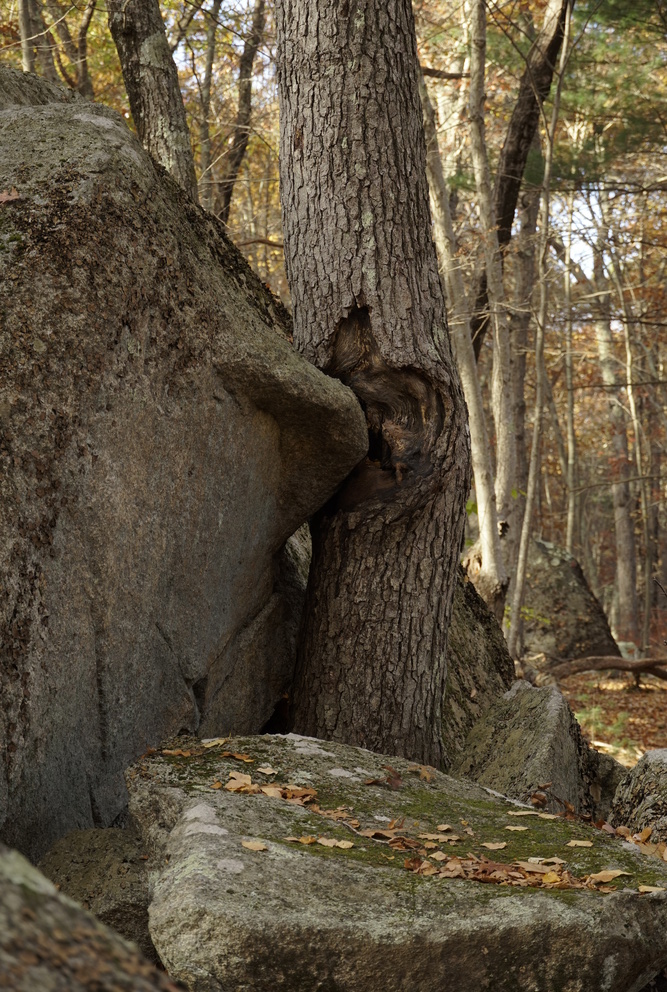
First time here


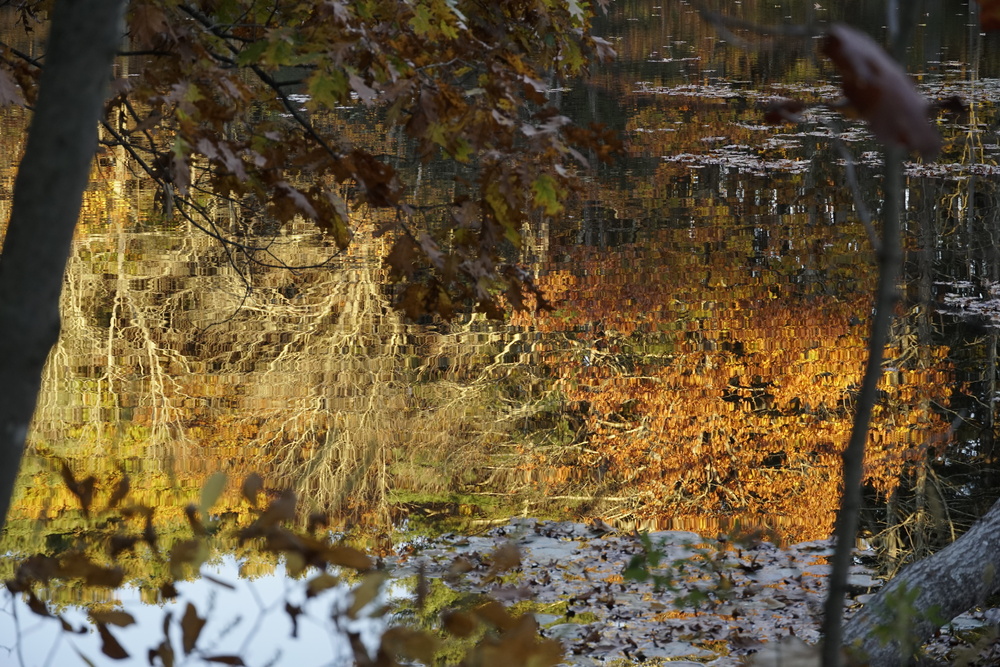


(A nicer name than King Philip’s Cave, I think)













First, a pupa from a fledgling
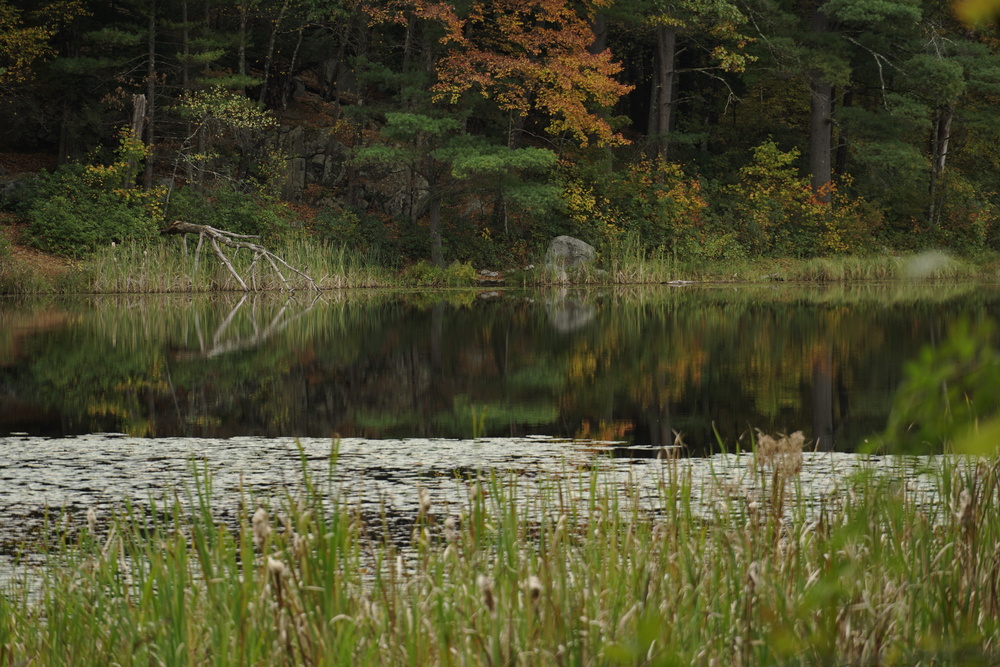
An autumn day, after a two day downpour.


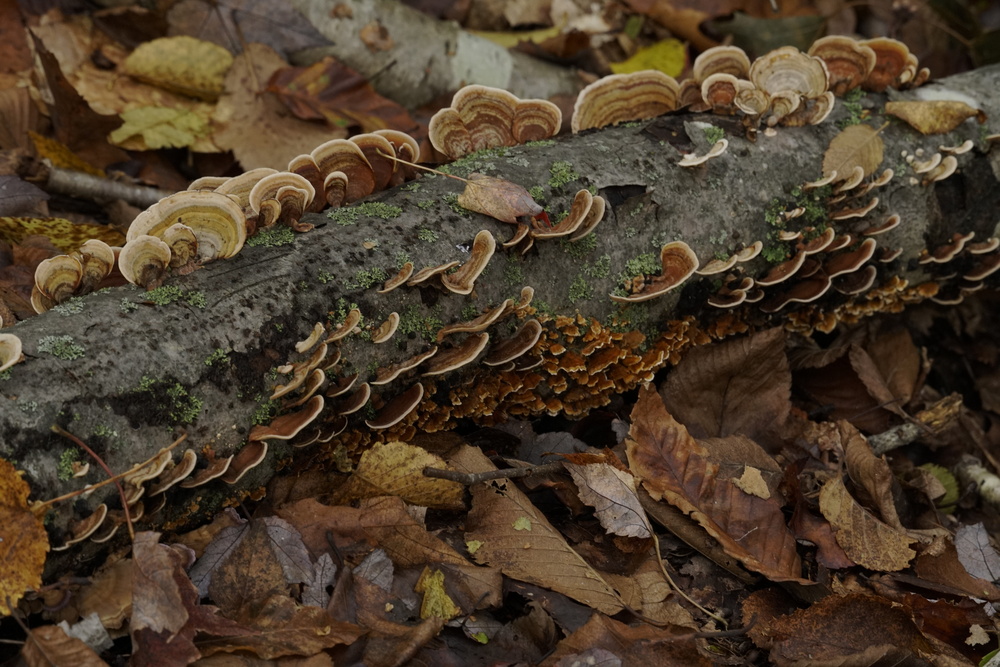


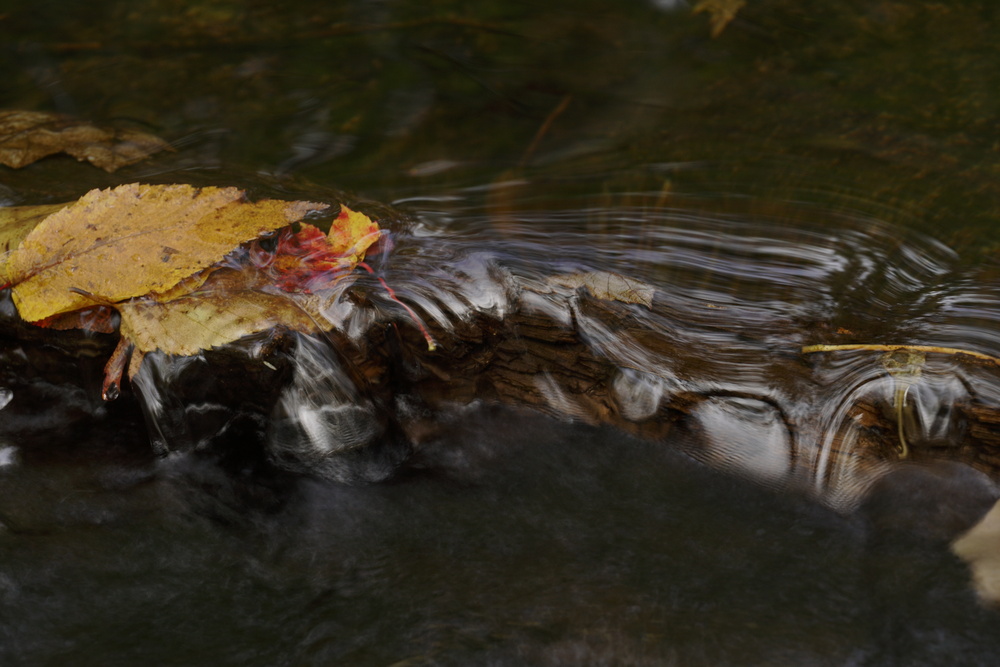


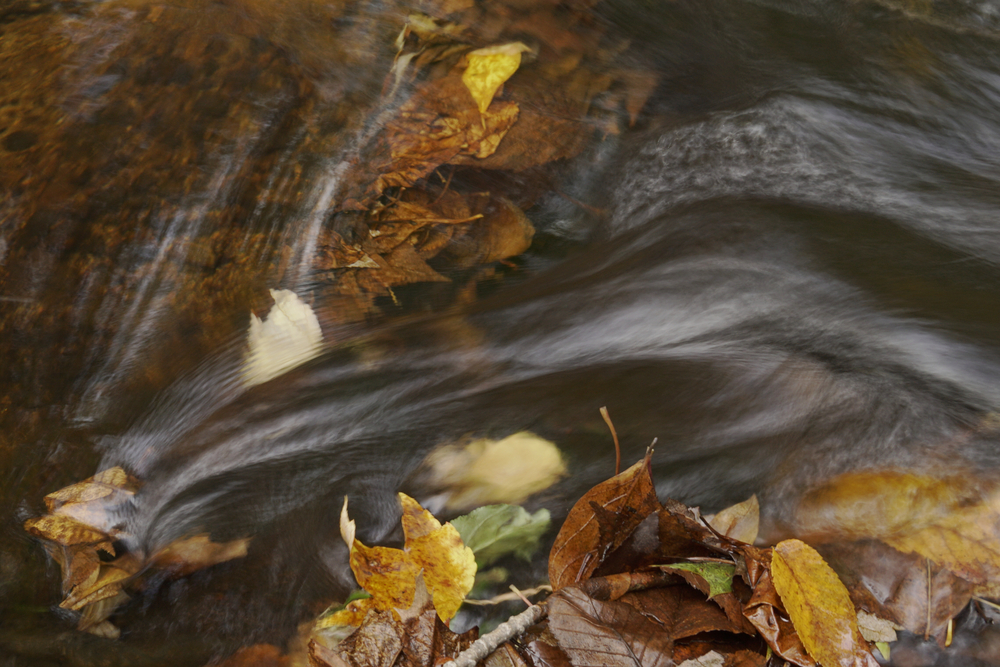

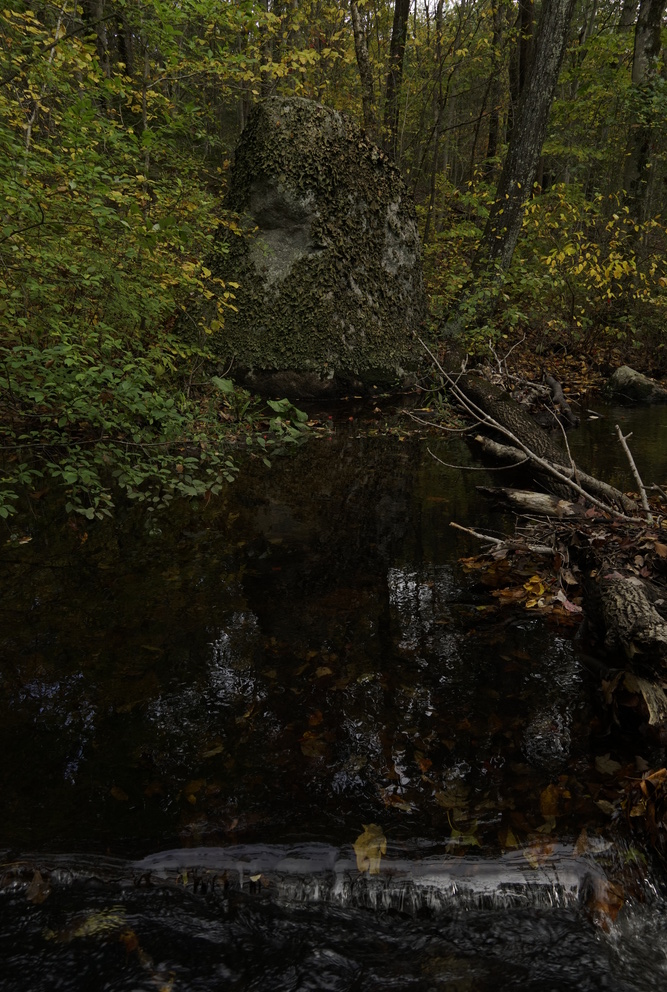
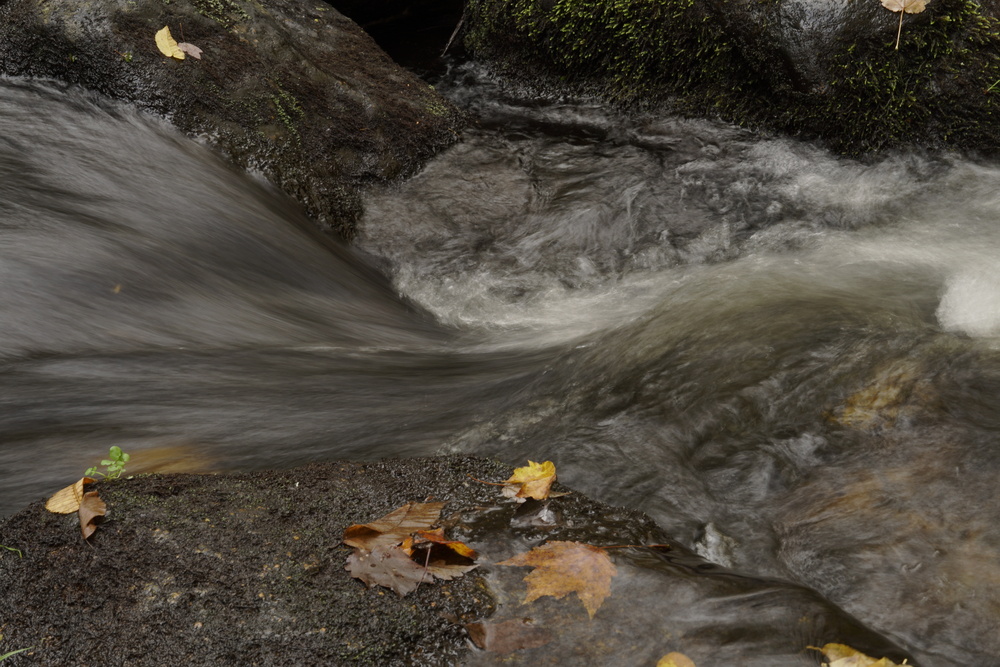
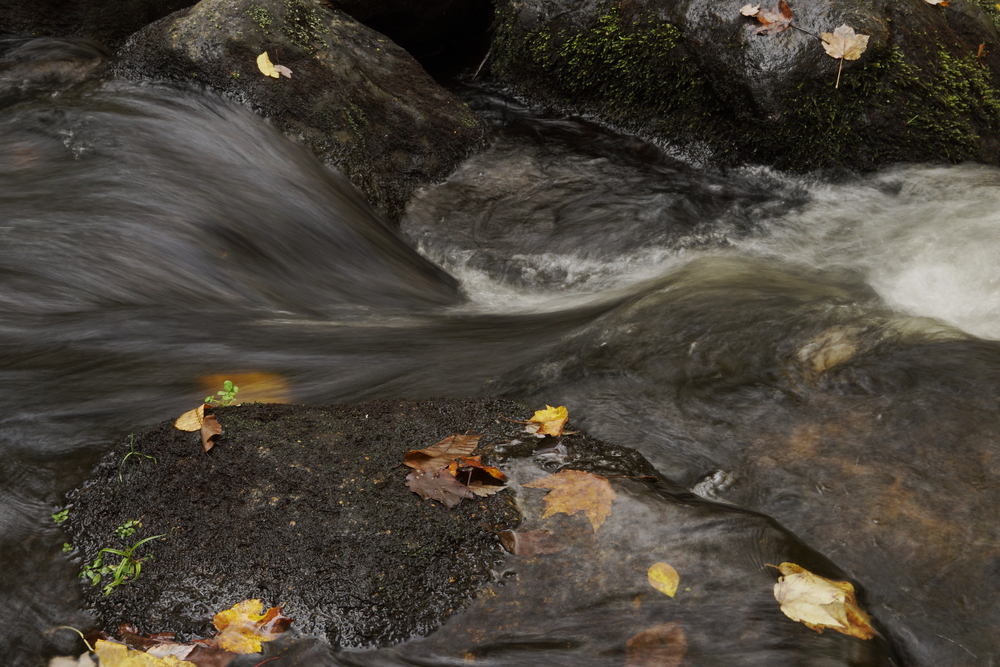
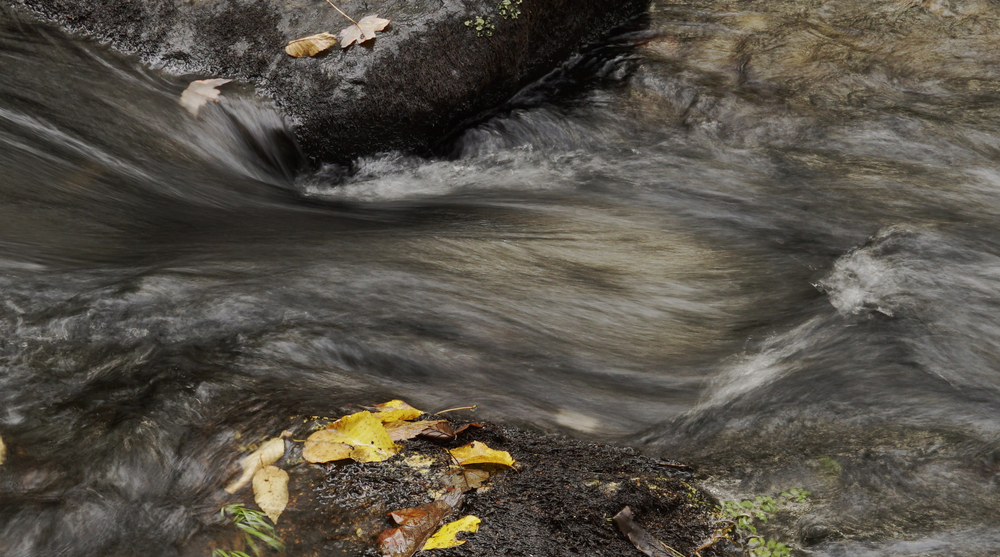
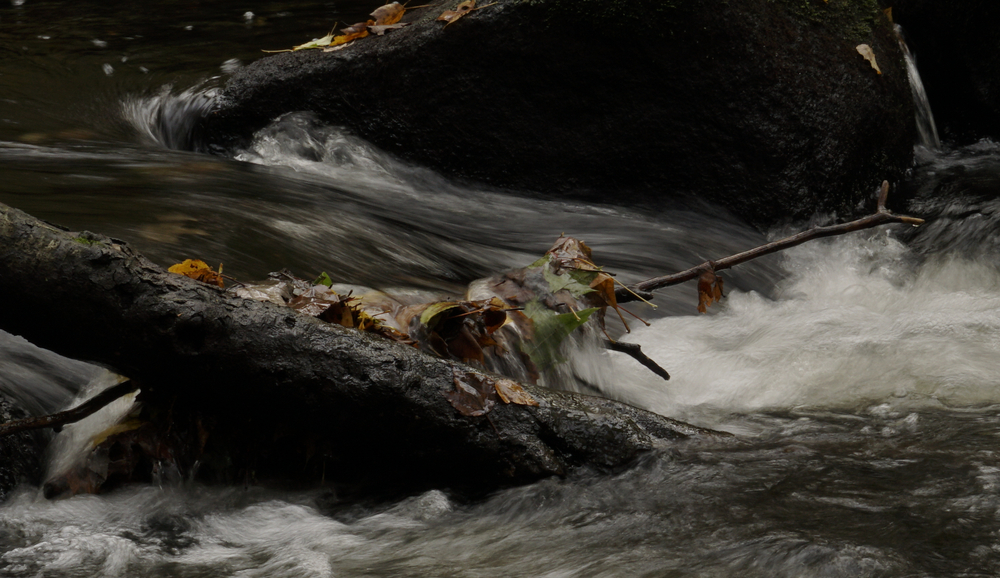
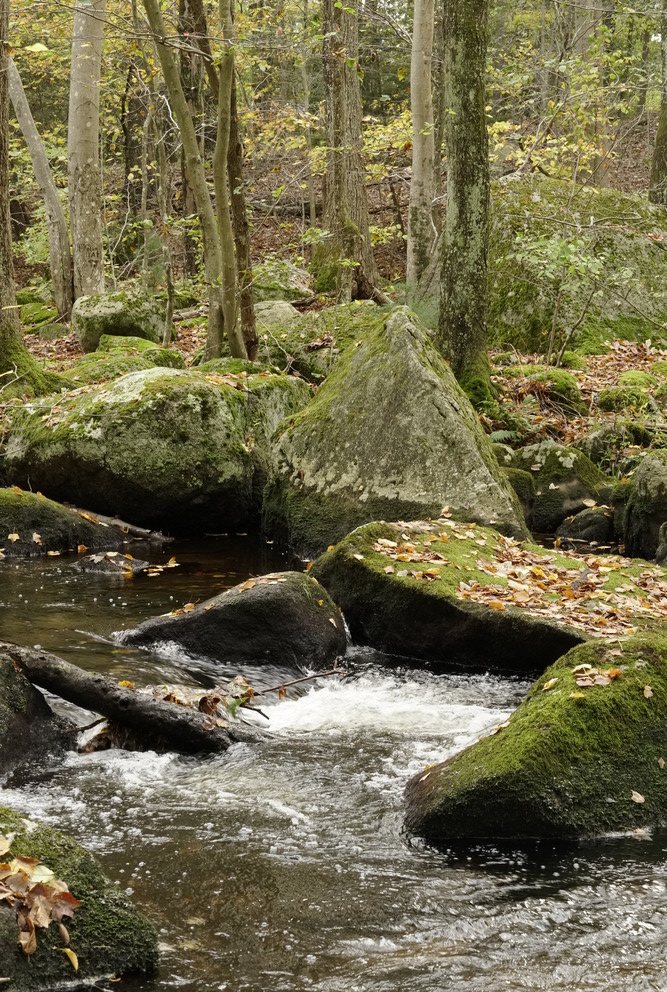

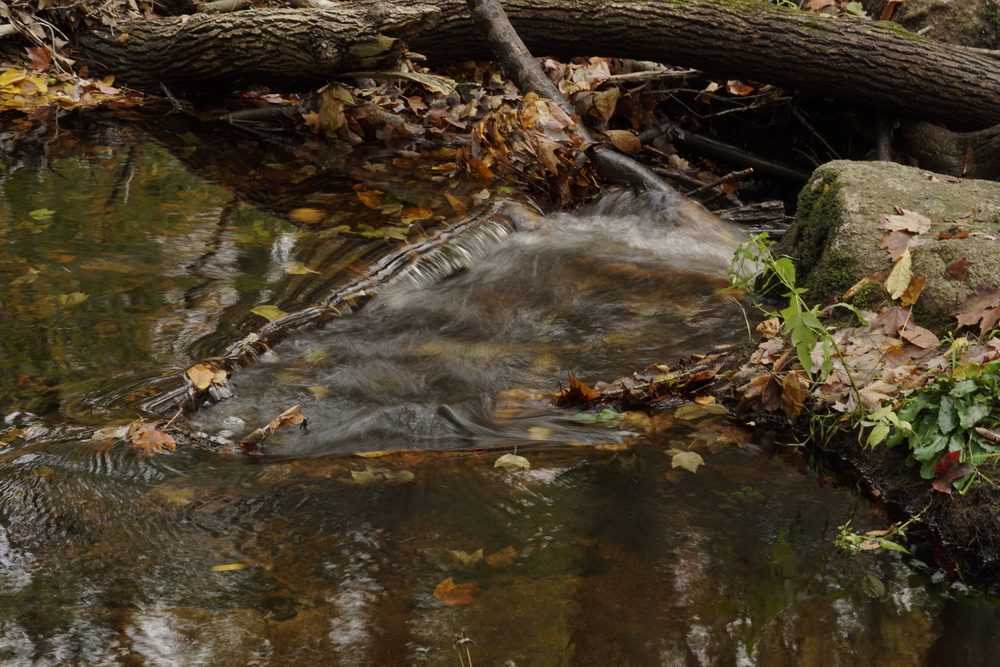
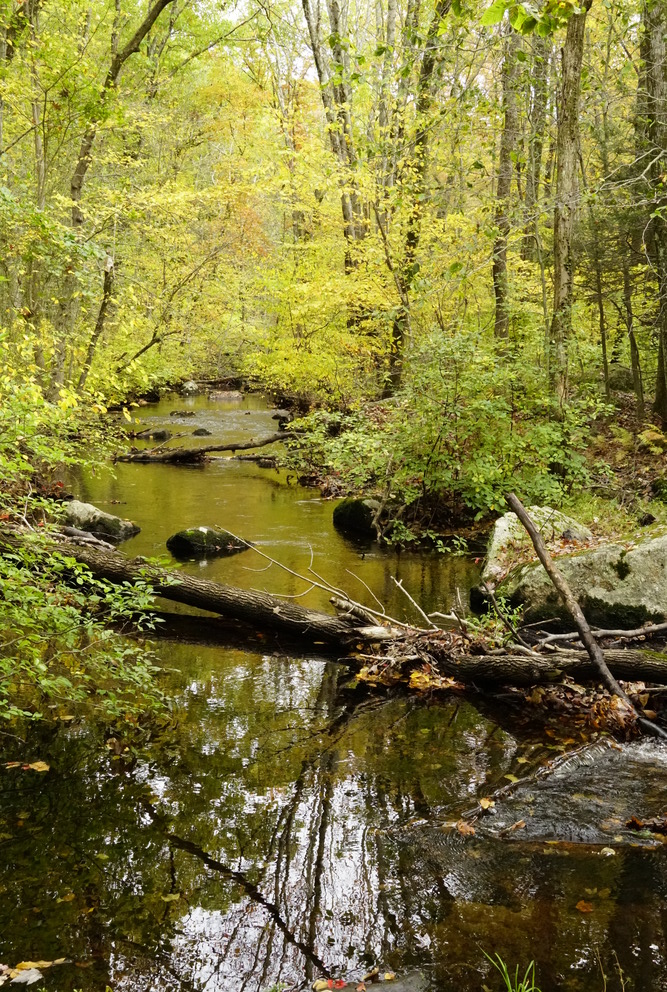


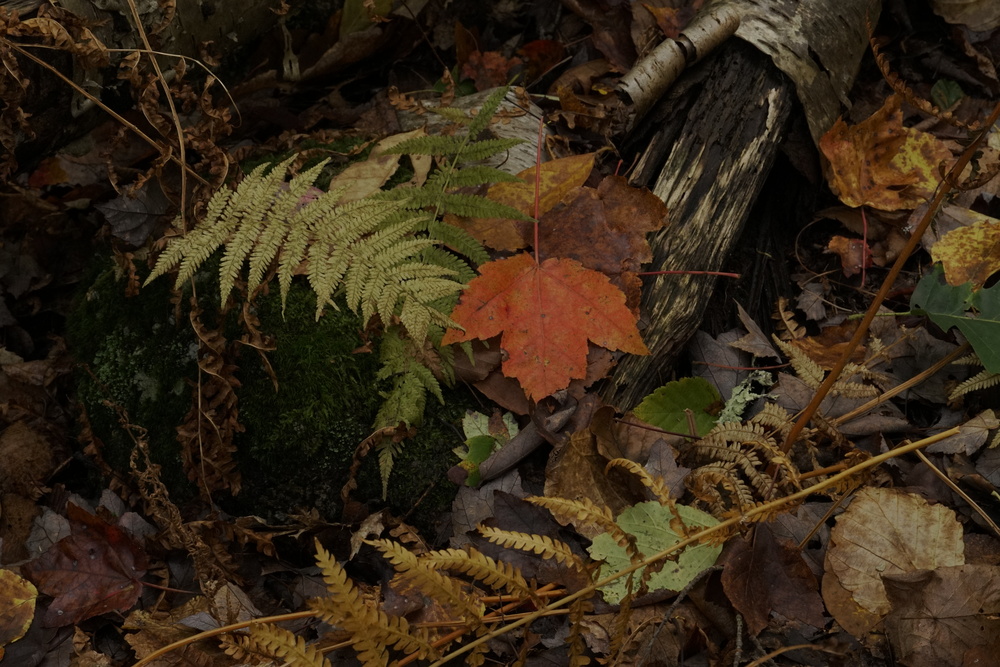


Autumn in Western Massachusetts is always special. Fitzgerald Lake trail: https://www.alltrails.com/trail/us/massachusetts/fitzgerald-lake-trail-and-hillside-trail-loop


Vespula cf flavipilosa

A crime scene:




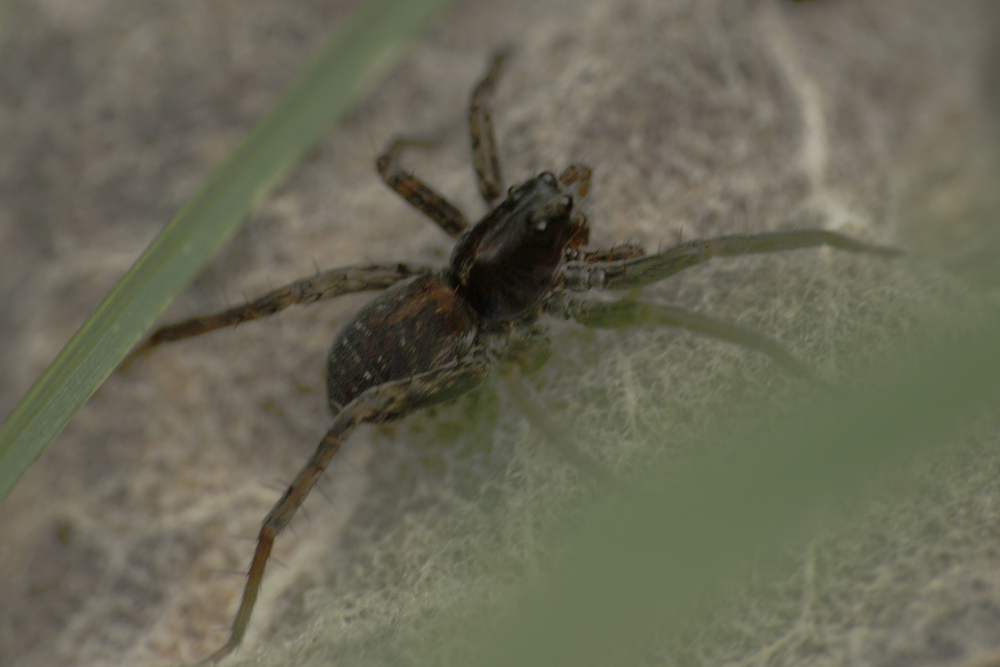
Pardosa in Lycosidae?


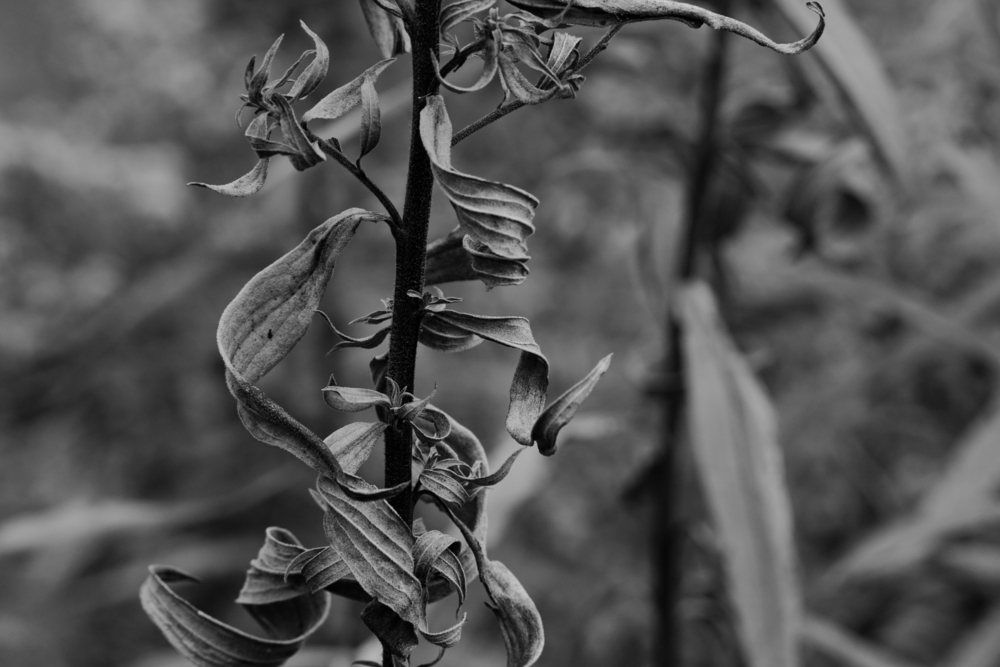
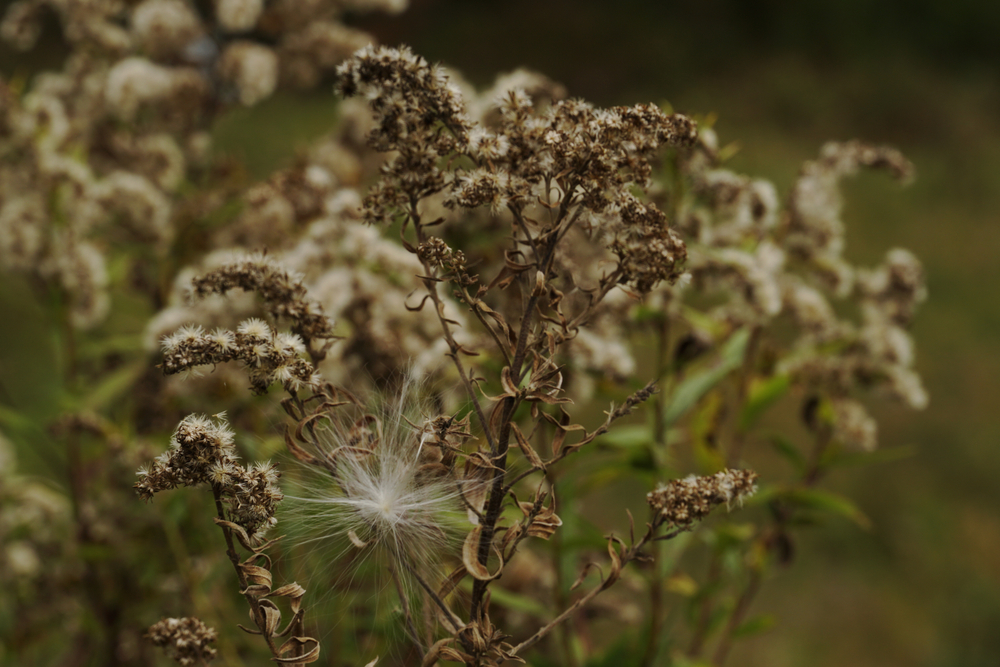
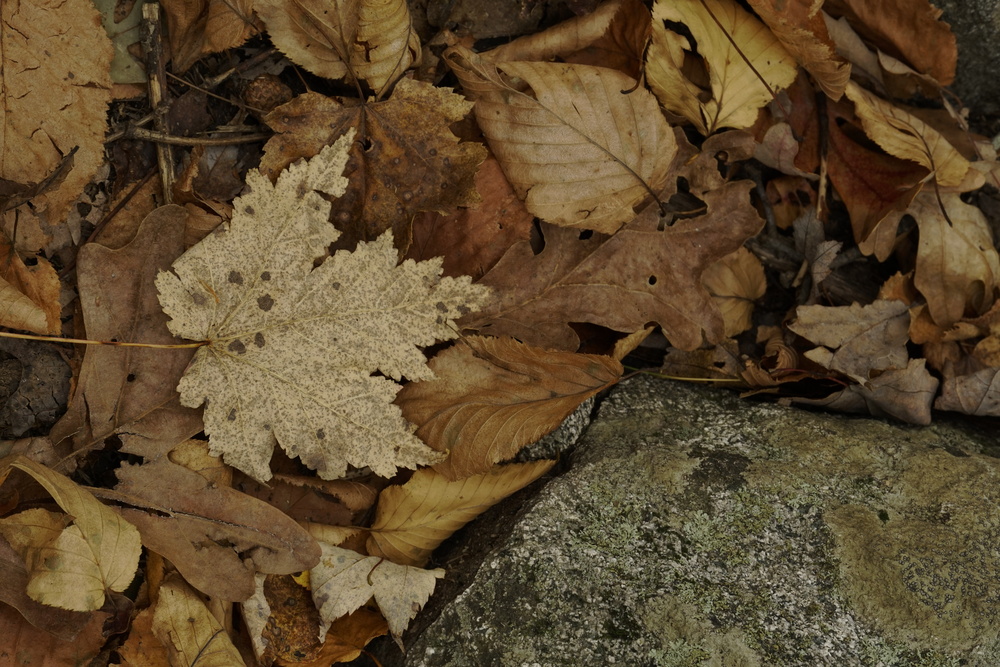
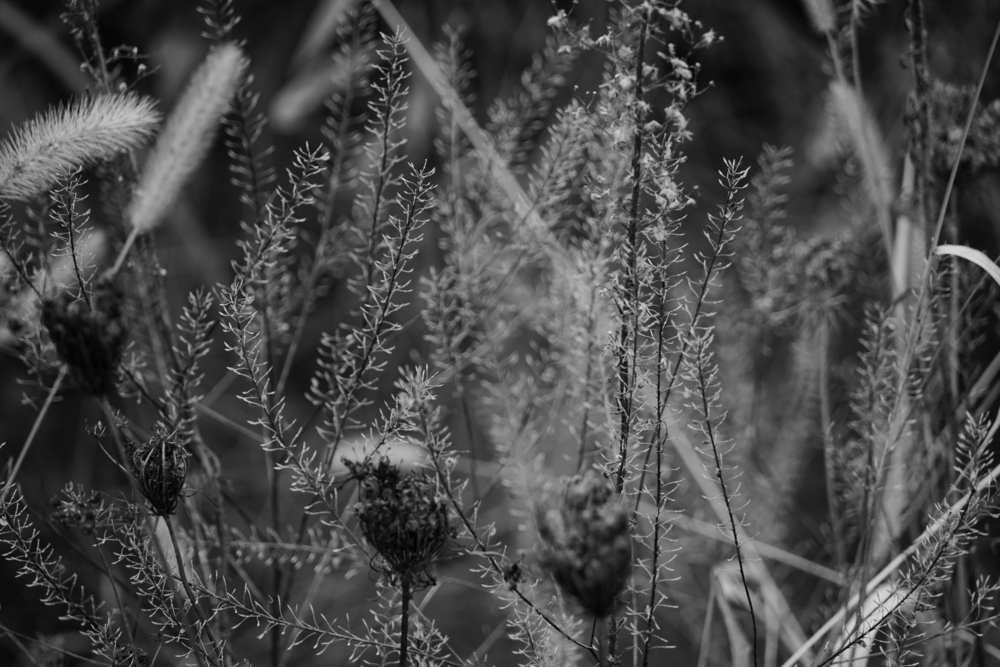
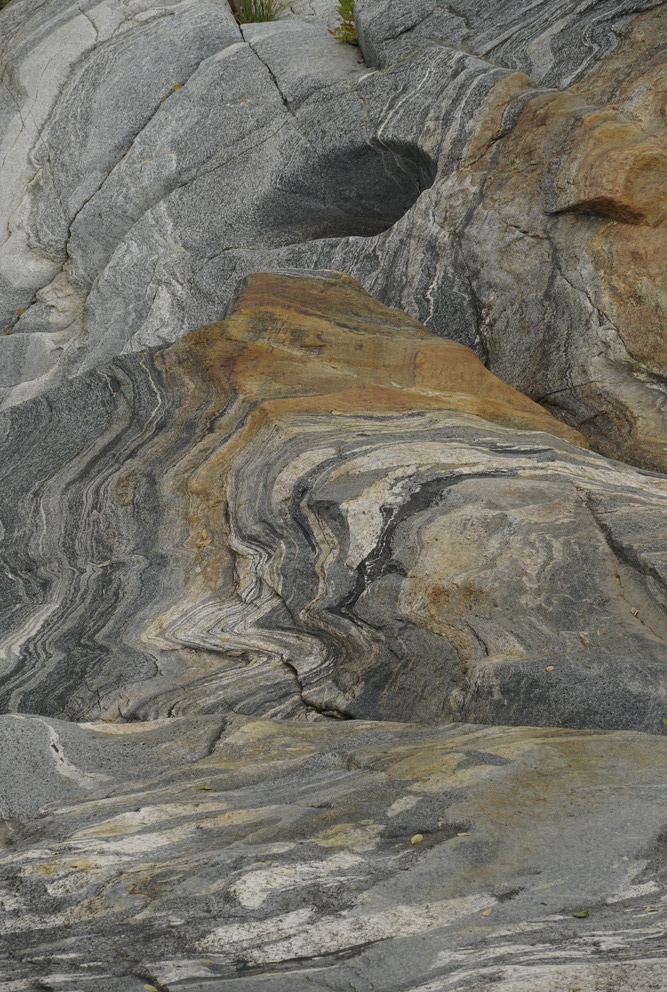
fall abstract:


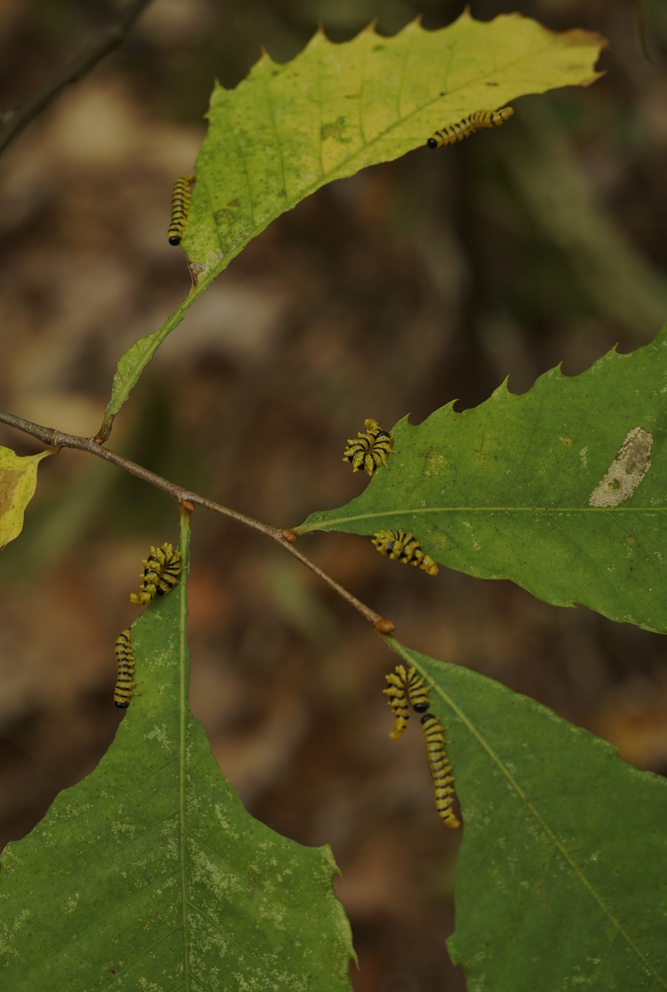
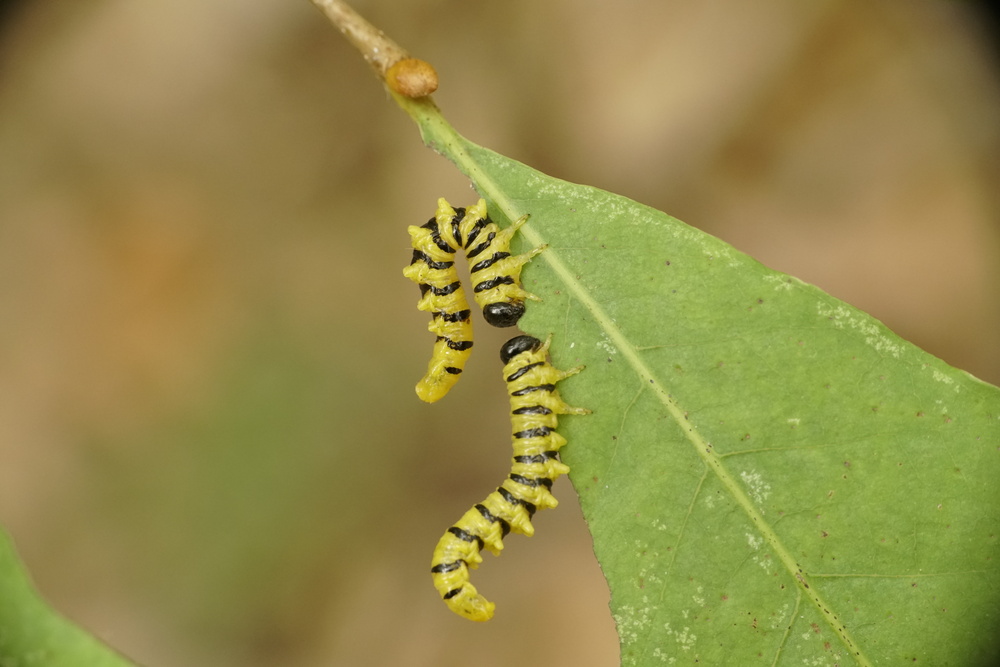
Nematus latitarsus, aka Dusky birch sawfly. Note six pairs of prolegs.
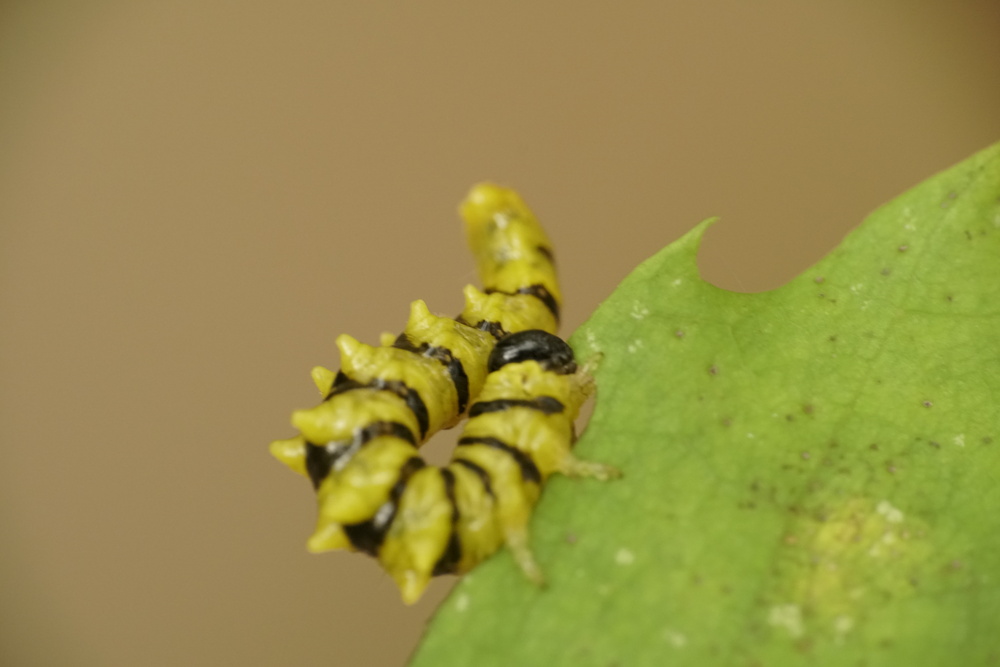
Cute!


Argiope



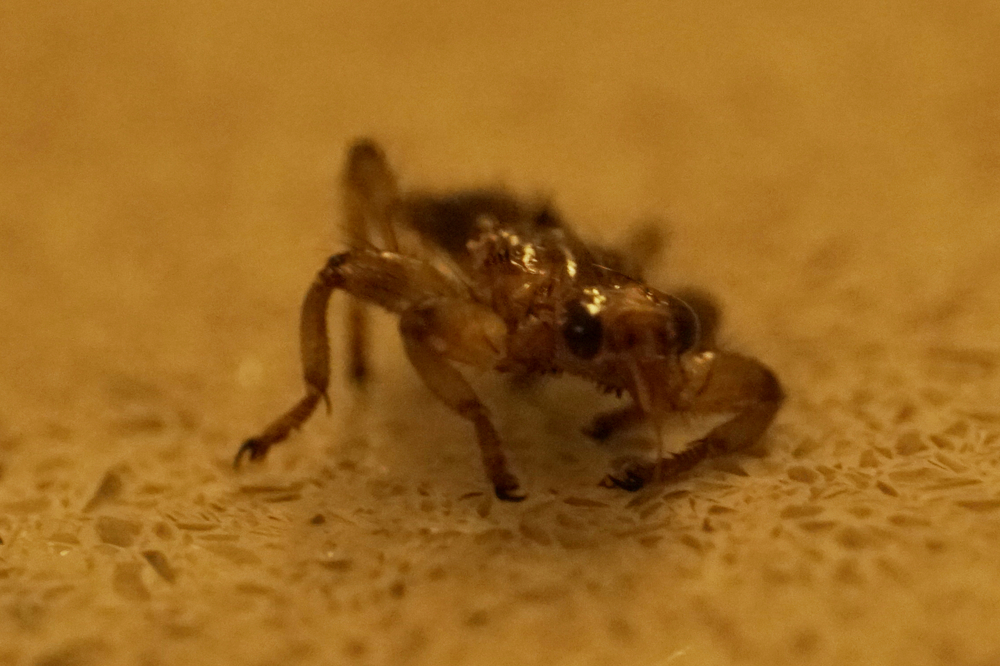
Another Hippoboscidae, Lipoptena cervi?



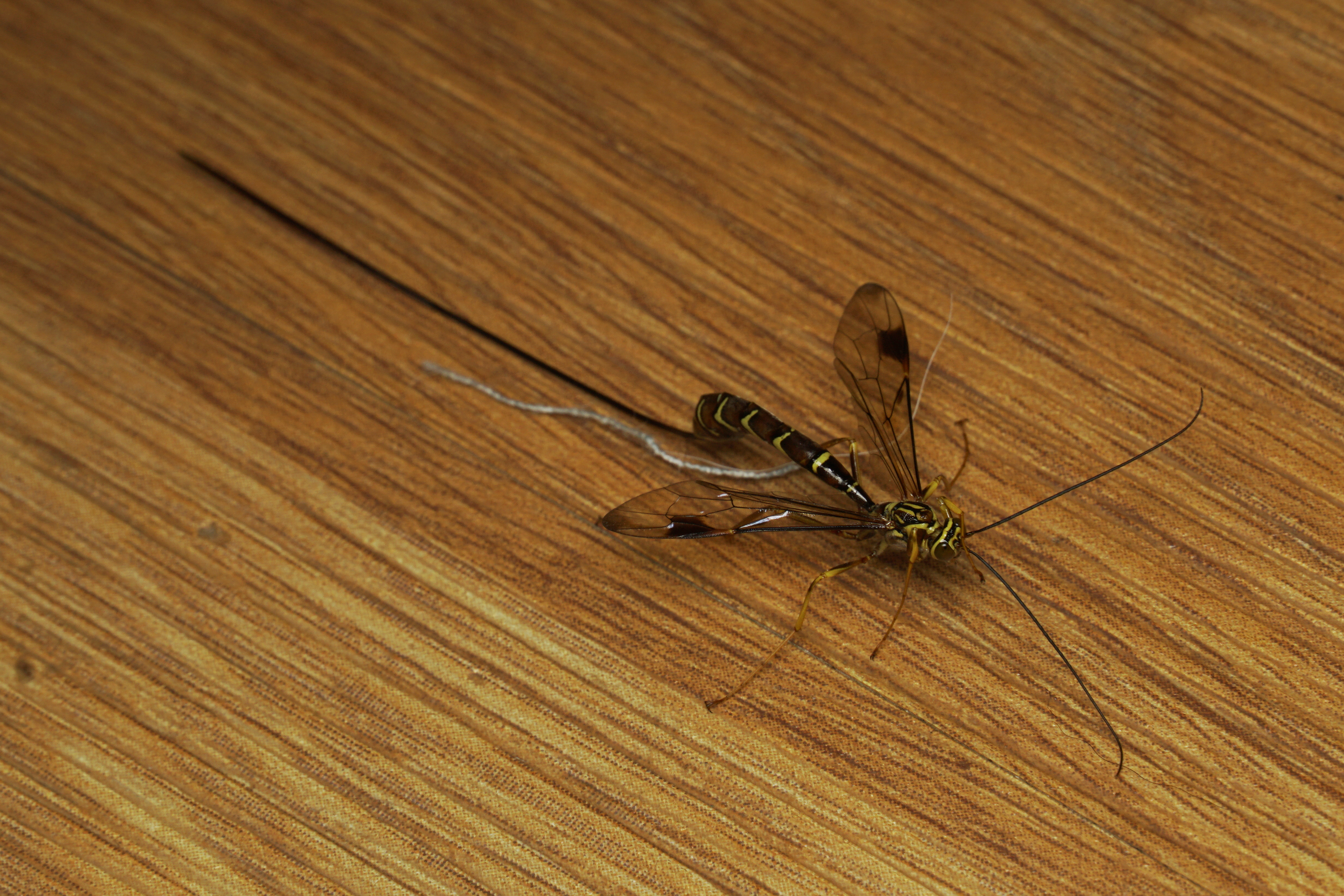
I’ve been searching for a Megarhyssa (Giant Ichneumonid Wasp) in Sharon for decades without success (found one in New Brunswick, Canada, though). Weirdly enough, I find one in my basement lying on the floor. I have no idea how she got in, or why, but I appreciate her cooperation.
This wasp has superpowers. She is able to detect pigeon horntail larvae living deep within hardwood tree trunks, using her powers of smell and hearing. Her ovipositor is reinforced with metal (*), manganese and zinc, making her bionic, literally. This adds to the strength of the ovipositor, to the point where she can break the laws of physics: https://www.science.org/doi/10.1126/sciadv.adi8284:
The parasitic female Megarhyssa has a hair-like ovipositor capable of withstanding a penetration force 10 times greater than Euler’s critical force, using a reciprocating penetration method.
(*) the metal in the ovipositor is actually in the form of protein-metal ion complexes. Let’s still call them bionic, okay?
Then they are somehow able to drill with their ovipositors to maneuver their way to lay their eggs on the larva of the horntail, without being able to see where it’s going.
So — nothing but appreciation for this mighty lady!
https://en.wikipedia.org/wiki/Hippoboscidae
Perhaps Lipoptena genus
Hippoboscidae flies aka louse flies aka keds are fascinating flies that live as blood parasites of birds and mammals.
My wife was nice enough to collect it, even if she didn’t do it willingly :-).


