Temperatures in the range of 39-40 Celsius (102-104 Fahrenheit). There hasn’t really been much rain for the past few weeks. Yet abundant bug life, somehow. I think the daily watering of the plants may be helping?
Also, a gorgeous Pompilid wasp that seemed green, but wasn’t nice enough to pose for photos :-(. I have to come back to capture that.
Note that I used iNaturalist liberally for identification suggestions, as I’m still learning the Indian bugs.
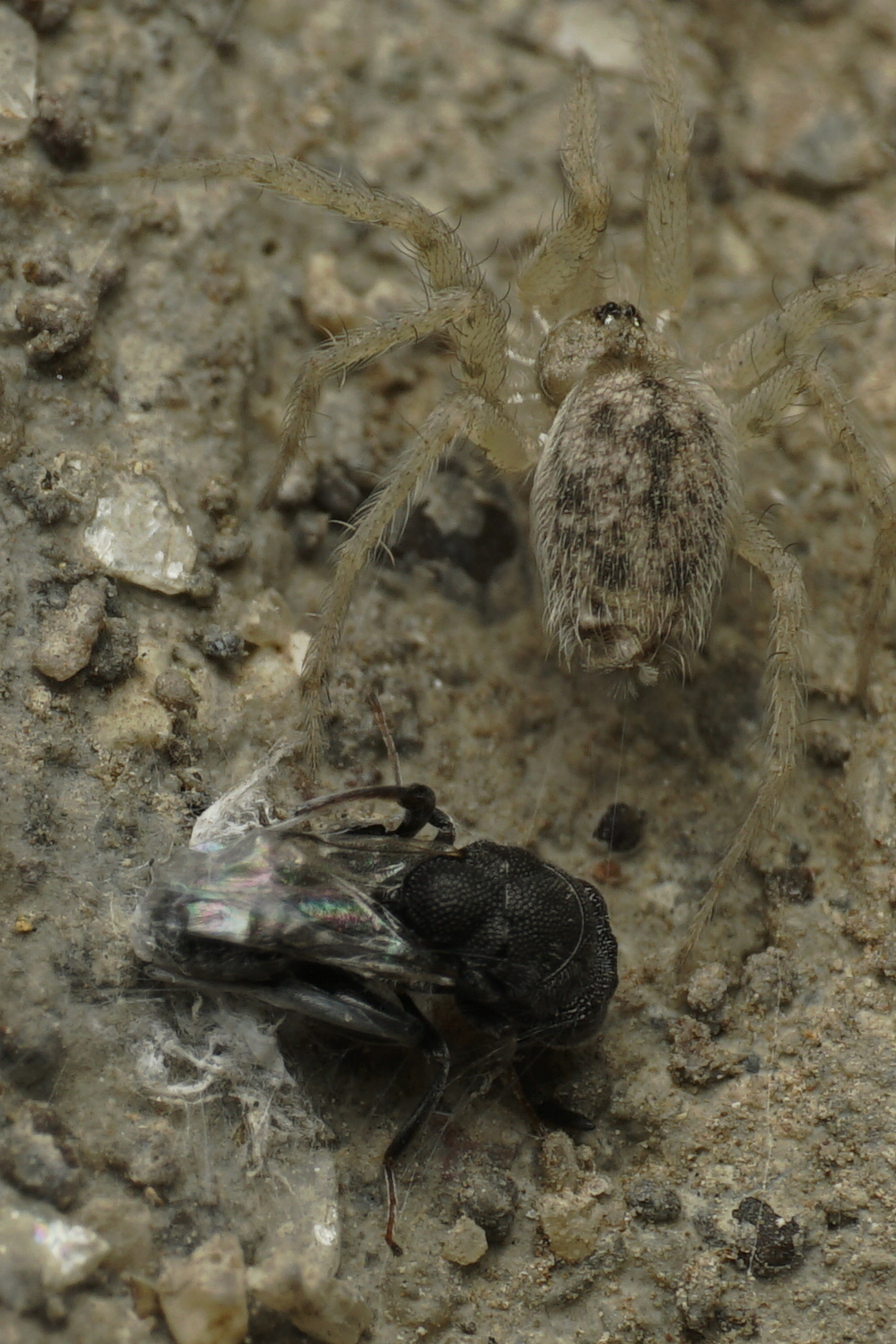
This Oecobiidae spider had captured some prey and was running in circles around it to wrap it in silk. I don’t know what the prey insect is. I could see some Oecobiidae spider webs nearby.
If you look carefully, you can see the strands of silk coming out from the spinnerets on its butt, extending to, and wrapping up, the prey.
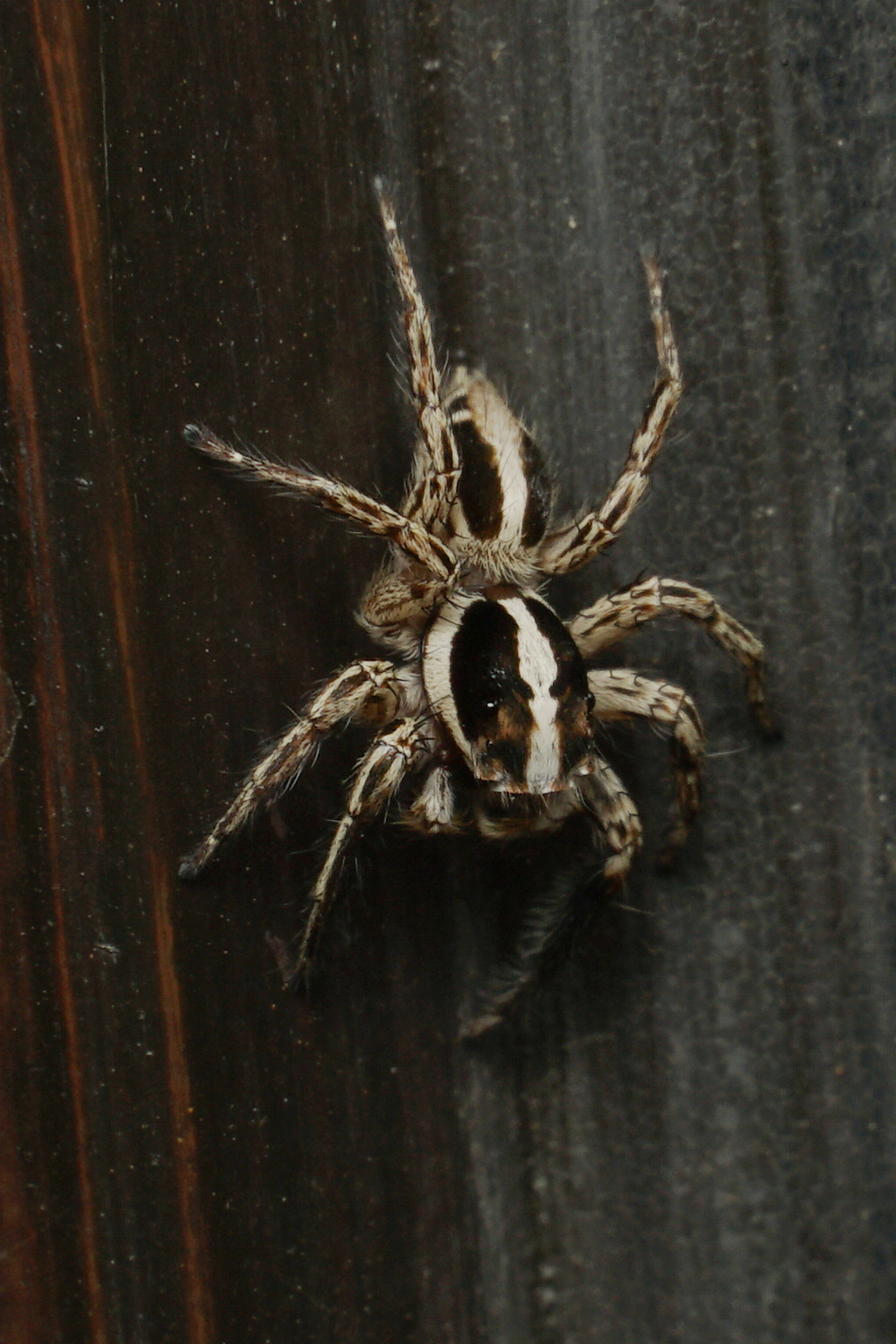
Plexippus cf paykulli. I understand this coloration is the females.
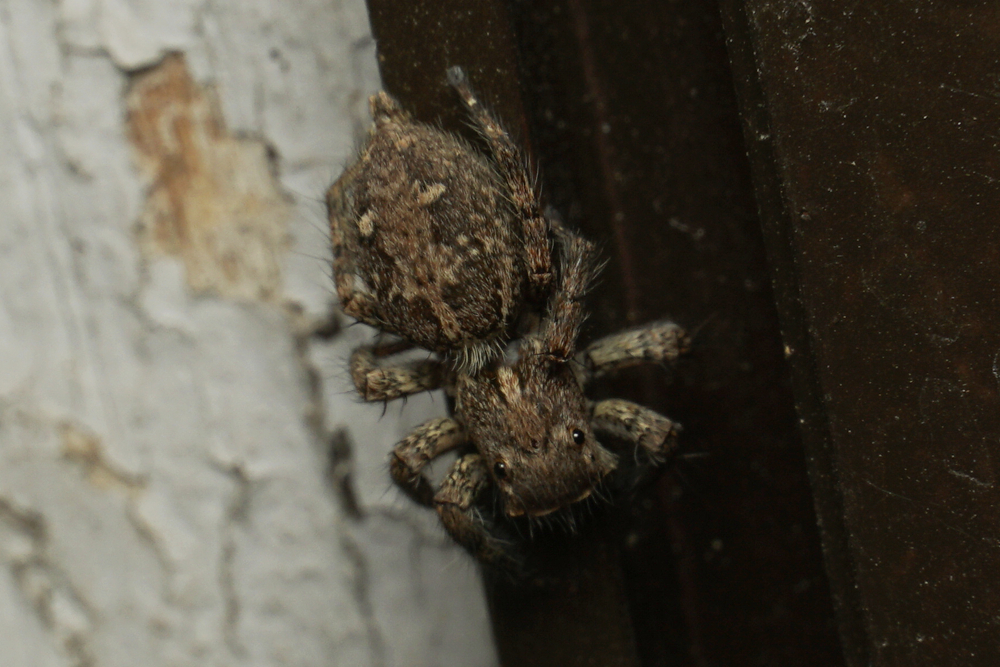
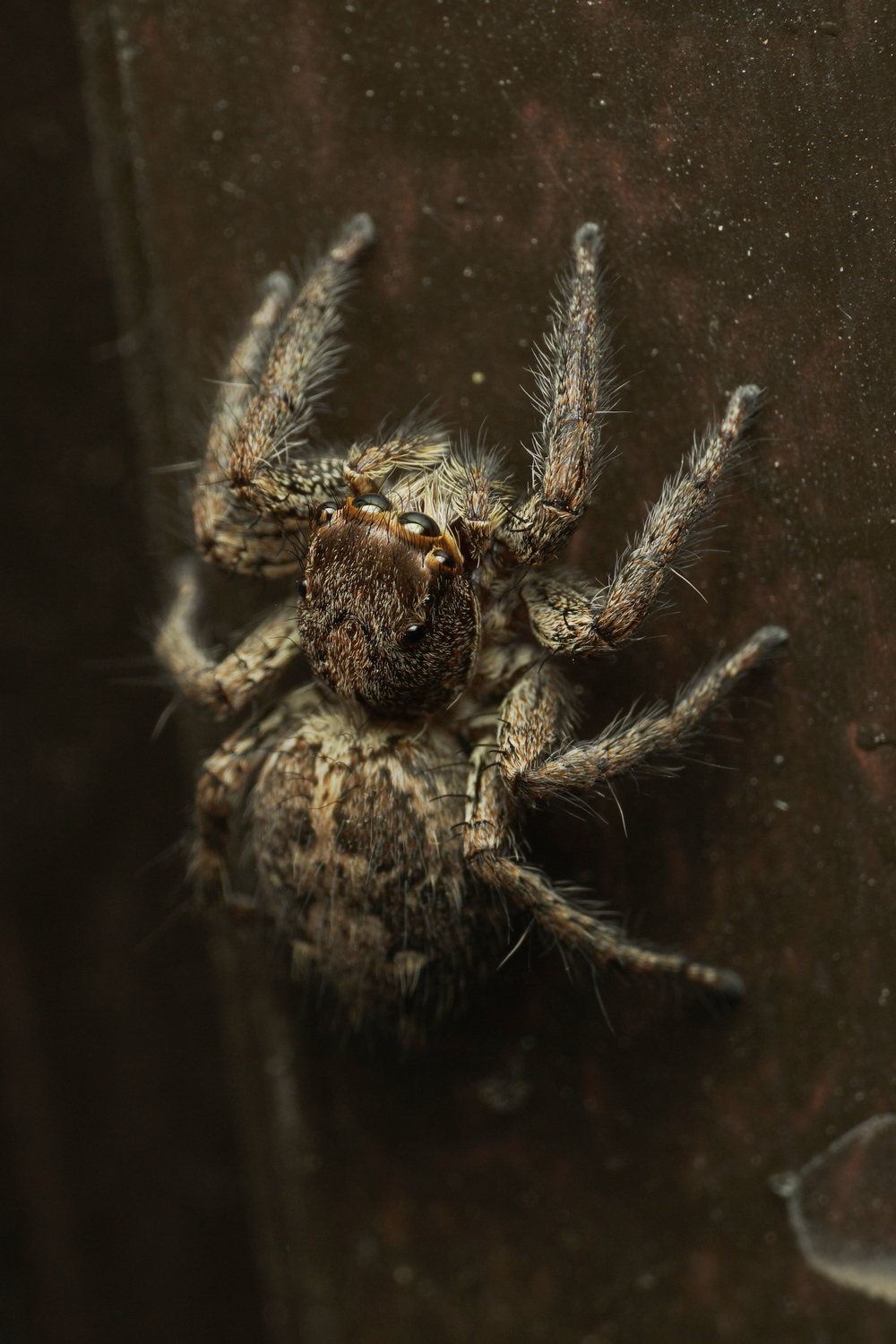
while here is the male
Anthomyia, perhaps:
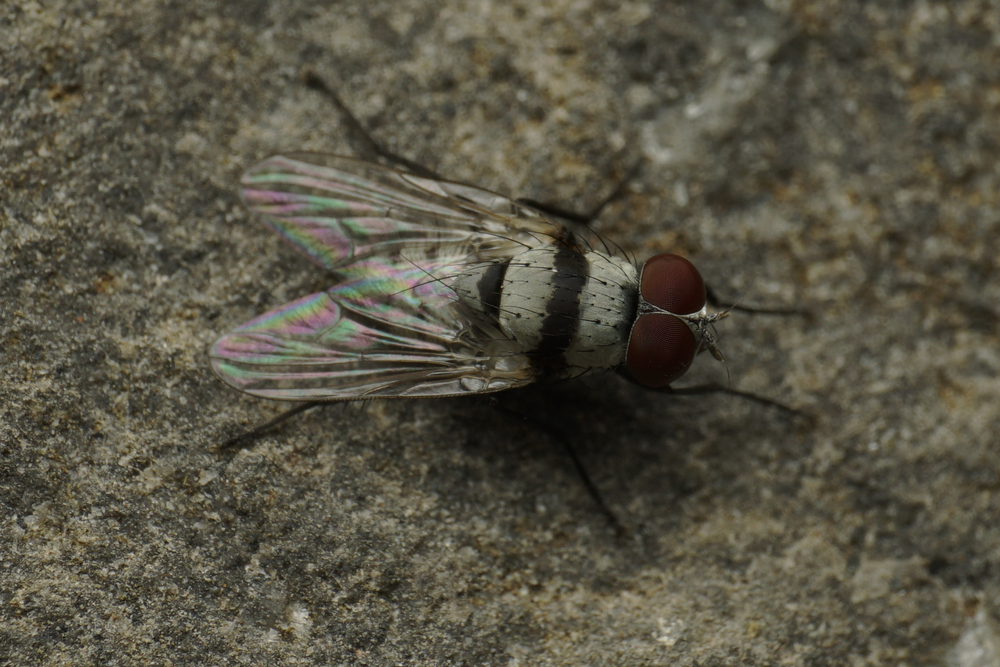
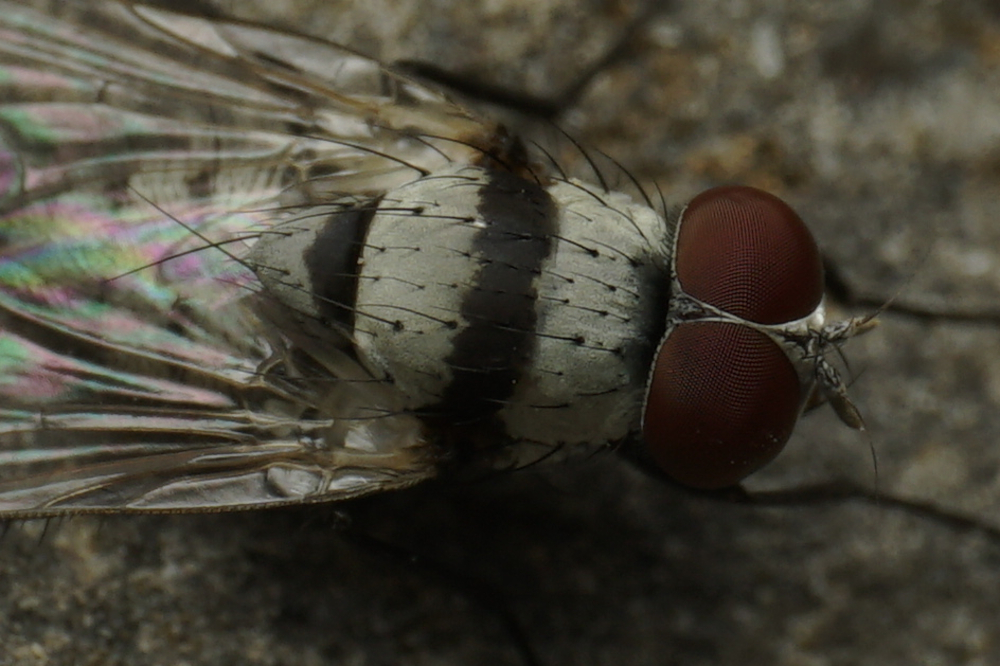
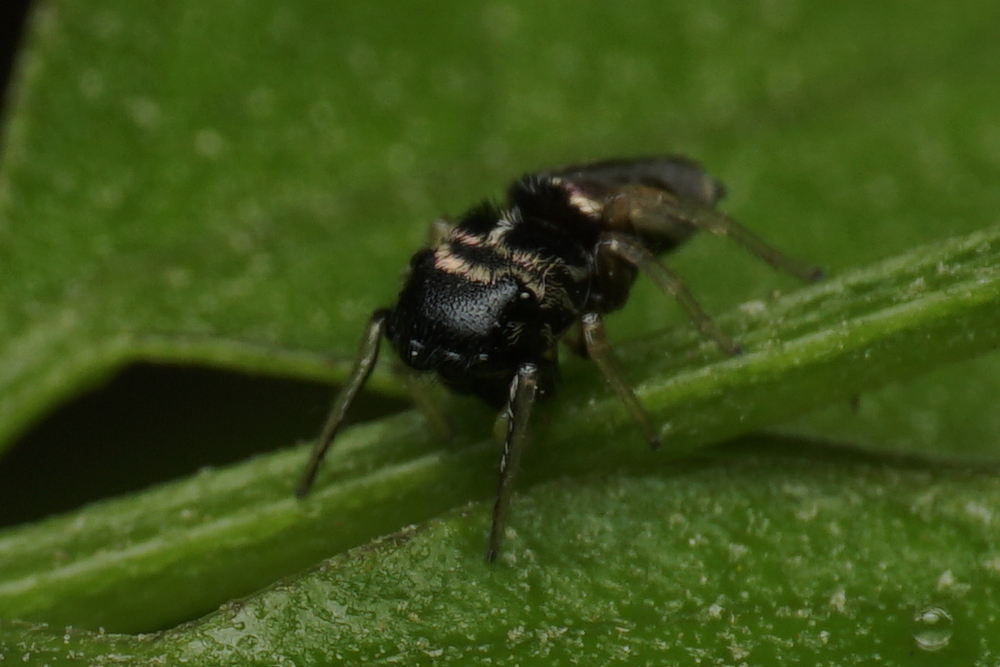
I don’t know the ID of this cute little Salticidae spiderling:
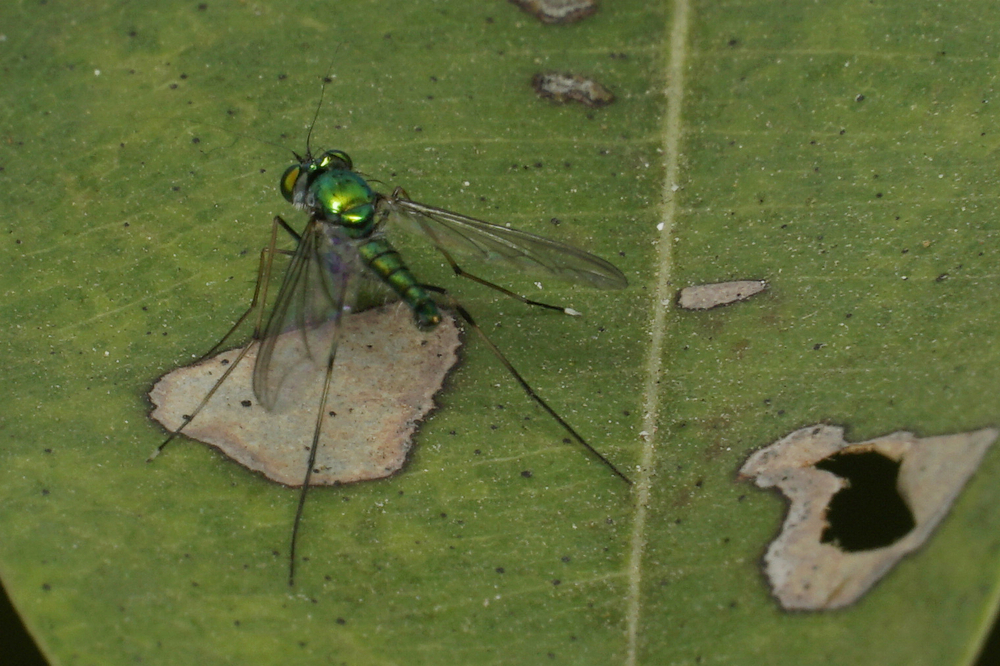
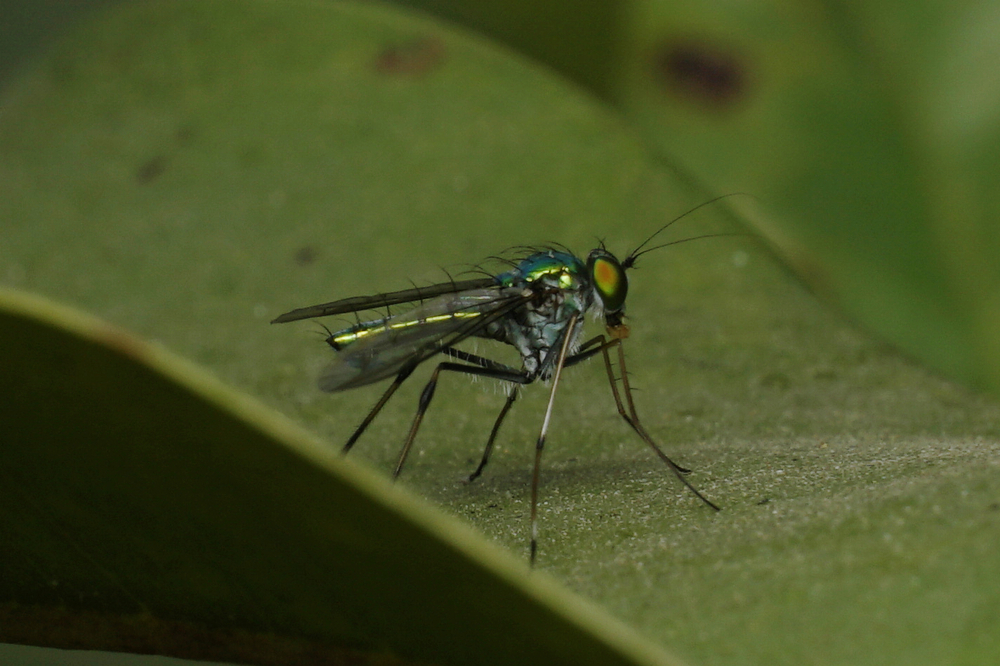
Dolichopodidae is always gorgeous. Genus Chrysoma is suggested.
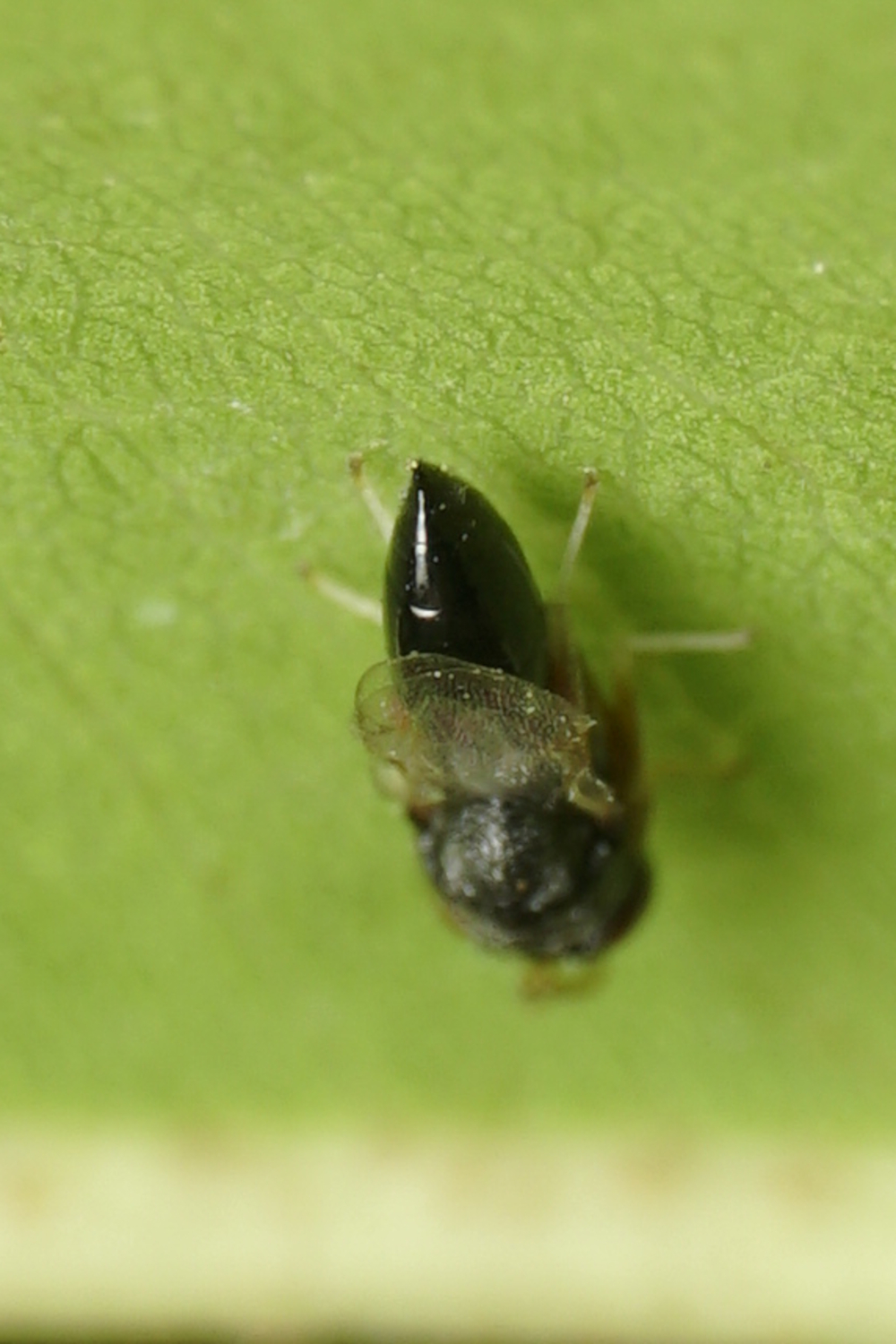
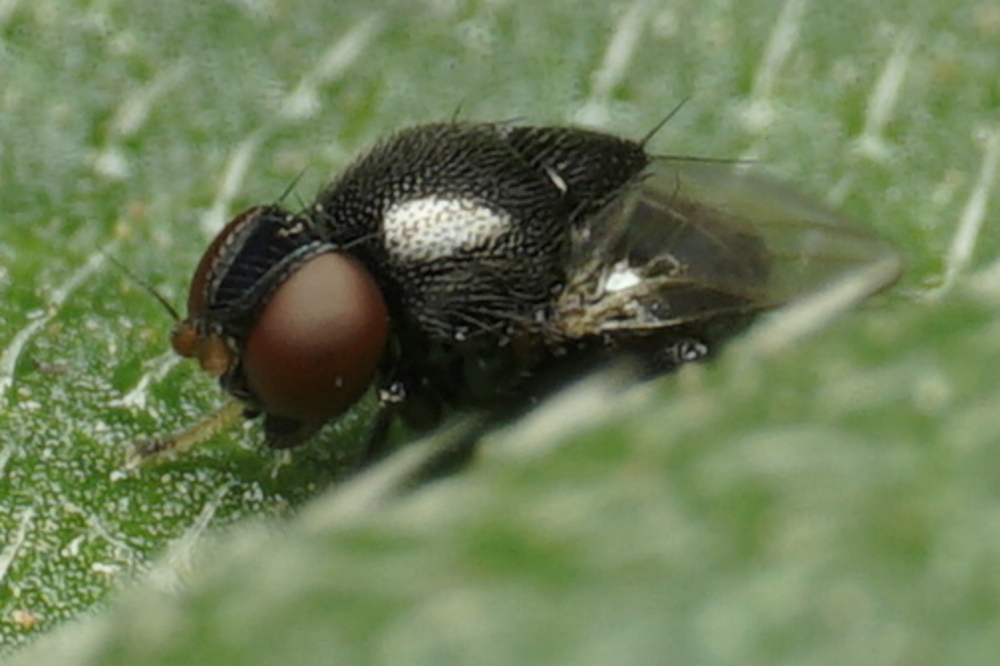
A gorgeous tiny little fly. iNaturalist suggests Rhodesiella, in Chloropidae :
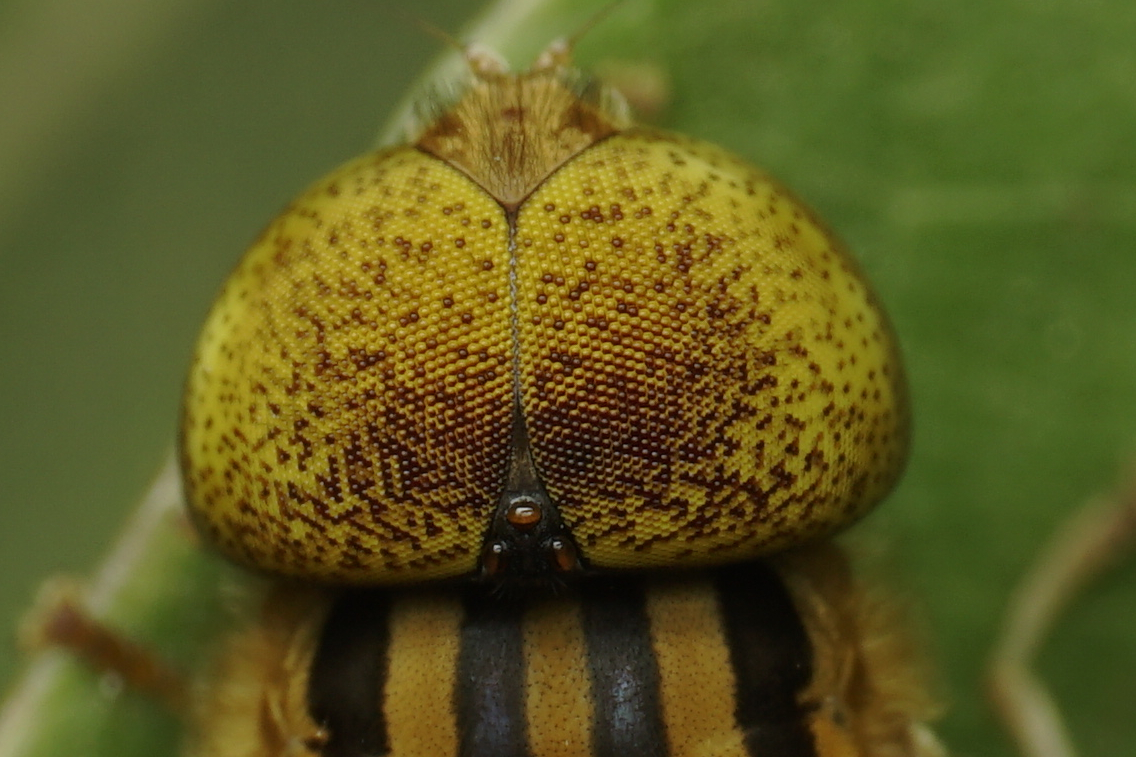
Absolutely gorgeous Syrphidae aka hover-fly in Erastalinae:
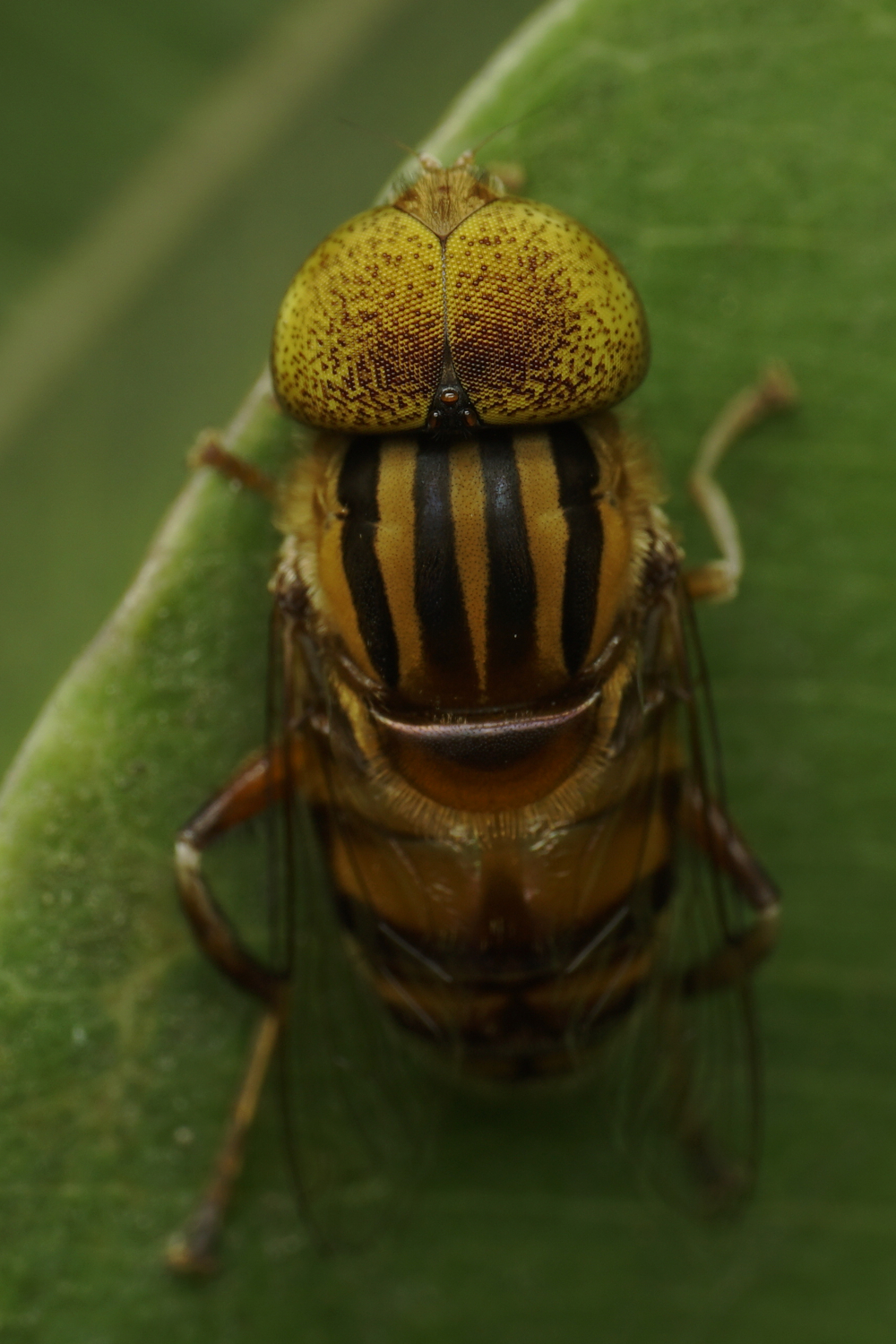
Closeup of the eyes
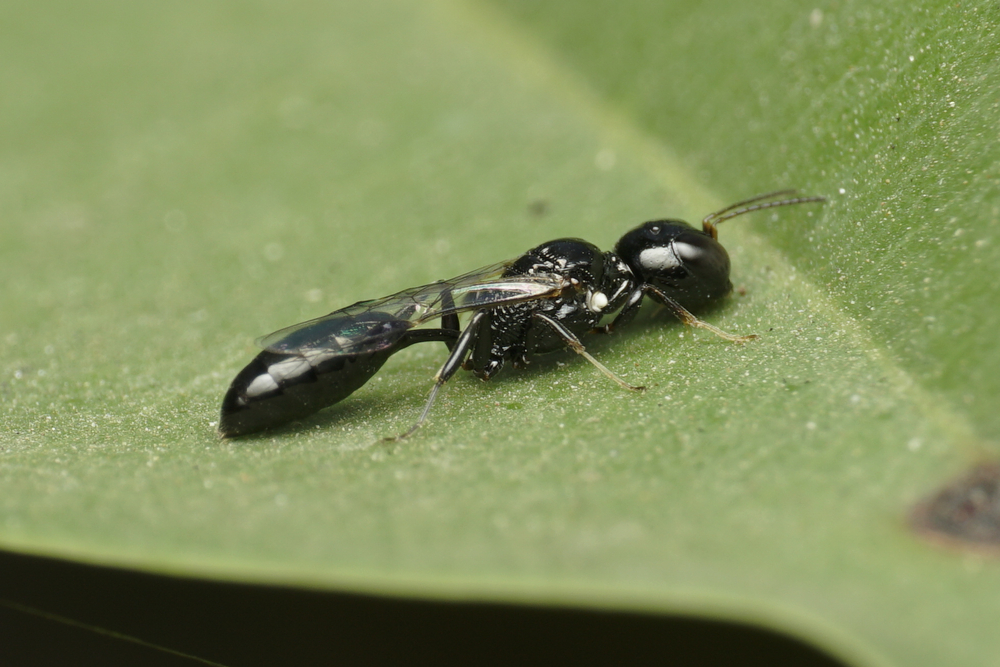
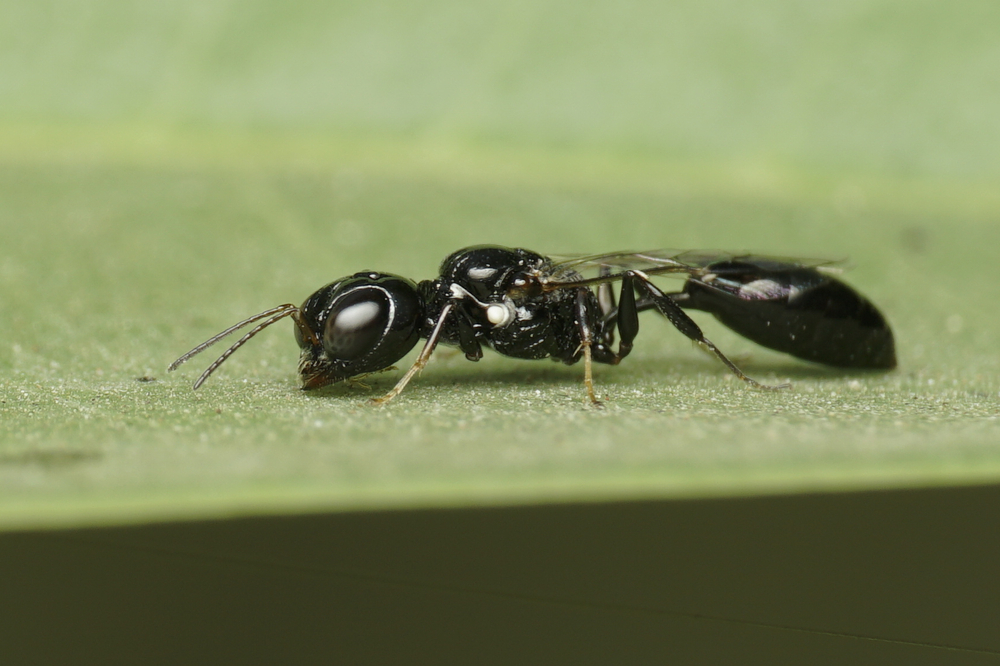
Such a stunning gorgeous wasp. I think it’s Carinostigmus:
- Family Crabronidae
- Subfamily Pemphredoninae
- Tribe Pemphredonini
- Subtribe Stigmina
- Genus Carinostigmus
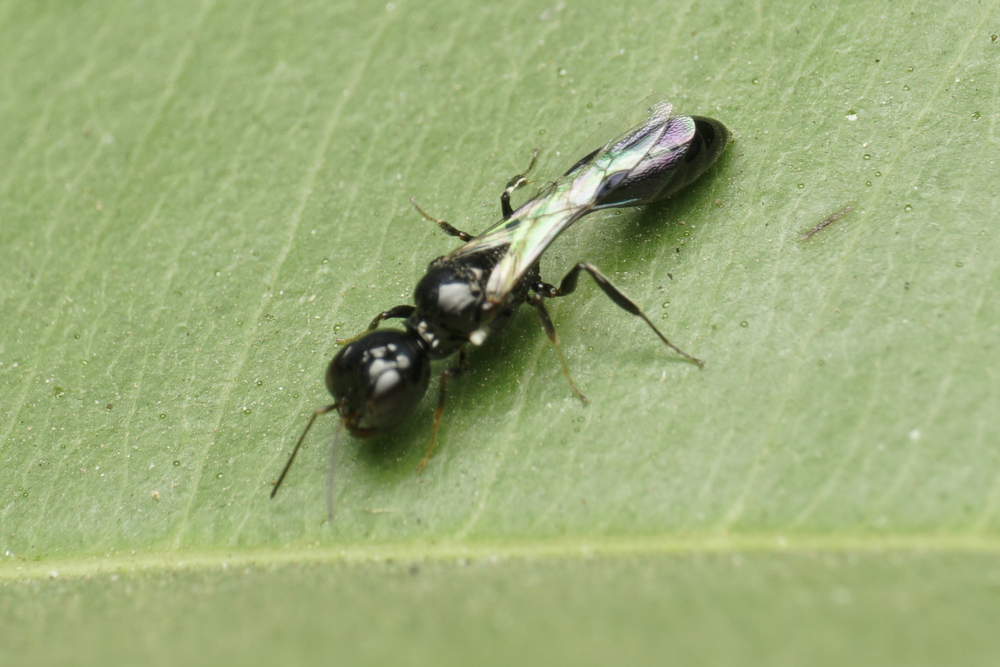
What a lovely eye pattern!!!
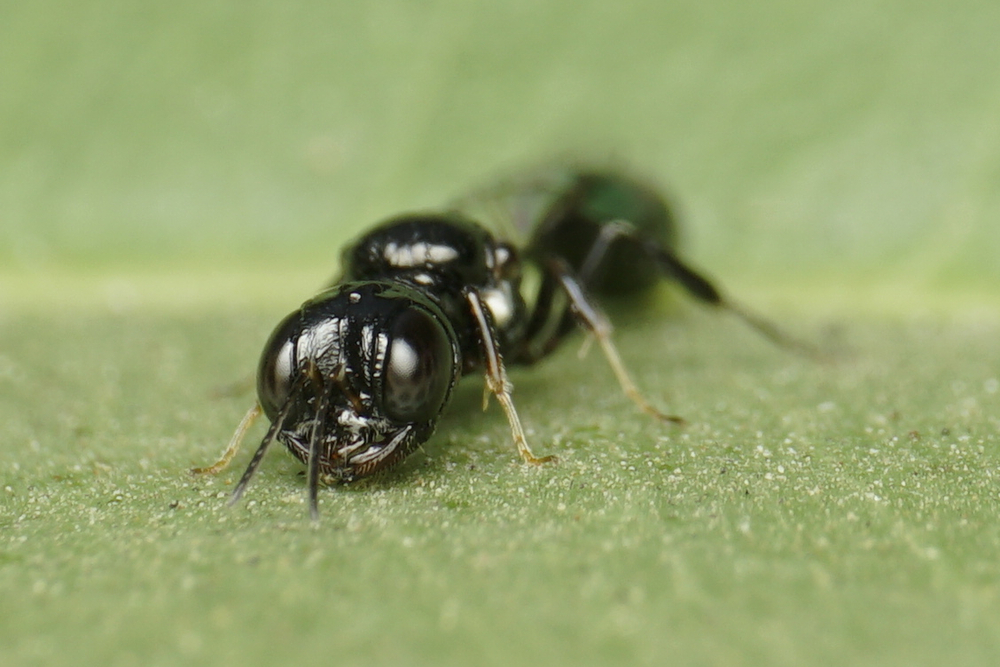
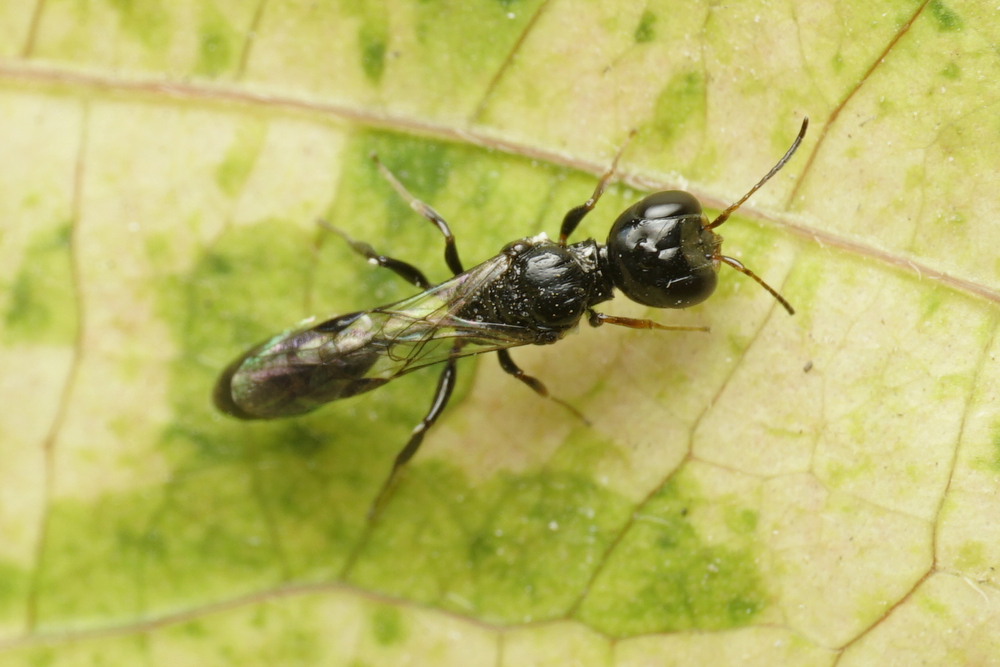
iNaturalist says Eulophidae, and someone suggested Entedoninae in particular.
They are exceptional in that they are one of two hymenopteran families with some species that are known to parasitize thrips.[2] Eulophids are found throughout the world in virtually all habitats (one is even aquatic, parasitising water-penny beetles).
Eulophids are separable from most other Chalcidoidea by the possession of only four tarsomeres on each leg, a small, straight protibial spur (as opposed to the larger, curved one in most other chalcidoids), and by antennae with two to four funicle segments and at most 10 antennomeres.
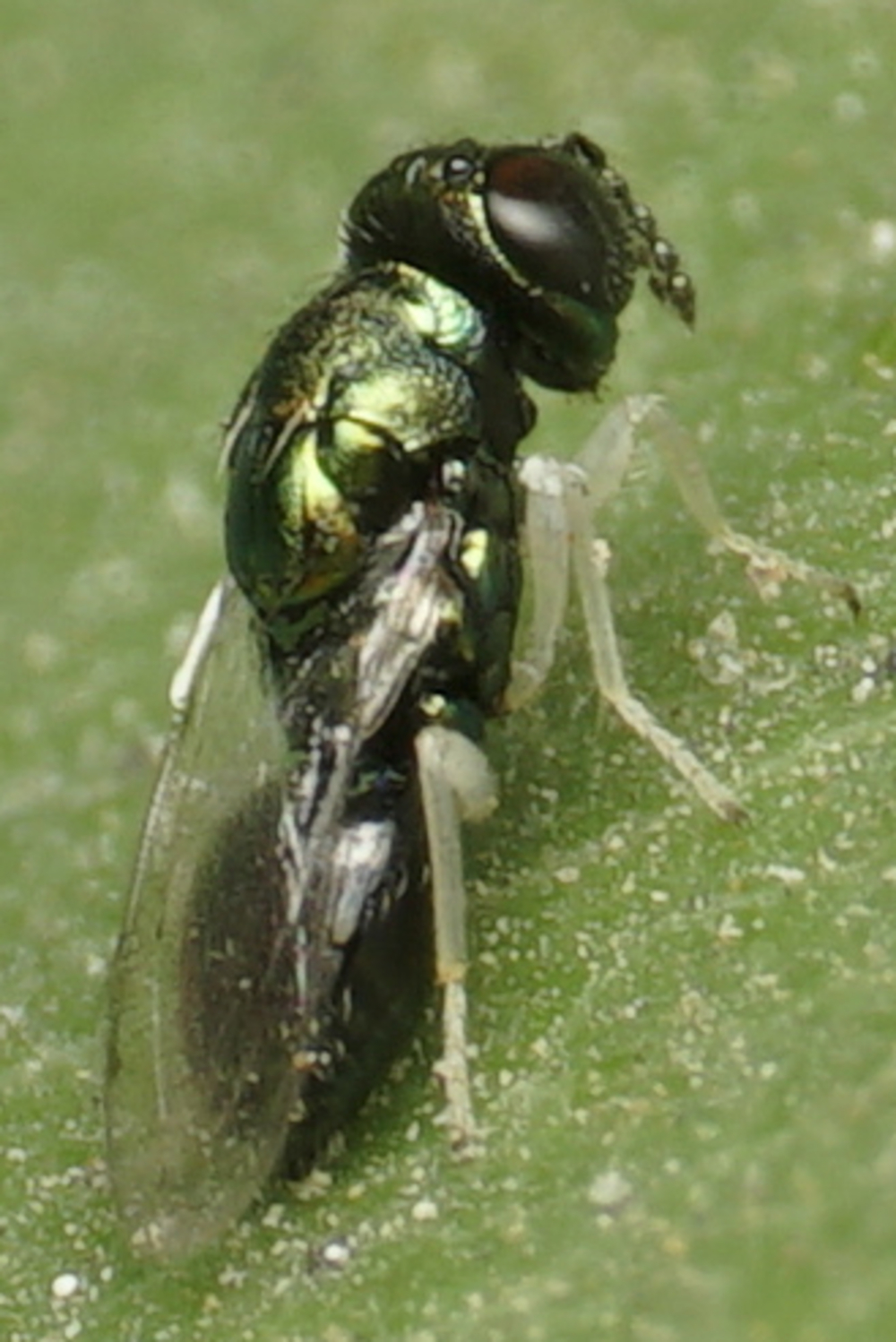
iNaturalist suggests Gymnochiromyia in Chloropidae:
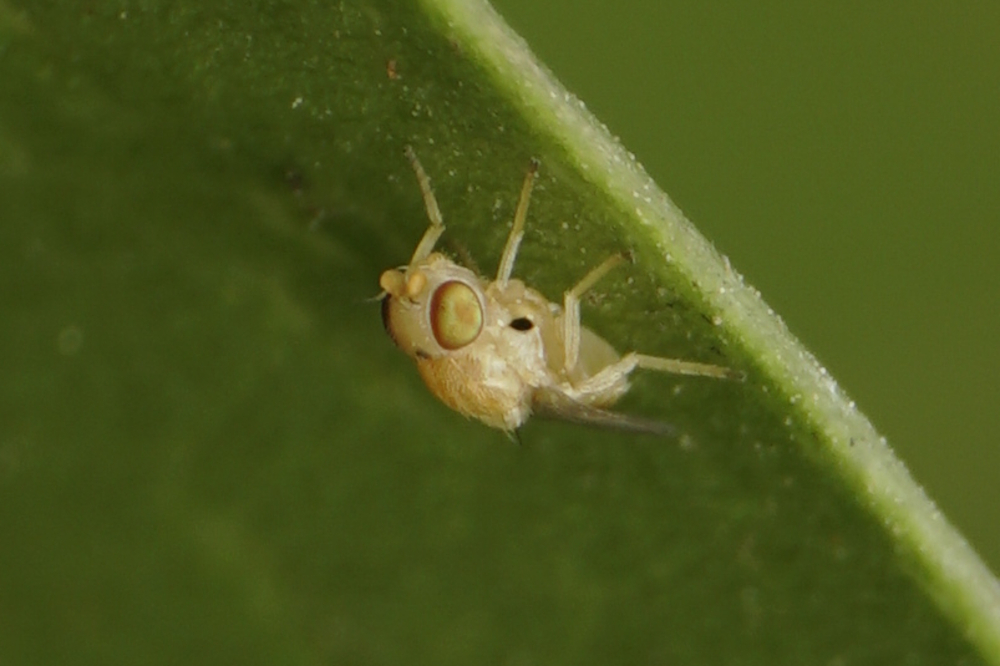
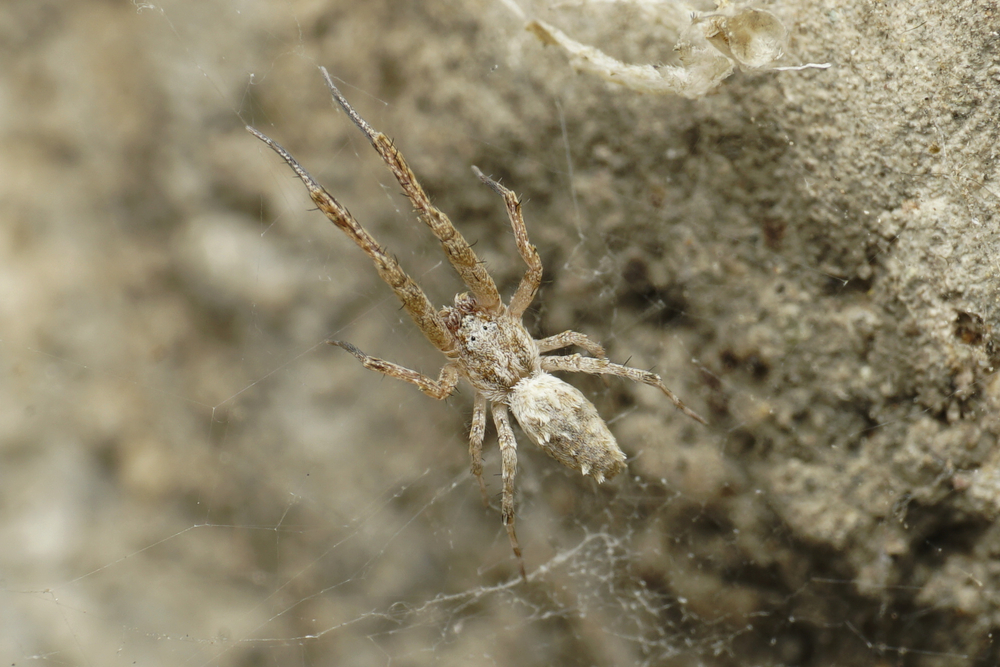
A lovely spider in Uloboridae –> Uloborinae. Obligatory statement whenever Uloboridae is mentioned: they are the only family of spiders with no venom.
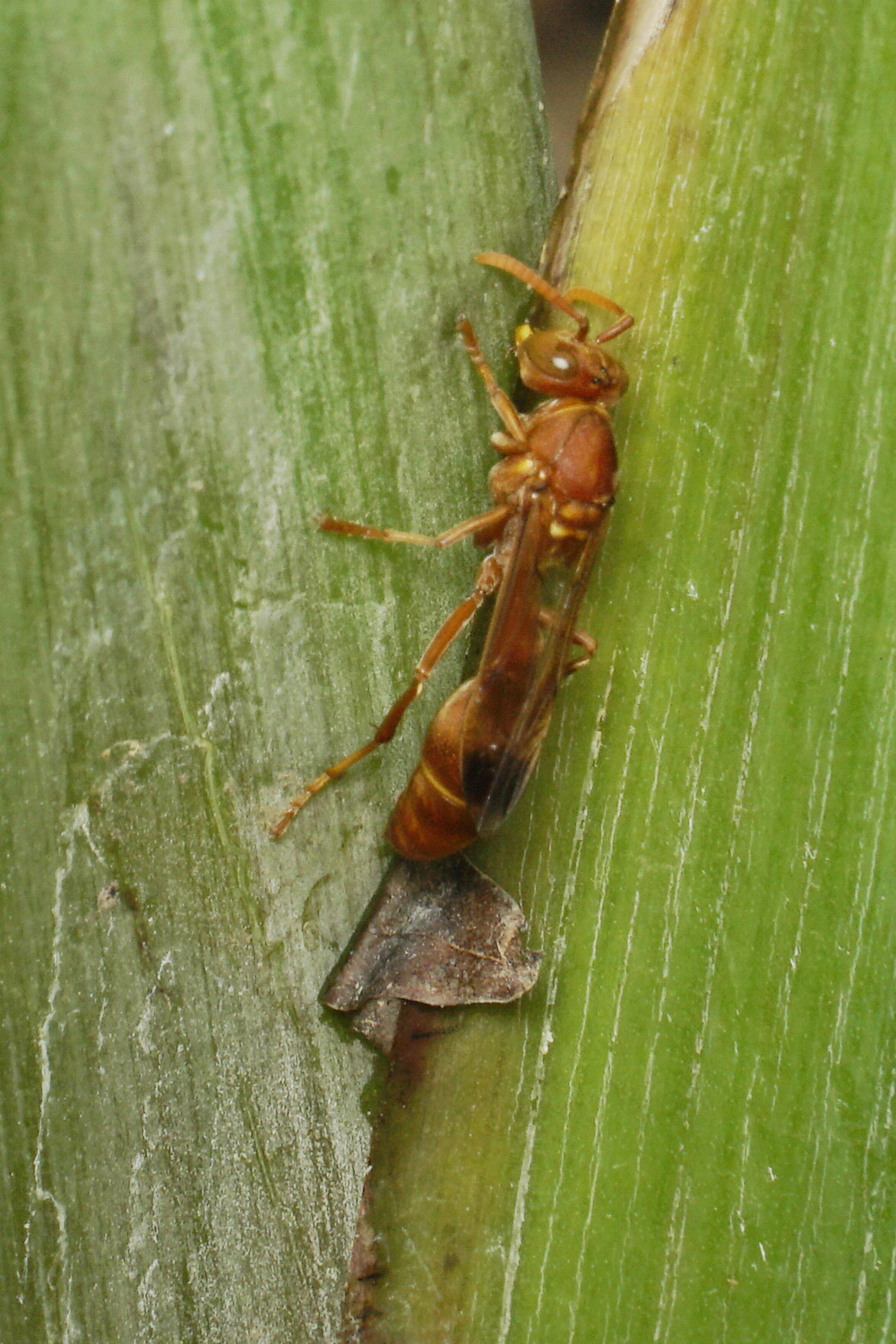
A wasp in Ropalidia, small paper wasps:
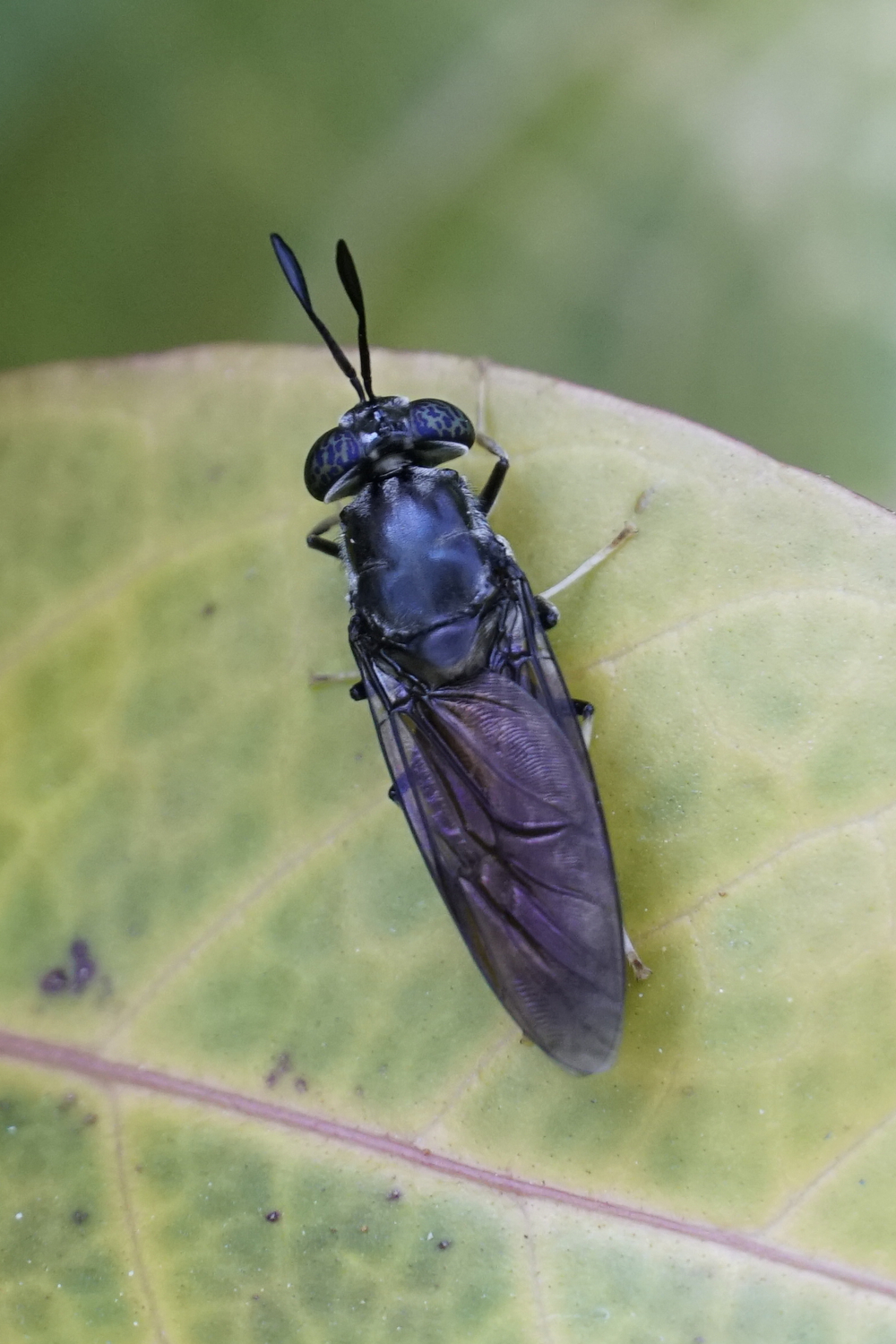
A gorgeous black soldier fly, perhaps genus Hermetia:
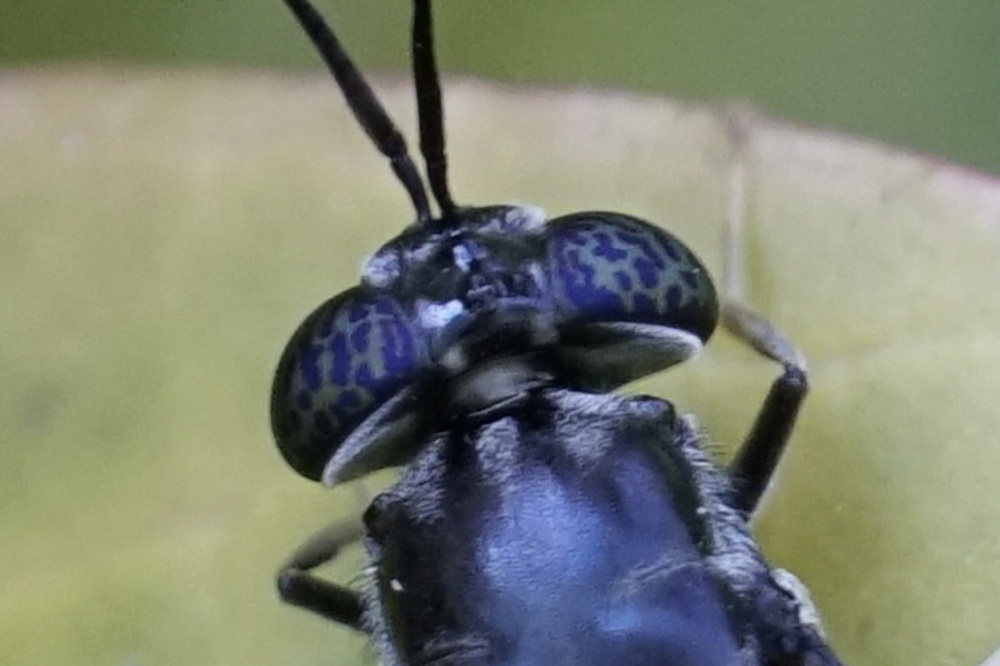
Closeup of the eyes:
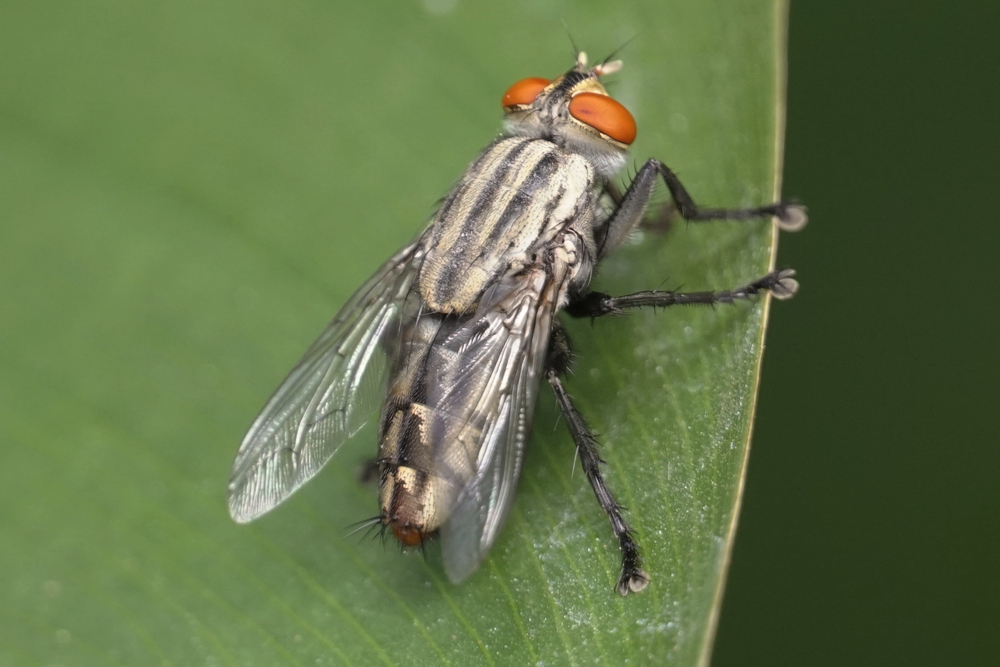
Sarcophagid fly, perhaps genus Sarcophaga?
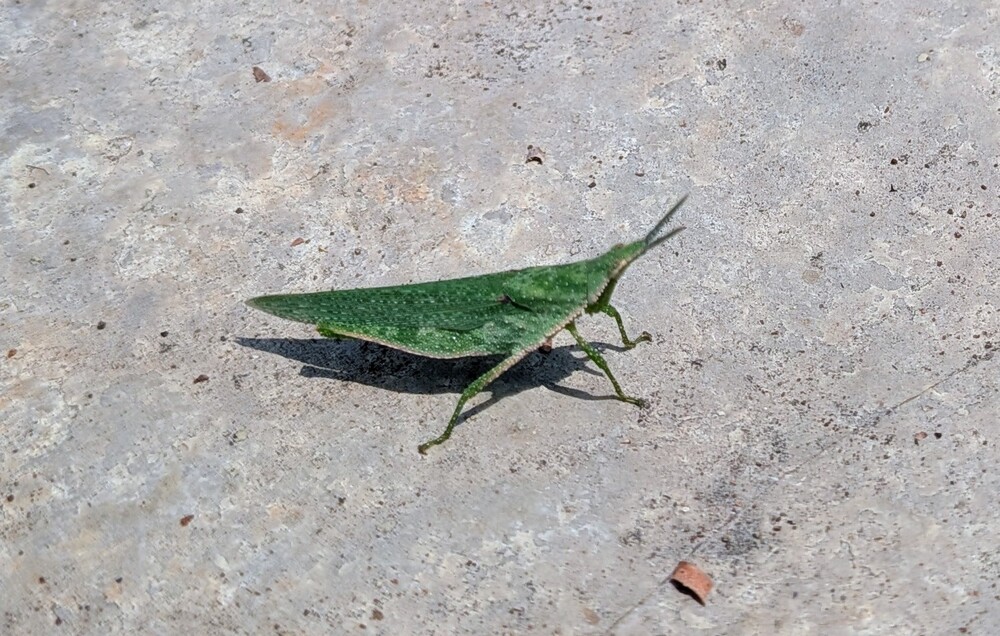
Apparently genus Atractomorpha:
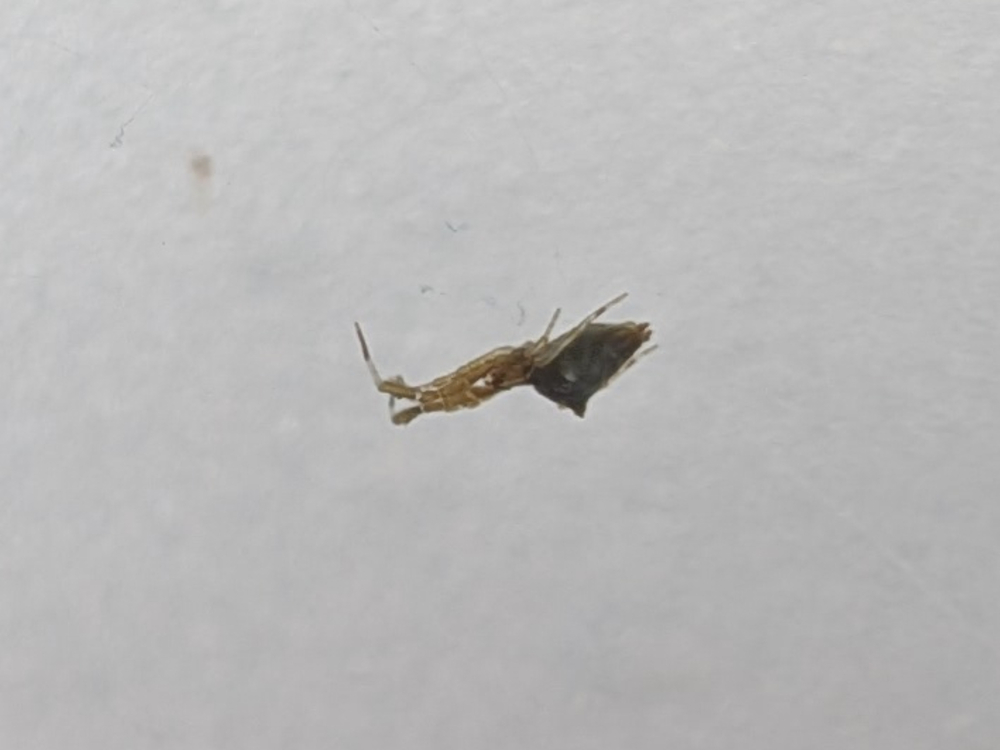
A lovely Uloborid that has been surviving in the window in the bathroom by pretending to be detritus. I hope no one bothers it!
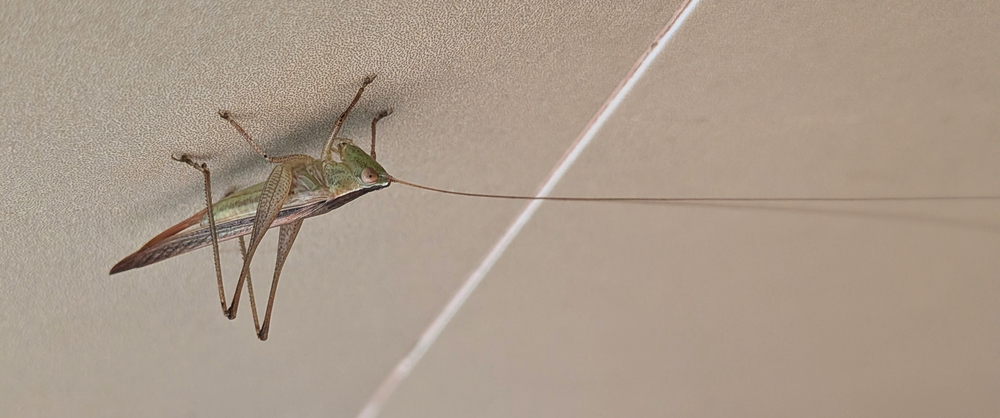
Apparently Lesser Meadow Katydid, Conocephalus. Note: long antennae = katydid, short antennae = grasshopper


Leave a Reply