Scarborough State Park, Maine. And moonrise at Old Orchard Beach, Maine.





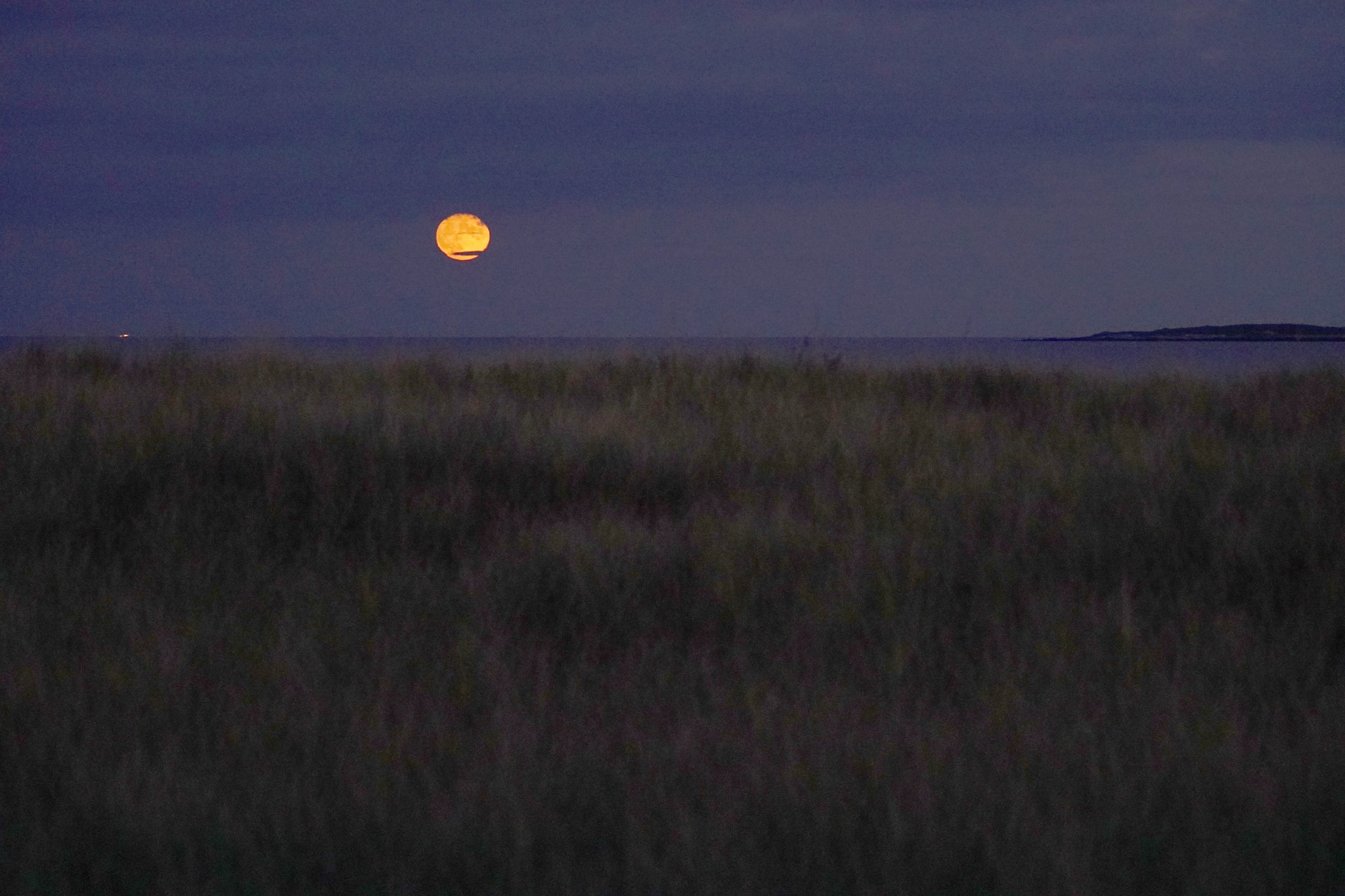
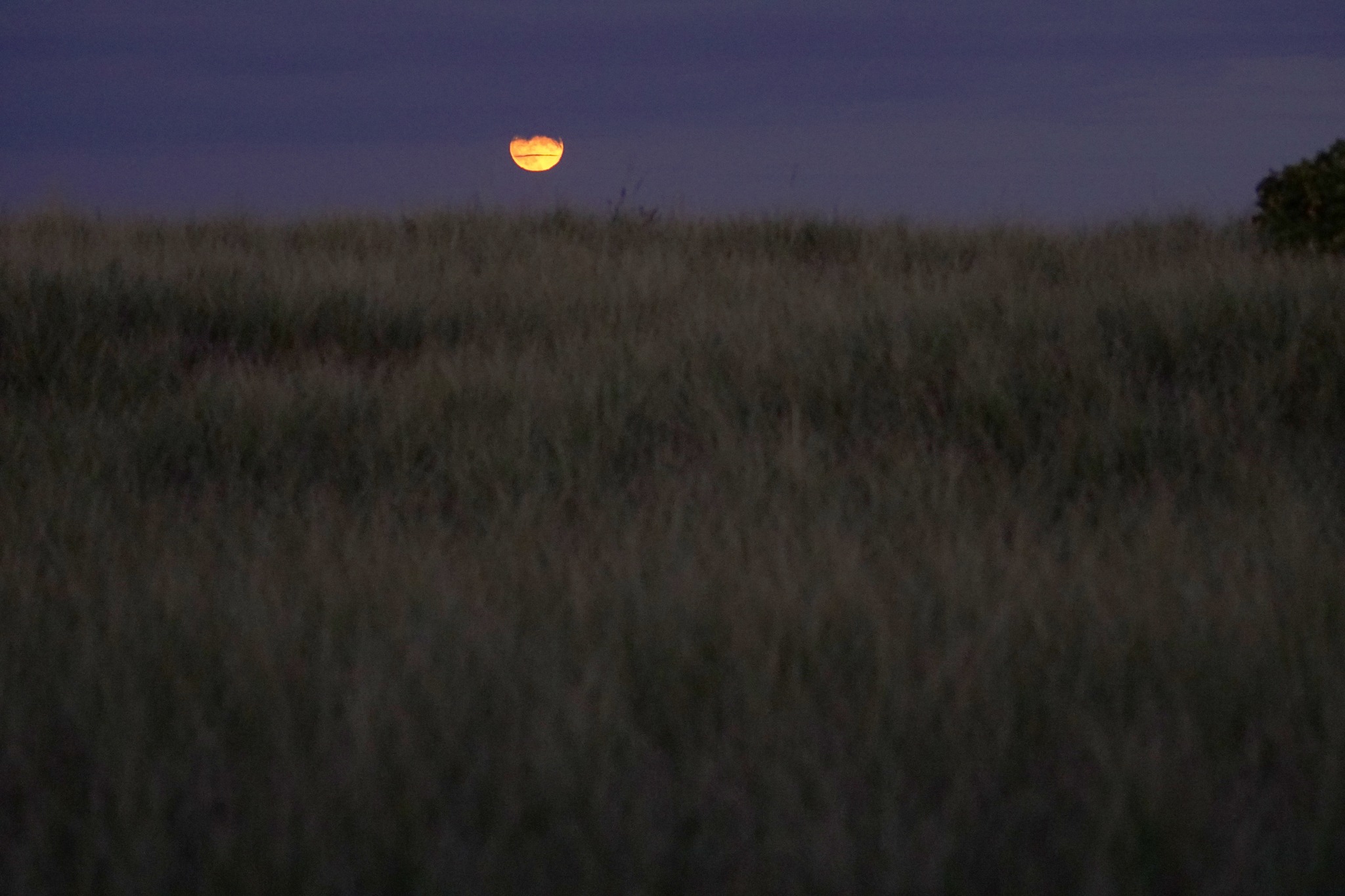
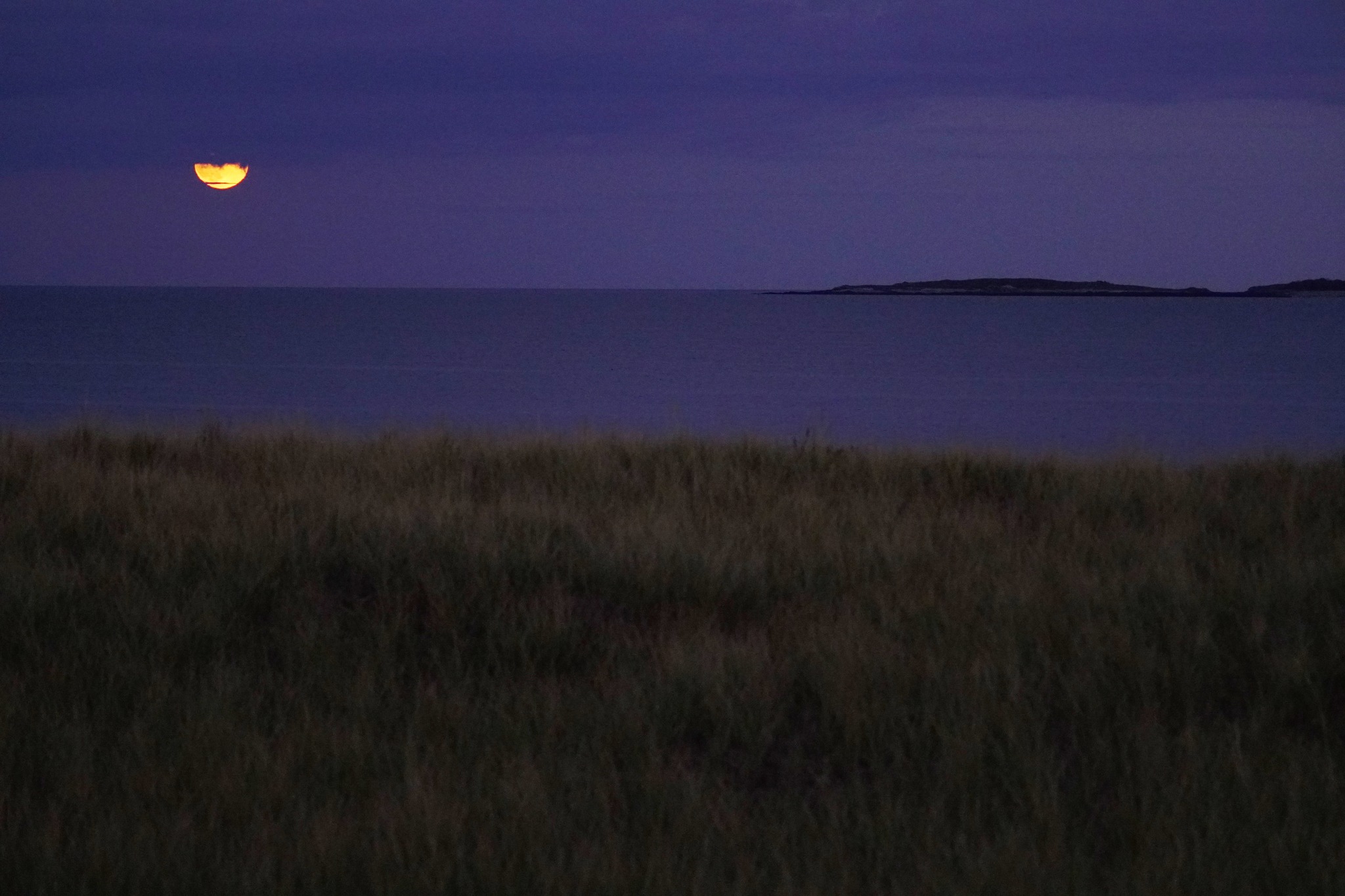
Scarborough State Park, Maine. And moonrise at Old Orchard Beach, Maine.
They were identified as Habrobracon, compare with https://bugguide.net/node/view/478600. Parasitoids of meal moths, and yes, we just went through an infestation of meal moths inside our house. It’s truly amazing that they were able to detect this infestation and are now everywhere in our house.
Here’s an interesting tidbit from Wikipedia about Habrobracon wasps:
Habrobracon hebetor is remarkably resistant to radiation. While LD100 is estimated around 1000 rads for humans,[8] and 56,128 rads (64,000 roentgens) for the fruit flyDrosophila melanogaster,[9] a study showed that H. hebetor survived X-ray radiations of 158,080 rads (180,250 R). In this study, irradiated groups even had an increased life span compared to non-irradiated control groups, an effect attributed to the lack of activity of irradiated individuals.[10][11]
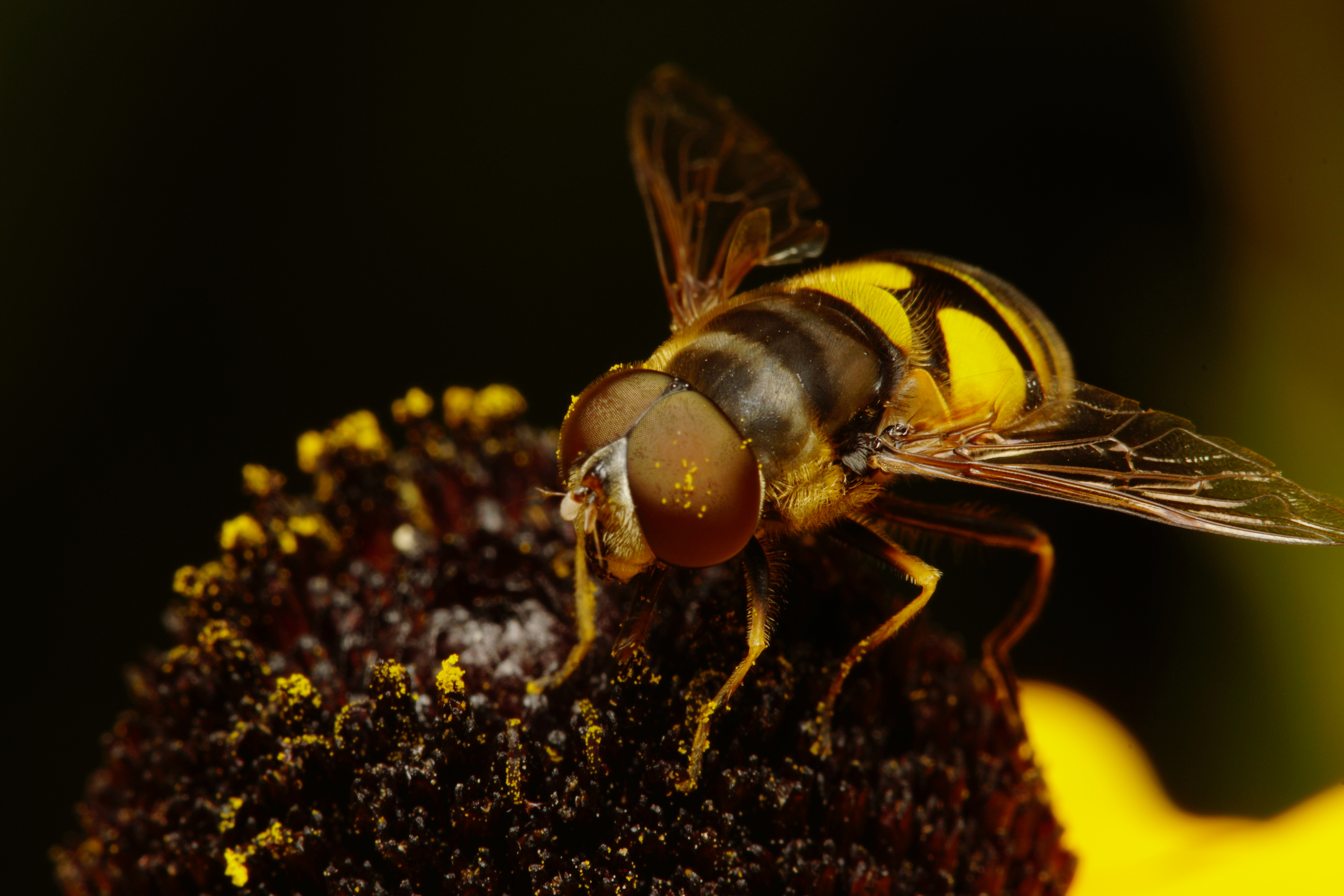
Perhaps Eristalis cf dimidiata?

With wing venation:

Probably Sarcophagidae, perhaps Sarcophaga
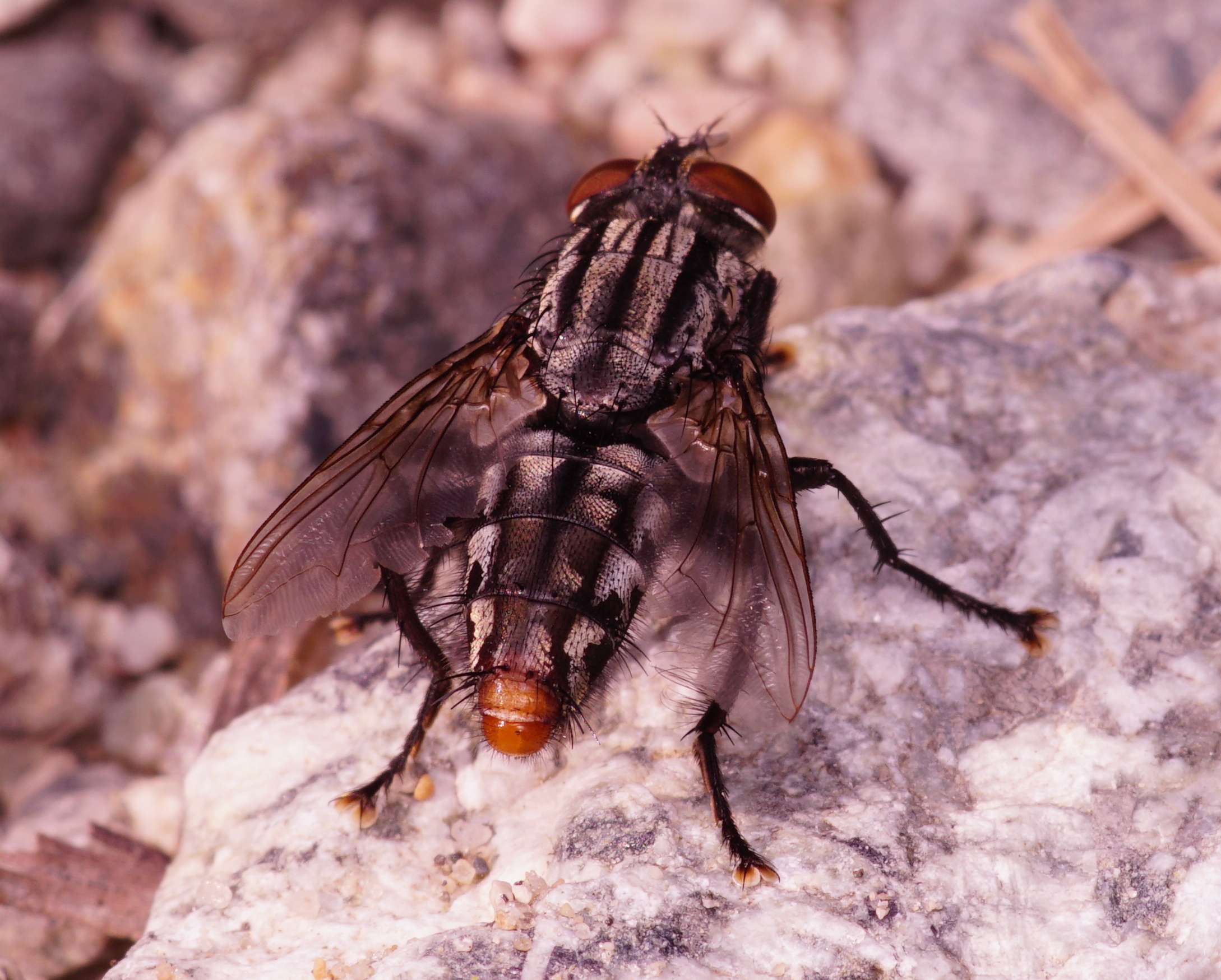
This fly was utterly amazing. Just look at the plumage. I think he was showing off; he was sitting in the middle of the leaf, strutting around, waving his hands. Relatively not deterred by the camera.
It’s Physiphora alceae, apparently an import from Africa. It’s in Ulidiidae, and this certainly does not look like a typical Ulidiid!


Closeup of the eyes:

These flies were everywhere (saw at least ten of them). Their behavior was also very un-fly-like, perhaps for mating? All of them were sitting on rocks close to the ground, in the open, and did not move at all when confronted with the camera.
If I were forced to guess, I’d say Anthomyiidae, but with very little confidence. We need central places where we can look at wing venations and find out family it is!

This one looked the same, also close to the ground, but on leaf debris rather than a rock. Perhaps ovipositing.
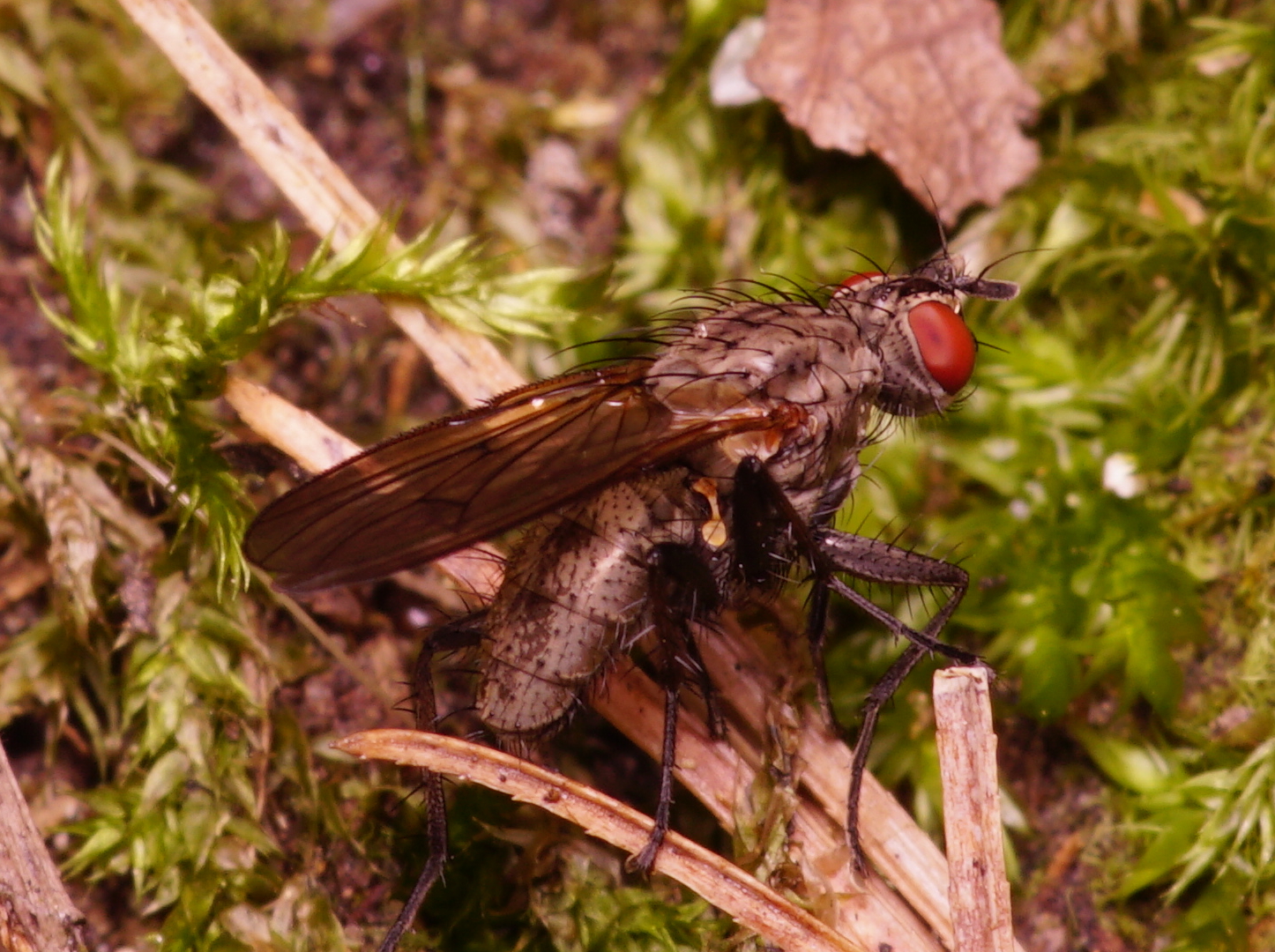
I don’t know if this one is the same species or not:
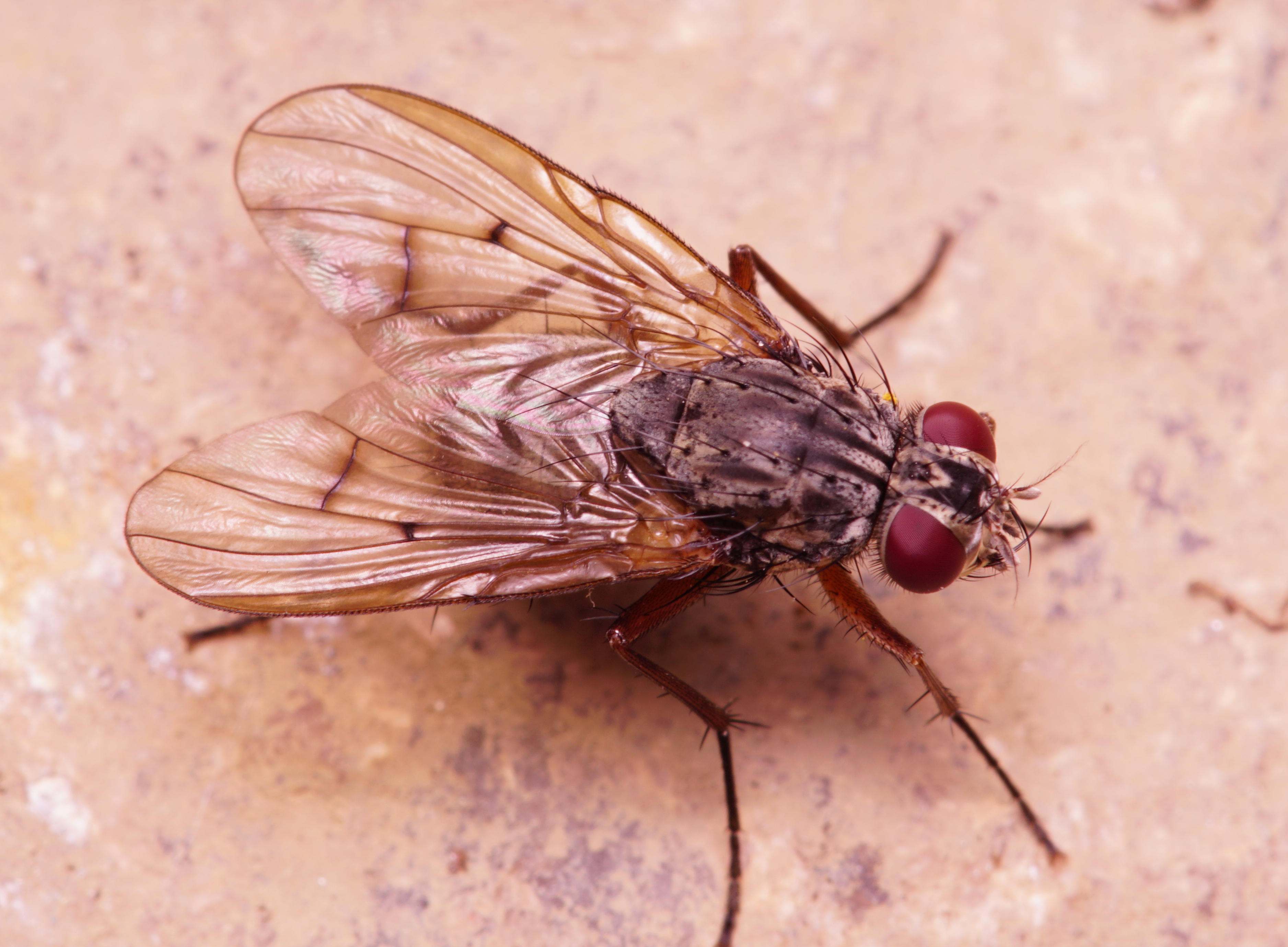
Halictids always put on a show. These all seem to be Augochlora pura, but there were some Agopostemon too.

Pompilidae, Anoplius. Tough to go any further.

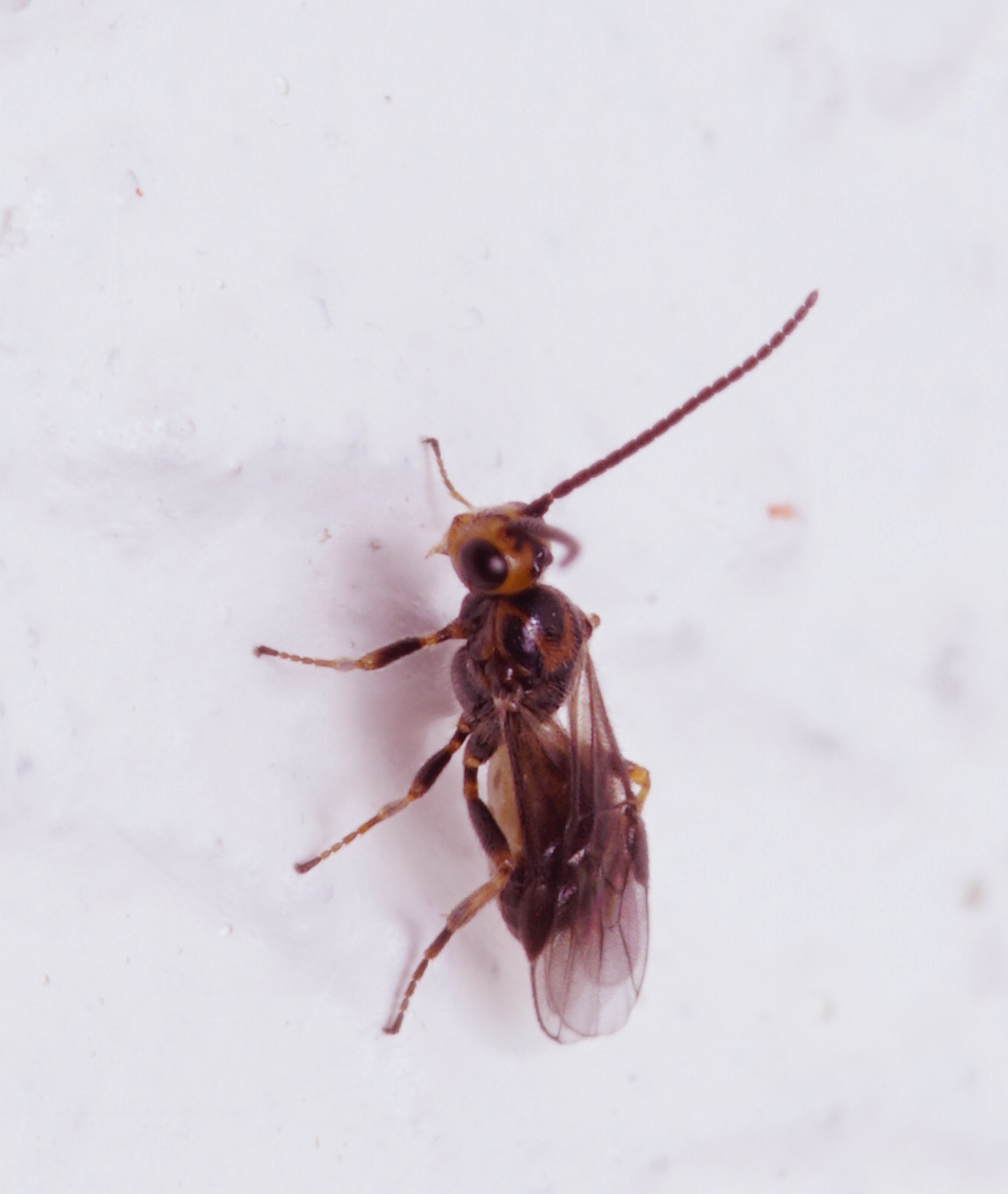
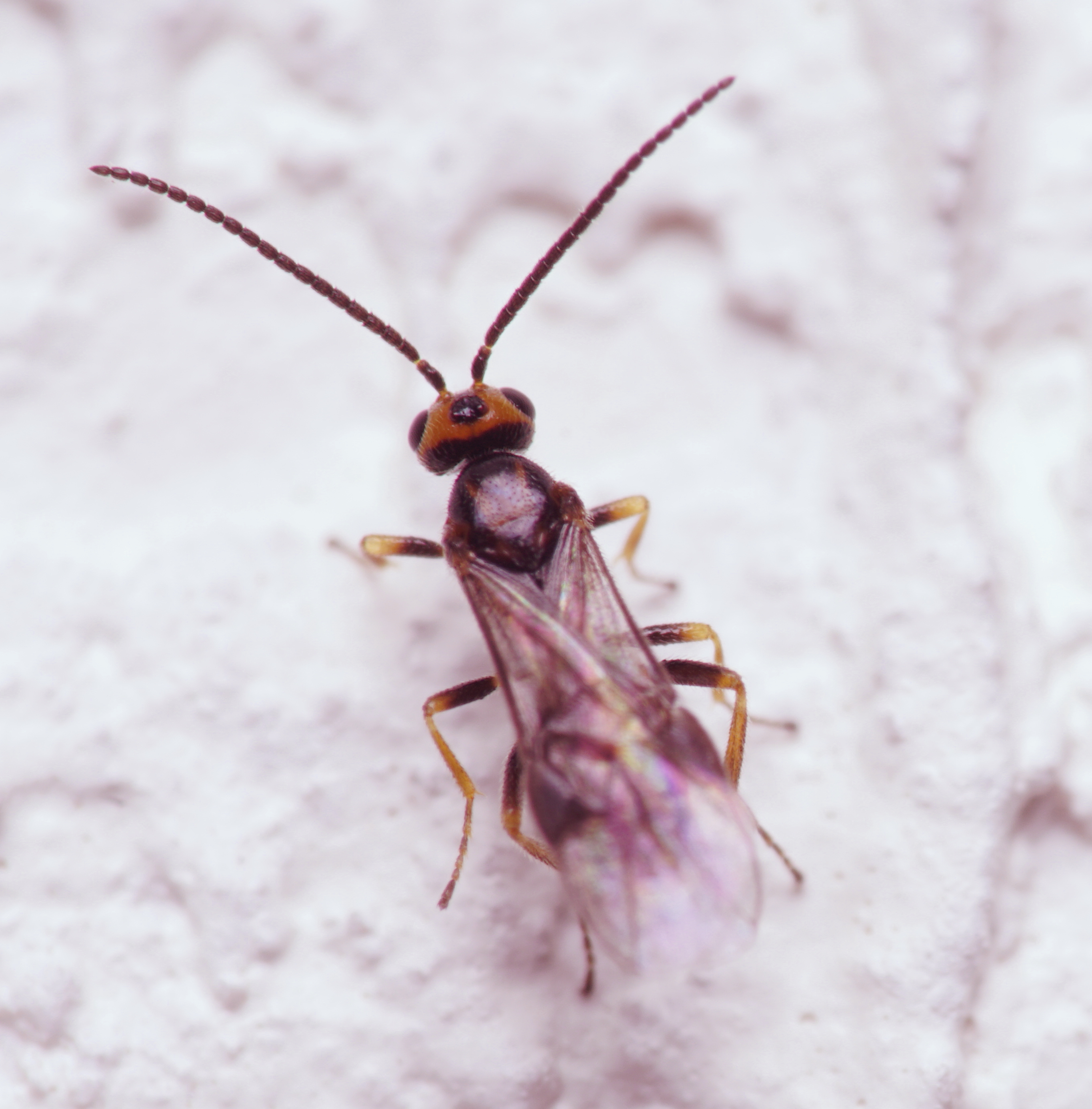
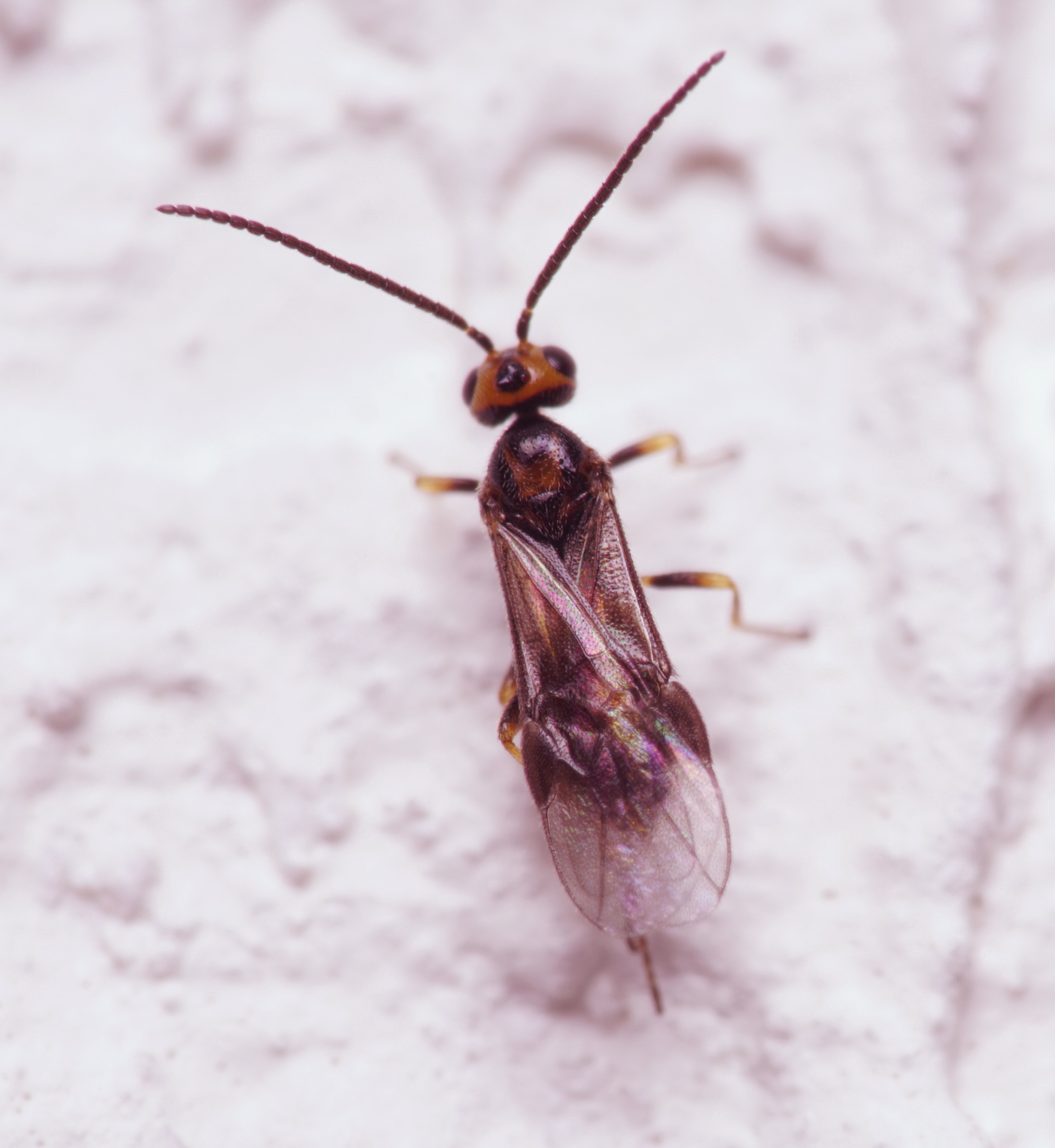
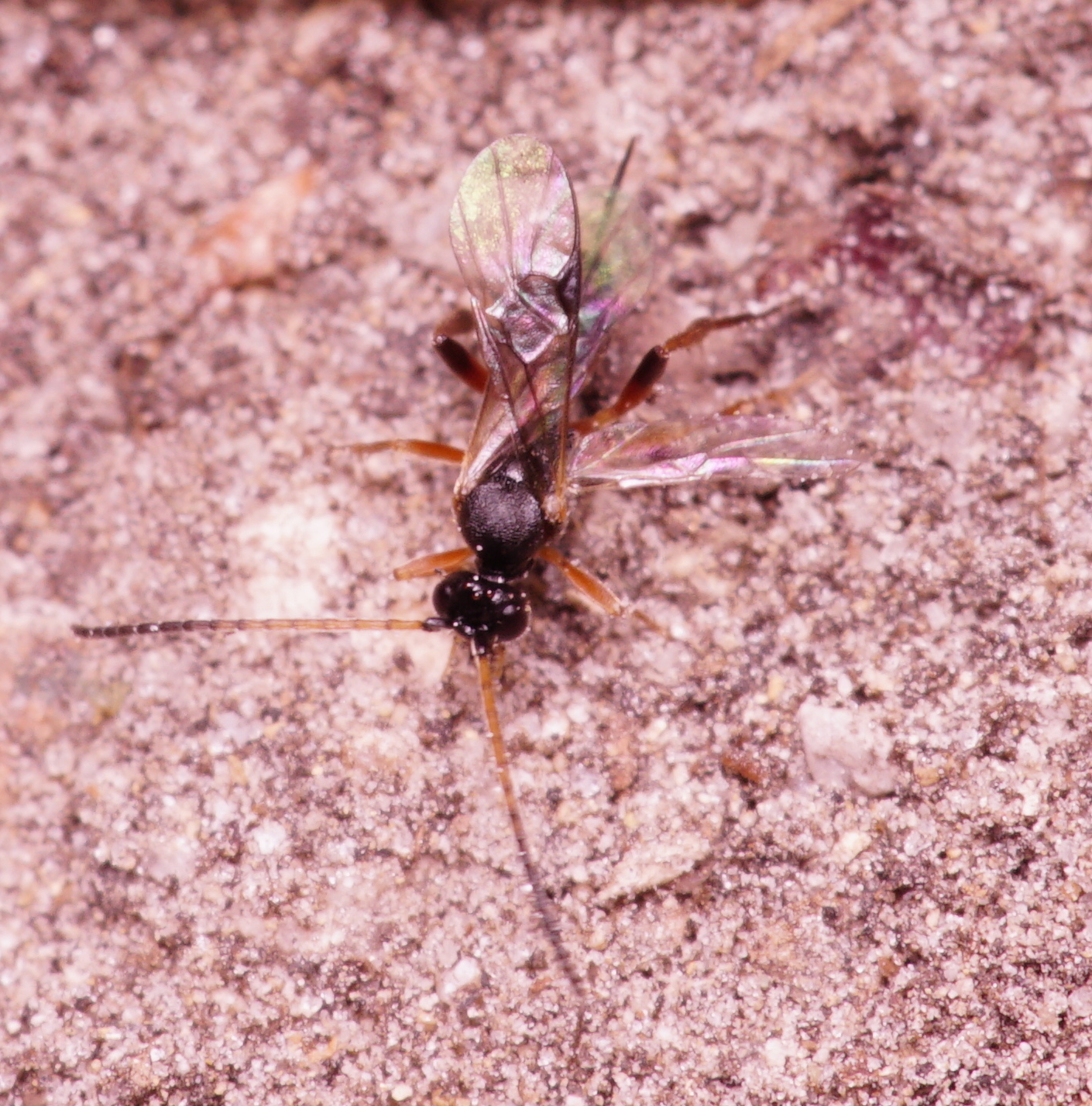
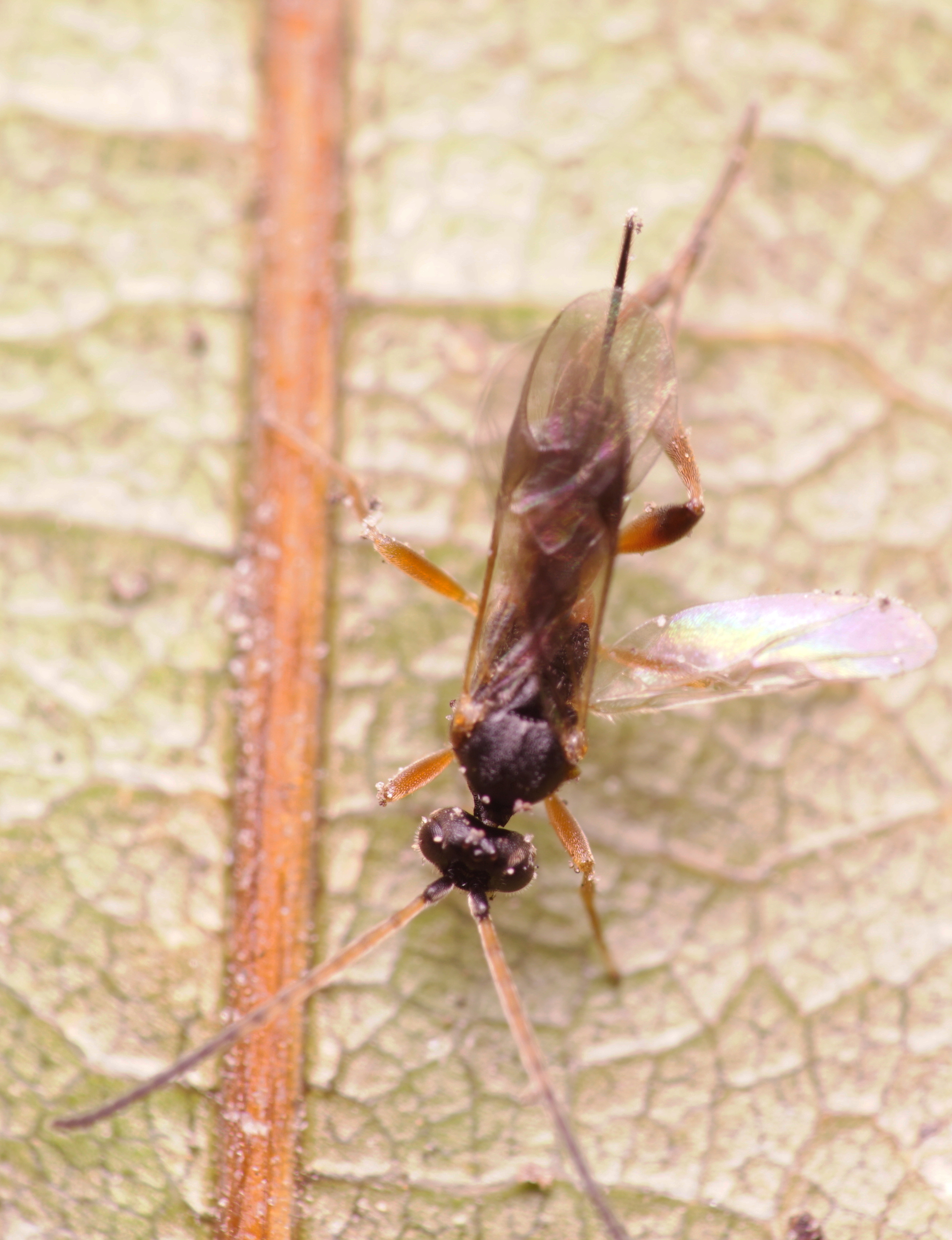
A small wasp, perhaps 2-3 mm long. I think this is Braconidae. You can see the wing venation in the first photo and it seems to be a reasonable but not perfect match for Braconidae. The (RS + M)a vein is present, so there’s no “horsehead” pattern. The 2nd recurrent vein is absent. On the other hand, I don’t really see a r-m vein; and the number of antennomeres seems to be about 15, which may or may not be too low for Braconidae.
I would like to point out that the second photo was taken at full magnification (with the Raynox DCR-250 on the 100mm macro lens, at closest focus), and that damn wasp would not stop moving. I’m sharing it as a minor miracle that it’s even close to in focus.
EDIT: Braconidae seems correct, perhaps Microgastrinae to narrow it down further.
This seems to be Melanoplus bivittatus:

Rove beetle, Staphylinidae. Here’s a guess: Tachinus picipes, compare with https://bugguide.net/node/view/560899.

Closeup of the claspers:

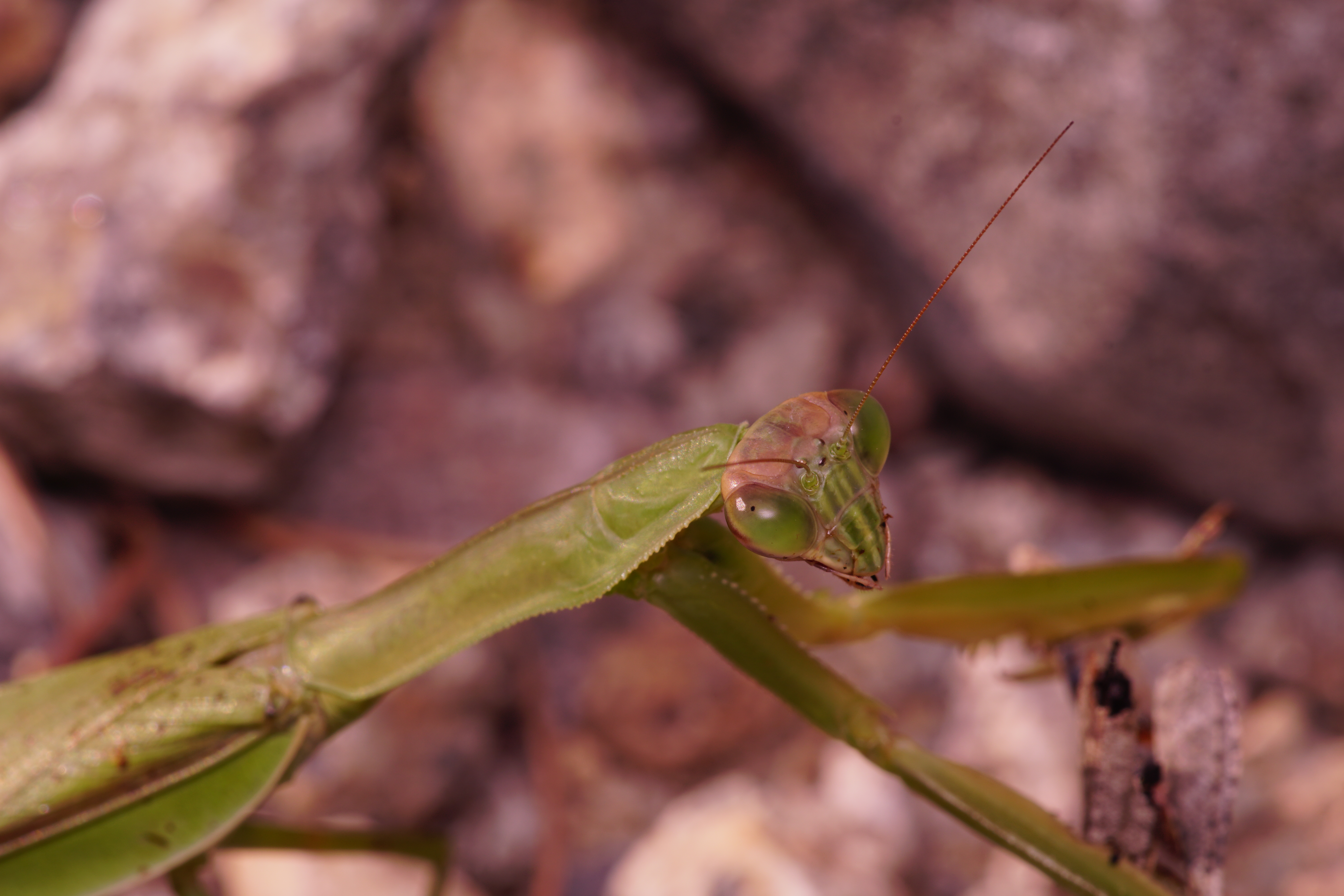
Looks like the Chinese mantid, Tenodera sinensis (note the vertical stripes on the face).
This was at home, doing us all a favor by catching whatever she could. Eustala.

Seriously, an insane place to go a-bugging. The first 100 yards of the trail off Bean Station Road had to have been the most insect diversity-rich stretch I’ve ever come across.
Katydid. Amblycorypha oblongifolia, presumably. (Not from that trail, obviously, but the house at Keuka Lake).

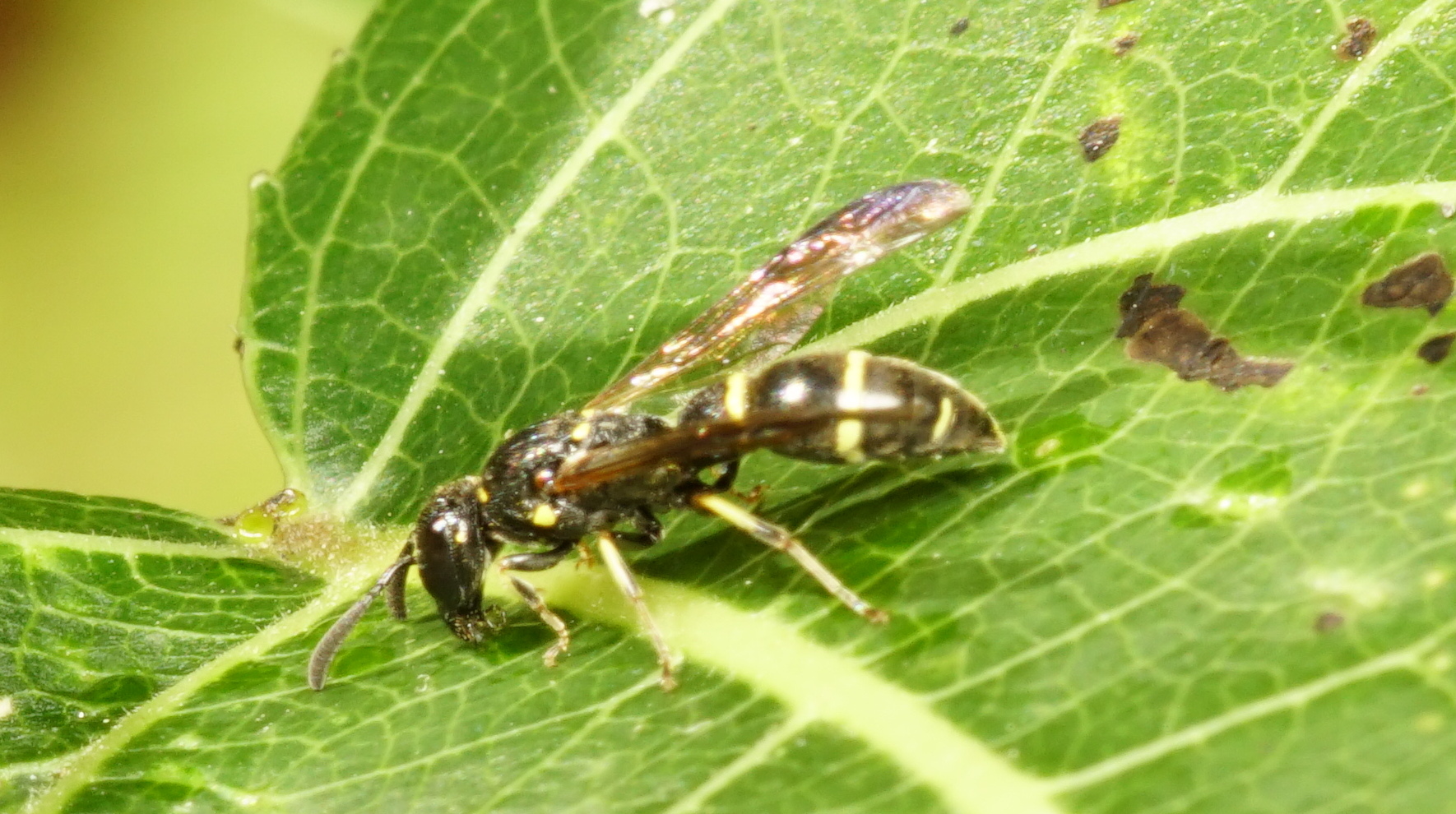
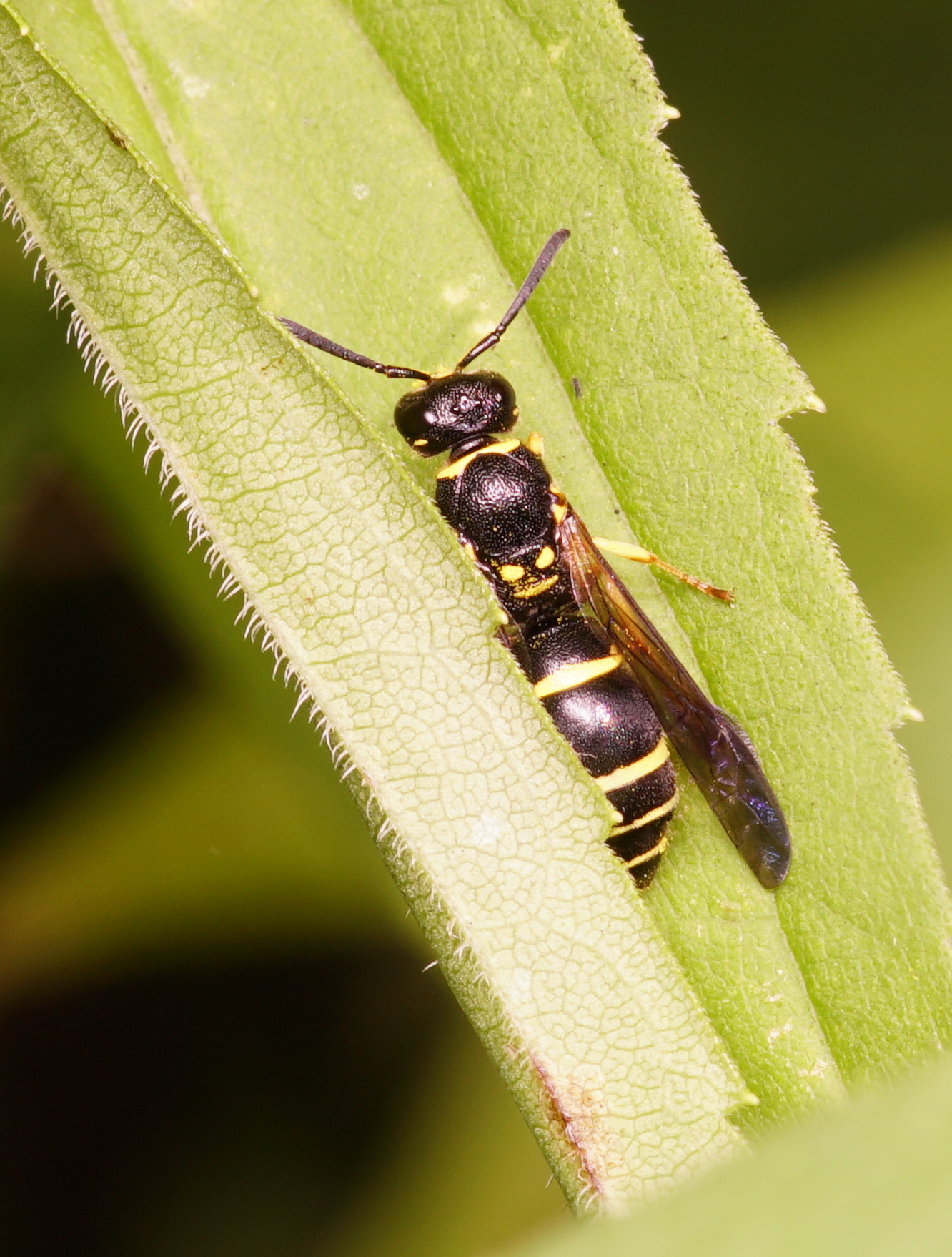
Perhaps mason wasp.
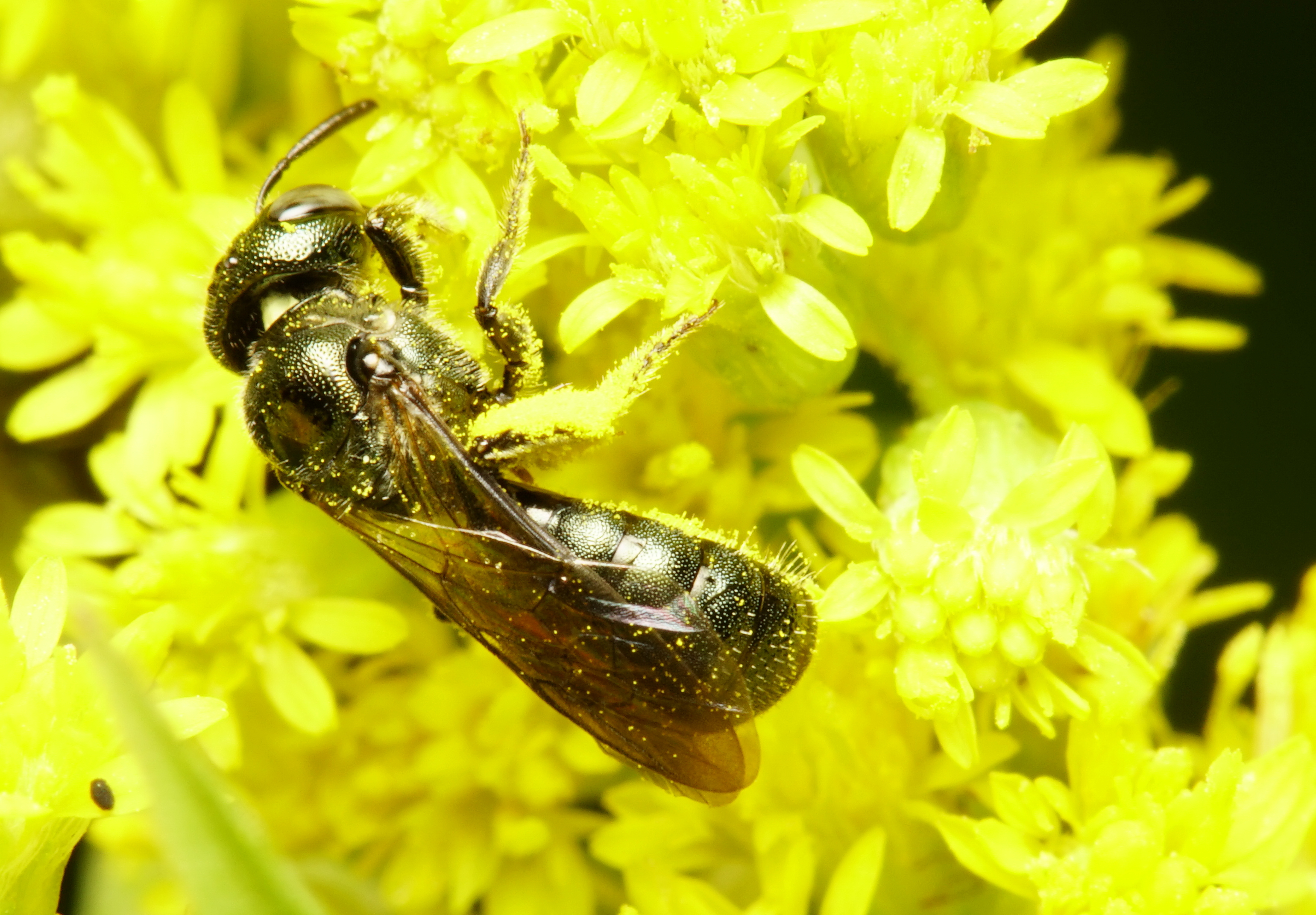
Ceratina, I think (aka carpenter bee), but I don’t know how to rule out Osmia (or other mason bees).
BugGuide says for Ceratina (https://bugguide.net/node/view/15027): “The clublike abdomen narrows to an abrupt point(3)”, which I’m not really seeing here.
Facebook: “Given the time of year, Ceratina seems more likely. Also, Osmia doesn’t collect pollen on its legs.”
The number of antennal segments seems to point to Ichneumonoidae (Ichneumonidae or Braconidae), but I can’t find a fit for the yellow dot (scutellum?). FB: Ichneumonini, and yellow scutellums are common!

Tenthredinid sawfly.

Pemphrodonidae, perhaps Stigmus.
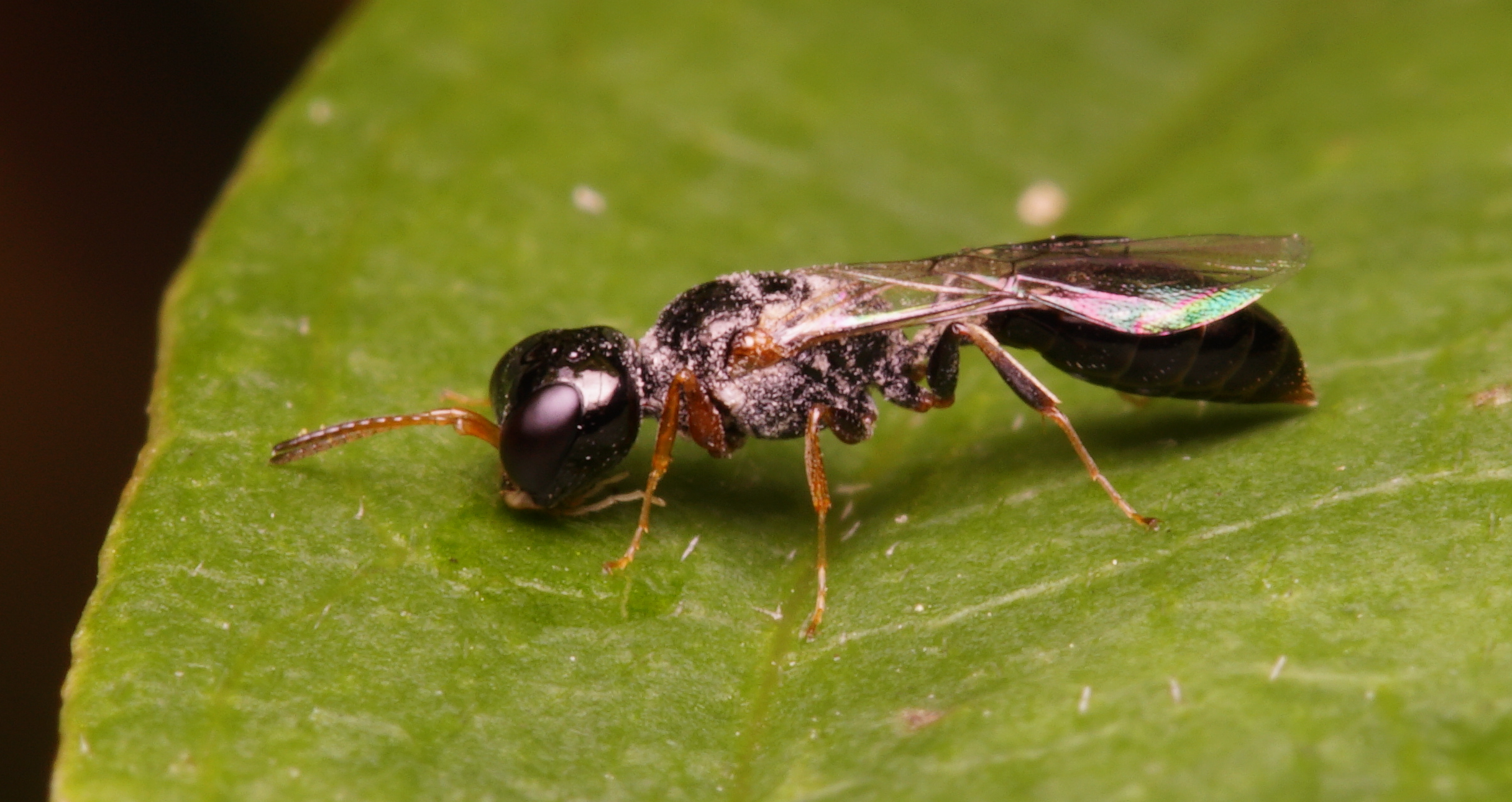
Again with the Ceratina/Osmia.

Bee, Hylaeus.

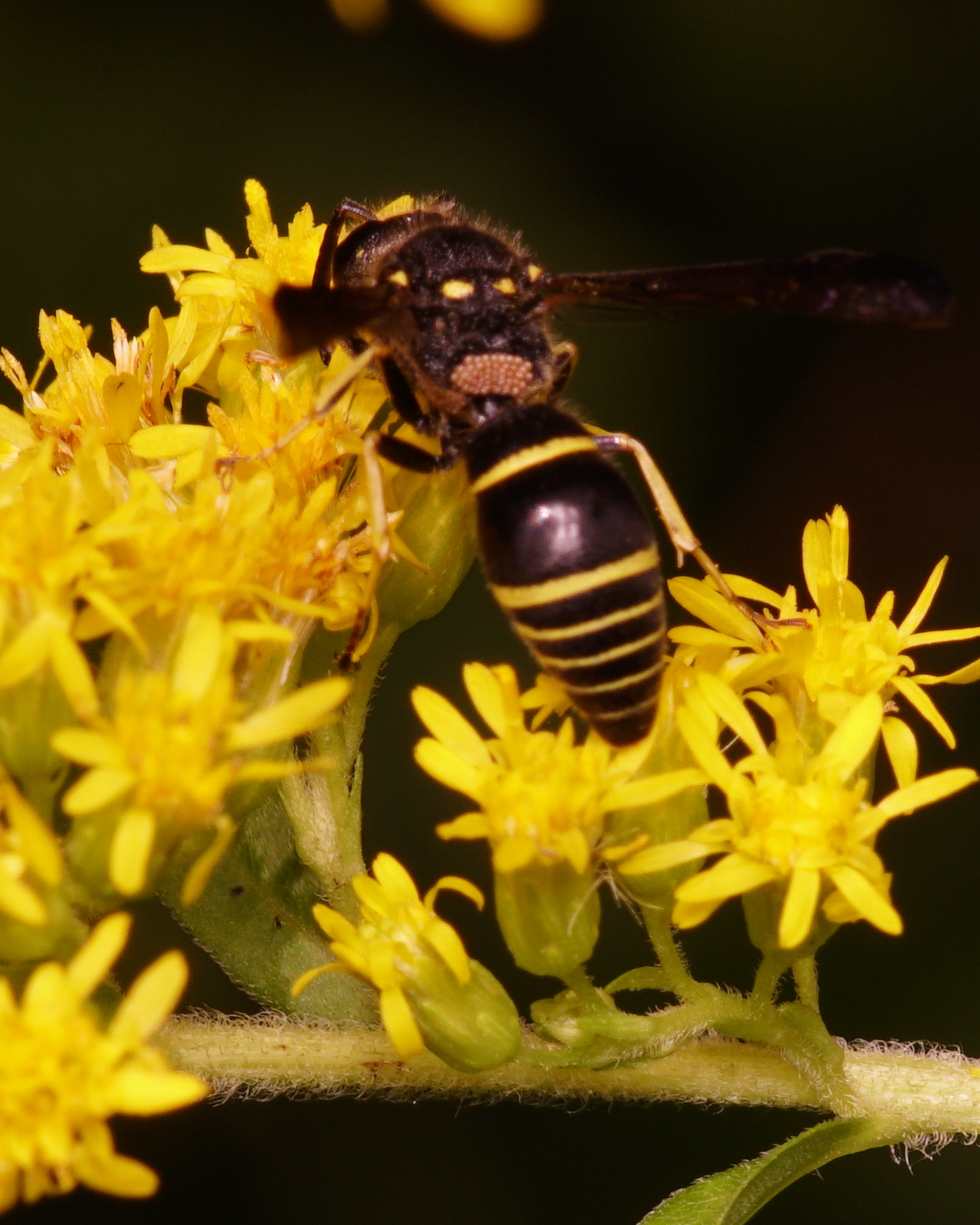
So many mites? Ancistrocerus, I think.
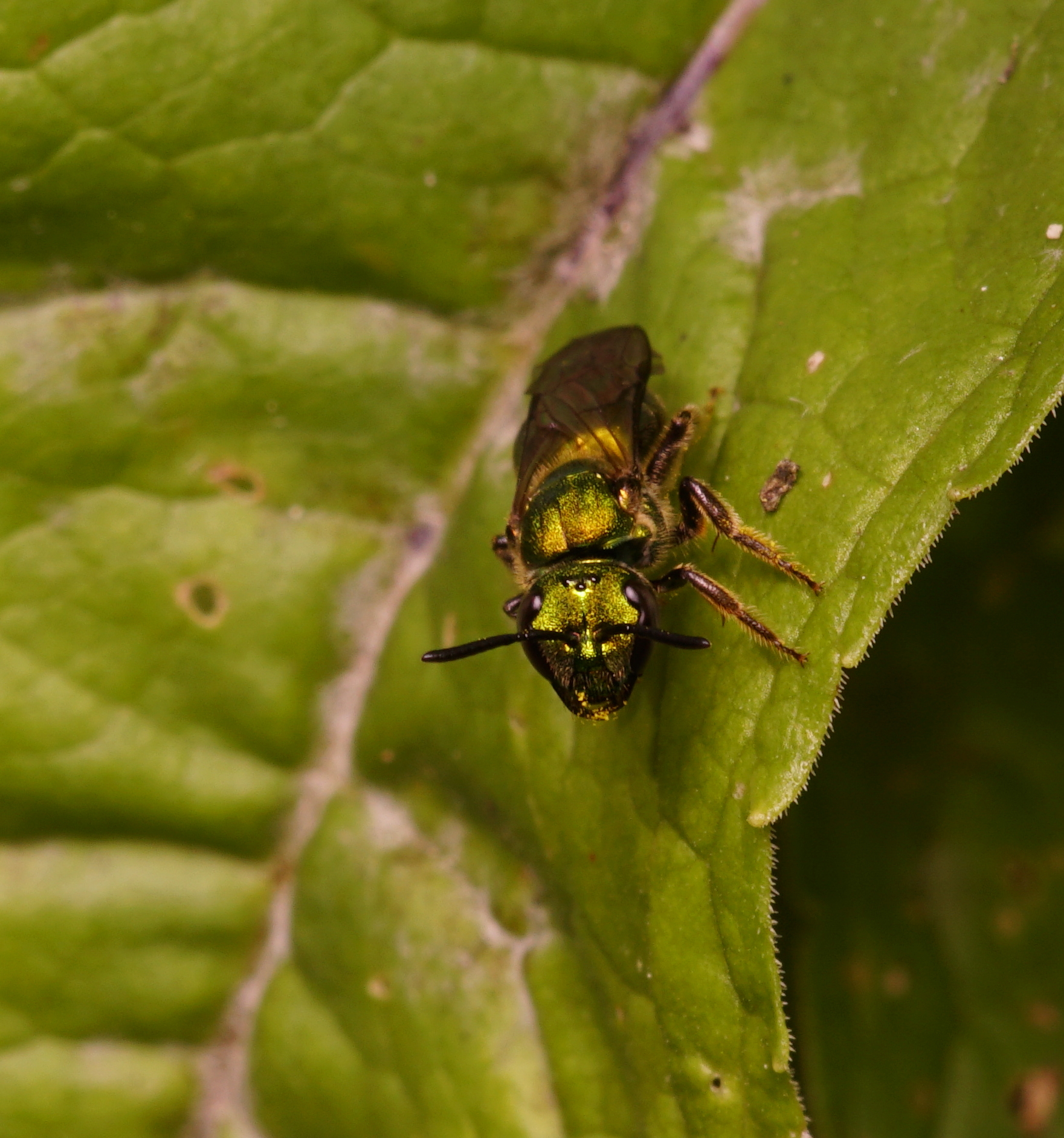
Halictidae, maybe Augochlora pura?
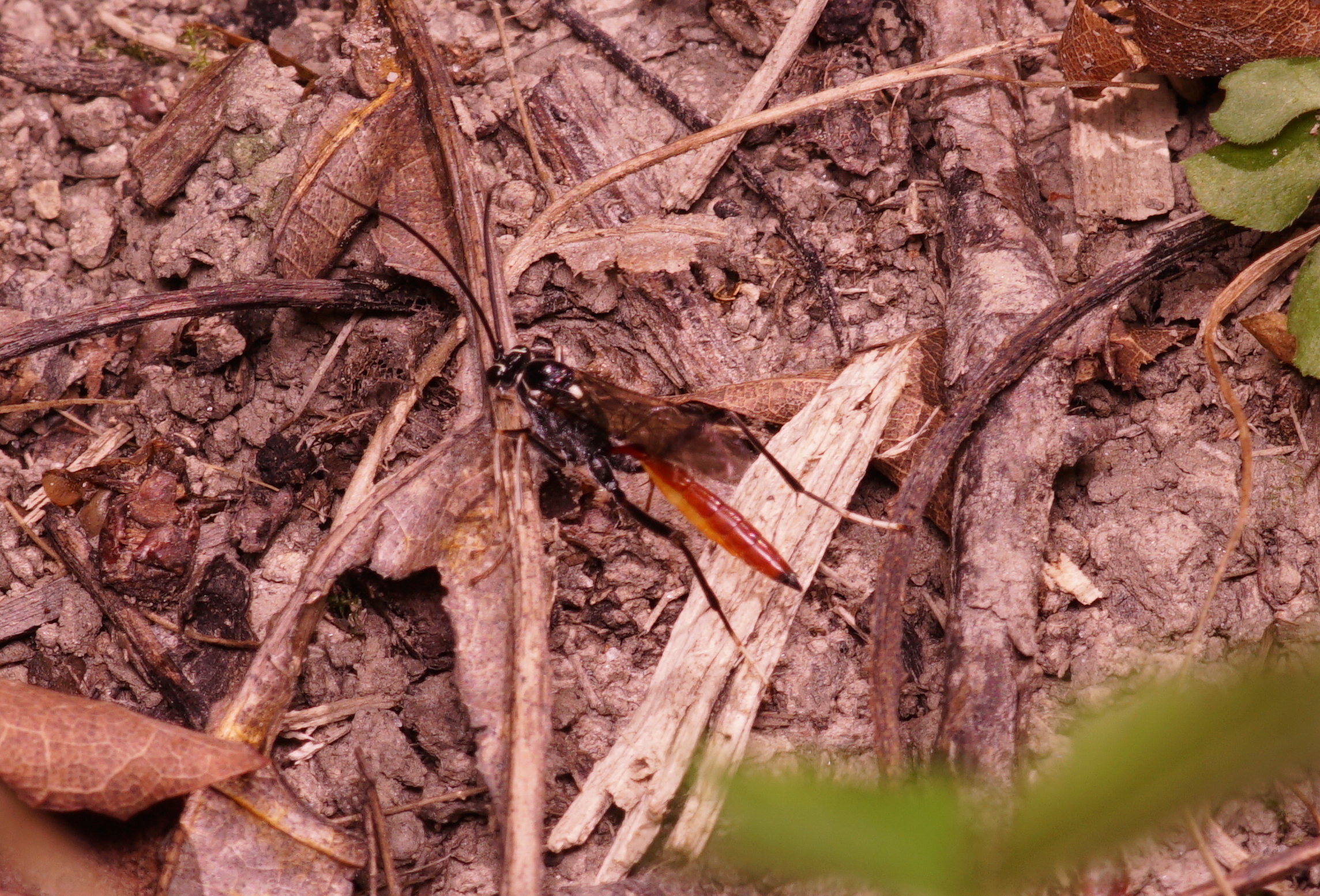
Ichneumonidae, Pimplinae. “Probably Scambus.”

Gasteruptiidae! What a gorgeous specimen. Most of the wasps similar to this seem to be classified as Gasteruption. G. assectator.

Perhaps Ichneumonidae, sub-family Cryptinae? Cryptus cf albitarsus seems very similar.
BugGuide (https://bugguide.net/node/view/349546): “Males are most readily diagnosed and are noted for their prominent white hind tarsi and red abdomens. Females have entirely black bodies and legs apart from a red abdomen and typically with wings subhyaline to weakly infuscate. Though there are several species with similarly colored females, this is the most prevalent across its range.”
The white hind tarsi and red abdomens certainly fit.
Ancistrocerus, I think.
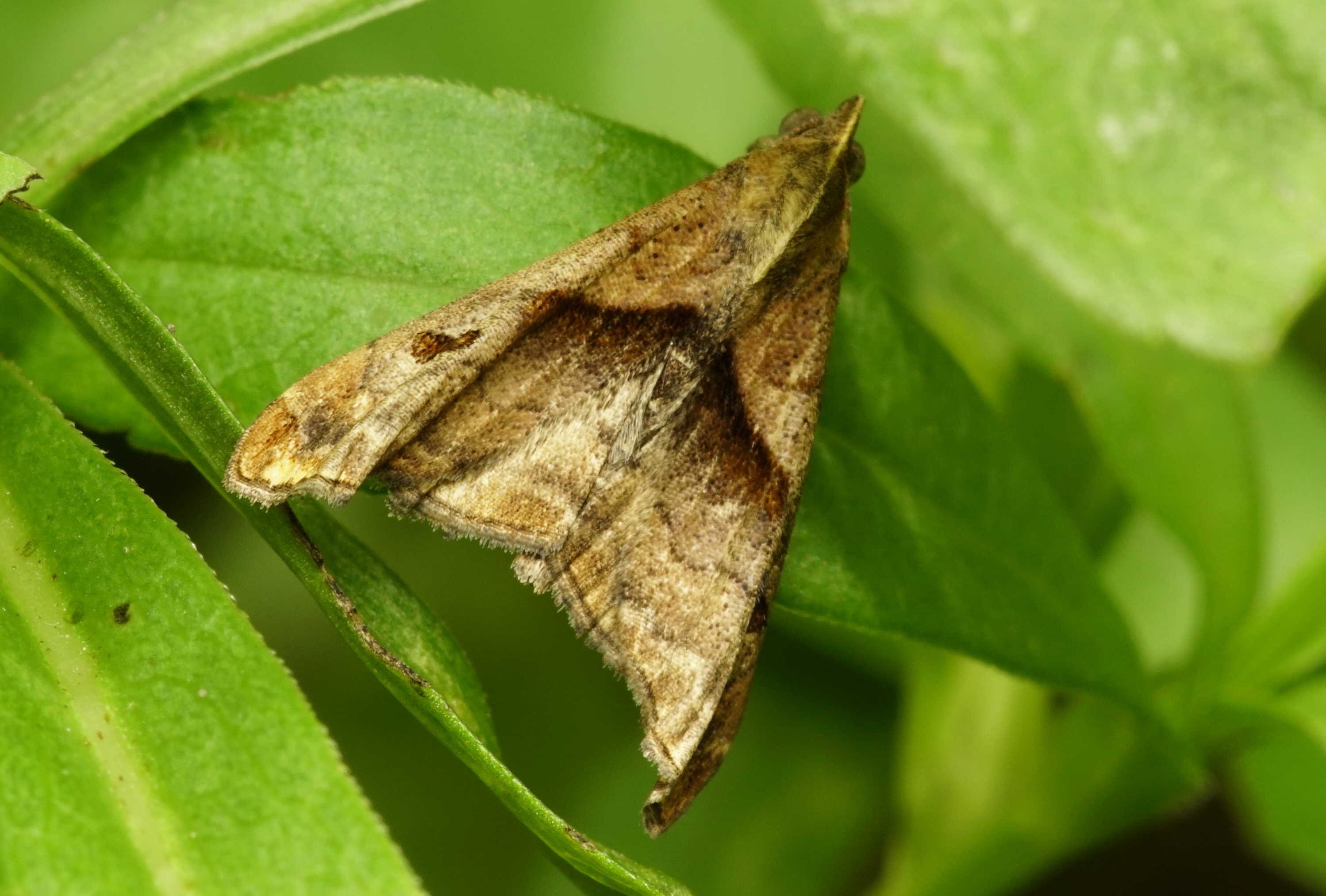
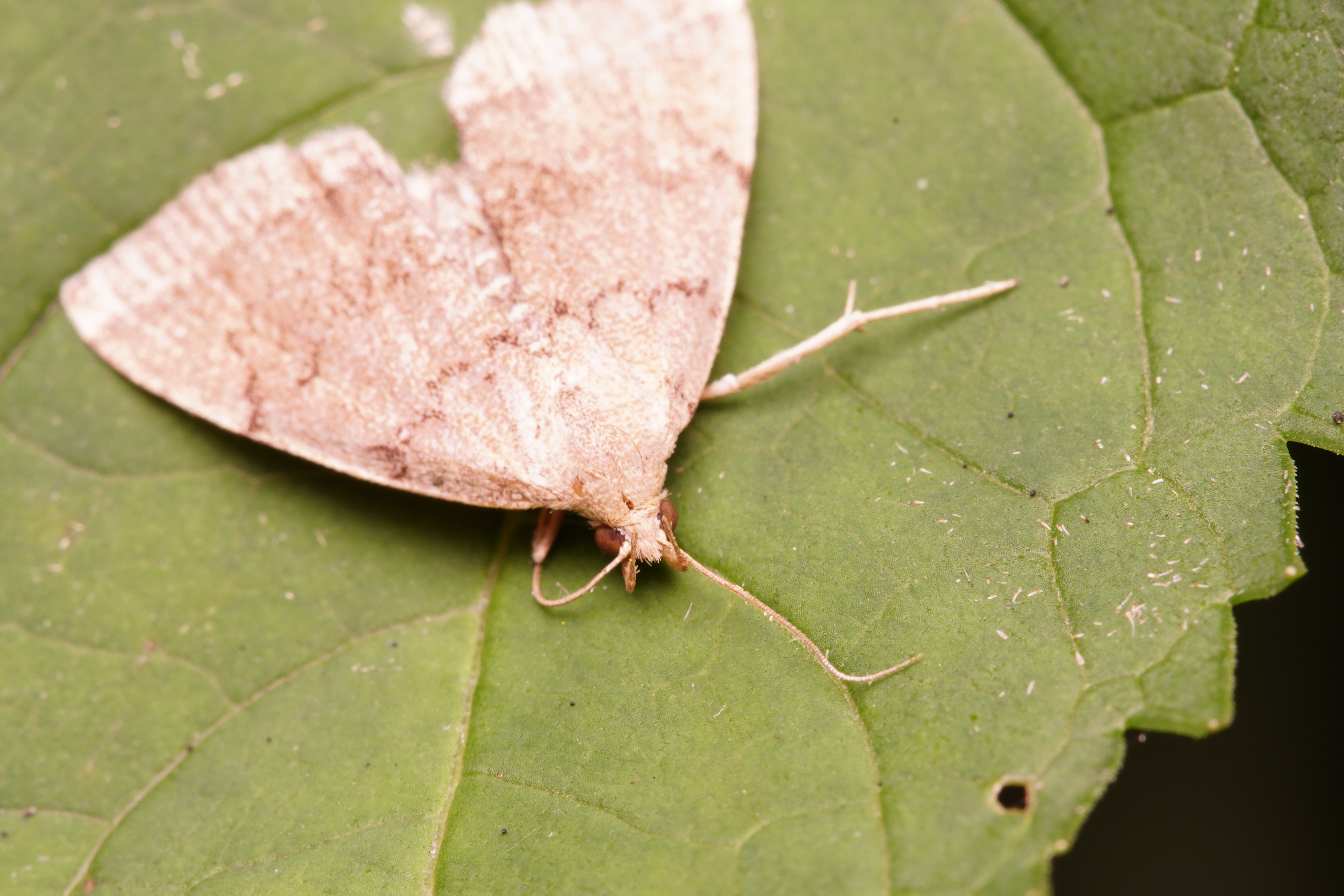
Moths, man, moths. So tough to ID. I looked through Tom Murray’s August moth page (https://pbase.com/tmurray74/moths_august_2015), but nothing ran in and hit me in the face.
There seemed to be a lot of Lymantria dispar (aka spongy moth) signs, which is definitely not a happy fact.
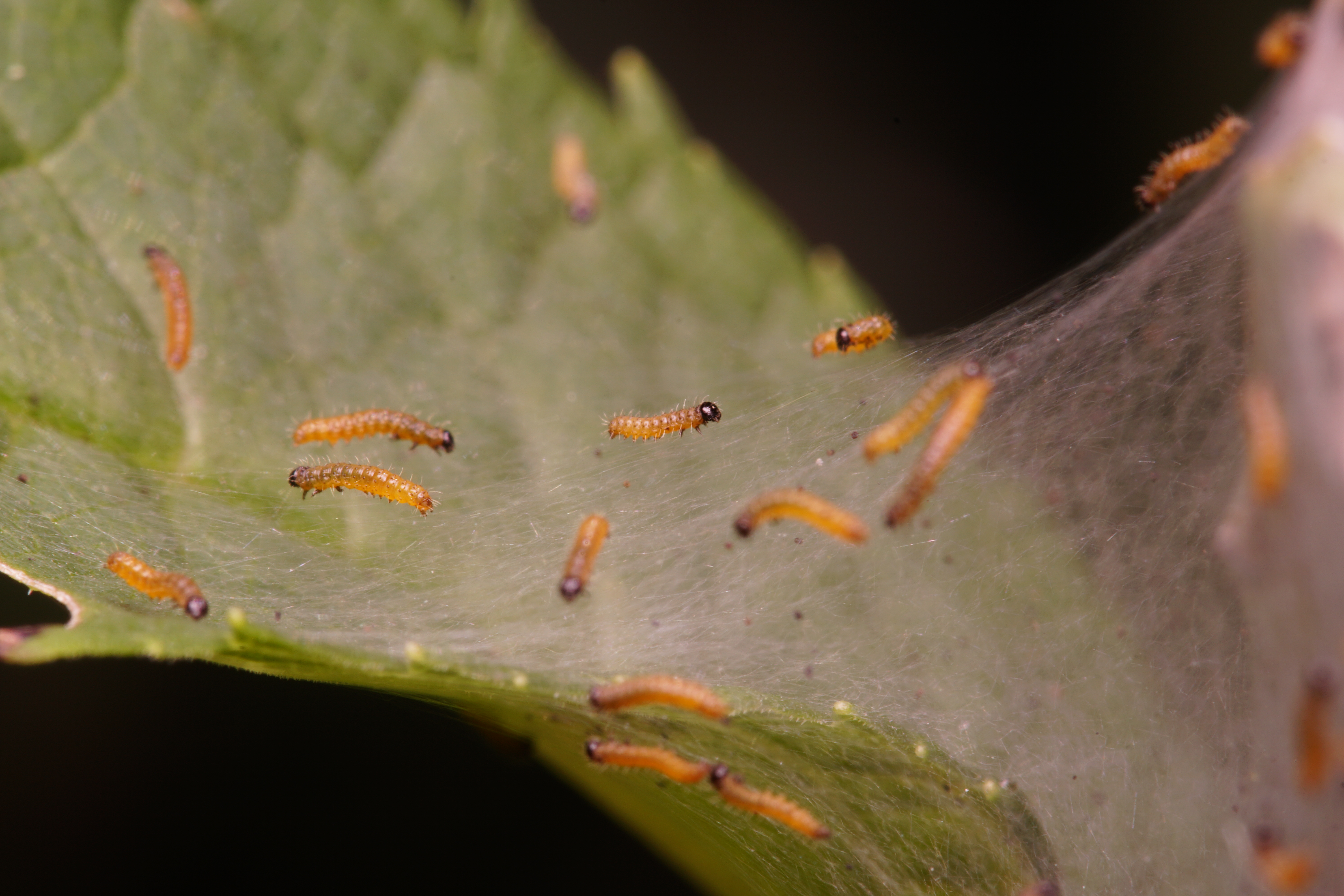
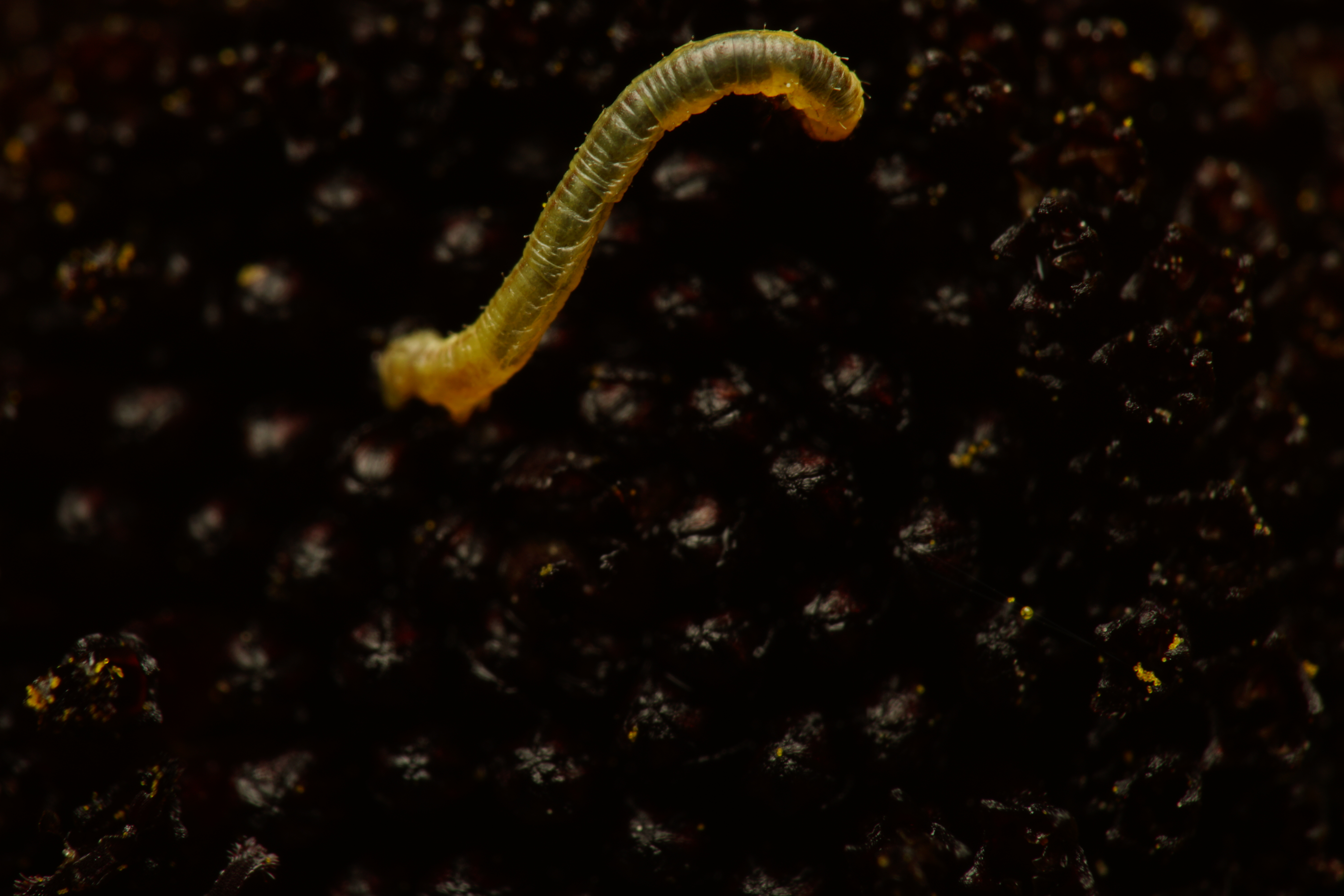
I initially thought these were sawfly larvae, but they seem to have not more than four prolegs, plus the anal clasper. So I’m not sure.
Spittlebug (Cercopodidae), seems to me to be genus Aphrophora. Maybe four-spotted spittlebug, Aphrophora quadrinotata, but doesn’t seem a perfect fit.
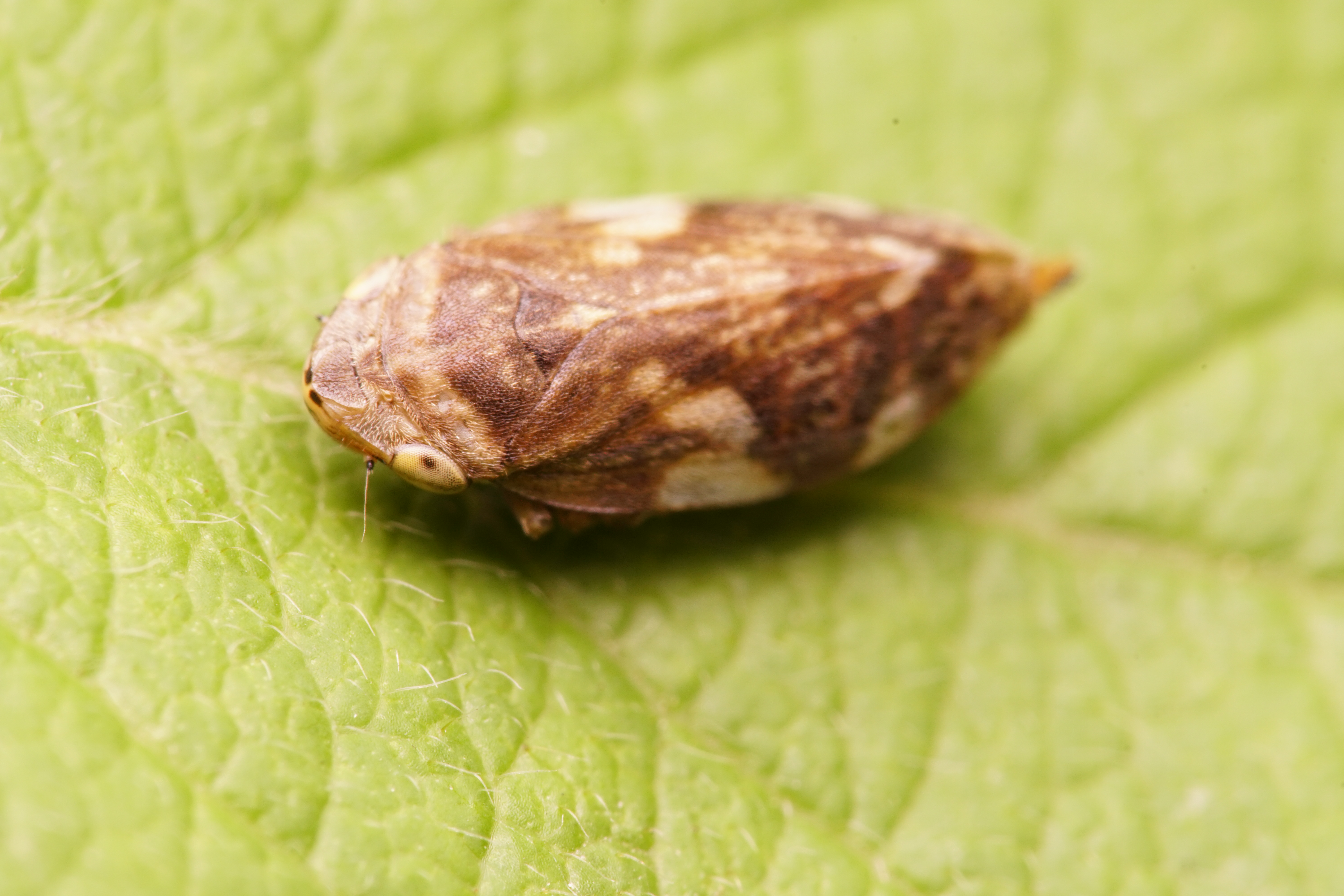
Maybe Plant bug (Miridae), maybe even Lygus lineolaris.
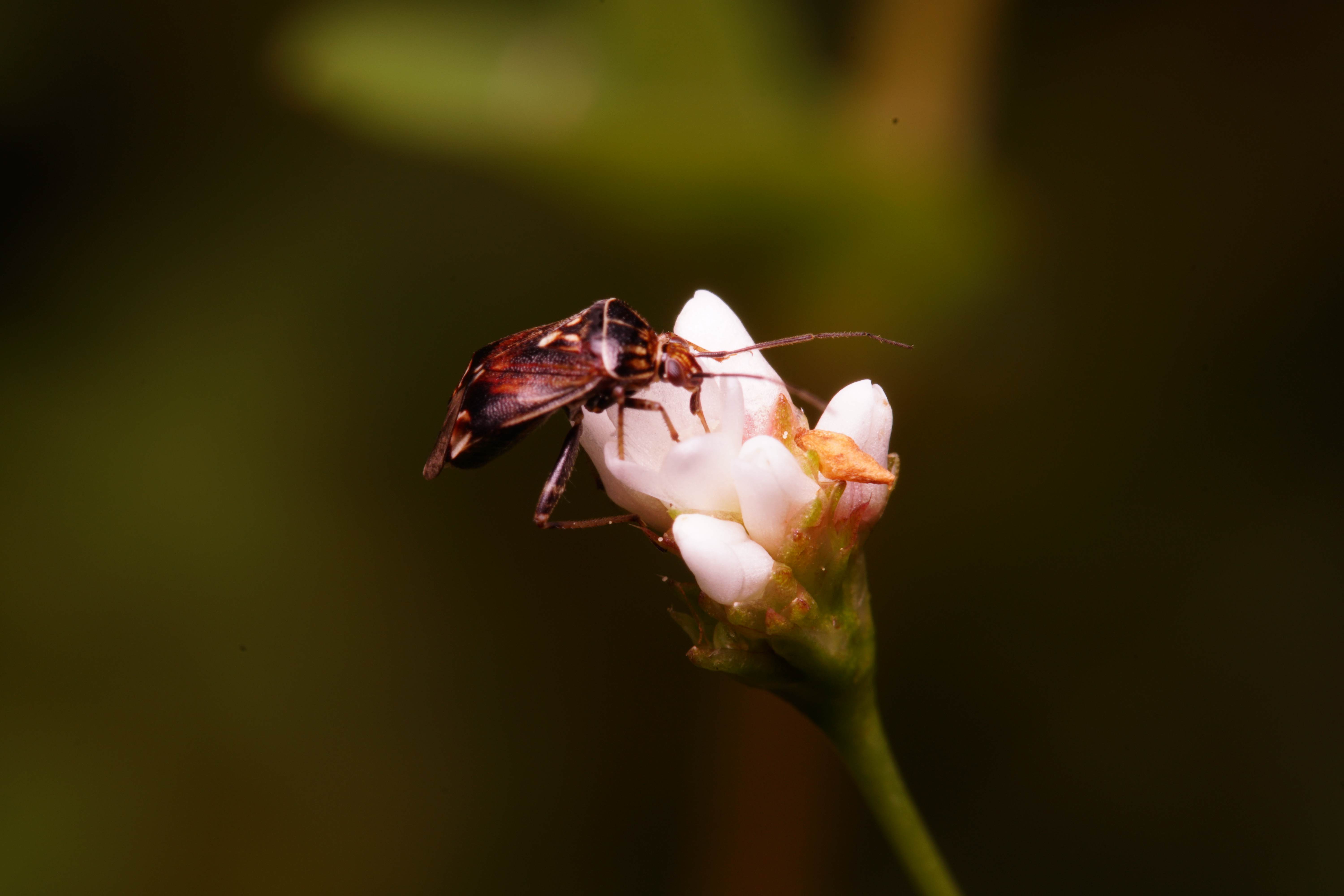
Such a gorgeous creature, I’m very annoyed I couldn’t get a shot in better focus. Also, annoyingly for such a distinctive bug, I’m not at all sure which kind of hopper it is.
FB: “Clastoptera proteus”
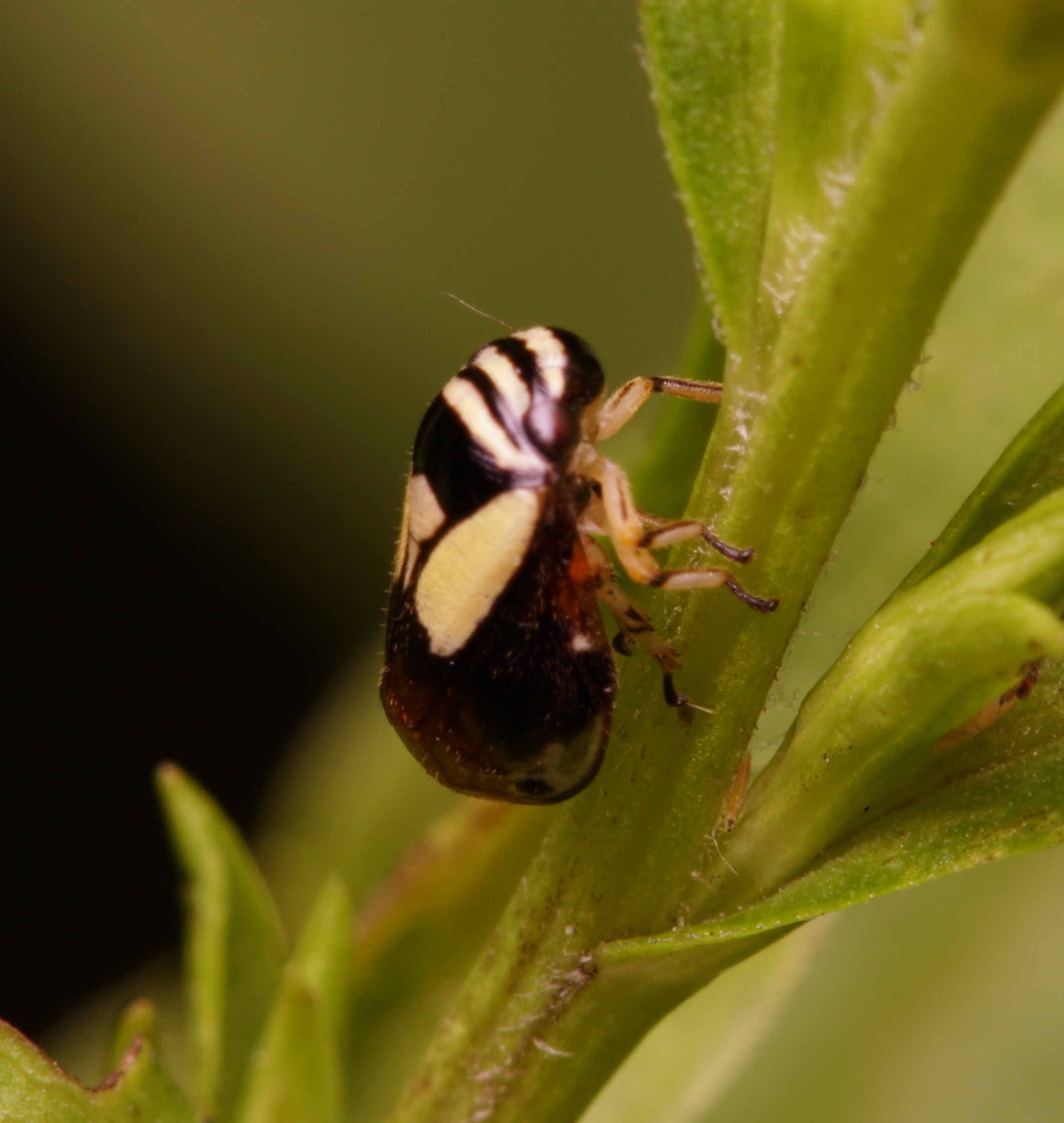
Graphocephala leafhopper

Another spittlebug, but looks like a different one from the four-spotted. Maybe Aphorophora alni, European alder spittlebug?
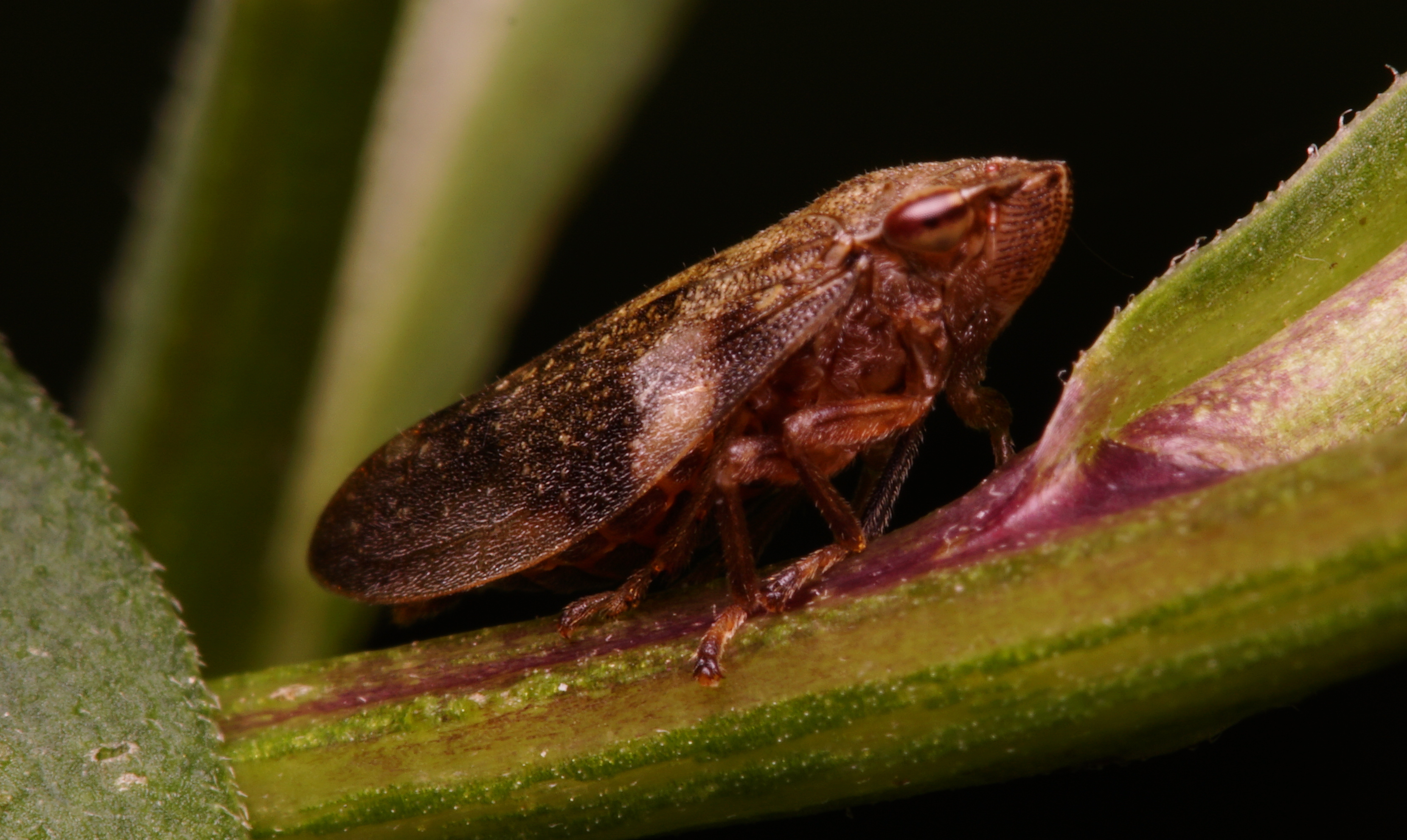
Not sure. FB: “Phytocoris tibialis”

This looks Trirhabda (and I won’t try to specify the species), in Galerucinae (“Skeletonizing Leaf Beetles”), in Chrysomelidae. FB: the species is T. canadensis.

Carabidae. Some similar beetles were classified as Amphasia sericea, but who knows.

What’s going on here, in the second photo? Anyway, best guess is Sciomyzidae, please do not rely on my imaginary expertise in identifying Diptera. Compare with Tetanocera, for example. I /think/ that the antennae are robust enough for Sciomyzidae.
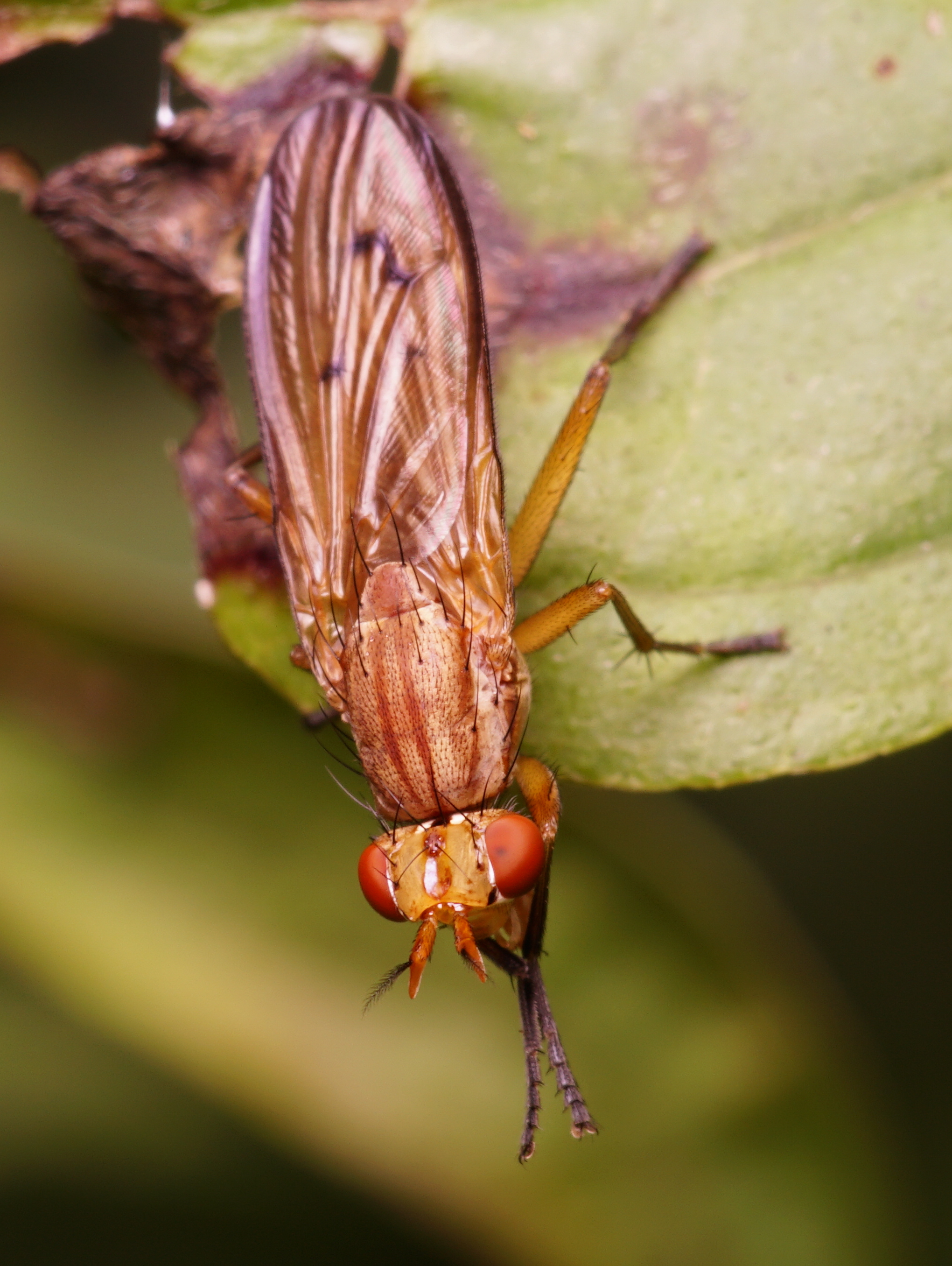

Toxomerus politus

Dolichopodidae?
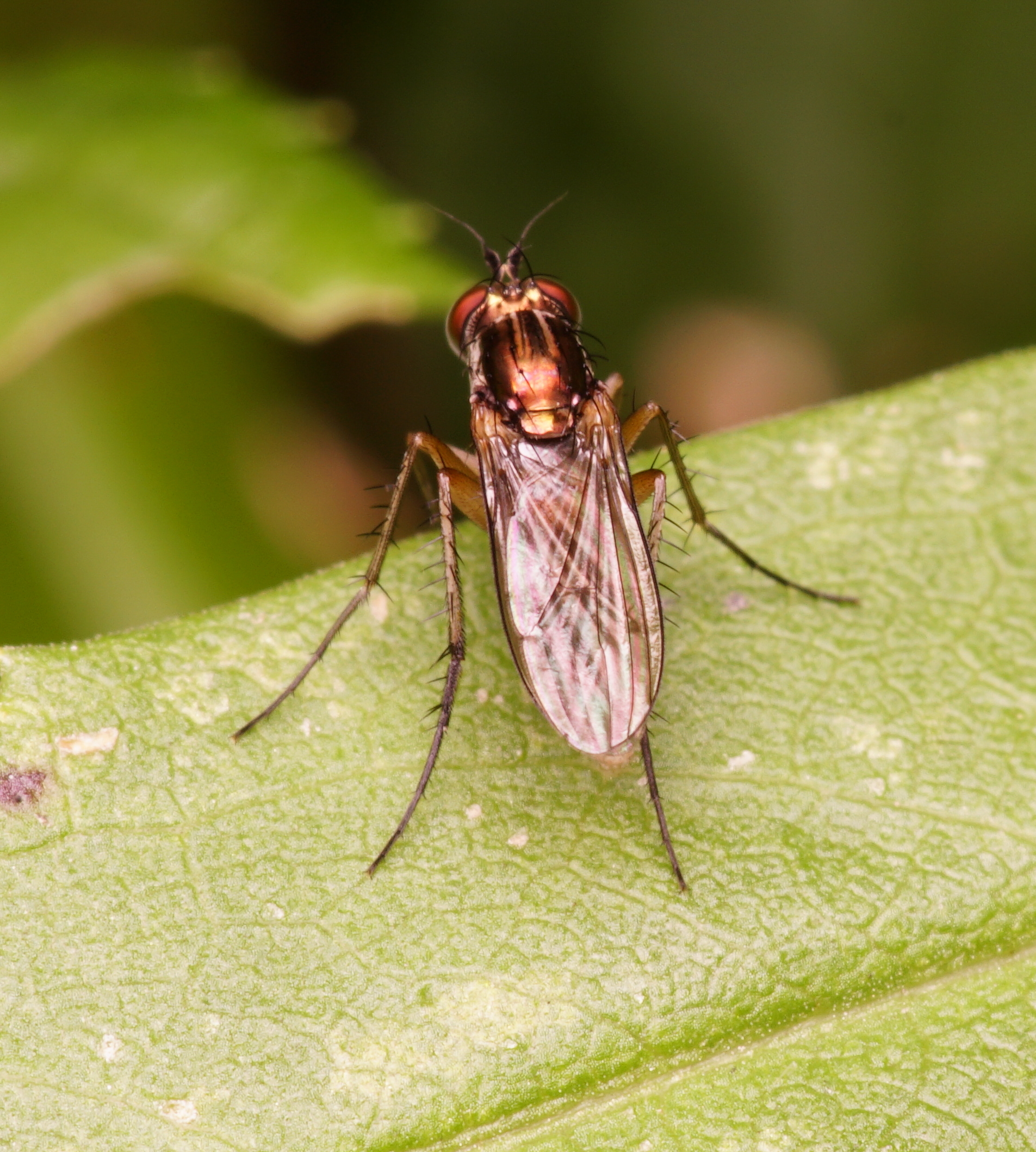
FB: Bombyllidae (to my surprise!) –> Phthiriinae

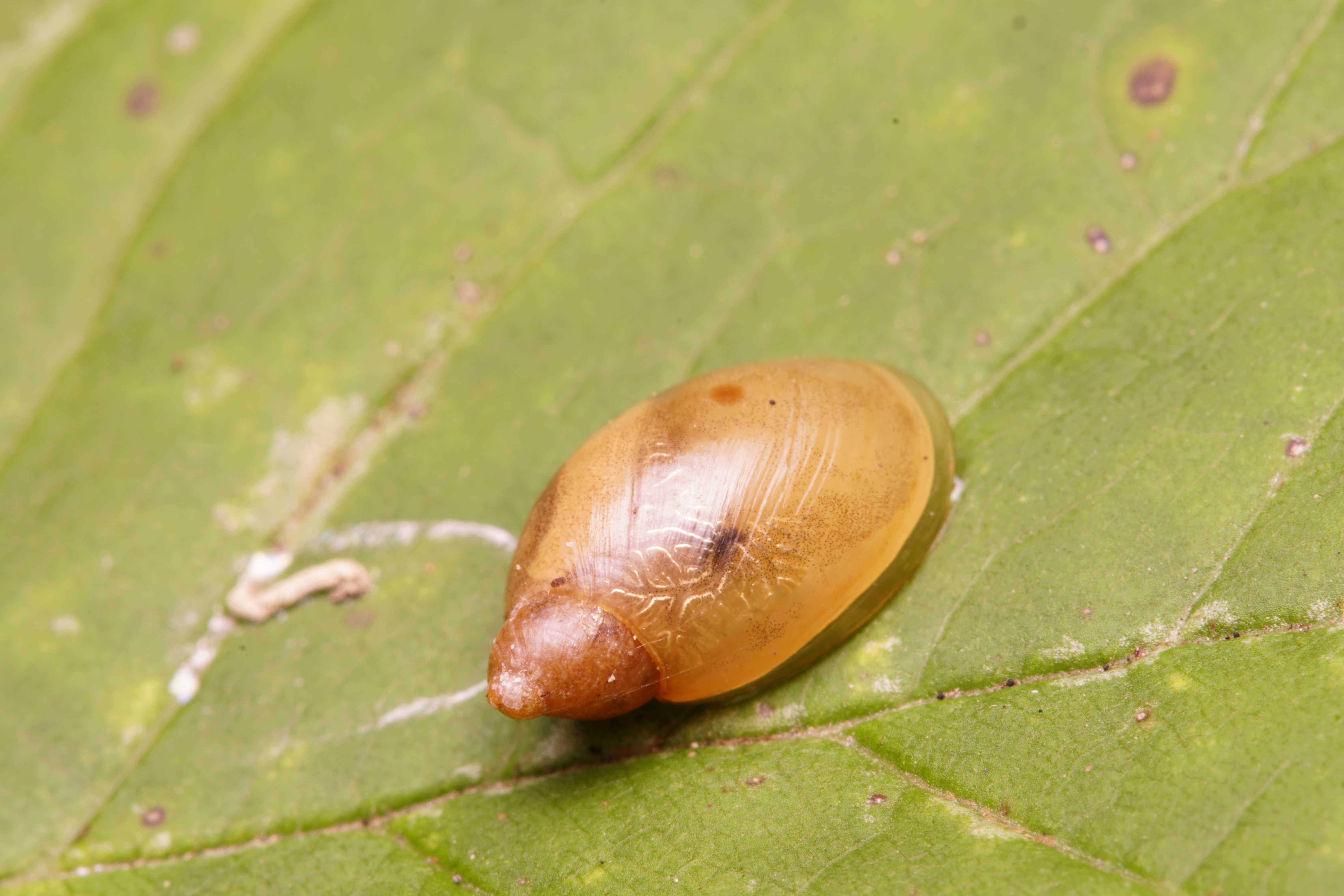
I dunno.
Tephritidae (fruit flies), Eutreta cf noveboracensis. So beautiful!
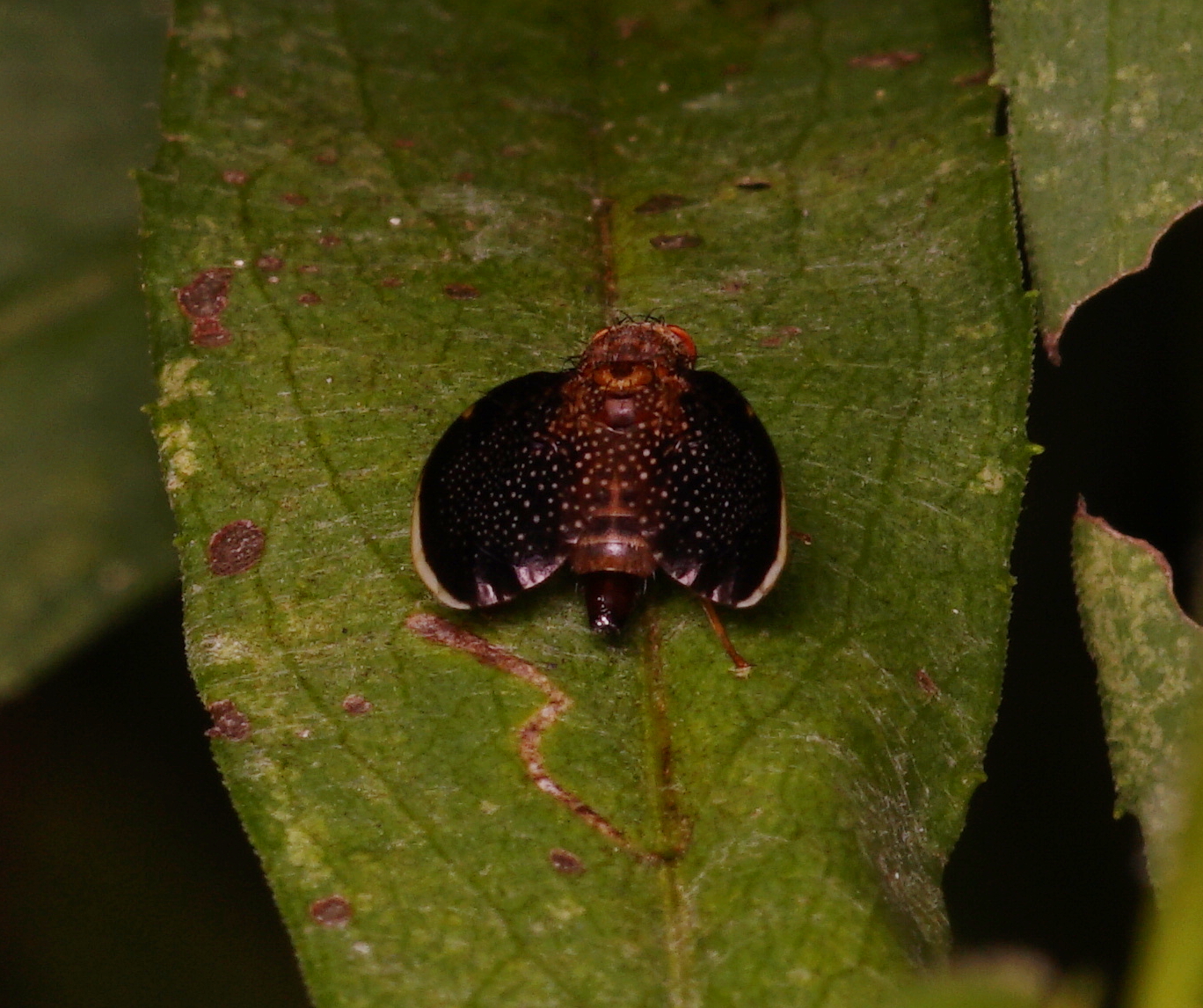
Another view, gorgeous eyes.

FB: Machimus cf sadyates

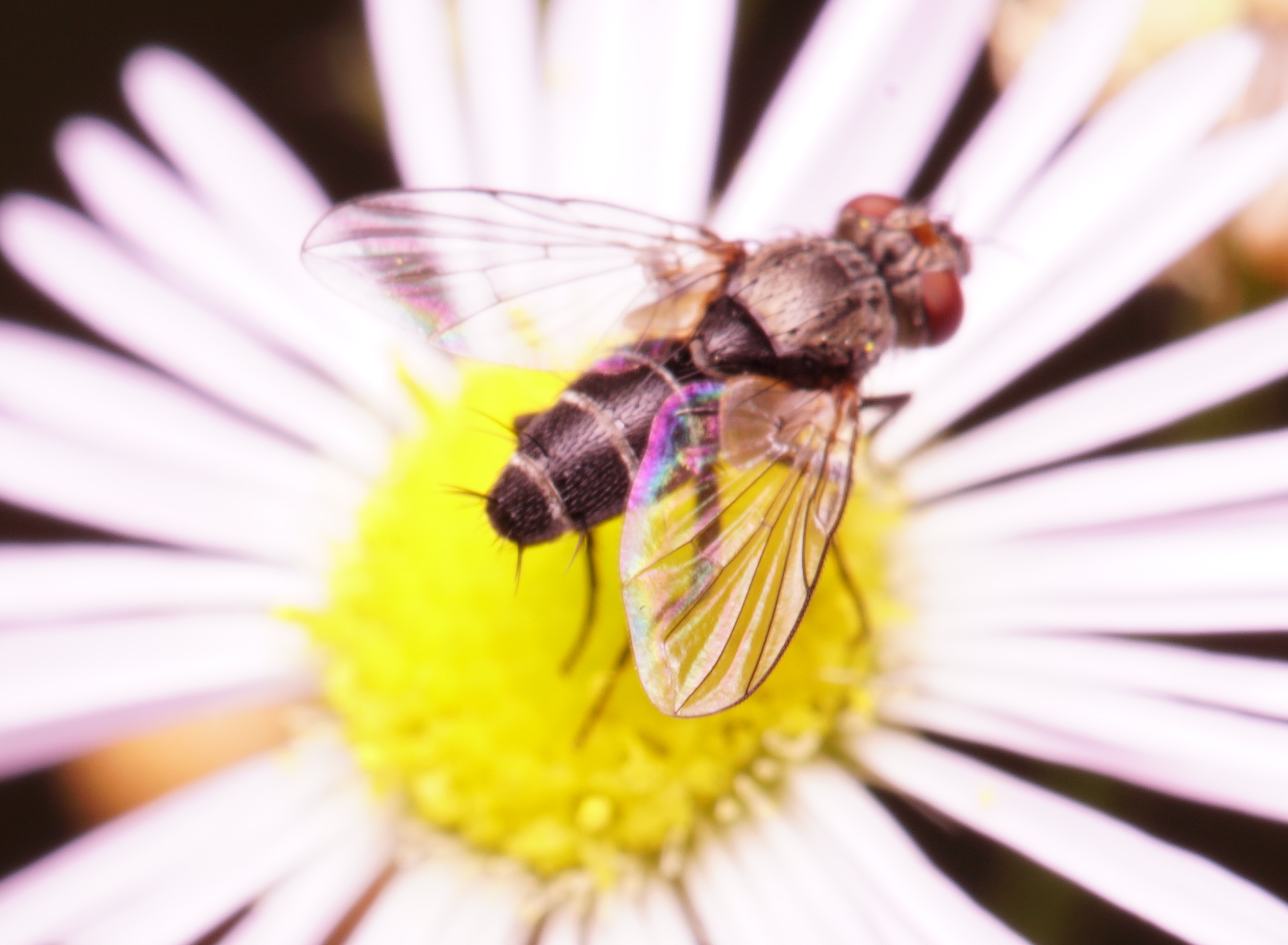
Tachinid flies are supposed to have an enlarged post-scutellum, I’m not sure if this qualifies. Clausicella, in particular, seems a good fit (https://bugguide.net/node/view/1136491). BugGuide says:
“Leskiini with long proboscis, head nearly rectangular with long antennae originating at top of eye (similar to Atherigona), second aristomere longer than wide, third thick through most of its length. Only two humeral bristles. The common species have black abdomen with whitish bands, usually narrow, and vein M meeting R4+5 at wing margin. Superficially similar to Siphonini.”
Someone is welcome to translate that into English, but I shared this photo specifically because it does have wing venation. If you ask for any other angles/focus, I’d be happy to share!
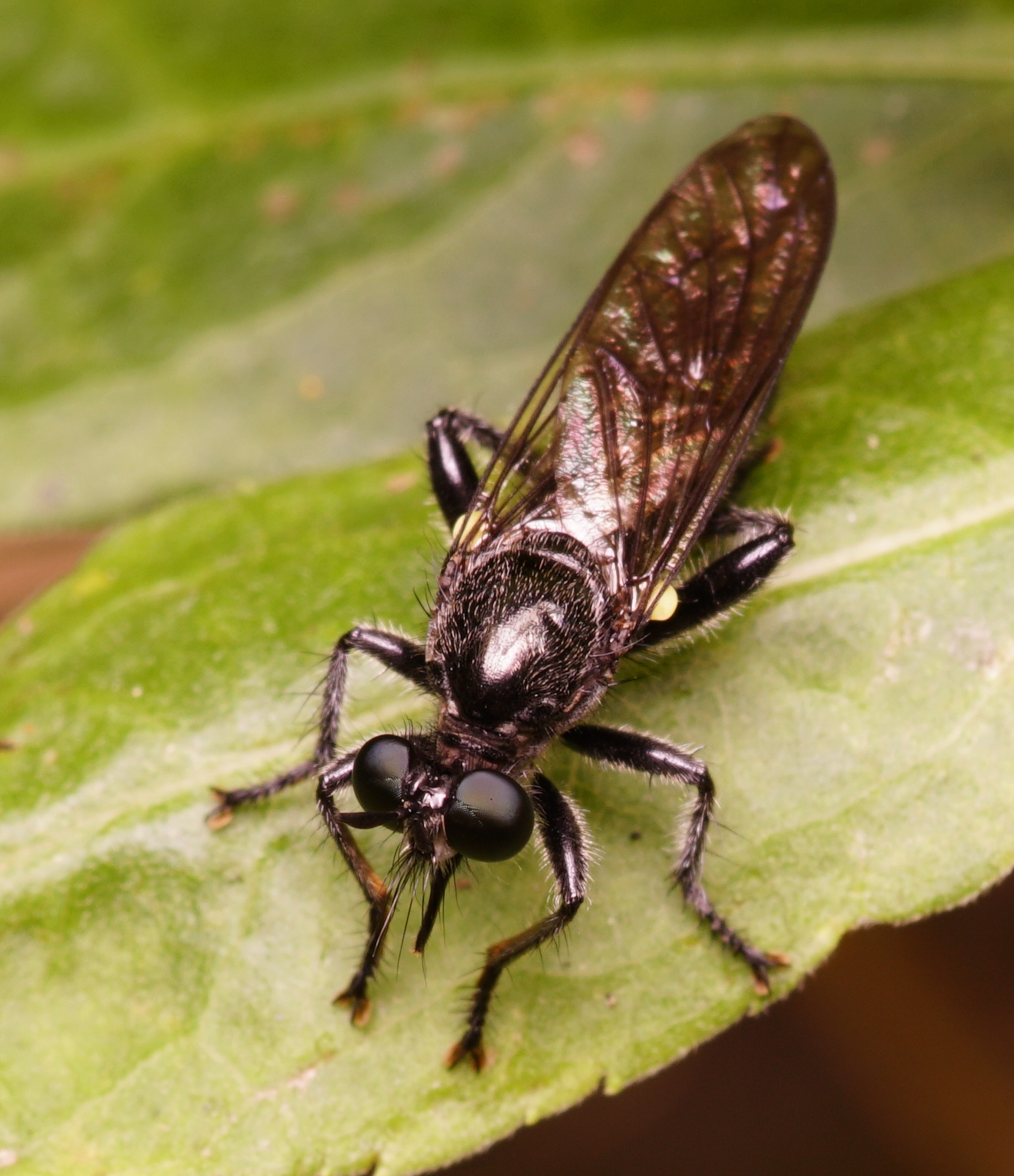
FB: Laphria, canis complex
There are many orders I am poor at. One of the is Odonates. This one seems to be shrugging their second legs at me, telling me to up my game already.
A bluet? Azure bluet suggested, Enallagma aspersum

Identified for me as a juvenile Tigrosa helluo.

Desaturated the color on this one but not all the way to black and white, how did I do?





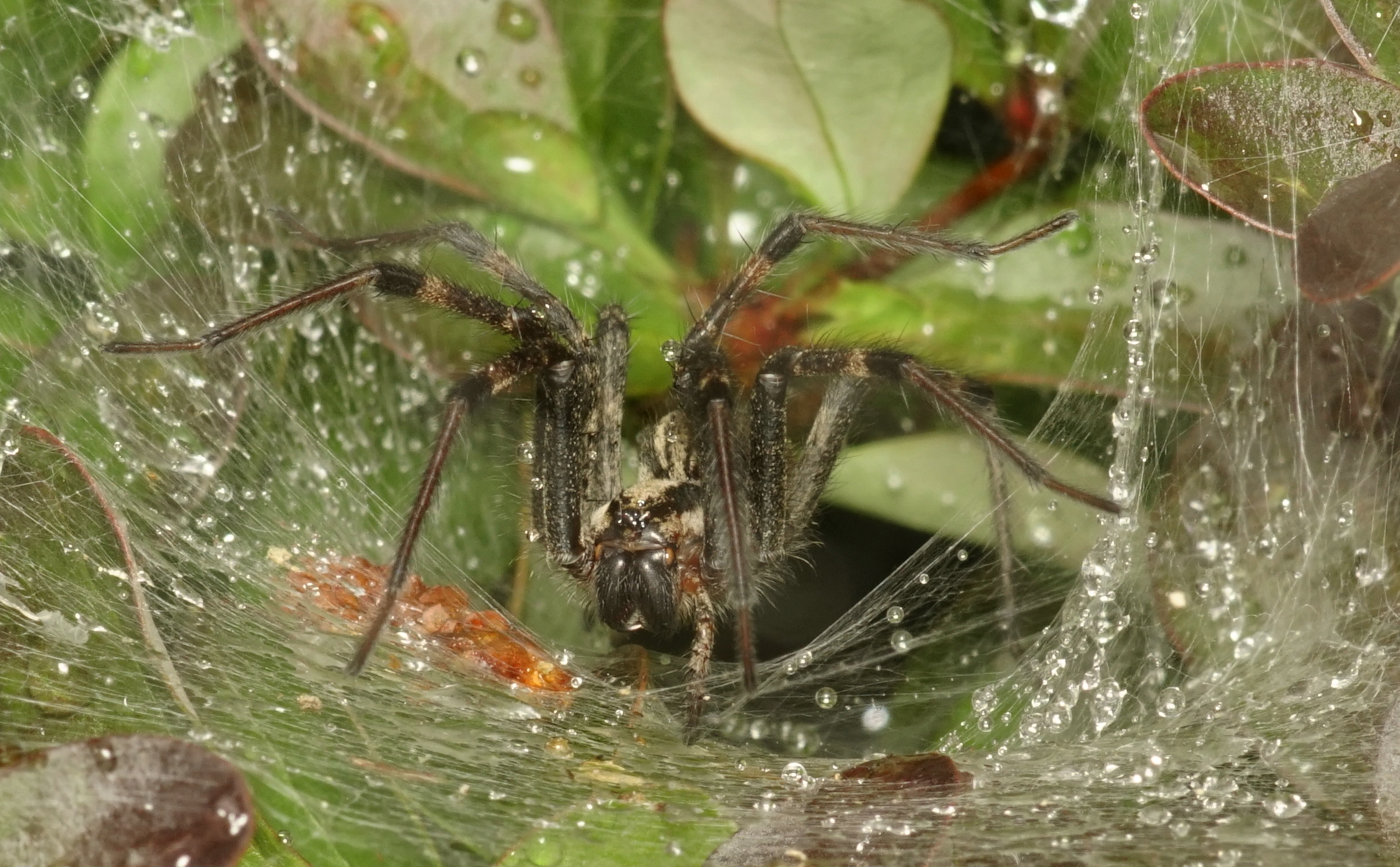
Agelenopsis
Pelegrina? Very very difficult to have any confidence in this.
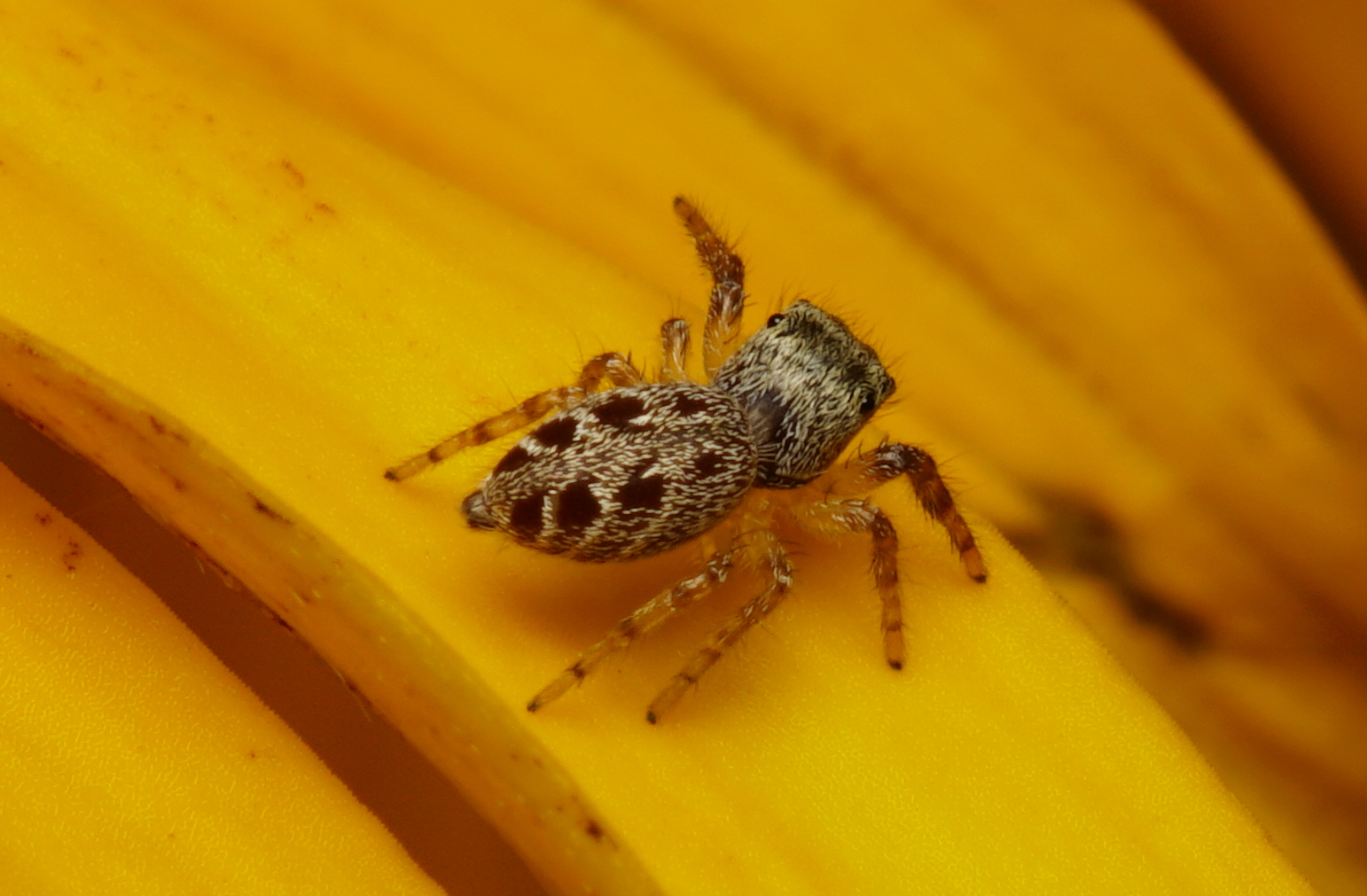
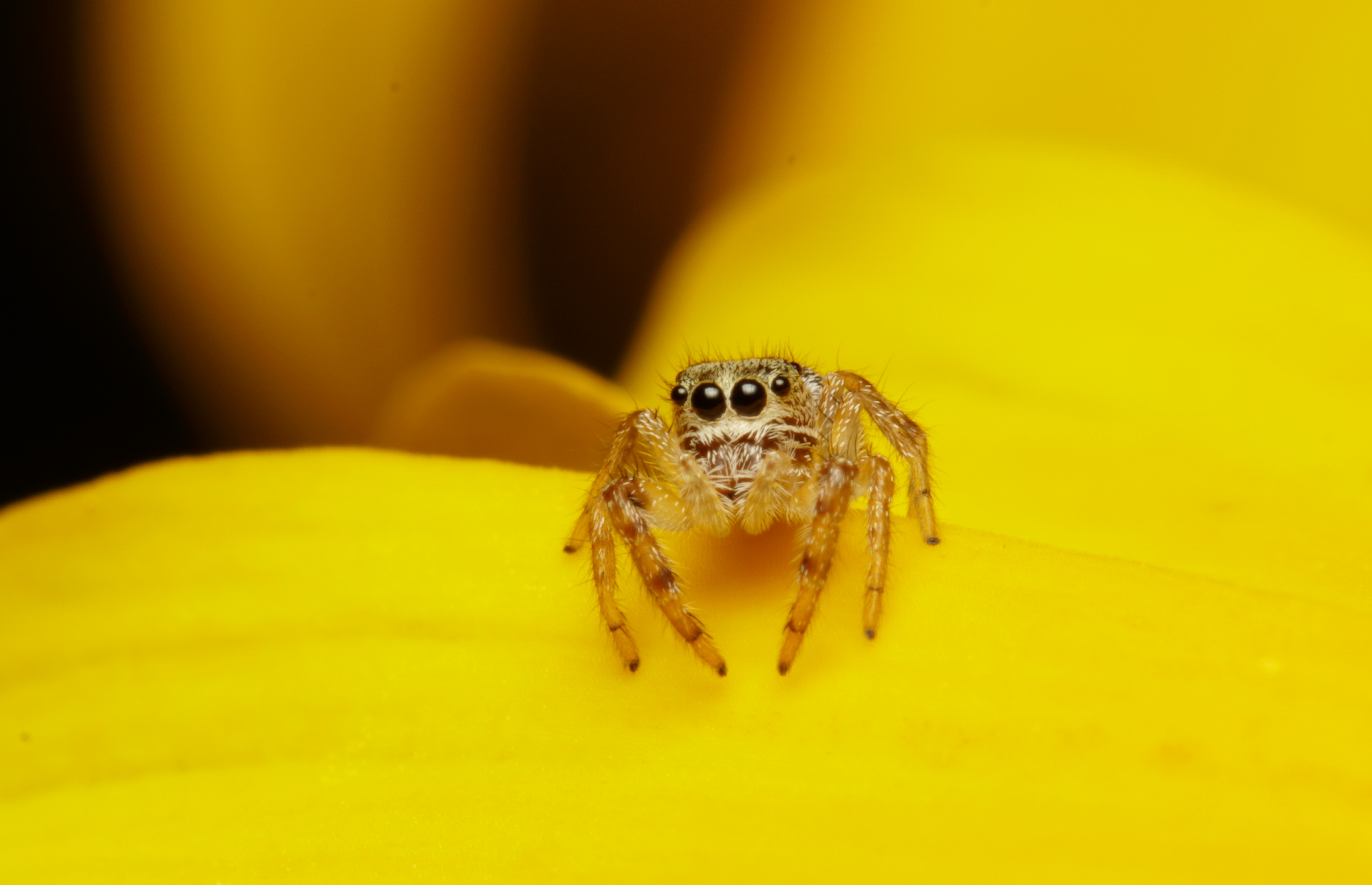
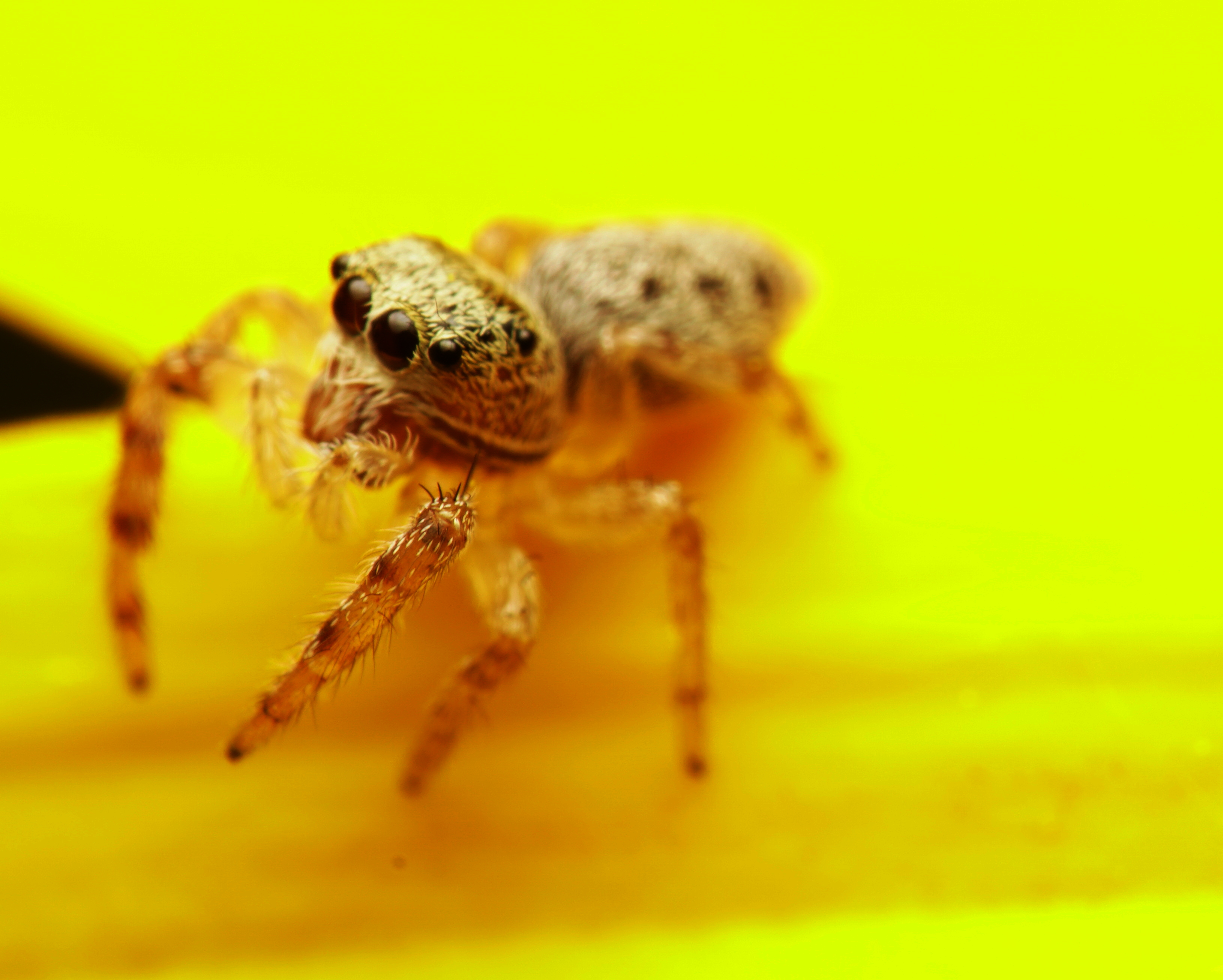
Mecaphesa
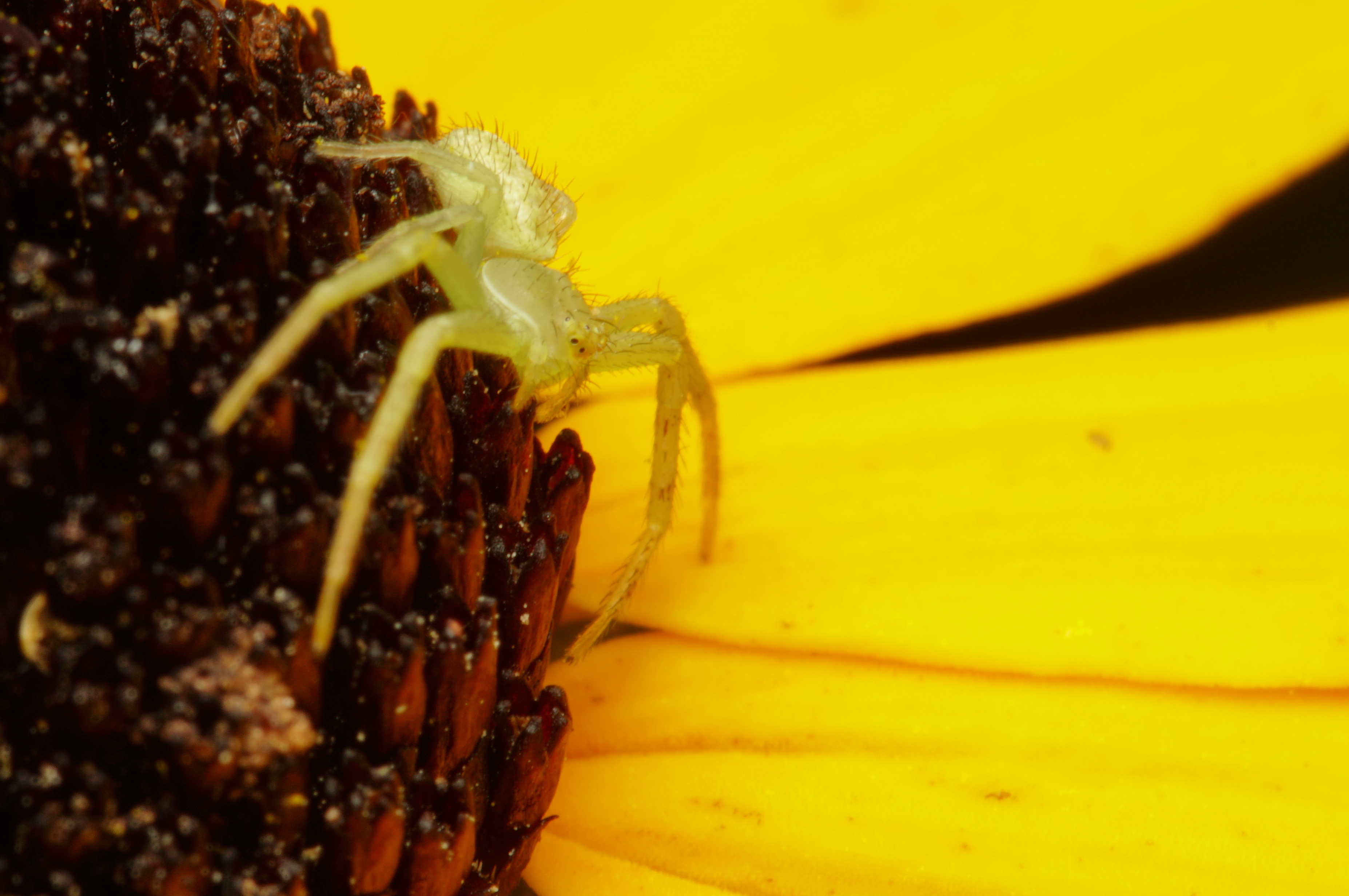
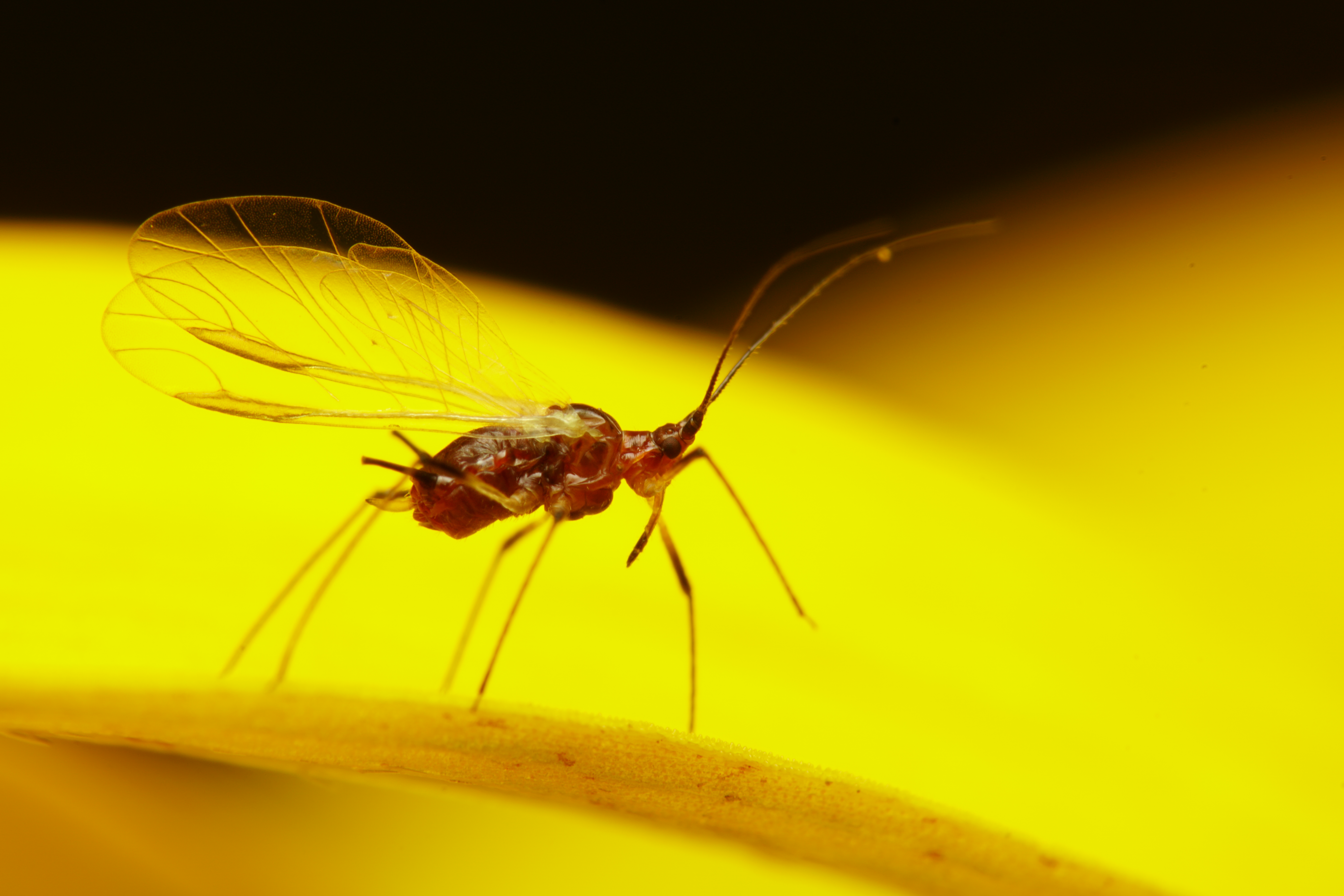
Winged aphid
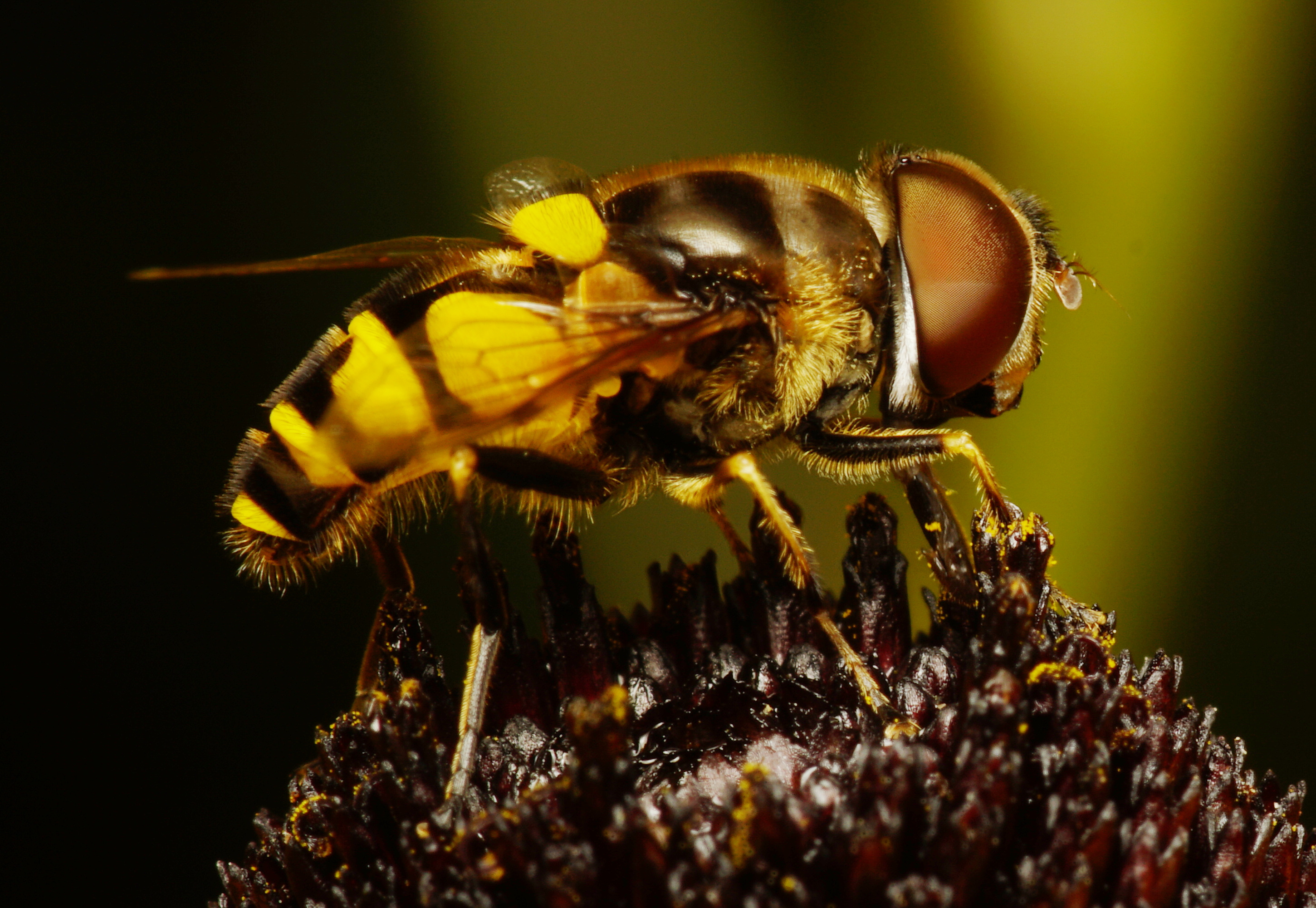
Could be Syrphus?
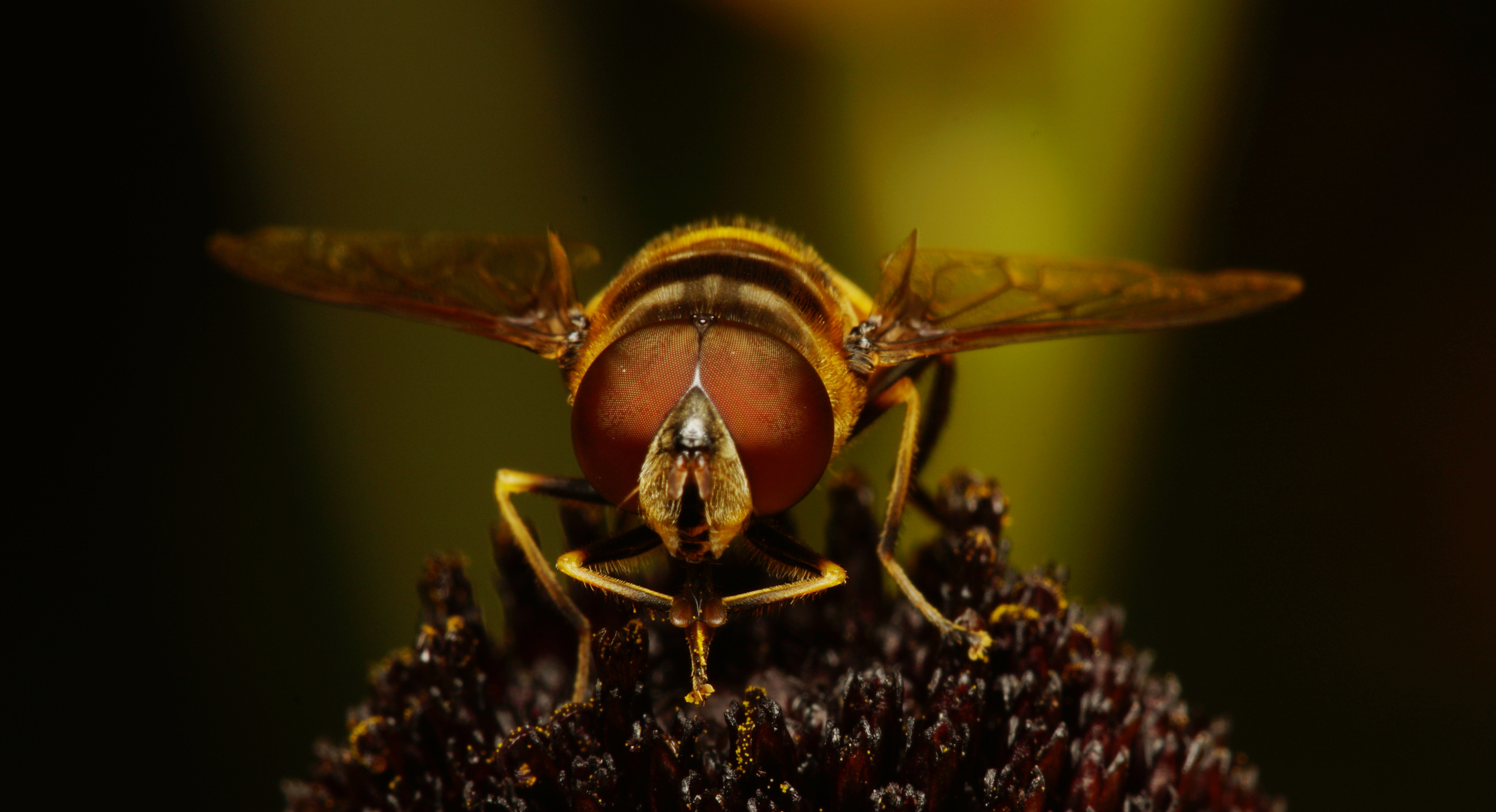

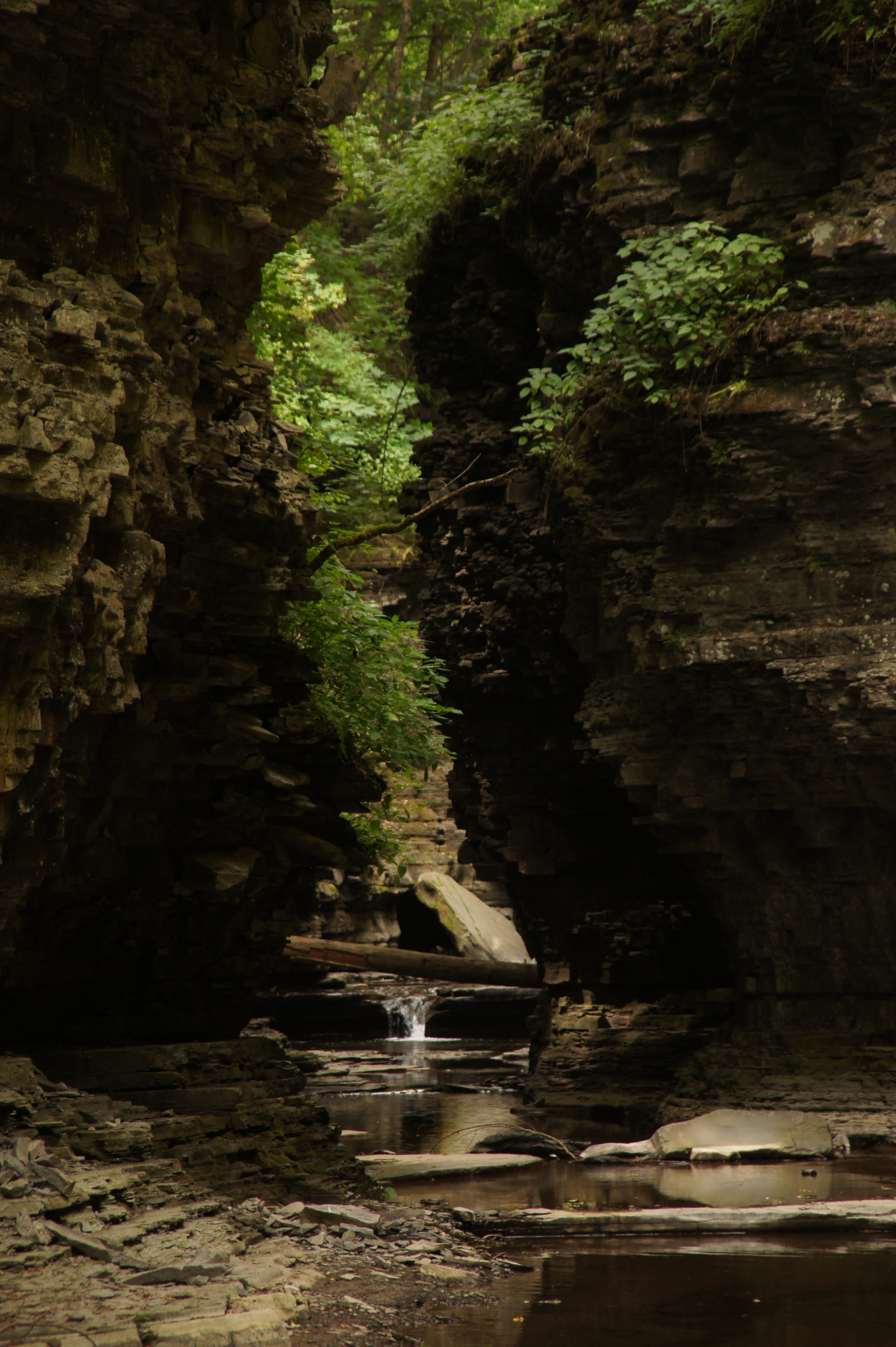
My first time here.





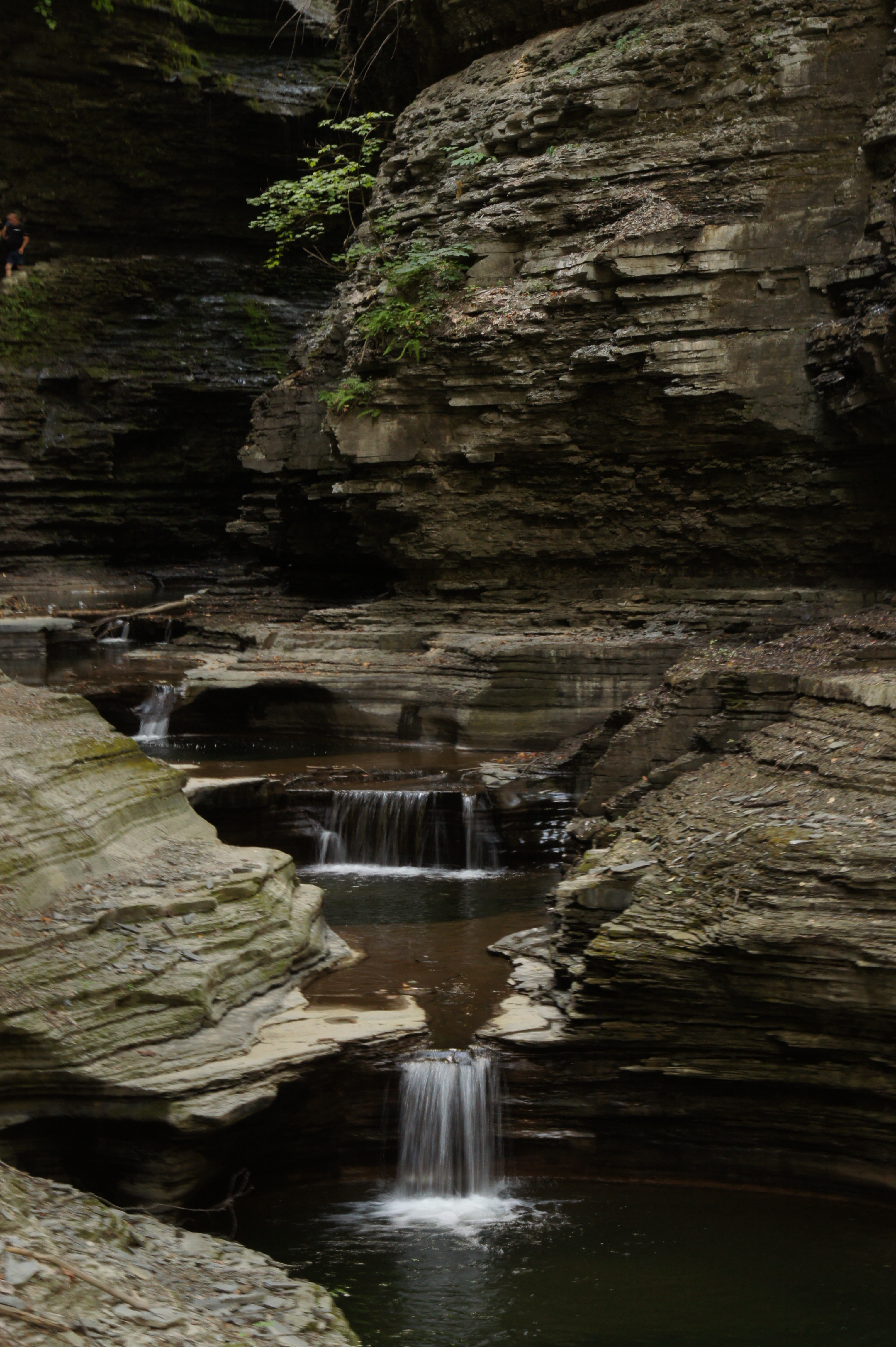






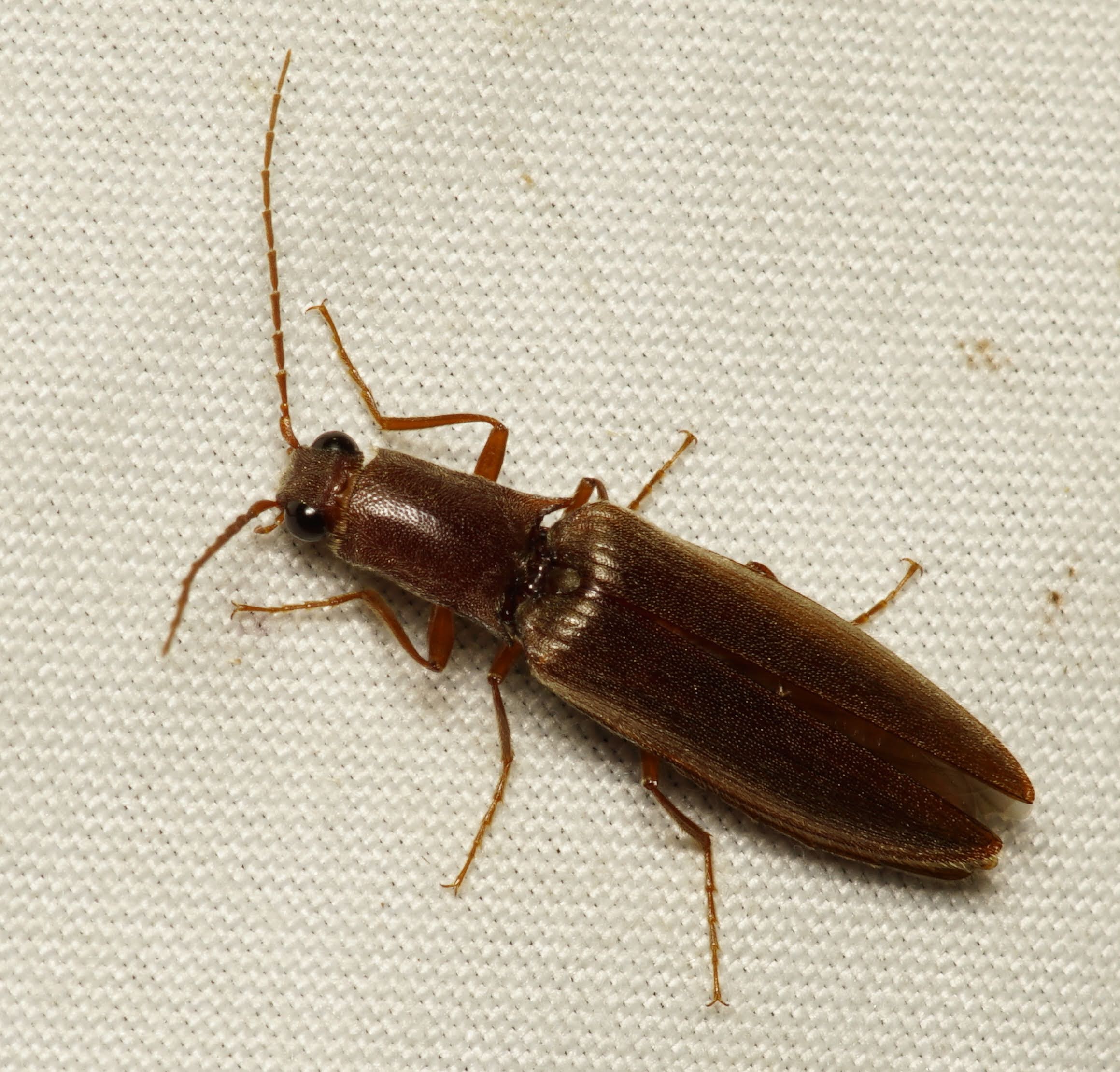


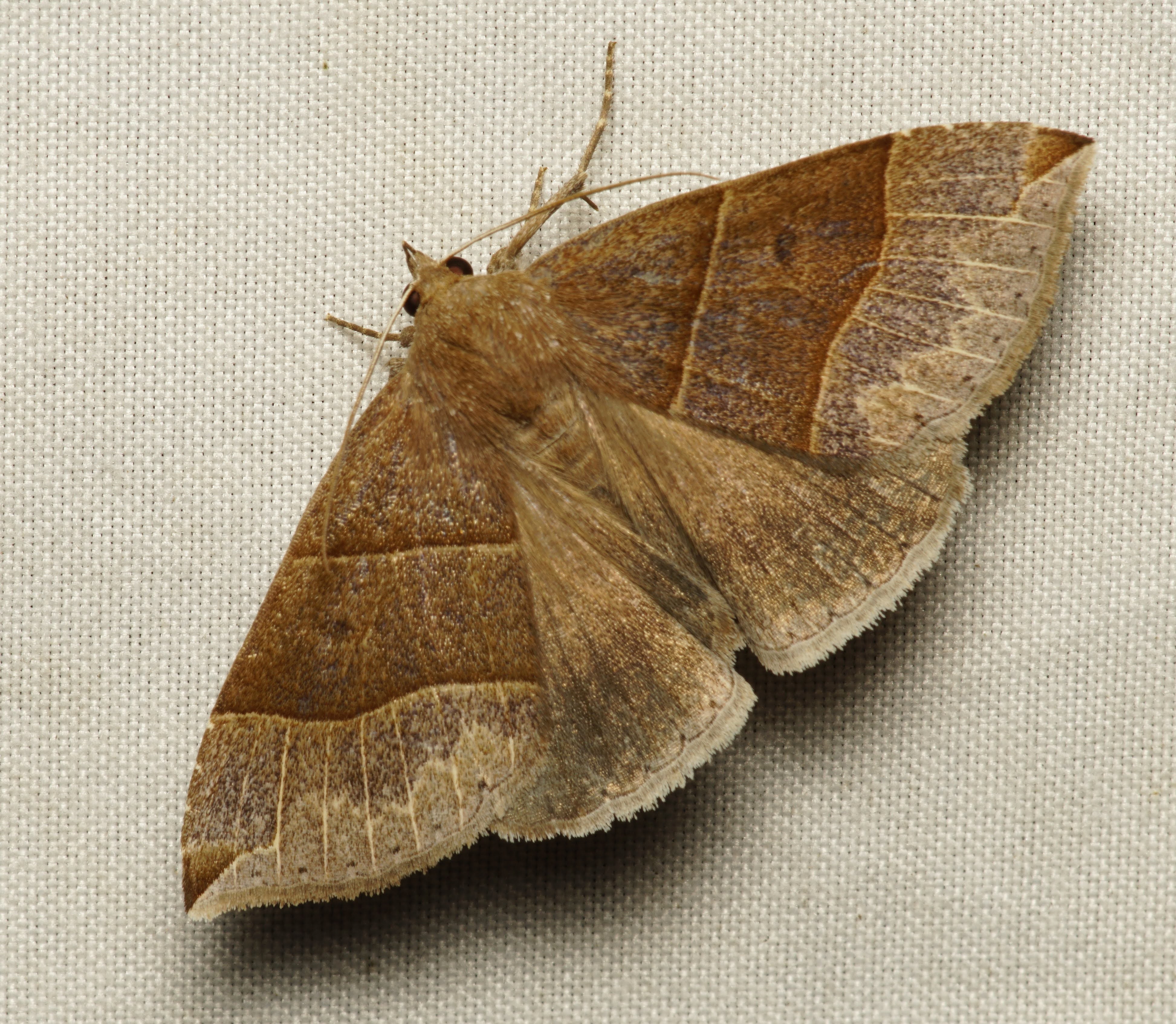
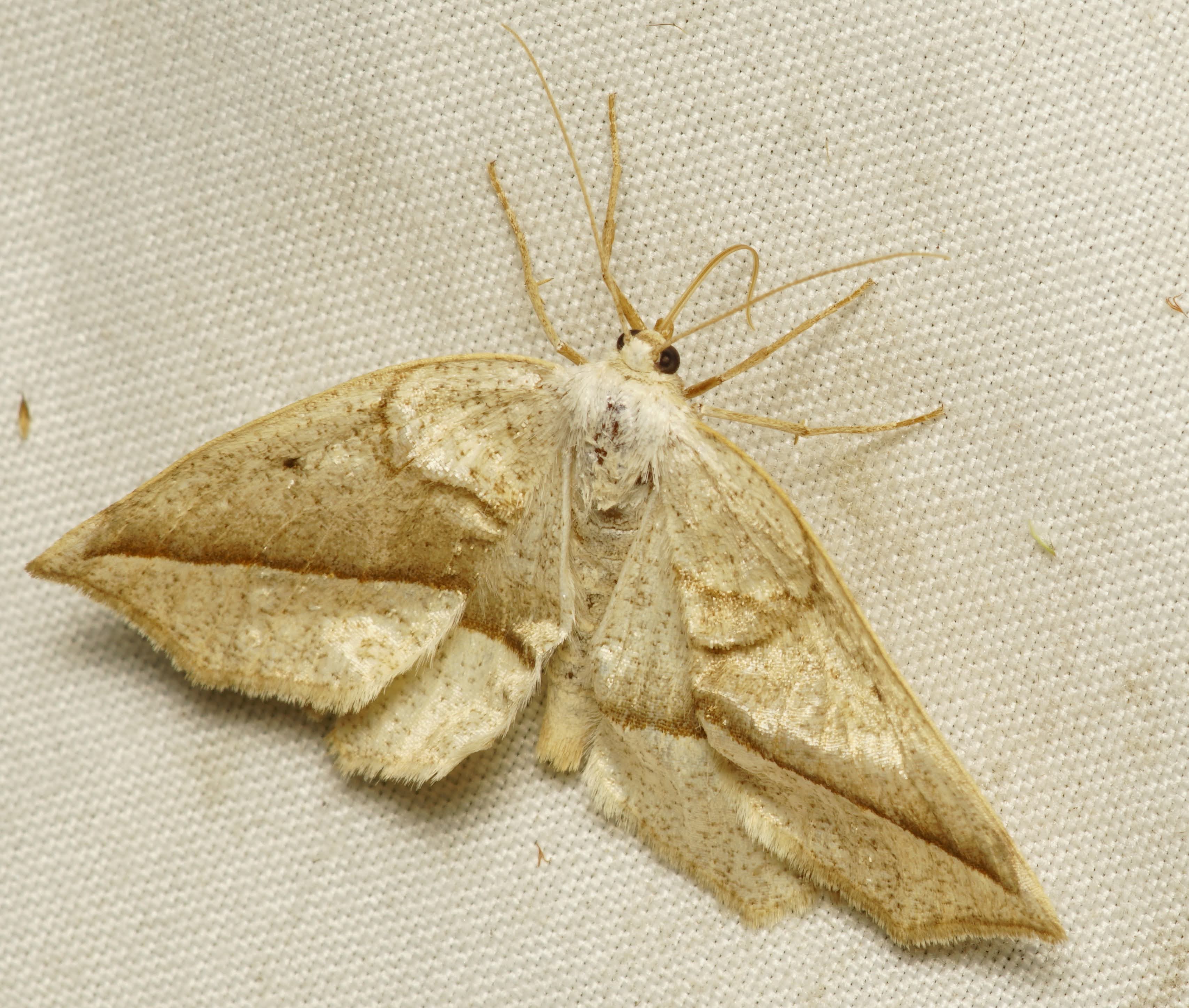


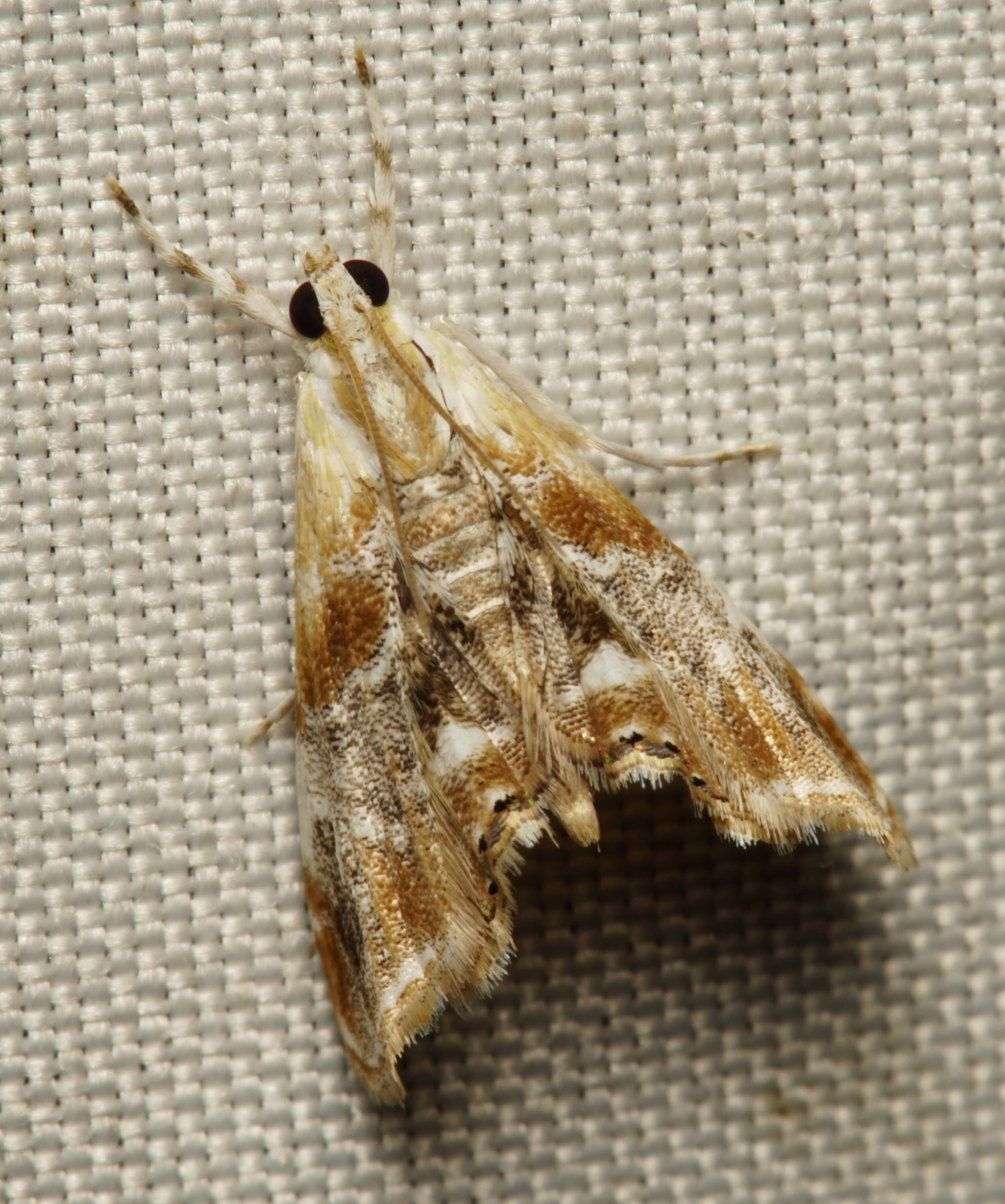


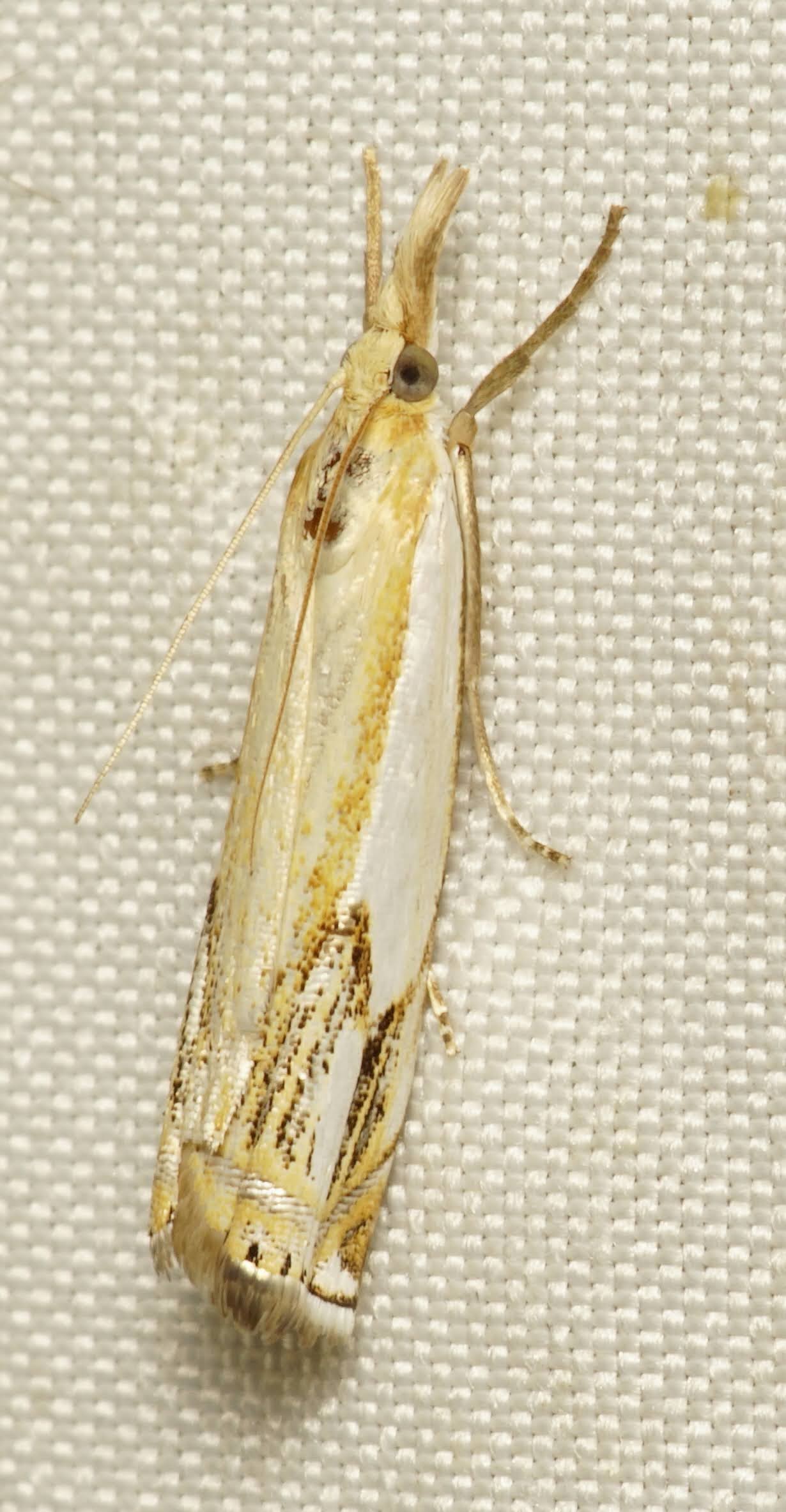
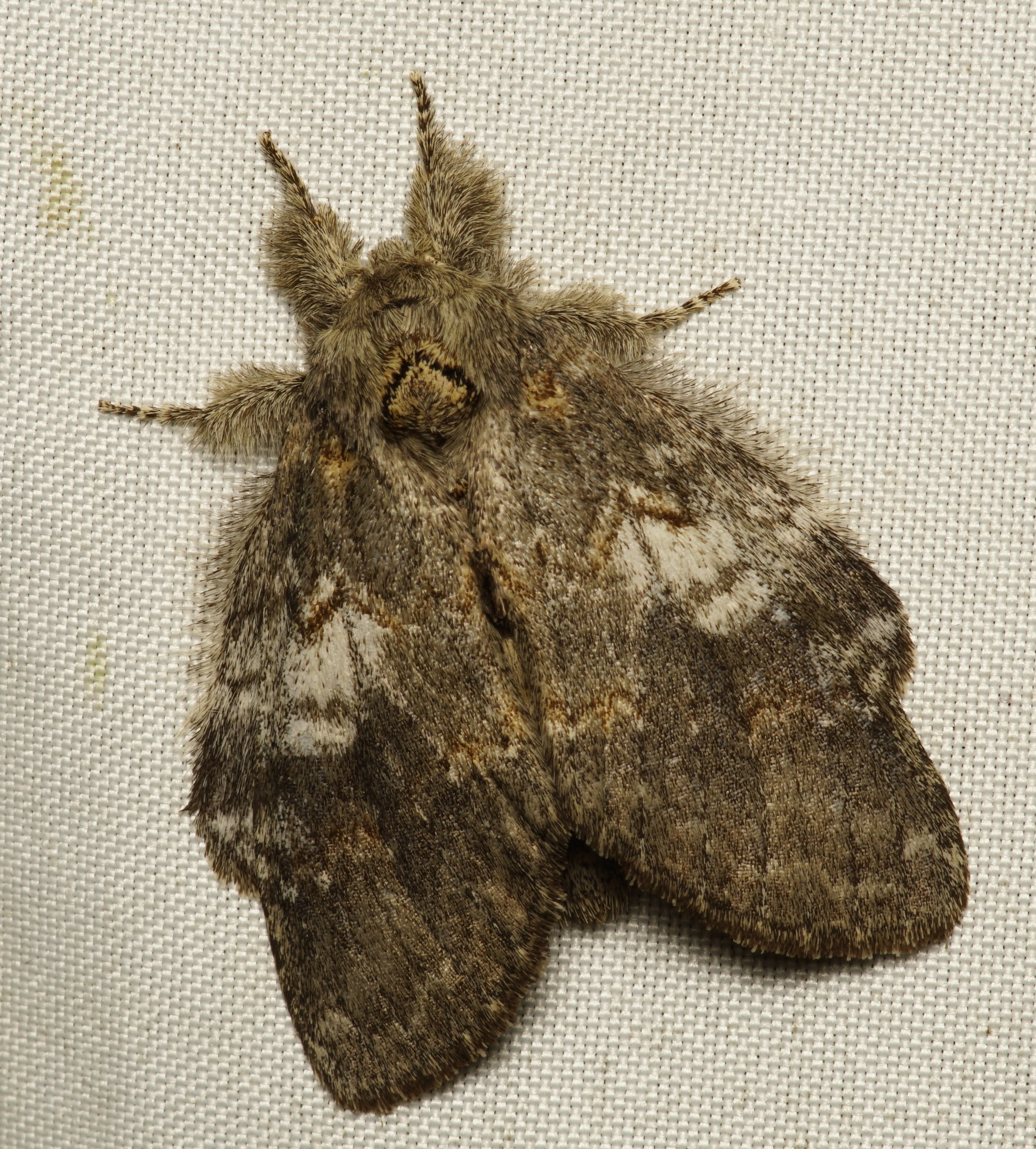
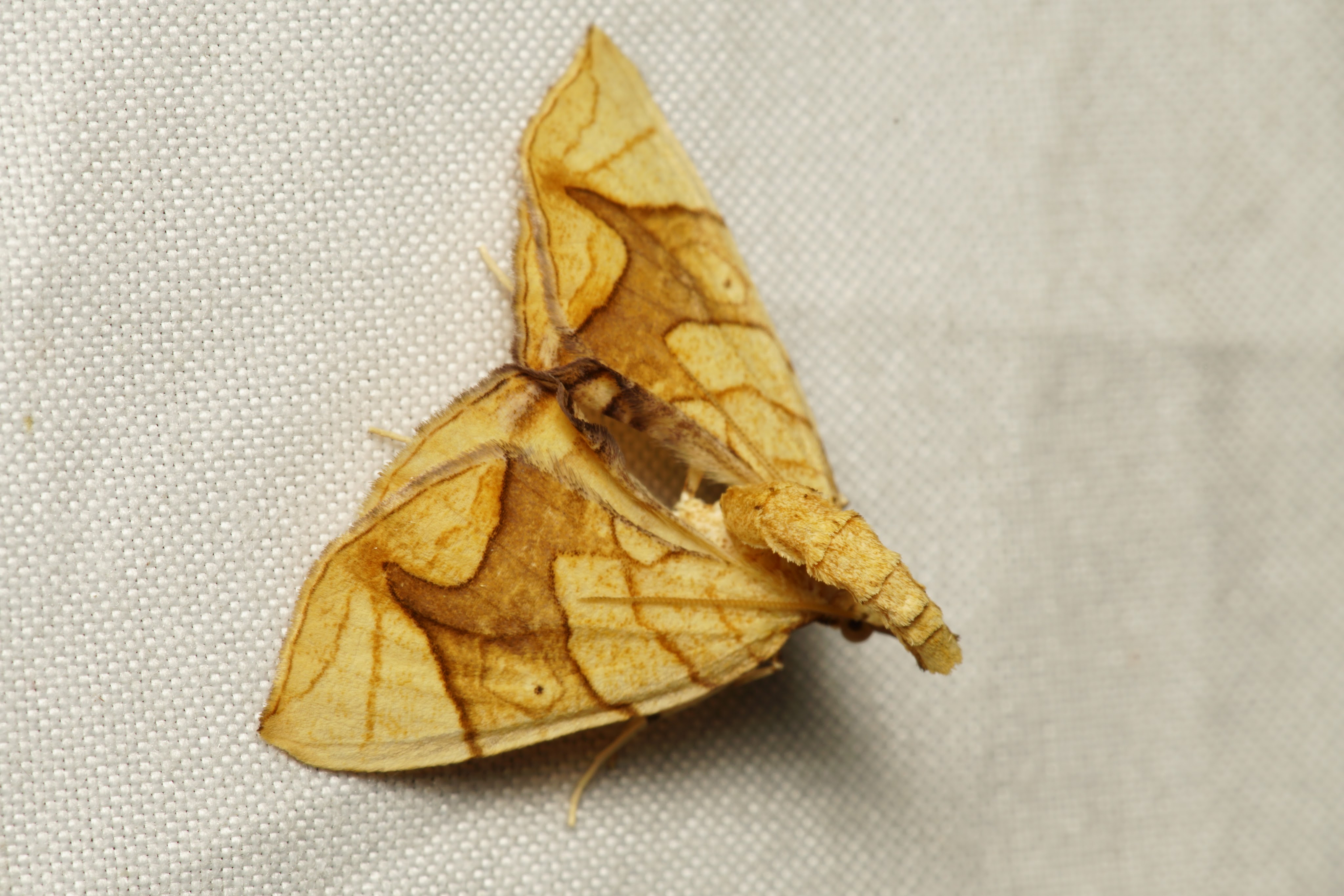


Caddisfly, gorgeous. Mystacedes sepulchralis, black dancer caddisfly? Not a good fit.
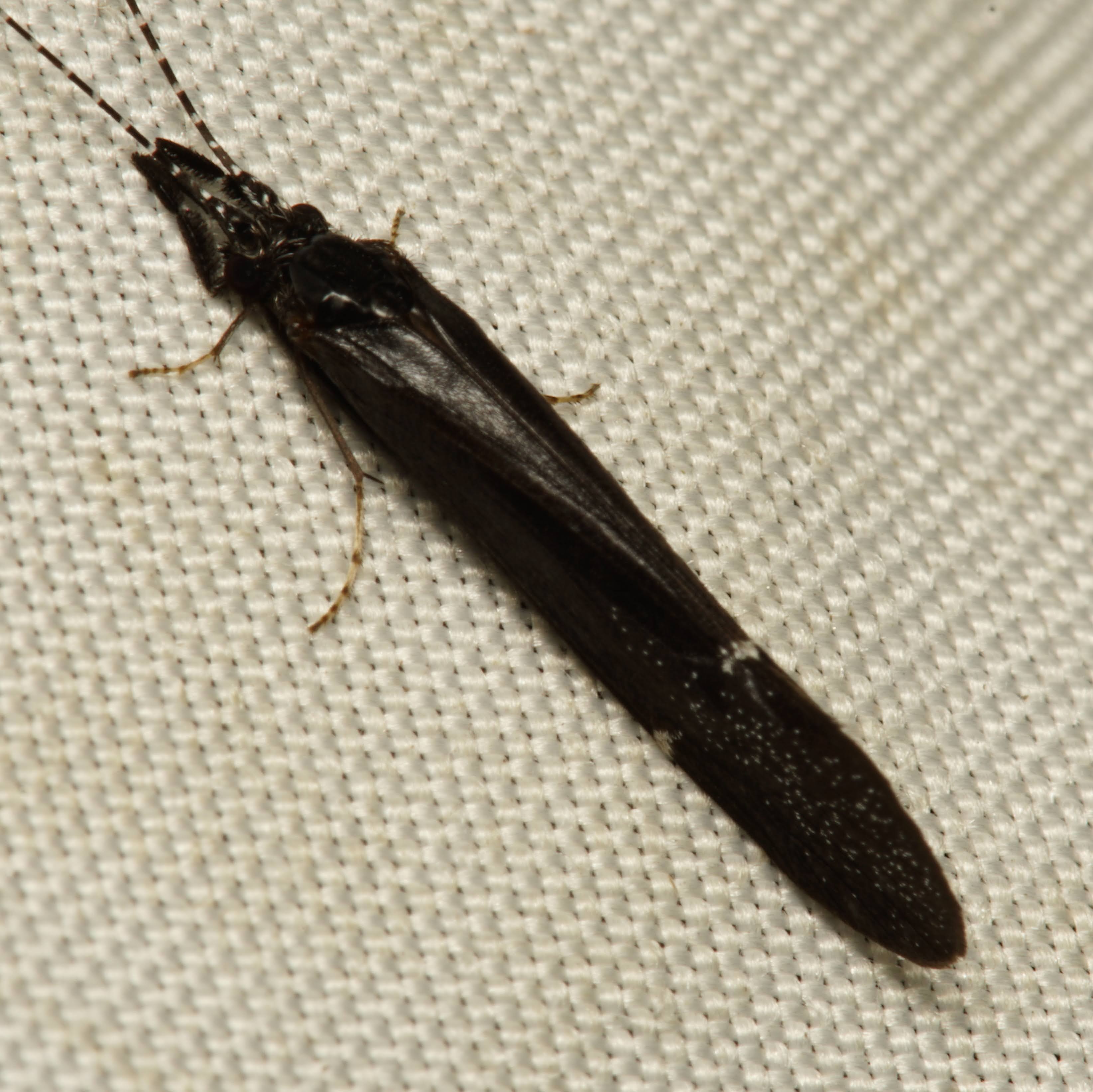

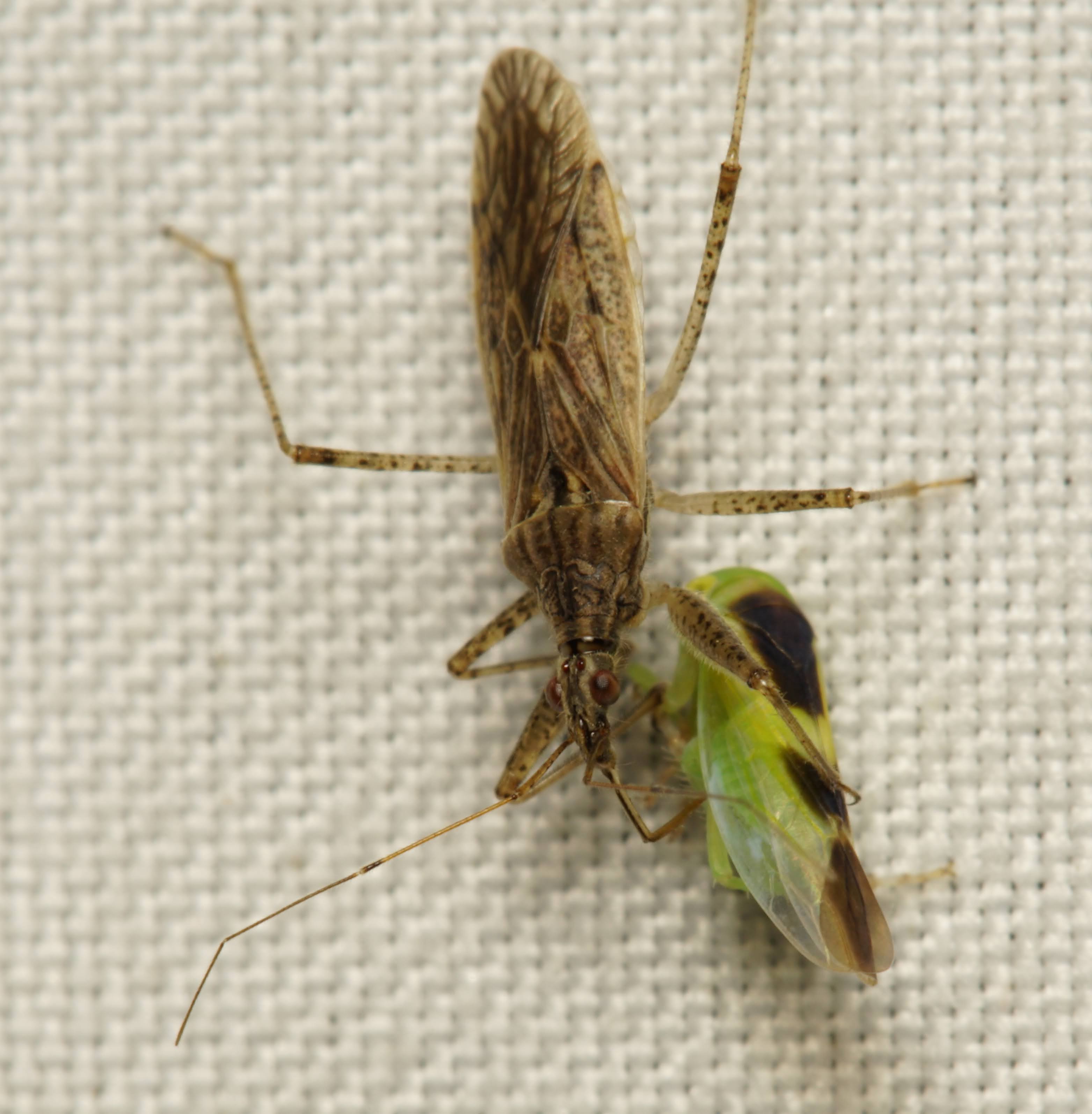


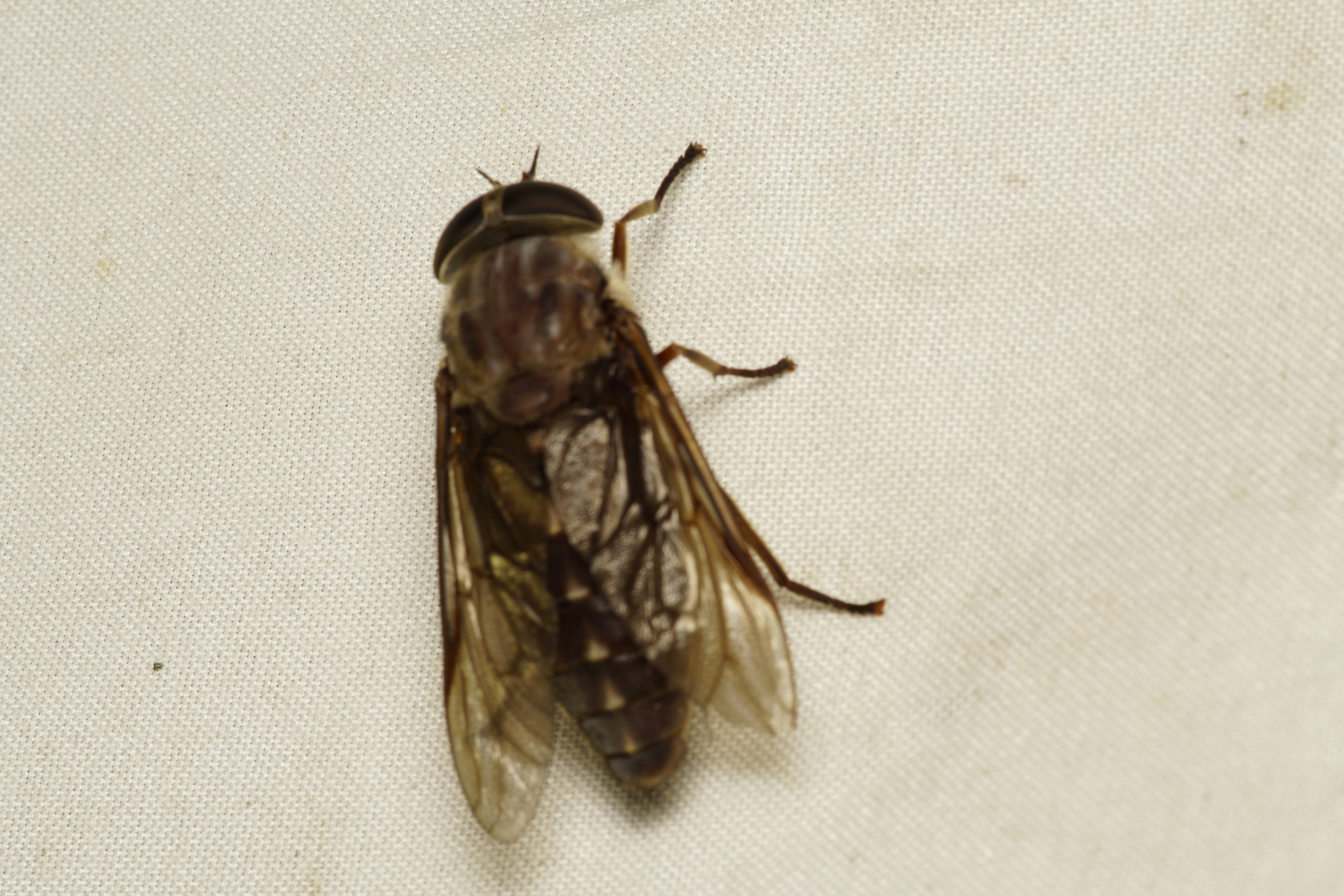
I think this is Ephemeroptera! I’m going to be very embarrassed if it turns out to be a midge. The lack of cerci confuses me.

Summer fishfly, Chauliodes pecticornis
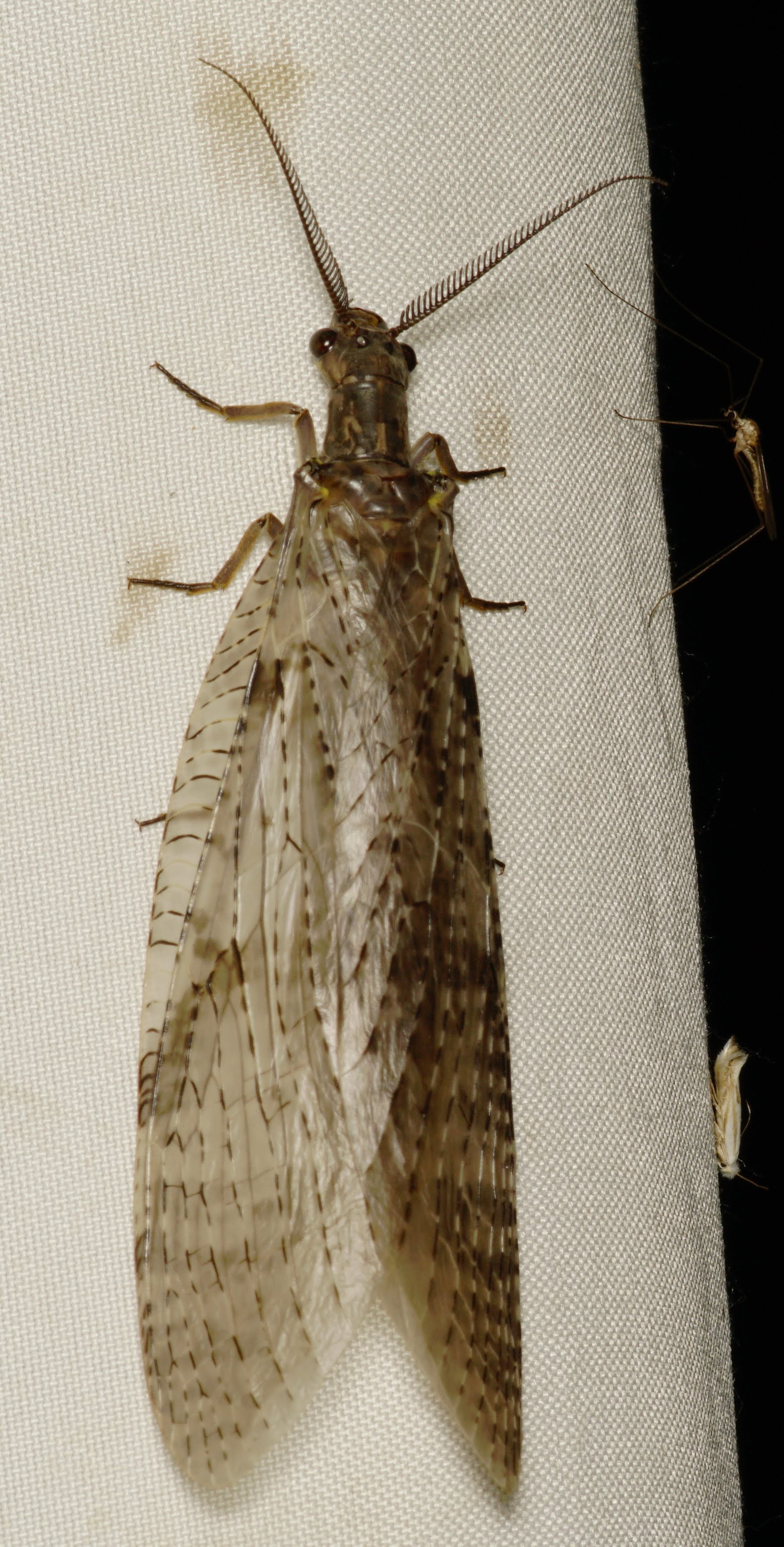
Ophioninae, perhaps Ophion?


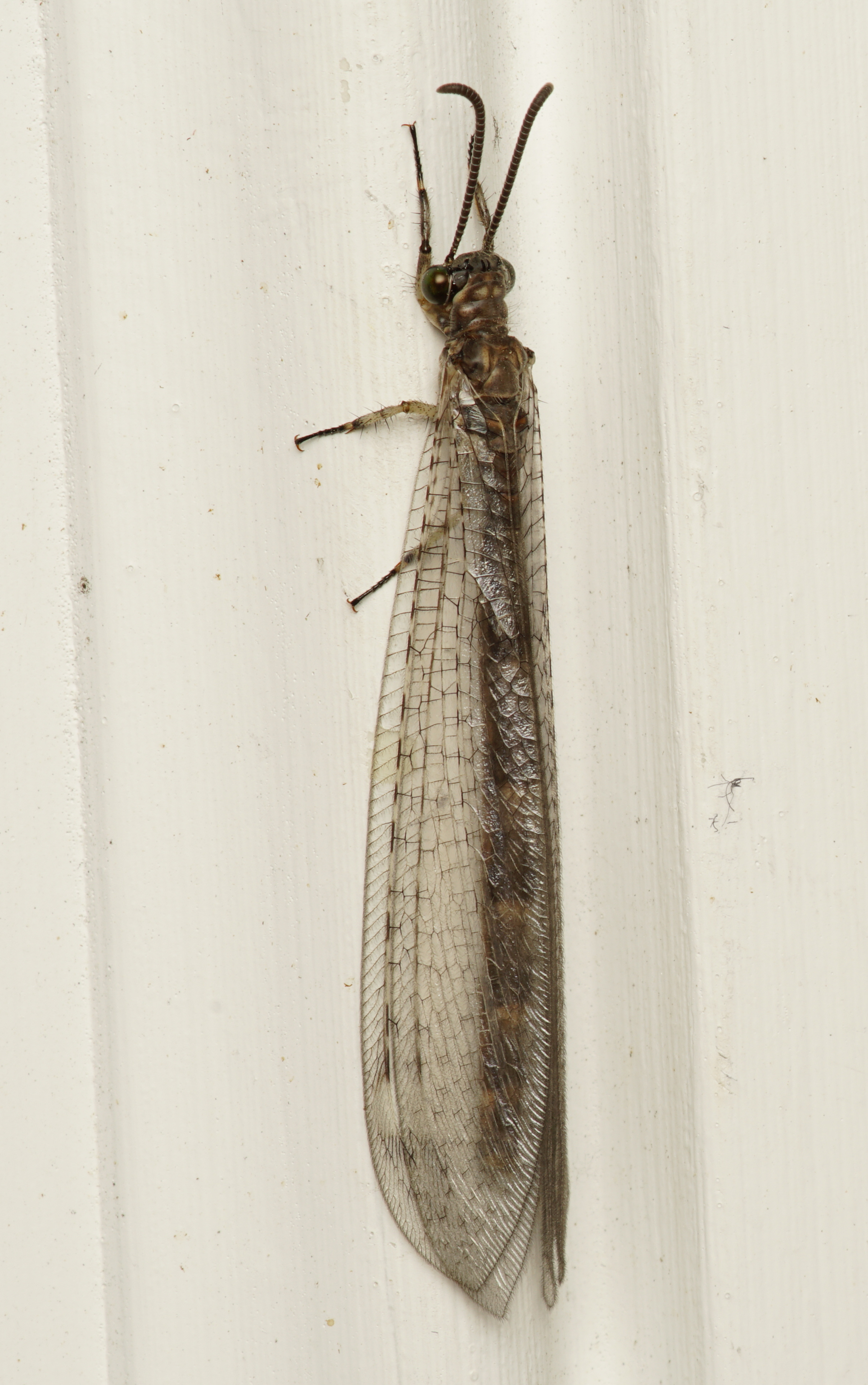
Neuroptera are always a treat to find. Had two of them come by the house recently.
First, a fishfly, Chauliodes pecticornis. Male, going by the antenna.
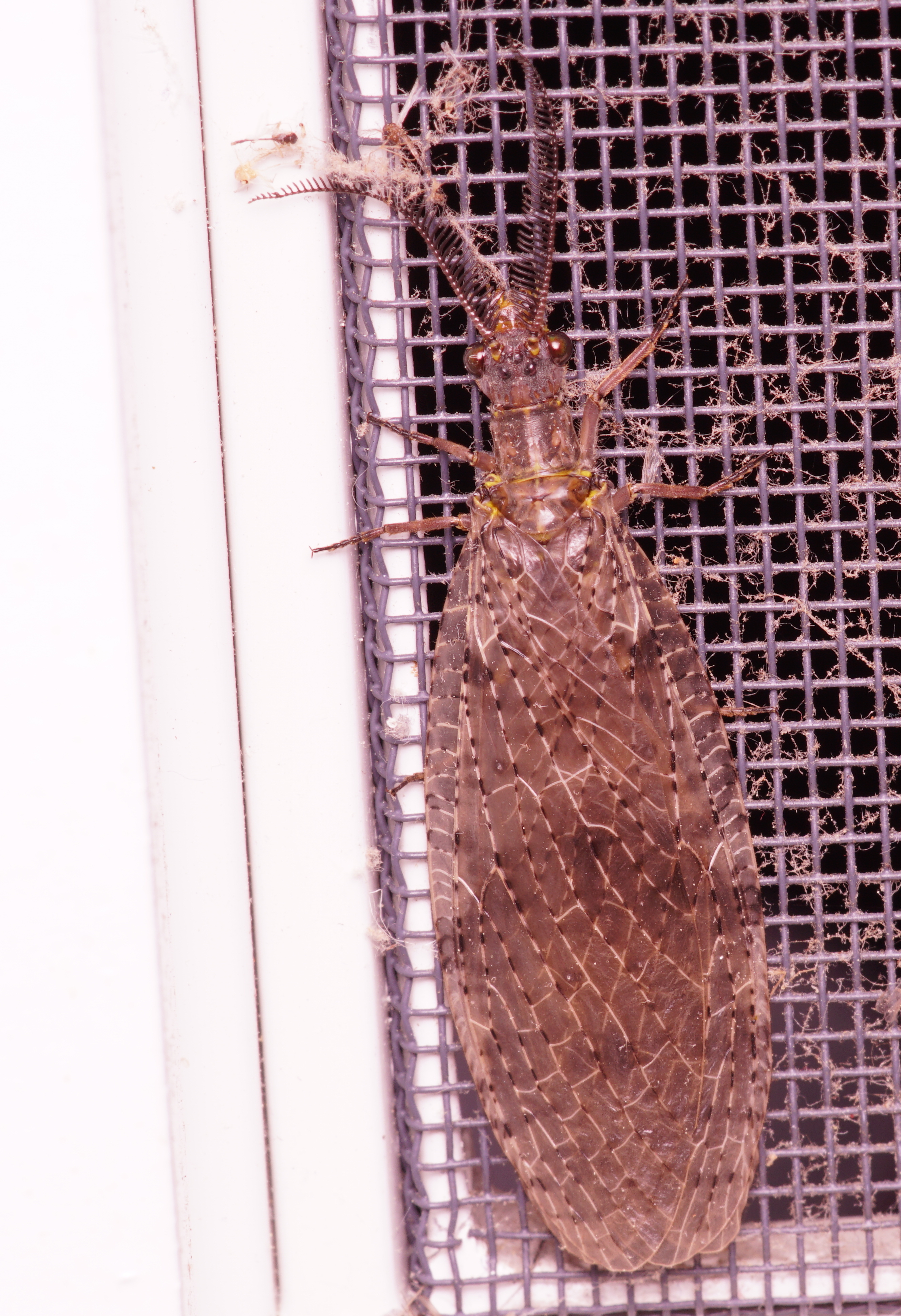
Second, an antlion, Myremeleon.
I promised I would be expanding my range. This is a Trustees of the Reservations area on the Charles River in Needham, and my first trip here.
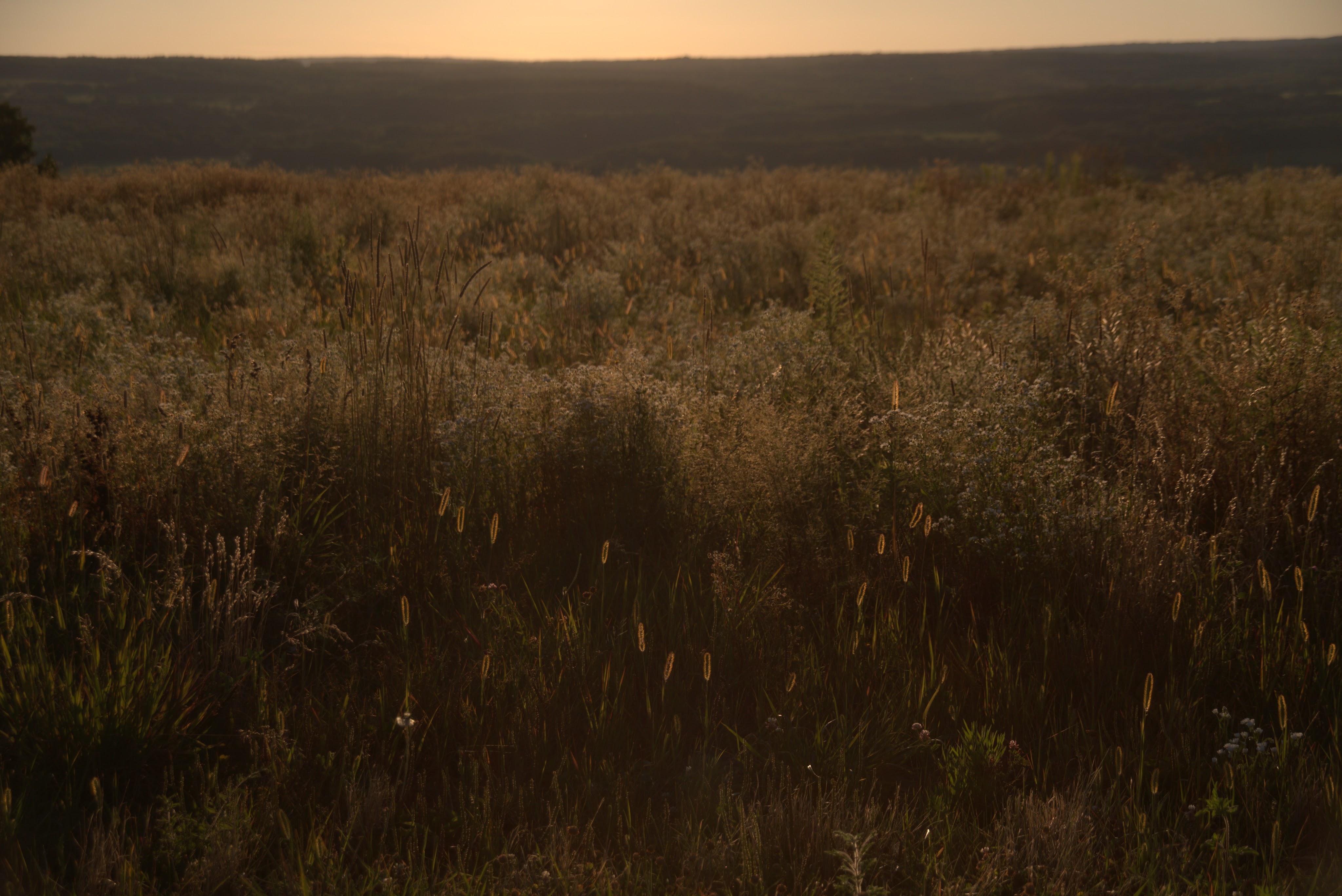
First, some non bug photos. It was a bright sunny day, so many attempts at shooting towards the sun to show off the backlighting, made a little harder by the fact that the sun was still high in the sky.
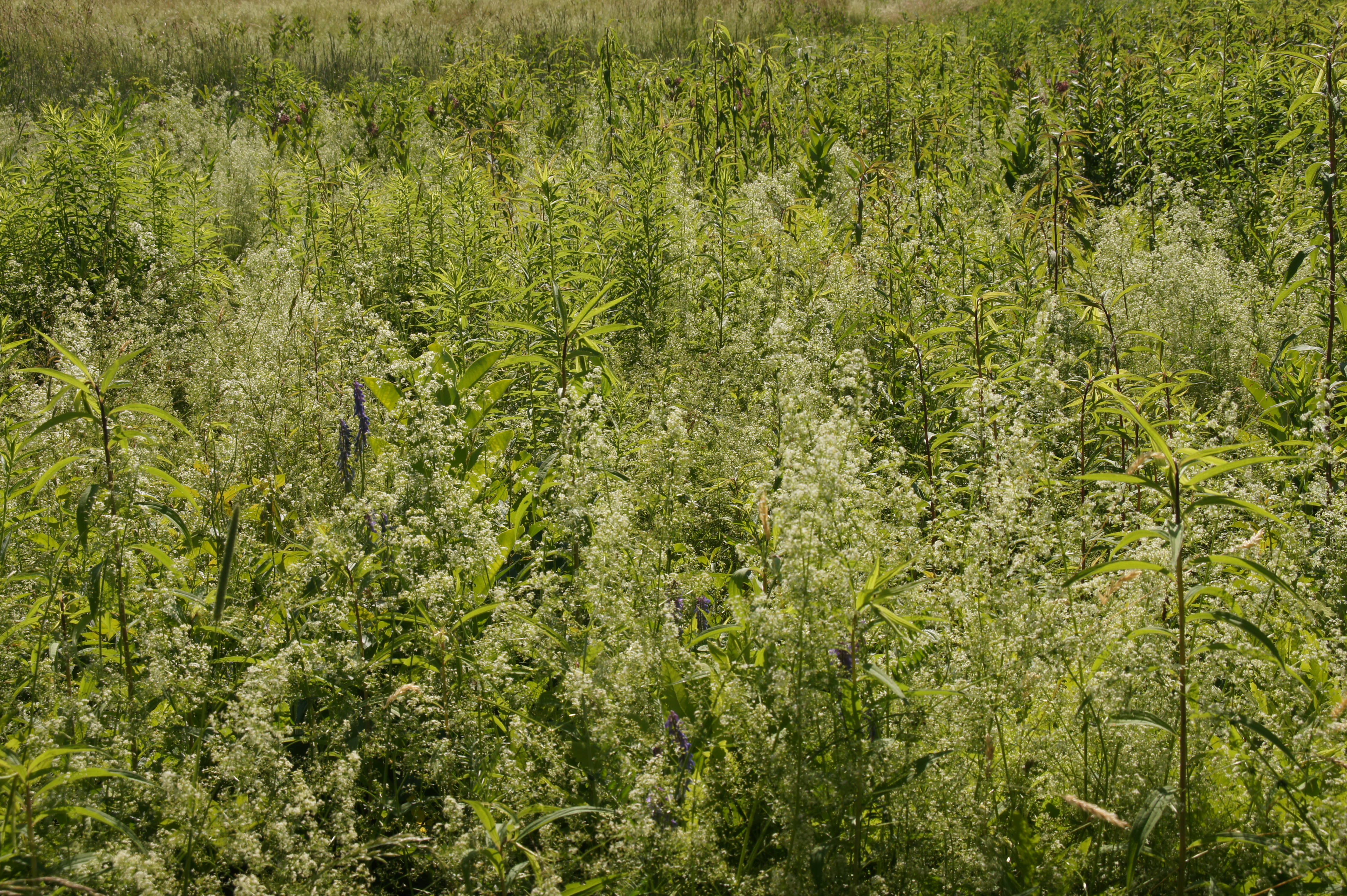
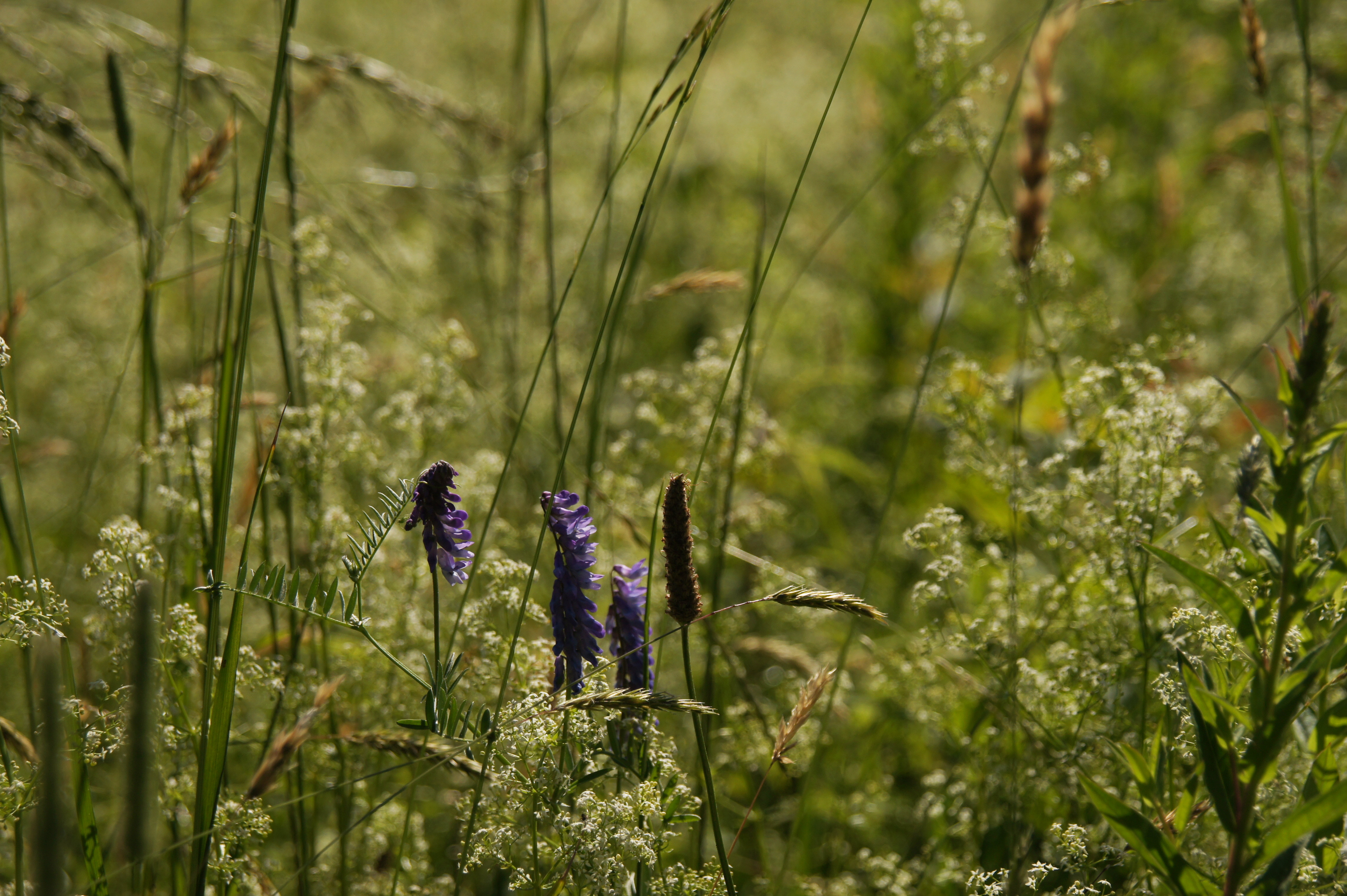


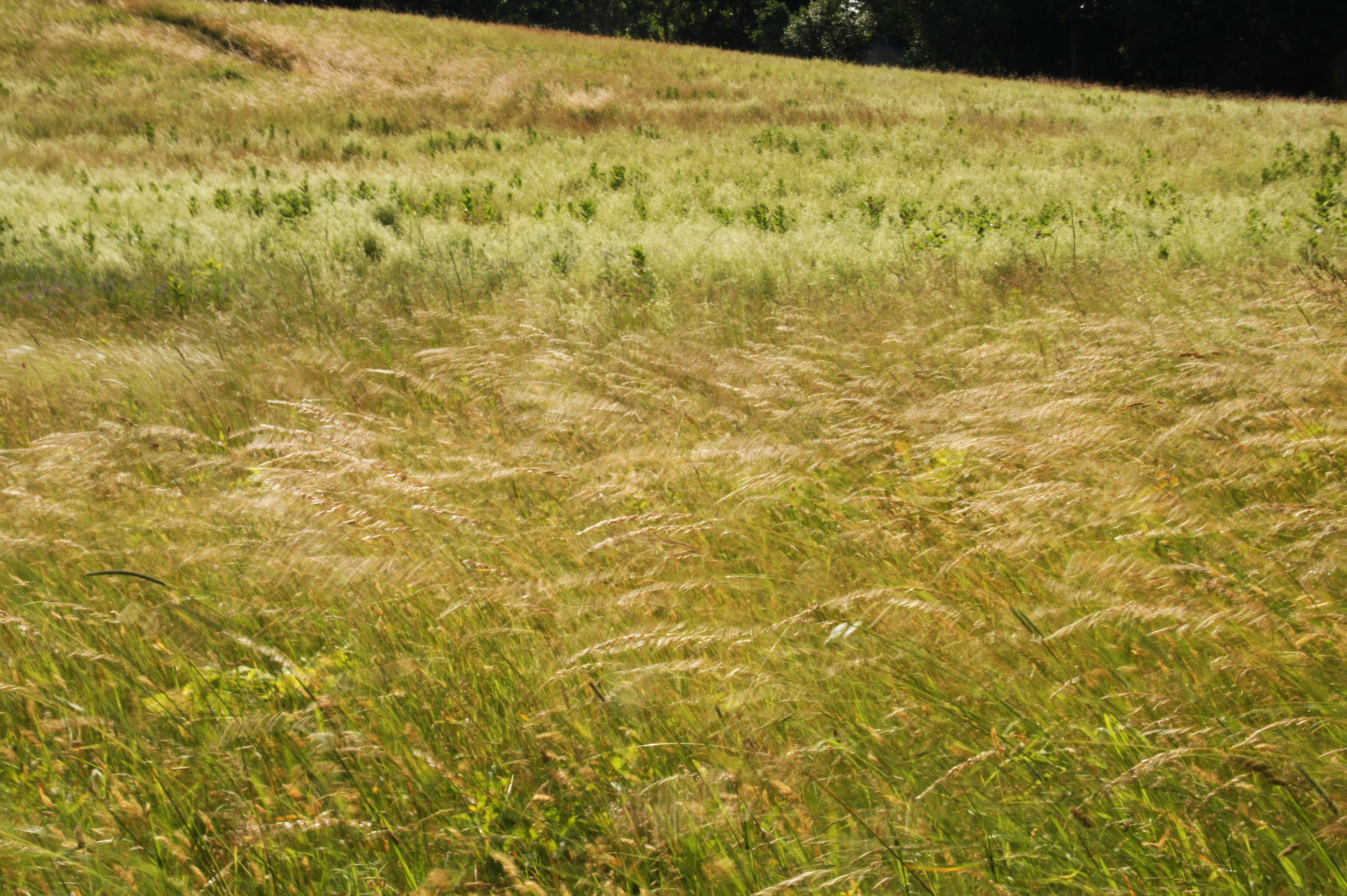
Time exposure:

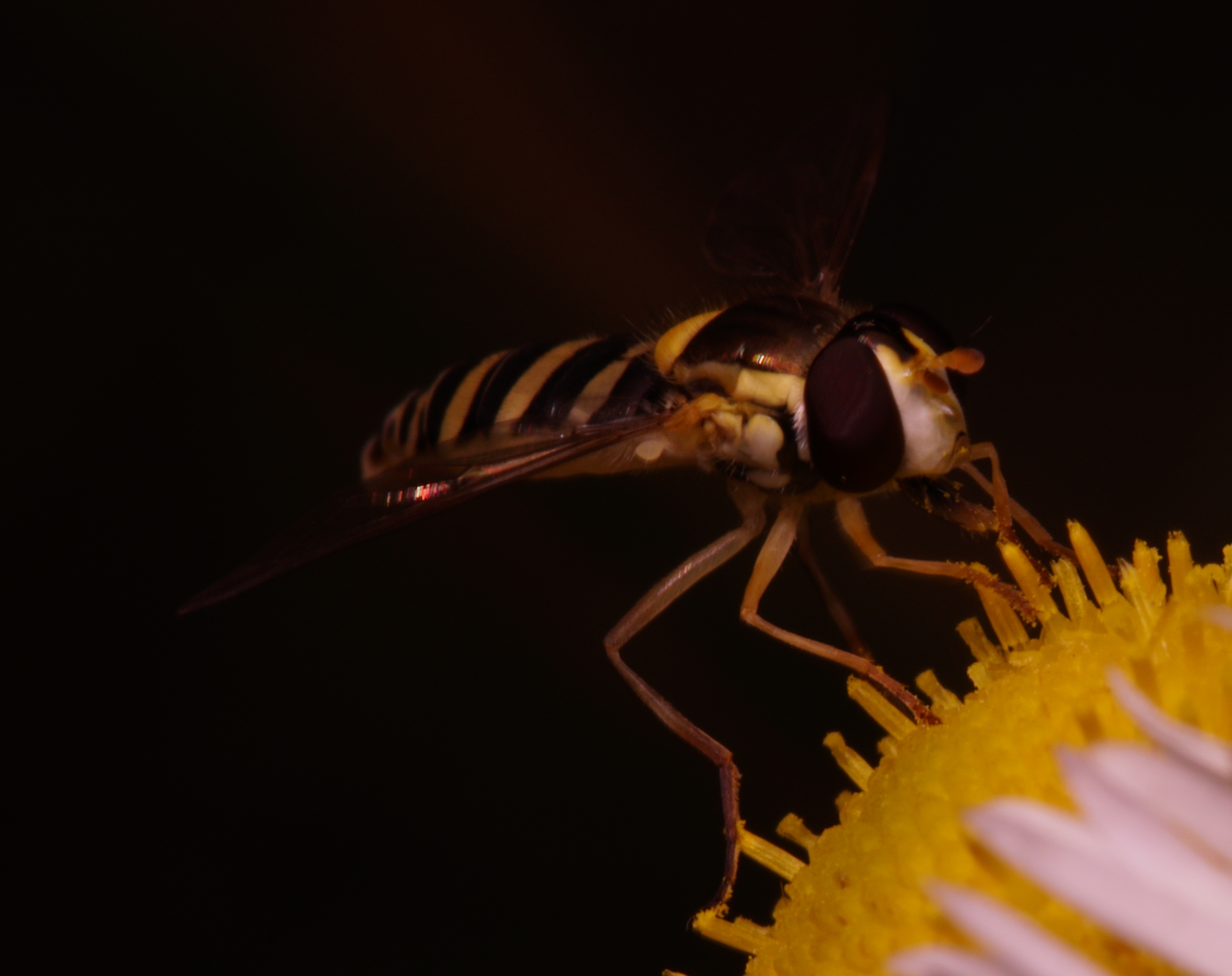
Syrphid fly. Epistrophe, or perhaps Eupeodes cf americanus. Or Syrphus cf torvus. Syrphus cf ribesii? Parasyrphus, but I don’t think so. EDIT: Sphaerophoria suggested


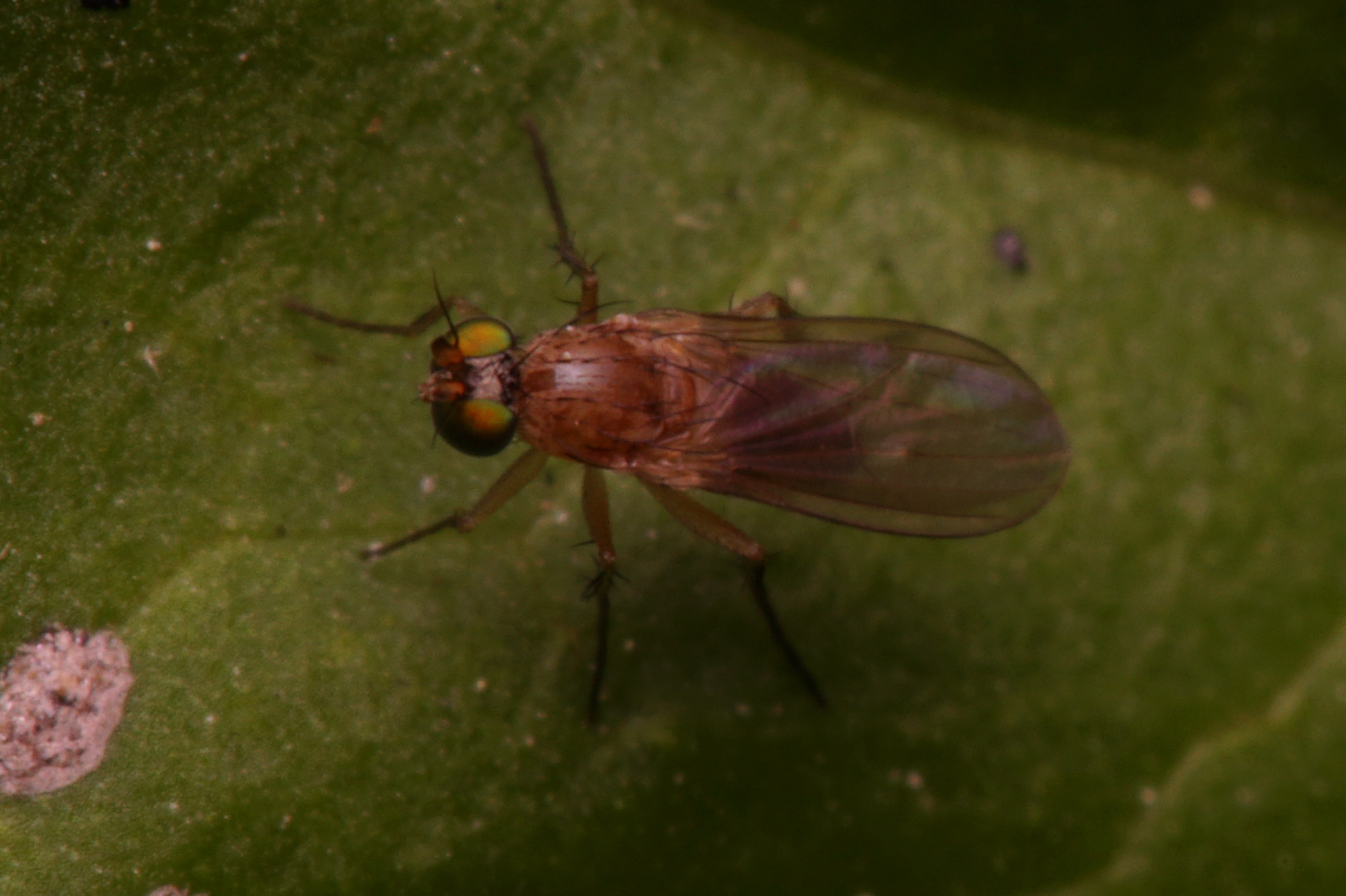
Really don’t have a good idea.
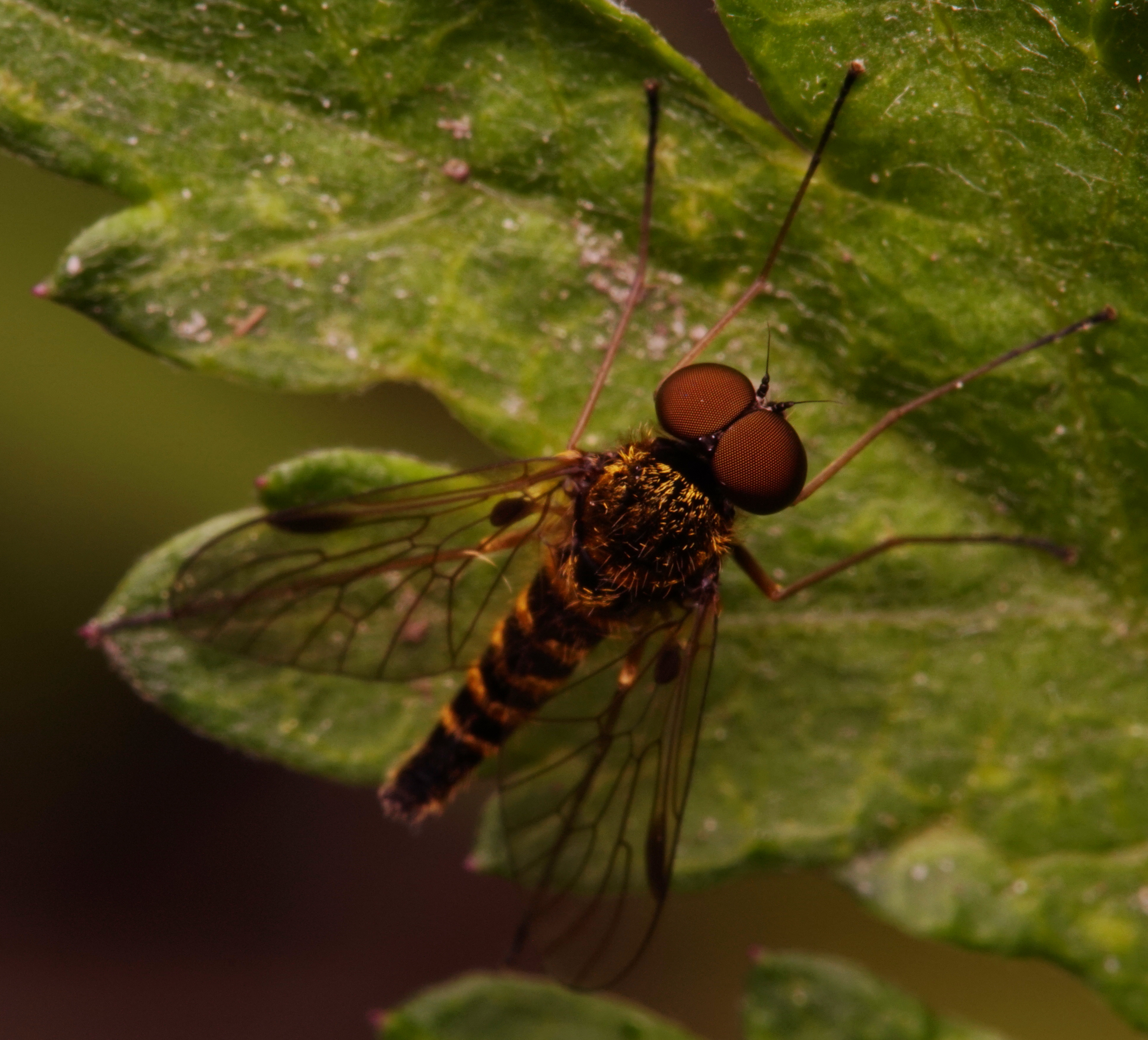
Gold-backed snipe fly? Gorgeous gorgeous gorgeous. Chrysopilus thoracicus.
Dolichopodidae, something like Condylostylus. I think it was a male displaying its wings to attract a female.
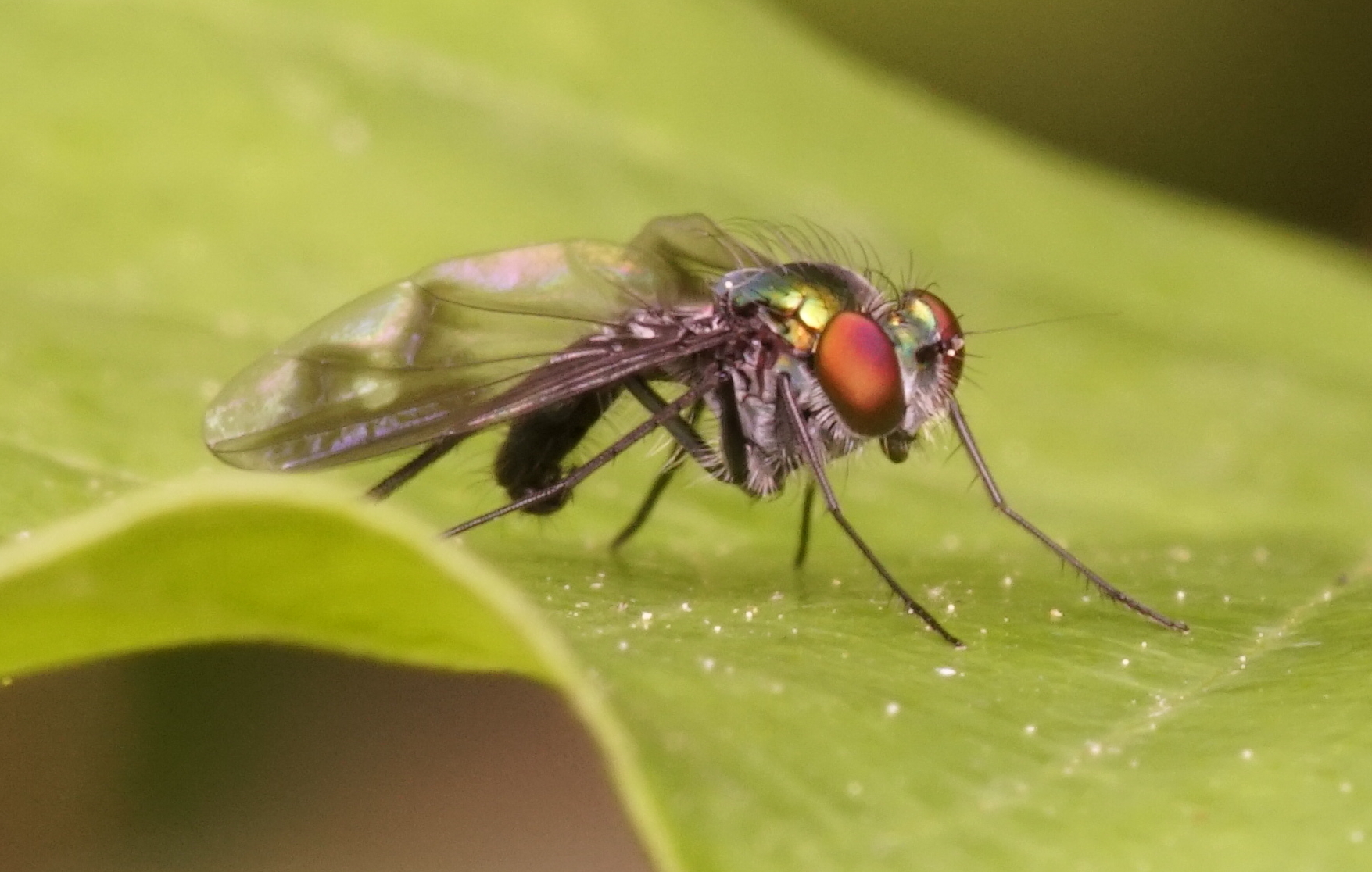
Looks to me like Ceratina. EDIT: also perhaps Osmia
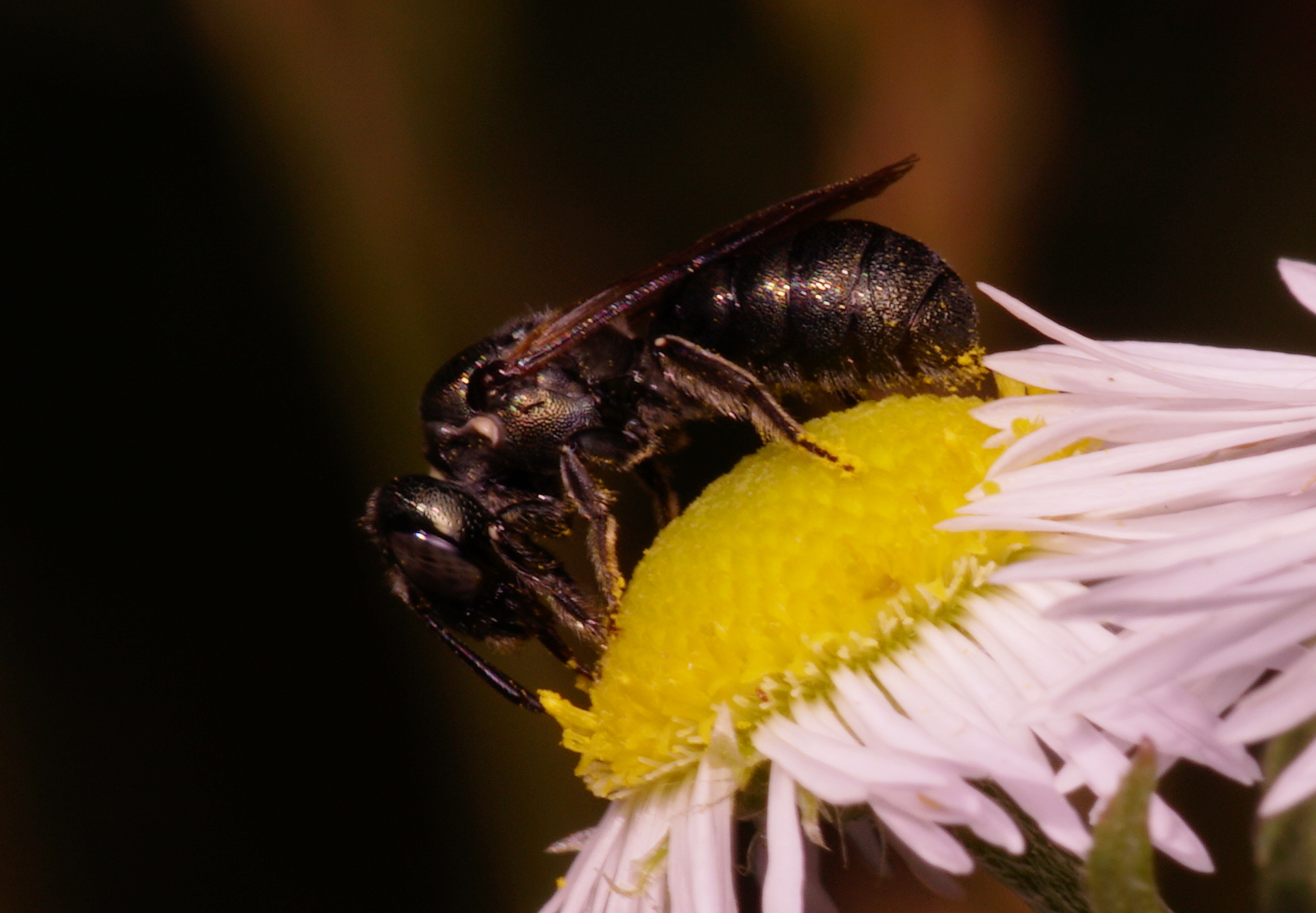
Pteromalinae

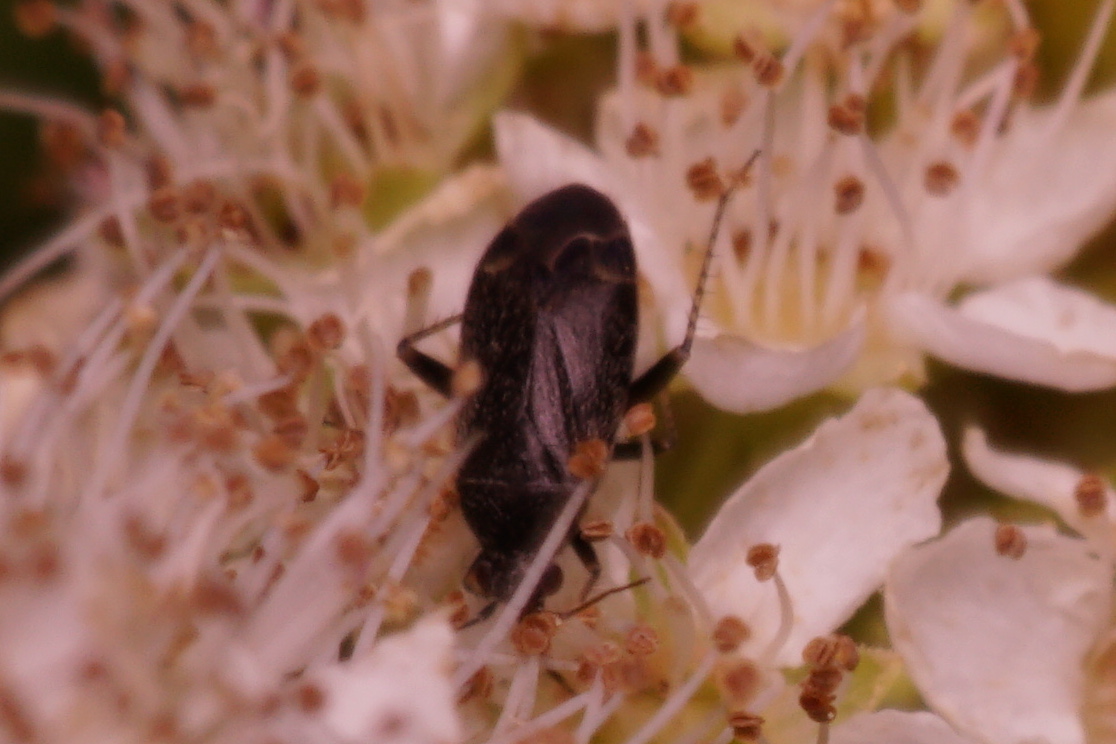
Leafhopper nymph?
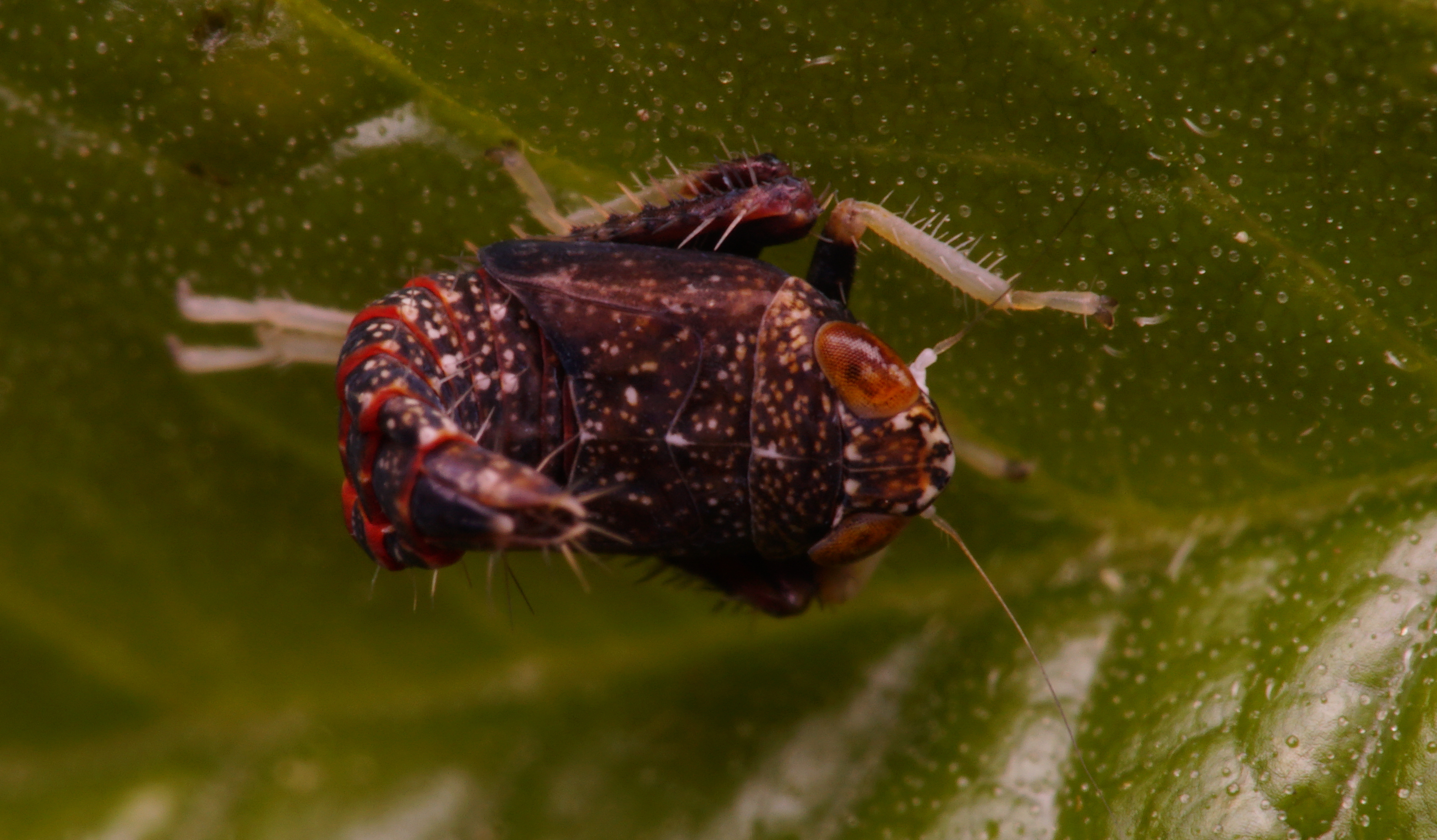
Spittlebug nest? Spittlebugs are froghopper nymphs.

Perhaps orange bluet
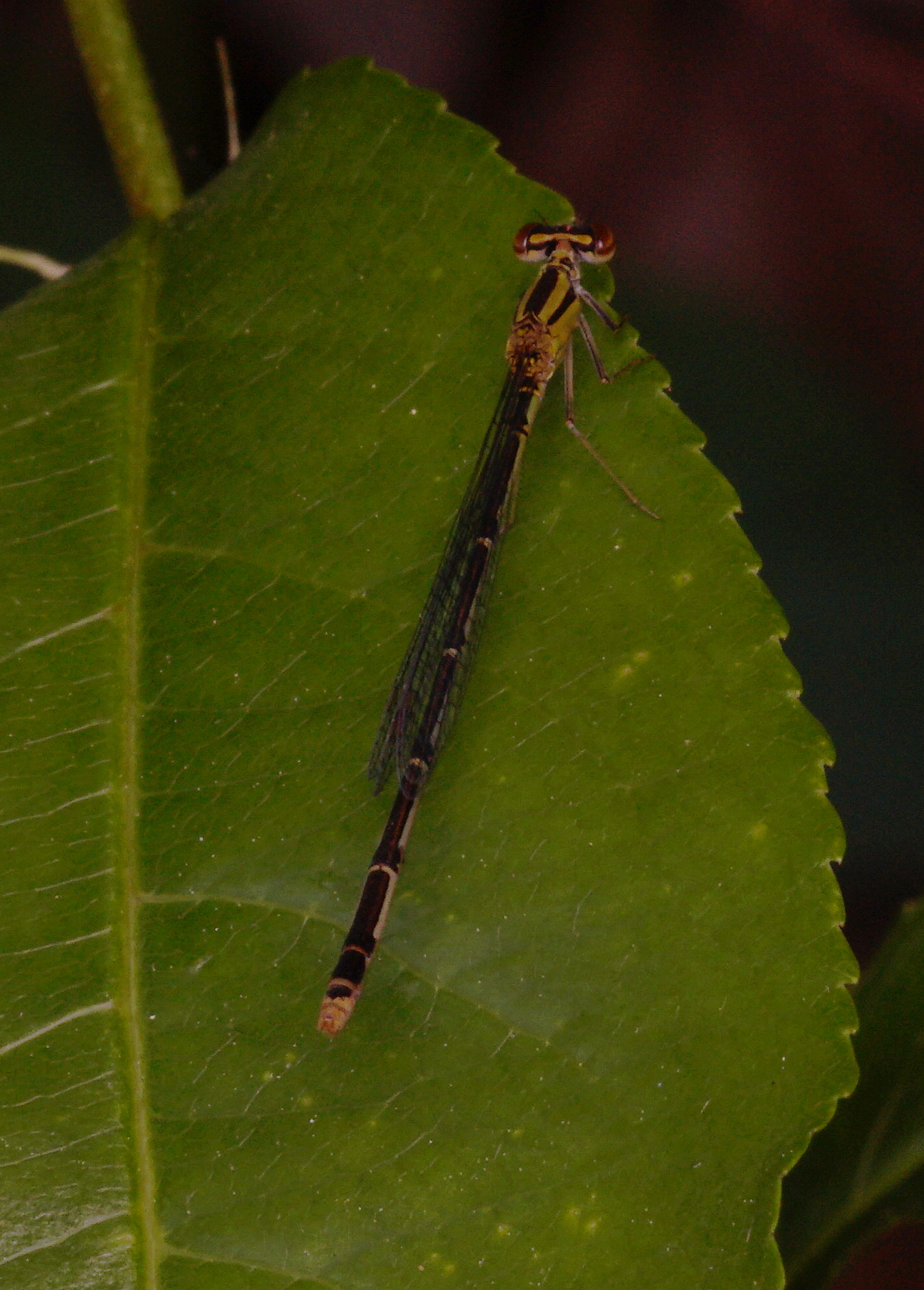
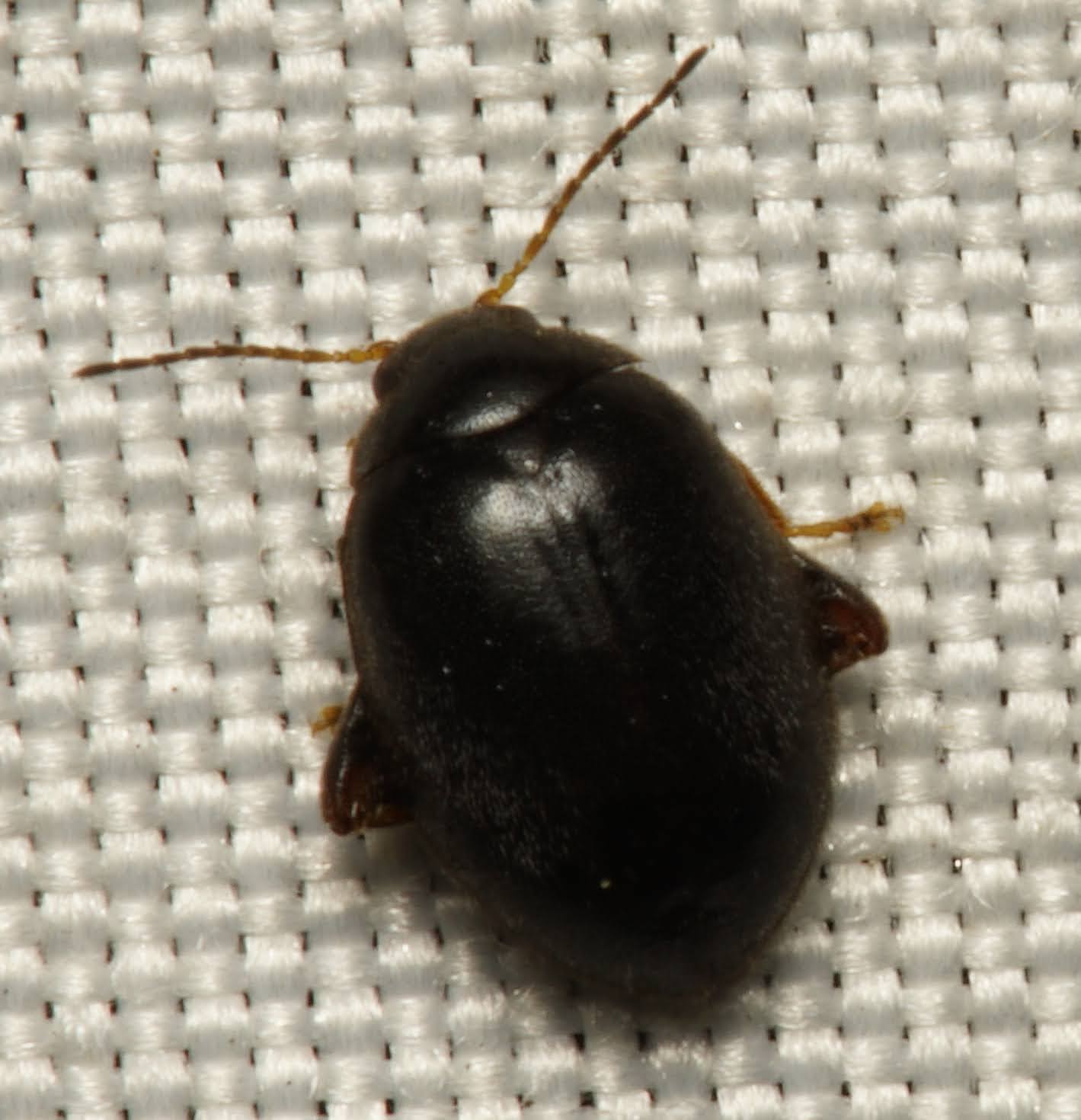
Lucidota atra in Lampyridae?
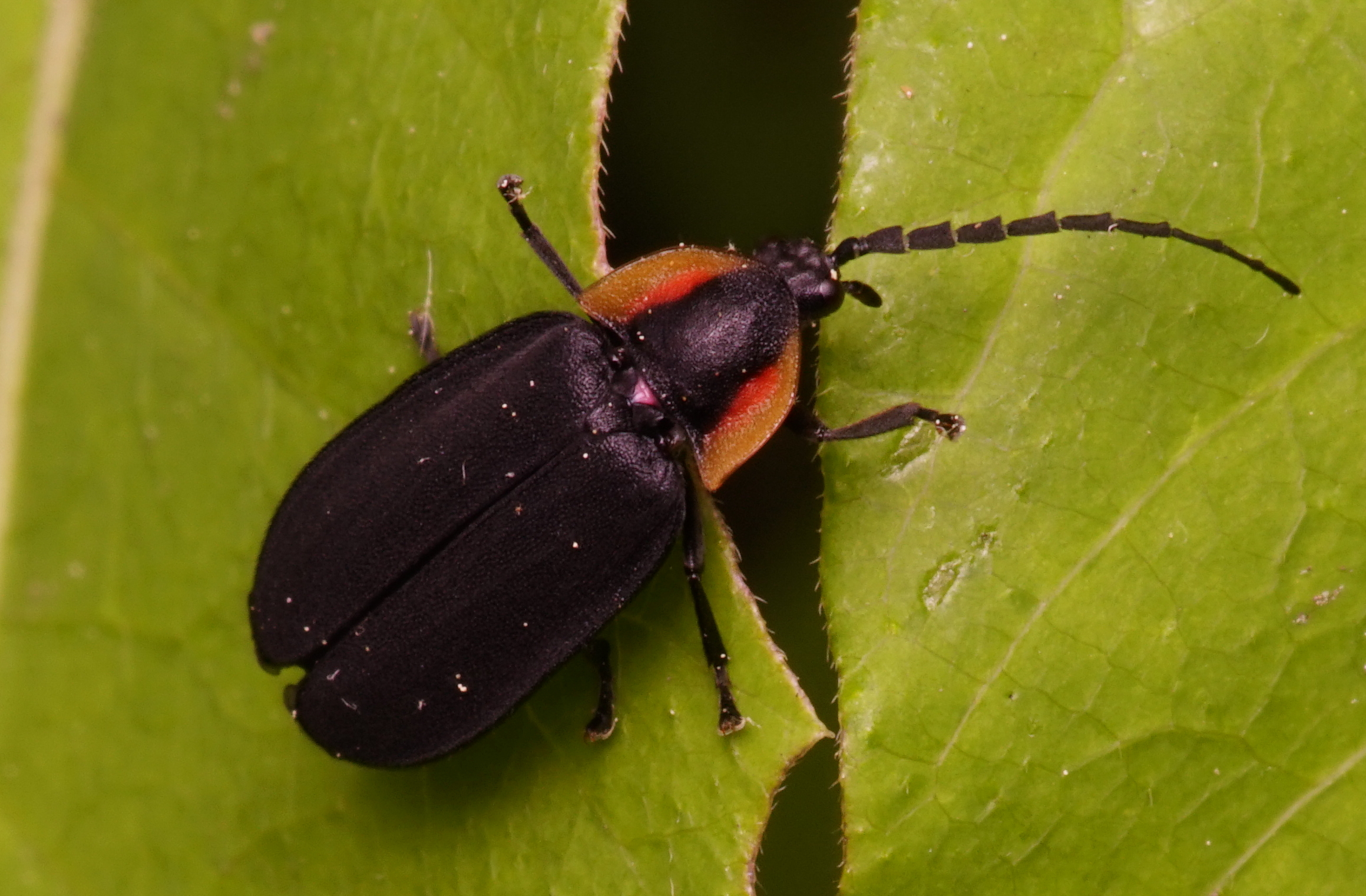
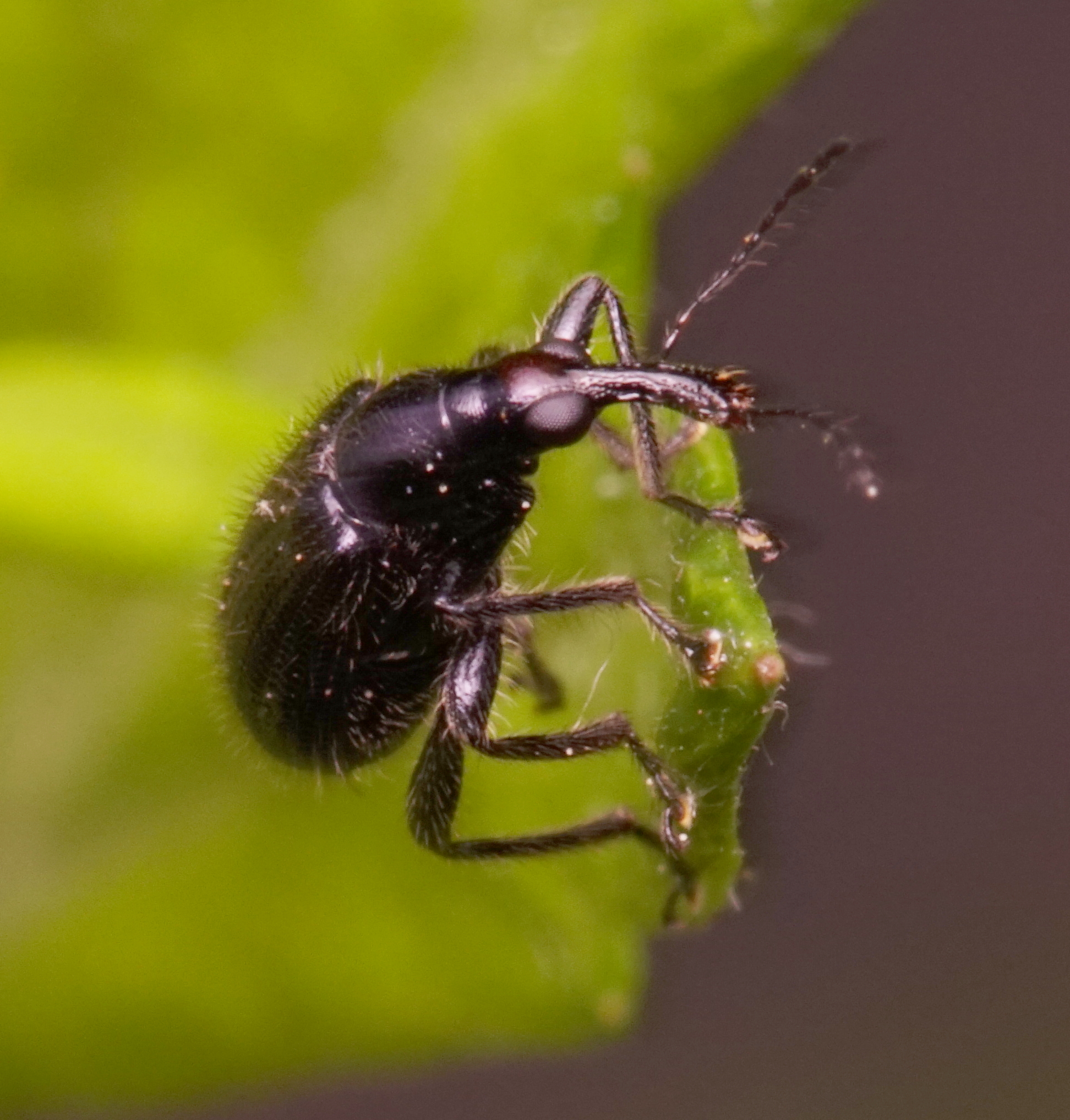
Some gorgeous kind of weevil? Maybe Myrmex? However, the antenna doesn’t seem to match too many weevils. Trichapion? None of these match the color, either. Odontopus cf calceatus? Tanysphyrus cf lemnae? Cylindria cf prolixa?
EDIT: Eugnamptus angustatus in Attelabidae, leaf-rolling weevils.
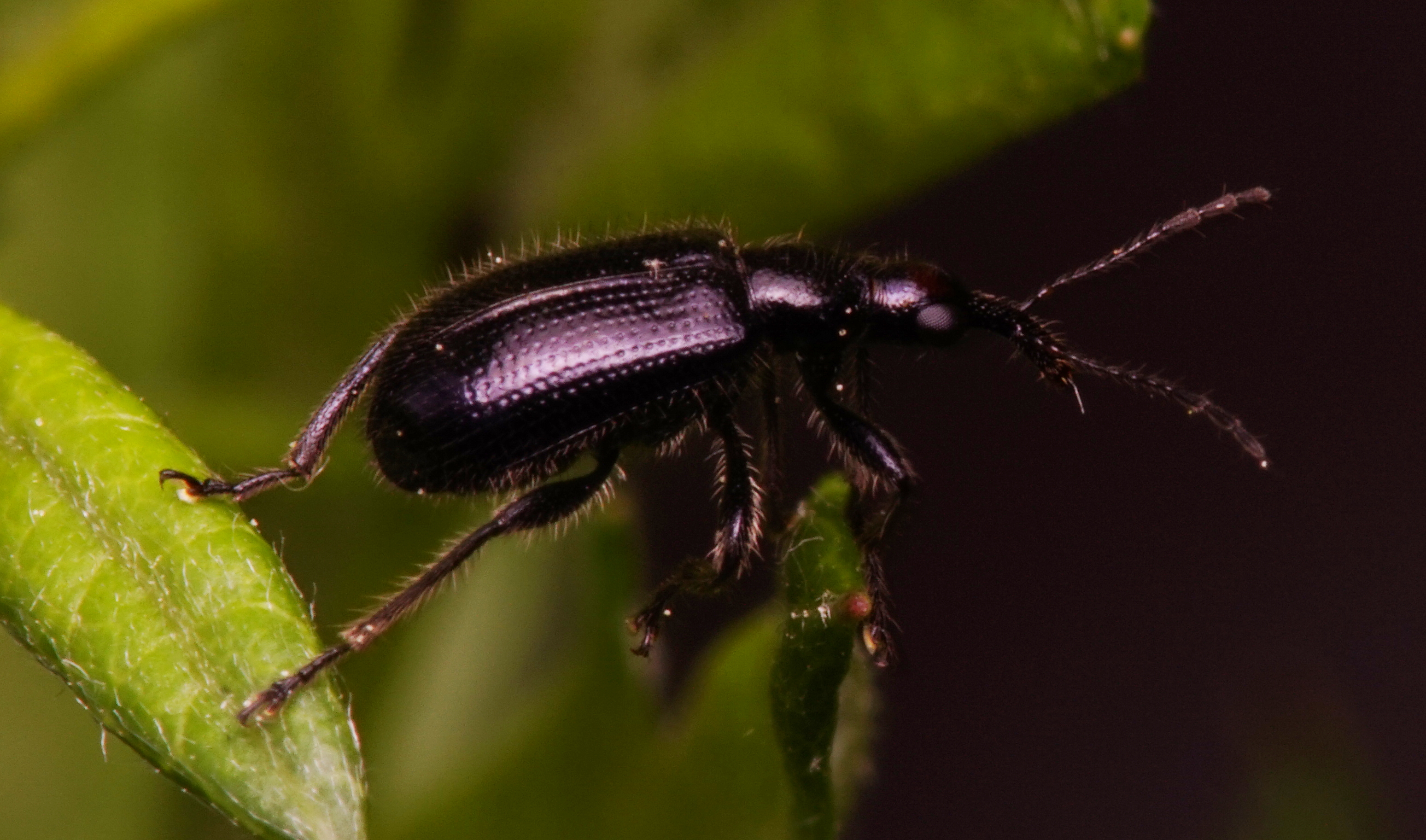
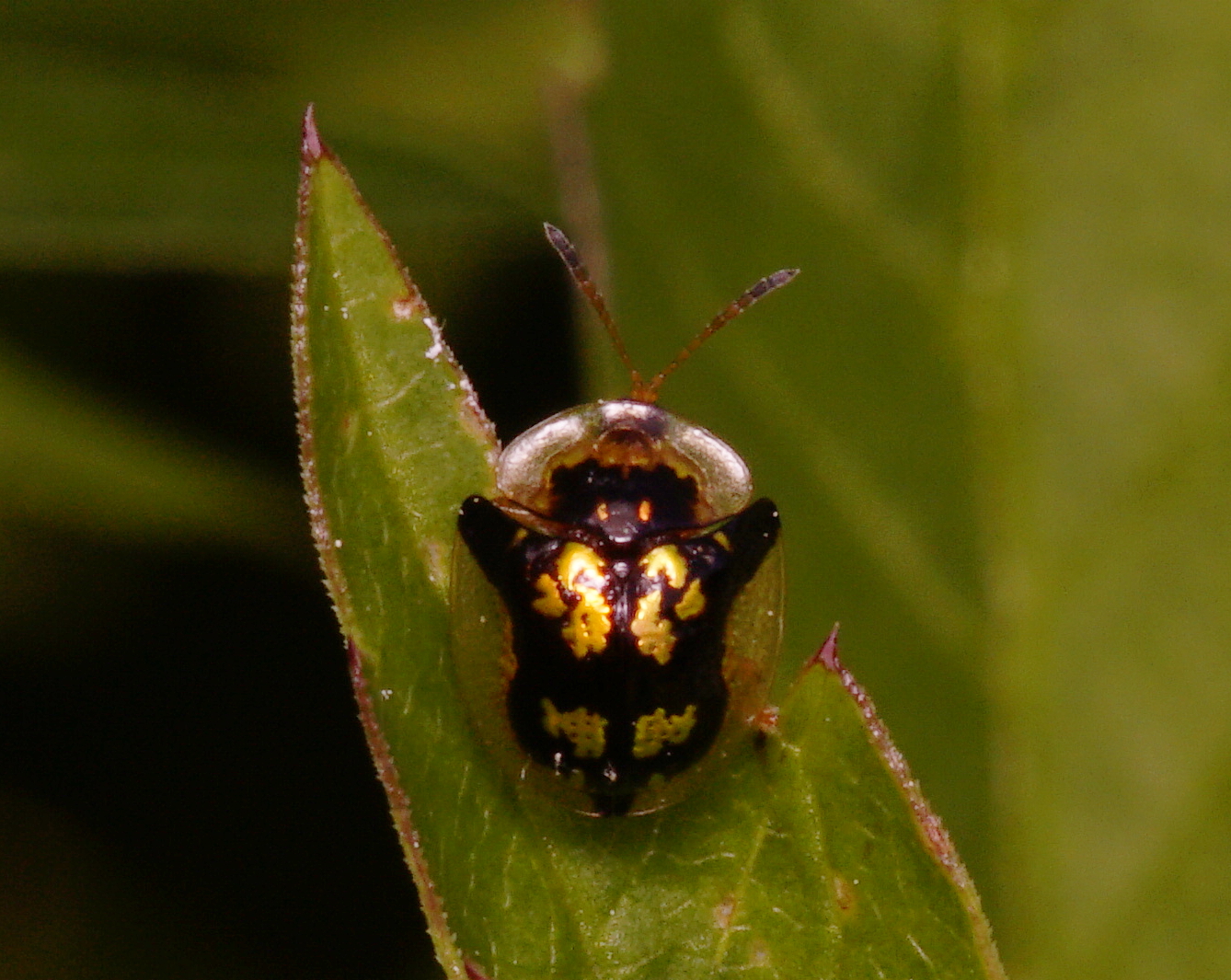
A golden tortoise beetle!!!! Cassidinae. Deloyala guttata looks quite similar. Plagiometriona or Cassida are less likely.
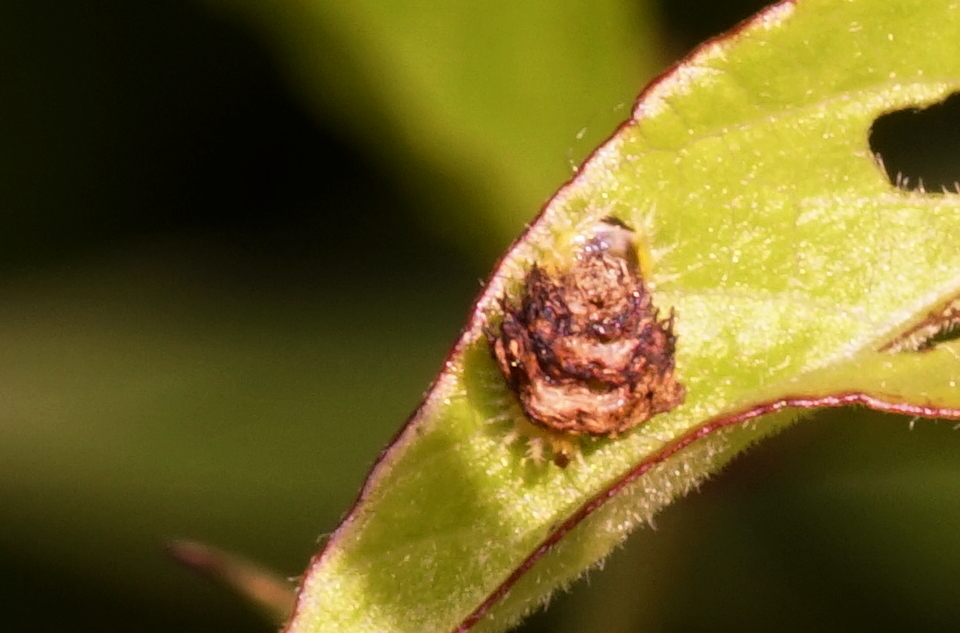
And this is the tortoise beetle larva:
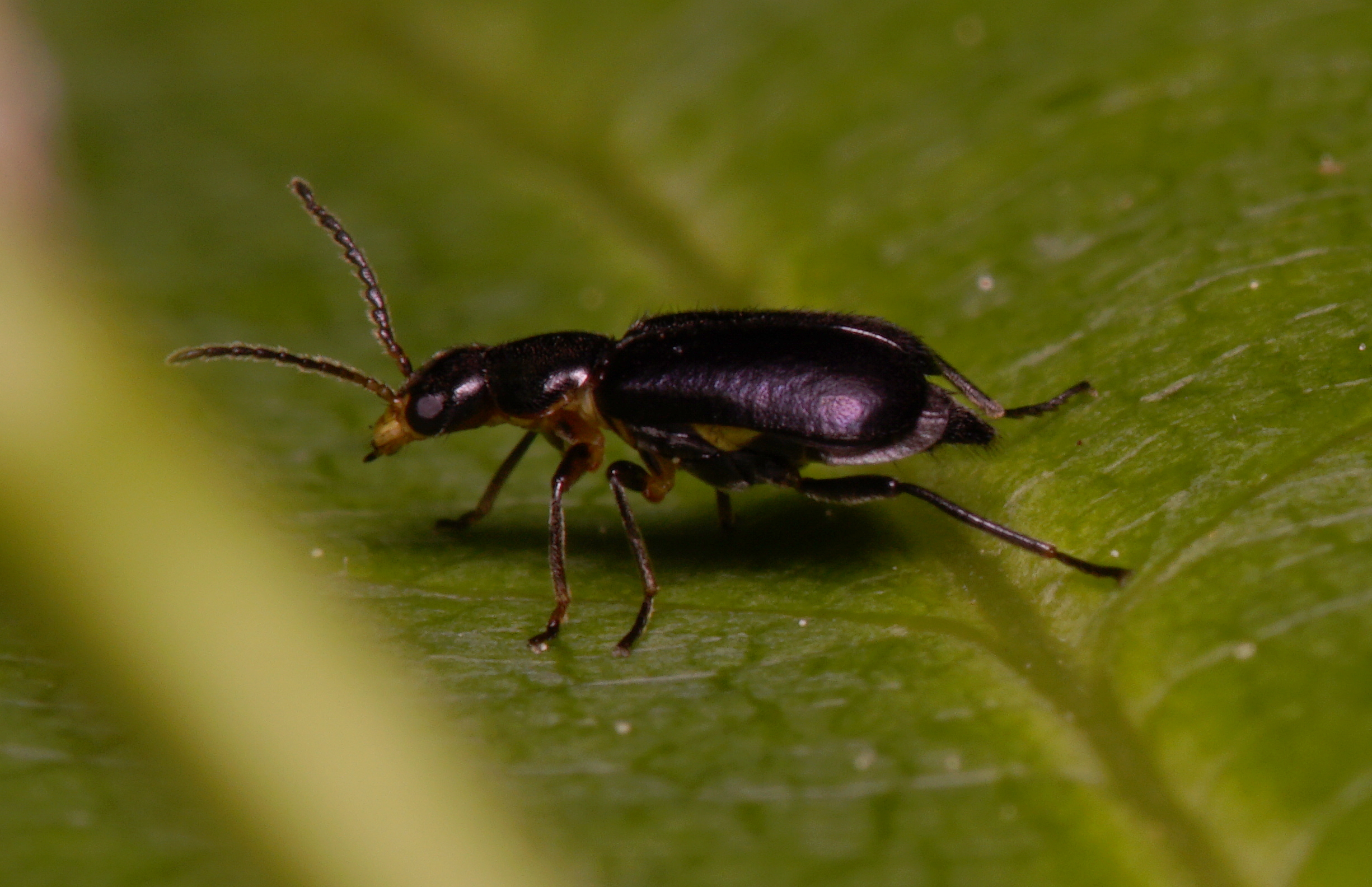
Who is this? Carabidae, but I don’t know too much else.
fuzzy but head view. kind of looks like a tiger beetle from this angle
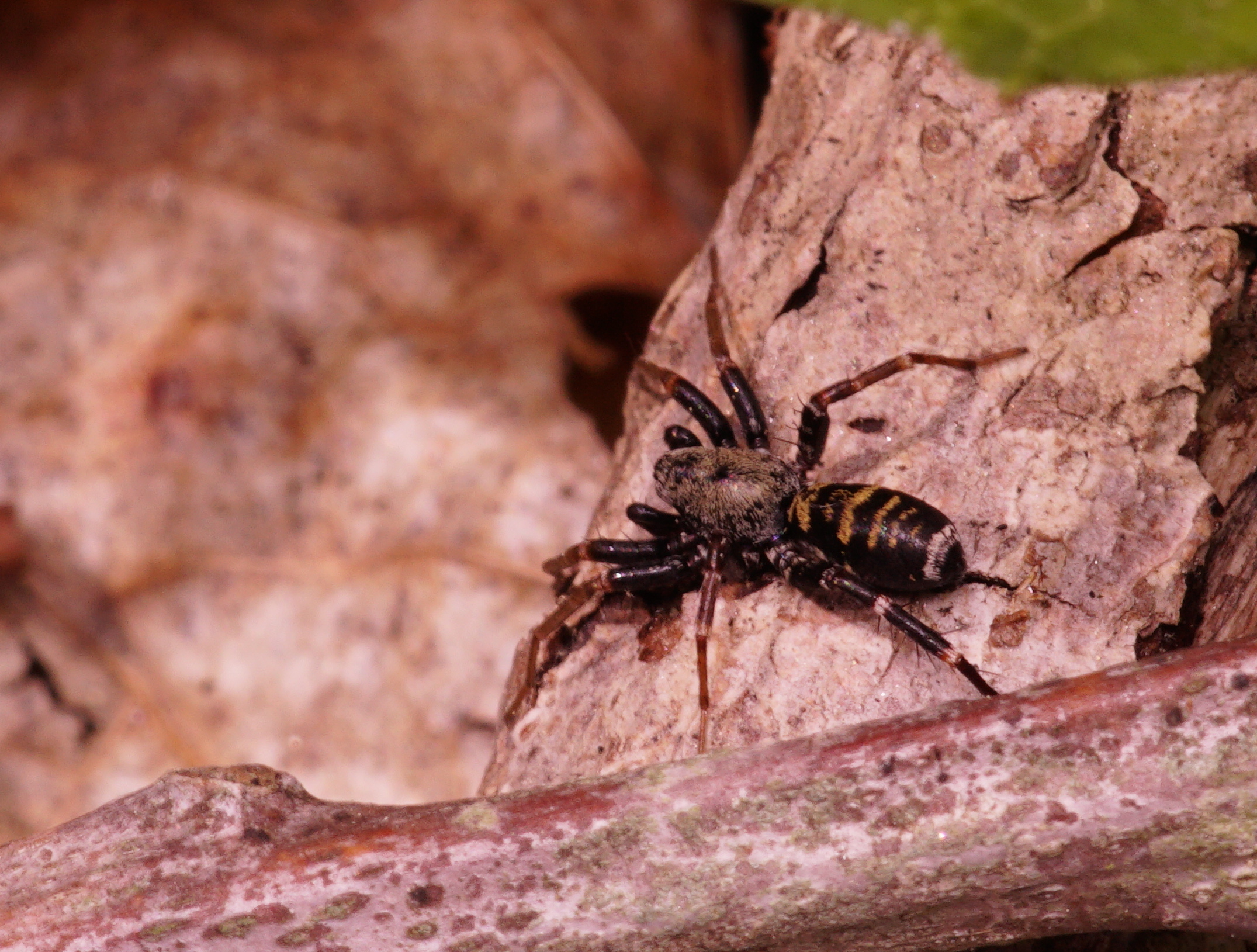
Castianeira. C. longipalpa and C. variata are the ones we have here: this looks closer to C. longipalpa, but I don’t know how to be certain.
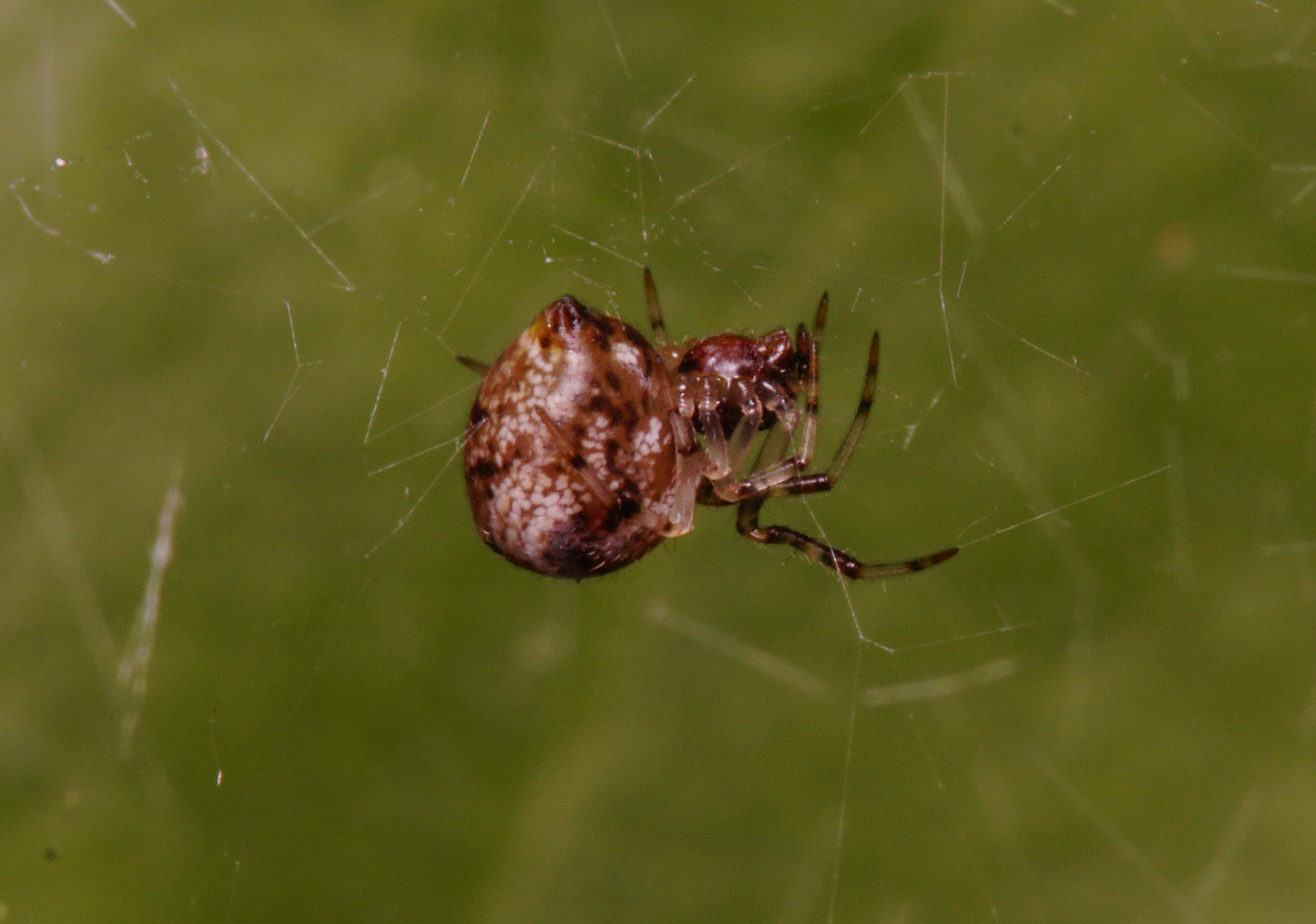
Parasteatoda tepidarorium?
I know, not a spider, it’s in Opiliones. But what a face!

Tree swallow
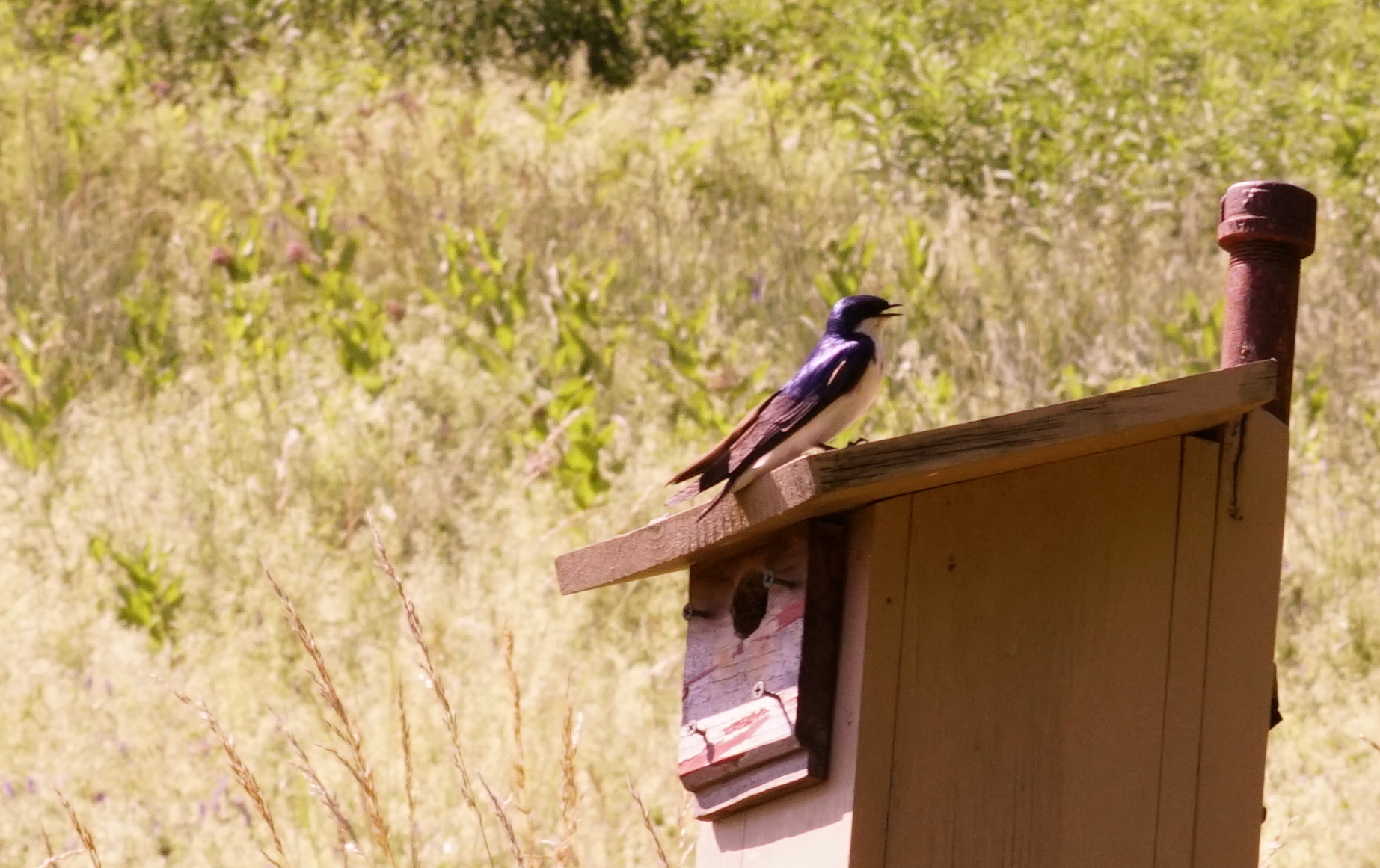
 a little wild