Visitor’s Center to the Pond, to Pond Edge Trail, to the Swamp Trail. Then Pond Walk to Ames Mansion.
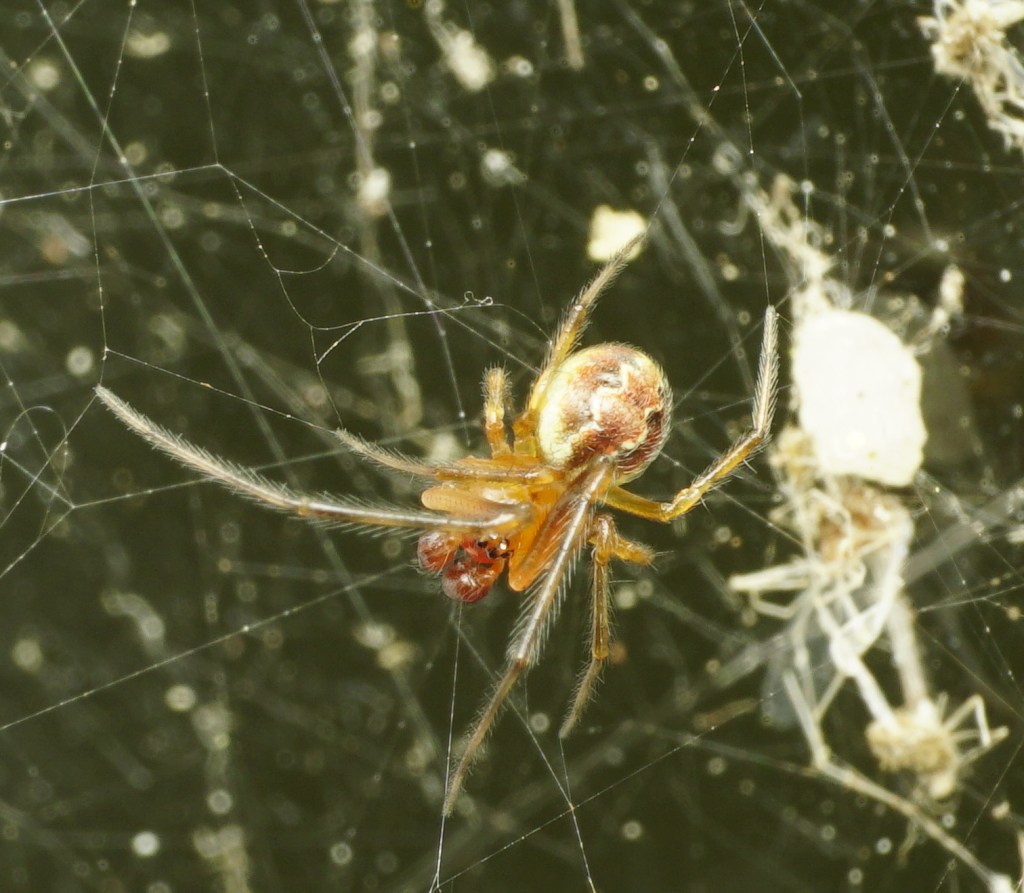
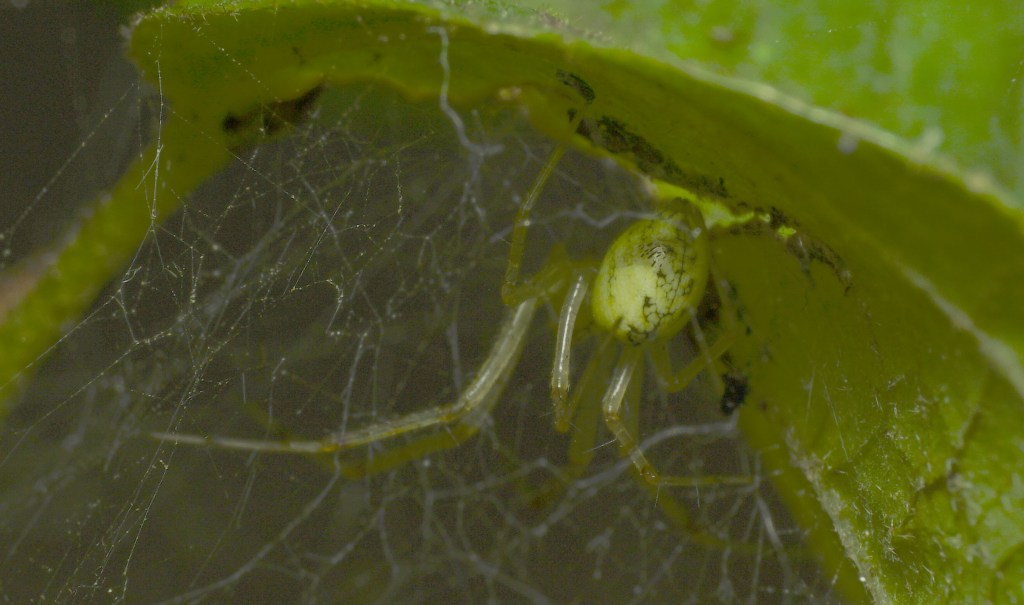
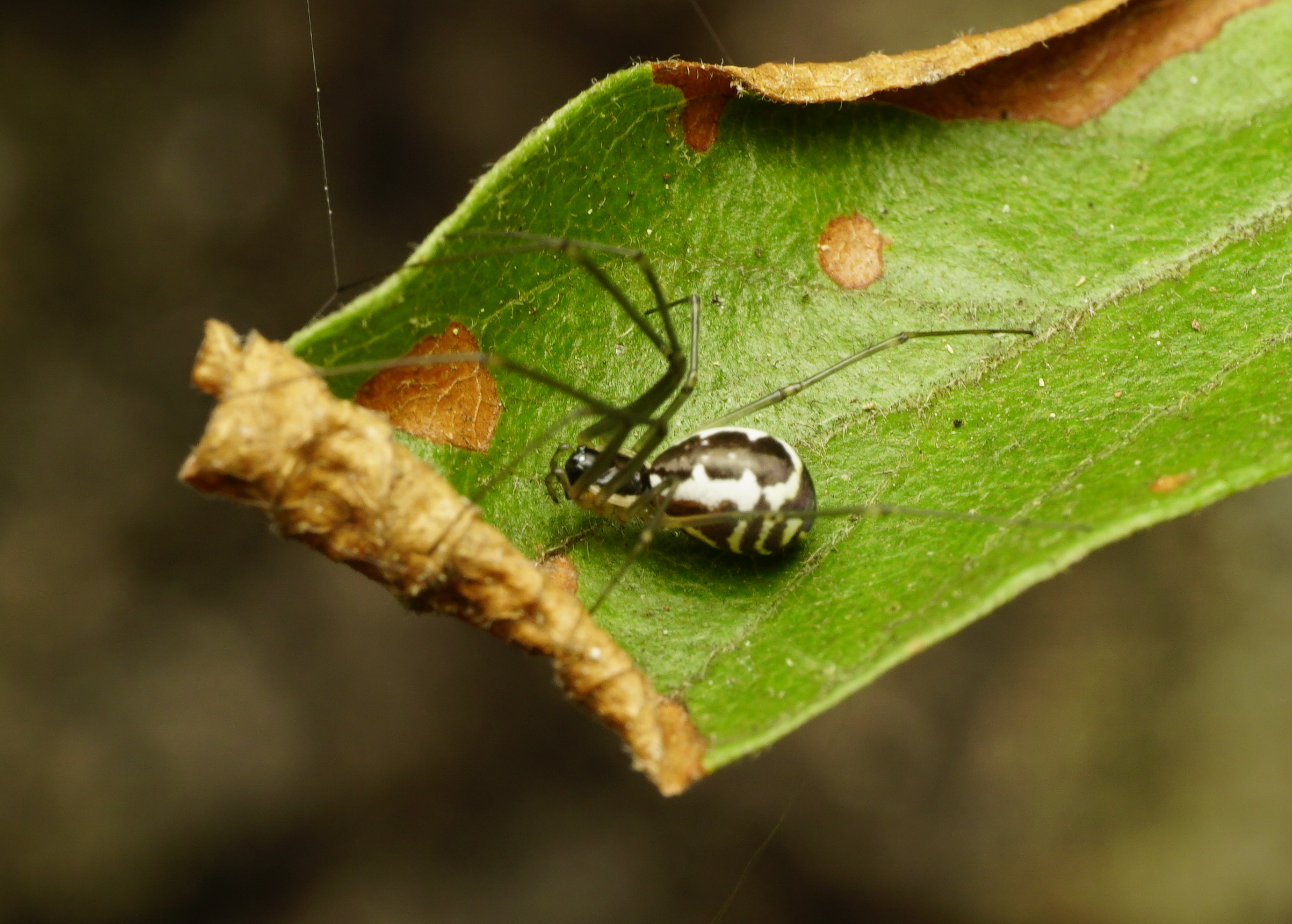
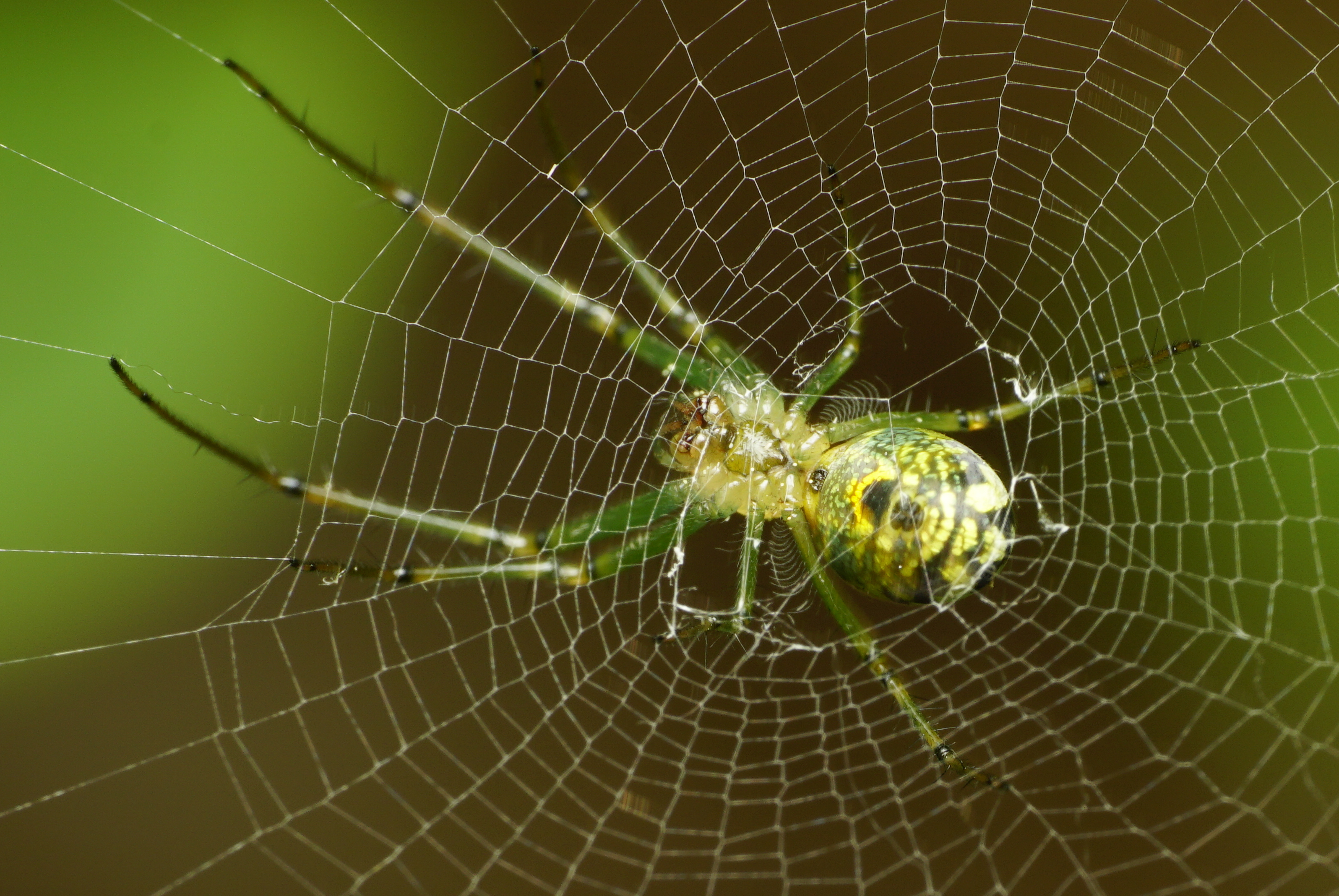
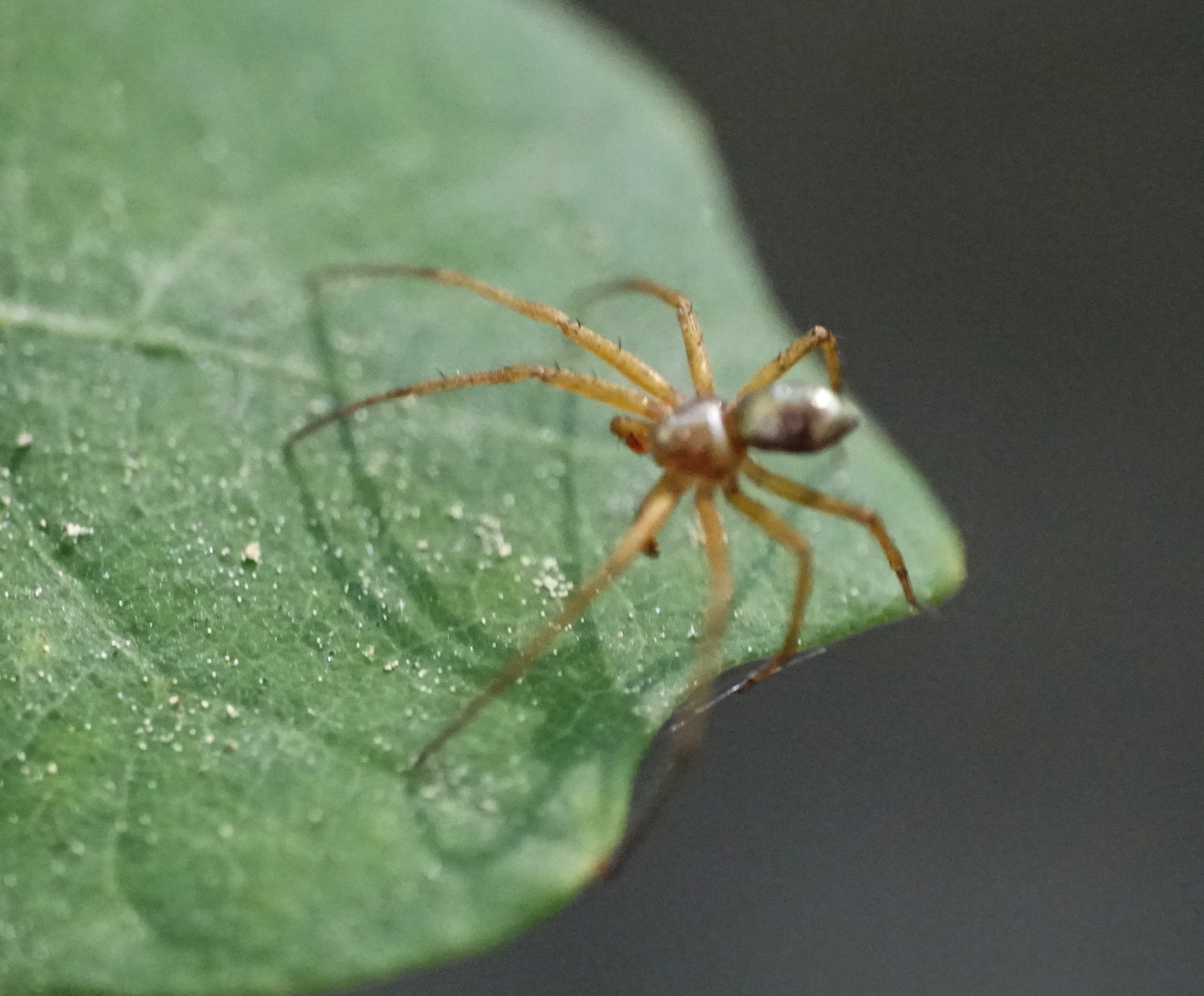
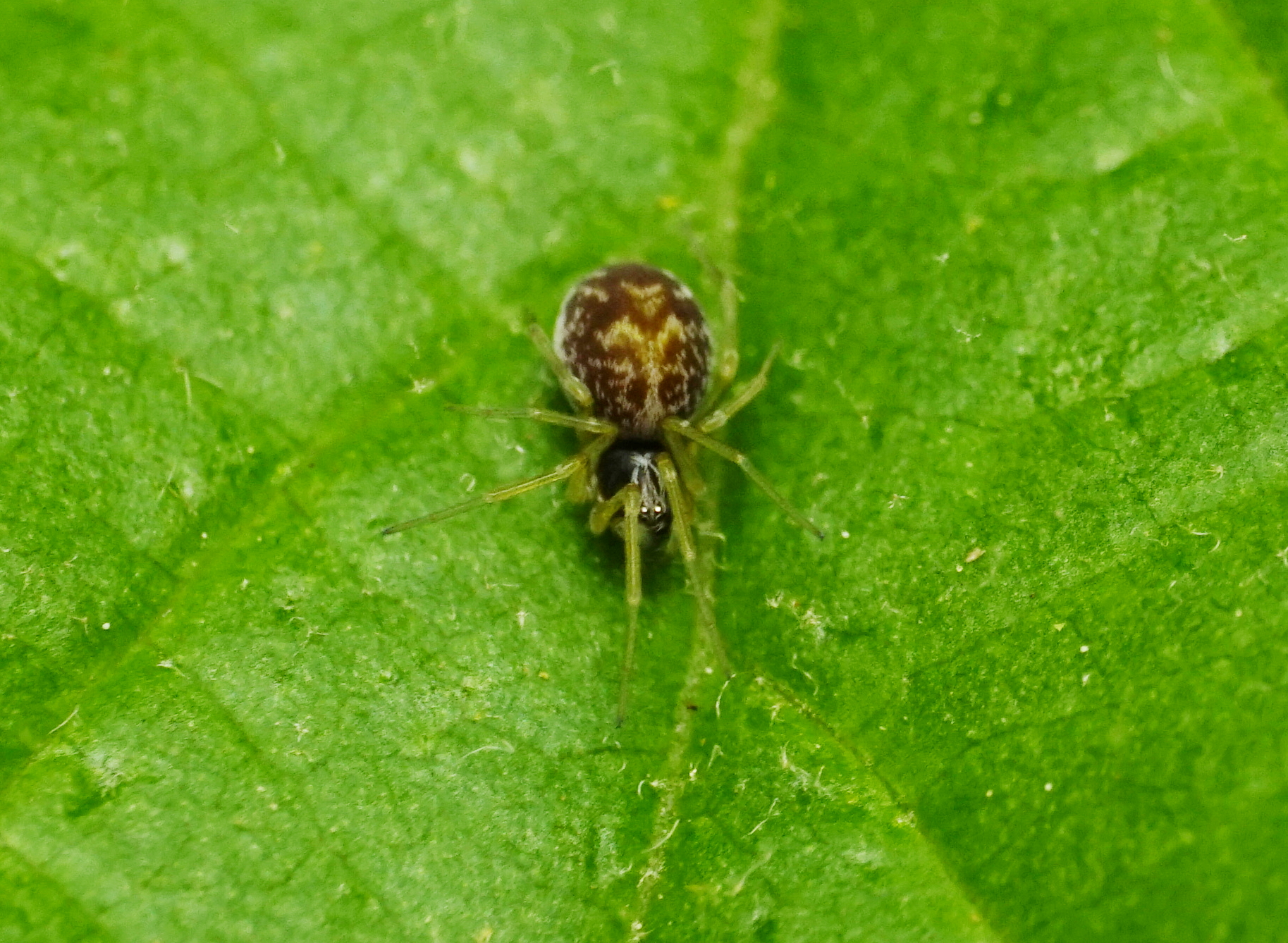
But first, spiders from right outside my front door. Shame on me for not noticing them earlier! This is Theridion. They can actually be social spiders, and there were multiple of them in this web.
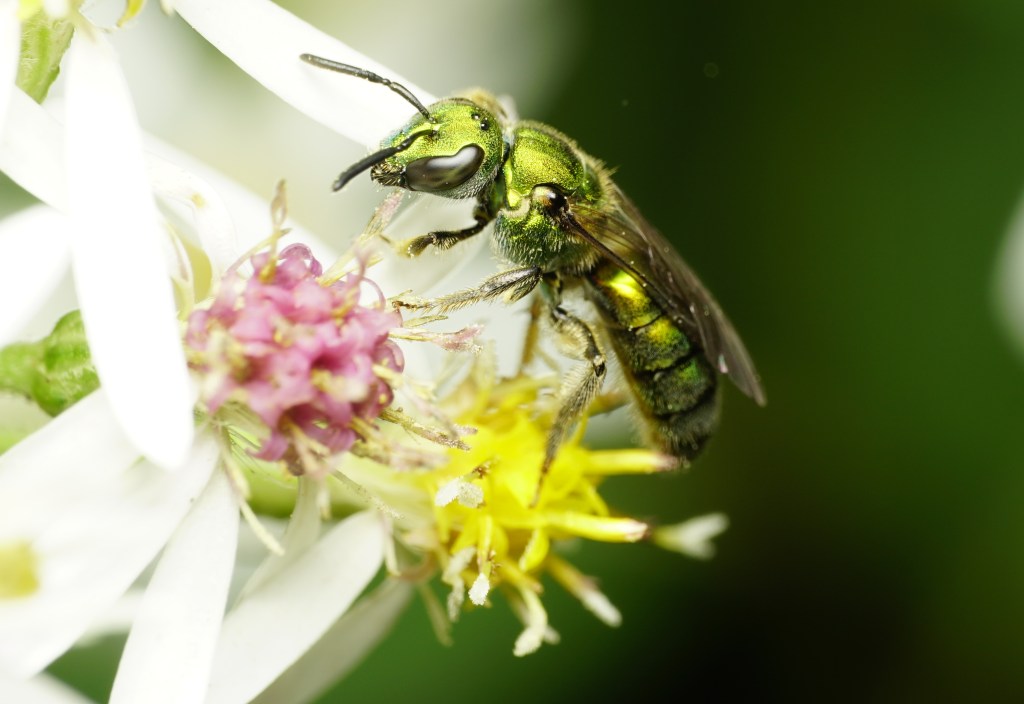
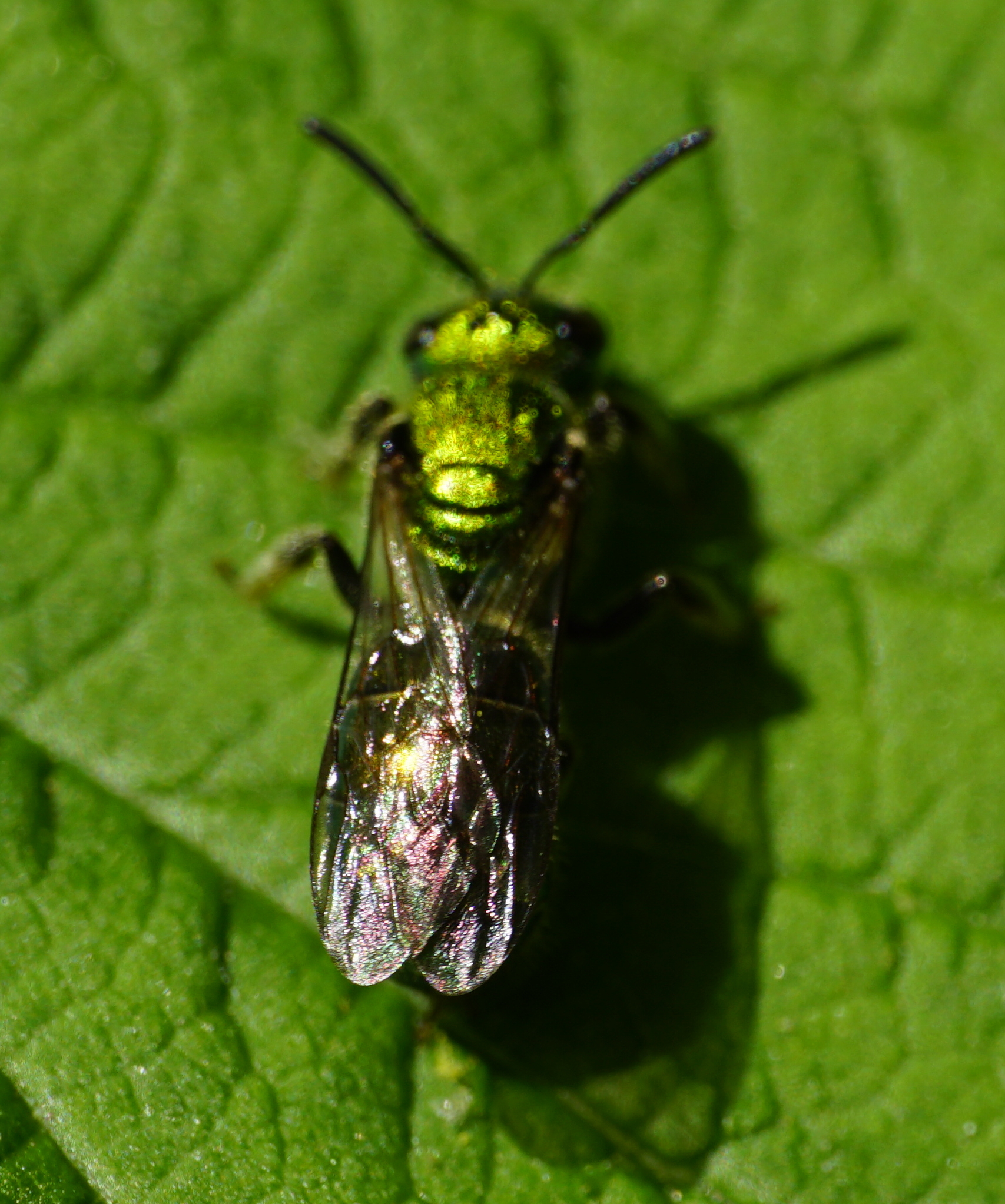
The Halictids were out in force! Augochlora pura:
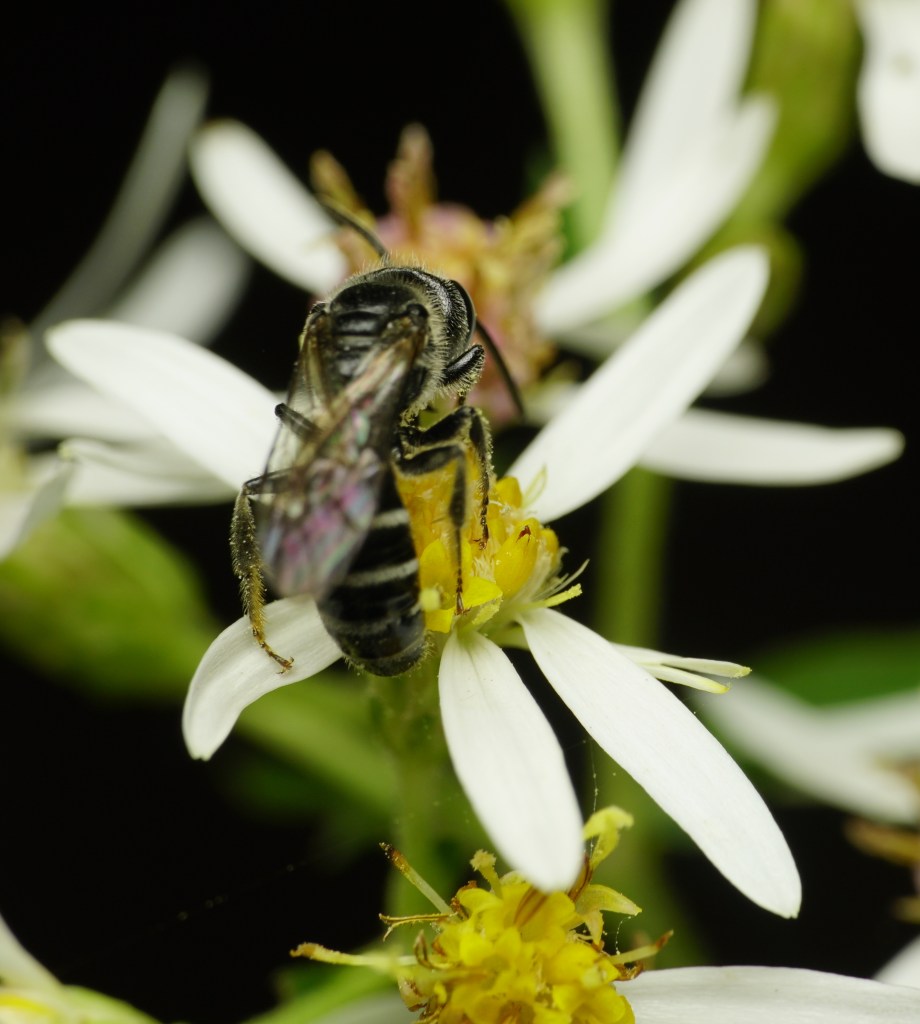
Halictus sp. : “the hair bands are stronger and seem apical while the head looks much larger than a Lasioglossum”
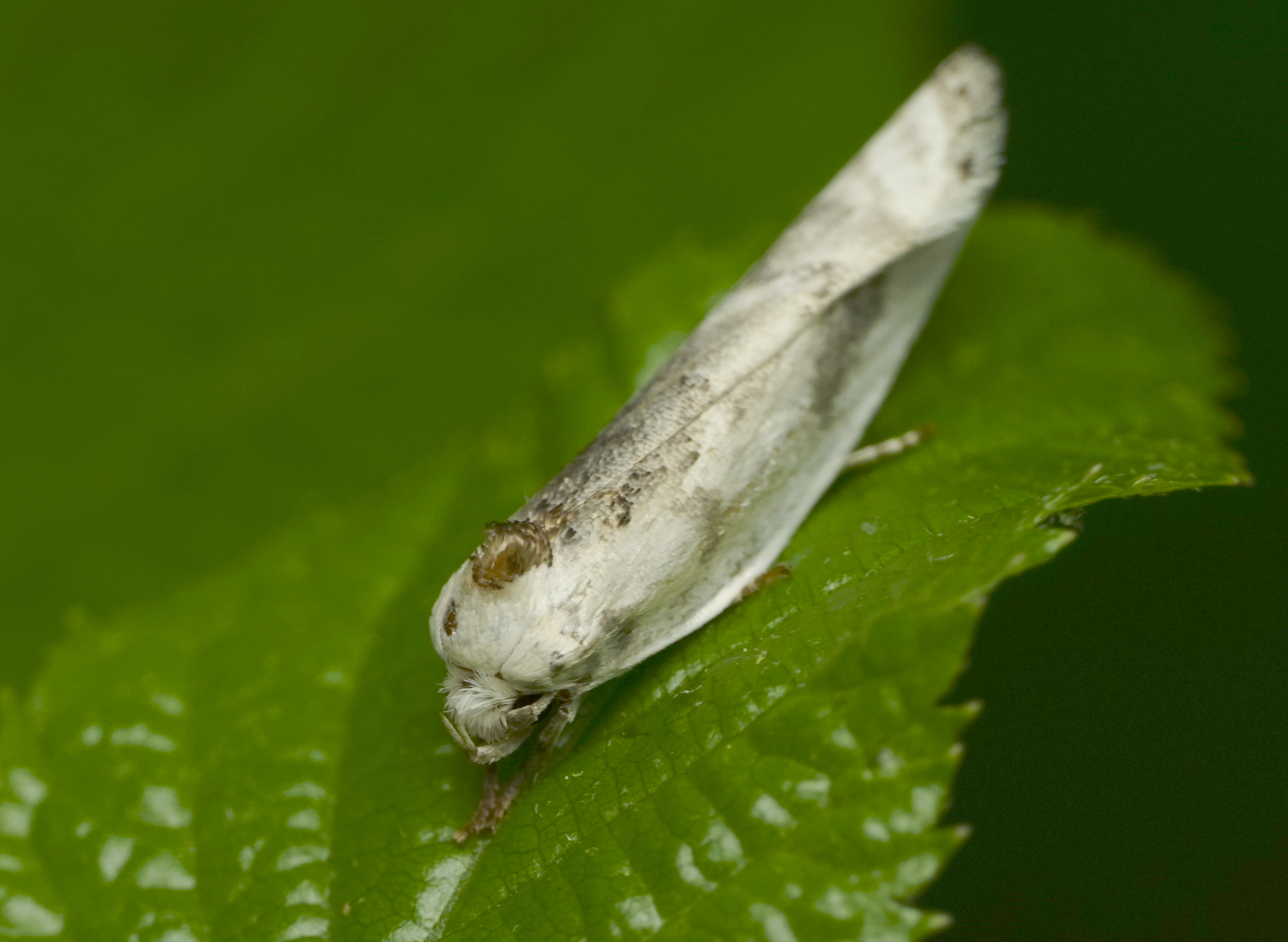
Maybe Three Streaked Sparganothis, aka Sparganothis tristriata 3699?
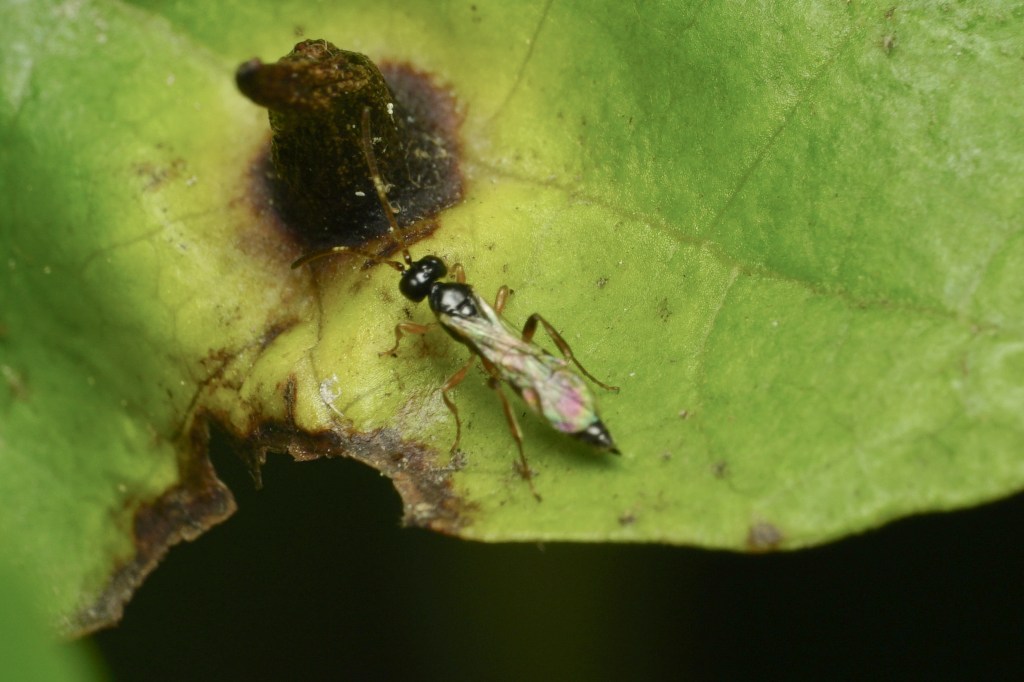
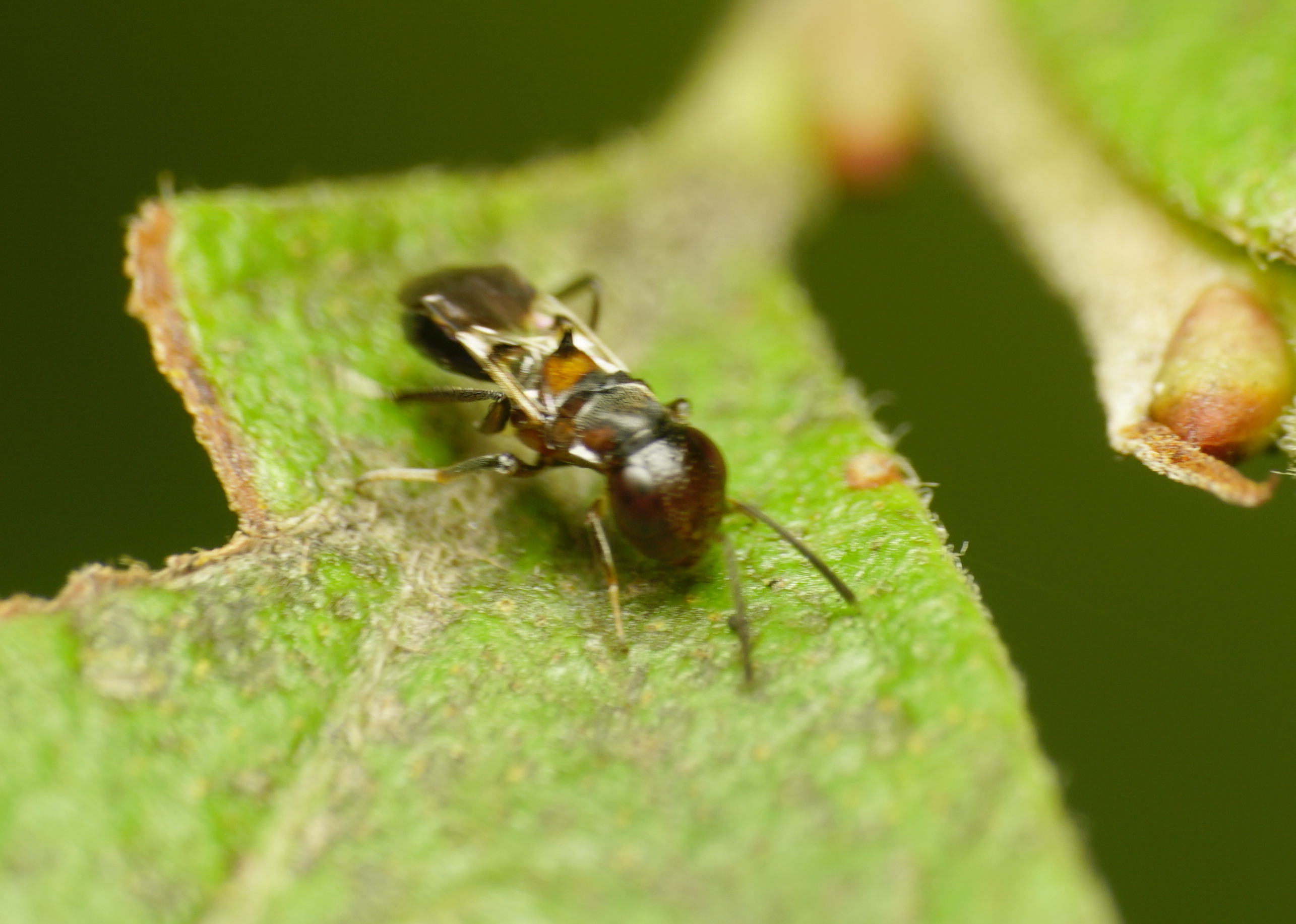
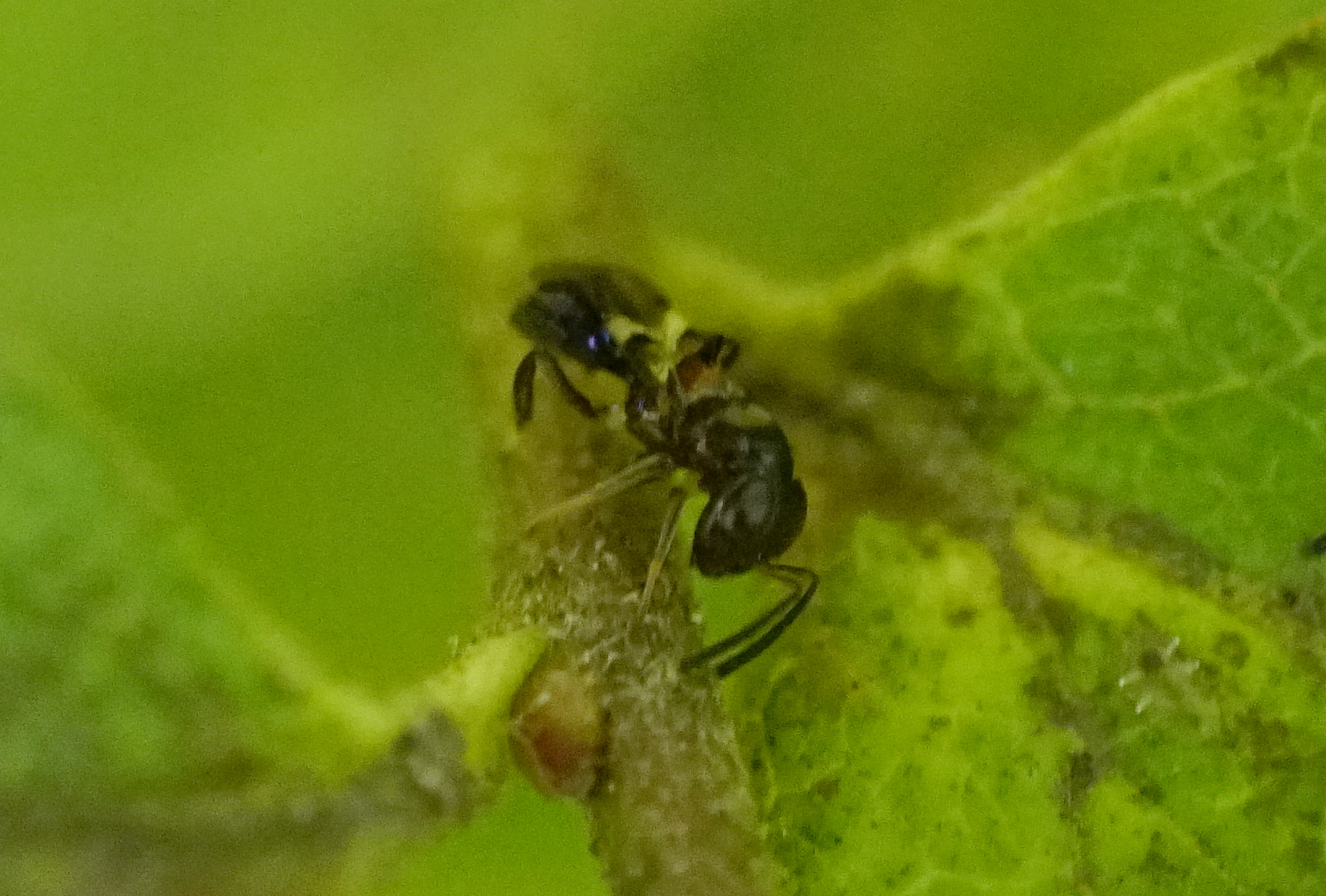
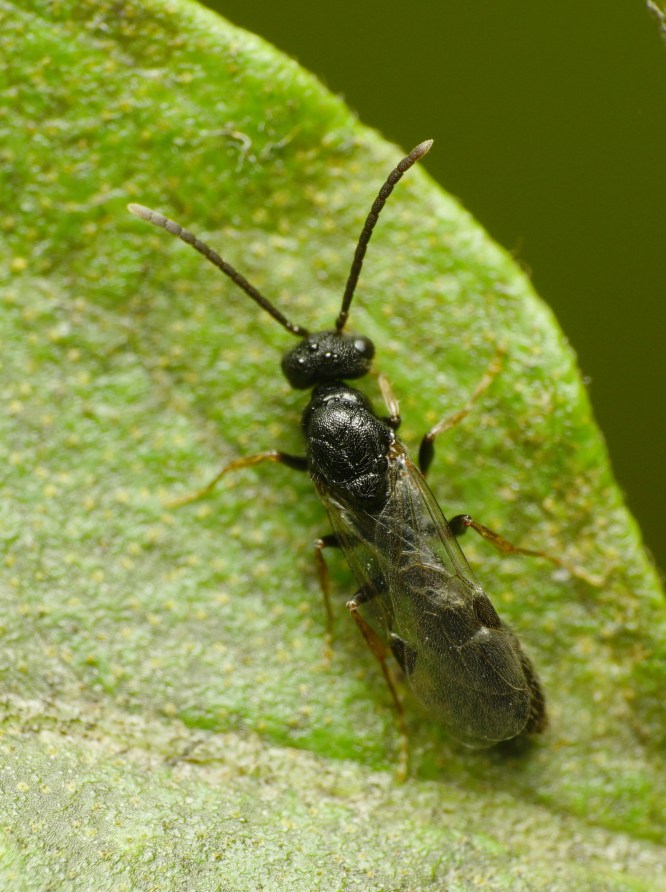
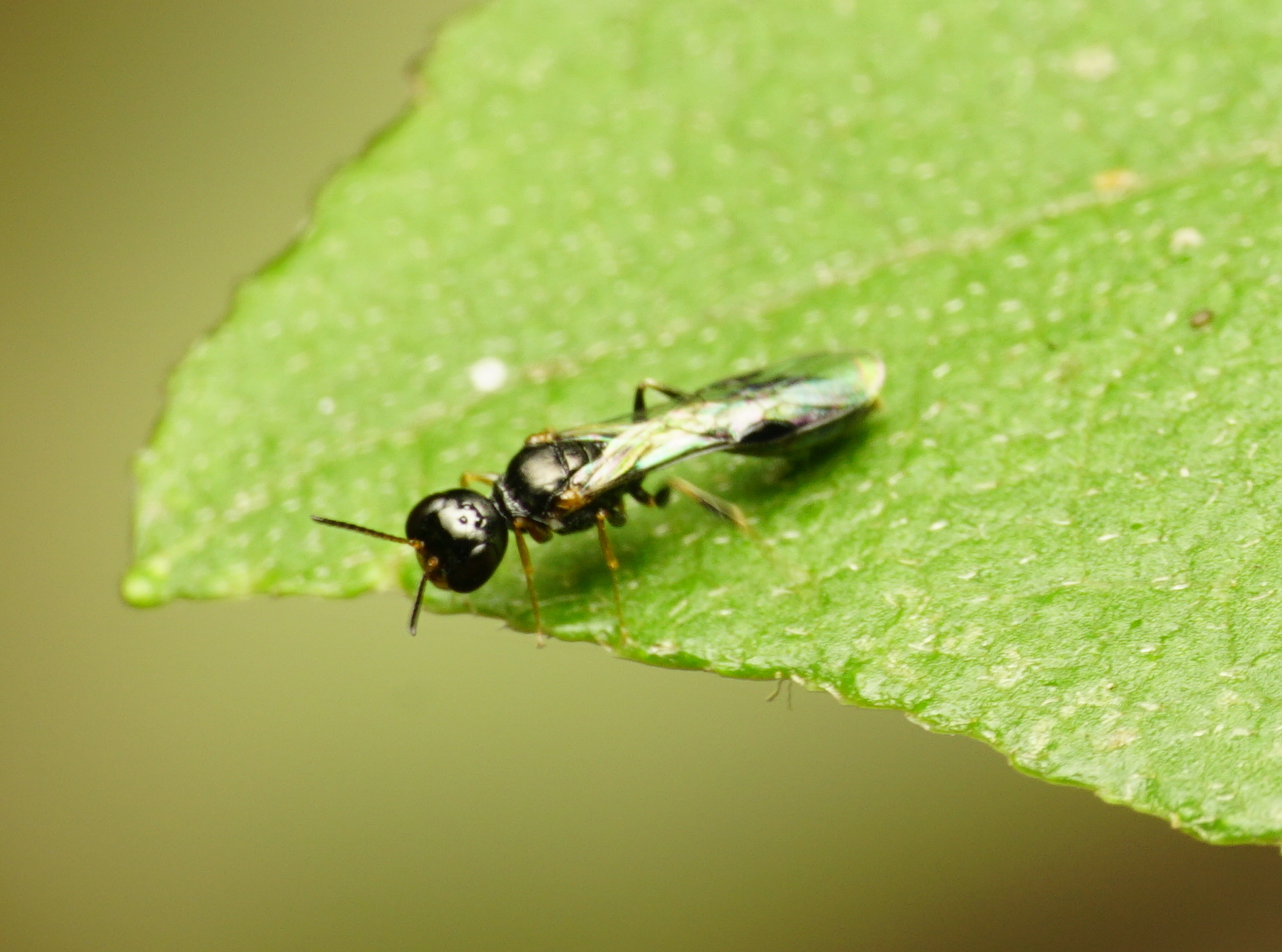
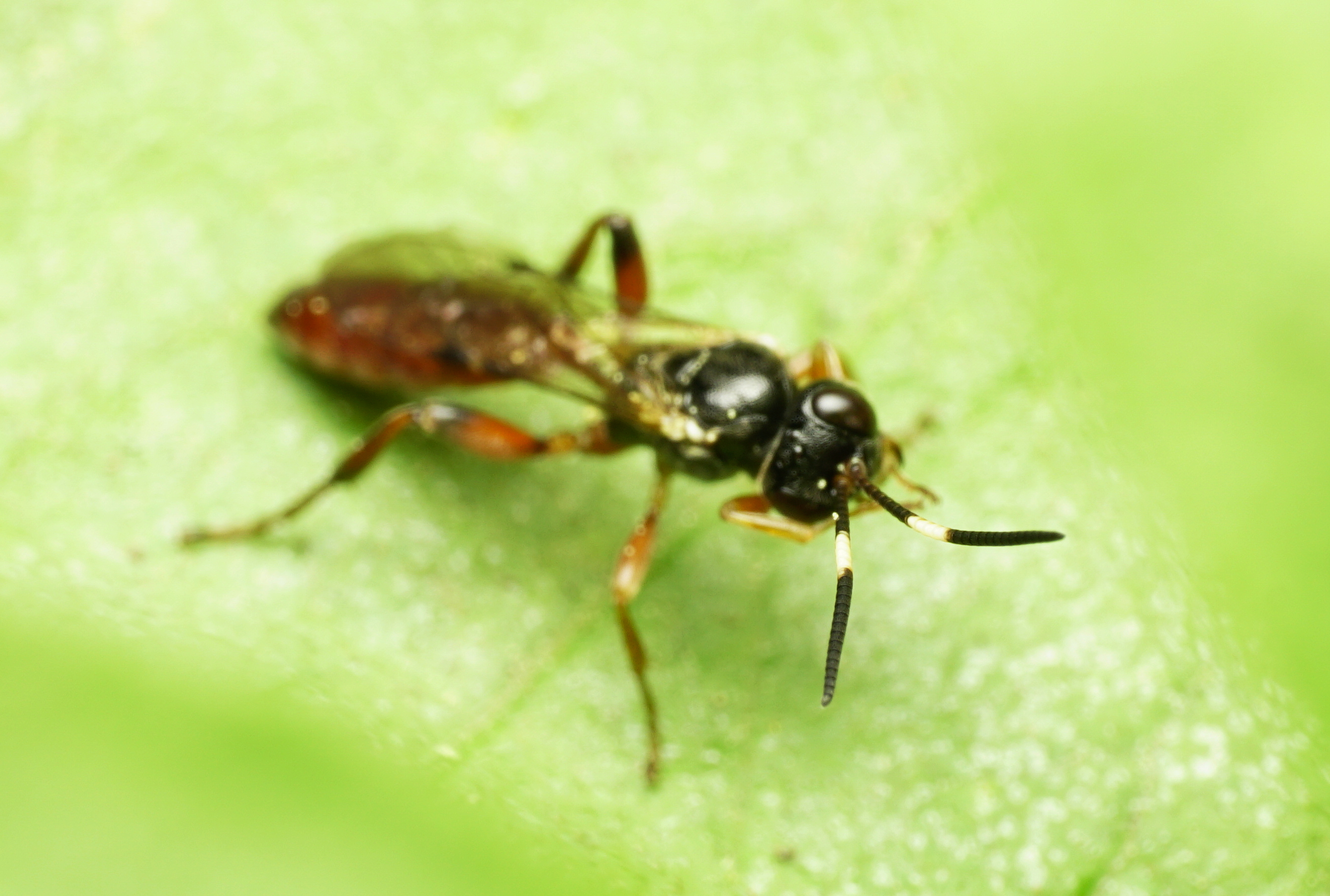
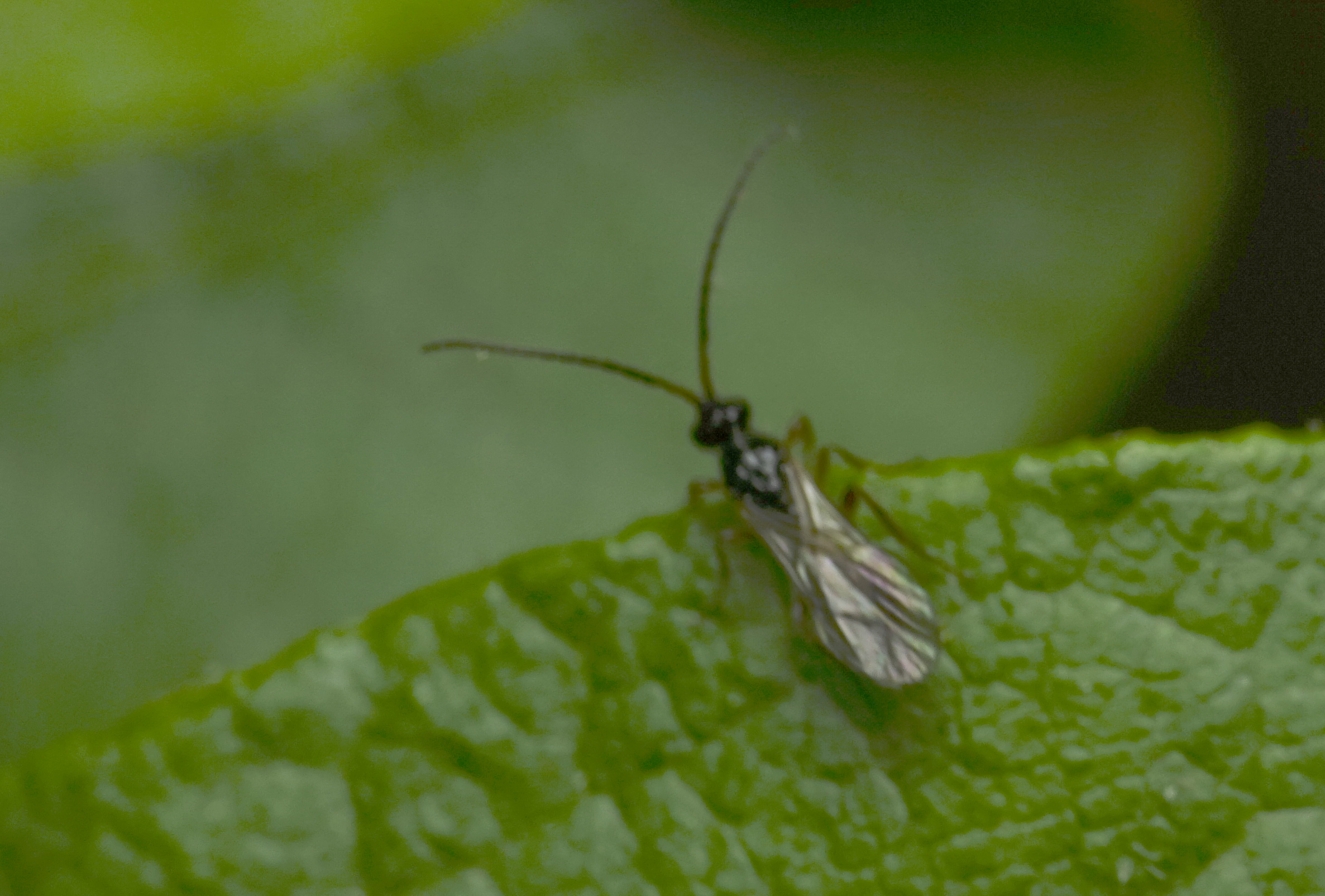
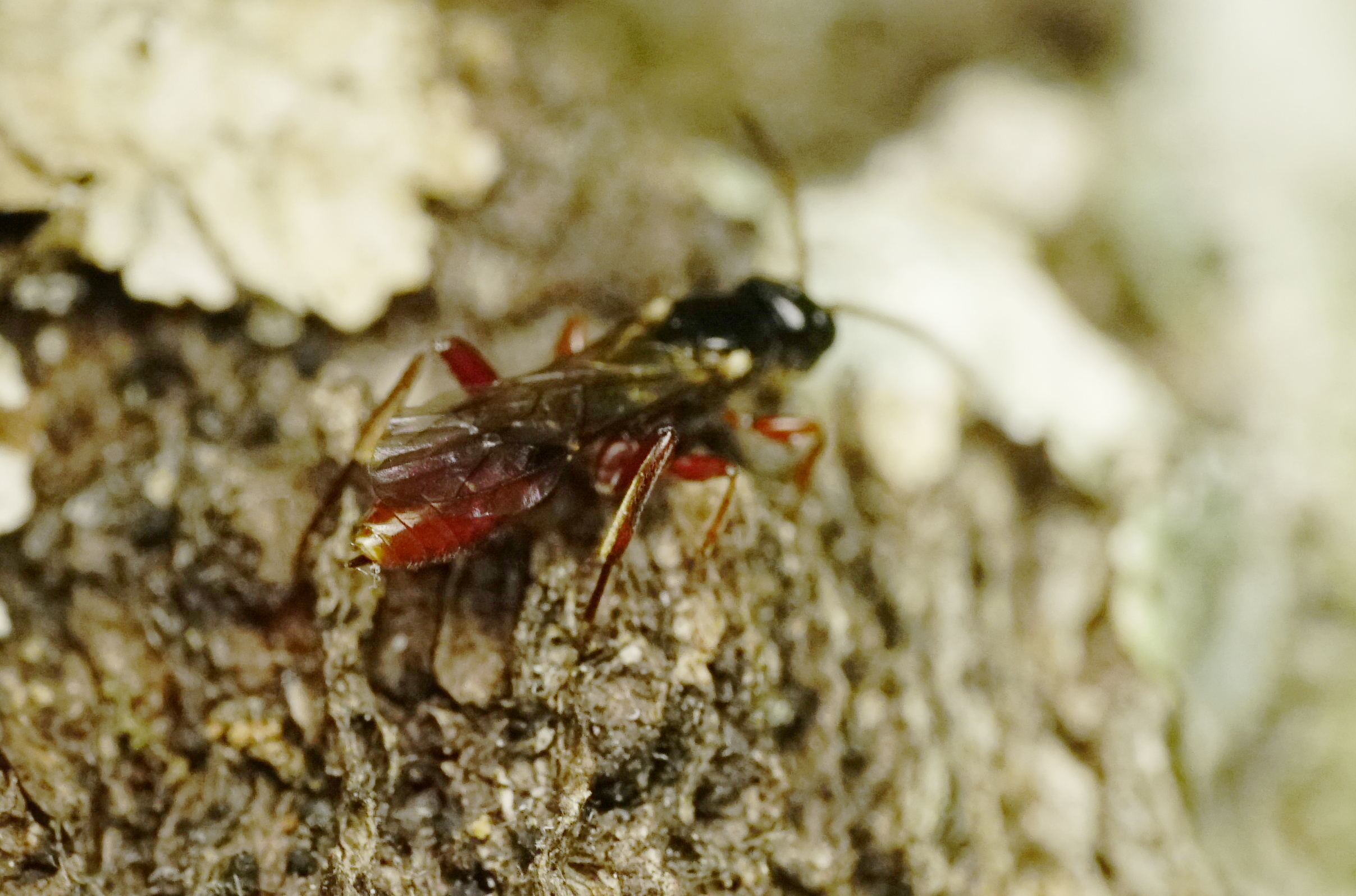
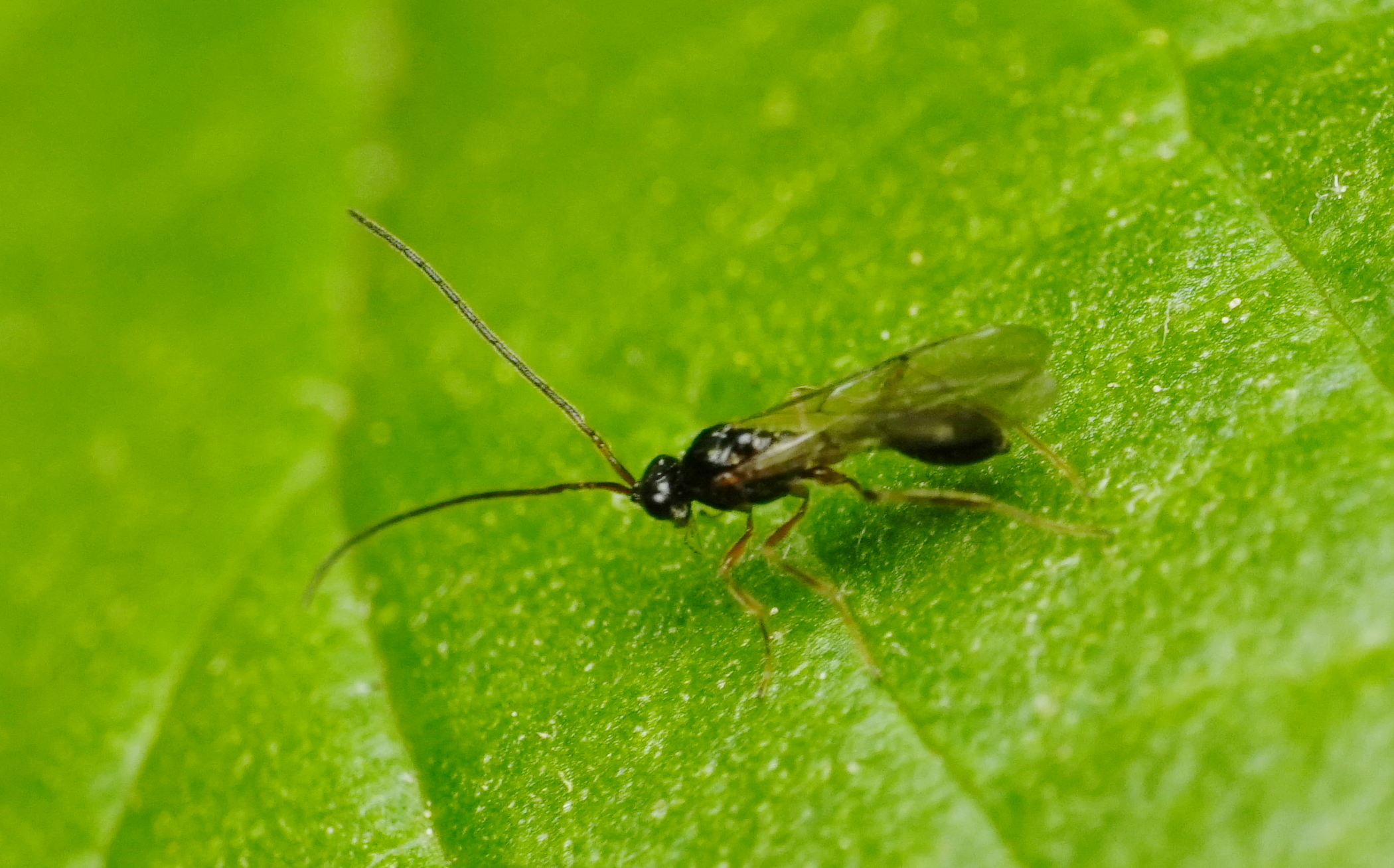
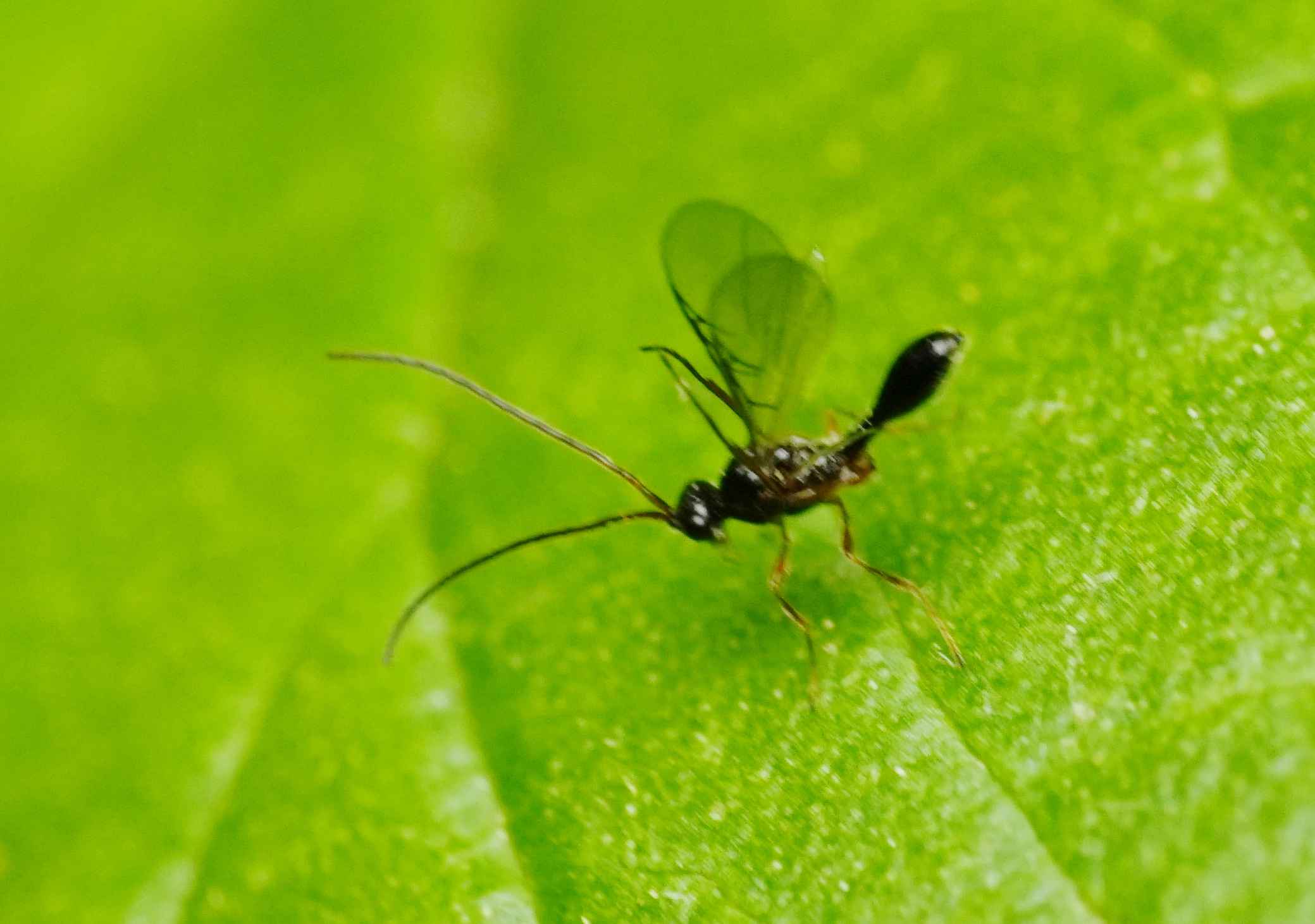
Figitidae:
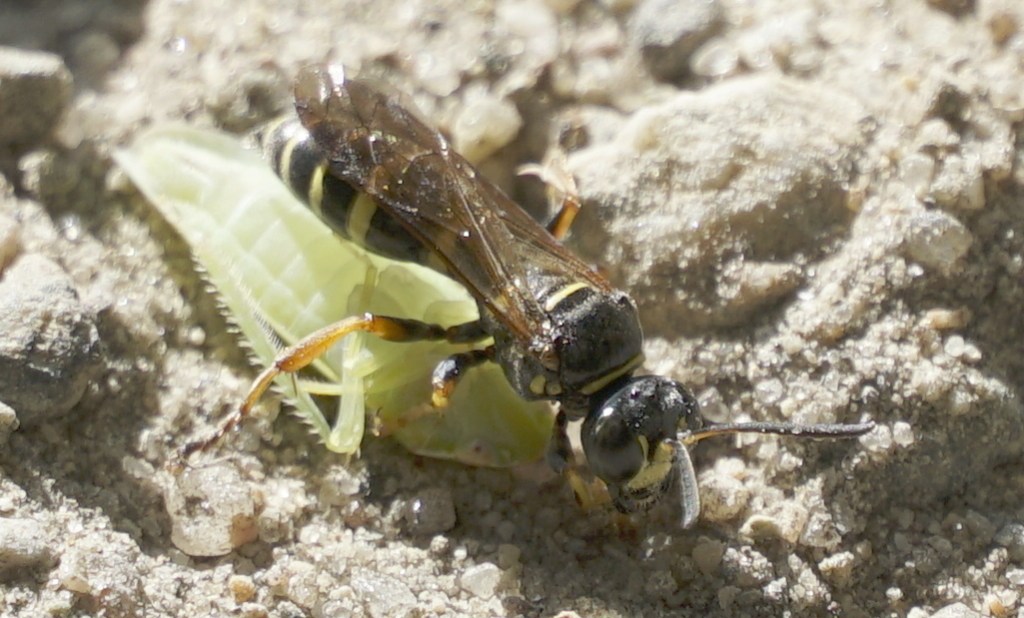
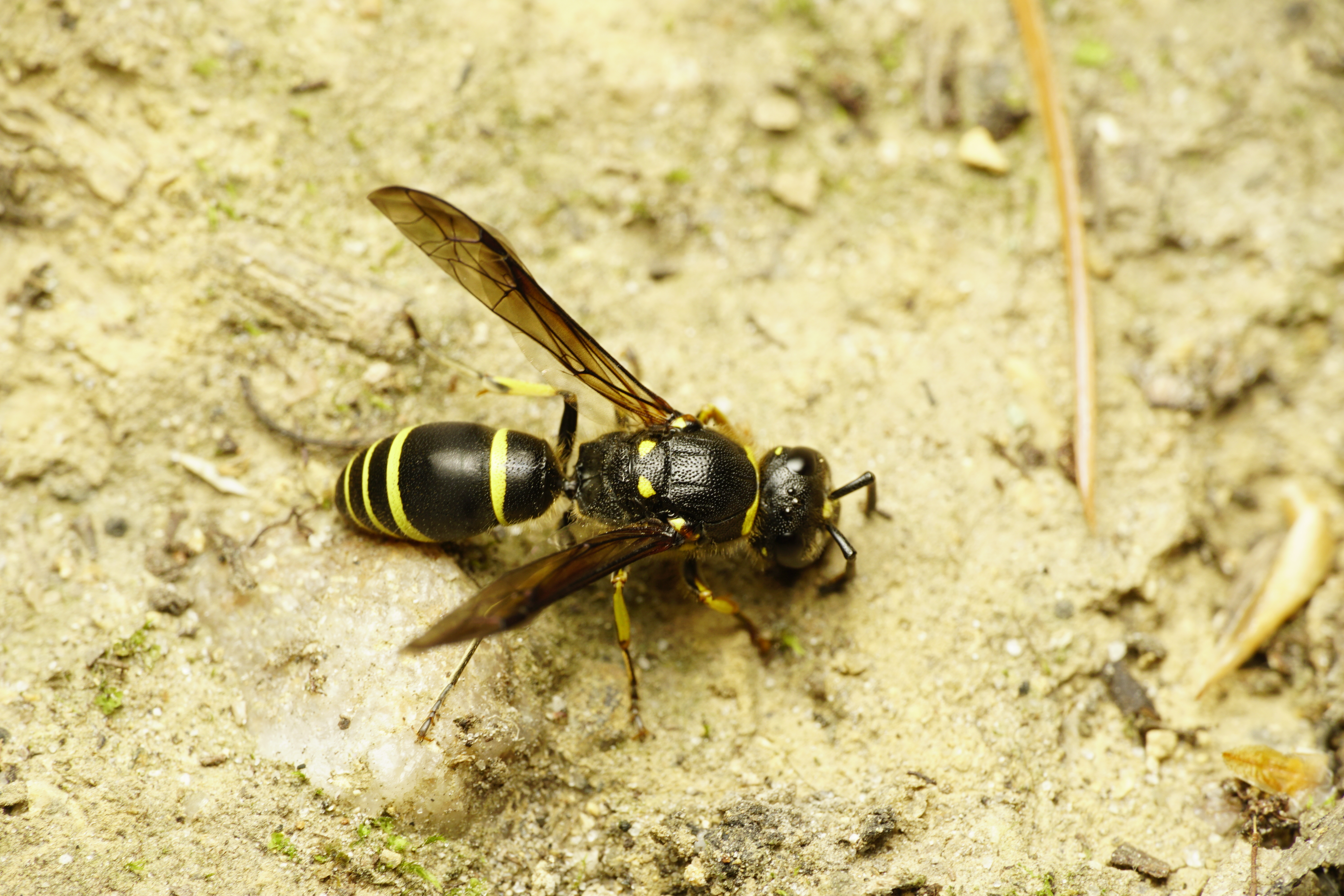
Ancistrocerus cf adiabatus:
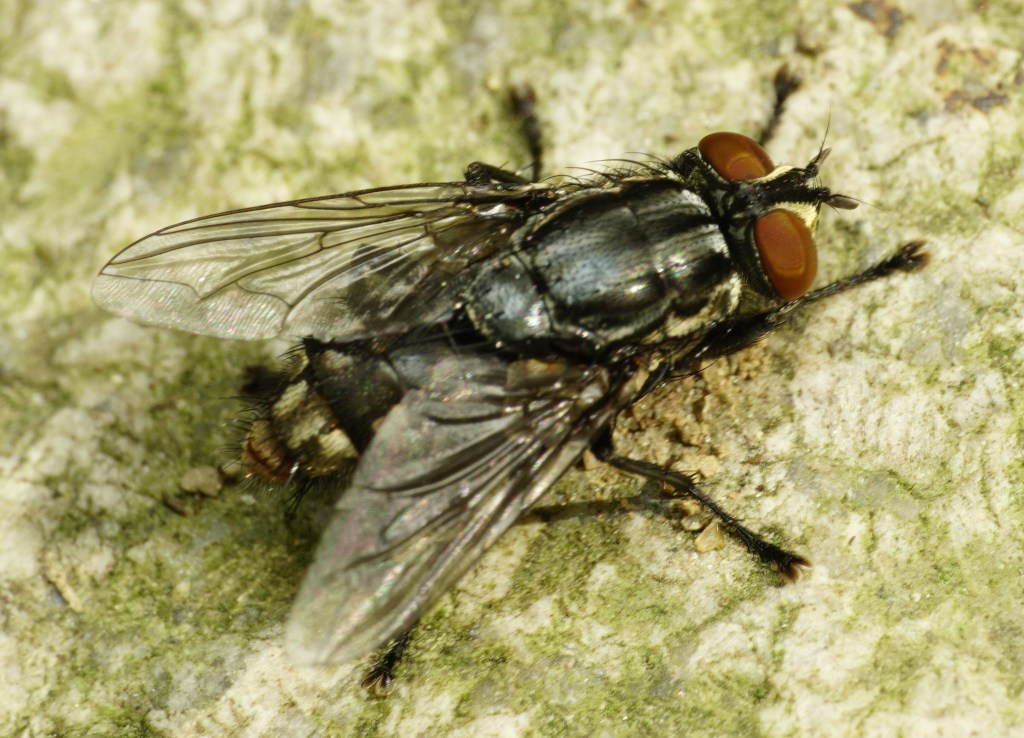
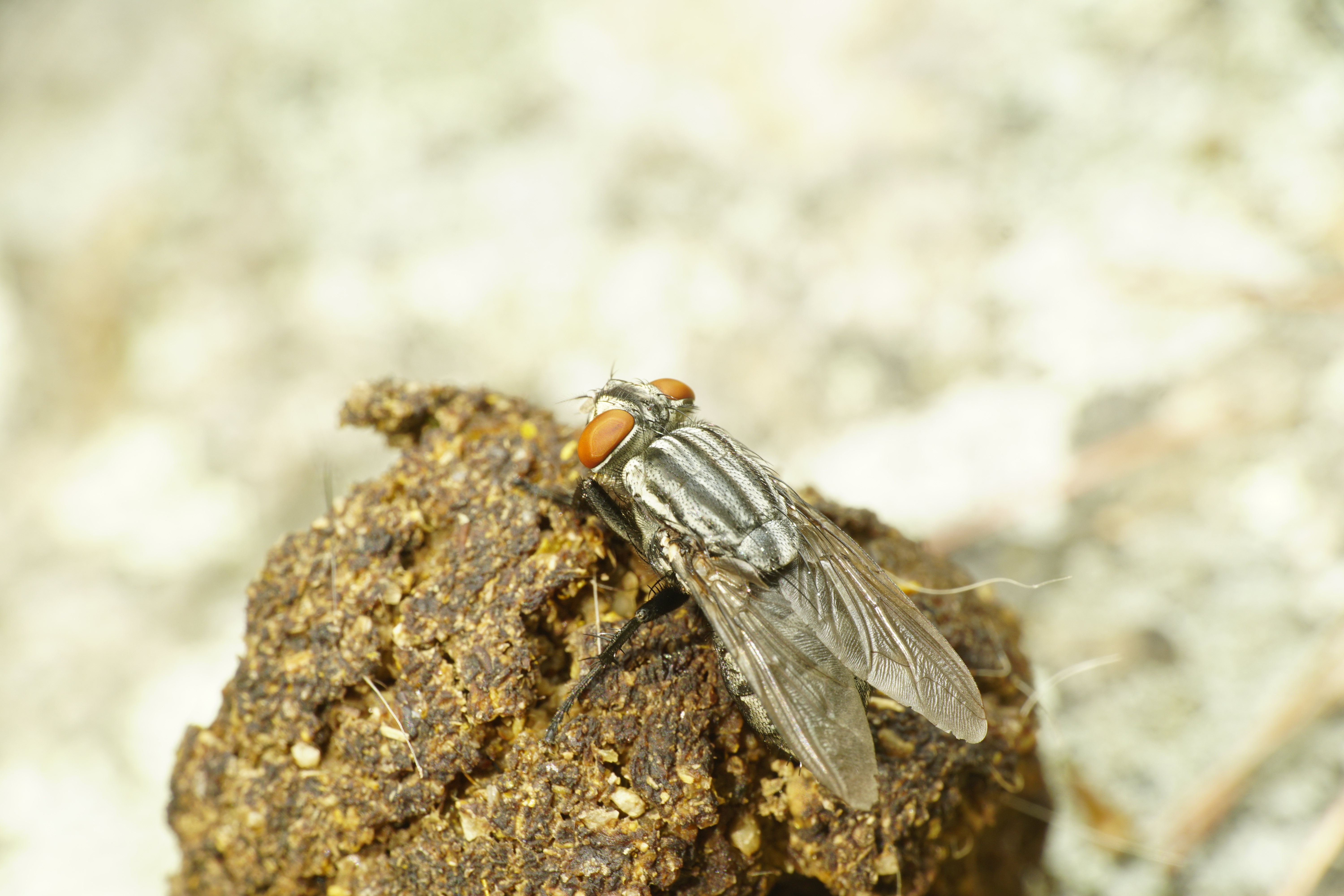
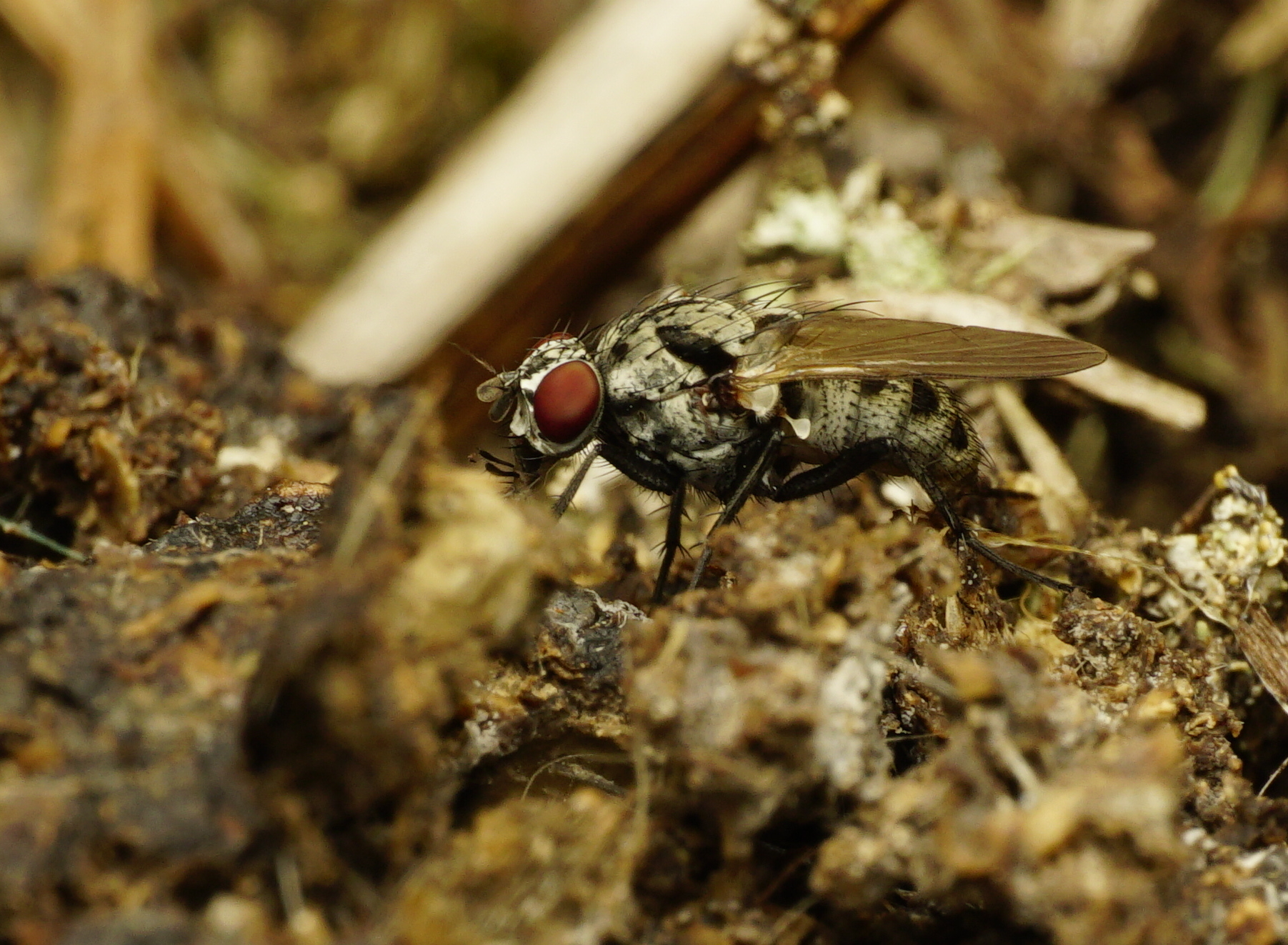
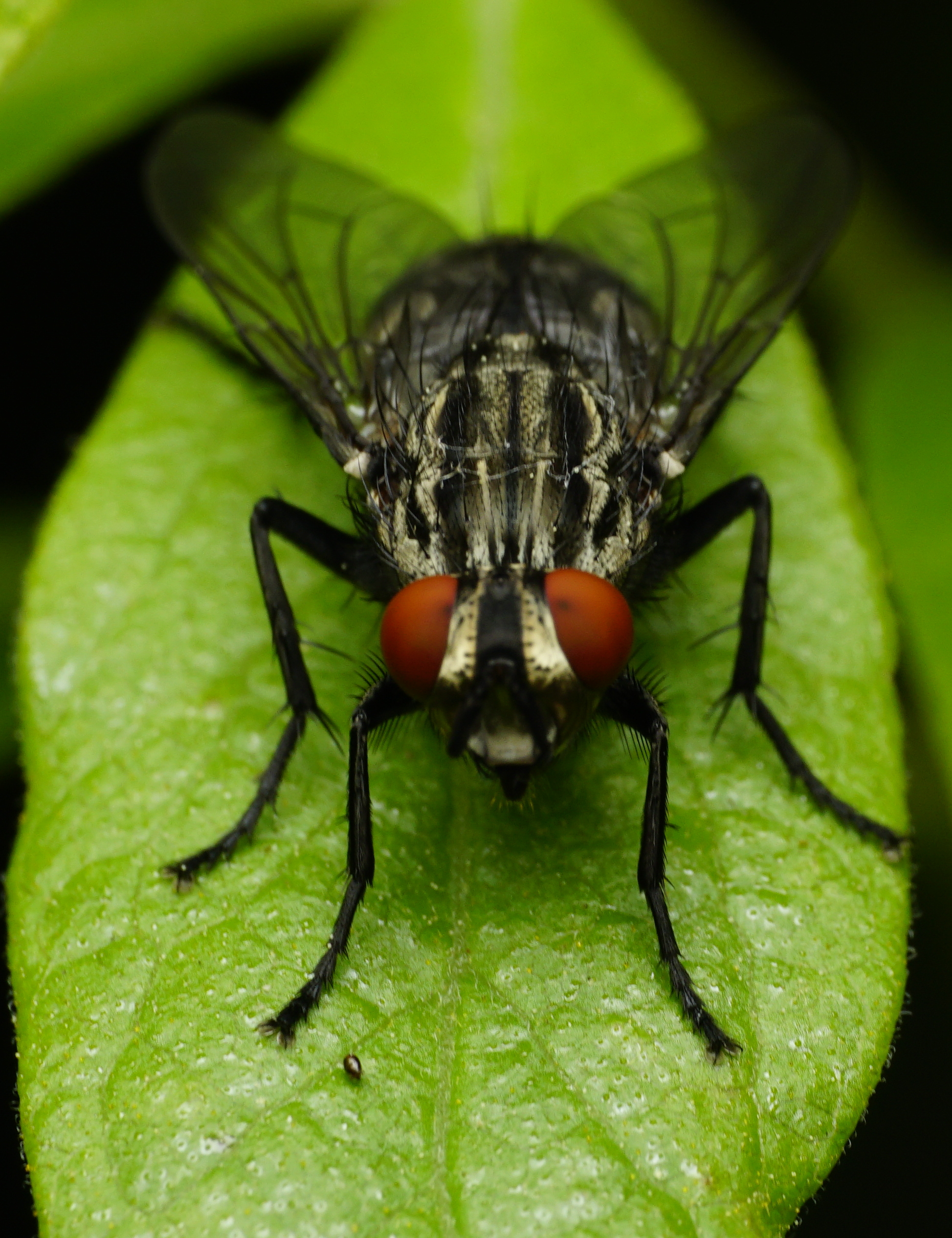
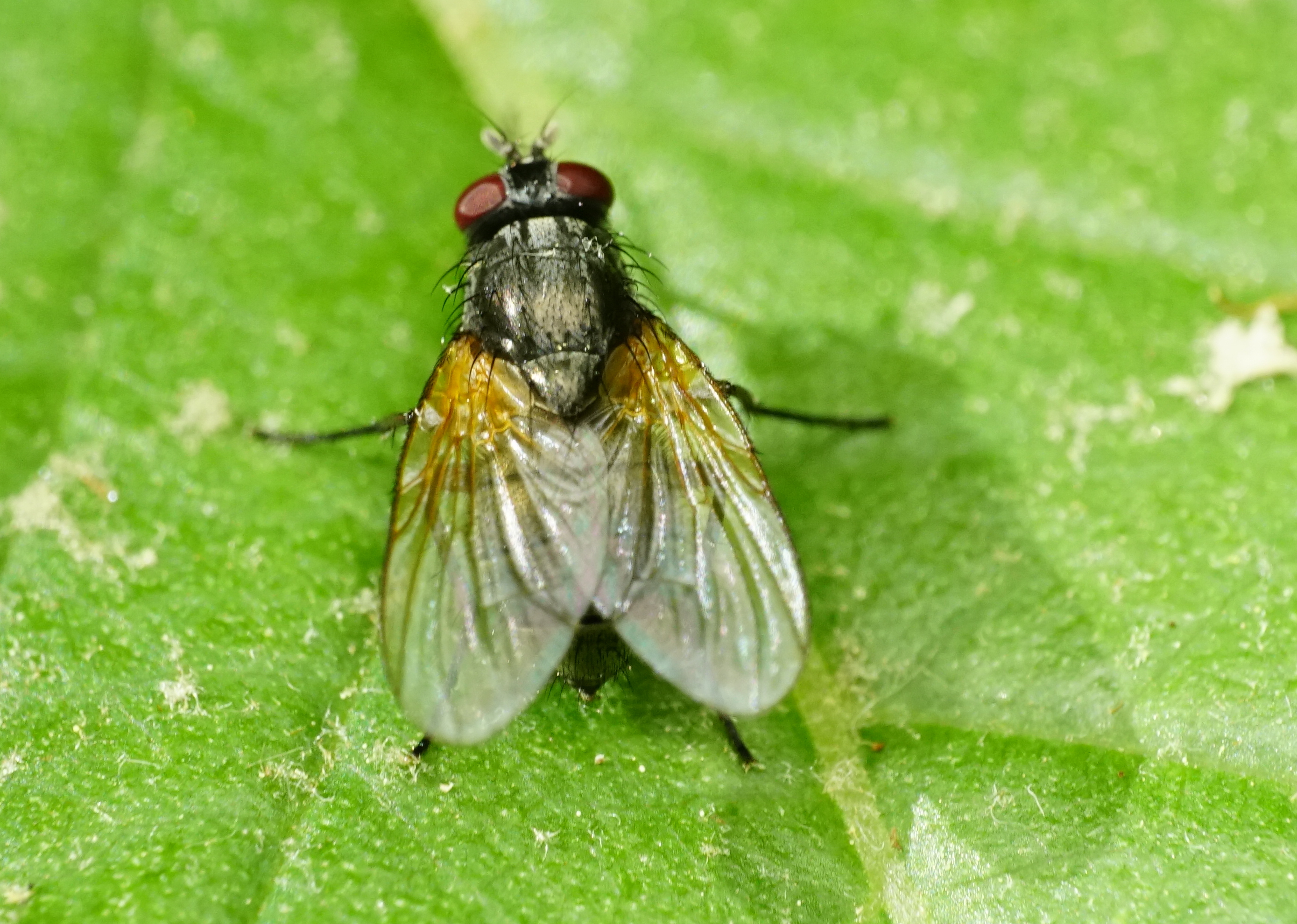
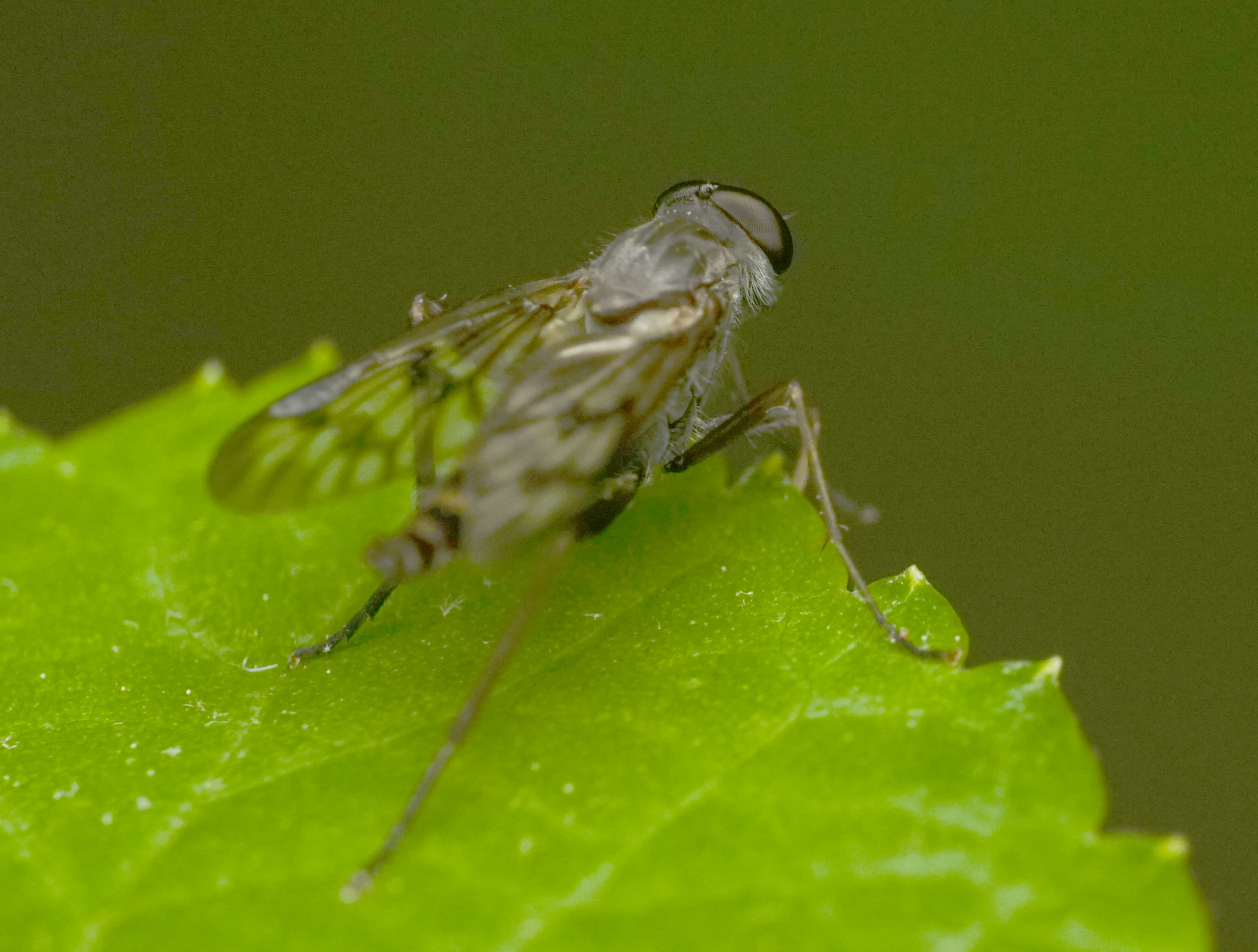
Diptera. “Calliphoridae, Calliphora sp. Wing veination in this case mainly gets you to Oestroidea, ruling out Muscoidea.”
A sunset walk at Stony Brook. I was hoping to catch my share of insects before the season ended, and especially Odonates (dragonflies and damselflies) seem to be common at Stony Brook. I hardly saw any, except for the ubiquitous mosquitoes. But a wonderful walk, and plenty of sights to see and snap.
Lebia ornata, I’m told.
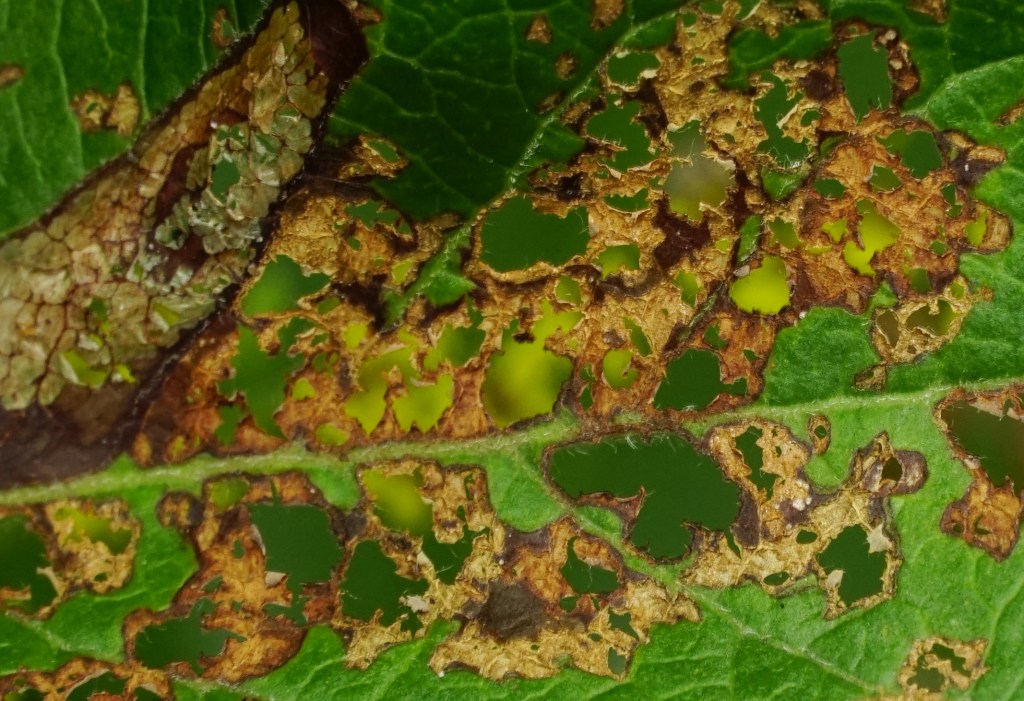
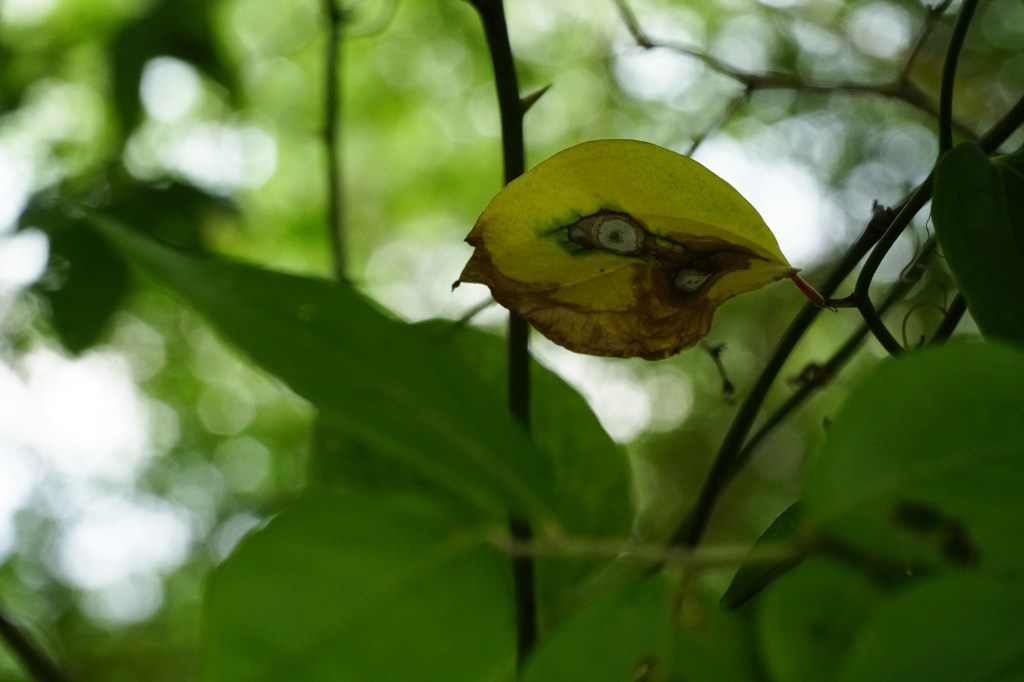
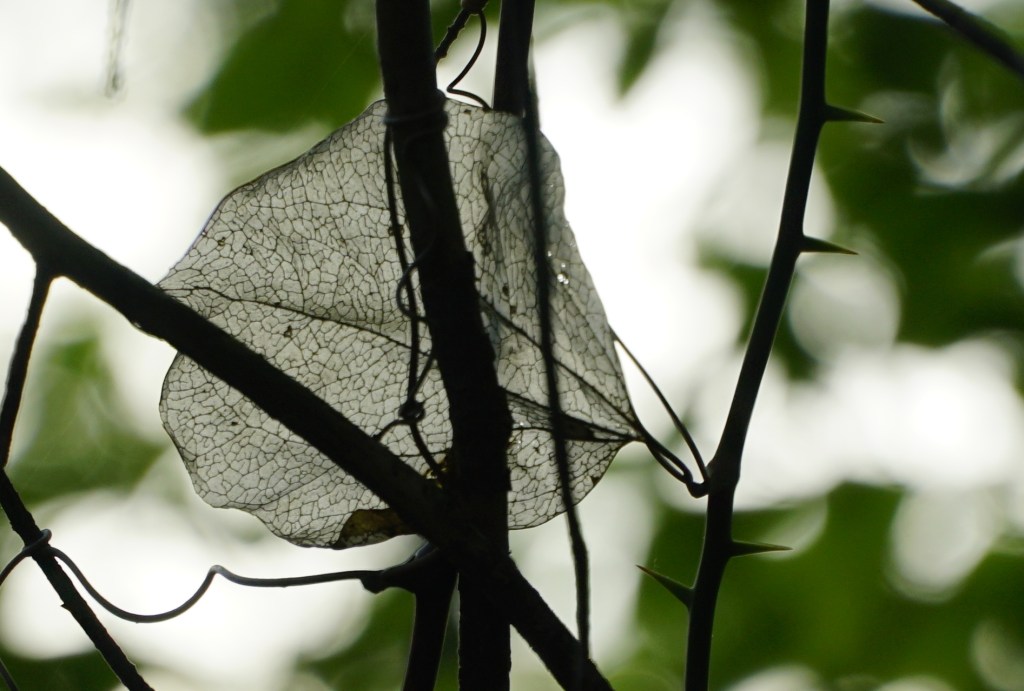
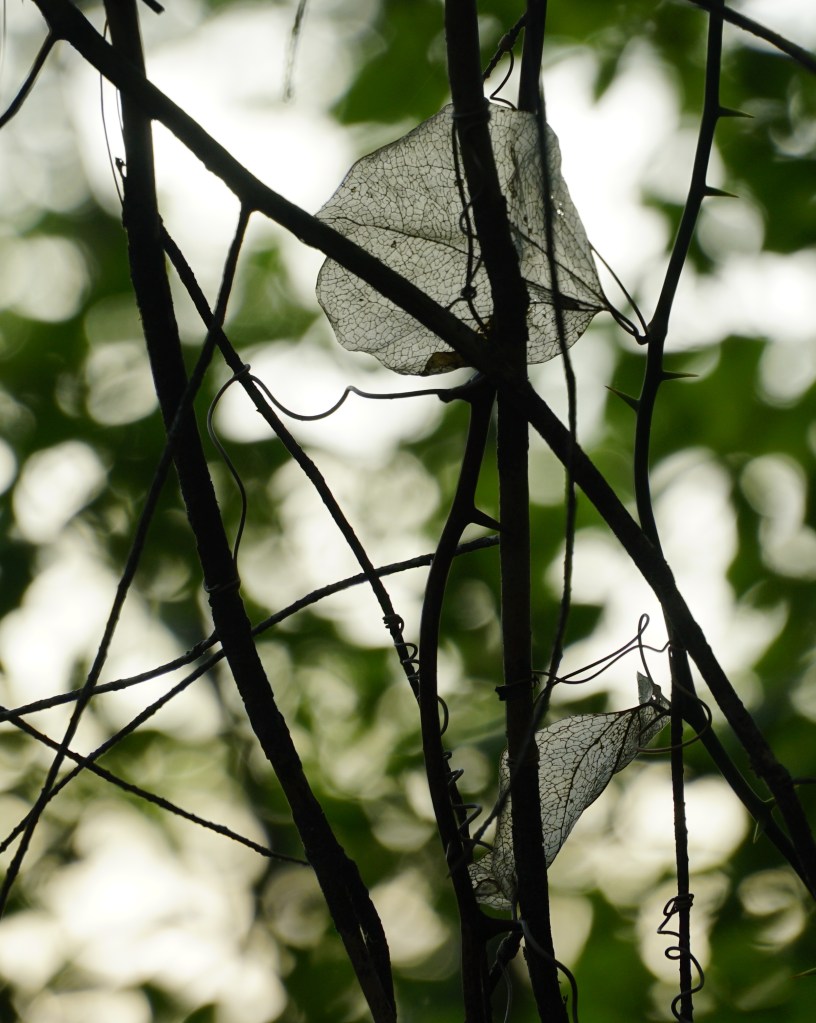
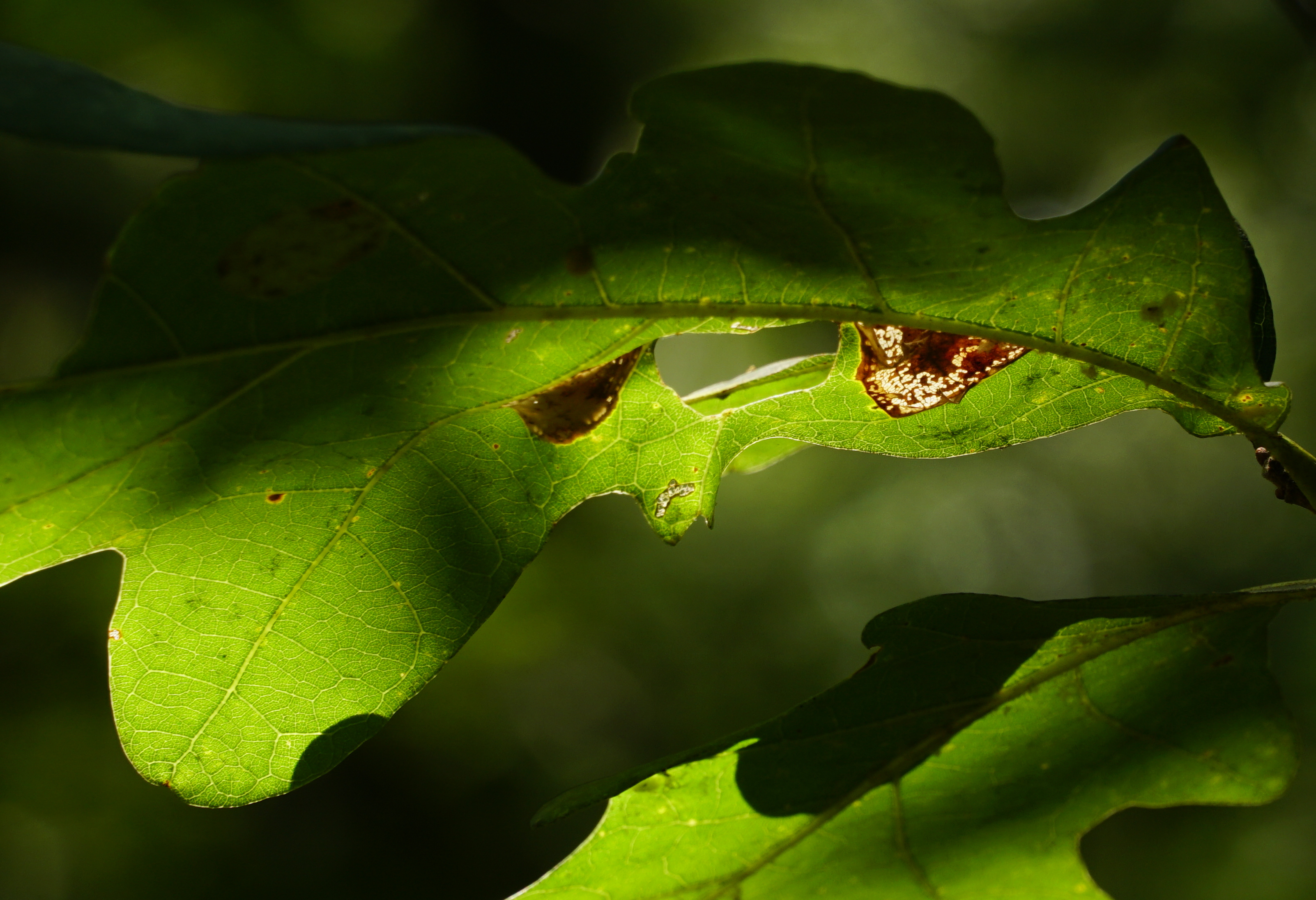
View through a chewed up leaf.
Nothing at all eerie about this leaf. I have no idea what you’re talking about.
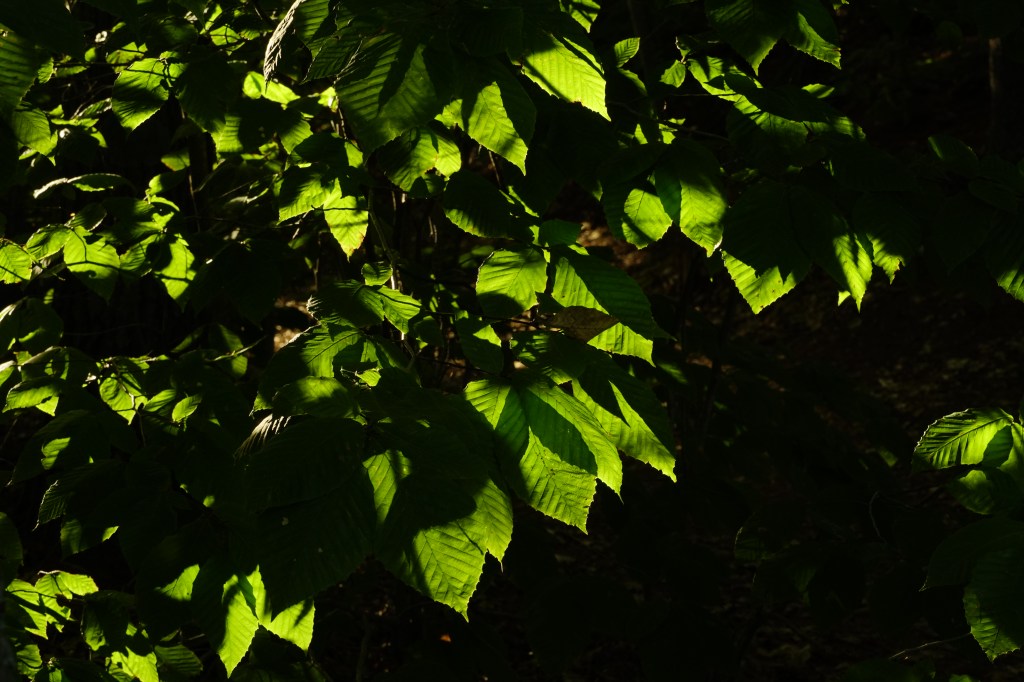
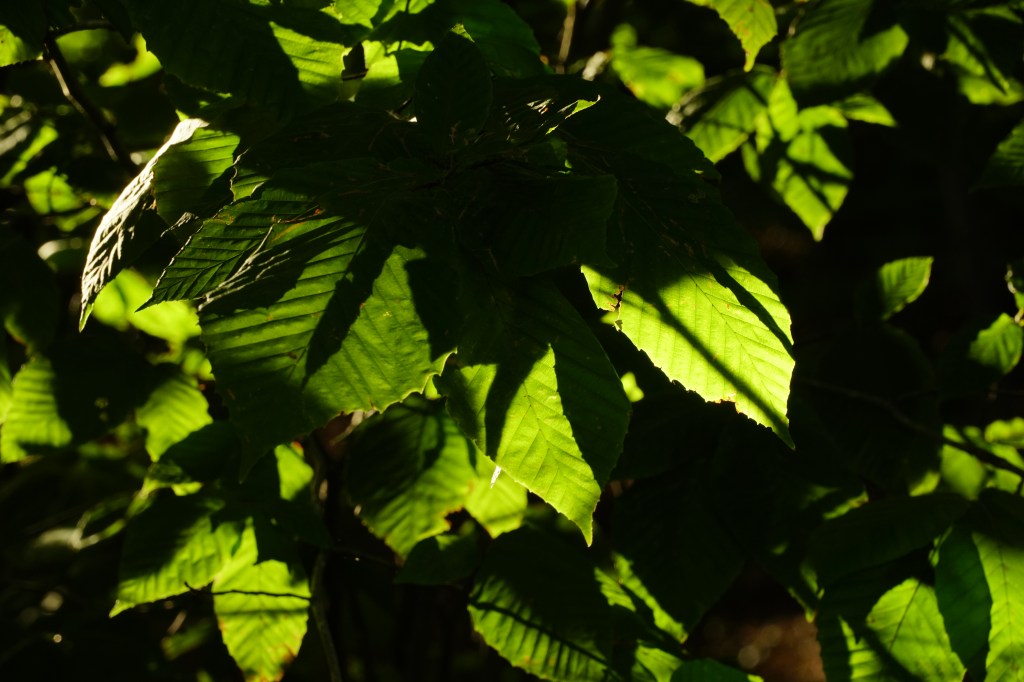
Lots of light and shadow:
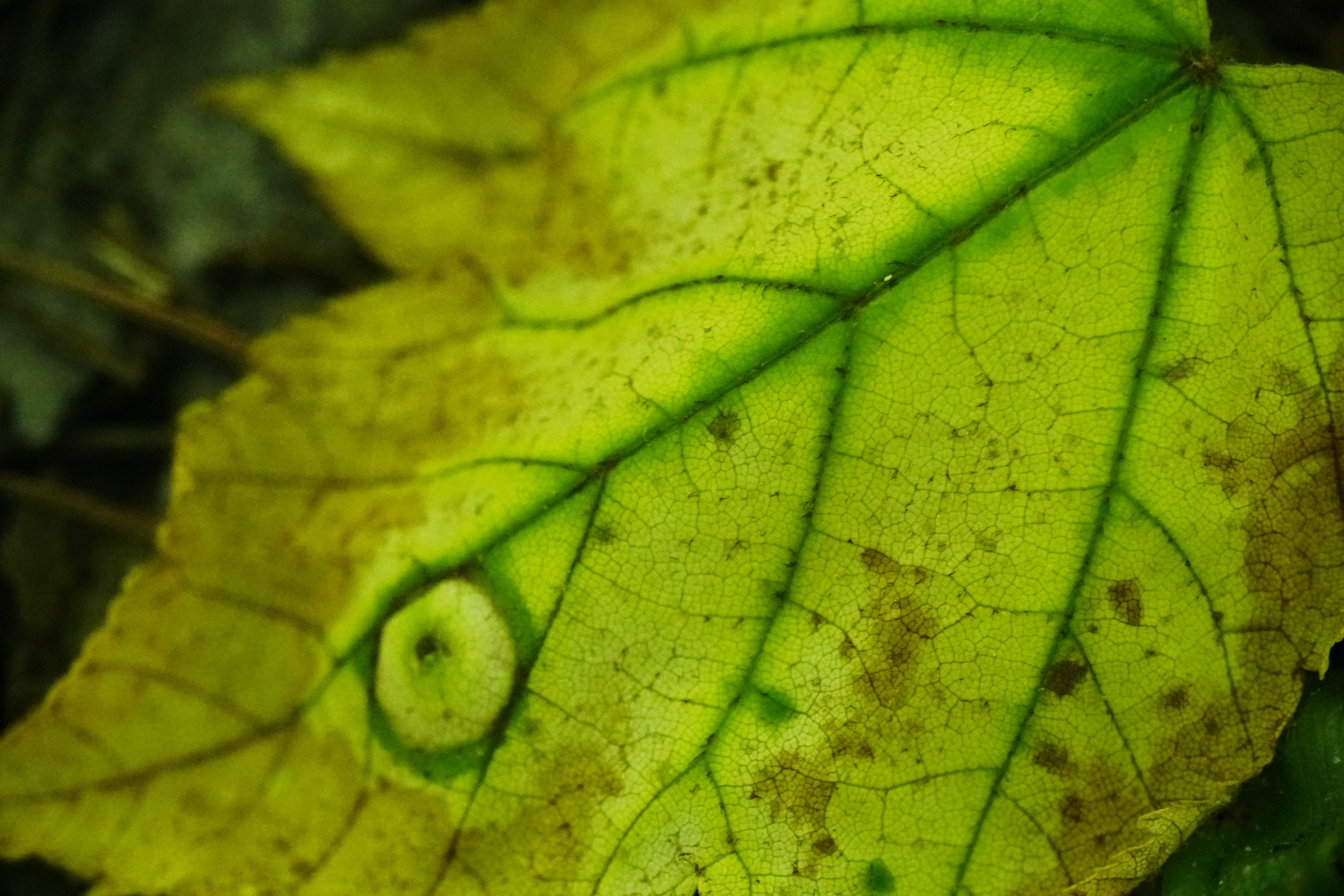
This leaf was breathtaking:
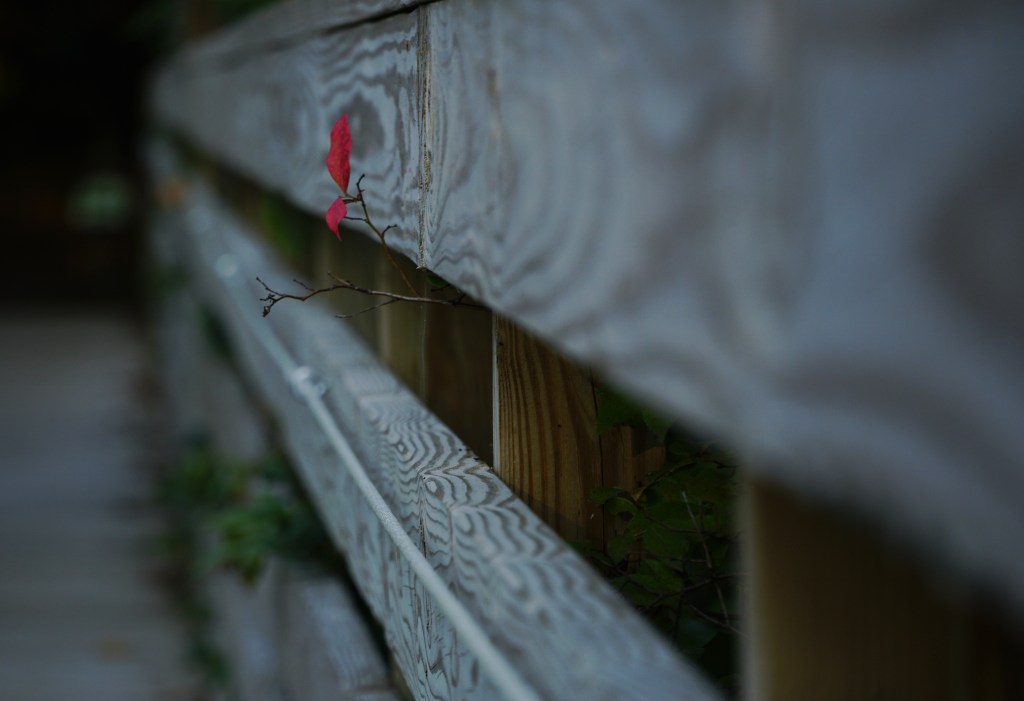
Loved this simple view of fence and branch:
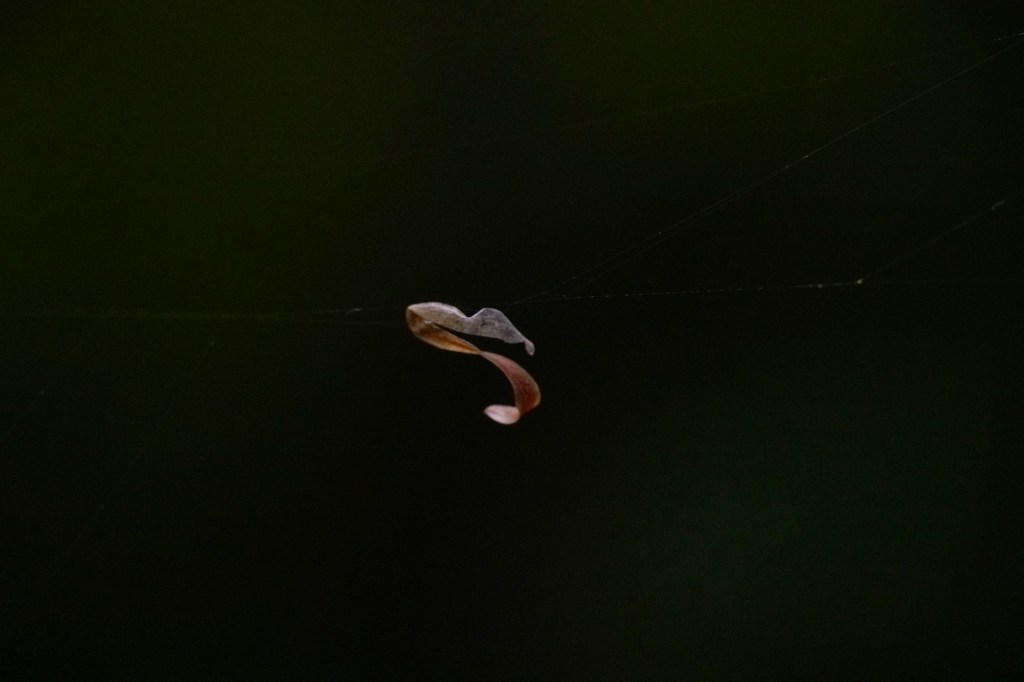
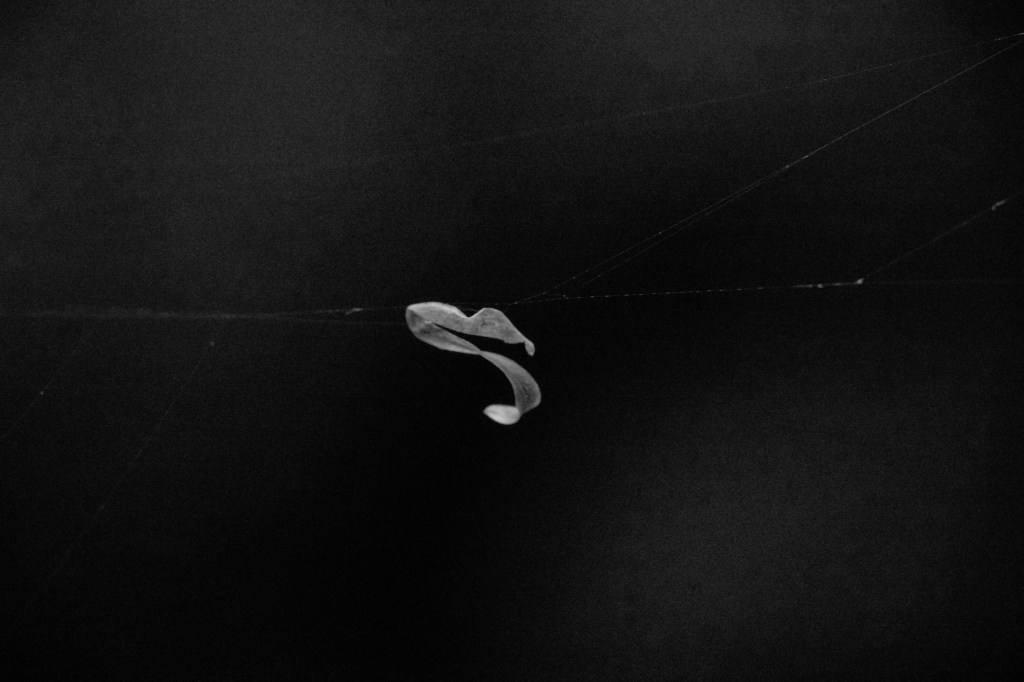
Just a spectral looking leaf. Not sure which crop I like best.
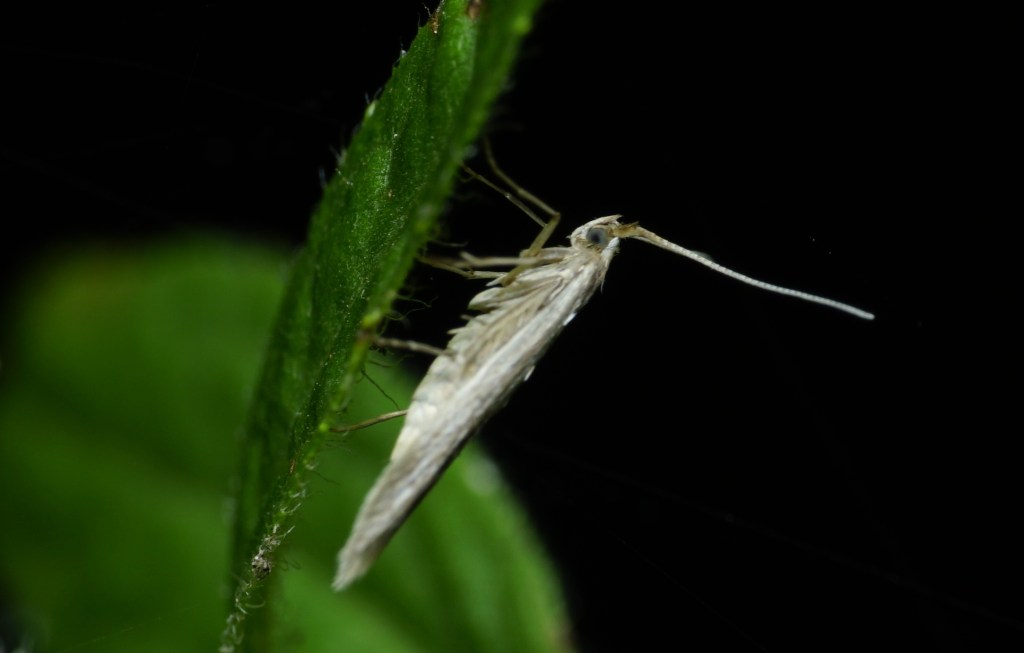
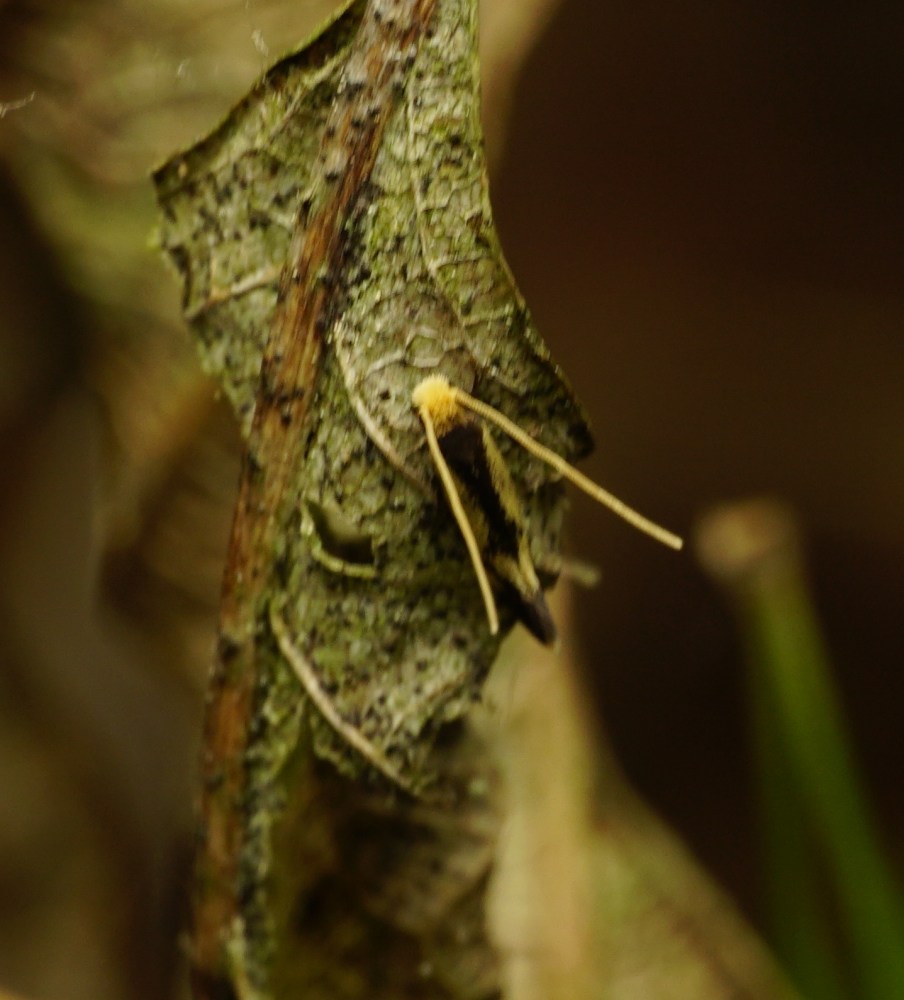
“Coleophora sp. of the type that feeds on Goldenrods and Asters. They need dissection to distinguish, but the common one on most Solidago species is C. duplicis.” In my defence, I actually did figure out that Coleophora was one of the likely candidates!
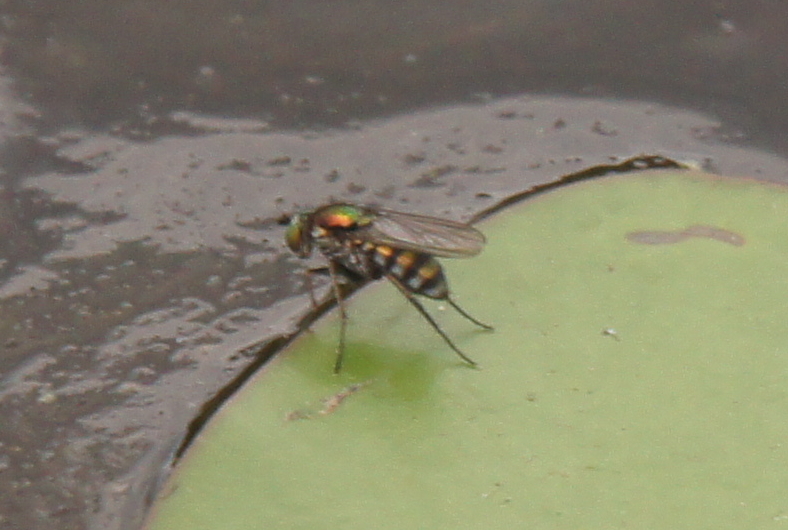
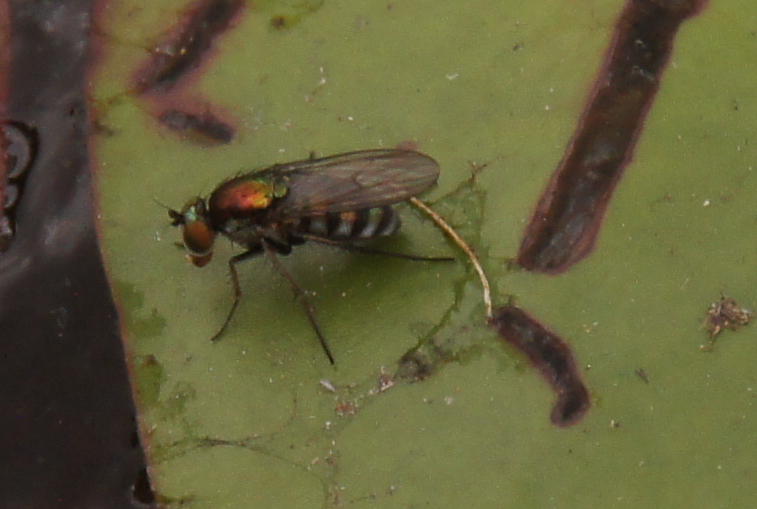
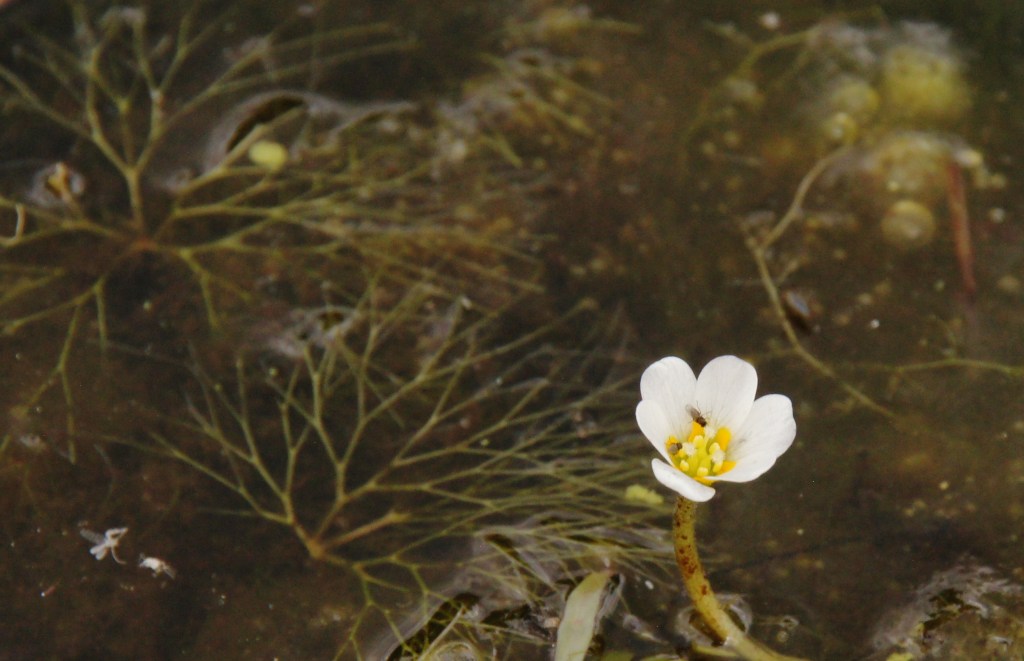
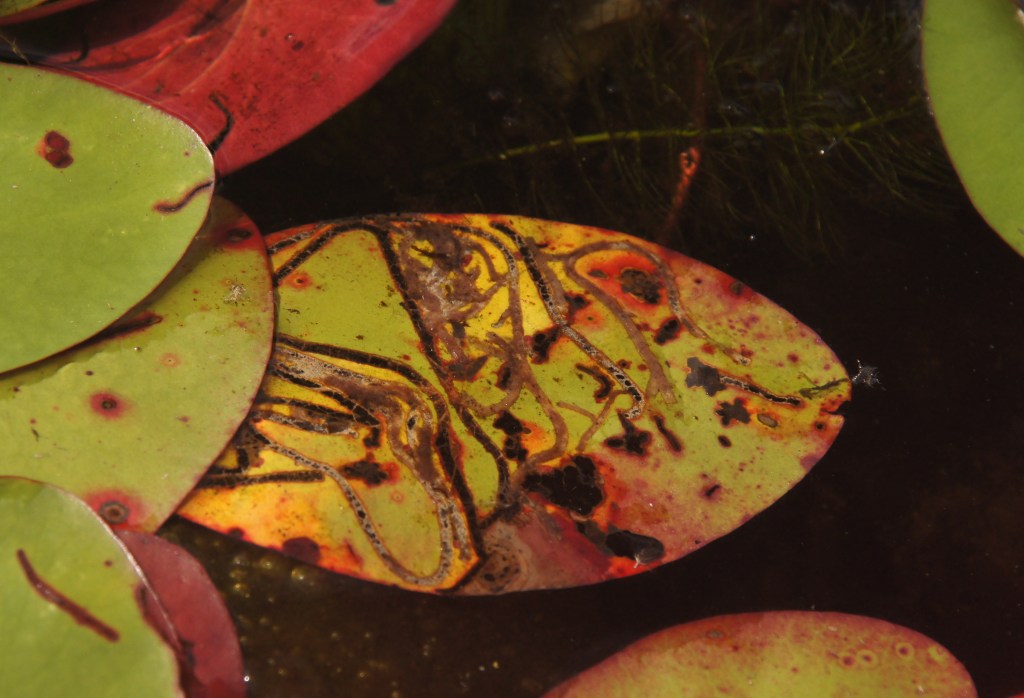
Took the kayak out to Lake Massapoag. Went to a lily patch, and then just floated, taking photos of whatever came by. Older camera, no flash, moving boat…please forgive the lower picture quality.
Blue heron:
Water skimmer. Gerridae. Maybe Gerris buenoi?
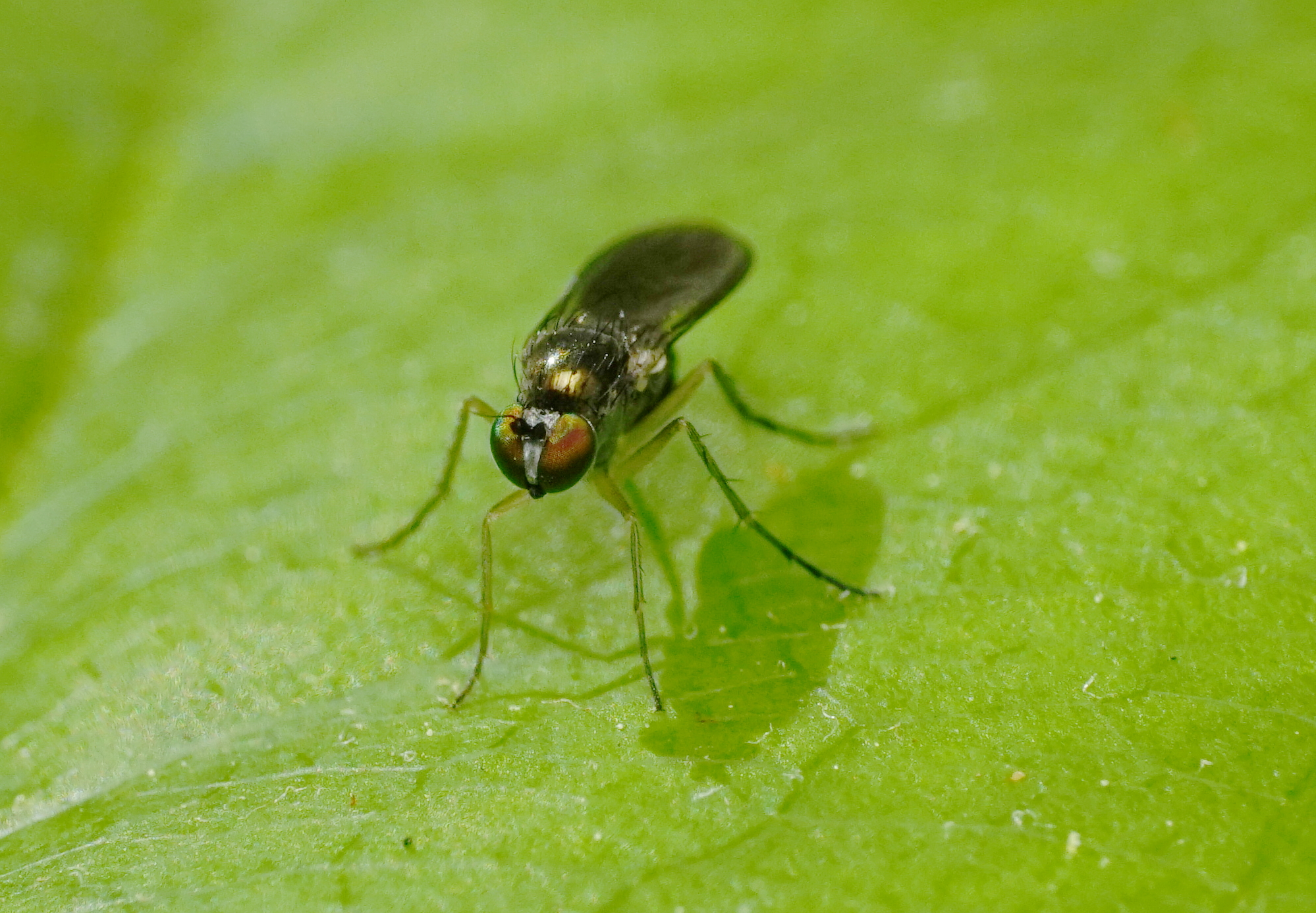
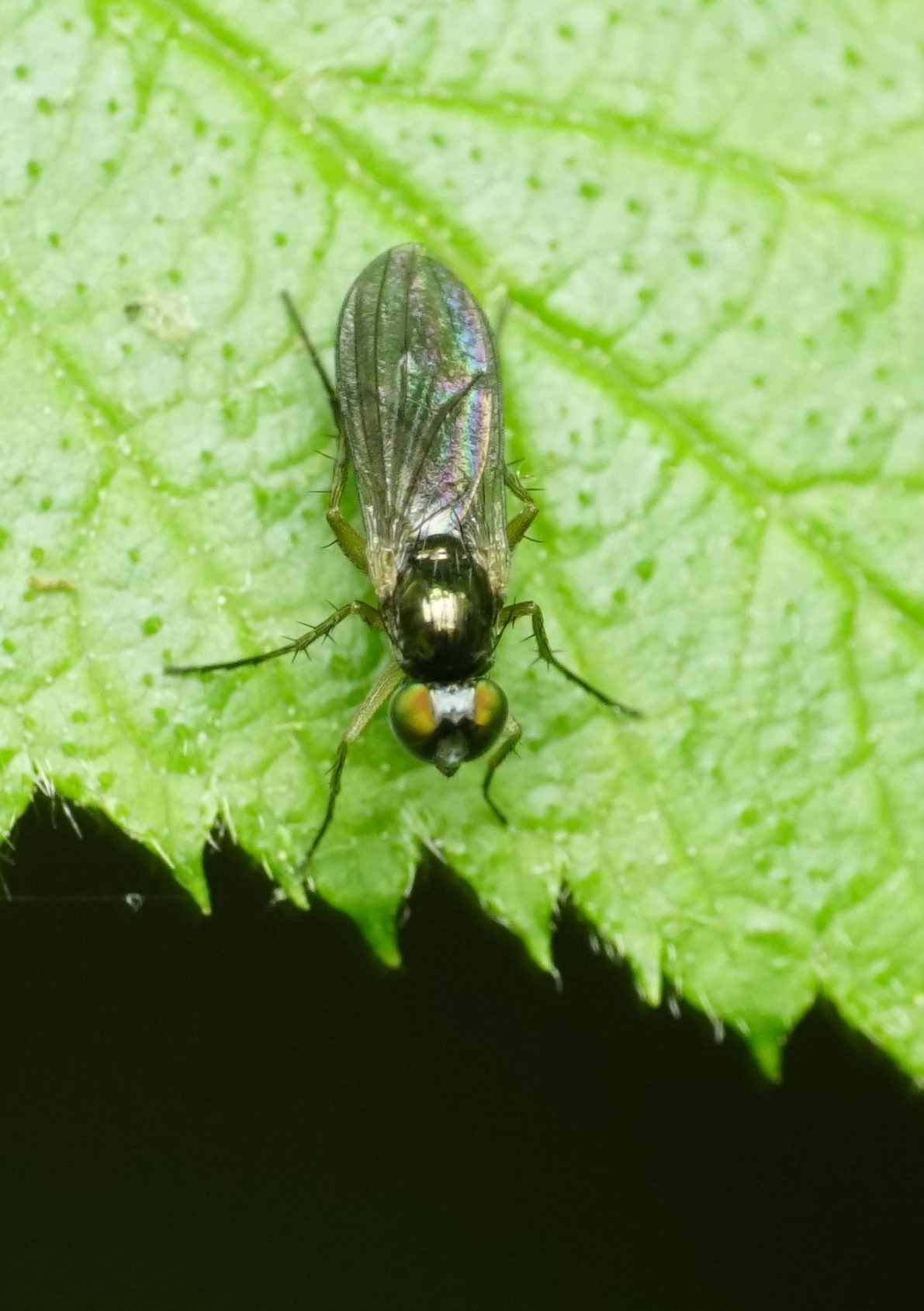
These flies were everywhere. Probably Dolichopodidae, certainly gorgeous:
Again, little choice but to go during the hottest part of the day. Relatively little insect activity because of that, I think. As always, worth the walk!
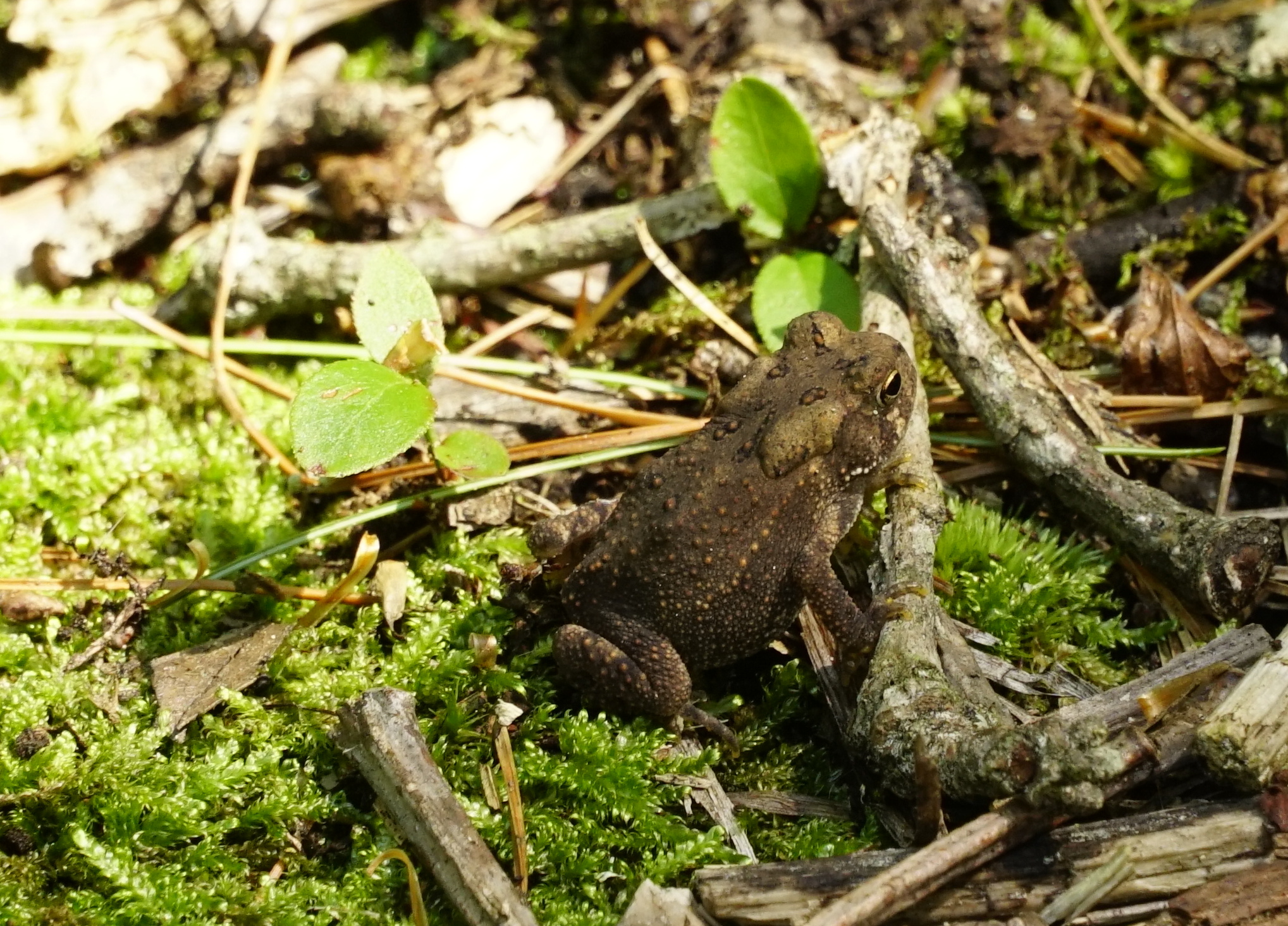
Start off with non-insect photo, just one:
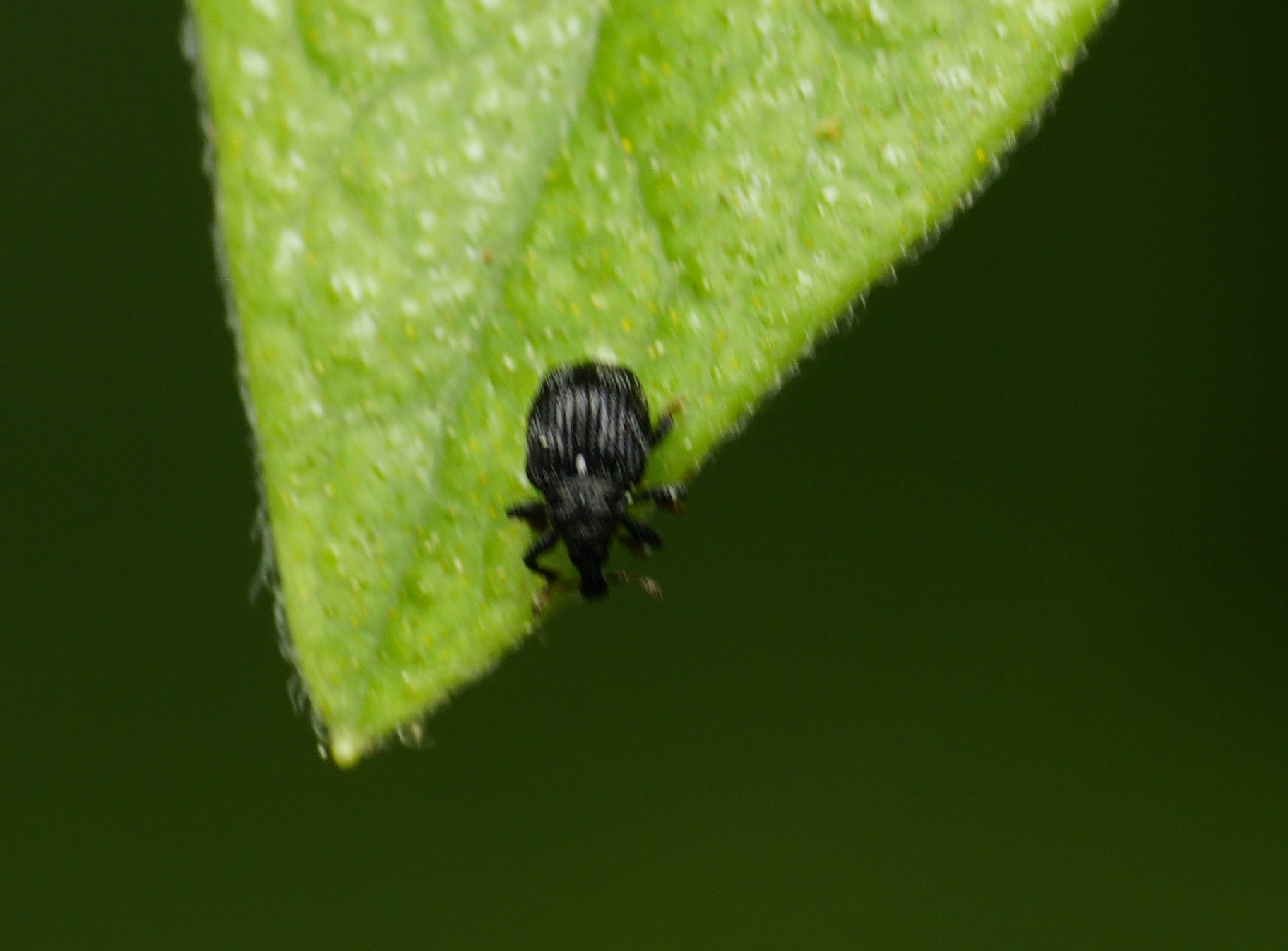
This weevil: Curculionidae –> Entiminae (Broad-nosed weevils). Perhaps Asiatic oak weevil, Cyrtepistomus castaneus.
EDIT: “One of the cryptine ichneumons, maybe around Polycyrtus sp. ”
Don’t know what this is:
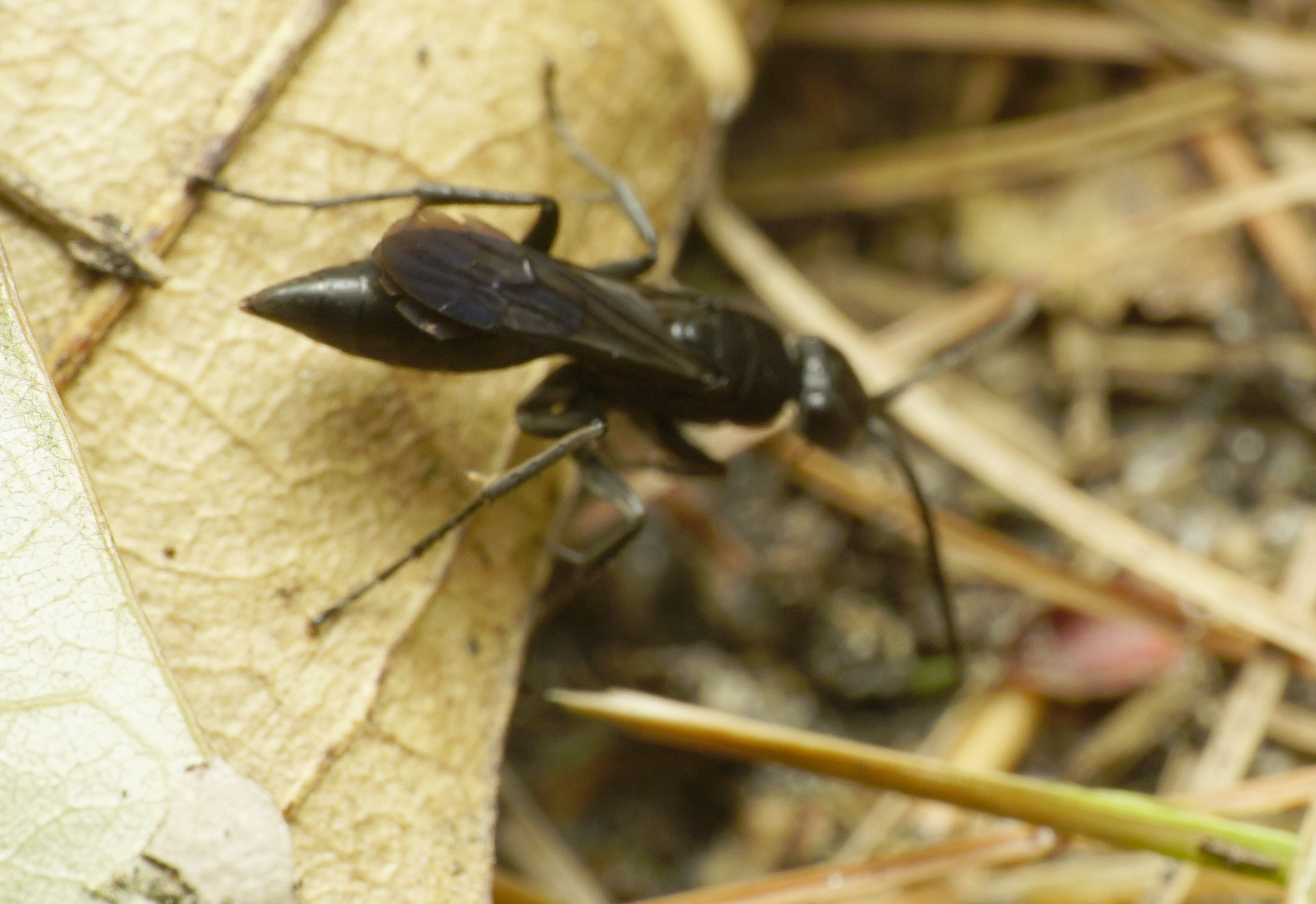
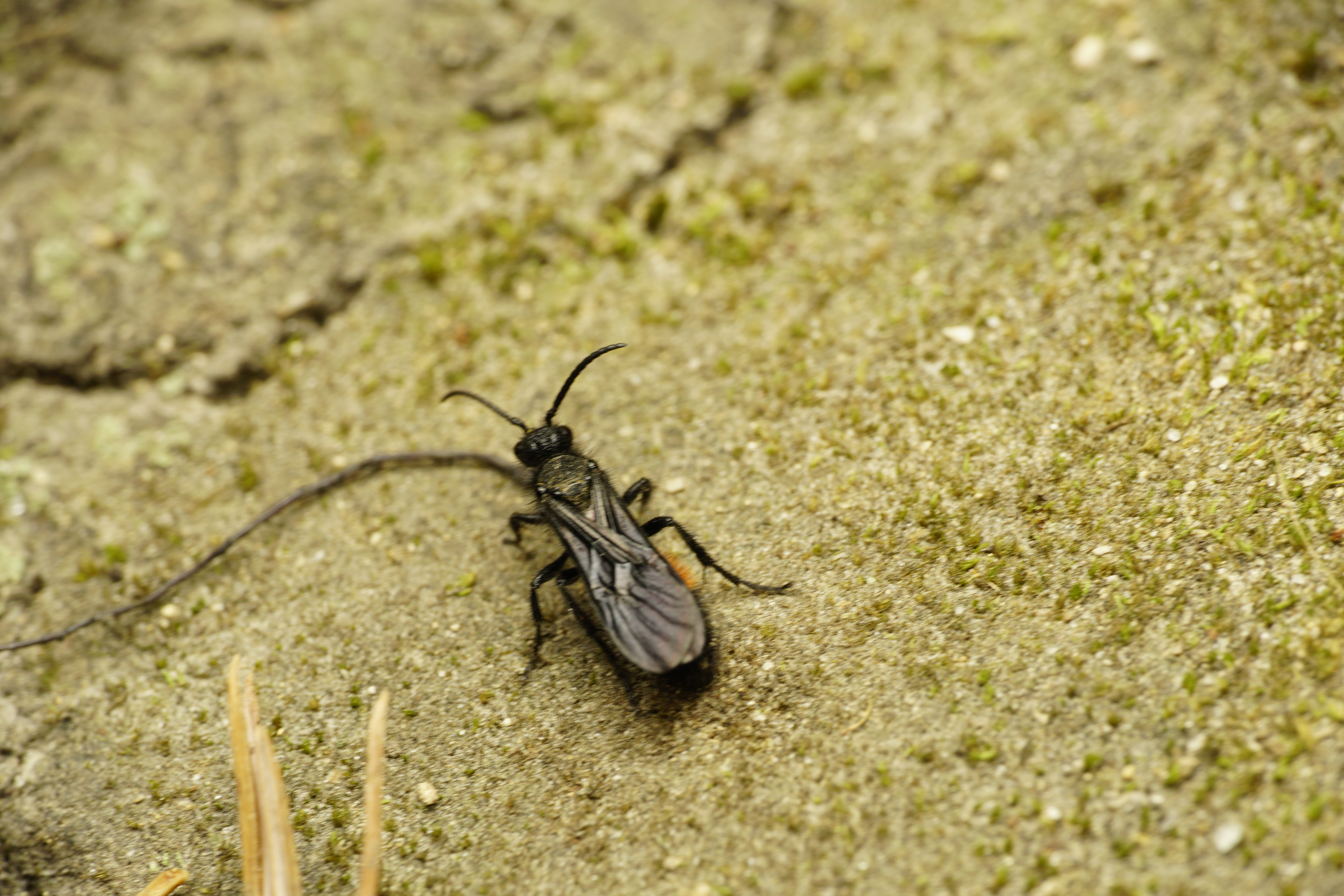
Perhaps a Pompillid wasp.
Female Mutillid wasp. Timulla? EDIT: “Pseudomethoca has a wider head, usually” — so it looks like I actually guessed correctly! Weirder things have happened, but not often.
The hottest part of a very hot and dry day. Spent the whole walk sweating and swatting flies and mosquitos. The insects were missing, and the ones that were around were busy and elusive, so not too many photographs. In the end: a wonderful afternoon walk. It’s always nice to be out in the woods.
First a few non-invert photos! In hindsight, I *really* wish I had used a wider aperture for this shot.
Neriene radiata.
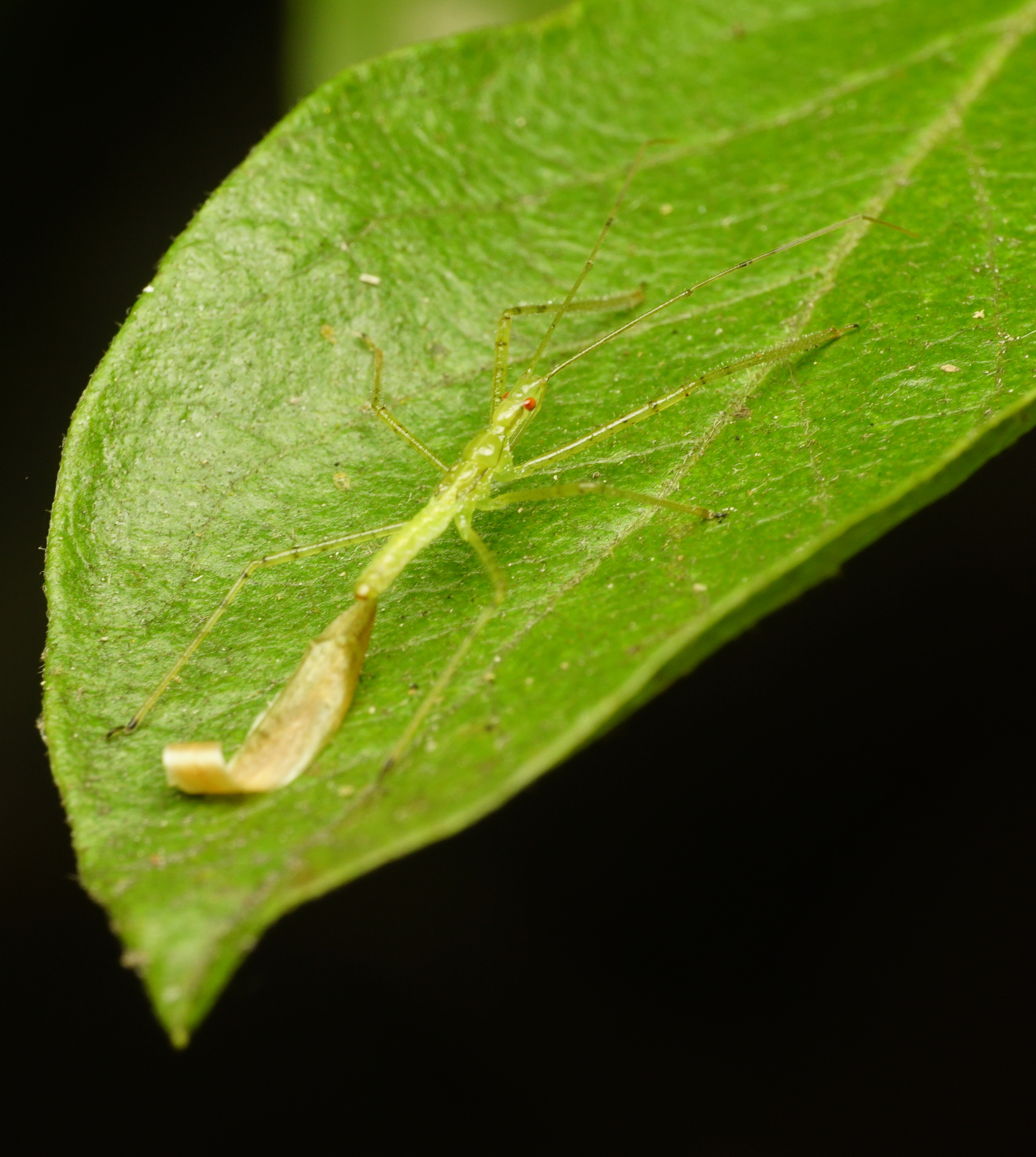
Zelus cf luridus nymph.
I think this is a 0299 White shawled Isocorypha, Isocorypha mediostriatella.
Anthomyiidae, in the process of, um, scathophagiding.
Vespula flavopilosa worker.
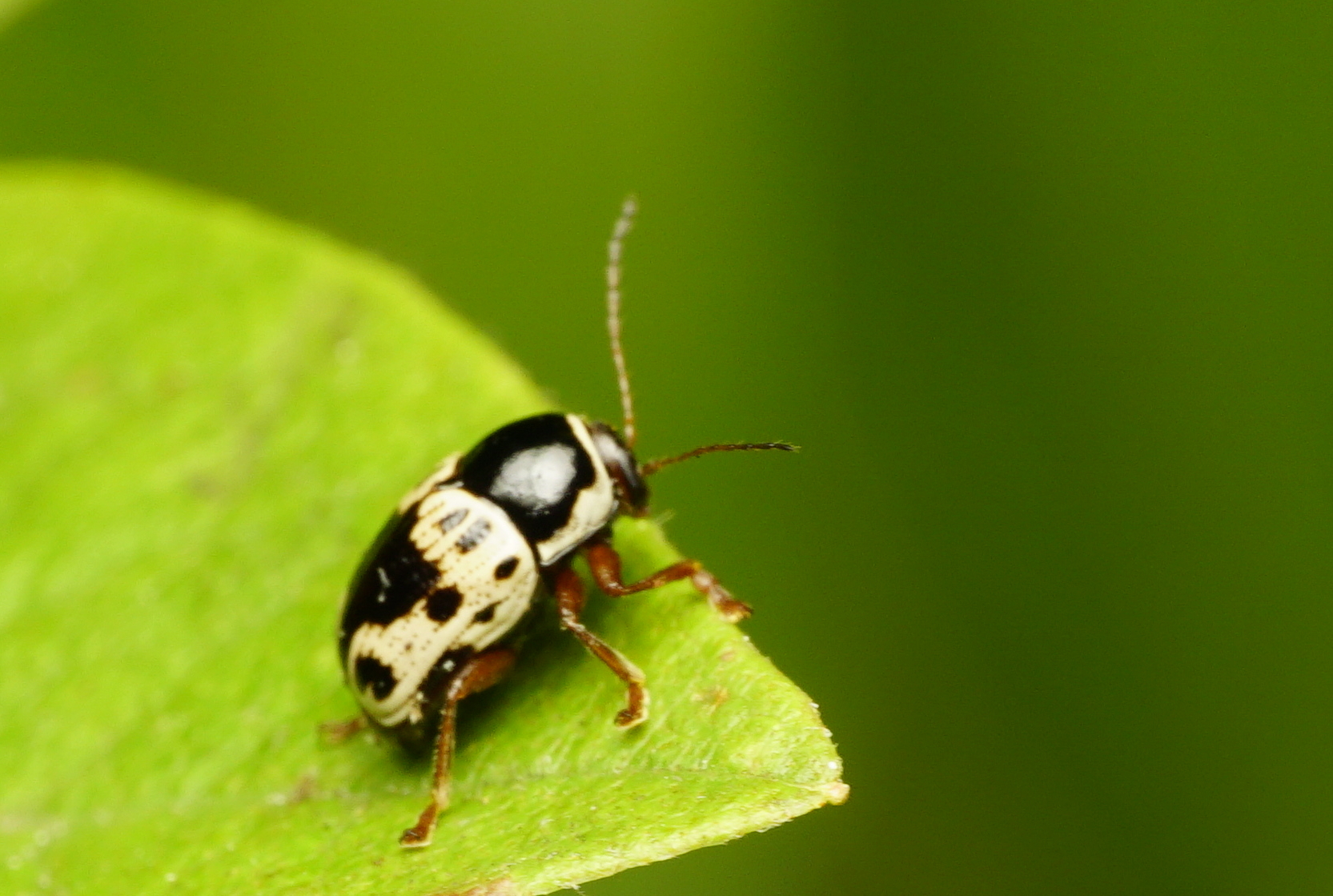
Cryptocephalus mutabilis in Chrysomelidae
I think this is Atanycolus in Braconidae.
Ancistrocerus adiabatus
Unknown. Could be Anthomyiidae.
A pemphredonine. Something in Pemphredonini tribe.
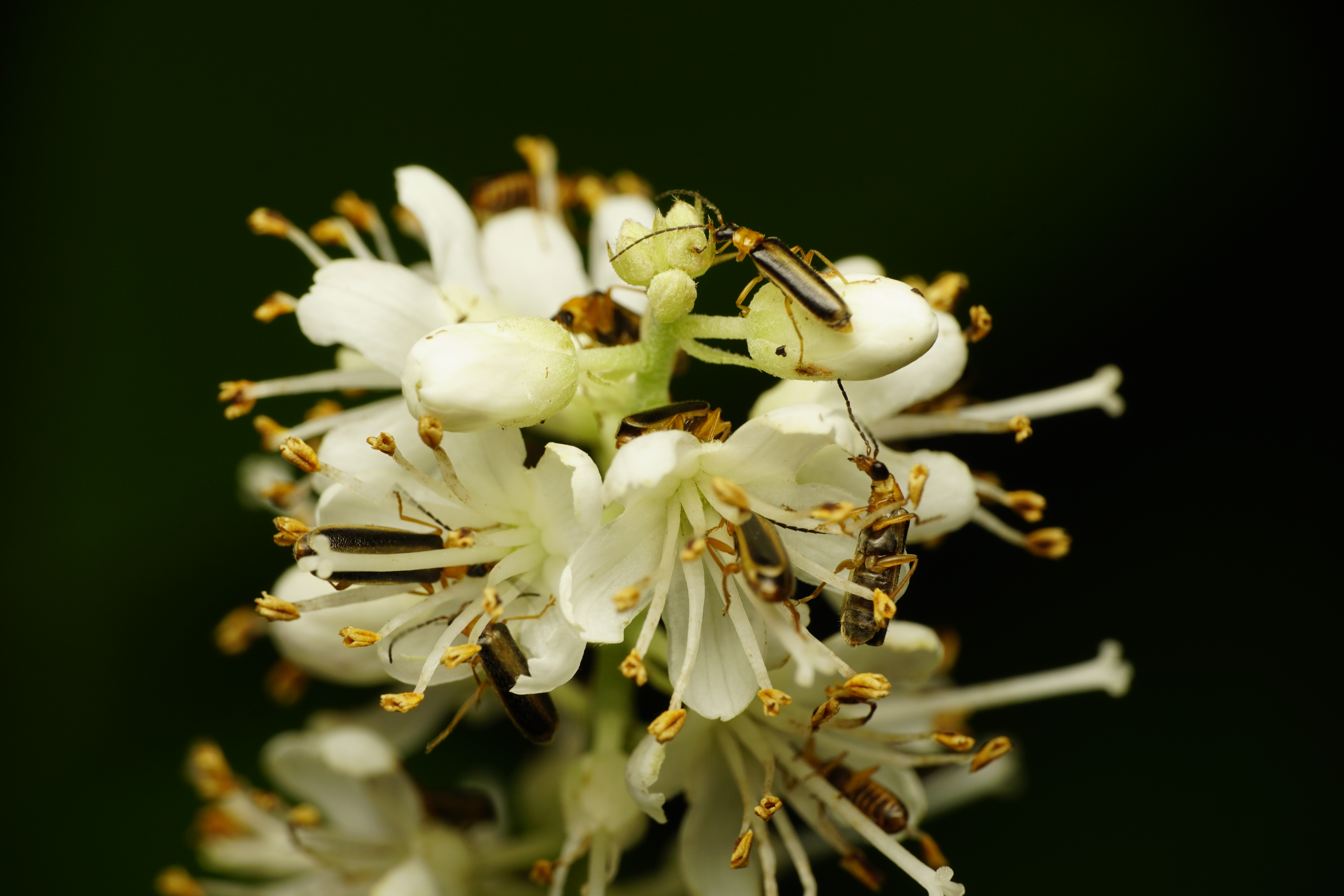
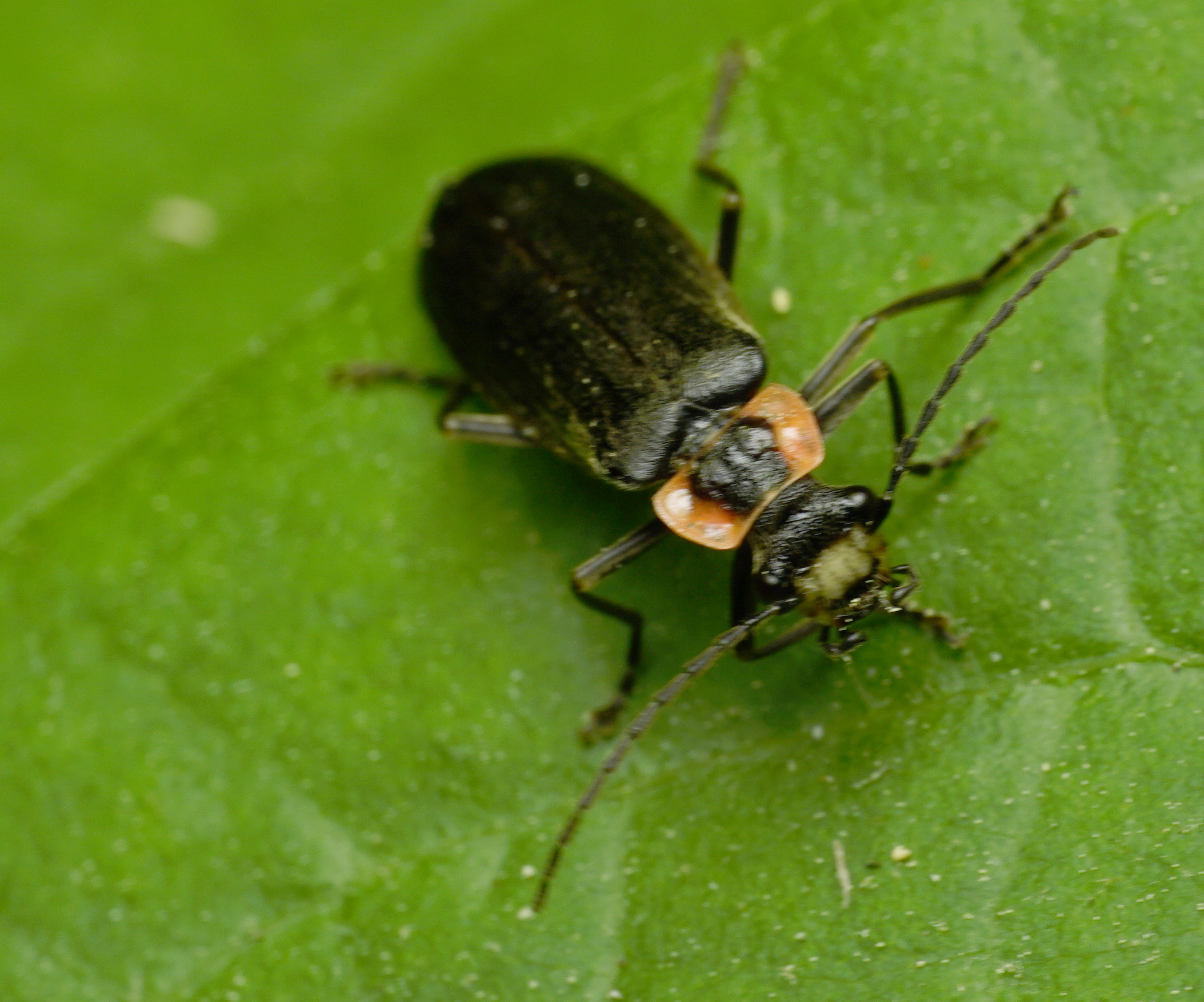
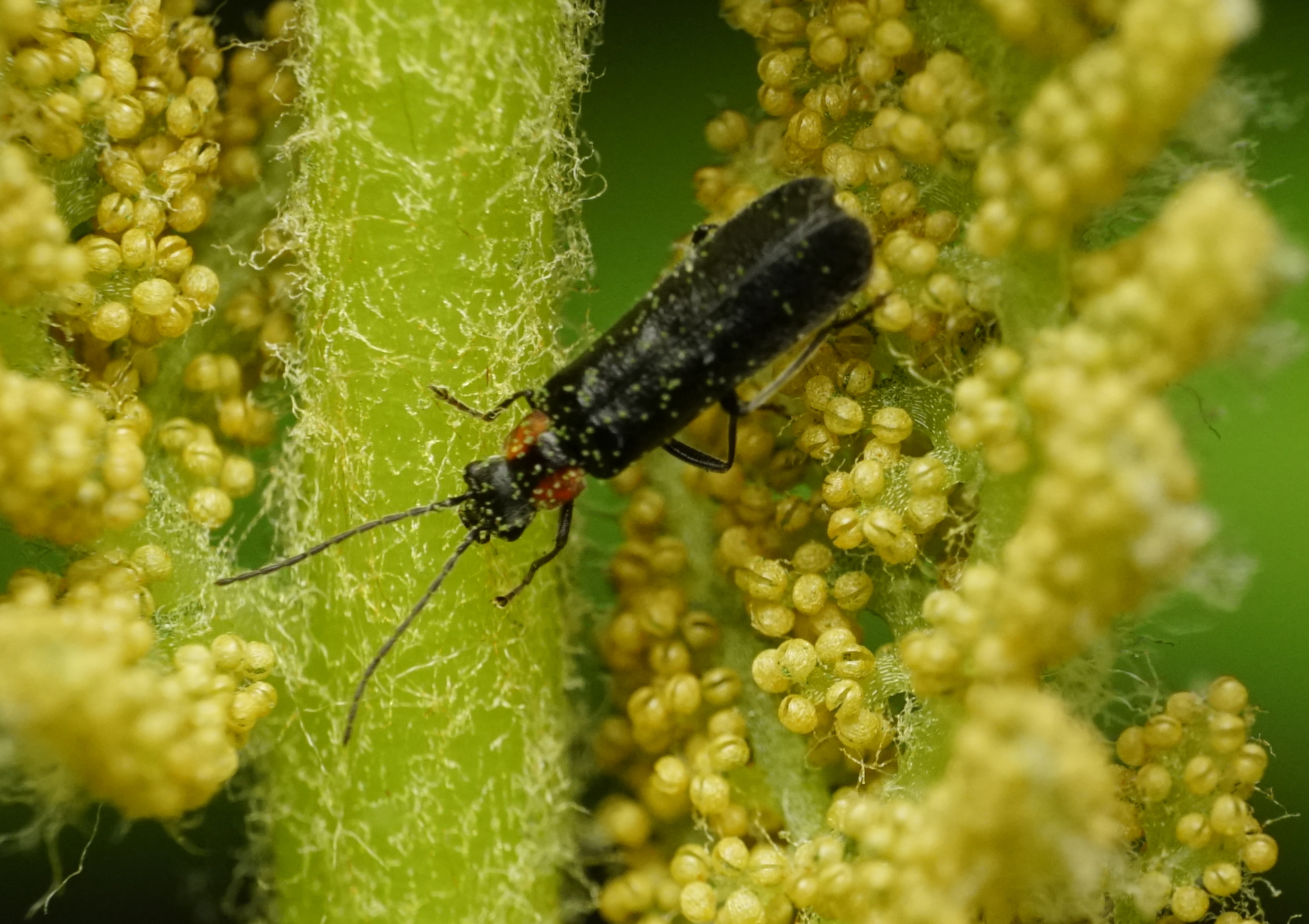
So many of these beetles on this cluster of flowers! Podabrus basillaris, I think, in Cantharidae.
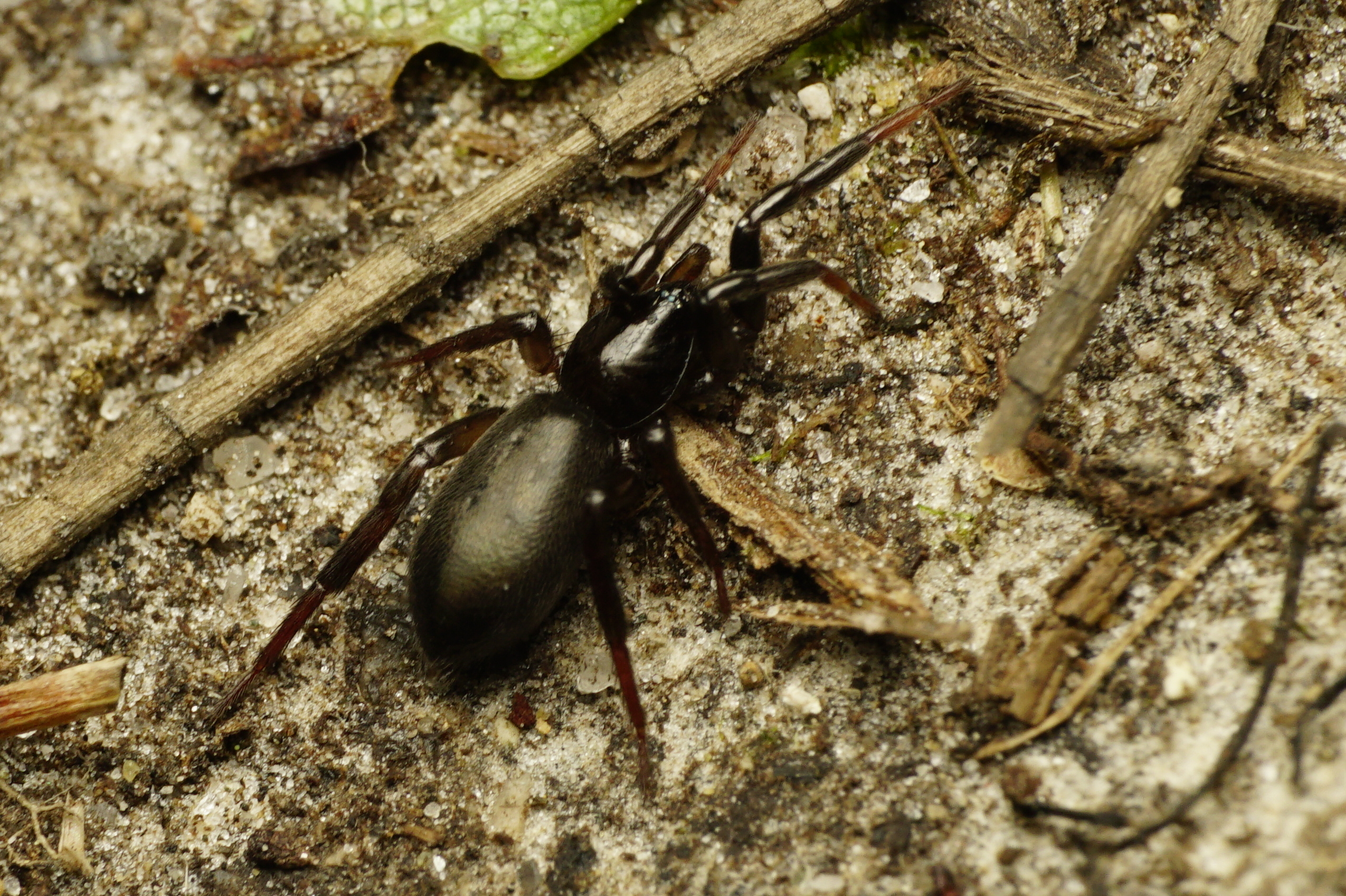
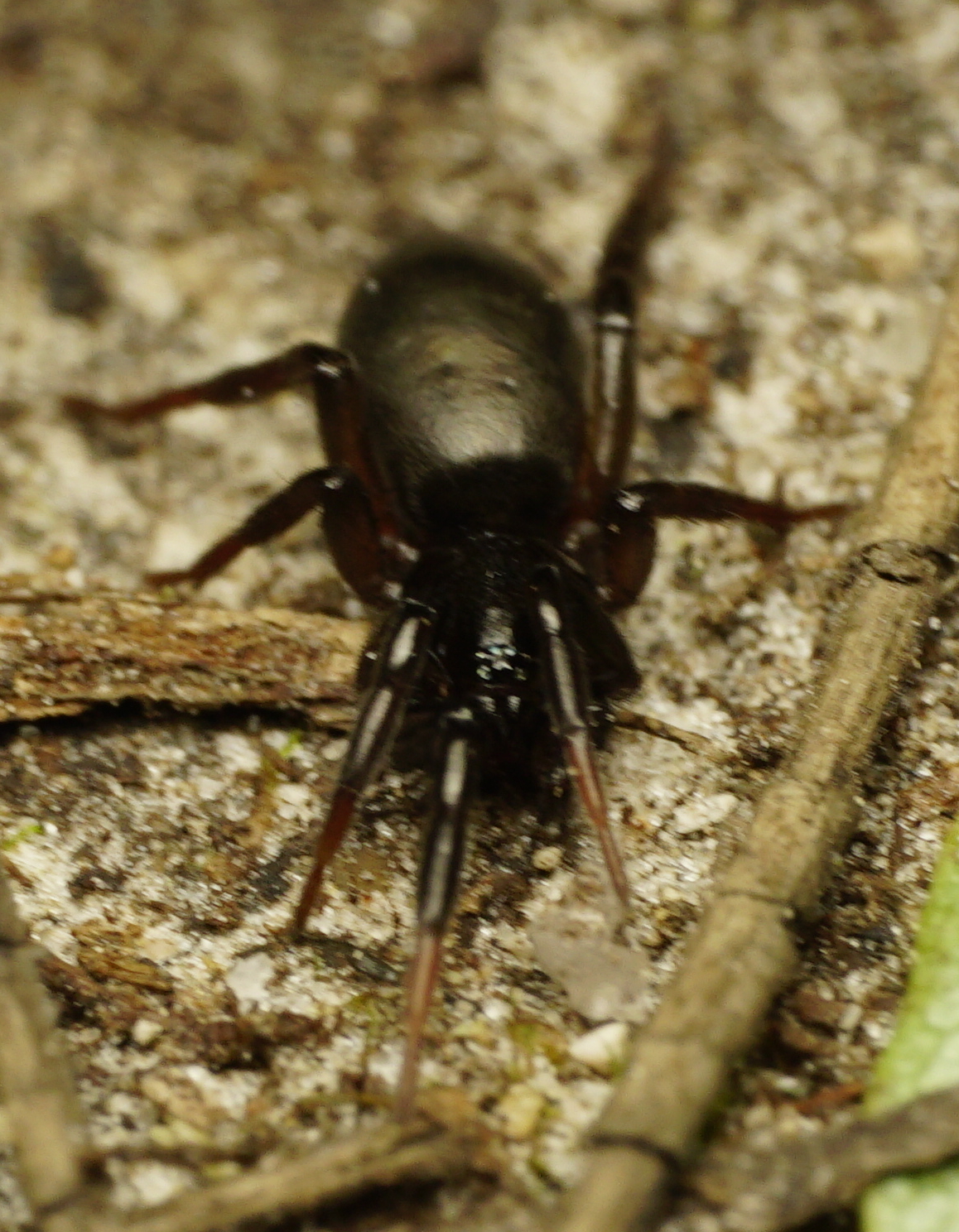
Gnaphosidae, I’d say. Maybe Drassyllus (but that’s probably wishful thinking, there are few sightings of Drassylus).
There were no other cars at the trailhead, so I was happy to be able to visit my favorite insect hunting grounds.
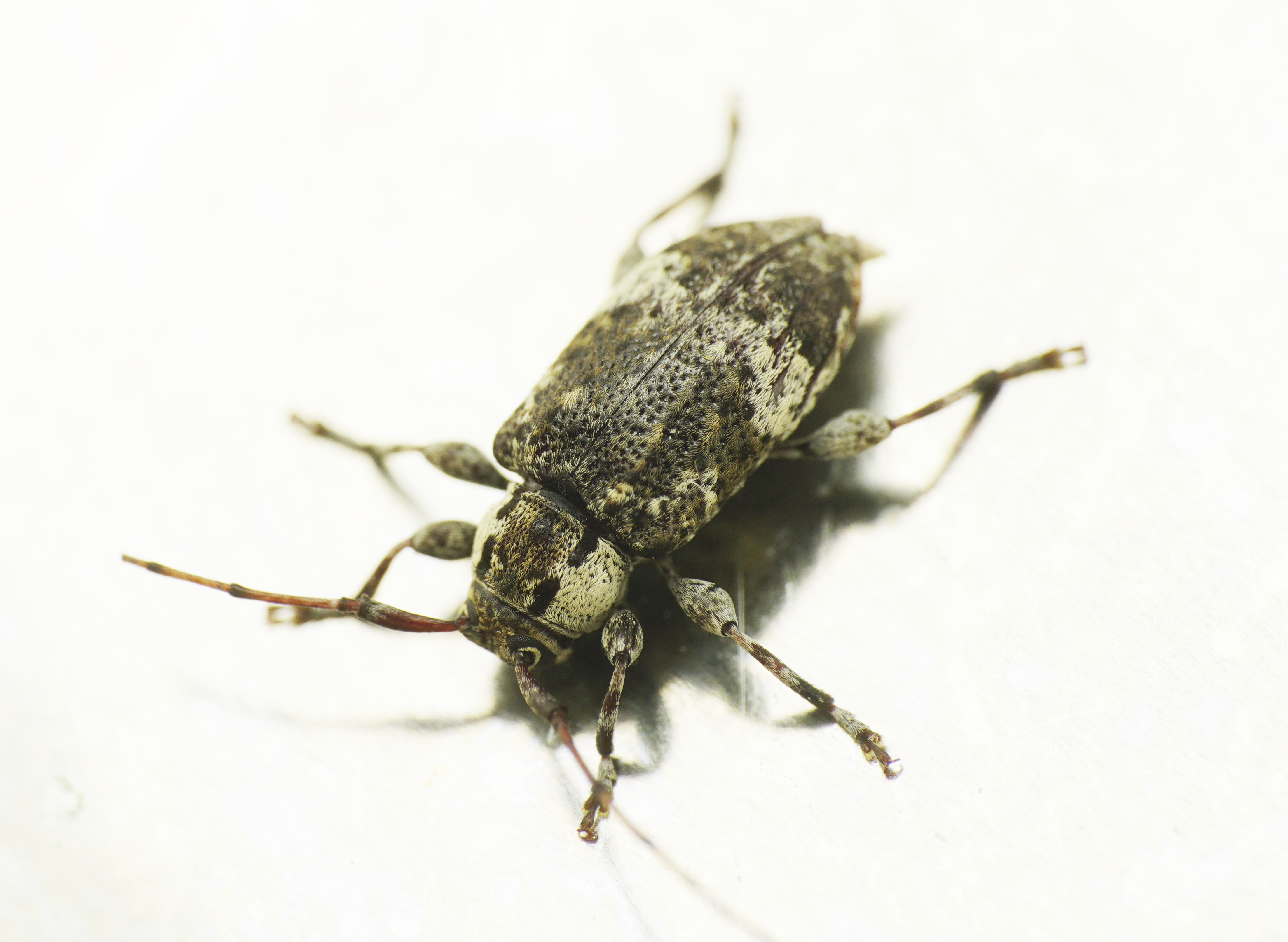
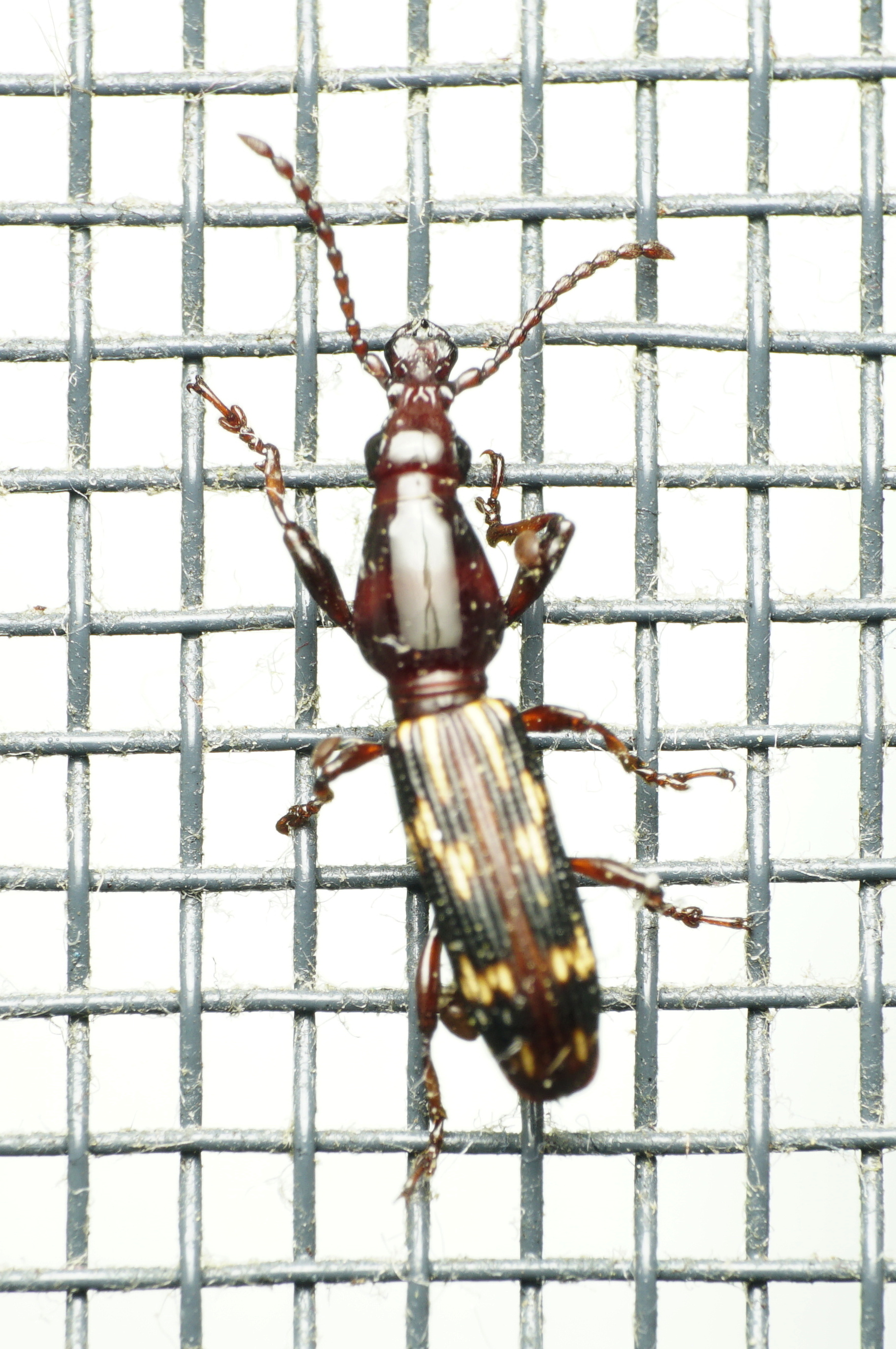
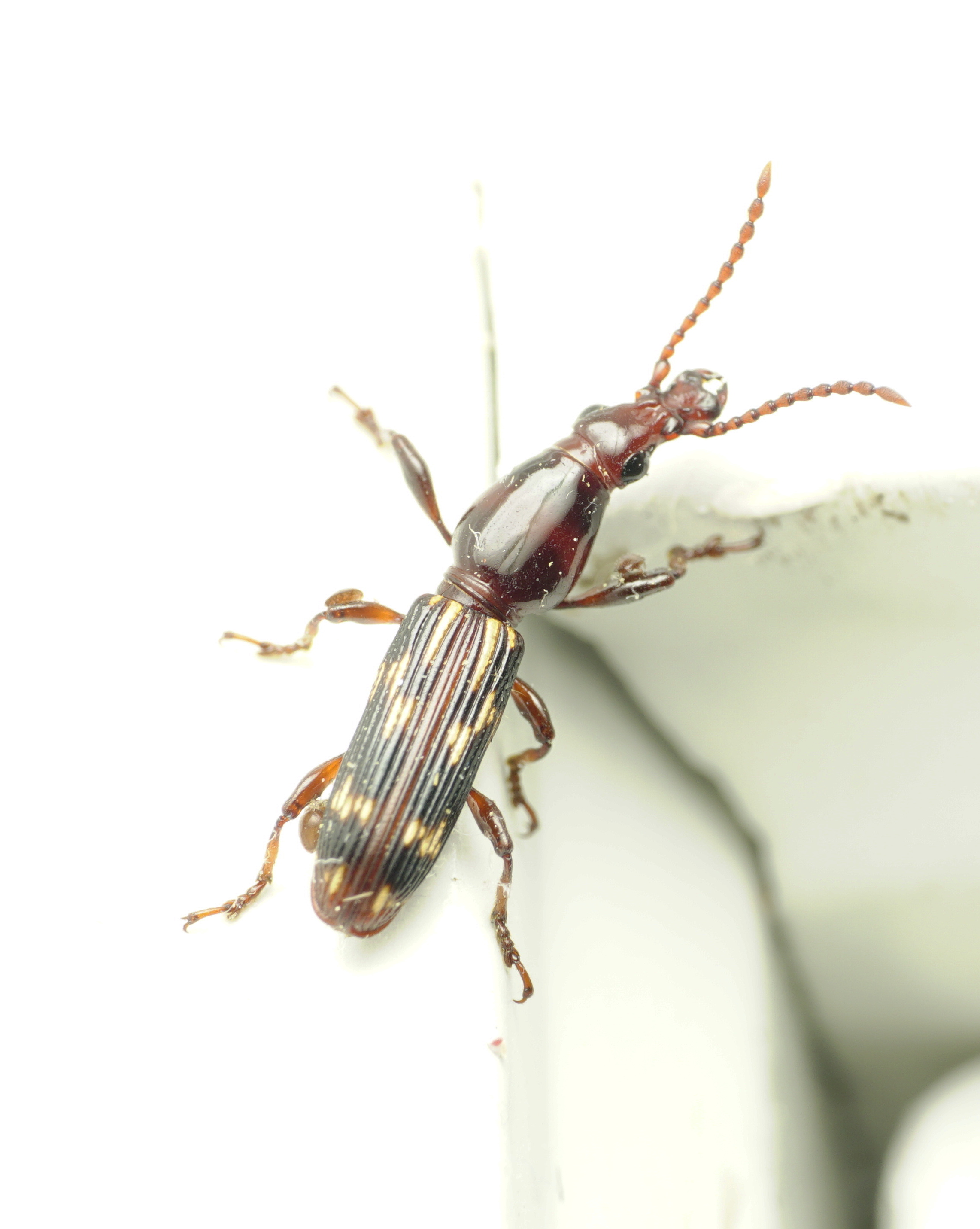
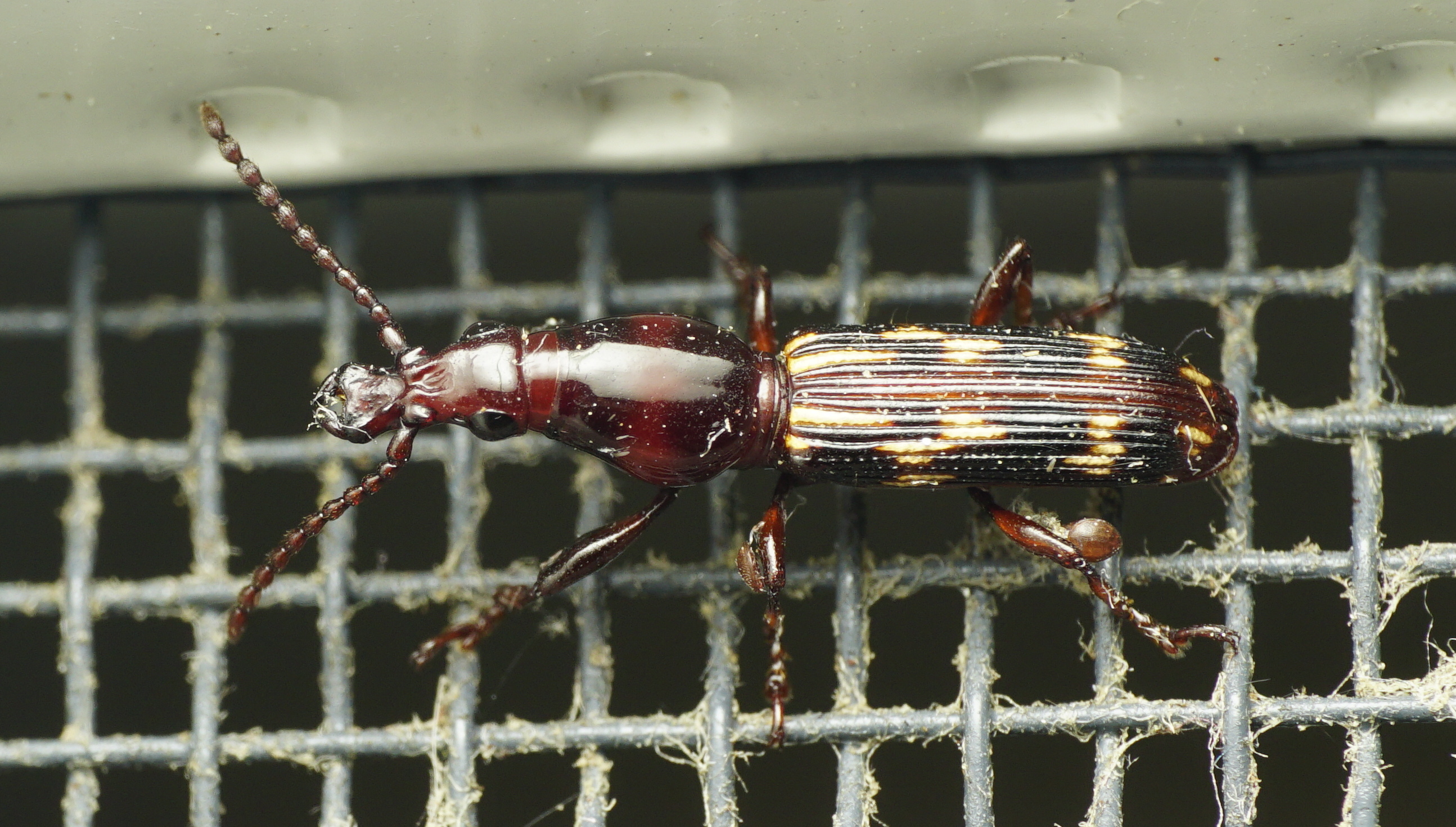
But first a beautiful beetle found at home. Arrhenodes minutus, a kind of weevil.
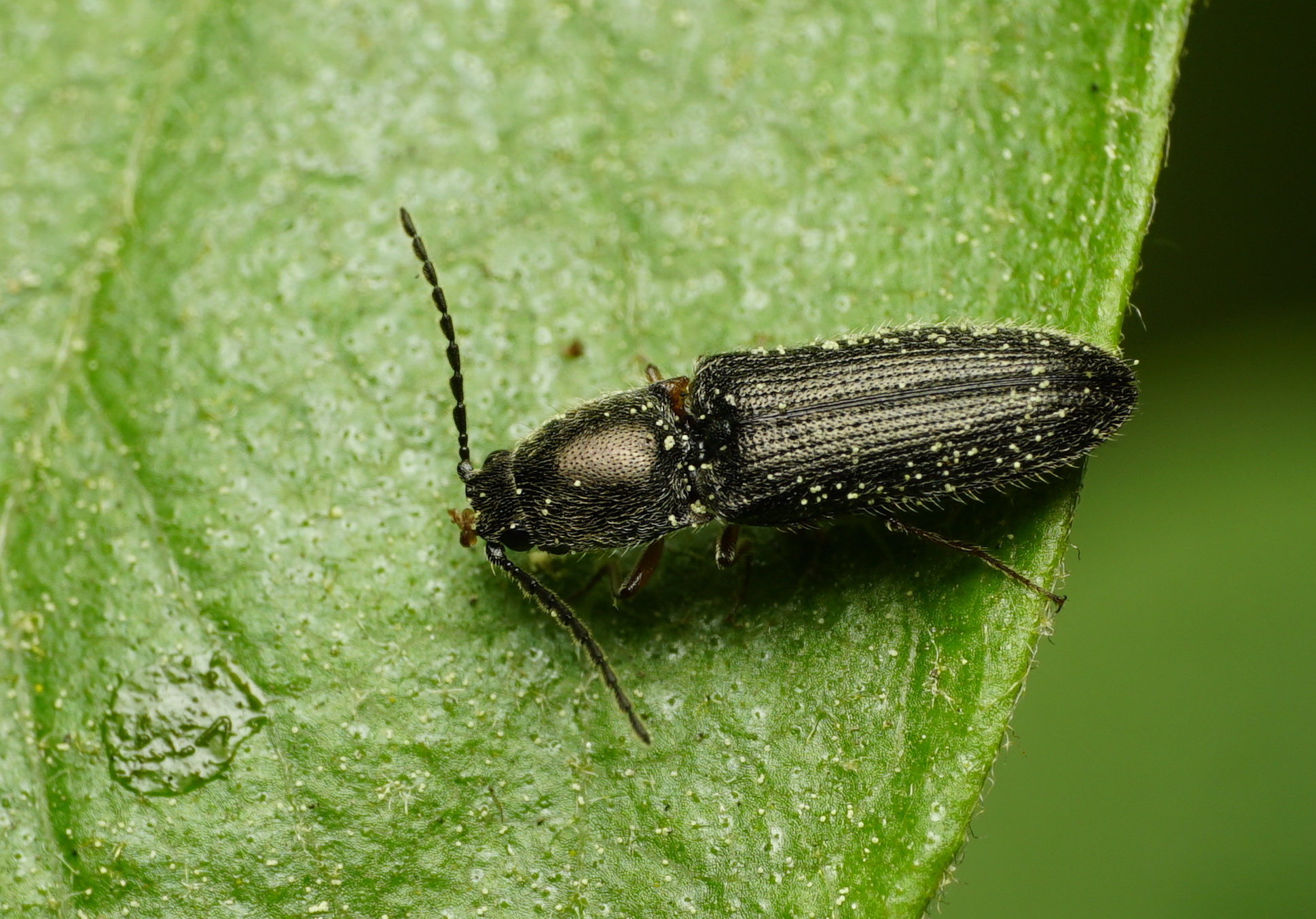
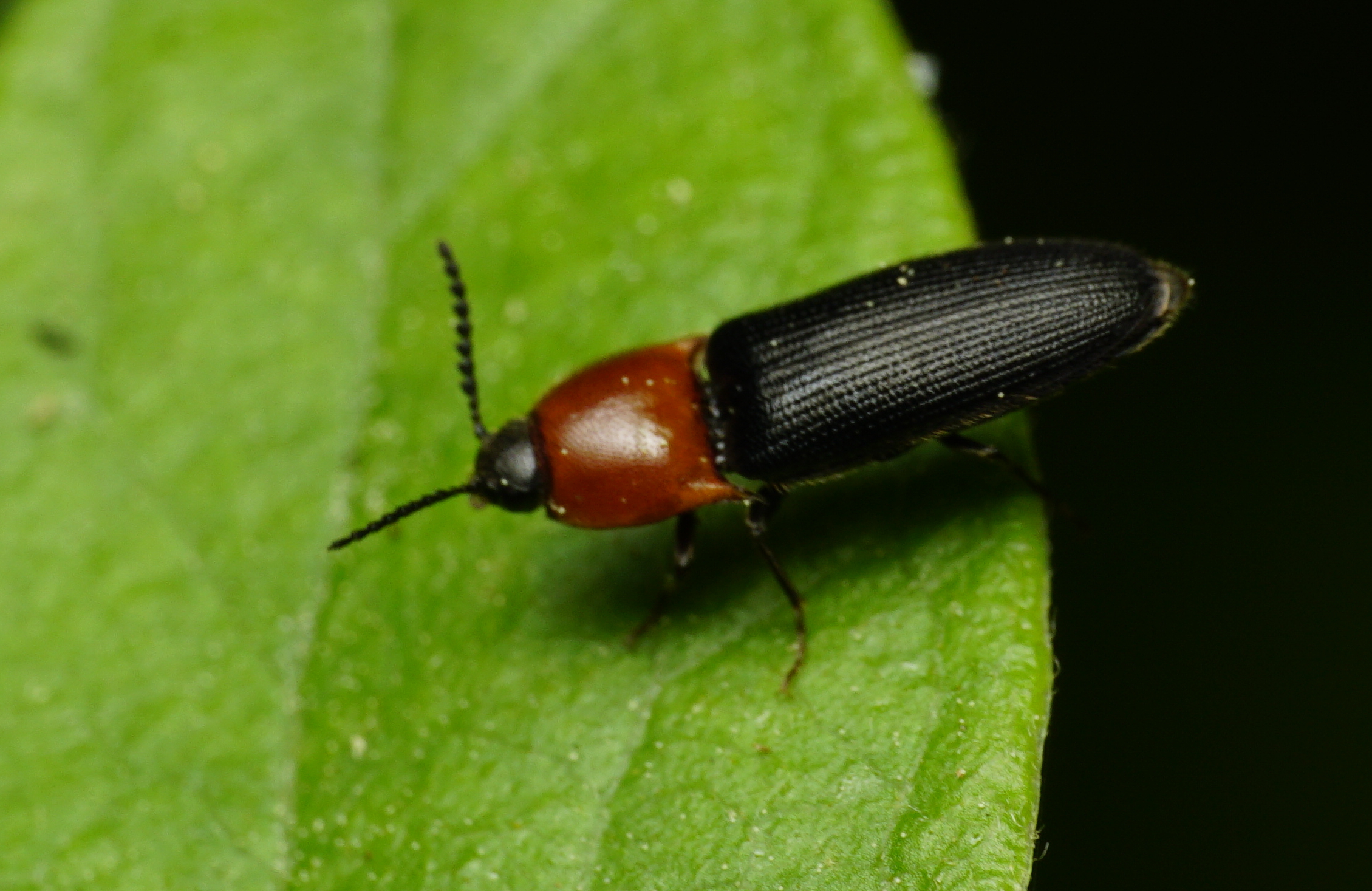
EDIT: Identified by iNaturalist as Limonius basilaris.
I have been warned that most Elaterids really can’t be identified very well. Still a beautiful creature. *Could* be Sylvanelater cylindriformis. But could be Hemicrepidius nemnonius. The hind angles of the pronotum seem more like the latter; not sure about the “hairiness”. And could be Cardiophorus gagates
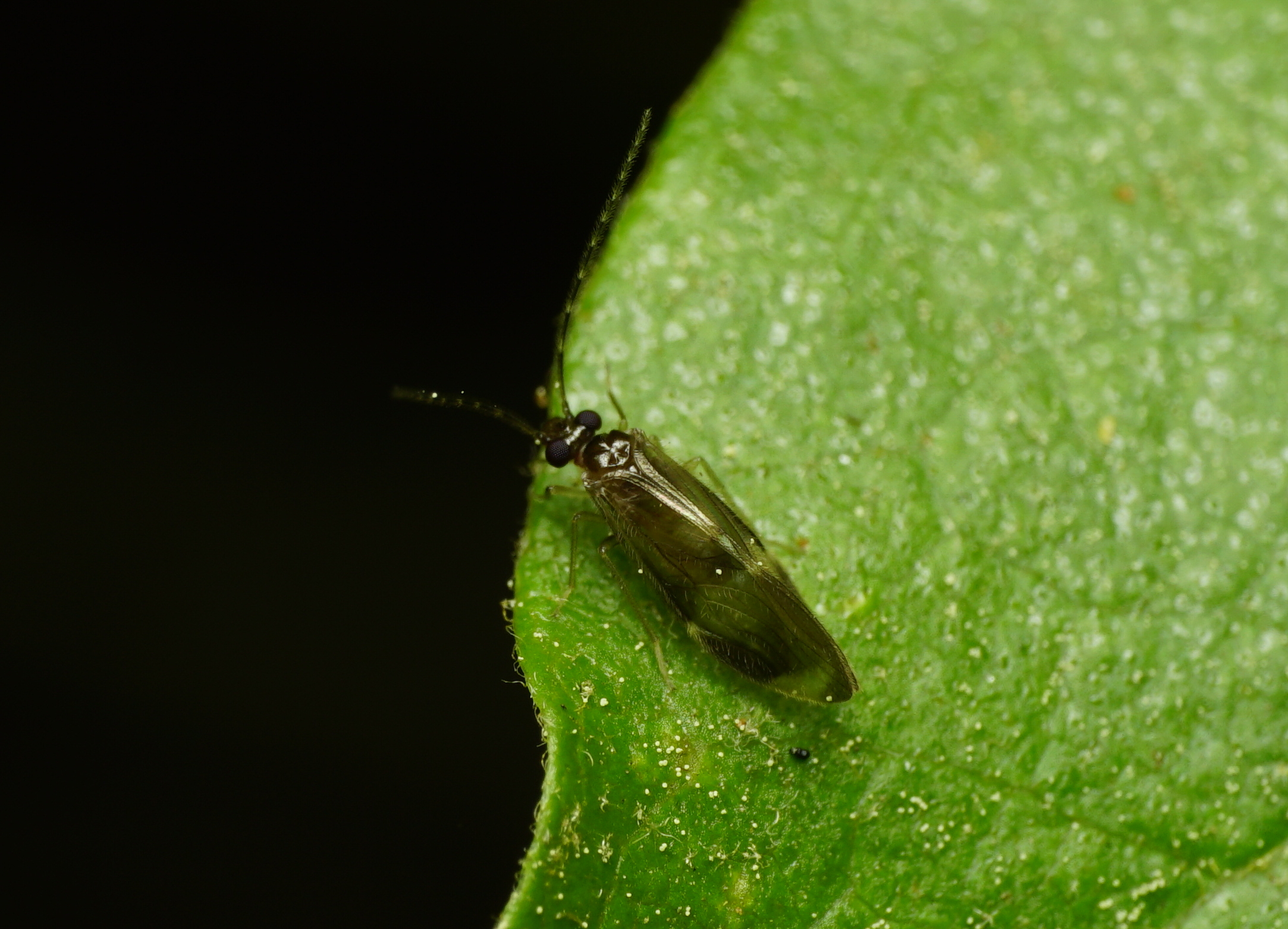
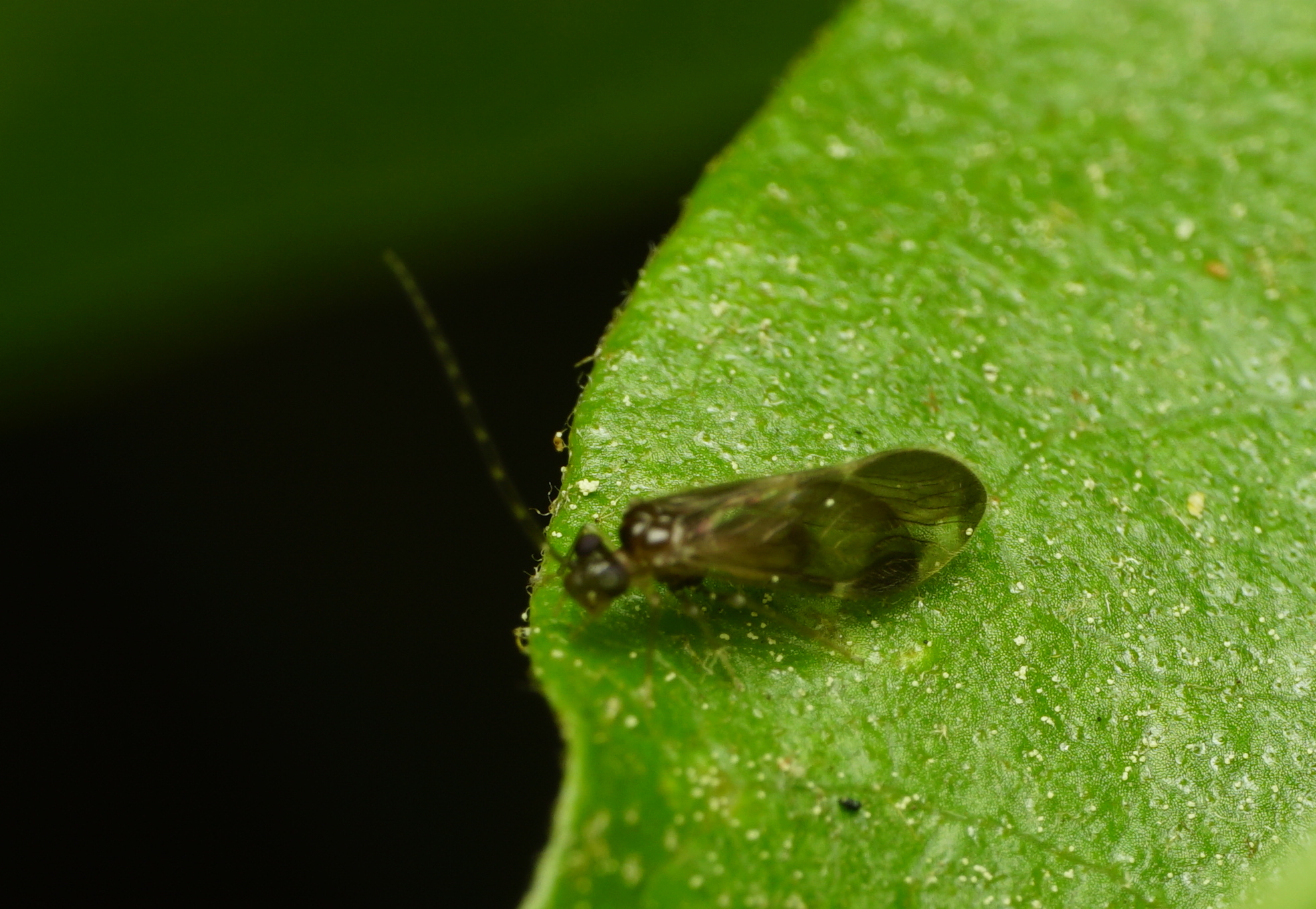
My first Psocoptera!!! Polypsocus corruptus.
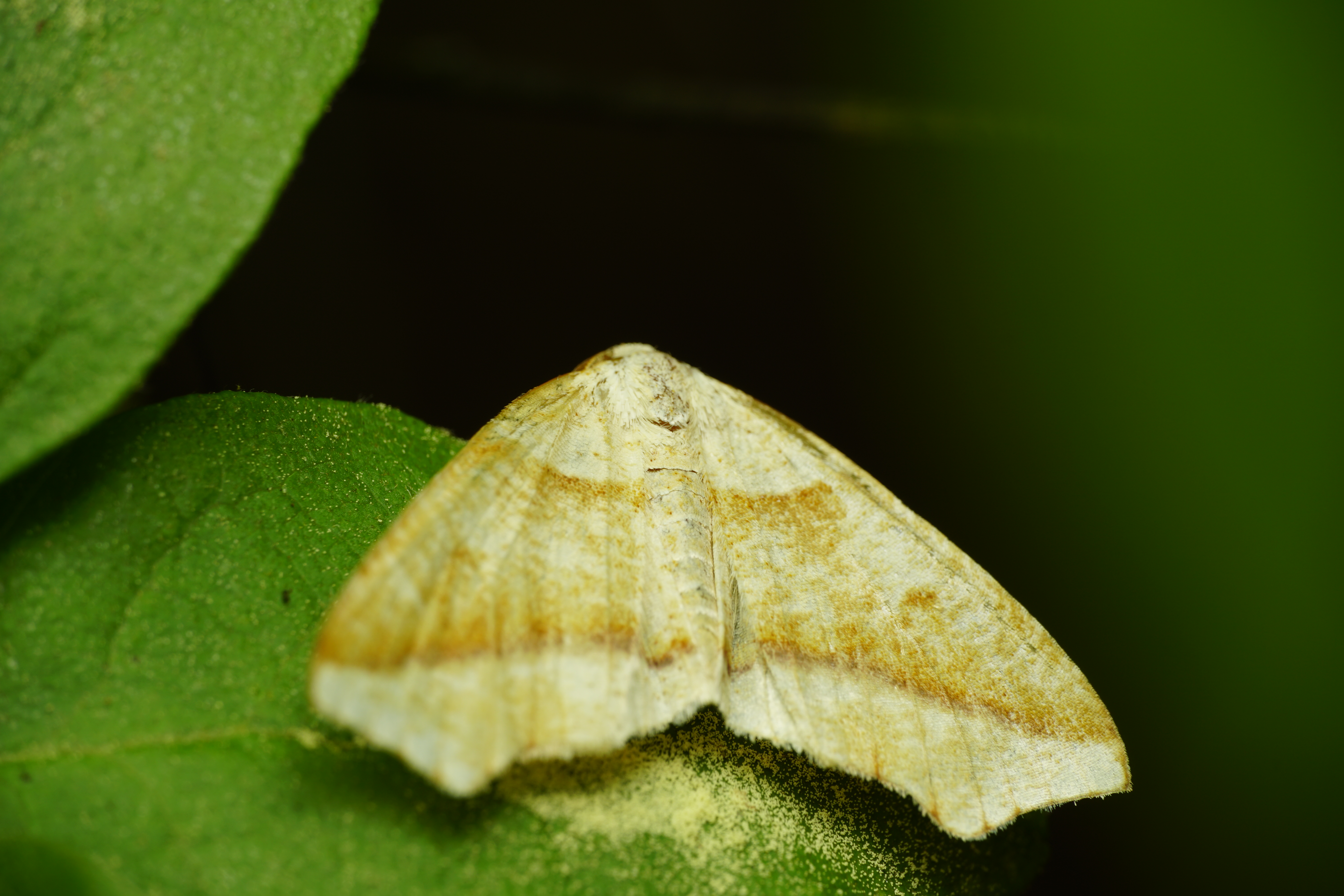
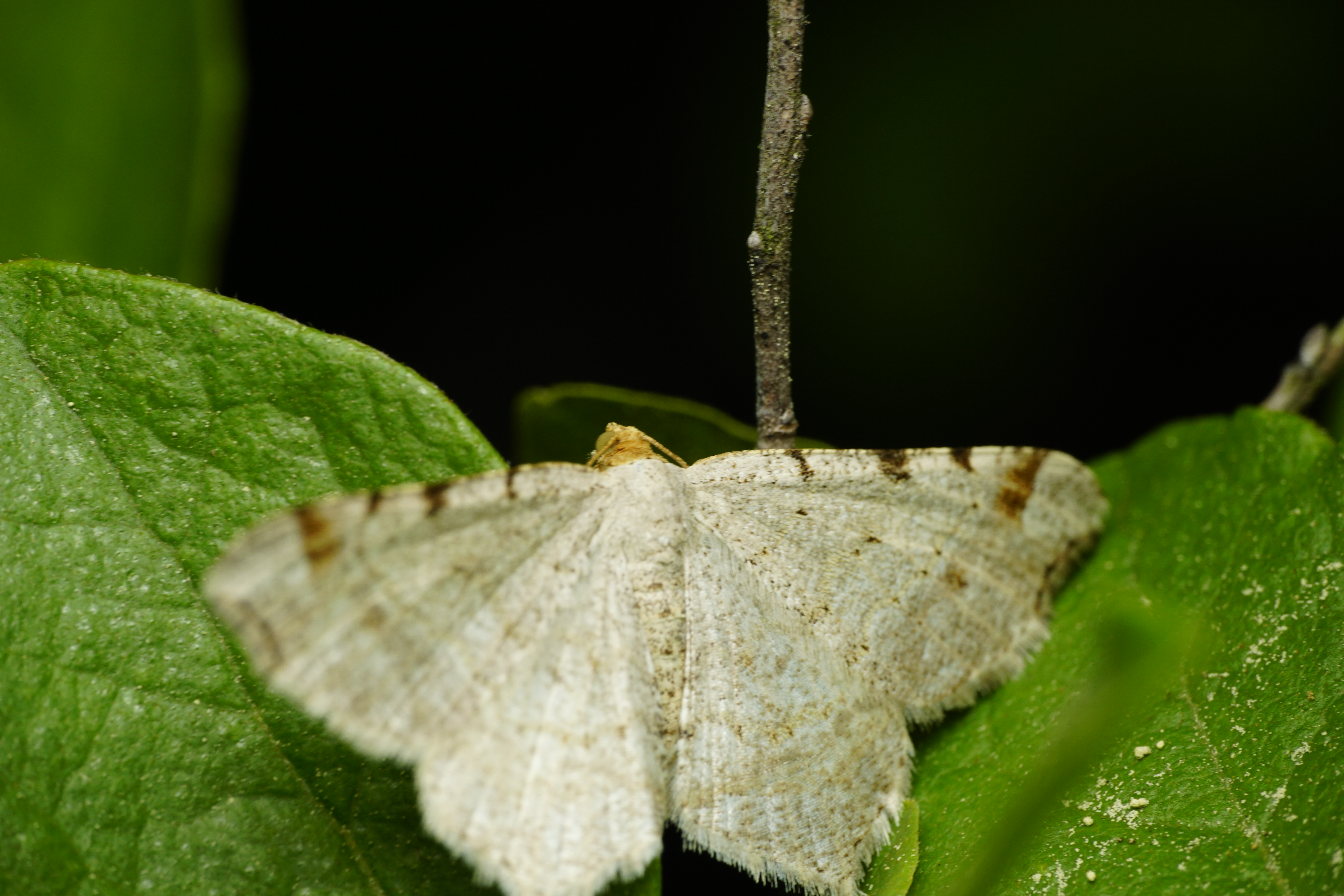
A Geometrid, Hollow-spotted Plagodis, I think.
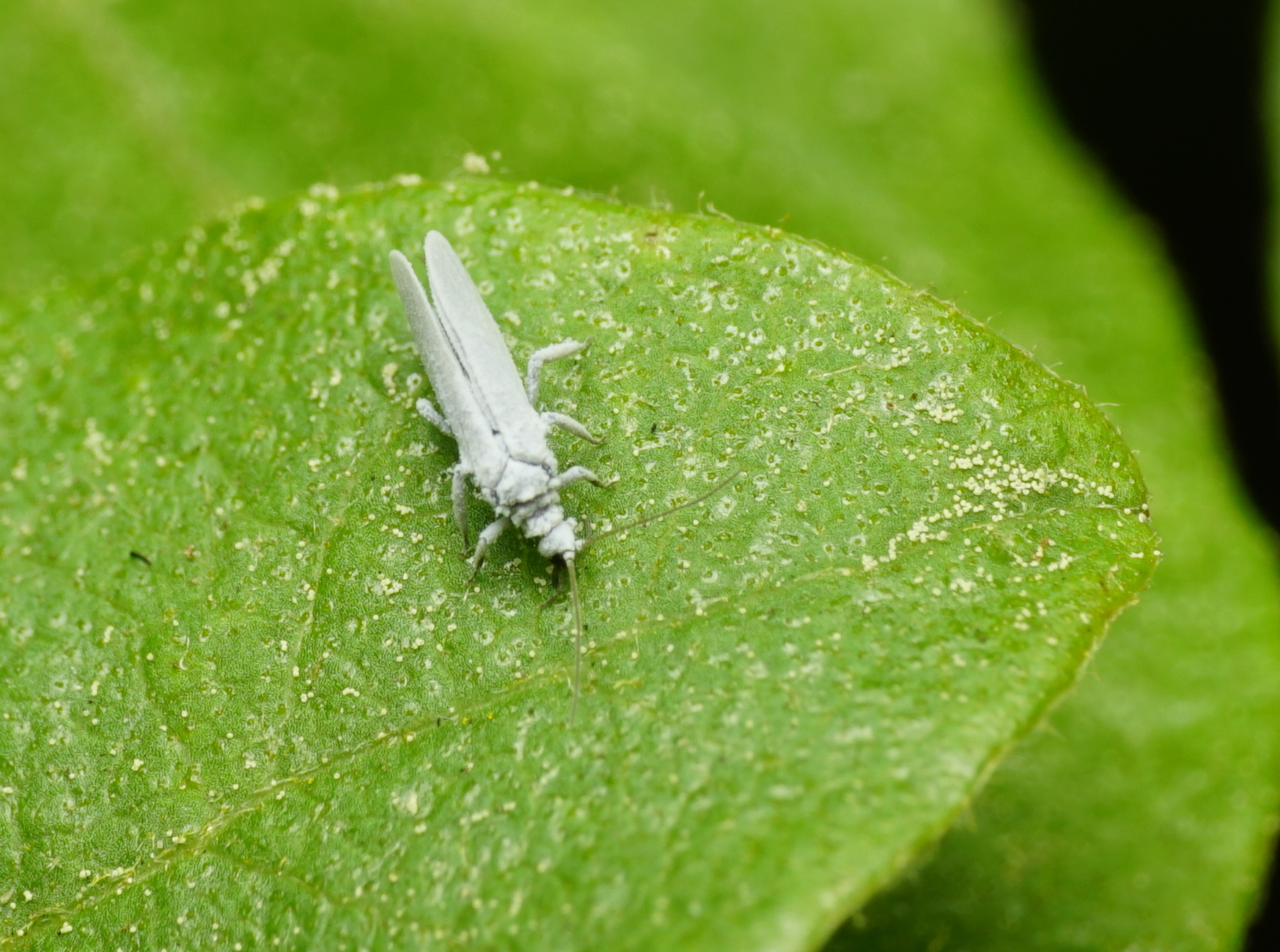
Exciting! This belongs to Coniopterygidae! A relative of lacewings and ant-lions, but much smaller.
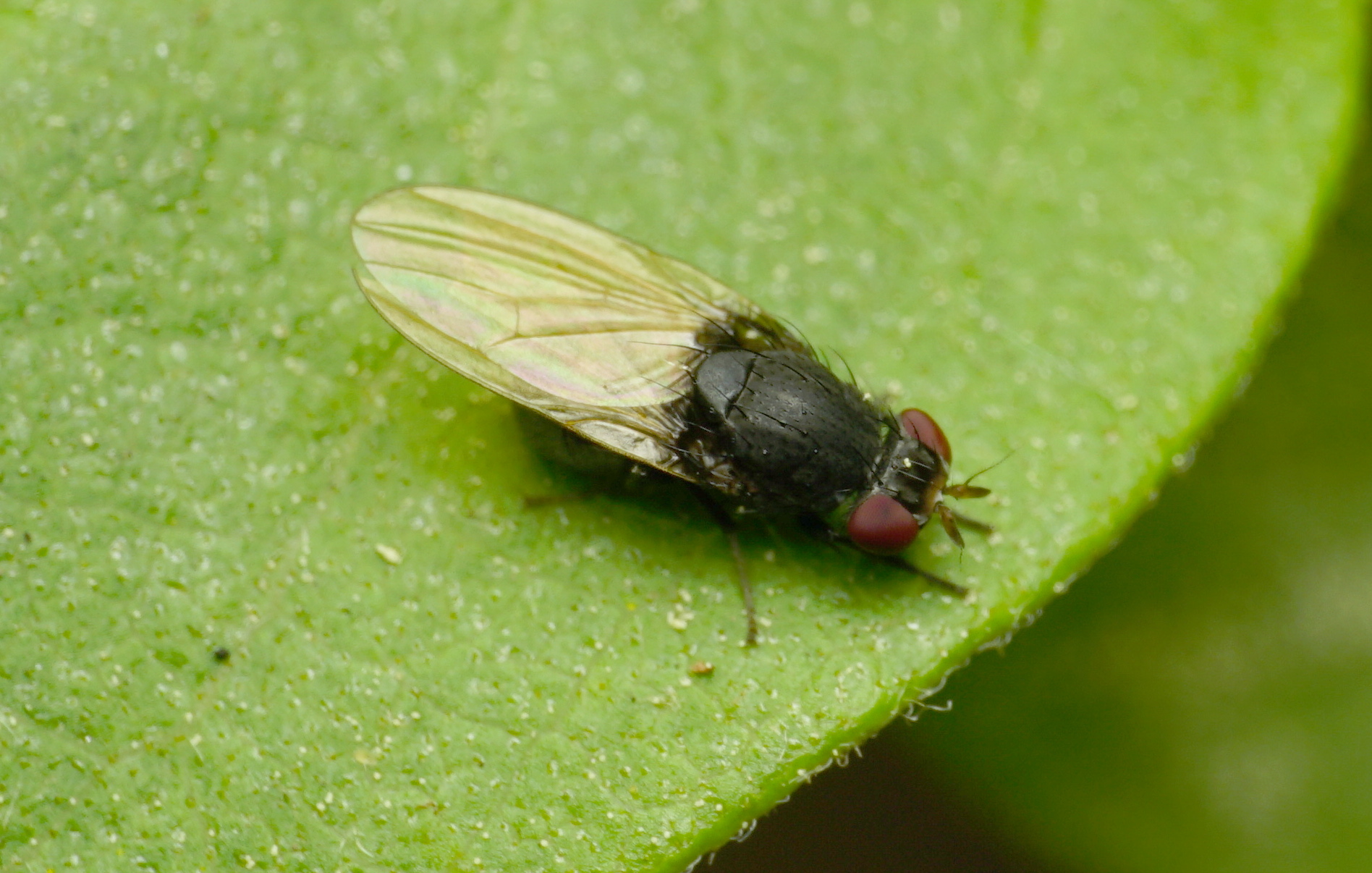
Will probably never know which Diptera this is
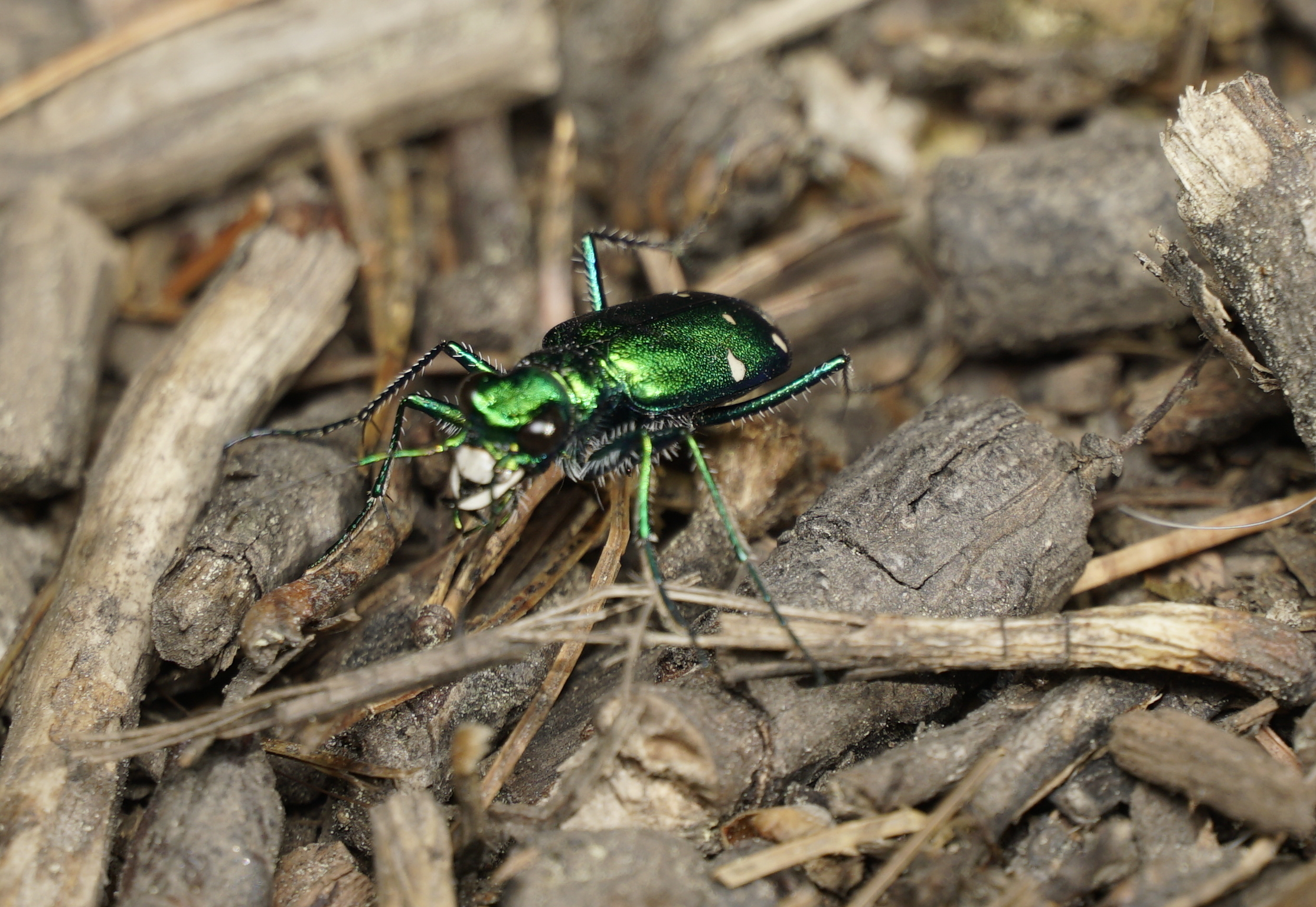
Cicindella sexguttata, Six spotted tiger beetle.
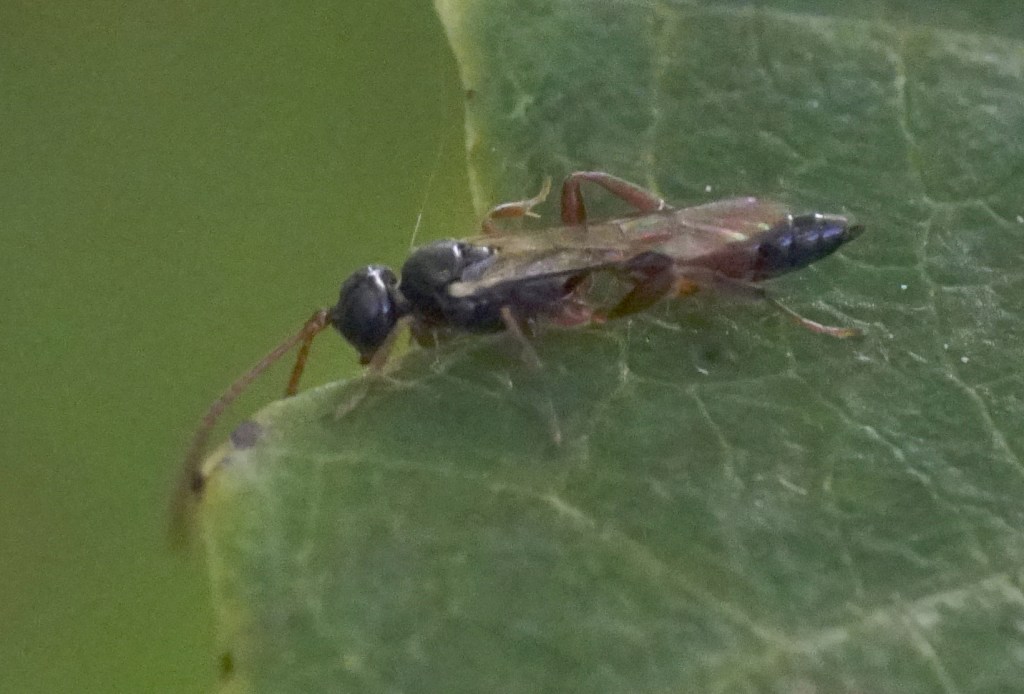
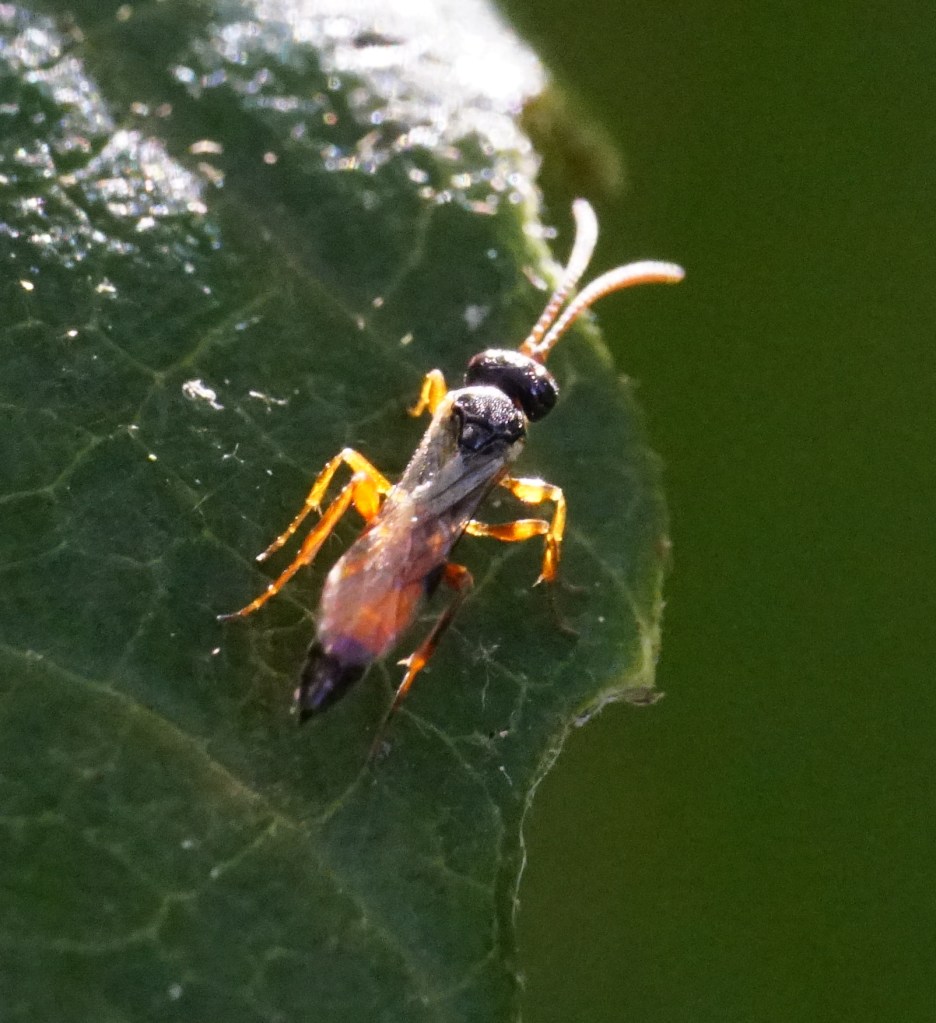
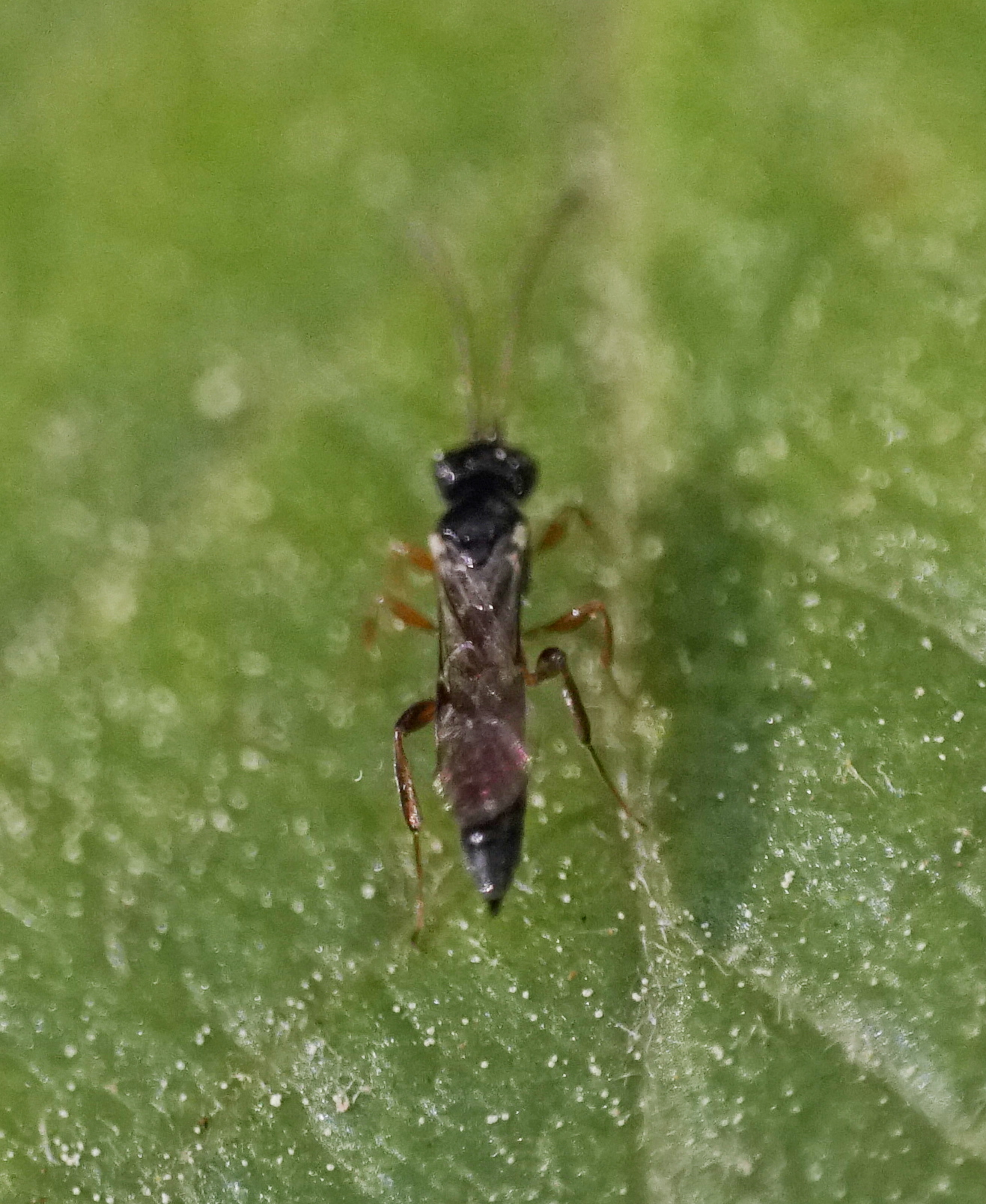
Ichneumonoidae
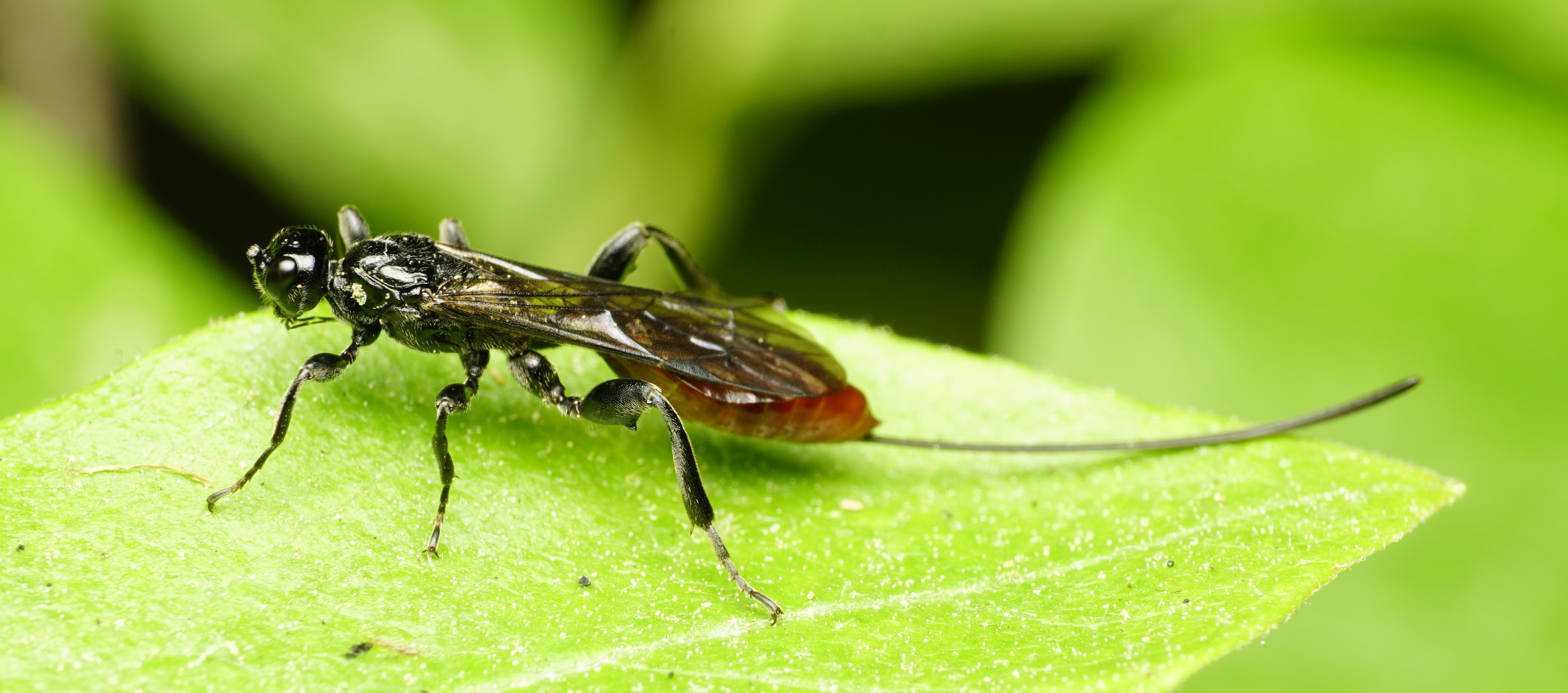
What a beautiful, beautiful lady (with a long ovipositor). Odontocolon, in Xoridinae. Wikipedia mentions that these have a tooth on the femur of the hind leg, which you can see in the photo. It was suggested that these may be used to clean and comb the ovipositor.
Leucauge venusta. I just like getting to see the hairs on on the femurs of the IV leg.
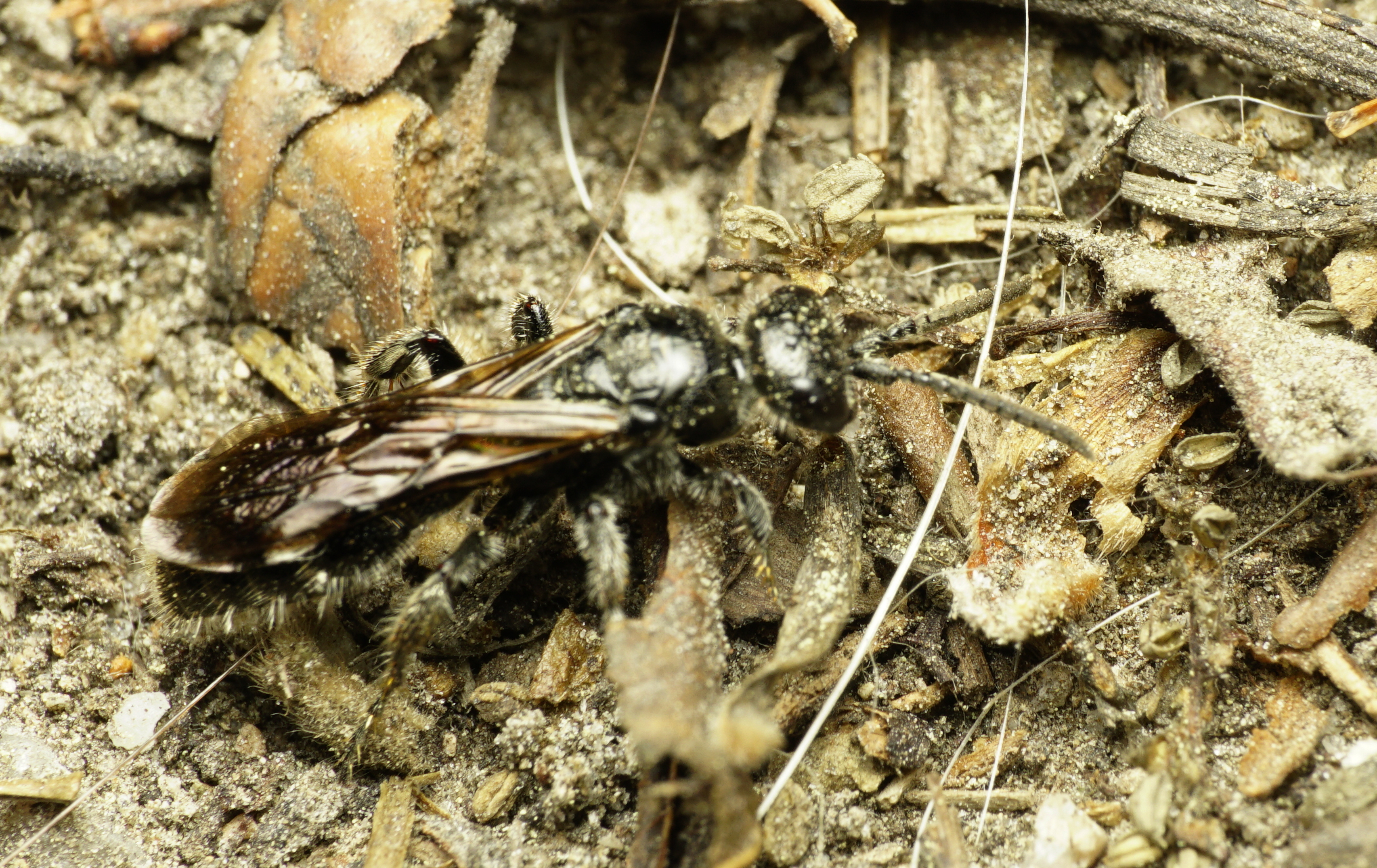
Tiphiinae, Tiphia sp.
Ichneumonidae, Ichneumoninae.
Oak leaf rolling beetle, Synolabus bipustulatus
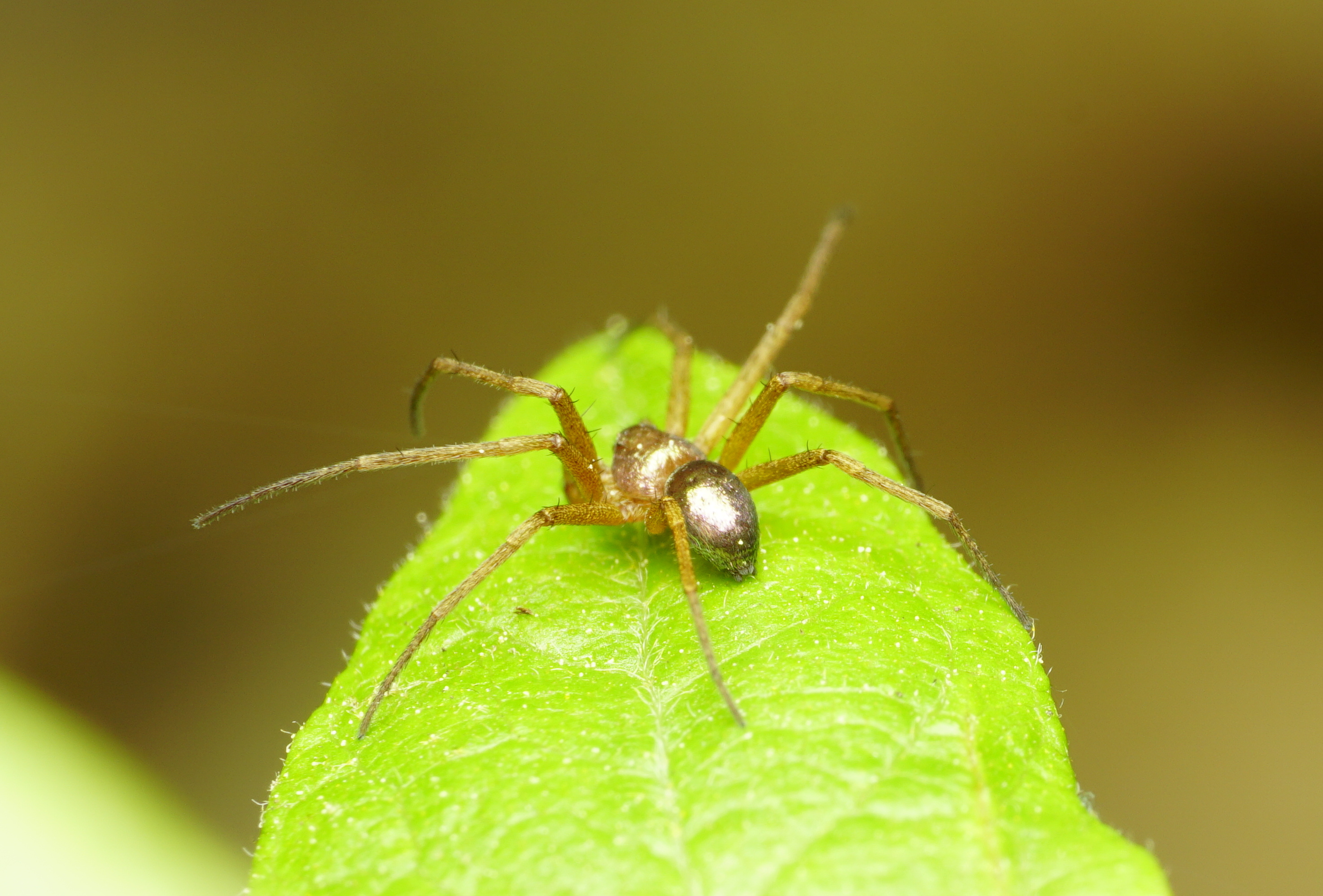
Philodromidae, Philodromus. Beautiful shiny abdomen. I turned off the flash for some of the shots to try to get the shininess better. Two different individuals here, not adjacent to each other.
Shiny!
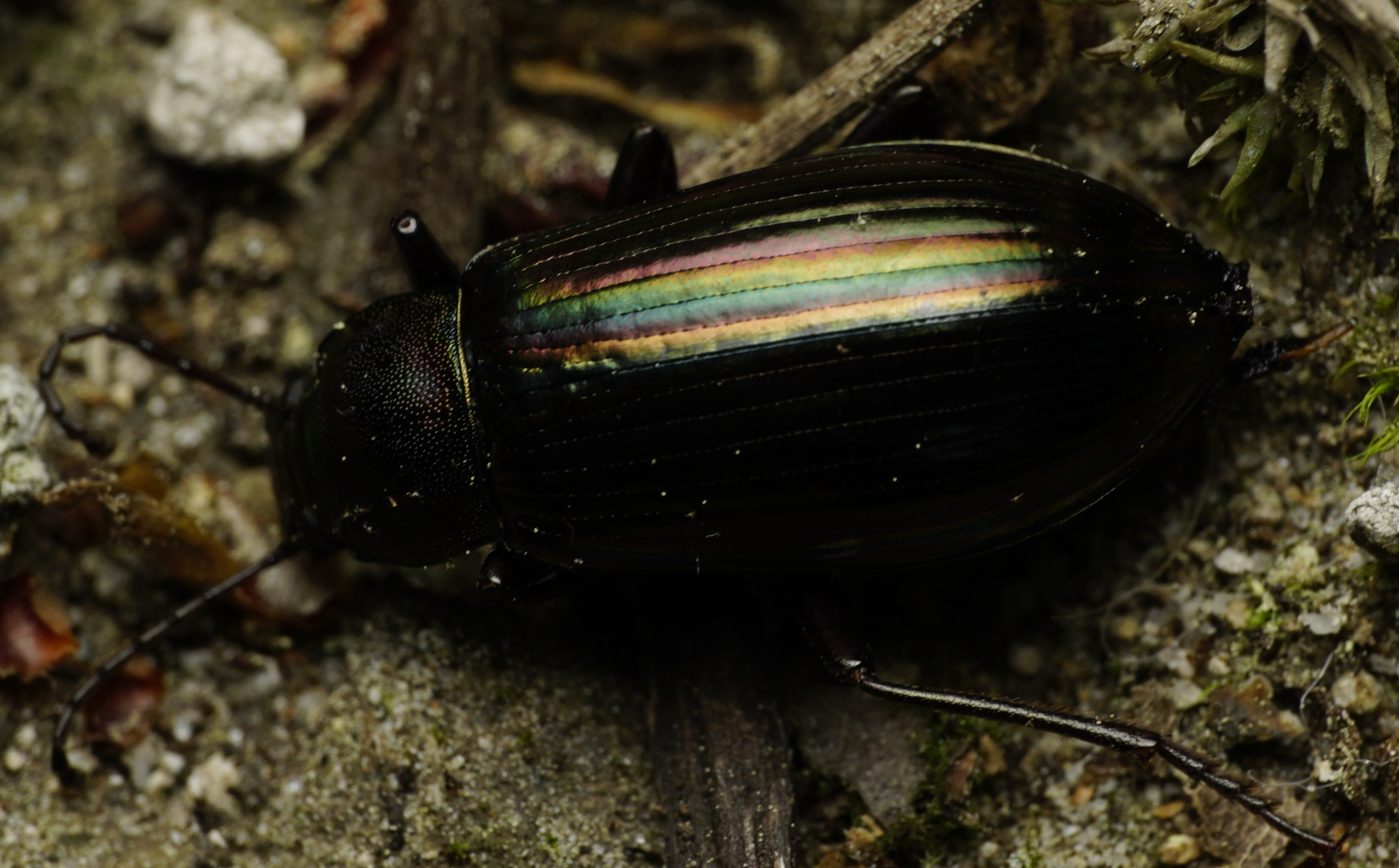
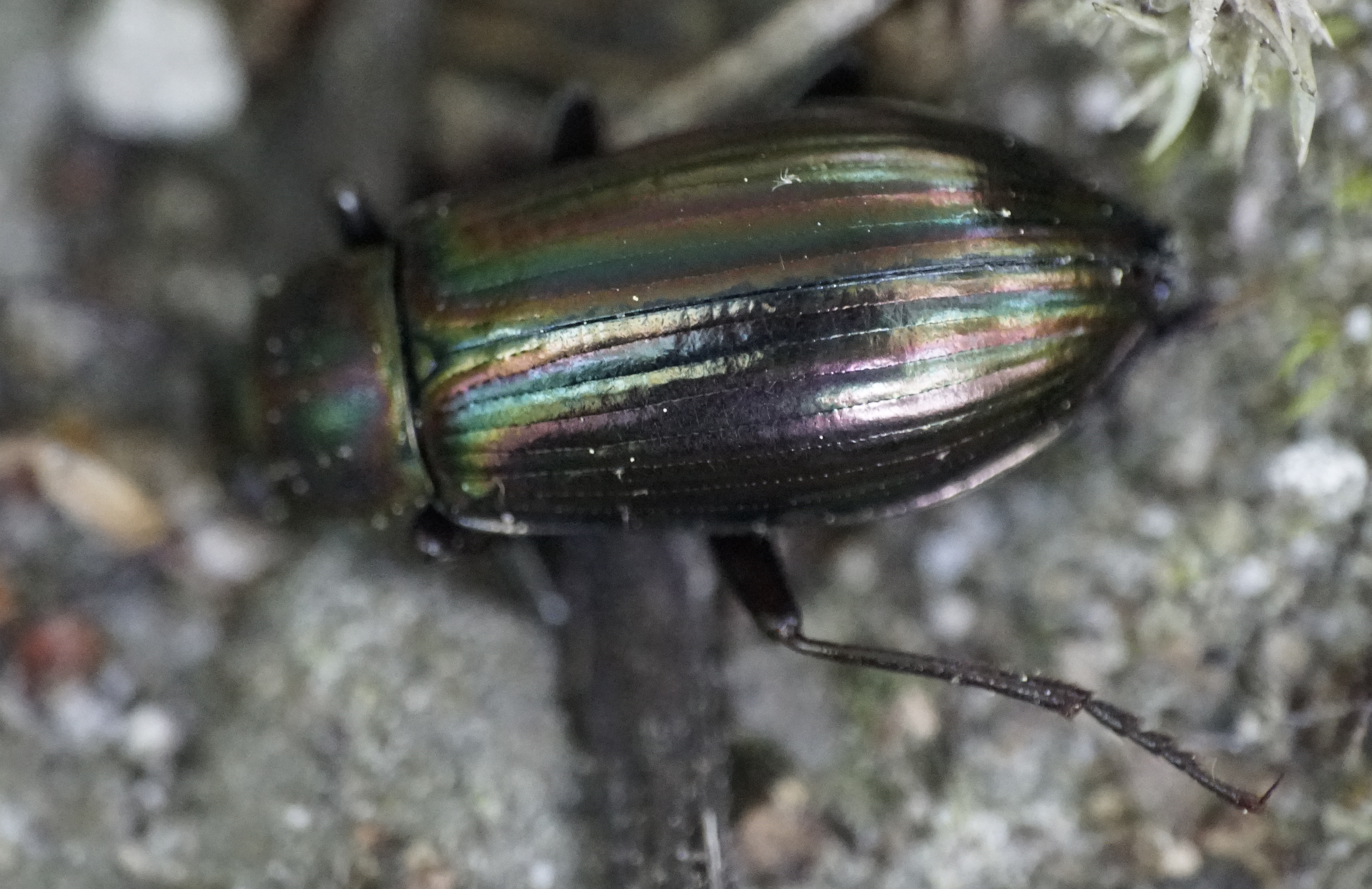
This beetle was dead. Tenebrionidae, I think. Tarpela micans. Just enjoying the colors:
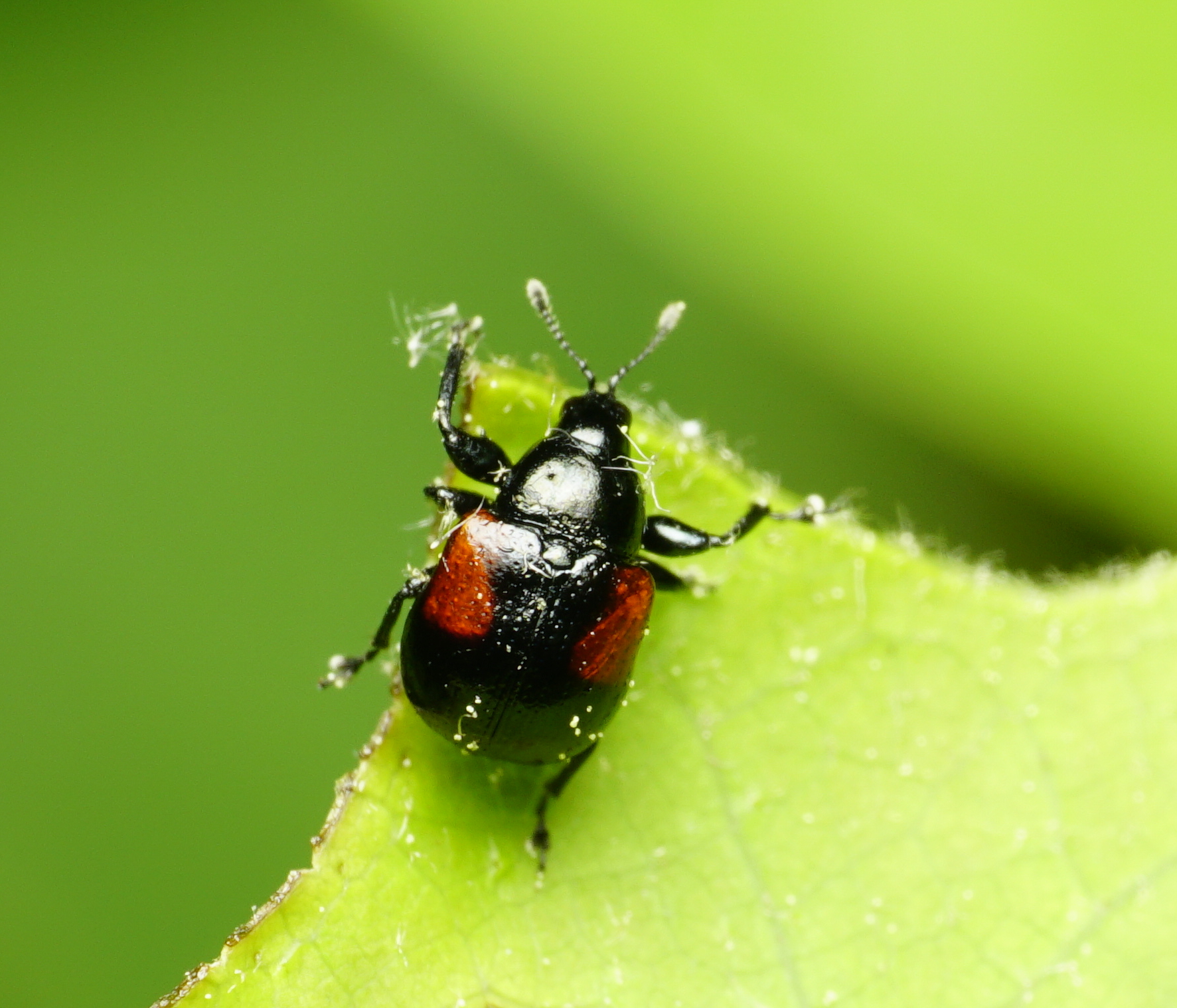
Weevil, Curculinidae, Piazorhinus scutellaris
Geometridae, Macaria bisignata.
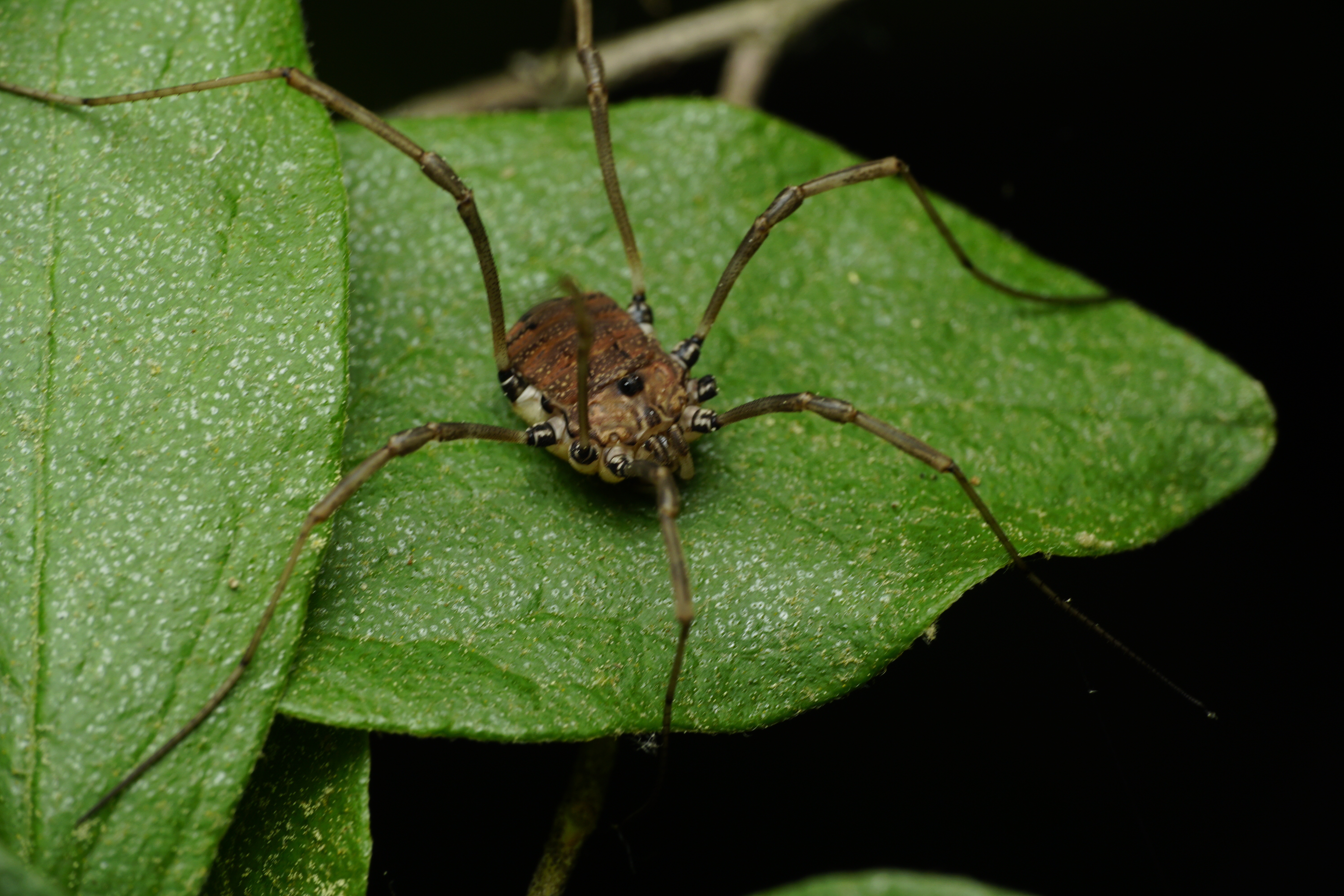
Hadrobunus sp. suggested by iNaturalist.
These belong to Eulophus, a wasp in Chalcidoidea:
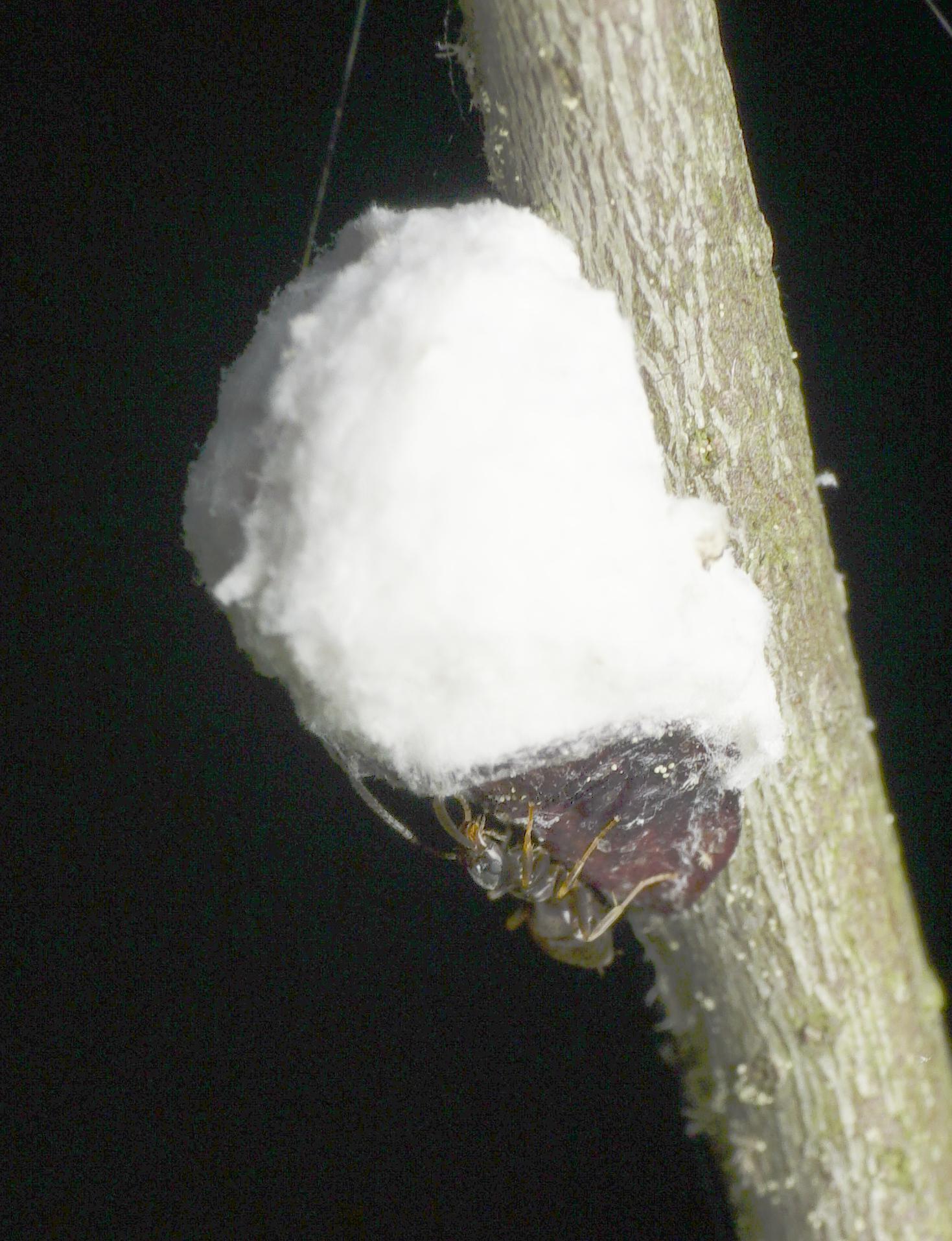
A fascinating scene. The big fuzzy mass, plus the brown bit at the end, are a Cottony Maple Scale. The ant is a Tapinoma sessile, which has a mutualistic relation with the scale, taking care of it and taking the sugary secretions back to the nest.
Also, a quick trip to Canoe River Wilderness Area in Foxboro (first time there). Non-invert photos first.
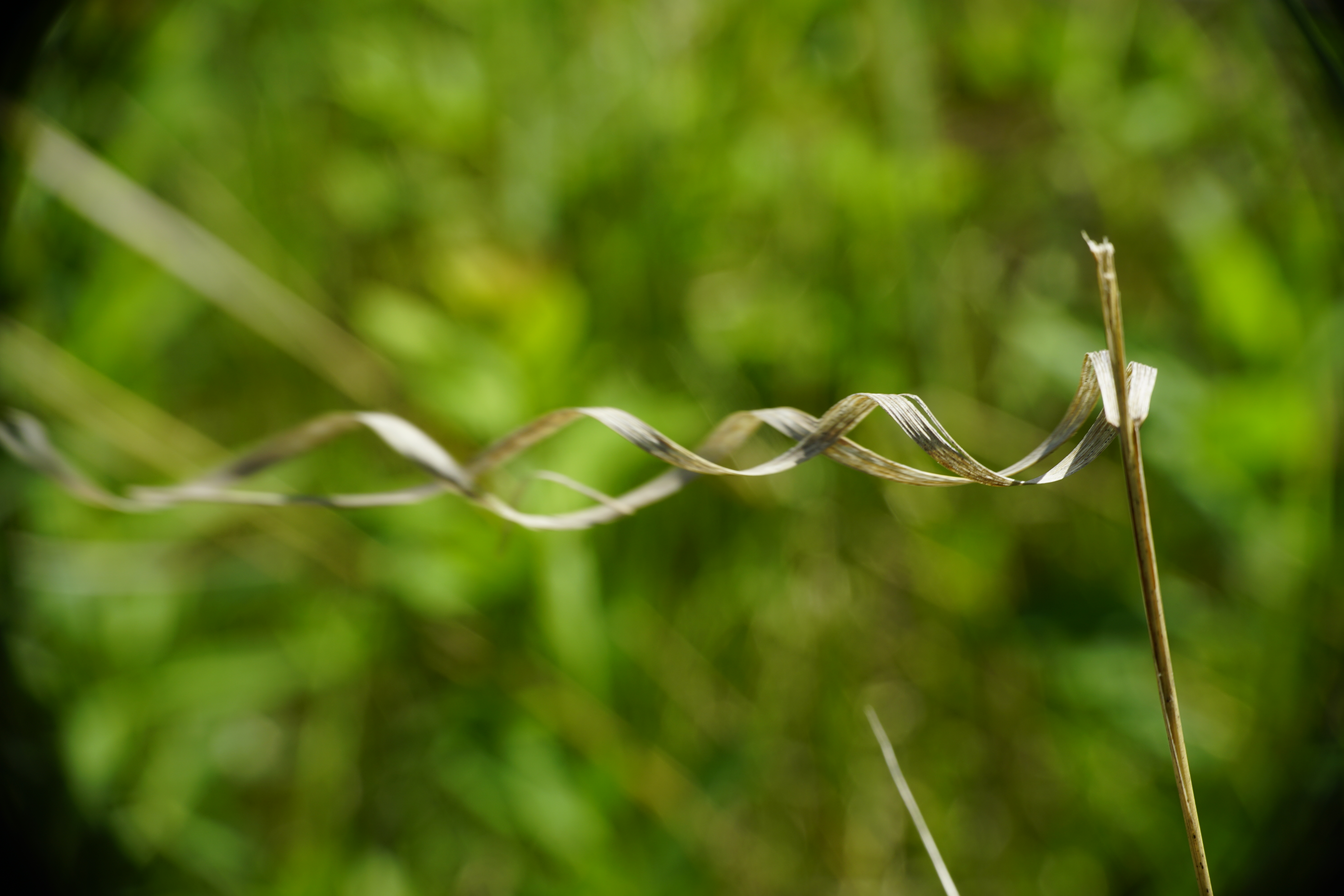
The breeze:
And now the invertebrates.
A Halictid bee. Best guess Augochlora pura, but tough to tell from this poor image.
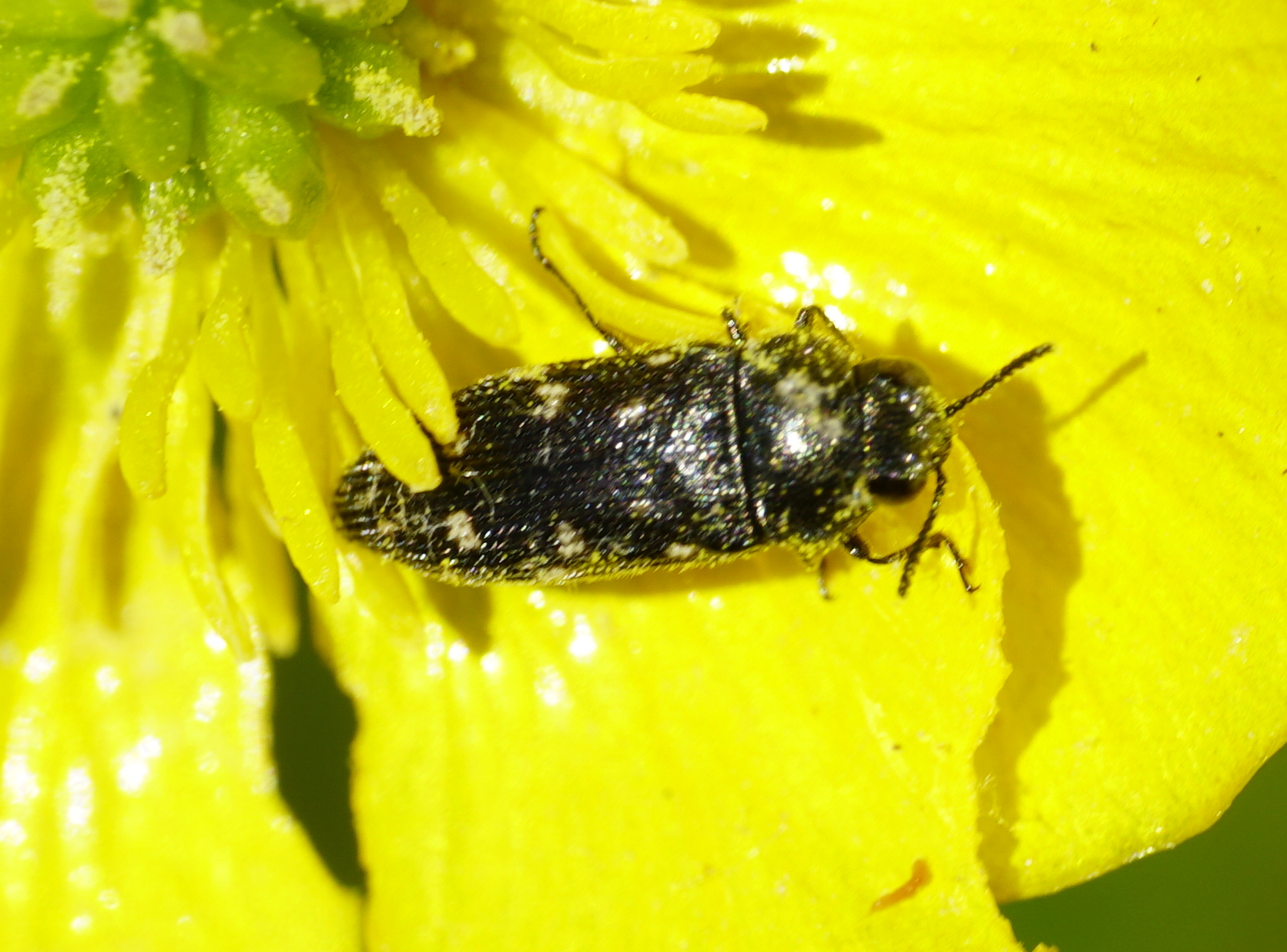
Acmaeodera tubulus in Buprestidae?
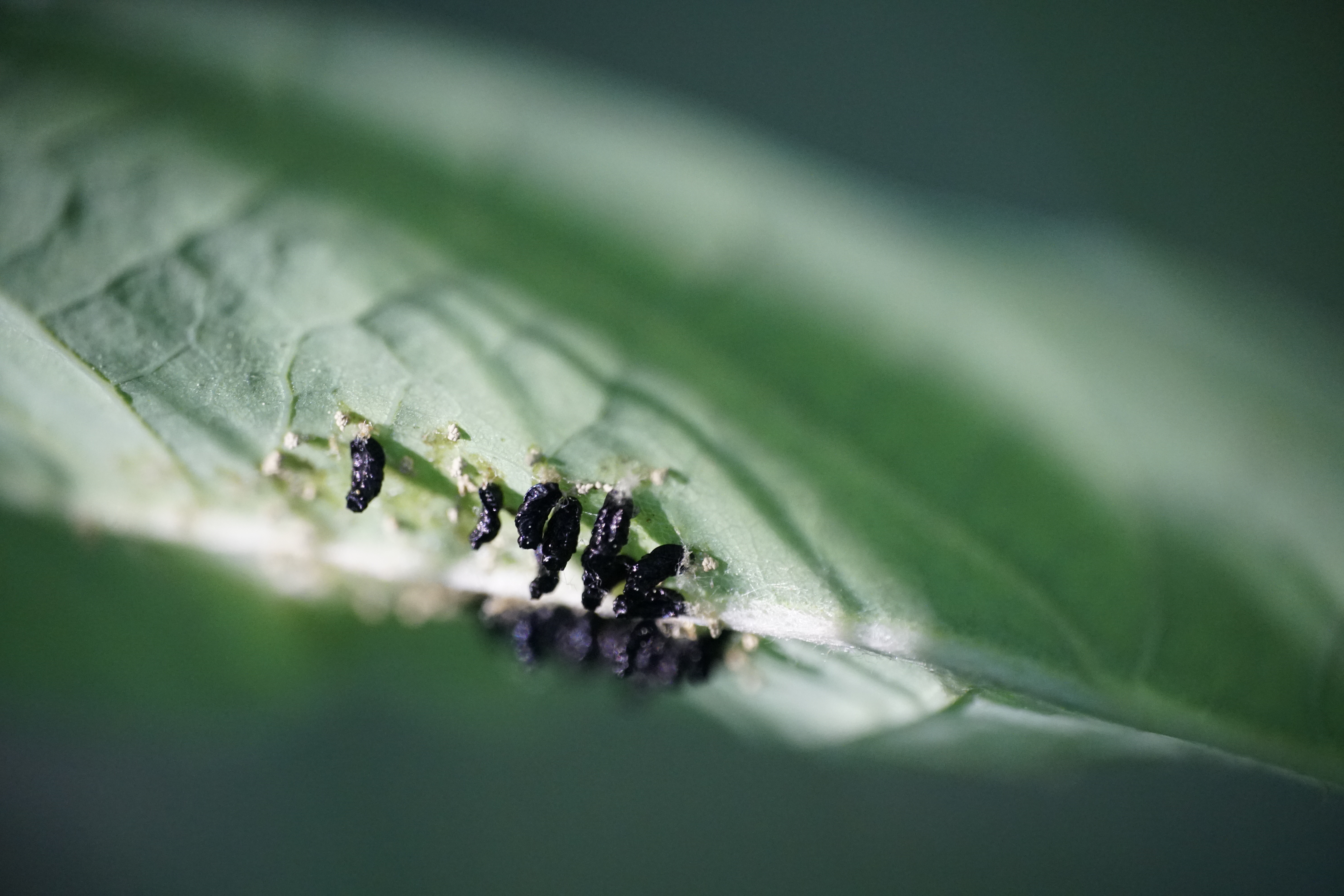
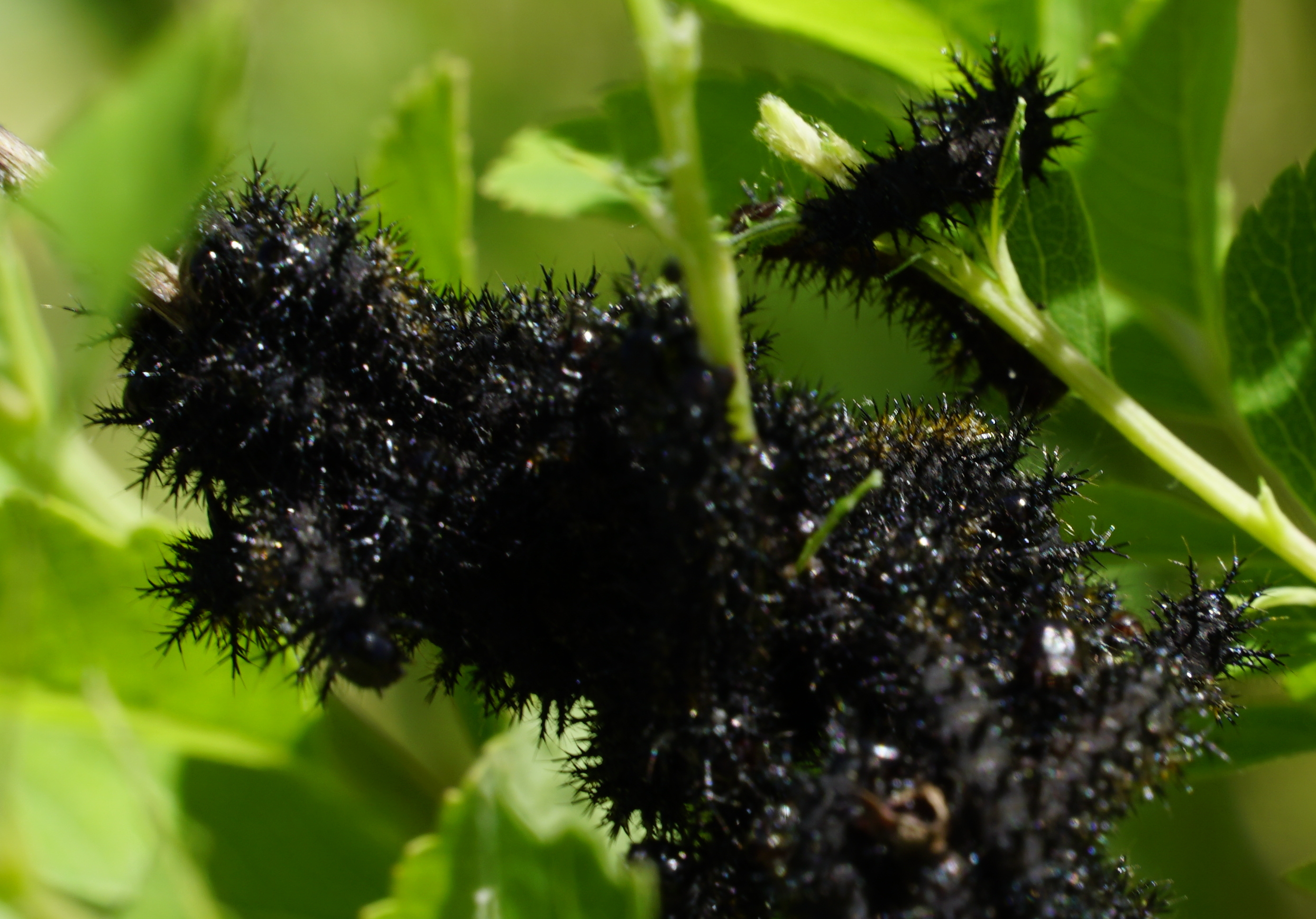
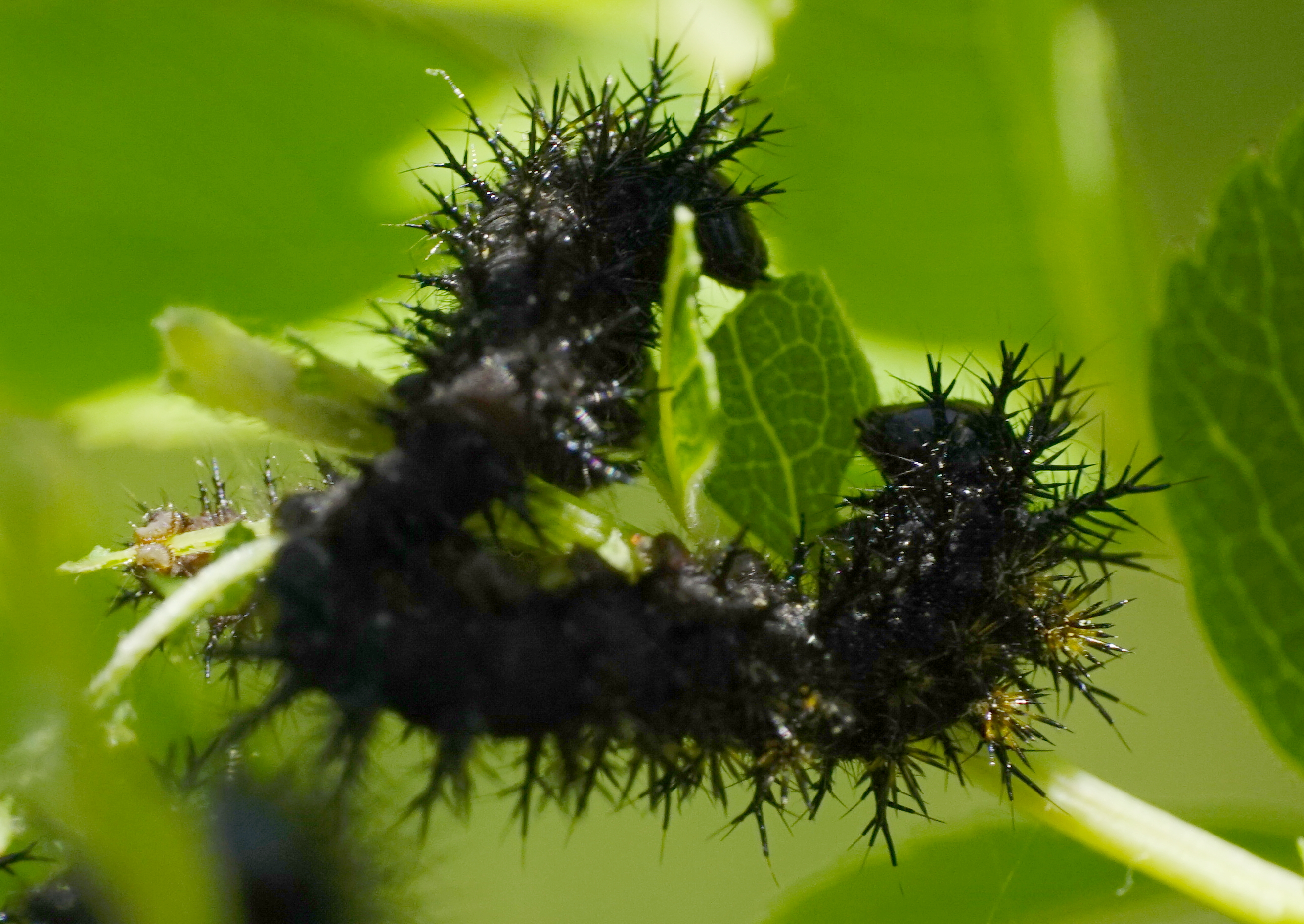
A huge mass of these caterpillars. Hemileuca lucina, New England buck moth.
Sepsidae?
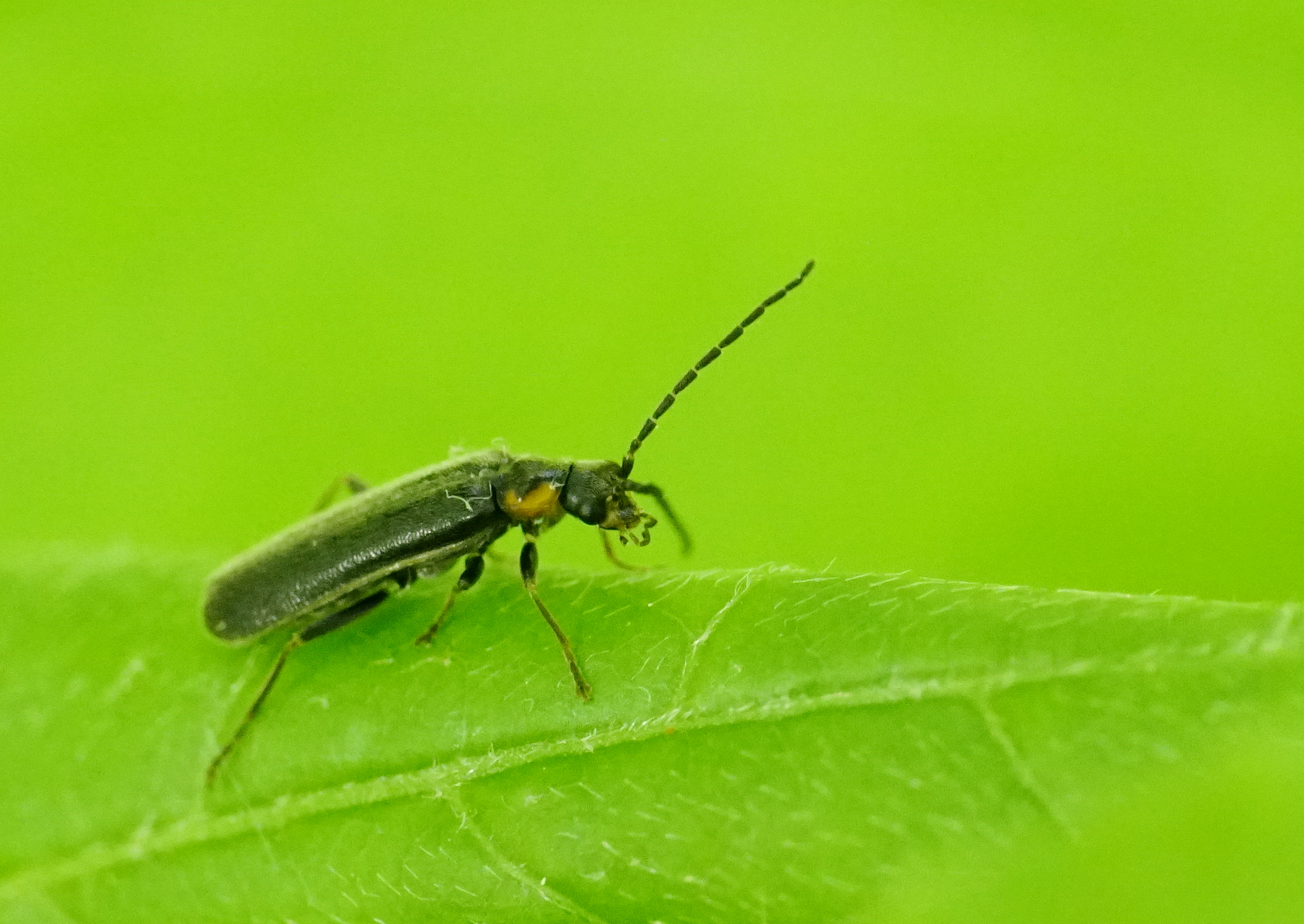
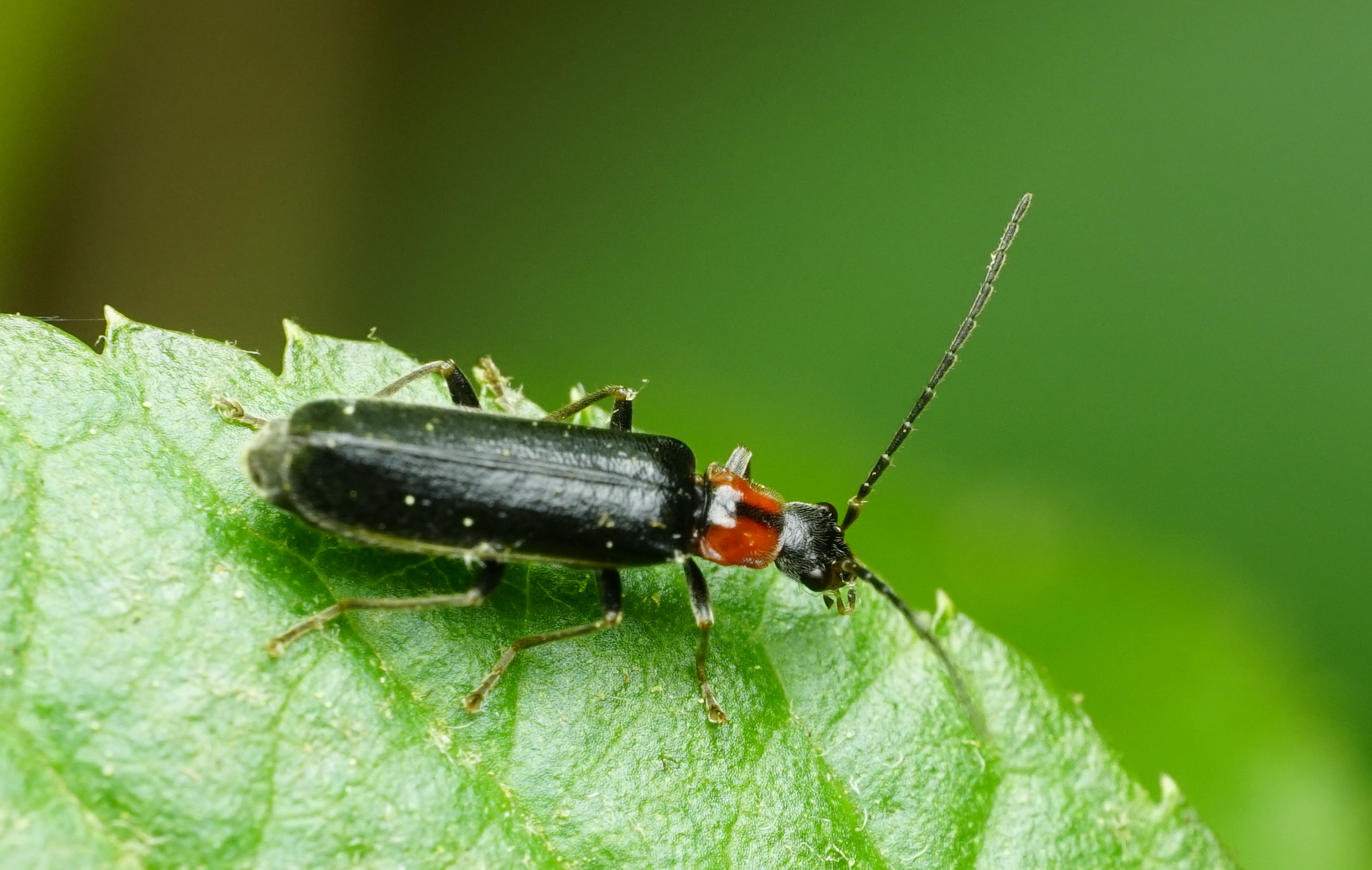
Rhagonycha in Cantharidae, I think.
Another sepsid?
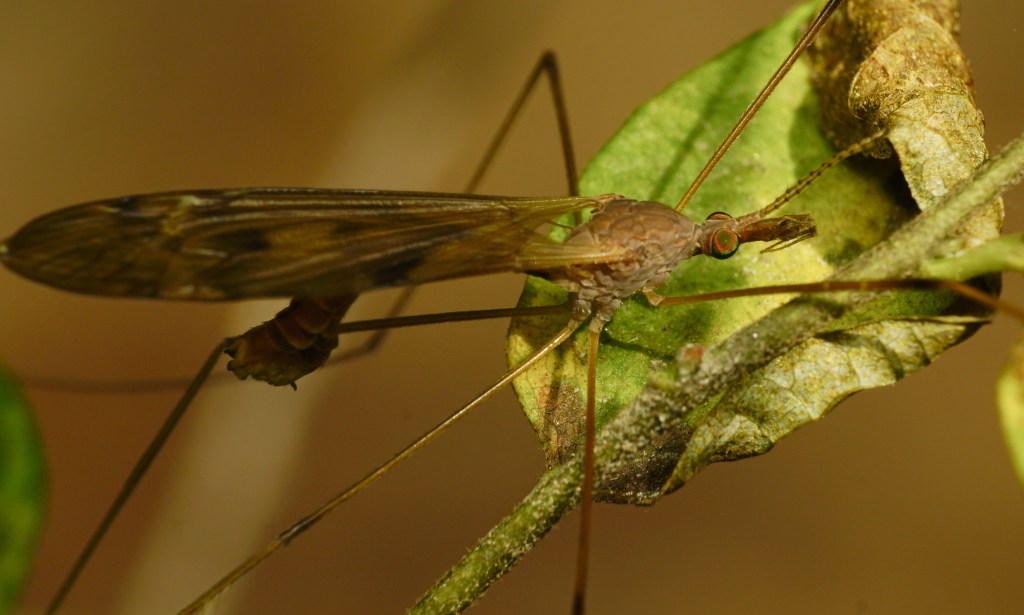
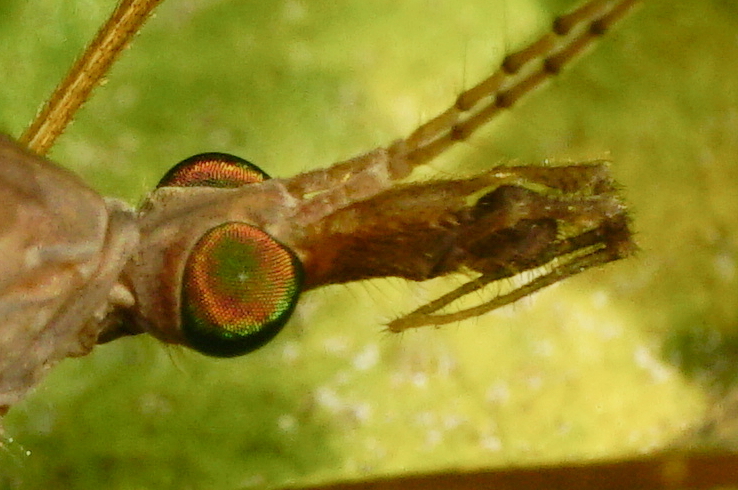
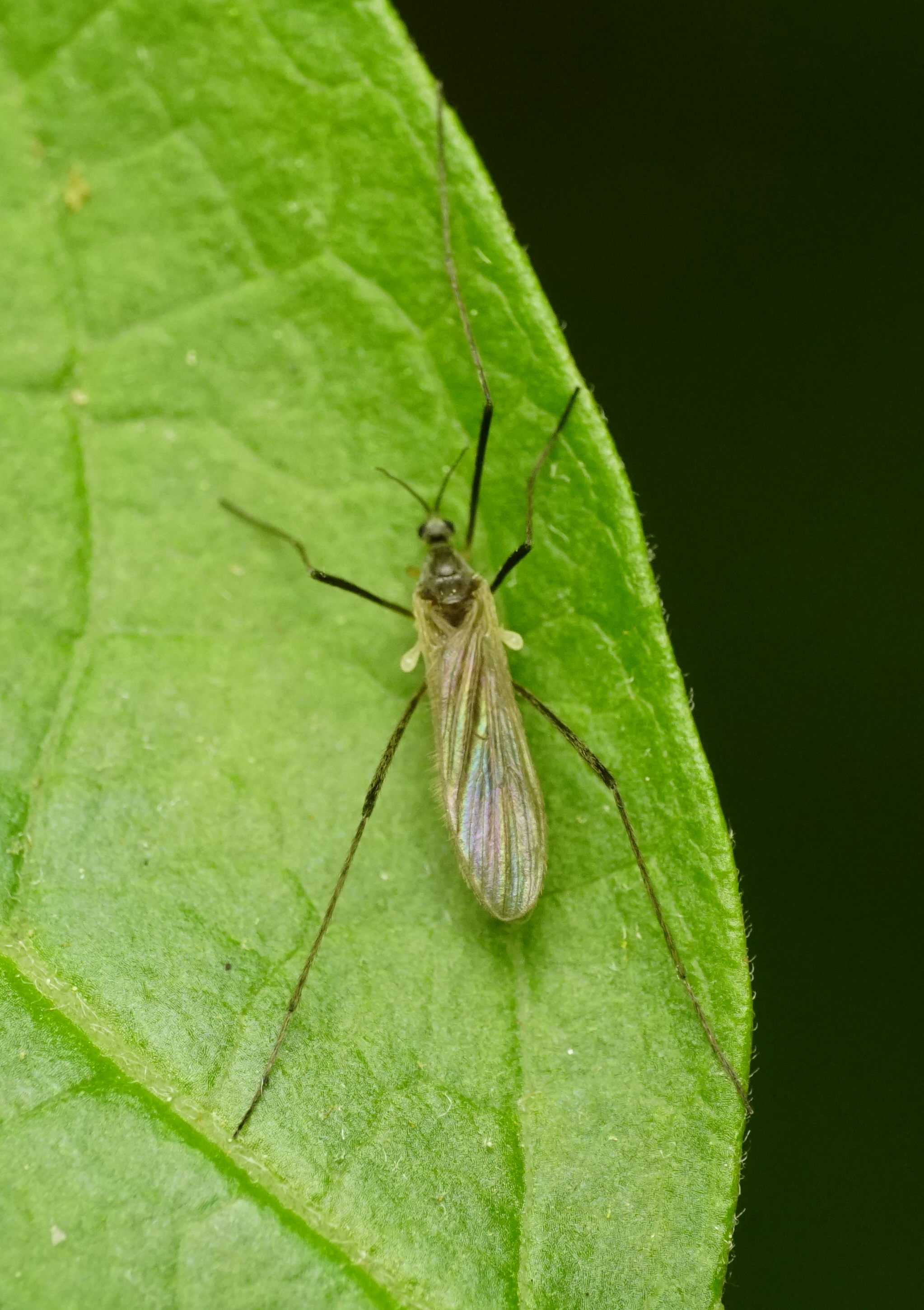
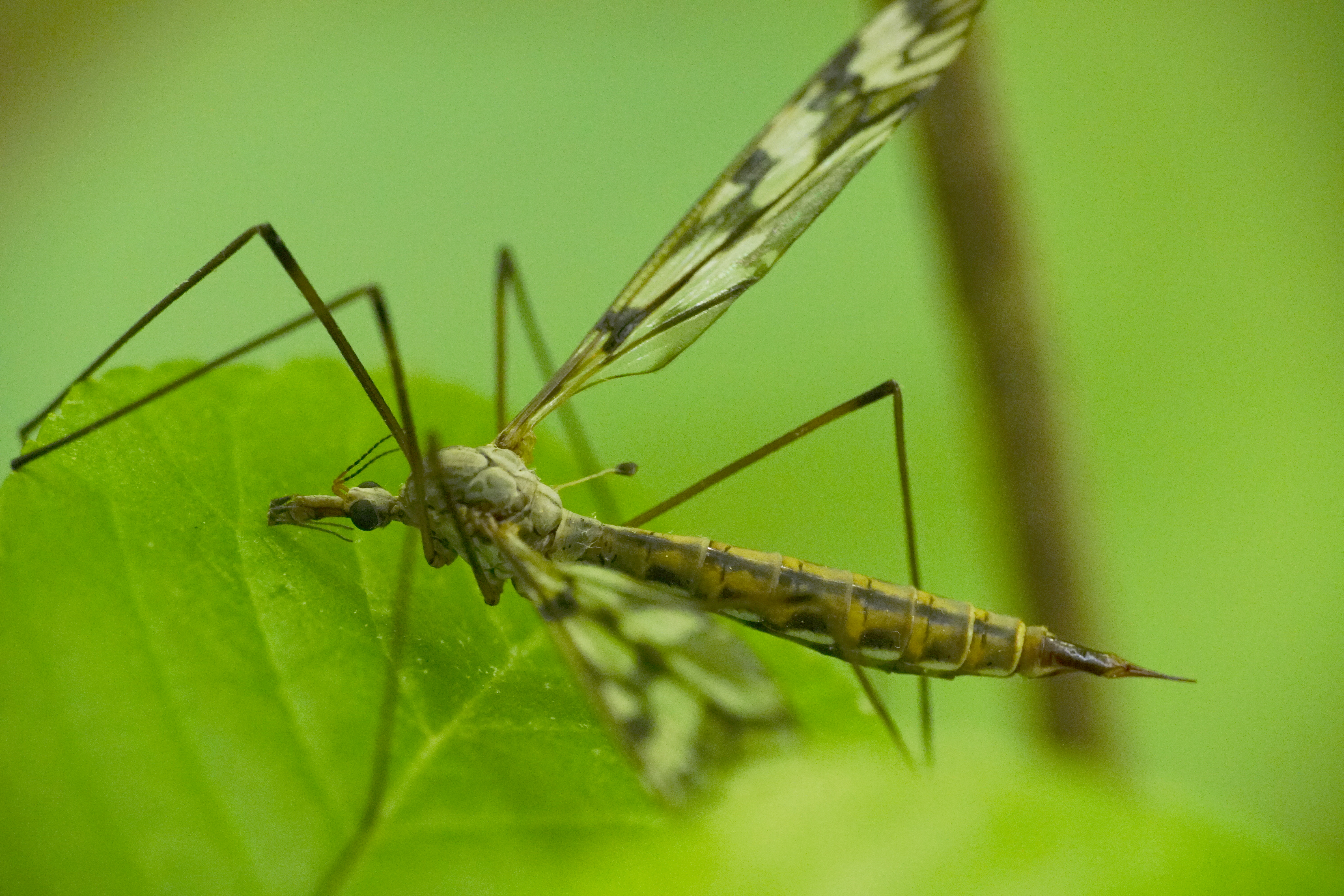
Tipulidae, some sort of crane fly.
Muscoidea
Rhagonycha
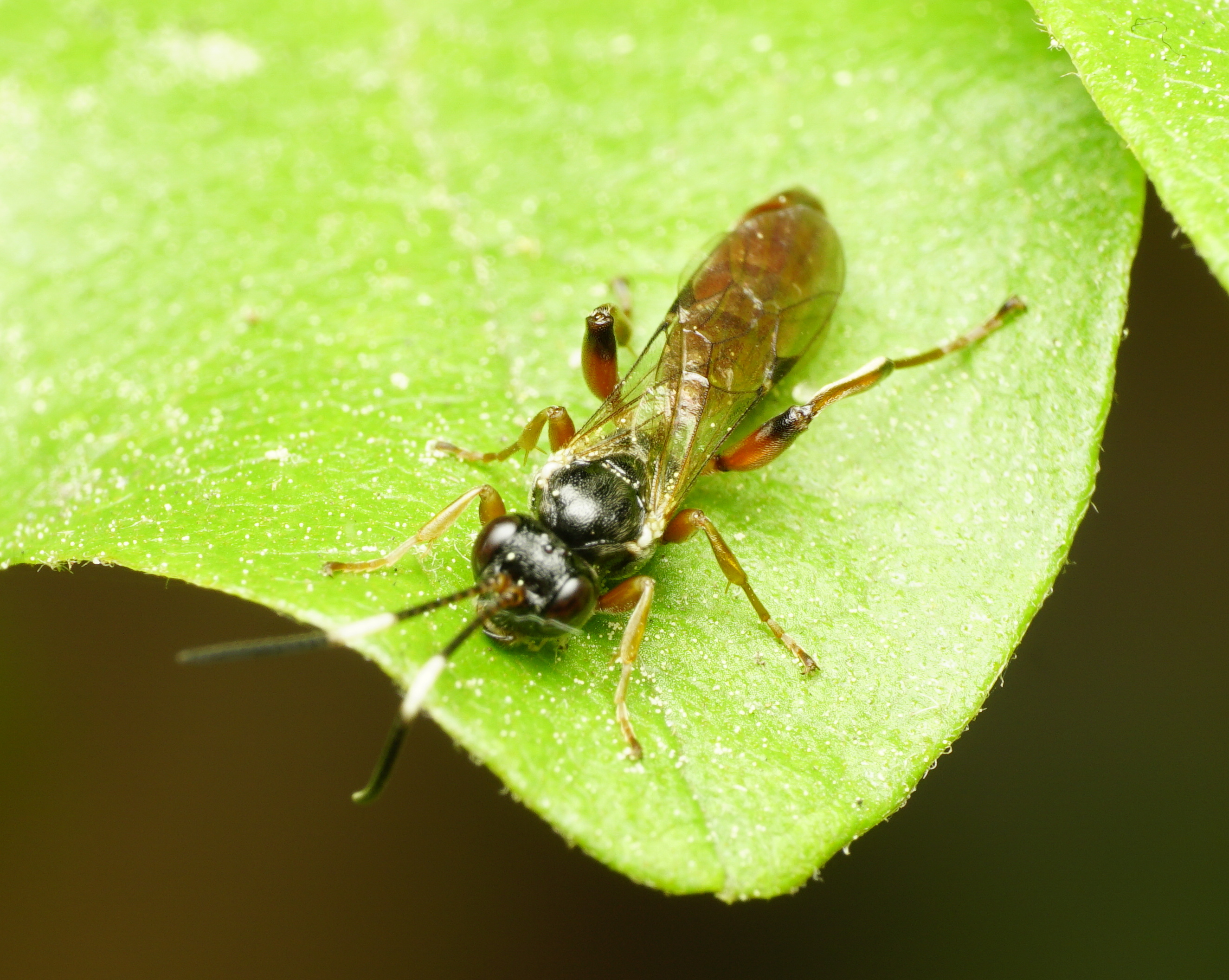
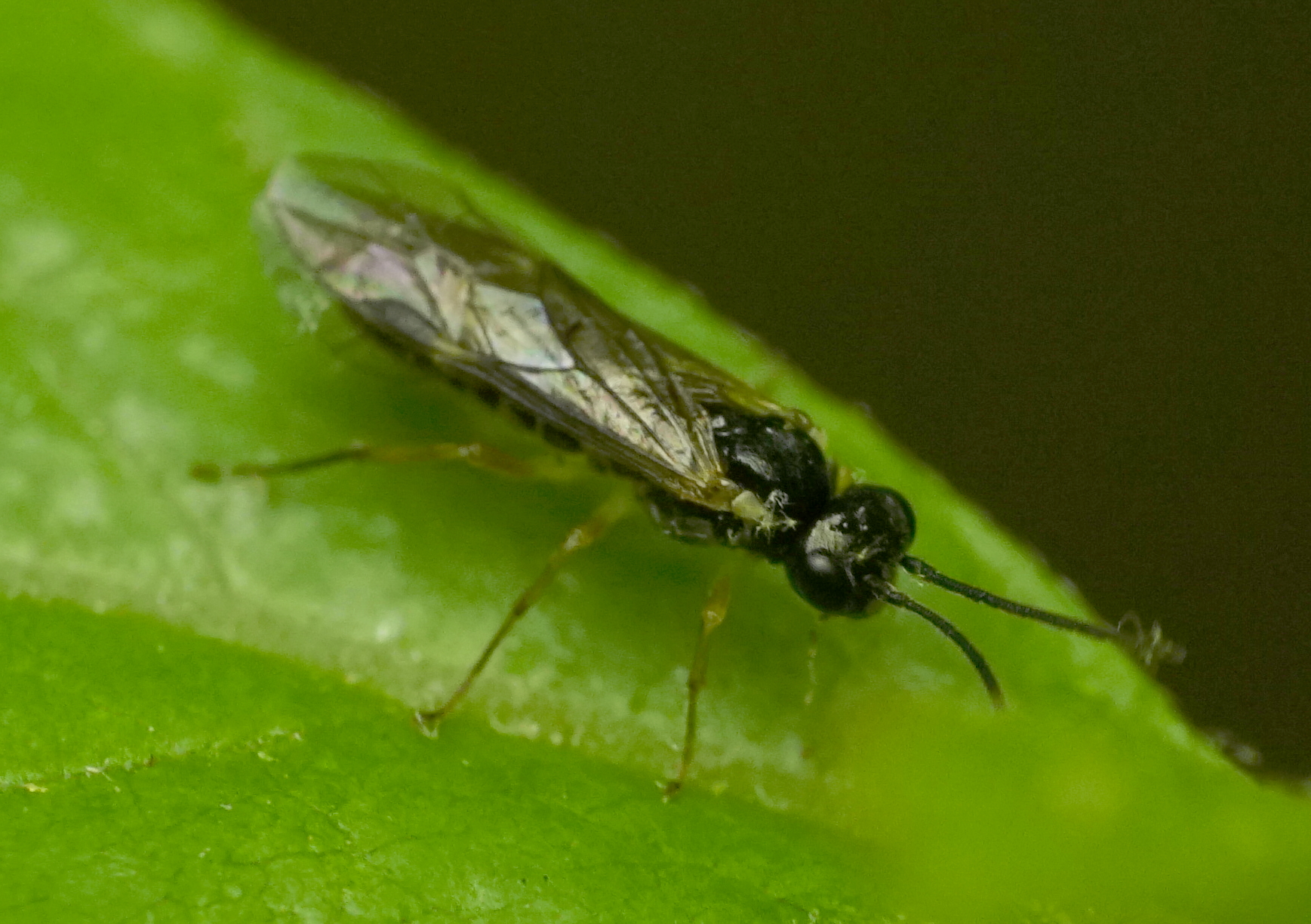
A sawfly, maybe Tenthredinidae.
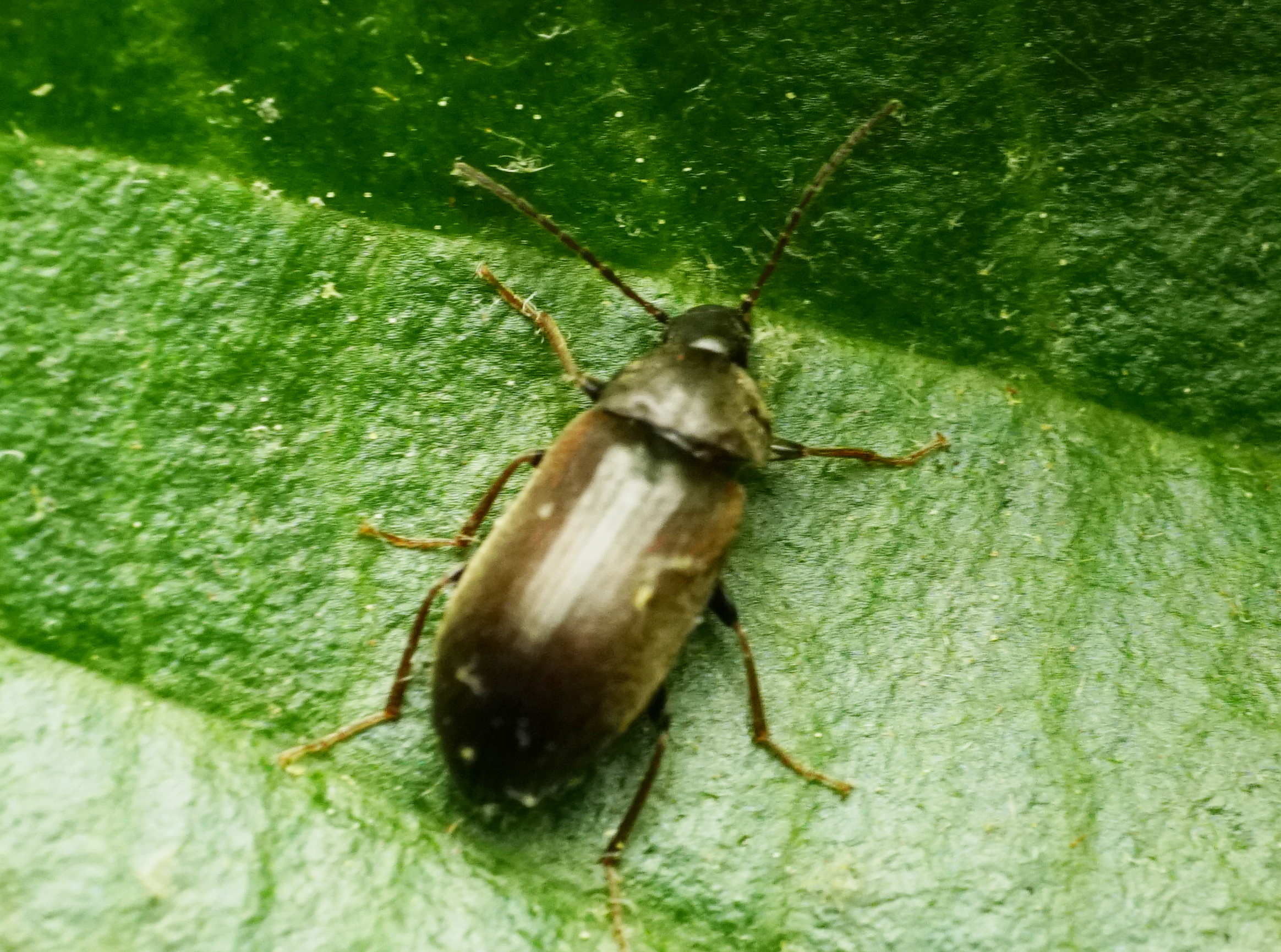
Ugh. No idea. Chrysomelid? Phyllophaga in Scarabaeidae?
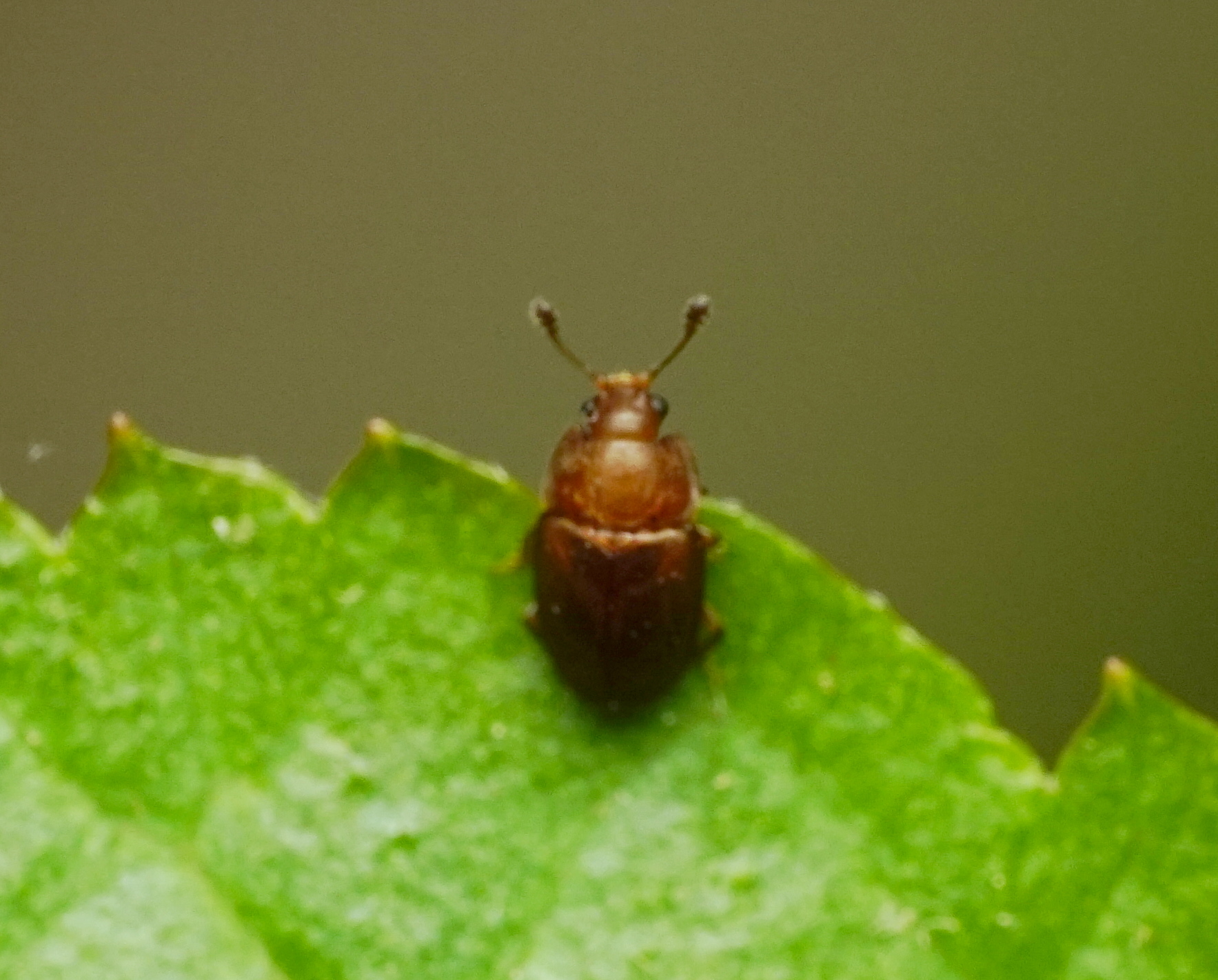
Histeridae? Best fit I could see is Aeletes politus. If that’s correct, it earns me the coveted “First sighting in New England other than Tom Murray” award. Of course, Tom Murray has recorded *five* sightings already, before anyone else recorded even one.








































 a little wild