Archive for June 2026

Trowel Pond slime molds   Leave a comment

When it rains, it pours, and then the slime molds come out.

Until yesterday, I had never seen a slime mold, even though I desperately wanted to. Yesterday, Jef Taylor showed me two.

Today I added observations taken two days ago to iNaturalist, which naturally identified both of them as slime molds too.

This is another coral slime, Ceratomyxia, similar to Ceratomyxia porioides, Honeycomb coral slime mold.

And this is Tubifera, in Reticulariaceae, Reticulate slime mold family

Posted 2026-06-29 by gaurav1729 in Uncategorized

Borderland State Park   3 comments

A wonderful day, a joint walk with Sharon Friends of Conservation and Urban Nature Walk. Very luck to have Jef Taylor to share his knowledge.

A list of observations here: https://www.inaturalist.org/calendar/gaurav1729/2026/6/28

Diptera

Sepsidae, not sure which one:

Dryomyzidae: Flies (Diptera) » “Acalyptratae” » Sciomyzoidea » Dryomyzidae

“They resemble marsh flies but have a well-developed clypeus.”

If you compare the wing venation with the photo here: https://www.bugguide.net/node/view/1303660/bgimage, I think you will find a very close fit.

From bugguide:

“Three species of Dryomyza sensu lato are found in eastern USA:

Dryomyza anilis, the common species with strongest wing markings and the anterior margin of the frons covering the lunule

Dryope decrepita (formerly Dryomyza flaveola), with weaker or absent wing markings and the lunule exposed

Dryomyza simplex, the only eastern species without prescutellar acrostichal bristles

All of our Dryomyza sensu lato are keyed in Steyksal (1957). Note that Nearctic D. flaveola are now Dryope decrepita and D. bergi is now Pseudoneuroctena senilis.”

(Also, check out: https://repository.si.edu/server/api/core/bitstreams/97352a05-7509-4a47-b2b1-c7166d2e73d4/content)

Based on this, based on the list of Dryomyza species reported and identified in Massachusetts, this seems to plausibly be Dryomyza anilis?

Empididae, dance flies? BugGuide says Empidoidea is correct, at least.

The long legged flies Dolichopodidae are very common but always beautiful. Presumably Condylostylus.

Hymenoptera

I think this is Ichneumonidae –> Pimplinae

Lepidoptera

Crambus

Coleoptera

Margined carrion beetle, Oiceoptoma noveboracense

Lucidota atra, black firefly

Apparently family Throscidae, “small false click beetles”. I can vouch for the smallness and that it looks like a click beetle.

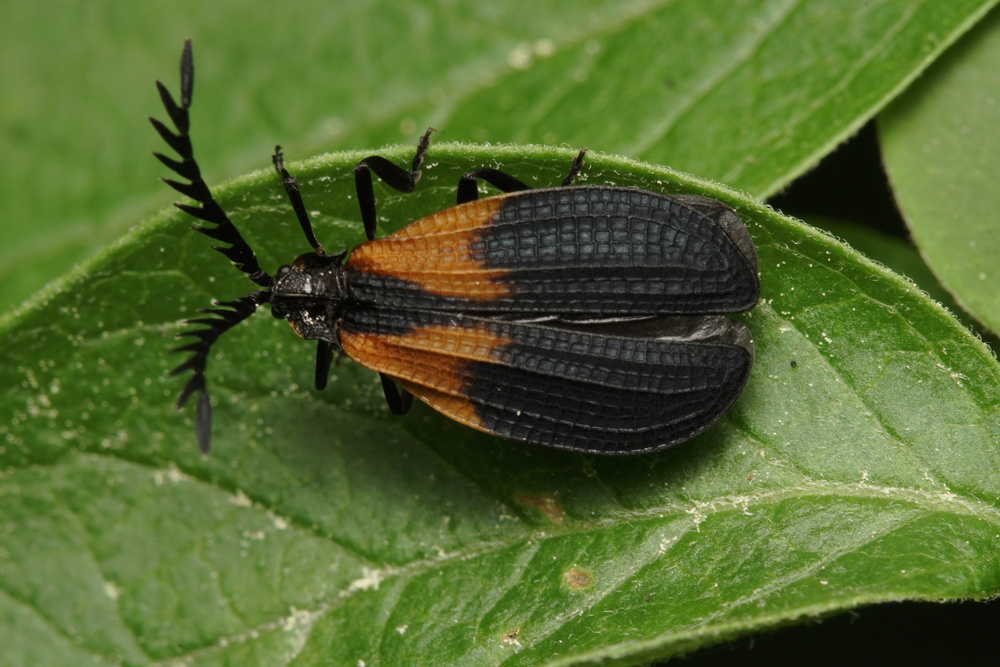
I think Eropterus trilineatus, in Lycidae:

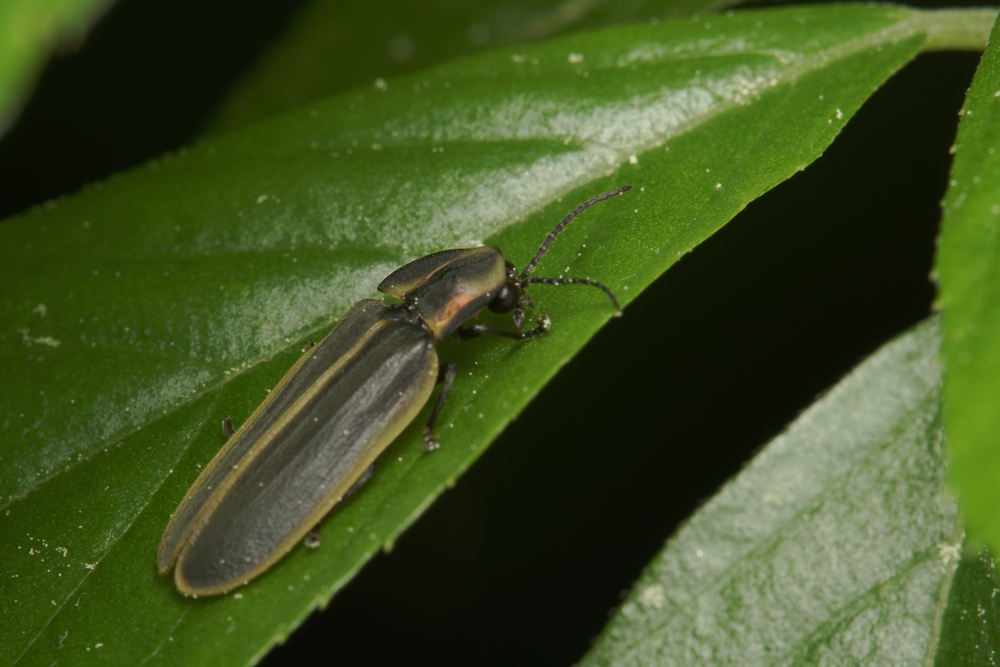
Photinus in Lampyridae, “rover fireflies”.

Odonata

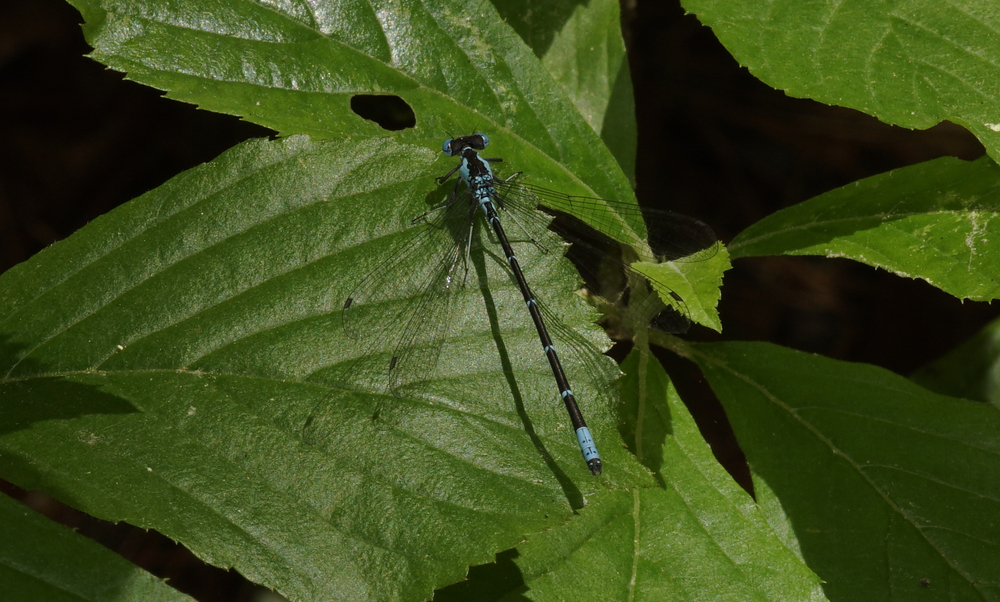
Male fragile forktail?

Bugguide: “Pale shoulder stripes resemble exclamation points—true of both sexes(1).

Males are yellow, yellow-green, or green”

Exuvium of dragonfly nymph:

Spiders

Agelenenopsis.

I was so damn excited to see this Phidippus clarus. Such an exquisite Salticidae.

Check out her green chelicerae

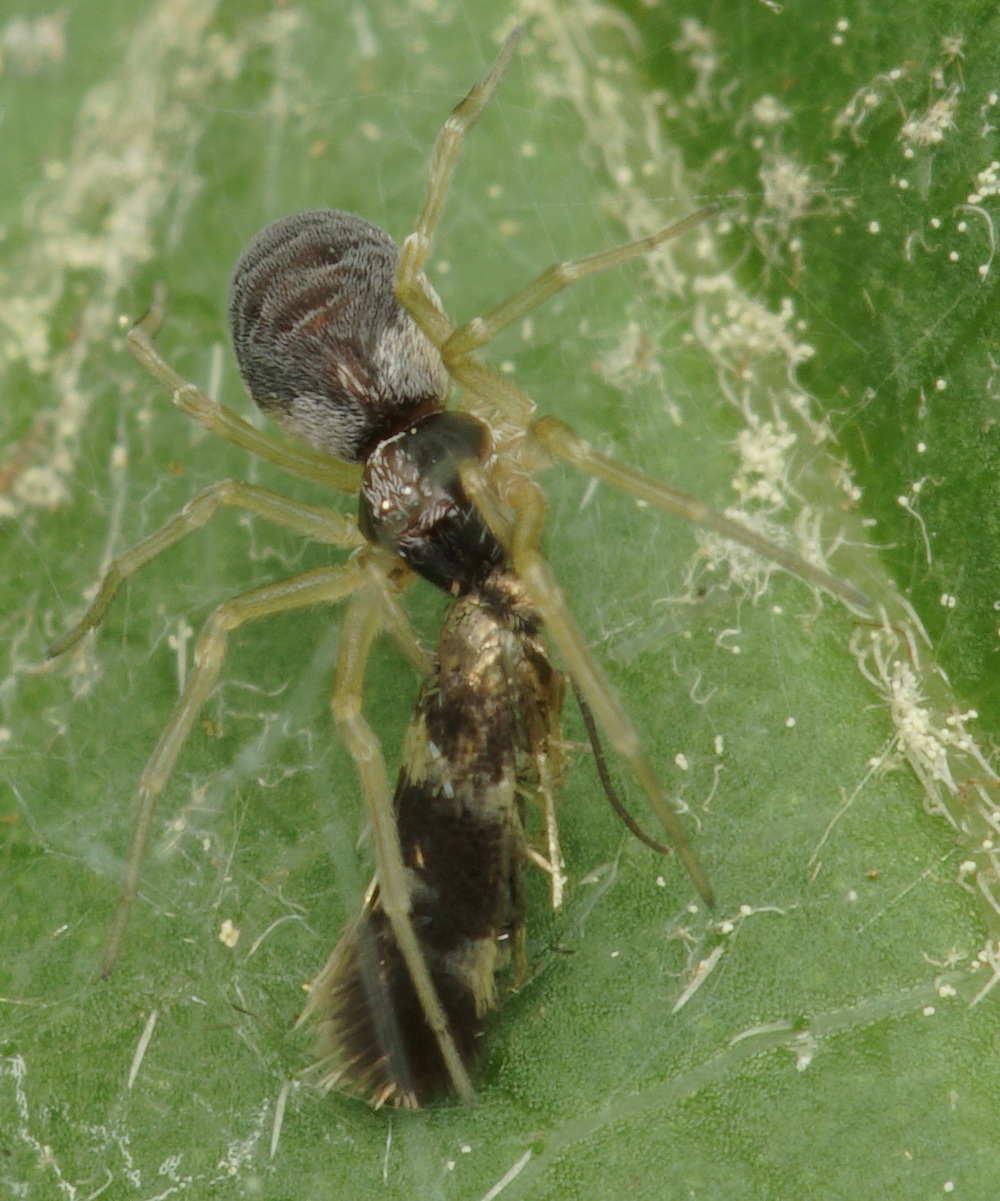
I really wish I had taken the time to get better photos. This spider was in an orb web, but was clearly not an orb weaver. Perhaps Faiditus, but that would be a very aggressive/optimistic determination. The best I can guess is that it’s in Theridiidae, somewhere in the Argyrodes/Faiditus/Neospintharus/Rhomphaea group.

But definitely a kleptoparasite! They steal food from other spiders’ webs.

If this can be validated as Faiditus, it would be the first report in New England for this species, according to BugGuide and iNaturalist.

Diplopoda

iNaturalist says Oxidus, a member of the family Paradoxosomatidae, “paradoxical keeled millipedes”, which is a very interesting name.

Archaeognatha — or Microcoryphia?

iNaturalist calls it Archaeognatha, BugGuide prefers Microcoryphia. It’s a bristletail either way.

Slime molds

There’s no single taxon that corresponds to slime molds. I had never seen a confirmed slime mold before today, and confirming one by myself would involve ruling out every single fungus in existence, which is well beyond my abilities. So having Jef find me two was an absolute joy.

Slime molds are some of the interesting creatures on earth. They are related to amoebae. They live much of their lives as a, well, slime. In some of them, the cell walls dissolve and they become a multi-nucleate mass.

At some point, the different constituents in the slime can decide that it’s time to differentiate. Some of them develop into fruiting bodies and are able to reproduce; how is this decided, I’m not sure.

Ceratiomyxa fruticulosa, the common coral slime:

EDIT: iNaturalist expert disagrees with the species level determination, but agrees it’s in Lycogala.

Lycogala epidendrum, wolf’s milk


Phylum Mycetozoa
Class Myxomycetes
Subclass Lucisporomycetidae
Superorder Trichiidia
Order Reticulariales
Family Reticulariaceae
Genus Lycogala
Section Lycogala
Lycogala epidendrum

Posted 2026-06-28 by gaurav1729 in Uncategorized

Tagged with , , ,

Franklin Park   Leave a comment

A bio-blitz organized by Jef Taylor and Franklin Park Zoo, thank you very much!!

For the most up-to-the-minute identifications, please see https://www.inaturalist.org/calendar/gaurav1729/2026/6/14

Coleoptera

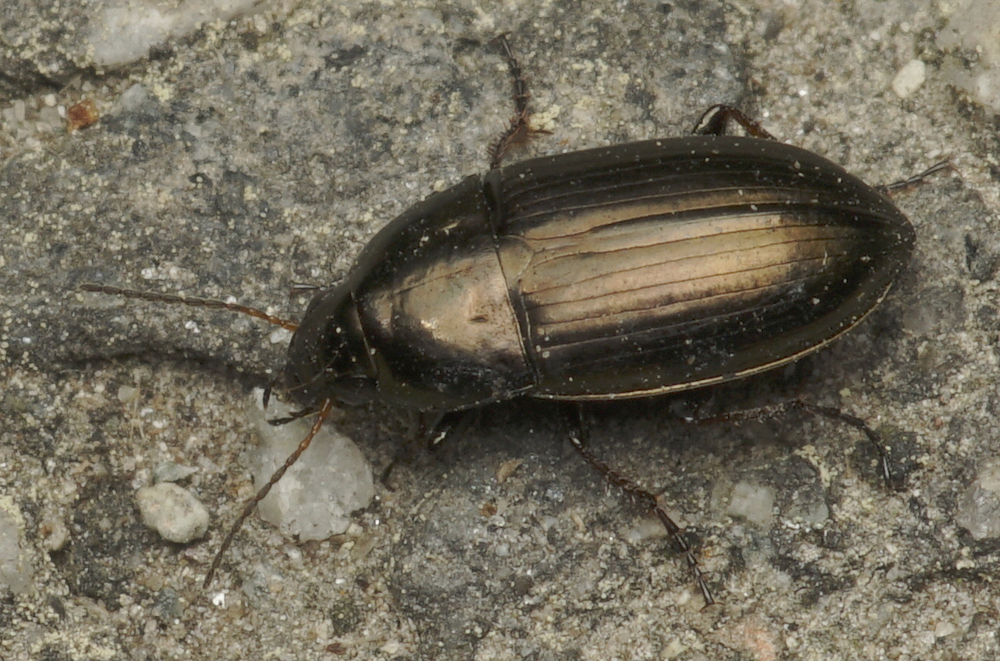
Ground beetle. Specifically a sun beetle, genus Amara cf aenea.
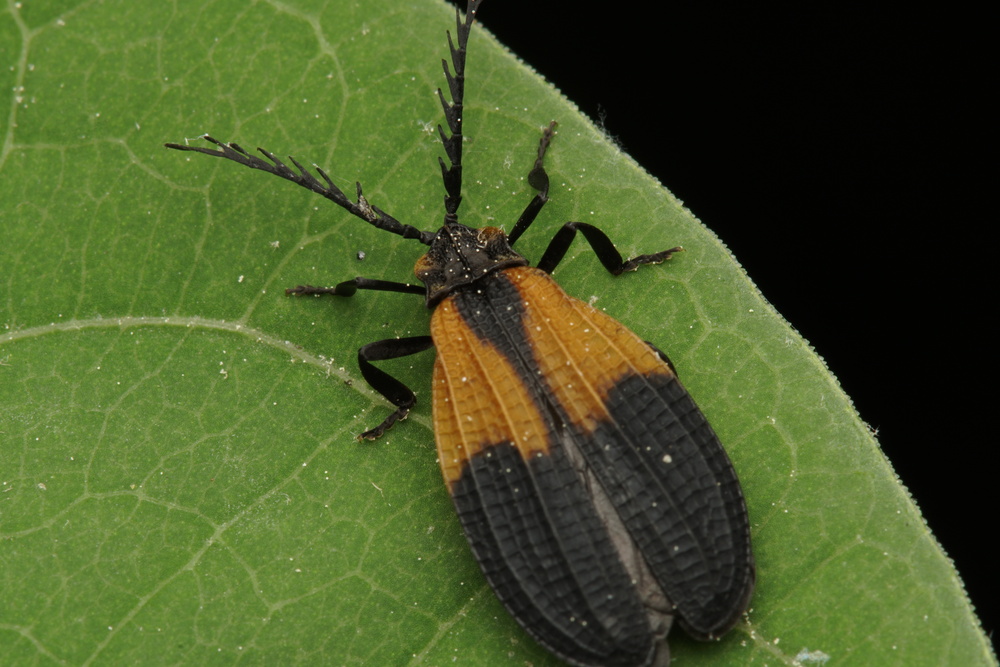
Lycidae –> Caenia dimidiata
Diptera

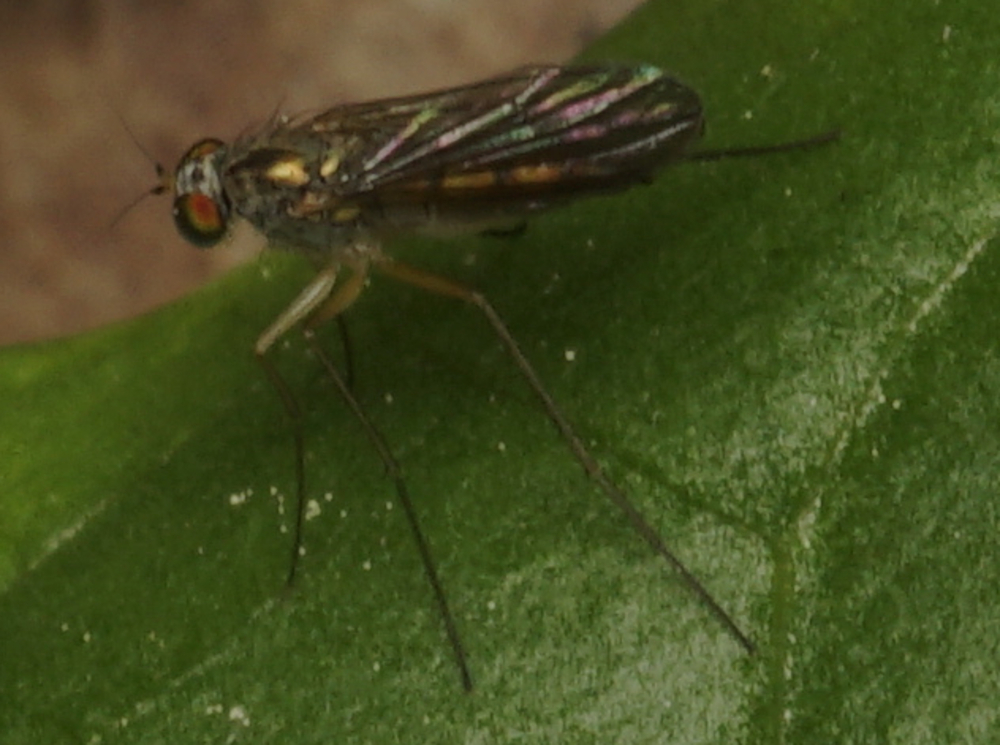
Dolichopodidae, looks like Sciapus
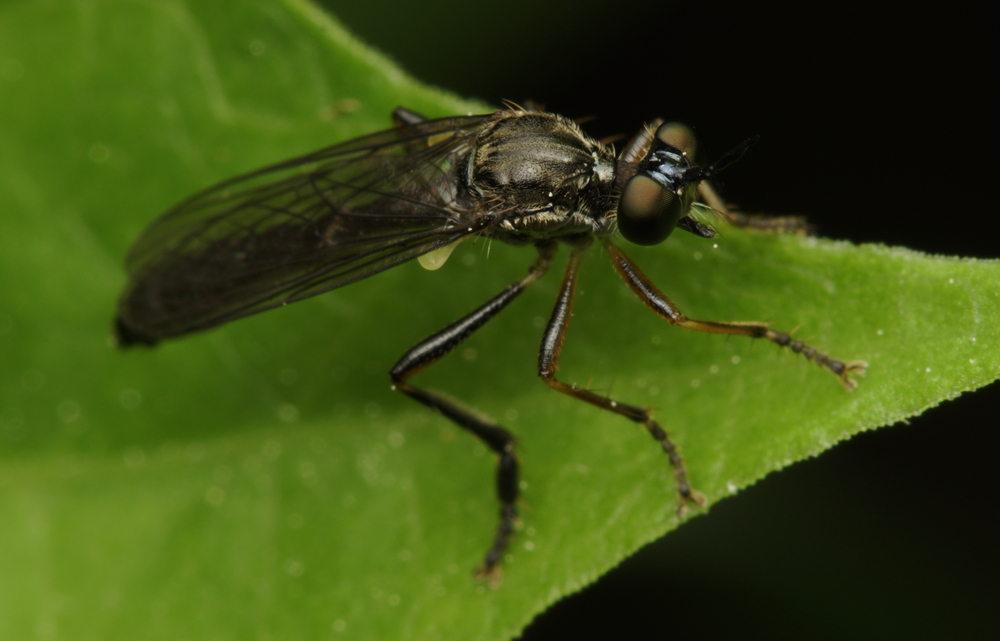
These robber flies (Asilidae) were everywhere. I’ve never seen so many at one walk. Dioctria hyalipennis, European longhorn robber.
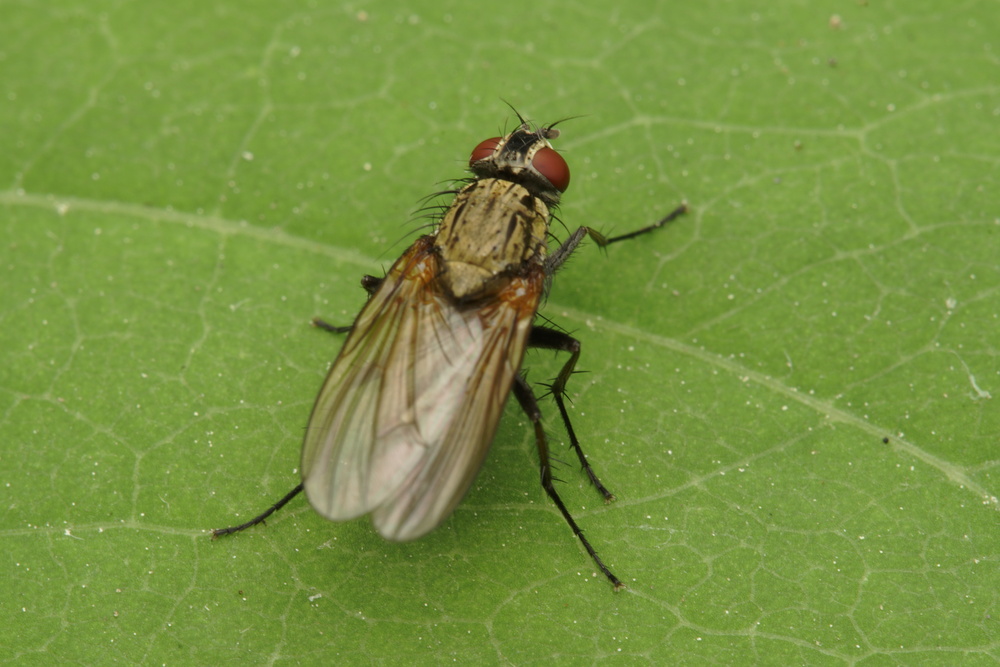
iNaturalist suggests genus Hydrophoria, which looks as good as any other. But flies are so tough.


Order Diptera
Suborder Brachycera
Infraorder Cyclorrhapha
Zoosection Schizophora
Zoosubsection Calyptratae
Superfamily Muscoidea
Family Anthomyiidae
Genus Hydrophoria
Rainiera antenneaepes in Micropezidae. Again, I’ve never seen so many of them in one walk.
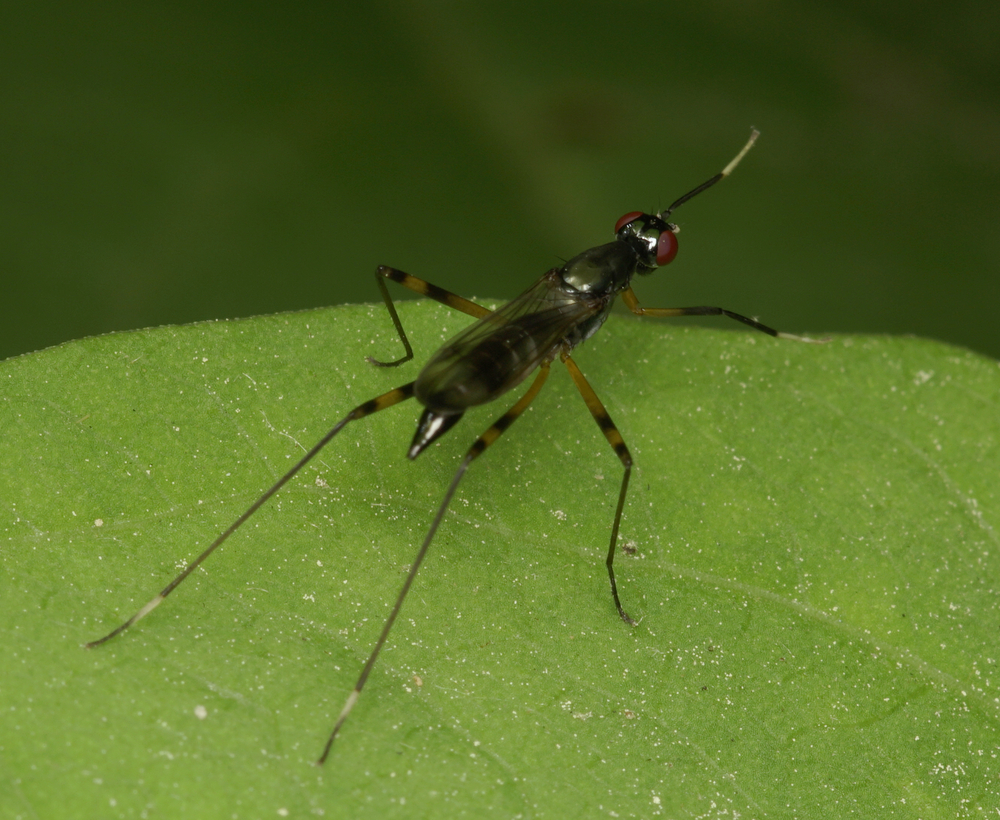
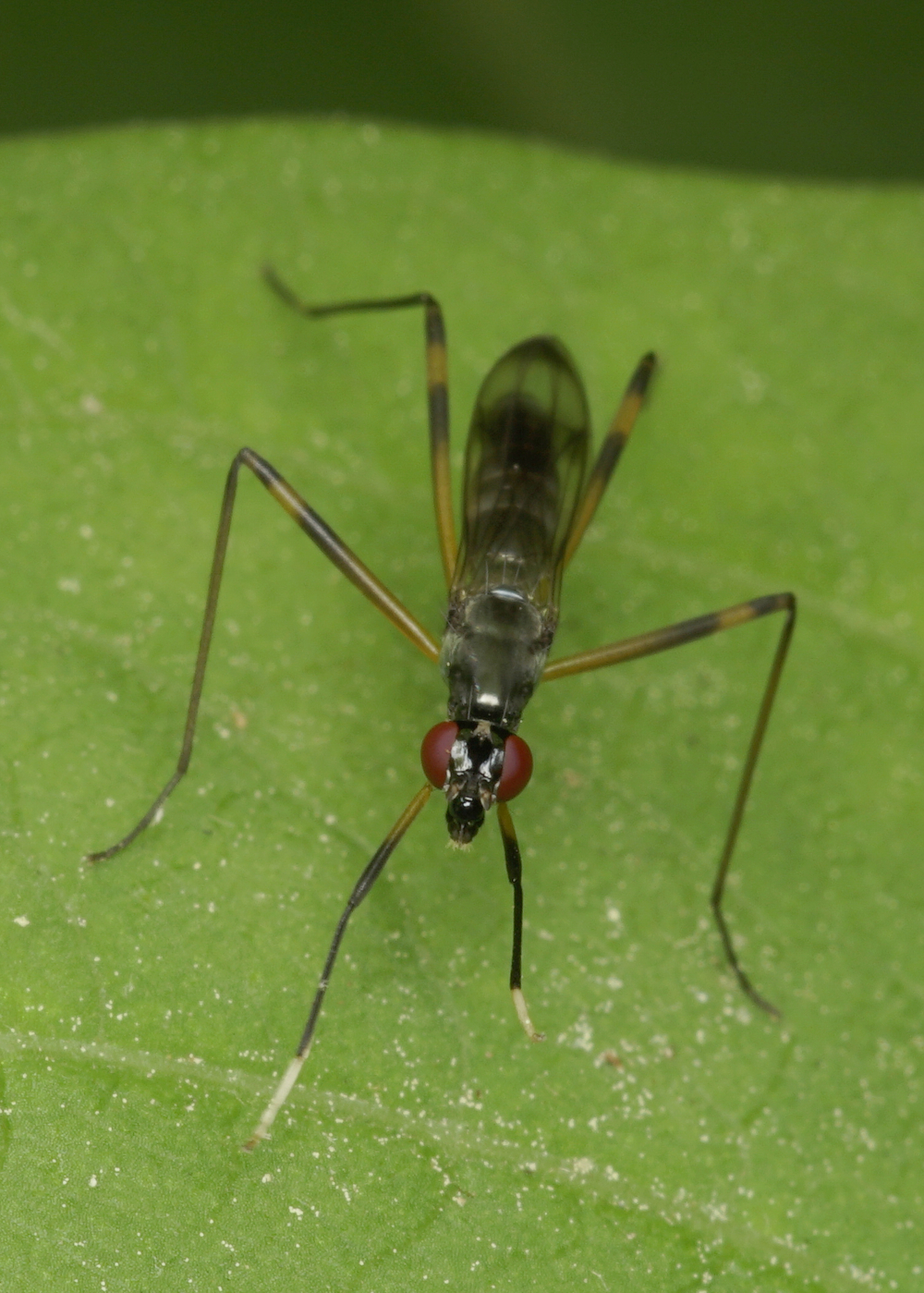
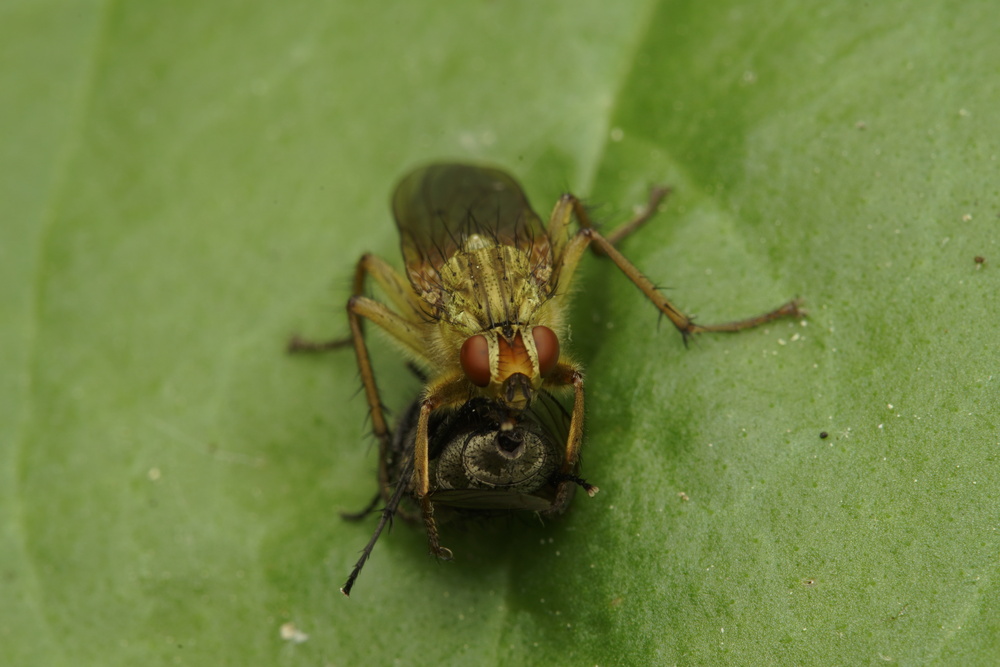
iNaturalist suggests Scathophagidae, but I don’t have nearly the expertise to go that far on this photo.

EDIT: Scathophaga stercoraria suggested, golden dung fly.

Order Diptera
Suborder Brachycera
Infraorder Cyclorrhapha
Zoosection Schizophora
Zoosubsection Calyptratae
Superfamily Muscoidea
Family Scathophagidae
Subfamily Scathophaginae
Tribe Scathophagini
Genus Scathophaga
Scathophaga stercoraria
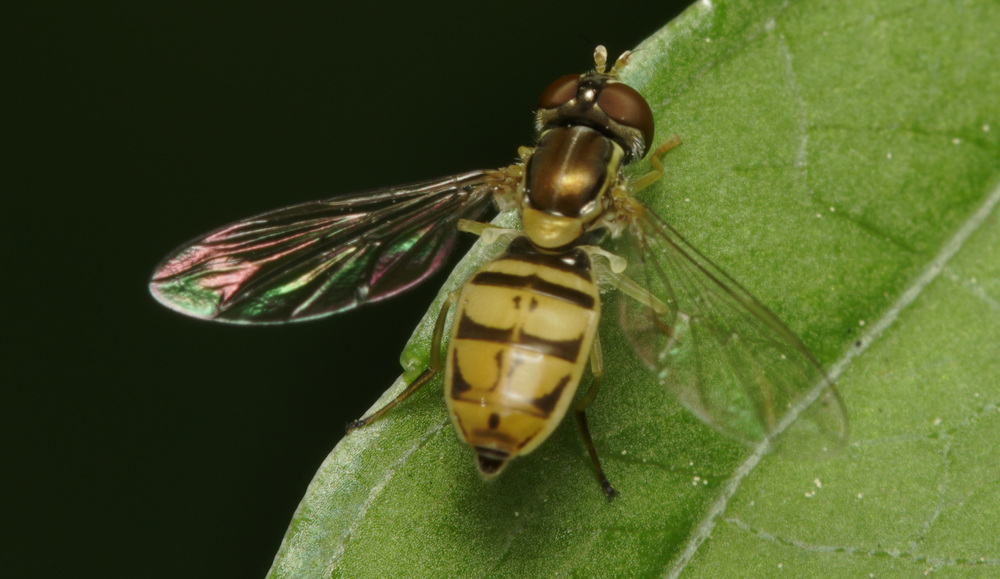
Toxomerus marginata in Syrphidae
Hymenoptera

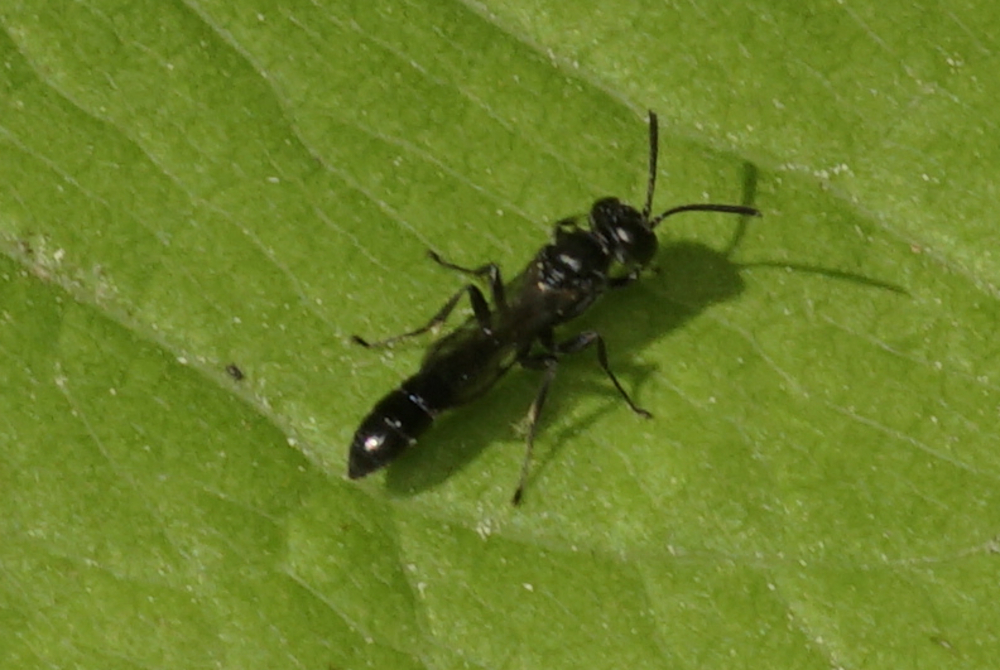
Crabronidae but tough to get any finer (EDIT: iNaturalist says Trypoxylon, which looks reasonable)
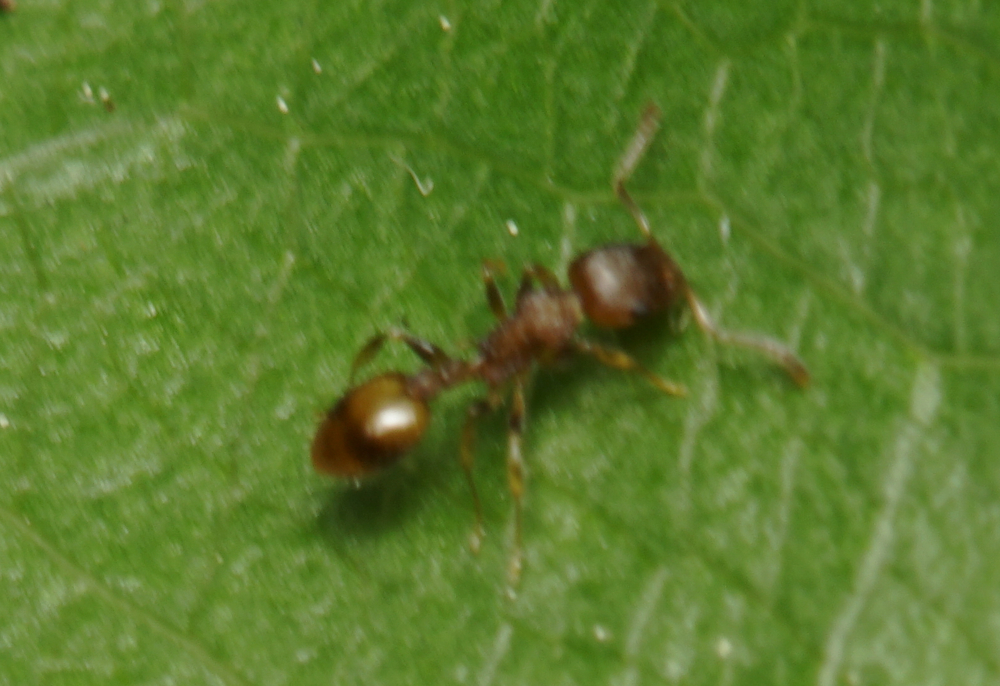
Lots of these tiny ants, a few mm in size. iNaturalist suggests Temnothorax curvispinosus, the acorn wasp, which looks about right, and is pretty cool.
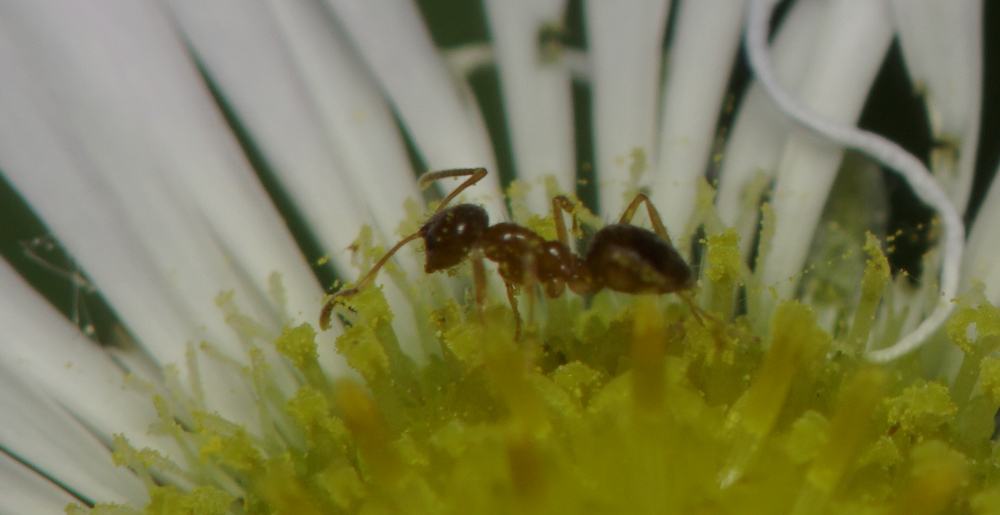
iNaturalist says Lasiini –> Nylanderia flavipes. Something like this: https://www.bugguide.net/node/view/1721749 ? (“An Asian species increasingly common from NJ to DC to NE Ohio.”)
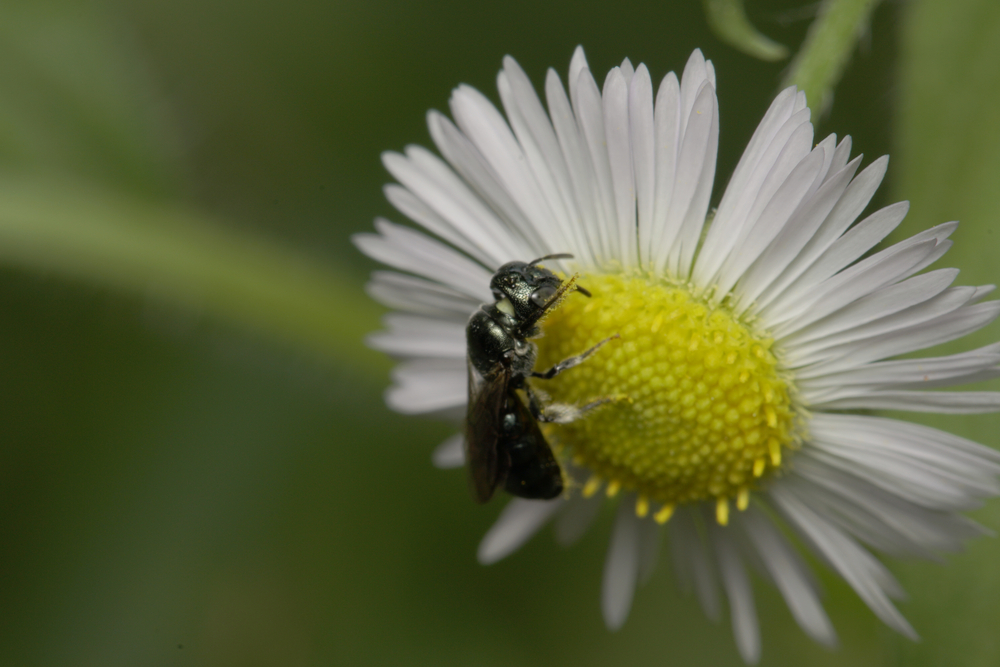
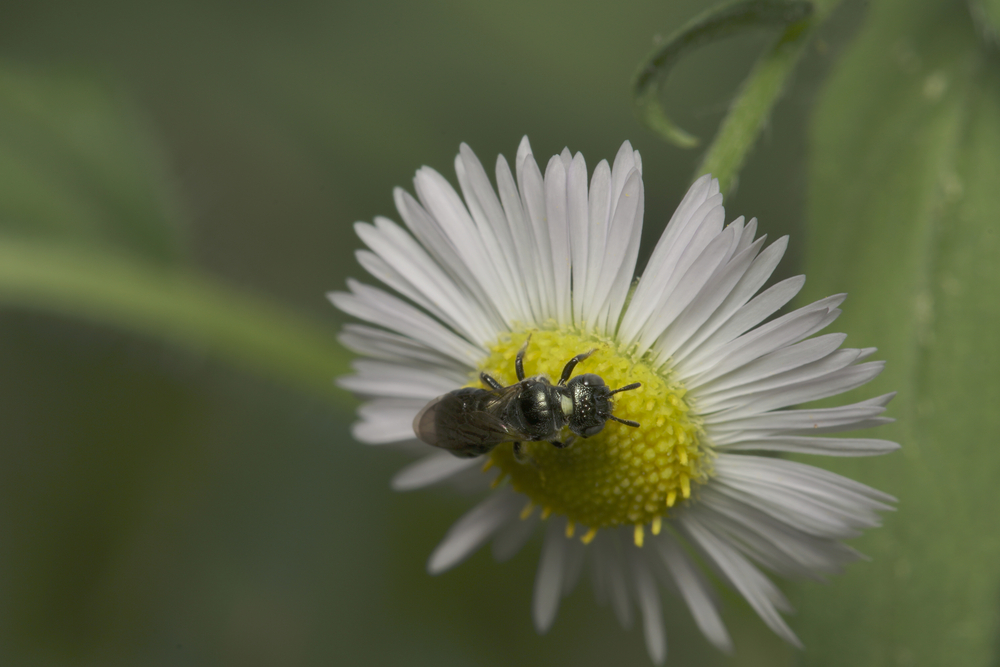
Ceratina, small carpenter bee, always lovely
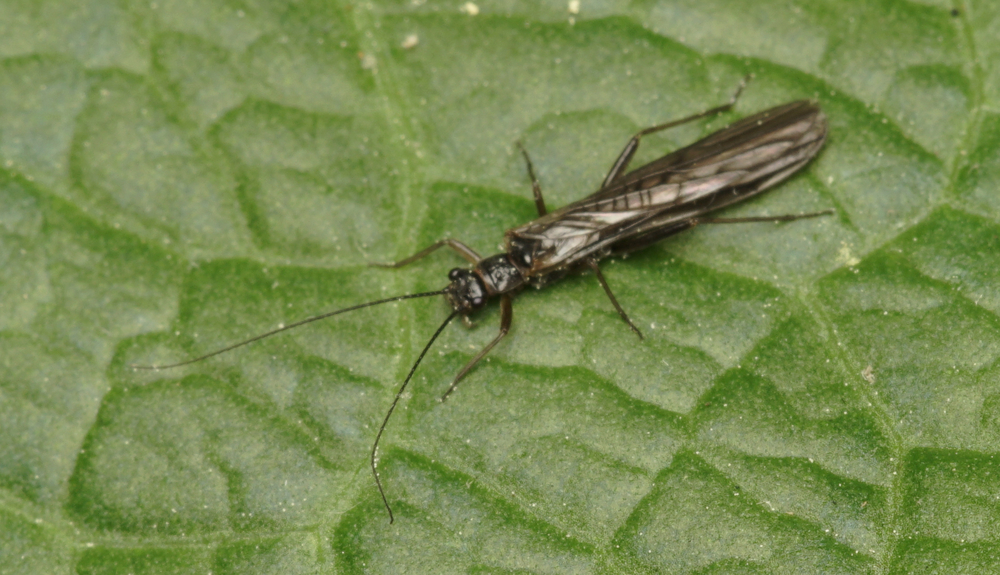
Plecoptera

Rolled wing stonefly? Nemouroidea?
Hemiptera

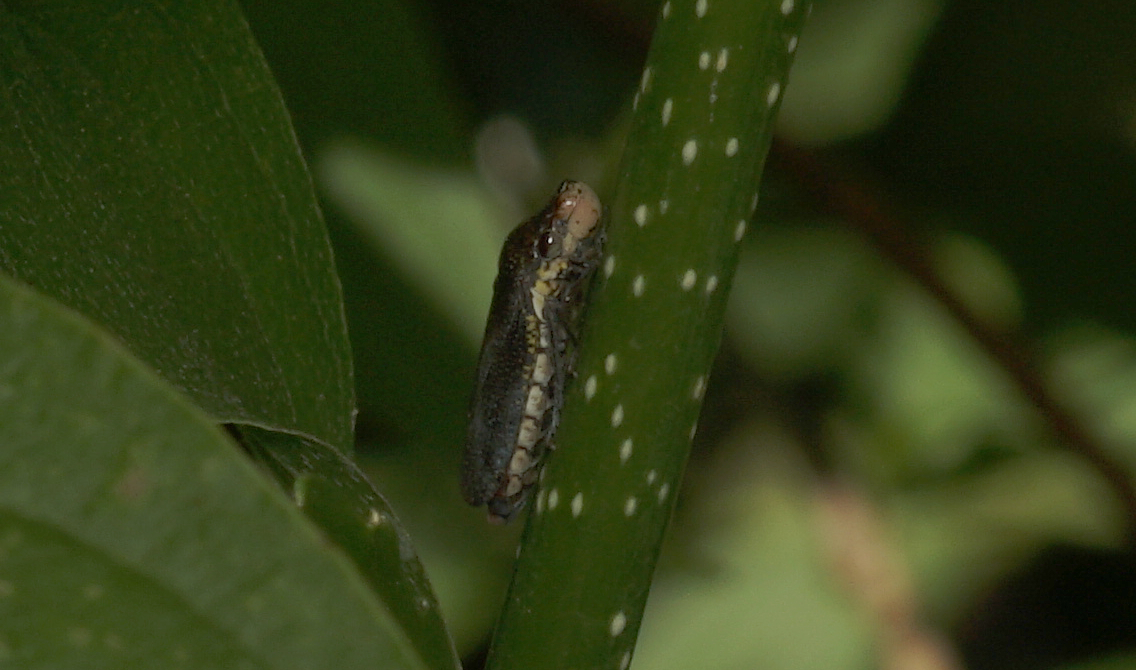
I think this is Paraulacizes irrorata, the speckled sharpshooter

True Bugs, Cicadas, Hoppers, Aphids and Allies (Hemiptera) » True Hoppers (Auchenorrhyncha) » Cicadas, Spittlebugs, Leafhoppers, and Treehoppers (Cicadomorpha) » Leafhoppers and Treehoppers (Membracoidea) » Typical Leafhoppers (Cicadellidae) » Sharpshooters (Cicadellinae) » Proconiini » Paraulacizes » Speckled Sharpshooter (Paraulacizes irrorata)
Odonata

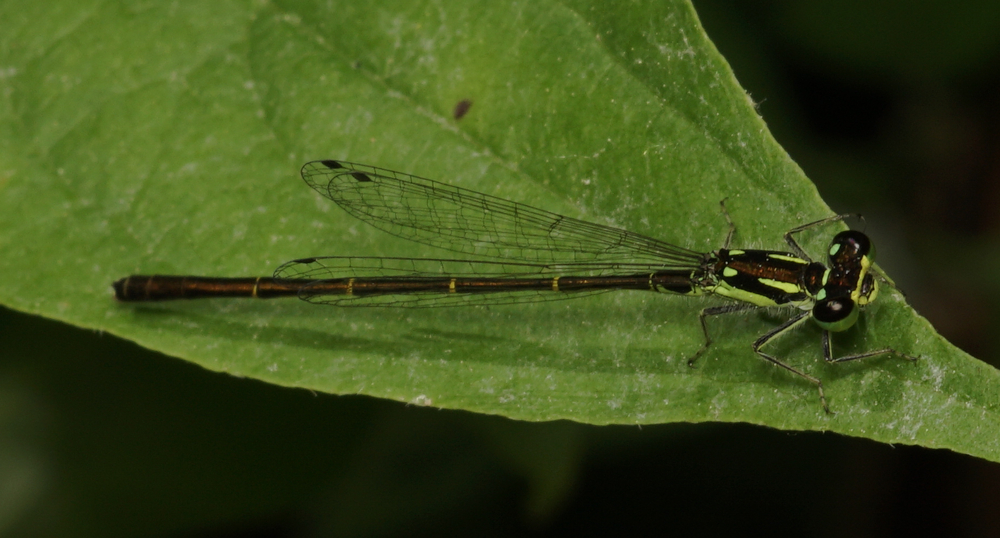
Forktail, Ischnura? I’m awful at this, and I can’t really see what fits from the photos. EDIT: Ischnura posita
Spiders

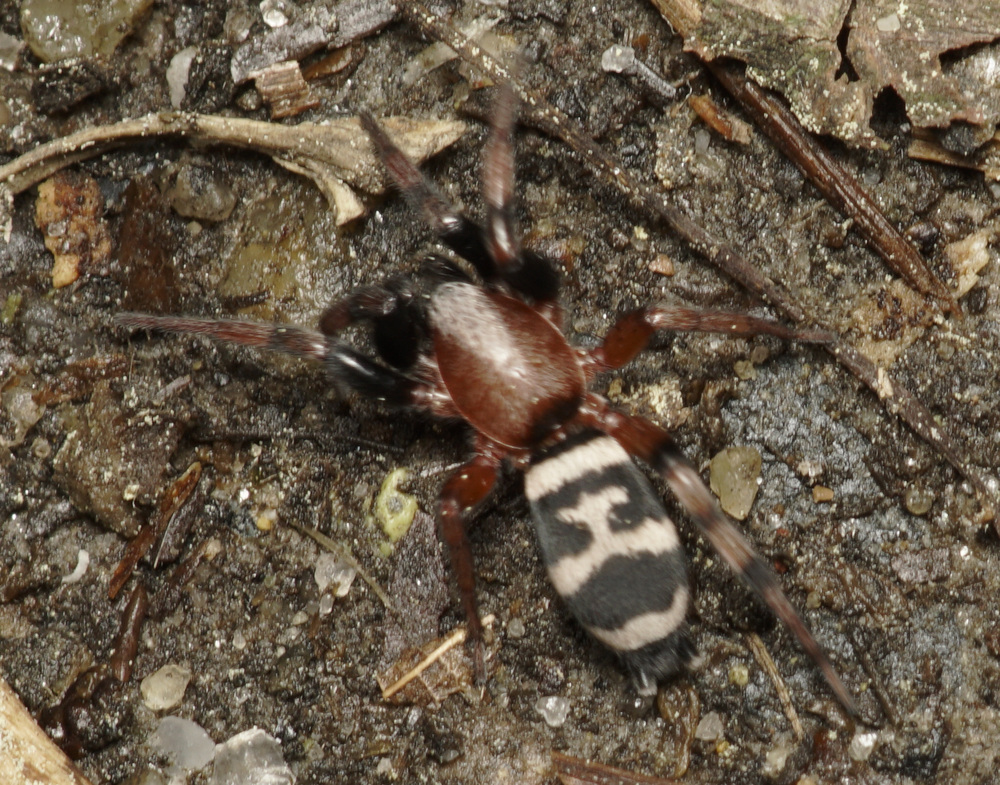
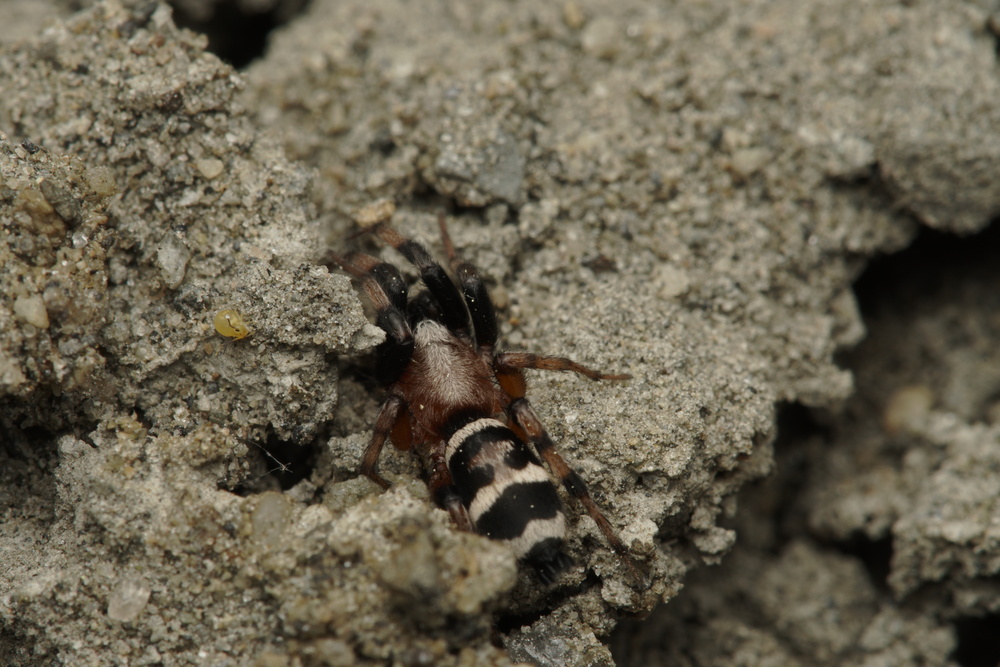
Sergiolus capulatus in Gnaphosidae
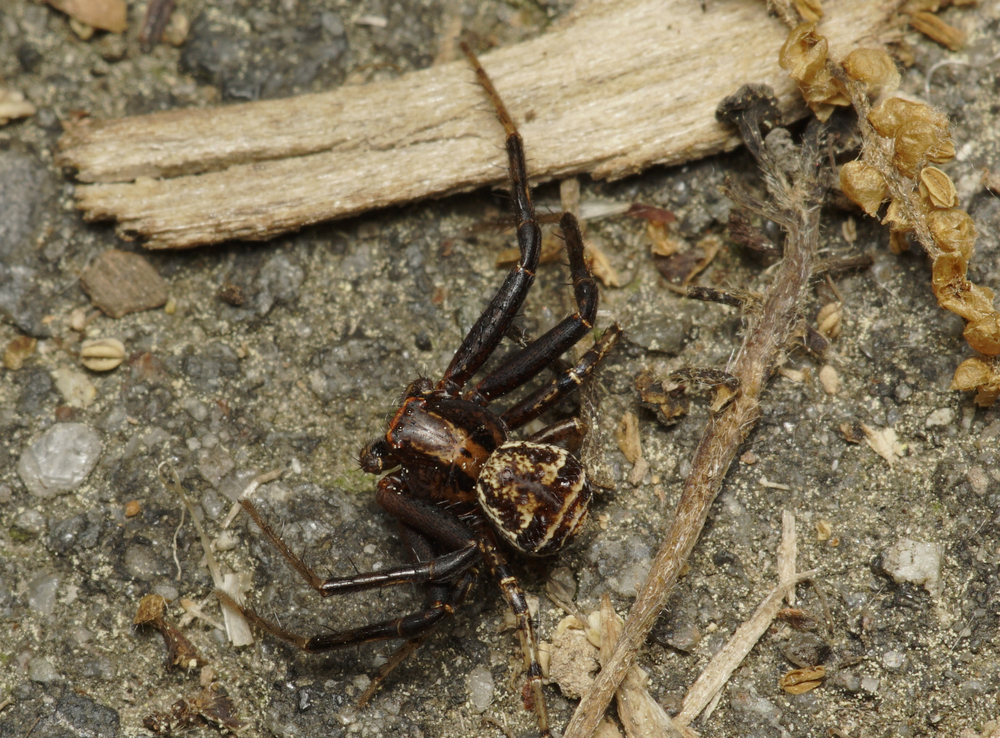
Ground crab spider, Thomisidae. I think this is Xysticus cf ferox

Here is what bugguide has to say (https://www.bugguide.net/node/view/87495):

“Ozyptila and Xysticus are both distinguished from either Coriarachne or Bassaniana by the lateral profile of the carapace: as Lynette mentioned, in both Coriarachne and Bassaniana the carapace is roughly flat all the way from front to back. The side profile of the carapace for Ozyptila and Xysticus, on the other hand, will be higher near the front and will drop down near the back at around coxa three. Coriarachne and Bassaniana maintain roughly the same level height from front to back.

So, the order of things to check when separating Xysticus, Ozyptila, Coriarachne and Bassaniana is:

1) Check carapace flatness first, to separate Coriarachne and Bassaniana from Ozyptila or Xysticus

2) Then, check the ventral macrosetae on tibia I and femur I length/width ratio to separate Xysticus from Ozyptila.

Ozyptila: – no more than 2 pairs of ventral macrosetae on tibia I …. femur I length-to-width ratio is about 3:1

Xysticus: – 3 to 4 pairs of ventral macrosetae on tibia I …. femur I length-to-width ratio is about 4:1

Anyway, that’s how I’ve been separating these genera, using the information from Spiders of North America, Ubick et al. (2005) page 247. ~ John Sloan 2 Aug. 2009″
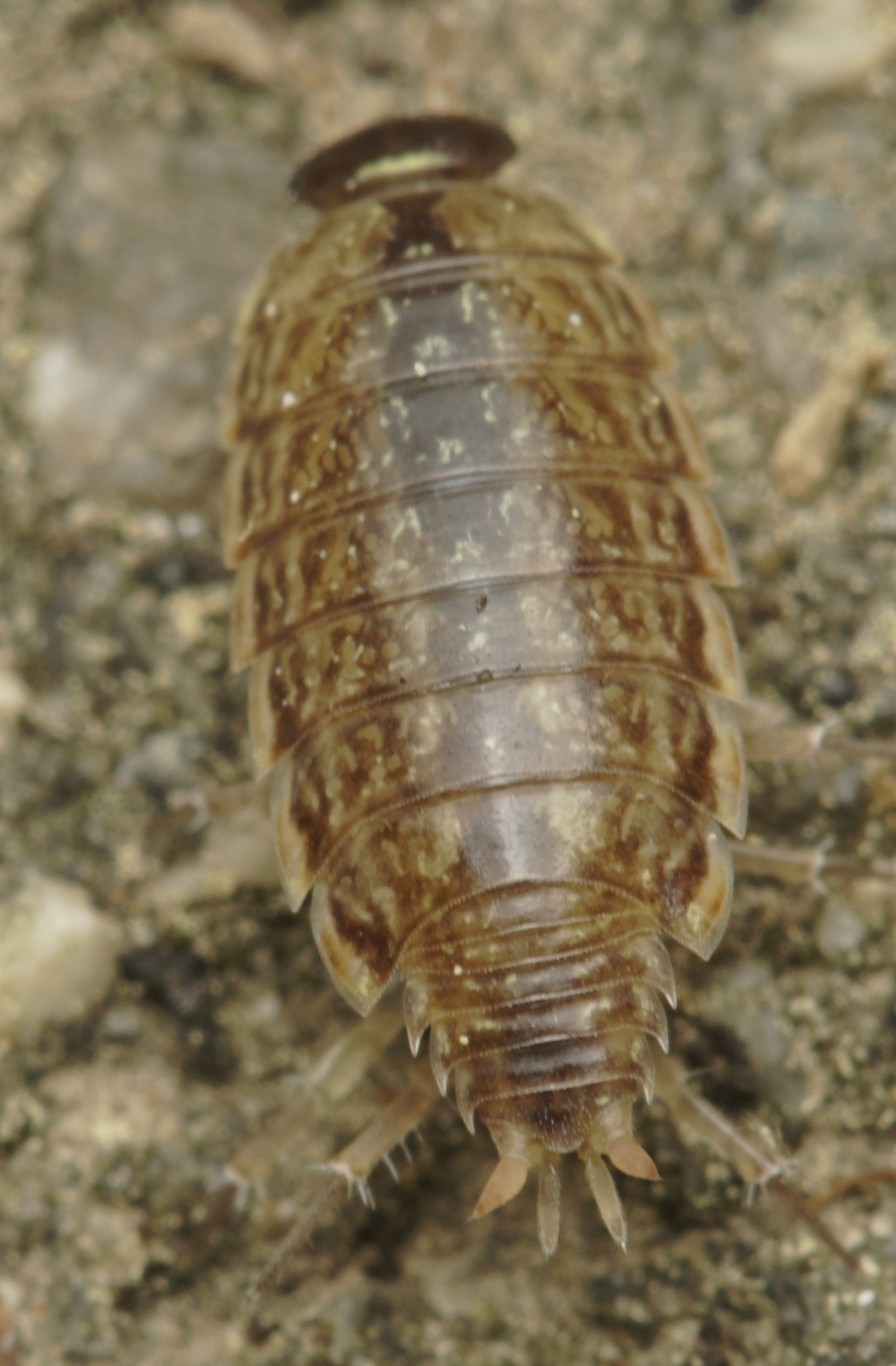
Isopod

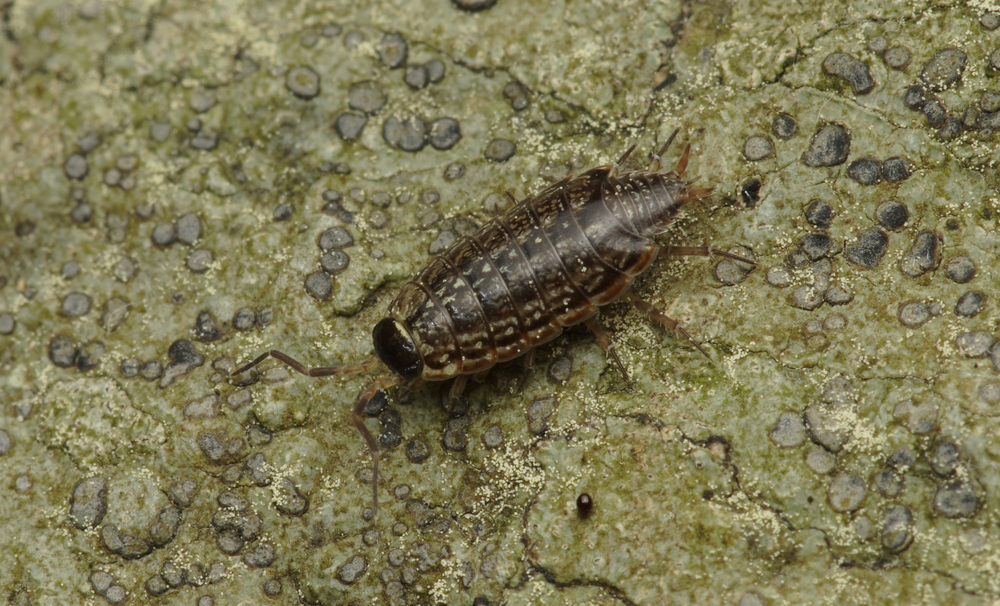
Philoscia muscorum
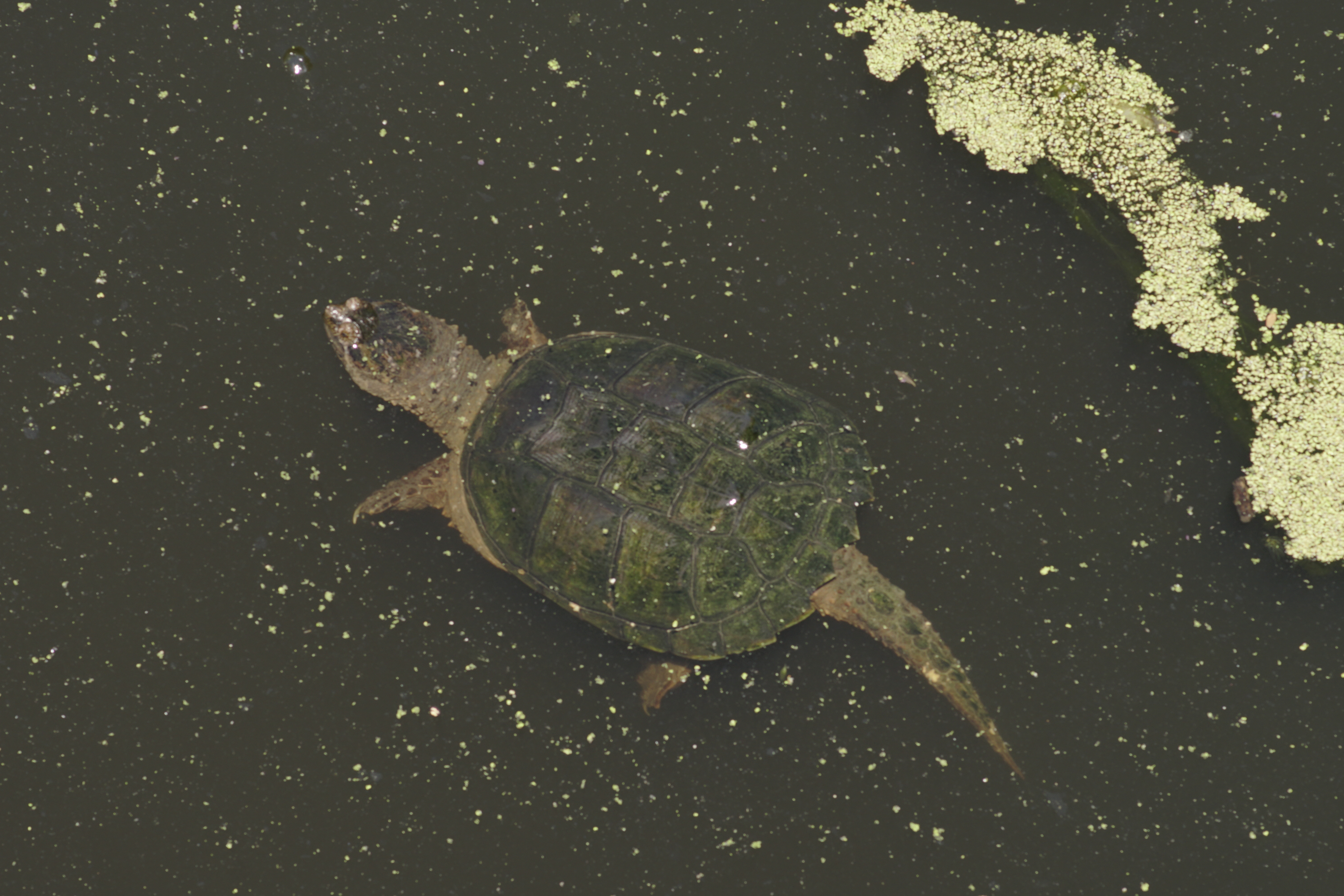
Turtles

Snapping turtle
Plants

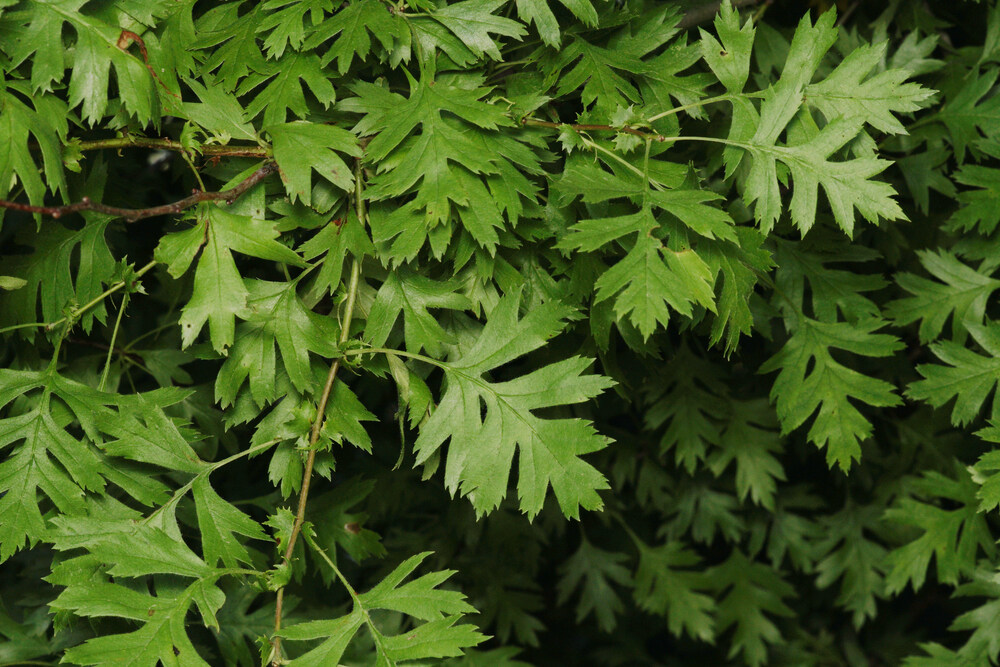
Crataegus, hawthorn
Landscapes

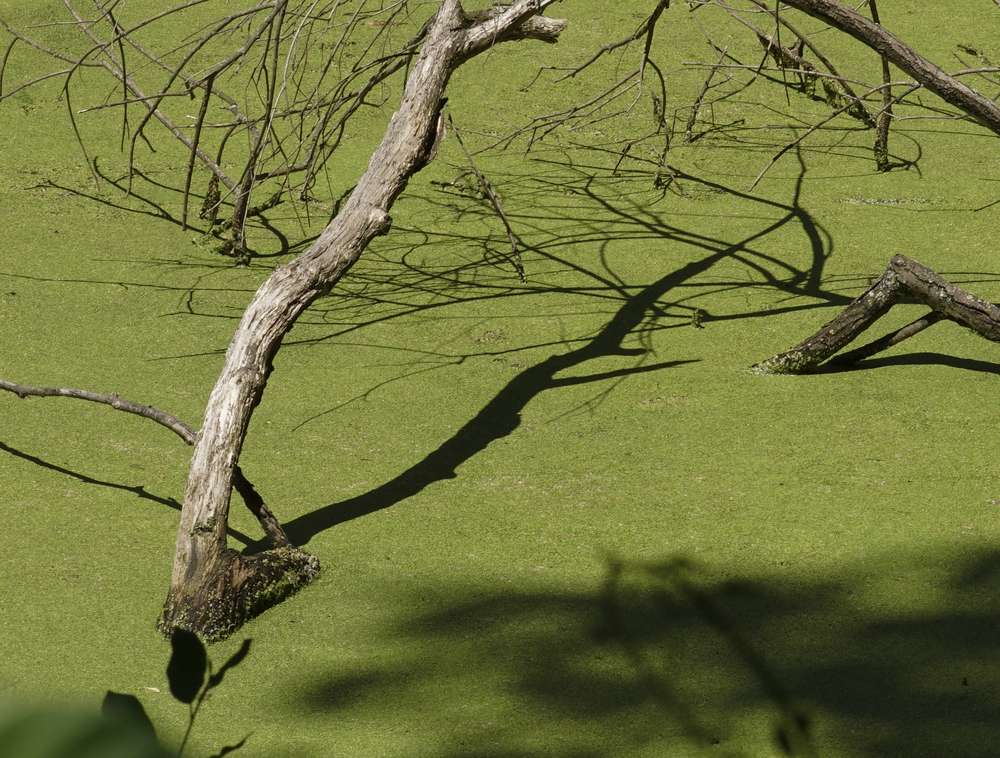
I can’t decide on a good crop
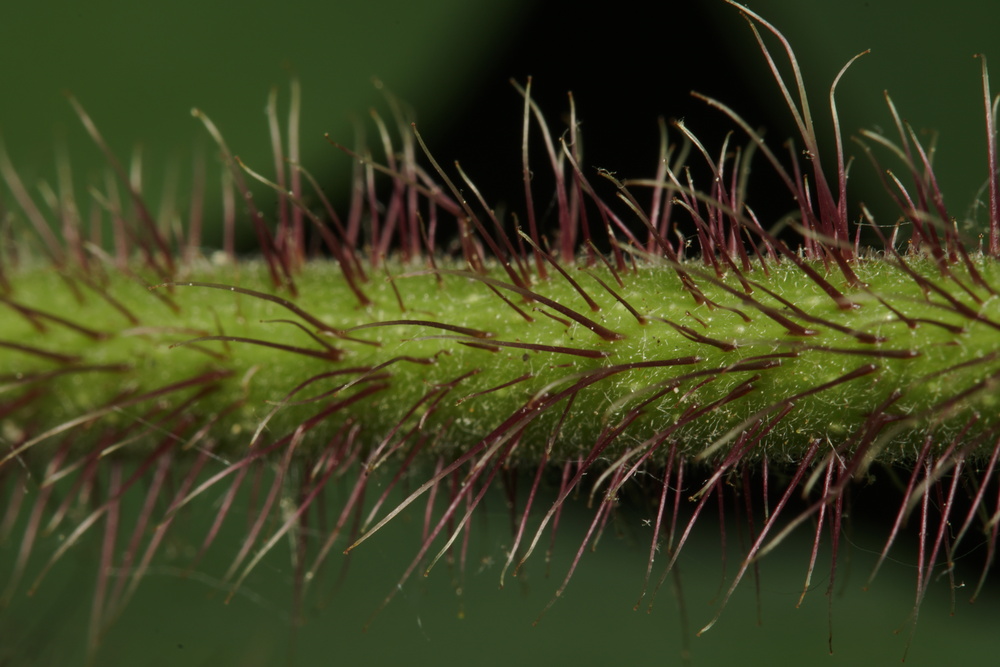
Locust plant
Posted 2026-06-14 by gaurav1729 in Uncategorized

Borderland State Park   Leave a comment

Hot day, about 32 C (90 degrees F). I go to Borderland State Park so very very often, but I always seem to go on the Northwest Trail, or near the lake. Which means that I’ve neglected all the other parts, especially the pollinator patch. Which is weird since I am all about the bugs.

An attempt to fix that today.

Diptera

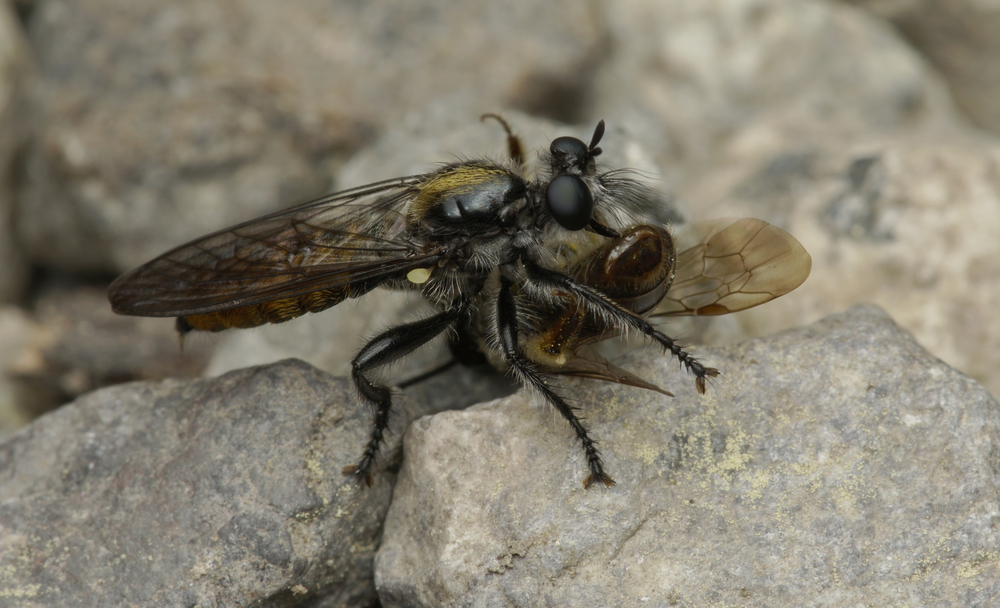
Laphria robberfly with prey. EDIT: bugguide says Laphria index or ithypyga.

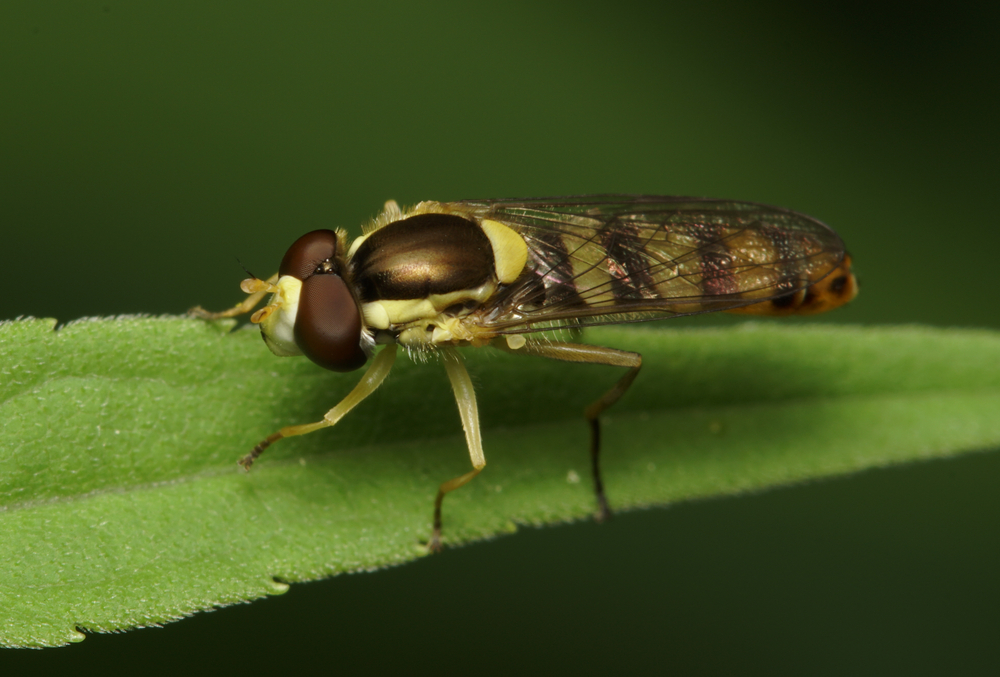
Syrphidae, Sphaerophoria

Hymenoptera

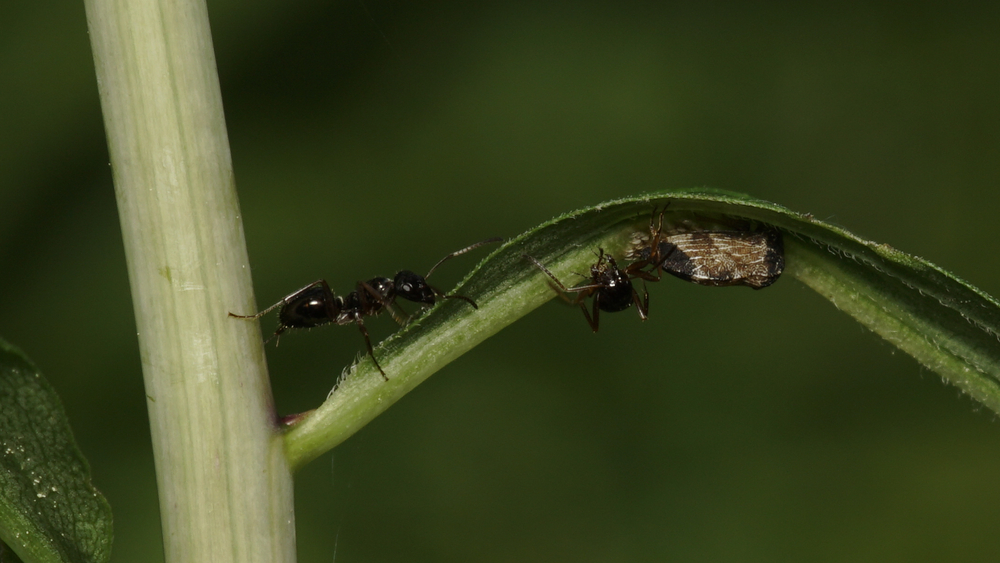
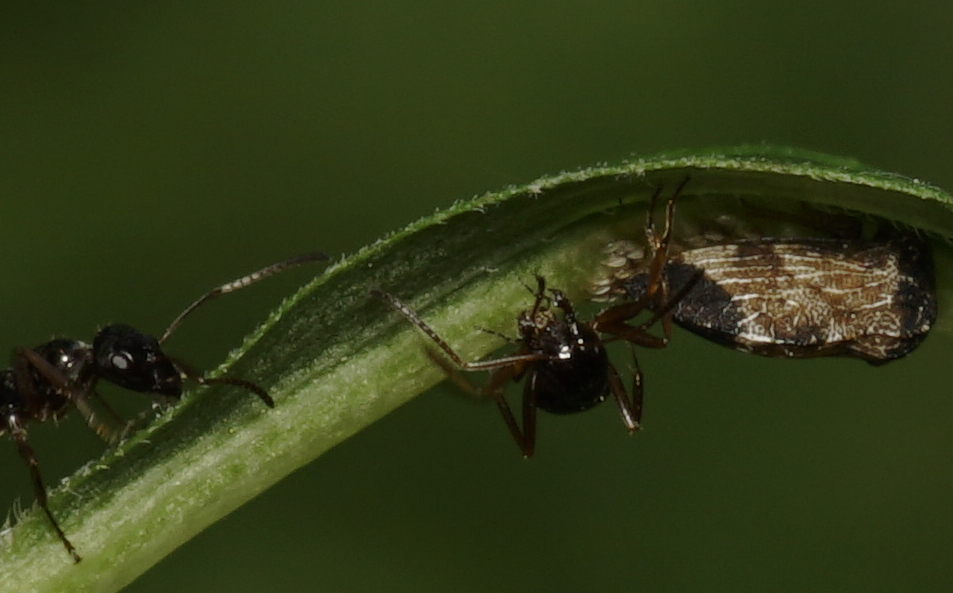
I think the ants are interacting with a spittlebug. This is not a symbiosis such as ants and shield bugs.

Looking closer — it appears the spittlebug is laying eggs, and the ants are going ahead and taking the eggs as they get laid.

Lepidoptera

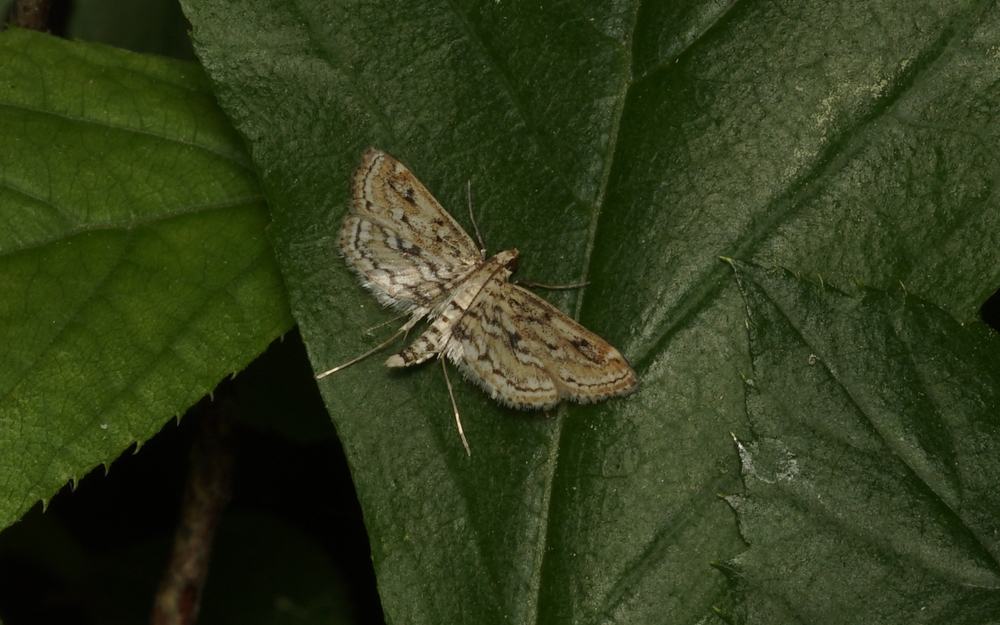
Paraponyx? Pyralid and Crambid Snout Moths (Pyraloidea) » Crambid Snout Moths (Crambidae) » Acentropinae » Nymphulini » Parapoynx

Odonata

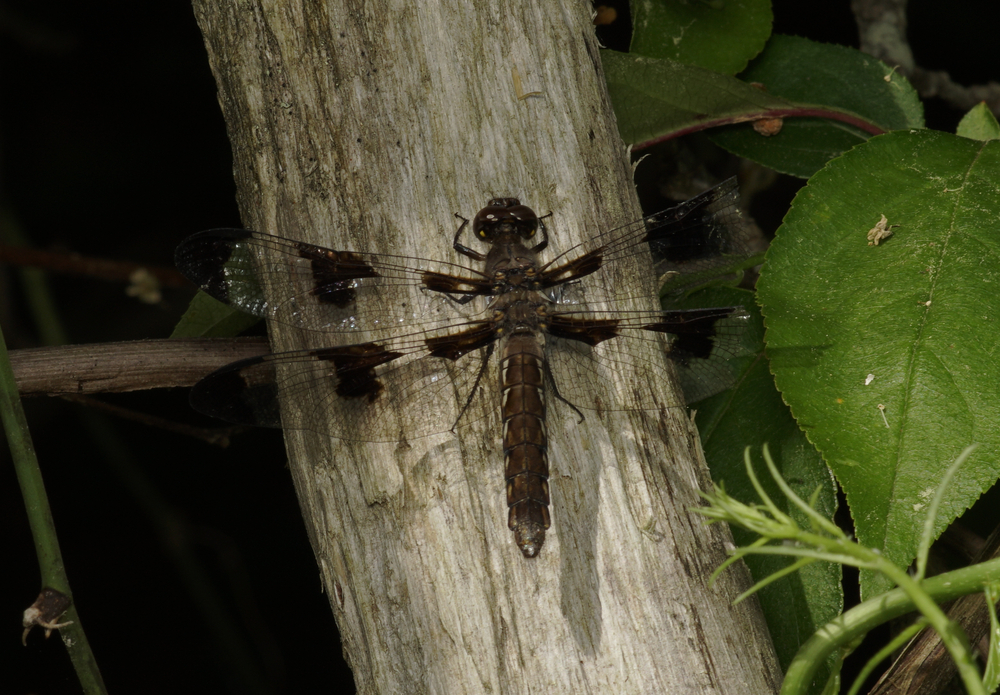
Female whitetail, Plathemis, I think

Aurora Damsel, Chromagrion conditum

Narrow-winged Damselflies (Coenagrionidae) » Aurora Damsels (Chromagrion) » Aurora Damsel (Chromagrion conditum)

Coleoptera

Lycidae, Caenia cf dimidiata

Lampyridae firefly, Pyractomena

Spiders

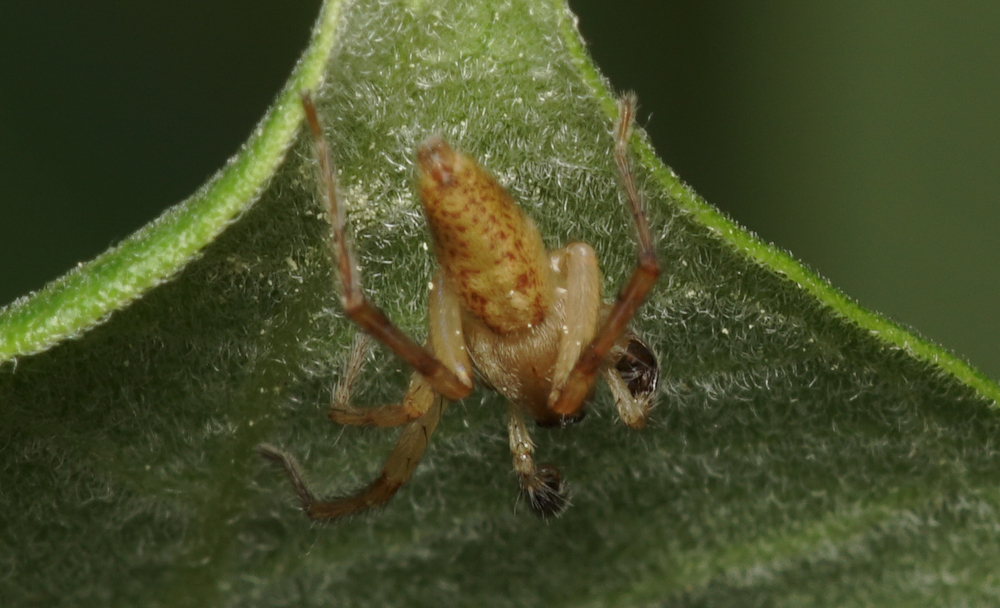
Dictyniidae with moth, Nopalytina

I am so so so sorry I didn’t get a better photo of this spectacular Sergiolus capulatus in Gnaphosidae

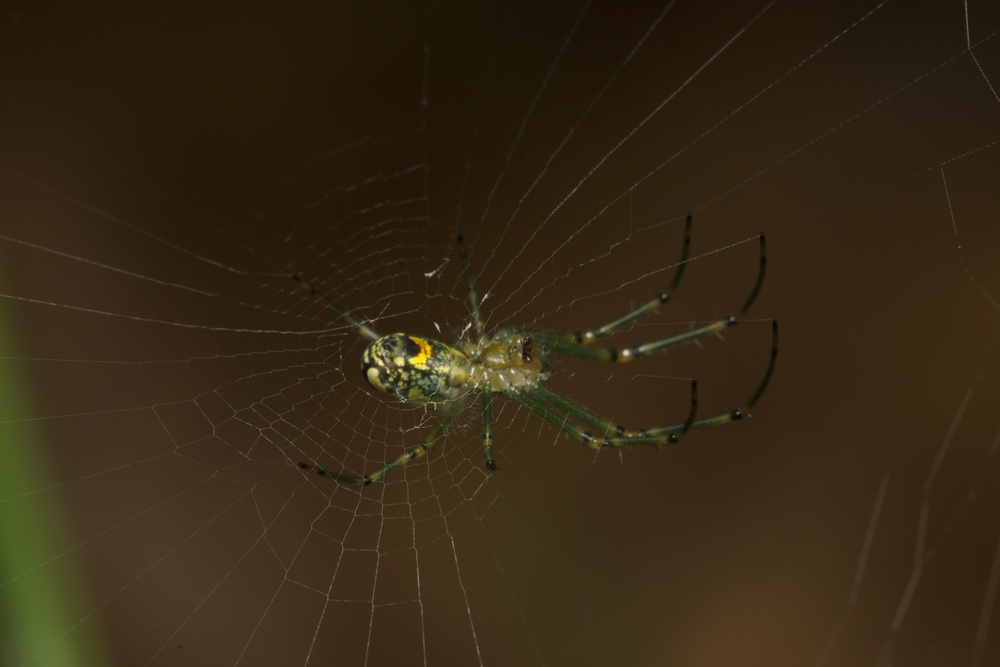
A walk is never complete without a Leucauge venusta, especially if you can see the combs on the hind legs

Anyphaenidae ghost spider, Hibana specifically

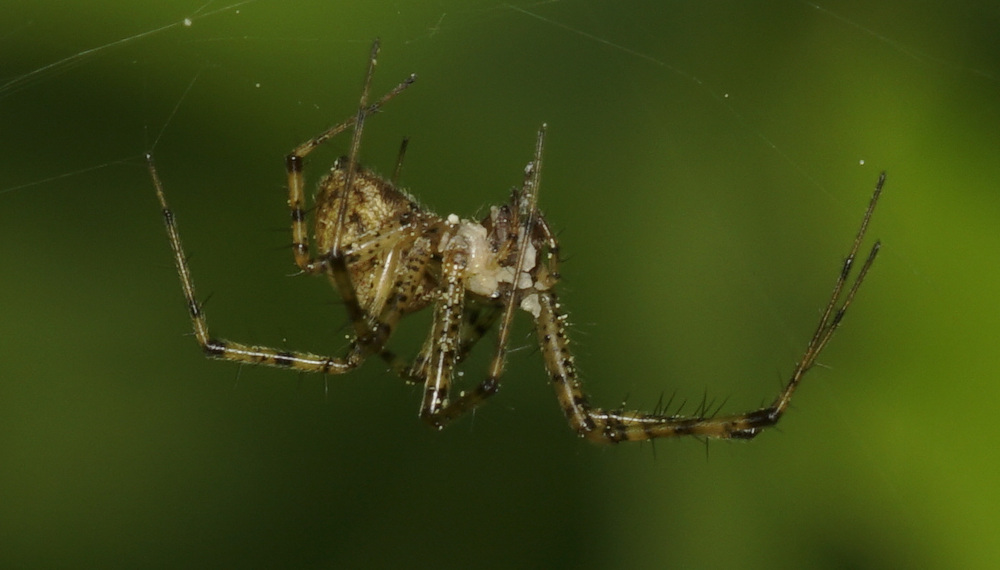
Linyphiidae –> Pityohyphantes what’s the white stuff?  Possibly incipient fungus infection becoming visible.

Opiliones

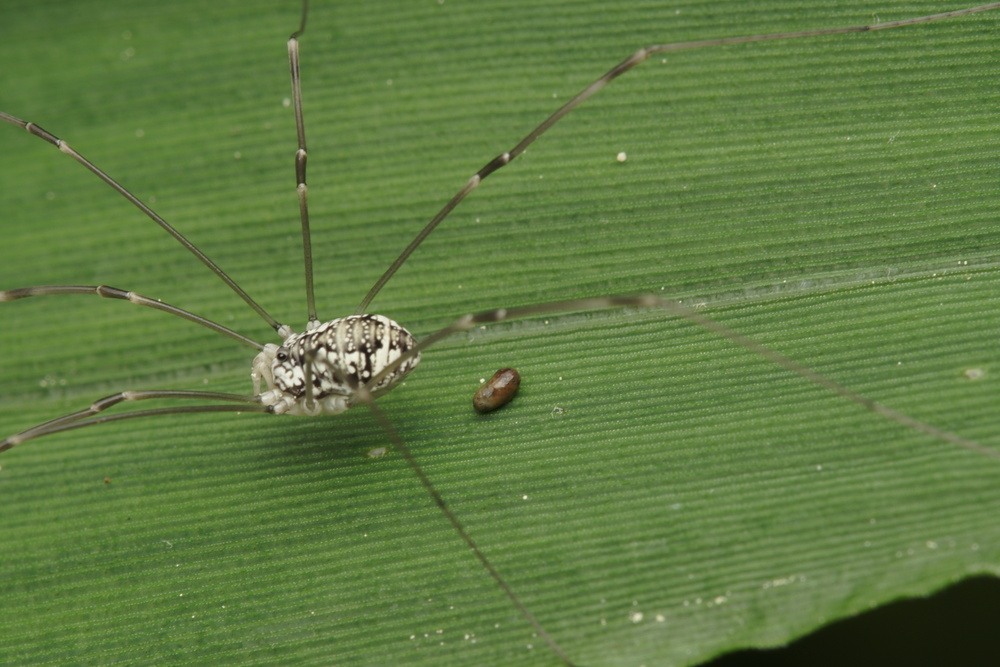
Harvestman

Isopod

Philoscia muscorum

Posted 2026-06-12 by gaurav1729 in Uncategorized

Flea beetle, Kuschelina   Leave a comment

Flea beetles are

Leaf Beetles (Chrysomelidae) » Skeletonizing Leaf Beetles and Flea Beetles (Galerucinae) » Flea Beetles (Alticini)

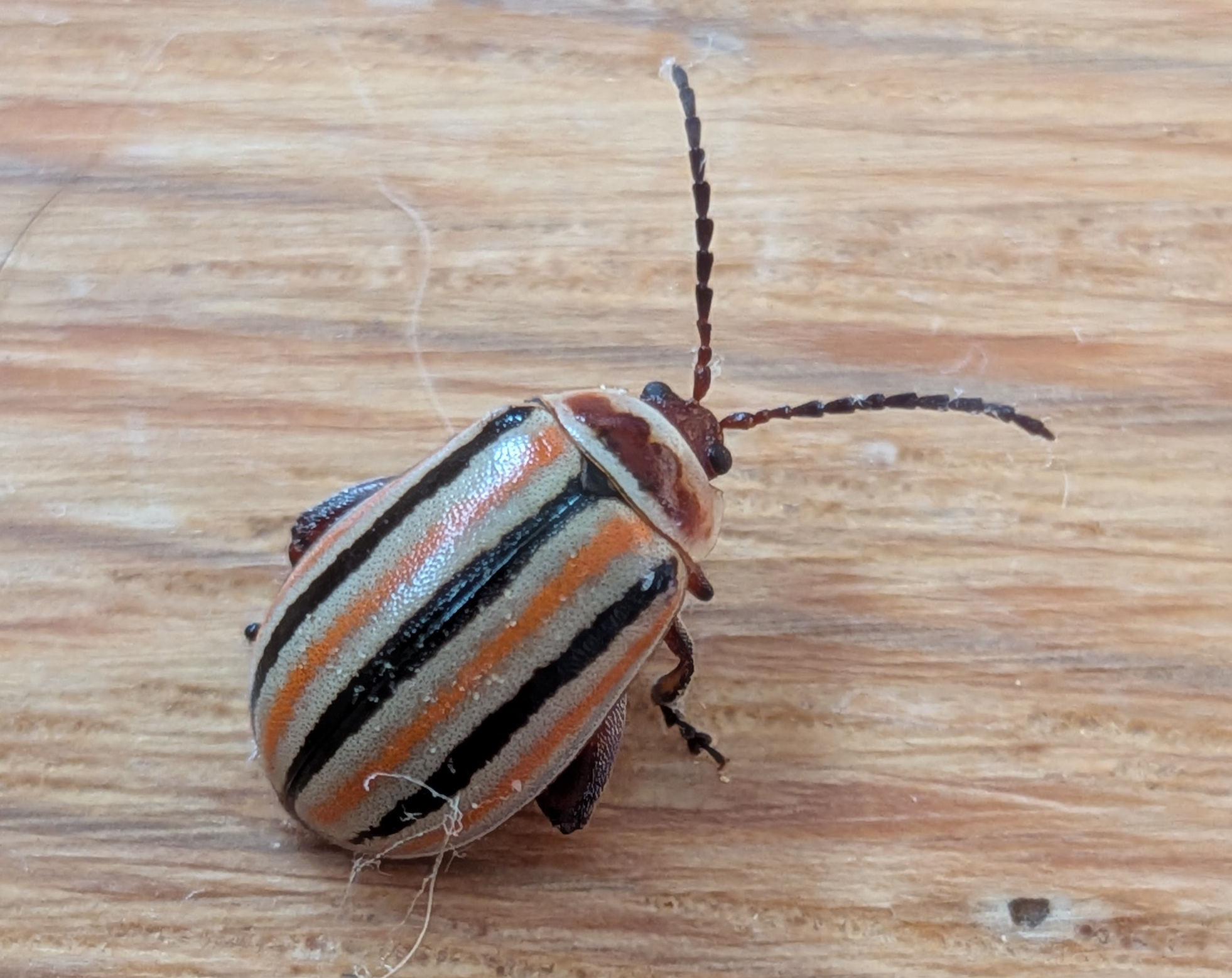
This is Kuschelina, perhaps K. miniata species complex.

This one could be Disonycha, or perhaps Kuschelina. Not the most common sighting if it’s Kuschelina.

If Disonycha, D. caroliana is a good fit.

Posted 2026-06-02 by gaurav1729 in Uncategorized