A wonderful day, a joint walk with Sharon Friends of Conservation and Urban Nature Walk. Very luck to have Jef Taylor to share his knowledge.
A list of observations here: https://www.inaturalist.org/calendar/gaurav1729/2026/6/28
Diptera
Sepsidae, not sure which one:
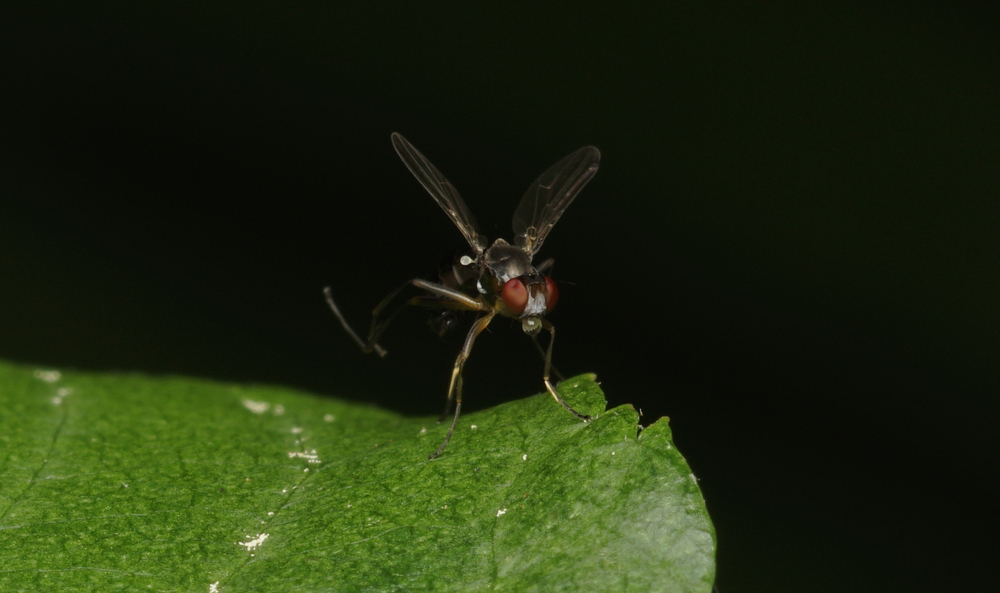
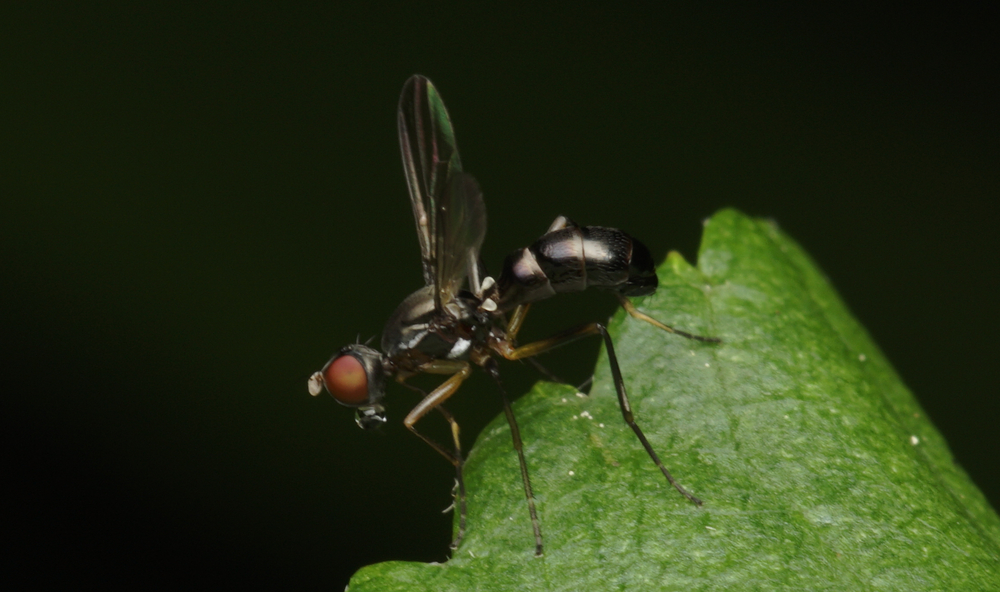
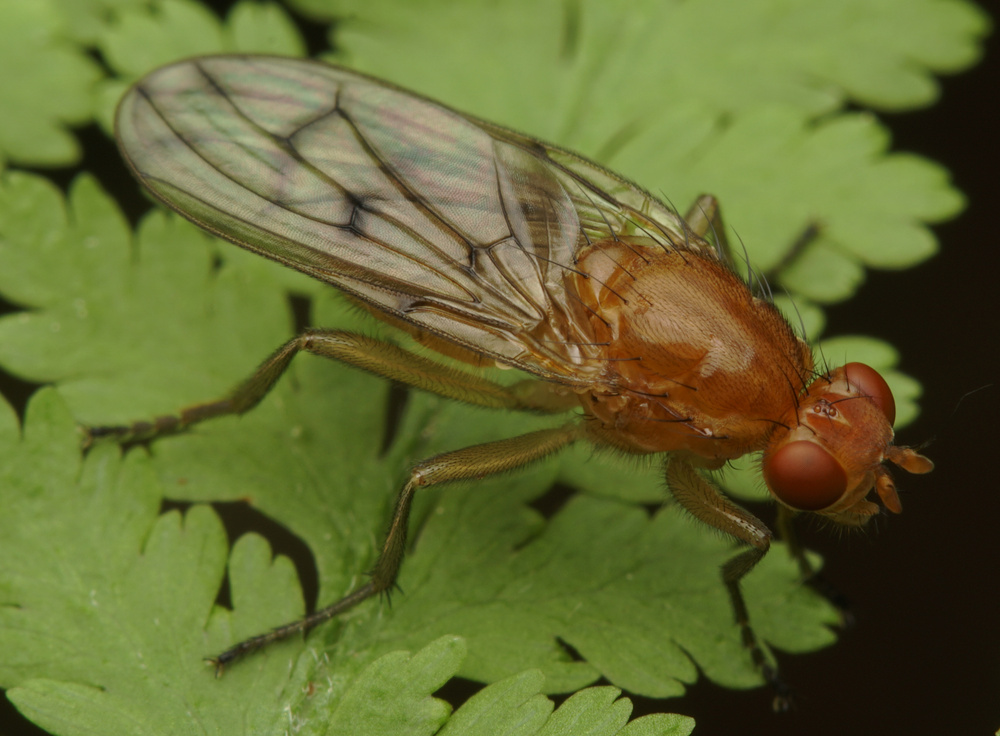
Dryomyzidae: Flies (Diptera) » “Acalyptratae” » Sciomyzoidea » Dryomyzidae
“They resemble marsh flies but have a well-developed clypeus.”
If you compare the wing venation with the photo here: https://www.bugguide.net/node/view/1303660/bgimage, I think you will find a very close fit.
From bugguide:
“Three species of Dryomyza sensu lato are found in eastern USA:
Dryomyza anilis, the common species with strongest wing markings and the anterior margin of the frons covering the lunule
Dryope decrepita (formerly Dryomyza flaveola), with weaker or absent wing markings and the lunule exposed
Dryomyza simplex, the only eastern species without prescutellar acrostichal bristles
All of our Dryomyza sensu lato are keyed in Steyksal (1957). Note that Nearctic D. flaveola are now Dryope decrepita and D. bergi is now Pseudoneuroctena senilis.”
(Also, check out: https://repository.si.edu/server/api/core/bitstreams/97352a05-7509-4a47-b2b1-c7166d2e73d4/content)
Based on this, based on the list of Dryomyza species reported and identified in Massachusetts, this seems to plausibly be Dryomyza anilis?
Empididae, dance flies? BugGuide says Empidoidea is correct, at least.

The long legged flies Dolichopodidae are very common but always beautiful. Presumably Condylostylus.

Hymenoptera
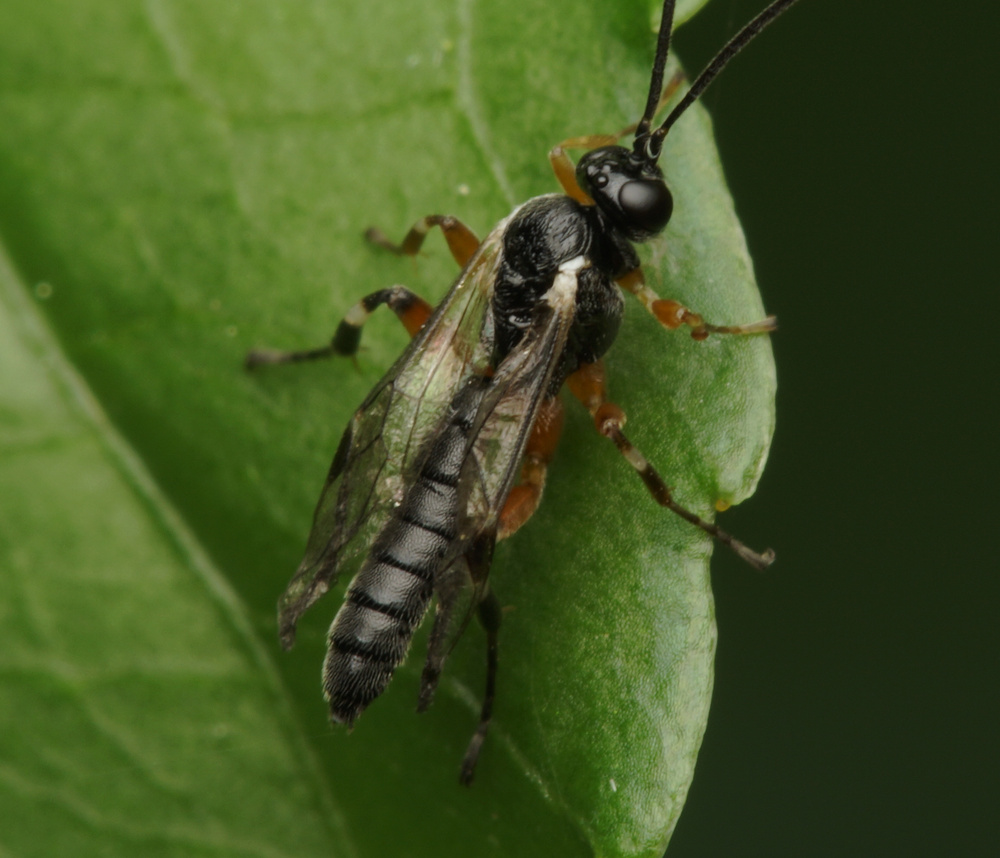
I think this is Ichneumonidae –> Pimplinae
Lepidoptera
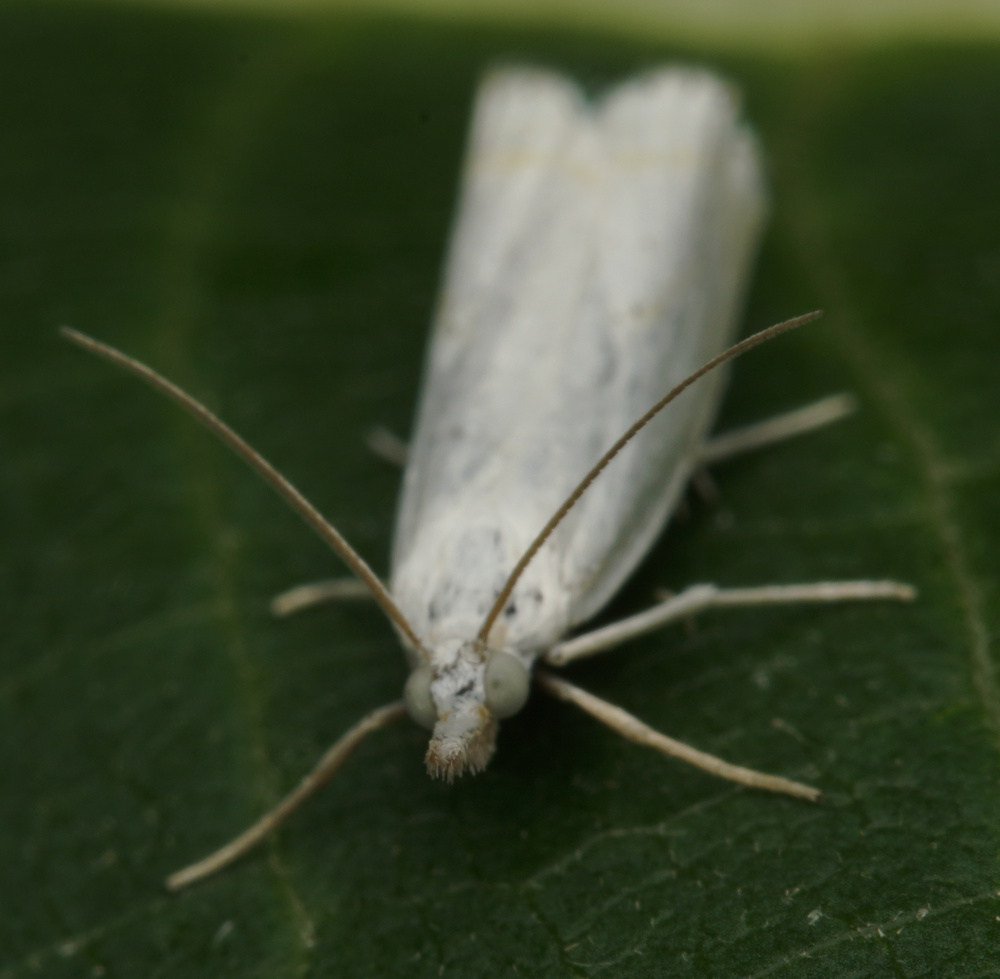
Crambus
Coleoptera
Margined carrion beetle, Oiceoptoma noveboracense

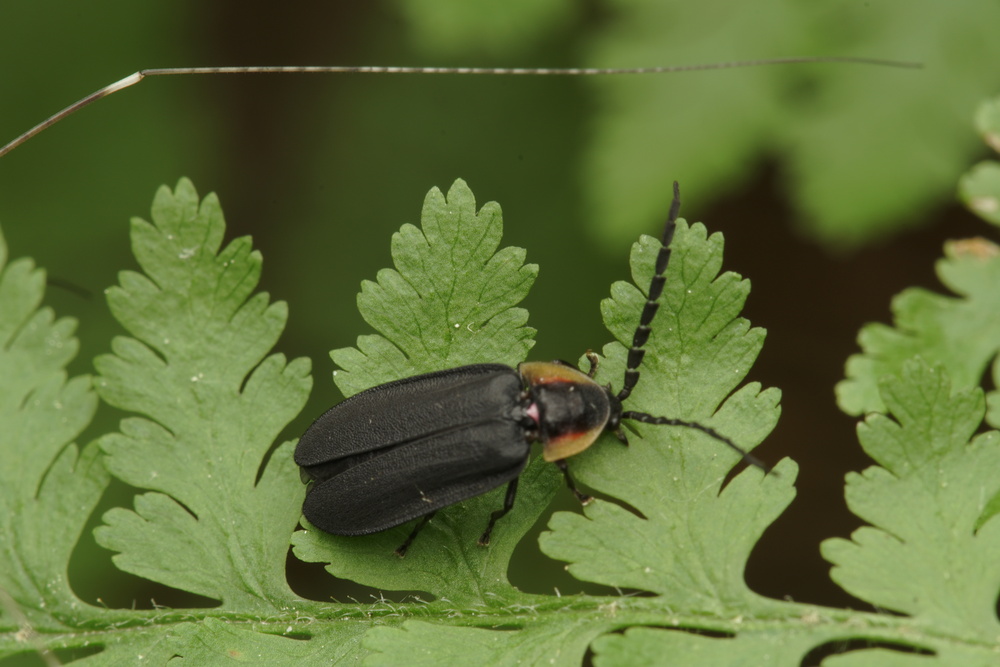
Lucidota atra, black firefly
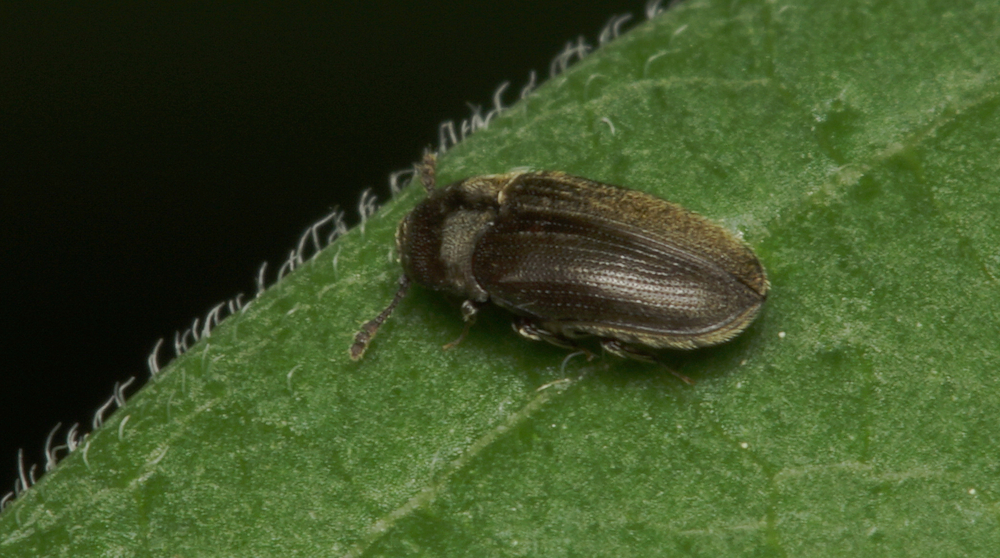
Apparently family Throscidae, “small false click beetles”. I can vouch for the smallness and that it looks like a click beetle.
I think Eropterus trilineatus, in Lycidae:

Photinus in Lampyridae, “rover fireflies”.

Odonata
Male fragile forktail?
Bugguide: “Pale shoulder stripes resemble exclamation points—true of both sexes(1).
Males are yellow, yellow-green, or green”
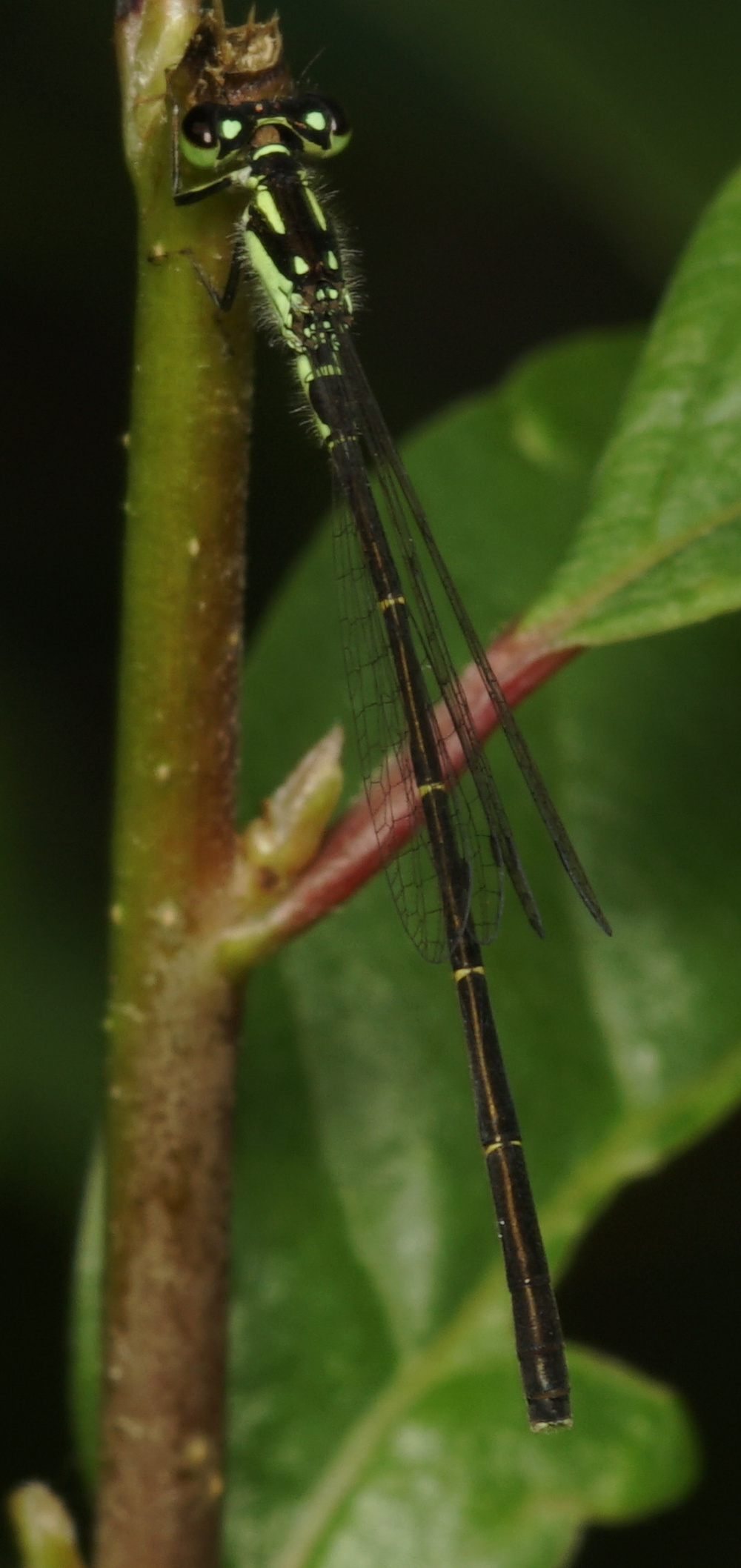
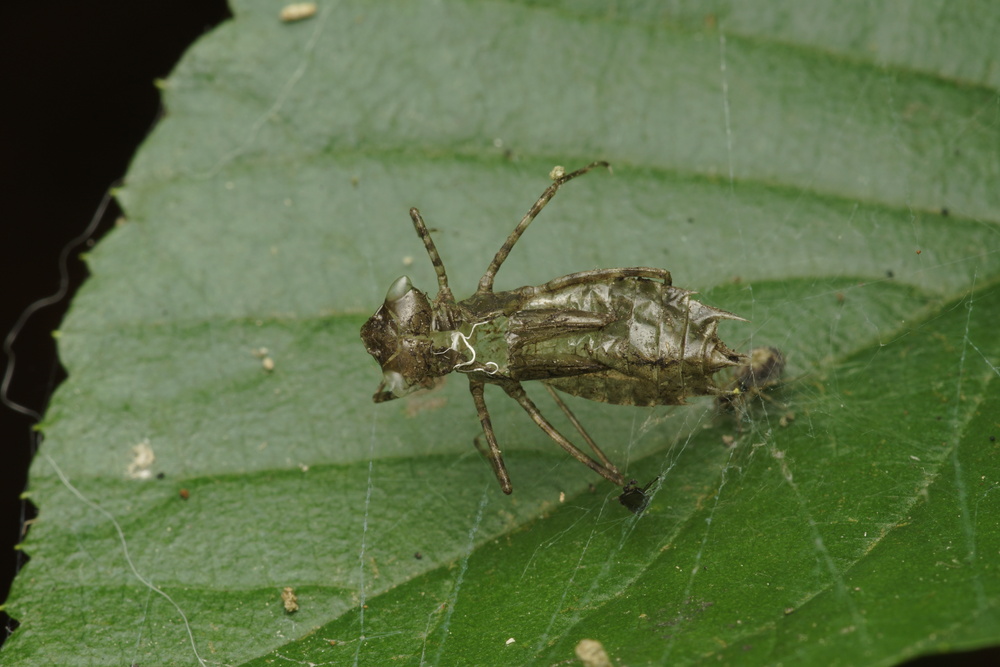
Exuvium of dragonfly nymph:
Spiders
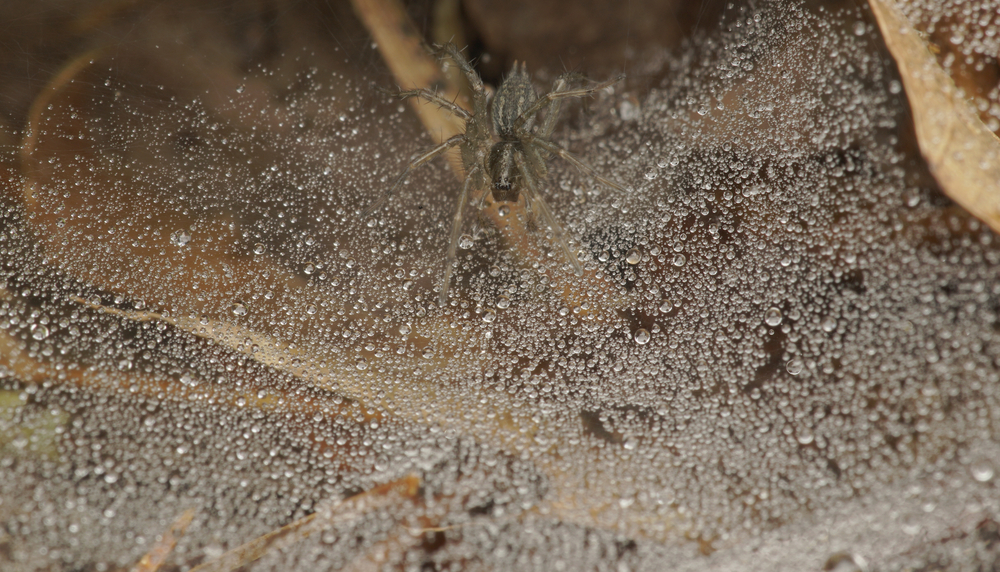
Agelenenopsis.

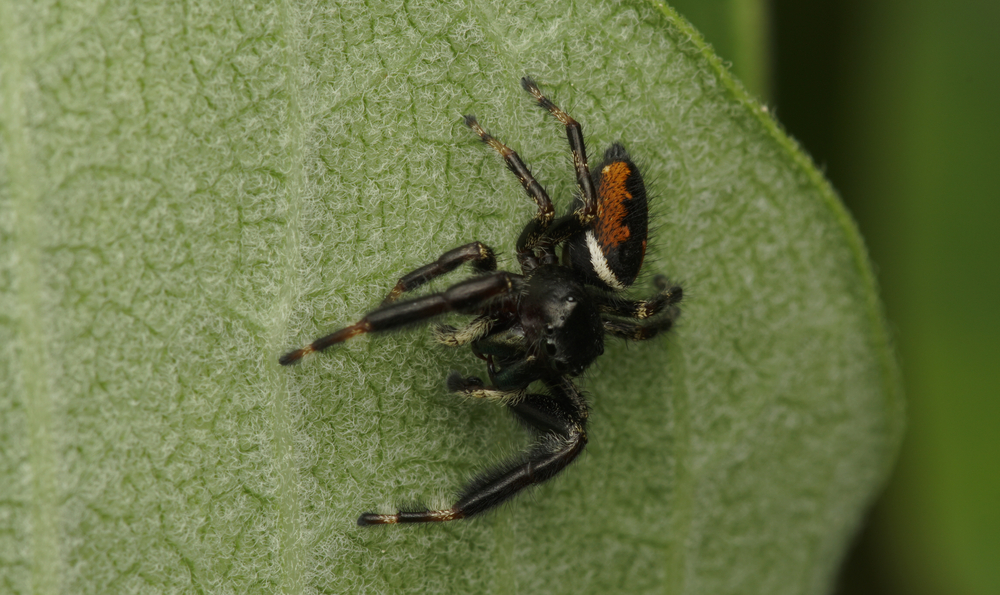
I was so damn excited to see this Phidippus clarus. Such an exquisite Salticidae.

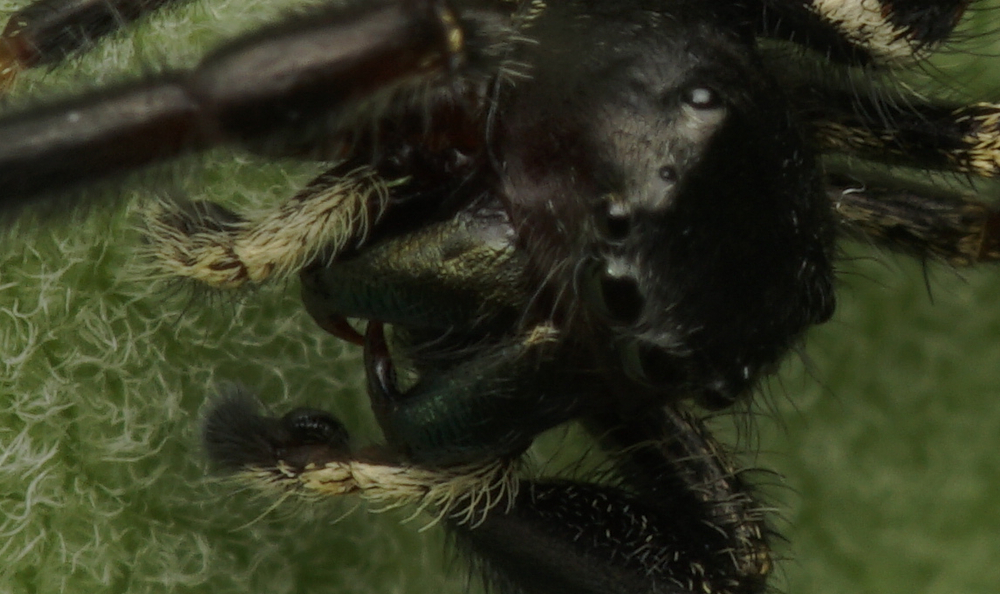
Check out her green chelicerae
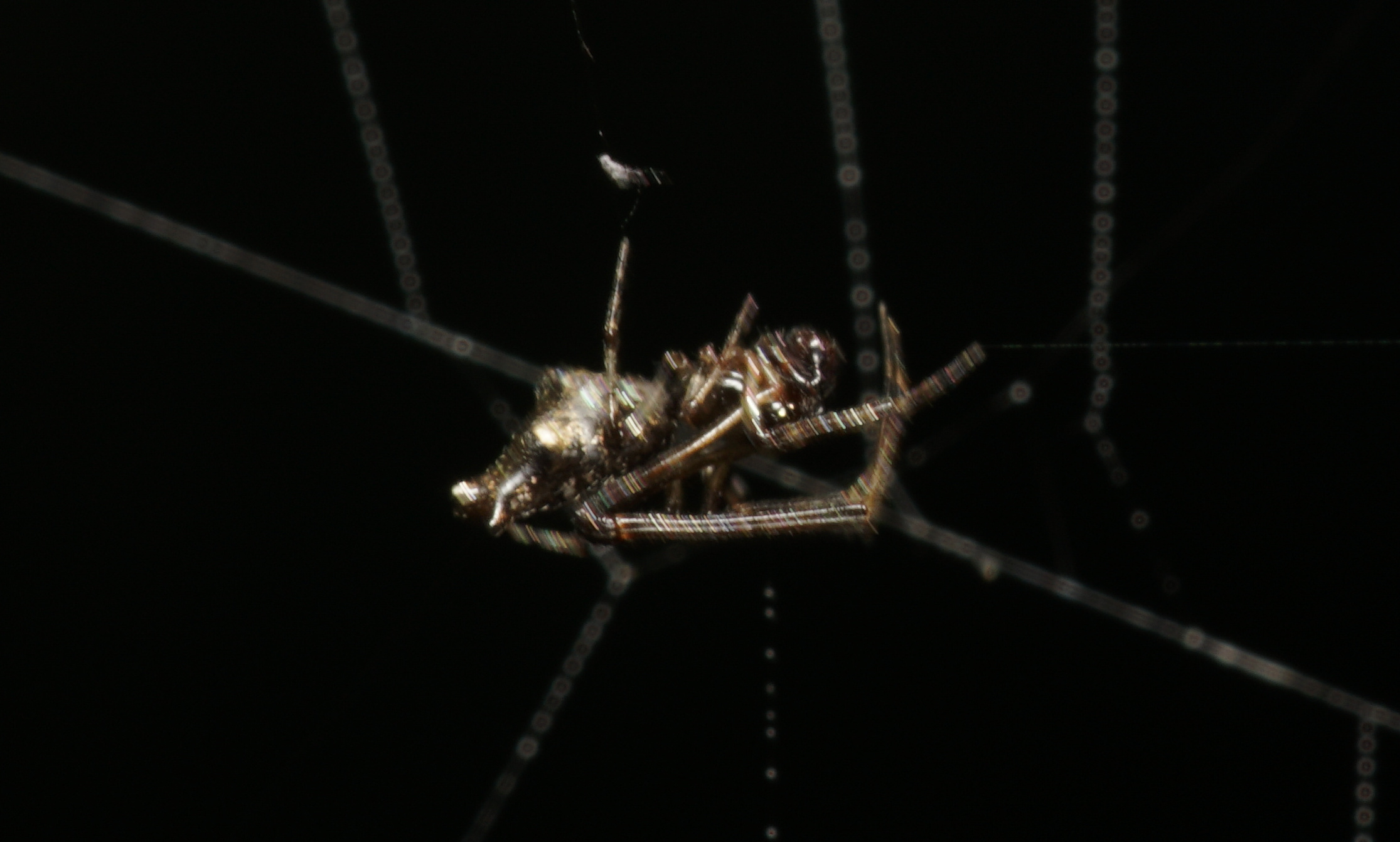
I really wish I had taken the time to get better photos. This spider was in an orb web, but was clearly not an orb weaver. Perhaps Faiditus, but that would be a very aggressive/optimistic determination. The best I can guess is that it’s in Theridiidae, somewhere in the Argyrodes/Faiditus/Neospintharus/Rhomphaea group.
But definitely a kleptoparasite! They steal food from other spiders’ webs.
If this can be validated as Faiditus, it would be the first report in New England for this species, according to BugGuide and iNaturalist.


Diplopoda
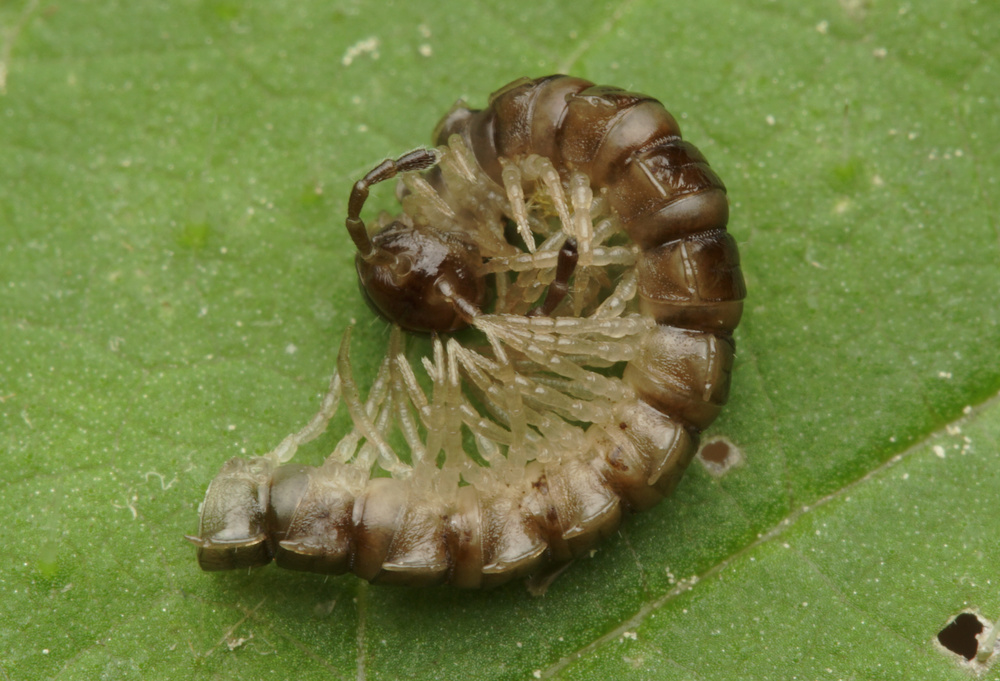
iNaturalist says Oxidus, a member of the family Paradoxosomatidae, “paradoxical keeled millipedes”, which is a very interesting name.
Archaeognatha — or Microcoryphia?
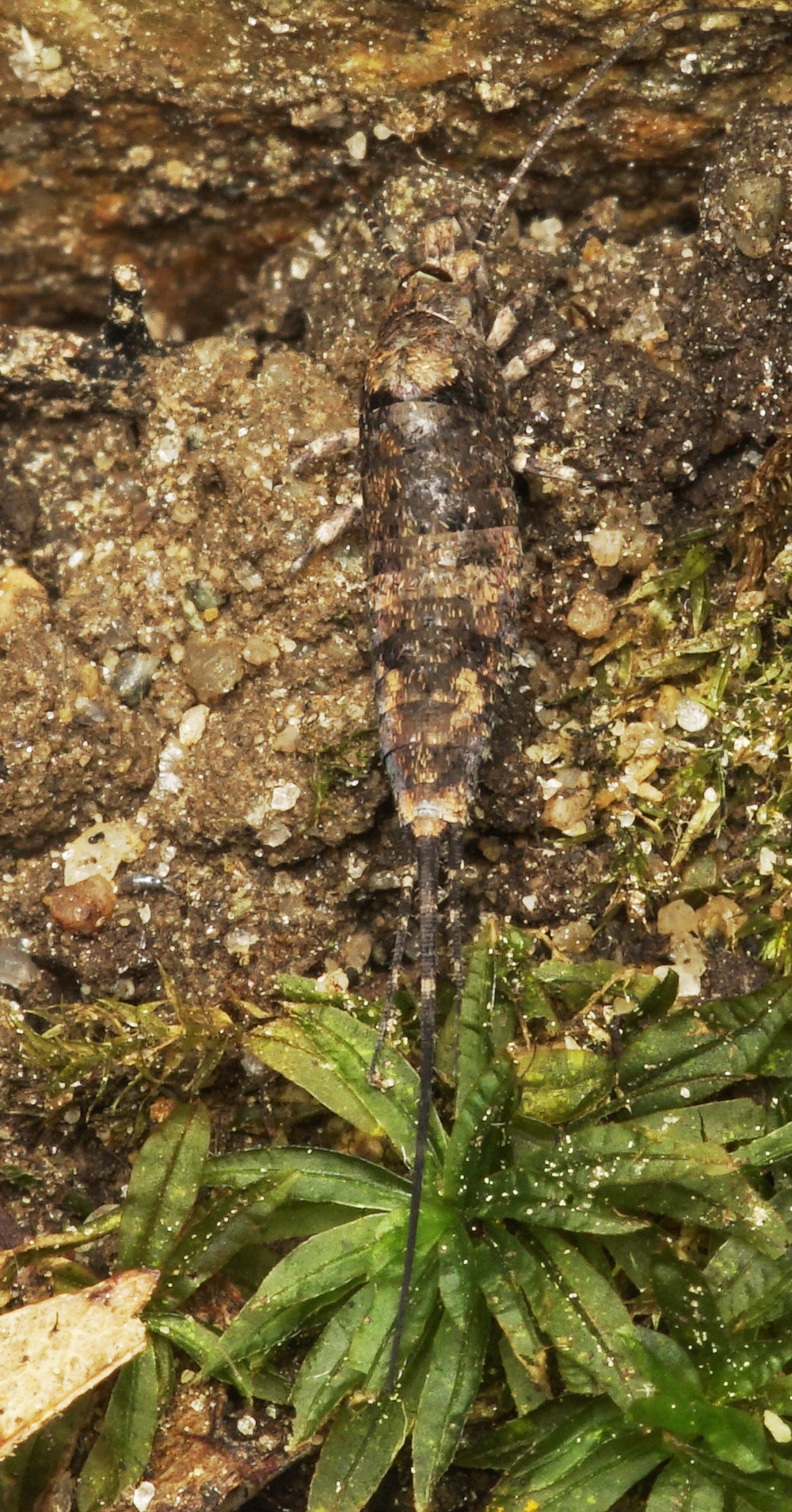
iNaturalist calls it Archaeognatha, BugGuide prefers Microcoryphia. It’s a bristletail either way.
Slime molds
There’s no single taxon that corresponds to slime molds. I had never seen a confirmed slime mold before today, and confirming one by myself would involve ruling out every single fungus in existence, which is well beyond my abilities. So having Jef find me two was an absolute joy.
Slime molds are some of the interesting creatures on earth. They are related to amoebae. They live much of their lives as a, well, slime. In some of them, the cell walls dissolve and they become a multi-nucleate mass.
At some point, the different constituents in the slime can decide that it’s time to differentiate. Some of them develop into fruiting bodies and are able to reproduce; how is this decided, I’m not sure.
Ceratiomyxa fruticulosa, the common coral slime:
- Phylum Mycetozoa
- Class Ceratiomyxomycetes
- Order Ceratiomyxales
- Family Ceratiomyxaceae
- Genus Ceratiomyxa
- Ceratiomyxa fruticulosa

EDIT: iNaturalist expert disagrees with the species level determination, but agrees it’s in Lycogala.
Lycogala epidendrum, wolf’s milk
Phylum Mycetozoa
Class Myxomycetes
Subclass Lucisporomycetidae
Superorder Trichiidia
Order Reticulariales
Family Reticulariaceae
Genus Lycogala
Section Lycogala
Lycogala epidendrum


Hi Gaurav,
Would you mind if I post your photo of the Wolfâs Milk slime mold (Lycogala epidendrum) on the SFOC wildlife sightings page?
Regards, Paul L. 781-784-2986

>
Hello Paul,
I submitted the sighting via the form. Please let me know if you have further questions.
Unfortunately Lycogala (and many other charismatic slime molds) can’t be speciated without specialist equipment. It’s a shame since “Lycogala epidendrum” is such a beautifully translatable binomial=wolf’s milk on wood