A bio-blitz organized by Jef Taylor and Franklin Park Zoo, thank you very much!!
For the most up-to-the-minute identifications, please see https://www.inaturalist.org/calendar/gaurav1729/2026/6/14
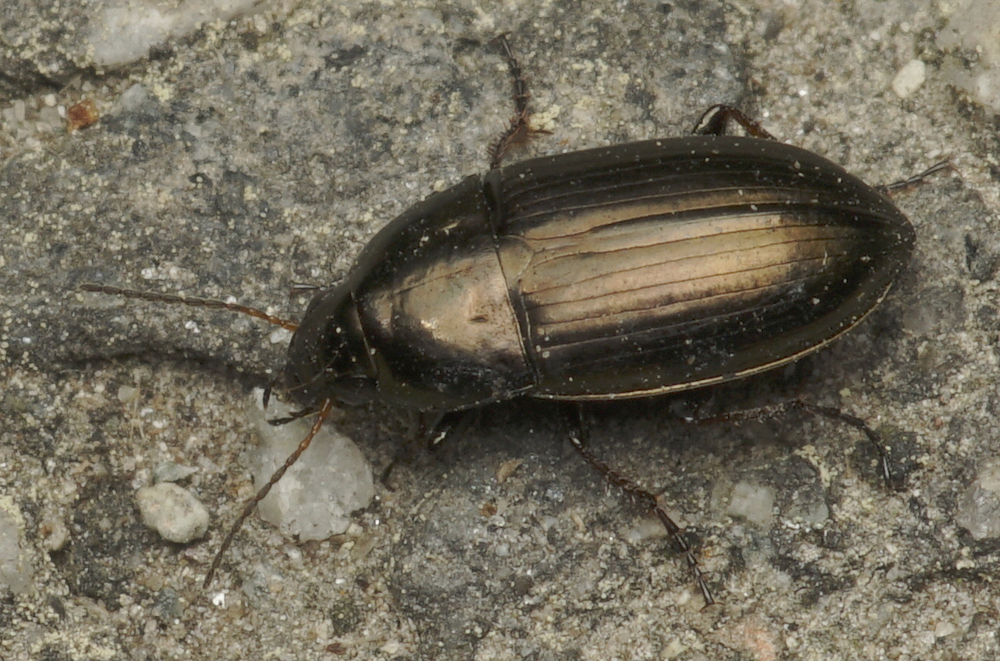
Coleoptera
Ground beetle. Specifically a sun beetle, genus Amara cf aenea.
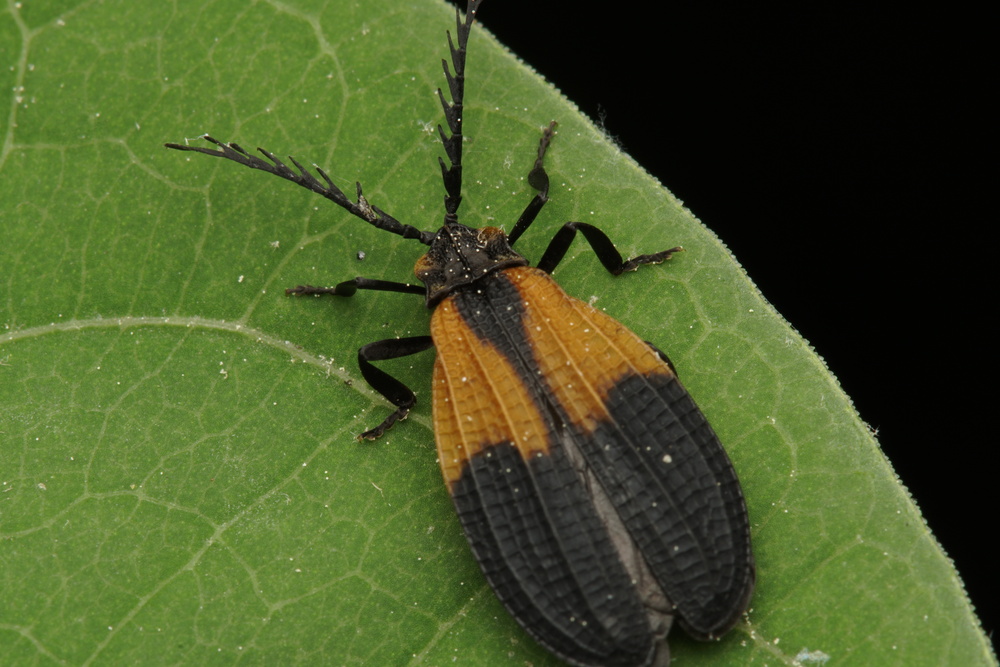
Lycidae –> Caenia dimidiata
Diptera
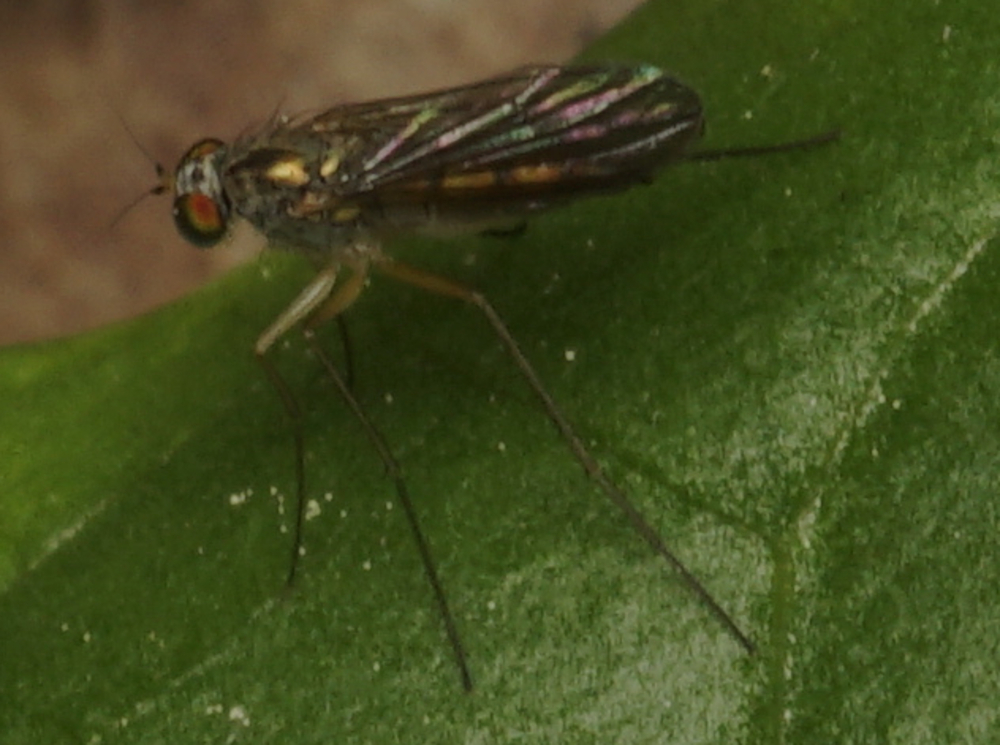
Dolichopodidae, looks like Sciapus
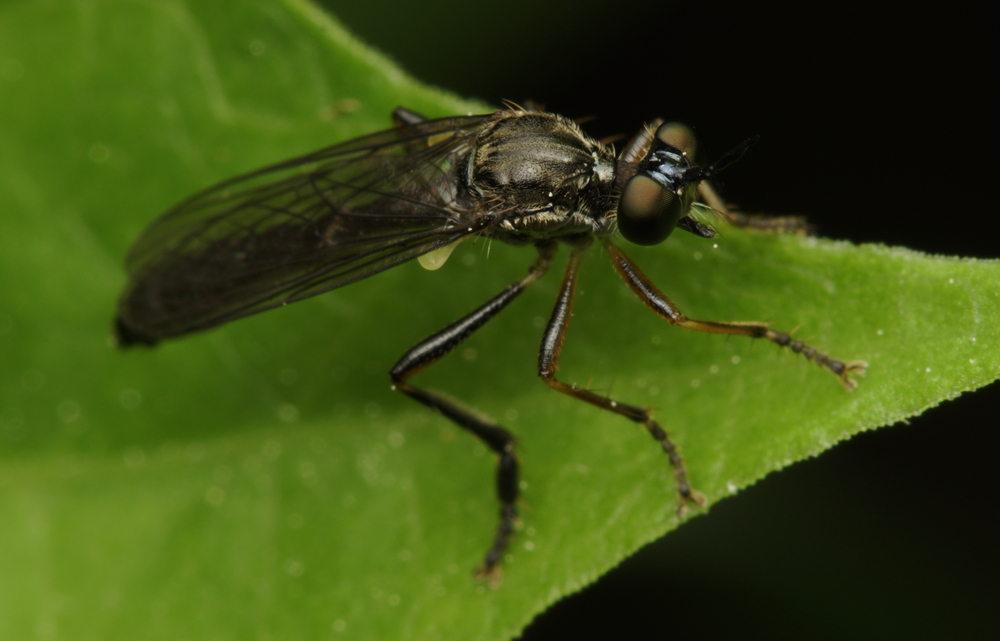
These robber flies (Asilidae) were everywhere. I’ve never seen so many at one walk. Dioctria hyalipennis, European longhorn robber.
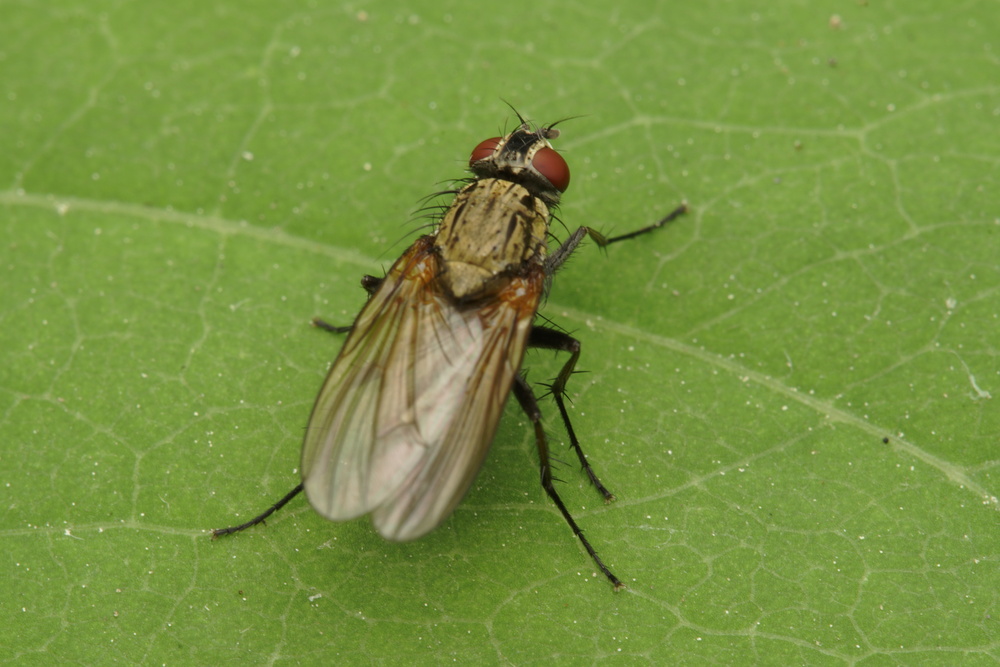
iNaturalist suggests genus Hydrophoria, which looks as good as any other. But flies are so tough.
Order Diptera
Suborder Brachycera
Infraorder Cyclorrhapha
Zoosection Schizophora
Zoosubsection Calyptratae
Superfamily Muscoidea
Family Anthomyiidae
Genus Hydrophoria
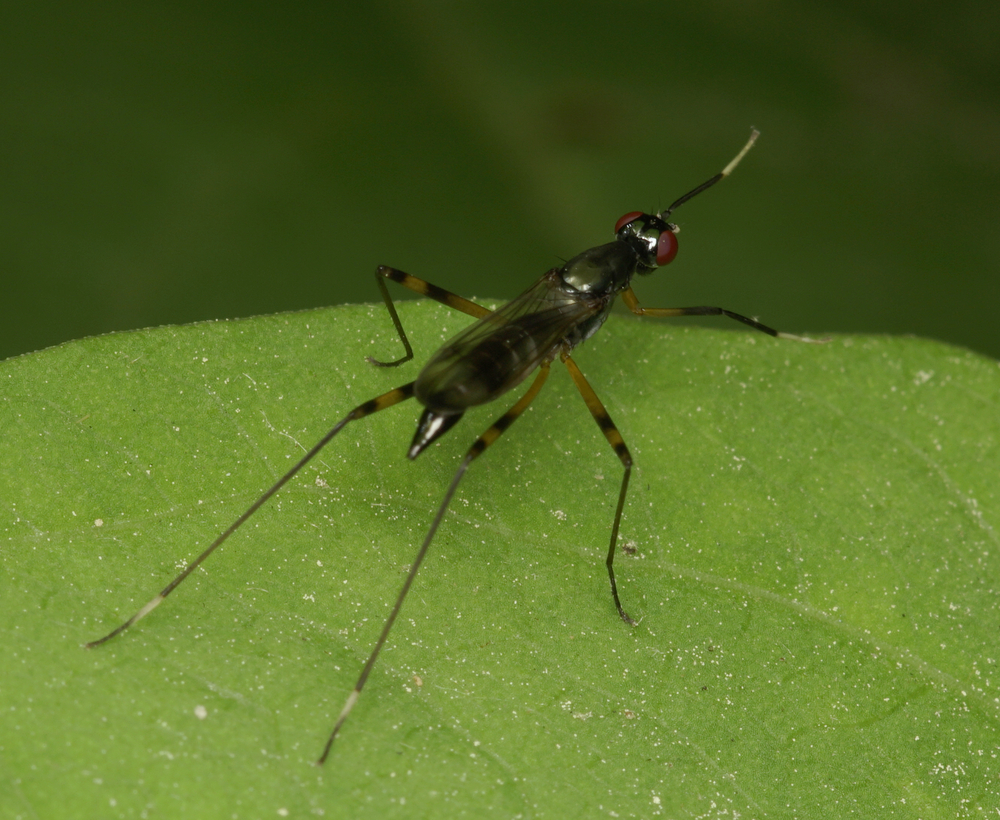
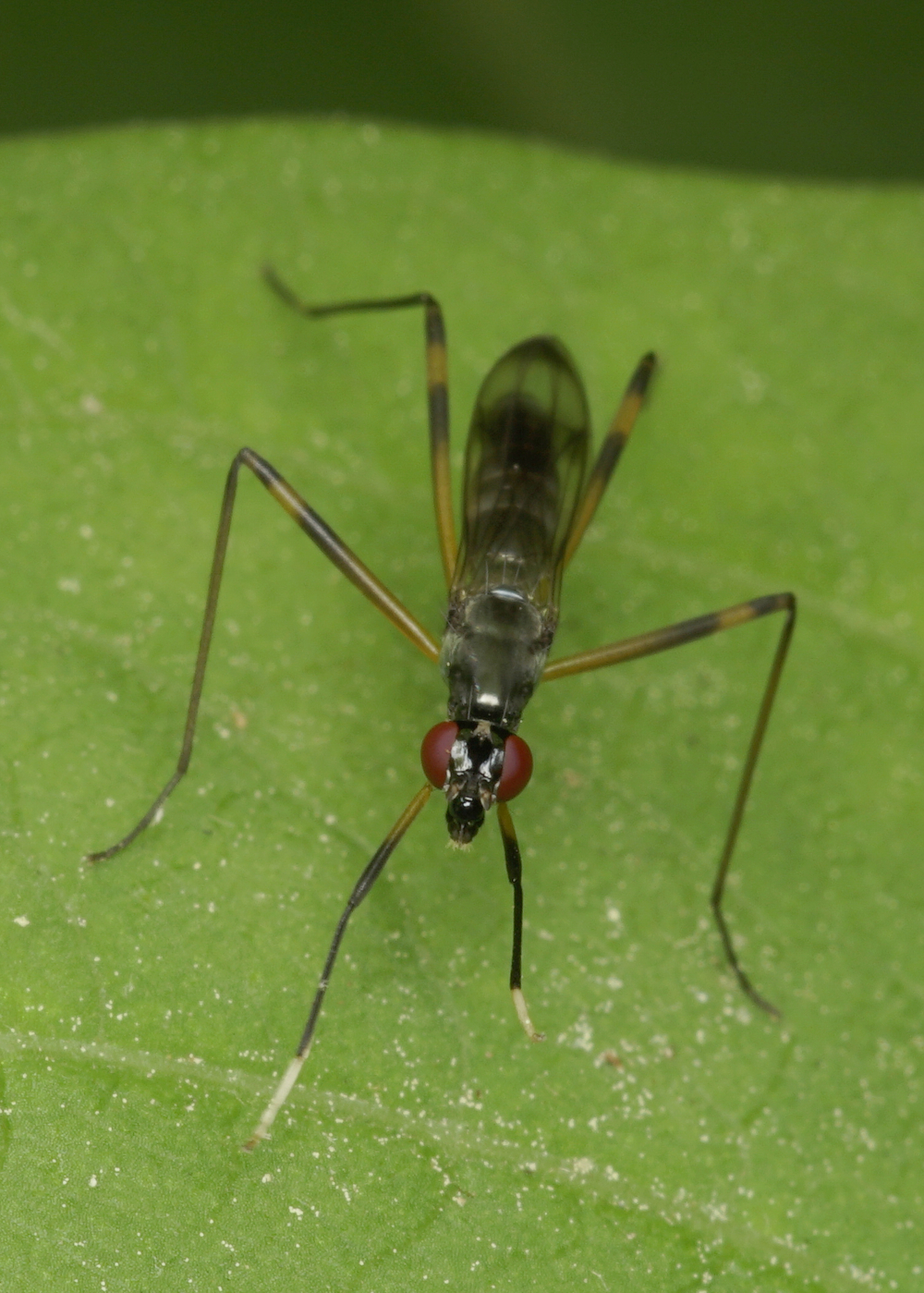
Rainiera antenneaepes in Micropezidae. Again, I’ve never seen so many of them in one walk.
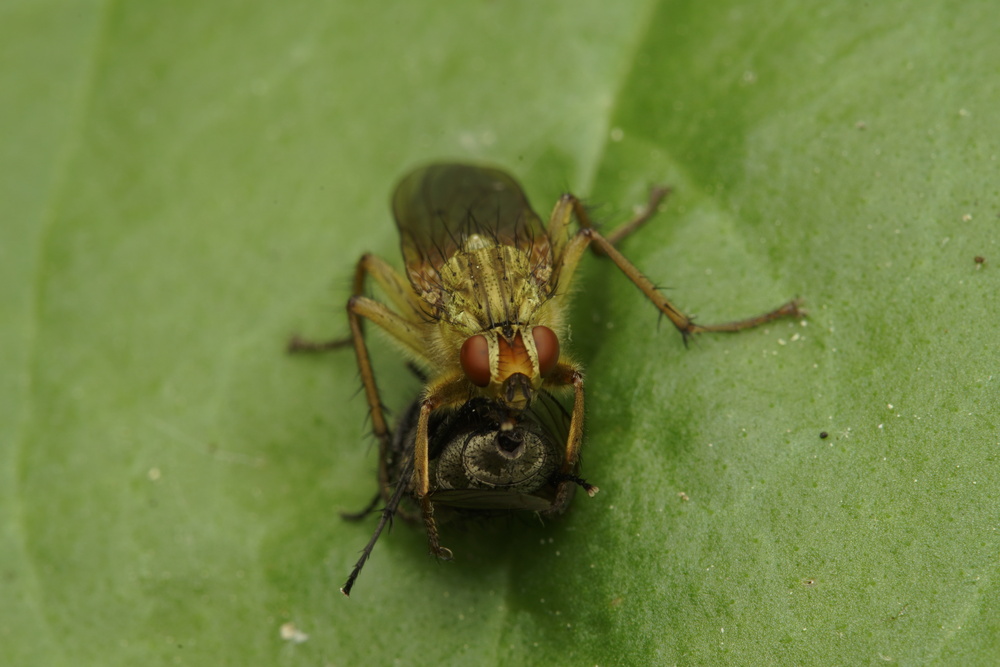
iNaturalist suggests Scathophagidae, but I don’t have nearly the expertise to go that far on this photo.
EDIT: Scathophaga stercoraria suggested, golden dung fly.
Order Diptera
Suborder Brachycera
Infraorder Cyclorrhapha
Zoosection Schizophora
Zoosubsection Calyptratae
Superfamily Muscoidea
Family Scathophagidae
Subfamily Scathophaginae
Tribe Scathophagini
Genus Scathophaga
Scathophaga stercoraria
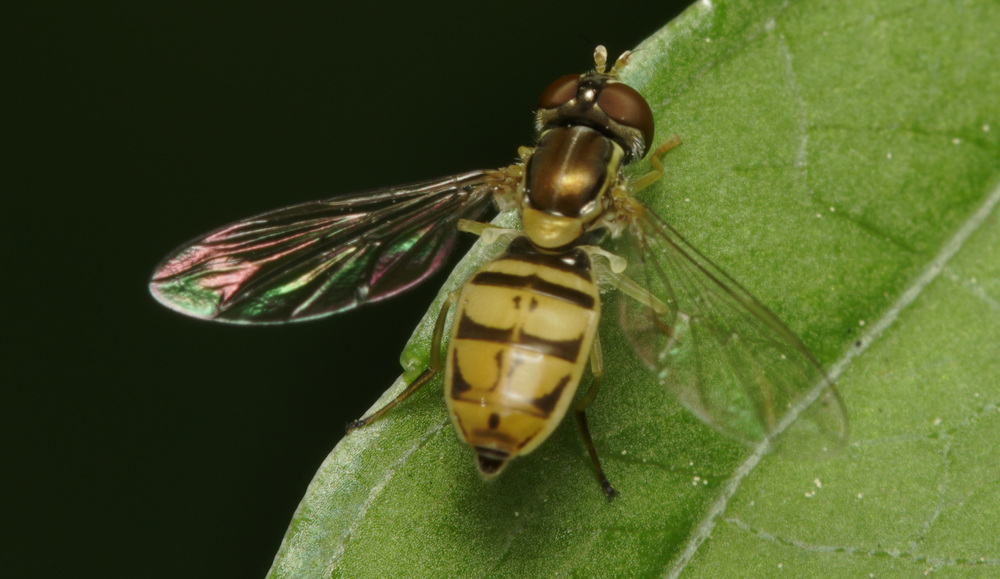
Toxomerus marginata in Syrphidae
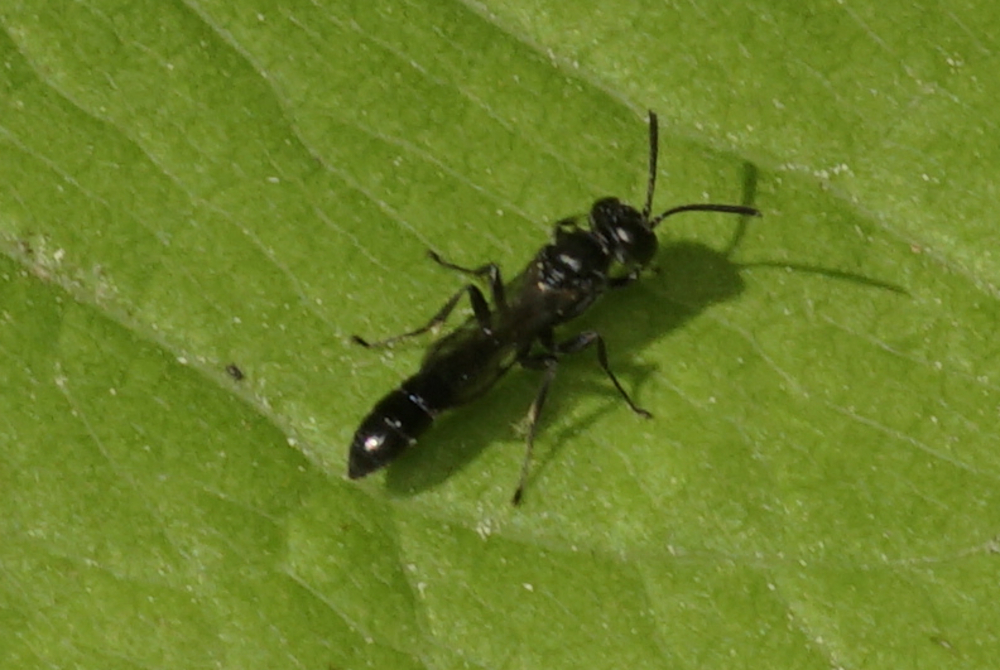
Hymenoptera
Crabronidae but tough to get any finer (EDIT: iNaturalist says Trypoxylon, which looks reasonable)
Lots of these tiny ants, a few mm in size. iNaturalist suggests Temnothorax curvispinosus, the acorn wasp, which looks about right, and is pretty cool.
iNaturalist says Lasiini –> Nylanderia flavipes. Something like this: https://www.bugguide.net/node/view/1721749 ? (“An Asian species increasingly common from NJ to DC to NE Ohio.”)
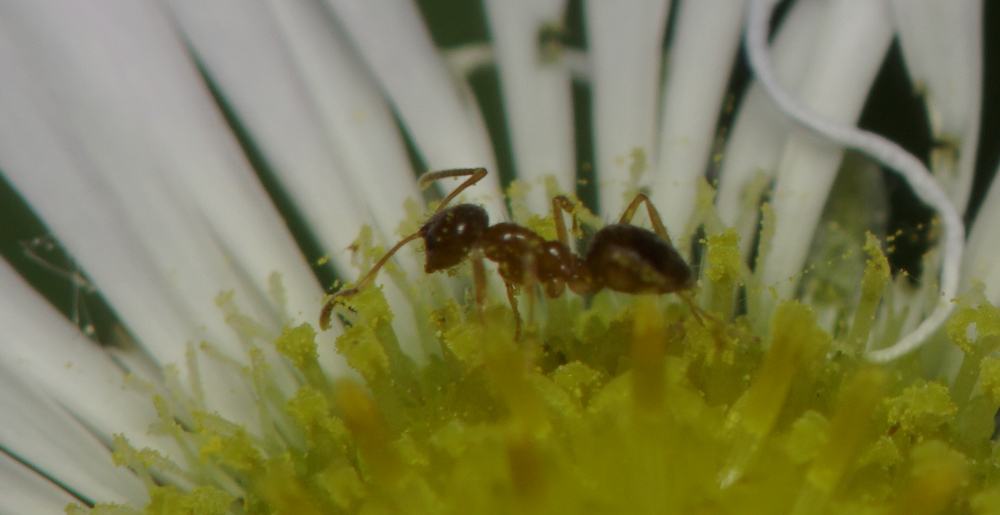
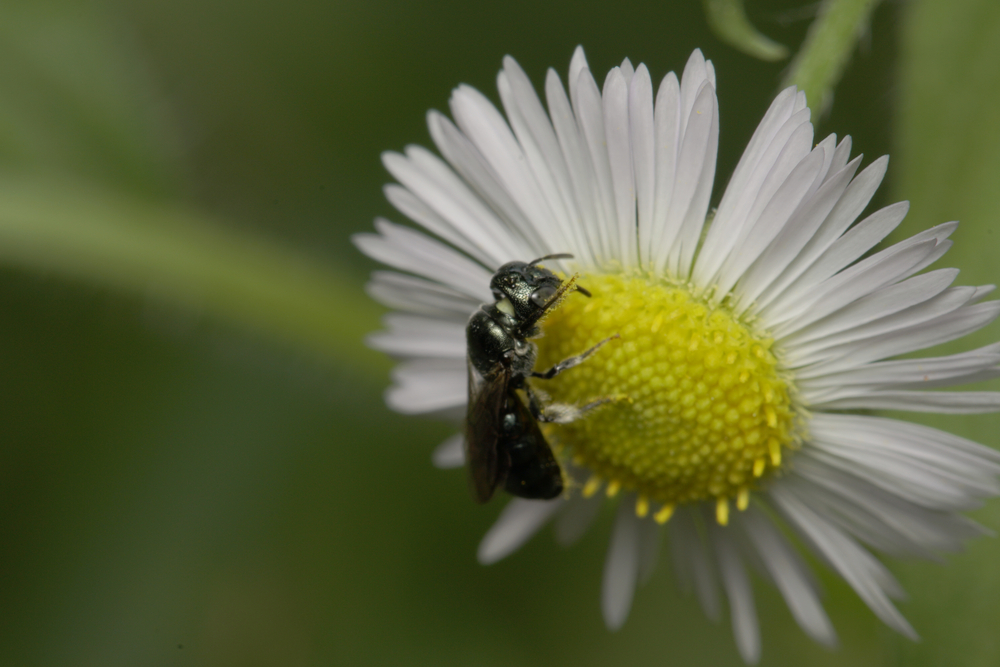
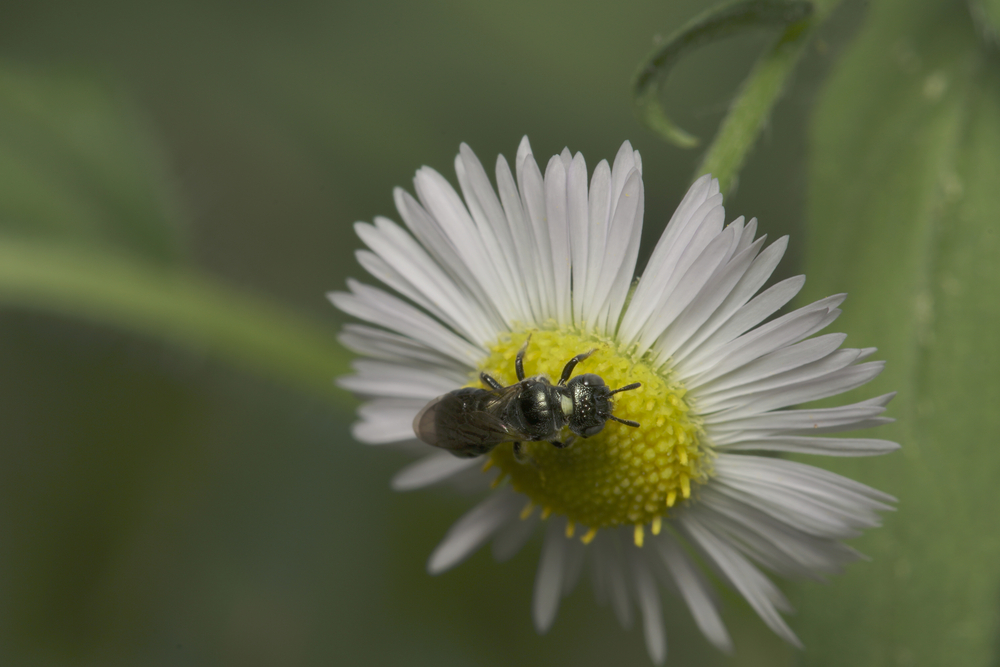
Ceratina, small carpenter bee, always lovely
Plecoptera
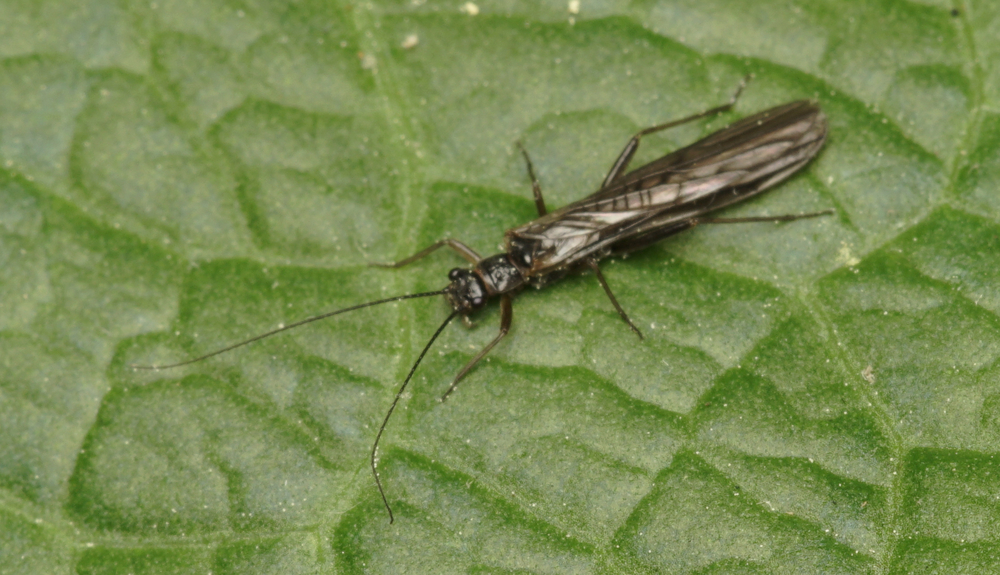
Rolled wing stonefly? Nemouroidea?
Hemiptera
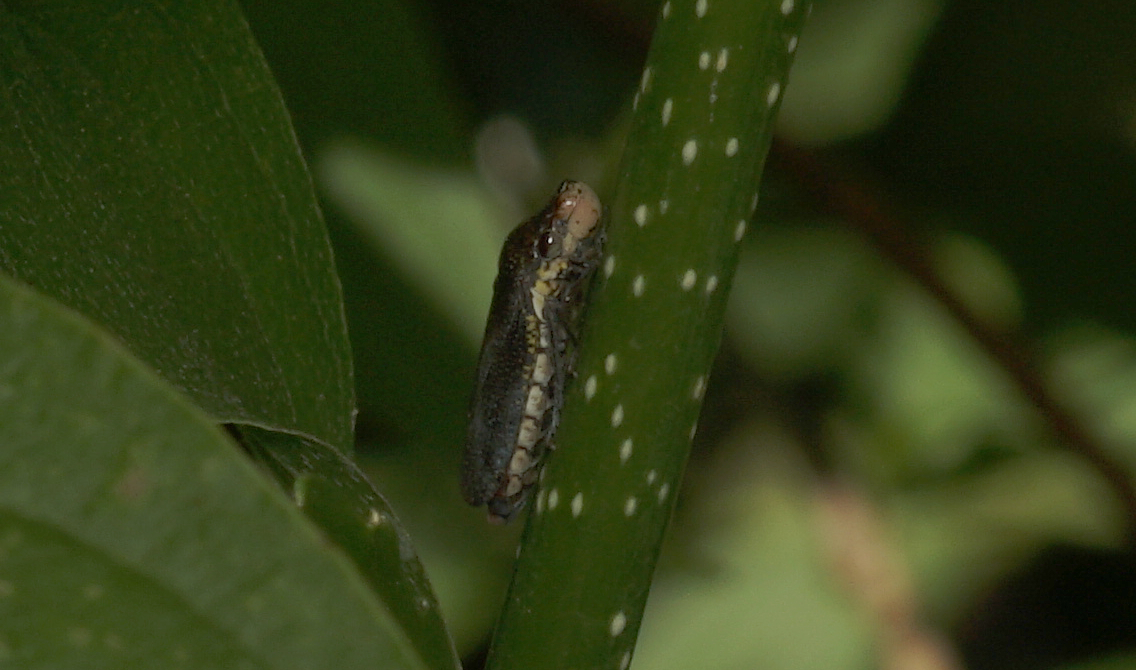
I think this is Paraulacizes irrorata, the speckled sharpshooter
True Bugs, Cicadas, Hoppers, Aphids and Allies (Hemiptera) » True Hoppers (Auchenorrhyncha) » Cicadas, Spittlebugs, Leafhoppers, and Treehoppers (Cicadomorpha) » Leafhoppers and Treehoppers (Membracoidea) » Typical Leafhoppers (Cicadellidae) » Sharpshooters (Cicadellinae) » Proconiini » Paraulacizes » Speckled Sharpshooter (Paraulacizes irrorata)
Odonata
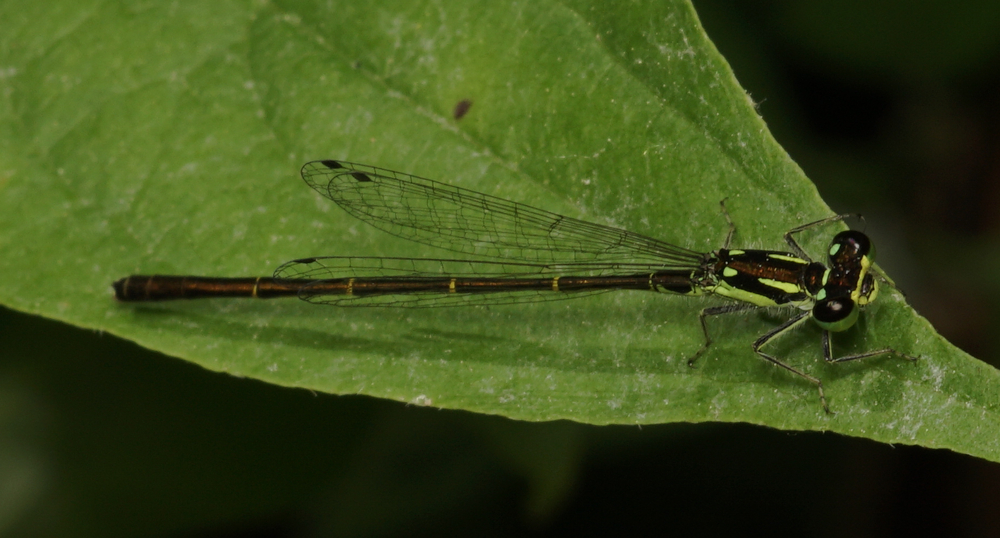
Forktail, Ischnura? I’m awful at this, and I can’t really see what fits from the photos. EDIT: Ischnura posita
Spiders
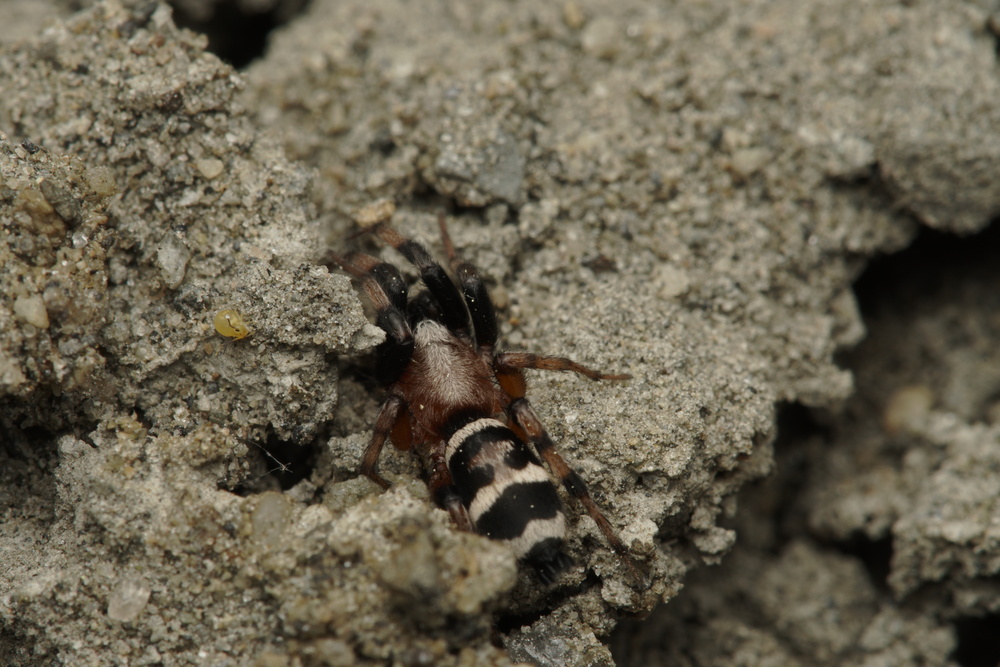
Sergiolus capulatus in Gnaphosidae
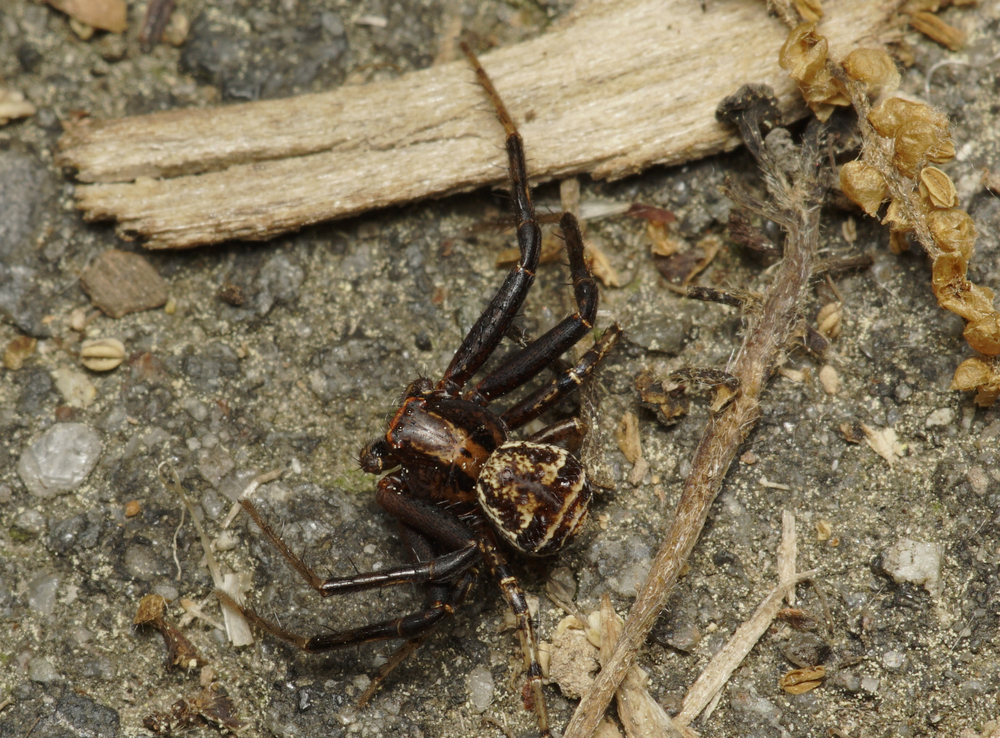
Ground crab spider, Thomisidae. I think this is Xysticus cf ferox
Here is what bugguide has to say (https://www.bugguide.net/node/view/87495):
“Ozyptila and Xysticus are both distinguished from either Coriarachne or Bassaniana by the lateral profile of the carapace: as Lynette mentioned, in both Coriarachne and Bassaniana the carapace is roughly flat all the way from front to back. The side profile of the carapace for Ozyptila and Xysticus, on the other hand, will be higher near the front and will drop down near the back at around coxa three. Coriarachne and Bassaniana maintain roughly the same level height from front to back.
So, the order of things to check when separating Xysticus, Ozyptila, Coriarachne and Bassaniana is:
1) Check carapace flatness first, to separate Coriarachne and Bassaniana from Ozyptila or Xysticus
2) Then, check the ventral macrosetae on tibia I and femur I length/width ratio to separate Xysticus from Ozyptila.
Ozyptila: – no more than 2 pairs of ventral macrosetae on tibia I …. femur I length-to-width ratio is about 3:1
Xysticus: – 3 to 4 pairs of ventral macrosetae on tibia I …. femur I length-to-width ratio is about 4:1
Anyway, that’s how I’ve been separating these genera, using the information from Spiders of North America, Ubick et al. (2005) page 247. ~ John Sloan 2 Aug. 2009″
Isopod
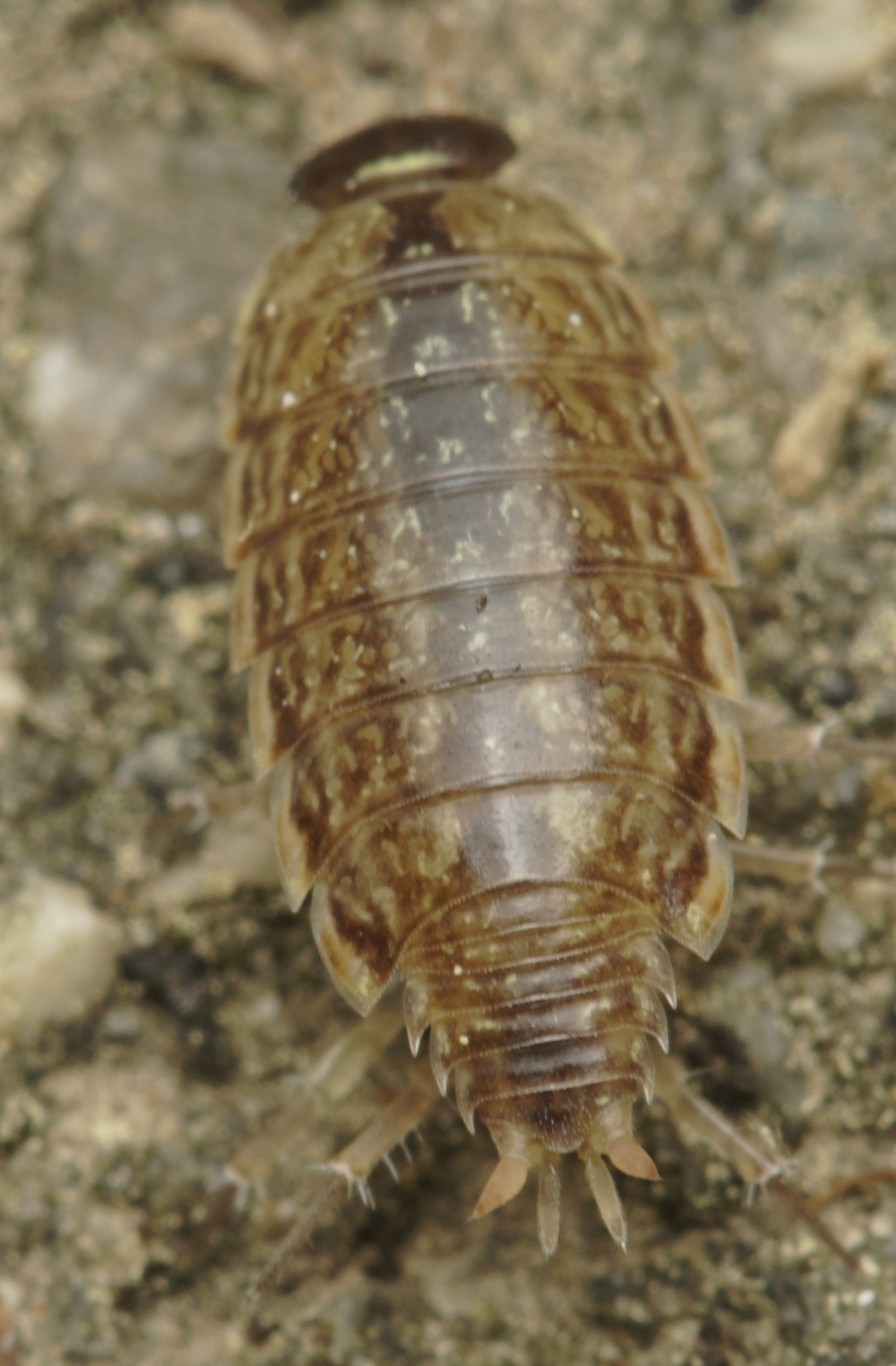
Philoscia muscorum
Turtles
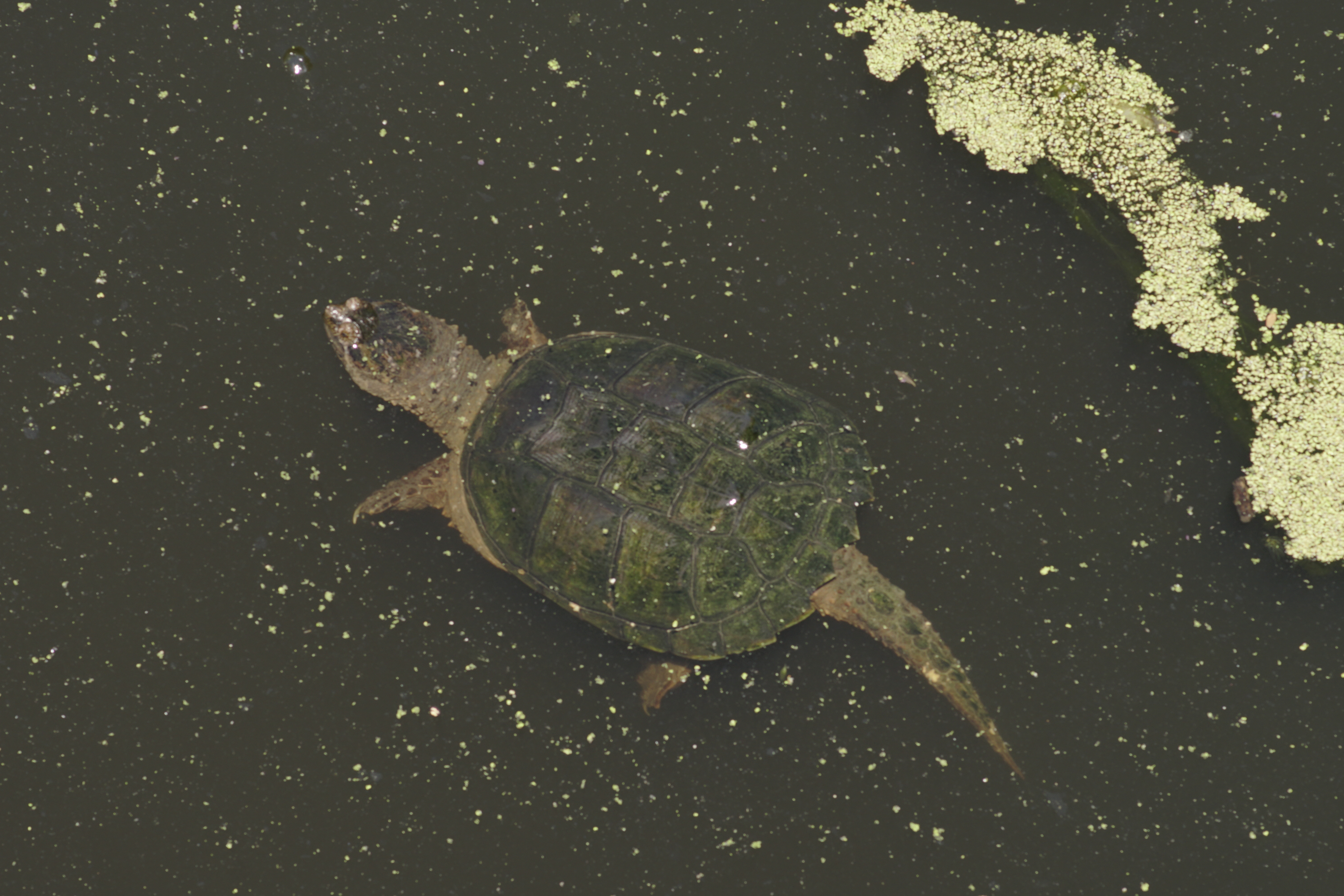
Snapping turtle
Plants
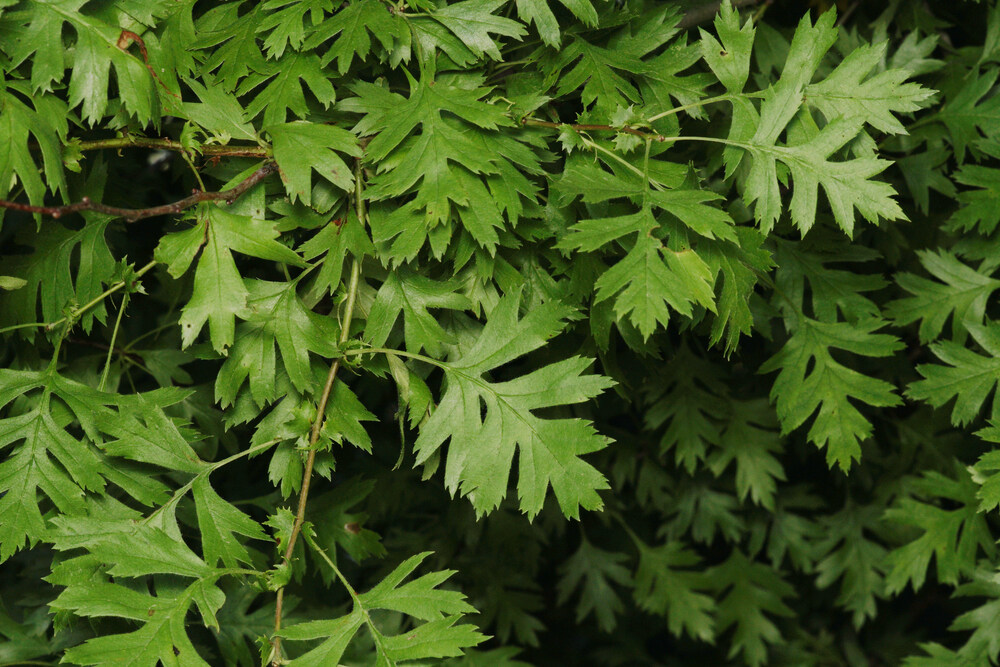
Crataegus, hawthorn
Landscapes
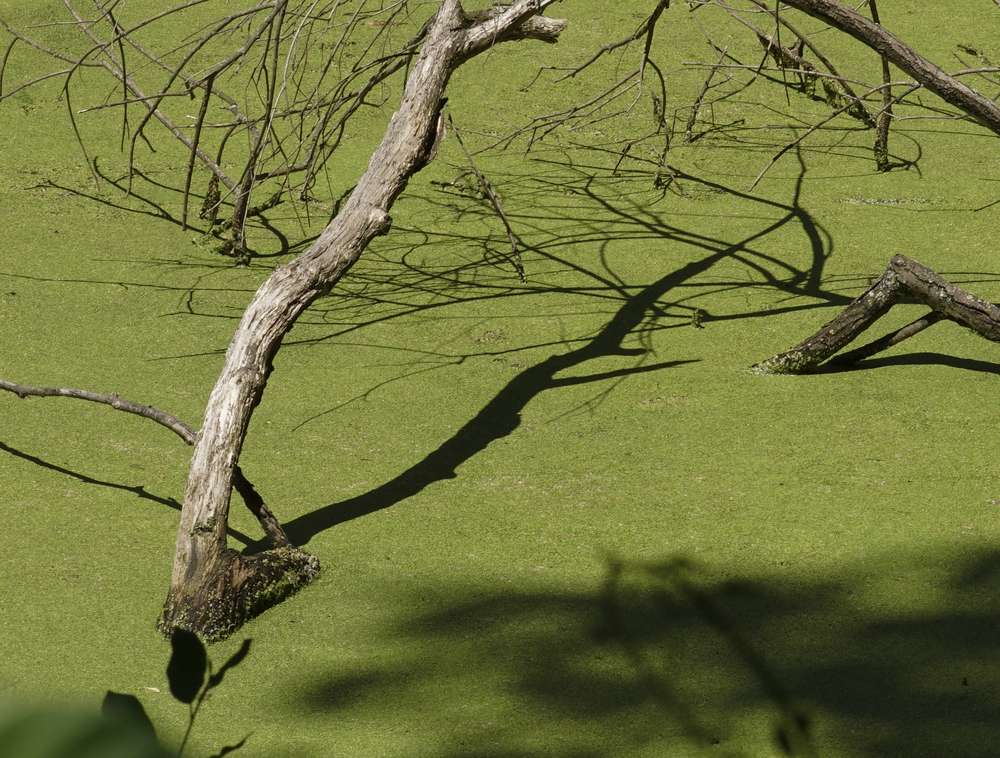
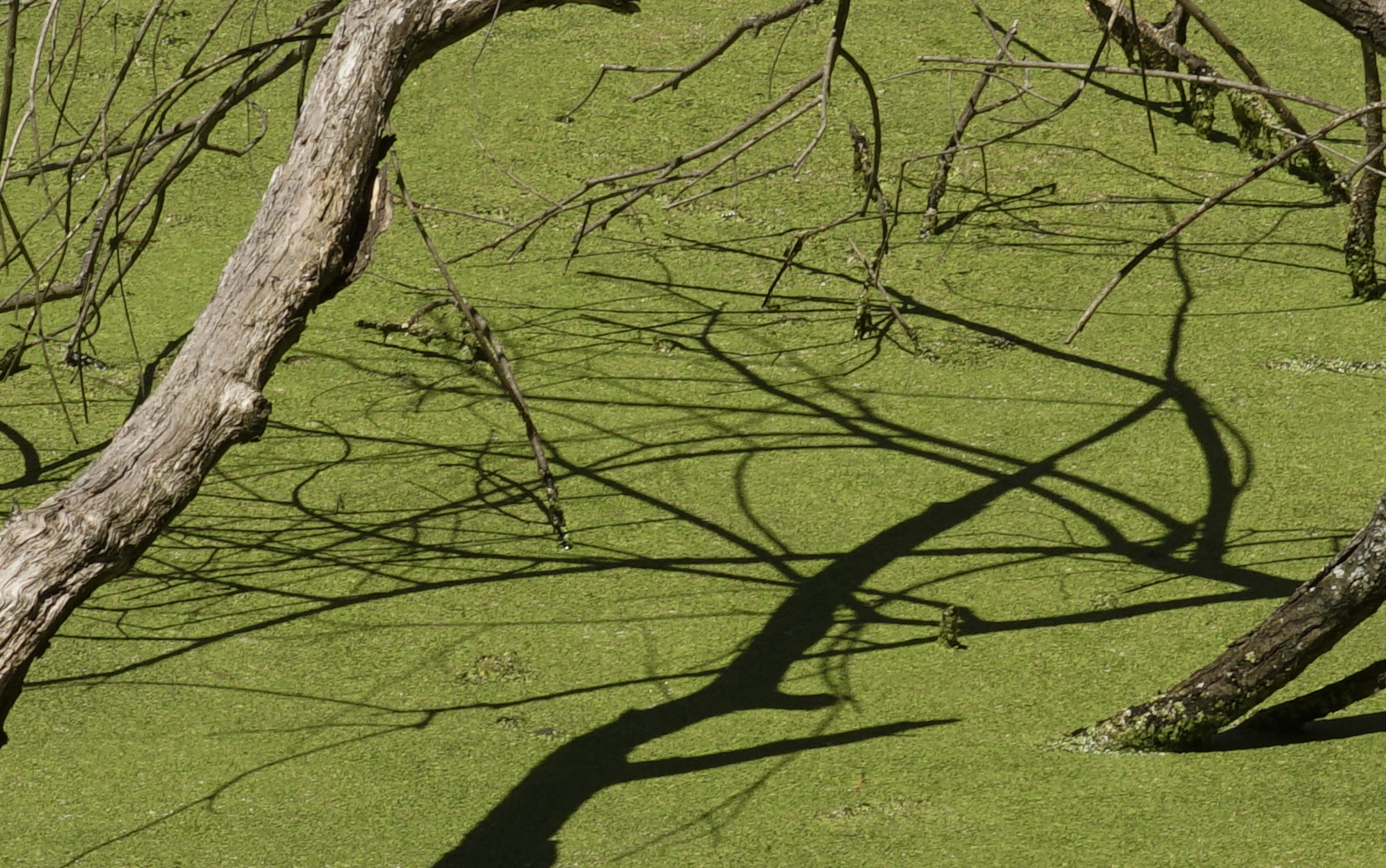
I can’t decide on a good crop


Locust plant


Leave a Reply