I’ve never been here, but this is a really good place to go to! Lots of bugs I don’t really see a ton of in my locality.
Also, in case you’re interested (because I was): it’s a park named after a man name D. W. Field, not a park with a field named “DW”.
Observations here: https://www.inaturalist.org/calendar/gaurav1729/2026/7/26
Hymenoptera
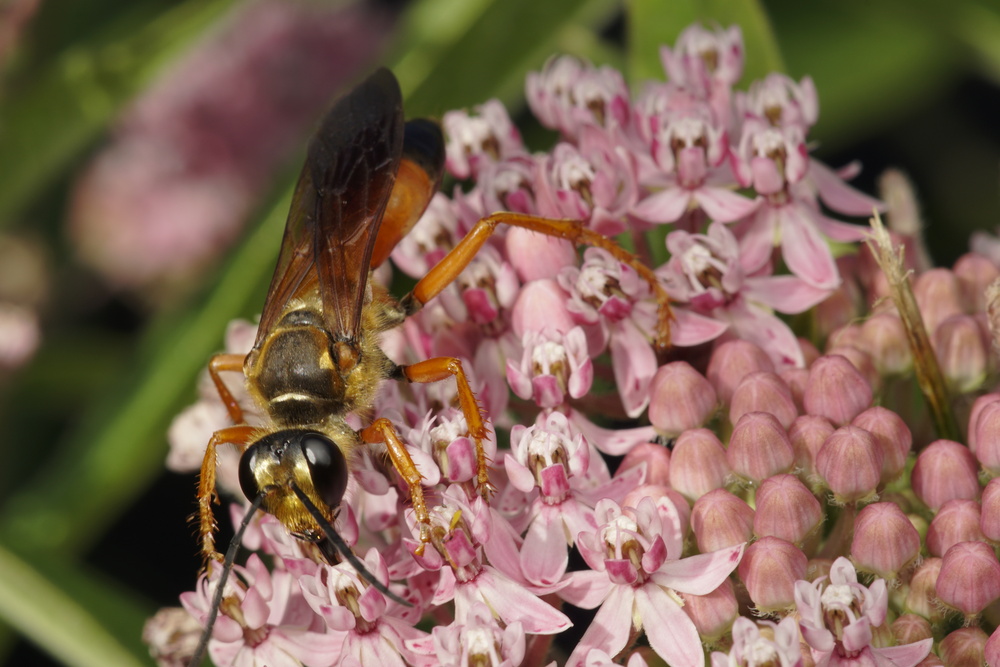
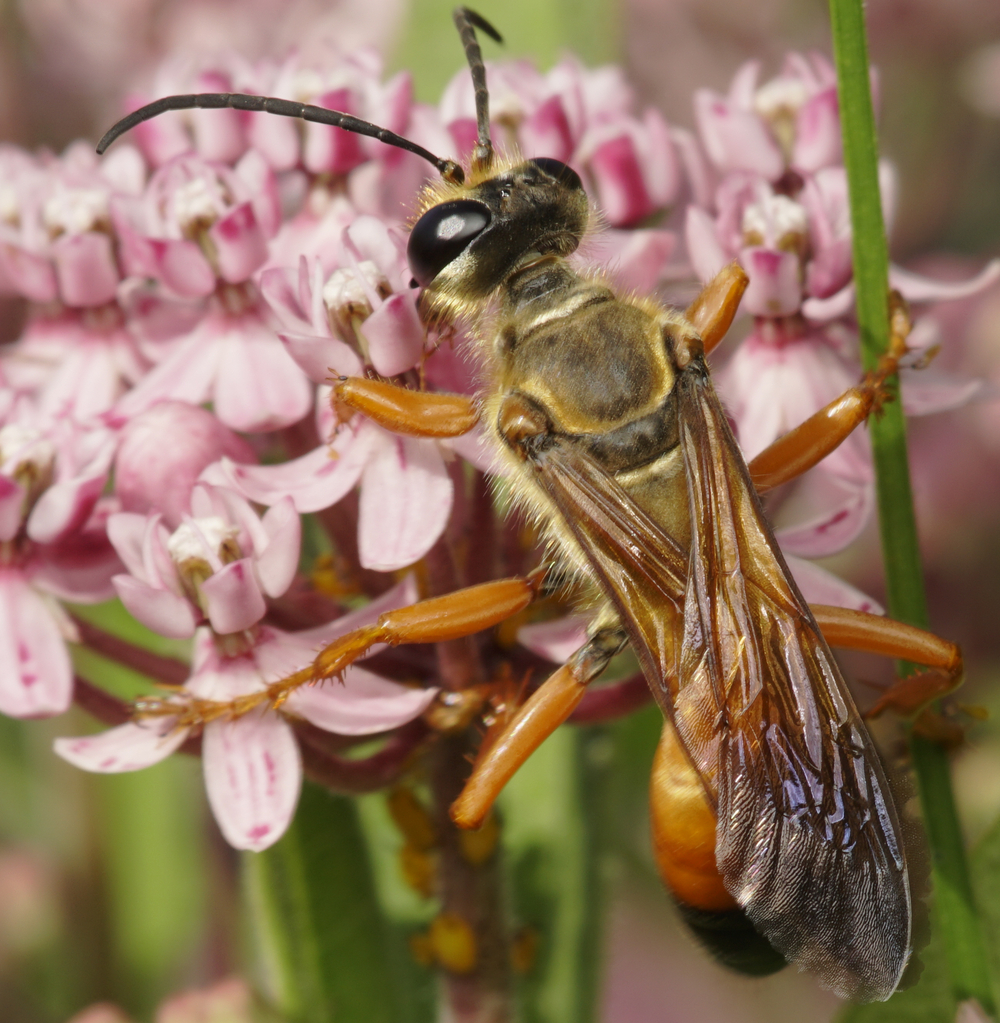
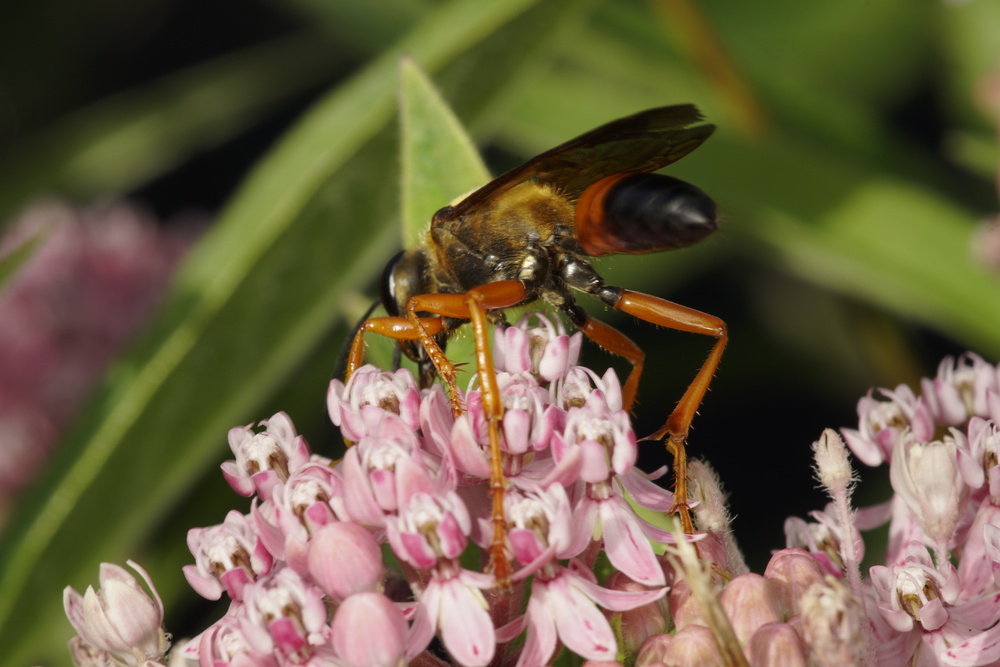
What an absolutely stunning gorgeous beautiful Great Golden Digger Wasp, Sphex ichneumoneous.
Lepidoptera
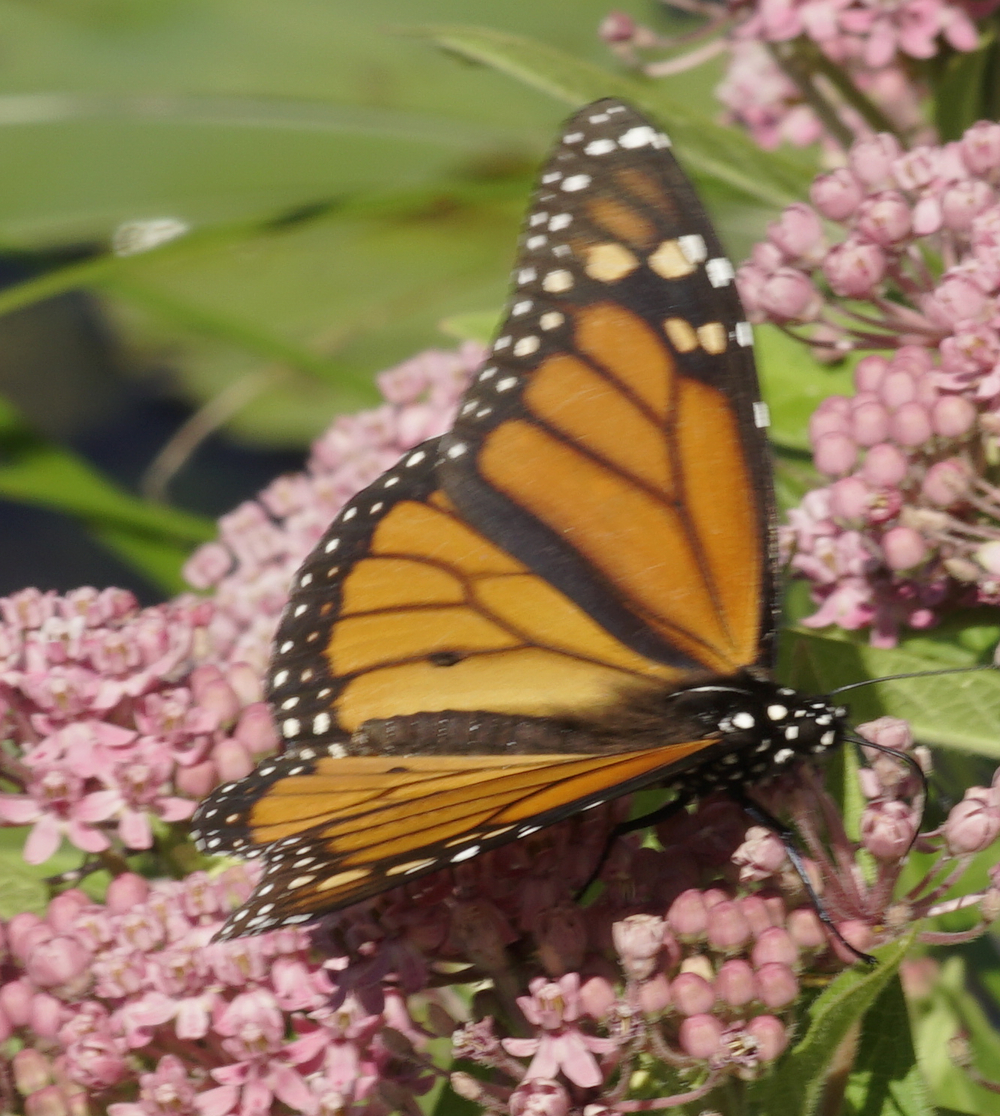
Monarch, Danaus plexippus
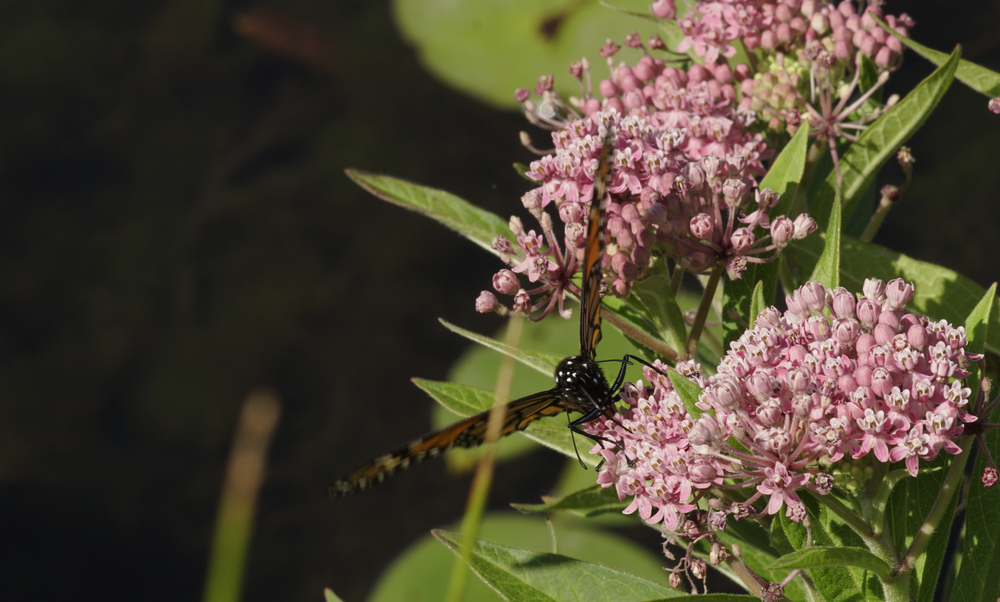
Talking of stunning, this Eremnophila aureonotata, gold-marked thread-waisted wasp, Sphecidae.
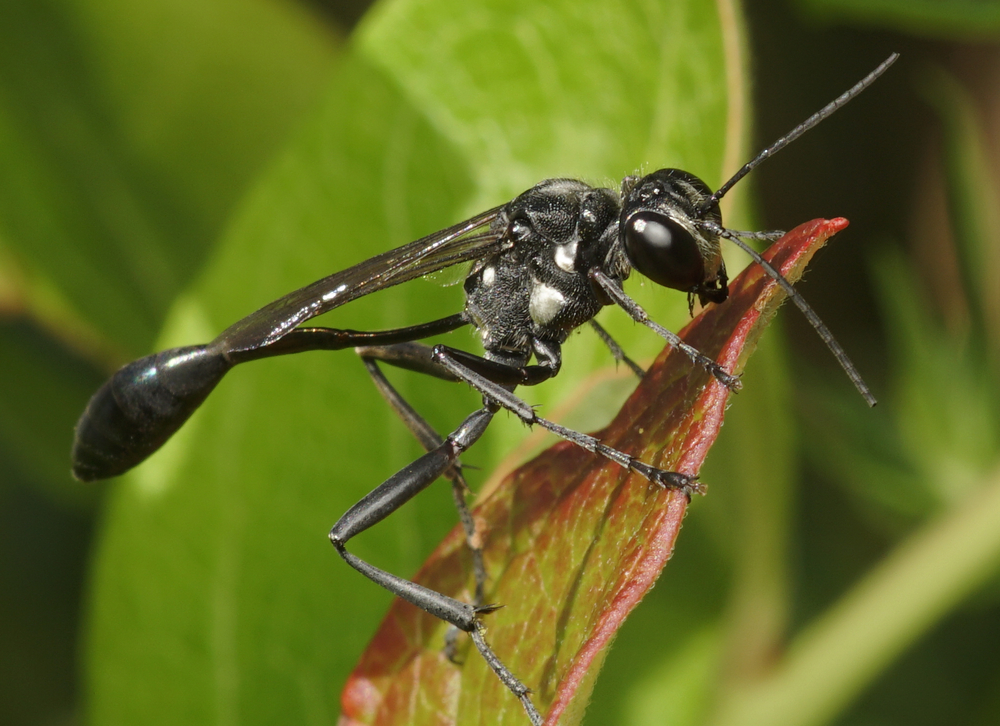
And this Ceropales maculata, a kleptoparasitic spider wasp in Pompilidae:
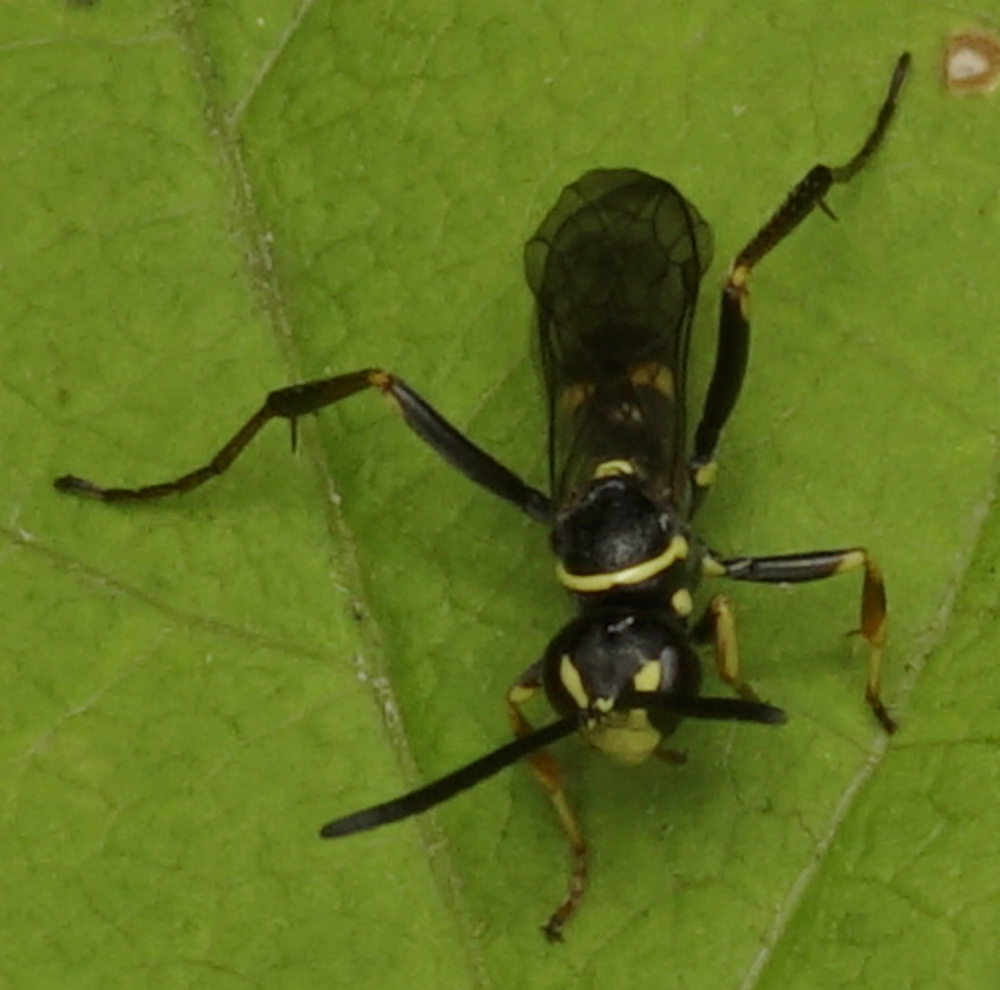
My first sighting of this Aphilanthops in Philanthidae, which is apparently now a family. Aphilanthops captures queen ants, which to me seems a weird kind of speciality.
Apparently this is Philanthus.
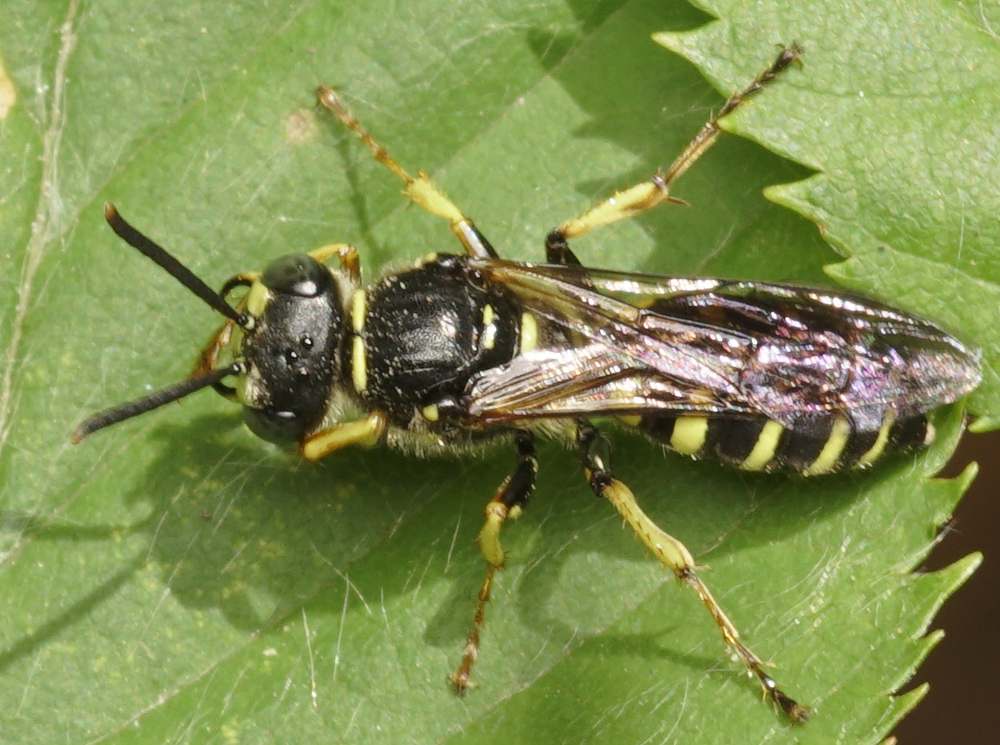
And this Philanthus bee-wolf. Confusing iNaturalist puts this in Crabronidae –> Philanthinae. To be investigated further. P. gibbosus, according to people who know.
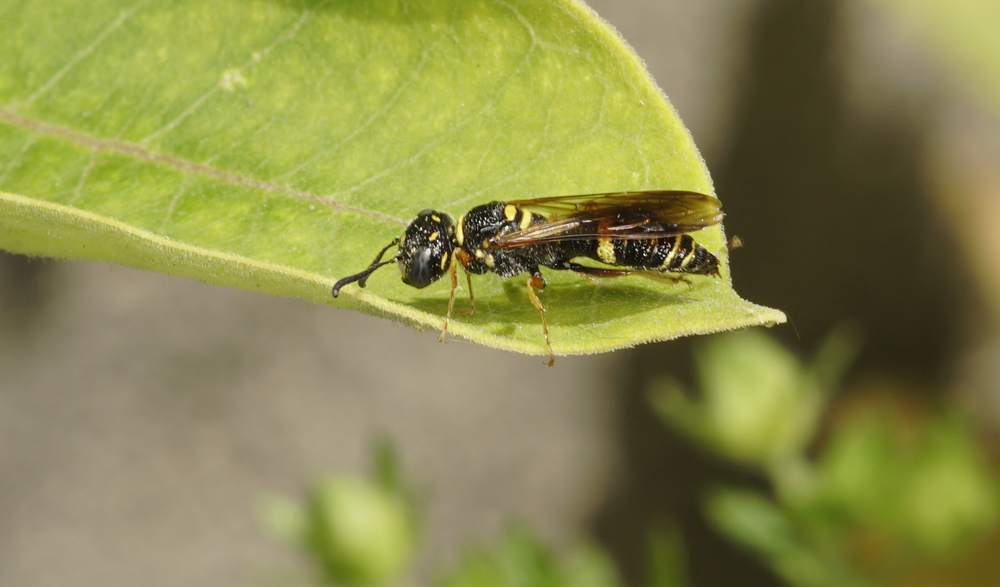
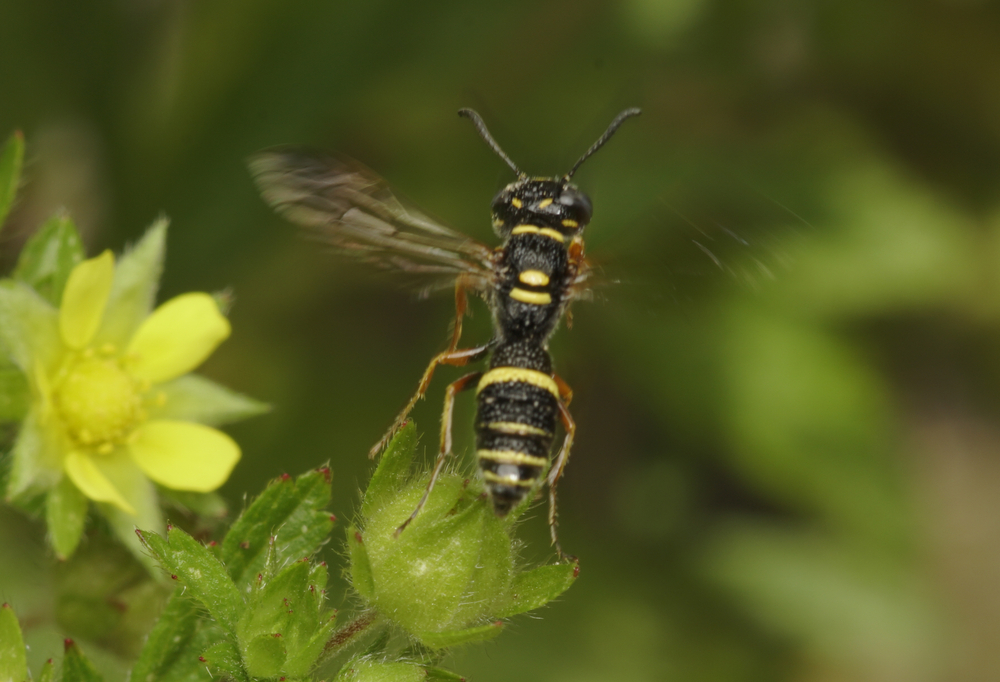
Velvet ant female in Daymutilla, I think

I think Ectemnius in Crabronidae:
EDIT: Crabro suggested
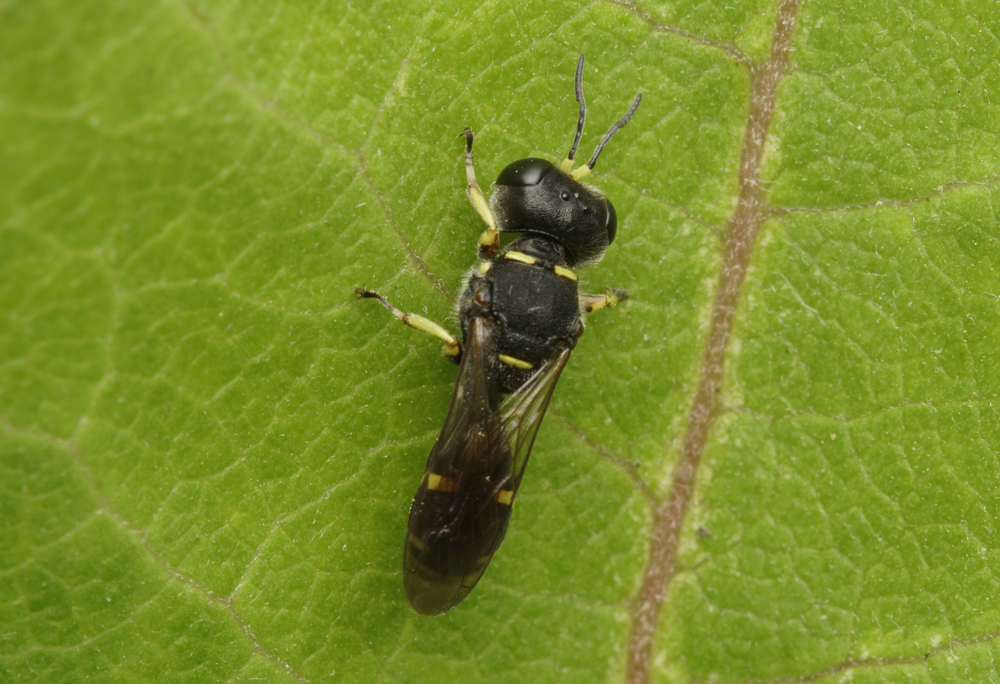
Apparently Tachytes.
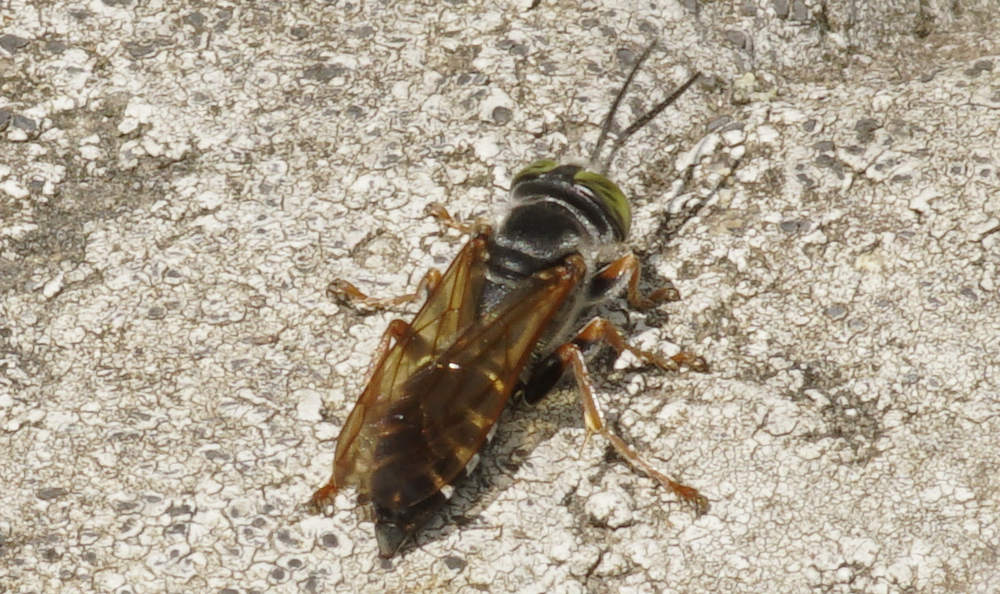
I initially thought this was an ant alate, but the antennae don’t look like that now. Need to dive in a bit.

Hemiptera
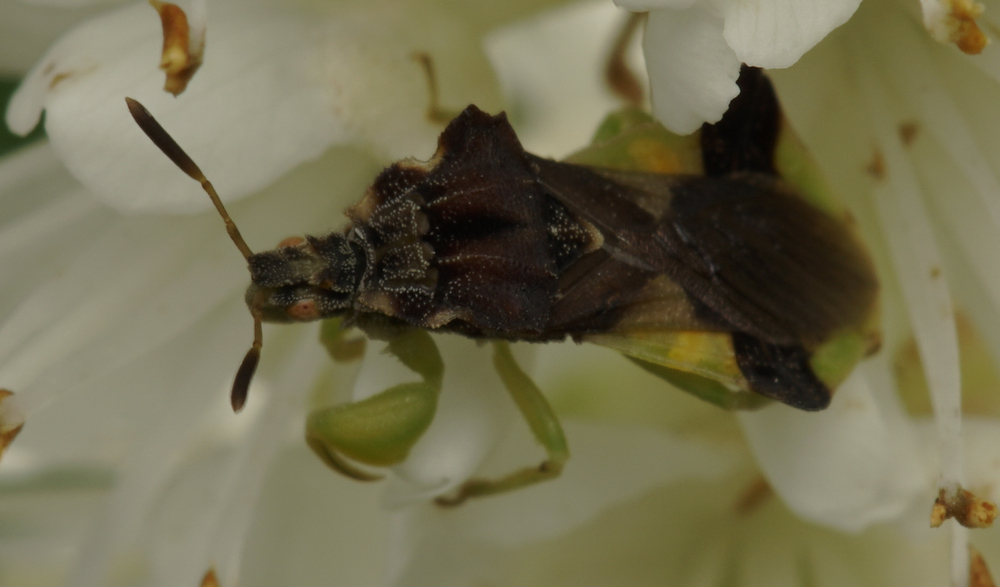
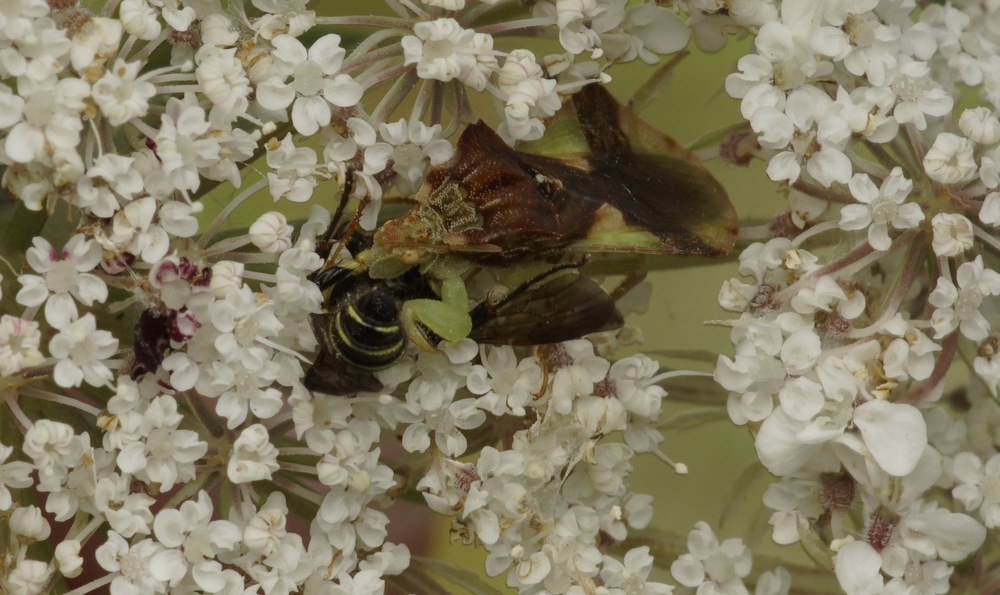
Phymata pensylvanica ambush bug, one of many species that have lost the extra ‘n’ in “Pennsylvania”.
One with prey:
Diptera
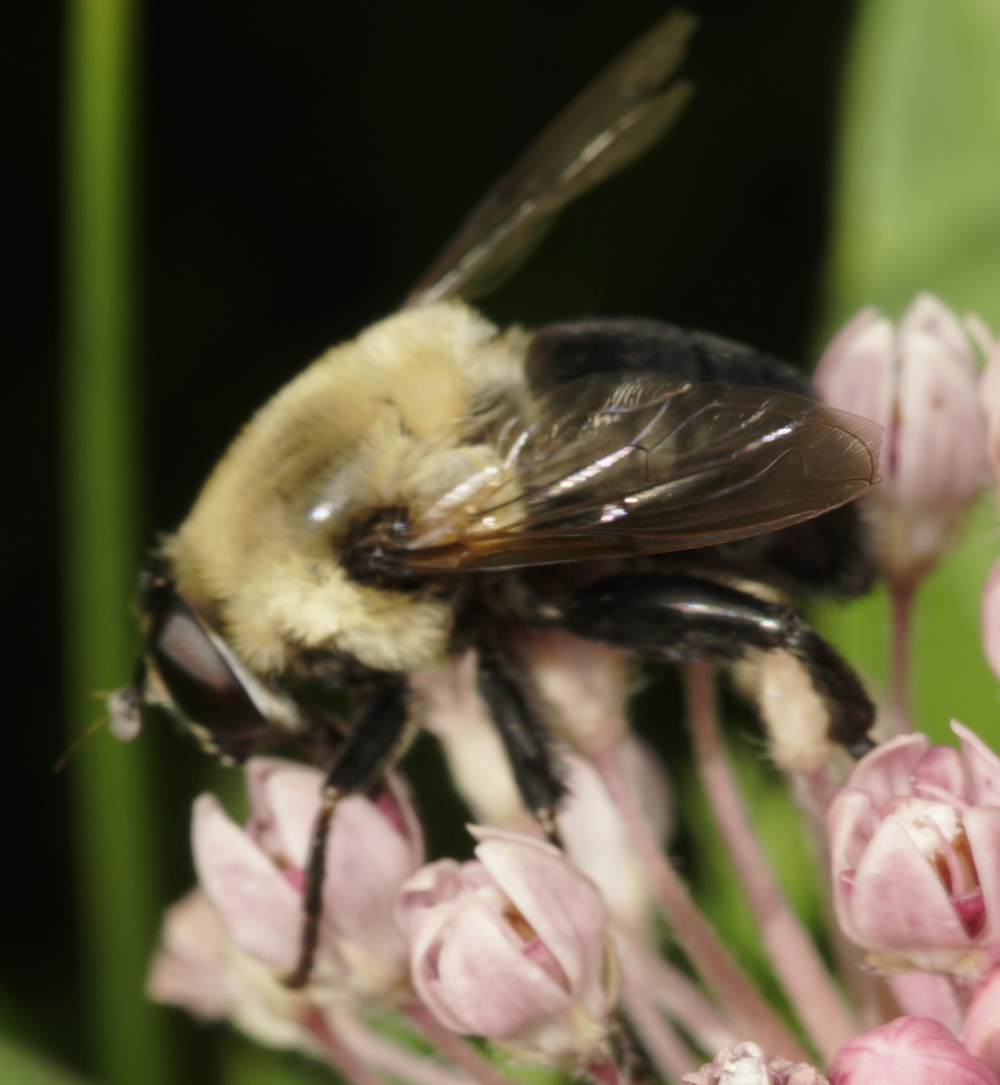
I had never heard of this Mallota bautius, “bare-eyed mimic fly”, in Syrphidae.
Odonata
Pachydiplax longipennis (blue dasher)
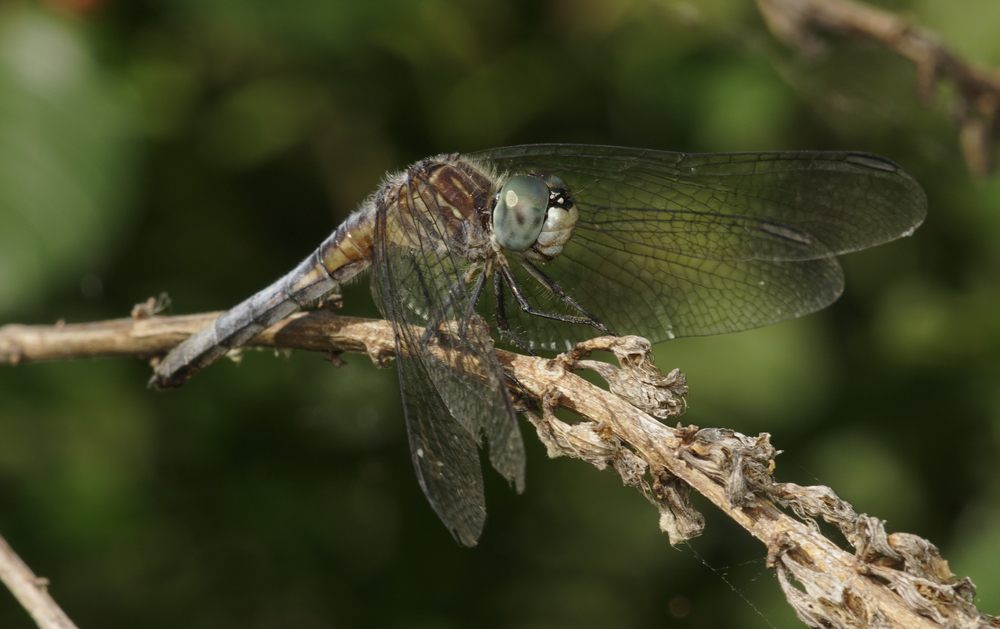
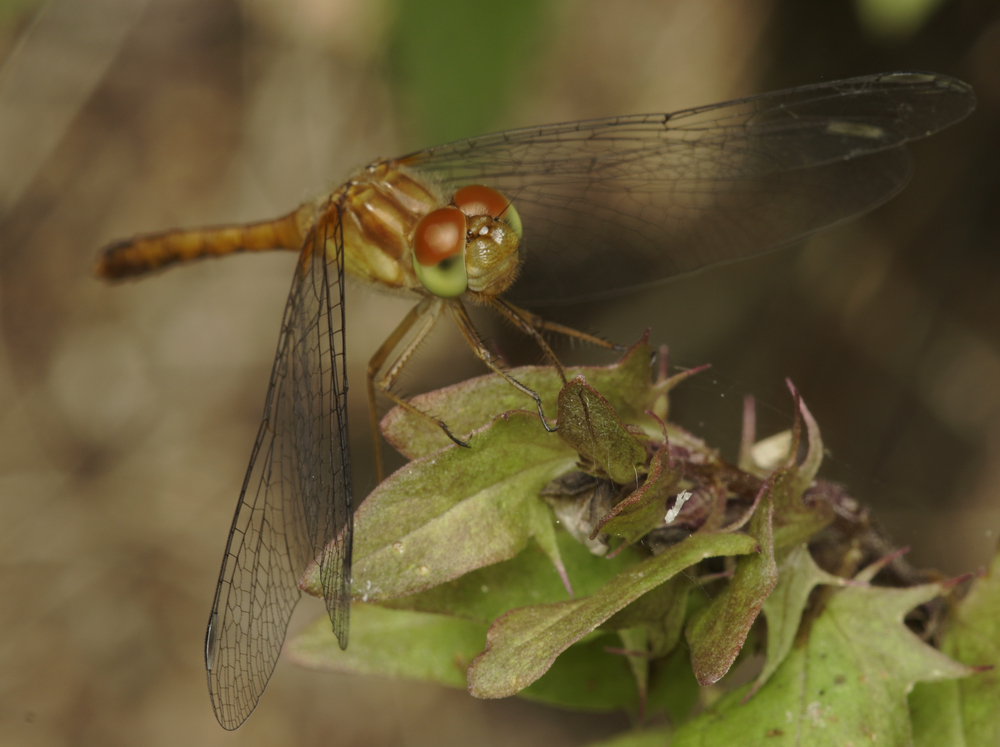
Sympetrum vicinum, autumn meadowhawk, apparently.

Coleoptera
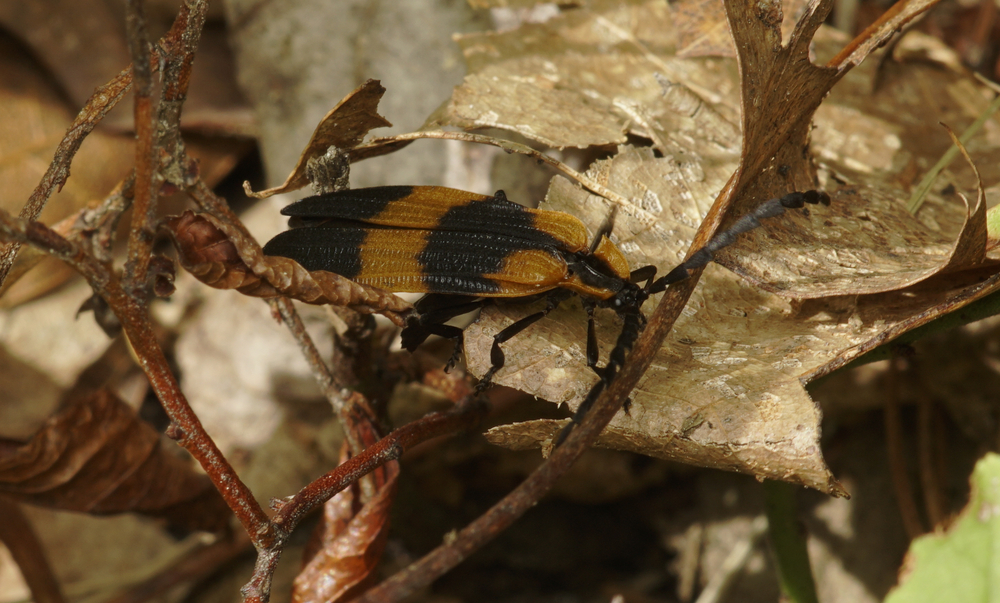
Calopteron in Lycidae
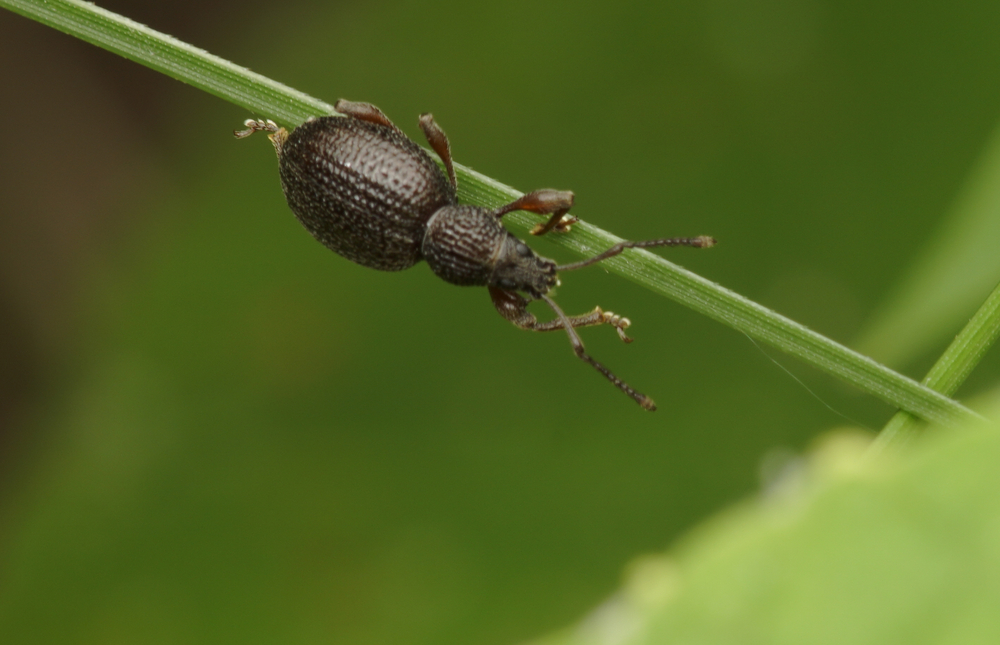
Broad-nosed weevil
Diptera
The oddly named genus Dialysis in Xylophagidae. Note that they were all over the place in yesterday’s moth lighting, too.
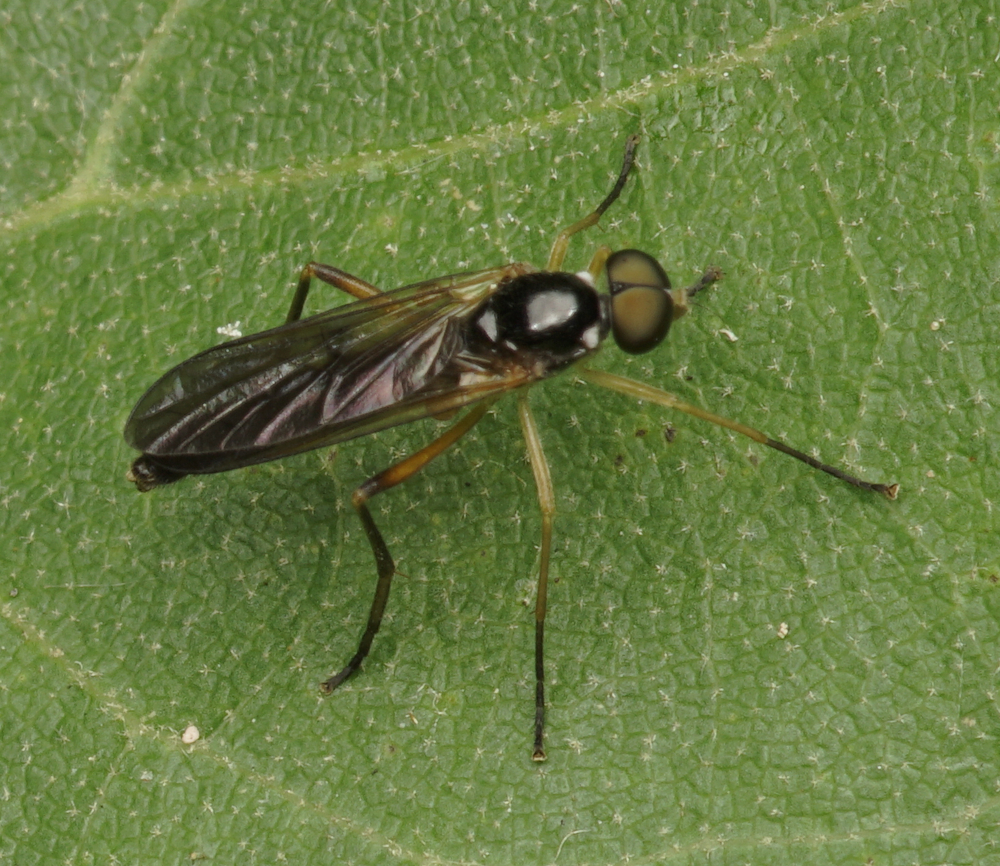
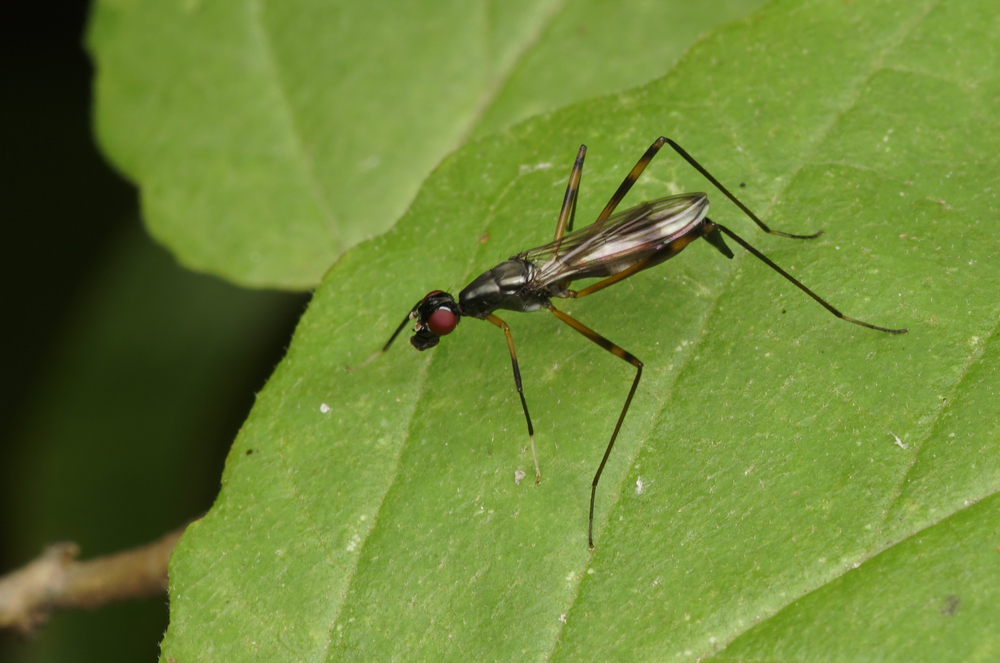
Rainiera antennaepes in Micropezidae. Wasp mimic, which is why it usually keeps its front legs ahead of it, to mimic antennae. I guess I photographed it in a moment when it was tired.
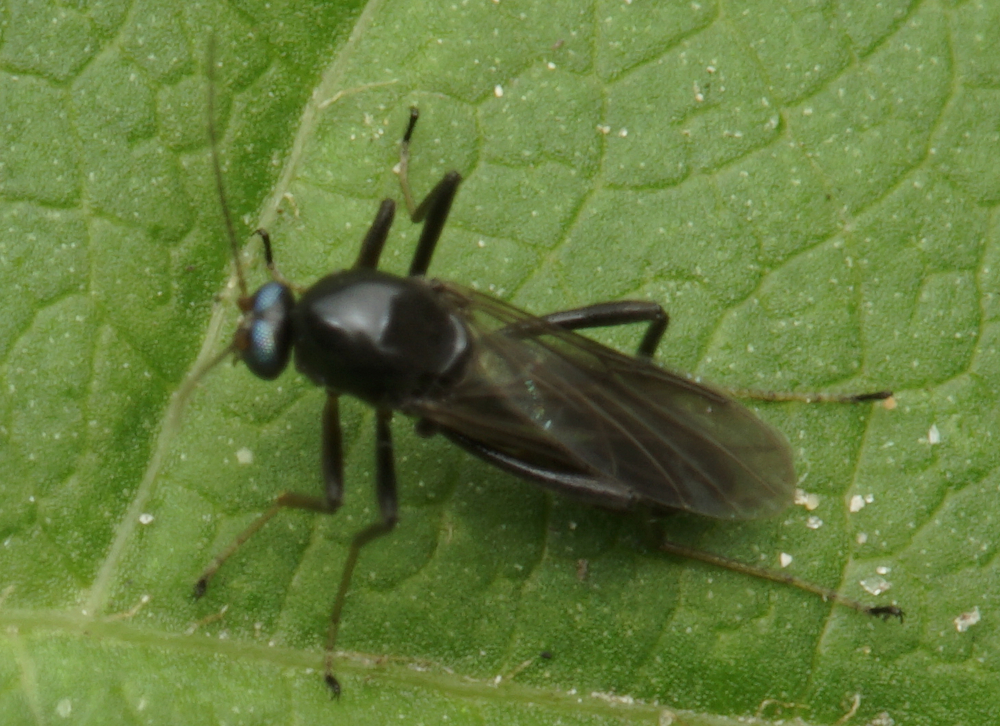
Biting midge, Ceratopoginae:
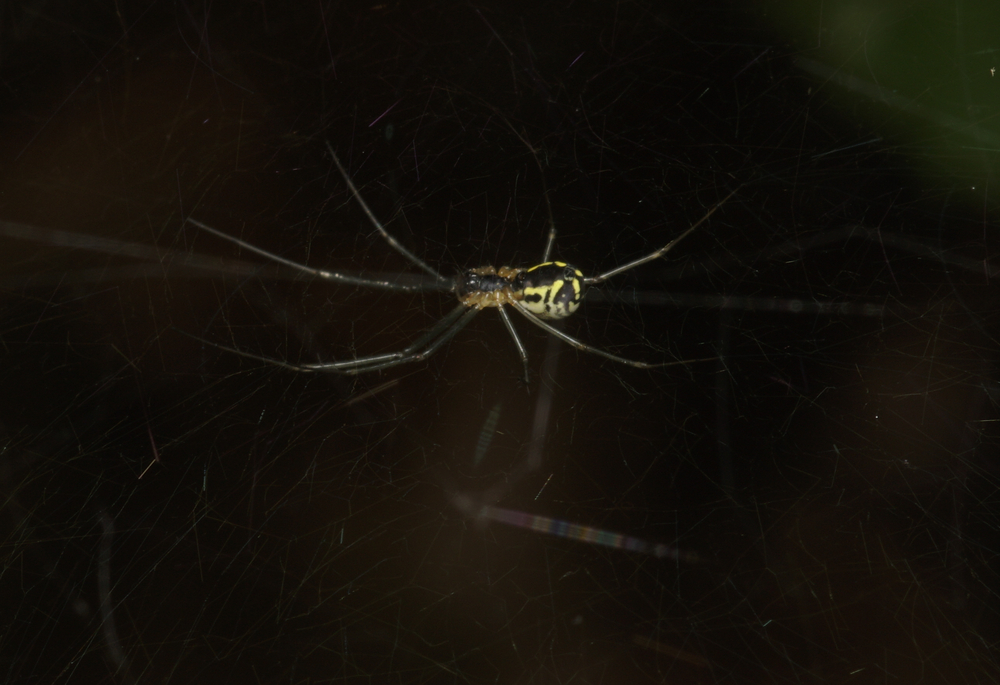
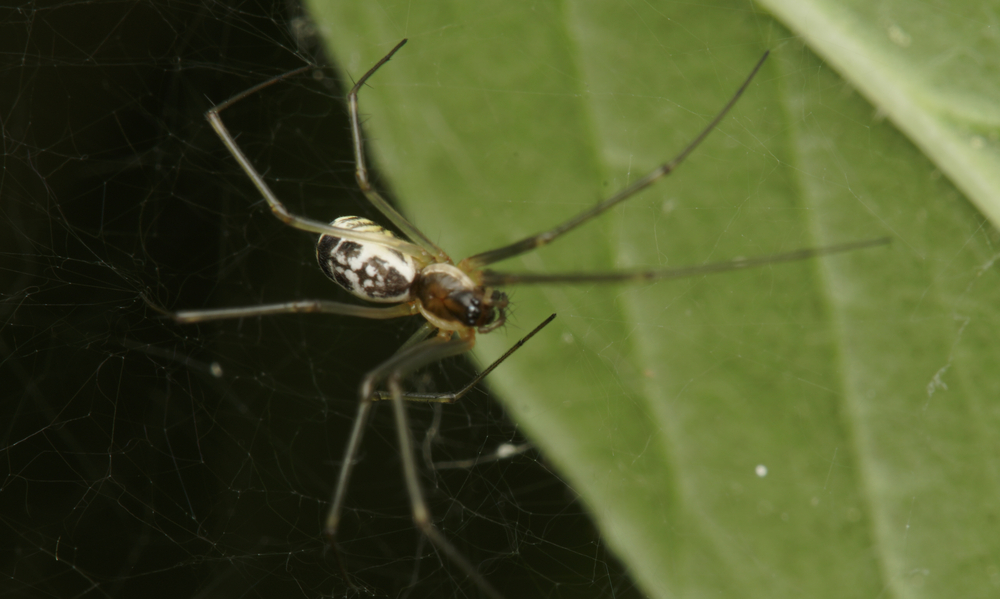
Spiders
Probably Neriene radiata?
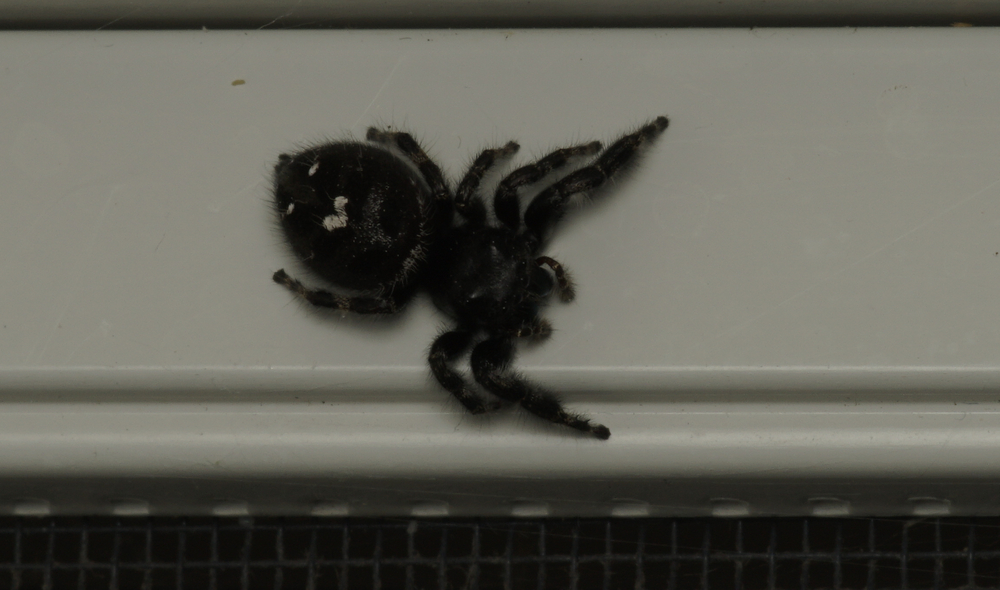
Bonus Phidippus audax from home
Other


Leave a Reply