What a wonderful trip, expertly guided by Big Wild Adventures (I recommend them for anyone interested in wilderness backpacking adventures).
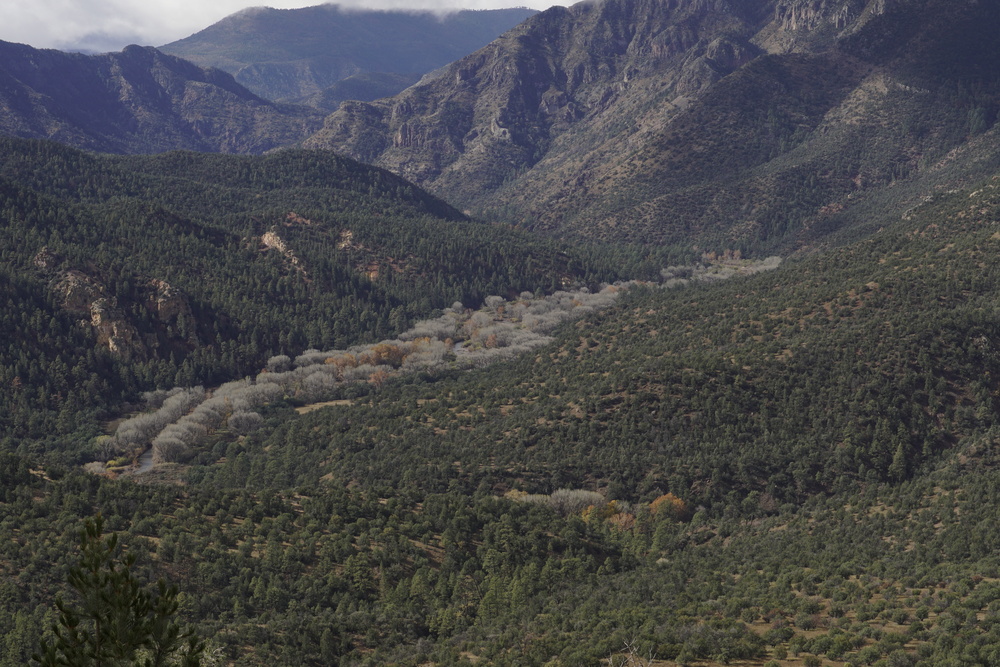
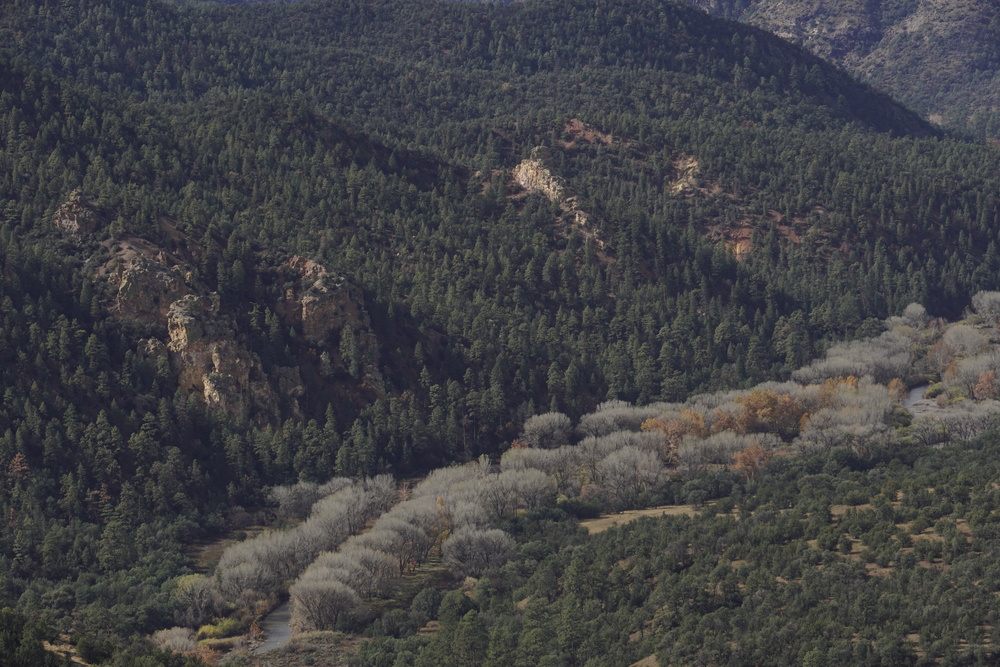
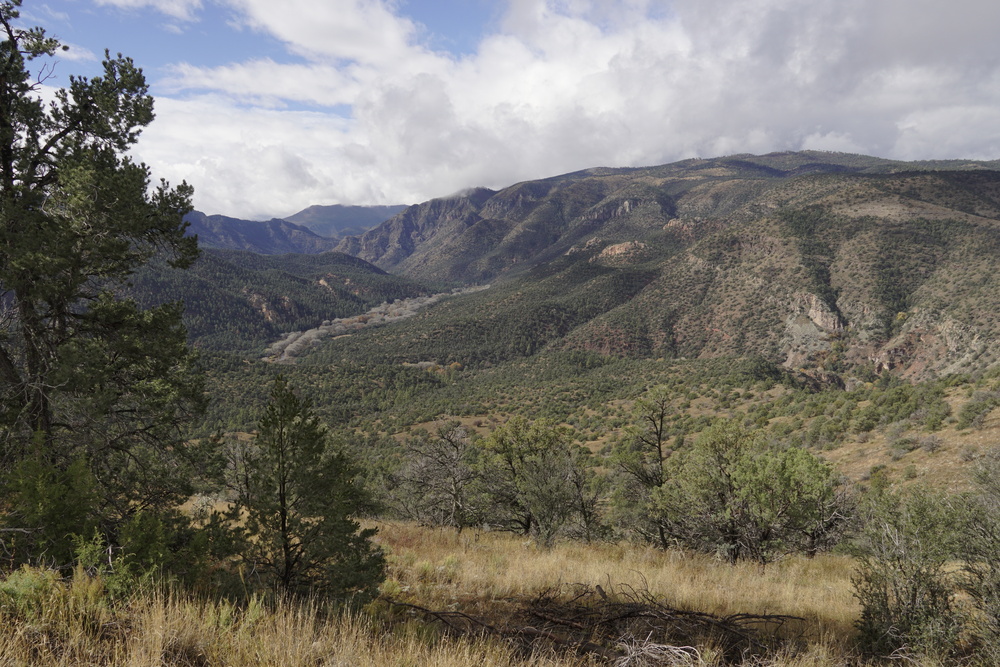
I’ve been to quite a few places in the US Desert Southwest, but never to the Gila Wilderness, which is an area inside Gila National Forest, but with a slightly higher level of protection. The diversity of this area was stunning, and the beauty. Visit here, and take your time!
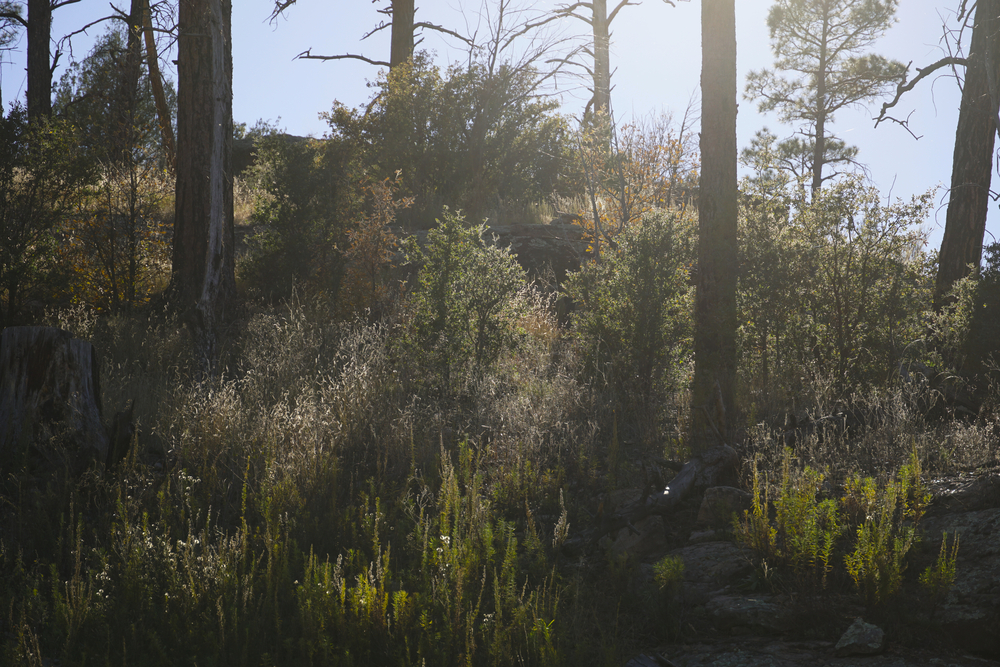
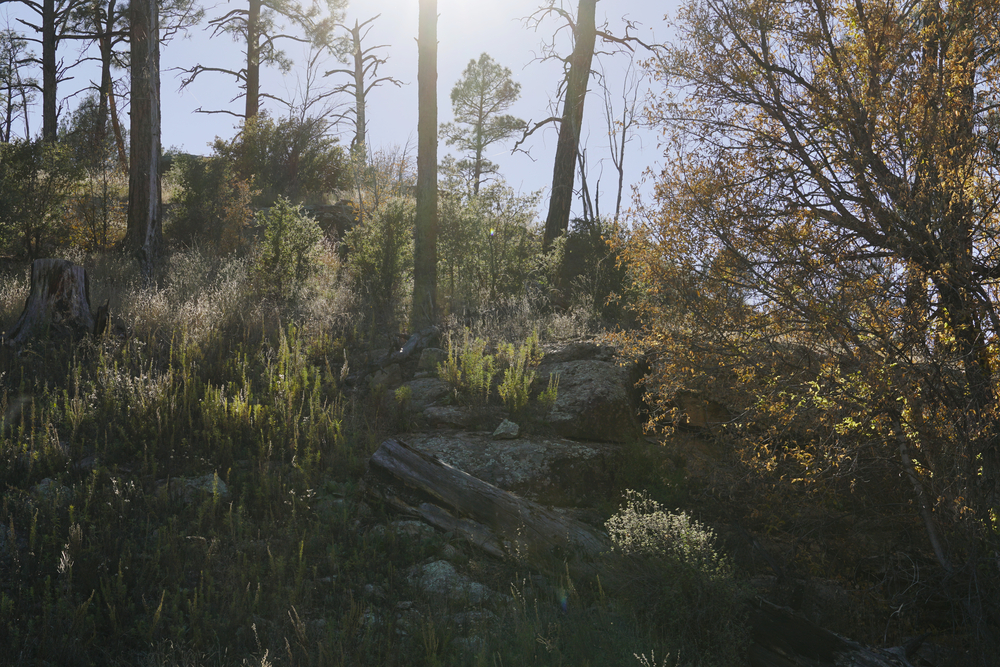
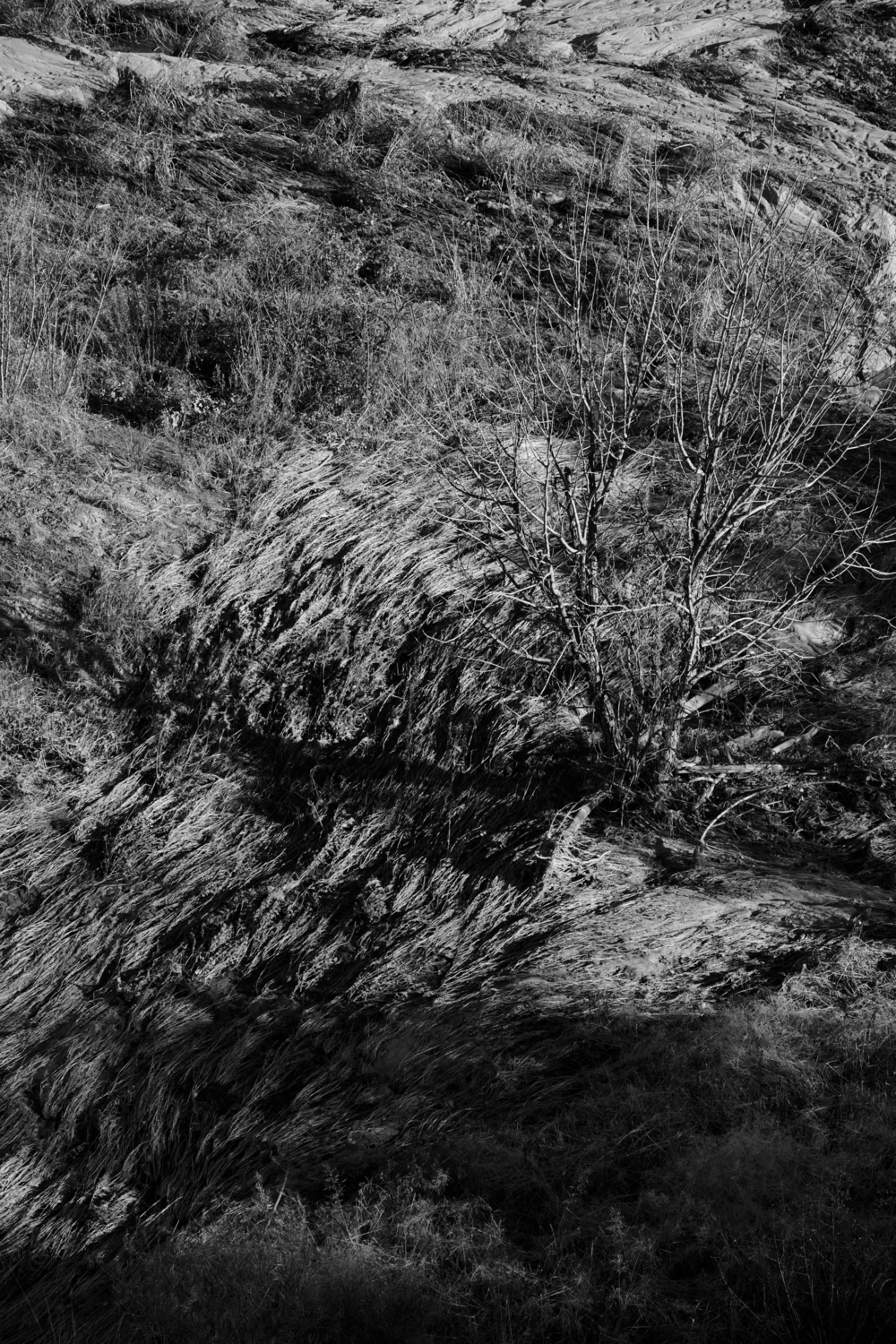
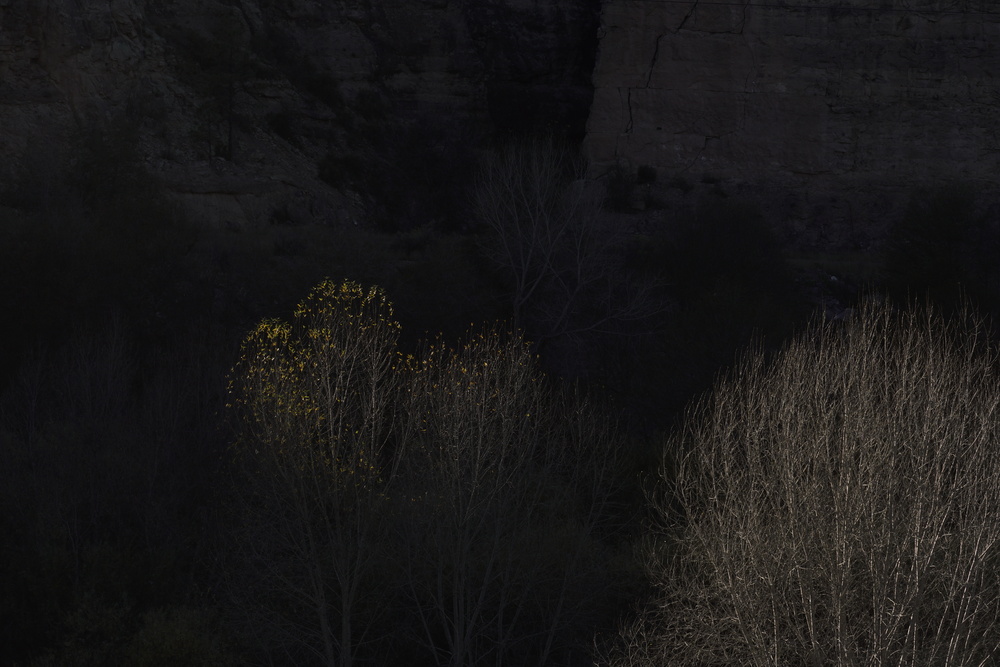
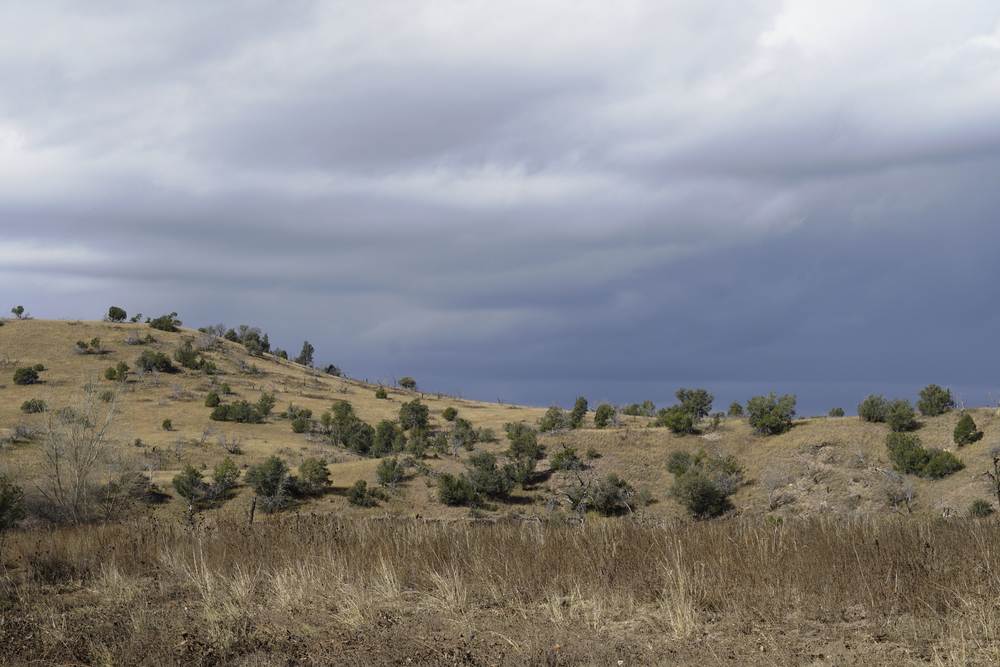
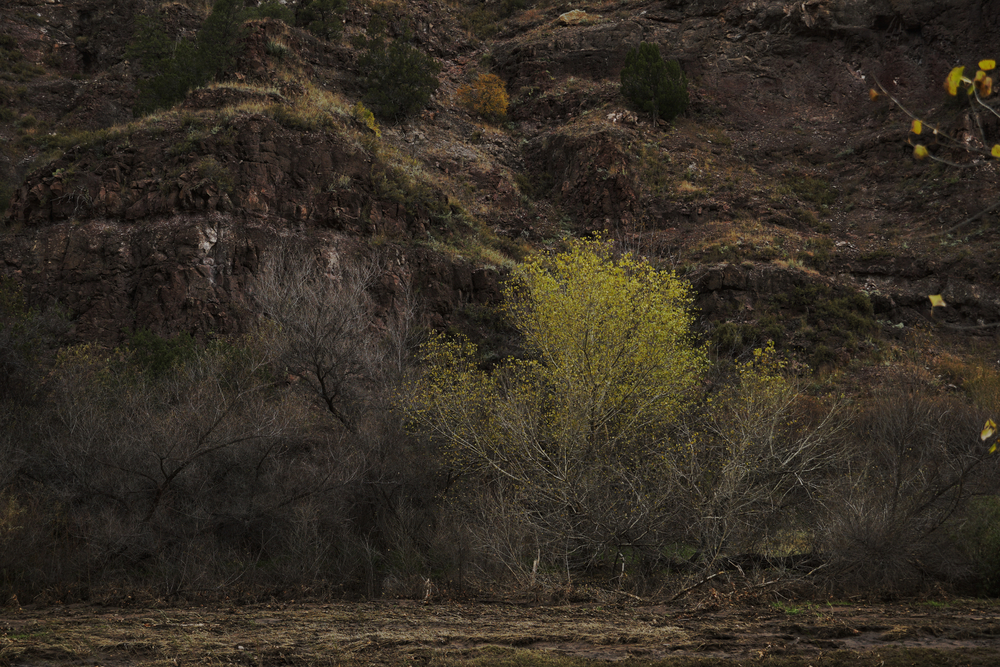
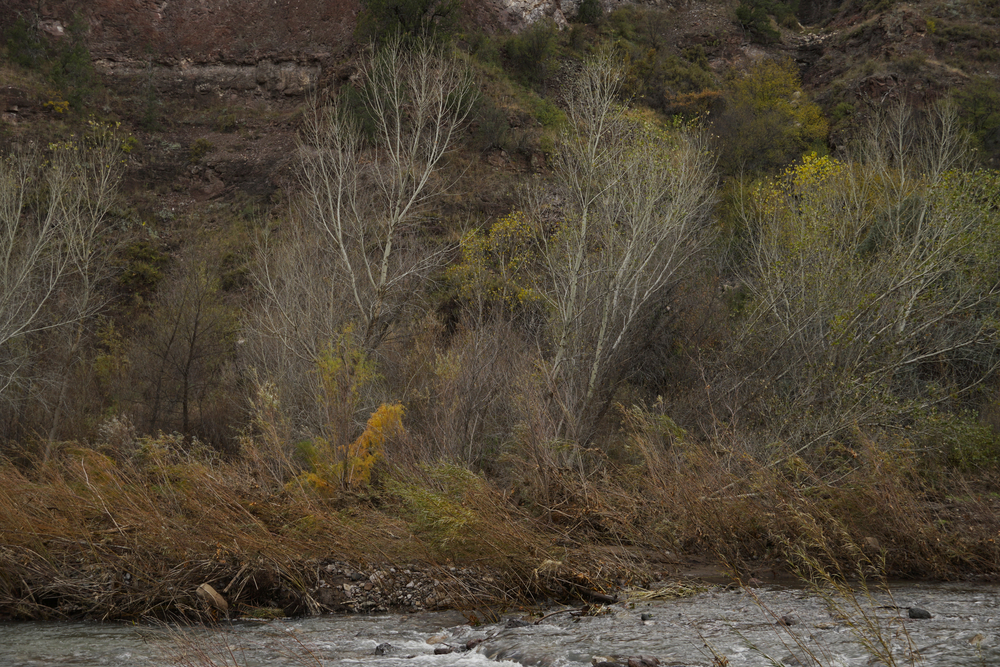
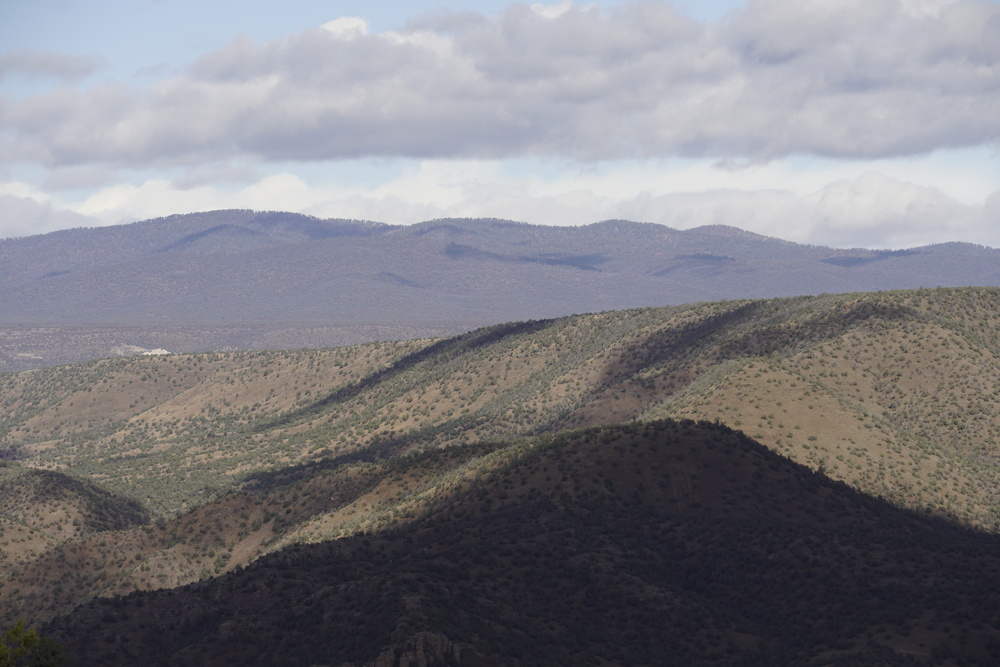
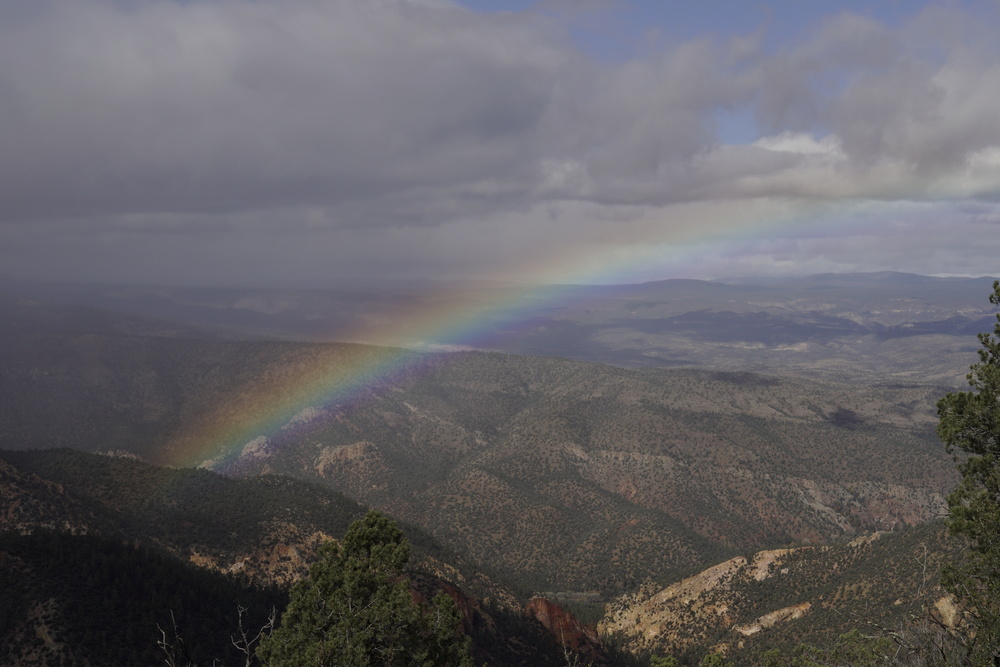
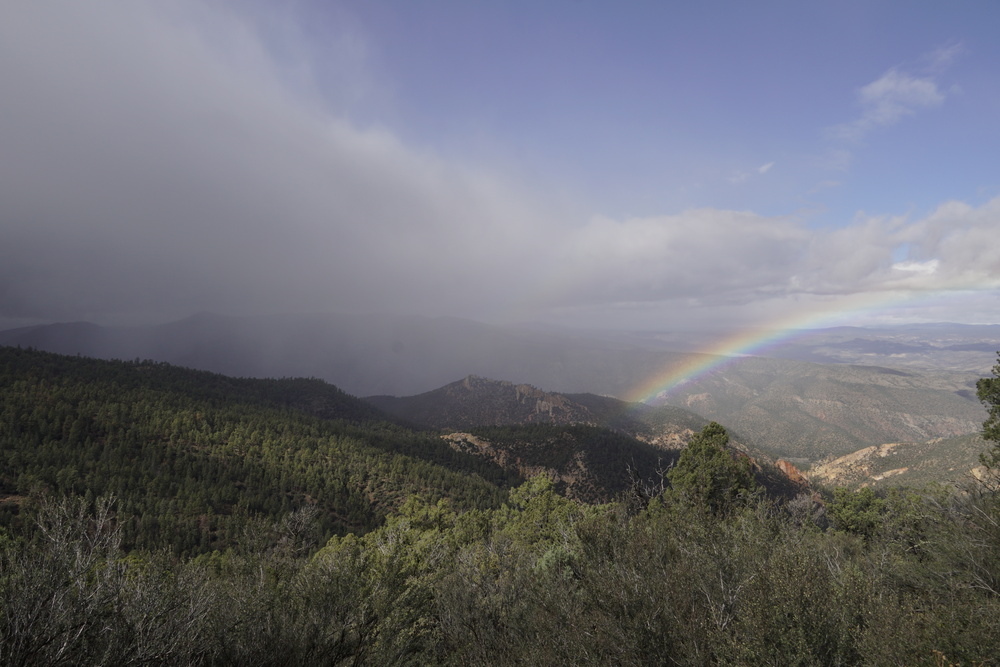
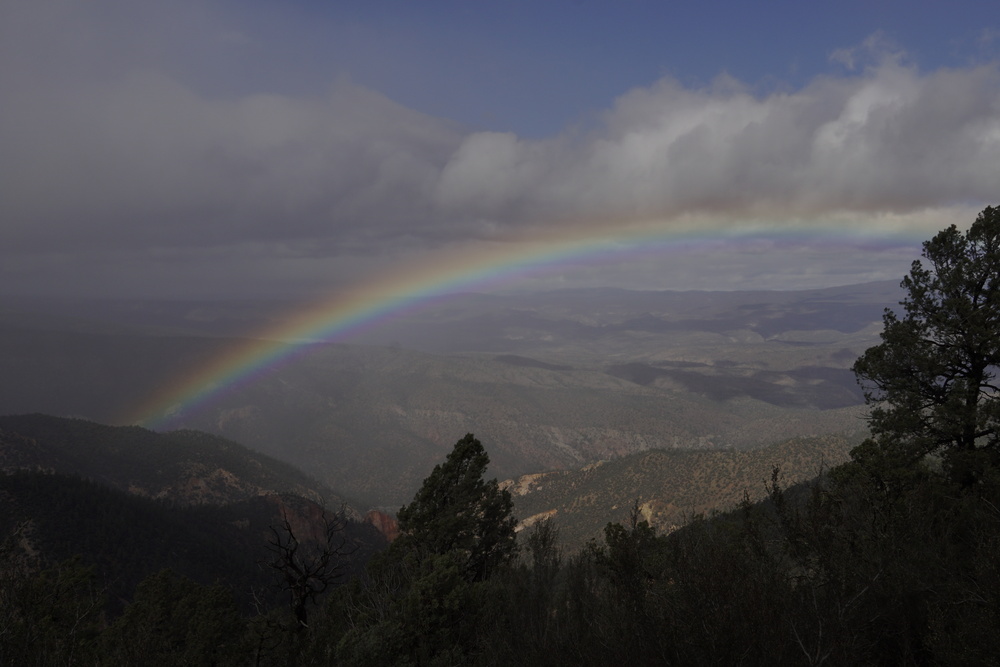
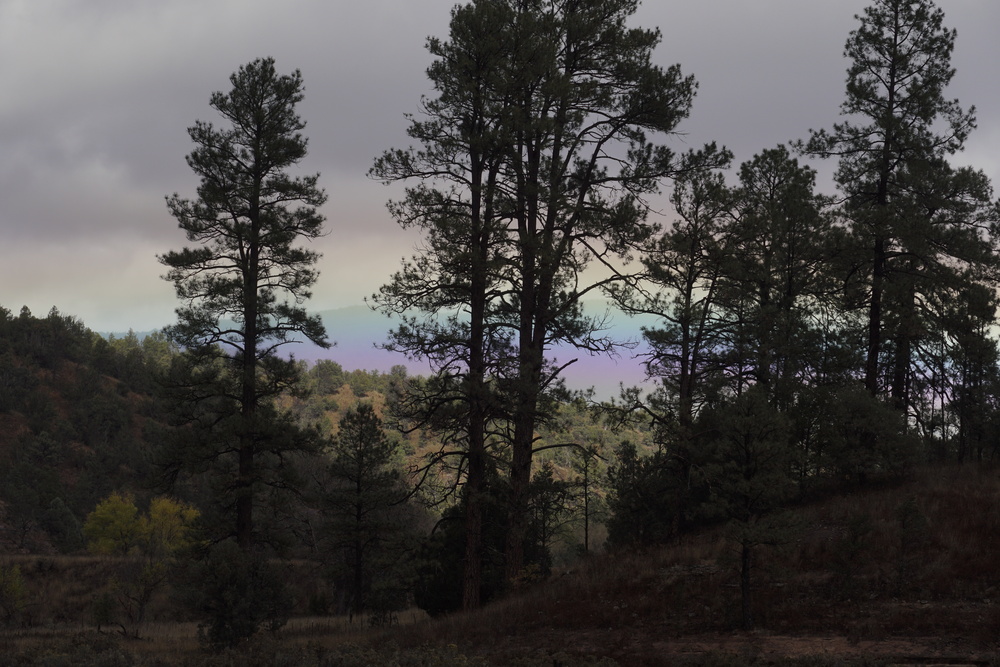
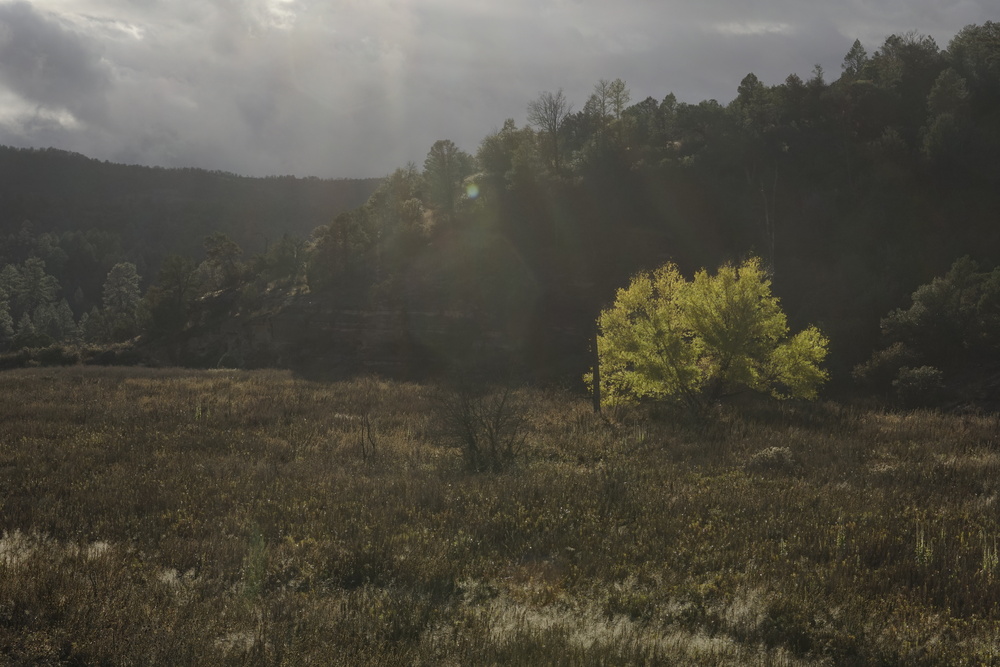
A very unusual sight, the rainbow setting as the sun was rising

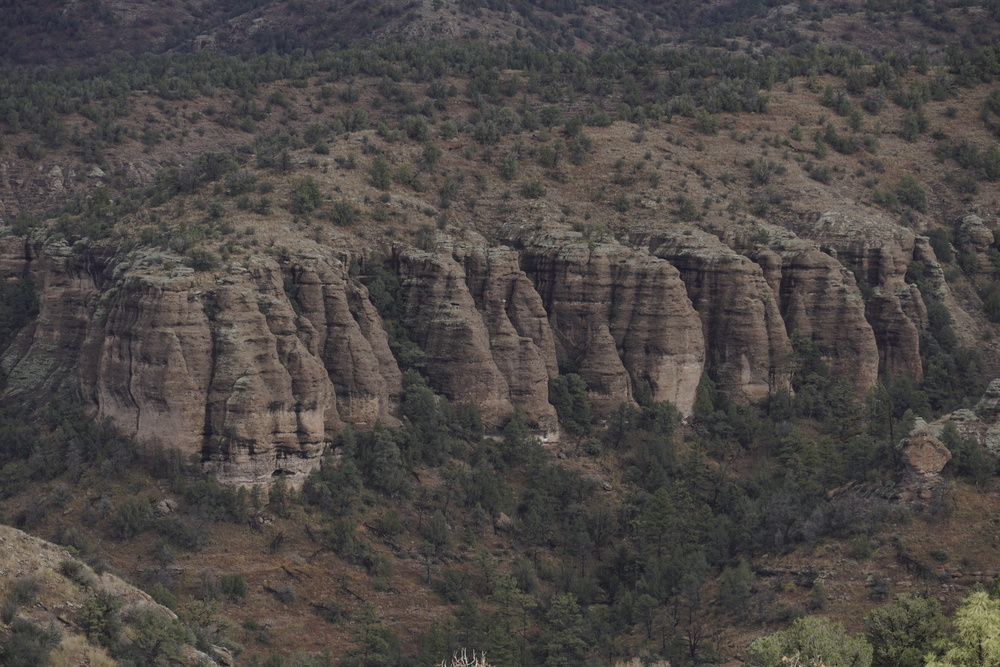
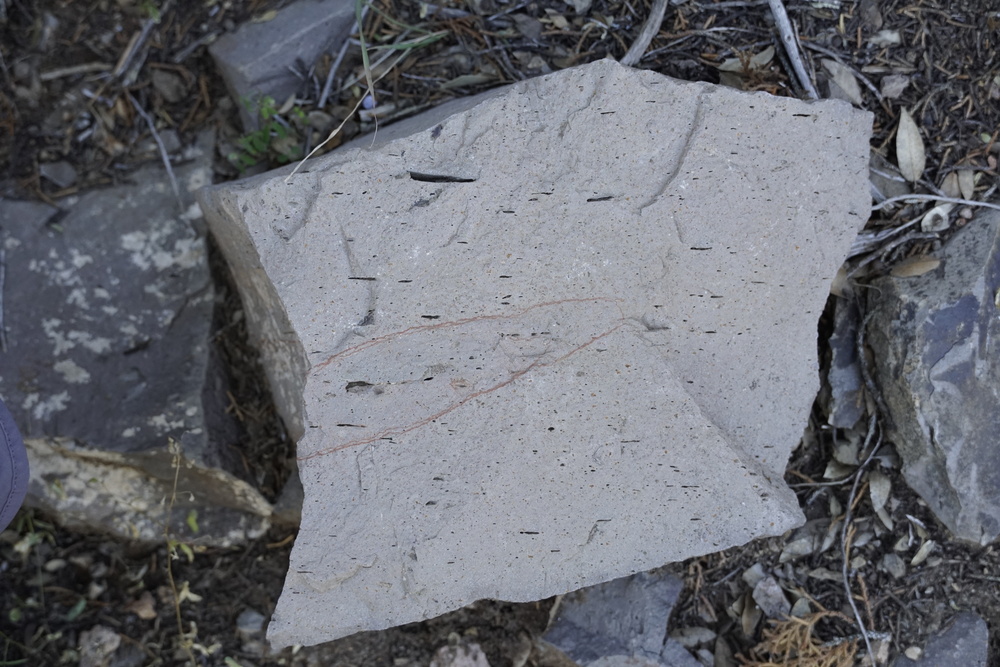
There were lots and lots of similar rocks, all of them with parallel long thin cavities.
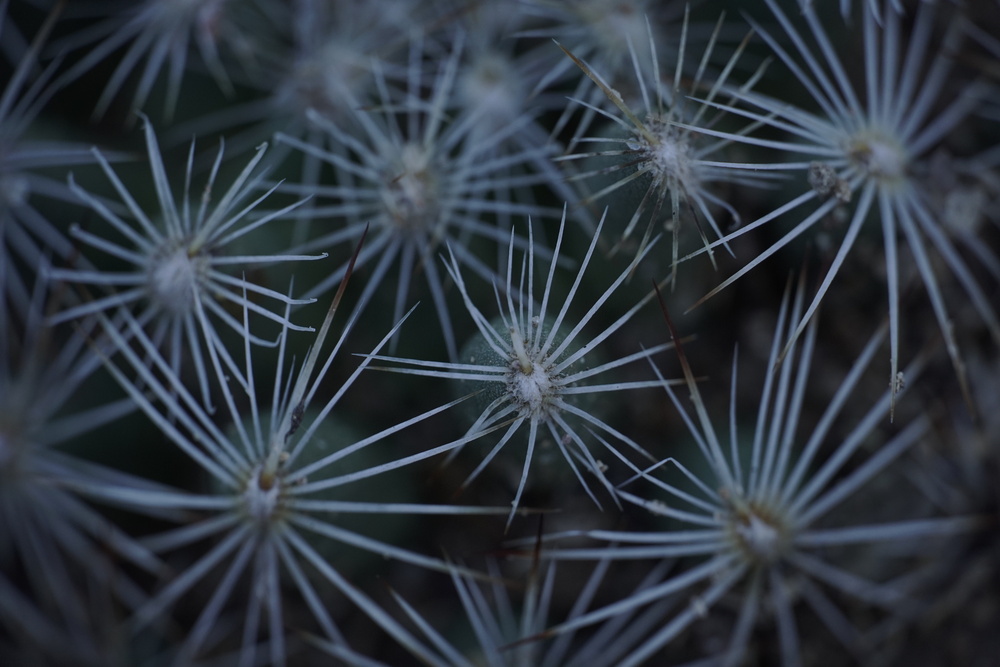
Invertebrates
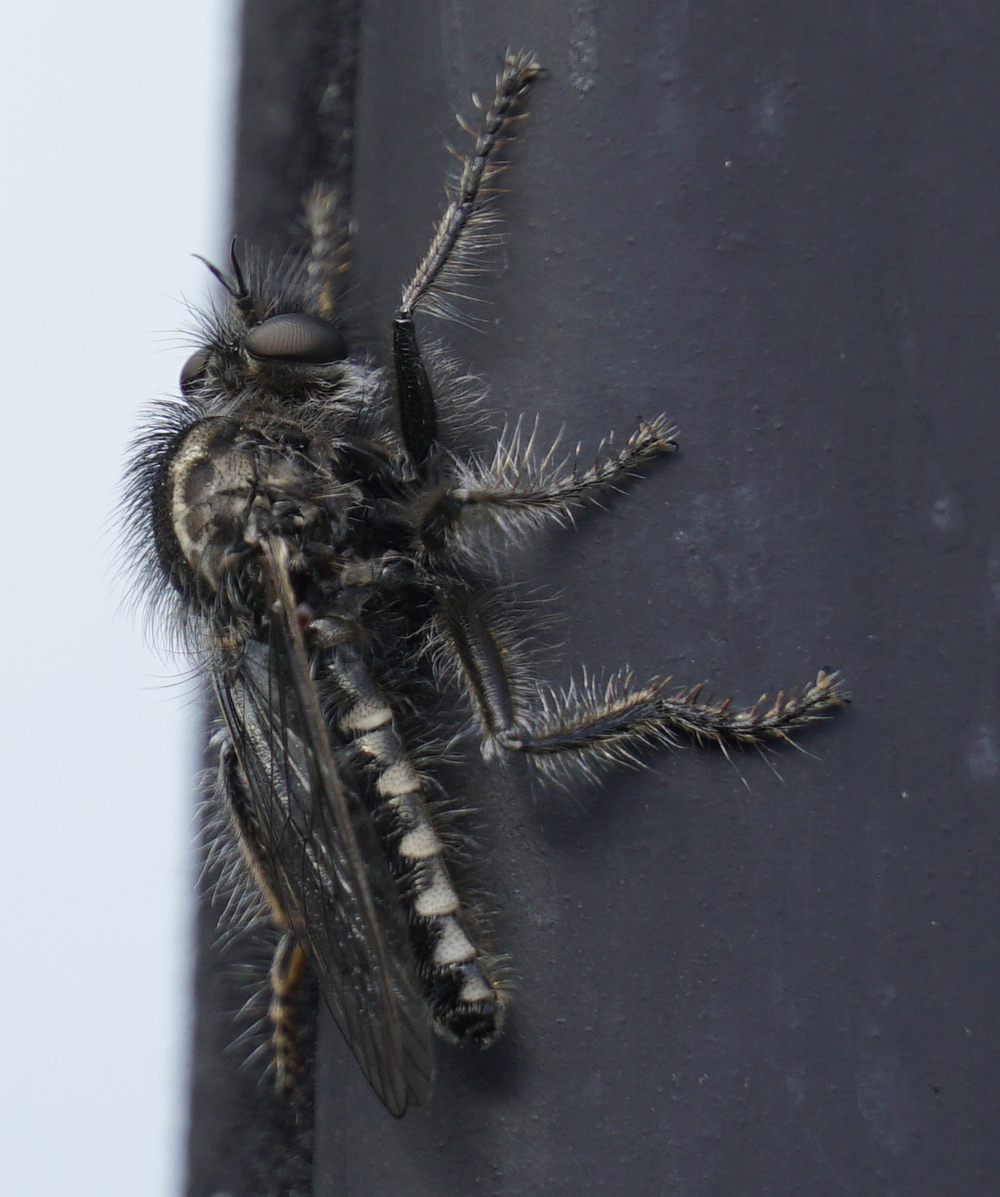
Robber fly, Asilidae, yet to be identified further. EDIT: Eucyrtopogon, according to iNaturalist.
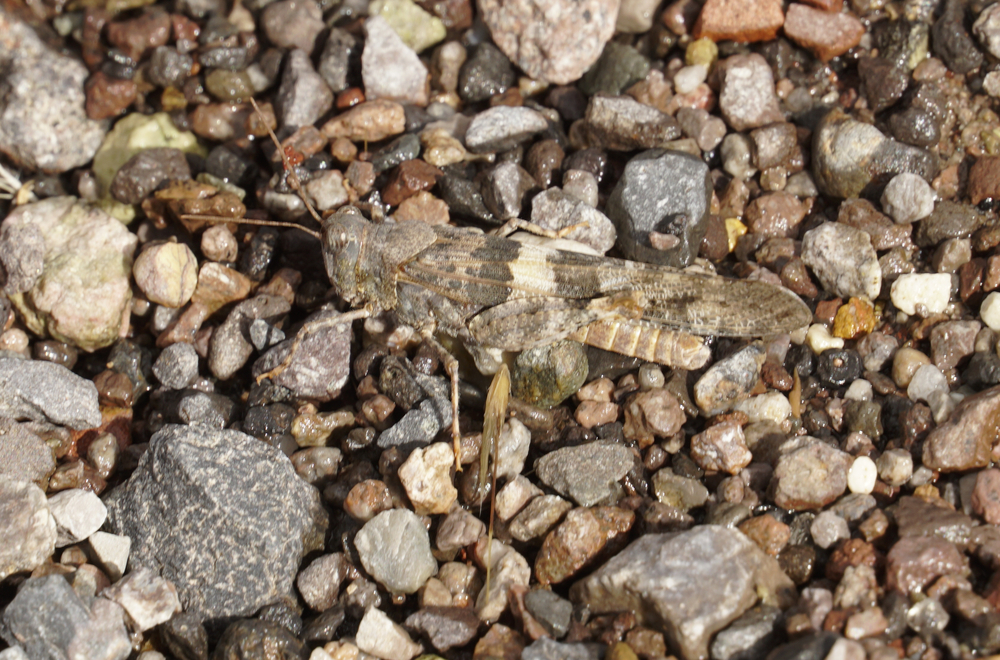
Grasshopper, Orthoptera
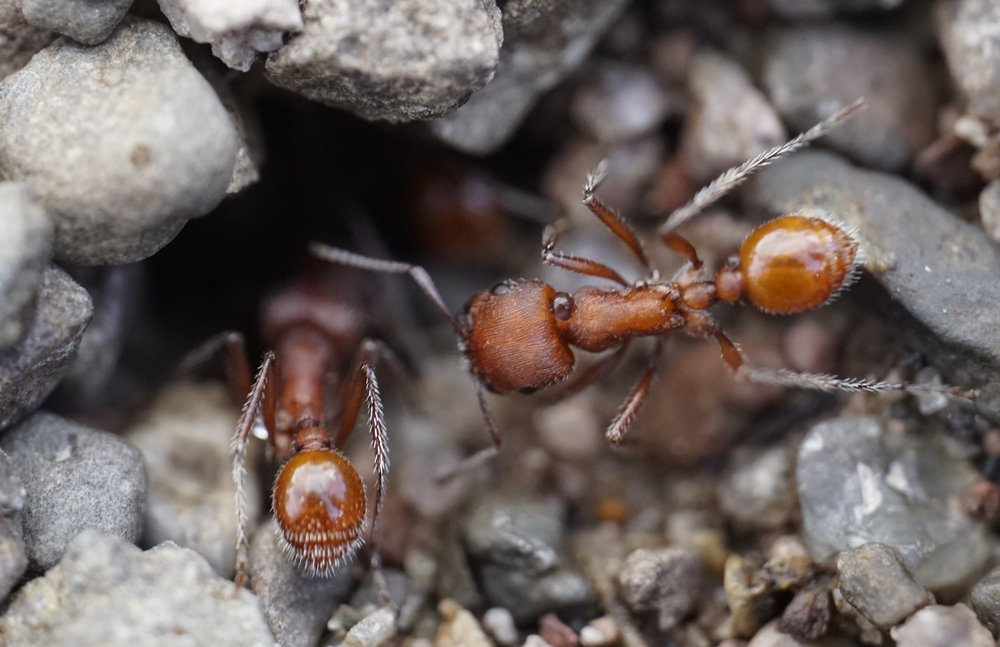
These ants had huge gravel mounds. I believe that this is in the genus Pogonomyrmex. More specifically, the red harvester ant, Pogonomyrmex barbatus or (less likely) P. rugosus. In the photo, there seems to be some kind of mite on the ant on the right.
I initially couldn’t believe that the mounds were ant-made, they were very impressive in size.
Here’s what wikipedia has to say about Pogonomyrmex:
“Two other species of harvester ants, Pogonomyrmex anergismus and Pogonomyrmex colei, have no workers of their own. Instead, they live in the colonies of P. rugosus and Pogonomyrmex barbatus (red harvester ant) and enslave workers to raise reproductive males and females for them.[8]“
So it’s entirely possible that even though the workers we saw were P. barbatus or P. rugosus, they were actually working for an elite class entirely different from them. No relationship to present day humans is necessarily implied, I don’t know why you would think I implied anything.
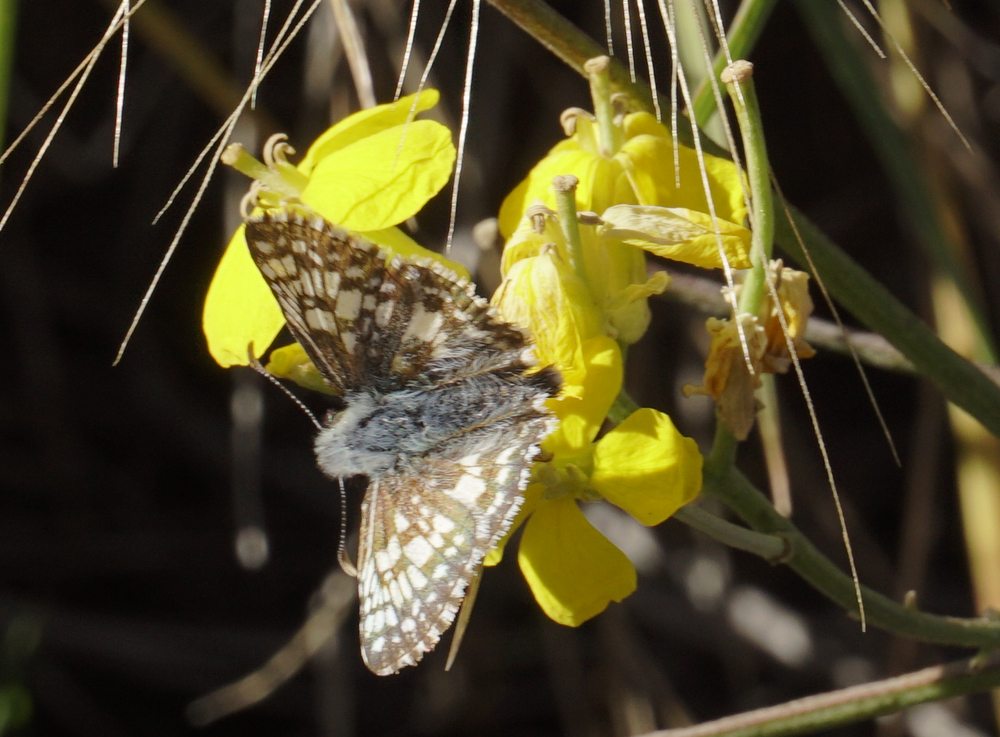
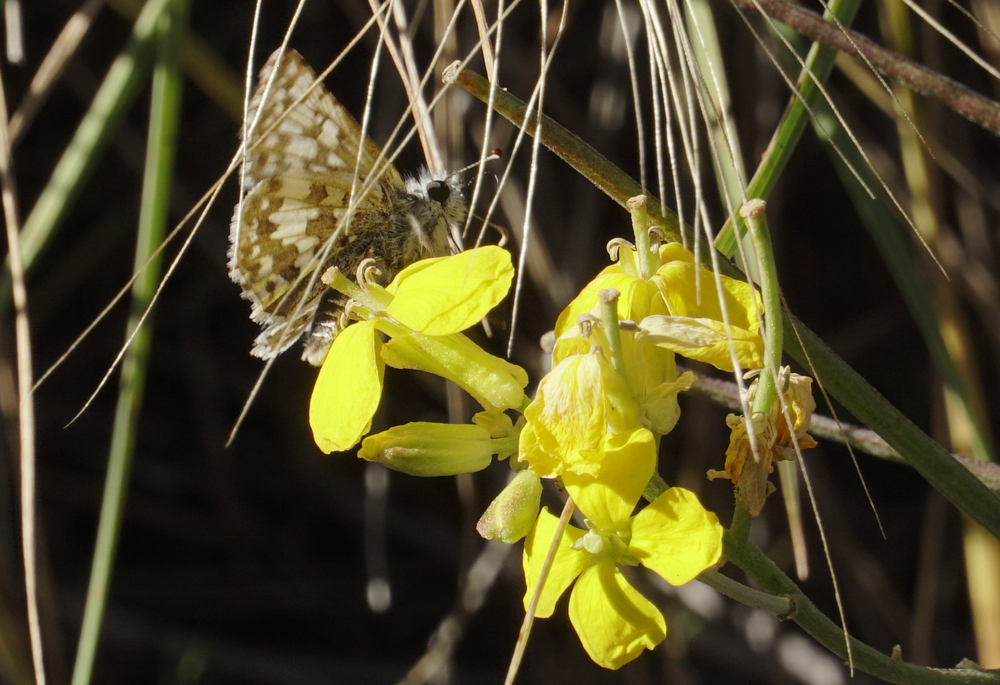
Tribe Pyrgini, a type of skipper, according to iNaturalist
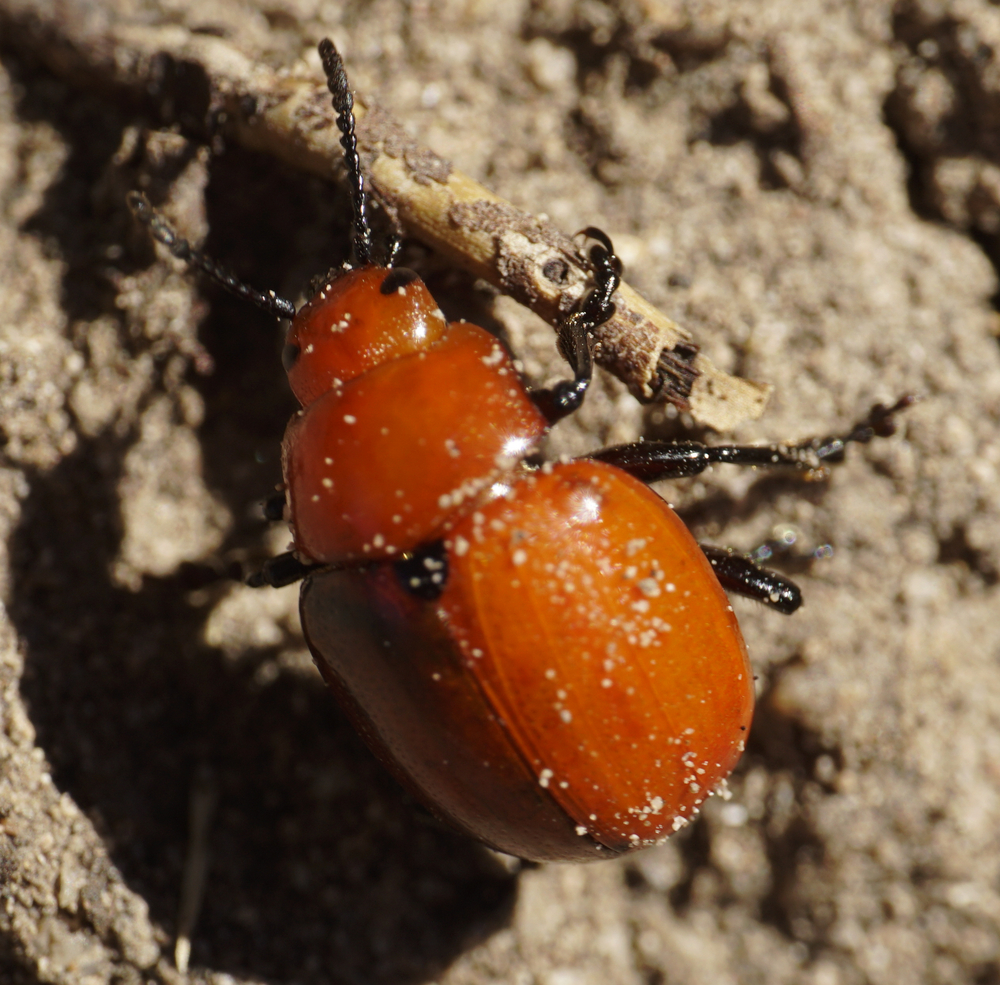
Leptinotarsa, potato beetles:
Superfamily Chrysomeloidea
Family Chrysomelidae
Subfamily Chrysomelinae
Tribe Doryphorini
Subtribe Doryphorina
Genus Leptinotarsa
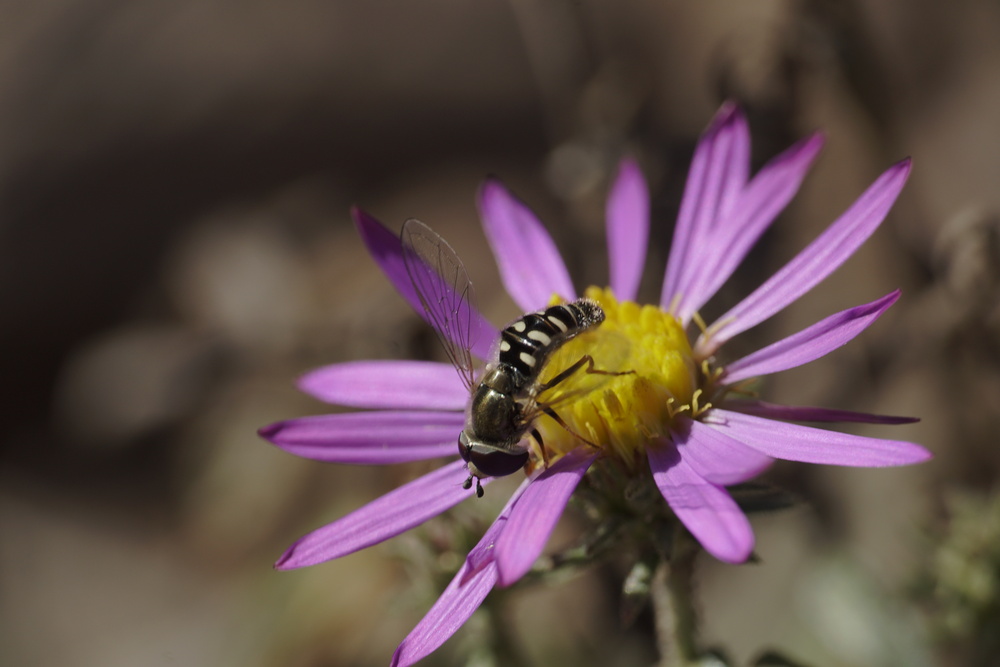
Hover fly, Syrphidae. Eupeodes volucris, according to iNat.
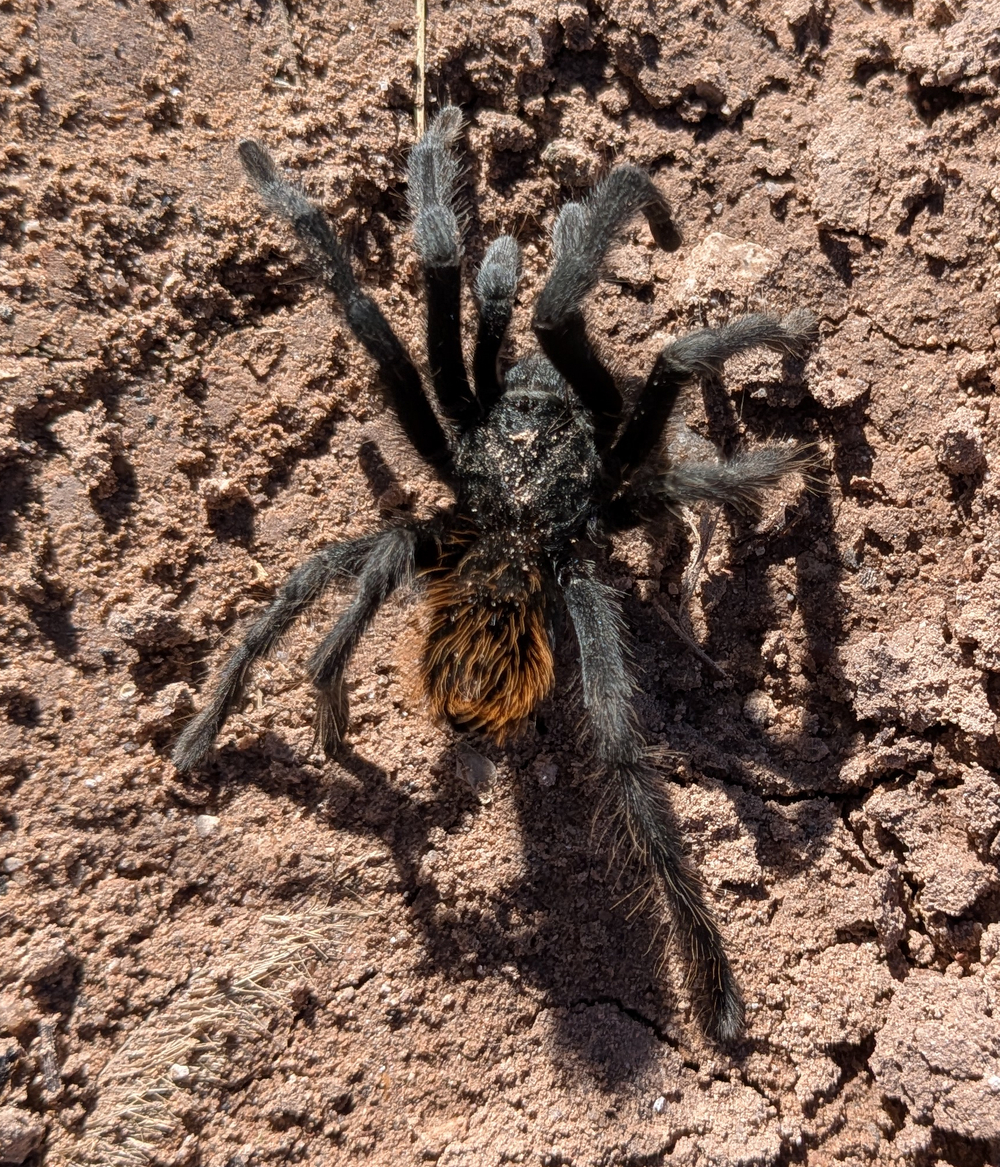
We saw three of these tarantulas, which was truly a highlight of the trek! This appears to be Aphonopelma marxi (https://en.wikipedia.org/wiki/Aphonopelma_marxi), probably a male in search of love. These are high altitude tarantulas, rather than lower desert tarantulas. Their burrows are considered extremely difficult to find, which checks out, as I was looking and couldn’t find a single one.
(It could perhaps be another species in the A. marxi species cluster — I don’t have the expertise to rule that out. But according to what I’ve seen so far, the other species in that cluster tend to be darker in color.)


Leave a Reply